


























Twistura Delta Review
Intro
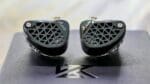
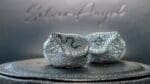
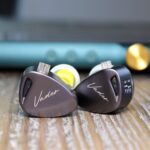
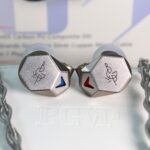
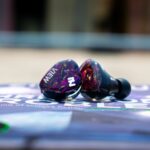
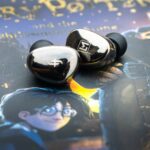
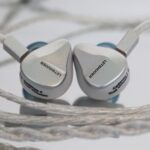
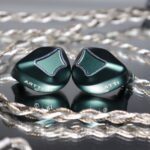
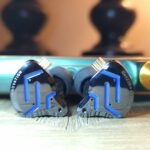
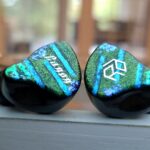
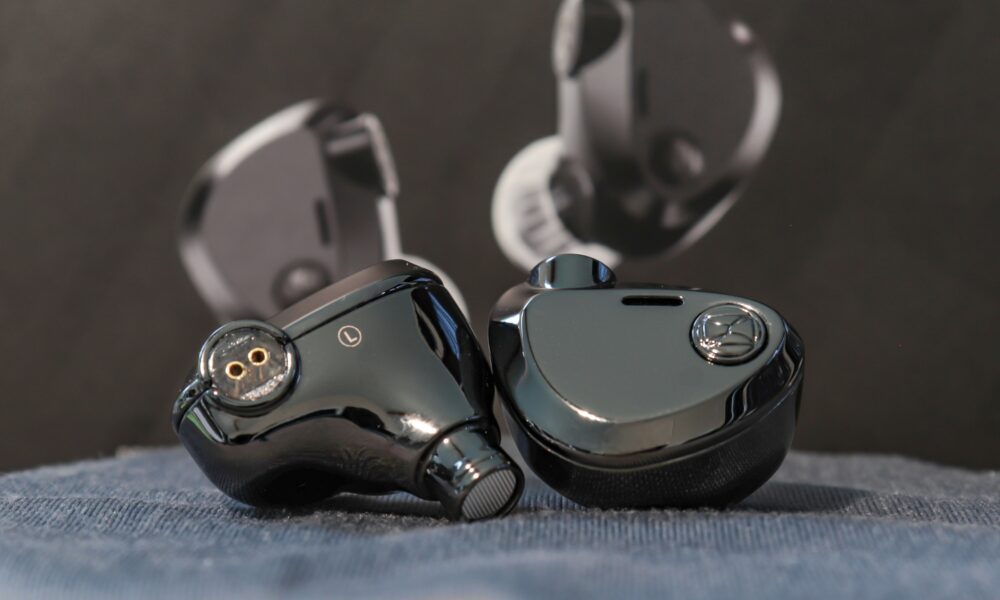
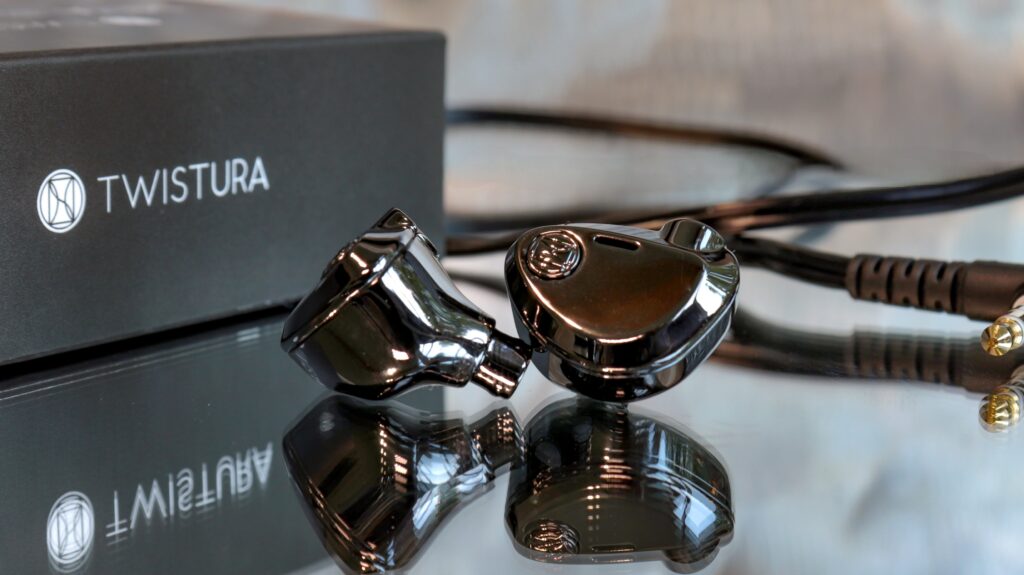
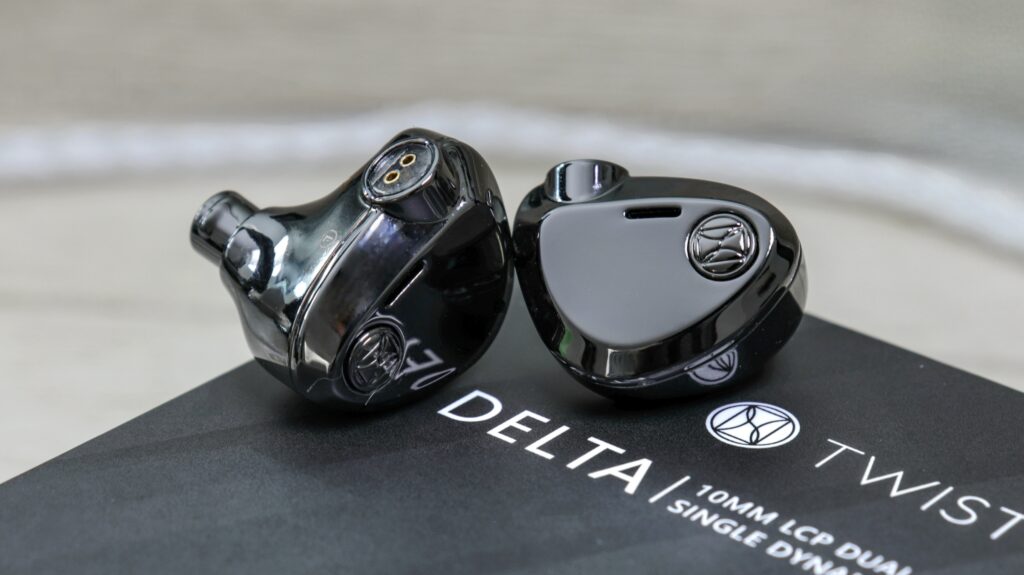
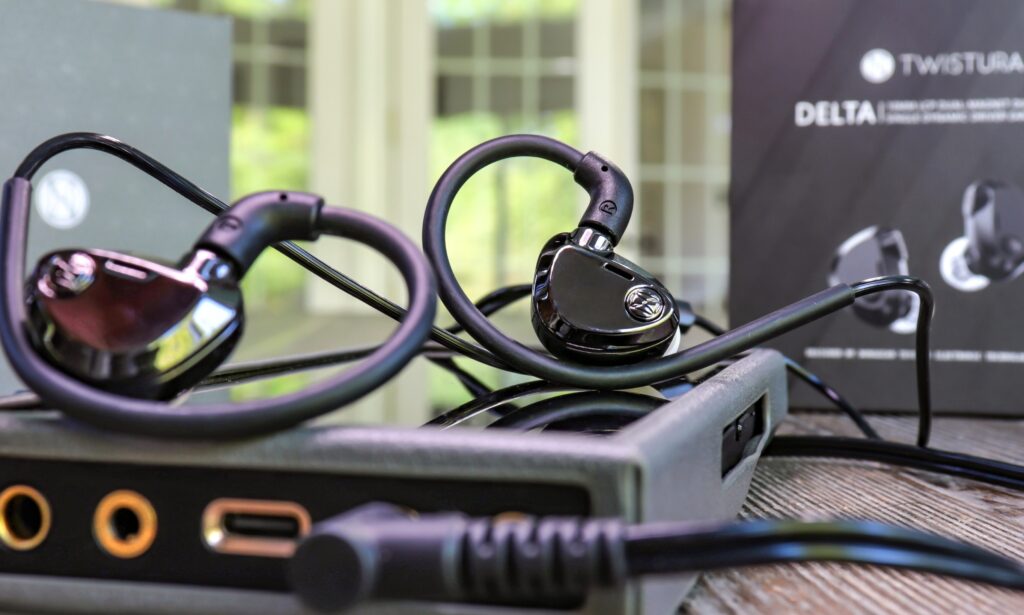
This review and feature covers the latest from the audio brand Twistura named the Twistura Delta ($35). The Delta is Twistura’s version of an ultra-budget iem and by the looks of it you’d never know. Though, Twistura has a few other budget sets which also look as premium as it gets. Anyhow, this brand-new budget iem is a single dynamic driver earphone consisting of a 10mm LCP DD and a gorgeous all-alloy (zinc-alloy) housing. Based on what I’ve already heard from Twistura, I can only imagine that the Delta is going to be a special iem. Another awesome budget offering within the stacked budget Audioverse. As honest as I can be, the “budget” iems of today would have cost a lot more money only a handful of years ago. In fact, I find it amazing that I used to pay $200 for sets only five years ago which are just as great as the $40-$75 sets of today. Pretty unbelievable actually. I don’t think the newbies nowadays really fully understand just how much better the market has gotten for the consumer. Especially the budget range. It’s called “competition” and “advancement” folks. The reason you are seeing such amazing sets for so cheap has everything to do with more community critics, somehow better creativity, more demand, streamlined manufacturing, better parts & pieces, better ingenuity, and more knowledgeable people creating these sets. Truth is, I have reviewed a number of under $40 monsters (the good kind of monster) of late. Sets like the Dunu Titan X, the Cozoy D1, or the CCA Phoenix, among others, and I’ve come to the conclusion that the under $50 market of iems is easily one of the most hotly contested ranges in all of personal audio. I have high hopes for this set and it should be here soon.
Table Of Content
- Intro
- Twistura
- Reviews
- Competition
- The Delta Arrives
- Non-Affiliated Purchasing Links
- Gear used for testing
- Packaging / Accessories
- Unboxing
- Eartips
- Carrying Pouch
- Cable
- Build / Aesthetic / Internals / Fit
- Build Quality
- Design / Aesthetic
- Internals
- Fit / Comfort
- Drivability / Pairings
- Sensitivity
- Added Output Power & Better Sources
- Plateau?
- Synergy? Is it Real?
- Source Pairing
- Sound Impressions
- What’s It Sound Like?
- U-shaped?
- Timbre
- Not For Everyone
- One More Thing
- Bass Region
- Bass Intro
- What I Hear…
- Sub-Bass
- Mid-Bass
- Downsides to the Bass Region
- Midrange
- Midrange Intro
- Sweet Toned & Present
- Lower-Midrange
- Upper-Midrange
- Downsides to the Midrange
- Treble Region
- Treble Intro
- Technicals in the Treble
- Balance
- Downsides of the Treble Region
- Technicalities
- Soundstage
- Separation / Imaging
- Detail Retrieval
- Comparisons
- Cozoy D1 ($31)
- Non-Sound Stuff
- Sound Differences
- Final Thoughts on This Comparison
- Dunu Titan X ($32)
- Non-Sound Stuff
- Sound Differences
- Between the 20’s
- Final Thoughts On This Comparison
- Genres
- Genres Which Work
- Genres Which Aren’t a Perfect Fit
- Last Words on the Twistura Delta
- Not For Everyone
- Conclusion
- Other perspectives
- Delta Pros
- Delta Cons
Twistura
The name “Twistura” actually comes from combining two other words, almost like a mission statement (of sorts) within the name itself. Those would be the words “Twist” and “Aura”. Twist meaning “innovation” and something along the lines of “uniqueness” and Aura meaning “personality” and “atmosphere”. Thus far, in the two reviews that I’ve conducted from Twistura, I have only been impressed, and both have been just that; all personality, very unique, and innovative. Twistura has shown a unique ability to be…unique. I can respect that. This is a brand which actually tries to bring to market products which have at least something which helps it to stand out. Whether that’s the driver, the design\aesthetic, the accessories, and their products are typically high in price to performance. Now, another thing that you have to consider is that Twistura has only been a brand for a couple years. These guys are brand new. Thus far, I’m a fan.
Reviews
Again, I’ve only reviewed a couple sets from Twistura. Those being the Twistura WoodNote and the Twistura Beta. I realize that they’ve crafted a few other budget range sets but I simply haven’t had the opportunity to check them out yet. However, my partners at Mobileaudiophile.com have covered me with the D-Major, D-Minor, and the Sigma. I can tell you this, for sure, that the Twistura WoodNote is without question one of the best single dynamic driver earphones under $150. No doubt in my mind. One of the best performers in its class hands down. Also, the Beta is an absolute detail beast. Brighter, but also an analytical monster which still keeps some semblance of musicality. I gave them both high marks and fairly high praise. I can also tell you that Twistura is a brand of unique minds. Each of their sets are so unique, each completely different in build-design, aesthetic, and all of them present a different tonal flavor. Let’s put it this way, I hope that I am reviewing Twistura products for a long time.
Competition
As I alluded to earlier, the Delta has its work cut out for it. I’m still awaiting the Delta, but I have to assume that it’ll be a nice set. Having said that, the hobby is inundated with wildly awesome iems under $40. Again, the D1, the Titan X, the Phoenix are all huge players in the budget game. Of course, I could sit here for quite some time naming under $40 iems that contend for your dollar. Sets like the EPZ Q1 Pro, the KZ Zenith, Simgot EW200, Kiwi Ears Cadenza, TangZu Waner SG 2, KZ PRX, CCA Trio, Celest Wyvern Abyss, Kefine Klean (the newer Klean SV is around $54), and I could keep going. Literally, naming all of the solid under $40 iems would take quite a while to complete. So please don’t feel bad if I didn’t name your favorite. So yes, there are many quality iems within the range and many which could potentially pose a problem for the Delta. However, I somehow trust this brand… a lot. I’ve seen what they can do when it comes to price-to-performance already and I’m placing my bet on the Delta. It better be good because I’ve just written a very long intro. See you when the Delta gets to my door.
The Delta Arrives
Okay, well that was fun. The Delta just arrived at my home, and it took me a total of about 10 minutes to realize that I’m hearing one of the better warm, bassy, and fun sounding sets in its range. I’ll look forward to explaining this one. Somehow, I knew that Twistura wasn’t going to let me down and of course they made a set which once again stands out, looks dope, and already seems to sound very good for the cost. Of course, I’m a little early on that statement, but the Delta is definitely a set that I won’t pass up reviewing. Once again, built very-very well, looks very slick, and the tuning is one I can certainly enjoy. At this early hour I can definitely hear some subtle subjective quirks about the tuning, but time will tell how significant those “issues” are and whom they may be issues for. Personally, I’m happy with the sound but the Delta thus far and I’m pumped to take it through the endless gauntlet that are my critical listening playlists. Before that, it goes to the burn-in area, and it’ll be there for at least 2-3 full days. So, let’s get into this one. Here is my full written review of the Twistura Delta…
Non-Affiliated Purchasing Links:
-I will continue to update links as they come available
Gear used for testing
–IBasso DX240 with Amp8 MK2
-Many more sources used including weaker Android 3.5 set phones, iPad, and a few weaker 3.5 se dongles
Packaging / Accessories
Unboxing
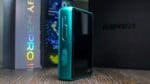
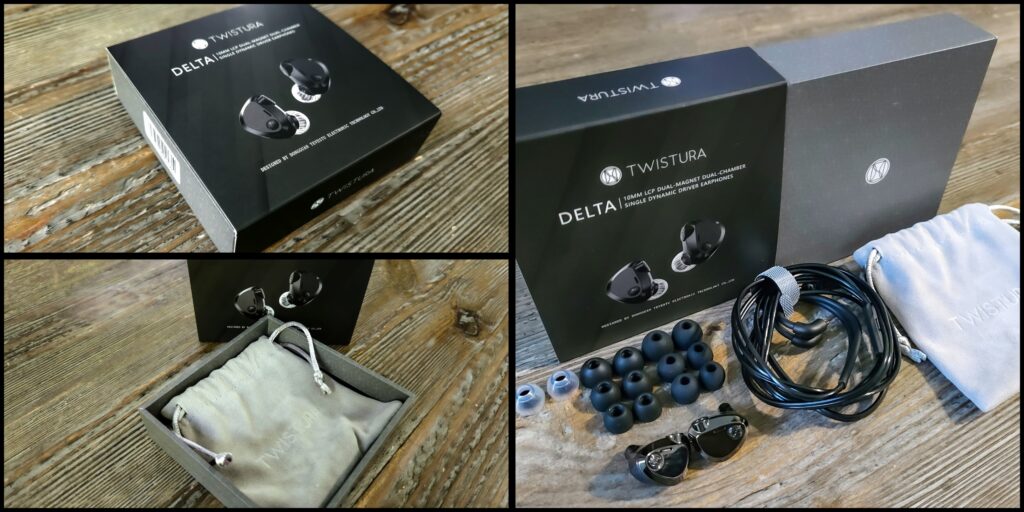
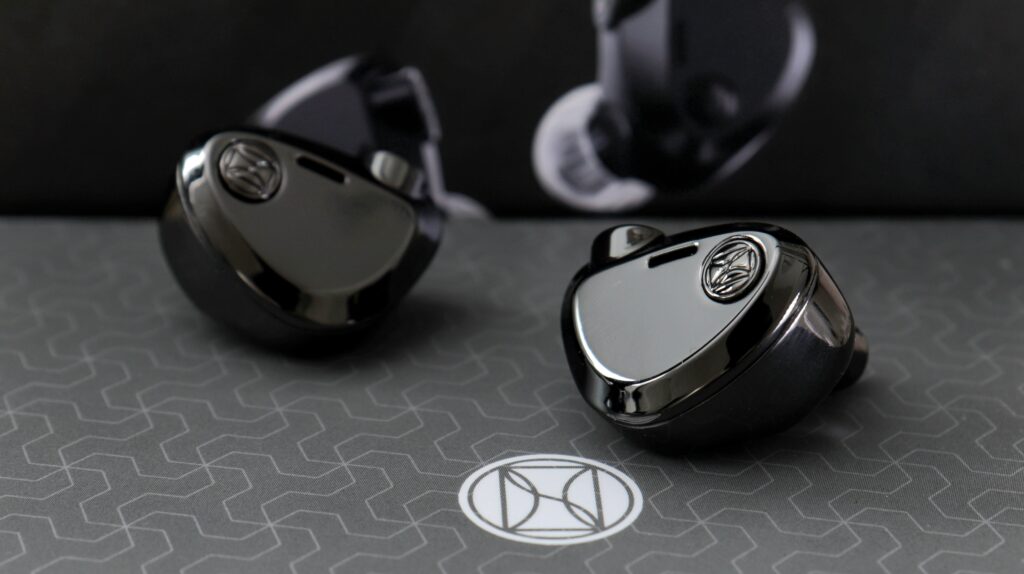
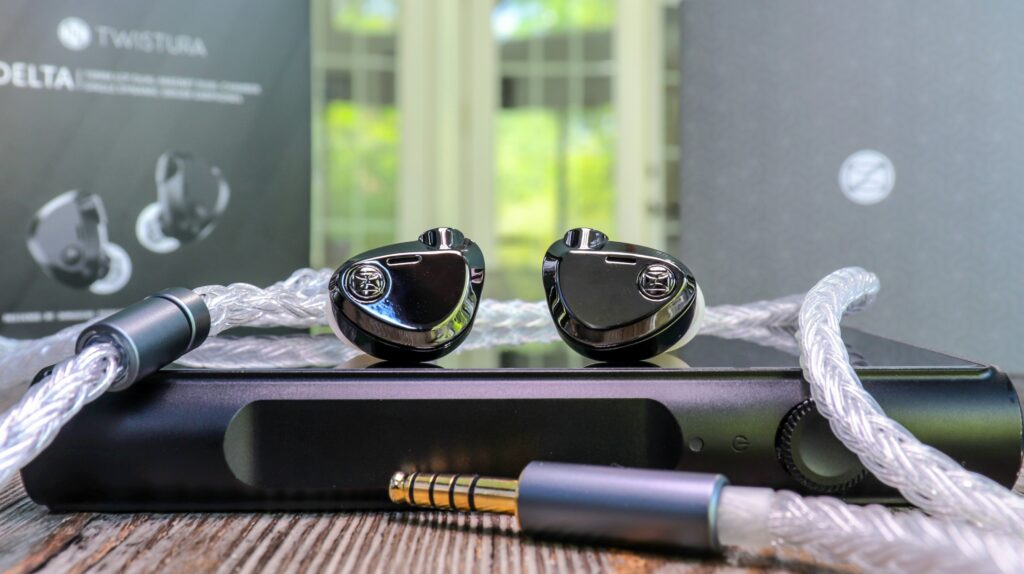
The Twistura Delta arrived at my home in a very small and very non-wasteful box (4” x 4” x 1”). The cover is a sleeve, black with a nice design and a picture of the Delta iems as well as some specs on the back which includes a nice view of the Delta’s frequency response graph. Always a nice thing to see and something I wish all iem makers would provide. So, take off the sleeve and you’ll come to a gray box with an interlocking hexagonal geometric pattern and the Twistura logo in the center. Simple, classy, nice. Take off the box lid and you’ll see the cloth carrying bag. Inside of that bag you’ll find the cable and under the bag is the eartips. A very-very simple unboxing, nothing eccentric, and no amazing unboxing like we’ve experienced on Twistura’s previous iems. To me, it appears the Delta’s less luxurious unboxing is due to the fact that Twistura put every last cent into the earphones themselves. Also, something I wish other budget iem makers would adopt. At $35 I’m not expecting an amazing cable, and we are lucky to see more than 3 pairs of tips. Twistura added 7. At any rate, the unboxing is what it is… a budget unboxing. Anyone who expected anything more is probably not being too realistic. Not bad Twistura.
Eartips
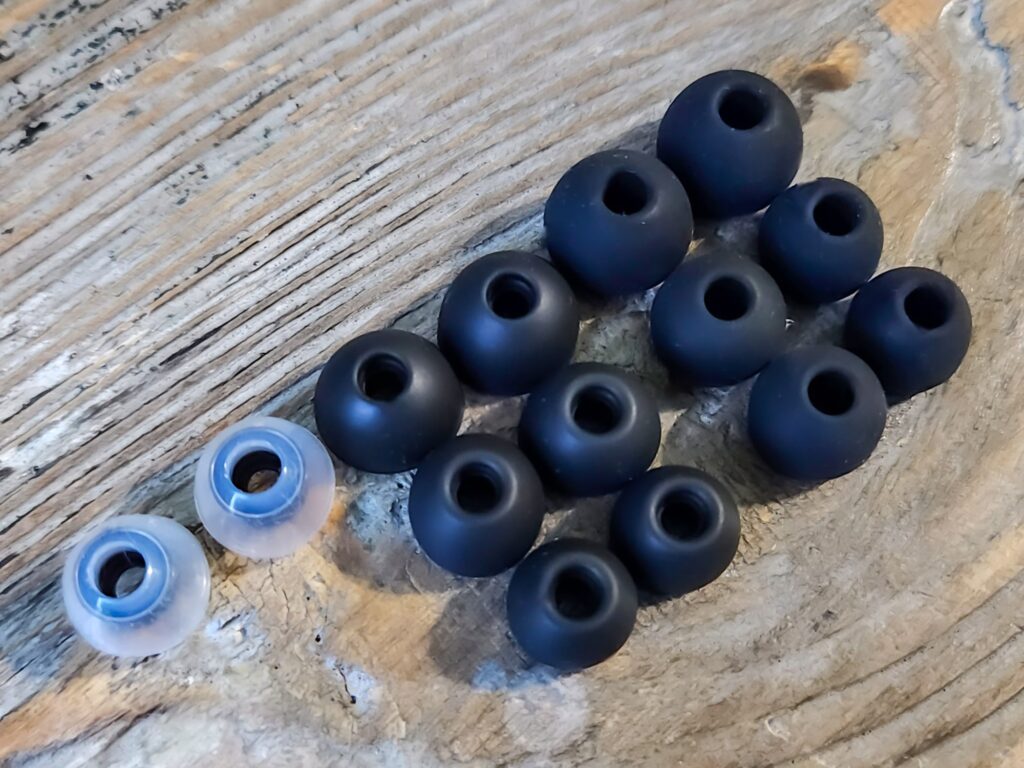
Within the packaging Twistura added in seven pairs of eartips over three different styles of tips. The first set of eartips are three pairs (S, M, L) of black silicone tips with a semi-wide bore, longer, and pretty flimsy. I simply cannot do “flimsy” with my ears. So those are a no go for me. The next set of three pairs (S, M, L) of tips are also a black silicone tip which also has a semi-wide bore, and it does have a slightly firmer flange. However, these tips also just missed the mark for me. Not bad at all, but my ears need something rigid. The last type of eartips is similar to Moondrop Spring Tips. The problem for me is that these tips are smaller. So once again a no go for me. So, I do what I always do and begin tip rolling. A process which always takes me far too long. That said, I actually found that my trusty ole’ KBear 07 eartips worked the best for me. Both for fit, comfort, and even sound. There’s something about 07 tips which clean up the bass, make it punchier, they pronounce the upper mids a hair, and simply add a subtle crispness to the sound.
Carrying Pouch
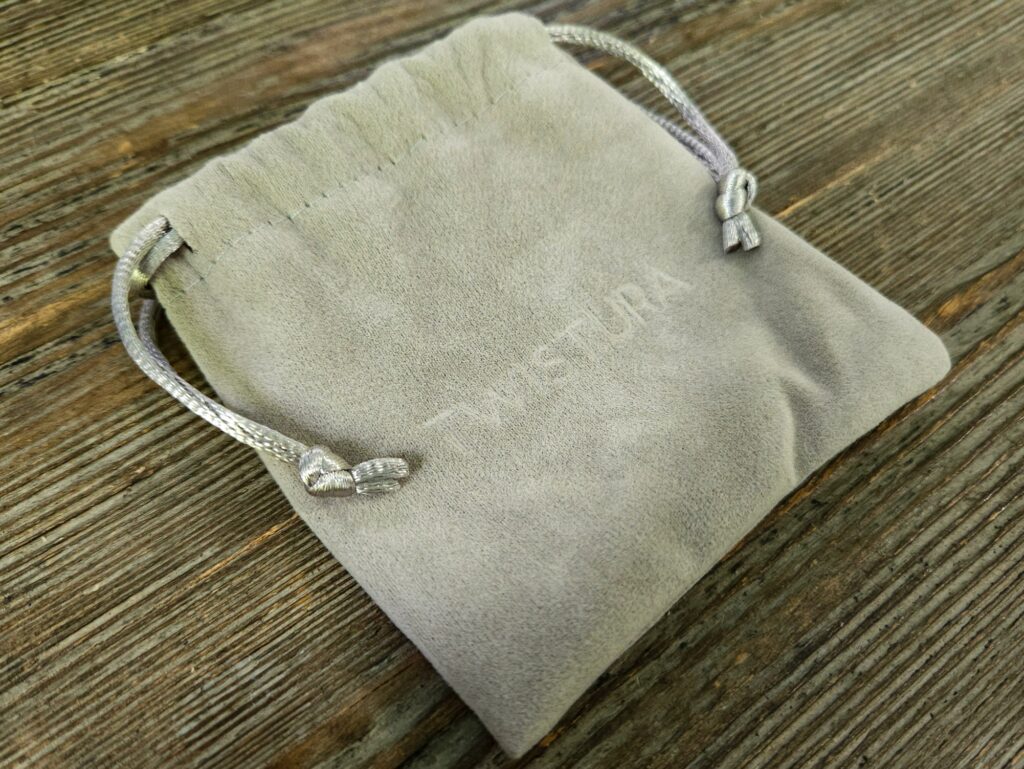
Again, Twistura added in a cloth carrying bag into the packaging which is not bad at all. For this cost it’s usually unlikely that you’ll get any sort of carrying container or bag. However, Twistura had the presence of mind to provide a nice sand colored cloth bag with conch strings and the Twistura logo stitched on the center. Not the largest either as it’s just large enough to fit the Delta earphones and the cable. I was happy with it because I can easily fit them into the front pocket of my blue jeans. Still, these bags probably cost about $2 dollars so don’t expect something amazing. Not bad for a $35 iem though.
Cable
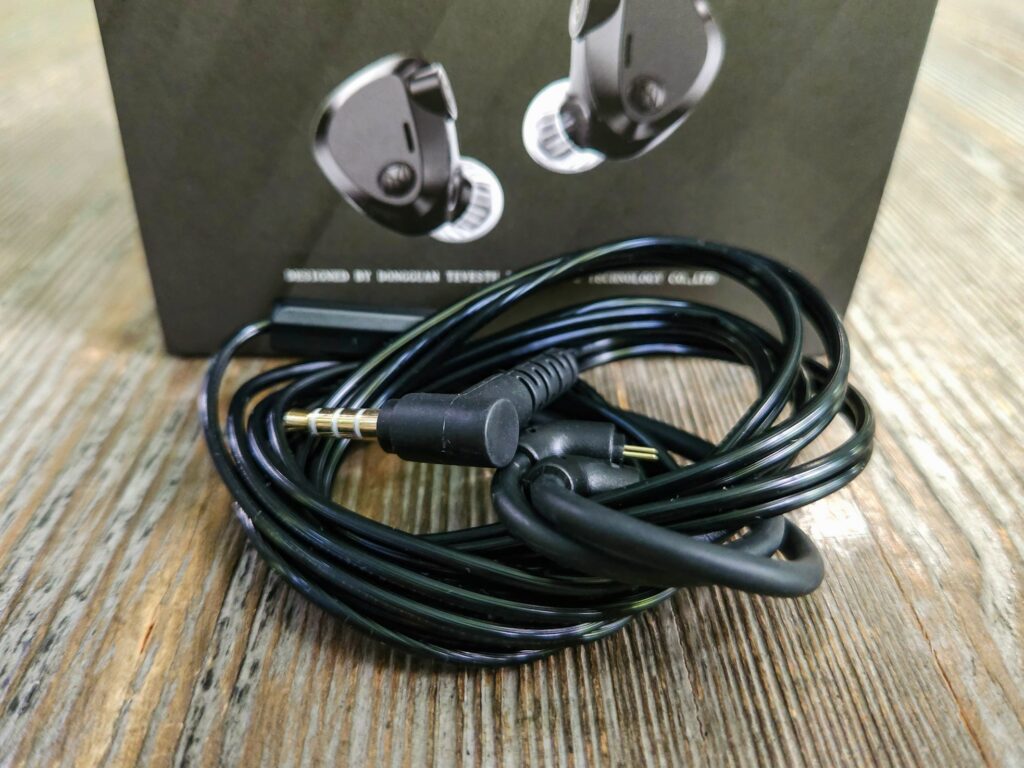
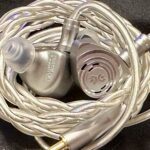
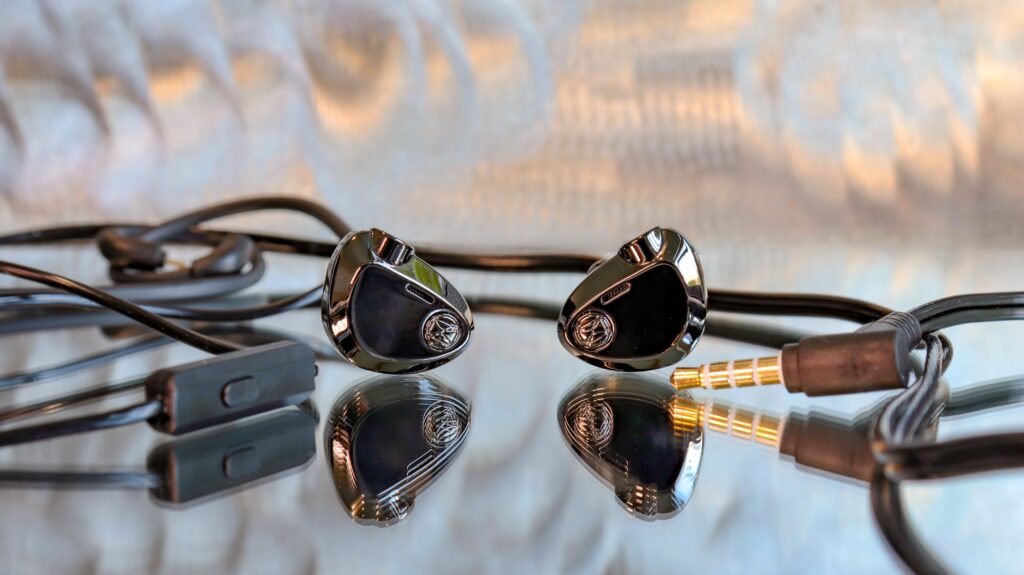
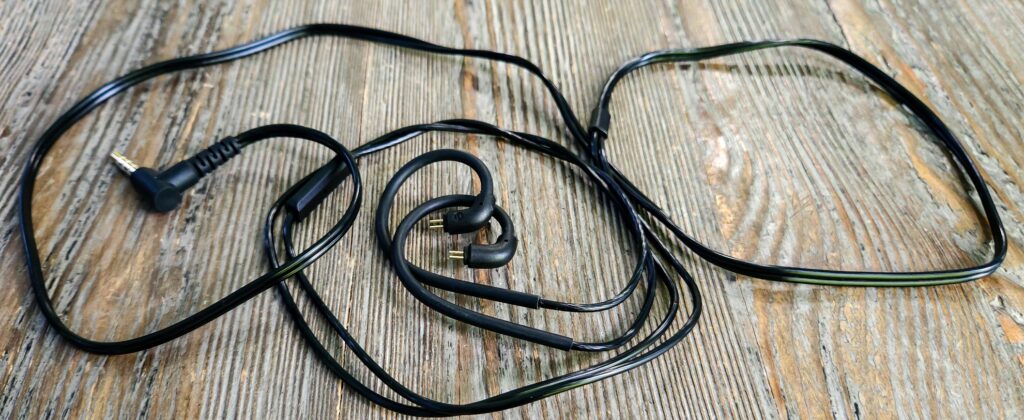
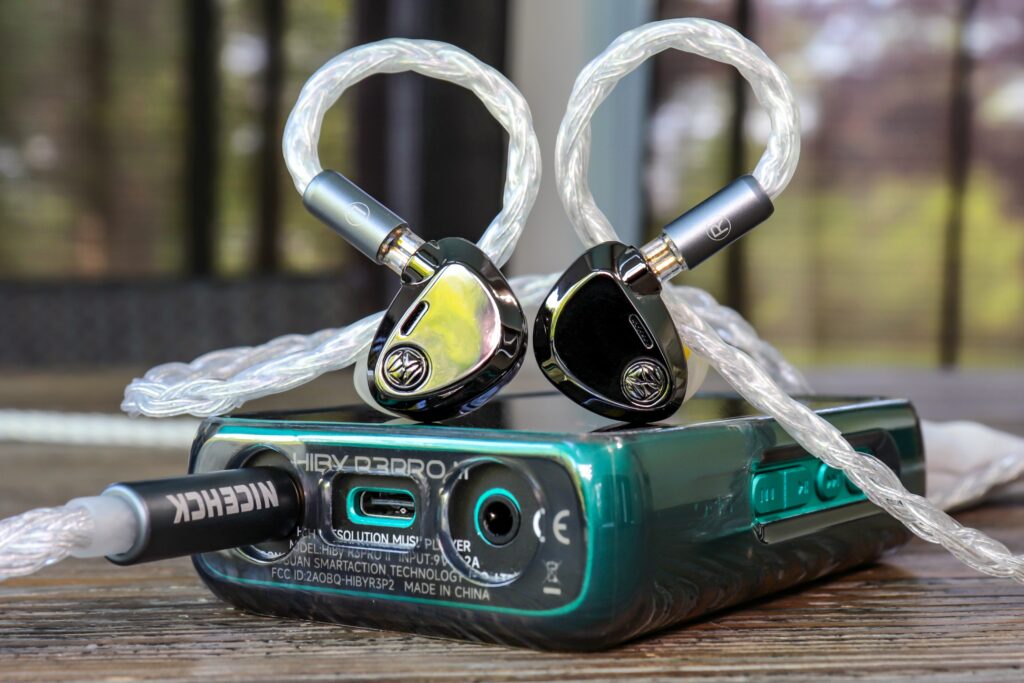
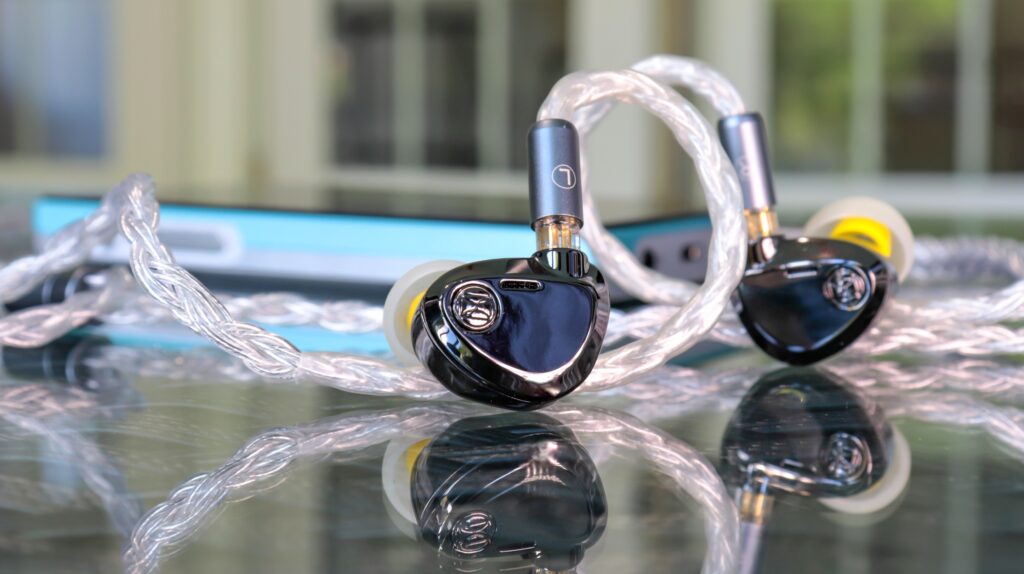
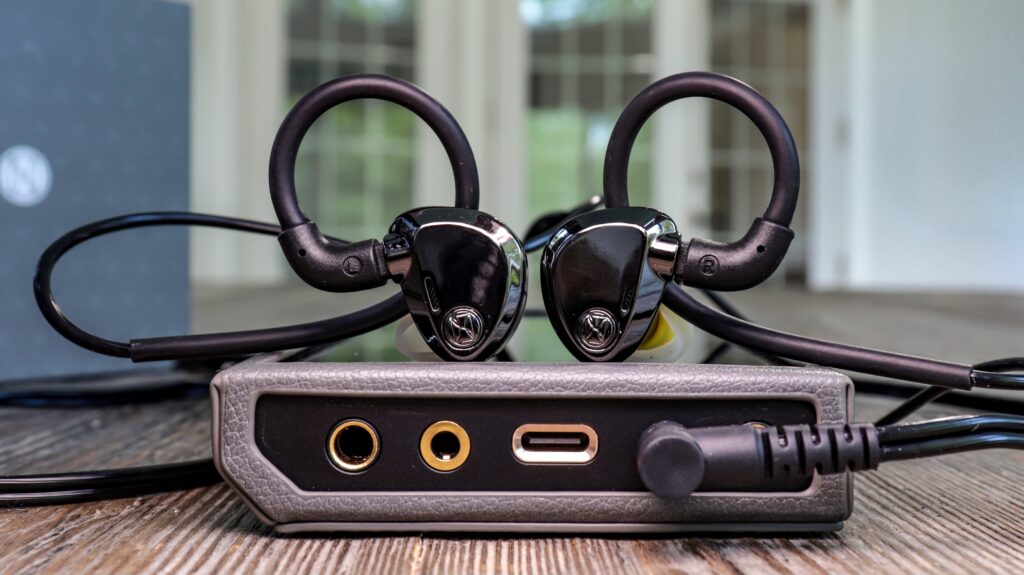
Now, I know I said that you shouldn’t expect some amazing cable with these iems, but I do wish that those folks who don’t have a million cables laying around could’ve gotten a touch more attractive of a cable with the Delta. Having said that, this cable functions perfectly. There really aren’t any issues in that regard. Now, you have some options with this cable. You can purchase it with a 3.5 se cable w/no mic, a 3.5 se cable w/mic, a type-c DSP w/no mic, or a type-c DSP w/microphone. No 4.4 balanced option, you’ll have to cable swap for that. So, the included cable is an all-black colored cable with a flat-black rubber sheath covering it from one end to the other. Nothing braided, twisted, or anything fancy. My cable came with a 3.5 single ended jack and a microphone and I gotta say, the mic actually works decently. This cable is a 0.78 2-pin (detachable) cable made with OFC (oxygen-free-copper) and isn’t very heavy with good enough wear comfort. Not terrible, its budget, and probably what you should expect. Now, I did swap cables. I really wanted to go with 4. 4 balanced, and so I decided upon the Nicehck IcyMoon budget cable. Perfect for this set and looks very nice attached.
Build / Aesthetic / Internals / Fit
Build Quality
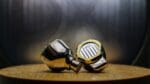
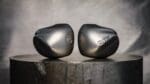
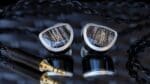
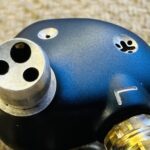
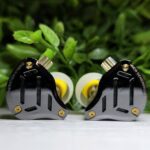
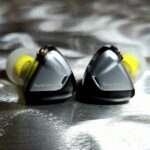
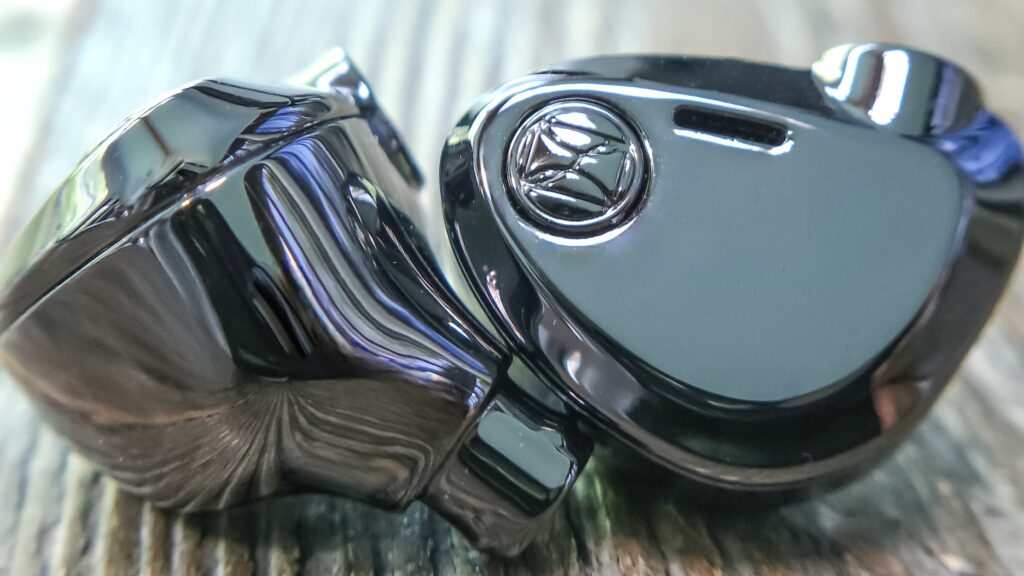
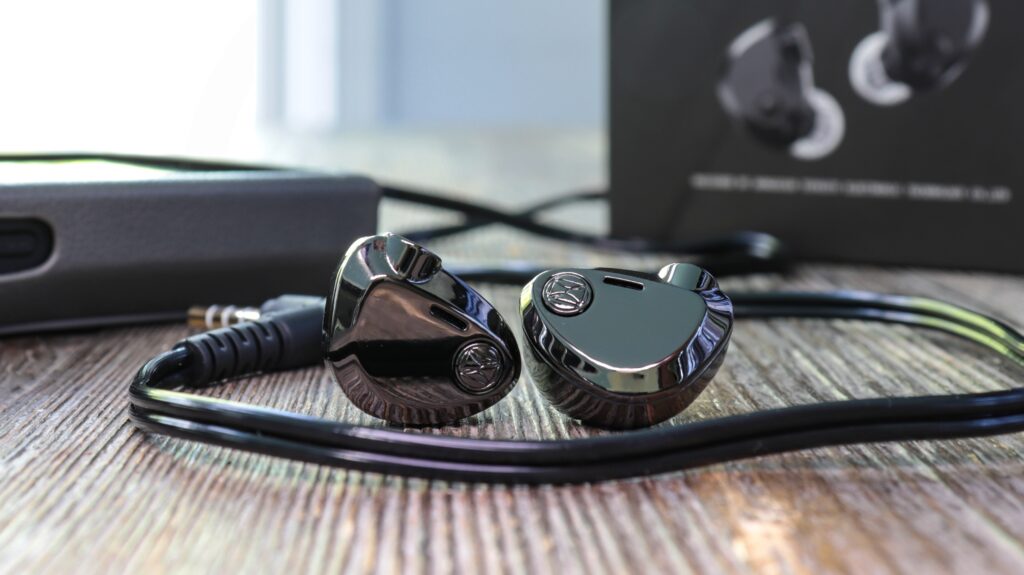
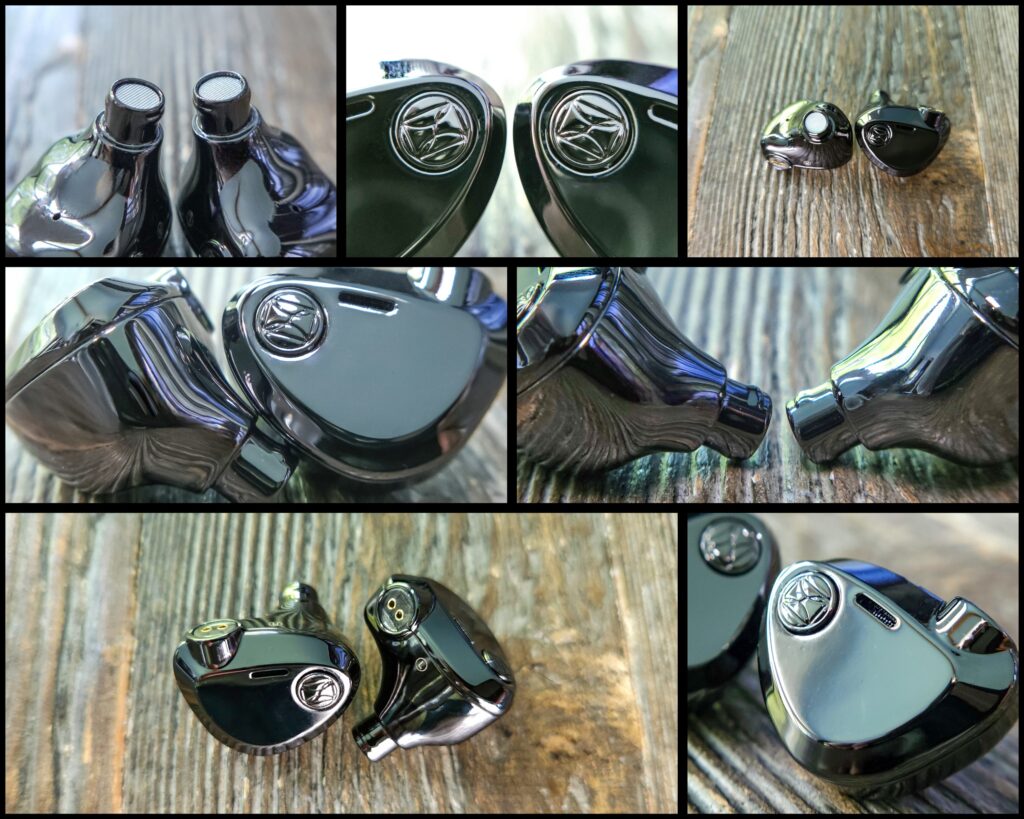
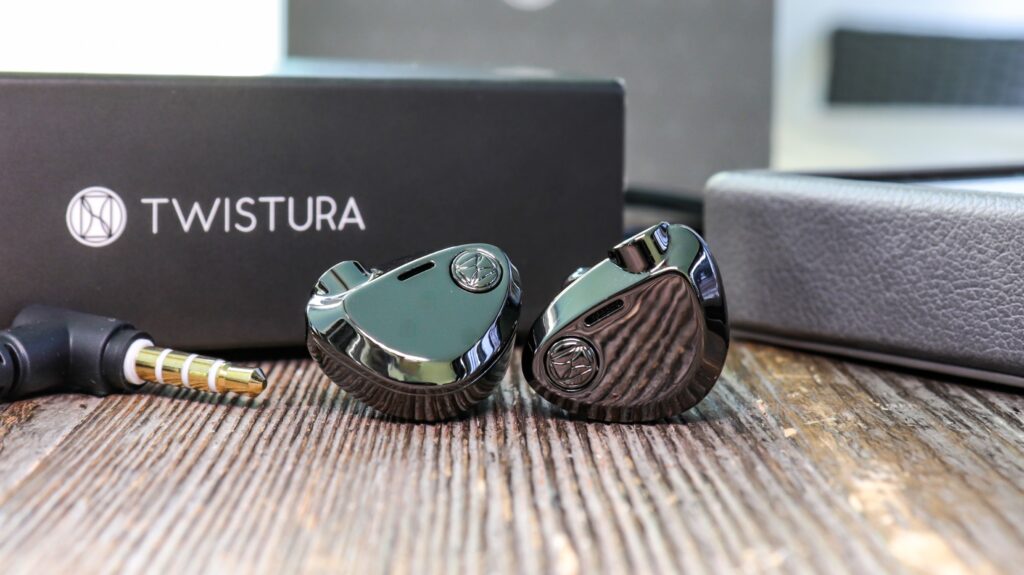
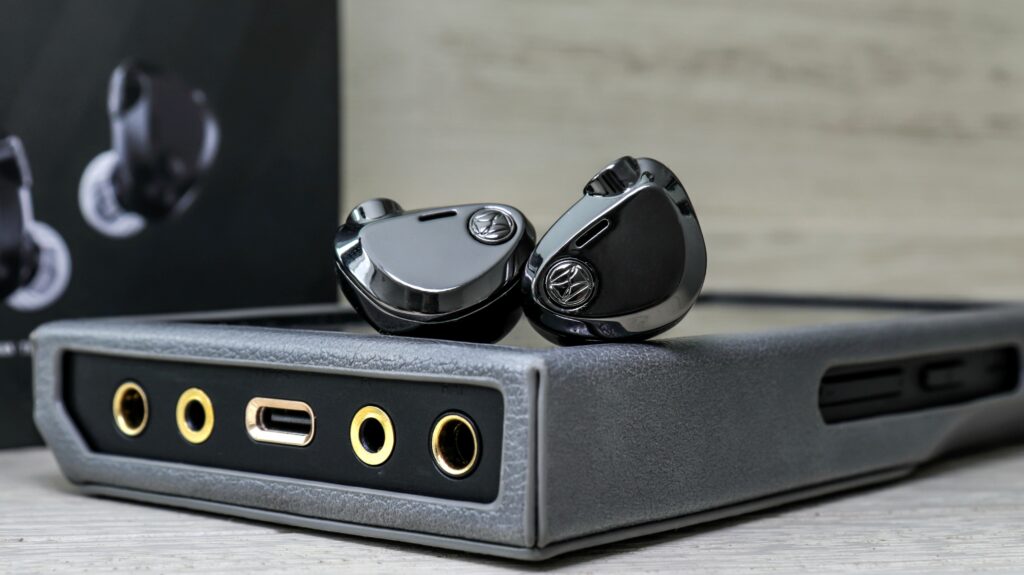
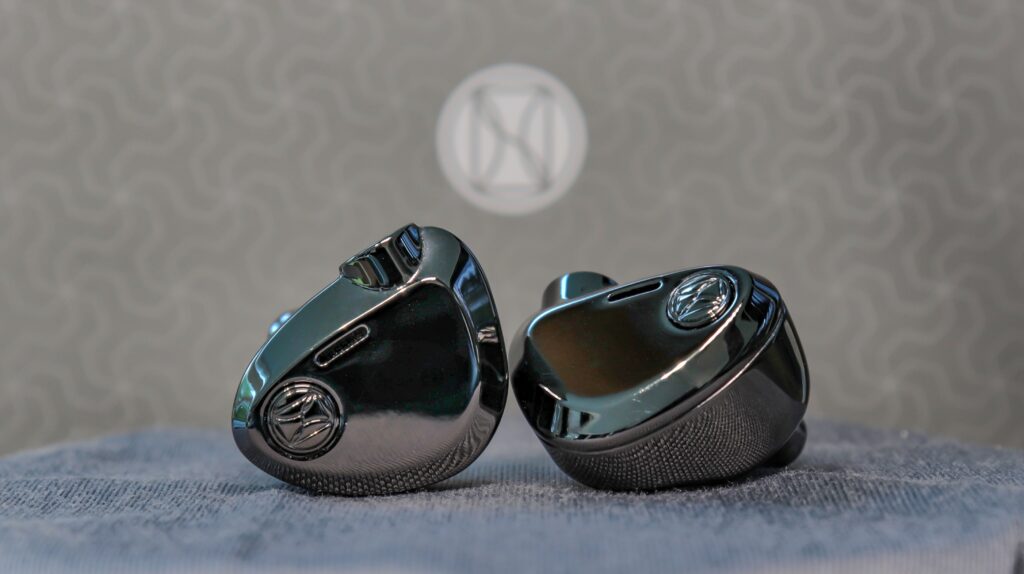
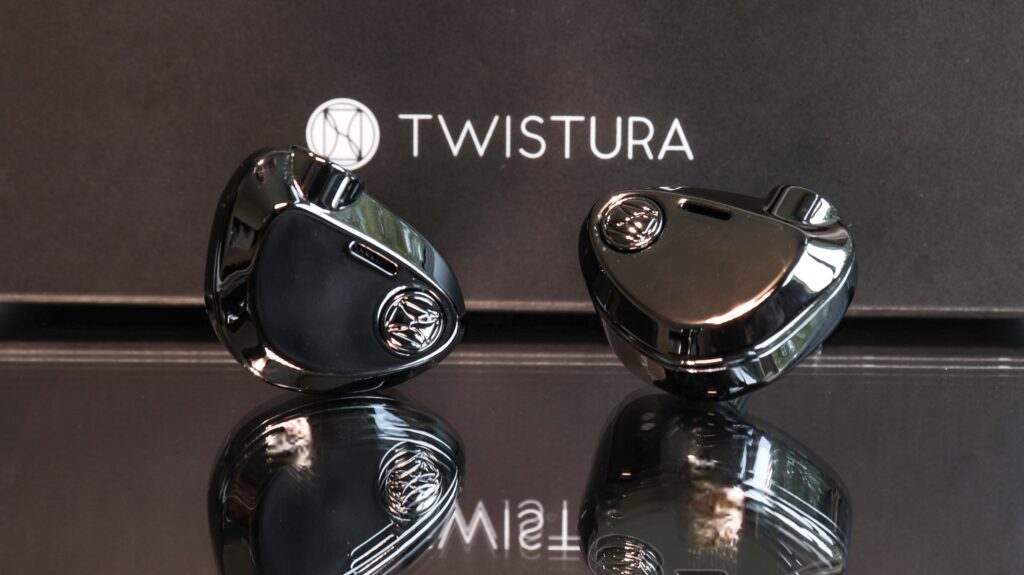
What does it take to have a “quality build”? Seriously, what do you feel makes something worthy of the moniker “quality” when it comes to iem builds? Folks, there are iems on the market right now which are all alloy and cost $20. Probably made from zinc alloy. However, Twistura goes a step further and if you don’t understand what they have done then you may not appreciate it. I only know because my job (in life) carries some of these understandings. The Delta actually uses precision “formed” shells. Castings. Which is tough in and of itself. Especially when you think of the after work (deburring, polishing, etc.). Zinc is actually one of the best metals to use because it forms well, it’s hard, and it can really be polished to look gorgeous. However, Twistura went the awesome route and chose to use electroplating to add another layer of zinc alloy on top of the original. Electroplating is a cool process which uses electricity to add another layer of metal providing a harder surface, more durable surface, and also a prettier surface. It’s an awesome build and to think it costs $32 is wild. So, zinc alloy all the way out to the nozzles. Speaking of the nozzles, they are medium length and have standard widths of 6mm (roughly). They also added proper venting for pressure build up and tuning purposes. One towards the front and a larger slot vent on the faceplates. Friends, to answer what makes a build “quality” … it’s what Twistura did on the Delta, that’s “quality”. Great job Twistura.
Design / Aesthetic
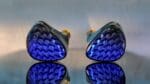
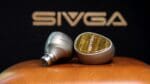
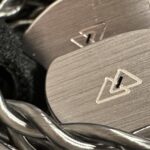
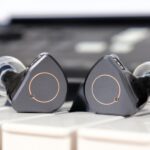
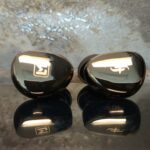
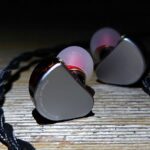
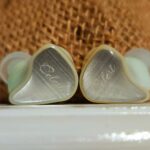
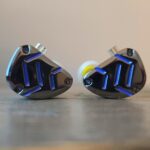
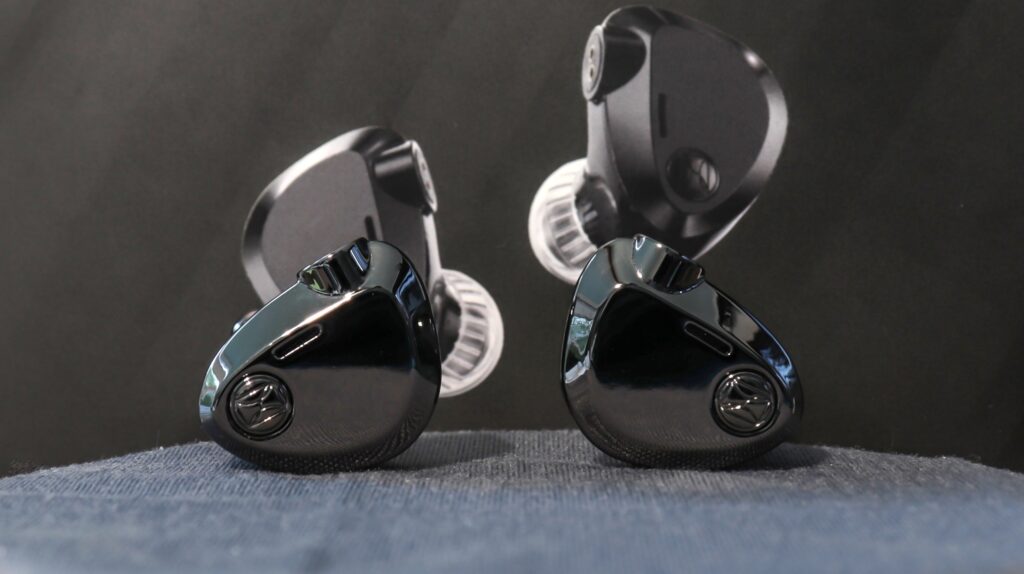
As far as the design is concerned, the Delta from Twistura is one of the most dope looking sets under $40 that I have seen in a very long time. You can’t make something much more elegant, handsome, or classy under this cost if you wanted to. Twistura showed up everyone. This set looks awesome. Plain and simple. Now, there are also “other” really pretty iems under $40. Shoot, the CCA Phoenix is a super cool looking all alloy set. Also, the Dunu Titan X is another very slick looking iem. There are so many more too. The KZ Vibe X is flat-out sick looking. However, the subtle features of the Delta’s design scream minimalist beauty. Such a class filled brand. Class everywhere with these guys, or gals. Every set that they’ve attempted to create has their own measure of elegance or uniqueness about them. I’ve only been impressed. The mirror polished design, the hazy mirror polish, the nice-looking logo appropriately placed at the corner of the faceplate. This is one iem that nobody would be embarrassed walking around out in public with. Again, great job Twistura!
Internals
As I said earlier, the Twistura Delta is outfitted with a single dynamic driver. To be exact, that is a 10 mm LCP (liquid crystal polymer) single dynamic driver. I go one of two ways with LCP drivers; they’re either really nice, or they aren’t at all. In the case of the Delta, Twistura saw to it to give this driver every possible chance of sounding fantastic. I say that because this isn’t some simple setup. Actually, the 10 mm LCP driver is surrounded by dual magnets which typically does help in transient speed, and driver control. That’s a difficult thing to hear, but you can tell the difference with dual magnets if the implementation is well done. Next, Twistura made sure to give this set a dual cavity setup which enables Twistura to tune stuff like bass extension, weight, and to an extent timbre separate from the midrange to treble. At least to a degree. There are a handful of nice dual magnet/dual cavity single DD sets in the budget range, but it’s nice to see on this set. The last thing I’d say is that the Delta does have that honed-out zinc-alloy housing which really does help in the tuning. People don’t give enough credit to housing material and how resonances are much less loosey-goosey and are much more controlled. Alloy shells (most alloy) make a difference in the stage size and even in some cases dimensionality too. Of course, that is my belief and not some widespread understanding. At any rate, Twistura doesn’t create anything halfway. They use good and quality components, and it shows where it counts… the sound.
Fit / Comfort
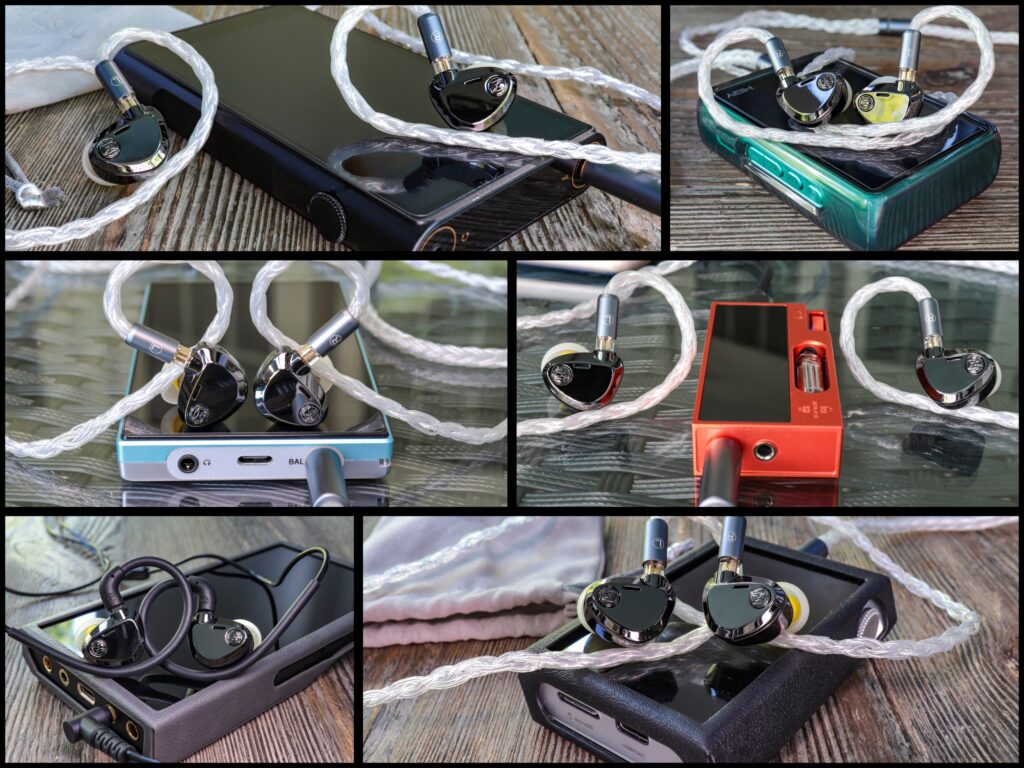
This brings me to the comfort of the Twistura Delta. I happen to think it is fine for comfort, for my ears. Most definitely there are much lighter sets which are even better for longer sessions. But in truth I have no issues with the weight or fit whatsoever. For one, the Delta is a beast, all-alloy, and can be considered somewhat heavier than other sets. In all honesty, this set is average weighted (whatever that means) and has a fairly ergonomic fit too. Obviously, I had to make sure I found eartips which work perfectly for my ears. But after I found those, I really had zero troubles. I don’t know how this set will fit your ears, but as for me, I’m happy with them.
Drivability / Pairings
Sensitivity
The Twistura Delta is rated for a slightly higher than average impedance of right around 42 ohms. We typically don’t see many sets past 35 ohms in the budget space. Also, it carries a sensitivity of a large 120 db’s. What this means is that the Delta is actually very easy to properly drive from most any source. In every iem review, no matter the cost, I replay and test each set with every weak source that I own. Friends, I have quite a few super weak sources. For instance, I always test every set with two different Android Phones, and both have a 3.5 single ended jack. This can be helpful to folks who only have a smartphone. I also test every set with at least a few weak 3.5 single ended dongle dacs similar to the Roseselsa RZ200. Typically, I will also test with either the KZ AZ20 or the KZ AN01, as well as my iPad. I used all of these devices with the Delta and truly had zero problems bringing this set to good volume and dynamics. Basically, don’t worry if all you have is a super weak dongle dac or smartphone, you’ll be fine. I actually feel that sonic tonal pairing of sources is more important. Also, just because you can drive this set easily with weaker sources doesn’t mean that it won’t scale well with more power. In the case of the Delta, I can say for sure that scaling is pretty nice.
Added Output Power & Better Sources
Again, the Delta comes across very nice on weak sources, but there is a noticeable improvement with more power from even slightly more powerful sources. I find that I “typically” with warmer more bass focused sets (like the Delta), the bass will sound less wide and softened. This is definitely true with the Delta as the low-end is a tad punchier, harder edged, and seemingly more taught in note control and dynamism. Mind you, these are not world changing differences, but more juice makes a big enough difference for me to go with a 4.4 balanced cable and at least a reasonably good dongle dac. Sources matter. Beyond the bass improvement, I certainly heard of a more dimensional stage, slightly crisper highs, and better note control. Of course, much also has to do with the quality of your source too. This is important. It’s not just “power” which aids the sound, but instead cleaner, better-controlled amping is what really helps on most sets and definitely with the Delta. So straight power will subtly help, but it’s the quality of your source amping and the tuning of your source too.
Plateau?
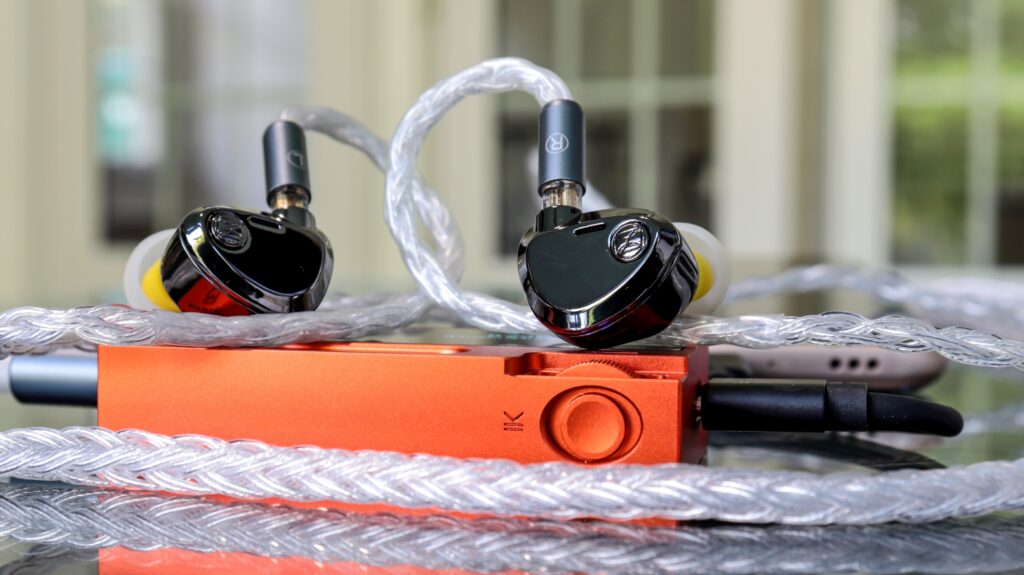
One more thing, as far as power goes the Delta does have a plateau point. There is a point that more power stops being an improvement sonically. Let’s put it this way, I love my lower cost daps like the Shanling M1 Plus, the Hidizs AP80 Pro Max, the Hiby R3 Pro II, the Fiio JM21, they all sound great with this set. Or good dongle dacs like the Simgot Dew4x, the EPZ 550, the Aful SnowyNight, Shanling UA6 and UA7, among others. All good dac chips, good power. And of course, my favorite of all would come from my “better and cleaner” sources like my Shanling M6 Ultra, Hiby R6 Pro II, iBasso DX240, Fiio Q15. Having said that, it isn’t necessarily the power from these sources which brings the Delta to its pinnacle sound. Okay, I’ve beaten that horse to death.
Synergy? Is it Real?
I always feel that the real big improvement mostly comes from simply pairing your iems well with sources that influence the sound closest to your preferences. No doubt source synergy exists; it is not a myth. However, it isn’t what reviewers like to say that it is. No, each set doesn’t have some magical synergy that arises when you pair to one particular source device or another. That is ridiculous and nobody should be telling you that. You hear it all the time; “Pair this dongle dac and this iem and just wait… the synergy is mind blowing”. I always have to shake my head. Gee thanks Golden Ears, now I have to figure out if that “synergy” is even enjoyable to me. The truth is that each set will have a source that synergizes to “your” personal preference better than others. Maybe you’ll find many sources which pair well, who knows. I am sorry for this little blurb, but I am hearing synergy way too much of late. Please don’t buy into anyone telling you that one thing is mystically made for another. There’s a good chance you’ll blow your money just to hear what someone else thinks is a good and “magical” pairing.
Source Pairing
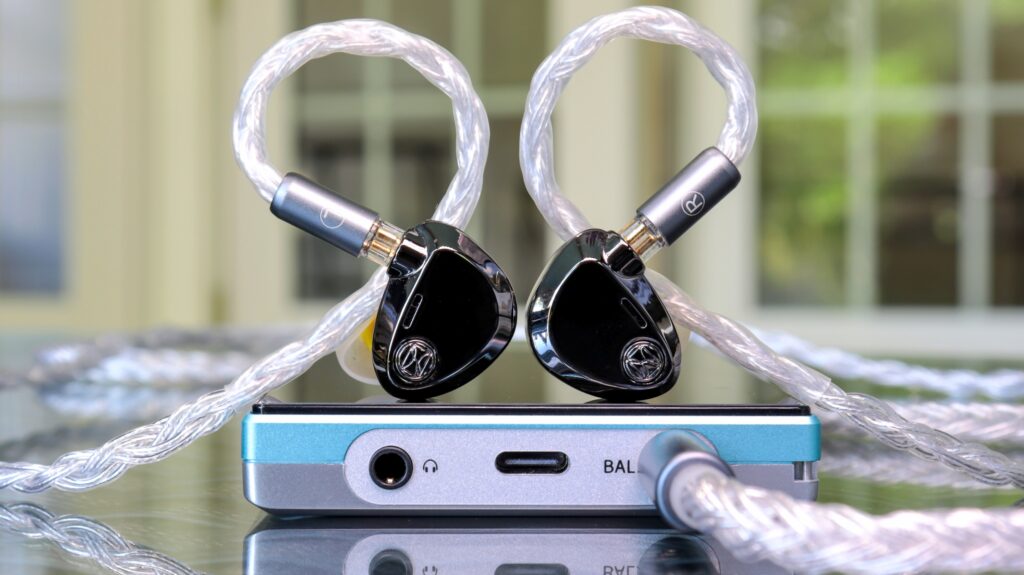
The Delta has that warm/neutral tonal coloration (slightly skewed warmer), with a focused and big bass presence, a warmer hue, yet also some upper end sparkle too. I’m sure that most reviewers are going to tell you to find a source which is less warm which will tone down the warmth and counter it. Well, are you someone who adores warm and rich flavored sound? This is where we reviewers can lead some folks astray. The truth is that I have zero idea what you enjoy. I can tell you that I enjoy a source tonality that is anywhere from warm neutral to neutral. I do not like straight warm devices and I do not like cold, or bright sources. Either extreme seems to exaggerate both ends of the spectrum in a negative way for me. Having said all of that, most of you who are wondering about this set have already heard of the bigger bass. I’m sure you want that bigger bass to be prominent. I can assure you that even with neutral bass sources which are closer to neutral/vibrant are not going to attenuate any of the low-end. Really, it all comes down to what you enjoy. Personally, I like this set the way that it is and I’m not trying to make it crisper and more luminous. I like its warm, rich sound with that robust bass. So, I’d say warm/neutral for me.
Sound Impressions
*Note: before I dive into the sound portion of my review, I have to make a few comments and caveats. First off, I did perform some burn-in of the Twistura for roughly 2 full days. I should note that the Delta sounds very good right out-of-the-box. Having said that, there is some tightening of bass which occurs when burning in which cleaned that end of the spectrum up a bit. Also, all critical listening was done using KBear 07 eartips. I find these tips fit and sound fantastic with the Delta. Furthermore, most of my critical listening was accomplished using a Nicehck IcyMoon cable in 4.4 balanced. I listen mainly to flac or better files (some MP3) which are stored on my devices and rarely do I stream any music. Especially for critical listening.
What’s It Sound Like?
The budget range is not like it used to be folks. It’s kind of awesome actually. Never would I have thought that I’d hear sets like the Delta, the Titan X, the Zenith, the D1 and so many more. Sets which represent their tuning target very-very well. Sets that you can count on being top shelf for their price range. Yes, I included the Delta in that group. Friends, the Delta has a more engaging and richer sound, tilted to the musical and alluring side of the sonic aisle. A set which seems to cater to those listeners who like a fun and/or emotionally charged sound that has a low chance at glare or harsh fatigue. The Delta is a set which can easily be listened to for long periods, so it doesn’t kill your ears. But also, the Delta has some decent dynamism and energy too. There are many budget sets which lean warm, lean bassy, and lean non-offensive. That’s easy. I can get that for $10. What I can’t get “easily” is a set that has some robust and clean bass, rich musical midrange, plenty of top-end brilliance while not lacking in the technical department. To add to that, it’s not as easy to find a under $40 set which carries a fun, bass driven sound and doesn’t lack in top end brilliance yet also doesn’t come across as a jumbled mess of bass masking with thin upper mids, and disjointed treble. I like what Twistura did here.
U-shaped?
What they did was add just enough treble emphasis to counter the lows, but they also brought the midrange forward, which is so nice to the ear. You have these warmly hued and semi-forward mids which carry actual presence. However, Twistura also pushed the highs enough to provide some energy, some edge, and some luminous energy to the mix which helps this set to not have that veiled and dull sound. On top of that, this set has this creamy smoothness that is not the type of creamy rich sound which blends, smears, smudges overall clarity (within reason), or overly muddies the mix (again, within reason). For a budget set with a musically engaging and bass focused target sound, I find the Delta to be a solid option at $35. Now, if I were to call the Delta anything, I’d say it has a warm U-shaped signature. Again, the midrange is not overly recessed, perhaps a hair less presence in the low-mids, but overall, the midrange isn’t pushed back and definitely has some pepper to it, some lightly-toned-down-vivacity. I wouldn’t say that macro-dynamics are going to jump out at you, but some dynamic intensity is there when a track calls for it.
Timbre
Without question, the Delta carries a timbre style which leans organic-natural and even has that earthy-organic accentuation to it. We all have different ideas of what “natural” or “organic” sounds like, but I think that most folks would come to the same conclusion here. Granted, there is no way to qualify or quantify something as “natural”. It’s all in the ear of the beholder and to this reviewer, the Twistura Delta really has some nice music-listening, casual listening, and fairly accurate timbre for a budget set. I said similar things about the Titan X, but I’d go a step further and say that the timbre on the Delta does come across a hair more organic. Is “organic” what you are going for, and what does it take for a set to sound “organic”? This is why I always separate organic and neutral-natural. They are different, not the same. The Kiwi Ears Orchestra Lite is neutral-natural, less coloration, yet down to earth, clean. Organic or earthy can sound less precise, smoother, less acute fine edges defining notes, but close to a realistic sound. Basically, organic is less processed sounding, closer to analog. I realize that none of you asked for that or even care what my interpretation of these monikers are, but I felt it was worth it. As far as how the Delta fits into that description, honestly instruments and vocals have that coppery, smooth, and pretty polished warmth, yet with just enough crispness to define. A very pleasant sounding iem. Besides its musical proclivity, the Delta is no slouch at note definition, separation, and transients aren’t lagging. Really, the Delta is not unpolished, and it does have a very nice technical showing for a budget set.
Not For Everyone
Folks, I have been adding this section into just about every review of late because I feel that I need to stress that no set is for everyone. It’s almost unbelievable that I have to do that, but I have to. Friends, the Delta might not be tuned to your preferences. Furthermore, if it isn’t tuned to your personal preferences… guess what… that doesn’t make this a “bad” set. Nevertheless, I do need to say that the Delta won’t fit those who are straight treble heads, bright lovers, detail trackers, or analytical heads. Also, the Delta won’t fit you if you want that high energy set with wildly vivacious and expressive macro-dynamics. Granted, the Delta has a fitting macro-dynamic display in my opinion. Also, this set will not be for those straight-up warm heads. I mean those people who shrivel up whenever any brilliance hits their ears. The Delta actually has plenty of vibrant energy. Enough to moderately offset a large bass section, so not for warm heads. I could keep going but I’ll just explain as I go through each 3rd of the mix. Of course, the Delta won’t fit everyone perfectly, but it most certainly will fit many people very-very well. It’s a good set for the cost folks.
One More Thing
Before I go any further, I do want to preface this review by letting you all know that every word that I use in this review is in relation to the cost of this set and the price range that it is in. When I say that the Delta sounds “awesome” or “great” or any other descriptive word, what I mean is that in relation to the price point the Delta sounds “awesome” or “great”. There are only so many words to use and so sometimes we reviewers can get a bit overzealous and excited, and we (or I) will go a bit over-the-top with some of those words. I know that you know this, but I feel it’s something that I need to lay out there. Okay, back to the review…
Bass Region
Bass Intro
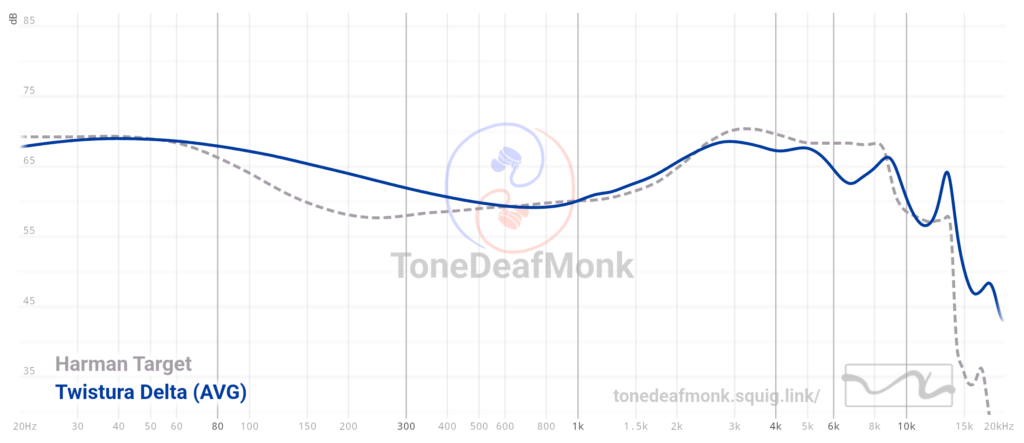
The low-end of the Twistura Delta is most certainly the focal point of this tuning with a big and robust emphasis (10-11 dB bass shelf) that acts as the underlying foundation of an otherwise pretty clean, smooth, and dynamically balanced sound. Though I wouldn’t call this a basshead set. Sure, the Delta hits fast and hard, but not basshead. Not exactly anyway. Whatever it is… I really enjoy this bass folks. The kind of rich bodied bass which adds warmth, endowing the midrange with weight, richness, and tunefulness. Boosted enough to satisfy with almost anything I play, like the haptic juddering rumble of a growling bass guitar riff, the hollow resonance filled boom of a good kick drum or the full-bodied slam of a tone shifting bass drop. It’s a fun bass that can hit very deep in register with great extension down low. However, in the same breath this bass is just taut enough to handle more complex bass passages (within reason) for the price and tuning. This is certainly a forward bass which does sit in front of the rest of the mix by a small degree. Not disjointed or anything, but forward. Also, the timbre is pleasant. I hear actual texture in this bass, nothing loose, or sloppy, or one-noted. I’d probably say that the mid-bass region carries the largest low-end boost, but the sublevels are right there with some very nice low rumble. Additionally, the lows on this set are better defined than I ever would have thought. Especially with the slow downhill slope of this mid-bass roll-off. The bass bleeds into the midrange in a very measured manner and does the job that it is supposed to do by providing that good warmth and richness without flattening out until about 500-600hz.
What I Hear…
What I hear is solid texture, better control than a $35 bass boosted set should have, and cleaner note definition than is typical for a boosted budget bass too. The bass region has an authoritative and shuddering impact. This bass carries rounded notes that aren’t what I’d call “muddy”, but rather it is clean-lined for budget bass. Now, let’s not get anything twisted though, there are some other sets which represent the bass region just as good in their own way. The Delta is not some anomaly of picture-perfect boosted bass. It’s just pretty darn good for the cost. I don’t know how else to say it. I started this paragraph by stating that I hear solid texture, control & note definition and I stand by those words. Please don’t expect “reference level precision” though. I am absolutely not saying that. Do expect the Delta to resolve the rapid-fire drums in “Anthem Pt. 3” by Blink-182 nicely. A bit too full in body and rigid in density to be considered snappy, and a bit less bulbous and a hair less saturated to call it basshead.
Sub-Bass
The sublevels of the Twistura Delta are tuned in a way to have an almost supportive role. Certainly boosted to have presence in the mix, but not as jarring as the mid-bass in my opinion. A sub-bass which provides that nicely extended depth yet without overwhelming the rest of the spectrum. This is a game of give and take and so boosting this region too much (no matter how good the driver is) can merge too much with the mid-bass sounding bloated and too muddy. Twistura added just enough sublevel rumble to feel this bass when called upon. I hear a haptic and pretty tangible character to this sub-bass which does aid the overall sound with a solid foundation, it stretches the stage, but it also gives kicks that cohesive presence sounding realistic. I could say it adds the “feel” to the “sound”. On a track like “Got Your Back” by Washed Out you’ll be able to feel the engaging bassline with a nice vibrational and resonant grumble. Or “Josh Tillman and the Accidental Dose” by Father John Misty where the sublevels impact the sound in a supportive undercurrent type of way without being a wall of sublevel saturation. Noticeably full in body yet not all encompassing and preserving a sense of space in the track so that the rest of the melody can come through cleanly. If that makes sense? I really like this tuning decision to not go over the top but still giving the Delta’s sublevels with weighted presence and authority.
Mid-Bass
Now, to my ears it’s the mid-bass which is crowned “most boosted” when it comes to bass lift on the Delta. I should note that it is not by some exorbitant amount. I’d say it like this; the mid-bass is unquestionably the star of the bass show giving the Delta that fun and very vivid low-end experience. Twistura only added 10-11 bass shelf which is at that point that it’ll come across very weighted, hefty, and authoritative, but not oversaturated. I hear very nice density in this region too, but not so solid and compressed that the mid-bass becomes some blurred and muddy bloomfest. Twistura must have some solid tuners because if you are seeking out a mid-bass which is punchy, impactful, and most importantly fun & musical then the mid-bass of the Delta nails those descriptors well. But it also is reasonably well separated for a budget mid-bass too. Like those electric bass plucks in “Forever Now” by The Avett Brothers which have such a nice character to them with the Delta in my ears allowing the acoustic guitar and vocal layers to come through pretty much unimpeded. The kicker is that transients aren’t some lagging mess of atmospheric decay on the Delta. They’re actually fairly tight. Obviously not “tight” like a snappy & overly textured planar or a rapid-fire BA would sound, but it definitely has a taut enough leading-edge attack through decay to carry solid note definition. A track like “Redecorate” by Twenty-One Pilots which carries a fairly prominent mid-bass presence. The Delta has the control, the density, and the impact to help this track come across full, rhythmic, and controlled. Yet not overbearing, which seems to be the focus of my bass review. Big but not a hindrance, fun but still pretty mature.
Downsides to the Bass Region
I really hate to do this. Especially on a set which costs $35. Seriously folks, what do you want me to say? How picky should I get? The Delta has a wildly low-price tag and so anything I say will be picky and highly debatable. Keep that in mind. However, I can always say with assurance that the bass in the Delta is going to be too much for some listeners. That’s without question in my mind. There will be those who simply cannot take a bass that is forward and pronounced. Another softball “low-hanging fruit” style issue would be with bassheads. Bass bois will not feel that the bass emphasis is enough. So, you have two sides of the hobby who will probably take issue. So many people enjoy a snappier and cleaner bass which sits back and only shows its face when absolutely necessary, to sound realistic. And of course, there are so many bassheads (especially nowadays) who much more desire eyeball rattling bass without any measure of maturity. Just make it go BOOM! The Delta isn’t that. Anyway, that’s as far as I go finding issues because this bass is flat-out nice for $35.
Midrange
Midrange Intro
The mids on the Twistura Delta are the type which definitely sit less recessed than one might expect in a budget iem. There’s a very slight low-mid recession (can’t really get around that), but I find it does not negatively impact the sound. As I said in the sound opener, the sound as a whole comes across more U-shaped than anything else with some solid presence in this range in conjunction with a semi-rich note body. Timbre is nice as well with its subtly warmed and organically flavored sound helping both instruments and vocalists. The main upside is just how musically gifted and emotionally invested this midrange can provide a listening experience. Such a clean creamy sound with nice smoothness. To be perfectly accurate, the midrange is almost entirely tuned for tone flavor and rhythmicity over crispness and analytical precision. However, for the low cost of $35 the Delta has some decent crispness to define, and note outlines aren’t fuzzy, grainy, or too rich. I don’t hear an overarching veil over the mids either. Definitely a warm “atmosphere” but not layered in veil. The Delta actually carries some decent midrange technical skills too. Not hyper-analytical and dry etched, but instruments can be followed easily enough, even with the warmer and smoother portrayal of my music. As I said, the bass definitely bleeds into the midrange, but oddly enough the mids aren’t turned into a soupy and blurry mess. Almost as though the bleed only adds to the sound without any true negative side effects.
Sweet Toned & Present
Now, to my ears the Delta doesn’t have the most energetic midrange. Macro-dynamic expression is moderate and energy, sprightliness, as well as vibrancy is ever-so-slightly less laid-back and definitely not aggressively forward. Lightly textured, smooth across the mids, yet it still preserves some good clarity and resolution, even when the bass is being pushed. One thing I can say for sure is that the midrange is not one which would be considered “glaring” or “shouty”. The upper-mids do provide some luminance, but not to the point of discomfort for me. It’s a very even keeled and nicely bodied range with relatively clean and well-structured notes carried along by a natural transient response. For $35, vocals are sweet toned and present, instrumentation is decently separated, tuneful, and close to realistic, with just enough coloration.
Lower-Midrange
The lower mids have what I’d call a natural body to them. There’s just enough bleed into the mids for me. Bass bleed can be a game changer, or it can be the downfall of a set. Among other notable issues an iem can have. Anyways, the bleed from the lows on this set is managed nicely. Looking at the graph you’d think the Delta is going to be a super-rich and super warm, gooey, smooth fest of sound. I can assure you that it is not. Twistura managed a semi-rich lower midrange which keeps a clean enough note profile to define. There is a subtle low-mid recession, in comparison with the rest of the midrange. So, keep that in mind. However, the low-mids are also great for male vocalists if you enjoy a full bodied and chesty sound which helps men sound like men without thickening up too much or sounding cloudy. I hear good presence in this range. Not crystalline and knife-edged clarity… but good note presence. Vocal inflections stand out. Like David Draimen of Disturbed in “The Sound of Silence”. Friends, for $35 the Delta kills it with this track. Every modulation of David’s voice has such a nice character to it. When he goes deep, the Delta reciprocates, and when he hits the more resounding moments the Delta responds well. Always sounding intimate without sounding forward. No, they aren’t the cleanest and no, the low-mids don’t have amazing resolution. They’re somewhat laid back in energy, authoritative, nicely bodied, and they have some solid organic timbre. Perhaps the Achilles heel of this set? However, in my mind, if the low-mids are the worst thing going for this set then Twistura did something great because, I really like how males sound with this set in my ears.
Upper-Midrange
It’s in the upper midrange where the Delta’s midrange tuning becomes more energetic and dynamically expressive. The upper mids are tuned to give the Delta a sense of presence, clarity, and luminant energy. Enough lift within the pinna area to provide some sparkle, a touch of shimmer, along with an atmospheric glow and without causing undue fatigue or harshness. Well, you could say that very sensitive listeners might find them a titch harsh, but most hobbyists should find the upper mids well-tuned and controlled. As with anything, there are some trade-offs and subtle nitpicks, but for $35 this upper midrange is solid. Now, the upper mids are definitely less rich than the low-mids, yet they’re also more articulated and nuanced. I hear zero grain, zero veil, and timbre keeps that organic and natural feel to it. It isn’t so boosted that note control is lost. This bodes well for female vocalists as they do have a more vibrant and brighter tilt with better presence. Female vocalists have much more air about them with better projection. Also, instruments like guitars, piano, or percussion have that nice edge, the sparkle, and a more resounding quality giving a fairly realistic timbre that is also pretty gratifying. This is an upper midrange which has great resolution, detail retrieval, and the emotional sentiment isn’t lost in a track. The tuning remains very cohesive with a natural upper-mid rise and females generally come across very nicely.
Downsides to the Midrange
Okay so there are some downsides or potential issues with this midrange. For one, there are moments of bass masking on more bass heavy tracks. This never bothers me because I’m usually listening for that bullish bass to come through. However, do expect some blur and masking. Next, this isn’t the most energetic or dynamically explosive midrange. It’s definitely more laid-back. Now, laid-back tunings definitely have their rewards, but that type of sound isn’t for everyone. Yes, the Delta keeps good clarity, but it simply won’t be as expressively vivacious as some might like. Also, while I don’t feel the midrange is too boosted, I definitely feel that some sensitive listeners might think otherwise. Again, the midrange always stays controlled, always holds that organic timbral line, but some people just despise any luminance at all. Beyond those subtle drawbacks to this midrange tuning, I’d say that Twistura did a fine job. I have really enjoyed vocals on this set, and I don’t find any glaring timbral issues. The mids have believable note body and weight, they’re forward, intimate, and they also don’t lack clarity. There’s really nothing to complain about at this cost.
Treble Region
Treble Intro
The treble region is one which is modestly emphasized in the upper-mid to lower treble domain giving this set its sense of sparkle, clarity and nice detail retrieval for the tuning style. The treble keeps in line with the musical approach and isn’t so boosted that we lose that nice organic timbre. This set is all about flow, fluidity, and tone. With that said, I find it very nice that the treble still has some bite, some radiance or some measured brilliance. I’d definitely say that it has a lively enough feel. That lift and liveliness clears the air for details to come through, for note separation to stand out, and for good resolution up top. I’d say the treble is somewhere between smooth in cadent flow and crisply defined. It’s a good mix. Nothing too harsh, yet nothing too smoothened or dull. Vocals still have excellent presence up top, guitars are lively and exciting enough, cymbals crash with some pep. On top of that, you won’t hear exaggerated sibilance, nothing metallic, and nothing straight glassy. I’d put it like this; the treble has sparkle without the shout. Overall, it fits the tuning well. Of course, this treble is far from treble head worthy. While I don’t think it’s overly relaxed, I definitely don’t feel it’ll scratch the treble head itch.
Technicals in the Treble
Let’s get one thing clear, the Delta is not class leading in any “technical attribute”. This is not an analytically tuned iem and Twistura never professed it to be that. However, I feel the treble region is “technically” strong for a $35 warm leaning and musical tuning. I was at least somewhat surprised to hear some nice details retrieval, some focused treble punch, natural transients, and the treble is clean with good extension in the upper treble. Such a nicely tuned and natural extension which widens the stage, adds that sweet presence across the mix and lifts luminance for details to emerge. I can easily hear those subtle picks on guitar, the good sibilance in the inflection of a female voice, the edge definition to a silvery violin. None of that is lost. I definitely hear some micro-details and minute surface textures. Granted, the Delta won’t win any awards in these abilities, but they do a nice job of sounding transparent with no obvious pitfalls, no veil, nothing is rolled off too early. Twistura could’ve boosted this region to the stars and you’d hear all sorts of subtle details. However, thankfully, nothing is artificially boosted and timbre remains natural. So, to hear good details, good instrument separation within the treble, and an airy quality is a great thing and a total bonus from such a musical iem. This treble also has a decently layered sound up top. Something that you wouldn’t necessarily think a budget set could have. That is the mark of good dimensionality. There’s no flat plane of sound here. Overall, I’d say that the Delta has a good showing technically up top. It remains controlled rather than brutally sharp or glaring and completely levels the dynamic influence of the bass just enough to have a total tuning.
Balance
Single dynamic driver earphones are always a give and take. If one side of the spectrum is so boosted it will wholly affect the rest of the mix. Like on the Delta the bass is definitely boosted, weighty, and warm. Twistura needed to counterbalance with some good and assertive treble. The beauty of this tuning is that I do not hear a straight V-shaped, recessed mids style sound. Twistura balanced this set in dynamic energy very nicely. The treble is a huge reason for that. It carries that upper treble sparkle and airiness to give a sense of openness and separation frequency wide which gives off the feeling of energy rather than some sleepy and boring sound. If the midrange is more laid back, the treble ups the tempo just enough counterbalancing the bass region, injecting just enough brilliance to keep the bass honest and the mood upbeat. I really feel that Twistura did a fantastic job within the treble region. The whole tuning thrives due to the cohesive unity of the bass depth and weight, the musical nature and vocal presence of the mids, and the semi-brilliant and extended treble all coexisting as one melodic union of sound. Nice work Twistura!
Downsides of the Treble Region
I’ll say it again, I hate to do this, but I find this set so good for what it is, for the cost, and what it was tuned to be. So, I have to be picky. Twistura, I am sorry, you’ve crafted a very fine set. However, I have to do my job and explain some issues. The first thing I’d say is the obvious thing, that is, the treble will not be perfectly tuned for treble heads. I’ve said it in past reviews of budget sets and I’ll say it again; who in the world is a budget treble head? What set has an actual amazing treble display under $40? When I review these sets, I’m simply hoping the treble isn’t a mishmash of treble smear and tizz. Thankfully the Delta isn’t even close to that. Still, treble heads will not be pleased. I’d also say that warm, dark, and rolled off treble fans will not be pleased either. Also, I really don’t like to say this, but I have heard some extended sibilance on some tracks which are ultra bright leaning. Not natural sibilance, but extended sss and shh sounds. I made exactly two notes about it. These are very few and very far in between, but I’m being picky. Honestly, that’s all the farther I’ll go, the treble is great for that perfect casual listening sound on a budget.
Technicalities
Soundstage
I’m going to give this set and its makers a huge compliment as they’ve crafted a set that costs under $40 USD which has a stage that comes across very close to truly holographic. Without question I hear great dimensionality. Part of the reason is for its above average width. I would say the width is colossal or super expansive, but it sounds spread out and past my ears. Next, the stage height is great. Friends, stage height doesn’t get enough love at all. Height gives you vertical layering and really-really adds to the overall sound in such a nice way. Now, best of all is the depth of the sound field. As good as the height is, the depth takes this sound field close to tops in class territory for me, from what I’ve heard under $40. Stuff like percussion, backing vocals, strings etc. all typically sound in the rear while vocals and other main lead elements sound clearly anterior (up front). What this does is provide a psycho-acoustically rendered impression of a dimensional sound field. I wouldn’t say “fully holographic”, but definitely close. Which is saying a lot for such a cost.
Separation / Imaging
Okay, so one of the bigger surprises for me came from finally realizing that the Delta has some very nice instrument separation for a musically tuned, warm, and semi-rich iem. It took me a minute to concentrate on it, but when I did I couldn’t unhear it. The Delta has very nice instrument separation. Now, during super bass heavy tracks this won’t be as easy to discern. Also, in super complex mixes I do not hear amazing separation either. The bass will mask from time to time. Furthermore, before this sounds like a hype piece let’s bring it all down to earth because what I’m saying is that the Delta has great separation for the tuning. I have plenty of more analytically tuned budget sets which separate elements of the stage better and more distinctly. Still, I am so pleased by this set and how nicely partitioned off different elements of the stage are. This goes right into imaging and layering too. Imaging is definitely above average with left to right and front to back elements sounding clear and distinguished enough. Center mass also is pretty distinct too. Layering of both top to bottom or front to back elements is surprisingly good as well. Not groundbreaking, and not tops in class, but very good. Good enough for me to clearly conclude that the price to performance of this set is very high.
Detail Retrieval
Now, as far as detail retrieval is concerned, I’d say the Delta is average to above average. I actually find the Delta has more of a macro level clarity and resolve more-so than micro level details. That’s not to say micro-details don’t exist either. They certainly do. However, the panned-out clarity and transparency of this set is pretty high with great macro-details, but it always remains musical at heart. I love this. I’d much rather hear great macro-details, macro-clarity and great fluidity & rhythmicity over analytically dry and clinical every day of the week. Basically, nobody should be purchasing this set for its ability to uncover fine details. Yes, it can do that in less complex tracks, but micro-details are not the Delta’s bread and butter.
Comparisons
Cozoy D1 ($31)
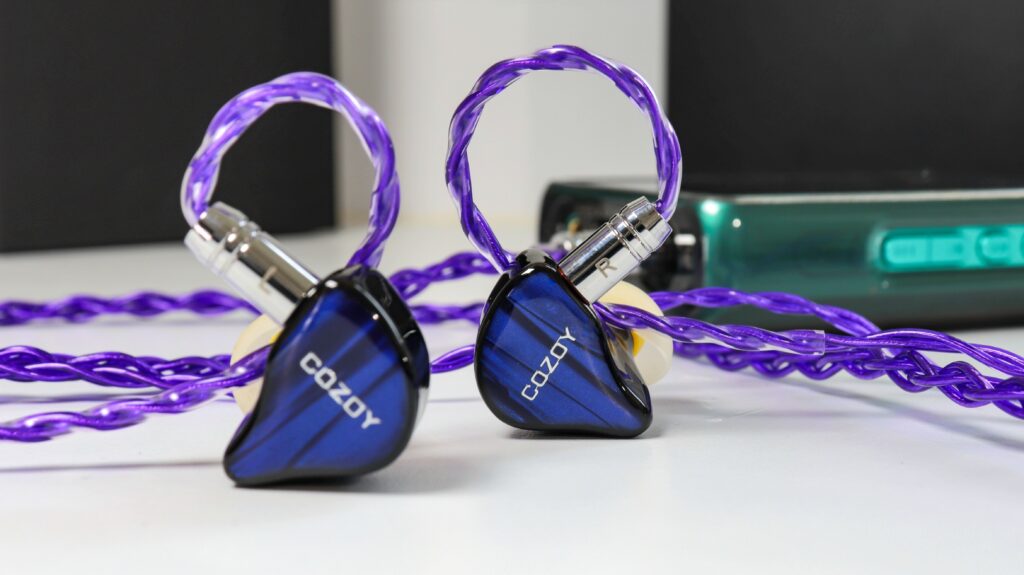
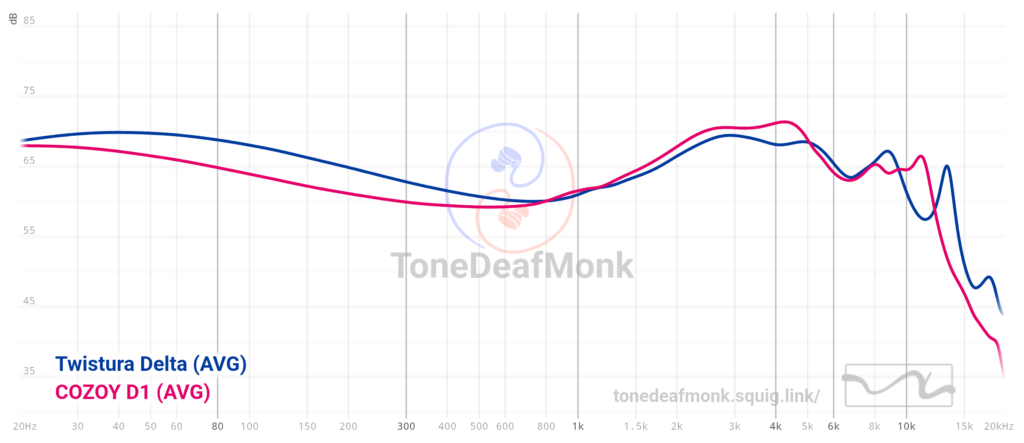
I reviewed the very well tuned Cozoy D1 only a short time ago (Cozoy D1 Review) and was taken aback at how well Cozoy tuned this budget set. The D1 is also a single dynamic driver set of earphones consisting of one 10 mm graphene driver with dual magnets sitting in a dual cavity. Independently developed by Cozoy. Really a nice e set folks. The D1 came out right in the middle of many awesomely made and awesomely tuned budget sets and in my opinion is right there in the mix with some of the best technical skills you’ll find at its cost, hands-down. Let’s check out some of the differences…
Non-Sound Stuff
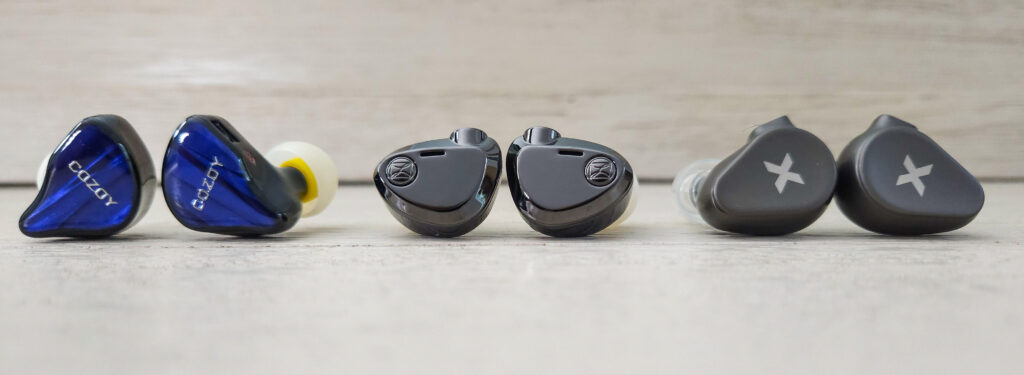
To begin, both sets come with a decent unboxing effort. I do find the D1 has a better cable with its deep purple hue and more glamorous appearance. Though, Twistura actually provides a way to carry the Delta whereas the D1 does not. Both unboxings are fine. As far as build, the Delta is far superior. Not even a close contest there. Now both sets are comfortable, UT the D1 is a lot lighter in weight making it a touch comfier for me. Also, I enjoy both sets in their appearance, but the Delta is heads and shoulders better looking. The D1 has a great look & design but the Delta looks like it should cost three times its price. Both sets cost around the same price and both command that price with great performance. Basically, both sets are very good buys. Of course, they’re also very different in their tuning styles.
Sound Differences
These are two entirely different types of iems. Both serve different listeners and both do very well at whom they serve. The Twistura Delta is much more musically engaging while the D1 has an analytical tuning. One is meant for pleasant and fun casual listening while the other is better for tracking details and treble fans. The Delta is warmer, smoother, richer, and more emotionally alluring while the D1 has that ultra clean fine-lined sound with great surface textures, fantastic note separation, layering and imaging. Of course, the Delta is no slouch at these attributes either. However, like I said in my review, as good as the Delta is technically, there are sets tuned in a technically adept way which simply are more transparent, cleaner, airier, and crisper. That is the D1. The Delta has that big bass, much more impactful, much bigger in presence, authority, and more balanced because of it. The D1 has a very snappy, transient tight bass with a mild lift which plays second fiddle to the upper midrange and lower treble. On the Delta, bass is the focus. I won’t go through each 3rd of the mix (bass, mids, treble) as I usually do as the differences are fairly obvious. However, the Delta is simply more melodic with much more enthralling vocals, more organic across the board, and much easier on the ears, less fatigue, better tonal balance. More of an all-rounder in comparison. The D1 is more niche in its tuning but is absolutely fantastic for spotting subtle details, and for anyone who greatly desires a clean presentation of their music without losing all musicality. Technically the D1 wins out in separation, transient swiftness, and details. Both are great at imaging, but the Delta carries better layering from a bigger and more dimensional stage presentation.
Final Thoughts on This Comparison
Two different animals and both carry that price-to-performance branding wonderfully. Hence why I chose the D1 for this comparison. However, both of these sets cater two different listening types, different genres, and they actually complement each other perfectly for any collection. Neither is flat-out better than the other because… they’re different.
Dunu Titan X ($32)
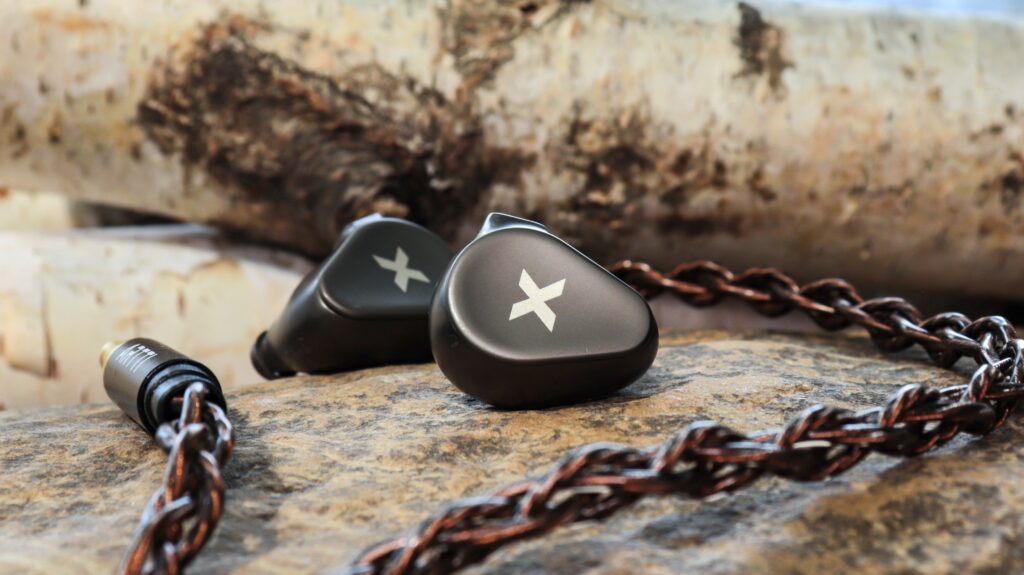
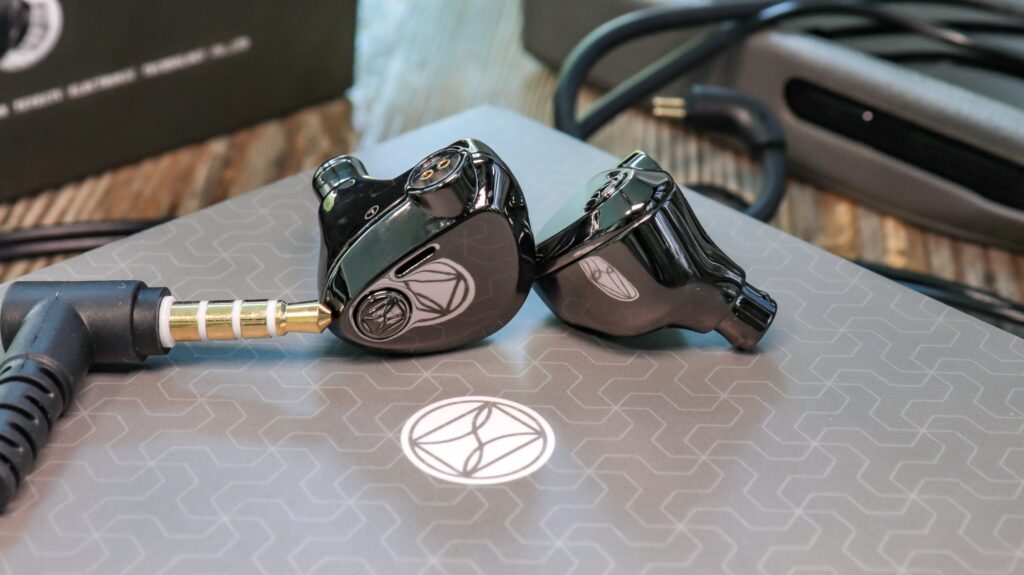
Friends, the Dunu Titan X is not just a Titan in name, but a Titan in tuning and overall quality for that price. It is the set I dubbed the best under $40. Well, now the Titan X has some serious competition for that crown. The Titan X is a very well-tuned single dynamic driver earphone which consists of a single 10 mm DLC (diamond-like carbon) driver and also comes with dual magnets and a dual cavity acoustic chamber. In my mind the Titan X is about as premium as it gets for $32 and is only rivaled by the set I’m reviewing today. The Titan X has received praise from just about every consumer and reviewer who has spent time with them, and I am still very impressed. Now, these two sets (Delta & Titan X) have many ways that they are similar. Similar in tuning philosophy, similar in build quality, and similar in price. However, there are some differences, let’s take a look.
Non-Sound Stuff
To start, both sets have a quality unboxing, but I definitely feel that the Titan X comes with the better unboxing. They aren’t worlds apart, but the Titan X has much better eartips, a better carrying pouch, and a better cable. When it comes to build quality, you are looking at two of the best iems you can buy for under $40. I say that with loads of confidence. Both all alloy, both durable, both expertly honed with unique shell types and faceplate designs. Having said that, I do find the Delta to have an even more premium feel. Believe me, I don’t say that easily because I do admire what each brand was able to do at such a low cost. Now, I also really dig the look of each set but personally I like the Delta’s aesthetic appearance more. Just more elegant, more crafty, more artistic, statelier. Again, by a small margin for me. Both sets cost around the same, both are single DD’s with a 10 mm driver, both have dual magnets and dual cavities too. There are a lot of similarities. I should also add that the Delta is slightly harder to drive. At 42 ohms & 120 db’s of sensitivity it is just a hair harder to drive than the more sensitive Titan X at 16 ohms and 123 db’s. Granted, it isn’t a world of difference, but substantial enough to speak on.
Sound Differences
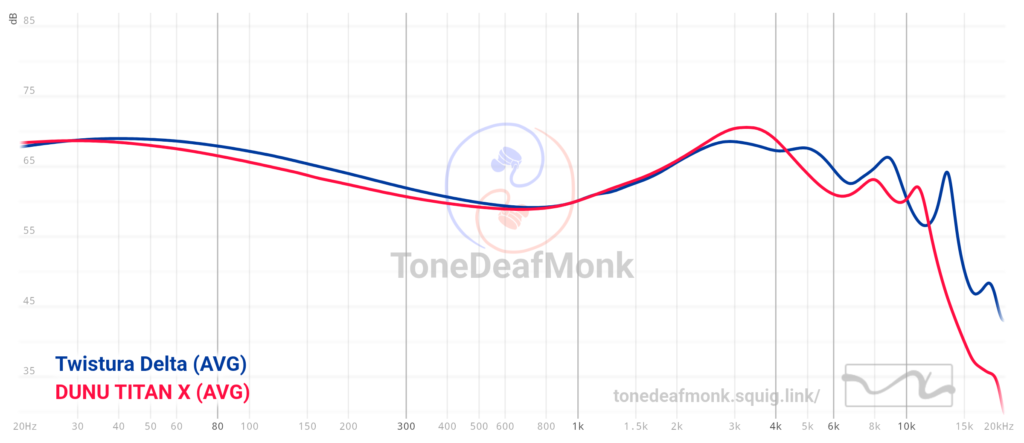
The difference between the Delta and Titan X really comes down to energy and slightly different target preferences. Both sets have a substantial bass emphasis, and both have a deep digging sublevel rumble, both have a musicality-first character, but one set (Titan X) is a tad more energetic with more expressive macro-dynamics, punchier, and the other (Delta) is more of a polished all-rounder style listen. Two top dogs under $40 and both have a definite proclivity to engaging with your music. To my ears the Titan X has a warm/neutral and slightly V-shaped sound while the Delta also goes warm/neutral in tone color but with a smoother U-shaped sound. In my opinion the Delta has the more coherent and rounded and more balanced sound. I also find the Titan X has the more fun, and more “in your face” style tuning. To a degree. That may be a bit over exaggerated, but there is an intensity that the Titan X carries while the Delta seems to be more measured, with a frequency that is more homogenous, more cohesive, and less pointed in its dynamic moments. I hope that makes sense to you.
Between the 20’s
When it comes to the bass region, both sets have the ability to hit hard, they run deep, and each set has very nice impact. Furthermore, both sets’ bass regions serve as the foundation of the sound. I do find the Delta has the bigger, more weighted bass, but also slightly less textured. Though oddly enough, it’s bass has better note control than the Titan X. The Titan X carries more of a streamlined punch in its low end, better defined, but both are reasonably transient taut for budget range single DD iems. Now, the midrange is where I feel these two have the biggest divide. First off, the Delta is more forward, yet also richer, smoother, and just as technically sound. The Titan X midrange is cleaner but also more recessed, thinner by a slight margin and more lively, bigger V-shaped macro-dynamics and sprightly energy. To my ears the Delta has the better mids. I’ll just say it. Vocals shine on the Delta better, more intimate, more emotionally engaging. The treble on the Delta is more forgiving, much less peaky, less coarse, and more cohesive to the rest of the mix. Just well-tuned. Of course, the Titan X treble is a touch more radiant, and has that livelier feel to it. However, extension is clearly better on the Delta. So not as brilliant in luminant energy, or as sparkly, but more realistic in the upper treble for me. Details come through better on the Titan X, but man is it close. Close enough for me to debate myself over and over again. Separation is better on the Titan X, but again, such a slight margin. Both are solid for musicality-first sets. The soundstage of the Delta is wider, more balanced while the Titan X is a bit more center focused, less wide. I do find the Delta to be more spacious, and better dimensioned.
Final Thoughts On This Comparison
Friends, I have literally spent hours upon hours in many comparison sessions going through track after track within my playlists between these two. I had such a great time doing it too. I go full tracks, maybe two or three in a row with one set and go back and do the same for the other. What I found was that I was listening to the two best sets under $Q40 for musical engagement. Notice I didn’t say “under $50”. I don’t believe that $35 iems should be compared to $50 iems. They aren’t on the same playing field. At any rate, under $40 these two are my two favorites for a musical sound. Granted, there are other sets which stand right next to them. You don’t know, but I went cray-cray trying to find the best comparison iems. I went with the Kefine Klean, Klean SV, the Phoenix from CCA, the KZ Zenith (priced too high), the Celeste Abyss, Simgot EW200, and so many more. I’ve been on a journey (so to speak) trying to find the best, for me, under $40. The point is that both of these sets represent two of the premier musicality-first iems under $40, and each are solid buys.
Genres
I have deliberated what I’m about to say (with myself) for much longer than I care to admit. That is, the Twistura Delta is right at the cusp of an all-rounder tuning. I mean…so close. I think I’d better explain it as a very well-rounded tuning. Similar to the Titan X in that regard. Almost to the point that you might think the Delta was purposefully tuned to not sound “niche” for any type of genres. Most certainly an “all-purpose” style sound. I mean, it has a weighted and strong bass that’s also very well controlled and agile. The midrange is clear, technically solid enough, and vocal friendly. Also, the treble region is lively enough but also not too a fault, not extreme, yet with solid extension. Nothing on this tuning is exaggerated, too lifted, or a problem area. The Delta really does work across most genres very-very well, and some genres it isn’t “perfect”, but good. In my opinion. That said, these are my opinions and you should question every word that I write and then filter those words through your own preferences. I also need to add that any genre that I jot down here that I feel is a good match for the Delta, please trust there will be some tracks in those genres which won’t fit this set perfectly. Also, for any genre that I proclaim is “not a perfect fit” for the Delta, there will surely be some tracks which are great. Nothing in this hobby is cut and dry, black or white, or absolute. This hobby is all subjectively discerned and filled with gray. So basically, take my words lightly.
Genres Which Work
As far as genres which work well, I will give you some of them because I feel that the majority sound pretty darn good. However, to start I’d say that most Pop music. Of course, “Pop” is a very broad term. Also, I said “most”. Also darn near any Rock genre. That is, Alternative, Classic, Progressive, etc. all sound nice. That mid-bass dynamism and drive as well as the clean separation, and balanced tuning works nicely for any electric guitar play, impactful drums, clear vocals. I could also add in most any Country song to that which can fall under Rock, or Pop at times too. I think one of the best fits is Jazz as the Delta has that organic feel to instruments, along with a clean presentation of complex arrangements. Next, Hip-Hop (most Hip-Hop, I’ll explain below), Rap, R&B, EDM (most), Reggae, and even some Trap music too. These genres all work because of that bass. That clean bass, the Impact, the sublevel weight, along with clear instruments and enough brilliance up top. I could go much-much deeper on that, but I have to keep this short. Any Singer-Songwriter stuff, any Folk stuff, and definitely Acoustic tracks with that natural timbre, warm mids, smooth presentation, vocal clarity, plus the intimacy of this midrange actually helps too. I like Classical with this budget set as well. Not a perfect fit but can be nice. Of course, how many budget sets can nail down Classical music perfectly? Okay, I’m stopping there with the good. Just message me if you need a further breakdown.
Genres Which Aren’t a Perfect Fit
As I said above, “most” Pop music works great. However, there are some brightly recorded and super aggressive Pop tracks that can exaggerate the brilliance of this set for sensitive listeners. Another is Metal. While I enjoy a lot of Metal with the Delta, I do have a slightly harder time saying it’s a great fit. I say this because in really complex tracks (which is almost all Metal) the Delta doesn’t perfectly resolve everything. This is a budget iem folks and we shouldn’t expect it to perfectly separate every wild multi-guitar and multi-layered song. Sometimes you’ll get some smear and blur. I’d also say that for bassheads who like purely grandiose ultra bass, the Delta won’t provide that for some EDM, Rap, or Hip-Hop tracks. Yes, it has a beefy bass that can sound downright juddering, it still won’t compete with pure basshead sets for basshead listeners. The last one is kind of a given for some true “audiophile” reference fans who listen mostly to Classical or Orchestral stuff. That is ultra-analytical Classical tracks. This set is not some hyper-focused and ultra clinical detail set with light in fast transients. Furthermore, this set is all about musical engagement, musicality, and smoothly rendered notes over a straight-up neutral reference tuning. I won’t go any further, I think you should have at least a decent understanding of how I feel this set will do for most genres. I feel the Delta is nice enough for most genres and is pretty close to an all-rounder “style” of set. True all-rounders are very hard to find. In fact, I’m not even sure one exists.
Last Words on the Twistura Delta
I’ve had such a good time with this set. What a fun iem to review. Friends, I don’t discriminate on price. Sure, this is a budget set, and sure, it isn’t going to beat sets 2-3 x its cost. We shouldn’t expect that from any iem at $35. Nevertheless, I can have an absolute ball listening to any iem, whether it costs $10 or $5,000 if it’s tuned nicely. It’s about the music for me and that will always be the case. Coincidentally, “music” is exactly what the Delta specializes in. I’m telling you, this budget iem is a solid choice if you enjoy a set which has a penchant for drawing out the emotionality from within a track. I know, I know, many sets are tuned in such a way. I can find many sets which are musically tuned, that engage and immerse the listener. However, I simply cannot look at the rest of the market and honestly say that there’s a set which flat out beats the Delta at its own game… “Fun, Smooth, Musical”. Not to mention the ridiculously stout, durable, and tank-like build. Add to that the aesthetics; the look of this set is really great in my opinion. Friends, have I mentioned to you that the Delta costs $35?! Lol. Who goes this far in assuring that their $35 iem looks this classy, this handsome, and this elegant? Before the Delta, I would’ve told you the Simgot EW200, maybe the Titan X, the slightly more expensive Zenith. Maybe some more expensive older sets which are marked down now? So, couple the impressive sound with the build and the aesthetic design and what you get is a very high price-to-performance iem. Well, I suppose I should say it now before I forget; the Delta is a very easy recommendation from me.
Not For Everyone
Once again, this set will not suit everyone perfectly. I already had a section saying this at the beginning of the “Sound Impressions” and I feel the same way now. I think I wrote that section about two weeks ago. Anyway, those listeners who much more desire that neutral-natural and analytical sound with detail tracking as a strong suit will not find this set too appealing. Those treble lovers, bright lovers, bass haters, and treble heads who fiercely love a bright and biting treble will obviously also not enjoy the Delta’s less intense treble. I could also say that bassheads will likely not enjoy this set, even with its emphasized (10-11db bass shelf) bass region. I know those guys; the Delta won’t do it for them. Shoot, there are times and moments when I’m one of those guys and… the Delta doesn’t cut it. There are others who might find this set not as great as I do. I’m sure plenty of reviews will read that way. Or you might read or watch that the Delta doesn’t do enough to separate itself from the pack. Fair enough. I don’t agree… at all… but fair enough. I’m not the Golden standard of reviewers, and I’m not a golden ear audiophile. I’m a fan of music and love finding the best way to saturate myself in my music using the best tools possible, when I need them, for the money that I have at my disposal. This set is well done for the measly cost of $35. So much joy $35 can bring. For the cost of McDonald’s for two (McDonald’s is crazy expensive from what it used to be). Again, well worth the cost.
Conclusion
To conclude my full review and feature of the Twistura Delta, I have to give a huge shout out to the people of Twistura who provided this set. I always like to brag about the brand in this section. Give them a pat on the back if they deserve it and the brand Twistura most certainly does. They told me specifically to take my time. Do you know how rare that is? No brand says that. Time is everyone’s friend and Twistura obviously understands this. Thank you so much Twistura. Also, thank you for reading this review. If you’ve made it this far in one of my reviews, then I have to give you a huge kudos. Clicks and time spent mean the world to us. MBA truly appreciates you.
Other perspectives
Please check out other thoughts about his set friends. Read, watch, or listen-to other perspectives. Mainly because… I am only me. The words you have read is my personal opinion. The issue is that we are all so very different in how we perceive our music. The guy next to me may not enjoy this set nearly as much. I don’t know how anyone could not enjoy this set, but I’m not the next guy. So please check out other thoughts. To add to that, $35 can be a boatload of cash for the great majority of our world. Not everyone can afford to be wrong about these iems and audio devices. So again, look into other opinions and I do hope that you find the perfect device to make for the best listening experience for your dollar. Okay, I think I’m done. Thank you to each and every one of you who chose to read my thoughts. It means more than you know and I do hope it helps you. Take good care, stay as safe as possible and always… God Bless!
Delta Pros
-Price-to-performance. One of the best sets for the cost under $40
-The build quality is through the roof good
-What a nice looking iem too
-Comfortable, ergonomic
-Great musical sound, organic timbre, smooth, yet very clean too
-Bass has some solid punch, depth, texture, and control. Doesn’t dominate the mix
-The midrange is forward, but natural, great timbre, smooth, vocals are nice
-Treble is air and detailed enough to not sound dull, but also non-offensive. The treble has very nice extension too
-Nice separation for a musically rendered budget single DD with a boosted bass
-Imaging is very solid on this set
-Surprisingly good layering abilities
-That layering really helps add dimension to its spacious stage, nice depth.
Delta Cons
-Just misses the basshead mark (obviously this “con” would be for bass-bois)
-Very sensitive listeners may feel the upper-mids and treble can get slightly spicy although I really don’t find this a huge problem
-The mids can come across a hair too laid back for some
-Very complicated and densely layered tracks may trip this set up and expose its budget status (should be expected)
-Stock cable works, it’s functional, but I had to cable swap



Thanks for the review Chris ,I think you should review the trn dolphin , artist.huo sho and bqyeyz ni as well . All bangers for vocal music .
Thomas, thanks man I appreciate the kind words. Also, I greatly appreciate your thoughts on other possible review products. I’ll have to try to get those in. Thank you man, take good care my friend.
> I don’t believe that $35 iems should be compared to $50 iems.
Why not? It might make some $50 IEMs look bad?
Hahaha…. This is so true.