
















Disclaimer:
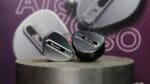
Hello Readers, our roundup of budget products for broke audiophiles continues. Today, we’re looking at the Twistura D-minor, an IEM with a controversial look, a design I’ve already tried with the HIFIMAN TWS. It’s an entry-level model, but the perceived quality is superior to other products in this price range.
Table Of Content
I’ve never tried other products from this brand, so I’m very curious.
I’m not an audiophile; I’m just a guy who likes to test out different IEMs and DACs and spends a lot of time listening to music.
So I’m not going to use super technical words to review it, but I will do my best to describe it.
Tech Specs:
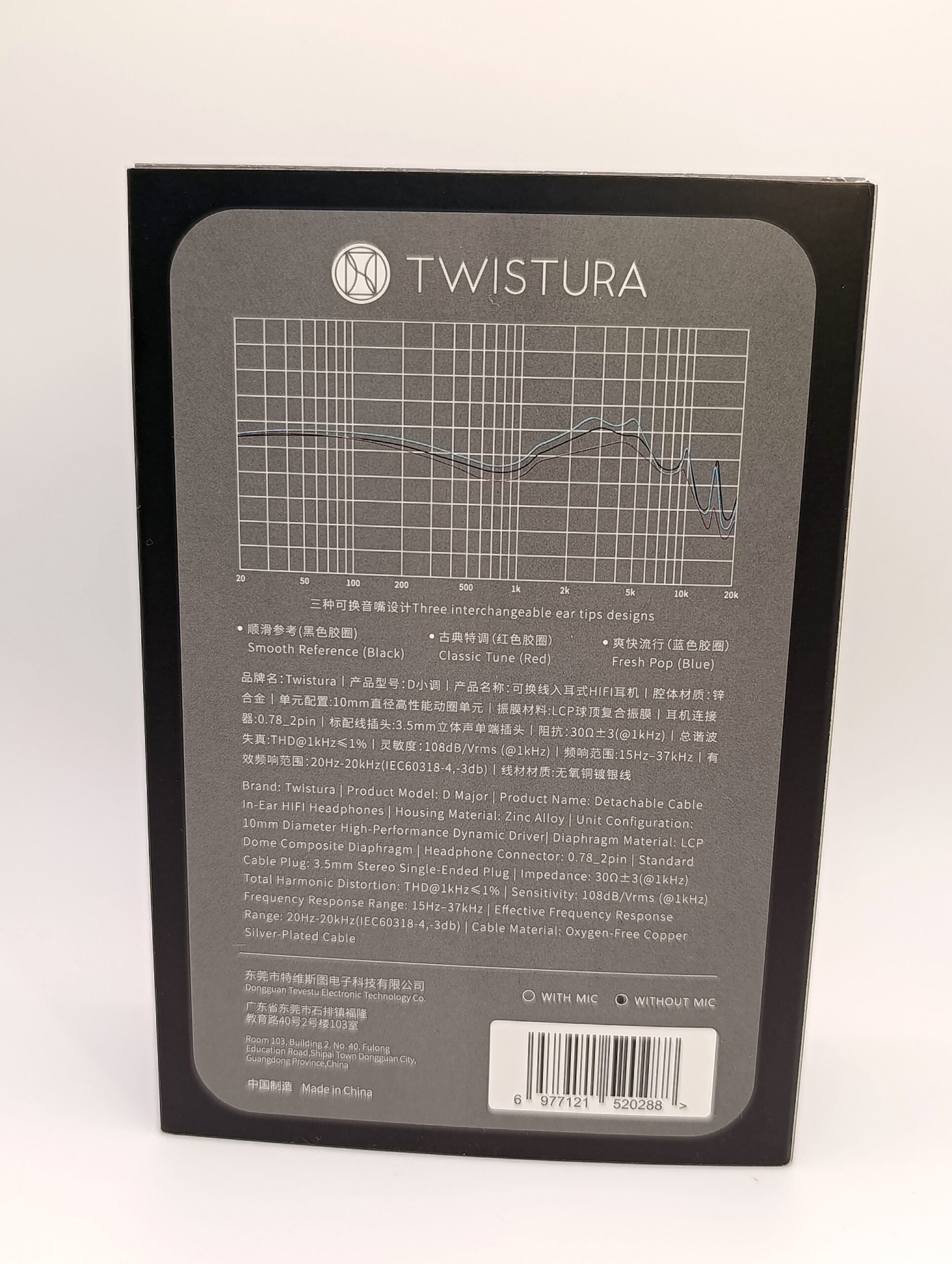
- Unit Configuration: 10mm Diameter High-Performance Dynamic Driver
- Diaphragm Material: LCP Dome Composite Diaphragm
- Impedance: 30Ω±3%(@1kHz)
- Sensitivity: 108dB/Vrms (@1kHz)
- Frequency Response Range: 15Hz-37kHz
- Headphone Connector: 0.78_2pin
- Cable Material: Oxygen-Free Copper Silver-Plated Cable
- Frequency Response: 8Hz-21kHz(IEC61094,Free Field)
- Earphone Connector: 0.78-2pin
- Default Cable Connector: 3.5/4.4 interchangeable plugs
- Cable: Oxygen-free copper & alloy copper & silver copper alloy & graphene copper mixed stranded
Packaging:
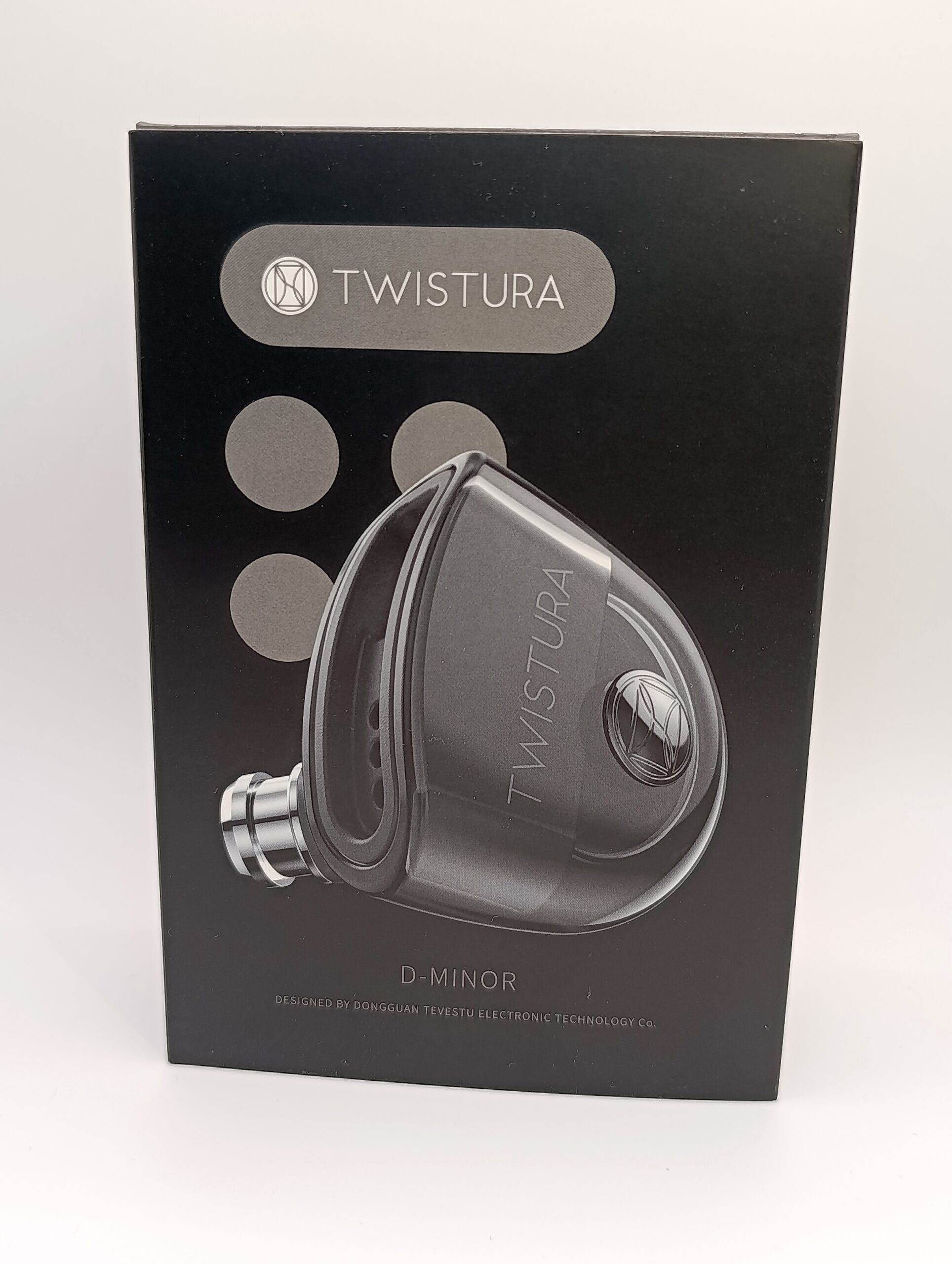
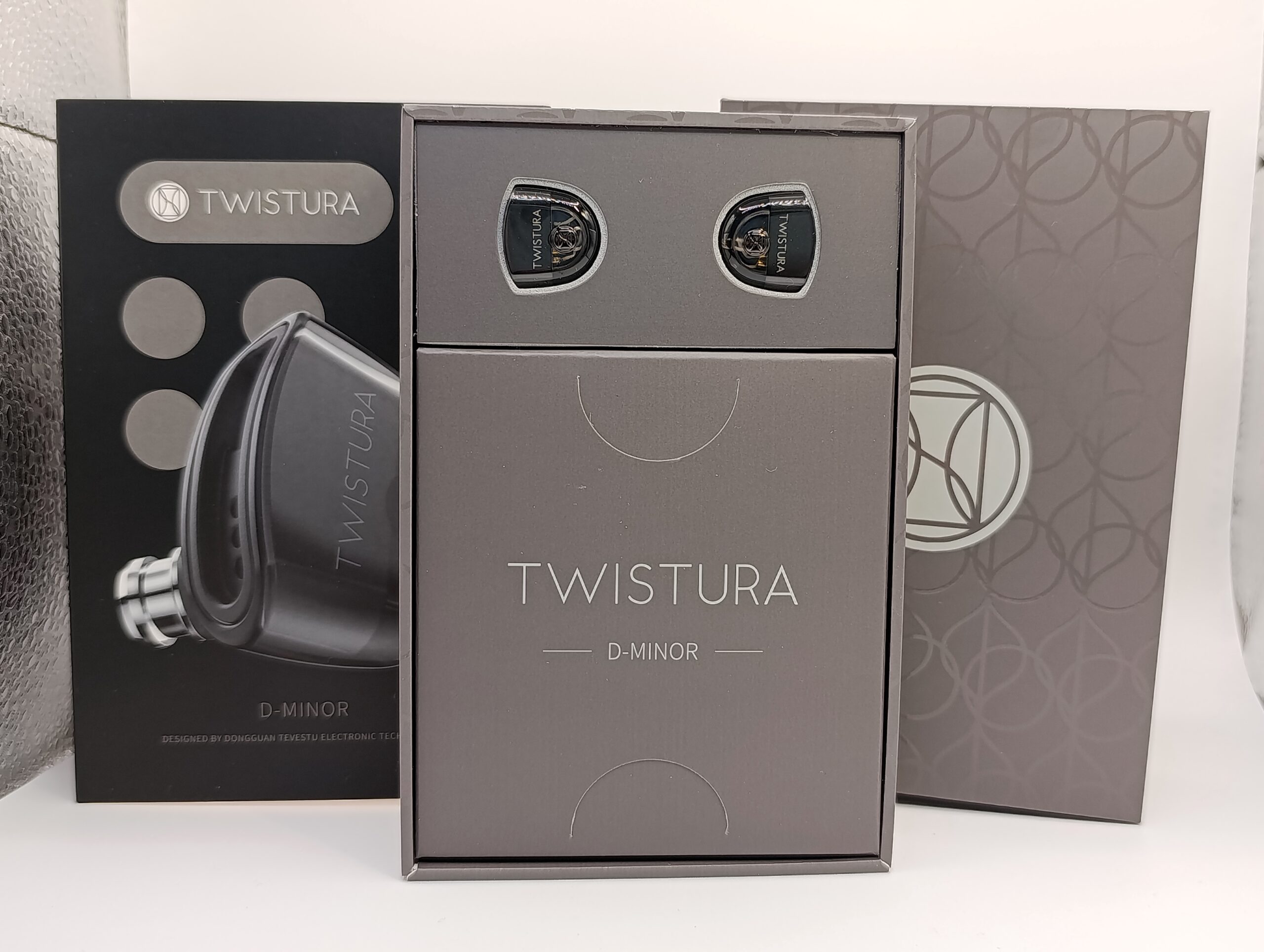
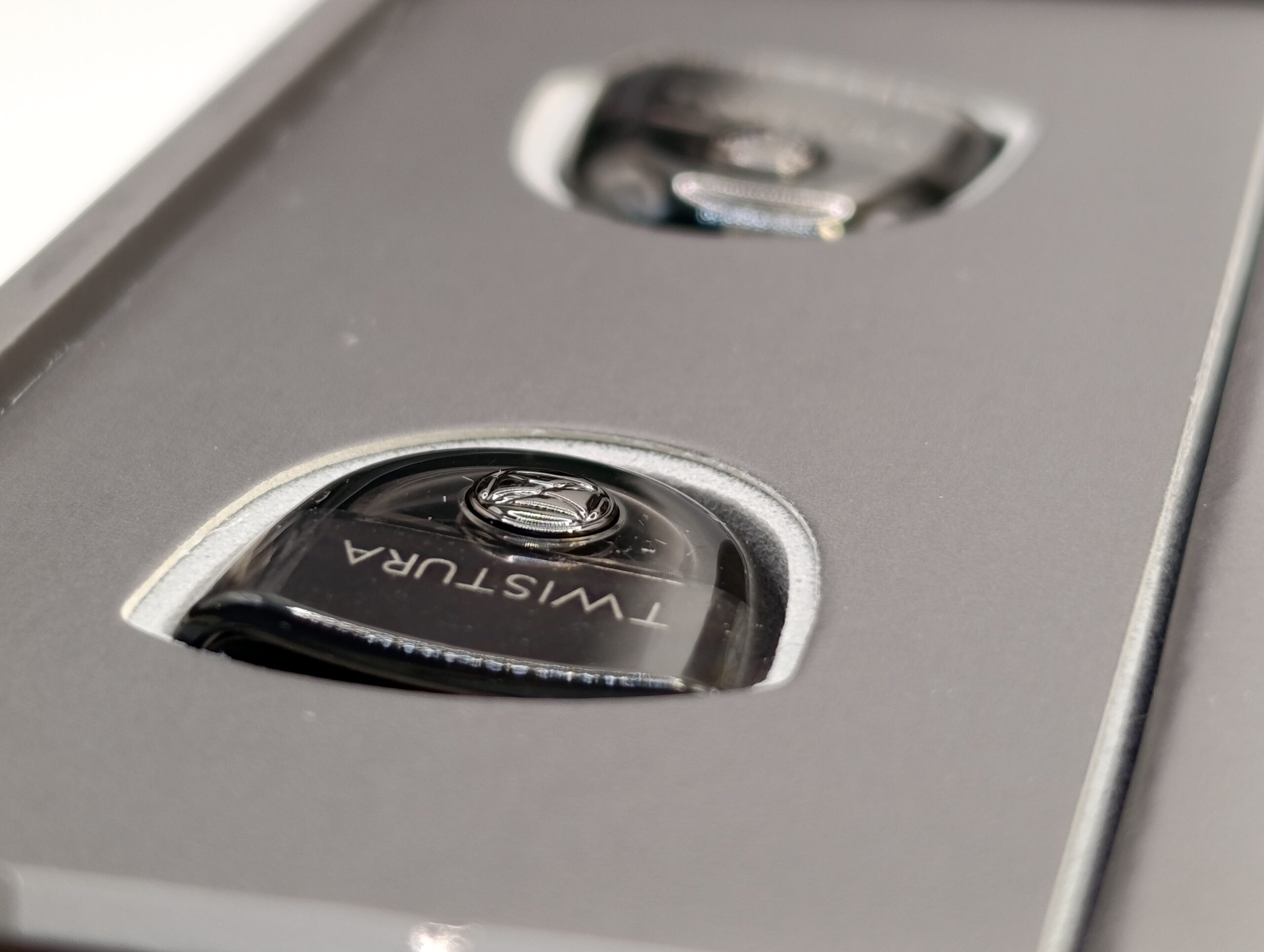
In terms of packaging, I’d say Twistura follows a simple yet high-quality design. The aesthetic is serious, and the contents are quite generous for the price of the IEM.
Inside, we find:
- 6 pairs of eartips, 3 of which are liquid silicone (similar to the TRN model)
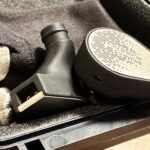
- A well-made dongle
- 3 tuning nozzles
- 3.5mm cable
- A carrying bag
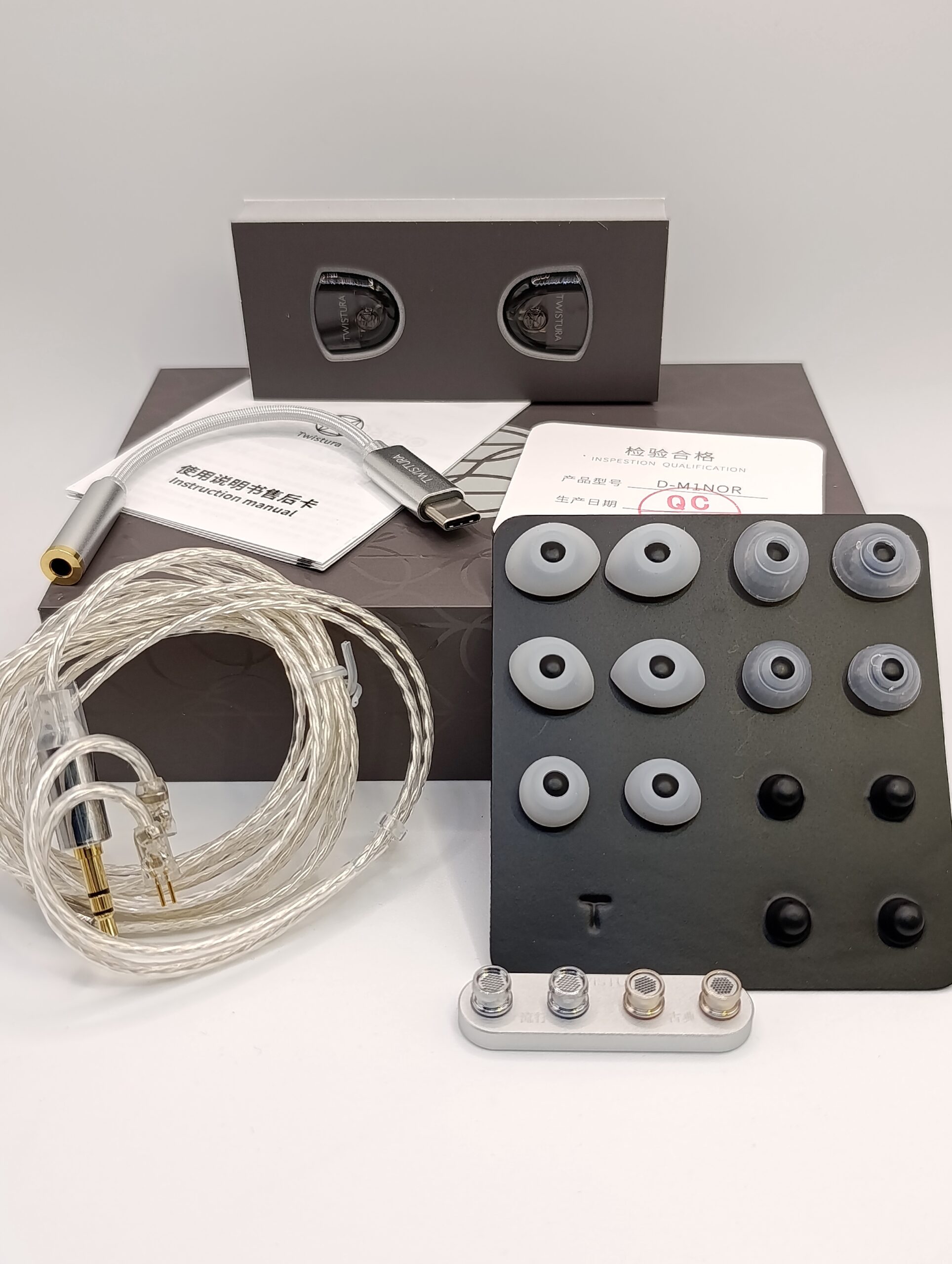
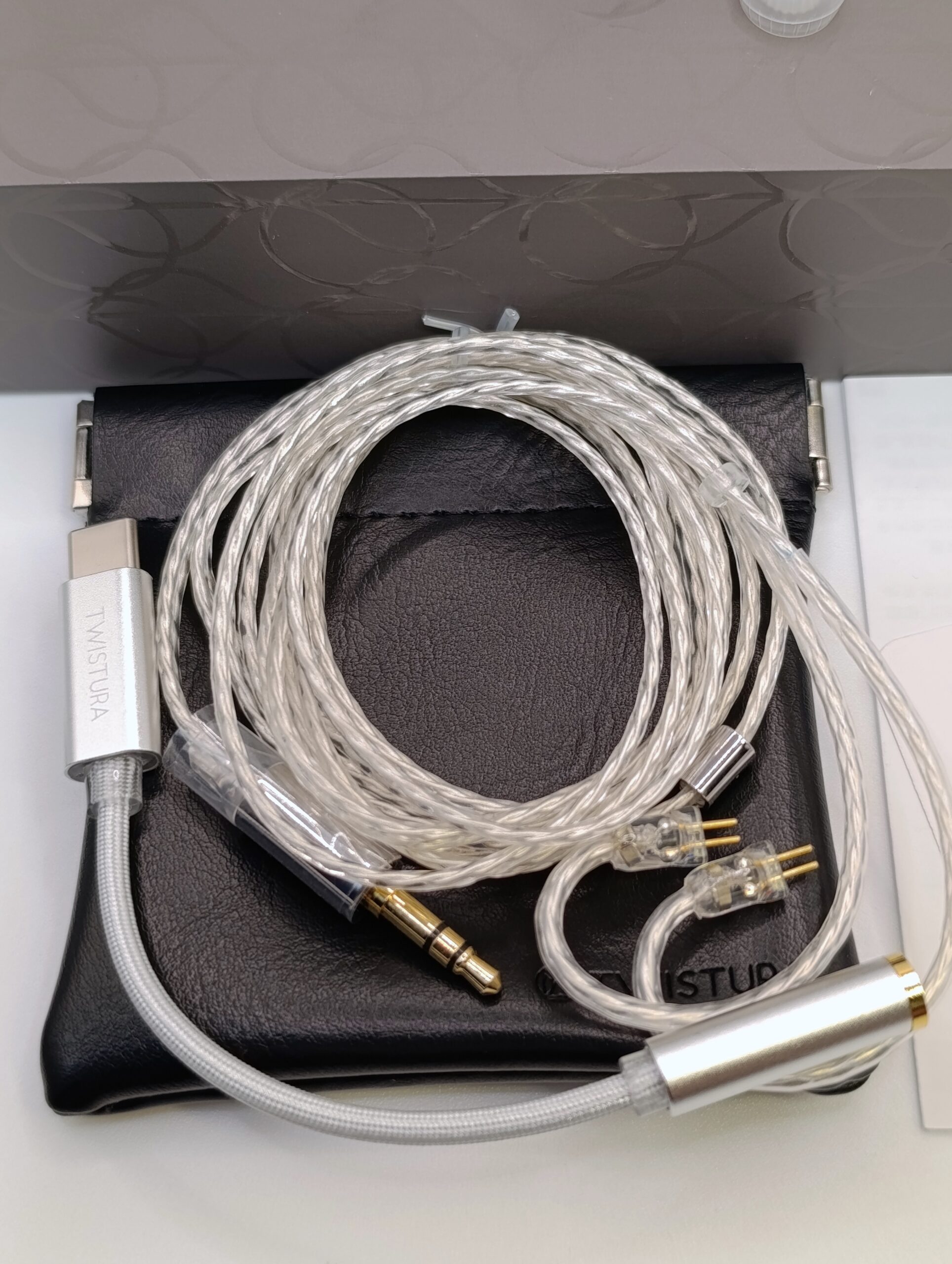
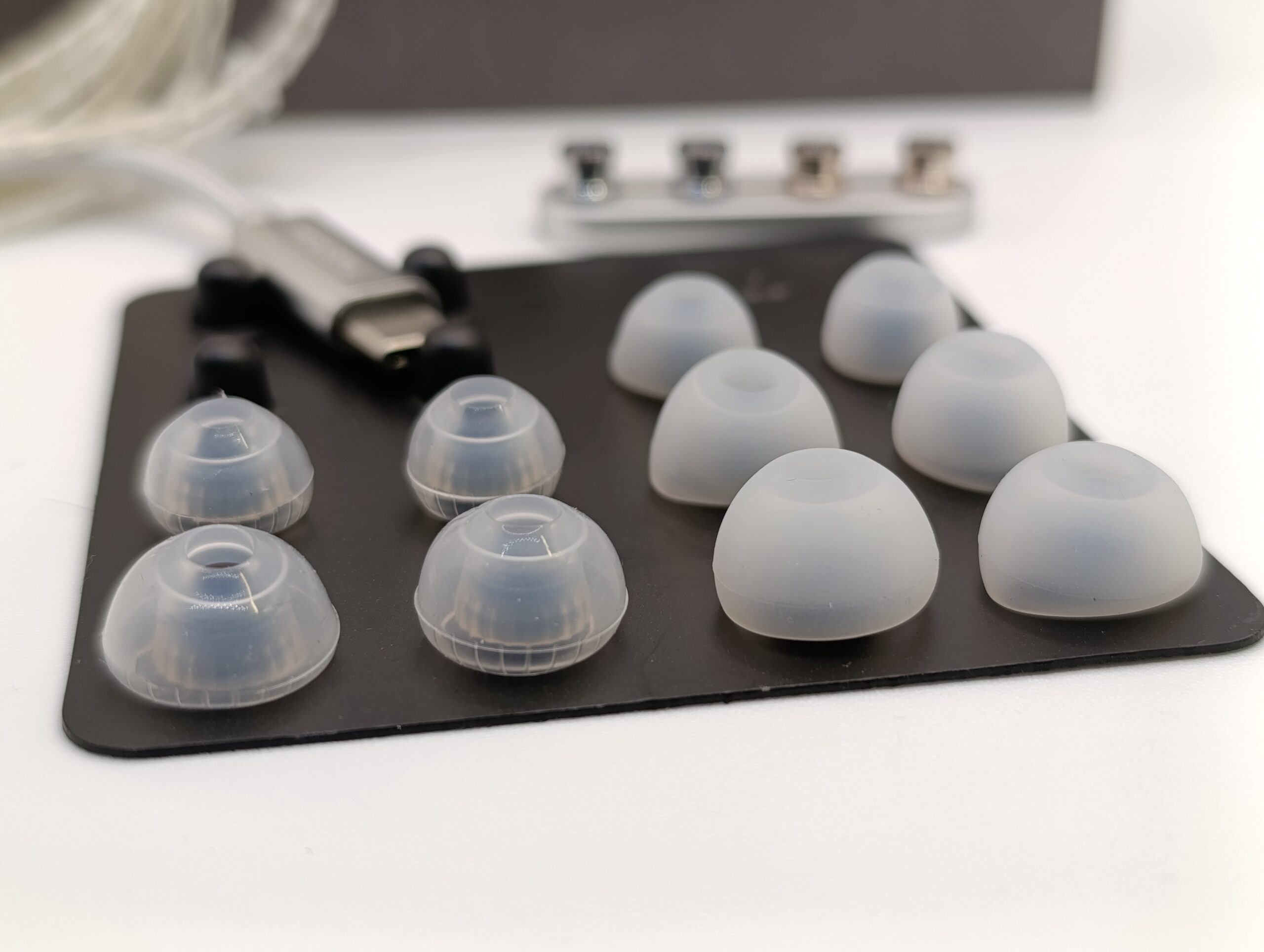
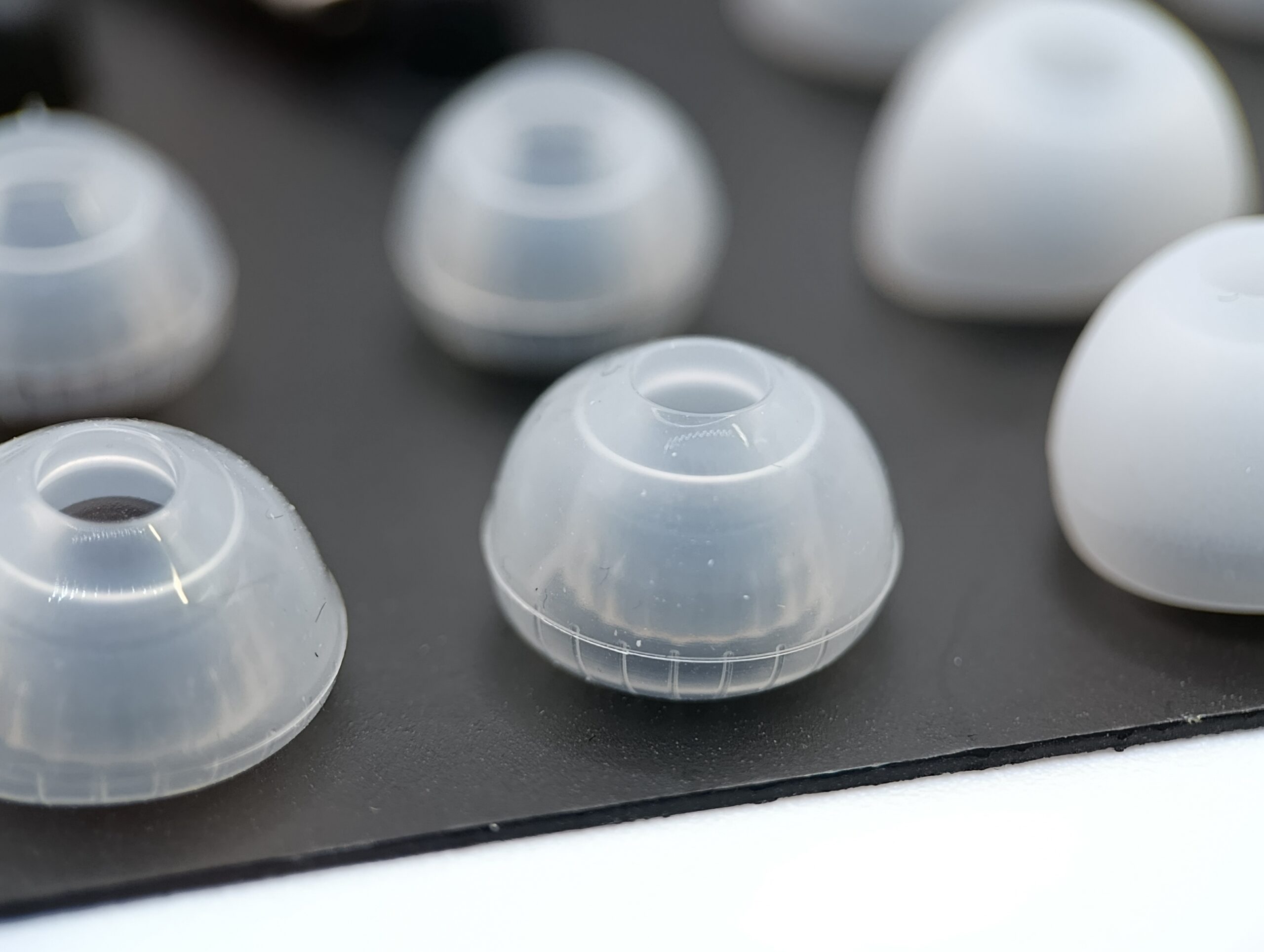
Such a comprehensive set of accessories is hard to find even on premium IEMs. The cable could be better; it resembles those from KZ. But at its price, finding so many good-quality accessories is rare.
Design/Build Quality:
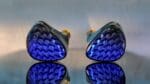
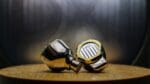
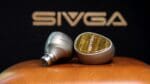
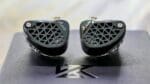
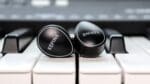
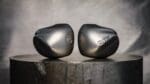
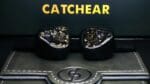
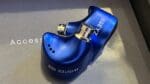
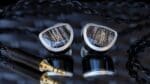
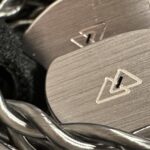
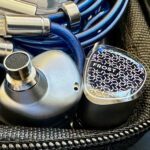
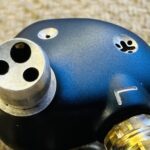
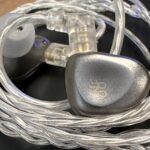
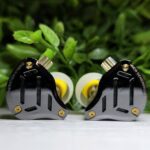
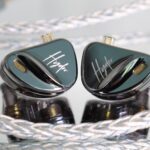
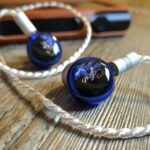
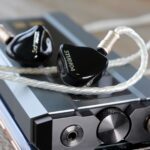
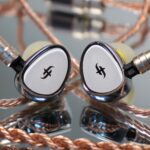
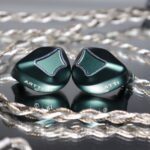
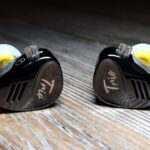
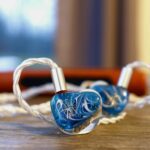
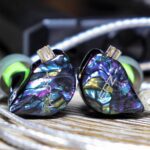
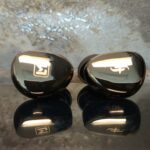
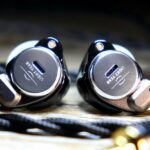
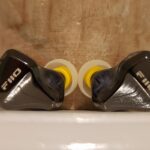
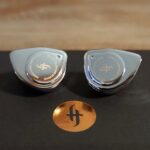
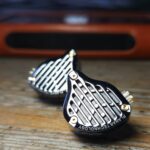
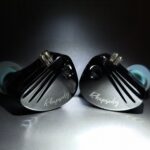
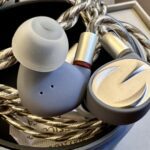
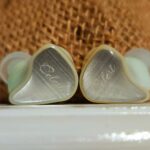
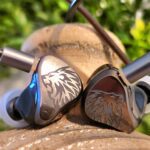
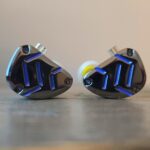
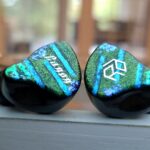
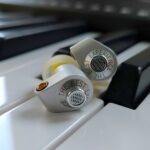
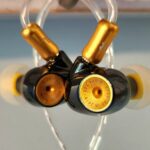
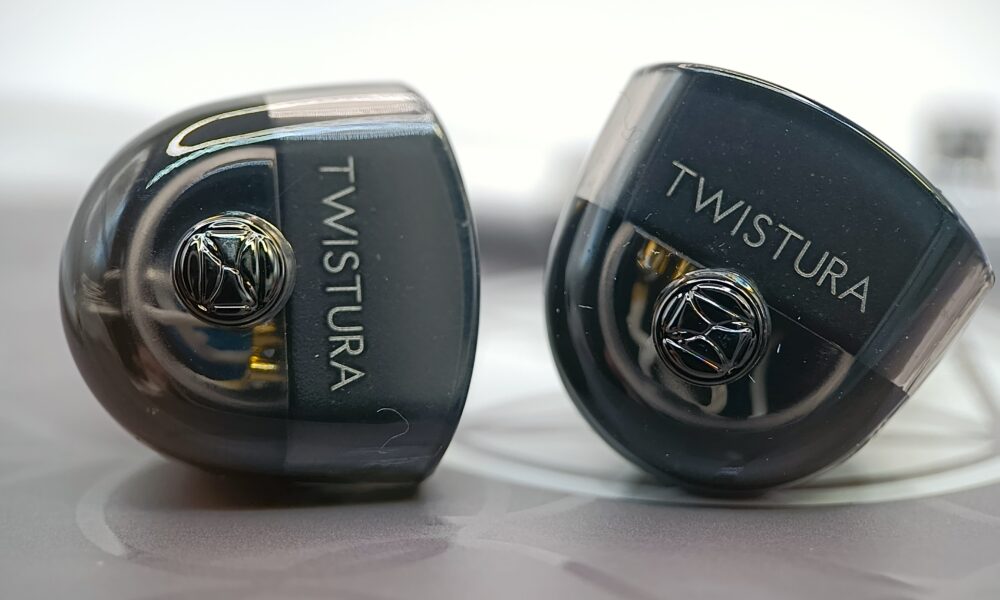
The Twistura D-Minor boasts truly impressive build quality, CNC parts mixed with resin, with some spots where you can see the drivers and internals. It doesn’t look cheap at all, but rather more expensive. The faceplates have a transparent window and a very distinctive embossed logo. In terms of shape, this IEM is truly unique; the external shape is very distinctive, but the part that goes in the ear feels alien. It reminds me a lot of the Hifiman TWS800, which has a very similar structure, although in terms of comfort, these are significantly better (don’t get me wrong, they’re not at all comfortable). I don’t know the reason for this design, but it has many drawbacks and might not boost sales even though the sound is excellent. Inside, we find a single 10 mm DD with an LCP diaphragm (you can tell by the white color in the macro photo).
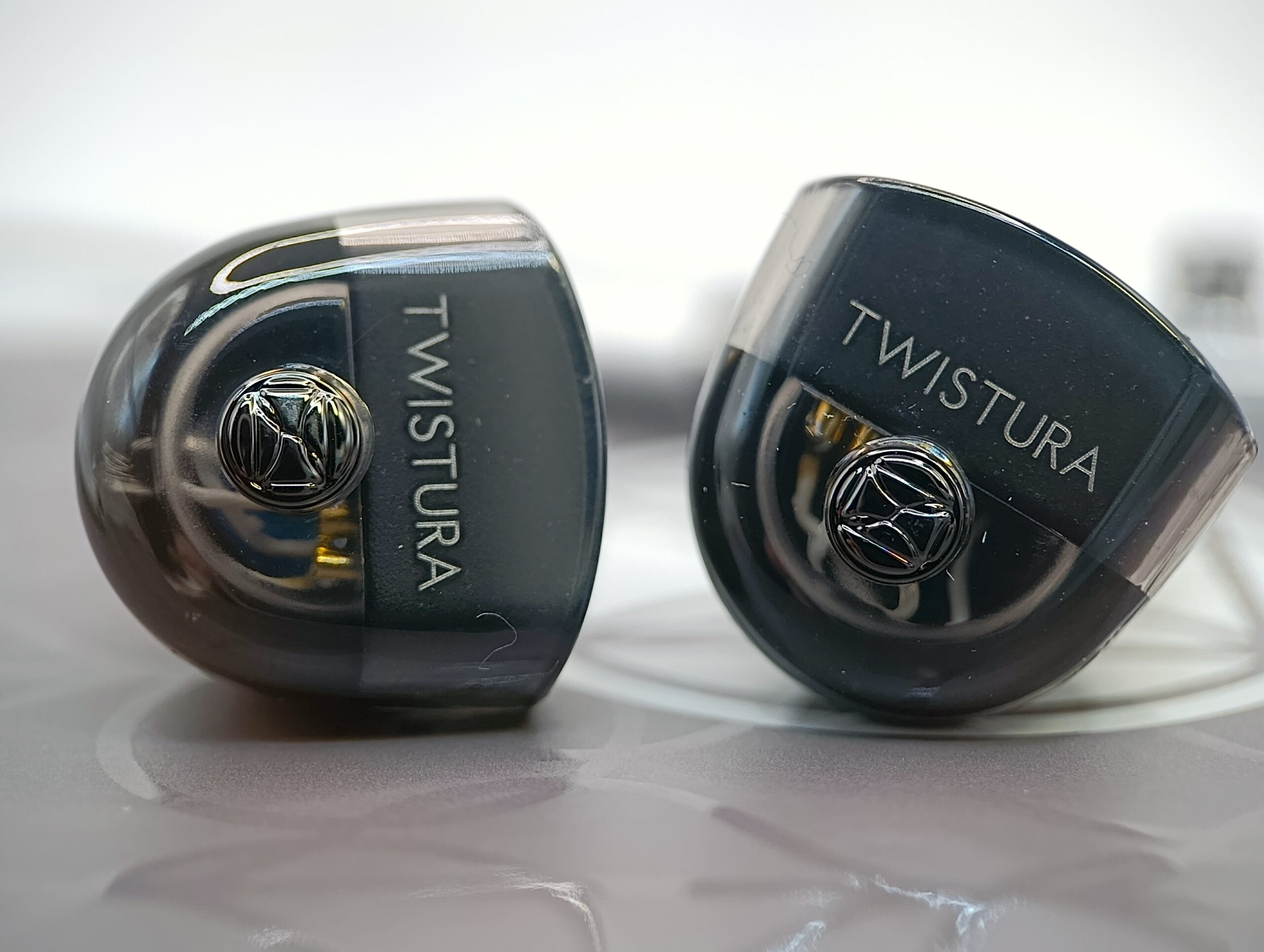
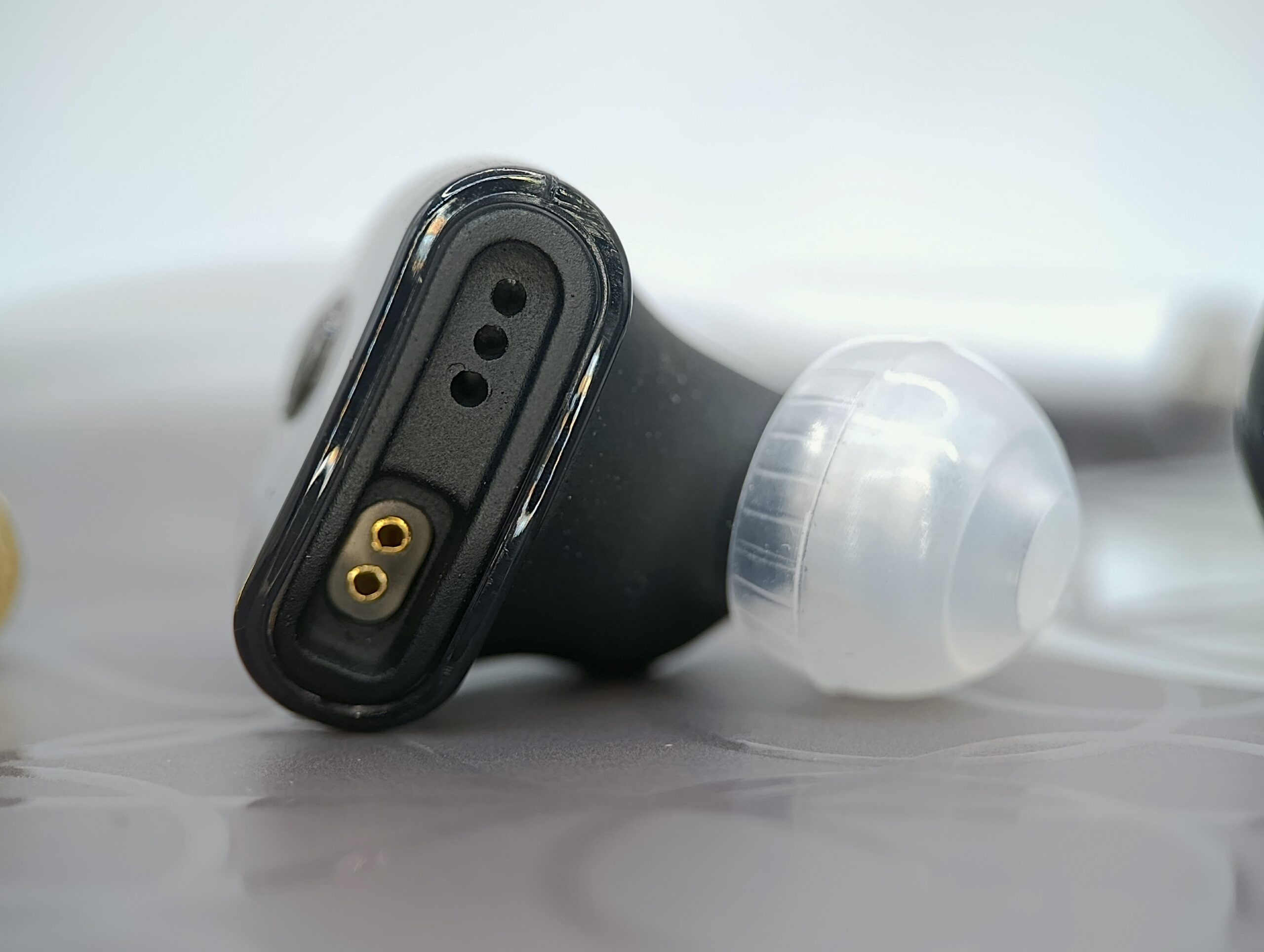
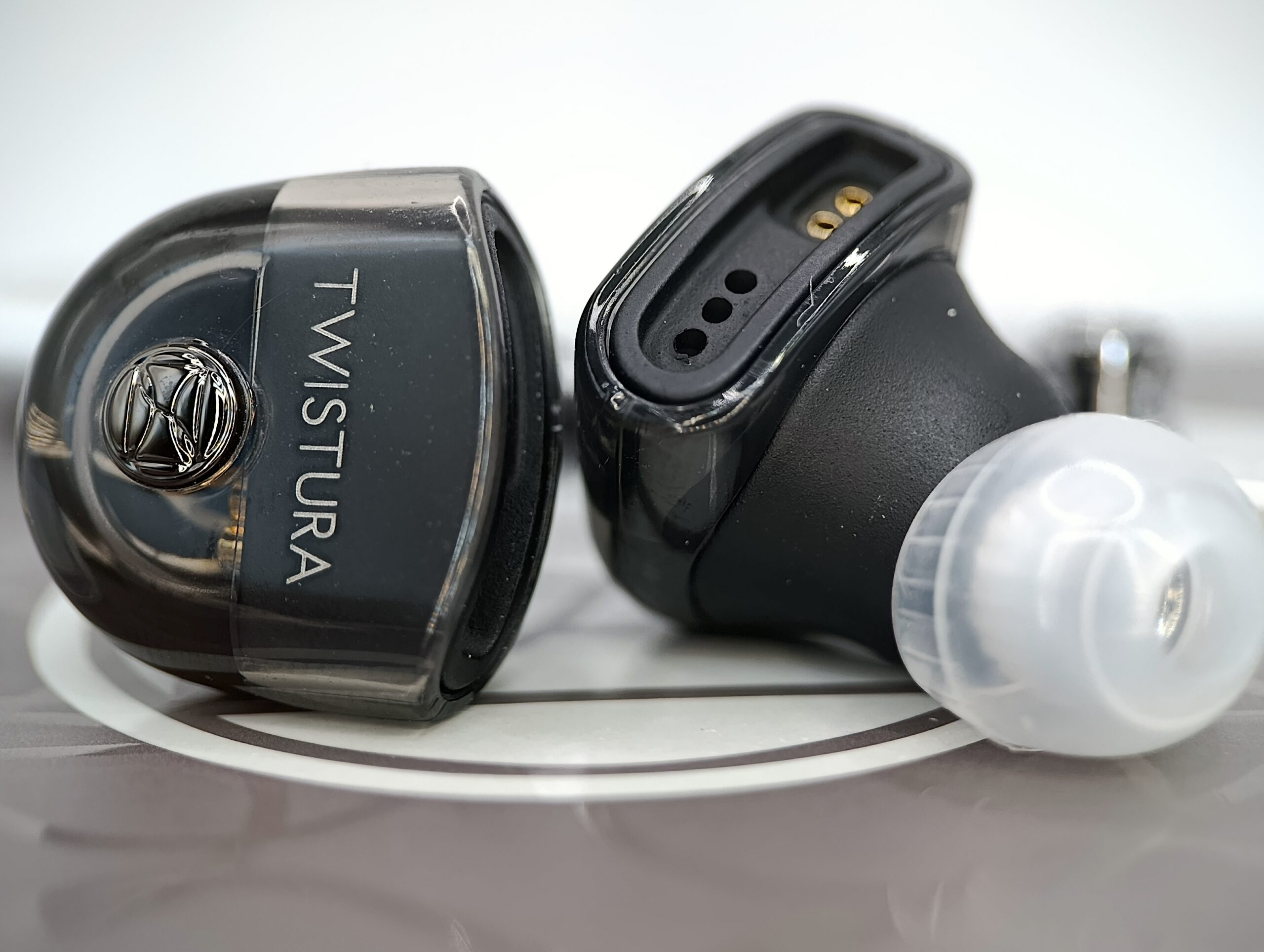
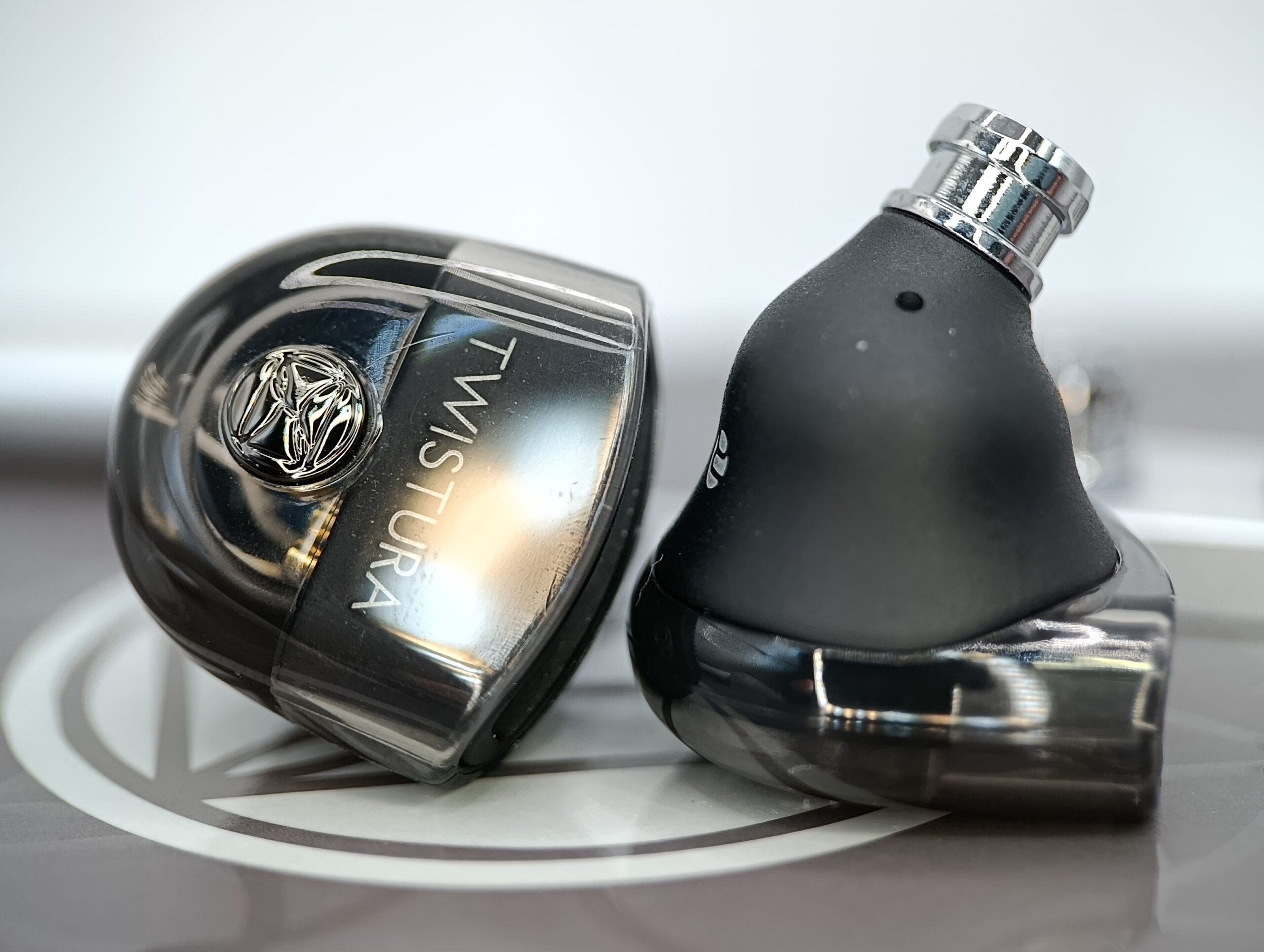
Overall, it’s an IEM with build quality on par with IEMs costing at least $80 and up, also thanks to the tuning nozzles and the included accessories.
Initial Sound Impression:
Can I tell you I’ve been missing getting back down to earth with budget IEMs? As I’ve always said, I only pursue this hobby thanks to the brands that support this passion of mine, but if I were a regular buyer, I’d be curious about similar models, especially in this price range. Can I tell you this IEM definitely ranks among the most interesting and strange single-driver IEMs? A bit like the Muse HIFI East 6, where the driver was pure gold but its alien shape was almost impossible to tolerate without elongated eartips. Fortunately, the Twistura D-minor is much more tolerable, and with the right eartips, you’re immediately impressed by its immersive sound.
The bass, and especially the mid-bass, is well done. The mids emerge easily, even if they don’t always sound super natural, but they’re pleasant. The treble extends well, with a few small flaws that could be improved.
Equipment used for testing:
Device:
- Mac Mini
- Redmi Note 14 Pro 4G
Software:
- Amazon Music UHD 24bit 96kHz (Both)
DAC:
- Fosi Audio K7
- Creative X5
- Fosi Audio DS3
- Nicehck Octave
- Twistura Dongle
Tips & Cable Rolling:
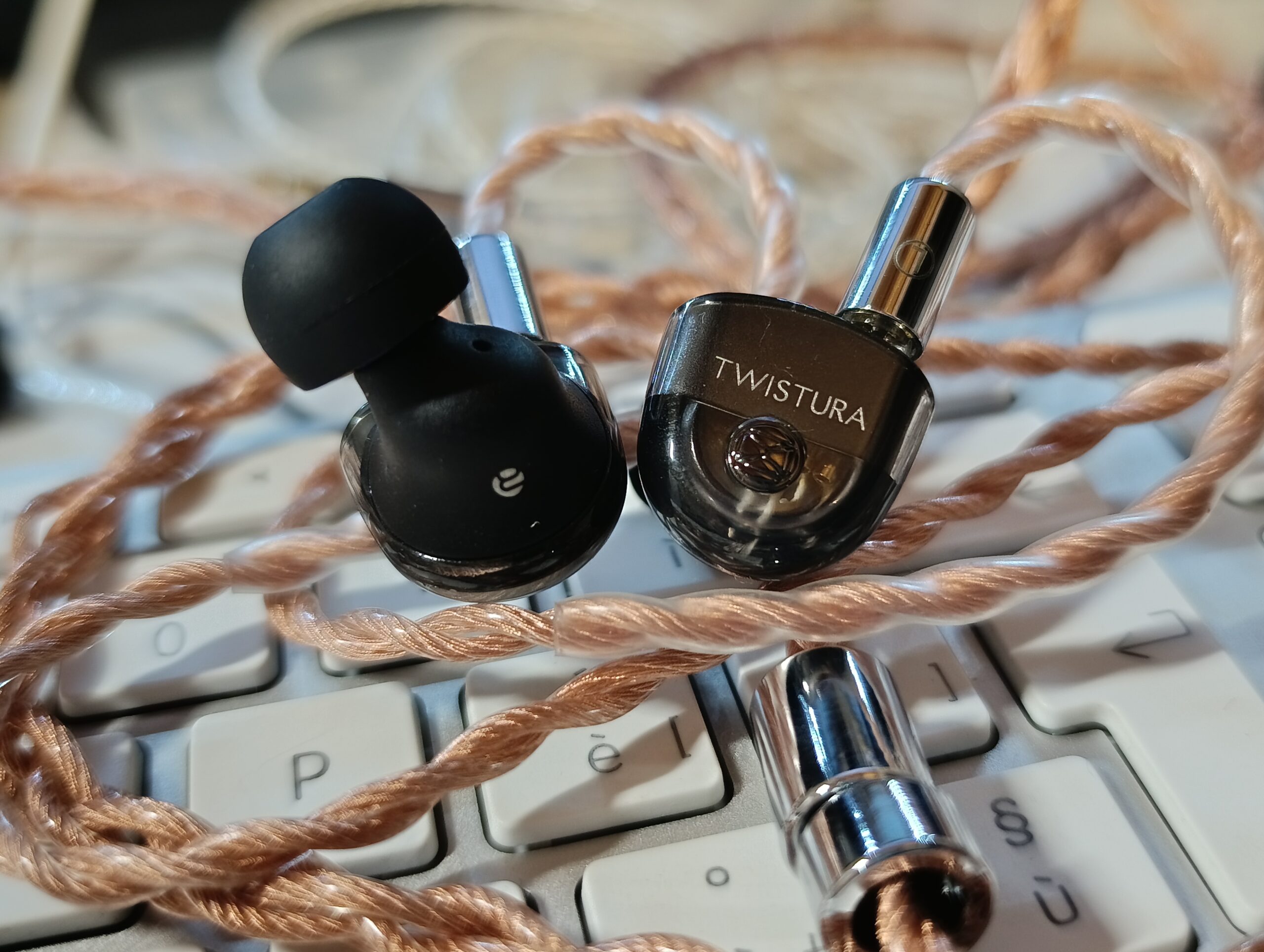
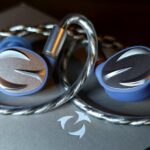
Given their unusual shapes, I definitely recommend trying other eartips. The included liquid silicone ones are very good, but if you have other models available, give them a try. I used the Divinus Velvet (they fit anything) and, out of curiosity, I also used a Nicehck balanced cable. I wanted to try giving them a more consistent power supply. It’s not necessary, but perhaps a good 3.5mm output will unlock their full potential.
Tuning Nozzle:
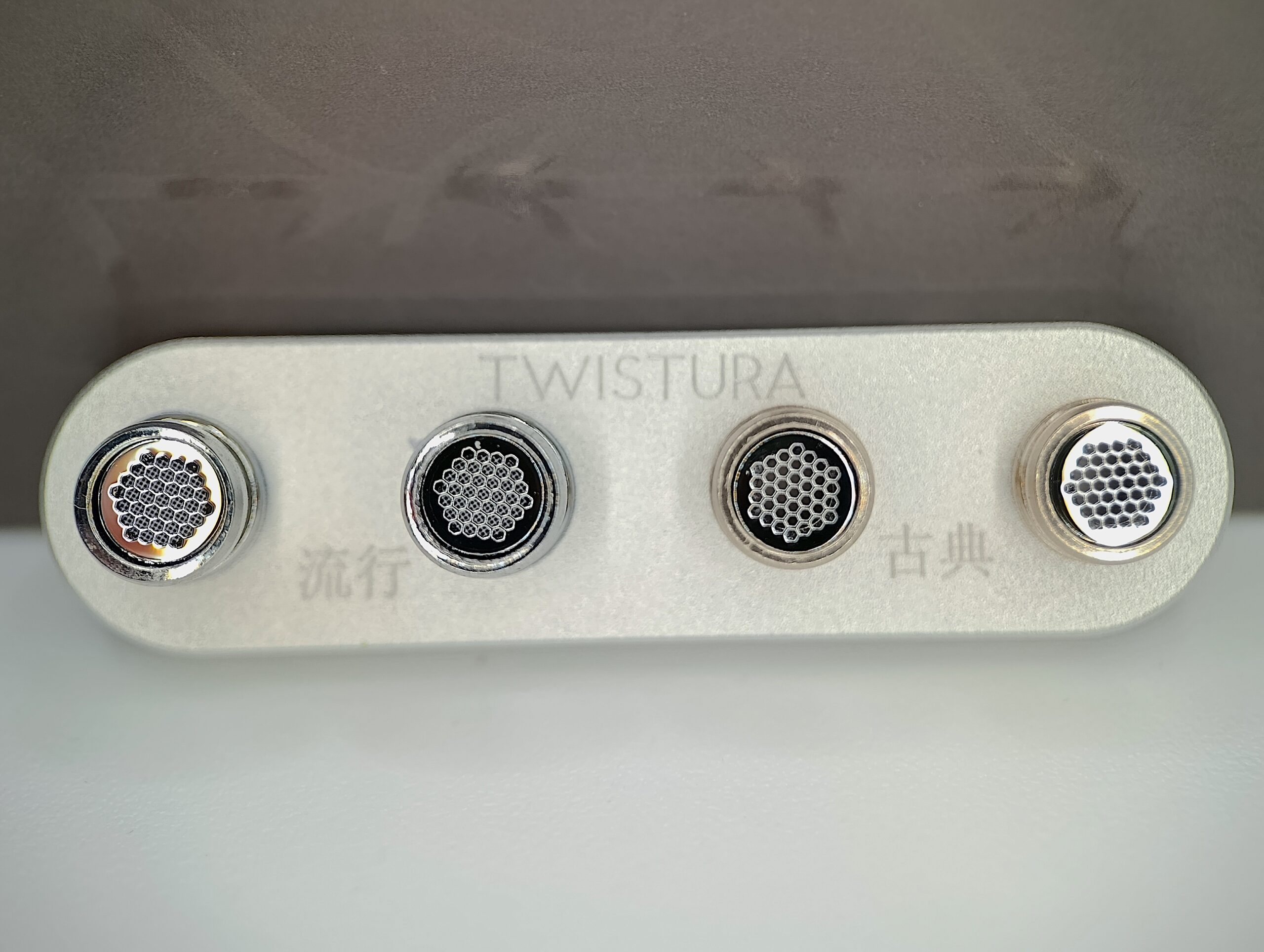
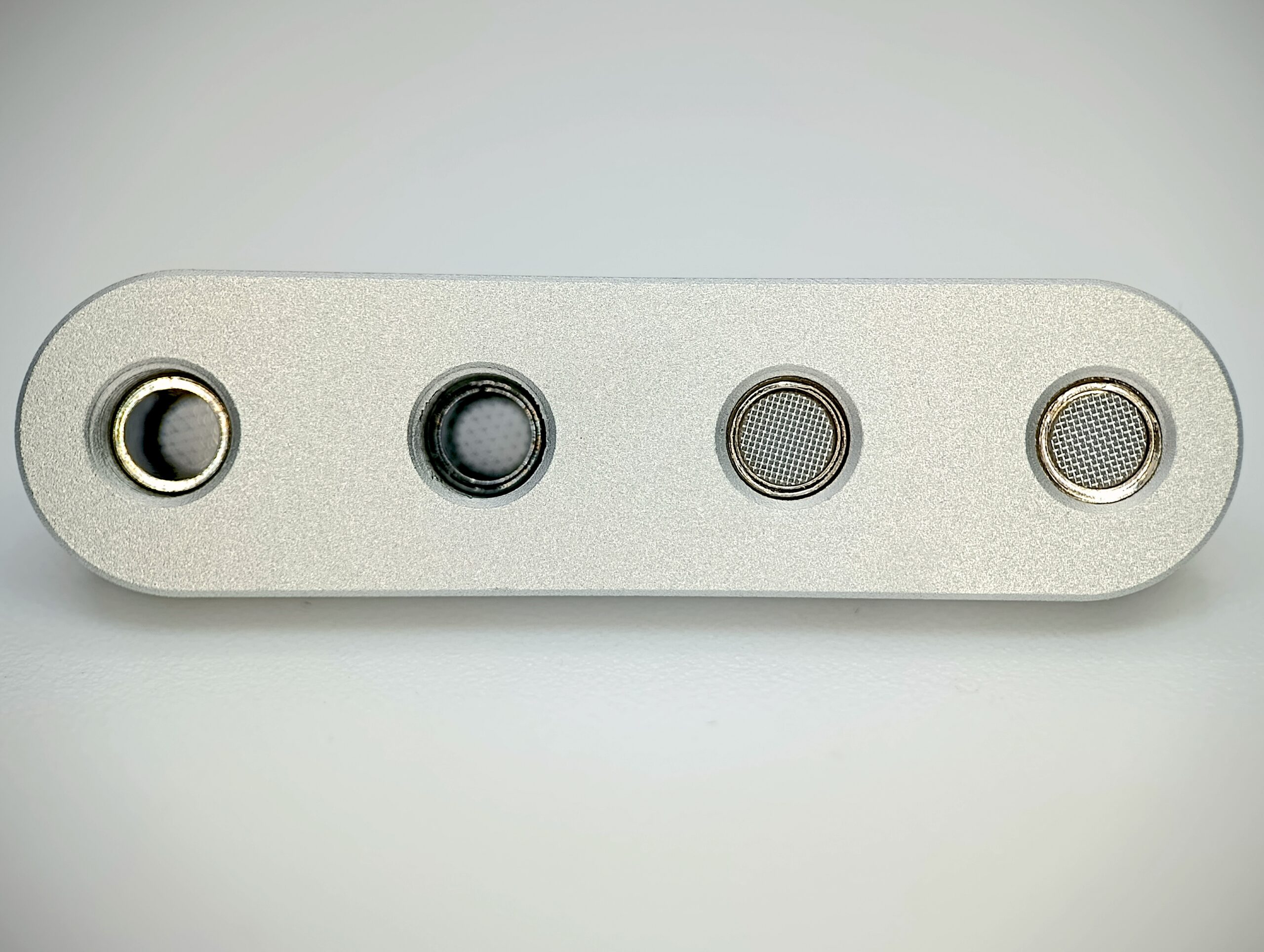
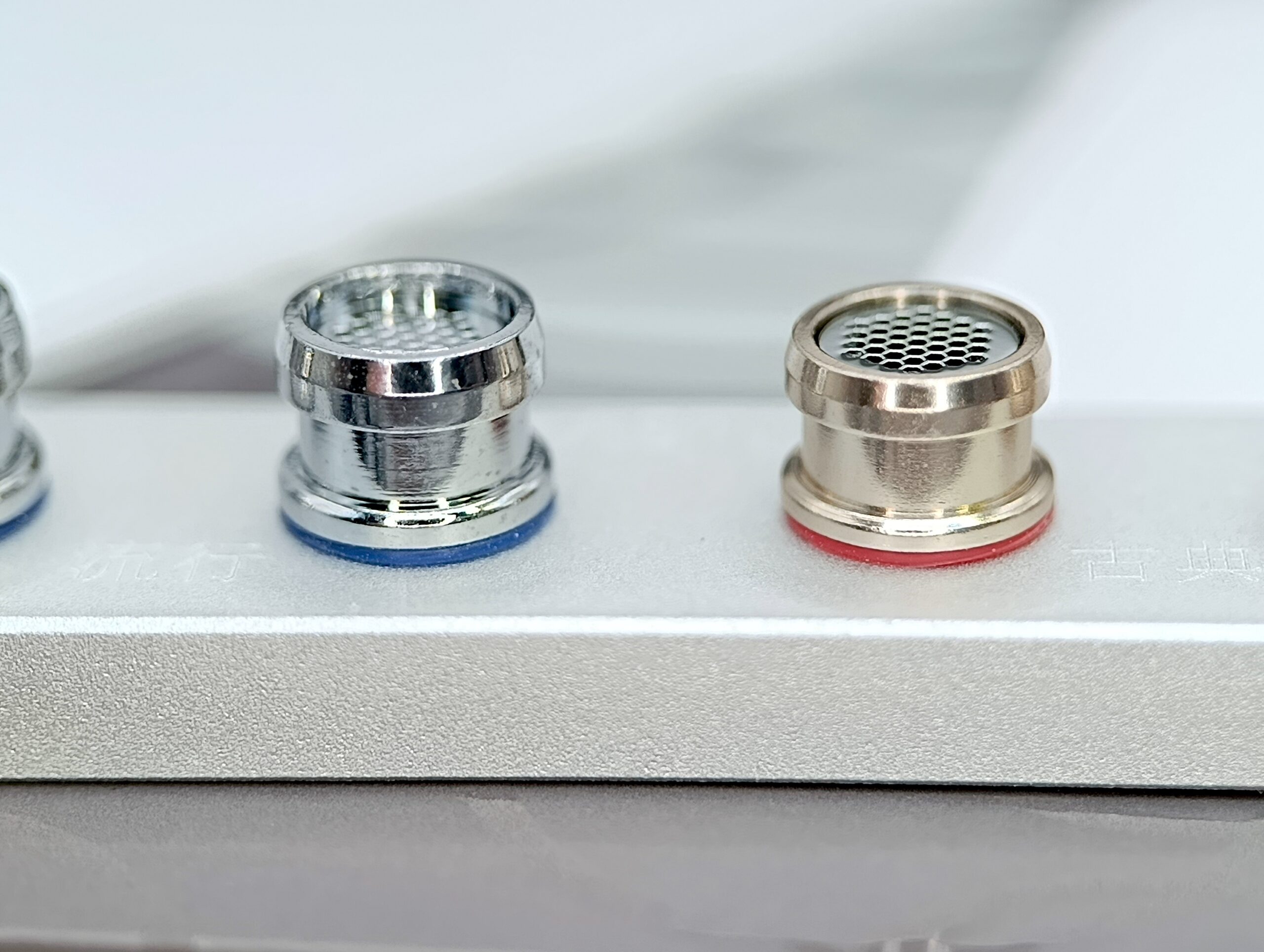
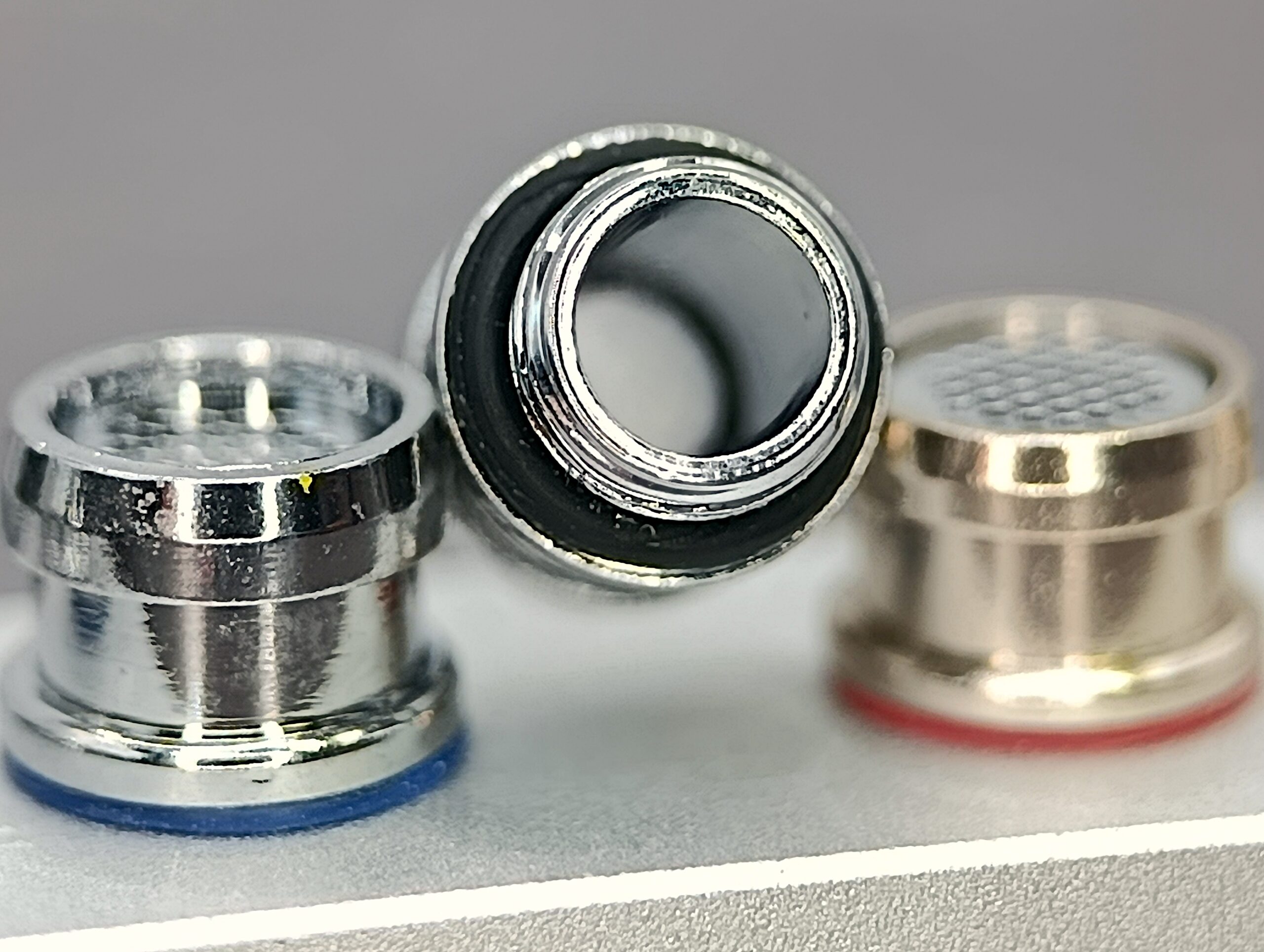
- Blue: Filterless nozzle, to enjoy the full power of the driver without any modifications whatsoever, and consequently, a brighter and more resolute nozzle. There’s not a huge difference, but the treble is slightly spicier.
- Red: The red nozzle is currently a whole different story compared to the others. Listed as classic, I’d define it as more of a smooth nozzle. Twistura has created a truly different nozzle in this case: it’s practically double the length, and there’s a grid at the inner end. The change is noticeable, and for those who love smooth reproduction with an added sense of warmth, it’s perfect. Increasing the length also changes the resonance.
- Black: This is the Reference nozzle, the one the Twistura D-Minor comes with. It’s a nozzle that sounds balanced to my ears, especially for the modern genres I listen to, and it’s a middle ground between the other two options. A balanced nozzle that maintains liveliness across all frequencies. The nozzle has an identical external grille to the blue nozzle, but it has a very fine mesh inside.
Twistura Dac/Dongle:
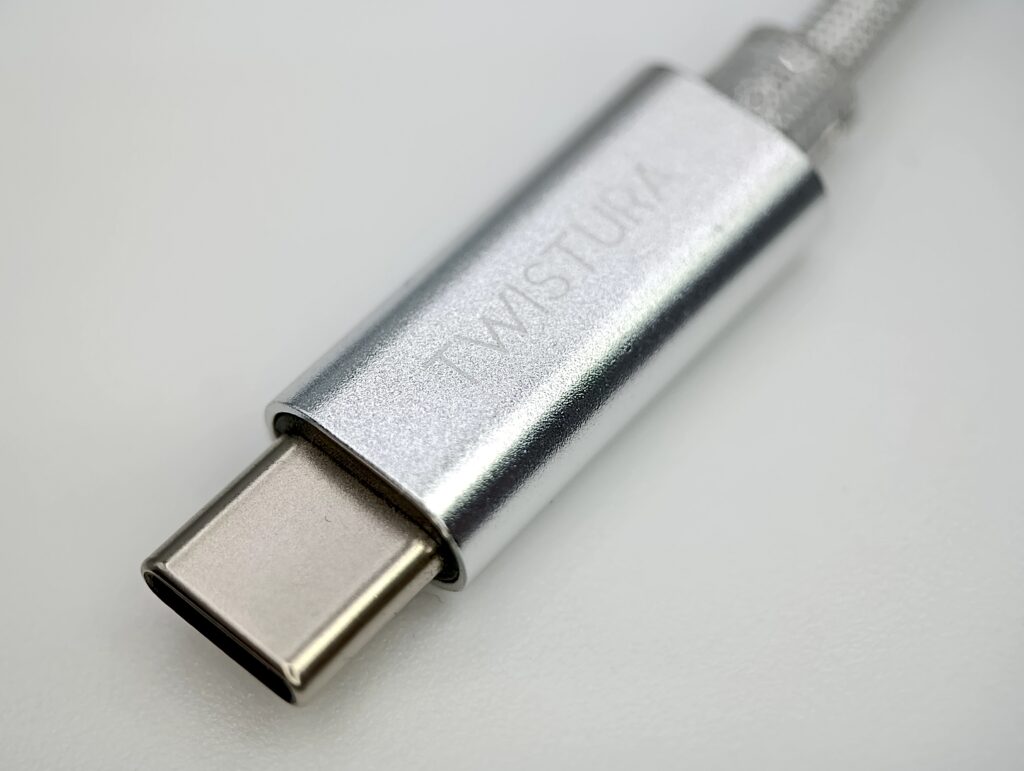
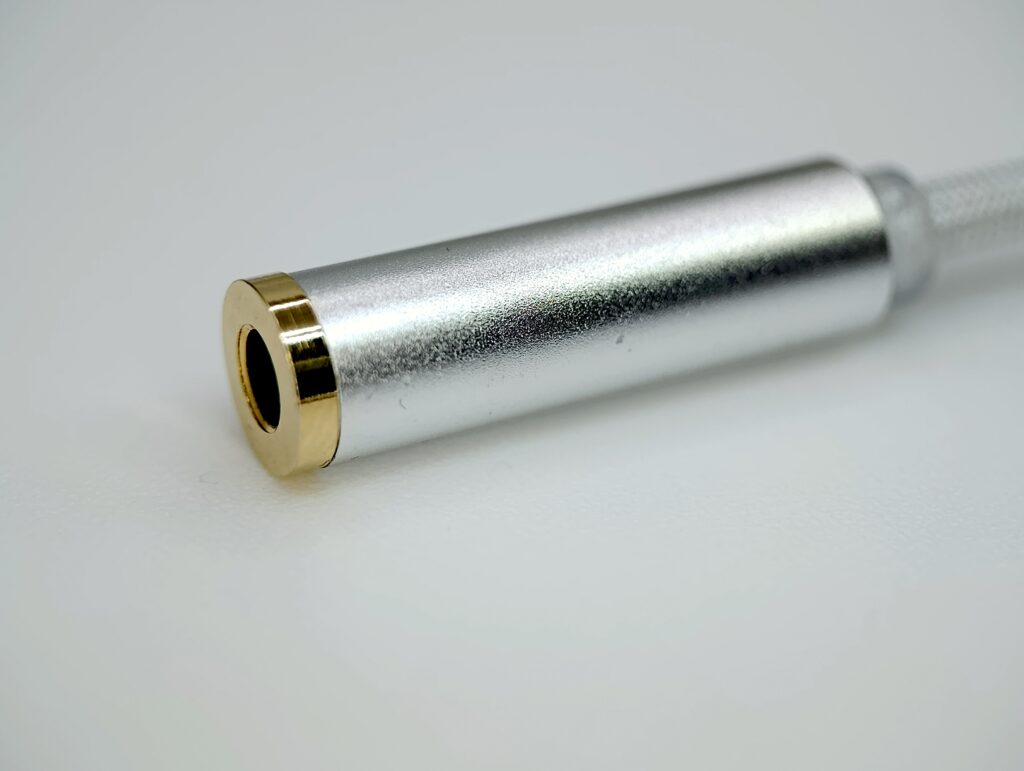
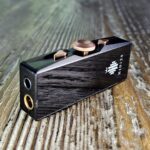
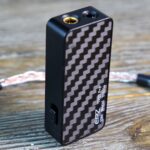
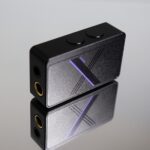
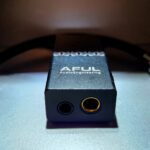
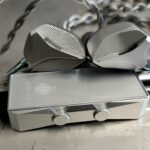
The Twistura D-Minor doesn’t require much in terms of amplification; the included dongle is a budget model made by TTGK that almost certainly uses a Conexant or perhaps Realtek chip.
The volume it can reach is adequate; for those who want to be worry-free, it’s the best solution for carefree use.
However, it should be noted that as a dongle it reaches 32bit 384khz and also has microphone support making it a great compromise for use with simple IEMs and with a microphone.
Obviously, if you power it with something a little more refined, the driver’s soundstage and dynamics improve significantly. However, as a fully-equipped entry-level set, it’s an excellent starter pack.
Final sound impression:
I obviously gave my final opinion using the nozzle with the black O-ring. I think that’s the best way to tell you how it sounds. The driver has great potential, and in my opinion, the best nozzles are those with the least limitations, but even the red one has its uses in certain musical genres. As far as I’m concerned, it’s already absurd to have such a well-equipped set at this price.
The black nozzle provides a balanced sound, the red one a warm and fluid sound, while the blue one allows the driver to express itself freely, adding crispness and resolution.
The included dongle is excellent for those who are getting this set as their first IEM, but if you happen to have a better model at home, you’ll definitely get better performance using another dongle.
Treble
They’re not the most refined highs I’ve ever heard, but you have to consider the price of this IEM. Overall, the extension is good and could be slightly improved by changing the tuning nozzles.
The macro and micro details are present and offer a certain clarity that perhaps is slightly limited by the black nozzle, but you can completely remove it by installing the black nozzle. The treble bite becomes more lethal and pinches when needed.
Mids
The mids might appear graphically recessed, but in the mix I currently find them almost on par with the other elements, delivering richly detailed mids with good naturalness and transparency. The red nozzle can improve the presence of the mids.
Bass
The bass has a greater impact on the Twistura D-Minor’s sonic signature. They’re not basshead IEMs, but I can say they deliver fairly deep bass with a fairly satisfying hint of sub-bass. They have good speed and an authoritative punch if the track calls for it. With the filter extended and probably made of a different material (brass nozzle), the bass has a completely different resonance.
Soundstage and Imaging:
The Twistura D-minor’s soundstage is good—not huge, but still a fair and fairly wide representation. Some elements on some tracks are even perceived with decent depth. In terms of imaging and layering, the driver does an excellent job, especially considering the price.
Comparison:
vs Kefine Delci or Klean
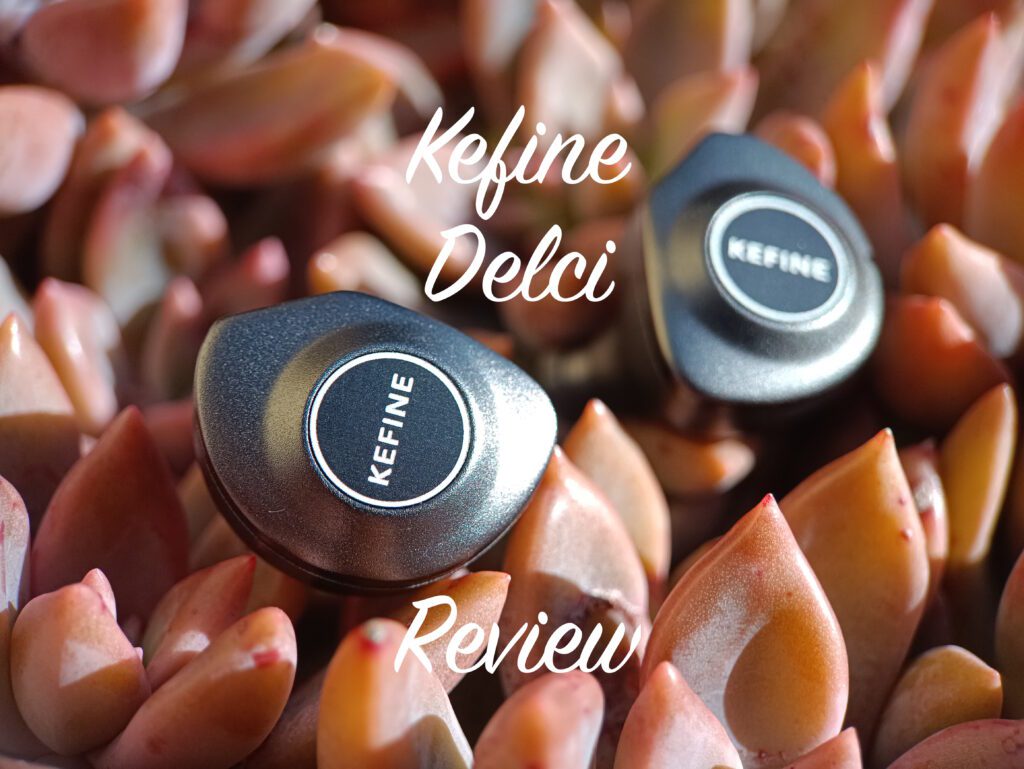
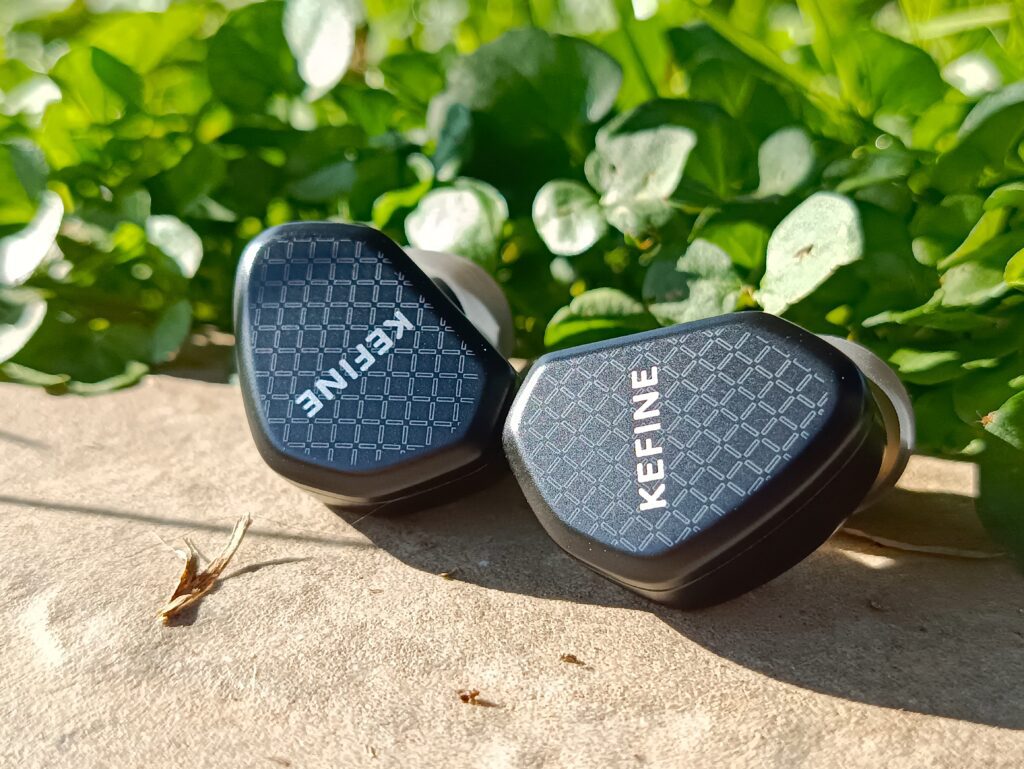
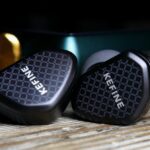
Perhaps a Kefine Delci or Klean could be direct rivals for a similar product. Obviously, those looking for more classic shapes will look at these models. The Delci for a more pronounced and fun V-shape and the Klean for a more balanced and crystalline sound.
Conclusion:
I conclude my review by being positively impressed by this new brand. Before these IEMs, I hadn’t had the honor of testing a Twistura product. I believe they offer excellent value for money, and there aren’t many rivals in this price range that offer so much. Obviously, they’re not perfect, and if they haven’t taken off in sales, it’s simply because of their shape. They’re not uncomfortable, but they’re not the most comfortable either. Even though their shape makes them unique, they might put off potential buyers fearful of not finding the perfect fit and seal. It depends a lot on the shape of each individual’s ears, but I believe that in any case, a solution can be found with the right eartips. These are now a relatively outdated model, but new models from the brand are coming out with more classic shapes and dynamic drivers with very unique membranes.
7.3/10
Pros:
- High Quality Build
- Resin & metal
- Good packaging
- Unique design
- V-Shaped with Tuning Nozzles
- Engaging Sound with energy
- Really catchy mids (not super natural)
- Good details and layering
- Right amount of treble
- The price is awesome
- Cheap Dongle with MIC Support
- Easy to drive
Cons:
- Comfort? Not Universal
- Treble Refinement
- Included cable
- Dongle included (I used something stronger but it’s compeltely fine)
Q/A:
Who is the Twistura D-Minor for?
Kiwi Ears Belle has a very broad target audience. There’s no specific target audience because they’re so versatile. Their price makes them affordable for everyone.
Who should avoid the Twistura D-Minor?
People who have more expensive models from Kiwi Ears or other brands probably wouldn’t be interested in this particular model, but they might still be interested in it as a battle model that they don’t have to worry about.
Similar alternatives to consider?
There are several brands in this price range. Some examples are KZ, CCA, Hidizs, and a few others. The selection is truly vast because there are so many models, and my advice is to rely on reliable brands.
Where to buy & More Information (no affiliation)?




No Comment! Be the first one.