


































































Intro
After reviewing the D-Minor, which showed excellent features for such a low price, I thought the D-Major, if that’s what I’m talking about, could be a game-changer. Given the excellent design of the Minors, these have a better drive and a more refined design.
Table Of Content
- Intro
- Technical Specifications and Product Description
- Packaging and Accessories
- Eartips
- Case included
- Cable
- Construction, Design, and Internal Components
- Fit and Comfort
- Driving and Source Pairing
- Sound Impressions
- Timbre
- Bass
- Mids
- Highs
- Soundstage and Imaging
- Listening Tests
- Side-to-side comparison: D-Major vs. D-Minor
- Final Thoughts
- RATING
- 🟢 Pros
- 🔴 Cons
- Q/A
- Where to buy
The D-Major are exactly a step above the D-Minor, not only in price, but above all in ambition. They’re not intended as a simple “upgrade,” but as a more mature model, more knowledgeable, and more demanding of the listener. That’s why I wanted to try them out slowly, not with the idea of replacing the Minors, but rather to understand what truly changes in my daily experience.
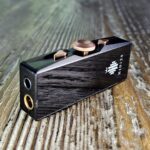
These headphones also come with a generous package. There are two different sets of ear tips in various sizes, interchangeable filters to adjust the sound output, a dedicated case, and even a small dongle for direct listening from a smartphone or PC. The price is higher than the D-Minor, settling in at around the low-mid range of the market at 46USD, but it’s still very competitive considering what’s on offer.
That said, let’s move on to the actual test.
Technical Specifications and Product Description
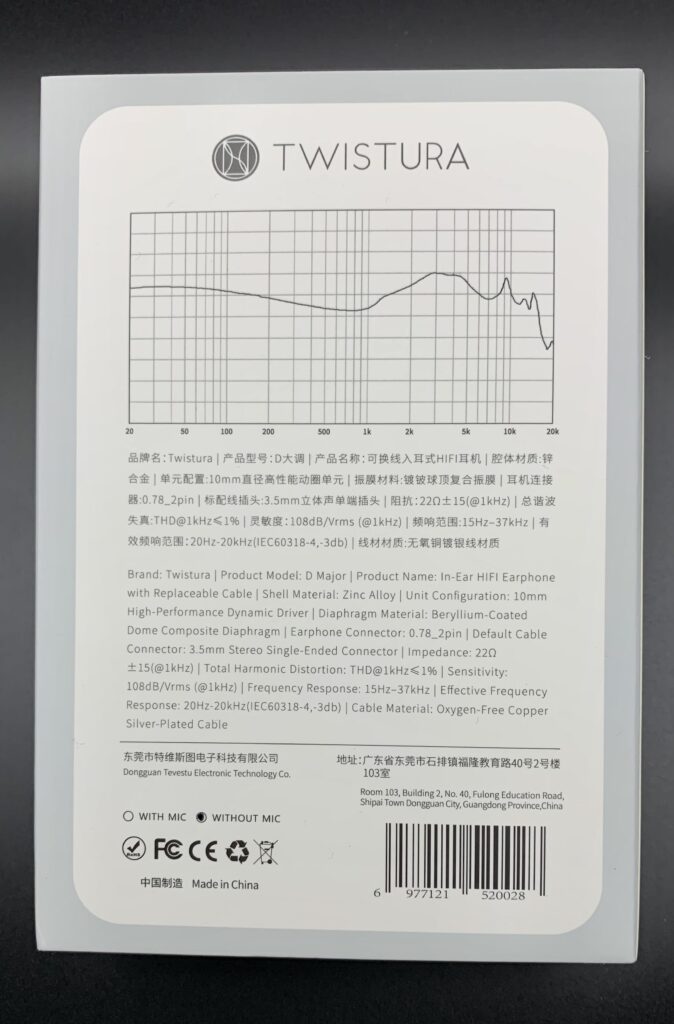
Below is a useful technical sheet to help you understand the Twistura D-Major before delving into the listening experience.
Driver: Single dynamic
Configuration: 10 mm high-performance dynamic driver
Magnetic structure: Dual magnet
Diaphragm material: High-rigidity composite
Impedance: Approximately 32 Ω
Sensitivity: Approximately 108 dB
Frequency response: Extended, with an emphasis on detail and openness
Headphone connector: 2-pin 0.78 mm
Cable material: Silver-plated OFC copper
Standard connector: 3.5 mm jack
Solid specifications, consistent with an IEM aiming to take a step forward in terms of control and definition. The usual rule applies here: numbers help, but music is judged by listening.
Packaging and Accessories
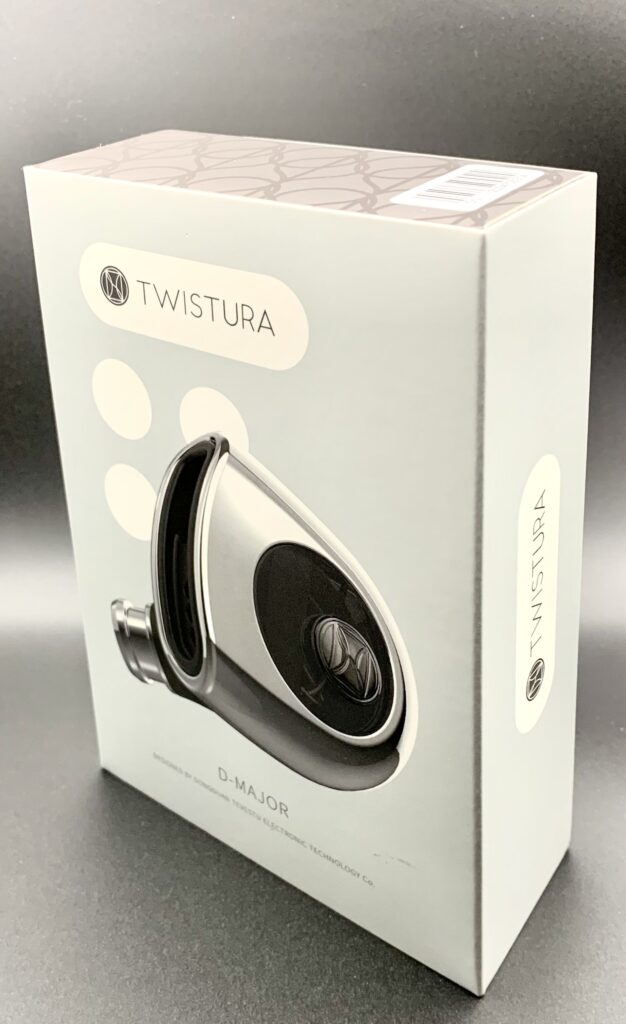
Opening the D-Major package immediately gives you the feeling of a more complete and refined product compared to entry-level models. Everything is neatly and rationally arranged, without unnecessary frills but with a certain attention to detail.
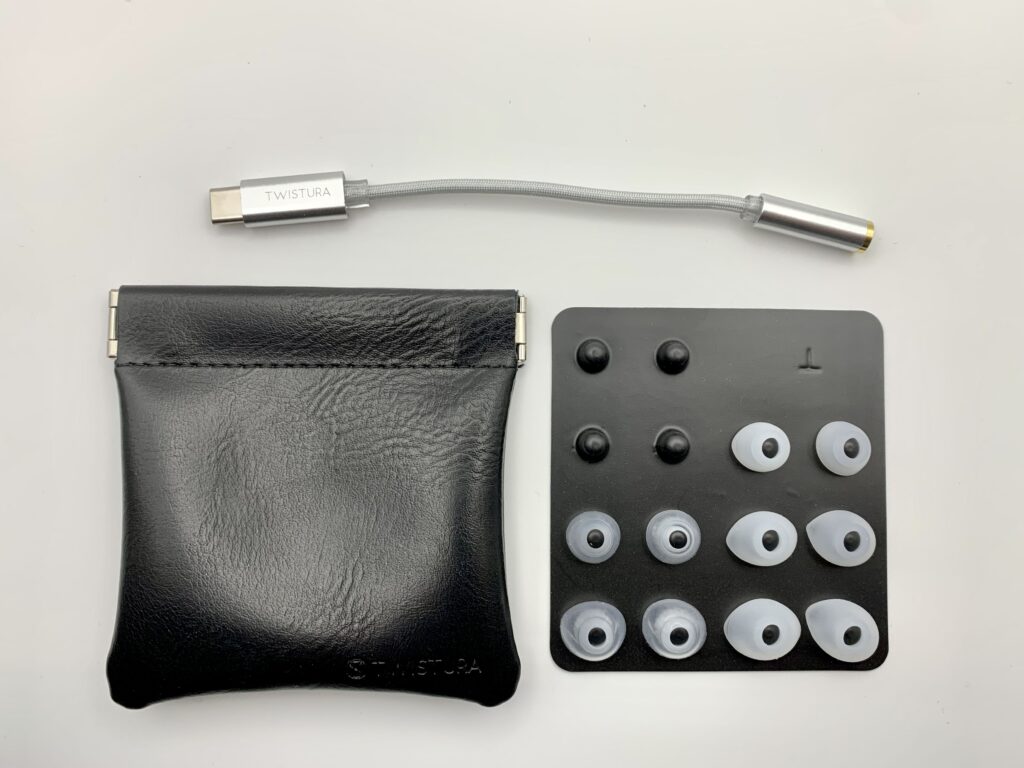
Inside, we find the IEMs, the cable, several sets of ear tips, interchangeable filters, and a carrying case. A dongle is also included, designed for those who primarily use smartphones or laptops.
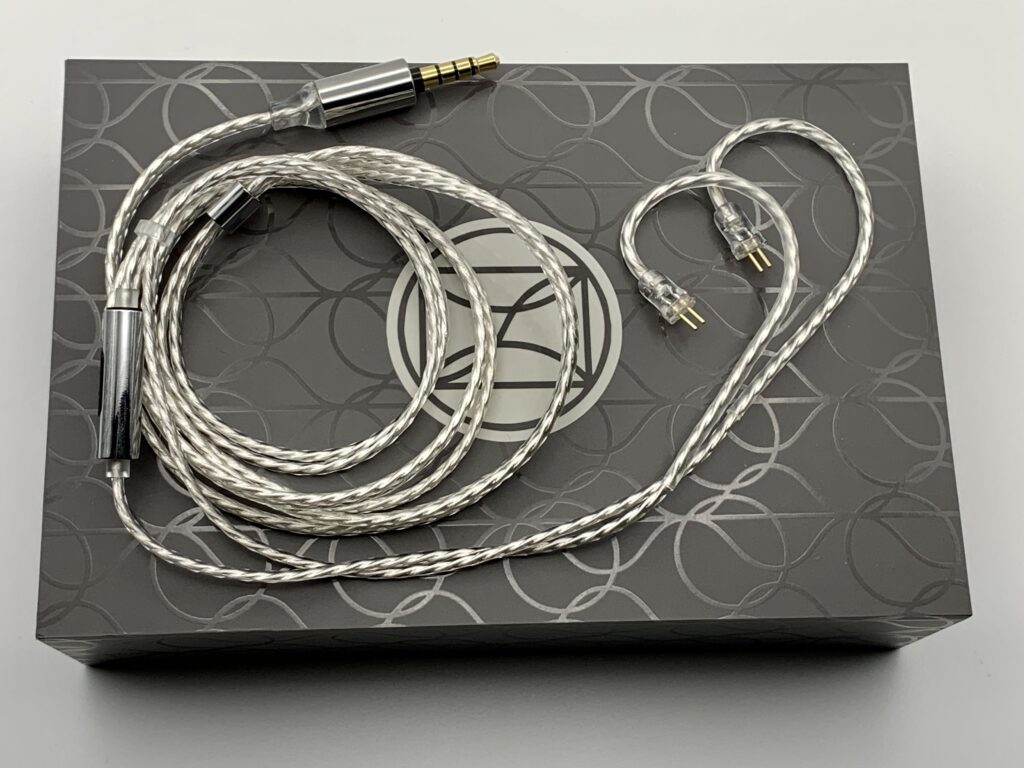
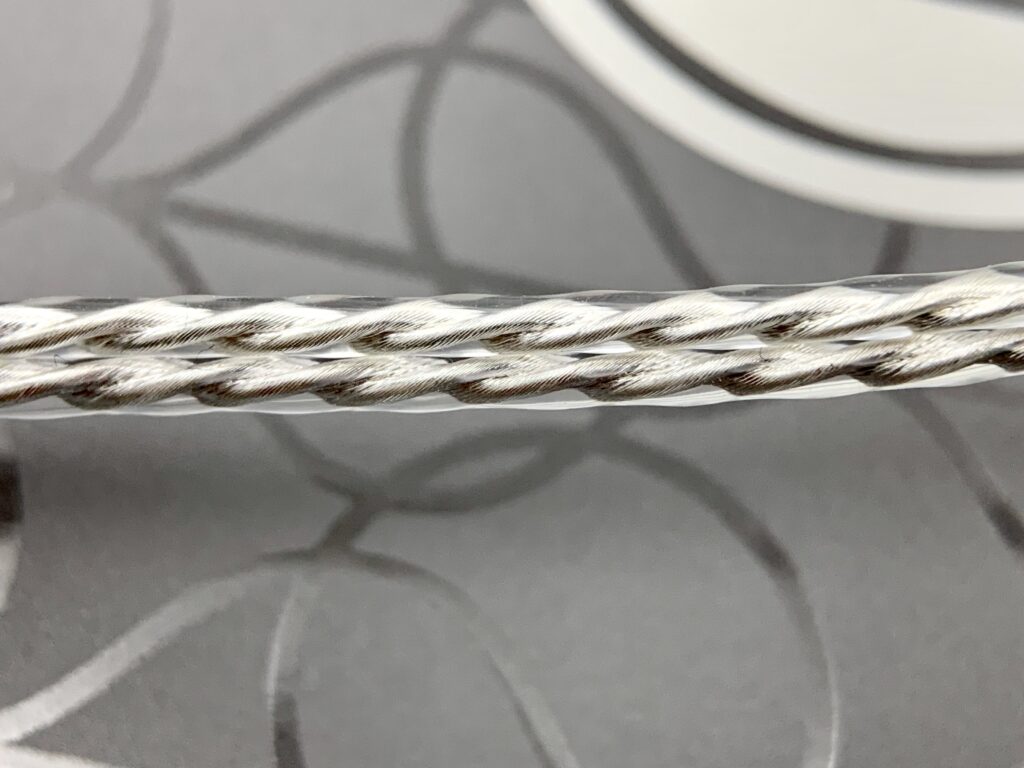
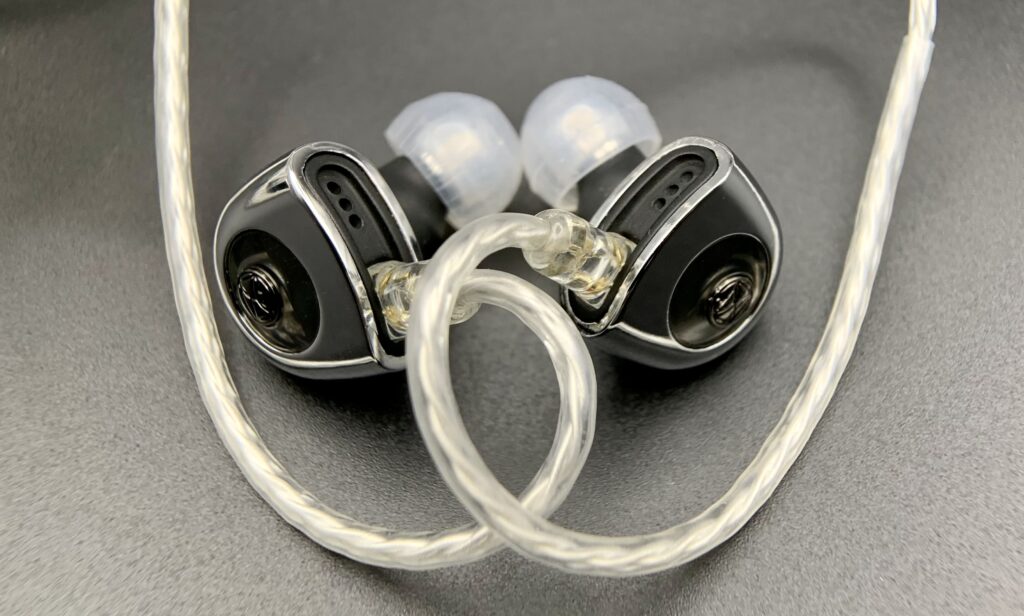
The supplied silver-plated OFC cable offers good build quality and proves more than adequate for the D-Major’s level of performance. It’s not a boutique cable, but it’s well-built, flexible, less prone to tangling, and consistent with the product’s overall price.

Eartips
The set of ear tips is the same as the D-Minor, allowing you to experiment with comfort and sound quality. The materials are good quality, and the sizes easily cover most needs.
As always, choosing the right eartip significantly impacts the final sound, especially on an IEM like this, which is more sensitive to insertion and depth.
Case included
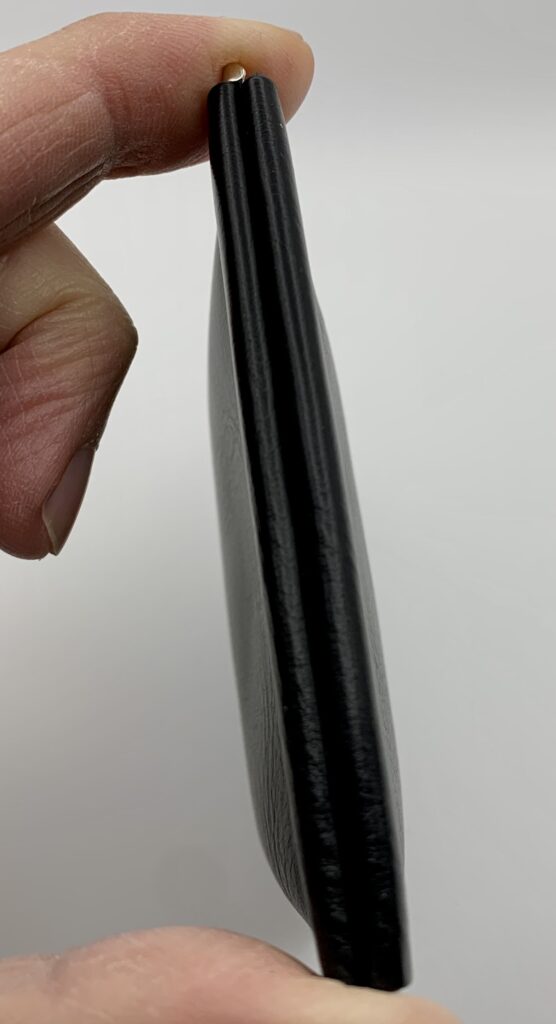
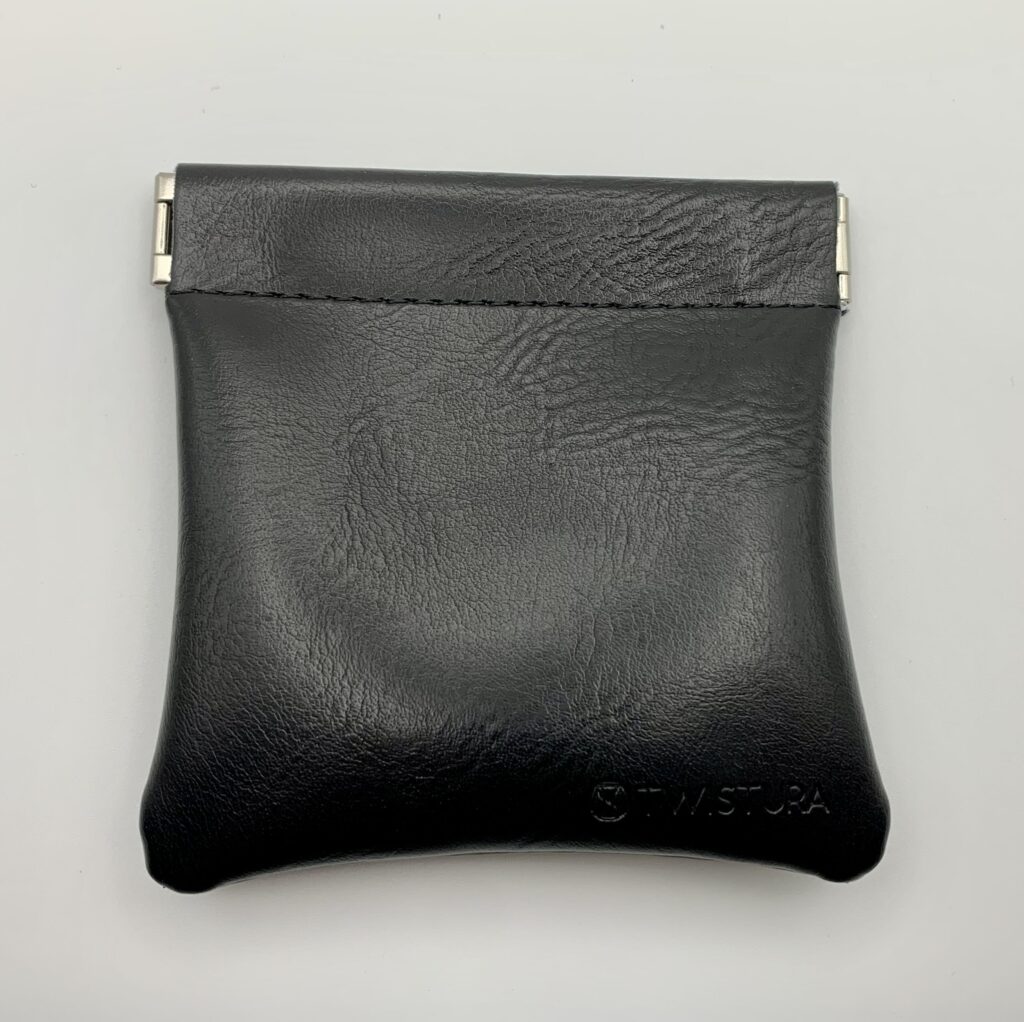
The case follows the Twistura philosophy: simple, practical, and functional. It’s not designed to be aesthetically pleasing, but to protect its contents during everyday use. It’s sturdy enough, easy to open, and compact enough to fit in a pocket or backpack without any issues.

Cable
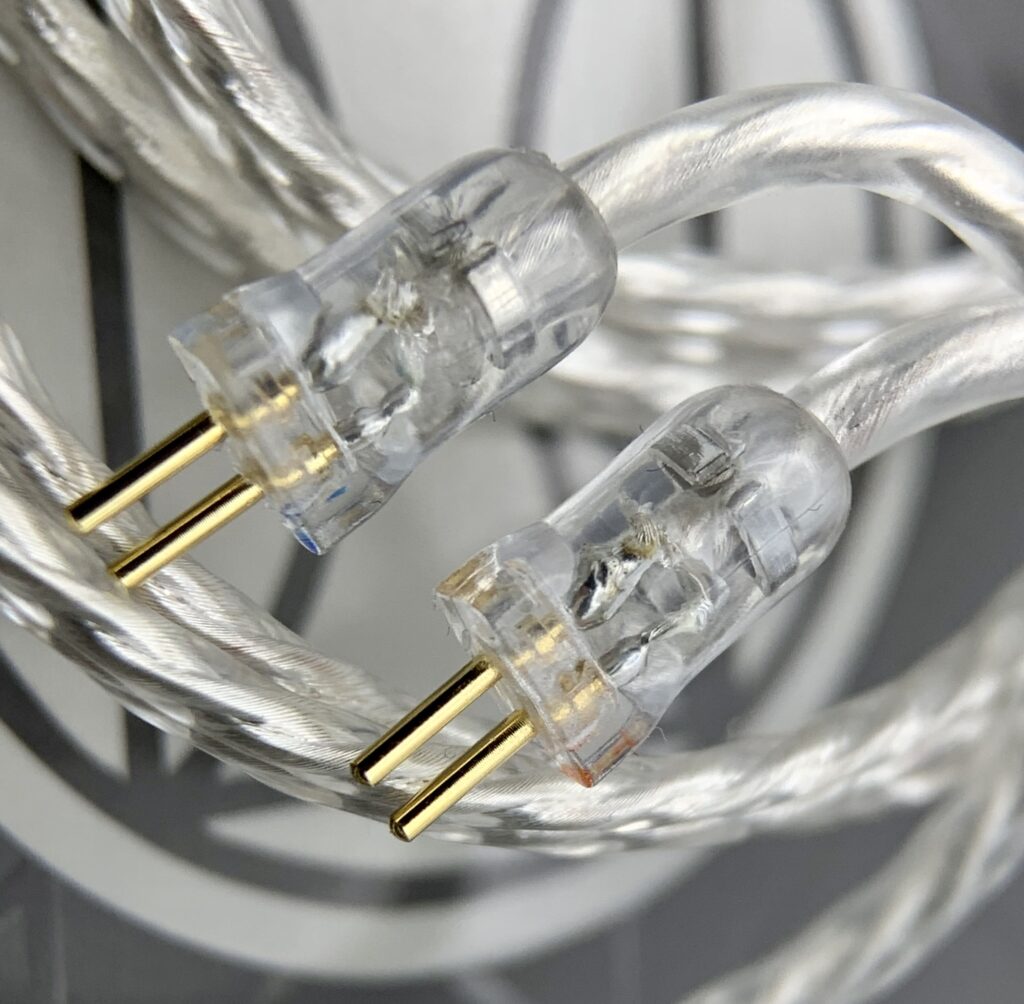
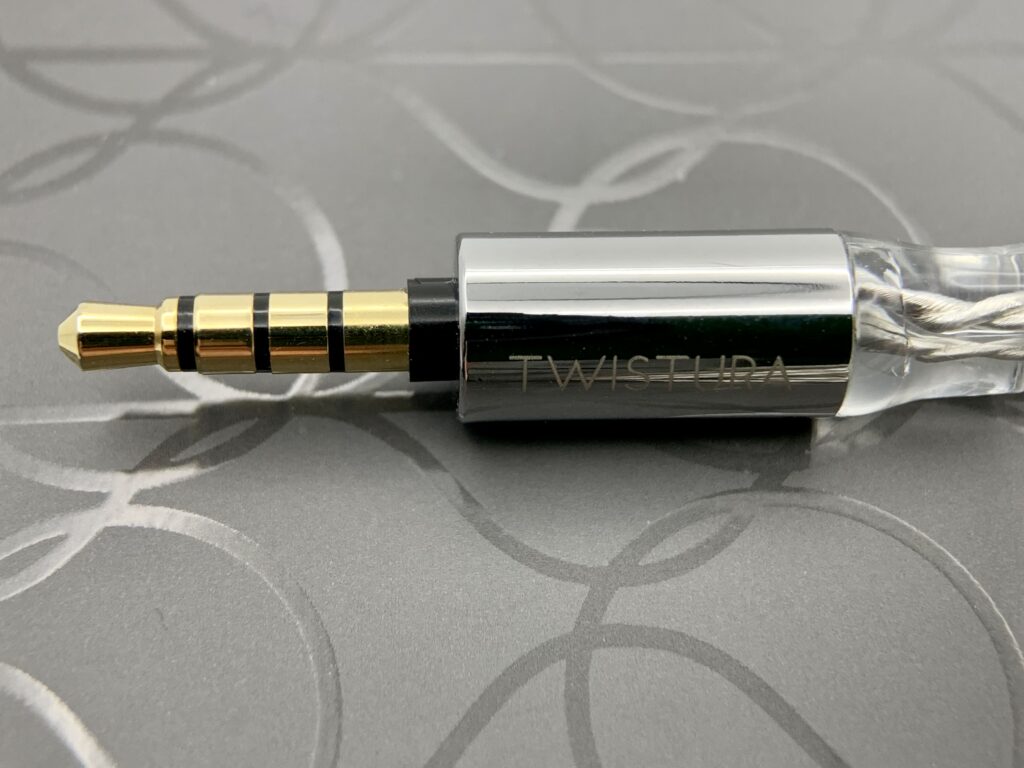
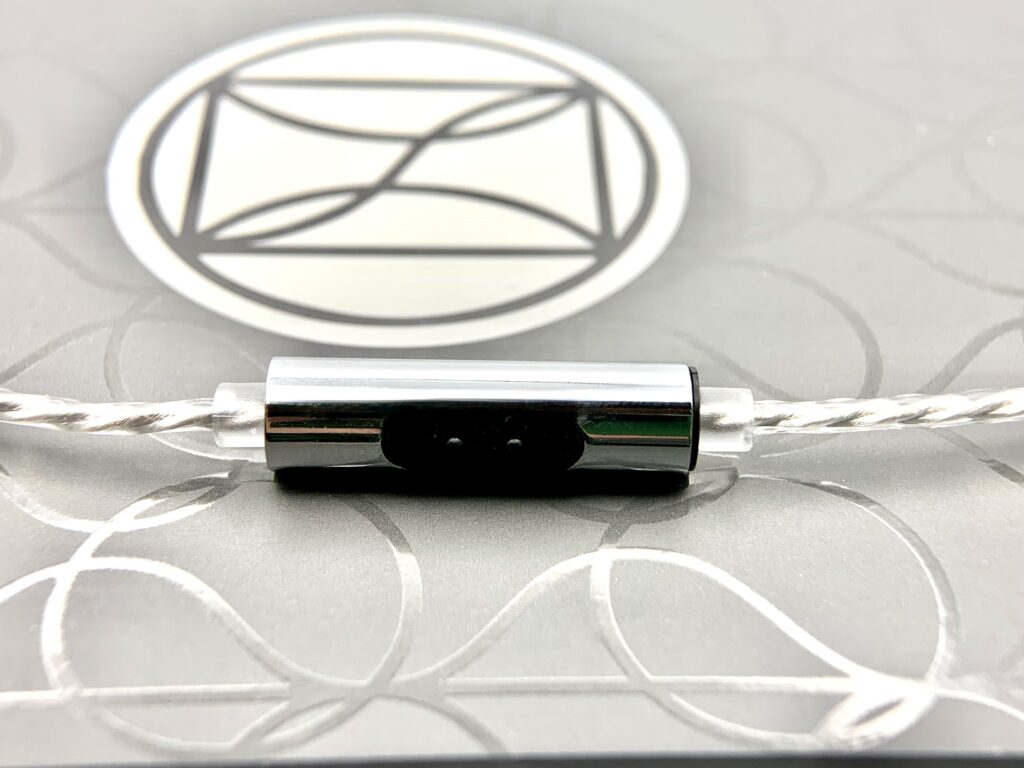
The cable uses a four-conductor silver-plated OFC copper design with 0.78 mm two-pin connectors and a 3.5 mm jack, offering solid build quality, good ergonomics, and a lightweight feel.
Surface-wise, the cable doesn’t introduce any noticeable coloration, allowing the D-Majors to express their own character. Those who want to experiment with aftermarket cables are welcome to do so, but it’s by no means mandatory to enjoy the product.
Construction, Design, and Internal Components
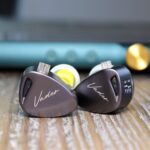
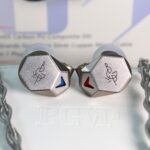
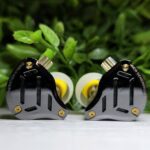
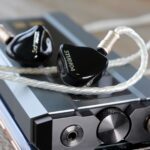
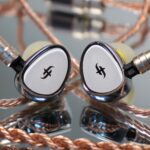
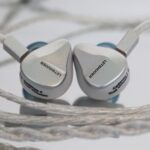
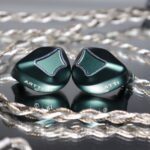
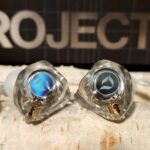
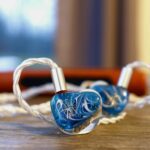
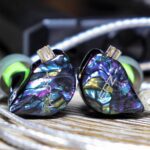
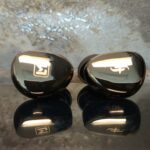
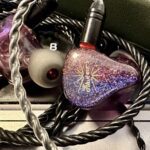
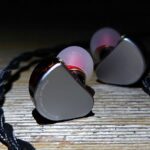
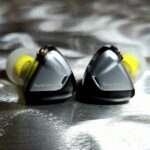
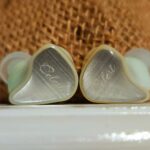
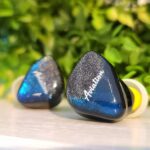
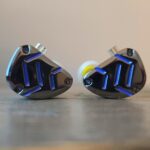
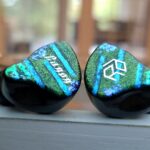
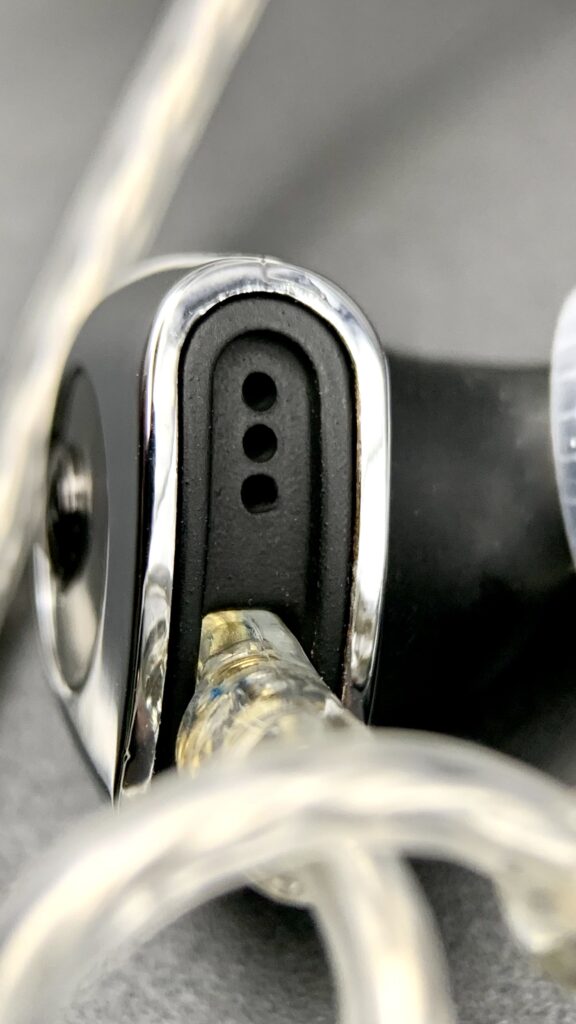
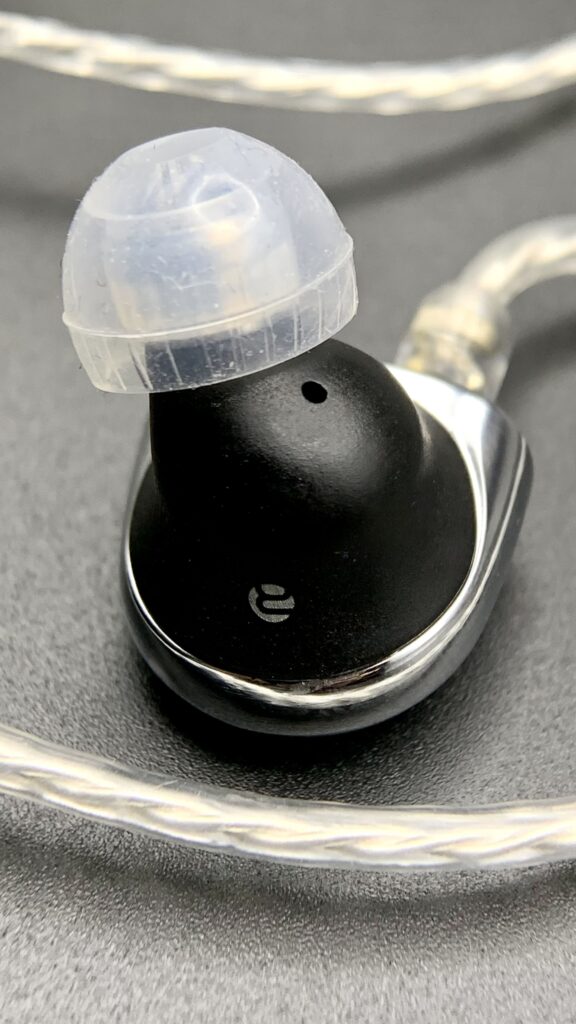
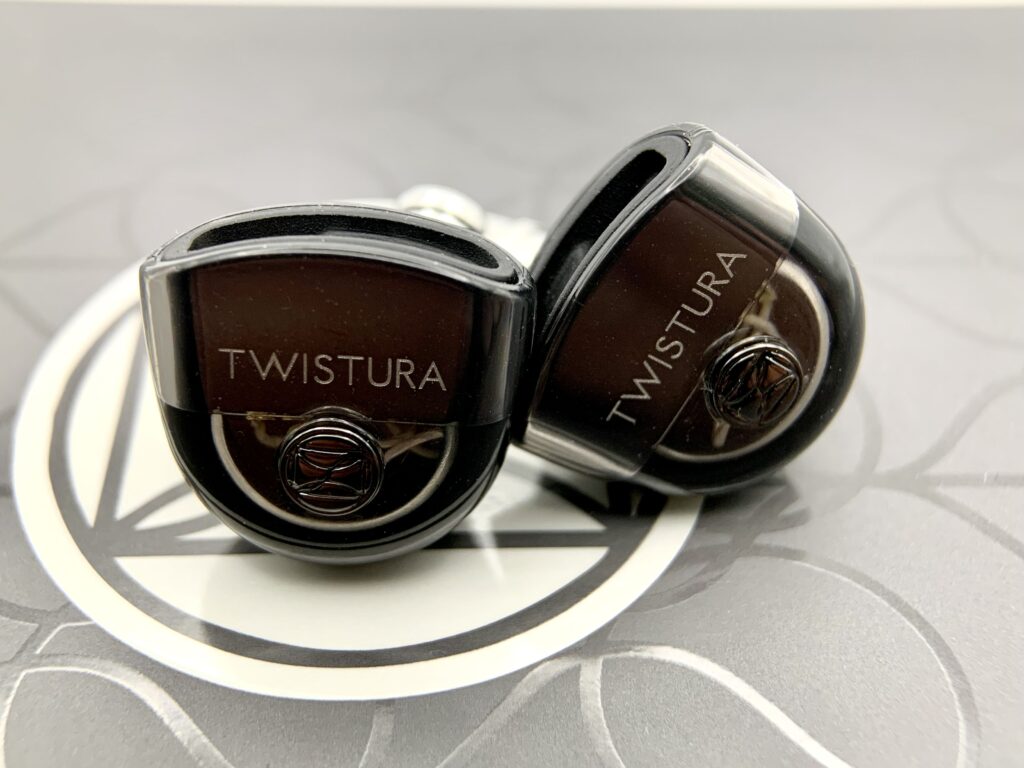
The D-Majors adopt a mixed construction, with a well-finished shell and an overall feeling of greater solidity than the lesser model. The design remains simple and elegant, without excess, but with superior attention to detail.
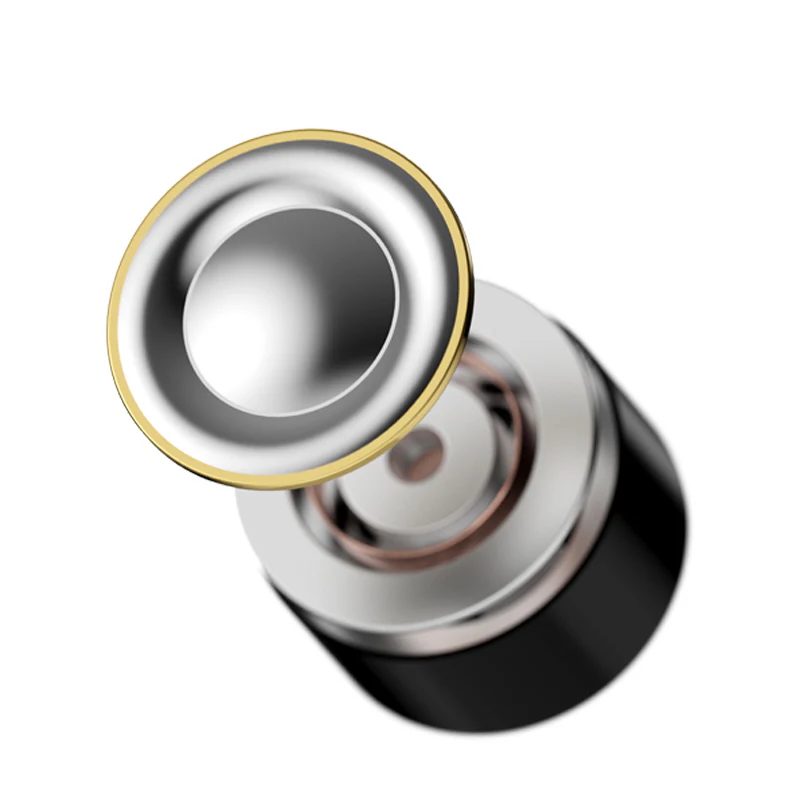
Inside, we find a 10 mm dynamic driver with a double magnet structure, designed to improve diaphragm control and reduce distortion. The focus here is not so much on quantity, but rather on the quality of the membrane’s movement.
The result is more controlled behavior, a faster transient response, and a greater ability to convey subtle information, especially in the mid-high frequencies.
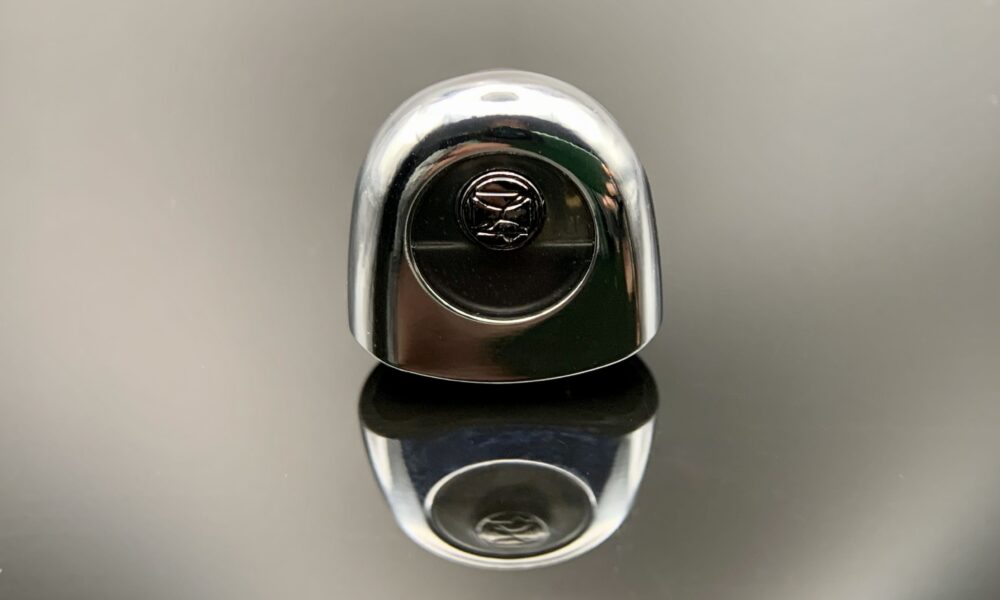
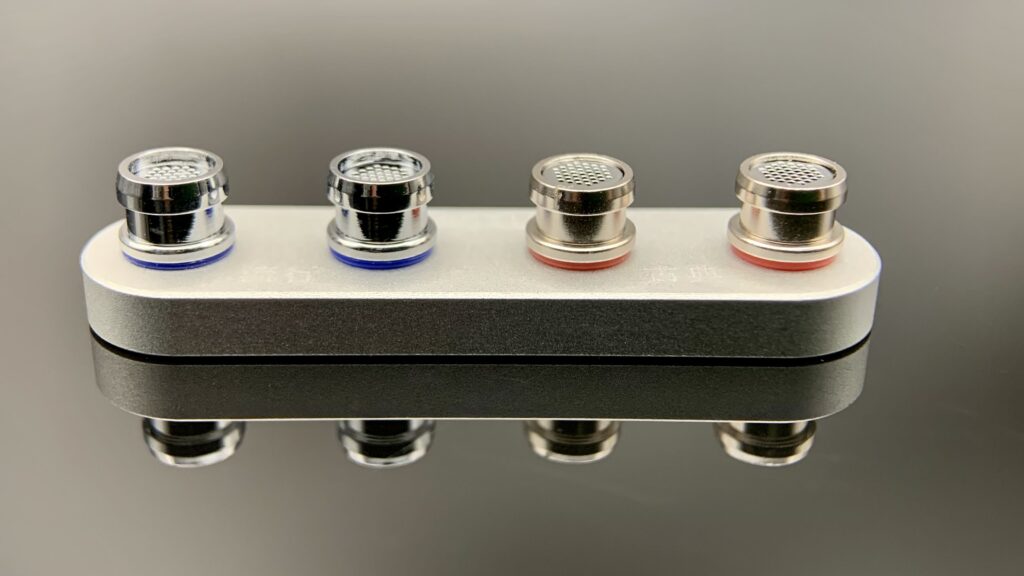
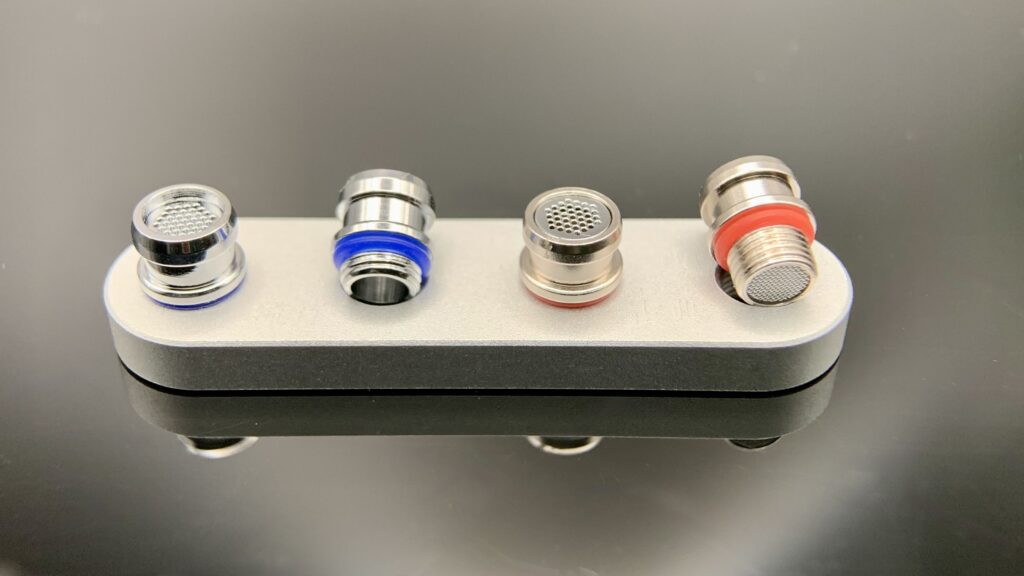
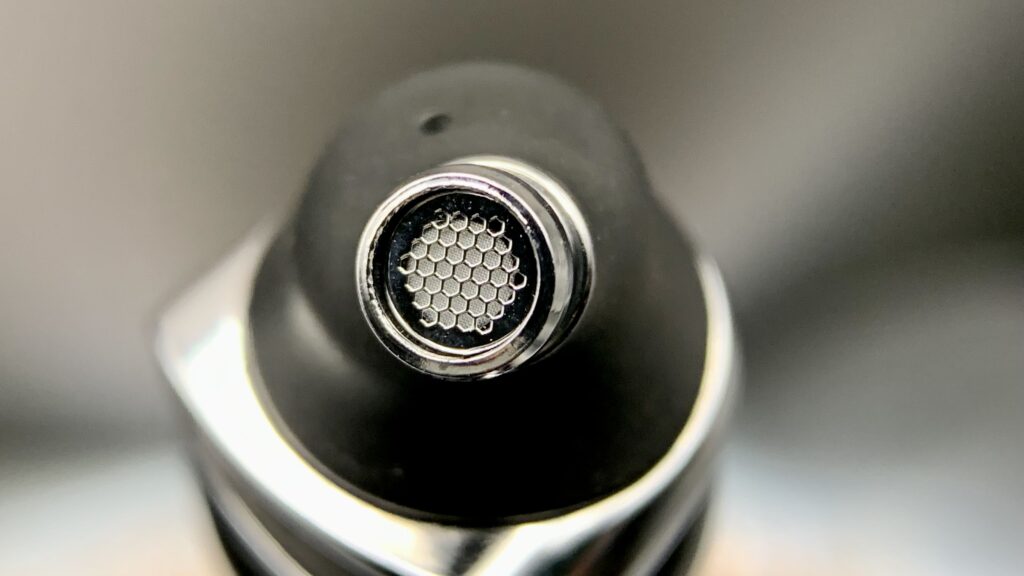
The D-Majors also feature an interchangeable filter system, which allows for mechanical adjustments to the sound output, without resorting to DSP or invasive equalization.

Fit and Comfort
Despite a slightly more solid construction, the D-Majors remain comfortable and easy to wear. The earcups remain unobtrusive, and once the right ear tips are selected, they are comfortable enough for long listening sessions.
Isolation is good, without becoming oppressive. The driver venting contributes to a more natural sensation in the ear canal, reducing fatigue.
Driving and Source Pairing
The D-Majors are easy to control. Smartphones, dongles, and portable DACs can handle them without any problems. However, compared to the D-Minor, they benefit more from a slightly more refined source.
With a good dongle or portable DAC, you’ll perceive greater clarity, a more defined soundstage, and more precise separation. They don’t require power, but they appreciate quality.
Sound Impressions
After a break-in period of about twenty hours, I moved on to the listening tests. From the first tracks, it’s clear that the D-Minor isn’t trying to impress at all costs, but rather to deliver a musical and balanced sound. The overall sound signature leans slightly toward the low frequencies, but the interchangeable filters make it easy to tailor the sound to different tastes and listening preferences.
Below, I’ve organized my impressions into three distinct listening profiles based on the replaceable filter tubes, classified as Reference, Classical, and Pop, each reflecting a specific way of using and appreciating these IEMs.
Timbre
The timbre of the D-Majors is clearly more neutral and refined than that of the D-Minor. The overall impression is of a more aware, less forgiving sound, and more focused on clarity and definition. There’s no pursuit of immediate impact at all costs, but rather a clear desire to maintain balance and coherence across the various ranges.
It’s a timbre that changes significantly with the filters, yet always maintains its own recognizable identity. The D-Majors don’t attempt to mask recordings or artificially sweeten them. On the contrary, they deliver a cleaner, more readable sound, which rewards meticulous recordings and exposes less successful ones a little more.
Reference: With the Reference filter, the timbre is balanced, clean, and coherent. This is the mode that best represents the D-Majors’ design intent, where everything seems to fall into place without forcing. The sound doesn’t try to amaze, but accompanies the listener in a natural and orderly manner. It’s the ideal basis for truly understanding how these IEMs sound and for calmly evaluating their other behavior.
Classical: The Classical filter makes the timbre more open and airy, slightly lightening the presentation. The listening experience is more relaxed, less dense, with a greater sense of space between instruments. This mode favors naturalness and fluidity, perfect for extended listening sessions and for genres like classical, acoustic jazz, and singer-songwriter music, where timbre clarity matters more than impact.
Pop: With the Pop filter, the timbre changes more noticeably. The sound becomes more energetic and direct, with greater immediacy that makes listening more engaging. You lose some refinement and balance, but you gain in perceived dynamics and presence. This mode is clearly tuned for entertainment and modern genres, prioritizing emotional impact over absolute accuracy.
Bass
The D-Major’s low end is controlled and precise, with less emphasis than the D-Minor. Here, you’re not looking for an easy punch or a swollen bass, but rather a leaner, faster delivery, geared toward the mix’s readability. The subbass is present, but never foregrounded, while the midbass is present just enough to add body without weighing down.
Reference: Mode delivers bass that integrates smoothly into the overall sound. It’s fast, clean, and has a well-balanced decay. It never invades the midrange and helps keep the sound tidy and controlled. It’s a very versatile output, working well with different genres without creating noticeable imbalances.
Classical: With the Classical filter, the bass becomes even drier and tidier. It loses some weight and impact, but gains definition and precision. This choice prioritizes the clarity and readability of the musical message, leaving room for the mids and improving the perception of the soundstage.
Pop: The Pop filter delivers a more present and physical bass. The midbass is emphasized just enough to add rhythm and engagement, without becoming intrusive or muddy. It’s less refined than the other modes, but definitely more fun.
Mids
The mids are one of the D-Majors’ true strengths. The sound is natural, well-focused, and coherent, with realistic vocals and believable acoustic instruments. Compared to the D-Minor, the midrange is more defined and better sculpted, with a greater ability to separate musical lines.
Reference: In the Reference setting, the mids are well-positioned and realistic. Vocals emerge naturally, neither recessed nor overly prominent. Everything sounds balanced and believable, with good continuity between bass and highs.
Classical: The Classical filter further enhances the midrange, bringing vocals slightly forward and making them more present and readable. It’s the ideal mode for those who listen to a lot of acoustic music, jazz, or singer-songwriters, where the expressiveness of the vocals and instruments is central.
Pop: With the Pop filter, the mids fade slightly into the background, in favor of more energetic bass and highs. Vocals remain intelligible, but the focus shifts to overall impact and dynamics.
Highs
The highs of the D-Majors are more extended and present than those of the D-Minor. There’s a sense of more air and better definition, especially on cymbals and higher harmonics. They’re not extremely silky, but they’re generally clean and well-controlled, as long as you choose the right filter.
Reference: In Reference mode, the highs are detailed but never excessive. There’s a good amount of information without obvious sibilance, and the listening experience remains secure even over long periods.
Classical: The Classical filter further opens up the highs, making the sound more airy and bright. Harmonics emerge more naturally, and the soundstage benefits, without becoming aggressive.
Pop: With the Pop filter, the highs become brighter and more incisive. The sound gains liveliness and presence, but on already loaded recordings or at high volumes, it can be less controlled, requiring some attention.
Soundstage and Imaging
The D-Majors’ soundstage is wider and more layered than that of the D-Minor, not so much due to exaggerated dimensions, but rather to a more orderly and believable construction of the scene. We’re not faced with a huge or artificially enlarged stage, but rather a well-defined space, in which each element finds its precise place.
The sense of depth is more evident, with better separated soundstages and a greater perception of the distance between instruments. This is especially helpful in more complex pieces, where the D-Majors manage to maintain order and clarity even when the mix becomes crowded.
Imaging is precise and stable. Instruments don’t “float” in the soundstage, but remain anchored in their position, making it easy to follow individual musical lines effortlessly. Even in the most dynamic passages, the soundstage doesn’t collapse or become confusing, a sign of superior control compared to the lesser model.
Overall, the D-Majors’ soundstage doesn’t try to dazzle with special effects, but rather impresses with its coherence and naturalness. It’s one of those qualities that becomes especially apparent over time, contributing to a greater sense of maturity and sonic awareness compared to the D-Minor.
Listening Tests
The listening tests clearly confirm the findings of the technical analysis. The D-Majors prove more selective than the D-Minor, but for this very reason, they are also more rewarding when the recording is of a good quality. They don’t try to make everything pleasant regardless, but rather convey the song’s essence more faithfully.
With jazz, rock, and acoustic music, the greater definition and better separation between instruments immediately emerge. Vocals sound more sculpted, instruments are better positioned in space, and dynamics are easier to read. Even in complex passages, the D-Majors maintain order and control, making individual musical lines easy to follow without the sound becoming congested.
More compressed or aggressive recordings are reproduced without any added sweetening. The D-Majors don’t sugarcoat what isn’t sweet, and they don’t mask the limitations of certain productions. This can make some listening experiences less forgiving, but it’s also the price to pay for a more honest and informed rendering. In return, when the recording is good, the engagement increases significantly, and listening becomes more rewarding and satisfying over time.
Side-to-side comparison: D-Major vs. D-Minor
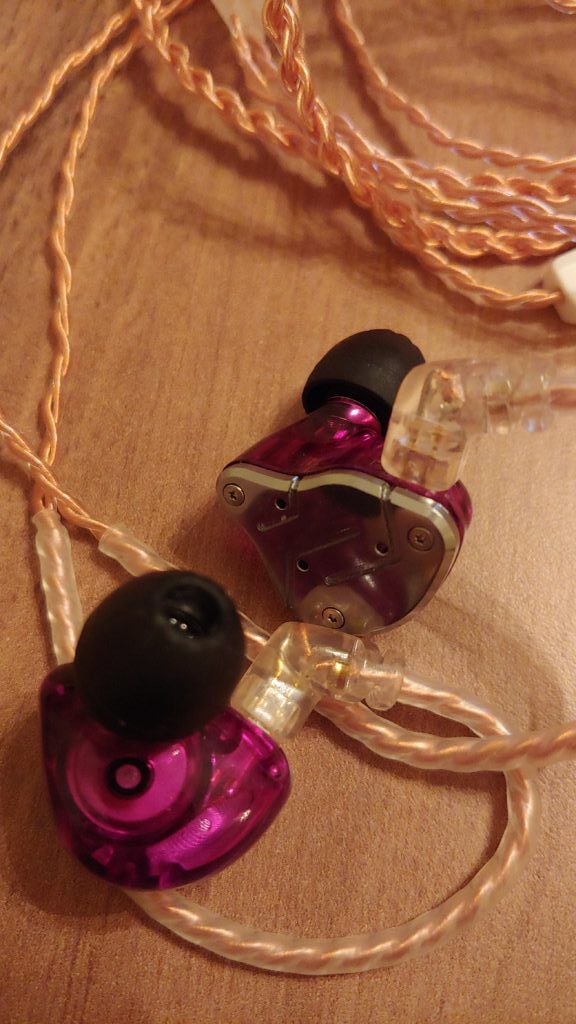
The comparison between D-Major and D-Minor is particularly interesting because it doesn’t focus so much on the concept of “better or worse” as on the listening approach. While the two models share the same core philosophy and a coherent design approach, they are clearly aimed at different listening moments and different types of users.
The D-Minor are more forgiving, warmer, and more immediate. Their musicality comes through immediately, without requiring particular attention or concentration. They lose something in terms of detail and precision, but gain in ease of listening and immediate pleasure. These are IEMs that you can quickly put on, connect to your smartphone, and use for hours, even with less than perfect recordings, without ever feeling fatiguing. For this reason, I consider them ideal daily companions, easy to use without overthinking, whether traveling, at work, or during daily commutes.
The D-Majors, on the other hand, represent a step forward in terms of maturity. They offer more control, clearer instrument separation, and superior clarity, especially in the mid-high frequencies. This greater precision, however, also requires a little more attention from the listener. The D-Majors aren’t forgiving, they don’t automatically soften the harshest recordings, and they don’t try to please at all costs. In return, when the source and the track are of good quality, they offer a deeper, more readable, and more engaging listening experience.
In other words, if the D-Minor are carefree traveling companions, always ready and accommodating, the D-Majors are more demanding. They demand something more, but they can also give much more to those who truly love to listen, attentively and consciously. It’s a subtle but fundamental difference, which makes the two IEMs complementary rather than direct competitors.
Final Thoughts
The Twistura D-Major represents a concrete and conscious step forward from the D-Minor. They don’t overturn the brand’s philosophy or attempt to reinvent anything, but rather take what worked in the lesser model and elevate it, with more control, more order, and greater attention to detail. It’s a natural, unforced evolution that’s noticeable from the first few minutes of listening.
These IEMs are aimed at listeners seeking greater definition and precision without sacrificing musicality. The D-Major aren’t headphones with an immediate “wow” effect, nor do they seek to impress with sonic artifice. On the contrary, they require a slightly more conscious listening experience and, precisely for this reason, manage to deliver a deeper and more rewarding experience when the recording deserves it.
At the same time, they remain accessible products, both in terms of price and ease of use. They don’t impose complex chains, don’t require expensive sources, and never become difficult to drive. This makes them particularly interesting for those who are taking a step forward in their listening journey, moving from a more casual approach to a slightly more attentive one, without wanting to enter extreme or elitist territory.
Ultimately, the D-Majors are not designed to replace the D-Minor, but to complement them. They are the right choice for those who appreciated the Twistura setup and now seek greater sonic maturity, more order, and more awareness, while maintaining a direct and sincere connection with the music. A real, coherent, and successful growth.
RATING
If I were to evaluate these IEMs in their natural context, as I did with the Minor model, I would give them 5 stars without hesitation, because the value for money, even in this case, combined with the accessory package, is objectively hard to beat. However, if the comparison extends to higher-end and more expensive products, the performance gap becomes evident, and it’s right to take this into account. For this reason, the overall rating stands at 4 stars. It remains a successful product and highly recommended, especially considering what it offers in its price range.
8,0 / 10
🟢 Pros
- More defined and mature sound, with greater control and coherence
- Natural and well-sculpted midrange
- Tidier and better layered soundstage
- Effective and truly usable filters
- Refined construction and a more mature feel
🔴 Cons
- Less forgiving than the D-Minor with mediocre recordings
- They benefit from a slightly more refined source to deliver their best performance
Q/A
The Twistura D-Major suits listeners who appreciated the D-Minor tuning and now want a clear step forward in control, definition, and sonic awareness. It targets those who actively focus on the music, value strong instrument separation and a cleaner soundstage, and still want practicality and ease of use.
It also fits listeners looking for a versatile but more mature IEM that delivers its best with well-recorded material and does not soften the edges of average or poorly mastered tracks.
Less suitable for those who prefer purely relaxed or impact-oriented listening, they are a perfect choice for those who want to truly listen, with greater awareness, without entering extreme or complicated territory.
Where to buy
The D-Major can be purchased for just over 45USD on the official Twistura website or the official AliExpress website.
I personally purchased the model reviewed here. Given the more than reasonable price, I was curious to see if the Major version offered the extra nuances that would make it a true best buy. I can say without hesitation: these IEMs truly deserve a place among the best in the 40USD–50USD range.
As always, I would like to emphasize that this review is based on my independent assessments and that I have no commercial relationship with any brands or distributors.





No Comment! Be the first one.