



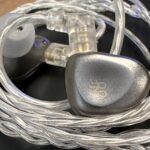

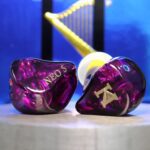
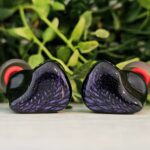
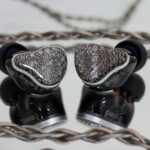



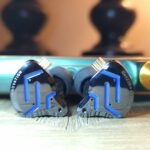
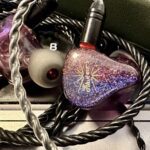
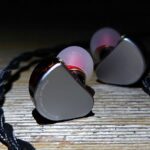
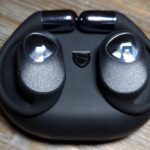

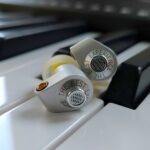
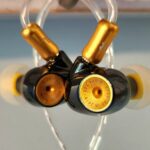
Kiwi Ears Orchestra II Review: No Show, Just Music (ArcotondoSound’s Take)

Preface
Hi guys, after spending a long time focused on over ear headphones and after writing the big mid to high end headphone comparison split into Part One and Part Two, I’m finally back in the IEM world.
Table Of Content
- Preface
- First Impressions
- Packaging and Accessories
- Technical Specifications
- The Project: Ideas and Choices
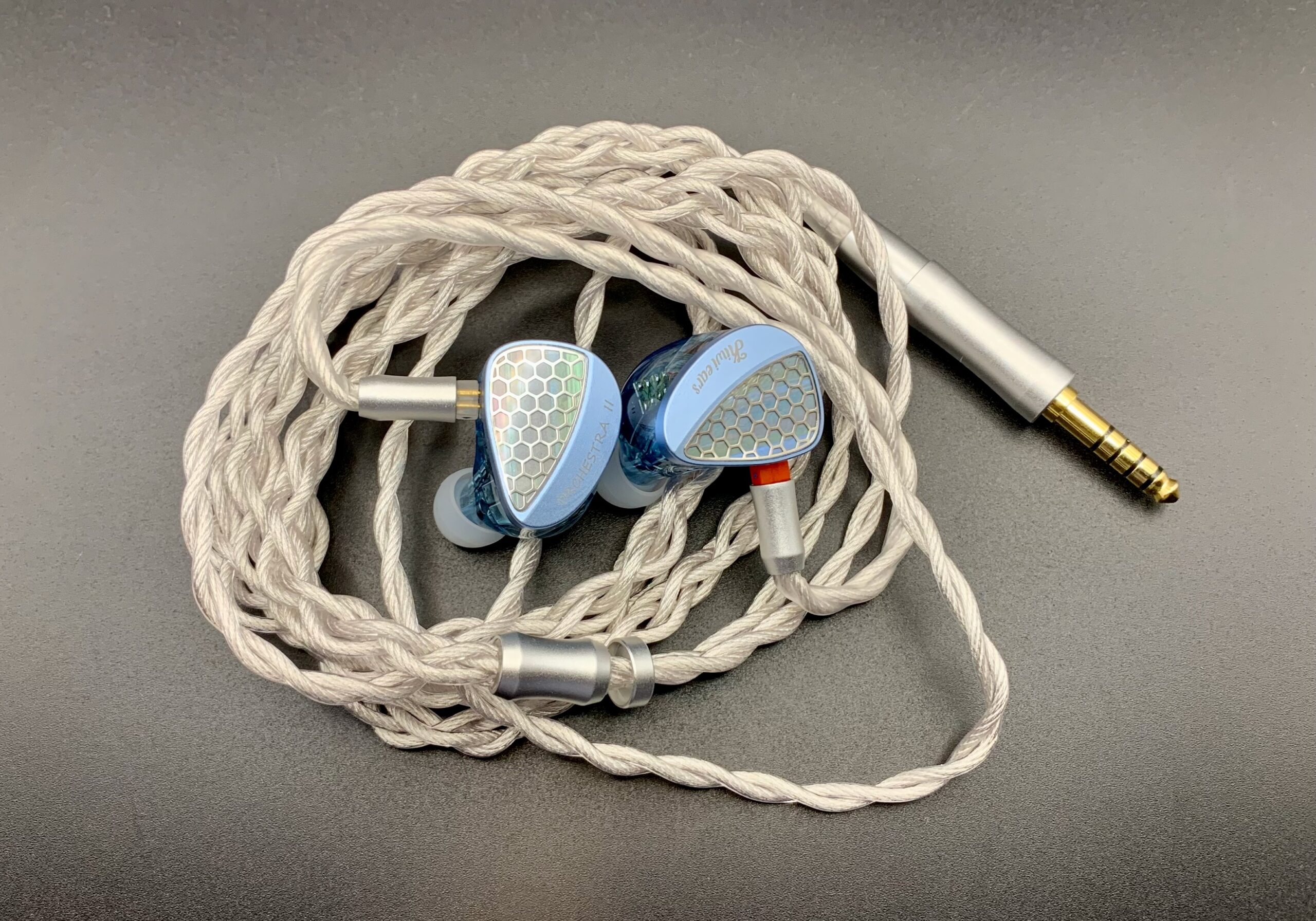
- Build, Comfort and Overall Fit
- Tips
- The Cable
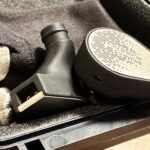
- The Carrying Case
- General Sound Signature
- Musical Before Technical
- Bass
- Mid Bass and Control
- Mids
- Acoustic Instruments and Musicality
- Treble
- Detail Without Fatigue
- Soundstage and Imaging
- Imaging and Separation
- Power Requirements, Pairings and Synergy
- Analog Leaning Sources Work Better
- Comparison with Yanyin Baker
- Bass and Presentation
- Mids and Treble
- Technical Performance
- Comparison with Ziigaat Horizon
- Midrange and Musical Approach
- Treble and Technicalities
- John Lee Hooker – It Serve You Right To Suffer (2025 Remaster)
- Natural Space and Presentation
- Wicked Game – Born To Kill [Explicit]
- Layering and Atmosphere
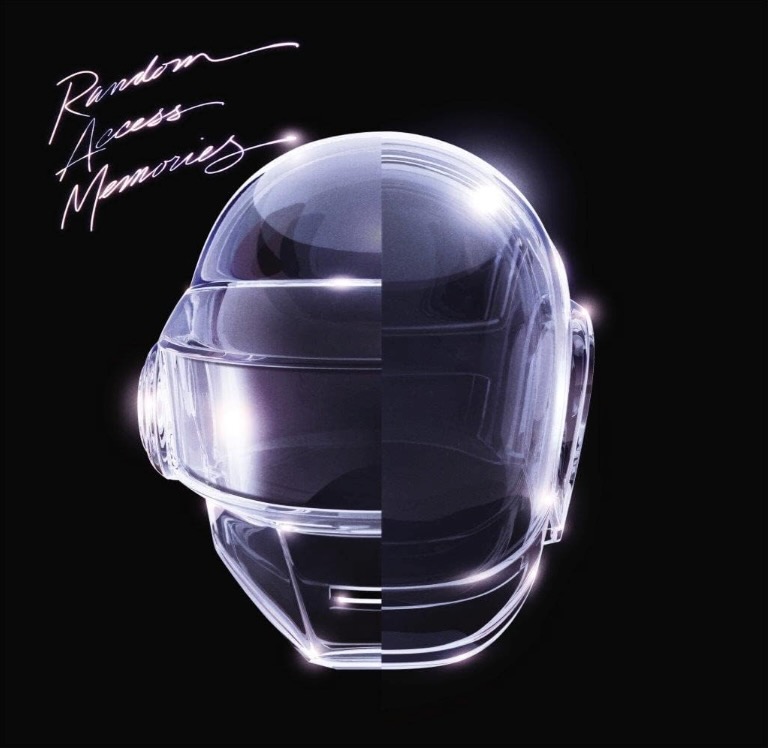
- Daft Punk – Get Lucky
- Control Over Chaos
- Who Are They For?
- Music Genres
- Final Thoughts
- VOTE
- 🟢 Pros
- 🔴 Cons
- Q/A
- Thanks and Personal Notes
Over the last few years, the multi balanced armature IEM market has changed a lot. Back then, writing “8BA” or “10BA” on the box was already enough to grab attention. Today that’s no longer enough. People want tonal coherence, musicality, natural timbre and most importantly the ability to avoid that artificial feeling that often comes with full BA setups.
The Kiwi Ears Orchestra II clearly arrives with that exact goal in mind. These are not IEMs built to impress you with some exaggerated tuning or an ultra technical and aggressive sound signature. The idea here feels very different. Kiwi Ears seems to have aimed for something more mature, more balanced and more believable, trying to deliver detail and precision without killing the pleasure of simply listening to music.
On paper the configuration is serious: 10 balanced armatures per side, a 4 way crossover, transparent medical grade resin shells and a tuning clearly designed around musical neutrality. But like it often happens in this hobby, numbers only tell part of the story.
First Impressions
The moment I opened the box, I immediately had a pretty clear feeling: this is a serious product.
Not fake premium.
Not built to look cool on Instagram.
Just serious.
The Orchestra II instantly feels more mature compared to many recent releases from the brand.
Better thought out.
More polished.
Far more coherent overall.
In hand they are surprisingly light, which is honestly not something you take for granted when you have 10 BA drivers per side and a fairly complex crossover inside.
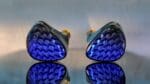
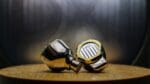
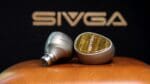
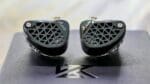
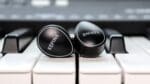
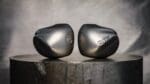
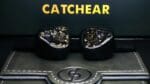
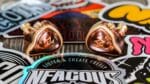
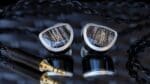
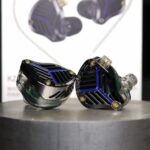
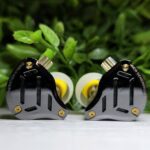
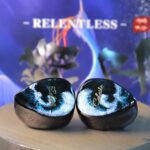
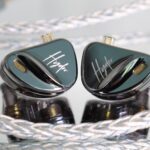
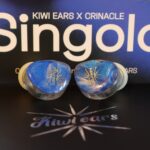
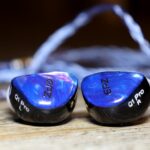
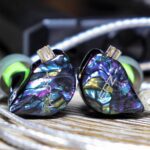
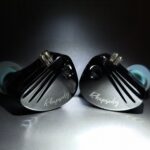
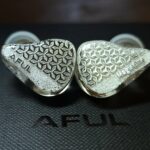
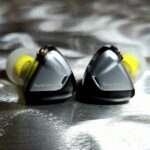
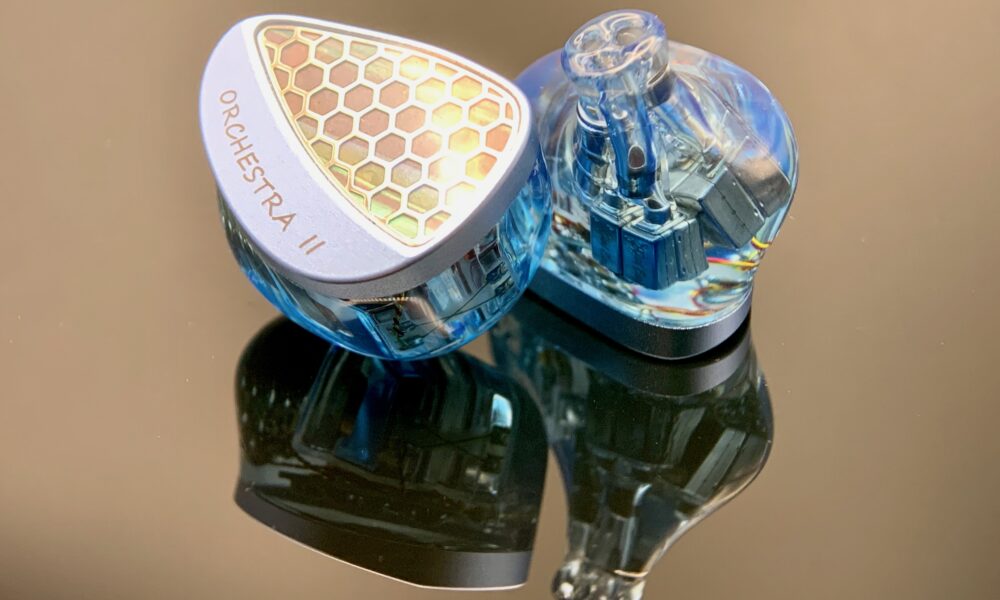
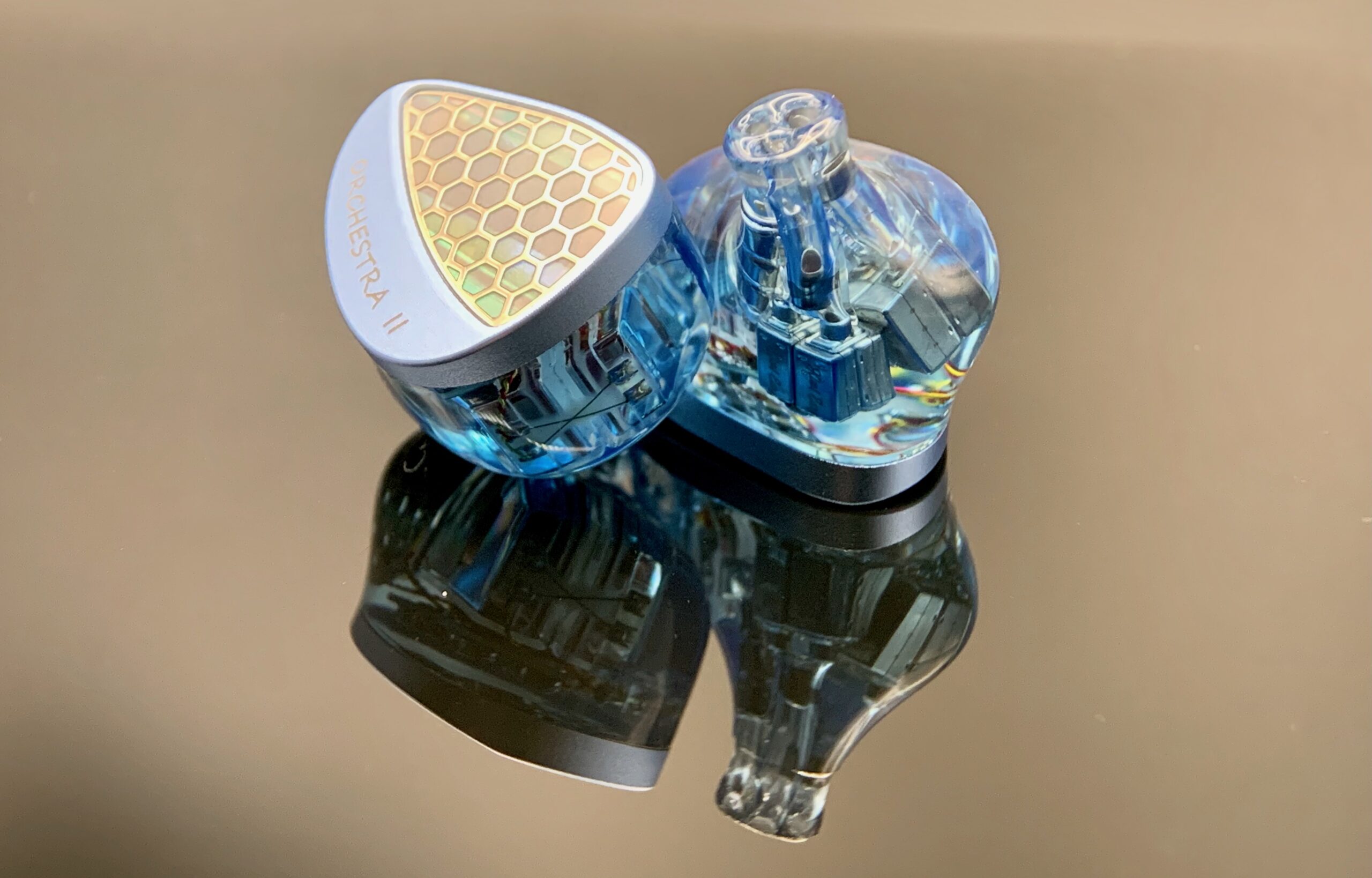
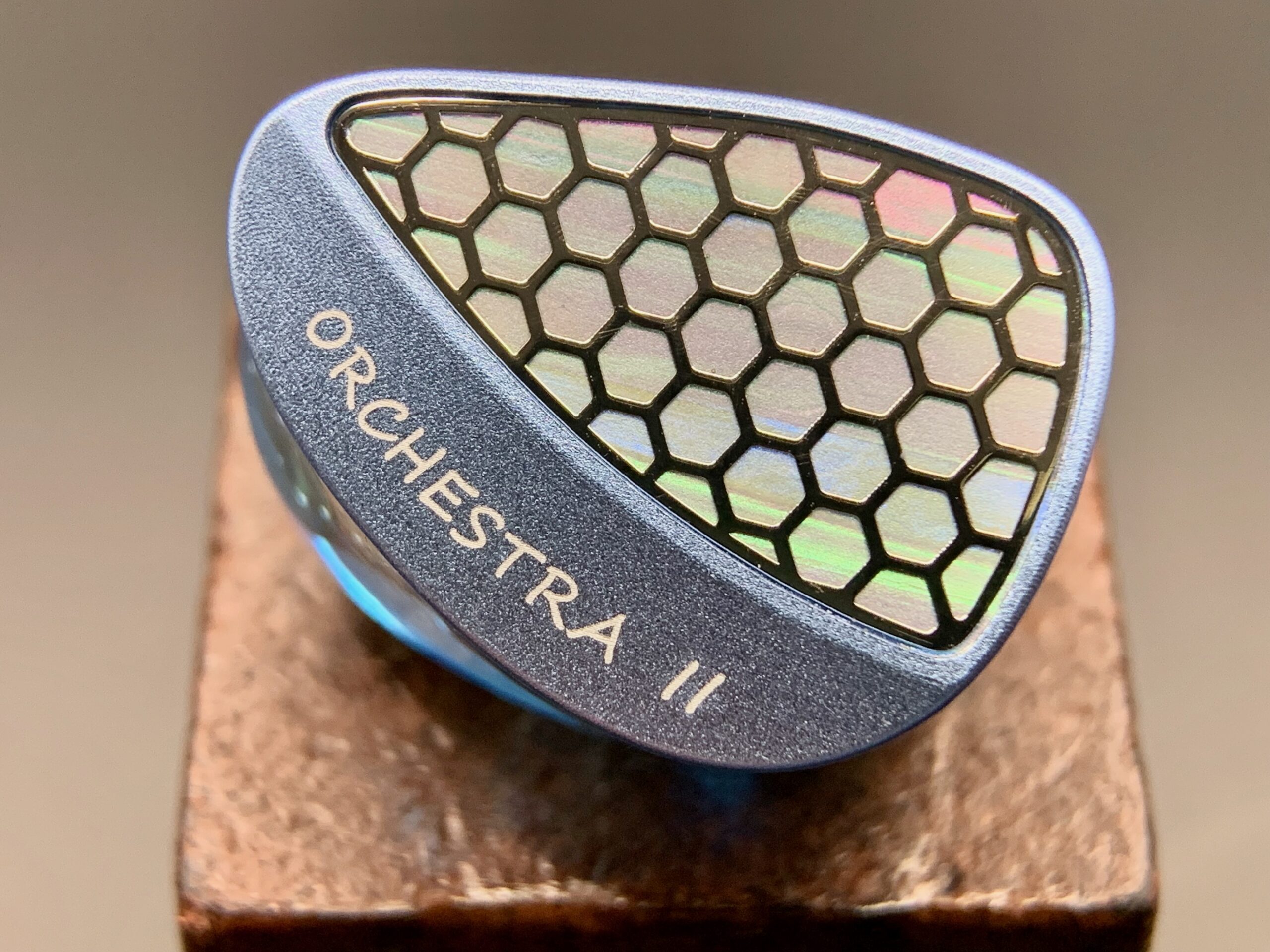
The transparent shell also lets you see all the internal work, and personally I still love that kind of thing on multi BA IEMs. I like seeing what’s inside. I like understanding that there’s actual engineering behind it and not just marketing.
The first few hours of listening already make Kiwi Ears’ direction very clear.
No aggressive V shape tuning.
No bloated bass made to impress you in the first 30 seconds.
Sharp treble boosted only to sound “technical”? Not here.
The focus here is clearly balance, cleanliness and overall coherence.
And honestly?
In today’s IEM market, that’s becoming rarer than yet another extreme tuning built only to impress people quickly.
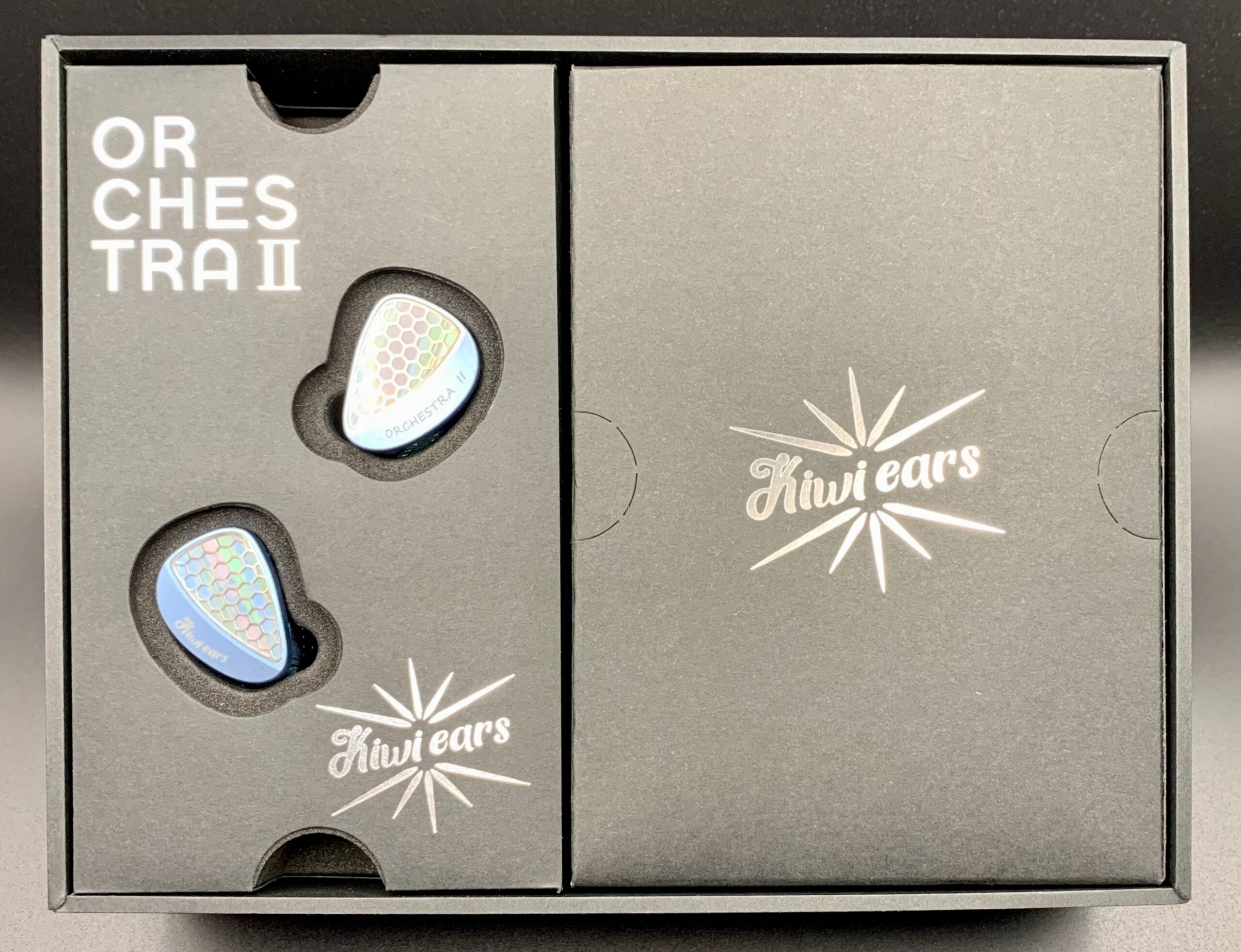
Packaging and Accessories
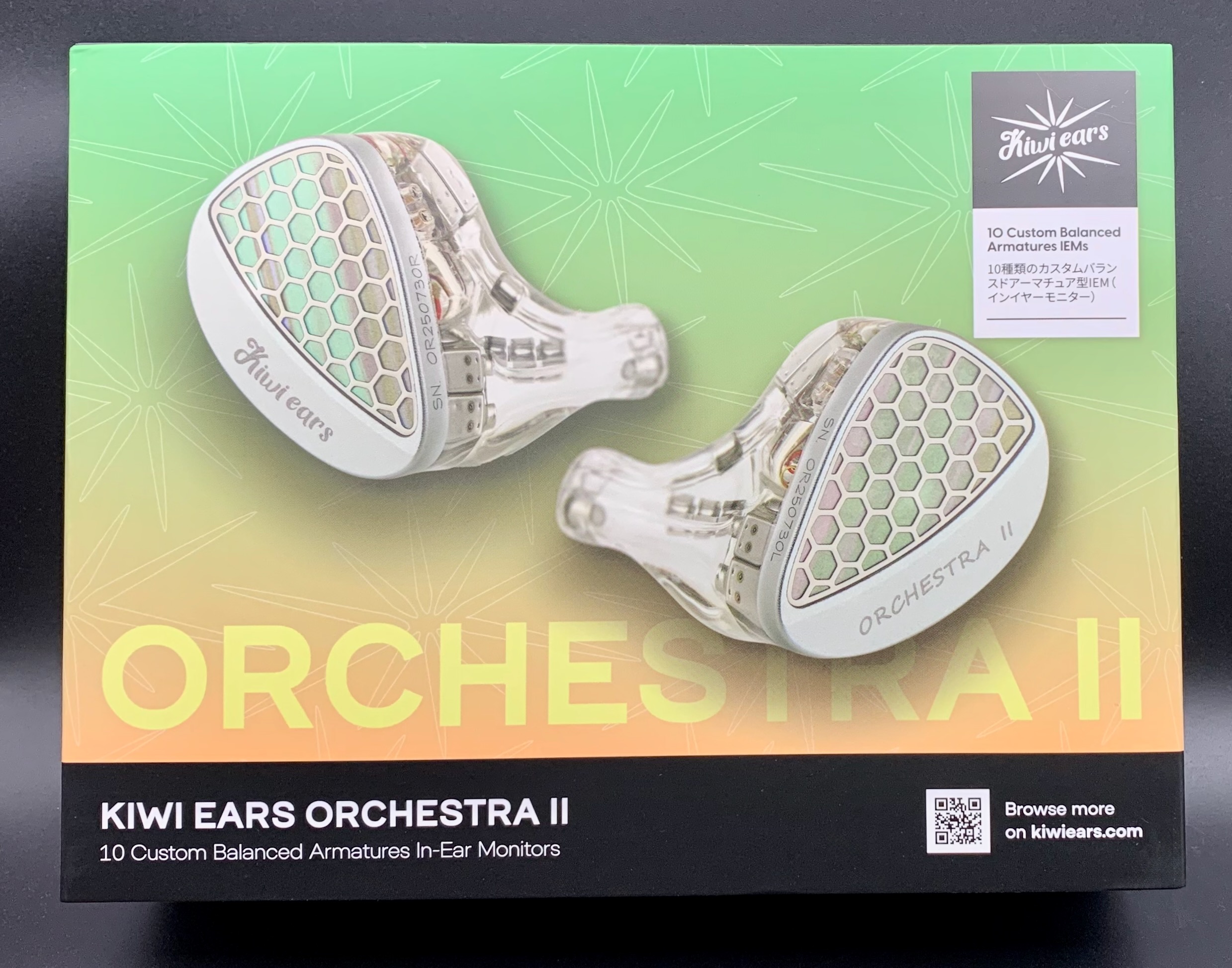
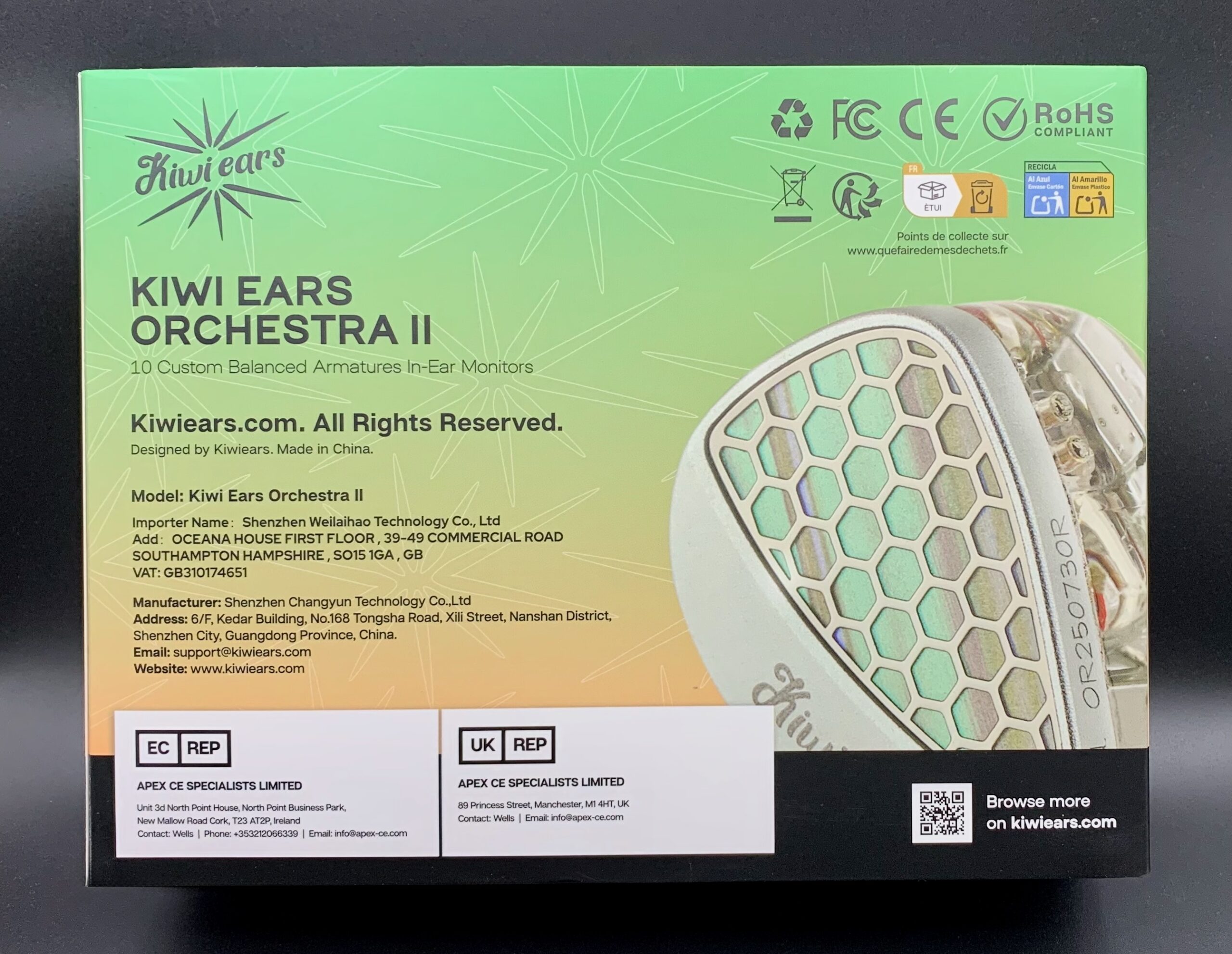
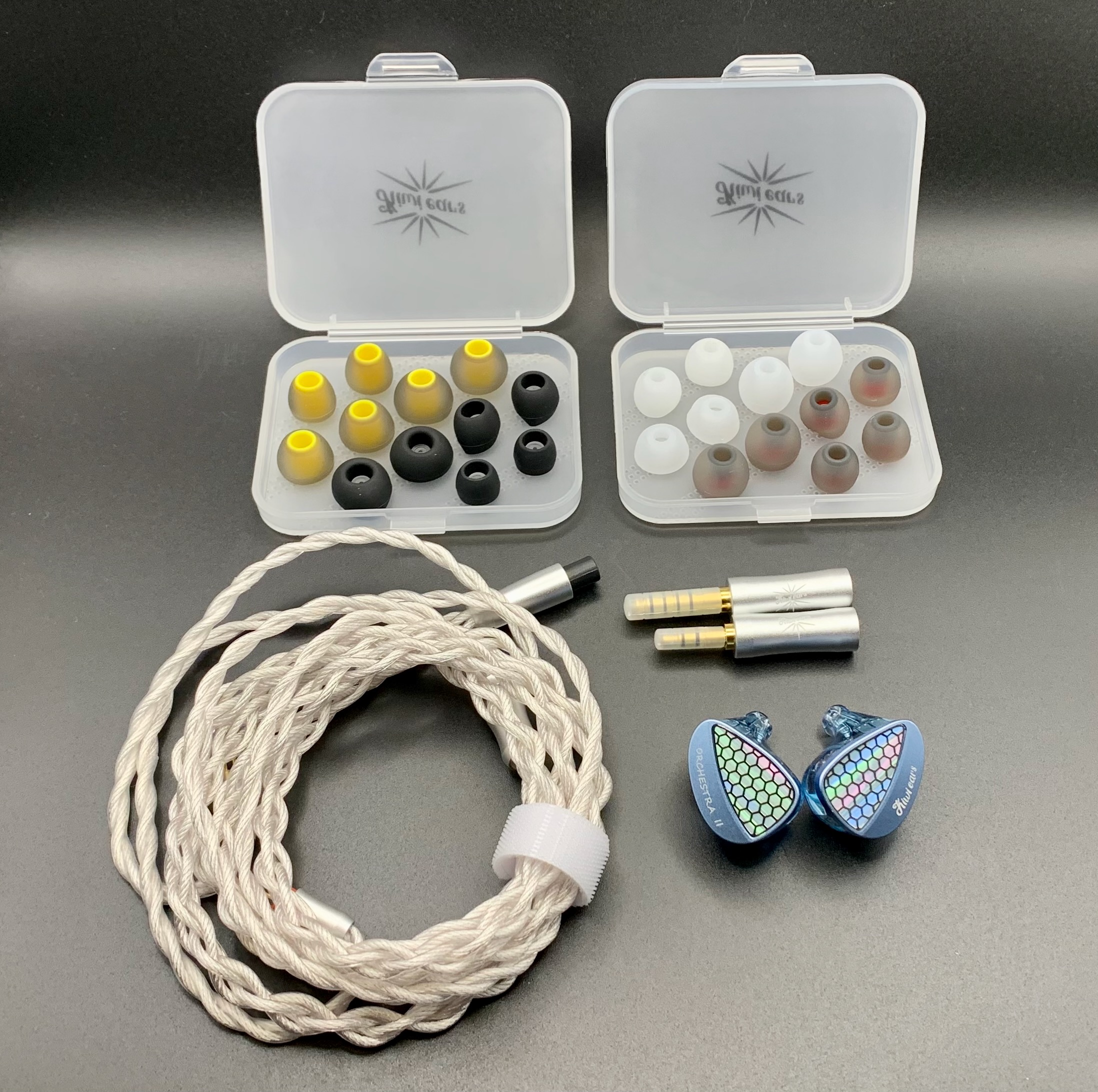
The accessory package is fairly complete and finally feels more convincing compared to some of the minimal solutions we’ve seen on previous models.
Inside the box you get:
- Kiwi Ears Orchestra II IEMs
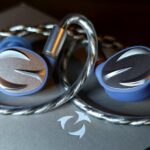
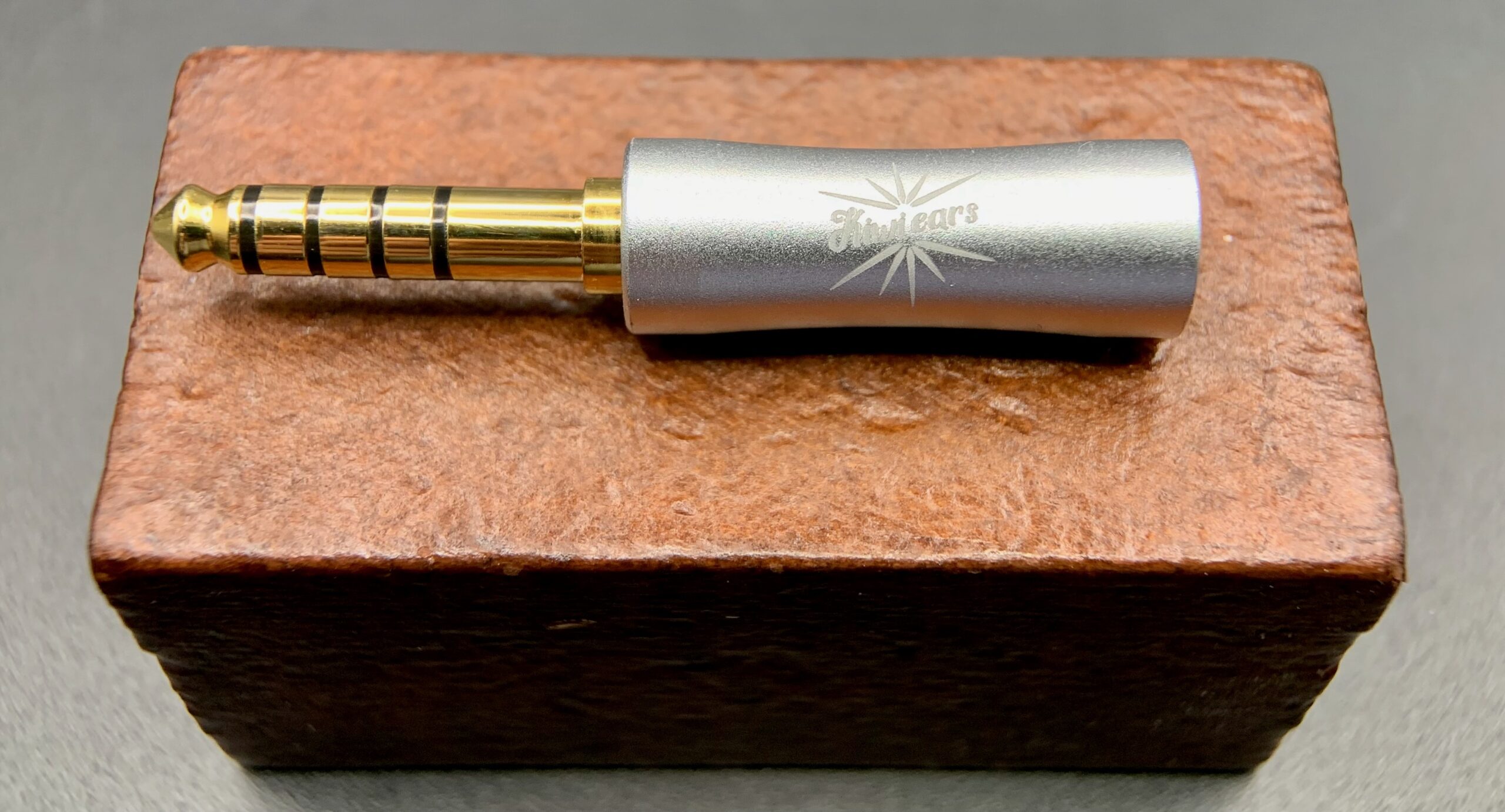
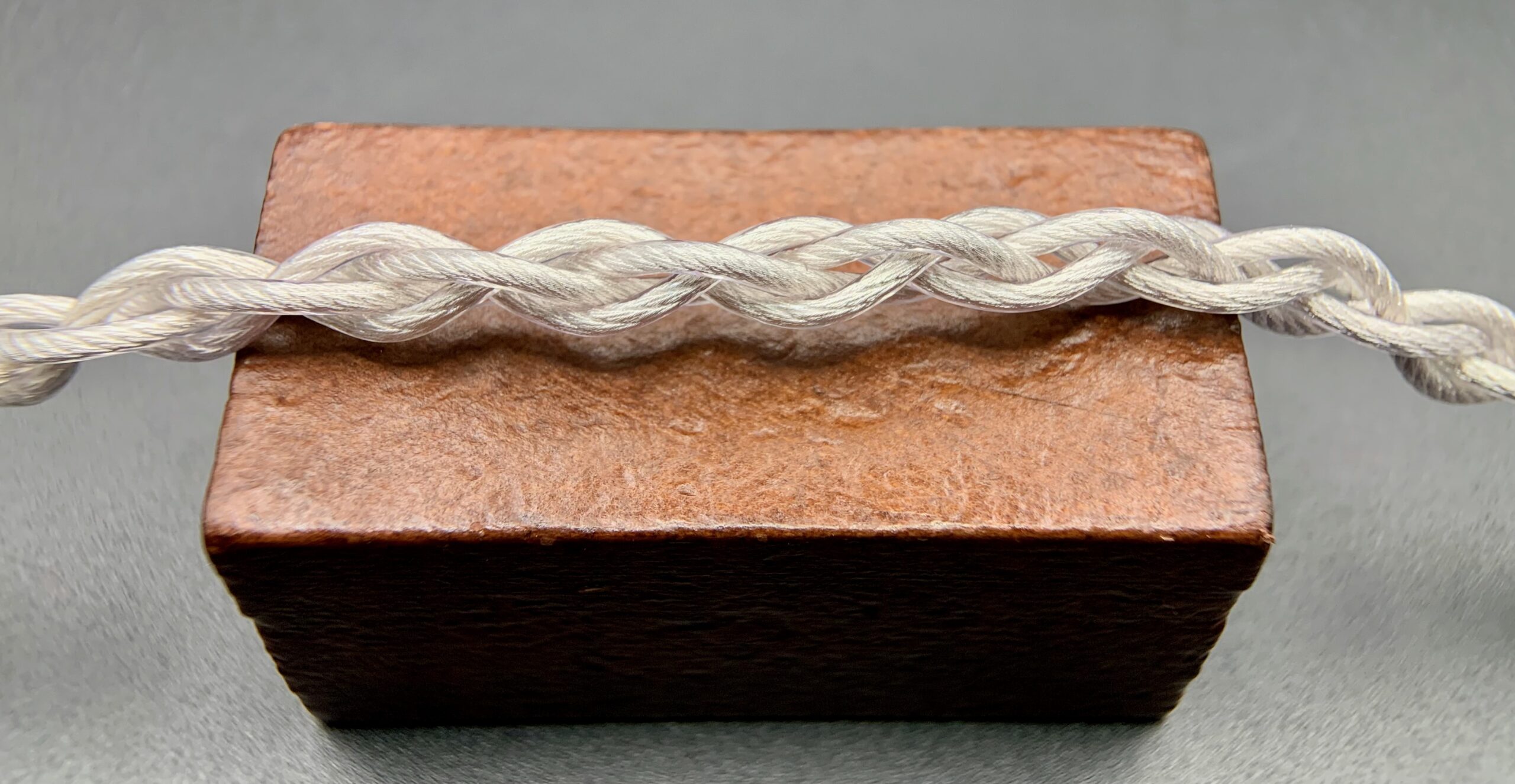
- Silver plated SP OCC modular cable
- 3.5mm and 4.4mm terminations
- Hard carrying case
- Large selection of tips in different sizes
- Documentation
The cable deserves a special mention.
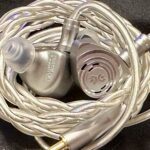
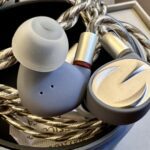
It’s soft, well built, reasonably light and most importantly it doesn’t give you that cheap feeling that often comes with stock accessories. The modular system is also practical and well executed.
Personally, I consider this cable a very noticeable step forward compared to the one included with the Orchestra Lite.
But we’ll talk more about that later on.
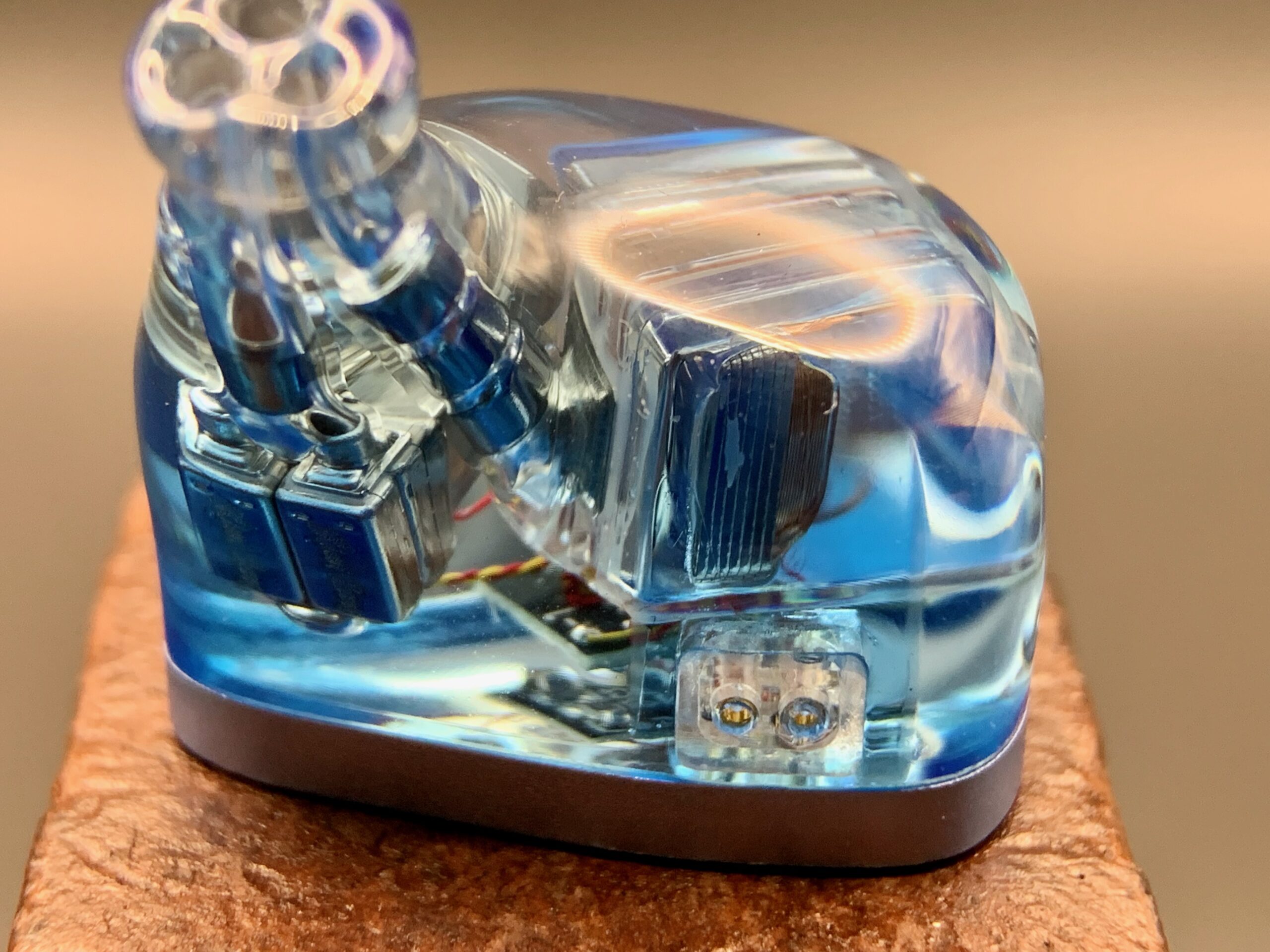
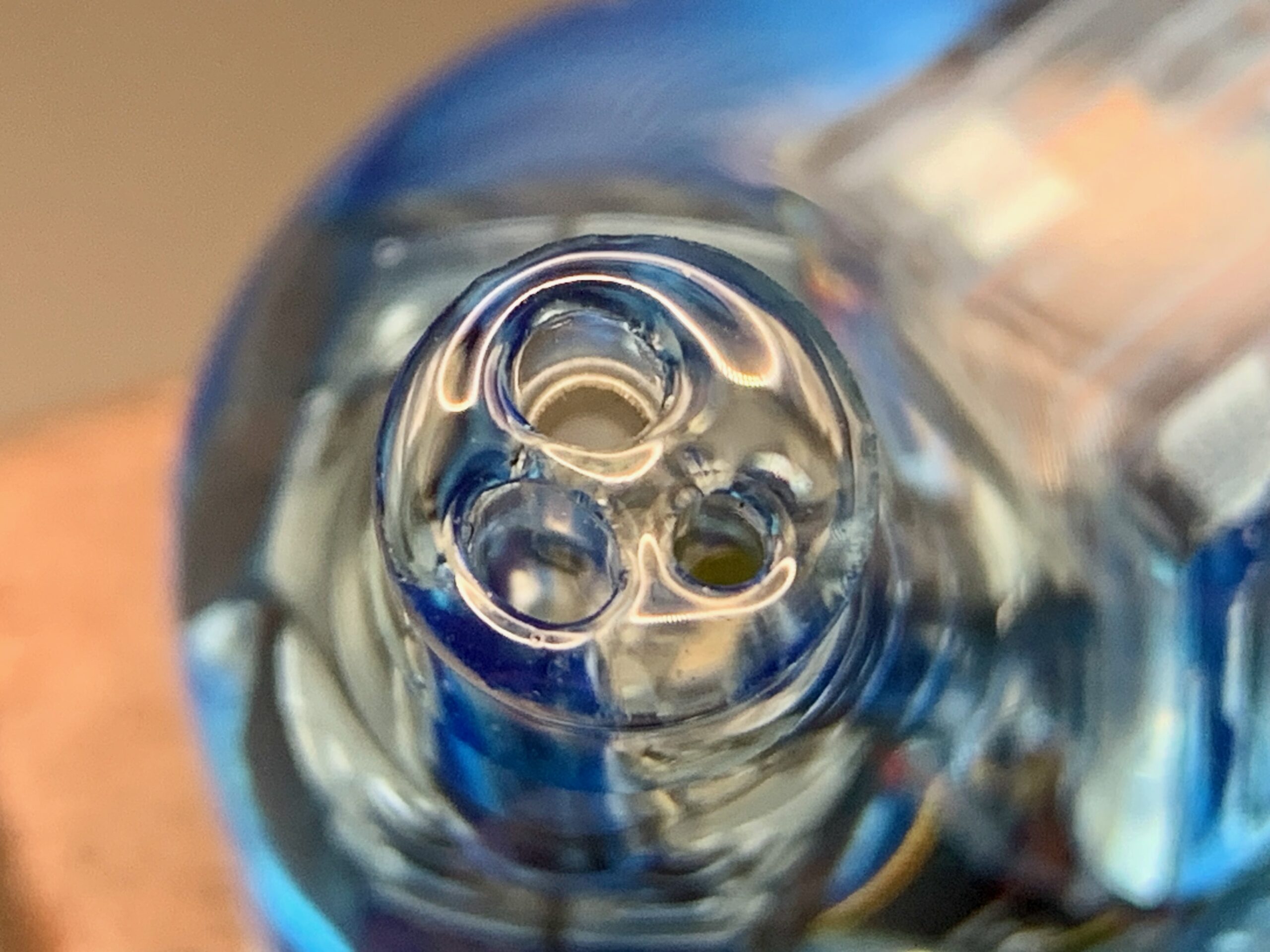
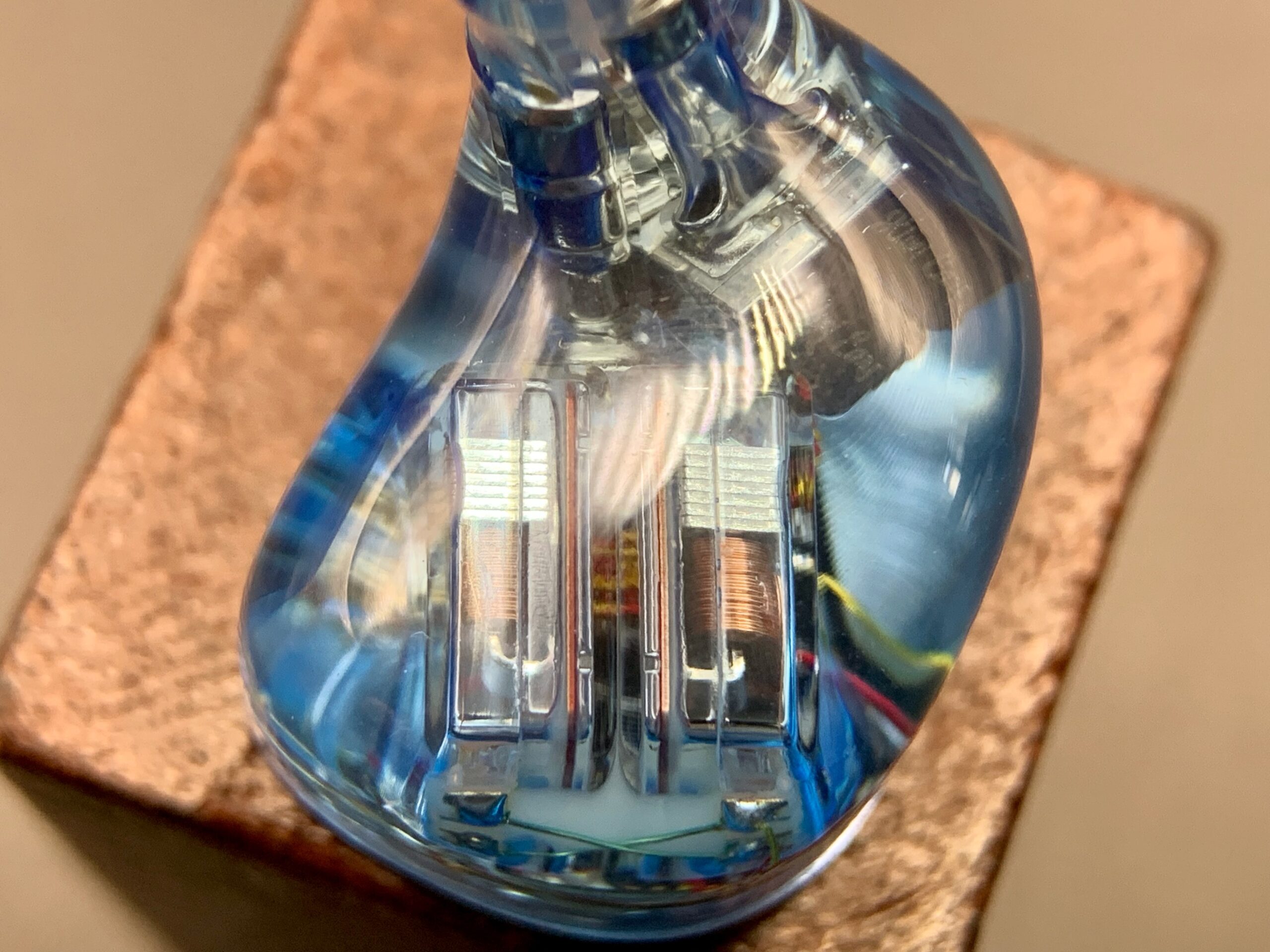
Technical Specifications
Like I always say, numbers matter. But only up to a certain point.
In the IEM world you can have a 10 driver setup that sounds artificial and disconnected, or a simple single dynamic driver capable of delivering far more emotion. In the end, what really matters is how everything is tuned, managed and most importantly integrated together.
That said, the project itself looks genuinely interesting on paper, especially for people who still appreciate well made multi BA designs.
| Feature | Specification |
| Drivers | 10 Balanced Armatures per side |
| Configuration | 4 way crossover |
| Impedance | 15Ω |
| Sensitivity | 110 dB |
| Frequency Response | 20Hz – 20kHz |
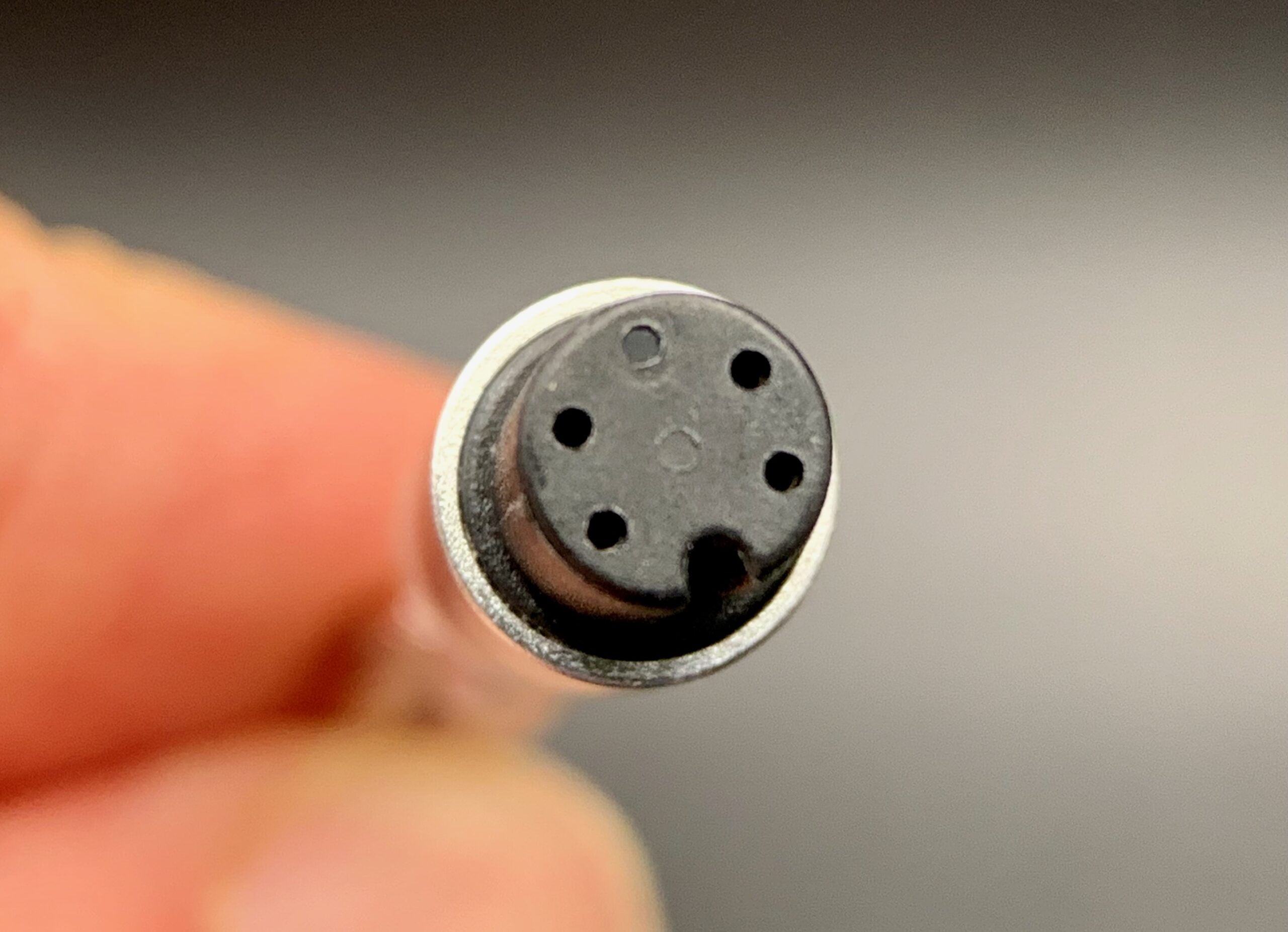
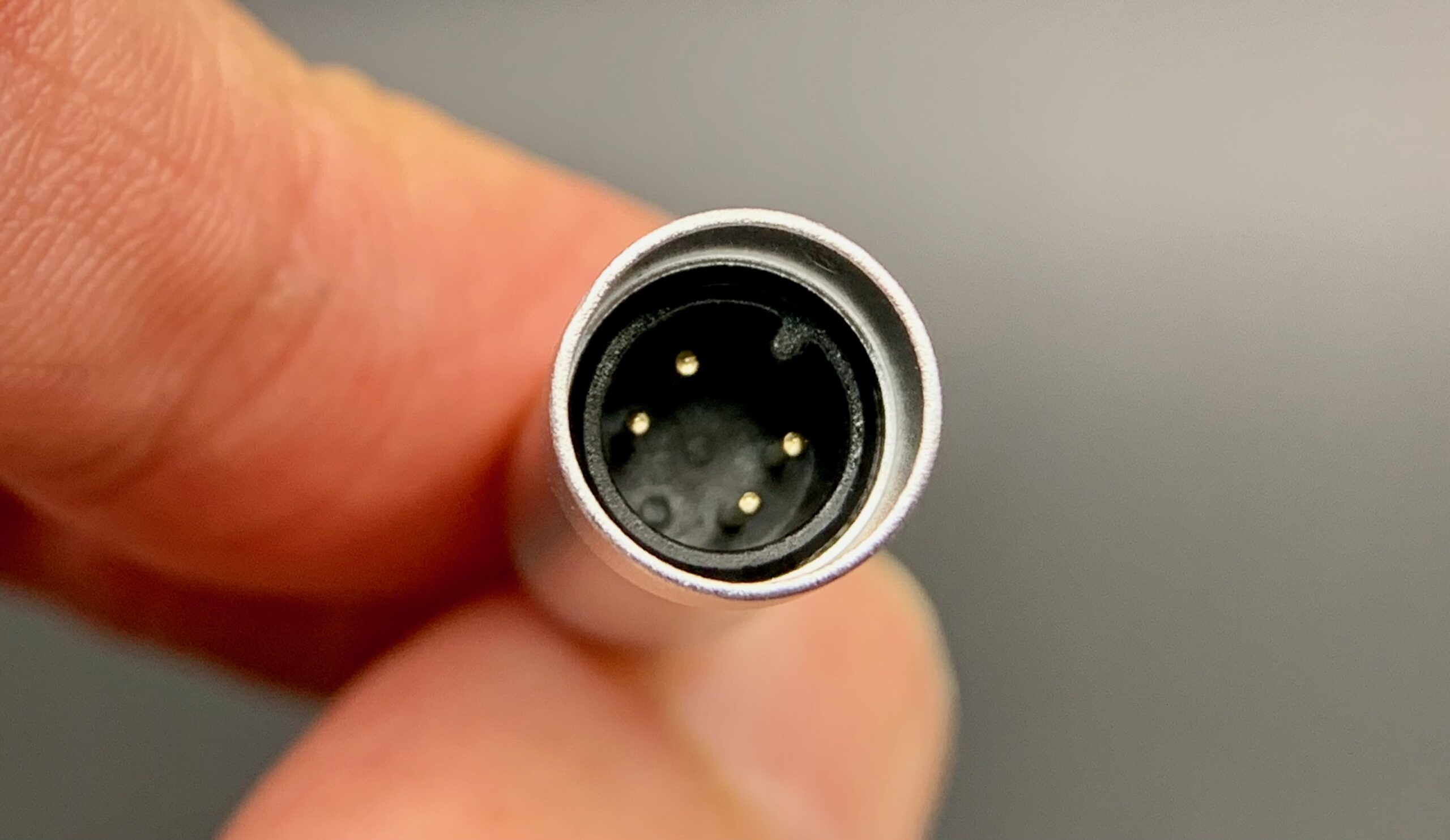
| Connector | 0.78mm 2 Pin |
| Cable | Silver plated SP OCC |
| Terminations | Modular 3.5mm + 4.4mm |
| Shell | Transparent medical grade resin shell |
The Project: Ideas and Choices
Orchestra II clearly evolves from the Orchestra Lite. You can tell almost immediately.
The overall philosophy stayed the same, but Kiwi Ears tried to improve things in almost every direction.
Orchestra Lite was a very musical IEM, fairly relaxed and honestly maybe even a little too safe at times.
This time the goal feels different. Kiwi Ears wanted to raise the technical level without losing the natural presentation that made the Lite interesting in the first place.
To my ears, the improvements are especially noticeable in three areas:
- deeper and more convincing bass
- better separation
- higher overall resolution
What makes this project interesting is the decision not to follow the current trend.
Right now, the moment brands want more impact or more physicality, they immediately throw in a dynamic driver or start building increasingly complicated hybrid and tribrid configurations.
Here though?
None of that.
Full BA. Simple as that.
And honestly, it was a risky choice because the danger of ending up with something artificial, too dry or overly monitor sounding was very real.
Surprisingly, Orchestra II manages to stay musical and coherent without becoming cold or sterile.
In today’s market, that really isn’t something I consider obvious anymore.
Build, Comfort and Overall Fit
One thing that genuinely surprised me about the Orchestra II is that, despite having 10 drivers per side, once you wear them they never give you that “brick in your ears” feeling that sometimes happens with complex multi BA sets.
The shells are not small. Better to say that immediately.
You can clearly tell there’s a lot going on inside. That’s exactly where Kiwi Ears did a pretty good job with ergonomics and weight distribution.
Once you find the right tips, the IEMs sit nicely in the ear and stay stable even during longer listening sessions.
Personally, I found them comfortable almost right away.
Not perfect in an absolute sense because the shell definitely has some presence, but honestly much better than I expected after seeing the photos.
Even after several hours I never experienced weird pressure points or annoying discomfort, and for me that matters a lot, especially with IEMs clearly designed for long and relaxed listening sessions.
Isolation is also very good.
Classic full resin shell isolation, done properly. Once inserted properly, they isolate you from the outside world quite effectively without forcing you to crank the volume too much.
People with very small ears might still struggle a bit, especially at first. I wouldn’t call these “universal fit” IEMs in terms of comfort.
Still, within the world of complex multi BA designs, they are comfortably above average.
Tips
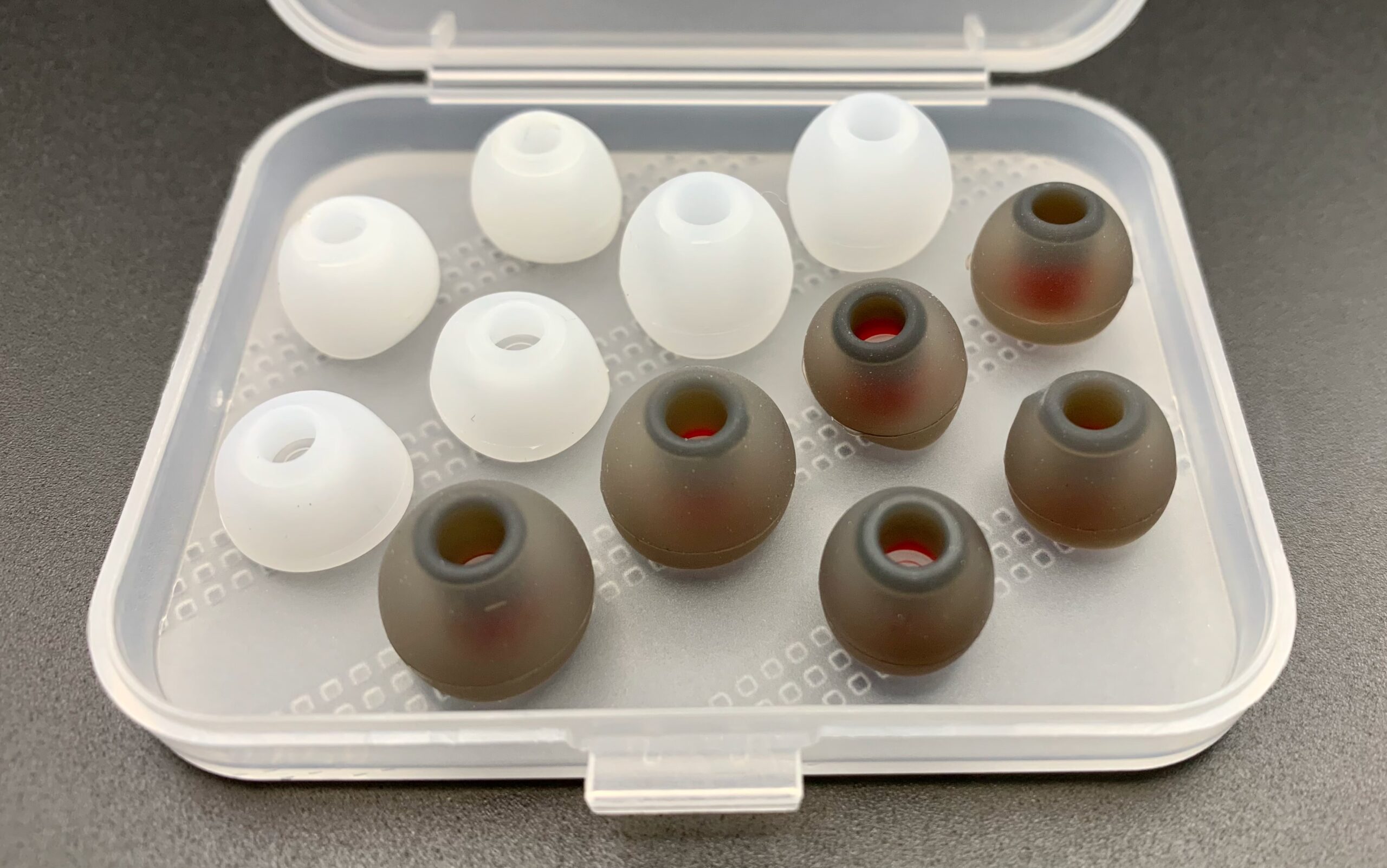
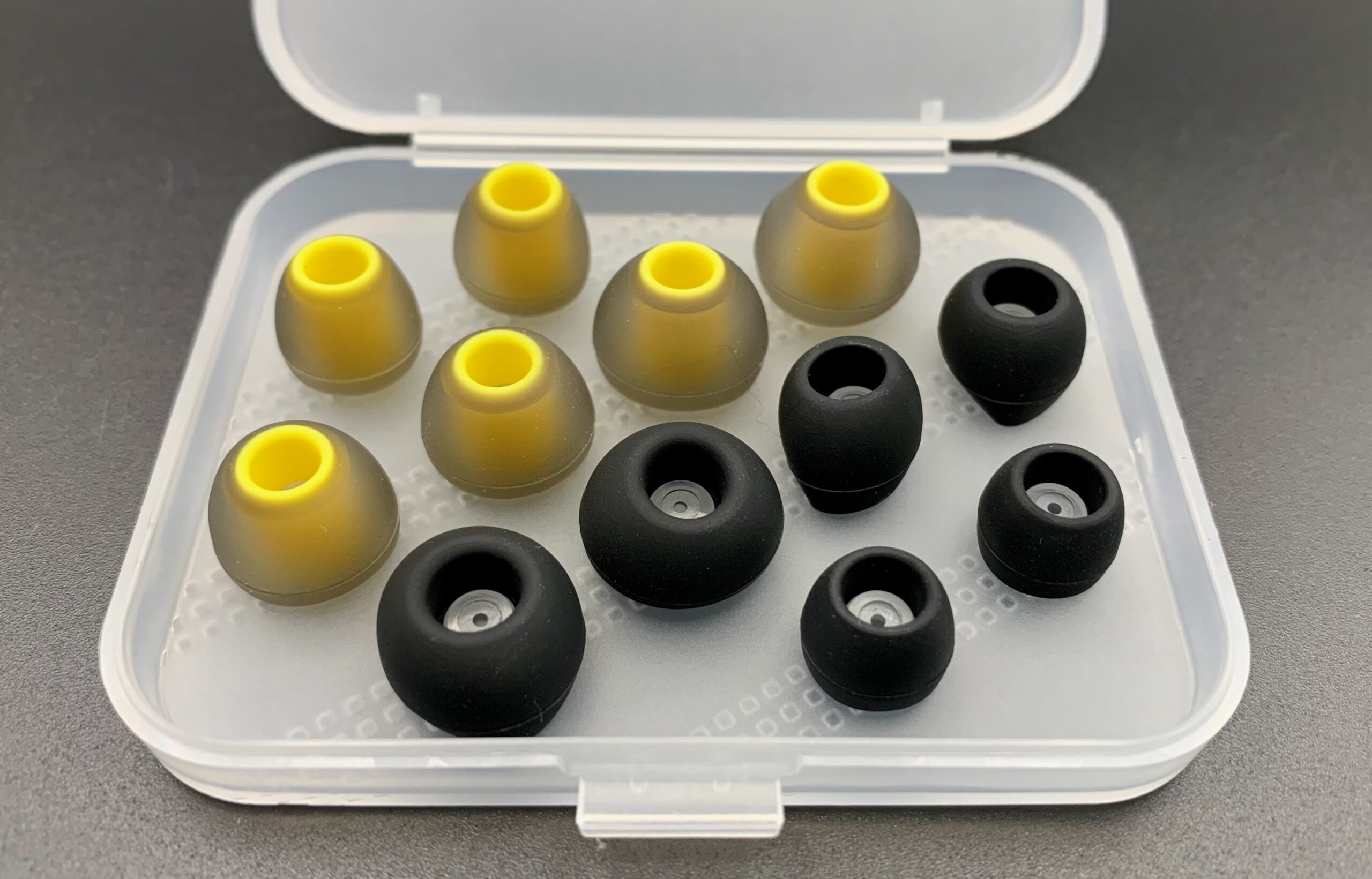
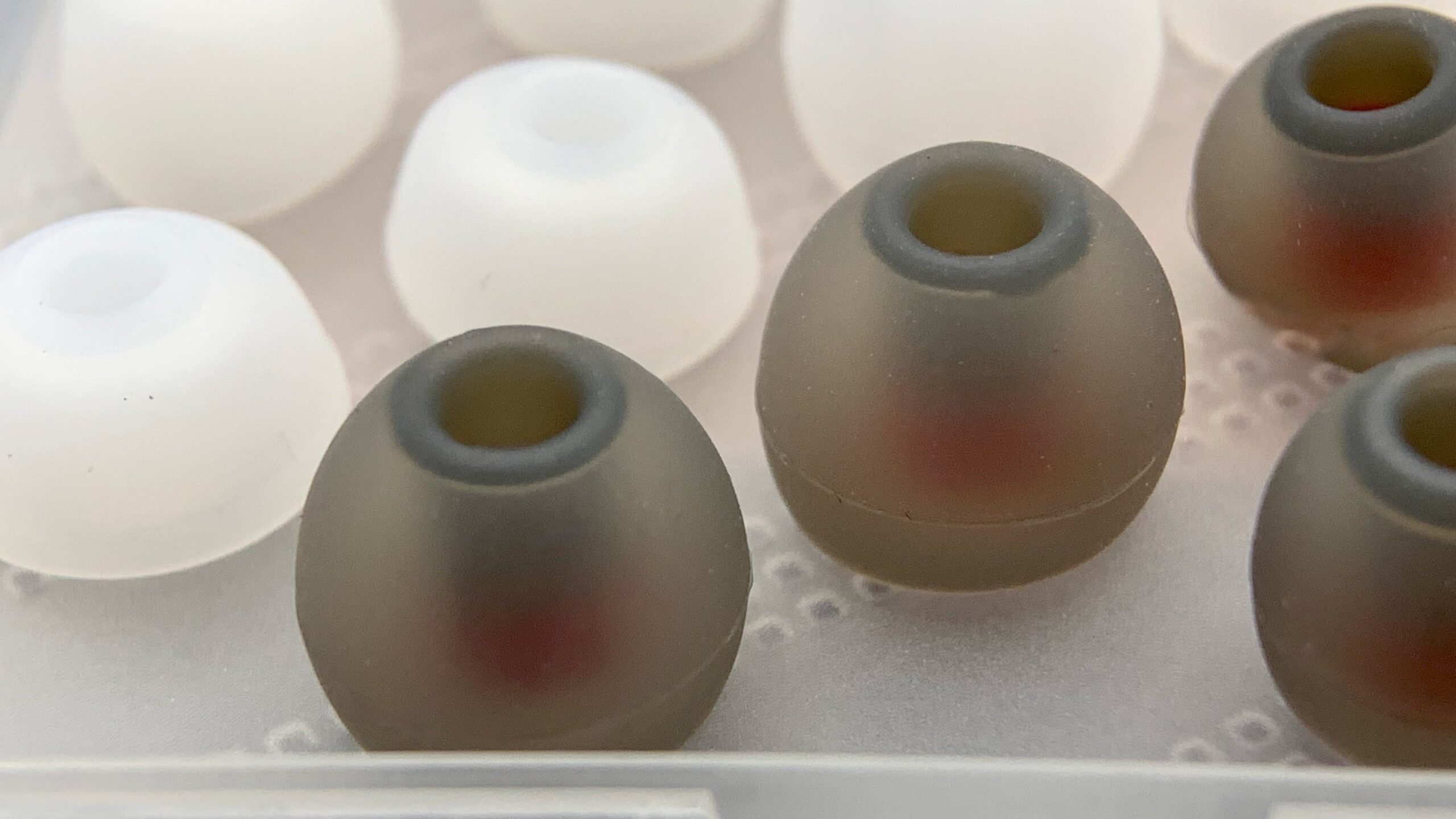
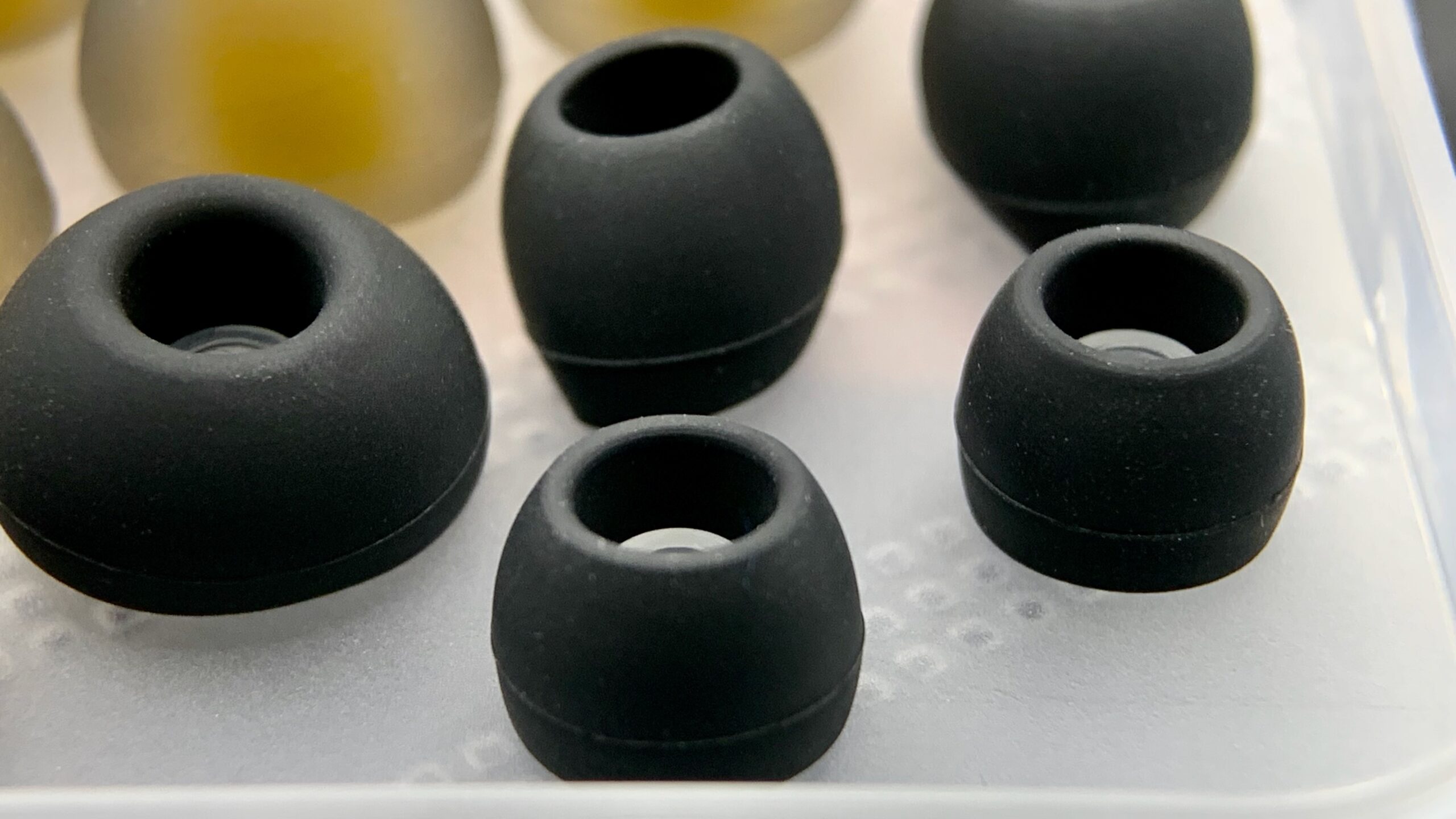
I think Kiwi Ears made a smart decision here.
The box includes quite a lot of tips, but more importantly, they are not there just to make the accessory list look longer.
You can actually hear the differences, and spending some time tip rolling is absolutely worth it.
With more open sounding tips, the Orchestra II gain a bit more air and breathing room up top. Using narrower or more sealing tips instead makes the low end feel slightly denser and fuller.
Personally, I ended up preferring a more balanced setup, because these IEMs really shine when they keep that overall coherence without pushing the tuning too far in any specific direction.
They are also fairly sensitive to seal quality.
If the fit is not correct, bass response loses a lot of credibility and the whole presentation becomes thinner and less convincing.
So yes, tip rolling genuinely matters with the Orchestra II.
The Cable
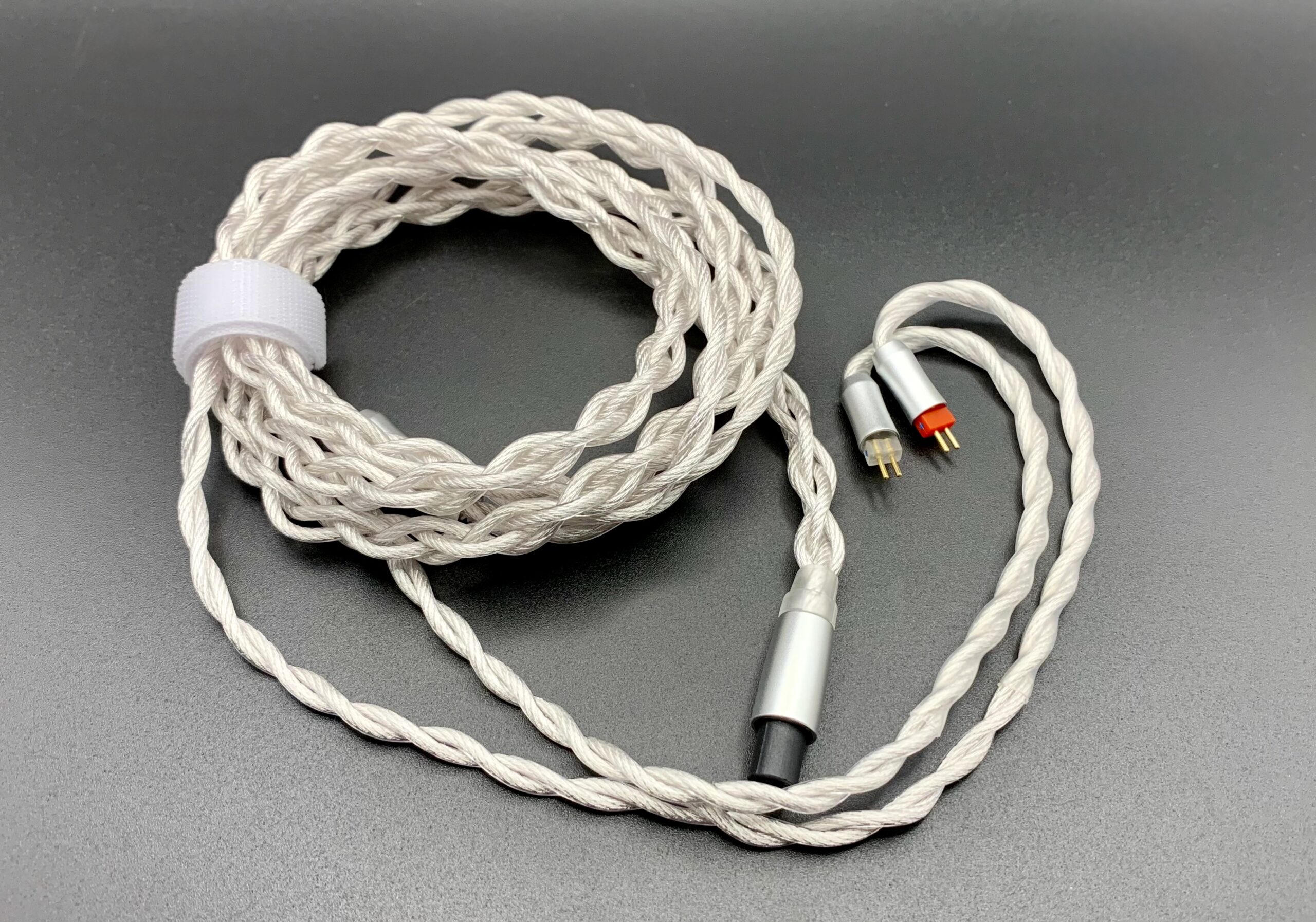
Personally, I see this cable as a very clear upgrade over the one included with the Orchestra Lite.
For once, Kiwi Ears included something that does not feel like a generic stock cable thrown into the box just to complete the package.
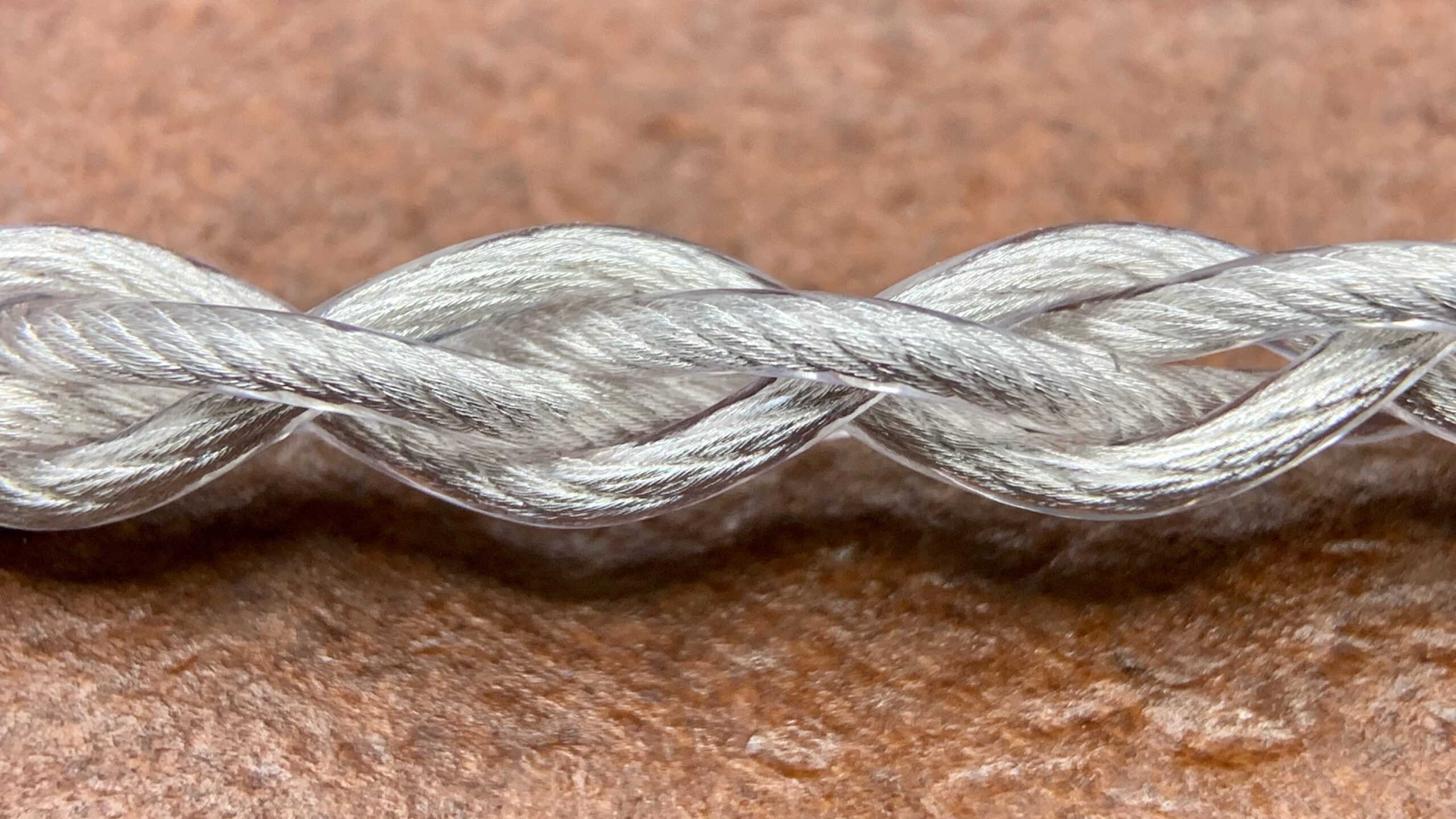
It is soft, fairly light, not overly microphonic and, most importantly, easy to live with during long listening sessions.
It does not constantly tangle itself into a mess and it avoids that cheap plasticky feel that so many bundled cables still have nowadays.
Visually, it also matches the transparent shells of the Orchestra II really well.
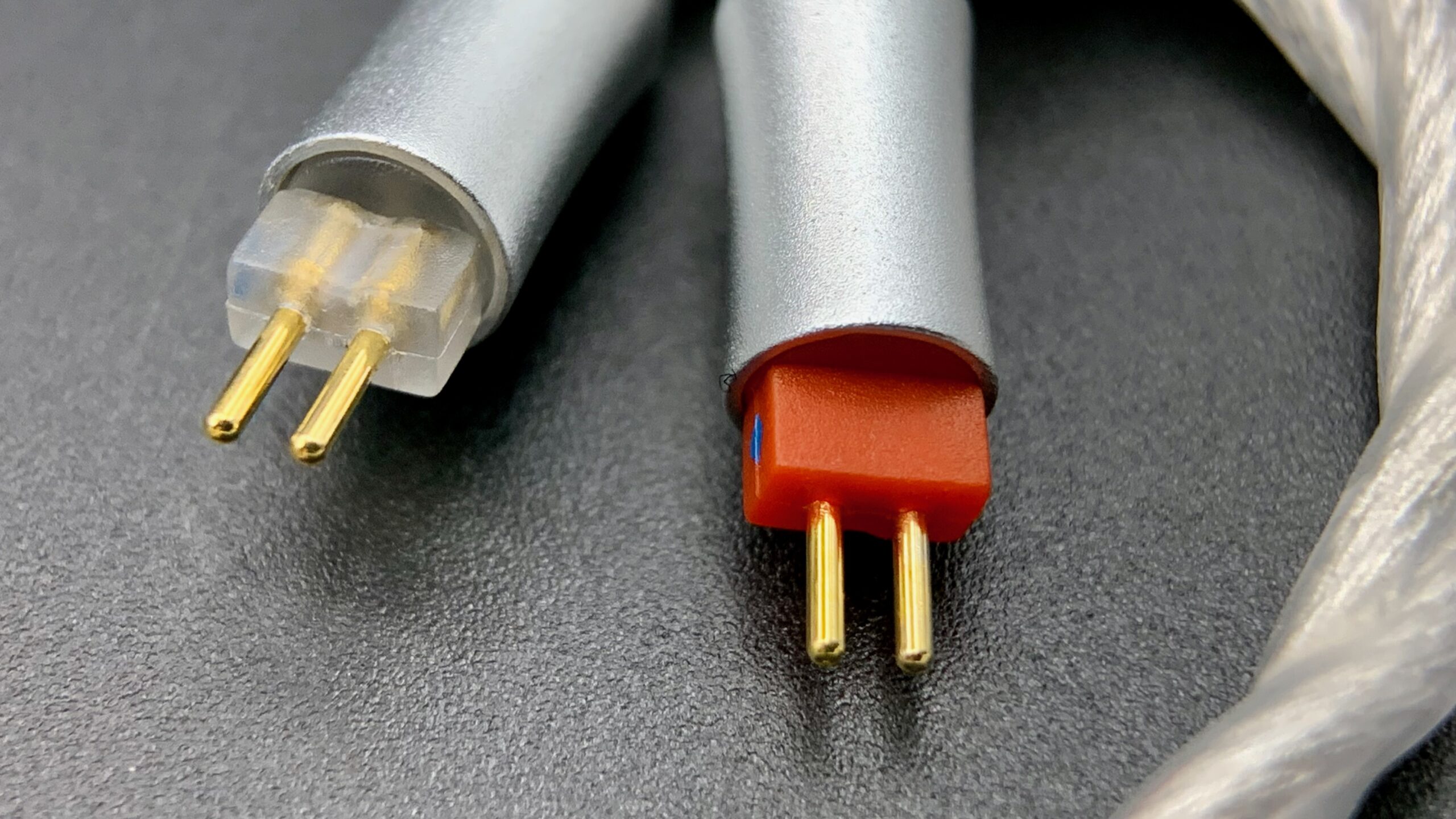
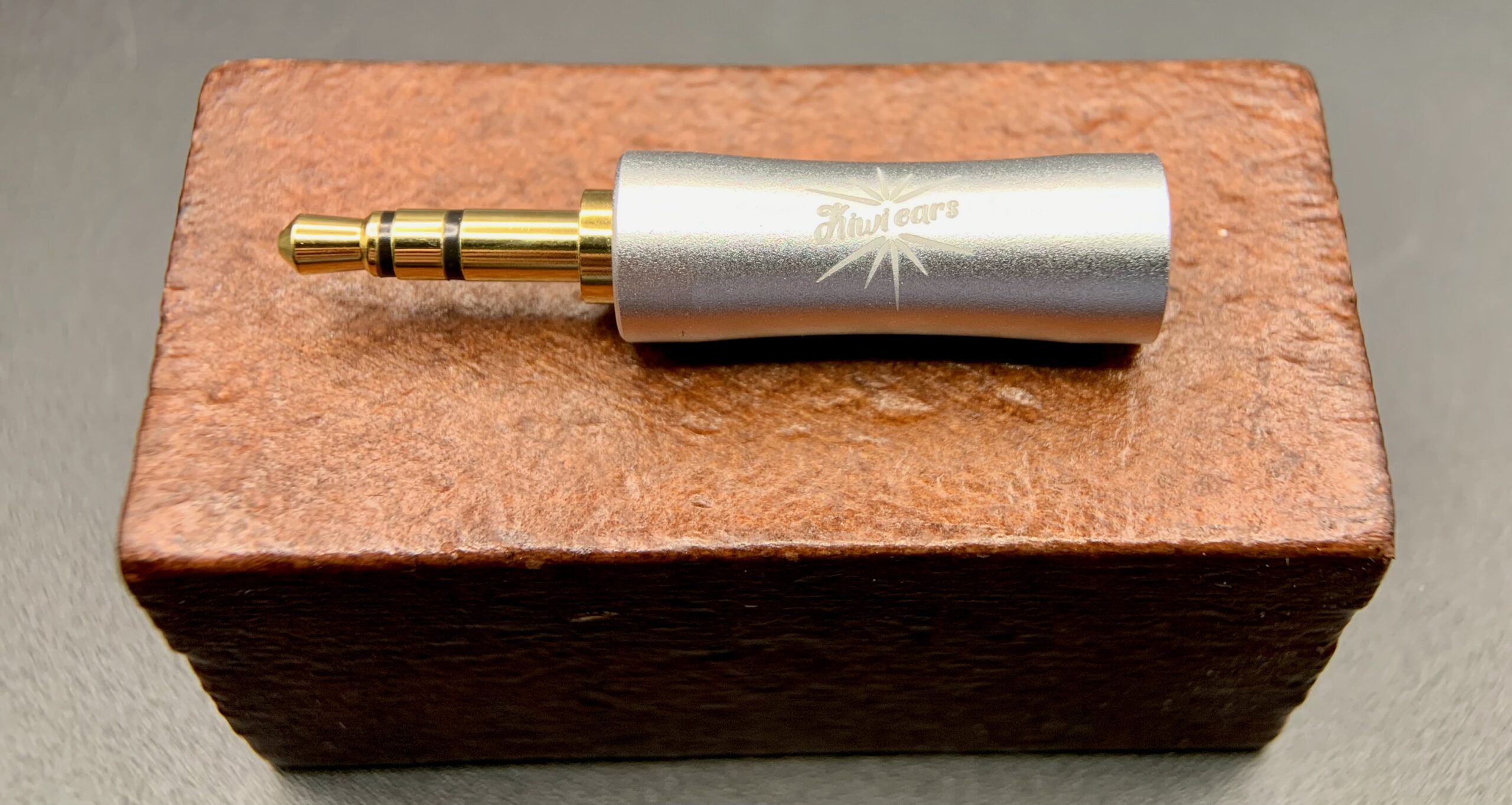
What I appreciated the most, though, is the modular termination system.
Having both the 3.5mm and 4.4mm plugs included in the box is incredibly convenient, especially now that many of us keep switching between dongles, DAPs and desktop DAC/amps all the time.
At first it almost feels like a minor detail.
Then a couple of weeks pass and you realize how much easier it makes everyday use.
And honestly?
This is one of the rare times where I did not immediately feel the urge to replace the stock cable the moment I opened the box.
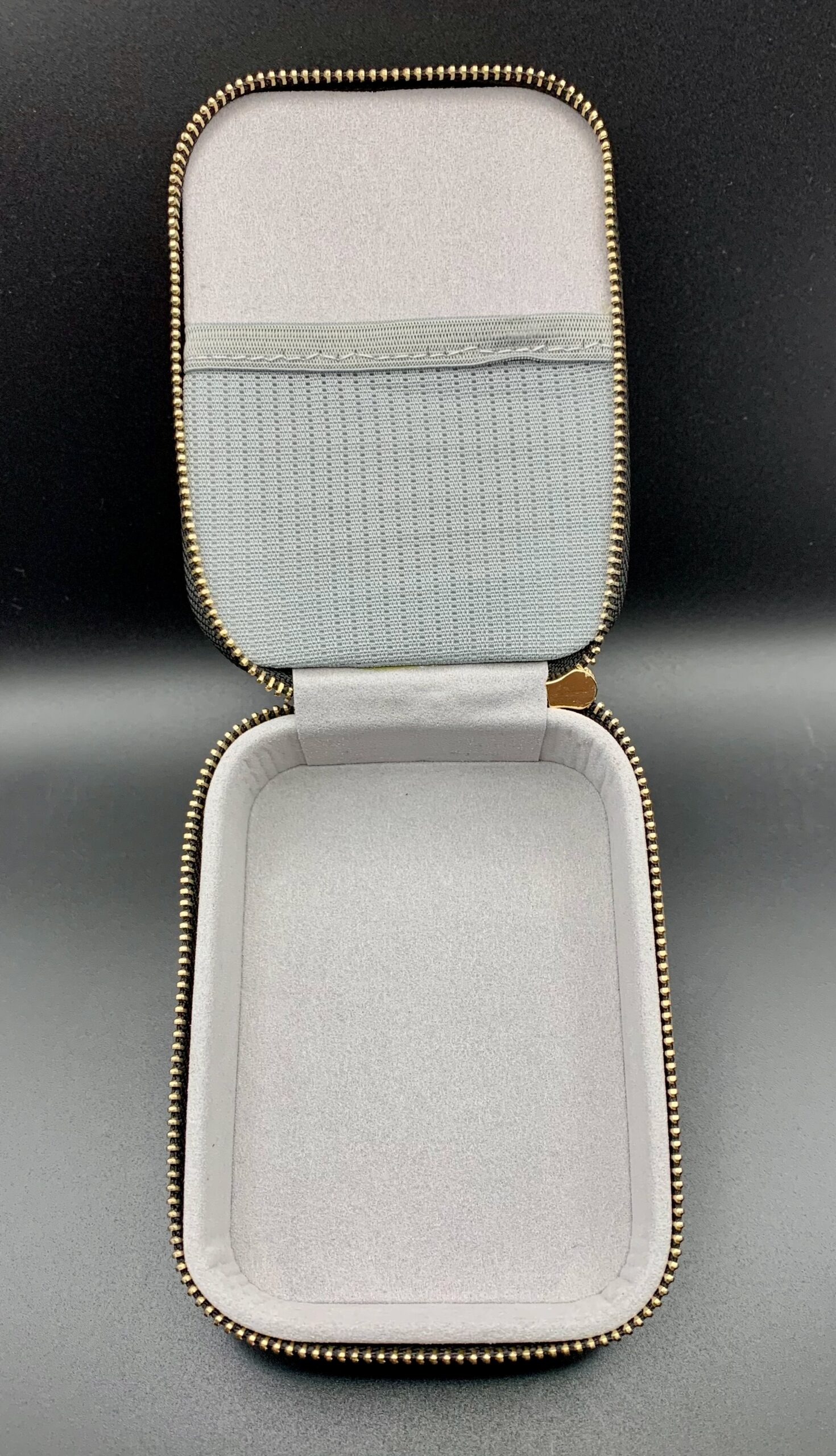
The Carrying Case
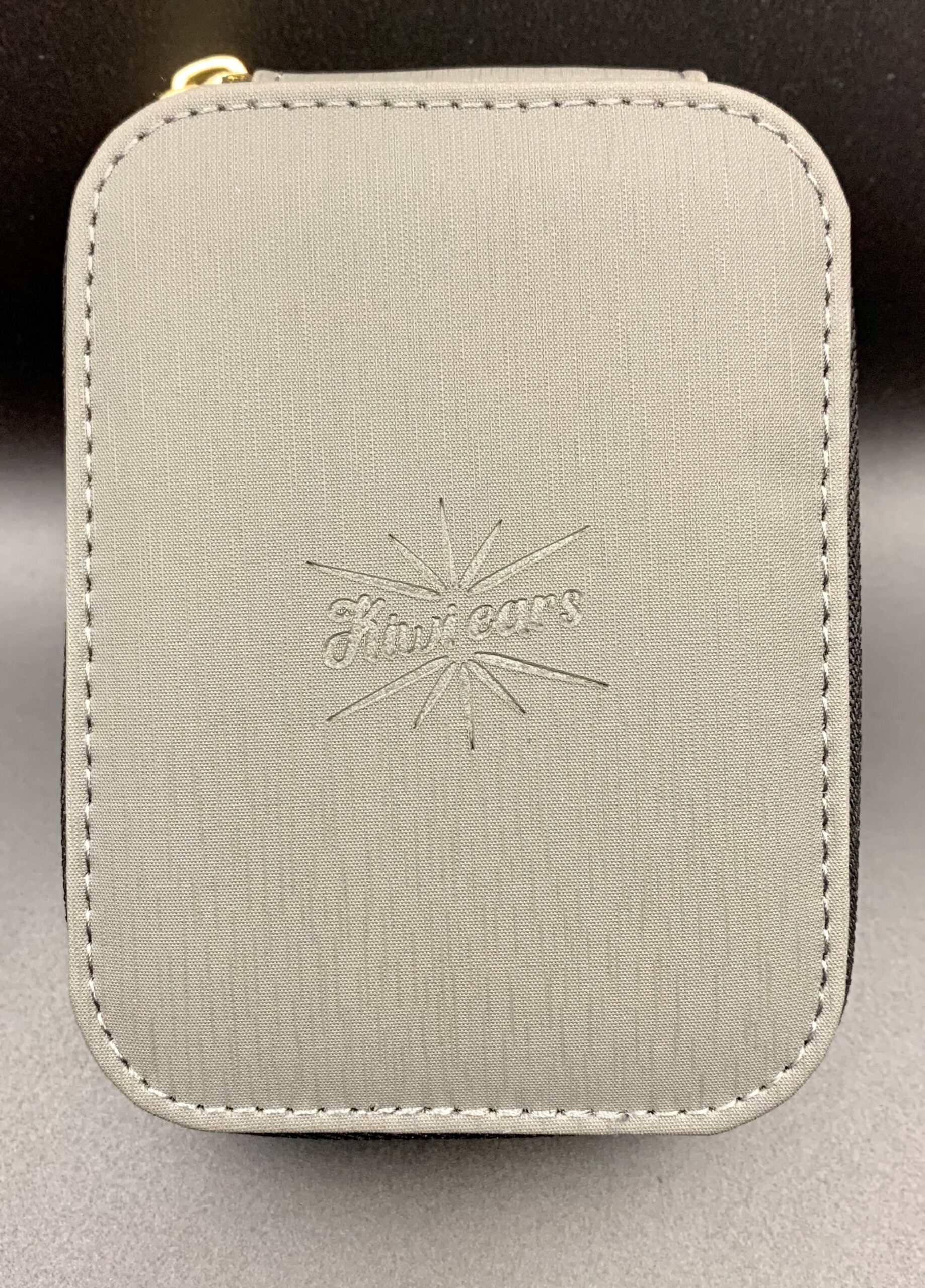
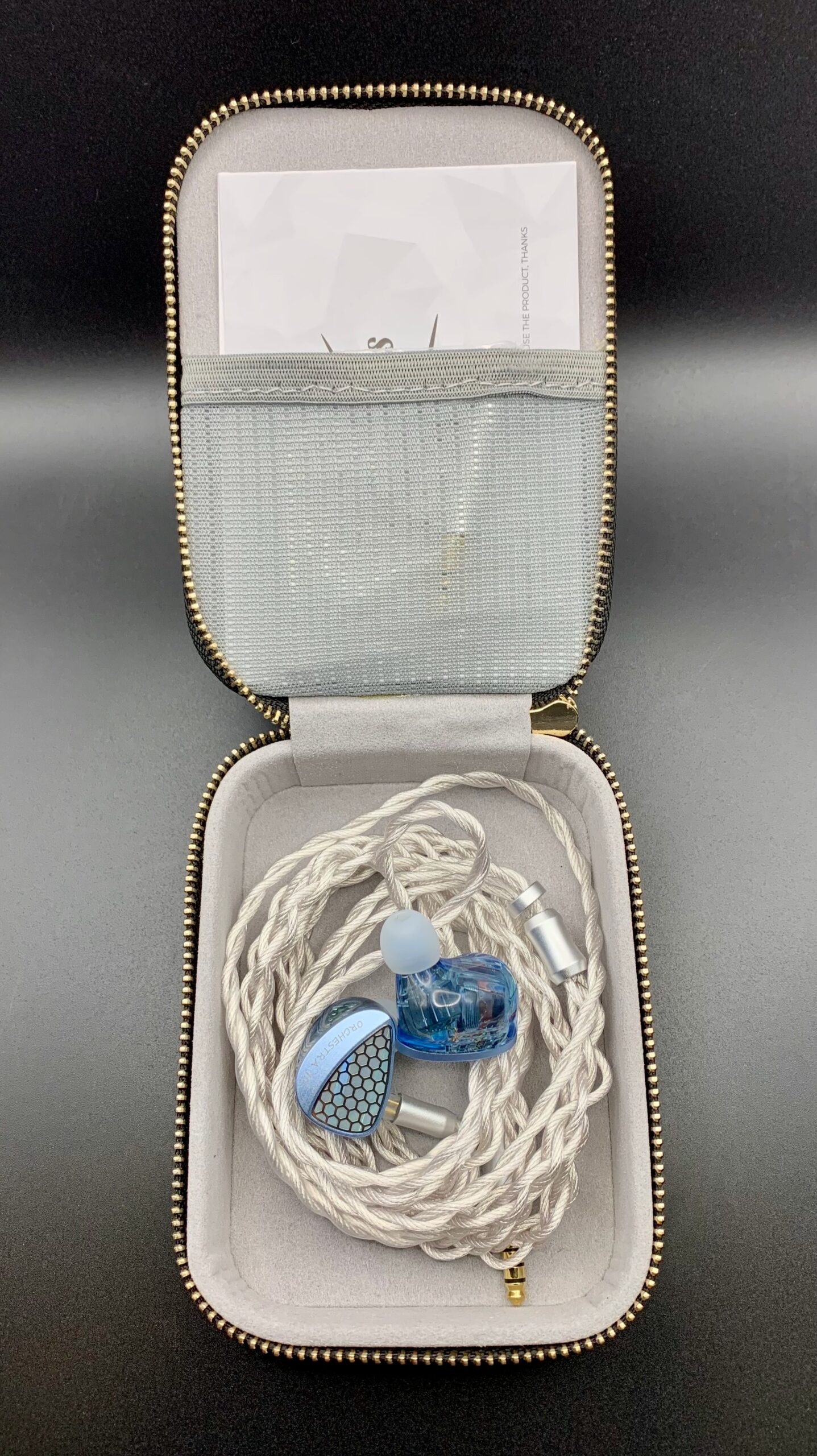
I also liked the carrying case quite a lot.
Finally, something that feels genuinely useful instead of the usual tiny case where you have to wrestle every single time just to fit the IEMs and the cable inside.
Here there is enough space, the structure feels solid without being bulky, and overall it gives a pretty reassuring sense of protection during transport.
It is not some ultra luxury accessory designed to impress in photos.
It is simply practical.
And honestly, I will take a well made functional case over another overdesigned “premium” solution that becomes annoying to use after two days in real life.
General Sound Signature
The Orchestra II are not the kind of IEMs that try to slap you in the face during the first five minutes.
Honestly, these days that alone feels almost rare.
No oversized bass blasting at your ears.
No ultra bright tuning designed purely to scream “wow, so much detail”.
Fake showroom tricks are not the goal here either.
Kiwi Ears went for something much harder here: balance.
The overall tuning leans natural, with a slight warmth in the lower mids and a very present midrange. More than anything else, though, the whole presentation feels incredibly coherent from top to bottom.
That is also what makes them interesting over time.
The more you listen, the more you start understanding what these IEMs are actually trying to do.
They are not built around instant fireworks.
They slowly grow on you.
Musical Before Technical
What they reminded me of the most was some kind of “musical studio monitor”.
There is plenty of detail here. A lot, actually.
The difference is that it never feels artificially pushed into your face in a tiring or clinical way.
Everything flows together naturally.
Smoothly.
Nothing really feels disconnected or exaggerated.
Most importantly, I never got that typical hyper technical multi BA sensation where you spend ten minutes admiring tiny details and then completely forget about the music itself.
Here, music always stays at the center of the experience.
Compared to the Orchestra Lite, the upgrade is pretty obvious:
- higher resolution
- better overall composure
- fuller and more believable bass
- stronger microdynamics
- more air and openness in the treble
More than anything else, though, the Orchestra II feel more mature.
The Lite were enjoyable and very easygoing, but sometimes almost a little too safe.
This time there is clearly more technical awareness behind the tuning, without losing the musicality that made the original concept interesting in the first place.
Bass
Alright, let’s get one thing out of the way immediately.
These are not basshead IEMs.
If you are chasing that big dynamic driver punch straight to the chest, you are probably looking at the wrong product.
Still, this is where things get interesting.
For a full BA setup, the bass performance here is honestly very impressive.
The first thing you notice is the control.
The Orchestra II never artificially inflate the low end just to fake physicality or create instant wow factor. Everything stays clean, organized and, most importantly, easy to read inside the mix.
Sub bass is actually present.
It does not disappear like on some older school multi BA sets. It reaches fairly deep, keeps good presence and even manages to deliver a decent sense of depth.
Of course, that physical air movement and visceral rumble you get from a really good dynamic driver is still missing.
That kind of physical pressure is simply different.
Or better said, it is not fully there.
But honestly?
After a while you stop thinking about it, because the low end works extremely well within the overall balance of the tuning.
Mid Bass and Control
Mid bass was probably the part I appreciated the most.
It is quick, tight enough, highly articulate and never bleeds into the mids.
Even during busier passages, everything stays controlled and easy to follow.
Kick drums, bass guitars, upright bass, toms… instruments keep proper separation without turning into a muddy mess.
You can also hear how much work Kiwi Ears probably put into the crossover and driver management.
Personally, what I appreciated the most is that they did not try to fake a dynamic driver at all costs.
There is no artificially boosted mid bass trying to create fake slam.
Instead, Kiwi Ears focused on building a believable BA bass response that feels coherent, fast and technically clean.
And honestly, I think they succeeded.
Sure, listeners obsessed with slam, pressure and physical impact will probably still prefer hybrids or tribrids.
But if you value speed, texture, articulation and cleanliness, the Orchestra II easily stand among the better full BA implementations in this price range.
Mids
To me, this is where the Orchestra II really start showing what they are capable of.
Because you can have all the drivers, all the detail and all the technical ability in the world, but if the mids do not sound right, something will always feel missing.
Here, though, Kiwi Ears did a job I genuinely appreciated.
Vocals sound extremely natural.
Not too forward.
Not recessed.
Just believable.
Most importantly, there is none of that slightly artificial, plasticky character that sometimes appears on very technical multi BA sets.
Voices actually breathe here.
They have body and presence, but without becoming heavy or overly thick.
Female vocals were probably one of my favorite parts of the entire tuning.
They stay open, airy and detailed without ever crossing that annoying line where detail turns into sharpness or sibilance.
Even with less than perfect recordings, the Orchestra II usually manage to keep everything under control.
Male vocals also come through with solid structure and a fairly realistic timbre.
Maybe some listeners would prefer a little more warmth in the lower mids, but honestly, I would take this approach any day over artificially boosted mid bass trying to fake richness.
Acoustic Instruments and Musicality
Acoustic instruments also sound really convincing.
Guitars, piano, strings, saxophones… everything keeps a natural timbre without sounding overly colored or artificially enhanced.
And honestly, this is where the philosophy behind these IEMs becomes very clear.
The Orchestra II are not constantly trying to impress you by throwing microscopic details into your face.
Instead, they aim for a presentation that feels coherent, musical and believable over long listening sessions.
That difference is huge.
With jazz, acoustic music, classic rock, blues and vocal focused tracks, I found them genuinely impressive.
These are the kind of IEMs that make you want to sit down and listen to full albums instead of constantly skipping tracks searching for the next “demo effect.”
Treble
The treble on the Orchestra II follows the exact same philosophy as the rest of the tuning.
Kiwi Ears did not chase artificial detail here.
They did not go for that fake “super technical” effect created by brutally boosting the upper range just to impress people during the first few minutes.
And honestly, thank God for that.
These days a lot of IEMs feel almost tuned specifically for quick reviews and five minute demos, loaded with excessive brightness that sounds exciting at first and exhausting later.
Kiwi Ears took a completely different route.
The treble is there.
Detail is there too.
Air and openness are present as well.
But everything stays controlled, natural and, most importantly, never aggressive.
This is the kind of IEM you can listen to for hours without reaching that point where you unconsciously start lowering the volume because the upper frequencies are slowly drilling into your skull.
And for me, that matters a lot.
Sibilance is almost always under control.
Even with rough recordings or slightly aggressive masters, the Orchestra II usually keep their composure surprisingly well.
Detail Without Fatigue
Of course, this kind of tuning also comes with a trade off.
Listeners chasing extremely bright treble, hyper exaggerated detail or that “audio microscope” presentation might find them a little too safe on top.
These are not IEMs designed to dissect every breath of a singer or every microscopic reverb trail with surgical precision.
Still, I honestly think Kiwi Ears made the right decision.
Because the detail is still there.
It simply is not transformed into listening fatigue.
And to me, that is exactly what makes the Orchestra II so easy to enjoy over long sessions.
Soundstage and Imaging
The soundstage on the Orchestra II is not one of those gigantic “movie theater inside your head” presentations.
Do not expect massive holographic effects or the exaggerated openness you sometimes get from certain aggressively tuned tribrids.
What matters here is something else.
The stage is built well.
And honestly, over time, that becomes far more important than a flashy first impression.
The presentation feels wider than deep.
The Orchestra II spread sounds nicely across the left and right channels while still maintaining a strong sense of structure and control.
That is probably the key word here: organization.
Even when the mix becomes busy, everything stays relatively easy to follow.
Instruments keep their own space, vocals never get crushed in the middle and, most importantly, the presentation never collapses into that messy congested wall of sound that can happen with some heavily packed multi BA sets.
Imaging and Separation
Imaging is another area I ended up appreciating a lot.
Not because it tries to impress with fake special effects, but because it feels accurate, natural and fully coherent with the rest of the tuning.
Instrument placement is easy to track, movements inside the stage are clear and even faster passages maintain a very solid sense of separation.
You can also hear how much effort probably went into the crossover design and overall driver integration.
Instrument separation is honestly one of the strongest aspects of these IEMs.
Not in a cold “surgical monitor” kind of way, but in a more musical sense.
They separate elements well without destroying the cohesion of the track itself.
And that is not nearly as common as it should be.
The Orchestra Lite already performed fairly well in this area, but the improvement here is pretty obvious.
There is more air, more precision and, above all, a stronger sense of control across the entire stage.
Power Requirements, Pairings and Synergy
The Orchestra II are not difficult IEMs to drive.
Even a good dongle is more than enough to drive them properly, and they never feel particularly demanding.
That said, source pairing matters quite a bit here.
After spending some time swapping DACs and dongles around, it becomes pretty obvious that these IEMs react noticeably to the character of the source.
With DACs that sound too cold, too dry or overly analytical, the Orchestra II tend to lose part of their musicality.
The risk is turning them into something a little too sterile, almost more “studio monitor” than Kiwi Ears probably intended.
And honestly, that would be a shame, because one of the strongest aspects of these IEMs is exactly their balance.
Personally, I enjoyed them much more with sources that sounded:
- slightly musical
- neutral but not cold
- dynamic and lively
- very clean in the background
To my ears, they perform best when they keep that balance between precision and naturalness without drifting too far into clinical territory.
Analog Leaning Sources Work Better
Ultra analytical dongles do increase perceived detail, yes.
But at the same time, they also remove part of the smoothness and fluidity that make the Orchestra II so enjoyable during long listening sessions.
Far more interesting, in my opinion, was the synergy with slightly warm or subtly analog sounding sources.
No need to overdo it, though.
I do not think these IEMs need to be “fixed” or heavily colored.
They simply need a source that does not stiffen their presentation too much.
And honestly, I appreciated that a lot, because once again it shows that Kiwi Ears did not tune these IEMs to create a quick technical wow effect.
They tuned them for long term listening, musicality and overall coherence.
Comparison with Yanyin Baker

This is one of those comparisons that becomes far more interesting after a few days of listening.
On paper, the Orchestra II and the Baker actually look surprisingly close in philosophy.
Both avoid using a dynamic driver.
Both aim for refinement instead of exaggerated tuning tricks.
Neither one follows the classic “chaos and fireworks” sound signature that has become incredibly popular lately.
Then you actually sit down and listen to them properly.
And you realize they are chasing two very different kinds of musicality.
The Baker uses a 6BA + 2 planar configuration, and you can clearly hear that Yanyin aimed for a softer, more emotional and more enveloping presentation.
The Orchestra II go in another direction entirely.
More control.
Better structure and discipline.
A far more monitor oriented approach to sound organization.
That difference becomes obvious almost immediately.
Bass and Presentation
The Baker deliver bass with a stronger sense of physicality and presence.
Not necessarily because there is dramatically more quantity, but because of the way they fill the stage.
The planar drivers help create that feeling of moving air and body that makes the low end feel more alive and immersive.
The Orchestra II work very differently instead.
Bass is tighter, faster and far more controlled.
There is less romance in the presentation, but also far less risk of muddying the mix.
With rock, blues and more emotional genres, I still find the Baker more instinctively engaging.
They hit you more in the gut.
The Orchestra II, on the other hand, make you appreciate structure, layering, separation and overall cleanliness much more.
Mids and Treble
The difference becomes even more interesting in the midrange.
The Baker present vocals in a very soft and almost velvety way.
They wrap around you.
They pull you into the music.
The Orchestra II sound more open, more focused and, honestly, technically more accurate.
Vocals emerge with sharper definition, instruments have clearer edges and the whole stage feels easier to read.
Still, the Baker have that kind of musicality that occasionally makes you stop analyzing sound altogether and simply enjoy the music.
And honestly, I still love that about them.
Treble is another area where the Orchestra II feel more mature to me.
The Baker have more sparkle and a little extra energy up top, which at first can sound more exciting and impressive.
The Orchestra II are smoother, more linear and noticeably less fatiguing over long sessions.
To me, that is one of the biggest differences between the two.
The Baker still try to seduce you a little.
The Orchestra II sound more self confident.
Technical Performance
From a purely technical perspective, the Orchestra II also have some clear advantages:
- more precise imaging
- stronger separation
- cleaner stage organization
- better overall control
- cleaner micro detail
The Baker answer back with a more emotional and more “analog” style of musicality, if that makes sense.
And honestly, I do not think there is a definitive winner here.
It really depends on what kind of listener you are.
If you want precision, control and a highly coherent presentation without losing musicality, then the Orchestra II are probably the more complete package.
If you prefer a softer, more emotional and more instinctive listening experience, then the Baker still have a very special personality of their own.
Comparison with Ziigaat Horizon
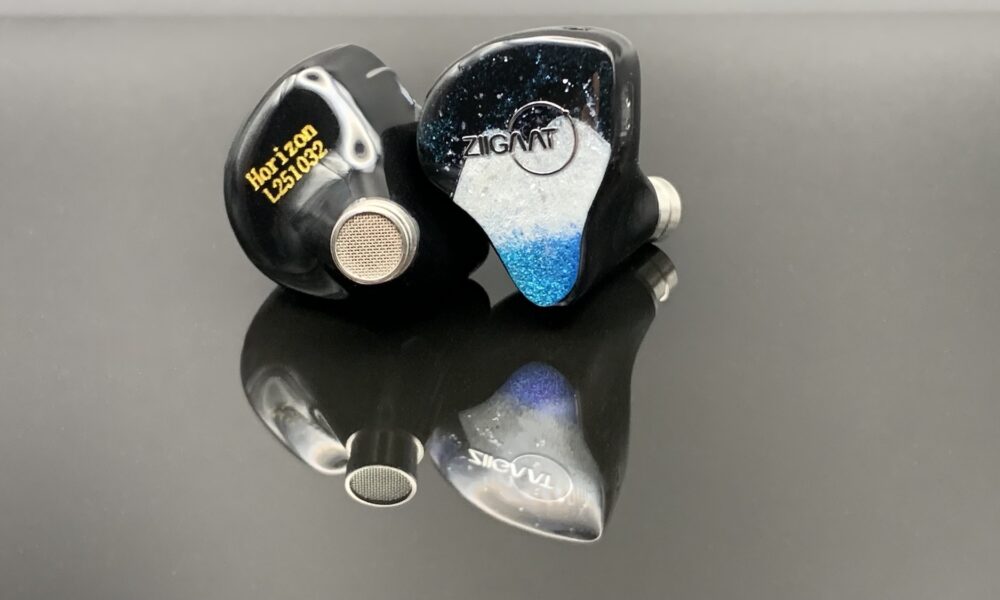
The Horizon are another very interesting comparison, because once again we are talking about two IEMs that try to stay away from the typical “showroom tuning” approach, but they do it in completely different ways.
When I reviewed the Horizon, what impressed me the most was their ability to sound engaging without becoming excessive.
Their musicality feels immediate.
Almost instinctive.
The Orchestra II take a very different route.
They are less emotional during the first listen, but far more disciplined and controlled in the way they build the sound.
You notice the difference immediately in the bass response.
The Horizon deliver a fuller, more physical and more forward low end.
There is more body, more weight and a generally more immersive presentation.
The Orchestra II focus much more on speed and cleanliness instead.
Bass sounds tighter, more controlled and, above all, easier to follow during busy passages.
Personally, with electronic music, modern rock and more energetic tracks, the Horizon still have that instant involvement that grabs you right away.
The Orchestra II are different.
They slowly grow on you over time.
And honestly, that is a huge difference in philosophy.
Midrange and Musical Approach
The midrange also shows very clearly how different these two IEMs really are.
The Orchestra II fully embrace their full BA nature here.
Vocals sound cleaner, more refined and more separated from the rest of the mix.
Everything feels more focused and more organized.
The Horizon, on the other hand, go for a softer and more visceral kind of musicality.
Less monitor like.
More emotional.
At that point, it really comes down to what you personally want from your listening experience.
If your priority is reading the mix better, following instruments more clearly and getting a highly controlled presentation, then the Orchestra II are the stronger technical performer.
If you want warmth, fullness and immediate emotional involvement, the Horizon still have a huge amount of charm.
Treble and Technicalities
Treble differences are also very noticeable.
The Horizon have more energy up top and a presentation that feels slightly more spectacular at first.
The Orchestra II sound calmer, more linear and significantly less fatiguing during long listening sessions.
To me, that is one of the best qualities of the Kiwi Ears tuning.
They are not constantly trying to impress you.
They are trying to keep you listening.
From a technical perspective, the Orchestra II also hold a fairly clear advantage:
- more precise imaging
- stronger separation
- cleaner stage organization
- better micro detail
- better composure across the presentation
The Horizon answer back with a more instinctive and emotionally driven style of musicality.
Honestly, I think the choice between the two depends entirely on the kind of listener you are.
The Orchestra II are the set I would grab when I want to study the mix, dive into the recording and follow every layer more carefully.
The Horizon are probably the ones I would choose when I simply want to relax and let the music carry me without thinking too much about technical analysis.
John Lee Hooker – It Serve You Right To Suffer (2025 Remaster)
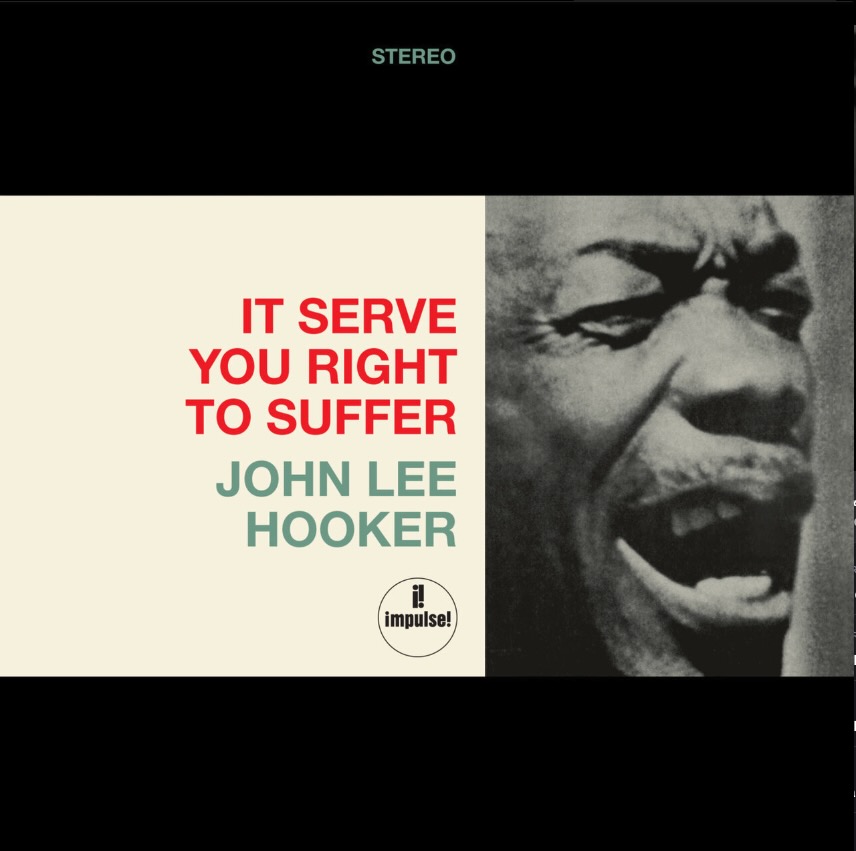
This is one of those tracks I always use when I want to understand how well an IEM can reproduce atmosphere, microdynamics and natural timbre without turning everything into a cold technical exercise.
And honestly, the Orchestra II handled it beautifully.
The first thing that stands out is the way they reproduce John Lee Hooker’s voice.
You still get that dirty roughness, that almost physical texture of the recording, but without ever becoming sharp or aggressive.
His voice stays slightly forward in the mix, very present, yet always believable.
More importantly, you can really feel the air of the recording itself.
That sense of space.
That breathing room between instruments.
This track also highlights one of the Orchestra II’s strongest qualities: their ability to separate elements without destroying the cohesion of the music.
Every instrument has its own space.
The upright bass sounds articulate and easy to follow, with convincing string texture, while the drums remain tight, quick and extremely natural.
The ride cymbal and upper percussion carry plenty of detail, but never become piercing or fatiguing.
And with old school blues and jazz, that matters a lot to me.
It takes very little to turn this kind of music into something artificial or exhausting.
Natural Space and Presentation
The staging also worked really well here.
Not massive.
Not exaggerated.
Just believable.
You genuinely get the feeling of small musicians placed in front of you, with enough air and room between them to make the performance feel alive.
The Orchestra II are not trying to hyper analyze the track.
They are trying to let you experience it naturally.
And honestly, with music like this, I think that was absolutely the right choice.
Wicked Game – Born To Kill [Explicit]
With this track, the Orchestra II show a completely different side compared to the John Lee Hooker recording, and honestly that is exactly what impressed me during my listening sessions.

This song relies much more on atmosphere, depth and electronic layering.
At first, I honestly thought a full BA set tuned this much around balance could end up sounding a little too polite or overly controlled here.
But surprisingly, that never really happened.
The Orchestra II keep their organized and disciplined presentation without draining the emotional weight out of the track.
Electronic bass comes through fast, clean and, most importantly, easy to follow even when the mix becomes dense.
You can still tell there is less physical slam compared to a strong dynamic driver setup.
That part is obvious.
What really stands out instead is the control.
Sub bass stays exactly where it should.
Present.
Deep enough.
Always composed.
Never flooding the rest of the presentation.
Layering and Atmosphere
Vocals also come through beautifully.
Even with multiple electronic layers and ambient effects stacked together, the Orchestra II maintain a strong sense of air and separation.
Vocal lines stay clear and intelligible instead of getting swallowed by the production.
Treble performance impressed me quite a bit on this track as well.
There are countless tiny details floating around the mix: reverbs, echoes, electronic textures, little ambient cues everywhere.
The Orchestra II pull them out naturally without turning the whole experience into something analytical or fatiguing.
And honestly, I think that is exactly their biggest strength.
They never force detail into your face.
They simply allow information to emerge naturally from the music.
The staging also works very well here.
Not gigantic in absolute terms, but extremely organized.
Electronic layers stay separated, stereo positioning feels precise and the whole track maintains a strong sense of order even during the busiest moments.
With a more aggressive tuning, this song can become exhausting very quickly.
The Orchestra II somehow keep it engaging without losing composure.
The more I listen to them, the more I feel their real strength is not a single spectacular trick.
It is the overall balance of the presentation.
Daft Punk – Get Lucky
(Random Access Memories – 10th Anniversary Edition)
“Get Lucky” is one of those tracks everybody knows by now.
It has been used so many times in audio tests that people sometimes forget how difficult it actually is to reproduce properly.
Because underneath that super funky and ultra commercial surface, there is a remarkably dense mix constantly running under pressure.ure.
This track never really stops.
Instruments come in.
Effects disappear.
Vocal layers stack on top of each other.
Funky guitars.
Sub bass.
Cymbals.
Reverbs.
Tiny electronic details flying everywhere.
And all of it keeps moving nonstop.
This is not the kind of song where you sit down and admire a huge soundstage or a perfectly layered “audiophile” presentation.
Traditional staging almost becomes secondary here.
What you get instead is a continuous rotation of sonic events happening all around the mix.
And honestly, that is where the real challenge begins for an IEM.
To keep control and readability without turning everything into a compressed, exhausting wall of sound.
This is exactly where the Orchestra II genuinely impressed me.
They never try to exaggerate what is already exaggerated inside the recording itself.
Control Over Chaos
Sub bass stays very controlled.
Present, fast and precise, but without constantly flooding the rest of the track.
The funky bass line keeps excellent articulation and, most importantly, never eats the vocals alive.
And with “Get Lucky”, that is absolutely not guaranteed.
The risk of turning the low mids and vocals into a muddy mess is always there.
Treble handling also deserves a lot of credit here.
This track is packed with upper frequency energy: hi hats, fast transients, bright guitars, reverbs and countless tiny electronic details.
With aggressive IEMs, it can become an actual weapon against your ears after a few minutes.
The Orchestra II somehow keep everything readable without turning detail into listening fatigue.
Pharrell’s voice always stays centered, clean and perfectly intelligible even during the busiest parts of the mix.
And honestly, I think this is one of the best tracks to understand whether an IEM is truly coherent or not.
Because here, detail alone is not enough.
Bass alone is not enough.
Brightness alone is not enough.
You need control.
And the Orchestra II, especially when it comes to maintaining order inside the mix, perform incredibly well.
Who Are They For?
To me, the Orchestra II are mainly designed for listeners who have started getting a little tired of extreme tunings.
These are not IEMs built to create instant wow factor during the first thirty seconds.
They are not trying to impress you with massive bass or exaggerated detail thrown directly into your face.
Their whole philosophy is much more focused on balance, coherence and long term listenability.
And honestly, I think that is exactly where their ideal audience is.
I would strongly recommend them to people looking for:
- a balanced IEM that never feels boring
- very natural vocal reproduction
- detail without aggression
- long and relaxed listening sessions
- a coherent tuning from top to bottom
- a modern full BA setup that does not sound artificial
Music Genres
Personally, I think they work especially well with:
- jazz
- blues
- classic rock
- acoustic music
- live recordings
- vocal focused tracks
- refined electronic music that is not overly aggressive
At the same time, they are probably less suitable for listeners chasing an extremely physical or heavily boosted sound.
If you are a hardcore basshead, chances are you might end up disappointed.
The bass is well done.
Very well done, actually.
But these IEMs were never designed to destroy your eardrums with raw slam.
The same goes for people who love highly V shaped tunings, ultra bright signatures or aggressively technical presentations.
Some listeners might even find them too polite.
And honestly, I can understand why.
The Orchestra II are not constantly trying to drag your attention toward one specific part of the sound.
Their goal is to make everything work together naturally.
And personally, that is a philosophy I appreciate more and more as time goes on.
Final Thoughts
The Orchestra II are one of those IEMs that, in my opinion, can easily be misunderstood if you only listen to them quickly.
These days we are surrounded by products constantly trying to impress you immediately.
Bigger bass.
Extra air.
Hyper detail.
Instant wow factor.
The Orchestra II go in the exact opposite direction.
You sit down.
You listen.
And at first they can almost sound too correct.
Then the hours pass.
More albums come and go.
And little by little you start realizing that the real strength here is not some flashy special effect.
It is the musical cohesion.
To me, Kiwi Ears made a very precise decision with these IEMs: build something balanced, musical and believable without constantly chasing technical extremism or exaggerated tuning tricks.
And honestly, you can hear that very clearly during long listening sessions.
These feel like mature IEMs.
Probably more mature than what today’s market usually rewards.
They manage to sound technical without turning cold.
Detailed without becoming aggressive.
Clean without feeling sterile.
And for a full BA setup, trust me, that is not something you can take for granted.
Of course, they are not perfect.
The bass, while genuinely well done, still cannot fully recreate that physical pressure and air movement a truly great dynamic driver delivers almost effortlessly.
The soundstage also stays more focused on organization and realism rather than huge holographic spectacle.
Still, I honestly think Kiwi Ears made the right call by avoiding those kinds of effects.
The Orchestra II are not constantly screaming “look how technical I am”.
Instead, they simply try to let you enjoy music for hours without fatigue and without distracting you with artificial tricks.
And at least for me, that has become one of the hardest qualities to find today.
Kiwi Ears did not try to impress everyone here.
What they really tried to build was a coherent IEM.
Honestly… you can hear it.
VOTE
8.9 / 10
🟢 Pros
- Excellent tonal coherence
- Very natural and engaging mids
- More comfortable than expected
- Excellent instrument separation
- Detailed without sounding forced
- Very relaxing for long listening sessions
- Mature and highly balanced tuning
- Well built and nicely finished shells
- Finally a stock cable that matches the product quality
- Excellent overall control of the mix
🔴 Cons
- Sub bass still lacks the physical impact of a great dynamic driver
- Soundstage is more correct than truly expansive
- Not made for bassheads
- People who love very bright tunings may want more upper end energy
- Shells are not exactly small
- No immediate “wow effect” like some competitors
Q/A
Are they good for rock music?
Yes, absolutely.
In my opinion they work especially well with classic rock, blues rock, progressive, acoustic live recordings and all that music where coherence, mids and natural timbre matter more than pure spectacle.
Are they studio monitor IEMs?
Not in the strict professional sense.
Still, they deliver a very correct, organized and believable presentation.
These are IEMs that lean much more toward coherence than exaggerated technical showmanship.
Do they have enough bass?
That really depends on what you are looking for.
For a full BA setup, the bass performance is honestly very good: fast, controlled and with respectable extension.
If you are a basshead or you want that physical slam only a dynamic driver can deliver, then probably not.
Are they fatiguing?
Actually, pretty much the opposite.
One of the best qualities of the Orchestra II is the way they maintain detail and clarity without becoming tiring after thirty minutes.
Orchestra Lite or Orchestra II?
The Orchestra Lite are still very good IEMs even today.
That said, the Orchestra II are clearly superior in almost every technical aspect.
Better control.
Higher resolution.
More air.
Greater maturity overall.
Of course, the price also goes up.
Thanks and Personal Notes
Big thanks to Linsoul for providing the Kiwi Ears Orchestra II sample used for this review.
As always, there was no payment, no approval request before publication and no restriction of any kind on the content of this article.
I simply spent many hours listening to these IEMs using my own music, my own sources and my own way of listening.
My goal was not only to understand what they do well technically, but also what kind of long term listening experience they actually deliver.
Everything written here is completely personal and based entirely on real world usage of the product.
Like I always say, graphs, hype and specs only tell part of the story.
At the end of the day, it is just you, the music… and what you truly hear.


No Comment! Be the first one.