


































Table Of Content
- “Good” Is a Moving Target, And That’s the Point
- Good as in: Actual Audio Quality
- The Codec Problem Everyone Gets Slightly Wrong
- Driver Technology Has Gotten Genuinely Strange
- Good as in: Noise Cancellation That Actually Works
- Good as in: Practicality You’ll Actually Use
- Good as in: Spatial Audio Done Right
- The Hardware Revolution That’s No Longer Theoretical
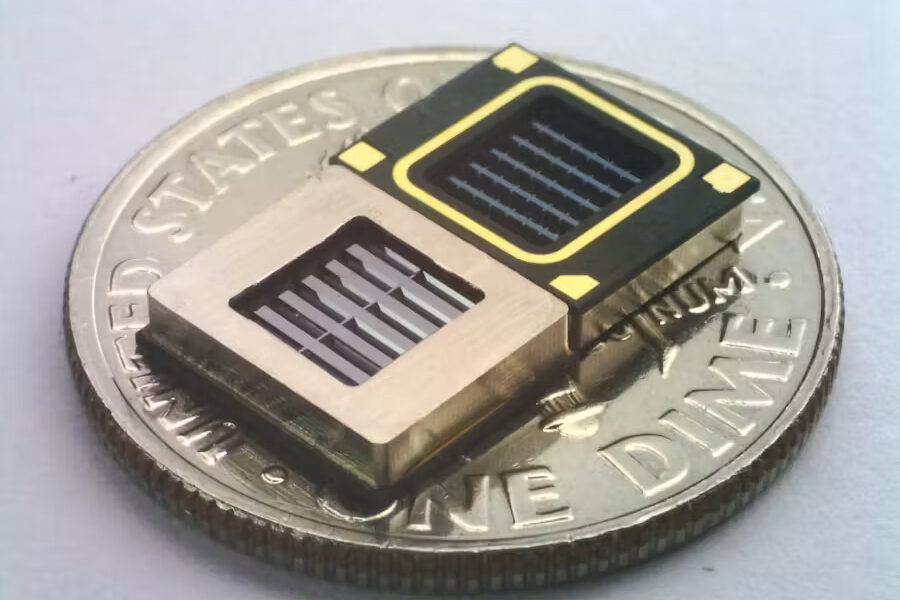
- xMEMS: When Silicon Replaces the Coil
- xMEMS for Headphones Too
- What LE Audio and Auracast Are Actually Changing
- Personalized Sound: The Feature That Became Standard Without Much Fanfare
- Where TWS Still Hits a Wall
- So What Does “Good” Look Like in 2026?
How Good Can TWS Earphones Actually Get?
That question sounds simple. It isn’t. “Good” carries at least four different meanings depending on who you ask, and the honest answer to each one lands somewhere most people don’t expect.
Let’s break it apart properly.
“Good” Is a Moving Target, And That’s the Point
A classical listener will tell you good means tonal accuracy, natural timbre, a soundstage that doesn’t feel like it’s happening between your ears. Someone commuting through a subway will say noise cancellation aggressive enough to make the train disappear. A mobile gamer wants latency under 50ms and nothing else matters. These people are not describing the same product.
Most TWS coverage makes the mistake of treating “good” as a single axis, usually measured against a wired IEM sitting on a quiet desk. That framing is almost always unfair and often completely beside the point. TWS earphones live in motion. In noise. In the pocket between uses, on the bus with one hand holding a coffee. Judging them purely against a wired reference misses everything that makes the format relevant.
That said, the sonic ceiling question is legitimate. How high can actual audio quality go? Higher than most people were expecting, turns out.
Good as in: Actual Audio Quality
The Codec Problem Everyone Gets Slightly Wrong
Bluetooth has been the bottleneck for years. SBC, the default baseline, tops out around 328kbps. Fine for a podcast. Not fine if you care about whether a hi-hat actually decays naturally or just disappears.
LDAC reaches 990kbps at peak, which puts it in CD-quality territory on paper. Reality is messier. Most Android phones default to the 660kbps adaptive mode for connection stability reasons, and the 330kbps fallback is actually worse than standard SBC in frequency response and noise floor. So the spec on the box and what your ears actually get are often two different things.
aptX Lossless is more interesting and more honest about what it delivers: CD-quality 44.1kHz/16bit, and paired with aptX Adaptive it can push up to 96kHz/24bit Hi-Res. The catch is the same it’s always been, though. Both ends of the chain need to support it. Right phone, right earphones, source file worth streaming.
LC3, the codec at the heart of LE Audio, achieves comparable perceptual quality to SBC at less than half the bitrate, with lower latency and better performance in congested RF environments. For commuters in dense urban areas where a dozen Bluetooth devices are fighting for spectrum at any given moment, that matters more than a bitrate number. The Technics EAH-AZ100 ships with LDAC, LE Audio, Auracast, and LC3 support simultaneously, which is the most complete codec stack in any TWS product right now.
Driver Technology Has Gotten Genuinely Strange
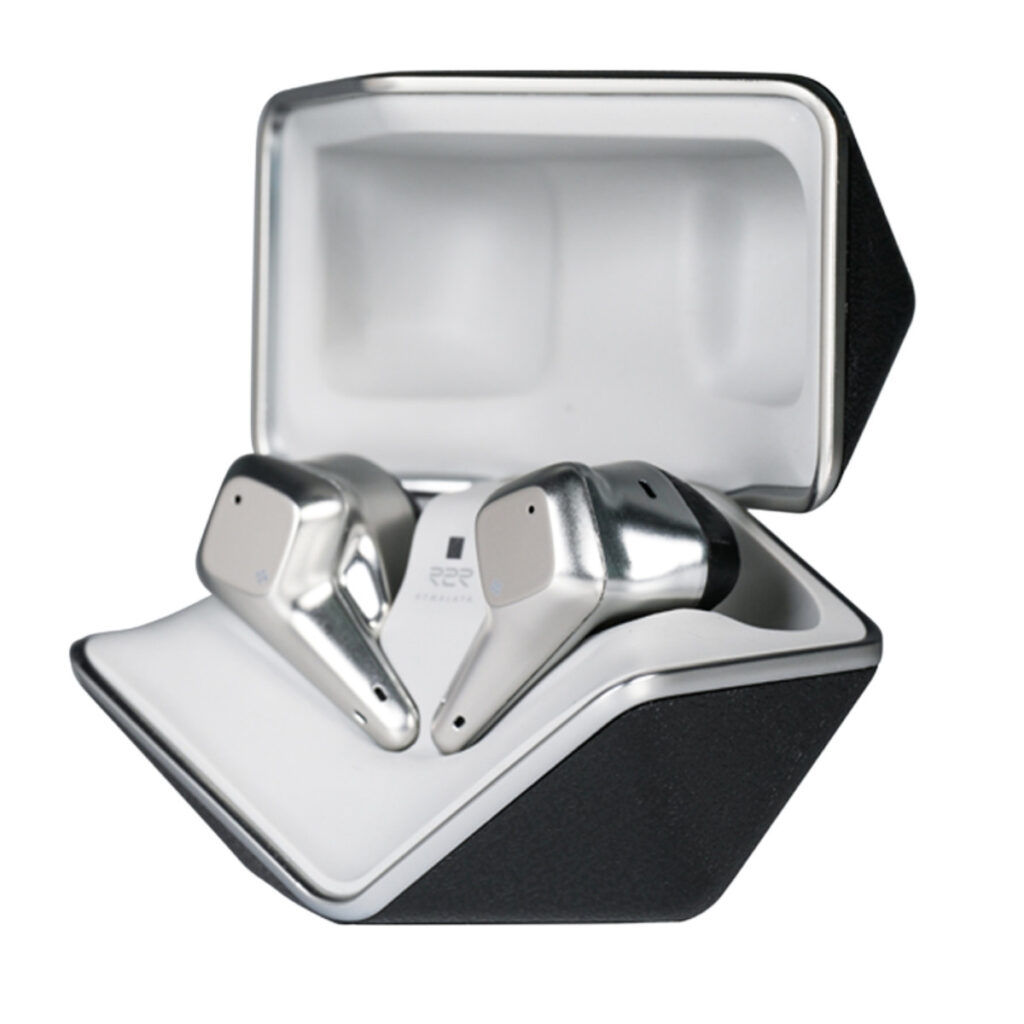
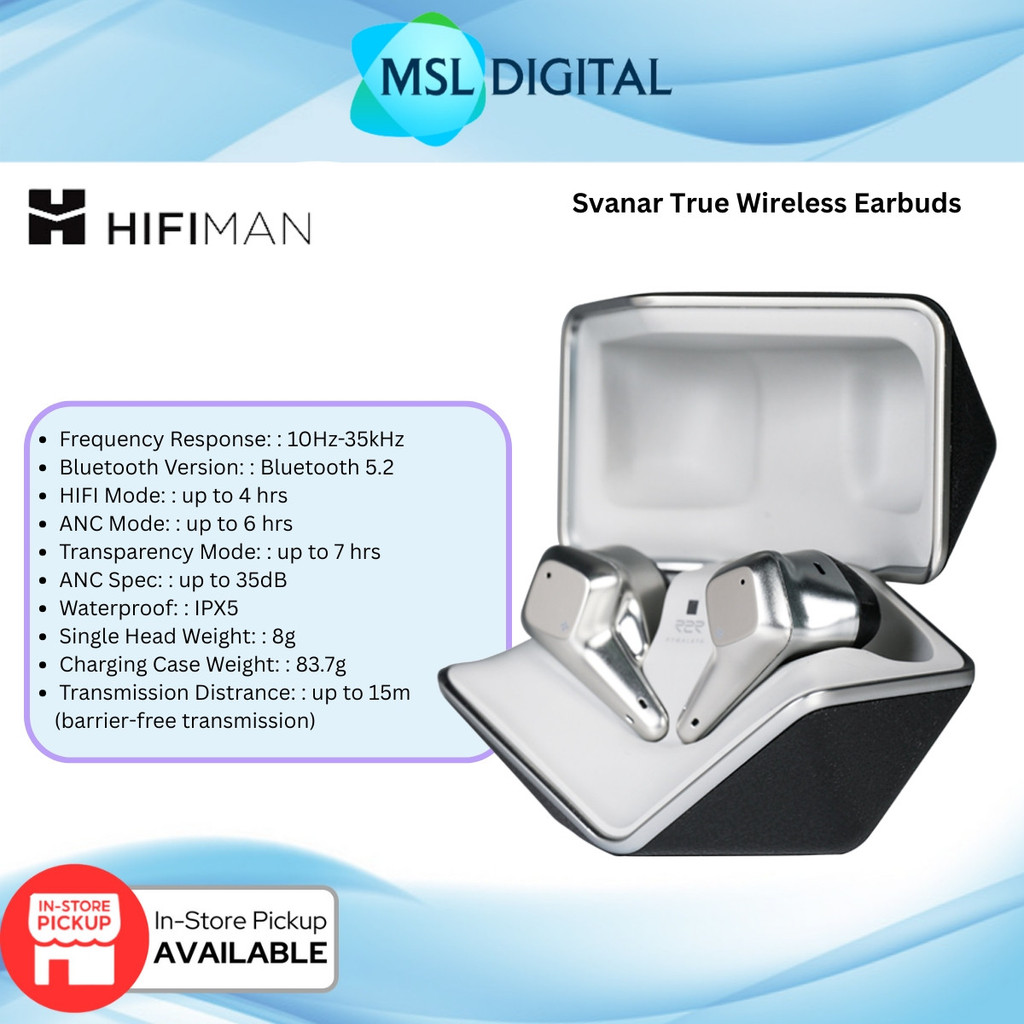
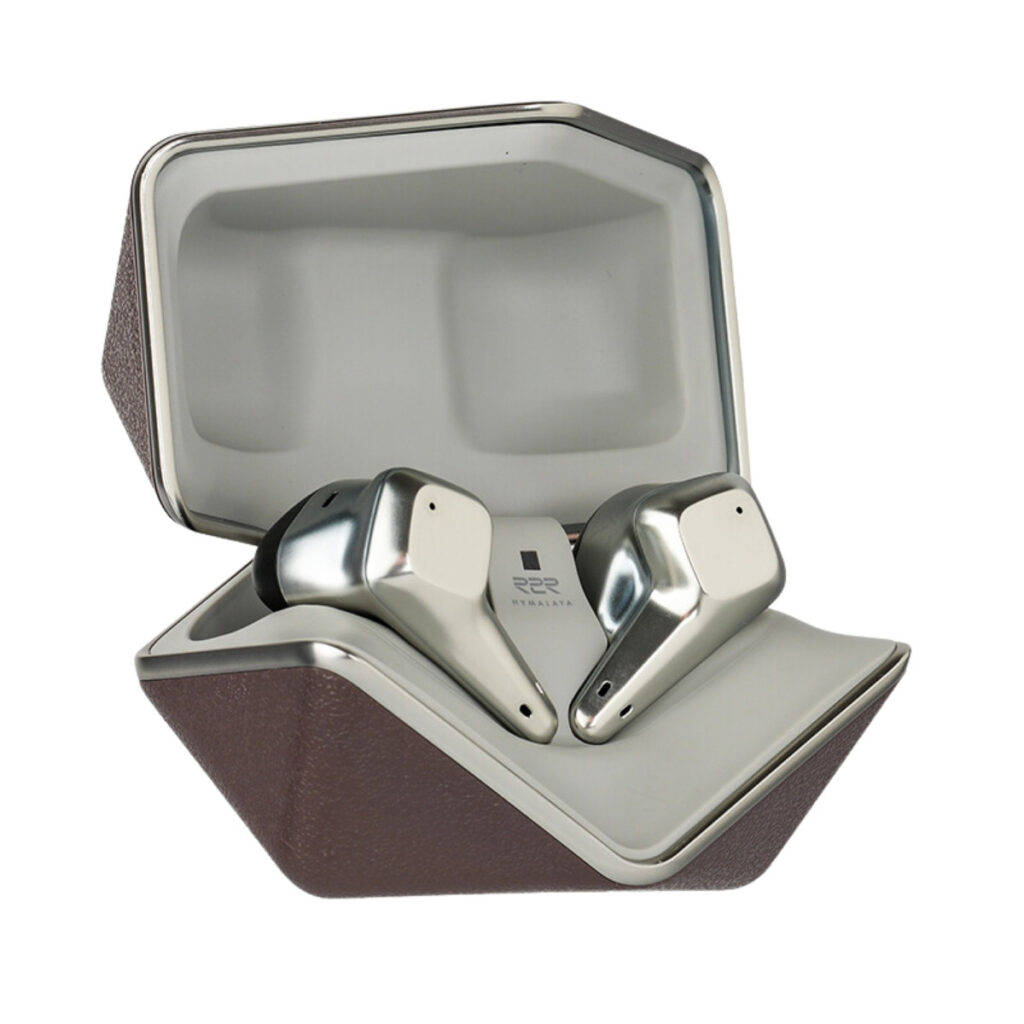
Most true wireless earbuds lean on DSP to correct what their electronics can’t do on their own. Not out of laziness, just physics. HIFIMAN took a completely different approach with the Svanar Wireless: they miniaturized their Himalaya R2R ladder DAC and put it inside the earpiece itself, something that simply hadn’t been done in TWS before. The result is 0.005% THD at -2dB with no DSP correction stage in the chain. At $499 it’s not a mass-market product, but the engineering statement it makes is important. The “TWS can’t sound that good” assumption was always partly a DSP problem, not a fundamental format limitation.
On the opposite end of the price range, the already reviewed SoundPEATS Air5 Pro+ pairs an xMEMS solid-state driver with a 10mm dynamic driver on a Qualcomm QCC3091 chip, with aptX Lossless, LDAC, and LC3 support, all under $100. The xMEMS component handles the frequencies where small dynamic drivers usually fall apart. Nobody saw that coming two years ago.
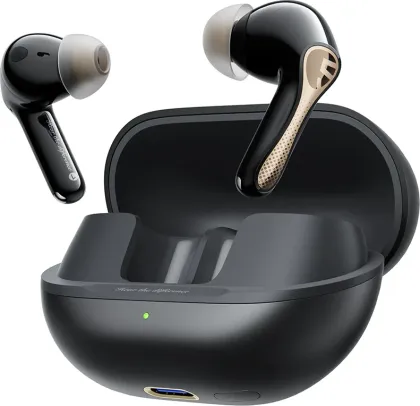
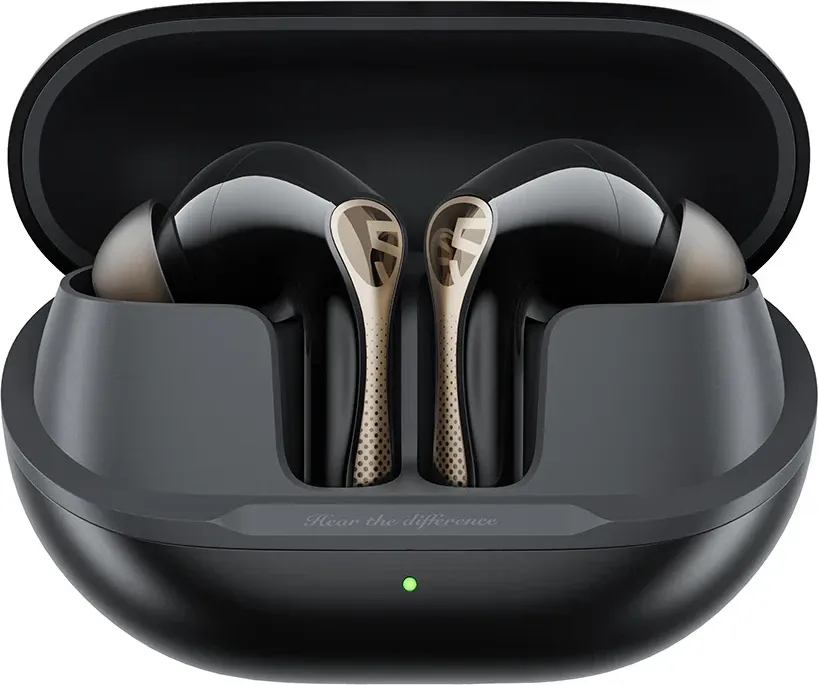
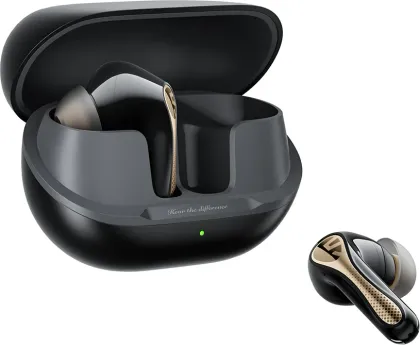
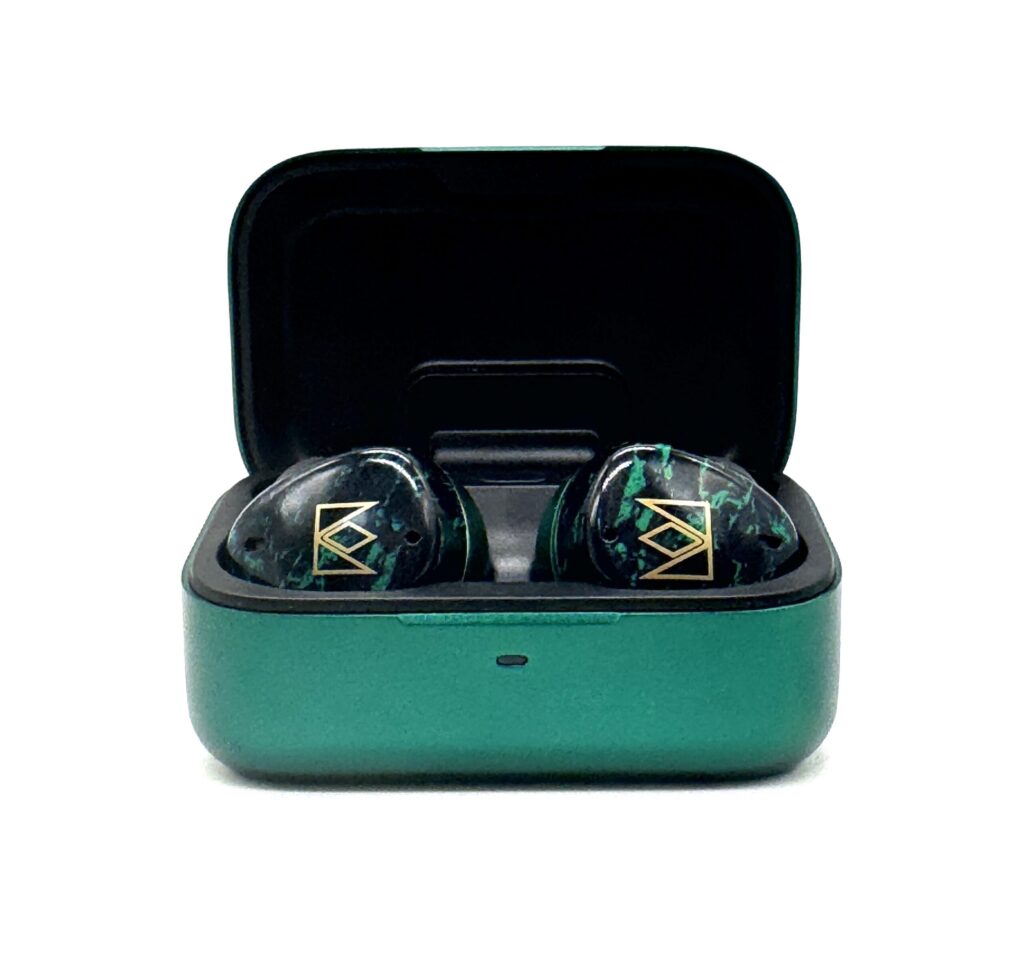
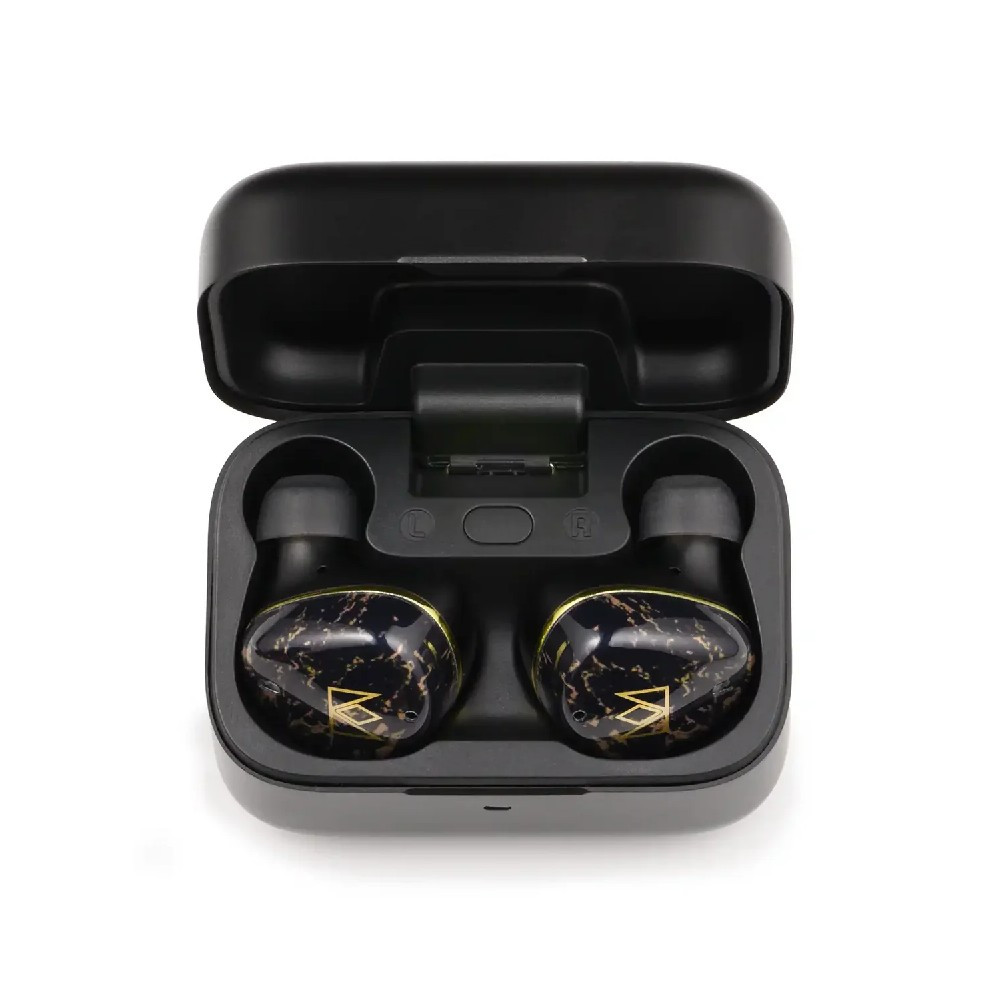
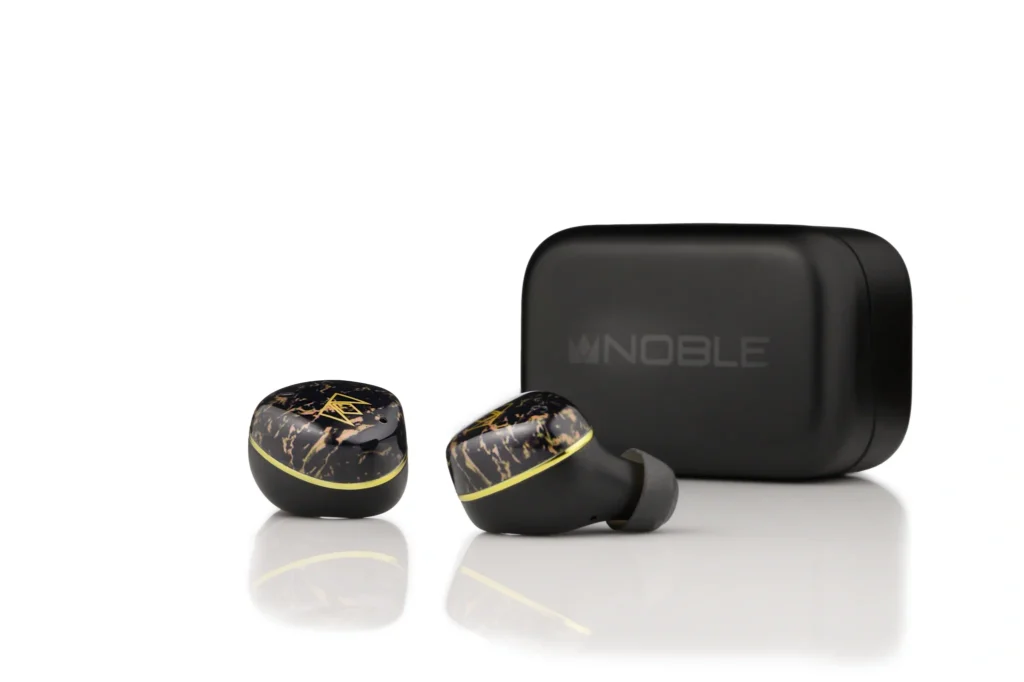
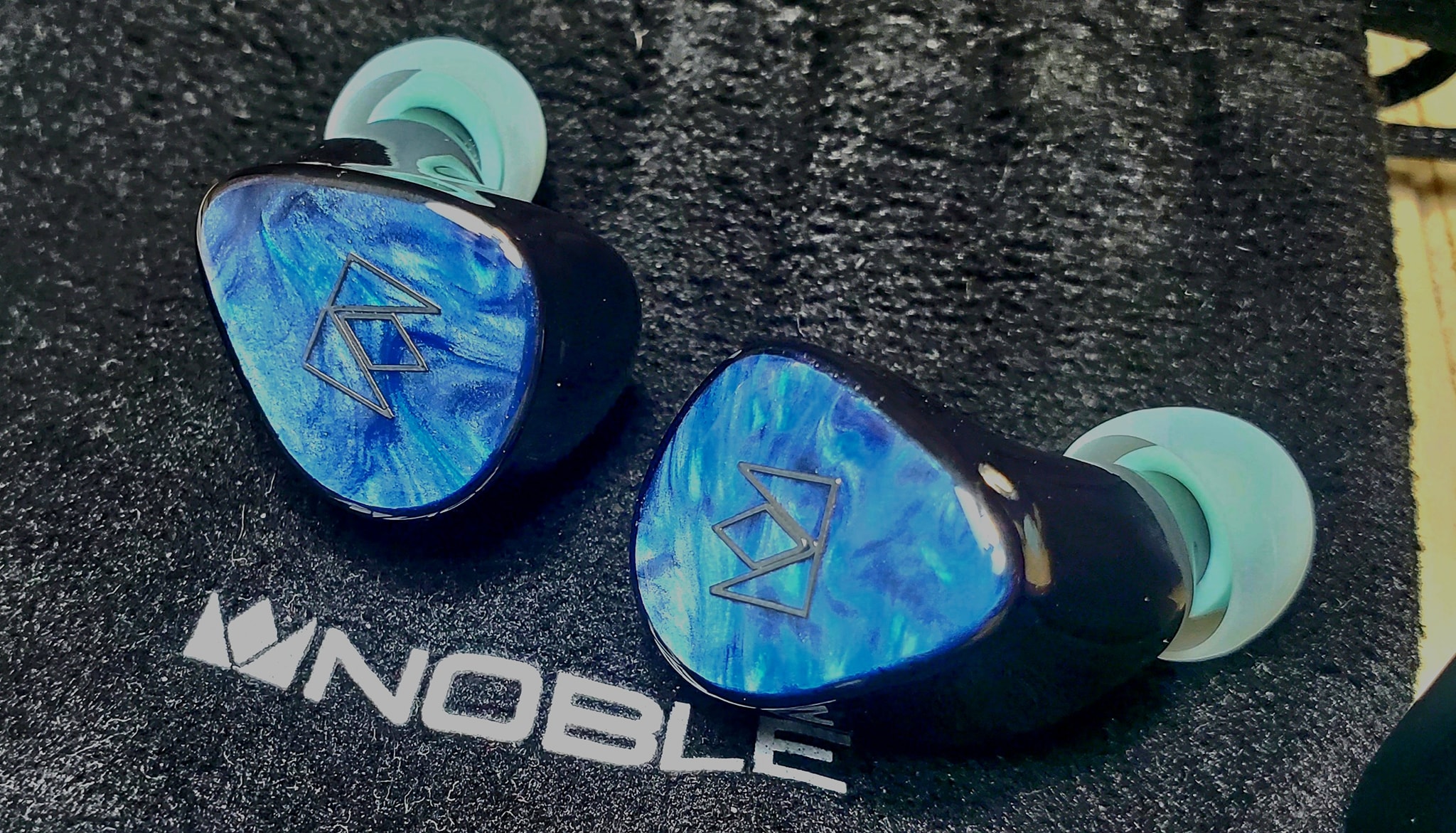
Then there’s the Noble Audio FoKus Rex5: five drivers per side, one dynamic, three balanced armatures, one planar, with Bluetooth 5.4 and both aptX Adaptive and LDAC on board. Multi-driver TWS used to be a gimmick stacked on a marketing sheet. At this level of implementation it really isn’t anymore.
Good as in: Noise Cancellation That Actually Works
The Qualcomm QCC3091 chip drives adaptive ANC rated at up to 55dB attenuation. A loud conversation next to you runs about 60-65dB. Not silence, but enough to make a long flight tolerable without cranking the volume to damaging levels.
Where most ANC implementations stumble is the tradeoff with sound quality. Turn on the cancellation and the music gets duller, thinner, wrong. The Technics EAH-AZ100 is one of the few that handles this cleanly, with aggressive background reduction that doesn’t noticeably degrade what you’re listening to. That combination is harder to engineer than it looks and worth paying for when you find it.
Good as in: Practicality You’ll Actually Use
The best-sounding TWS you won’t wear is worse than a mid-fi one that lives in your pocket every day. This gets said and then ignored in most reviews.
Battery life, multipoint reliability, call quality in wind, app responsiveness, fit stability when you’re running, touch controls that do what you intended: these are the daily friction points that decide whether a product stays in rotation or ends up in a drawer. Tri-device auto-switching that works without manual intervention, seamless multipoint, triple mics per ear for call pickup, these features are starting to differentiate premium TWS products in ways that frequency response graphs don’t capture.
Good as in: Spatial Audio Done Right
Apple’s head-tracking implementation in AirPods Pro is genuinely impressive for video content. Binaural mixes from streaming services can create convincing depth in a format that normally sounds compressed and close.
The HIFIMAN Svanar Wireless gets there a different way. Reviewers consistently describe its soundstage as unusually holographic for a TWS, with macro dynamics and natural timbre that don’t feel like they belong in this category. That isn’t from processing algorithms. It’s from signal purity. The R2R DAC architecture produces a cleaner signal to begin with, and the spatial result reflects that.
The Hardware Revolution That’s No Longer Theoretical
xMEMS: When Silicon Replaces the Coil
Every traditional driver type, whether dynamic, balanced armature, or planar, shares one thing: moving mechanical parts. A coil vibrates, a membrane follows, air moves. That works. But in the tiny, tolerance-critical housings of a TWS earphone, the failure modes are real. Inconsistency between units, breakup in the treble, phase problems, mechanical resonance that DSP has to clean up afterward.
xMEMS skips all of that. Their piezoelectric-based diaphragm is a rigid silicon chip. The piezoelectric effect operates sub-millisecond, roughly 150x faster than a conventional driver, so transients come through with less overhang and more clarity. Near-zero phase shift, part-to-part consistency governed by semiconductor manufacturing tolerances rather than acoustic assembly, no membrane breakup. Products shipping now demonstrate all of it.
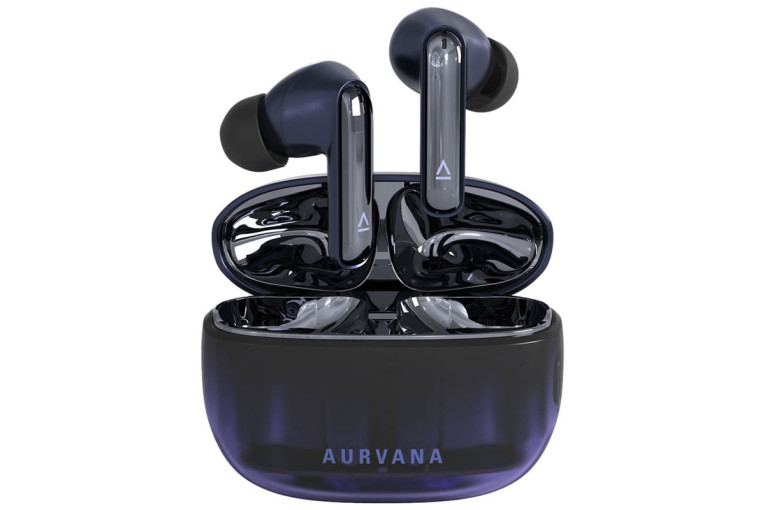
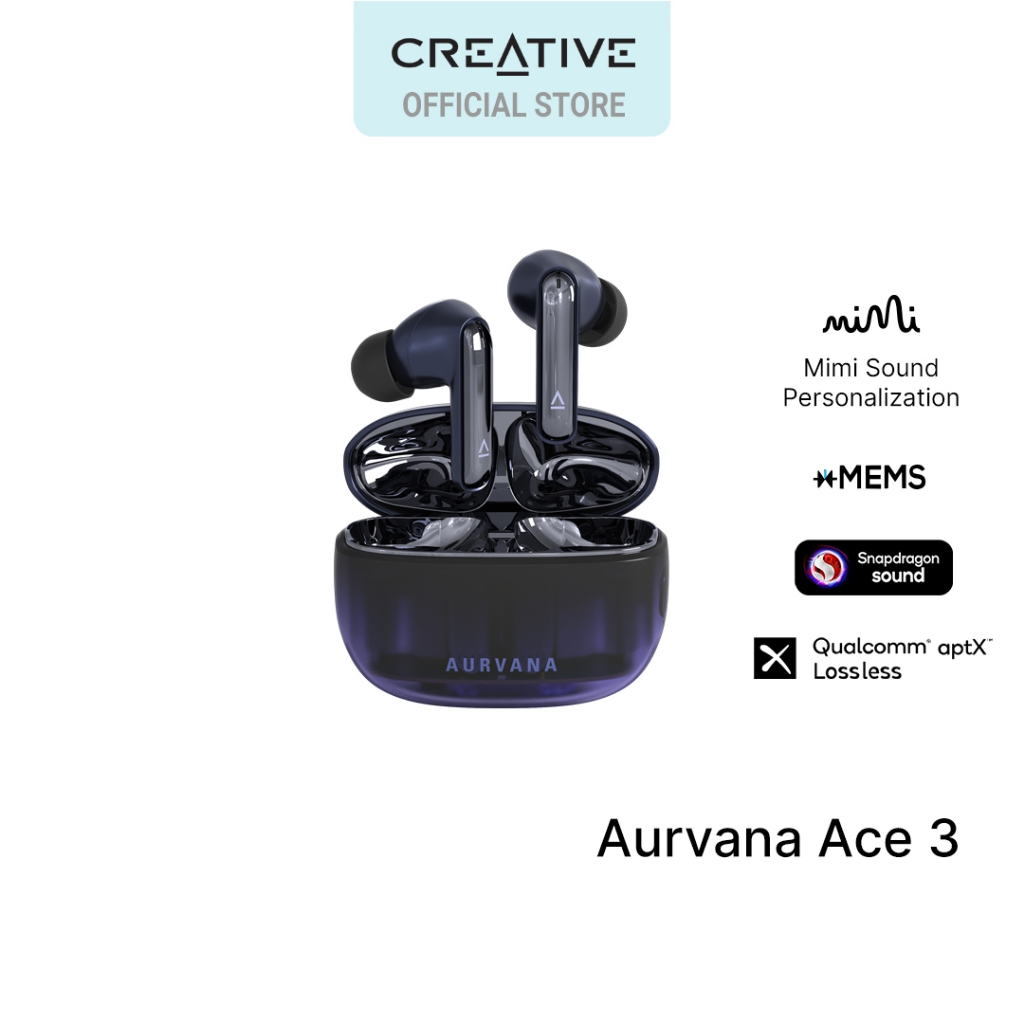
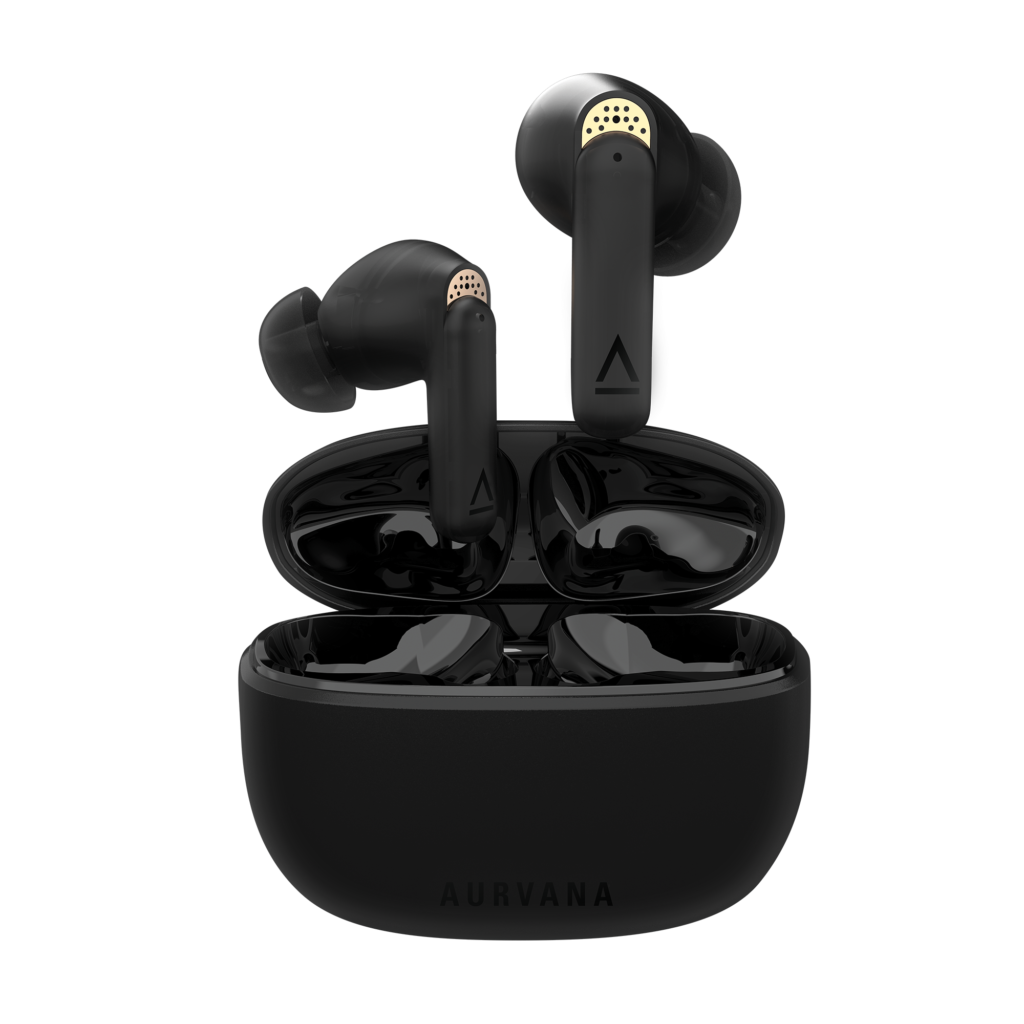
The Cypress driver reached mass production readiness in September 2025 as the first full-range solid-state solution capable of meeting SPL requirements for ANC TWS earbuds. Previous xMEMS drivers needed a dynamic woofer to handle bass. Cypress handles the full range alone. The Creative Aurvana Ace 3, which launched late last year, uses an xMEMS tweeter over a dynamic driver, combined with Bluetooth 5.4, LE Audio, Auracast, aptX Lossless, LDAC, adaptive ANC, and Mimi Sound Personalization. That’s the current feature checklist in one box.
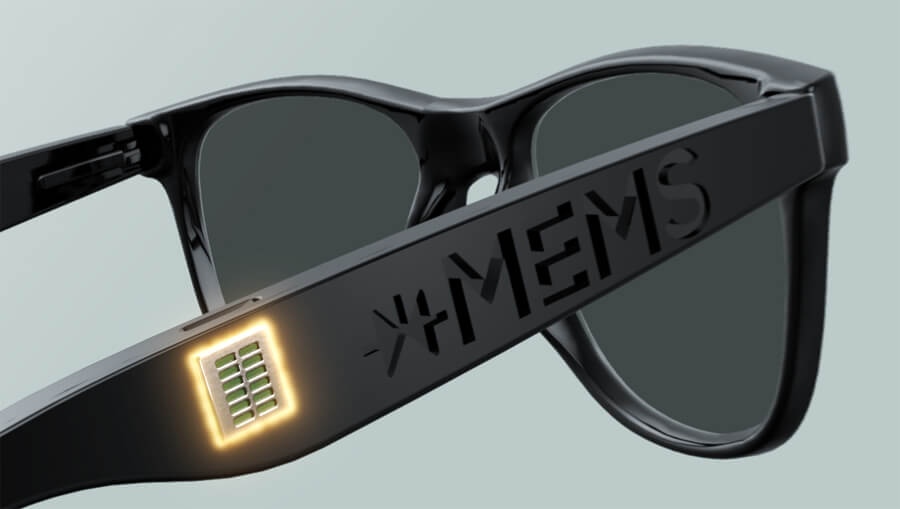
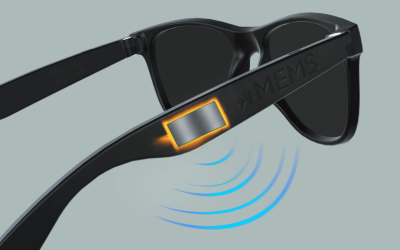
For open-ear form factors, Sycamore is what to watch. It’s a near-field solid-state driver for open-fit earbuds, smart glasses, AR/VR headsets, basically any device where traditional drivers are too large or too heavy. 1.28mm thin, 150 milligrams, up to 90% lighter than conventional speakers. Mass production started in late 2025 and first Sycamore-equipped wearables are reaching market now. Open-ear audio has always involved brutal compromises because there’s no seal to work with. Sycamore doesn’t eliminate those constraints, but it redraws them.

xMEMS for Headphones Too
xMEMS and Merry Electronics showed a production-ready 2-way over-ear headphone reference design at CES 2025: 30% better claimed spatial accuracy and up to 50% weight reduction versus conventional single-driver architectures. Whether that produces meaningfully better sound or just lighter headphones is still an open question, but the direction is set. Silicon drivers are climbing the product stack and over-ear is the next category they’re entering.
What LE Audio and Auracast Are Actually Changing
Codec debate has revolved around LDAC vs. aptX for years. LE Audio is a different kind of upgrade and most people haven’t paid attention to it yet.
LC3 achieves comparable or better perceptual quality to SBC at less than half the bitrate, which means lower power draw, lower latency, and crucially better robustness in crowded RF environments. For a daily commuter in a dense city, that last point is more meaningful than any headline bitrate number.
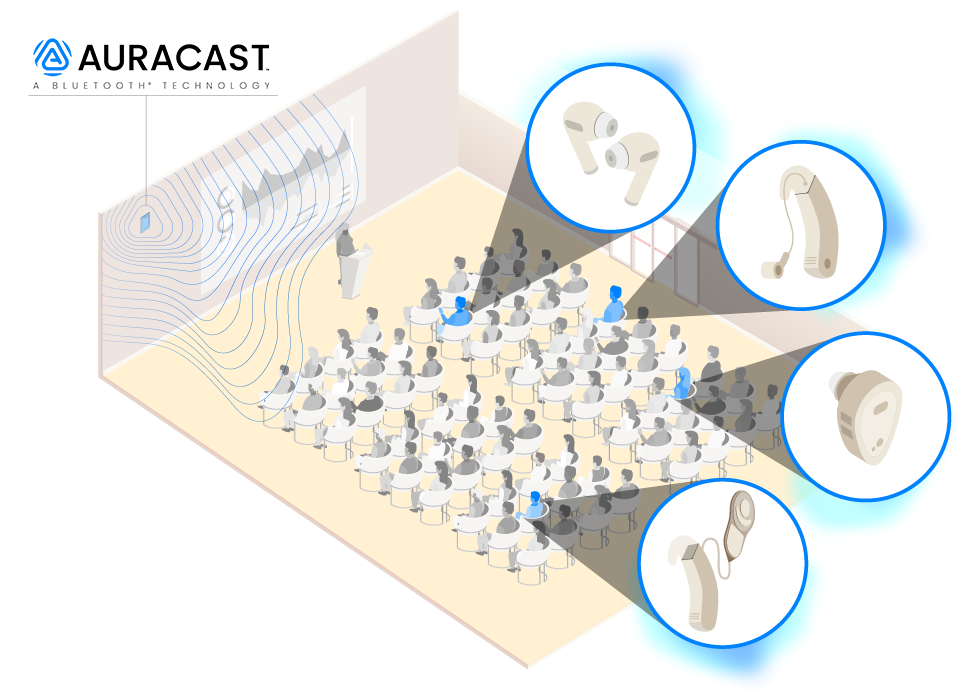
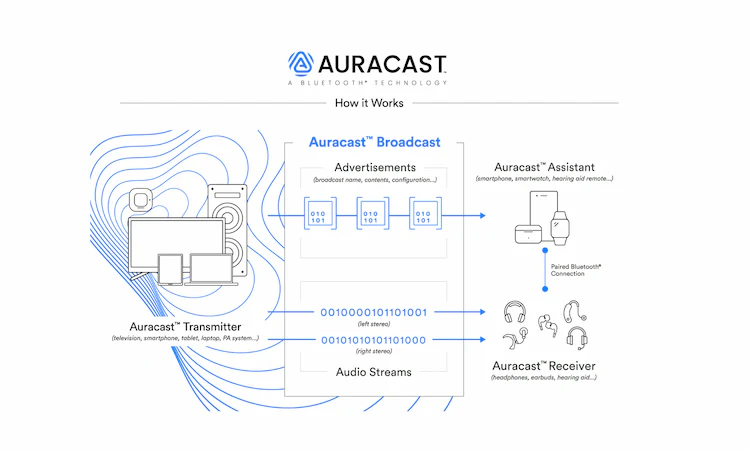
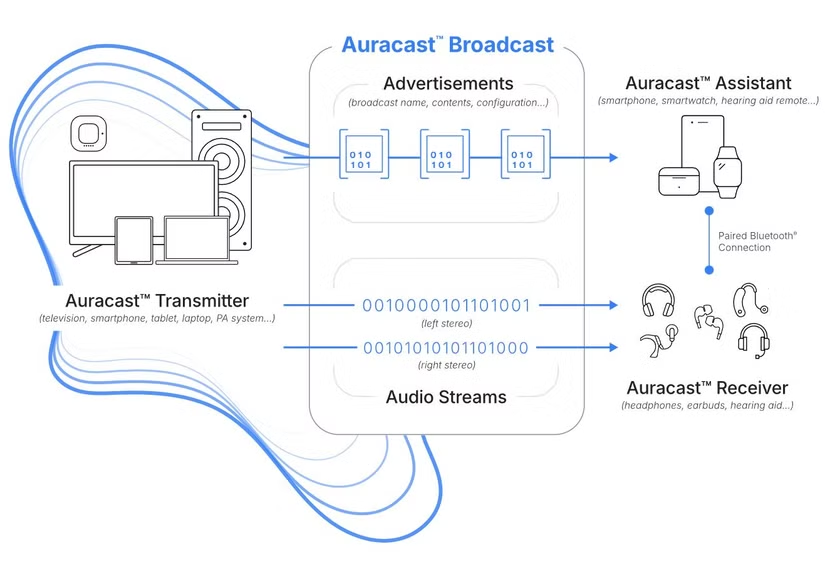
Auracast goes further. It lets a single transmitter push audio to unlimited compatible receivers simultaneously, no pairing required. Frankfurt Airport deployed it earlier this year to stream gate announcements directly to passengers’ devices. That’s a live infrastructure deployment, not a press release. It hints at something larger: TWS earphones as the universal audio interface for public spaces, not just personal listening. For audiophiles specifically, concert venues and audio demo rooms could eventually stream lossless audio directly into your earphones the moment you walk in. You don’t pair, you just receive.
Personalized Sound: The Feature That Became Standard Without Much Fanfare
In-ear audiometry was a hearing clinic procedure until very recently. Now it’s a setup screen.
The core idea: run a hearing test through the earphones themselves, then generate a compensation curve tuned to your actual hearing response rather than a population average. Mimi Sound Personalization in the Creative Aurvana Ace 3 does this. The Denon PerL Pro uses Masimo’s Adaptive Acoustic Technology for the same purpose, baked into the initial pairing process.
Why does it matter? Because no two people hear identically. The frequency at which your sensitivity starts rolling off above 10kHz varies by age and exposure history, and that variation is significant. An earphone calibrated to a generic target is optimized for a statistically average listener, not you. Dynamic personalization, meaning continuous real-time adjustment to both your hearing profile and your acoustic environment, is already standard in current hearing aids and actively moving into consumer TWS. Some products shipping now blur the line between hearing aid capability and audiophile earphone. That convergence isn’t coincidental.
Where TWS Still Hits a Wall
LDAC at 990kbps sounds good. It doesn’t sound like a properly implemented wired DAC feeding a quality IEM. The gap isn’t dramatic at moderate listening volumes, but experienced listeners will find it, and it’s real.
Fit dependency is a bigger issue in TWS than in wired IEMs precisely because you can’t swap cables mid-session or roll tips while listening. The HIFIMAN Svanar Wireless, R2R DAC and all, is significantly tip-dependent. Reviewers consistently note that the wrong fit means you’re not actually hearing what the hardware can do.
Gaming latency: 60ms modes advertised in current TWS products are fine for casual mobile use, not fine when your attention is on it. Music latency is essentially solved. Gaming isn’t.
ANC interfering with sound quality hasn’t been fully engineered away either. Most products make a tradeoff there. The better ones make it smaller, but it’s still worth testing with ANC on before you buy.
So What Does “Good” Look Like in 2026?
The ceiling is genuinely higher than it was three years ago, and what’s different now is that multiple axes of improvement are happening simultaneously instead of one at a time. R2R DACs in earpieces, xMEMS silicon drivers in mass production, aptX Lossless as a shipping feature, AI-personalized hearing profiles in the setup flow: none of this is roadmap anymore. It’s on Amazon, some of it under $100.
The format doesn’t replace a dedicated source chain. That gap is real and honest listeners should acknowledge it. But “TWS can’t sound good” is not a defensible position in 2026.
Pick the dimension of good that matches how you actually listen. Then find the product built around that dimension. The options have never been better, and the more interesting question at this point isn’t whether TWS can be good enough. It’s where the ceiling actually is.





I was wondering why there are not any wifi earbuds?
practically 10x-100x times the bandwidth and 10times the distance.
Heya! It would be a clever idea, but not probably A) due to the receiver techs status, they can land on ears but not in ears yet. B) Dependency of WiFi signals to work unlike BT dependency in TWSs.
Yet is a strong statement. Advances in applied tech are constantly getting stuff tinyer. Thus, why not a WiFi based TWS in the future.