












































Kefine Arnar Review
Intro
Hello, well here we are with another Kefine Audio review as I am taking a look at the Kefine Arnar ($189). The Kefine Arnar is actually a pretty cool setup based on what I’ve been given in this early period. The Arnar is a two-driver hybrid iem consisting of one planar magnetic driver and one Knowles balanced armature driver. However, let me back up for a second because the fan in me always gets a little dopamine hit when I see an email from Kefine. Hearing that they (Kefine) were attempting another planar was cool to see. Even further, to see that they were attempting a planar/BA iem hybrid made this even more intriguing for me. It isn’t easy to coherently mix these drivers sometimes as planars and BA’s haven’t always blended perfectly. Then I remembered that I’m dealing with Kefine. Oh yeah, the same brand who crafted the Delci, Delci AE, the Klean, Klean SV, how about the price busting and wonderful Kefine Quatio. Basically, I’ve built some high expectations from this brand. Needless to say, I have some high expectations for the Arnar.
Table Of Content
- Intro
- Arnar
- Kefine
- The Arnar Arrives
- Planars, or any driver config?
- Non-Affiliated Purchasing Links
- Gear used for testing
- Packaging / Accessories
- Unboxing
- Eartips
- Carrying Case
- Tuning Nozzles
- Black Nozzle
- Silver Nozzle
- Gold Nozzle
- Cable
- Type-C Adapter
- Build / Aesthetic / Internals / Fit
- Build Quality
- Aesthetic / Design
- Internals
- Fit / Comfort
- Drivability / Pairings
- Sensitivity
- Some Added Juice
- Source Pairing
- What Do I Prefer?
- Sound Impressions
- What’s It Sound Like?
- Signature
- Technically Inclined?
- Side Notes
- Bass Region
- Cotton Covered Rock?
- Sub-Bass
- Mid-Bass
- Downsides to the Bass Region
- Midrange
- Delectable Mids…
- Calculated
- Lower-Midrange
- Upper-Midrange
- Downsides to the Midrange
- Treble Region
- Technically Speaking
- Fits the overall sound
- Downsides to the Treble Region
- Technicalities
- Soundstage
- Separation / Imaging
- Detail Retrieval
- Comparisons
- Letshuoer Astralis ($189)
- Non-Sound Stuff
- Sound Differences
- Between the 20’s
- Final thoughts on this comparison
- Hidizs MP145 Pro ($169)
- Non-Sound Stuff
- Sound Differences
- Final thoughts on this comparison
- Genres
- Genres Which Work Better
- Not so Perfect Genres
- Last Words on the Kefine Arnar
- It’s Good
- Well Put Together
- Not For Everyone
- Conclusion
- Other Perspectives
- Arnar Pros
- Arnar Cons
Arnar
By the way, what is “Arnar”? Such a strange name for an iem. I thought it was anyways. “Arnar”? I had to go deeper on the naming because I know Kefine wouldn’t just slap a weird name on their product. Then I looked up “Arnar” and what it means is pretty cool actually. In fact, it’s super dope. Please forgive me for any misgivings about the name. So, Arnar actually is an Old Norse, Icelandic name with a very masculine connotation, meaning… “Eagle”. That’s DOPE! It sounds a bit funny, but the meaning is awesome. Nice job Kefine.
Kefine
Dongguan Kefine Electronics Technology CO., Ltd. (Kefine) was founded very recently in 2022. So, by the market standards they are brand new. Of course, they’ve had so many successes so quickly you would never know they are only 3+ years old. The name Kefine was created by combining the founder’s name “Ke” and the word “Refine”. Ke + Refine = Kefine. I was told the brand was actually put together by a group of friends and professionals who figured that they could make better products for less… and they bet on themselves. I don’t know about you, but I’m here for that. I’m here for the passionate people using their passion to create. In fact, I love that. At any rate, Kefine has had a number of highly successful budget range iems. Each one is making serious waves in the community. It all began with the Kefine Klanar. Their first iem was a planar and mildly successful too. However, it wasn’t until the Kefine Delci came out that the industry truly took notice. Next was the Delci AE. A better and more balanced version of the OG. The next set was just as good but even cheaper. That set would be the Kefine Klean. Truly a price to performance king which took the market by storm for a good long while. Then came the best set they’ve ever made up to this point, the Kefine Quatio. Perhaps, one of the best musical hybrids under $200. Lastly, I just reviewed the Kefine Klean SV and clearly this set is a technical monster at a budget price. Everything they do has purpose, isn’t flashy, is musically inclined, and sounds very nice for the cost. Always. I can’t wait for the Arnar to arrive folks. I know it’ll be good. See you in two days.
The Arnar Arrives
Okay, not quite two days, really it was the next day, but that’s neither here nor there. What is pretty remarkable is how the Arnar was tuned, how cohesive the two drivers are, and how unabashedly musical this set is. Very-very engaging friends. The Arnar will be a success. I’m just speaking that now. Granted, I have a lot of listening ahead of me before I can declare that from the rooftops, but so far it is a very fun and well controlled iem. The obvious question is about competition though. At least, that’s the first place my mind goes. Of late we’ve seen a huge surplus within the market of highly qualified planar magnetic earphones that all range around the same cost, under $200. Sets like the Hidizs P145 Pro, the Letshuoer Astralis, Letshuoer S12 Ultra, Kiwi Ears Aether etc. There are actually quite a few more, but from my perspective these are the best of the recent planars within the past year and a half. That I’ve heard anyways. I can’t hear ‘em all. At any rate, I have a sneaky suspicion that the Arnar is going to perform exceptionally well against each of these, and a few more expensive planar sets too.
Planars, or any driver config?
Of course, for whatever reason in these reviews, if it is a “planar” iem, us reviewers will typically “only” compare that set to “other planars”. I don’t know why that is. I suppose if you are looking to purchase a planar, you probably “only” want to see planars compared? Still, if we are talking every driver configuration under $200, then the Arnar’s competition grows exponentially. Please add in the comments if you prefer planar reviews with “only” planar comparisons. I really am curious. It would alter how I go about reviewing and I want what will help you. Of course, when I purchase an iem, I’m not looking specifically at driver configuration. Tell me what you think, and I thank you in advance. Okay folks, with all of that being said, I am 100% ready to get on with this review. So, without further ado, the brand new Kefine Arnar….
Non-Affiliated Purchasing Links:
Gear used for testing
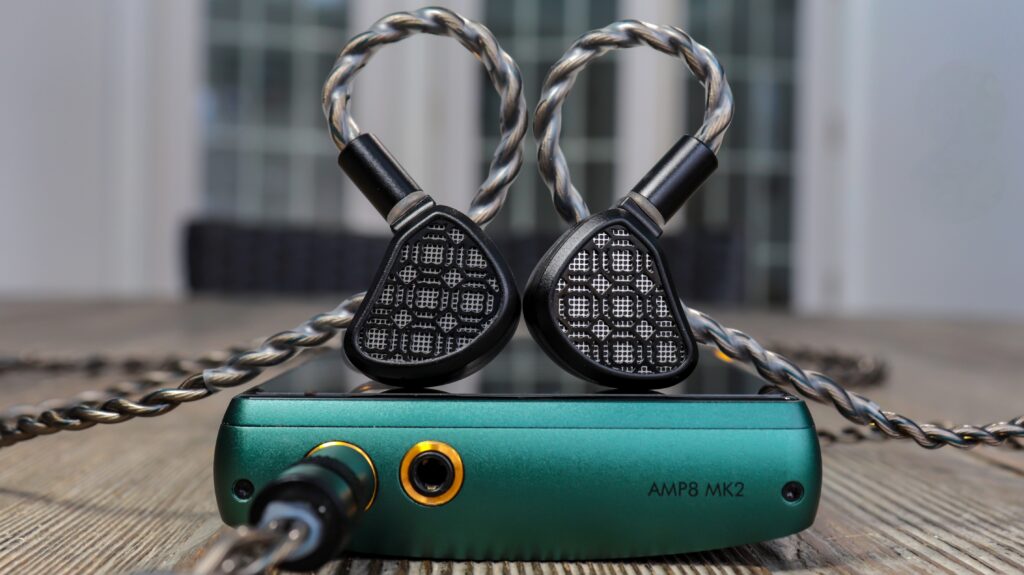
–IBasso DX240 with Amp8 MK2
-Many more sources used including weaker Android 3.5 set phones, iPad, and a few weaker 3.5 se dongles
Packaging / Accessories
Unboxing
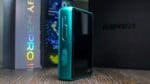
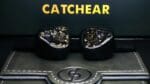
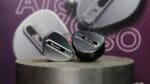
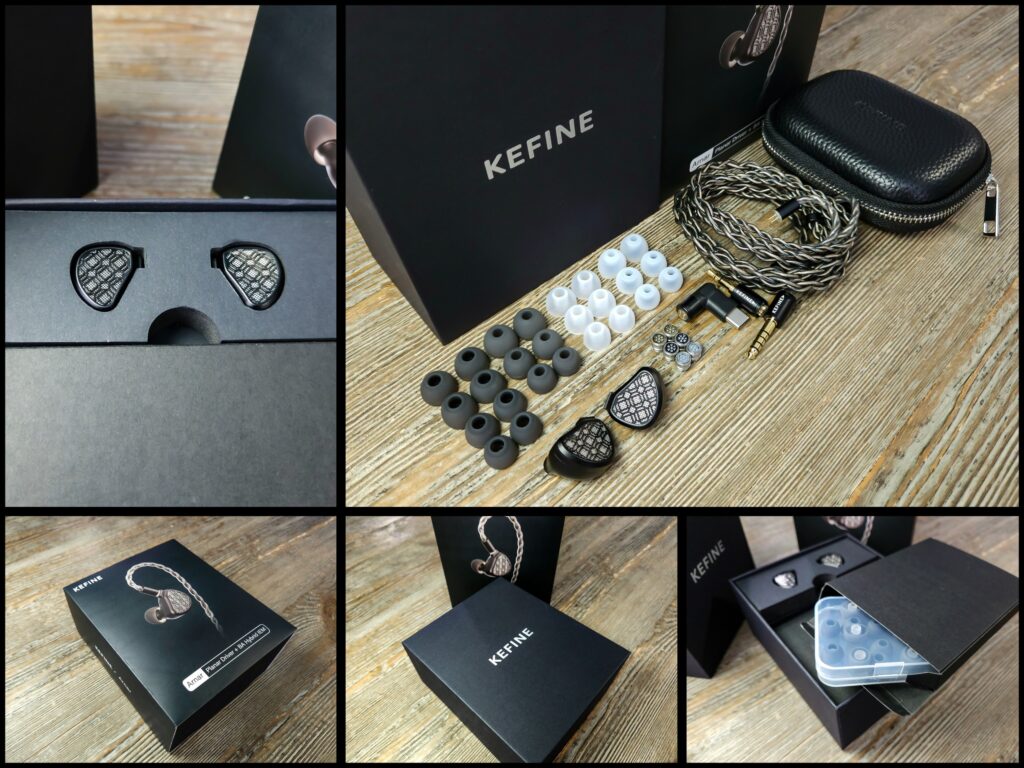
The Kefine Arnar arrived at my home in a small black box (5 ½” x 4 ⅝” x 2 ½”) with a sleeve covering which shows off the Arnar with a nice picture of the earphones on the cover. On the back is the typical specs. Kefine has always said that they weren’t trying to blow us away with unboxing experiences. They told us that their mission was to put all of the money into the earphones. Well, the truth is that the unboxing is actually decent for the cost. Really. Granted, it isn’t some ornately designed and crazy elaborate unboxing, but solid enough for $189. That said, take off the outer sleeve and you’ll see a simple black box with “Kefine” imprinted in the center. Take off the box top and the first thing you’ll see is a top layer with a thin box on the bottom and the Kefine Arnar on top sitting nicely in foam cut-outs. Once you take out the thin box, open it up you’ll see two plastic cases inside which hold the eartips. Very nice. Take that layer out and you’ll see another box underneath. Inside of the box you’ll find the black case. Inside of the case is the cable, cable adapters, and the tuning nozzles. Again, very nice. I don’t know how serious Kefine was about not putting effort into unboxing, but they should probably stop saying that because the unboxing is actually nicely accesorized. Good job Kefine.
Eartips
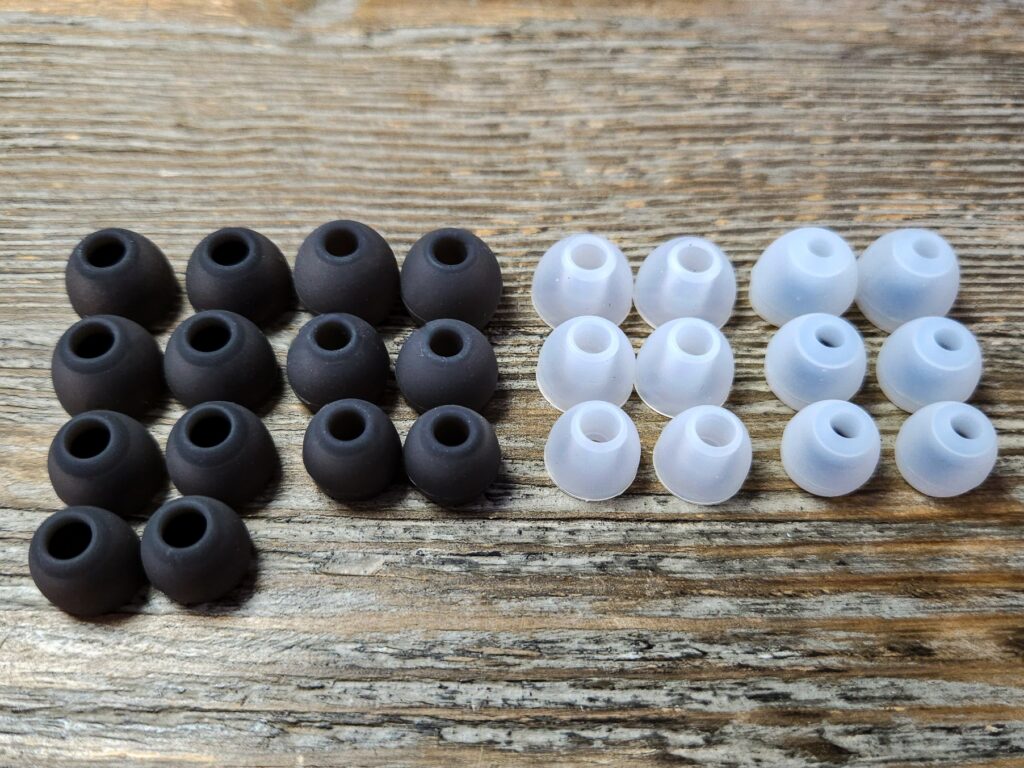
As I said, the eartips come packaged in two white plastic cases. Inside of those cases are four styles of eartips (yes, I said four). In total you receive 13 pairs of eartips. So, the first style of tip are three pairs (S, M, L) of white silicone eartips with a semi-wide bore, deeper fit, decently firm at the flange, though pretty basic (which is fine). Next are three pairs (S, M, L) of narrow-bore white silicone tips. These are a bit more rigid and firm. I do not like these with the Arnar. The third set of three (S, M, L) are dark gray narrow-bore silicone tips and these are deeper fit, very firm, very nice. I’m sure I’ll use these on something, but not the Arnar. Lastly, we get four pairs (S, M, L, L) of dark gray semi-wide bore eartips and once again these tips have a nice and firm flange and stem. Very nice tips that I did use for a little bit. However, I absolutely had to tip roll. Please hear me… “TIP ROLL”. I went through every set of tips in my collection which made sense to me (about 20 different styles). Everything from Dunu S&S, KBear 07, Penon Liqueurs, Divinus Velvet, TangZu Sancai, Final Audio E-Tips, JVC Spiral Dots, and on and on. I liked some of them. However, my absolute favorite were the Azla Sednafit Crystal eartips in large size. There was a fairly large change in the dimensionality of the stage, the cleanliness of the treble, and the punch in the bass. Others got me close, but these were clearly the best. For the record, all critical listening was completed with the Azla Crystals.
Carrying Case
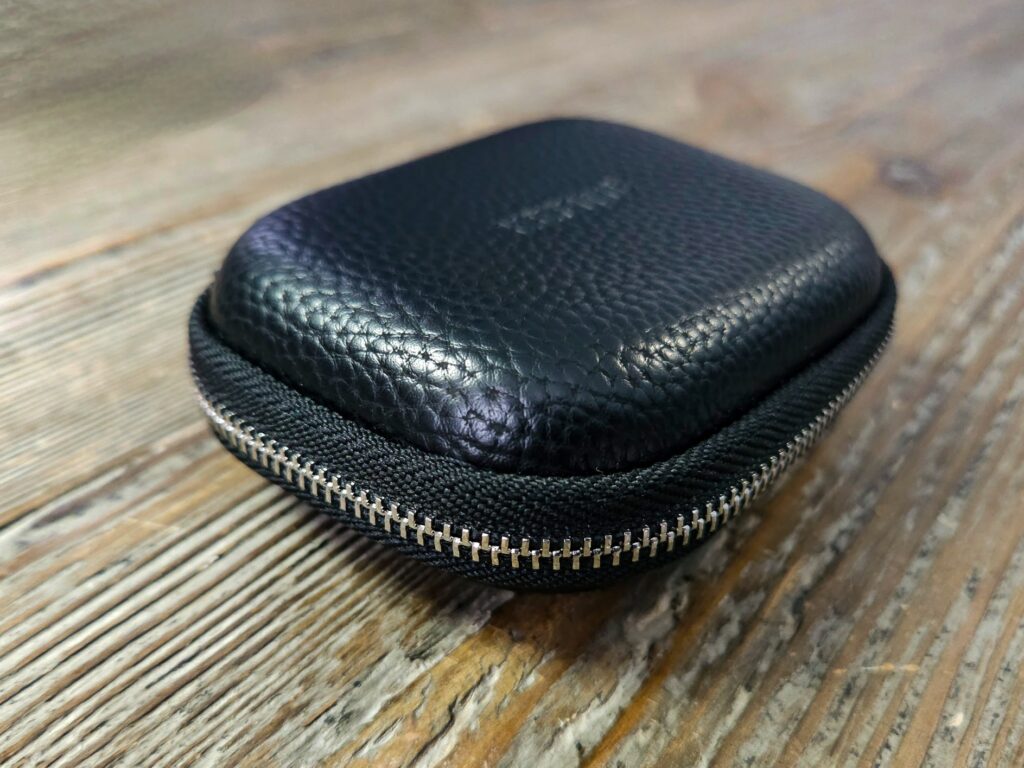
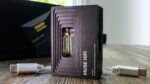
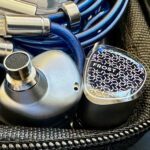
I was happy to see a carrying case in the packaging. It’s a decently sized case (4 ¼” x 2 ½” x 1 ¼”). The case is a black faux leather zipper case which is actually pretty classy looking. On the center of the case is “Kefine” and the entire case looks really nice. Again, it’s not the largest in the world but it fits the Arnar earphones, the cable, cable adapters, and some eartips comfortably. I actually find the case to be a good size for putting in my jeans pocket with no real issues and obviously throwing it into a bag is great too. Not bad at all.
Tuning Nozzles
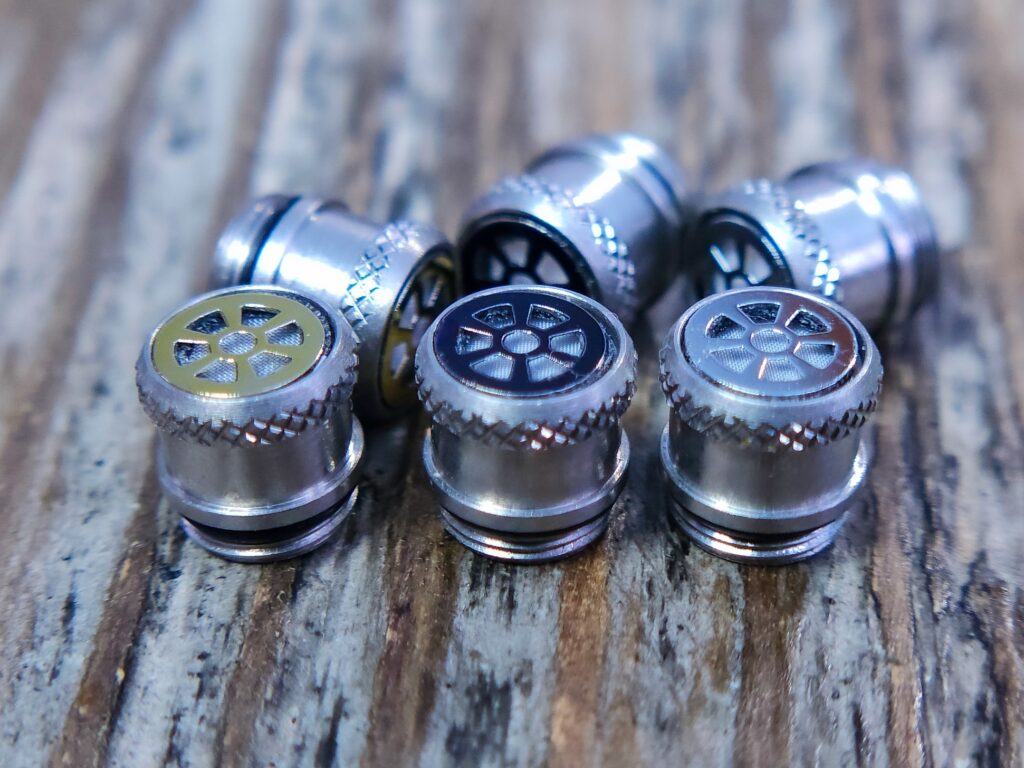
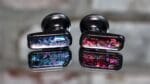
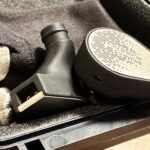
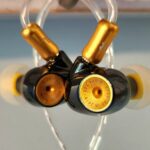
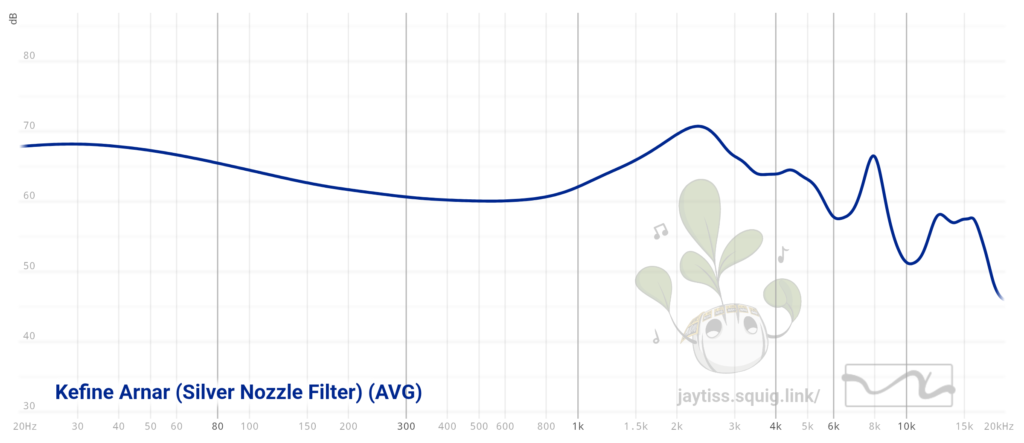
Kefine has once again decided to provide three sets of tuning nozzles into the package which help fairly well to slightly alter the sound. Sort-of like three variations of the same tuning. The nozzles are Silver, Black, and Gold. Most of the changes happen around the upper mids at about 1.5 to 2.5khz with each nozzle representing a 2-3 db bump or dip depending on what nozzle you choose. Each nozzle simply threads on and off of the shell body, very simple. However, can I offer a piece of advice? Please take these on and off over a large table or over a bed, something large that you won’t lose the nozzles if dropped. Believe me, they get lost easily. Let’s take a quick look at each nozzle.
Black Nozzle
The first nozzle that I’ll speak on is the Black Nozzle which comes across as the least energetic, with the meatiest bass of the three. I actually almost decided to review with this nozzle as it has the richest version of the Arnar’s tuning. Certainly, the most musically adept, still transient tight, still clean, but simply less energetic up top with more of an attenuated top end. Better said, slightly less upper mid energy to go with an already less energetic top end. However, this also helps the bass to become more apparent and ever-so-slightly beefier. Certainly, the warmest of the three.
Silver Nozzle
Now, the Silver Nozzle is the nozzle that I chose to use for critical listening only because it is the default nozzle used by Kefine and great “in-between” of the other two nozzles. At any rate, the Silver Nozzle has about a 3db bump in its upper mid vibrancy and overall energy which impacts the spectrum quite a bit. Especially adding some snap to percussions, some zest for guitar, some shimmer to female vocalists, and it simply adds some levity to the mix. Definitely not as warm as the Black Nozzle. I find the Silver Nozzle to be the most balanced of the three and it’s also the nozzle which takes characteristics of the other two nozzles making a nice default sound.
Gold Nozzle
Gold always seems to represent the highs when it comes to tuning nozzles. That is certainly the case with the Arnar’s nozzles. The Gold Nozzle offers about a 6 dB bump between 1.5 – 2.5khz which really does provide a more luster filled sound, slightly airier, more resolving to a degree, and also a tad more fatiguing too. I didn’t like the Gold Nozzle as much, but it really isn’t bad by any stretch. With this nozzle you’ll hear a more forward upper mids resulting in a tad more of an energetic sound along with more vivid macro-dynamics as well. I’m sure that many folks will really like this nozzle, but it’s a hair too much for me.
So, there you have it, each nozzle does a great job at providing a slightly altered soundscape with an already solid base tuning. I really don’t think you can go wrong with any of the nozzles but for me and my purposes I choose the Silver Nozzle right now. However, I think that the slightly richer Black Nozzle may be the one I choose after the review period is over. We shall see.
Cable
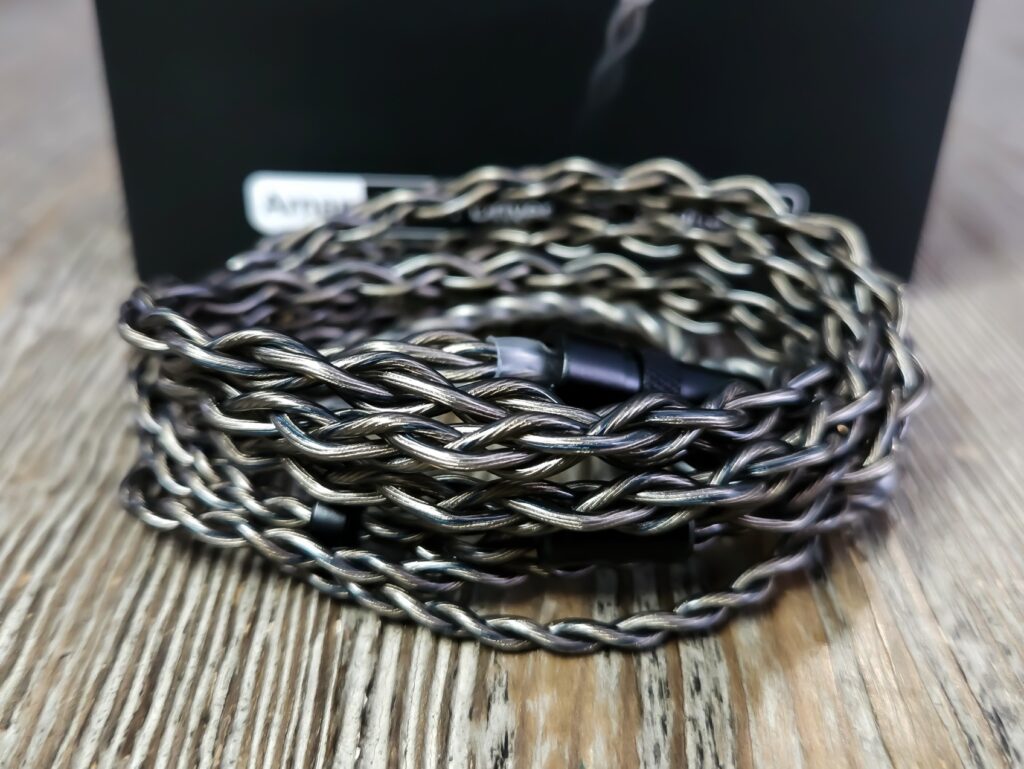
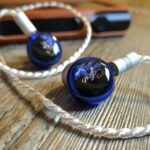
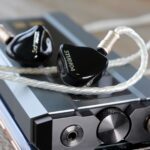
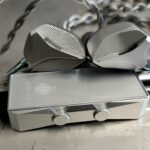
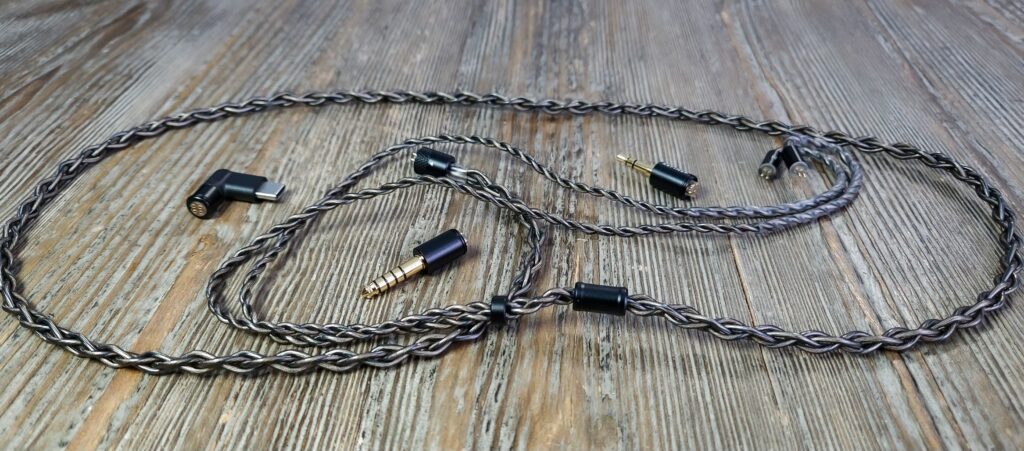
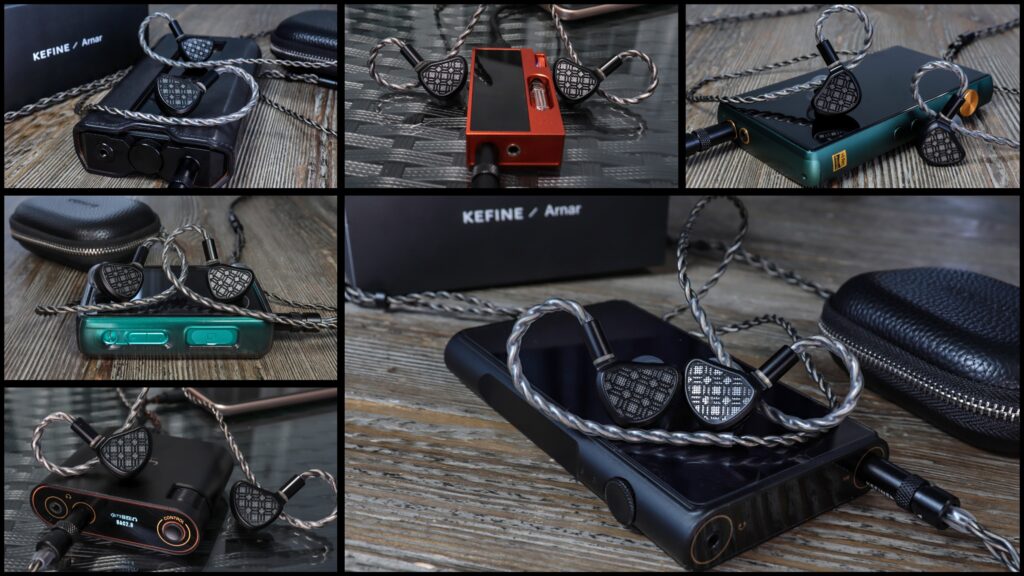
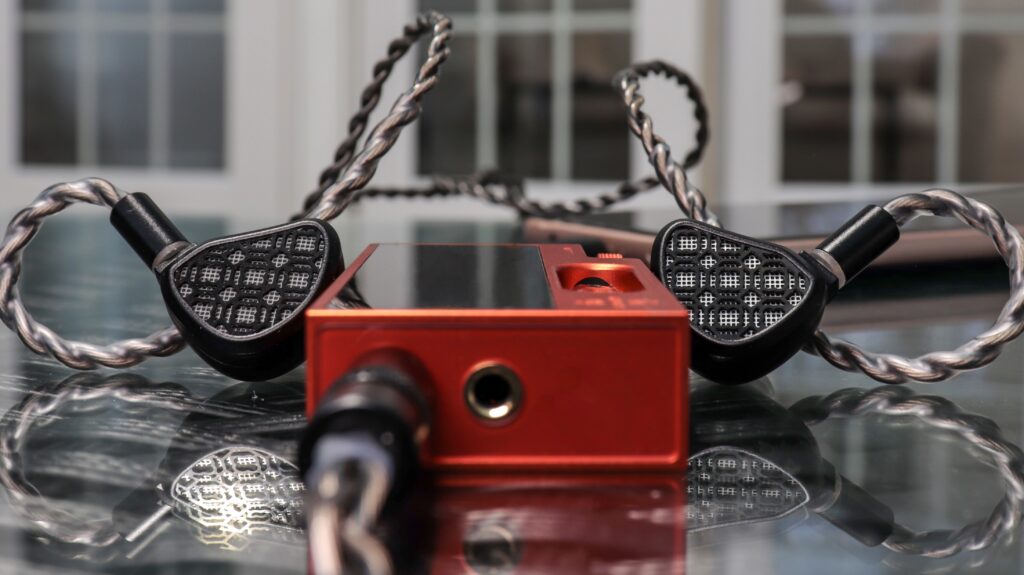
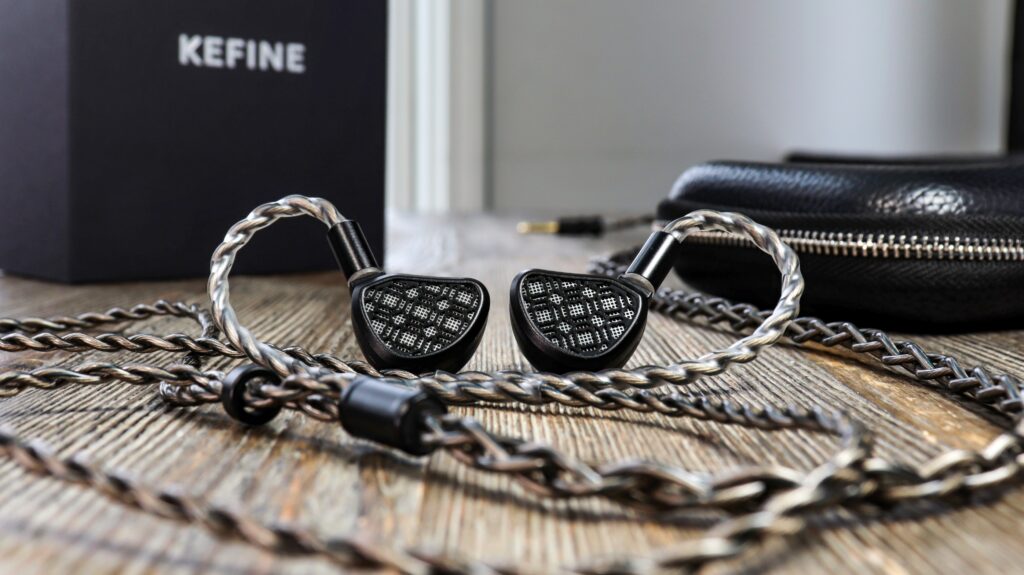
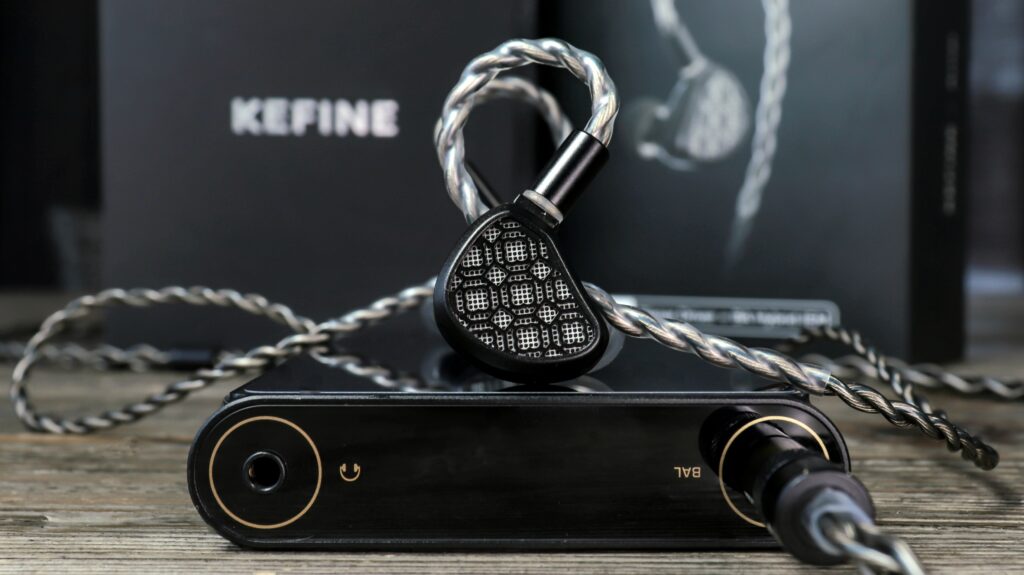
One of my favorite accessories is surely the cable. I think that Kefine provided a very nice-looking wire, nice and semi fat, pliable enough, not microphonic or annoying. Truthfully, I love the look of this cable paired with the Arnar too, which is important to me for superficial and completely aesthetically pleasing purposes. I am most certainly a cable snob in that regard. However, if I was choosing the cable for this set in a perfect world, I would choose a fat black fabric covered cable with a nice braid. Though, like I said, the color is super dope. Actually, I might not change it at all because the colorway of the cable really does match the earphones well. It has this almost metallic gunmetal sheathing while the hardware is all black. Good choice Kefine. I should also note that the cable is modular and comes equipped with a 3.5 single ended, 4.4 balanced, and type-c DSP adapters. The cable itself is a 2-pin, 4-strand braided cable with 392 total wires and made out of high-purity, oxygen-free-copper (OFC) and is silver plated, so SPC cable. This is a flexible and pliable cable that doesn’t hold memory all that much. At least not enough to be annoying. All things considered, I do not feel that I need to swap cables, which is a very good thing.
Type-C Adapter
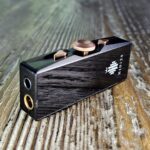
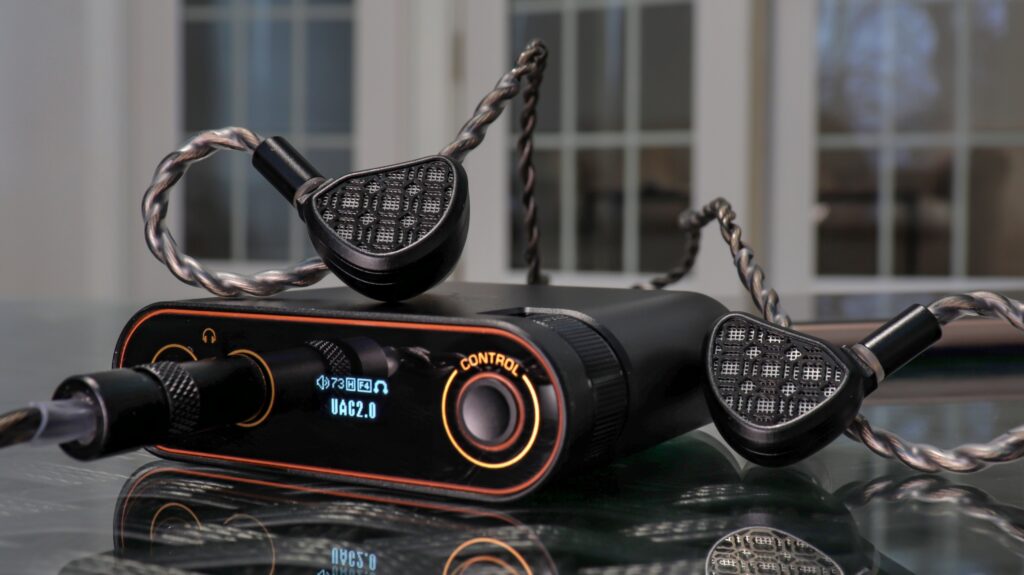
I want to quickly follow up and explain the Type-C adapter which can be bought separately (I think) and can be purchased as an add-on in the Arnar package. Thankfully Kefine added it into the package that I received. I actually used this little guy more than I thought that I would. Mainly because it actually offers the 13-ohm Arnar with solid dynamic range and good headroom in volume. The sound isn’t bad at all folks. Obviously, this adapter has nothing on a good dongle dac or dap, but if you have no other sources or if you need something nicely portable then the type-c adapter is solid. Obviously not my first choice, but a nice addition for sure. I should note that I have zero idea what dac chip is used in the type-c adapter, nor do I have any power output numbers. If I were to guess I would say from 25-50 mW. Somewhere in there. So not enough juice to bring the Arnar to its full potential, but very solid for grocery store jamming, working around the house, and watching movies, videos etc.
Build / Aesthetic / Internals / Fit
Build Quality
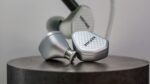
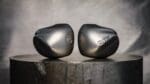
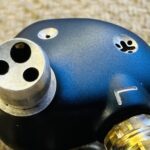
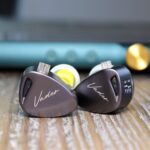
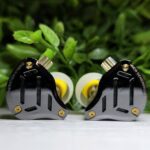
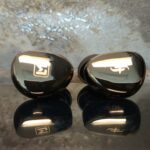
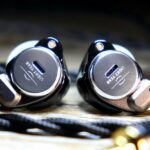
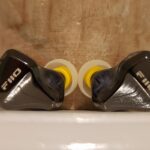
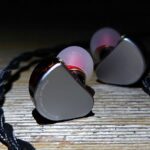
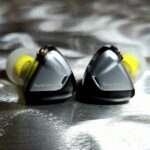
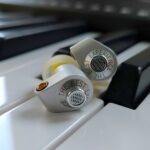
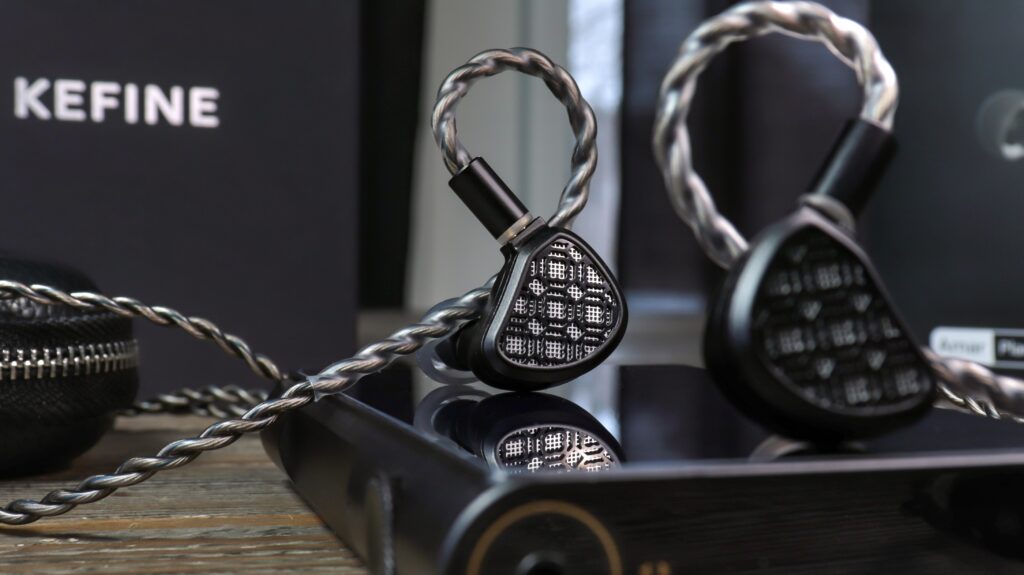
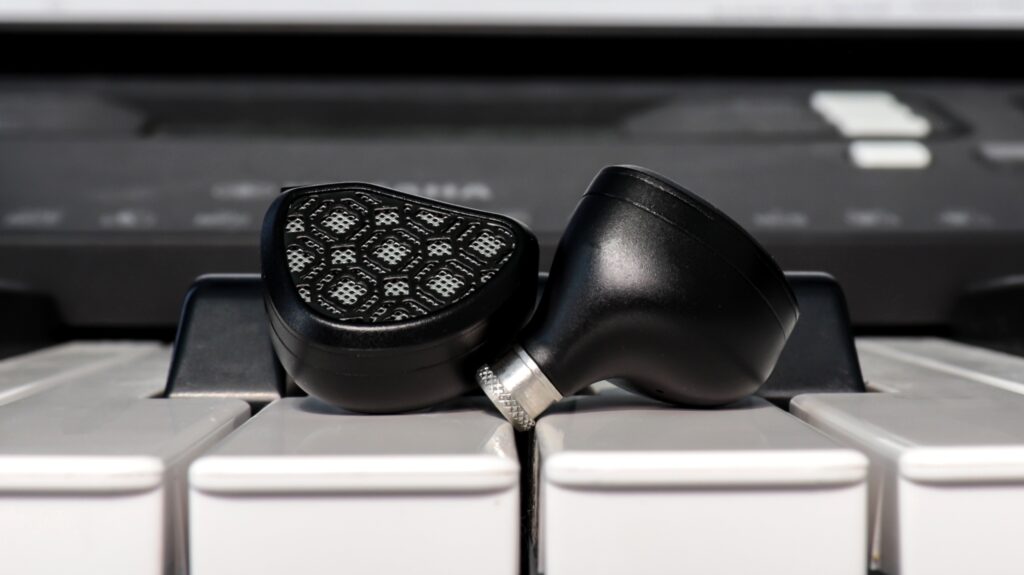
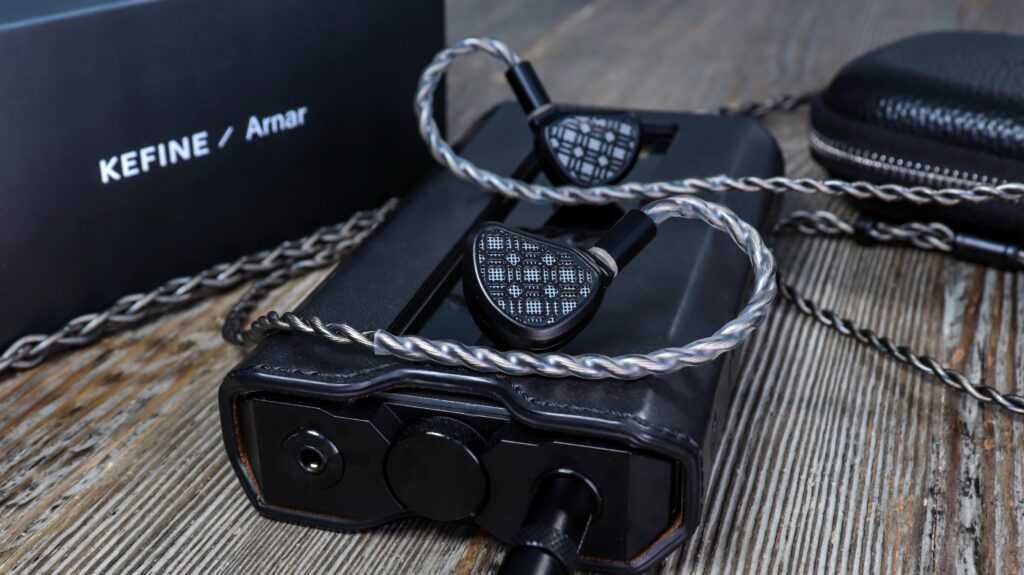
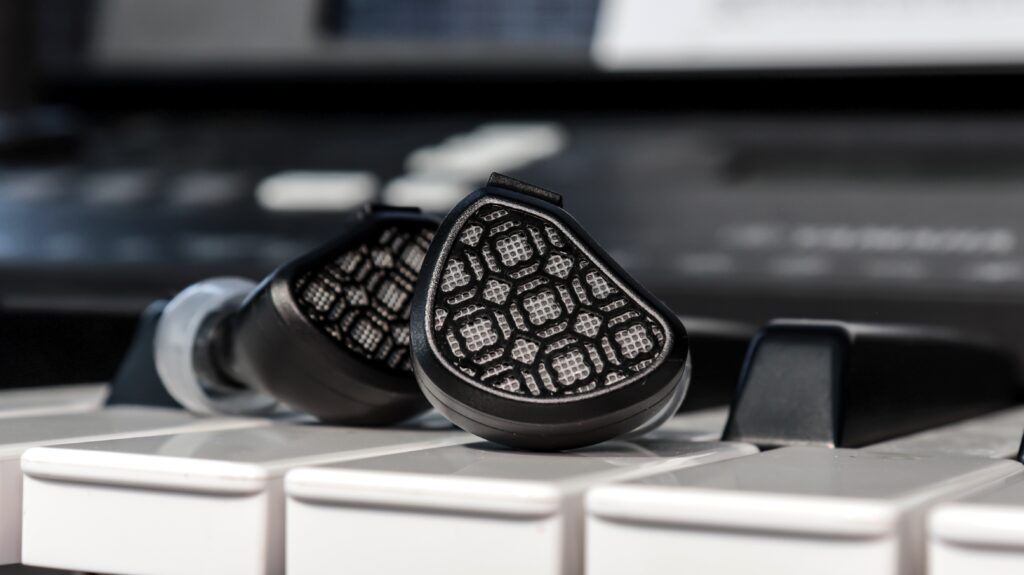
One thing you can never say of Kefine is that they craft badly built iems. Absolutely NOT. This brand always provides solid build quality, and they have done so on every product that they’ve released. The Arnar is no exception to that. It is built very well using an all-alloy casted build, likely CNC-machined aluminum is what I’m guessing as the Arnar are very lightweight too (9-10 grams per side). Certainly not super large housings either. Small ears should be perfectly fine. The nozzles are standard 5.5-6 mm in width and Kefine added in two small vents as well, one near the nozzles and one near the rear. Overall, the Arnar has a build which feels premium in hand and is also a very clean build. I see no glue globs, smears, or anything which is loose. Nothing is bouncing around the inside of the Arnar. Really, this set is just as nice in its build quality as every other Kefine set, only better, more intricate, and simply more gorgeous. One more thing, no this isn’t an open-back iem. The open back “look” is simply a design choice.
Aesthetic / Design
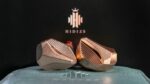
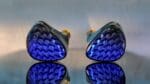
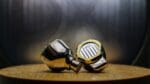
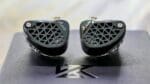
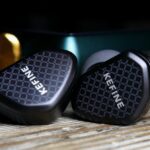
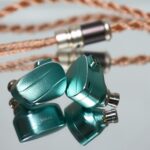
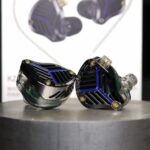
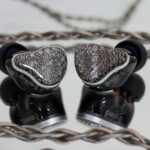
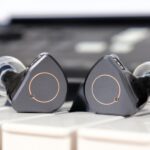
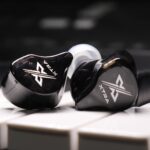
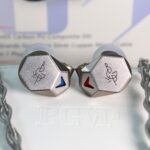
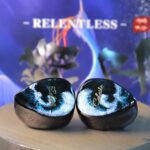
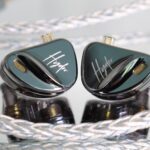
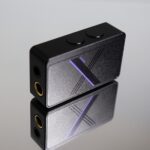
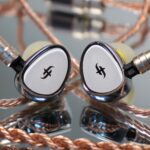
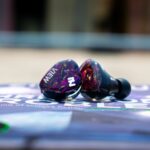
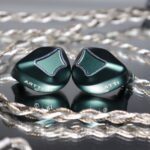
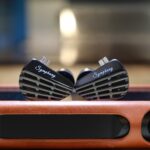
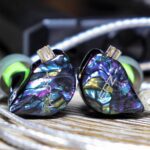
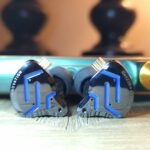
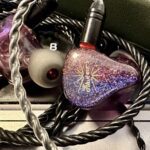
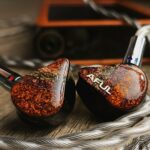
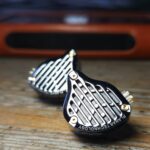
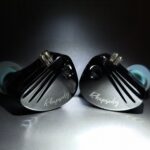
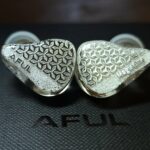
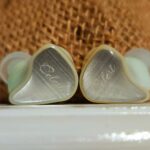
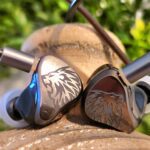
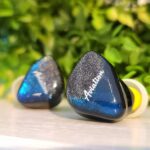
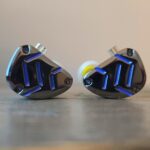
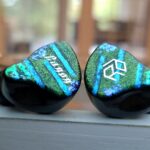
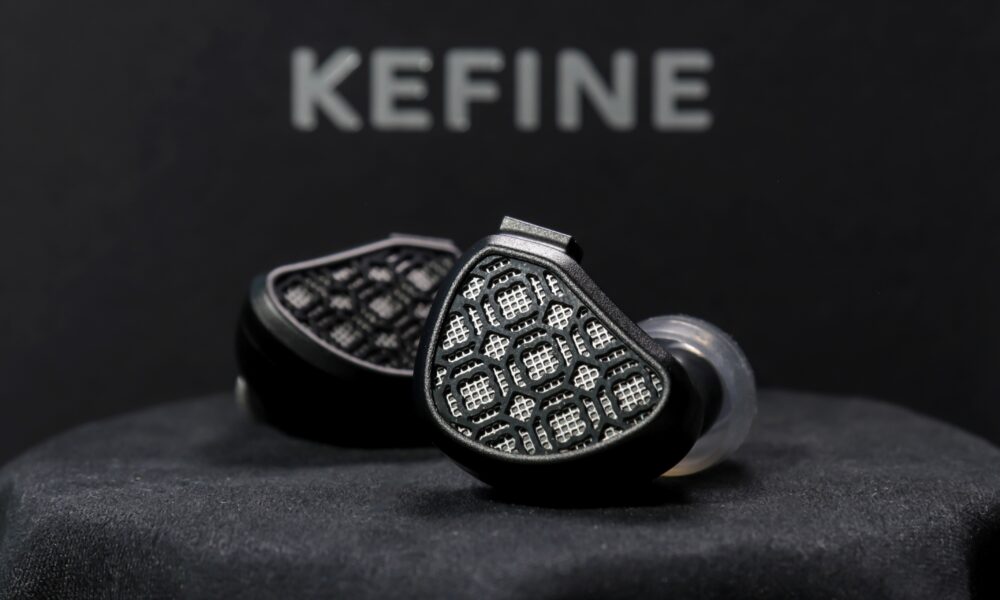
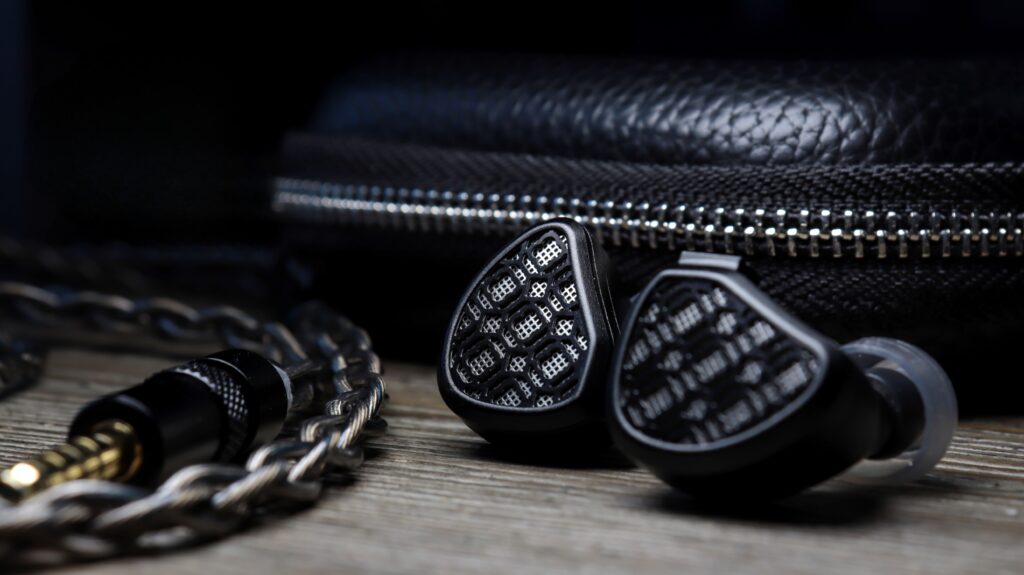
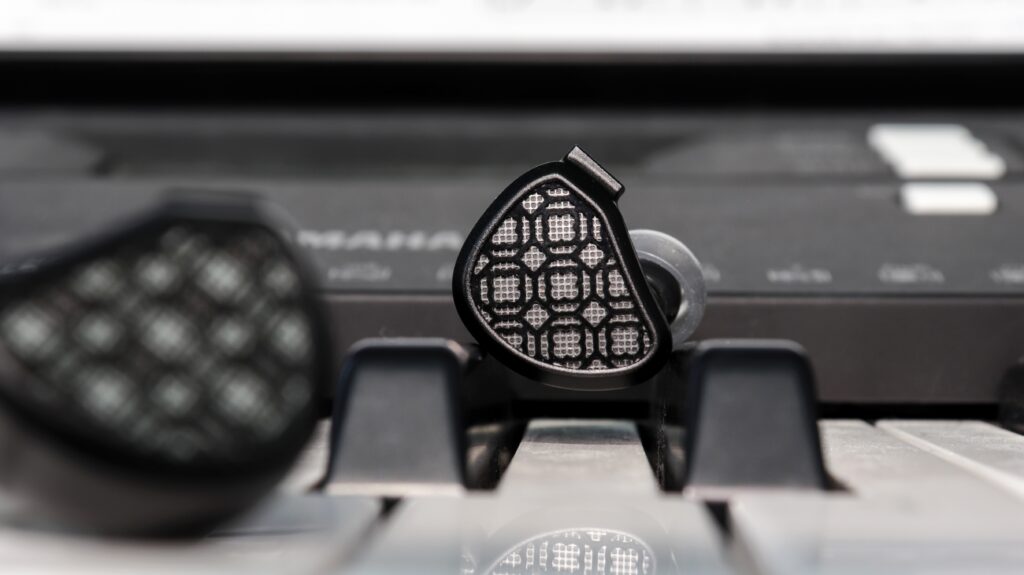
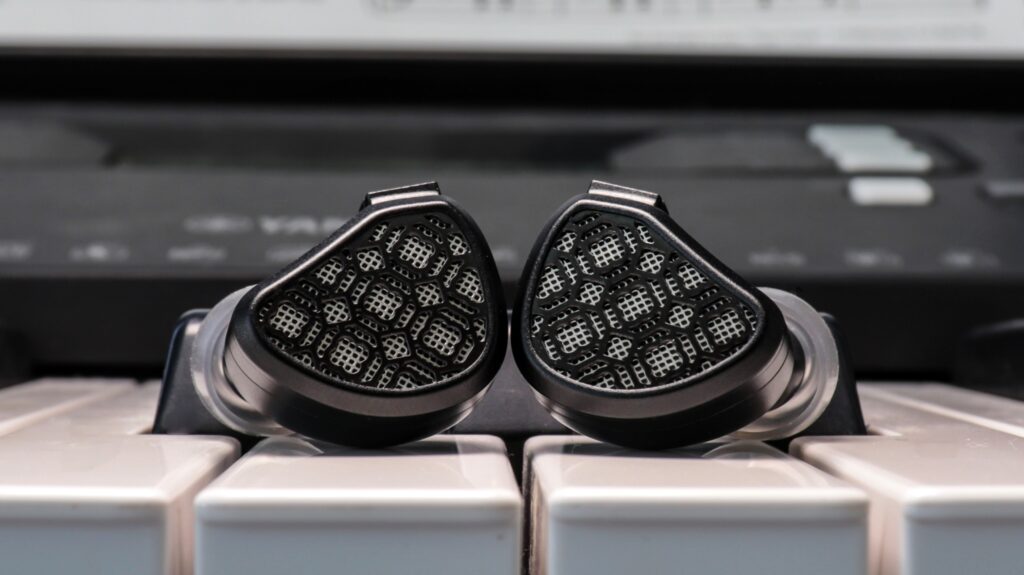
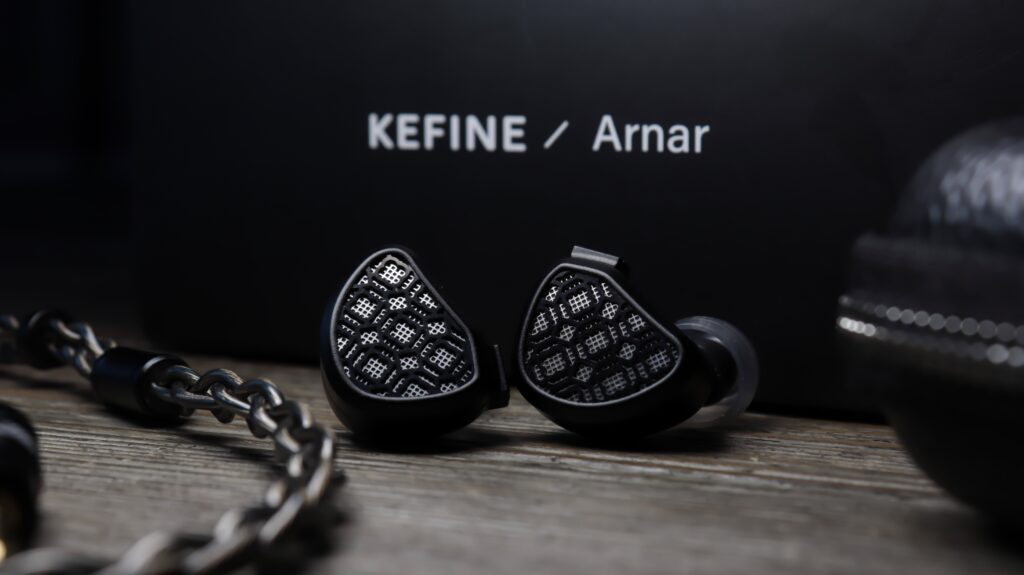
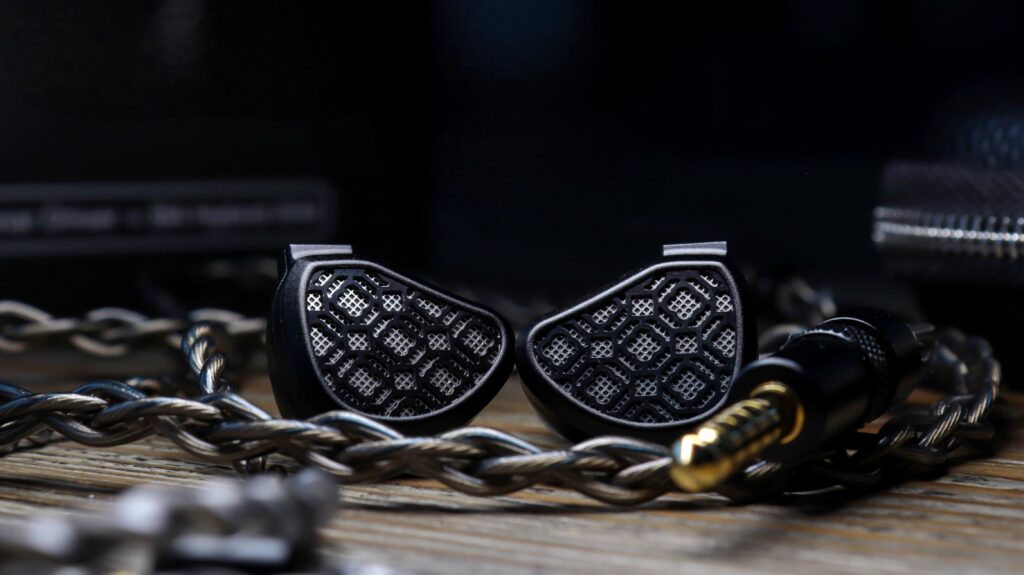
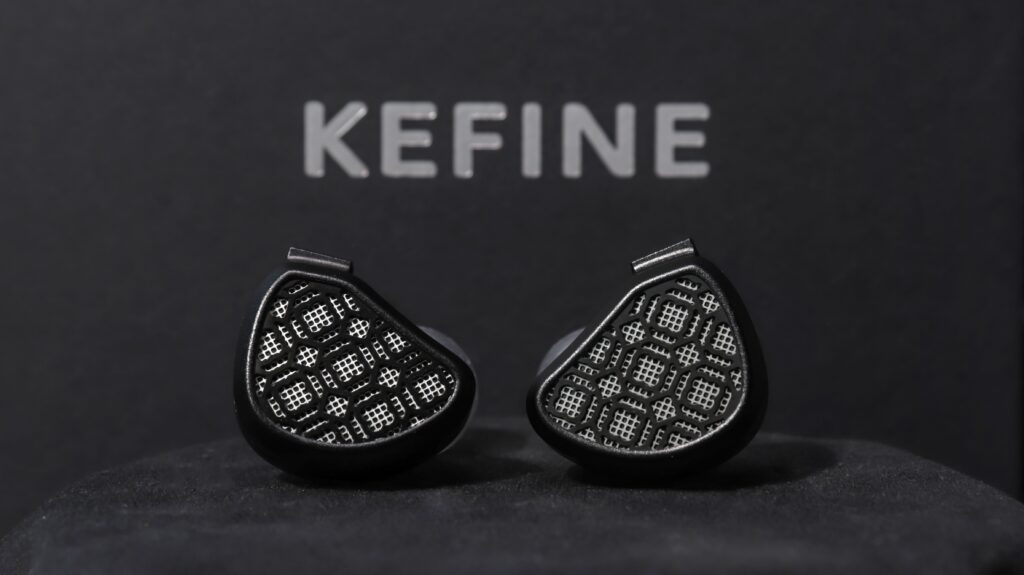
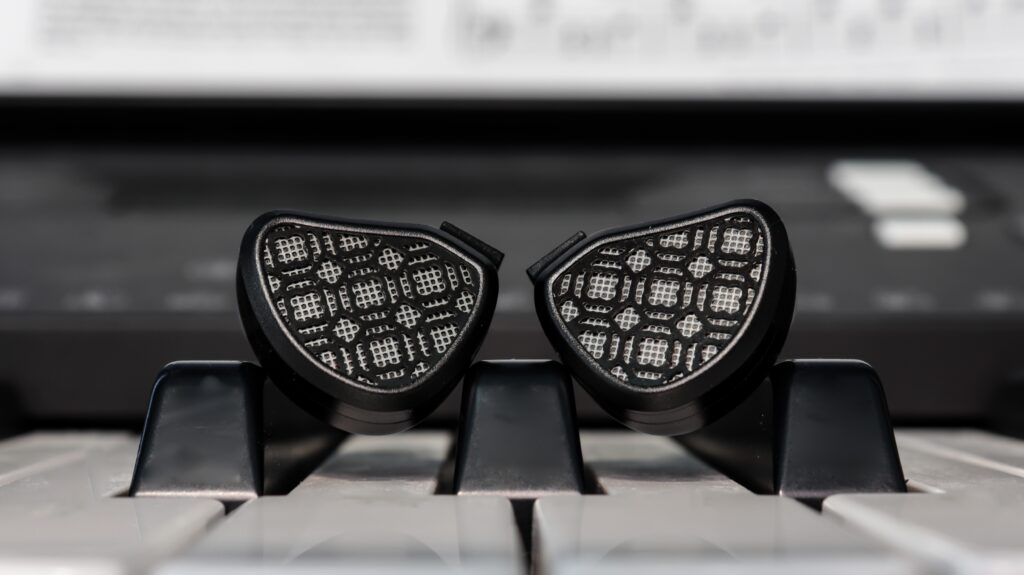
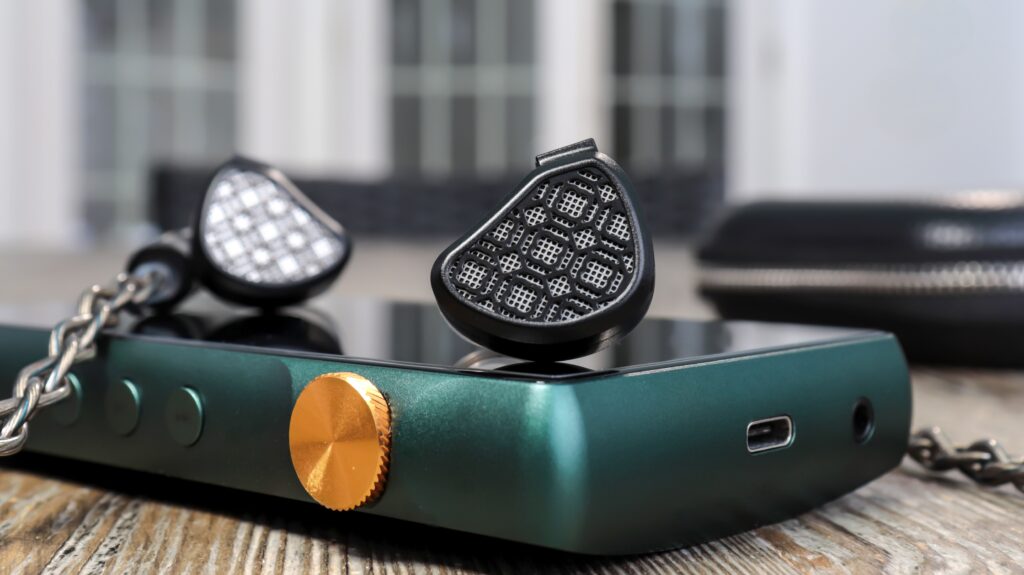
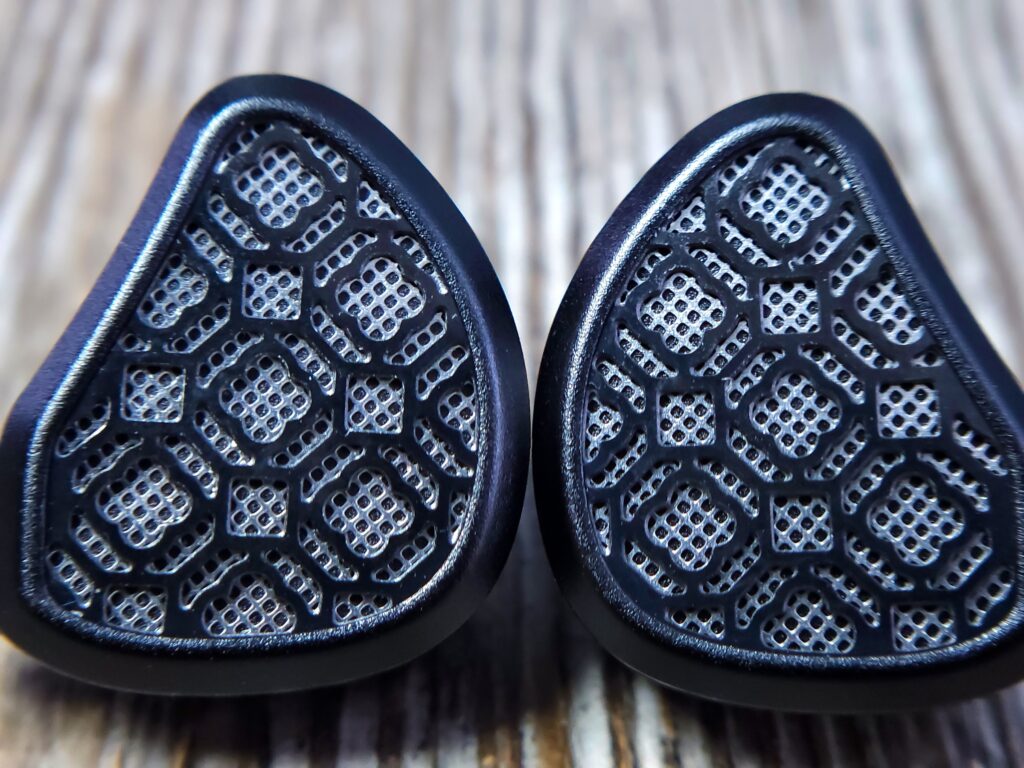
Now, as far as design and aesthetic appeal of the Arnar is concerned, I’m sure you will have a majority who feel this set is very nice looking. On the flip, there will obviously be those who don’t enjoy its elegant look. Also, Kefine is not known for their elaborate design themes. Seriously, look at every set they’ve ever produced. Each one of them is very simple in aesthetic, very much a minimalist style. Every single set they’ve made has been this way. The Arnar seems to be the first iem from Kefine which goes against that as the design of the Arnar is nothing short of intricate. As you can see in the photos the Arnar has a fully matte black shell housing (which is dope). However, the bell of the ball on this set is its super cool looking “faux open-back” faceplates with this slick looking radial geometric pattern that is very finely cut. Kefine calls this pattern a traditional Chinese windows “wish” design. This is said to mean “Everything will go as you wish”. I can dig that for sure. Under the metal geometric faceplate is a silver grill which again, is only for aesthetic purposes. Anyhow, it’s a nice look. I don’t mind the design at all.
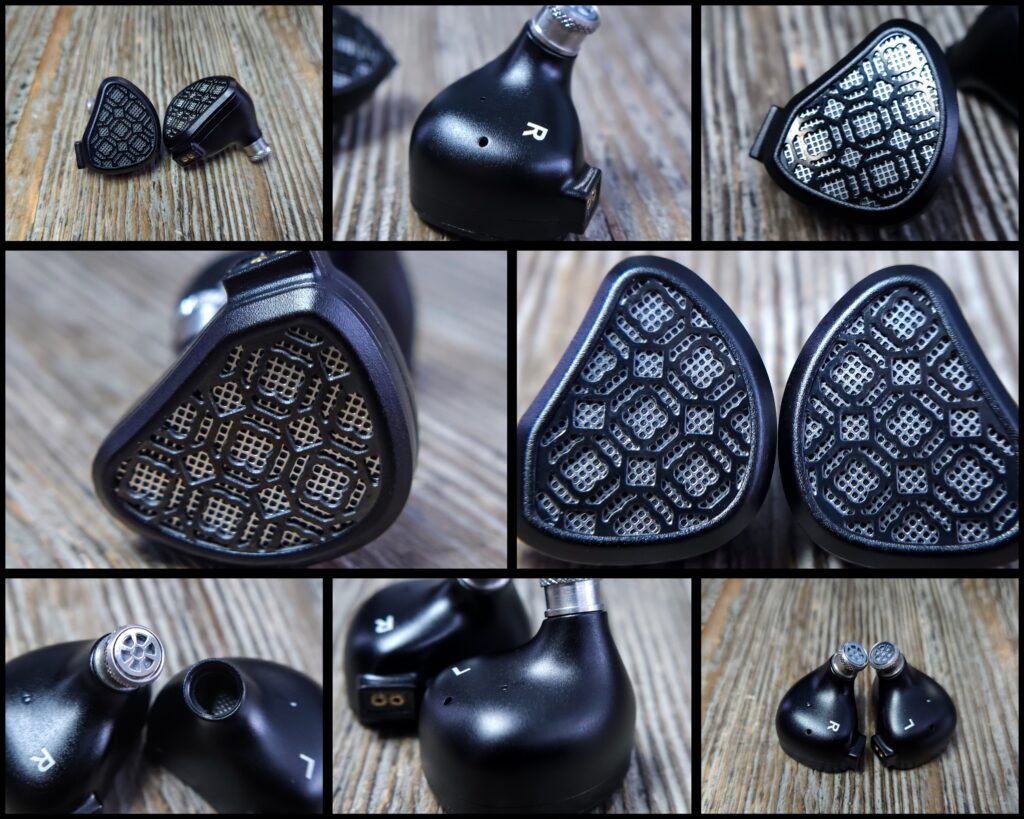
Internals
As I said, the Kefine Arnar is a two driver hybrid iem consisting of one planar magnetic driver and one balanced armature driver. To be exact, that is a 14.5 mm full coverage planar magnetic driver. Meaning, it takes care of the full spectrum. Kefine decided to have additional help from the midrange on-out after 800hz by using a Knowles Balanced armature driver too. This driver is said to help add a more dimensional stage, tone down the sibilance, as well as increase sensitivity of the Arnar. In truth, there really isn’t a whole lot about the Internals of the Arnar that I could find. I honestly like the idea of a full range planar with some added help from 800hz to the upper treble with the Knowles BA. I assume the Knowles BA is one of the high frequency RAB or ED drivers. Beyond drivers, I have to assume they are using a simple two-way passive crossover. Furthermore, the Internals also feature two enclosures for both drivers. The planar obviously would take the rear chamber and the BA would take the front facing along with acoustic waveguides. However, this is all inferred.
Fit / Comfort
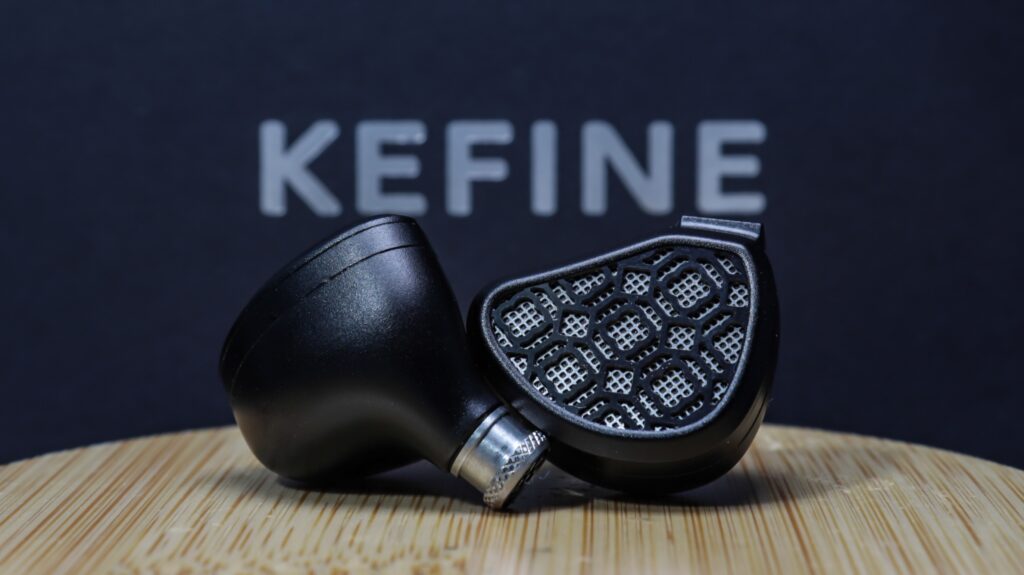
The comfort of the Kefine Arnar is very nice. Ya know, I just got done reviewing the Letshuoer Astralis and I said in that review that it is one of the most comfortable sets for my ears. Well, the Arnar honestly gives the Astralis a run for its money. Kefine created a nicely ergonomically sound iem with no uncomfortably sharp or hard edges, no odd angles of the nozzle, and they aren’t too short or too long either. It’s just a nice fitting set. Also, the Arnar is not enormous, and so smaller ears should be good to go. All in all, very comfy.
Drivability / Pairings
Sensitivity
The Kefine Arnar is rated with an impedance of only 13 ohms, and a sensitivity of 107 db’s. What that translates to is a very sensitive iem. The Arnar is the type of set which can quite literally play off of anything. Really, the Arnar plays very loudly, plenty of headroom and decent dynamics using my simple old Samsung Android smartphones. The same can be said of my iPad, and many weaker 25-35 mW 3.5 se dongle dacs. Plenty of headroom. No issue whatsoever. Of course, just like 90% of iems on the market the Kefine Arnar absolutely scales well with power.
Some Added Juice
Just providing the Arnar with the output power of the EPZ TP35 Pro was enough to begin to really let these driver sing. Beefing up to the Shanling UA7 absolutely blew the doors wide open and the Arnar came alive folks. Providing an even stronger source, cleaner source, better components internally like the iBasso DX240, the Shanling M6 Ultra, or the Hiby R6 Pro II 2025 was another level in my opinion. Each level up the chain unlocks incremental improvements. Stuff like the bass having better note density, or the dimensions of the sound field sounding more diverse and open, or the cadence sounding more fluid. However, if your tonal pairing is right, you’ll unlock even more…
Source Pairing
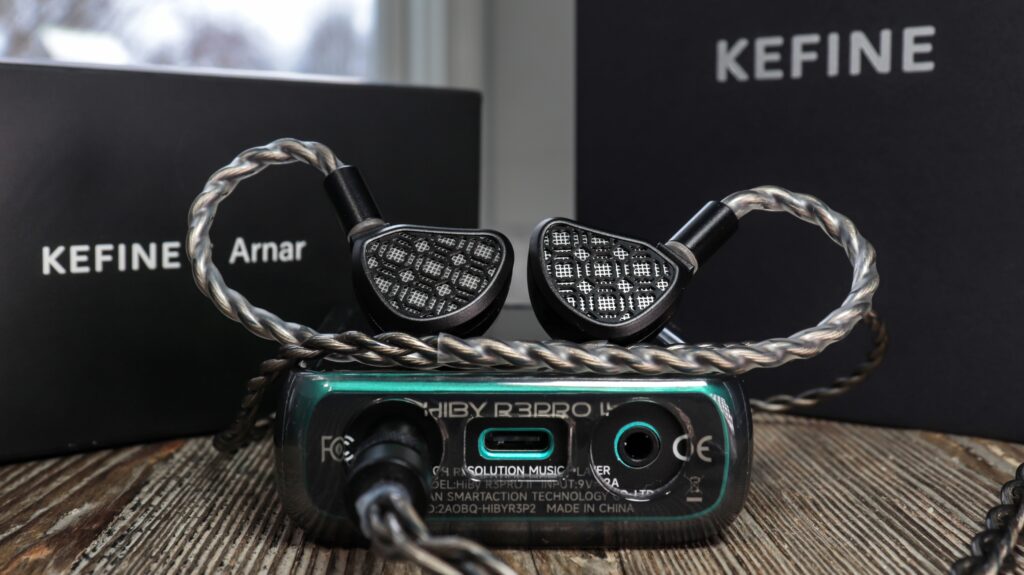
To my ears the Arnar comes across warm/neutral with a foot on the warm side using the Silver Nozzle. Using the Black Nozzle, you’ll have a hair more warmth but by-and-large the tonal coloration of the Arnar is right around warm/neutral. If you know me, if you’ve read any of my reviews then you know that I don’t entirely subscribe to the thought that sources dramatically change the sound. These iems should respond to the source coloration accordingly. The source will only “influence” the sound of your iems one way or the other. The only sets which will be more greatly affected are those sets so polarized either bright or warm or sets with extremely low impedance ratings (less than 8 ohms). As honest as I can be, I listened with every source that I own. In my opinion warm/neutral is the goldilocks zone. Warm/neutral generally synergizes the most cohesively and least dramatically with the most sources than other tonal flavorings (my opinion). Most people would say neutral iems do that… I beg to differ. Warm/neutral folks. Anyways, the warm/neutral Arnar actually fits almost every source I have very well. It does an excellent job of sounding ever-so-slightly altered tonally to whatever source I have. Whether it’s the warmer Shanling M6 Ultra, Shanling UA7 (Tube Mode), my Burr Brown dacs. Or the monumental amount of warm/neutral to neutrally focused sources like the Fiio Q15, iBasso DX240, Shanling UA6, Hiby R3 Pro II, and many many more. Even brighter, colder sources sound pretty darn good. The Arnar seems to adapt well.
What Do I Prefer?
Having said all of that, I have many sources which I really-really enjoyed with the Arnar. However, I have to say that warm/neutral to neutral and slightly more dynamic sources sound the best for me. I almost think that the uptick in dynamism helps the most. My absolute number one favorite sources are the neutralish Fiio Q15, the warmer Shanling M6 Ultra and oddly enough the Hiby R3 Pro II. Each of these sources are extremely resolving and have some awesome quick punch dynamics with the Arnar making a very nice tonal mix with both. So, once again, don’t be overly concerned with what source tonality you are trying to pair with the Arnar, it really isn’t a monumental issue… at all. The Arnar adapts well. Be more concerned that your source has clean power with solid dynamics. This set kind of stays itself without losing its persona, no matter the source. Still, warm/neutral to neutral in my opinion.
Sound Impressions
*Note: before I dive deep into the sound portion of my review, I first need to add a few notes. First off, I did burn in the Arnar for a total of four days. I don’t always feel that burn-in is necessary, well actually it’s never “necessary”, but burn-in with the Arner makes legit subtle changes which I will explain later. Of course, you could just a s easily “listen-in” over time and hear the changes. Also, I used the included cable and its 4.4 balanced connection almost entirely. I used Azla Sednafit Crystal eartips for all critical listening as well. For all critical listening I use flac or better files (some MP3) which are stored on my devices. I mainly go with UAPP as my music player (if possible) and of course, some of my daps come with Hiby Music Player or Eddict Player. Lastly, for all critical listening I used the Silver Tuning Nozzle as it is the base/default sound.
What’s It Sound Like?
The Kefine Arnar is the latest planar magnetic earphone that I’ve had the pleasure of reviewing of late. Well, this one is a hybrid and so it does carry some of the balanced armature flavoring which comes across much-much better than I ever would have thought. By virtue of the fact that it was Kefine who crafted this set I was given hope. At any rate, the Arnar is somewhat of a confounding set in that it doesn’t entirely sound as the graph reads. I honestly thought that this set was going to be a slightly warmer iem than it is with little to no treble presence and less bass thickness. I wouldn’t say that I was entirely wrong, but the truth is far more nuanced than that and I intend to explain myself moving forward. Anyways, the Arnar is actually pretty nicely balanced (to an extent). I suppose the first thing I’d say is that the extra balanced armature driver fits cohesively into the overall tuning. I hear zero planar or BA timbre and in truth the sound is very natural. To add to that, I hear no wild peaks or shrill moments, no annoying sibilance either. Both drivers work in perfect harmony. Furthermore, for a warm/neutral set I hear solid note weight, very tight and rapid note attack followed by fast-to-natural decay, coupled with a very smooth cadence along with a fairly clean presentation. Also, this set has some decent energy, but it is a hair less abundant in lustrous vibrance then some sets of late. The Arnar has a nice subtly less aggressive macro-dynamic expression with an articulate and nuanced sound. Still, highly musical, emotionally charged, full, intimate, and tall sound field with some spacious enough dimensional cues, and it’s pretty fun too.
Signature
If I were to call the Arnar anything, I’d say it has a U to W-shaped sound signature with a warm/neutral tonal accentuation/coloration coming across very much organic. Close to what I’d call neutral-natural yet with that subtle earthy warmth which adds just enough richness and less sharp or sprightly energy. Kefine did a solid job of toning down the highs so that the Knowles BA didn’t steal focus or sound out of tonal synergy with the full-range planar. Again, very cohesive folks. You’d never suspect that this set was a hybrid, at all. However, the balanced armature really does add this euphonious space and clean lined articulation at the outlines of notes and matches transient speed to the tee with the planar. I love the smoother nature of this sound coming across naturally fluent with a wave-like flow, very fluid, nothing even close to dry, clinical, analytical or coarsely etched. Smooth transitions, clean note separation, and the Arnar has some very clean, very black space between notes yet in a less vibrant atmosphere. I said similar things in my Astralis review, only the Arnar takes cleanliness a step further with an even more uplifted sonic seasoning. I’ll actually compare the two later, but for now it is a good reference point while I take notes. Anyways, the Arnar is nothing like I thought it would be. There is this nice dynamic balance happening here with no one area assuming dominance over the mix, except a subtle proclivity towards the mids and a rich mid forwardness. Hence… “W-shaped”.
Technically Inclined?
Here’s the kicker, the Arnar was absolutely NOT tuned to be an analytically endowed and ultra transparent set. It is quite obvious to me that Kefine was prioritizing tone, rhythmicity, organic timbre, moistened organic fluidity and straight-up musicality in its most traditional interpretation over “analytical”. Not quite analog, not quite earthy-organic, and not quite bassy or bass focused. In fact, the bass isn’t even boosted all that much (8 dB bass shelf) (still hits hard enough) but yet we have warmth cascading enough to flavor the atmosphere with it in tandem with a slight lack of treble brilliance and shine. I say all of that to add another wrinkle into the sound of the Arnar. That is, this set actually is very well detailed, well layered, multi-layered actually. For such a subtly warm sound, I’d think you would run the risk of bass masking, or smearing, or creating a less fine-lined note distinction, maybe some blurred resolution. Well, call me surprised because while the Arnar is certainly not a “Technical Monster” and while it isn’t tuned anywhere near what I’d call clinically precise, it is far better than one would expect at drawing out the subtleties. Really, note separation is nice, good air between notes (less radiant air), sharply cut and clean note outlines, compacted lean note density, and no overbearing or oversaturated areas of the mix to dilute the technical stuff. Now, I’ll speak more on this later, but I think it helps me to explain myself moving forward. Again, a somewhat confounding tuning, but very nice, especially at high and dynamic volumes.
Side Notes
Once again, I want to point out that the Silver Nozzle makes the most sense for me now, for review purposes. However, the Black Nozzle is probably my favorite choice. Though I go back and forth. I hear a very real difference in vibrance, perceived bass weight and density between the Nozzles. Adding or taking away upper midrange emphasis really does have an effect down low. With that said, the Silver Nozzle is a direct in-between from the Black and Gold Nozzles. It (Silver Nozzle) isn’t as warm or smooth as the Black Nozzle and carries a touch more luminant energy. Contrastingly, the Silver Nozzle isn’t quite as glaring in the upper mid pinna as the Gold Nozzle. I hope to help you try to get a gauge on what would work best for you “if” you are seriously considering the Kefine Arnar. Besides that, please understand that eartips ABSOLUTELY MATTER on this set. They make a difference. Please take time to go through your tip collection. Not every iem makes the same difference. Also, don’t simply go with what “I” used. My ears aren’t your ears. The Azla Sednafit Crystal eartips work like a gem and really help to add clarity and dynamic energy in just the right measure for this set…for my ears & to my taste. You should make sure to do the same for yourself. Lastly, I have “so far” used every source tonality under the sun and the Arnar sounds very solid on each. For instance, I am in my office, as I type this, with both the iBasso DX240 and the Shanling UA7. Two totally different flavored sources, both sound amazing. I just think that’s cool more than anything. Lol. Moving on.
Bass Region
The bass is great folks. I could end with that. I actually should end with that. But we know me. Let’s get wordy. So, the bass is what I’d call moderate-rich with a heavy impact and punch, thickly rendered, not even close to weak, and not thin or frail… at all. This bass region is also not boosted to the stars either. The Arnar only carries a 6-8 dB bass shelf (depending on whose graph you read) peaking in the sublevel area. This is what confounds me folks. Mainly because the bass has some real richness to it, some weight, even some moderate authority, yet it doesn’t veil the mix, doesn’t sound overbearing at all, and is at a level of emphasis which still lets instruments and vocals shine through with clarity. I hear that hard and clean punch, slightly softened at the edges, but dense in its fundamentals without the trailing resonant decay. Just a fast attack punch without the lingering harmonics such as you’d hear on an atmospheric dynamic driver. This faster-tighter decay is what skews the Arnar’s bass from what I would call “natural”. However, who ever said “natural” was the best way to hear bass? This is a low-end which lets instruments breathe and always sounds well in control.
Cotton Covered Rock?
Also, the Arnar’s bass actually hits with a nice punch. Not too much, not too little, almost always enough, and never-ever… sloppy. Sloppy, uncontrolled, muddy, or gooey are four descriptors that nobody can say about the Arnar. Fundamentals always have that pleasant softly lined density. I always “ridiculously” liken this style of bass slam to a hammer wrapped in a sock, a cotton covered rock, or any other ridiculous phrase that I can come up with to explain how this punch sounds. Like in “Billie Jean” by Weezer where the kick drums have this cement-like rigidity in fundamental kick, yet attack is ever-so-slightly plush. Not rock hard, not glass lined, but a cotton covered dense rock. However, the beautiful thing is that the speed of this bass is markedly on point with a fast and snappy attack followed by a slightly tighter than natural decay. This mix creates a very textured sound. Very close to a DD in depth, tactility, and roundness and only missing sounding as natural as a DD due to its more speedy and taut transient behavior. Again, not even close to basshead and not for anyone who desires a meaty bass focus, but it is a quality tuning down low which can take on some very complex bass arrangements.
Sub-Bass
The Arnar definitely has a sublevel emphasis down low. Kefine went the clean and clear route with this bass influence so as to not add any mud, or any veil to the mix. I actually happen to enjoy this type of tuning “if” there is enough mid-bass weight to carry a full-bodied presentation. Thankfully we have that with the Arnar. As I said earlier, this is not a hugely boosted low-end with a sublevel bass shelf capping out at right around 6-8 dB’s. Once again, not even close to basshead levels and much more aligned with a balanced sound. However, the top end (treble) is also not boosted very much at all and instead has a subtle roll-off. This pronounces the weight down low, drawing this region and it’s attention forward in the sound field (to an extent) and gives the bass region some substantial character. With that said, the Arnar’s sub-bass can judder robustly with a very tidy note to note transient behavior. If you didn’t know, this is a nice mix. Leading edges attack with acute texture and fundamentals have moderate to slightly-above-moderate weight with solid enough note density to come across substantive. Basically, this is not a weak sublevel presence, it isn’t softened, it darn sure isn’t slow, and there is nothing dry about this sublevel display from the Arnar. Notes are generally taut, generally full-bodied, with nice enough surface texture. Granted, some tracks will make me a liar, but for the most part the Arnar impresses in respect to the emphasis provided.
Mid-Bass
Moving on to the mid-bass you honestly have much of the same; taut, tidy, clean, well defined, and moderately lifted, nothing veil inducing, no mud, and the mid-bass does nothing to smear the sound field. This is planar bass folks, it’s clean, nicely contoured (perceivably), and it doesn’t get in its own way. Furthermore, the mid-bass is well separated from the sublevels and never poses a problem of bloat. The Arnar’s mid-bass has some nice hard-lined slam too. Once again, even though it is less emphasized, it is still robust, I’d even say rich and comes with a nice enriching bass bleed into the mids as the mid-bass rolls off somewhere around 200-300 hz. One thing is clear, complicated and faster bass passages are no issue for the Arnar’s mid-bass. It handled “Anthem, Pt. 3” by Blink-182 with absolutely zero issues as those lightning-fast drums sound articulate, bodied and bullish enough. Definitely very satisfying and sounds bigger (to a slight degree) than the graph would suggest. For instance, bass guitar typically has the fullness and is guttural enough for a track like “West Texas is the Best Texas” by The Panhandlers. Very deep, clean note outlines, elastic enough, and has very nice note density. Honestly, it’s a less intense and bulbous bass than something like the Letshuoer Astralis, but it is a quality presentation. Very nice.
Downsides to the Bass Region
In truth, the only real issue with this bass will come from bassheads. Those folks who want that ultra bass focus, that ultra meaty and bulbous style bass. I really don’t think that any bassheads anywhere are going to enjoy this set. Far too moderate in weight and emphasis. Furthermore, I could even use a bit more mid-bass weight as well. Granted, I like the balanced style of low-end quite a lot, but a few more db’s of mid-bass slam and grunt never hurt anyone. Honestly, I think that Kefine did a fabulous job on this one.
Midrange
To my ears the midrange is without question the heart and true soul of the Kefine Arnar. I’ve noticed it walks a very balanced line without anything coming across fatiguing or shouty while keeping a very poised, smooth, and cadent flow with good control, note spacing, and some awesome organic timbre. In fact, of the recent planar sets which have emerged I find the Arnar probably has my favorite timbre of the bunch. The mids are warm/neutral using the Silver Nozzle with just enough bass bleed to enrich the region without overly smoothening the finer edges of notes. Now, I wouldn’t say that macro-dynamics are going to jump off the page, but I also don’t think that is what Kefine was shooting for. If that’s what you’re after there are plenty of sets for that, not the Arnar. This is a very pleasant-sounding midrange where vocals sound pronounced, confident, and full-bodied with a clarity rich subtle warmth. This set is 100% musicality and melodic rhythmicity through-and-through with a definite penchant for drawing acoustic tracks to the forefront, highlighting vocals, and catching every last pluck, finger slide, and breathy vocal harmonic in a natural way. Nothing masking (to a detrimental degree), nothing clouding the soundscape, no out of control peaks forcing me to turn the volume down.
Delectable Mids…
I think what is the best skill of the midrange besides being poignantly dulcet and totally tuneful is the Arnar’s relaxed way of presenting a very layered sound field, with better detail retrieval than I initially gave it credit for. You’ll hear the minutiae within your music very well with the Arnar’s fast transient attack through decay as both the planar and BA homogenize to really carve out those details without anything sounding dry or etched. I just reviewed the Astralis from Letshuoer and I said in that review how nice the technical skills are for being such a warm/smooth set. However, the Arnar takes that to another level. Definitely a technical ability that sneaks up on you as you hear details come through without being forced to track them. It’s a cool thing. Again, the bass and treble do not mask, and the Arnar never really sounds congested. I’ve said it a few times in the recent past but these new planars are absolutely awesome. With all that said, there are plenty of subtle “subjective” gripes which some folks may have. Maybe. However, the midrange in this set is delectable enough for me to write 2 pages of notes that you’ll never see describing it.
Calculated
I should note that the mids are presented in a more relaxed atmosphere with less hard snap dynamic snap on leading edges and less of an energetic zeal. This is not a midrange that you’d ever call “overly dynamic”. However, I most certainly wouldn’t call this midrange “dull” either. Though, there’s no doubt the Arnar is most definitely… safe. Be that as it may, it’s more than that. Kefine didn’t play this safe for the sake of appeasing anyone. This tuning is too calculated. Every undulating hill and valley in that graph testifies to Kefine’s ability to create a full spectrum melodic tuning that could sit in your ears for hours without boredom. Just enough dynamism, just enough vibrance, highly nuanced, very articulate, just enough semi-rich note weight, and a technical ability that goes against everything you’d infer about a sound like this. Warm, semi-rich, smooth, and fluid don’t usually translate to nicely detailed, well separated, and top shelf control. They do with the Arnar, and the midrange shows it off very well.
Lower-Midrange
The lower midrange comes through as nicely as it does because it is aided just enough by the bass with a slight enrichment of bass weight and warmth. What I enjoy is that the Arnar carries solid spacing in this region, nothing cramped, and notes don’t feel or sound pushed together from the added richness. There is a vivid sounding plush quality though and the lower mids do not sound recessed or pushed to the rear of the sound field. It’s very hard to not gather every emotional sentiment from any male vocalist with this set because that velvet style smoothness, the note body, the embossed and pronounced quality of the region uplifts the intonations in a male voice. Males have some authority to them; some command, along with a very harmonious effect to male vocalists. This can be heard in “Shower of Roses” off of Jay Buchanan‘s latest album. I used this track for my Astralis review as well and I purposely used it in this one because the Arnar sounds so much more lilting and euphonic. To add to that, low-mid instruments also sound etched in velvet with a very resounding sweetness without losing any texture. Better said, the Arnar’s smooth nature isn’t like DD smooth sets as it still carries a highly detailed and tactile clarity for such a style. In my opinion the midrange is the heart of this set and the low-mids only help my argument. The track “Heavy Hearts” by SYML is another of many male lead tracks which sound so close and intimate, so full bodied, and simply euphonic. I’m telling you folks; the Arnar does vocals extremely well. I love this set for that. Male led tracks are fantastic.
Upper-Midrange
Now, just like 99% of iems the upper mids are more forward, less velvet, and definitely more vibrant with any nozzle that you choose. It’s only my opinion but I find the Gold Nozzle a hair too disjointed. However, using the Silver Nozzle totally changes that opinion. With it I hear such a nice cohesion between areas of the spectrum (low-mids to high-mids) and between drivers (planar to BA) with almost impossible to discern transitions. Feathered in perfectly. Also, I hear zero planar, BA, or metallic sheen to the timbre. Certainly more natural than anything in tone color along with the Arnar’s tight attack and taut decay. At any rate, what makes the upper mids so nice is that the smooth nature, organic timbre, subtle warmth, and note body remain substantial enough while at the same time you have some extra shimmer, which is great for female voices. Not dry at all but the upper mids instead have a viscous quality about them. There is also a very prominent presence to females and instrumentation which sounds pronounced without aggression or sharpness. Females have a very intimate yet bold sound. Norah Jones in “Don’t Know Why” sounds as breathy as ever, silky as ever, while also sounding striking and assured. Again, there’s a boldness to her inflections. Or Madison Beer in “Reckless” is another of hundreds which literally puts her voice on a pedestal highlighting that sultry vibrato, those emotion filled crescendos, the air-filled control of her vocal range can be heard in a very flowery way on the Arnar. The Arnar has such good control over the dynamics of both her belting and resounding moments as well as her soft and breathy moments without glare but instead uplifting her soprano voice. This is the case for almost all female vocal types with this set.
Downsides to the Midrange
The first thing I’d say which may be an issue for some folks would be for those who strictly enjoy a neutral setting and crystal clear and vividly transparent mids. While the Arnar has good clarity for a warm/smooth iem, it cannot contend against the clarity of iems made for that purpose. Like the Hidizs MP145 Pro which has a clearer and even more resolving sound with less bass infusion, less warm. I love the mix of smoothness and clarity on the Arnar, but it won’t be what these folks want. Next, while the Arnar has awesome forwardness without glare or shout, it also isn’t the most exciting set I’ve ever heard. Macro-dynamics aren’t mute, but they also aren’t in abundance. Energy isn’t what the Arnar specializes in. Granted, I actually really like this about the flavor of this set, but it won’t be for everyone. Some people just want something more vivacious, more intense. Another thing I’d say kind of goes against what I’ve said in this whole midrange review. That is, there are certainly better detailed iems in its price range. Yes, I’ve said many times that detail retrieval is great. I stand by that. However, the Arnar wasn’t tuned to come across with a forensic ability to dissect every last nuance. Much too smooth, too semi-rich, less luminous, and too musically rendered for that. When I say it is highly detailed, I am speaking in respect to its tuning. So no, the Arnar won’t suit everyone but those who can appreciate this milky and totally melodic midrange will totally get what I’m saying.
Treble Region
I’d characterize the Arnar’s treble region as relaxed and rolled off in a measured and controlled way to sound very smooth (like the rest of the mix), cohesive, highly controlled, and never-ever aggressive. If there was one area where the Arnar may get some flak… that would be the treble department. You have to understand that the treble is purposefully tamed. It has what I’d call moderate emphasis and lift in the lower treble for some presence and some semblance of air or openness, but there is a certain roll-off in the form of a light glide downhill. In fact, it is the treble that I deem safe. Some may call it boring, and others may find it absolutely dreamy. The treble will be the reason why some may adore this set… or not. Before I go any further, I should note that the Gold Nozzle does add more sharpness and bite with a crisper portrayal of the highs, but the Arnar won’t be considered “treble head worthy” with any nozzle. Having said that, the thing I like about the treble is how well it conforms to the sound as a whole as the Arnar’s treble is a foundational region which helps to form the rich musicality of this set. Also, it isn’t non-existent either. There is moderate brilliance in a toned-down and relaxed way, controlled shimmer, smoothened-over notes, sanded-down edges with transients which sound much more natural. I hear no planar electric fizz, no BA metallic edge, no grain, and nothing at all oversaturated.
Technically Speaking
This is where I have to speak pretty highly of the Arnar’s treble because as smooth and non-fatiguing as this treble is, it still has awesome resolution. Transients are so very clean, reverb trails of strings, fading harmonics, and those minute micro-details come through rather easily. There’s nothing masking them. Kefine didn’t have to emphasize the region to boost this region to the stars to provide a resolute sound as the drivers used and the measured tuning does that just fine. No forced resolution here friends. I hear excellent toned-down layering too. Not as etched as the MP145 Pro, but clear and present with great note separation too. This set handles busy passages of music without problems to my ears. Like the Billy Strings BURNER “Thirst Mutilator” and his expertly fast paced Bluegrass fiddles, guitars, mandolins picking at a rapid-fire pace. The Arnar handles every note without breaking a sweat. What’s neat is that the Arnar doesn’t need boosted luminance the same way as some other sets to resolve some of those fast picks, even with its warmer atmosphere, which is dope. Whether overlapping leads, pick scrapes etc. the Arnar separates and layers those sounds with its tall stage very well. I personally like that there’s no metallic edginess, holding true to its natural timbre in the process. Of course, extension into the highest of highs will leave some people wanting. Again, the Arnar has a gentle roll-off, just a touch of warm air. I like that the treble still never sounds congested and there is always an open feel to the sound up top, with or without an ultra-extended upper treble.
Fits the overall sound
Whether you enjoy the treble presentation or not will come down to your preference. I do feel that the Arnar has plenty of lift in this region to carry the tuning and fits the overall sound of this set like a glove. Of course, it’s 1/3rd of the reason the Arnar even sounds the way that it does. Anyways, I really like the addition of the Knowles balanced armature driver as it adds that sweet timbre and coherently displays the treble with very nice resolution despite its smoother demeanor. Also, the BA mixes so cohesively into the mix with the planar and doesn’t seem to lose very much in transient speed. So, to clarify, the Arnar will not be for those treble junkies and won’t even be good for those who desire a brighter tilt to their music. However, it is nicely skilled with a cleanly presented top end. Typically, I enjoy a bit more sprightliness and sparkle, more note bite and crispness up top. However, I think I only enjoy that because that’s what I’m always listening for. The truth is, I love this toned-down treble brilliance, yet highly capable presentation very much.
Downsides to the Treble Region
This entire treble review will read like a “downside” to many. I’m not even talking about treble heads. Anyone who wants a more edgy and crisp sound up top won’t be a fan either. If you like loads of controlled and contoured treble bite or that nice dynamic treble punch with plenty of tonal contrast that is highly transparent you probably won’t like this treble. This is a treble for anyone who much more desires a non-offensive and easy listening sound. Extremely melodic, very musical, and helps tremendously with the emotional engagement of this set and my music. I know plenty of people who could care less about emotional engagement. There are plenty of genres which more-so require more of an energized approach and the Arnar probably won’t suit them very well. Other than that, I find the smoothness juxtaposed with the clarity of this treble and great note definition to be a nice thing to listen to when I’m not in the mood for a more sprightly and vivacious sound.
Technicalities
Soundstage
To me the soundstage simply fits. This is not some enormously grand stage that is ultra expansive. Don’t get me wrong, the stage is certainly better than many iems in the way that the width, height, and depth come together in respect to the more musically engaging sound of the Arnar. The Arnar has an intimate feel folks. The stage is intimate, it’s close, which provides that immersive quality that makes this set so nice. I don’t think it would be as immersive or enveloping if the stage were pushed further back in an enormous oval in front of me. What I like about a more intimate stage is the dimensionality which can be perceived as front to back layers become more evident. At any rate, the stage width is good, it’s wide, and spacious enough to bring air to a warm sounding iem. The width is definitely respectable and noticeably past my ears, probably above what anyone would call average. I find the height to be extremely nice though. This set has great vertical layering abilities with a tall feel making vocalists feel elevated rather than diffuse or bland. Now, the depth is pretty nice too. Granted, the stage is more frontal and grounded rather than super deep or cavernous. However, front to back layers come through well which gives the Arnar a marginally 3D sense to its stage. Certainly not as pinpoint and precisely layered like a more analytically precise iem which would aid the stage with an even more holographic feel. Still, the Arnar has a fairly spacious stage that is never cramped, never congested, and perfectly appropriate to its tuning.
Separation / Imaging
Friends, planar speed shines in this set. In my opinion the Arnar has exceptional note separation for a warm and musical sounding set. Really, exceptional. I’m telling you, it handles busy passages of music wonderfully. Not laser focused like some more technically tuned iems, but I am nothing but impressed. Again, it all comes down to very talented drivers and a smart tuning because note separation is very easy to discern for me. There simply isn’t anything which veils, masks, or smears and the transients are so clean, precise and tidy. Imaging walks the same line. Very much precise, very stable, with a concrete center image and clear left to right placement. Once again, there is nothing which impedes the Arnar’s ability to accurately and acutely render elements within the stage. I’ve already spoken about its layering skills, but they are very nice too.
Detail Retrieval
Now, detail retrieval is very strong per the tuning. I have to make this caveat because I find detail retrieval very solid. Both macro and micro-details come through easy to discern. They simply won’t come through in a crystalline fashion. Nothing is masking those subtleties from being resolved though. Its planar speed coupled with the refined clarity of the Knowles balanced armature driver with what I’d call class-leading details for a warmer sounding set which is unquestionably a musicality-first tuning. Kefine really put together a fine set.
Comparisons
Letshuoer Astralis ($189)
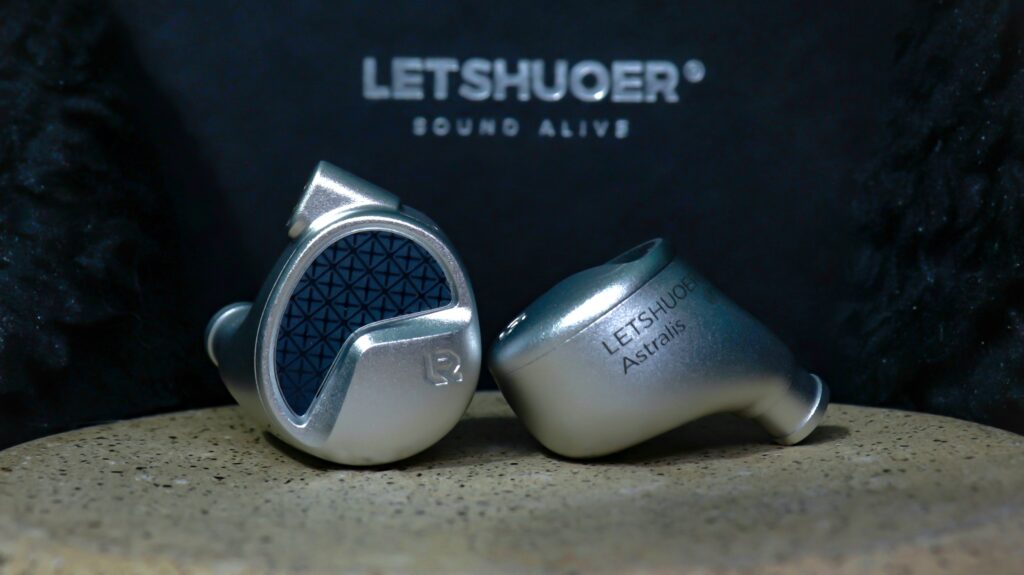
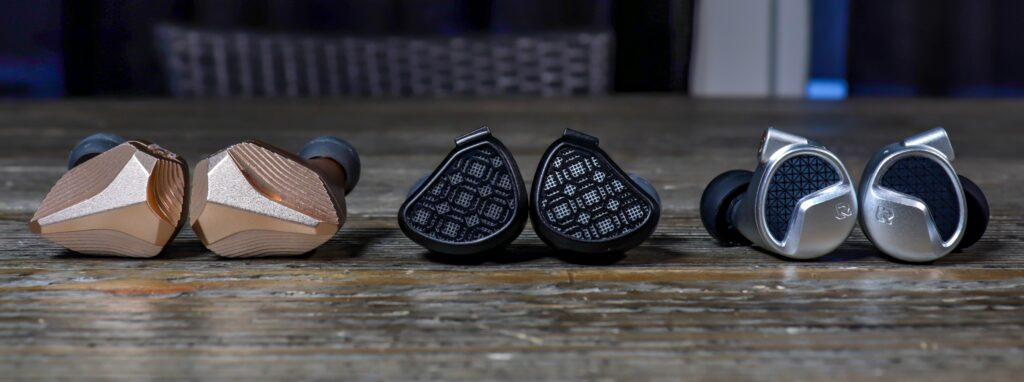
Folks, I just reviewed the Letshuoer Astralis the week prior after spending many days with them in my ears. In fact, both review periods went along with each other and so I have a very intimate understanding of the difference between the two. So, the Astralis has a single full range planar which is pretty special. It’s a 5fh generation ring type circular dual sided planar with a powerful magnetic array on both sides and also, this thing is huge at 15.5 mm. I cannot express how much gratification I’ve gotten from getting to know the Astralis with its super rich, super warm, yet totally harmonic sound with adequate vibrance. This is one set which stands toe-to-toe with the Arnar in many regards. However, there are definitely differences.
Non-Sound Stuff
To begin, the Kefine Arnar most certainly has the better unboxing experience. You get many more tips, a better carrying case, and what I feel is just as good of a modular cable. However, both sets have a solid unboxing. Between the two sets I find that the Astralis fits my ears a touch better, though I’ve bragged up and down about how both sets fit my ears. Now, both iems are built very sturdy, both aluminum alloy, both very lightweight, and both similar in size. When it comes to aesthetics this comparison will likely go either way. There’s no doubt that the Arnar’s design is more intricate and much more elegant, classier too, but I could see this going either way. Personally, I think the Arnar has a style that is more my taste, but to each their own. Once again, the Arnar has one more driver helping out its overall tuning with one planar and one BA while the Astralis simply has that lone full. Spectrum planar. Both sets come in at $189, and both are competing directly with each other.
Sound Differences
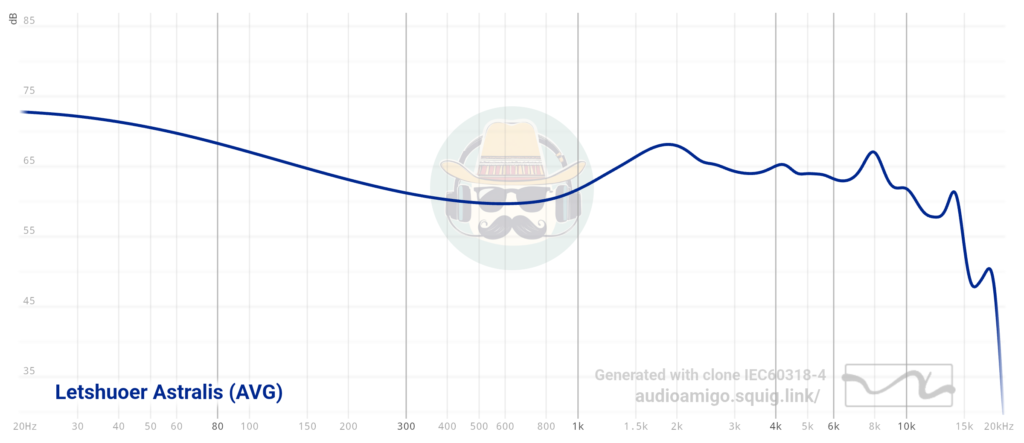
First off, both sets scale very well with power, but the Astralis seems to scale a bit further. That is neither a good or bad thing. Both are easy to drive with weaker sources, though the Arnar sounds better with those weaker sources. I find the Astralis is a warmer, much bassier iem and built much more for fun than the Arnar. While the Arnar is more mature, cleaner, and still very musical, but also more melodic and mellifluous than the Astralis. Timbre on the Arnar is closer to realistic, more organic, and less overtly colored. The Astralis is simply bass boosted with clear coloration going on. In my opinion both sets have fantastic technicals for warm iems. I do find the Arnar to have a touch better note separation and imaging ability due to its less bassy sound, but in less bassy tracks that opinion flips, to an extent. Neither is bad at all. I will say, the Astralis has a wider soundstage with a touch better depth, though the Arnar is absolutely no slouch at all. It’s simply more intimate which I happen to enjoy more, most of the time. Both sets have a 3D style stage. I think that the Arnar is the smoother of the two, even with the Astralis’s bass focused sound as it is also the more boosted set up top, more V-shaped, and less velvet while the Arnar is much better balanced. Both sets carry solid note weight throughout and neither is dry or analytical in their tunings.
Between the 20’s
The bass of the Astralis is much deeper, more palpable, much more robust and really just more emphasized. Both sets carry a sublevel peak down low. The Arnar has the more defined, separated, more detailed and cleaner bass presentation by a very slight margin. The difference is that the Astralis just has more bass. Both sets have a touch of bleed into the mids though the Astralis bleeds more, and further. Which brings me to the Midrange. I find vocals on the Arnar to clearly have the upper hand. It sounds more natural to my ears, more velvet, smooth. Both are musically driven, but the Arnar has better tonal balance which plays out in its timbre. While the Astralis has more of an energetic midrange, thicker, slightly more recessed. Also, the Astralis has more vibrance, more levity, more snap, more crispness. Granted, neither set is what I’d call “crisp”. Both sets have a melodic and non-offensive midrange. This non-offensive sound goes into the treble as well, on both iems. Having said that, the Astralis carries better extension into the upper treble, more sparkle, more shimmer, more bite, while the Arnar is smoother, still more natural in timbre. Both sets have a treble display that is not going to kill your ears, and both have a nicely detailed treble as well.
Final thoughts on this comparison
There is no way I could come on here and tell you that one is better than the other. These two present slightly altered views of the spectrum from each other. The Astralis is just more dynamic and fun, more expressive in macro-dynamics, and man does its bass tickle my ears. What a fun set! The Arnar is like its more mature younger brother. Still boosted in bass, but everything is dialed back in a perfectly tasteful manner. The Astralis can actually become fatiguing after a while while the Arnar does not have that gene, at all. There is nothing offensive about the Arnar in the slightest. Between the two I have enjoyed the Arnar a bit more, but you may feel differently. Both are top notch planar iems under $200.
Hidizs MP145 Pro ($169)
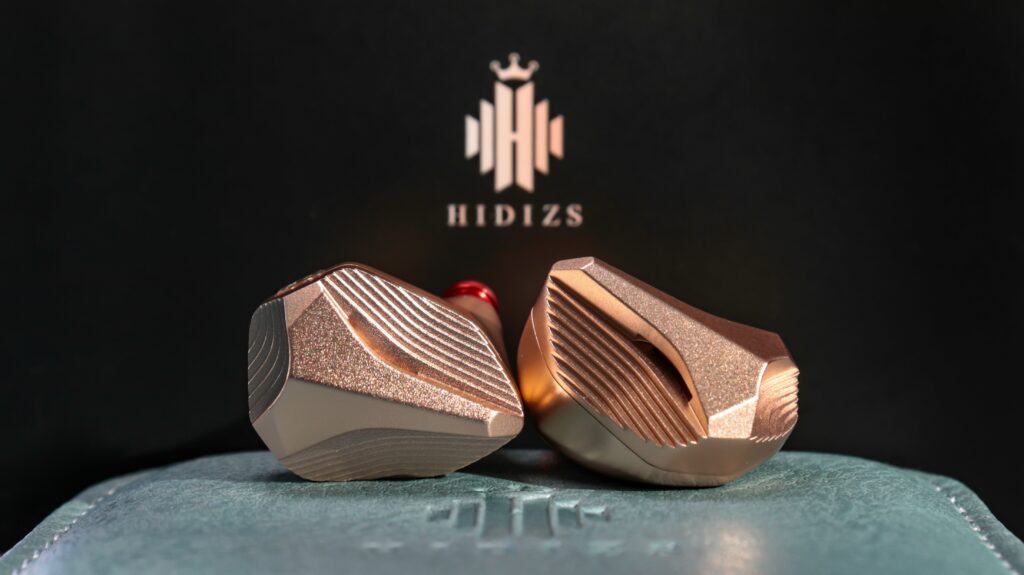
My next comparison is the Hidizs MP145 Pro, which happens to be the successor to one of the most successful planar magnetic earphones on planet earth, the Hidizs MP145 OG. I reviewed this set (MP145 Pro Review) only a few short weeks ago as it was the first planar in this trio of high level planars that I’ve reviewed of late. Friends, the MP145 Pro lives up to its name so very well. I have no doubt that the MP145 Pro is going to be a success as it is clearly a more technical, cleaner, and more skilled set than the OG. The MP145 Pro also carries a single full spectrum planar driver. To be exact, that is a 14.5 mm ultra-precision planar magnetic driver that is extremely detailed, very energetic, and very different in many ways from the Arnar. I’m not going to keep you guessing though because both sets are very nice for the tuning that each has.
Non-Sound Stuff
First things first, the unboxing of each is very solid. I honestly find both iems to have great unboxing experiences for their cost. Both sets come with a slew of eartips and both have three tuning nozzles which do well at changing up the sound. I do like the Arnar’s cable a bit more, but all things considered they are both great. Looking at the build, again, both iems are very well-built using aluminum alloy, with a very intricate process for both. However, the MP145 Pro is certainly more extravagant while the Arnar is more elegant. Also, the MP145 Pro is much-much larger and much heavier. Granted, it is somehow still comfy as the weight distribution works wonders, but much larger. Smaller ears take notice. The MP145 Pro is right now on Kickstarter and so I don’t know the final price, but the price at the moment is $169 which is about $20 cheaper. That may mean something to you, and it may not.
Sound Differences
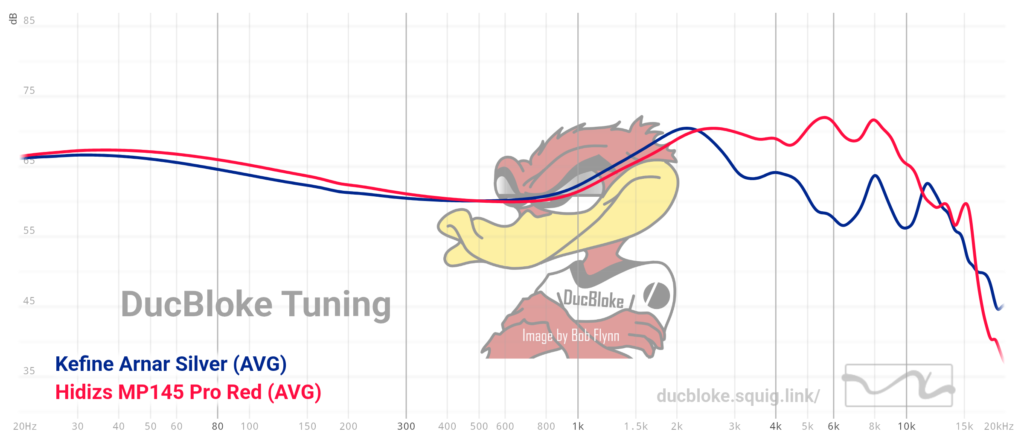
I will be quick with the sound difference between the two because they are so very different. For one, the Hidizs MP145 Pro is a much brighter (with any nozzle) iem that is tuned 100% analytical-first with one of the faster transient displays that I’ve heard under $200 and one of the most transparent iems that I’ve heard under that cost too. The Arnar is just like I’ve said, warm/neutral, highly musical, emotionally charged, extremely rhythmical, with a musicality-first sound that is meant to enjoy music rather than seeking out details. The funny thing is that the Arnar actually does quite well technically. Still, these two couldn’t be further from each other sonically. The bass of the Arnar is deeper, heavier, denser, while the MP145 Pro has a much quicker, better detailed, and more of a punchy style bass. Both handle complex passages well. The midrange of the Arnar is a vocal lovers iem, they’re forward, intimate, subtly warm, cozy, and extremely tuneful without a shot at glare. Of course, the MP145 Pro’s midrange is extremely fast, highly detailed, very energetic, vibrant, vivacious, with a more fatiguing sound over time. The treble of the MP145 Pro is also much brighter, much better extended, higher in resolution, more edgy note bite, more dynamic treble punch and is simply more skilled. Now, the Arnar doesn’t need that because it is all about how music sounds and the treble displays this perfectly. Very smooth yet clean, less emphasis, very nicely bodied, and reasonably resolute. Extension isn’t what the MP145 Pro’s is, but also, it doesn’t need to be ultra extended. Obviously, the MP145 Pro is better technically with a grander stage. Still, the Arnar is no slouch technically and it also is much more melodic and tuneful.
Final thoughts on this comparison
To break these down is a simple task because they are so different from one another. Loving these two iems proves that I literally enjoy every type of sound signature. I love them both. However, I realize that I am in the minority and you’ll either go one way or the other. Neither set is necessarily “better” than the other either. One may be better at certain aspects of sound, but in totality both of these iems are top shelf planars under $200.
Genres
I’ll be honest, there aren’t any genres which simply don’t work well with this set. It is certainly not what I’d call an all-rounder though. Definitely close, but it’s missing some upper end vibrance and extension, some sparkle, and even some mid-bass weight which keeps me from labeling the Arnar as such. Having said that, there are definitely genres which seem to pair better than others. And there are some which aren’t as perfect. With that thought in mind please understand that my thoughts in this section are only opinions and they are very broad overarching opinions. As I say in every review when I find my way at this section, nothing I say is set in stone. For every solid genre with the Arnar, I can most definitely find songs which don’t sound as great and vice versa with genres which don’t work as well generally. Okay, moving on.
Genres Which Work Better
Again, in a very broad strokes manner I do have a handful of examples. Now, I am not going to go through every genre on planet earth. You are smart, you are intelligent, and you can get a gauge for my thinking with the examples that I give you. So, 1000% anything Acoustic, anything Singer-Songwriter, and Vocal forward songs or Vocal Centric Pop stuff will all absolutely slay on this set. It was made for those genres. Furthermore, any kind of Rock (Progressive stuff, Classic Rock etc.) music seems absolutely tailor made for this set. Which leads me straight into Metal as the Arnar has all the tools for a great hard metal session. Also, I adore Orchestral stuff on this set too. Even Hip-Hop (non-super bassy Hip-Hop), and R&B as well, fantastic. Jazz is another winner. Country is awesome, Bluegrass is great, as well as any Folk music. Honestly, there are many more.
Not so Perfect Genres
As far as the lesser perfect genres, I really don’t think there are many which flat-out don’t work well with the Arnar. The Arnar is kind of an anomaly in that light. In truth, there are certain types of tracks within certain genres which aren’t perfect at times even. Without question, any pure basshead level EDM. The Arnar is not going to satisfy the intent of the artist. Certain bass heavy Hip-Hop won’t have enough mid-bass oomph for most people. In my opinion I find that any vocal centric Pop or K-Pop track which features a brighter female vocalist. I feel the Arnar loses a bit too much luster. Also, any Ultra sparkly music which requires a shimmery and vibrant treble. Again, not a genre, I know. In all reality, there really aren’t many genres which the Arnar does sound at least moderately awesome with.
Last Words on the Kefine Arnar
Another week down, another planar review complete. I haven’t made it privy to any of you, but I’ve had the Hidizs MP145 Pro, the Letshuoer Astralis, and the Kefine Arnar in my possession, side by side for a long time. They went everywhere with me. In my awesome iem rotation bag with all of my dorked-out goodies inside. But I digress, of the three, I wanted the Arnar to go last, and in truth the Kefine Arnar went last for a few reasons. One is that it got released this week. However, I purposefully waited a few extra days. The truth is that I wanted to conduct this review last because it is the most well rounded of the bunch. Ya it could use some sparkle here, some boom there, but all things considered the Kefine Arnar is a very solid iem. When Colin Yang approached me to feature the Arnar, I had zero idea exactly what I was about to hear. Friends, for this set being only Kefine’s 2nd planar iem (well, hybrid PL+BA) I find that they have produced one of the better implementations of the driver tech. Now, as always, I have to add that familiar caveat that… you need to enjoy this style of tuning. That goes without saying. However, for what this set was tuned to be… Kefine nailed it!
It’s Good
Some will say that the treble is too dark, not enough bass slam, some will say it is too warm, some will say it isn’t transparent enough and on and on. This should be expected. Be that as it may, I challenge anyone to find a tuning this timbre focused, with thick ‘n grippy bass, a rolled-off treble which comes through this highly detailed, a forward and non-shouty midrange, yet with an overall tuning which sounds this balanced, this unequivocally musical, solid bass slam, and still has a slight spattering of sparkle up top… all for under $200. Among many other traits that I didn’t list (sentence was getting too long). There are a few that rise to the challenge, but very few have the organic timbre, the natural tone, the velvet and silken tunefulness, and very few are this taut and tidy in conjunction with that natural timbre. That’s the key.
Well Put Together
The beauty of this set rests in its PL and BA implementation and a very calculated tuning. Just the right dips, just the right hills and valleys, just enough warmth cast upon the mix, just enough smooth velvet musicality, and the Arnar does all of this while also having a “frequency-wide” lightning-fast attack and a quicker than average decay… frequency-wide. It’s smoothness, fun, and rhythmical meets resolute, fast, and clean-lined. Not the easiest of descriptors to honestly marry into one tuning. I’d almost say that only a planar can do such a thing unless you have years and years of R&D, which boosts the cost into the stratosphere, it becomes a kilo-buck iem, and nobody hears it except for the dude with money falling out of his pockets. This is why I’m praising this set folks! It gives you and me, who cannot afford a kilo-buck set the ability to actually purchase something this skilled and well balanced, so emotionally engaging, and something which flat-out rocks! Also, vocals are great on this set folks. Yes, there are other great sets and even some great planars which are better than the Arnar in many ways. But the Arnar puts it all together very well. At the very least it is a solid choice for anyone wanting to experience a planar for the first time.
Not For Everyone
Having gushed over this set, I can tell you that the Arnar “of course” … won’t be for everyone. It also has plenty of subjective preferential flaws. Shoot, it isn’t even my favorite set under $200 as I typically reach for a slightly different tuning. That doesn’t mean it isn’t praiseworthy though. I like the subtle bleed, but I also want a touch more sublevel weight and mid-bass boom contrasted by more of a presence region emphasis, and better treble extension. So, I understand anybody’s misgivings. Not everyone is wanting a warm/neutral W-shaped iem with a forward midrange, velvet style cadence, and less energy… like the Arnar. Some folks desire more snap on those percussions, more abrasive edge on those string plucks, deeper guttural drone in their bass guitars, bite on their cymbals and so on. Let’s face it, the Arnar is a relaxed sounding iem. Many folks want ENERGY! Not everyone yearns for warm and rich. The point is that you really need to do some research and seek out reviews and try to ask yourself if the Arnar will work for you. It won’t be for everyone. That said, it’s one of my favorite planars, bested only by the S12 2024 Edition and the more expensive Ember. Now, when I want super thick bass, then I’d rather go with the Astralis, and when I want maximum level of transparency I’ll go with the MP145 Pro. But lately the set I’ve reached for the most has been the Arnar. Great job Kefine, it’s worth every penny.
Conclusion
To conclude my full review of the Kefine Arnar, I first have to give a huge thank you and shout out to both Collin & Lina, as well as the entire team at Kefine. It’s very easy to be a fan of this brand. I love Kefine’s unassuming style, their almost “blue collar” yet classy approach. I enjoy Kefine’s approach to business as well. This brand doesn’t act thirsty. They don’t craft 50 different products a year and dilute the market. Each product is meaningful, purposeful, and each product carries a lot of hope for success. Yet they don’t act thirsty. Friends…that’s class! Nothing ever flashy or overtly ornate, yet everything Kefine does has a simplistic elegance to it. The best thing is that they are never expensive for what you are getting. Price-to-performance baddies… always. However, my favorite thing about Kefine from a reviewer’s standpoint is how easy it is to review for this brand. This is not uncommon, but it is a luxury all the same; Kefine never asks anything of me, at all. They might ask for me to throw a link in the review (which I would do anyways) and that’s it. No time limit, no skewed words, and they never try to manipulate the situation like some other entities (please trust me on this). Anyways, thank you Kefine. That went a little long because I still have to thank you, the reader. These reviews are for you. Thank you for clicking the link and actually reading my words. It is very meaningful.
Other Perspectives
As always, I end my review by asking you to please go and check out other perspectives regarding this set. I say this because each and every one of us are different. We all have our own individual likes and dislikes. It doesn’t matter how experienced a reviewer is, or how “golden” his ears are; if it doesn’t align with each of our particular tastes, then his golden ears don’t matter very much. The point is that we are all different and that goes for reviewers. Just because I enjoy the Kefine Arnar doesn’t mean the next guy will. And guess what… we are both correct. This is a hobby where everyone is always right 100% of the time concerning sound quality. Anyways, we don’t all hear the same, we have different music libraries, we possibly enjoy different genres, we don’t all have the same gear to replay our music, and also, not everyone has been down the same road in audio. We are on different paths, different levels, and we are simply different people. So, take some time to take in other perspectives as I feel it will only help you in your journey. Okay, with that I’m definitely done everyone. So, take good care, stay as safe as possible and always… God Bless!!
Arnar Pros
-Build Quality checks all the boxes (comfy, lightweight, durable, clean)
-Design is the most ornate set yet for Kefine. A very artistic and elegant design
-A very nice unboxing
-Solid modular cable
-Tuning nozzles change up the sound well
-Very unique sounding planar, a warmer, balanced, highly musical, and nicely technical sound
-Very well controlled DD-like bass which never clouds, veils, or smears, and has great texture and grip
-Just wonderful mids. Best planar mids yet? Vocals are fantastic for both male and female
-Treble simply works though it is very much tame. Just enough sparkle, never offensive
-Cohesiveness of the PL+BA drivers is flat-out awesome! Kefine did a tremendous job
-For a warm/neutral, smooth/velvet sound the Arnar has a surprisingly awesome technical ability across the board
-Price-to-performance is high if this tuning fits your preferences
Arnar Cons
-Sure detail retrieval is nice for the tuning, but not a detail beast. Other planars can claim that (MP145 Pro)
-Very enthralling, punchy, and clean bass, but it definitely bleeds into the mids and flavors the midrange. Reference sound lovers won’t find that here
-Analytical heads should check out other sets as the Arnar is all tone, emotion, timbre, warmth, and engagement
-Those bass-boi who were hoping for basshead level weight and authority should keep looking
-Very non-offensive treble, lacks brilliance, could use more sparkle, and not well extended in the upper treble





No Comment! Be the first one.