

























KZ AM16 Review
Intro
Hello, this review and feature covers the latest from KZ Audio named the KZ AM16 ($57). I’ve actually had the AM16 with me for about three to four weeks now. I’ve spent that time coming into understanding of the sound and one thing I’ve determined is that KZ keeps surprising me. Obviously, I will expound more on that later. I usually write my intros well ahead of receiving the product, but I honestly didn’t know if I was going to review this set or not, and I have such a tremendous backlog at the moment. However, after spending time with the AM16 for all of this time it has become abundantly clear that this set is a worthy iem for anyone seeking an all-BA set under $60. But I’m getting way ahead of myself. Let’s back-up, take a big step back, and let’s introduce the AM16 shall we? So, the AM16 is KZ Audio’s newest all balanced armature iem consisting of eight balanced armature drivers per side as well as some new driver tech which I’ll get into later. Another all-alloy set featuring a typical KZ style and aesthetic. Most certainly the AM16 represents a solid value to the consumer, and I’ll explain why in a bit. I should mention that the AM16 comes in two variants. Those being the “Bass-Enhanced” version as well as the set I have, the “Balanced” version. I was asked which one I wanted, and I felt the balanced makes the most sense for me.
Table Of Content
- Intro
- Knowledge Zenith
- All BA
- Reviews
- Competition
- Non-Affiliated Purchasing Links
- AM16 Pros
- AM16 Cons
- Gear used for testing
- Packaging / Accessories
- Unboxing
- Eartips
- Cable
- Build / Design / Internals / Fit
- Build Quality / Design
- Internals
- Fit / Comfort
- Drivability / Pairings
- Output Power
- Source Pairing
- What do you need?
- Sound Impressions
- What’s it sound like?
- Very capable iem
- Condensed Sound Between the 20’s
- Bass Region
- Good note control…
- Sub-Bass
- Mid-Bass
- Downsides to the Bass Region
- Midrange
- It may be up your alley…
- Lower-Midrange
- Upper-Midrange
- Downsides to the Midrange
- Treble Region
- Tasteful
- Speed and agility…
- Downsides to the Treble Region
- Technicalities
- Soundstage
- Separation / Imaging
- Detail Retrieval
- Is it worth the asking price?
- In House
- The Why…
- Ratings (0-10)
- Aesthetic
- Sound Rating
- Ratings Summary
- Just keep scrolling…
- Explain Yourself!!
- Conclusion
- Different Perspectives
Knowledge Zenith
I think we all know KZ (Knowledge Zenith) very well at this point. No doubt that everyone in the hobby has a good understanding of one of, if not thee most famous audio brands on earth. There is no brand who works on their craft at such a relentless speed, churning out set after set. So much so that it’s easy to see and hear their progression with every new iteration of every series, every driver configuration, and it’s easy to hear their improvements on an almost month-by-month basis. I have reviewed a number of KZ iems over the years, and I can attest that they are most certainly staying right in line with the industry, and in some ways, KZ is forging the path in many regards too. I think the hobby as a whole has this twisted view of this brand and sometimes, I feel that the audio world misjudges KZ in a lot of ways. You see, it’s no surprise that KZ releases sets at an almost violent rate. Some folks liken this practice to… “Throwing spaghetti at a wall to see what sticks”. I couldn’t agree less. It’s an easy accusation by many, but I don’t see KZ like that at all. I say that because I actually hear every new set, and I hear the improvements. Perhaps KZ would be better served if they waited a bit longer between releases, refined their targets even further? However, KZ is going to do what KZ is going to do. I happen to enjoy observing their constant driver improvements and consistent tweaks to their sound. I don’t think the hobby gives them enough credit for what they’ve done for the hobby as a whole. They’ve literally, almost single handedly raised the bar for all budget iems. Brands have had to step up their game to keep up with the blazing train that is “KZ”, which has made the budget scene that much better.
All BA
One of the areas where KZ has improved significantly is with their all balanced armature earphones. Of the all-BA KZ sets, I’ve actually reviewed a handful by now, but I’ve owned many more and I’ve been able to hear the improvements set-by-set. I think the first all-BA iem I reviewed was the KZ AS16 Pro (AS16 Pro Review) which got mixed reviews. Not a bad set, but their tuning wasn’t perfectly dialed in at that point. Still a very fun set. Next up I reviewed the KZ AS24 (AS24 Review) which is a truly awesome set. Of course, you have to be down with the tuning style which doesn’t suit everyone. However, it was a very nice set for the cost, and it was KZ’s flagship all-BA set at the time. Then I reviewed the more budget oriented KZ AS10 Pro (AS10 Pro) which is truly an awesome value folks. A very fun iem, no huge glaring weaknesses, nice musicality for a low cost. However, the next two sets changed the game folks. I reviewed the KZ AS24 Pro (AS24 Pro Review) which was the first time I’d say that KZ surpassed all other brands within the price point for their all-BA tech within the price point. Finally, the grand champion of KZ all-BA iems and KZ’s flagship iem across the board I reviewed the KZ Sonata (Sonata Review). Friends, I don’t care how you feel about KZ or what tuning style you enjoy, but if you cannot admit how special the Sonata is then there is something wrong. The Sonata is truly an amazing set. Easily one of my favorite iems under $200. This brings us to today as I seek to explain my thoughts on the AM16. It will definitely get interesting folks.
Reviews
Below are a listing of some of the KZ/CCA reviews I’ve Co ducted over the years:
– AS16 Pro – VXS TWS – CRA+ – PR1 Hifi – EDCX – Linglong – ZVX TWS – D-Fi – X-HBB PR2 – Duo – EDXS – AS24 – Krila – AZ20 (Bluetooth adapters) – ZAT – Rhapsody – PR3 –ZSN Pro 2 –CCA Trio –Symphony –Vader –AS10 Pro –Xtra TWS –ZS12 Pro X –AS24 Pro –Carol TWS –PRX – Hydro –Sonata –Zenith –AN01 (Bluetooth adapters) –Carol Pro TWS
Competition
I think the one real issue (if you want to call it that) that the AM16 faces is competition within the budget range. If I were to type out all of the heavy hitters in this range, then we’d be here for a long-time friends. There are so many that doing so would be a very daunting task to say the least. However, the bright side for zkZ and the AM16 is that there aren’t a whole lot of all balanced armature earphones under $75. There really isn’t. KZ has almost cornered the market in all-BA budget iems. Not many other brands are confident enough to put a budget all-BA set to market. It’s just the truth. In fact, most of the budget all-BA iems belong to KZ! There’re a few others, but the majority of those sets have a “KZ” in their name. So, with that all said I think I’m ready to get this one going folks. And without further ado, the latest KZ all balanced armature set… the KZ AM16 everyone…
Non-Affiliated Purchasing Links:
AM16 Pros
-Price to performance
-Build isn’t bad at all
-Fully open-back design
-Design is cool, even if we’ve seen similar KZ designs
-Very fun and spirited sound
-Bass is very good, deep, palpable, textured and tight. Close to DD style bass.
-Nice mids for a V-shaped set, clarity, nice for vocalists, natural note weight
-Detailed treble region, mostly non-offensive, very solid extension
-Detail Retrieval
-Big outward soundstage, multi-layered
-Great imaging abilities for the cost
AM16 Cons
-Unboxing
-Of course the cable
-Slight unnatural timbre at times
Gear used for testing
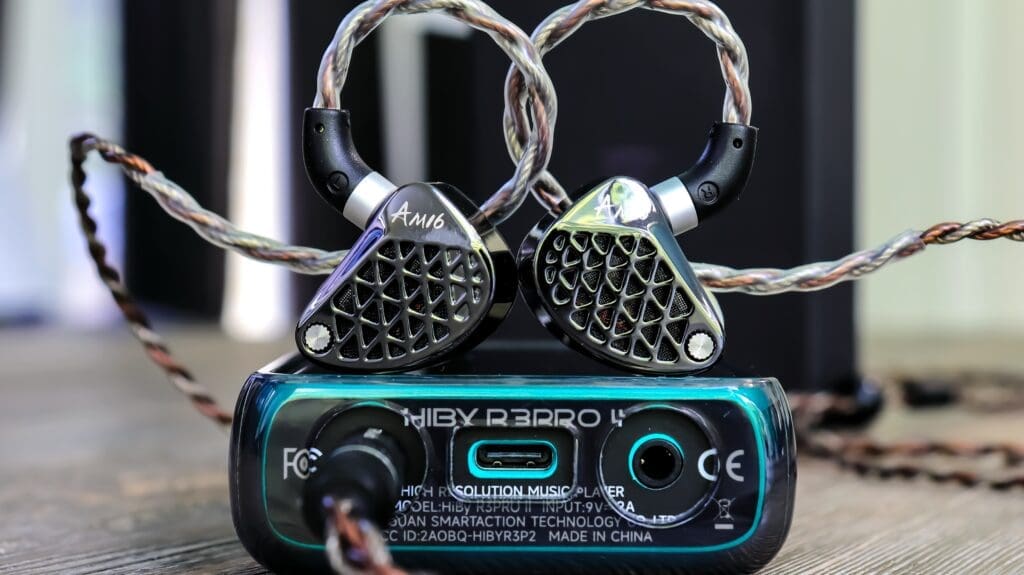
–IBasso DX240 with Amp8 MK2
Packaging / Accessories
Unboxing
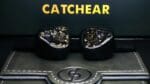
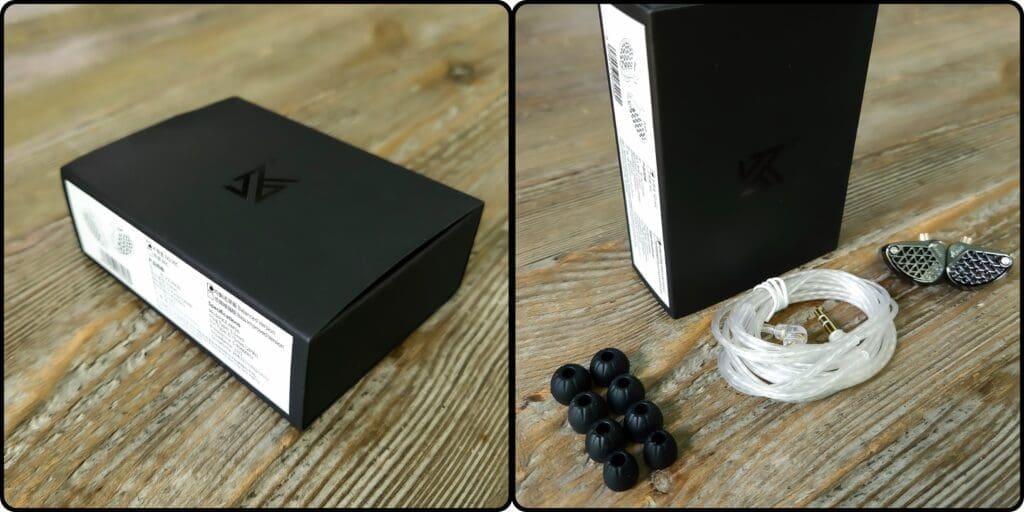
Folks, I won’t stretch this out too long. We all know what to expect by now from KZ. Let’s put it this way, they haven’t changed their way of packaging their budget iems for as long as they’ve been around and I wouldn’t expect that to change today. KZ puts the money into their earphones themselves and decides not to put it into lavish boxes and accessories. I’m okay with that. Anyways, the AM16 comes in a very small black box with a glossy black KZ logo in the center of the outer sleeve. Take off the sleeve and you’ll see the AM16 chilling in cardboard cut-outs. Next to the earphones is another box which holds the cable as well as the eartips. Honestly, that’s about it. Once again, KZ isn’t trying to blow your mind with their amazing unboxing experiences.
Eartips
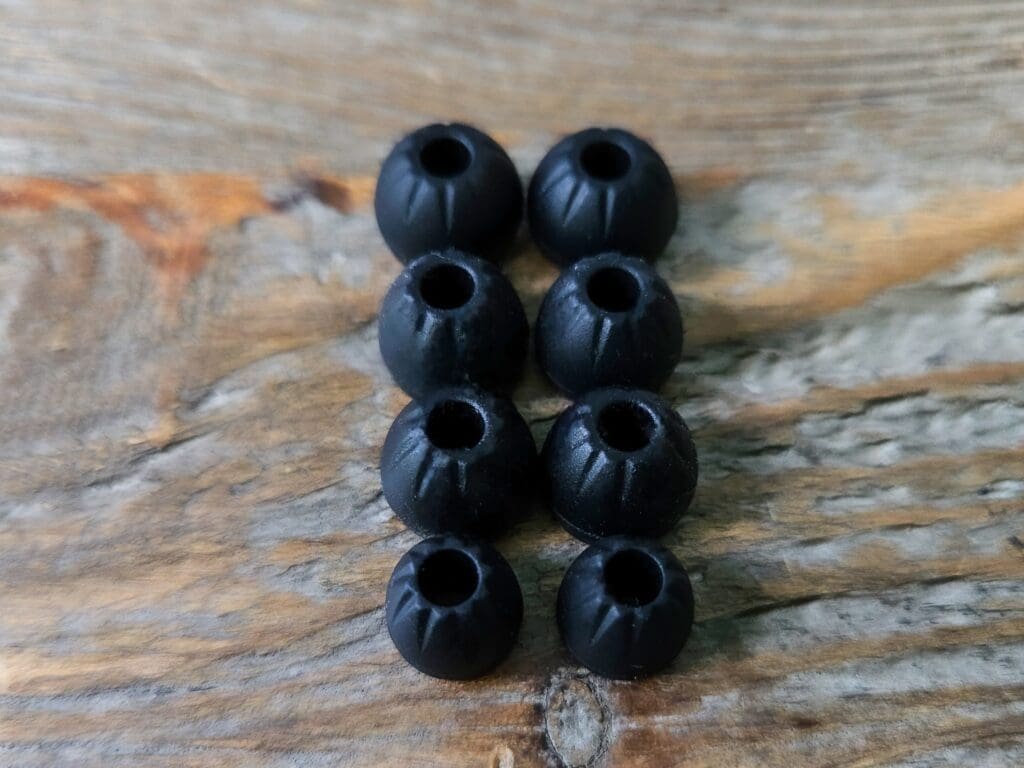
KZ also hasn’t changed much with the eartips which they package. They provided me with four pairs (L, L, M, S) of KZ Starline eartips. The Starlines are a very rigid pair of narrow-bore black silicone eartips. They come with a firm flange and are truly great eartips for providing that last little hints of low-end muscle, at times. Great for sets which veer bright. As honest as I can be, I love KZ Starlines. When you need them, they’re perfect friends. I cannot explain how many times the KZ Starlines have been exactly what I needed. Also, the Starlines fit awesomely. They are actually rigid, which is something that so many eartips manufacturers seem to not understand. Flimsy tips are not good folks. The Starlines will seal, and they are slightly longer in body and so you do get a deeper fit. Plus, you can turn them inside out. Anyone who’s been in the hobby for a while knows that you can make what’s known as “Flip Tops” out of Starlines and they truly make for some great deep fitting slightly wide-bore eartips. Again, when you need them, they are great. Plus using Flip Tips, you do get a stickier surface which does help to seal. At any rate, the tips aren’t bad. I always make sure to have Starlines in my collection at all times.
Cable
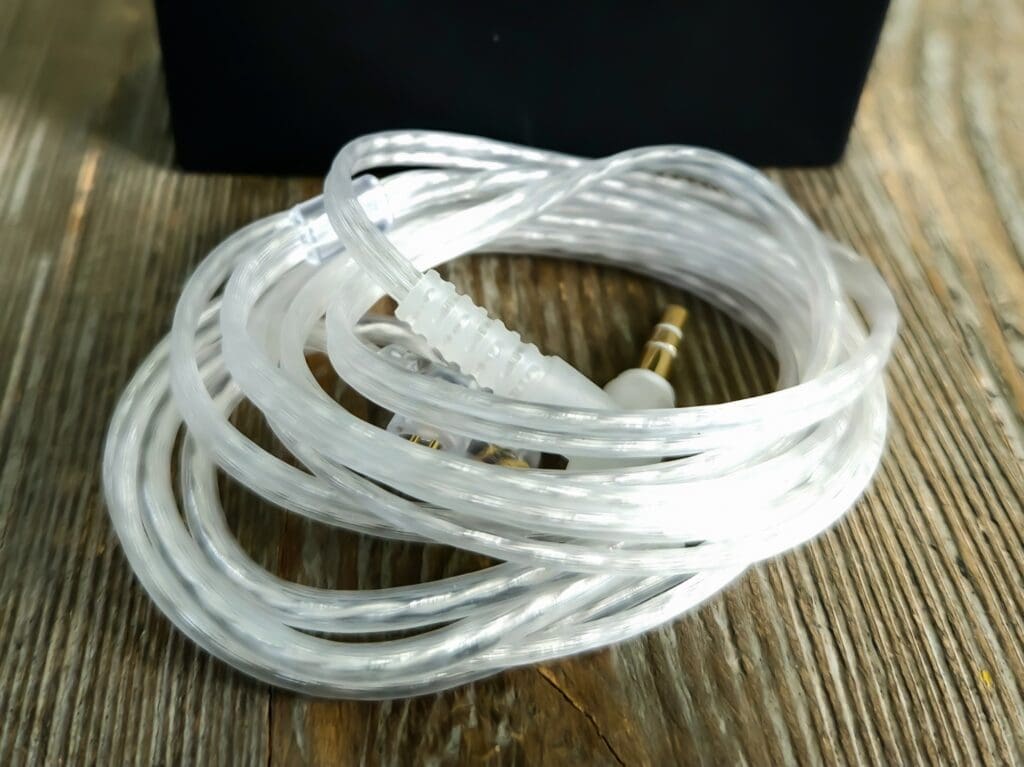
Now, this is a sore subject for me. KZ has added into their packaging the same white cable that they’ve added into every package for years now. I cannot even begin to tell you how many of these cables I have sitting around. I’m pretty sure I can build a hammock out of them. It is a given that I will have to cable swap when I get a pair of KZ or CCA earphones. Without a doubt. So, you have to figure this into the equation. Now, I harp on this but in reality, the included cable does its job very well. It really isn’t a terrible cable; I have just seen them forever! Change it up KZ/CCA! Anyway, the included cable is a silver-plated copper wire which terminates in a 3.5 single ended jack. It is a QDC style 2-pin cable and is completely white, almost milky white. It’s kind of stiff in a way but it isn’t microphonic. You can get the AM16 with or without the microphone too. By the way, the actual mic really isn’t bad on the microphone version. In fact, the mic’d cable has been changed up a bit as KZ added a dual mic setup with -26db attenuation for phone calls, online meetings, or gaming. I didn’t get the mic version so I cannot test that out. Still, decent cables really aren’t that much money. Add the extra $5 to $10 onto the final price and put a halfway decent cable in there. Seriously though, I really don’t care all that much. For me personally, I have a multitude of solid cables to put onto the KZ AM16. I actually went with the TRN Redchain modular cable with a QDC style 2-pin. I love the sound paired with the Redchain and it looks pretty cool too. Plus, it allows me to use a 4.4 balanced connection. Which I use almost entirely. Actually, I only use 4.4 balanced. At the end of the day the included cable does its job. It’s perfectly fine, but you may want to consider cable swapping.
Build / Design / Internals / Fit
Build Quality / Design
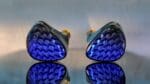
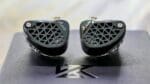
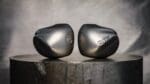
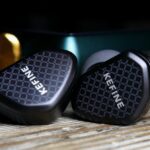
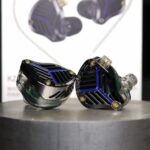
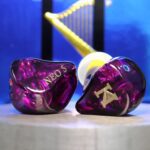
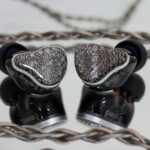
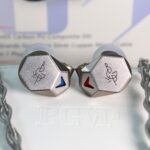
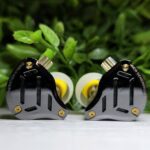
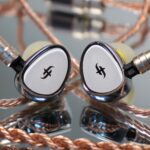
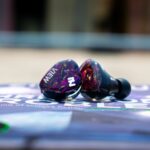
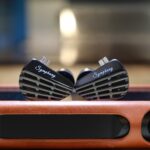
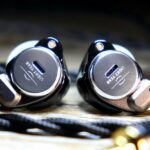
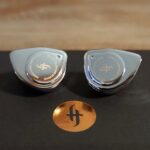
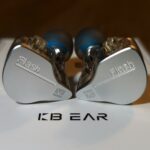
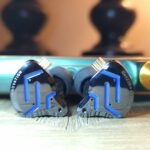
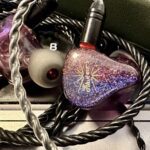
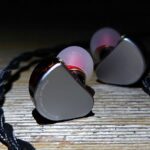
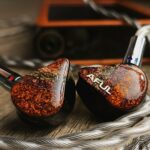
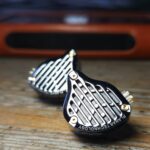
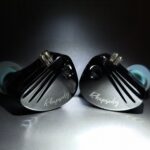
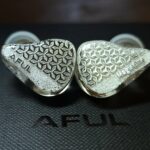
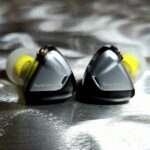
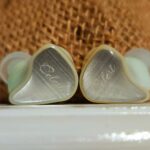
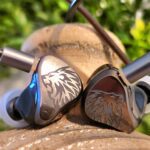
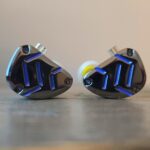
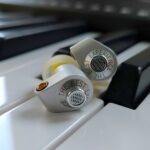
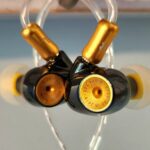
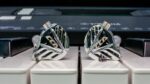
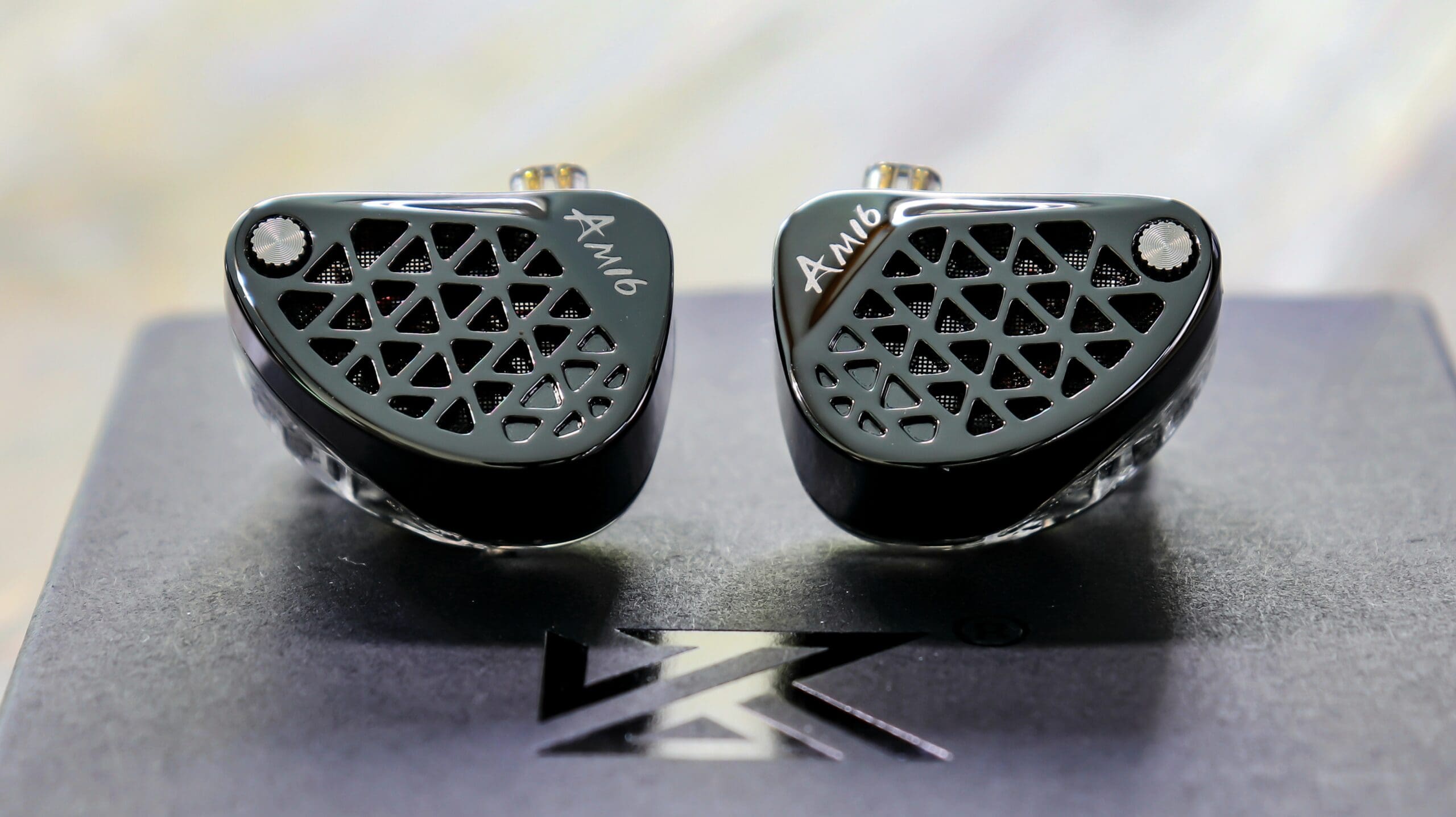
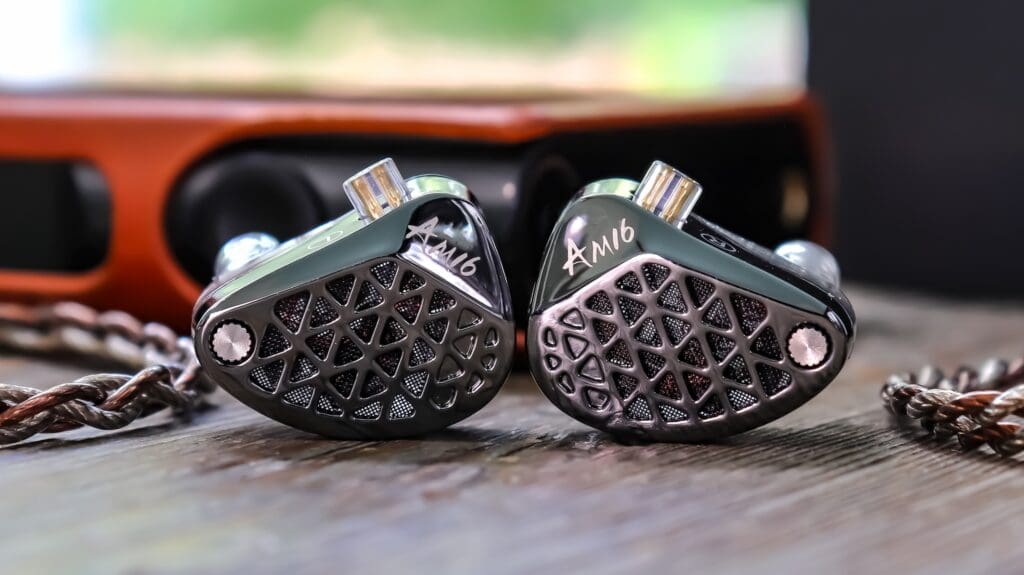
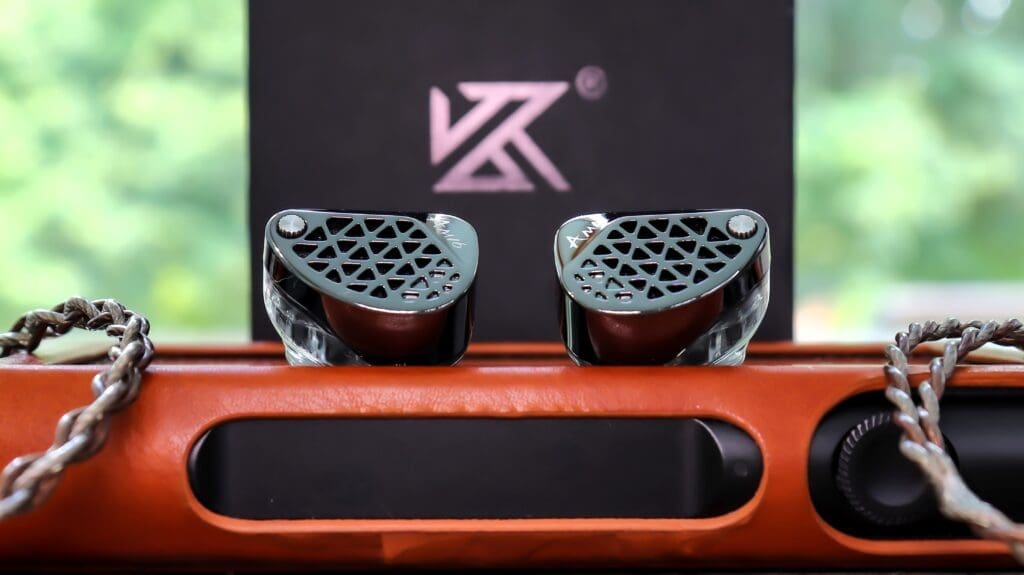
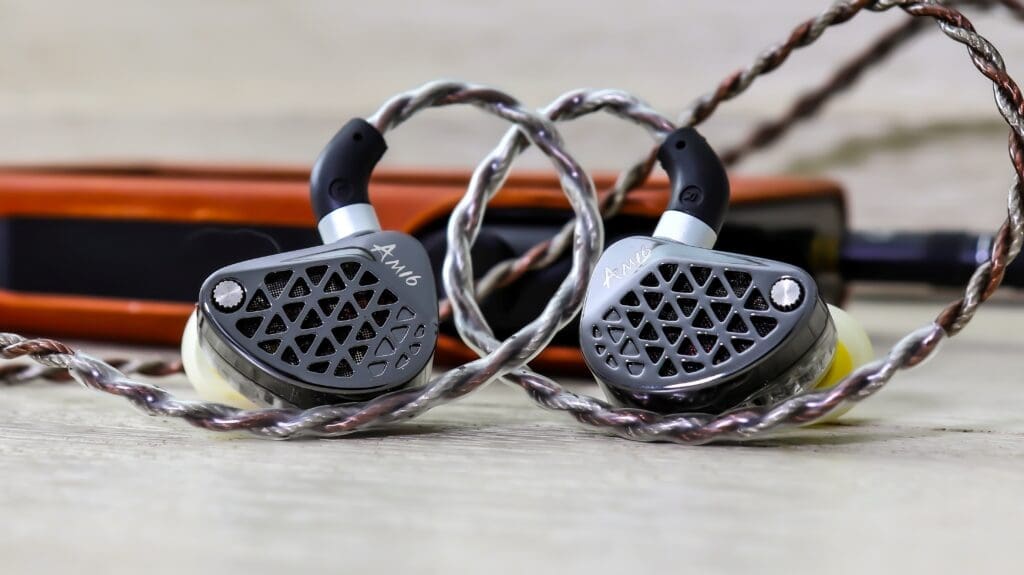
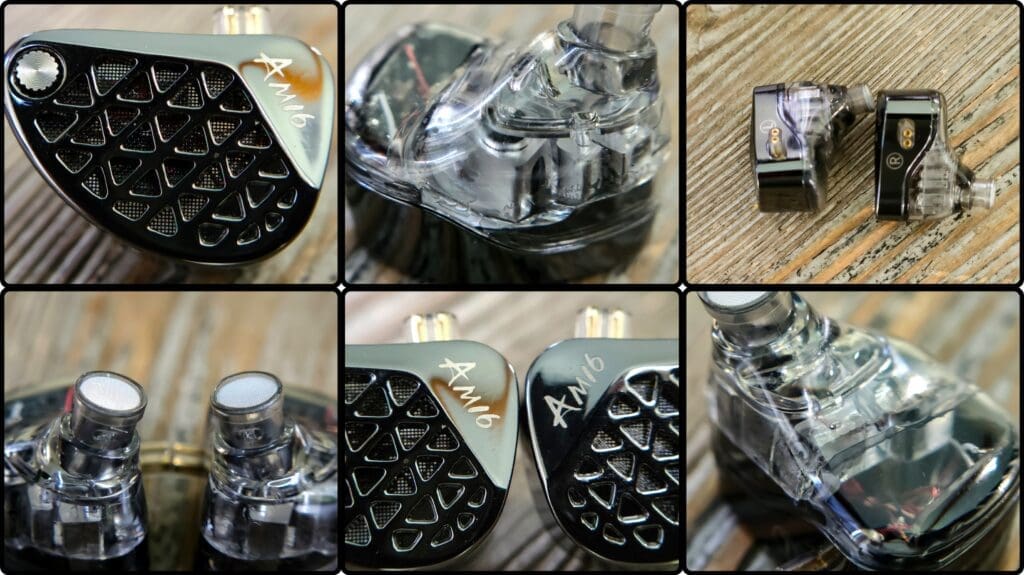
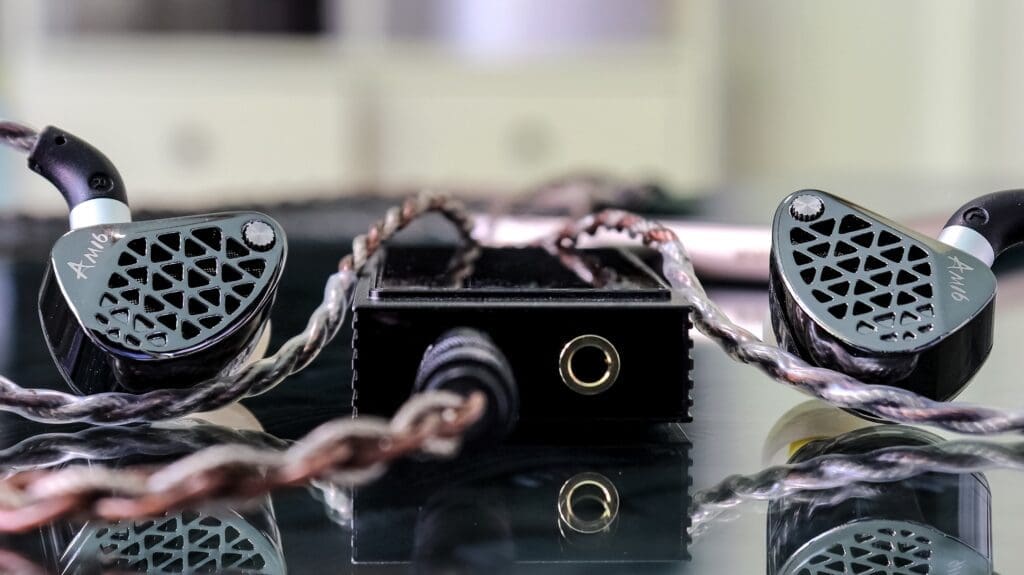
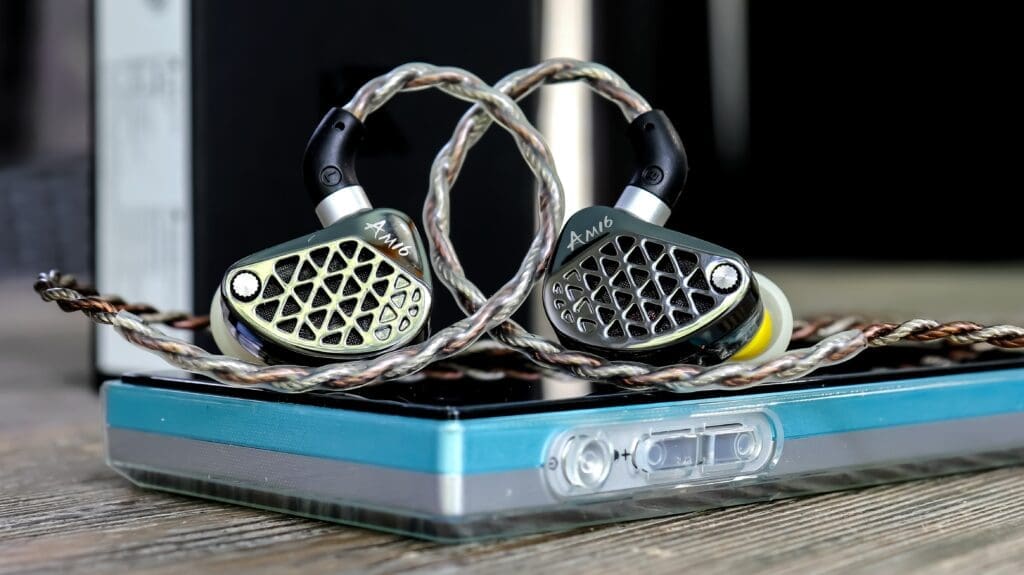
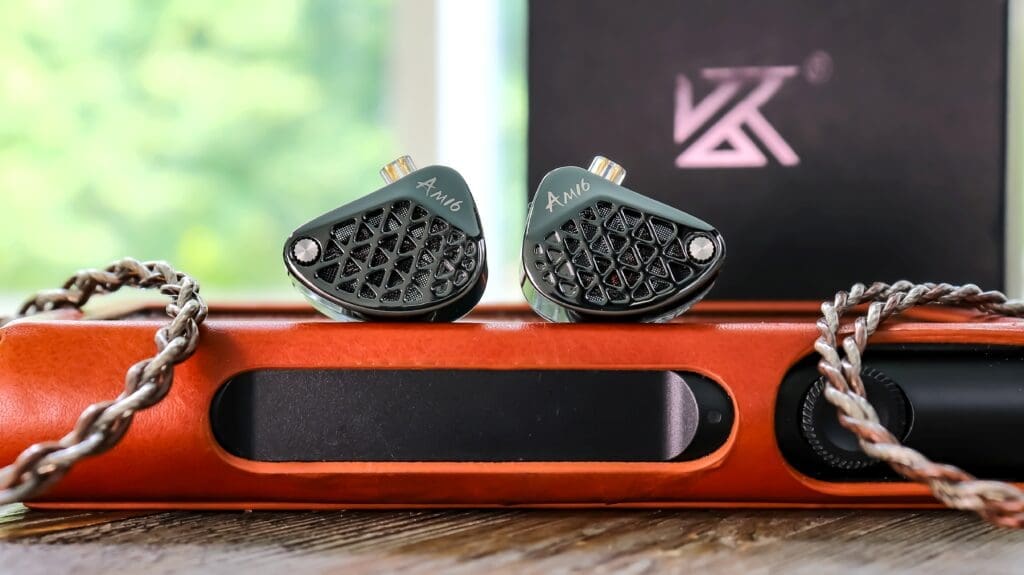
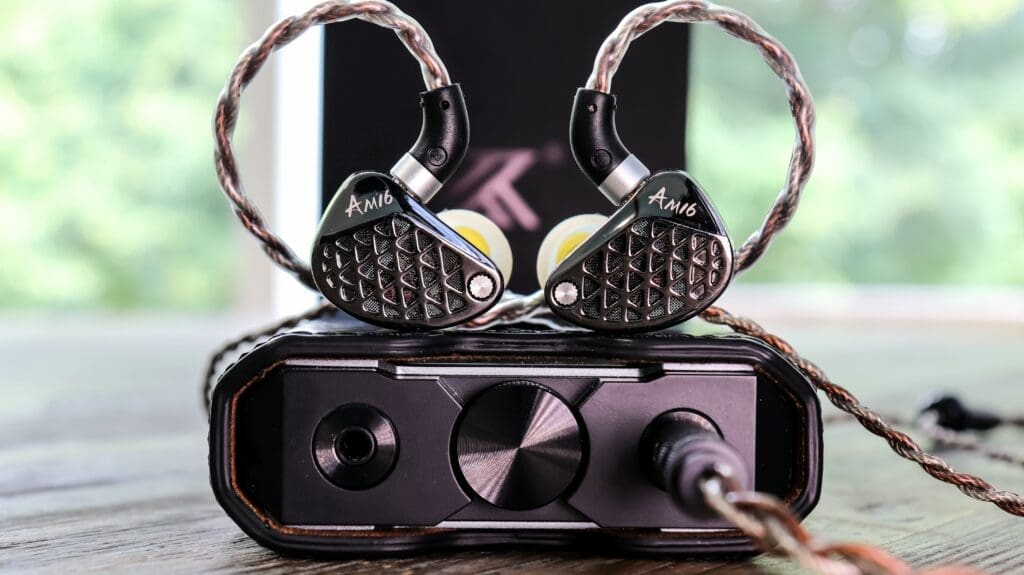
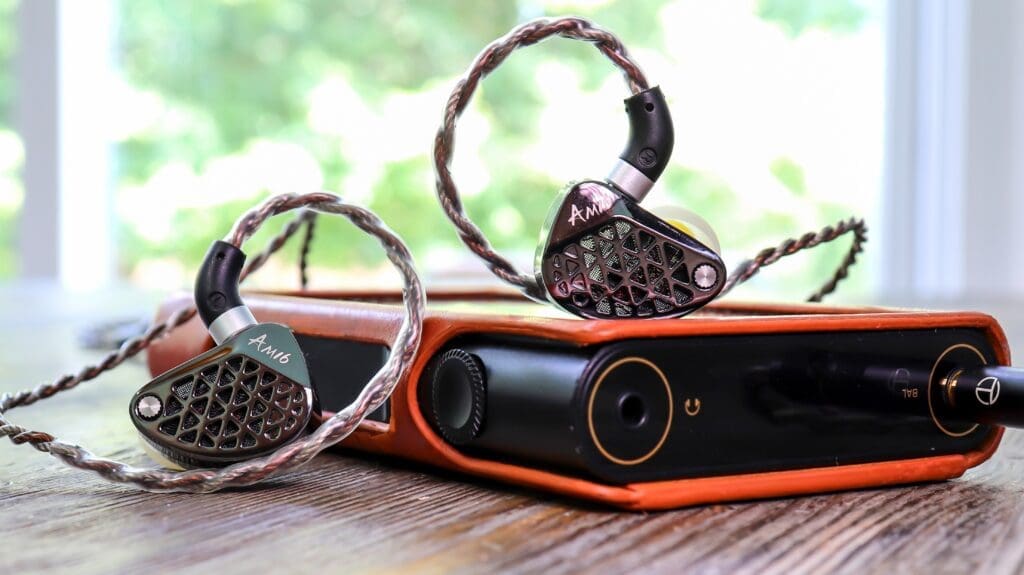
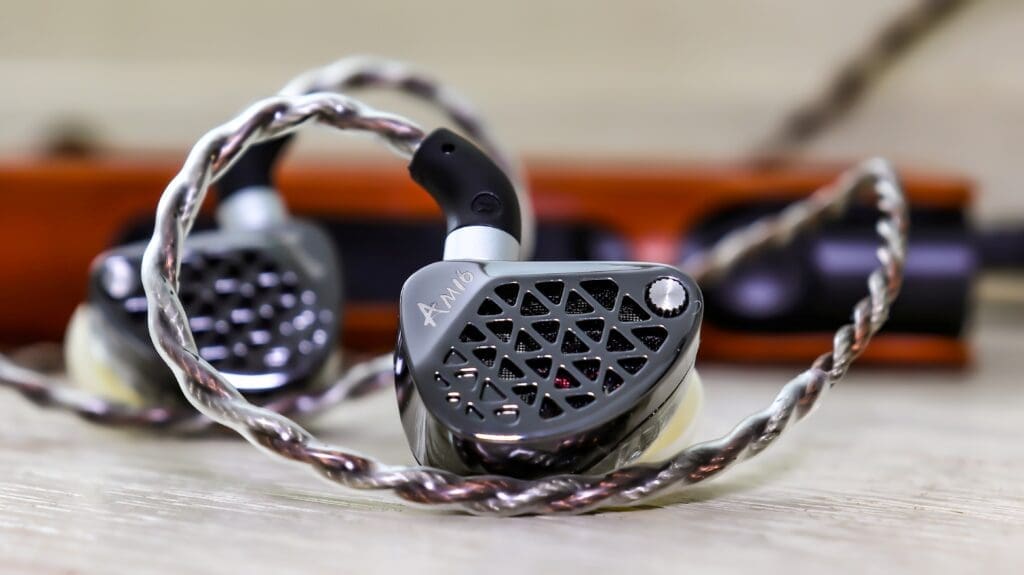
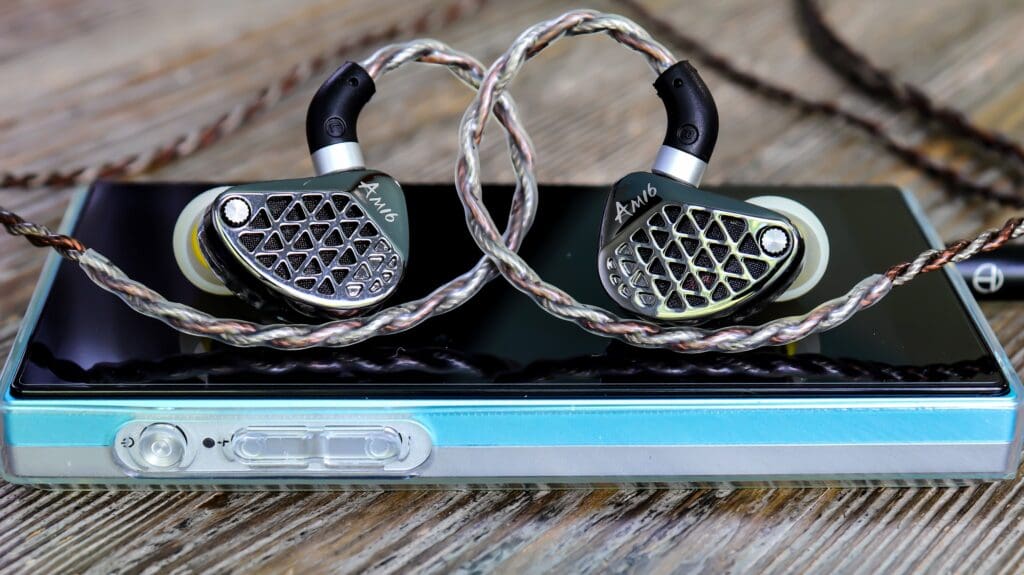
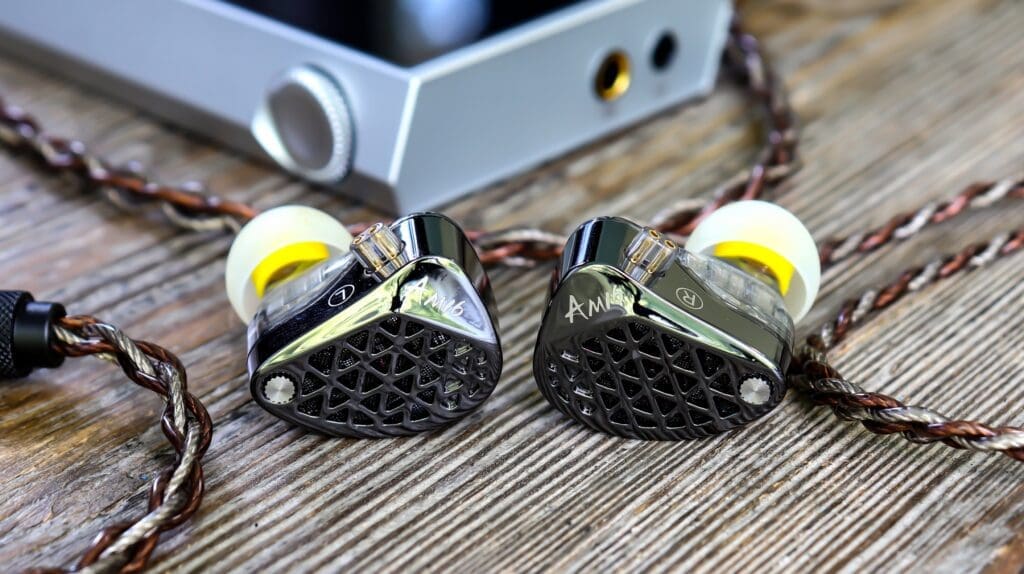
Once again KZ crafted a set which has some very good build quality for the cost. I wouldn’t say that the build quality will change your life or anything, but for the cost it really isn’t bad at all folks. Look at the landscape of budget iems and you’ll quickly notice that KZ/CCA usually have some of the better builds. Granted, KZ and CCA use the same four or five different body styles or molds for their iems and so you’ll see some very distinct similarities between most of their sets. The AM16 is their larger style frame to accommodate so many drivers. So, smaller ears be warned. So, the build itself is made using resin material for the shells by way of 3D printing with a special internal acoustic structure to help with splitting up the frequency. The faceplates, or the other half of the body is made out of alloy (I don’t know what alloy). The nozzles are medium length and come in at about 6mm in width, so nothing out of the ordinary there. Not a bad build at all. Now, the design is also very much reminiscent of earlier designs. You have an actual open back design as well which truly helps to make for an open and airy sound. The mesh look, paired with the polished metal grating is a pretty dope design. I love that the Shells are completely transparent allowing me to get a look at the internals. That’s always a nice touch. You’ll notice the name “AM16” written in the typical KZ cursive in the top corner of the faceplates. I like that it’s written smaller, not gaudy or cheesy. It’s honestly a cool look in my opinion. Yes, we’ve seen similar designs from KZ but that doesn’t take away that the AM16 is slick looking.
Internals
Once again, the KZ AM16 is an 8-driver (per side) all balanced armature set of earphones. KZ really went all out developing these BA’s as each one is made in-house by KZ. You’ll see that every now and again KZ will come out with a new variant of any of the drivers that they use. In the case of the AM16 it is their low-end BA called the “22955”. This is a brand-new driver is a new generation balanced armature, and it does enhance the low-end quite nicely. For the midrange KZ went with the “29689” BA. The highs are taken care of by four “30019” BA’s and two “31736” array units (meaning two back-to-back BA’s) which is actually four in total. On top of that KZ used a three-way electronic crossover unit to divide the spectrum. All in all, I feel that the drivers used are very nice and can handle just about anything I throw at them. Especially the new low-end driver which is capable of some ridiculously booming and agile bass. Just for fun I eq’d the bass quite a bit just to listen for distortion and I gotta tell you, this driver handled everything with a very deep and guttural sound, very tight and punchy bass too.
Fit / Comfort
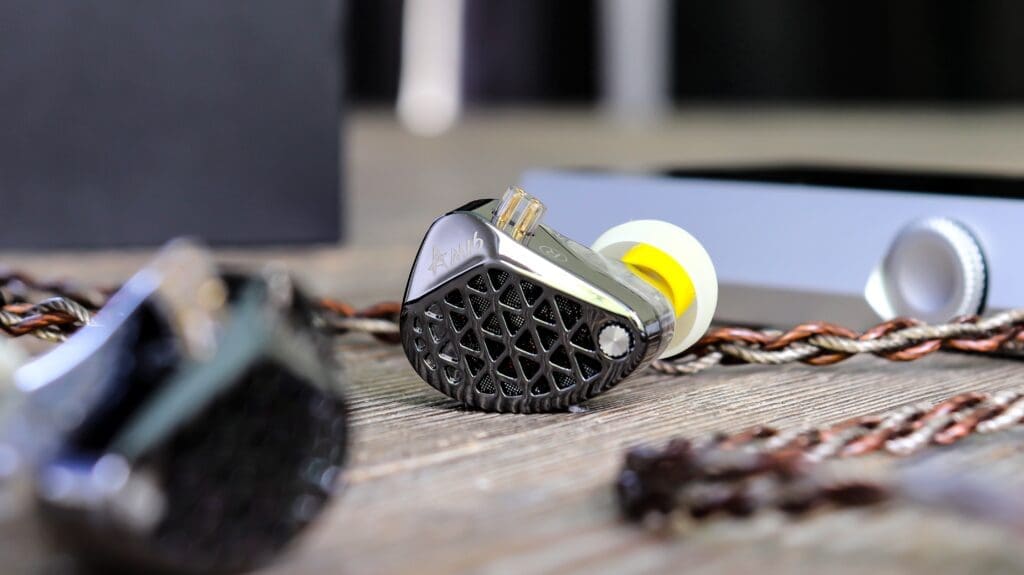
As far as the fit and comfort of the AM16, I’ve never had any trouble with these body styles, and the fit is very ergonomic for my ears. I can listen for many hours with no fatigue at all and I’ve done so on many occasions with a multitude of KZ/CCA sets which use this mold. Now, I have zero idea whether the AM16 will fit your ears, but I did warn you that the AM16 is a large set. So, take that into consideration. I should add that this set is most certainly an open-back style earphone. I say that to tell you that there is some bleed, and others may be able to hear your music. Also, you can certainly hear the outside world when music isn’t playing. Once music comes on you only hear the music though.
Drivability / Pairings
Output Power
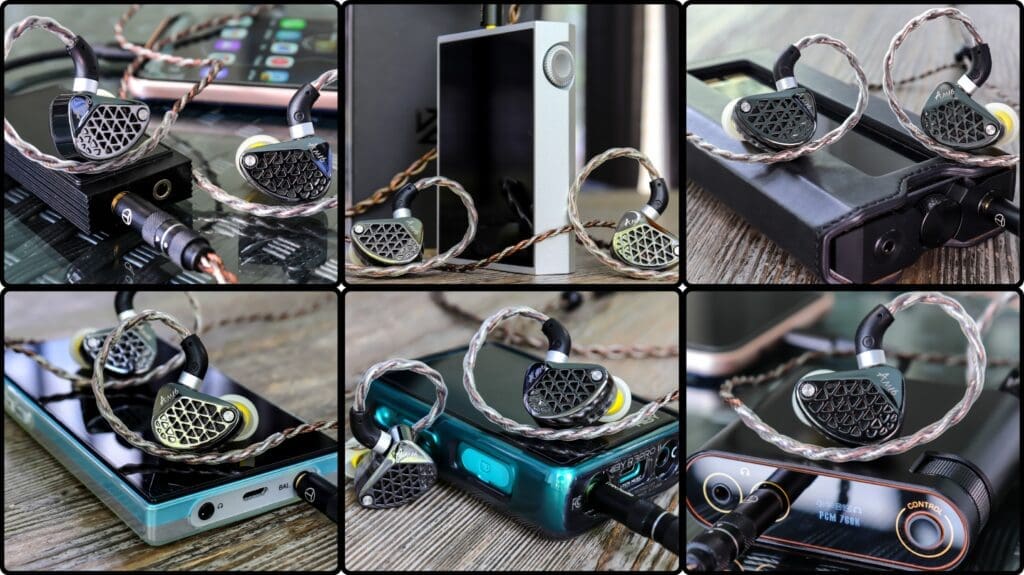
The KZ AM16 is rated with an impedance of 22 ohms, and a sensitivity of 104 db’s. Basically, the AM16 is sensitive enough to use even very weak sources. As always, I tested the AM16 using my old Android 3.5 se phones, my iPad, my super weak odd 3.5 se Amazon dongle dacs and I never had an issue bringing the AM6 to volume as well as good dynamics. I also used the KZ AN01 and the KZ AZ20 for a long session when I was out and about. Again, it drove to a loud volume very easily. So, I wouldn’t worry if you don’t have a good dongle dac, dap or some powerful dac/amp. Having said all of that, the AM16 will reward a hair more juice. In my opinion after testing the AM16 at length with almost all of my source devices, I definitely feel that giving the AM16 a clean and more powerful source does help, to an extent. The payoff does level out after so much juice, so you definitely don’t need a million watts. Honestly, the AM16 did fantastic using dongle dacs like the Shanling UA6, Bluetooth dac/amps like the Ifi Go Blu or the Shanling UP6. Really any dongle dac that can get you (at the least) 100 mW @ 32 ohms should bring the AM16 to its best dynamic presentation.
Source Pairing
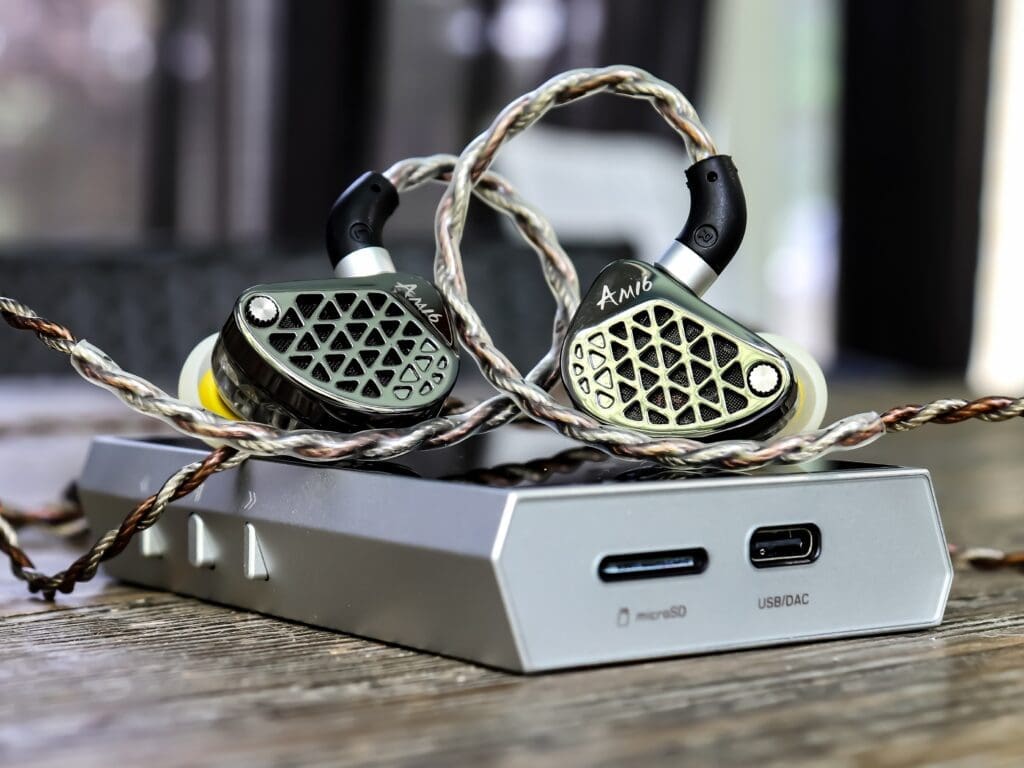
To my ears the KZ AM16 hovers right around warm/neutral to neutral. Also, to my ears the AM16 does very well paired with most of my sources. Of course, most of my sources are warm/neutral to neutral. So, it makes sense. I honestly don’t feel that you need to worry very much about what source you use. Maybe any brighter and more analytical sources will sound a bit unnatural. I do tend to enjoy sources which are more musical, slightly warmer. However, I can also say that the AM16 did wonderfully paired with my neutral EPZ TP50, the iBasso DX240, the Fiio JM21, or the Hiby R3 Pro II, and many others which are more neutral in tonal coloration. I suppose the point is that the AM16 isn’t very picky.
What do you need?
You really don’t “need” anything more than a 3.5 single ended jack from any device. However, to get the most out of the AM16, I would try to get at least a decent to good dongle dac. It doesn’t have to be expensive. There are many very good dongle dacs that have high quality sonics for less than $40. I simply feel that a little bit more power as well as better dac chips does influence a better sound out of the AM16.
Sound Impressions
*Note: Before I dive into the sound impressions of the KZ AM16, I first want to preface this section with a few things. First off, I did burn in the AM16. I know, I know, the AM16 is an all-BA iem. I know. Almost as though I did it almost out of habit. No, I didn’t detect any changes either. I used KBear 07 eartips for all of my critical listening. Also, I swapped cables and used the TRN Redchain modular cable with the 4.4 balanced adapter. I listen mainly with flac or better files which are stored on my devices, and the Android music player of my choice is mainly UAPP (USB Audio Player Pro) as well as the Hiby Music Player at times and for some devices.
What’s it sound like?
To my ears the KZ AM16 is a complete departure from any recent KZ all balanced armature earphones. Most of KZ’s all-BA sets are much more balanced and are all more mature sounding. However, the AM16 is so much fun! It’s a V-shaped iem with a very healthy bass emphasis as well as an energetic and lifted treble response. Having said that, I only find the midrange partially recessed in the lower-mids, and even that isn’t too pushed back. For all intents and purposes, the midrange is actually highly engaging and very nicely laid-out. But I’m getting ahead of myself. The point is that the V-shaped moniker that I just gave the AM16 is barely true in real world listening. To my ears I’d call the AM16 warm/neutral in tonal color, though it is closer to neutral than it is warm. There’re hints of warmth as every fundamental tone is definitely shaded to a slight degree. However, that warmth isn’t the type which adds copious amounts of richness to the mix. Truth be told, I find note weight to be a hair thinner than I would’ve thought. As far as timbre, there are some slightly unnatural moments, but for the most part the AM16 definitely does have a natural hue to it, apart from some peaks in the treble which can come across a bit too edgy. Very few and far in between to my ears though.
Very capable iem
The AM16 Balanced Version has plenty of edge defining bite and has that nice crispness along with what I’d call speedy transients all throughout the spectrum. This is actually a highly capable set for the low cost of $59. First off, it’s very easy to drive, it has a very open sound with an airier feel across the mix. Second, the AM16 is also a nicely detailed set with good clarity throughout. Third, this is a set which has some very nice musicality. I’d say 55% musical against 45% technical. Really a nice sounding all-BA budget iem which sits smack dab in the middle of a bunch of less inspiring budget all-BA choices in the market. Seriously, name me another halfway decent all BA set under $60. I won’t hold my breath. The fact that KZ was able to throw in eight drivers in total as well as test out their brand-new bass driver in a budget iem, all the while only charging $57 is quite cool. The fourth reason the AM16 is highly capable is its ability to layer the sound field. I think you’ll notice fairly quickly that the AM16 has very nice imaging abilities as well as good depth of field for the price. You may also notice how rambunctious and fun the sound is while holding good control of each note with clean note contours.
Condensed Sound Between the 20’s
That beefy bass region serves as the foundation of this set, yet it doesn’t cloud the mix at all due to the balance afforded in the treble. But it’s a very fun and robust style of low-end replay. It has some hard lined punch, tight, pretty deep, and authoritative for a balanced armature set. Despite that last sentence the low-end doesn’t enforce its will across the spectrum. In fact, the midrange is pretty clean and clear with a very dynamic expression to it. There’s an ever-so-slight recession in the low-mids, but I still hear plenty of solid presence. In fact, the whole midrange is pretty melodic whilst also having a very good technical showing. The upper mids have a touch more shimmer, they sound more forward, more highlighted against the rest of the mix. Listening to the highs, I hear a very energetic treble region. Very crisp, nice note bite, good extension into the upper treble too. Also, the treble adds quite a bit of resolution to the mix along with that airy sound I was referring to. Imaging is great, sound separation is easy to recognize, and the AM16’s ability to layer the sound field is great for $57. All-in-all, there’s a reason I chose to review this set, because it’s really nice for the cost.
Bass Region
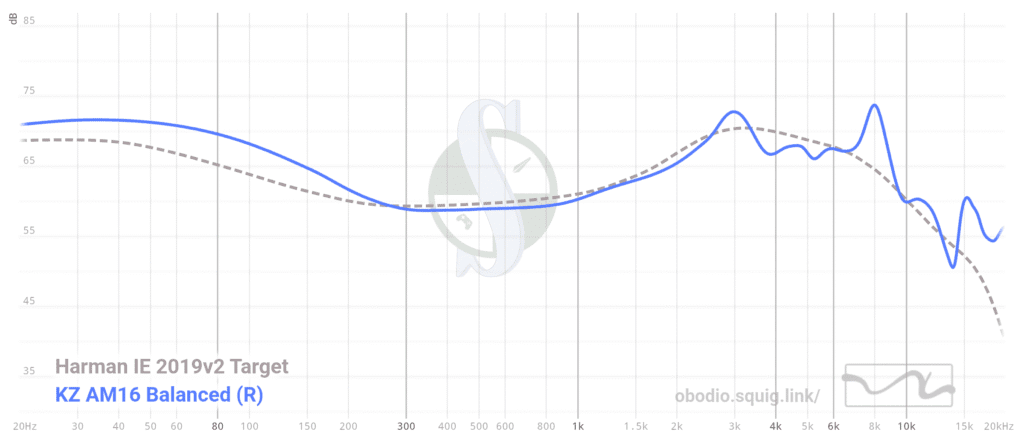
One thing I noticed right away was that the big new low-end BA (22955) does an excellent job of sounding fairly close to a dynamic driver. I did say close. Truth be told, I can barely notice a difference with most dynamic drivers other than some transient differences. The AM16 has that big and bulbous meat to its lows with a very stout and sturdy presence, pretty far forward in the mix too with a deep rumble. You see, the low-end has a very rotund 13-14 dB bass shelf. Yes, it can hit hard, and it can do so fast folks. Now, I don’t “feel” the sublevels very close to the level of a good DD, but I do get that tangible texture, depth, and weight of a DD. I’d say the mid-bass also carries that sonorous muscle which sounds great for bass guitars, kick drums, and that healthy bass drop in your favorite hip hop track. However, the one key difference between a boosted DD of the same emphasis and the AM16’s BA is that the AM16’s driver keeps a tight rumble with quicker transients, less lingering decay, less atmospheric (to a degree, but I’m splitting hairs here), and a punchy attack vibrance to it. The bass has a certain precision to it for a bigger emphasis, as one would expect with a good BA. There’s some very nice note definition and clarity in this region. Add to that, the AM16’s lows can easily handle quicker and more complicated bass tracks.
Good note control…
Having said all of that, I also don’t feel the bass region is overdone or too prominent. There is still a very good balance across the mix with highs that do contrast the bass very well. Never do I feel that the bass region oversteps its auditory responsibility by overly smoothing out the note definition within the rest of the mix or blurring any notes. There is some masking happening in some of the more prominent bass tracks, but with 13-14 db’s of bass shelf that happens. We should all expect that. Still, by-and-large the bass region has very good control of every bassline I’ve run through over the course of the time I’ve had the AM16. Very good note control.
Sub-Bass
As I said, the sublevels of the low-end on the AM16 have a very low droning weight to them yet with some good haptic feel as well. This is not something I usually say about BA earphones, yet here we are. This new driver seems to mimic a DD much better than I thought. So, think of a heavy and deep sublevel bass mixed with that more streamlined and tight decay. You’ll notice this bigger presence and tighter decay pretty quickly if you are paying attention. As though some of the harmonics you are used to hearing are suddenly clipped to an extent, or not as reverberant and resonance filled. To a small extent anyways. However, the fundamental body to each note reaches some very deep levels of pitch. For a BA I’m impressed. It isn’t everyday I’m reviewing a budget balanced armature set, let alone one which can really dig deep without mudding up the entire mix in veil. This does not happen. Listening to “Don’t Let the Devil” by Killer Mike is very satisfying. That bassline runs deep and bangs hard with a juddering boom and thrum. You can literally feel the tactile bassline. The AM16 can clearly replay any rap track with some meaty intention, with speed, and with plenty of quality too. Keep in mind, my AM16 is the “Balanced Version”. My word, what does the “Bass Version” sound like?!! At any rate, the sub-bass has some gusto, some guttural and some of that good impliable and cement style density for a BA. Well, for any driver.
Mid-Bass
The mid-bass is very well defined with a quality snap and pointed attack. Again, this bass has the gift of speed folks. Yes, it replays big and yes, the bass serves as the foundation, but it doesn’t engulf the spectrum in that heaviness. KZ tuned the Balanced Version to stay in its own lane, so to speak. Which is impressive when you consider such a quantity. To my ears I hear nice surface texture to most mid-bass notes though with such an emphasis that texture can come across a hair smoother and less tactile at times on more booming tracks. Yet for stuff like bass guitar riffs like “The Wolves” by Waxahatchee as the bass not only sounds very full in body with fantastic note density, but I can also clearly hear a defined and clean note outline with solid vibrance on attack. Nothing fuzzy, blurry, smoothened, or grainy. It’s textured, it’s projected forward, and I hear that nice bass guitar abrasiveness which is very satisfying to the ear. Yet the mid-bass is also very fast, it’s agile, it’s dexterous, with an almost ductile quality to it as the AM16 densely replays every ebb and flow to the rhythm. You’ll notice that the AM16 has a definite penchant to be able to attack, recover, and attack quickly without losing definition. “Chocolate Chip Trip” by Tool is a nice example of a quicker bass that can keep up perfectly and sound very nicely articulated in the process. Those drums are flat out awesome folks. So, booming and unbelievably quick and the AM16 literally has zero issue whatsoever. Did I say I was impressed? Really a nicely done bass for such a low-cost folks.
Downsides to the Bass Region
Like any bass emphasized iem you are going to have those detractors. I understand that very well and I get it. Too much bass can cause a host of issues for anyone who desires a clean spectrum. Too much bass can muddy the waters and take over a listening session. So many folks really don’t dig any large emphasis. Now, I happen to think the AM16 is very well composed down low, much more refined in its quantity than most budget sets. It’s clean, well defined, and for a bigger bass section I feel that KZ got the most out of these drivers. Details in the bass are much better than I would’ve thought and note attack through sustain is taut, nothing flabby, nothing remotely sloppy or sluggish either. What I’m trying to say is that the bass is pretty great “if” you enjoy such a thing. However, it will not be to the taste of many. Again, I get it. Sometimes I enjoy a much less full-bodied bass too. In fact, I can thoroughly enjoy a less emphasized bass region. Still, per the target that KZ was shooting for (old school KZ fun bass), I’d say they really did nail the sound.
Midrange
Listening to the midrange you’ll probably notice a couple things. First, the midrange is neither too thin, nor too thick. This isn’t a midrange which is plagued by too much bass infusion as KZ leveled out the mid-bass at around 270hz. It really doesn’t impose its will into the midrange to a detrimental degree. Or to the degree that the midrange loses any definition or transparency. Which brings me to the next aspect of the mids that you may notice. That is, transparency, clean-lined articulation, and transient tightness. One great quality of BA’s is their resolving abilities at the expense of organic timbre (sometimes). Having said that, the AM16 gets you pretty close to a semi-organic sound, to the degree that this tuning will allow anyways. There are some unnatural elements of the timbre at times, but I also hear some nice smoothness to the midrange along with crispness at the right moments. The AM16 does have some of that “good abrasiveness” as well. Particularly, on strings like acoustic guitar, violin, or the edginess in a voice, etc. But it’s pretty smooth too. There is a melodic quality which shows up as musicality even in the face of a technically capable sound. The AM16 can and will draw out emotion from a track as it isn’t all analytical and clinical. Granted, there is some dryness at times, but for the most part the mids come across nicely balanced, cohesive, and they carry good cadence. I’d also say that the mids have boisterous macro-dynamics, good energy which doesn’t get out of control, and the mids have some very nice shimmer at times too.
It may be up your alley…
However, it isn’t all good as the upper-mids can come across somewhat coarse at times too. I have heard some small instances of glare as well. Having said that, I truly don’t feel this is a common issue and is more relegated to tracks which are prone to it. But you won’t hear sibilance, you won’t hear anything too grainy or overtly bright. That said, there is a slight recession of the low-mids that I notice. Of course, it’s not to the point that I feel stuff like males can’t come across with a solid presence. Yet there is a slight recession. Despite that, as you make your way up the midrange you will hear a more forward anterior approach with a livelier energy, sprightlier. Note weight is not the lusher style. There is a slight thinness in this range which isn’t for everyone. Those who enjoy a warm, rich and velvet style midrange may want to think twice. Still, if you enjoy a midrange with great note separation, or if you love an airy and open sound, if you enjoy a highly detailed yet also fun and energetic midrange, then the AM16 may be up your alley.
Lower-Midrange
Like I said, the low-mids aren’t the most out-front and forward. There is a slight recession which should be expected looking at the frequency graph. Males aren’t always as perfectly chiseled against the backdrop of the melody as I’d like all the time. Again, V-shaped tuning, it should be expected. However, that doesn’t mean that all males or low-mid instruments come across pushed back and distant, and that doesn’t mean that they sound dull, or boring either. Again, this region has some good energy, nice resolution, it has some note defining clarity as well which does help a recessed sound seem better articulated and defined. Also, I’ve heard some very well-done male vocals with the AM16 as well. Like Chris Stapleton in “Tennessee Whiskey”. Chris can sound very gruff, and edgy, even knife-edged at times. I figured that is exactly how he’d sound with the AM16 in my ears. I was wrong. His voice actually comes across with some nice lean density, he sounds focused, maybe not as upfront and distinct, but very well sculpted. There’re actually quite a few males whose voices are helped tremendously by the clarity in this range. Not bad at all.
Upper-Midrange
Now, the upper-mids are definitely more forward leaning and more remarkable to my ears in most tracks. Just so we’re clear, I said “most tracks”. The upper midrange has this open style sound which does thin out the area at times, but once again the cleanliness and clean note outlines really does help females especially come across sculpted and well framed. However, the airy sound helps to make for a compelling sound field which sounds well dimensioned to my ears. You also have a more vibrant upper midrange offering some snap on attack and some shimmer for voices as well as instrumentation. I’ve been having a good time listening to females with the AM16. Of course, there are moments of some very slight stridulant glare. Almost like a brassy type of glare. So, the AM16 certainly isn’t perfect by any means. That said, I found myself having a good time going through female vocalists and I have many notes taken which testify to the AM16’s ability to render females in an analytical yet also mellifluous manner. Very flowery for a fun tuned V-shaped all BA iem. I’d even say they sound honeyed at times. Especially voices like Norah Jones in “Don’t know Why”. A track I use frequently for review purposes. The AM16 really does her breathy voice sweet justice as every smooth inflection sounds very soothing and effervescent. Note body is slightly thinner, yet presence is boosted from the pinna rise. All things considered, for a budget all-BA V-shaped iem to carry good timbre, highly detailed, with a well-balanced sound that doesn’t kill my ears in fatigue… I’d say that’s a winner for $57.
Downsides to the Midrange
The midrange actually has a lot of upsides considering the tuning. However, there is a slight recession in the low-mids, and there is some slight glare from the upper-mids at the pinna rise. Also, the midrange is not going to be that fully musical style of midrange which has rich note weight and while the timbre is actually pretty nice, there is some upper-mids coloration which doesn’t come across as perfectly natural. However, this is where the issues stop because the AM16 carries a nice sound in this region. Again, the AM16 is very much technically astute, very capable with a nicely detailed midrange, nice note separation, very good imaging and layering of the sound field. Also, there really isn’t anything consistently glaring that it is a constant issue. In my opinion the AM16 is a nice mix of musicality and technical ability, and I’d say KZ did a nice job.
Treble Region
The highs on the AM16 come across with a nice airiness which most certainly opens up the sound, adds a sense of space, and helps the balanced armature drivers create a more distinct layout of the sound field. For the most part the treble is kept in very good control relatively balanced against the emphasis of the bass region. Again, for the most part. Now, there is an 8khz peak which I do feel is there and present in the sound to a degree. However, the treble has a nice brilliance to it without going overboard. Many past all-BA sets from KZ would have a screaming treble region with extremely bright tones and harmonics. KZ has since really dialed in their tunings over the recent years, especially with their all-BA sets. In fact, lately with their AS24, AS24 Pro, Sonata, and AS10 Pro you had less treble presence and better balance across the mix. That goes for the treble too. The AM16 on the other hand is more V-shaped and emphasized and kind of a nod to the past sets. That said, the AM16 is in much better shape with a reasonably bright tuning up top that sounds more like quality producing the details, rather than extreme brightness forcing the details. If that makes any sense to you. So yes, the treble does lean brighter, but that brightness doesn’t sound unnatural or too intense to my ears. Perhaps in some songs I may get something which comes across a hair too enthusiastic, but for the great majority of my listening the AM16’s treble region is really well done. Let’s put it this way, I can blare some raging electric guitar and not feel like my ears are ringing, or that I have to turn the volume down.
Tasteful
The treble has that nice crispness which adds that last little bit of luster to a note. Crispness helps to define a note, adding some tactility and texture to the sound up top. The highs on the AM16 also have very nice presence too. I really enjoy when a treble has that nice tonal contrast without going overboard. It’s a thin line between just enough, and too much, and KZ walked that line very well in this $57 all-BA set. The AM16 comes with some treble poise and well contoured note structure (depending on the track) along with the ability to have perceivable layers to the sound up top. It isn’t just a smearing of treble sheen. Again, notes are rather distinct for such a set. It also carries above average transparency across the treble which makes it fairly easy to discern stuff like attack through sustain, note outlines, instrument placement, and most micro-details. Even more so I find the AM16 to have very nice macro-details with a more vivid treble response. Having said that, the treble is not what I’d call a treble head’s dream. It’s simply not to that level. KZ seemed to work with what they had and, in my opinion, tuned the treble to match the low-end rather than focus squarely on the treble. However, that is what makes the treble pretty cohesive per the tuning. Not as much as the Sonata which doesn’t carry nearly the bass presence, but great for a V-shaped and fun iem. Nothing sounds disjointed, nothing sounds too offensive, nothing sounds overtly sibilant, and nothing sounds out of tune or timberally too inaccurate. It all fits. With the level of low-end weight KZ had to boost the treble region and, in my opinion, did so in a tasteful way.
Speed and agility…
Now, there are a few more notes that I made during my weeks of critical listening concerning the treble region. For one, the treble has some very nice speed. I listed off about 7 songs which have that faster and more complicated treble play and the AM16 handled each one very well. I never heard any blending of notes up top. Even in tracks like Billy String‘s “Ice Bridges” where every note comes blistering in. The AM16 handles it very well. Of course, many sets can replay that track well. Another is “Blue Train” by John Coltrane as the AM16. Handles those fast cymbals and improvisational tenor sax riffs with a high skill level and without sounding too elated, or too vivacious. The sax has some body to it, some of that brassy brilliance. Really very nice folks. Folks, I must’ve gone through 50 tracks in my treble playlist making notes in each. One track which I thought the AM16 really sounded great on was “Do it Again” by Steely Dan. Every instrument came across so very well separated, notes had decent body and density, and the treble is very tinsley, with a certain natural vibrance to it that simply sounds nice. Transients are obviously very sharp, quick, and there’s an evident crispness which crests each note. This shows me that one: the AM16’s treble has some speed. And two: the AM16’s treble has some very fine agility. I presume that having all those BA drivers working in tandem really did the trick with this set.
Downsides to the Treble Region
I’d say that anyone who would much rather have a rolled-off and darker treble region would obviously not completely enjoy the AM16. I say that because the treble can be somewhat bright at times and I know so many folks who detest any brilliance at all. Another sect of people who may not entirely enjoy the AM16’s treble region are treble heads themselves. Without question the AM16 does have a nice treble in a slightly toned-down way, adequate brilliance, some bite, some crispness, but it’s not going to reach treble head standards. At least I wouldn’t think so. Not for $57. To reach treble head standards the set would have to focus on the treble. The treble would have to serve as the foundation. That’s how I see it anyways. Lastly, those who desire a completely smooth treble with no peaks, no edginess, nothing overly textured either. Perhaps those folks would want to move onto something else. Beyond that, there are some moments of subtle peaks, subtle harshness or sharpness. However, I don’t really feel it is to the point that I’d ever label it a “con”. Just an artifact of a slightly boosted budget set of balanced armature drivers.
Technicalities
Soundstage
One of the bright spots in the AM16’s tuning has to be the soundstage. I find this set to have a wider presentation than most under $60 iems. It just sounds big for the cost. Of course, when you read this remember I am speaking of a $57 iem. It’s good for the cost. Anyways, the AM16 carries a fairly wide stage, a tall stage, and a relatively deep stage. It has some dimensionality to it. I wouldn’t say it’s straight up holographic, but there is a stereoscopic spatiality which is evident while listening to the AM16. Enough to help the AM16 to sound somewhat layered. This is what makes this stage nice for me. Not the size per say, but the vividness of the near-3D landscape. Now, don’t misread, or don’t take my words as though I’m saying the stage is some out of my head colossal stadium sized chasm of sound. I’m not saying that. Again, it’s $57. What I’m saying is that for the price the AM16 is better than most.
Separation / Imaging
The AM16 also has a nice ability to render notes pretty distinctly. I can hear the note outlines and note body of multiple elements of most tracks. The AM16 has that transient sharp, and tight sound. It has those clean lines, transparent, and has that good dynamic energy too along with a wider stage, plenty of air and openness. All of these attributes help those elements of the stage to sound separated. However, I do find that in very heavy bass tracks the AM16’s bass can mask some of those distinct lines. It varies by the track and even some of the heavier bass jams I can still easily discern instruments and voices. Imaging is also very well done with a nicely laid-out stage. From left to right and front to back. I’d say the AM16 is certainly above average.
Detail Retrieval
For all of the reasons that the KZ AM16 is well able to separate instruments, and image the stage well are the same reasons that the AM16 has above average detail retrieval abilities. It’s just a clean sound across the board folks. It has a transparent sound. Fast transients mean better distinction and discernibility of notes. A wider, deeper stage means room for those notes to breathe. However, the fact that the AM16 isn’t too rich, or too full-bodied in its note delivery also helps quite a bit. Also, the treble is nicely lifted, you get that vibrance, that brilliance which helps to illuminate those subtle details. What I’m getting at is that the KZ AM16 does a nice job of drawing out some finer details. Much more on a macro level, but I also hear nice micro-details too. Again, bass heavy tracks can blur the mental image a bit and not show-off those subtle micro-dynamics or the minutiae within my music as well. But that is to be expected with a bigger bass region. Also, most people who care about detail retrieval aren’t typically trying to hear those details in bass heavy jams. Not bad at all.
Is it worth the asking price?
This is a very easy question to answer for me. Um…yes. Yes, the AM16 is easily worth the $57 it takes to own it. Shoot, most of the time KZ runs deals anyways. In truth, you are simply not going to find many all-BA sets anywhere near the AM16’s price point which sound as good as it does. That’s just the truth. Not many brands have been able to create a well-tuned budget priced balanced armature set. It’s very rare. The bonus is that for anyone who really wants to try out an all-BA iem, the KZ AM16 is a great budget offering which can give the consumer a glimpse of what it may be like.
In House
KZ has their own manufacturing, they make their parts and pieces, they do it all in-house and so they can afford to bring the prices down, use better materials, better KZ drivers for cheaper and ultimately much cheaper for the buyer. Another thing that KZ does is they build off previous tunings and driver configurations while they use the same shell molds and so it is an easier transition for them as opposed to other brands who have to figure out the complex acoustics of their cavities and how different drivers react to those housings. KZ uses the same four or five molds and they know them like the back of their hands. It’s a great business model but also not the easiest to acquire. At any rate, it’s no wonder how KZ is able to bring to market a quality all-BA iem for such a low cost. Especially considering that this isn’t a dual-driver set folks. The AM16 has EIGHT DRIVERS PER SIDE! I’m telling you, a set like this, at this price would have been unthinkable not very long ago. I’m talking less than 8-10 years ago. So yes, the AM16 is unquestionably worth the $57-$60 that KZ is asking.
The Why…
Because the KZ AM16 isn’t some cheaply built set. It’s a nicely molded resin shell with an alloy faceplate. The AM16 feels durable in hand. It doesn’t feel cheap. Also, it’s a slick looking iem, open back, dope metal grating faceplate design, mirror polished faceplates, perfectly transparent housing. It’s simply a cool looking set. Now, the AM16 doesn’t come with a treasure of accessories, and you may have to cable swap and tip roll, but besides that, the AM16 sounds very nice. This is a fun set. Flat-out. KZ’s target for the AM16 was V-shaped and engaging, energetic, dynamic, and something to bob your head and do a little dance with. The AM16 wasn’t tuned for those hard-core audiophiles, but rather for the casual listener who really desires a bassy and also very clean sound. The cool thing is that the AM16 has a very technically-sound approach on top of its bigger bass and energetic treble region. The bass digs deep, hits hard, stays tight, it’s fast, well defined, and the bass is equal measures of quality and quantity. The mids aren’t perfectly natural in timbre, but they are very well detailed, transparent, very airy, open, and they have plenty of musicality. Also, the treble is brilliant, but not to a fault. The treble has nice details, nice treble bite, note separation, it’s nicely layered, and the treble is very quick in transients. Again, a very technically competent sound with a very nice soundstage and very nice imaging abilities. I feel this is a very easy rec for anyone wanting to try out an all-BA iem for the first time. Also, it’s great for those who simply want a fun sound. Yes, it’s worth the cost.
Ratings (0-10)
Note: all ratings are based upon my subjective judgment. These ratings are garnered against either similarly priced sets or with similar driver implementations or styles with the unique parameters of my choosing. In the case of the KZ AM16 ratings below, that would be $45-$75 iems of any driver configuration. Please remember that “ratings” don’t tell the whole story. This leaves out nuance and a number of other qualities which make an iem what it is. A “5-6” is roughly average and please take into consideration the “lot” of iems these ratings are gathered against. $45-$75 is a very large sized scope of iems. So, It should be a nice surprise to see a rating above a “9.0”. My ratings are never the same and each set of ratings tells a different story. Each time you read one of my ratings will be unique to that review. Basically, I create a rating that makes sense to me.
Aesthetic
–Build Quality: 8.9 Nice build.
–Look: 8.8 Dope design.
–Fit/Comfort: 9.0 Fit and comfort is nice for my ears.
–Accessories: 6.0 KZ isn’t known for their unboxing.
–Overall: 8.2🔥
Sound Rating
–Timbre: 8.7 Nice timbre for a budget all-BA set.
–Bass: 9.3 Heavy, deep, agile, tight bass presence.
–Midrange: 8.8 Clean, detailed.
–Treble: 8.9 Semi-brilliant, detailed, transparent.
–Technicalities: 9.3 Great techs for a budget iem.
–Musicality: 8.5 Nicely rhythmic
–Overall: 8.9🔥
Ratings Summary:
To sum up the ratings above I first have to reiterate the parameters of this ratings session. So, I rated the AM16 against any and all iems between the prices of $45 and $75US. Yes, there are a ton of solid choices in this range. In my personal collection I have so many sets in this range “on-hand” for comparison that it’s pretty wild. I had many iems laid-out before me to perform the ratings and it was so very fun listening to so many sets against the AM16. I rate every set for each rating category, one after the other against the AM16. Folks, I enjoy that very much. It’s fun hearing iems I haven’t heard in a long time. It’s fun being the judge and assigning ratings. I enjoy it. Having said that, I don’t feel you should put much stock in these, or any other ratings. Ratings don’t even nearly tell the tale of a set, or product. They aren’t nuanced, they explain nothing and way too many people purchase off of ratings alone. Don’t do that! I begrudgingly do ratings for my reviews.
Just keep scrolling…
Take the AM16 for example. I gave it an “8.9” overall rating. Friends, to my ears, as a whole, the KZ AM16 is better than that score. Much better. However, after I compile the total points for each category and divide that total, the final result simply doesn’t resemble the overall sound. Truth is, some sets are awful in ratings but sound much better to the ear, as a whole. That is the AM16. No, it doesn’t sit on top of any individual rating, but when all those areas are meshed together and you hear the AM16, you’d be surprised because it sounds like one of the top V-shaped sets under $75. So, don’t pay attention to these ratings, just keep scrolling.
Explain Yourself!!
I feel like I’ve explained a lot already. However, I could certainly see some folks think I’m nuts for giving the AM16 such a high score in the “Bass” rating. A “9.3” is very high. One of the highest. What I can say is this; when I pit the AM16 against all of those iems, one after the other, the AM16 sounds tighter, more textured, better density, and a more agile bass than almost any in its price point. Well, against the sets I have on hand. Obviously, bassheads will not agree. To them the AM16’s bass would be much lower. Also, I could see some folks thinking I went too low in the “Musicality” rating. I halfway would agree with that. However, if I’m going by the traditional and agreeable definition of musicality within the hobby, I found the AM16 does have a more analytical sound then many other sets. Still, analytical sets can have very nice musicality. So, take that for what you will. I can tell you for sure that I greatly enjoy listening to the AM16, no matter your definition of musicality. Beyond those ratings I don’t think I’m too far off base on where the AM16 stands in these individual ratings. I just feel an “8.9” is a low overall sound score for the AM16.
Conclusion
To conclude my full review and feature of the KZ AM16, I first have to thank the good folks over at KZ for providing the AM16 for review. I have had a major backlog review problem lately that I can’t seem to catch up on and KZ has been nothing but patient and kind in the process. Also, never has this brand asked me to skew my words to make their product read better and never have they asked to preread my reviews. KZ has never done anything underhanded in the years I’ve reviewed their products. So, say what you will about KZ, but I have nothing bad to say about them. They’ve always been very upfront and honest, and they asked nothing but that in return. They know that if I don’t jive with their products that I won’t review them, and they’ve always been very understanding. Also, I want to thank you, the reader, for clicking the link which took you here. It means everything to myself and my partners at Mobileaudiophile.com. You see, clicks and views are our currency folks. Each one matters. Time spent matters. So, thank you so much. Especially you brave souls who actually read this whole review… Lol. I am sorry it is so long.
Different Perspectives
Well, you just read this whole review and now I have to ask that you’d go and read someone else’s. We all know how diverse this hobby is. Just because I enjoy the AM16 doesn’t mean that the next person will. I urge you to go and read other perspectives concerning this set. It will only give you a better idea as to whether the AM16 will suit you or fit your own subjective preferences. Now, with that all said, I think I’m ready to finish my review of the KZ AM16. So, please take good care, stay as safe as possible and always…God Bless!




-
Loading...
-
Loading...
-
Loading...
-
Loading...
-
Loading...
Show CommentsAnother fascinating review, Chris, they are always fun to read.
Thanks for all of your hard work you put into these wonderful reviews.
I hope you have a great day!
Wow, what a very nice thing to say! It says a lot about you as a person. Thank you very much.
Chris, thank you so much for your awesome reviews. + % 4 U )))))
I thank you for the awesome comment! Thank you very much. I truly hope they help. Take good care my friend!
What about comparision with juzear Defiant? Wanna buy KZ as a second pair for walks and trips. I even came across the opinion that they are better in some ways