






































Introduction
Over the past few years, THIEAUDIO has built a solid reputation in the world of in ear monitors. Models such as the Monarch, Prestige, and Origin have proven that the company is capable of producing products that can compete with far more established names, offering a remarkably balanced combination of sound quality and value.
Table Of Content
- Introduction
- How This Review Was Conducted
- First Impressions
- Packaging and Accessories
- Included Cable and Accessories
- Technical Specifications
- Design Philosophy: Ideas, Choices, and Vision
- The Challenge
- Engineering
- Beyond the Specifications
- Build Quality, Comfort, and Design
- Build Quality
- Comfort
- Design Choices
- A Cohesive Design
- Everyday Use: Cable, Earpads, and Design Details
- The Cable
- A Missed Opportunity
- Earpads
- Magnetic Mounting
- Small Details That Matter
- Overall Sound Signature
- Listening Philosophy
- Bass
- Listening Impressions
- Midrange
- A Matter of Balance
- Treble
- Soundstage and Imaging
- Listening Example
- Why It Works
- Who Is the Cypher For?
- Who Might Want Something Different
- Amplification, Pairing, and Synergy
- System Pairings
- Comparison with the OLLO X1
- Where They Differ
- Final Perspective
- Requiem in D minor, K. 626: I. Requiem aeternam
- Listening Impressions
- La Bamba | Playing For Change | Song Around The World
- Why This Track?
- The Performance
- Listening Impressions
- Music Comes First
- Final Thoughts
- First Impressions Revisited
- The Strength of Consistency
- Room to Grow
- Final Verdict
- 🟢 Pros
- 🔴 Cons
- Frequently Asked Questions
- Acknowledgements and Personal Note
When it comes to full size headphones, however, the story has been somewhat different. Previous attempts showed promise and introduced some interesting ideas, but none truly established themselves as benchmarks within their respective price range.
When I first heard about the Cypher, my curiosity was immediate. I wanted to find out whether THIEAUDIO had finally managed to make the leap that still seemed to be missing in the over ear headphone market. After proving its expertise in the IEM world, THIEAUDIO now faced the real challenge of bringing that same know-how to a full size headphone, something far easier said than done.
With the Cypher, my first impression was that THIEAUDIO had taken a different approach. Rather than chasing spectacular effects, exaggerated detail, or a tuning designed to impress during the first few minutes of listening, the goal seems to have been creating a mature, balanced, and believable headphone that remains enjoyable even during long listening sessions.
Personally, I find this approach refreshing. In a market where many products try to stand out by emphasizing a particular part of the frequency spectrum, a headphone that focuses primarily on naturalness almost feels like going against the trend.
How This Review Was Conducted
As always, this review is based entirely on my own experience. I spent several weeks with the Cypher, alternating it with headphones I know extremely well and pairing it with different sources, trying to understand not only how it sounds, but also what kind of personality it has and what type of listener will appreciate it the most.
You will not find measurements or frequency response graphs here. What follows is simply the result of many hours of listening to music I know intimately and regularly use when evaluating every new headphone that arrives on my desk.
First Impressions
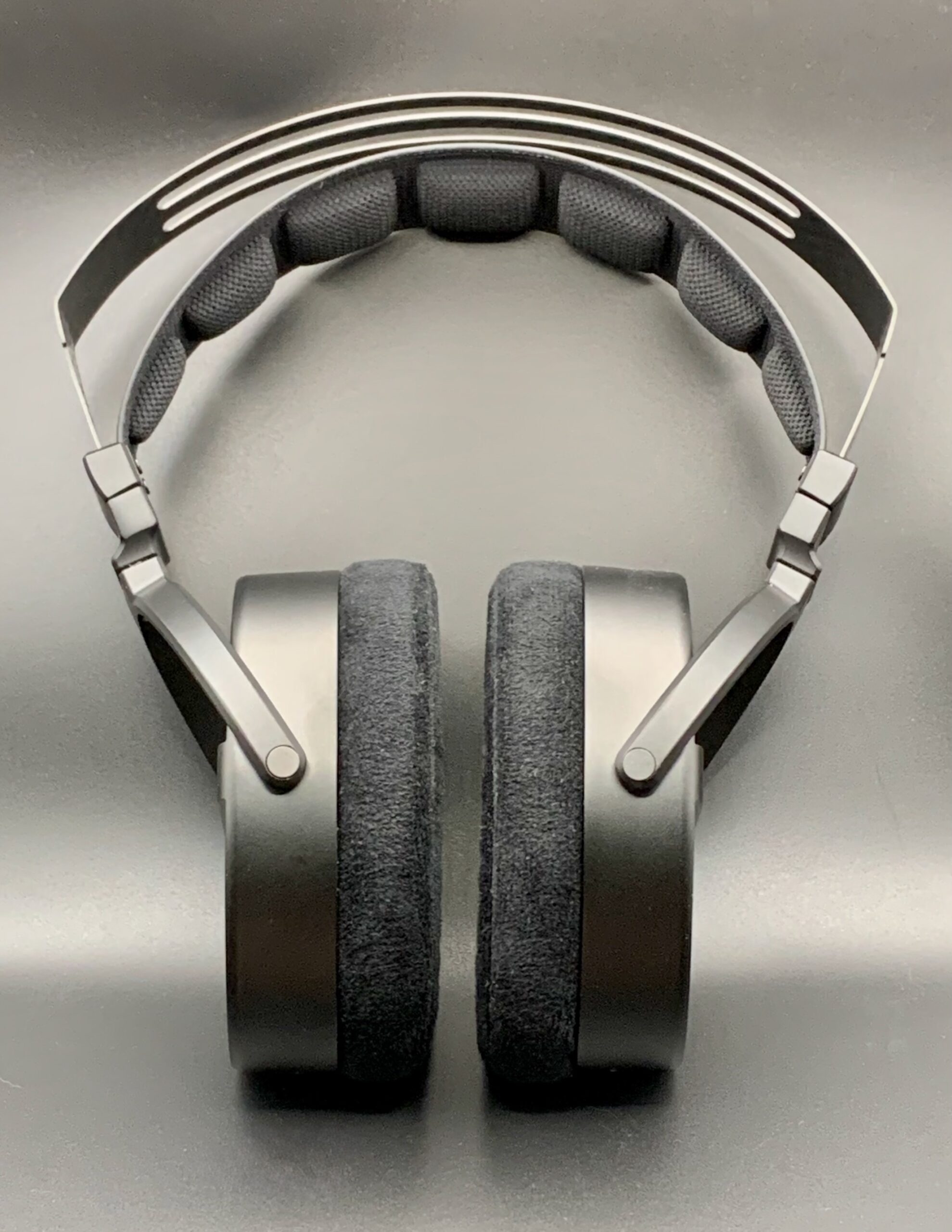
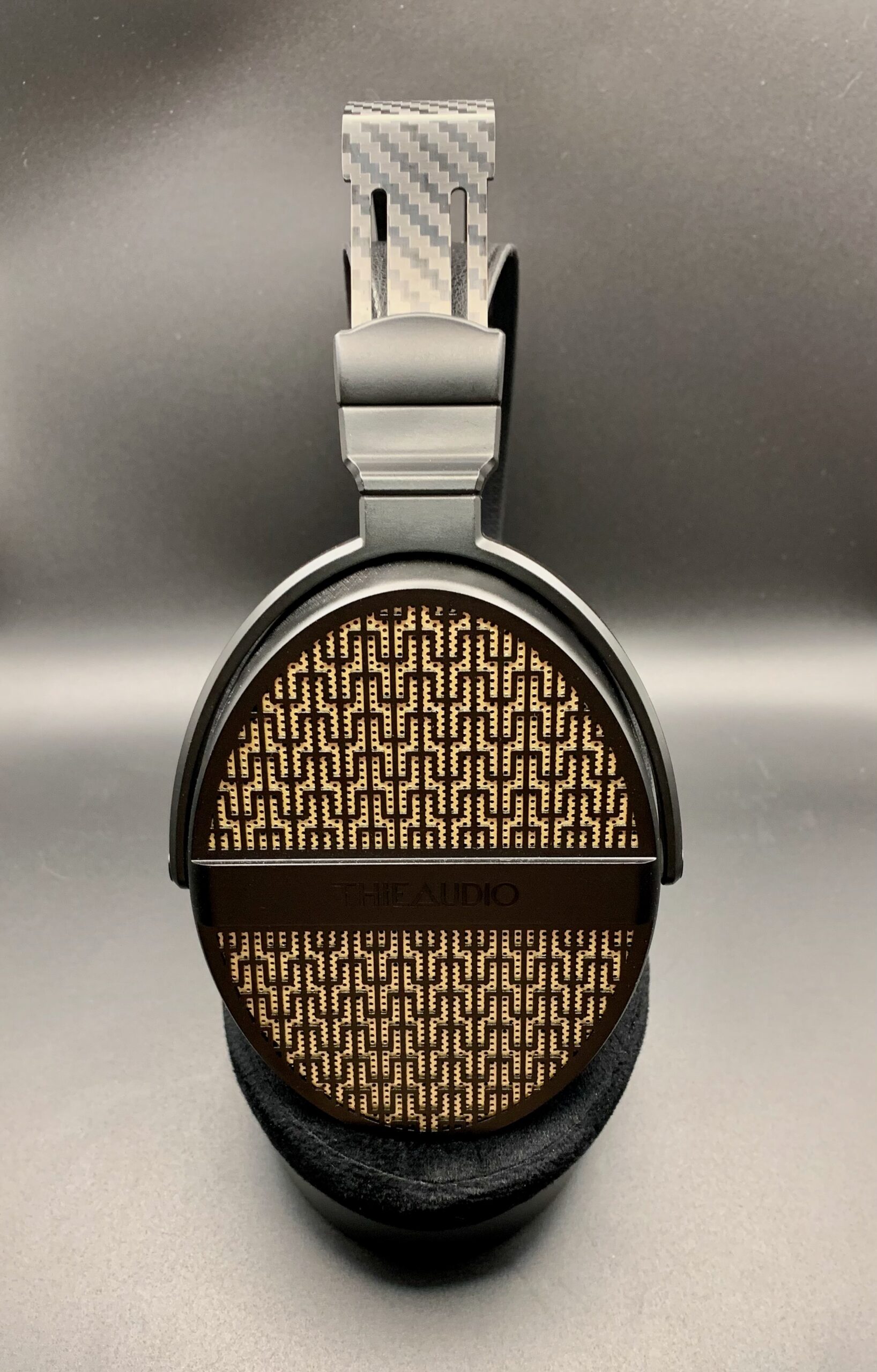
My first impression was overwhelmingly positive. From the very first moment, the Cypher conveys the feeling of a product that has been carefully designed and meticulously engineered. The choice of materials, the finish, and the overall assembly immediately suggest a level of quality that goes beyond what you would normally expect at this price point.
Once on the head, however, it is the headphone’s character that truly stands out. It does not try to impress with oversized bass, exaggerated detail, or artificially enhanced treble. Instead, it gives the impression that its only goal is to let the music take center stage, allowing naturalness, balance, and tonal coherence to speak for themselves.
This is not a headphone designed to create an immediate “wow” effect. In fact, during the first few minutes it may even come across as almost too restrained. The longer you listen, however, the more its personality begins to reveal itself. It is a presentation that favors accuracy and musical honesty over dramatic sonic effects.
That is exactly when the real curiosity begins. Is this apparent restraint simply part of its character, or is it the result of a genuinely well executed design? That was the question I set out to answer over many hours of listening, switching between different genres, different sources, and direct comparisons with some of the headphones I know best.
Packaging and Accessories
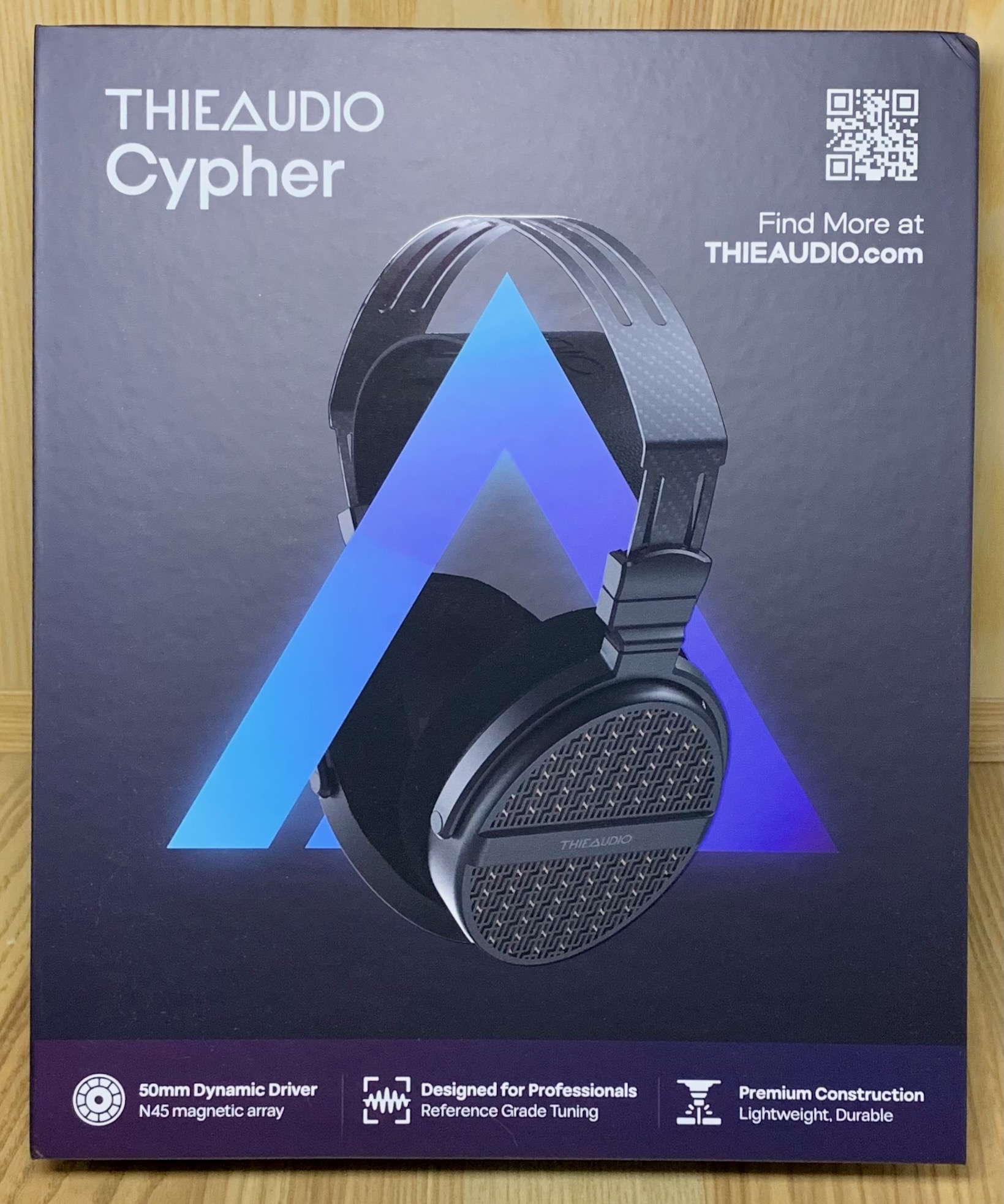
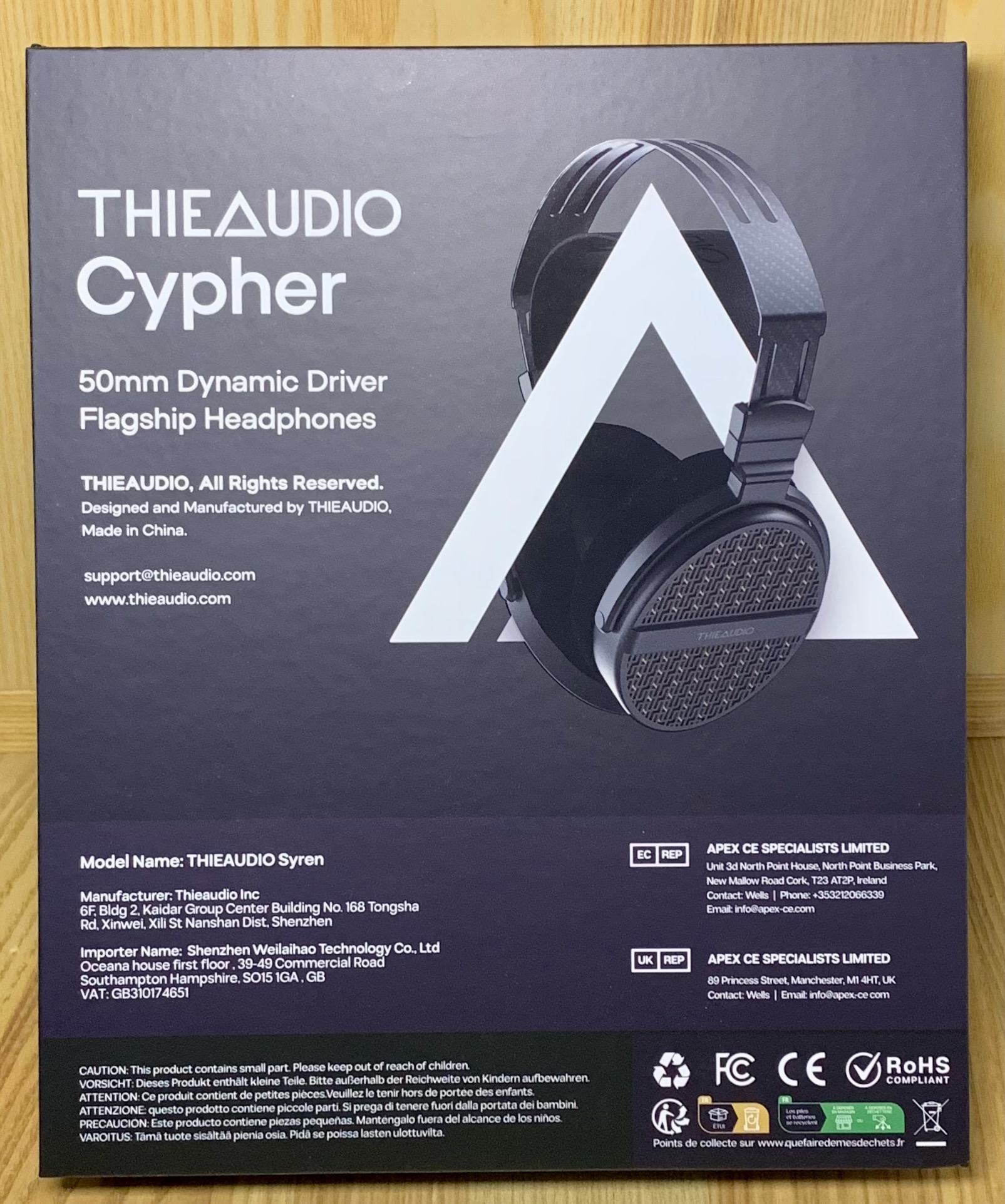
The packaging follows the premium approach THIEAUDIO has chosen for the Cypher. Opening the box immediately gives the impression of a product positioned above its price range. Everything is neatly arranged, well protected, and presented with a level of attention to detail that is evident from the very beginning.
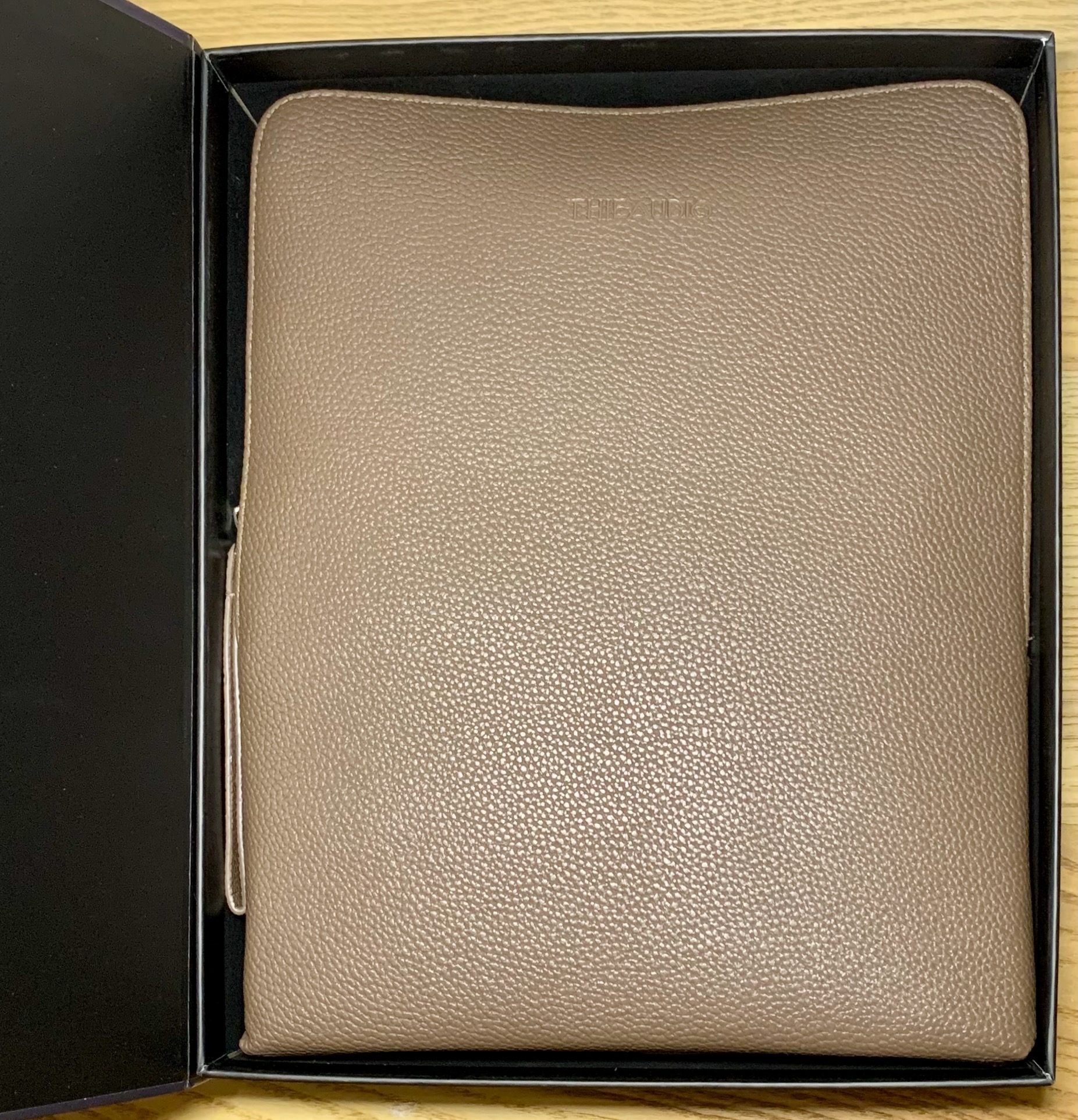
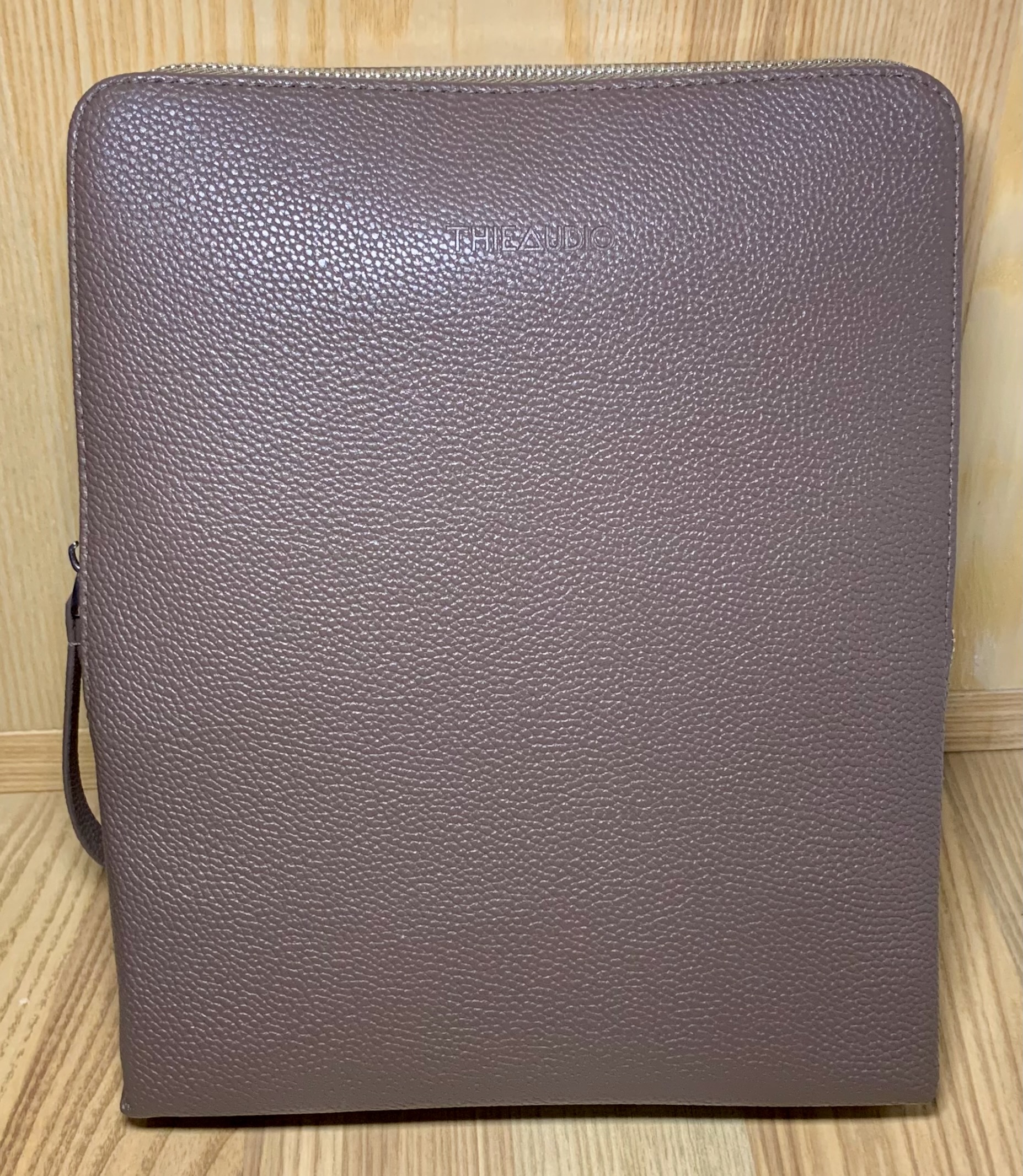
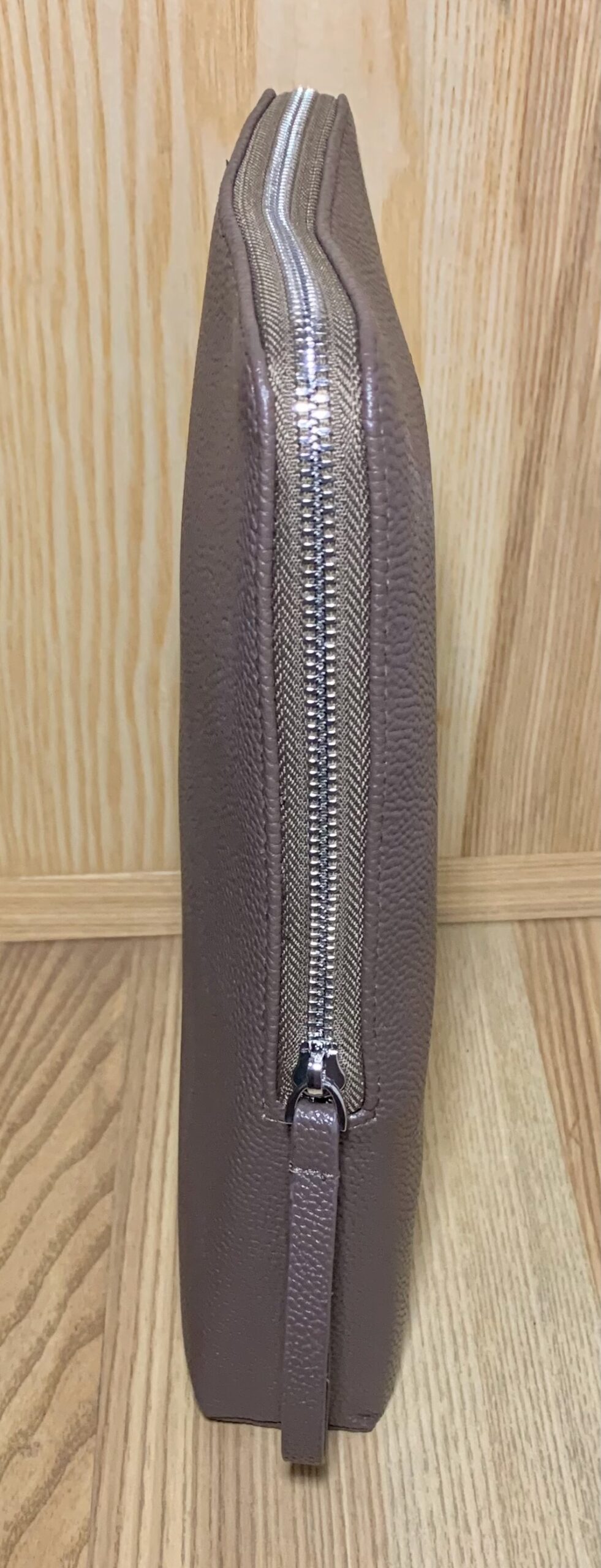
Inside, you’ll find a carrying case that allows the earcups to fold inward, reducing the overall size and making the headphone easier to transport. Visually, I think it looks quite elegant, although I have to admit that the color choice is not exactly to my personal taste.
What impressed me less is the level of protection it offers. The case is reasonably rigid, but not enough to make me completely comfortable when carrying it around. Internal space is somewhat limited, and the shell still has a certain amount of flex. If you throw it into a backpack or a suitcase together with heavier items, there is a real possibility that the headphone could be exposed to significant impacts.
For comparison, the carrying case supplied with the OLLO X1 is considerably more rigid and inspires greater confidence. If, like me, you tend to handle your equipment with care, this probably won’t be an issue. If, on the other hand, you’re the kind of person who tosses a backpack into the car without a second thought, as my son often does, you’ll probably want to be a little more careful.
Included Cable and Accessories
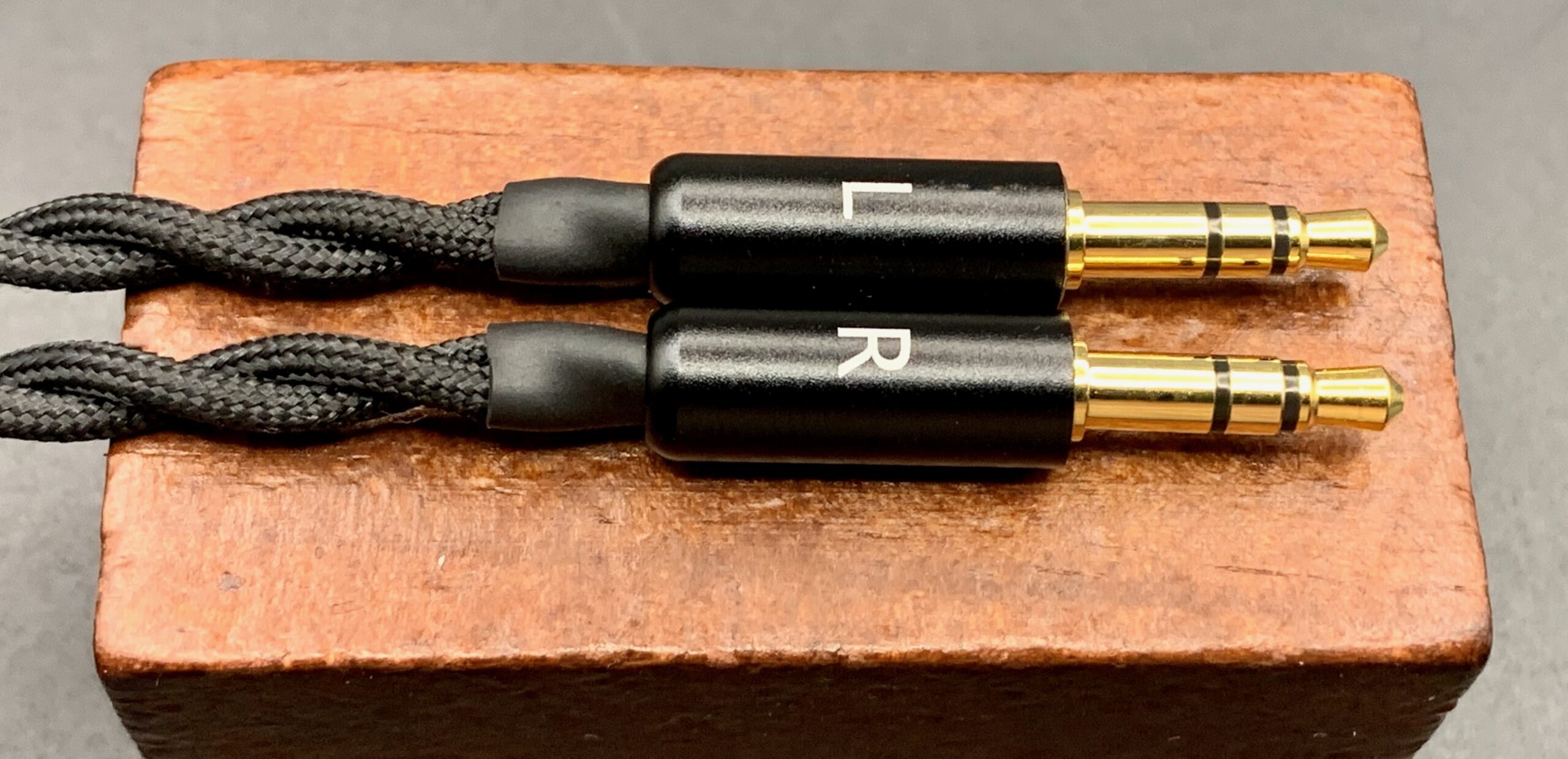
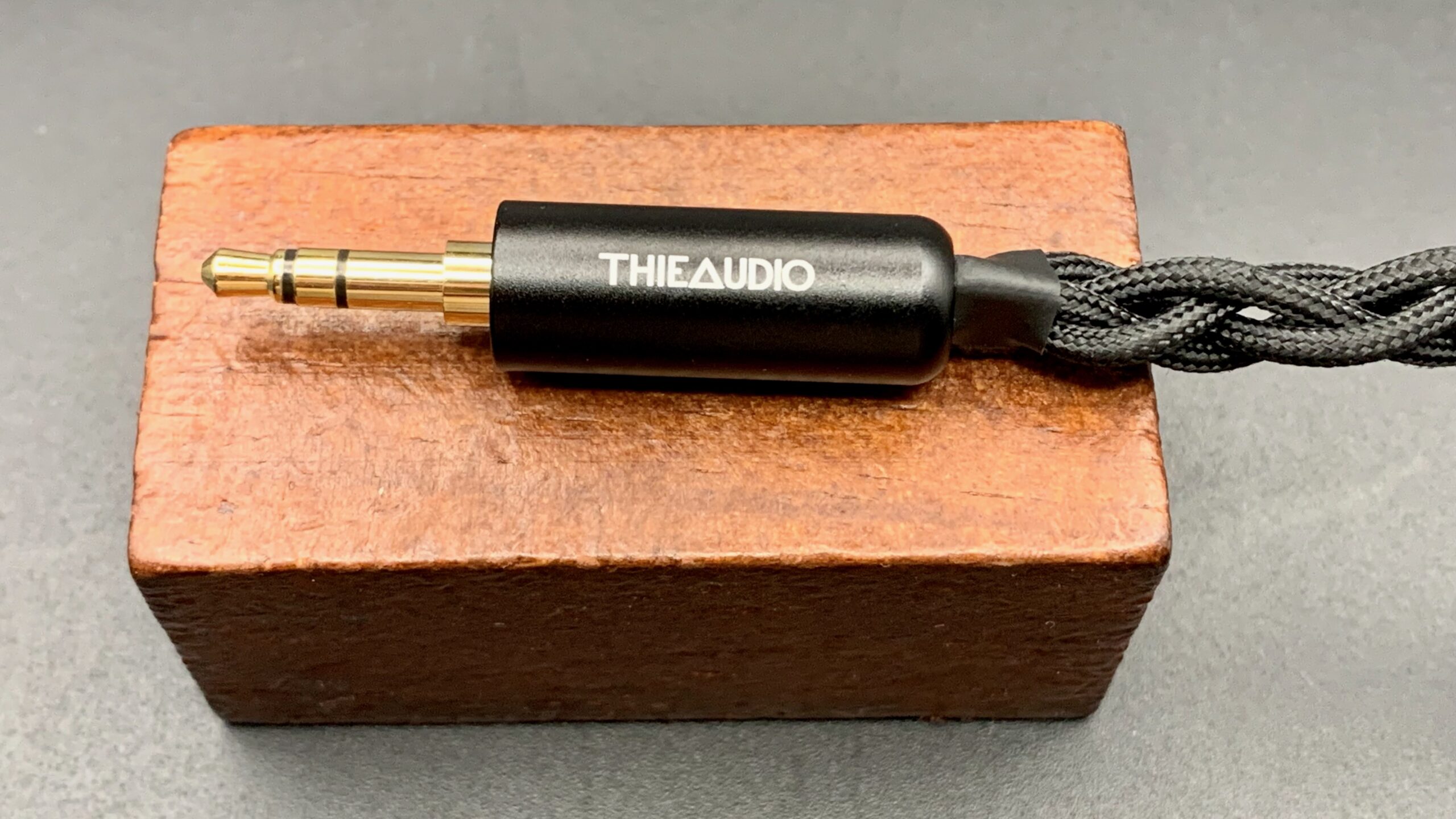
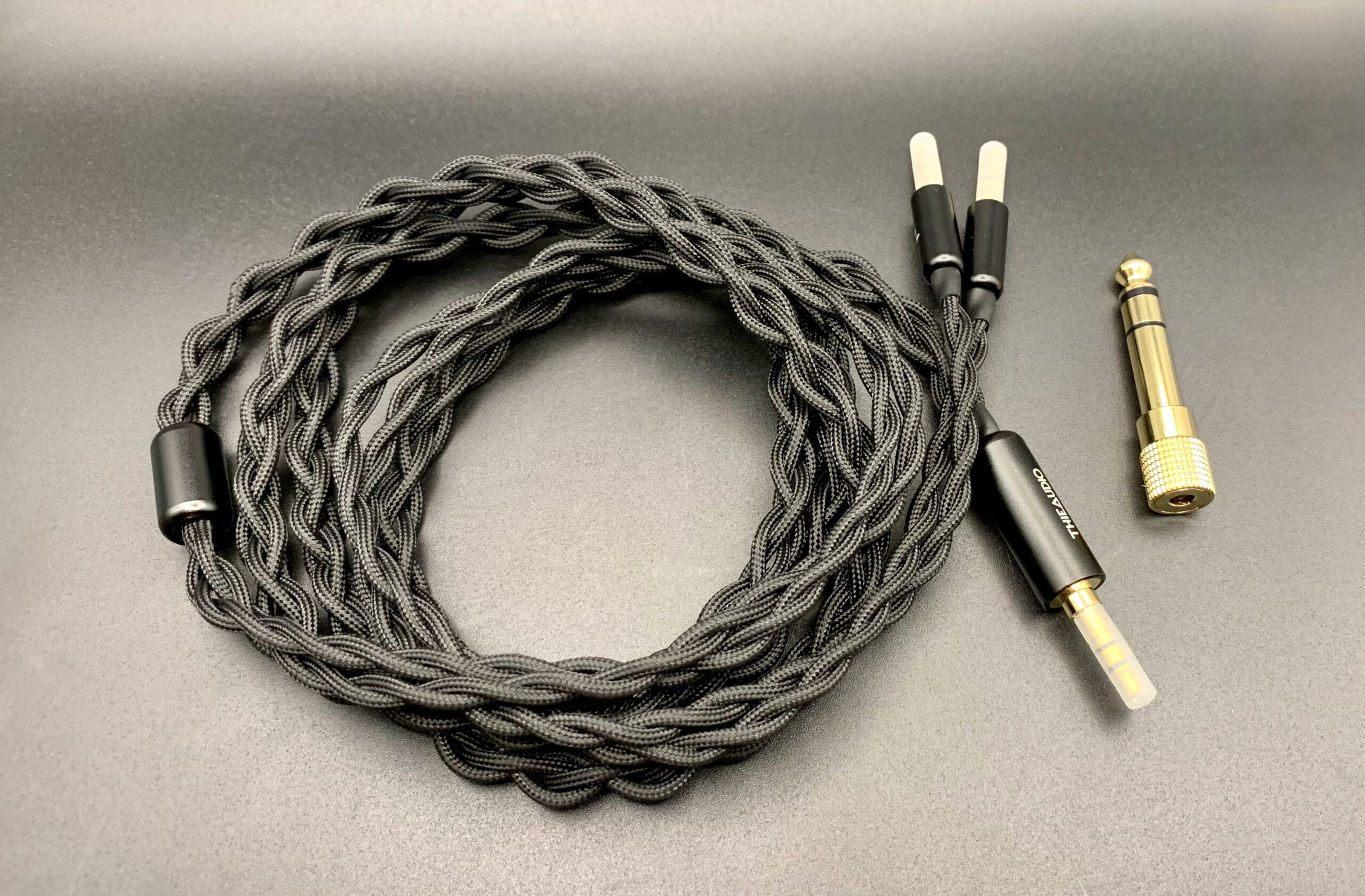
The supplied cable is another component that leaves a very positive first impression. It is well made, pleasantly soft, resists tangling, and immediately conveys a sense of quality. It terminates in a 3.5 mm plug and includes a 6.35 mm adapter, making it equally suitable for portable devices and desktop headphone amplifiers.
That said, I’ll stop here when it comes to the cable. There are a few aspects that deserve a more detailed discussion, and I prefer to cover them later in the section dedicated to amplification, pairing, and system synergy, where they fit much more naturally.
Overall, the accessory package is complete and perfectly consistent with the Cypher’s positioning. It doesn’t try to impress with quantity, but rather with the quality of what is included, reinforcing the feeling that this is a thoughtfully designed product from the very first unboxing experience.
Technical Specifications
Before diving into the listening impressions, let’s take a look at the specifications provided by THIEAUDIO.
These figures are useful for understanding the technical concept behind the headphone and provide a first look at the driver, materials, and overall design. However, as I always like to point out, a specification sheet never tells the whole story.
The quality of a headphone is not determined solely by driver size, impedance, or sensitivity. What really makes the difference is the acoustic design, the quality of the individual components, how well they work together, and the countless hours of tuning carried out by the engineers. Two headphones with nearly identical specifications can deliver completely different listening experiences.
For this reason, I have always considered technical specifications to be a starting point rather than a way to judge a product. The real answer only comes through listening, and that is where we’ll discover whether THIEAUDIO’s engineering choices have resulted in a headphone capable of delivering both musical enjoyment and genuine performance.
| Specification | Details |
| Model | THIEAUDIO Cypher |
| Type | Open Back Headphones |
| Driver | 50 mm Dynamic Driver |
| Driver Technology | 20 Pole N45 Magnetic Array |
| Diaphragm | Semi Crystalline Polymer with Rubber Composite |
| Voice Coil | High Tension Copper Aluminum Composite |
| Frequency Response | 20 Hz – 20 kHz |
| Impedance | 32 Ω |
| Sensitivity | 96 dB ± 3 dB |
| Ear Cup Material | CNC Machined Aerospace Grade Aluminum |
| Headband Frame | Stainless Steel with Carbon Fiber Effect Finish |
| Headband Strap | Genuine Lambskin Leather |
| Ear Pads | Velour with Memory Foam |
| Pad Attachment | Magnetic |
| Headphone Connectors | Dual 3.5 mm |
| Cable | 1.5 m Braided Copper Cable |
| Termination | 3.5 mm Plug |
| Included Adapter | 6.35 mm Adapter |
| Weight | 411 g |
Design Philosophy: Ideas, Choices, and Vision
The Challenge
When a company decides to enter a highly competitive segment such as the mid to high end over ear headphone market, it rarely does so by chance. In THIEAUDIO’s case, this carries even greater significance. Over the years, the company has built an outstanding reputation in the IEM world, producing models that have become genuine reference points within their respective price categories. It is therefore only natural to assume that, when embarking on a project like the Cypher, THIEAUDIO believed it had the expertise required to compete in the over ear headphone market as well.
That said, experience teaches us that success in one field does not automatically translate into success in another. Designing an IEM and designing a full size headphone are fundamentally different challenges. The design priorities change, the engineering constraints change, and even the way sound reaches the listener changes. For that reason, I believe the Cypher deserves to be evaluated without preconceived ideas, setting aside the reputation of the brand and focusing only on what the headphone itself has to offer.
THIEAUDIO has also been quite open about its ambitions. From the very beginning, it was clear that the company intended to build a headphone capable of competing with far more established models and, at least according to its own claims, even outperforming some products in higher price brackets. It is a bold statement, one that naturally raises expectations and makes the final verdict even more interesting.
Engineering
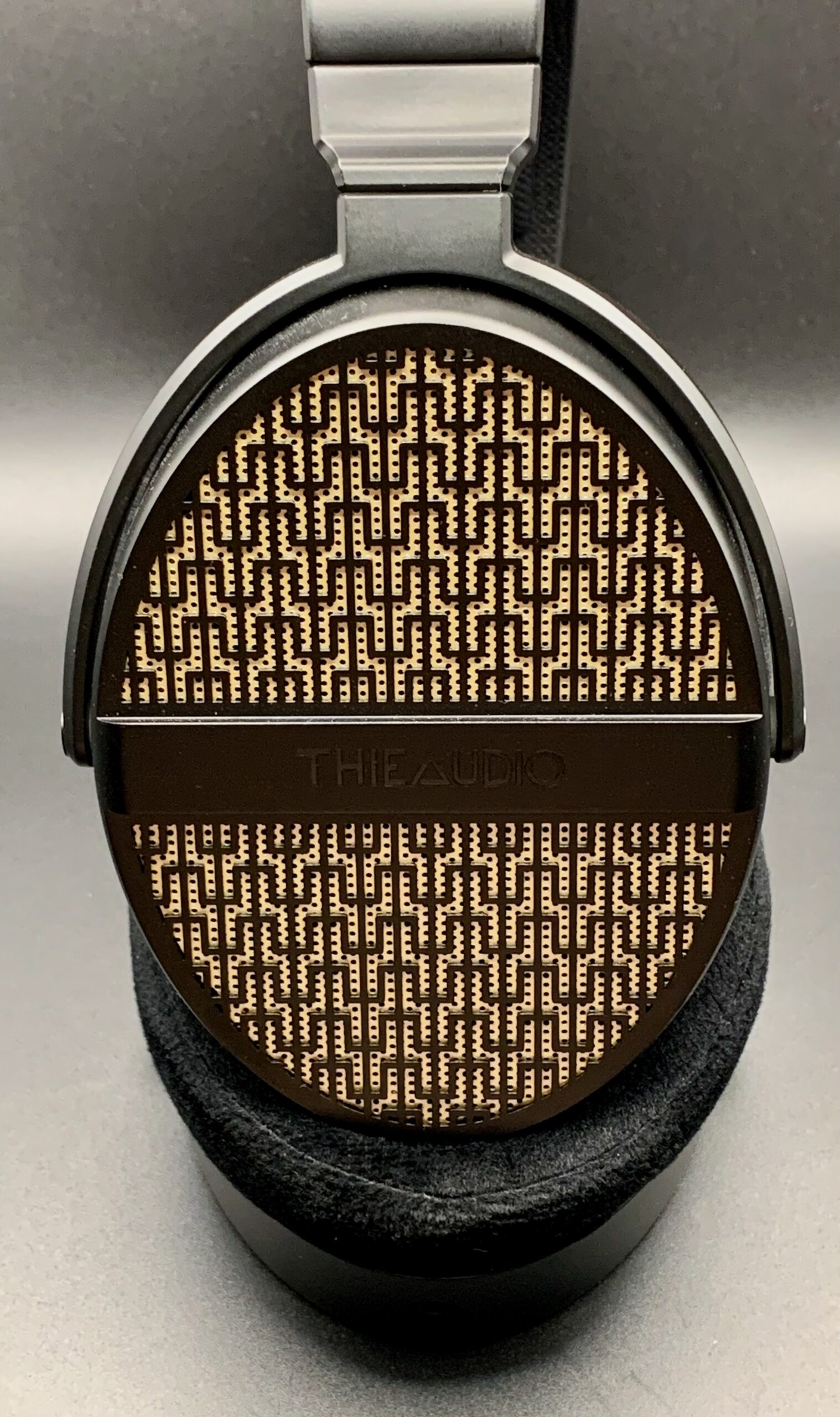
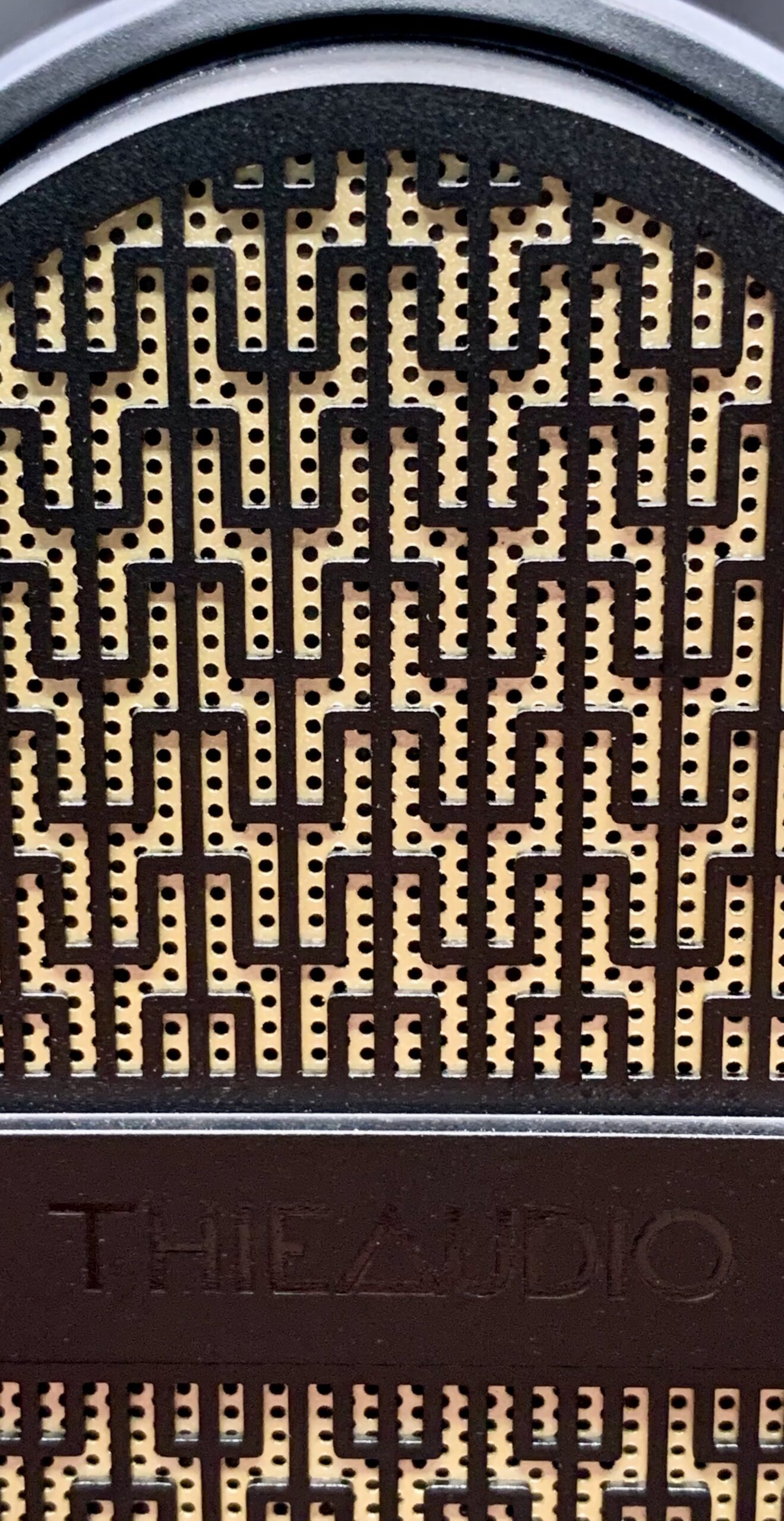
From an engineering perspective, the foundations are certainly solid. The Cypher features a 50 mm dynamic driver built around a 20 pole N45 magnetic array and a semi crystalline polymer diaphragm combined with a rubber composite, a design intended to balance rigidity, control, and damping. This is complemented by CNC machined open back aluminum earcups, magnetically attached earpads, a stainless steel headband with a genuine lambskin suspension strap, and an overall construction that, at least on paper, leaves very little to criticize.
Its sonic philosophy is equally well defined. Rather than chasing an immediately impressive sound signature, THIEAUDIO appears to have focused on natural tonality, tonal balance, and overall coherence, deliberately avoiding the kind of tuning that sounds spectacular during the first few minutes but becomes less convincing over longer listening sessions.
Beyond the Specifications
Up to this point, however, we are still talking about intentions. A well conceived design, premium materials, and an impressive specification sheet are not enough on their own to guarantee a great headphone. The history of audio is full of products that looked outstanding on paper but failed to deliver once they reached listeners’ ears.
So it is time to leave the marketing claims behind and find out whether all of this engineering effort translates into a listening experience that truly lives up to expectations. The following chapters are dedicated to answering exactly that question: does the Cypher deserve the place THIEAUDIO has reserved for it within its lineup, and more importantly, can it genuinely compete with some of the most respected names in the industry?
Build Quality, Comfort, and Design
Build Quality
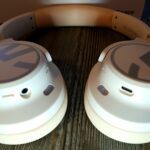
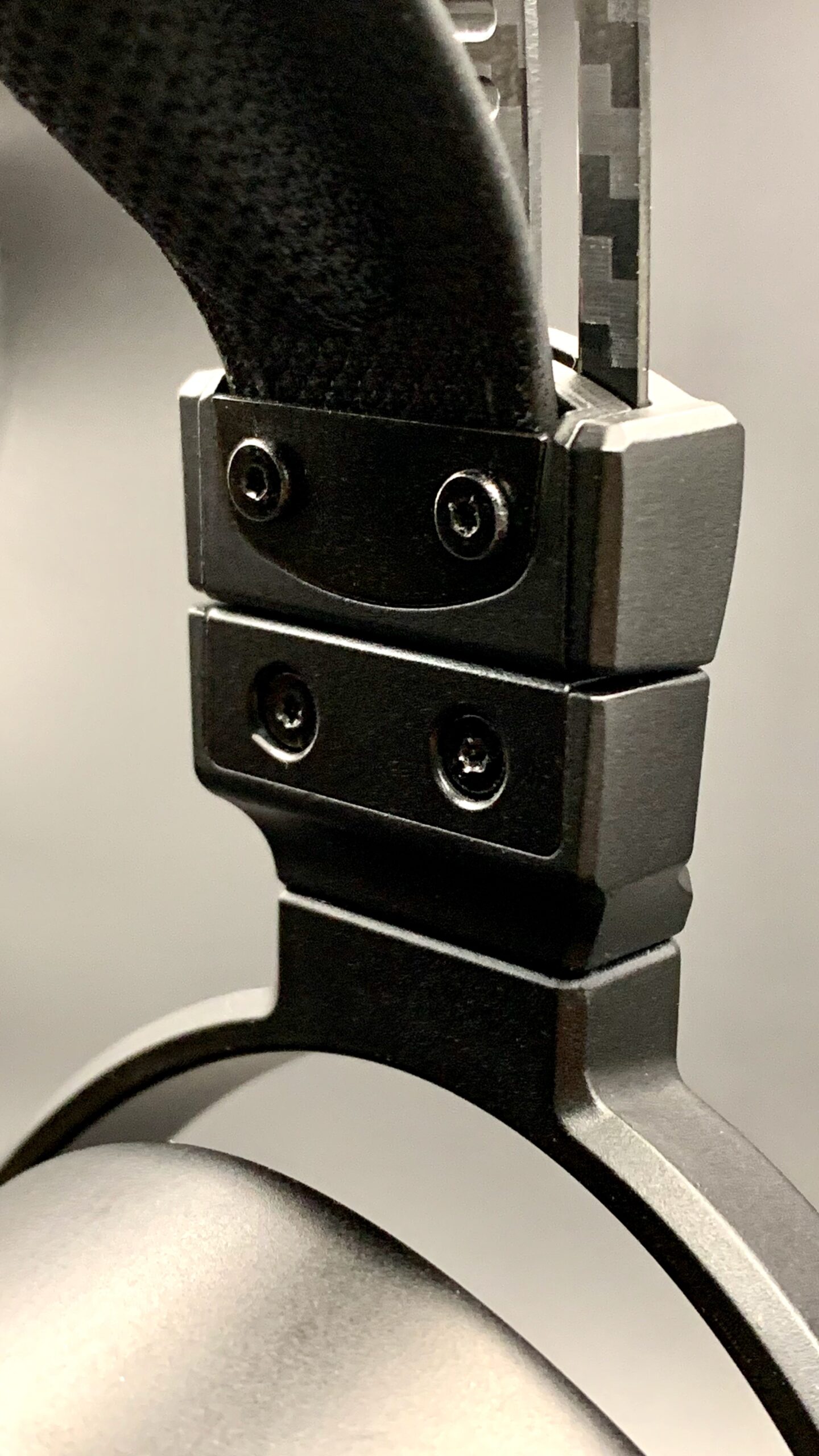
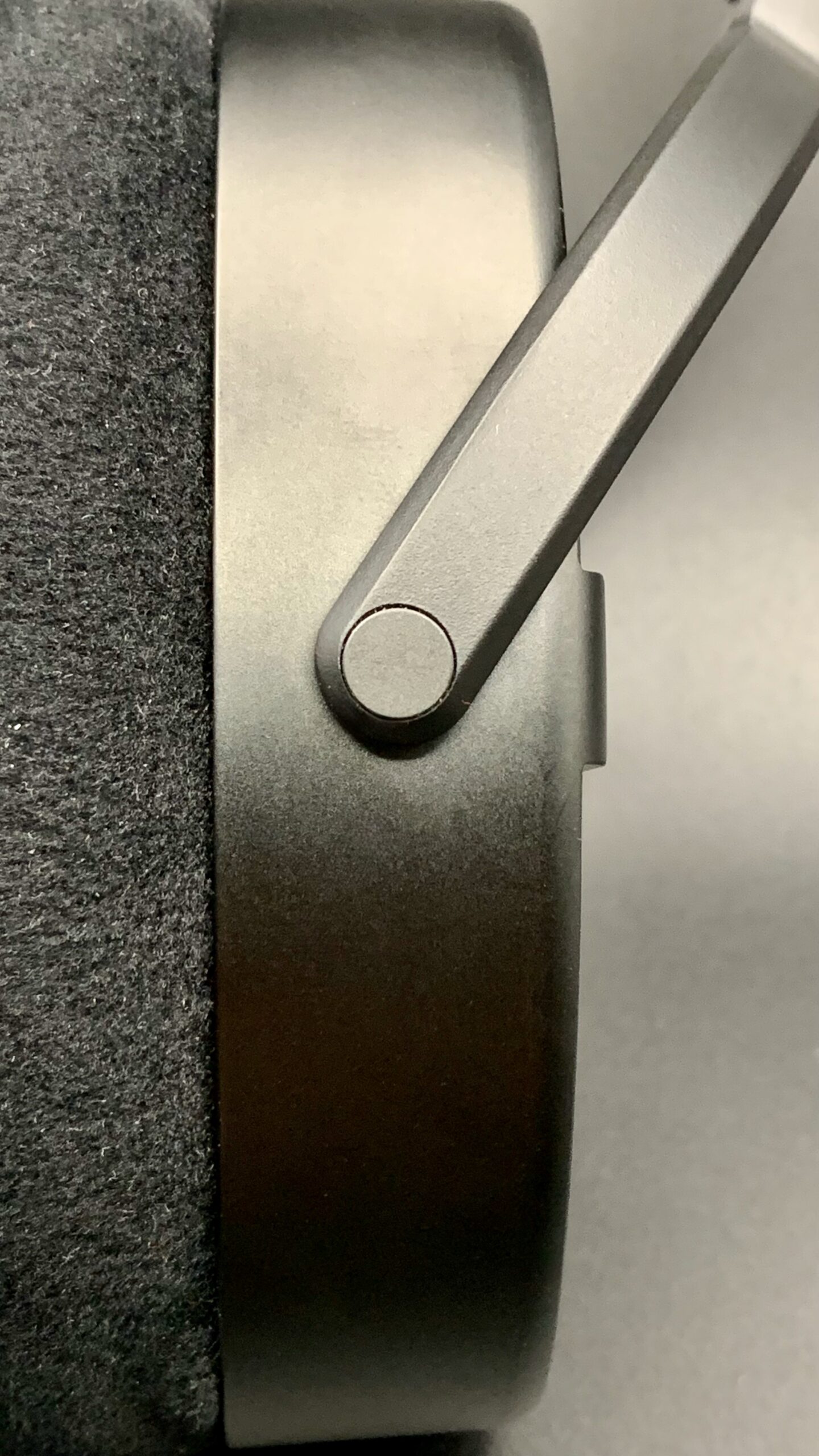
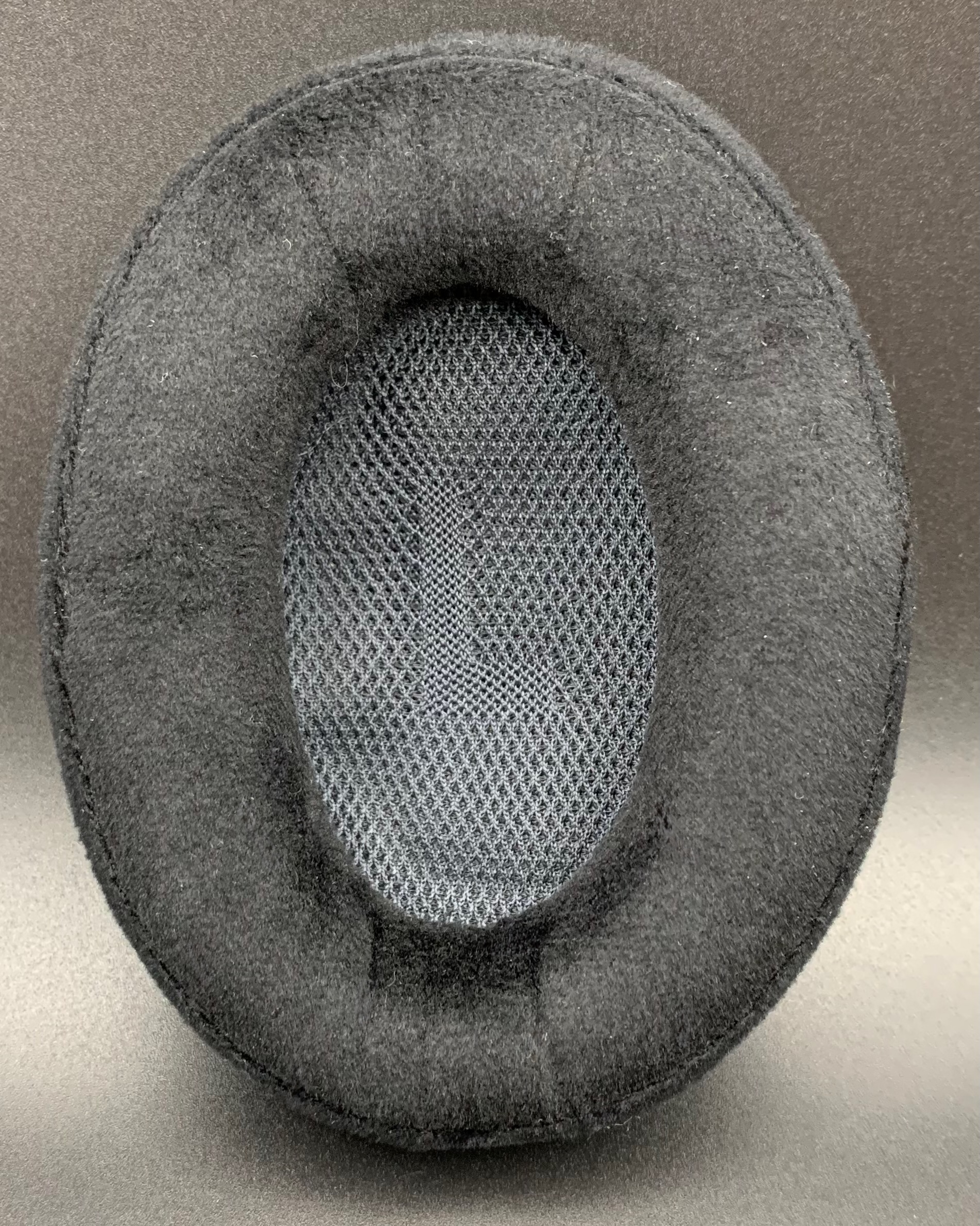
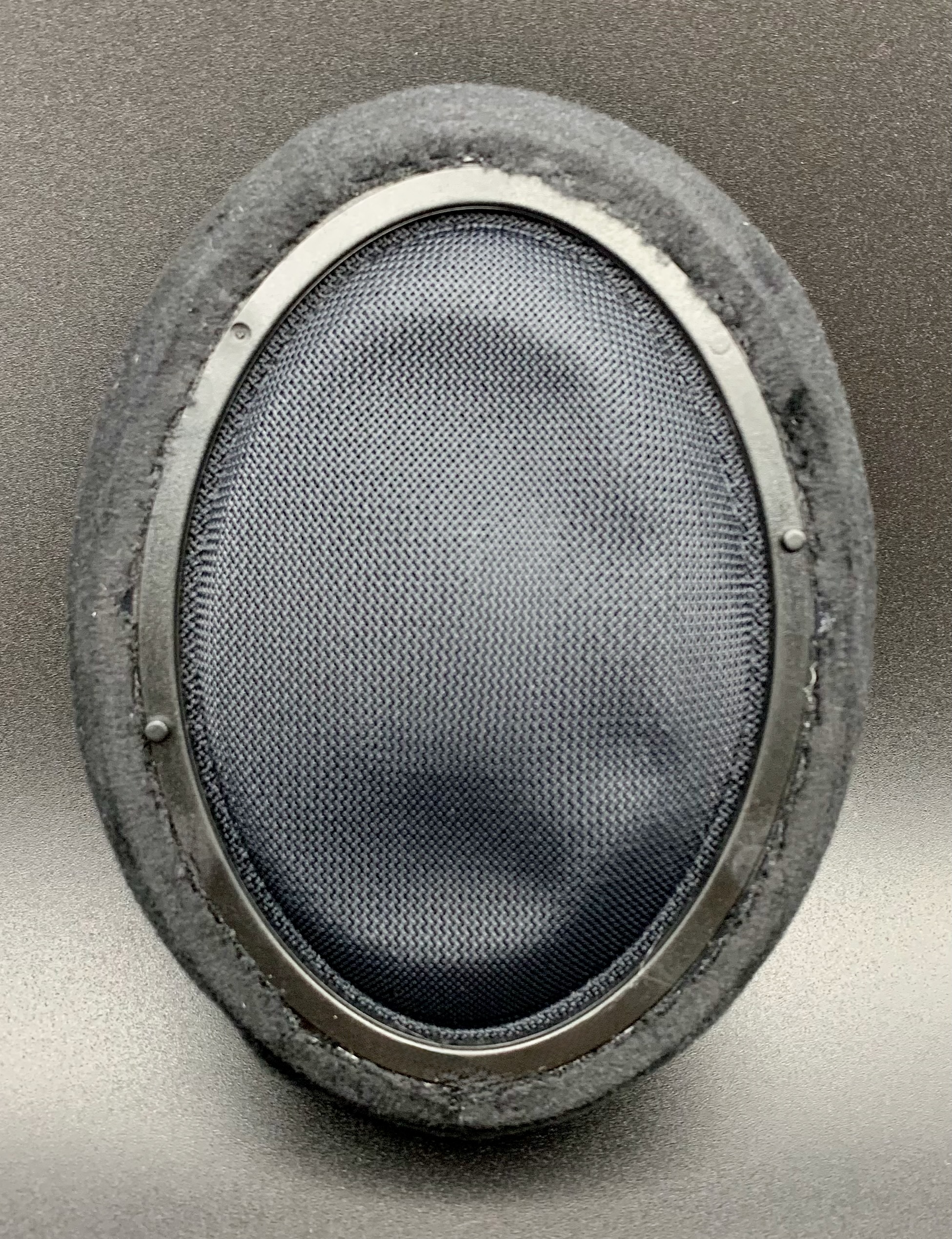
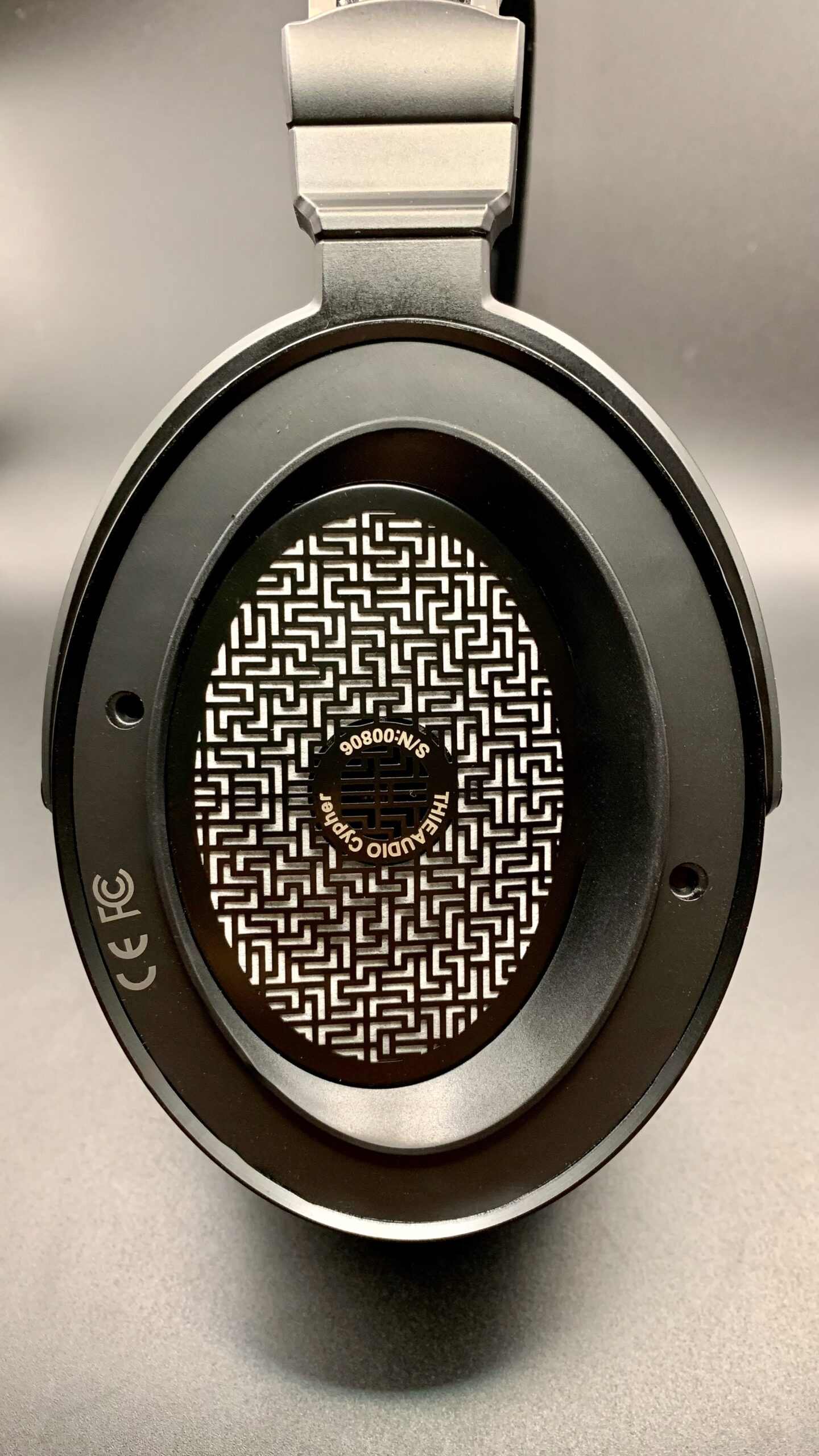
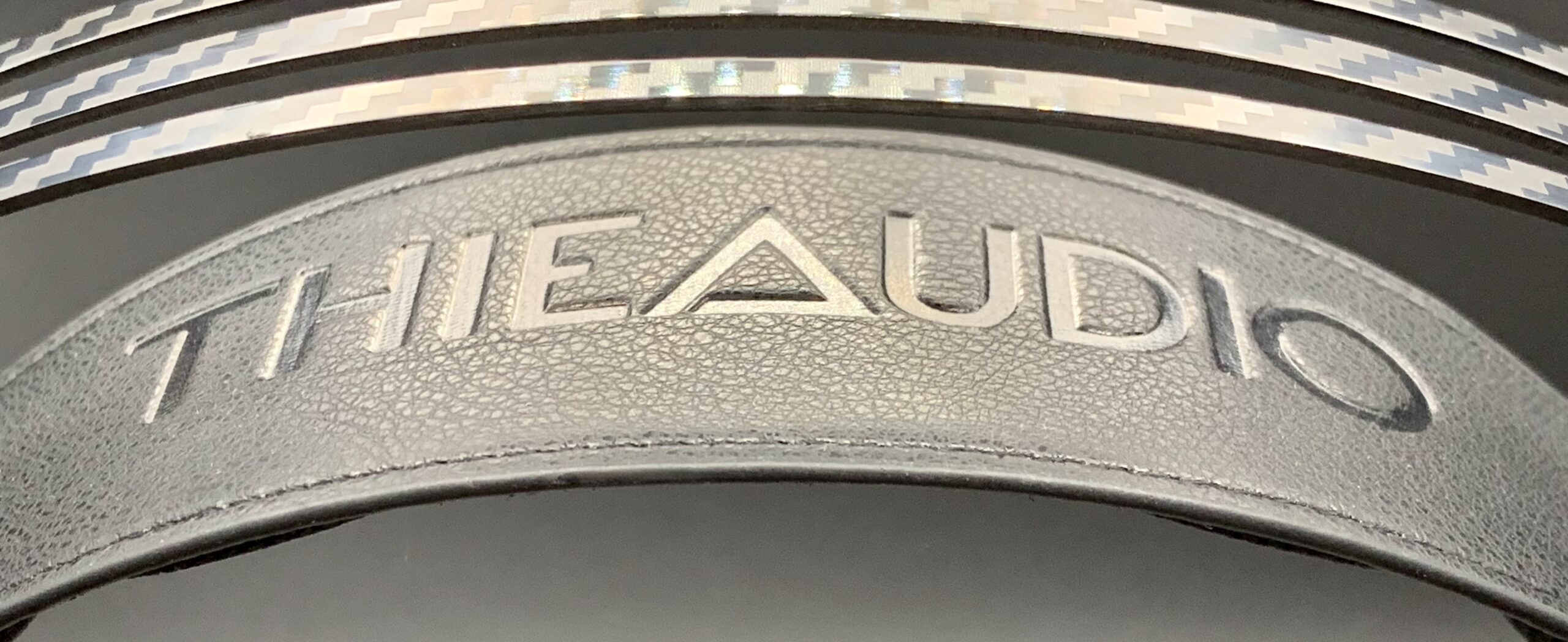
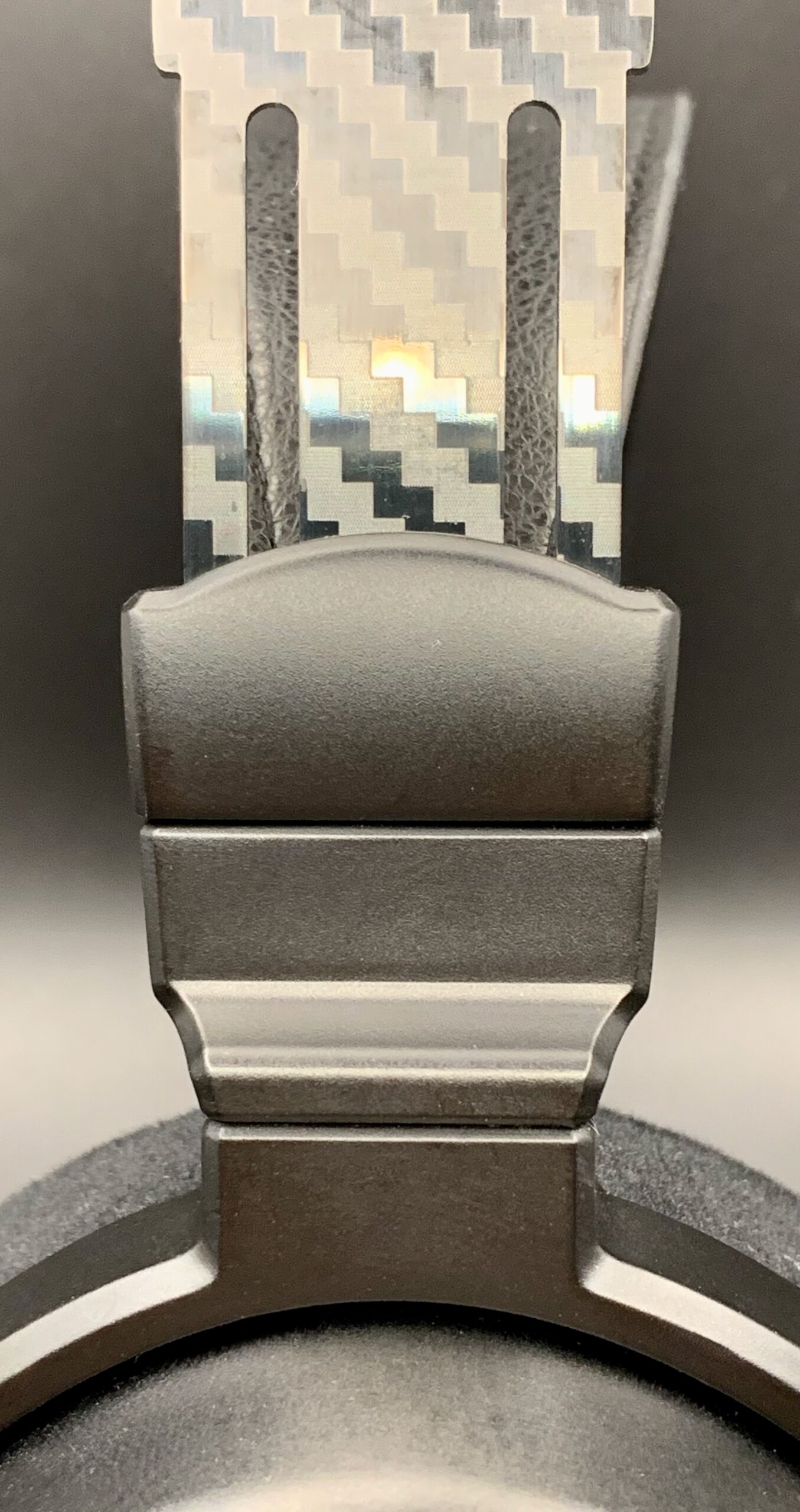
If I had to choose one aspect that impressed me from the very beginning, it would probably be the overall build quality. The Cypher immediately conveys a feeling of solidity and careful craftsmanship. The CNC machined aluminum earcups, the stainless steel headband with its carbon fiber effect finish, the genuine leather suspension strap, and the velour earpads all contribute to the impression of a product designed to last, with every detail clearly considered.
The overall assembly is equally impressive. There are no creaks, no unwanted movement, and nothing that gives the impression of fragility. Every component feels precisely engineered and perfectly integrated, reinforcing the sense of quality you would expect from a headphone in this category.
Comfort
Comfort has also been a very positive experience overall, although there is one aspect worth mentioning. Like many new headphones, the Cypher has a fairly strong clamping force when first taken out of the box. If, like me, you wear glasses with relatively thick temples, you’ll notice it immediately, and during the first few listening sessions the pressure can feel slightly excessive.
Fortunately, this improves with use. After roughly 50 to 60 hours, the clamping force relaxes slightly and the headphone becomes noticeably more comfortable while still maintaining excellent stability without feeling overly tight.
The velour earpads deserve special praise. They are soft, generously padded, and distribute the weight evenly around the ears. Even while wearing glasses, I never experienced uncomfortable pressure points. They do become a little warm during extended sessions, but it is only fair to mention that much of my testing took place with ambient temperatures approaching 40°C. Under more typical conditions, I believe they would remain extremely comfortable even during very long listening sessions.
Design Choices
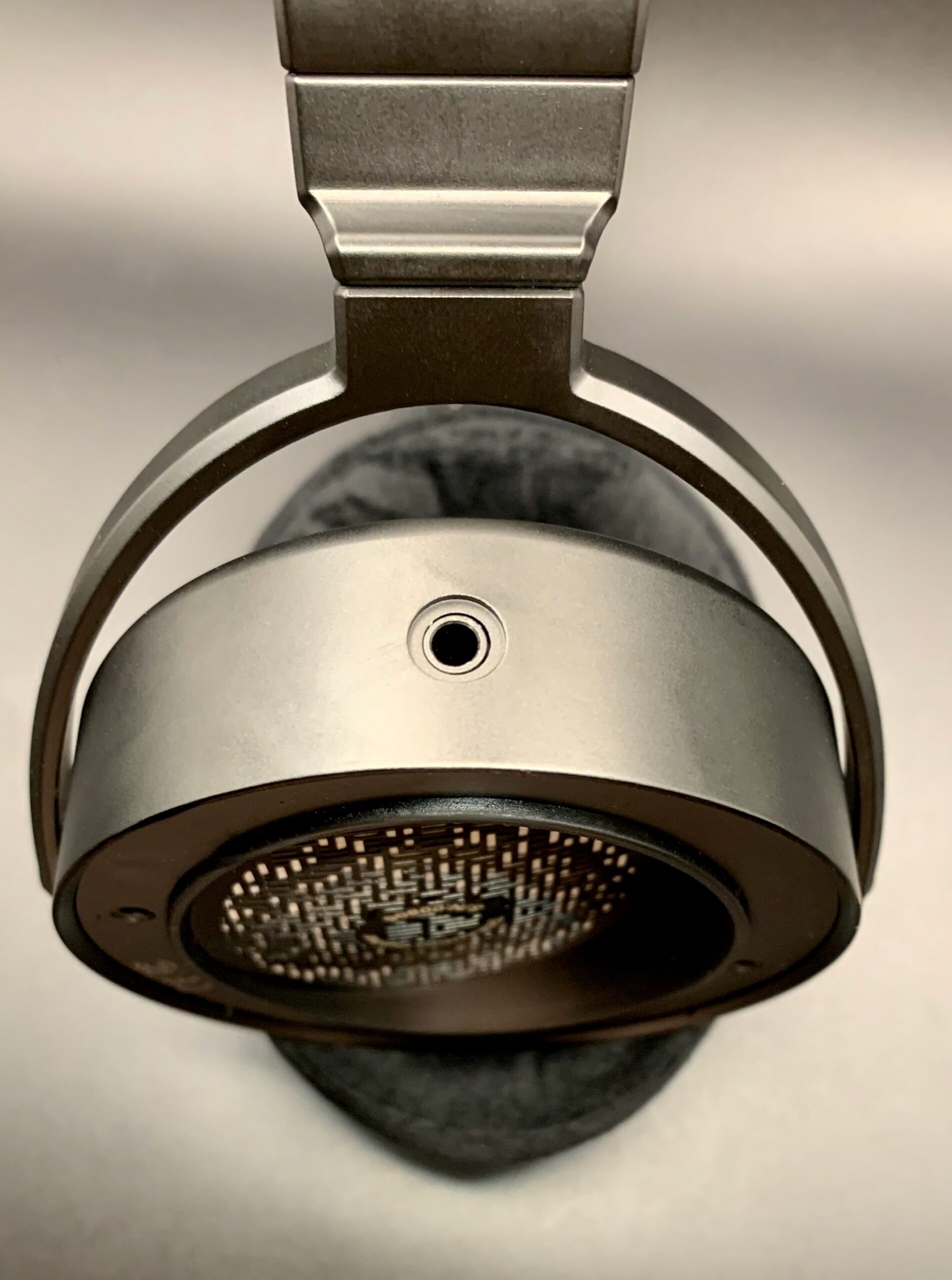
One design detail that immediately caught my attention is the angled driver. It is a solution I had already appreciated on the Aune SR7000, where it contributes to a more natural and forward projecting soundstage. Seeing a similar approach adopted in the Cypher made me wonder whether THIEAUDIO was pursuing the same philosophy. Of course, a good idea alone does not guarantee the same results, but it is certainly a design choice worth paying attention to, and one that we will revisit later when discussing soundstage and imaging.
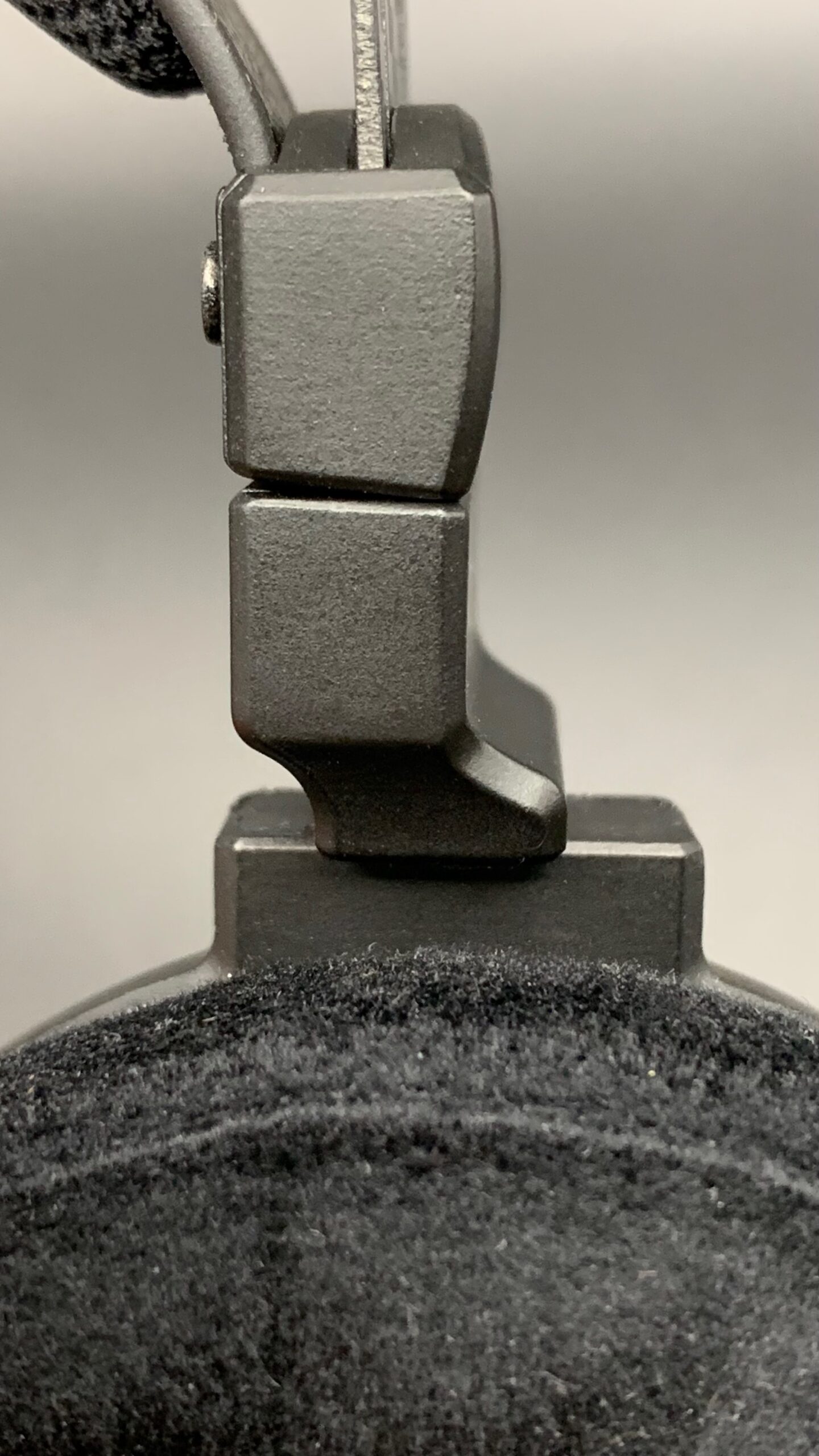
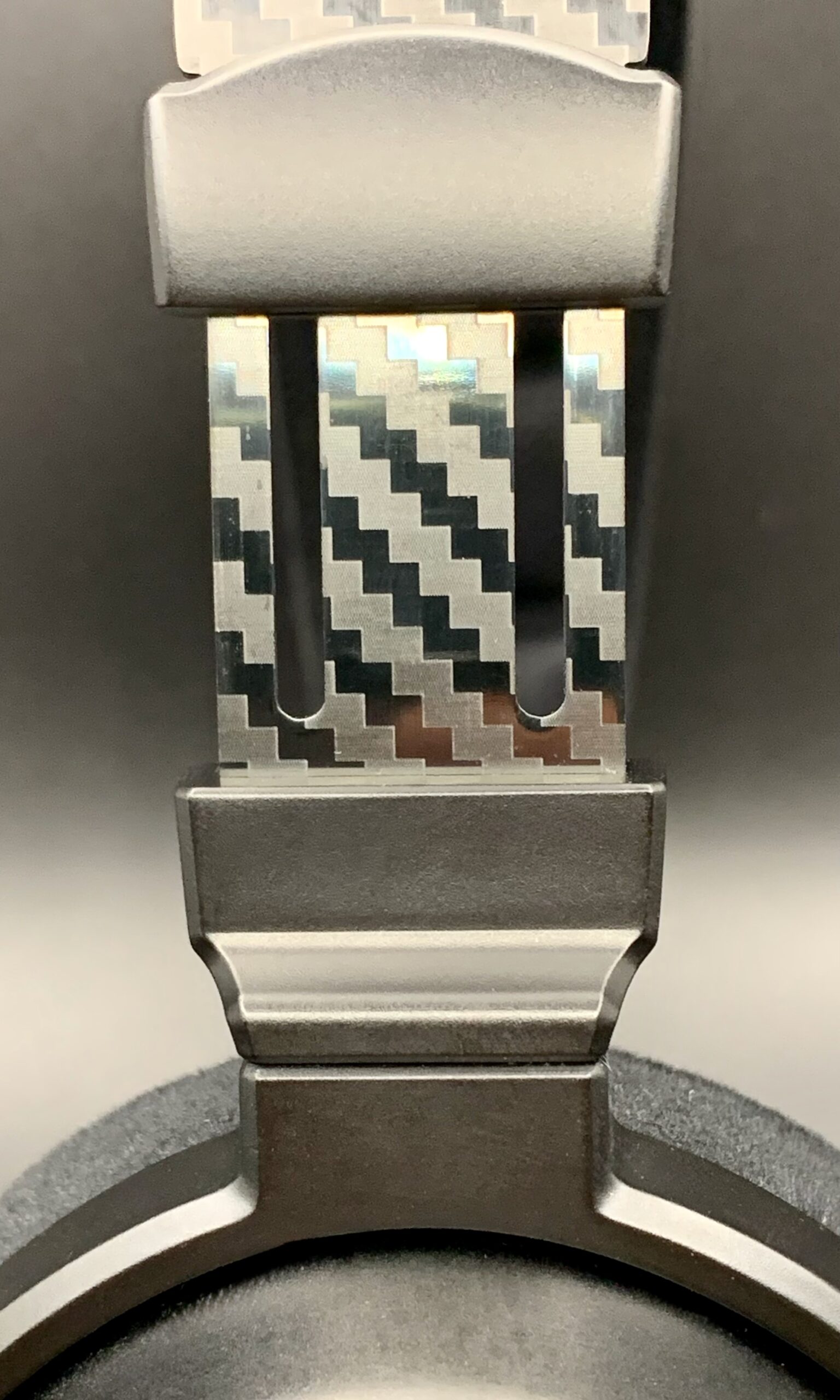
The headband design is equally interesting. It combines a rigid outer frame that provides the necessary flexibility with a suspended padded leather strap that rests comfortably on the head. Adjustment is achieved through a smooth and precise sliding mechanism that adapts easily to different head sizes without play or unwanted movement.
At first glance, I thought the system was similar to the one used by the OLLO X1. After spending more time with the Cypher, however, the differences became clear. THIEAUDIO’s solution works well, is comfortable, and is easy to use, but I still prefer the design developed by OLLO, which remains one of my personal references for its simplicity and effectiveness.
A Cohesive Design
Overall, the Cypher reflects a very clear design philosophy. Every element seems to have been developed not only to achieve a high level of build quality, but also to support the headphone’s sonic character. The angled driver, the open back construction, the weight distribution, and the overall comfort all appear to serve the same purpose: creating a natural, forward focused, and immersive listening experience without relying on artificial tricks or exaggerated presentation. Whether this philosophy truly translates into audible benefits is something we’ll explore in the following chapters.
Everyday Use: Cable, Earpads, and Design Details
The Cable
There are certain aspects that often receive less attention in a review but end up making a real difference in everyday use. The cable, the earpads, and a number of design details may not change the way a headphone looks, but they certainly influence comfort and the overall ownership experience.
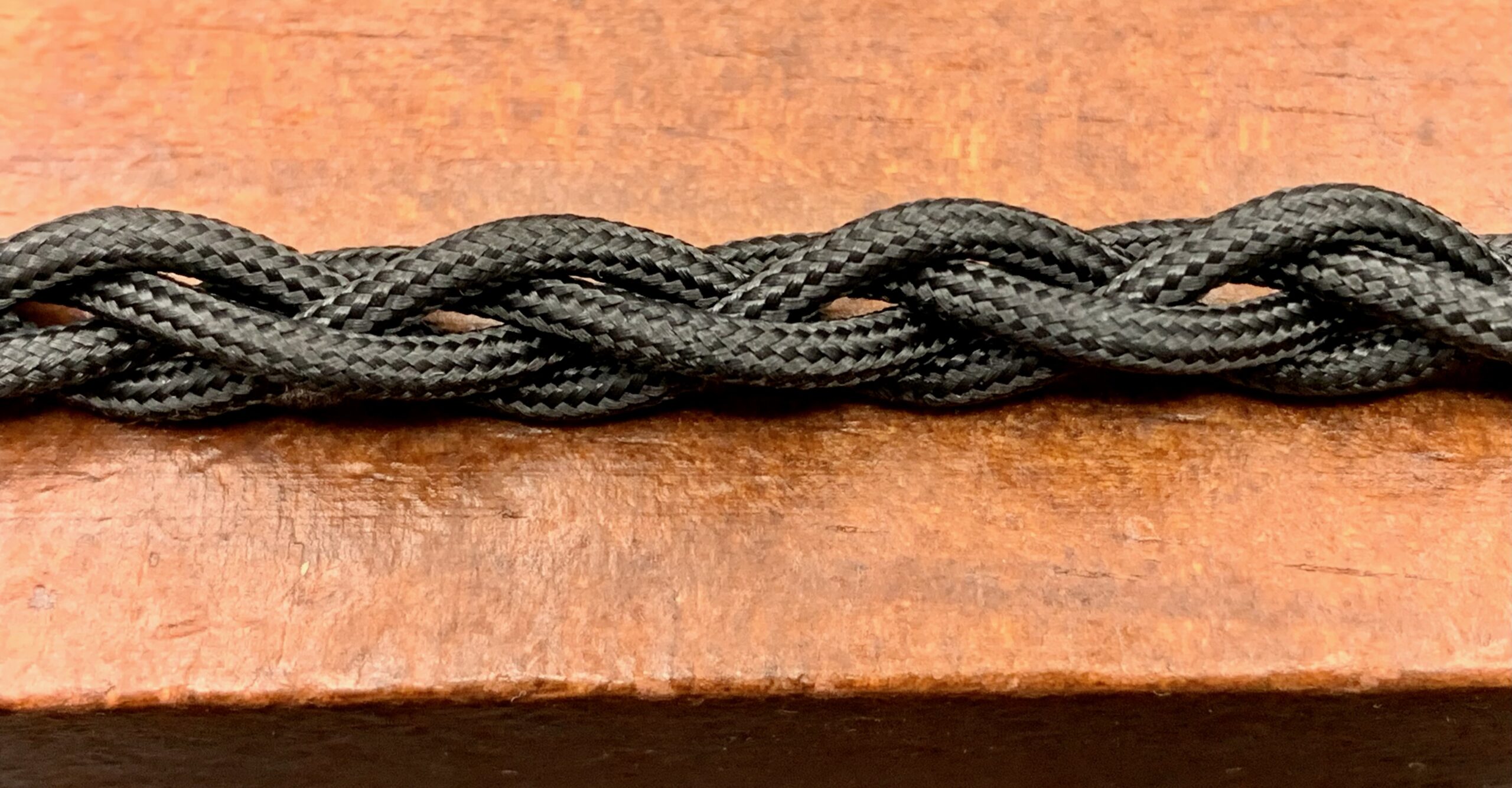
Let’s start with the cable. My first impression was extremely positive. It is wrapped in a woven fabric sleeve, feels exceptionally soft to the touch, and is surprisingly flexible. It bends effortlessly, has virtually no memory effect, and almost feels like a soft rope because of how easy it is to handle. During daily use it never became tangled or awkward to manage, making it a pleasure to use.
From a sonic perspective, the stock cable also performs exactly as it should. That may sound obvious, but it isn’t always the case. I had the opportunity to compare it with a noticeably lower quality aftermarket cable, and the difference was immediately apparent, even to someone without extensive listening experience. The original cable preserves a full, well controlled low end while maintaining good treble definition, never giving the impression of limiting the headphone’s performance.
A Missed Opportunity
There is, however, one decision that left me slightly disappointed. For a headphone in this class, I would have expected a more modern and versatile cable system. Personally, I would have preferred interchangeable terminations, with options such as 3.5 mm, balanced 4.4 mm, and 6.35 mm. Today, more and more enthusiasts use balanced headphone amplifiers and portable DAC dongles, and a modular cable would have made the package considerably more flexible without requiring the purchase of an additional cable.
THIEAUDIO probably designed the Cypher primarily for home listening and studio environments. In that context, the supplied 3.5 mm termination together with the 6.35 mm adapter makes perfect sense and covers the majority of use cases. Even so, I cannot help thinking that a modular cable system would have made the Cypher even more versatile, particularly for listeners who regularly use balanced 4.4 mm outputs. It is a perfectly understandable choice, but I believe a headphone in this category deserved just a little more in this regard.
Earpads
The earpads, on the other hand, are one of the headphone’s strongest points. They are soft, plush, and exceptionally comfortable. Their size is well judged and, despite having fairly large ears and wearing glasses, I never experienced uncomfortable pressure points. In this respect, I honestly consider them superior to those found on several much more established brands.
Magnetic Mounting
The magnetic earpad mounting system is another well executed feature. Build quality is excellent, the pads can be removed and reinstalled within seconds, alignment is always precise, and the magnets provide a secure and reassuring fit.
That said, I still have mixed feelings about its practical value in the current package. Had THIEAUDIO included an additional set of earpads, as Beyerdynamic does with the DT 1990 PRO MKII, allowing users to choose between different sound signatures, the magnetic system would have offered an immediate practical advantage. As it stands, its greatest benefit is making pad maintenance and future replacement incredibly simple. Should THIEAUDIO or third party manufacturers release alternative pads with different acoustic characteristics, this design choice would become even more valuable.
Small Details That Matter
I also appreciated the rotating earcups. Much like the OLLO X1, they allow the headphone to fold into a more compact shape for transport. It is one of those details that may seem minor at first, but becomes genuinely useful if you carry the headphone with you on a regular basis.
Taken as a whole, these details further reinforce the care that went into designing the Cypher. Not every decision completely won me over, but the overall build quality, practicality, and attention to everyday usability remain exceptionally impressive.
Overall Sound Signature
If I had to describe the Cypher in just one word, that word would be balance.
THIEAUDIO stated that its goal was to create a headphone with a neutral, natural presentation, free from artificial coloration. After spending many hours listening to it, I can confidently say that, at least in terms of its overall tuning, the company has achieved exactly that.
Don’t expect a headphone designed to impress within the first few minutes. There are no exaggerated bass frequencies, no forward mids demanding attention, and no treble tuned simply to create the illusion of extraordinary detail. The Cypher takes a very different approach.
It almost feels as though the Cypher takes you by the hand and gently guides you into the music instead of constantly reminding you that you are listening to a pair of headphones. That may sound like an unusual way to describe a product, but it perfectly reflects my experience over many hours of listening. Rather than imposing its own personality, it steps back and lets the recording take center stage. The result is a presentation that remains composed, refined, and remarkably consistent.
The overall presentation is pleasant, accurate, and well controlled. Every part of the frequency range occupies its own space without interfering with the others. The result is a natural sound that adapts effortlessly to a wide variety of musical genres.
If there is one small concession to excitement, it comes in the sub bass. Although it remains exceptionally well controlled, it has slightly more presence than I initially expected from a headphone with such a neutral philosophy. I certainly don’t see this as a flaw. On the contrary, I believe it is a deliberate decision that adds a welcome sense of weight and depth without disturbing the headphone’s overall balance.
Listening Philosophy
In many ways, the Cypher reminded me of the OLLO X1, which I still consider one of the most linear and honest headphones I have ever listened to. The philosophy behind the two is remarkably similar, although each interprets it in its own way. The OLLO offers an even higher level of refinement in the upper frequencies, while the Cypher provides a touch more sub bass extension and delivers a presentation that feels slightly more spacious and engaging.
This is a headphone designed for people who enjoy listening to music for hours without experiencing fatigue. It performs beautifully with jazz, classical music, acoustic recordings, blues, and traditional rock. More energetic performances are handled just as confidently. A live AC/DC concert or a Ted Nugent recording retains all of its energy, yet the Cypher never sounds aggressive or overly impact focused.
And perhaps that is its greatest strength. It never tries to impress with sonic fireworks or artificial excitement. Its only goal is to reproduce the music as faithfully and naturally as possible, allowing the recording and the musicians to capture your attention instead.
At first, that philosophy may seem understated. The longer you listen, however, the more you begin to appreciate just how rewarding it really is.
Bass
The Cypher’s low end perfectly reflects the overall philosophy of the headphone. It was not designed to impress with sheer quantity or overwhelming impact, but rather to deliver bass that is believable, controlled, and, above all, well articulated.
The first thing I noticed was its remarkable stability. The sub bass is certainly present, perhaps a little more than I initially expected from such a neutral sounding headphone. Even so, it always remains perfectly controlled. It never spills into the midrange or develops the bloated, oversized character often found in headphones designed to impress during the first few minutes of listening.
Punch is equally well judged. Kick drums have the right amount of impact without becoming excessive, while electric bass retains both body and definition. Speed is also very good, allowing the Cypher to handle complex passages with confidence while maintaining excellent control and composure.
Where this headphone truly impressed me, however, was in the way it reproduces the different textures and personalities within the bass range. It does not simply reproduce low frequencies. It reveals their individual personality. The dry attack of a kick drum, the natural resonance of an upright bass, and the distinctive character of an electric bass are all presented as individual voices rather than blended into a single generic low frequency response.
Listening Impressions
One of the tracks I regularly use to evaluate this aspect is Walk on the Wild Side by Lou Reed. The recording features both an electric bass and an upright bass playing together, a combination that can easily become blurred on many headphones. The Cypher, on the other hand, keeps the two instruments clearly separated, allowing their individual tonal characteristics to remain distinct without sounding forced or analytical.
There is one important point worth mentioning. To hear the Cypher at its best, it deserves a source of matching quality. Even a good DAC dongle drives it surprisingly well, but it is only when paired with a capable amplifier and a well recorded track that the bass truly reveals everything it has to offer. That is when its texture, depth, and instrumental separation become most apparent, highlighting one of the headphone’s greatest strengths.
This is not a headphone for bassheads or for listeners looking for overwhelming physical impact. Instead, it is a headphone that prioritizes quality, control, and realism. Personally, I find that approach far more satisfying than simply boosting the amount of bass for the sake of making a stronger first impression.
Midrange
If I had to identify the Cypher’s greatest strength, I would probably choose its midrange.
On this point, I find myself in complete agreement with most of the reviews I have read. THIEAUDIO has created a midrange that is remarkably natural, coherent, and believable, making it the true centerpiece of the listening experience.
Vocals are reproduced with outstanding balance. Female voices sit slightly more forward than male vocals, but never in an artificial or exaggerated way. They remain smooth, airy, and, above all, highly realistic. Male voices retain their natural body and weight, reproducing subtle tonal variations without sacrificing depth or presence.
What impressed me most, however, was the sense of continuity across the entire frequency range. The midrange never feels detached from the bass or the treble. Instead, it blends seamlessly with both, creating a presentation that is cohesive and remarkably natural.
Acoustic instruments benefit from this approach as well. Piano, acoustic guitars, strings, and brass instruments are reproduced with convincing timbre and satisfying harmonic richness. Rather than chasing microscopic detail at all costs, THIEAUDIO seems to have focused on presenting each instrument as naturally and authentically as possible.
A Matter of Balance
This, more than anything else, is what sets the Cypher apart. It does not push the midrange into the spotlight simply to impress the listener. Instead, it allows it to breathe naturally, preserving the tonal coherence that defines the headphone as a whole.
That does not mean the Cypher lacks personality. Quite the opposite. Its personality lies precisely in reproducing the recording as it is, for better or for worse, without smoothing over imperfections or adding unnecessary emphasis. That is exactly what I expect from a headphone with genuinely neutral ambitions. Otherwise, we would no longer be hearing the recording as it was intended, but rather the designer’s own interpretation of it.
Compared with some competitors that place vocals further forward or present instruments with a more analytical character, the Cypher takes a different approach. It prioritizes credibility over spectacle. It may be a less immediately striking presentation, but over extended listening sessions it becomes deeply rewarding.
Treble
The Cypher’s treble follows exactly the same philosophy that defines the headphone as a whole. It does not try to impress with excessive brightness or by pushing every tiny detail to the forefront. Instead, it feels like a tuning focused on balance rather than spectacle. I know I keep coming back to that word, but every time I think about the Cypher, balance is still the first thing that comes to mind.
The treble is well extended, clean, and full of information. Fine detail is certainly there, making it easy to appreciate the nuances of a well recorded track, but without turning every listening session into a constant search for microscopic details. It is a subtle distinction, yet an important one.
Cymbals retain a satisfying sense of sparkle while decaying naturally, never sounding metallic or artificially emphasized. The same applies to string instruments, particularly violins, which maintain a convincing timbre even during more energetic passages, avoiding the harshness that sometimes characterizes more analytical headphones.
One aspect I particularly appreciated is the complete absence of listening fatigue. Even after several hours, the treble remains present, refined, and informative without ever becoming intrusive. It is a quality that perfectly complements the Cypher’s overall philosophy and makes it an excellent companion for extended listening sessions.
Listeners looking for an ultra analytical presentation, with the upper frequencies constantly taking center stage, may wish for a little more emphasis. Personally, however, I think THIEAUDIO has found a very convincing balance between detail, naturalness, and long term listening comfort. Once again, the company’s intention is clear: to reproduce music as naturally as possible rather than chasing spectacular effects that may be exciting at first, but often become less enjoyable over time.
Soundstage and Imaging
One of the aspects that impressed me the most throughout my listening sessions was the way the Cypher reconstructs the soundstage.
Don’t expect an artificially oversized presentation designed simply to create a spectacular first impression. The Cypher never feels as though it is trying to stretch the soundstage beyond what the recording calls for. Instead, it creates a space that feels believable, well proportioned, and, above all, easy to read.
The stage offers good width and convincing depth. It does not reach the extremes of some headphones that focus heavily on creating an expansive “headstage,” but it provides exactly what is needed to perceive the stage, locate the instruments, and place the musicians naturally within the recording. It is a presentation that draws you into the performance rather than distracting you with exaggerated spatial effects.
Imaging is probably the real highlight here. Instrument placement is precise and stable, while separation remains excellent, making it easy to follow individual musical lines even during complex passages.
Listening Example
One moment that particularly stood out came while listening to Caravan from It’s Too Late to Stop Now… Volume I (Remastered) by Van Morrison. Around the middle of the performance, during one of the quieter sections, two saxophones enter from the right side of the stage. Through the Cypher, not only are they clearly distinguishable as separate instruments, but their different positions in space become obvious. One appears to sit roughly one or two meters behind the other, creating a convincing sense of depth that I rarely experience with this degree of naturalness. It is one of those subtle details that I normally associate more with a well set up home Hi Fi system than with a pair of headphones.
Why It Works
I believe part of the credit goes to the angled driver design. It is a solution I had already appreciated on the Aune SR7000, where it helped create a more forward and natural presentation. Here, it seems to contribute in much the same way, making the soundstage feel more frontal while improving the clarity of instrument placement. Of course, this is not the only factor responsible for the final result, but I have little doubt that it plays an important role in shaping the overall spatial presentation.
Layering is also very convincing. The Cypher does more than simply separate instruments from left to right. It recreates the depth of the stage with genuine credibility, placing musicians on different planes and avoiding the flattened presentation that can occasionally be found even in considerably more expensive headphones.
Overall, I found the Cypher’s soundstage to be perfectly consistent with the philosophy of the entire project. THIEAUDIO has not tried to create an exaggerated or artificially expanded stage. Instead, it has focused on building a space that feels realistic, organized, and believable, where every instrument occupies its own natural position without ever sounding forced. Personally, this is exactly the kind of presentation I enjoy, because it allows me to focus on the music rather than on the soundstage itself.
Who Is the Cypher For?
I don’t think the right question is which musical genres suit the Cypher best. The more interesting question is what kind of listener will truly appreciate what it has to offer.
I would recommend it without hesitation to anyone looking for a headphone that is balanced, natural, and capable of delivering hours of fatigue free listening. This is not a headphone that constantly tries to draw attention to itself. Instead, it allows the music to remain the true focus of the experience.
For that reason, I believe it performs beautifully with jazz, classical music, blues, acoustic recordings, fusion, soul, rock, and even well recorded live performances. Across all of these genres, it delivers a presentation that feels believable, nuanced, and consistently faithful to the original recording.
Its tuning also makes it an interesting option for people who work with music. Although it was not specifically designed as a professional studio headphone, I can easily imagine it being used in recording environments, editing sessions, or critical listening applications. Its neutrality and its refusal to add unnecessary coloration mean that it has very little to envy from headphones developed specifically for professional work.
Who Might Want Something Different
On the other hand, the Cypher may not satisfy listeners who are looking for a more spectacular or heavily colored presentation. If you enjoy powerful, physical bass, extremely bright and aggressive treble, or an intentionally oversized, immersive soundstage, this is probably not the headphone for you.
The same applies to listeners whose libraries consist primarily of highly compressed or relentlessly aggressive genres, such as certain modern heavy metal productions or particularly dense hard rock recordings. The Cypher reproduces them with accuracy and control, but it does not add the extra sense of impact or aggression that some listeners actively seek.
Ultimately, this is a headphone for people who want to hear the music as it was recorded, without artificial enhancements or exaggerated tuning choices. It does not try to impress you. It tries to convince you.
And, at least in my experience, that is precisely what makes it so appealing.
Amplification, Pairing, and Synergy
On paper, the Cypher is an easy headphone to drive. Its moderate impedance and good sensitivity make it possible to reach satisfying listening levels with virtually any source, even the headphone output of a standard computer.
That means it is not particularly demanding in terms of raw power. Even a good DAC dongle is capable of revealing a large part of what the Cypher has to offer.
That said, volume and sound quality are two very different things.
Throughout my listening sessions, I came to the conclusion that the Cypher does not necessarily need more power, but it clearly benefits from higher quality electronics. More than watts, it appreciates a clean, stable, and well controlled signal. It is transparent enough to reveal the differences between various sources without ever becoming unforgiving.
System Pairings
One of my favorite pairings was the Ampapa Q1. The combination delivered excellent bass control, a wonderfully natural midrange, and a convincing soundstage, perfectly complementing the Cypher’s overall philosophy.
The Aune N7D proved to be another excellent match. Its DAC and amplifier section allow the Cypher to reveal an extra level of refinement, particularly in terms of microdynamics, instrument separation, and the overall definition of the soundstage.
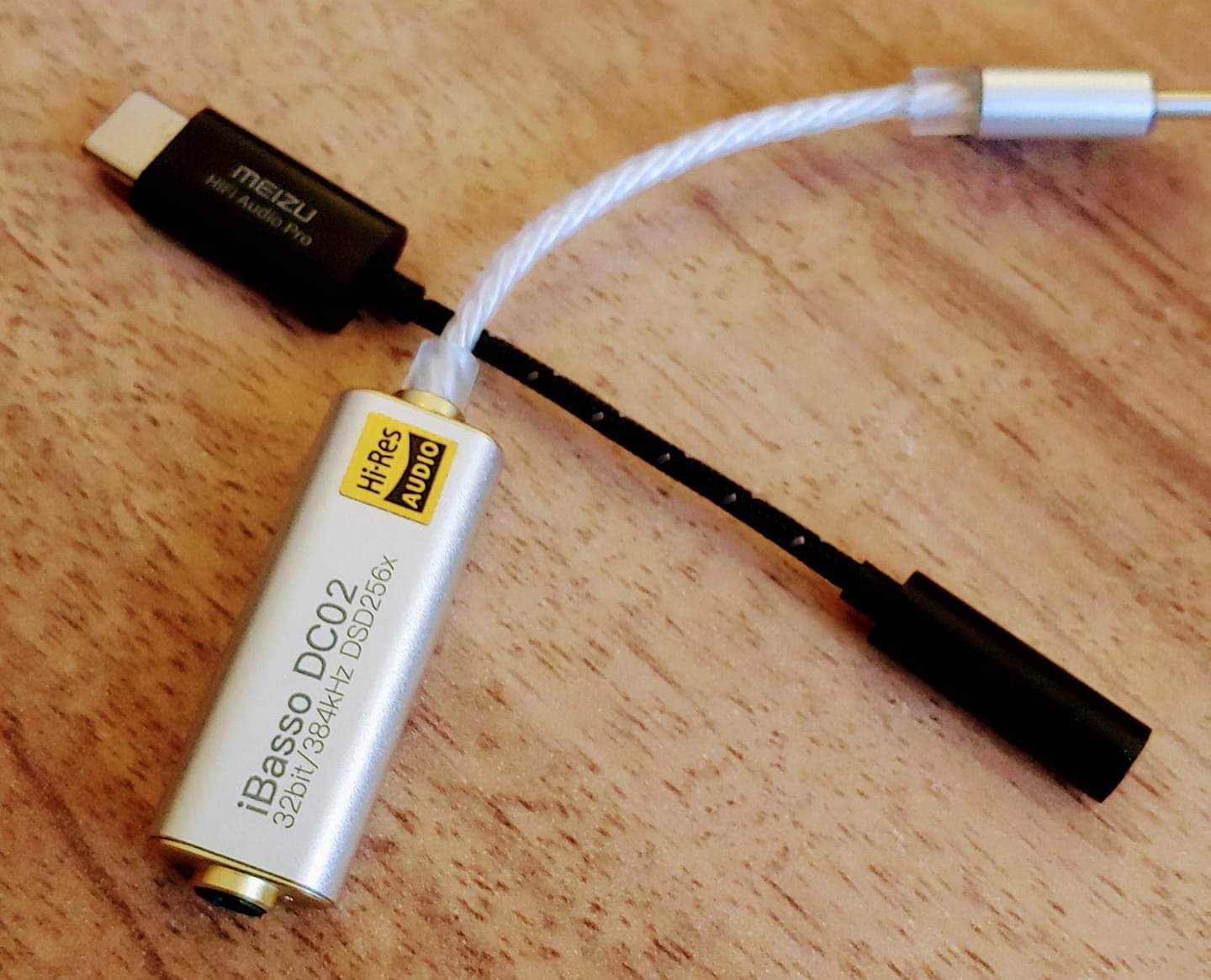
Among portable solutions, the xDuoo Link3 performed remarkably well. Despite its compact size, it drives the Cypher with ease, delivering a balanced and enjoyable listening experience even away from a desktop setup.
The same can be said for the BASN PA60, which is an excellent alternative for anyone looking to enjoy the Cypher on the move without sacrificing sound quality.
In the end, I would describe the Cypher as a headphone that is easy to drive but highly responsive to the quality of the equipment behind it. It does not demand huge amounts of power. Instead, it rewards well designed electronics and a clean, high quality signal. When those conditions are met, it fully reveals the naturalness, coherence, and musical enjoyment that define its true character.
Comparison with the OLLO X1
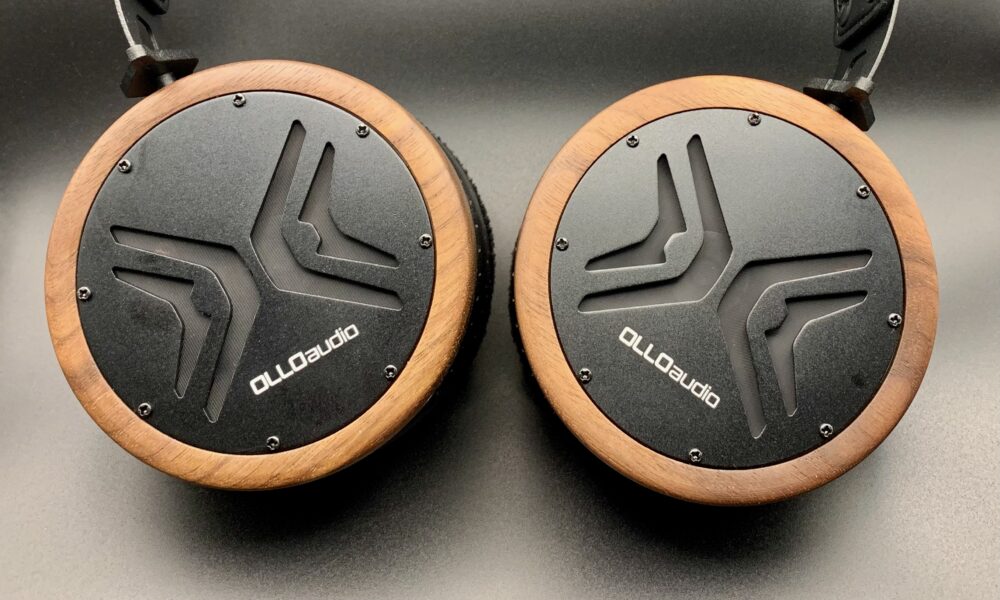
Before starting this comparison, I’d like to make one thing clear. For once, let’s set the price aside and focus purely on the listening experience. The price difference between these two headphones is significant, but I think it’s far more interesting to understand what they have in common and where their paths begin to diverge.
Anyone who has read my review of the OLLO X1 already knows how much I admire that headphone. Even today, I consider it one of the finest headphones I have ever had the pleasure of listening to, especially because of its remarkable ability to combine neutrality, precision, and naturalness into an exceptionally balanced presentation.
What impressed me about the THIEAUDIO Cypher is that, at least in terms of its overall philosophy, it follows a very similar path. Here again we find a headphone that does not rely on exaggerated bass, artificial brightness, or spectacular effects to attract attention. The goal is the same: to reproduce the music as faithfully as possible and let the recording speak for itself.
Where They Differ
The differences become apparent once you start listening more critically.
The OLLO X1 simply resolves more information. If I had to describe that sensation with an analogy, I would say that both headphones are looking at the same landscape, but through lenses with different levels of magnification.
Imagine a scale divided into equal steps. The OLLO X1 divides each step into ten parts, while the Cypher divides it into eight. The musical information is all there in both headphones, but the OLLO is able to reveal the finest nuances with greater precision. Microdynamics become more apparent, the upper frequencies feel slightly more open and airy, and the bass carries an extra layer of information while remaining perfectly controlled.
That doesn’t mean the Cypher loses information or simplifies the music. It simply means that the OLLO X1 digs a little deeper into the recording, revealing those tiny details that make a difference during very focused listening sessions.
The Cypher, on the other hand, responds with a slightly different personality. It remains exceptionally linear, fast, and coherent, but introduces a touch more sub bass presence, giving the presentation a little more weight without compromising its overall neutrality. It’s a subtle difference, but enough to give each headphone its own identity.
Final Perspective
The similarities continue when it comes to soundstage. Both headphones create a believable, well organized space, with precise imaging and convincing instrument placement. The OLLO X1 still has a slight advantage in its ability to separate the smallest details and preserve more air between instruments, while the Cypher offers a presentation that feels just a little smoother and more relaxed.
After spending considerable time with both headphones, I still consider the OLLO X1 my personal reference whenever absolute precision and the highest level of refinement are the priorities. But the THIEAUDIO Cypher comes away from this comparison with its head held high. It does not try to imitate the OLLO. Instead, it embraces a very similar philosophy while maintaining its own personality, proving that it is possible to create a headphone that is balanced, musical, and thoroughly enjoyable without necessarily reaching the absolute level of an established reference.
If I had to summarize the difference in a single sentence, it would be this:
The OLLO X1 analyzes the music with almost surgical precision, while the THIEAUDIO Cypher tells the same story with just a touch more warmth and ease, never betraying the essence of the recording.
They share the same philosophy, but express it with slightly different personalities.
Requiem in D minor, K. 626: I. Requiem aeternam

I chose this piece because it represents one of the most demanding tests a headphone can face. Classical music, especially in a recording like this, immediately reveals both the strengths and the weaknesses of a design.
The orchestration is exceptionally rich, with remarkable layering throughout the performance. The choir is full-bodied and beautifully distributed across the stage, while the soprano voices emerge naturally without ever becoming detached from the rest of the ensemble. Strings, brass, and constantly shifting musical layers require excellent separation, control, and composure from the headphone.
If a headphone lacks resolution or has not been carefully tuned, the result quickly becomes congested. The different orchestral sections begin to blend together, the choir loses definition, and the performance starts to sound like a single indistinct mass rather than a collection of individual voices and instruments.
Listening Impressions
The THIEAUDIO Cypher handles this challenge with impressive naturalness. The voices are beautifully focused, remaining perfectly integrated within the orchestra. The sopranos stand out clearly without becoming dominant, while the choir retains both its cohesion and its harmonic weight.
The brass section is equally convincing, adding body and grandeur without ever overpowering the rest of the orchestra. The lower strings provide a solid foundation throughout the performance, while the upper strings rise effortlessly with an elegance and lightness that feel remarkably lifelike.
One aspect that particularly impressed me was the sense of space. I came away with the strong impression that the angled driver contributes significantly to the three-dimensional presentation. Rather than placing the orchestra inside your head, the Cypher projects the performance naturally in front of the listener, making it easier to follow the different orchestral sections while appreciating the depth of the recording.
This is exactly the kind of music where the Cypher’s philosophy becomes fully apparent. It does not try to highlight a particular section of the orchestra or impress with exaggerated effects. Instead, it simply reconstructs the musical message with balance, order, and naturalness, allowing the performance itself to convey all of its emotional intensity.
La Bamba | Playing For Change | Song Around The World

Why This Track?
This time, I’d like to step outside the usual routine.
When reviewing headphones, we almost always reach for flawless recordings, high resolution files, and meticulously produced albums. That’s certainly a valid approach, but it doesn’t tell the whole story. Music is not made exclusively of audiophile recordings, and I believe a truly good headphone should still be able to move you even when the recording itself isn’t technically perfect.
That’s why I chose La Bamba from the Playing For Change – Song Around The World project. For anyone unfamiliar with it, Playing For Change is an extraordinary initiative that brings together musicians from all over the world, each recorded in different countries, at different times, and in different environments, with the goal of creating a single performance capable of connecting cultures through music. It is a project I deeply admire, not only for its artistic value, but also for the message it represents.
From a purely technical perspective, this is far from a perfect recording. Most people will probably listen to it directly on YouTube, with all the limitations that compressed streaming inevitably introduces. But, as I often say, sometimes listening to the music is far more important than chasing the perfect file.
The Performance
This version of La Bamba is probably one of the most beautiful interpretations I have ever heard. The opening harp immediately transforms the character of the song, offering a completely fresh perspective on a timeless classic. One by one, the different singers enter, each bringing their own personality and cultural identity. I was especially impressed by the female vocalist who performs the second section of the song. Her voice is rich, expressive, and fills the soundstage with remarkable naturalness.
Among all the performers, however, the one who captures my attention every single time is Baby Black Ndombe from Kinshasa, Democratic Republic of the Congo. His contribution adds yet another layer of personality to the performance and perfectly demonstrates how a traditional song can travel across continents without ever losing its identity.
That is exactly what makes Playing For Change so special. It is not simply a collection of musicians performing together. It is a celebration of diversity, where every artist retains their own musical identity while contributing to something that feels surprisingly cohesive.
Listening Impressions
The THIEAUDIO Cypher reproduces this performance exactly as I had hoped. It doesn’t obsess over every tiny imperfection in the recording, nor does it emphasize the limitations of YouTube’s compression. Instead, it does something far more important.
It lets you enjoy the music.
The presentation remains natural, engaging, and beautifully coherent. Every instrument occupies its own place, every voice retains its emotional character, and the entire performance flows effortlessly from beginning to end without ever sounding artificial or overanalyzed.
That is precisely why I wanted to include this track in the review.
A headphone doesn’t always need to prove how deeply it can dig into microdetail or how clearly it can reveal the last harmonic of a cymbal strike. Sometimes, its most important job is simply to remind us why we listen to music in the first place.
And in that respect, the Cypher succeeds beautifully.

Music Comes First
After listening to demanding recordings, analyzing the soundstage, evaluating the dynamics, and examining every part of the frequency range, I think the message has become quite clear.
I could have continued with more tracks, perhaps flawless audiophile recordings or ultra high resolution files. But I don’t believe they would have added anything truly meaningful to what has already emerged.
The first listening test demonstrated that the THIEAUDIO Cypher possesses all the technical qualities needed to handle even the most demanding recordings. The second revealed something even more important: its ability to preserve the simple pleasure of listening to music.
For me, high fidelity has never been about obsessively searching for the tiniest hidden detail or the smallest sonic nuance that only a handful of people can hear. The real goal is to be moved, to become immersed in the performance, and to forget, if only for a few minutes, that you’re even wearing a pair of headphones.
When a headphone can do that, it has already achieved its purpose.
At least for the way I experience music, the THIEAUDIO Cypher succeeds remarkably well.
Final Thoughts
First Impressions Revisited
When I first learned that THIEAUDIO was developing an over ear headphone like the Cypher, I was genuinely curious. After achieving such impressive results in the IEM world, I wondered whether the company could successfully transfer that same expertise to a completely different type of product.
After spending several weeks with the Cypher, I believe the answer is yes.
The Cypher is not a headphone designed to impress during the first few minutes of listening. It doesn’t rely on exaggerated bass, artificial brightness, or excessive detail retrieval. Instead, it takes a far more difficult path: the pursuit of balance.
This is a headphone that respects the music. It never tries to become the center of attention. Instead, it lets the recording and the artists tell their own story. That approach may seem less spectacular at first, but it is precisely this philosophy that becomes increasingly rewarding the longer you listen.
Throughout the review, I often compared the Cypher with headphones that I consider personal references, such as the OLLO X1 and the Aune SR7000. Not because the Cypher needed constant comparison, but because it is the best way to understand where a new product truly belongs. And after weeks of listening, I can honestly say that it never came away diminished by those comparisons.
Of course, there are headphones capable of delivering even greater resolution, a larger soundstage, or an even higher level of refinement. Pretending otherwise would simply be unrealistic. But it is equally true that the Cypher delivers an impressively complete listening experience while maintaining a strong identity of its own, never feeling like a compromise.
The Strength of Consistency
If I had to identify its greatest strength, I would choose one word: consistency.
Its build quality, comfort, tuning, soundstage, and dynamics all speak the same language. Every design decision seems to move in the same direction, creating a headphone that is consistently enjoyable to listen to.
Room to Grow
There is, however, one final thought that stayed with me after these weeks of listening.
The Cypher feels like a mature product, but not yet the final destination.
With this headphone, THIEAUDIO has clearly demonstrated that it possesses the knowledge and engineering ability to compete seriously in the over ear market, a field that differs significantly from IEM design and is, in many ways, even more demanding. In my opinion, the Cypher is the company’s finest full size headphone to date.
There is still a small margin for improvement.
I’m not talking about deeper bass, brighter treble, or a wider soundstage. I’m referring to that final degree of refinement in the way a headphone retrieves information from a recording. That almost effortless ability to reveal every subtle nuance with complete naturalness is what separates an excellent headphone from a truly exceptional one.
It is a subtle distinction, and many listeners may never notice it. More importantly, it does nothing to diminish the value of the Cypher. But in my opinion, this is where the ultimate maturity of a design is measured.
If THIEAUDIO manages to close that final gap in a future model, I believe it will deserve a place among the industry’s most respected names without having to look up to anyone.
Final Verdict
There are also a few areas where the overall package could be improved. I would have appreciated a modular cable system with interchangeable terminations, a more rigid carrying case, and perhaps a second set of ear pads offering a different acoustic tuning. None of these points undermine the quality of the headphone itself, but they would have made an already excellent package even more complete.
The value for money is another area where the Cypher performs extremely well. Considering its build quality, comfort, and, above all, its sound performance, I believe THIEAUDIO has found a remarkably well judged balance, creating a headphone that can confidently compete with products at considerably higher price points.
If I had to give it a score, my rating would be 9.0 out of 10.
Not because it is perfect, as perfection probably doesn’t exist in this hobby, but because it is an exceptionally well conceived headphone that reminds us of something that is too often forgotten today.
High fidelity should not exist simply to help us hear frequencies more clearly.
It should exist to help us enjoy music more deeply.
If, at the end of a listening session, what stays with me is the music rather than the headphone itself, then that headphone has truly done its job.
With the THIEAUDIO Cypher, that happened more often than not.
🟢 Pros
- Excellent build quality.
- Premium materials and superb assembly.
- Very comfortable, especially once the clamp naturally loosens with use.
- Exceptionally soft velour ear pads, comfortable even for glasses wearers.
- Balanced, natural, and highly coherent sound signature.
- Outstanding midrange with lifelike vocals and convincing acoustic instruments.
- Well controlled, extended, and textured bass that never becomes intrusive.
- Detailed yet fatigue free treble.
- Excellent soundstage with precise imaging.
- Angled driver design contributes to a natural and convincing frontal presentation.
- Easy to drive while clearly benefiting from higher quality source equipment.
- High quality stock cable.
- Excellent price/performance ratio.
🔴 Cons
- Clamp force is slightly firm when new, particularly for glasses wearers.
- Elegant carrying case, but not rigid enough for maximum protection during transport.
- A modular cable system with interchangeable terminations would have been a welcome addition.
- The magnetic ear pad system is well designed, but without an additional set of pads included, its practical value is somewhat limited.
- Listeners looking for a highly colored presentation with powerful bass, sparkling treble, or an oversized soundstage may prefer a different tuning.
Frequently Asked Questions
Is the Cypher worth the asking price?
Yes. Considering its build quality, comfort, sound performance, and the overall attention to detail, I believe the THIEAUDIO Cypher offers excellent value for money. It is not the cheapest headphone in its category, but in several areas it performs confidently alongside models that cost considerably more.
Is it easy to drive?
Yes. Thanks to its moderate impedance and good sensitivity, the Cypher reaches satisfying listening levels even from a standard computer or a quality DAC dongle. As with any good headphone, however, it clearly benefits from higher quality electronics, which improve control, dynamics, and overall resolution.
Is it good for rock music?
Absolutely. Classic rock, blues rock, progressive rock, and traditional hard rock all sound excellent through the Cypher. If your preference is for extremely aggressive impact, heavily boosted bass, or a more dramatic presentation, you may prefer a headphone with a different tuning.
Is it suitable for gaming?
Yes, particularly in games where accurate imaging and spatial positioning are important. Its precise soundstage and excellent localization make it easy to identify the position of in game sounds. That said, it remains a headphone primarily designed for music listening.
Is it a good choice for classical music?
Definitely. In fact, I believe classical music is one of the genres where the Cypher truly shines. Its tonal balance, natural vocal presentation, convincing orchestral layering, and realistic soundstage make it particularly enjoyable with symphonic works, chamber music, and choral recordings.
Is it worth upgrading from the Ghost?
That depends on what you are looking for. If you want better build quality, a more refined presentation, improved resolution, a more believable soundstage, and a noticeably higher overall level of performance, then yes, the Cypher represents a worthwhile upgrade. If you are completely satisfied with your Ghost and do not feel the need for a significant step forward, then the upgrade may not be essential.
Acknowledgements and Personal Note
My sincere thanks go to THIEAUDIO and Linsoul for providing the Cypher for review.
As always, this review was written with complete editorial independence. I received no financial compensation, no prior approval was requested, and no one had any influence over its content. Every opinion expressed here is based solely on my own listening experience and critical evaluation.
The Cypher accompanied me for several weeks, listening alongside the headphones I know best and with music that has been part of my reference library for years. As always, my goal was not to chase every last detail for its own sake, but to understand whether this headphone could convey what really matters: the enjoyment of music.
If you’ve made it this far, thank you for taking the time to read my impressions. I hope they’ve been useful, but never forget one thing: the best review is always the one you make with your own ears.
I’ve simply shared what I heard.
The rest, as always, belongs to the music.




No Comment! Be the first one.