

































































































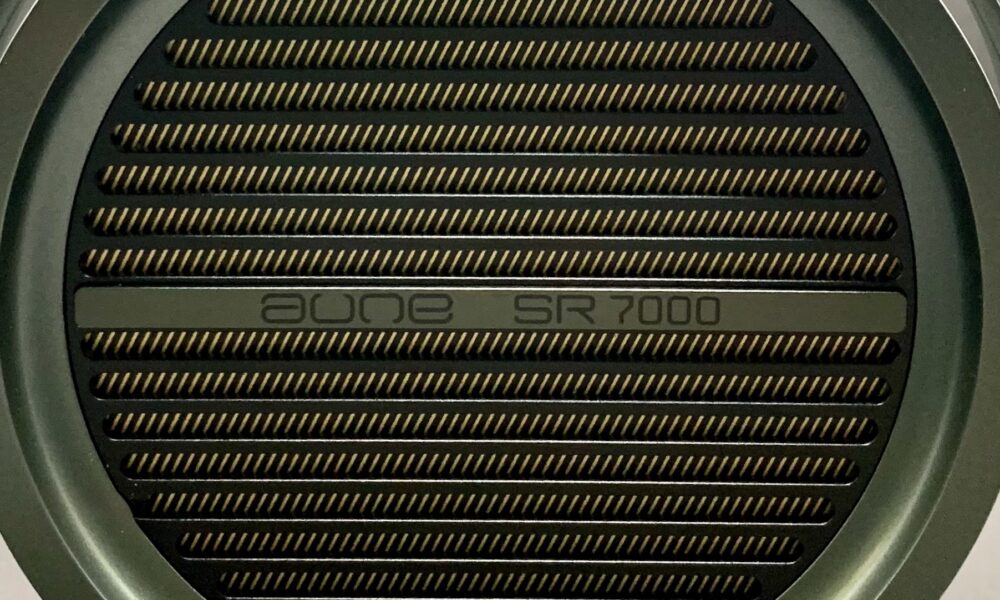
Preface
Over time, I found myself paying more and more attention to full-size headphones.
Table Of Content
- Preface
- First Impressions
- Packaging and Accessories
- Technical Specifications
- Design Philosophy: Ideas and Choices
- Here, though, it’s clear they worked on it.
- Build, Comfort and Usability
- Overall Sound Signature
- Bass
- Midrange
- Treble
- Soundstage and Imaging
- Who Are They For
- Driving, Pairing and Synergy
- Scaling and source performance
- Real-world pairing
- Pairing and burn-in
- Comparison with Sennheiser HD660S2
- Bass
- Midrange
- Positioning
- Treble
- Soundstage and Imaging
- Final Thoughts on the Comparison
- Comparison with Beyerdynamic DT 900 Pro X
- Bass
- Midrange
- Positioning
- Treble
- Soundstage and Imaging
- Final Thoughts on the Comparison
- Altered Five Blues Band – Lotta Love Left in Me
- Mickey Hart & Zakir Hussain – Global Drum Project
- Track Note
- Térez Montcalm – Where The Streets Have No Name
- Final Thoughts
- Listening Experience
- VOTE
- 🟢 PRO
- 🔴 CONS
- FAQ
- Acknowledgements and Personal Note
Coming mostly from IEMs, it almost felt like rediscovering a space that sits somewhere in between a proper home setup and the practicality of personal listening. Within that space, something interesting happens.
There are products that spark curiosity, others that convince you fairly quickly, and then there are those that, without making much noise, quietly take their place and stay there.
The SR7000 clearly belong to that last category.
They don’t try to impress on first listen with special effects or extreme tuning choices. Instead, they aim for something more subtle, and in many ways more difficult: building an experience that feels coherent, believable, and sustainable over time.
I used them everywhere, with everything. Short sessions, long sessions, focused testing and casual listening. And as time went on, one thing became increasingly clear: this is not just about sound, it’s about balance.
And when a headphone manages to sit there like that, never demanding attention but never losing it either, you start to realize there’s something more going on.
First Impressions
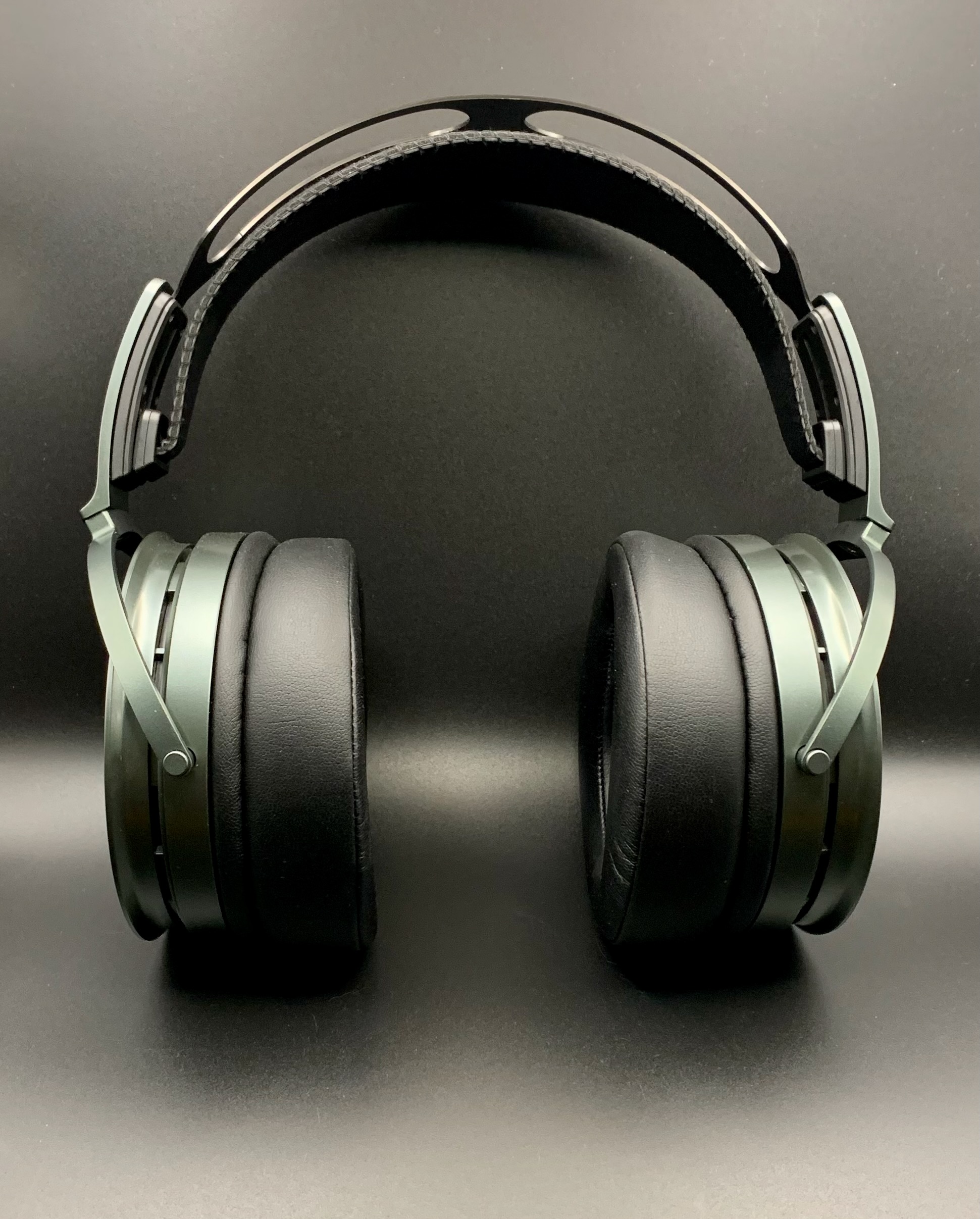
The first thing you notice is how light they feel.
But it’s not just about the weight, it’s how they sit on your head. You put them on, and after a moment, you stop noticing them altogether. The pads are large, there’s no pressure, and there’s real space for your ears. Even with glasses, and not the thinnest ones, there’s no discomfort. And for me, that’s not a given.
Right there, you already know you can wear them for hours.
Then the music starts.
And it doesn’t do what you might expect.
No immediate wow effect, nothing thrown at you to say “listen to how detailed I am.” They don’t try to convince you, they just… exist.
The sound is natural, smooth, but not dull. It’s more of a feeling than a statement. It wraps around you, almost like a gentle cushion, but with substance underneath.
And the strange part is this: no single detail jumps out. You don’t think “listen to that bass” or “those highs.” Instead, you realize everything fits. All of it, together.
Realism, balance, musicality. Effortless.
At some point you just pause and think:
ok… these actually sound really good.
And more importantly, you have no desire to take them off.
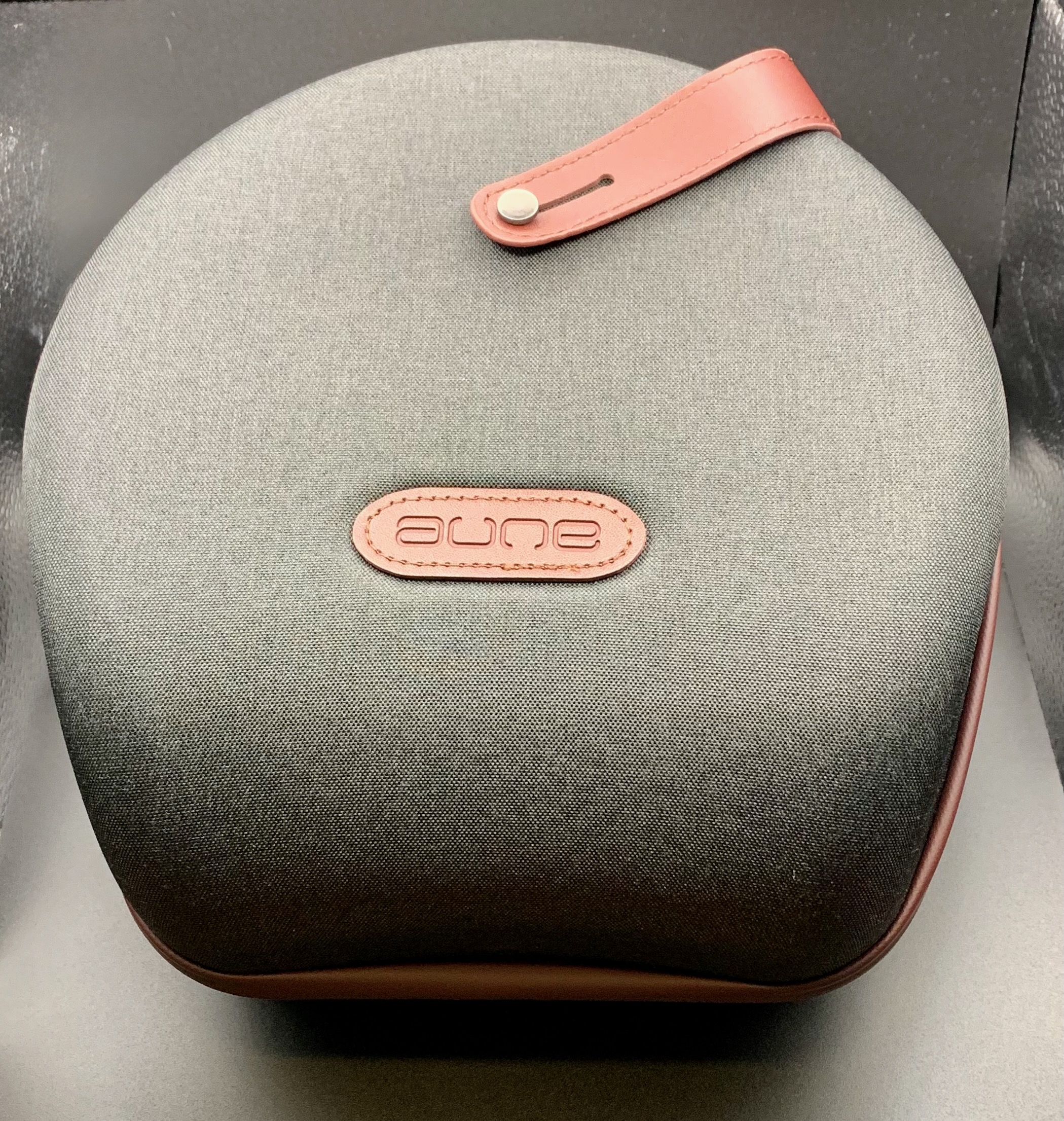

Packaging and Accessories
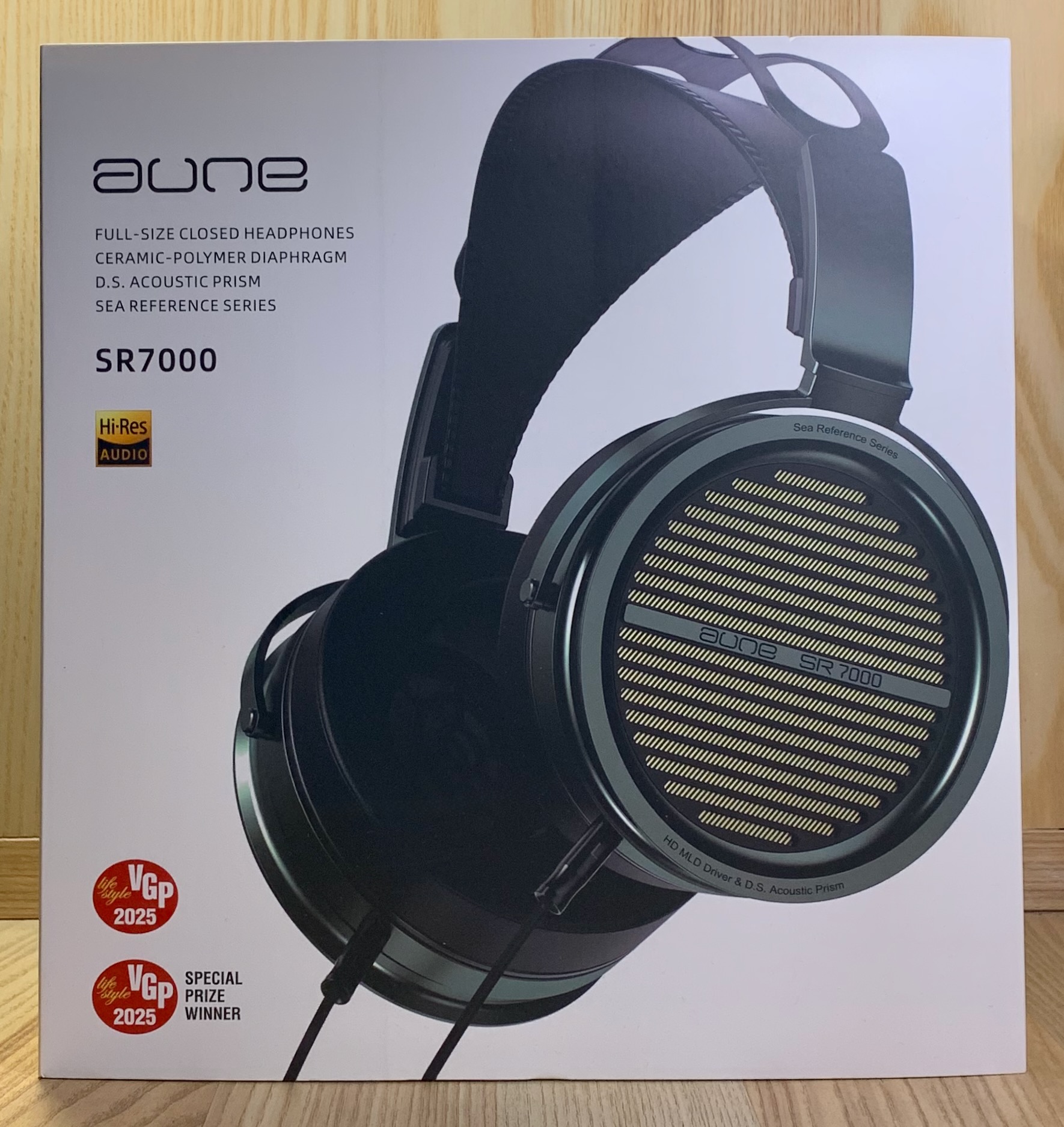
At first glance, the packaging might seem fairly simple. In reality, there’s more substance here than you’d expect.
The first thing that stands out is the hard case. It’s well made, solid, and clearly designed to protect the headphones rather than just look good. The kind of accessory you actually end up using, especially if you move around or just want to keep them safe.
For context, my partner genuinely thought I had bought a handbag, just based on the shape and color. That should give you an idea of how refined it looks.
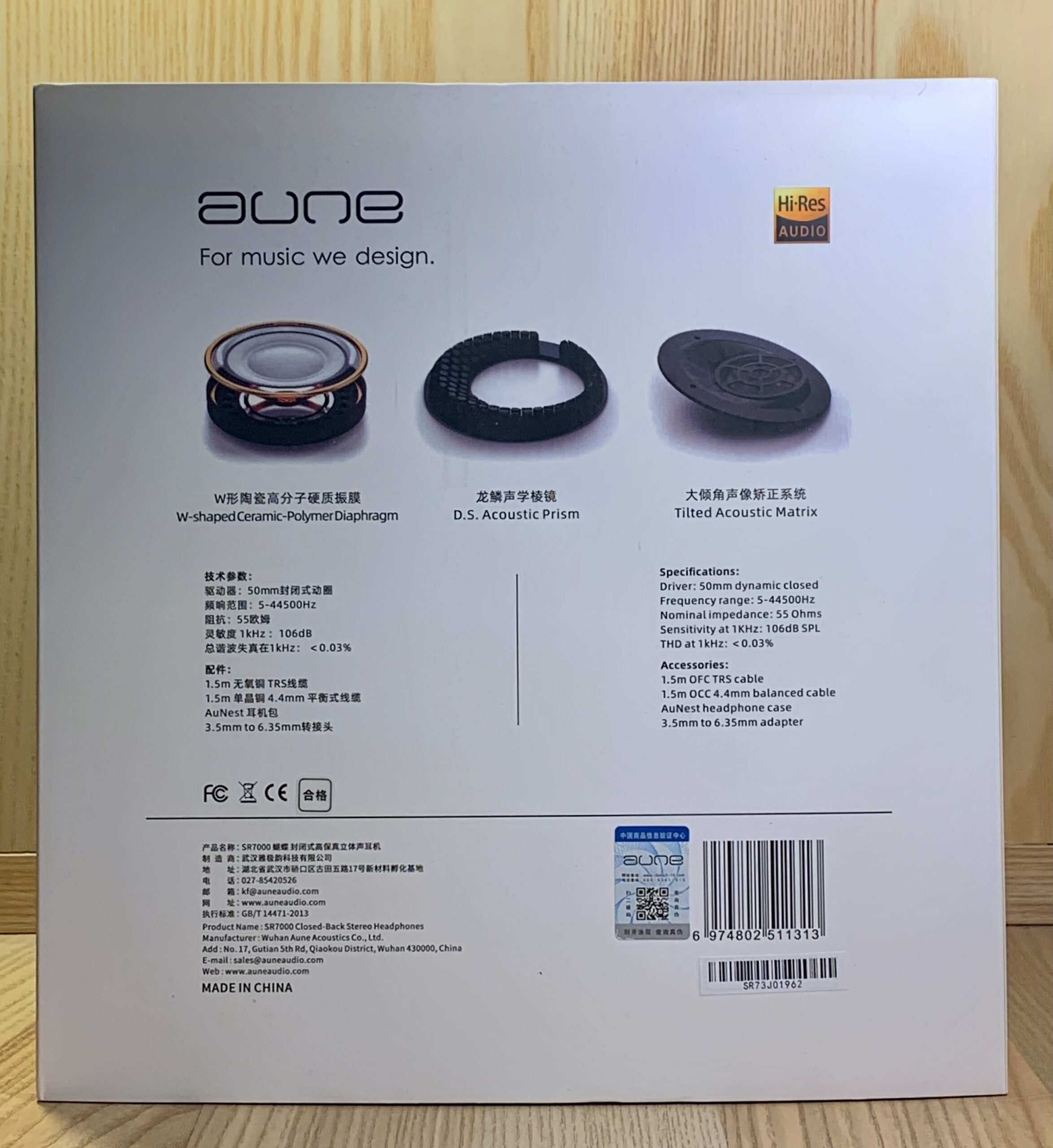
Inside, you get everything you need to use them properly right away:
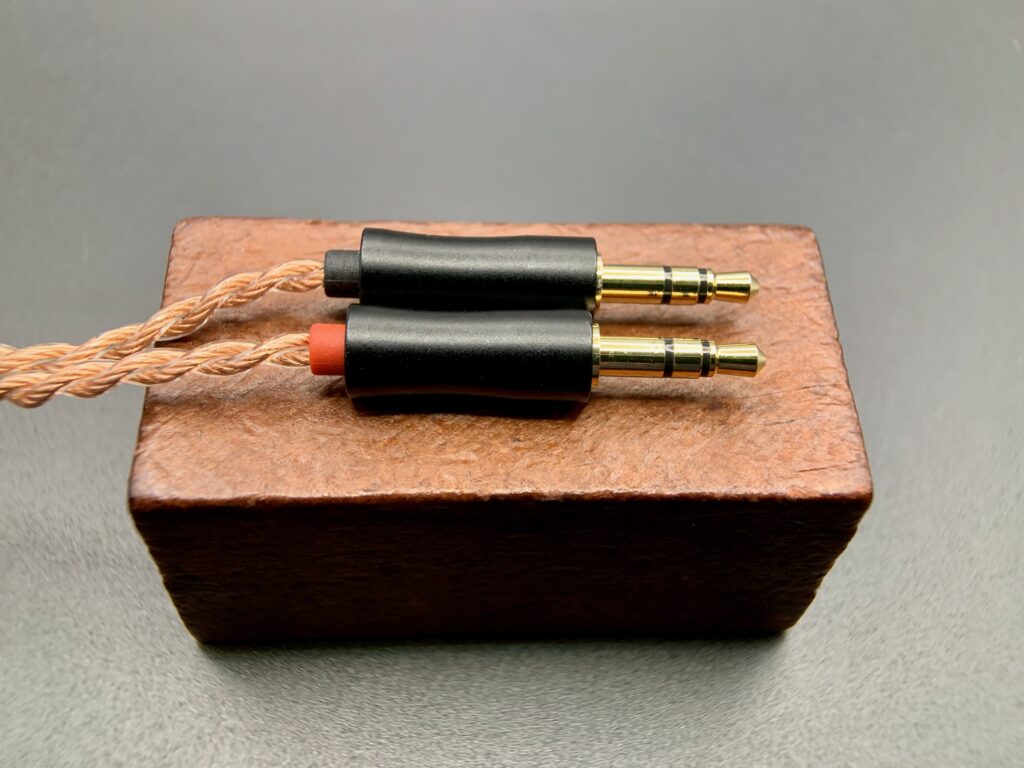
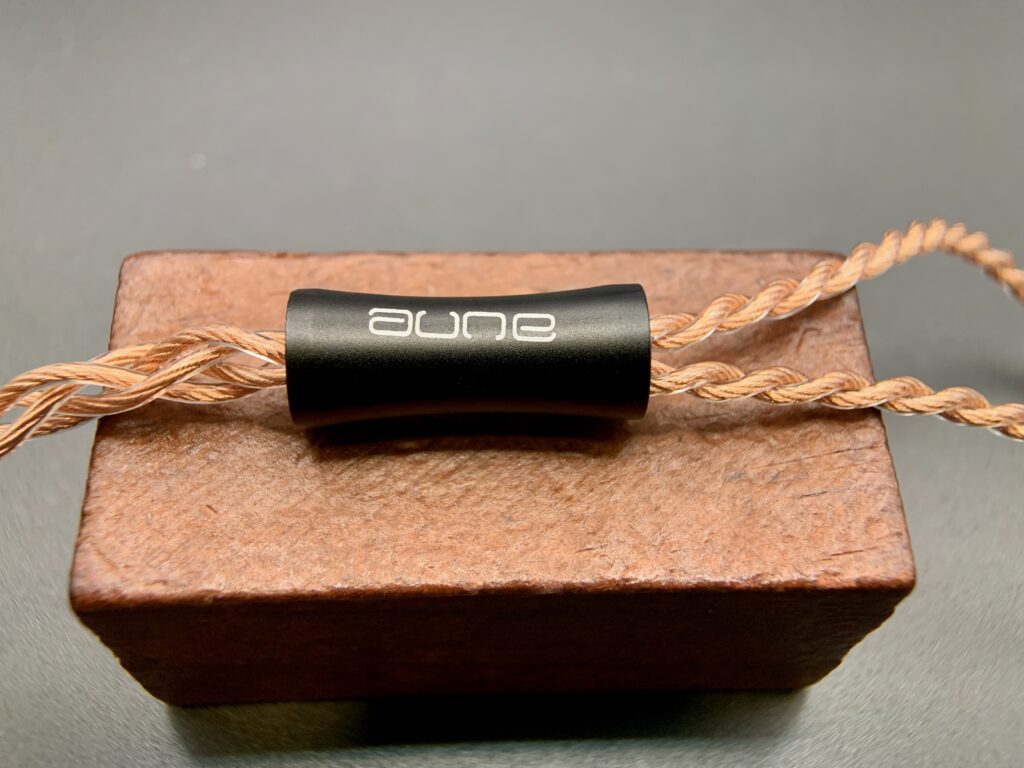
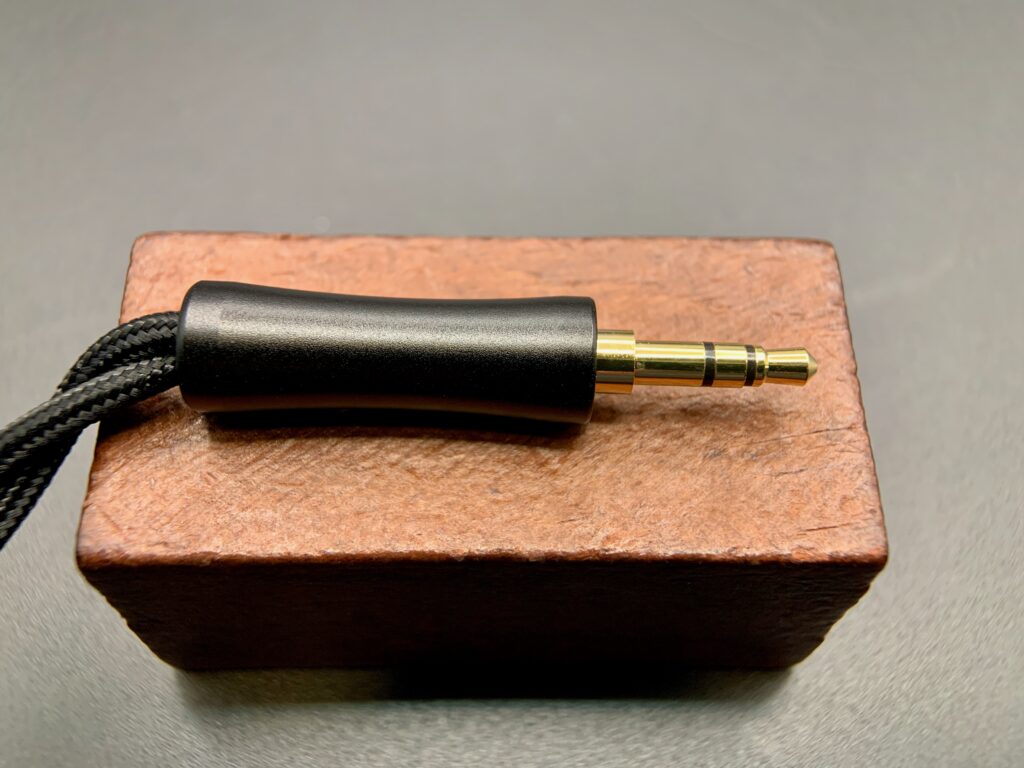
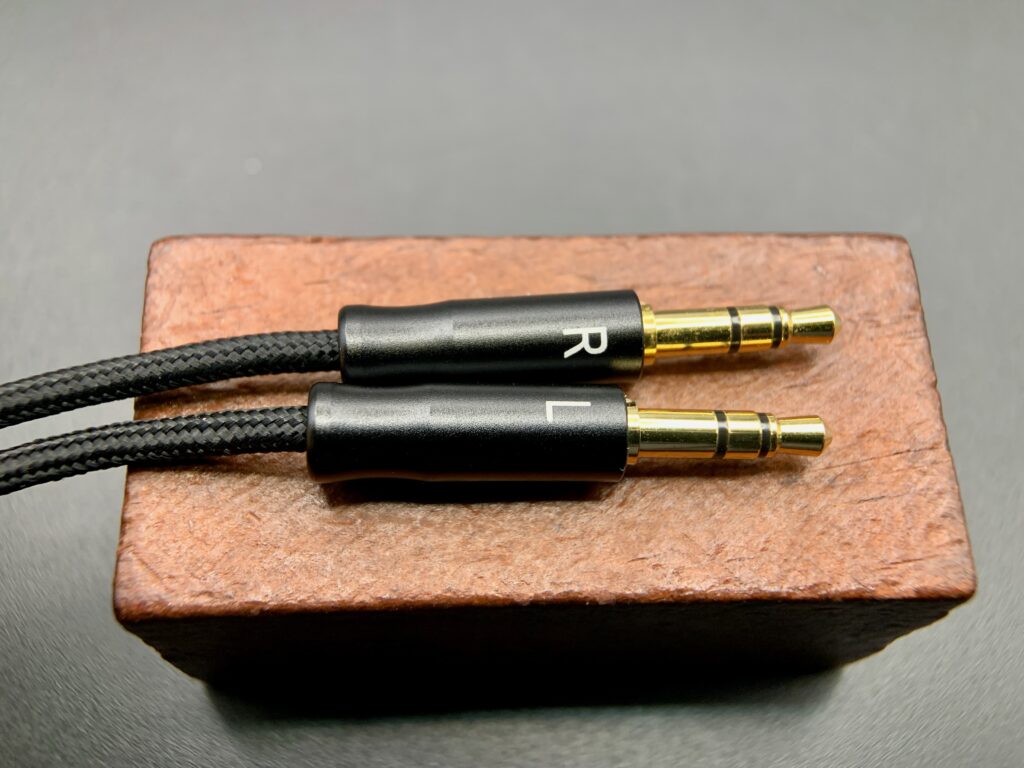
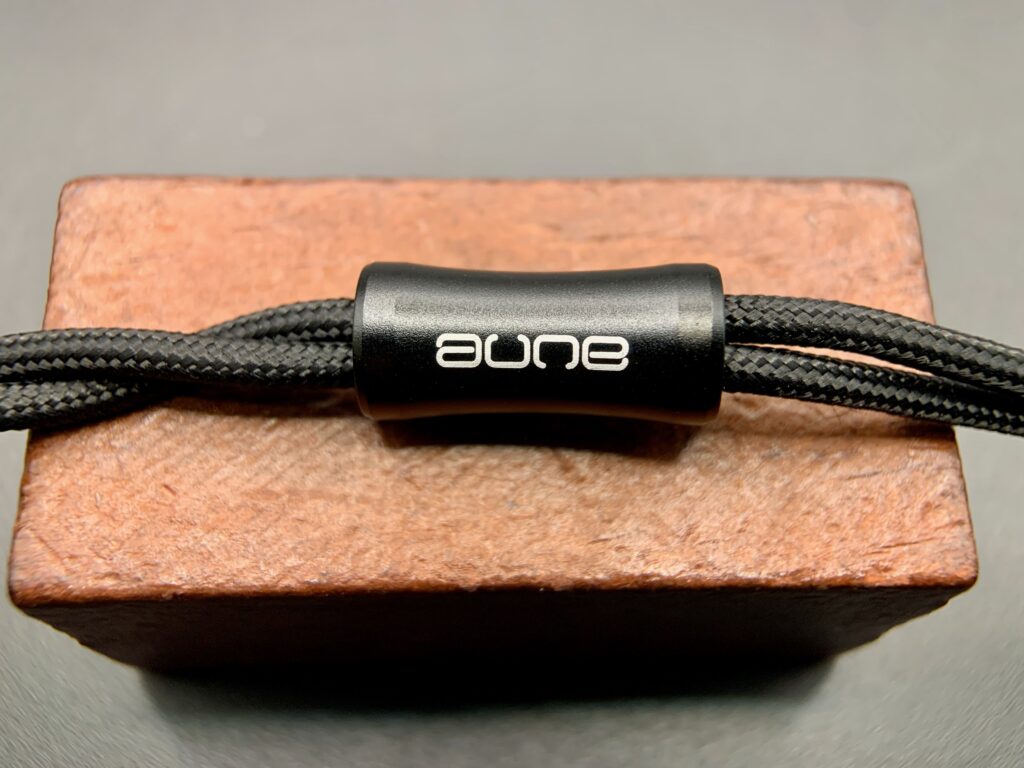
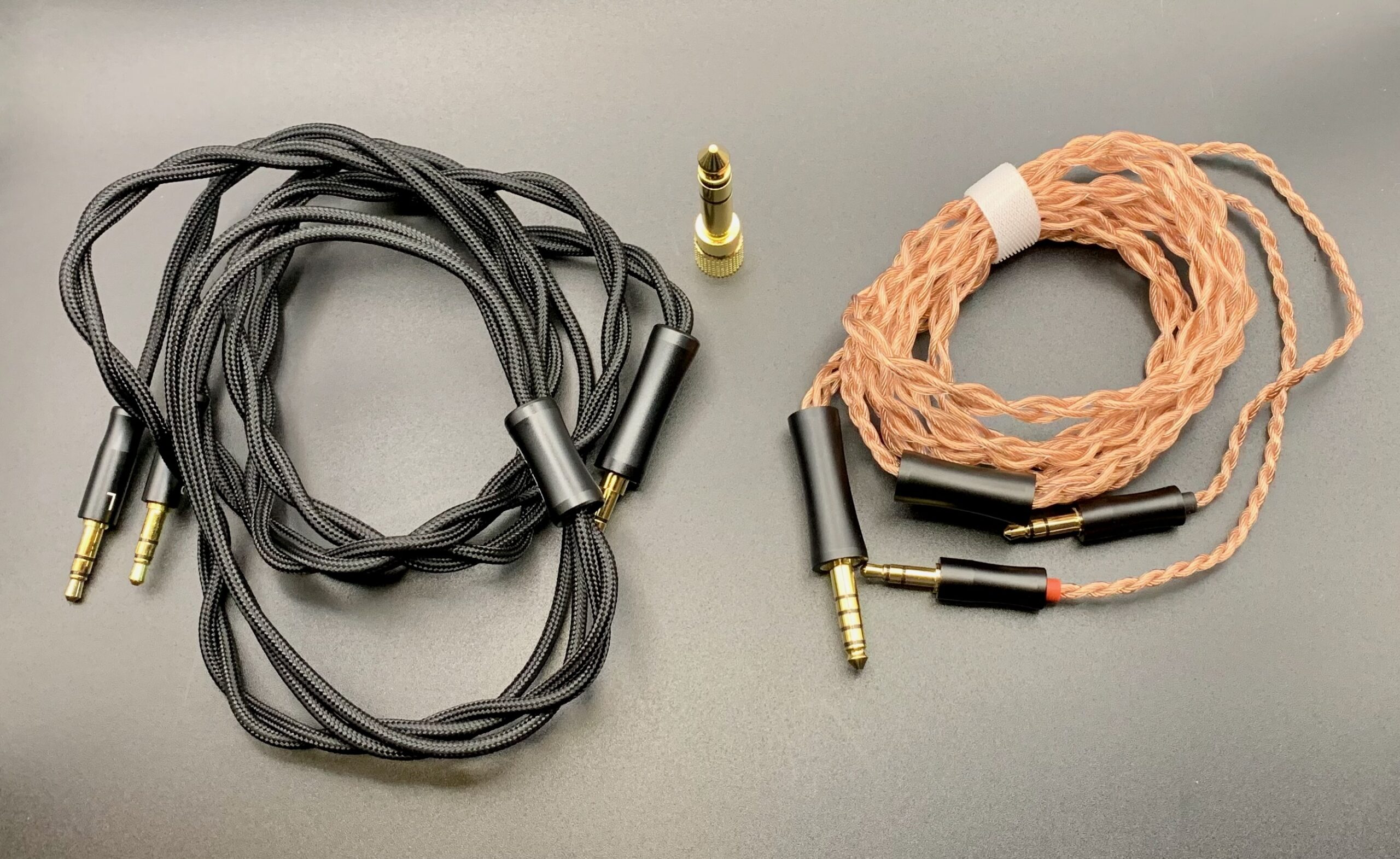
• standard cable
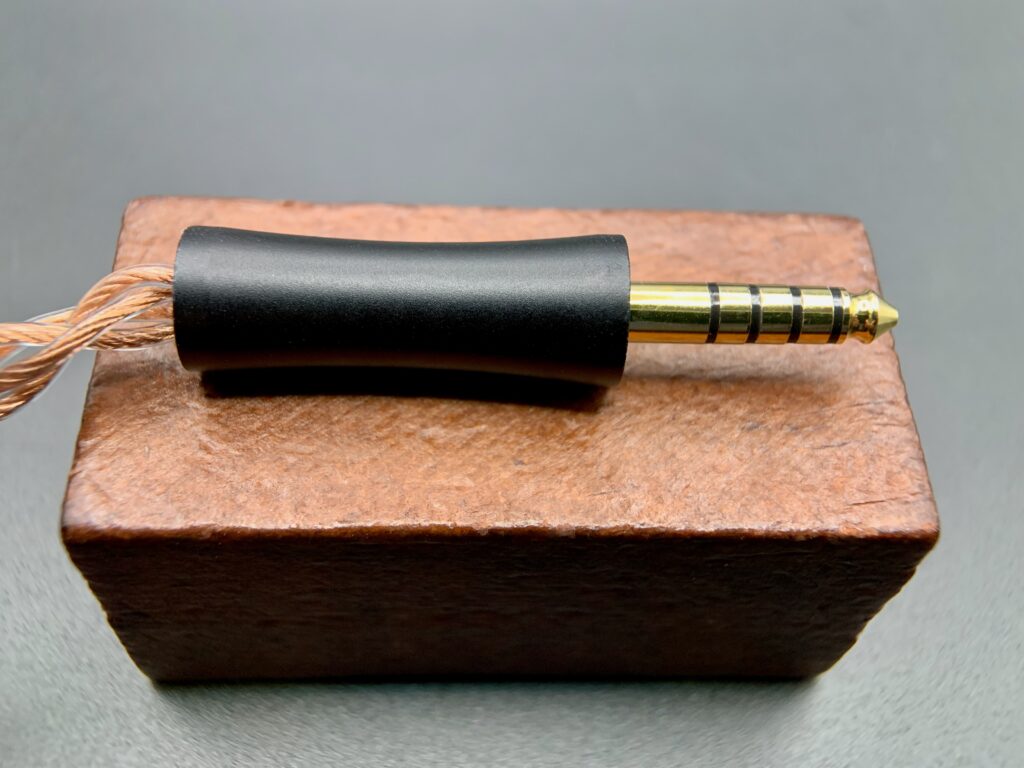
• 4.4 mm balanced cable
• 6.35 mm adapter
So there’s no immediate need to buy extras just to get started, which, these days, is not something you can take for granted.
What I really appreciated is how everything has its place. Dedicated compartments, securing straps, nothing thrown in randomly. Even the case feels thought through, not just a container but part of the overall design. That sense of a product that’s been considered all the way through.
In the end, it’s a practical setup, no unnecessary fillers, but still complete.
And yes, there is a bit of a wow factor. Not when you open the outer box, but when you see and open the case. That’s where you realize the attention to detail extends beyond the headphones themselves, without ever feeling forced.
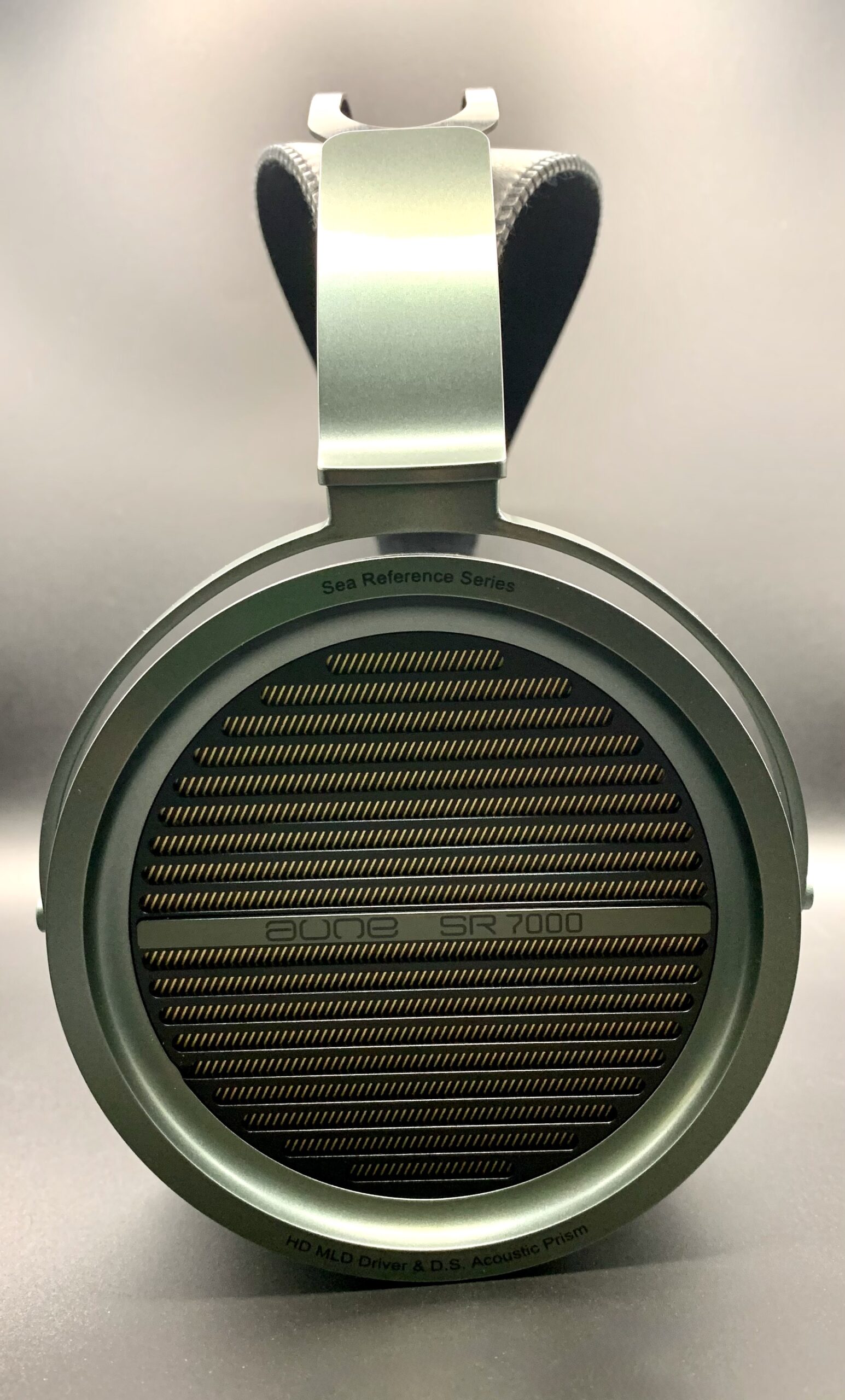
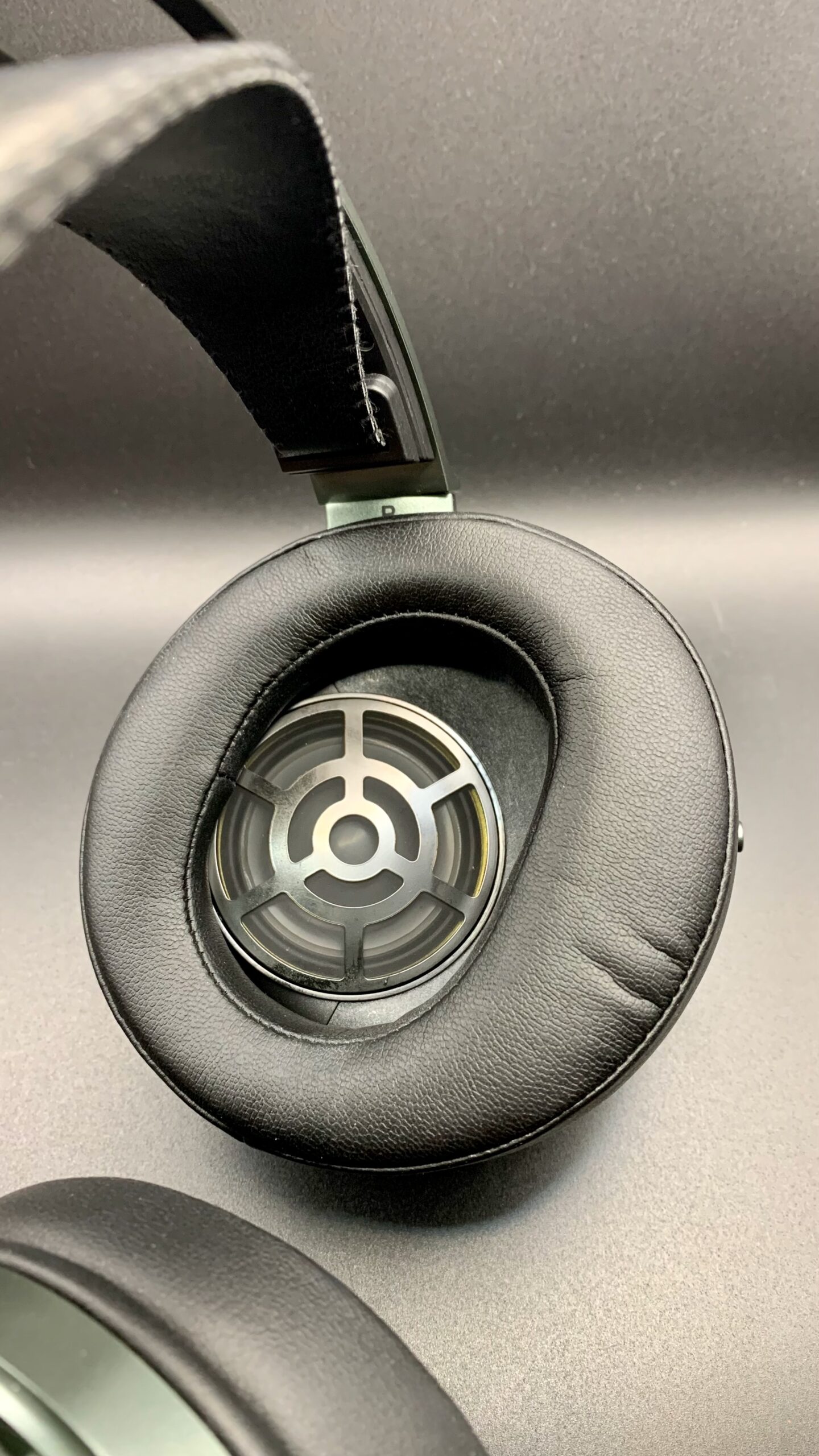
Technical Specifications
Here are the numbers. And numbers do matter.
They give you a general idea, they help you understand how a headphone might behave, how easy it is to drive, what kind of design sits behind it. They’re a starting point, not the whole story.
Because in real life, you don’t listen to numbers.
You can have a perfect frequency response on paper and end up with a sound that does nothing for you. Or you can have fairly ordinary specs and a presentation that keeps you listening for hours.
The SR7000 are a pretty clear example of that.
On paper, they’re easy to handle. Moderate impedance, good sensitivity, a well-designed dynamic driver. And yes, even with simple sources they already sound very good.
But what the specs don’t tell you is how much they scale when the chain improves, or how they manage to stay coherent and natural without forcing anything.
And most importantly, they don’t tell you the one thing that matters most: how much they make you want to listen to music.
So yes, specs are useful. Up to a point.
Everything else happens when you press play.
| Characteristic | Specification |
| Type | Over-ear circumaural closed-back |
| Driver | 50 mm dynamic (MLD, polymer + ceramic diaphragm) |
| Frequency Response | 5 Hz – 44.5 kHz |
| Impedance | 55 Ohm |
| Sensitivity | 106 dB |
| THD | < 0.03% |
| Weight | 390 g |
| Cable | Removable |
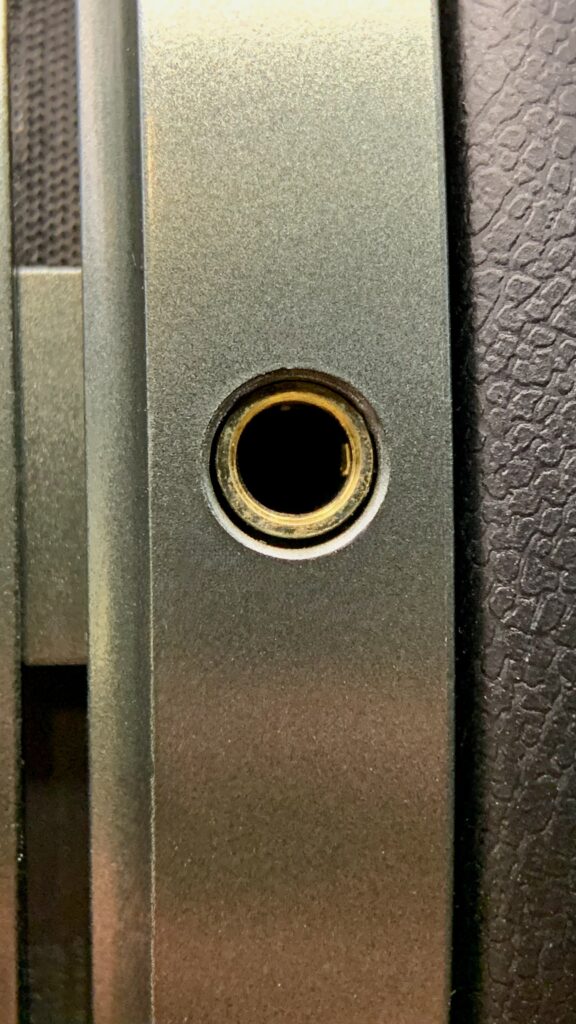
| Included Connections | 3.5 mm + 4.4 mm balanced |
| Accessories | AuNest hard case + 6.35 mm adapter |
| Acoustic Design | Closed-back with “Dragon Scale” metamaterial system |
Design Philosophy: Ideas and Choices
The SR7000 were not designed to impress.
They don’t chase that typical wow effect, the kind that grabs you in the first 30 seconds and then wears you out after an hour. The idea here is different, and honestly, much harder to execute.
The goal, at least from what I hear, is quite clear: get as close as possible to a “real” listening experience.
Not a headphone presentation, but something closer to a proper system. The kind you’d listen to sitting on a couch, with nothing pushing the sound directly at you.
And for a closed-back headphone, that’s ambitious.
Because closed designs usually come with a known limitation. Sound tends to stay inside, reflect, feel narrower, more “in your head.” And if you don’t manage that properly, that sensation never really goes away.
Here, though, it’s clear they worked on it.
There’s a 50 mm dynamic driver built to be both fast and stable, with a diaphragm designed to move in a controlled way rather than moving loosely or unpredictably. You can hear it, because there’s no sense of blur or congestion.
Then there’s the internal cup design, and this is where things get interesting.
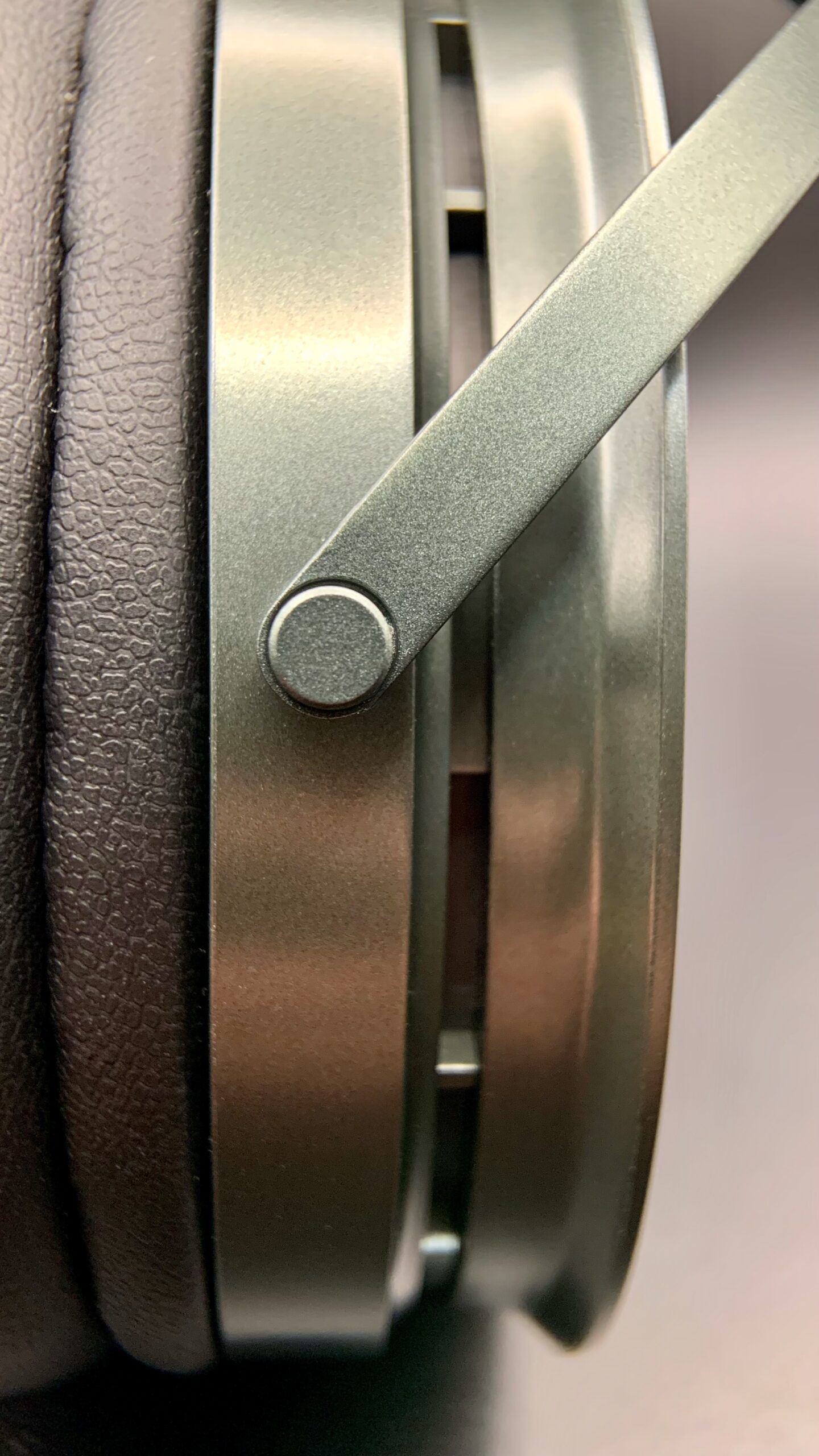
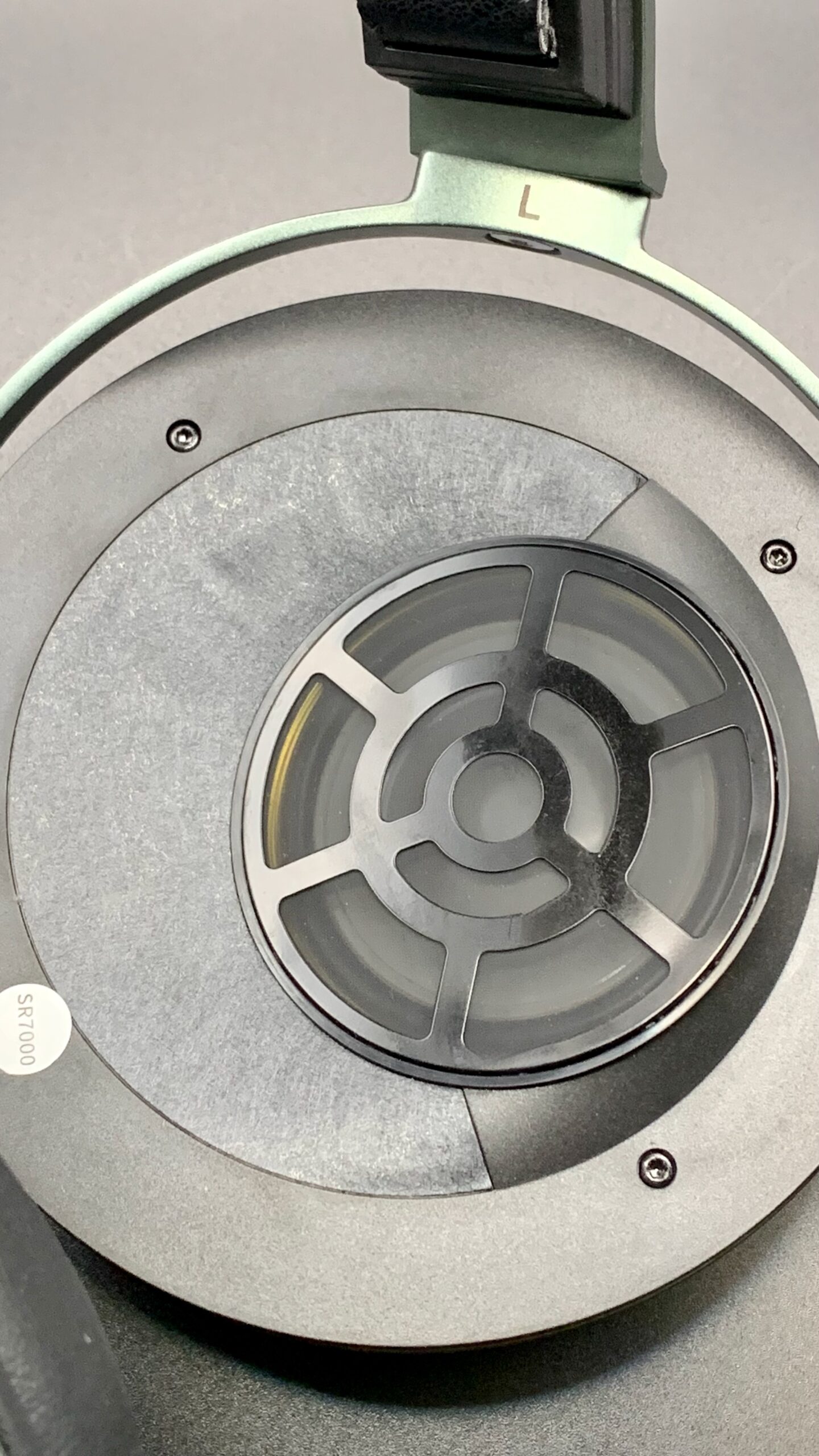
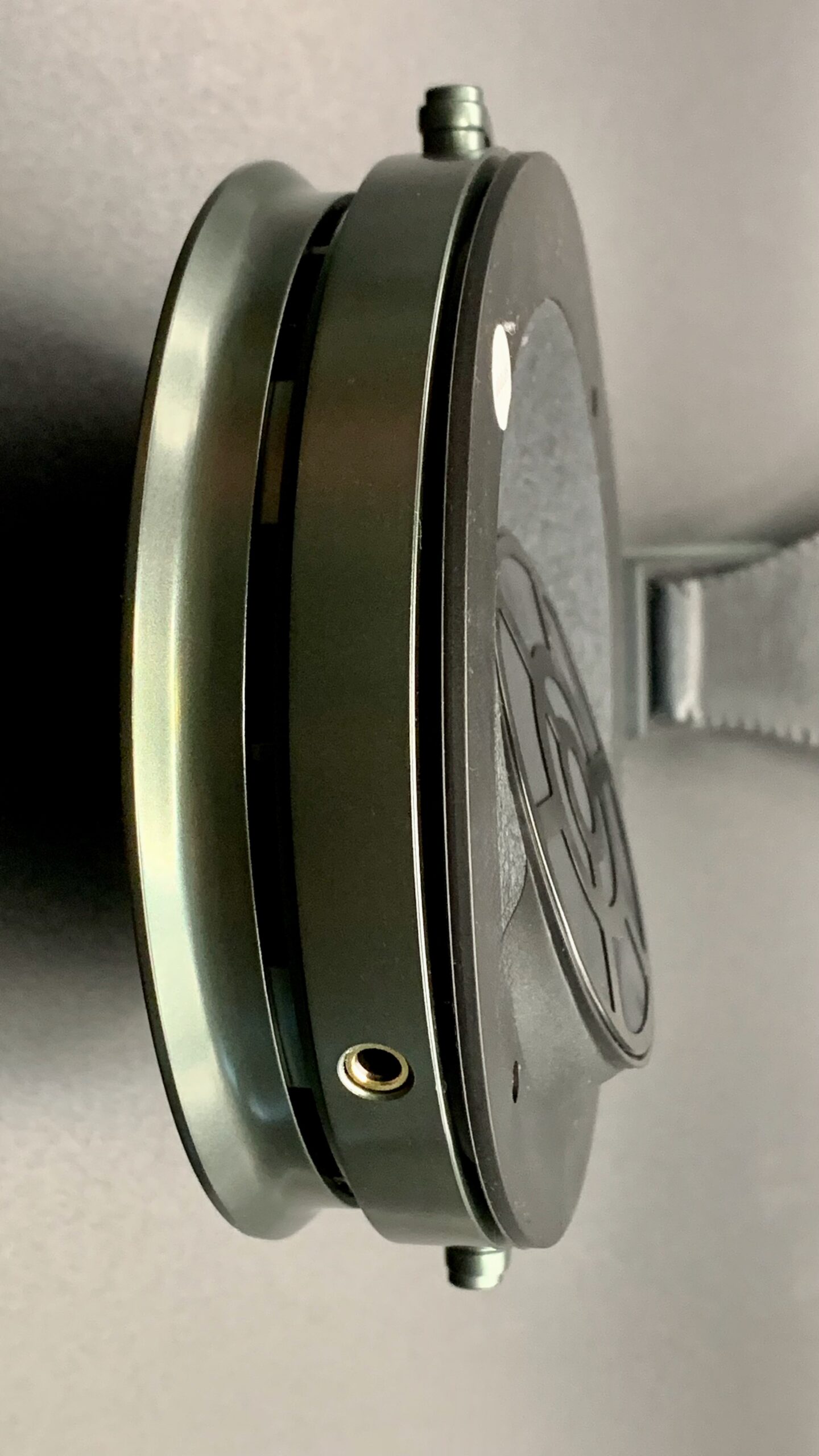
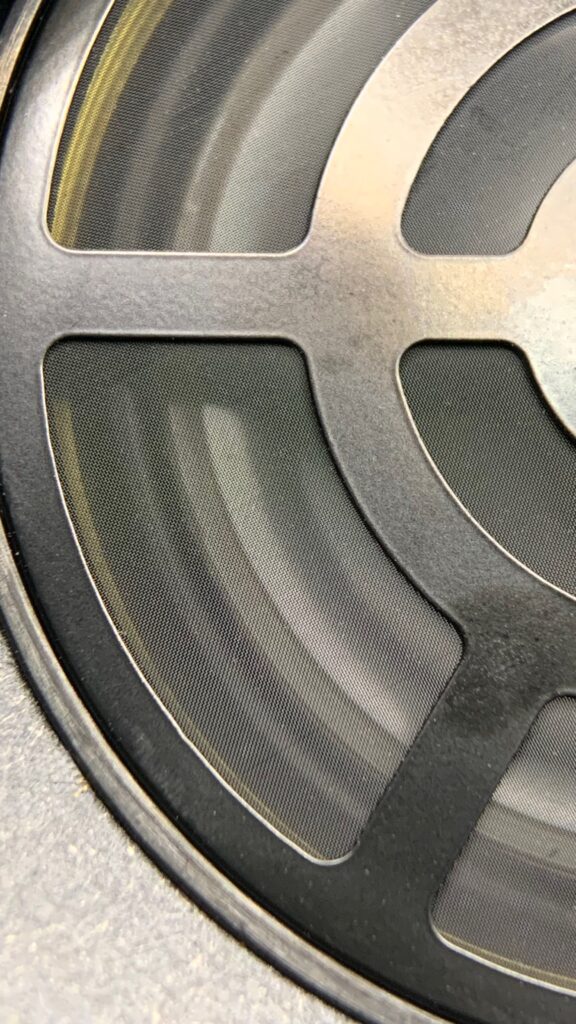
The metamaterial system, what Aune calls “Dragon Scale”, is not just marketing. It actually serves a purpose, controlling internal reflections and preventing the sound from collapsing inward. That typical closed-back “boxed-in” feeling is, for the most part, gone.
And then there’s the angled driver.
It may sound like a small detail, but it isn’t. It changes how sound reaches your ear. Instead of coming straight at you, it has a more natural direction, closer to how we perceive sound in real space.
Everything you hear later connects back to these choices.
Because in the end, it’s not about one standout feature, but a set of decisions all pointing in the same direction: balance, no artificial emphasis, coherence across the spectrum, and a soundstage that feels believable rather than constructed.
It’s not something you fully grasp in the first minutes.
At first you think, “ok, this sounds good.”
Then you keep listening, switch sources, change music… and you realize nothing feels out of place.
And that’s when it clicks. This isn’t an effect. It’s a design that was meant to sound like this from the start.
Build, Comfort and Usability
Here, honestly, they got it right.
You pick them up and immediately understand they’re not just meant to sit on a desk. These are headphones built to be used, and used for long sessions.
On the head, they’re even better.
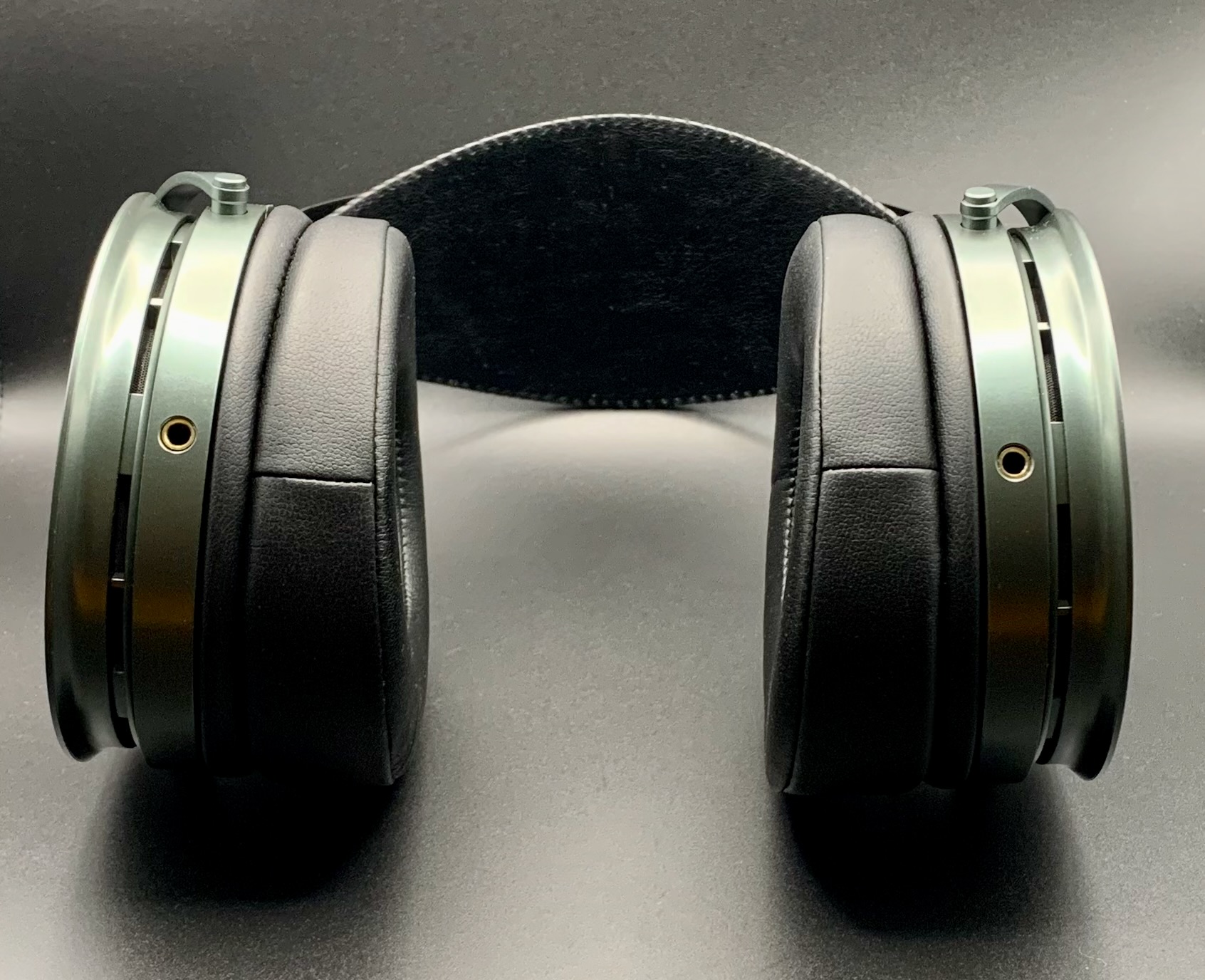
They’re light, but more importantly, well balanced. There’s no forward pull, no pressure points that start bothering you after half an hour. You just put them on and stay there without thinking about it.
I used them for long sessions, even with glasses, and never once felt the need to take them off just to get a break.
And for me, that matters a lot.
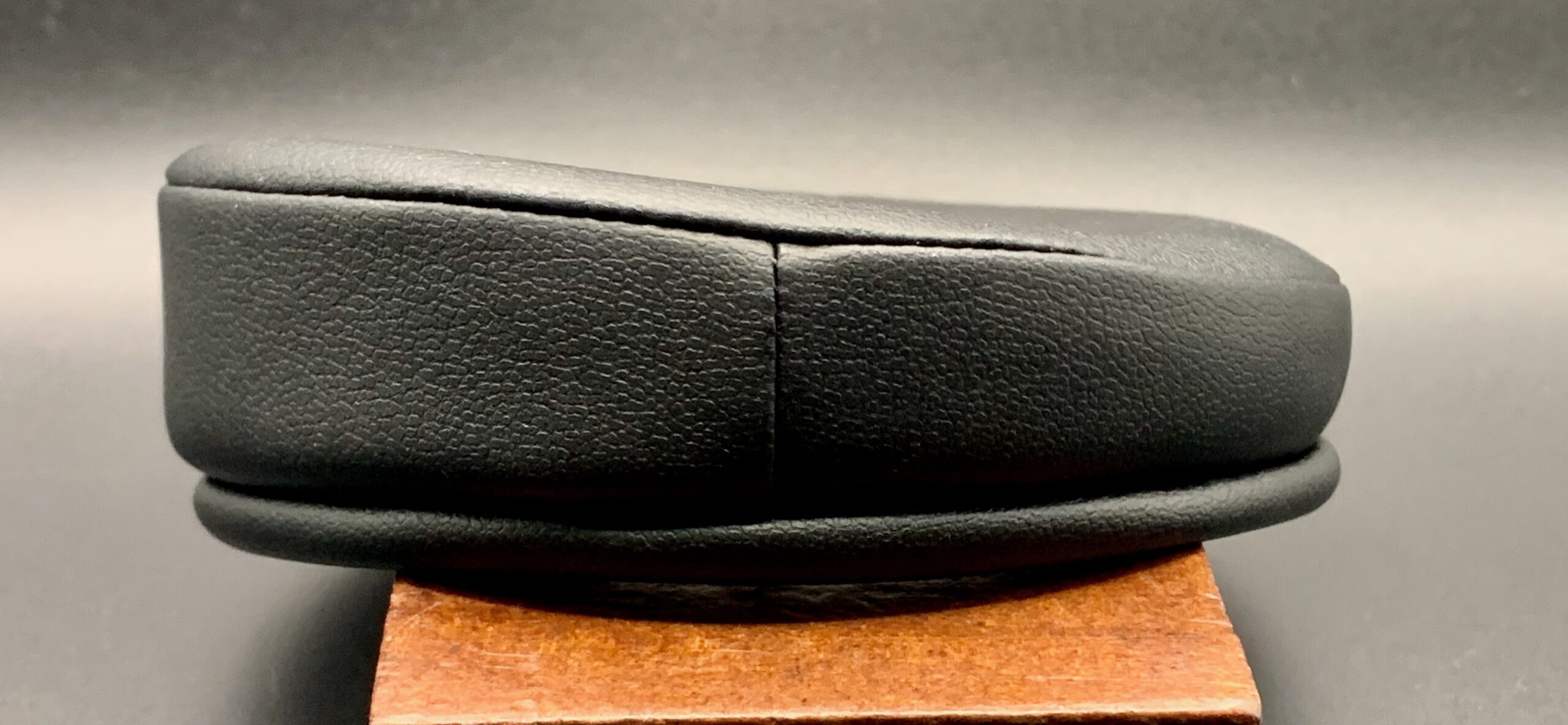
The pads do their job properly. Large, comfortable, no clamping pressure. They isolate enough without giving you that unpleasant “closed-in” feeling.
Then there’s the build.
Overall, it’s good. Solid enough for everyday use, without feeling fragile, but also not something you’d call tank-like.
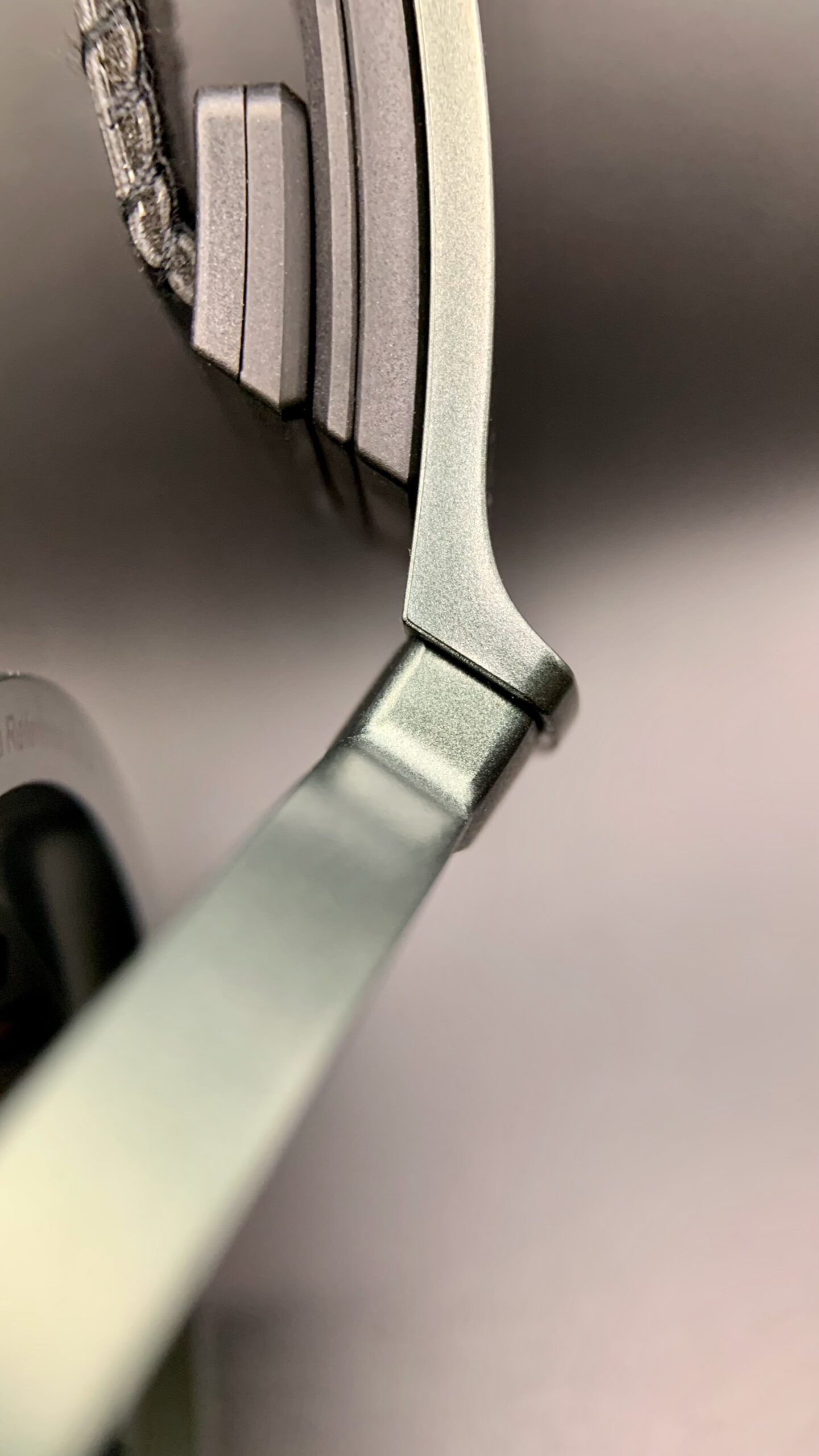
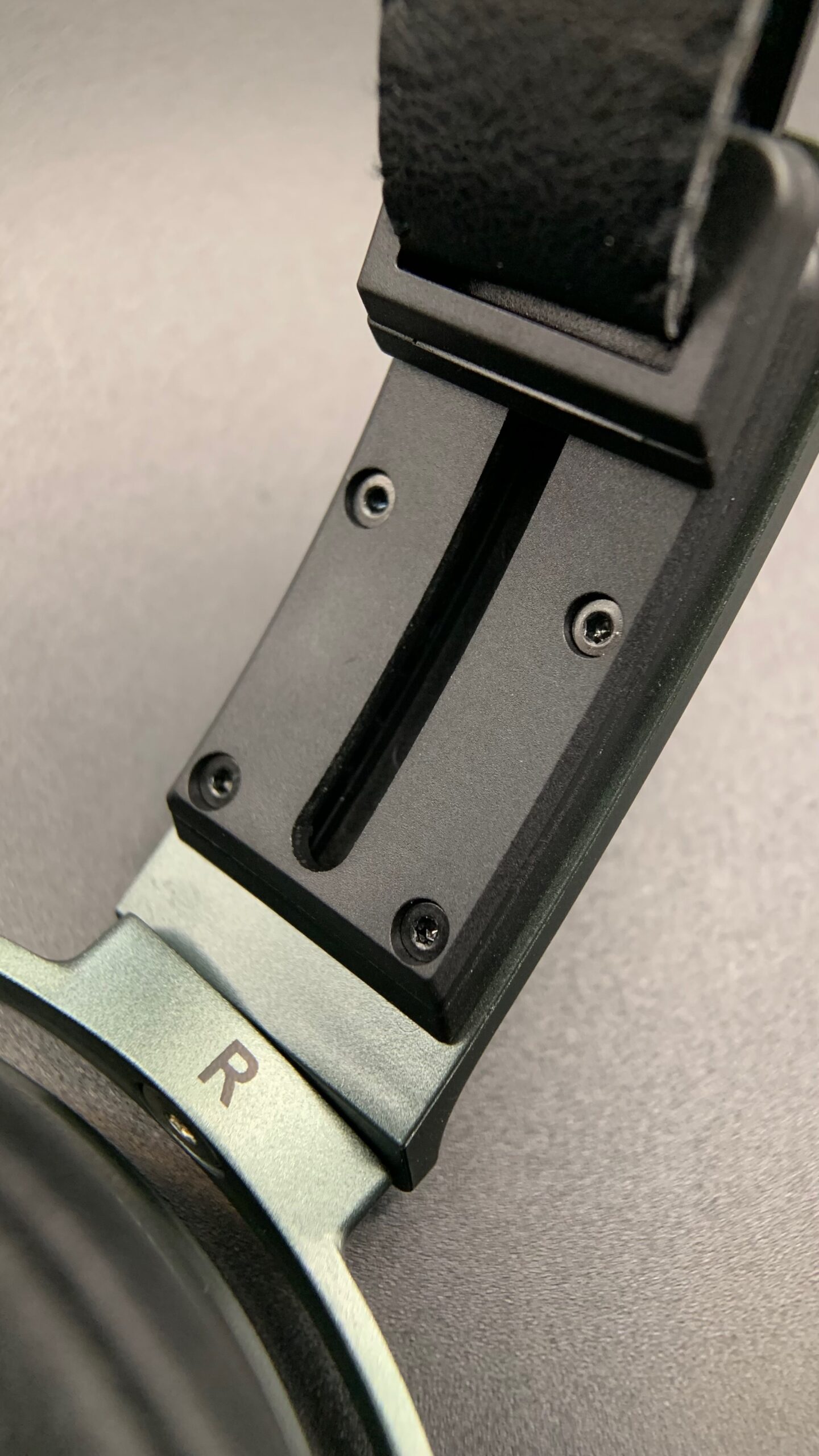
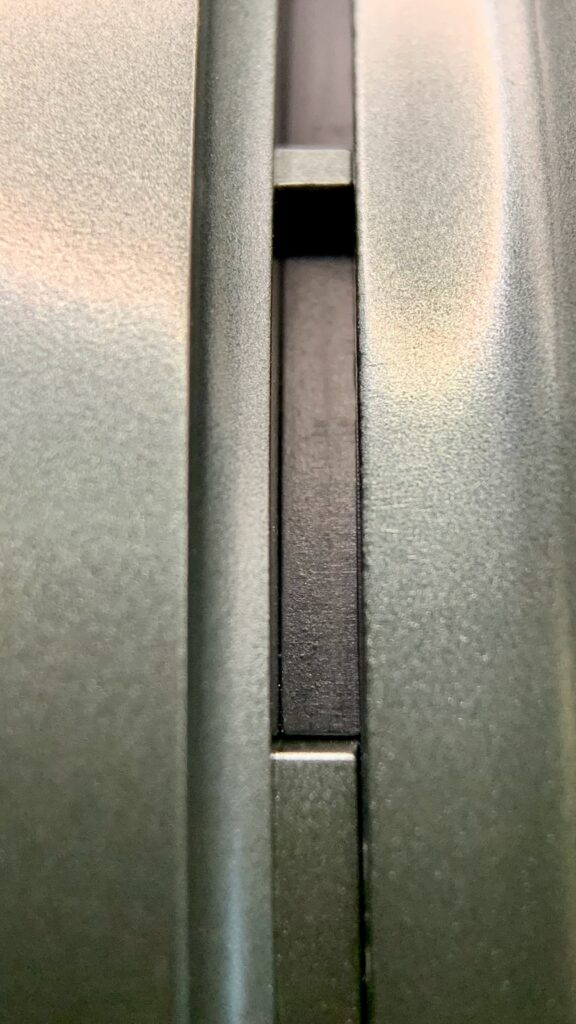
The only part that leaves me with a small doubt is the headband joint, where the earcup connects to the structure.
I didn’t have any actual issues, to be clear. But there’s a sense that, in case of a fall, that might be the most delicate point. More of a perception than a real flaw, but still worth mentioning.
For the rest, ergonomics are spot on.
These are headphones you can use for hours, and most of the time you won’t even notice they’re on. And when that happens, it usually means the design is doing exactly what it should.
Overall Sound Signature
Balance.
That’s the word that keeps coming back, even after hours of listening.
No single frequency range takes over, and there’s no tuning designed to grab your attention right away. Everything here serves the music, not the headphone.
And this is something you understand over time, not in the first few minutes.
Because it never gets tiring, never boring, and most importantly, it doesn’t push you into a certain way of listening. It doesn’t emphasize the bass, it doesn’t pull up the highs, it doesn’t throw vocals in your face.
It just sits there.
And eventually something happens, something that’s not as common as it should be: you stop thinking about how it sounds and start actually listening to the music.
This happened to me during my analysis sessions. At some point I realized I had been listening to music, familiar and unfamiliar, for almost an hour… without writing a single note.
And for someone who usually takes notes on everything, that’s not normal.
That tells you how engaging they are.
And when a headphone manages to do that, it means it has found its balance.
Bass
Extended and controlled.
The first thing you notice is the sub-bass. It’s there, it reaches low, but it only shows up when needed. It’s not constantly trying to remind you of its presence.
And this is where they do something different compared to many closed-back headphones.
Yes, the sub-bass is present, and it’s actually very good, but it’s not bloated, not artificial, and it doesn’t have that typical “closed-back” effect where everything feels thick and eventually tiring. Here it’s cleaner, more controlled, more believable.
And that alone puts them on a different level.
Mid-bass has body, but always stay in place. It doesn’t bleed, doesn’t interfere, doesn’t take space that doesn’t belong to it. Kick drums are tight, well defined, with a clean attack. Not exaggerated, just real. And in the long run, that works better.
There is punch, but it’s not the focus. These are not headphones built to hit hard, but when needed, they deliver.
What really stands out is the quality of the bass: articulated, quick enough, always easy to follow. And most importantly, it never gets in the way of the rest.
It does its job, and lets the music breathe.
Midrange
This is where the real game is played.
The mids are, without exaggeration, the true strength of the SR7000.
They are natural, alive, and tangible. Nothing feels artificial, nothing sounds cold or metallic. Instruments come across as what they are, wood, metal, skin. You can recognize them, you can almost feel their texture.
And vocals… they sound real.
They’re not pushed forward to impress, but they’re not pulled back either. They sit exactly where they should, with proper body, presence, and realism.
Part of this, in my opinion, comes from the design itself.
The angled driver and the internal cup structure create something you don’t often hear. Usually, with headphones and IEMs, you get one of two sensations: either the sound is inside your head, or slightly above it.
Here, it’s different.
The presentation feels more frontal. Not quite like a full home system, of course, but closer than expected. Vocals are not above or inside, they’re in front.
And once you hear that, it changes everything.
You feel more inside the music, but in a natural way, without any artificial tricks. It’s subtle, but once you notice it, you can’t unhear it.
This is not a presentation that tries to impress.
It convinces you, slowly.
And in the end, it stays.
Treble
Very well handled.
The highs are not extreme, they don’t try to shine at all costs, and most importantly, they never turn metallic or harsh. They’re airy, present, but always controlled.
These are the kind of highs you can listen to for hours without reaching for the volume knob.
And that alone is already a big plus.
But what’s more interesting is not how forward they are, but how they behave.
Even when they sit in the background, they’re still there.
Let me explain.
In many recordings, elements like hi-hats, cymbals, tambourines, small percussive details tend to sit further back. Sometimes because of mic placement, sometimes by choice in the mix.
With many headphones, those details either fade away or become hard to follow, especially when the track gets busy.
Here, they remain.
Always present, always easy to follow. They don’t jump forward unnaturally, but they never disappear. You can follow them, understand what they’re doing, without effort.
And over time, that makes a real difference.
Overall extension is good, there’s enough air, and integration with the rest of the spectrum feels very natural.
If you really want to find a minor flaw, you might wish for just a touch more energy in the very top end. But that’s clearly a design choice, made to preserve balance and long-term listenability rather than immediate impact.
Soundstage and Imaging
The stage is wide, but more importantly, it feels believable.
There’s no artificial width, nothing stretched just to create an effect. It opens up naturally, depending on the music you’re listening to. And that’s an important detail.
It never collapses into something compact. There’s always air between instruments, real space, and that alone helps a lot with how detail comes through. Not because it pushes detail forward, but because it gives it room to exist.
Everything sits where it should.
Width is handled well, but what really stands out is the sense of depth. You don’t get that flat, same-plane presentation. Instead, you can clearly tell what’s in front, what’s further back, without having to focus too hard on it.
And considering this is a closed-back headphone, that’s far from obvious.
Imaging is precise, but never clinical. It stays musical, natural. Instruments are neither glued together nor artificially separated. They simply occupy their own space.
And when everything falls into place like that, the soundstage stops being an effect… and becomes part of the music itself.


Who Are They For
The SR7000 are for listeners who want a sound that is clear, relaxed, yet still precise and dynamic.
These are headphones that work when you actually want to listen, not when you’re looking to be impressed.
If your library leans toward rock, soul, jazz, classical, acoustic, anything where balance and coherence matter, you’ll feel right at home here. They let you follow everything without losing pieces along the way, without having to chase the sound.
And most importantly, you can stay with them for hours.
They’re not the right choice if you’re after:
• dominant bass
• aggressive treble
• immediate wow factor
These are not headphones for hard-hitting, aggressive listening or pure impact.
They’re for people who want to experience music as a whole, without one part overpowering the rest.
And above all, they’re made for long listening sessions.
Not for obsessively dissecting every detail, but for enjoying what’s happening from beginning to end.
Driving, Pairing and Synergy
Scaling and source performance
This is where an important aspect of the SR7000 really shows up.
They scale. And quite a lot.
On paper, they’re not hard to drive. The specs suggest you can run them comfortably even from a dongle, and in practice, that’s true. With simple sources they already sound good, never constrained or limited.
But as soon as you move up, everything changes.
This isn’t one of those subtle, barely noticeable improvements. You step up in source quality, and they follow immediately. More clarity, better definition, tighter control, but above all, more naturalness.
Real-world pairing
I noticed this clearly moving between different setups.
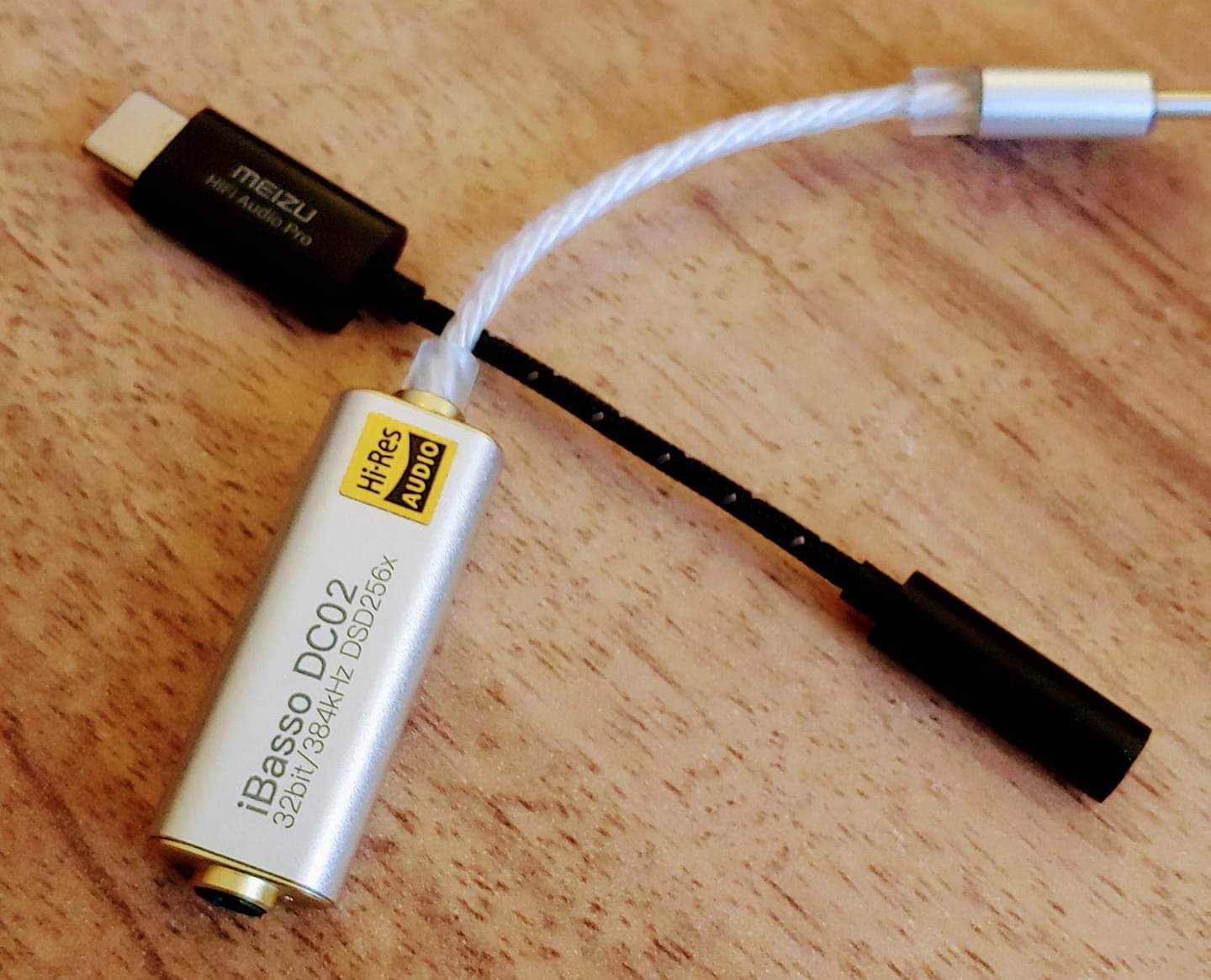
With dongles like the iFi Go Link Max, Basn PA60 or Aune Yuki, the experience is already very enjoyable. Balanced, complete, nothing feels missing. There’s no immediate urge to upgrade. And using the included cable with the 4.4 mm connection, you can already take full advantage of what these small devices can offer.
Then you move to something more substantial, like the N7, Q1 or even a K5, with all its limitations, and you start to hear what they’re really capable of.
The stage opens up, layers become easier to follow, details come through more naturally. But the most noticeable change is how effortless everything feels.
They never push, yet they give you more.
And that’s a meaningful difference.
Pairing and burn-in
Another interesting point is that they’re not particularly picky when it comes to pairing. You don’t need to chase the perfect match. They adapt well, but at the same time, they reward a better chain.
As for burn-in, behavior is quite consistent.
After about 15–20 hours they start to settle, but around 30–40 hours they really come together. It’s not a dramatic transformation, but you do notice a greater sense of cohesion and natural flow.
In short, they’re easy to drive, but not simplistic.
And if you feed them something good, they’ll make the most of it.
Comparison with Sennheiser HD660S2
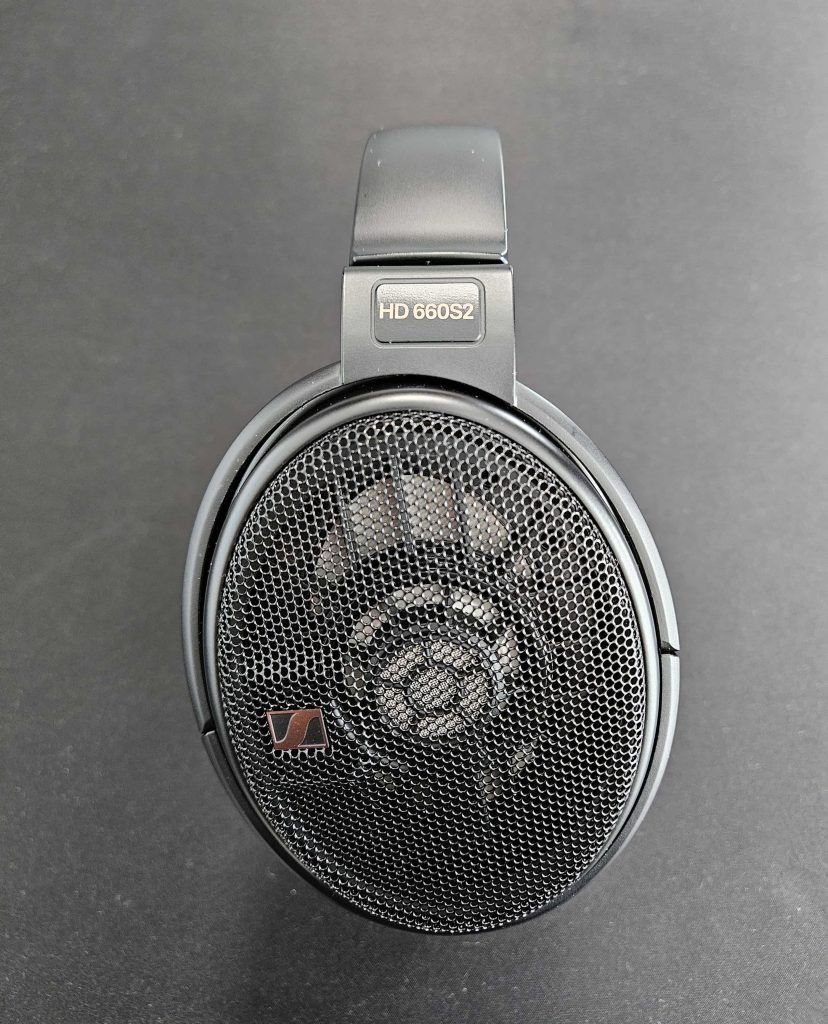
This is a more modern comparison.
The HD660S2 builds on the legacy of the 600 series, but with a more complete approach. There’s more extension down low, more dynamic presence, while still keeping that natural tonality the series is known for.
And because of that, the comparison becomes more interesting.
At a basic level, they’re quite different:
the HD660S2 is open-back, the SR7000 is closed-back.
Yet when you actually listen, the gap doesn’t behave the way you might expect.
Bass
Compared to the older 600 series, the 660S2 clearly takes a step forward.
There’s more presence, more reach, and a slightly more modern tuning. Still, it retains a certain softness, a roundness that’s part of its character.
The SR7000 go further.
Sub-bass extends deeper, but more importantly, it stays controlled. Never bloated, never intrusive, always easy to follow.
The difference here isn’t about quantity, it’s about control and cleanliness.
Midrange
The HD660S2 carries the classic Sennheiser DNA.
Natural, smooth, very musical mids. Perhaps a bit fuller than the HD600, but still somewhat intimate in presentation.
The SR7000 take a different approach.
They’re just as natural, but more open, more spacious. Instruments have more air around them, more breathing room.
And that changes the overall perception.
Positioning
With the HD660S2, sound remains more internal.
Not closed-in, but closer, more centered within the head. It’s a very coherent presentation, but still clearly headphone-like.
The SR7000 shift everything forward.
Vocals sit in front, instruments spread more naturally in space. It’s not an artificial effect, it’s a different way of building the stage.
And over time, that changes how you listen.
Treble
The HD660S2 is very well balanced.
Highs are present, never aggressive, but also quite safe. They don’t try to stand out.
The SR7000 are slightly more open.
Not brighter in a forced way, but airier, with better micro-detail retrieval. Subtle elements that can sit further back on the 660S2 tend to come through more easily here.
Soundstage and Imaging
You might expect a clear advantage for the open-back design.
In practice, it’s not that obvious.
The HD660S2 has a coherent, well-structured stage, but it remains fairly intimate. Everything is placed correctly, yet space feels somewhat contained.
The SR7000 surprise again.
The stage is wider, more open, and less “in-head.” There’s more air, more distance between elements, and a more noticeable sense of depth.
It’s one of those cases where a closed-back can feel more open than an open-back.
Final Thoughts on the Comparison
The HD660S2 is a very successful headphone.
More complete than previous entries in the 600 line, more modern, more versatile.
But the SR7000, in my listening experience, go a step further.
They don’t rely on a single strength, but on a broader sense of balance.
More open, more spacious, more “free.”
And above all, that slightly forward presentation, less inside your head…
once you get used to it, it really changes how you perceive the music.
Comparison with Beyerdynamic DT 900 Pro X
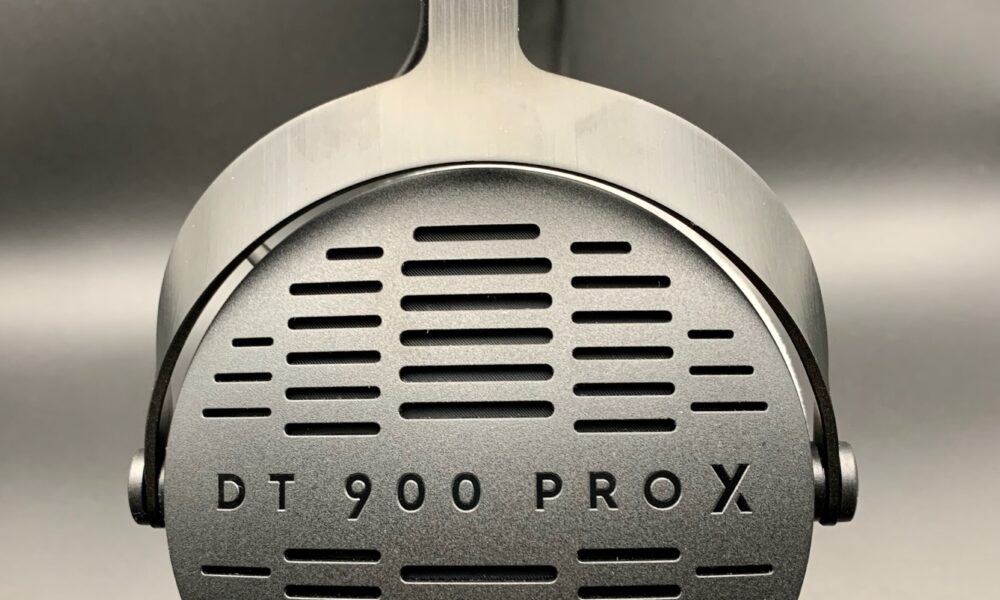
This comparison is a bit different from the HD660S2.
The DT 900 Pro X are built with a more technical, work-oriented approach. They’re excellent headphones, very solid, but clearly designed with a different goal in mind.
They also sit in a different price range. So this isn’t a perfectly fair fight, but it still helps answer an important question: does the positioning make sense, or is there a gap between what you pay and what you get?
Bass
The DT 900 Pro X have a drier, more direct low end. It’s tuned for clarity rather than weight.
The SR7000 go further.
There’s more extension, especially in the sub-bass, and a fuller presentation overall, yet still controlled. Not just more quantity, but more depth and completeness.
It feels more natural.
Midrange
The Beyer approach is more “monitor-like.”
Mids are clear, but leaner, less textured. They do the job well, but come across a bit cooler.
The SR7000 bring more body and realism.
Instruments feel more tangible, less dissected. And you notice it especially with vocals and acoustic material.
Positioning
The DT 900 Pro X follow a more traditional headphone presentation.
Everything is well organized, but remains more “in-head.”
The SR7000 shift things forward.
Vocals sit more in front, the stage feels more natural. It’s not an artificial effect, it’s simply a different way of presenting space.
And over time, that difference matters.
Treble
The Beyer house sound is there.
More present, more energetic highs, which can give an immediate sense of detail and openness.
The SR7000 are more controlled, more natural.
Less forward, but also less fatiguing over long sessions. And the detail is still there, just not pushed at you.
Soundstage and Imaging
The DT 900 Pro X offer a good stage, clean and precise, very much in line with a monitoring approach.
The SR7000, however, give you more space.
The stage feels wider, more open, less constrained. Instruments have more room to move, and the overall presentation feels more relaxed.
It’s not just about size, but about how space is perceived.
Final Thoughts on the Comparison
The DT 900 Pro X remain excellent headphones, especially if you’re after a more technical, straightforward presentation, even for professional use.
But here, honestly, it’s not a close contest.
The SR7000 operate on a different level. More complete, more natural, more engaging.
And it has to be said, the price difference is reflected in the performance.
If you wanted a more direct comparison, you’d probably have to look at something like the DT 1990 Pro.
That would be a more balanced matchup.
But that’s a different conversation.
Altered Five Blues Band – Lotta Love Left in Me

A well-recorded blues track, with clean dynamics and a mix that leaves room for everything: voice, instruments, and space.
And there’s an important detail here.
This isn’t a live recording, it’s done in the studio, yet it carries a very real sense of environment. Almost like a small venue. There’s a light reverb, very natural, that surrounds the sound without ever blurring it.
And this is exactly what the SR7000 manage to bring out.
The first thing you notice is the separation between bass and treble.
Clean, precise, no overlap.
But once you move past that, you start hearing everything else.
The guitar is outstanding. It has body, texture, never sounds artificial or sharp. It’s just there, alive.
Then the piano.
Slightly set back, but always present. It never intrudes, yet it builds the atmosphere. And this is where a very specific feeling comes in: it almost feels like being in a 1940s or 50s bar, with the piano in the back and the band in front.
A small detail, but a beautiful one.
And then the voice.
Placed in front. Not above, not inside your head.
In front.
With many headphones, it tends to shift upward or lose stability. Here it stays exactly where it should, solid and believable.
And together with the stage and the air between instruments, it creates a sound image that just works.
It’s not only pleasant to hear.
It’s easy to live with.
Mickey Hart & Zakir Hussain – Global Drum Project

This is where things move outside the usual boundaries.
It’s not a track that’s simply “well recorded.”
It’s a project built to explore rhythm, space, and the physical nature of sound.
There’s a bit of everything here: real percussion recorded with care, ethnic instruments, voices used as instruments, layered and processed elements. It’s not natural in the traditional sense, but it’s not artificial either. It’s a very deliberate construction, where every element has a role and a position.
And that’s exactly why it works so well as a test.
What defines this track are its extremes.
The percussion, bongos, the entire rhythmic section feel incredibly real. You hear body, impact, texture. Nothing sounds synthetic.
Then there’s the voice.
Not singing in the usual sense. It’s stretched, shaped, used almost like an instrument. Sometimes it borders on an effect, yet it always remains intelligible, never fake.
And this is where the SR7000 really step up.
When the track fills in, when everything comes together, nothing collapses. No detail disappears, nothing gets blurred. Every element stays in place, clearly defined.
The sense of space is impressive.
Each performer occupies a precise position. It’s not just left and right, it’s a full spatial layout: front, back, near, far. And the remarkable part is how easy it is to follow.
Sub-bass is another strong point.
It reaches deep and remains present, yet never intrusive. Nothing gets masked or blurred, it simply supports the entire structure while staying perfectly controlled.
Then comes the highlight.
The vocalizations.
Those nasal, guttural sounds, almost elemental, with multiple voices interacting. Some very low, others higher, all distinct.
And yet, you can separate them all.
You understand where they are, how they move, how they differ in tone. They never collapse into a single mass.
And that’s something very few headphones can really pull off.
In the end, the result is quite unique.
Even with processed elements, even with all that layering, the whole presentation feels surprisingly natural. And when a headphone can hold all of this together without falling apart, it means it’s operating on a different level.
Track Note
If you want a visual reference, Global Drum Project is available on YouTube with various performances and official content.
It’s worth watching to understand the interaction between the artists and the complexity of the performance.
Just keep in mind: the platform’s audio quality isn’t suitable for critical listening.
It’s useful for context, not for judging sound.
Térez Montcalm – Where The Streets Have No Name

Here we’re back to something more grounded.
A well-known track, reinterpreted in a very personal way. No extreme effects, no complex constructions. Just voice, instruments, and interpretation.
And that’s exactly why it becomes an important test.
Because here, there’s nowhere to hide.
The first thing you notice is the work on the guitars.
There are two distinct layers. One sits in front, more present, carrying the melody. The other stays behind, more distant, almost like a veil. It never disappears, but remains subtle, shaping the atmosphere.
And that difference isn’t easy to reproduce.
With many headphones, it either collapses or the background guitar gets lost. Here, it stays clearly audible, without ever becoming intrusive.
Then there’s the voice.
And it’s the heart of the track.
Rough, slightly gritty, highly expressive. Not a “perfect” voice, and that’s exactly what makes it feel alive.
The SR7000 present it with body and presence, but without artificially pushing it forward. It sits in front, naturally.
You hear everything, texture, nuance, breath.
As the track builds, more elements come in. Piano, accompaniment, atmosphere. Everything finds its place without ever creating confusion.
It’s not a difficult track in a technical sense, but it is in terms of reproduction.
Because the separation between voice and background, between foreground and accompaniment, has to remain clear while still feeling cohesive.
Here, the SR7000 manage both.
There’s separation, but no disconnection.
Depth, but no artificiality.
And what remains is that three-dimensional, natural, believable presentation.
Final Thoughts
Very easy to recommend.
And this time, it’s not just a formality.
The SR7000 proved, track after track, that they can handle everything without ever sounding out of place. Easy recordings, complex ones, natural, processed, dense or minimal, they never lose control.
Consistent, musical, and convincingly natural.
And that’s the real difference.
Because many headphones do one thing well, maybe two. Then you change genre, or the recording becomes more demanding, and the limits start to show. The usual trade-off.
Here, that doesn’t really happen.
There’s a genuine sense of balance. The bass reaches low but never overwhelms, the mids are alive and realistic, and the treble stays airy yet controlled.
The stage deserves a mention too.
For a closed-back headphone, it’s surprisingly open. Wide, spacious, but above all natural. Nothing feels forced.
That slightly forward presentation of vocals stays with you. Once you get used to it, it’s hard to go back.
Listening Experience
More than anything, what stands out is the ease.
There’s no need to analyze or adapt. You put them on, press play, and at some point you realize you’re no longer reviewing. You’re just listening.
It happened to me more than once. Even when I was supposed to take notes, I found myself simply staying there. That alone says a lot.
Aune’s engineers did a serious job here.
They took a closed-back design, with all its typical limitations, and pushed it further than expected, working on resonance control, spatial presentation, and overall coherence.
The result is a headphone that doesn’t rely on tricks.
It just works. Consistently.
It’s not for everyone.
Not for those chasing impact, exaggeration, or instant wow.
But if you’re looking for something balanced, natural, and easy to live with for hours, something that stays out of the way while letting the music come through, this is a high-level result.
If I had to put it simply:
the SR7000 don’t try to impress you.
But after a few days, you realize you don’t want to take them off.
And in the end, that matters more than any specification.
VOTE
9.2 / 10
I rated them 9.2 because they combine natural tuning, coherence, and a surprisingly spacious stage for a closed-back. With a bit more refinement in treble, impact, and build, they would be a true reference.
🟢 PRO
- Natural, realistic timbre
- Excellent midrange
- Very comfortable, even during long sessions
- Strong overall coherence
- Credible soundstage
- Scales well with better sources
- Handles almost any genre with ease
🔴 CONS
- Treble may feel slightly conservative for some tastes
- Not a “hard-hitting” punch-focused tuning
- Some concerns about headband durability
- Not for those seeking a highly colored or spectacular sound
FAQ
Are they analytical headphones?
No. They’re precise, but not cold. You get the details, just without them being pushed at you.
Are they good for long listening sessions?
Yes, that’s one of their strengths. Comfort and tuning work together to avoid fatigue.
Do they need a powerful amplifier?
Not really. They already sound good from simple sources, but they clearly improve as your chain gets better.
Are they versatile?
Very much so. They adapt well across different genres without losing their identity.
Are they suitable for someone coming from IEMs?
Yes, especially if you’re looking for something more spacious without losing naturalness. They don’t feel alien, but they do take you a step further.
Do they isolate well for a closed-back?
They isolate enough. Not total isolation, but sufficient for home use without distractions.
Are they easy to drive on the go?
Yes. A good dongle is enough to get them to a very satisfying level.
Do they require burn-in?
A bit. They stabilize after around 15–20 hours, but really come together around 30–40 hours.
Are they “fun” sounding?
Not in the typical sense. They’re not boosted or flashy, but over time they’re actually more engaging because of their natural presentation.
Can they replace a home system?
No, but they get closer than expected. Especially in terms of staging and that slightly forward presentation.
Acknowledgements and Personal Note
I would like to thank Aune for providing the SR7000 for review. There was no compensation, no request for approval, and no conditions attached. This review is entirely based on my own listening experience, without filters or compromises.
For more information or to check the product:
I listened, I wrote, and now I leave it to you. As always, the music does the rest.
All opinions expressed are independent and based on real-world use, with tracks, albums, and situations I know well. What you read is what I heard. The rest is up to the music.



No Comment! Be the first one.