








































































Preface
There are headphones that grow on you slowly.
And then there are the ones that, within the first few minutes, make it clear that this is a different kind of experience.
Table Of Content
- Preface
- First impressions
- Packaging and accessories
- Technical specifications
- Specifications table
- The design, ideas and choices
- Build, comfort and accessories
- General sound signature
- Bass
- Mids
- Treble
- Soundstage and imaging
- Who they are for
- Power and synergy
- Comparison with Sennheiser HD 660S2
- Bass
- Mids
- Treble
- Stage
- Conclusion
- Comparison with Beyerdynamic DT 900 Pro X
- Bass
- Mids
- Treble
- Stage
- Conclusion
- Status Quo – Caroline (Live!)
- Listening impressions
- In short
- Heard It Through The Grapevine (Live On Jools Holland Hootenanny)Amy Winehouse, Paul Weller, Jools Holland
- Listening impressions
- In short
- WaterboyS iomadh rud tha dhìth orm / Ciamar a nì mi ‘n dannsa dìreachAnother Day, Another Time
- Waterboy
- S iomadh rud tha dhìth orm / Ciamar a nì mi ‘n dannsa dìreach
- In short
- VOTE
- 🟢 PRO
- 🔴 CONS
- Q&A
- Thanks and personal note
The DT 1990 PRO MKII sit right in between.
They are not “easy” headphones.
They are not trying to please everyone.
And most of all, they don’t try to hide what they are… and that’s exactly the point.
They come from a strong legacy.
The original 1990 series has been a reference for years, for better or worse. Precision, detail, but also a certain aggressiveness in the treble that not everyone could live with.
Here the work is obvious. The philosophy hasn’t changed, but it’s been refined.
I used them the way I always do.
Long sessions, quick sessions, casual listening and focused sessions
And the more time went by, the clearer one thing became.
This is not a headphone that tries to make you like it.
But if you’re on its wavelength… it gets you.
First impressions
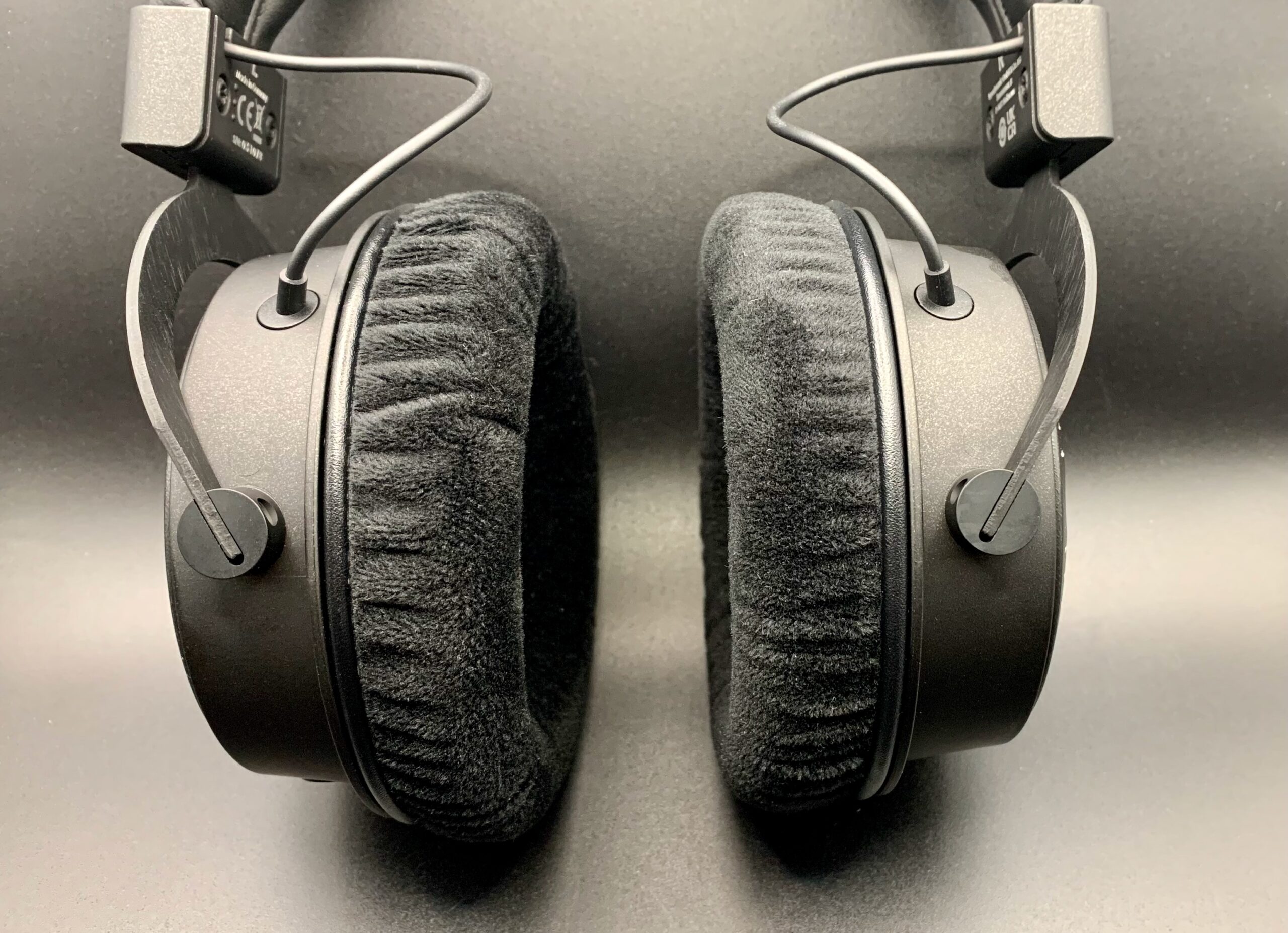
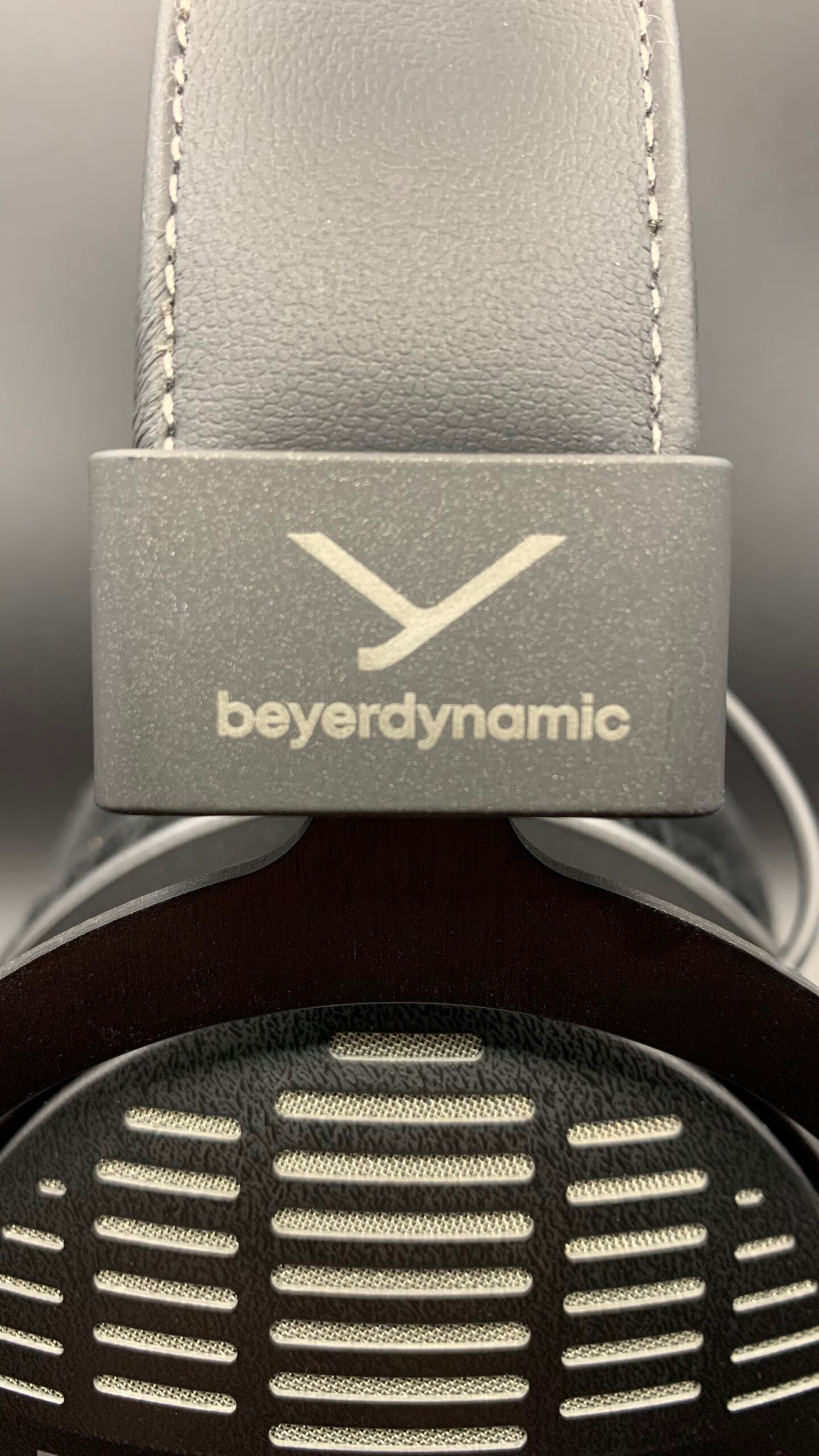
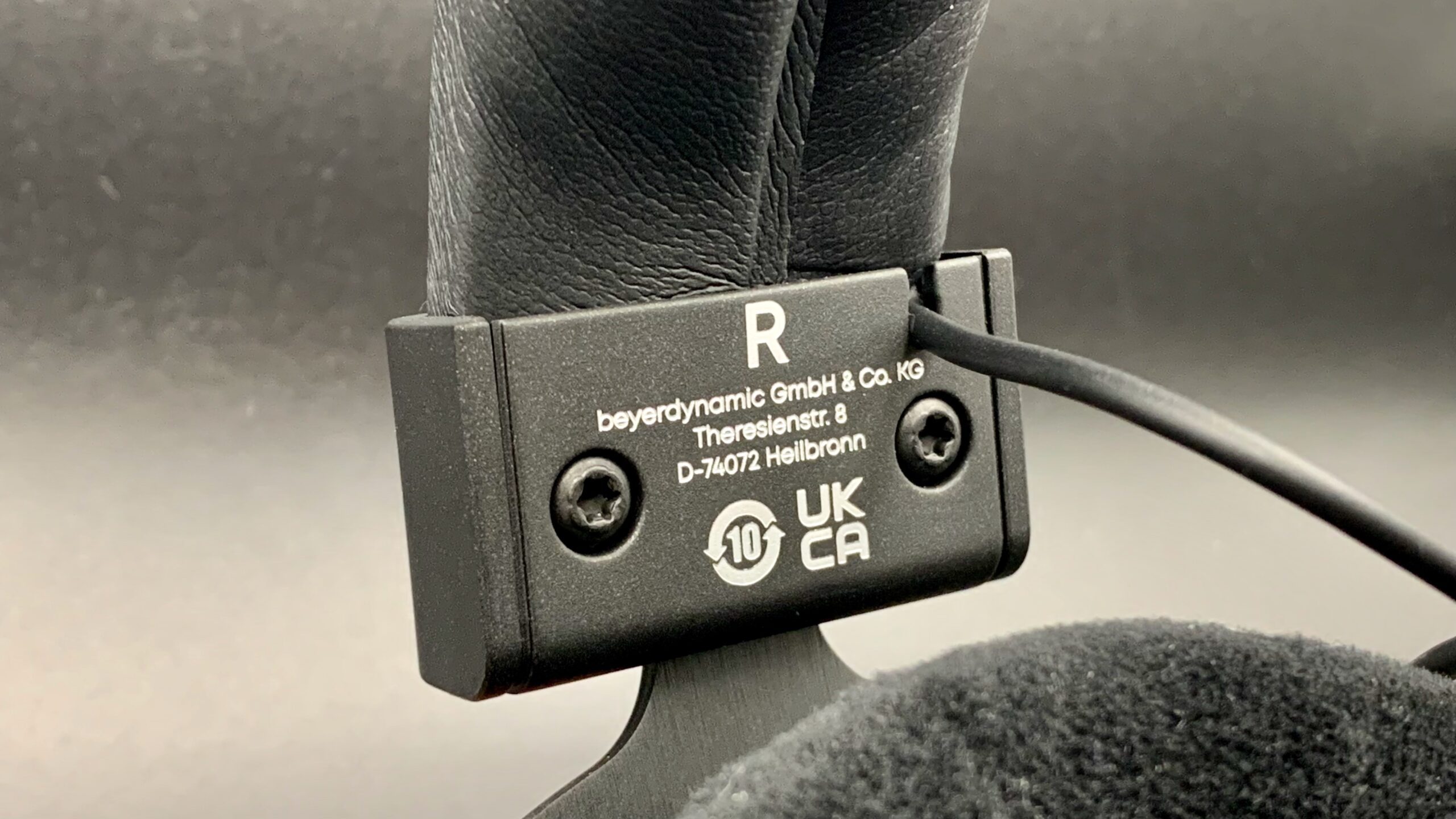
You pick them up and you immediately know you’re in Beyerdynamic territory. Metal, solidity, serious build. There’s nothing “premium” in the modern flashy sense, but everything feels functional, solid, built to last
On the head, the perception changes right away. They’re not light like many modern headphones, but the weight is well distributed. The clamp is firm, but not uncomfortable, they stay in place without that excessive pressure. The pads are deep and there’s enough room for the ears, even if in my case it’s slightly on the edge… but I’ll admit I’m not exactly a reference here. Still, you never feel “locked in”, and that’s what really matters.
Then the music starts, and there’s no ambiguity.
The sound is immediate, direct, very clear. Not soft, not welcoming in the usual sense, it doesn’t try to ease you in. It’s precise, and also quite assertive in the way it presents itself. The first impression is very clear, you’re not listening to a relaxed headphone, you’re listening to something that makes you hear everything, with no filters and with a certain force.

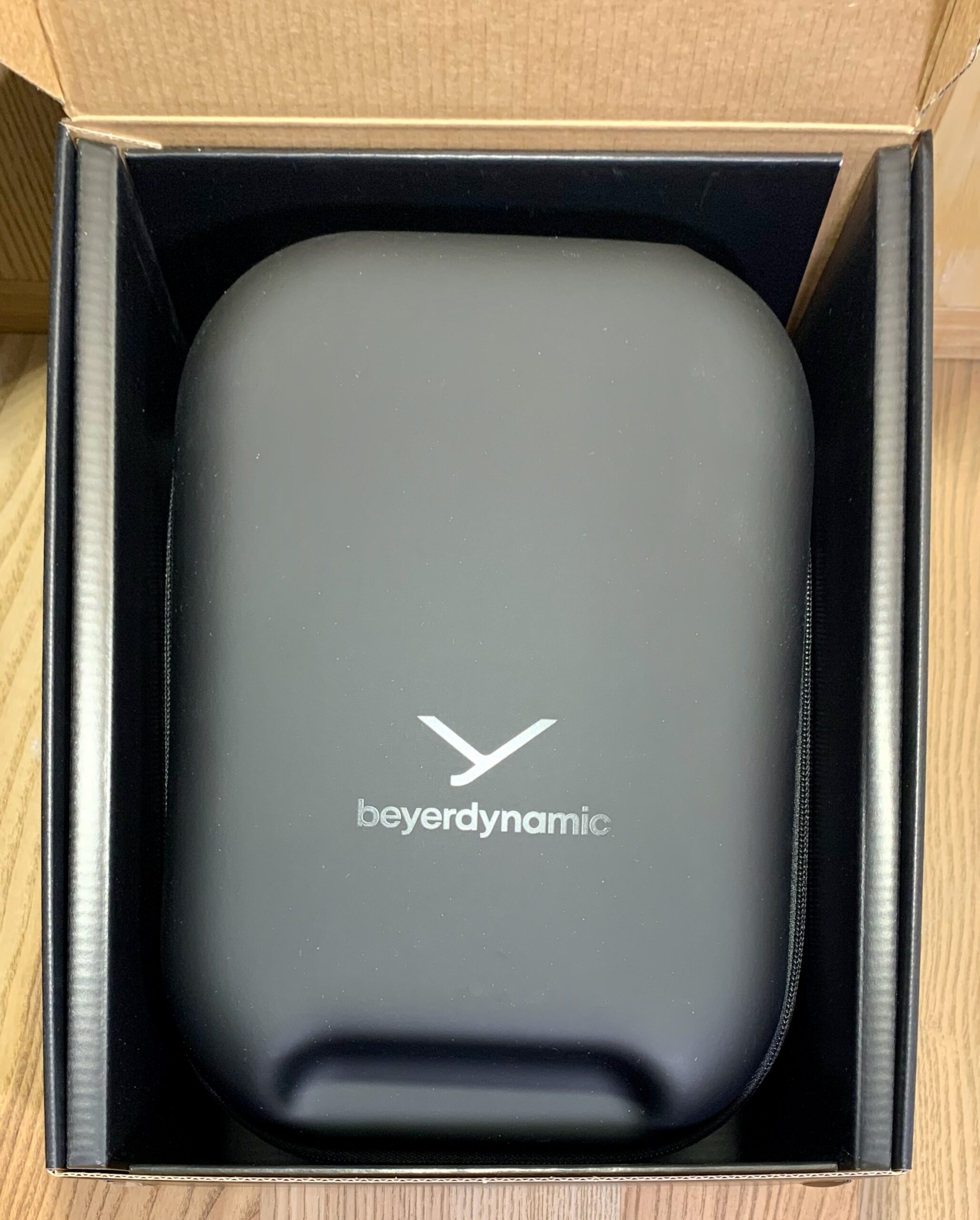
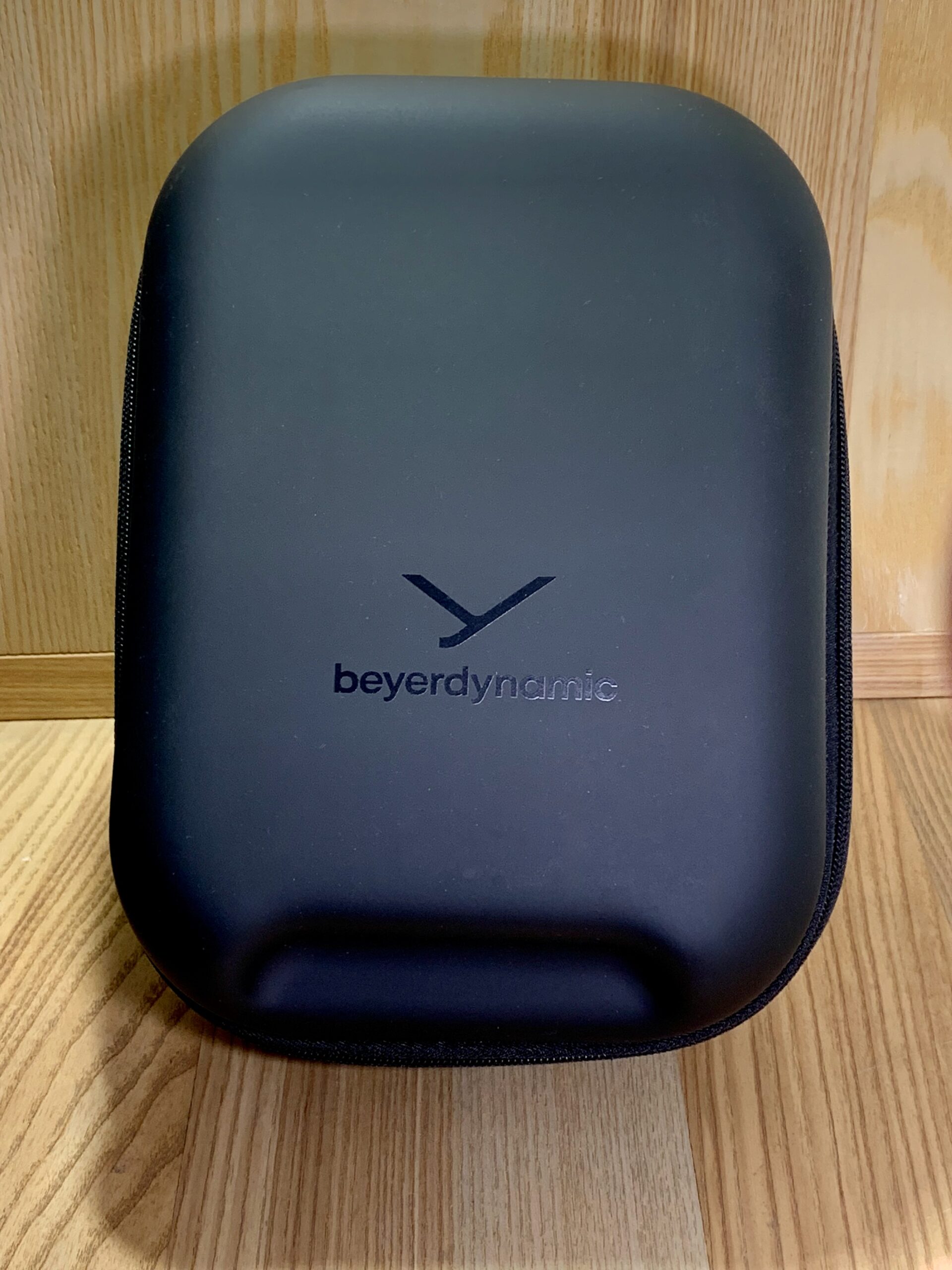
Packaging and accessories
At first glance it might look like a very basic package, and in a way it is… but in the right way.
There’s nothing extra here, no forced presentation, no attempt to impress. It’s very Beyerdynamic, practical, functional, straight to the point.
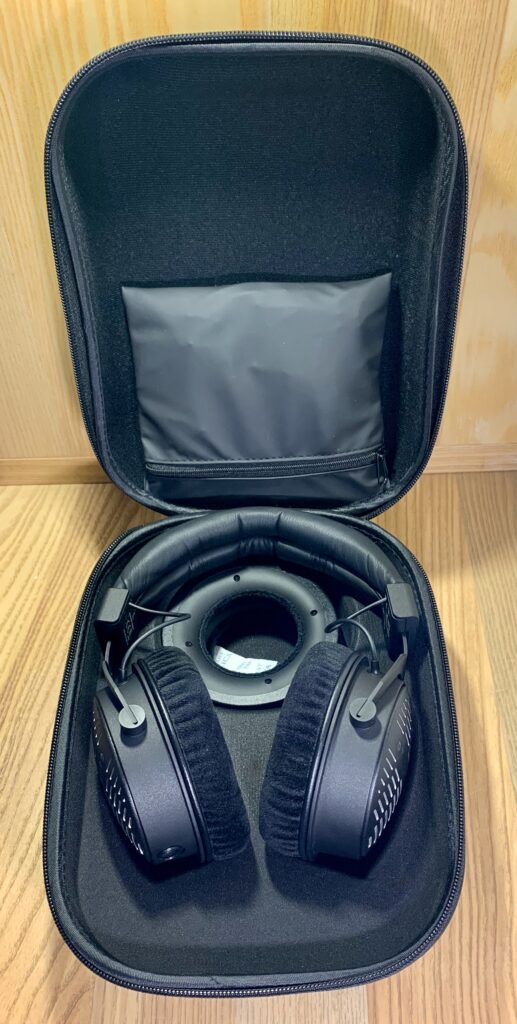
The most important thing is the hard case. It’s not big, not flashy, but it’s well made. It actually protects the headphones, and it’s one of those things you end up using for real, especially if you move them around or just want to keep them safe without leaving them out.
That said, one thing has to be said. A handle, a strap, something… nothing. And carrying it around with one hand isn’t ideal Honestly, this feels like a small miss.
Inside, you get what you need. No surprises, but nothing missing either.
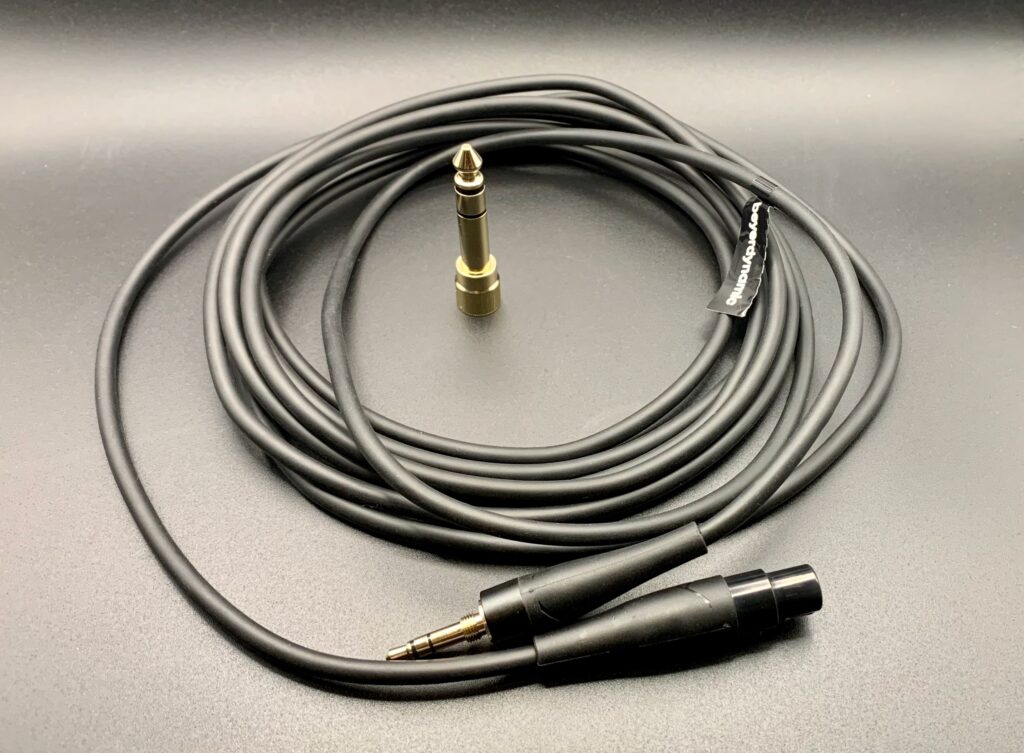
- straight cable, 3 m, maybe a bit more
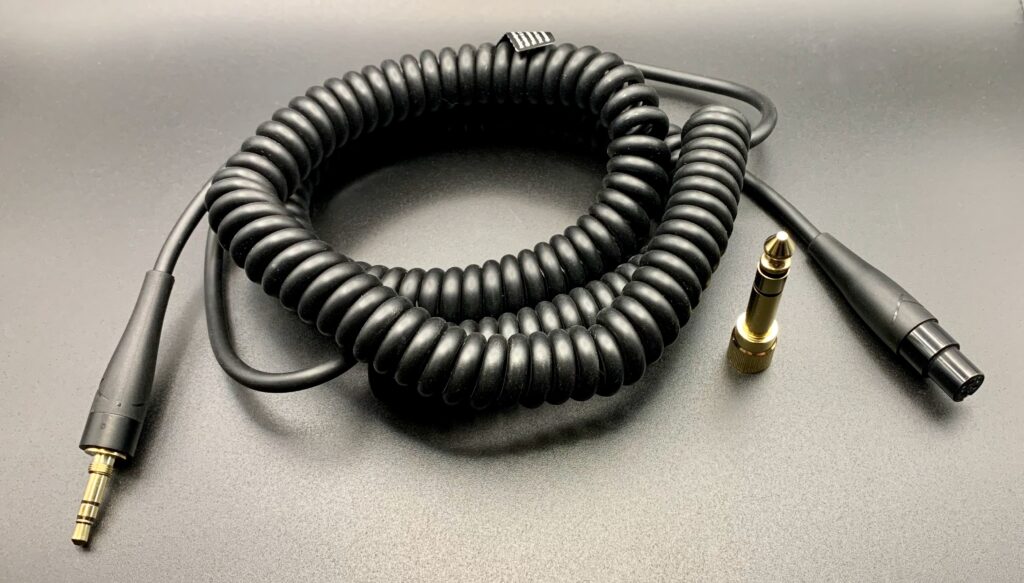
- coiled cable, 5 m extended, around 1.5 m at rest
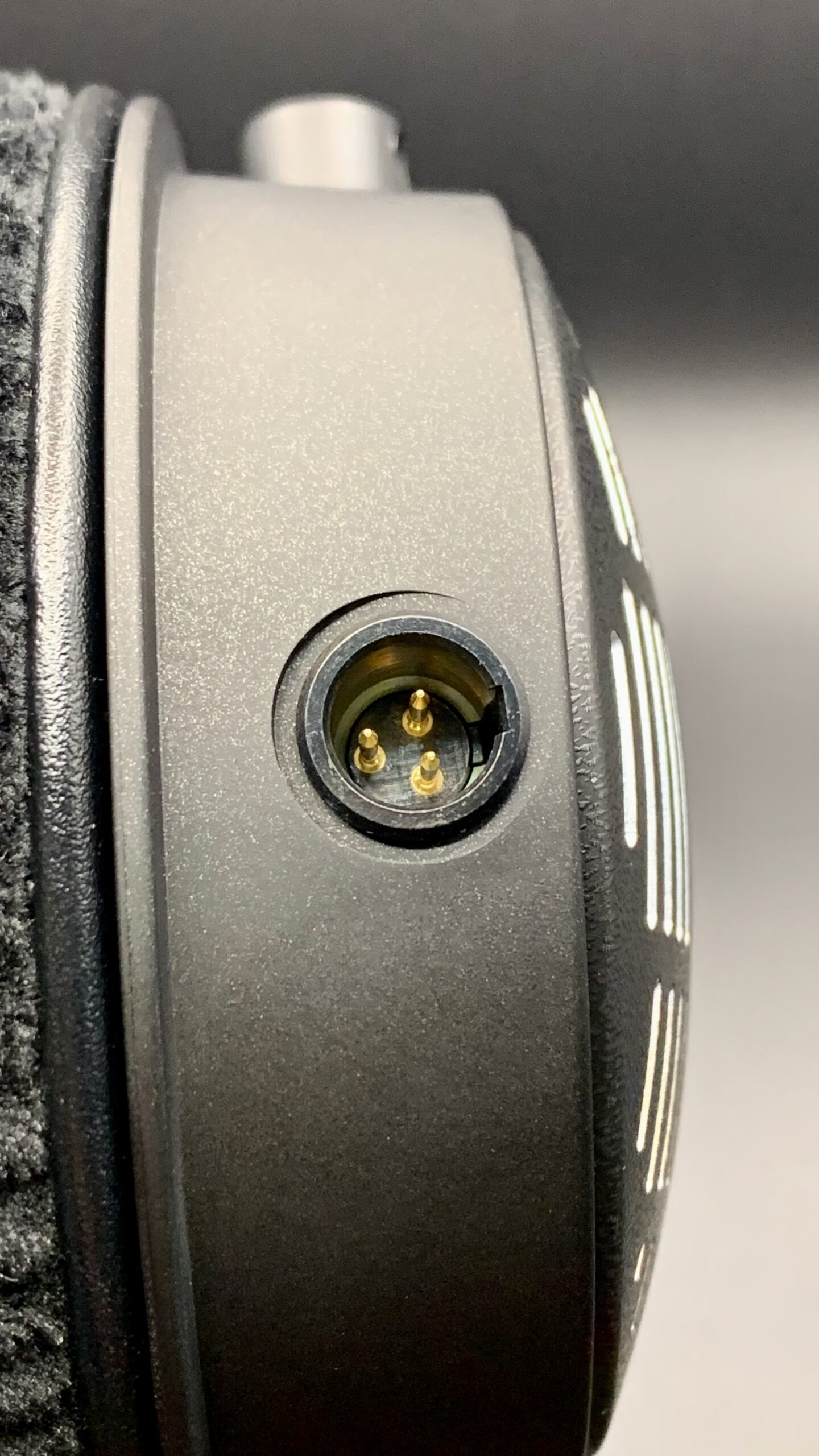
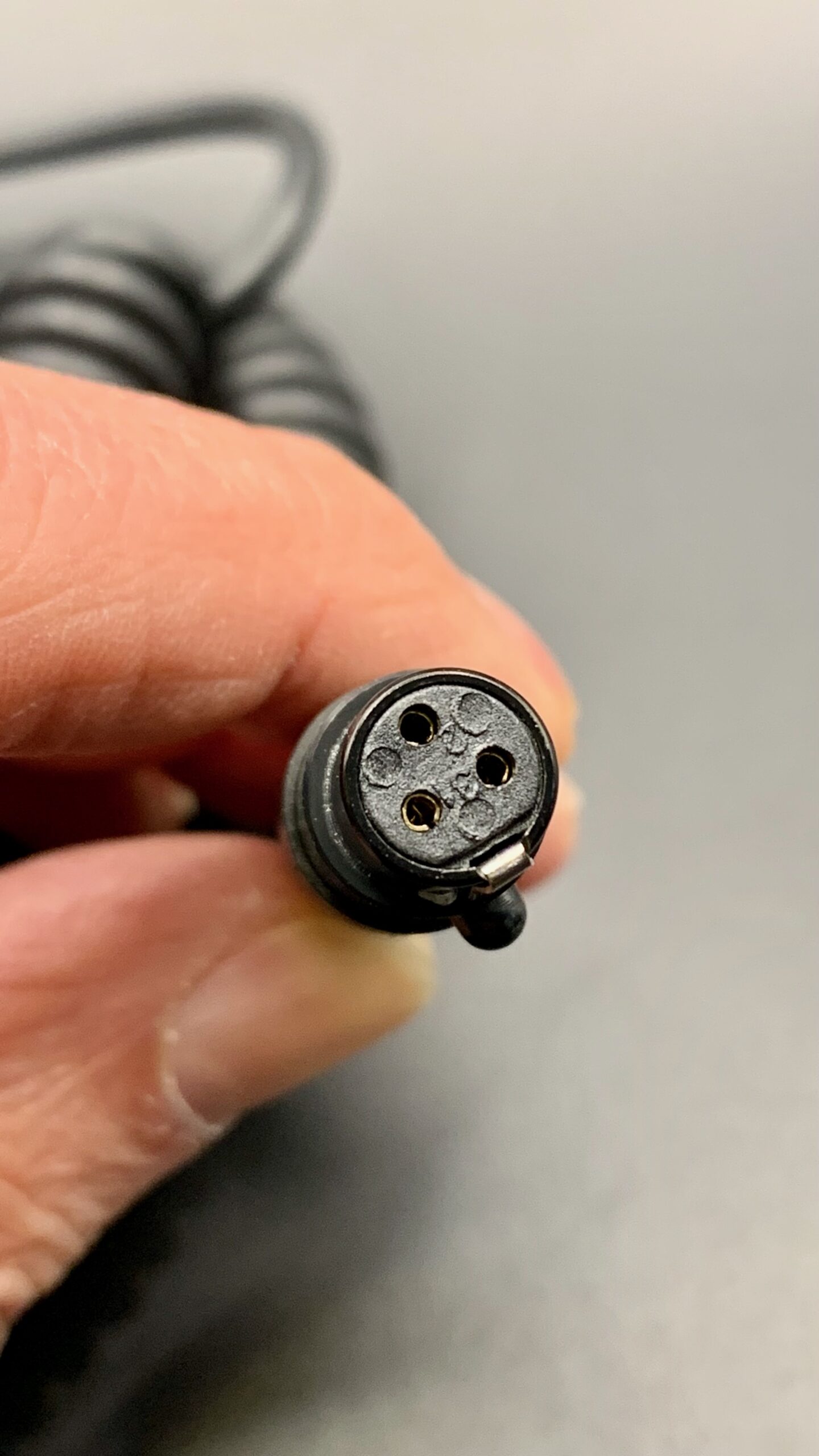
- mini XLR connector on the headphone side, 3.5 mm jack with 6.35 mm adapter
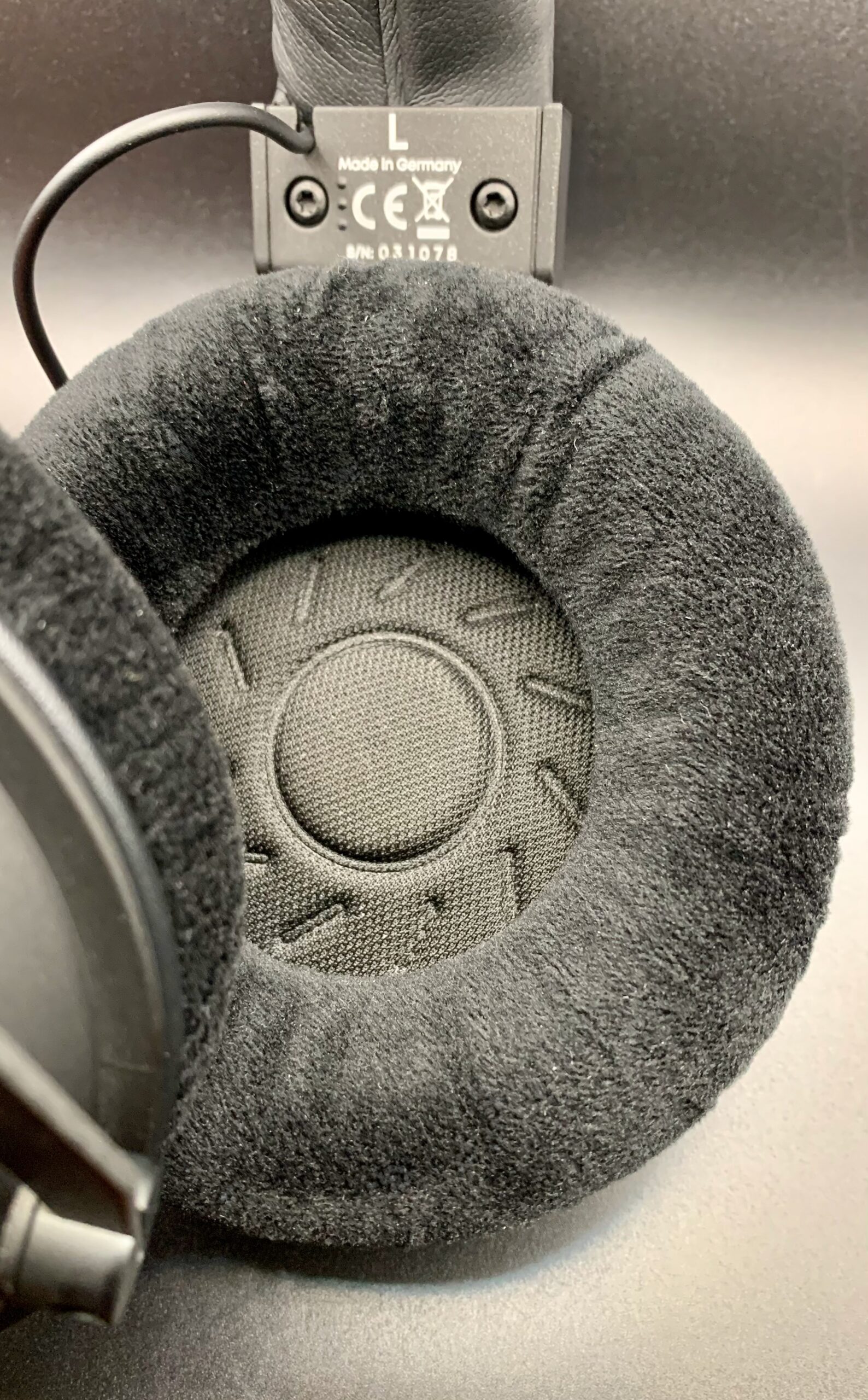
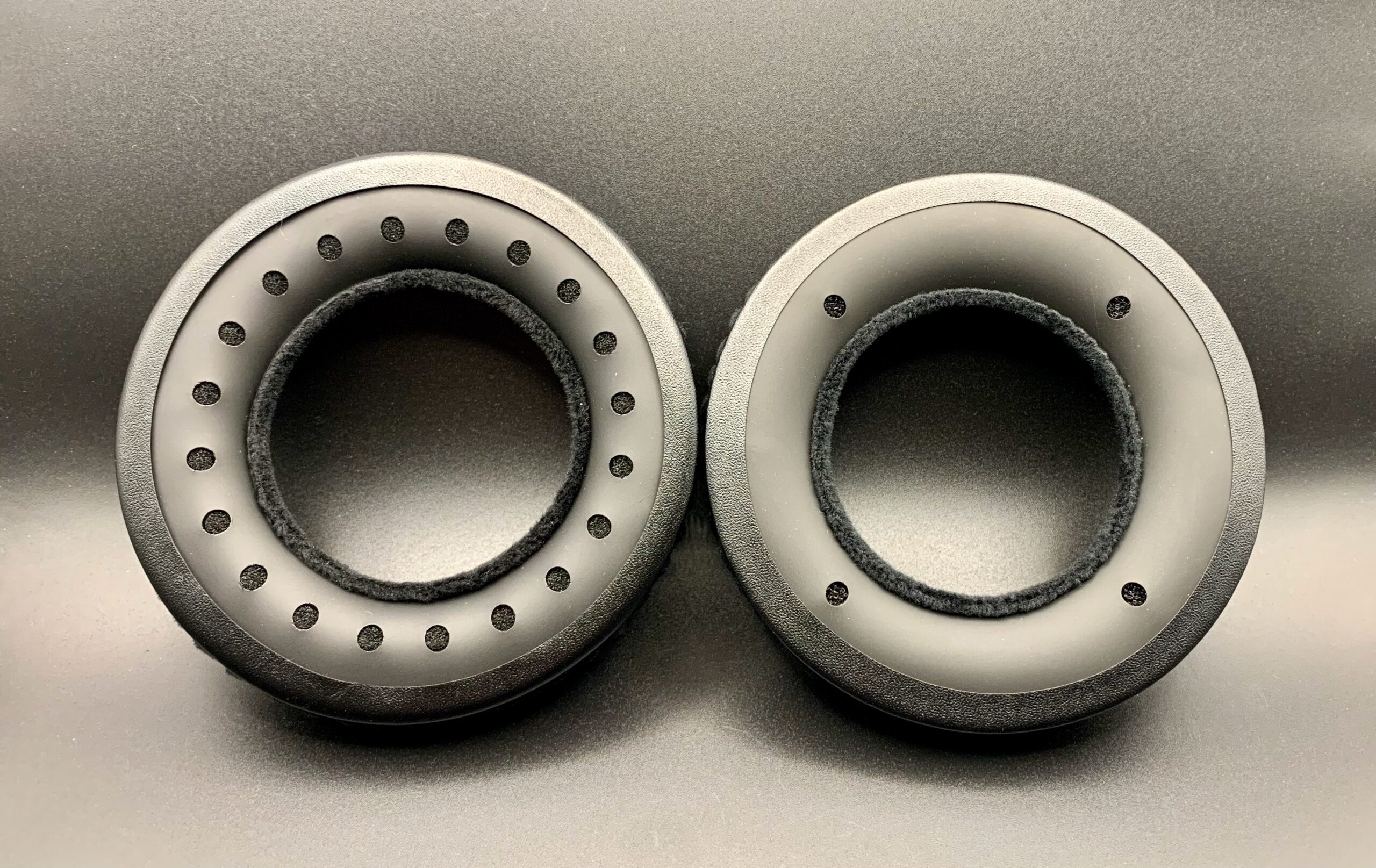
- two sets of pads, Balanced and Analytical
The pads are really the key part here.
They’re not just an extra, they’re part of the design. They slightly shift the sound, let you adapt the headphone to your listening without changing its nature. And that’s something this series has always done really well.
Everything is organized, every element has its place, nothing just thrown in. There’s no real wow moment when you open the box, but there is that feeling of a product designed to be used, not just shown.
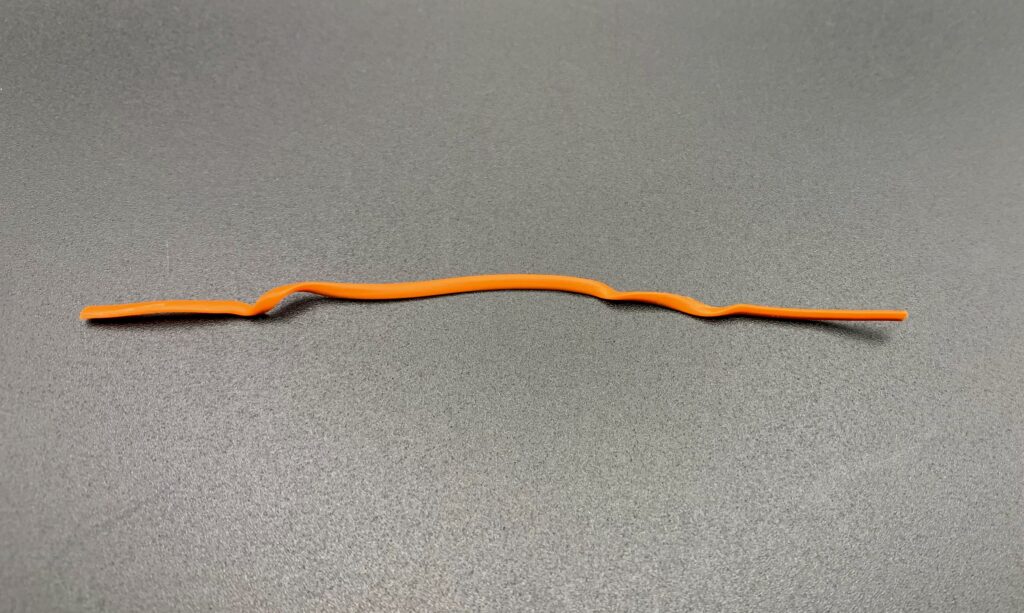
There’s also a small detail I appreciated.
Even the cable twist ties, the ones you wrap around, are done in the brand’s color, in line with the rest of the packaging.
And it fits perfectly with everything else.
Technical specifications
Here are the numbers. And as always, they only go so far.
They give you a general idea, help you understand what kind of headphone you’re dealing with, but they don’t tell the full story. Because what really matters happens when you hit play.
On paper, the Beyerdynamic DT 1990 Pro MKII are studio headphones, open-back, with a more manageable impedance than before, but still not something made for pure mobile use. The approach is clearly not casual listening.
But numbers don’t tell you how fast they are, how reactive, how cleanly they can pull out detail without smearing anything.
And most of all, they don’t tell you how much they change when the chain improves.
So yes, specs matter.
But the rest… you only get it by listening.
Specifications table
| Feature | Specification |
|---|---|
| Type | Over-ear circumaural |
| Operating principle | Open-back |
| Transmission type | Wired |
| Nominal impedance | 30 Ohm |
| Sensitivity | 94 dB SPL (1 mW / 500 Hz) |
| Frequency response | 5 Hz – 40,000 Hz |
| Weight (without cable) | 376 g |
| Driver | Tesla dynamic driver |
| Cable and connections | Mini-XLR (headphone side) / 3.5 mm jack + 6.35 mm adapter |
| Cable length | 3 m straight + 5 m coiled |
| Plug configuration | 3-pin XLR / 6.35 mm stereo |
| Accessories | Hard case + two sets of pads (Balanced / Analytical) |
The design, ideas and choices
The Beyerdynamic DT 1990 Pro MKII are not made to impress.
And that’s the first thing to be clear about.
These are not headphones built for that classic first-listen wow effect. No boosted bass, no shiny highs just to catch your attention. The goal here is different, and also harder to achieve.
The idea, at least the way I see it, is to build a tool.
A tool that lets you listen, analyze, understand. Not something that tries to make the music more enjoyable at all costs, but something that shows it for what it is.
At the core of it all there’s still the Tesla driver, which has always been Beyerdynamic’s strong point. Here it’s all about speed, control, transient response. There’s never that feeling of slowness, nothing drags, nothing lingers where it shouldn’t.
Then there’s the overall tuning.
Compared to the older DT 1990 Pro, you can clearly feel the intent to make everything more manageable, especially in the treble, without losing identity.
They didn’t change the philosophy, they refined it.
And that’s exactly how it comes across. Not a different headphone, just one that feels more focused, more dialed in.
In the end everything moves in the same direction.
- precision
- speed
- control
- coherence across the range
It’s not a headphone you fully understand right away.
At first you notice the detail, the impact, the clarity.
Then you go back to it, change music, change source… and you start realizing that nothing feels out of place.
And that’s when it clicks.
It’s not just about the sound signature.
It’s a design that was meant to be this way from the start.
Build, comfort and accessories
This is where Beyerdynamic feels right at home, and you notice it immediately.
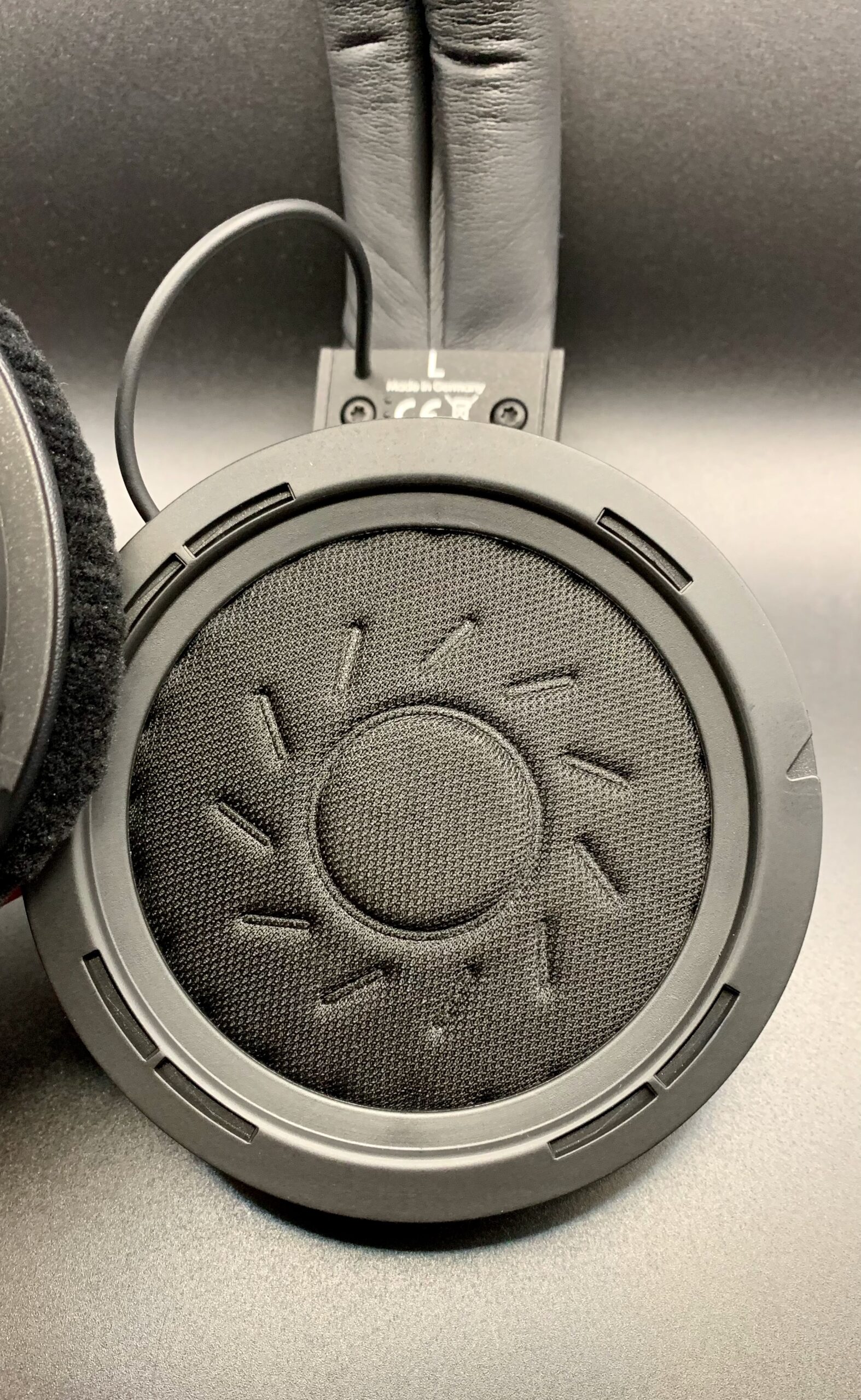
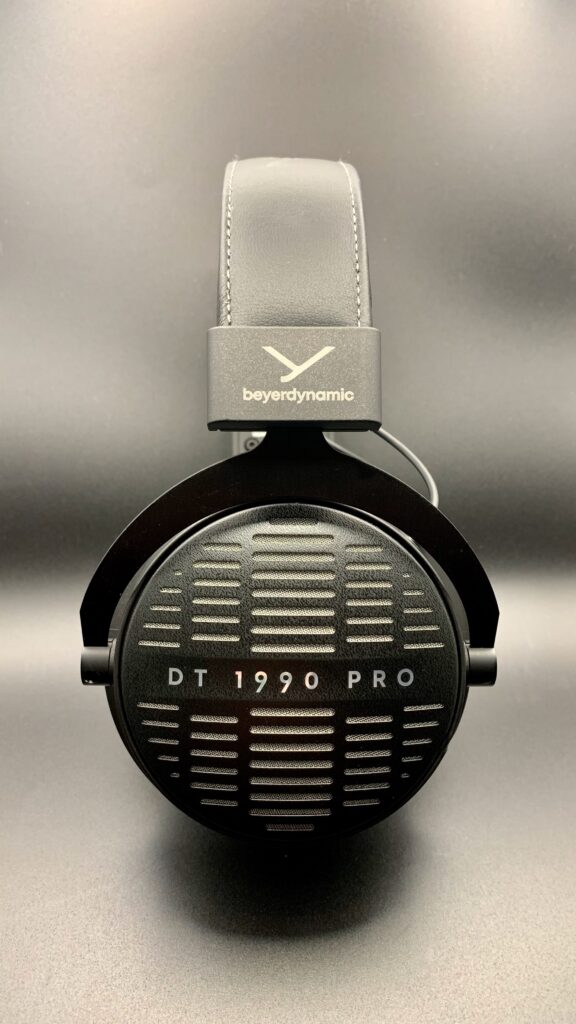
Metal construction, solid headband, everything feels purposeful, no frills. It’s not trying to impress visually, not something you buy to look at. It’s made to be used, a lot. And that comes through the moment you pick them up.
Compared to the older DT 1990 Pro MKII, it’s not like everything changes, but something is different. It’s more of a general feeling, a bit more coherence, like things have been slightly tuned and brought together. The core design is the same, still very solid, but here it feels just a bit more refined, a bit more mature.
The pads, as always with this series, are not a minor detail.
They actually matter. They don’t transform the headphone, it’s not that kind of change, but they shift the way you listen. More analytical, more controlled, or a touch more balanced, depending on what you’re after. It reminded me of modern IEM systems, when you swap nozzles or filters. You don’t change everything, but you move just enough to find your spot.
Comfort is good, but let’s be clear.
These are not headphones that disappear. You feel them, especially at first. The clamp is there, the structure is present. Then you get used to it, and more importantly, they don’t become annoying. They stay in place, stable, no real pressure points.
And in the end, the same idea keeps coming back.
These are working headphones.
They don’t try to comfort you, they don’t try to feel soft on your head. They’re tools. And even in the way they sit, you get it right away. They’re built to work, not to disappear.
General sound signature
Precision, yes… but also dynamics, and a bit of attitude.
That’s the first thing that hits you. As soon as the music starts, you realize these are not forgiving headphones. No added warmth, no smoothing to make things easier. If I have to say it straight, they can feel quite incisive, at times even a bit aggressive in how they present the sound.
Not in a bad way though. It’s not messy or harsh. It’s more like a push, an energy that comes through immediately, especially on transients. You get impact, speed, that feeling that everything is under control but ready to snap at any moment.
They’re linear, but not flat.
Not that kind of “correct but lifeless” tuning. There’s movement here, there’s dynamics, there’s attack. And that changes everything.
Control is always there, very obvious. Everything stays in place, precise, never drifting. But inside that precision there’s a responsiveness that makes them engaging, even when they shouldn’t be.
And then there’s speed.
This is where they really stand out.
Nothing lags behind, nothing gets smeared. Even in more complex passages you can follow everything without effort. Every element has its own space, its own timing, its own presence.
And it’s exactly this mix, precision, speed, impact, that creates that immediate reaction.
You either connect with it right away… or you won’t.
There’s not much in between.
Bass
More mature than before, no doubt.
The old DT 1990 Pro was drier, tighter, almost rigid in how it handled the low end. Here something has changed. Not a revolution, but you can tell there’s been a revision, especially in the overall balance.
There’s a bit more extension, but without changing the nature of the headphone. And it’s worth saying it clearly, this is not a sub-bass focused tuning. The sub is there, but it always stays in the background. The focus is somewhere else.
Bass here is about quality, not quantity.
It’s controlled, very fast, always easy to follow. it never gets bloated, never takes space that doesn’t belong to it. If anything, it stays a step behind compared to more “musical” headphones, the ones that build their sound on weight and body.
Here the approach is different. More dynamic, more reactive.
The bass doesn’t fill, it drives the rhythm. And when the track asks for it, it responds instantly, no lag, no lingering.
If we want to be honest, it feels like there are a few dB less compared to a warmer, fuller tuning. But that’s a choice, not a limitation. Because of that, it stays clean, always under control, always coherent with the rest.
And over time, it works.
It doesn’t get tiring, it doesn’t weigh things down, and it never muddies the rest.
This is not bass that hits you in the chest.
It’s bass that holds everything together.
Mids
They follow the exact same philosophy as the bass, and you notice it right away.
Clean, neutral, no obvious coloration, but not cold or sterile. Not romantic, not warm, and definitely not “velvety”, if you allow the term. Nothing here is trying to soften the message.
These are precise mids, clear, very detailed, and fast. There’s a strong sense of coherence with the rest of the spectrum. They don’t stand out on their own, they fit into the whole.
Voices sit exactly where they should. They’re not pushed forward to grab attention, but they don’t fall back either. They stay there, stable, believable. What stands out is how easy they are to read. Every nuance, every variation comes through, without anything being artificially highlighted.
There’s one thing you do notice though, and it’s typical of this kind of tuning.
The vocal region, and more generally the upper mids, sit slightly forward. Nothing exaggerated, not an “in your face” presentation, but there’s that feeling of being just a bit closer compared to the rest of the scene.
It’s subtle, but it adds to the overall clarity and that sense of precision.
On instruments, it becomes even clearer. Everything is defined, shaped, but never stiff. Nothing blends together, everything has its own place and timing.
Compared to more “musical” headphones, they might feel less emotional, less engaging in the classic sense.
But in return, they give you something very clear.
Reliability.
You always know what you’re hearing.
And more importantly, you know that what you hear is exactly there, no filters.
Treble
This is where it really matters.
The DT 1990 line has always been known for its treble, and this is exactly where you can hear the work done compared to the previous version.
They didn’t change it, they’ve cleaned it up.
The treble is still extended, detailed, present. It hasn’t been reduced, it’s been managed better. What changed is how it comes through, not how much there is.
It’s airy enough, open, but finally more controlled. Less sharp compared to the older DT 1990 Pro, more usable over long sessions, without losing that ability to pull out micro detail.
There’s still a bit of edge, and honestly it should be there. It’s part of the character. On some recordings you can feel a bit more bite, especially if the track is already pushing in that direction, but it never gets out of control.
If anything, they feel… right.
And that’s probably the hardest thing to get in this range.
They never go dull, never lose air, but at the same time they don’t become fatiguing. You can follow everything, cymbals, reverbs, fine details, without that sense of strain that older Beyers could bring after a while.
And in the end, they do something very important.
They complete the picture.
Because it’s exactly this treble tuning that shapes the stage, keeps the detail readable, and locks everything into place.
These are not soft headphones.
But here, they finally found a balance that wasn’t there before.
Soundstage and imaging
This is where they do really well, and honestly more than you might expect.
The stage is wide, open, but most of all well built. It doesn’t feel artificial, not that inflated width just to impress. The sense of space comes from how mids and treble work together. And you can hear it, because everything breathes in a natural way.
The first thing that stands out is the sense of depth.
And that’s not something you take for granted.
Usually it’s the same old compromise. You either go wide or you go deep, rarely both done properly. Here they manage to combine width and depth in a way that feels believable. Not a forced wow effect, more something that grows on you the longer you listen.
The treble gives air and separation, while the mids keep the body of the instruments together. The result is that everything sits in space clearly, without effort.
Imaging is precise, but never surgical.
You don’t have to look for instruments, they’re already there, each one in its place.
There is one thing to point out though.
Compared to something like the SR7000, this is more average when it comes to that “out of the head” feeling. The sound mostly stays inside, with that typical headphone presentation. Central elements, voices or instruments, sit slightly above, with a small forward shift, but it’s very subtle.
You don’t get that real sense of projection in front of you.
It’s more of a middle ground. Done well, but still clearly a headphone experience.
And in the end, it all makes sense.
They’re not trying to simulate speakers.
They’re trying to let you understand the music properly.

Who they are for
These headphones are not for everyone, and that’s something I’ll say straight.
The way I experienced them, they really shine when you actually want to listen, not when you just want music in the background. There’s something in the way they present sound that pulls you into the recording, almost forces you to follow it.
To me, they make perfect sense if you’re looking for
- control
- precision
- dynamics
- the ability to read every detail
They’re the kind of headphones that make you understand what’s going on, more than just letting you hear it.
At the same time, because of that, they’re not the best choice if you want something softer, more relaxed. That’s just not their approach.
If you’re after
- warmth
- easy listening
- something that plays in the background without asking for attention
then you’re probably looking in the wrong place.
These are not background headphones.
They are attention headphones.
And this is clearly my take, so take it for what it is. But after spending quite a few hours with them, across different music and situations, that’s the feeling that stayed with me the most.
Power and synergy
They’re not hard to drive, but not trivial either, and you can feel the impedance.
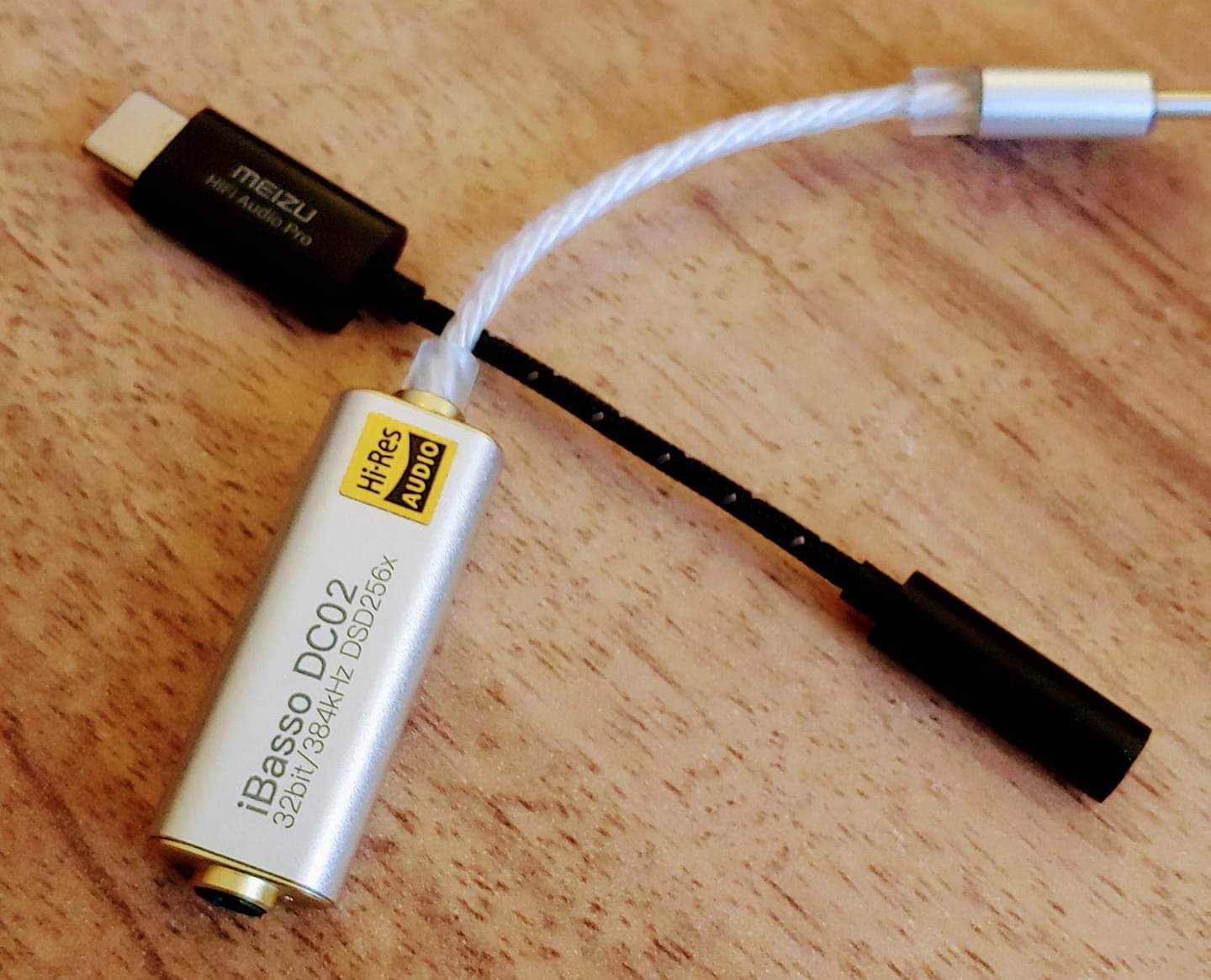
You can run them off simple sources, a good dongle will drive them without issues, but you immediately notice they’re not giving you everything. The volume is there, the sound is there, but that sense of full control is missing.
As soon as you step up, things change quite a bit.
With a more solid amplification they become tighter, cleaner, more natural in the way they present sound. It’s not about volume, it’s about how everything else is handled, dynamics, separation, micro detail.
And this is where their character becomes clear.
They’re not “power hungry” in an extreme way, but they do need proper power to really open up.
The good part is that they’re not picky.
You don’t have to chase the perfect pairing, they pair quite well with different sources But when the chain improves, they follow immediately.
And for me, that’s always a good sign.
It means they’re not limited at the base, they have headroom. And when a headphone has headroom, you notice it over time, because it keeps scaling with whatever you put in front of it.
Comparison with Sennheiser HD 660S2
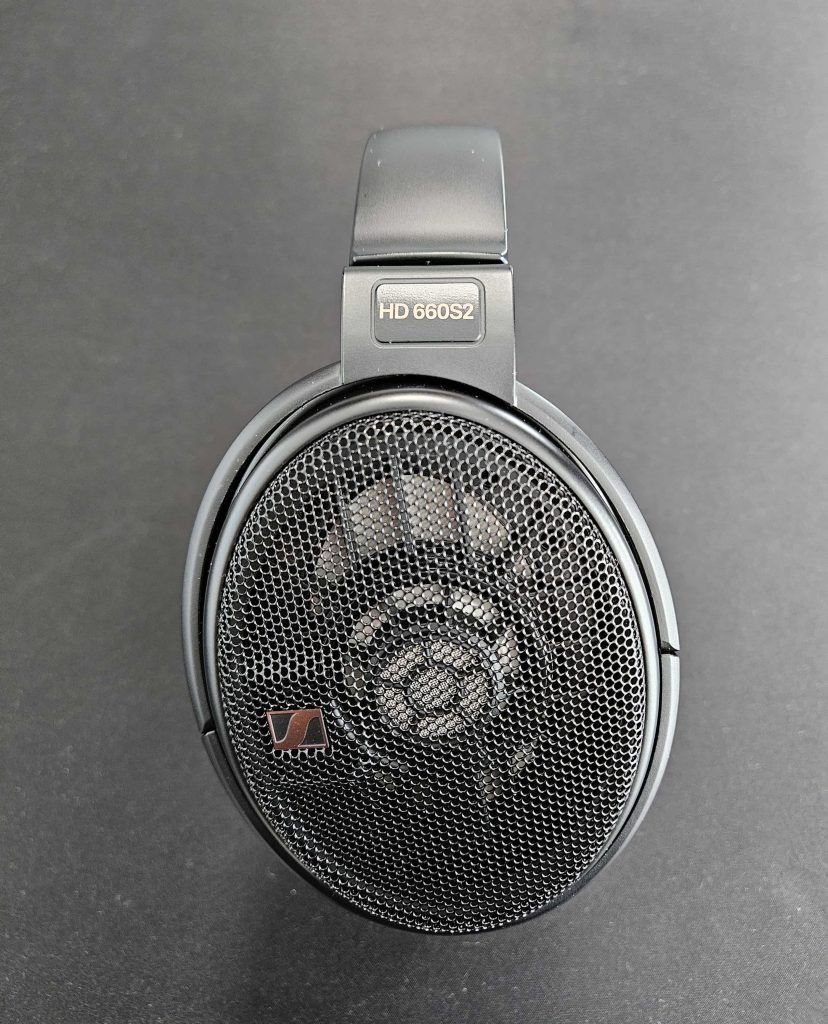
This is where the listening approach really changes, and you notice it right away.
The HD 660S2 are the natural evolution of the 600 series, so they carry all that Sennheiser DNA. Musicality, coherence, ease of listening. They’re the kind of headphones that go with you, they never put you in a difficult spot.
The Beyerdynamic DT 1990 Pro MKII go in a different direction.
More direct, more technical, less forgiving. They don’t try to please you, they try to show you what’s inside the track.
Bass
The 660S2 are rounder, fuller. The bass supports the music in a softer way. Never intrusive, but it has that typical Sennheiser smoothness that makes everything flow.
The Beyer are drier, more controlled. Faster, more precise. Less present in quantity, but easier to read. It doesn’t fill, it builds.
Mids
This is where the philosophy really shows.
The Sennheiser are warmer, more enveloping. Vocals have more body, more emotional weight, they come to you in a natural, almost familiar way.
The Beyer are more neutral, more analytical. They don’t add, they don’t take away. Vocals are correct, clean, but less “romantic”. You get more information, less interpretation.
Treble
Here the difference is clear.
The 660S2 are very controlled, what people usually call safe. They never get tiring, never sharp, but they also stay a bit more conservative.
The 1990 MKII are much more present. More air, more extension, more detail. The treble has been tamed compared to the past, but it’s still a key part of the signature. If you’re looking for detail, it’s right there.
Stage
The Beyer take this one.
Wider, more open, better separation. There’s more air, more breathing room, more sense of space.
The Sennheiser are more intimate. Not small, but more centered, more “in your head”, less expanded.
Conclusion
In the end, the difference is actually simple, even if the listening experience is anything but.
The Sennheiser HD 660S2 let you enjoy the music.
The Beyerdynamic DT 1990 Pro MKII let you see inside the music.
And this is clearly my take. You can argue it, of course. But after spending time with both, that’s what stays with me.
Comparison with Beyerdynamic DT 900 Pro X
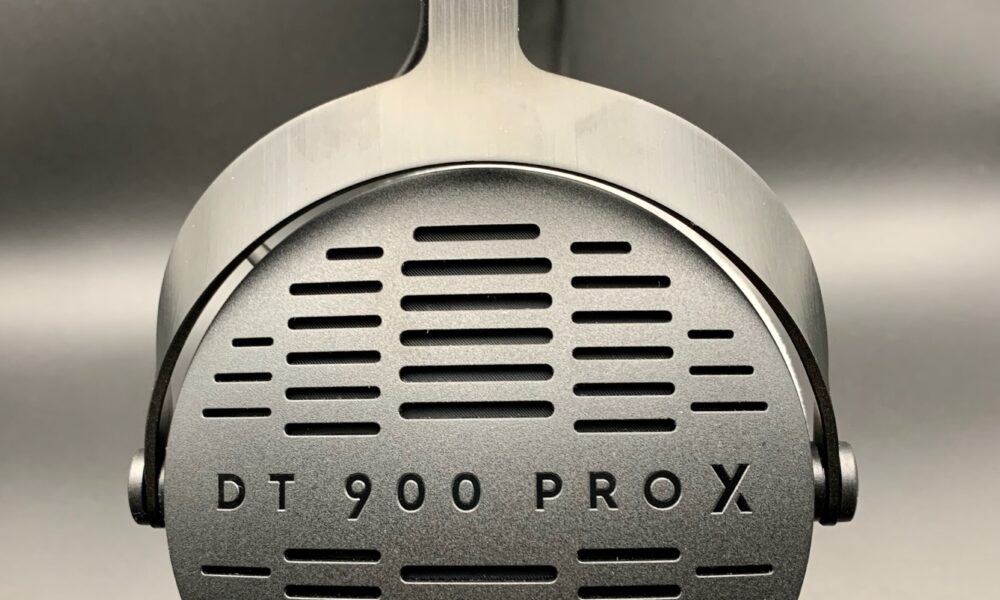
This is an in-house comparison, and that’s exactly why it’s interesting.
The DT 900 Pro X are simpler, more immediate. They’re made to be plug and play, to work well with pretty much anything, without complications. And they do that really well.
The Beyerdynamic DT 1990 Pro MKII sit a step above.
Not so much in philosophy, which is still similar, but in execution. More refined, more resolving, a bit more demanding.
Bass
The 900 are drier, more straightforward. The bass is there, but essential, very “monitor-like”.
The 1990 MKII add something. They never become warm headphones, but you get more extension, more control, and above all better definition. The bass feels more complete, easier to read, less basic.
Mids
The 900 do their job well, but they stay more linear, more basic in how they present the mids.
The 1990 MKII clearly step up. More resolution, more micro detail, better separation. Vocals and instruments have more structure, more information behind them.
Treble
You hear the difference immediately.
The 900 are calmer, easier to handle, less exposed. The tuning is more relaxed, less demanding.
The 1990 MKII are more detailed, more airy, more present. They don’t go to the extremes of the older generation, but they’re still much more revealing.
Stage
Here again, the 1990 move forward.
Wider, more open, but also more precise. Instruments have a clearer position, more stability.
The 900 are correct, but more compact, less three dimensional.
Conclusion
The Beyerdynamic DT 900 Pro X are excellent headphones, especially for ease of use and value.
The Beyerdynamic DT 1990 Pro MKII are on another level.
Not because they change the philosophy, but because they take it further. More precision, more detail, more ability to read the music.
And again, this is just my take.
But when you listen to them one after the other… the difference is there.
Status Quo – Caroline (Live!)
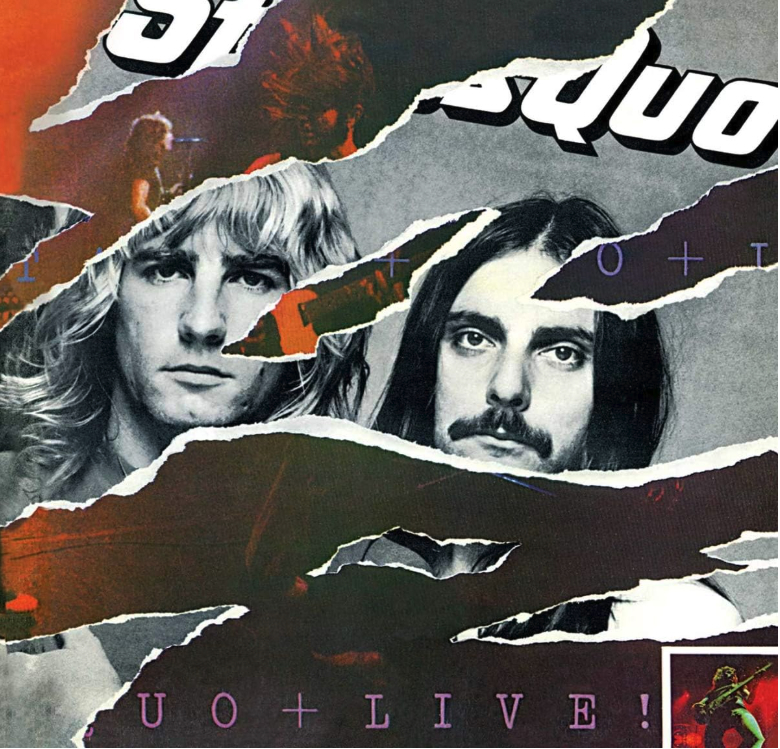
We’re dealing with a classic ’70s live track from Status Quo, taken from the album Live!.
This is not a perfect recording. Far from it. It’s raw, direct, very real. You get everything you expect from a live show of that era. Guitars upfront, dry drums, a voice that’s not polished, and a crowd that’s always there.
And that’s exactly why it becomes interesting.
Because here you don’t get any help. No modern production tricks, no heavy compression, no artificial effects. Just a real mix, with all its limits and all its strengths. And the headphones just have to tell it as it is.
Listening impressions
The first thing that comes through is the energy.
The track is driven, constant, and the Beyerdynamic DT 1990 Pro MKII deliver it with a very direct push. It’s not about bass, it’s about overall dynamics. They keep you locked in without effort.
The guitars are rough, present, and nothing is hidden. You hear the texture, the pick, even when they get a bit aggressive. There’s no attempt to make them prettier, and that’s exactly how it should be.
The voice fits the context. Not perfect, not surgically centered, but real. It sits slightly above, with that typical live presence, never really stepping outside the head.
The stage is believable. Not huge, but well built. You hear the crowd, the space, the environment, without anything being pushed or exaggerated.
Then the second part kicks in, and the track shifts.
The drum solo is the key moment. Classic drum sound of that era. Dry, dynamic, very physical. No effects, no artificial decay, just skin, attack and rhythm.
And here the DT 1990 MKII really show what they can do.
They follow everything without missing a beat. Every hit is clean, every variation is easy to track, and nothing ever smears. You can follow the rhythm naturally, without thinking about it.
And above it all, the crowd.
The shouts, the space, the energy stay present, but they never cover the drums. They sit behind, they give context, but they don’t interfere.
It’s a very clean, very controlled reading, but still alive.
In short
This is one of those tracks that doesn’t forgive.
It’s not perfect, not polished, not made to sound good. It’s live, and it’s real.
And the DT 1990 MKII do one very simple thing.
They don’t fix anything.
They give you energy, dynamics, and all the roughness of the track, but without losing control.
And when a headphone manages to hold all that together, without becoming tiring…
it means it’s doing things right.
Heard It Through The Grapevine (Live On Jools Holland Hootenanny)
Amy Winehouse, Paul Weller, Jools Holland

Here everything shifts.
We move from a rough rock live into something much more controlled, more “played”, where every element has its place. It’s not an audiophile track in the strict sense, but it’s well done, real instruments, a very musical balance.
Inside this track you’ve got everything that can challenge a headphone.
Voices with character
A strong groove
Piano, horns, rhythm section
Musicians interacting with each other
And then there’s a voice that still feels unique today.
Amy Winehouse
This is where a headphone either delivers… or falls apart.
Listening impressions
First thing you notice is the cleanliness.
The Beyerdynamic DT 1990 Pro MKII immediately bring order. No added warmth, no smoothing, but everything stays readable, nothing collapses, nothing gets lost.
Then the voices come in, and this is where it matters.
Amy is exactly how she should be.
Rough, textured, full of nuance. They don’t soften her, they don’t make her easier, but at the same time she never turns harsh. She stays alive.
And there’s something else.
These headphones, even being technical, give her energy.
They don’t flatten her, they don’t cool her down. If anything, they bring back that bite, that attitude, that raw edge she always had. In a way… they do her justice.
Next to her, Paul Weller is more controlled, more linear, and the contrast is crystal clear. The two voices never overlap, never blur into each other.
The piano by Jools Holland is another key point.
Clean attack, notes clearly separated, no romantic coloration. It sounds real, grounded.
The rhythm section sits underneath, very precise. The bass is there, but never warm, never thick. It follows the groove, supports it, but never tries to take over.
And here you really feel the philosophy of the headphone.
Everything in place. Everything under control.
The stage is coherent, not huge, but well organized. Voices are centered, slightly above, with that small forward push. Instruments spread around them naturally, no confusion, no overlap.
It’s not a spectacular presentation.
It’s a believable one.
In short
This is a track built on balance.
And the DT 1990 MKII respect it.
They don’t warm it up, they don’t make it easier, but they still keep it alive, dynamic, engaging.
And most importantly, they manage something that’s not that easy.
They give you a voice like Amy’s for what it is…
no filters, no shortcuts… just all of its energy.
Waterboy
S iomadh rud tha dhìth orm / Ciamar a nì mi ‘n dannsa dìreach
Another Day, Another Time
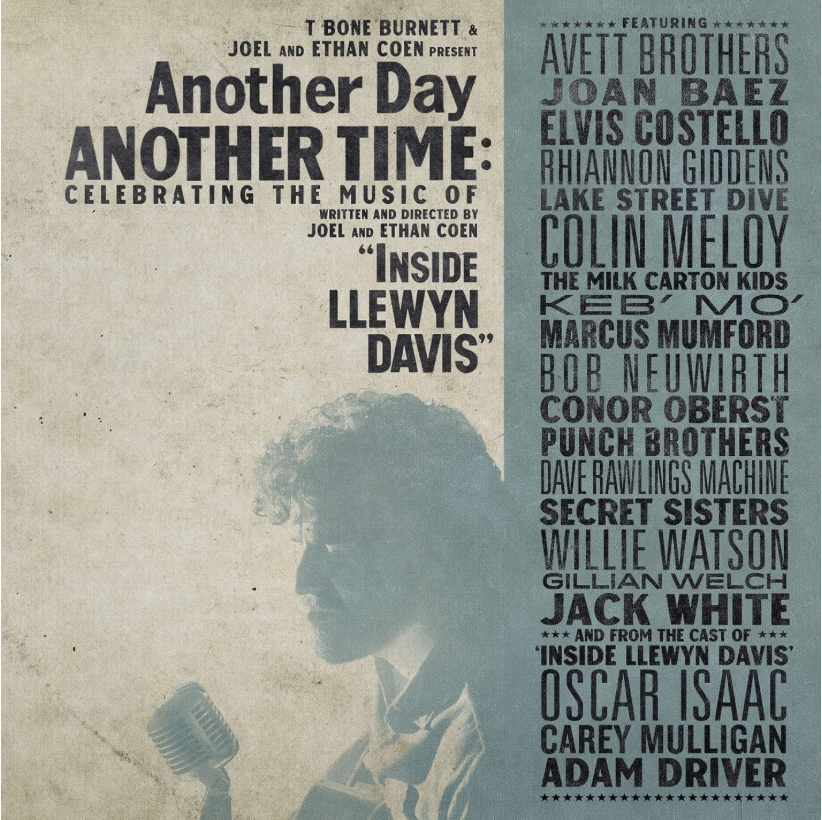
Here you’re right in one of the most revealing situations you can throw at a headphone.
Another Day, Another Time is not an “easy” concert. It’s not built to sound perfect, it’s built to feel real. Acoustic instruments, expressive voices, natural dynamics, and an environment that is part of the music itself.
That’s exactly why it works so well as a test.
- you’ve got voices
- real instruments
- space
- audience
- natural dynamics
All at once, no filters.
And this is where a headphone either holds everything together… or it doesn’t.
Waterboy
Let’s start here.
This track is more direct, more physical. There’s rhythm, movement, something more grounded compared to other parts of the concert.
The voice comes in centered, clear, stable. The Beyerdynamic DT 1990 Pro MKII don’t push it forward, don’t soften it, they just make it readable all the way through.
What really stands out is how they handle the groove.
Every attack is clean, every variation easy to follow. No lag, no blur. The rhythm flows naturally, but never feels loose or uncontrolled.
Acoustic instruments come through well. Clean attack, clear separation, nothing overlapping, nothing getting messy.
And then there’s the space.
You hear the audience, it’s there, but it stays where it should. It never steps into the scene, never distracts. It adds context, not noise.
The result is balanced.
Not spectacular.
But believable.
S iomadh rud tha dhìth orm / Ciamar a nì mi ‘n dannsa dìreach
Here everything changes.
This track is more theatrical, more narrative, and most of all it plays with dynamics. It starts contained, then builds, opens up, fills the space.
And this is where you really see what a headphone can do.
The DT 1990 MKII follow the crescendo in a very clean way.
No compression, no loss of control. Even when the voice rises, when intensity increases, everything stays readable.
The voice again is the center.
Very expressive, full of nuance, and presented without filters.
- You hear everything
- shifts in intensity
- inflections
- dynamic changes
And more importantly, you feel that control never slips.
The stage becomes even more important here.
As the track grows, space grows with it. Instruments spread out, the environment opens up, the audience remains present but always separate.
And that’s the hard part.
- Keeping together
- dynamic growth
- coherence
- spatial structure
Without everything collapsing into itself.
The DT 1990 MKII manage it.
In short
Put these two tracks together and you get a very clear picture of what these headphones are about.
On one side
rhythm, attack, control
On the other
dynamics, growth, space
And in both cases, the result is the same.
The Beyerdynamic DT 1990 Pro MKII don’t try to improve the track. They don’t color it. They just give it to you as it is.
But they keep everything together.
And when a headphone can do that, in a context this alive, this natural…
that’s when you know the control is real.
Final thoughts
The Beyerdynamic DT 1990 Pro MKII are not “easy” headphones, but they’re not those cold, distant studio tools people sometimes expect either.
They were made with a very clear goal.
Take that classic Beyerdynamic DNA, precision and detail, and push it forward. Make it more mature, more usable, more complete.
They don’t try to please everyone.
They’re not chasing a wow effect.
And they definitely don’t soften the message.
What they actually do is bring together a set of qualities that, taken one by one, are not extreme… but together, they work.
Coherence is what really stands out over time.
Refinement is clearly there, especially compared to the previous model, less edgy, more controlled.
Dynamics are not just present, there’s plenty of it, that sense of impact and speed that keeps you alert.
Control never feels in question, it’s always there, holding everything together.
And then there’s precision, the real kind, the one that leaves no doubts about what you’re hearing.
They don’t scream excellence in one single area, but they sit above average everywhere.
And in the long run, that matters more than any special effect.
Compared to the older DT 1990 Pro, the work is obvious. Highs are more manageable, the balance is more coherent, the listening is less fatiguing. They didn’t lose their identity, they just became easier to live with.
And I think that was the whole point.
At the end of the day, they’re still what they’ve always been. A tool.
Just a more complete one, more mature, and easier to live with over long sessions
If you’re looking for instant emotion, warmth, relaxed listening… this is probably not it.
If instead you’re after
control
precision
dynamics
the ability to really read the music
then you’re in the right place.
And this is clearly my take, like all personal impressions.
But after spending hours with them, it’s the one I walk away with.
VOTE
9.3 / 10
🟢 PRO
- High level precision and detail
- Very accurate imaging
- Solid build, made to last
- Highs improved and more manageable than before
- Scales really well with better gear
- Strong coherence across the whole frequency range
- Clear dynamics, with real impact on transients
- Speed and control always there, even in complex passages
- Excellent instrument separation
- Versatile in use, from critical listening to studio work
🔴 CONS
- Not relaxed
- Highs still present, not ideal if you’re sensitive
- Less “musical” compared to warmer headphones
- Clamp can be noticeable during long sessions
- Needs a good source to really shine
Q&A
Are they analytical headphones
Yes, but not in a sterile way. They’re precise, very easy to follow, but they also bring dynamics and impact. They’re not cold, they just don’t smooth anything out.
Are they fatiguing
That really depends on you. If you’re sensitive to highs or listen to aggressive recordings, they can get tiring over time. If you’re used to a more direct presentation, they’re perfectly manageable.
Are they versatile
Yes, in the sense that they handle pretty much everything. But they’re not forgiving. If a recording is mediocre, they won’t fix it, they’ll show it as it is.
Are they a real upgrade over the 900 Pro X
Yes, quite clearly. More resolution, more control, deeper insight into the music. Same philosophy, just taken further.
Are they good for casual listening
Not really their natural ground. You can use them that way, but they shine when you actually sit down and listen.
Do they need a strong amplifier
Not to make sound, but to really perform, yes. With a good amp they become more natural, more controlled, more complete.
Are they better than the old 1990 Pro
In my opinion, yes. They keep the Beyer character but feel more balanced, especially in the highs, and easier to live with over time.
Do the pads really change the sound
Yes, but in a smart way. They don’t transform the headphone, but they shift the balance just enough to tune it to your preference.
Are they “fun” headphones
Not in the classic sense. They’re not boosted or flashy, but their dynamics and speed still make them engaging.
Can they replace a home setup
No, but they get closer than many other studio headphones, especially in terms of precision and spatial reconstruction.
Are they suitable if you come from IEMs
Yes, especially if you’re used to detail. Here you get more space, more air, without losing definition.
How long before they sound their best
They’re already very clear out of the box, but after some time, around 25 to 30 hours, they settle and become more coherent and natural.
Thanks and personal note
The Beyerdynamic DT 1990 Pro MKII were tested in my own setup, with no external influence of any kind.
No compensation, no approval requests, no filters.
This review comes entirely from my listening experience, built over time, through real use, direct comparisons, and everyday sessions.
If you want to take a closer look, you can check the official Beyerdynamic website for full details and spare parts.
They’re also available on Amazon, which is usually the easiest option in terms of shipping and returns.
Alternatively, authorized dealers and local distributors are worth checking, especially for warranty and after-sales support.
I listened, compared, wrote.
Now the rest is up to you, because in the end, it’s always the music that decides.
Everything you’ve read here is personal, like any opinion, but based on real use, on tracks I know well, and on an approach that tries to stay as honest as possible.
What you read is what I heard.
The rest… we leave it to the music.




No Comment! Be the first one.