














































































































Preface
Stepping into the world of the OLLO X1 feels like taking a step back from what is often marketed today as “modern hi-fi”, only to move two steps forward in terms of real listening awareness.
Table Of Content
- Preface
- OLLO’s Story
- First Impressions
- Comfort and Design
- Packaging and Accessories
- Technical Specifications
- The Project: Ideas and Choices
- Reducing variables, not chasing perfection
- Build, Comfort and Accessories
- Built to last, designed to be repaired
- Comfort without illusion
- Everyday usability
- Overall Sound Signature
- Neutrality as a starting point
- The problem of reference
- Where the OLLO X1 stands
- Bass
- Mids
- Treble
- Soundstage and imaging
- Who they are for
- Listening tests / Track evaluation
- Yosi Horikawa – Bubbles
- Jeff Buckley – Hallelujah (Grace, 1994)
- Led Zeppelin – Black Dog (Led Zeppelin IV, 1971)
- Driving, pairing and synergy
- Easy to drive, hard to misunderstand
- It does not forgive
- Synergy and real-world use
- Comparison vs Sennheiser HD 660 S2
- Bass
- Mids
- Treble
- Soundstage and imaging
- Driving
- Summary
- Comparison vs Beyerdynamic T1 (3rd Generation)
- Bass
- Mids
- Treble
- Soundstage and imaging
- Driving
- Summary
- Comparison vs HiFiMAN Arya Stealth
- Bass
- Mids
- Treble
- Soundstage and imaging
- Driving
- Summary
- Final Thoughts
- A different way of listening
- Score
- 🟢 PROS
- 🔴 CONS
- Q/A
- Are they good for music listening?
- Do they need a powerful amplifier?
- Are they better than more expensive headphones?
- Are they fatiguing over long sessions?
- Is the bass lacking?
- Do they work with all genres?
- Can they replace studio monitors?
- Are they comfortable?
- Why don’t they impress right away?
- Are they worth choosing over more “famous” models?
- Acknowledgments and personal note
In recent years, the market has been flooded with products that look incredible on paper, perfect numbers, ultra-low distortion, perfectly tuned curves. But once you strip away the technical layer, one simple question remains: how much of what I hear is actually real, and how much is shaped by the headphone itself?
The OLLO X1 exists to answer exactly that question. And it does so without compromise. IIt does not try to impress or please. It does not aim to be “fun” in the commercial sense of the word.
It is a real tool.
And like any tool, it can feel demanding, sometimes even unforgiving. But if you accept that trade, what it gives back is something that is surprisingly rare in this price range, a sound that feels believable, consistent, and most importantly usable.
It is not about instant emotion, it is about long-term trust.

OLLO’s Story
The story behind OLLO Audio is one you do not see very often anymore. No big corporations, no mass production, no industrial compromises.
This is a small Slovenian company built around a very clear goal, creating reliable monitoring tools for people who actually work with audio. Not for the consumer market, not to follow trends, but to solve real problems inside the studio.
At the core of their approach there is one key concept: consistency. Every headphone is measured, calibrated, and finished by hand. There are no big numbers here, just a level of quality control that feels almost obsessive.
From the wood used in the cups to the way the frequency response is shaped, everything is designed to reduce variables. Not to create a “beautiful” sound, but to achieve something repeatable and trustworthy.
This is the context in which the OLLO X1 was born, not as a stylistic evolution, but as a refinement of a very specific idea of monitoring.
First Impressions
The first impression of the OLLO X1 is, without overthinking it, disorienting. Not in a cold or negative way, but in that moment where what you see does not match what you actually feel once you hold them and put them on.
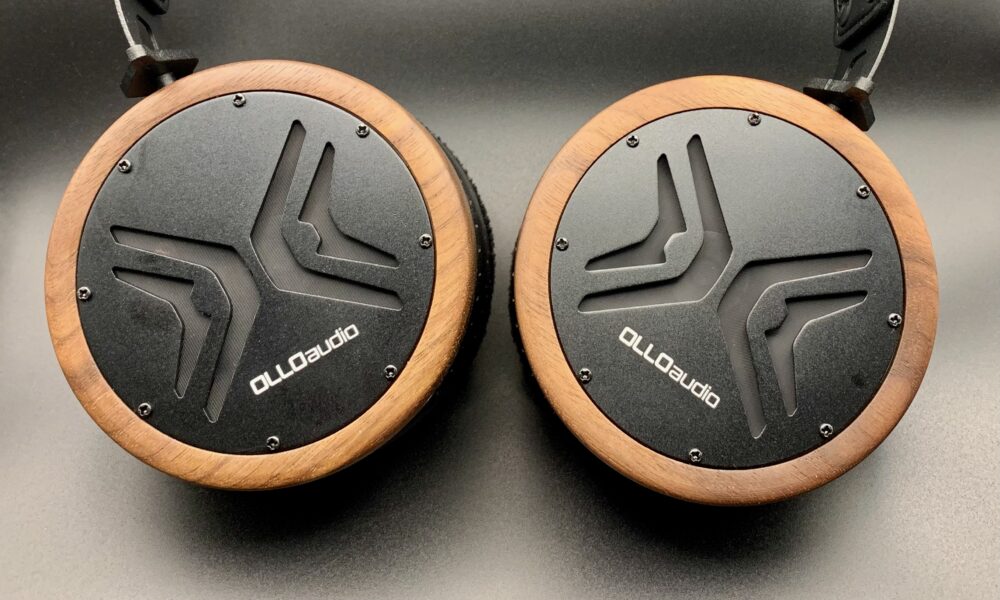
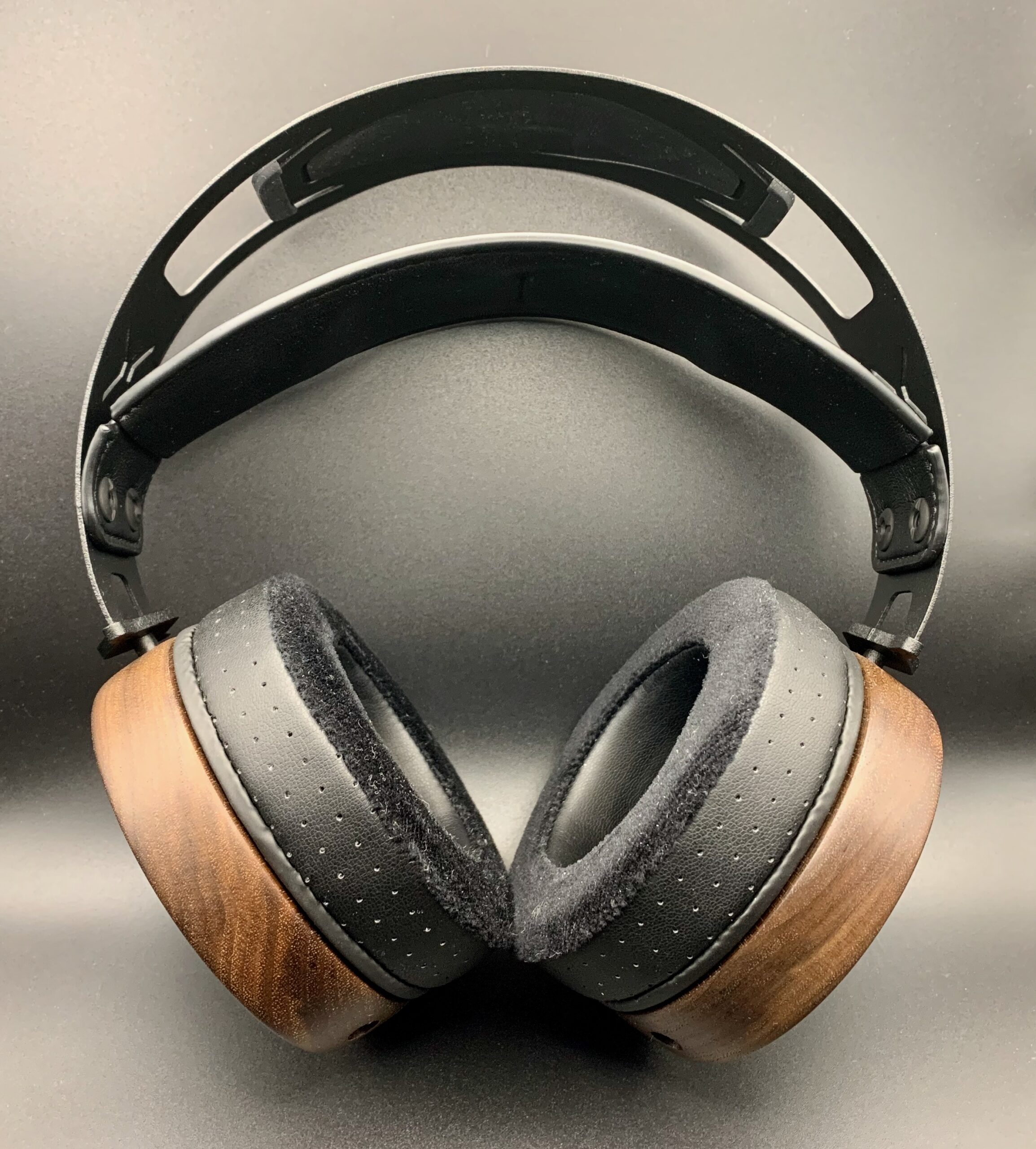
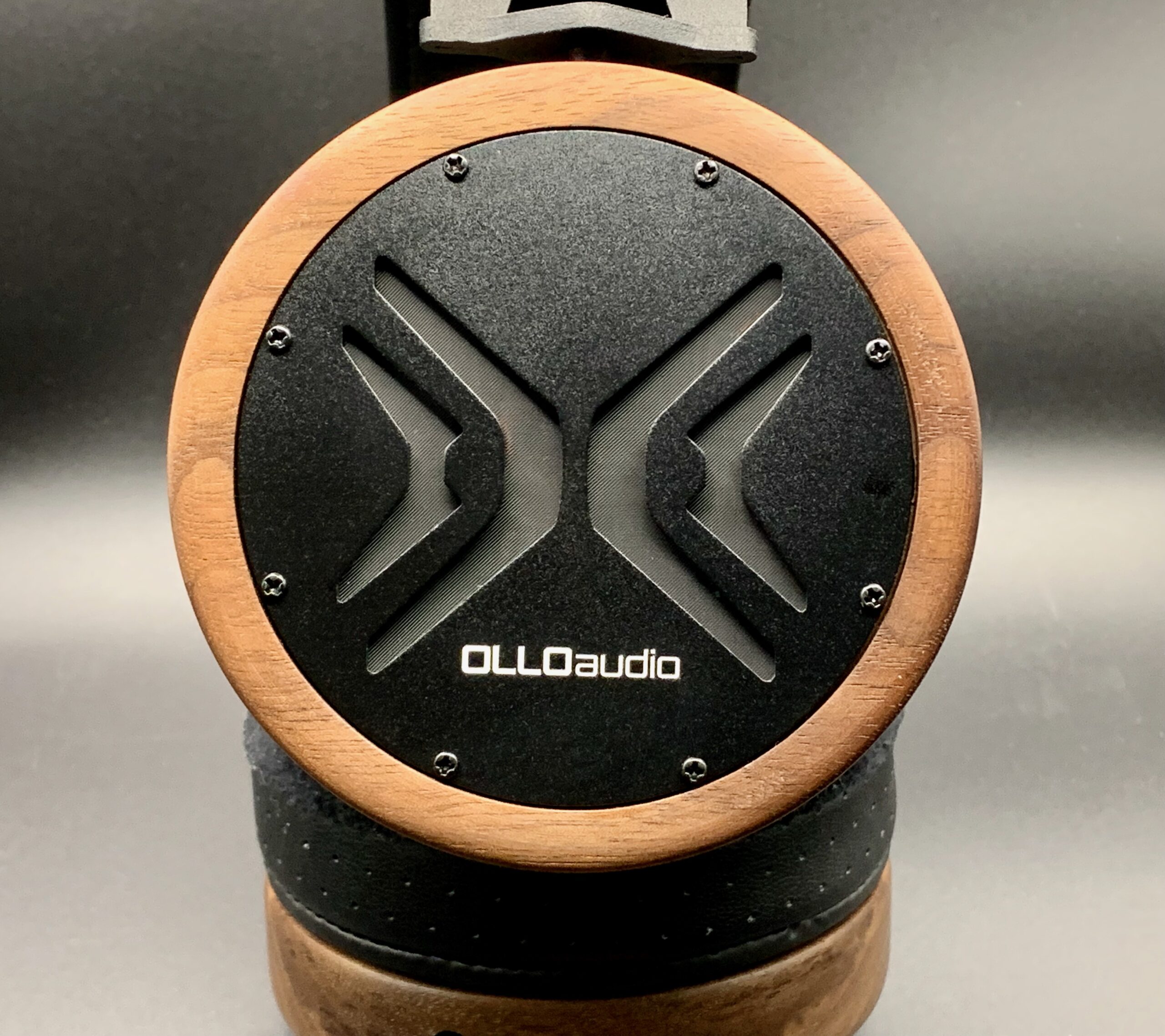
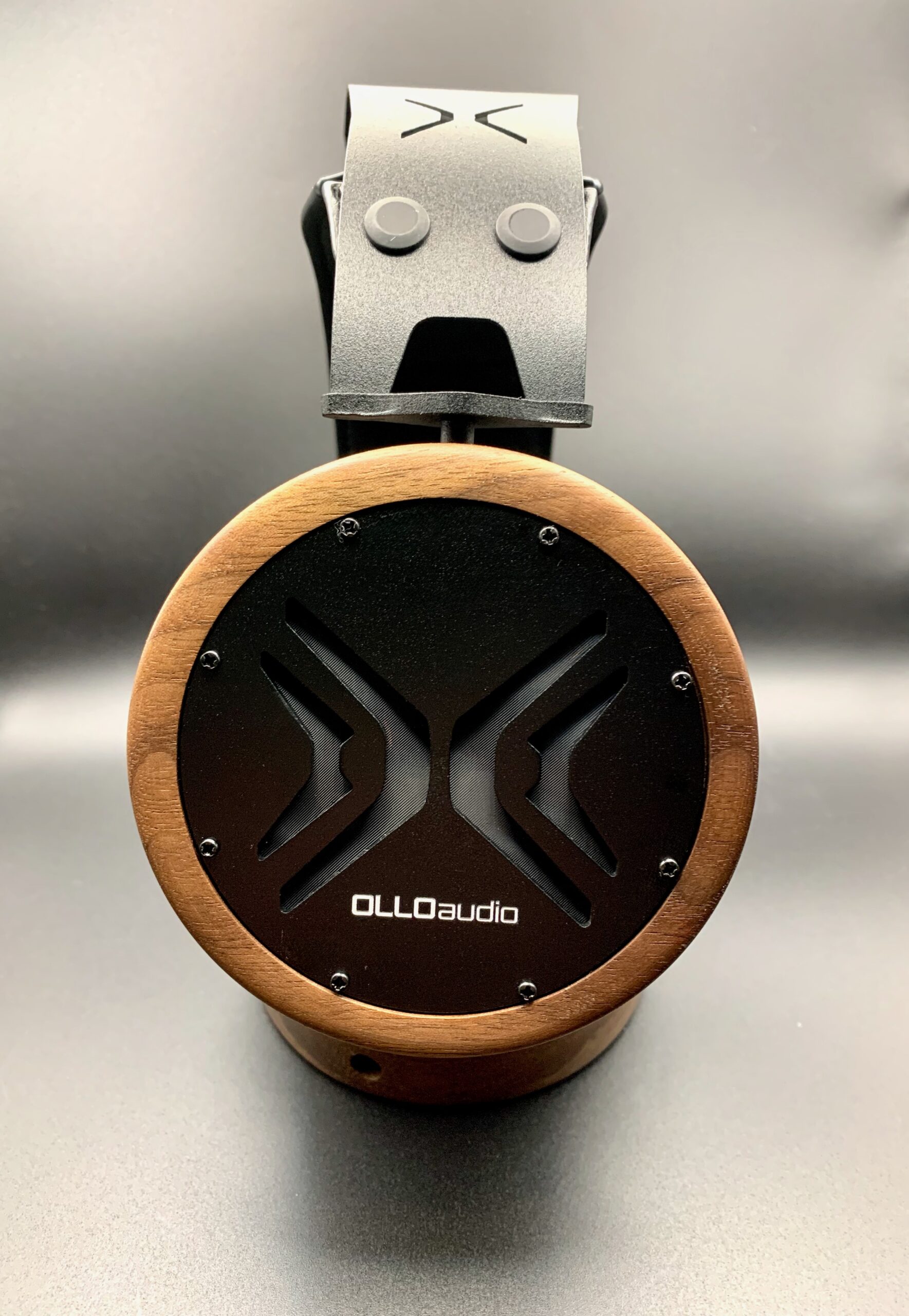
There is nothing here that screams “premium” in the usual commercial sense. No glossy finishes, no visual tricks, no design choices made to impress at first glance. And yet, the moment you pick them up, a completely different feeling comes through. They are beautiful, but in a very grounded way. The wood feels real, alive, with a physical presence that is not there for aesthetics alone, it serves a purpose. It is not decoration, it is part of the design.
The dominant impression is simple: this is something that has been fully thought through. Not just manufactured. Designed.
Comfort and Design
Once on your head, something interesting happens, and this is where the more emotional side comes in. You expect a certain physical presence, even visually, but the elastic suspension system works in a surprisingly effective way. The weight does not disappear, but it is distributed so well that your perception changes.
There is no localized pressure, no obvious pressure points. It almost feels like the headphone is suspended, resting without really weighing down. A simple solution, but extremely effective, to the point where after a few minutes you stop noticing it. And in a real use scenario, that matters much more than a soft, initially comfortable fit that becomes tiring over time.
The earcups add another small but meaningful detail. They rotate freely, without rigid limits. This improves adaptability to different head shapes, but also makes a practical difference. When you place them back in the case, they sit flatter, more compact, easier to manage. One of those details you do not notice immediately, but that grows on you with time.
And then the sound comes in.
That is where everything clicks into place.
Because everything you felt before, that sense of an object designed with purpose rather than built to impress, translates directly into a sound that does not try to please, does not try to seduce, and does not take shortcuts.
This is not the territory of easy listening.
This is something else entirely.


Packaging and Accessories
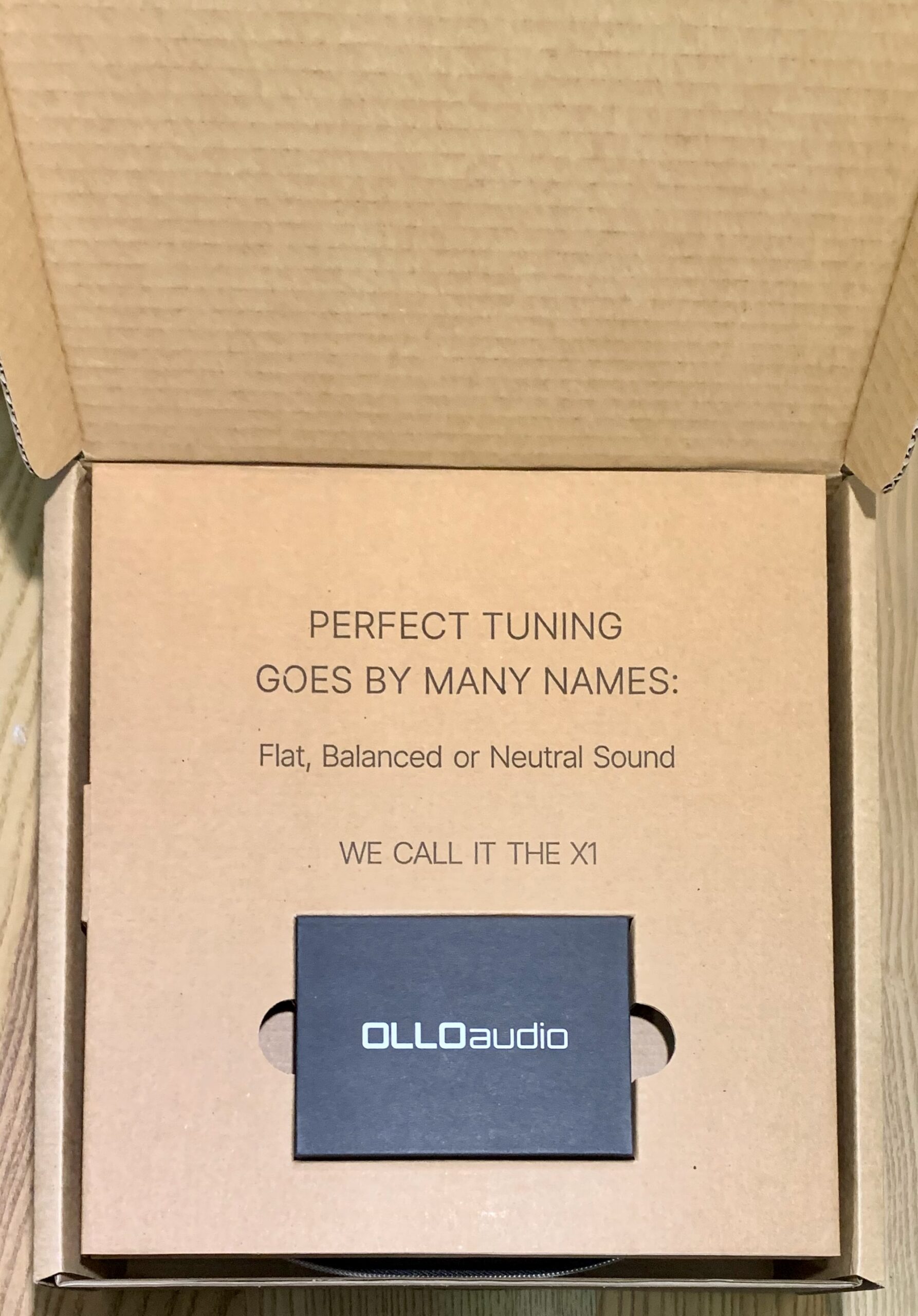
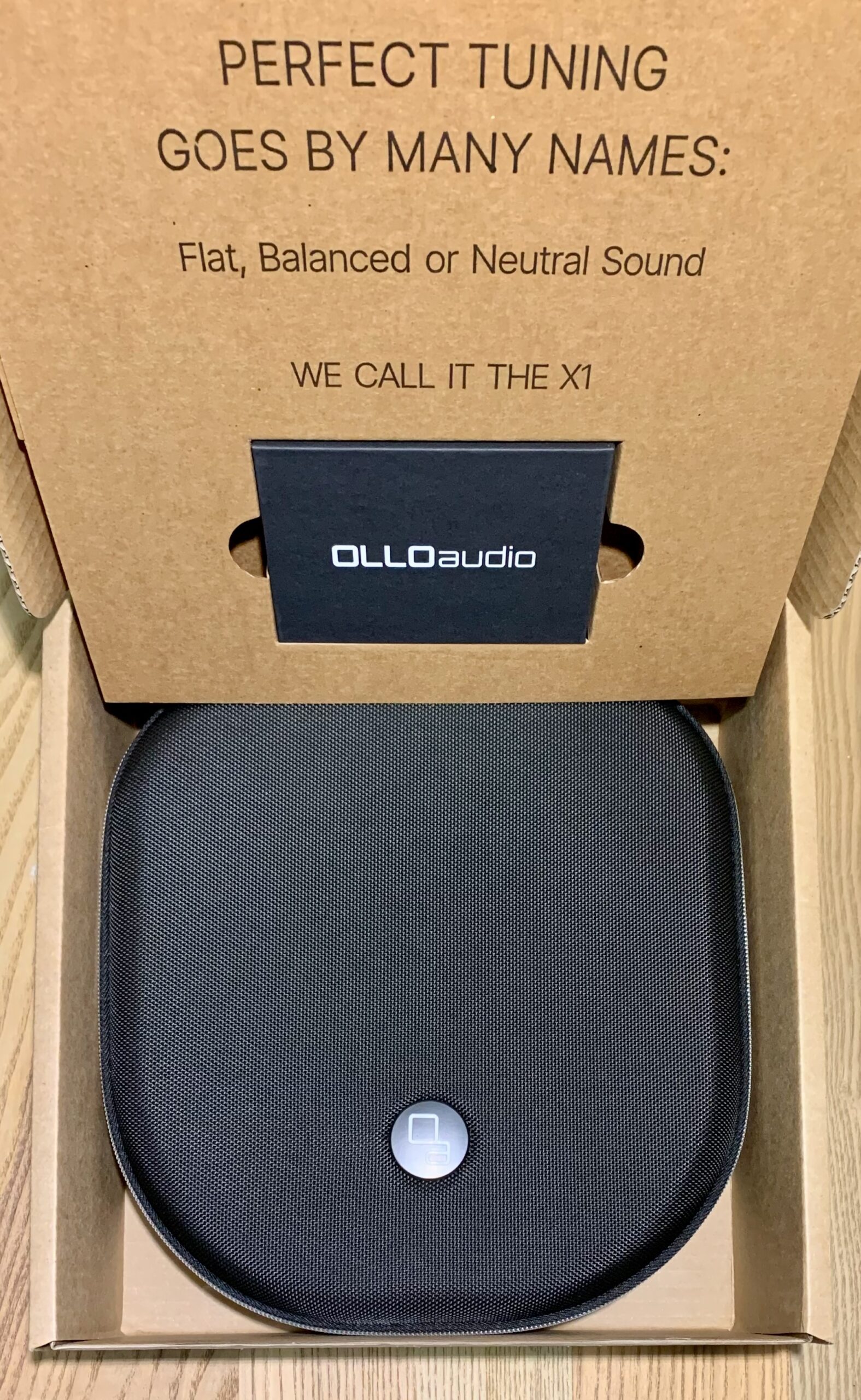
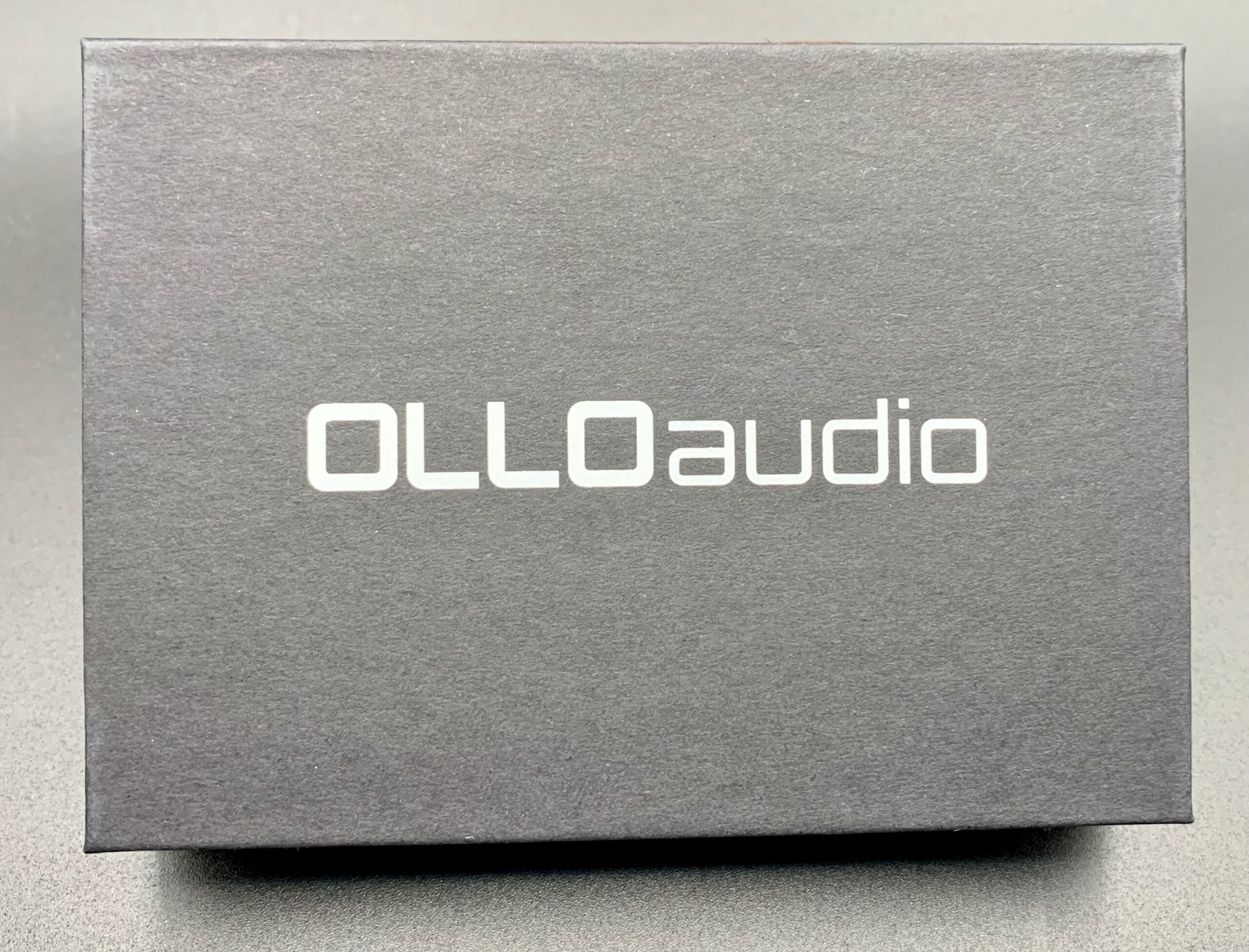
The packaging of the OLLO X1 manages to do something that is not as obvious as it sounds. It stays fully consistent with the philosophy of the product, while still conveying real care and attention.
The box feels solid, well made, with an immediate sense of something designed to protect and last, not just to look good on a shelf. It is not minimal in a cheap way, but in the right way, everything you need is there, and it is done properly.
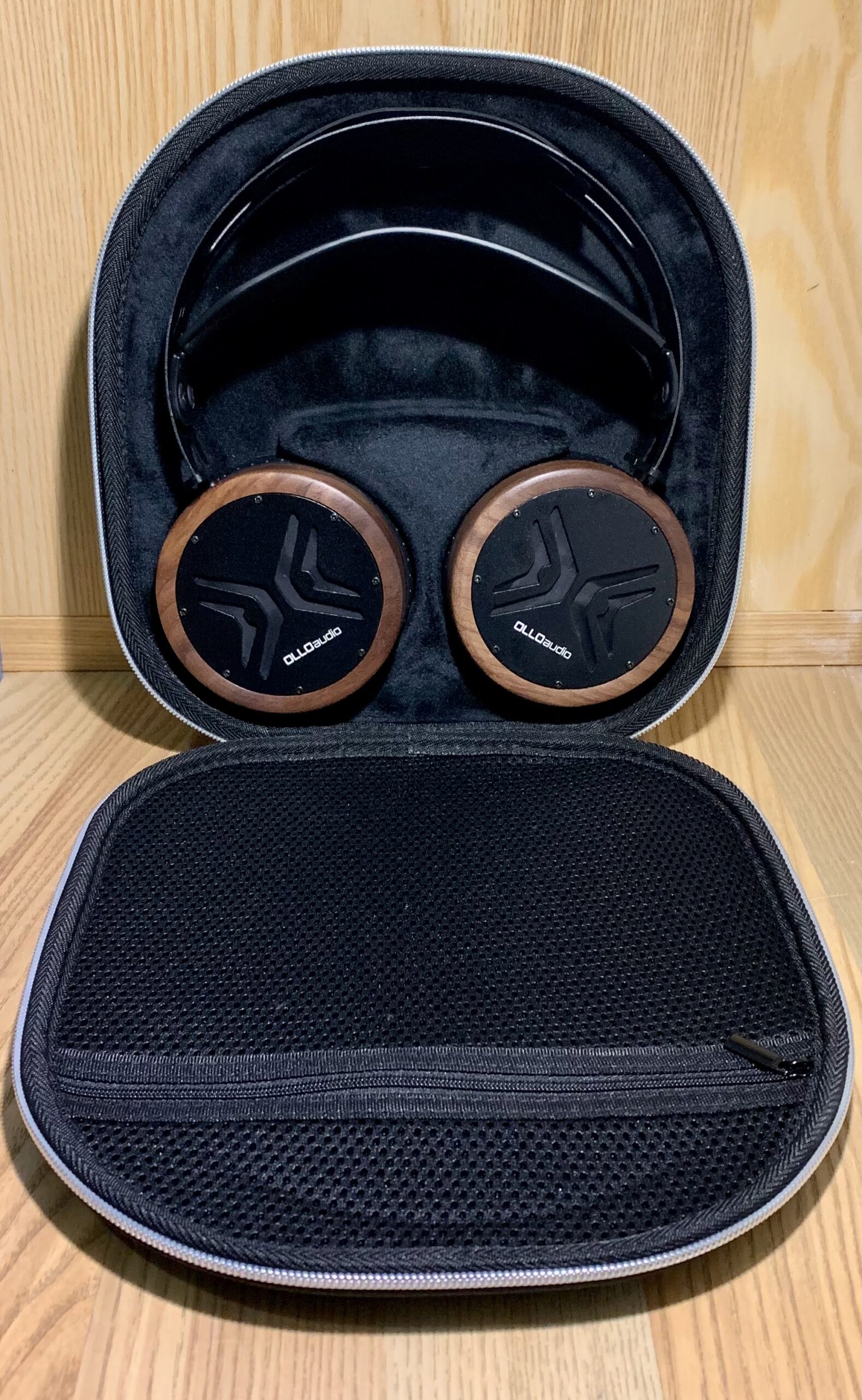
Inside, you find a hard carrying case that is both elegant and genuinely functional. This is one of those accessories that often feels like an afterthought, but here it is clearly part of the design process. It offers solid protection, has a robust structure, and thanks to the fully rotating earcups, allows the headphones to sit in a more compact and secure way. A smart solution that really shows its value in daily use or when traveling.
The headphones themselves are neatly placed, with no unnecessary movement, giving an overall sense of order and attention to detail.
Alongside them, you get:
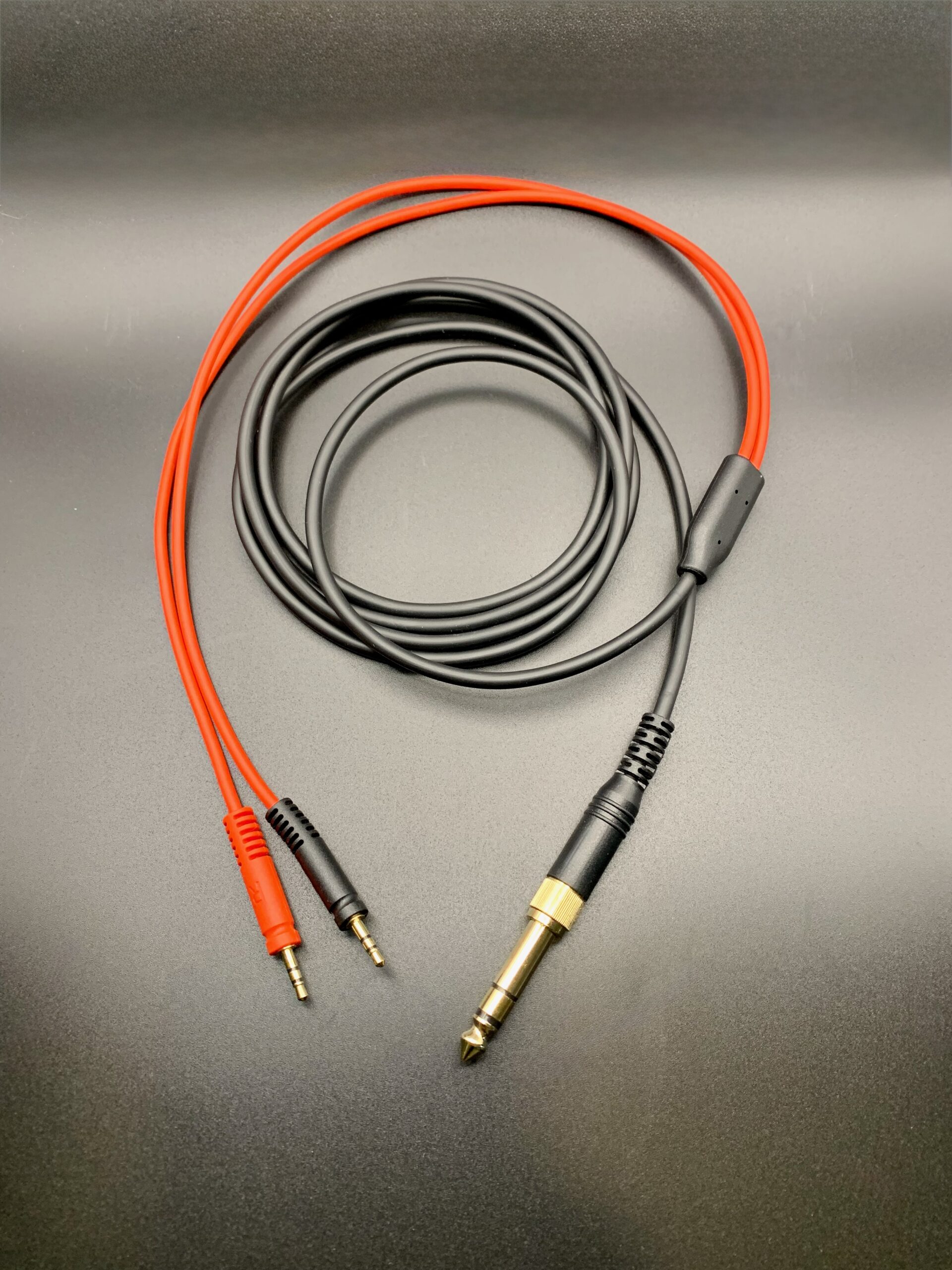
A detachable cable, well built and with a length that makes sense for real use
A jack adapter is included
Essential documentation
A product registration card, reinforcing the direct relationship between the manufacturer and the user
The cable deserves a quick note on its own. It is not one of those “just included” extras. It feels reliable, durable, and fully in line with the rest of the product. Not too stiff, not too light. It just feels right.
Overall, the packaging does not try to impress.
It does something better. It convinces.
Because it reflects exactly what the OLLO X1 is, a product designed to be used, maintained, and kept over time.
Technical Specifications
When talking about headphones like the OLLO X1, numbers need to be read with the right perspective. Not because they are not important, but because on their own they do not really explain what this product is about.
On paper, the specs look quite approachable, almost “calm”, especially when compared to more extreme or clearly high end designs. Moderate impedance, manageable sensitivity, a classic dynamic driver. Nothing that tries to impress at first glance.
And that is exactly where OLLO’s direction becomes clear.
These headphones were not designed to chase theoretical performance or to optimize numbers for a spec sheet. They were built to be usable, predictable, and consistent. That also means choosing specifications that allow real world use, without relying on complex chains or exotic amplification.
The relatively low impedance makes them easy to drive, but it should not be seen as a limitation. It is a practical choice. The OLLO X1 is meant to work well everywhere, while maintaining a controlled and reliable response.
In the same way, the dynamic driver is not a conservative decision, but a deliberate one. When implemented properly, it offers a natural timbre and a level of coherence that is often harder to achieve with more complex, but less predictable solutions.
The goal, as always with OLLO, is not to impress.
It is to reduce error.
And even in the specifications, that philosophy comes through clearly.
| Feature | Specification |
| Type | Open-back |
| Driver | Dynamic |
| Impedance | ~32 Ohm |
| Sensitivity | Medium-high |
| Use case | Mixing / Monitoring |
| Construction | Wood + metal |
| Production | Handcrafted |
The Project: Ideas and Choices
This is where you really get into the core of the OLLO X1, and probably the most important part to understand if you want to read everything else the right way.
The project does not start from a target curve to chase on paper, nor from the desire to align with current trends. It starts from a very concrete problem, reducing human error in mixing and monitoring decisions.
And this is not marketing talk. It is a design philosophy that shows up in every choice, even the less obvious ones.
OLLO begins with a simple idea that is often overlooked. The real issue is not just frequency response, but how repeatable and reliable perception is. If a headphone introduces variations, resonances, or emphasis that are hard to predict, the ear adapts, compensates, and eventually makes mistakes.
Reducing variables, not chasing perfection
The OLLO X1 has been built to minimize this.
• Resonance control through carefully chosen materials and geometry, where the wood is not aesthetic, but part of how vibrations are managed
• Calibrated internal damping to avoid energy buildup and unwanted decay
• A frequency response that is not forced, with no artificial boosts to simulate detail or presence
• Unit matching with measurements and controls aimed at reducing differences between samples
• Earcup and ear interaction designed to remain consistent even with small positioning changes
There is another aspect that is less obvious, but fundamental. The OLLO X1 is not trying to be perfect in an absolute sense. It is trying to be predictable.
And that is a substantial difference.
A “perfect” headphone that behaves inconsistently leads to mistakes.
A consistent headphone, even with small limitations, allows better decisions.
There is no search for spectacle, no exaggerated detail, no instant wow effect. All of that is intentionally avoided, because it introduces variables that, in a professional context, become noise.
What you get instead is something that can be described very simply:
operational truth.
And that is exactly what makes the OLLO X1 stand apart from many alternatives in the same price range.
Build, Comfort and Accessories
The OLLO X1 is built around a philosophy that has become quite rare today, to last, to be repaired, to keep working. These are not short lifecycle products, but tools designed to stay with you over time.
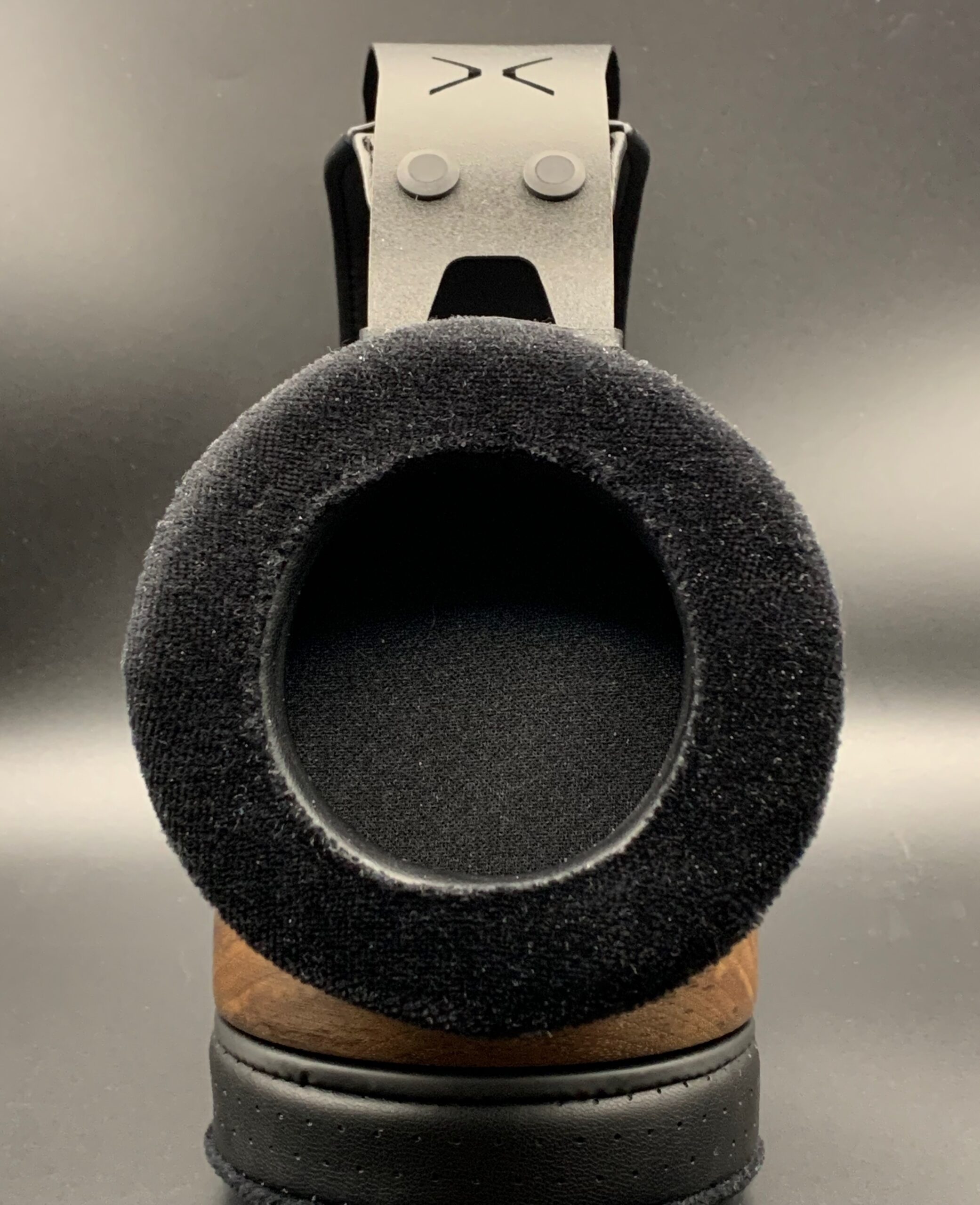
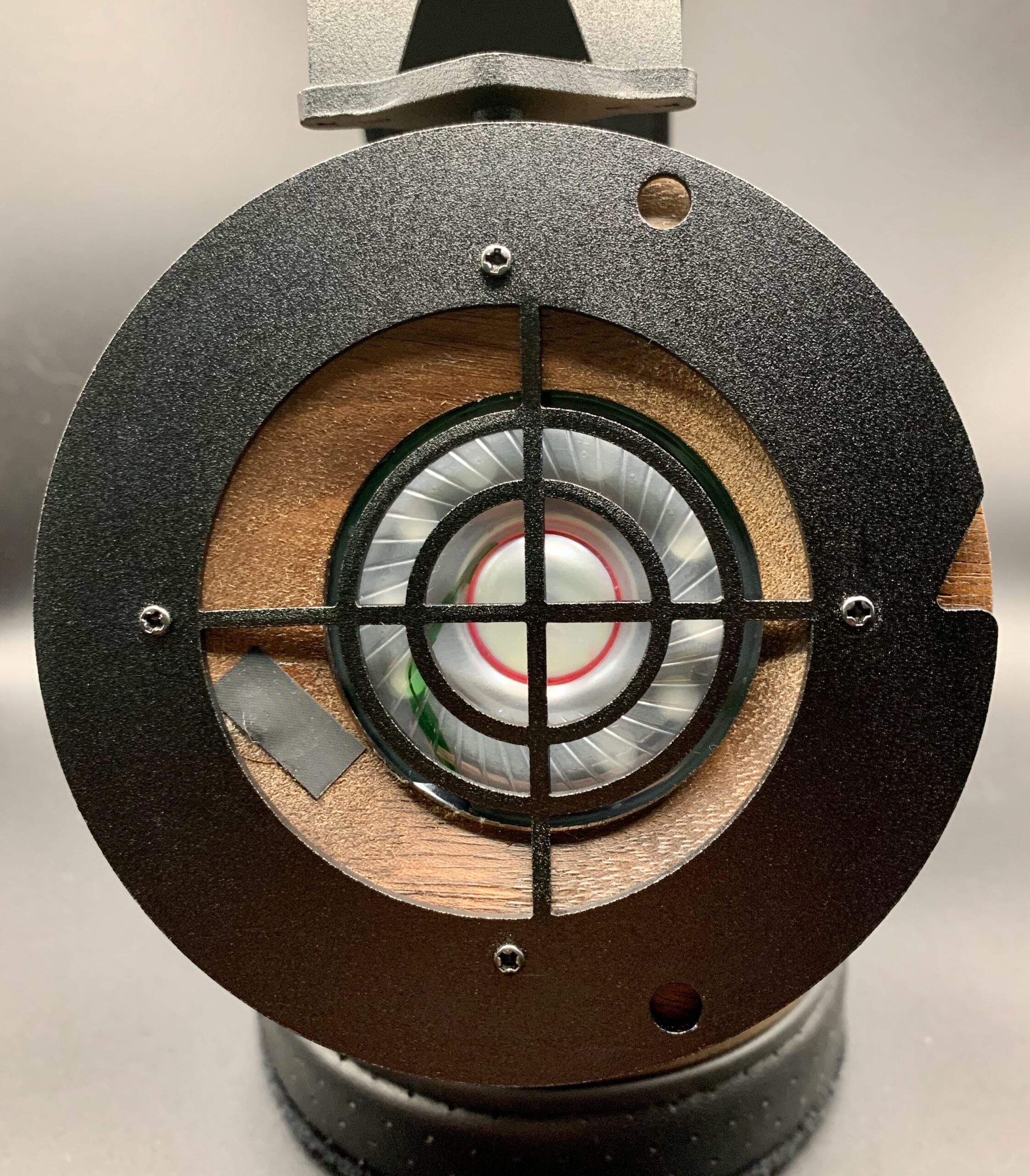
The wooden earcups are the first thing that stands out, but also the easiest to misunderstand. It is not just an aesthetic choice. It is part of the acoustic design. The way resonances are controlled, how the driver interacts with the internal volume, all of it goes through that material. And you can feel it, both in the hand and in the sound.
The overall structure is simple, almost bare if you look at it with eyes used to more “impressive” designs. But the more you observe it, the more a sense of coherence comes through. Metal where rigidity is needed, elastic elements where flexibility matters, accessible components where maintenance is required.
Built to last, designed to be repaired
And this leads to another key point, real repairability.
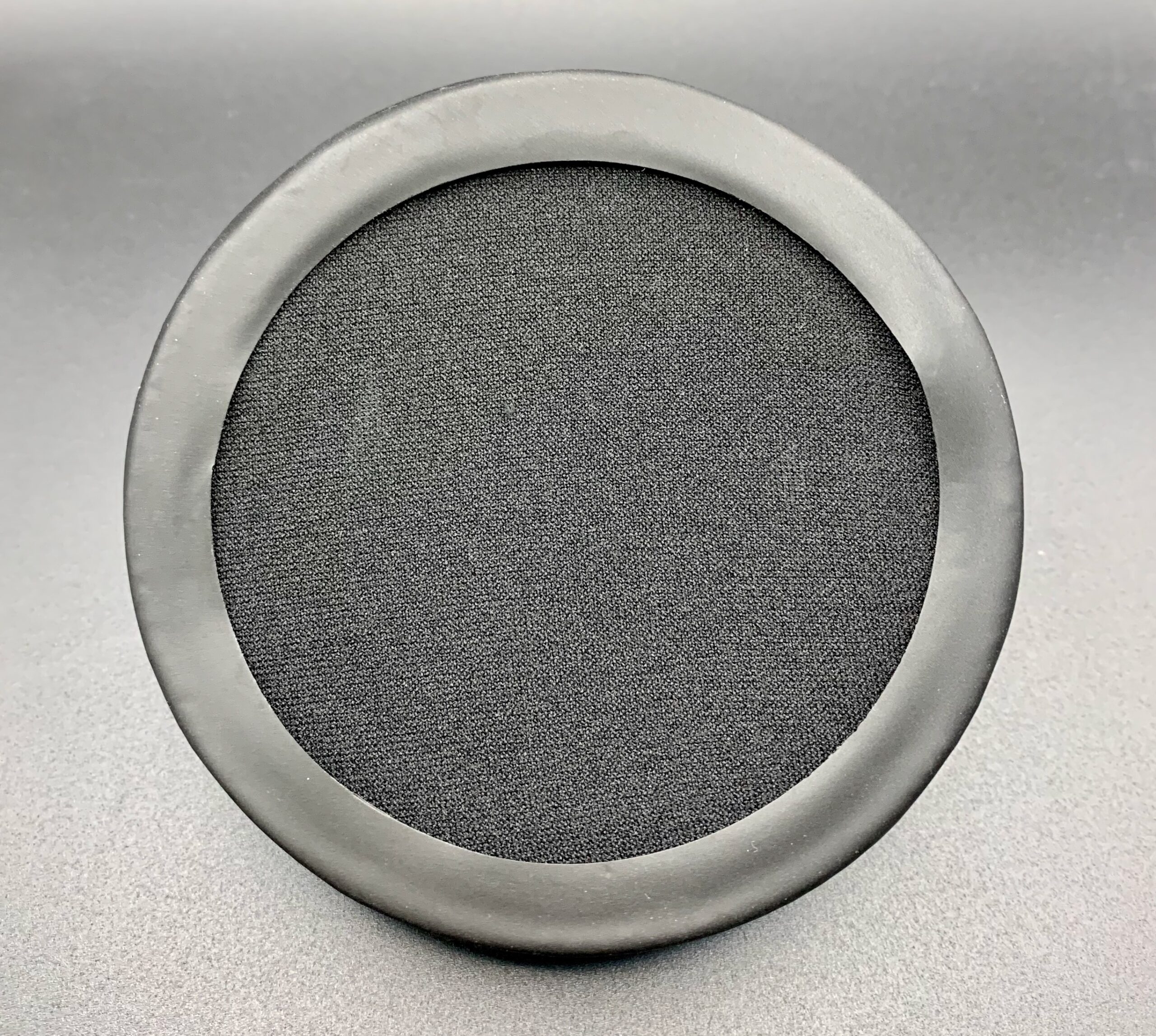
Pads, cable, structural parts, everything is designed to be replaced without unnecessary complications. This is not a small detail. It is a clear statement.
Comfort without illusion
Comfort is where things get more interesting, because it moves away from the usual idea that softer always means better.
Clamp is present, but never intrusive. It keeps the headphone stable without creating annoying pressure points. The pads are intentionally not too soft, which avoids that sinking effect that over time changes positioning and, as a result, the sound itself.
The real highlight is the suspension system. The self adjusting elastic strap works continuously, distributing the weight instead of concentrating it. There are no obvious pressure points, and you do not get that typical feeling of a headband pushing down.
After a few minutes, something subtle happens. The headphone stops being perceived as a physical object, while still staying firmly in place. It does not disappear completely, but its presence becomes neutral. And in long sessions, that makes a real difference.
Everyday usability
The fully rotating earcups add another layer of functionality. They adapt better to different head shapes, follow the natural angle of the ear, and allow a more compact shape when stored. It is not just ergonomics, it is everyday usability.
The included accessories follow the same philosophy, simple but correct. A solid cable, reliable connections, nothing unnecessary.
Overall, build and comfort tell the exact same story you hear in the sound.
No special effects, everything in the right place.
These are working headphones.
And they behave exactly like a serious tool should.

Overall Sound Signature
This is where things really start to matter, and also where it makes sense to take a step back, especially if you are reading this as a listener rather than a technician.
So far, we have talked about mixing, monitoring, recording. That is where the OLLO X1 comes from. But the real question is different: does it make sense to use headphones like this just to listen to music?
The answer is yes, but it needs to be understood.
Neutrality as a starting point
This is also where my listening philosophy comes in. Neutrality is not boring, it is the only credible starting point. We are used to V-shaped tunings, boosted bass, highlighted treble, artificially wide staging. All of this feels more exciting, but it is still a reinterpretation. Pleasing, yes, but distant from the original content.
A headphone with boosted bass is not more engaging, it is less real.
A headphone with emphasized treble is not more detailed, it is less correct.
The problem of reference
The real issue is that we do not have a true reference. The only meaningful comparison would be hearing a track in the studio at the moment it is recorded, then immediately through a headphone. In reality, that is not possible. Too many variables come into play, room, microphones, mastering, the chain, even listener position. Everything changes the outcome.
So what remains is a more realistic goal, reducing interpretation as much as possible.
Where the OLLO X1 stands
And this is exactly where the OLLO X1 finds its place, even for pure listening.
Its signature is neutral, but not sterile, and that distinction matters. There is no artificial coldness, no “surgical tool” feeling. Instead, there is a controlled naturalness, a linearity that lets the music breathe rather than compressing it.
There is also a slight organic touch, especially in the mids, which keeps things from becoming overly analytical. But everything stays under control, consistently.
No spectacle, no emphasis, no attempt to make things bigger or more impressive.
Just coherence.
And over time, that is what makes the real difference.
Because when you stop listening to the headphone, you finally start listening to the music.
Bass
The bass on the OLLO X1 is probably the first place where you truly understand what kind of headphone you are dealing with. Not because of what it does, but because of what it deliberately avoids doing.
There is no concession to modern taste. No boost, no lingering decay, no loudness effect that inflates perception and gives that instant sense of fullness. Here, bass is not the main character unless it is meant to be in the mix.
And that makes a huge difference.
At first, it can feel slightly restrained, especially if you are coming from richer or more emphasized tunings. But it does not take long to realize that nothing is actually missing. Nothing is added, that is all.
Extension is there, linear, easy to follow. But more importantly, it is controlled. And control is the real strength here.
No bloom, no energy buildup, no sense of bass bleeding into the rest of the spectrum. Everything stays in its place, all the time. That makes it easier to follow bass lines, to read complex passages, to understand exactly where a sound ends and another begins.
And this goes back to the earlier point. This is not “engaging” bass in the usual sense.
It is reliable bass.
And over time, that becomes far more valuable.
Mids
If bass is the statement, mids are the core of the OLLO X1.
This is where everything really happens, and where OLLO’s work becomes obvious. The midrange is the hardest area to get right. It is where the human ear is most sensitive, where even the smallest shift becomes immediately noticeable.
The OLLO X1 takes a very clear approach. It does not interfere.
Voices come through in a believable way, with no artificial forwardness, no recessed presentation designed to fake depth. They sit exactly where they should. And with well recorded material, that can be almost surprising.
Acoustic instruments have body, but they are never thickened. Guitars, pianos, strings, everything keeps a tonal consistency that makes it easy to recognize differences between recordings, productions, and mixing choices.
There is no “house sound” painting everything in the same color.
And that is the point.
With the OLLO X1, you are not listening to a headphone that interprets.
You are listening to a headphone that lets things pass through.
That is what makes it a tool before anything else.
Treble
The treble follows the same philosophy, but with an important nuance.
It is present, extended, easy to read, but it never tries to draw attention to itself. There is none of that artificial brightness often used to create the illusion of extra detail.
And it is worth saying clearly. Detail does not come from boosted treble. It comes from overall signal cleanliness.
The OLLO X1 works exactly in that direction.
The high frequencies are continuous, linear, with no harsh peaks. No artificial sibilance, no sharpness, no sense of light being forced into the presentation, something that can feel impressive at first but becomes tiring over time.
Instead, everything is delivered with a natural ease that allows for very long listening sessions without fatigue.
The result is a presentation that does not impress in the first minute, but grows on you.
And more importantly, it never betrays the recording.

Soundstage and imaging
The stage on the OLLO X1 is easy to misunderstand, especially if you are used to headphones that rely on strong spatial effects. It is not wide in a spectacular way, it is not designed to impress, and there is no artificial openness pushing everything outside your head. And that is exactly the point.
What you get instead is something far more useful, a believable space. The presentation is proportioned, coherent, stable. Instruments are not pushed to the edges to create an effect, they stay where they naturally belong within the stereo field.
Imaging is precise, almost surgical when needed, but never forced or unnatural. You can locate elements easily, follow movements, separate layers without effort. Most importantly, this precision remains consistent. It does not depend on volume, it does not collapse in complex passages, and it does not fall apart when the mix gets dense.
It is reliable, and once again it comes back to the same idea. The OLLO X1 is not trying to impress, it is trying to work, consistently.
Who they are for
The OLLO X1 is not a universal headphone. It is meant for those who want to understand what they are listening to, for people who work with audio, but also for anyone who has stopped chasing a “beautiful” sound and wants to hear what is actually right.
If you are looking for instant emotion, these are probably not for you. If you are looking for coherence, they quickly become very hard to let go.
Listening tests / Track evaluation
Yosi Horikawa – Bubbles

“Bubbles” is one of those tracks that immediately exposes what a headphone is really capable of. Not because of tonal complexity, but because of how it challenges spatial reconstruction, microdynamics, and transient precision.
With the OLLO X1, the first thing that becomes evident is the spatial layout. The movement of the balls is not just left to right, but fully three-dimensional. You can clearly perceive height, distance, and trajectory, with each bounce occupying a precise position in space. There is no blur, no artificial widening, just a coherent and believable scene.
Dynamics are equally impressive. Each impact has a defined attack, with a natural sense of weight and decay. The variation in intensity between different bounces is easy to follow, and nothing gets compressed or smoothed out.
What really stands out, though, is the level of detail. The subtle differences in texture, the way each surface interaction changes the sound, the tiny variations in timing, everything is rendered with clarity but without exaggeration.
And that is the key point. Nothing is lost. Not in the lower range, which remains full and grounded, nor in the upper end, which stays open, airy, and highly resolved.
This is a deceptively simple track, but an extremely demanding one. And it is also a track that has exposed the limits of many far more “impressive” headphones.
Jeff Buckley – Hallelujah (Grace, 1994)

“Hallelujah” from Grace is one of those tracks that reveals how a headphone handles voice, microdetail, and tonal honesty.
With the OLLO X1, Jeff Buckley’s voice comes through exactly as it should: fragile, intense, and deeply human. It is not softened, not enriched, but also never pushed into a cold or analytical presentation. It simply feels real, with every nuance intact, from subtle breaths to small dynamic shifts.
The guitar follows with remarkable coherence. Each string has proper body, every pluck is clearly defined, yet never sharp or exaggerated. There is no overlap, no masking, just a clean and natural flow between elements.
The stage is intimate, almost minimal, but entirely believable. There is no artificial expansion. The voice stays centered and stable, while the surrounding space forms naturally around it.
What stands out most is the continuity. Nothing jumps forward unnaturally, nothing is pushed for effect. Everything remains balanced, allowing the track to unfold without distraction.
And this is where the OLLO X1 shows its intent. It does not try to create emotion by adding something.
It simply lets the performance speak.
And with a recording like this, that is more than enough.
Led Zeppelin – Black Dog (Led Zeppelin IV, 1971)

“Black Dog” is a track that immediately tests timing, coherence, and transient control. It is not a particularly “clean” recording by modern standards, but that is exactly what makes it so revealing.
With the OLLO X1, the first thing that stands out is rhythmic precision. The interplay between Robert Plant’s vocals and the guitar riff is clear and well defined, never blurred. The constant stop and go transitions remain tight, each attack is sharp, and every pause carries proper weight.
The guitar has texture and body without becoming harsh or overly aggressive. The bass stays grounded, present but never intrusive, while the drums retain a believable impact, with hits that are firm and controlled.
The stage is not artificially expanded. Everything stays relatively compact, but perfectly organized. Instruments occupy their space without overlapping, and even during denser passages the track remains easy to follow.
What stands out is the ability to maintain order without reducing energy. The track keeps its raw character, direct and unpolished, exactly as it should.
And this is the key point. The OLLO X1 does not try to make the track more “hi-fi”. It does not smooth it out or beautify it.
It simply lets it exist as it is.
And with a track like this, that is exactly what you want.
Driving, pairing and synergy
On paper, the OLLO X1 is extremely easy to drive. The low impedance and well judged sensitivity allow it to perform without effort even from modest sources. But stopping there would miss the real point.
Easy to drive, hard to misunderstand
While it is true that it works well with almost anything, it is equally true that it never sounds the same twice. This is one of its most interesting traits, and also one of the easiest to misunderstand. The OLLO X1 is highly transparent to the upstream chain.
With a good dongle, you already get a clean, believable, fully usable sound, with no need for a complex setup. That alone makes it practical, especially in mobile or work scenarios. But as the source improves, the X1 follows immediately, not in a flashy way, but in a coherent one. Bass becomes tighter, microdynamics open up, separation improves, and the overall sense of control becomes more evident, which is central to its character.
It does not forgive
At the same time, it does not forgive. In a colored chain, with DACs or amplifiers that emphasize certain frequencies, the result shifts just as clearly. Not because the headphone adapts, but because it lets everything pass through.
This is perfectly consistent with its design. It does not compensate, it does not beautify, it does not fix the chain. It reveals it.
Synergy and real-world use
For that reason, pairing is quite straightforward, linear and resolving DACs without obvious coloration, clean and controlled amplification without a strong character, simple chains without unnecessary elements. There is no need to spend excessively, but coherence is essential.
This is also where its versatility becomes clear. It works on the go, on a desk, in a studio, with audio interfaces or more complex systems. It always performs, but it gives back exactly what it receives.
And that is the key point.
The OLLO X1 is not demanding in terms of power, it is demanding in terms of quality. Once this is understood, it becomes an extremely flexible tool, capable of adapting to different setups without ever losing its identity.
Comparison vs Sennheiser HD 660 S2
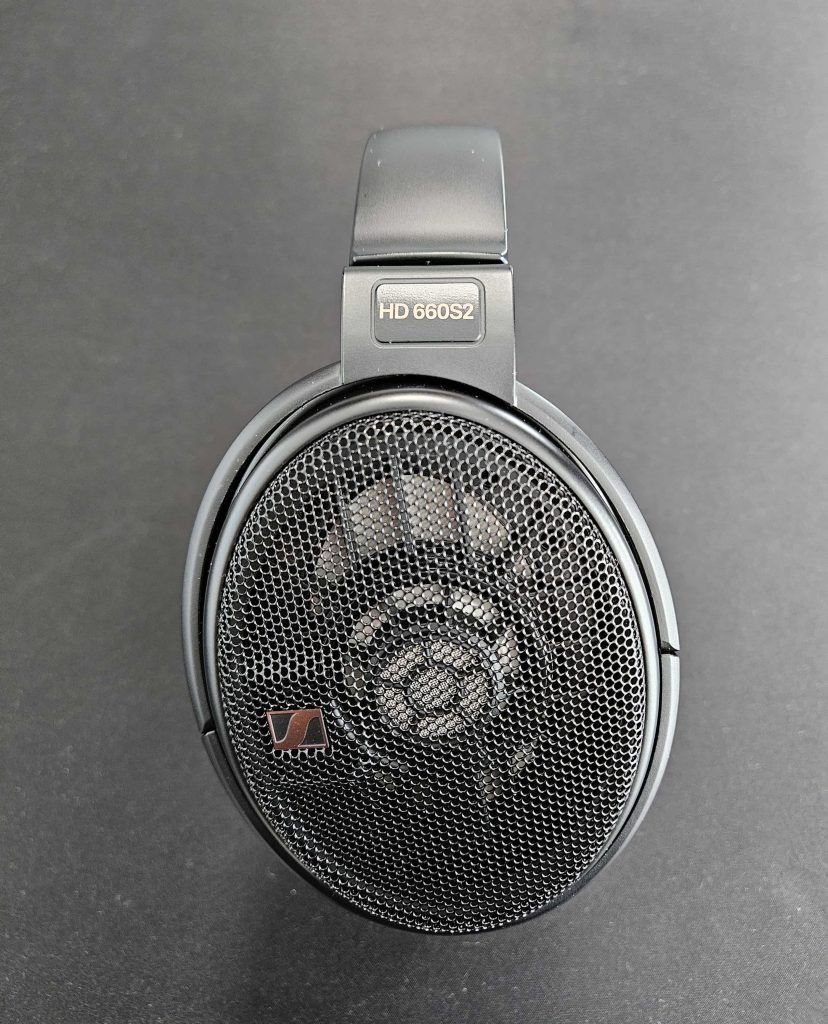
The comparison between the OLLO X1 and the HD 660S2 feels more modern, and in a way more honest, than the usual comparison with the 600 series. This is not about two distant philosophies anymore, but two different interpretations of the same idea, evolved neutrality.
The HD 660S2 represents the evolution of the Sennheiser approach, still natural, but with a clearer sense of engagement. It is not a colored headphone in a crude way, but it has a distinct character, warmer, fuller, more present.
The OLLO X1 stays on its path, subtracting instead of adding.
Bass
The difference shows up immediately.
The HD 660S2 brings more extension and a stronger presence in the low end, with a fuller bass that is clearly audible even at lower volumes. This is intentional, one of the key aspects of the tuning, aimed at making the sound more engaging.
The OLLO X1, on the other hand, is drier, more controlled. The bass is less obvious, but easier to read. It does not come at you, it does not fill the space. It stays where it belongs.
The Sennheiser makes you feel the bass.
The OLLO X1 makes you understand it.
Mids
Both perform very well, but with different intentions.
The HD 660S2 keeps that classic Sennheiser midrange, natural, slightly warm, very pleasing with vocals. There is a softness, a flow that makes it easy to listen for hours.
The OLLO X1 is more direct, more neutral, more honest.
Voices are not enriched, not smoothed out. They remain exactly as they are. That makes them less seductive at first, but far more reliable over time.
Treble
The difference here is more subtle, but still important.
The HD 660S2 has a refined, smooth treble, never aggressive. There is a sense of elegance, a continuity that supports long listening without fatigue. It leans toward comfort and musicality.
The OLLO X1 is more linear. It does not push, but it does not soften either.
It offers more perceived neutrality, less “finish”.
As a result, the Sennheiser feels more relaxed, while the OLLO feels more informative.
Soundstage and imaging
The HD 660S2 takes a step forward compared to the HD600 tradition, offering a wider stage and better spatial definition, with a more immersive feel.
But that width still sits within a rather intimate presentation, typical of the brand.
The OLLO X1 does not chase width. It chases precision.
The stage is slightly smaller in effect, but more stable. Imaging feels firmer, easier to read, less interpreted.
Driving
Here the difference is technical, but very relevant.
The HD 660S2, with its 300 ohm impedance, benefits from proper amplification to perform at its best.
The OLLO X1 is much easier to drive, which makes it more versatile in everyday use.
Summary
This is not about better or worse. It is about two different ways of approaching fidelity.
The HD 660S2 takes neutrality and gently shifts it toward a more musical, fuller and more satisfying presentation, making it ideal if you want a sound that feels both credible and engaging. The OLLO X1 moves in the opposite direction, stripping things back, cleaning up the picture, bringing order where others add character.
The Sennheiser tends to pull you into the music, wrapping the sound in a more inviting way. The OLLO does something different, placing the music in front of you, letting you observe it with clarity and distance.
At that point, the choice becomes personal. If you are looking for pleasure, flow and involvement, the HD 660S2 stands as one of the strongest evolutions of that line. If you are after control, readability and long term reliability, the OLLO X1 remains the purer tool.
And once you look at it from this perspective, it becomes very difficult to confuse the two.
Comparison vs Beyerdynamic T1 (3rd Generation)

The comparison between the OLLO X1 and the T1 (3rd Gen) is, in many ways, one of the clearest to read. Not because they are close, but because they sit on almost opposite ends of the same spectrum.
The T1 represents a more traditional high-end listening approach, focused on space, musicality and immersion. The OLLO X1 moves in the opposite direction, prioritizing control, balance and interpretative neutrality.
This is not a subtle difference. It defines the entire listening experience.
Bass
The contrast is immediately noticeable.
The T1 introduces a gentle elevation in the low end, adding warmth and a sense of fullness that makes the presentation more engaging and easier to enjoy, even at lower volumes. It is not excessive, but it is clearly intentional.
The OLLO X1 takes a stricter approach. Bass is tighter, more controlled, and less forward. It does not try to fill the space or enhance presence. It stays linear, focused, and easier to dissect.
The Beyerdynamic gives you weight.
The OLLO gives you structure.
Mids
Both headphones perform well, but with very different goals.
The T1 delivers a rich and slightly colored midrange, with a smooth presentation that enhances musical flow. Vocals feel rounded, pleasant, and immediately accessible.
The OLLO X1 is more direct and unfiltered. It does not add warmth or soften edges. Voices and instruments are presented as they are, with no added density or smoothing.
The T1 makes the midrange more enjoyable.
The OLLO makes it more truthful.
Treble
This is where the philosophies become even clearer.
The T1 (3rd Gen), compared to older Beyerdynamic models, has a more controlled and refined treble. It is smoother, less aggressive, and designed to support long listening sessions without fatigue.
The OLLO X1 remains more linear and neutral. It does not emphasize, but it also does not round off edges. The result is a treble that feels less polished, but more informative.
The T1 smooths the signal.
The OLLO preserves it.
Soundstage and imaging
The T1’s strength is immediately obvious.
It presents a wide, airy soundstage, with a strong sense of openness and lateral expansion. The presentation feels spacious, almost speaker-like, with instruments pushed further out.
The OLLO X1 takes a more grounded approach. The stage is less expansive, but more proportioned and stable. Imaging is more precise, easier to read, and less dependent on spatial effects.
The Beyerdynamic builds a larger space.
The OLLO defines a more accurate one.
Driving
Here the difference is mostly practical.
The T1, with its higher impedance, benefits from proper amplification to reach its full potential. It scales clearly with better sources.
The OLLO X1 is significantly easier to drive, making it more versatile across different setups, from simple dongles to full desktop chains.
Summary
This comparison is not about better or worse. It is about intention.
The T1 is designed to immerse, to expand the space, and to make the listening experience more engaging and emotionally immediate. It adds just enough character to guide the listener without becoming overwhelming.
The OLLO X1 removes instead of adding. It brings everything back into focus, reduces interpretation, and prioritizes consistency over impact.
The Beyerdynamic pulls you into the music.
The OLLO places the music in front of you.
At that point, the choice becomes very clear. If you are looking for immersion, width and musical flow, the T1 remains extremely compelling. If you are after precision, neutrality and long-term reliability, the OLLO X1 stands as the more coherent tool.
And once you understand this difference, there is very little overlap between the two.
Comparison vs HiFiMAN Arya Stealth
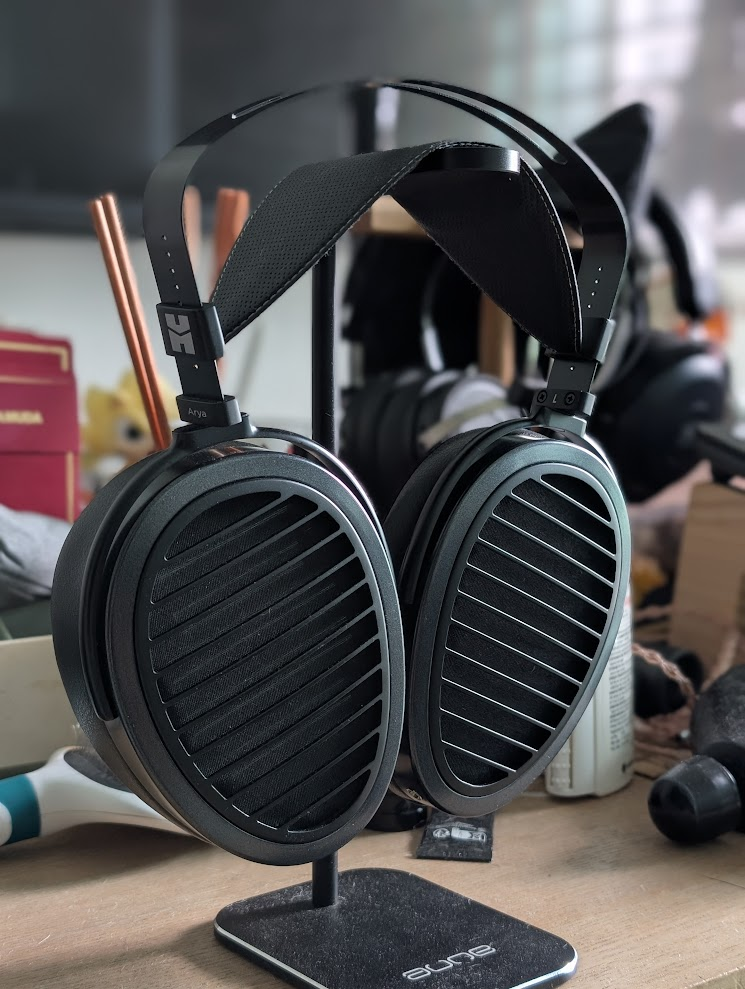
This is where things become more interesting, because the comparison is no longer just about tuning, but about technology and overall presentation.
The Arya Stealth represents a modern planar approach, focused on speed, resolution and spatial openness. The OLLO X1 moves in a different direction, prioritizing coherence, timbre and long-term reliability.
This is not just a different sound. It is a different way of presenting information.
Bass
The difference is immediately noticeable.
The Arya delivers a fast, clean and well-extended low end, but with a lighter sense of physicality. Bass is highly controlled and well separated, yet it can feel more “represented” than truly grounded.
The OLLO X1 takes a more physical approach. Bass is denser, more anchored, and easier to follow in terms of structure. It does not extend in a spectacular way, but it feels more connected to the rest of the spectrum.
The Arya shows the bass.
The OLLO makes you feel its weight and position.
Mids
This is where the contrast becomes more evident.
The Arya presents a clean and highly resolved midrange, with strong separation and excellent micro detail. At the same time, it can feel slightly lean, with less body and continuity between elements.
The OLLO X1 brings everything back together. The midrange is fuller, more natural, and more coherent. Vocals gain density, instruments feel more grounded, and transitions between notes become smoother and more believable.
The Arya highlights detail.
The OLLO restores continuity.
Treble
The planar character becomes more apparent here.
The Arya offers extended and highly detailed treble, with a strong sense of air and openness. It contributes significantly to the perceived resolution, but can sometimes introduce a slightly metallic or artificial edge.
The OLLO X1 is more restrained and linear. It does not push for extra detail, but maintains a smoother and more natural high-end response, avoiding artificial brightness.
The Arya emphasizes clarity.
The OLLO preserves naturalness.
Soundstage and imaging
This is one of the Arya’s strongest areas.
The stage is wide, open, and immediately impressive, with a strong sense of lateral expansion. Instruments are clearly separated, often more spread out than in reality, creating a very engaging presentation.
The OLLO X1 offers a more contained but more believable space. The stage is less expansive, but better proportioned. Imaging is stable, precise, and less dependent on exaggerated width.
The Arya expands the scene.
The OLLO defines it.
Driving
The difference here is more about behavior than difficulty.
The Arya benefits from good amplification to fully express its dynamics and control, even if it is not particularly hard to drive.
The OLLO X1 is easier to manage overall and remains consistent across different sources, while still scaling with better equipment.
Summary
This comparison is not about performance, but about perspective.
The Arya Stealth delivers an immediately impressive experience, with high resolution, wide staging and a strong sense of technical capability. It presents sound in a way that draws attention to detail and separation.
The OLLO X1 takes a more restrained approach. It reduces emphasis, reconnects the elements, and focuses on making everything sound coherent and believable over time.
The Arya makes you notice everything.
The OLLO makes everything make sense.
Personally, there is no hesitation here. I clearly prefer the OLLO.
Because once the initial impact fades, what matters most is not how much you hear, but how right it sounds. And on that level, the OLLO X1 plays a different game.
Final Thoughts
The OLLO X1 is not for everyone, and not as a cliché, but because it asks for a different mindset. If you are chasing wow factor, boosted detail, or a bass that fills the room even when it should not, you will not find that here. And that is exactly the point.
A different way of listening
You put them on, and they simply play. They do not ask you to analyze, they do not push details at you, they do not try to impress. They just bring you into the music. And that changes everything. With the X1 you do not listen to details, you listen to records. You go back to albums you know by heart, just to understand what is really there.
They do not impress, they educate. And once you get used to that, it becomes hard to go back.
At the same time, they never feel cold or distant. There is a natural ease to the presentation, helped by a design that feels as good as it sounds. The wood, the build, the overall presence, everything invites you to use them. You wear them, they disappear, and you listen for hours without fatigue or the urge to switch.
In the end, all the talk about mixing, monitoring, professional use is true, but also secondary. What matters is simple. Listening to music as it is, not as something shaped to please you.
That is exactly what the OLLO X1 does. It removes, it cleans, it organizes, and what remains is the music.
OLLO Audio may be a small company, but here it plays at a different level. When the project is clear and the choices are coherent, the result speaks for itself.
They are not perfect. But they do something that very few headphones truly achieve, they sound right. And in the long run, that is the only thing that really matters.
They also have something even rarer, a clear identity that does not get lost.
Score
9.1 / 10
🟢 PROS
- Real neutrality, no interpretation, no artificial tuning
- Natural and believable timbre, especially with vocals and acoustic instruments
- Controlled, well defined bass, never intrusive
- Outstanding overall coherence across the entire range
- Solid, repairable build, designed to last over time
- Smart comfort thanks to the elastic suspension, suitable for long sessions
- Versatile use, works well with almost any source and scales with quality
- Extremely reliable, both for professional work and critical listening
🔴 CONS
- Not designed to impress, can feel “flat” at first listen
- Not forgiving with poor recordings
- Not suitable for those who want boosted bass or a more spectacular sound
- Clamp is present, not a “pillow-like” headphone
Q/A
Are they good for music listening?
Yes, absolutely. Even though they are designed for monitoring, they become incredibly effective for music listening. They do not make music more “beautiful”, they make it more real. If you are looking for artificial engagement, these are not the right choice. But if you want to rediscover your music for what it really is, they work extremely well.
Do they need a powerful amplifier?
No. They are easy to drive and already perform well with dongles and audio interfaces. That said, the cleaner and more linear your chain is, the more the OLLO X1 will give back. It is not about power, it is about coherence.
Are they better than more expensive headphones?
It depends on what you are looking for. If your reference is detail or wow effect, no. If you care about naturalness, coherence, and reliability, they can easily compete with more expensive models.
Are they fatiguing over long sessions?
No, and that is one of their strengths. With no peaks or artificial emphasis, they allow for very long listening sessions without fatigue. More than anything, they tend to disappear.
Is the bass lacking?
No, it is correct. If you are used to emphasized tunings it may feel less present at first, but in reality it is more precise and easier to follow. After some time, going back becomes difficult.
Do they work with all genres?
Yes, but they do not interpret them. Rock, jazz, classical, electronic, everything is presented as it is. If the mix is good, it will sound good. If it is not, you will hear it.
Can they replace studio monitors?
Not completely, but they get very close. In terms of control, coherence, and mix readability, they are a very reliable tool, especially in untreated environments.
Are they comfortable?
Yes, but in a different way. They are not soft and enveloping, but the elastic suspension distributes weight well and allows for long sessions without discomfort.
Why don’t they impress right away?
Because they do not add anything. No emphasis, no coloration, no artificial presentation. But after a few hours you realize you are listening better, not just more.
Are they worth choosing over more “famous” models?
If you are looking for a coherent, believable sound that holds up over time, yes. If you want instant emotion, probably not. And that is the key difference.
Acknowledgments and personal note
Thanks to OLLO Audio for making this review possible. No compensation, no approval requests, no constraints. This review comes purely from direct experience, with no filters and no compromises.
I listened, I worked, and I tested them in real scenarios, with music I know and references I have used for years.
What you read is exactly what I heard.
If you want to learn more directly from the manufacturer, here is the official website
👉 https://olloaudio.com
The rest, as always, is up to the music.




No Comment! Be the first one.