






































Preface
We never really stop, do we… and this time it’s the BASN PA60. On paper it looks like one of those dongles that actually tries to do things right, nothing flashy, no gimmicks, just a clear goal, sound good and have enough power to actually support it.
Table Of Content
- Preface
- The BASN brand
- First impressions
- Packaging and accessories
- Technical specs
- Design, ideas and choices
- Connections and controls
- Overall sound
- Bass
- Mids
- Treble
- Filters and real impact on sound
- Soundstage and imaging
- Power
- Comparison with iFi GO link MAX
- Sound
- Bass
- Mids
- Treble
- Soundstage
- Power and use
- Final take
- Comparison with Aune Yuki
- Sound
- Bass
- Mids
- Treble
- Soundstage
- Detail and technical side
- Final take
- Final thoughts
- 🟢 Pros
- 🔴 Cons
- Q/A
- Thanks and personal note
BASN is a name most people know for their IEMs, but lately they’ve been stepping a bit outside that lane, moving into portable gear. The PA60 sits right there, mid tier, compact, easy to carry, with enough power to be taken seriously, and a tuning that leans more toward musicality than pure analytical sound.
The BASN brand
BASN is one of those brands that doesn’t make a lot of noise at first, but then you start seeing it more and more often. They built their name mainly with IEMs, staying in a price range that’s still accessible, but without throwing random products out there just to fill a catalog.
It never felt like they were chasing trends or flexing specs. They just focused on making something you can actually listen to for hours, no fatigue, no overthinking. And that’s probably why people started taking them seriously in the ChiFi scene.
With the PA60 things shift a bit, because now we’re not talking about earphones anymore, but about the source. That’s a different step, not a small one. It’s like saying, ok, we don’t just want to sit at the end of the chain, let’s move upstream and shape the sound from there too.
What’s interesting is they didn’t change direction. No chasing numbers, no tricks. It’s just something you use, it works, and it stays out of the way while you listen. And in the end, that’s what matters.
First impressions
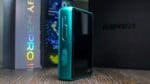
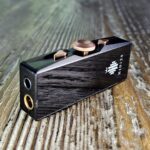
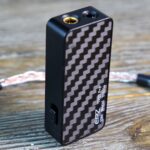
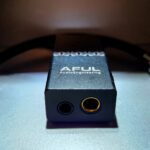
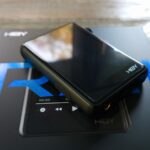
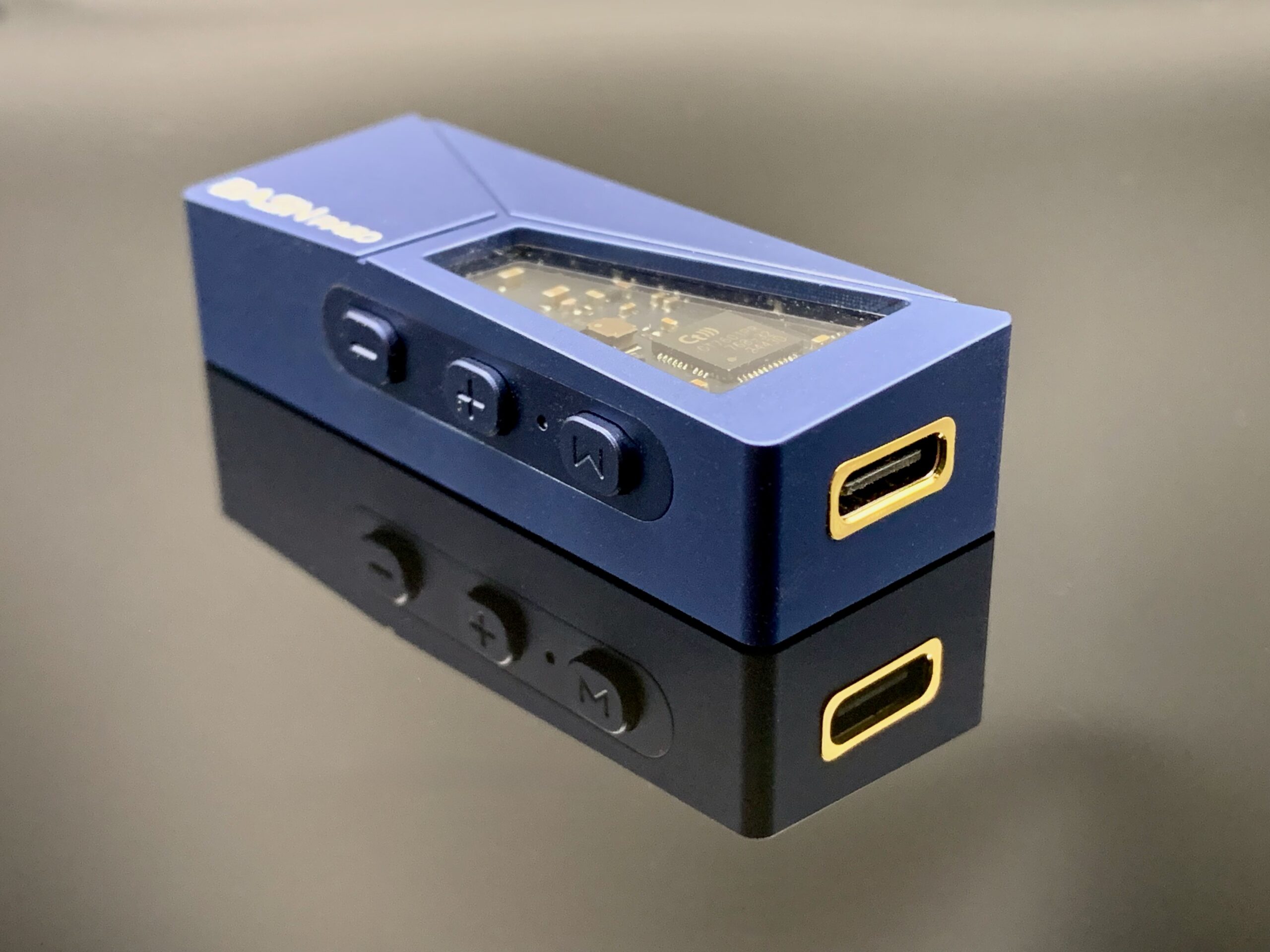
As soon as you pick it up, the PA60 gives off that solid feel, the kind that tells you this isn’t one of those super light, kind of hollow dongles. It has a bit of weight to it, but still stays comfortable in portable use, nothing annoying hanging off your phone.
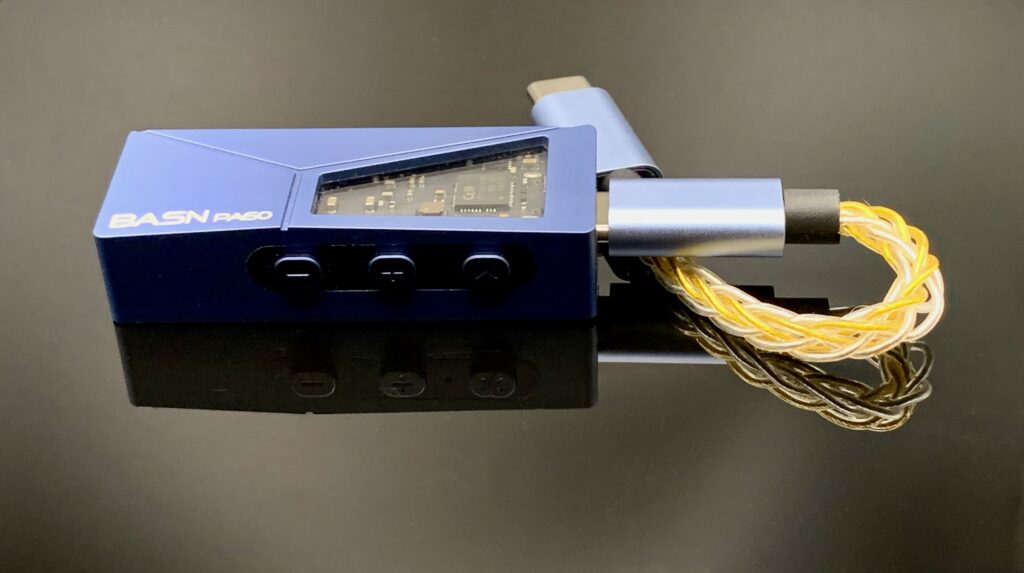
The design is clean, pretty simple overall, but not completely invisible. The status LEDs are there and they do show up, especially when they change with the sample rate. Not distracting, but not exactly subtle either. It has a bit of presence, let’s put it that way.
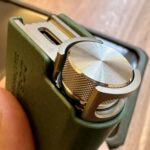
Build quality feels right. Metal shell, tight assembly, nothing loose, nothing cheap. Even the ports feel solid, which is not always a given in this price range.
Right away, it comes across as an honest product, it comes across as an honest product. It doesn’t try to impress you in the first few minutes with flashy tricks, it’s more the kind of thing that grows on you. After a few hours you start to notice that everything just sits where it should, nothing stands out in a bad way, and that’s when it starts to make sense.
Packaging and accessories
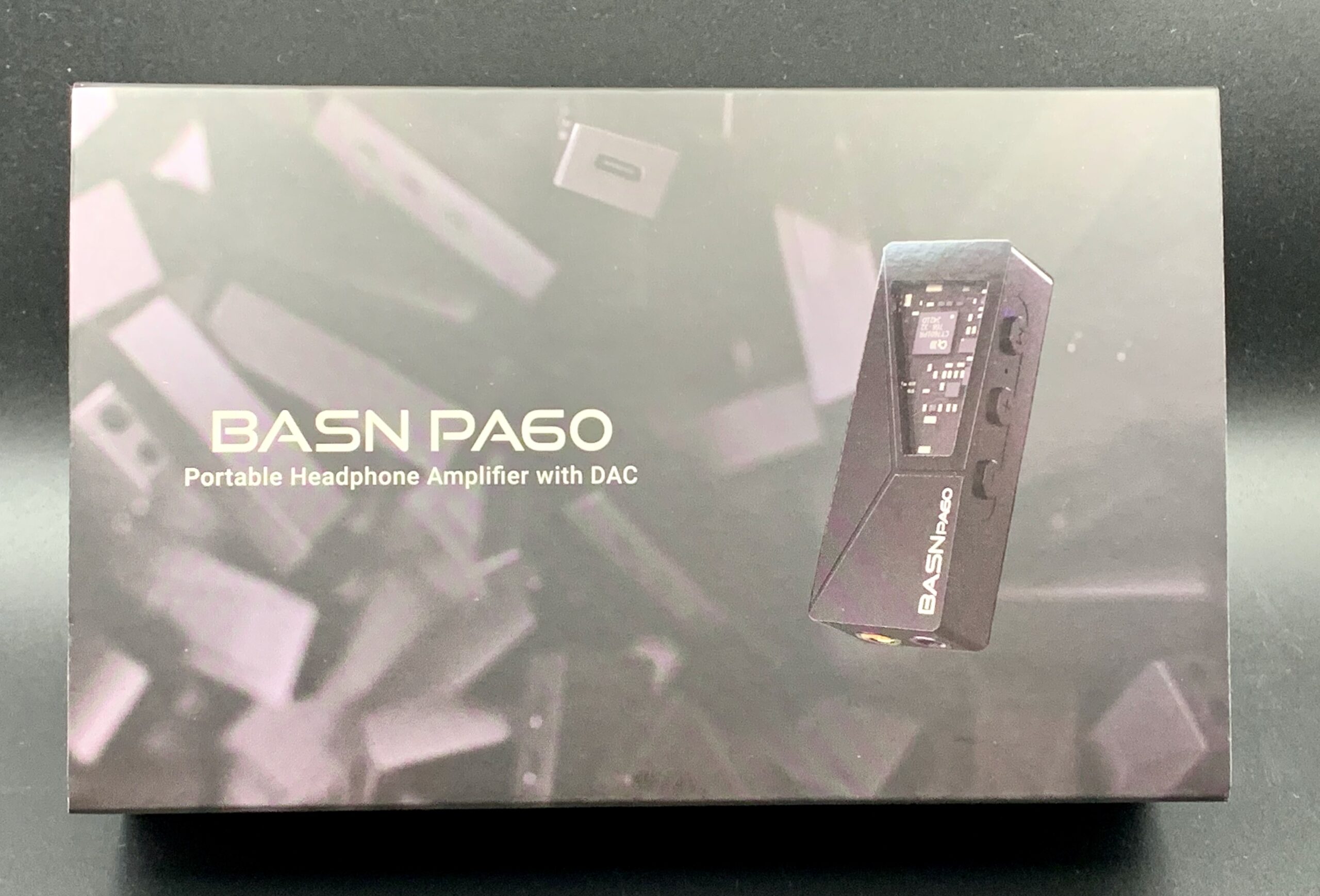
Here BASN keeps things pretty classic, nothing fancy, but also nothing stripped down either.
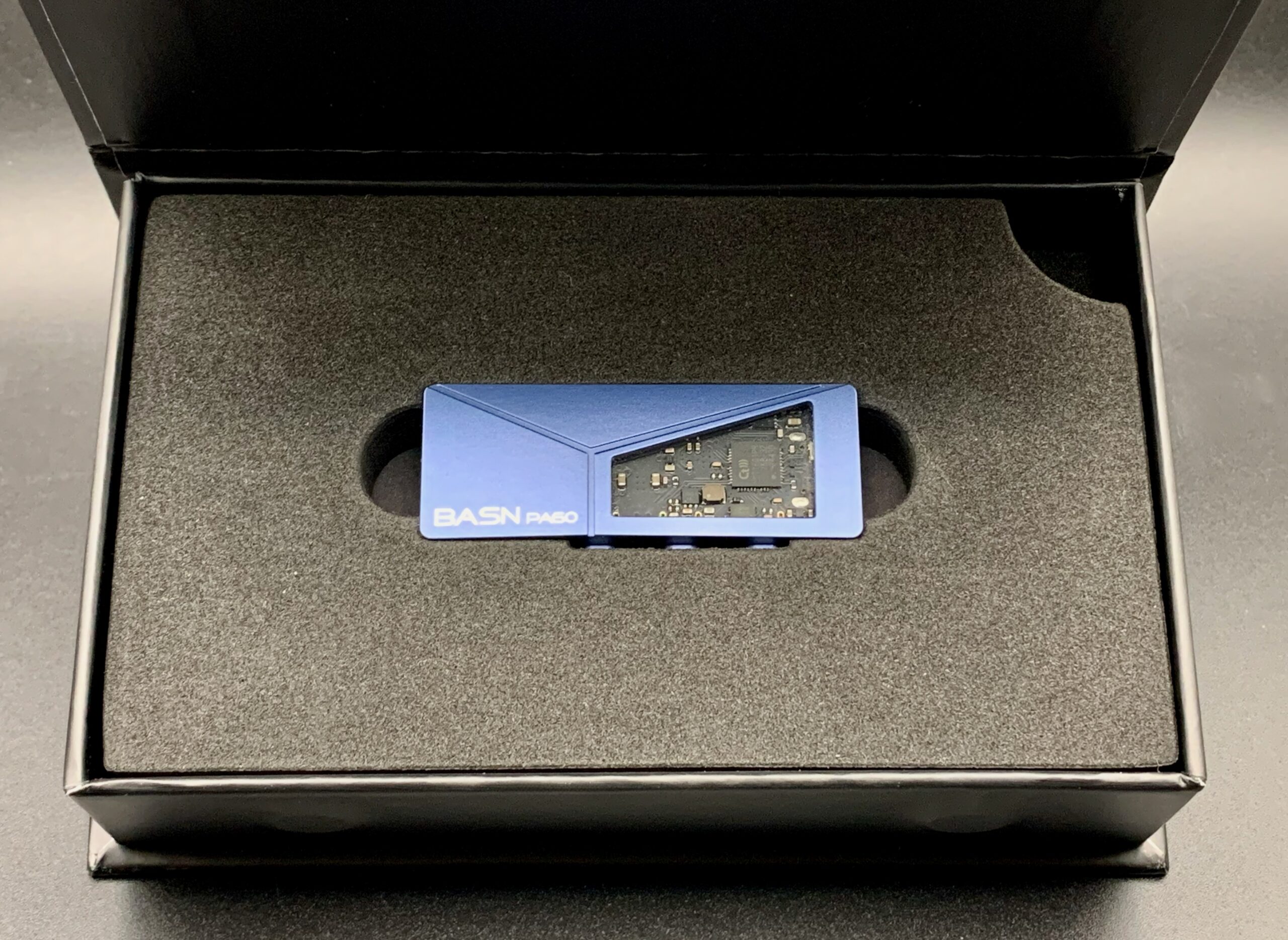
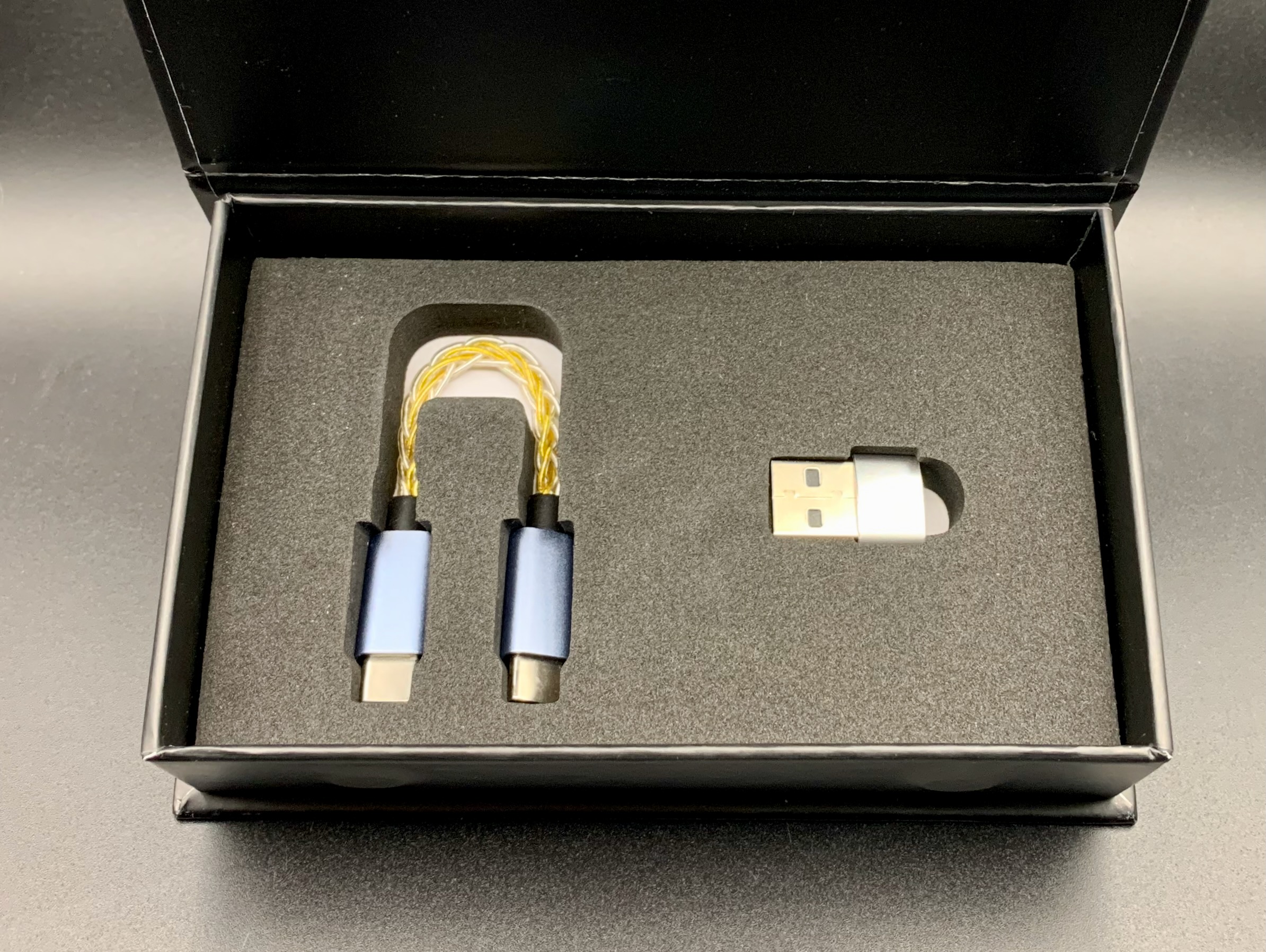
Inside you get:
the PA60 dongle
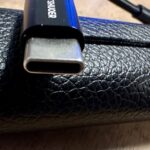
a USB C cable, with a USB C to USB A adapter
basic paperwork
The box is actually a bit bigger than you’d expect for something this size. Everything is well placed, the unit sits securely, nothing feels thrown in randomly.
There’s nothing really premium about it, but it doesn’t feel cheap either. It sits right in the middle of the category, maybe even a touch above in terms of presentation.
The included cable does its job, no issues there, but you can tell right away it’s not the highlight of the package. The good thing is it’s fully removable, so swapping it for something better is easy and doesn’t come with any limitation.
Technical specs
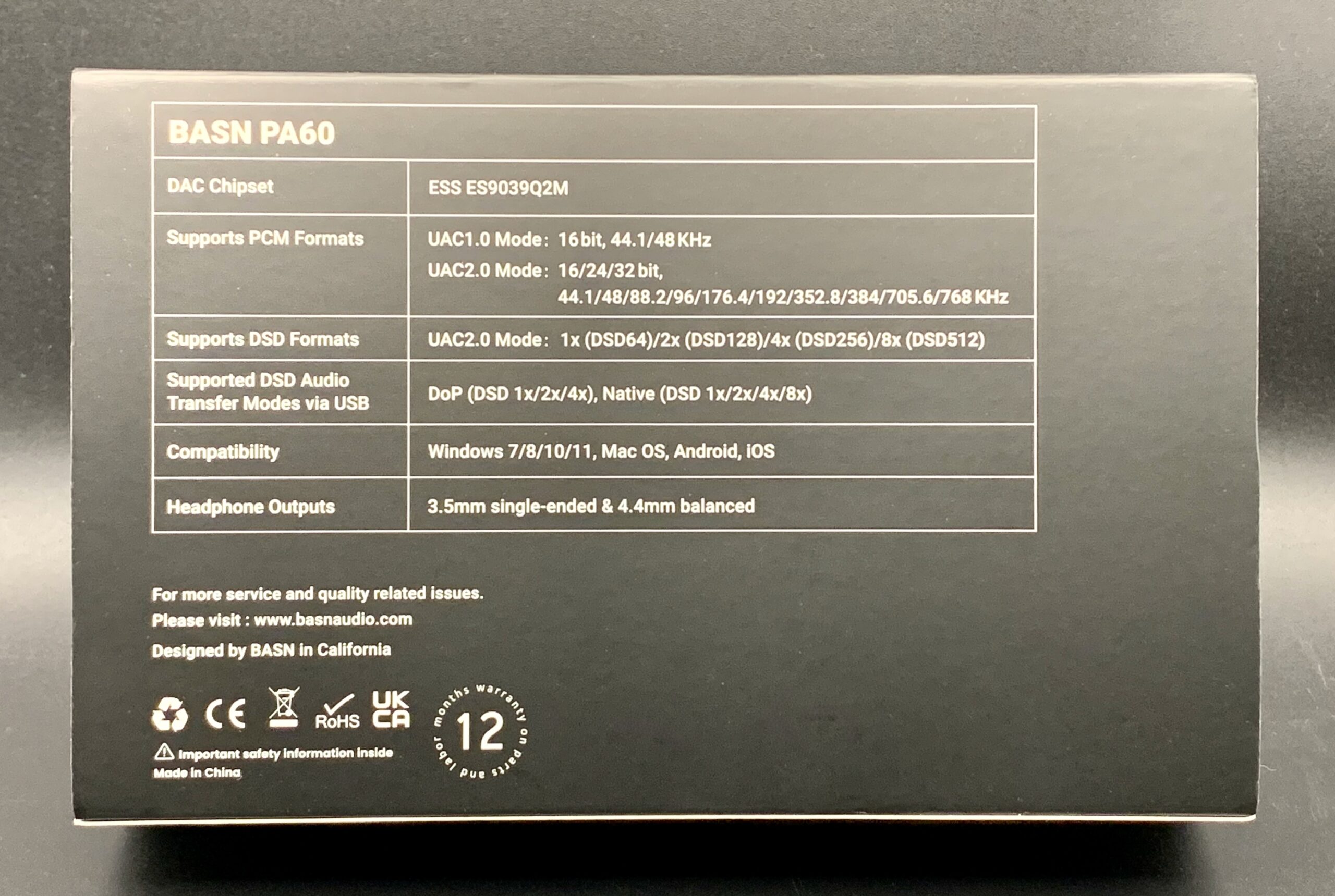
Quick note as always, even when you check official pages or product sheets, you’ll often find small differences between sources, especially on power figures and secondary details.
In this case though the base is pretty clear. The PA60 has a well defined platform, so the specs are consistent enough to give you a solid idea of what you’re dealing with.
| Feature | Specification |
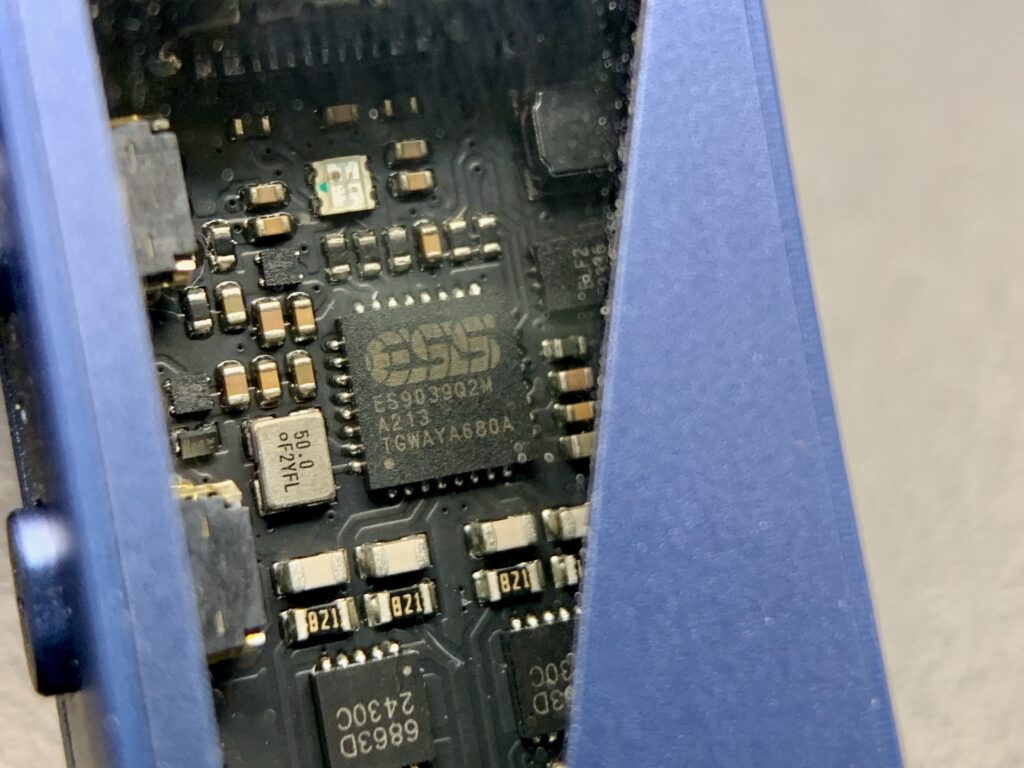
| DAC Chip | ESS ES9039Q2M |
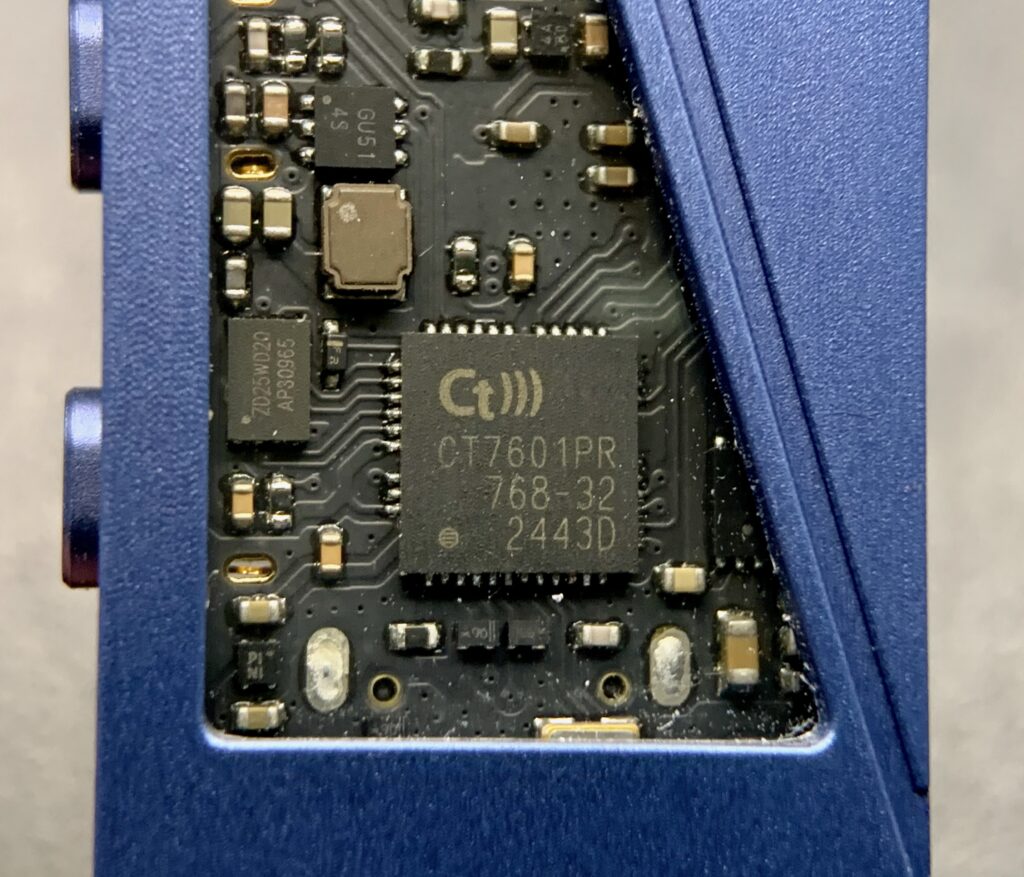
| USB Chip | CT7601PR |
| Resolution | Up to 32bit / 768kHz PCM |
| DSD | Up to DSD512 |
| Outputs | 3.5 mm single ended, 4.4 mm balanced |
| Power | ~125mW @32Ω, 3.5 mm, ~240mW @32Ω, 4.4 mm |
| Gain | Low, High, with automatic impedance detection |
| Digital Filters | 8 selectable |
| Volume Control | Independent hardware control, 60 steps |
| USB Mode | UAC 1.0, UAC 2.0 |
| Compatibility | Android, iOS with proper cable, Windows, macOS, consoles |
| Size, Weight | ~53 x 20 x 15 mm, ~17g |
| Material | CNC aluminum |
Design, ideas and choices
This is where things shift a bit from what you might expect at first. On paper the PA60 is not a simple dongle at all, you’ve got a recent ESS chip, high resolution support, more power than expected, plus features like gain, filters and hardware volume.
But the interesting part is how it’s been tuned. It doesn’t feel like a product built just to show numbers or impress in the first minute. It’s not chasing that hyper detailed, super sharp kind of sound. The idea seems different, to give you solid performance, but keep it easy to listen to.
It’s compact, sure, but it has enough drive to handle basically all IEMs and quite a few portable headphones without feeling pushed. And that matters, because you’re not always running at the edge, and over time that makes a difference.
The overall presentation doesn’t follow the typical sharp ESS approach. It leans more toward a slightly softened neutral, with a bit of flow to it. Not warm, not cold, not analytical in the strict sense. Just something you can listen to for hours without getting tired.
It feels like BASN took a solid technical base and made it more human. Less lab, more music.
Connections and controls
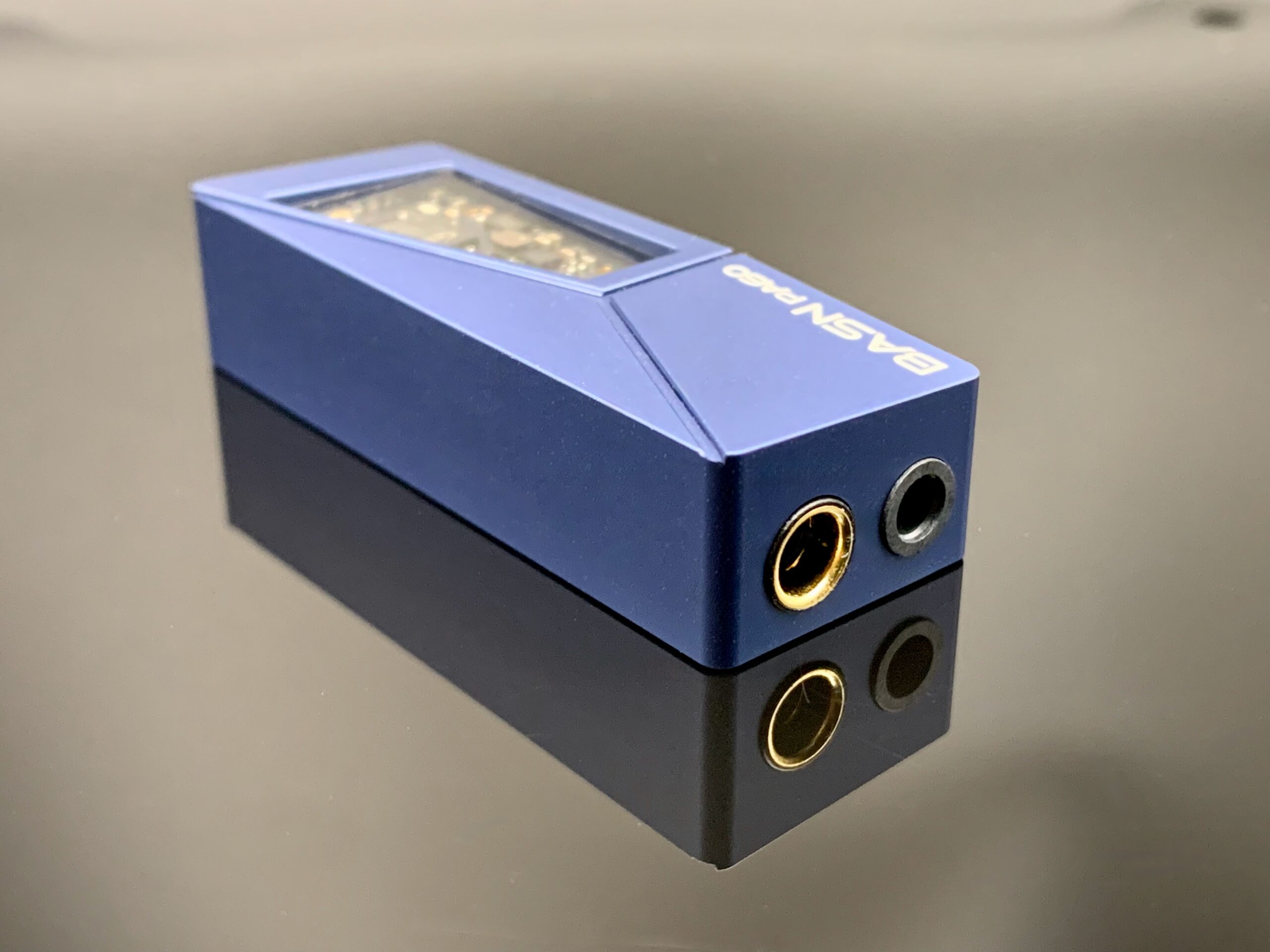
The PA60 is more complete than it looks at first, and it’s definitely not one of those blind dongles.
You get USB C in
3.5 mm out
4.4 mm balanced out
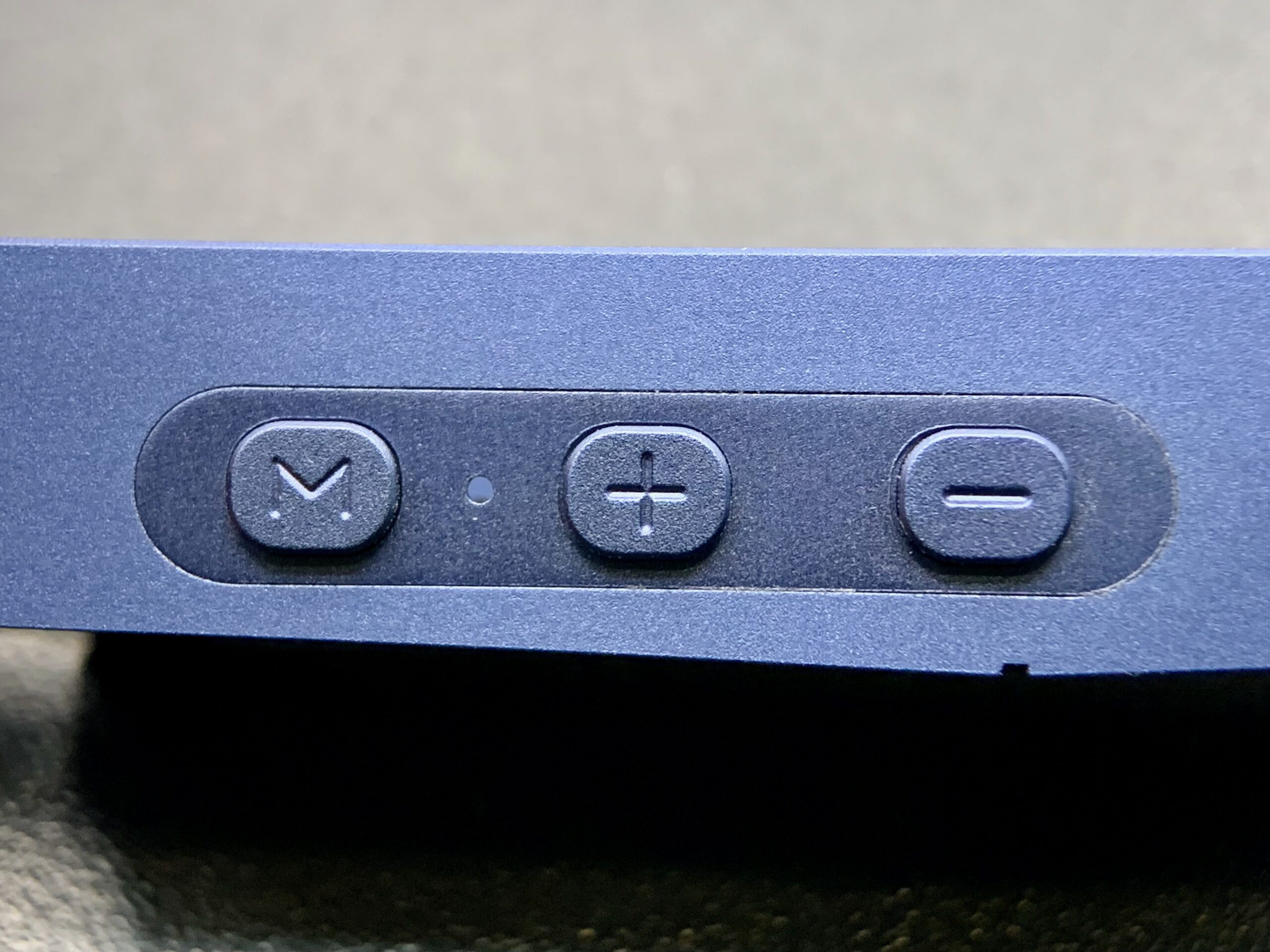
There are physical buttons on the body, and they actually matter. Volume is handled directly on the dongle with proper steps, which makes a big difference with sensitive IEMs, because you’re not tied to your phone and you get much better control.
Then you have the more hidden stuff. On paper it’s nice, in practice it’s not as straightforward as it could be.
Filters are the main example. You can change them directly from the dongle, but it’s not intuitive at all. It’s not explained clearly, and at first it almost feels like nothing is happening.
What you actually have to do is press volume up and volume down together and hold them. The LED flashes white and you move to the next filter.
If you’re on the first one, which is the default, you go to the second. Repeat the same action and you go through all of them, up to the eighth.
When you hit the last one, the LED flashes twice, that’s your only real clue. One more press and you’re back to the first, then it loops again.
In real use, if you don’t remember where you are, you basically have to cycle all the way to the end and start over. Not exactly convenient.
Gain is easier. Hold the M button and you switch between low and high, no guesswork there.
The status LEDs are visible and give you info about sample rate and general status, so they do their job. Still, this is where a bit of criticism makes sense. Some kind of clearer feedback for the filters would have helped a lot. Even a simple extra LED or a more logical system would have made this much easier.
In the end it’s plug and play and works right away, but once you start digging into the features, you realize a few things could have been handled better. Nothing major, but it could have been more immediate without making things complicated.
Overall sound
This is where things get interesting, because on paper the PA60 could make you expect something very different. Recent ESS chip, high resolution, strong specs, you’d think it’s going to be all about detail, maybe even a bit aggressive.
In reality, not at all.
It’s not that classic in your face Sabre sound, not the kind that tries to impress you right away with hyper detail and surgical separation. The PA60 is more about control and coherence than that quick wow factor.
The overall feel is clean and well defined, but with a bit of roundness to it. It doesn’t go warm, but it avoids that slightly artificial sharpness you sometimes get with similar dongles.
If I had to sum it up in a few words
balanced
fluid
never edgy
It’s one of those devices that feels almost normal at first, then you spend a few hours with it and realize it never annoyed you, never pushed you to take the headphones off. And with an ESS inside, that’s not something you can take for granted.
It doesn’t try to win you over in the first minute. It grows on you. And in the long run, that matters more than anything else.
Bass
This is where you start to understand what kind of device you’re dealing with.
The PA60 is not trying to impress you with boosted or bloated bass. There’s no instant wow effect, but also none of that fake punch that gets tiring after a while.
The low end is controlled, but not dry. It’s there, it has a solid presence, but it never tries to take over. It doesn’t hit you in the face, but it’s not weak either. It’s more of a “right” kind of bass, it follows the music instead of trying to lead it.
There’s a bit of roundness to it, a smoothness in the way it flows that makes it very easy to listen to. You don’t get that rigid or overly sharp edge that some ESS setups can have. Here it’s a touch softer, but still well controlled.
Extension is there, it doesn’t roll off, but it’s not pushed forward just to impress. No boosted sub bass just for show. When the track calls for it, it goes low, but always stays in line with everything else.
In short
not a dongle for people chasing slam and impact at all costs, but for those who want bass that feels clean, believable, and in balance with the rest. And for this kind of device, that actually makes a lot of sense.
Mids
This is probably where the PA60 plays one of its best cards, because the midrange really shows what kind of tuning this thing has.
Vocals come through in a natural way, no artificial feel, none of that over processed kind of presentation you sometimes get from more detail focused gear. They’re not pushed forward, but not sitting in the back either. They land right where they should, with a believable presence.
There’s a slight hint of warmth, but very controlled. Not the kind that colors everything, more like a bit of smoothness that helps the whole presentation flow better, especially with less than perfect recordings.
With acoustic instruments it does a good job. Guitars, piano, voices, everything sounds coherent, nothing feels over emphasized. It’s not trying to zoom in on every tiny detail, it’s more about giving you a complete and believable picture.
Mids are not pushed forward, so don’t expect vocals right in your face or a studio monitor kind of sound. At the same time they’re not pulled back either. They just sit where they should.
In practice
it’s a midrange that doesn’t try to impress, but it works. And more often than not, that’s what keeps you listening without even noticing.
Treble
The top end kind of closes the loop on how this PA60 is tuned. No special effects here, no chasing detail at all costs. The whole idea is clearly to avoid fatigue.
Treble is clean, but always under control. No harshness, no sharp edges, nothing jumping at you with that artificial brightness that can sound impressive at first and then wear you out. Here it’s smoother, easier to handle.
That doesn’t mean it’s dull. Detail is there, just not pushed forward. It sits inside the mix, less exposed, less pushed forward. If you pay attention you can hear it, but it’s not handed to you on a plate.
The upside is obvious, zero fatigue. You can listen for hours without feeling the need to turn the volume down or skip tracks because something is bothering you.
The downside is just as clear. If you’re looking for lots of air, strong sparkle, that ultra open feeling or super sharp micro detail, this might come across a bit too relaxed.
In practice
treble is not where the PA60 tries to impress. It’s there to keep everything in balance. And if you like long, easy listening, that’s probably the right call.
Filters and real impact on sound
Quick note on filters. All the impressions above are based on the default one, filter number 1.
Switching filters does change things a bit, mainly in the treble and in how open or smooth the overall sound feels, but we’re talking very small differences, nothing drastic.
These are the kind of changes you notice with high resolution files and more revealing headphones. In a normal setup, like compressed streaming or casual listening, you’re probably not going to sit there picking them apart. This is fine tuning territory.
Simple advice, try a few, pick the one you like, then forget about it.
That way every time you listen, you get the same sound you enjoy, without going back and forth all the time.
Soundstage and imaging
This is where things come back down to earth, but without any real downside.
The PA60 is not trying to fake a huge stage just to impress you. It doesn’t stretch everything out or create that oversized, slightly artificial sense of space. It leans more toward something that feels believable.
Stage is around average, not narrow, not especially wide. You get enough room to breathe, but nothing exaggerated. What works well is the coherence. Instruments sit where they should, no mess, no weird overlaps.
Imaging is clean and correct, but not surgical. You don’t get that ultra precise, pinpoint kind of placement where you can track every single sound in space. It’s more natural, less like a lab test.
In practice
this is not a dongle trying to impress with stage. It’s trying to sound real. More believable than spectacular. And over time, that also helps a lot with listening fatigue.
Power
This is where the PA60 shows it’s not a shy dongle at all. The name might make you think otherwise, but in reality the power is more than solid, especially when you use it the right way, meaning balanced.
With the 4.4 mm it really opens up. You get drive, headroom, and that feeling of never being at the limit, which makes a big difference in daily use.
On low gain you can handle pretty much all IEMs, even sensitive ones, with good volume control and no struggle.
Switch to high gain and it steps up. It can drive most dynamic headphones without issues, even some that are a bit more demanding than your usual easy portable stuff.
It’s not a powerhouse for hard to drive headphones, not meant for serious desktop use, but for something this size it does more than you expect.
In practice
you have power when you need it, but still keep control. And most importantly, you never get that feeling of running out of steam, which is one of the most annoying things with small dongles.
Comparison with iFi GO link MAX
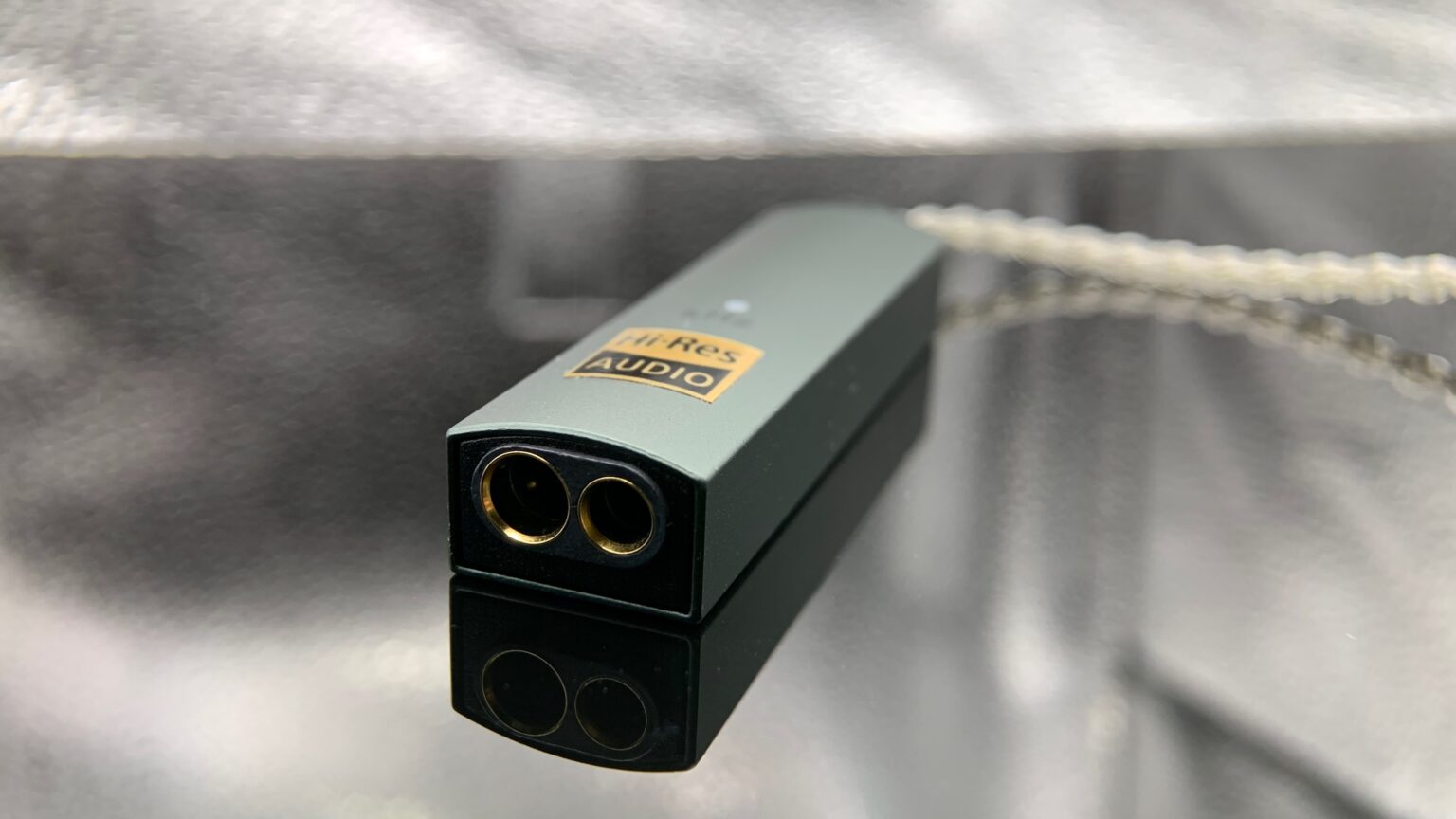
This is a proper comparison, same kind of price range, similar idea behind them, but once you start listening the differences show up.
Right away, the GO link MAX feels more “musical”. It’s smooth, easy, flows well, one of those dongles you plug in and forget about. It sounds good with pretty much anything and never tries too hard.
The PA60 gets very close in overall approach, but takes a slightly different path. It’s a bit more open, more airy, and a touch more detailed. Not in a cold analytical way, more like it lets a bit more information come through without getting annoying.
Sound
The GO link MAX feels more easy going, softer, more compact, very immediate.
The PA60 feels more open, a bit more space up top, slightly more defined.
It’s not a huge gap, but it’s there. The PA60 gives you a bit more air between instruments and a slightly wider sense of space.
Bass
The GO link MAX has a fuller, rounder low end, more classic musical weight.
The PA60 is a bit tighter, slightly drier, but easier to read.
Mids
Very close here.
The GO link MAX is a bit softer, more forgiving.
The PA60 is a touch cleaner and more defined, without turning cold.
Treble
This is where things split a bit more.
The GO link MAX is smoother, more relaxed.
The PA60 opens up more, with more air and a bit more perceived extension.
With the filters you can move the PA60 closer to that iFi kind of sound, but it still keeps that extra bit of detail.
Soundstage
The GO link MAX feels more compact, more centered.
The PA60 spreads things out a bit more, especially in width and overall breathing space.
Not night and day, but the PA60 feels a bit more open.
Power and use
They’re pretty close in real use, both more than capable for portable setups.
The PA60 gives you more control with gain and hardware volume.
The GO link MAX is simpler, just plug it in and go.
The PA60 is more flexible, but also a bit less immediate if you want to use everything.
Final take
The GO link MAX is the one you just enjoy without thinking, more musical, softer, very plug and play.
The PA60 gives you a bit more in terms of air, detail and openness, without losing too much musicality. With filters you can get pretty close to the iFi style, but you still keep that slightly more defined presentation.
In the end
GO link MAX, pure musicality and simplicity
PA60, balance between musicality and detail, with more space and more control
At that point it really comes down to taste.
Comparison with Aune Yuki
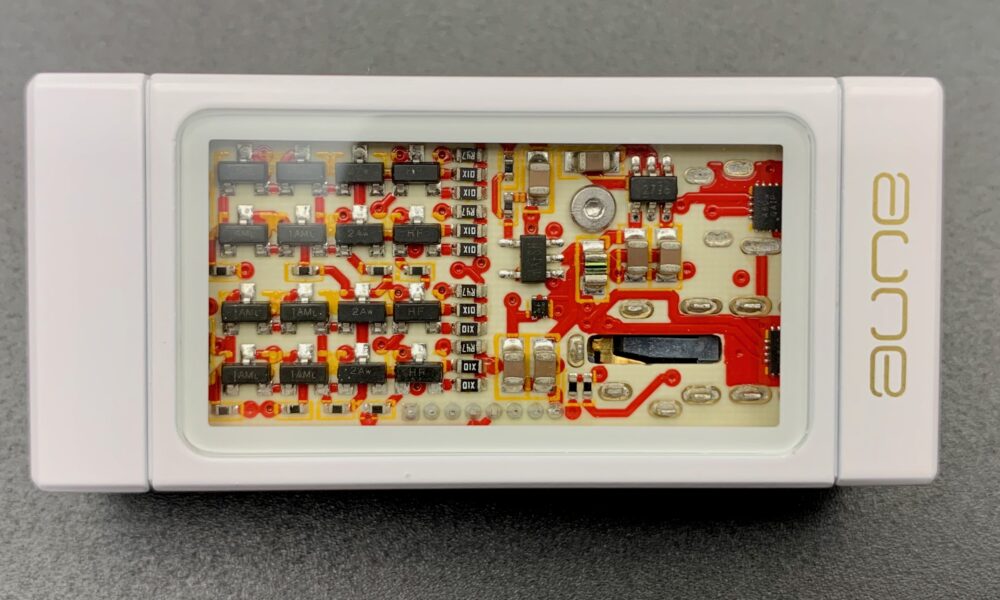
This one gets interesting, because even if they sit in the same category, they approach music in a very different way.
The Yuki is all about tone and naturalness. You plug it in and the first thing you notice is how full and “right” everything sounds. It’s not trying to impress with tricks, it just holds the whole picture together in a very convincing way.
The PA60 moves in a similar direction overall, but it’s less romantic. Lighter in presentation, less dense, but also more open and airy.
Sound
The Yuki feels more compact and physical, fuller sound, very cohesive, strong sense of naturalness.
The PA60 is more open, more airy, slightly more separated.
Not a huge difference, but you hear it. The Yuki gives you more body, the PA60 gives you more breathing room.
Bass
The Yuki has more weight down low, fuller and more present.
Not exaggerated, just a solid foundation.
The PA60 is tighter, a bit drier, less impact, but easier to follow.
Mids
This is where the Yuki shines.
Vocals have more body, more density, more texture, very natural, you just listen and forget about it.
The PA60 stays clean and correct, but lighter.
More definition, less thickness.
Treble
The Yuki keeps things balanced, never tries to open up too much, always under control.
The PA60 lets more air in, top end feels more open, more space overall.
With filters you can smooth it a bit and get closer to the Yuki, but it still stays more airy.
Soundstage
The Yuki builds a very believable stage, compact, with nice depth.
Not huge, but very natural.
The PA60 spreads things out more in width.
More air between instruments, even if it feels a bit less dense.
Detail and technical side
The Yuki has detail, but keeps it inside the mix.
It doesn’t push it forward, it just lets it be there.
The PA60 is a bit more explicit.
You hear a bit more information, especially up top.
Final take
The Yuki is the one you pick if you want a fuller, more natural, more classic musical sound.
The PA60 is for when you want more openness, more air, a bit more detail, without losing balance.
In short
Yuki, more body, more natural flow
PA60, more air, more openness, more clarity
And again, it really comes down to what you like.
Final thoughts
The BASN PA60 is not the kind of dongle you turn on and after 30 seconds go wow, this is crazy.
If you judge it like that, you might miss what it’s really about.
This is one of those pieces you need to spend time with.
Give it a few hours, maybe a couple of days, and then you notice something simple, it never annoyed you, never pushed you to stop, never made you want to switch.
And today, with so many devices trying to impress right away with boosted detail, bright highs and oversized stage, that’s not a given.
The PA60 is built for listening, not for showing off.
It has enough technical ability to not feel limited, enough power to not feel weak, and a tuning that lets you stay there for hours without fatigue.
It’s not perfect, a few things could be better.
Filter control is not very intuitive, visual feedback is minimal, and overall the interface could be clearer. Small things, but they’re there.
Still, once you start listening, they fade into the background.
Because in the end what matters is the sound.
And the PA60 gives you something balanced, coherent, slightly open but never aggressive, with that mix of musicality and detail that’s not that easy to find in this range.
It’s not for people chasing the wow effect.
It’s for people who listen a lot.
For those who want a sound that doesn’t get tiring.
For those who can’t stand sharp highs or detail for the sake of it.
This is a dongle that works over time.
And in a market full of instant impact products, that’s almost going against the flow.
🟢 Pros
- Relaxed and musical sound
- Natural and well done midrange
- Good balance between detail and smoothness
- 3.5 and 4.4 outputs
- Solid power, good gain control
- Full hardware controls
- Easy, non fatiguing listen
🔴 Cons
- Filter control not very intuitive
- Soundstage around average
- Not very analytical
Q/A
Is it good with sensitive IEMs
Yes, no real issues. Volume control is precise and there’s no obvious background noise. Even with sensitive sets it stays easy to manage.
Does it work with over ear headphones
Yes, within reason. In high gain and balanced it can drive quite a few dynamics without trouble, more than you’d expect from a dongle. Not made for hard loads or desktop level stuff, but for portable use it’s more than enough.
Is it better than the competition
Depends on what you want. If you’re after musicality, balance and long listening, it’s very solid. If you want something very analytical or bright, there are more aggressive options out there.
Do the filters really matter
Yes, but don’t expect big changes. They are fine tuning tools, not something that completely reshapes the sound.
Is it plug and play or do you need to tweak it
Works right away, no setup needed. You can use gain, filters and controls if you want, but you don’t have to.
Does it drain battery
Pretty average. Not the most efficient, but not a battery killer either.
3.5 or 4.4
If you can, go 4.4. More power, more control. 3.5 is still perfectly fine, especially with IEMs.
Thanks and personal note
Thanks to BASN for providing the PA60 for this review. No payment, no approval requested, no strings attached, this is all based on real listening, no filters.
If you want to check it out or pick one up: BASN PA60
I listened, tested, compared.
Now it’s your turn.
Everything here comes from real use, with music I know well.
What you read is what I heard. The rest is up to the music.




No Comment! Be the first one.