


































































Preface
Hi everyone, get comfortable, because today you’re about to read a review of a mid to high-end product, one that, both for its features and for the brand behind it, deserves to be analysed calmly, carefully and with precision.
Table Of Content
- Preface
- Context and Approach
- Market Context
- Build Quality and Materials
- Packaging
- Carrying Case
- Ear Tips
- Cable
- 3.5 mm and 4.4 mm Plugs
- Accessories Overview
- Ergonomics and Comfort
- Fit, Isolation and Stability
- Technical Specifications
- Technical Sheet
- Considerations on the Specifications
- Overall Tonal Character
- Low Frequencies
- Sub-bass and Mid-bass Character
- Midrange
- Vocals and Instrumental Texture
- High Frequencies
- Coherence and Naturalness
- Musical Integration and Timbral Balance
- Soundstage and Imaging
- Synergy and Source Pairing
- Comparisons
- Ziigaat Horizon
- Bass
- Mids
- Treble
- Soundstage and imaging
- DUNU SA6 MKII
- Bass
- Mids
- Treble
- Soundstage and imaging
- Conclusions
- Long-Term Listening and Emotional Value
- 9,5 / 10
- 🟢 Pros
- 🔴 Cons
- Questions & Answers
- Are these IEMs for everyone?
- Are they fatiguing over long listening sessions?
- How is the treble?
- Are the mids forward or recessed?
- And the bass?
- Which music genres work best?
- Are they easy to drive?
- Are they sensitive to the source?
- Is tip rolling important?
- 3.5 mm or 4.4 mm?
- Do they justify the price?
- Would I buy them again?
- Author’s Note
Context and Approach
I’ve been using these IEMs for over two months, and yes, I took my time. Not because there was nothing to say, but because these IEMs don’t lend themselves to basic tests, quick comparisons or superficial impressions based on just a few listening sessions. I purchased them on my own initiative, specifically to listen without constraints and without any time pressure. Here, you need time, repeated listening and method. We’re talking about a significant price point, around 500 USD, and giving a generic judgment would have been anything but serious.
For this reason, I chose to take the most rigorous and objective approach possible, alternating multiple listening sessions, stress tests and direct comparisons. In the meantime, I also published the Aune IR300 and the TinHiFi P6, precisely to keep my references fresh and avoid locking myself into a single sound signature.
Market Context
The Yanyin Baker arrive in a rather complicated moment for the mid to high-end IEM market. The offer is huge, configurations are starting to look increasingly similar, and the risk of ending up with yet another good-sounding but ultimately characterless product is very real.
Yanyin, however, is not a new name for anyone who follows this scene with even a minimum of attention. Over time, the brand has built a clear reputation, based on careful tuning, coherent technical choices and a strong focus on musicality rather than first-listen special effects that tend to fade quickly.
The Baker sit exactly in this space. They don’t try to impress with bloated bass or exaggerated treble. Instead, they deliver a balanced, readable and mature sound, built for long listening sessions across a wide range of genres. From the very first minutes, it’s clear that the goal is not to chase the latest trend, but to deliver an IEM with a well-defined identity of its own.
Did they succeed? Keep reading and you’ll find out.
Build Quality and Materials


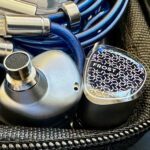
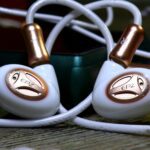
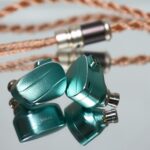
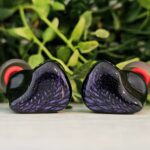
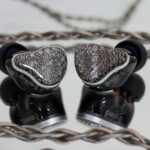
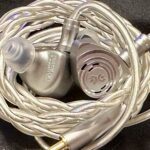
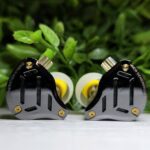
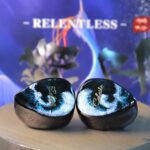
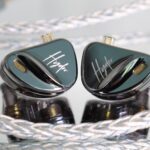
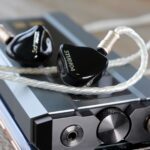
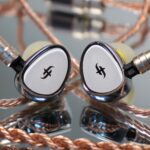
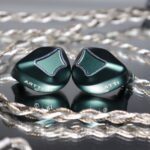
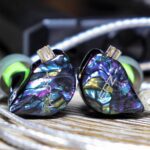
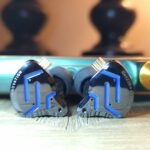
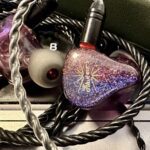
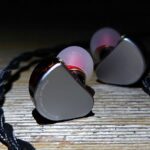
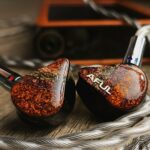
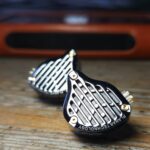
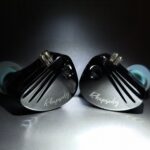
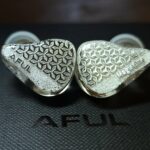
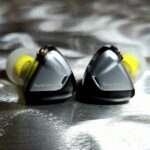
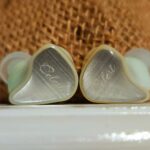
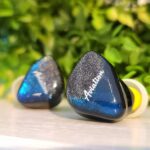
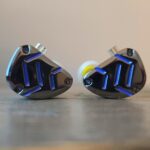
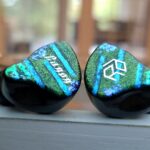
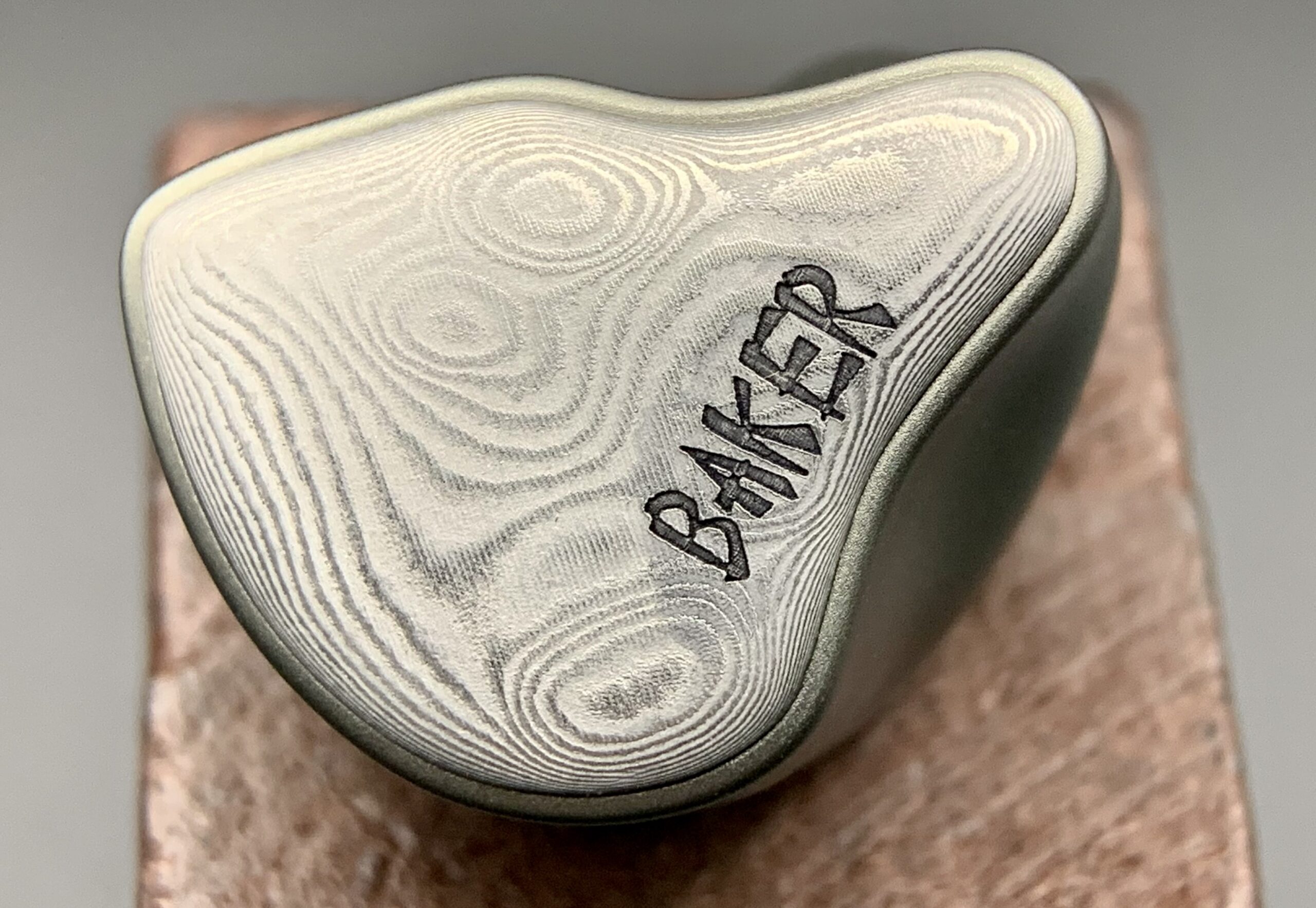
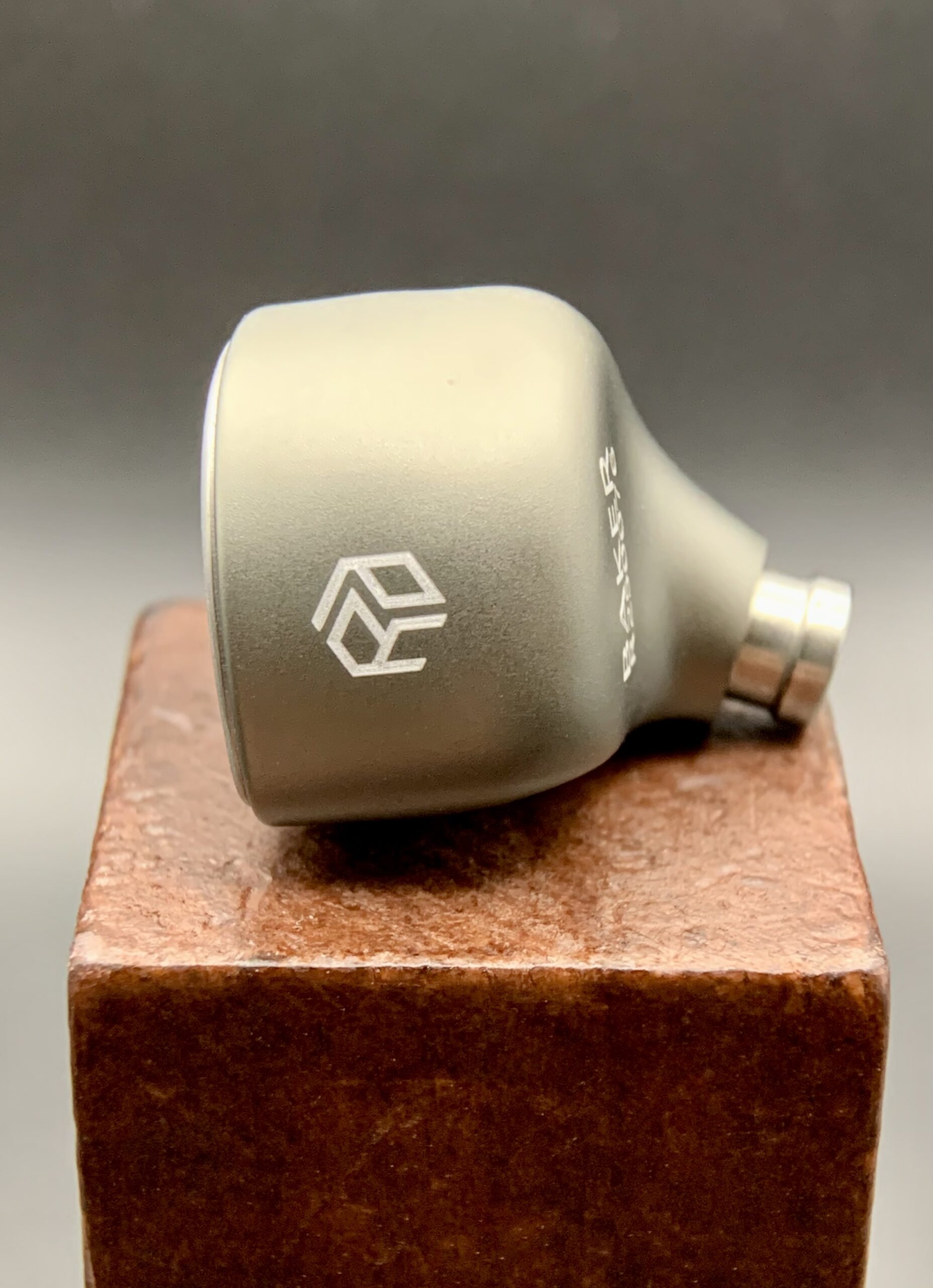
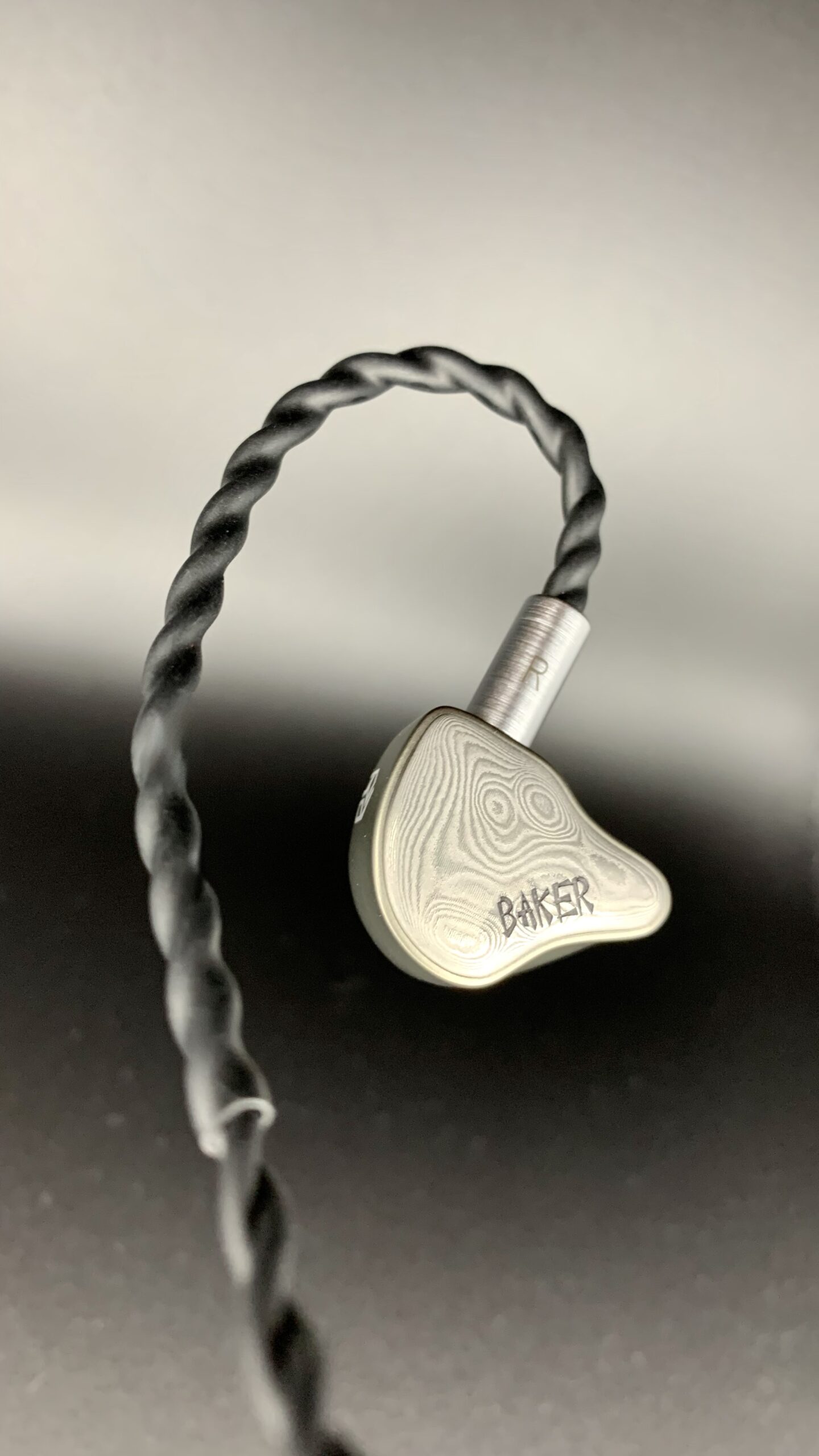
From a construction standpoint, the Baker are exactly what you would expect from Yanyin. Yanyin uses medical-grade resin for the shell, finishing it to a high standard with no visible imperfections, bubbles or misalignments between the shell and the faceplate. The faceplate itself features an elegant, understated finish, with a sober aesthetic that I personally appreciate far more than overly aggressive or “jewellery-like” designs.
The dimensions are not miniature, but they are not excessive either, even though we are clearly dealing with an IEM that has a noticeable presence. The shape is ergonomic, with a well-profiled nozzle and an internal contour that follows the ear correctly. There are no sharp edges or abnormal pressure points, even after long listening sessions. Once the correct position is found, which is quite easy to achieve, they tend to disappear.
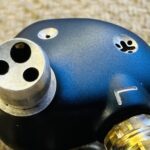
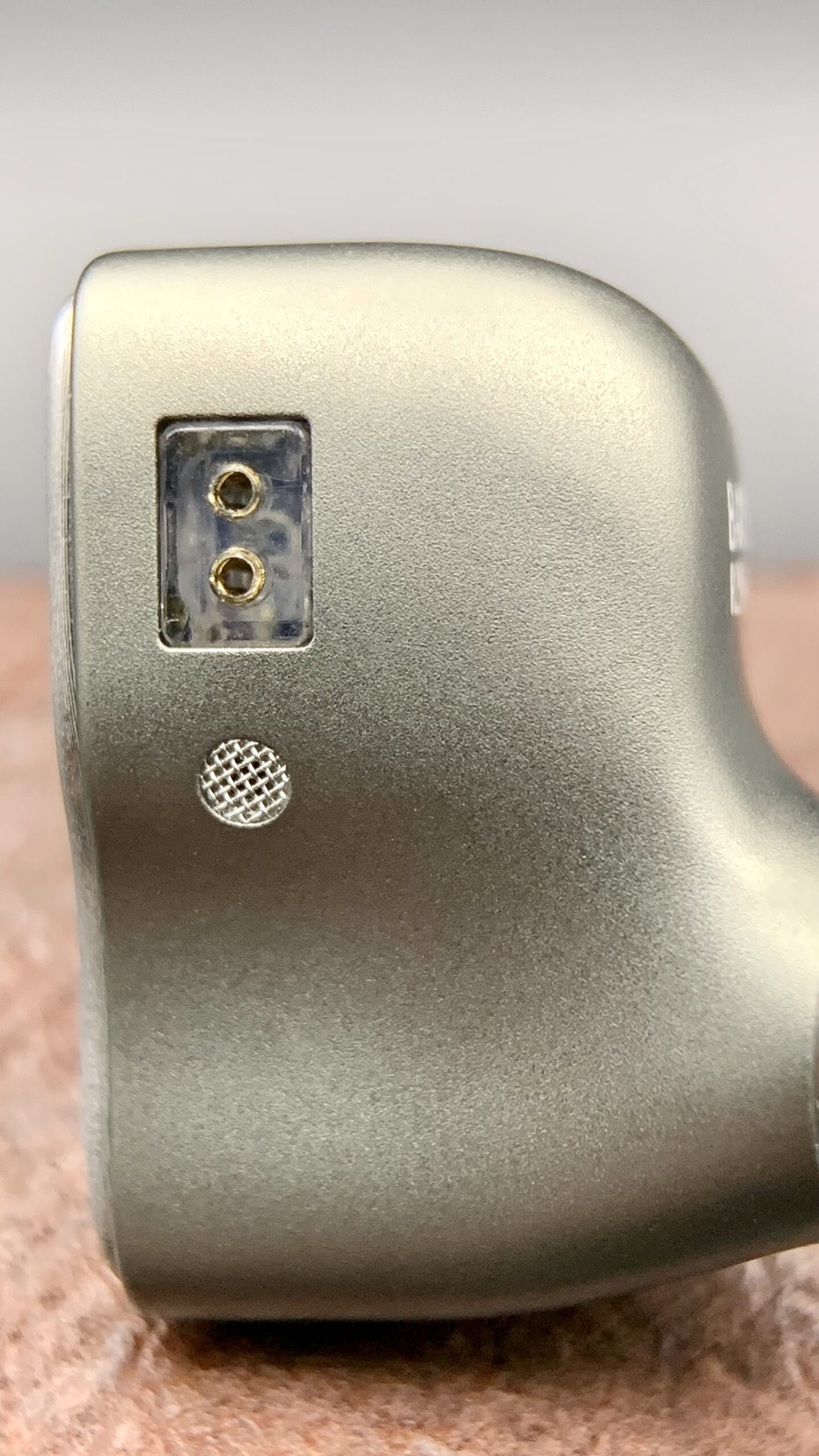
The nozzle has an average diameter and an appropriate length, a detail that is far from secondary as it directly affects both seal and low-frequency response. A solid, well-secured metal grille is present, firmly in place rather than roughly glued.
Overall, the impression is that of a solid, well-finished product, built with care and intent. It doesn’t convey any sense of fragility and certainly doesn’t feel like a display piece, but rather something designed for daily use, even for many hours at a time, without causing fatigue or discomfort.
Packaging
The packaging follows Yanyin’s philosophy: well made, solid, and free from unnecessary excess. The box is rigid and nicely finished, with a clean and orderly presentation. This is not the kind of flashy, overdesigned packaging meant to impress at first glance, but rather a practical and sensible box that immediately conveys the idea of a serious product, not a gadget.
Inside, Yanyin arranges everything neatly, keeping each element separate and properly protected. Nothing moves freely during transport, a detail that reflects a solid level of care, especially considering the target audience of this product.


In addition to the usual user manual and the well-organized ear tips, the box also includes a VIP card. This isn’t just a generic warranty card for show. Based on photos and feedback from other Baker owners, Yanyin includes it with the accessories and appears to use it for product registration or access to owner-related benefits. Yanyin does not clearly specify all the details, but its presence is real and not something randomly added to the package.


Carrying Case
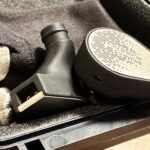
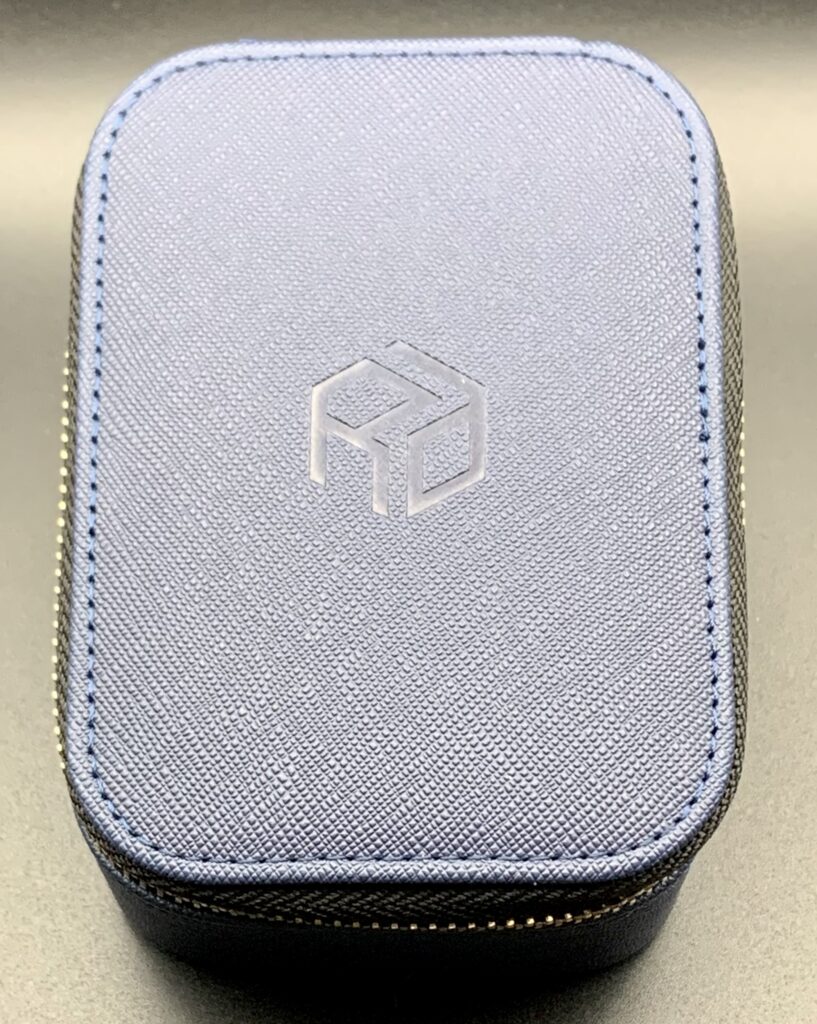
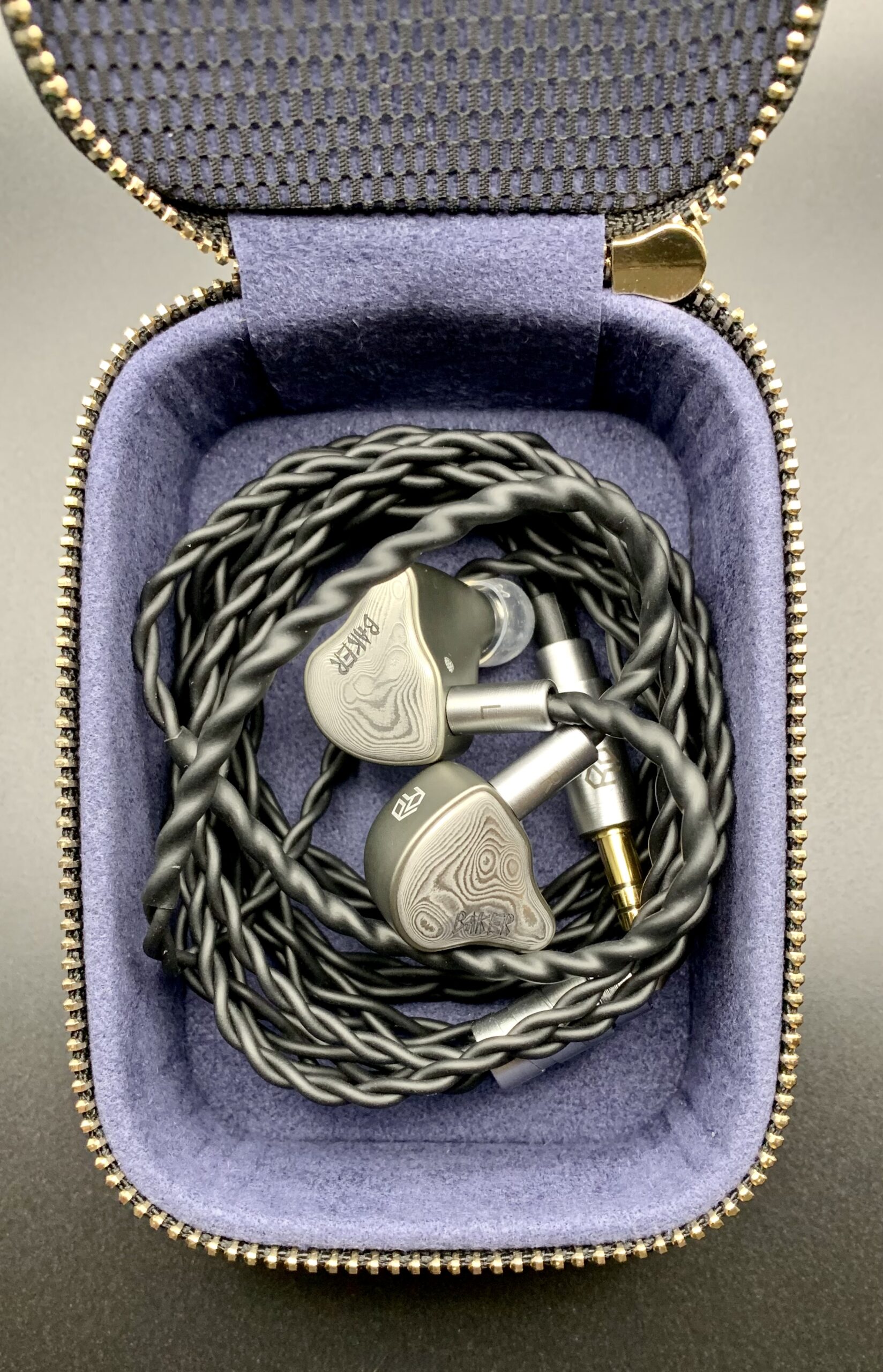
Included in the package is a rigid carrying case designed specifically for transporting the IEMs. It feels well built and sturdy, yet compact enough to slip easily into a backpack or bag. The closure feels solid and reassuring, providing effective protection for both the earphones and the cable while on the move.
It’s not a large case, nor a particularly elaborate one, but it does exactly what it’s meant to do. Once again, no frills, just practical and reliable functionality.
Ear Tips
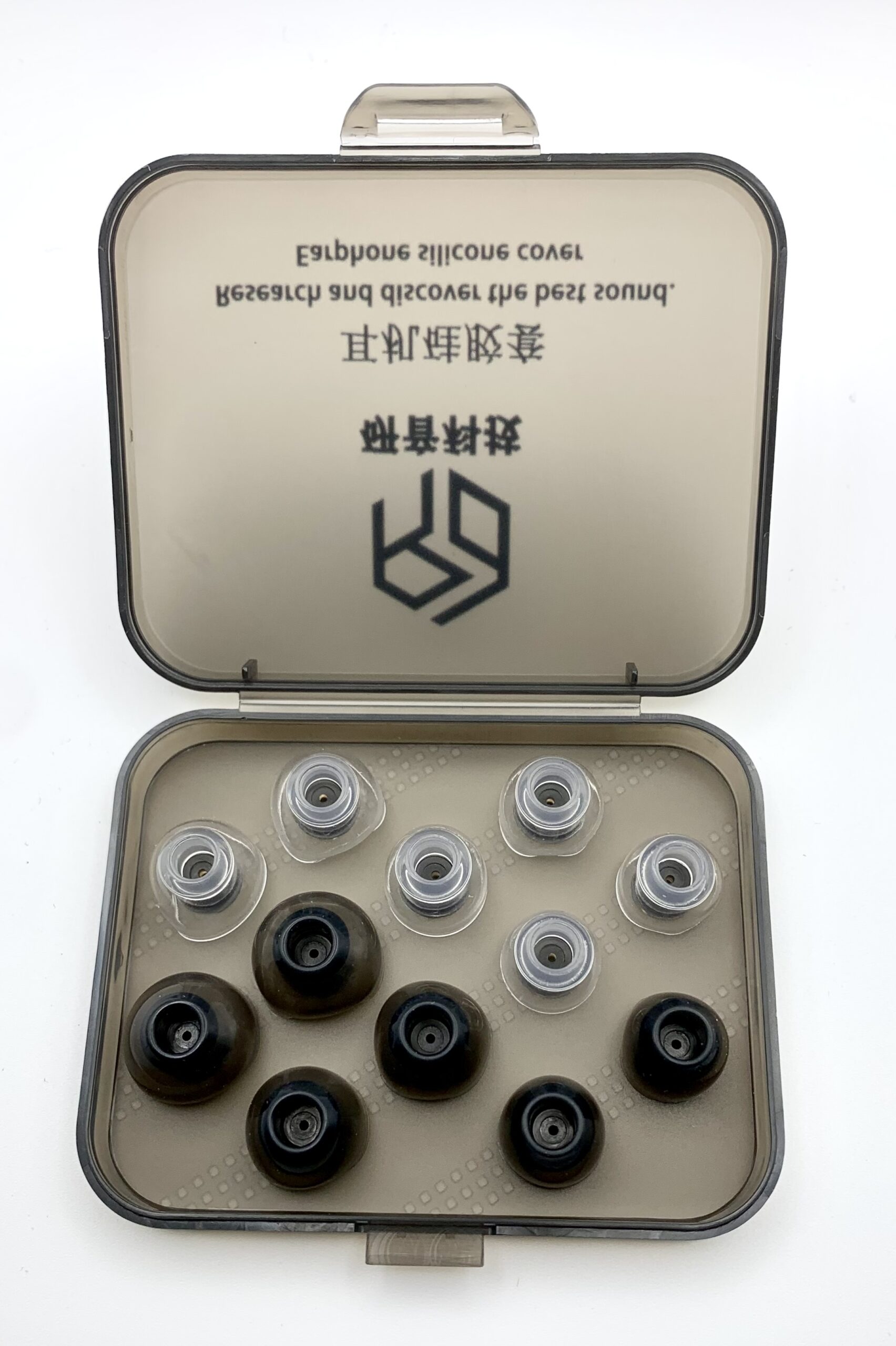
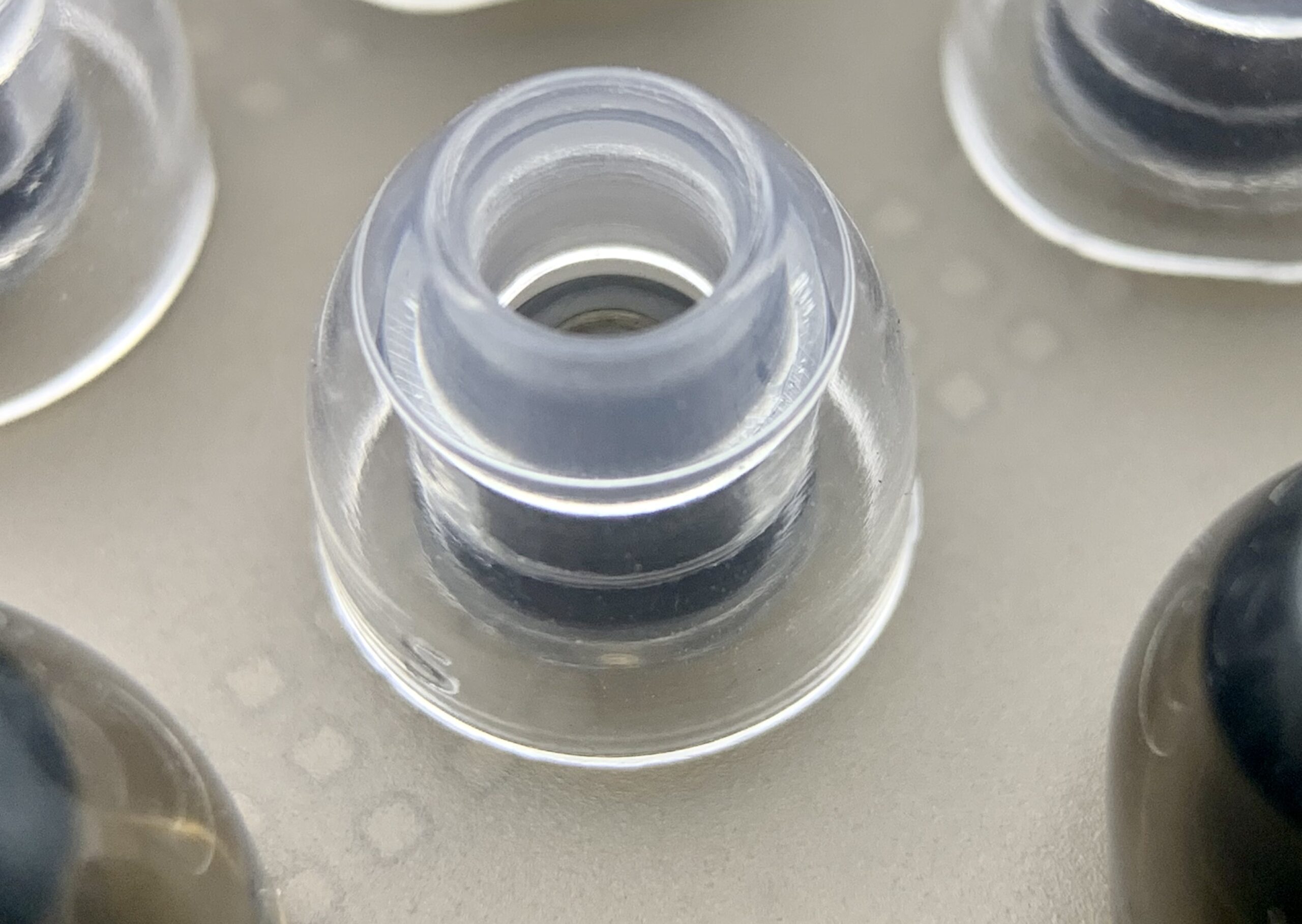
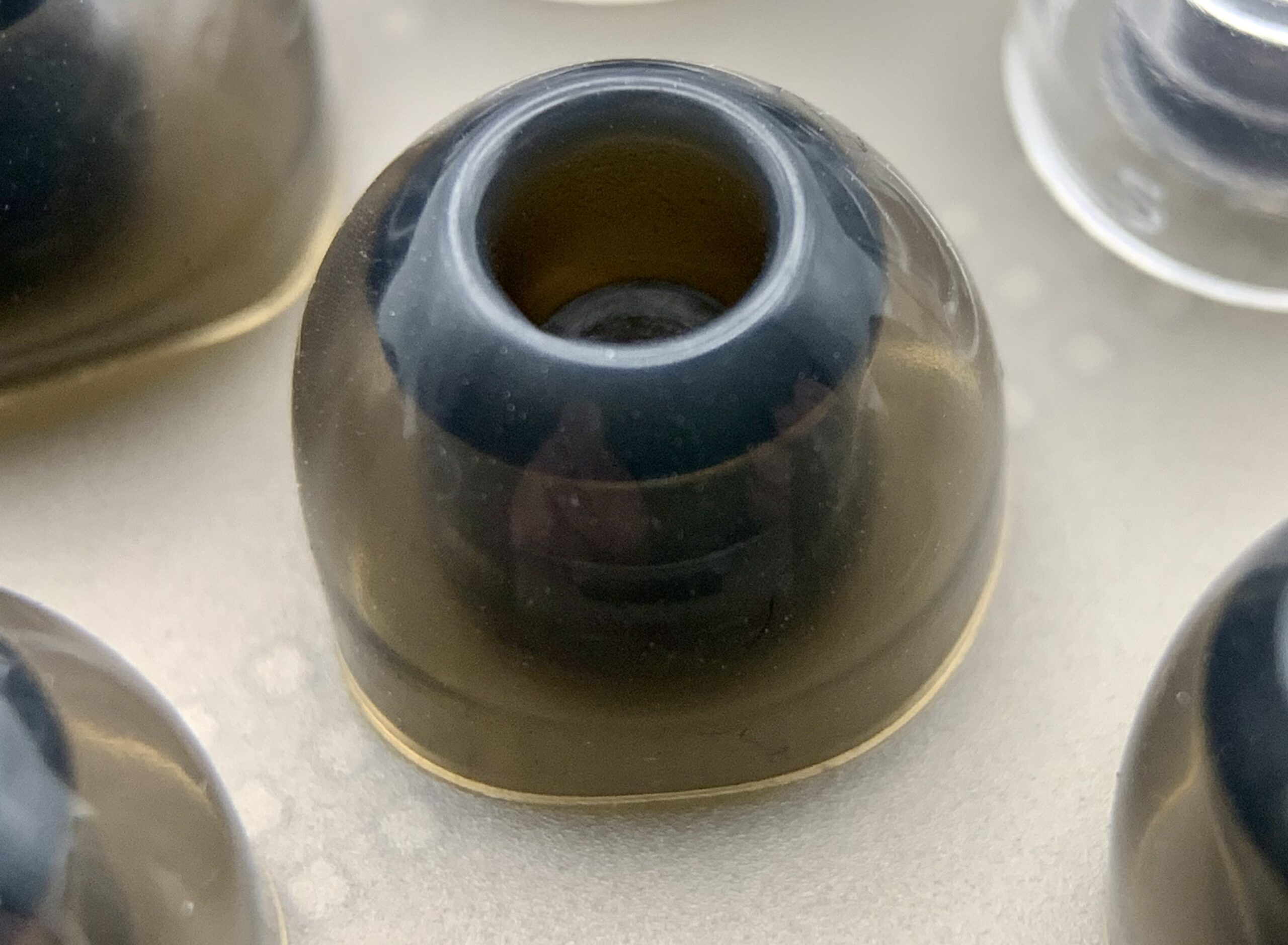
The set of ear tips is complete and well organized. Yanyin includes multiple sizes and tip types, offering enough variety to find a good balance between comfort, isolation and sound performance. A dedicated transparent box keeps each tip separate, protecting them from being crushed or deformed during transport.
It’s a practical and smart solution that also makes it easy to swap tips quickly without having to search for them loose inside the packaging. As always, tip rolling can have a noticeable impact on how the Baker sound, especially in terms of bass quantity and control, as well as treble perception. This aspect will be discussed in more detail in the sound section.

Cable
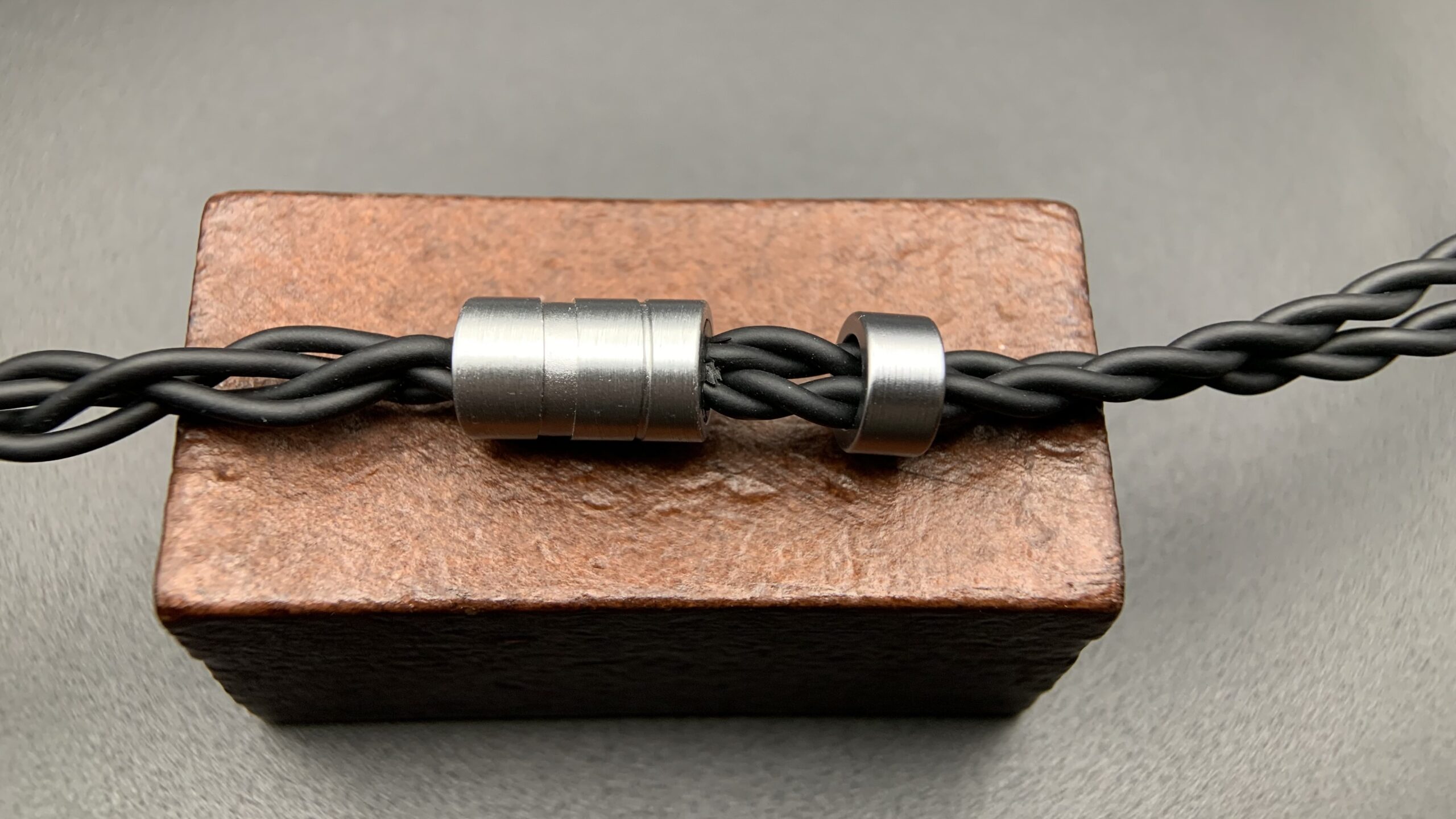
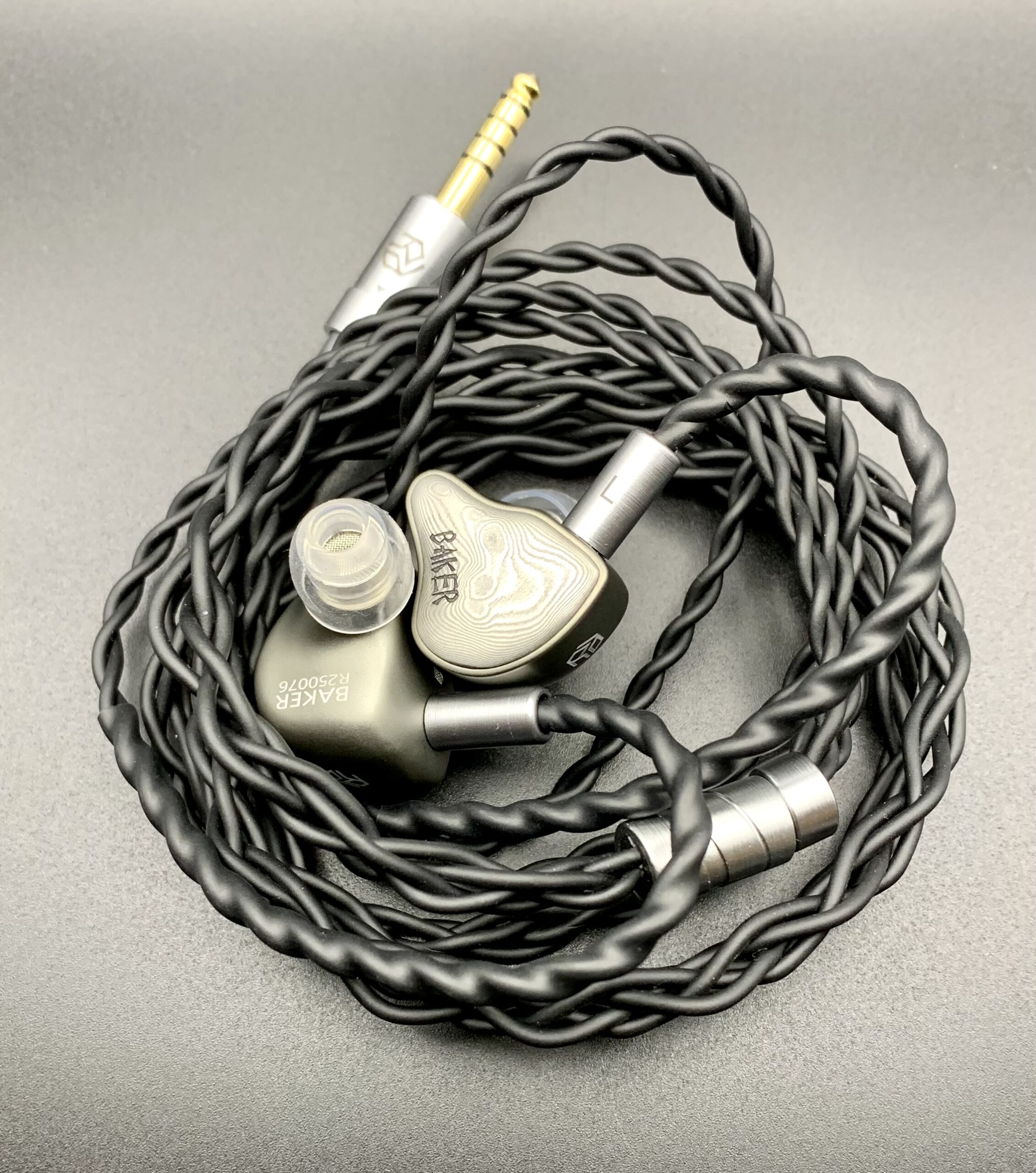
Yanyin includes a good-quality braided cable made of silver-plated copper. It is flexible, well insulated, and free from annoying microphonics. It’s not an “extreme audiophile” cable, nor does it try to impress with unconventional solutions, but it fits perfectly with the product’s price range and positioning.
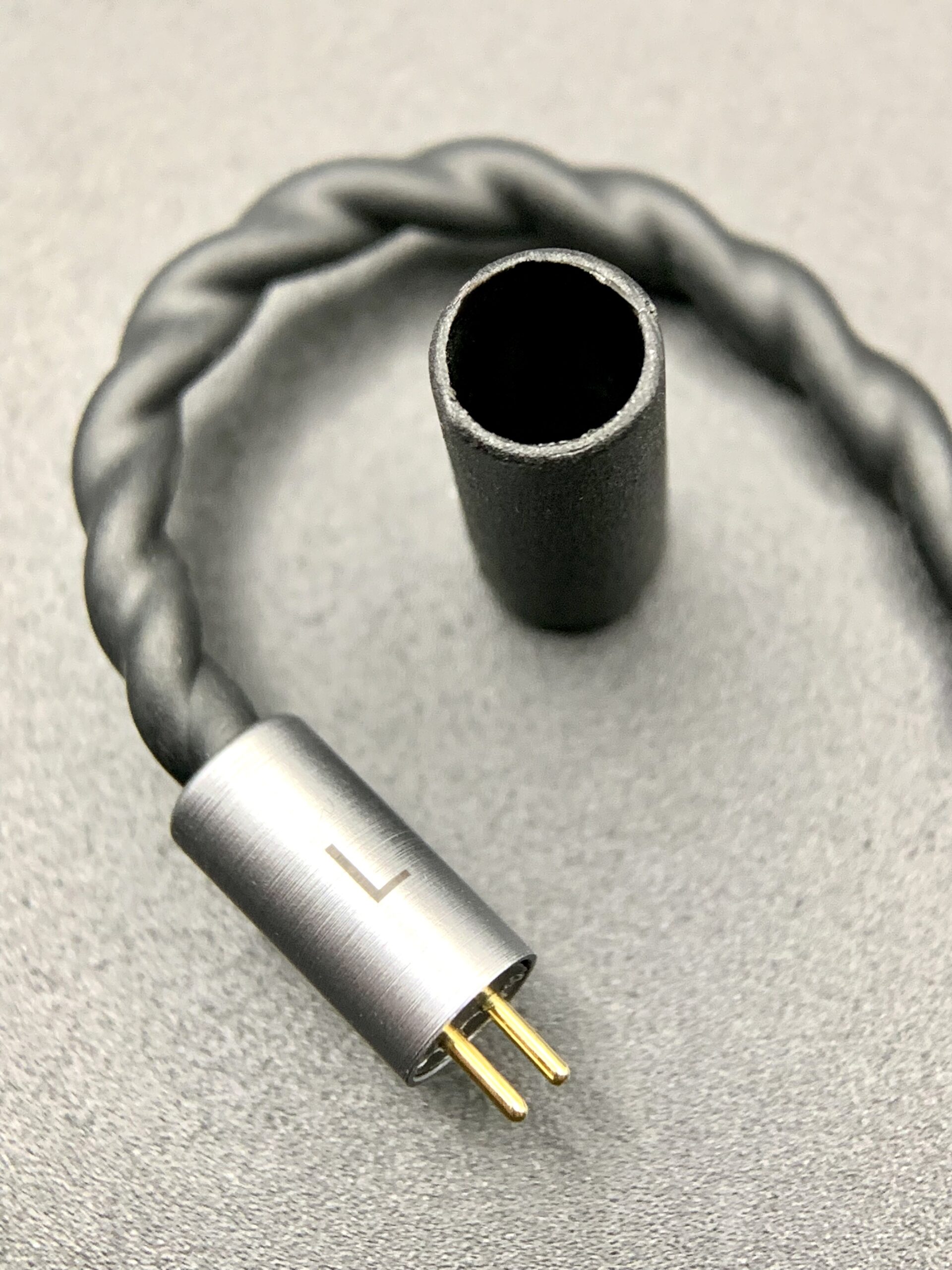
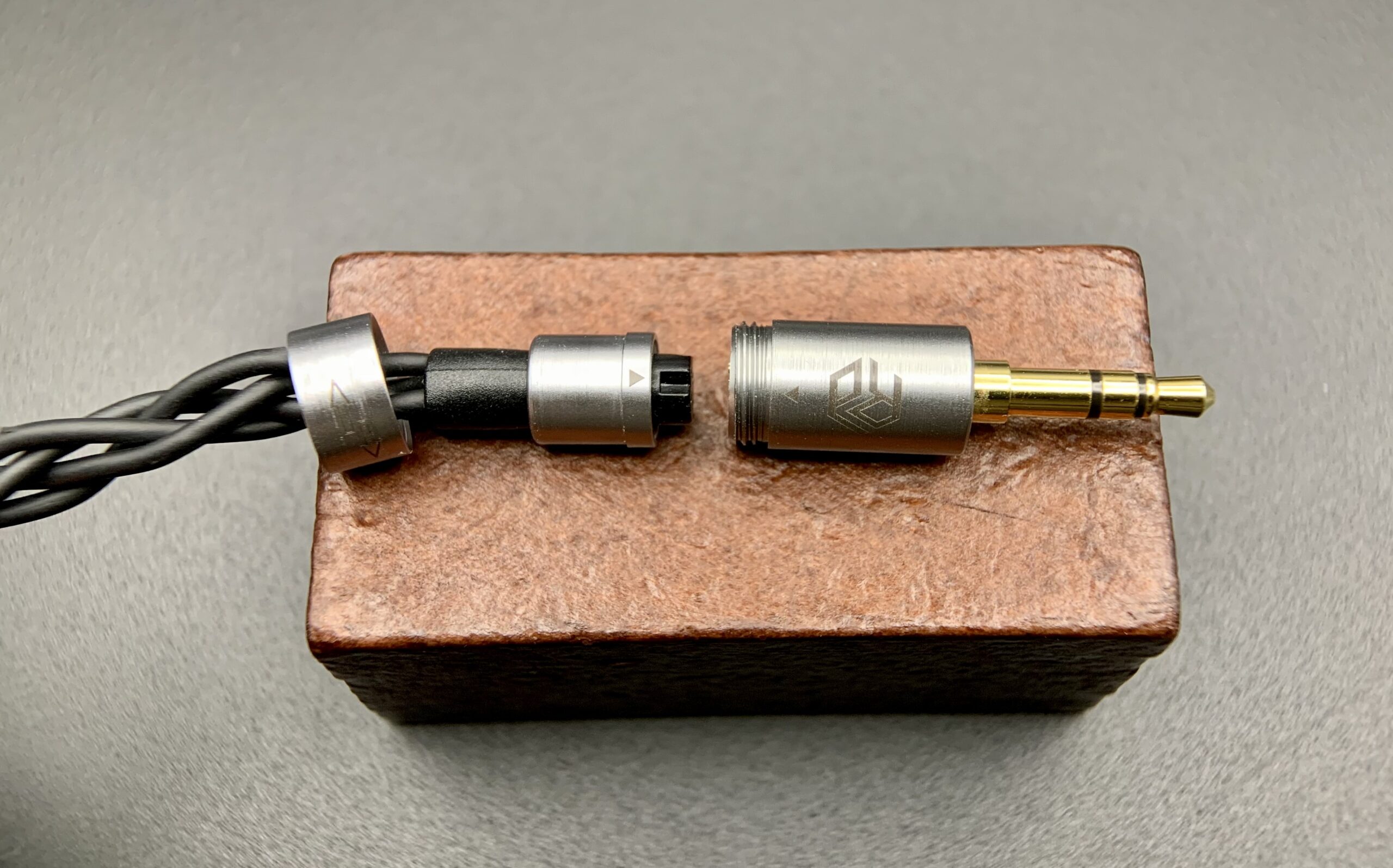
The 2-pin connectors are well seated and solid, with no unusual play. An interesting detail is the inclusion of a protective cap for the 2-pin connectors, supplied directly in the box. It’s a small touch, but one that shows care and foresight, especially for those who frequently detach the cable.
Overall, it’s a cable that doesn’t immediately make you feel the need to replace it, which is far from a given.

3.5 mm and 4.4 mm Plugs
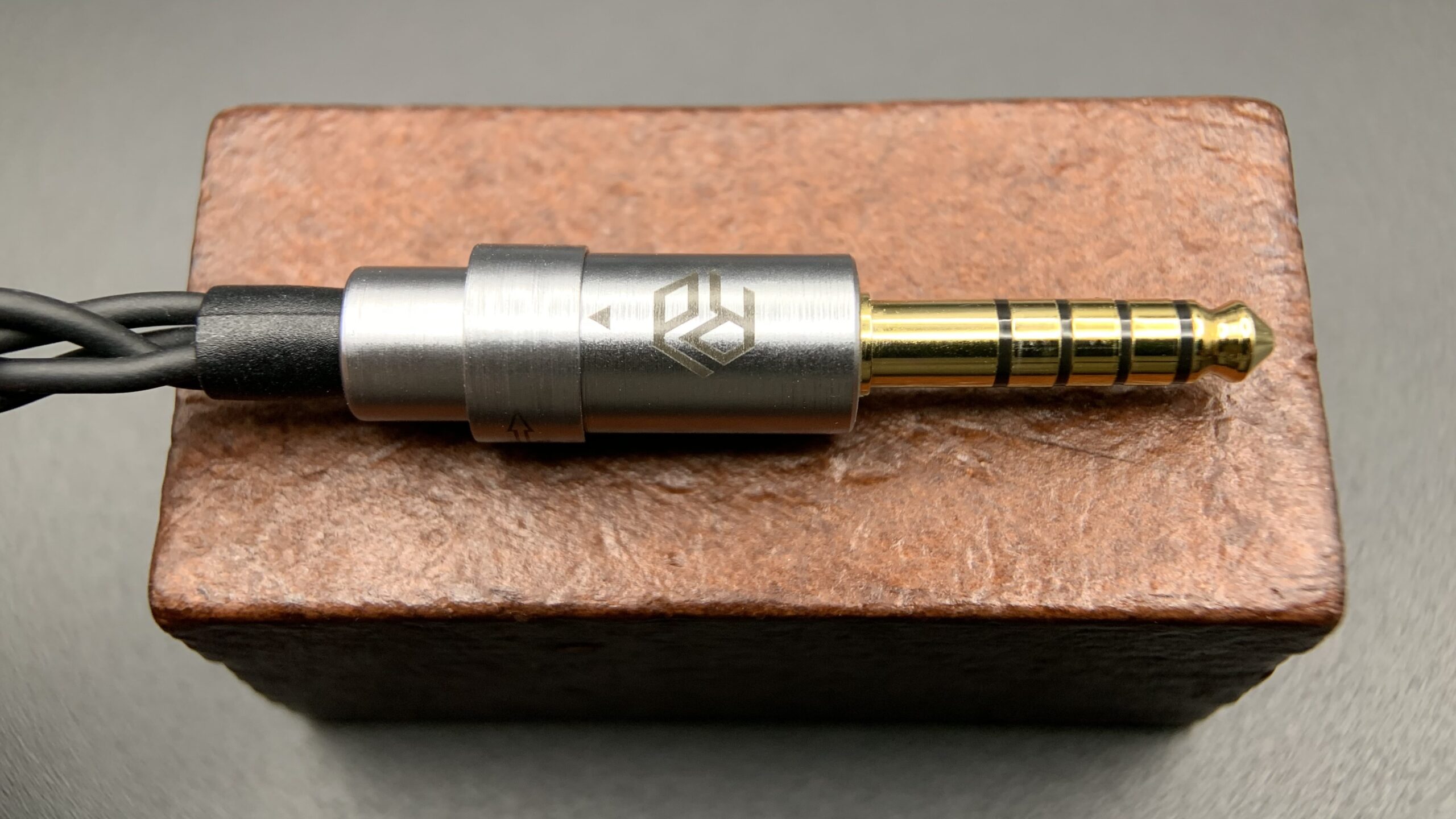
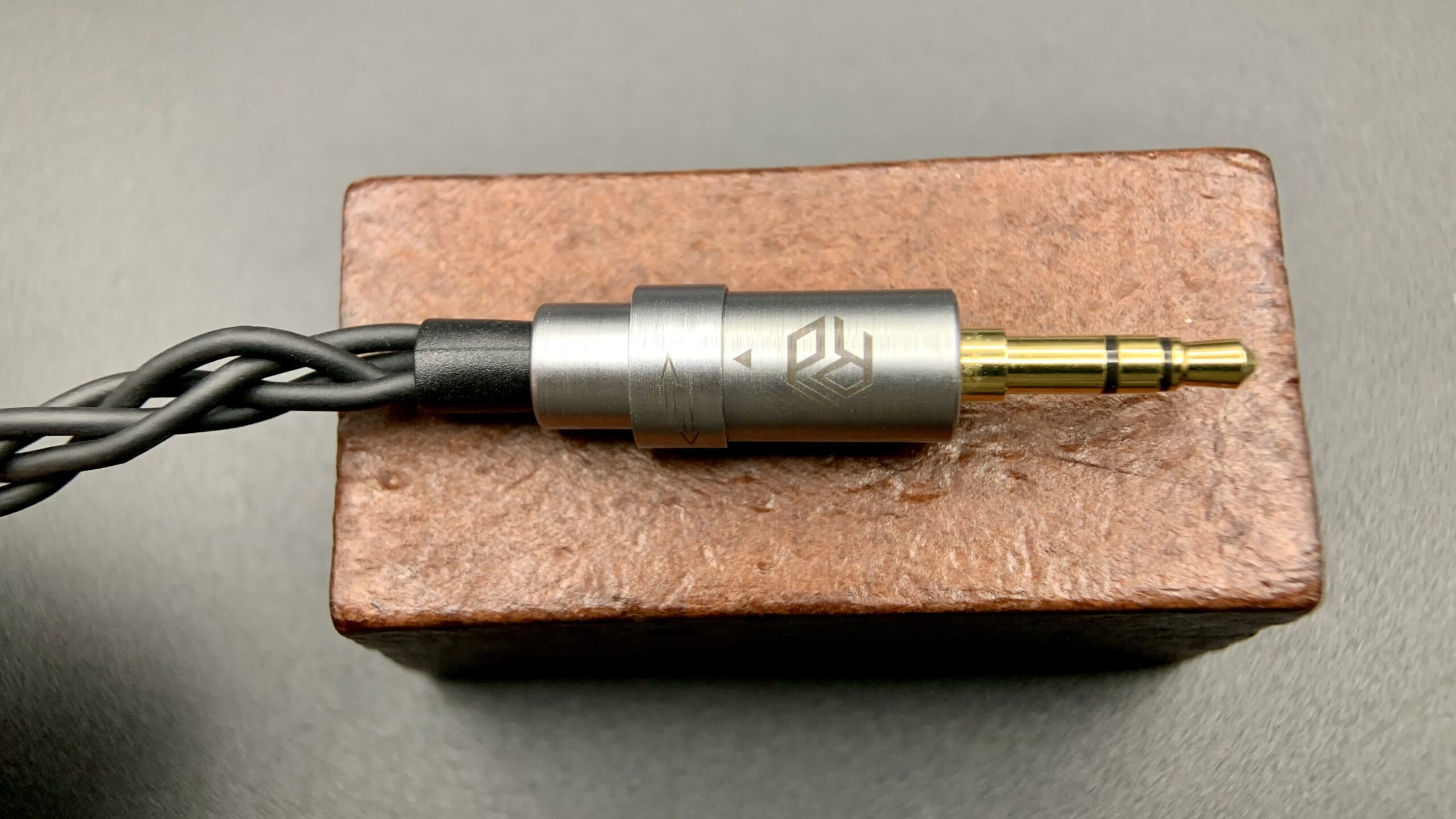
Yanyin offers the cable with either a 3.5 mm single-ended or a 4.4 mm balanced termination, depending on the selected version. Both plugs feel solid and well finished, with a clean build and no creaks or signs of fragility.
The 3.5 mm plug suits everyday portable use, while the 4.4 mm option works better with DAPs, dongles or balanced amplifiers. In both cases, build quality remains consistent and fully in line with the rest of the product.
Accessories Overview
Overall, the accessory set of the Yanyin Baker is complete and well thought out. There are no superfluous items and no obvious omissions, and every included accessory serves a real, practical purpose. Everything you need to start listening right away is there, and it’s all made with care, without any rough solutions or items added just to pad out the package.
You can clearly sense a design philosophy focused on real-world daily use rather than display appeal or unboxing theatrics. Nothing here aims to impress at first glance. Instead, Yanyin focuses on making everything work over time, supporting real-world use rather than creating something that needs replacing after just a few days.
This approach may feel less flashy than what some other brands offer, but it aligns far better with the nature of the Baker and with the kind of product Yanyin clearly set out to build.
Ergonomics and Comfort
Comfort stands out as one of the real strengths of the Yanyin Baker, but not the kind that relies on easy claims. Yanyin clearly thought through the shell design, distributing volume intelligently and managing weight in a way that avoids the classic “brick in the ear” effect. They aren’t tiny and they do have presence, yet once worn, the balance feels so well judged that the weight never presses on any specific point of the ear.
The internal structure and the curvature of the shell allow the Baker to sit correctly in the ear, without creating pressure points or localized discomfort. Even after hours of listening, there is no physical fatigue, a clear sign that the focus here wasn’t just on aesthetics, but on real-world ergonomics. These are IEMs designed to stay in your ears for long sessions, not to be worn for ten minutes and then taken out.
Fit, Isolation and Stability
Passive isolation is good, but one thing needs to be clarified. The Baker don’t aim to isolate like earplugs, and honestly, if that were the only goal, you could spend far less. Yanyin instead tunes isolation to the level needed for serious listening in everyday environments such as at home, in the office, or in moderately noisy surroundings, without compromising sound quality or creating a fully sealed, “plugged” sensation. These IEMs focus on listening to music, not on disappearing from the world.
Once the right set of tips is found, stability becomes excellent. This is an important point, because with the Baker it’s worth spending a bit of time at the beginning. They’re not the kind of earphones you just throw in with the first tips you find. You need to experiment a little, understand which tips work best with your ears and with the nozzle. But once you find the right combination, the result is almost definitive. The seal is stable, they don’t move, they don’t lose their fit, and you can listen for hours without constantly adjusting them. At that point, you’re literally in paradise.
Technical Specifications
Before moving on to the sound analysis, it’s useful to clarify what Yanyin officially declares. Unlike some other brands, here we don’t find an endless list of numbers, but a set of key data points that help frame the project and the technical choices made for the Baker.
Technical Sheet
Driver configuration: 6 balanced armature drivers + 2 planar drivers
Distortion: 0.3%
Impedance: 8 Ω
Sensitivity: 104 dB
Passive noise reduction: 26 dB
Cable: 1.2 m 6N single-crystal silver-plated copper
Connectors: 2-pin
Terminations: Interchangeable 3.5 mm and 4.4 mm plugs
Box contents: Yanyin Baker IEMs, silver-plated copper cable, interchangeable 3.5 mm and 4.4 mm plugs, carrying case, selection of ear tips, VIP card, warranty card, user manual.
Considerations on the Specifications
The hybrid configuration combining balanced armatures and planar drivers is probably the most interesting element of the entire spec sheet. It’s not a common choice and suggests a very specific focus on speed, definition and control, rather than on sheer bass quantity or a purely spectacular effect.
The impedance and sensitivity values indicate an IEM that is easy to drive, suitable even for dongles and portable sources, without particular power requirements. This doesn’t mean that all sources will sound the same, but rather that the Baker are not difficult to drive, while still being sensitive to source quality.
The declared passive noise reduction confirms what already emerged in the ergonomics section. Yanyin doesn’t position the Baker as monitors for extreme isolation, but as IEMs built for real-world, prolonged and comfortable listening.
When it comes to what Yanyin doesn’t disclose, the company offers no details on the crossover, internal materials or official frequency response curves. This choice may leave number-focused users a bit puzzled, but it is consistent with the brand’s philosophy. Here, the emphasis is clearly placed on the final listening result rather than on what’s written on paper.
Overall Tonal Character
The Yanyin Baker are not IEMs that reveal themselves immediately, or rather, they don’t have an instant, exuberant impact. At first listen they may come across as correct, clean and well tuned, but without that immediate effect many people look for today. And this is exactly where Yanyin’s direction becomes clear: not chasing the initial “wow” factor, but aiming for a presentation that reveals itself over time, listen after listen, emotion after emotion, track after track. To the point where going back becomes difficult, because everything else starts to sound flat or overly emphasized.
The sound signature clearly prioritizes clarity and control, leaning more toward refined neutrality than indulgent musicality. They are not cold, but not warm either. Nor do they sound aggressive, yet they are not relaxed either. They sit in that uncomfortable middle ground where the sound is correct, orderly and coherent, and for this very reason less immediate for those accustomed to more strongly characterized or frequency-emphasized signatures.
Separation between the frequency ranges is one of the most evident aspects. Each band has its own well-defined space, with no smearing or obvious overlap. This makes the Baker extremely readable even on complex mixes, but at the same time less forgiving of mediocre recordings. The limits of the recording become clearly audible, as do excessive compression and over-EQ, especially when paired with very forward or hyper-analytical sources.
Low Frequencies
The bass of the Baker is probably the first element that makes it clear whether this product is for you or not. It’s not a bass designed to impress, it’s not bloated, and it’s not physical in the classic sense. There’s none of that typical “punch in the stomach” often associated with IEMs that use a dynamic driver dedicated solely to sub-bass.
The low-end response is fast, controlled and dry, with an amount I would describe as conservative but correct. Sub-bass is present and it does extend low, but it is never artificially emphasized. You don’t get a constant sense of pressure; instead, there is a discreet presence that comes forward when needed, without ever forcing itself into the spotlight.
Sub-bass and Mid-bass Character
Mid-bass is well articulated and very clean. The advantage here is excellent readability of bass lines, double bass and electric bass, without ever muddying the midrange. The downside is that those looking for warmth and “body” might initially find it lacking. Over time, however, this tuning tends to grow on you, because it blends harmoniously with the rest of the spectrum and you don’t really feel anything is missing.
The Baker’s bass works by subtraction rather than accumulation. It doesn’t fill, it doesn’t round off, it doesn’t mask. It’s a bass meant for attentive listening, not for immediate emotional impact. It doesn’t slap you in the face with its presence; instead, it’s served with elegance and precision. To use a metaphor, it’s not a dish dropped on the table at a bistro, but one carefully served in a fine restaurant.
With genres such as jazz, well-recorded rock, progressive and acoustic music, it works very well, maintaining order and control at all times. With hard-hitting electronic music or hip hop it can feel more restrained, but it remains present, detailed and fully coherent with the overall sound signature.
Midrange
The midrange is the true center of gravity of the Yanyin Baker. This is where the project shows its full maturity and coherence. Vocals are positioned correctly, with a balance that avoids both artificial recession and forced forwardness, always maintaining a natural and believable presence.
Male voices have good body, never sounding bloated or thickened. Female vocals are clear and well defined, with a natural presence that never slips into gratuitous sibilance. Harmonic reproduction is particularly well executed, especially on well-recorded material, delivering a very satisfying sense of realism and control. It’s the kind of presentation that makes you feel the voice right in front of you, alive and present, able to accompany and gently embrace you during listening, offering continuous pleasure without ever becoming tiring.
Vocals and Instrumental Texture
Instruments in the midrange are rendered with great precision. Electric and acoustic guitars have a clear, well-layered texture, with a level of detail that almost gives the sensation of “seeing” as much as hearing. As I’ve mentioned in other reviews, you don’t just hear the cymbal vibrating, you also perceive the stick striking it. And not in a cold, analytical way, but in a natural and musical one, making the listening experience genuinely enjoyable.
The piano is easy to follow, with a good balance between attack and body, while wind instruments sound credible, never aggressive, with a clean and well-controlled timbre.
This is not a romantic or colored midrange. It’s an honest midrange, one that neither adds nor subtracts anything, assuming such a thing is even possible. Precisely for this reason, it lends itself extremely well to long and analytical listening sessions, even if it may feel less engaging to those looking for immediate excitement or a more “pushed” sound.
These are midrange frequencies for an armchair, a good book, a glass of whisky and, for someone like me who smokes occasionally, a fine cigar. A midrange made for relaxed, conscious listening, where time slows down and music flows without haste.
High Frequencies
The treble is without a doubt the most defining, and also the most divisive, aspect of the Yanyin Baker. Extension is excellent, detail is abundant, and there is no shortage of air. All the information is there and it’s delivered without obvious filtering, with a level of clarity that leaves very little room for compromise.
The critical point, if we want to call it that, lies in the presentation. The treble is bright, at times somewhat rigid, and not always forgiving. Cymbals, reverbs and micro-details emerge very easily, but on certain recordings they can come across as overly prominent. With older recordings this is less noticeable, while with modern productions, especially digital ones that are often pushed hard during mixing and mastering, there’s little room to hide. Everything is laid bare, and if the work upstream is aggressive or unbalanced, you’ll hear it without any form of attenuation.
We’re not dealing with annoying sibilance or obvious flaws, but with a very deliberate tuning choice. The Baker do not try to sweeten or smooth out the edges. This results in very high resolution, but it does require the right pairing in order to preserve that lack of listening fatigue the Baker are otherwise capable of offering. With very analytical and highly detailed sources, in some recordings the treble can become the main focus, potentially feeling intrusive for listeners who are particularly sensitive to higher frequencies.
With more musical or slightly warmer sources, however, the overall balance improves significantly and the top end integrates more naturally into the whole. Tip rolling also has a noticeable impact on this range, and it’s absolutely worth experimenting to find the right balance between openness, control and long-term listening comfort.
Coherence and Naturalness
One of the most interesting aspects of the Baker is their overall coherence, especially considering a fairly complex hybrid configuration. Transitions between the different frequency ranges are smooth, with no obvious discontinuities or unnatural breaks. This was the very first thing that struck me: a sense of overall cohesion, almost a feeling of musical relaxation.
You know those days when you’re constantly rushing from one thing to another, an email to send, a report to finish, a phone call you forgot to make. Then, at some point, everything stops. You sit down in an armchair, take a deep breath, your shoulders drop, your diaphragm relaxes, and for a moment you feel at peace with the world. That’s exactly the sensation these IEMs convey.
There’s no trace of the classic effect of drivers working independently. Everything feels logically and naturally integrated. The sound signature remains recognizable, but the perception is that of a continuous response, almost as if the frequency curve were a straight line. Of course it isn’t, but that’s precisely the impression you get: a complete absence of audible breaks. And that’s no small achievement, considering the number of balanced armatures that need to work together. Yet it almost feels like listening to a single driver.
Musical Integration and Timbral Balance
This is a clear testament to the work done on the crossover and tuning, first at the design stage, then physically, and finally from an acoustic standpoint.
Timbral naturalness isn’t absolute, especially in the treble, but overall the sound remains credible, stable and enjoyable even during long listening sessions. I’ll repeat it more than once in this review: balance and musicality are two truly impressive strengths here.
It’s like stepping into a listening room after being stuck in traffic, noise and chaos. You cross the threshold and everything is in its place: orderly, clean, real. That’s the feeling they convey.
Well done, Yanyin. A truly excellent piece of work.
Soundstage and Imaging
The soundstage is one of the true strengths of the Baker. Width is generous, depth is clearly perceptible, and height feels believable. This is not an artificial or exaggerated stage, but a well-organized and properly proportioned sonic space.
What struck me the most is the absence of the classic “sound inside the head” sensation typical of many IEMs. Here, the listening experience comes closer to that of an over-ear headphone, and in some cases even to the presentation of a good home audio system. This makes the stage feel more natural, with more credible sonic images, instruments better defined in space, and clear positioning both in width and depth. You can clearly perceive the different layers and the distance from the front microphone line, especially in live recordings. You won’t quite be able to tell the color of the drummer’s socks, but whether he’s wearing sneakers or loafers… that, yes.
Imaging is precise. Instruments are well separated, correctly positioned, and easy to follow even in more complex passages. The overall impression is that of a clean, well-lit stage where each element has its own space. In audio terms, you could say there’s “air between the instruments”: they don’t crowd each other, they’re spaced just enough to sound more defined, more natural, more alive and tangible, and decidedly less “artificial.”
There’s no trace of chaos or compression, issues that often plague overly aggressive multi-driver designs. Here everything remains under control because each element is separated, defined, and above all musical. Some IEMs may sound good, but still give you that “cover version” feeling, a sort of almost there. Not here. Here you get the original: the essence of the recording, the music as it was conceived, performed, and captured.
Synergy and Source Pairing
The Baker are easy to drive, but they are by no means indifferent to the source. With dongles and portable DACs they pose no driving issues, yet the character of the source clearly comes through.
With very analytical sources, the sound becomes even more surgical, especially in the treble. This doesn’t mean they sound bad with analytical gear, but if the chain strongly emphasizes precision and detail, the result can become extremely defined yet somewhat sharp. In such cases, musicality can suffer and less refined recordings are exposed mercilessly.
With more musical or slightly warmer sources, on the other hand, the overall balance improves noticeably and the listening experience becomes more relaxed. This is where the Baker truly shine. Musicality is their real mantra: the more the source prioritizes involvement, the more everything gains shape and substance. It’s like moving from a video to reality you’re not taking home the CD anymore, but the whole band.
With a good-quality home amplification setup, the Baker gain even more body, dimensionality and control, especially in the low end and in stage rendering. I ran several tests with my home systems and, in this context, they become perfect late-night companions. Not for quick, casual listening, but for entire nights spent rediscovering music without disturbing anyone. I can safely say they’re dangerous in this sense: once you start, it’s very easy to look at the clock and realize it’s four in the morning without even noticing.
Comparisons
Ziigaat Horizon
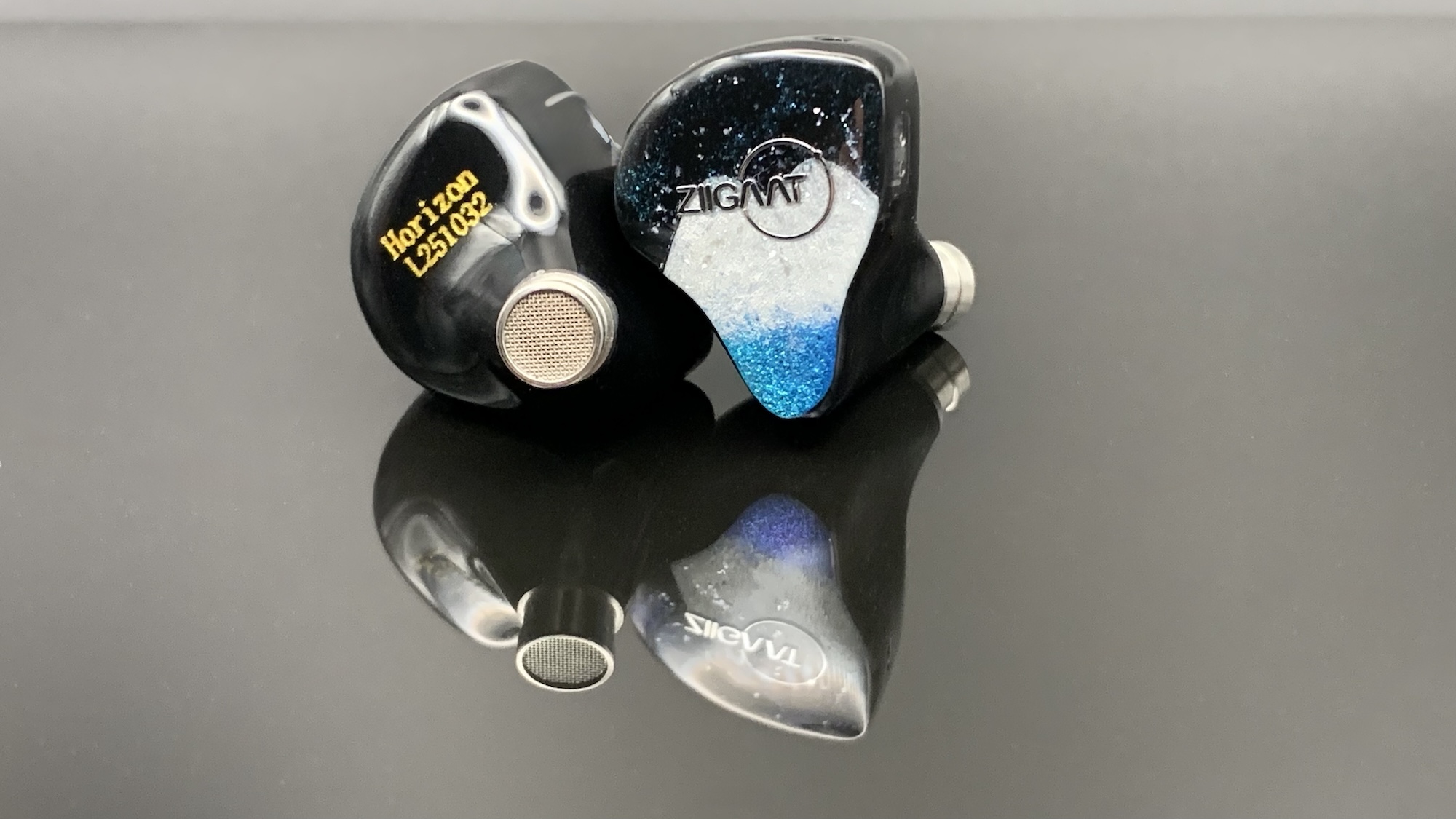
Here the game really changes character. The Horizon are a tribrid IEM with a 1 DD + 2 BA + 2 planar configuration, and you can clearly hear it in their sonic identity. They aim for a neutral, detailed and spacious balance, leaning more toward a “technical yet pleasant” presentation rather than a soft, overtly musical tuning.
Bass
Compared to the Horizon, where the low end is clean, fast and well controlled but never dominant, the Baker offer a more articulated and deeper bass presence, while still maintaining a controlled and non-emphatic approach. On the Horizon, the sub-bass is present just enough to give body to the music without overwhelming it, but it remains more “supportive” in the overall balance. The Baker, on the other hand, bring a low-end concept that feels deeper, more incisive and more tightly integrated into the overall signature.
Mids
On the Horizon, the midrange is clean and natural, with well-defined vocals that are neither pushed forward nor pulled back. Transparency is one of their strengths, with instruments retaining their timbre without masking detail. This neutral approach favors precision, but at times it can feel a bit dry compared to the harmonic richness of the Baker, which tend to give more emotional substance to both vocals and instruments.
Treble
Both the Horizon and the Baker handle treble with precision, but with different nuances. The Horizon lean toward a wider, airier extension, with detailed and non-fatiguing highs that are natural yet slightly emphasized in the upper range. This results in excellent separation and an open stage, but with a sense of “air” that differs from the Baker. The Baker integrate the highs into the overall presentation in a more cohesive and less “sculpted” way.
Soundstage and imaging
Both models perform well in terms of stage and positioning, but the Horizon stand out for an especially wide and spacious stage for an IEM, with well-separated and layered instruments. This creates a very immediate “surrounding” effect. The Baker, however, not only preserve width and depth, but blend them with a coherence of sound sources that makes the whole presentation feel more natural and three-dimensional, almost as if the band were in front of you rather than scattered around the space.
In practical terms, the Horizon offer a more neutral, transparent and analytical listen, rewarding detail, separation and precision without emphasizing any specific area. The Baker, while remaining technical and precise, add an extra layer of musicality, cohesion and warmth that makes them more engaging across a wider range of genres. With the Horizon you hear everything impeccably, but you often remain a bit of a spectator. With the Baker, you step into the music with both feet and feel the stage come alive.
DUNU SA6 MKII
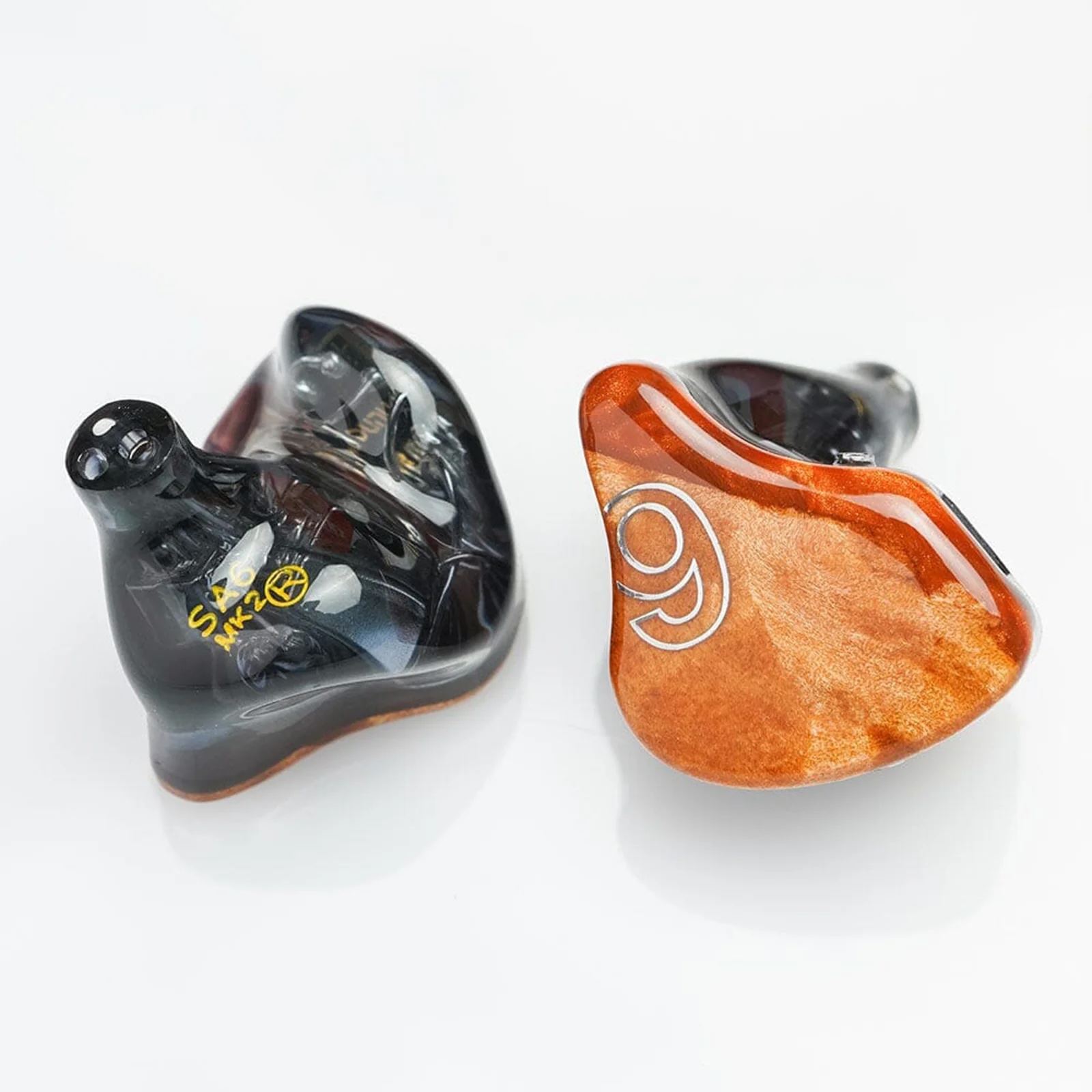
Putting the Baker up against the DUNU SA6 MKII means comparing two different tuning philosophies, both valid but clearly distinct. The SA6 MKII adopt a more “neutral-smooth” and airy approach, typical of a well-balanced full-BA set, while the Baker focus on coherence, musicality and more pronounced dynamic control.
Bass
The SA6 MKII are impressive in how they handle bass considering their full-BA nature. There’s no powerful dynamic-driver slam, but extension is deep and convincing, with a response that can support electronic or bass-heavy genres if the fit is optimal.
Compared to the Baker, however, the sensation is different. The Baker don’t chase sub-bass “wow” effects, but instead aim for total control and integration of the low end within the stage. Where the SA6 MKII deliver impact and presence with elegance, the Baker offer greater weight and body, with a bass response that feels more organic, less “clean” in the strict sense, but more involving and coherent with the rest of the signature. In short: the SA6 MKII are precise, the Baker are more musical.
Mids
Listeners often describe the mids on the SA6 MKII as open, fluid and detailed, with vocals and instruments emerging naturally and without listening fatigue. This presentation works well, but it can also create a slight sense of distance, as the mids never push forward. The Baker place vocals and instrument body in a more emotionally engaging position, without sounding forced, giving that sense of proximity to the music that really pulls you in. In many listening sessions, this is the difference between hearing music well and feeling inside the music.
Treble
The SA6 MKII deliver an extended, airy and non-aggressive upper range, striking an excellent balance between extension and detail without causing fatigue during long listening sessions.The Baker retain detail and air, but do so with stronger timbral coherence between mids and highs, reducing the risk of excessive brightness that can become fatiguing with certain sources. In simple terms: the SA6 MKII show every detail, the Baker embed those details into a more natural and musical whole.
Soundstage and imaging
Both IEMs perform well in terms of stage and spatial placement. The SA6 MKII can deliver a surprisingly wide, out-of-head stage for a full-BA IEM, with good spatial imaging.
The Baker take that sense of space and integrate it with coherence and three-dimensionality: not just width, but depth as well, natural distance between instruments, and a more organic stage. It’s that subtle difference between hearing instruments scattered in space and perceiving a unified scene with everything in its proper place.
In summary, the DUNU SA6 MKII are a high-quality full-BA IEM, offering a smooth, detailed and relatively neutral signature, ideal for listeners who appreciate precision, airiness and an open stage without listening fatigue.
The Baker respond with deeper musicality, bolder bass and a more natural, integrated soundstage, though they ask for a more attentive listener. Where the SA6 MKII win you over with technical precision and ease, the Baker do it through musicality and emotional involvement, giving you the feeling of being not in front of the music, but inside it.

Conclusions
Reaching the end of this review, I can say it without beating around the bush: I really liked the Yanyin Baker. And not in the sense of easy enthusiasm or a love-at-first-listen reaction, but in that deeper, longer-lasting way that keeps drawing you back to them, even when you have plenty of other options at hand.
They are musical IEMs, but with a kind of musicality that borders on realism. They don’t try to impress, they don’t try to color the sound to make it more appealing, and they don’t take shortcuts. Here, everything is in service of the music, not of sound for its own sake. And that’s a huge difference, especially over the long term.
The detail is there, and there’s plenty of it, but it’s never thrown in your face. It emerges naturally, without fatigue, without forcing you to actively “chase” the sound. The Baker never become tiring, even after hours of listening. And for me, that’s one of the most important and hardest qualities to achieve.
The treble is extended and present, yet never harsh. Even when there’s a lot happening up top, it remains controlled and well integrated. The mids are simply right. Not pushed forward, not pulled back, but exactly where they should be. The vocals sound realistic and believable, creating the sense of a real person in front of you rather than a simple audio file playing back. Instruments have body, air and naturalness.
Long-Term Listening and Emotional Value
The bass is beautiful, honest and alive. Not colored, not bloated, not artificial. It doesn’t try to steal the spotlight, but it supports the music with balance and coherence. It never overwhelms, yet when it’s needed, it’s there, always in the right way.
What struck me the most in the end is this constant feeling of a “live” sound. Not in a spectacular or exaggerated sense, but in the way instruments sound natural, recognizable and believable. Guitars sound like guitars, cymbals sound like cymbals, voices sound like people, not interpretations.
Paradoxically, I appreciated the Baker even more with older recordings. Imperfect recordings, perhaps less polished, but rich in musical content. That’s where they manage to extract more juice, more information, more soul, compared to other IEMs that tend to smear or flatten everything when the recording quality isn’t top-tier. Here, instead, the music comes out, breathes and makes itself understood.
Yes, they’re expensive. They’re not a light or impulsive purchase. But what you’re buying isn’t just detail or technical performance. You’re buying music, listening time, time well spent. You’re buying a product that doesn’t try to please everyone, but speaks very clearly to those who truly want to listen.
The Yanyin Baker are not IEMs built for an immediate wow effect. They are IEMs for a long-term relationship. The kind you appreciate more and more as time goes by, because everything else starts to feel artificial, forced, or simply less real.
And when you reach that point, you realize that the price is no longer the center of the conversation.
9,5 / 10
🟢 Pros
- Extremely natural, realistic and believable sound
- High musicality that grows over time and never becomes fatiguing
- Excellent midrange, with vocals and instruments always in the right place
- Plenty of detail, never artificial or forced
- Extended and refined treble, never harsh
- Clean, controlled and uncolored bass
- Excellent timbral coherence across the entire frequency range
- Well-built soundstage with precise imaging
- Great performance with older or less-than-perfect recordings
- High comfort even during very long listening sessions
- Easy to drive, even with portable sources
- A mature product, designed for serious and conscious listening
🔴 Cons
- Bass not suited for those seeking strong physical impact or sheer quantity
- Honest treble that does not forgive aggressive recordings
- Requires tip rolling to find the best overall balance
- High price, not an impulse purchase
- Not ideal for those looking for a colored or emphasized sound
Questions & Answers
Are these IEMs for everyone?
No, and they’re not meant to be. The Yanyin Baker are designed for those who truly listen, with care and attention. If you’re looking for immediate impact, booming bass or a sound that grabs you in the first five minutes, they’re probably not the right choice. If, instead, you’re after naturalness, coherence and long-term musicality, then yes.
Are they fatiguing over long listening sessions?
No. On the contrary, one of their main strengths is their ability to accompany long sessions without causing fatigue. The level of detail is high, but it never feels forced or pushed in your face. With the right pairing, you can listen for hours without any discomfort.
How is the treble?
The treble is extended, detailed and clearly present. It’s not harsh, but it is honest. If the recording or the source is aggressive, you’ll hear it. With more musical or slightly warmer sources, the balance improves significantly.
Are the mids forward or recessed?
No. The mids are simply where they should be. Vocals and instruments sound realistic and natural, without artificial emphasis. It’s one of the Baker’s strongest points.
And the bass?
The bass is controlled, clean and coherent. It’s not bloated or colored. There’s depth when needed, but no “punch in the stomach” effect. It’s a bass that prioritizes quality and naturalness.
Which music genres work best?
Jazz, well-recorded rock, progressive, acoustic music, singer-songwriter material and light classical are where the Baker truly shine. With heavily driven electronic music or hip hop, they still sound correct, but they don’t aim to emphasize that kind of listening.
Are they easy to drive?
Yes. They work well even with dongles and portable sources. They don’t require a lot of power, but they clearly benefit from a good-quality source.
Are they sensitive to the source?
Quite a bit. With analytical sources they can sound brighter. With more musical or slightly warmer sources they become much more balanced and enjoyable.
Is tip rolling important?
Yes, very much so. Changing tips has a noticeable impact on the overall balance, especially between bass and treble. It’s definitely worth spending some time experimenting.
3.5 mm or 4.4 mm?
It depends on the chain. The 4.4 mm usually offers a bit more control and headroom if the source is up to the task. The 3.5 mm remains perfectly usable and fully coherent.
Do they justify the price?
They’re not cheap, but what you’re buying isn’t just technique or detail. You’re buying a mature, natural and rewarding listening experience over time. If that’s what you’re looking for, the price makes sense.
Would I buy them again?
I already answered that question by buying them myself. That decision says more about their quality than any rating ever could.
Author’s Note
I was so curious to try them that I decided to buy them myself, and the Yanyin Baker were purchased directly from Linsoul, not provided as a review sample. This review is based solely on personal evaluations developed over a long period of listening, with no compensation, commissions or financial benefits tied to the published content.
All opinions expressed reflect only my personal listening experience and my own judgment, for better or worse.




No Comment! Be the first one.