






















































































In the Olympus of Headphones, Three Visions of Listening • Part Two

Introduction, Listening Analysis
Now it is time to move into the core of the comparison.
Table Of Content
- Introduction, Listening Analysis
- Setup Used
- Sources and Amplification
- Main Desktop Setup
- DAC
- Headphone Amplifier
- Mobile / Dongle Setup
- Dongle DAC
- Mobile Source
- Applications Used
- Testing Methodology
- Comparison Method
- Rapid A/B Comparisons
- Long Listening Sessions
- Listening Volume
- Pads Used
- Test Playlist
- Reference Tracks and Evaluation Criteria
- Low Frequency Evaluation
- Midrange and Treble Evaluation
- Spatial and Technical Evaluation
- Musicality and Overall Balance
- Listening Analysis
- Sub Bass
- OLLO X1
- Beyerdynamic DT 1990 PRO MKII
- Aune SR7000
- Bass
- OLLO X1
- Beyerdynamic DT 1990 PRO MKII
- Aune SR7000
- Low Mids
- OLLO X1
- Beyerdynamic DT 1990 PRO MKII
- Aune SR7000
- Midrange
- OLLO X1
- Beyerdynamic DT 1990 PRO MKII
- Aune SR7000
- Upper Mids
- OLLO X1
- Beyerdynamic DT 1990 PRO MKII
- Aune SR7000
- Extension / Air / Upper Treble
- OLLO X1
- Beyerdynamic DT 1990 PRO MKII
- Aune SR7000
- Soundstage / Imaging / Separation
- OLLO X1
- Beyerdynamic DT 1990 PRO MKII
- Aune SR7000
- Dynamics / Speed / Complexity
- OLLO X1
- Beyerdynamic DT 1990 PRO MKII
- Aune SR7000
- Musicality / Overall Balance
- OLLO X1
- Beyerdynamic DT 1990 PRO MKII
- Aune SR7000
- Desktop vs Mobile Test / Scalability
- OLLO X1
- Beyerdynamic DT 1990 PRO MKII
- Aune SR7000
- FINAL COMPARATIVE TABLE
- WHO THEY ARE FOR
- OLLO X1
- Beyerdynamic DT 1990 PRO MKII
- Aune SR7000
- CONCLUSIONS
- Different Approaches to the Same Goal
- ACKNOWLEDGMENTS AND TRANSPARENCY
- Official Product Pages
After exploring build quality, materials and design philosophy in the first part, the focus shifts to what really matters during actual listening, how these differences translate into sound, and how each headphone interprets music in its own way.
The evaluation was carried out using a carefully selected playlist chosen to analyze specific aspects of performance, from low frequency extension to more technical elements such as dynamics, microdetail, instrument separation and soundstage reconstruction.
Every track was selected with a precise purpose in mind, allowing the comparison to remain as consistent, focused and repeatable as possible throughout the entire review.
During the analysis, the selected tracks will be referenced whenever relevant to the specific aspect being evaluated.
The goal is not to declare an absolute winner, but to understand how each headphone approaches music, where its strengths emerge most clearly, where its limitations appear, and in which listening contexts it performs at its best.
Setup Used
Sources and Amplification
The comparison was carried out using a stable and consistent audio chain, selected to minimize external variables and allow each headphone to express its character without obvious coloration being introduced by the source equipment.
Particular attention was given to volume matching. Even small level differences can significantly affect the perception of dynamics, detail retrieval and overall presence, which is why all listening sessions were performed under conditions kept as uniform as possible.
All tests were conducted in a controlled environment using locally stored lossless files ranging from 44.1 kHz up to 384 kHz, played through a MacBook Air M2 with the music library stored on an external USB C SSD.
Playback was handled through Audirvana 3.0.5 in order to ensure optimized audio stream management while minimizing operating system interference as much as possible.
Since one of the headphones included in the comparison only supports single ended connectivity, the entire evaluation was performed through the 6.3 mm single ended output, maintaining identical operating conditions across all models involved in the test.
Main Desktop Setup

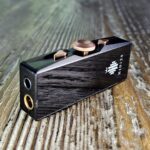
DAC
iFi ZEN DAC Signature V2
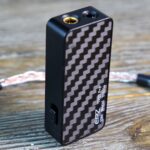
Headphone Amplifier
This configuration served as the primary reference setup throughout the comparison.
The system was selected for its ability to provide good neutrality, strong driving capability and sufficient headroom even with more demanding headphones, while maintaining a presentation that remained believable and free from excessive coloration or artificial emphasis.
Mobile / Dongle Setup
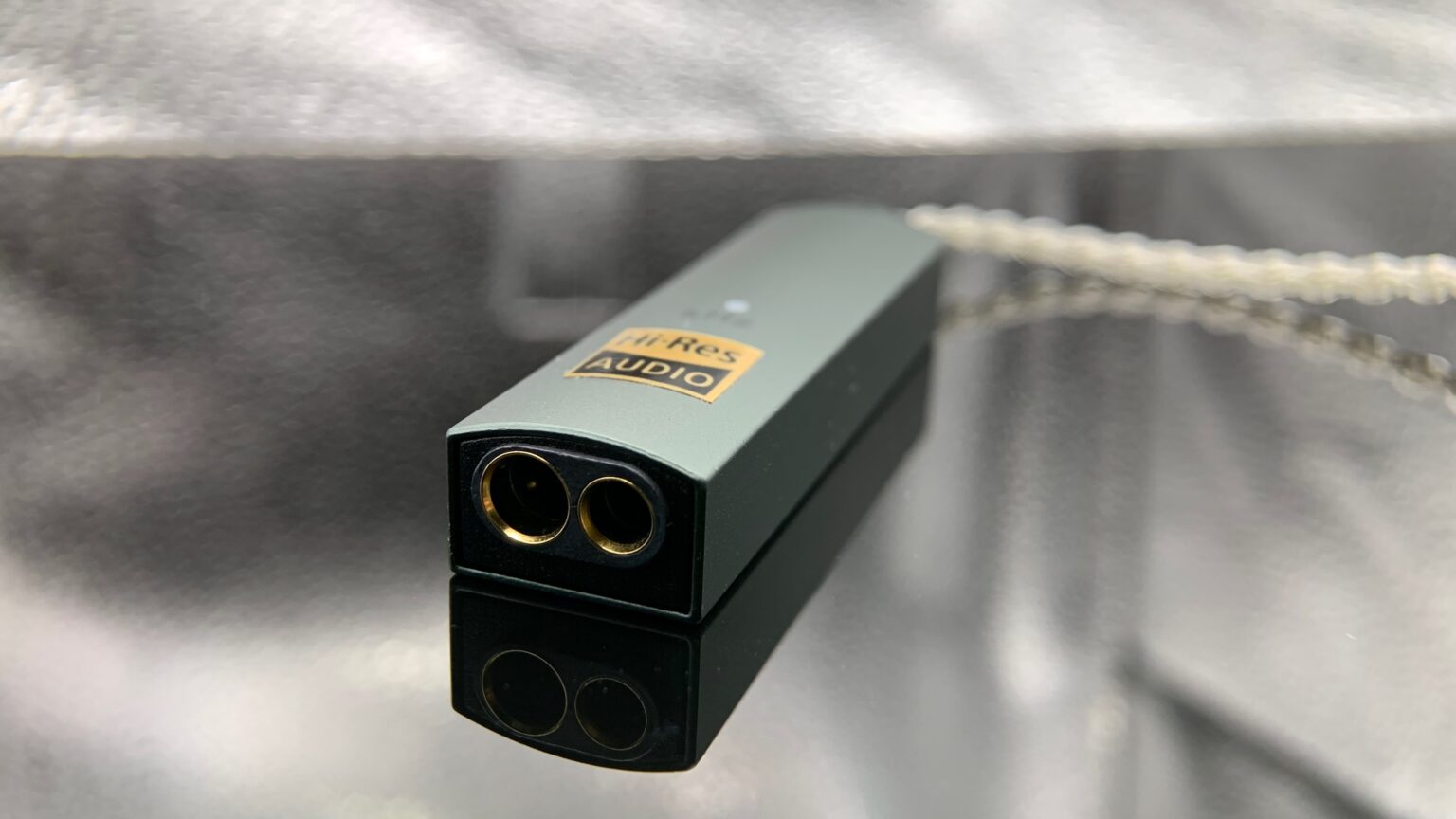
Dongle DAC
Mobile Source
iPhone 17
Applications Used
Foobar2000
Apple Music
This secondary setup was used exclusively to evaluate scaling behavior and to understand how much of each headphone’s identity could still be preserved when paired with a simpler and far more portable source.
The goal was not to determine the absolute quality of the dongle itself, but rather to evaluate how well each headphone could retain control, dynamics, tonal balance and technical performance even away from a more capable desktop chain.
Testing Methodology
Comparison Method
For this second part of the review, the comparison combined rapid A/B listening sessions on identical musical passages with longer and more continuous listening sessions.
Quick comparisons were mainly used to highlight immediate differences in tonality, dynamics, detail retrieval and frequency response, while longer sessions helped evaluate fatigue, tonal consistency and long term musical engagement.
Recordings with very different production styles, recording quality and sonic approaches were intentionally selected in order to evaluate the headphones across a wide variety of musical contexts.
Rapid A/B Comparisons
Fast switching between headphones was carried out using identical musical segments while maintaining operating conditions as consistent as possible.
This approach helped identify:
• tonal variations
• bass response differences
• midrange behavior
• detail retrieval
• treble extension
• soundstage and imaging performance
Long Listening Sessions
Longer sessions focused on aspects that become more relevant during real world use, including:
• long term listening fatigue
• tonal consistency
• musical engagement over time
• adaptability across different genres
• overall presentation balance
This approach helped reveal not only immediate technical performance, but also how naturally each headphone behaved during extended listening.
Listening Volume
Listening levels were carefully volume matched in order to prevent even small differences from influencing the perception of dynamics, detail retrieval or overall presence.
All comparisons were conducted while maintaining a perceived listening level as consistent as possible across all headphones involved in the test.
Pads Used
All headphones were tested using the stock pads supplied by their respective manufacturers in order to keep the comparison as consistent as possible with the intended factory configuration.
Any pad rolling or alternative pad tests will be specifically mentioned in the relevant sections whenever applicable.
Test Playlist
The playlist used throughout this comparison represents my personal reference selection for evaluating different headphone characteristics under conditions kept as consistent and comparable as possible.
Every track was chosen with a specific purpose in mind, trying to associate precise sonic and musical characteristics with recordings I know extremely well and regularly use as listening references during headphone evaluations.
Naturally, this is not meant to be an “absolute” selection.
There are countless other tracks perfectly suited for this kind of testing, in some cases even more specialized or more commonly used within audiophile circles.
This playlist simply reflects my personal approach to comparative listening, combining technically useful recordings with tracks that still feel musically believable and emotionally convincing, capable of revealing meaningful characteristics during real listening rather than only through purely analytical evaluation.
The tracks listed in the following table are therefore the ones I personally consider most representative of the specific aspects described within each category, based on long term familiarity and repeated listening experience.
Reference Tracks and Evaluation Criteria
Low Frequency Evaluation
| Test Category | Artist | Track / Album | Why It Was Chosen | What It Highlights |
|---|---|---|---|---|
| Sub Bass | Hans Zimmer | Why So Serious? | One of the most effective tracks for evaluating true low frequency extension and the headphone’s ability to maintain control even below 40 Hz. | Sub bass extension, pressure, control, texture, driver stability |
| Sub Bass | Mickey Hart / Zakir Hussain | Global Drum Project | Extremely useful for evaluating not only depth, but also articulation, speed and natural rendering of deep percussion. | Bass texture, decay, control, speed, percussion rendering |
| Bass / Punch | Tool | The Pot | Excellent track for evaluating impact, mid bass speed and the headphone’s ability to maintain energy without smearing the mix. | Punch, slam, bass speed, bass and drum separation |
| Bass / Punch | Rage Against the Machine | Killing in the Name | Very physical and aggressive track, useful for understanding how well a headphone maintains control and energy with more direct and less “audiophile” rock recordings. | Impact, controlled aggression, energy, mid bass control |
| Low Mids / Groove | Santana | Oye Como Va | Excellent reference for evaluating groove, electric bass body and the interaction between bass, percussion and midrange. | Harmonic body, groove, bass naturalness, rhythmic coherence |
| Low Mids / Groove | Weather Report | Birdland | Very useful track for evaluating bass articulation, separation and management of complex fusion style mixes. | Bass speed, layering, separation, timing, musicality |
Midrange and Treble Evaluation
| Test Category | Artist | Track / Album | Why It Was Chosen | What It Highlights |
|---|---|---|---|---|
| Midrange / Vocals | Diana Krall | Temptation | Extremely intimate vocal recording rich in microdetail, ideal for evaluating tonal naturalness and midrange quality. | Vocal naturalness, microdetail, midrange body, sibilance |
| Midrange / Vocals | David Lindley / Wally Ingram | Well Well Well | Very lively and natural recording, useful for evaluating vocal texture, percussion realism and overall tonal coherence. | Texture, transients, midrange naturalness, microdynamics, instrumental realism |
| Midrange / Vocals | Big Brother & The Holding Company | Summertime | Intense and raw vocal performance, very useful for evaluating vocal grain, emotional delivery and upper midrange management. | Vocal texture, emotion, harmonic density, upper mid aggression, tonal realism |
| Upper Mids / Treble | The Dave Brubeck Quartet | Take Five | Excellent reference for evaluating cymbal naturalness, transient speed and harmonic rendering in the upper frequencies. | Ride cymbal rendering, transients, brightness, air, treble naturalness |
| Upper Mids / Treble | Eva Cassidy | Cheek to Cheek | Very open and natural recording, useful for evaluating vocal presence, sibilance and upper range refinement. | Sibilance, vocal harmonics, naturalness, detail, listening fatigue |
| Extension / Air / Upper Treble | Ry Cooder / V. M. Bhatt | A Meeting by the River | Extremely rich recording filled with harmonics, decay and ambient microdetail, ideal for evaluating refinement and upper treble naturalness. | Air, upper treble extension, harmonics, decay, microdetail, upper end naturalness |
Spatial and Technical Evaluation
| Test Category | Artist | Track / Album | Why It Was Chosen | What It Highlights |
|---|---|---|---|---|
| Soundstage / Imaging / Separation | Yosi Horikawa | Bubbles | Exceptional track for evaluating imaging precision, focus and the headphone’s ability to reconstruct movement within space. | Imaging, focus, headstage, spatial precision |
| Soundstage / Imaging / Separation | Gregorio Paniagua | La Folia | Acoustic recording captured in a real environment, ideal for evaluating stage depth, air between instruments and ambient reconstruction. | Depth, natural layering, real acoustic environment, organic separation |
| Soundstage / Imaging / Separation | Joe Jackson | Body and Soul | Album recorded with great attention to spatiality and instrument placement, very useful for evaluating stage width and spatial credibility. | Soundstage, layering, instrument positioning, natural spatiality |
| Dynamics / Speed / Complexity | Lynyrd Skynyrd | Free Bird | The long instrumental finale represents an extremely demanding test for speed, separation and handling of highly dense passages. | Driver speed, layering, impact, complex passage handling, dynamic stability |
| Dynamics / Speed / Complexity | Al Di Meola / John McLaughlin / Paco de Lucía | Short Tales of the Black Forest | Extremely rich live recording full of transients, nuances and interplay between acoustic guitars, ideal for evaluating microdynamics, speed, separation and live ambience reconstruction. | Microdynamics, transients, separation, live ambience, detail, speed |
Musicality and Overall Balance
| Test Category | Artist | Track / Album | Why It Was Chosen | What It Highlights |
|---|---|---|---|---|
| Musicality / Overall Balance | John Mayall | Change Your Ways | Used as a general reference track for evaluating tonal balance, musicality and the headphone’s ability to combine technical performance with emotional involvement. | Overall balance, musicality, tonal coherence, dynamics, naturalness, emotional engagement |
Listening Analysis
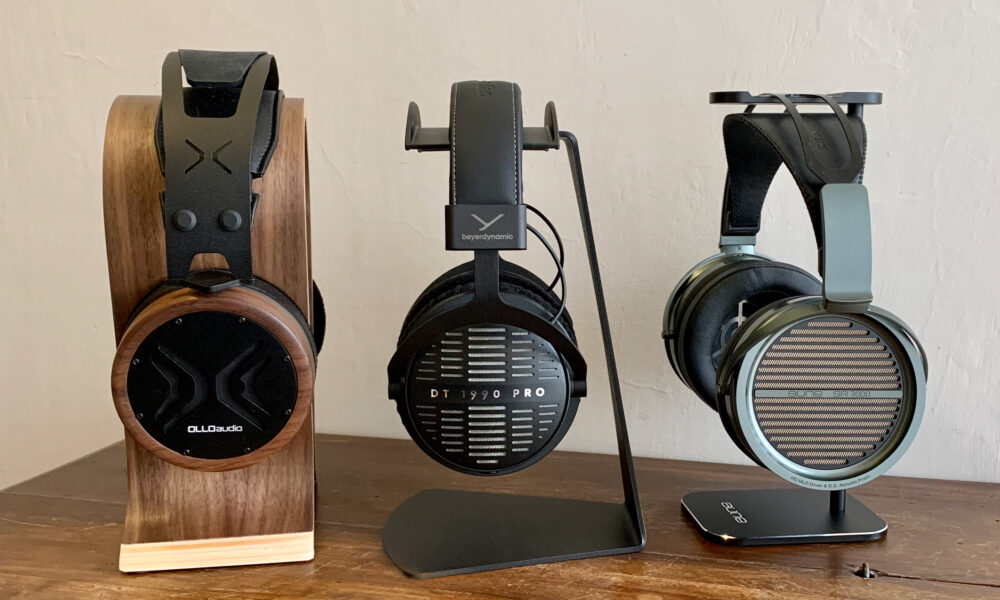
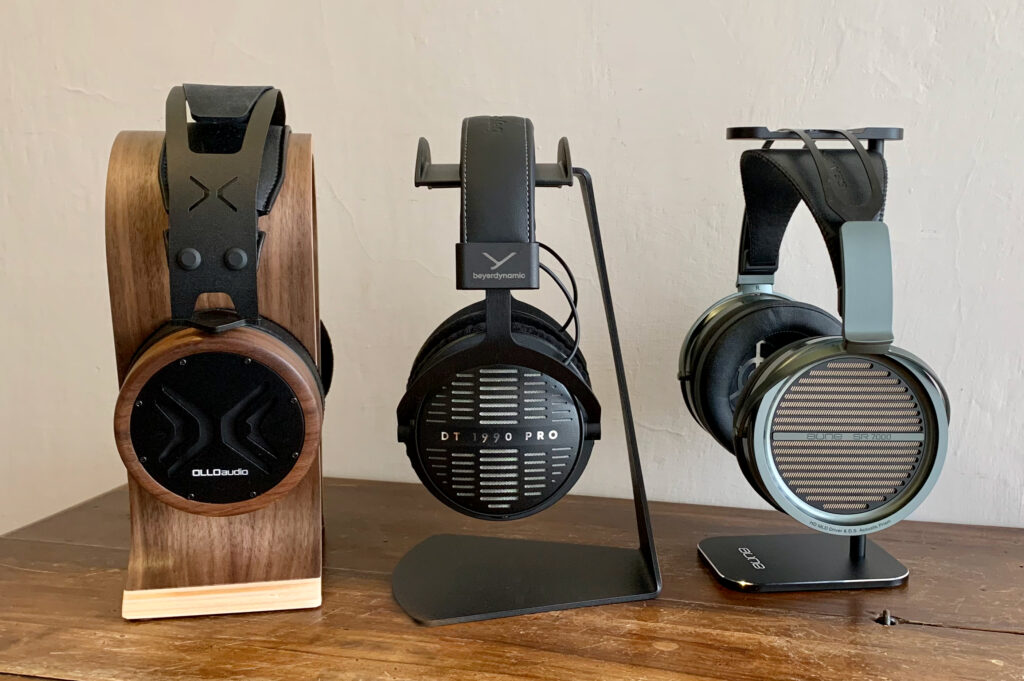
The comparison focuses on three headphones built around very different philosophies and listening approaches: the OLLO X1, designed around neutrality and monitor style accuracy, the Beyerdynamic DT 1990 PRO MKII, focused on technical precision, speed and analytical performance, and the Aune SR7000, oriented toward musicality, immersion and long term listening enjoyment.
After exploring build quality, comfort, materials and design philosophy in Part One, this second part moves entirely into listening analysis, evaluating how these differences translate into tonal balance, dynamics, soundstage and overall musical presentation.
Sub Bass


In order to evaluate extension, pressure and low frequency control, the main references used were Why So Serious? together with selected tracks from Global Drum Project. Additional organ based recordings were also briefly used to evaluate sustained low frequency stability, harmonic density and room ambience reproduction.
The first proved particularly effective for understanding how well each headphone could extend below 40 Hz without losing articulation or control, while the second highlighted speed, texture and the way deep percussion resonances were handled.
Even though all three headphones offer solid overall extension, their interpretation of sub bass differs quite dramatically.
OLLO X1
The X1 delivers the most linear and controlled approach of the comparison.
On “Why So Serious?” the sub bass reaches deep with good authority, but without trying to create an exaggeratedly physical or cinematic effect. Perceived pressure remains more restrained compared to the other two headphones, yet the advantage becomes obvious in terms of cleanliness and overall low end readability.
Articulation remains convincing even during the deepest passages, preventing the bass from bleeding into the midrange or losing definition.
With “Global Drum Project” the neutral tuning philosophy of the X1 immediately becomes apparent. Deep percussion is reproduced with good speed and control, allowing skin texture, resonance and room ambience to remain reasonably distinguishable instead of collapsing into a single indistinct mass.
The overall impression is that of a sub bass presentation that feels correct, believable and well integrated into the mix, prioritizing neutrality and analysis more than immediate physical impact.
Beyerdynamic DT 1990 PRO MKII
The DT 1990 PRO MKII introduces a stronger sense of physicality and presence in the lowest part of the spectrum.
On “Why So Serious?” the sub bass feels more apparent and emotionally engaging compared to the OLLO, with noticeably greater pressure while still remaining fairly controlled. More energy is delivered without excessively compromising precision or intelligibility.
The difference becomes particularly noticeable during the more cinematic sections of the track, where the Beyerdynamic creates a greater sense of depth and impact.
Using “Global Drum Project”, bass gains additional body and physical presence while maintaining good overall speed, although the presentation becomes slightly less strict and disciplined than the X1 during denser and more layered passages.
Overall, the DT 1990 PRO MKII delivers a more engaging and textured sub bass response, while still managing to maintain a convincing balance between control and enjoyment.
Aune SR7000
Among the three headphones, the SR7000 delivers the strongest sensation of depth and physical pressure in the sub bass region.
On “Why So Serious?” the impact is immediately more evident than on the two open backs, creating a presentation that feels more immersive and almost cinematic in the deepest frequencies. The closed back structure clearly contributes to increasing the physical perception of the low end, yet without turning the bass into something excessively slow or bloated.
One of the most interesting aspects is that the SR7000 still maintains respectable articulation during deep bass drops, avoiding the typical “one note bass” effect often associated with heavily emphasized low frequency tuning.
With “Global Drum Project”, body, resonance and the physical texture of percussion become the dominant elements. The presentation clearly prioritizes involvement and presence over absolute neutrality, although overall control remains convincing even during more complex passages.
Out of the three headphones, this is the model that offers the most physical and spectacular sub bass response, while still preserving enough technical quality to avoid sounding like a simple bass boosted tuning.
Bass

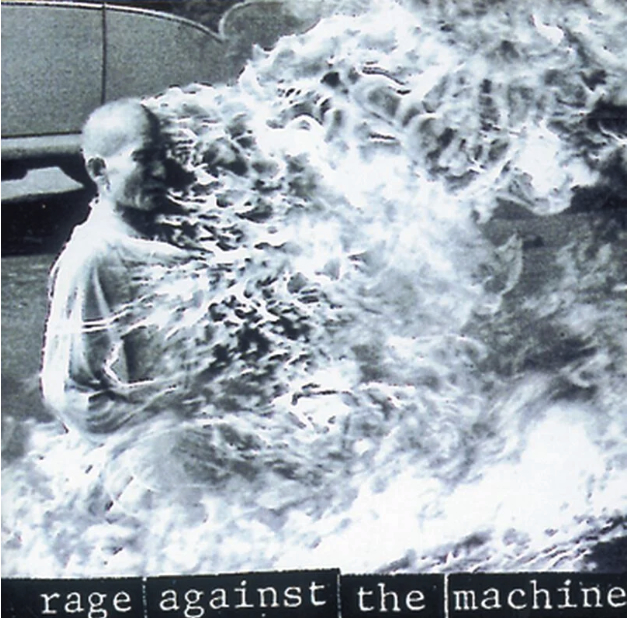
Impact, punch, speed and mid bass behavior.
Differences between physical bass, controlled bass, dry presentation or a softer and fuller approach.
To evaluate mid bass behavior, impact capability and driver speed, the main references used were The Pot and Killing in the Name.
Both tracks proved extremely effective in highlighting differences related to punch, slam, control and energy management during more aggressive passages.
“The Pot” is particularly useful for analyzing electric bass articulation, kick drum speed and the headphone’s ability to preserve separation and intelligibility inside a very dense and dynamic mix.
“Killing in the Name” focuses more on physicality, controlled aggression and the way each headphone behaves when mid bass becomes a fundamental part of the track’s overall impact.
The three headphones approach this range with very different philosophies.
OLLO X1
The X1 maintains a controlled and linear approach even in the mid bass region, prioritizing precision and readability over spectacular impact.
On “The Pot”, the electric bass is reproduced with good articulation and excellent intelligibility, consistently keeping bass, drums and guitars separated even during the most complex sections of the track. Punch is present, but it feels drier and more restrained compared to the other two headphones.
The overall impression is very monitor-like, with no artificial emphasis added to the central bass region.
“Killing in the Name” further highlights this tuning philosophy. The X1 delivers bass that feels fast and well controlled, avoiding excessive bloom or unwanted mid bass resonance, while also giving up part of the physicality and slam offered by the competing models.
The advantage of this approach is a cleaner overall mix presentation together with bass that remains easy to follow even during the most aggressive moments.
Overall, the X1 offers bass reproduction that feels highly correct and technical, focusing more on control, speed and coherence than immediate emotional impact.
Beyerdynamic DT 1990 PRO MKII
The DT 1990 PRO MKII introduces greater energy and physicality into the mid bass region while still maintaining strong overall speed.
On “The Pot”, the kick drum gains noticeably more presence and impact compared to the OLLO, creating punch that feels more engaging and immediate. Electric bass sounds denser and slightly more forward inside the mix, helping the track feel more aggressive and energetic overall.
Even so, intelligibility remains convincing during more crowded passages, showing a solid balance between energy and control.
With “Killing in the Name”, the DT 1990 PRO MKII feels particularly at home. Bass and drums hit with strong immediacy and physical impact, emphasizing the raw live energy of the track.
Compared to the X1, bass sounds fuller and more involving, although also slightly less dry and disciplined in the way decay is managed.
Overall, the Beyerdynamic delivers a mid bass response that feels dynamic and genuinely fun, combining good speed, impact and engagement without completely sacrificing precision and control.
Aune SR7000
Kick drum pressure arrives with greater mass and physical presence, giving the drums an almost nearfield speaker like sensation. The closed back structure clearly contributes to increasing perceived pressure and mid bass weight.
On “The Pot”, impact feels immediately fuller and deeper compared to both open backs, with very evident slam and particularly rich electric bass body.
Despite the stronger bass quantity, the SR7000 still manages to maintain respectable speed, preventing the low end from becoming excessively slow or muddy.
“Killing in the Name” clearly reveals the more physical and immersive character of the headphone. The track’s energy is reproduced with strong presence and highly satisfying impact, especially for listeners who prefer a more immersive presentation rather than a strictly monitor oriented one.
Compared to the X1, the presentation feels significantly fuller and warmer, while compared to the DT 1990 PRO MKII, the bass sounds slightly softer and less sharp on attack, prioritizing body and pressure over maximum transient precision.
Overall, the SR7000 delivers the most spectacular and engaging mid bass performance of the three headphones, while still maintaining surprisingly good control considering the stronger physical nature of its presentation.
Low Mids


Body, warmth and influence on the overall harmonic structure.
Evaluation of the weight given to instruments and vocals.
To analyze low midrange behavior, harmonic structure and the ability of each headphone to reproduce body and naturalness in instruments, the main references used were Oye Como Va and Birdland.
These two tracks reveal very different approaches to low midrange management.
“Oye Como Va” proved particularly effective for evaluating groove, warmth and coherence between electric bass, percussion and midrange, highlighting how well each headphone preserves musicality and flow without making the mix feel heavy or congested.
“Birdland” introduces a far more layered and complex structure, useful for evaluating bass articulation, layering management and the ability to maintain readability and separation even with multiple instruments playing simultaneously.
It is precisely in this region of the spectrum where some of the most important differences between the three headphones emerge, especially regarding harmonic weight, warmth and presentation density.
OLLO X1
The X1 maintains a very balanced and controlled approach even in the low mids, prioritizing neutrality and readability over additional warmth or harmonic emphasis.
On “Oye Como Va”, electric bass and percussion are reproduced with good precision and proper tonal balance, never becoming invasive or overly swollen. Groove remains natural and easy to follow, although the overall presentation feels rather dry and disciplined.
The headphone avoids adding artificial weight to instruments, preserving a presentation that feels clean, transparent and highly controlled.
With “Birdland”, this philosophy becomes even more apparent. The X1 stands out mainly because of its ability to maintain order and separation inside the mix, preventing low mid buildup even during the most layered and complex passages.
The advantage is a stronger sense of overall transparency. Instruments remain clearly distinguishable and the harmonic structure preserves excellent readability throughout the track.
On the other hand, some listeners may perceive the presentation as slightly leaner or less enveloping compared to the other two headphones, especially with recordings that benefit from greater harmonic density.
Overall, the OLLO delivers a low midrange presentation that feels highly correct and controlled, ideal for listeners who prioritize precision, balance and tonal neutrality.
Beyerdynamic DT 1990 PRO MKII
The DT 1990 PRO MKII introduces a greater sensation of body and presence in the low mids while still preserving good overall readability.
On “Oye Como Va”, electric bass feels fuller and more textured compared to the X1, creating stronger groove physicality together with a greater sense of overall energy. Percussion also gains additional presence and impact, helping the presentation feel more immersive.
A slight touch of warmth is added, giving instruments and vocals more density and substance without turning the low mids into something bloated or excessively slow.
“Birdland” particularly highlights the headphone’s ability to maintain both dynamics and musicality even during the most complex passages. Compared to the OLLO, the mix feels slightly fuller and less analytical, although it still remains controlled and properly articulated.
The DT 1990 PRO MKII manages to find a convincing balance between technical precision and listening enjoyment, offering a richer and more immersive low midrange without excessively compromising separation or intelligibility.
Overall, the Beyerdynamic delivers low mids that feel very balanced, combining body, speed and control in a highly convincing way.
Aune SR7000
The SR7000 is the headphone that delivers the greatest amount of body and harmonic density in the low midrange.
On “Oye Como Va”, electric bass and percussion immediately gain more weight and physical presence, creating a presentation that feels fuller, warmer and more enveloping than the two open backs. Groove is reproduced with excellent fluidity and involvement, clearly prioritizing musicality and immersion.
The closed back structure contributes additional consistency and density to the central bass region, increasing instrument body without turning the low mids into something excessively slow or confused.
With “Birdland”, the SR7000 reveals an approach that feels more musical and less strictly monitor oriented than the OLLO. The mix becomes denser and more textured, with instruments gaining stronger harmonic thickness and more physical presence within the stage.
During more crowded passages, this tuning slightly prioritizes compactness and impact over absolute separation, although overall readability remains convincing.
The result is a presentation that feels fluid and natural, particularly effective with groove driven recordings, acoustic instruments and electric bass.
Overall, the SR7000 delivers the warmest, fullest and most musical low midrange presentation of the comparison, clearly aiming for involvement and immersion rather than absolute neutrality.
Midrange
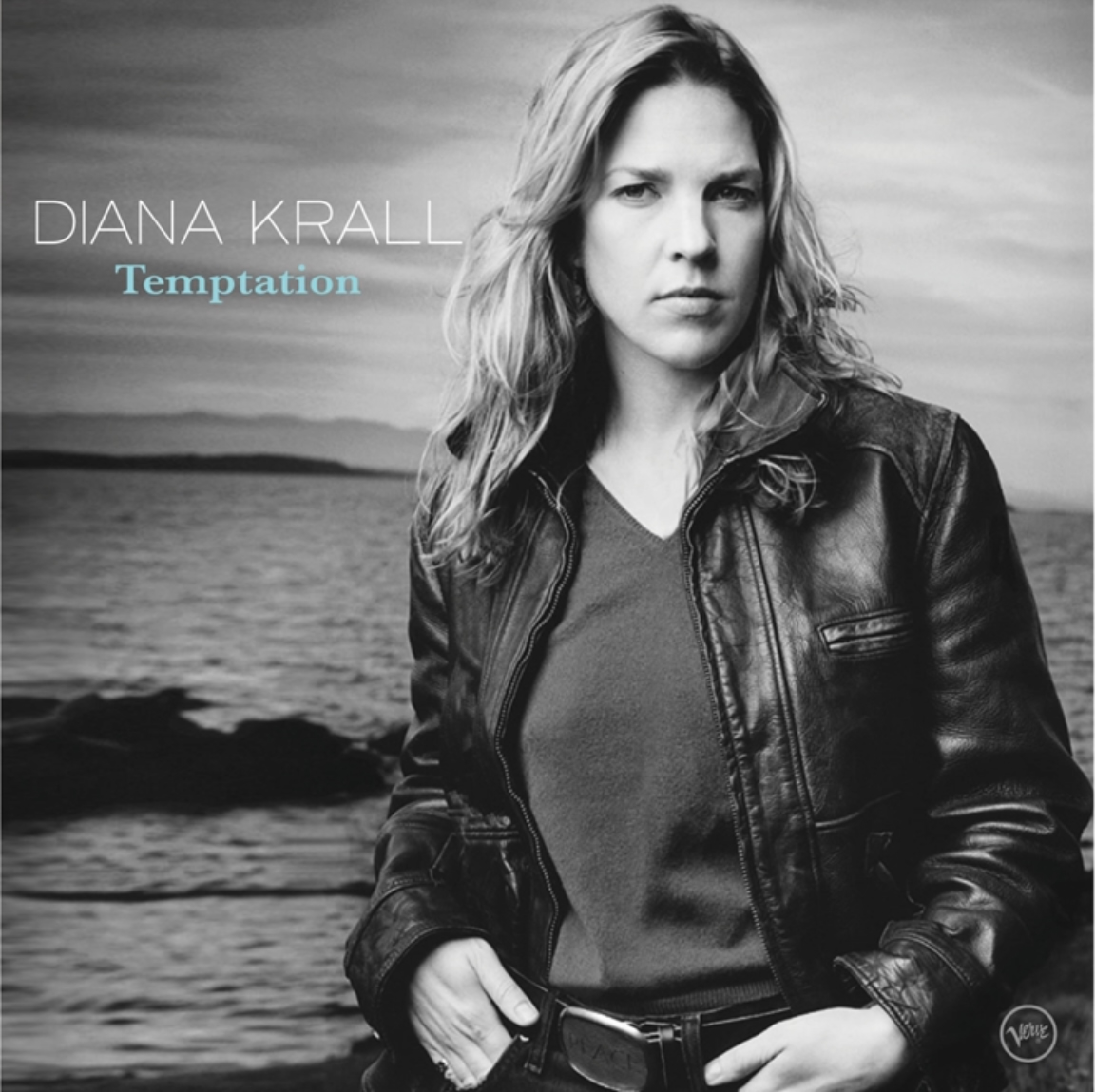


Tonal naturalness, vocal rendering, presence and positioning.
Evaluation of possible coloration or recession.
The midrange is probably the most delicate area of the entire comparison, because this is where the true character of a headphone really begins to emerge.
To evaluate tonal naturalness, vocal presence and overall midrange coherence, the main references used were Temptation, Well Well Well and Summertime.
“Temptation” proved particularly useful for analyzing microdetail, vocal positioning and the natural rendering of refined mids, thanks to the extremely intimate recording and the amount of nuance captured in Diana Krall’s voice.
“Well Well Well” highlighted texture, instrumental realism and the ability of each headphone to reproduce body and presence without sounding artificial, especially in percussion and guitar harmonics.
“Summertime” made it very easy to identify possible aggressiveness, coloration or recession in the midrange because of Janis Joplin’s raw and highly expressive vocal performance.
The three headphones interpret this area very differently, both in tonal philosophy and in overall balance.
OLLO X1
The X1 probably delivers the most neutral and linear midrange presentation of the comparison.
On “Temptation”, Diana Krall’s voice is reproduced with excellent naturalness and without obvious emphasis, maintaining a very convincing balance between presence, body and intelligibility. The presentation places vocals in a realistic and believable way, avoiding artificial forwardness or exaggerated proximity effects.
The overall impression is one of a highly transparent and monitor oriented presentation where the mids never try to impress through coloration or artificial warmth.
With “Well Well Well”, the X1 clearly reveals its ability to reproduce texture and microdetail with remarkable cleanliness, keeping vocals, percussion and guitar consistently easy to follow. Separation remains excellent even during passages rich in harmonics, while the overall presentation stays controlled and precise.
“Summertime” probably exposes the most rigorous side of the OLLO. Janis Joplin’s voice is reproduced with good tonal correctness, but without adding particular emotional emphasis or extra warmth. This makes the headphone extremely credible from a technical perspective, although slightly less emotionally engaging than the other two competitors.
Overall, the X1 offers a midrange that feels highly balanced, natural and free from obvious coloration, ideal for listeners who prioritize neutrality and tonal correctness above everything else.
Beyerdynamic DT 1990 PRO MKII
The DT 1990 PRO MKII delivers a more energetic midrange with a slightly more forward upper mid presentation compared to the OLLO.
On “Temptation”, Diana Krall’s voice feels more present and focused, with a stronger sensation of detail and definition. The rendering is extremely clear and immediate, offering a higher amount of low level detail while sounding less soft and relaxed at the same time.
The Beyerdynamic tends to emphasize vocal articulation and recording details more aggressively, creating a presentation that feels more analytical and incisive.
“Well Well Well” highlights excellent intelligibility together with impressive separation capabilities, especially in percussion and guitar harmonics. The DT 1990 PRO MKII remains highly precise even during the more complex passages, although it can also sound slightly more aggressive than the X1 in the upper mids.
This behavior becomes particularly evident with “Summertime”, where Janis Joplin’s voice gains tremendous intensity and energy, but also exposes more of the recording’s natural roughness. Beyerdynamic headphones maintain that typical sense of openness and presence that makes listening extremely detailed, although potentially less forgiving with aggressive recordings.
Overall, the DT 1990 PRO MKII delivers a midrange that feels vivid, detailed and highly engaging, with strong presence and a presentation particularly effective for listeners searching for clarity and definition.
Aune SR7000
The SR7000 offers the warmest and most musical midrange presentation of the comparison.
On “Temptation”, Diana Krall’s voice sounds fuller, softer and more enveloping compared to both open backs, with a presentation that prioritizes fluidity and musicality rather than extreme analytical focus. Vocals feel slightly more intimate and closer to the listener, contributing to a highly satisfying presentation.
The headphone adds greater harmonic weight to the center of the spectrum, giving instruments and voices more density and physicality.
“Well Well Well” clearly reveals this tuning philosophy. Percussion gains additional body and impact, while guitar harmonics feel slightly softer and rounder compared to the Beyerdynamic. Separation remains good overall, although the presentation focuses more on musical cohesion than maximum detail extraction.
On “Summertime”, the SR7000 probably delivers the most emotional interpretation of the three headphones. Janis Joplin’s voice retains energy and texture, yet is reproduced with a slight softness that makes the listening experience smoother and less aggressive over long sessions.
This approach sacrifices a small amount of incisiveness compared to the DT 1990 PRO MKII, but in return delivers a midrange that feels more relaxed and musical, particularly enjoyable with vocal recordings and acoustic instruments.
Overall, the SR7000 presents mids that feel full, fluid and highly engaging, with a tuning philosophy clearly aimed at musicality and long term listening pleasure rather than maximum neutrality.
Upper Mids
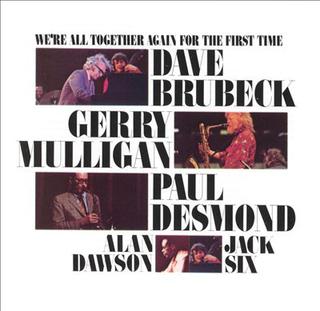

A critical region for presence, definition and perceived aggressiveness.
Evaluation of attack, intelligibility and possible listening fatigue.
The upper midrange is probably one of the most sensitive areas of the entire comparison, because this is where presence, intelligibility and perceived detail are largely defined.
It is also the region where excess energy, aggressiveness or listening fatigue tend to emerge most easily.
For this section, the main references used were Take Five and Cheek to Cheek.
“Take Five” proved especially useful for analyzing transient attack, cymbal naturalness and the way each headphone behaves in the most delicate part of the upper harmonics. The ride cymbal, constantly present throughout the track, immediately exposes possible emphasis or artificial brightness.
“Cheek to Cheek” instead focuses more on vocal presence, intelligibility and sibilance handling, quickly revealing whether the upper mids become aggressive or fatiguing during listening.
The differences between the three headphones become particularly obvious in this portion of the spectrum.
OLLO X1
The X1 maintains a very balanced and controlled approach even in the upper mids, prioritizing naturalness and tonal correctness over exaggerated detail retrieval.
With “Take Five”, the ride cymbal is immediately noticeable, yet never becomes excessively aggressive. The presentation feels linear and believable, while transient response remains clean and sufficiently fast without introducing that artificial emphasis often mistaken for additional detail.
Attack feels slightly softer compared to the DT 1990 PRO MKII, although the overall rendering remains highly natural and extremely easy to listen to over long sessions.
“Cheek to Cheek” highlights another important strength of the X1. The headphone preserves vocal intelligibility and presence without turning consonants or sibilants into overly sharp elements. Eva Cassidy’s voice maintains good definition and air, but always inside a presentation that feels controlled and relaxed.
This tuning makes the headphone particularly balanced and non-fatiguing, even if some listeners may perceive it as slightly less brilliant or incisive compared to the other two competitors.
Overall, the OLLO delivers upper mids that feel correct and well controlled, prioritizing naturalness and long term listenability.
Beyerdynamic DT 1990 PRO MKII
The DT 1990 PRO MKII is the headphone that shows the greatest energy and presence in the upper midrange.
On “Take Five”, the ride cymbal immediately sounds brighter, more defined and more incisive compared to the X1, with a stronger sensation of transient speed together with a very high amount of low level detail. Extremely fine details are reproduced very clearly, creating a presentation that feels highly open and analytical.
This tuning dramatically increases the sensation of clarity and intelligibility, although it also makes the Beyerdynamic more sensitive to aggressive or already bright recordings.
With “Cheek to Cheek”, Eva Cassidy’s voice emerges with remarkable presence and definition, but also with greater emphasis on sibilants and on the more energetic components of the recording. The presentation remains highly technical and precise, although less soft and forgiving compared to the SR7000.
The DT 1990 PRO MKII clearly prioritizes attack, detail and incisiveness, making it extremely effective for analytical and monitor oriented listening, although potentially more fatiguing during long sessions with brighter material.
Overall, the Beyerdynamic delivers the most open, aggressive and detailed upper midrange presentation of the comparison, strongly focused on precision and intelligibility.
Aune SR7000
The SR7000 adopts a softer and more natural approach in the upper mids, prioritizing fluidity and coherence over aggressive presentation.
On “Take Five”, the ride cymbal feels slightly rounder and less sharp compared to the DT 1990 PRO MKII, while still maintaining convincing presence and detail. Attack is less dry and more fluid, contributing to a presentation that feels more relaxed overall.
The headphone slightly smooths the most aggressive part of the upper harmonics, making listening more forgiving and less fatiguing over long sessions.
With “Cheek to Cheek”, Eva Cassidy’s voice sounds very natural and pleasant, with generally well controlled sibilants and a softer presentation compared to the Beyerdynamic. The SR7000 sacrifices a small amount of absolute incisiveness, but in return delivers upper mids that feel more fluid and musical.
This tuning greatly improves listening comfort, especially with less than perfect recordings or extended listening sessions.
Overall, the SR7000 delivers upper mids that feel balanced and controlled, less aggressive and analytical than the DT 1990 PRO MKII, but more relaxed and musical over time.
Extension / Air / Upper Treble

The ability of a headphone to extend into the highest part of the spectrum while maintaining naturalness, air and subtle detail without turning detail into artificial brightness.
For this part of the comparison, the main reference used was A Meeting by the River, an extremely useful recording for evaluating harmonics, decay, ambient microdetail and upper treble naturalness.
The track immediately exposes how each headphone handles the highest part of the spectrum thanks to the rich harmonic structure of the string instruments, the presence of very long natural reverbs and the amount of spatial microdetail spread throughout the recording.
More than simple brightness, what truly emerges during listening is the headphone’s ability to preserve air, openness and refinement without making the upper treble sound artificial or fatiguing.
Differences between the three models become especially evident in this area.
OLLO X1
The X1 maintains a very balanced and natural approach even in the highest part of the spectrum.
On “A Meeting by the River”, harmonics and decays are reproduced with convincing realism, never artificially exaggerating brilliance. Air between instruments remains clearly perceptible, although always inside a presentation that feels controlled and linear.
The overall impression is that of a headphone focused more on realism and tonal coherence rather than chasing an “ultra detailed” effect.
Instruments preserve a good amount of ambient microdetail, yet the rendering always stays composed and natural, avoiding any sensation of aggressiveness in the upper treble.
The X1 does not try to impress through excessive brightness or exaggerated openness. Instead, it builds a presentation that feels believable and extremely easy to listen to over long sessions.
Overall, extension is convincing and air is reproduced very naturally, while the headphone consistently maintains a controlled and monitor oriented character.
Beyerdynamic DT 1990 PRO MKII
The DT 1990 PRO MKII is the model that delivers the strongest sensation of openness and brilliance in the upper treble.
With “A Meeting by the River”, upper harmonics, ambient microdetail and fine information immediately become extremely evident. Instrument decays feel very long and easy to follow, while the sensation of air is remarkably wide and open.
The headphone clearly prioritizes precision and definition, placing stronger emphasis on the highest part of the spectrum compared to the other two competitors.
This philosophy dramatically increases the perception of detail and makes reverbs, harmonics and tiny ambient nuances extremely easy to track, although it also exposes brightness much more aggressively.
With well recorded material the result becomes highly technical and spectacular. On the other hand, recordings that are already bright or aggressive can make the DT 1990 PRO MKII feel more fatiguing over time.
Overall, it delivers the strongest sensation of air, openness and microdetail of the comparison, following a presentation strongly focused on analysis and technical precision.
Aune SR7000
The SR7000 focuses more on fluidity and musicality in the way upper treble is handled.
On “A Meeting by the River”, harmonics and ambience are reproduced very convincingly, although with a presentation that feels smoother and less aggressive compared to the DT 1990 PRO MKII. The sensation of air is surprisingly good considering the closed back structure, even if perceived openness remains slightly below the two open backs.
The SR7000 leans more toward naturalness and overall coherence rather than maximum detail exposure.
Harmonics remain present without ever becoming sharp or piercing, while decays are reproduced with a pleasing sense of continuity and fluidity.
This tuning makes the headphone particularly relaxed and easy to listen to over long sessions, especially with acoustic recordings rich in harmonics and ambient microdetail.
Overall, the SR7000 delivers upper treble that feels refined and highly musical, less extreme and analytical than the DT 1990 PRO MKII, but also less aggressive, while still preserving a convincing sensation of air despite being a closed back headphone.
Soundstage / Imaging / Separation


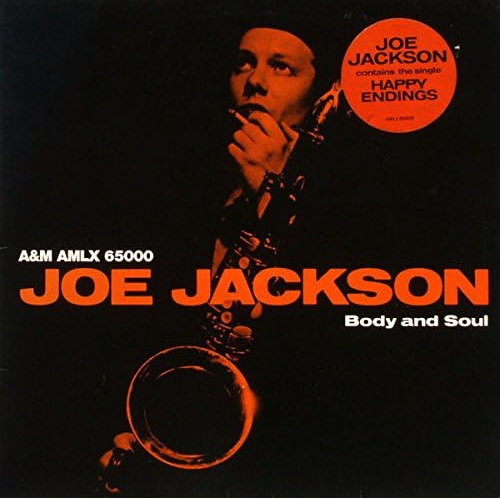
Stage width, depth, instrument focus and the ability of a headphone to preserve readability and order during more complex passages.
For this part of the comparison, the main references used were Bubbles, La Folia and Body and Soul.
“Bubbles” proved particularly useful for evaluating imaging, focus and spatial precision thanks to the constant movement of sound objects across the stage.
“La Folia” highlighted depth, air between instruments and the ability of each headphone to recreate a believable acoustic environment without collapsing the natural sense of space inside the hall.
In selected passages, organ recordings were also used to evaluate hall reconstruction, decay management and the ability to preserve spatial layering inside highly reverberant environments.
“Body and Soul” turned out to be extremely effective for evaluating stage coherence, instrument positioning and layering naturalness inside a recording that feels both dense and highly realistic.
The three headphones approach this aspect very differently, especially regarding stage construction, focus and overall spatial presentation.
OLLO X1
The X1 delivers a soundstage that feels highly correct and believable, following an approach that prioritizes precision and coherence over artificial spatial exaggeration.
On “Bubbles”, the headphone shows very good focus, keeping moving sound objects easy to follow and sufficiently precise during lateral movement. Imaging feels stable and organized, without heavily emphasized effects, while the overall rendering remains natural and controlled.
The stage prioritizes accurate spatial reconstruction over exaggerated width.
With “La Folia”, depth and air between instruments immediately become noticeable. The X1 preserves the atmosphere of the hall very convincingly without excessively compressing layering, creating a presentation that feels balanced and realistic.
“Body and Soul” further reinforces this behavior. Instruments are distributed clearly across the stage and remain easy to identify, while separation stays very solid together with a general sensation of order and transparency.
Overall, the OLLO delivers a soundstage that feels very credible and monitor oriented, supported by precise imaging and a strong ability to preserve intelligibility and separation even during complex passages.
Beyerdynamic DT 1990 PRO MKII
The DT 1990 PRO MKII is probably the headphone that delivers the strongest sensation of lateral openness and analytical separation.
On “Bubbles”, imaging feels extremely precise, with sound objects moving in a very sharp and easily traceable way. The headphone shows excellent focusing ability together with a remarkable sensation of lateral space, contributing to a presentation that feels very wide and airy.
The Beyerdynamic clearly emphasizes spatial precision and scene readability, creating a presentation that feels highly technical and detailed.
“La Folia” reveals strong instrument separation inside the acoustic environment, while depth and layering remain very easy to perceive. The stage feels wide and highly open, although slightly more oriented toward spatial analysis than toward fully organic environmental reconstruction.
“Body and Soul” perfectly highlights the strengths of the DT 1990 PRO MKII regarding separation. Every instrument occupies a very defined and easily identifiable position, while the sensation of micro separation is superior compared to the other two headphones.
Overall, the Beyerdynamic delivers the widest and most analytical soundstage of the comparison, combining extremely precise imaging with outstanding separation, clearly prioritizing clarity and technical reading of the soundstage.
Aune SR7000
The SR7000 offers a very particular and interesting approach to soundstage reconstruction.
Despite being a closed back headphone, it manages to preserve a surprisingly believable sense of space, avoiding the overly intimate or “inside the head” sensation that often affects many closed designs.
On “Bubbles”, imaging feels slightly less extreme and surgical compared to the DT 1990 PRO MKII, although still very convincing and natural. Sound objects remain easy to identify and the stage preserves a good sense of openness overall.
The most interesting aspect becomes especially evident with “La Folia” and “Body and Soul”. The SR7000 tends to build a presentation that feels slightly more frontal compared to the other two headphones, almost resembling the experience of listening through speakers rather than the classic lateral presentation typical of many headphones.
This sensation is probably also connected to the angled driver positioning, which slightly shifts sound perception forward and increases the naturalness of spatial reconstruction.
The effect never feels artificial or exaggerated, yet it is strong enough to make the stage feel highly believable and particularly enjoyable during long listening sessions.
With “Body and Soul”, this behavior becomes very clear. Instruments and vocals are distributed in an organic and cohesive way, while depth remains convincing together with a very natural sense of involvement.
Separation also remains highly competent during complex passages, although the presentation prioritizes cohesion and fluidity over the extreme micro separation delivered by the DT 1990 PRO MKII.
The final result is a soundstage that feels highly musical and believable, less wide and analytical than the Beyerdynamic, but more organic and natural in the way frontal space is reconstructed.
Dynamics / Speed / Complexity

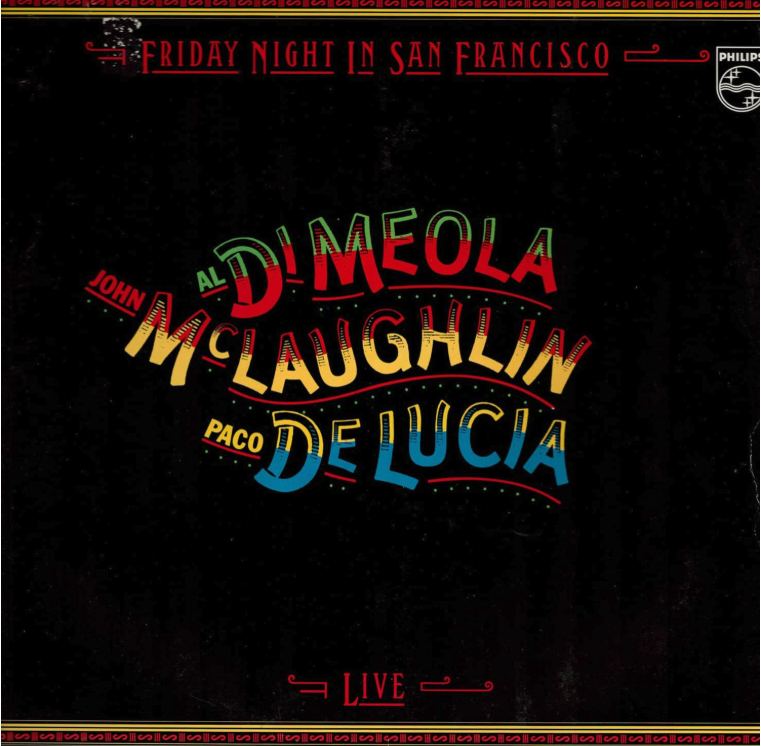
The ability of a headphone to handle dynamic swings, transient speed, dense musical passages and maintain intelligibility during the most complex moments.
For this section, the main references used were Free Bird and Short Tales of the Black Forest.
“Free Bird” proved especially useful for evaluating macro dynamics, energy and the ability of each headphone to preserve control during the famous finale packed with layered guitars, rapid transients and extremely dense arrangements.
“Short Tales of the Black Forest” instead highlighted driver speed, microdynamics, transient precision and separation capabilities inside an exceptionally fast and complex live recording.
Differences between the three headphones become very obvious precisely in the way they manage energy and musical complexity.
OLLO X1
The X1 approaches dynamics and speed with a highly controlled and rigorous philosophy, prioritizing readability and order over spectacular impact.
On “Free Bird”, the headphone preserves intelligibility and separation very effectively even during the long finale filled with dense overlapping instrumentation. Individual guitar lines remain relatively easy to distinguish and the mix rarely collapses, showing very solid handling of complexity.
Perceived impact, however, feels more restrained compared to the other two headphones. The X1 clearly prioritizes control and tonal correctness rather than aggressiveness or physical dynamic punch.
With “Short Tales of the Black Forest”, the driver’s overall speed becomes immediately apparent. Guitars remain precise and intelligible even during the fastest passages, while transients stay controlled and the presentation preserves a strong sense of order throughout the live recording.
Microdynamics feel natural and highly correct, although less explosive or dramatic compared to the DT 1990 PRO MKII.
Overall, the OLLO delivers dynamics that feel balanced and technically refined, combining strong readability with convincing complexity management, while prioritizing precision and coherence over pure physical impact.
Beyerdynamic DT 1990 PRO MKII
The DT 1990 PRO MKII is probably the headphone that delivers the strongest sensation of speed, reactivity and dynamic aggression.
On “Free Bird”, the famous finale feels extremely energetic and engaging. Guitars emerge with remarkable attack and definition, while the headphone maintains excellent separation even during the most crowded moments of the mix.
Transient speed is particularly evident and contributes heavily to the sensation of dynamic impact and overall responsiveness.
“Short Tales of the Black Forest” probably highlights one of the Beyerdynamic’s greatest strengths. The two guitars are reproduced with outstanding precision and rapidity, preserving excellent intelligibility even during the fastest and most technically demanding passages.
The headphone tracks dynamic shifts and microtransients extremely well, creating a sensation of immediacy and control that feels exceptionally high.
This interpretation makes the DT 1990 PRO MKII extremely impressive from a technical perspective, although also slightly more aggressive and less relaxed over long sessions compared to the SR7000.
Overall, the Beyerdynamic delivers the fastest, most incisive and most analytical presentation of the comparison, with excellent management of dynamics, transient response and musical complexity.
Aune SR7000
The SR7000 offers dynamics that feel highly physical and satisfying, following an approach that is slightly less aggressive than the DT 1990 PRO MKII, yet extremely enjoyable and musical.
On “Free Bird”, the finale still delivers strong energy and convincing separation, although with a presentation that feels slightly smoother and less sharp compared to the Beyerdynamic. Guitars sound fuller and the overall sense of impact becomes particularly engaging.
The headphone clearly prioritizes density and musicality over maximum transient aggression.
With “Short Tales of the Black Forest”, the SR7000 reveals surprisingly good speed considering its closed back design. Guitars remain readable and well separated, while the live presentation preserves a very pleasant sense of fluidity and involvement.
The SR7000 does not quite reach the surgical transient precision of the DT 1990 PRO MKII during the fastest passages, although it delivers dynamics that feel more natural and less fatiguing over time.
Perhaps the most interesting aspect is the headphone’s ability to preserve energy and impact without becoming excessively aggressive or analytical.
Overall, the SR7000 delivers dynamics that feel organic and physical, with good speed and excellent handling of complexity, prioritizing fluidity and listening pleasure over maximum analytical precision.
Musicality / Overall Balance
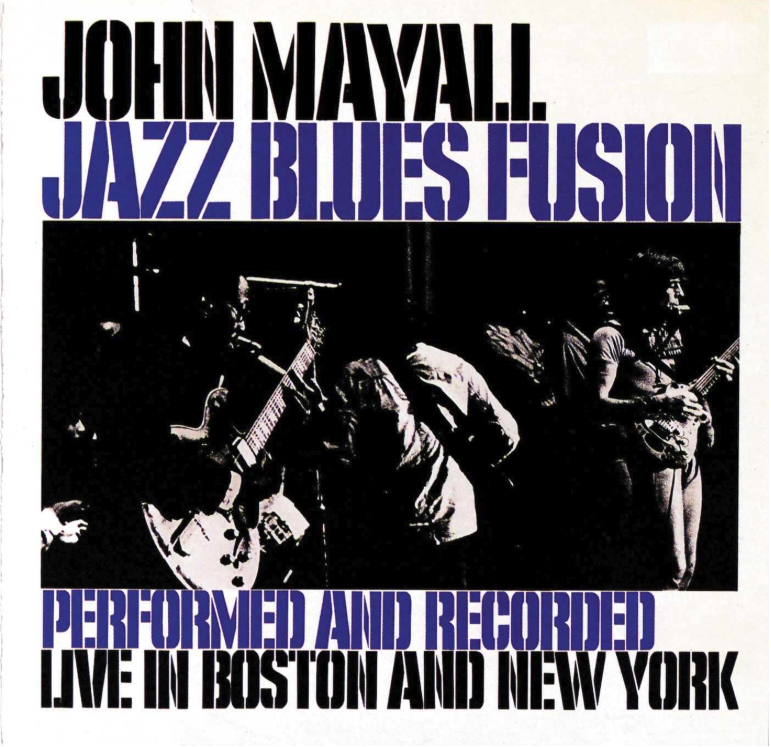
The ability of a headphone to create involvement without constantly pushing the listener toward a purely analytical experience.
Balance between technical performance, naturalness and emotional engagement.
For this part of the comparison, the main reference used was Change Your Ways from Jazz Blues Fusion.
The track proved particularly effective because it manages to combine many different aspects at the same time: dynamics, acoustic and electric instruments, vocals, groove, bass articulation, brass naturalness and the ability of a headphone to preserve musical cohesion without turning everything into a purely technical exercise.
Rather than focusing on isolated detail, this kind of listening reveals the true character of a headphone:
• how much it encourages you to simply listen to music
• how well it maintains overall balance
• how naturally technical ability and emotional involvement coexist
It is probably the most subjective test of the entire comparison, but also the one that ultimately determines long term listening pleasure.
OLLO X1
The X1 continues to preserve its highly neutral and analytical philosophy even in this context.
On “Change Your Ways”, the headphone reproduces the track with excellent tonal correctness and strong overall intelligibility, while instruments, vocals and rhythm section remain consistently well separated. Nothing feels artificially emphasized and tonal balance stays coherent throughout the entire performance.
What stands out most is the sensation of transparency and control. The X1 tends to expose the recording itself without adding additional warmth or coloration.
This philosophy makes the headphone particularly credible and technically correct, especially for listeners searching for a more analytical or professional listening approach.
At the same time, compared to the other two headphones, the OLLO slightly prioritizes observation and precision over emotional immersion. Groove remains easy to follow, although less physical and less engaging compared to the SR7000 or the DT 1990 PRO MKII.
Overall, the X1 delivers a presentation that feels highly linear and refined, particularly suited to listeners who prioritize neutrality, tonal correctness and monitor oriented listening.
Beyerdynamic DT 1990 PRO MKII
The DT 1990 PRO MKII offers a balance clearly oriented toward technical performance and dynamic energy, combined with a very strong sensation of detail and presence.
On “Change Your Ways”, dynamics, microinformation and the headphone’s ability to expose every nuance of the recording immediately become obvious. The rhythm section feels extremely lively and reactive, while instruments and vocals remain sharply focused and highly intelligible.
The Beyerdynamic manages to transmit remarkable energy and involvement, largely thanks to transient speed and the strong sensation of overall openness.
Perhaps the most interesting aspect is the headphone’s ability to maintain a very high technical level without completely sacrificing musicality. Even so, the DT 1990 PRO MKII constantly pushes the listener toward a more analytical approach, continuously highlighting detail, separation and microcontrast.
This behavior makes the headphone extremely fascinating and technically impressive, although slightly less relaxed and spontaneous than the SR7000 during very long listening sessions.
Overall, it delivers a presentation strongly focused on precision, dynamics and technical involvement, while still preserving a convincing ability to communicate energy and emotion.
Aune SR7000
The SR7000 is probably the headphone that achieves the most natural balance between technical ability and musicality.
On “Change Your Ways”, the track immediately gains body, fluidity and groove. The presentation feels highly organic and cohesive, with instruments and vocals integrating naturally without constantly projecting detail into the foreground.
The headphone preserves a good amount of technical information, although it presents everything in a more relaxed and musical way compared to the DT 1990 PRO MKII.
Perhaps the most convincing aspect is the SR7000’s ability to make the listener perceive the track as a whole, without continuously encouraging analysis of individual details. The presentation remains dynamic and emotional, yet also fluid enough to feel extremely natural over long listening sessions.
Cohesion remains one of its strongest qualities throughout the entire listening experience.
And it is precisely this cohesion that makes the SR7000 so engaging over time.
The final impression is probably the most convincing balance between technical ability, musicality and listening pleasure, making it the headphone most capable of encouraging immersion in the music itself rather than in the purely technical behavior of the recording.
Desktop vs Mobile Test / Scalability
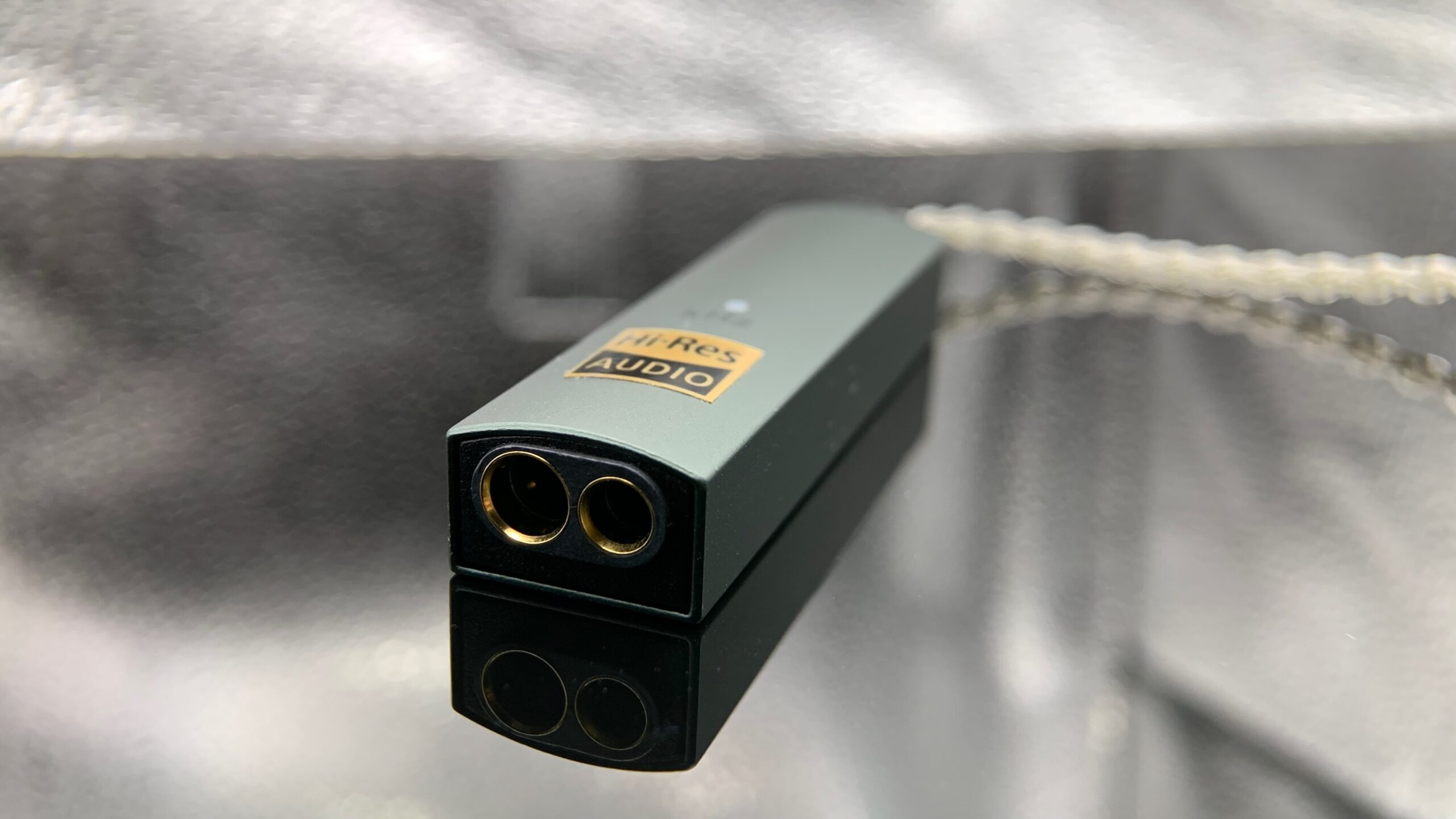
After completing the listening sessions with the main desktop setup, a second round of testing was carried out using the iFi GO Link Max connected directly to an iPhone 17 and MacBook Air M2.
The purpose of this test was not to evaluate the absolute technical quality of the headphones, but rather to understand how much of their character remains intact when moving to a far more compact and less powerful source compared to the desktop chain built around the Aune N7 and iFi ZEN DAC Signature V2.
More than absolute differences in detail retrieval or extreme performance, this type of evaluation mainly highlights:
• ease of drivability
• tuning consistency
• loss or preservation of dynamics
• soundstage behavior
• the headphone’s ability to remain enjoyable even in a portable context
Differences between the three models become fairly obvious during this phase of the comparison.
OLLO X1
The X1 is probably the headphone that changes the most when moving from the desktop setup to the dongle.
Its overall character remains coherent, preserving the same neutral, linear and monitor oriented philosophy that emerged throughout the comparison, although part of the perceived dynamics and body inevitably becomes reduced.
Sub bass loses a bit of depth and pressure, while the mid bass feels drier and less textured compared to the presentation achieved through the Aune N7. Soundstage also becomes slightly more compact, although precision and tonal correctness remain convincing overall.
The midrange continues to be one of the headphone’s strengths even in portable use. Vocals and instruments preserve excellent intelligibility together with a very natural presentation.
The X1 therefore remains perfectly usable with the GO Link Max, although it is probably the headphone that benefits the most from a more substantial desktop chain, especially regarding dynamics, body and the overall sensation of headroom.
Beyerdynamic DT 1990 PRO MKII
The DT 1990 PRO MKII surprisingly preserves a large portion of its character even when paired with the dongle.
Speed, detail and the sensation of openness remain immediately recognizable, together with the excellent separation and intelligibility already observed during desktop testing.
The most noticeable change affects physical dynamic impact. With the GO Link Max, the headphone loses part of the authority and slam that the Aune N7 is capable of delivering more convincingly.
Soundstage remains wide and easy to read, although slightly less airy and layered compared to the full desktop configuration.
Perhaps the most interesting aspect is that the DT 1990 PRO MKII still manages to preserve a very strong sensation of technical precision and speed even with such a compact source.
At the same time, however, upper mids and treble become slightly more exposed and drier through the dongle, making the headphone feel somewhat less smooth and relaxed compared to the complete desktop chain.
Overall, the Beyerdynamic scales extremely well with higher level amplification, yet already delivers a very convincing and coherent presentation even with the GO Link Max, fully preserving its technical and analytical identity.
Aune SR7000
The SR7000 is probably the headphone that preserves balance and overall engagement most effectively even when used with the dongle.
Although it clearly benefits from the additional headroom and control offered by the desktop setup, the overall character remains surprisingly coherent in portable use as well.
Sub bass, body and musicality remain strongly present, with less noticeable losses compared to what happens with the two open back headphones.
Soundstage becomes slightly smaller compared to the desktop configuration, although it still preserves the slightly frontal and organic presentation that characterizes the SR7000 thanks to its angled driver positioning.
Dynamics also remain very convincing. The GO Link Max manages to preserve good energy together with a presentation that still feels lively and satisfying, without ever giving the impression of a headphone that is particularly difficult to drive.
The SR7000 loses some absolute microdetail and extreme precision compared to the complete desktop chain, although it continues to provide a highly balanced, musical and enjoyable listening experience even in portable use.
Overall, it is probably the headphone that offers the best compromise between quality, drivability and consistency when moving from desktop to mobile listening.
FINAL COMPARATIVE TABLE
| Characteristic | OLLO X1 | Beyerdynamic DT 1990 PRO MKII | Aune SR7000 |
| Sub Bass | Controlled and linear | Deep and dynamic | Physical and immersive |
| Low Frequency Control | Very strict | Fast and precise | Solid and musical |
| Punch / Slam | Dry but accurate | Energetic and fast | Full and physical |
| Bass Speed | Very fast | Extremely fast | Fluid but less sharp |
| Mid Bass | Neutral and clean | Energetic and textured | Warm and full bodied |
| Harmonic Body | Light and monitor oriented | Moderately full | Dense and enveloping |
| Midrange | Natural and linear | Present and detailed | Fluid and musical |
| Vocals | Correct and neutral | Highly focused | Full and engaging |
| Microdetail | High but natural | Extremely evident | Softer and more integrated |
| Upper Mids | Balanced and controlled | Very open and incisive | Smooth and relaxed |
| Sibilance Control | Excellent | More exposed | Very controlled |
| Treble Extension | Natural and coherent | Very extended and airy | Refined and fluid |
| Air / Extreme Treble | Credible and composed | Wide and analytical | Musical and smooth |
| Soundstage | Natural and monitor oriented | Very wide and open | Organic and frontal |
| Stage Depth | Correct and realistic | Very readable | Engaging and cohesive |
| Imaging | Precise and stable | Surgical and analytical | Natural and believable |
| Instrument Separation | Ordered and transparent | Extremely defined | Fluid and musical |
| Dynamics | Controlled and composed | Explosive and aggressive | Physical and engaging |
| Transients | Fast but controlled | Extremely fast and incisive | Softer and more fluid |
| Musicality | Balanced and neutral | Technical and engaging | Natural and immersive |
| Emotional Involvement | Rational and monitor oriented | Energetic and spectacular | Fluid and relaxed |
| Long Term Comfort Listening | Very high | More fatiguing | Extremely relaxed |
| Drivability | Benefits from strong amplification | Scales very well | Highly versatile |
| Scalability | Very noticeable | Very noticeable | More balanced even in mobile use |
| Comfort | Light and stable | Solid and comfortable | Very comfortable and enveloping |
| Build Quality | Essential and functional | Extremely robust | Solid and refined |
| Overall Philosophy | Monitor / neutral | Technical / analytical | Musical / immersive |

WHO THEY ARE FOR
After the entire technical comparison, this is probably the most important section of the whole review.
All three headphones operate at a very high technical level, yet they reach their final result through profoundly different philosophies.
There is no absolute winner here, because a large part of the choice depends on:
• listening habits
• personal taste
• sensitivity toward detail or musicality
• preferred music genres
• listening session length
• the type of audio chain being used
Rather than deciding which headphone is objectively better, the real goal is understanding which interpretation of music reproduction comes closest to your own preferences.
OLLO X1
The X1 is probably the headphone most strongly oriented toward neutrality, tonal correctness and monitor style listening.
Its philosophy prioritizes control, balance and transparency, maintaining a very coherent presentation across the entire frequency range without chasing artificial emphasis or exaggerated spectacle.
This is a headphone that shines most during attentive and thoughtful listening sessions, where precision and naturalness become more important than immediate impact.
Particularly suitable for:
• jazz
• acoustic music
• chamber classical
• natural live recordings
• editing and production work
It also performs extremely well during long listening sessions thanks to a presentation that always remains controlled and non-fatiguing.
It may be less suitable for listeners searching for:
• highly physical bass
• aggressive dynamics
• spectacular presentation
• immediate “wow effect”
It is probably the most rigorous and monitor oriented headphone of the comparison.
Beyerdynamic DT 1990 PRO MKII
The DT 1990 PRO MKII is the most technical, fastest and most analytical headphone of the comparison.
Its personality emerges immediately through exceptional detail retrieval, extremely fast transients, very strong separation and a wide, airy soundstage. It constantly highlights structure and microinformation inside the recording, creating a listening experience that feels extremely precise and dynamic.
Particularly suitable for:
• technical rock
• progressive
• metal
• fusion
• detailed electronic music
• analytical listening
• mixing and monitoring
With high quality recordings, it can become genuinely impressive from a technical perspective, delivering outstanding speed, control and intelligibility.
At the same time, it also requires:
• good recordings
• a capable audio chain
• some tolerance toward a very open and direct presentation
The upper range remains more exposed compared to the other two headphones and over long sessions it may feel less relaxed or more fatiguing for certain listeners.
It is probably the ideal choice for listeners searching for:
• precision
• energy
• dynamics
• separation
• maximum technical insight into the recording
while sacrificing some smoothness and forgiveness in favor of absolute performance.
Aune SR7000
The SR7000 is probably the most balanced headphone in terms of pure listening pleasure.
While still maintaining a very high technical level, its philosophy prioritizes fluidity, harmonic body and overall engagement, delivering a presentation that feels cohesive and natural without constantly dissecting the music from a purely technical perspective.
Its particular soundstage presentation, slightly more frontal and organic compared to many traditional headphones, also contributes to a highly immersive and believable experience.
Particularly suitable for:
• classic rock
• blues
• jazz
• live recordings
• fusion
• long listening sessions
• mixed desktop and portable use
It is probably the most versatile headphone of the comparison and also the one that preserves balance and musicality most effectively when paired with simpler or portable sources.
It may be less suitable for listeners searching for:
• maximum monitor neutrality
• constant hyper detail
• aggressive dynamics
• a strongly analytical presentation
yet it achieves a very convincing balance between technical performance, naturalness and genuine listening enjoyment.
It is also the headphone most likely to make you listen to entire albums without constantly focusing on individual technical aspects of the recording.
CONCLUSIONS
After reaching the end of this comparison, the clearest impression is that these three headphones represent three very different interpretations of the same objective, finding the most personal and convincing way to experience music.
The differences that emerged during listening sessions are real and, in some cases, very obvious, especially in the way each model approaches dynamics, tonal balance, soundstage presentation and emotional involvement.
The OLLO X1 is probably the most rigorous and monitor oriented proposal of the comparison.
Its philosophy focuses on neutrality, tonal correctness and control, delivering a presentation that feels highly linear and transparent. It is the most specialized headphone for listeners searching for analysis, balance and naturalness without artificial emphasis or exaggerated coloration.
The Beyerdynamic DT 1990 PRO MKII instead represents the most technical and performance oriented side of the comparison.
Speed, detail retrieval, dynamics and separation are clearly its ideal territory, delivering an extremely energetic and satisfying presentation for listeners who enjoy hearing every nuance inside a recording. It is probably the most technical and analytical headphone of the group.
The Aune SR7000, on the other hand, places fluidity, musicality and overall listening pleasure at the center of its philosophy.
Even while maintaining a very high technical level, it consistently prioritizes cohesion, harmonic body and emotional involvement, making it probably the most balanced and versatile headphone of the three, especially for daily listening and longer sessions.
And this is exactly where the most interesting aspect of the entire comparison begins to emerge.
Different Approaches to the Same Goal
None of these headphones ever feels truly “wrong”.
Approach, priorities and personality may change significantly, but all three share a very strong common foundation, the ability to reproduce music in a way that feels believable and genuinely satisfying, simply through different philosophies.
Some listeners will prefer:
• surgical precision
• monitor neutrality
• emotional involvement
• the widest soundstage
• the most physical bass response
• the most relaxed listening experience
and precisely because of this, declaring an absolute winner would feel unnecessarily reductive.
More than deciding which headphone is objectively “better”, this comparison demonstrates how deeply the very concept of listening quality is connected to personal sensitivity and individual taste.
In the end, all three headphones are searching for the same thing:
allowing us to experience music in the way that feels closest to how we personally live it.
ACKNOWLEDGMENTS AND TRANSPARENCY
Special thanks go to the brands and people who made this comparison possible through their availability, dialogue and support during the preparation of the review.
Part of the equipment used during testing was provided on loan or supplied for review and editorial comparison purposes.
This did not influence content, impressions or conclusions in any way throughout the article.
Every evaluation included in this comparison comes exclusively from personal listening sessions carried out under identical operating conditions, using the same audio chain and the same musical references for every headphone involved in the test.
The goal of this review is not to promote a specific product or declare an absolute winner, but to provide the most honest, coherent and useful overview possible of the different sonic philosophies represented by these models.
Every consideration reported here reflects only direct experience, personal preferences and listening impressions developed throughout the evaluation process.
As always in the audio world, an important part of the final result inevitably remains subjective:
• personal taste
• listening habits
• music genres
• source equipment
• individual sensitivity
can all deeply influence the final perception of a headphone.
For this reason, the comparison was intentionally structured around describing differences, character and approach for each model, leaving readers free to identify the solution that comes closest to their own way of listening to music.
Official Product Pages





No Comment! Be the first one.