






























































Disclaimer:
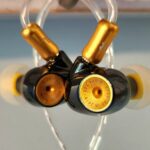
Letshuoer is finally back with a new planar driver, the Lethsuoer Astralis, an even larger one, completely new, but the shells are based on the previous ones, but this time using a CNC shell. The new 15.5mm planar driver has a new signature, especially compared to the previous ones, which were usually brighter. This one is aiming for Hidizs MP145 territory, truly stealing a piece of its crown.
Table Of Content
However, the review will still be 100% honest and in no way biased.
I’m not an audiophile; I’m just a guy who likes to test out different IEMs and DACs and spends a lot of time listening to music.
So I’m not going to use super technical words to review it, but I will do my best to describe it.
Tech Specs:
- Chassis Material: CNC aluminium
- Frequency Response: 20Hz~40kHz
- Impedance: 20Ω
- Sensitivity: 104dB
- Audio connectors:3.5mm/4.4mm interchangeable connectors
- Cable: 1.2m 216-strands silver-plated monocrystalline copper
- Driver: New 15.5mm planar driver
Packaging:


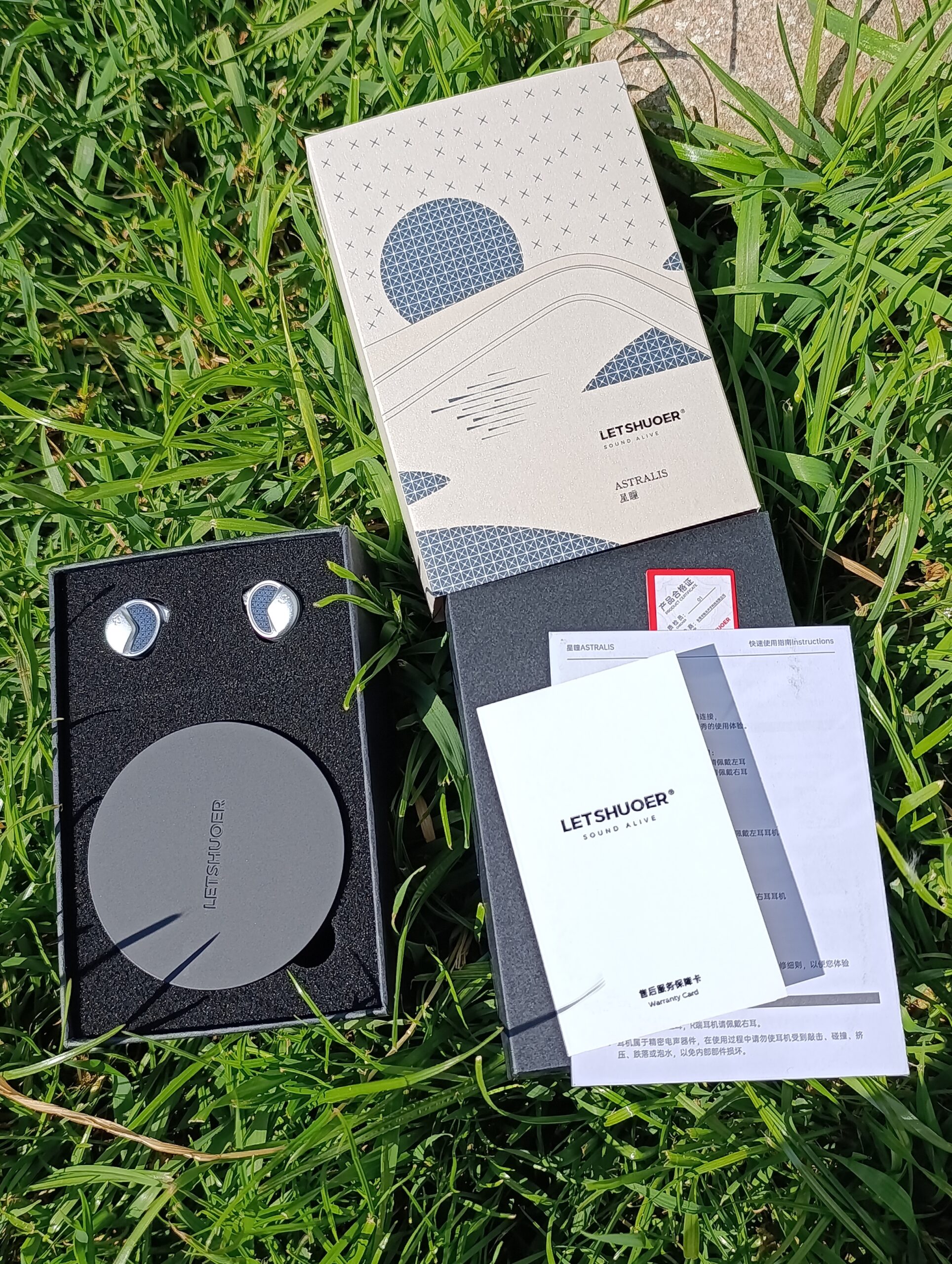
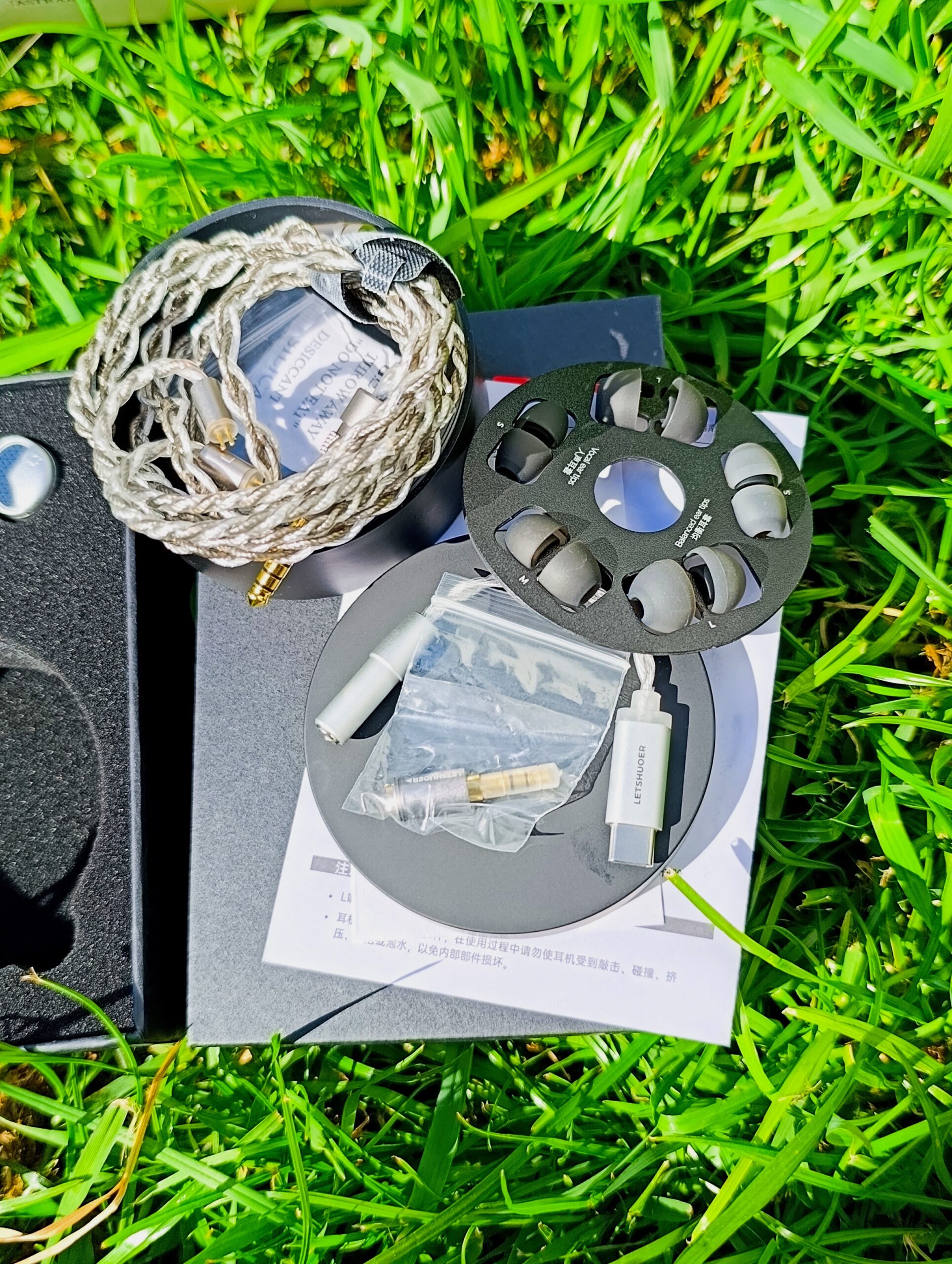
Compared to the more expensive recently released IEMs, the packaging is simpler, but it includes practically the same features as the more expensive ones.
In fact, inside the Letshouer Astralis, we find:
- A nice modular cable
- 3.5 mm and 4.4 mm jacks
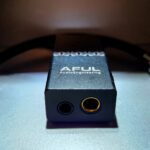
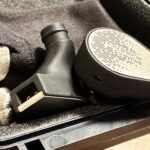
- A 3.5 mm dongle
- 6 pairs of eartips of two different types
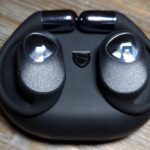
- Rigid case
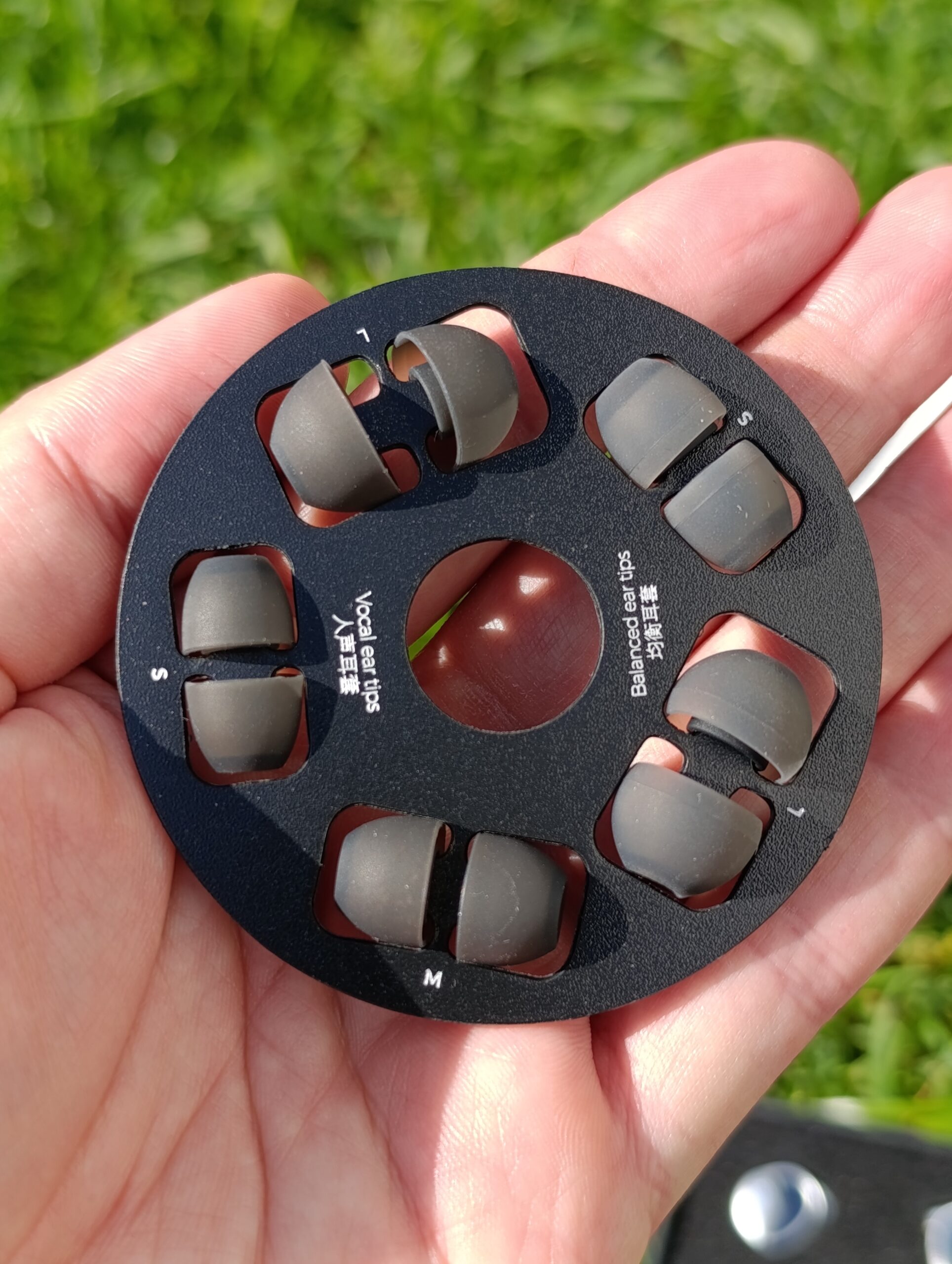
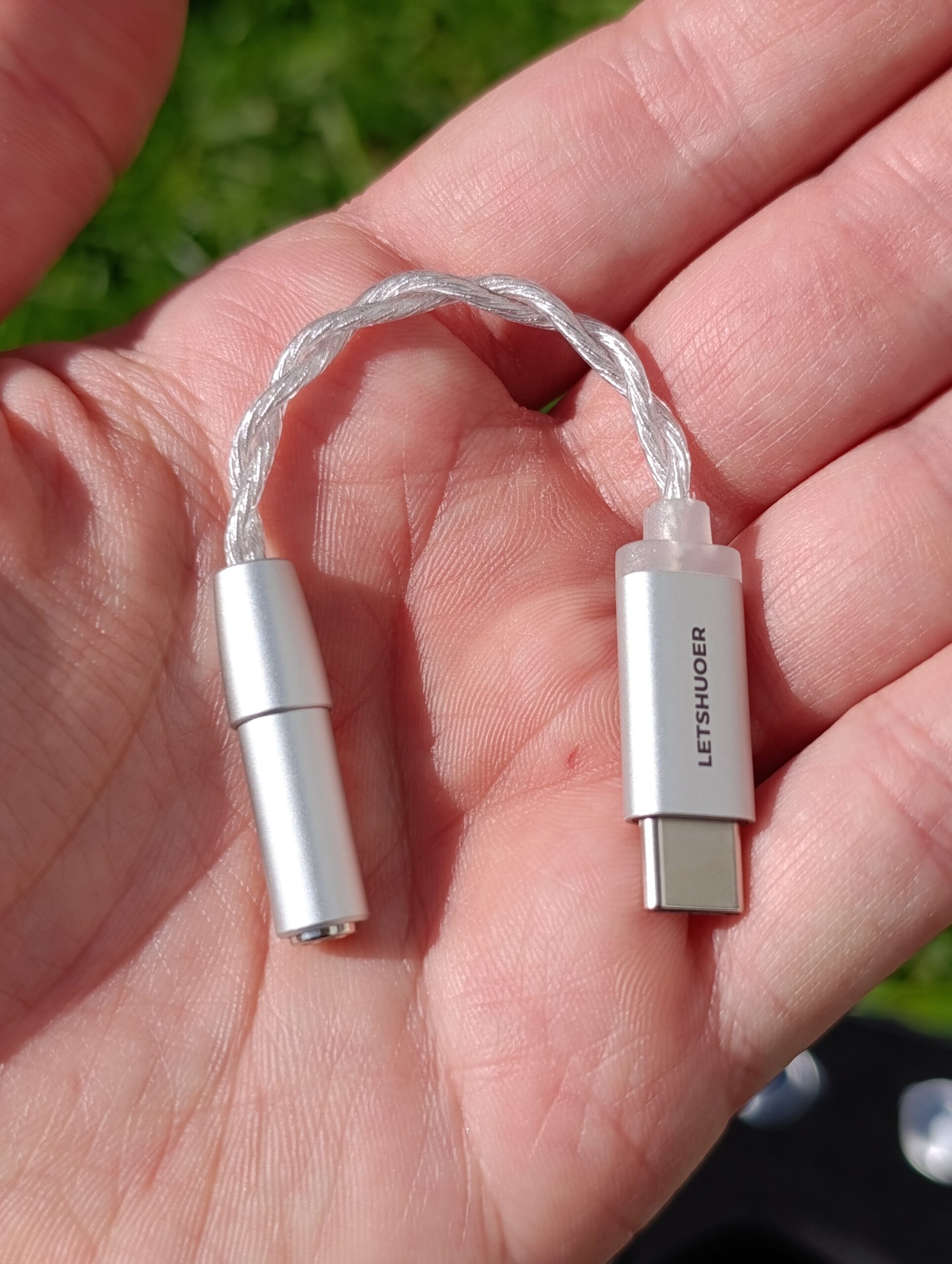
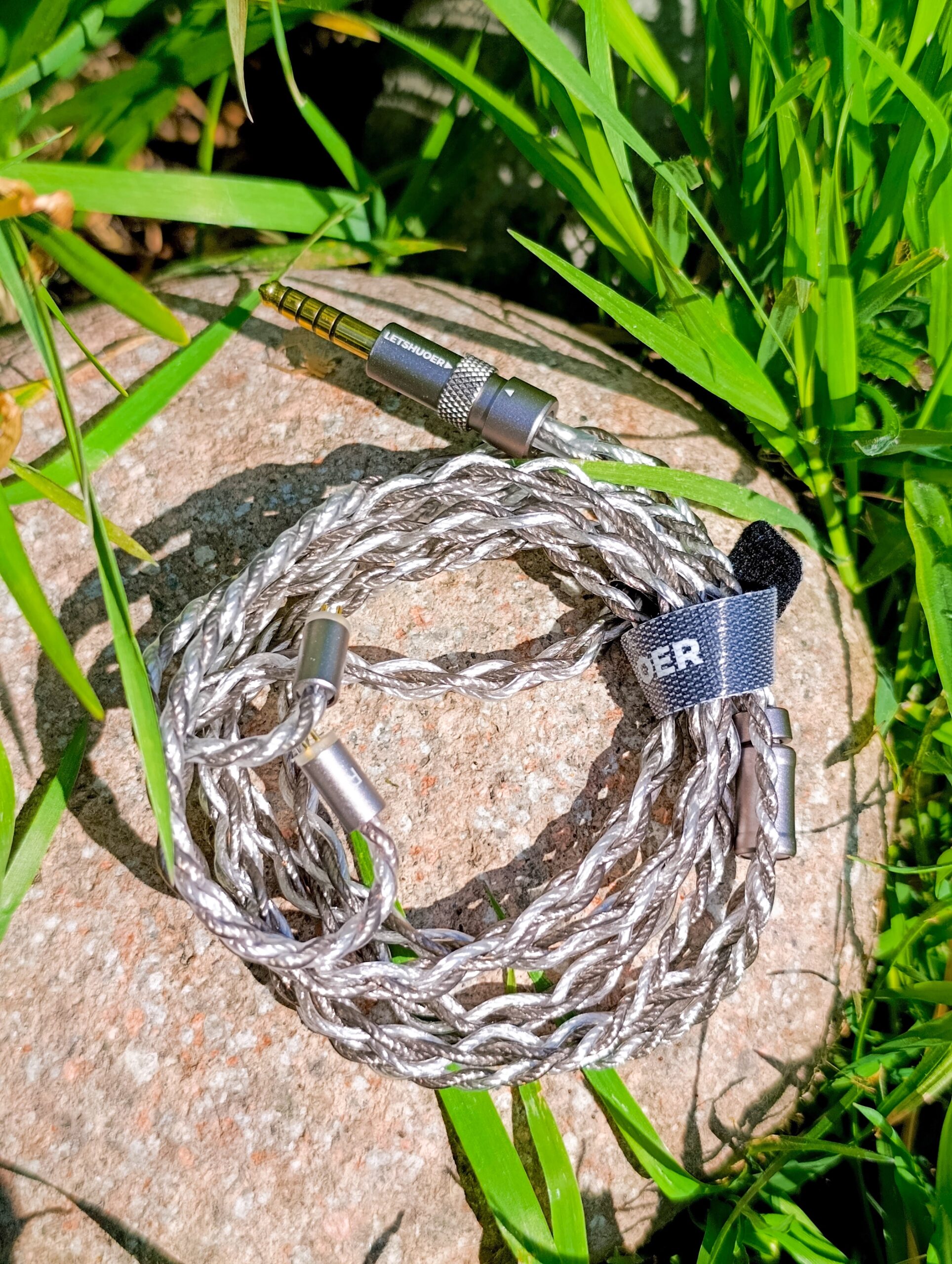
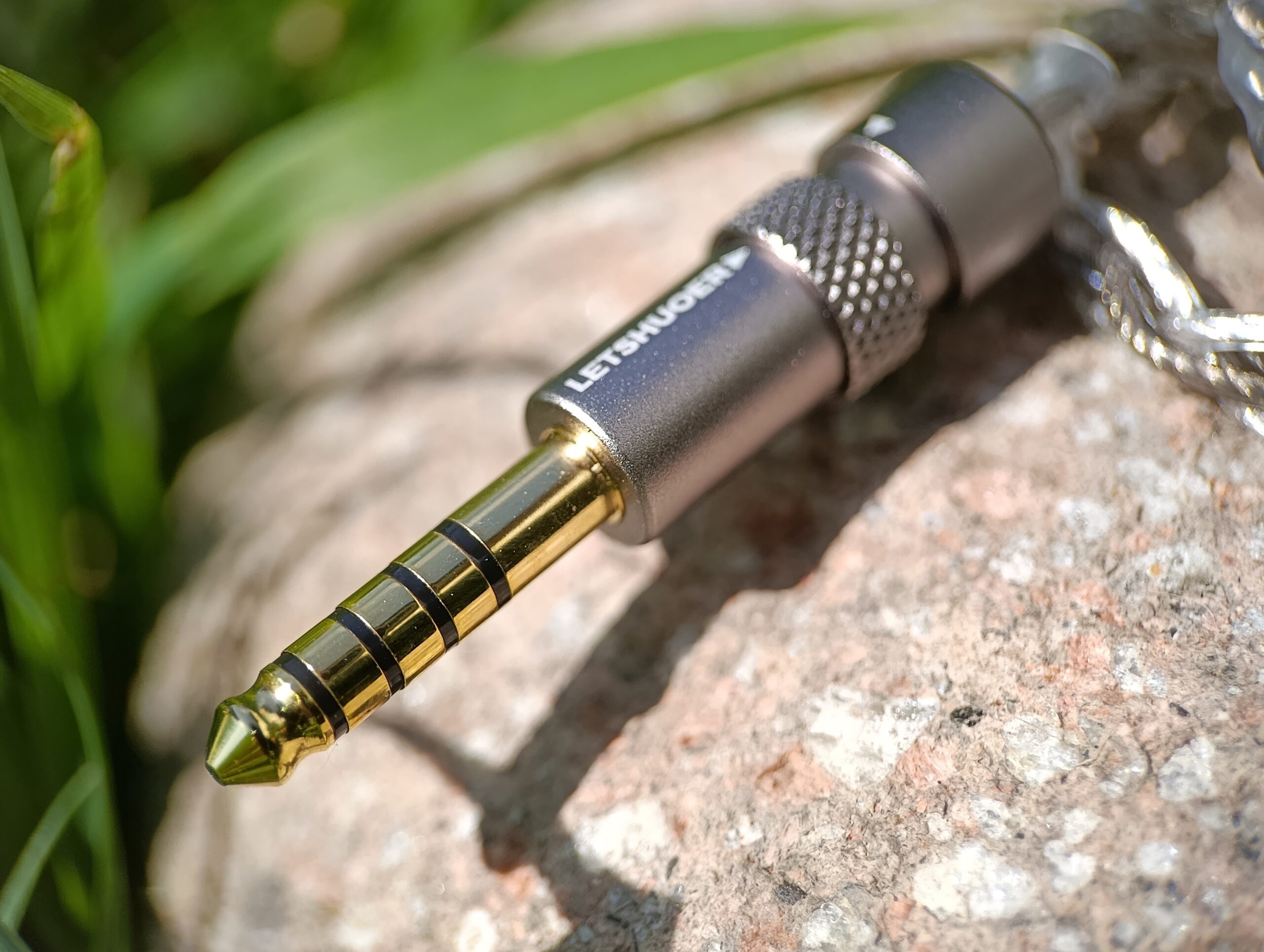
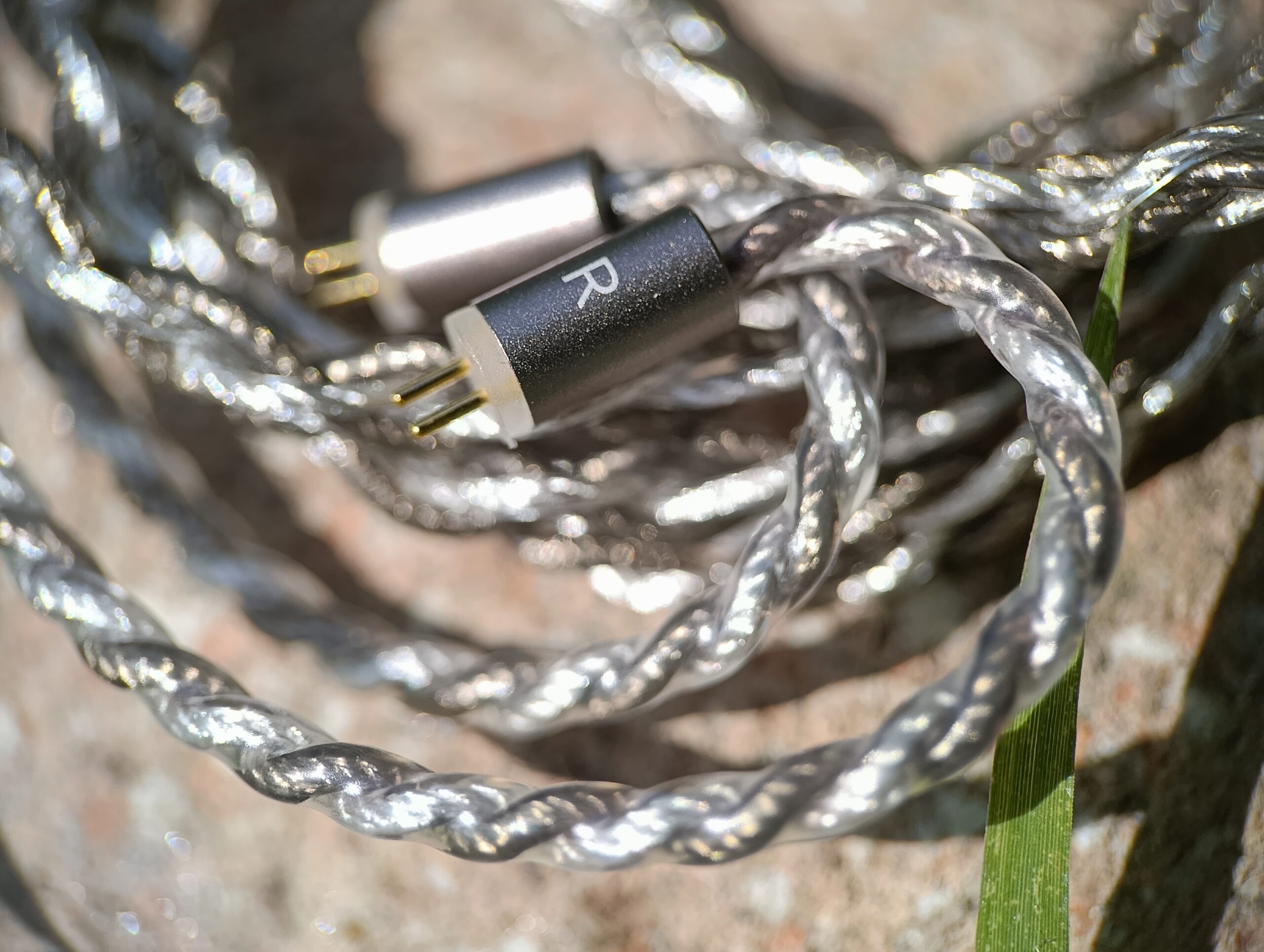

The package is very respectable, especially considering it’s a next-generation planar IEM for under $200. The 3.5 mm dongle is honestly a nice accessory, but in my opinion, it needs more power. It’s now well known that for the best response from this type of driver, it’s best to use fairly powerful amplifiers. However, the cable is excellent, and the eartips aren’t bad.
Design/Build quality:
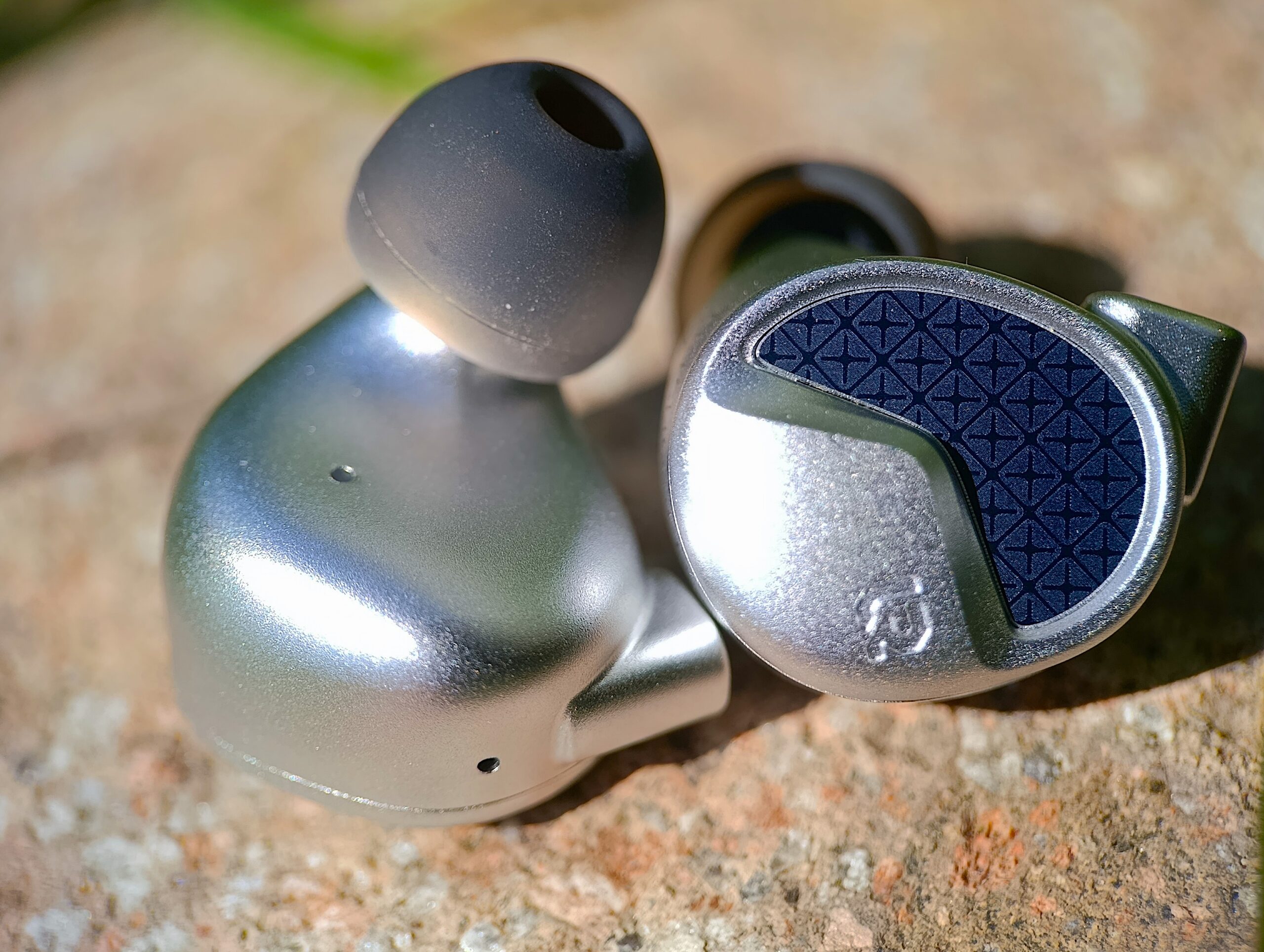
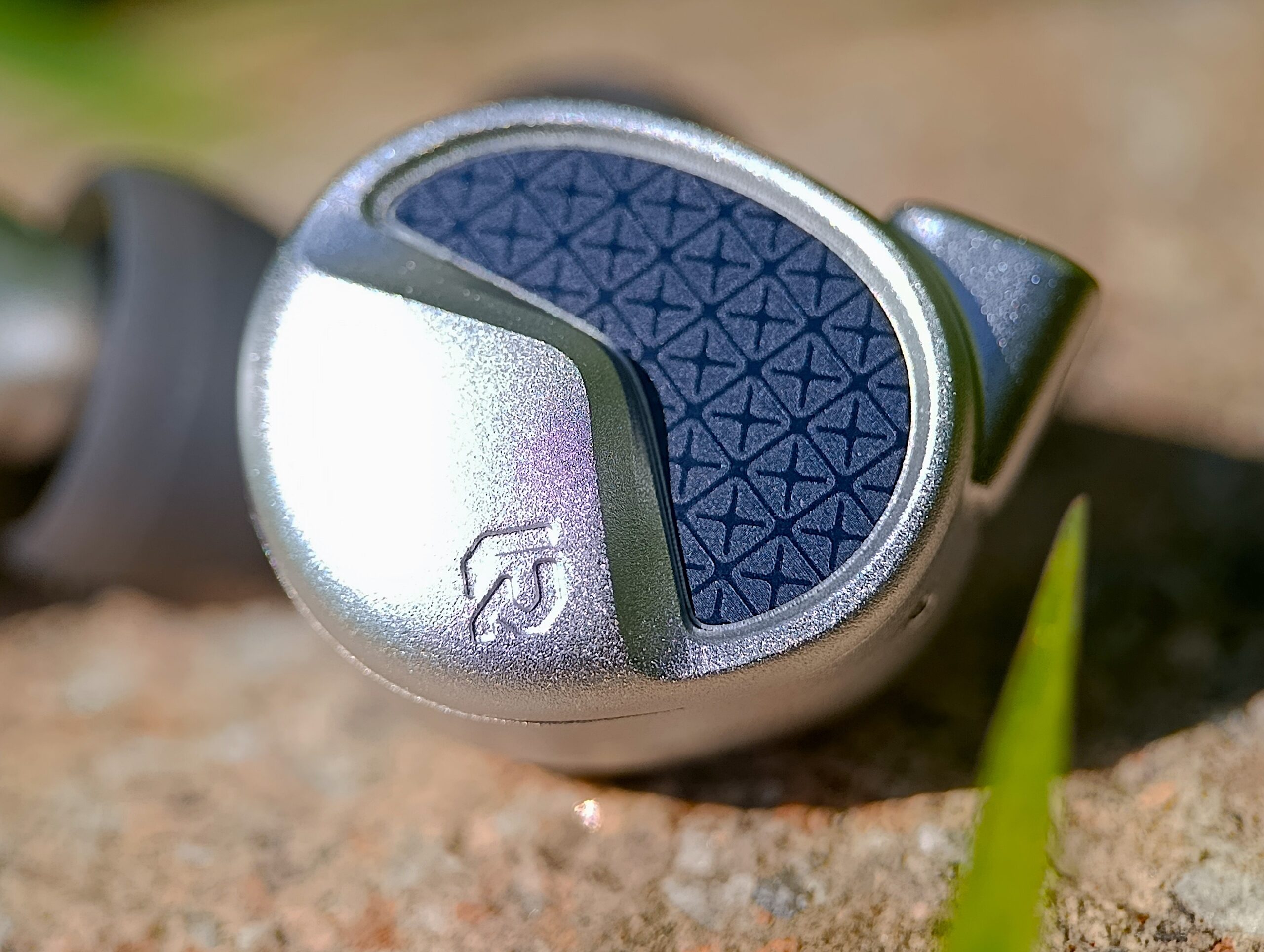
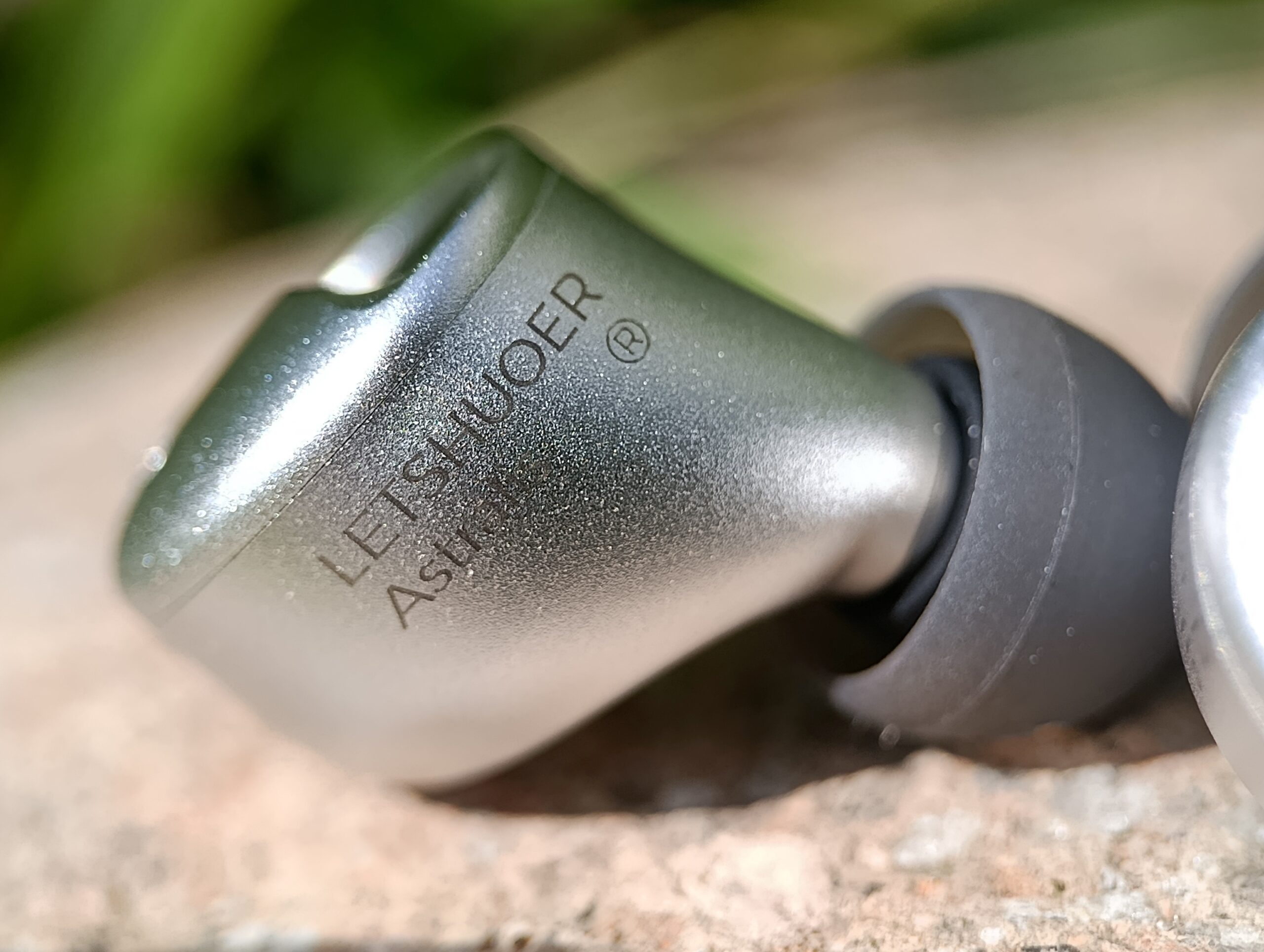
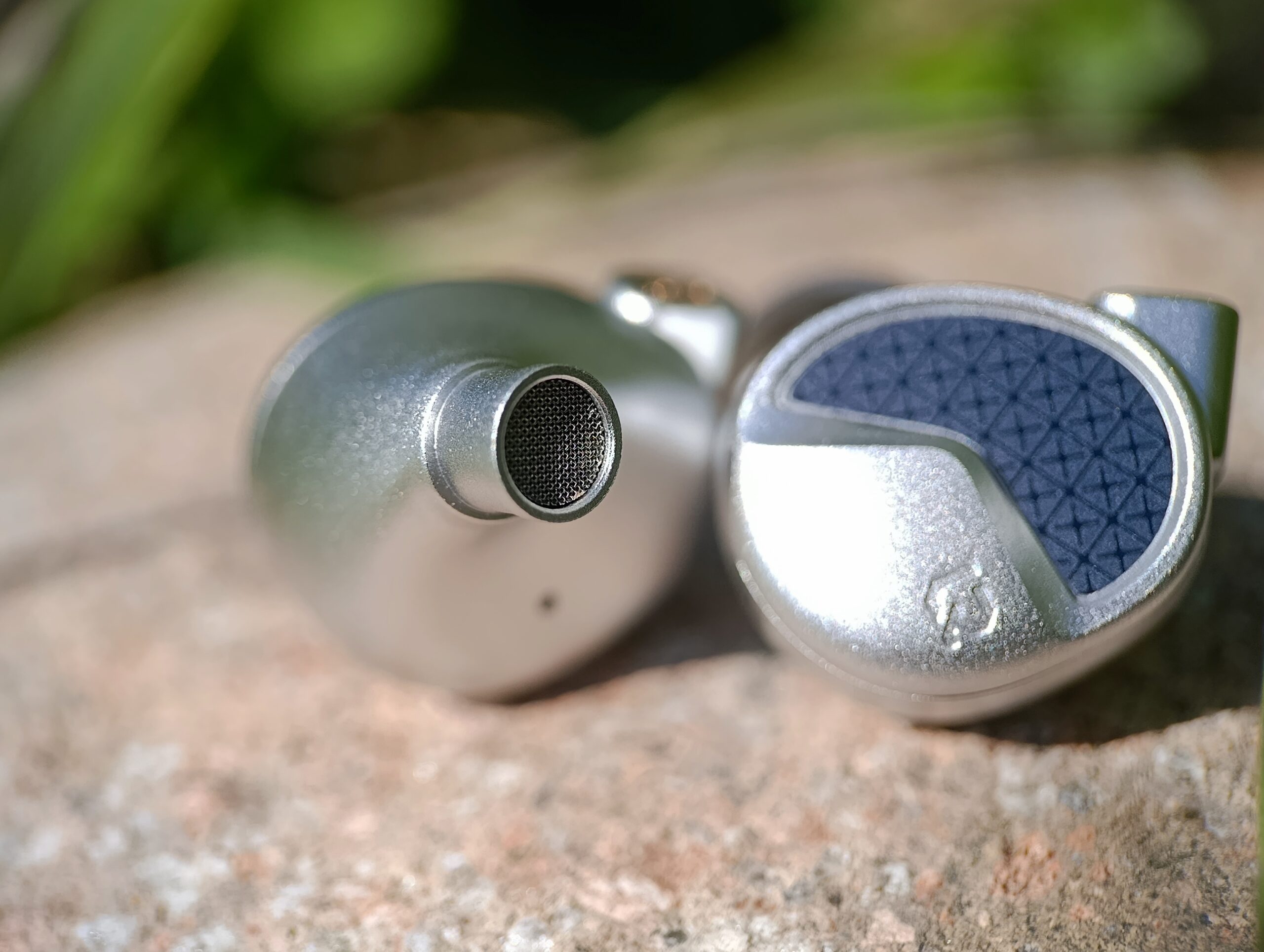
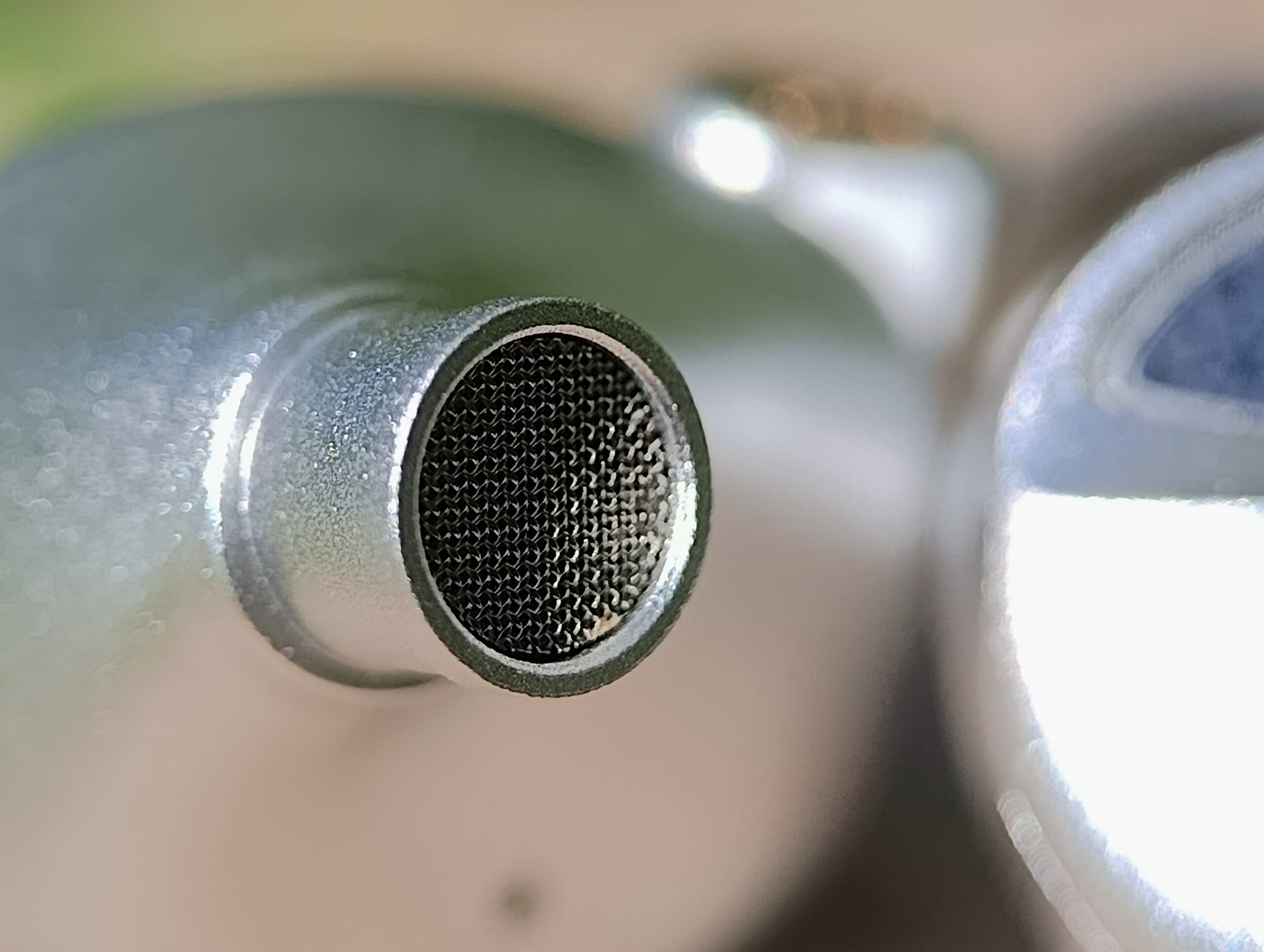
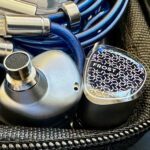
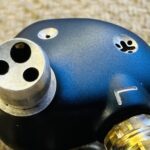
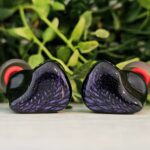
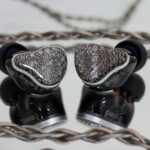
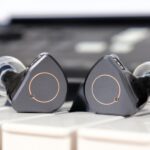
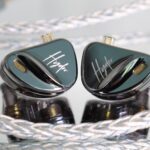
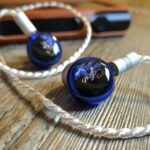
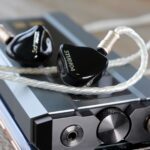
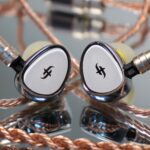
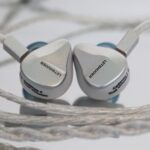
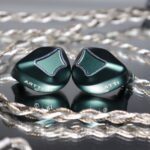
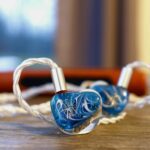
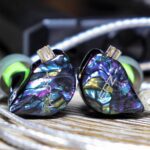
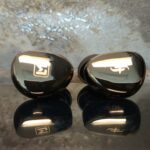
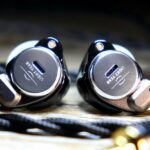
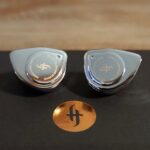
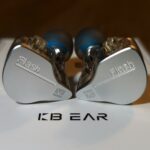
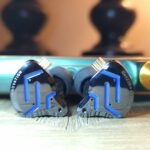
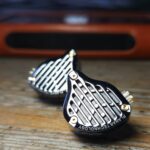
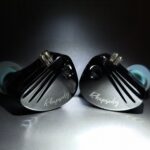
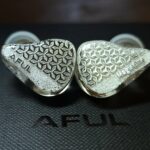
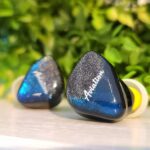
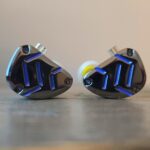
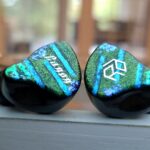
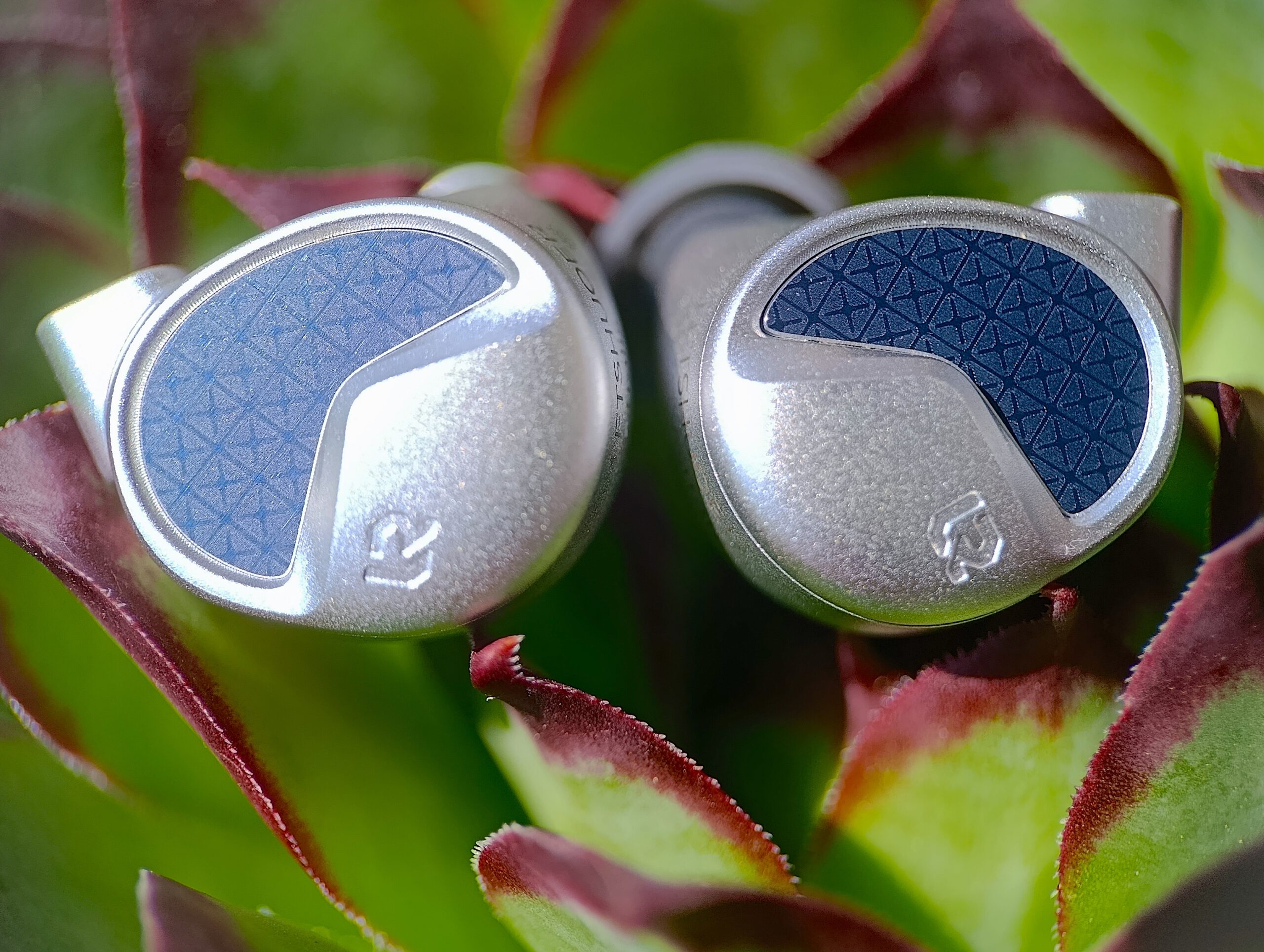
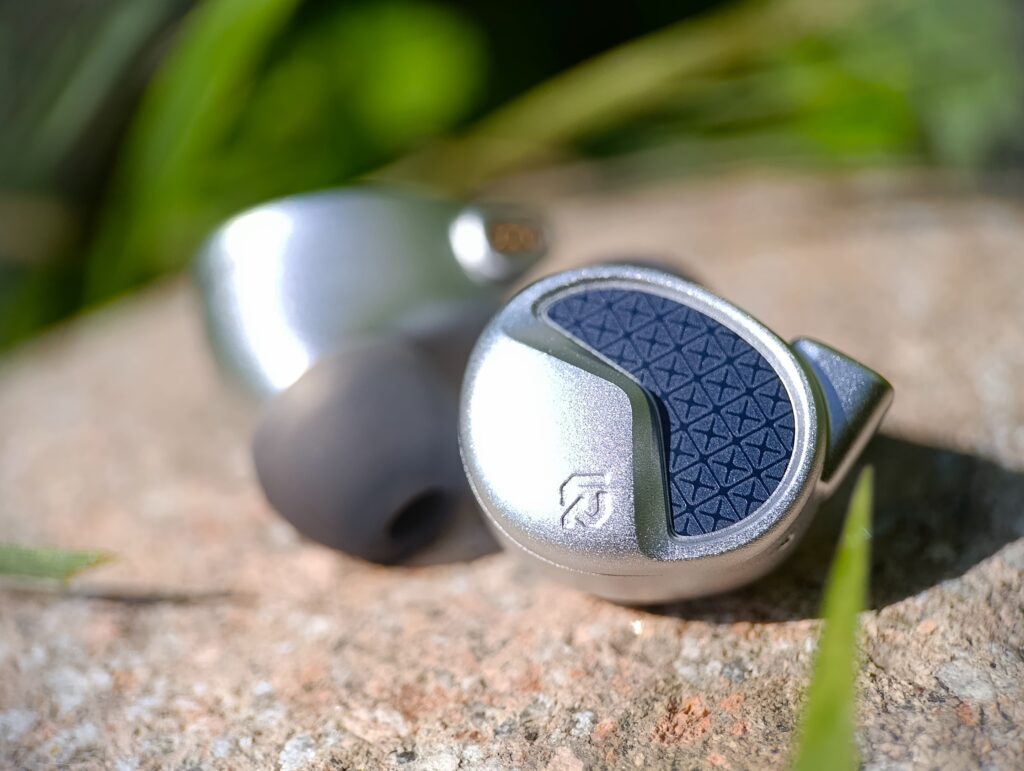
The Letshuoer Astralis in this section got me thinking. I’ve seen very expensive models with resin or 3D-printed shells, but then Letshuoer comes up with the Astralis and prices them at $189 with CNC-machined aluminium shells that I personally find to be of superior quality and much more pleasant to the touch. Maybe this opinion of mine is subjective, but I really hope Letshuoer focuses on CNC-machined shells, especially on IEMs that don’t have overly elaborate internal structures. Returning to the Letshuoer Astralis, it sports slightly revised aesthetic shells with unique faceplates. The shape is similar to the previous ones, and the nozzle is angled well for insertion, even quite deeply. There are two ventilation holes, one before the nozzle and one near the connector for the rear of the driver. Overall, the build quality is truly high. The cable is also excellent.
Comfort/Fit:
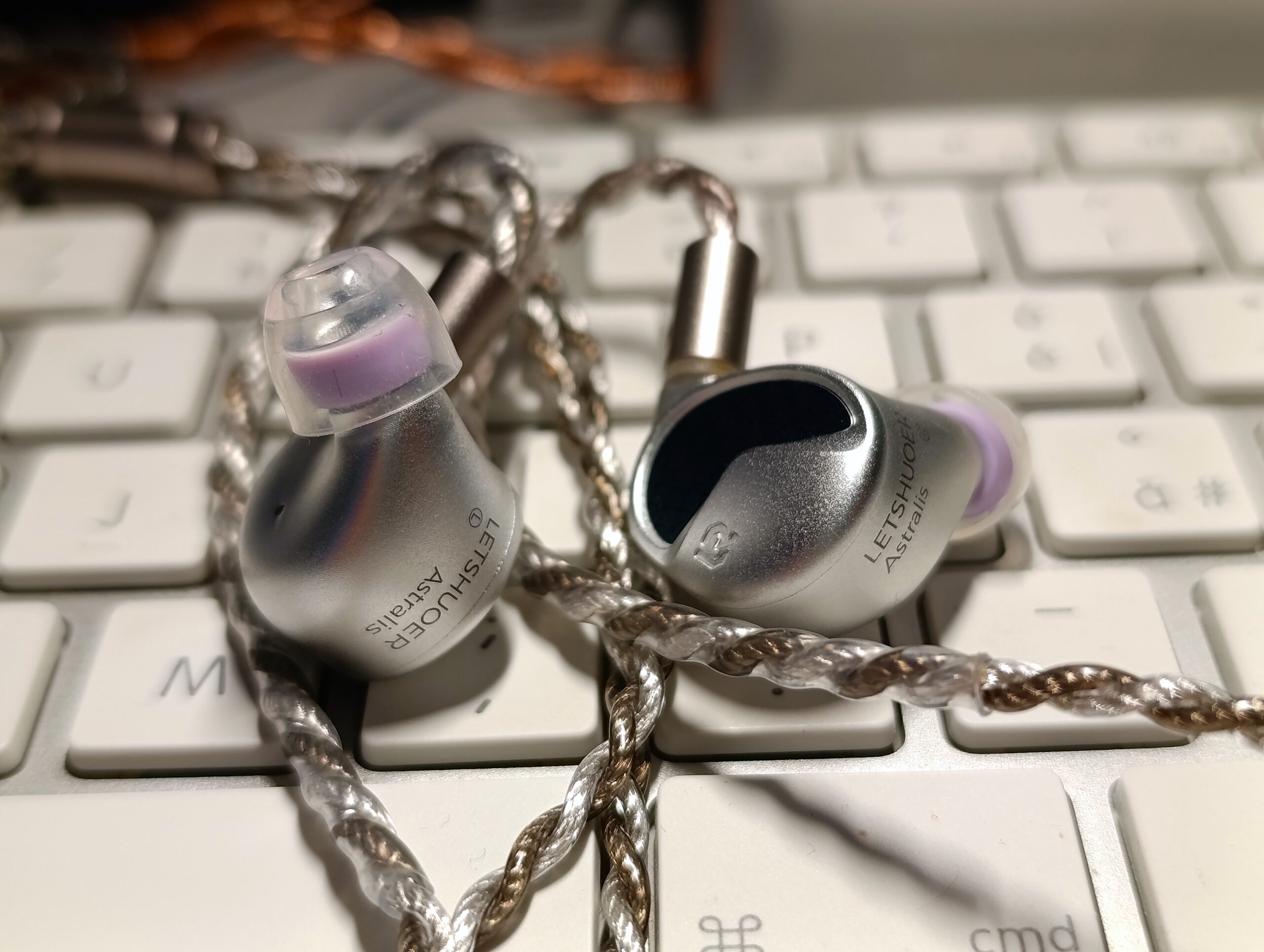
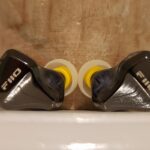
The Letshuoer Astralis are nearly identical in comfort to their predecessors, which have similar shells, but with the advantage of better insulation due to the material. I installed Roseselsa silicone eartips in my cable for a slightly deeper fit. The cable is soft and thick, yet still completely tolerable. There’s no discomfort during prolonged use, thanks in part to the warmer tuning.
Initial sound impression:
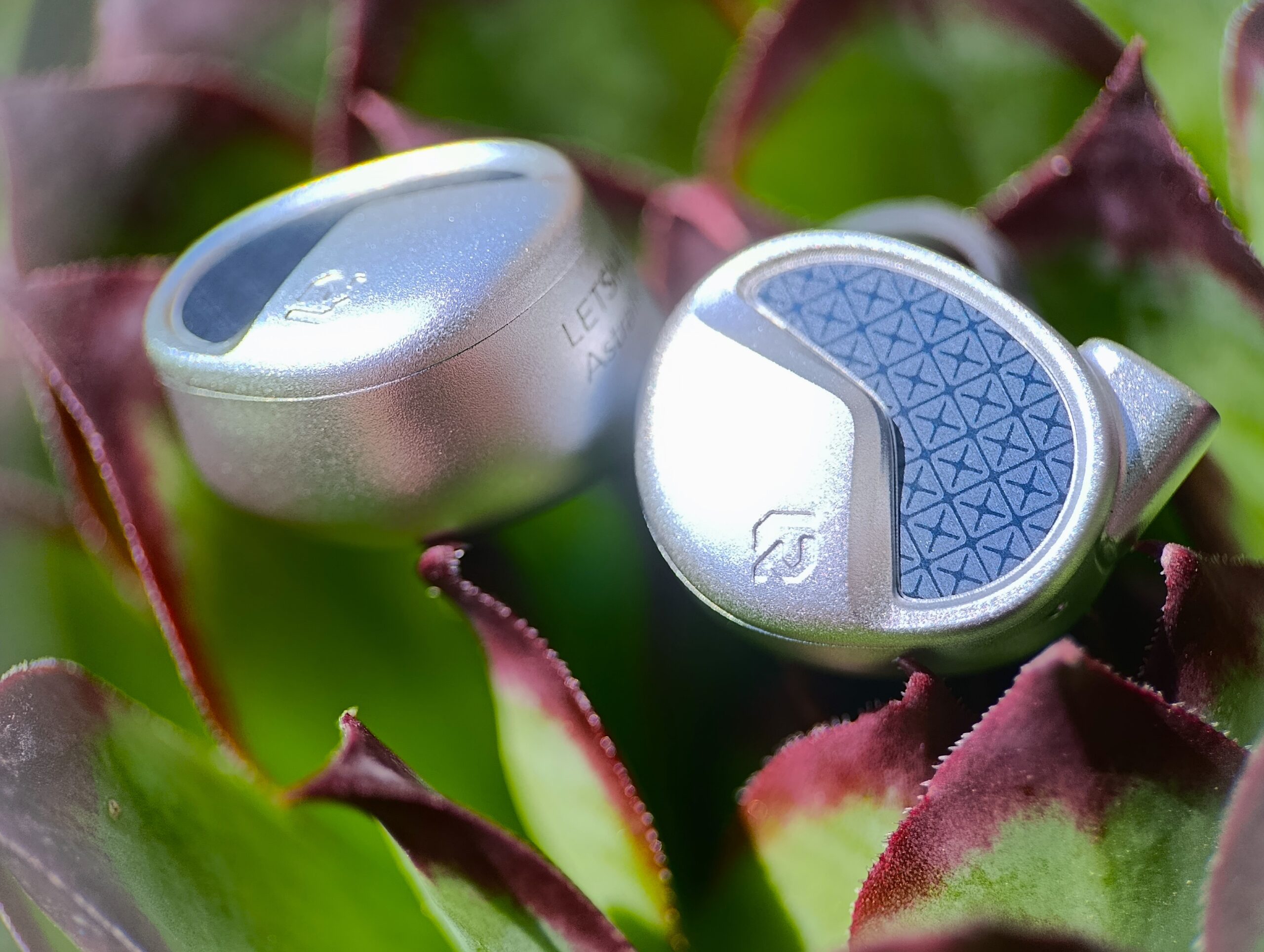
A first listening experience that was surprising, given what Letshuoer has accustomed me to with previous IEMs. I was expecting something vaguely similar, rich in detail and super bright, but here the tendency is warmer, denser, and richer, but in a different way. Honestly, these are the kind of planar IEMs I prefer, and this model in particular is a product that could vaguely compete with the Hidizs MP145, the first model. Finally, nuances and dense notes emerge easily from this new 15.5mm planar driver, which easily allows you to exceed the usual average listening volumes. The dense notes and rich representation of tracks you already know have those extra nuances. Let’s be clear, the sound is natural, slightly warm, with added weight and density that you’ll notice on the bass and string instruments. Letshuoer has finally brought a breath of fresh air in terms of sonic signature, too.
Equipment used for testing:
Device:
- Mac Mini
- Redmi Note 14 Pro 4G
Software:
- Amazon music UHD 24bit 96khz (Both)
DAC:
- Fosi Audio K7 (balanced sound)
- Creative X5 (Note density improved)
- Fosi Audio MD3 (Great solution for portability)
- Hidizs AP80 Pro Max (Great Staging & Power)
- Letshuoer Dongle (Works pretty nicely, but doesn’t unlock full potential)
Final sound impression:
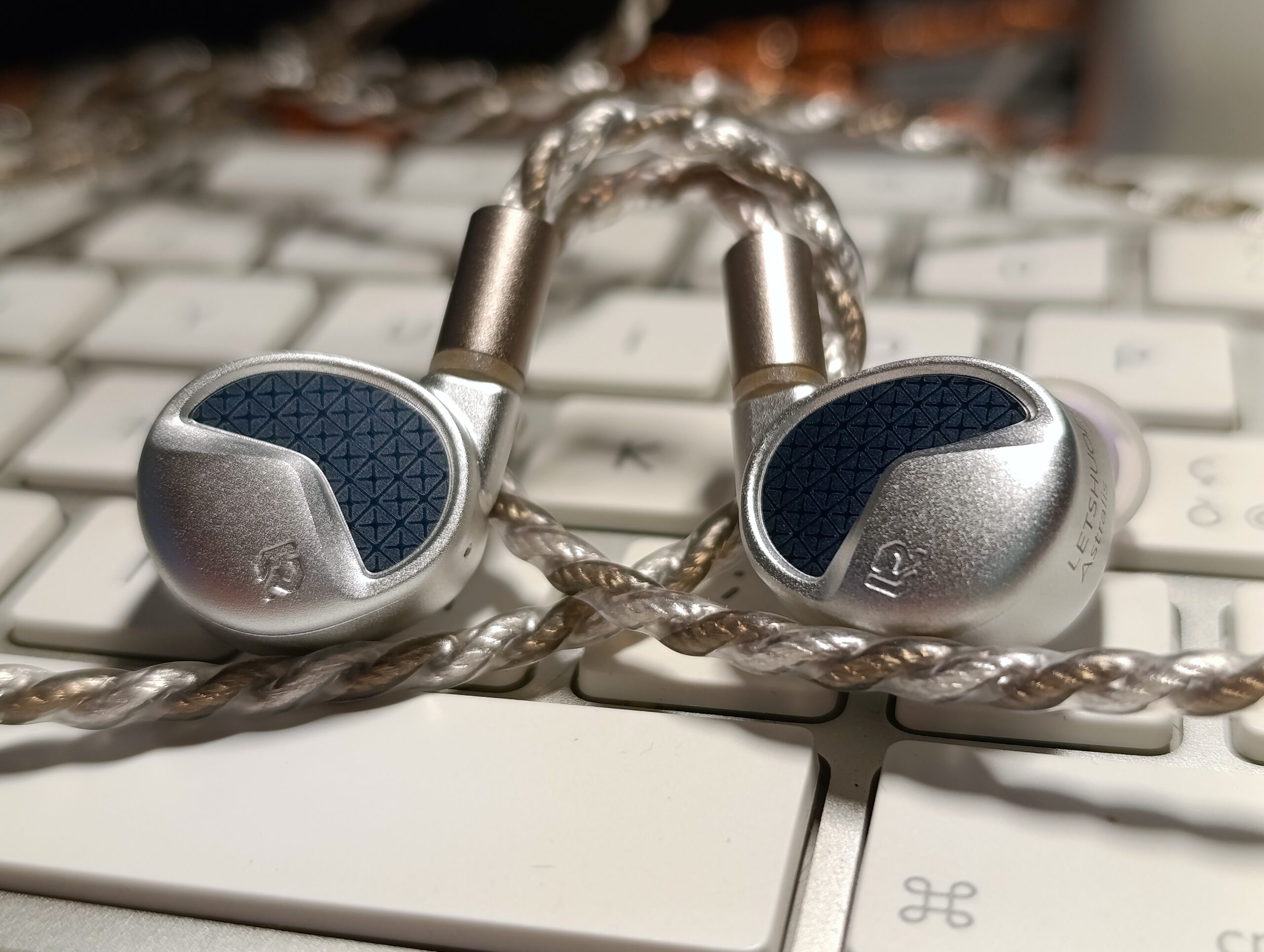
After several tests using multiple dongles and amplifiers, I can say it’s a particularly efficient new driver with great scalability and adaptability. For the record, I also tested the included dongle, and I can’t say it sounds bad, even if the dynamics suffer slightly. It’s a good compromise for those just entering the world of IEMs with a similar model (given its price, it’s plausible that this might happen). Even so, it’s a tougher amplifier, unlocking the full potential of this new driver. Its enormous size is noticeable in this case, as the sound is truly expansive and, above all, the density and thickness of the notes are on a whole other level. The rumble is dense and rich in texture, with an incredible result, especially on stringed instruments, which transmit the string vibrations incredibly well.
An IEM that positively surprises, especially users like me who love drivers capable of dense and emotion-rich notes like this, Letshuoer Astralis is capable of transmitting while maintaining a natural timbre.
Bass
The bass isn’t quite as good as the Hidizs MP145s, but it’s on the more natural side, yet still richer and more textured than usual, incredibly enriching the soundstage thanks to a smooth roll-off that leaves room for the subbass to emerge without invading the soundstage. Despite its modest size, the 15.5mm driver’s punch is authoritative and doesn’t go unnoticed on the eardrum. The bass is clean, composed, fast, and precise, as planar drivers can be, with no hint of planar timbre. It’s very similar to a dynamic driver.
Mids
The mids are very good, although I seem to detect a superiority of the instrumental parts over the vocals. Both male and female vocals are well represented; they aren’t recessed, but blend well with the other elements of the tracks. However, the vocals are silky and engaging in all the tracks, with excellent representation. Very good, all the elements are well-defined. The driver does the rest of the magic, surrounding everything with air and targeted macro and micro details.
Treble
Unlike other Letshuoer models, the treble is kept under control with a less exaggerated extension, yet perfectly satisfactory for my ears. There were models that were only listenable at 30% volume, as anything above that would cause significant ear fatigue. I understand trebleheads, but sometimes that amount translates into hearing fatigue, whereas with this model, the amount is perfect enough to even crank up the volume for extended listening sessions. Perhaps they could have been a few decibels higher for even greater extension and presence, but overall, macro and micro details are present in abundance.
Soundstage and Imaging
The Letshuoer Astralis, with its driver, has a truly remarkable soundstage, uniformly expanded in height and depth, less cavernous than the MP145 but still impressive, with an obsessively refined image, excellent separation and layering, making it easy to follow the various elements of the scene.
Comparison:
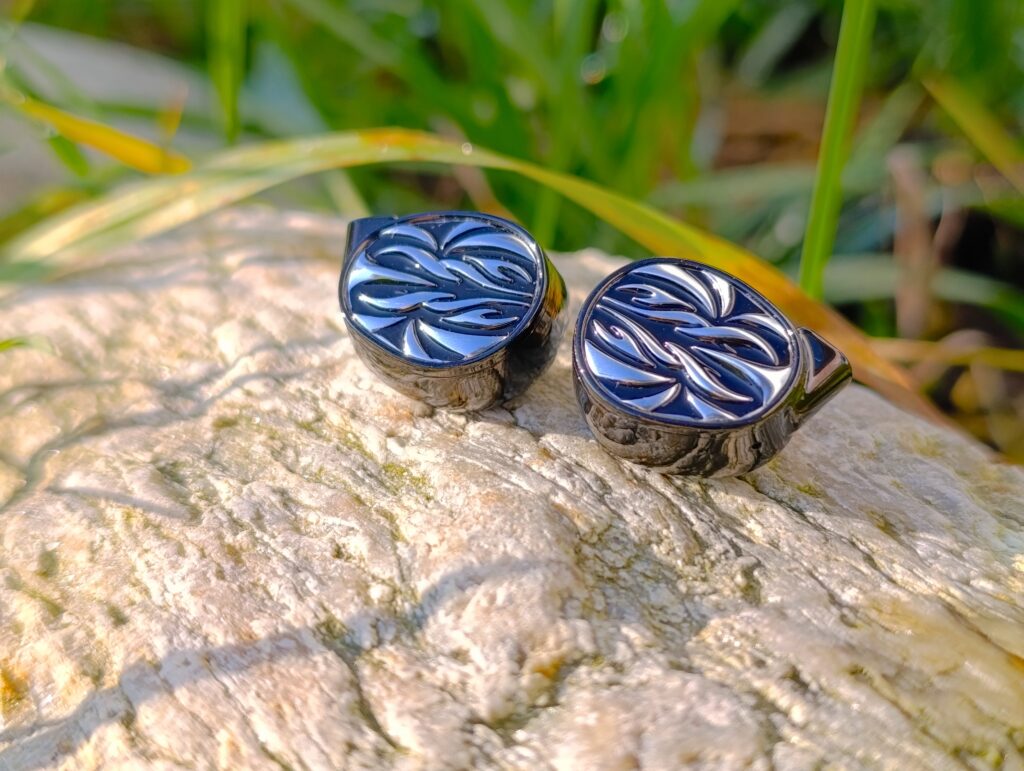
Personally, I interpret it as a superior version of the Ember, but that’s subjective. The Ember was already a warm planar IEM, a bit dark at times, and the tuning sometimes didn’t seem to fully exploit the driver’s potential, but as a choice after various bright IEMs, it wasn’t bad at all. The Letshuoer Astralis is a more balanced middle ground compared to the past and present. Both are great planar IEMs, but obviously not everyone has the budget to afford an Ember. So, for my personal taste, Astralis is my favourite.
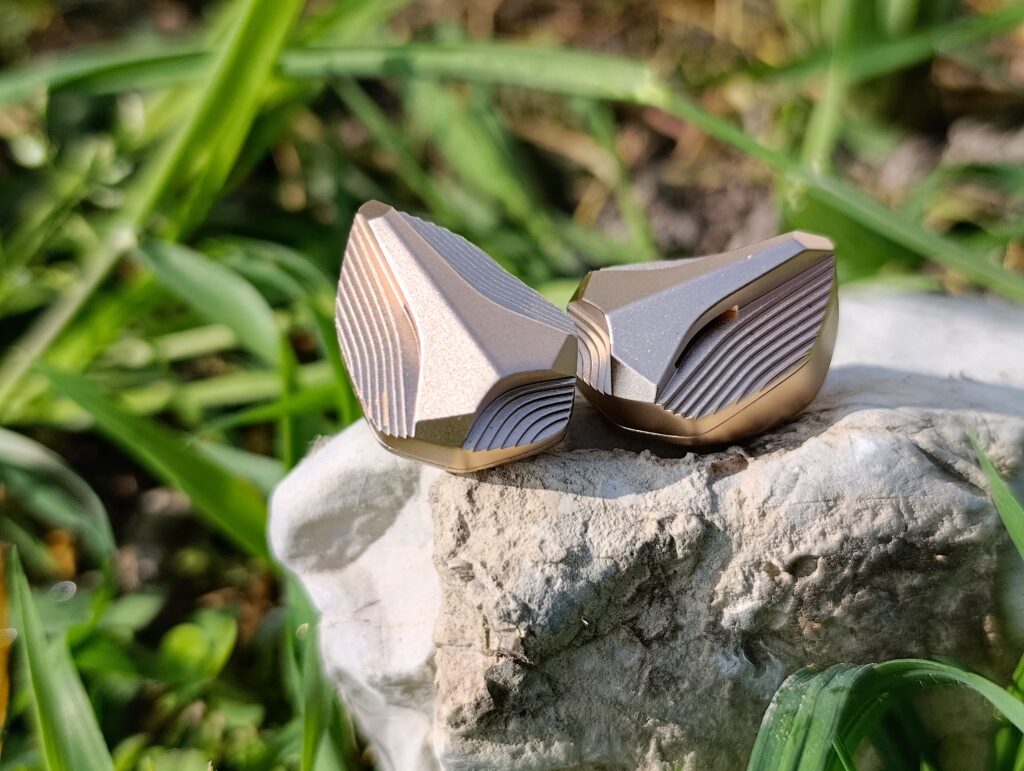
The Hidizs MP145 Pro is a completely different beast from its predecessor. The tuning is aimed at reference audio, with a more linear but less rich response than the old MP145 and especially the Astralis. For me, it’s not as intriguing as the old one, and especially the notes and bass lack density. It’s a different tuning, suited to other genres and tastes.
vs Hidizs MP145
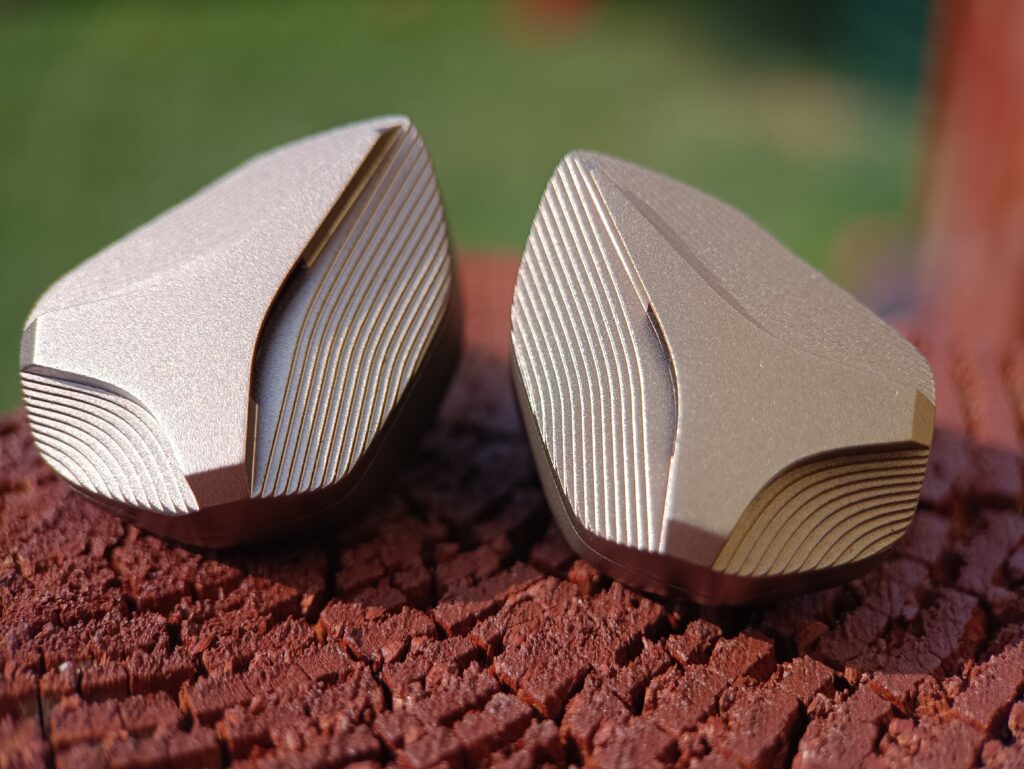
It remains one of my favourite planar IEMs with its cavernous bass and incredibly deep soundstage, and the new Astralis is competing with this model. They are the most similar planar IEMs, even though each has its own DNA and peculiarities. I realise that if I had to replace the first ones, I would definitely consider the Letshuoer Astralis, which at least manages to convey the same rich, dense notes.
Conclusion:
Letshuoer has finally released a planar IEM that perfectly matches what I’m looking for, and I can’t help but be completely satisfied, as the price also seems very reasonable for the build quality and sound. Finally, there’s a valid alternative to the Hidizs MP145, and it’s available at a good price. Compared to the Ember, the soundstage is less warm and richer in treble, resulting in a good balance of frequencies with a marked authority in the low frequencies, which resonate beautifully thanks to the new, huge driver. The new 15.5 mm round planar driver delivers a satisfying sound, bordering on holographic, well-displaced in all directions with remarkable speed and just the right amount of brightness without being overbearing.
The only thing I would recommend, if this is your first IEM, is not to limit yourself to the dongle included in the package, because this type of driver has great scalability, so if paired with something more powerful, you will most likely have notable sonic improvements. Highly recommended!
9/10
Pros:
- CNC build quality
- Quite good isolation
- Nice, less fancy packaging
- Modular cable
- Good quality tips
- Macro & micro details
- Note Thickness
- Layering
- Better Soundstage
- The real MP145 contender
- No driver flex
- 104 dB sensitivity & 20 ohm = Quite efficient
Cons:
- This quality construction looks more premium than other expensive models from Letshuoer
- Someone could aim for more treble
Q/A:
Who is the Letshuoer Astralis for?
The Letshuoer Astralis is for anyone looking to get started with a planar driver. The frequency response and tuning are excellent, and I believe this sound signature is the best yet. The set is complete and even includes a dongle to get you started. It’s an excellent alternative to the original MP145s.
Who should avoid the Letshuoer Astralis?
There are no contraindications unless you are a fan of Letshuoer’s previous tunings, that is, the brighter and less bass-dense ones.
Similar alternatives to consider?
There are many planar IEMs on the market, but these are very well positioned given their excellent value for money compared to the average. Depending on what you’re looking for, you can look at other models.
Where to buy (no affiliations)?




No Comment! Be the first one.