







































Letshuoer Ember Planar IEM Review: Mature & Warm Planar (Pietro’s Take)


Disclaimer:
Good morning, MBA Readers! Today, we’re returning to the Letshuoer brand, which has decided to send me their flagship model, a limited run of 999 units: the Letshuoer Ember, a sort of re-release of the S15 with a new driver and premium materials.
Table Of Content
It’s not for everyone’s budget. I want to point this out because, at least for me, prices close to $500 are significant. We all agree that audio products, especially hi-fi ones, can be priced much higher, as if they were at a jeweler’s. This very special new model also boasts a collaboration with Effect Audio.
However, the review will still be 100% honest and in no way biased.
I’m not an audiophile; I’m just a guy who likes to test out different IEMs and DACs and spends a lot of time listening to music.
So I’m not going to use super technical words to review it, but I will do my best to describe it.
Tech Specs:
- Chassis Material: Titanium alloy shell + Aluminium alloy Faceplates
- Frequency Response: 20Hz~40kHz
- Impedance: 30Ω
- Sensitivity: 103dB
- Effect Audio Cable: 26AWG, 4 core, UP-OCC monocrystalline copper, balanced 4.4mm
- Driver: New 14.8mm planar driver
Packaging:
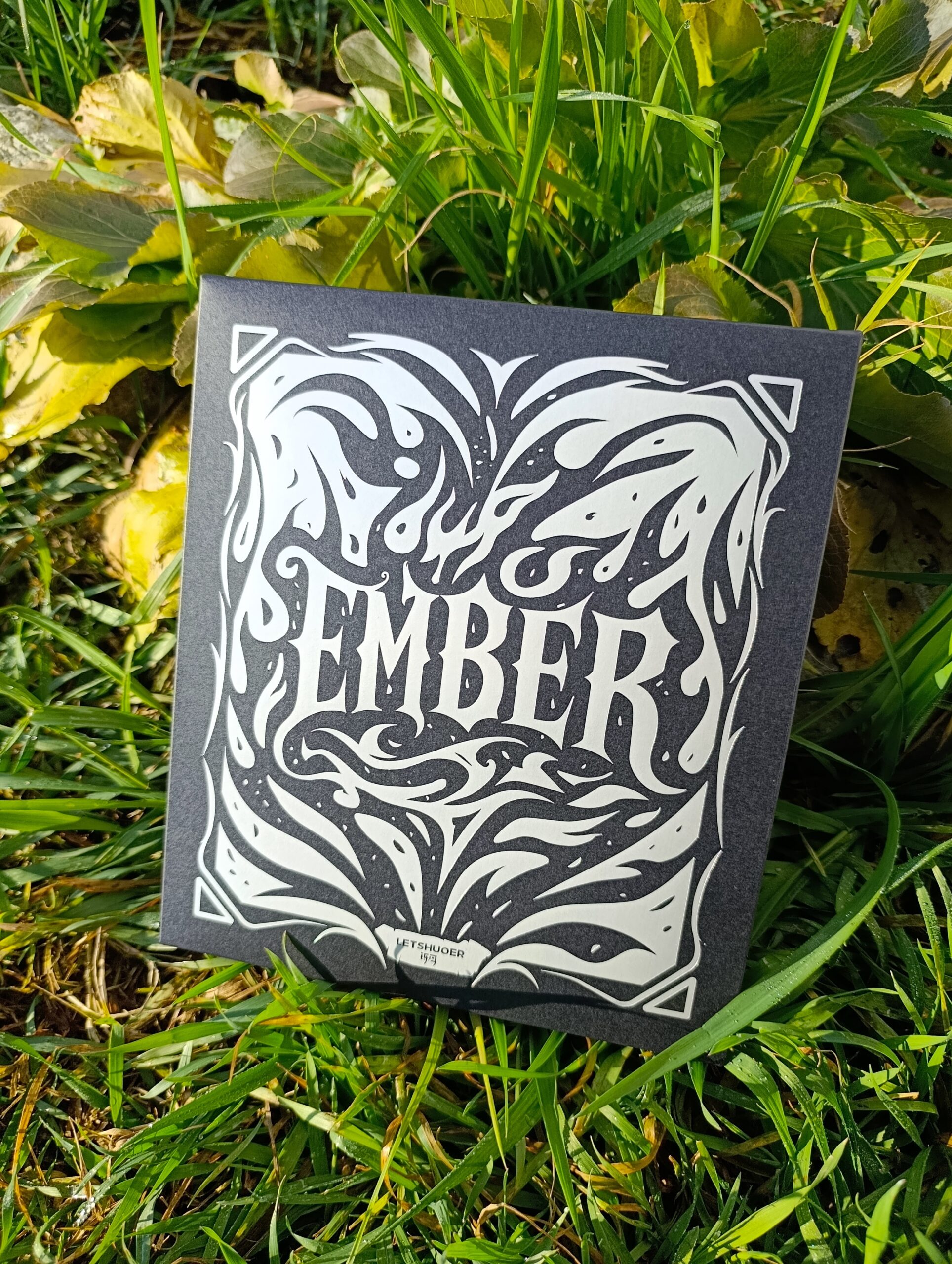
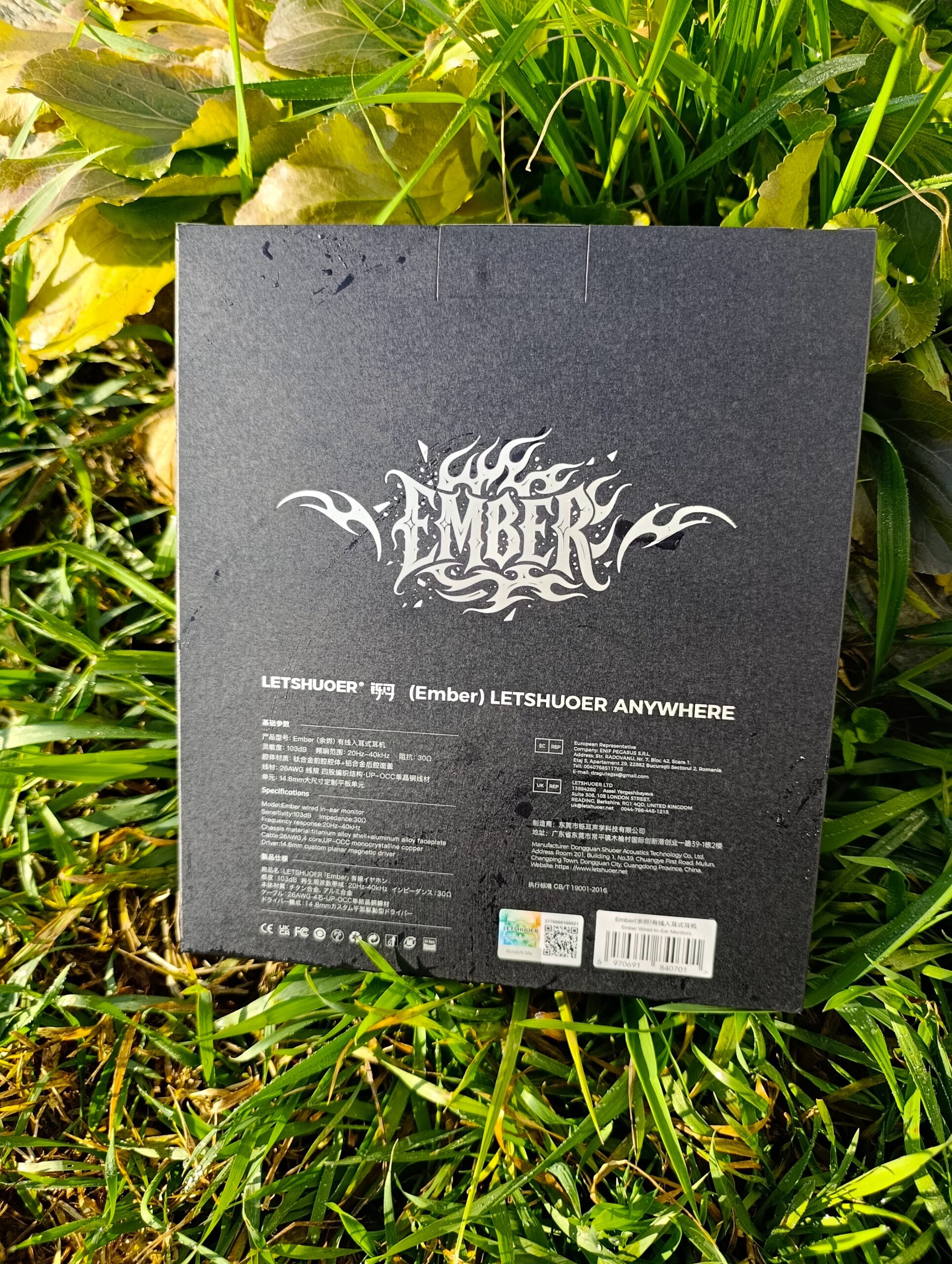
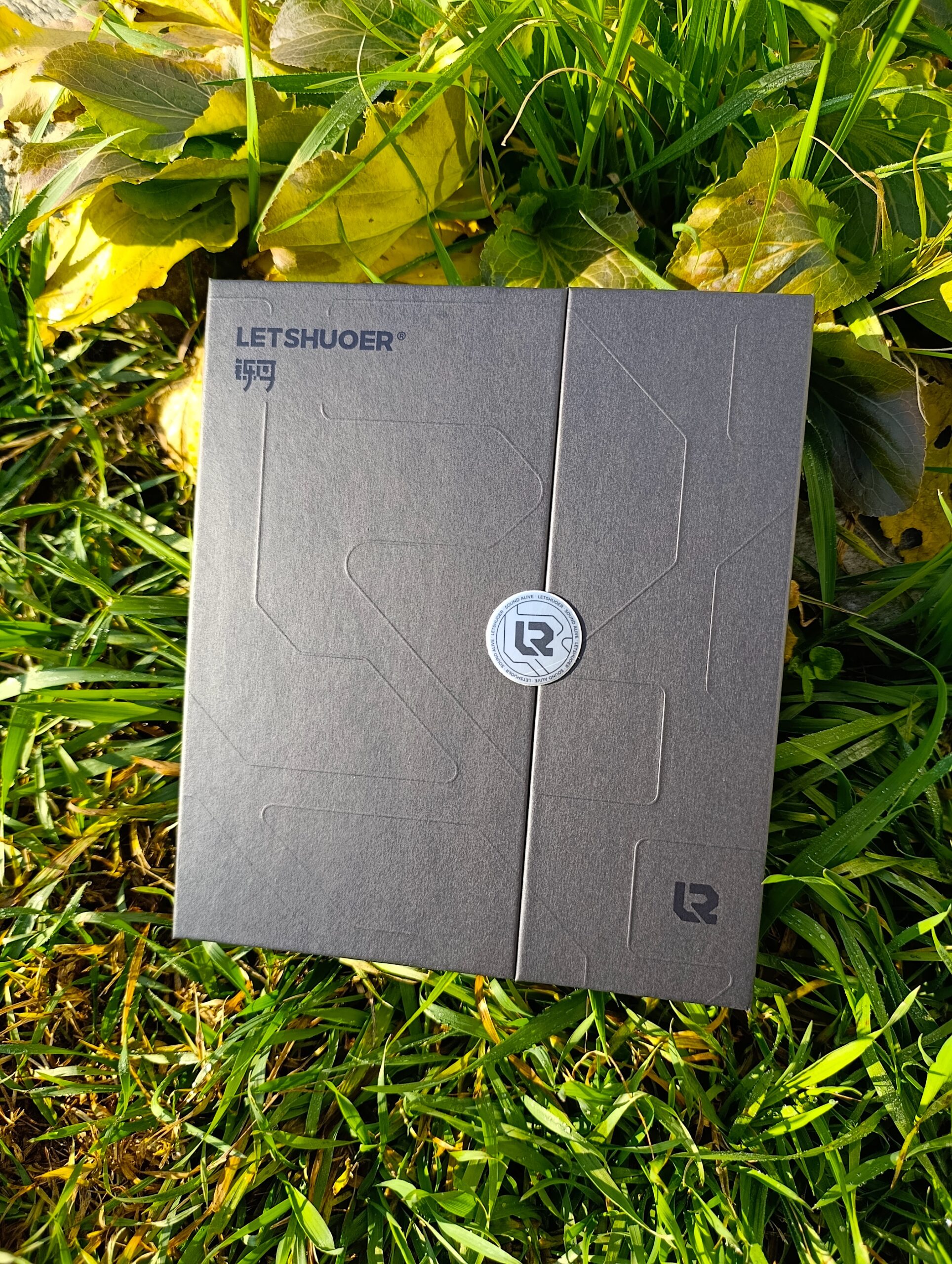
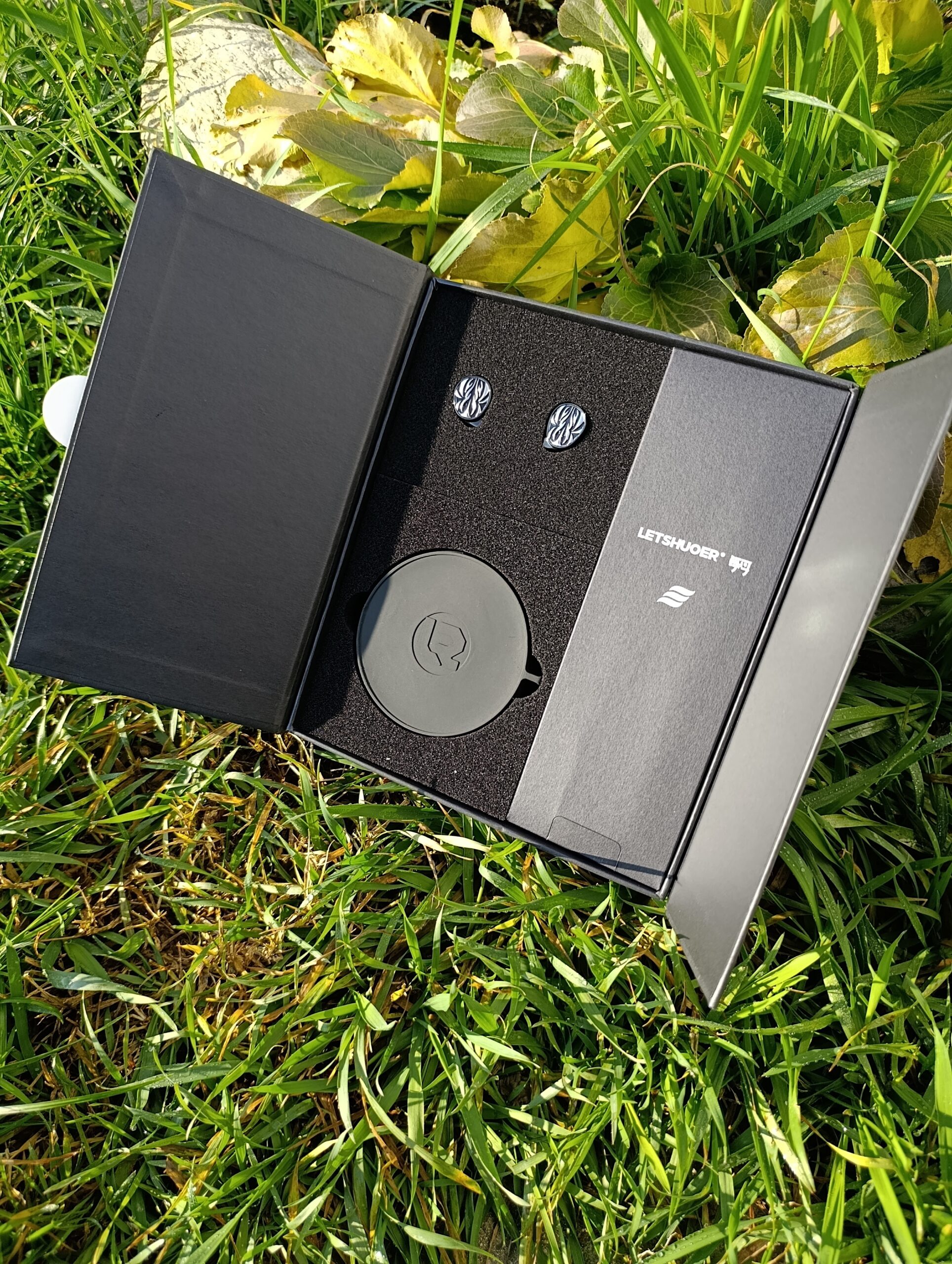
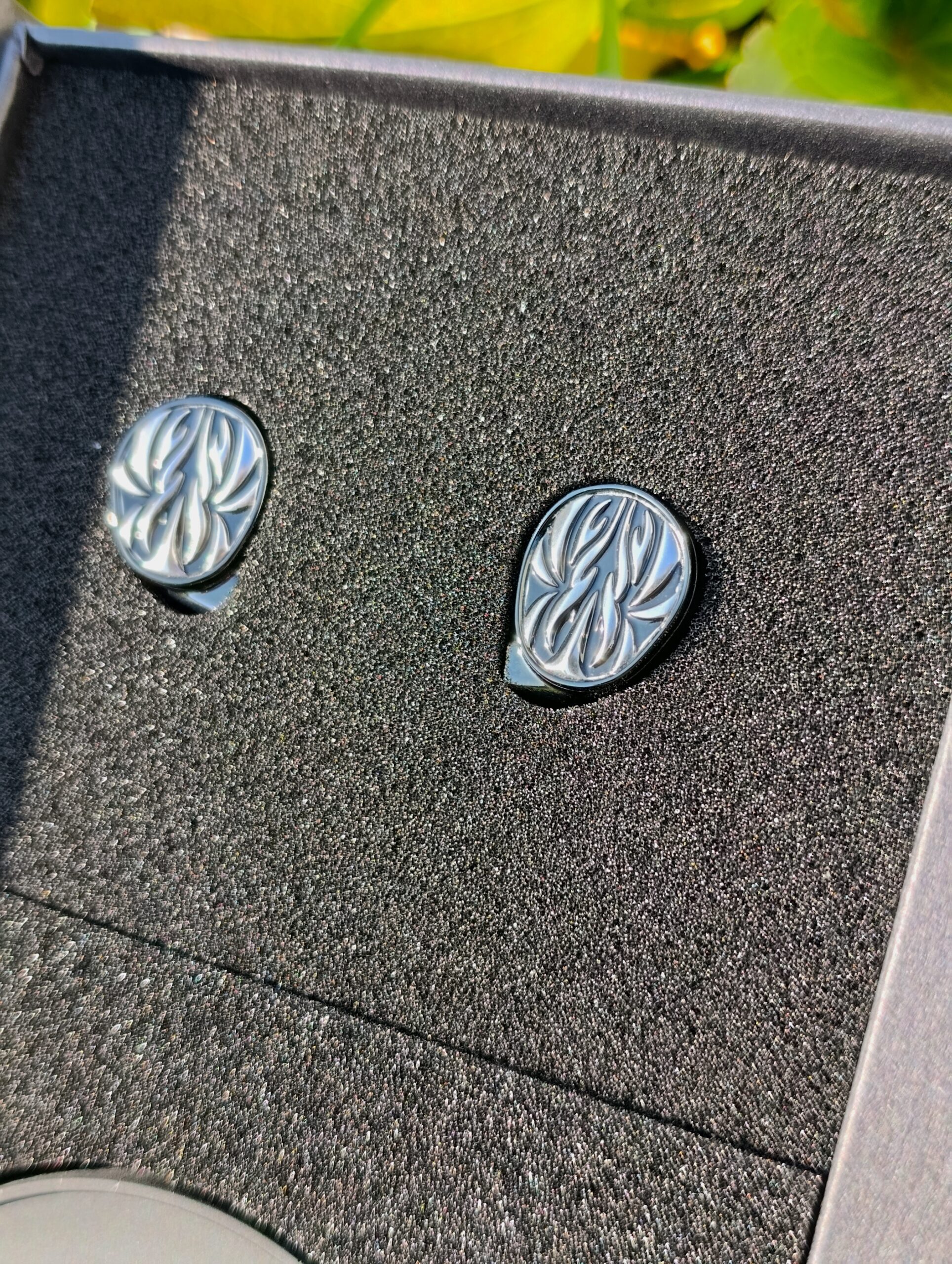
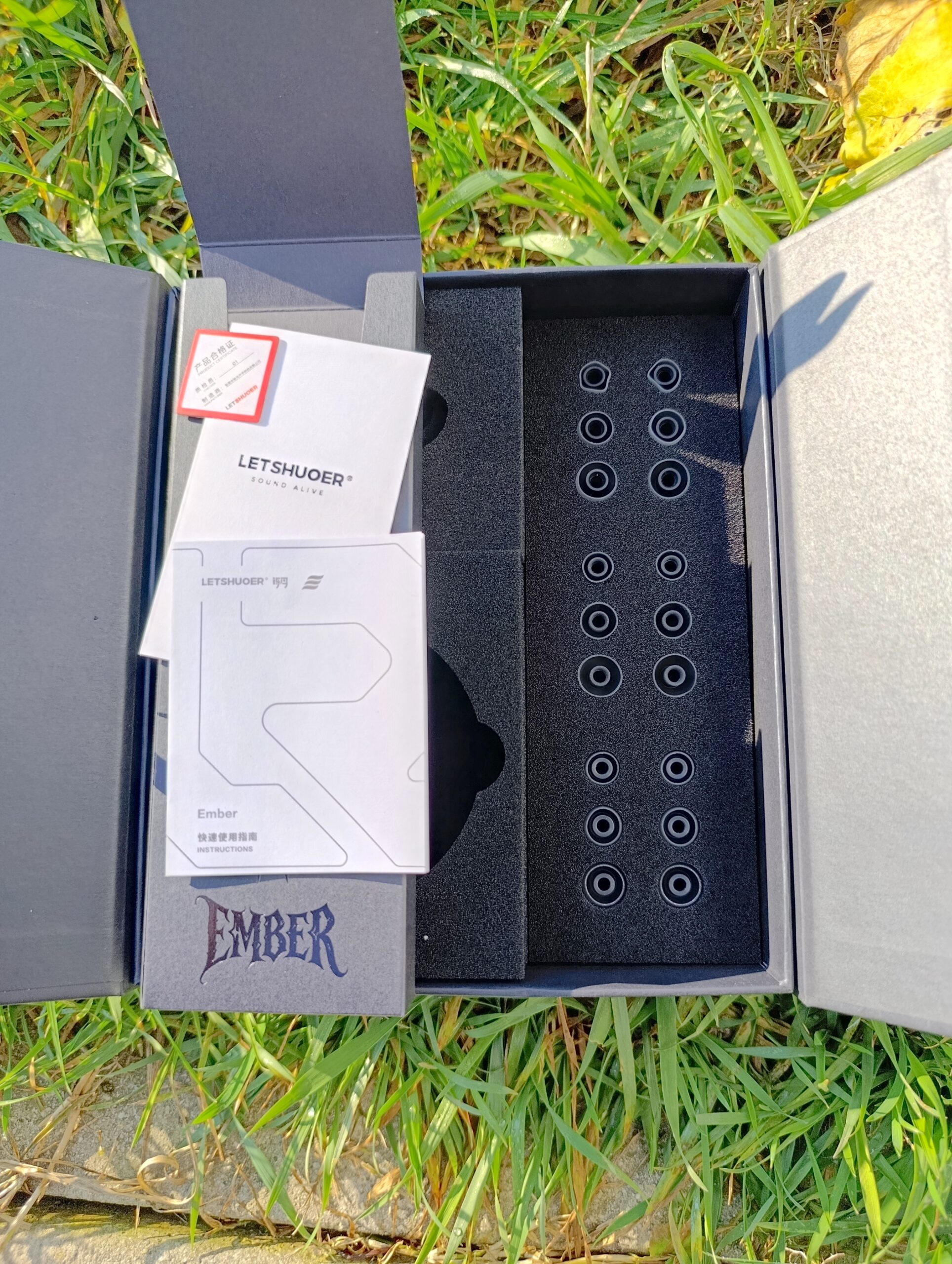
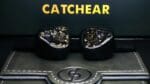
This is a premium product with a decidedly high price, and therefore, the packaging is also quite expensive. It resembles a necklace or jewelry box. The closure is magnetic, so to speak.
The Lesthuoer Ember boasts a truly high-quality standard package, including:
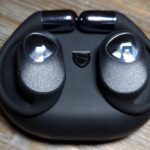
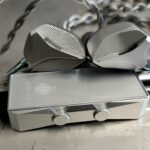
- Branded, thick aluminum hard case with an airtight silicone seal
- 3 sets of 3 Eartips
- Effect Audio Premium cable
- Manuals and warranties
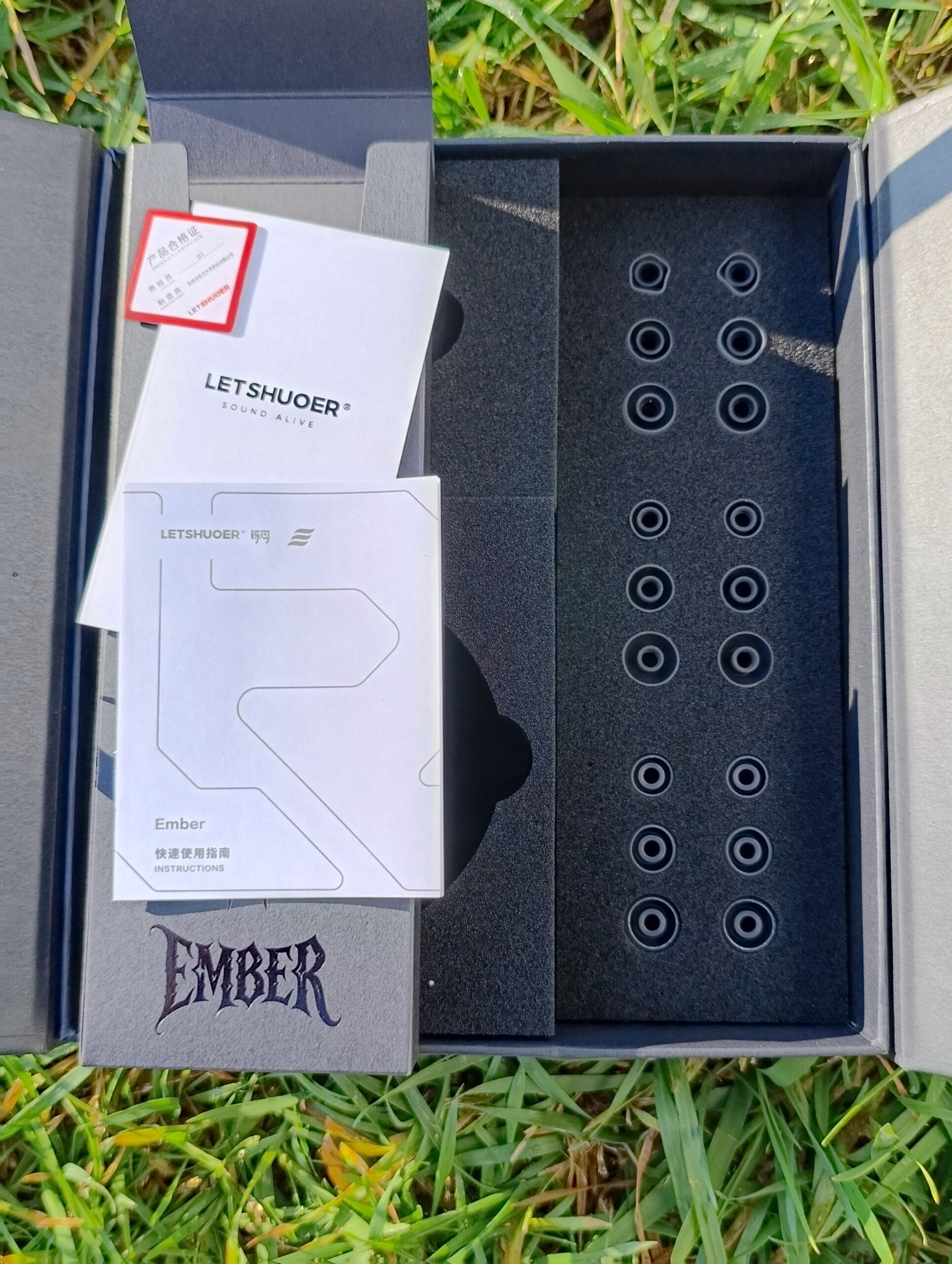
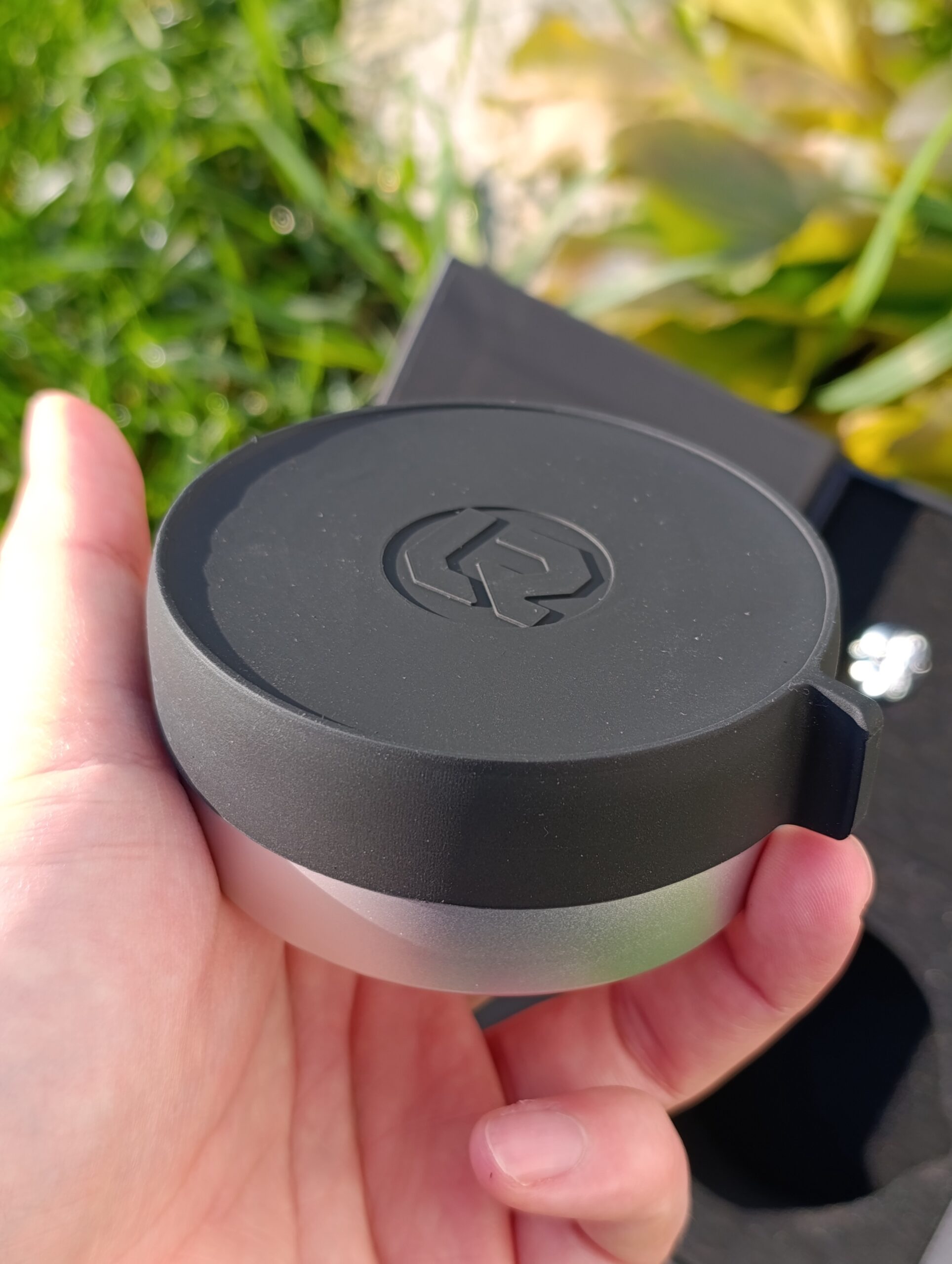
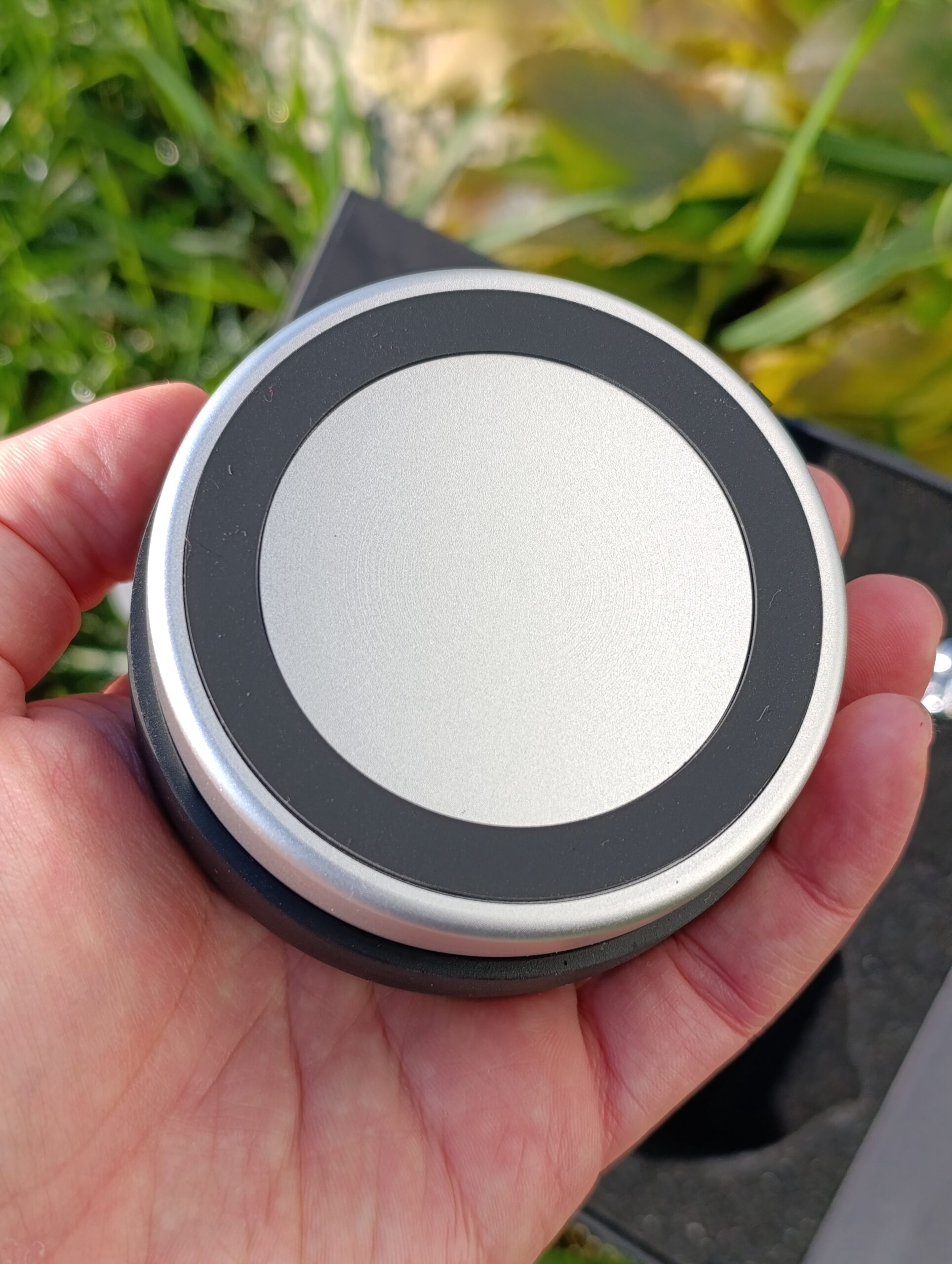
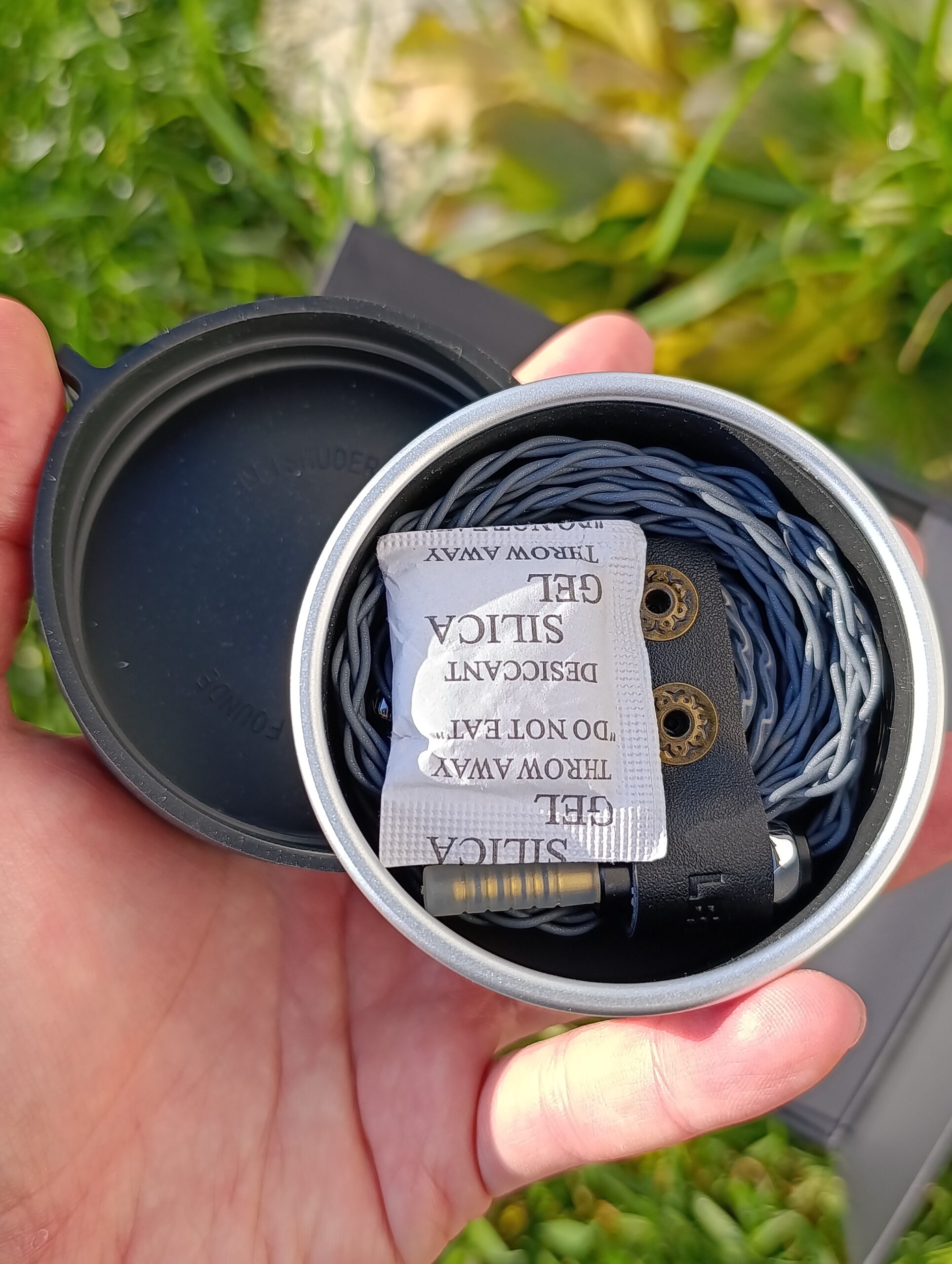
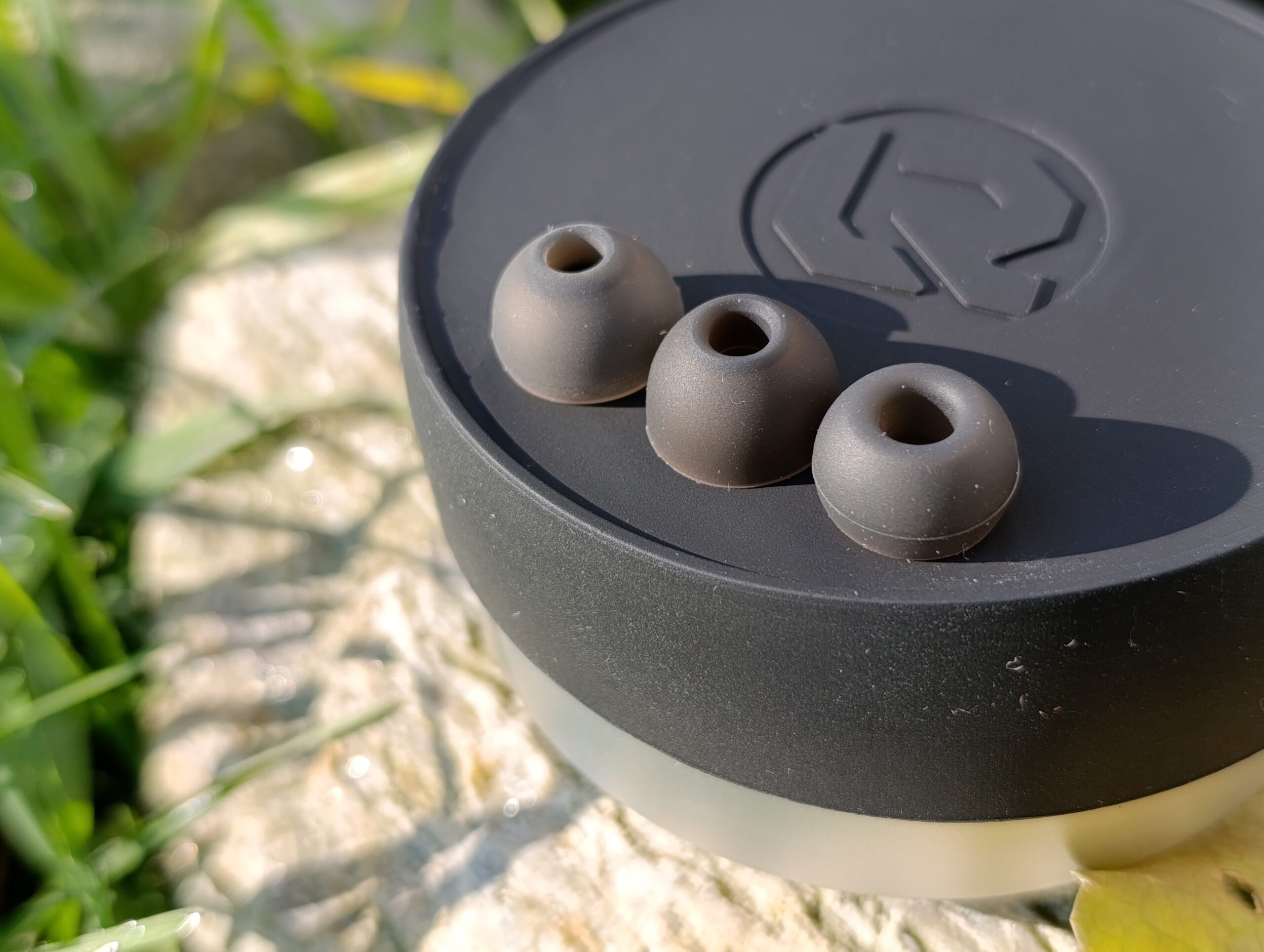
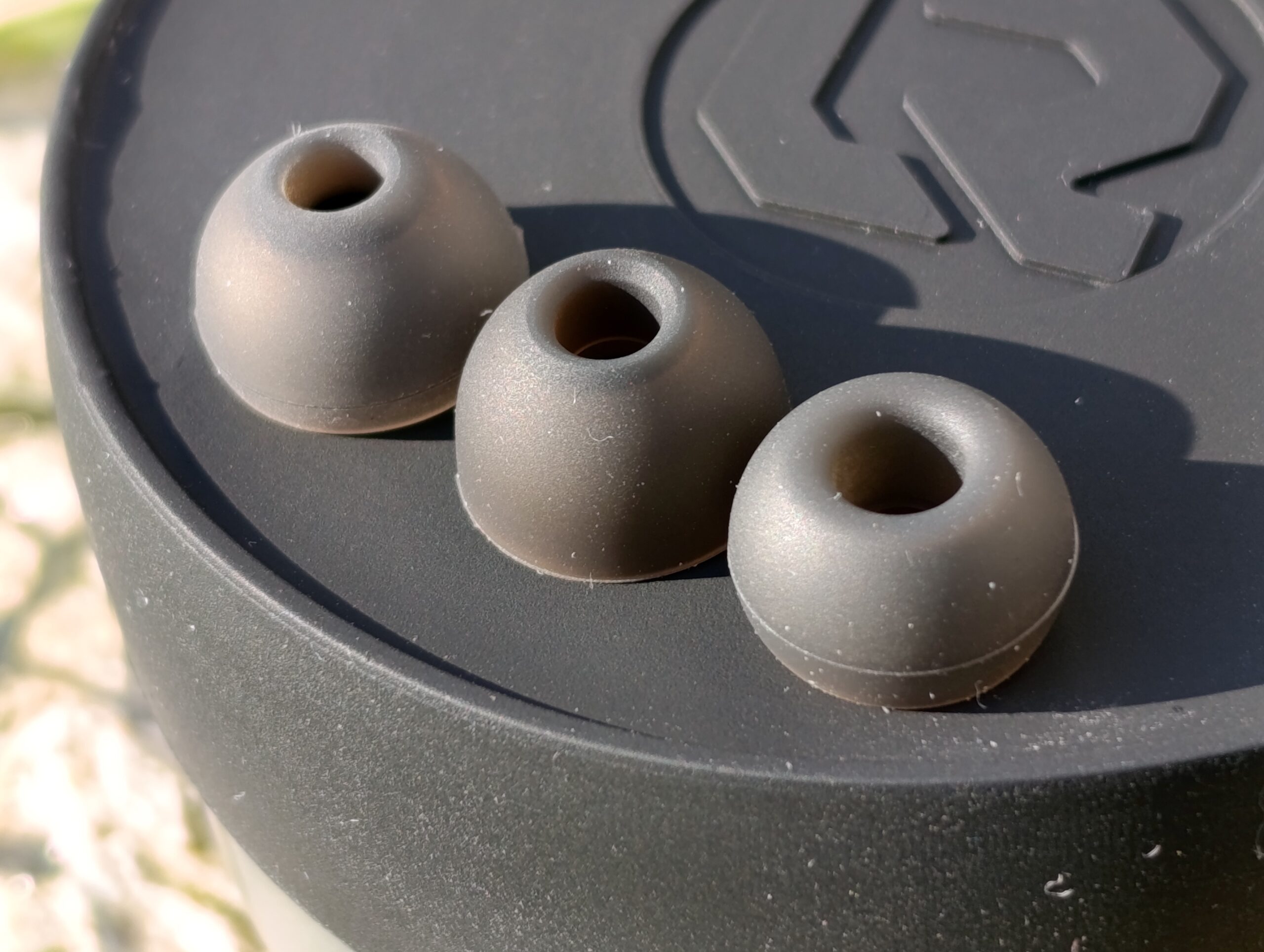
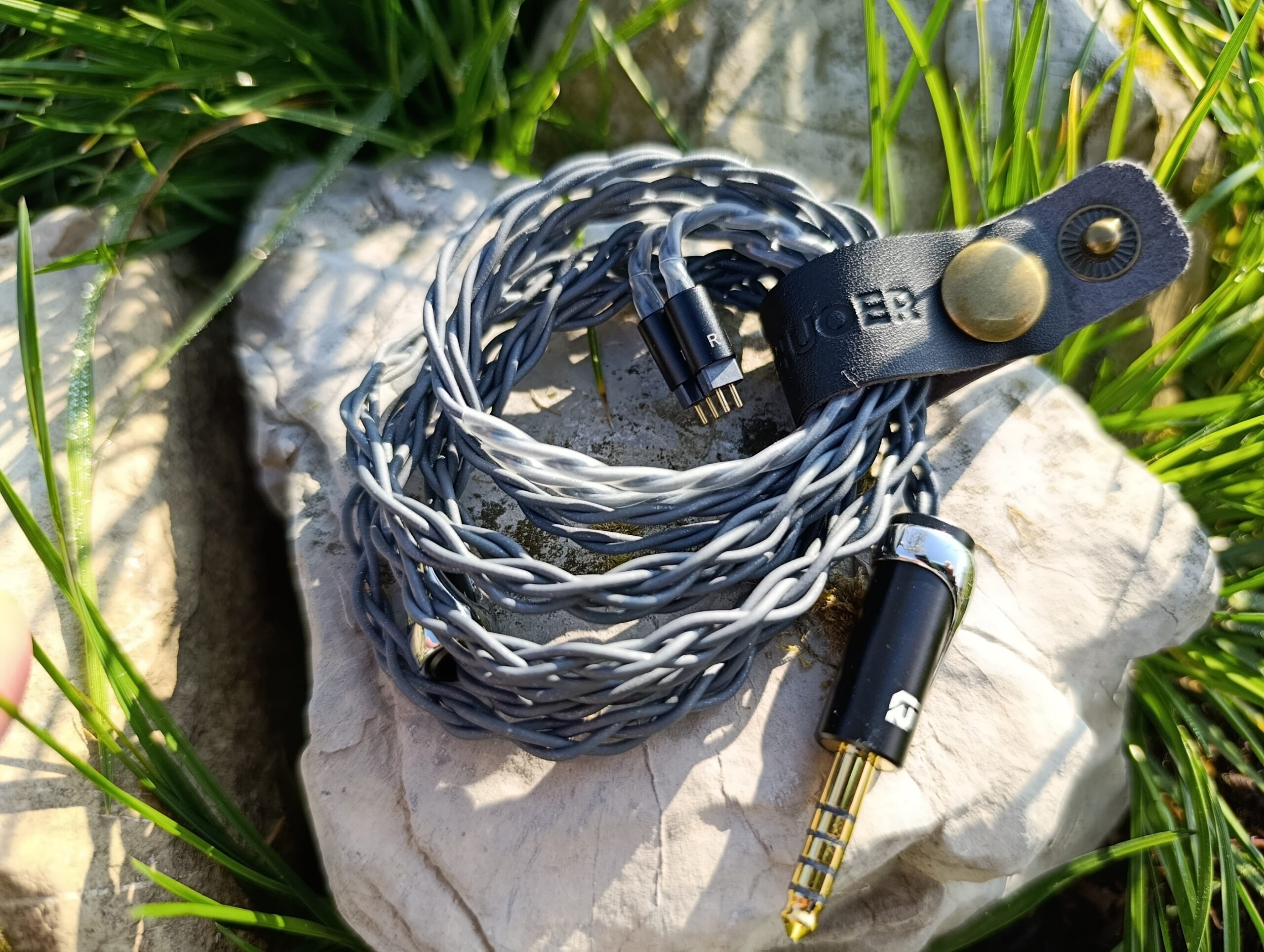
We all agree that the perceived quality is high. Perhaps the modular cable is missing, which could have been included at this price, but for a driver like this, a balanced one is absolutely necessary. Obviously, all the accessories significantly increase the final price, but quality comes at a price. The set does not require any upgrades.
Design/Build Quality:
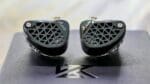
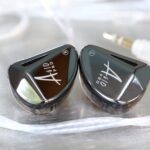
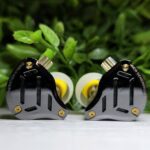
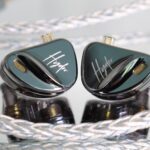
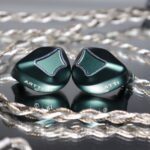
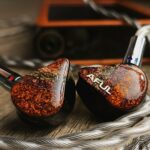
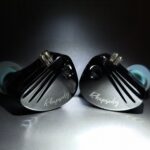
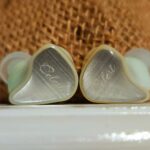
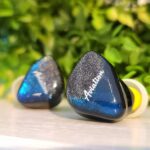
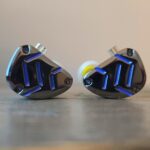
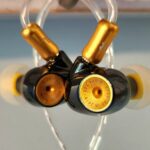
The Letshuoer Ember doesn’t sport a completely new look in terms of design, but it clearly takes inspiration from its smaller sibling, the S15, even though the materials used are obviously significantly different.
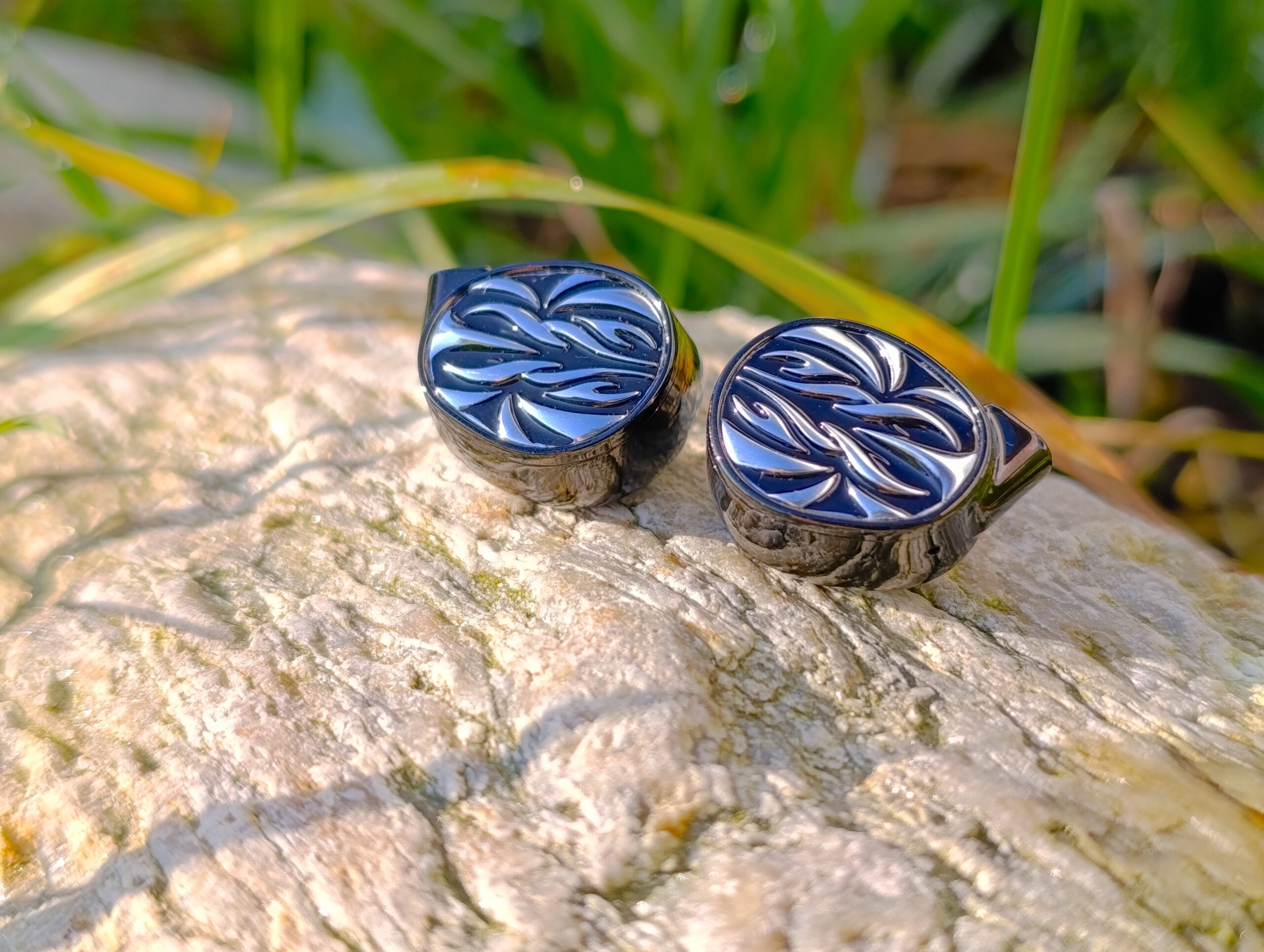
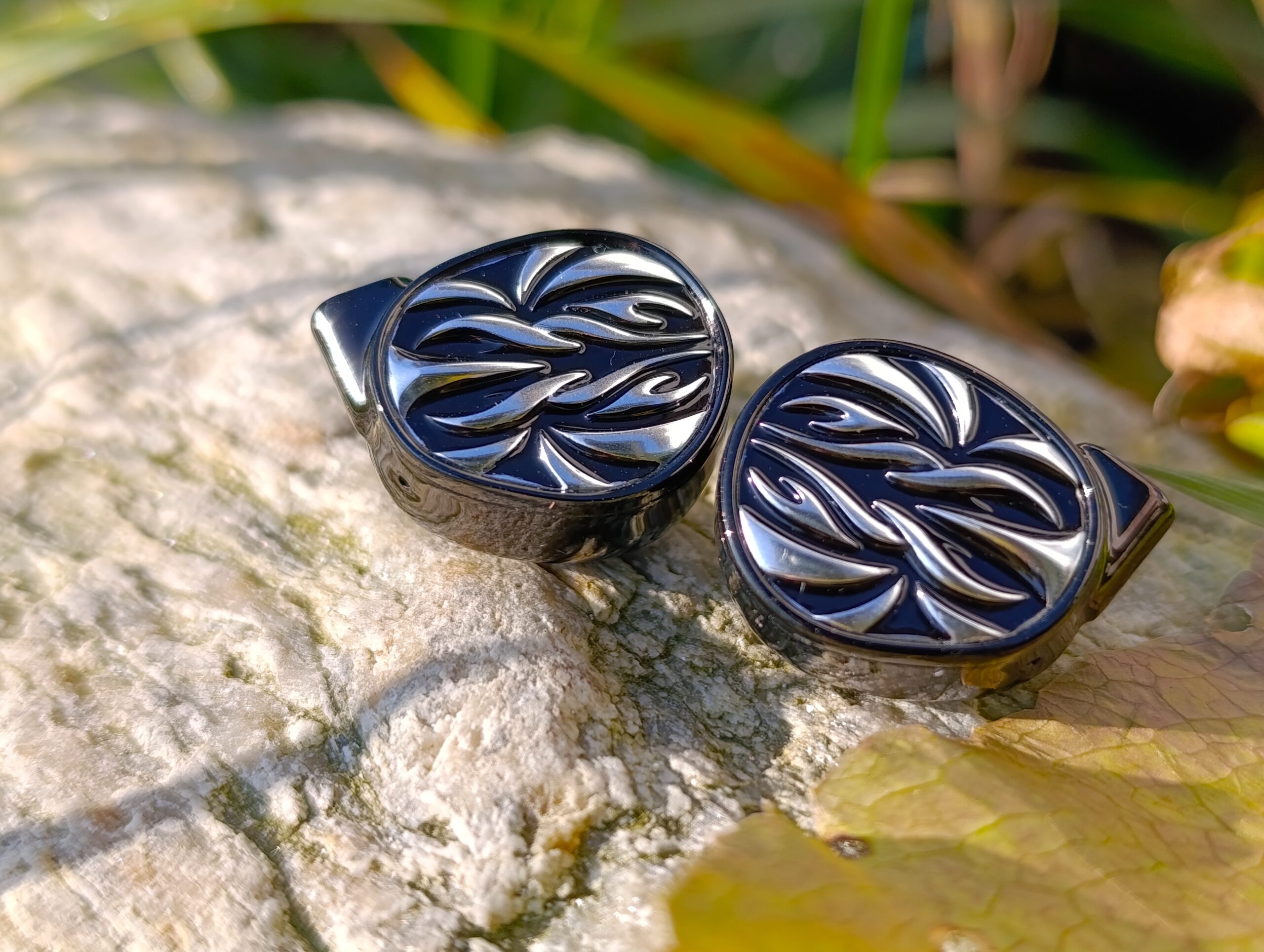
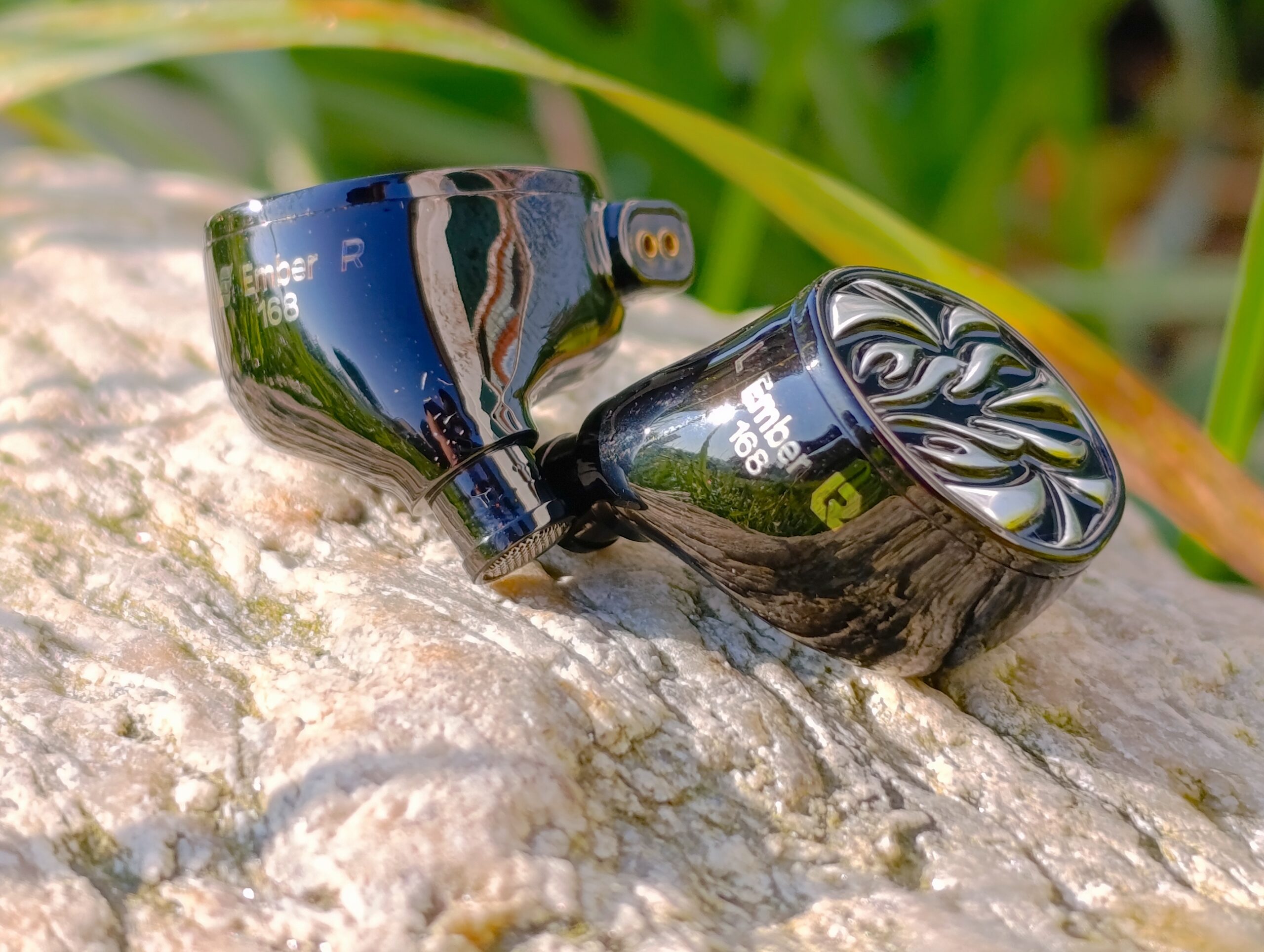
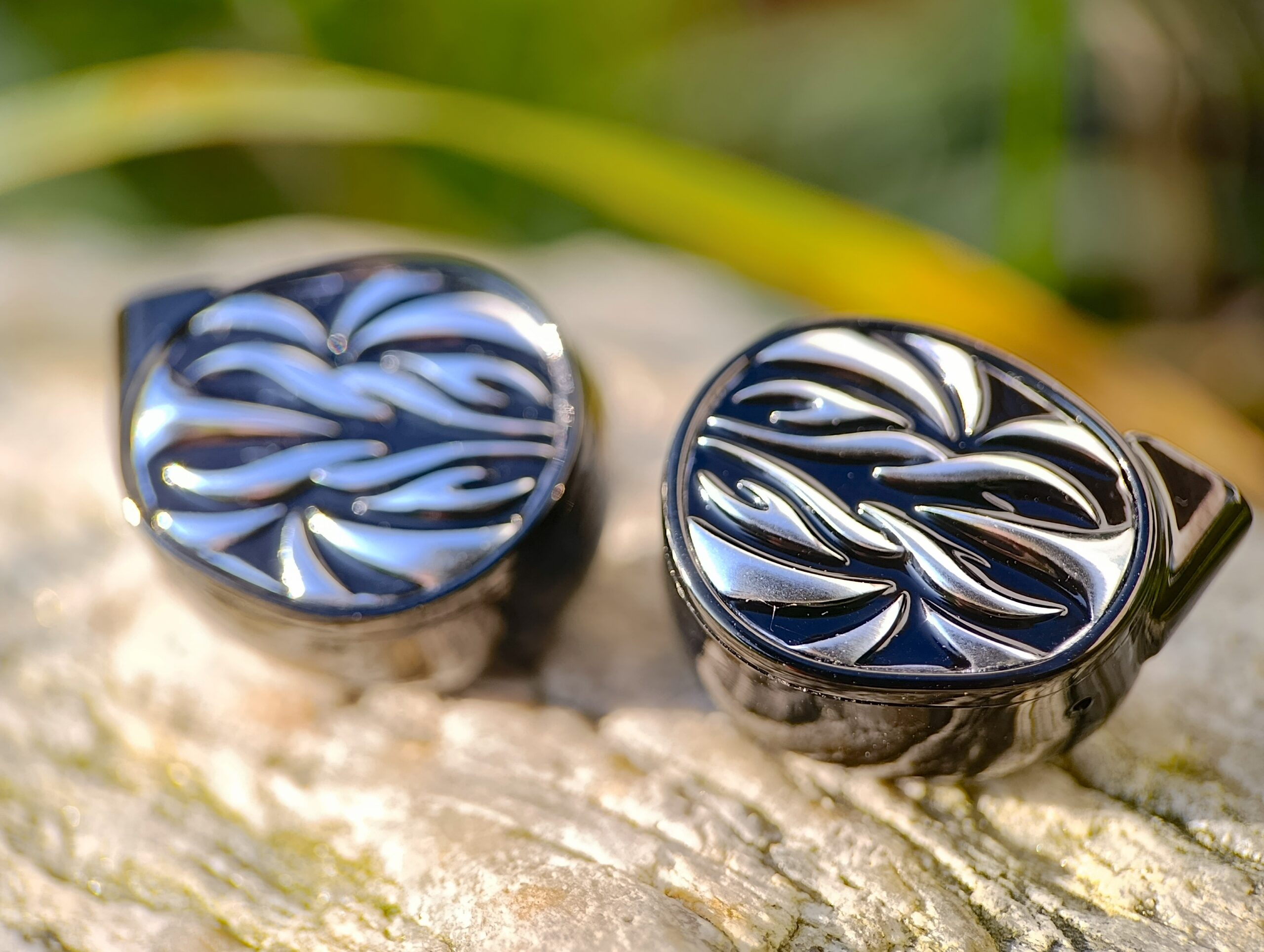
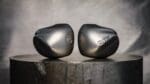
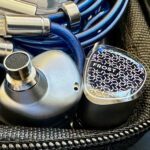
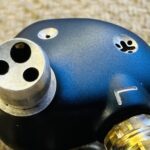
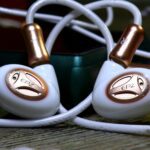
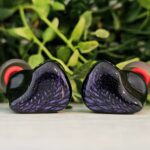
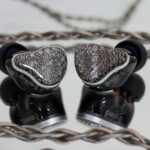
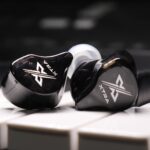
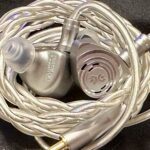
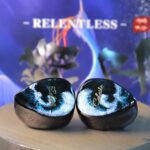
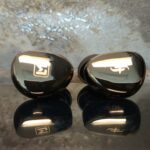
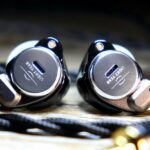
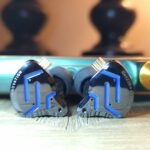
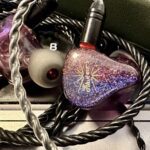
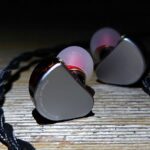
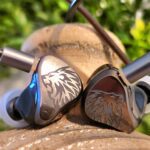
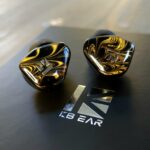
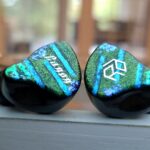
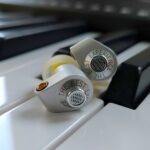
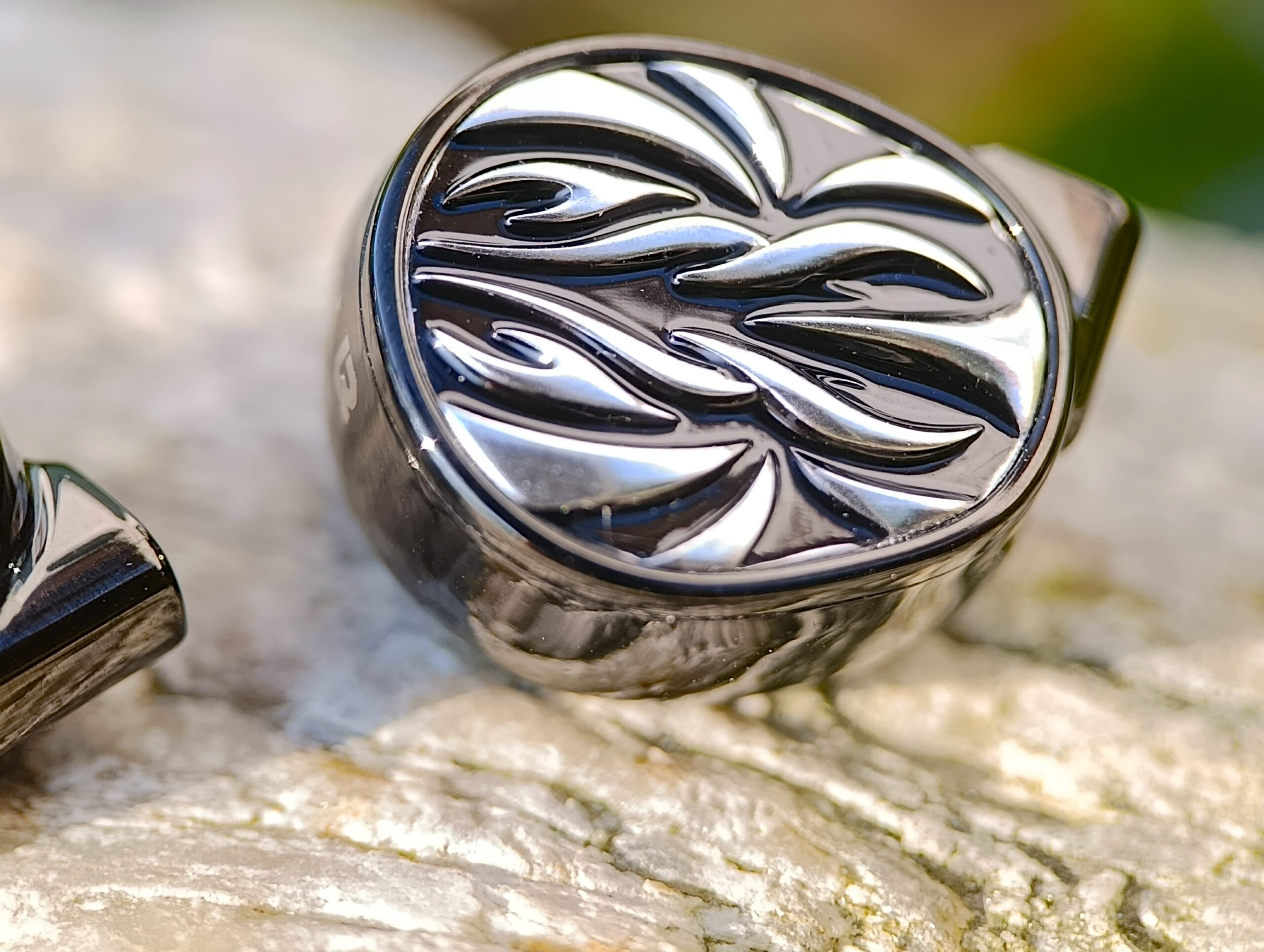
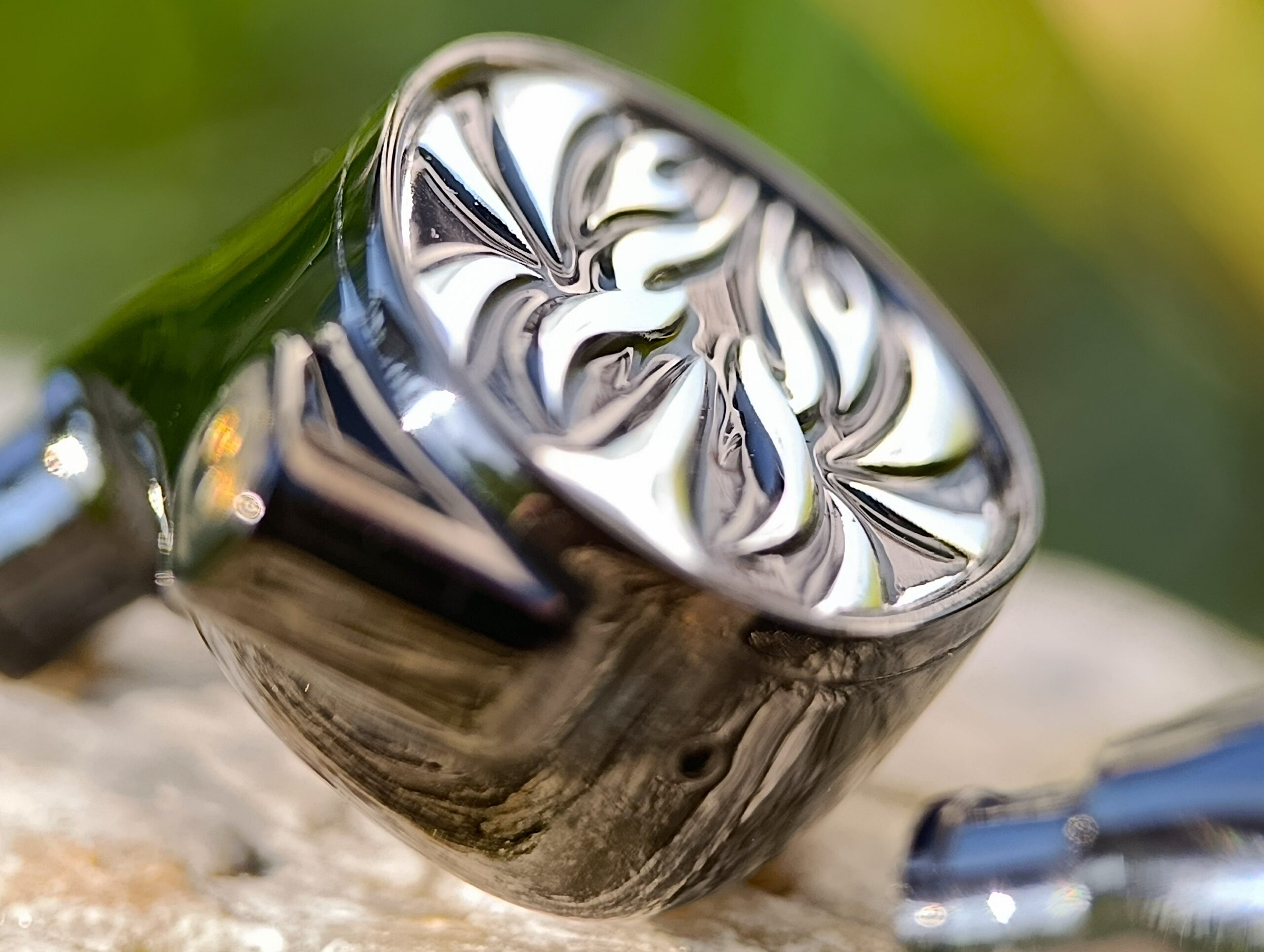
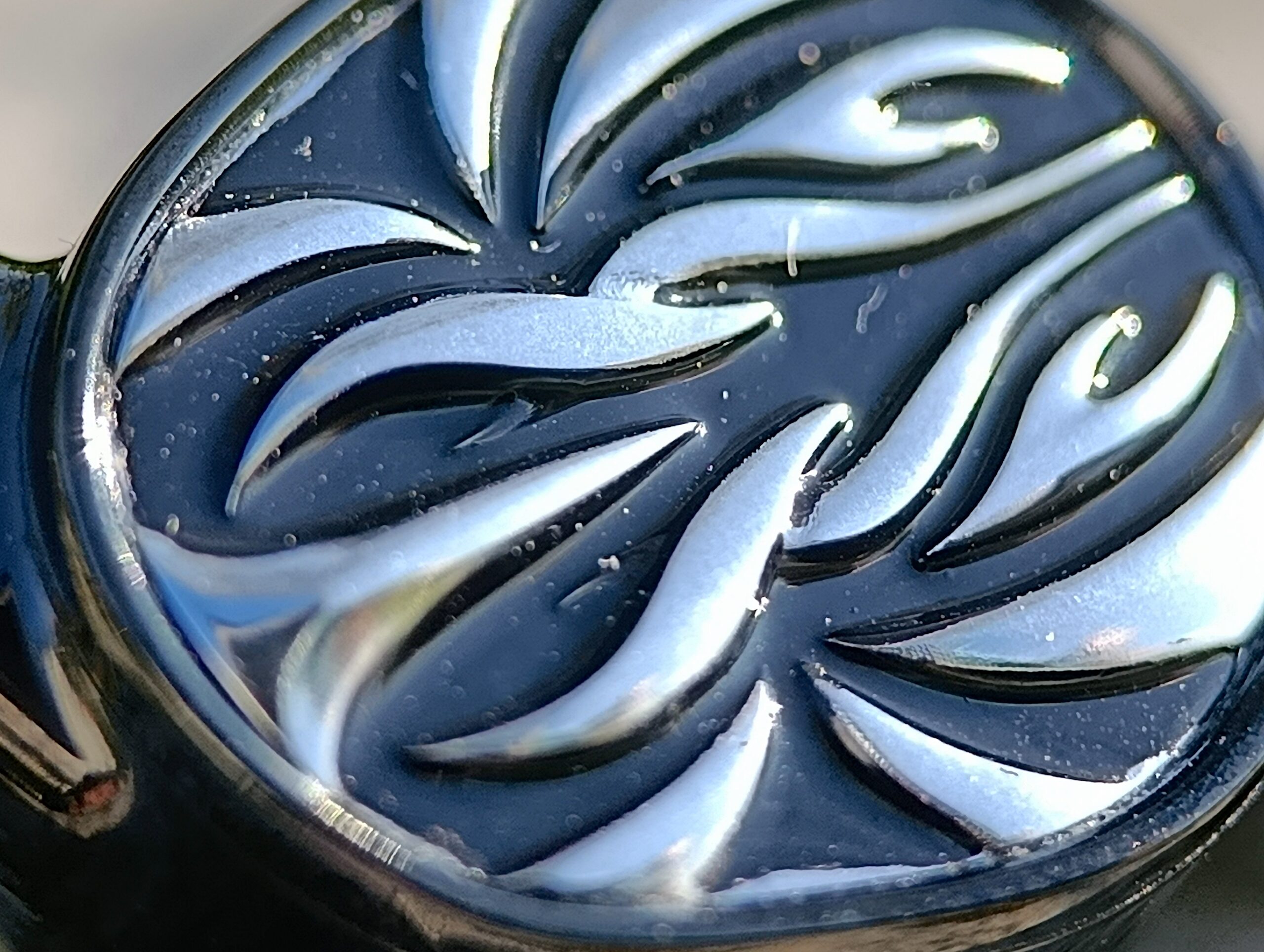
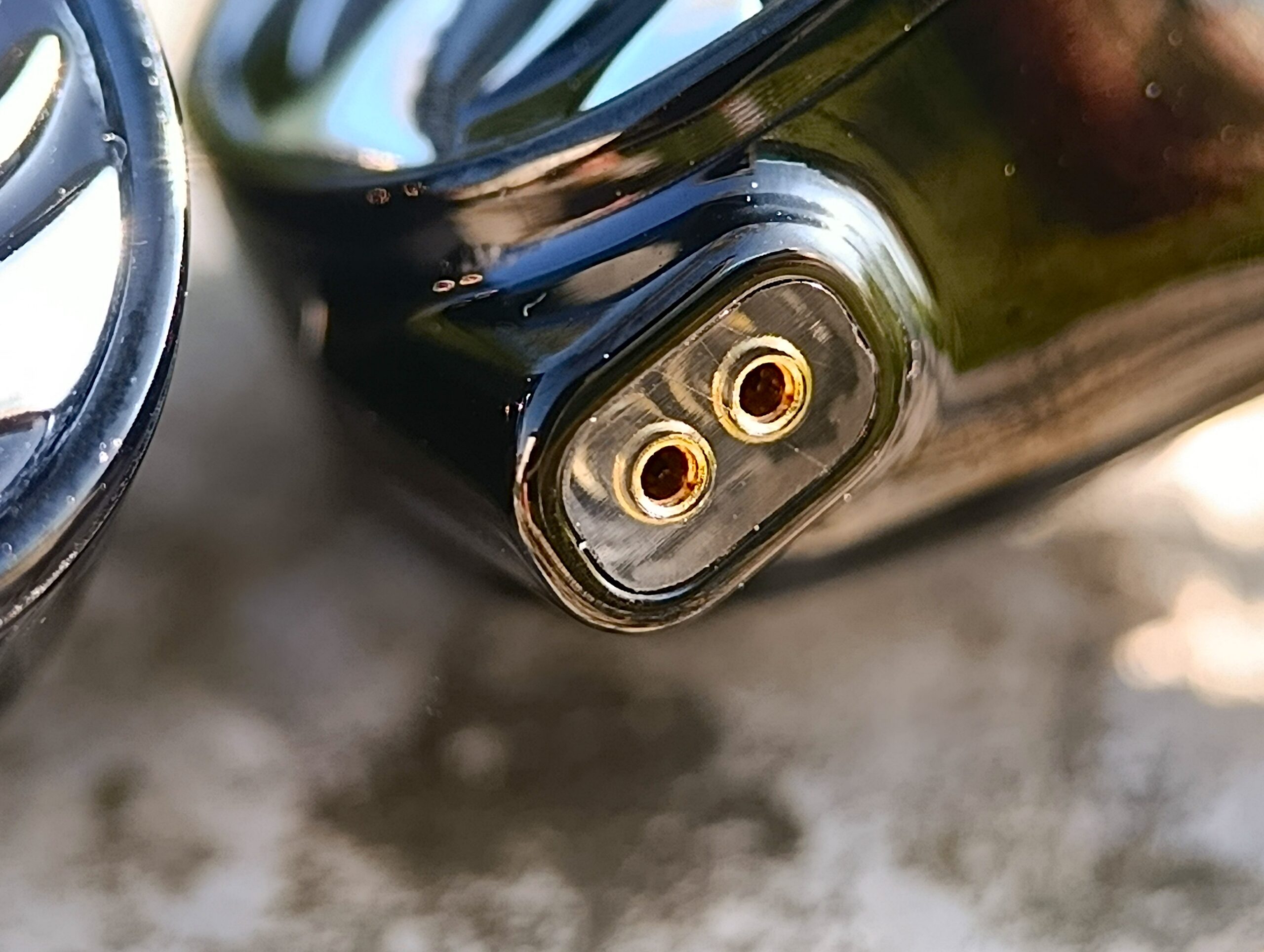
We’ve gone from 3D-printed resin shells to titanium shells. This element alone significantly increases the production cost. To be honest, I’m not a fan of resin shells on certain IEMs; in fact, good metal shells are always preferable and usually guarantee high passive isolation and some pretty good sonic characteristics. I have to say that at first glance I never would have guessed these two shells were titanium; the more I look at them, the more I believe they’re coated in dark resin. The paint process has made them shiny like resin. The shape and design might not be to everyone’s taste. The faceplates are embossed, like on the S15, vaguely reminiscent of flames. There are two ventilation holes, one on the back of the IEM and one before the nozzle. The cable by Effect Audio is custom-made for the Letshuoer Ember (the colors and plug design are themed). The only thing that left me slightly perplexed was that the 0.78mm pins should have been recessed into the cable, but they’re standard.
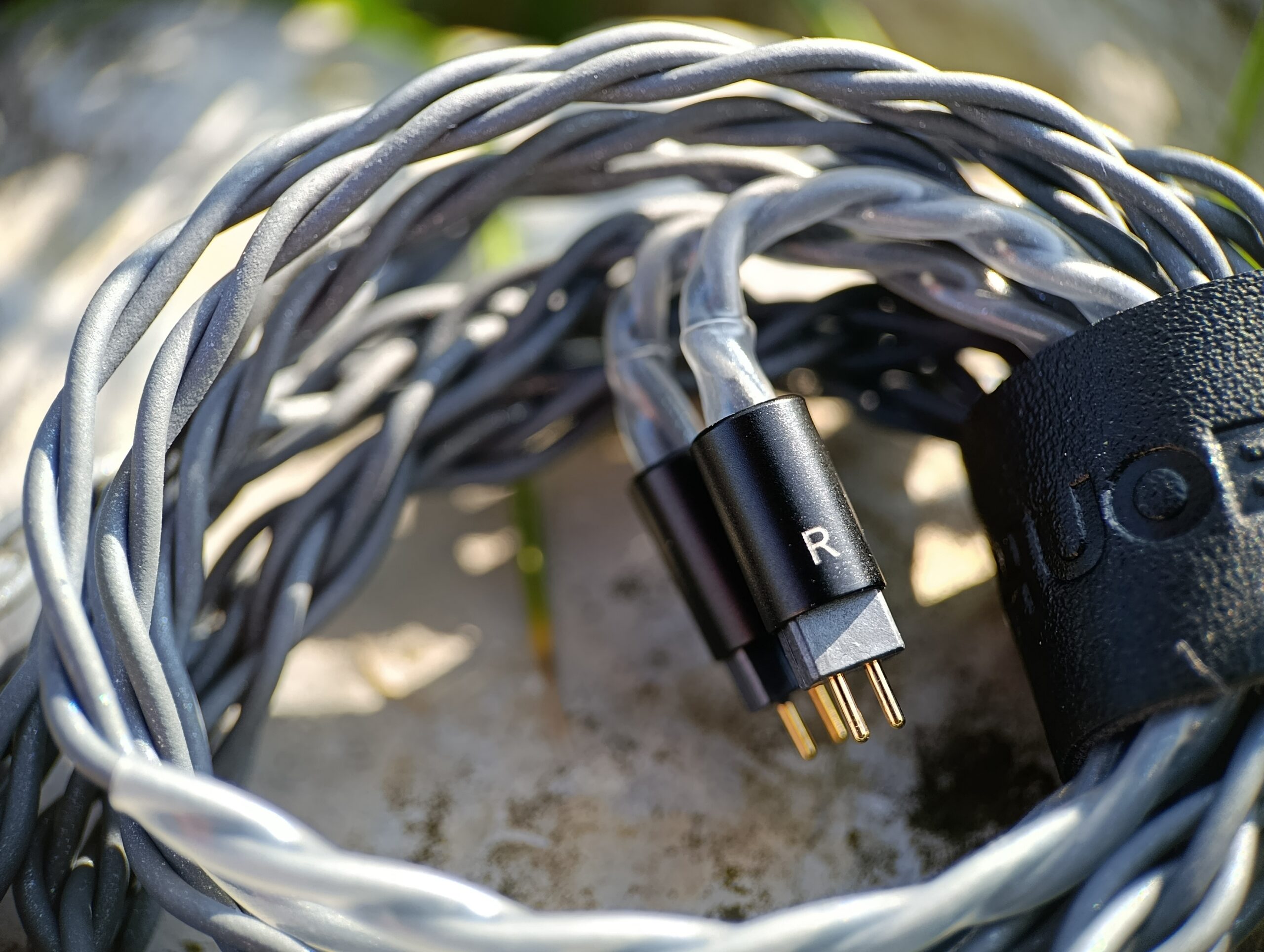

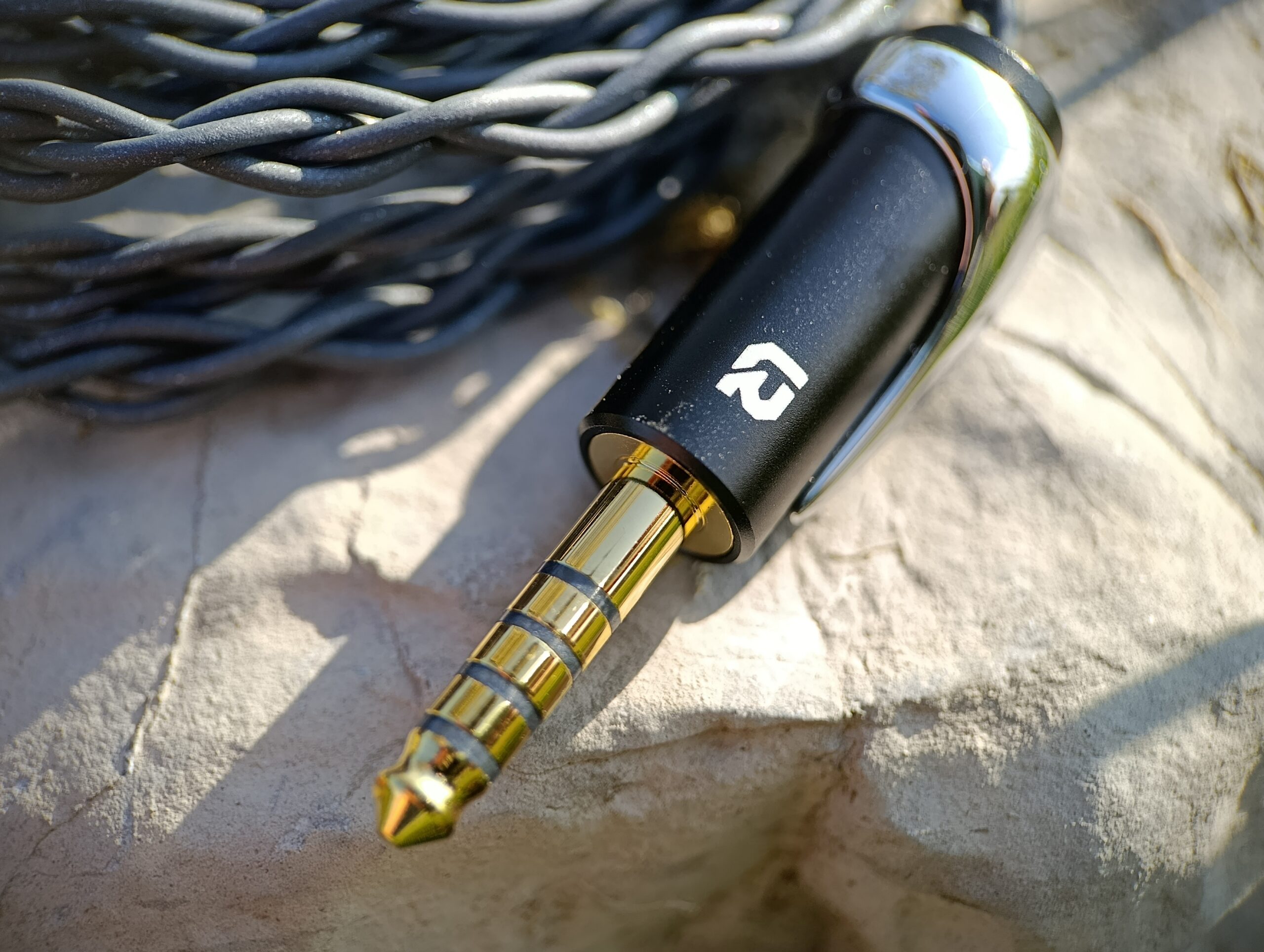
The cable feels a bit stiff to the touch, but in reality, it has a finish that makes it feel dry, very distinctive, not thick, and lightweight.
It is clear that a limited-run CNC machining of titanium shells is very expensive, but the shells are very light and resistant.
Built-in Technology:
Unlike the Letshuoer S15, which featured a passive radiator—or rather, a filter and a special tubing system—the Letshuoer Ember appears to have taken a step back in terms of innovation. There’s no new technology, just a new planar driver that increases the number of cores by 20%, meaning more power and speed.
Consequently, transitions and transients will therefore be faster than with the previous driver. The Letshuoer Ember certainly hides other secrets related to its internal structure.
Comfort/Fit:
The Letshuoer Ember’s comfort is identical to that of the Letshuoer S15. Same shape and size, lighter cable, and therefore more comfortable. I haven’t noticed any issues with the comfort inside the earcups; no particular upgrades are necessary. Nothing is stopping you from trying alternative ear tips, especially the included Wide-Bore Ear Tips. There’s absolutely no need for any kind of upgrade; the standard features are fine. Otherwise, there would be a big problem. After $499, even having to upgrade would be heartbreaking.
Tips Rolling?
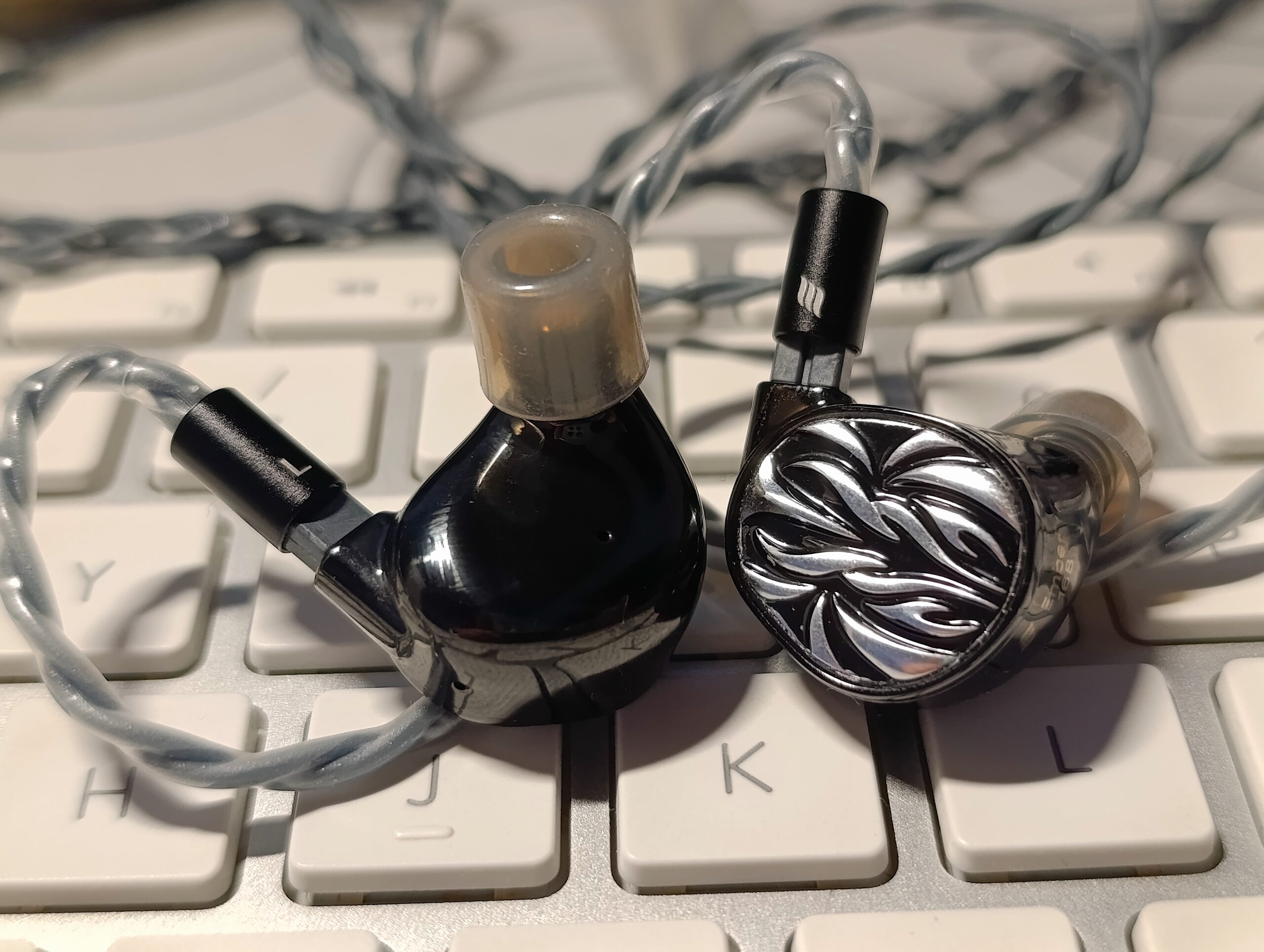
When it comes to ear tips, trying premium models like the Dunu, Divinus, or other models is always a good idea. Ear tips make a huge difference in terms of sound.
The Divinus Velvet maintains a smooth approach without any particular punch.
The EPZ M100s offer a noticeable bass boost, significantly enhancing rumble and boominess.
The Dunu S&S maintains the perceived sound more or less the same, but improves the soundstage and slightly improves the highs. Perhaps one of the best for emphasizing macro and micro details.
Of the stock models, I particularly like the wide-bore ones that don’t limit the sound too much.
Initial sound impression:
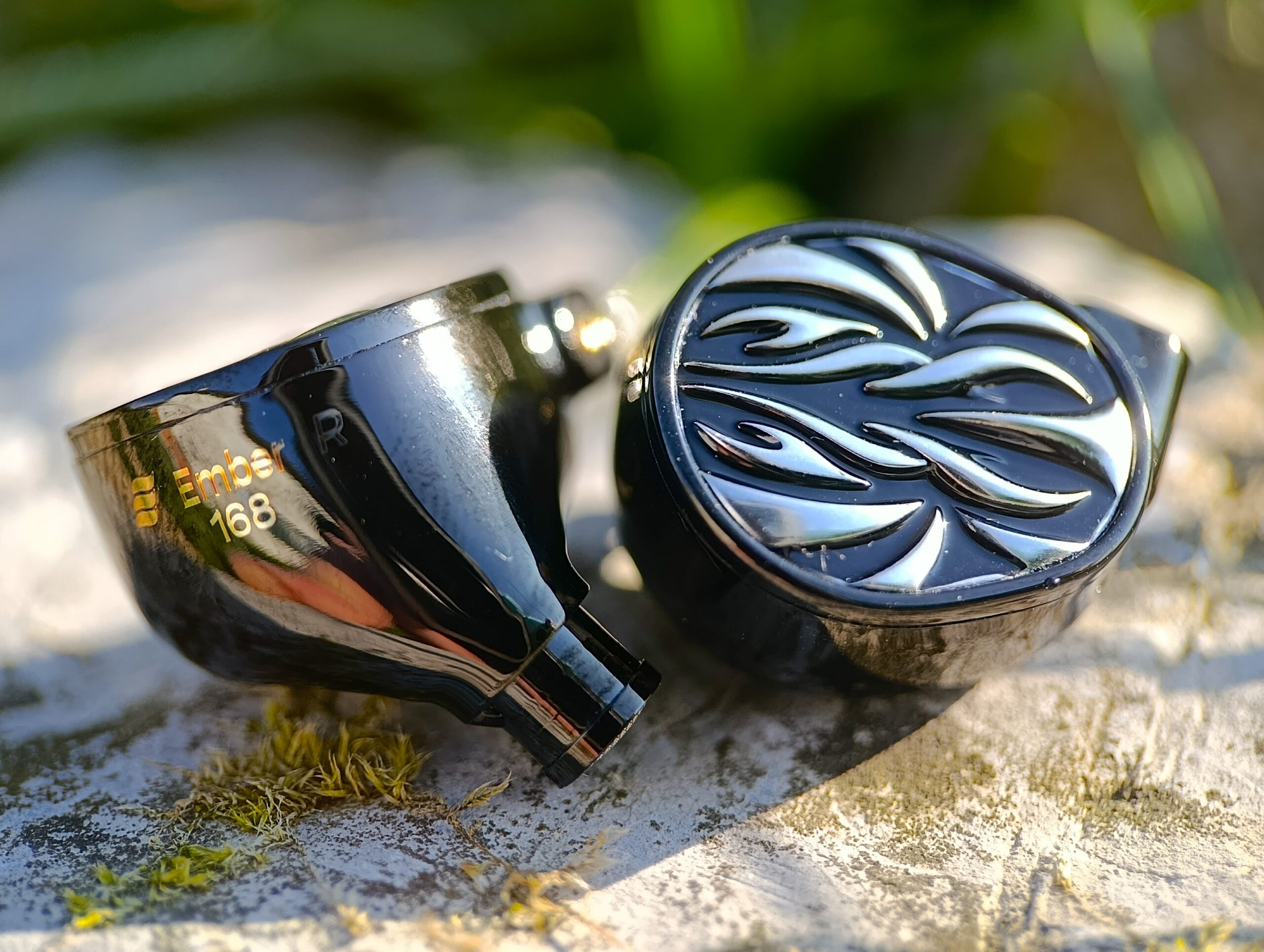
The first time I listened to the Letshuoer Ember, I was quite surprised. I’d skipped over a few models from this brand due to a marketing inconsistency, and I’d been stuck with purely bright sound signatures with fairly powerful treble extensions. This one, however, is a breath of warmth, a warm L-shaped tuning you wouldn’t expect. It’s very smooth, virtually peakless, and somehow, despite the very calm treble, the details come through easily. The bass is calmer than other planar speakers, a fast bass that doesn’t seek out the soundstage too much unless the track calls for it, and in that case, you can feel its full presence. The only thing I can tell you is that powering planar speakers with something less powerful will almost certainly result in a different sound than you would get with a properly powered driver. I’m definitely not going to tell you they’re easy to drive; in fact, I absolutely recommend a desktop solution.
Equipment used for testing:
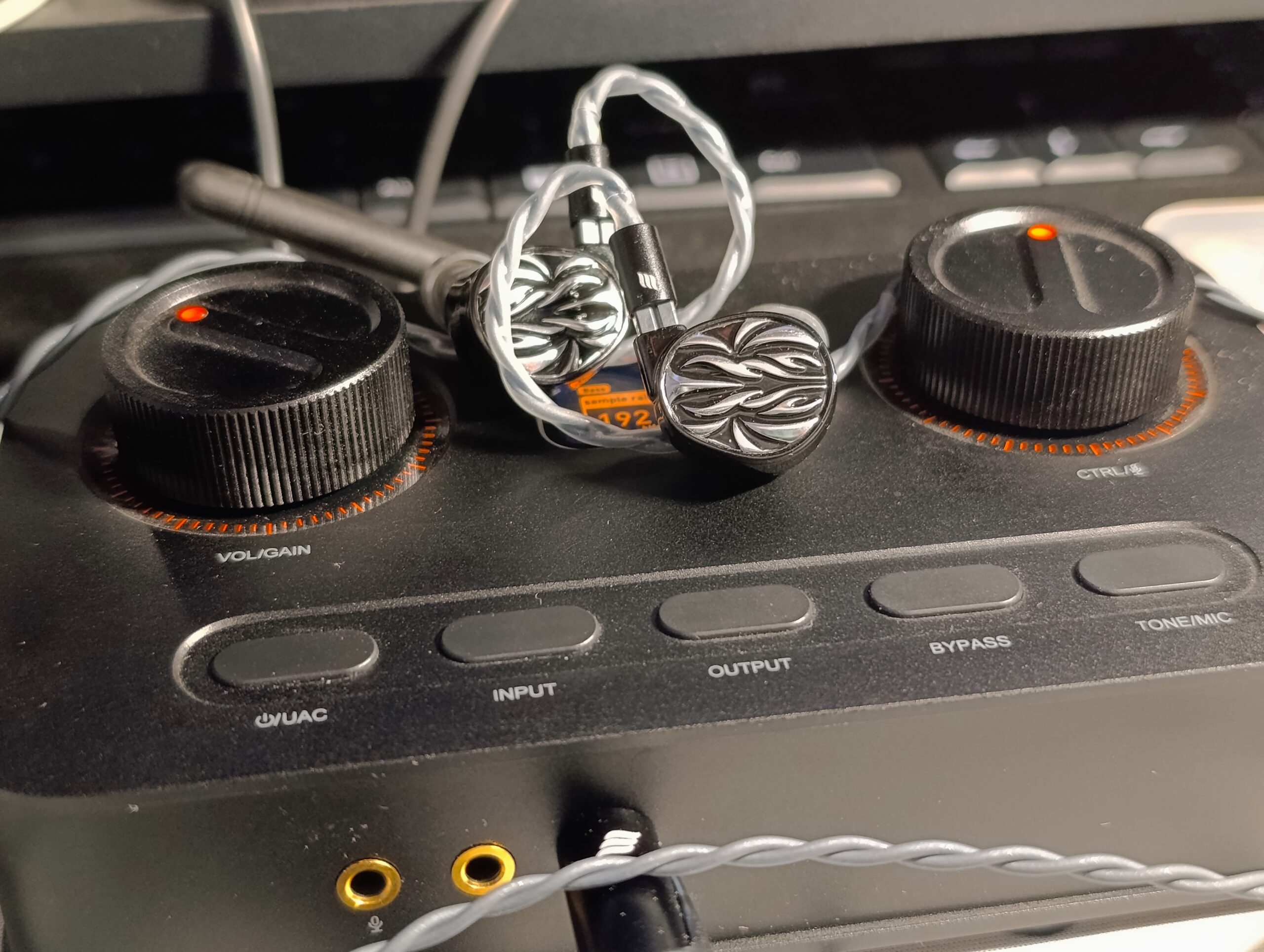
Device:
- Mac Mini
Software:
- Amazon Music UHD 24bit 96khz (Both)
DAC:
- Creative X5 (added warmth)
- Fosi Audio K7 (neutral brighter)
Final sound impression:
My final assessment is based on using two decent AMPs as power sources. The Lethuoer Ember requires a lot of power. 30 ohms and 103 dB of sensitivity might seem easy, but that’s not the case.

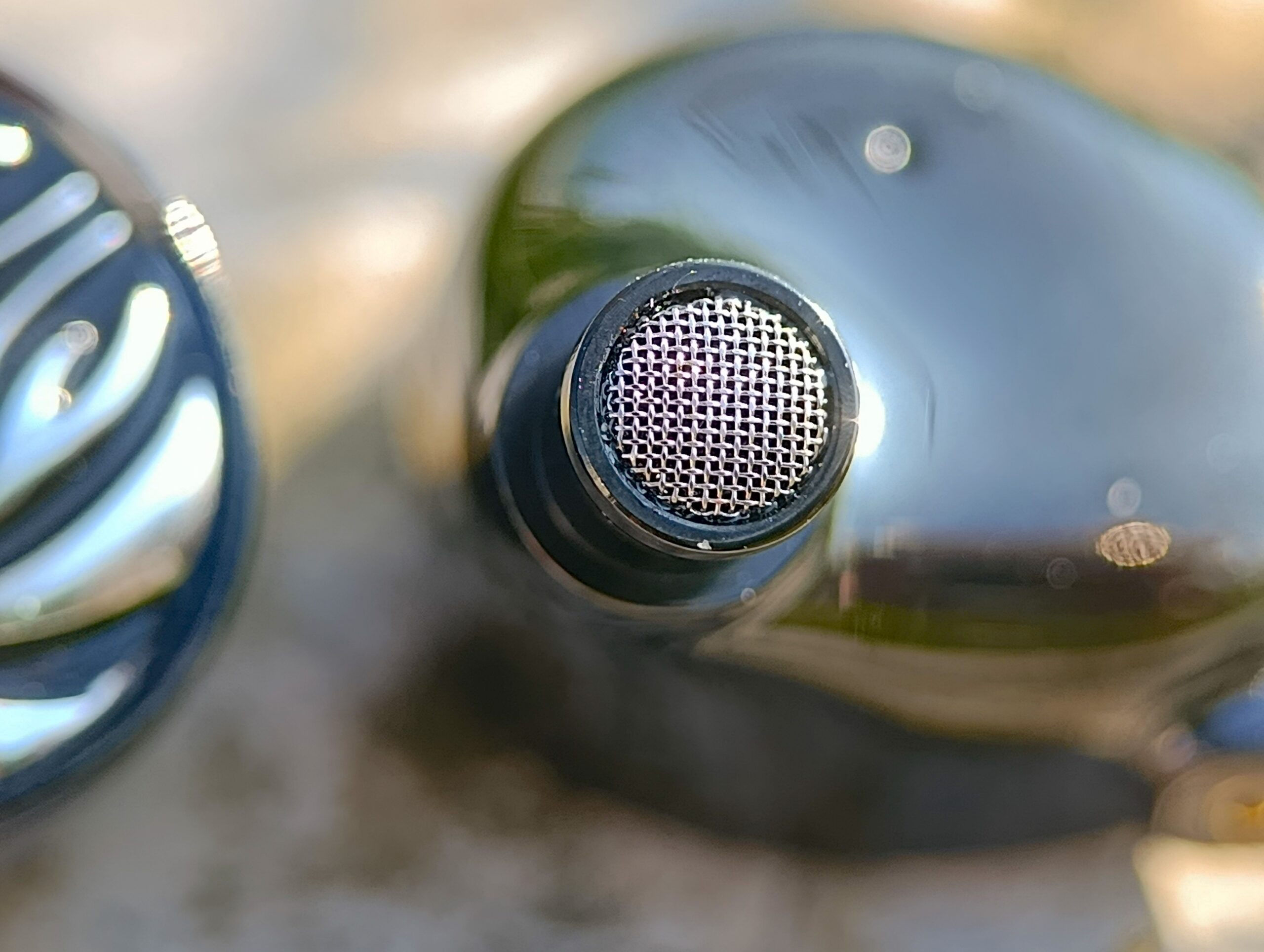
The type of tuning chosen makes this set different from many other planar speakers, but above all from what we’re used to from this brand.
It has a warm, smooth sound across the entire spectrum, a fast yet tranquil sound that lends itself to endless listening sessions. The driver’s dynamics are also excellent, being clear even at very low volumes. It’s a comfortable, chilled-out set that captivates you over time. It doesn’t immediately impress, but track after track it somehow manages to demonstrate its value.
Bass
These aren’t the kind of IEMs for bassheads, but their speed and presence make the bass much more enjoyable, aiming for a natural perception of the bass without overdoing it or dominating the soundstage. They can be quite pronounced if the track explicitly calls for it, but otherwise they stay exactly where they belong. The speed and perceived quality are top-notch and do justice to a premium set of this caliber. The sub-bass isn’t overly pronounced, but with the right eartips, the rumble can be amplified to achieve excellent reverb and impact.
Mids
The mids are particularly defined, though not harsh, with a calm and relaxed upper-mids setting. It’s a less aggressive approach, but one I personally like a lot; the planar driver compensates very well compared to the other drivers. They’ve chosen a fairly natural tone, and the warmth of the tuning helps in this regard. Vocals aren’t entirely foregrounded, but they’re still very easy to pick out and offer a good amount of detail. The choice of this warm, smooth atmosphere perhaps makes the mids a little less open and airy than I would have thought, but they’re still very pleasant.
Treble
The trebles are perhaps the biggest surprise in terms of tuning choice. Letshuoer has accustomed me to spicy and intense trebles, but in this Ember, they’ve opted for a super smooth approach. This decision makes the trebles very calm for a planar driver that, despite the tuning, manages to maintain great detail with its transparency. If the track requires bite, you’ll get it, but otherwise, it’s one of the most chilled listening experiences I’ve ever heard. Some might have a contrasting vibe with mine; I won’t deny that a little more treble wouldn’t have bothered me at all, but the choice of such a smooth treble makes the listening experience almost tireless. My ears feel a sense of absolute peace, and the tracks flow effortlessly. The details are there, just less sharp, and the micro details are softer and need to be looked for with a little more attention.
Soundstage and Imaging:
Planar drivers are the best drivers in terms of soundstage and representation. The Letshuoer Ember doesn’t flex extreme techniques or monstrous resolution, but rather a representation that aims to captivate you with time.
The soundstage isn’t monstrous; it’s more realistic; compared to the Hidizs MP145, I’d say it’s somewhere in the middle. A slightly holographic representation, but restrained.
The image is very sharp, which is something this type of driver does very well. Given the type of tuning chosen, it’s not the most vivid in its category.
Comparison:
Comparing a similar product should at least be done with products in a similar category. I decided to compare it with the most important planar IEMs.
vs Letshuoer S15
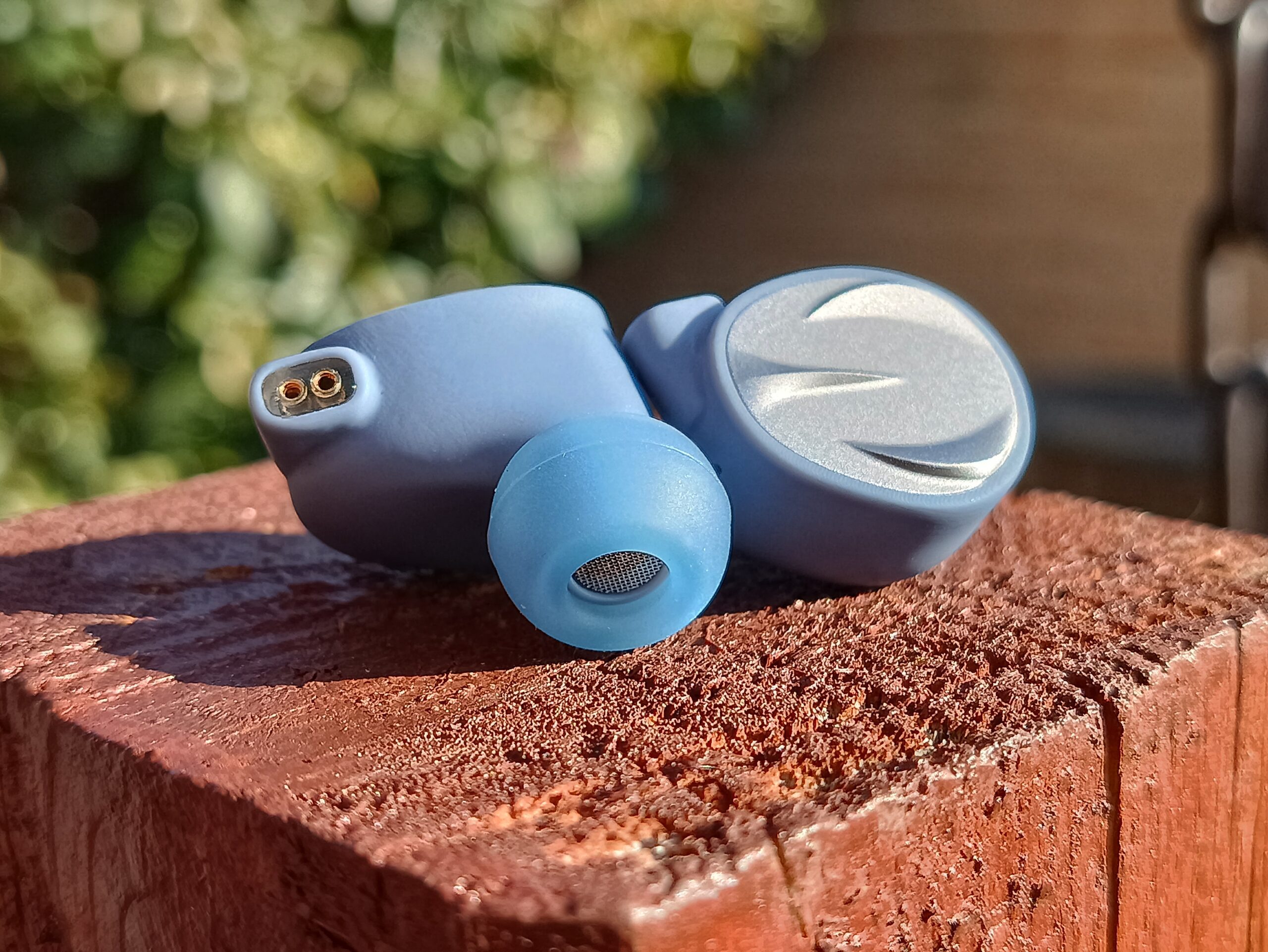
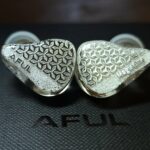
We can say that part of the Ember’s design is practically the same as the S15; the design is very similar, and the dimensions are almost identical. The shells are equally comfortable, with the main difference being the materials. They are two different IEMs even if they look similar; in fact, the S15 has a more typical Letshuoer tuning, brighter, more punchy, and pushing the resolution. If you’re a fan of more extended treble, this is definitely a better choice for you.
vs Hidizs MP145
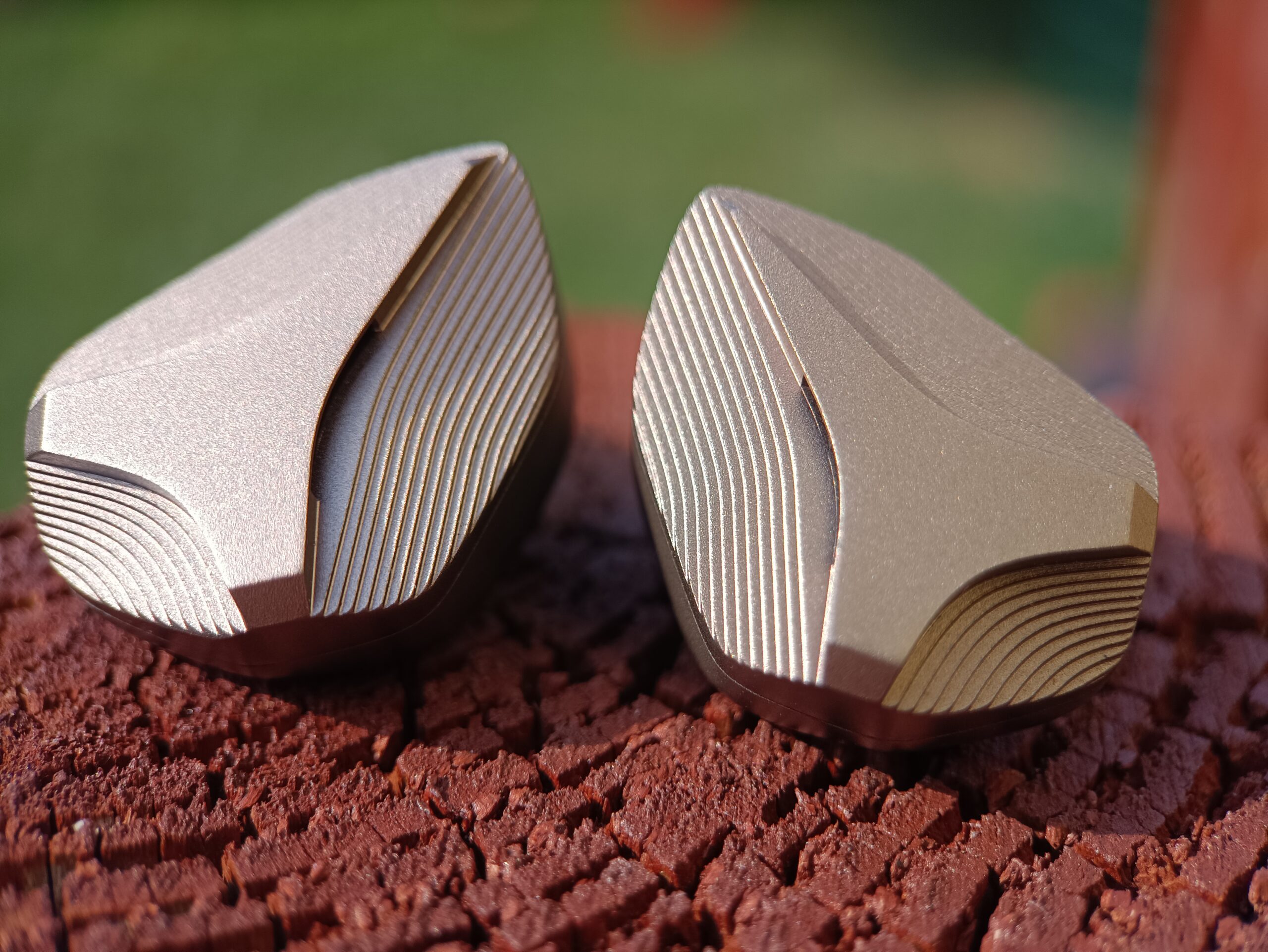
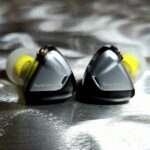
The Hidizs MP145 remains a highly regarded planar IEM, with a unique CNC-machined aluminum design, built like a tank, with very large housings (not for everyone) and a more V-shaped sound. To this day, it remains one of my favorites for its quality/price ratio, and now the price is even lower. Its soundstage is infinite; it feels like entering a cave. I recommend the full review.
Conclusion:
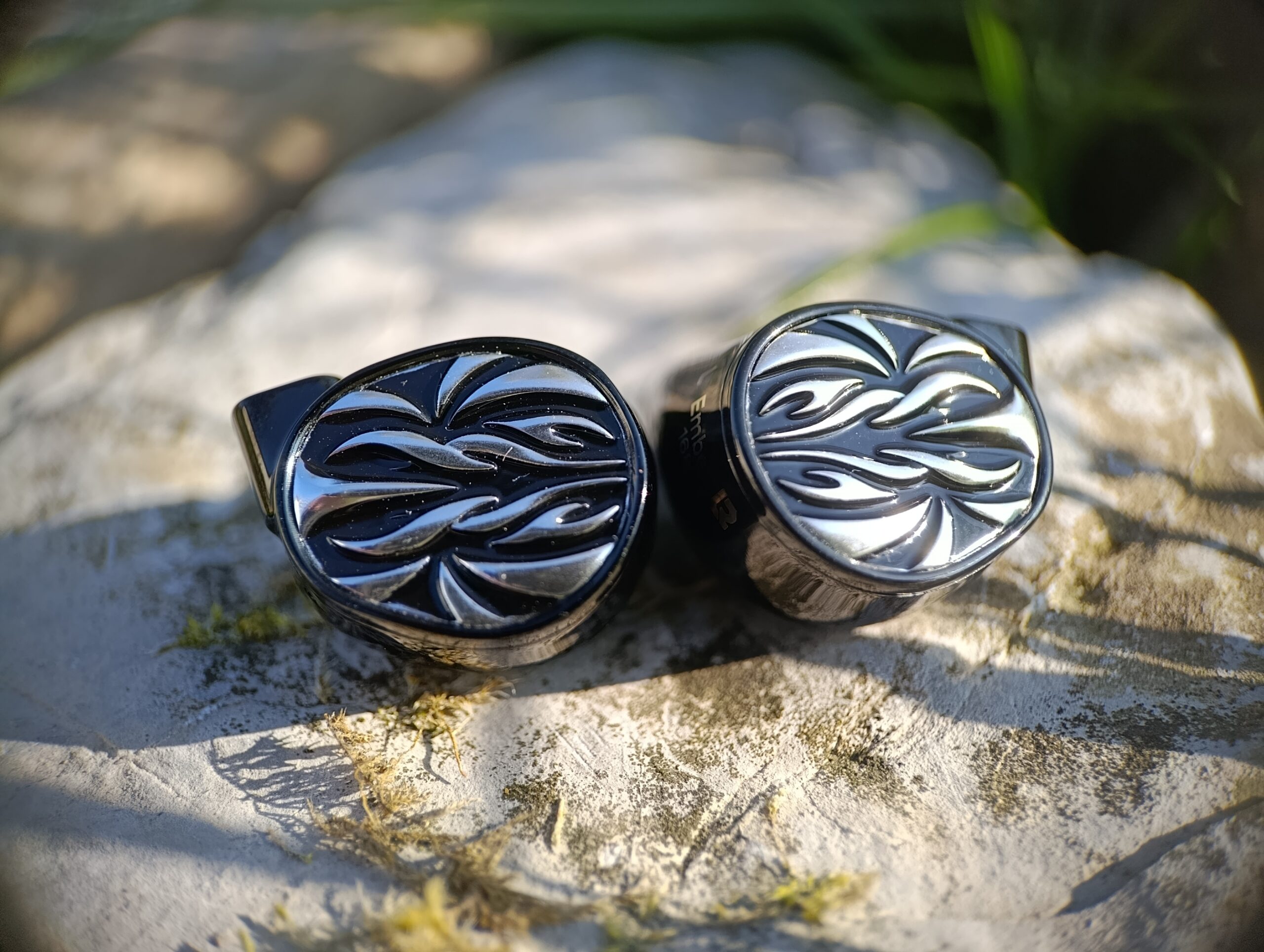
The Letshuoer Ember brings to market a sort of premium, more maturely tuned version of the S15. This tuning warmth isn’t guaranteed to warm everyone’s ears and hearts, but the more time you spend listening to it, the more you understand its potential and the choice to adopt such a fluid curve.
The bass has a significant presence but stays well away from the more important elements without drowning out the true soul of the tracks. However, if the bass is called for, it has an authoritative character. The slightly warm mids are at their best on female vocals, in my opinion, but are always very silky and respectful of natural tones. The source plays an important role; in fact, I used the Creative X5 and the Fosi Audio K7. The former has a warmer feel and, despite the power available, perhaps even warms the soundstage even further, even in completely flat mode. The Fosi Audio K7 is more than sufficient in terms of power, but has a more neutral, slightly bright sound. This combination does indeed give a nice boost to the sound, so I recommend at least neutral sources. Overall, the perceived quality is high, although it would be interesting to know how much the cable offered by Effect Audio affects the price to better determine whether it’s worth the asking price. It’s a nice cable, a perfect match for the Letshuoer Ember, but the terminals required recessed 0.78mm pins.
If you’re looking for a warm, mature-sounding planar that will make all your playlists sound refined, composed, and relaxed, this is the right choice. Be ready to pay!
8.6/10
Pros:
- S15 shell shape with some tweaks
- Premium Planar IEM
- New 14.8mm ultra-large Driver
- Premium Accessories
- Premium Cable from Effect Audio
- Many Eartips for a perfect fit
- Warm L-shaped Tuning (Nice)
- Good amount of macro details
- Mature & Relaxing Sound
- No driver flex
Cons:
- No modular cable (but needs power to shine)
- Micro details are a little hidden
- The price is definitely important (better materials & expensive accessories)
- Maybe too warm & relaxed for someone
Q/A:
Who is the Letshuoer Ember for?
As far as I’m concerned, this is a planar IEM with a significant price tag and a very pleasant and, above all, mature sound. As a product, it’s definitely aimed at those who are demanding in terms of sound quality but also build quality. A warm L-shaped tuning is something to look for after trying several more common variants.
Who should avoid the Letshuoer Ember ?
If you’re looking for crispness and an extremely extended planar response with plenty of treble, you’re in the wrong place. There’s plenty of detail, but you might be craving something superior. I therefore recommend evaluating several reviews and perhaps also checking out the Letshuoer S15.
Similar alternatives to consider?
2026 has started with several planar IEMs from various brands (some of which are due out in late 2025), so there’s a lot of competition. The Letshuoer Ember is a bit out of budget compared to other offerings from competing brands, so it’s essentially competing for very high-end IEMs (not the highest, but definitely not cheap). A proper comparison should perhaps be made with IEMs in the same price range to determine who offers more.
Where to buy?





No Comment! Be the first one.