















Disclaimer:
Good morning, MBA readers! Today, we have the new Hidizs AP80 Pro MAX in our hands, a fairly affordable DAP with good specs that I find very interesting. I want to tell you that it’s my first DAP ever, but it’s nothing more than an iPod with muscle. In the past, I started with Samsung MP3 players, which I still have and which, strangely enough, still work, and then I moved on to the iPod nano and iPod touch. For users of the Apple ecosystem, the choice was better. Especially the latter was practically a smartphone without the phone part, a bit like this new Hidizs, which, however, is much more oriented towards being an audio product.
Table Of Content
This is undoubtedly a steroid-driven version of what a device like the iPod could have been in the past, but it remains a device with a very basic interface.
I sincerely thank Hidizs for allowing me to try out their entry-level DAP equipped with the famous Hiby OS.
However, the review will still be 100% honest and in no way biased.
I’m not an audiophile; I’m just a guy who likes to test out different IEMs and DACs and spends a lot of time listening to music.
So I’m not going to use super technical words to review it, but I will do my best to describe it.
Tech Specs:
- Processor (SoC): Ingenic X1600E
- DAC Chipset: Dual ESS SABRE ES9219C
- FPGA Chip: HBC3000 (Dedicated for high-precision clock & DSD decoding)
- Display: 2.95-inch IPS HD Touchscreen (360×640 resolution)
- Chassis Material: CNC Aluminum Alloy with Dual-Sided Glass
- Dimensions: 82.8 × 51 × 15.5 mm
- Weight: ~81g
- Hi-Res Support: PCM up to 32-bit/384kHz, Native DSD64/128/256
- MQA Support: 16x Hardware Unfolding
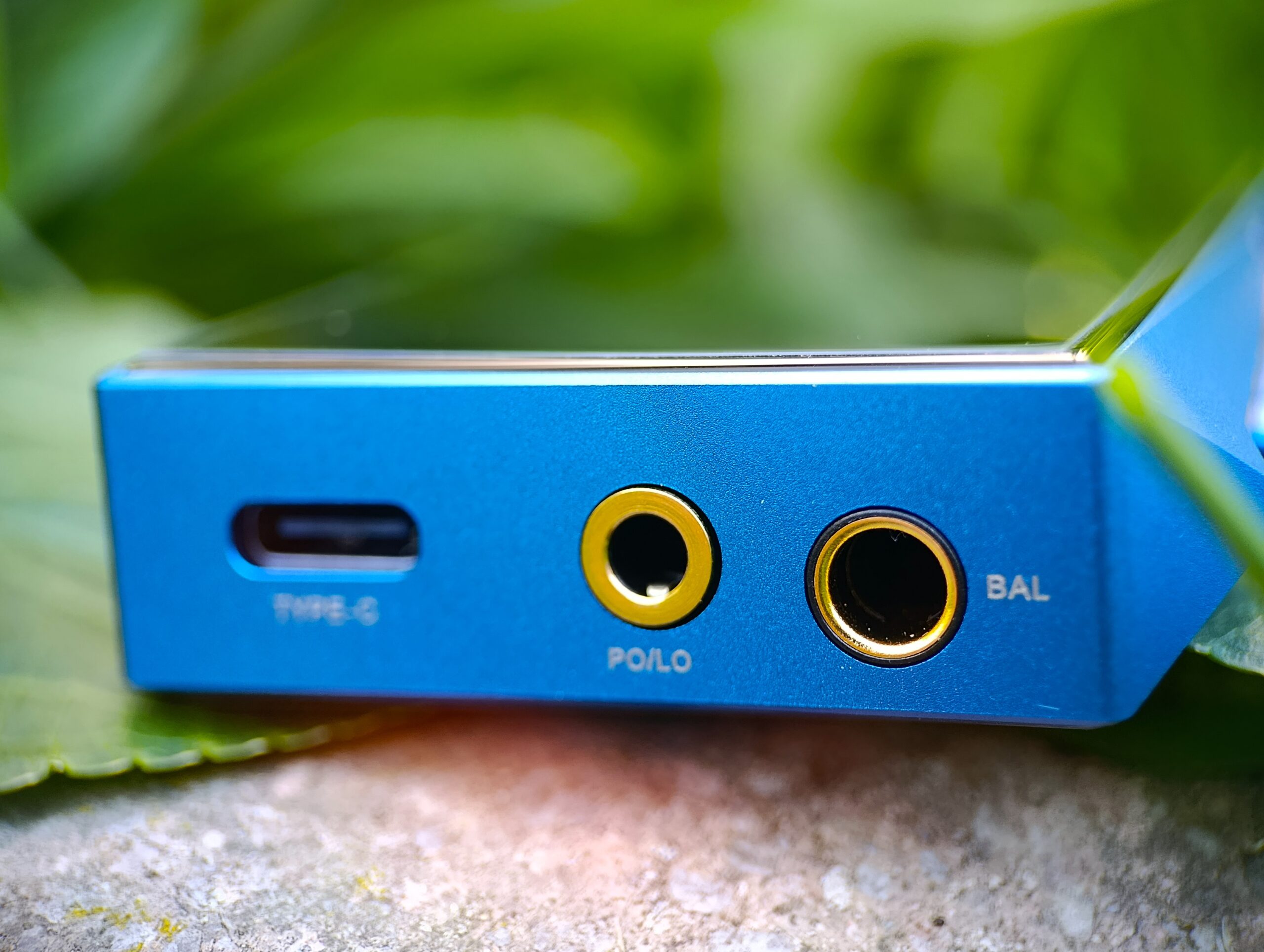
- Outputs: * 3.5mm Single-ended (PO/LO) 4.4mm Balanced (Pentaconn)
- Output Power (Single-ended): ~140mW @ 32Ω
- Output Power (Balanced): ~380mW @ 32Ω
- Frequency Response: 20Hz – 90kHz
- Signal-to-Noise Ratio (SNR): 119dB (SE) / 120dB (Balanced)
- Total Harmonic Distortion (THD+N): 0.0005% (Balanced) / 0.0007% (SE)
- Wireless: 2.4GHz Wi-Fi (Supports Tidal, Qobuz, DLNA, AirPlay)
- Bluetooth: Bidirectional Bluetooth 5.1 (Supports LDAC, aptX, AAC, SBC, UAT)
- USB Port: Type-C (Supports Bidirectional USB DAC / Audio Transport)
- Battery: 1300mAh Li-Polymer
- Battery Life: * Approx. 10–12 hours (Single-ended)
- Approx. 8–10 hours (Balanced)
- Standby Time: Up to 60 days
- Storage: MicroSD card slot (Supports up to 2TB)
- Operating System: HiBy OS (Linux-based)
- Sound Tuning: MSEB (Mage Sound 8-Ball), 10-band EQ
Packaging:
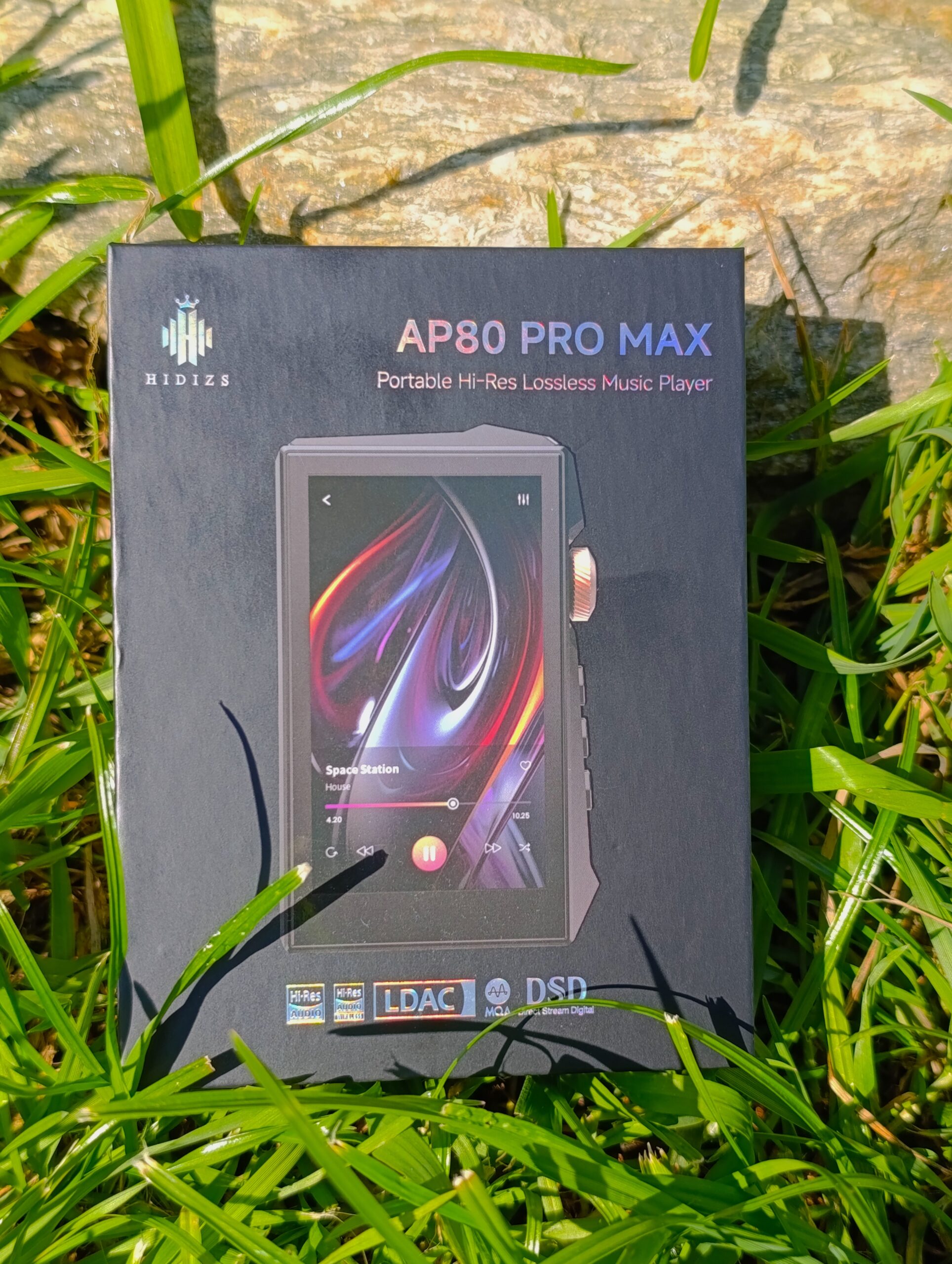
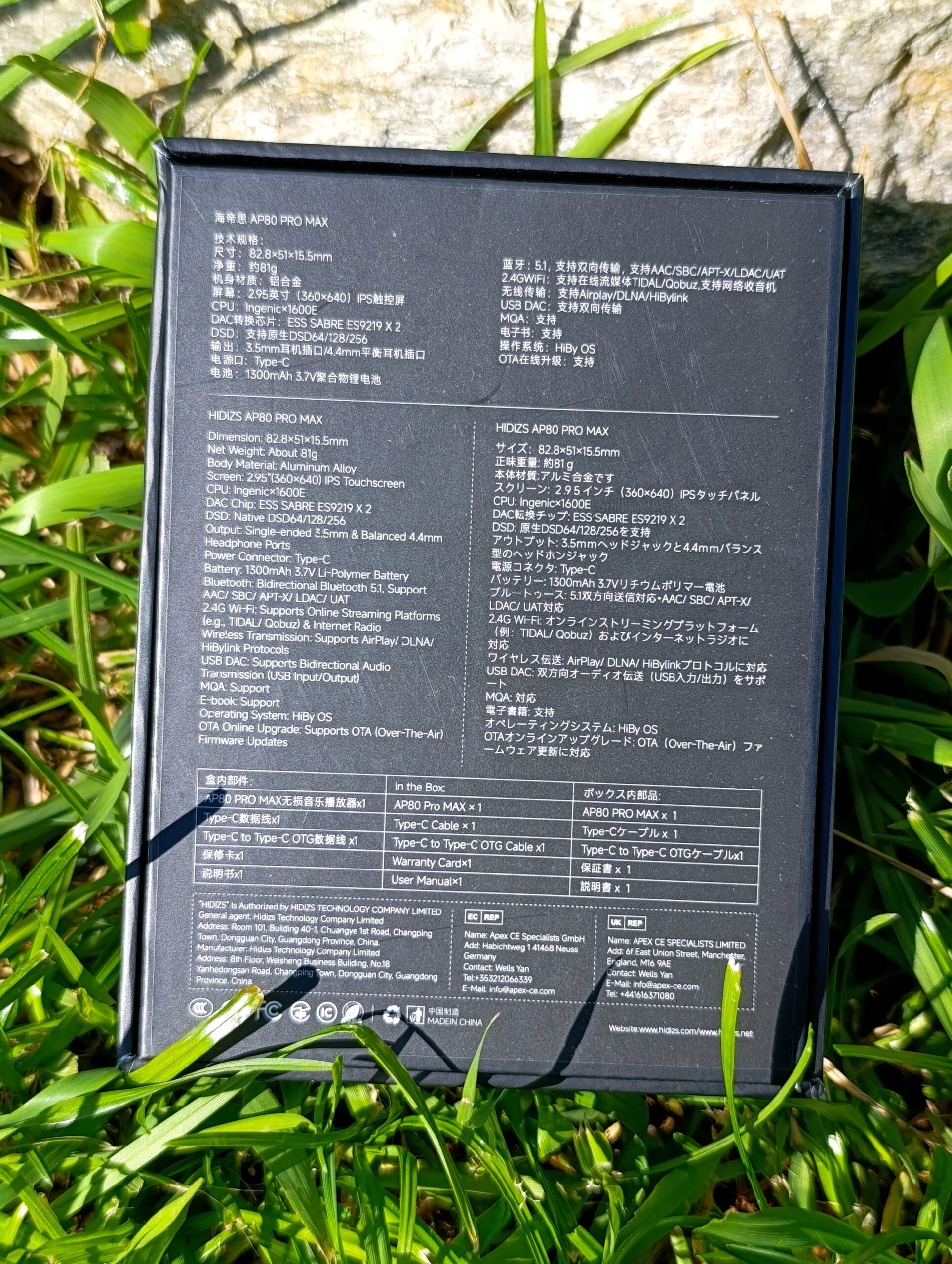
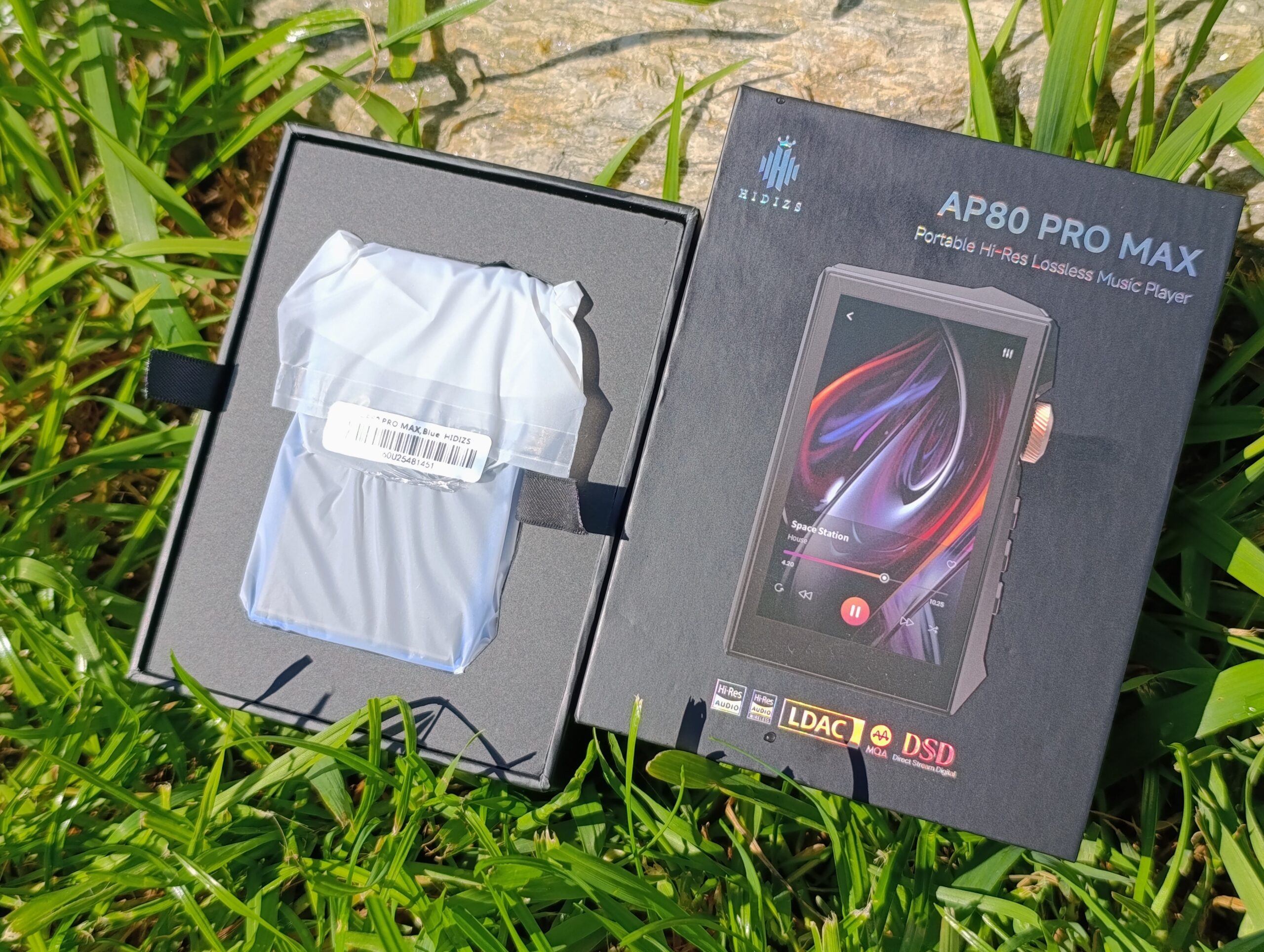
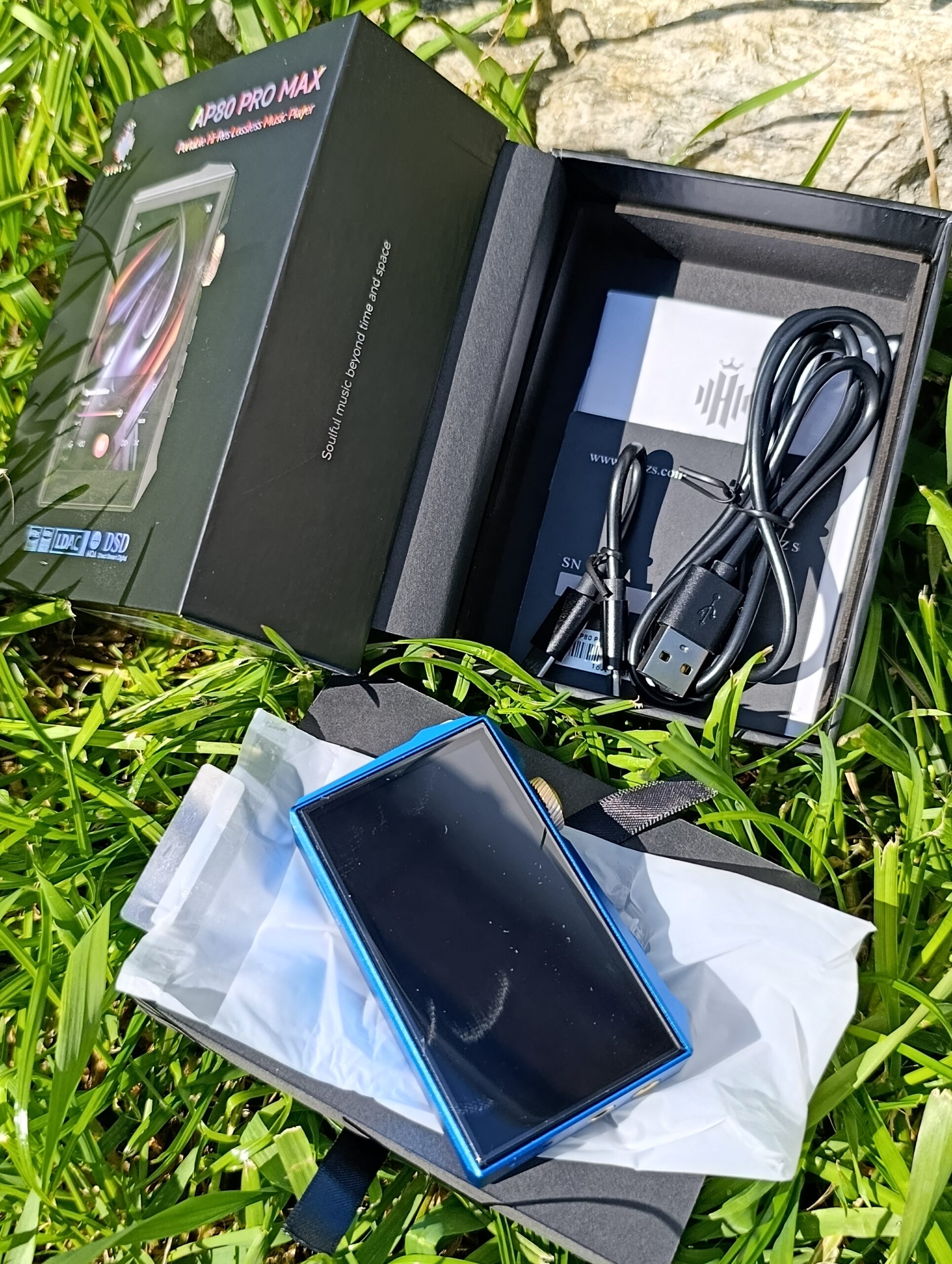
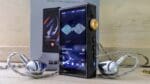
The packaging is typical for their dongles, vaguely reminiscent of the Hidizs S9 Pro Plus, even in terms of aesthetics. Inside, we find almost everything we need to use it without any problems.
We have:
- A short cable to connect it to an external dongle
- A long cable for charging and connecting to a PC
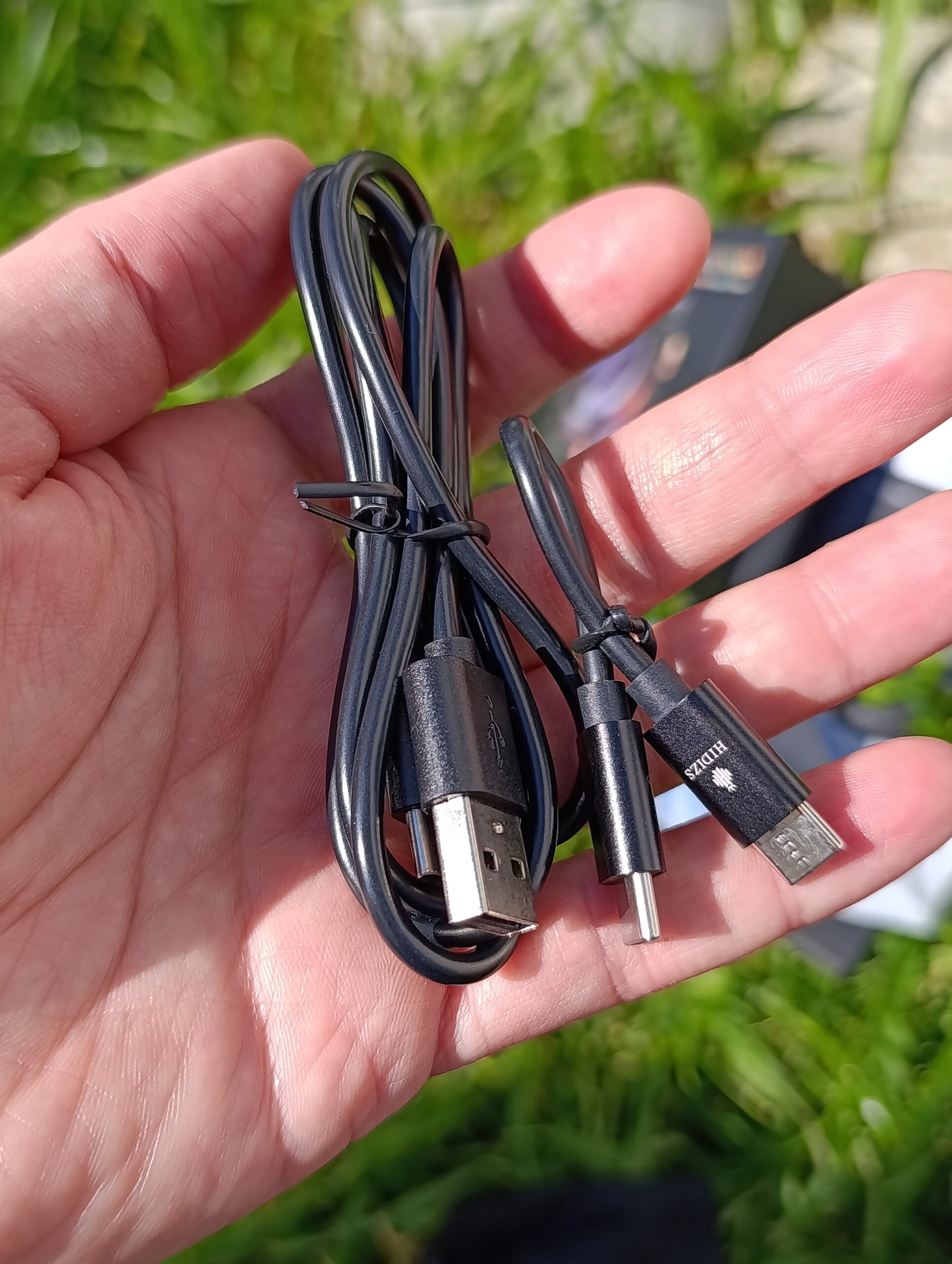
The only thing I would have liked to see included is a protective case. Luckily, it comes with the protective films already applied.
Design/Build Quality:
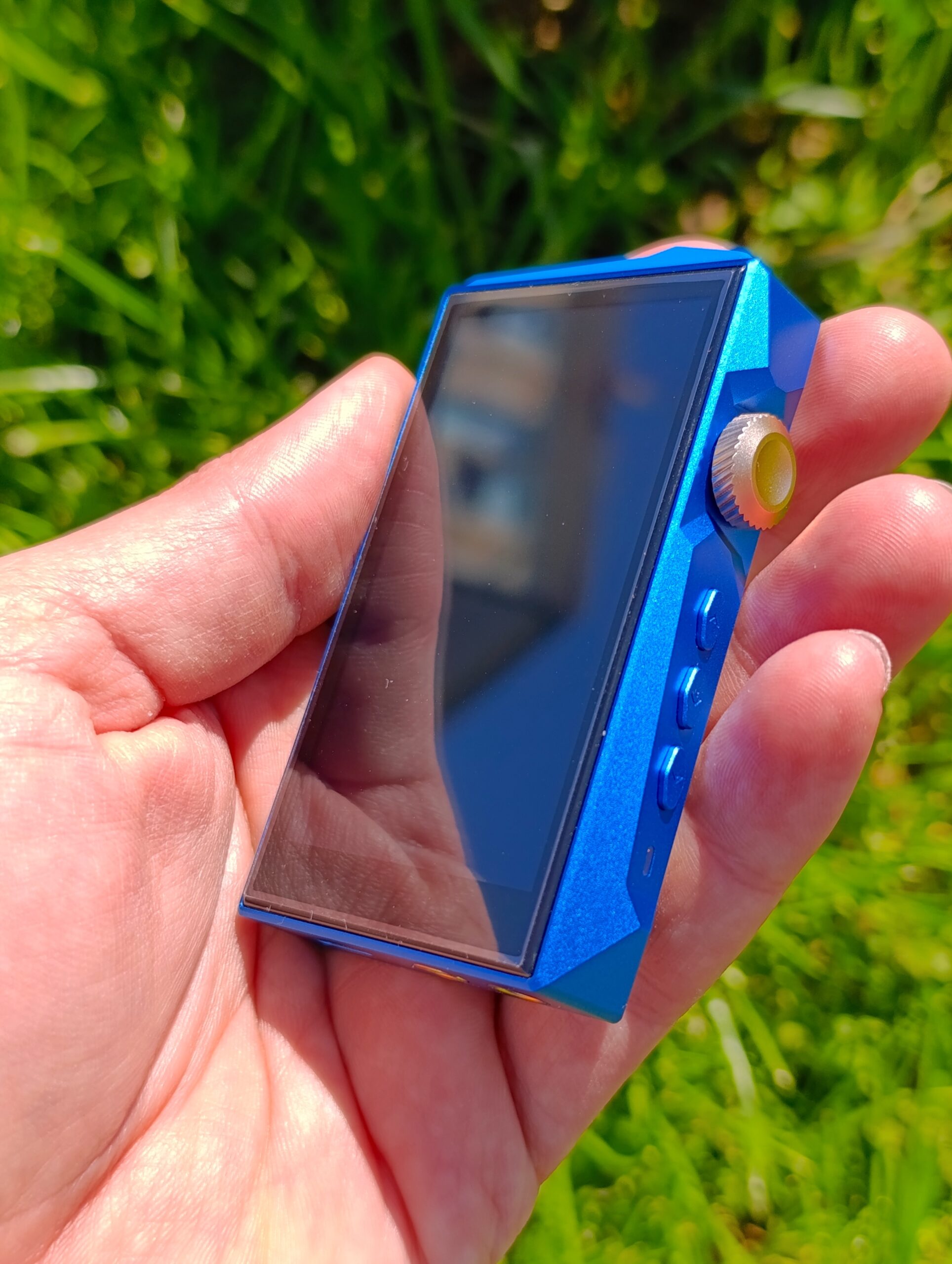
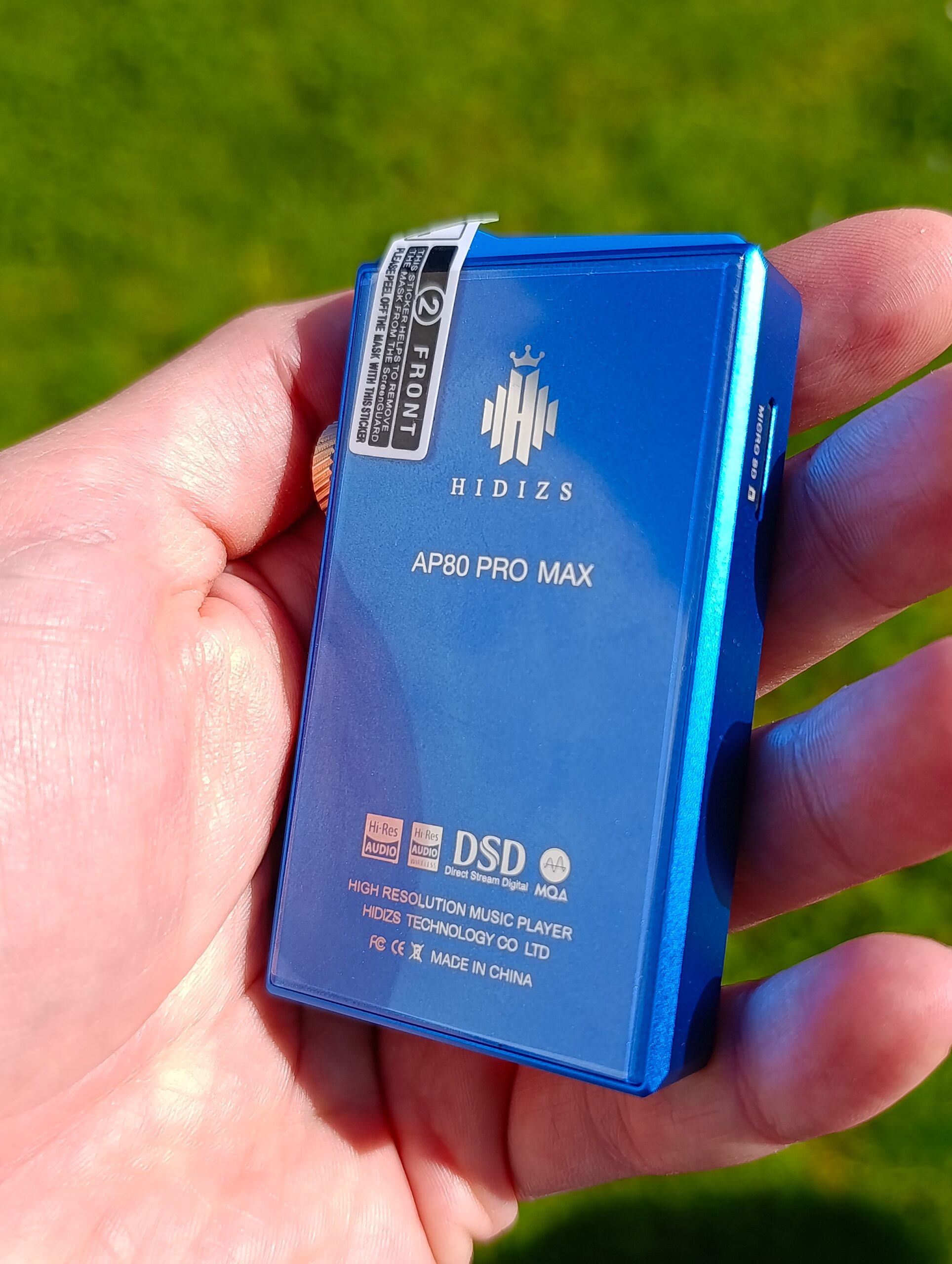
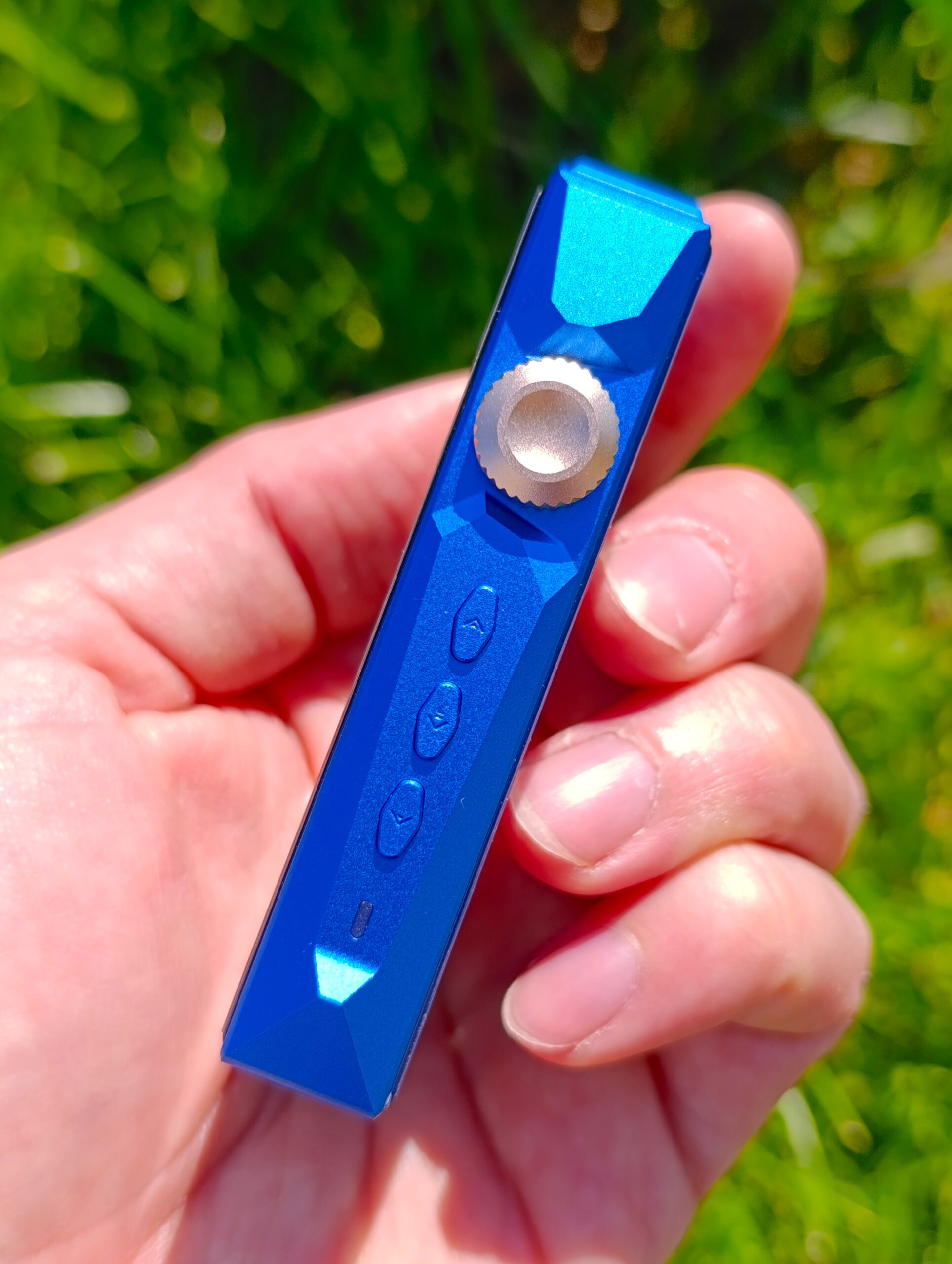
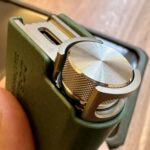
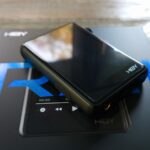
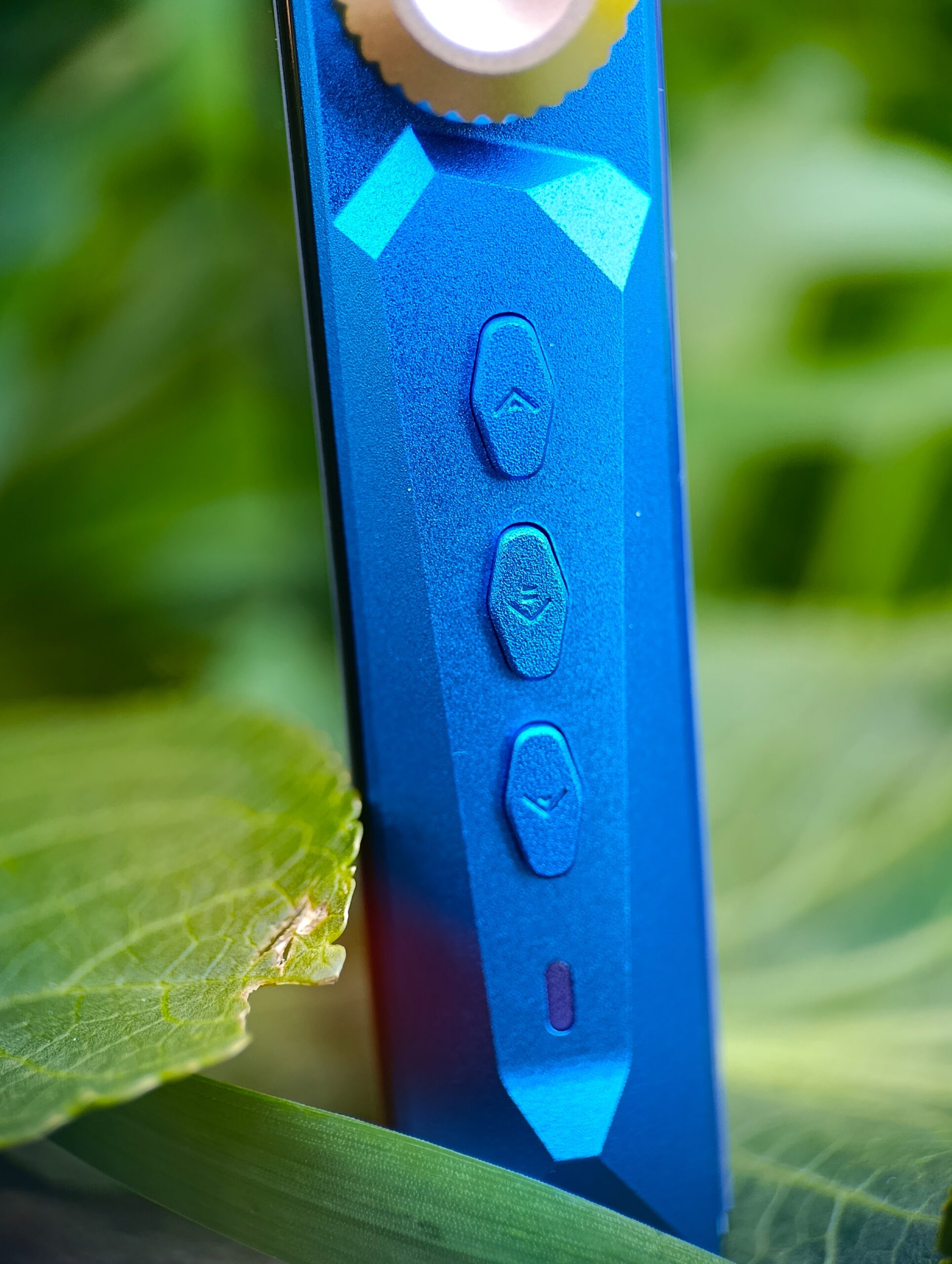
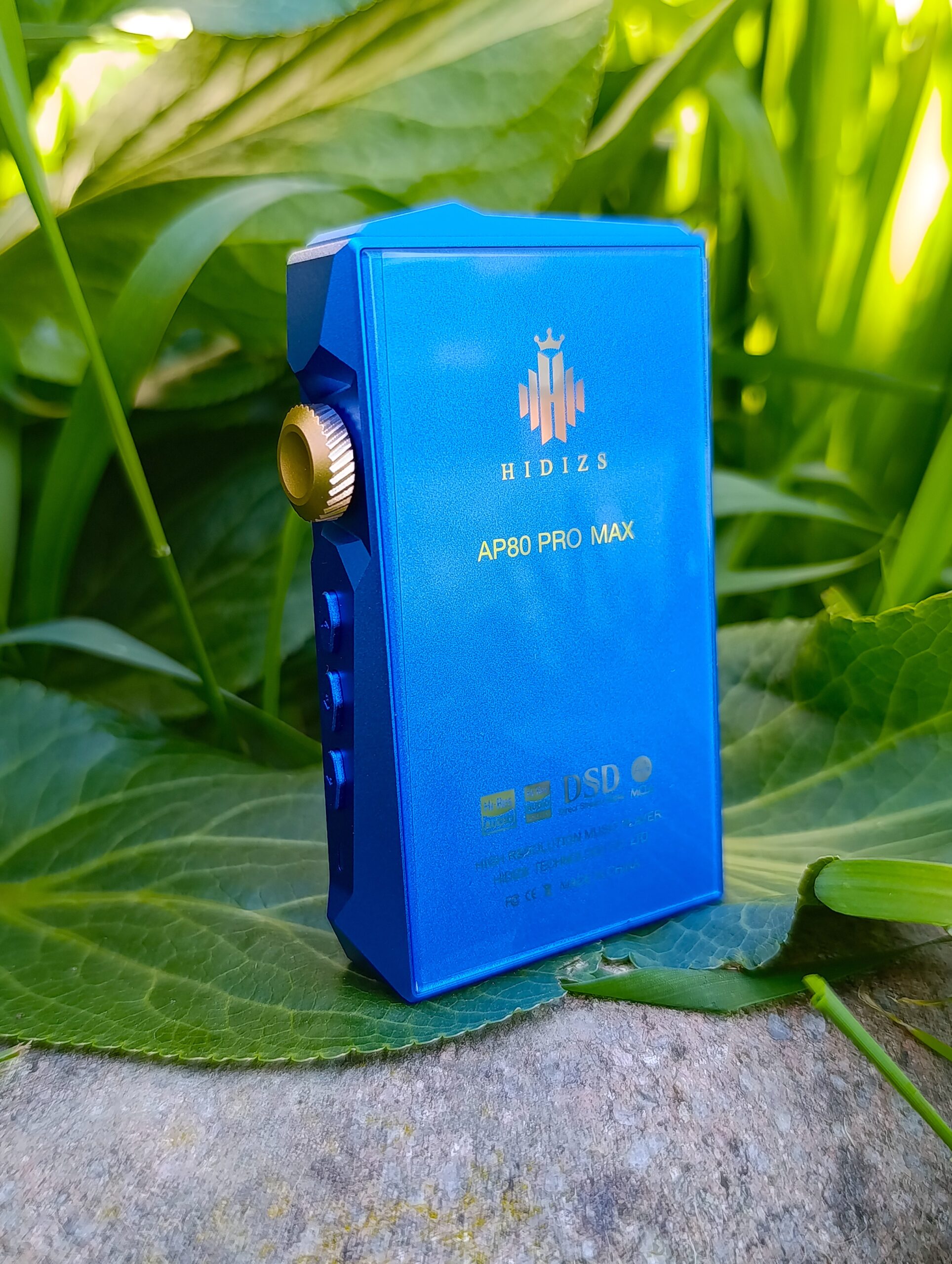
The design takes inspiration from Hidizs’s latest dongles, an aesthetic with angular geometries and somewhat uneven curves that create a device with an attractive design. The volume wheel already seen on the S9 Pro Plus returns, but this time it functions as a volume control. Also on the same side are the previous, play/pause, and next buttons. The device is compact, feels like a brick, and is noticeably heavy but feels solid, even though a fall could be fatal given the combination of premium materials.
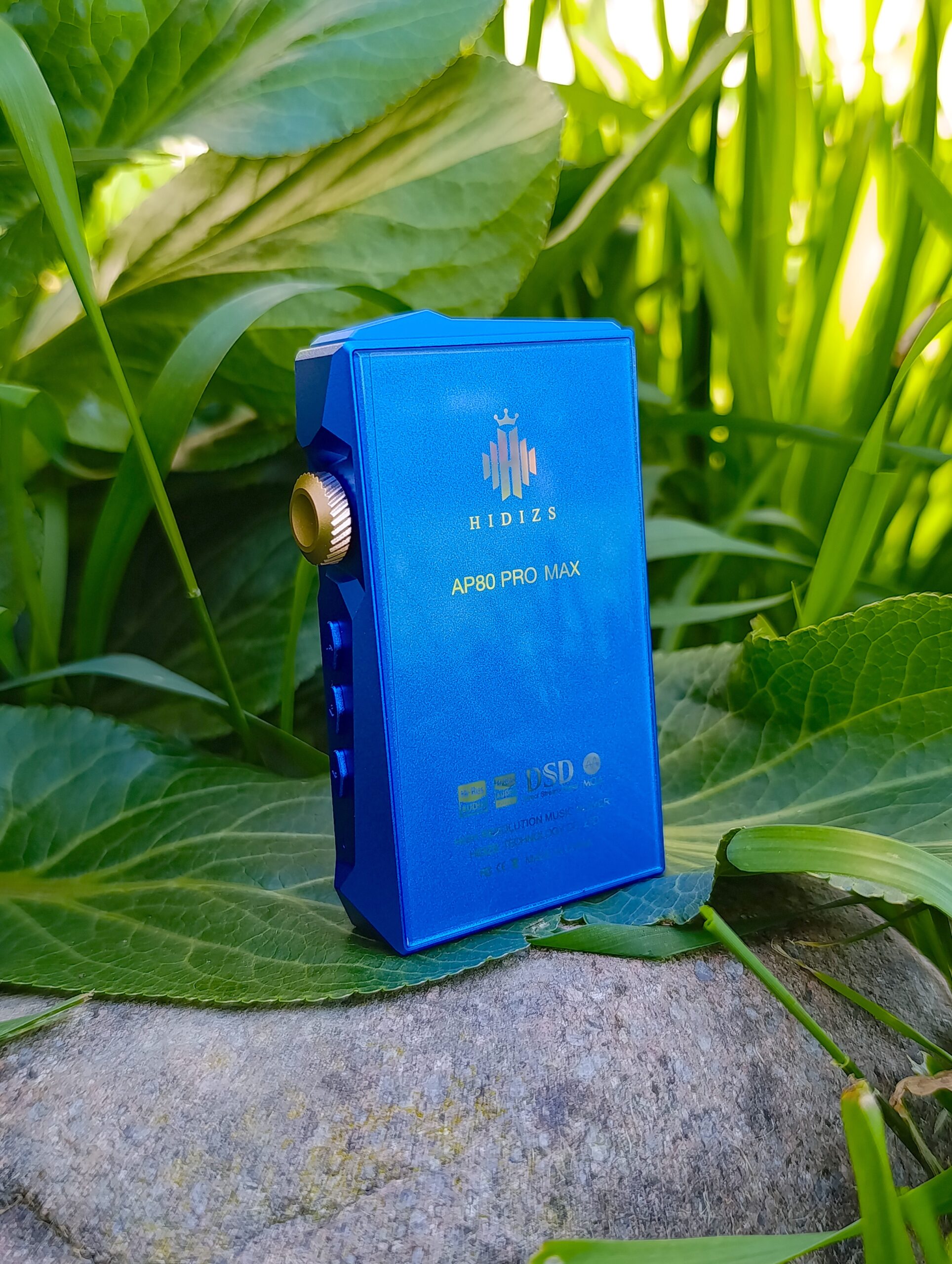
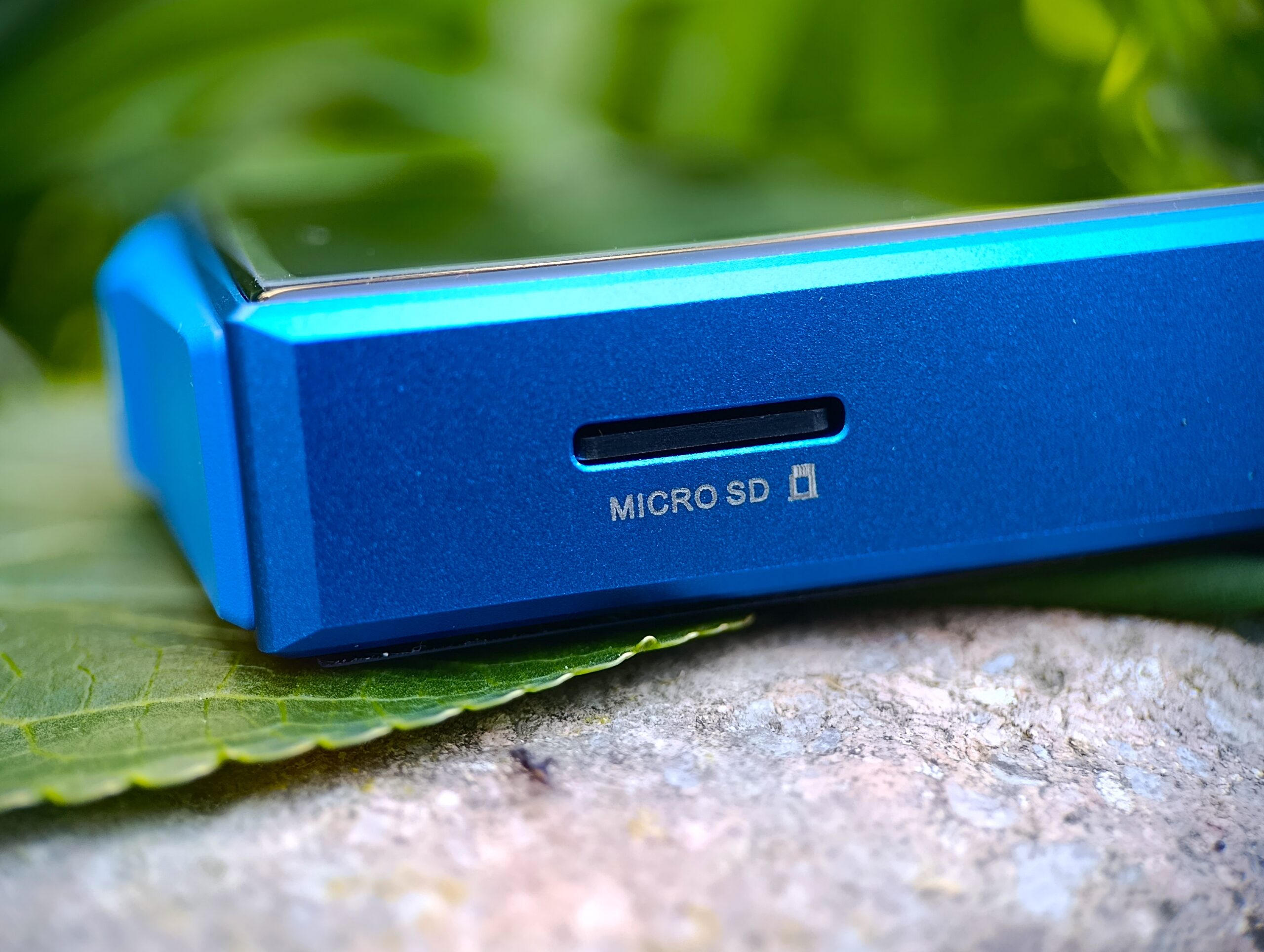
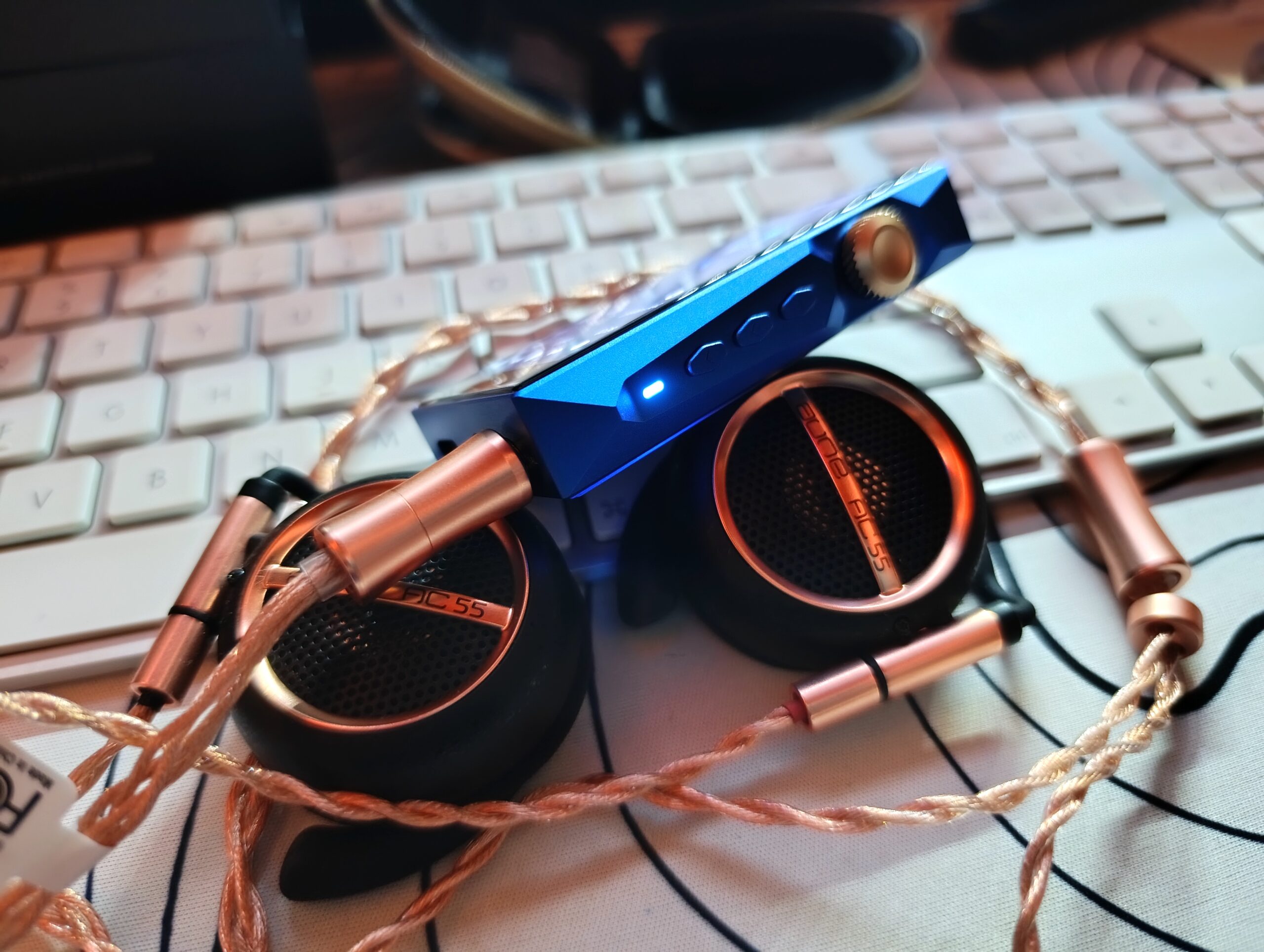
The plastic absorbs impacts, but the CNC-machined aluminum frame is shock-resistant. On the opposite side is a micro SD slot, in which I inserted a 128 GB Lexar micro SD card. There’s nothing on the top, while on the bottom are the 3.5mm, 4.4mm, and Type-C outputs. I forgot that on the side with the buttons, there’s also a status LED that indicates the quality level we’re listening to. One small detail I noticed is that the LED also penetrates the back of the DAP, but not as if it were intentional. The physical buttons provide good feedback, which is very helpful for quick control of the device.
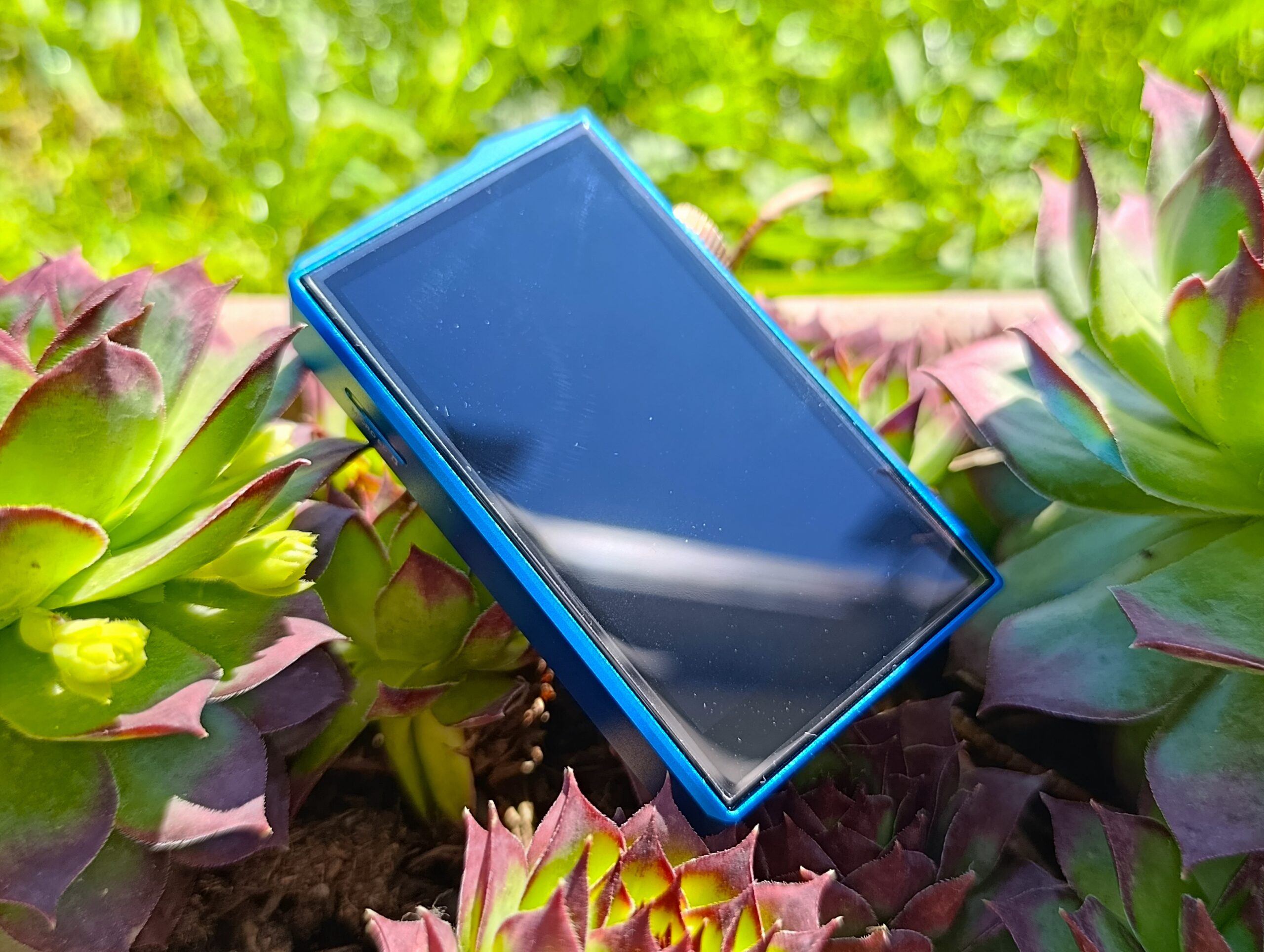
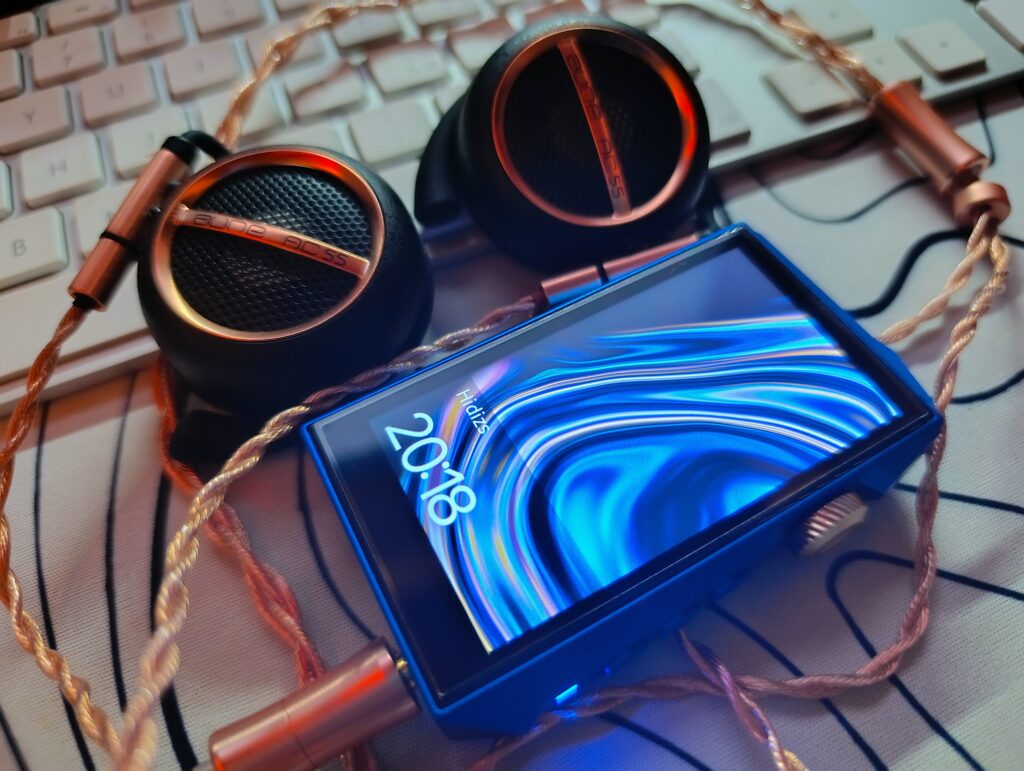
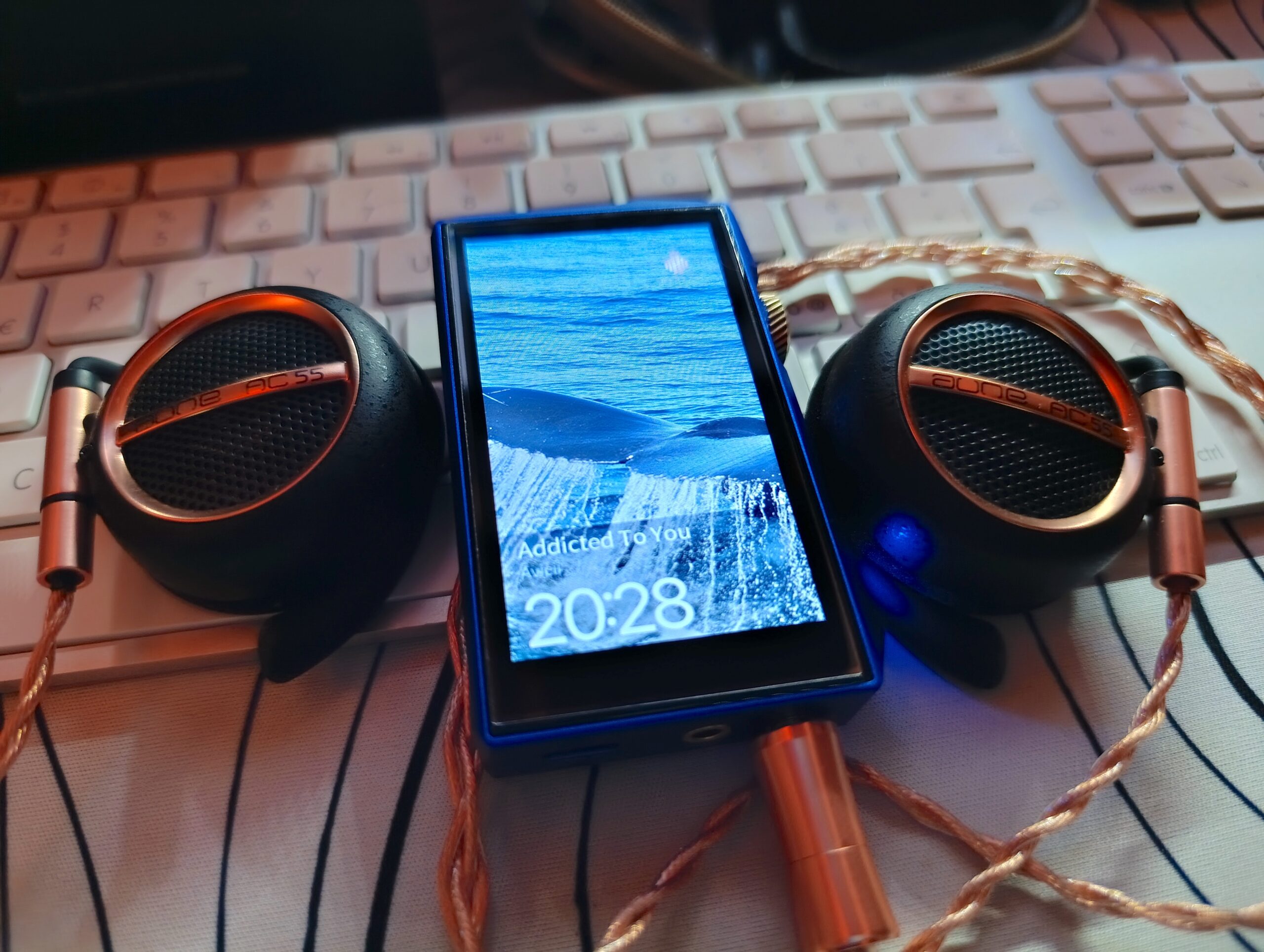
The 2.95” touchscreen display is very nice; it doesn’t have a frightening resolution but allows for good visibility of the main functions.
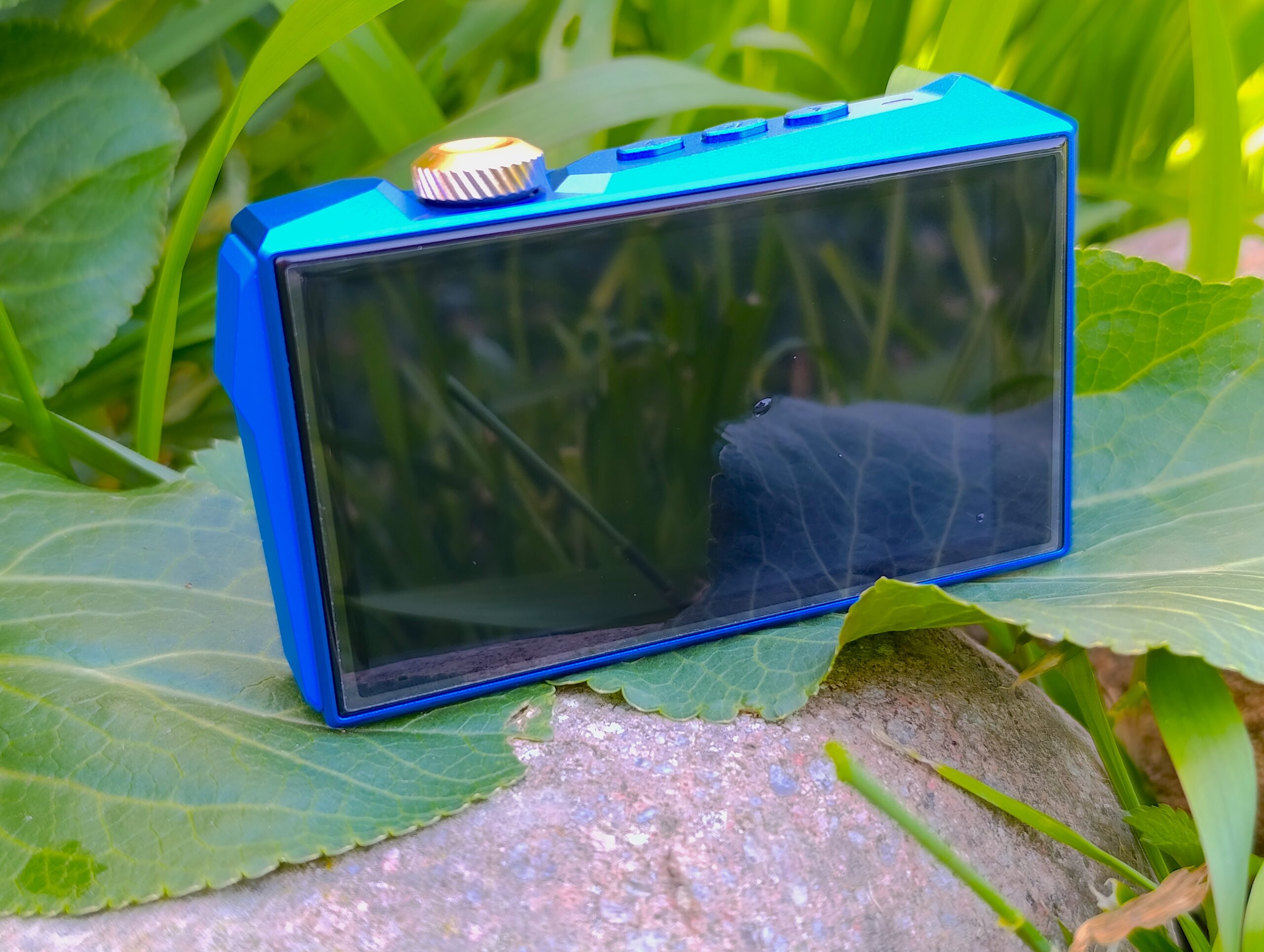
On the upper part, however, there is a plastic area, and I presume it contains the entire wireless part for better reception and transmission.
I confirm that the case is quite necessary for peaceful use. The product, although solid, does not have Gorilla Glass, and, as you well know, aluminum and glass combinations are quite sensitive to impacts.
Built-in Technology:
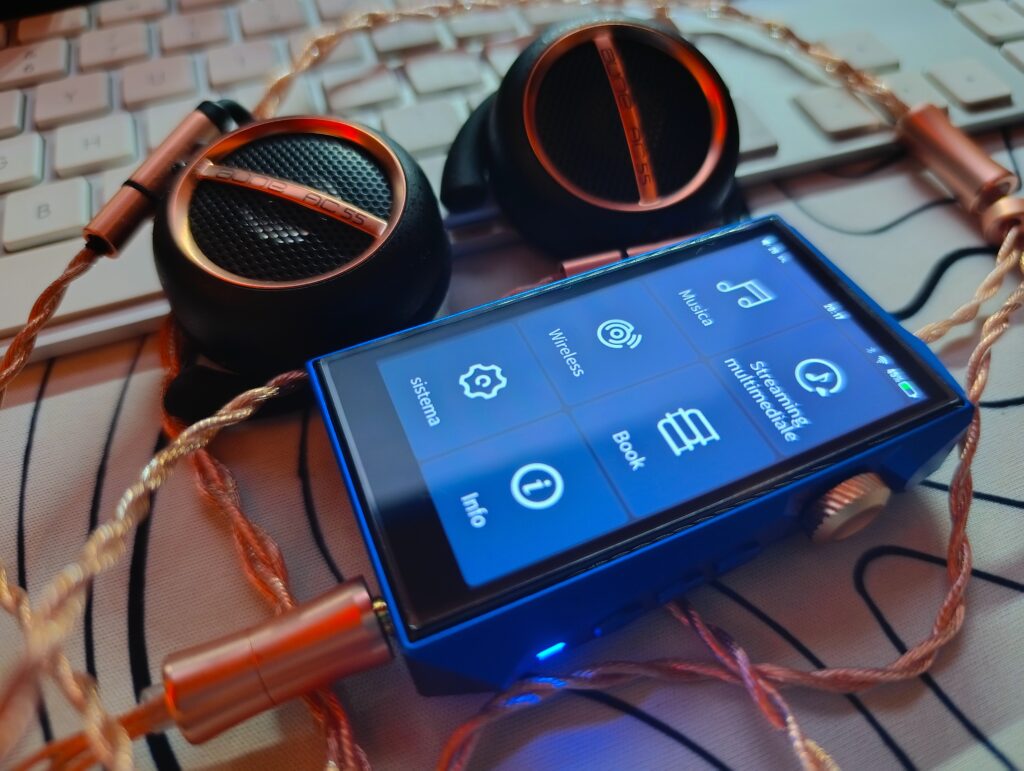
Inside, we find a series of components for purely audiophile use. The chosen chipset is a dual ESS ES9219C paired with an X1600E SoC that combines 2.4 GHz Wi-Fi with the latest-generation two-way Bluetooth 5.1 that supports LDAC and APTX. This means it can both receive and transmit signals (not simultaneously), but it can also receive any streaming service from your phone and connect to any Bluetooth audio device, such as headphones or sound systems.
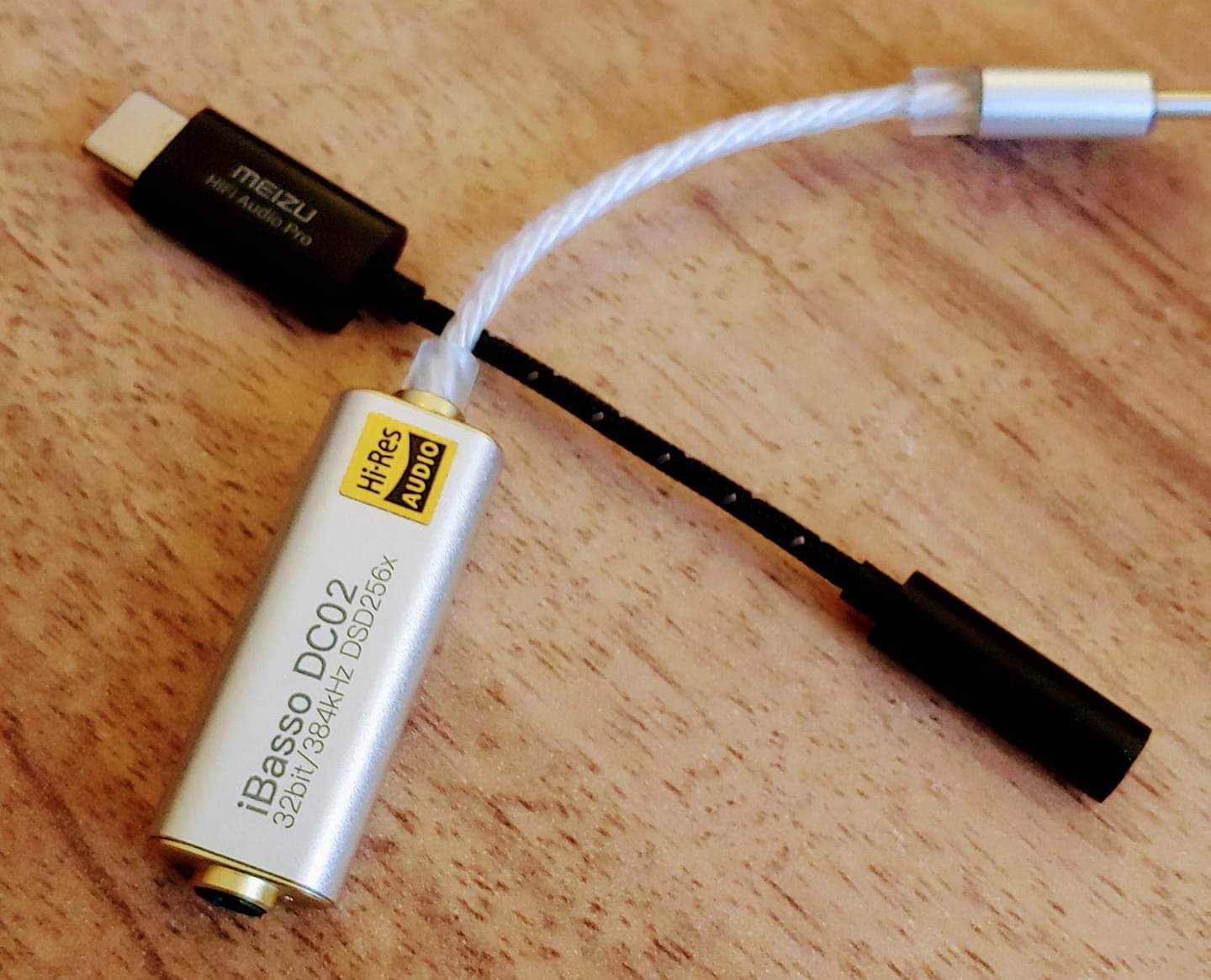
The same can be done with the included Type-C port, as it can be used as a “dongle” or as a source by connecting another dongle.
The Hidizs Ap80 Pro MAX is a very versatile device, although it does have some limitations.
Hiby OS:
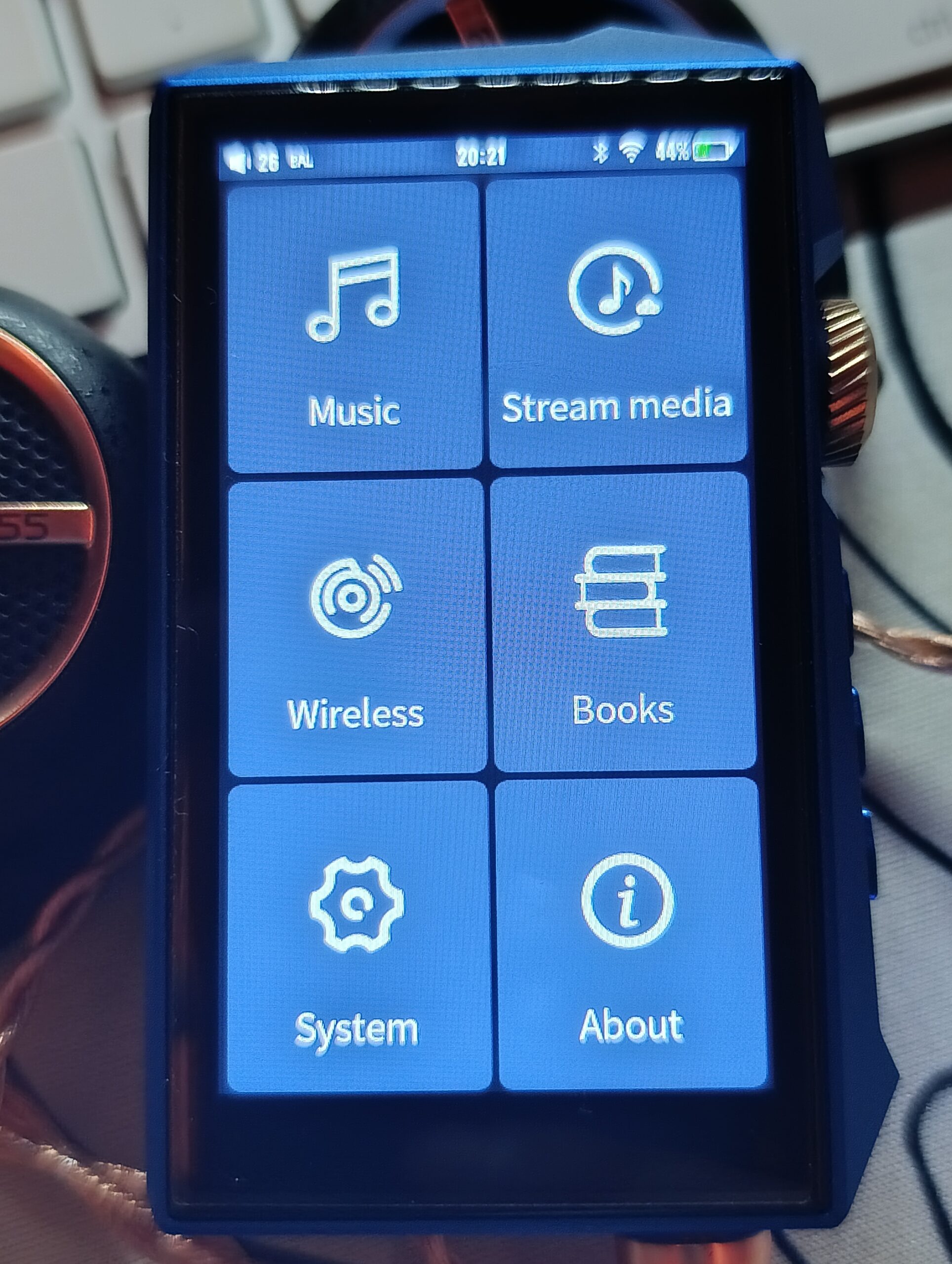
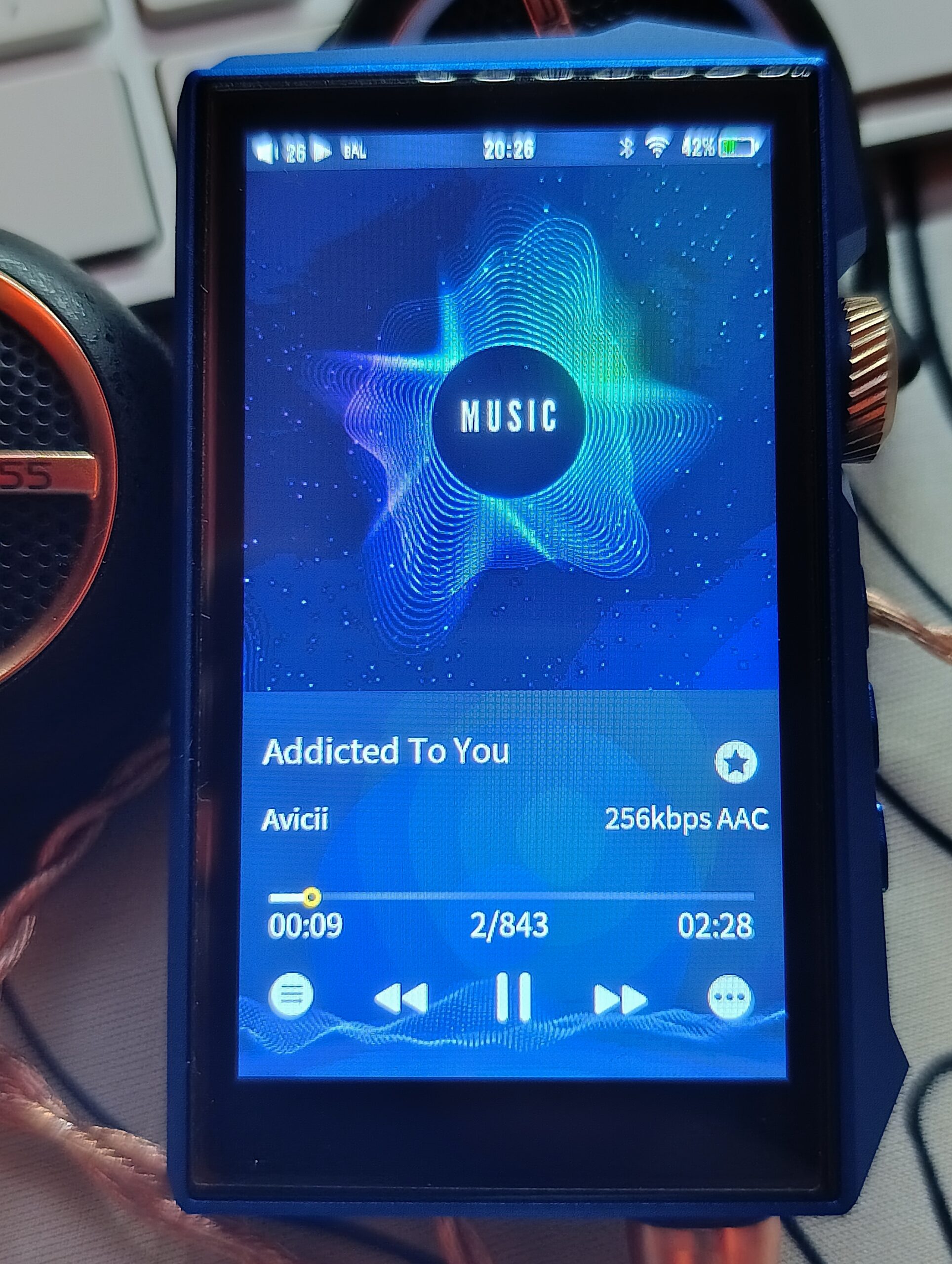
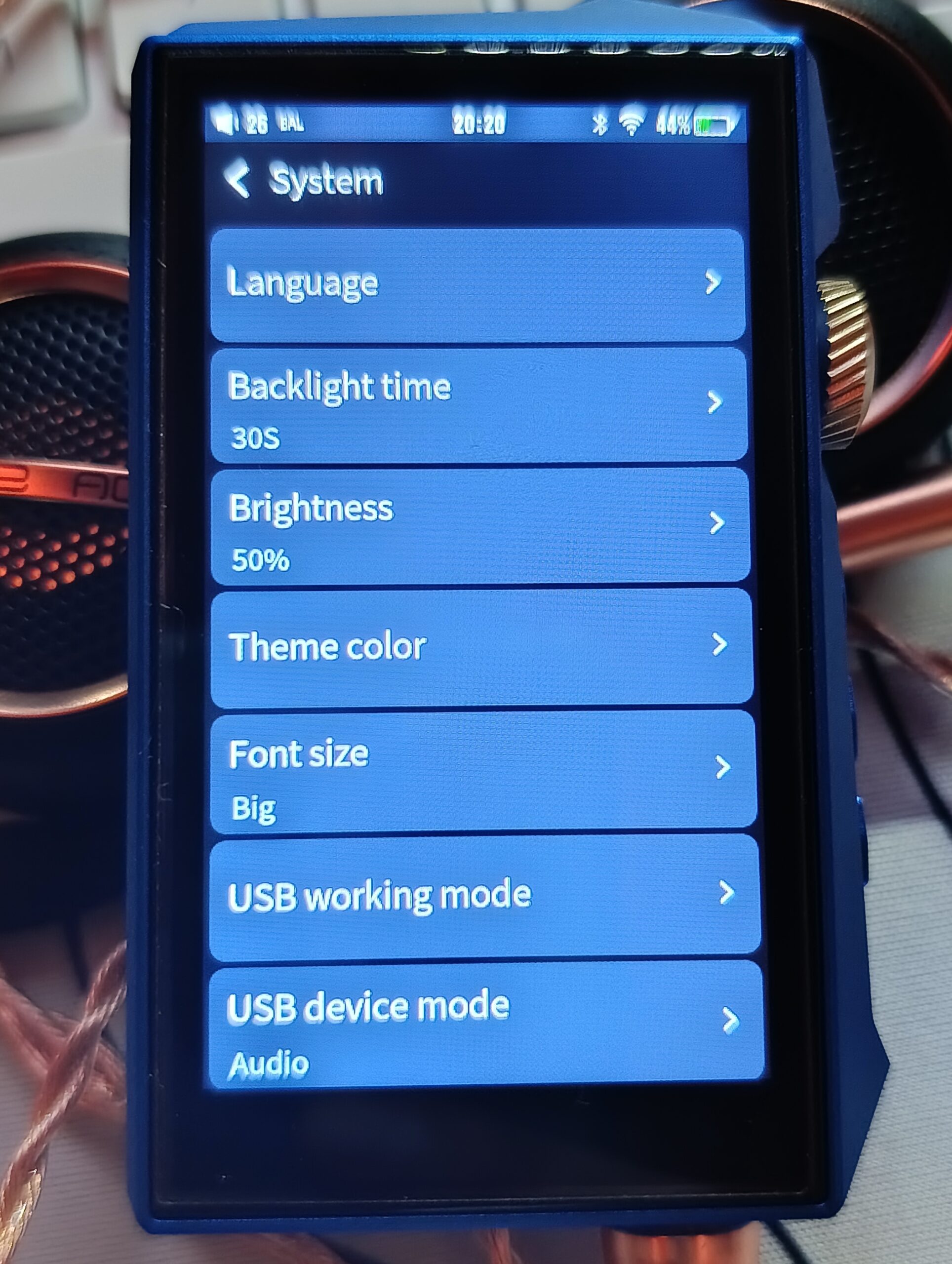
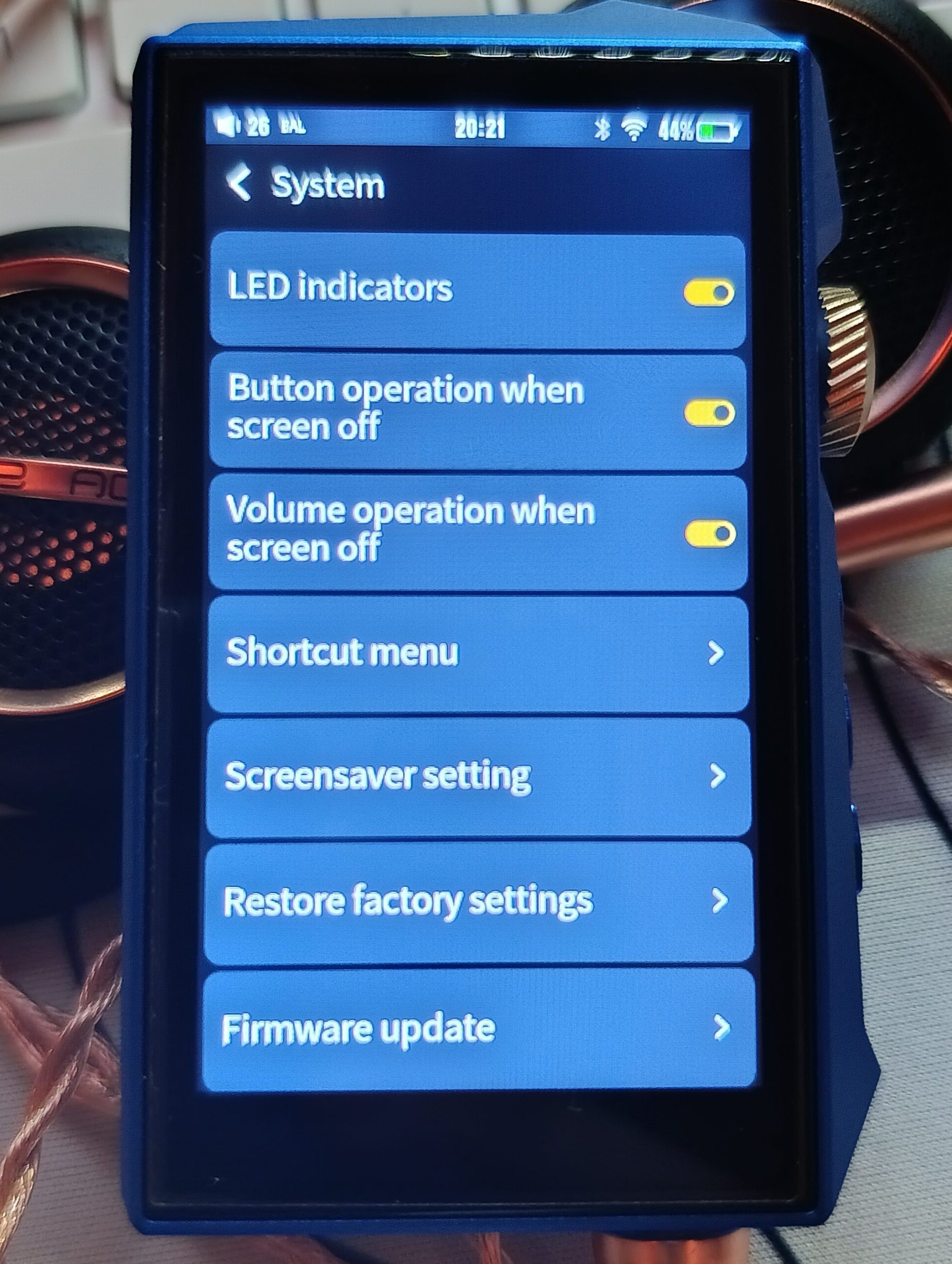
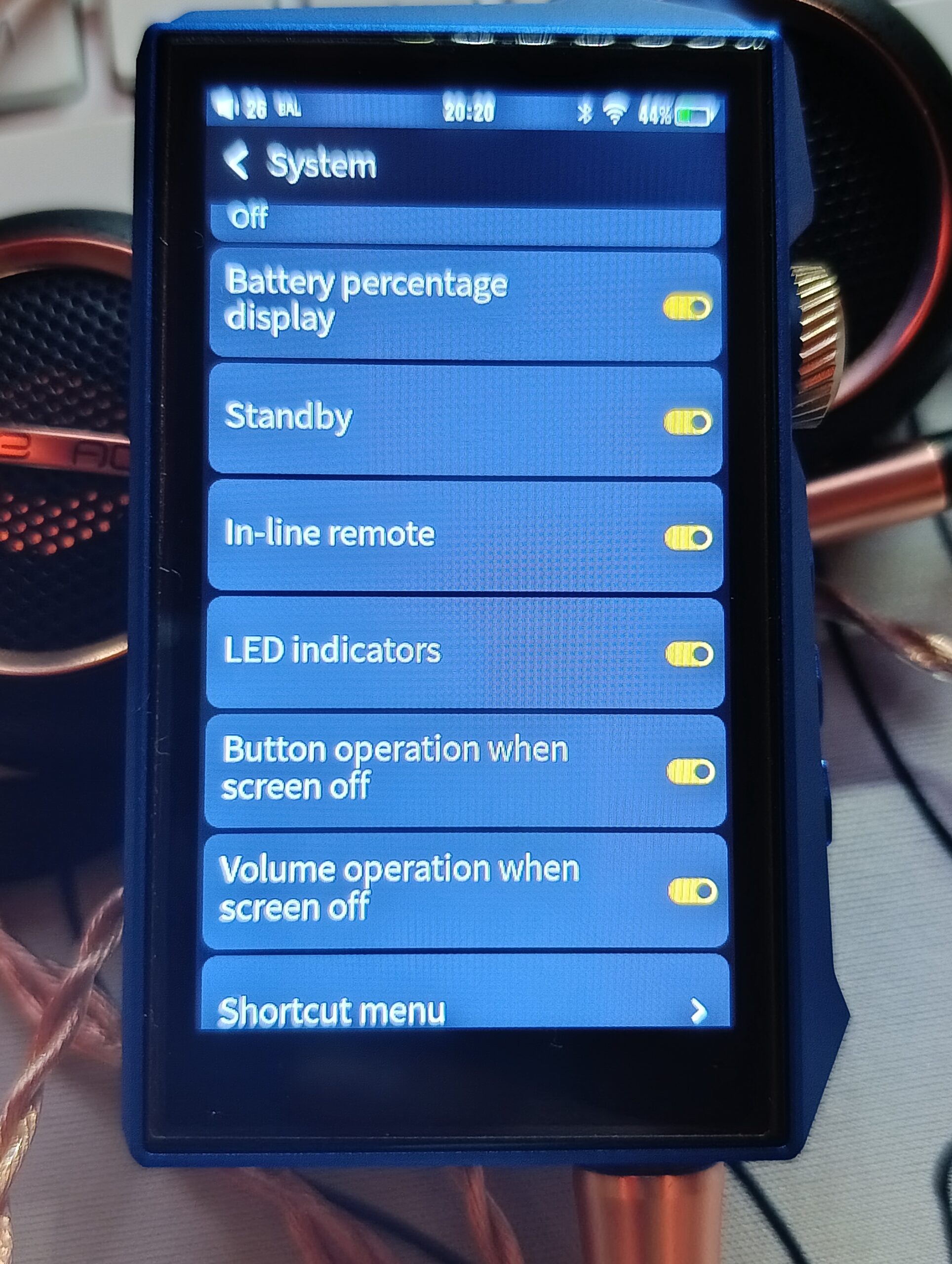
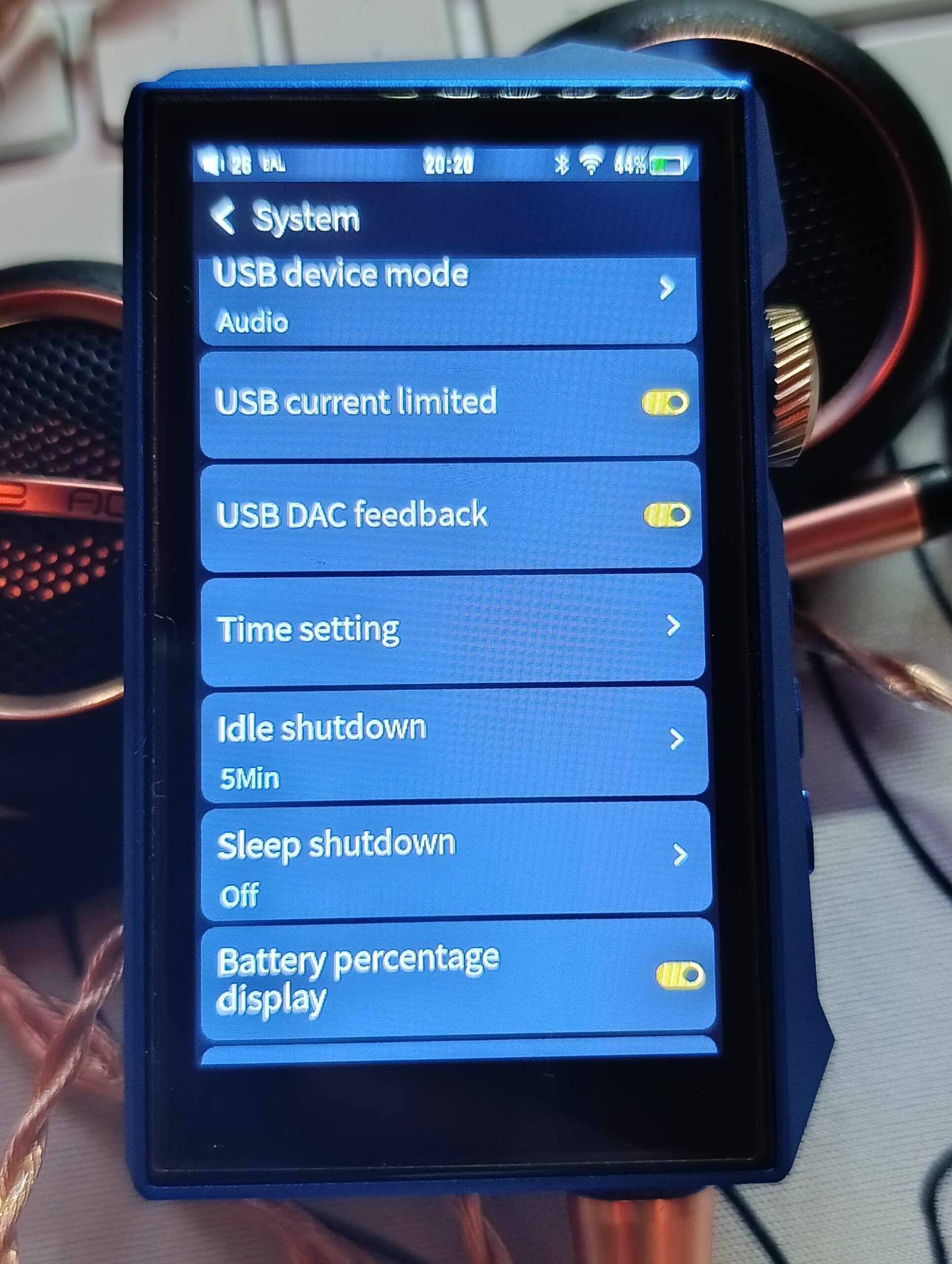
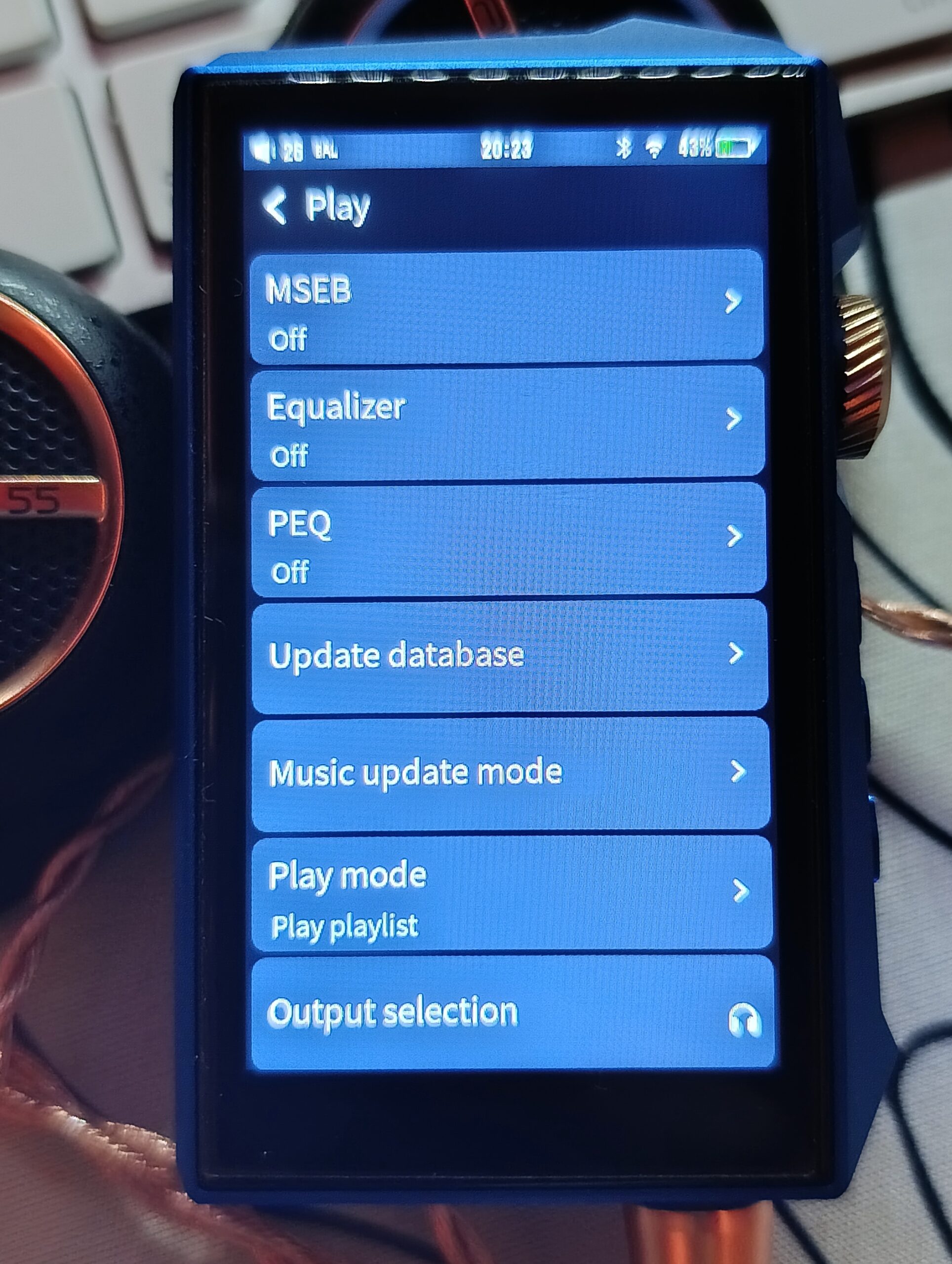
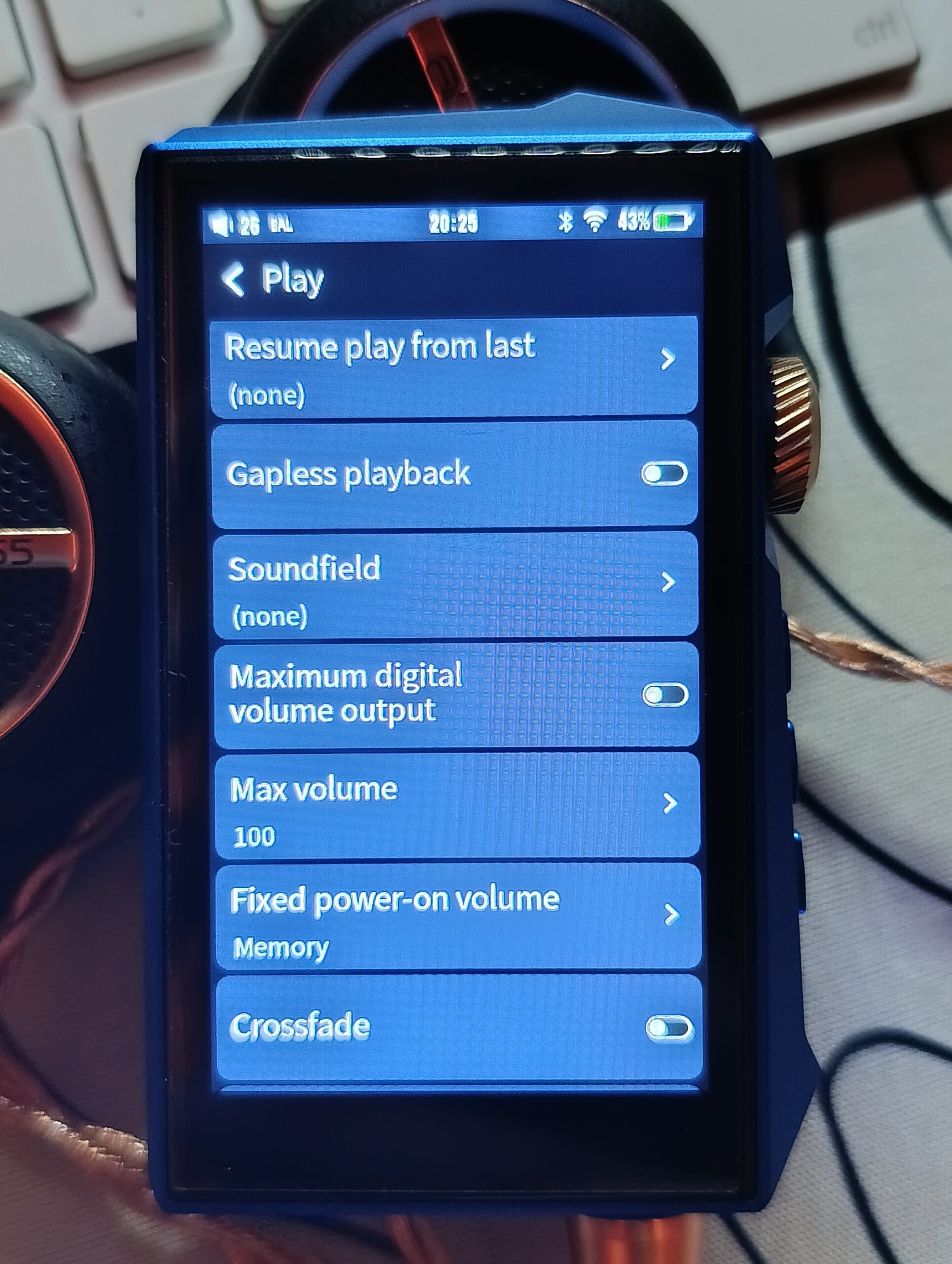
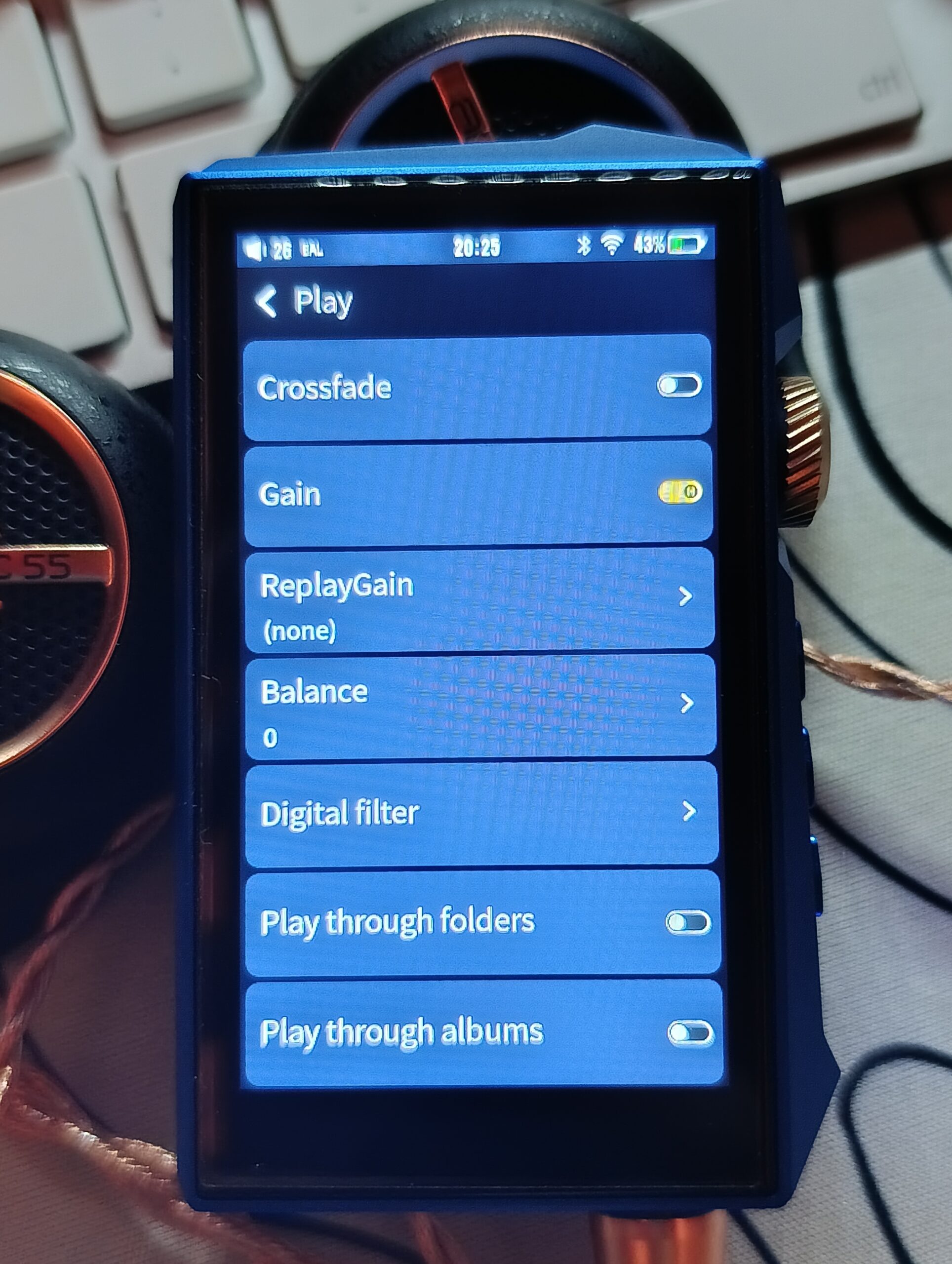
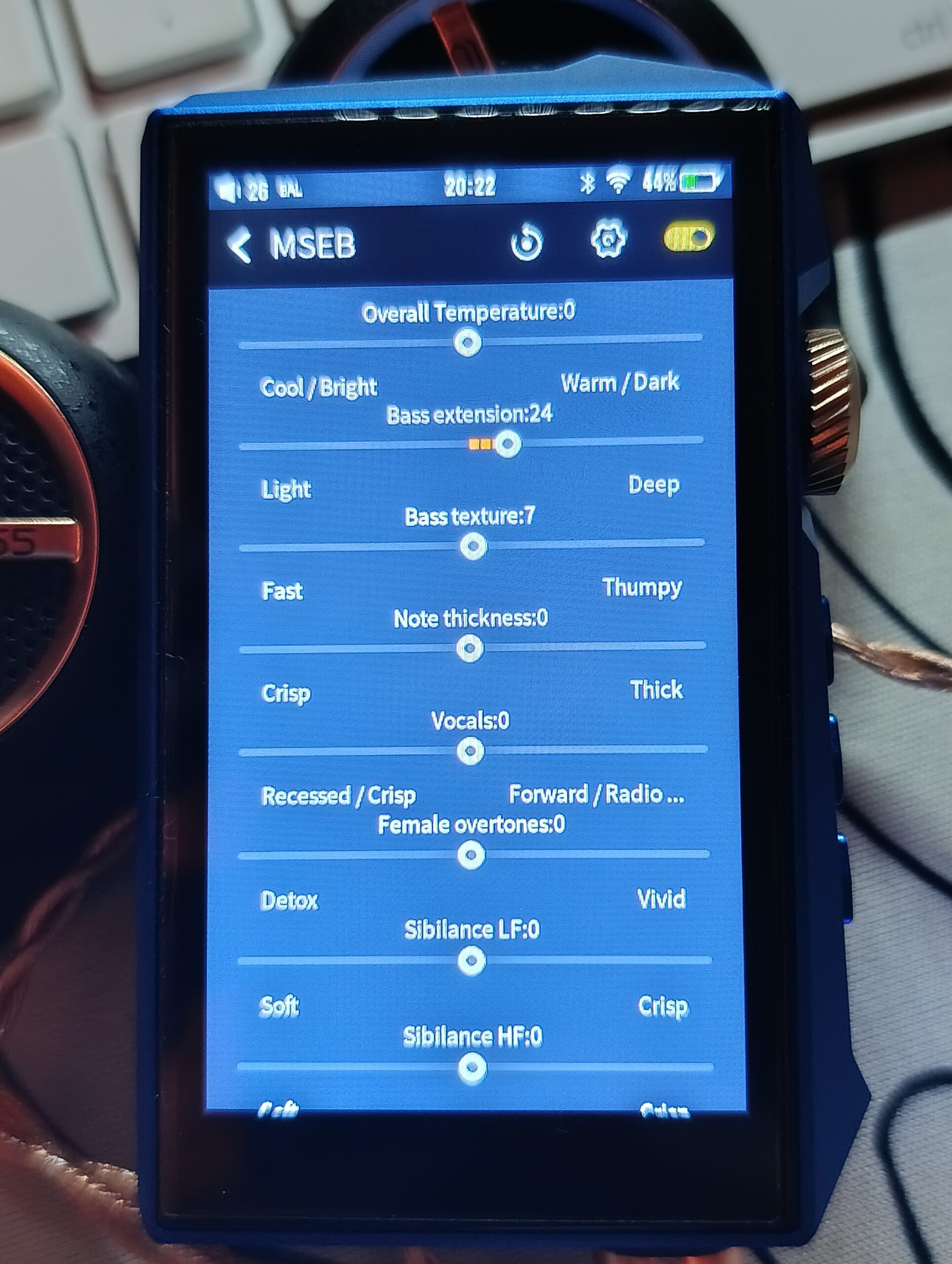
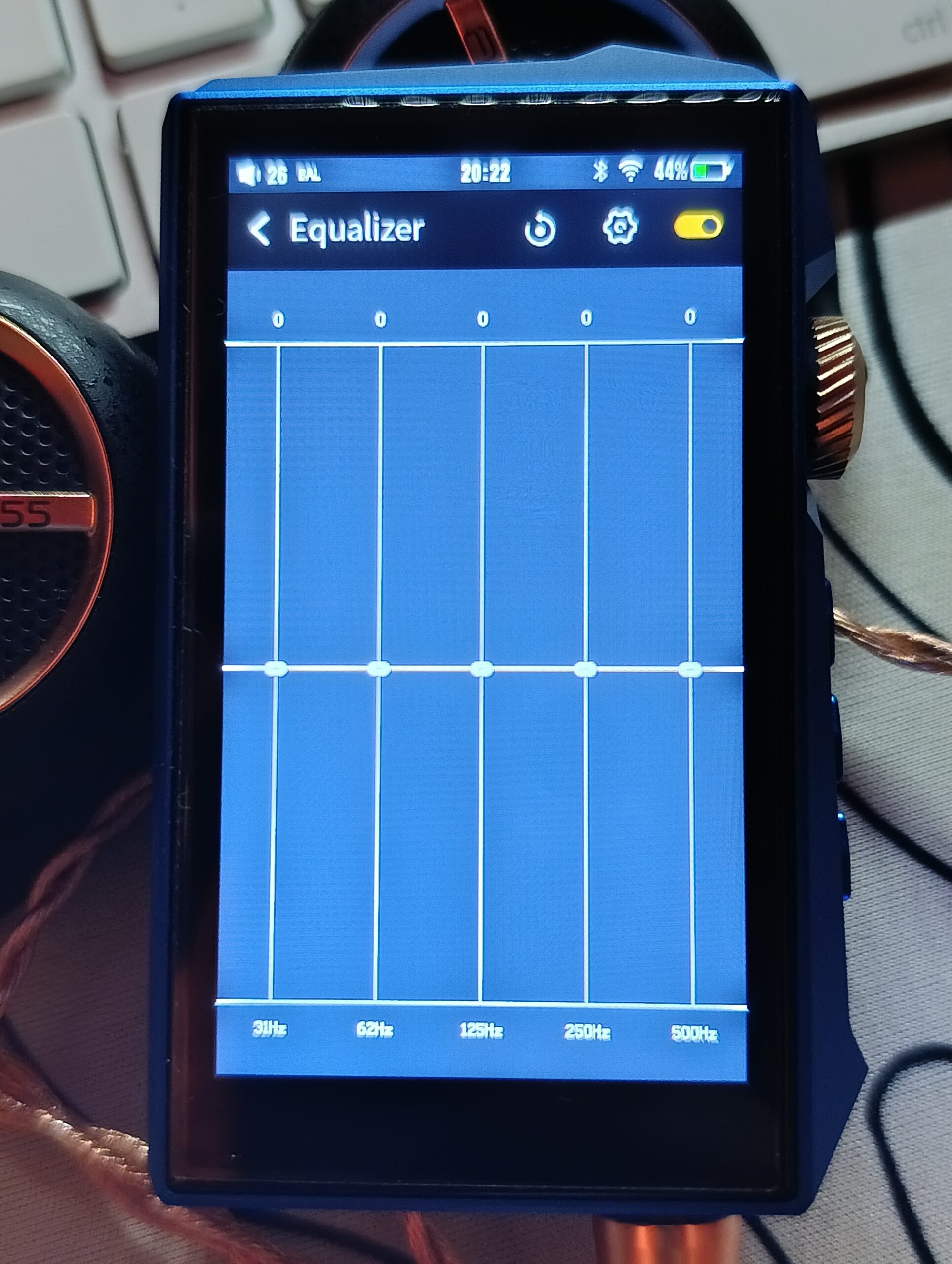
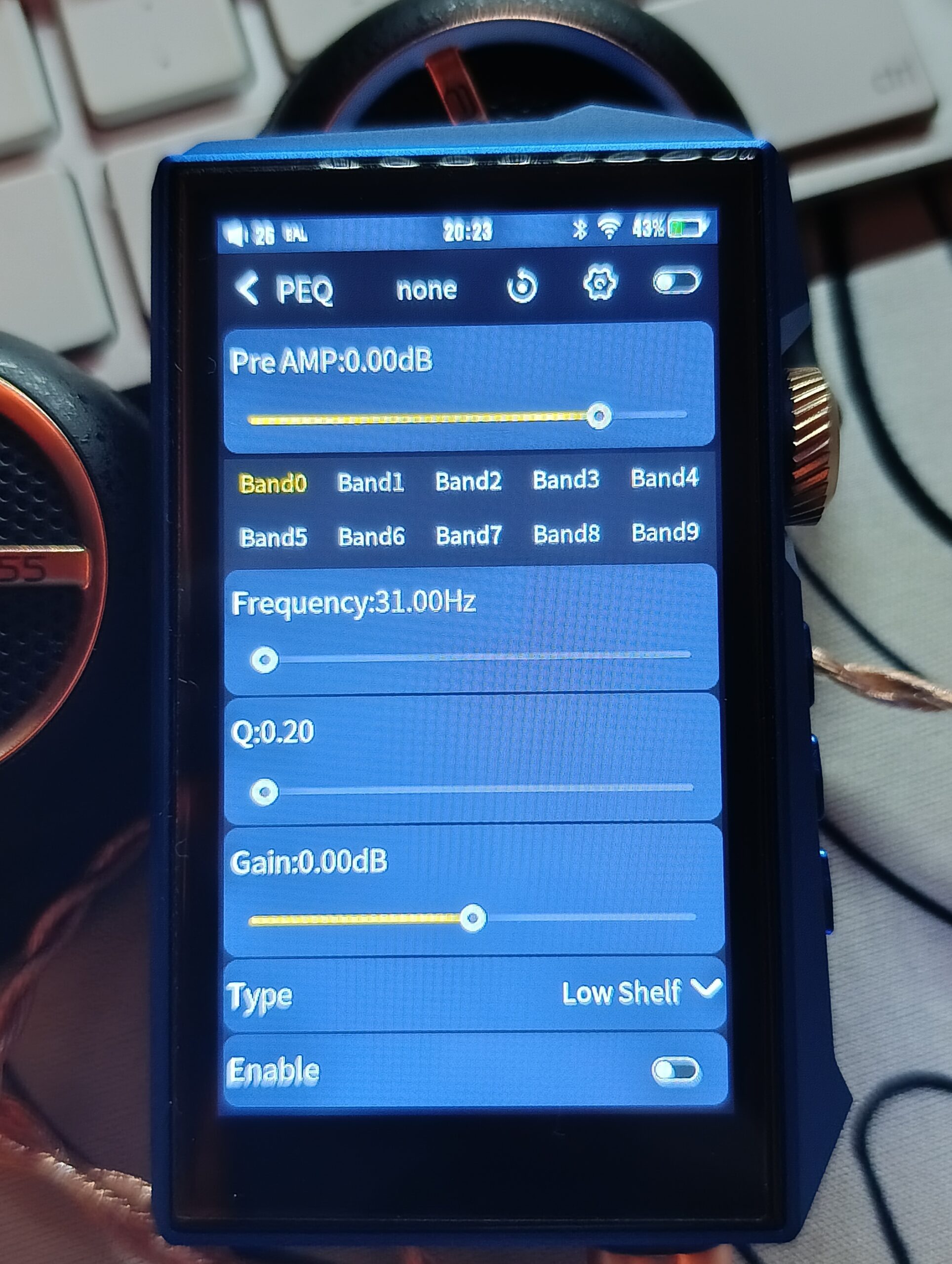
The software is very streamlined and high-performance for audio purposes, with minimal graphics to ensure smooth operation. However, the system has some limitations; being a budget DAP, you can’t expect to multitask with ease. For example, when listening via Bluetooth as a receiver, you can’t access the equalizer. Streaming services are limited to Tidal and Qobuz, but in fact, at least in Italy, I believe the most popular are Spotify, Apple Music, and Amazon Music. The convenience of having all these services would certainly make it a universal and definitive product for many.
Even the album covers, although present in my files since the tracks come from iTunes, are temporary, but unfortunately, I couldn’t find a way to view them. Even browsing a large collection is a bit cumbersome and requires creating playlists.
That said, Hiby OS integrates a PEQ and MSEB that work flawlessly and are unmatched by competitors.
Initial impression:
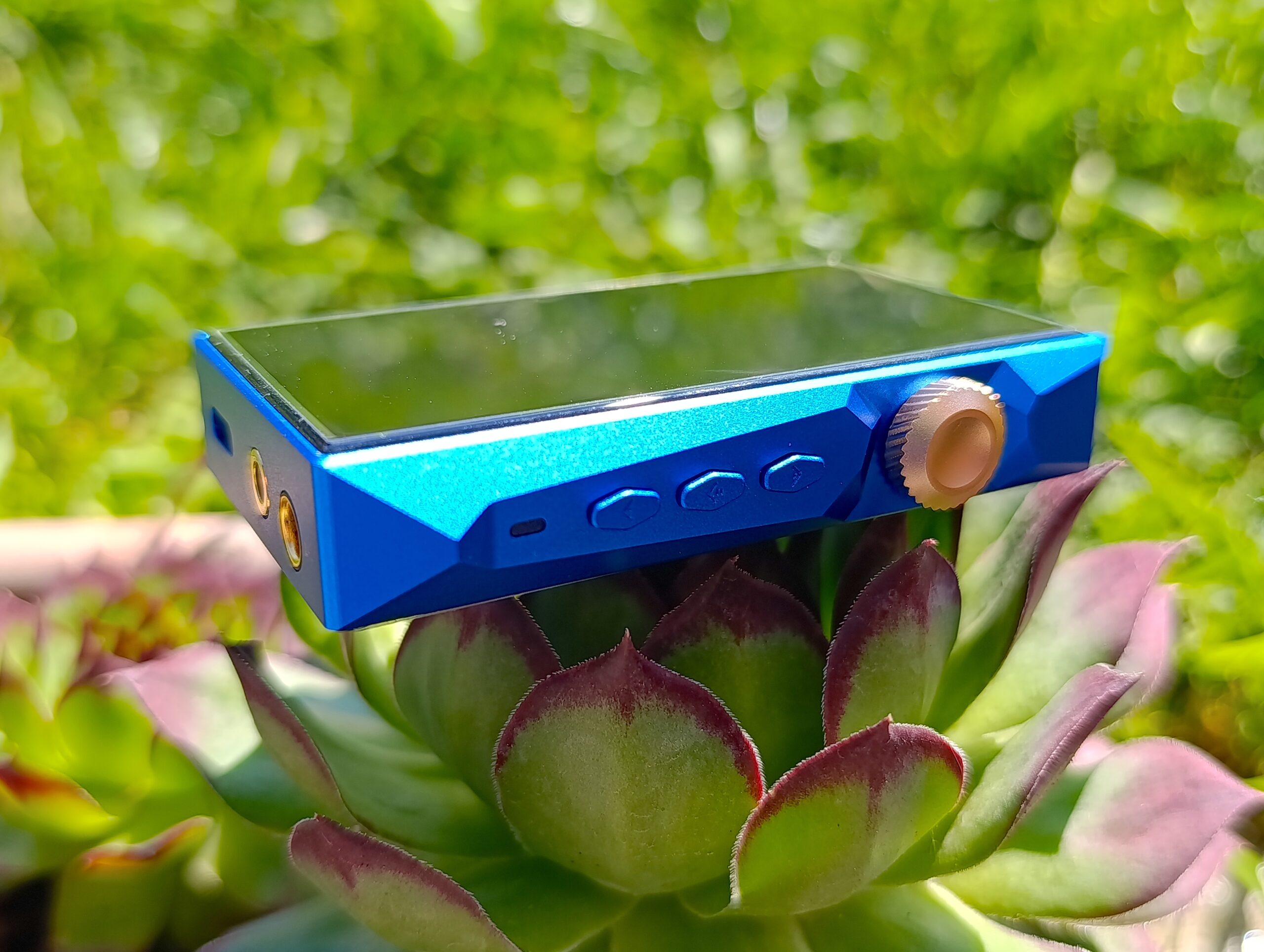
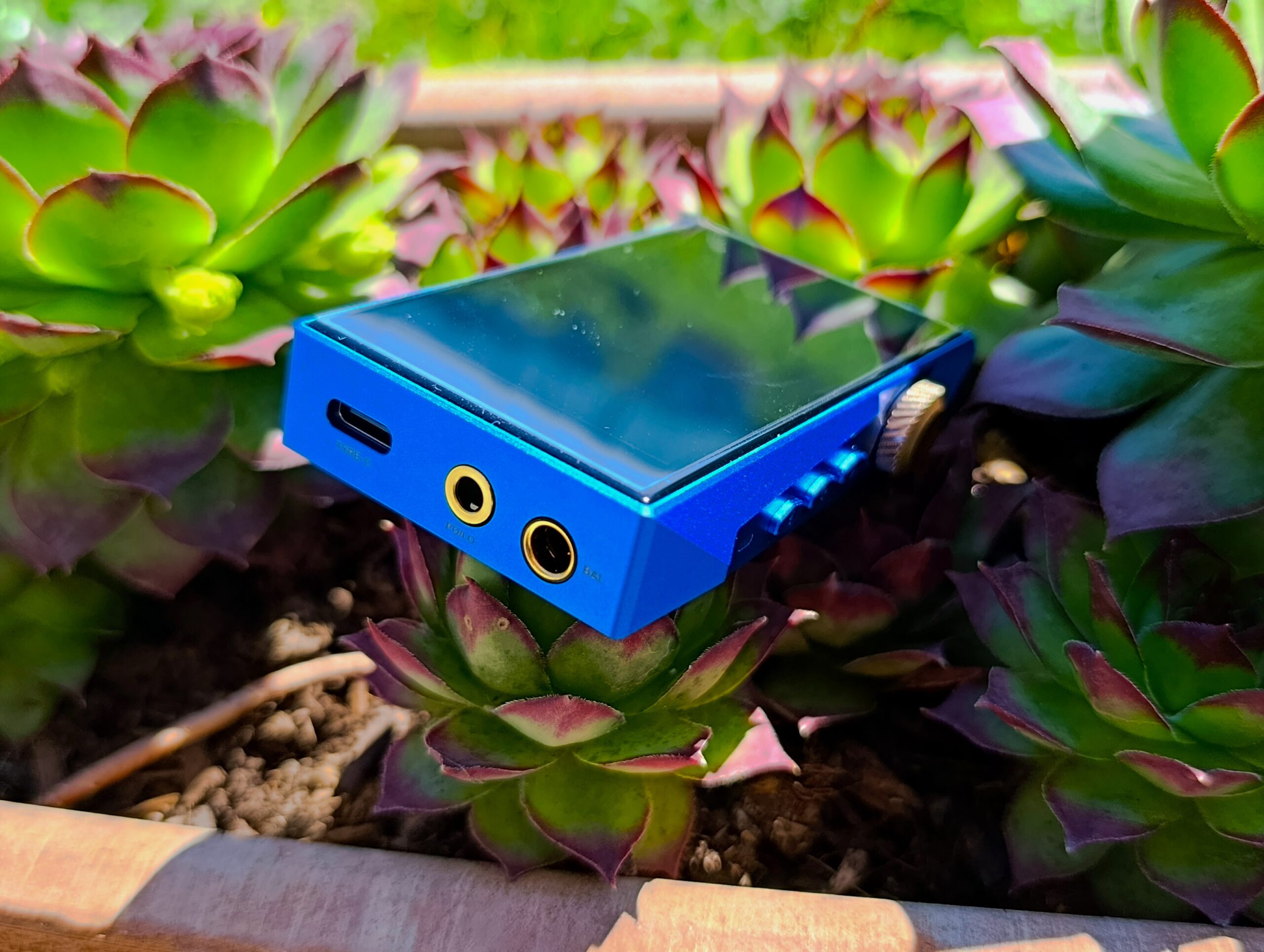
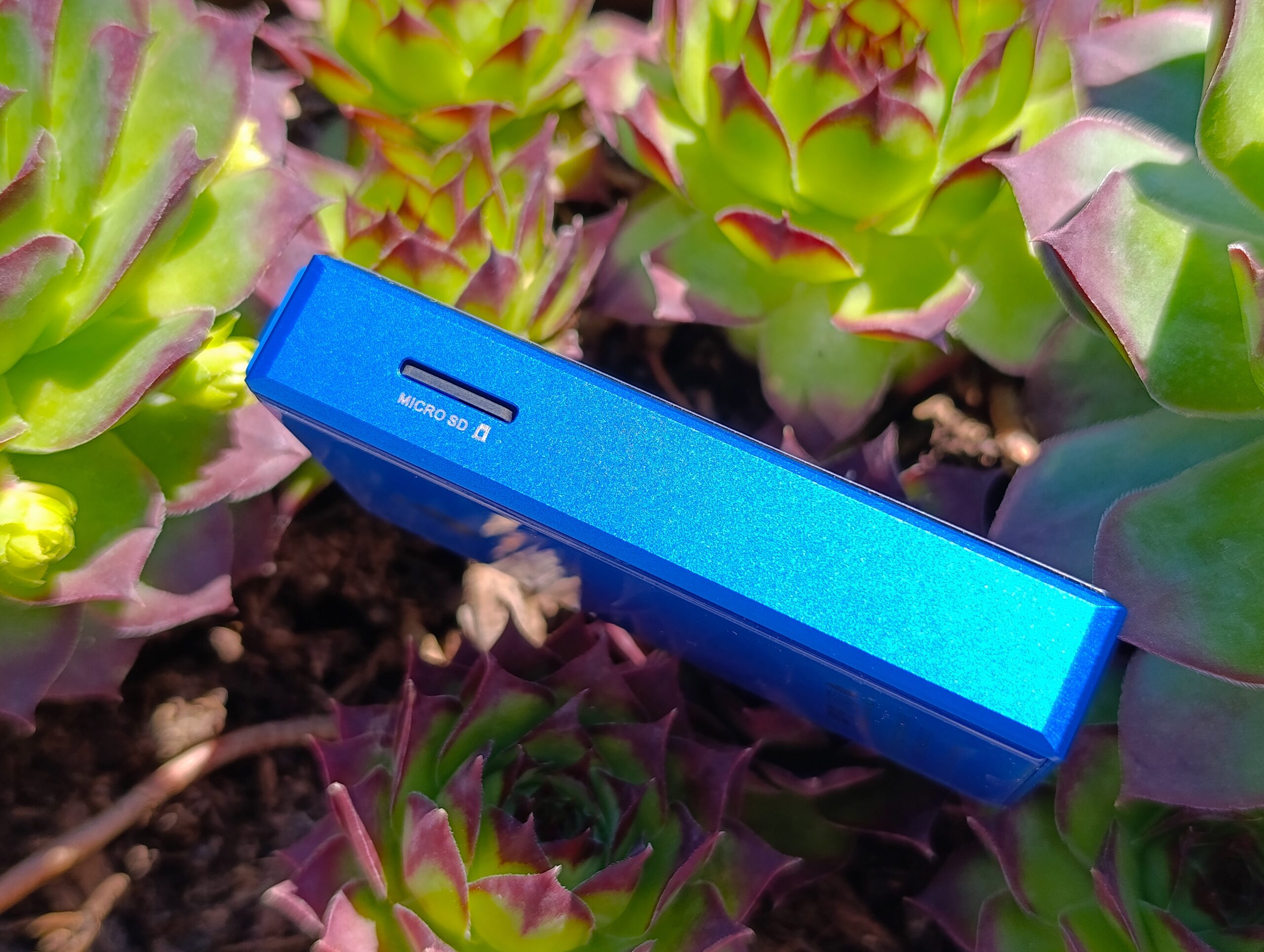
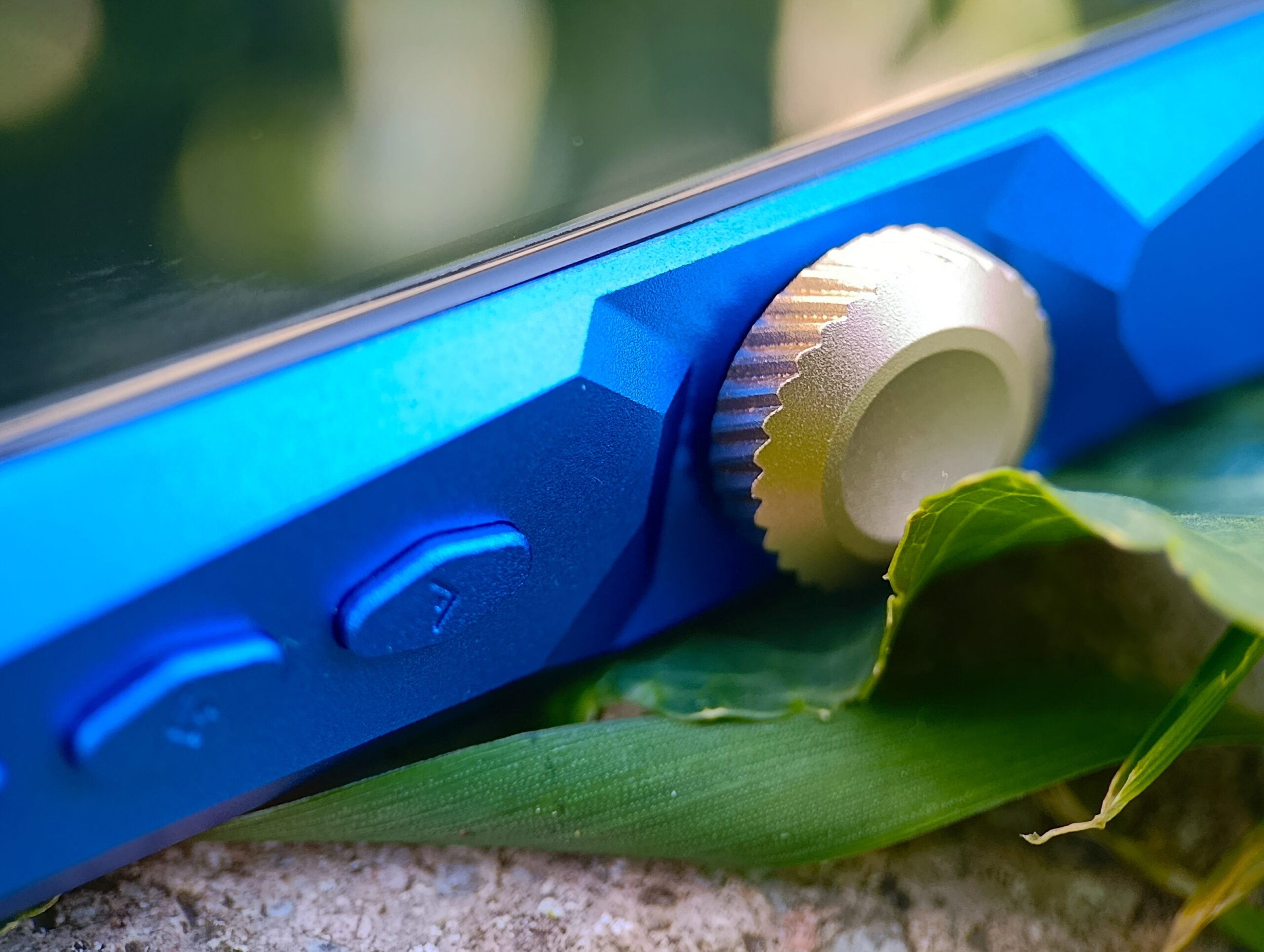
As a longtime iPod user since 2009, and perhaps one of the few to have purchased albums and songs from iTunes, I transferred my old collection of files to the device, which played everything except the album covers. It’s an entry-level hi-fi player, so we could even say that, after several products, it’s a sort of iPod Touch brought to 2026, undoubtedly on steroids in terms of audio and technical features, but slightly less refined in terms of graphics. However, the usability options are truly vast compared to the past, and it can interface with practically any device.
More than first impressions on the audio side, it would be more accurate to talk about the user experience, and initially, it wasn’t super fluid. Although the menus are minimal, some settings are truly overwhelming, and there’s no preset to recommend in particular; instead, it should be adjusted based on your usage and setup.
Speaking of sound, the dongle sounds impeccable with a neutral yet customizable profile, but if necessary, you can use other chips simply by connecting a new dongle to the Hidizs AP80 Pro Max’s Type-C port.
Paradoxically, it would have been excellent to also have dual Type-C ports to allow for even more connections and simultaneous charging.
Equipment used for testing:
Device:
- Mac Mini
- Redmi Note 14 Pro 4G
- Hidizs AP80 Pro Max
Software:
- Amazon music UHD 24bit 96khz (Both)
Sound performance:
I think there’s very little to complain about in this price range: for a paltry outlay, you get a device capable of handling any IEM and a good portion of full-size headphones with reasonable ease. Obviously, if you’re wondering, there are much more powerful products out there; it’s 380mW at 32 ohms, which may not be enough for everyone, but at least for most IEMs, it’s more than sufficient.
I’m not a big EQ user, but on the Hidizs AP80 Pro MAX, for internally stored music, it offers a PEQ equalizer with and optionally with Hiby’s MSEB. So even talking about sound is relative, but without changing anything, it sounds precise, fast, and extremely controlled from lows to highs, with extreme clarity and virtually no background noise, even in quiet moments.
I have tried the old and new Hidizs MP145, the Aune AC55, Kiwi Orchestra Lite, Kiwi Ears Septet, and many others, and you will never feel that the Hidizs AP80 Pro Max lacks power, but if by chance you switch to over-ear planar,s then the situation changes.
Final impressions:
I’ve tried the old and new Hidizs MP145, the Aune AC55, the Kiwi Orchestra Lite, the LE Kiwi Ears Septet, and many others, and you’ll never feel like the Hidizs AP80 Pro Max lacks power. But if you happen to switch to over-ear planar speakers, things change.
To be honest, when I tried the DAP for the first time, I realized I’m not one for this kind of device. Or rather, I personally use Amazon Music as my streaming service, and seeing that they only support two streaming services immediately makes me think of the limitations of Hiby OS. An Android DAP device would certainly be more versatile and permissive in this regard.
Back in the iPod Nano days, I’d purchased a fair amount of music on iTunes, which I transferred internally to the DAP with a 128 GB microSD card. Unfortunately, despite the presence of album art, it doesn’t seem to be available on the DAP. The display is only available as a list in any menu, whether it’s Tidal or the internal Music menu. You have to scroll through all the tracks or albums to find the one you want to listen to. Let’s just say that the graphics aren’t very appealing, but fortunately, the system is very responsive, and navigation is quick and easy once you get the hang of it.
Connectivity:
We have two-way Bluetooth with a latest-generation Bluetooth chip that supports LDAC. It can’t transmit and receive simultaneously, so you absolutely can’t imagine connecting your phone as a source to the Hidizs AP80 pro MAX and then connecting wireless headphones to it. I must say that the LDAC connection is stable and of the same quality as the cable.
The Type-C port has multiple functions: it can be used to connect a dongle and thus enjoy a “different or, if desired, more powerful sound signature,” or it can be used as a wired dongle itself. Obviously, I wouldn’t buy a product like this to use primarily in this way, but I have to say it works well and, being self-powered, it drains little battery.
Then we have wireless connectivity with various protocols, including DLNA, AirPlay, and Hiby Link, which I honestly don’t use personally. I tried AirPlay, but I have an older Mac and the connection was decidedly unstable.
Overall, you can use it practically any way you can think of, making it truly versatile.
Conclusion:
It’s definitely the kind of device I highly recommend to anyone who uses Tidal and Qobuz and has a very large physical library of tracks and albums. I imagine the ideal user for a device like this would be someone who doesn’t want to use their phone at all, but wants a separate device to preserve their phone for more serious things and enjoy cleaner, more powerful audio.
Overall, it’s a very versatile device, although the software could definitely be improved, especially when it comes to graphics and local album art. There’s certainly a way, but I haven’t seen any other options, at least not on a Mac.
The device has an excellent design, but having two glass panels on the front and back, the cover is highly recommended, although only the original one is available for around $20. Overall, it’s the best-sounding and most complete device I’ve owned, and I think it’s the perfect companion for your smartphone, especially on long trips. Whether Android or iPhone, compatibility is guaranteed thanks to the various connectivity options.
My idea now will be to buy its cover and attach a base for the magnetic support to the back so I can attach the new Fosi Audio MD3 that I will review shortly.
If I could, I would improve or better expand the compatibility with streaming services, but that all depends on Hiby and probably Hidizs.
While I’m not a DAP expert, I can tell you that the included technology for the asking price is more than reasonable.
You get a very versatile product (with some limitations) that includes a receiver, a transmitter, a dual Sabre chip, and a display for less than $200. I still think it’s a bargain.
8.1/10
Pros:
- Good Build Quality
- Pretty nice 2.95″ (360×640) HD Touch Display
- Hidizs Design
- Hiby OS – light & music-oriented DNA
- Dual ES9219C DACs + X1600E SoC
- Great power output
- Nice-sounding device
- Buttons & Volume Wheel Feedback
- Endless EQ options + MSEB
- Many ways to use it
- Cheap Dap/BT DAC Option
Cons:
- Limited streaming services (Tidal, Qobuz)
- Needs a protective cover
- Android DAPs are more open and customizable
- Can’t see the album covers/pictures as expected
More Informations:




No Comment! Be the first one.