




































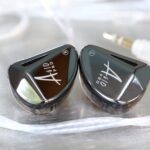
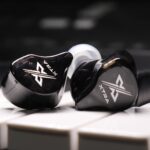



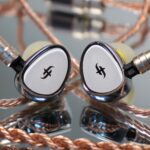


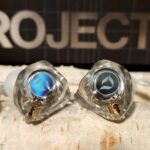

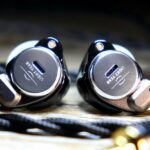
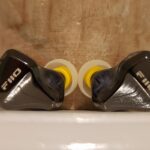
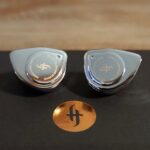












Preface
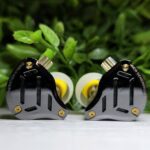
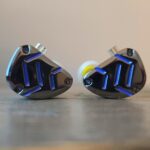
Hi guys, here we are again talking about IEMs, and this time it’s a brand that has become a real reference point in the scene, Thieaudio.
Table Of Content
- Preface
- Crystal Clear Sound and Impressive Transients
- Packaging and Accessories
- Technical Specifications
- The Design: Clear Ideas, Strong Choices
- Build, Comfort and Overall Package
- Overall Sound Signature
- Bass
- Midrange
- Treble
- Soundstage and Imaging
- Power Requirements, Pairing and Synergy
- Rock
- ROCK
- ROCK
- Hype 4 MKII vs Yanyin Baker
- Hype 4 MKII vs Ziigaat Horizon
- Final Thoughts
- Build Quality and Overall Value
- VOTE
- Frequently Asked Questions
- Acknowledgments and Personal Note
I’ve known Thieaudio since 2019, the year the brand was launched under Linsoul with a clear goal: delivering high level technical IEMs at prices more accessible than the big ultra high end names. From the Legacy series to the Signature models, the brand has consistently stood out for refined designs and increasingly mature technical solutions.
One of the symbolic models was the Thieaudio Monarch, a tribrid that surprised many with its balance and neutrality, quickly becoming a benchmark in the upper mid range segment. Over the years, Thieaudio has continued to push innovation forward, introducing advanced driver materials, isobaric configurations like the IMPACT² technology used in the Hype series, and complex crossover designs aimed at integrating the drivers in a coherent way. Even the more affordable lines have shown clear growth in terms of technical maturity and tuning refinement.
And now we get to her, the Hype 4 MKII. You already know how I feel when I see MKII, MKIII or similar updates. More often than not, they feel like marketing moves rather than real improvements. I approached this one with some skepticism as well, but I had to change my mind.
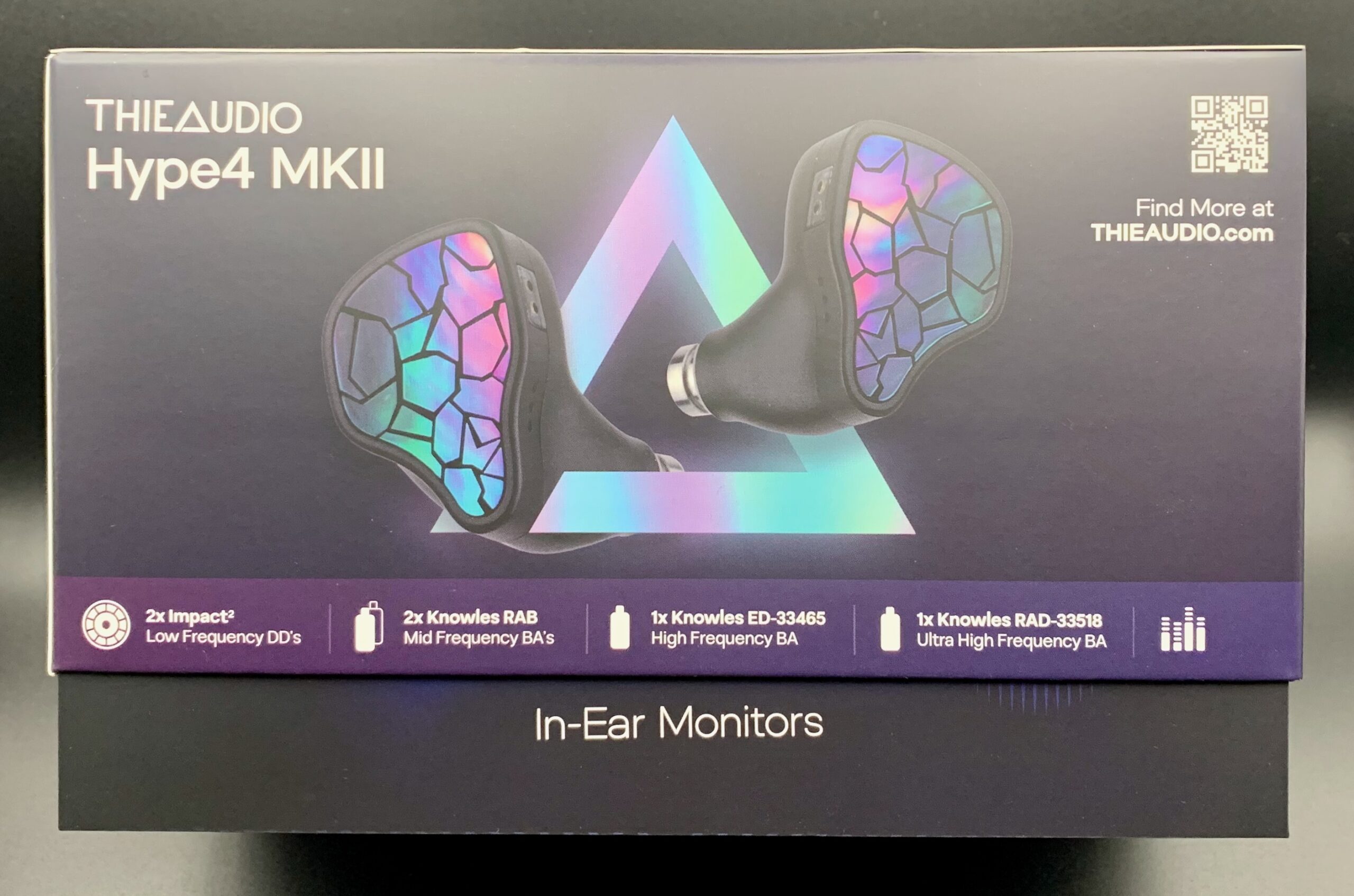
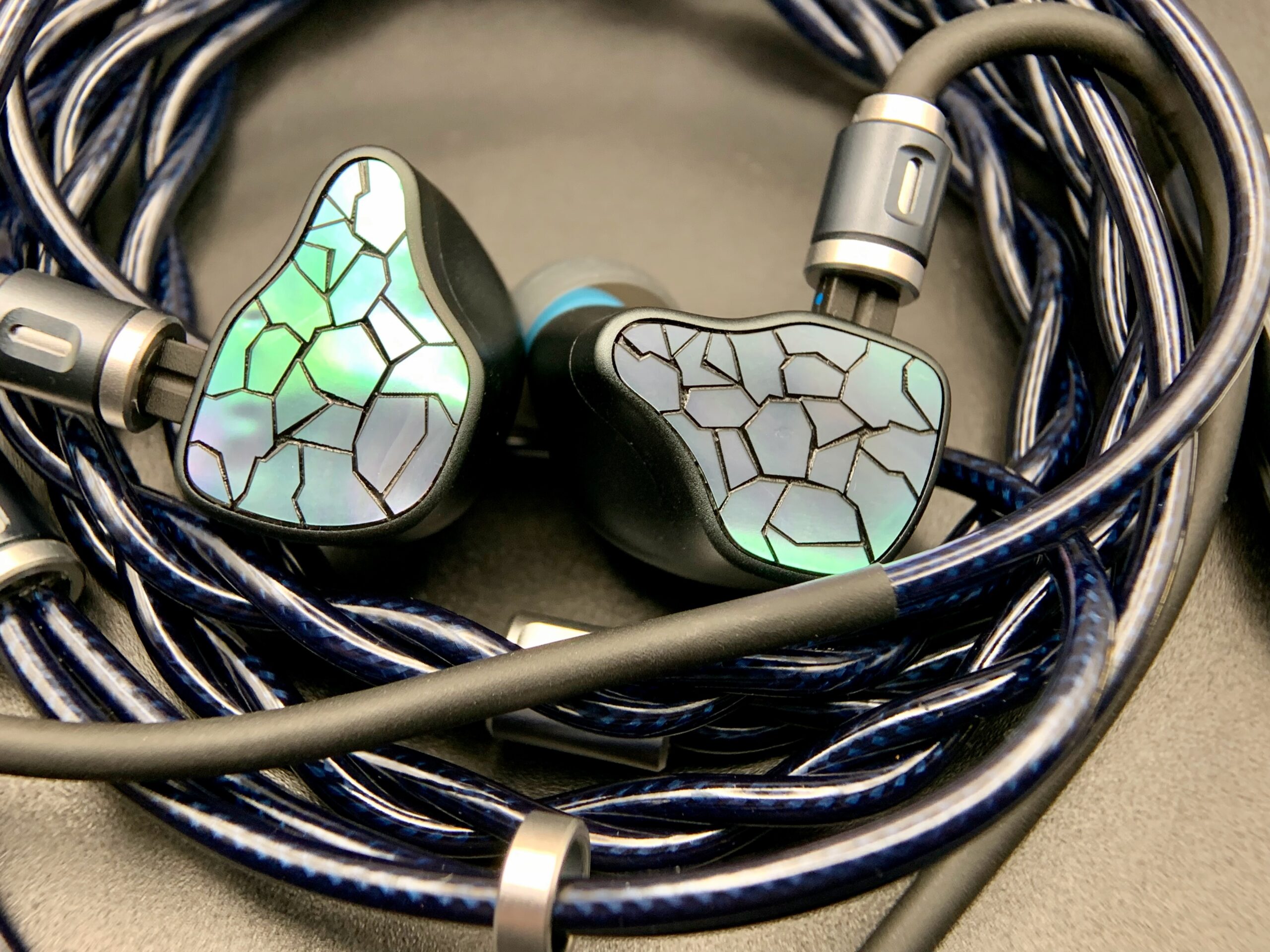
I spent several weeks with the new Hype 4 MKII and from the very first listen I was struck by their precision, clarity, and ability to extract detail without losing coherence. Thieaudio has seriously reworked this model, adopting the latest generation Knowles drivers and an updated version of the IMPACT² bass system. The result is an IEM with a defined, brilliant, technical character, but never sterile. It’s one of those products that deserves time and attention to be fully understood.
Crystal Clear Sound and Impressive Transients
From the very first listen, the Hype 4 MKII make their nature clear. The key word here is transparency. The sound is clean, well defined, almost polished, with fast and precise attacks that immediately give you a sense of control. Transients are quick, well sculpted, delivering dynamics with confidence, especially in more complex passages.
This clarity comes with a generally bright leaning tonality, but never in an artificial way. The upper range extends naturally, adding air and brilliance without feeling forced. Cymbals decay realistically, the metallic shimmer feels believable, and even the smallest nuances in the mix emerge effortlessly, without you having to search for them.
And yet, this is not a cold or top heavy presentation. The tuning remains coherent, supported by a solid lower mid base that preserves body and structure. That balance allows the soundstage to unfold in a believable and engaging way, avoiding the hollow sensation that can come with overly lean tunings. Here, the brightness is part of a broader design philosophy, not a special effect thrown in to impress at first listen.
Packaging and Accessories
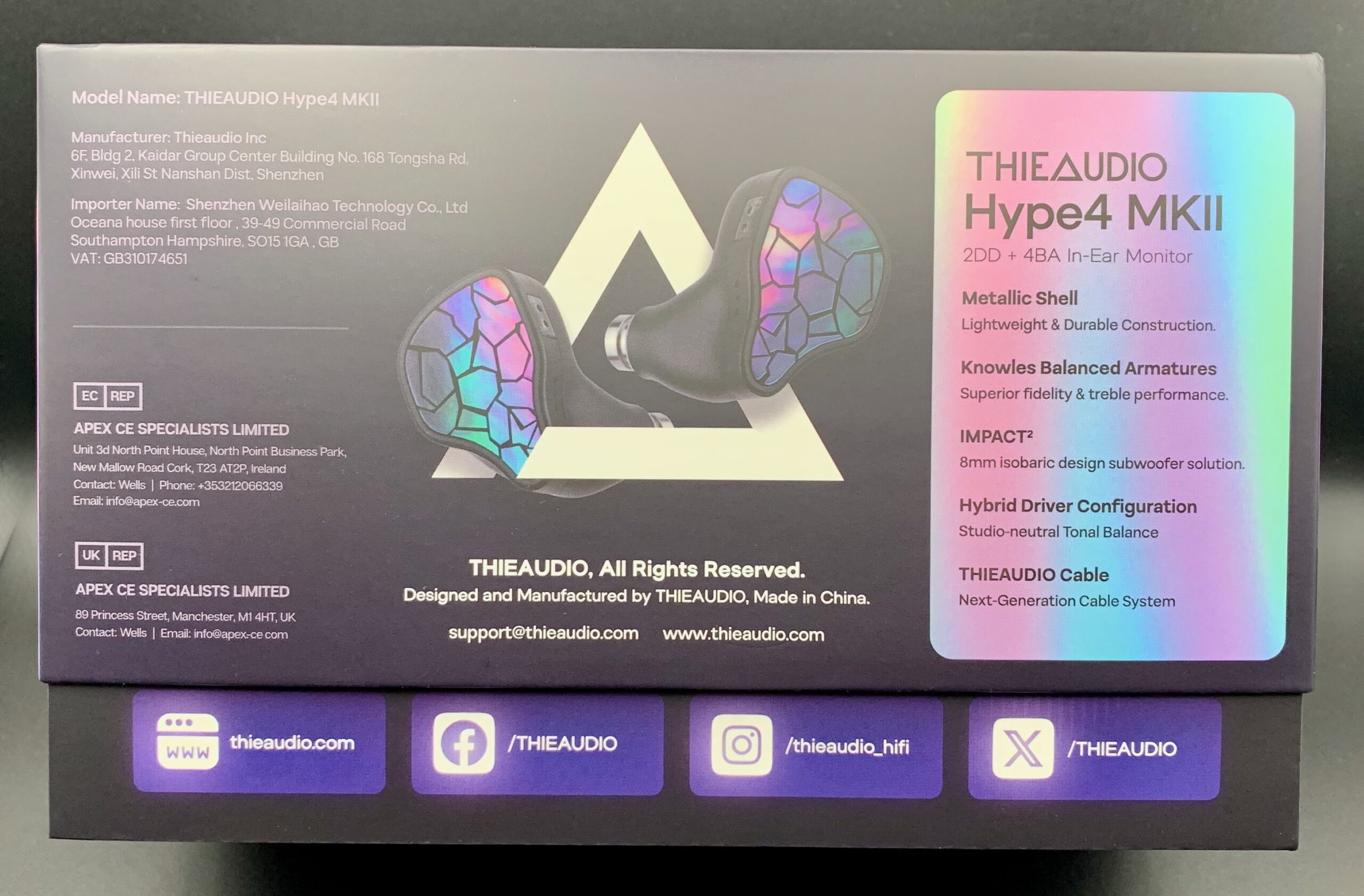
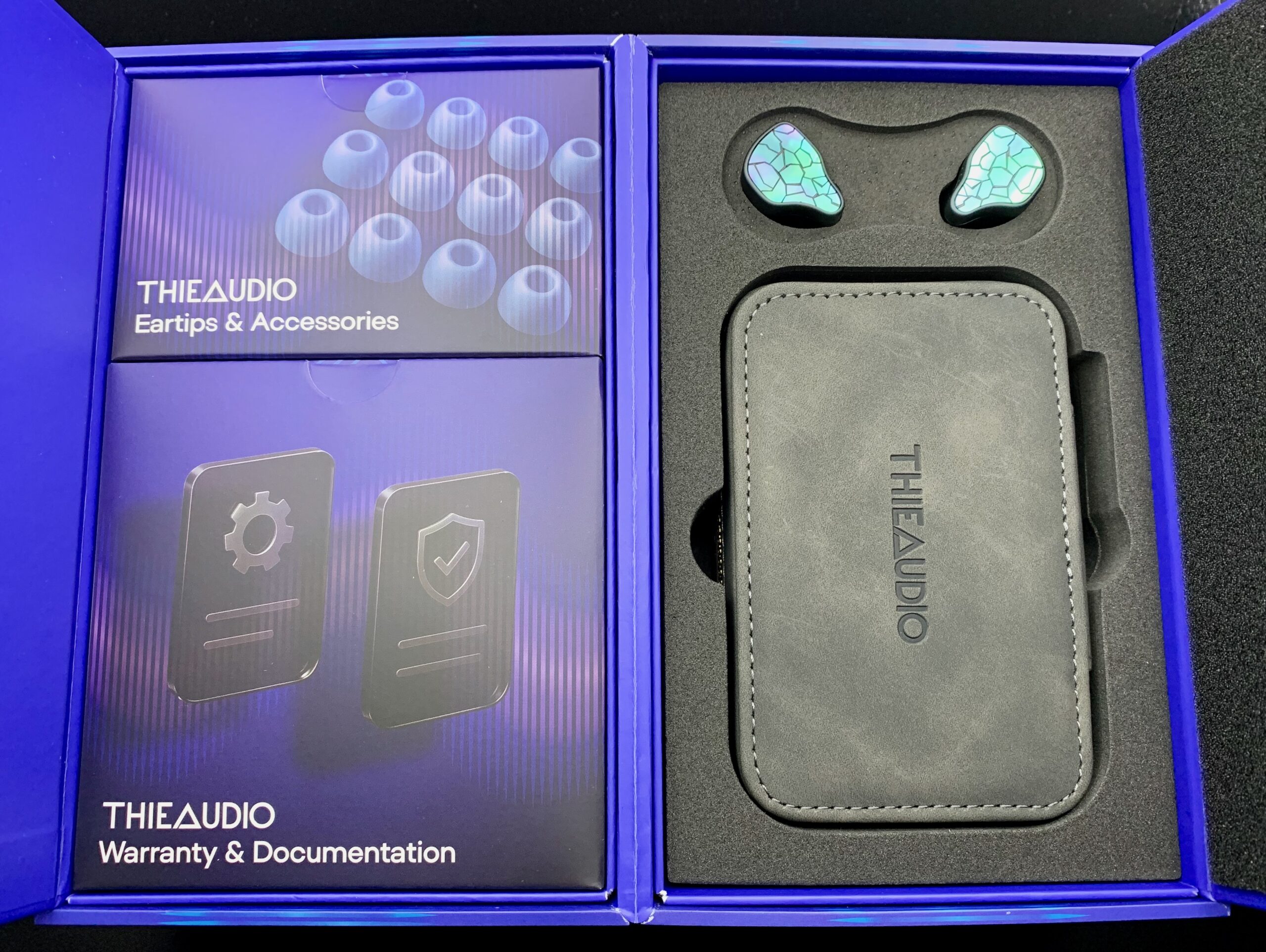
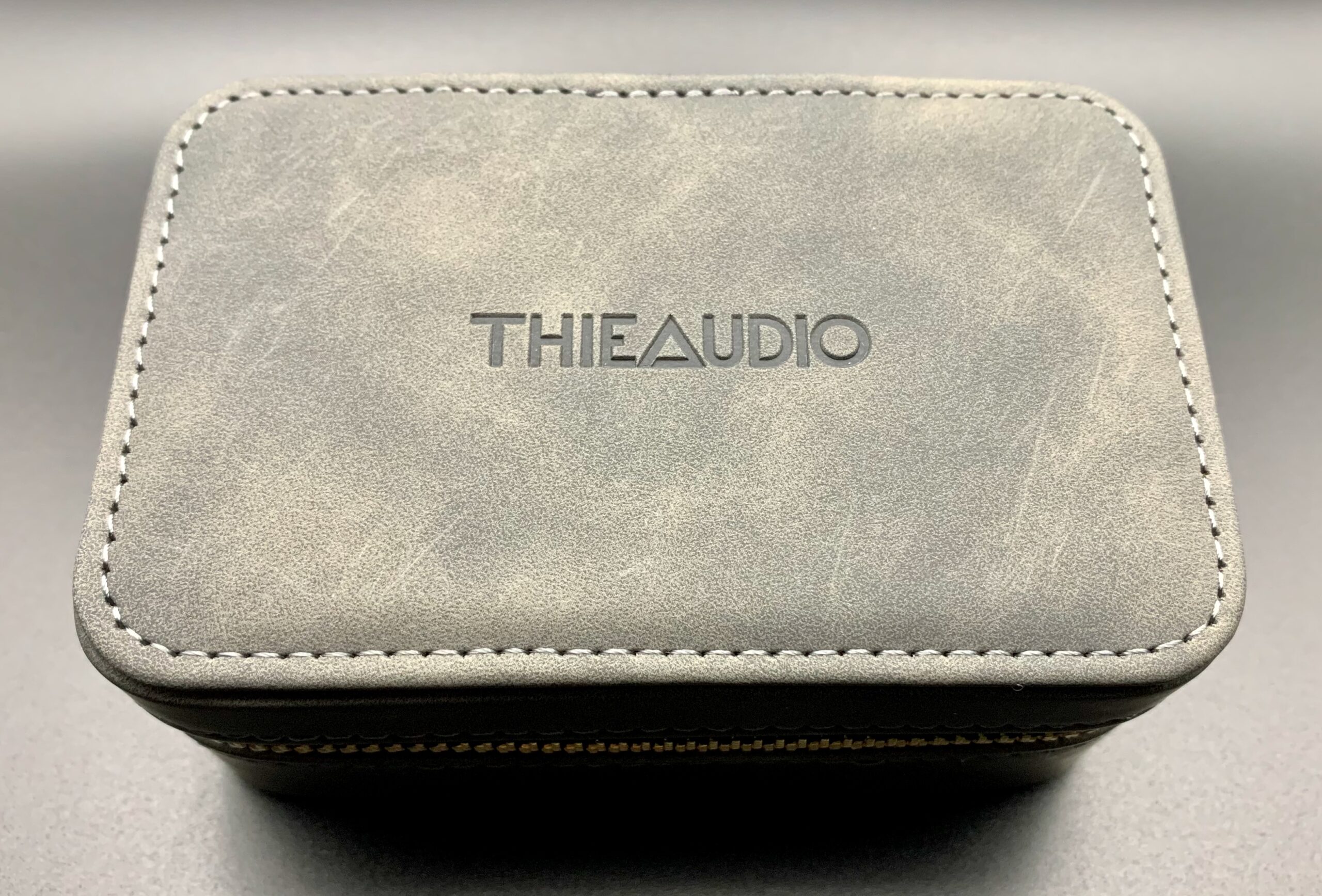
The Hype 4 MKII arrive in a clean, well organized package, with the feeling of a product clearly positioned in the upper mid range. Inside, you’ll find an elegant hard case that protects the IEMs and all included accessories without leaving anything to chance.
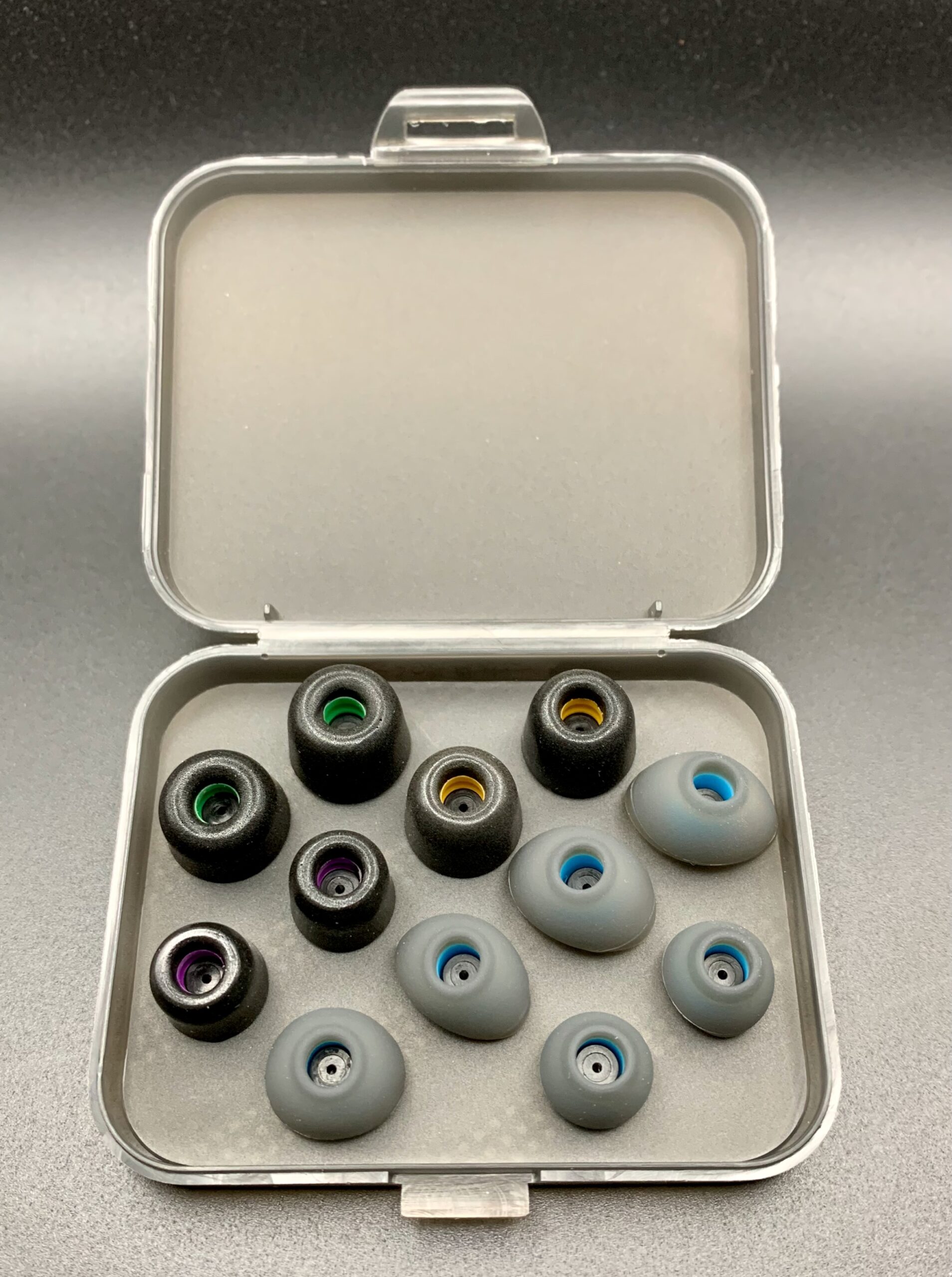
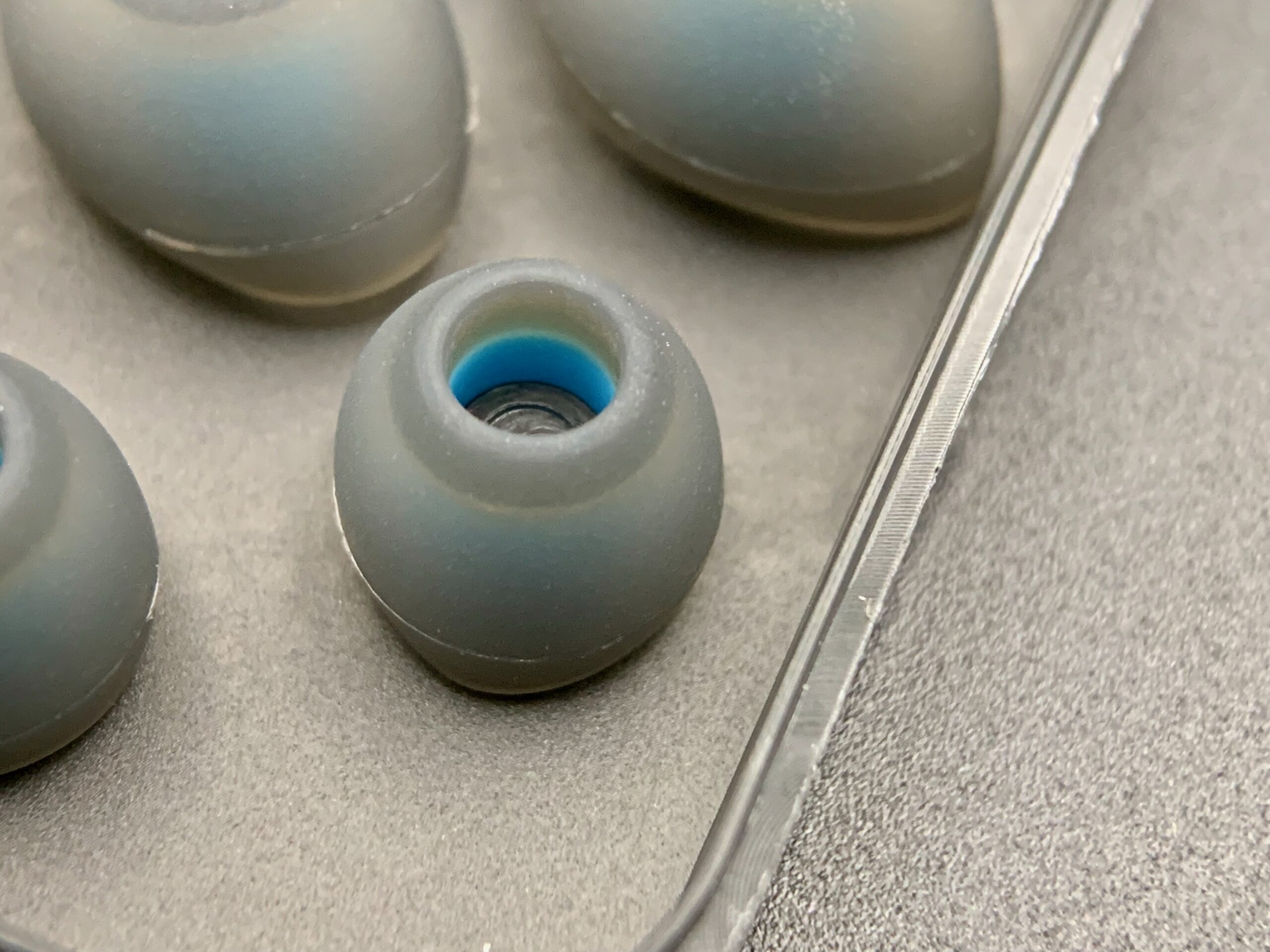
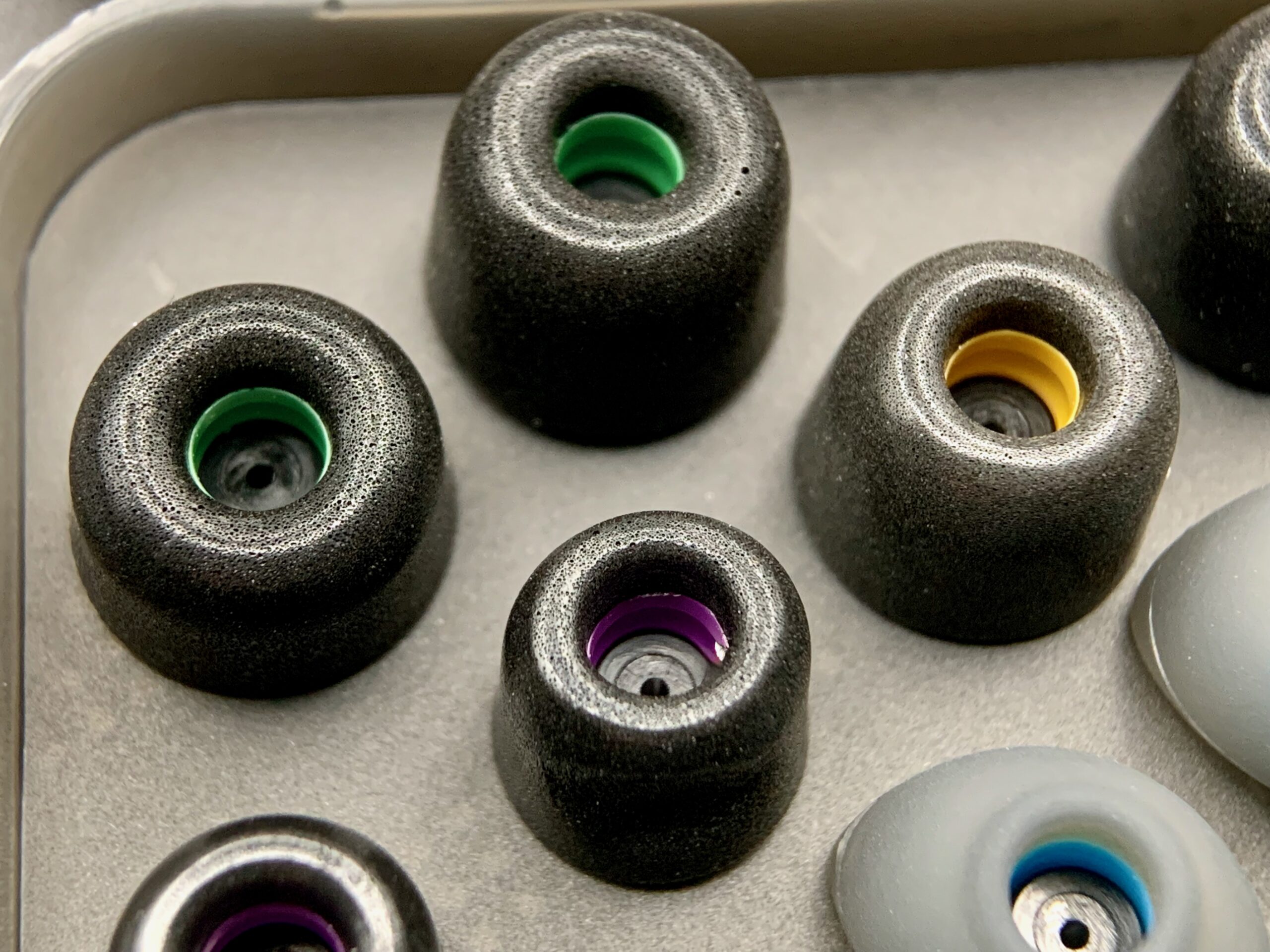
The accessory set is complete. Three pairs of silicone tips and three pairs of memory foam tips in different sizes are neatly stored in a dedicated holder. It’s the kind of package that allows you to immediately experiment with fit and sound without having to look for aftermarket options.
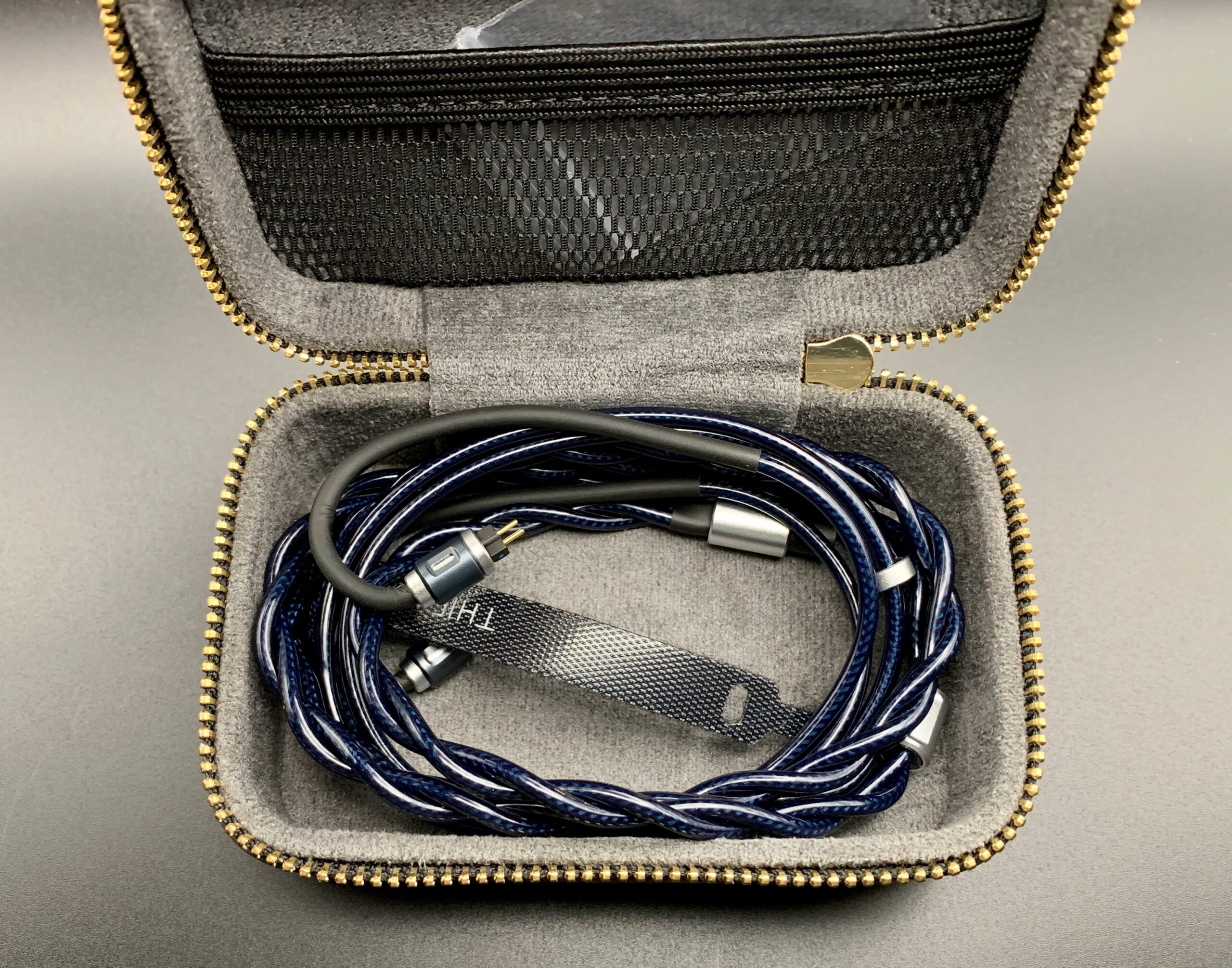
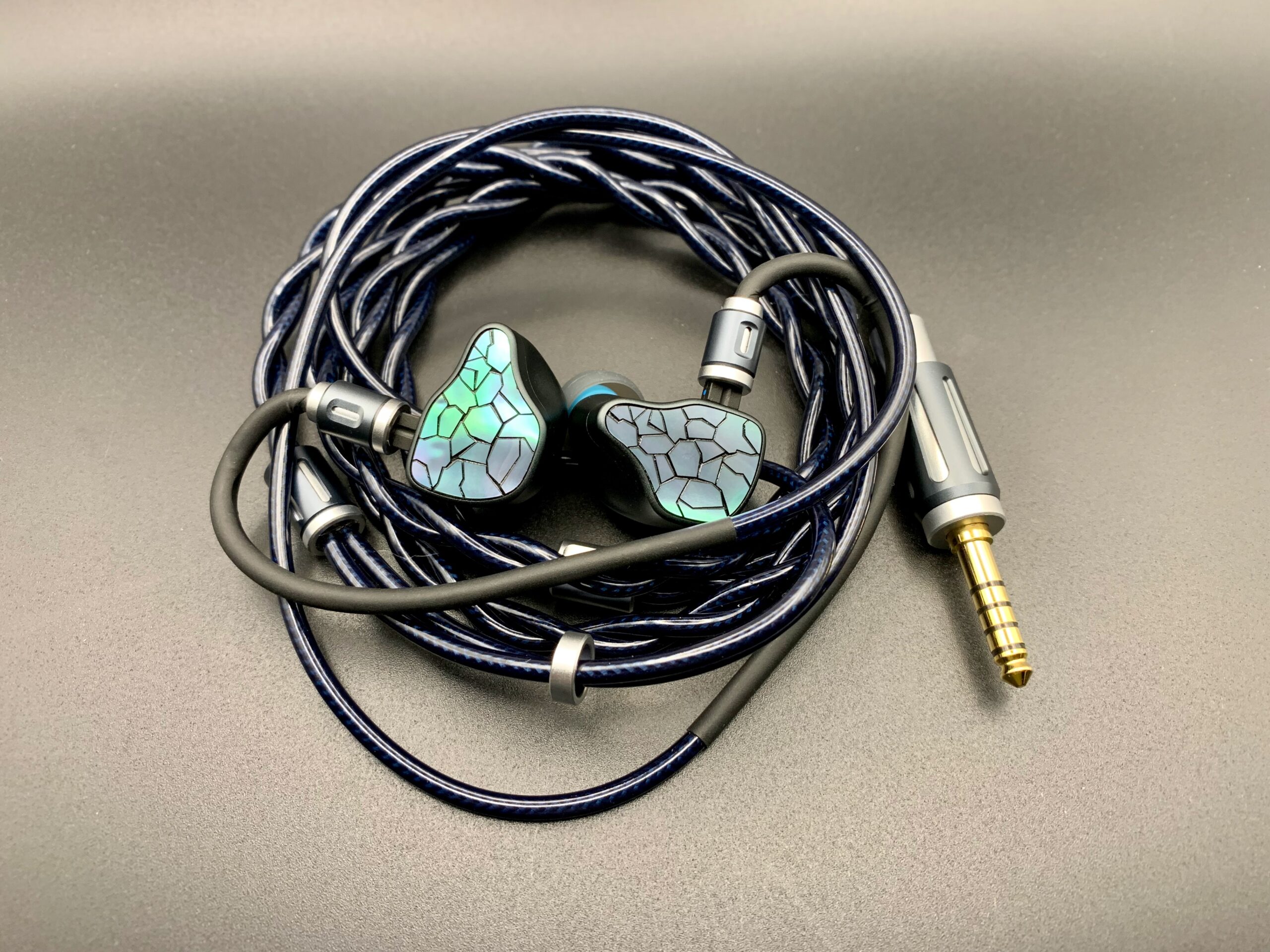
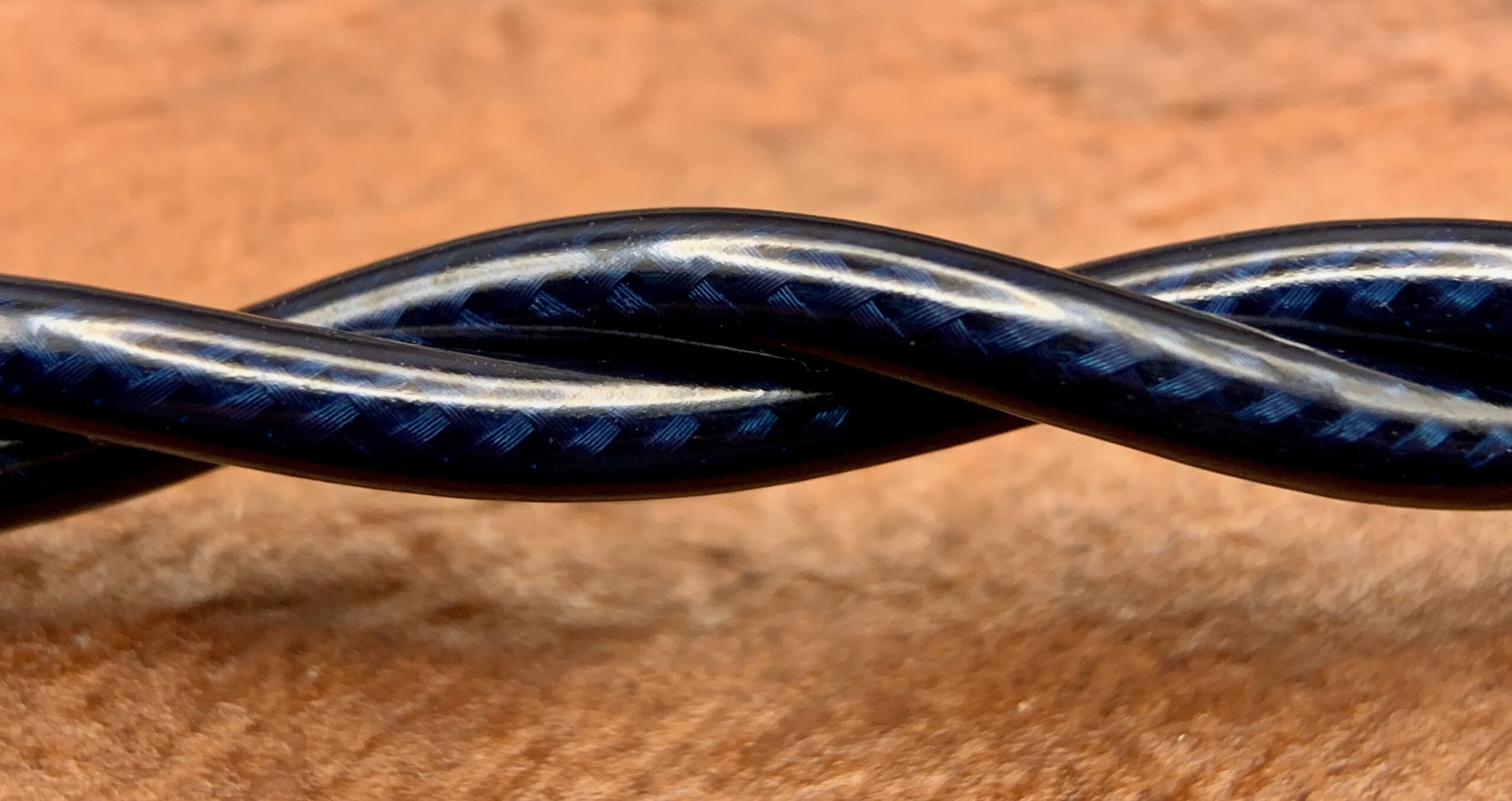
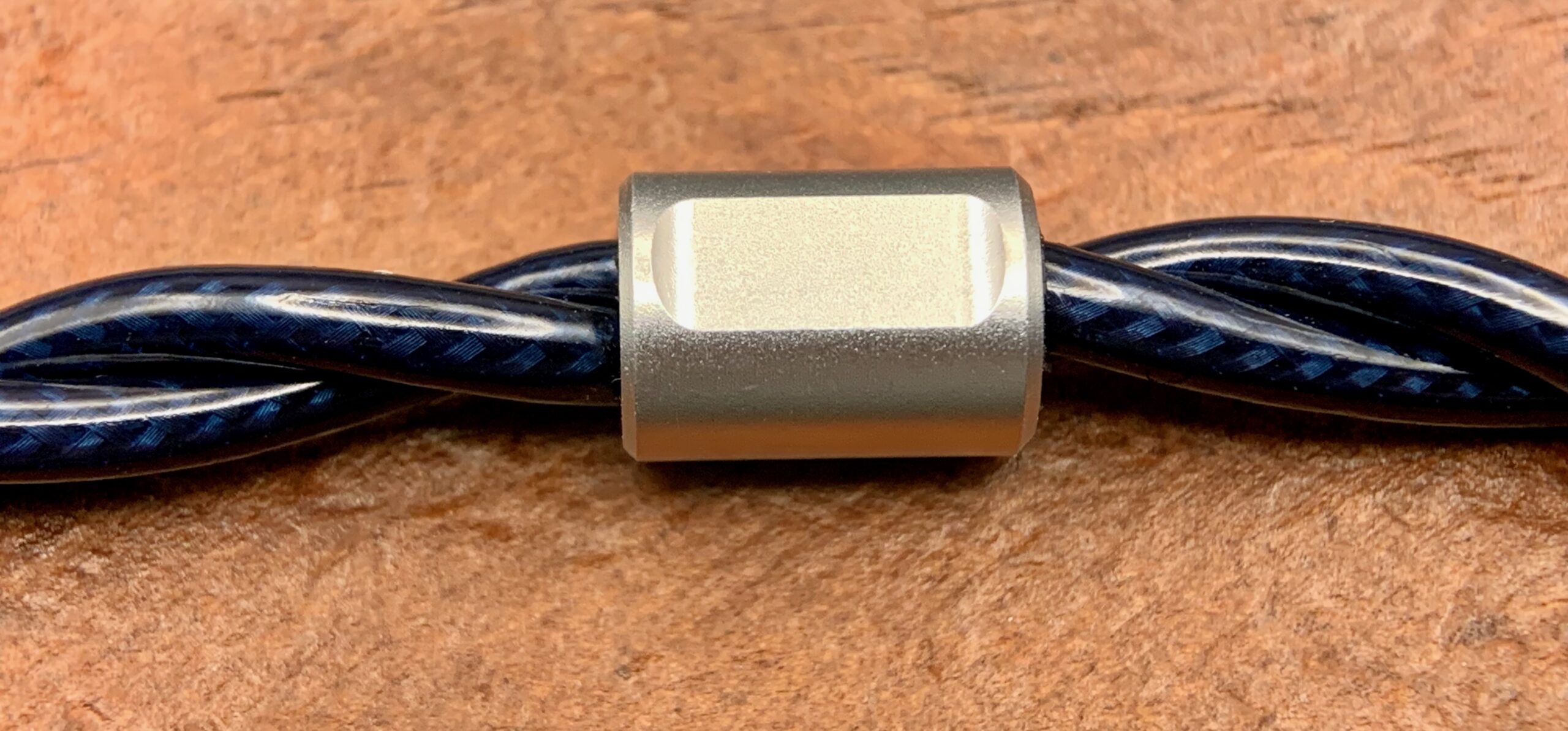
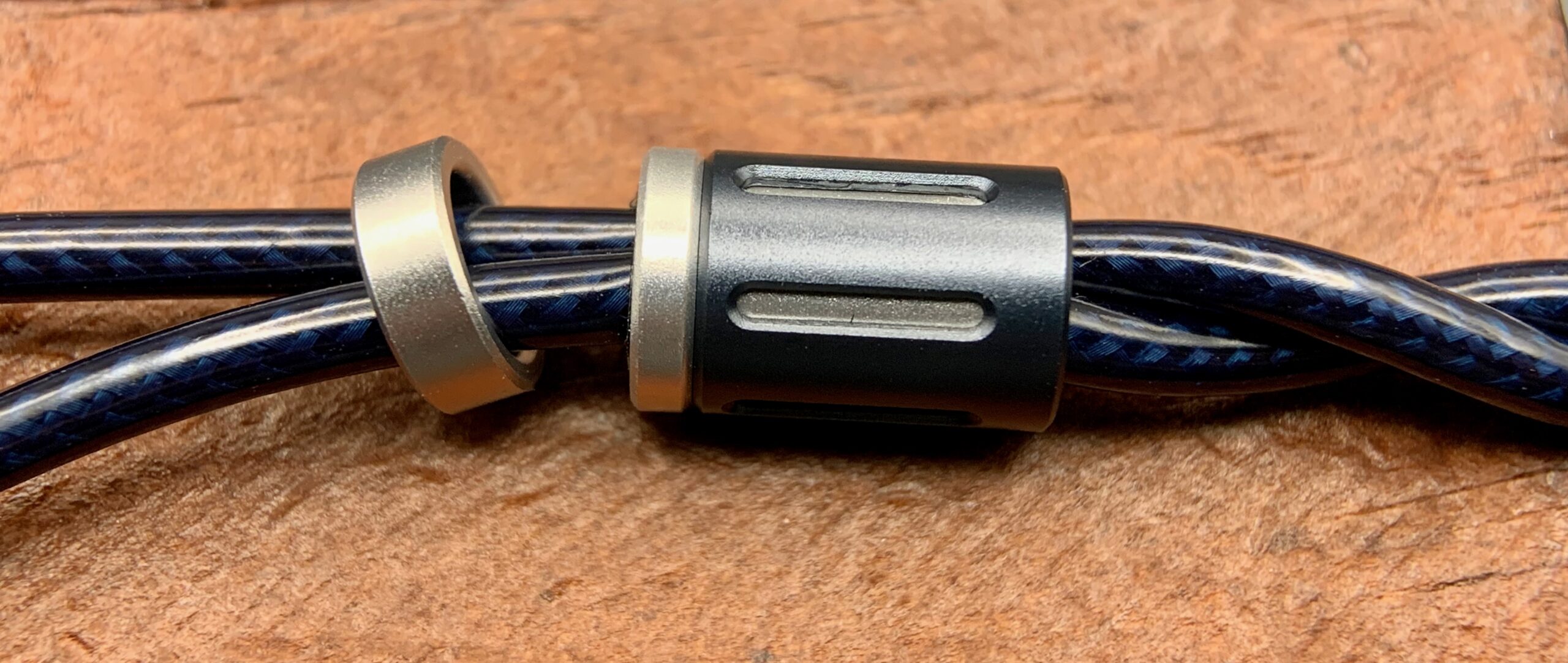
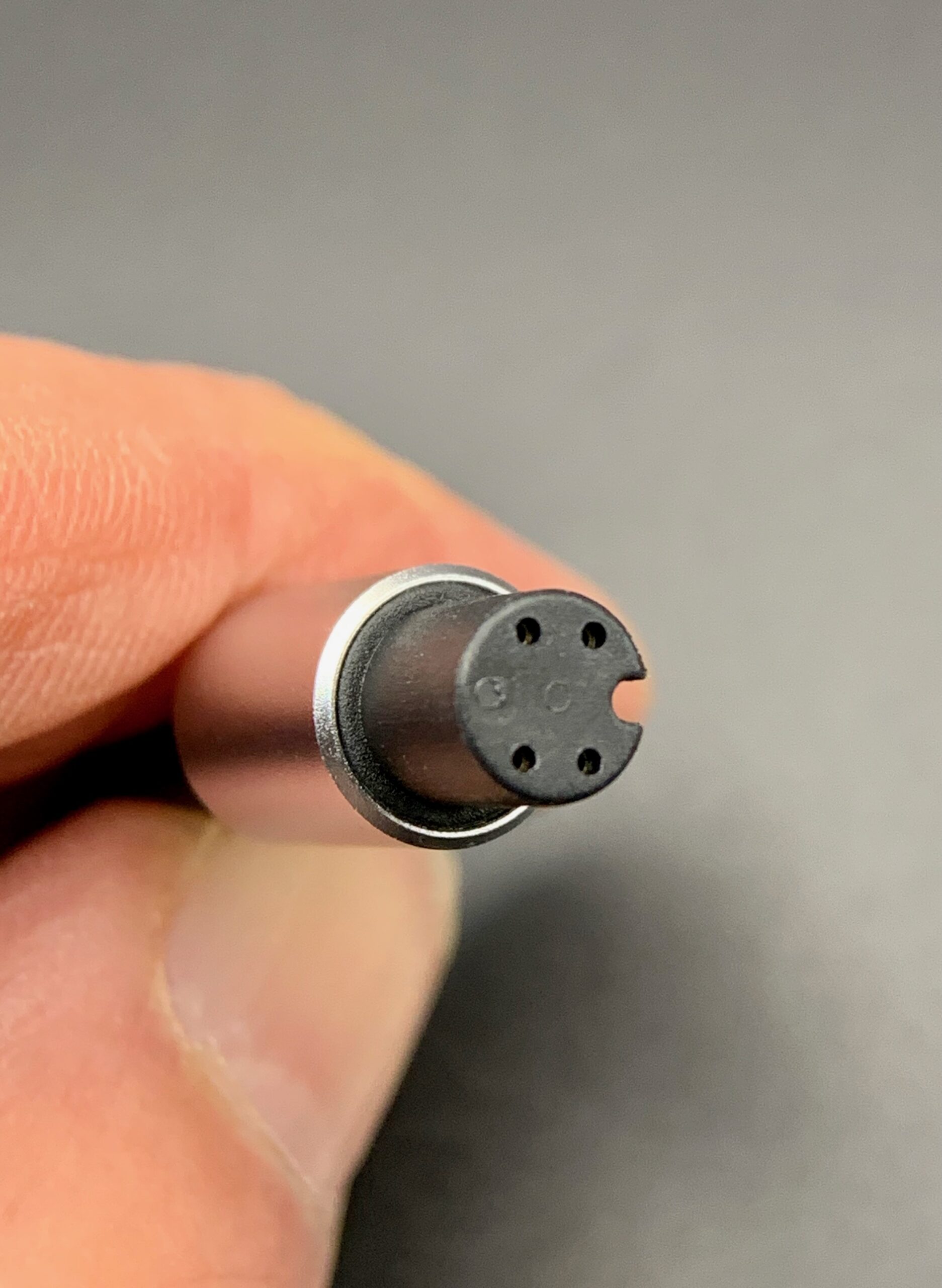
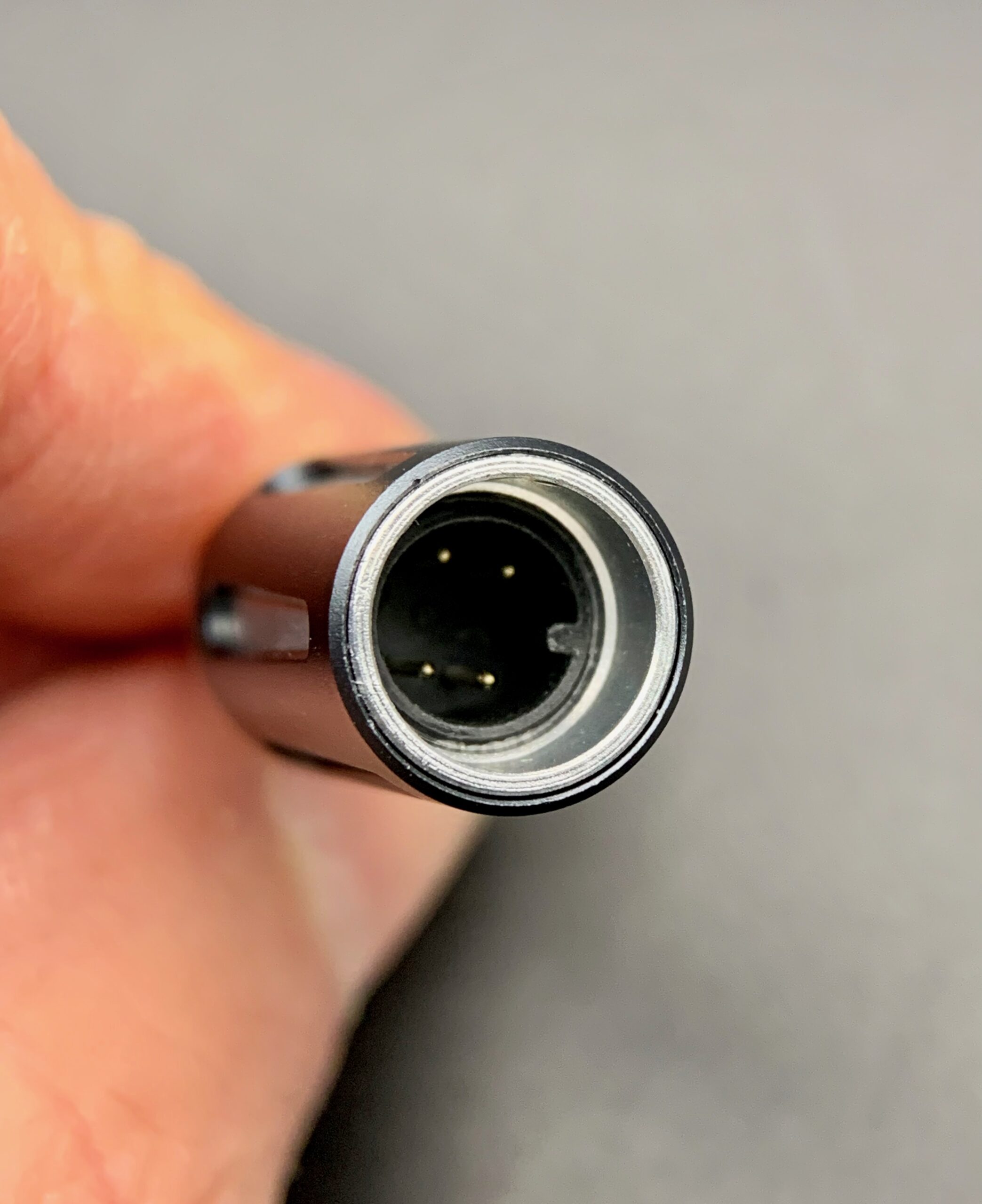
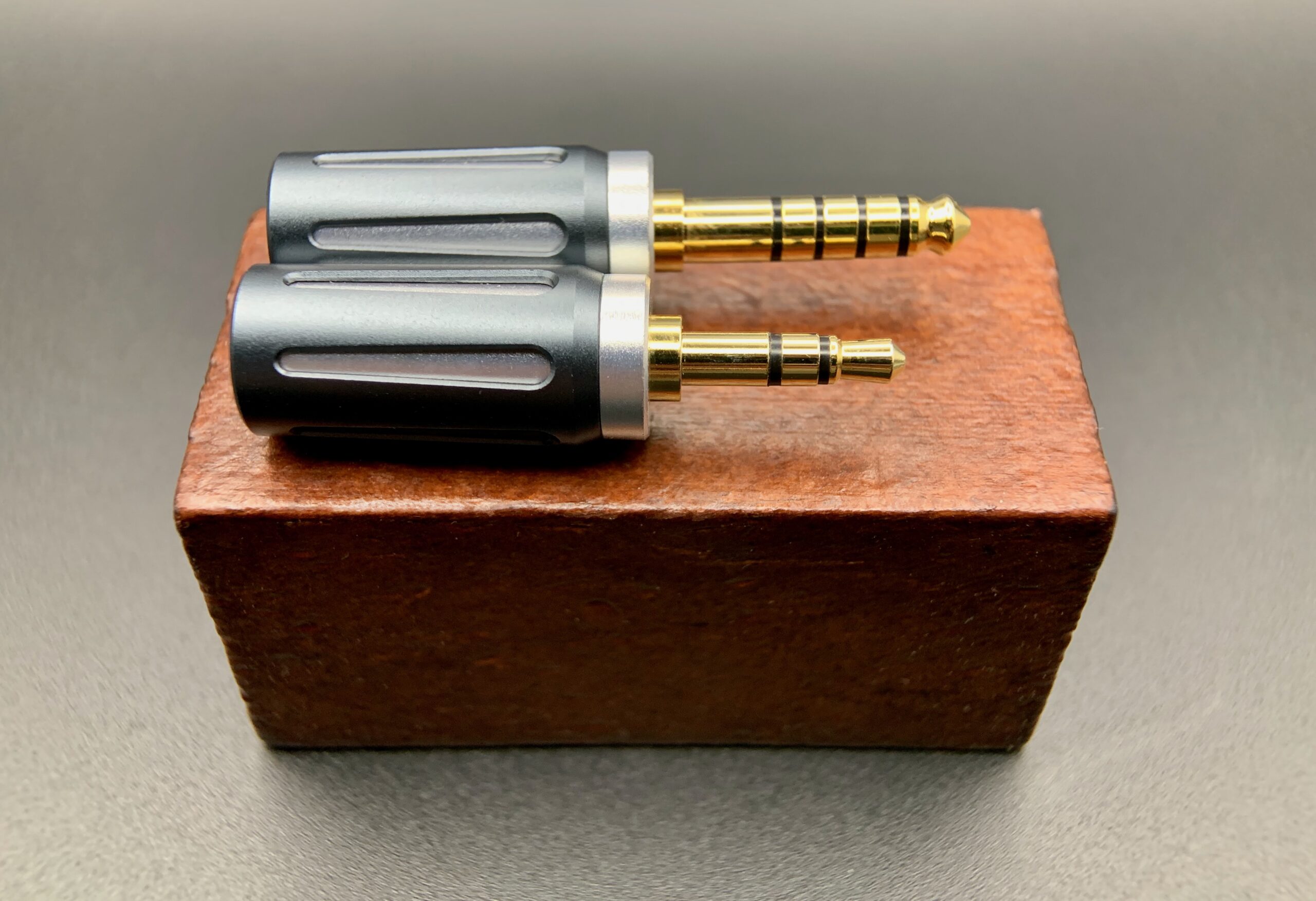
The cable deserves special mention. It’s a high quality cable with silver plated OFC copper conductors, thick but flexible braiding, and solid construction. The modular system is a real advantage. You can switch from 3.5 mm to 4.4 mm balanced in seconds, adapting to your source without changing the entire cable. For those who use multiple devices, this is more than a small detail, it’s practical convenience.
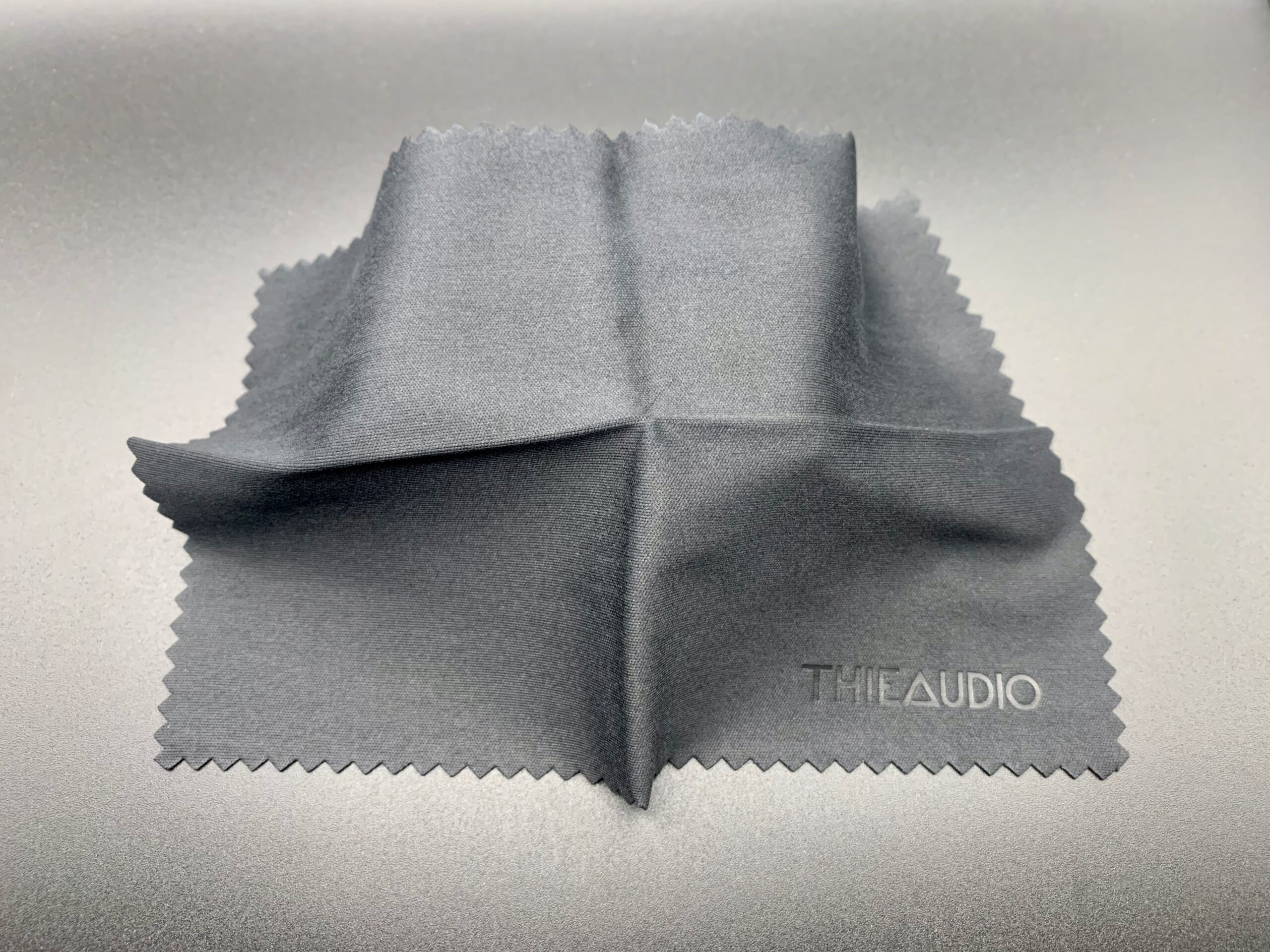
Everything is completed by a sturdy travel case and a microfiber cloth for maintenance. Overall, the package is perfectly aligned with the price bracket. No unnecessary flash, just substance. Solid, functional accessories that make sense for serious portable use.
Technical Specifications
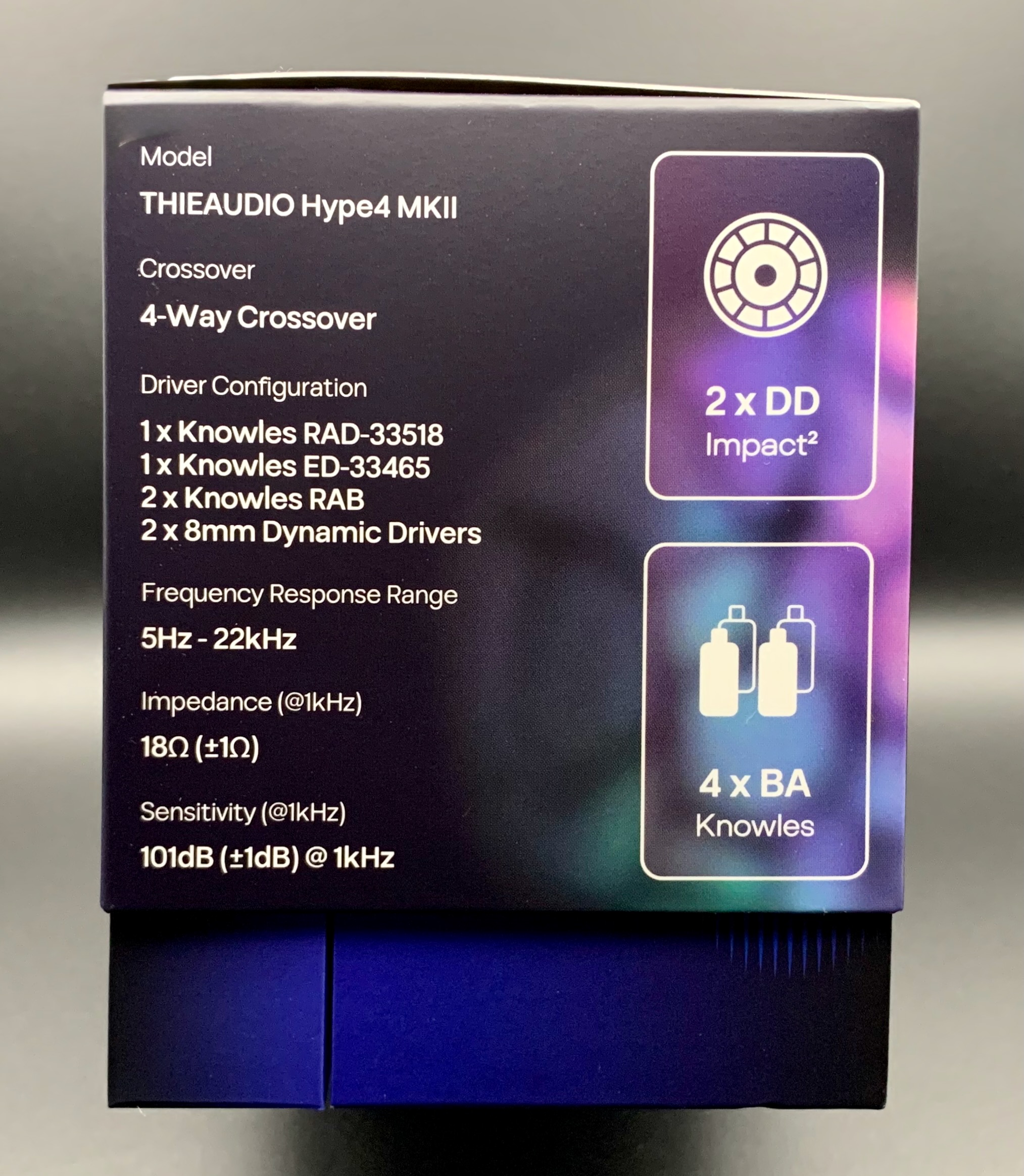
| Feature | Detail |
| Driver Configuration | 2 × 8 mm dynamic drivers (IMPACT² Gen 2 system) + 4 Knowles balanced armatures (2 × RAB for low mids, 1 × ED-33465 for upper mids, 1 × RAD-33518 for ultra highs) |
| Impedance | 18 Ω ±1 Ω (at 1 kHz) |
| Sensitivity | 101 dB/mW ±1 dB (at 1 kHz) |
| Frequency Response | 5 Hz – 22 kHz |
| Crossover | 4-way crossover (4 active drivers) with 7 passive components |
| Shell Material | CNC anodized aluminum (scratch-resistant body) |
| Included Cable | Detachable 4-core silver-plated OFC copper cable with modular 3.5 mm and 4.4 mm connectors |
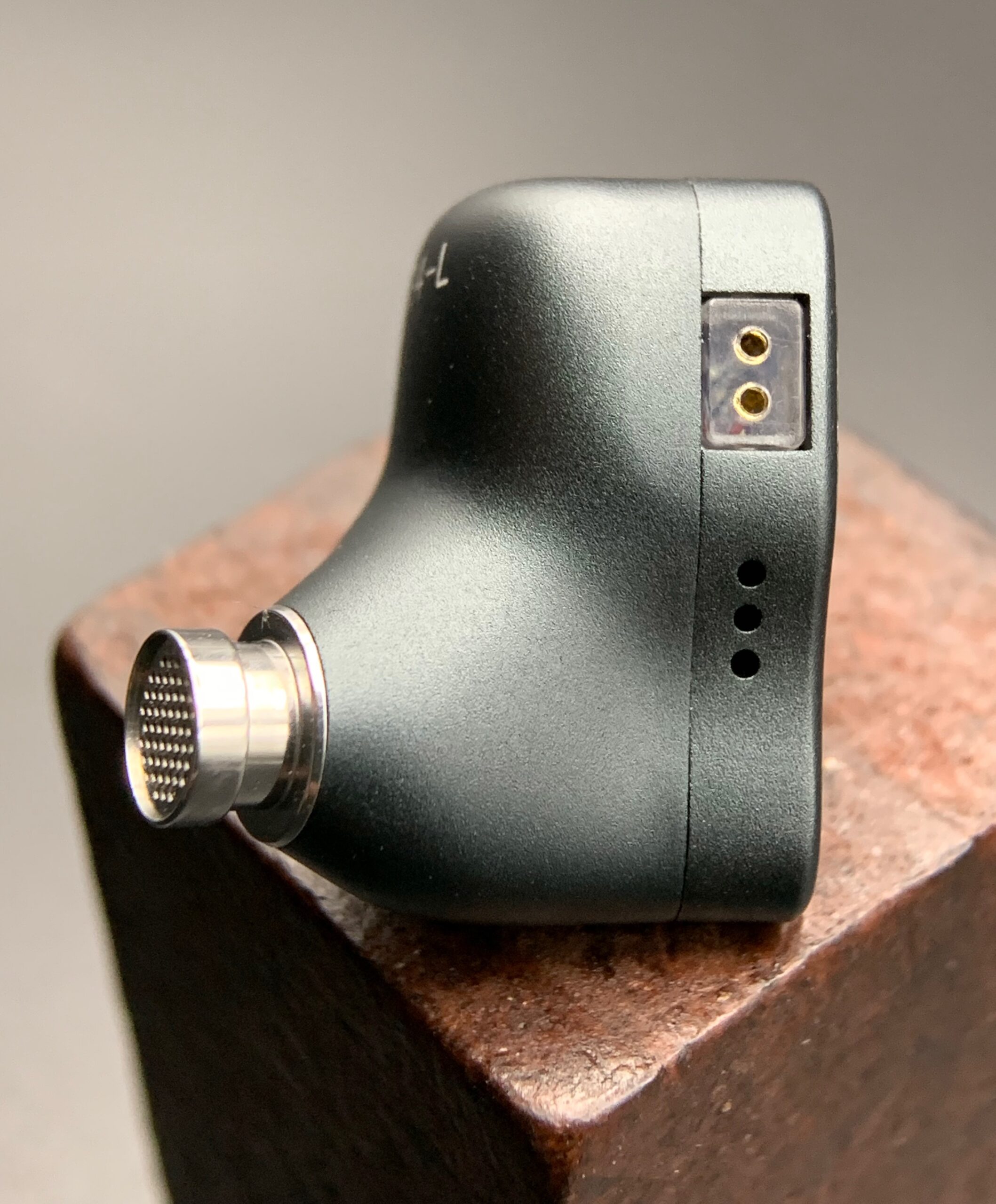
| Connectors | Recessed 0.78 mm 2-pin IEM connection; modular 3.5 mm / 4.4 mm audio plug |
| Weight (per earpiece) | Approximately 6–7 g |
The Design: Clear Ideas, Strong Choices
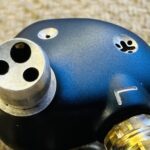
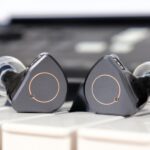
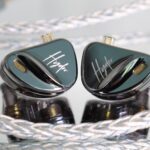
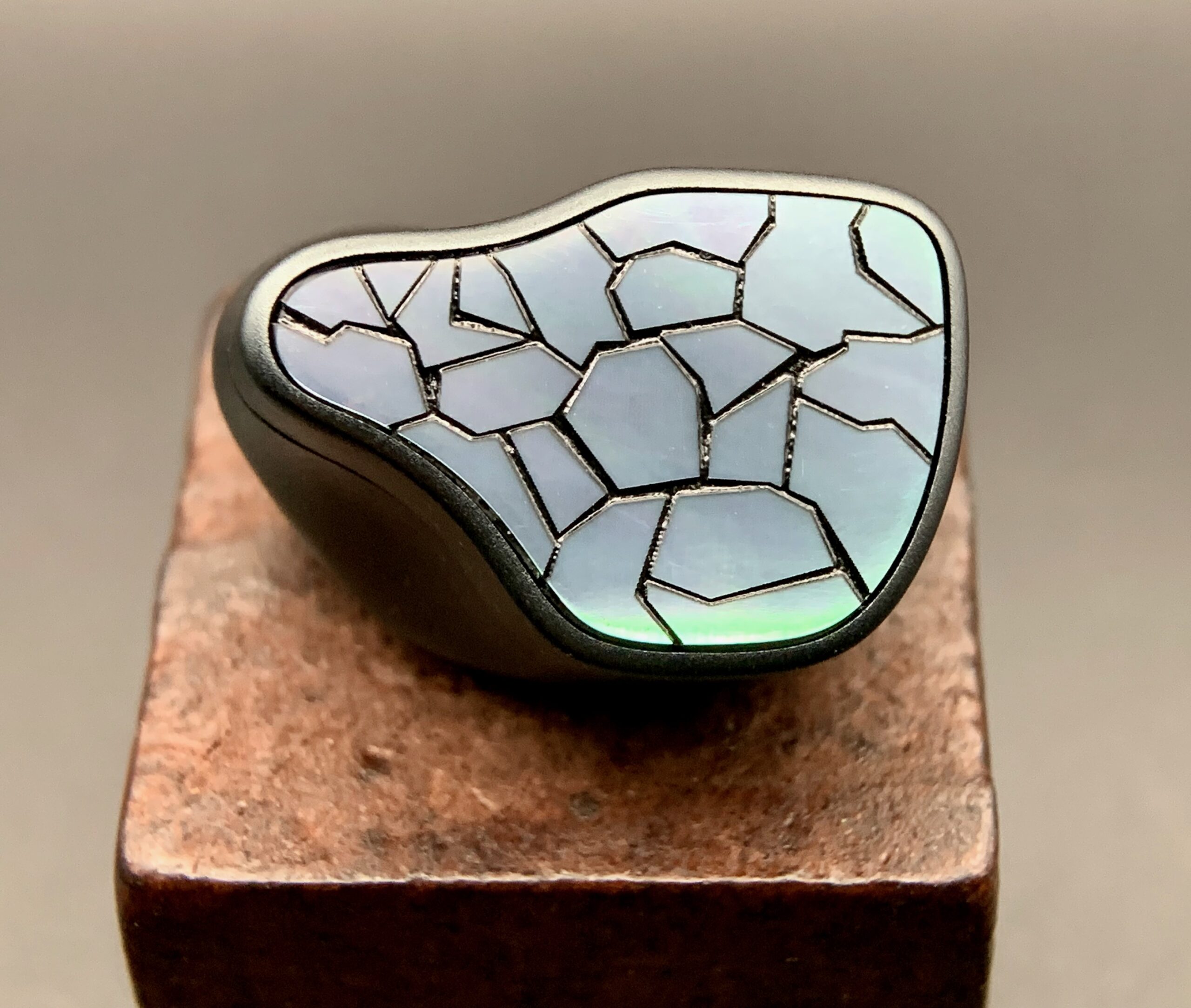
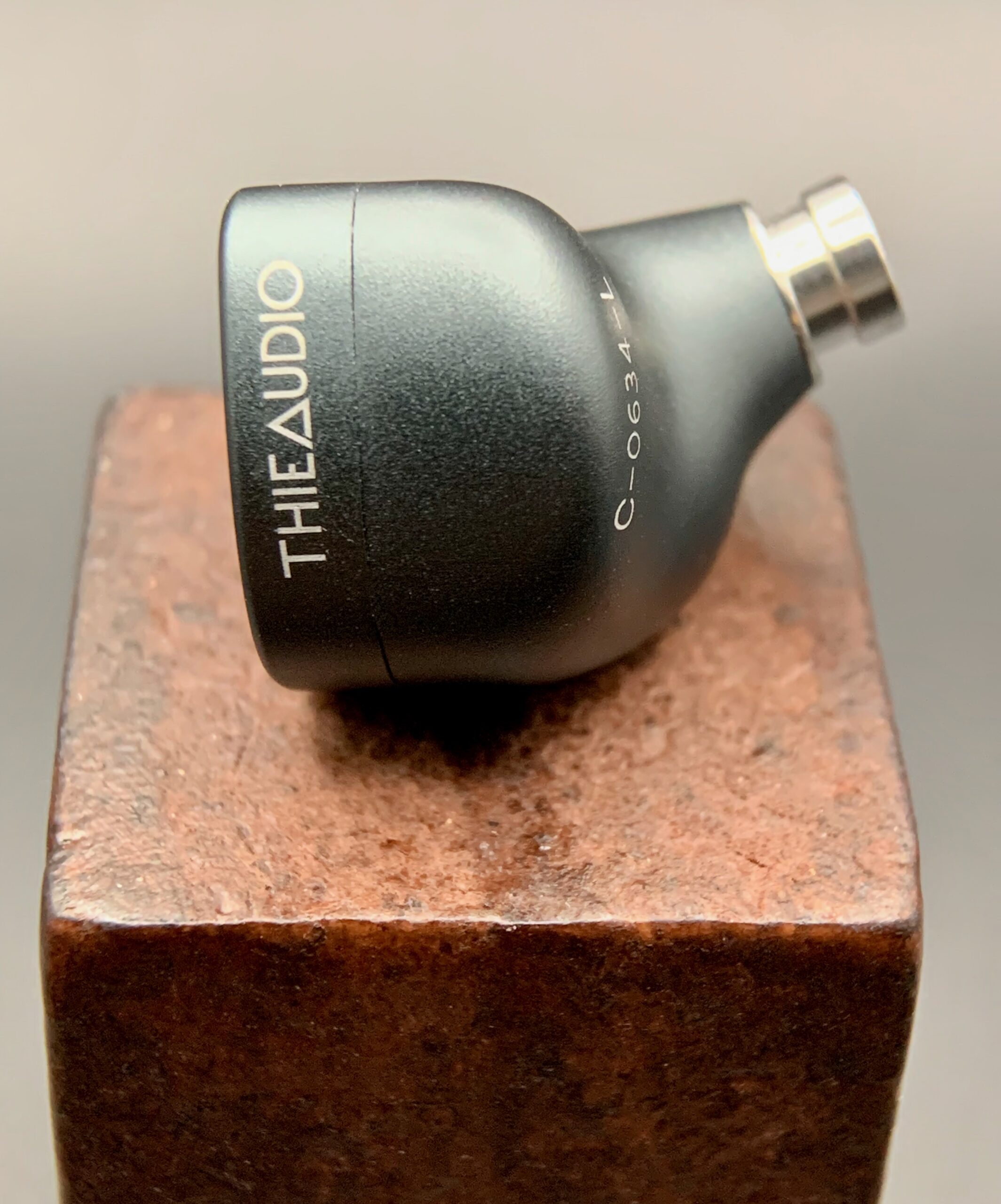
With the Hype 4 MKII, Thieaudio has taken a clear step forward compared to the previous version. This is not just a cosmetic refresh. There is a real structural rethink behind it. The shell now uses CNC machined aluminum, a choice that clearly prioritizes solidity and build precision. On paper, this could suggest added weight or bulk, but in real use the design feels well balanced and remains comfortable even during long listening sessions.
The philosophy is clear: technical precision without sacrificing musicality. This is not a project built around flashy effects, but around improving control, coherence, and driver integration. The adoption of the latest generation Knowles units moves in exactly that direction, as does the second evolution of the IMPACT² bass system.
The internal architecture follows the same logic. The four way crossover manages frequency distribution with precision, keeping the spectrum clean and well separated, while the dedicated pneumatic bass system maintains pressure and control without introducing distortion or timing inconsistencies. The entire architecture focuses on optimizing time alignment and ensuring seamless tonal integration.
The result is not just something that looks good on paper. You hear it. Tonal coherence is one of the strongest aspects of these IEMs, a clear sign that this is a thoughtfully engineered product, not simply a collection of high end drivers put together for marketing appeal.
Build, Comfort and Overall Package
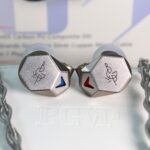
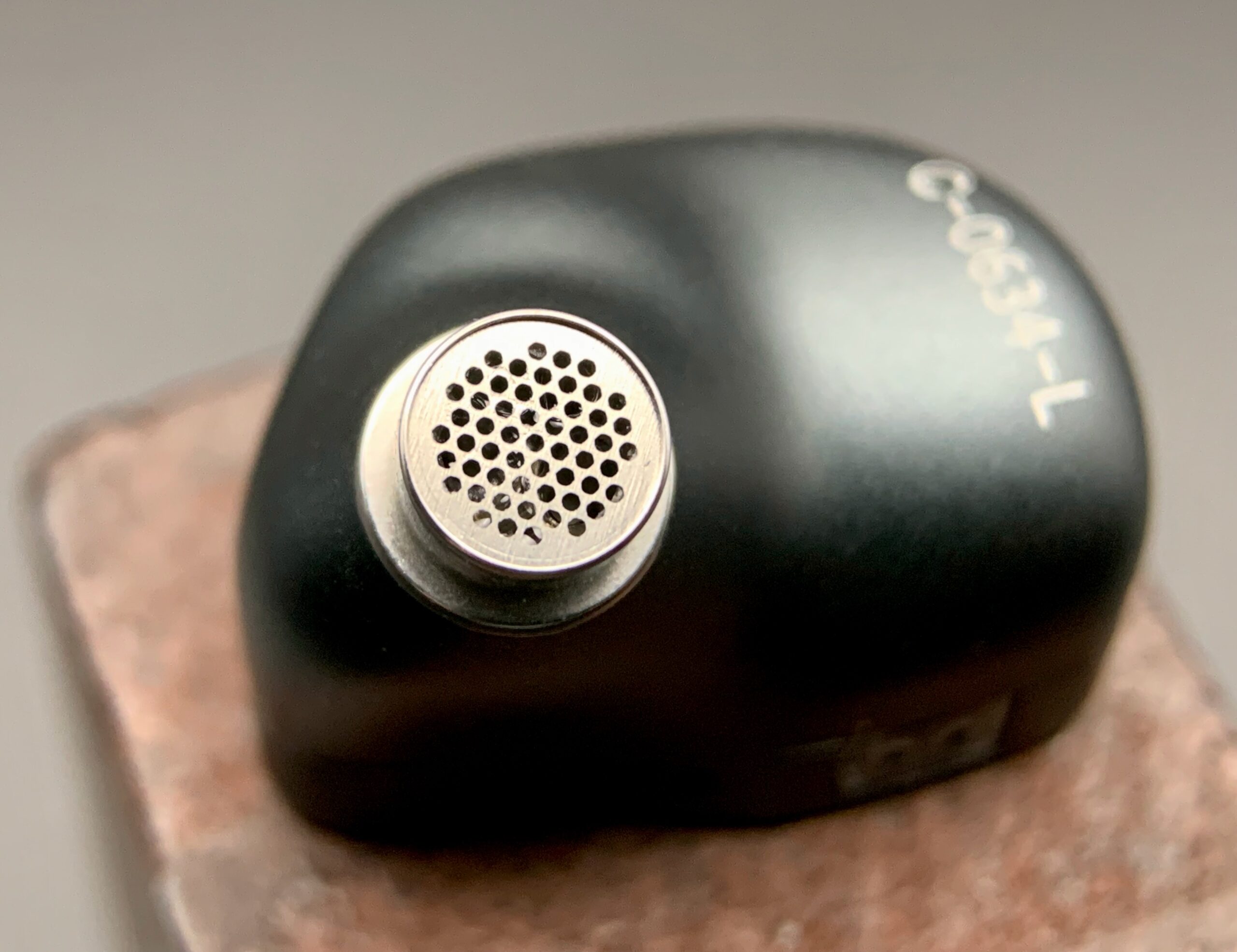
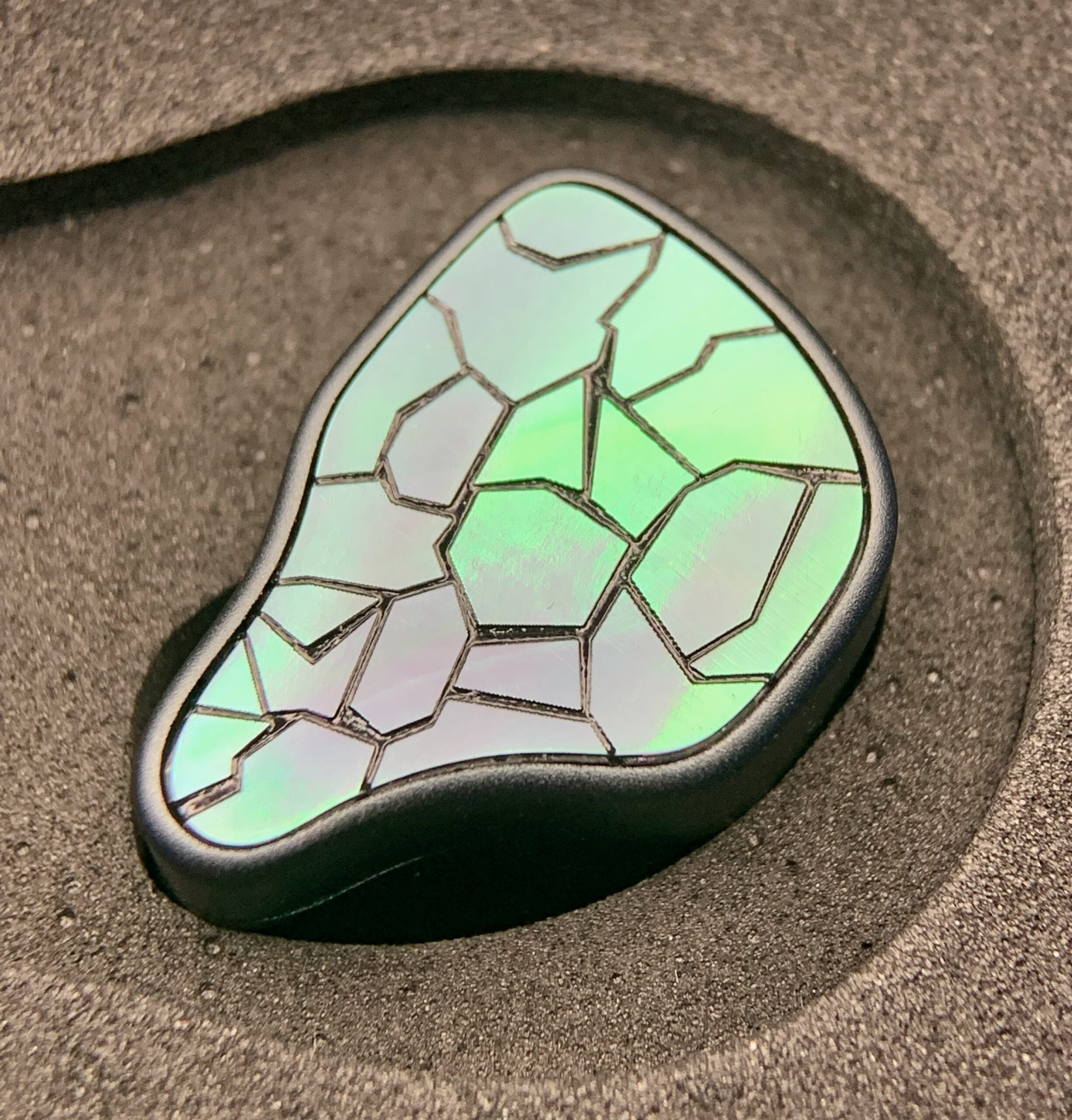
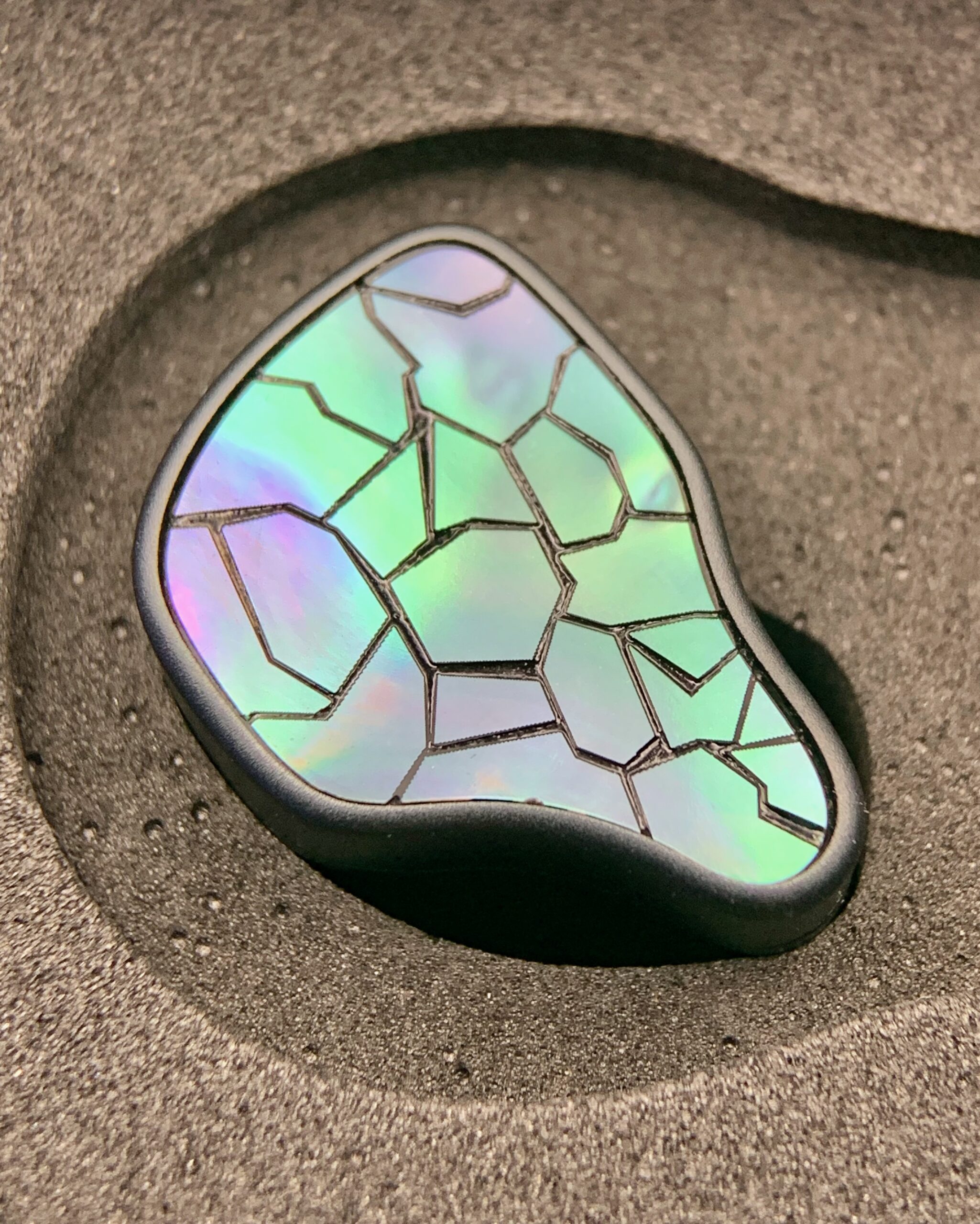
The build quality of the Hype 4 MKII is immediately noticeable the moment you pick them up. The anodized aluminum shells feel solid, well finished, and give that reassuring sense of a product designed to last. The surface is scratch resistant, and the recessed two pin connectors are a smart choice, reducing the risk of accidental impacts or snagging during everyday use.
The shape is ergonomic, designed to sit naturally in the ear without creating pressure points. Even after long listening sessions, I never experienced discomfort. That tells you the design work was not just about looks. The weight remains well controlled and once worn, they almost disappear, leaving only the music.
The included cable is fully in line with the overall level of the product. It’s thick and solid, yet still manageable. The ear guides are soft and hold their shape without becoming stiff or intrusive, and microphonics are practically nonexistent, even when walking. Between modularity, build quality, and overall comfort, this is a well thought out package with no obvious compromises.
Overall Sound Signature
Overall, the Hype 4 MKII present a bright, energetic signature with a clearly analytical orientation, yet without becoming cold or sterile. The tonality sits in neutral bright territory, with bass that is present and deep, but never dominant. The response remains well controlled even during sudden dynamic swings, a clear sign of proper alignment between the dynamic drivers and the balanced armatures. The upper extension plays a decisive role in shaping their character.
Compared to the previous version, there is a noticeable tightening of the low end. This feels intentional, aimed at avoiding excess warmth that could blur the midrange. The result is a cleaner, more ordered presentation where every element finds its place without unnecessary overlap.
Instruments emerge with clearly defined contours, vocals separate cleanly from the background, and the mix remains intelligible even in complex passages. This tuning emphasizes separation and spatial precision, from the impact of a kick drum to the smallest details like reverbs and ambient tails.
They invite focused listening and reward attention to nuance and micro detail. There is no artificial warmth here, only a clear intent to reveal what is truly in the recording. If transparency and technical precision matter to you, this is exactly the kind of presentation you will appreciate.
Bass
The second generation IMPACT² system clearly focuses on the deepest part of the spectrum. Sub bass extends with authority. It is present, physical, with a noticeable emphasis around 50 Hz that translates into a punch you can almost feel, yet always controlled. This is not bass for show. It is structured, intentional bass.
What stands out is how the transition into the mid bass is handled. Around 150 Hz there is a deliberate containment, preventing buildup and preserving midrange clarity. Even in bass heavy passages, the presentation remains clean and readable, without intrusive bloom.
There is a slight sense of lightness in the mid bass, a subtle dip that favors speed and overall transparency. This is a conscious compromise, not a flaw. It allows the Hype 4 MKII to maintain a fast, defined character, avoiding the density that can make everything sound warmer but also more congested.
The result is bass that is precise and well structured. It has body when required and impact when called for, yet never becomes muddy or boomy. The texture feels natural and controlled, far from the excessive roundness of warmer tunings. If you are looking for depth and presence without sacrificing balance and definition, you get both here, without unnecessary exaggeration.
Midrange
The midrange of the Hype 4 MKII is built with balance and intention. There is body, supported by a slightly warm foundation that adds substance, but it never becomes thick or overly soft. Around 400 Hz there is a gentle lift that gives vocals presence and credibility, making them sound natural and lived in, never thin.
Male vocals have fullness and weight in the lower fundamentals, but they do not become chesty or bloated. Female vocals come through with clarity and detail, maintaining brightness and intelligibility without slipping into forced sibilance. The presentation feels controlled and coherent.
Electric guitars retain texture and attack without becoming thin or sharp in more compressed sections. Acoustic instruments, pianos, and brass maintain body and realism without sounding edgy or dry. The midrange soundstage remains well proportioned and organized, with believable placement of sources.
It is true that compared to more vocal forward IEMs, the presentation here sits slightly further back. But it never feels distant or cold. The overall impression remains smooth and cohesive, free from harshness. The work of the Knowles drivers in managing the lower mids and upper mids is evident in the overall integration, with enough air to let instruments breathe without crowding each other.
Treble
The treble is probably the element that most clearly defines the character of the Hype 4 MKII. The radial Knowles tweeter delivers noticeable extension and air, pushing the upper range naturally, without a sense of artificial boost. High frequencies rise, breathe, and open up the stage.
Cymbals and hi hats have brilliance and fine texture, with realistic decay that conveys metallic shimmer without turning sharp. Micro details related to ambience, reverberation, and upper harmonics are clearly resolved, contributing significantly to the perception of width and three dimensionality.
That said, this openness needs to be understood. With already bright or heavily compressed recordings, such as certain modern pop productions or dense orchestral passages, the presentation can feel intense for listeners sensitive to upper frequencies. At higher volumes, a hint of sibilance can appear. Never aggressive, but perceptible.
Personally, I would describe it as controlled liveliness rather than a flaw. There is no veil, no artificial smoothing. The air is fully there. If you appreciate extended, information rich treble that illuminates the mix, these IEMs deliver exactly that.
Soundstage and Imaging
I honestly did not expect a stage this wide from an IEM. The first impression is a space that extends beyond the head, with noticeable width and even a good sense of height. It does not feel artificially stretched. The stage is built with coherence.
Depth is just as convincing. Instruments are not flattened onto the same plane. They sit on different layers, creating a believable hierarchy between foreground and background. This makes the listening experience more immersive and far less two dimensional, especially in complex tracks.
Imaging is precise. Source placement is stable and reliable, allowing you to follow movements within the mix without effort. In orchestral pieces or live recordings, differences in distance and positioning between elements are clearly perceptible. The three dimensional rendering goes beyond what you would normally expect from a closed in ear design.
This is one of the areas where the Hype 4 MKII reveal their more technical nature. The wide stage and accurate imaging play a decisive role in overall engagement, giving the music space to breathe, structure to unfold, and realism to emerge.
Power Requirements, Pairing and Synergy
With an impedance of 18 ohms and high sensitivity, the Hype 4 MKII are not difficult to drive at all. They perform well straight out of a good quality smartphone or a mid range portable DAP, without demanding serious power. However, with sources that are already very dry or overly analytical, they can become slightly too exposed in the upper range.
That said, using a dedicated DAC or amplifier brings a noticeable improvement in control, especially in more dynamic passages. A slightly smoother or subtly warmer source helps tame the bright leaning character just enough, adding a touch of roundness to the upper mids while preserving all the definition that makes them special.
With neutral or mildly warm sources, the result is very well balanced. Bass gains a bit more perceived body, and the treble remains extended and open without turning aggressive. On the other hand, pairing them with already bright chains may push the upper frequencies a bit too far.
These are versatile IEMs, but they shine the most with genres where detail and dynamics matter, well recorded rock, classical, technical metal, carefully produced electronic music. If you are looking for exaggerated low end impact for heavy hip hop or aggressive trap, you might prefer something with more mid bass emphasis.
The advice is simple. You do not need massive power. You need a clean, controlled source. With the right chain, these IEMs clearly show what they are capable of.
Rock
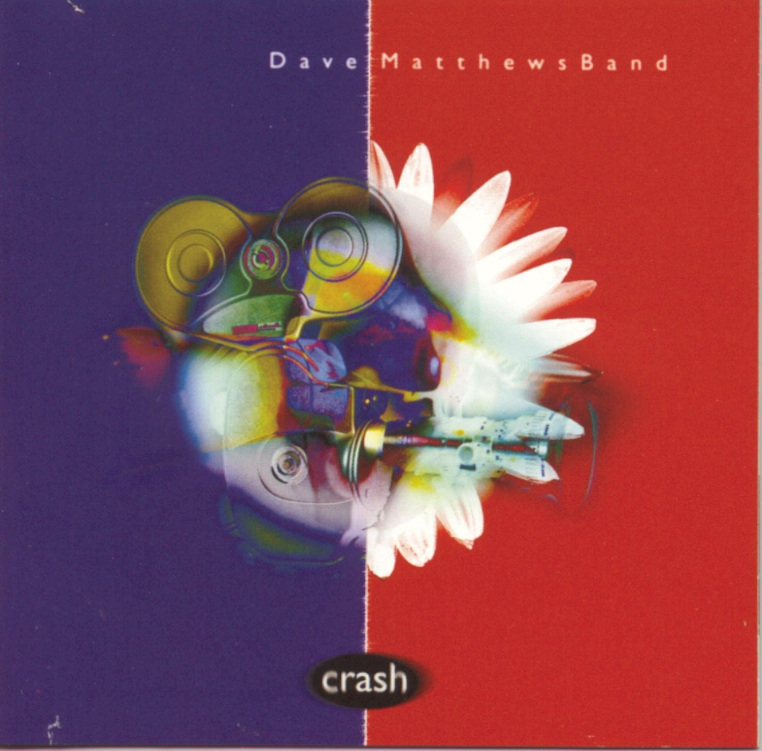
Dave Matthews Band – Say Goodbye
From Crash
Crash is one of those albums that helped define a sound in the Nineties. It’s not polished, not hyper modern, but it has a solid, organic production. Real drums, present brass, vocals always forward but never detached from the mix. It’s a record built on balance.
Say Goodbye starts soft, almost restrained, then it grows. It fills up, layers build, the arrangement becomes denser. And that’s exactly where an IEM proves its worth. If it is too pushed in the upper range, you notice it immediately.
Dave Matthews’ voice is a perfect test. The S and T consonants are clearly articulated, with attack and presence. If the upper mids are not under control, they become fatiguing within seconds. There is no hiding here.
The Hype 4 MKII hold their ground. The sibilants are there, clearly audible, well defined, but they do not jump at you. They are not softened, not rounded off artificially. They simply stay controlled. Considering the neutral bright nature of these IEMs, that is an important result.
Hi hats have air and brilliance, but they do not turn metallic or glassy. There is light, but no harshness.
As the track builds and instruments overlap, the Hype show maturity. Separation remains stable, the vocal stays intelligible, the bass does not bleed into the mids. The stage opens in an organized way, not in an exaggerated one.
Sub bass is not the star of this track, but it provides foundation. The rhythm section stays compact and controlled, never bloated. The song keeps its body and cohesion.
This is a track that exposes IEMs that are too bright or too dry. The Hype manage to sit right in the middle, respecting the recording without exaggerating its flaws.
And musically, that matters.
ROCK

Traffic – Gimme Some Lovin
From The Last Great Traffic Jam
This is the heart of late Sixties British rock. True analog production, natural tape compression, no modern polish. Hammond right in your face, dry and direct drums, no frills. It’s a raw, living sound.
Gimme Some Lovin is built on urgency. The groove starts and does not wait for you. The organ is aggressive, the vocal gritty, the bass pulses but does not dive deep. This is a track that demands speed, attack, and character.
It does not forgive slow or overly polite IEMs.
The focus here is the energetic upper midrange and the saturation of the Hammond. The organ takes space. It is present, almost intrusive. The snare is dry and centered, with a sharp attack that needs to stay crisp without becoming irritating. The production is not as refined as modern recordings, so any imbalance shows up immediately.
If an IEM is scooped in the mids, the track loses bite. The Hammond stops scratching and becomes flat. If it is too bright, the organ turns into a blade and listening fatigue sets in quickly. If transients are not fast enough, the groove collapses and the song loses tension.
The Hype 4 MKII show their speed here. The snare is fast and precise, with controlled decay. No smearing, no bloated tail.
The Hammond stays saturated, slightly dirty as it should be, but never glassy. The upper mids are alive and energetic, yet they remain under control. The Hype do not soften the track, but they keep it disciplined.
The vocal sits slightly further back compared to more vocal focused IEMs, yet it remains clear, present, never hollow.
The bass does not reach very deep here. This is not about sub bass. It is about mid bass control. The Hype keep the rhythmic line tight and compact, without artificially inflating it.
This is a track that tests the character of an IEM. The Hype do not smooth it out or make it more polite. They play it for what it is.
And with rock, that is essential.
ROCK
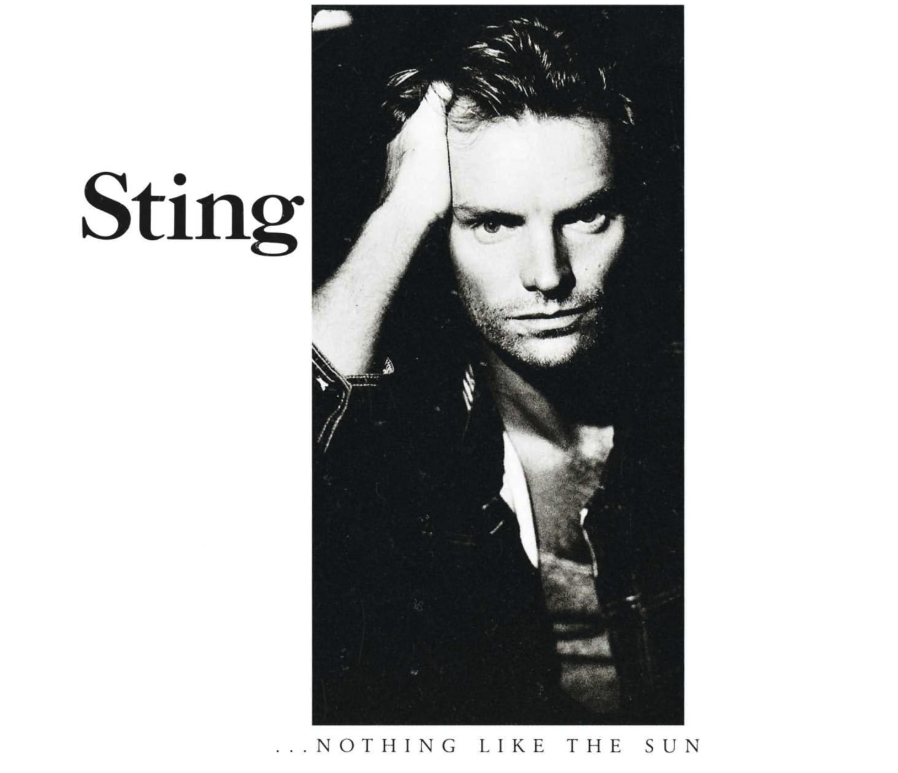
Sting – Straight To My Heart
From …Nothing Like The Sun
…Nothing Like The Sun is one of Sting’s most mature records. Refined production, layered arrangements, tonal balance shaped with precision. It does not rely on impact. It lives on nuance and micro dynamic contrast.
Straight To My Heart is a test of finesse. Not power, but control. Here micro dynamics are everything. You need to hear the difference between a soft touch and a firmer accent. You need space for the arrangement to breathe.
Percussion is light yet defined. If an IEM compresses, the track loses tension immediately. The vocal sits at the center, but never feels artificially pushed forward. It belongs inside the mix. Instruments unfold on multiple layers, with real depth that requires separation and stability.
Too much brightness makes the percussion thin. Too much warmth narrows the stage. This track exposes imbalance quickly.
The Hype 4 MKII handle it with composure.
Attacks are quick, decay is controlled, and subtle dynamic shifts remain intact. Sting’s voice sits slightly back compared to vocal centric IEMs, yet it stays articulate and elegant.
The stage is the key. Layering, depth, lateral placement. Not just width, but organization.
Bass supports without intruding. Lower mids remain clean, letting the arrangement breathe.
This track rewards precision. The Hype deliver clarity, structure, and coherence.
And here, that is exactly what you need.
Hype 4 MKII vs Yanyin Baker
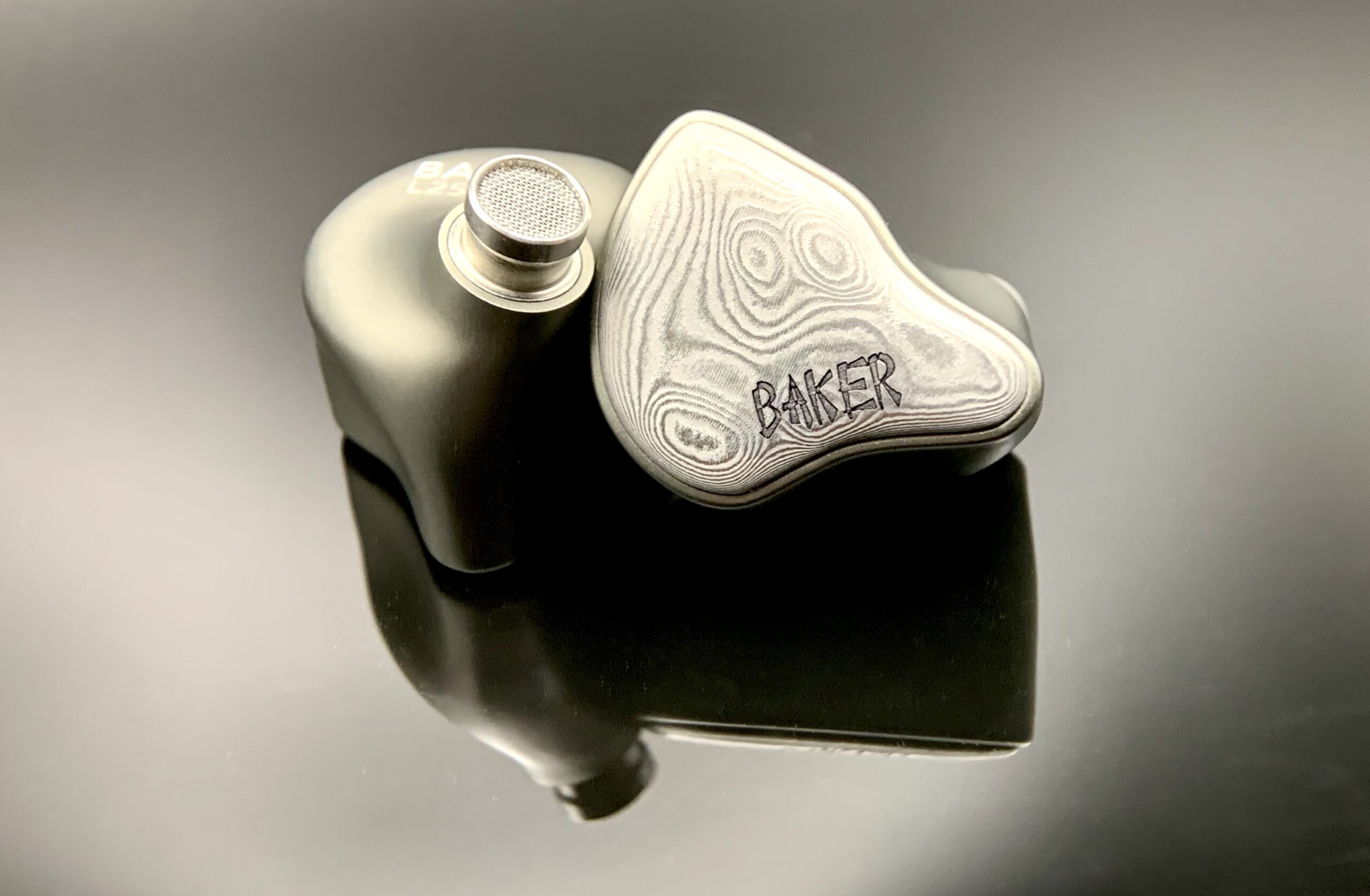
Placing the Hype 4 MKII next to the Yanyin Baker means comparing two different philosophies before even comparing two tunings. The Hype focus on analysis, brightness, micro detail, and a wide, three dimensional spatial reconstruction. Sub bass is deeper and more sculpted, attack is faster, instrument separation is sharper, and the upper extension delivers a level of air and information that the Baker do not even try to chase.
The Baker answer with a more organic and natural approach. The timbre feels smoother, especially in the midrange, where vocals sit more forward, fuller, more emotional. Where the Hype lighten the lower mids to increase contrast and clarity, the Baker fill them in to create continuity and cohesion. The presentation feels less analytical, but more emotionally engaging.
The stage follows the same logic. The Hype offer a wider, more spectacular presentation, with precise imaging and more sophisticated layering. The Baker prefer a more intimate but believable space, less dramatic, more realistic. In the treble, the difference is clear. The Hype extend further and resolve more detail, though they can feel intense with aggressive recordings. The Baker are smoother and more forgiving, easier to listen to over long sessions.
In the end, the Hype 4 MKII win on a technical level, in resolution and spatial reconstruction. The Baker win in musicality and tonal coherence.
It truly comes down to analysis versus emotion, head versus heart.
Hype 4 MKII vs Ziigaat Horizon
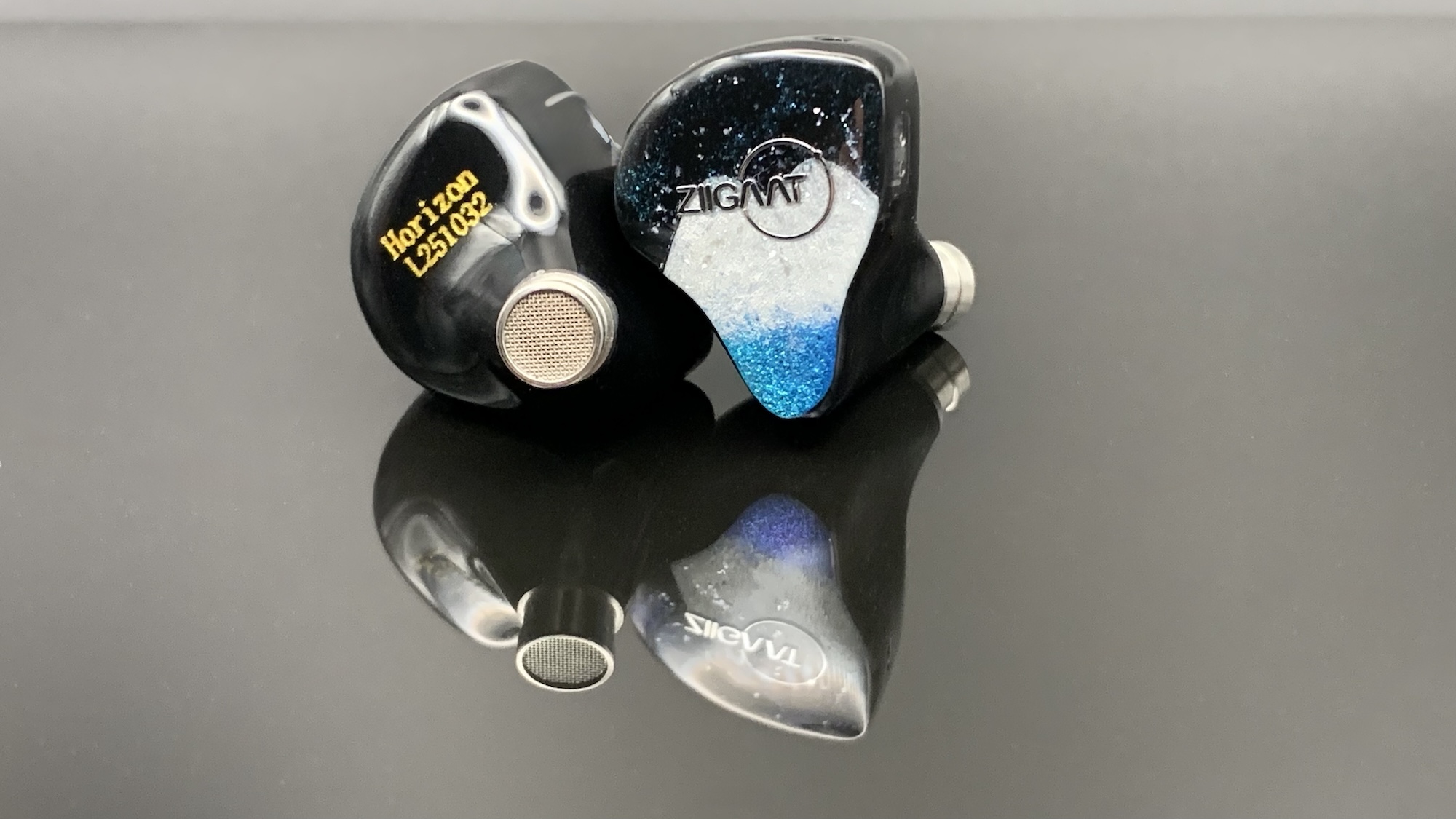
With the Ziigaat Horizon, the comparison moves in a different direction. The Horizon are more immediate, more direct, designed to be enjoyed without overthinking. They follow a modern tuning, with bass that is more present than the Baker, but less structured and less refined than the Hype 4 MKII.
The punch is fun, energetic, engaging from the very first minutes. However, once you start focusing on the details, bass texture and layering do not reach the same level of precision as the Hype. The Hype remain superior in sub bass control, mid bass cleanliness, and their ability to maintain order even in complex passages.
In the midrange, the Horizon perform well, but they feel less three dimensional and less nuanced compared to both the Hype and the Baker. In the treble, they show brightness and liveliness, yet they do not offer the same airy extension or the same level of micro detail refinement. The finer details are there, but they are less sculpted.
When it comes to staging, the Horizon provide good width, more than adequate for their category, but depth and imaging precision fall short of the more ambitious spatial reconstruction of the Hype 4 MKII.
In short, the Horizon are easier to drive and less demanding in terms of synergy. They are perfect if you are looking for immediacy and fun. The Hype, on the other hand, are more sophisticated, more technical, more revealing.
If you want an energetic and straightforward listen, the Horizon do their job very well. But if your goal is maximum detail, separation, and a truly three dimensional stage, the Hype clearly play in a higher league.
Final Thoughts
The Thieaudio Hype 4 MKII convinced me in a very clear way. They are not IEMs designed to please everyone, but within their price bracket they are among the most solid and mature options for those looking for transparency, detail, and high level spatial reconstruction. The step forward compared to the previous version is obvious. There is more control, better integration across the frequency range, and a cleaner, more readable presentation. You lose a touch of immediate low end generosity, but you gain overall clarity, refinement, and precision.
Their balance clearly leans toward neutral bright. Sub bass is deep and well articulated, mids are coherent and natural without becoming artificially forward, and the treble is extended and airy, capable of bringing light and three dimensionality to the mix. Separation is precise, layering is well structured, and the stage is wide for an IEM, with stable and believable imaging. These are not earphones for distracted listening. They demand attention, and they give information back.
Build Quality and Overall Value
From a build perspective, the level is equally high. Carefully machined metal shells, well executed ergonomics, a genuinely high quality modular cable, and a complete accessory set that saves you from immediately looking for upgrades. This is a product designed with coherence from start to finish.
I would call them complete in the most concrete sense of the word. Technical, solid, mature.
If you are looking for an incisive IEM with strong detail retrieval, a wide stage, and the ability to put every nuance under the microscope, the Hype 4 MKII are worth the investment. Personally, I would choose them without hesitation for demanding listening sessions, when I want to step inside the recording rather than just have music playing in the background. They are not universal, but they are extremely consistent with what they aim to be.
VOTE
9.2 / 10
🟢 PROS
- Exceptional soundstage and imaging for a closed IEM
- Wide and detailed frequency response with deep bass, rich mids, and extended treble
- Very high build quality with CNC aluminum shells and modular cable
- Precise bass management, powerful sub bass without muddiness
- Neutral bright tuning that remains musical with dynamic genres
- Complete accessory package including interchangeable filters, case, and modular cable
🔴 CONS
- Overall bright leaning tonality may be fatiguing for treble sensitive listeners
- Vocals sit slightly further back compared to more vocal focused IEMs
- Price is not entry level, around 399 USD
- Not ideal for listeners who want exaggerated mid bass emphasis, despite the strong sub bass extension
Frequently Asked Questions
Are they difficult to drive with a smartphone or DAP?
No. With an impedance of 18 ohms and a sensitivity of 101 dB, they pair well even with good quality portable sources such as mid to high range smartphones or compact DAPs. A dedicated amplifier can further improve control and dynamics, but it is not necessary to make them sound good.
Do they include a microphone or in line controls?
No. The included cable is designed purely for audio performance and does not integrate a microphone or remote controls. This makes them less suited for everyday phone calls, but it also avoids any compromise in signal quality.
Are they suitable for those who love very deep bass?
It depends on what you mean by deep. The Hype 4 MKII extend very well into the sub bass and deliver strong low end presence thanks to the IMPACT² system, but the mid bass is controlled and not boosted. They are not tuned for an obvious bass boost effect. If you are looking for exaggerated impact and dominant warmth, you might prefer something else. If you want depth with control, they strike a very good balance.
How do they compare to the original Hype 4?
The MKII are brighter, more technical, and more focused on clarity and separation. The bass is slightly less generous but more defined, while the treble is more extended and airy. The previous version was warmer and more vocal centered, whereas the MKII aim for a wider stage and increased micro detail.
Is burn in necessary?
There are no official recommendations, and the sound feels complete and coherent from the first hours. That said, with multi driver IEMs a few hours of use can sometimes bring a slight relaxation in the upper midrange. Nothing dramatic, but it is worth listening again after a few dozen hours to form a final opinion.
Acknowledgments and Personal Note
I would like to thank Linsoul for providing the Thieaudio Hype 4 MKII for review. I did not receive any compensation, there were no requests for prior approval, and there were no restrictions of any kind. What you have read reflects only my direct experience.
I listened carefully, using tracks I know well, across different setups and listening contexts. I wrote what I heard, both the strengths and the limitations.
As always, the final judge is the music. I have shared my experience. Now it is up to your ears.




Can you please work on ranking sheet? it will be so much better and easy to get sound signature for each IEm.
thanks you so much for hard working on every review
Thank you for the kind words, I really appreciate it.
I understand what you mean about a ranking sheet, and it could definitely make comparisons easier. At the moment I prefer not to rank IEMs directly, because every model is designed with a different tuning philosophy and target listener.
What I try to do instead is describe the sound signature and technical performance as clearly as possible in each review, so readers can understand where every IEM fits.
That said, I might consider adding some kind of comparison chart in the future.
Thanks again for reading and supporting the reviews.