





























































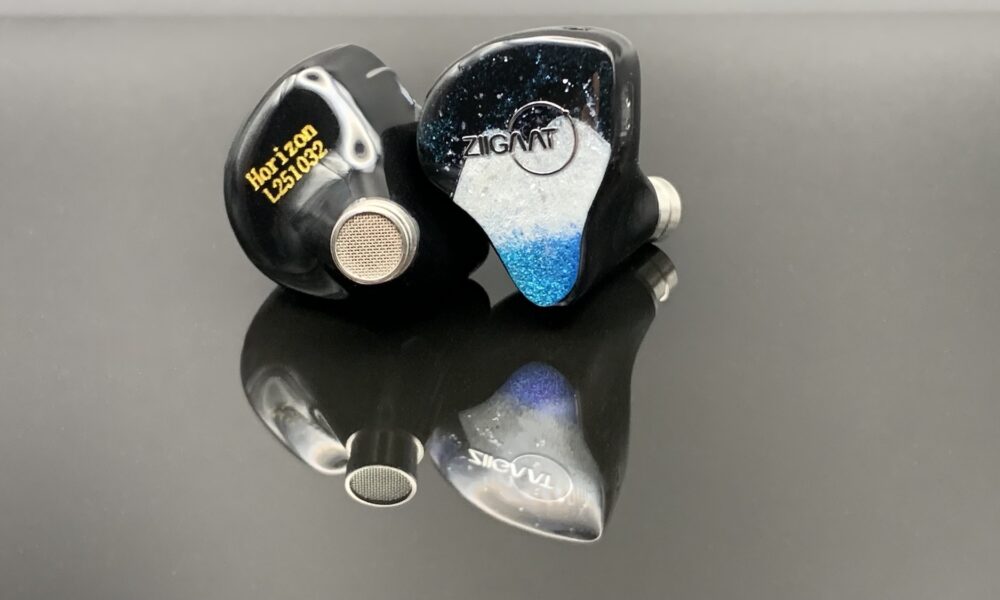
Happy New Year to all our readers. What better way to kick off 2026 than with a review of a quality pair of IEMs?
Table Of Content
- Technical specifications and product description
- Packaging and Accessories
- Eartips
- Case Included
- Cable
- Construction, Design, and Internal Components
- Fit and Comfort
- Driveability and Source Pairing
- Recommended Pairings
- Sound Impressions
- Timbre
- Bass
- Midrange
- Highs
- Technical Performance
- Soundstage
- Imaging and Separation
- Details
- Listening Tests
- SOUL
- Folk Rock, Rhythm and Blues
- Reggae Rock, Post Punk
- Comparison with the ZiiGaat Odyssey 2
- Final Thoughts
- RATING
- 9 / 10
- 🟢 Pros
- 🔴 CONS
- Recommendations
- Where to buy
The ZiiGaat Horizon is a tri-brid IEM that combines a 10mm dynamic driver, two Knowles balanced armature drivers, and two planar drivers. This complex configuration promises powerful and controlled bass, natural mids, and extended highs beyond 35kHz. In my use, the Horizon immediately displays a neutral tonal balance with a clear and detailed sound signature. It’s immediately clear that the tuning goal is to deliver a faithful and natural reproduction: the bass is fast and precise, the mids are airy, and the highs are crystal clear but without any blurring.
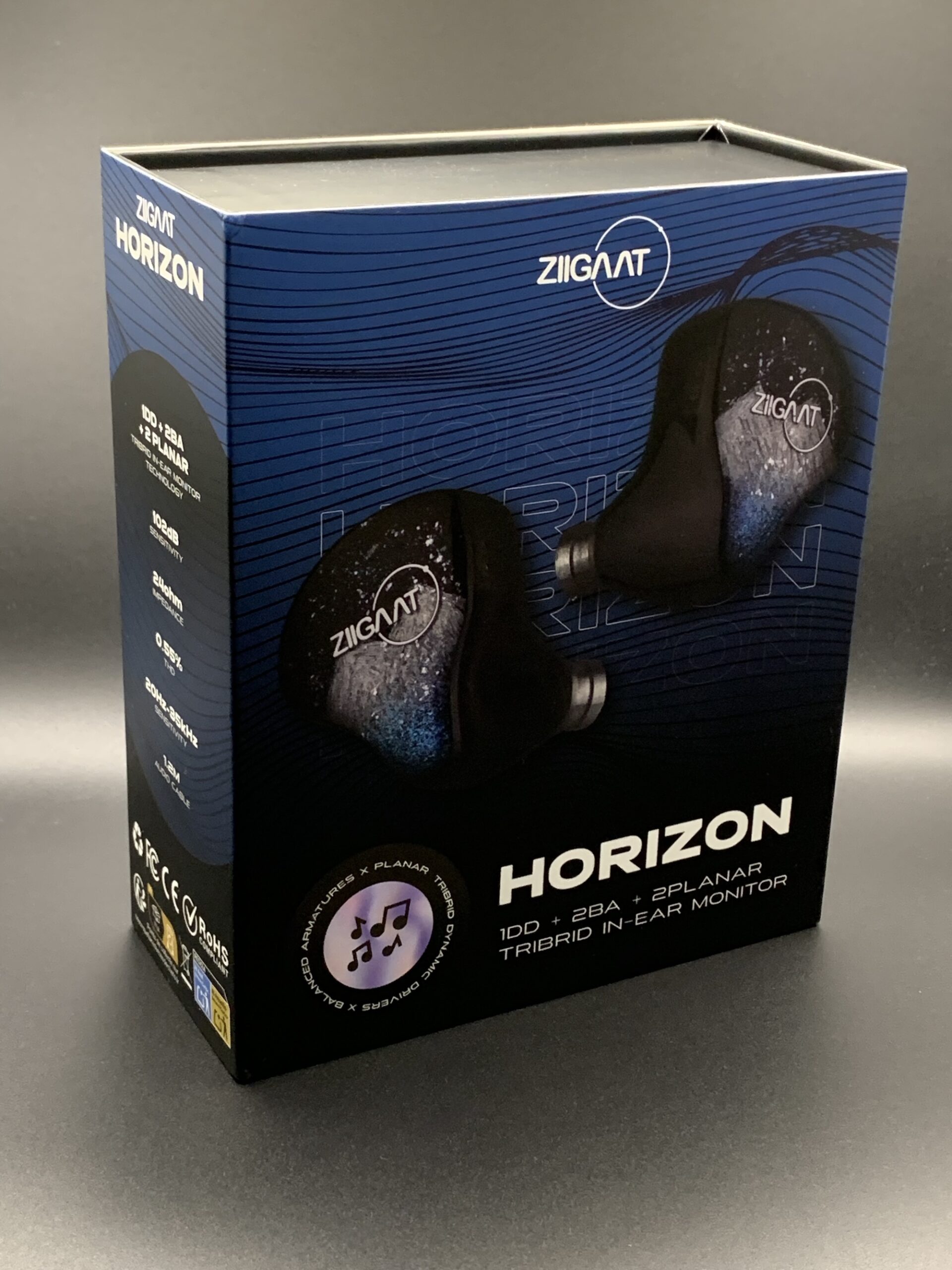
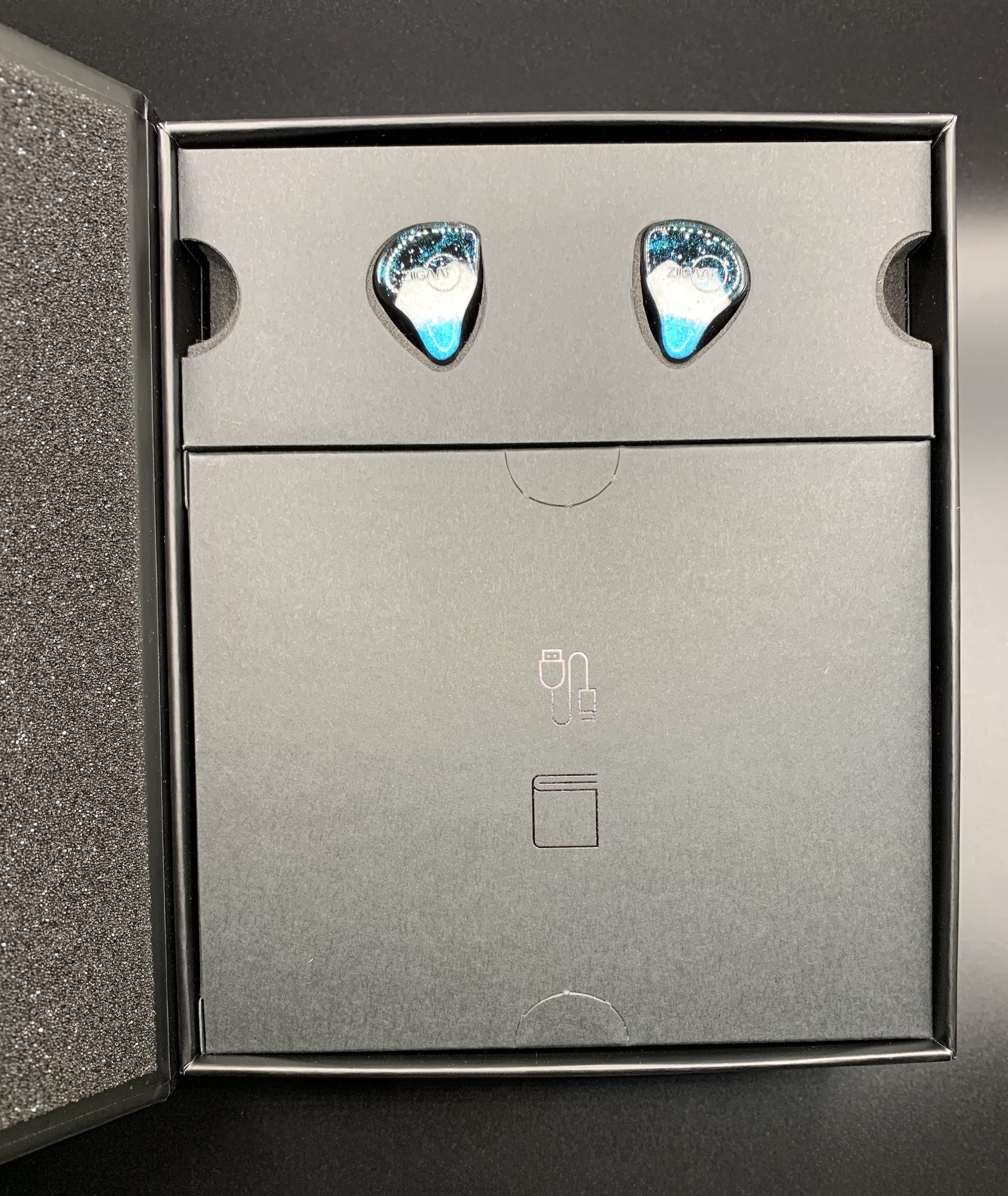
The product arrives in a well-finished package, reflecting the professional design of other ZiiGaat IEMs, inside, you’ll find the headphones in an elegant hard case, along with a complete set of accessories. The bundle also includes an instruction manual and a one-year warranty, consistent with the products in this line. Overall, the package is complete and nothing is missing.
Price: The current list price is 296.10 USD (about 280€), a price consistent with the features offered. The Horizon targets the mid to high segment and goes head to head with models from comparable brands.
Technical specifications and product description
Below is a price list-style description, useful for a technical overview of the ZiiGaat Horizon before delving into the listening experience.
Drivers: 1DD + 2BA + 2 Planar
Driver Details: 10mm bio-diaphragm + Knowles 30262-163 + custom composite dual planar drivers
Sensitivity: 102dB
THD: 0.55%
Impedance: 24Ω
Frequency Response: 20Hz–35kHz
Inside the Box:
1x Pair of ZiiGaat Horizon IEMs
1x Detachable 4-Core Cable 0.78mm 2-pin
1x 3.5mm Plug
1x 4.4mm Plug
3x Pairs of Silicone Ear Tips S M L
3x Pairs of Transparent Silicone Ear Tips
1x Pair of Black Foam Ear Tips
1x Premium Carrying Case
1x Wearing Diagram User Instruction Card
1x Warranty Card
Already from this description the intent of the project clearly emerges. The Horizon do not aim to entertain, but to deliver a clear, well-separated, and precisely articulated sound image.
Packaging and Accessories
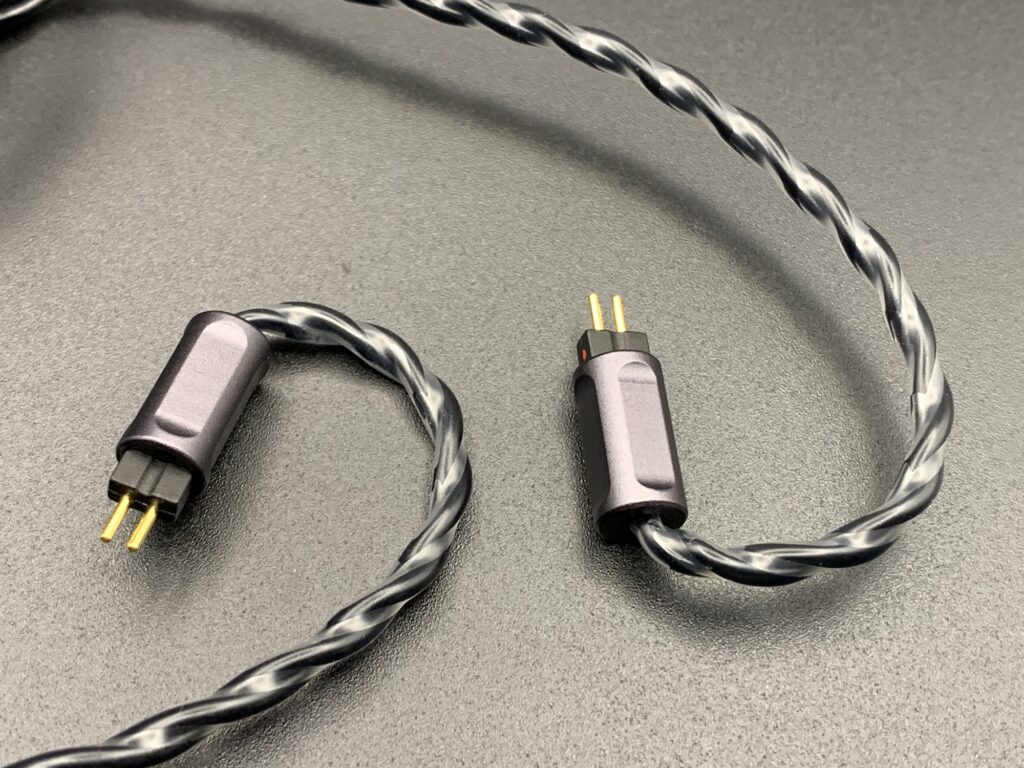
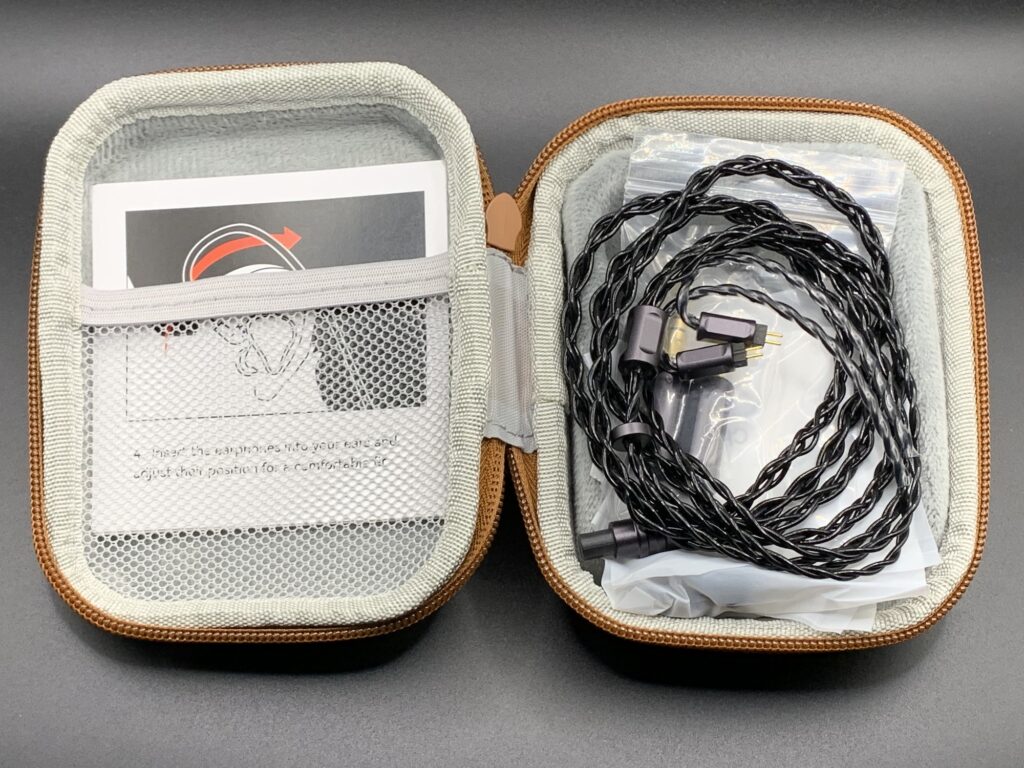
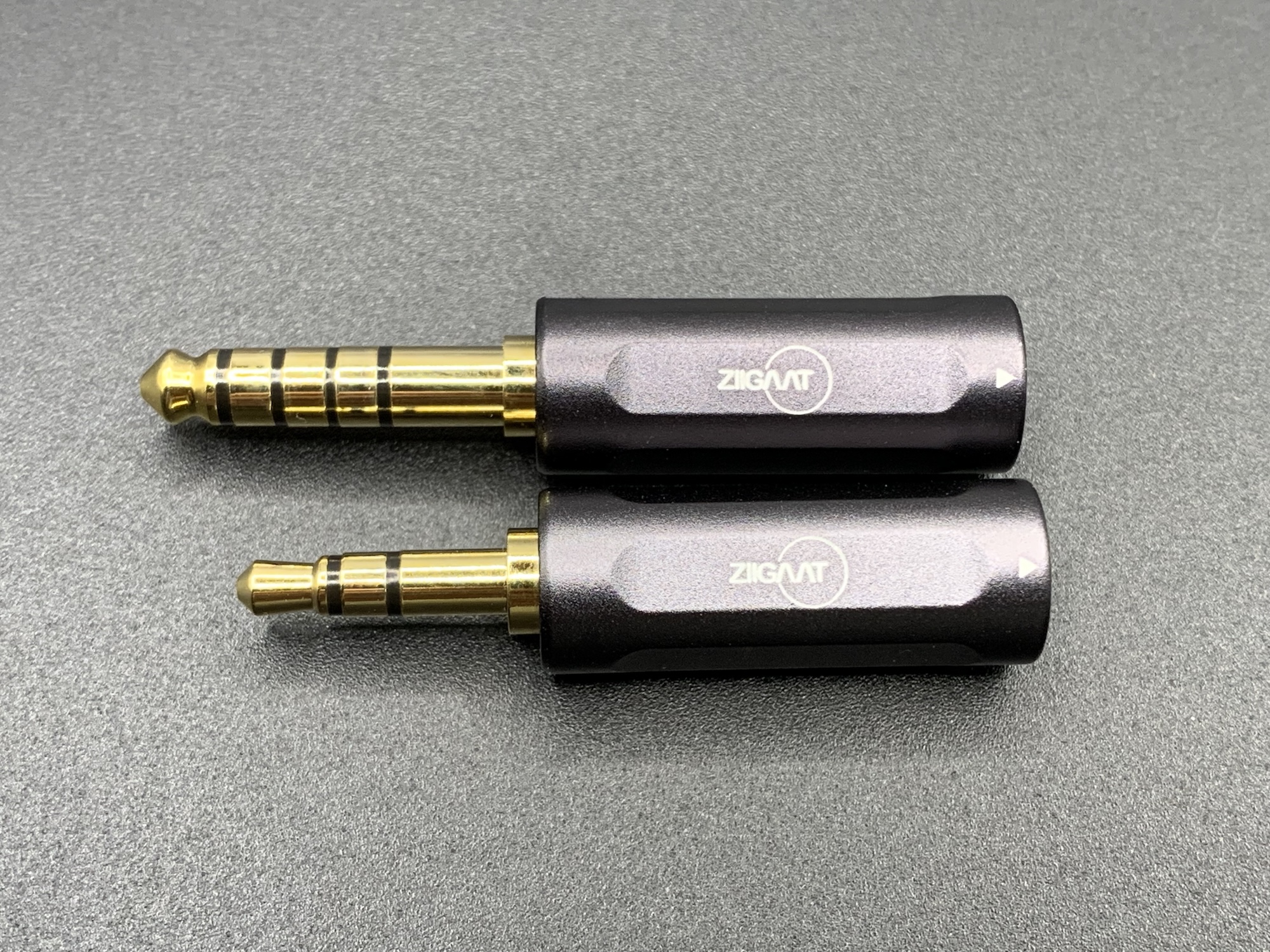
Opening the box, the Horizon immediately makes an excellent impression of solidity and attention to detail. The included case is rigid yet compact, covered in faux leather, perfect for conveniently storing the IEMs, cable, and a few extra ear tips. Compared to other models, the case is compact but protects the headphones well. The included cable (silver-plated OFC with 0.78mm 2-pin connectors) is high-quality: thick and rigid enough to avoid tangling, it includes two interchangeable jacks (3.5mm and 4.4mm). Overall, the accessory selection stands out: along with transparent and black silicone ear tips in three sizes, ZiiGaat includes balanced jack adapters and a small set of replacement filters, now a familiar touch across the ZiiGaat lineup.The package is comprehensive and reflects a premium experience from the very first use.
Eartips
As mentioned, the earbuds are plentiful: everyone can choose between clear silicone, black silicone, and foam pairs. Personally, I found it helpful to try different combinations, as changing the eartips clearly affects the sound balance. Foam eartips provide slightly more isolation and bass, while silicone eartips provide a more neutral and detailed sound. A positive aspect is that having various types available makes it easy to find the ideal fit for your ears. On the other hand, as other users have noted, the Horizon can be picky with eartips and sources: the sound changes significantly depending on the type of eartip or source (DAP or amplifier) used, so some experimentation may be necessary to achieve optimal results.
Case Included
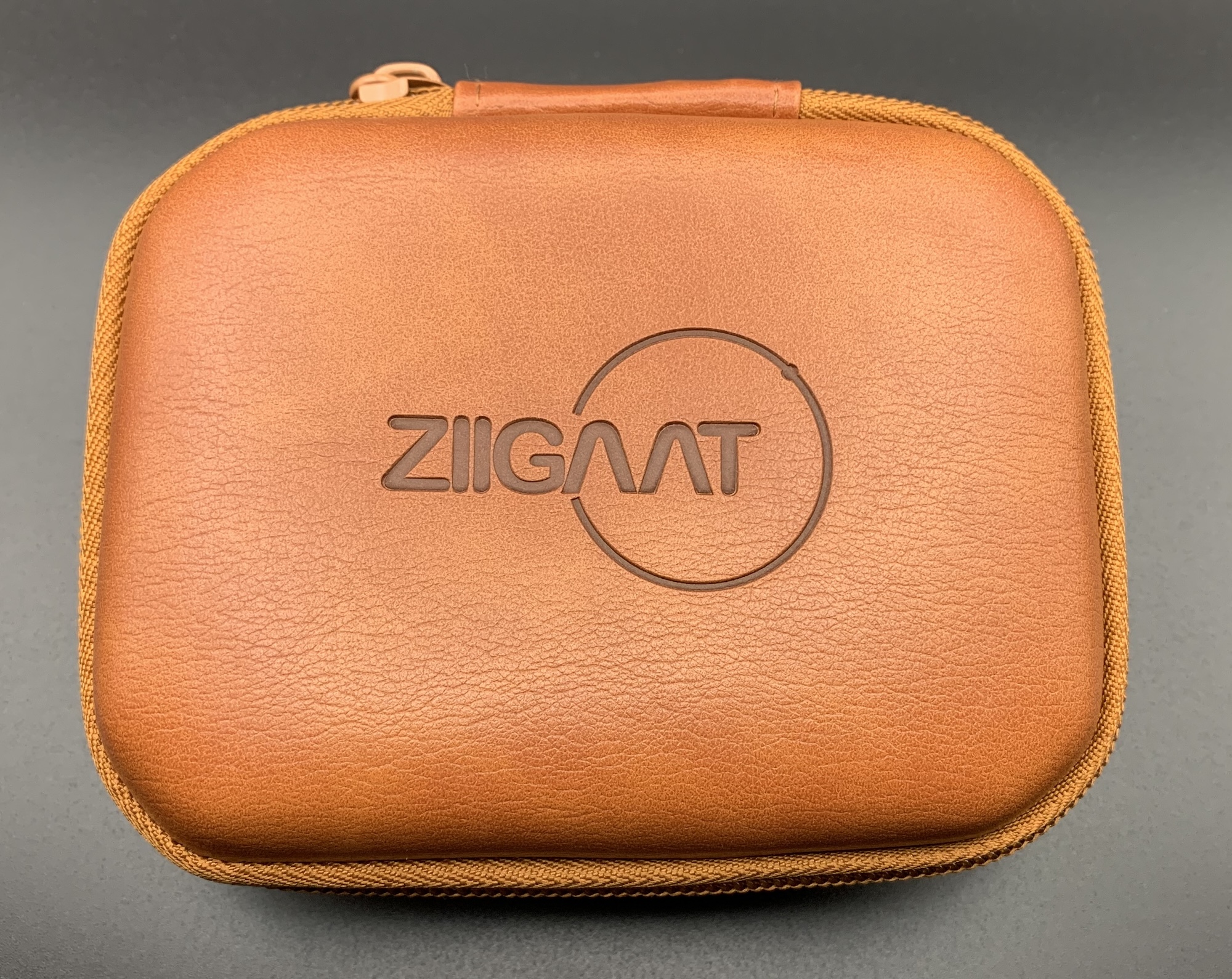
The included hard case is a pleasant little surprise. While it’s not enormously spacious, it easily holds the pair of IEMs with the cable rolled up and perhaps a few extra tips. The faux leather finish gives it a refined look and offers good protection in a pocket or bag. It’s not as large as some competitors, but I’d say it’s proportionate to the size of the IEMs. The case is practical and offers good protection during everyday travel a positive detail, considering that similar-priced products sometimes only come with a soft pouch.
Cable
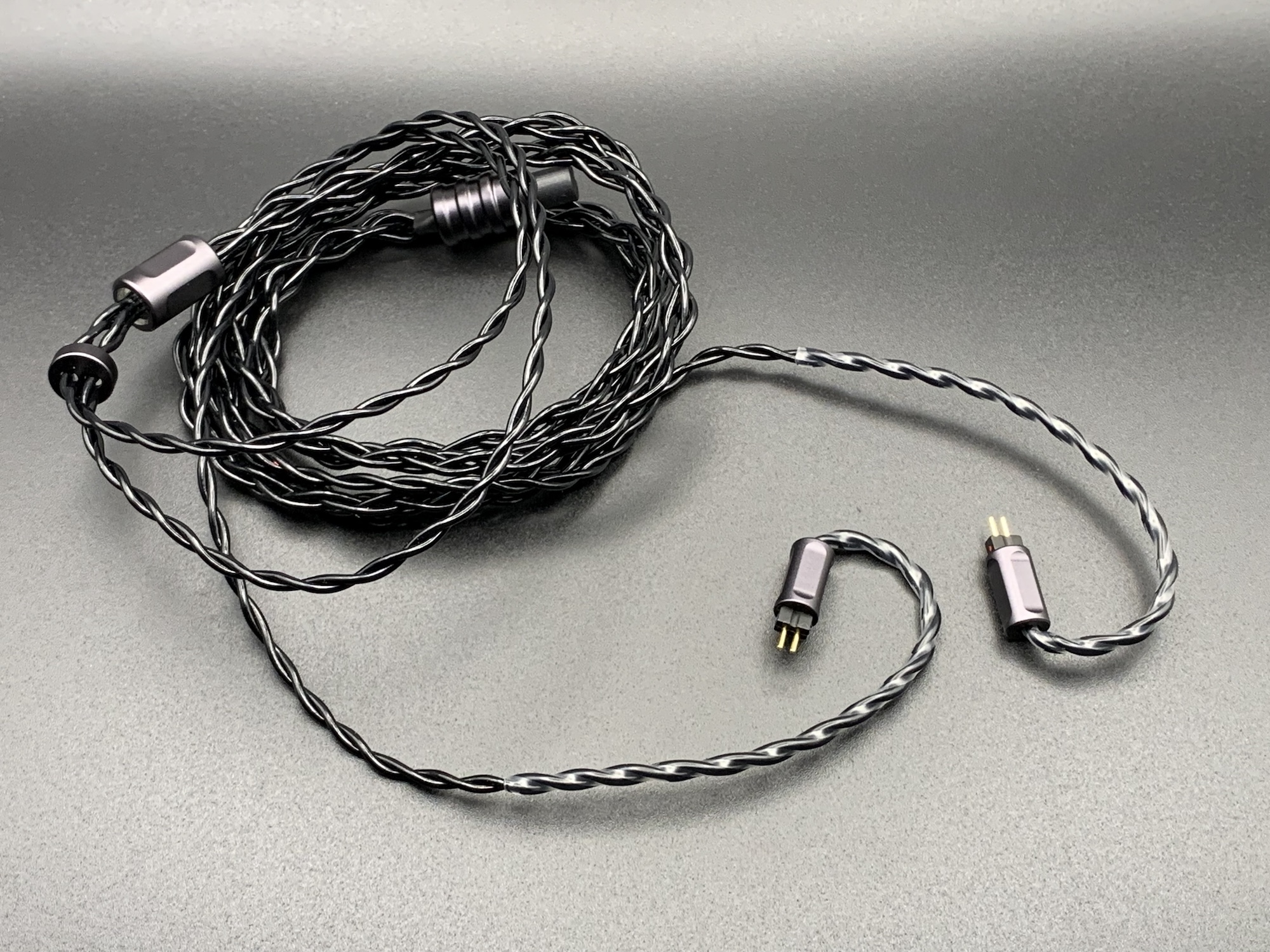
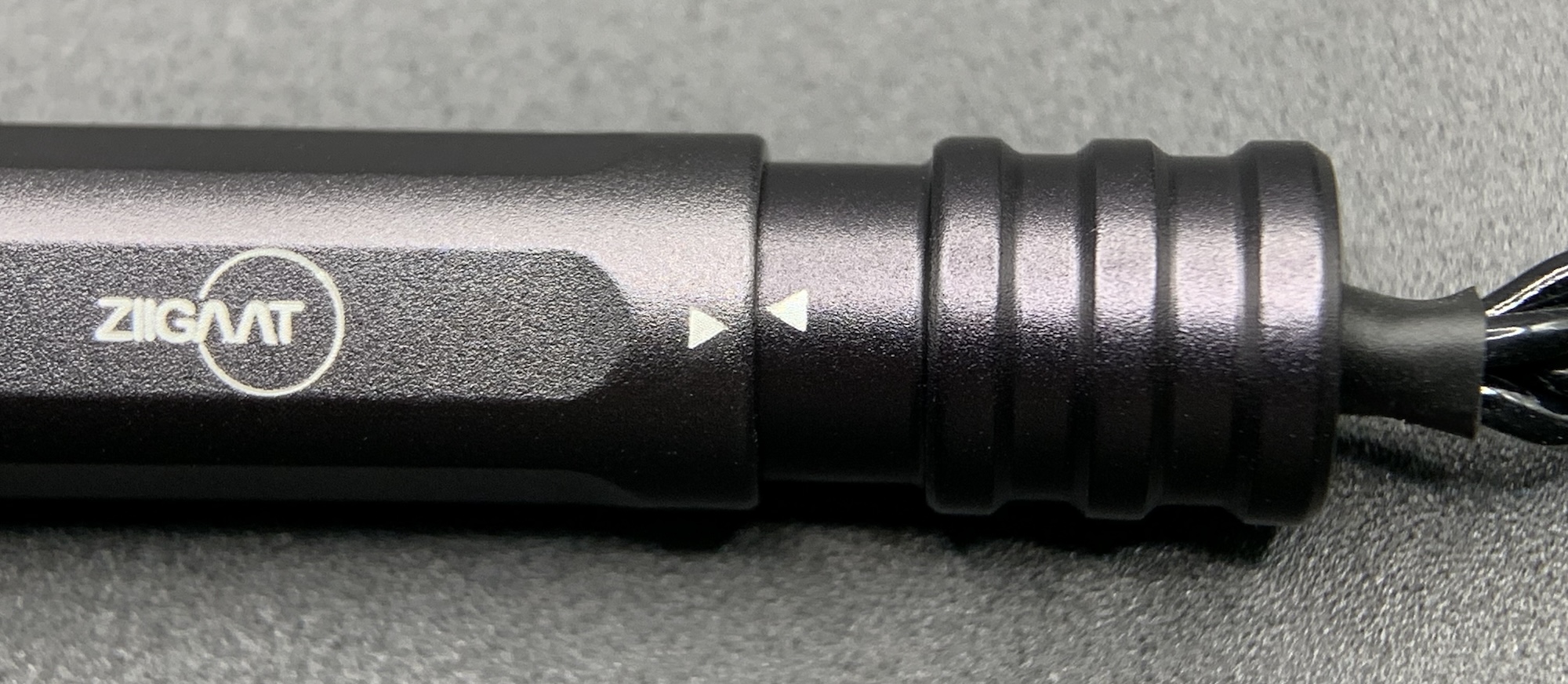
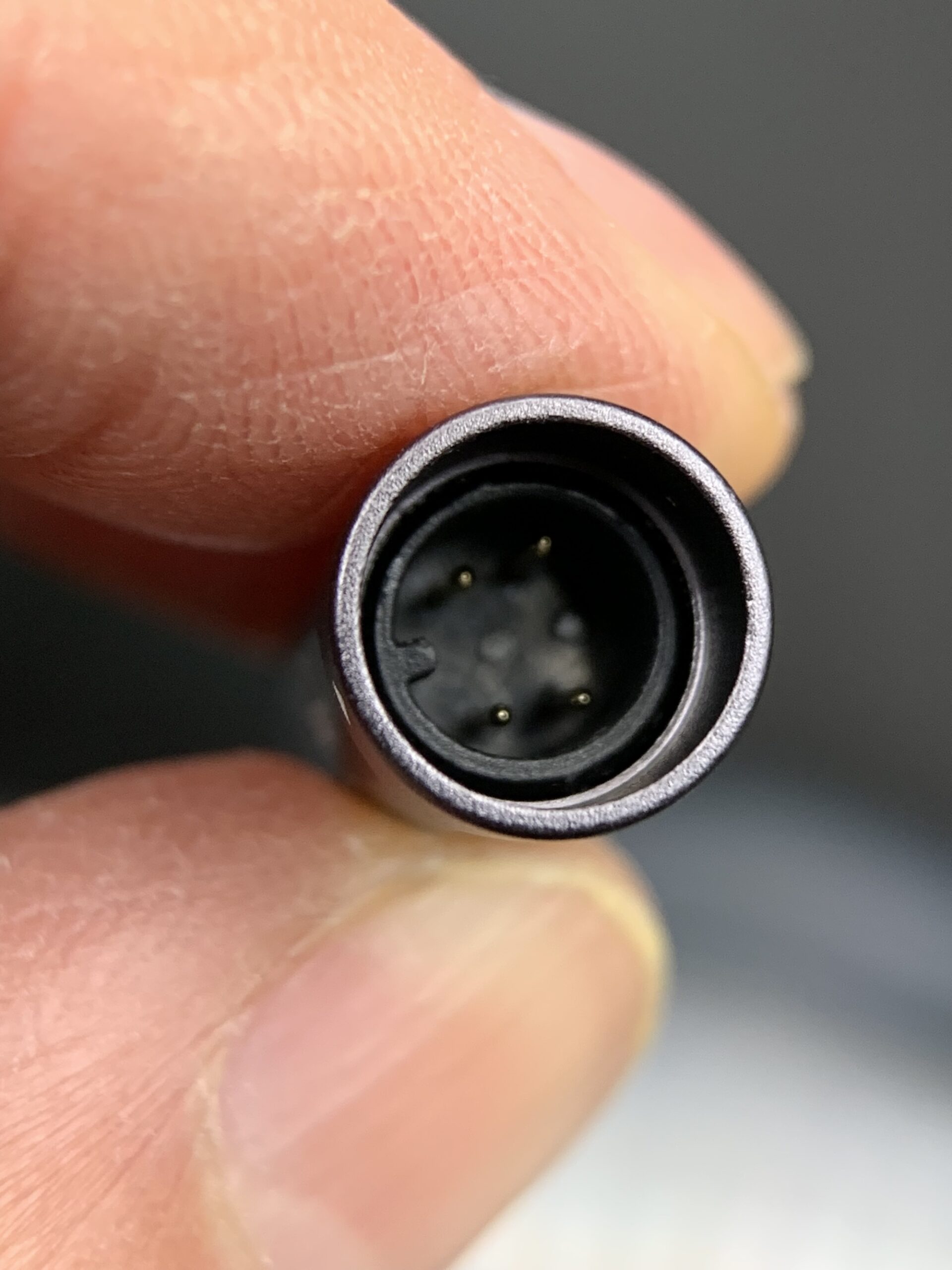
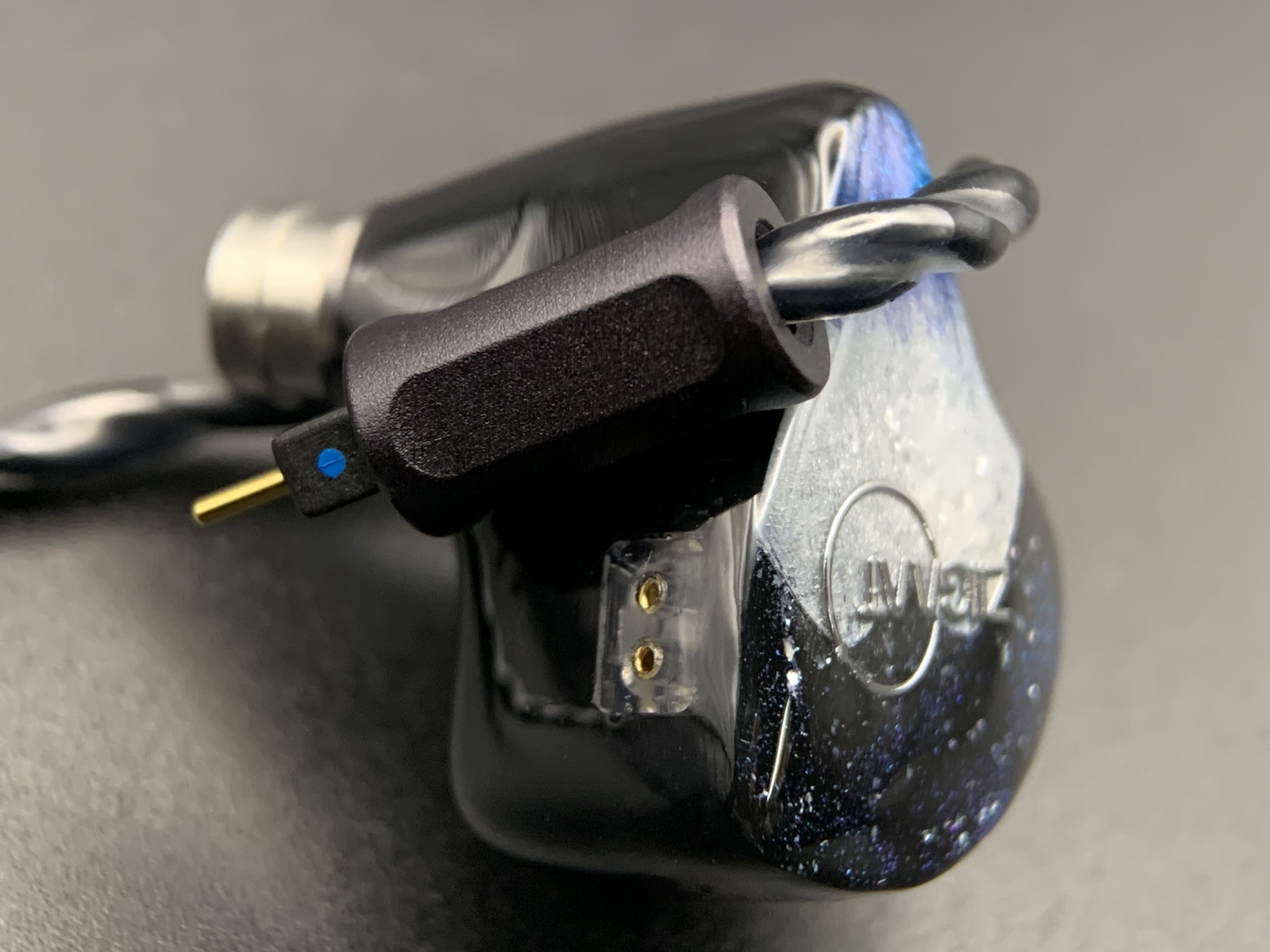
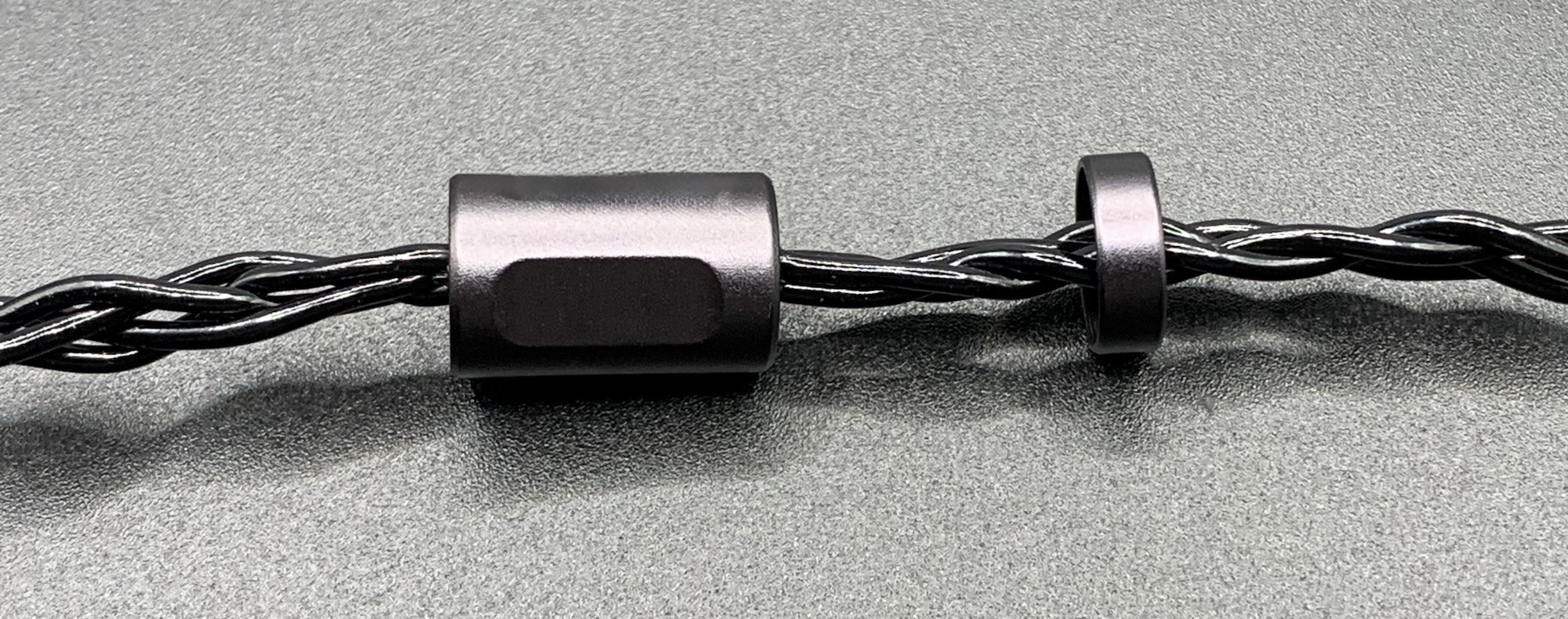
The included cable deserves a mention. The package includes a 4-conductor silver-plated OFC copper cable with 0.78mm 2-pin connectors and interchangeable 3.5mm and 4.4mm jacks. The cable feels thick and well constructed, and the flat connector below the jack helps keep tangling to a minimum. It doesn’t introduce any noticeable noise when listening, and it feels durable and of good quality in the hand. I used both balanced and unbalanced connectors and didn’t notice any negative differences, just greater headroom in the balanced version. Given the price, the cable isn’t something I’d immediately ask for an upgrade: the solid construction and good sound quality are already in line with the overall product profile.
Construction, Design, and Internal Components
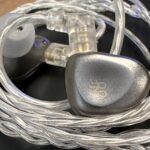
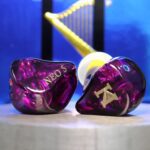
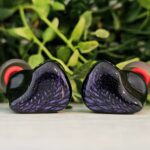
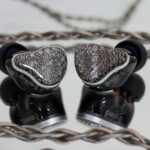
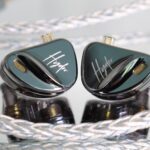
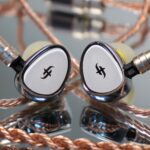
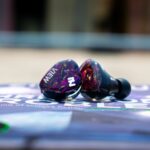
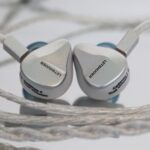
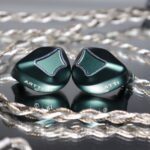
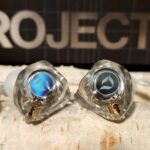
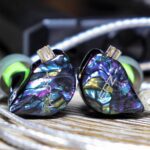
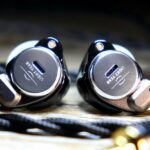
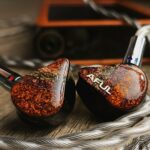
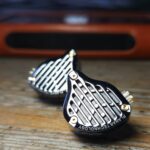
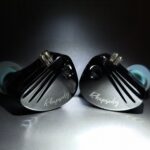
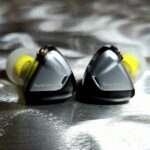
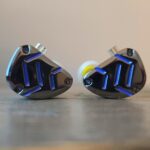
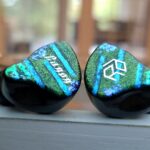
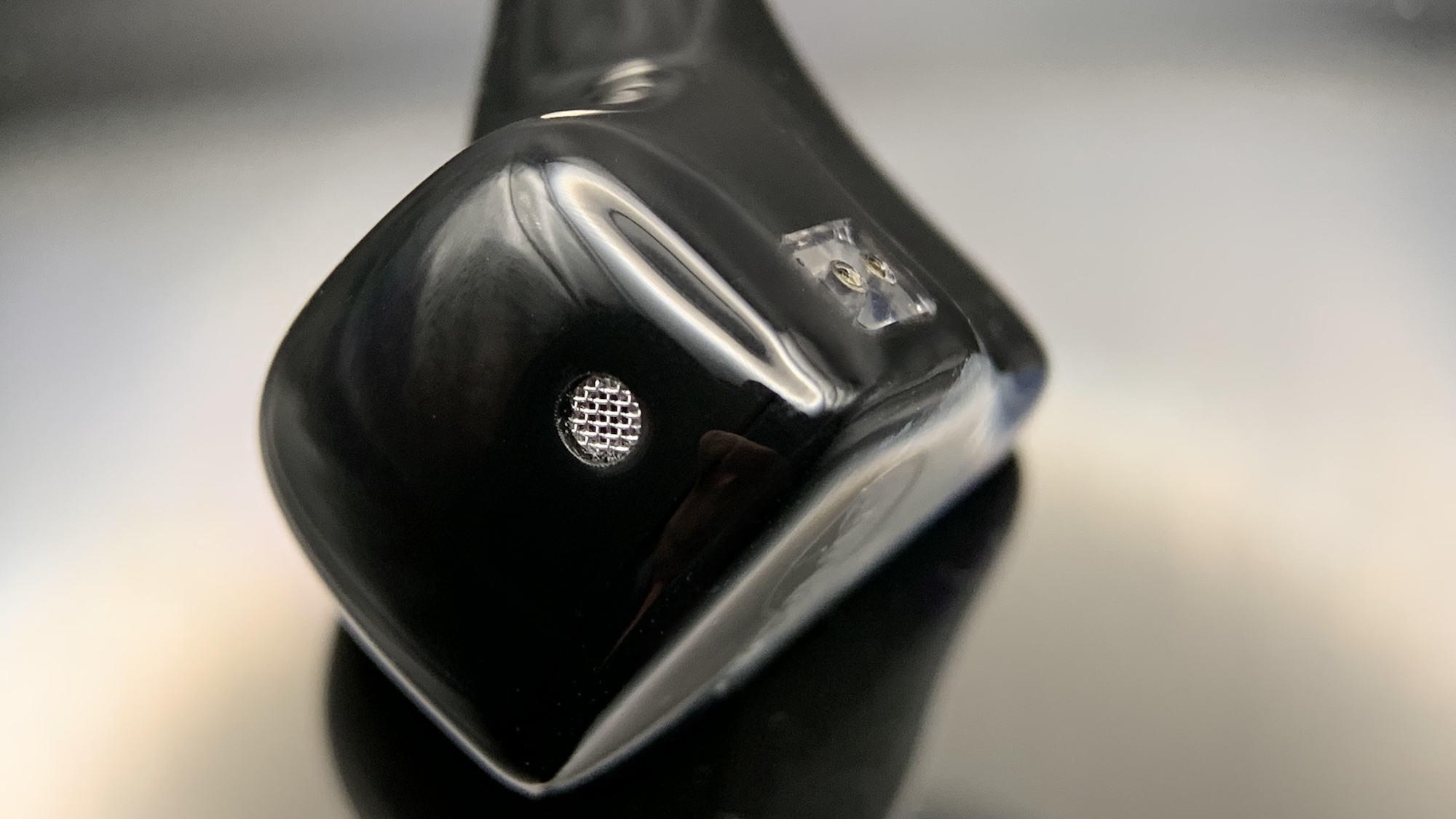
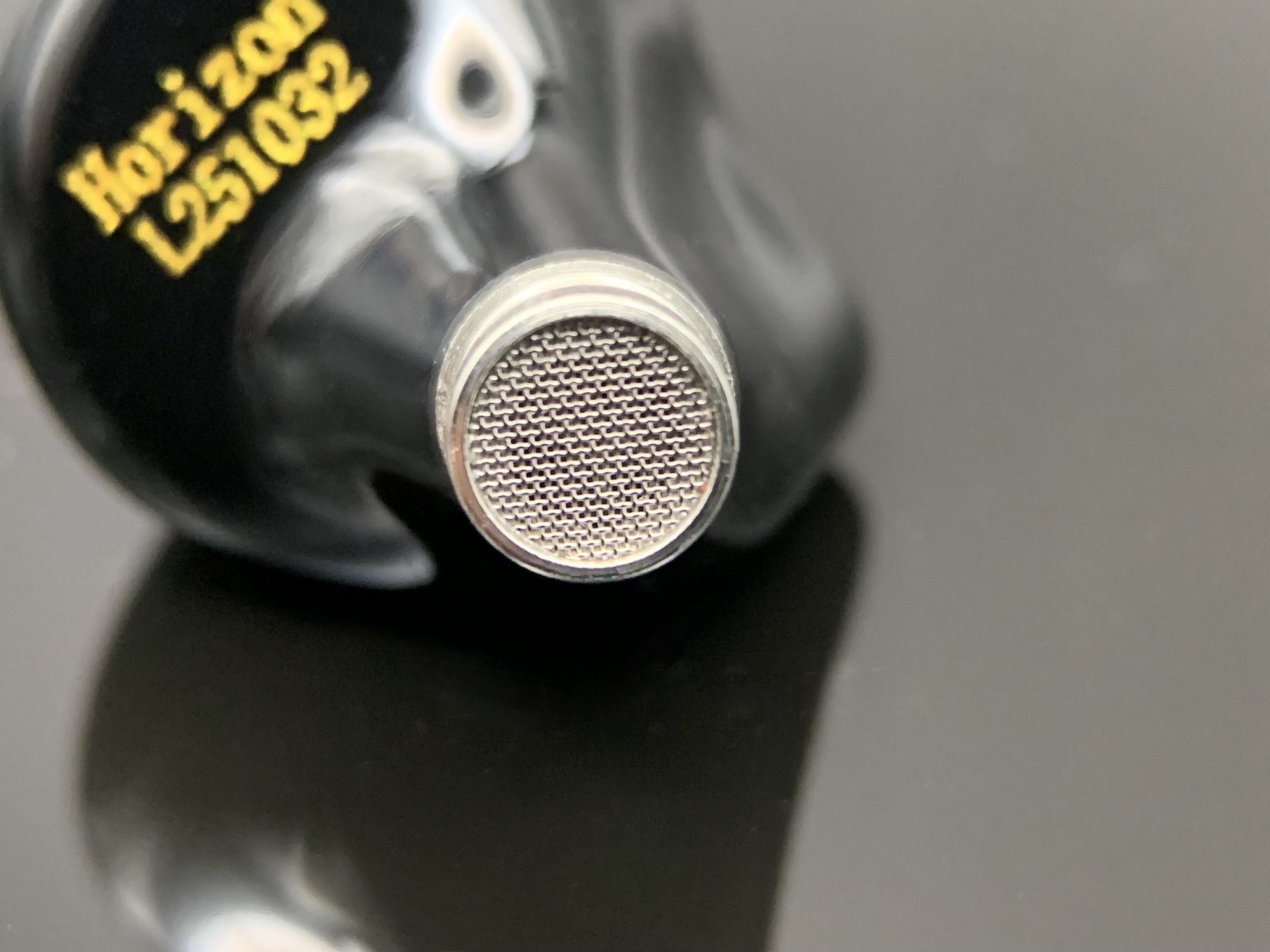
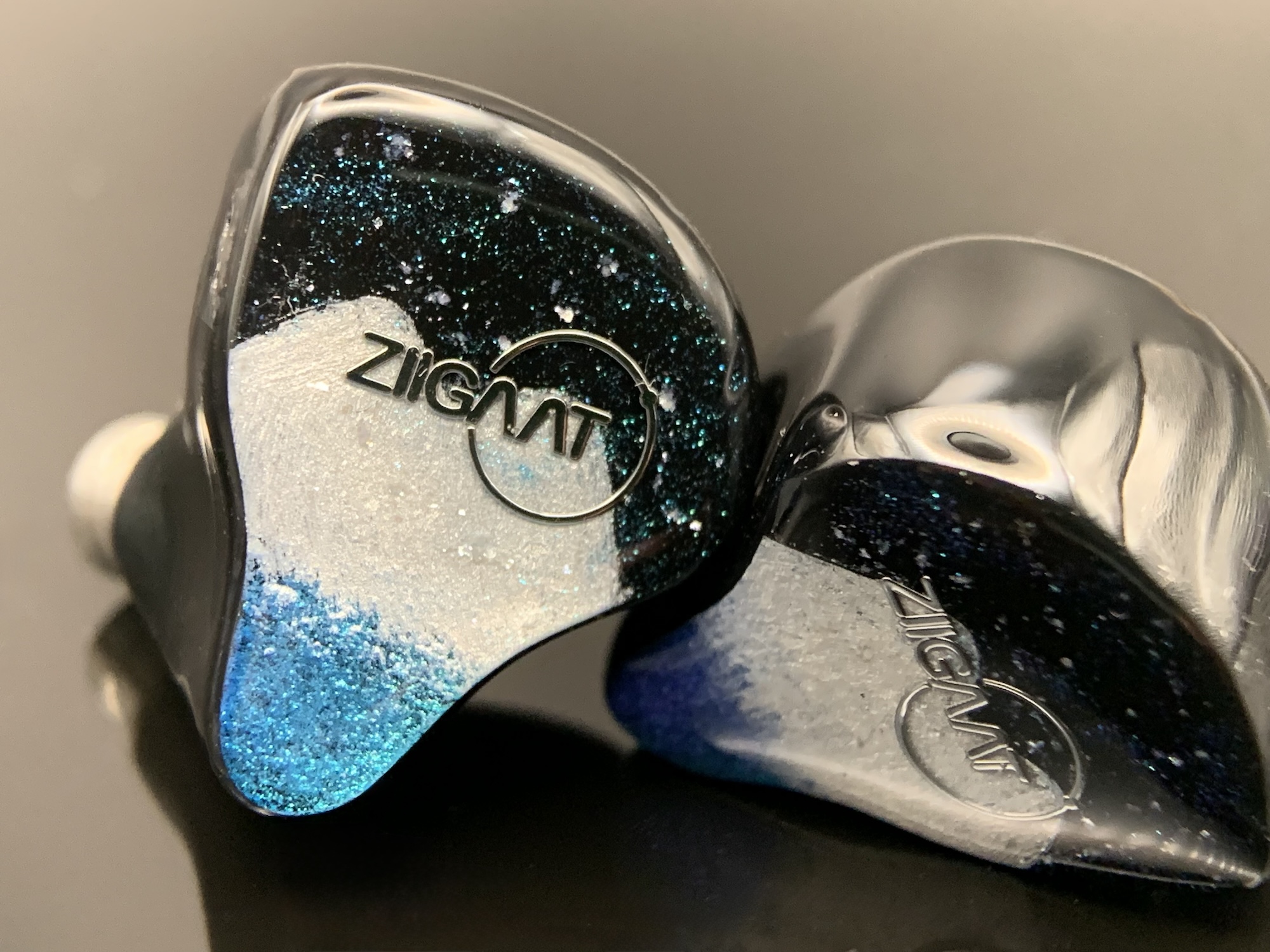
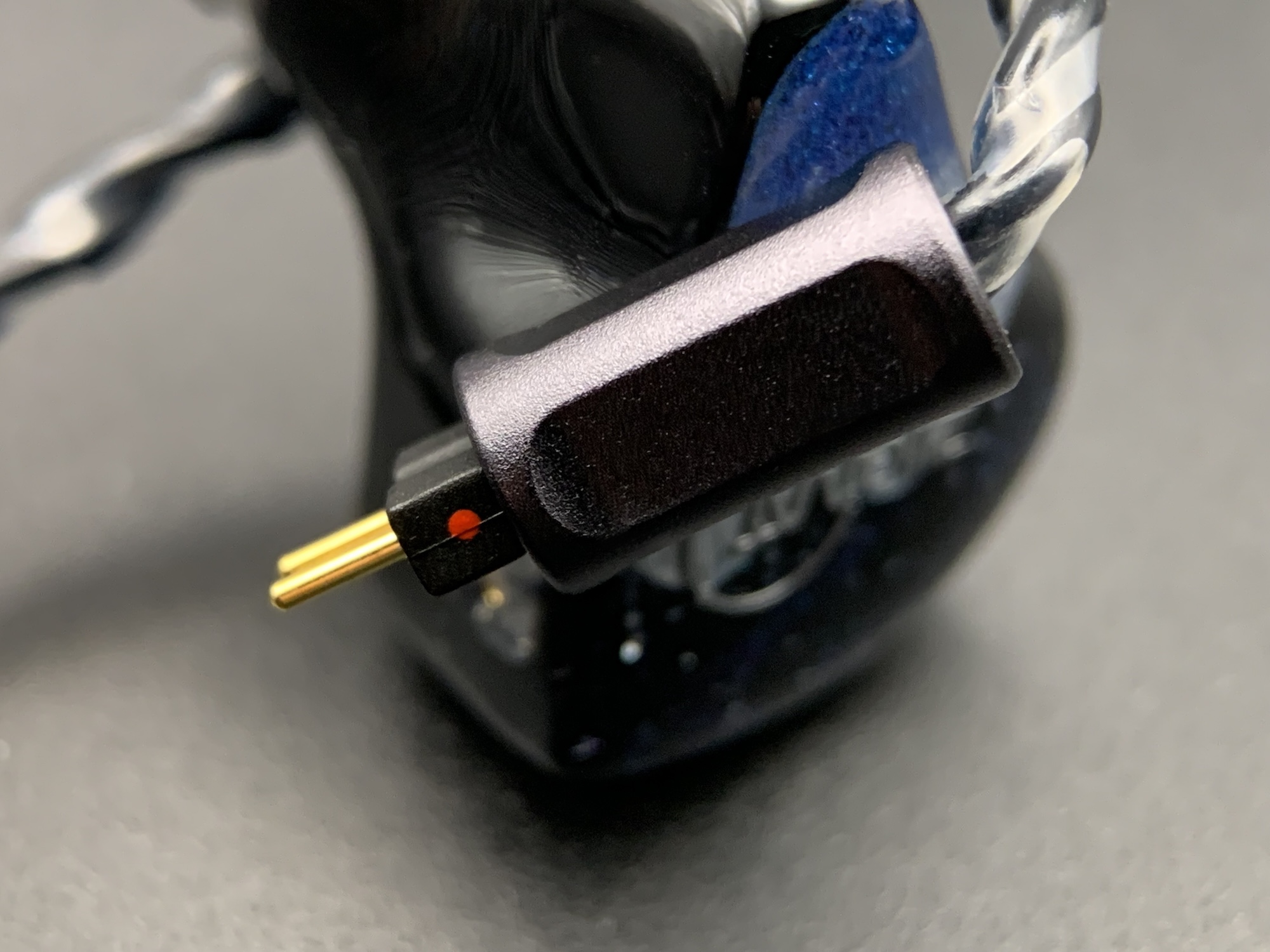
The Horizon’s enclosures are made of 3D-printed resin and finished with artistic paint. I personally really appreciated the aesthetics; the enclosures have a very refined ergonomic shape. Solidity is not lacking: the 2-pin connectors are secure and there are no creaking sounds when handling them. Inside the enclosure, ZiiGaat claims a 10mm DD bio-cellulose diaphragm for the bass, two custom BA Knowles midrange drivers, and two planar drivers for the treble. This combination, in my opinion, provides a high level of tonal coherence: the internal crossover appears well-calibrated, allowing the frequency ranges to blend seamlessly without noticeable jumps. Obviously, the five-driver configuration makes for considerable construction complexity, but ZiiGaat claims to carefully test each unit to ensure optimal channel matching. In short, the craftsmanship is evident in the construction: each piece fits precisely into the other, and the overall feeling of quality is high.
Fit and Comfort
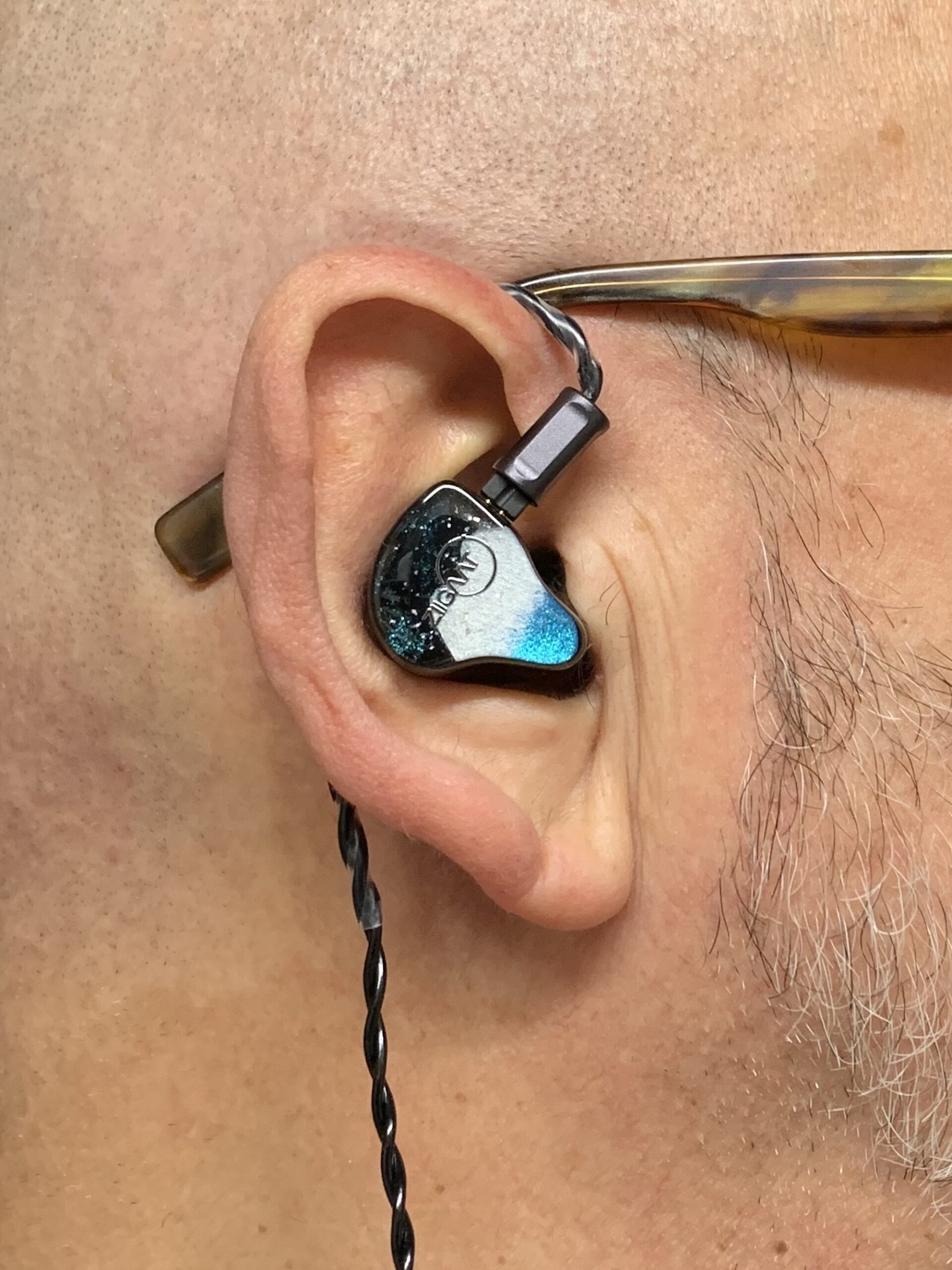
When it comes to comfort, the Horizon performs well. The shells are neither too bulky nor heavy, and the ergonomic design ensures a good seal even after hours of listening. I feel like they fit adequately for medium-sized ears, but as is often the case, getting the perfect seal requires some initial adjustment. In my case, I had to slightly readjust the left earpiece a few times to achieve the best seal, possibly due to a slightly wider left ear canal..
Once I put them on correctly, however, I easily forget they’re there: they don’t exert painful pressure or fall out, and offer excellent ergonomics even during movement or prolonged listening sessions. Insertion depth plays a crucial role: a shallow fit tends to dull the bass and emphasize the treble, while a deeper insertion tightens and controls the overall presentation. Overall, I’d say the comfort and fit are more than decent.
Driveability and Source Pairing
With an impedance of 24Ω and a rated sensitivity of 102dB (data collected by the manufacturer), the Horizon is extremely easy to drive. I tested it with USB dongles, portable DACs, and hi-res players without any issues, and it never required significant power. I didn’t notice any background noise or pairing issues, even with the most neutral devices. Changing sources (from a mobile DAP to a professional DAC, for example) made slight differences, especially in the soundstage, but nothing that drastically altered the IEM’s character. I should just point out that, as several users have noted, the Horizon responds to the source: with warmer systems, the sound becomes even softer, while with particularly bright sources, it tends to emphasize the treble. However, this in itself is a sign of good design quality, as it adapts well to the type of amplification.
Recommended Pairings
Personally, I achieved the best results with fairly clean and balanced sources. A portable player with a balanced output slightly emphasized the overall spatiality, making the experience even more engaging in the treble range. With somewhat harsh sources (with a very forward timbre), the Horizon actually risks showing a bit more hiss: for those with treble-sensitive ears, a pairing with softer DACs may be more comfortable. In any case, the IEM performs well with practically any device: you can listen to it with a simple smartphone or with a hi-fi setup and it always achieves a good level of performance. I recommend paying attention to the volume calibration at high frequencies, but otherwise these earphones are well suited to DAPs, portable DACs, and even small desktop amplifiers.
Sound Impressions
After an initial burn-in period of about twenty hours, I moved on to the actual listening tests. From the very first track, it became clear that the Horizon wasn’t aiming to emphasize one aspect at the expense of others, but rather intended to deliver an analytical and balanced sound. The tuning results in a mildly V-shaped signature, with a subtle lift in the lows and fully extended highs; however, the mids remain well emphasized, keeping vocals and instruments clean and natural. The bass, driven by the 10mm driver, was fast and precise: it wasn’t overwhelming, but rather appeared clean, well-defined, and free of unnecessary boominess. For example, in an electronic track with a deep kick drum, the response remained controlled and clear, without ever overpowering the other frequencies.
The mids were neutral and slightly warm: female vocals emerged soft and detailed, while male vocals appeared full-bodied and natural, without unnatural colorations. Highs are one of the strong points: the full use of the planar drivers ensures an extended high range, with very clear cymbal hiss and harmonics, yet without fatiguing the listener. On complex tracks, many details (cymbal crashes, subtle reverbs, hisses) are clearly audible without ever detecting any annoying sibilance. Furthermore, the imaging is precise and the soundstage surprisingly wide and airy for an IEM of this price range: the instruments feel as if they are “all around” the listener, with good depth. In short, I’d say the Horizon offers a very clean and detailed overall performance, ideal for those seeking clarity and precision. The overall timbre can be described as natural and neutral: the whole is pleasant without being boring.
Timbre
The Horizon’s overall timbre is faithful and well-balanced. Vocals sound natural, almost analog, as is often the case with BA Knowles midrange speakers. No frequency range adds an obvious coloration; instruments retain their natural character without sounding emphasized or muted. In my opinion, the Horizon’s timbre is reminiscent of more expensive monitors: it’s “difficult” in a good way, as each note comes through with its own identity. Indeed, in some very sustained passages, you can sense the sound fading quickly, without the slight prolongation typical of softer timbres. Personally, I don’t find this a flaw, but it’s undeniable that the character is a bit dry and immediately defined. In short, the timbre is very accurate: instruments sound with great detail and separation, even if a little less “warm” than other more musical models.
Bass
The Horizon’s low range is excellent in terms of clarity and speed. The subbass is present just enough to give body to the music, but never dominates: bass lines in electronic or funk pieces remain dry and precise, with a well-controlled decay. In my listening, the bass delivers an excellent initial attack-though not exactly ‘powerful’, followed by a quick decay. In practice, the bass doesn’t fade away forever but it doesn’t seem “clipped” or bloated: it integrates well with the rest of the mix.
This setting makes the listening experience defined even in complex passages with complex rhythms. The bass attack is deliberately softer than on more punch-oriented models (don’t expect the boom of a basshead); in return, it remains clean, without distortion or muddled layers. If you love super “thumping” bass, it may seem a bit thin, but for me it’s a good compromise that focuses more on definition than physical impact. The dynamic driver handles the transition to the mid-bass very well; I didn’t notice any muddiness, and the shift at the lowest midrange frequencies is exceptionally smooth. In general, bass is a strong point for those looking for control, not for those who want an in-ear subwoofer effect.
Midrange
The Horizon’s midrange is clean and slightly prominent. Vocals, as mentioned, are lively and realistic, I listened to jazz and acoustic tracks where every breath or vocal nuance was perfectly audible. Typically midrange instruments (guitars, pianos, wind instruments) have a natural sound, without excessive attenuation. Even in crowded rock or pop songs, I never felt like something was being “swallowed”: each voice and riff were kept distinct.
This is also thanks to the meticulous EQing of the custom Knowles BAs: they are responsible for the “analog” rendition of the mids, with a smooth yet precise texture. I particularly appreciated how the higher midrange notes (such as the attack of electric guitars) sounded bright but not harsh, while still maintaining a good level of fullness. Only occasionally, on tracks with very aggressive mixes, did male vocals sound a bit dry on particularly bright sources. Overall, the midrange is another strong point: it’s transparent and doesn’t create congestion or imbalance.
Highs
In the high range, the Horizon shines thanks to its two dedicated planar drivers. The highs arrive with great extension and detail, highlighting hisses, hisses, and high harmonics with extraordinary clarity. In tracks heavy on cymbals or guitar arpeggios, I hear every little detail emerge effortlessly. However, the tonal signature manages to keep these frequencies from becoming annoying: the planar micro-drivers extend the high range up to almost 35kHz, but do so with a controlled roll-off. The sound is airy and shimmering without ever feeling harsh; even after long sessions, I experienced no fatigue or headaches, showing that the highs are well controlled.
I must emphasize that the Horizon doesn’t suit listeners who are particularly sensitive to bright highs. The high frequencies are unfiltered, so listening with headphones can be lively and, over time, fatiguing for some ears. Indeed, when I placed it on a very bright system, I noticed a little extra tingling in the bass, but nothing that a simple tonal adjustment couldn’t address. Overall, however, the high-frequency response is excellent: dynamic and spacious, with fast, percussive notes that stand out well in the mix. If I really had to find a criticism, I’d say the definition could be slightly more “liquid”: in very dense situations, the high-frequency decay is so rapid that the sound loses a little “body” in the final range. But this is a minor detail, because otherwise, the soundstage is truly wide and well-articulated.
Technical Performance
On a technical level, the Horizon performs very well. Passive isolation is good thanks to the selected tips, allowing you to appreciate even the finest details without external interference. Dynamically, I noticed that the Horizon handles volume increases well, although it doesn’t scale infinitely: at very high volumes, you can notice a slight hardening of the sound (a phenomenon common to many IEMs in this price range). In practice, it doesn’t scale as well as much higher-end headphones, but it remains adequate up to very high levels. The overall linearity is also excellent: no frequency range appears out of place, and the response maintains its neutral curve at any medium volume.
In short, in terms of technical performance, the only thing to note is that this IEM prefers good-quality sources and moderate volume; with very “thin” sources, it can be unforgiving and show its limits. That said, in terms of soundstage and detail, the Horizon holds its own more than decently: the soundstage is “spatial” and the imaging is as precise as I would expect from a recording monitor. You won’t get the vastness of a 1000 USD open system, but in the context of IEMs in this range I can say that the Horizon offers sensations of width and depth well above average.

Soundstage
As mentioned, the Horizon surprises with its sense of spatiality. The soundstage is remarkably wide for an in-ear headphone, with good separation between instruments: each element feels precisely positioned around the head. Depth is particularly well-rendered: distant instruments appear audible behind those in the foreground, lending realism. Even horizontally, good air pressure is noticeable; listening to orchestral or ambient recordings reveals a sense of broad “buoyancy” in the sounds. This broad effect is due to the planar drivers, which help extend the sense of dimension upwards and outwards. The only drawback is when compared to very expensive headphones or open-back studio headphones: you can’t expect the same immensity as the 2,000 USD exosaurs. But for an IEM costing less than 300USD, the Horizon performs very well, offering an immersive, three-dimensional experience.
Imaging and Separation
Imaging is another strong point. Instrument localization is very precise: in a rock track, the left and right guitars stay clearly distinct, while in a jazz recording, the lead vocal sits at the center and the wind instruments and rhythm section are clearly audible at the edges. This soundstage definition allows you to easily follow even very complex pieces without confusion. Instrument separation is excellent thanks to the clarity of the signal: each instrument plays “in its own space,” with no overlapping noise. This also makes listening more relaxing, as the ear doesn’t have to struggle to distinguish the layers of sound. All this contributes to a transparent, crowd-free listening experience, ideal for appreciating the musical production in every detail.
Details
The resolution of detail is astonishing. The Horizon captures subtle sounds and ambience with great clarity: in a folk song, I hear every touch of the strings and every tiny imperfection in the musical technique; in an electronic theme, I notice background and glitches that many other less expensive IEMs tend to mask. The crisp midrange and highs enhance this precision: I didn’t notice any clouding, and micro-variations come through faithfully. Even fast transients, like kick and snare drums, are well resolved without muddiness. I find it ideal for those who love listening to high-resolution tracks or genres rich in detail (e.g., jazz or classical), where every little sound matters. In short, the ability to extract detail is high and does not disappoint at all in its price range.
Listening Tests
For practical feedback, I selected three tracks representative of different musical genres. These tests help us understand how the Horizon handles real-world listening situations.

SOUL
I began with Donny Hathaway – The Ghetto, a live soul classic, known for both its musical merit and its less-than-perfect recording. For this very reason, it’s an interesting test. From the first few minutes, the Horizons clearly demonstrate their approach: a remarkable clarity in the overall sound and a remarkable ability to bring order even to a crowded and challenging mix.
The track is structured on several distinct levels. At the base are the percussion, supported by a very pronounced and often intrusive bass. Above this, the voice develops, changing position and intensity, sometimes giving the impression of moving sideways on the stage. Added to this is the pianola, the protagonist of energetic solos and a very sustained rhythmic accompaniment. Finally, the audience, who don’t just applaud but actively participate with shouts, cheers, and outbursts clearly audible from various distances.
Halfway through the song, the long percussion solo arrives, supported by the pulsating bass that sets the pace. The Horizons performed very well: the bass is contained and controlled, without ever stretching or becoming invasive, the vocals remain clear and legible, while the percussion is lively, natural, and well-articulated even during the fastest snare drum passages.
What’s truly striking is the rendering of the soundstage. Even in the middle of the song, with everything playing simultaneously, the audience’s screams and shouts are clearly audible, with precise spatial definition. You can tell if they’re coming from near or far, left, right, or center. Such a bright and legible rendering on a complex live recording is by no means a given. In this context, the Horizons proved surprisingly effective.

Folk Rock, Rhythm and Blues
I then moved on to Van Morrison – Caravan from the It’s Too Late to Stop Now… Volume I concert, one of Van Morrison’s most celebrated live performances and, fortunately, also a high-quality recording. This song is particularly interesting because it alternates very energetic moments with more intimate and whispered passages, moving between fiery folk rock and minimal blues.
The complexity is further increased by the presence of numerous instruments, including a string quartet, and by Van Morrison’s histrionic attitude, as he shouts, introduces the band, and constantly interacts with the audience. It’s a song that severely tests separation and stage management.
Here, the Horizons give their best. The separation of the instruments is impeccable, and each element finds its own space without ever confusingly overlapping the others. The rhythm is followed with great precision, always maintaining coherence and musicality, without losing detail even in the most frenetic moments.
Once again, the audience plays an important role, and here too, their reactions are clearly perceived, without interfering with the music. The soundstage provides a very believable view of the stage, both in width and depth. It’s easy to imagine the arrangement of the instruments and musicians. A truly satisfying listen, which highlights the analytical yet orderly character of the Horizons.
Reggae Rock, Post Punk
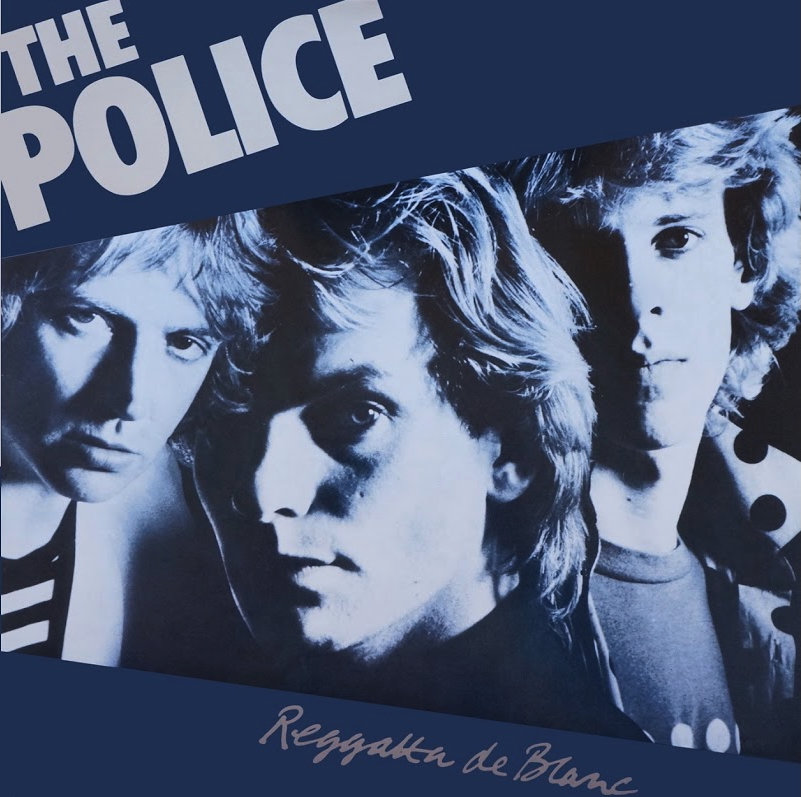
Finally, I chose The Police – The Bed’s Too Big Without You, a reggae rock track that’s now dated but still excellent for its dynamics and complexity. It’s one of those songs that can challenge even high-end speakers and headphones, especially in its handling of the low end. I recommend listening to the 24-bit remastered version, which is clearly superior.
The track is built on a persistent bass drum that sets the pace and a very pronounced, often dominant, bass. The vocals are slightly recessed but well-defined. Toward the end, the bass drum is emphasized by an echo effect, while a tambourine comes into play, striking the right side of the soundstage, creating an imbalance that can easily undermine the coherence of the sound.
The Horizons did not disappoint. Despite the unconventional nature of the mix, the bass remains tight, controlled, and present, without ever becoming slurred or excessively long. The bass drum maintains body and rhythm without overwhelming the rest, even with the addition of the echo.
The tambourine is also correctly reproduced in its natural “distortion,” without compromising either the musicality or the overall balance of the piece. Once again, it is clear that the Horizons are based on a very well-researched design, geared toward precision and control, capable of handling complex situations without losing coherence.

Comparison with the ZiiGaat Odyssey 2
When discussing ZiiGaat within the same product line, it’s inevitable to compare the Horizon with the Odyssey 2, as they embody two different tuning philosophies despite being manufactured by the same manufacturer.
The Odyssey 2 was introduced as a hybrid with a 10mm dynamic driver plus three balanced armatures, designed to deliver a more fun and engaging sound without sacrificing musicality and detail, and with a well-balanced, slightly V-shaped setup.
The Odyssey 2‘s signature tends to be more present in the bass and a more fun character, while maintaining overall control and coherence. The low end is often described as deep, powerful, yet unobtrusive, with a present sub-bass that aids energetic genres without clouding the midrange; the mids are natural, with credible vocals and well-defined instruments; the highs are clear, airy, and have good extension without pronounced sibilance. The overall impression is of a sound that will please both the most demanding enthusiasts and listeners seeking a touch of emotion in tuning.
Compared to this profile, the Horizons fall on a different axis. Where the Odyssey 2s tend to offer a more immediate, slightly more energetic sound, capable of exciting even those who listen to more popular genres or seek dynamics and impact, the Horizons adopt a more analytical, neutral, and linear approach, prioritizing the readability and precision of the finest details.
In summary, while the Odyssey 2s represent a very interesting proposition for those seeking a balance between musicality and detail with a slightly more “human” and engaging character, the Horizons are designed for listeners seeking precision, readability, and technical order in their reproduction. The differences aren’t just in tuning, but also in sound philosophy: the Odyssey 2 is more “musical and fun,” the Orizon more “analytical and neutral.”
Final Thoughts
In conclusion, the ZiiGaat Horizon struck me as a very successful IEM for its price range. It offers a balanced soundstage, with clarity and precision that often surpasses more expensive competing models. Its main strengths are its overall clarity, wide soundstage, and excellent treble management, making it perfect for attentive listening and discerning every musical detail. Personally, I greatly appreciated the Horizon’s “analytical and clean” character, which allowed me to investigate every track as if I were listening to a professional monitor.
However, as with any product, there are aspects to consider. In particular, if you enjoy very deep and enveloping bass, the Horizon may seem a bit restrained (with a rather soft bass attack). The high-end response is intentionally bright and immediate, so it’s not recommended for those sensitive to very bright treble. In fact, for some listeners who are particularly sensitive to highs, the experience may be a bit fatiguing until they customize the EQ. Likewise, the IEM requires good in-channel isolation and pairing with good-quality sources to perform at its best: so be careful with rubber tips and excessive volume. During everyday use, with high-quality tracks and a bit of caution with the volume, these limitations almost completely disappear, but it’s worth mentioning them for the sake of clarity.
Overall, I consider the Horizon to be an excellent earphone for those seeking detailed and natural sound, capable of revealing every musical nuance. If its limitations on pumping bass and very sibilant highs don’t scare you, it’s definitely worth trying. Personally, I was positively impressed and consider this model one of the best at its price. In any case, in a landscape where many IEMs offer over-tuning, the Horizon stands out for its tonal balance and overall value.
RATING
9 / 10
🟢 Pros
- Neutral and detailed sound, with natural mids and very extended highs.
- Precise and controlled bass: even on complex tracks, it remains defined without muddying the mix.
- Wide soundstage and excellent imaging for an IEM in this price range.
- High-quality construction and accessories (3D resin shell, interchangeable silver-plated cable, hard case).
- Exceptional overall value compared to the competition.
🔴 CONS
- Softer-than-expected bass attack, not suitable for pumping bass enthusiasts.
- Overall timbre slightly less organic than some competitors (fast decay).
- Not for ears sensitive to bright highs: the high frequencies are prominent and, while smooth, can cause fatigue.
- Not very forgiving of low-quality recordings: the transparent nature can emphasize flaws in compressible files.
Recommendations
The ZiiGaat Horizon is ideal for those looking for a high-quality IEM without compromising accuracy. It’s particularly suitable for enthusiasts who listen to genres where clarity is essential (jazz, classical, acoustic, indie, electronic hi-fi) and for those who use well-calibrated sources. I don’t recommend purchasing it for those who want exaggerated bass or are particularly sensitive to very bright highs, unless you’re willing to adjust EQs or filters.
Where to buy
The Horizon can be purchased from the official ZiiGaat website or through authorized resellers such as Linsoul. The current list price is approximately 296.10USD (approximately 280€). Linsoul frequently offers promotions and discounts, so it’s advisable to check their online shop for any offers. Overall, the quality-price ratio makes it a very attractive purchase for those willing to invest in studio-quality sound.
I thank Linsoul for providing me with this review sample. As always, I should point out that this review is based on my own independent assessments, and that I have no commercial relationship with Linsoul or any other brands or distributors.




No Comment! Be the first one.