









































































































Disclaimer:
Today, we have in our hands the successor to the Simgot Supermix 4. The Simgot Supermix 5 is the company’s new exotic offering. It’s been a while since I’ve seen a mid-range product from Simgot. This is a hybrid offering with multiple drivers in a rather exotic combination. Like its predecessor, the new one also features a very interesting and unique driver mix with typical Simgot tuning. I really liked the old one, but I’ve read mixed reviews about the new one, so I’m even more curious to see how they sound.
Table Of Content
I’m not an audiophile; I’m just a guy who likes to try out different IEMs and DACs and spends a lot of time listening to music.
So I’m not going to use super technical words to review it, but I will do my best to describe it.
Tech Specs:
- Driver Configuration: 1BC+1DD+2BA+1MP
- Impedance: 19Ω ±15% (@1kHz)
- Sensitivity: 120dB/Vrms (@1kHz)
- Frequency Range: 8Hz-40kHz
- Frequency Response: 20Hz-20kHz
- Shell Craftsmanship: High-Precision Resin 3D Printing
- Cable Material: Litz Structure High-Purity Oxygen-Free Copper Silver-Plated Wire 0.78 2-pin
- Plug: Modular cable 3.5 or 4.4mm
- Price: $220 USD
Packaging:
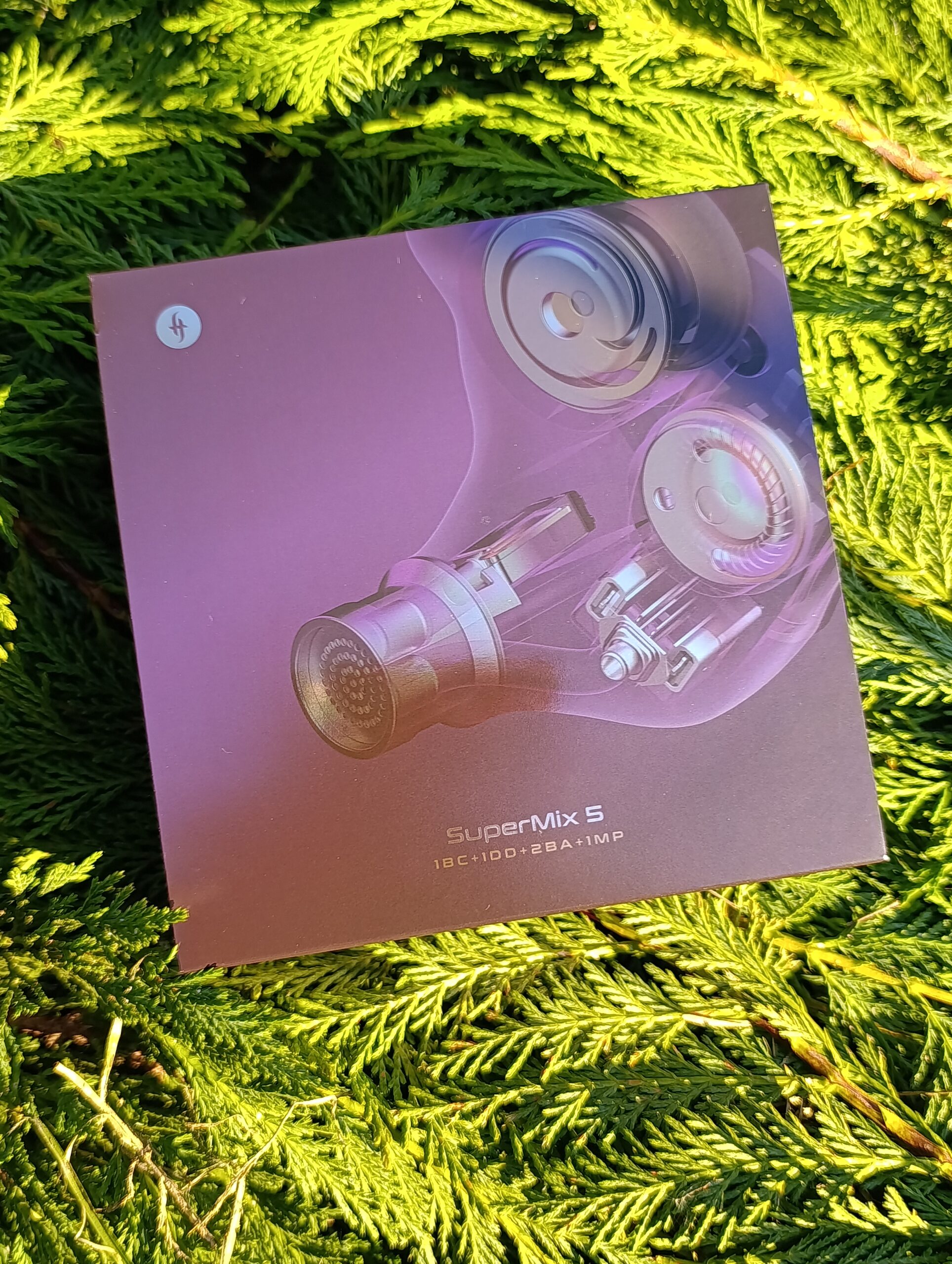
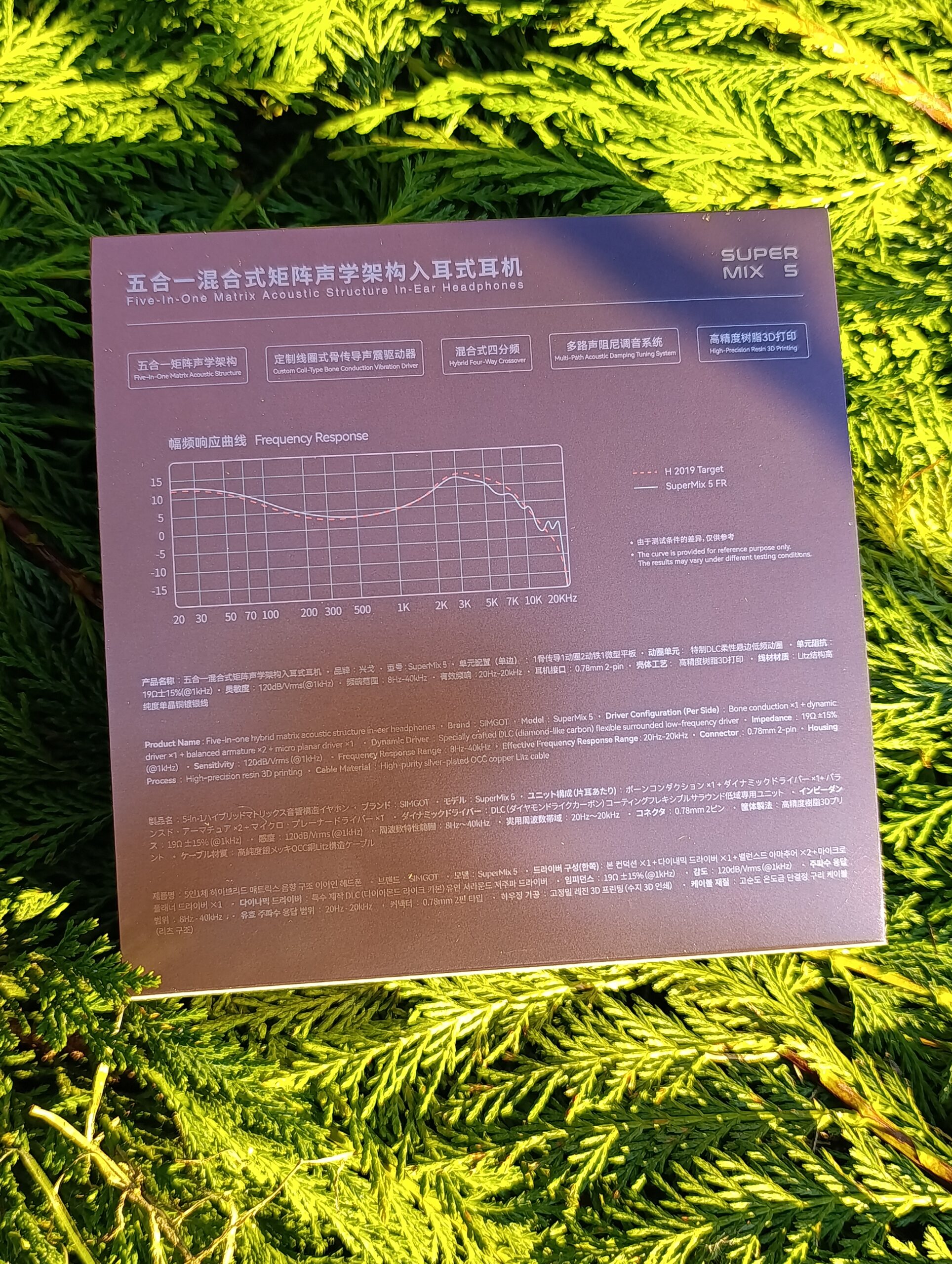
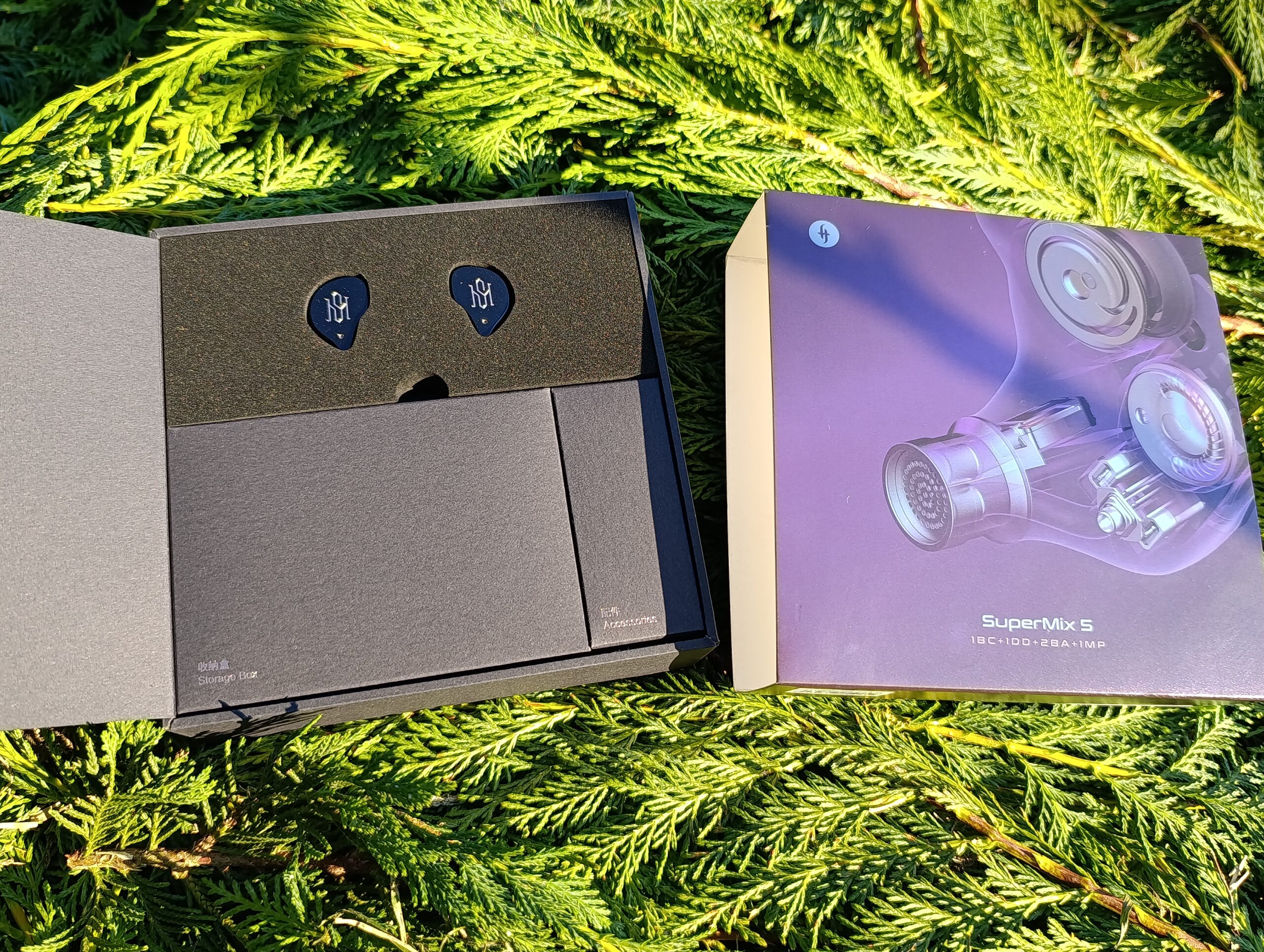
The box retains an aesthetic and composition closely tied to its predecessor; its continuity with the model and series is evident.
Inside, we find the following accessories:
- 1x Detachable Premium Cable
- 1x Carrying Case
- 6x Eartips
- 1x 3.5mm Adapter
- 1x 4.4mm Adapter
- 1x Warranty Card / Thank You Note
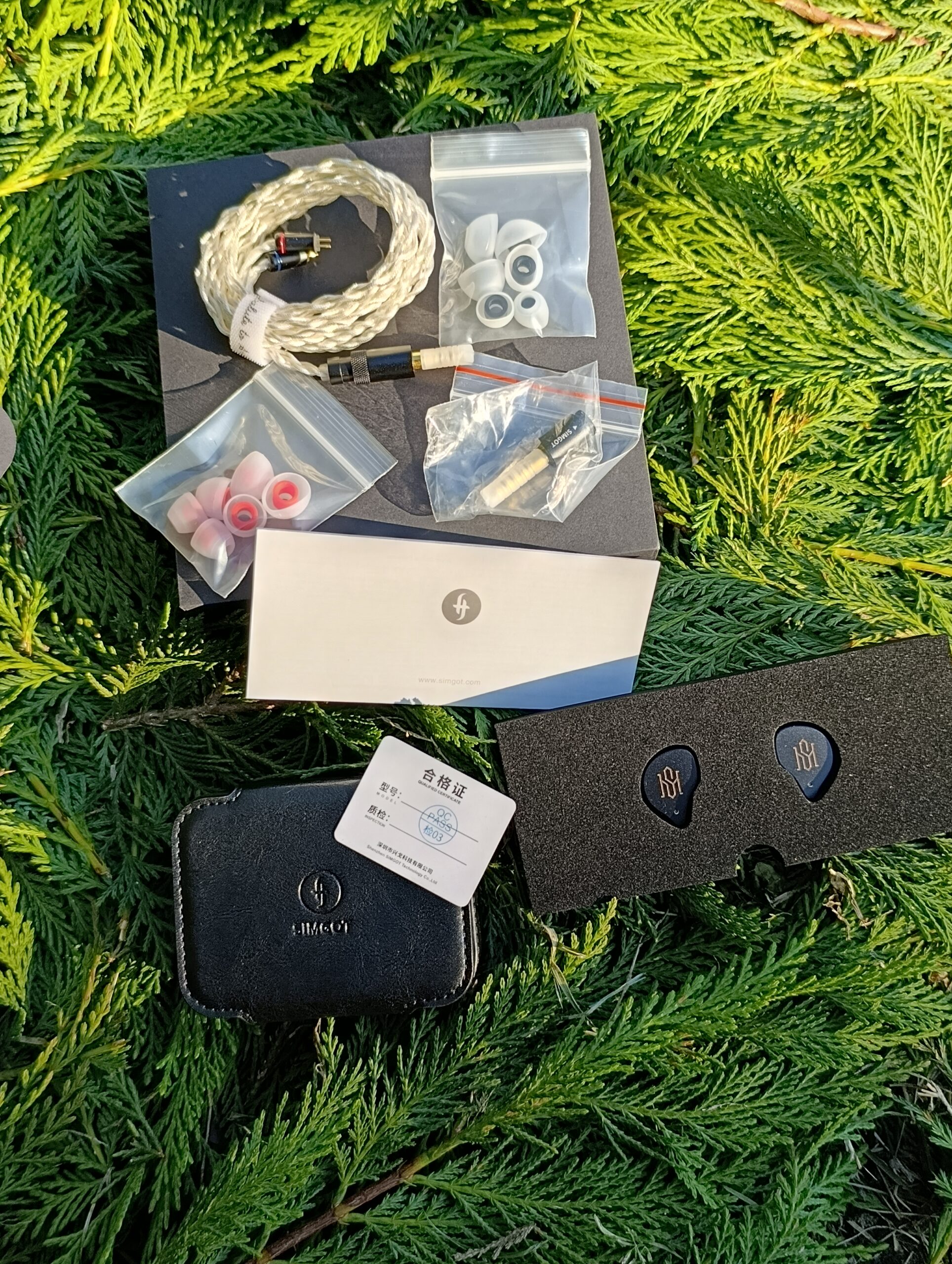
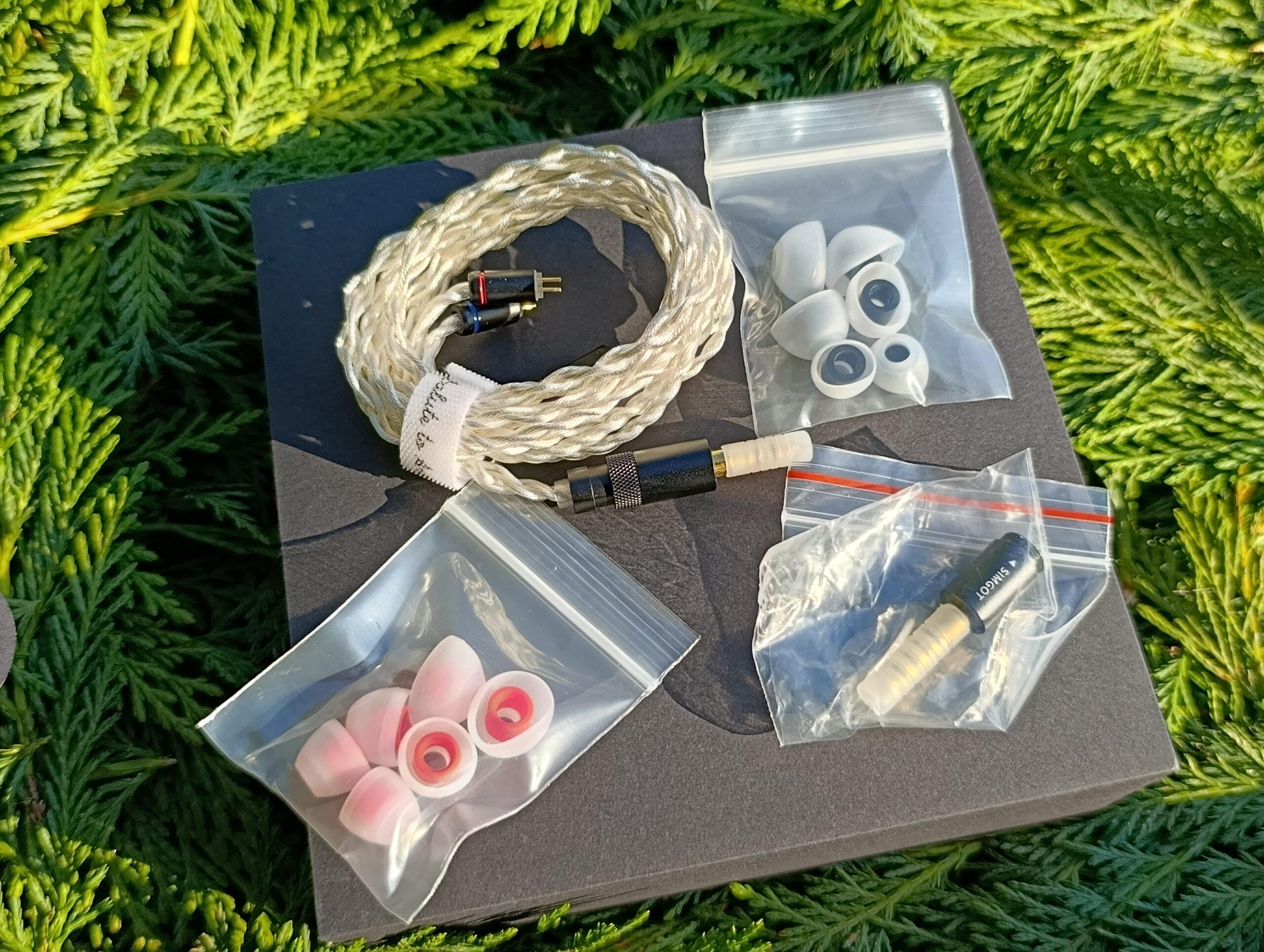


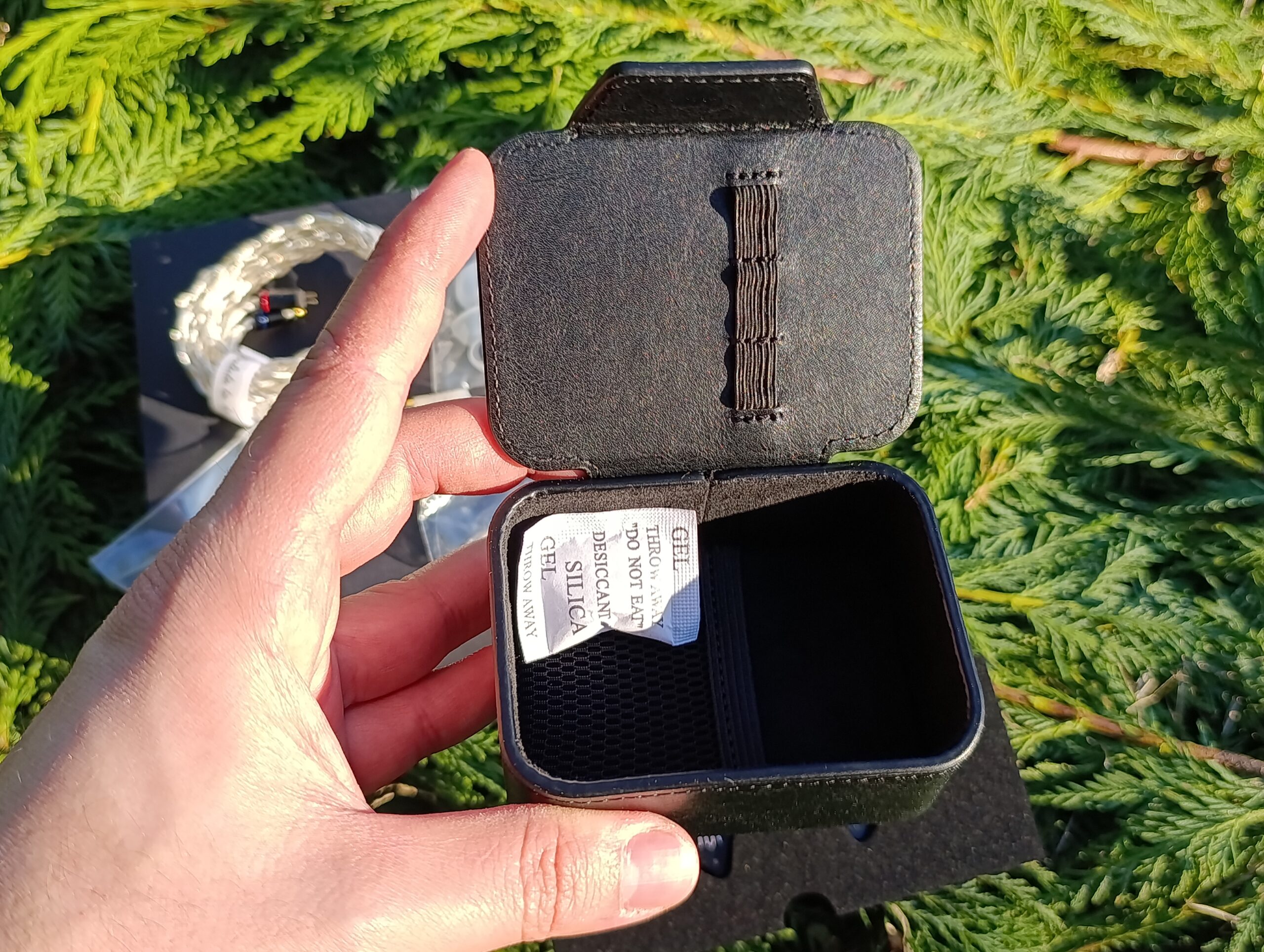
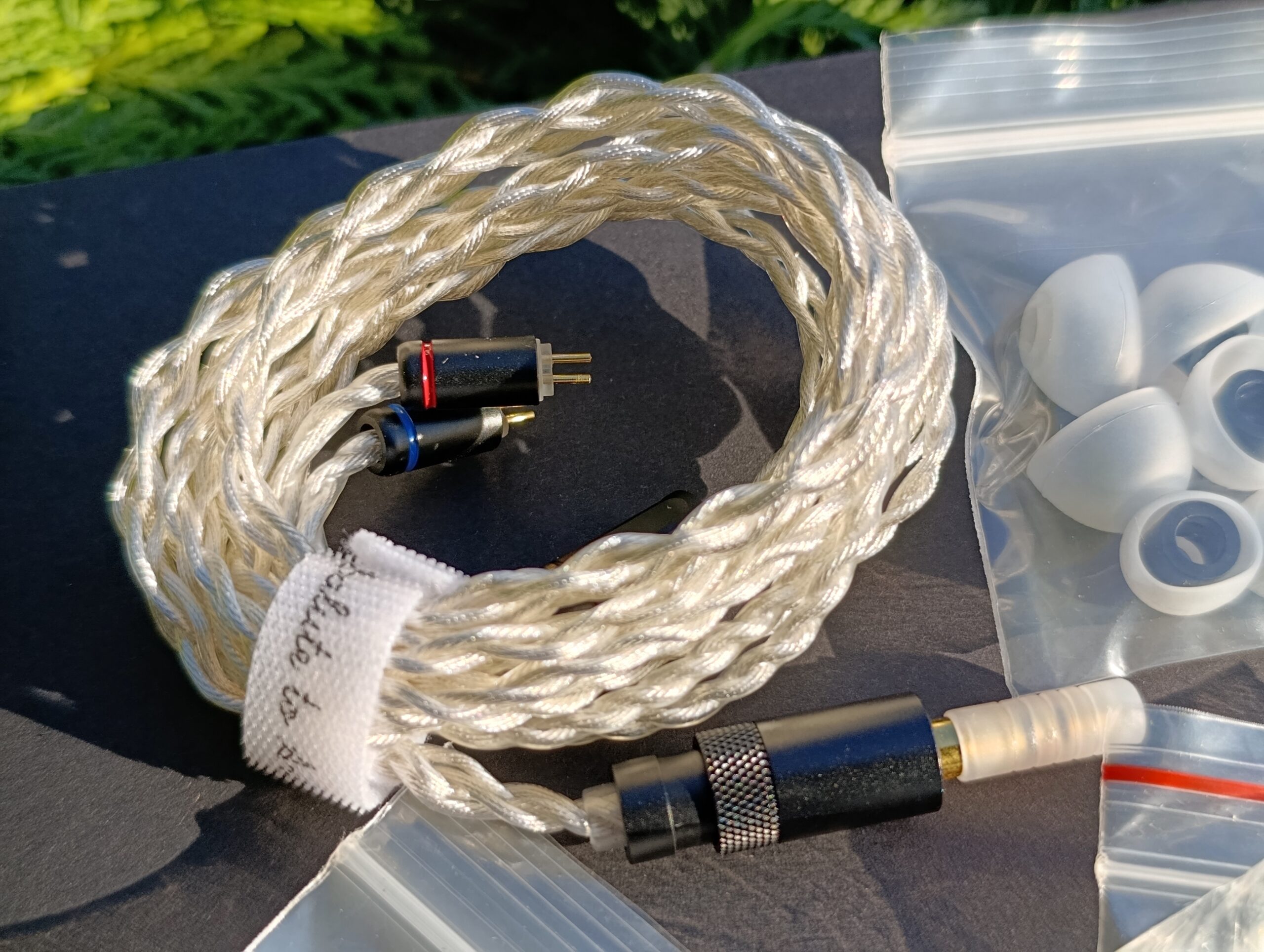
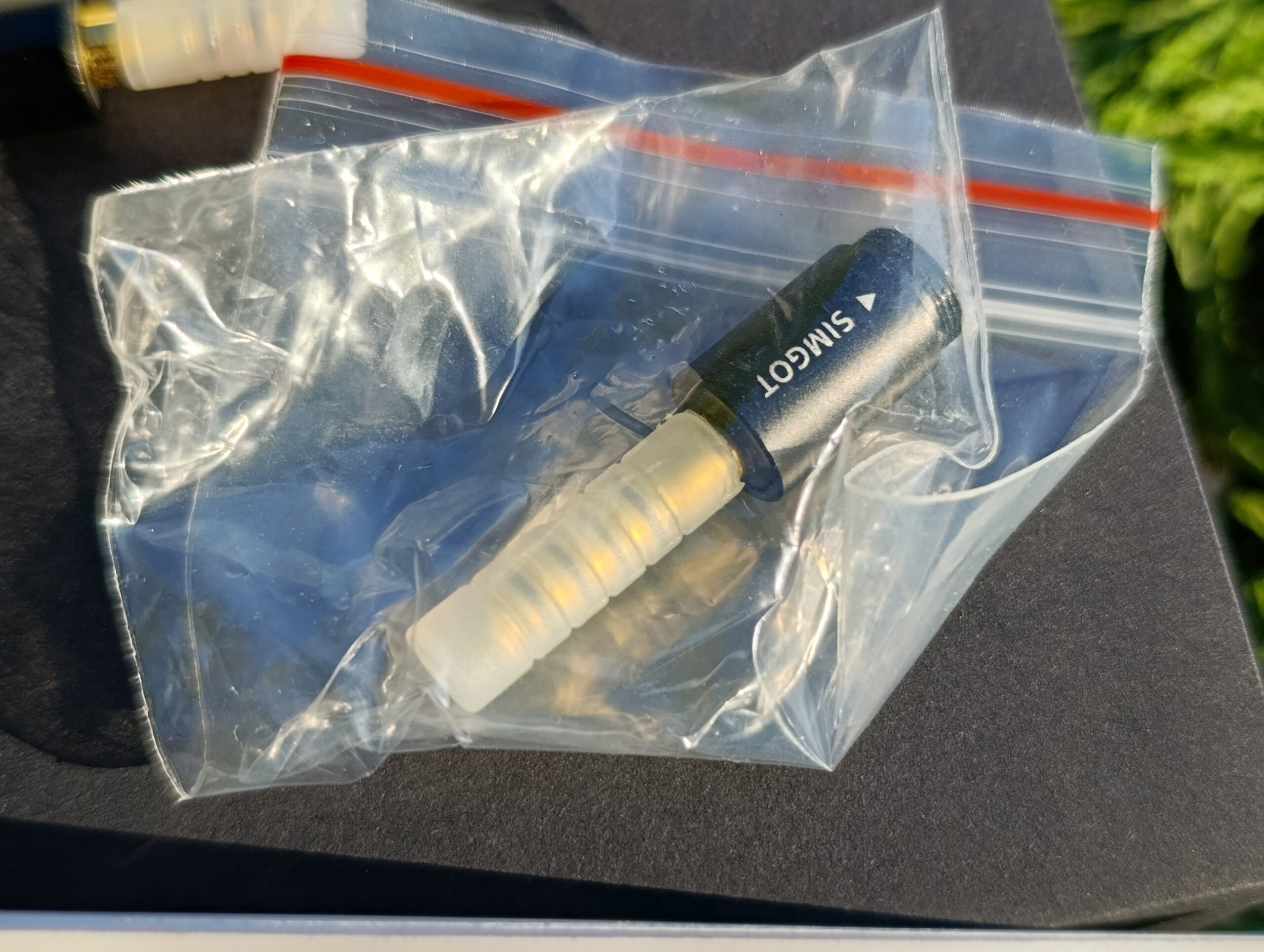
In terms of standard features, something has changed: the case is the black model of the Simgot EA1000, while the Supermix one seemed even more capacious to me. The modular cable is excellent. As for the eartips, they are quite good, but basically only the color has changed.
Design/Build Quality:
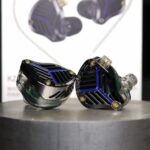
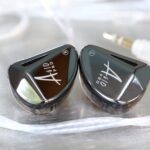
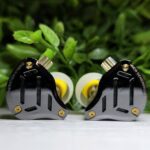
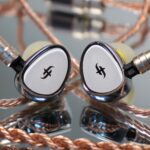
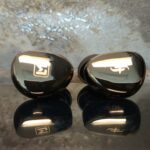
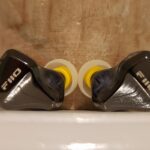
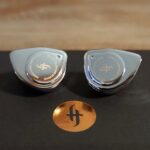
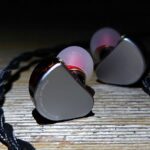
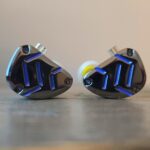
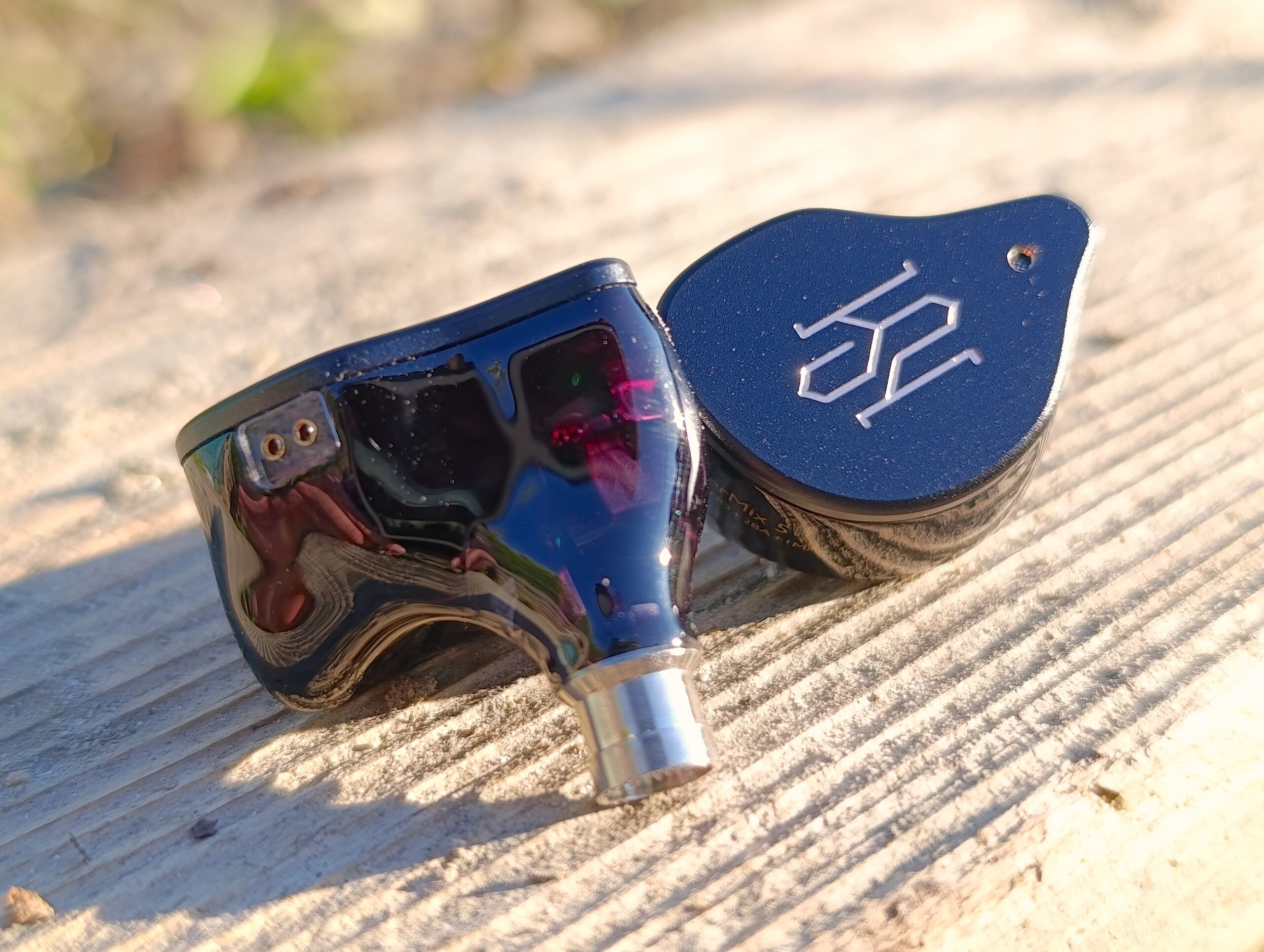
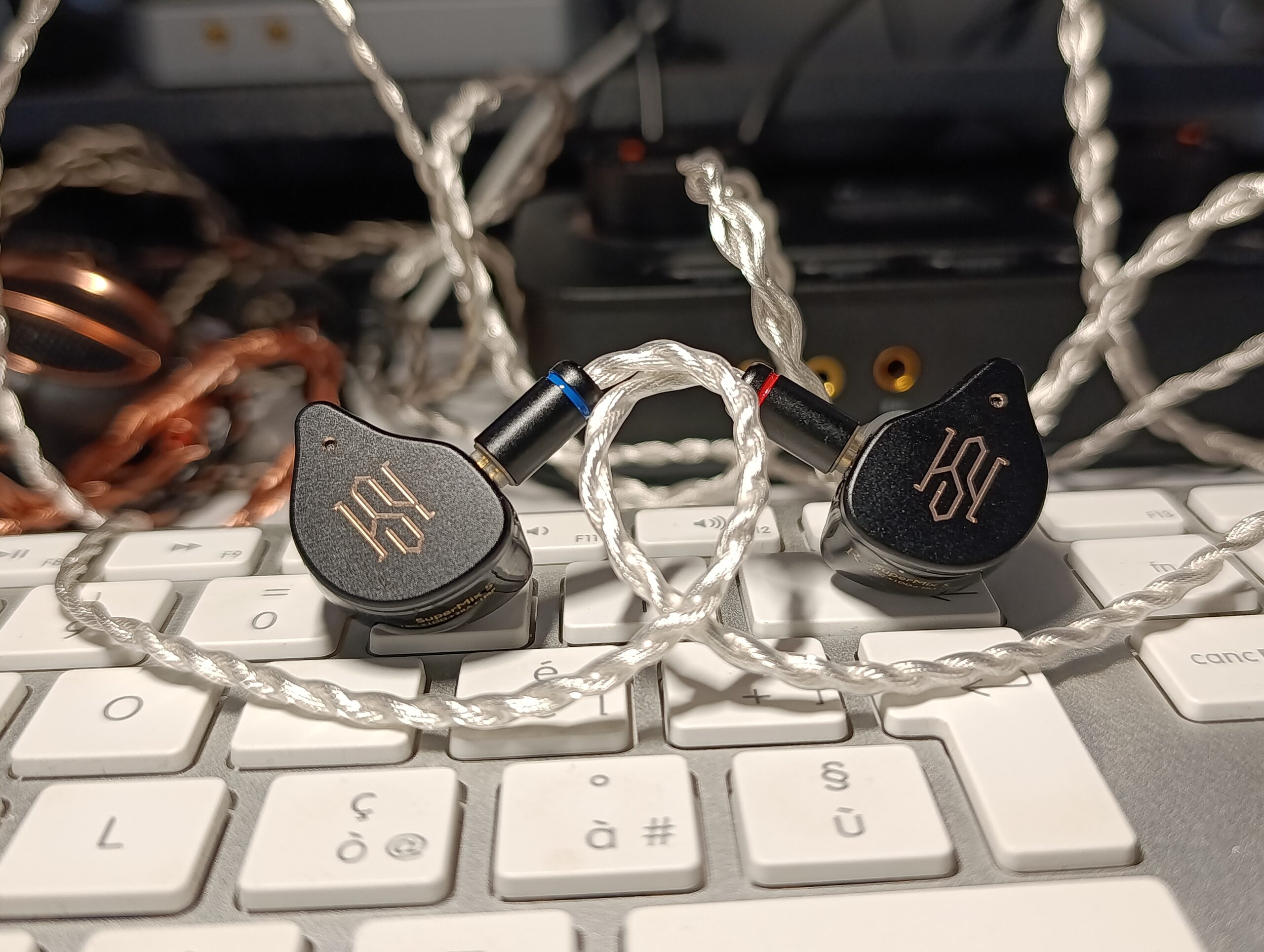
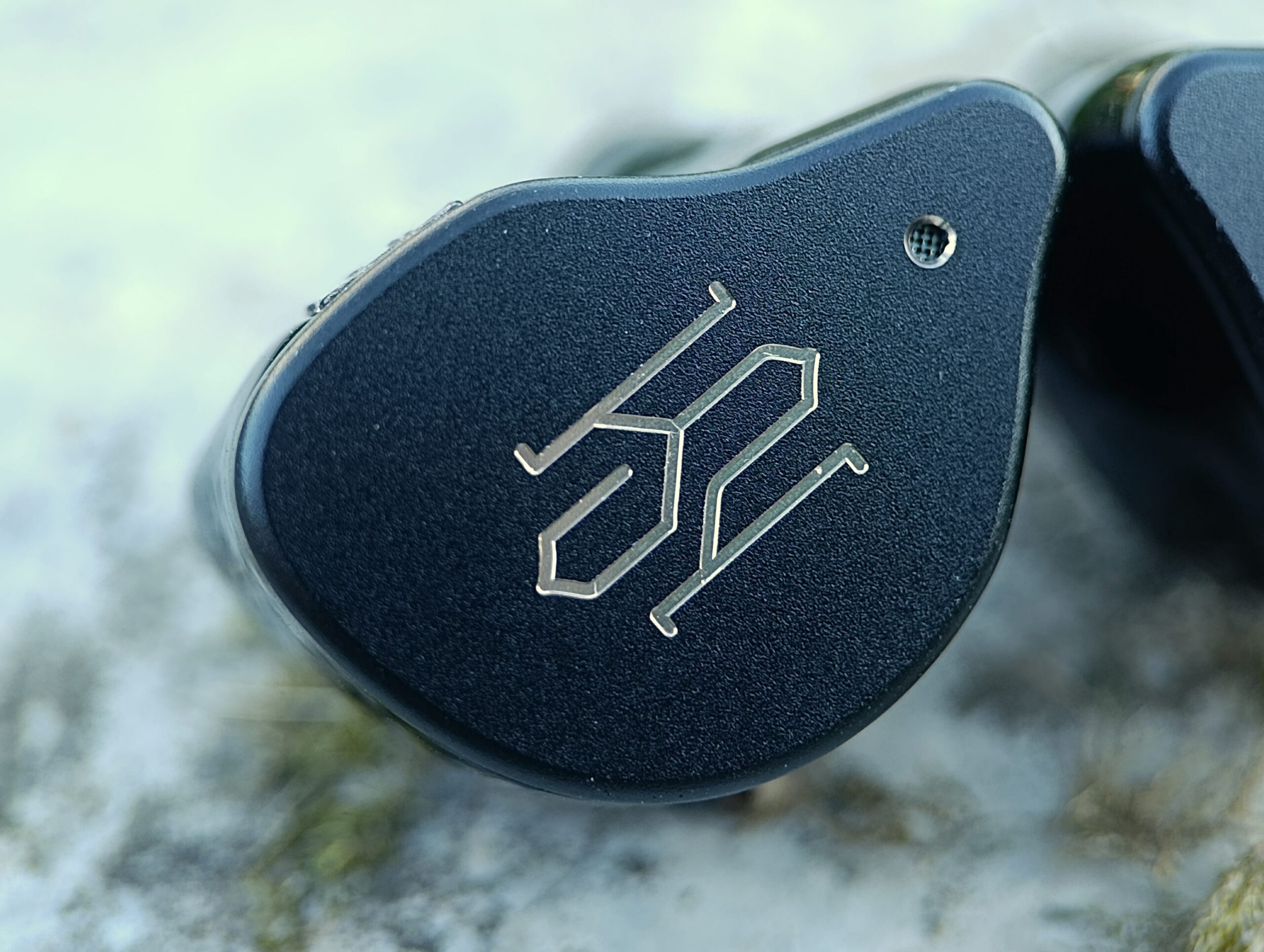
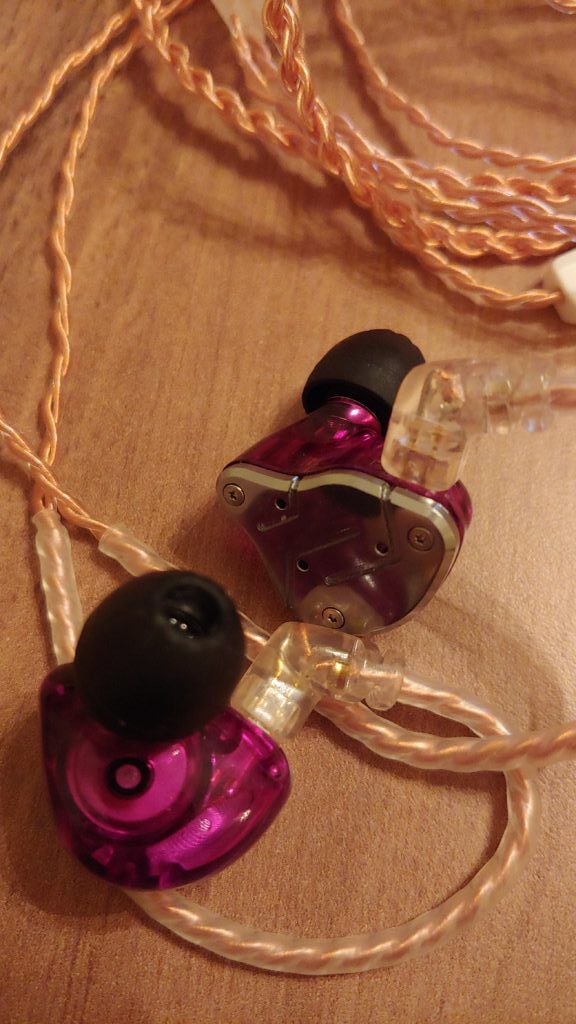
I see that the Simgot Supermix 5s closely resemble the aesthetics of their predecessors, but with some different details, most notably a decidedly more imposing shell. At first glance, the dimensions are very similar to those of any IEM, but the addition of the BC driver has made them thicker.
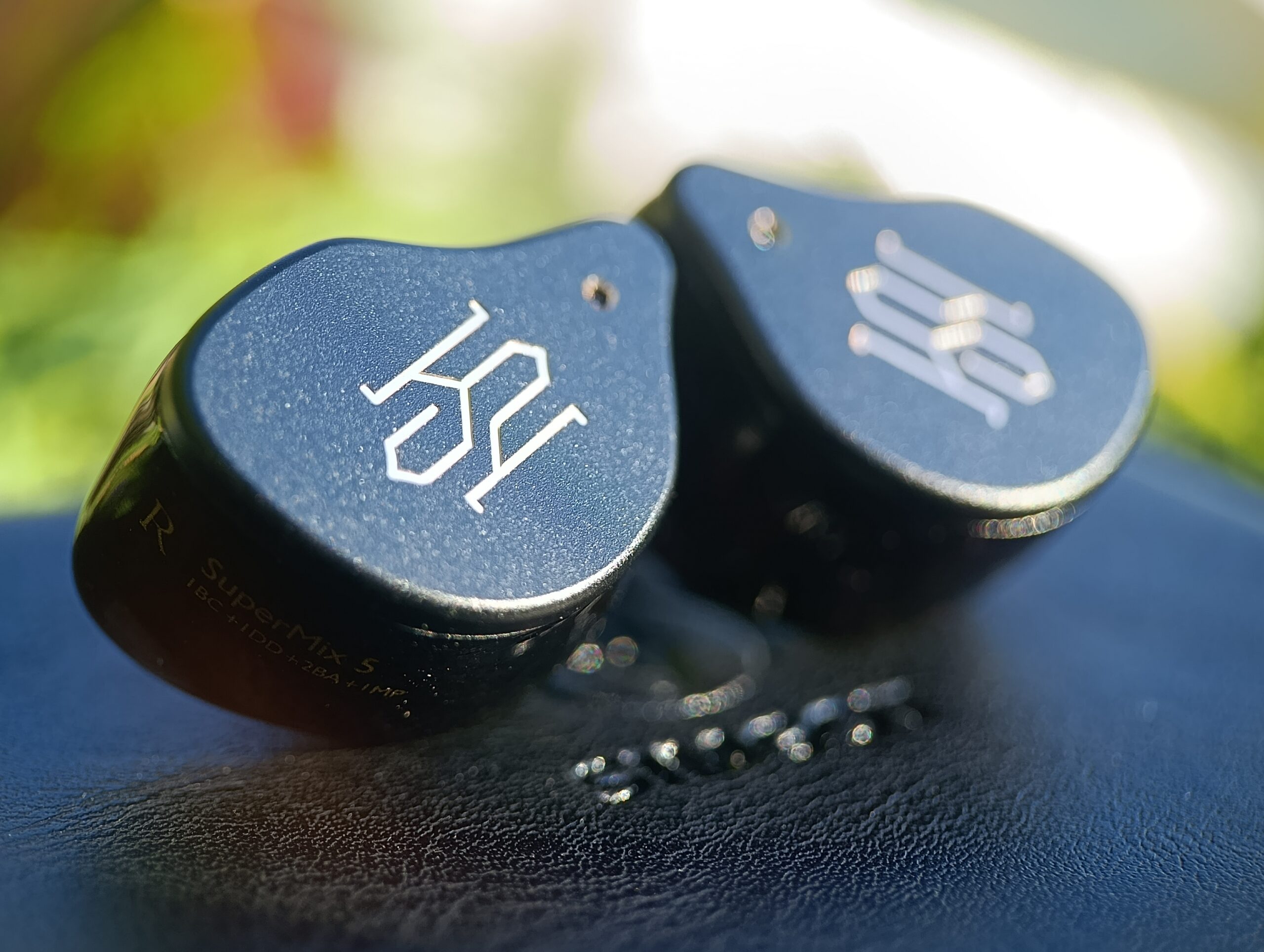

They’ve packed a lot of different drivers inside:
- 1 x Bone Conduction
- 1 x Dynamic Driver
- 2 x Balanced Armature
- 1 x Micro Planar Driver
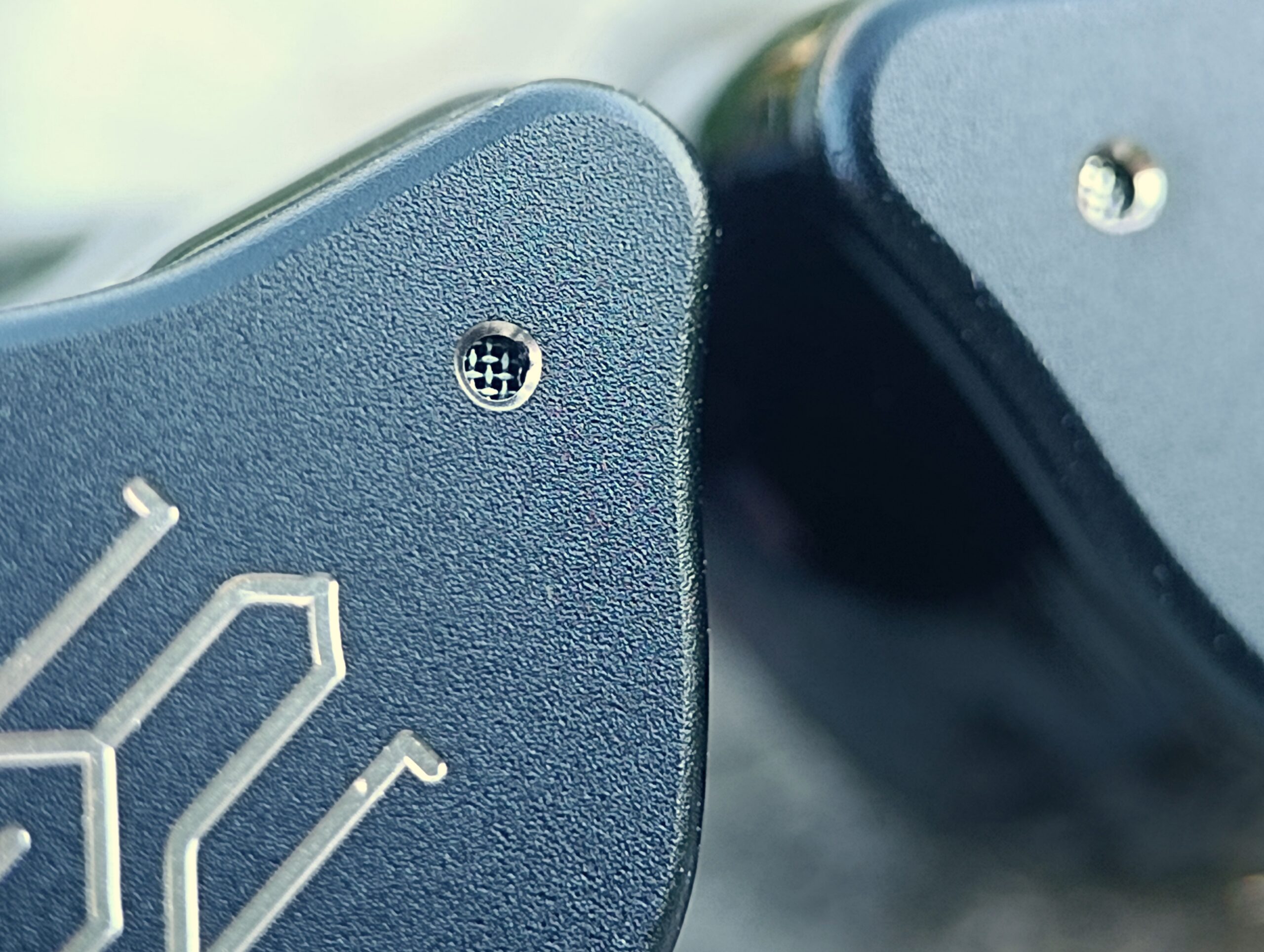
We also notice that the nozzle is now metal, while it was resin on the Supermix 4s. This improves the stability of the eartips, but the nozzle is quite pronounced and quite large. The only hole on the entire shell has appeared on the metal faceplate. I believe this hole serves both for ventilation and for the drivers. I imagine, somehow, it also connects to the nozzle via the internal tubes. It’s a complex IEM, and like many similar ones, tuning is sometimes a real challenge. Overall, the build quality is on par with or slightly better than the older ones. I appreciate this sense of continuity in the final product.
Initial sound impression:
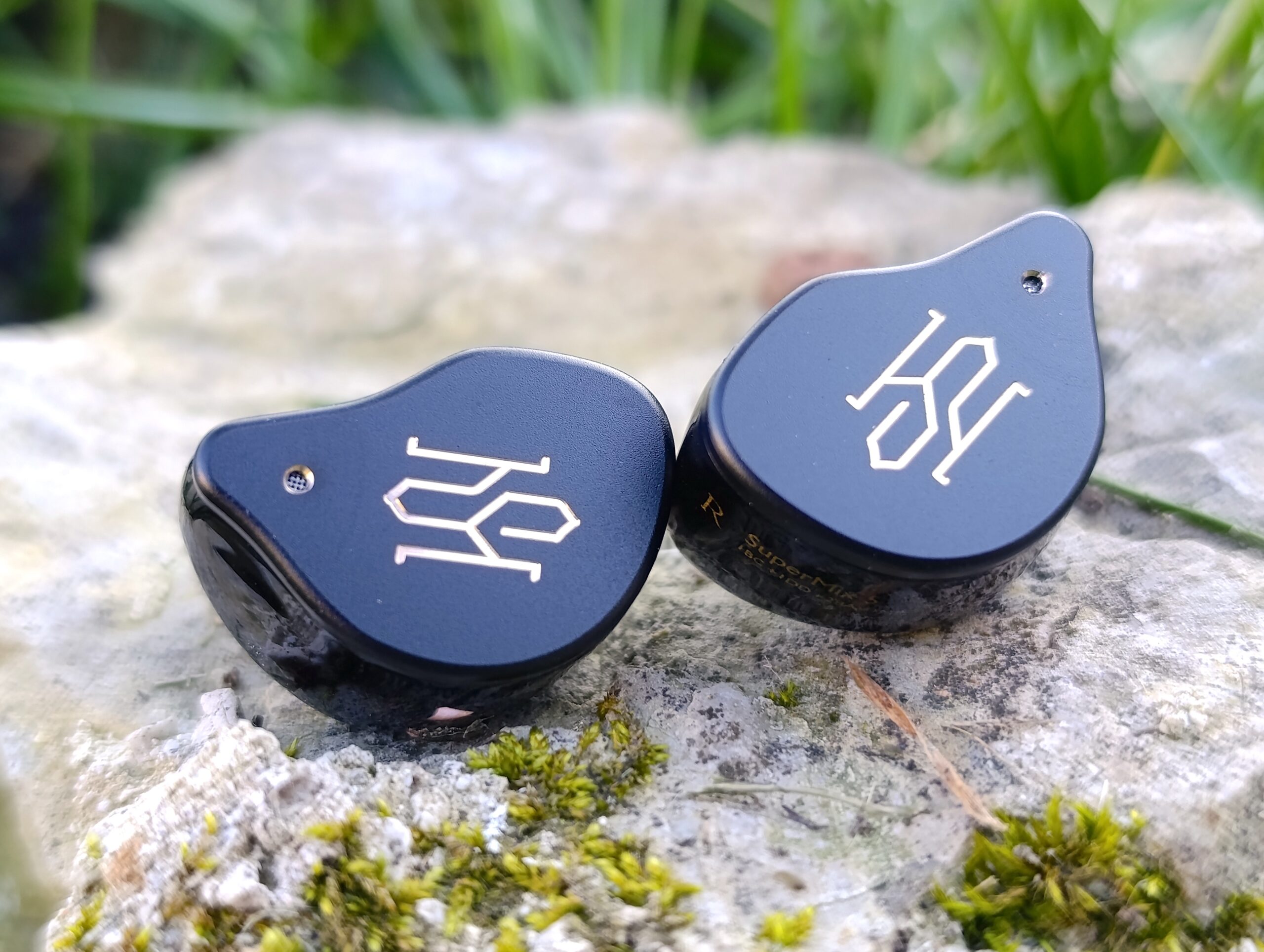
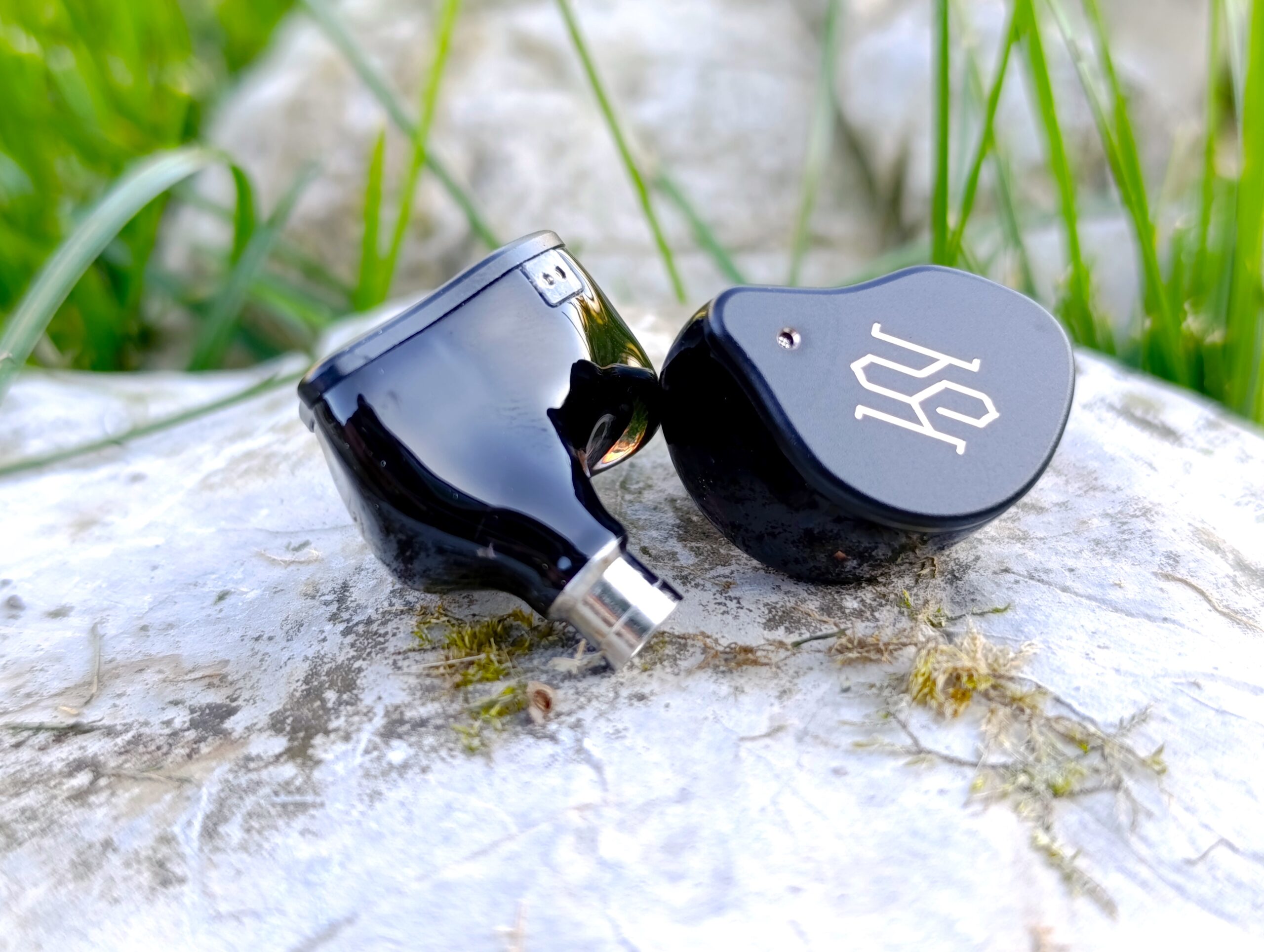
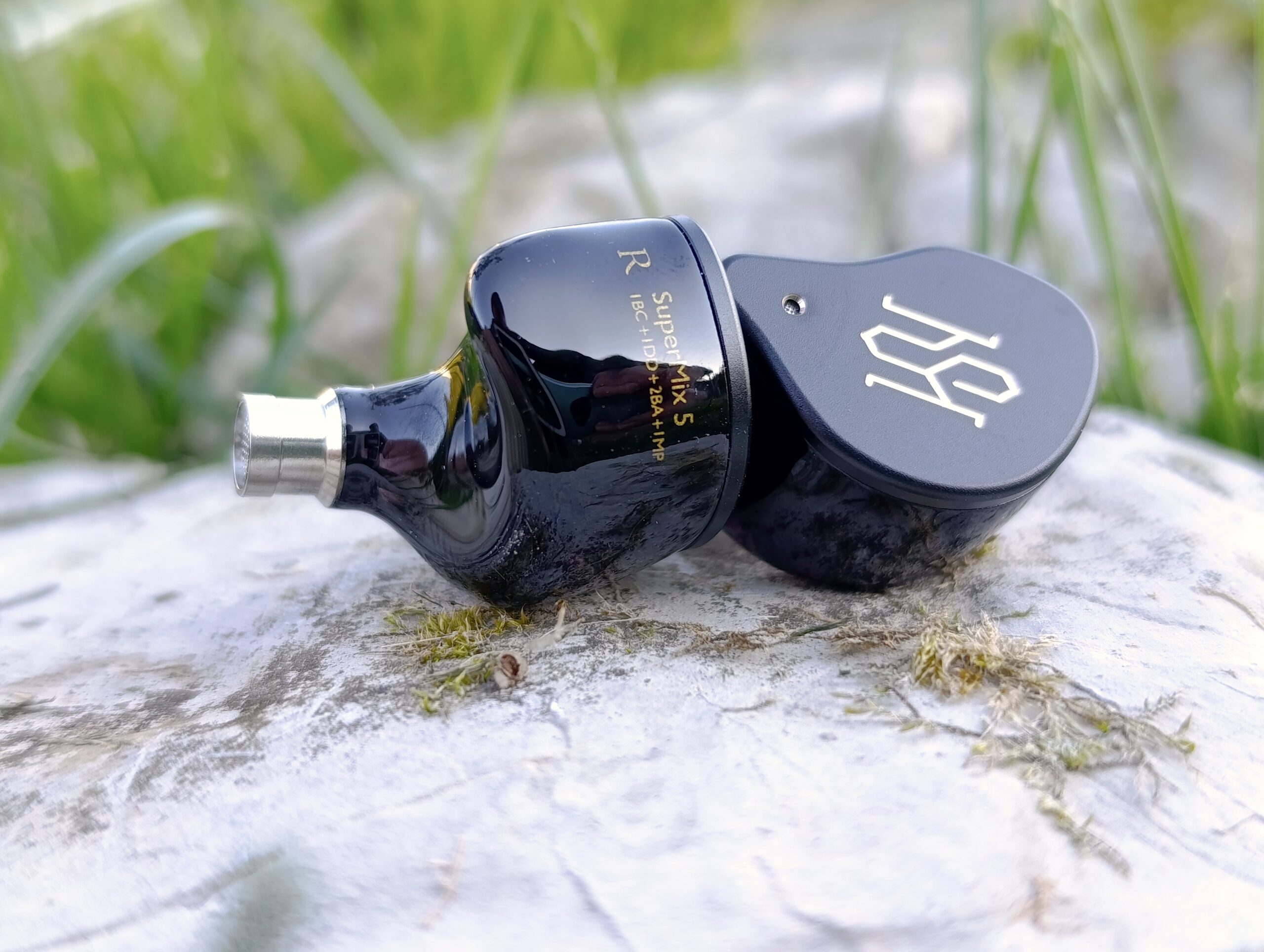
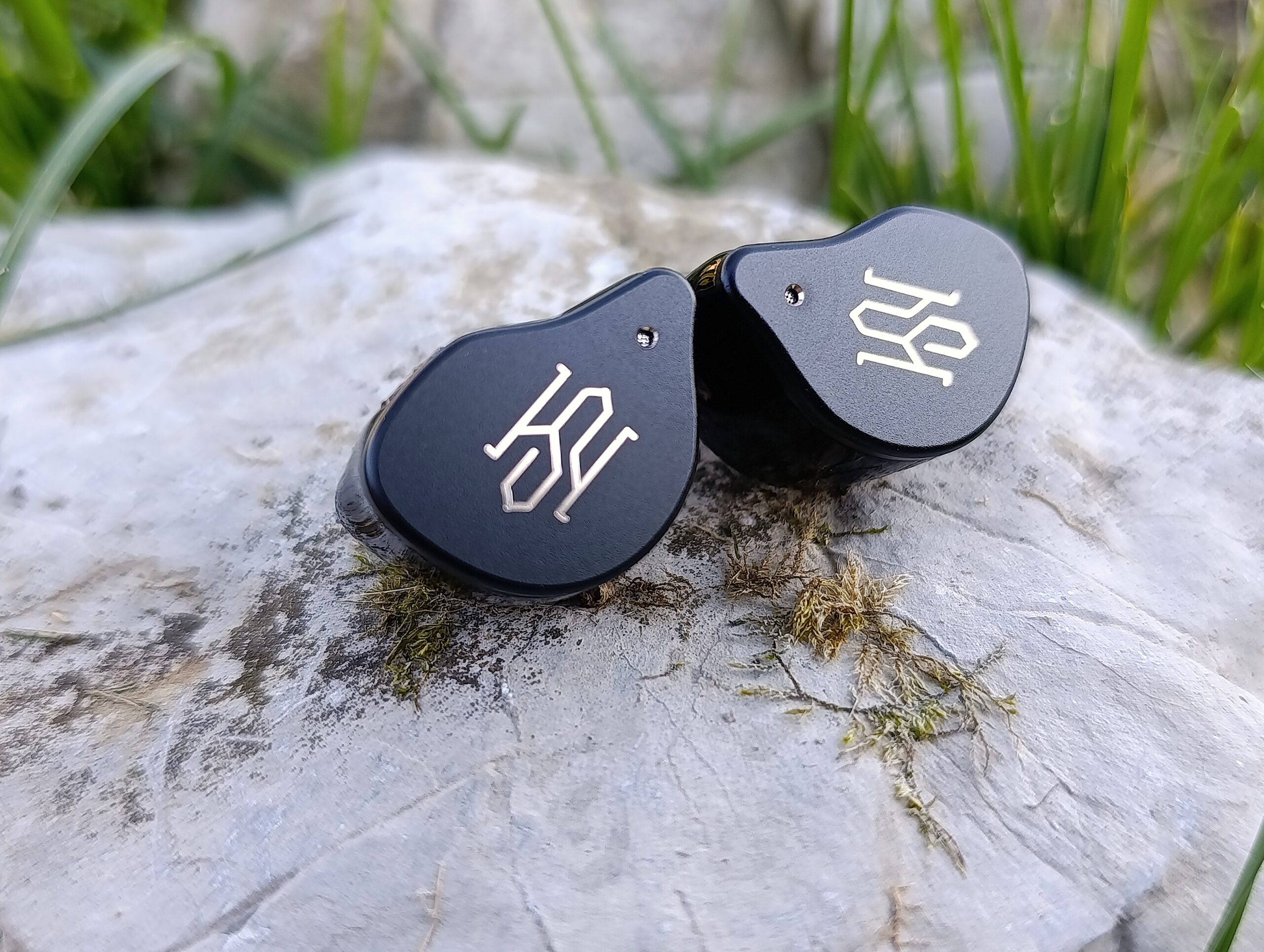
Somehow, I think the Simgot Supermix 5 IEMS aren’t perceived correctly by everyone due to conflicting opinions among various reviewers; it could also be that the first batches were different and the latest ones better, but I’m not sure. What I can tell you is that even though they might seem easy to drive, if powered properly, they change their face, and above all, the included eartips are absolutely not the best choice. What I heard right out of the box was bass, well-pronounced, fast, and precise, with a good rumble and even good tactile ability from the BC driver. Honestly, their energy and vividness also strike you immediately; every track is bright and full of life. I can understand that it’s not the type of tuning everyone likes, but it’s a fairly mature choice with a fair amount of technique. The most difficult part of the IEM might be the price range, where so many compete with each other.
Comfort & Fit:
It’s important to note that the Simgot Supermix 5, unlike the 4, is thicker. The dimensions, for better or worse, remain the same, and comfort isn’t affected; furthermore, they’re very light thanks to the combination of resin and aluminum. The nozzle is generously sized; it’s 6 mm in diameter and quite long, so I recommend using smaller eartips for deeper insertion.
Tips Rolling?
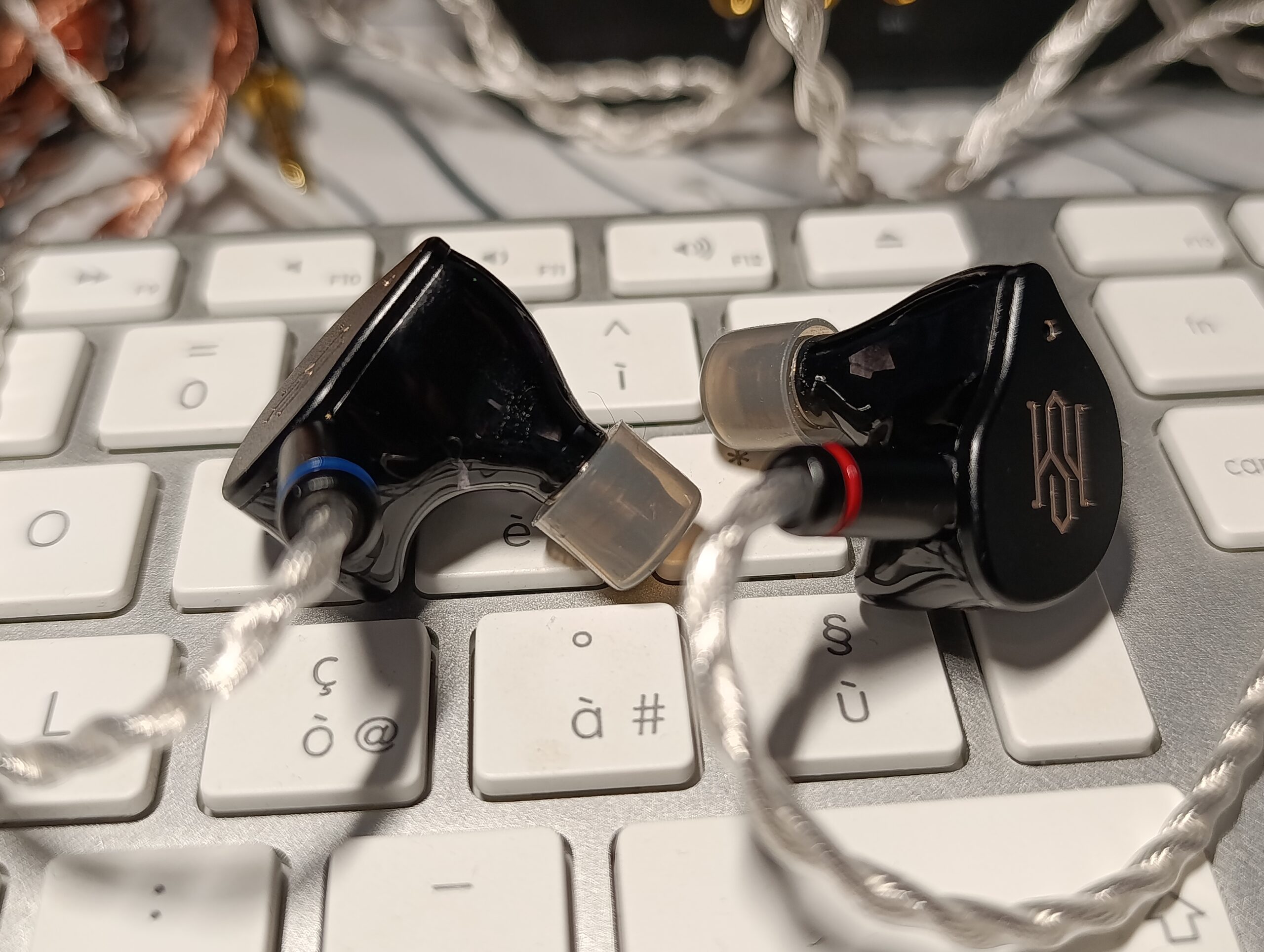
The type of eartips found in the Simgot Supermix 5 is the same as the old ones. We have six pairs of 07 eartips, most of which are perfect, but they don’t really enhance the sound (perhaps a little low-end) and don’t allow for any deeper insertions. Personally, I recommend trying other models, and I personally found the Dunu S&S in size S particularly suitable, as I can push them deeper. For similar sets, a few premium eartips could make a big difference.
Equipment used for testing:
Device:
- Mac mini
- Redmi Note 14 Pro 4G
Software:
- Amazon Music UHD 24-bit 96 kHz
DAC:
- Creative X5 (added warmth, fuller bass)
- Fosi Audio K7 (neutral brighter but less synergy)
Final sound impression:
It took me a while to give a final assessment. I wanted to fully understand what I was hearing so I could give you as accurate an opinion as possible, and after several weeks of listening, I’ve finally come to the conclusion that, even if they’re not exactly comparable, the Supermix 4 and Supermix 5 undoubtedly bear the Simgot signature. I personally found the Simgot Supermix 5 very interesting, with excellent staging and a reproduction precision that rivals many IEMs. The bass is very sensitive to the music and is sometimes more delicate than with other IEMs. It could depend on the crossover or the type of driver chosen. I’m not a sound engineer, so I can’t tell you, but if you buy one, you’ll occasionally notice some sounds that are thinner and others that are perfect. Hybrid IEMs are always very difficult to tune consistently, but overall the result is excellent.
In my case, as always, I used my reference amplifiers/DACs to get more consistent results. The Fosi Audio K7 sounds brighter and more analytical, while the Creative X5 produces a slightly warmer sound with improved depth. To be honest, the Creative sounds better here, but that might also be due to the extra power available.

Bass
Speaking of bass, the Simgot Supermix 5 features two dedicated drivers: a dynamic driver with a DLC diaphragm and a bone conduction driver. Together, they create a satisfying bass experience, both sonically and tactilely. The pairing of the two drivers aims to create a 4D effect, with a tactile component you can physically feel on your ears. The bass is quite fast, within the limits of a DD with a good punch, although the sub-bass is sometimes a bit lacking. Something more assertive could certainly have been chosen, but given the overall tuning, I’d call this decision mature.
Mids
I have some mixed feelings about the mids. The bass support probably doesn’t help the mids much, which sometimes sound a bit thin.
It could also be the choice of tone, which I would not define as warm but very neutral, with a barely perceptible hint of cold, but it could be the classic sensation that some drivers evoke.
This means that some voices or instruments may seem slightly less coherent than others, but overall the mids are forward, clearly audible with notable separation, making it easy to pick out every little detail. The energy present is excellent, making the performance engaging.
Overall, I would say that the main problem is that sometimes the body is missing. At high volumes, the upper mids become spicy.
Treble
The treble range isn’t overly extended; the amount of brightness and air is adequate, resulting in a smooth treble reproduction that allows for a fairly relaxed listening experience, free of annoying peaks that could compromise longer, more intense sessions.
Details emerge naturally and are easily picked up. Cymbals and hi-hats are well-rendered, sounding coherent, as I’d expect from such an exotic multi-driver.
Maybe it just needs a little more spiciness at the top, but honestly, it’s fine like this.
Soundstage and Imaging:
The Simgot Supermix 5 manages to create a comprehensive soundstage in every direction, giving each sound a precise position and leaving just the right amount of space between each element. The imaging is very defined and rich, I’d say, as sharp as a fine knife; the layering is excellent. You’d expect exactly this kind of performance from a hybrid IEM of this caliber.
Even from these aspects, we can understand some connection with the Supermix 4, which did equally well in this field.
Comparison:
Comparisons are always difficult, given that I have so many IEMs these days, I can’t deny the difficulty of always having them all available. I’ve reviewed practically all of them, but due to space constraints, they’re stored in boxes and closets. I’d say a simple comparison is with the Supermix 4 and the EA1000, while from other brands, we have Kiwi Ears, which has experimented with several hybrids.
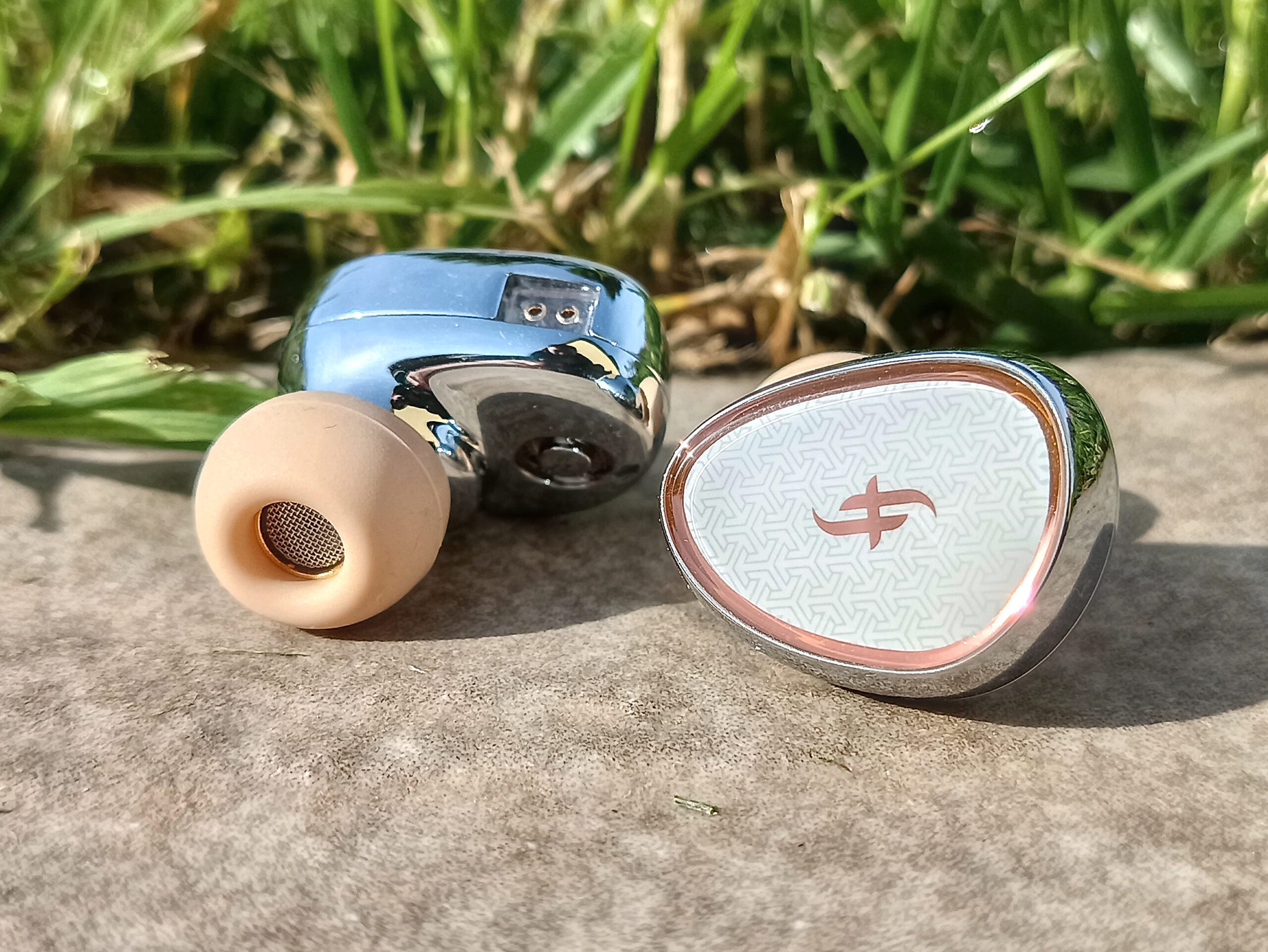
The Simgot EA1000 is a pillar of the brand: you can’t move it a millimeter. The musicality and definition of that purple-dome driver reign supreme among single-driver IEMs, delivering a seamless sound. They’re both in the same price range, competing in two different IEM categories, but in terms of sound quality, they’re definitely not comparable. The EA1000 is more coherent across the entire spectrum, though it may fare a little worse in terms of separation and layering, but the mids never sound thin.
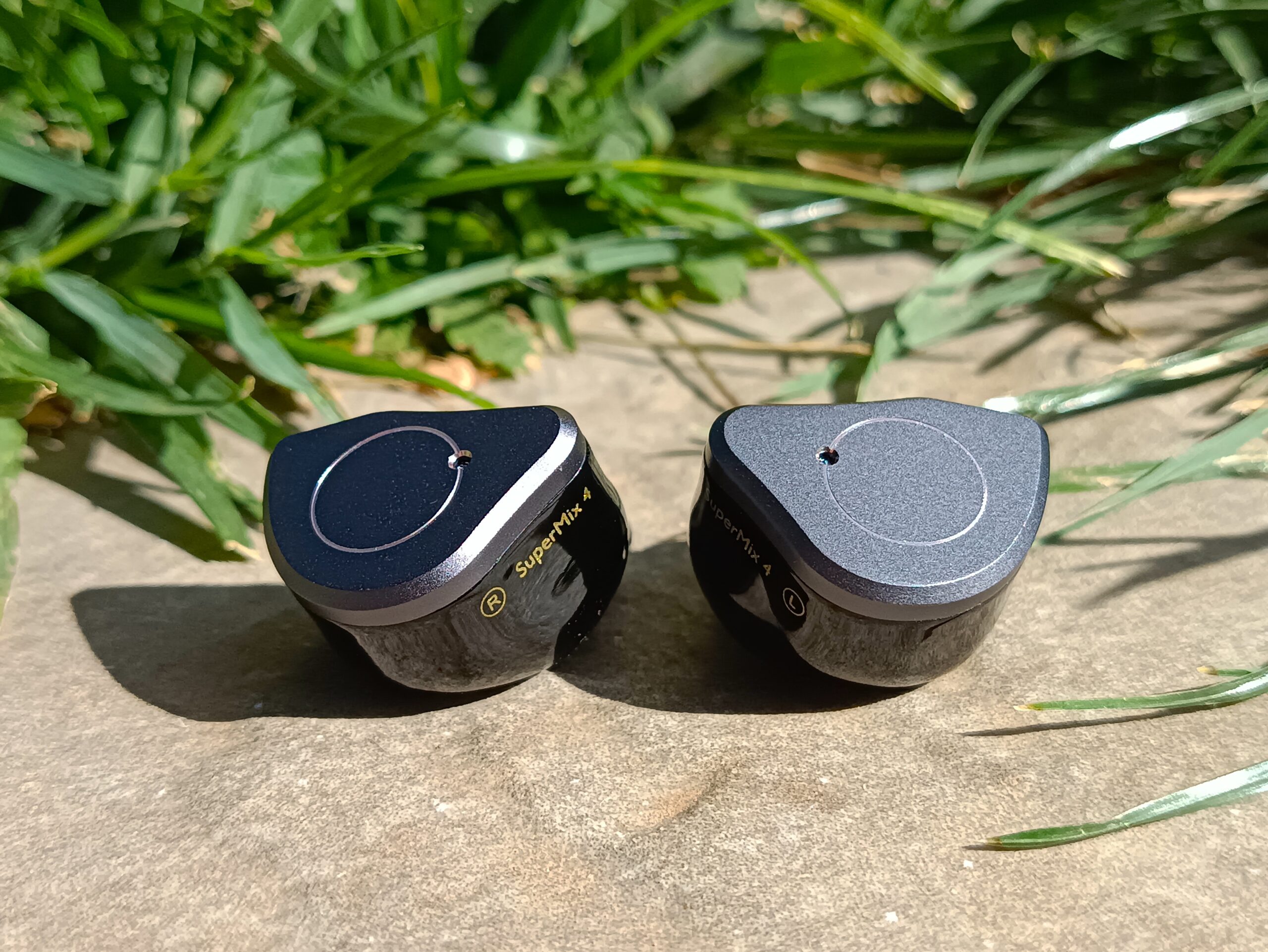
They’re two different IEMs, even though they have some things in common. In terms of build quality, they’re on par, but the cable has significantly improved in the new model. The Supermix 4 more closely follows the 2019 Harman curve, delivering firmer bass and more extended subbass; treble extension is also more pronounced and airy. The mids might seem more recessed, but in practice, it’s hard to hear the difference between the newer models, except for the greater thickness of the older ones. The newer models have a more linear and mature tuning, so choosing one depends largely on the buyer’s taste.
Conclusion:
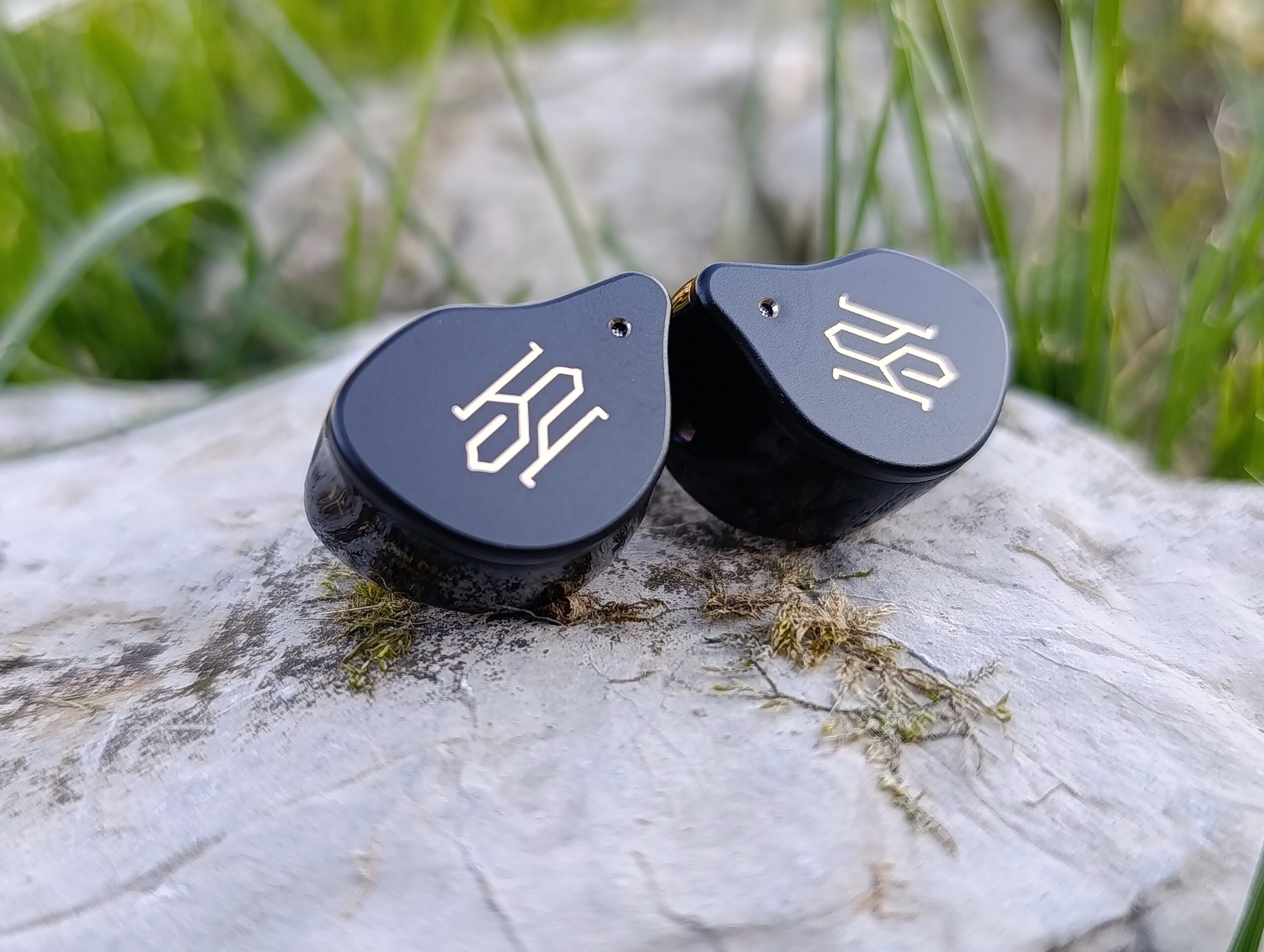
Simgot continues to work brilliantly. The Simgot Supermix 5 is exactly what I expected. I’d read less than enthusiastic reviews about it, but I think the difference in results is due to the right amplifier/earbud pairing. In my case, the sound never sounded too thin in the mids, but I can confirm that sometimes the vocals on some tracks sound a bit flat and lifeless, even a bit cold and banal. I don’t think it’s a driver or crossover issue, but simply the choice of a smoother tuning compared to the previous one. If they’d added a bit of bass, even with a very slight bleed in the mids, they would have easily added depth and body to the mids, in my opinion. Overall, these are IEMs you’re very happy to listen to, and they allow for extended listening sessions without feeling fatigued despite being quite bright and detailed.
Perhaps many expected it to be the sequel to Supermix 4 but in fact Supermix 5 is only part of the same series of hybrids as Simgot but in fact they have two completely different souls, therefore, they should not be considered as an upgrade of the previous ones.
Great work, Simgot!
8.5/10
Pros:
- Minimal design
- Quite nice build quality
- Nice packaging
- 0.78 LITZ Modular Cable
- Really nice soundstage
- Bass texture capacity is really good
- Engaging & energic
- BC driver works well
- Great imagining & soundstage
- Sound separations
Cons:
- Stock eartips are not that good
- Different tuning from the Supermix 4
- Bass hits sometimes well and sometimes lighter
- Mids body sometimes lacks a little
Q/A:
Who is the Simgot Supermix 5 for?
For fans of the brand and tuning, I think Simgot is a must-have. If you love the sound signature of the previous models, you’ll love these too: vivid, energetic, and rich in detail.
Who should avoid the Simgot Supermix 5?
If you like crisp bass and consistently punchy mids, then you should look elsewhere. The bass has excellent texture but little impact on the mix unless the track calls for it, while the mids can sometimes sound thin and lack silkiness.
Is the Simgot Supermix 5 easy to drive?
When using multiple drivers, including micro planar ones, I always recommend a good power supply regardless of impedance or sensitivity. They also require adequate power for a fuller, more dynamic sound.
Similar alternatives to consider?
As alternatives, there are several options: Kiwi Ears Septet, or the Kiwi Ears Astral, or even the Juzear Harrier. Each has different features that might better suit your tastes, so I recommend checking out their reviews to decide which one you like best.
More information (No affiliation):





No Comment! Be the first one.