





















































Disclaimer:
Hello MBA readers! How many products is Kiwi Ears producing? They’re literally on fire and cooking non-stop. This time, we have the Kiwi Ears Septet in our hands, a hybrid IEM with a very exotic configuration of 1DD+4BA+1Planar+1PZT per side.
Table Of Content
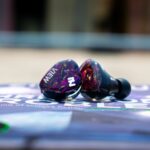
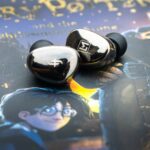
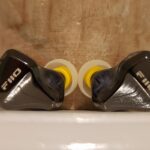
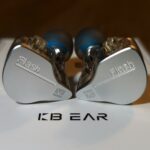
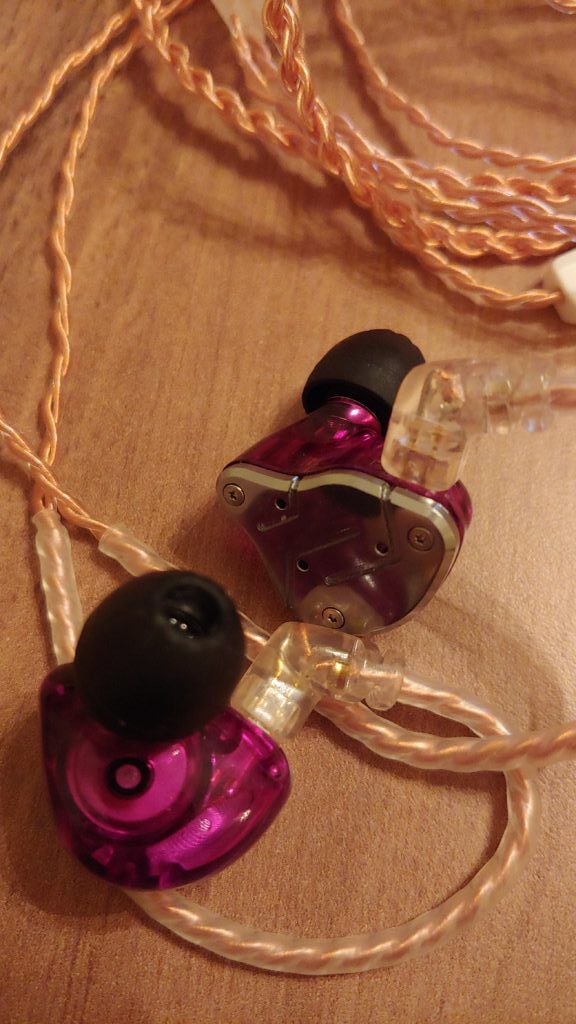
I was very curious to try them because Kiwi Ears has demonstrated a certain mastery in tuning multi-driver IEMs. But what surprised me even before the sound was its size. The Kiwi Ears Septet is extremely compact for the number of drivers it has, practically identical to a single-driver IEM, which makes it very interesting because even those with small ears can wear them.
Thanks to Kiwi Ears for this review unit.
I’m not an audiophile; I’m just a guy who likes to test out different IEMs and DACs and spends a lot of time listening to music. I fall into the audio enthusiast category.
So I’m not going to use super technical words to review it, but I will do my best to describe it.
Tech Specs:
- Drivers: 1DD+4BA+1Planar+1PZT
- Crossover: 5-way
- Sensitivity: 104dB SPL/mW
- Impedance: 15Ω
- Frequency Response: 8Hz – 30kHz
- Cable Details: 0.78mm 2-Pin Connector
- Cable Length: 1.2 Meters modular
Packaging:
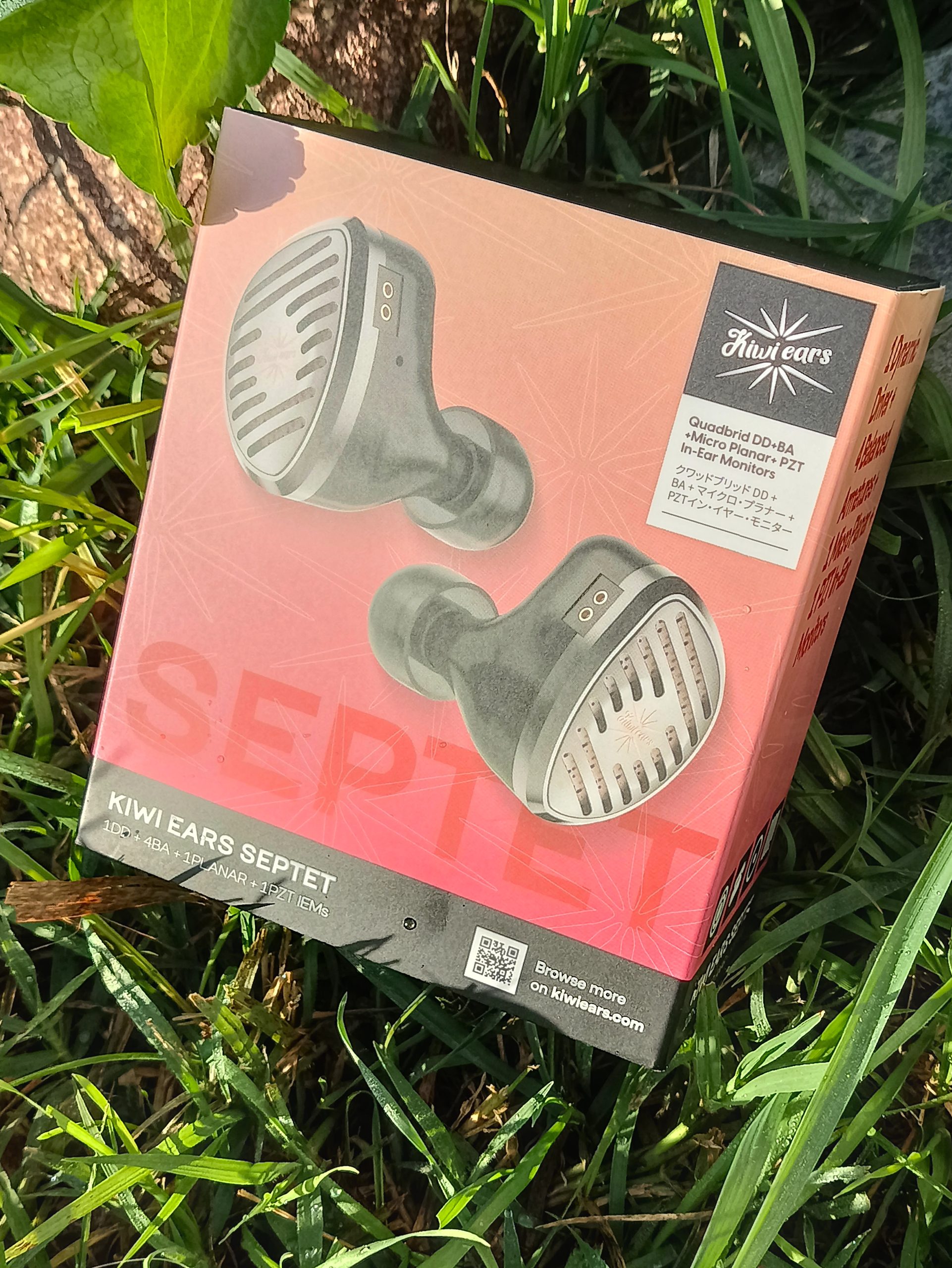

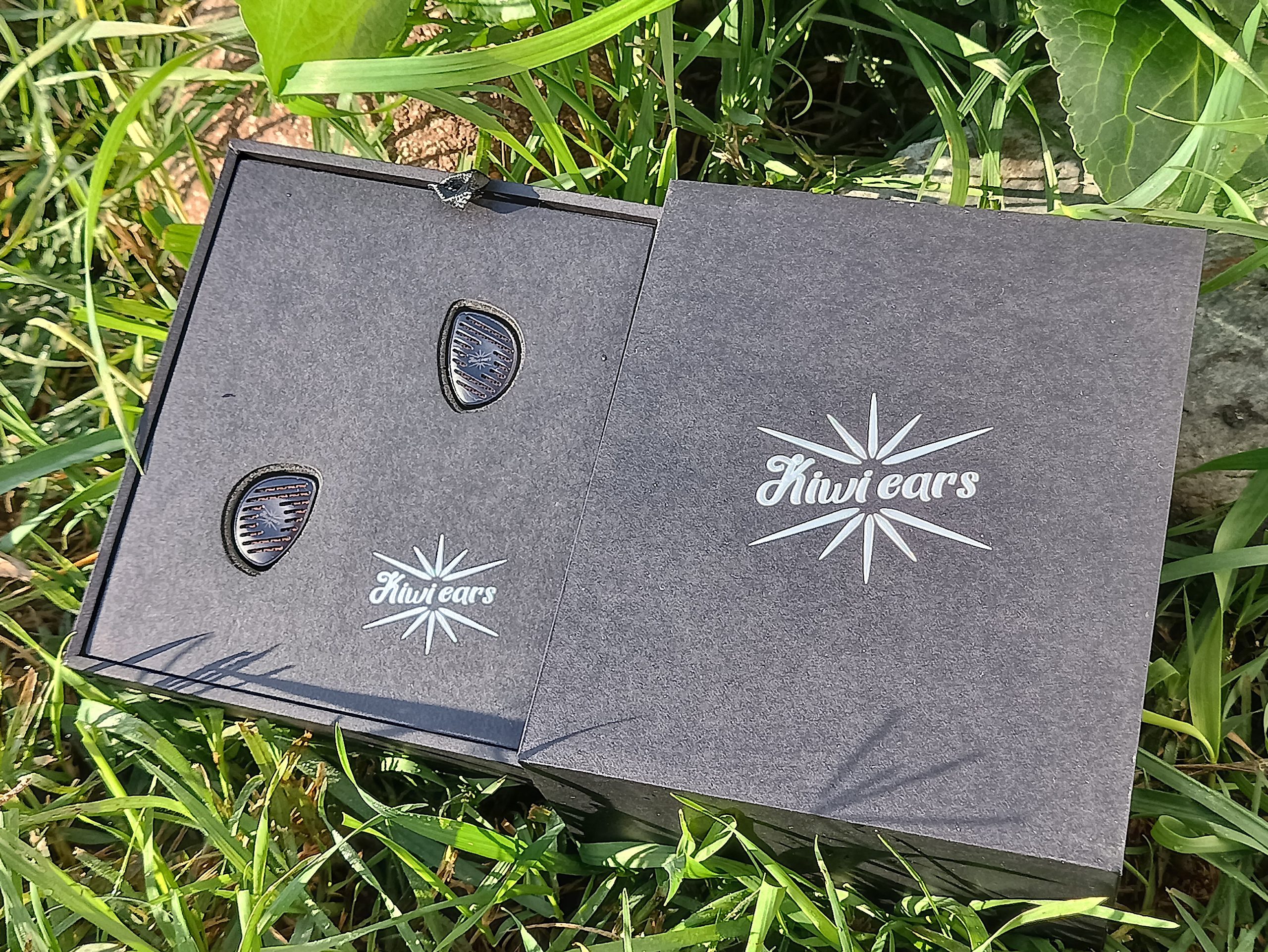
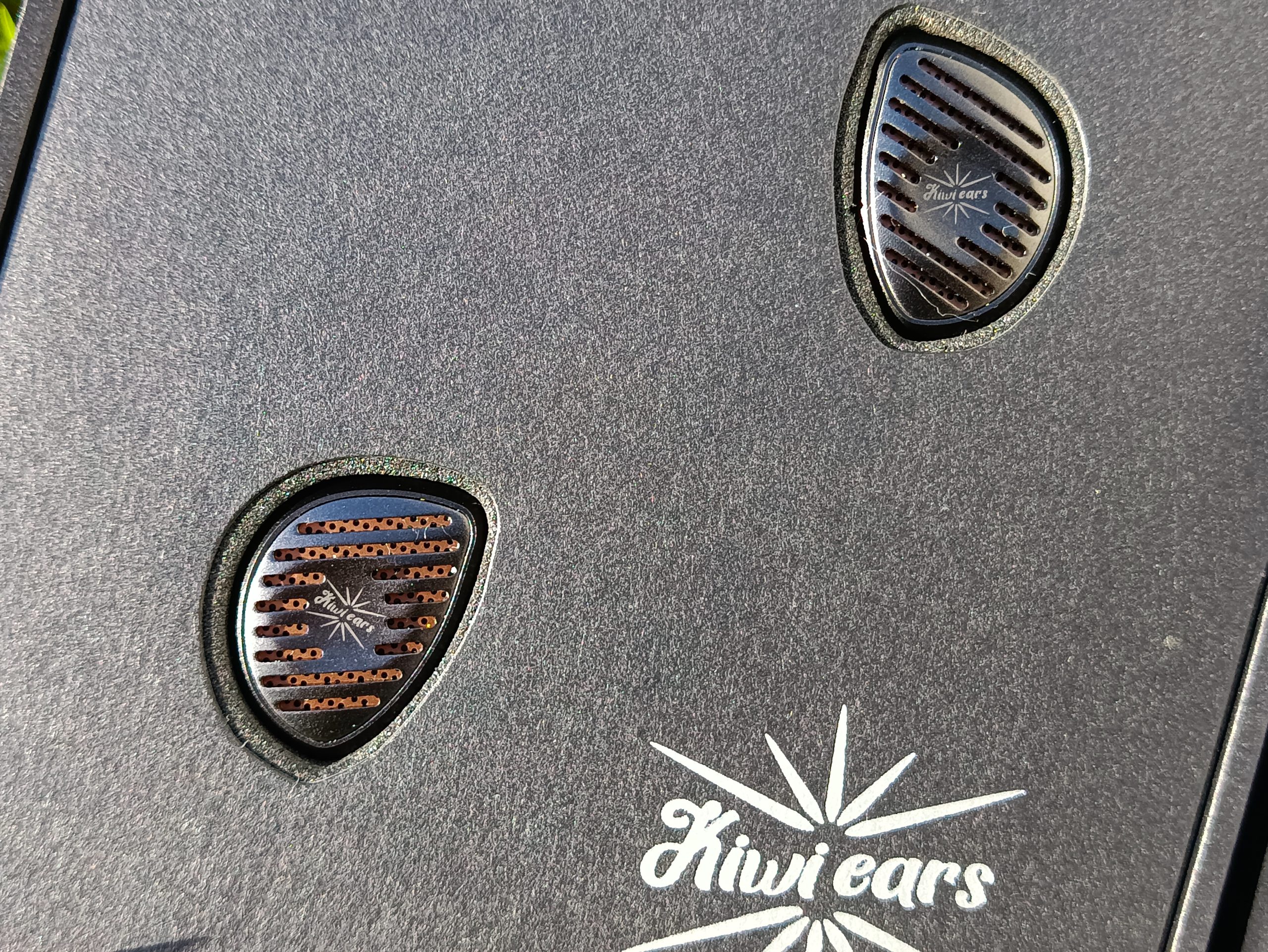
As always, the Kiwi Ears packaging is very colorful but serious at the same time.
Inside, we find:
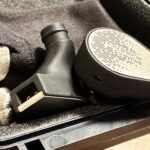
- Branded hard case
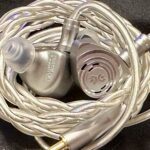
- Modular cable
- 6 pairs of Eartips (Narrow Bore, Wide Bore)
- Manuals and warranty sheets.
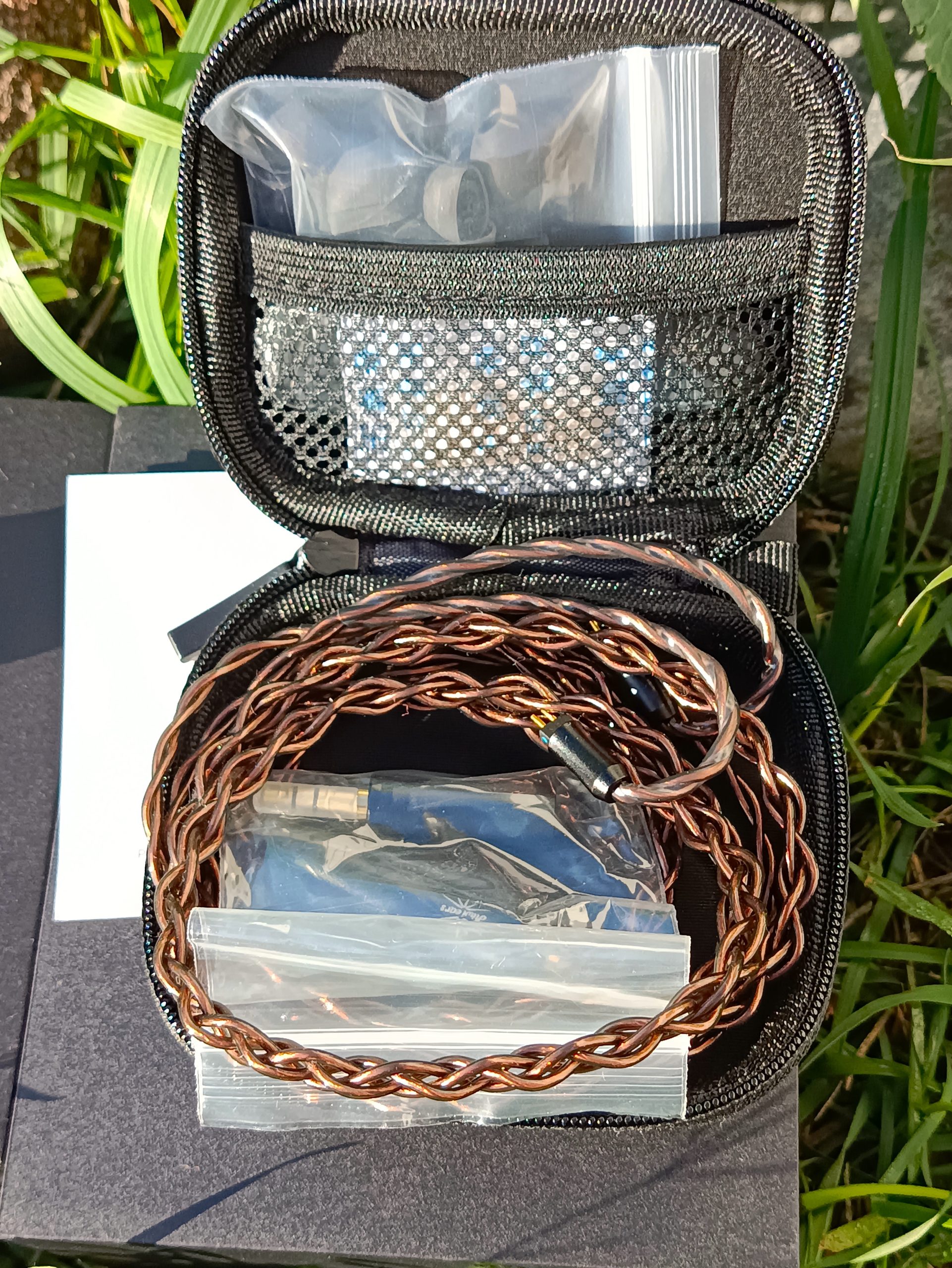
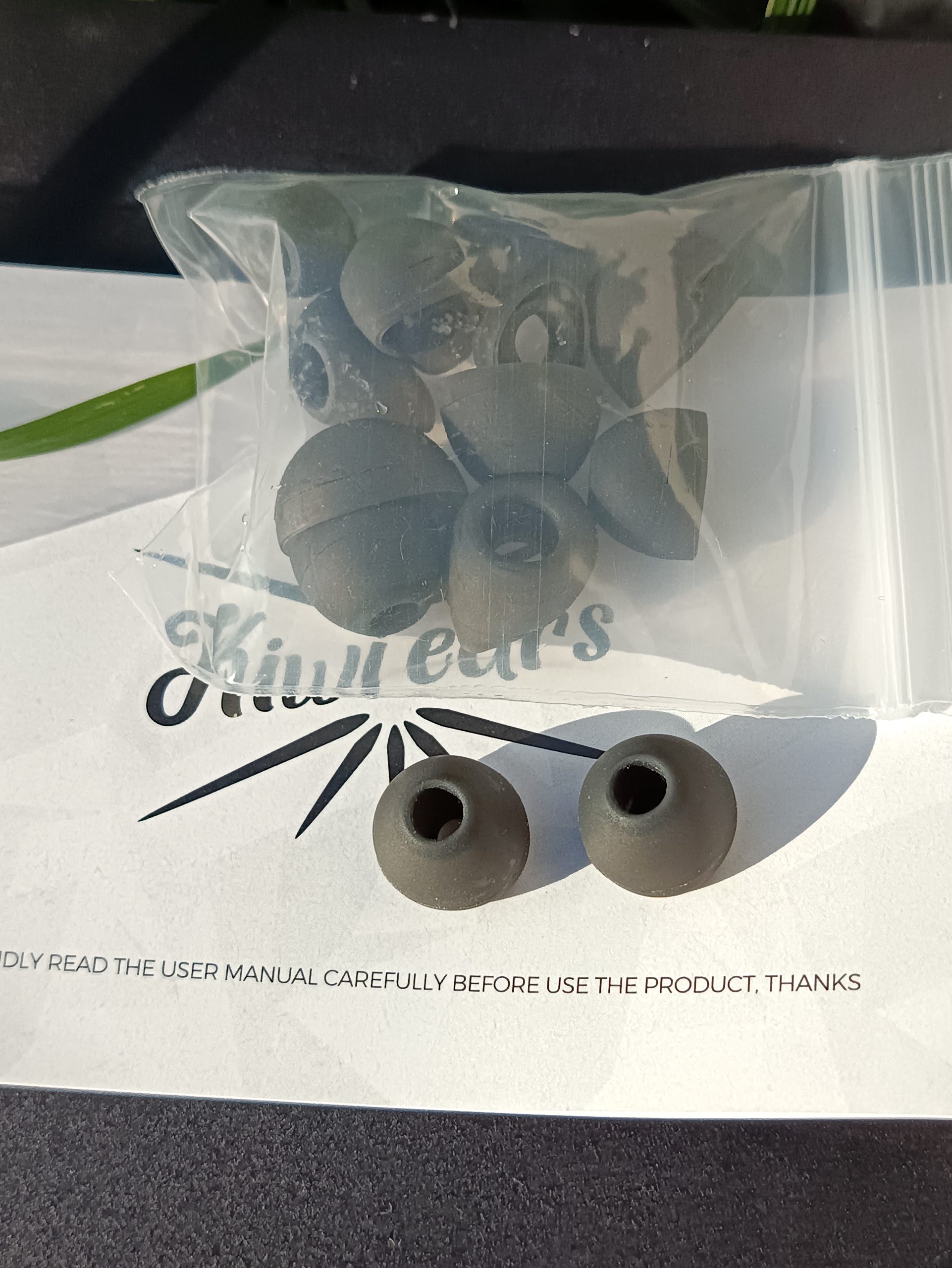
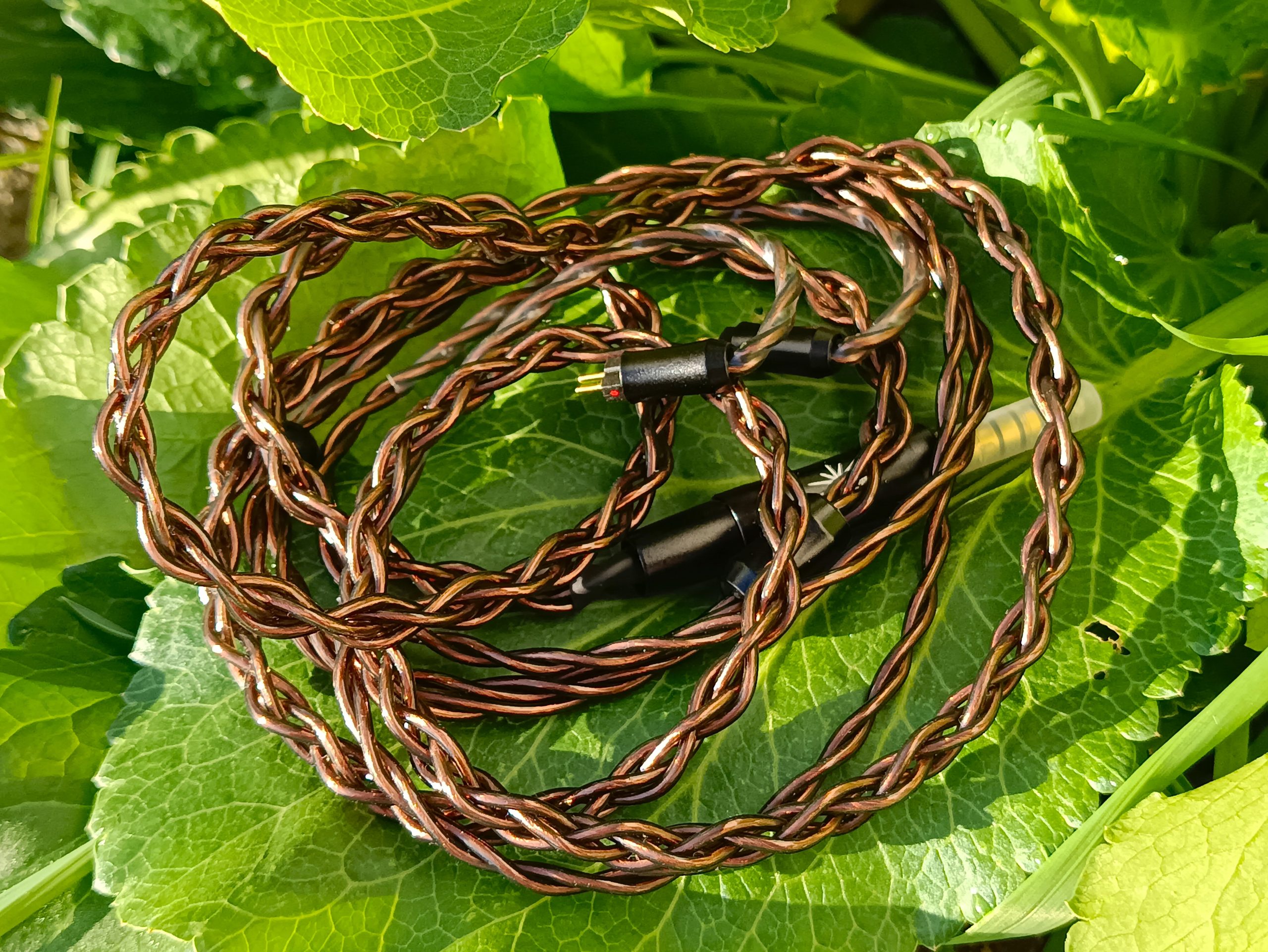
The set isn’t particularly expensive; in fact, it’s remarkably affordable for this type of IEM, but I have to admit that the included Eartips don’t do the product justice at all. An upgrade is needed immediately. The modular cable is nice and functional.
Design/Build Quality:
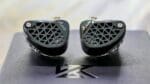
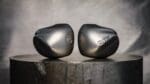
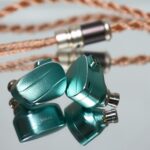
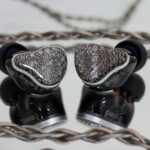
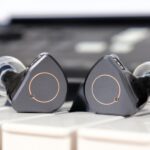
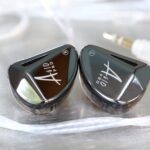
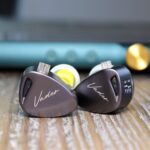
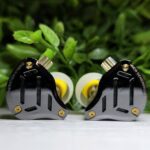
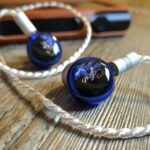
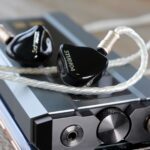
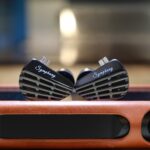
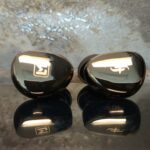
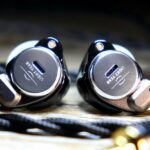
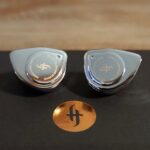
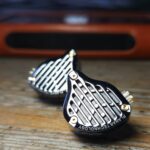
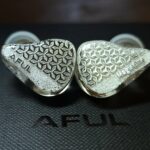
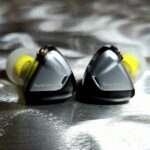
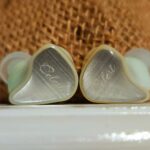
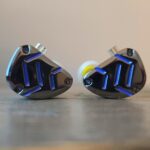
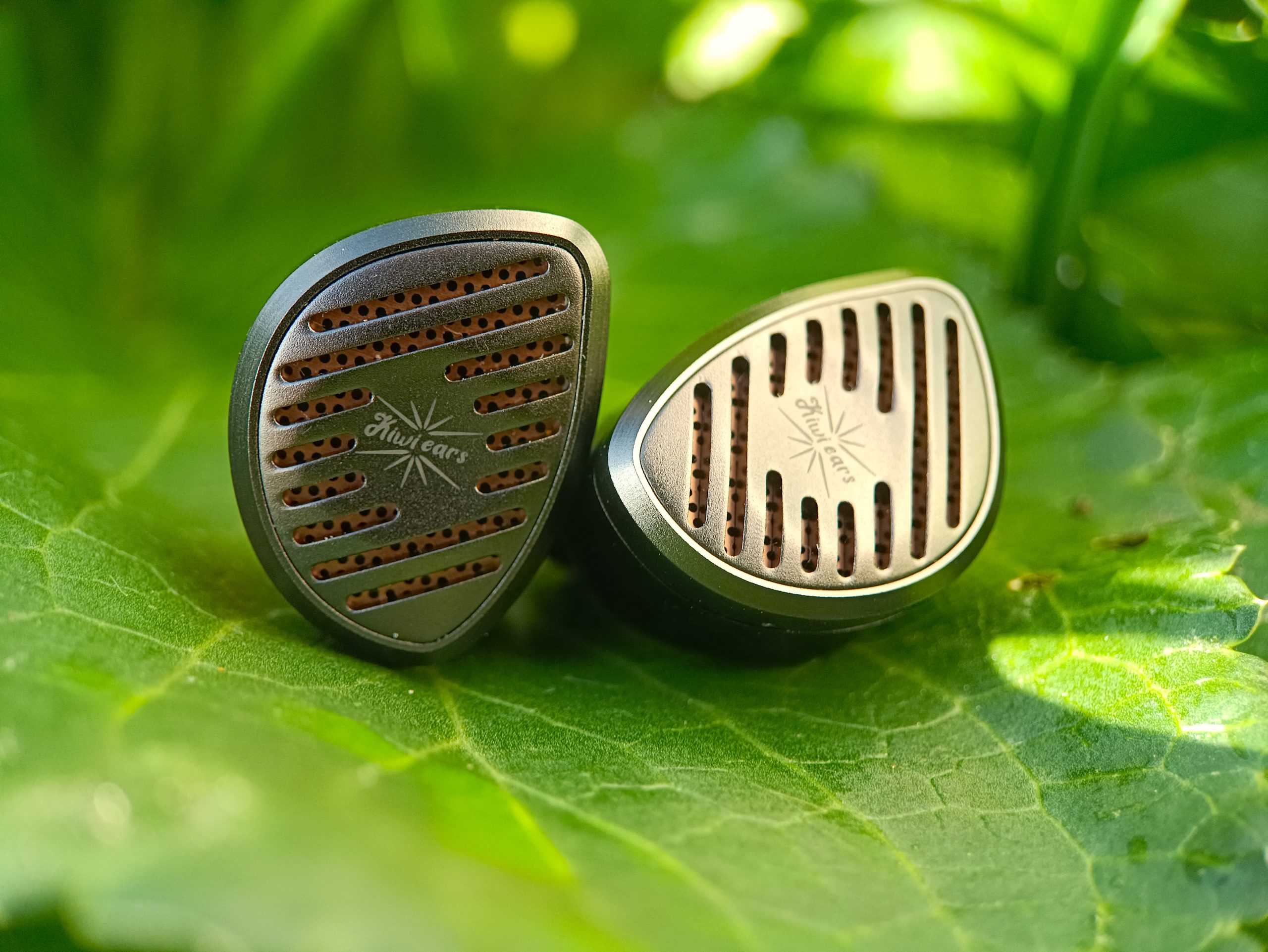
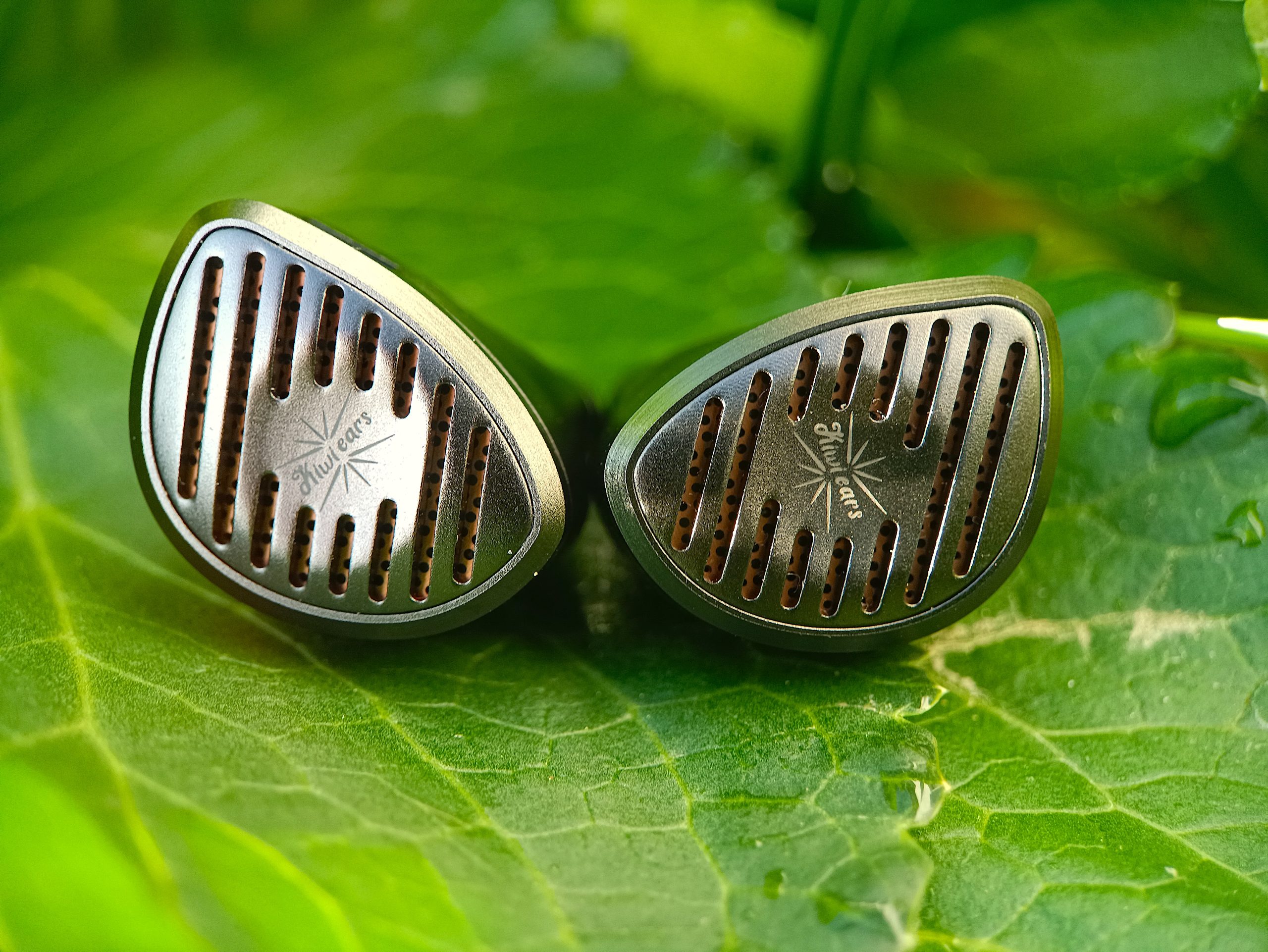
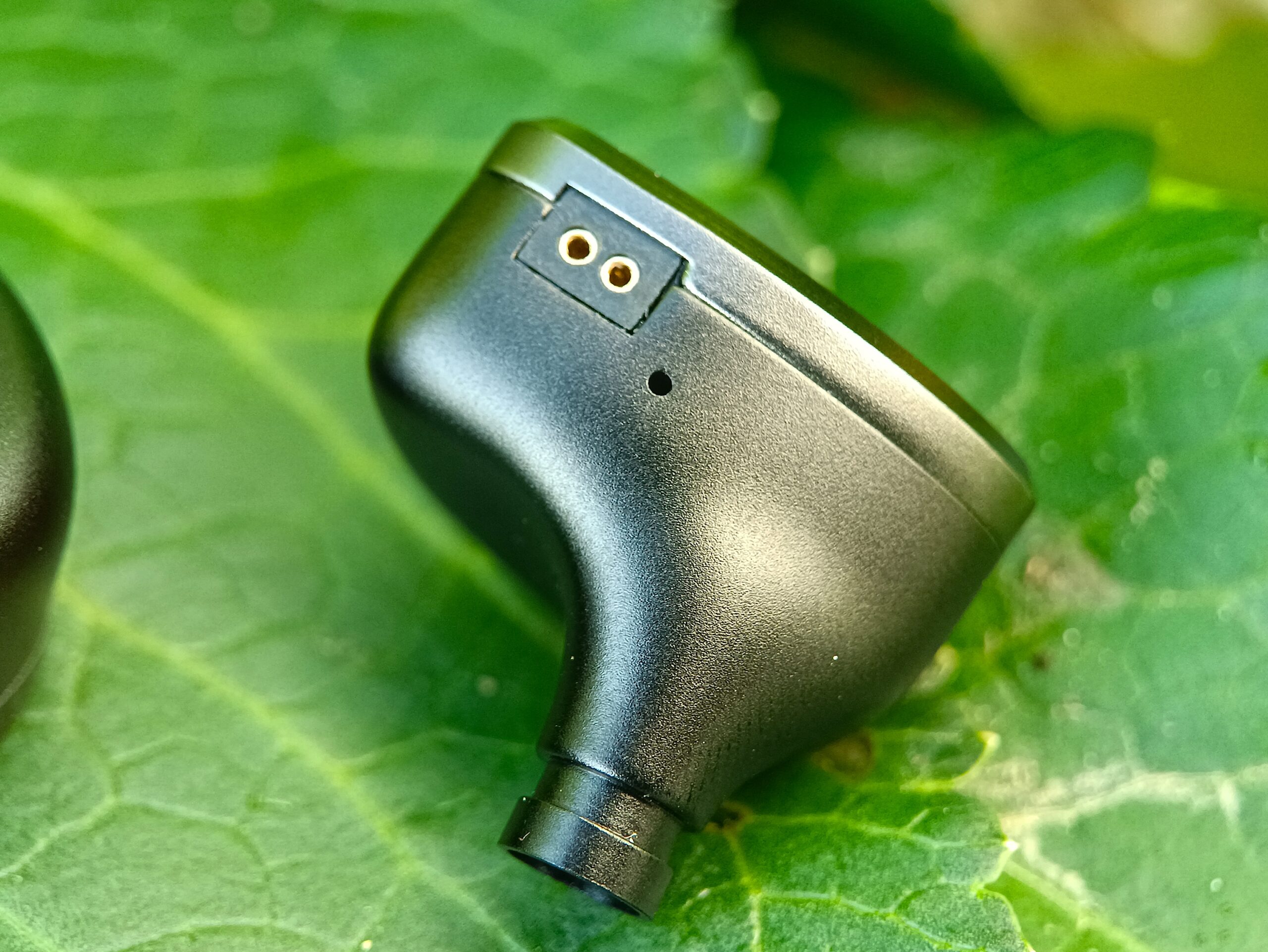
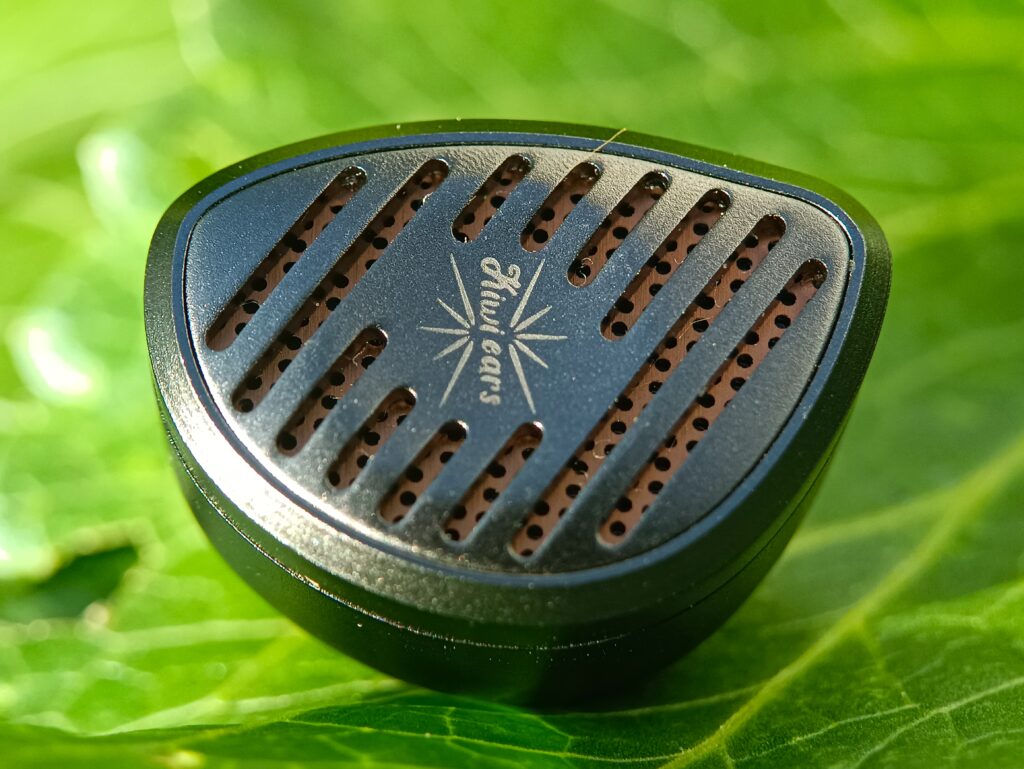
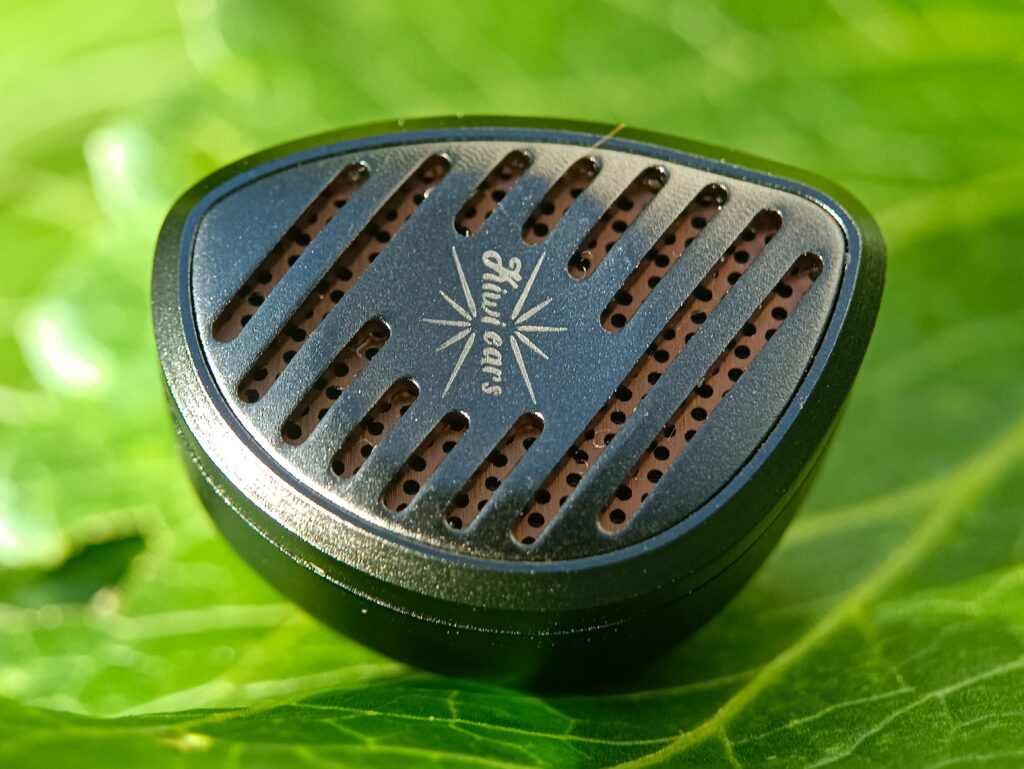
The Kiwi Ears Septet has a shell that appears to be CNC-machined from a block of aluminum, but I haven’t found much information about it. But since it’s metal and very light, it can’t be anything else. Inside, there are definitely the drivers in a resin skeleton, followed by tubes that carry all the drivers to the nozzle. They did a really clean job, especially in such a small space. It took two years to develop, and its open-back design isn’t just about aesthetics; it’s also truly functional. Each driver draws air through the grilles, resulting in a sound that’s very similar to open-back headphones. Obviously, this solution makes it less insulating than other IEMs.
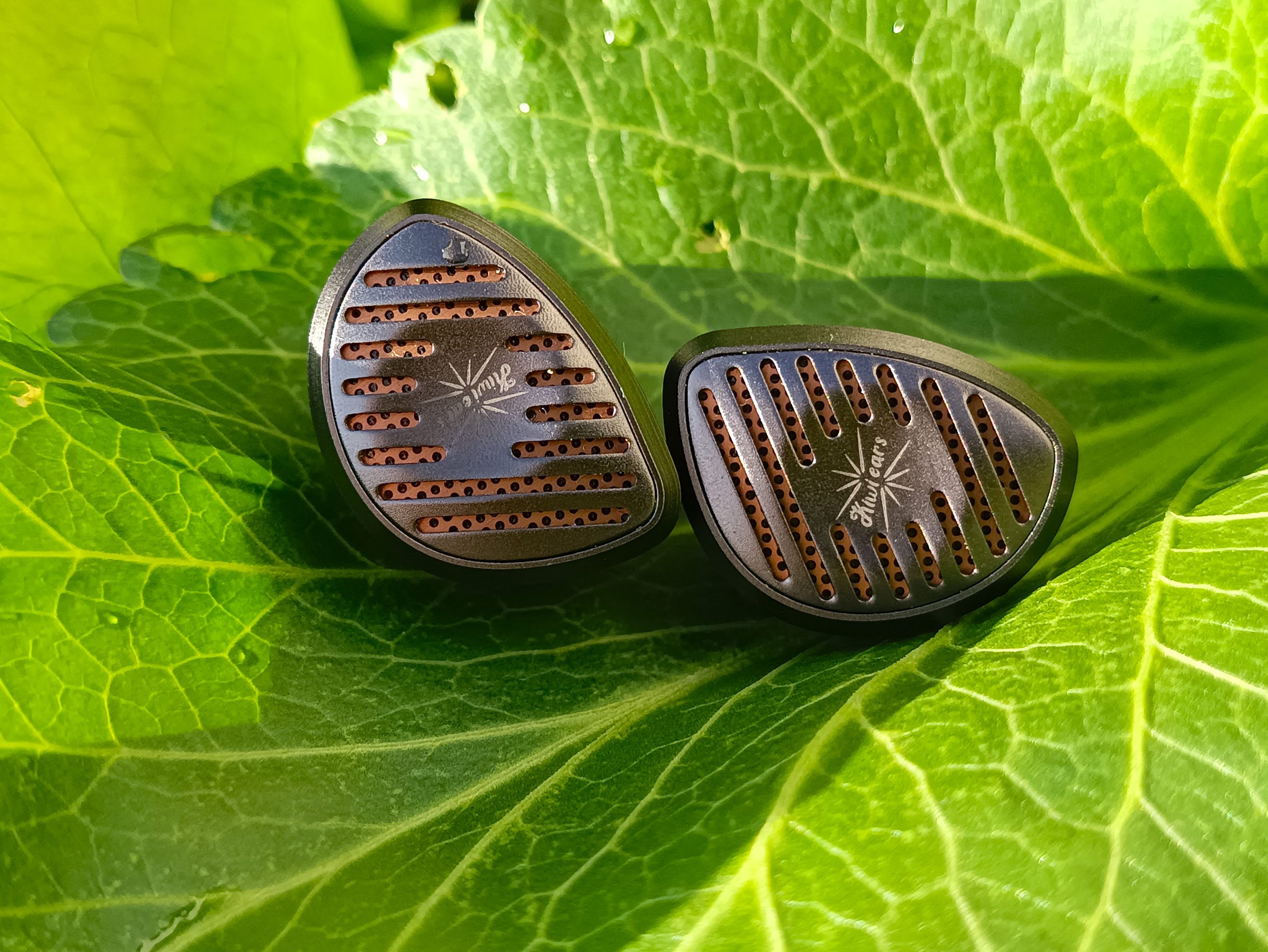
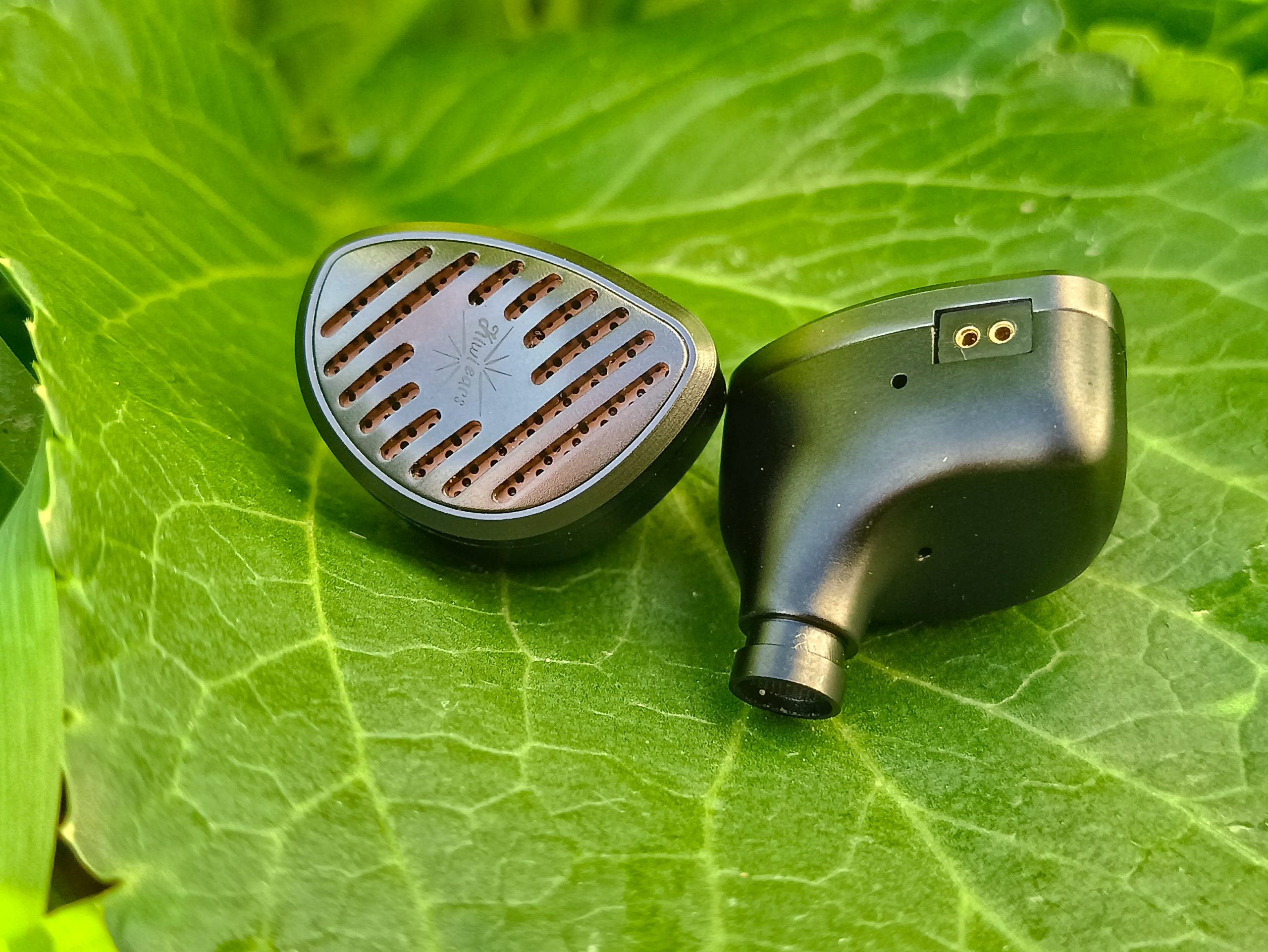
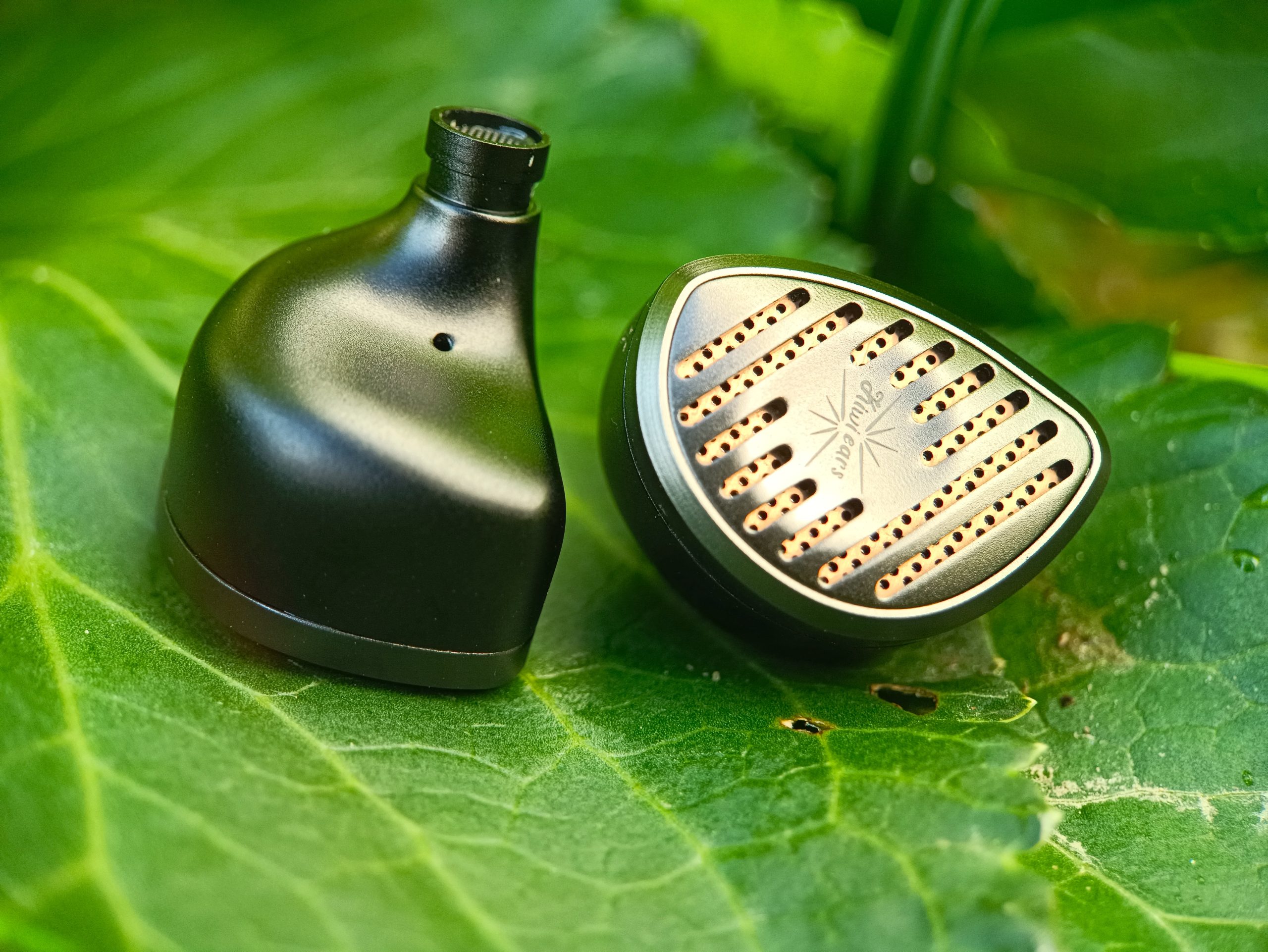
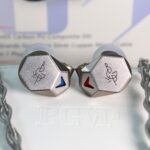
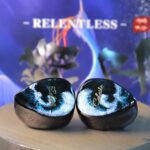
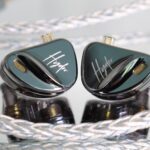
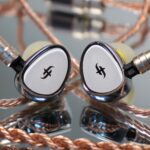
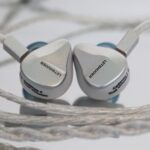
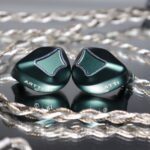
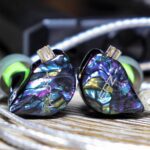
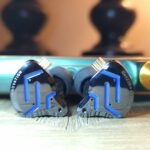
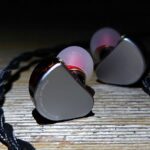
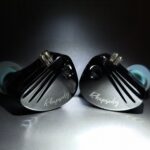
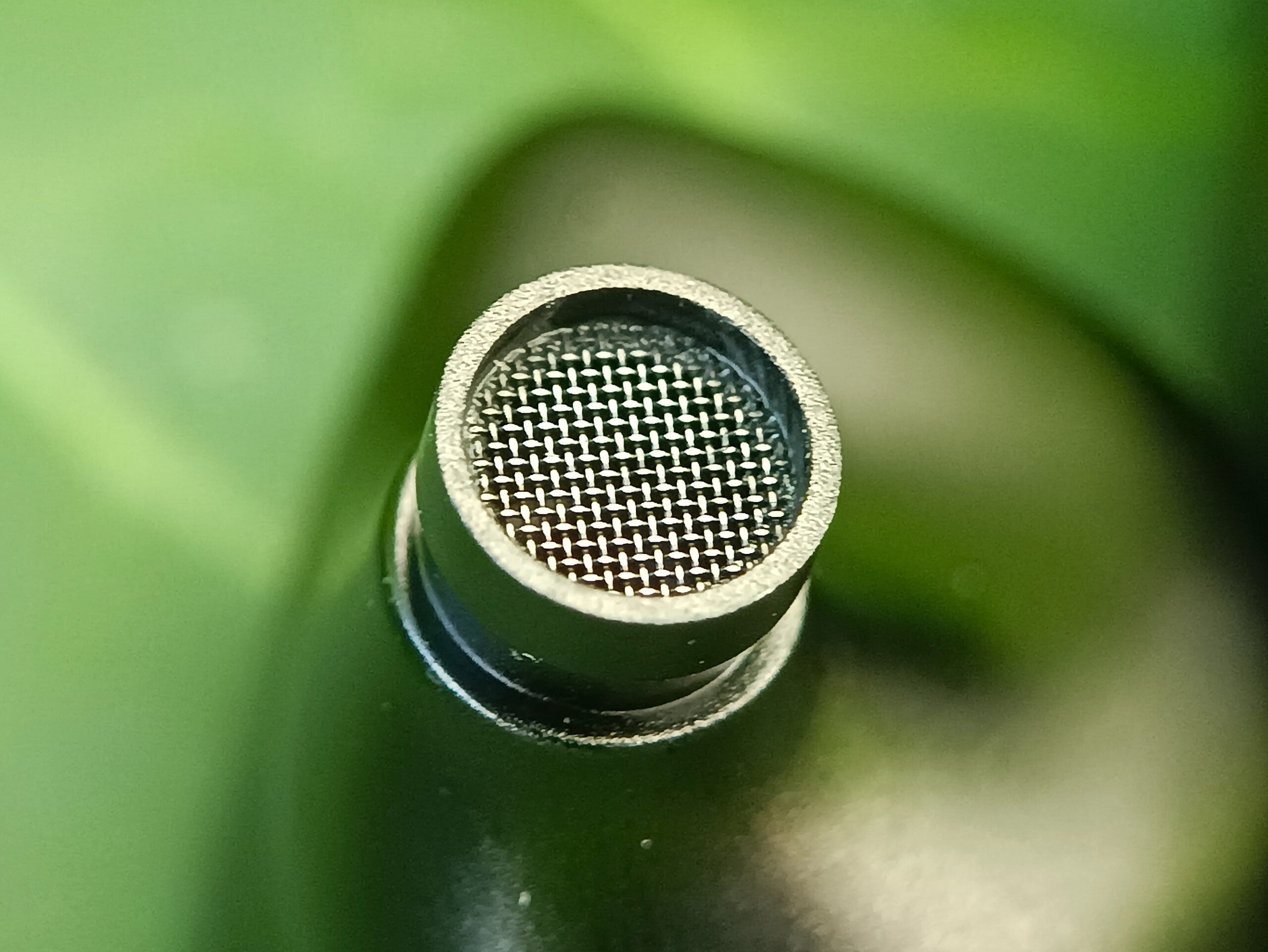
The IEM faceplates are very distinctive and beautiful, and each IEM has a ventilation hole before the nozzle and one near the connector. Their size and lightness are truly impressive considering the competition that usually produces quite bulky IEMs. Lately, they have been growing in height rather than length, but the Kiwi Ears Septet is simply like a normal IEM. So, a design that is also an integral part of the IEM itself.
Initial sound impression:
The Kiwi Ears Septet surprises from the very first moment, separating each sonic element with meticulous precision. The 5-way crossover, along with the 7 drivers per side, performs an excellent job, but it’s not just that that delivers such a similar result, but also the ability to tune such a configuration. Kiwi Ears is demonstrating a certain skill; after a slow start, they’ve taken an almost frightening pace in churning out new products. Its open-back design isn’t just aesthetic; when you turn up the volume, the sound actually comes out through the back, a sign of the breathability that gives it that open-back effect that expands the soundstage very naturally. Of course, it’s important to keep in mind that this feature reduces isolation from external noise, which isn’t easily absorbed anyway. At 30% volume, in my opinion, it’s already difficult to hear external noise.
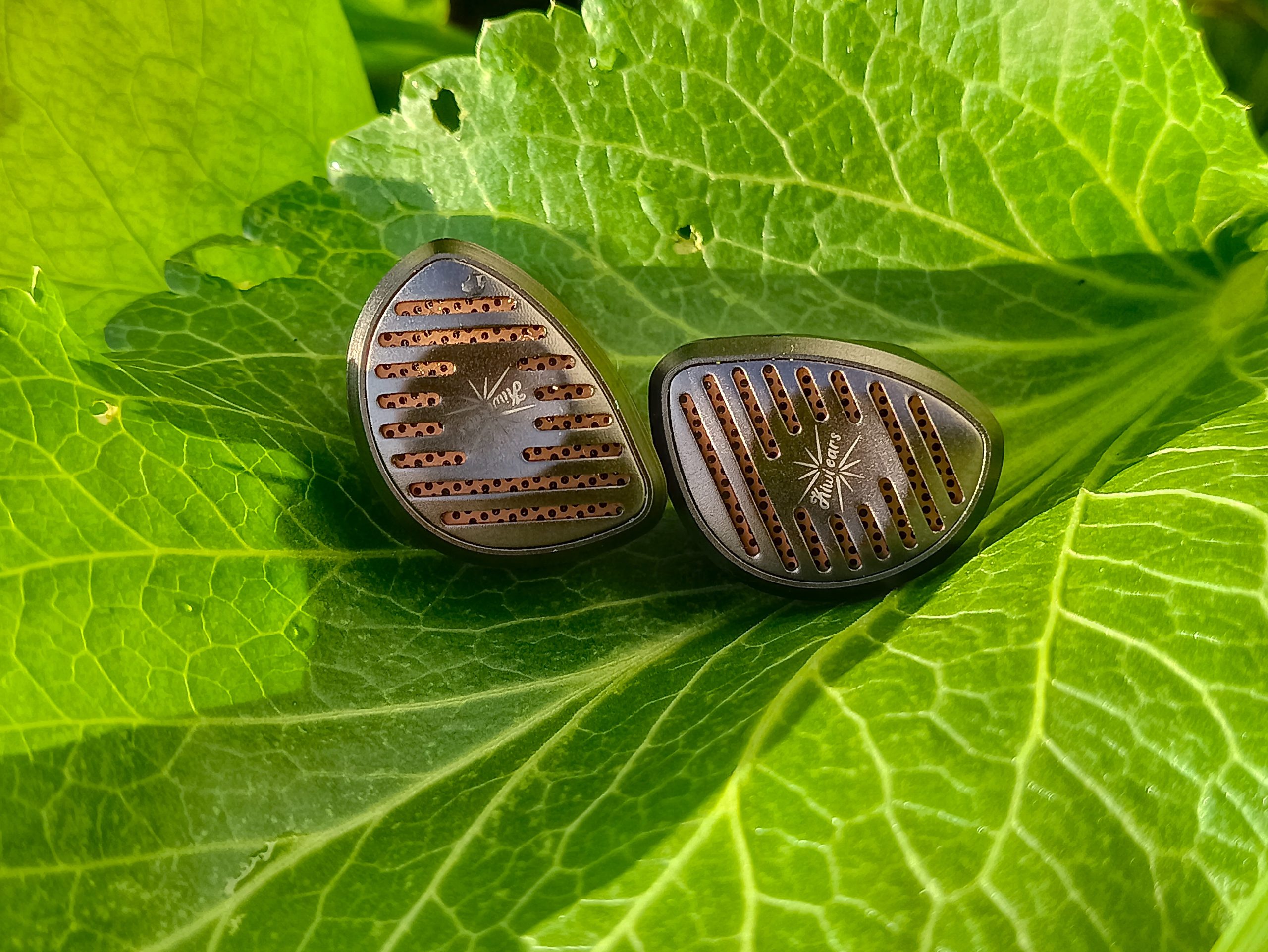
Returning to initial sonic impressions, one is surprised by its precision in recreating a rich and expansive soundstage. I did my first test with the Muse Hifi M4, and I immediately noticed that despite the stated 15 ohms, its sensitivity isn’t particularly high. The Muse Hifi M4 wasn’t able to bring out the best in the Septets, but since I was away from home, I had to make do until I got back to base.
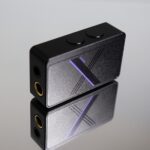
I tested them with the Creative X5, which seems to be the most capable of my DAC/AMP, and until now, I’d actually listened to them at half their potential.
Even reading the reviews, I see conflicting opinions, and I think this is due to their sensitivity to the source they’re connected to. A lot of power is needed to get a proper low-frequency response; otherwise, they become lean and tend to be brighter than they should be.
Equipment used for testing:
Device:
- MacOS
- Poco M4 Pro
Software:
- Amazon Music UHD 24-bit 96kHz
DAC:
- Muse Hifi M4 (Weak power – brighter)
- Fosi Audio K7 (Nice sound response & warmer)
- Fiio KA17 (Right power and warmer presentation with increased bass response)
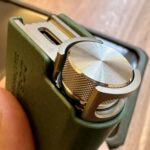
- Creative SoundBlaster X5 (Flat response with a load of power)
Comfort, Fit & Eartips:
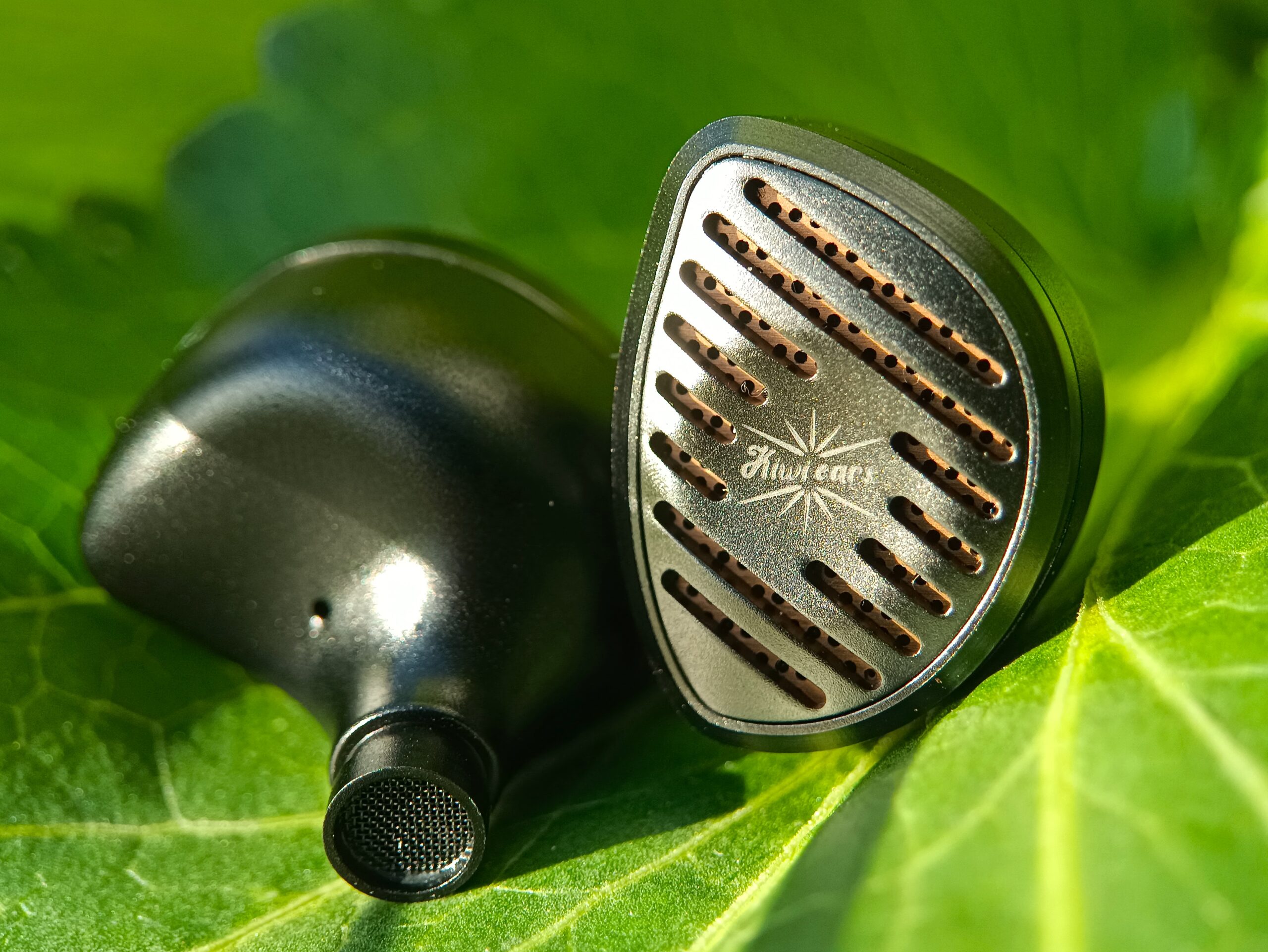
The Kiwi Ears Septet isn’t the most comfortable Kiwi Ears model, but it’s definitely the most comfortable and compact hybrid with 7 drivers per side. I can’t recall any IEMs being this small from any other manufacturer. Obviously, the Eartips need an immediate upgrade; the stock ones are very basic, and at least in my case, I haven’t found anything that provides a proper seal. In the end, the ones that provided the most stability were the Divinus Velvets, which I now consider universal in terms of comfort. I find the included cable convenient; no one’s stopping an upgrade, but in my case, they’re more than adequate.
Final sound impression:
The Kiwi Ears Septet varies greatly depending on the DAC/AMP used. With the Creative X5, the response is very FLAT with plenty of power available, but switching to the Fosi Audio K7 or the Fiio KA17 yields two different results. The Fiio Audio K7 has a response that boosts both treble and bass, while the Fiio KA17 seems to have a sort of filter that expands and increases the clarity of the image, adding a meaty bass, albeit very similar to the Fosi. With these results, it becomes difficult to give a precise review of the Kiwi Ears. I would like to make this premise: the sound quality varies greatly depending on your source. In any case, I will take the best result into account.
The Kiwi Ears Septet is not the most versatile IEM; it favors some genres over others, and in my opinion, it does better with jazz, R&B, and soul, while it isn’t always at its best with EDM.
What certainly remains unchanged is the separation of sounds achieved by the different drivers and the crossover. The meticulous separation is surprising, allowing you to perceive each sound distinctly, with a wealth of detail that you might miss or barely notice with other IEMs.
Bass
The bass in these Kiwi Ears Septet focuses on quality rather than quantity. It’s the kind of bass that doesn’t take center stage but stands out for its clarity and definition. It’s a bass that, when needed, gently accompanies bass guitar strings or deeper vocals. The subbass has that airy feel typical of open-back headphones, adding depth to the soundstage. The bass focuses on naturalness rather than emphasis, creating a more realistic soundstage.
Mids
The Septet’s mids are perhaps the true stars of the show, with a timbre that does justice to the vocals and musical instruments. What I noticed in the vocals is that they can sometimes sound “cold,” but that’s absolutely not the case when you hear the timbre of the BA or PZT drivers. In most cases, the vocals and instruments are placed front and center and manage to convey the right emotion in each track, but in some cases, they lack the right depth. I noticed this especially on tracks that weren’t too clean or too chaotic.
Another thing is that the upper mids can sometimes become sharp; it’s rarely noticeable, and I’m not particularly sensitive to it, but I think it’s worth mentioning. As mentioned previously, they perform best with genres other than EDM or rock.
Treble
The Kiwi Ears Septet’s highs are truly accomplished, thanks to the micro-planar driver and piezoelectric pickup, which deliver a wealth of detail in every situation and offer countless nuances rich in macro and micro details. The sense of openness is solid and guaranteed by its open structure.
The treble is fairly controlled and not overly driven, but occasionally a harsh edge can be detected in certain tracks. Overall, I find it a good compromise.
Soundstage and Imaging:
In this area, the Kiwi Ears Septet performs admirably; its ability to stage and create a precise image is very high. The soundstage extends evenly in multiple directions, yet naturally in an airy environment/space. The image is always very precise if the track is of good quality, but otherwise, any imperfections are immediately noticeable. Layering is also very precise, making all components well separated and clear to listen to.
Comparison & Conclusion:
Honestly, it’s difficult for me to make a precise comparison because it’s a very unique IEM with an equally unique configuration, and it also has an open-back design. Therefore, a comparison with other models makes sense up to a certain point.
I believe that each IEM is created with a specific target audience and a specific category of music in mind. Overall, it’s an exotic hybrid with a particularly unique driver configuration and such compact dimensions that it’s truly very interesting. Any comparison should be made taking into account both IEMs and full-size headphones, perhaps open-back ones, since the Septet is exactly the middle ground between the two. At this price, it’s definitely an interesting model.
If anyone is interested in some comparisons between the models I own, you can write me a comment or send me a private message.
8.7/10
Pros:
- Super Good Build Quality
- Extremely precise & detailed
- Well-tuned, Natural
- Bass definition and control
- Open Back Feeling in an IEM
- Extra Exotic Driver Combo (7 drivers x side)
- Well-balanced, crispy mids
- Open soundstage
- The price is quite impressive
Cons:
- Eartips can be better
- Needs Power to shine (this affects the bass response)
- Open-back design isn’t just for aesthetics, but also reduces isolation
- Treble can be spicy on some tracks or voices
- Pretty sensitive to the source
More Information:





No Comment! Be the first one.