






















































Testing a $7 USB-C Dongle DAC
Table Of Content
Introduction
Over the past few months, I’ve had the opportunity to test a wide range of portable DACs, from highly refined models to much simpler ones. During those reviews, one question kept coming back to me: how much do you really need to spend to improve the sound of a smartphone or laptop?
So I set myself a simple challenge: find the cheapest USB-C DAC I could, as long as it cost less than $10 USD.
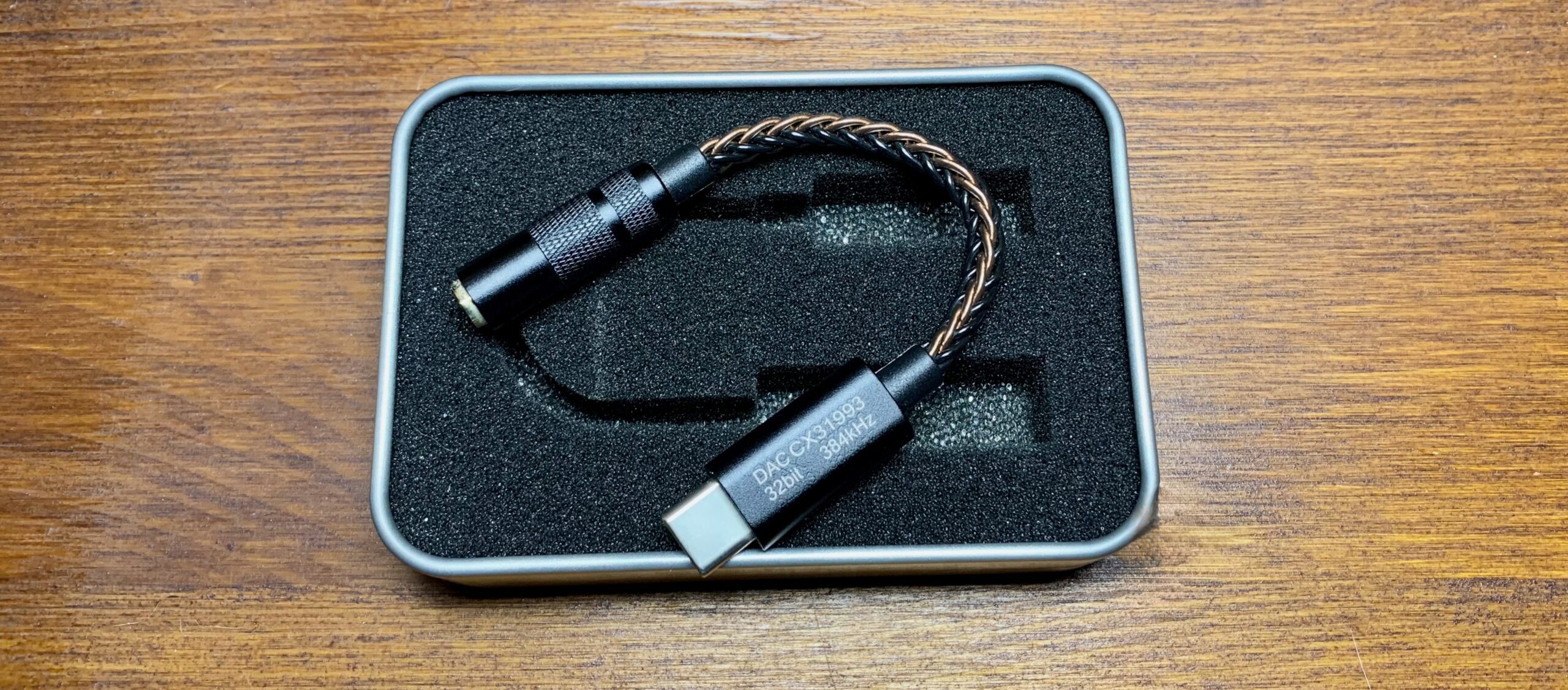
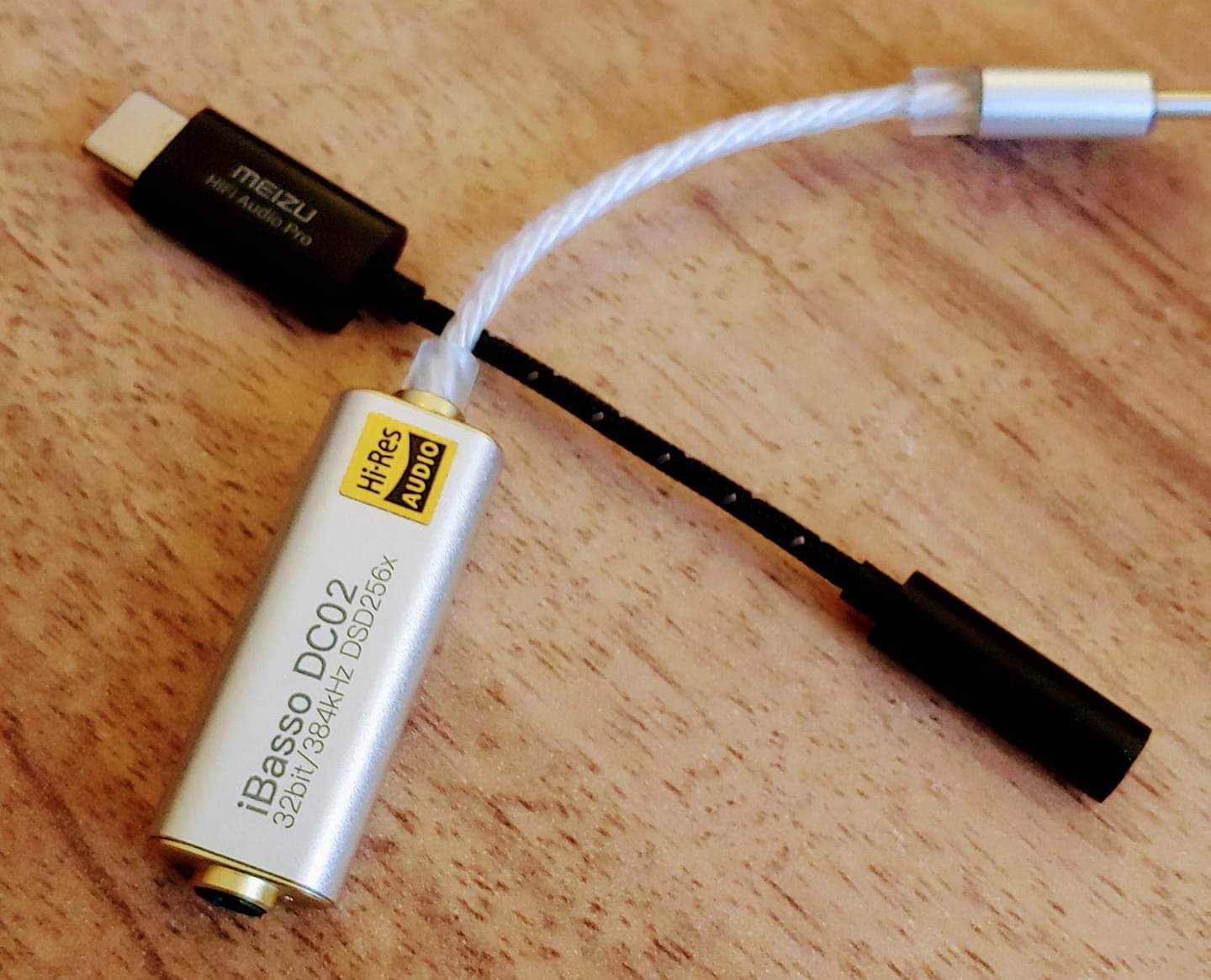
After a bit of searching, I came across this tiny dongle on Temu for around $7 USD. No well-known brand, no fancy packaging, and certainly no miraculous performance claims. Just a small USB DAC built around the extremely common Conexant CX31993 chipset.
At that point, the question became unavoidable.
Can something this inexpensive actually improve the sound over the built-in audio output of a smartphone or PC?
Packaging
I have to admit, the packaging caught me by surprise.
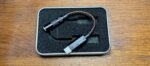
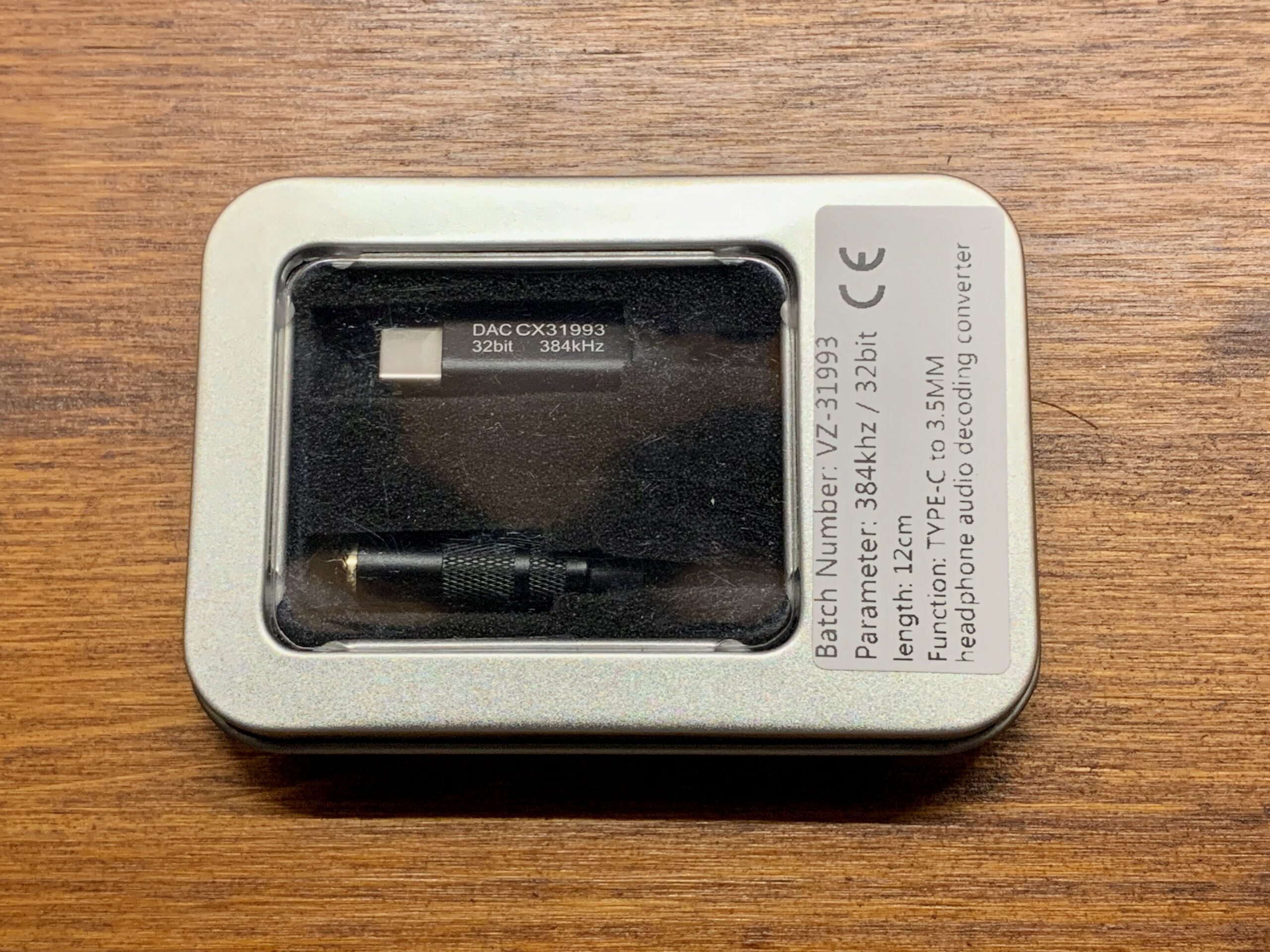
I was expecting the usual plastic bag or a plain cardboard box. Instead, the dongle comes inside a small metal case with a transparent window, an unusually refined presentation for a product in this price range.
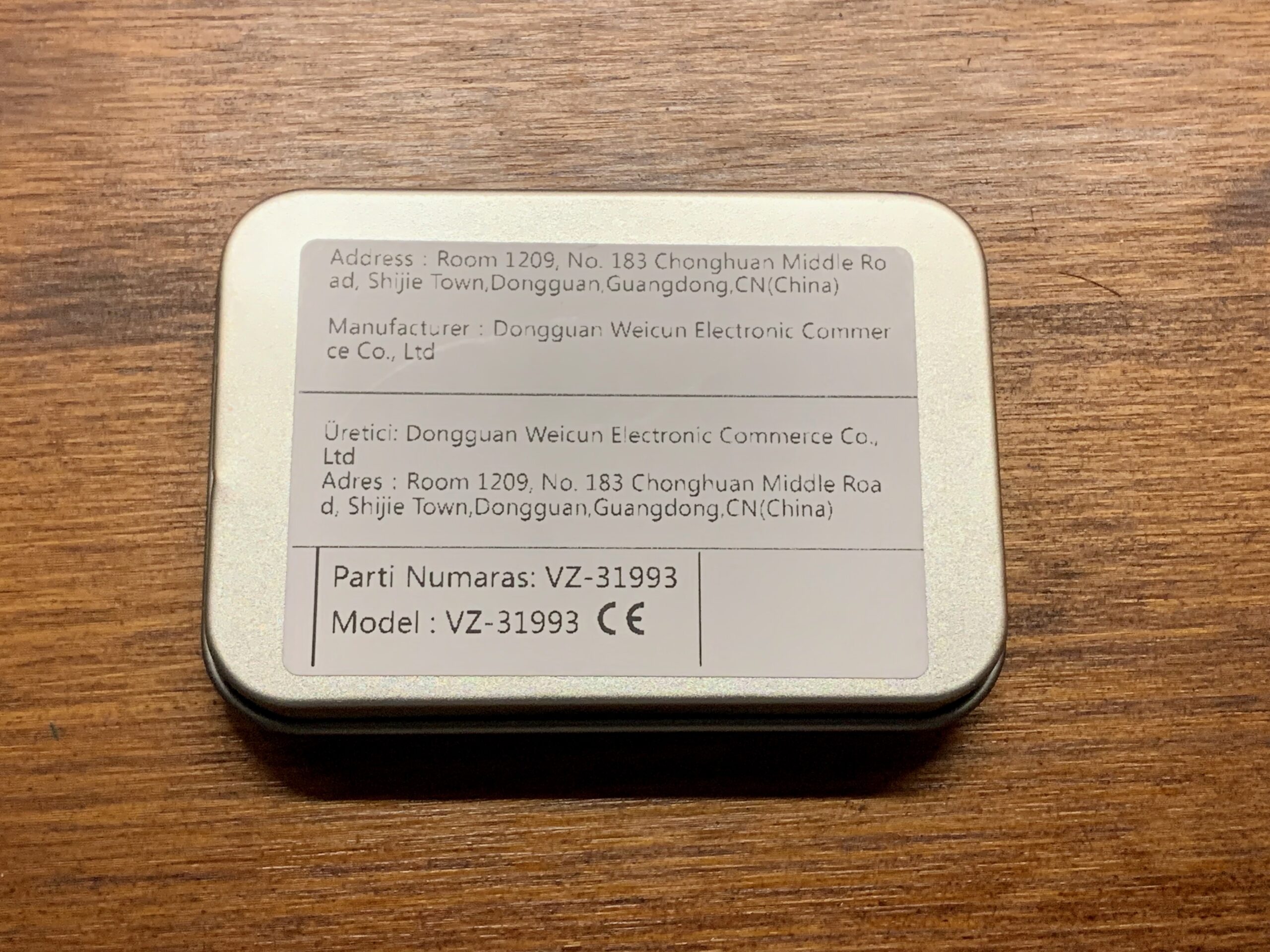
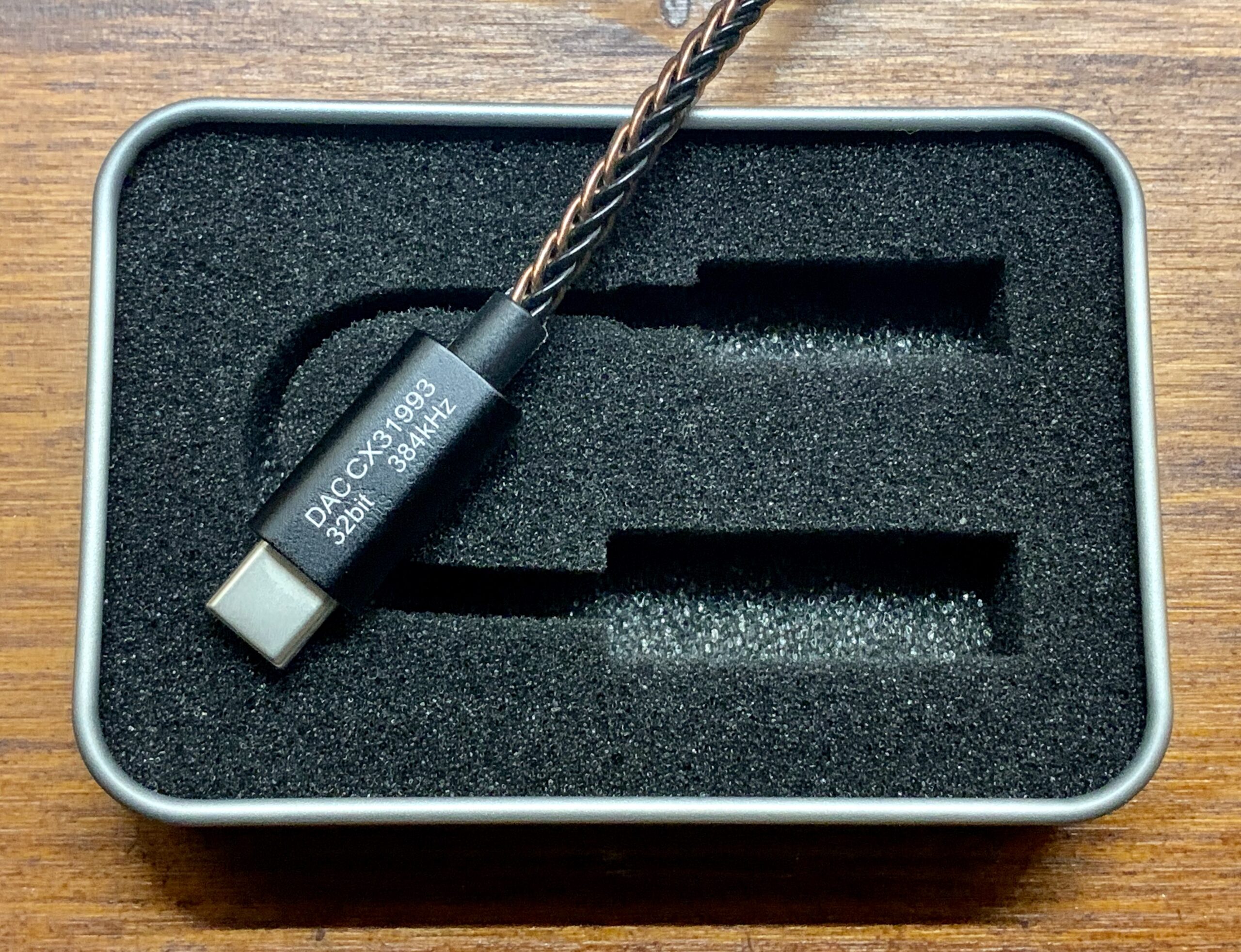
The inside is simple but well-organized. A foam insert keeps the dongle securely in place during transport, while a couple of stickers display the essential technical specifications and the manufacturer’s information.
As expected, there are no extra accessories, adapters, or user manuals included, but given the overall price of the product, expecting anything more would have been unrealistic.
Overall, the first impression is surprisingly positive.
Technical Specifications
| Specification | Value |
| Purchase price | Approximately $7 USD (at the time of purchase) |
| DAC chip | Conexant CX31993 |
| PCM resolution | Up to 32-bit / 384 kHz |
| Output | 3.5 mm Single-Ended |
| Connection | USB Type-C |
| Compatibility | Android, Windows, macOS, Linux, USB-C iPad, USB-C iPhone |
| Plug & Play | Yes |
| Cable length | Approximately 12 cm |
| Housing material | Anodized aluminum |
As is often the case with OEM products like this, the manufacturer provides very little information about the amplification stage, output power, or electrical measurements. For that reason, I chose to base this review primarily on real-world listening rather than on specifications that cannot be independently verified.
Build Quality
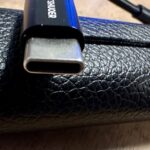
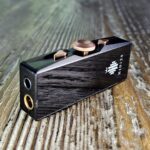
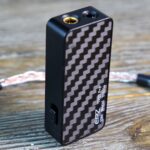
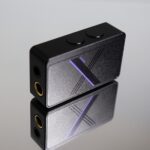
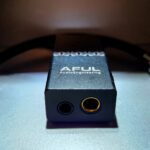
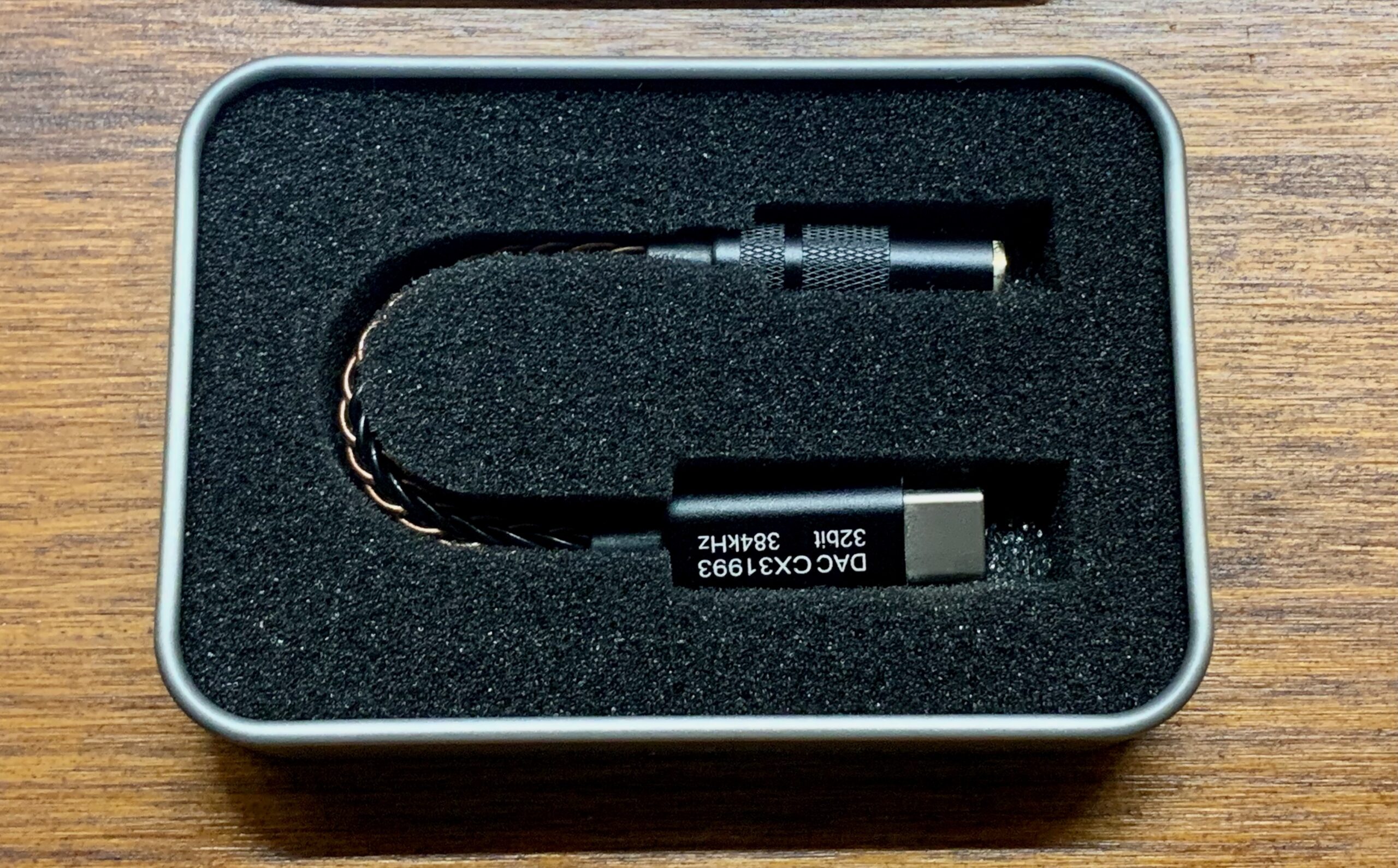
The dongle features a compact anodized aluminum housing that feels remarkably solid for such an inexpensive product.
The braided cable is short, soft, and flexible enough to prevent unnecessary strain when connected to a smartphone or laptop. Both connectors are well assembled and show no noticeable play or signs of poor construction.
Its compact dimensions and almost negligible weight make it easy to leave connected to a smartphone without becoming inconvenient during everyday use.
Naturally, this is not a product built with the same attention to detail as DACs that cost many times more. However, considering its price, it is honestly difficult to find anything better in this category.
Compatibility and Ease of Use
Using the dongle couldn’t be simpler.
Just plug it into a USB-C port and it is immediately recognized as an external audio device.
On Android, it is detected instantly without requiring any additional configuration. The same applies to macOS and Windows, where it is automatically recognized as a USB DAC.
Throughout my testing, I experienced no dropouts, hiss, or unusual background noise.
Power consumption is also very low, and in everyday use the impact on a smartphone’s battery is practically negligible.
First Listening Impressions
What stands out most is not the absolute sound quality, but the relationship between what you spend and what you get.
From the very first listen, the improvement over the built-in audio output of most smartphones is immediately noticeable. The presentation is more open, more spacious, and better defined. Vocals gain presence, instruments are easier to distinguish, and the overall level of detail takes a clear step forward.
The difference is so noticeable that after switching back to the phone’s built-in output for just a few minutes, it almost feels as though a veil has been placed over the music.
The soundstage also benefits from the upgrade. While it is still some way behind what dedicated DACs in higher price brackets can achieve, it delivers a more convincing and better-organized presentation than a smartphone’s integrated audio output. Instrument separation improves, and there is a welcome sense of depth that makes the listening experience more engaging.
Of course, its limitations become apparent when compared with dedicated DACs in a completely different league. But that is precisely the point. For less than $10 USD, the overall performance is remarkably convincing and makes listening to music far more enjoyable than relying on the built-in audio section found in most smartphones and laptops.
Sound Analysis
Bass
The bass is probably the aspect that impressed me the most.
Sub bass reaches surprisingly deep and, more importantly, it never feels loose or overly lingering. That is far from a given at this price point. I have come across dongles costing considerably more that deliver a fuller low end, but with noticeably less control. The result is bass that initially sounds richer, yet ultimately feels slower and, with certain headphones or IEMs, tends to weigh down the overall presentation.
This dongle takes a different approach. The low end is reasonably tight, with a good sense of rhythm and a quick response that keeps the presentation engaging without bleeding into the midrange.
Percussion is reproduced with convincing energy and impact. A kick drum, for example, clearly conveys both the attack and the physical punch of the instrument. What you should not expect is the level of microdetail offered by more refined DACs. The overall force of the performance comes through very well, while the finer nuances, such as the different materials of the drumstick or the subtle resonance of the drumhead, are less apparent.
For a device in this price range, however, the result is genuinely convincing and represents one of its strongest qualities.
Midrange
The midrange is surprisingly accomplished and is probably the area that benefits the most from moving away from a smartphone’s built-in DAC to this compact dongle.
Vocals are slightly forward, easy to follow, and presented with a natural timbre. They do not reach the refinement or microdetail of more sophisticated converters, but they remain convincing and thoroughly enjoyable to listen to.
Acoustic instruments also gain a noticeable improvement over a phone’s integrated output. Guitars, pianos, and string instruments sound more open, better defined, and above all, more natural. It does not uncover every tiny nuance of a performance, but the overall presentation is cleaner, more precise, and less compressed.
The general impression is one of a presentation that breathes more freely. Everything feels better organized, with improved separation between voices and instruments and a more natural reconstruction of the musical performance.
Considering the asking price, this is probably one of the aspects that surprised me the most. It is not the absolute level of performance that stands out, but the significant improvement it delivers over the integrated audio output found in most smartphones and laptops.
Treble
The treble is probably the part of the tuning that gives this dongle most of its character.
High frequencies are clearly present and contribute to an open and lively presentation. My impression is that the tuning deliberately favors a more energetic top end, most likely to avoid the closed and slightly muffled sound that is common with many integrated smartphone DACs.
This choice comes with a slight touch of roughness in the upper frequencies. Some cymbals, brighter string passages, or certain female vocals can sound just a little more forward than they would through higher-end DACs. I would not describe it as sibilant, nor did I ever find it fatiguing. Even during longer listening sessions, I never felt the need to lower the volume or take a break.
One area where it performs particularly well is the sense of air between instruments. While it cannot match the microdetail of more advanced DACs, it maintains good separation and presents a sound that feels open and enjoyable.
Overall, the treble strikes a well-balanced compromise. It may not have the refinement of more expensive DACs, but it adds character without sacrificing musicality, which remains one of this dongle’s most appealing qualities.
Soundstage
The soundstage is probably the aspect that surprised me the most during this review.
I was expecting the compact, two-dimensional presentation that is typical of many inexpensive adapters. Instead, this compact dongle creates a soundstage that feels far more open than its price would suggest.
The stage has good width, and the sense of depth adds to the overall listening experience. Instruments are placed in a fairly convincing way and, although the presentation does not reach the pinpoint precision of higher-end DACs, the separation remains clear, natural, and easy to appreciate.
What stands out is not the level of microdetail, but the dongle’s ability to present a soundstage that feels organized, spacious, and natural. The music breathes more freely, instruments remain well separated, and the overall presentation has an openness that is difficult to expect from a device in this category.
Even with more complex arrangements, the dongle maintains good clarity and keeps the musical performance easy to follow. As the number of instruments increases, some limitations in definition naturally begin to emerge, but never to the point of reducing the enjoyment of the music.
Considering its purchase price, I believe the soundstage is one of this DAC’s strongest qualities and one of the main reasons it is so easy to forget just how inexpensive it is.
Driving Power
Considering its price, the dongle’s driving performance turned out to be one of the most pleasant surprises of this review.
This is not a particularly powerful DAC, nor is it designed to drive demanding headphones. Even so, throughout my testing it never gave the impression of struggling. It does not try to impress with excessive output power. Instead, it makes very good use of what it has, delivering it in a controlled and well-balanced manner.
With every IEM I tested, there was more than enough volume on tap, with no signs of compression, distortion, or overheating, even during extended listening sessions. Power delivery remained smooth and consistent, allowing each earphone to perform at its best without constantly pushing the volume close to its maximum.
The results were equally positive with over-ear headphones of average sensitivity. While it is not capable of delivering exceptionally high listening levels, the dongle maintains good control and a clean presentation, providing more than adequate volume for both home listening and portable use.
I would say its ideal operating range is with headphones rated between roughly 30 and 80 ohms, provided they have average sensitivity. Under these conditions, it drives them naturally and confidently, without ever feeling as though it is operating at the limit of its capabilities.
Naturally, once you connect particularly power-hungry headphones or high-impedance models, the limitations of its small amplification stage become apparent. Then again, expecting anything more from a device that costs less than $10 USD would simply be unrealistic.
A Different Approach
In most of my reviews, I dedicate an entire section to listening tests using specific reference tracks, analyzing every aspect of the sound in detail.
This time, however, I deliberately chose not to do that.
The reason is simple. It would be unfair to judge a dongle costing less than $10 USD using the same criteria I apply to portable DACs that cost twenty or thirty times as much. Those listening tests are designed to highlight subtle nuances, microdetail, timbral accuracy, and soundstage reconstruction, all qualities expected from products built for serious audiophile listening.
This little dongle has a completely different purpose. It is designed to improve the everyday listening experience of anyone using a smartphone, tablet, or laptop, and to do so in the simplest and most affordable way possible.
That is the context in which it should be judged.
Over the course of several weeks, I used it exactly as most people would. I listened to Spotify playlists, high-resolution albums, YouTube videos, live concerts, and all kinds of everyday content, pairing it with a variety of IEMs and headphones.
The result was always the same. Going back to the built-in audio output of a phone or computer immediately made the sound feel more closed in, less defined, and less engaging.
Perhaps that is the most important test a product like this can pass.
Comparisons
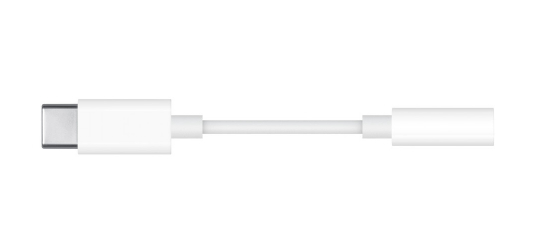
The most natural comparison is with Apple’s USB-C to 3.5 mm adapter, a product that, both in terms of price and intended use, is probably this dongle’s closest competitor.
Both share the same goal: allowing you to enjoy music from a smartphone or tablet without spending a significant amount of money. During my testing, however, the differences were quite noticeable.
Apple’s adapter delivers a clean, neutral, and well-balanced presentation, but it also sounds more intimate and less engaging. The soundstage is more confined, perceived detail is lower, and the overall presentation lacks some of the openness offered by the CX31993 dongle.
By contrast, the CX31993 dongle sounds more spacious from the very first listen. The presentation gains body, instruments occupy a more convincing space, detail is easier to perceive, and the soundstage feels noticeably wider and more open. Even the sense of dynamics seems to benefit, making the overall listening experience more engaging and enjoyable.
Apple’s adapter does retain one practical advantage. It fully supports in-line controls and headset microphones, allowing you to manage calls and media playback directly from compatible earphones. That is certainly a useful feature for anyone who regularly uses earphones with an integrated microphone.
Personally, however, when I listen to music I almost always use dedicated IEMs or headphones. In that situation, I am happy to give up the in-line controls in exchange for better sound quality. If I receive a phone call, I simply use the smartphone’s built-in microphone, which has never been an issue in everyday use.
For its intended purpose, I believe this dongle offers a small but meaningful step forward over Apple’s adapter. It actually costs even less and, at least in terms of sound quality, delivers a presentation that I found more open, fuller, and considerably more engaging.
Who Is It For?
I would recommend this little dongle to anyone looking to improve their listening experience without spending a significant amount of money.
It is the kind of product that offers a noticeable step up from the built-in audio output of a smartphone, tablet, or laptop, delivering a sound that is more open, more dynamic, and simply more enjoyable, all for a very modest investment.
I see it as an excellent choice for anyone who listens to music every day and wants a meaningful upgrade without stepping into the world of high-end audio.
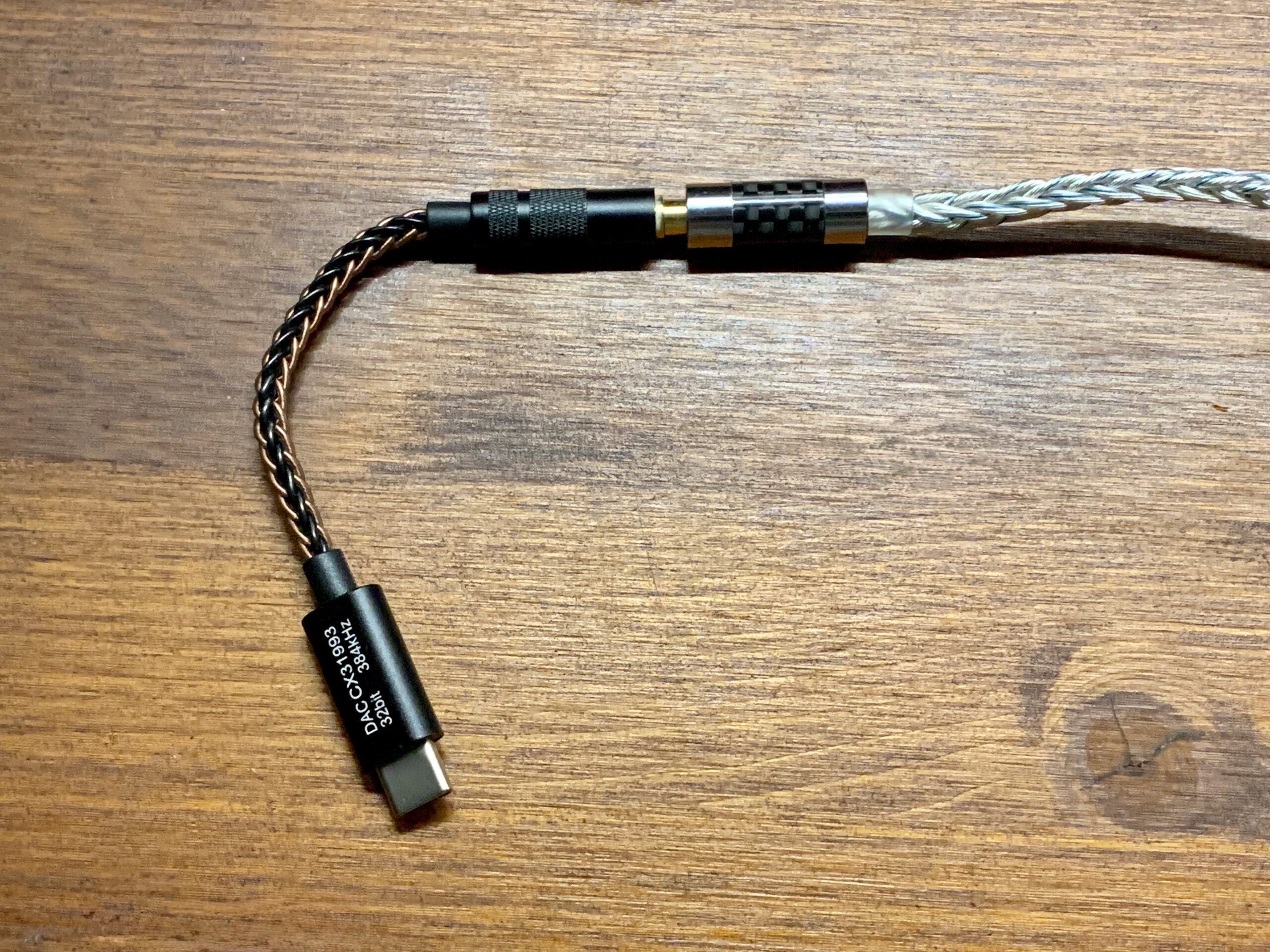
It is also the sort of device you can keep with you at all times, whether in a backpack, a laptop bag, or even the glove compartment of your car. It is inexpensive enough that you do not have to worry about losing or damaging it, yet whenever you use it, the improvement is immediately noticeable.
This is not a product designed for audiophiles chasing the last degree of refinement or the highest possible level of detail, nor is it intended to drive particularly demanding headphones. Its goal is much simpler, and that is precisely why it succeeds. It allows almost anyone to enjoy music with more than respectable sound quality for less than the price of a pizza.
Final Thoughts
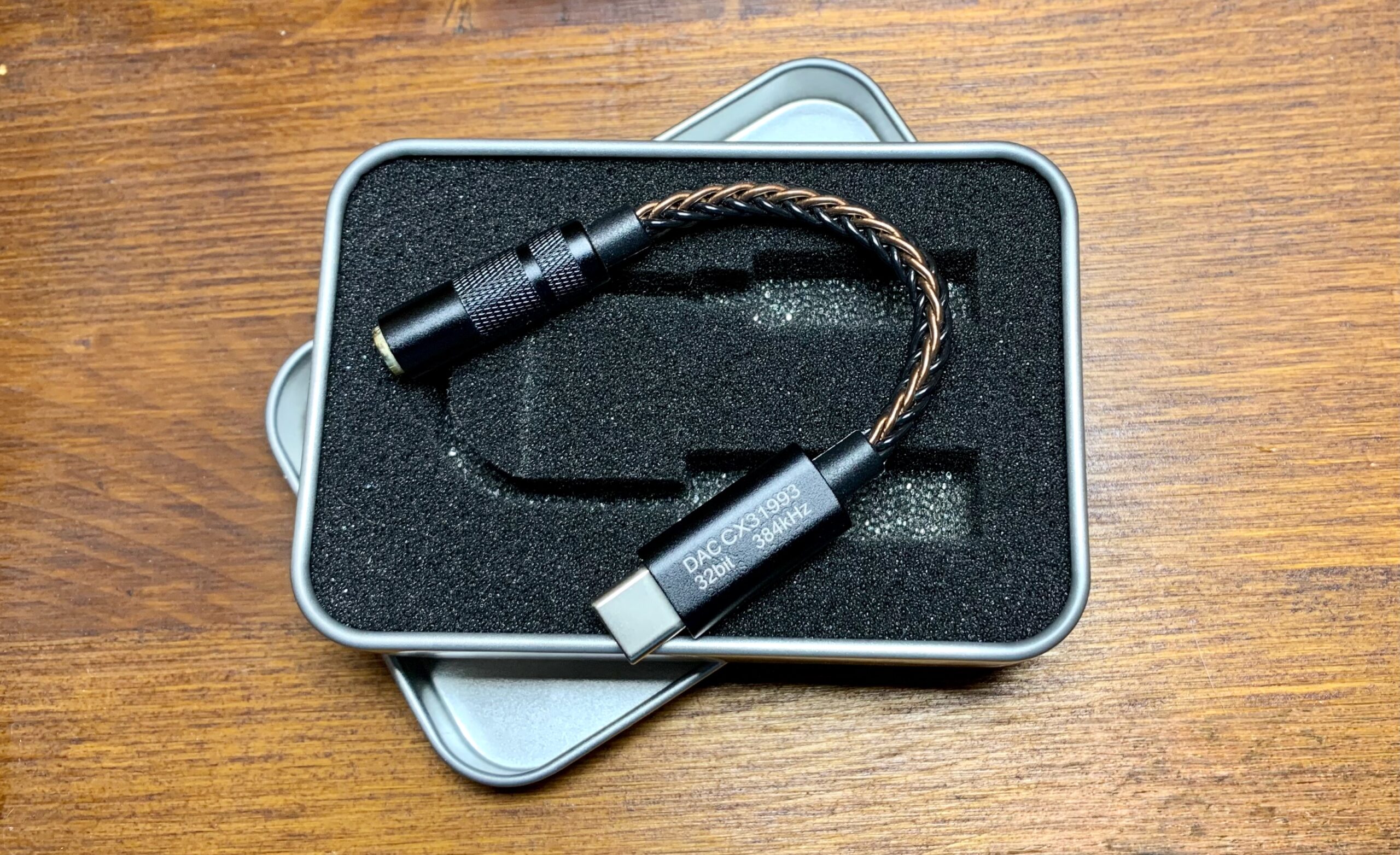
I have to admit that this review started out as something of a personal challenge. I wanted to find out whether it was really possible to improve everyday listening for less than $10 USD, without expecting miracles and, above all, without any preconceived ideas.
After several weeks of use, the answer is surprisingly simple: yes.
This little dongle does not pretend to compete with DACs designed for serious audiophile listening, nor does it rely on artificial sound effects to impress. Instead, it does something far more important: it delivers a clear improvement over the built-in audio output found in most portable devices.
The sound is more open, fuller, and more spacious. Vocals have greater presence, the soundstage gains depth, and the overall presentation becomes more engaging and enjoyable. It does not match the level of detail offered by higher-end converters, but it reproduces music with a naturalness that is genuinely surprising considering its price.
This is one of those products that makes going back surprisingly difficult. Not because it is perfect, but because it shows how little it can take to make a meaningful improvement to the way you listen to music.
In a world where many people believe that good sound requires spending hundreds of dollars, this little dongle proves that better listening does not always require a major investment. Sometimes, $7 USD spent wisely is all it takes.
Final Rating
Sound Quality: 6.7/10
Value for Money: 10/10
As for everything else…
As I always say, I’ll let the music do the talking.



No Comment! Be the first one.