






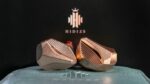













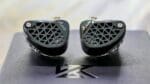














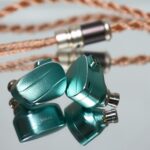

















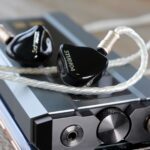
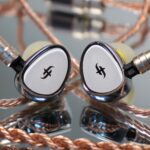





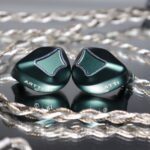
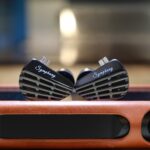


























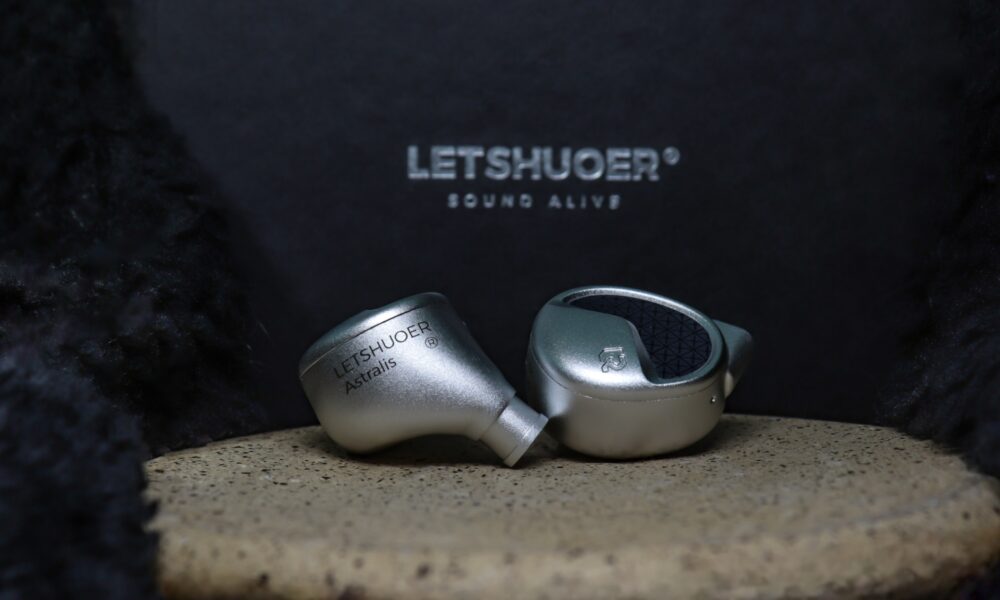

Letshuoer Astralis Review
Intro
This review and feature covers the latest from the audio brand Letshuoer named the Letshuoer Astralis ($189). The Letshuoer Astralis is a planar magnetic earphone coming from a brand who quite literally specializes in the driver tech. Those are my words, not theirs. Though I would think that they’d agree. Anyways, I derived that conclusion after reviewing as many of their planar magnetic earphones as I have over the years and enjoying every one of them. Of course, some more than others, but that’s to be expected. In fact, their Letshuoer S12 2024 Edition is one of my absolute favorite planar sets market wide and at any price point. Also, there is not a better budget planar for smooth organic timbre and bassy vibes than the Letshuoer S08. However, Letshuoer also has upscale planars which flat-out rock, like the Letshuoer Ember, or the Letshuoer S15. In truth, it has been Letshuoer who’s basically led the planar magnetic charge with their iconic S12 Series of iems. Granted, let’s not forget, there are the MP145’s, Timeless, and P1’s of the world, but it really seems that most of the community engagement landed on Letshuoer’s plate. I’m not even bringing up Letshuoer’s other sets of different driver configurations. In fact, below is a list of some of the Letshuoer reviews that I’ve conducted…
Table Of Content
- Intro
- Astralis
- The Astralis Arrives
- Non-Affiliated Purchasing Links
- Gear used for testing
- Packaging / Accessories
- Unboxing
- Eartips
- Carrying Case
- Letshuoer DT01
- Cable
- Build / Aesthetic / Internals / Fit
- Build Quality
- Aesthetic
- Internals
- Fit / Comfort
- Drivability / Pairings
- Sensitivity
- More Juice
- Source Pairing
- Sound Impressions
- Planar Wars?
- What’s It Sound Like?
- U-shaped?
- Emotionally Engaging
- Bass Region
- Bass Intro
- Sub-Bass
- Mid-Bass
- Downsides to the Bass Region
- Midrange
- Midrange Intro
- Mids cont…
- Midrange Instruments
- Lower-Midrange
- Male Vocalists
- Upper-Midrange
- Females
- Downsides to the Midrange
- Treble Region
- Treble Intro
- Technically Speaking
- Downsides to the Treble Region
- Technicalities
- Soundstage
- Separation / Imaging
- Detail Retrieval
- Comparisons
- Letshuoer S12 Ultra ($169)
- Non-Sound Stuff
- Sound Differences
- Final Thoughts on This Comparison
- Hidizs MP145 Pro ($169)
- Non-Sound Stuff
- Sound Differences
- Between the 20’s
- Final Thoughts on This Comparison
- Genres
- Better Genres
- Slightly Less “Good” Genres
- Last Words on the Letshuoer Astralis
- Not For Everyone
- The Why…
- Conclusion
- Different Perspectives
- Astralis Pros
- Astralis Cons
Letshuoer S12 Pro Letshuoer DZ4 Letshuoer S15 Letshuoer Cadenza 4, Letshuoer S08 Letshuoer S12 2024 Edition Letshuoer Mystic 8 Letshuoer DX1 Letshuoer Cadenza 12 2024 Letshuoer Ultra Letshuoer Ember
Astralis
I am actually waiting on the Astralis to arrive at my home, and as usual this gives me some time to learn as much as I can about the product. I am always curious about names. It’s important, to a degree. Did you know that the name “Astralis” means “Of the stars”? A very cool fantasy celestial branding if I do say so myself. However, the name is hardly the most important piece of the puzzle. Now, to my delight and from what I’ve gathered, the Astralis has actually been a very long R&D project for Letshuoer as they set out to create a planar iem which has all the benefits of a planar magnetic earphone but also none of the less desirable side effects. Those being, planar timbre, weaker bass slam, and occasionally thin or peaky treble etc. After I read that in the Astralis promotional material I couldn’t help but laugh because Letshuoer has already crafted planars which do just that. The S12 2024 Edition, the S15, the S08, the S12 Ultra, and the Ember all carry a more organic and natural sound, bigger bass focus (certainly not weak) and none of those sets have any real peaks up top. It has also been noted that Letshuoer is deciding to go with their 5th Gen. ring-type planar magnetic driver, which is really-really cool, and I’d be lying if I said I wasn’t jacked-up to check them out. After recently reviewing the Ember and S12 Ultra I am very curious to hear what took all of this time to conceptualize, prepare, and create.
The Astralis Arrives
The Letshuoer Astralis finally arrived at my home amid a hectic week which was made wonderful the moment I saw that package grace my doorstep. I’ve already given the Astralis a short listening session and spent enough time to deduce that of course I am reviewing this set. That is a no brainer. The next thing I did was put the Astralis into my burn-in station for a long run-in session of at least 3-5 days. I am about one day in and will absolutely run that to fruition. Friends, the next generation “Planar Wars” is in full swing. The first Planar War began with the 7hz Timeless, Letshuoer S12, and ended with a bang when Hidizs came out with the Hidizs MP145 as well as about 15 other solid planars. However, this new era of planar magnetic earphones is better, cleaner, less edgy, less planar metallic timbre, deeper and more palpable bass, and these newer planars should change the face of the market for some time. I have high hopes for the Astralis folks. With all of that said, I am definitely ready to get this one going. So, without further ado… the Letshuoer Astralis everyone….
Non-Affiliated Purchasing Links:
Gear used for testing
–IBasso DX240 with Amp8 MK2
-Many more sources used including weaker Android 3.5 set phones, iPad, and a few weaker 3.5 se dongles

Packaging / Accessories
Unboxing
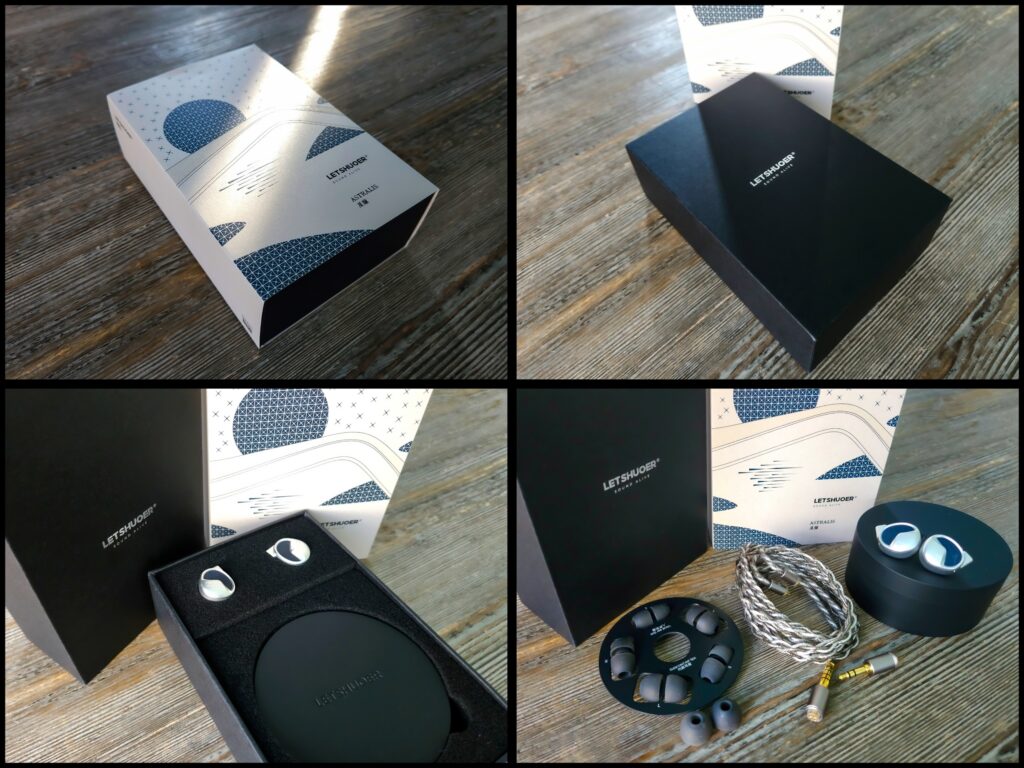
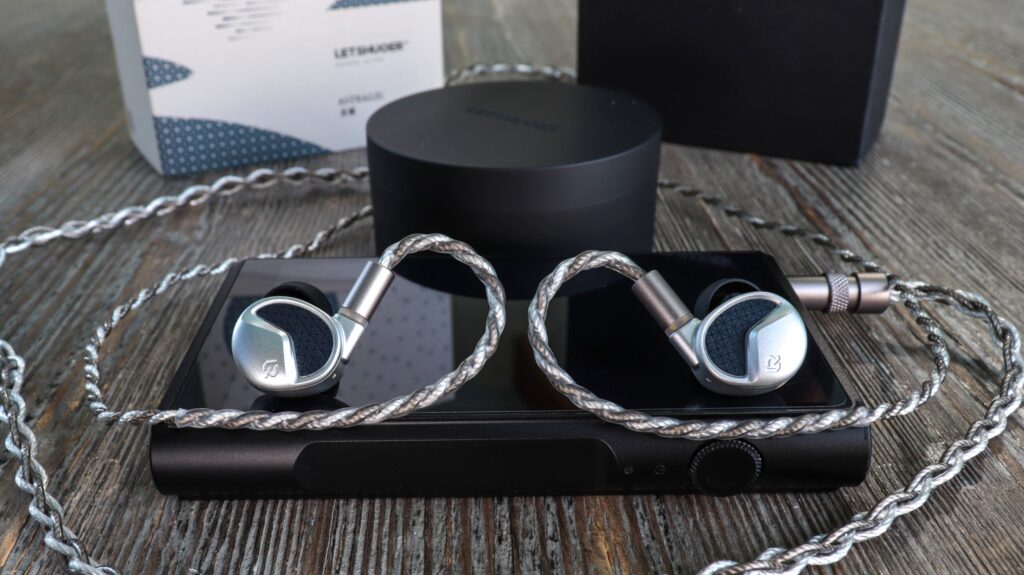
As I said in my intro, the Letshuoer Astralis arrived at my front door in a smaller box than we are used to seeing from Letshuoer at roughly 6” x 4” x 2” and no real wasted space. But I’m getting ahead of myself. Of course, I know zero of you are reading this, but I must do my due diligence. Anyways, the box actually has a very nice artistic drawing in the cover as the main sleeve has an off-white base color along with the same blue as on the Astralis coloring the moon over a landscape of rolling hills and many stars in the sky. Obviously, this alludes to the name “Astralis” (of the stars). You’ll also see some typical specs on the back of the sleeve. Now, take the sleeve off of the main box and you’ll see an all-black box with Letshuoer in the middle. Next, open the box and you’ll see some reading material like the warranty card, manual, and repair ticket. Under that you finally see the gorgeous Astralis earphones sitting within a soft foam cut-out. Next to the earphones is the round carrying case also sitting in a foam cut-out. From there you need to simply open the case by unthreading it and you’ll find a round holder full of eartips, the modular cable, the cable adapters too. Now, I noticed on the web page for the Astralis that Letshuoer also provides the Letshuoer DT01 3.5 se dongle dac with purchase, but I did not get one. However, I do have a couple lying around and so I am adding this to the package, but I won’t include it in the overall package picture. Altogether the unboxing isn’t bad by any stretch. It’s small, not wasteful, and easy to open, which is worth its weight in gold for me.
Eartips
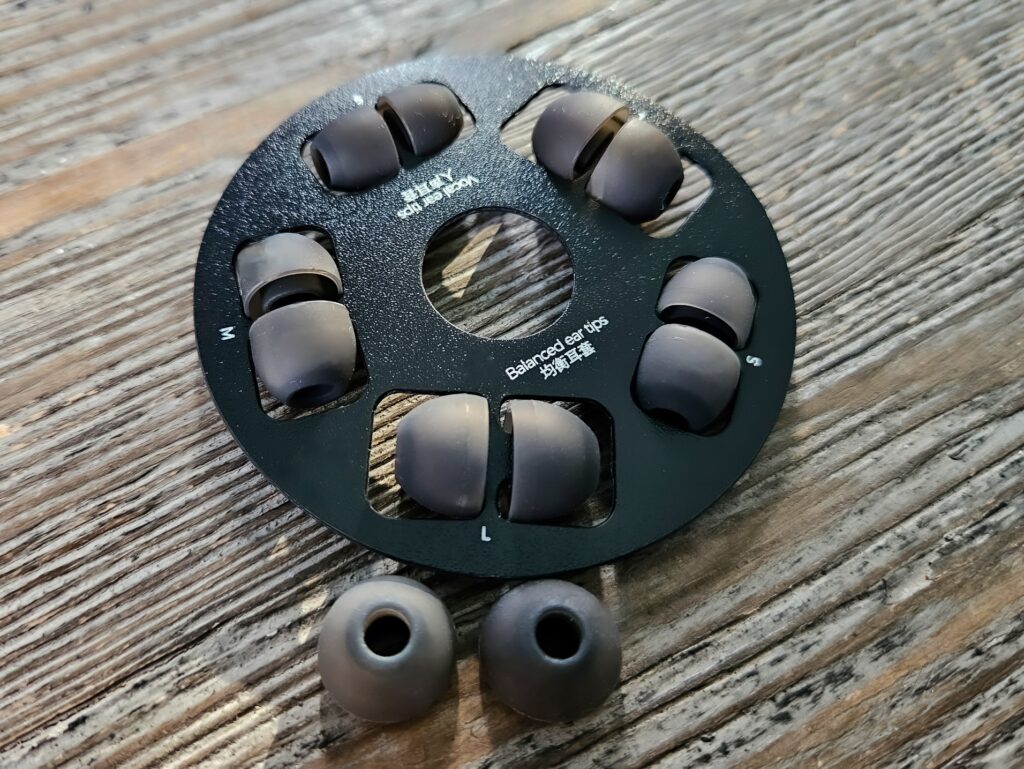
Letshuoer adds in a total of six pairs of eartips over two distinct styles of tips within the packaging. You’ll notice that the little plastic holder for the tips has five pairs on it while Letshuoer puts a medium set onto the Astralis upon receiving them. Out of the pairs that Letshuoer provides I think they both have their place in a collection, but I honestly don’t like them as much on the Astralis. At any rate, the first set of three (S, M, L) eartips Letshuoer refers to as their “Vocal” tips. These tips are dark gray silicone tips with a semi-wide bore, flimsy flange, and a fairly flimsy stem. I have no doubt that these tips will lessen the low-end weight while lifting the upper mids, however, I didn’t try them to find out as they are simply way too flimsy. The next set of three (S, M, L) Letshuoer names their “Balanced” eartips. These are also dark gray silicone tips, and they too have a semi-wide bore. However, these tips have a very firm flange and stiff stem. Honestly, they are remarkably similar to KBear 07 tips without the color. I do like these tips, but I knew I could find better eartips more in line with the Astralis’s tuning. So, I went through many eartips and ended up landing on the Divinus Velvet Wide-Bore eartips. The wide bore opens up the upper end of the spectrum without losing any bass weight or depth. I definitely like wide bore more than anything as they add more of an openness to an otherwise warm sounding and bassy iem.
Carrying Case
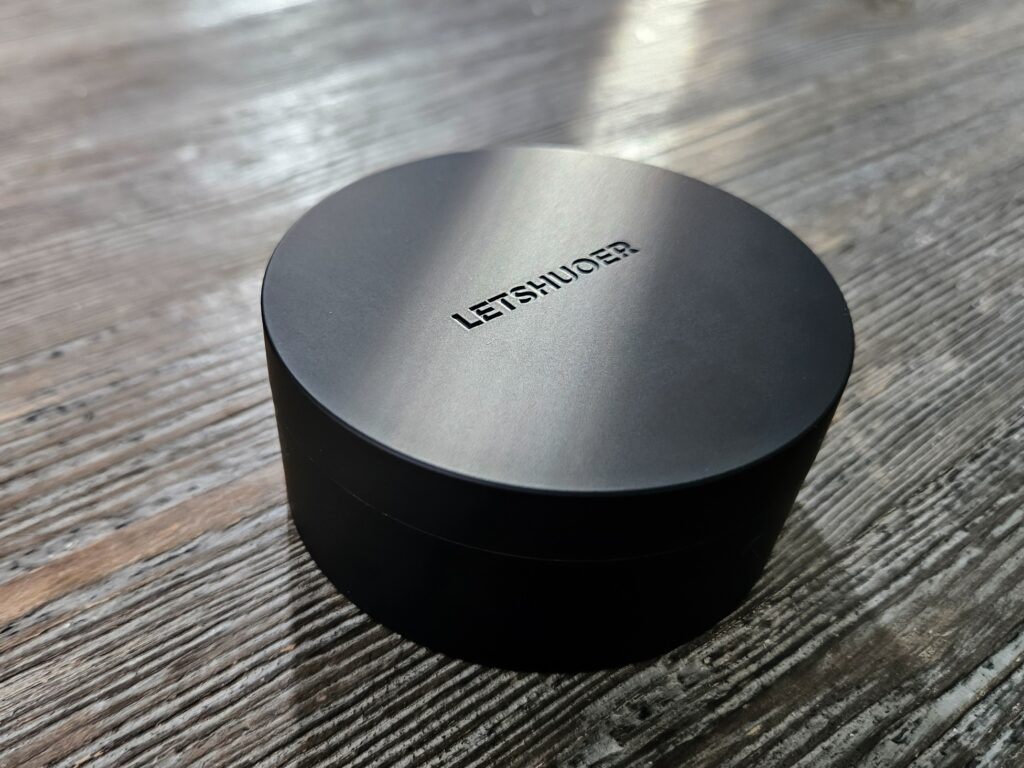
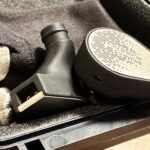
Once again Letshuoer provides the same carrying case as we’ve seen with most of their iems. It is a plastic threaded case with a screw-on top, hockey puck style round. I’d say it is just large enough to fit your earphones, the cable and probably the small type-c dongle dac from the packaging. It’s not the largest case I’ve ever seen, but it works. Great for throwing into a bag and not having to worry about your precious earphones getting banged up. If you’ve gotten any recent Letshuoer iems than you know this case. At times the threads are tough to get started when putting in the lid, but it does seal tight, which is nice.
Letshuoer DT01
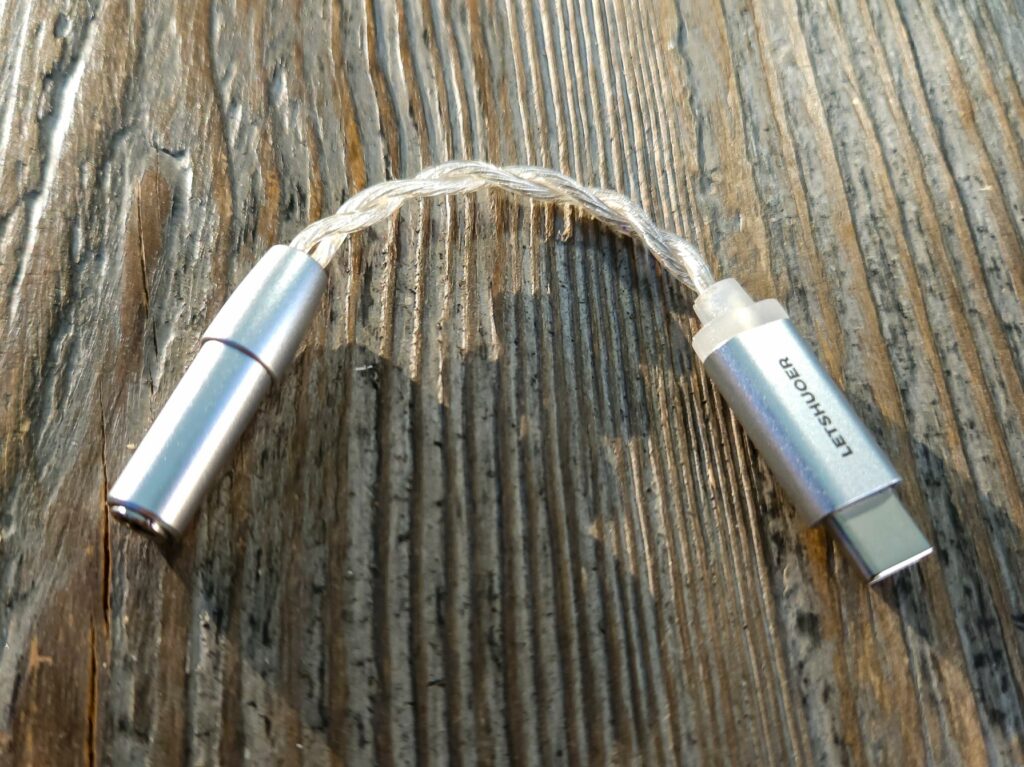
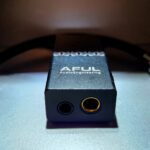
As I said, in the web page promotional for the Letshuoer Astralis, they say that the Letshuoer DT01 is added into the packaging. For whatever reason they did not provide the DT01 into the package I received. No big deal because I already have a few of them. Lol. So, I’ll just add that to the package picture and speak on it quickly. Letshuoer provides the DT01 3.5 single ended dongle dac which terminates in a type-c DSP dac/amp connector. You can actually purchase this little guy on your own if you’d like here… Letshuoer DT01, valued at $16 US. It’s a very nice touch and a solid extra addition to the package. However, I rarely use this dongle dac just because I do feel the Astralis does much better with more raw power. That said, it certainly doesn’t sound bad by any stretch of the imagination. For my listening I didn’t have to overly crank the volume for good sound amplification and dynamics. It’s a nice little dongle dac. Letshuoer actually put a nice dac chip inside, the Cirrus Logic CS46L41. However, this is not a very strong dongle with a rough output power of about 25-30 mW at 32 ohms. I will explain more later, but the Astralis shines with power. Still, it’s a nice added piece to the overall package, and a nice portable accessory that sounds good in a pinch, out and about in the market, around the house, and good for anyone who doesn’t want to take their better sources out and about with them.
Cable
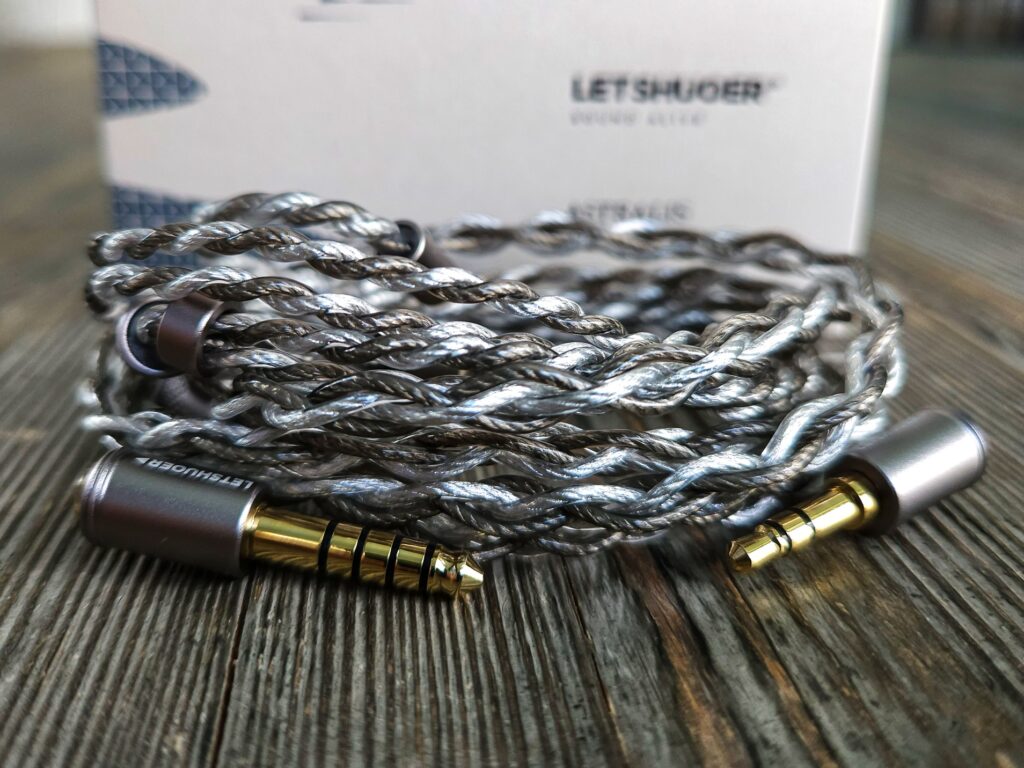
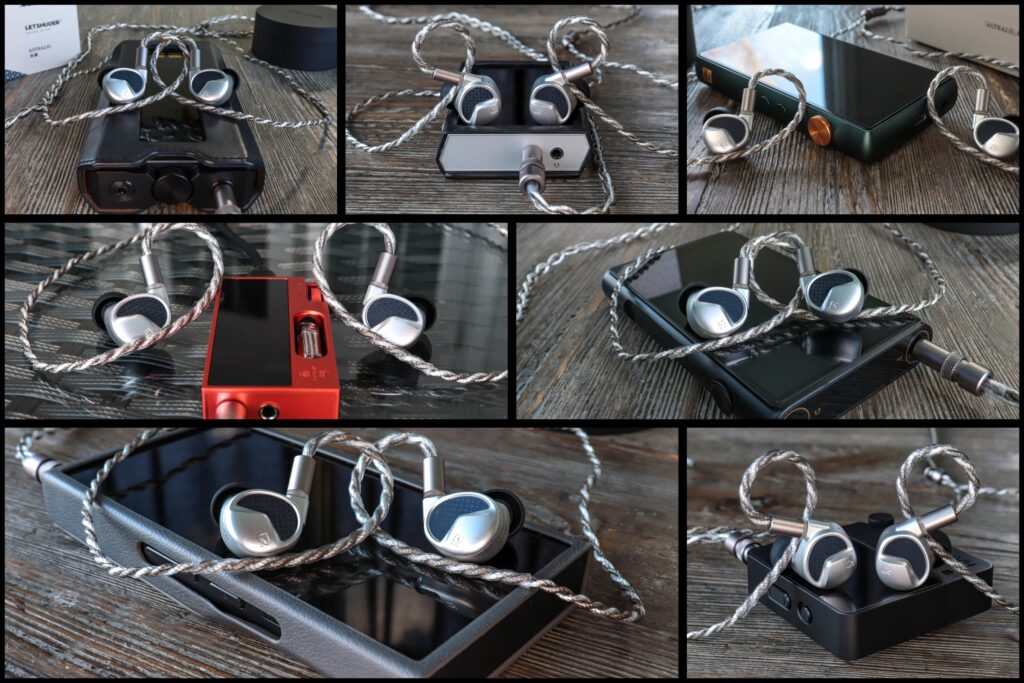
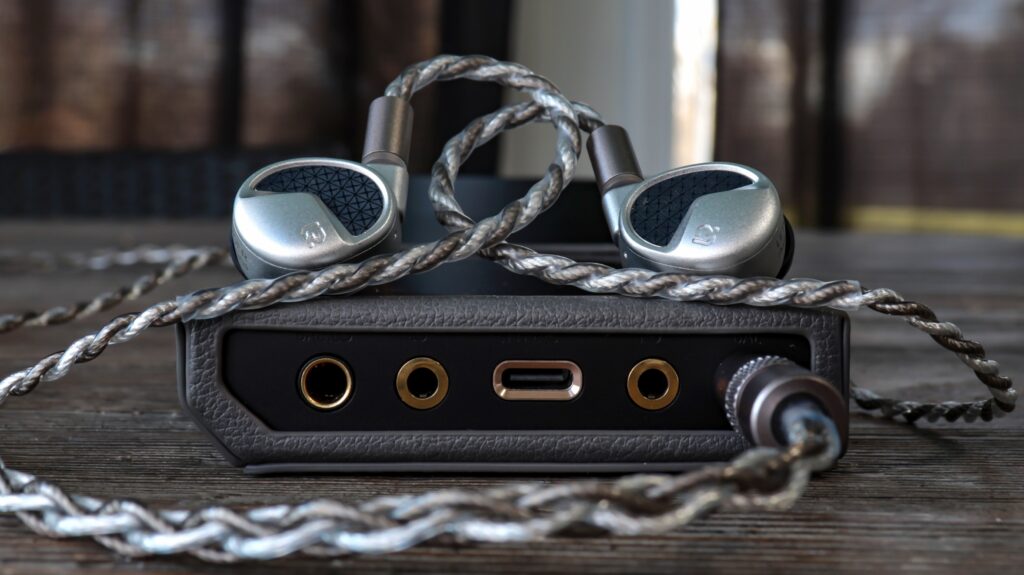
The cable provided in the package is without question my favorite accessory. Thankfully I will not have to cable swap or find a better cable. It’s actually quite dope looking on this set. Very similar in braiding, texture, feel, and materials used as the cables which come packaged with many of Letshuoer’s iems, though it is different. To be exact, the cable provided is a modular cable which comes with both 3.5 single ended and 4.4 balanced adapters, easy to install and screw into place. This is a sturdy and strong wire for sure with no microphonic effects. It is a white & very light brown braided 2-pin, 216 strand, high-purity silver plated copper cable which is fairly fat and looks fantastic in contrast to the Astralis earphones. Letshuoer did a nice job on this one for sure. I suppose that the outer insulation may be a bit sturdier than some may enjoy, but altogether the cable works like a charm, sounds good, and looks slick.

Build / Aesthetic / Internals / Fit
Build Quality
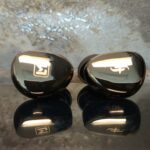
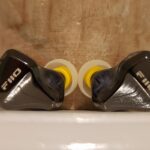
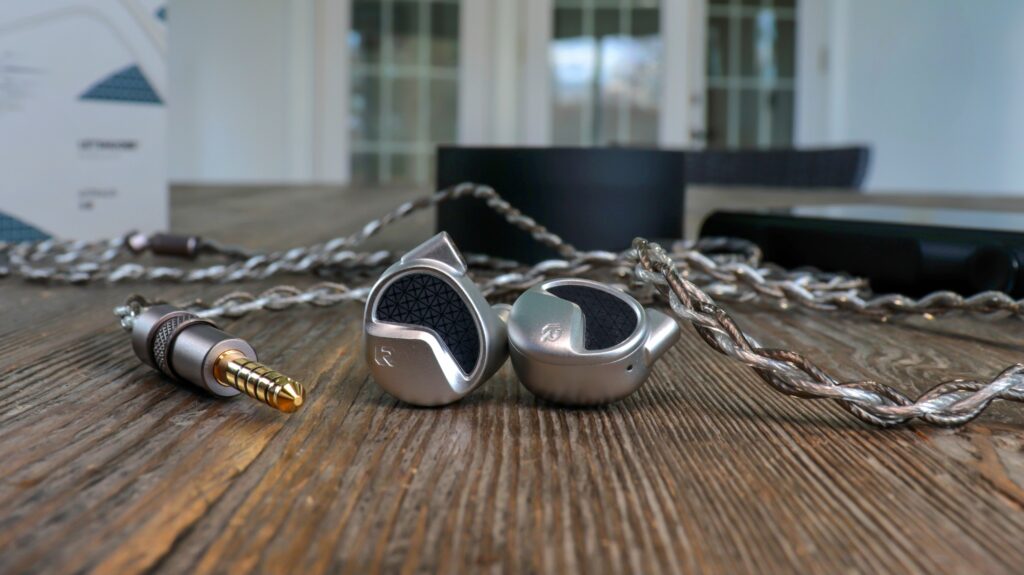
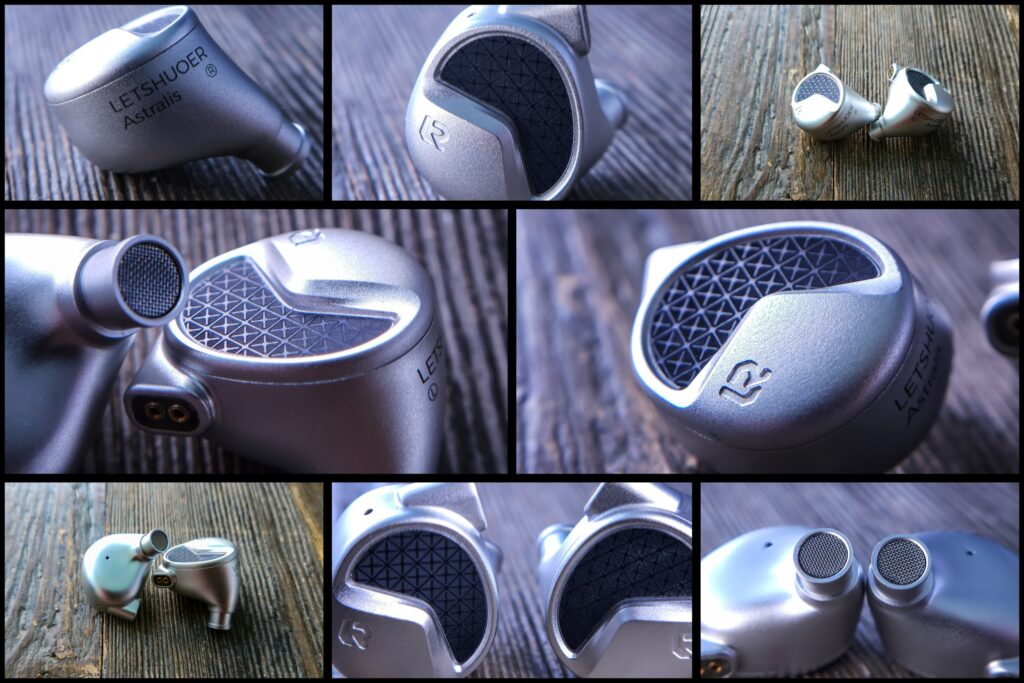
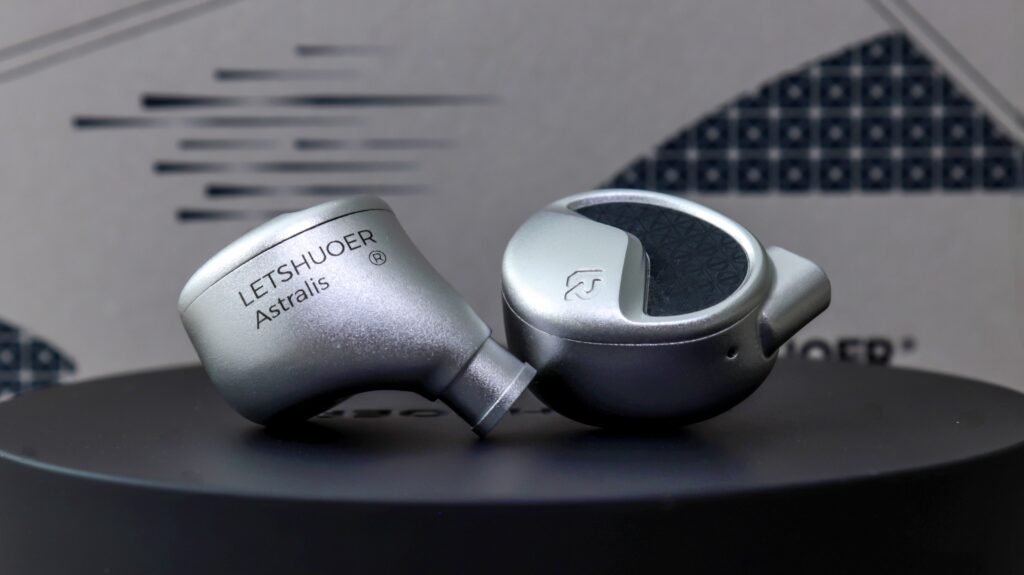
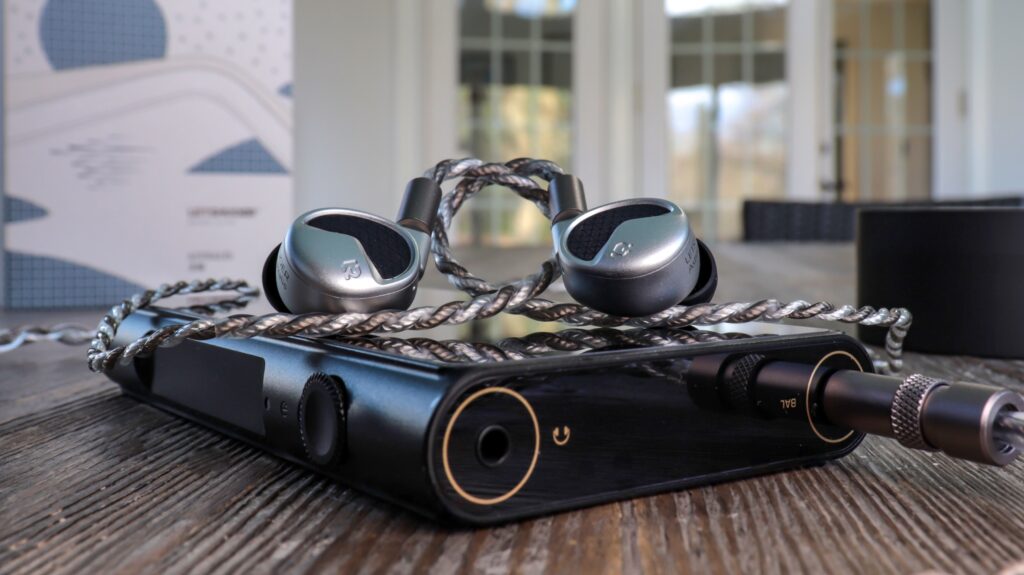
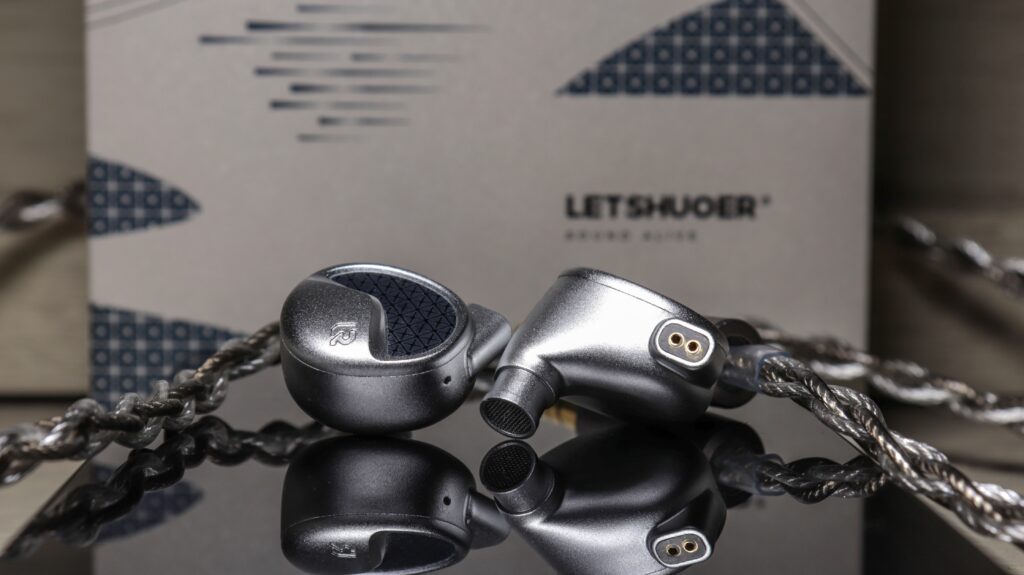
All of Letshuoer’s builds are well done. The Astralis is no exception at all. It is made out of CNC machined lightweight aluminum alloy and carved beautifully. These are smaller earphones which weigh almost nothing in the ear at 7-8 grams. I’ve been very impressed by how unbelievably comfortable this set is for my ears. Nevertheless, the Astralis is built like a tank, and I love the matte finish on the shell body. The curvature of the Astralis’s shell body seems to curve perfectly to my ears which is great. There’s no pressure build up either as the Astralis has plenty of pressure relief venting. It actually has two rear vents which do serve a tuning purpose. Also, the nozzles are right around medium or average length with a standard 6mm nozzle width. So, basically any eartips should fit this set just fine. A finely built set that should last for a long time.
Aesthetic
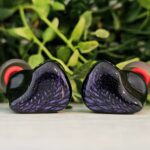
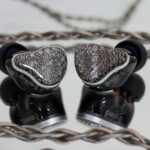
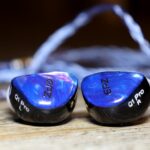
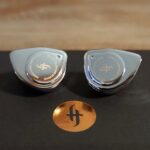
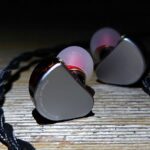
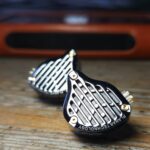
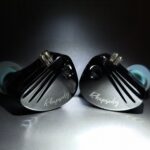
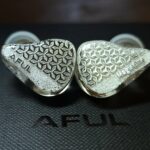
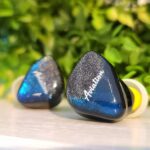
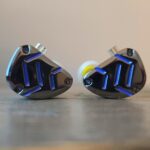
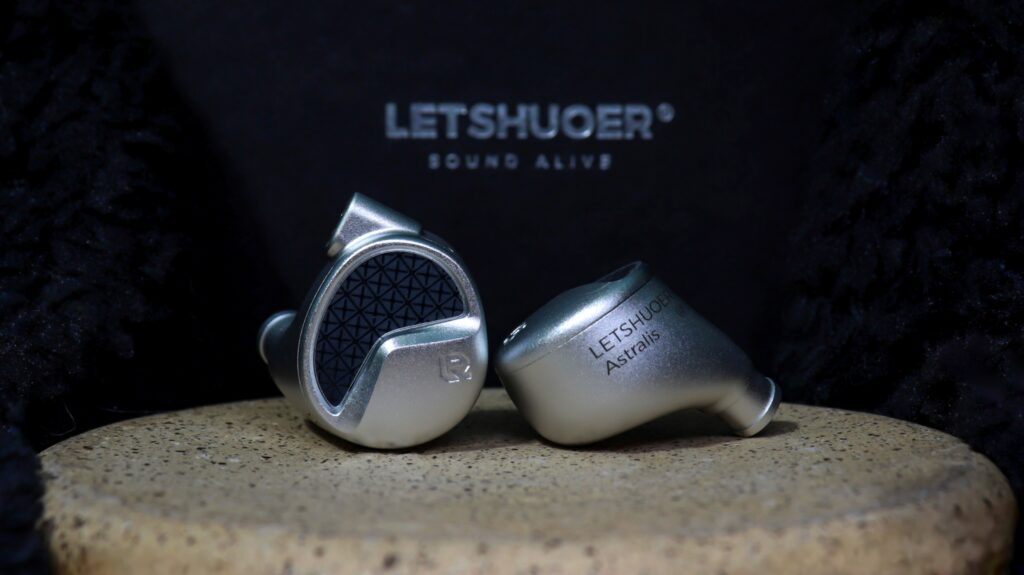
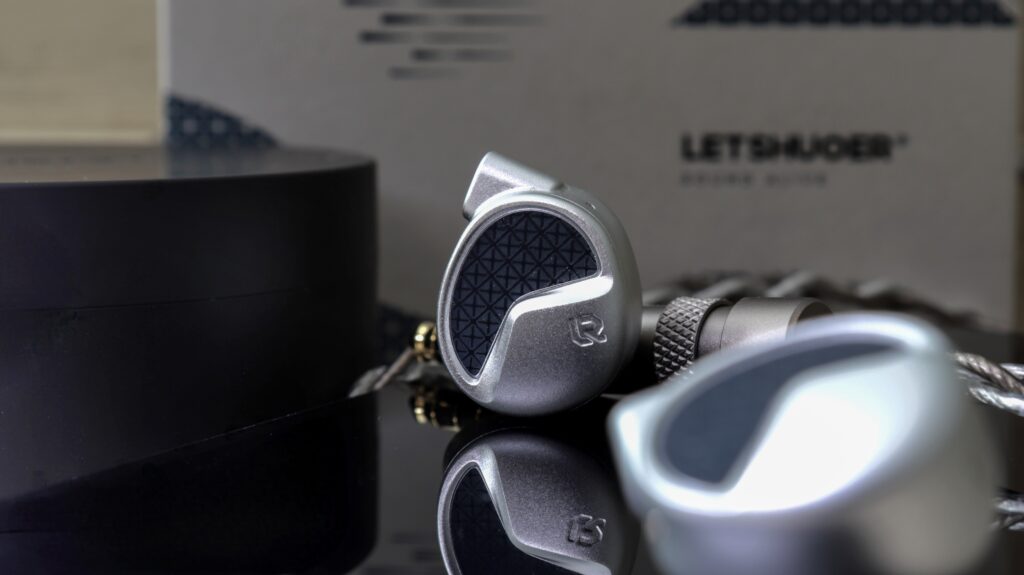
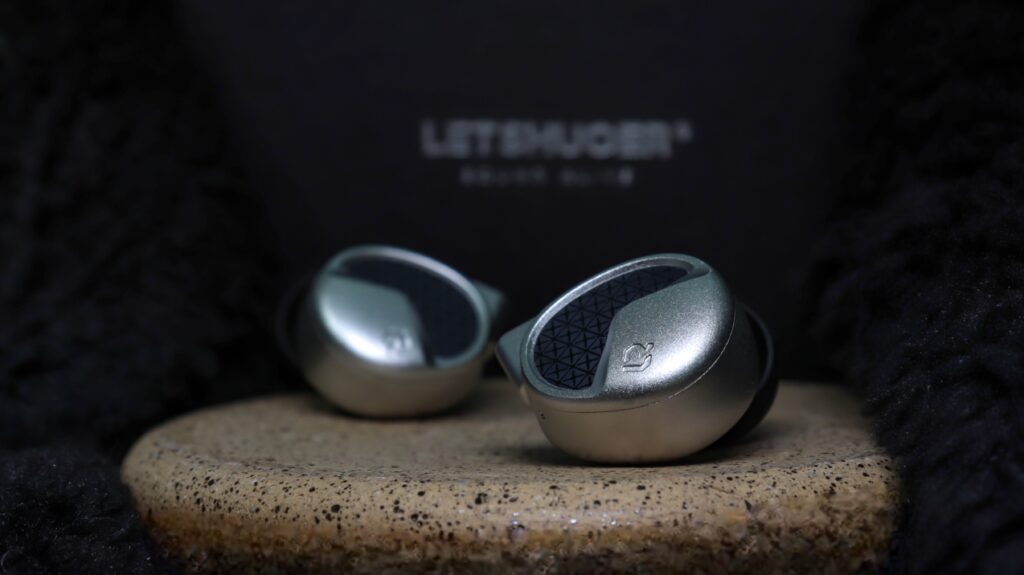
When talking about the aesthetic design and appeal of the Astralis, I find that this is one of the cooler looking sets from Letshuoer. However, there have been some mixed thoughts and opinions on its design from others. Still, I love a minimalist and classy design and the Astralis has just that. Like I said, they have this nice textured matter silver finish on the Shells which is very cool. There’s also a nicely contrasted deep blue non-metallic and anodized artistically designed inlaid faceplate with a simple design on them. You’ll also notice an etched “L” on the left shells and an “R” on the right. Overall, I really like the look of this set, but I’m sure there are those who don’t feel the same way as I do. Anyways, nice work Letshuoer!
Internals
One of the biggest factors (the biggest) in why Letshuoer took so long in research & development with this set is due to the 5th generation 15.5 mm Ring-Type Planar Magnetic Driver. To be exact, it is a round planar magnetic driver. Letshuoer calls it their 5th generation of this driver, which is supposed to optimize excursion, lower any distortions, and provide a more dynamic full-range performance. A few key aspects of this new driver is an easier ability to drive with lesser sources, and the ability to produce deeper and more bullish lows while also remaining just as transient tight. This driver has been optimized in many ways per Letshuoer as it is now a dual-sided driver and now Letshuoer is using a 4×4 ring type fully symmetrical N52 Magnets. There are more changes, but I don’t want to bore you too badly, just know that the driver is a new thing to the market. Now, Letshuoer also optimized the acoustic chamber to accommodate such a large driver. You can check out some of the changes here.
Fit / Comfort
Honestly, the Astralis has been a perfect pairing for my ears. I get a solid fit from 99% of iems. I just have ears which work with most in-ear monitors. However, the Astralis takes that to another level as they perfectly sit inside of my ear with literal all-day comfort. Also, this set only weighs at most around 8 grams. It’s super comfy for me. As always, this is probably pointless for you though. I don’t have your ears, and you don’t have mine, so I have zero idea how the Astralis is going to fit you. I assume they will be as wonderful for you as they are for me.

Drivability / Pairings
Sensitivity
The Letshuoer Astralis is rated with a very low impedance of around 20 ohms and a sensitivity of 104 db’s. Basically, this set is very sensitive and can be played loudly and with solid enough dynamics with most any source, including weaker smartphones, weak dongle dacs, and other less powerful devices. I know this because I always test these review sets with my weakest sources. Those sources include older Android phones with 3.5 ports, weak dongle dacs similar to what is added in the Astralis’s packaging (DT01), my iPad, and other weaker and less high-res sources. I’d say a couple things; you can definitely drive the Astralis to decent volume and headroom even off of weaker sources and that adding more power absolutely brings out the best in the Astralis. Still, if all that you own is a simple phone or any weaker source device then please don’t worry too much because the Astralis sounds just fine.
More Juice
Having said all of that, don’t get things twisted because the Astralis scales nicely with more power. Add some more juice and you’ll notice a tighter perceived bass response, a slightly larger and better dimensioned stage, and really just a cleaner sound and more dynamic sound across the board. Certainly, macro-dynamics come out a hair more expressive with clean amplification. I noticed distinct changes going from a smartphone to a decent dongle dac like the Surfans X10 and (obviously) the Shanling UA7 (for example) only to further scale and sound tighter, more refined with my daps and more powerful dac/amps. You’ll see if you decide to pick this set up that indeed they scale extremely well. We see this often with planar magnetic earphones (especially) and the Astralis is no exception. However, I truly feel that if you have a decent enough dongle dac with at least a healthy 150 mW @32-ohm power and a 4.4 balanced connection then you’ll have plenty of output to really stretch the dynamics of this driver. I actually put my 1-watt daps on high gain and the super powerful Fiio Q15 on super high gain. Yeah, yeah, yeah… I know, you think it’s overkill. It isn’t. Give this set some juice if you can. But make sure you also pair the Astralis well tonally…
Source Pairing
The Letshuoer Astralis has an overall warmer tonality, I’d say warm/neutral with a leg on the warm side of the line. However, it also has some subtle sparkle up top too. So while I don’t feel that you have to be crazy picky about what source you choose, I also feel that some tonal characteristics of your sources will work better than others. Having said that, I enjoyed the Astralis as much on my warmer Shanling M6 Ultra as I did on the neutral and clean iBasso DX240. The warmth of the Shanling UA7 tube mode never made the Astralis feel muddy or veiled at all and the neutral EPZ TP50 didn’t neuter the lows or enhance the highs to an annoying level. Believe me, reviewers are going to tell you that a neutral, slightly brighter and cleaner source is going to pair best. What I found was that the Astralis plays well off of just about any source tonality. Meaning, no source coloration destroys what makes this set good. It will come down to you and your preferences and if you enjoy a warmer, richer, and bassier sound or if you want a slightly less warm tilted (still bassy) expression of your music? We lean way too heavily on what source Pairings are “correct” for the iem when really, these are subjective thoughts built around reviewer preferences. Basically, the Astralis is warmer, you are intelligent, do you want more warmth, or less?
Sound Impressions
*Note: Before I jump headfirst into the sound portion of the Astralis review, I first have to take a moment and speak a few notes to you all. First off, I did burn-in the Astralis for about four full days. I honestly didn’t hear any monumental changes, but also, I didn’t need to hear any changes either. I liked this set right away. So, if you want, burn em’ in, but I don’t know if it’s needed at all. Next, I listened almost entirely with the Divinus Velvet Wide-Bore eartips. The open ear nature of those tips does help the upper-end gain some air, some toned-down vibrance and the bass isn’t affected. I also listen using flac or better files (some MP3) which are stored on my devices and rarely do I stream my music. The Android music player of my choice is mainly UAPP (USB Audio Player Pro) as well as Hiby Music Player on some daps, or Eddict Player on some Shanling daps. Also, I listen on high gain, on everything.
Planar Wars?
I never would have guessed that we’d be seeing so many amazing planar magnetic earphones come out in rapid fire again like we saw years ago. Friends, it’s happening AGAIN! The Planar Wars are in full effect and the competition is silly. I just want to get one thing across to you all. If you gain nothing from my wordy review, I hope you take away this; the Astralis is without question one of the best warm, bassy, musical planars under $200. Having said that, there are a few others which really test its capabilities. Like the Letshuoer S12 Ultra, the Letshuoer S12 2024 Edition, and the Kefine Arnar (review coming very soon), amongst many others. Nevertheless, it has been the Astralis which has stolen my time and my affection of late. However, I’m not going to tell you that the Astralis is the best planar in the market, and I’m not going to tell you it is the greatest thing my ears have ever heard. I am going to tell you right out of the gate that the Astralis is without question a highly competitive and very musical set that is very fun, great timbre, and the planar speed to resolve just about everything. I’ll also inform you all that the Astralis has been one of the sets that I’ve craved most after a long day of work, of late. I love a really good review period; this is certainly one of them.
What’s It Sound Like?
As I’ve already alluded to, the Letshuoer Astralis is definitely a warm leaning planar iem that doesn’t veer from a neutral and clean base and has a very melodic spirit about it. It took me one listen to establish that this is in fact a very “musical” iem that leans much more towards “musicality-first”. It’s one of those warmer leaning sounds which doesn’t cast any veil whatsoever. The warmth doesn’t obscure the sound field as there is enough air within the touch of warmth on this set. I adore a sound which has that smooth cadence, the groovy flow, the rhythmical and fluid feel but also keeps clean note outlines, note separation, and carries just enough crispness at the crest of notes to add some spice, enough top end levity for tonal contrast, as well as a sound that is simply engaging. I get into the weeds a little bit describing what I hear as I can find many sets which lean warm yet generally keep a clear atmosphere. However, the Astralis has an enveloping quality to it brought on by a well layered and nicely partitioned off stage, good dimensionality for $189, and it’s pretty darn immersive, especially when adding some clean source power and a groovy track.
U-shaped?
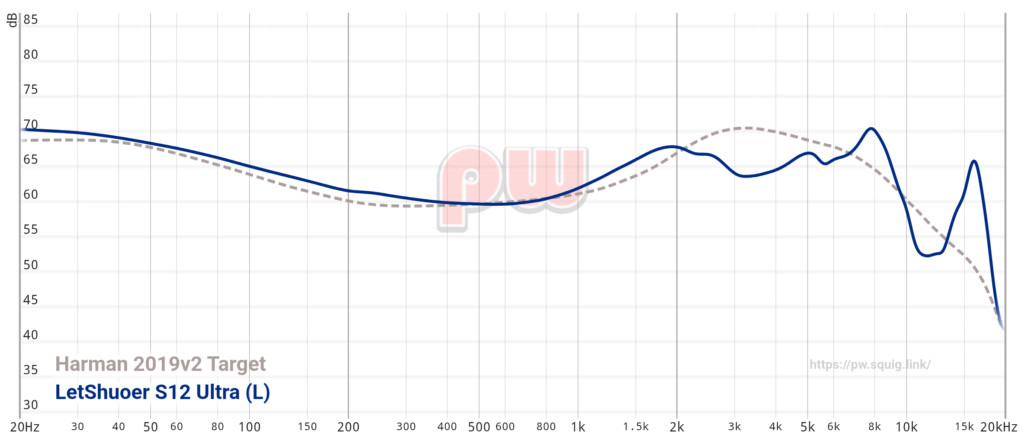
If anything, I’d say that the Letshuoer Astralis has a bassy U-shaped sound signature without any true recession or any attenuation of the midrange. Of course, the Astralis is also a planar set and so it definitely has some fast transient behavior too. Still, the Astralis is a heavily colored iem with what I’d call a warm and earthy sound or “earthy-organic” with the only deviation from organic being the large sublevel lift down low as well as a mid-bass which bleeds into the midrange on a fairly long downhill slope before flattening out around 400-500hz. This bleed adds a very nice lean-density which sounds much closer to “rich” and “compact” in note structure than “lush” or “velvet” like many DD’s would present. I’m finding that planars typically sound much cleaner than other driver types with this type of bleed, and so you can have a large and robust bass focus without everything sounding congested, veiled, or murky. Planars are just so fast folks! The Astralis has extremely quick stop-and-go dynamic resolve, able to resolve those surface textures in music extremely well. Also, in non-bass-heavy tracks the Astralis is a “decently” well detailed set, which is not common for this type of sound (more-so with planars). Similar to the S12 Ultra, but cleaner, more glass-lined and harder edged and less plush. I find this “ability” to be very enthralling on many songs. So, to recap, the Astralis is a bassy U-shaped iem, clean for its warmth, very immersive and engaging. It carries an earthy-organic style timbre with enough levity up top to keep the bass honest and the kind of well-contoured and dense note body to sound substantial and never weak, frail, or dry.
Emotionally Engaging
A very musically gifted and versatile set which is tuned to draw out the emotion from your music. Pick a song, any song, if it has an artist with a story to tell then the Astralis will tell it in a fairly charming manner. This set has all the earmarks of an emotionally charged iem which also isn’t at risk for any choppy peaks, any artificial or metallic planar timbre, and I don’t hear any sibilance. So, none of the typical issues that we typically see on planar iems. This is a set which prioritizes long-term listenability, focusing on tone and rhythmicity over clinical contours and boosted brilliance. To coral all of these thoughts I’d simply just say that the Letshuoer Astralis is a very pleasing iem, a traditionally fun iem, and an iem which will never kill your ears in fatigue.
Bass Region
Bass Intro
The low-end of the Letshuoer Astralis is very big and hard edged with a meaty and bullish presence and it is clearly the focus of this iem (13-15 dB bass shelf). You could call it basshead and I wouldn’t argue, though it just misses that mark for me. Definitely the focus though. However, saying that the bass is the focus is almost a cheap explanation. There is far too much nuance into what I hear than that. Sure, it is the focus, but the transient and clean-lined skill of the Astralis really does counter the amplitude of the low-end making everything sound tidy, well-kempt, and fairly precise. I wouldn’t go so far as to say that the bass is a “quality-over-quantity” style, but I’d definitely say that the quality is very high for such a large quantity. The only way to do this is to have awesome control, great bass definition, and clean/tight transients. That’s the Astralis bass in a nutshell. However, again, the Astralis is more nuanced than that. You see, the Astralis has very well displayed note textures in this region. Something not easily accomplished with more bass elevated iems. Also, the bass on the Astralis has that good grip. That tactile and palpable ability to attack hard and fast, stop on a dime, and then attack again with just as much dynamic thrust. Furthermore, this bass has some serious gusto folks. Not just big booms, but big booms which move some air with sublevel vibrational cues which add a nice feel to the experience. Lastly, the bass is not omnipresent. When a track isn’t requiring bass to be displayed, the Astralis’s bass region will not affect the rest of the mix. Again, no atmospheric veil is cast to the point of cloudiness.
Sub-Bass
There’s no doubting that it’s the sublevels on the Astralis which carry the brunt of the emphasis down low. This is a sub-bass which really digs deep with that penetrating extension which you rarely hear with planar magnetic earphones. Like I said, when a track calls for it the Astralis’s sublevels create such a gravelly, guttural, and haptic feel. “Paradigm” by The Head and the Heart is one such track which tickles my ears with the Astralis, no joking. However, the pulsing and juddering bassline on this track never casts shade over Johnathan Russell‘s vocals. It’s honestly a real treat folks. The sublevels always stay articulate, which shouldn’t be looked over. As deep and as shuddering as the sublevels can come across on this set, they also sound compacted, densely contained, agile, and not just a blur of sublevel mass smearing the soundscape. This is the beauty of a good planar. I’d say the Astralis matches any DD set for sheer weight. I think we can be done saying that planar magnetic drivers don’t match the depth of a dynamic driver, those days are over. This sublevel experience on the Astralis is very nice, right at basshead levels, but also very clean for its size. No doubt it won’t be for everyone, but for those who enjoy that meaty sublevel sound, the Astralis provides it.
Mid-Bass
As I said, the Astralis low-end is a sublevel-sub-forward stud of a set which aims at a gentle mid-bass roll off bleeding just enough into the mids. However, the mid-bass is not as earth shaking and booming as its sub-bass counterpart. That doesn’t mean that the mid-bass is weak though. I’d describe the mid-bass as punchy, textured, and nicely weighted sitting at a moderately elevated emphasis providing plenty of rumble for just about any genre. Really, this mid-bass is fast, very tactile, it has that hardline grip and quick release style agility and can easily take on more complicated bass passages in my music. Very nimble whilst also having plenty of rumble, great density, and enough fullness to give body to bass guitars, that satisfying hollow boom on kick drums, and the forceful slam for any big bass drop. Also, the mid-bass is relatively clean. Nothing in this region sounds muddy or bloated (for me). Especially in comparison to other sets which carry a more forward and boosted bass region. While note definition isn’t perfect, I cannot call this more emphasized bass region anything but solid for the cost and for the tuning. Very enjoyable.
Downsides to the Bass Region
Do you like a larger bass presence? About half of you said “No” to that question. That would be my first issue with the Astralis. There is no doubt that it is a bigger and more abundantly emphasized low-end (13-14 dB bass shelf) which can do a little masking in the right tracks. Pretty hard to get around that actually. Granted, the Astralis’s larger bass profile isn’t nearly as swelled in murkiness as many other sets with a larger bass. I could also say that while the sub-bass is very mean, very rigid, and very authoritative, it won’t be comparable in speed to a less pronounced planar low-end. Like the Hidizs MP145 Pro (for example) which isn’t quite as beefy creating less of a tonal swell making tighter and more complex passages a bit more intelligible. Still, for a boosted low-end I find the Astralis’s bass to be very fast, very ductile, and respectively sprightly too. You’ll never please everyone. I think that Letshuoer did a fine job and created a fun and very vivid low-end experience on the Astralis.
Midrange
Midrange Intro
Just like every planar that Letshuoer has made since the Letshuoer S12 Pro, the midrange tuning of the Letshuoer Astralis leans musical over analytical, organic over clinical, and smooth over precise. One of the first notes that I made about the midrange is just how melodic and emotionally infused every note and inflection can sound on this set. I wouldn’t call the Astralis the most technically sound planar that they’ve made either, but midrange details still come through on account of the speedy planar driver, moderately well considering the bass influence. However, this is a musicality-first iem from the bass through the treble and the midrange carries the brunt of that mellifluous sound. Very enriched, great note body, smooth across the board with just a touch of crispness at the crest of notes when a track calls for it. I should also point out that the mids do not sound as though they are very recessed, at all. In fact, the mids are pretty forward. Not in a “boxy” sense either as the entire tuning is very coherent and cohesive. More-so in an intimate and appropriate way. Technically the Astralis holds its own in the mids, though I’d never confuse this set with many other more analytically tuned sets. Micro-details come through decently on the right track while the bass can mask on some tracks too. So, know what you are getting. This set is all about musicality folks.
Mids cont…
The only real drawback, or casualty of this more musically enriched and slightly less energetic sound is the Astralis won’t have the most vibrant or energetic tuning in the upper midrange area. I will explain more later, but for the most part I really enjoy that intimate portrayal of my music in this range. Whether it’s male vocalists, females, or instruments the Astralis generally has a very nice sound, very harmonious. Of course, it won’t fit everyone, but it works for me.
Midrange Instruments
Nevertheless, instruments generally have fantastic tonality with plenty of toned-down snap on percussions. Piano has a very buttery richness yet resounding quality, very tuneful, still lilting and dulcet. Now, strings lose a hair of that sweet abrasive edge in string harmonics (due to slight dip at 3k), but have that nice woody fullness too, so… a mixed bag. Definitely not bad. There’s actually nothing “bad” about this set. Just preferential quirks. Anyways, I could go on and on covering instruments but in the most generalized way I’d just tell you that the midrange is always smooth and rich before anything else. Great note density, very clean for how it was tuned, awesome instrument separation too and there is even some subtle air to the sound. Just by that explanation you can kind-of interpret how most instruments will come across. Certainly not as energetic as some sets, but nicely tuned, always earthy-natural, and just enough lift in the upper ranges to give some measured vivacity. Basically, instrumentation sounds pretty darn good.
Lower-Midrange
First off, the lower mids are excellent for male vocalists. This region has plenty of weight and warmth provided from the bass region giving males that firm and commanding presence, helping men to sound like men. Not a lower midrange for those who much more enjoy crystal clear timbre with glass-like transparency. Nothing thin here folks! No ma’am, the Astralis’s lower mids give baritones, cellos, and drums that natural earthy tone and full-bodied foundation, even woody in flavor (at times). Very nice timbrally. The bonus is that this weighted smoothness doesn’t steal texture, soften notes, or sound too smoothened. Having said all of that, this region is a hair softer at the edges than the rest of the mix and slightly less vibrant or boosted in luminant presence as the upper-mids. Instead, the lower midrange gets its vibrance from the note density, clarity, and tight transients not allowing the space between notes to sound murky or congested. So, they (low-mids) do stand out nicely without ever sounding etched or dry.
Male Vocalists
With all that said, friends, I really enjoy male vocalists on the Astralis. It’s one of those sets which really do a nice job of propping up male voices. Whether gruff, deep, or baritone, to edgy, raspy, or even lifted and nasally the Astralis seems to partner very well tonally to male voices. One such voice belongs to an amazing vocalist named Jay Buchanan in a track off of his new album “Weapons of Beauty” named “Shower of Roses”. I love how the Astralis pronounces the richness in his voice, sands down the edginess, and sounds sonorously sweet at all times. He also sounds amazing with the Astralis in Barry Gibb’s reimagining of his album “Greenfield” using different artists. Well, he used Jay Buchanan one of his most famous songs “To Love Somebody” and folks… Just do yourself a favor and listen to this man’s pipes. The Astralis is absolutely perfect for it. Another male artist is Jeff Buckley in “Hallelujah”. The vocal weight, the lean richness, the lilting way his voice is embossed against the backdrop of the melody is just great. I don’t know what else to say. Of course, please understand that there are other sets which can perform this way. The Astralis isn’t some masterclass of male voices. Shoot, there are some which do it better at this cost. But that shouldn’t take away from how well Letshuoer tuned this set. Very nice.
Upper-Midrange
The upper midrange is a touch more forward in the sound field than the low-mids, with a slightly more vibrant character. However, the Astralis has a reasonable 8db pinna rise, (not sharp) and is quickly followed by a 3 kHz dip, which does a few things. First off, it helps take the edge off of more edgy recordings and comes across a hair more relaxed. The upper mids will sound vivid enough yet not shouty at all. They also have that richness to them and so they do have a moist character. With that said, the upper mids will be a bit of a mixed bag for some. Just getting this out of the way. Definitely less exuberant but also… I’ve been very pleased with this set from the jump. There have been moments where I wished the upper mids could be a hair more vivacious, but that obviously doesn’t mean they are badly tuned, it just means that they aren’t perfect for me all the time. I still very much enjoy females on the Astralis and can easily get lost in my music. I can tell you that the timbre is still very much organic, still earthy, and the Astralis never sounds artificial or sibilant. Which is great. There’s no planar timbre and the cadence remain smoothly rendered. The upper mids absolutely favor a very controlled and smooth delivery while still keeping those tight transients. However, there’s no question that this tuning prioritizes a non-offensive & fluid sound over an energetic, luminant, and exciting sound. That said, the technical stuff is still very nice too. Overall, nice job Letshuoer.
Females
With all that said, females can sound downright awesome. Yes, that is very different from the slight rebuke earlier. However, I should inform you that “some female artists” won’t sound as luminant and as present in the mix as others. I actually love Adele with this set, or the smoky voice of Norah Jones, Lana Del Ray comes across perfectly suited for the Astralis. Any female who has a slight huskiness, rasp, or velvety, ethereal inflections will come across beautifully. In fact, there’s only a few tracks from Olivia Rodrigo which don’t sound quite as enthusiastic in her vocal intonations as I prefer. To counter that, songs like “Driver’s License” captures every last emotionally endowed accentuation from her voice and I can plainly hear the teenage angst and hurt there. Another voice which can sound less uplifted is the brightly enthused voice of Ariana Grande. The Astralis may feel a hair subdued for some of you. In the same breath I have many females who come across amazing. The voices of the three listed above but also Mazzy Star is meant for this set, or PJ Harvey too. Singers like Amy Lee of Evanescence, or even Billie Eilish comes across perfectly. Once again, a mixed bag. As one should expect.
Downsides to the Midrange
I really need to rethink what I call this section. I always give my “Downsides” in every review after each Bass, Mids, and Treble sections. However, I only review what I enjoy and so really, I’m just explaining what others may not like more than anything else. Unless there are obvious issues that I can live with. Anyways, the midrange has an earthy and euphonious quality which keeps fantastic control of the range while boosting note body and providing a very realistic sonic feel to my music. Having said that, I found myself wanting just a touch more shimmer in the upper midrange. I actually hope I didn’t scare any of you away by what I said earlier, but the upper-mids do subtly lack that last little bit of energetic contrast and macro-dynamic expression. A little too laid back for some tracks. Which segways me to another point; not every track is a casualty of the less energetic sound. In truth, there were only a handful of songs and a few vocal “types” which I would’ve liked a bit more radiance, sparkle, and a touch more air. Otherwise, the Astralis performs very-very well. I didn’t even touch on the technical stuff either. I’ll cover that later but all-in-all the Astralis is not missing many details.
Treble Region
Treble Intro
To begin, let me just get this out of the way; treble heads should keep looking. The Letshuoer Astralis will not be for you. This is a treble for those fans who really enjoy a timbre focused sound and for fans of a treble that upholds the tuning rather than shines a light on itself. This is not a fatiguing treble in the slightest. Very much in the same vein as sets like the S12 2024 Edition or the S12 Ultra, to varying degrees. The Astralis’s treble is best characterized as smooth, highly controlled, relaxed, and just a smidgen of sparkle. Think of super-fast transients and no lagging harmonics so every note is contoured without treble smear. Think of no odd metallic and electric planar timbre. None of what has plagued planar magnetic earphones since their inception. Of course, Letshuoer has had that figured out for a couple years now. Still, it is great to hear solid timbre. Now, think of a smooth cadent flow to the treble. This is not some ultra biting and edgy treble full of edge defining crispness. As I said, treble heads may want to keep looking. Also, that is either a great thing or a bad thing. Still, very smoothly rendered, silky, and more natural than anything else with an almost linear toned-down vibrant hue which offsets the large bass just a touch. Enough to add a sliver of levity across the mix. Actually, it’s more like a soft glow. Now, I typically want a bit more radiance and so it isn’t “perfect” for me, though the treble is perfectly emphasized in relation to the overall tuning target that Letshuoer set out to create. I’m cool with that and I can easily enjoy the treble just the way that it is.
Technically Speaking
As far as the Astralis’s technical skills go within the treble, I definitely wouldn’t consider this set a detail monster. Don’t get me wrong, the Astralis’s treble certainly can hold its own for its particular tuning style. However, this set wasn’t tuned to be the picture of analytical mastery. After hearing it for so long I wouldn’t want it to be either. Having said that, I hear plenty of subtleties within my music. Understand that those tight and highly controlled transients do create space, no matter how radiant the treble is or how smooth the treble seems. There is certainly some air, some space between notes and the Astralis can take on complex tracks fairly well. It’s refinement without sacrificing technical capability allowing the smooth nature to sand down those aggressive moments in my music. Every detail that you hear emerges in an organic fashion from driver speed and control not needing to artificially boost the top end so as to illuminate those details. This treble is definitely polished. Smooth like glass, porcelain, grain free, artifact free, and no smearing either. Also, extension into the upper treble isn’t bad by any stretch. Furthermore, the treble clarity creates tangible layers of separation while the transient tightness and smoother cadence keep leading edges controlled creating better note definition. Of course, I wouldn’t expect top shelf techs with this set but do expect a very clean version of a smoother sound. Smooth enough to avoid any digital glare yet clean enough to profile every note outline well…just not hyper-analytical. Again, this is a good thing.
Downsides to the Treble Region
The first downside that I imagine would be an immediate problem would be for those treble heads amongst us. As plainly as I can say it, treble bois are not going to be very pleased with the output of the Astralis’s highs. Everything in this hobby refers to the personal preference of every individual hobbyist and when it comes to non-offensive and less sparkly treble presentations, I can tell you that it will be a problem for some people. After all, the treble is a pretty important piece to the sonic puzzle. If anything, those treble lovers or even moderate treble appreciators will likely find the smoothness and lack of raw note bite up top to be a hair too polite and less defined. Not to mention the lack of brilliance in respect to the hefty bass presence. Those who enjoy a brighter and more analytically slanted treble region will certainly not be happy with the Astralis up top. The highs in this set have nice detail retrieval for the tuning, but not in the grand scope of the market in comparison to better detail oriented iems. Also, while the treble has some toned-down air, it definitely wouldn’t be considered an open sounding set. However, those who love a solid treble experience without the glare and who enjoy a smoother overall sound with good clarity and even better note separation will likely appreciate what this planar driver can do on the Astralis.

Technicalities
Soundstage
The Letshuoer Astralis has what I’d call a respectable spacious stage for an in-ear monitor. Before I say anything, I need to first tell you that the sound field is close, intimate, and pushed forward. This is not a bad thing at all. I love an intimate stage. Who wants a stage that’s pushed back and ovaled-out? Okay, sometimes that sounds dope. However, that intimate stage is very full sounding, and pretty expansive right to left for iems. Having said that, they can also sound very immersive and in the case of the Astralis this is a certainty. I find the stage to be above average for a planar. Granted, of late we’ve seen some awesome stage presentations from some recent planar sets. But I digress, the Astralis has a very wide stage. Impressive actually. Fantastic for big and voluptuous orchestral tracks or ballads etc. Now, the perceived height is what I’d call average from what I’ve heard in the price segment. You can perceive some top to bottom layering, but it isn’t easily discernable. I realize that “average” is a very bland description, but I’ve heard a lot worse, and I’ve heard a lot better, so… average. Lastly, I feel that the stage depth is pretty good. Certainly not awe inspiring and not what I’d call out of this world holographic or anything, but there is without question recognizable depth of field. I hear distinct layers from front to back. I suppose the best part about this stage is that it never feels congested or cramped. This is why I say the Astralis has an impressive soundstage. Nothing ever sounds closed in or narrow and the Astralis never sounds like a 2D plane of sound in front of me.
Separation / Imaging
Usually a warmer, smoother, richer style tuning won’t also benefit from solid note separation, but when you are talking about a set with a planar driver those sonic stereotypes don’t always ring true. Planars are so fast, so transient tight, and so rapid with their thinner diaphragms, and much more evenly distributed magnetic force allowing near instantaneous stop and go movement. I can clearly hear this rapid attack through sustain note control on the Astralis. I find that sound separation is about as good as it can get for the tuning style. Especially a much more musically focused, rhythm focused, and groovy sound. That’s what makes this set and a few other planar sets on the market pretty special in my opinion. Now, there will be some masking from the elevated bass, so expect that, but for the most part separation is very nice. I find imaging to be just as strong with the Astralis. The center image is locked in place at all times, left to right panning shows off distinct elements of the stage, and there is some front to back layering of sounds too. All things considered, the Letshuoer Astralis does a fine job separating instruments making them easily trackable.
Detail Retrieval
Now, detail retrieval is not bad at all. Nevertheless, the Astralis certainly wasn’t tuned to be a detail beast and we shouldn’t expect it to be either. Just one look at the graph should have told you that. Of course, fast transients, good clarity, semi-open sound, clean note outlines, a fairly wide stage and good sound separation really do help to organically draw out details. The Astralis doesn’t need to be overtly boosted up top to illuminate those same details. Be that as it may, it also isn’t specifically created for analytical detail tracking. Also, just like separation and imaging the clarity of details can be masked with bigger bass tracks. What it comes down to is this; don’t buy this set for its technical abilities or its ability to uncover the minutiae within your music. There are better iems for that purpose. Buy this set for its musicality and enjoyable tuning and be surprised at its nice ability to resolve some of the finer details.
Comparisons
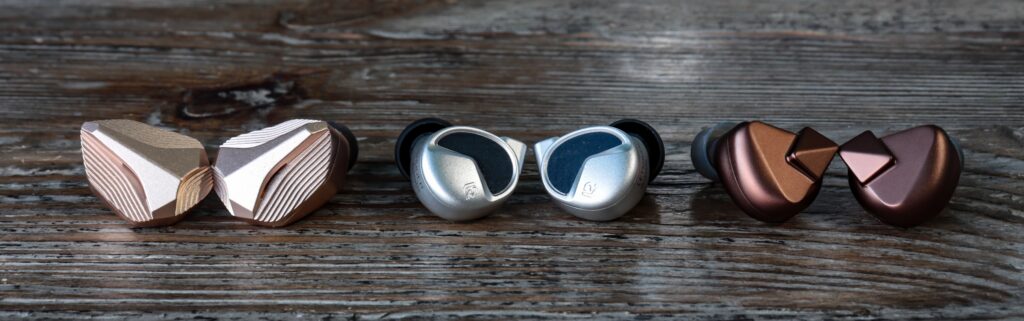
Letshuoer S12 Ultra ($169)
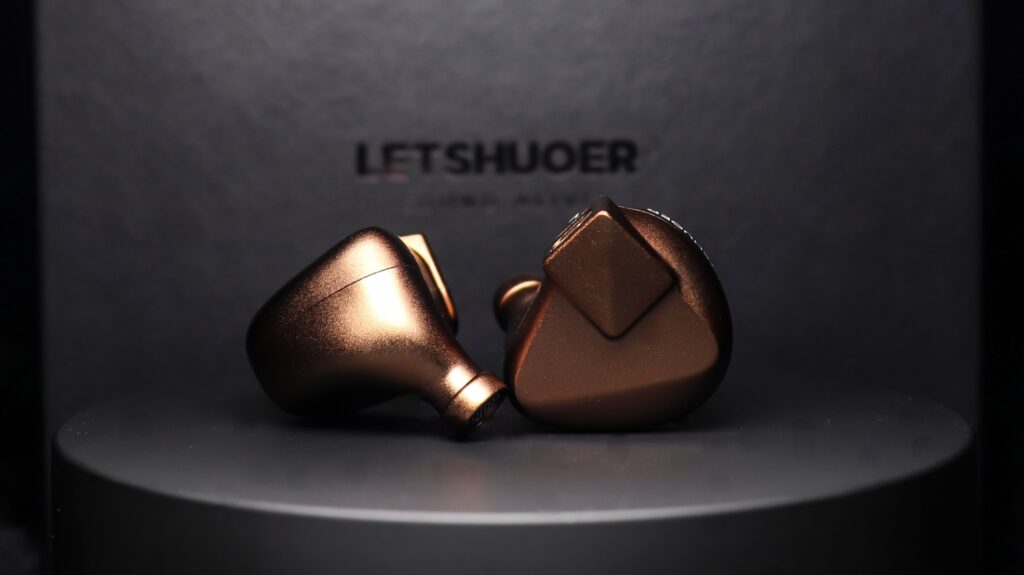
The Letshuoer S12 Ultra was the final entry into one of the most beloved planar series, appropriately dubbed the “S-12 Series”. In my opinion the S12 Ultra was a complete 180° turn from the analytical and bright tuning of the original S12. I reviewed the S12 Ultra back in October of 2025 (S12 Ultra Review) and had much of the same thoughts as I’ve had during the Astralis Review period. However, there are certainly differences and there is certainly one set that I like better. That said, the S12 Ultra is without a doubt one of the more musical and rhythm focused planars on the market right now. Again, the S12 Ultra carries a large 14.8 mm upgraded planar magnetic driver which comes housed in the same body style that all of the S12 Series has used. Definitely a stellar set, but how does it compare to the Astralis?
Non-Sound Stuff
To begin, both sets come with almost the exact same accessories and unboxing experiences. Literally, the same case, same number of tips, almost the same modular cable yet in a different colorway. Both well accessorized for the cost. Both sets are built wonderfully, made out of aluminum alloy and both are very lightweight. As far as fit/comfort the Astralis is the more comfortable and better fitting iem of the two, but that could change for any of you. Also, I love the design language of both sets as they are both very aesthetically pleasing. I suppose I am a hair partial to the clean minimalist look of the old school S12 body style and cool looking colorway of the Ultra, but I really do think both sets look very slick. Both sets are easy enough to drive, and both clearly scale very well with power. Both are planar magnetic earphones, but the Astralis has that upgraded and larger 15.5 mm ring type (circular) driver to the typical square 14.9 mm driver of the S12 Ultra. Lastly, the S12 Ultra is about $20 cheaper, so keep that in mind.
Sound Differences
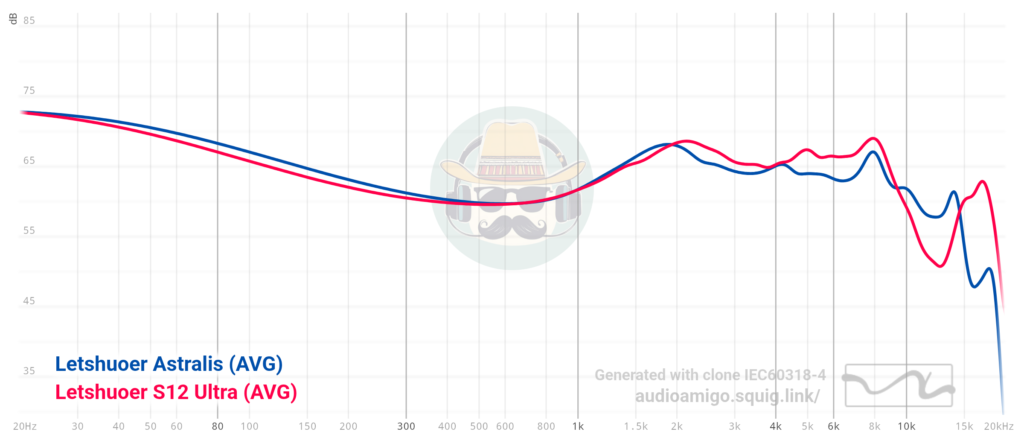
These two are very close in tonality, timbre, and both sets have that earthy-organic sound which leans heavily towards musicality-first. However, as close as they are I do feel that the Astralis is a clear upgrade in a few respects. I find the S12 Ultra to be closer to V-shaped while the Astralis is more for a warm U-shaped sound. Both iems lean heavily towards the warm side though the Astralis has a touch better balance, even with its beefier sublevel response. Which brings me to the bass. The Astralis hits harder, runs deeper, but both have an elevated and bass focused sound. The Astralis has a tighter, cleaner delivery, harder edged too. Both can flat-out get it! Now, the midrange of the Astralis features more body for notes, but both are rich. The S12 Ultra is a touch more recessed while the Astralis sits more forward to a degree. I find the S12 Ultra to have a slightly more vibrant upper-mid area which could potentially cause sensitive people fatigue while the Astralis is not at all offensive. I like male vocals better on the Astralis and females a touch better on the S12 Ultra. The treble of the S12 Ultra is more relaxed, just as smooth, less detailed, and less distinct in note contours. Both sets have solid enough extension into the upper treble. Between the two I have to give detail retrieval to the snapper and tighter Astralis, but man is it close. Separation and imaging are good on both sets for a musical sound, but the Astralis has more refined control and distinct imaging. Lastly, the stage of the Astralis is vaster, but also more intimate.
Final Thoughts on This Comparison
You can’t go wrong with either iem if you enjoy a richer sound. You really can’t. I think that between the two I definitely enjoy the Astralis more as it comes across a touch more balanced and less hazy, but these two mimic each other in many regards. Really, it’ll come down to what you can afford and maybe even what design you like better because both sets offer a high price-to-performance ability, both are extremely musical, both really draw out emotion well, and both sets are very good at their cost.
Hidizs MP145 Pro ($169)
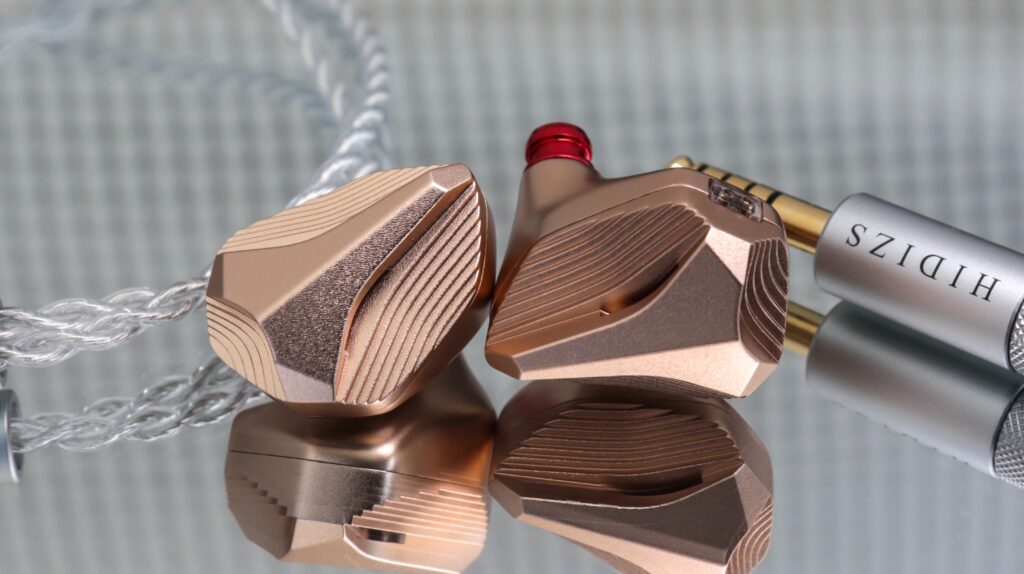
The Hidizs MP145 Pro (MP145 Pro Review) just hit the market on Kickstarter and comes from one of the more popular lines of iems, the “MP Series” from Hidizs Audio. I won’t go into a full breakdown, but the MP145 Series began with one of the more legendary iem releases with the original Hidizs MP145. So, it was very cool to see a new version. That said, the “Pro” version also comes with a slightly skewed tuning from the OG MP145, but I won’t get into that now. For right now just know that the MP145 Pro is a very capable planar iem and definitely a player in the game. The MP145 Pro actually has an upgraded 14.5 mm planar magnetic driver and an absolutely dope looking shell body that is very-very unique. Let’s check out some differences.
Non-Sound Stuff
Beginning with the unboxing experience, I have to say that the Hidizs MP145 Pro definitely comes with a greater assortment of accessories and probably a better unboxing experience altogether. However, I do like the cable of the Astralis more, but both cables for both sets are nice modular wires. Another quality accessory for the MP145 Pro are the three sets of tuning nozzles which do slightly alter how you hear this set. For this comparison I am using the red nozzles. Now, both sets are made out of lightweight aluminum alloy and so both iems are built well. Each should be durable, and also both sets look very cool too. Aesthetic appeal is wholly subjective, and these two are worlds apart in their housing design, and intricacy of the build/aesthetic. The one thing which may be a huge issue for some is fitment. Folks, the MP145 Pro is enormous. Huge housing, deep fit nozzles. For me the MP145 Pro fits me very comfortably, but I know that smaller ears will not have the same experience. The Astralis fits like a glove. Lastly, the Hidizs MP145 Pro is $20 less expensive at $169. Between the two sets the Astralis is easier to drive but both scale exceptionally well good clean power.
Sound Differences
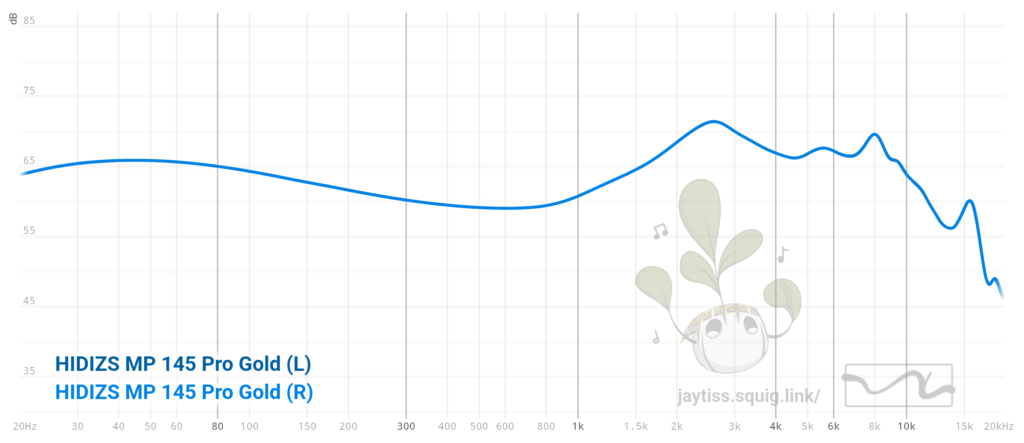
This comparison is a tale of two earphones because they are very much different. I mean, this is without question “preference battle” territory. Basically, you’ll either love or not love either set due to how polar opposite that they sound. Unless you are like me and love every signature. Anyways, let’s check out each 3rd of the mix. To begin, the MP145 Pro is a much brighter, majority analytical iem with lightning-fast transients and far less emotionally engaging as the Astralis, less fun, less musical, and melodic but definitely better technically… across the board. The Astralis has a far more earthy and natural sound with a realistic and authentic cadent flow, whereas the MP145 Pro is all about speed and holographic dimensionality and focused hyper-analytical acuity. The two couldn’t be further apart and yet each represents two of the best planars on the market for their tuning styles.
Between the 20’s
The bass of the Astralis is much more palpable, much more haptic in authoritative judder and boom. I’d call the Astralis close to basshead with its much larger and more authoritative bass shelf. The MP145 Pro is all about bass punch, bass speed, intricate minute changes and volume shifts are all resolved with great micro-dynamic intelligibility. The Astralis is more rounded, more convex, and much more fun. Next, the midrange of the Astralis has that very clean but also very authentic, organic, almost woody and warm rendition of the midrange. Slightly more forward, more intimate too and far less energetic or fatiguing. The MP145 Pro will test your glare tolerance but also resolve absolutely everything. This set is so transparent that badly recorded tracks will sound like a mess. The Astralis is far more emotionally engaging, and immersive while the MP145 Pro has its own style of engagement but is more clinical. The treble of the MP145 Pro has more bite, more brilliance, better extension, snappier, and more detailed, but also more likely to cause offense. Of course, the Astralis keeps that richer note body, still clean but more natural and a much smoother treble gently rolled off and much easier in the ears. Technically, the MP145 Pro wins out across the board. Definitely the stage is grander on the MP145 Pro. Of course, it was tuned that way. However, “musically” the Astralis wins out across the board. Again, it’s a clear-cut preference battle.
Final Thoughts on This Comparison
As I’ve always said, I love all sound signatures. I melt into any signature that is in my ears and brain burn hits almost instantaneously for me. I choose comparison sets that I love (most of the time), unless it makes more sense to add another. However, typically I compare sets that I know and love VERY WELL. I know these two sets like the back of my hand and have spent a ton of time with them both in my ears. This comparison was wild! I loved going back and forth with these. You see, when the two sets are this different it makes comparing very simple. Which is more fun. I don’t like straining to hear differences, that’s work. Lol. Anyways, both iems really do represent two of the best planars on the market for either a musical/bassy/organic sound or an analytical/punchy/vibrant sound. Both are highly qualified and very skilled and both are great for any collection. In fact, these two contrast each other extremely well.

Genres
As I have been doing over the last six months or so, I am adding in a “Genres” section in which I very broadly describe some genres which seem to work better and genres which seem to sound less good on the set I’m reviewing. Friends, please hear me. This section is not set in stone. For every “better genre” I can find plenty of tracks within those genres which won’t work as well per the tuning of the Astralis. In contrast, for every “worser genre” I can easily find tracks which sound amazing on the Astralis. So please keep this in mind. I almost hate to even add this section because it is so ridiculously broad in description and probably hurts more than it helps. Plus, these are “my” opinions. You may feel 100% polar opposite to me. All is subjective so while I wouldn’t say take this section with a grain of salt, I would say to read with one eye closed and question my thoughts. Of course, you should always be doing that.
Better Genres
First off, there is a huge range of genres which benefit from the Astralis’s organic, warm, rich note body and natural timbre as well as its vibrant and vibrational beefy bass. I’d first start with any Acoustic music, Folk music and any Singer-Songwriter stuff sounds absolutely amazing on this set. The bass grounds guitar, vocals, piano so well adding richness and a euphonic warm glow without artificial timbre. Jazz is equally awesome on this set. Upright bass, sax, and vocals are so groovy, note weight adds that rich fluid sound and intricate cuts are handled perfectly by the Astralis’s fast transient behavior. Pop music is a broad word but generally good with this set. Definitely R&B, Hip-Hop, any Electric or EDM (most, but not all. I’ll explain later) all benefit from that tight, yet bullish bass provides synth drops, bass drops with nice physicality, grip, and great clarity too. Any Rock music of any kind sounds awesome. No shout, guitars have some muscle, vocals have rich weight, drums have great kick. Lastly, I’m a country boy and so Country music obviously works well along with any type of Blues as well. Anyways, I went a bit too long on that, but these are just a handful off the top of my head.
Slightly Less “Good” Genres
Okay, so in a very generalized sense, I don’t like Metal as much on the Astralis. I say this because I feel it slightly lacks that forward vibrance, snap, and bite for guitars, or even cymbal fundamentals, which makes the Astralis feel a hair too polite in my book. EDM can be great, but there are tracks which (in my opinion) require more mid-bass boom and more of an electric top-end. Lastly, this isn’t really a “genre” but any higher register female vocalists led tracks sound a bit too warm/hazy rather than resounding and brilliant. To be honest, there are more for the good and bad but I’m tired, time to go to bed. Also, I think you get the picture.
Last Words on the Letshuoer Astralis
I’ve reviewed many Letshuoer iems and have rarely turned any away as this brand simply has hit after hit and they keep coming on a fairly regular basis. The Astralis is simply the latest. Like I said earlier, I am not pinning this set as the best of anything. I’m not crowning the Astralis as the best musically enriched planar under $200, though I wouldn’t argue against it either. Of course, when there is a Letshuoer S12 2024 Edition it makes it difficult for any musicality-first planars in this range. That’s beside the point. The point is that the Astralis isn’t a hype piece. It does a lot very well and has very few actual “issues” unless they are subjective tonal and preferential gripes that individual listeners may have. Nothing is inherently wrong with this set. In fact, I’d certainly argue that much more is awesomely right about it. Letshuoer once again pulled off a planar with ultra organic timbre and no added glare or planar metallic and electric timbre. This is huge. Also, Letshuoer pretty much figured out the bass problem. The Astralis has such a deep and bulbous FEEL to its low-end which truly moves some air. It must be the ring type round and enormous 15.5 mm driver. The resonant control is awesome. At any rate, Letshuoer is on a roll, and they don’t seem to be stopping anytime soon.
Not For Everyone
However, I need to revisit the part where I said that the “issues” with this set will likely be subjective preferential tonal gripes that some may have. I need to really drive this home because it will be a problem if you spend your hard-earned money on something this polarizing not expecting this type of sound. So, I repeat, again, the Astralis is very warm, smooth, rich, and not very brilliant up top. This set is not some ultra-contrasted macro-dynamic and vivacious sounding iem. I know many neutral heads who won’t enjoy the earthy-organic sound. Those who celebrate ultimate neutral clarity with no bass bleed are going to find the Astralis too far endowed with richness. Also, the treble is flat-out safe. There’s no other way to say it. Not everyone wants a top end that doesn’t have that energetic and established radiance and treble punch. Some people live for that hard and crisp bite. The Astralis doesn’t have that in the way that these people will want. I would also say that the Astralis does have a great macro-detailed and very controlled, very coherent sound. Very well displayed with good clarity. However, the Astralis definitely misses on the forensic style hyper-detailed and acute focus that other planars have. Sure, the driver speed is impeccable, but the focus of this set is on its coherence, organic timbre, rhythm, and flow over that amazing ability to dissect music. Still nice for complex passages of music, but not technical beast worthy. So, there will be those who won’t be down with this set, and that’s a good thing. Still, I find the Astralis is a fantastic iem for what it is and what it was tuned to be. Furthermore, it’s worth every penny that Letshuoer wants.
The Why…
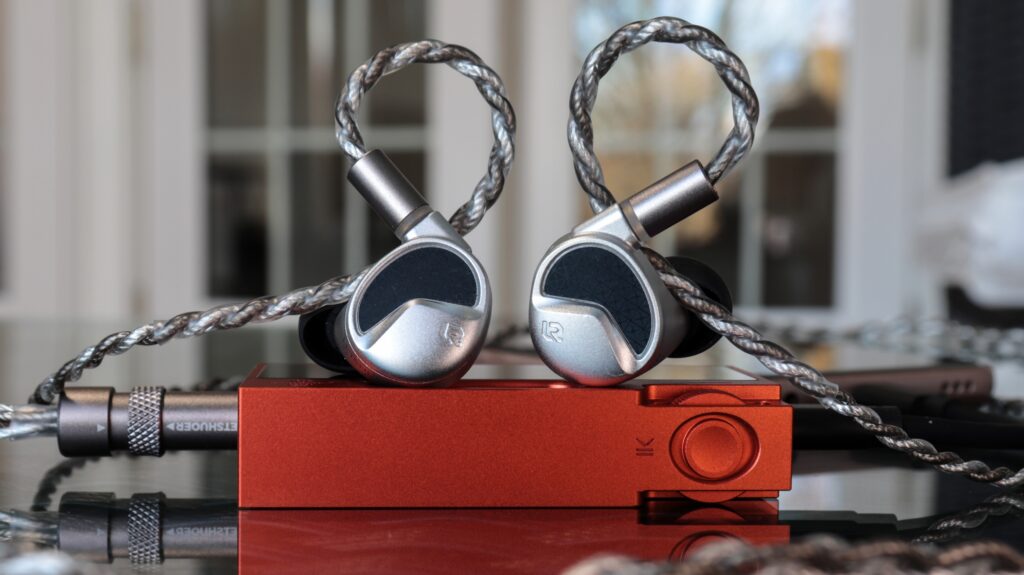
Because Letshuoer provides everything the listener would need with relevant accessories that work well with the Astralis. Nice tips, nice enough case, great modular cable, and even the DT01 3.5 se dongle dac. One thing I love about this set is its great aluminum build, ergonomically sound design, and comfortable fit. Also, the Astralis is pretty sweet looking if you ask me. Of course, that’s a totally subjective take. Still, pretty dope looking. However, the comfort for me is simply amazing compared to other sets on the market. The non-sound stuff is stellar, but as always, it’s the sound department that really stands out for me and is the true reason that the Astralis is worth every penny. Friends, the musical nature of the Astralis is palpable with its semi-rich and always harmonious sound. I love a set which uplifts and draws out the emotion in a track. The Astralis does this on everything. The bass is definitely the focus of the Astralis and digs much deeper than most planars with DD-like physicality yet with planar speed. The bass is both punchy and authoritative and works well with many genres. Vocals on this set are usually fantastic as the timbre quality is great. The forward midrange adds intimacy and provides a room-like feel where it sounds like I’m right next to the artist. Also, the midrange never sounds shouty or sibilant and I can hear many of the subtle details with nice separation and nice sound field dimensionality. Also, the treble is non-fatiguing, it is so smooth, easy on the ears, yet also very precise in transient ability adding a touch of bite, crispness, and sparkle. Again, detail retrieval is better than it should be and that goes for separation, layering, & Imaging too. Lastly, the sound field is never congested, never narrow, and the Astralis has a very full soundstage which is very expressive and totally adds to the experience. Nothing 2D here. I’ve had a blast with this set folks and it’s worth every penny.
Conclusion
To conclude my full review and feature of the Letshuoer Astralis, I have to thank the people of Letshuoer. Especially Katherine, who I’ve been dealing with of late. They are always very helpful, thorough, and Letshuoer NEVER requires anything out of me except my truth. They never push for my review to hurry up and of course have never asked me to say anything other than my honest thoughts. Granted, they’ve only made good stuff. So, thank you Letshuoer. I also always have to thank the reader, you, for clicking the link that got you here. It is always our great honor and privilege to write these reviews in a hobby that I love and it is even more gratifying when I am able to actually help you. Please believe me, I don’t do this for money (never taken a dime, ever), for products, or for my health. I do this for a creative outlet and to help you. I do hope my words and the words of my partners here at Mobileaudiophile.com help you.
Different Perspectives
Now that you’ve read my full review, I do hope you’ll click some other links on other reviews, from other reviewers regarding the Letshuoer Astralis. It’ll help you even more to understand the Astralis better, and to make a much better educated decision before you go and plop almost $200 down on this set. It’s always a good idea to get other perspectives from other reviewers. So please listen to, watch, or read other thoughts about this set folks and I do hope you find the perfect set for your listening sessions. Okay folks, I think I’m done! I hope each and every one of you is well and good. Please stay as safe as you are able and always… God Bless!
Astralis Pros
-Build Quality is great (all aluminum, ergonomic)
-Comfort is stellar for my ears
-Decent enough unboxing, great modular cable
-New 15.5mm ring-type circular planar driver is dope
-Very organic sound, wholly musical, and very emotionally charged
-Deep sub-bass extension is very deep, juddering when a track calls for it
-Bass is fast for its size, agile, and has nice texture and grip
-Melodic mids, great note weight, excellent earthy timbre, never shouty, great for vocals
-Treble is non-fatiguing and has just enough sparkle and air
-Detail retrieval is better than it should be
-Same goes for note separation
-Imaging and layering abilities
-Stage is above what I’d call “average”
Astralis Cons
-Warm, rich, and less exciting sound won’t be for everyone
-Upper mids are a touch too polite/relaxed and don’t sparkle for some female vocalists due to upper mid dip after pinna
-Any true analytical heads will not enjoy this warm/musical and richer tuning
-Bass may be too emphasized for some hobbyists
-Soundstage isn’t quite as impressive as some competitors





No Comment! Be the first one.