




















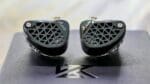











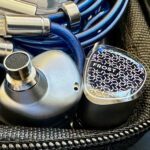



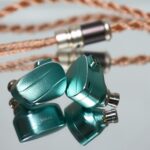
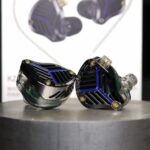



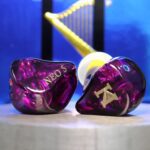
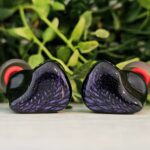
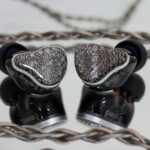
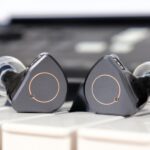



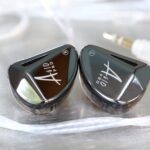





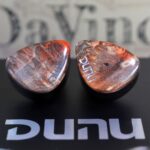

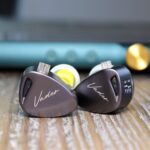
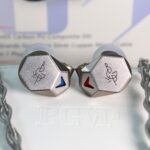

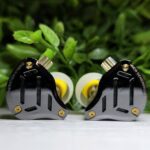
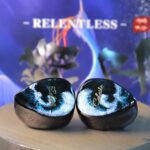










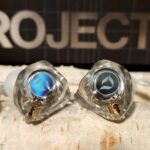


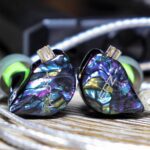
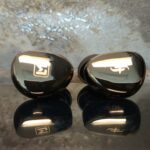
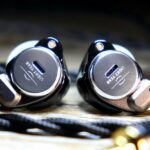
















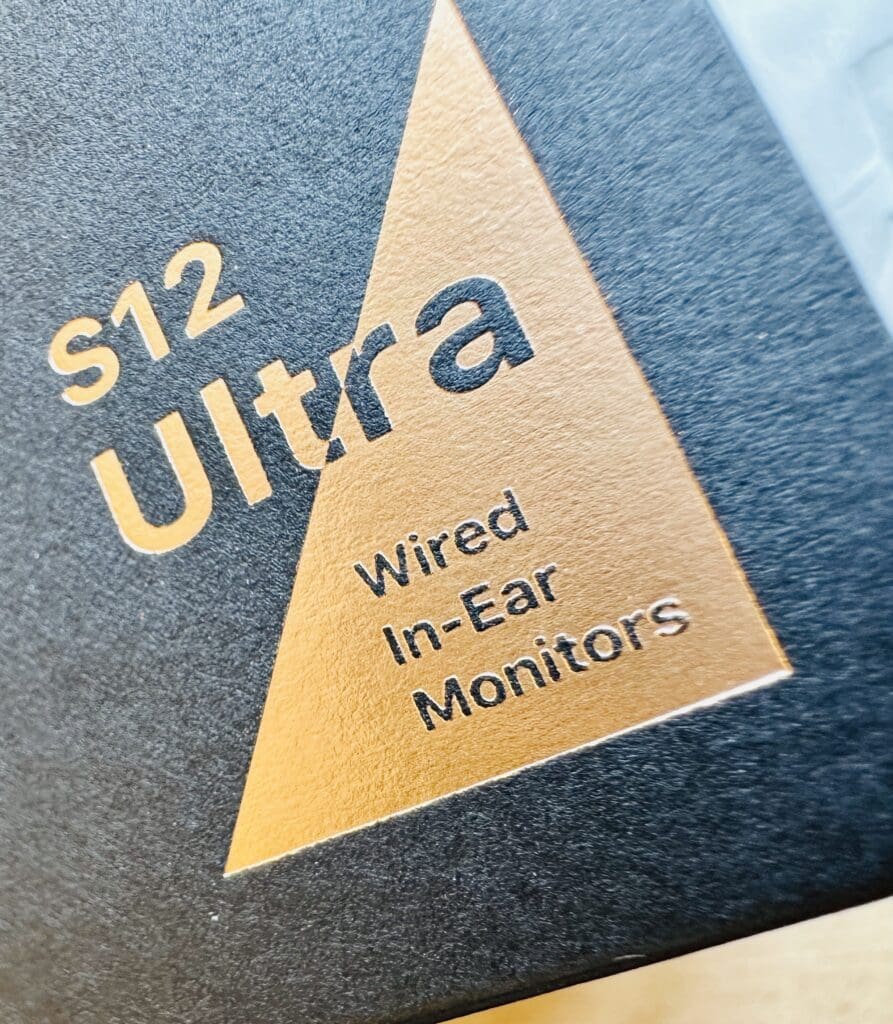
I’ve lived with the original S12 long enough to know its every quirk — its lightning-fast transients, its crisp edges, its occasional glare. It was the IEM that made planars accessible, but also one that sometimes reminded you of its analytical roots. When Letshuoer announced the S12 Ultra, I wasn’t expecting a revolution — just a little more composure. And that’s exactly what it is: a calmer, more refined sibling that keeps the speed but adds tone, texture, and breath.
Table Of Content
The S12 Ultra still runs on a 14.8 mm planar magnetic driver, with sensitivity rated at 101 dB and impedance of 16 Ω. On paper, nothing radical. But in practice, the tuning feels more human. It’s not about pushing air harder — it’s about shaping it better. From the first few tracks, it’s clear the Ultra isn’t chasing fireworks; it’s chasing flow.
Having used the S12 extensively with multiple sources, I approached the Ultra with a simple plan: test it through SE (3.5 mm), BAL (4.4 mm), and the bundled DT01 USB-C dongle. Each revealed a new personality — from dark and lean to wide and cinematic. That journey became the backbone of this review.
Unboxing Letshuoer Ultra
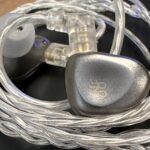
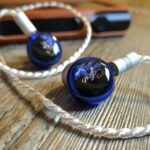
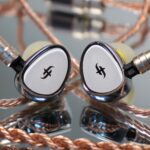
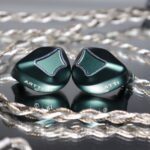
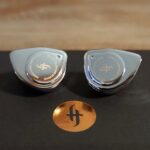
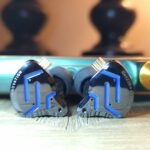
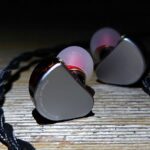
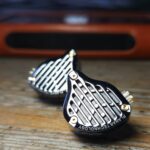
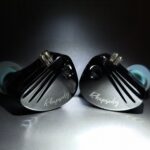
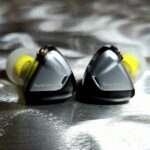
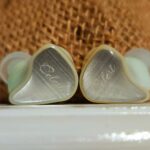
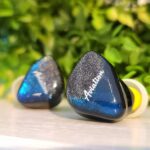
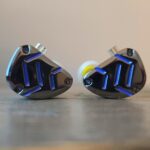
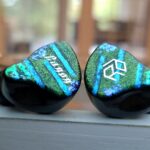
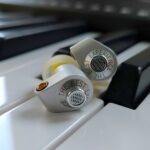
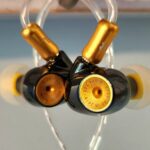
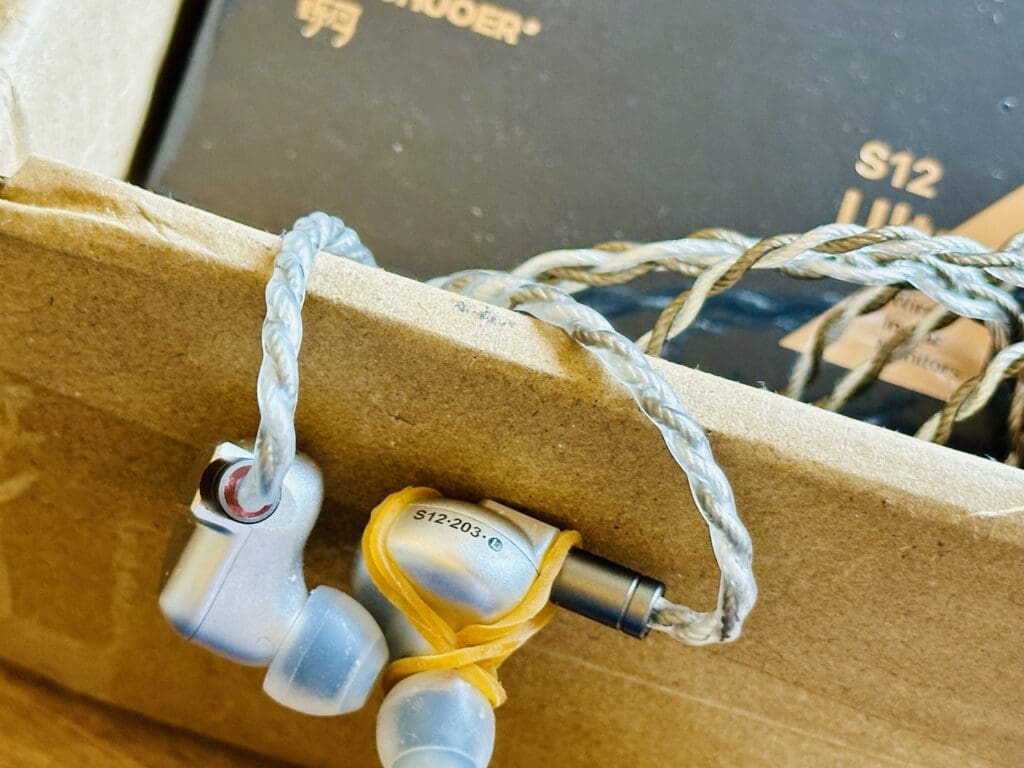
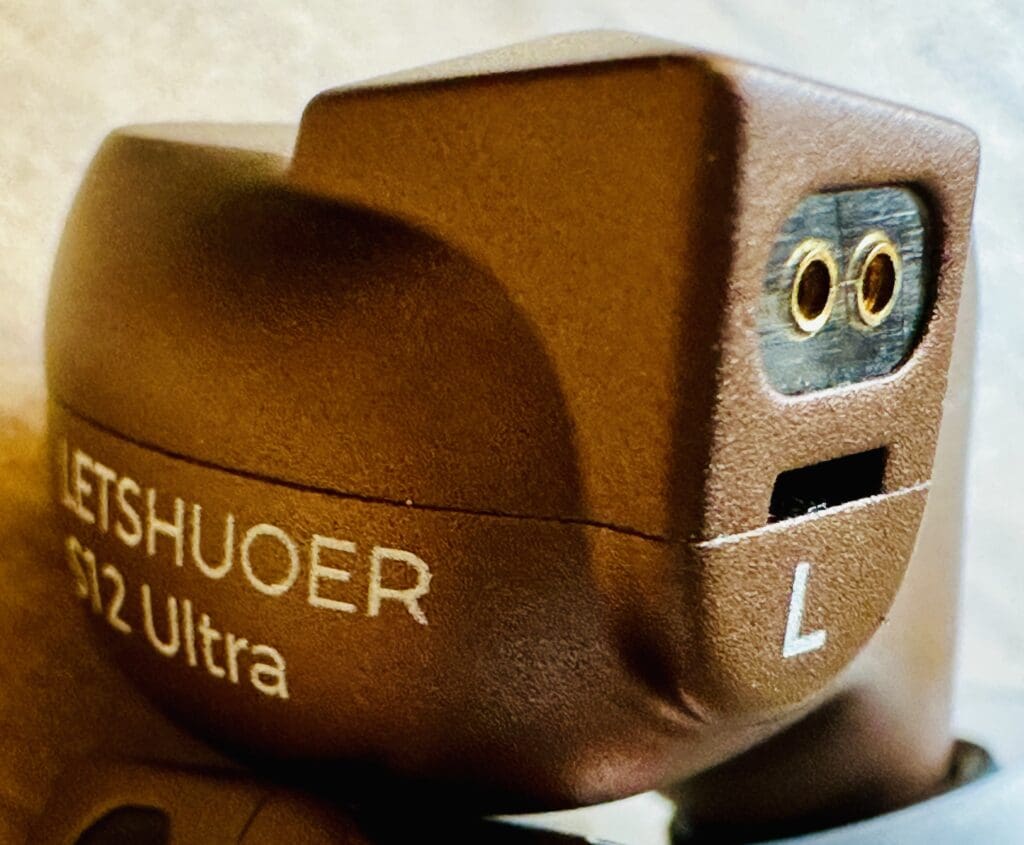
Letshuoer doesn’t go for theatrics in packaging — and honestly, I prefer it that way. The S12 Ultra arrives in a compact matte box that’s clean and understated. The earpieces themselves look familiar but more elegant: anodized aluminum shells in a new mocha color finish, smoother edges, and slightly refined nozzles for better fit and airflow.


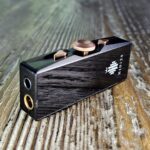
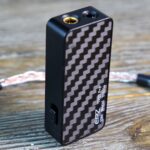
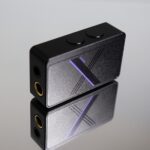
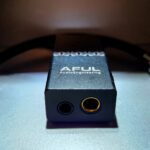
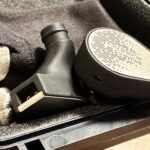
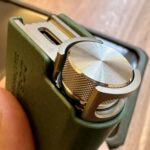
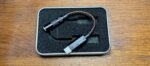
Inside, you get a 1.2 m detachable two different brown toned braided cable inside its Letshuoer fashioned storage box— now with modular terminations (3.5 mm and 4.4 mm included). The cable feels denser and better braided than the old one from my S12 set. Eartips are divided into Balanced and Vocal series, which is a clever touch; they really do alter the tonality. And tucked neatly under the insert sits the small DT01 USB-C to 3.5 mm DAC dongle, based on the Cirrus Logic CS46L41 chip — a pleasant surprise, as most brands still skip meaningful accessories.
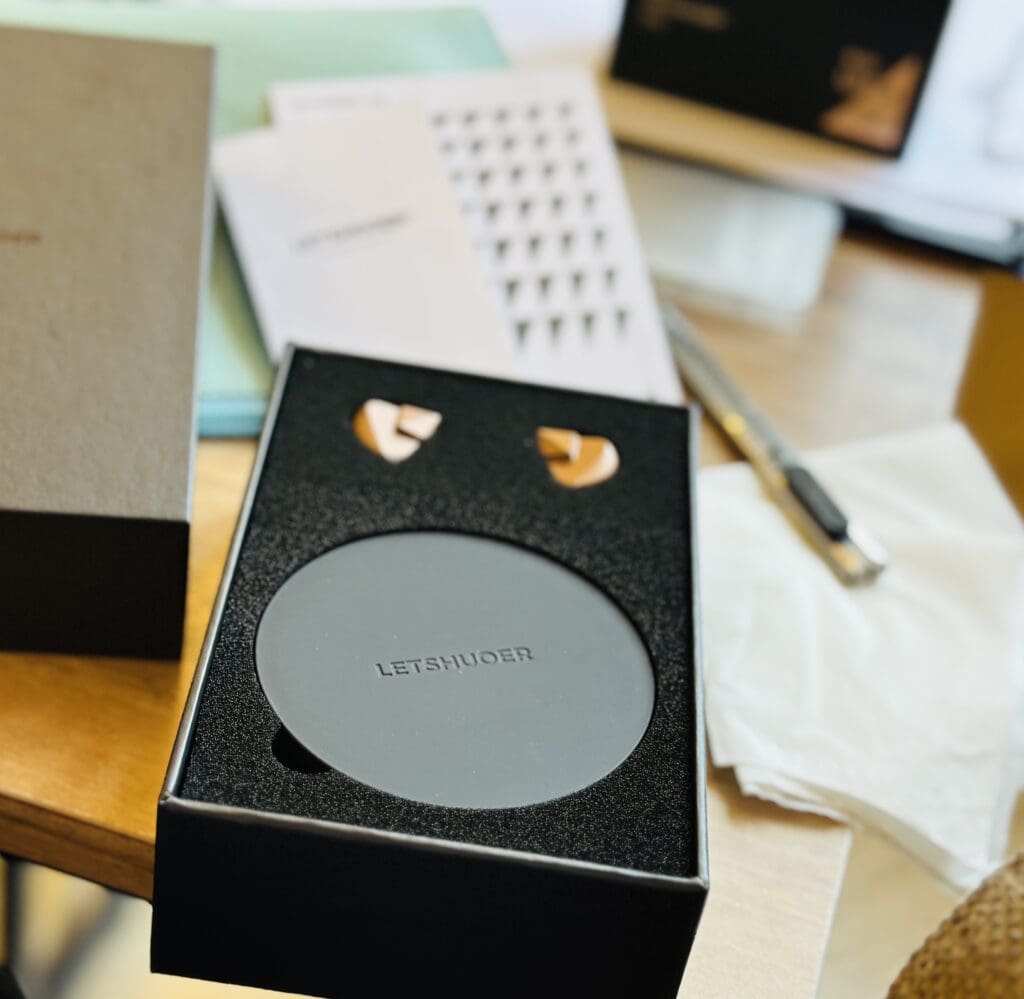
The dongle itself feels premium, not an afterthought: soft-touch aluminum housing, braided short cable, and clean plug alignment. Plugged directly into my phone, it drove the Ultra with authority — no hiss, no noise, just instant “wow, that’s louder than I expected.”
Everything inside the box gives off a quiet message: we know what worked before, and we’ve listened to what didn’t. It’s the same Letshuoer spirit — functional, minimalist, and honest.
Sound Technical Details
Coming from years with the original S12, I immediately felt the Ultra wasn’t about change — it was about maturity. The same 14.8 mm planar heart beats inside, but the energy flow has changed. The original S12 always struck fast — crisp, transparent, sometimes a little tense. The Ultra breathes slower. It gives the same detail but lets you feel it before it vanishes.
The improvement becomes most obvious when switching chains. On single-ended, it stays polite; on 4.4 BAL, the stage expands and micro-details start floating in space. And when plugged into the DT01 USB-C dongle that ships with it, everything locks into balance — the clean power and Cirrus Logic tuning bring a stable black background and a full, honest image. Compared to my S12, the Ultra carries a quieter confidence. You sense refinement, not restraint.
Bass
The S12’s bass was always quick and articulate but could sound a bit flat — more punch than body. The Ultra fixes that. Sub-bass digs deeper and decays naturally, giving the instruments some breathing room. Kick drums have weight without losing speed; basslines now roll, not just hit.
On the DT01 dongle, I hear that same fast planar texture with added warmth — almost like the driver has been given a bit more current headroom. The result is physical yet polite; no mid-bleed, no boom. The S12 felt like it showed you the bass; the Ultra lets you stand inside it.
Midrange
This is where the biggest shift happens. The old S12 midrange was razor-sharp — clear but sometimes emotionally detached, especially with female vocals. The Ultra pulls the mids a little closer, coats them with air, and adds just enough body to make vocals and guitars sound alive.
On balanced output, that difference grows. Vocals gain dimension; they no longer sit flat between your ears but occupy space with a faint echo behind them. Through the DT01, it becomes intimate — almost headphone-like. Compared to the S12, the Ultra’s midrange is less about showing detail and more about showing connection. You can listen longer, and your ears don’t tense up.
Treble
The treble transformation is the clearest proof that Letshuoer actually listened to feedback. The S12 could sparkle brilliantly — sometimes too brilliantly. The Ultra tames that top edge without blunting it. It’s the difference between a spotlight and daylight.
Hi-hats and strings now shimmer, not stab. You still get micro-details — that fine metallic air you expect from a planar — but it’s smoother, almost “wet” in texture. On the DT01 dongle, the upper range stays controlled and free of hiss. Switching back to the S12 right after feels like flipping from Blu-ray to a live stream — the detail’s there, but it’s more brittle, less dimensional.
Source & Eartip Matching
If the S12 was demanding about tips, the Ultra is practically expressive about them. Balanced tips bring the classic Letshuoer stage — deep, stable, musical. Vocal tips sharpen focus but flatten depth a little.
The Balanced and Vocal eartips aren’t just marketing — their bore diameters differ by about 1.2 mm, enough to shift perceived treble energy and stage depth audibly.
FYI
With the 3.5 SE, you get an honest but somewhat two-dimensional sound; with 4.4 BAL, the Ultra truly opens up — layers form in front of you instead of inside your head.
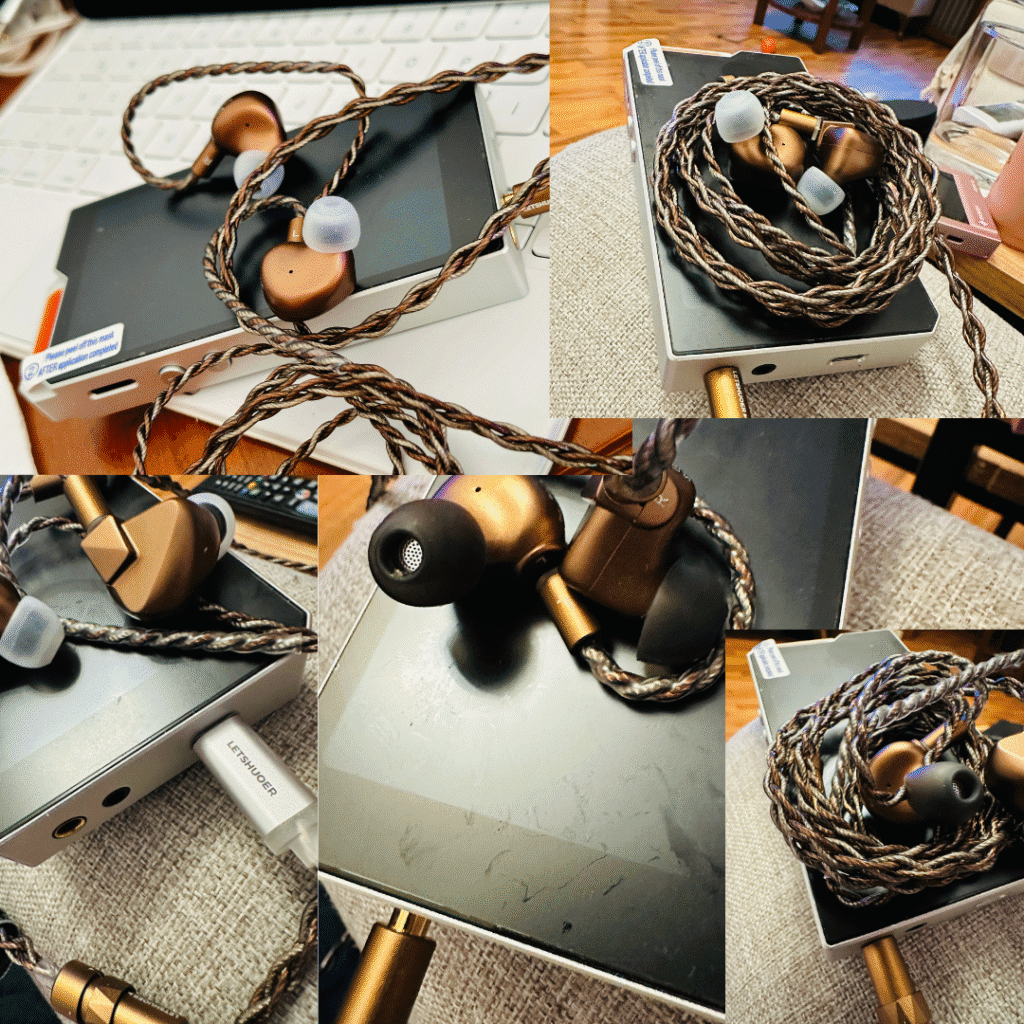
Then there’s the DT01 USB-C dongle, the hidden gem of the box. It combines the BAL’s openness with the SE’s intimacy — giving a sound that’s simultaneously soft and strong. The Cirrus Logic CS46L41 implementation adds a quiet floor and graceful tone; the playback feels “human.” It’s almost funny that this tiny piece brings the Ultra closer to what the S12 always wanted to be: smoother, deeper, and free of grain.
Pros & Cons
Pros
- Noticeably smoother and more organic than the original S12
- Balanced and DT01 outputs scale beautifully with low noise and high clarity
- Treble refinement without losing extension
- Planar bass gains body and texture
- More natural midrange tone and staging depth
- Excellent driver control, easy to drive from most sources
Cons
- SE output sounds flatter and less dynamic
- Tip choice still strongly alters balance
- Treble may feel slightly reserved for those preferring S12’s raw sparkle
Conclusions Letshuoer S12 Ultra Review
The Letshuoer S12 Ultra isn’t a radical redesign — it’s a reconciliation. It keeps the speed, precision, and planar clarity that made the S12 legendary, but now adds warmth, space, and soul. Plugged into the DT01 dongle, it shows what happens when technical competence finally meets musical maturity.
The original S12 was brilliant but restless; the Ultra is its wiser twin — same DNA, calmer heart. It trades adrenaline for balance, glare for glow. And after a few hours of switching between them, I realized something: I used to analyze with the S12, but I just listen to the Ultra.





No Comment! Be the first one.