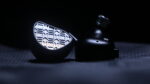
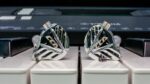
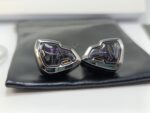







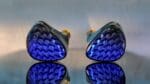

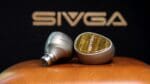
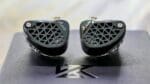
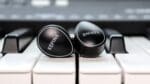
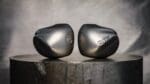
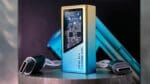
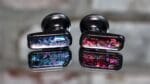

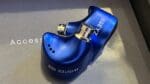
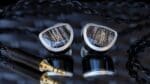
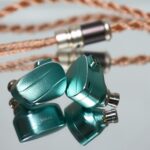
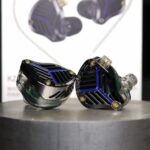
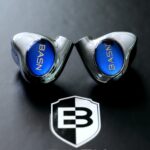

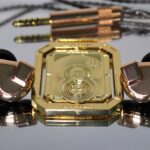
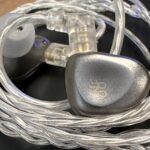



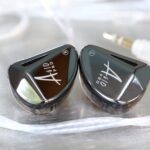

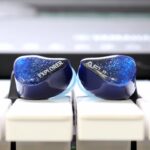
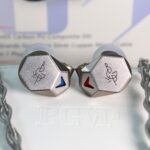
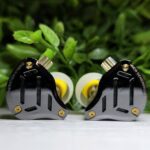
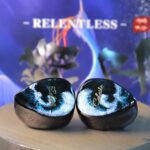
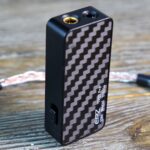
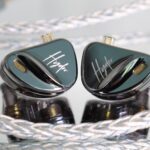
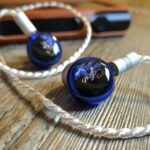
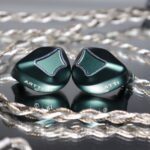
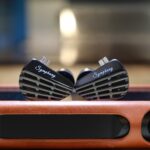
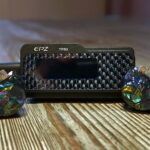
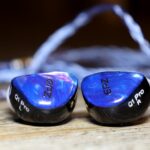


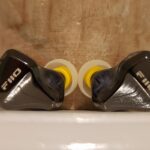
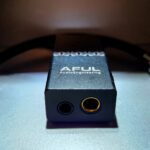
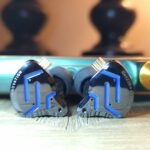
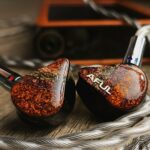

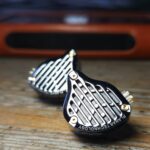
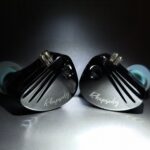


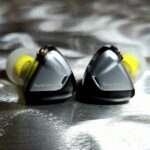
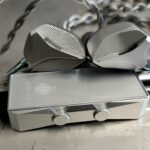
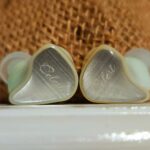

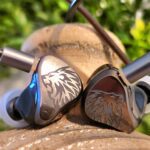
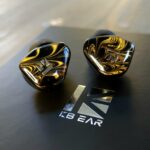
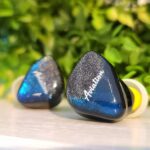
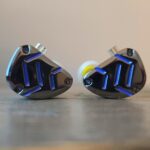
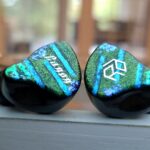
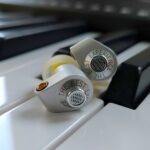
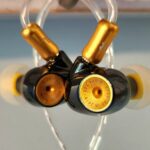


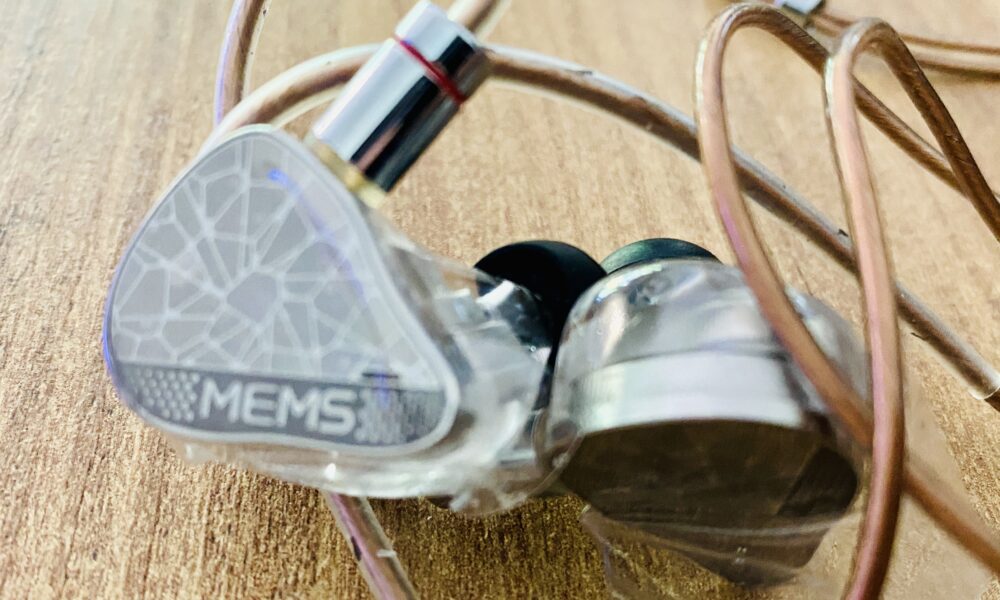
We know Binary through Binary DynaQuattro and Chopin.Clever namings.. Long ago there were electrostatic drivers, started with Stax and slowly came down to a mortal level. Then MEMS modules smaller than a grain of rice started showing up, and for those of us connected to hifi, the sun finally rose.
Boxing
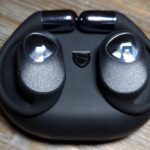
Mundane. Actually telling us to quit fancy stuff and get down to sound.


SOUND
On the SMV bass trio recording I’ve been listening to for years, I’m hearing tonal details, positioning, and what I can only call playback coming from the air itself, things I never caught before. These three are grandfather-age and have been known by their instruments for 40-50 years each, so the recording is probably ambient captured, not channel recorded. Because with mainstream music I never got this feeling I described above. On Presley’s orchestral recordings the stage opens right in front of me, I feel like I can even pick out someone doing a rock’n roll dance. Polyphia’s chaotic riffs, time signatures, entries and exits, analytical minds dream of this. By the way, handling SMV, Elvis Presley AND Polyphia at a level that makes all three smile requires solid capacity and balance.
BASS
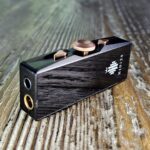
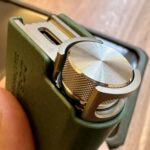
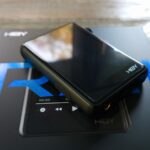
With Echo Mini on NOS mode with right settings I’m getting enough result for trance and hearing samples and vocals clearly. Have to be honest, it doesn’t feel like sound coming from tower speakers like I’m in a discotheque. I’ll come back to this with non-stock eartips, HiBy R4 and beyond.
Anyway, in other genres the bass makes itself known and keeps a balanced structure.
And thanks to the MEMS driver inside, fidelity is in its blood. You believe the bass you’re hearing is only as much as what’s actually in the track. At least I believed it. Because right after the bass level in Lebowski, when Russian Circles kicks in with their metal drumming, the difference between the two basses presentations is night and day. Also with orchestral bass sections alongside cymbals, turning up the volume at the right moment, you can listen like you’re in a stadium. Harmonic distortion being low means despite giving it power everything stays quite clean, but on H gain it gets slightly metallic while L gain gives you that “THIS IS IT” moment. Imagine a music hall experience without acoustic fatigue. Tipsy M1 was doing this through its bamboo fiber material.
MIDRANGE
High clarity is like a sweet elixir that won’t let you take it out of your ears. And it serves both transparency and musicality. So much so that in most genres you can pick out the quick breath a vocalist takes right before launching into the next powerful phrase, and playback becomes incredibly immersive, enveloping.
Also in instrument-heavy groups, it delivers a full festival-mode playback.
After listening to some Eastern European recordings I can say: this thing reflects every organic instrument within the midrange with its own unique character. This serves the 3D imaging thing people talk about. And pulling off that imaging even from entry-level sources, hats off.
TREBLE
For metal-loving Mahir, treble means power metal first and foremost. And I can say everything knows its place. The treble shelf in my real-time mental EQ graph isn’t set too high, so bells, cymbals and all of it plays out at just the right level in the heroic stories of the genre without bothering me. Camel is waving from the past. The whole band is in my ears. An ear speaker experience worthy of their craft.
ALTERNATIVE SOURCE / EARTIP / CABLE IMPRESSIONS
Source first. Opening Zimmer’s Crimson Tide I see real cinema. The whole orchestra is there layer by layer, the large brass section and the obvious expansion in the headroom. At close listening levels, without any metalizing, if you lean back and close your eyes it transports that stadium or concert hall into your head within the acoustic limits of an in-ear. The sound on this source is MUCH more enveloping.
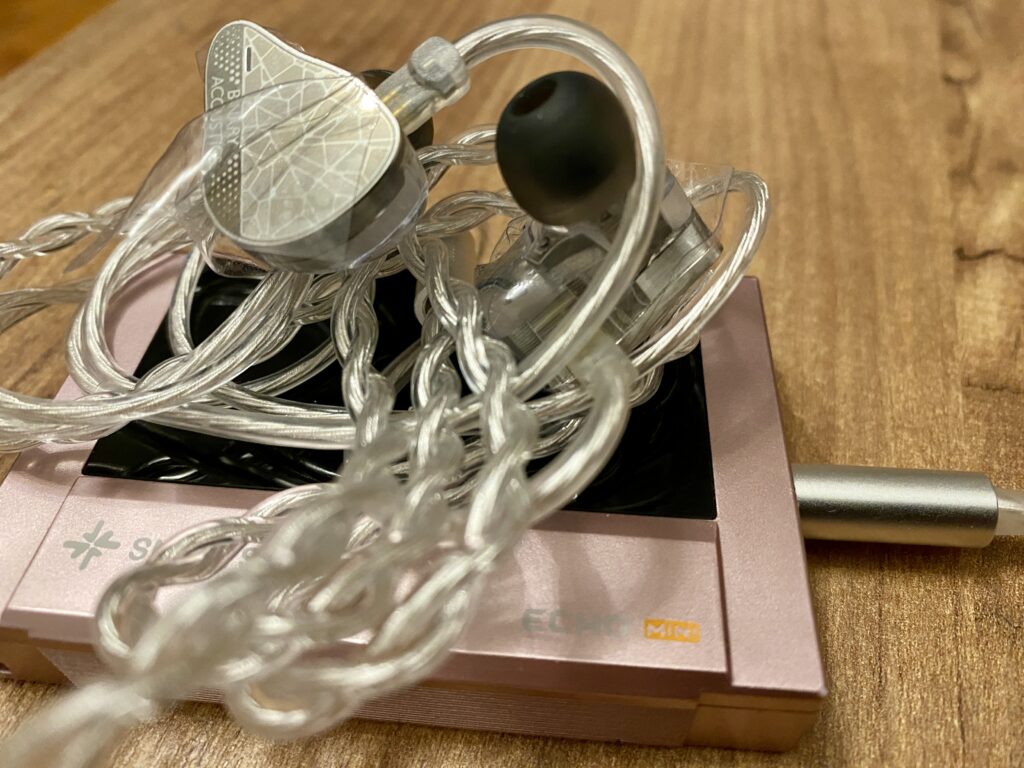
Same track, different eartip and cable, this section continues. But before moving on I check Infected Mushroom – Bass Nipple at the same volume level and from being a big concert hall person we step down into underground territory. I’ve been in both so check? Superb! Great excitement and the Bass Nipple passes right through you with that low end.
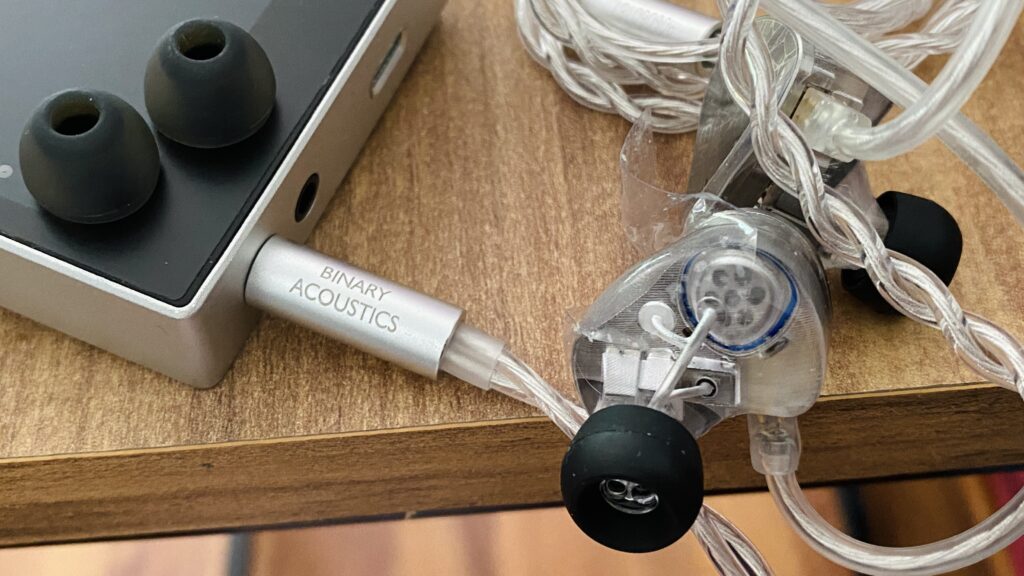
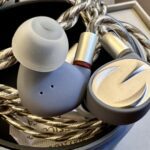
Switching from stock M eartips to Divinus Wide Bore, multiple things changed on the same Zimmer track all at once. Went from “can I even hear the whole stage separately” to “I can hear the whole stage separately.” Acoustic tightness gave way to gentle limits, harmonics in the treble became subtly distinguishable. Not quite a BQEYZ Wind, but even the flute walking quietly beneath the chaos entered my listening field. All of this I would have expected from a wide-cup open-back headphone before. But DWB distributes sound in such a controlled way, inspired by horn speakers, and becomes a perfectly fitting match for the hifi-minded Binary EP321 MEMS.
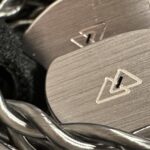
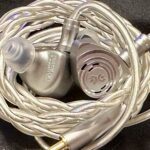
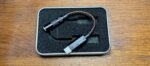
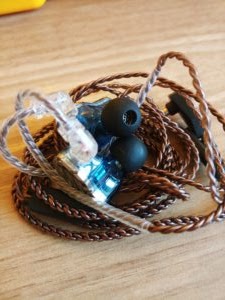
Then I add my 6N pure copper IEM cable to the increasingly improving setup.
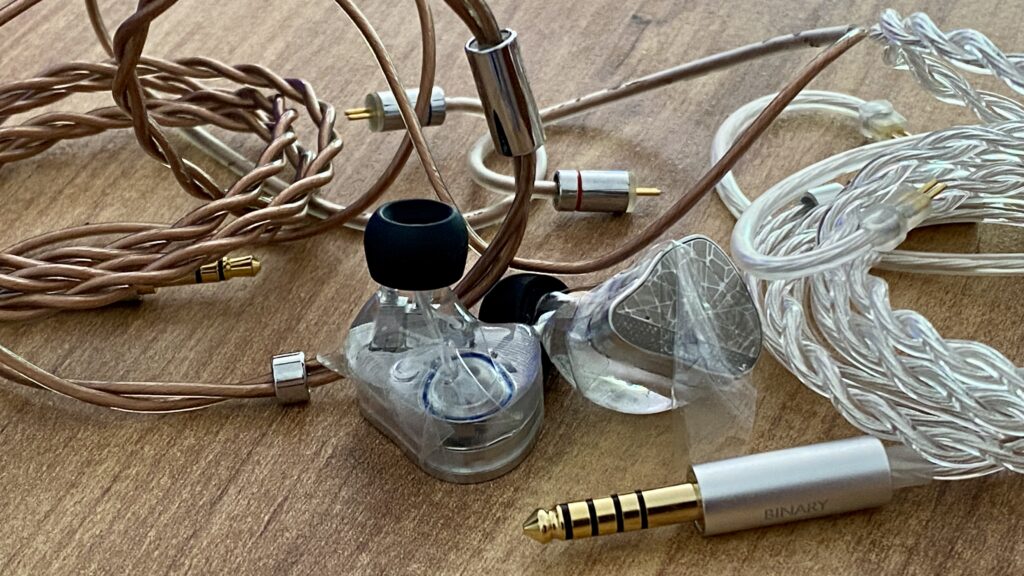
This cable is an SE connection so I accept upfront that the technical improvements of balanced won’t be there. The noise floor I’d been hearing across all configurations dropped to near zero. And with the polishing of foundational low frequencies, also allowing vibrato resonances in Limehouse Blues to rise up, both the total sound quality and the separation between rows on stage against the dark background climbed to a frightening level. So much so that looking straight ahead I heard the rock group members separately, and looking upward, paying attention, I heard the choir members too. Every instrument on stage gained its own pocket of air. When I closed my eyes and focused on the sound, I sensed myself at the center of a perfect semicircle of sound field. I said frightening. I’ll say it again.
Finally I also want to bring in the MacBook Air M1 I’ll be publishing the review from and report the results. All listening done on Qobuz and I haven’t listened to Jethro Tull – Bouree this eloquent before.
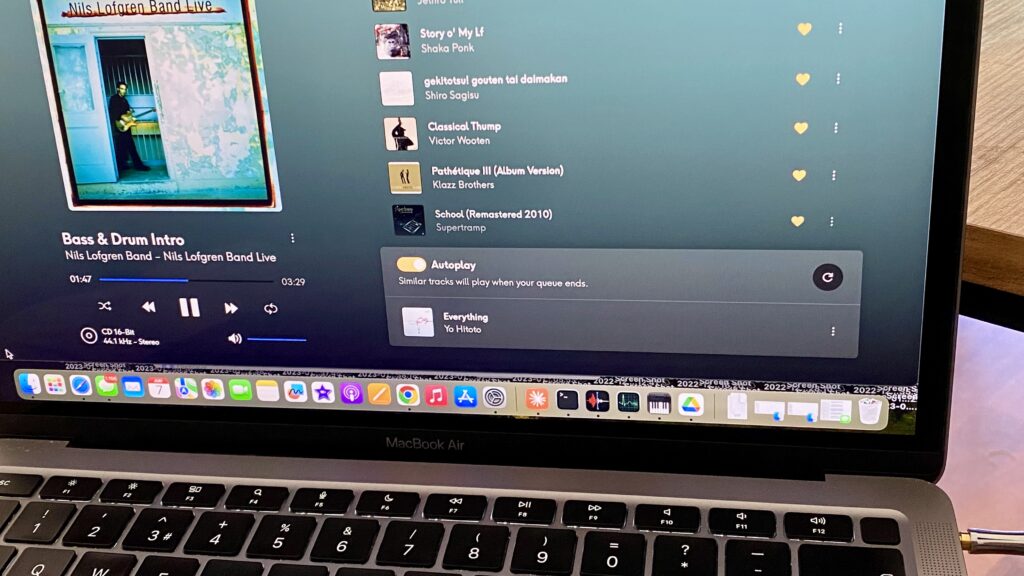
Noting this costs under $200. Also the noise floor I was hearing in every previous configuration is gone. Apple and Binary seem to be holding hands 🙂 I haven’t had such a live experience before. And pushing volume to around 30% gives results that are full and loud enough.
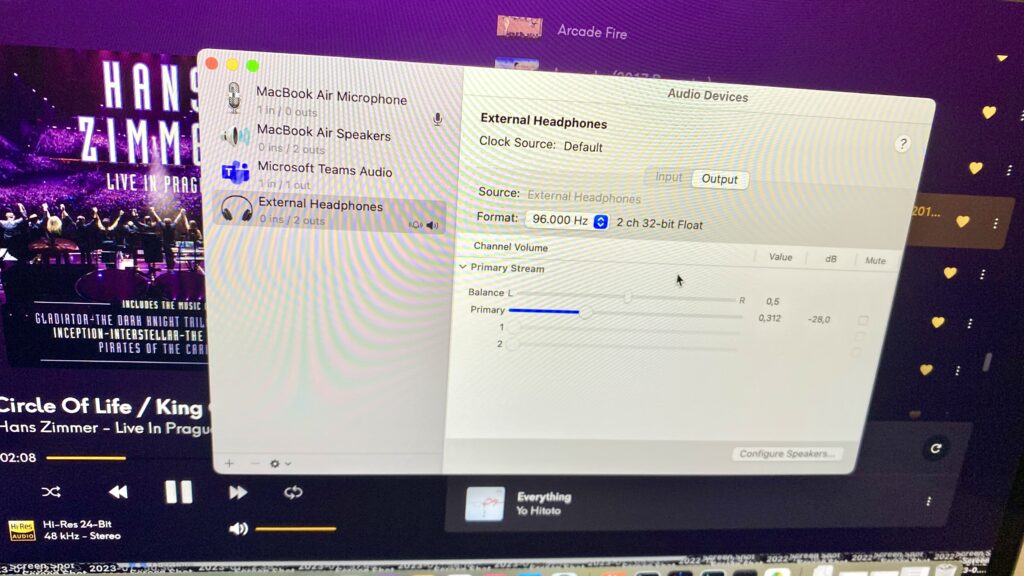
At the Echo Mini stage I noticed the MEMS driver only wakes up with power. And here 30 is 30 and 50 is still 50. Technically nothing changes, I mean.
WHO IS IT FOR? People who enjoy individual notes, those with some technical music knowledge, people wanting a high fidelity experience from in-ears, organic music lovers, fans of live and wide-field music.
WHO IS IT NOT FOR? Bassheads, those searching for any other -head level experience. Passerby listeners. Those without a source capable of driving it, those without patience.
PROS: Musical / Balanced / Realistic / Clear / High instrument separation / Cinematic with the right setup / Comfortable in ear / No sibilance / Sound profile isn’t pushed to any extreme
Pros and cons
CONS: Stock tips and cable create a bottleneck. Wish the eartip and cable selection had been more thoughtful.
CONCLUSION of Binary Acoustics EP-321 MEMS Review
This IEM has something of everything. And with the right chain, its essence is freed naturally, without any software intervention. Over 8-10 days of note-taking and approximately 10 hours of review writing across three days, thank you to Binary Acoustics EP-321 MEMS for the unforgettable moments it made possible.





No Comment! Be the first one.