

























































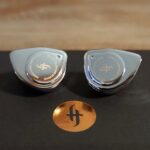

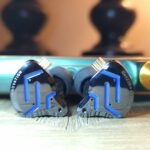

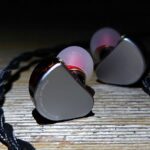





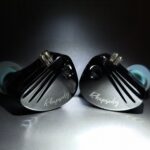




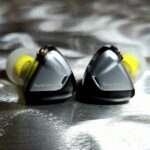





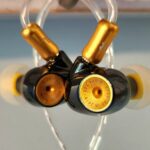




Tipsy M1 – Review
Table Of Content
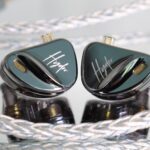
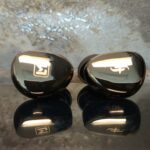
I reviewed Tipsy years ago with the Tromsø. Back then, the brand already felt like it was searching for a voice. With M1, that direction is much clearer. This model is obviously built for a global audience, and Masan Lee — with his background in Hollywood sound work — is leading the engineering. Sounds impressive on paper.
But paper doesn’t matter much. What matters is simple: what does it do to the music?
From the first listen, M1 feels intentional. Not flashy. Not random. There’s a sense that someone actually listened while tuning it. And that’s usually the first good sign.
Build, Fit & Daily Use
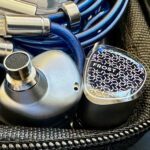
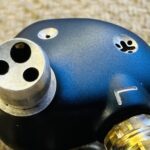
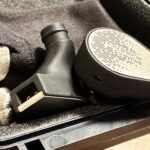
Single-ended 3.5mm. A 6.5mm adapter in the box. Stock silicone tips installed.
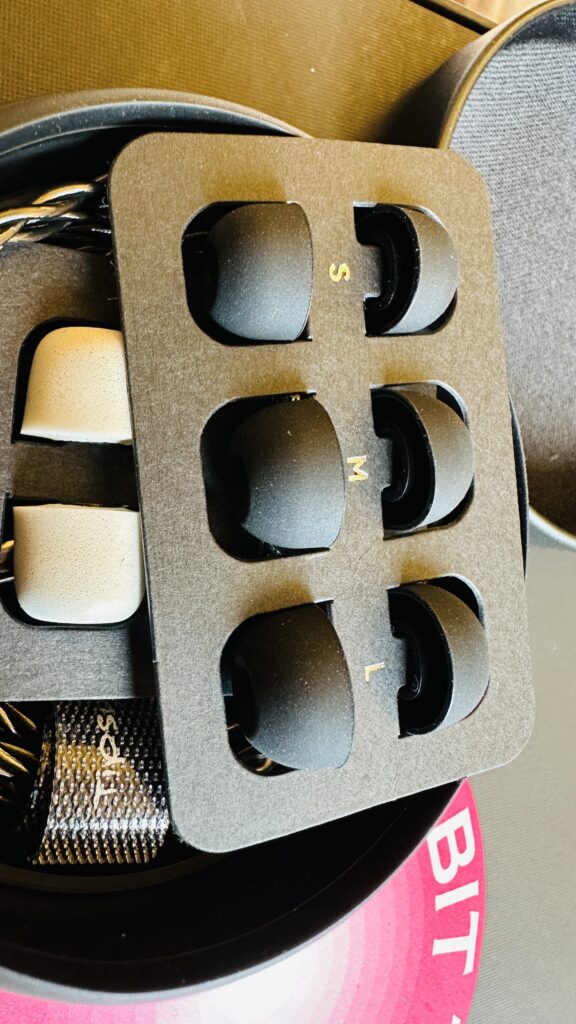
Foam tips? I don’t use them. Never did.
I didn’t tweak anything for the first session. No tip rolling, no cable swaps, no EQ. If a product needs saving on day one, that already tells me something.
M1 didn’t need saving. Even stock, it sounds… right.


Overall Tuning & First Technical Notes
The word that kept coming back was space. Not exaggerated width, but air. Instruments aren’t stacked on top of each other. There’s room around them, and that room cleans things up naturally.
Clarity is another strong point. Not sharp, not edgy — just clear. The sound stays full while still being well-defined. That balance is harder to achieve than it sounds, especially with a single dynamic driver.
Bass
Bass doesn’t try to impress immediately. It’s not boosted for drama.
But at certain moments, it becomes physical — not loud, just present enough that you feel a slight vibration. The kind you get in a live hall, not in a studio booth.
It’s not ultra-fast, and it’s not DLC-tight. If that’s your priority, you’ll notice it.
But the upside is flow. Bass supports the music instead of fighting it.
Midrange
Mids are where Tipsy M1 feels the safest — in a good way. Vocals and instruments sit naturally, without pushing forward or falling back. Nothing feels hollow, nothing feels congested.
Transparency is handled well too. You get insight without thinning out the sound. Even busy arrangements stay readable, which tells me the tuning wasn’t rushed.
Treble
Treble is open and controlled. It extends enough to give air and sparkle, but never crosses into sharpness.
This matters more over time than in the first five minutes. And over longer sessions, Tipsy M1 stays comfortable.
That controlled top end is also what helps the stage feel open instead of bright.
Stage, Imaging & Separation
The stage isn’t about extreme width. It’s about spacing. Layers are separated, and instruments don’t collapse into each other.
Imaging isn’t razor-sharp or laser-cut. It’s softer, more organic. Some people want pinpoint precision. M1 chooses realism and ease instead.
Source & Pairing
This was all done single-ended, stock tips, no tricks.
M1 works without demanding effort. That alone makes it easier to live with day to day.
Its “good enough” threshold is high — meaning you don’t need the perfect chain to enjoy it.
10mm Bamboo Fiber DD — Quick Take

Strengths
- Natural timbre
- Warm, musical presentation
- Smooth mids and treble
- Non-fatiguing
- Organic texture
Limitations
- Not ultra-fast
- Bass depth and tightness below top-tier DLC
- Detail and resolution are solid, not class-leading
- Imaging isn’t razor-sharp
Pros
- Natural tonality. It doesn’t shout “look how tuned I am.”
- Airy presentation. Sounds don’t stack on top of each other; they can breathe.
- Safe mids. Both vocals and instruments know their place.
- Treble is open but not sharp. Comfortable for long listening sessions.
- Bass has presence; sometimes you feel it more than you hear it.
- No effort required. Plug in and listen — it just works.
- Easy to listen to even when you’re tired. (A big plus, in my book.)
Cons
- Not ultra-fast. Won’t satisfy those chasing “steel-like discipline.”
- Sub-bass depth and tightness don’t level up the class.
- Detail level is good, but not “wow.”
- Imaging isn’t razor-sharp; it’s rounder, more organic.
- May feel too calm for those looking for technical fireworks.
Conclusions of Tipsy m1 Review
Three years of R&D. 3,000+ real-ear fittings. On paper, that’s marketing language. After listening, it doesn’t feel empty.
M1 doesn’t try to impress. It doesn’t chase technical fireworks. It plays music in a way that feels natural, spacious, and easy to stay with — especially when you’re tired. Sometimes, that’s more than enough.
Click if you want to get your hands upon for 99 bucks. I may or may not receive anything in return.





No Comment! Be the first one.