








































Disclaimer
Hello everyone! Before we dive in, I want to let you know that FiiO sent me the SNOWSKY OAK NANO so I could test it properly, spend time listening to it, and share my honest opinion. I’m not being paid for this review, and FiiO hasn’t asked me to say anything specific, check my review before posting, or set any publishing schedule.
Table Of Content
- Disclaimer
- Introduction
- Unboxing
- Technical Specifications
- Specs
- Shell and Build
- Driver
- Acoustic Design
- Tuning Nozzles
- Sound Performance
- Bass
- Mids
- Highs
- Technicalities
- Comparison
- OAK NANO vs FiiO FD15
- OAK NANO vs Letshuoer DX1
- Conclusion
- Pros
- Cons
- Q&A
- Who is the SNOWSKY OAK NANO for?
- Who should avoid the SNOWSKY OAK NANO?
- What are some good alternatives?
Everything written here is based entirely on my own experience with the OAK NANO. I always try to stay as fair and objective as possible, but at the end of the day this is still just my personal opinion. We all judge products differently, and those differences are part of what makes this hobby so interesting and enjoyable.
Huge thanks to FiiO for giving me the opportunity to review the SNOWSKY OAK NANO, and of course, a big thank you to you for taking the time to read and support my reviews. It truly means a lot to me!
Introduction
So, FiiO released the FD7 back in 2021. It was a very interesting product, mainly because it used a pure beryllium diaphragm, which is not something you usually see and of course a high price point. At some point FiiO had to discontinue it because of supply chain issues with that material, since it was being made by basically one factory in the US and the lead times became a real problem.
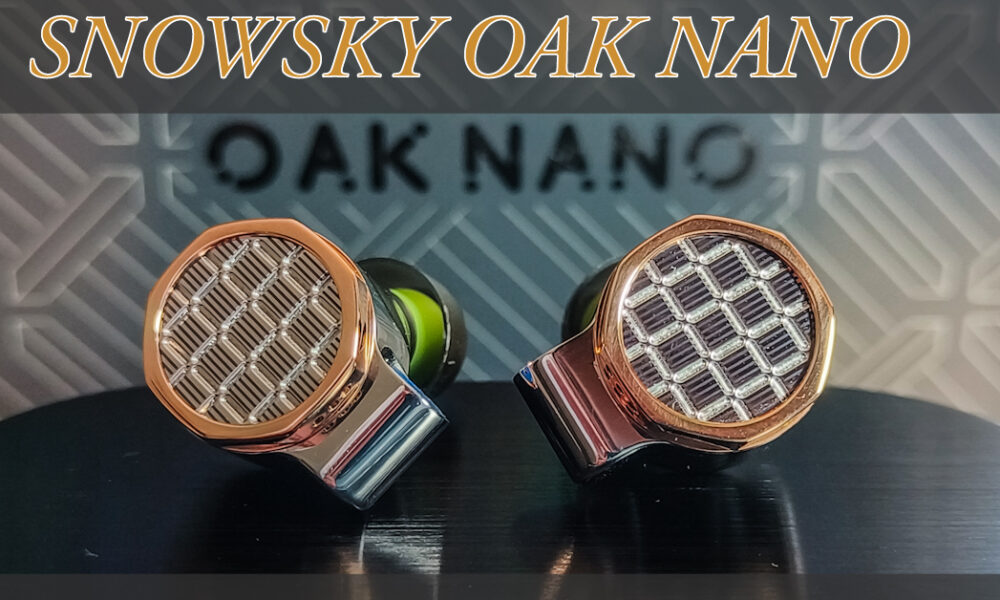
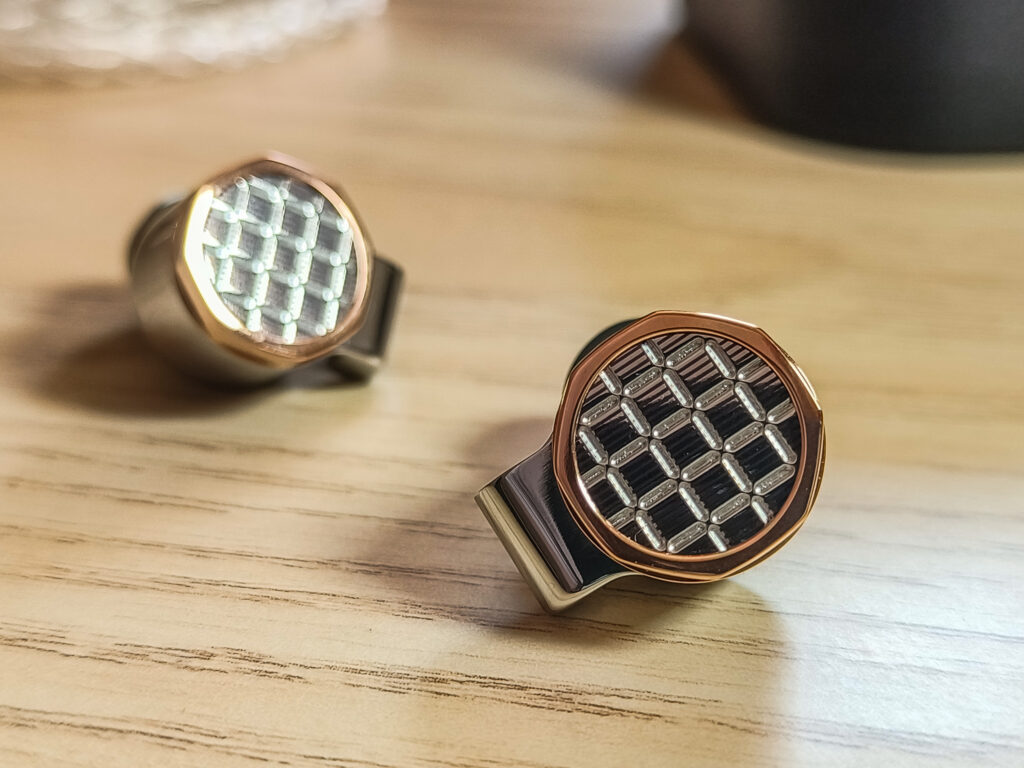
So what comes after the FD7? This is it. The OAK NANO. Originally it was going to be called the FD17, but it ended up being released under the SNOWSKY brand instead, which is FiiO’s sister company. Now, if you know SNOWSKY, you probably know them for budget and entry level stuff with a retro look they are going with. The OAK NANO is nothing like that. It’s priced at 449.99$ and honestly, when I first got my hands on it, it surprised me. It feels really premium. The titanium shell looks and feels fantastic and entire package is very premium, and will talk about it more in the next section.
The driver is a beryllium alloy this time, not pure beryllium like the FD7 had. FiiO says it’s a solid alloy throughout, not a coating, and that it’s supposed to get close to what pure beryllium does in terms of dynamics and speed. So today we will check if its true or not.
I’ll also be comparing the OAK NANO to the FiiO FD15 and the Letshuoer DX1 in this review, both of which I have reviewed previously, so let’s get into it.
Unboxing
I have to say, this is the best unboxing I have seen from FiiO. Period. It really is.
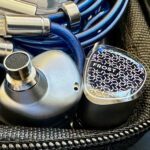
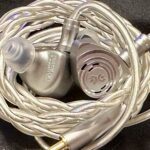
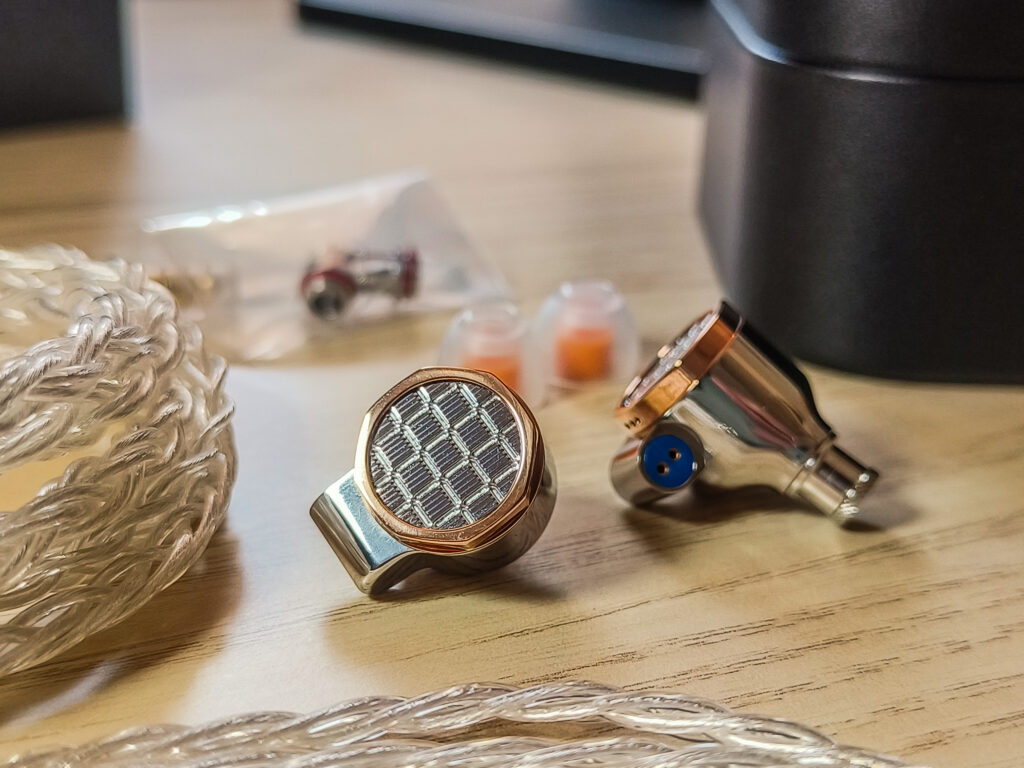
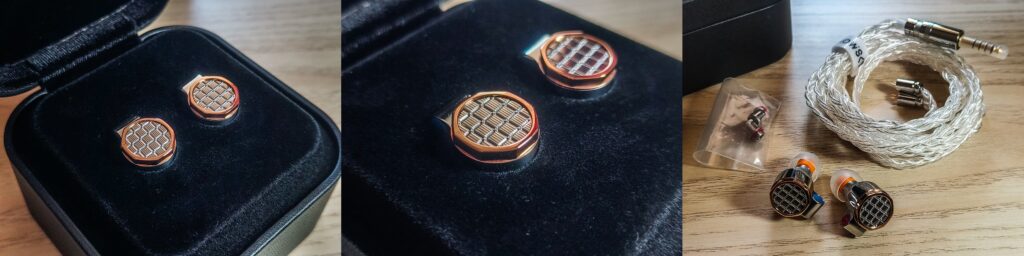
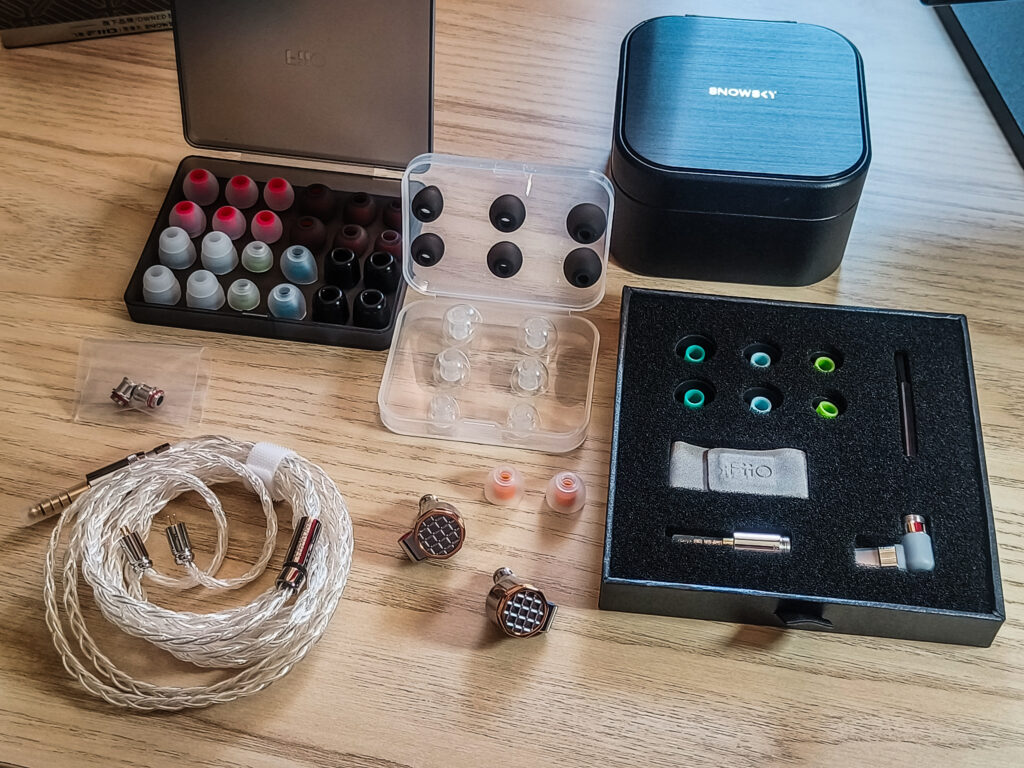
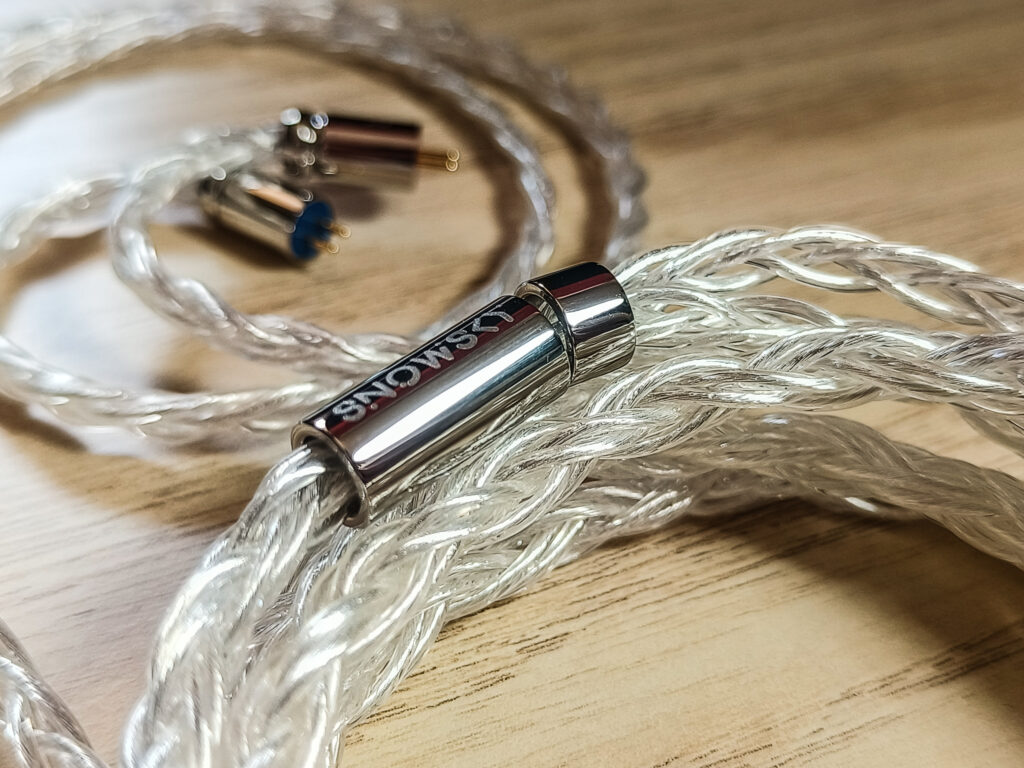
The box comes in a square box with a holographic SNOWSKY name on outer sleeve. Inside the first thing you see is a leatherette hard case sitting in a foam cutout. It closes with a magnet and has SNOWSKY written on top. Very nice looking. Inside that case the IEMs are sitting in a velvet plastic tray, and that tray can be removed so you can carry the IEMs normally while connected to the cable. The cable is also in there, a very premium silver braided one with a modular connector. It comes with 4.4mm balanced by default and uses 2-pin on the IEM side. Red and black nozzle are included with the black being preinstalled already, same concept as with the FD15.
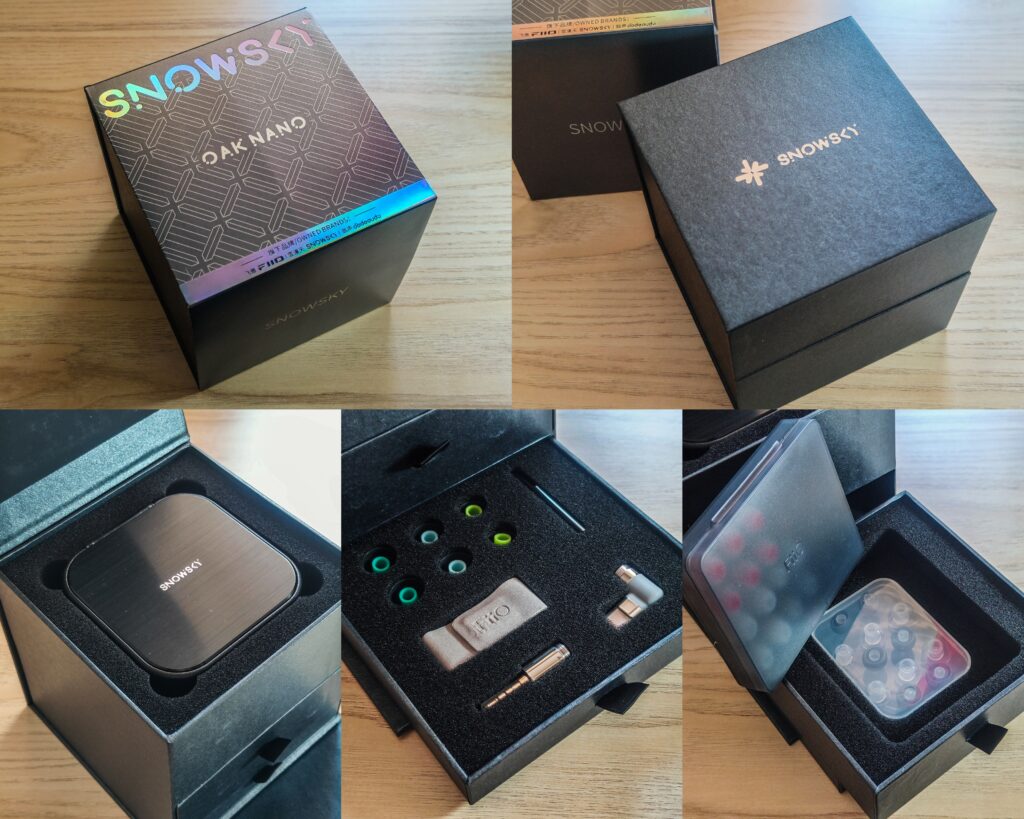
open the lower compartment and there are two more compartments there.
The upper one has two boxes of tips, and honestly the tip selection here is probably the most complete I have seen in any IEM box. Foam tips, three sets of regular silicone tips, SpinFit tips with medium being preinstalled and small and large in the HS19 box, HS20 liquid silicone tips, and two pairs of double flange tips. Whatever tip style works for you, it is probably in there.
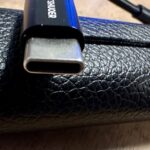
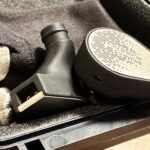
The bottom compartment has a magnetic cable clip, a cleaning brush, the USB-C modular adapter, the 3.5mm single ended adapter, and the HS18 tips.
You can really tell FiiO put a lot of love into this one. And It really shows.
Technical Specifications
Specs
- Headphone type: Single dynamic driver IEM
- Driver: 13.8mm beryllium alloy dynamic driver
- Frequency response: 10Hz – 40kHz
- Impedance: 50Ω @ 1kHz
- Sensitivity: 112dB/mW @ 1kHz
- Cable: Cryogenically treated silver-plated monocrystalline copper
- Cable length: ~1.2m
- Connector: 0.78mm 2-pin detachable
- Audio plug: Straight, twist-lock swappable modular plug
- Included plugs: 4.4mm balanced, 3.5mm SE, USB-C
- Single earbud weight: ~8.9g (excluding cable)
- MSRP: $449.99
Shell and Build
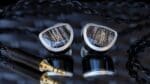
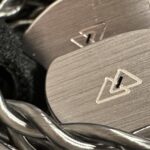
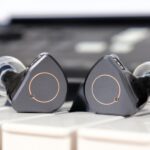
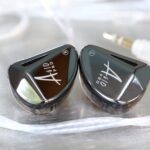
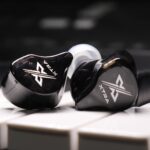
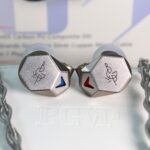
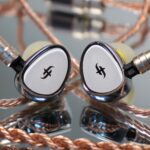
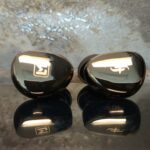
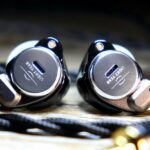
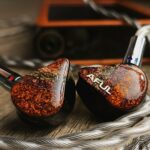
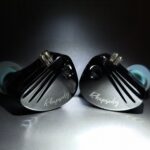
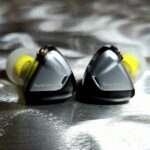
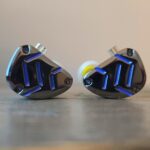
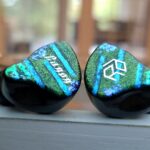
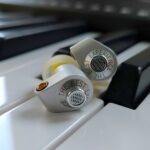
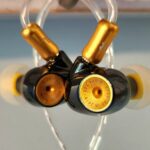
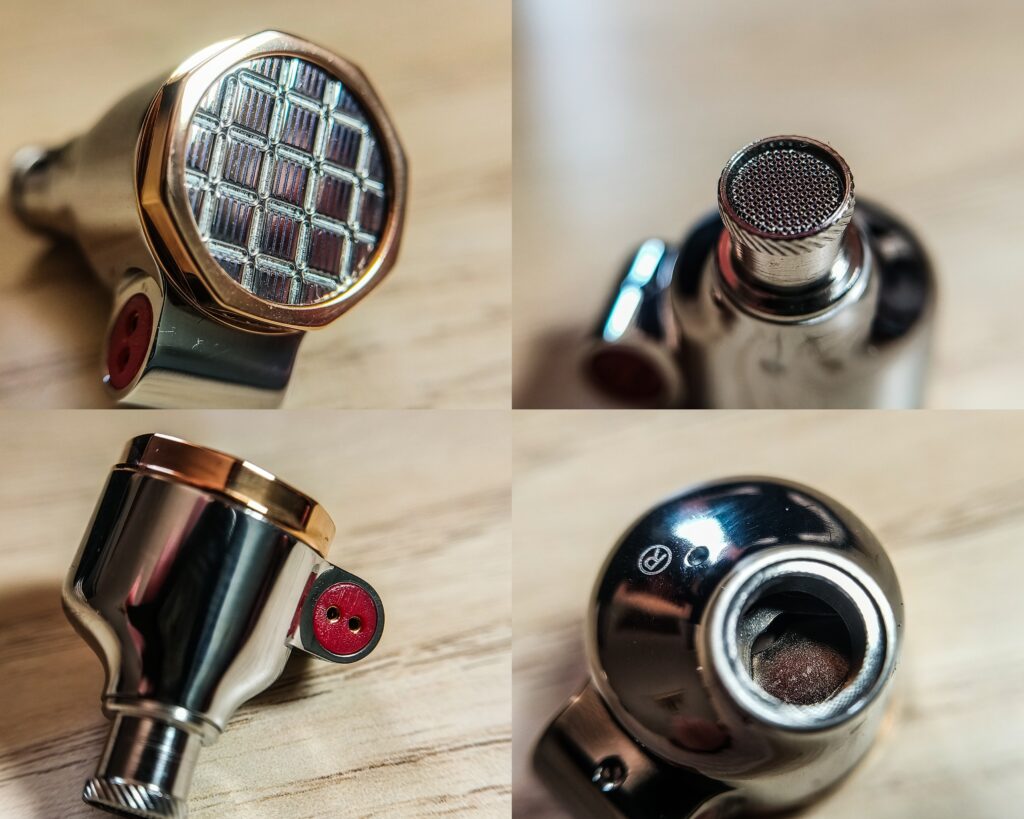
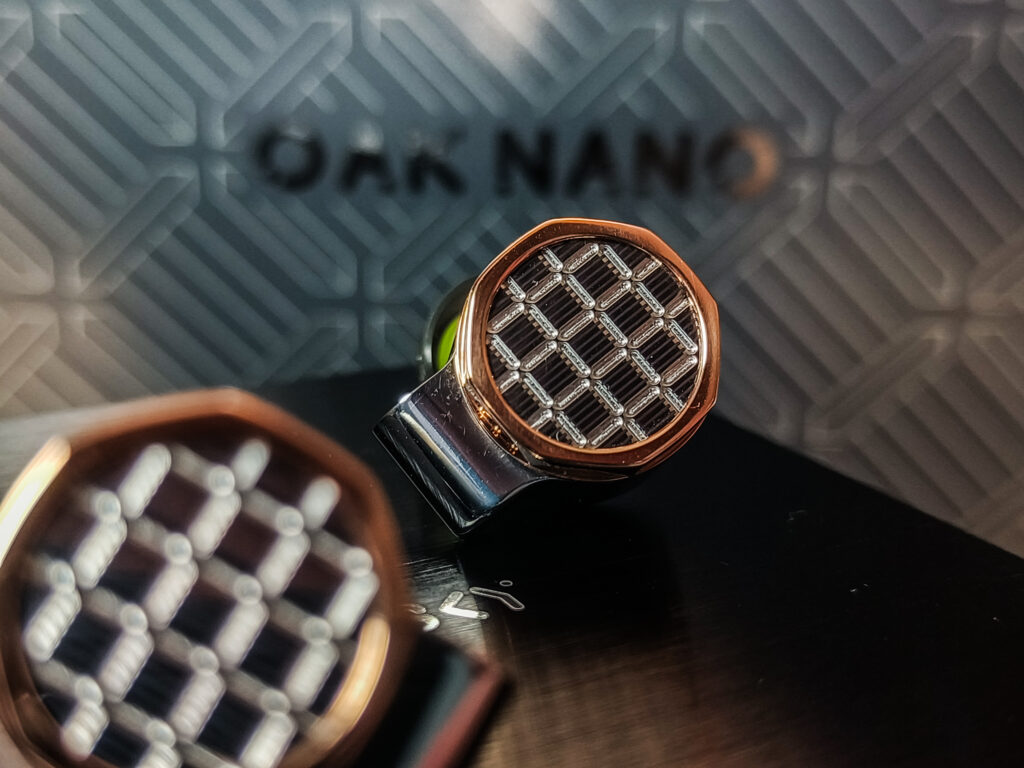
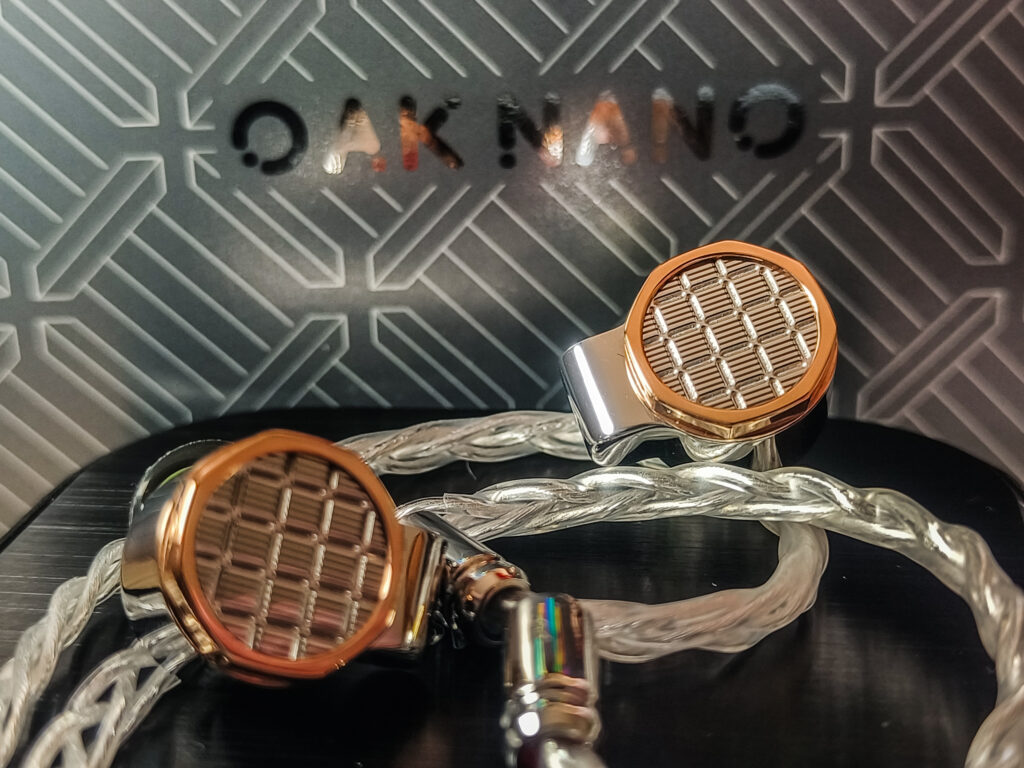
The shell is pure titanium, CNC machined. It is quite light for what it is and feels excellent in hand. The shape has also been reworked from the FD7 for better comfort. I don’t actually have the FD7, so I can’t comment on that, but let’s trust FiiO in that regard, but also remember that comfort is very individual. Because they are barrel shaped, they are super comfortable for me and pretty much disappear in my ears, but more on that in the sound section.
Driver
The OAK NANO has a 13.8mm dynamic driver with a beryllium alloy diaphragm. As I have mentioned earlier, the FD7 used pure beryllium, which is said to be very fast, stiff, and light, all things that help with transient response and low distortion. FiiO switched to a beryllium alloy here because pure beryllium was sourced from a single US factory, and supply became a real problem. This is a solid alloy throughout, not a coating. FiiO also claims that the diaphragm uses a W-shaped design with an independent surround for better control.
Acoustic Design
There are two chambers inside. The front one uses an Acoustic Prism to direct sound toward the ear more effectively. The rear chamber is damped and controls airflow behind the driver. Both are there to supposedly give the driver the right conditions to work properly.
Tuning Nozzles
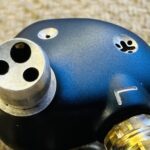
Two nozzles are included, black and red. Black is preinstalled. Each one has a different acoustic filter that changes the tuning slightly. I will go into what each actually does in the sound section, but for now know that the red one is more relaxed and balanced sounding, and the black one is brighter with the highs being a bit more pronounced.
Sound Performance
Quick note before we start. Everything here is with the black nozzles, which come preinstalled. I will mention the red ones during the sections where they make a difference.
Now, single DD IEMs have their pros and cons. The good part is no crossover, so no phase issues, no timing problems between drivers, and generally a more natural sound. The downside is one driver doing everything, bass, mids, highs, all at once. That is not easy. A multi-driver with a good crossover can split the work between drivers and each one stays more precise in its own range. A single DD can sometimes get muddy in the mids if the bass is slow, or struggle on busy tracks.
But the OAK NANO really surprised me.
Bass
The first thing I noticed is how quick this driver is. In The Stage by Avenged Sevenfold, right at the beginning there is a fast and punchy double bass, and the OAK NANO handles it really well. It stays precise and controlled without smearing or feeling slow. Even on something as dense as Opr by Gesaffelstein, the bass feels very punchy, stays in its place, and never feels like it is getting in the way of anything else. For a single DD, this really impressed me. Probably the beryllium alloy really does what it is said to, which is being fast. Some high quality multi-driver IEMs will still do better here, but for what this is, it is a strong performer.
Mids
Honestly, I was expecting the mids to be a bit at the back here. A slight V shaped tuning usually pushes them back, so I had my expectations here. But that is not what I got. In Nandemonaiya by Sarah Alainn, her voice sounded pure and detailed, really nice actually. And in Everybody Walkin’ This Land by Home Free, their vocals were rich and deep and not muddy at all. Pretty upfront too, which I did not expect.
If you really care about vocals above everything else, the FH19 is still better at that, but it is a multi-driver IEM, costs more, and those shells are big, so comfort is a different story. For a single DD, the OAK NANO does a good job here.
The nozzles also play a role in the mids. With the black ones, things sound a bit more open, which suits female vocals well, but sometimes when high pitched notes come in, it can be a bit bright. With the red ones, high-pitched female vocals get a bit warmer and fuller. Not a huge difference, but you will notice it on the right tracks.
Highs
With the black nozzles you get more up top. The highs are more forward, and they give out more detail, which I like. They do roll off at the very top end, so do not expect them to extend very high, but there is still plenty going on up there. On complex orchestral tracks like Retreat and Reveille and Mombasa by Hans Zimmer, I could clearly pick out the percussions and high pitched instruments without sounds getting congested. Again, a good multi-driver will do this better, that is just the way it works, but for a single DD, it is genuinely good.
One thing to keep in mind though, with the black nozzles, the upper mids and highs can get a touch shouty at times. Not unbearable, but it is there. If that bothers you, the red nozzles calm that down nicely, and the sound becomes smoother and more relaxed up top. You do give up a bit of that extra detail and openness in return, so it really comes down to what you prefer.
Technicalities
The soundstage is good. Not the most spacious I have heard, the FH19 again does better there, but it gives you a nice sense of space, and nothing feels cramped, like in the example in Civil (Explore) by Ben Prunty. I can really feel how the sound moves from side to side and where sounds are coming from. What really helps is the imaging. Everything sits in its own place, and I could tell where each instrument was coming from without having to focus on it too hard. It helps the soundstage feel bigger than it might actually be.
The drivers are fast, and that helps a lot with detail. You can throw a busy track at it, and things will be mostly clean and easy to follow. They are not detail masters, but for a single DD this is great performance. The black nozzles also help squeeze a bit more detail out of the top end, so if that’s what you want, keep them on.
Comparison
I want to be upfront here. These IEMs are in very different price ranges. But I am comparing them anyway because they all share a similar design concept, all metal shells, and a single dynamic driver, and they were all very talked about when they came out. So this is more about giving you a perspective on what you are actually paying more for.
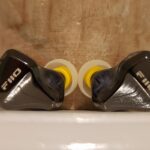
OAK NANO vs FiiO FD15
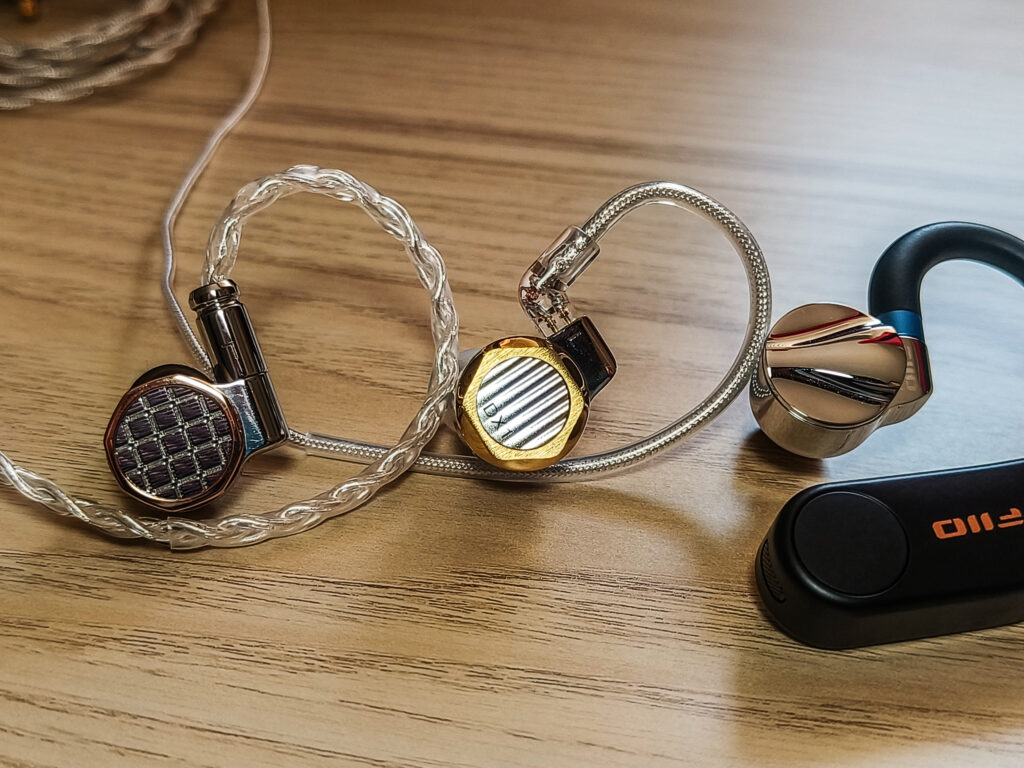
Looking at the graphs, these two are actually pretty close in tuning. The main difference is the upper mids. The OAK NANO has more energy there, more detail, more presence. The FD15 is calmer in that region and sits smoother overall. If upper mids sensitivity is a thing for you, the FD15 may feel more comfortable, or you can just use the red nozzle on the OAK NANO. If you want more detail up top, the OAK NANO with the black nozzle is the one.
The bigger story is the driver. The OAK NANO is faster, more responsive, and has better resolution. Bass is tighter. Complex tracks stay cleaner. You can hear the difference when they are side by side.
Accessories also step up. The OAK NANO comes with a much more complete package. Better case, more tips, better cable. The FD15 is already good in this regard but the OAK NANO is on another level there.
FD15 is $149, OAK NANO is $449.99. You are paying three times more, but if you are getting three times more in return, it’s yours. But I really think the OAK NANO has something special to offer.
OAK NANO vs Letshuoer DX1
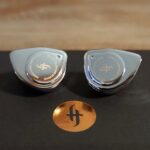
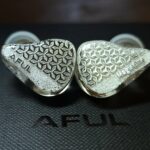
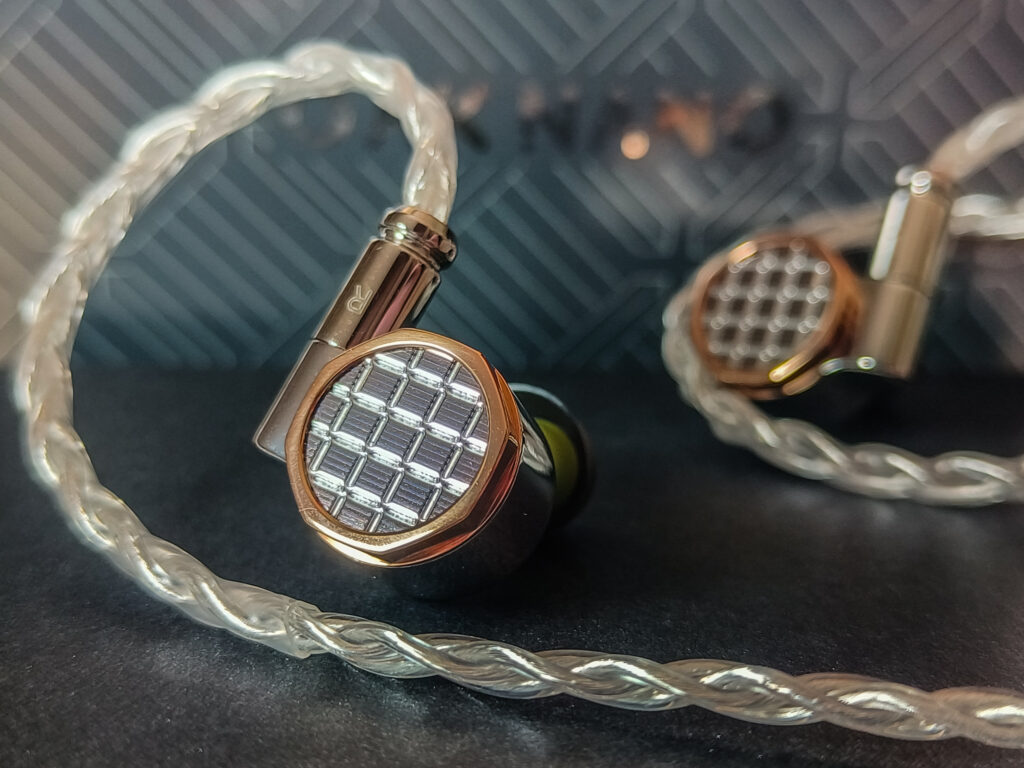
Same idea here. The DX1 is $159 and looks and feels very premium for the price, full metal shell and nice build. But the DX1 keeps things simpler, no tuning nozzles and fewer accessories, though they look very alike.
The DX1 is neutral and vocal focused. The OAK NANO is more V shaped, more bass, more upper mids energy. Vocals on the DX1 are very natural and upfront, that is its strength. The OAK NANO has good vocals too, but the DX1 is more focused there.
Everything else goes to the OAK NANO. Bass hits harder and goes deeper. Busy tracks stay cleaner. The DX1 can get congested on complex tracks. Technicalities are not a contest.
Accessories are also not a contest. The DX1 comes with a decent package for the price but nowhere near what the OAK NANO brings.
$159 vs $449.99. Big gap. But you can clearly hear and feel what you are paying more for, unless you are all about vocals.
Conclusion
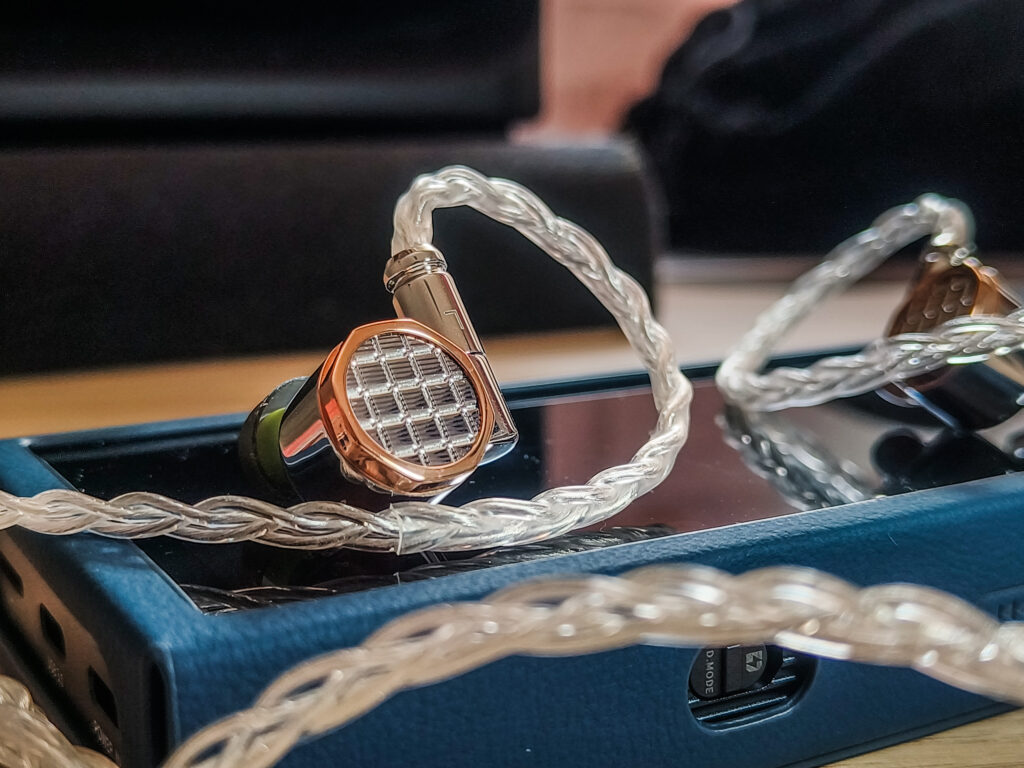
The OAK NANO really surprised me. I know SNOWSKY from their budget retro products, so a $449.99 IEM under that brand was not something I expected to be this good and premium. Although we know that it was supposed to be originally called FD17.
The driver is the main story here. It is fast, controlled, and handles busy tracks without falling apart. That is not easy for a single DD and this one does it well. The V shape tuning isn’t that V shaped and I actually like the way FiiO tunes their single DDs (I really liked their FD15, and its still one of my favorite single DD IEMs). Bass is punchy and tight, mids are more present than I expected, and the highs give you good detail. Black nozzles for more energy and detail, red ones if the upper mids get too bright for you. Nice to have that option.
Build is top notch. Pure titanium shell, great cable, and the best unboxing I have seen from FiiO so far. The whole package feels worth the money.
Not perfect though. Upper mids can get a touch shouty with the black nozzles. And if vocals are your number one priority there are better options in my opinion, like the FH19, but that is a bigger, pricier, multi-driver IEM so not really a fair fight, but the DX1 does fight it in terms of vocals and actually wins sometimes.
$449.99 is not cheap. But the build, the accessories, and that driver make it possible to recommend if you want a premium single DD that is done right.
Pros
- Premium pure titanium build
- Best unboxing and accessories I have seen from FiiO
- Fast and controlled driver
- Good bass, tight and punchy
- Tuning nozzles that actually make a difference
- Amazing quality modular cable with 3.5mm, 4.4mm and USB-C adapters included
- Very complete tip selection
- Good technicalities for a single DD
Cons
- Upper mids can get a touch shouty with black nozzles
- Vocals are great but if you are really picky about that, there are better options out there
- $449.99 is not cheap
- Treble rolls off at the very top end
For more Info: (Non-affiliated! None of my reviews use affiliated links!)
Q&A
Who is the SNOWSKY OAK NANO for?
If you want a serious single DD IEM with a premium build and a great package, this is it. Fast driver, good bass, decent mids, and overall nice technicalities. The nozzle swap is a nice bonus too, it actually makes a difference depending on what you want from the sound.
Who should avoid the SNOWSKY OAK NANO?
If vocals and technicalities are your top priority and not minding spending more, the FH19 does that better. It costs more and the shells are much bigger so comfort might suffer, but it is a step up there. If budget is tight, the FD15 and DX1 give you a lot for much less. And if the upper mids energy bothers you, the red nozzles help a lot and makes the OAK NANO much calmer.
What are some good alternatives?
The FH19 if vocals and openness matter most to you and budget is not an issue. The FD15 at $149 if you want a quality single DD with pretty similar sound signature for less. The DX1 at $159 if you prefer a more neutral and vocal focused sound. And if you want to go multidriver there are strong options around and even less the OAK NANO price worth looking at.




No Comment! Be the first one.