


























































Kiwi Ears x B_Media Terras Review: A Practical Upgrade, Not a Miracle

Preface
The world of audio cables is probably one of the most divisive topics in this hobby.
Table Of Content
- Preface
- First Impressions
- A Cable Designed to Be Used
- Modular Plugs Done Right
- Technical Specifications
- The Design Philosophy: Ideas and Choices
- Real-World Compatibility
- Good Compatibility
- Twistura D-Major
- Problematic Compatibility
- Aune IR300
- Subtle Changes, Not Transformations
- Where It Really Makes Sense
- Final Thoughts
- 🟢 Pros
- 🔴 Cons
- Frequently Asked Questions
- Acknowledgements and Personal Note
Some people believe a cable can completely transform an IEM, while others are convinced that no differences exist at all. As is often the case, the truth probably sits somewhere in the middle.
After all, we’re talking about a connection that carries an already amplified signal to the driver, not a low-voltage signal cable where potential differences may be easier to notice.
A cable does not change the character of an earphone.
It does not create detail that isn’t already there.
It does not magically give an IEM a completely new sound signature.
What it can do is work on small refinements:
a slightly tighter low end,
cleaner treble,
a greater sense of order and openness.
The changes are usually subtle and heavily dependent on the gear involved.
That was exactly the mindset I had when approaching the Kiwi Ears x B_Media Terras.
I wasn’t looking for magic.
I wasn’t looking for a revolution.
What I wanted was a well-built cable that would be pleasant to use every day and maybe bring a few small refinements without completely changing the listening experience.
And honestly, that’s where I think the Terras makes the most sense.
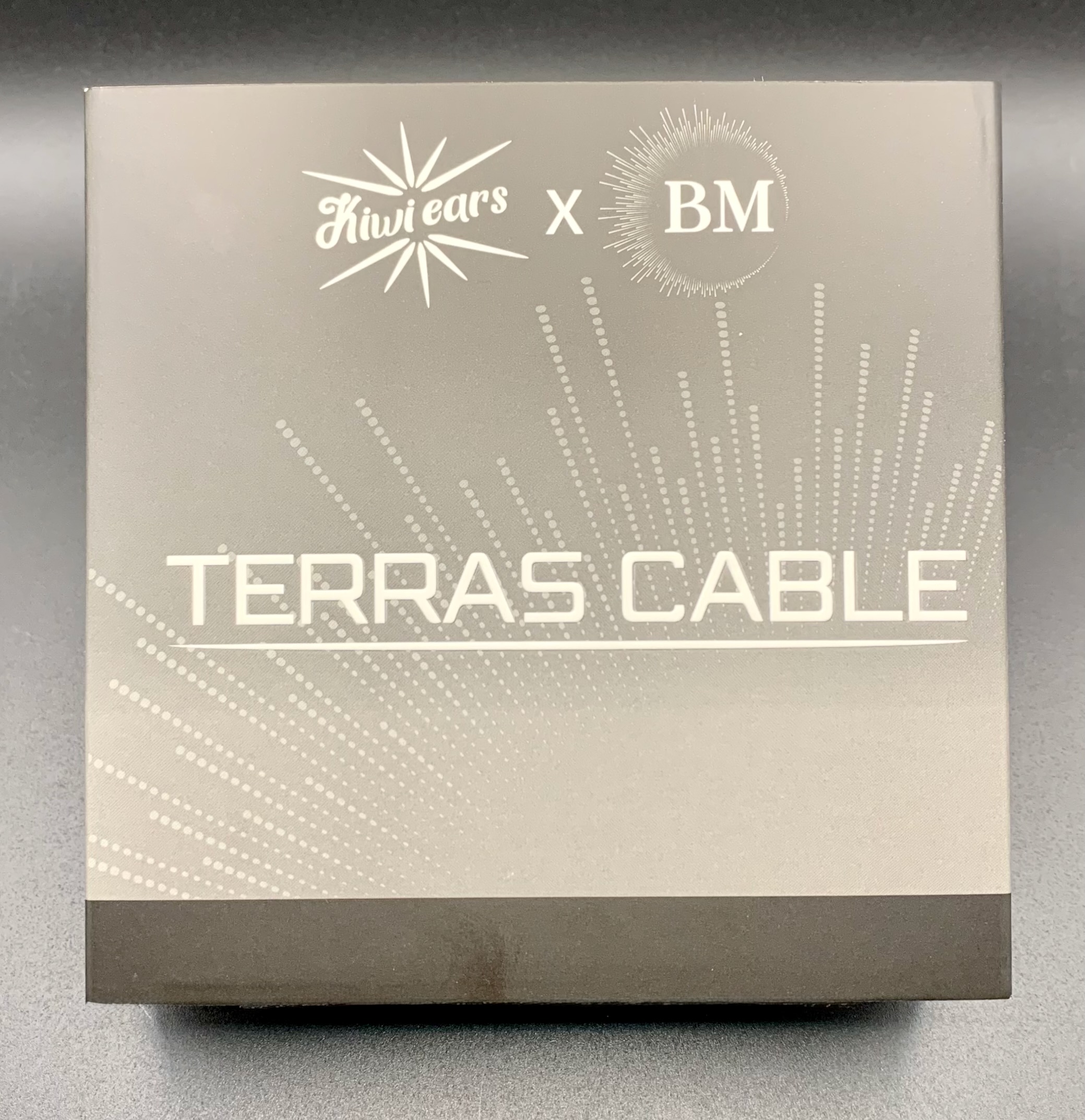
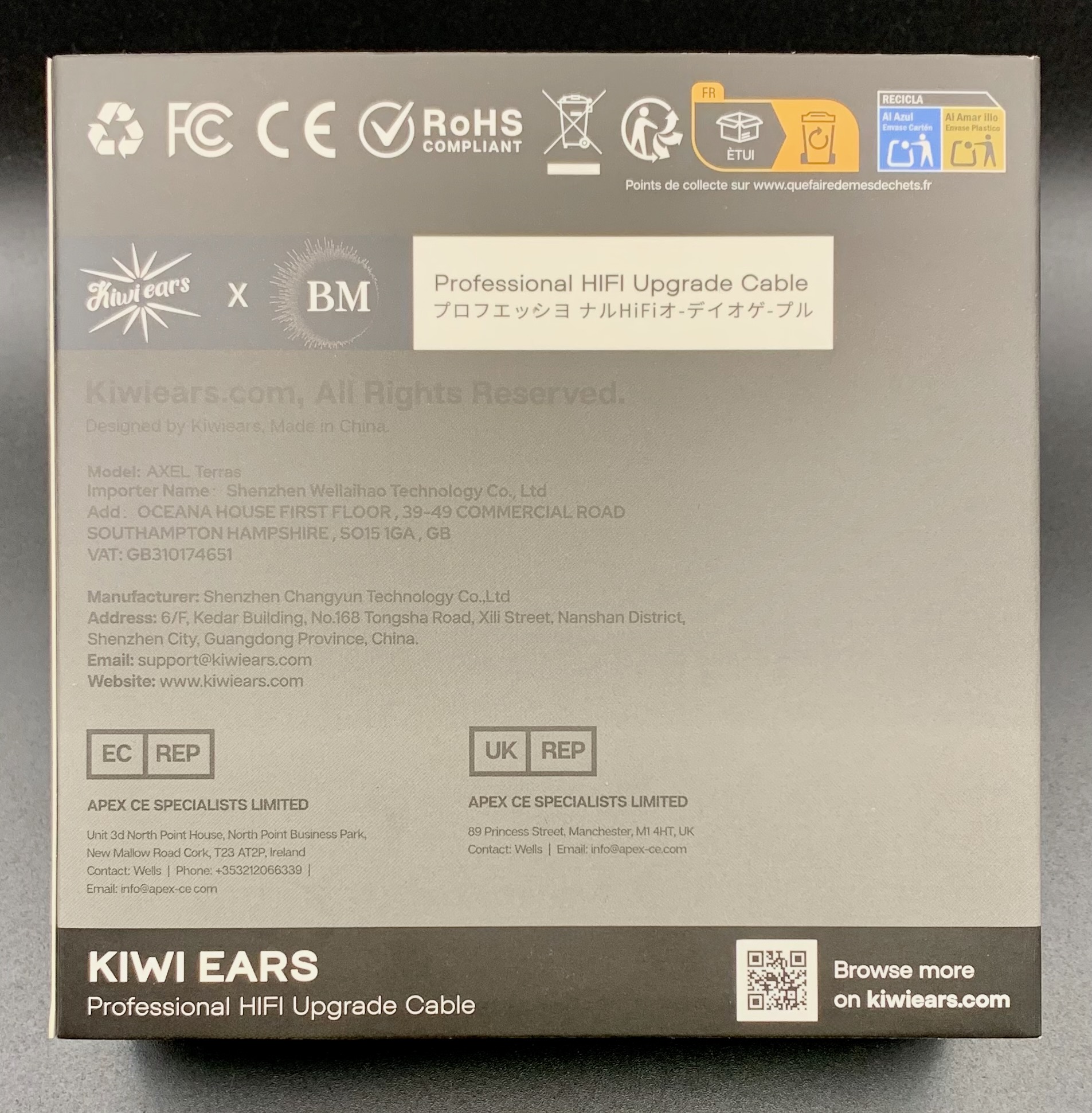

First Impressions
The first thing that stands out about the Kiwi Ears x B_Media Terras is not the sound.
It’s the way it feels in your hand.
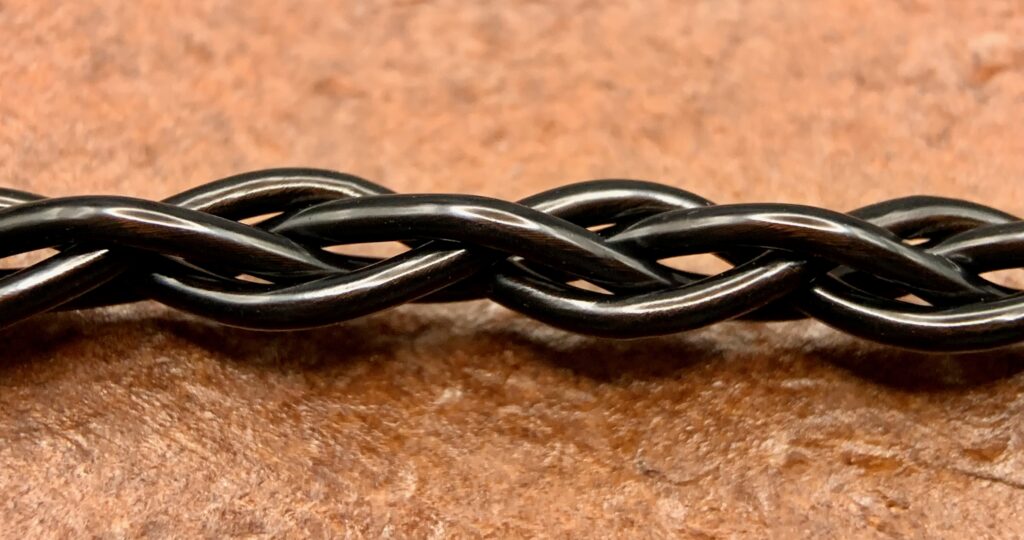
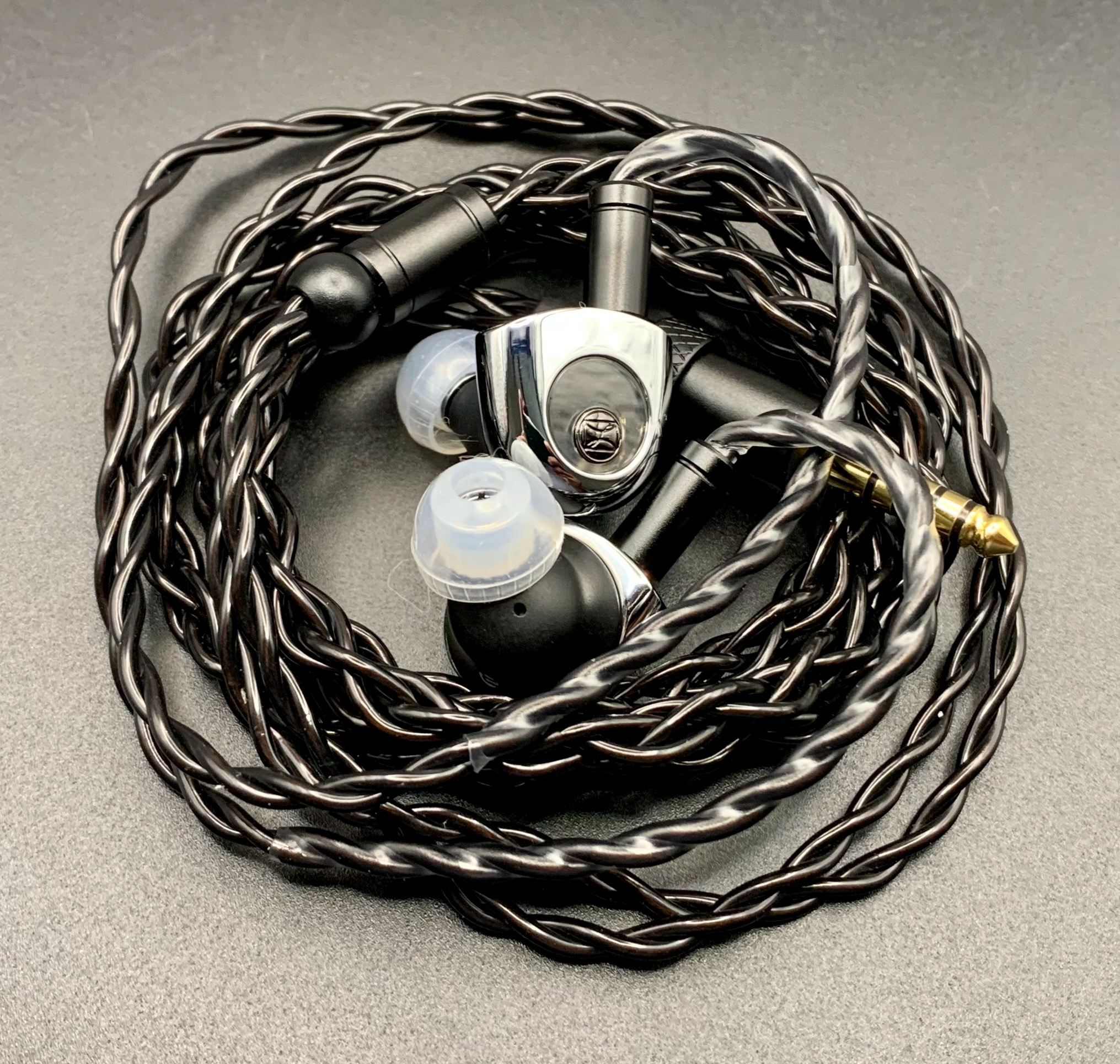
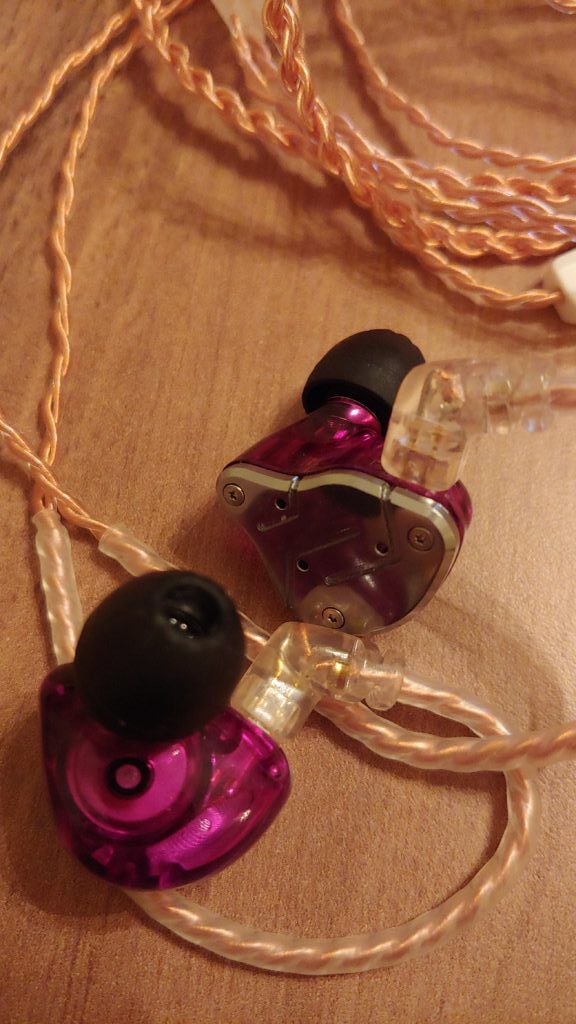
The cable is soft, lightweight, highly flexible, and above all, extremely comfortable to use on a daily basis. It doesn’t constantly tangle, it doesn’t retain annoying bends, and it never feels stiff like many budget aftermarket cables tend to do.
Build quality is also very good. The overall feel is premium without being flashy or trying too hard to look expensive.
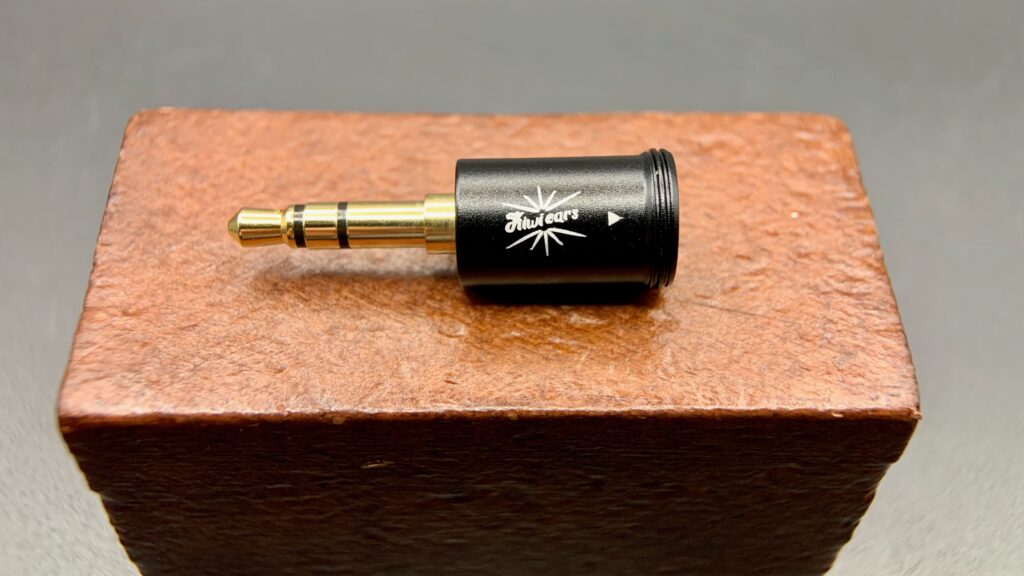
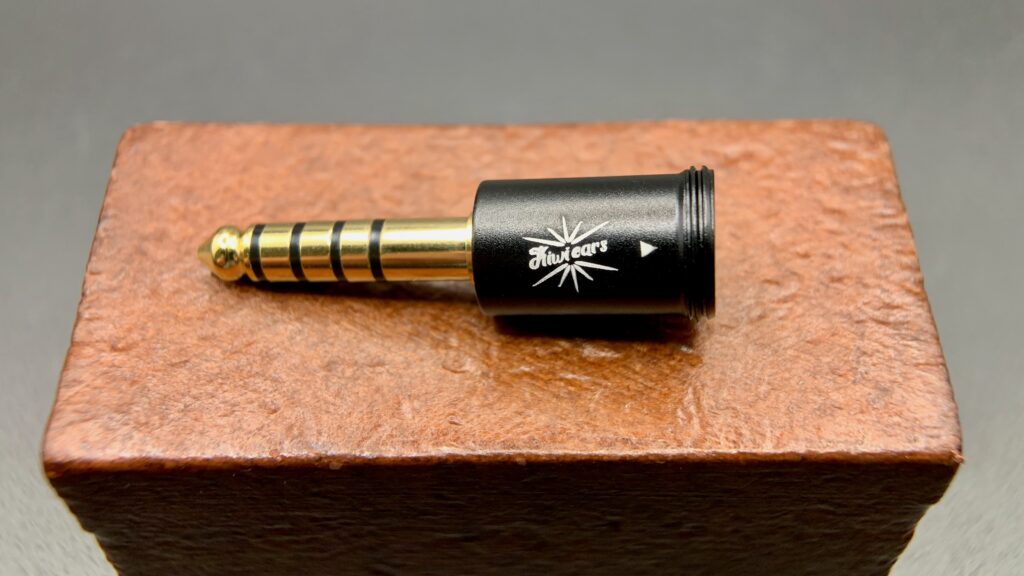
The modular connector system is probably one of the most practical aspects of the entire design, especially for those who regularly switch between different sources or move back and forth between 3.5mm and 4.4mm outputs.
There is, however, one issue that deserves to be mentioned right away.
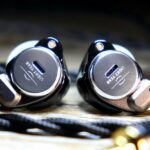
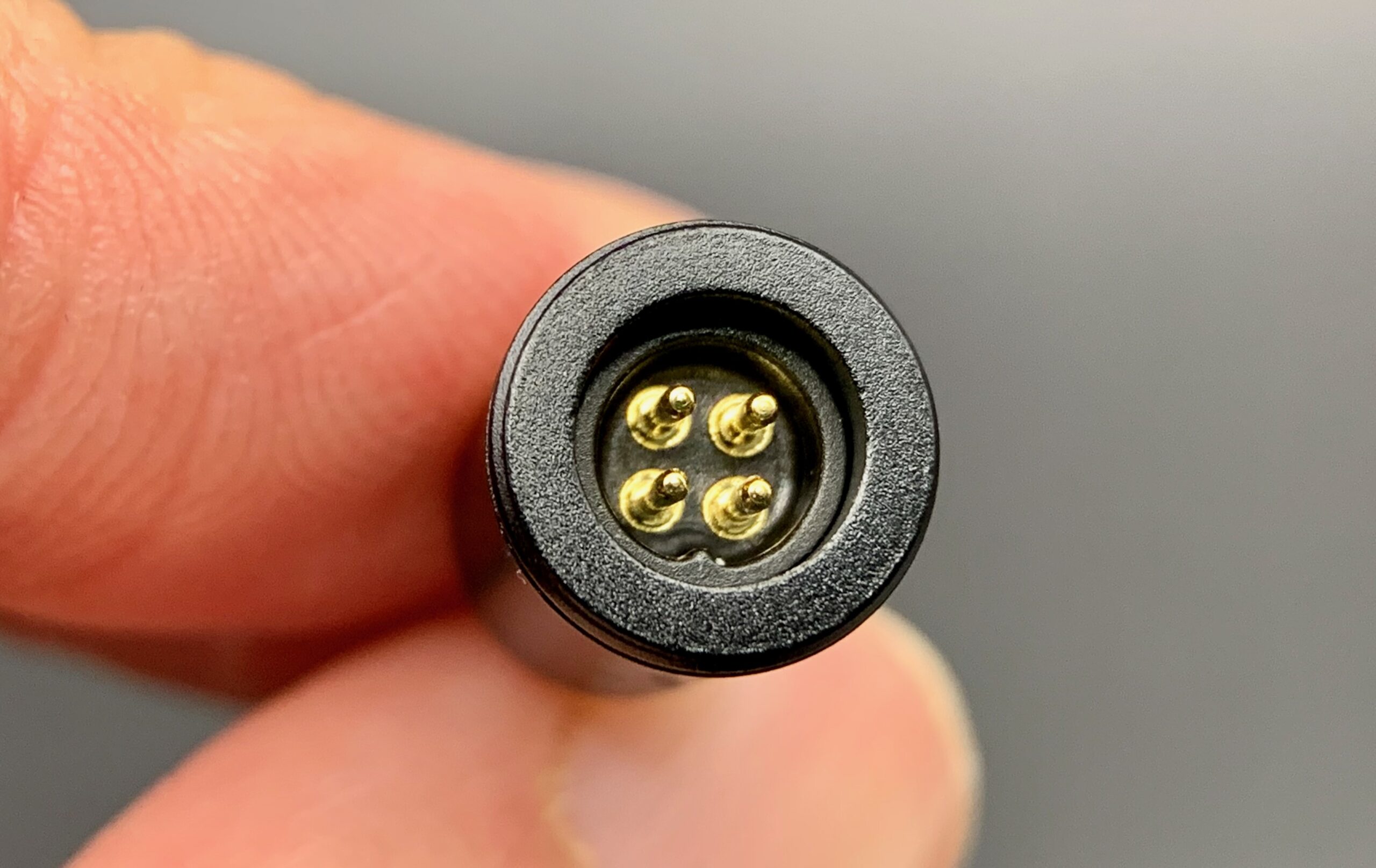
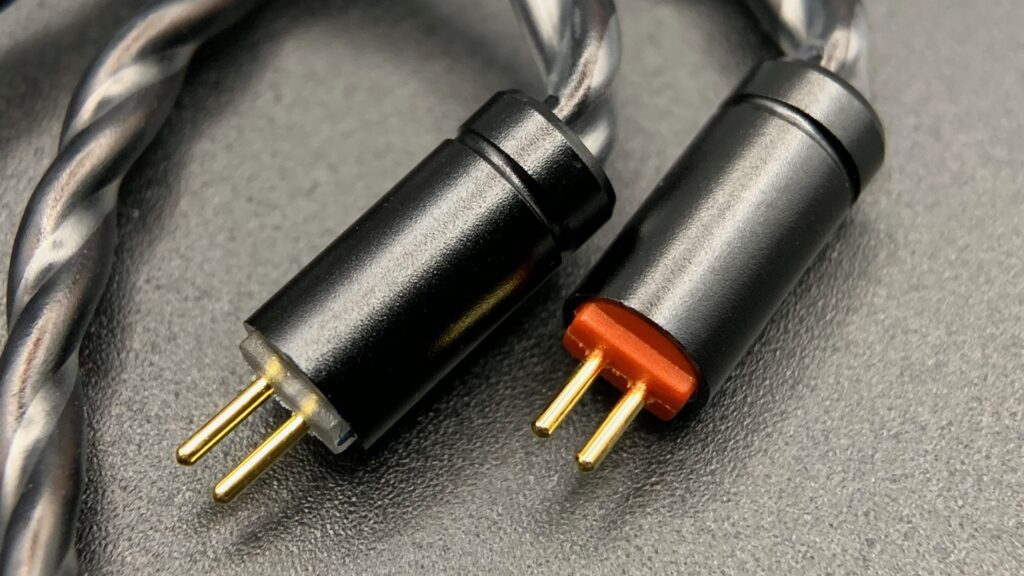
The rectangular housing around the 2Pin connector is not long enough for some recessed IEM sockets. As a result, the connector cannot fully seat inside the shell and ends up sitting partially exposed.
It’s something potential buyers should be aware of before purchasing and, honestly, it feels like a design oversight that Kiwi Ears could have handled better.
A Cable Designed to Be Used
The Terras packaging perfectly reflects the philosophy behind the product.
There is no unnecessary luxury here, no oversized presentation designed to impress you for the first thirty seconds after opening the box.
Everything is simple, clean, and most importantly, practical.
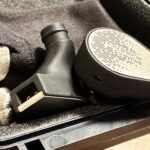
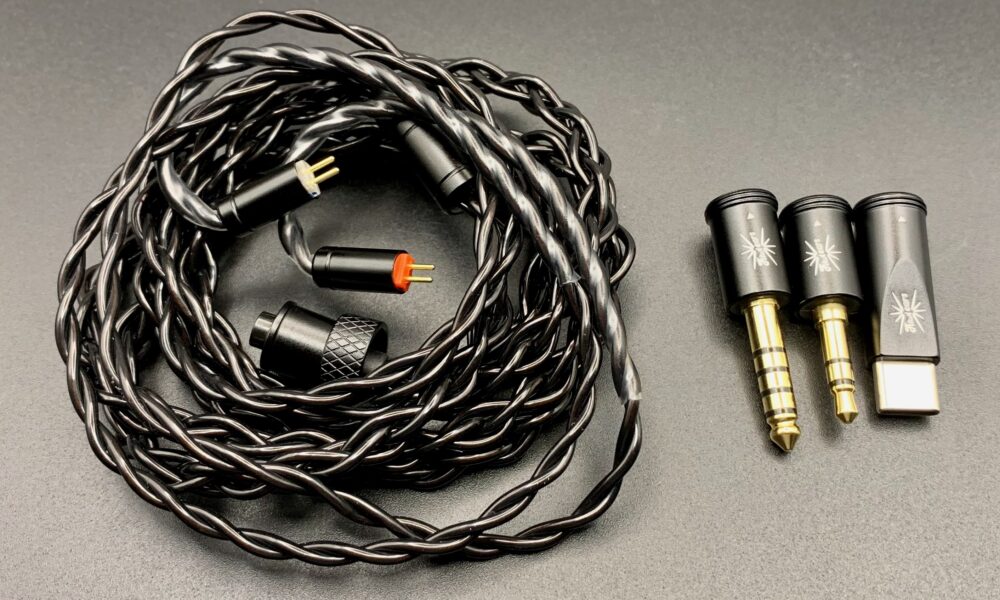
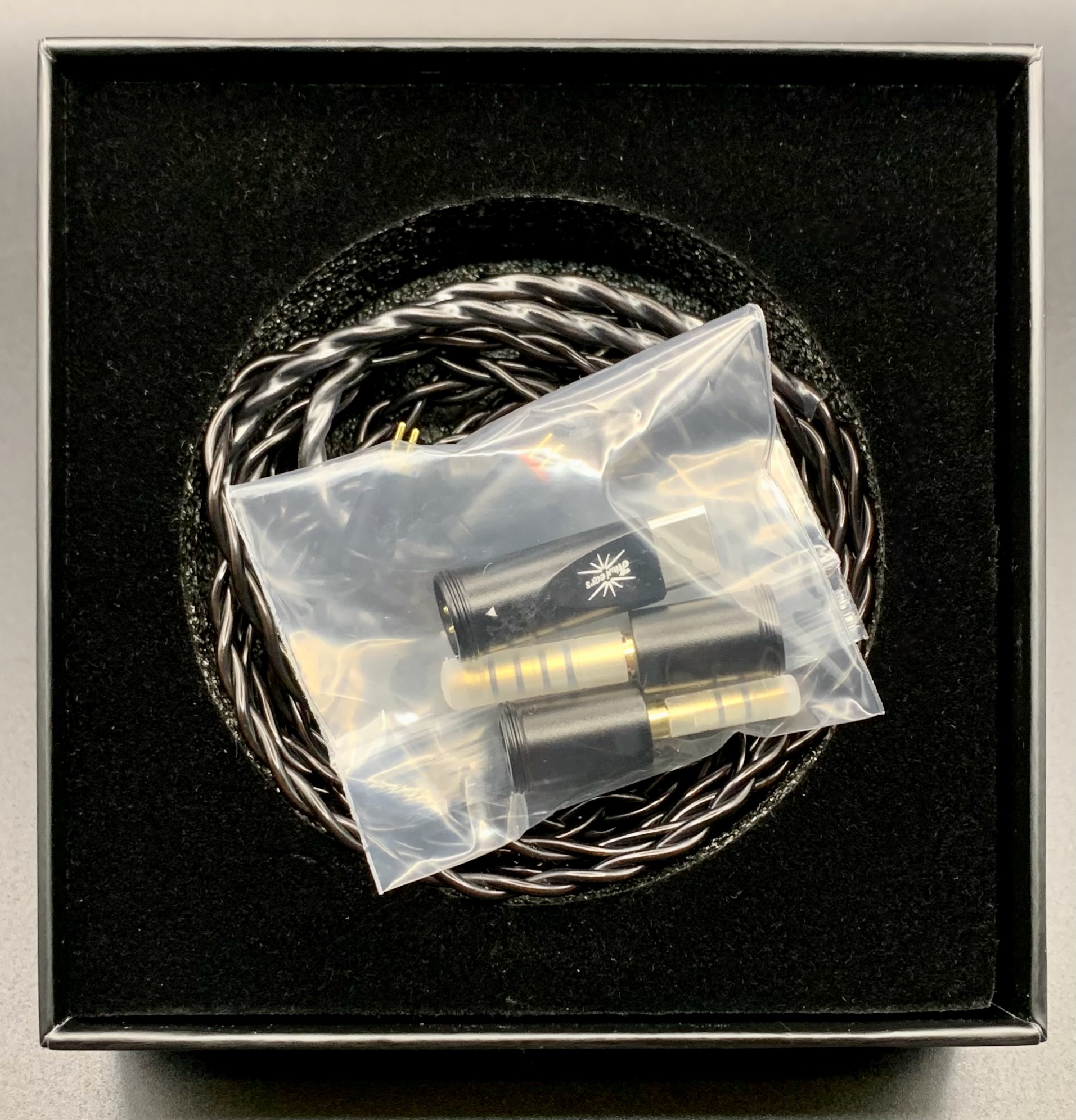
Inside the package you’ll find:
- the Terras cable
- 3.5mm module
- balanced 4.4mm module
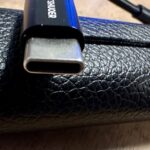
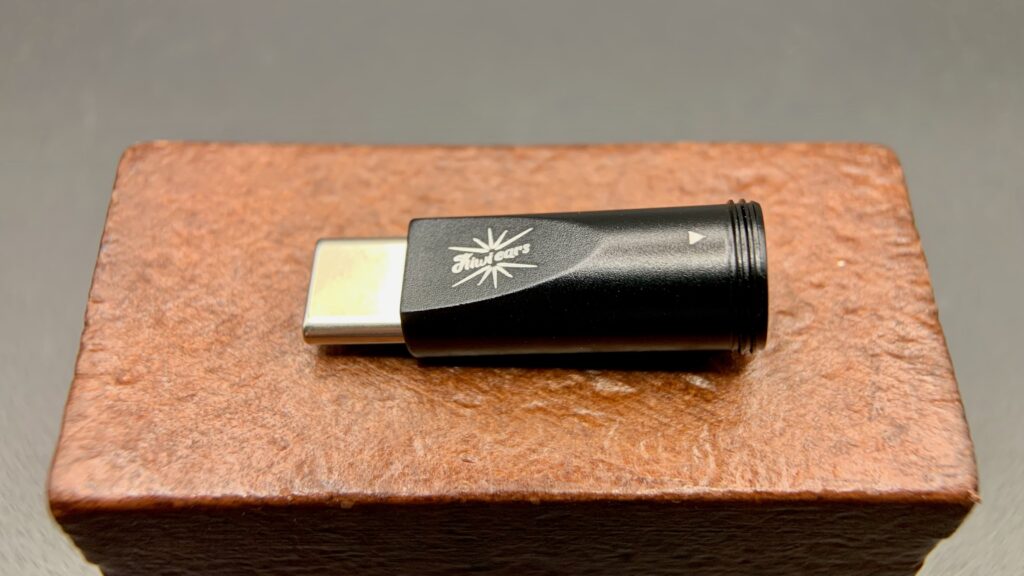
- USB-C module
That last accessory is actually one of the smartest parts of the whole package.
Not every manufacturer includes a USB-C module out of the box, and in daily use it can make a surprisingly big difference. It allows you to connect the Kiwi Ears x B_Media Terras directly to a smartphone, tablet, or computer without having to carry a separate dongle around.
It’s a practical solution, easy to use, and perfectly aligned with the real-world nature of this cable.
The packaging doesn’t try too hard to feel premium.
Instead, it focuses on functionality, and honestly, I appreciate that far more than huge boxes filled with accessories that will never leave the drawer.
Modular Plugs Done Right
One of the things I appreciated most about the Terras is the modular plug system.
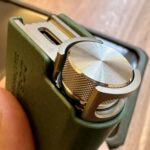
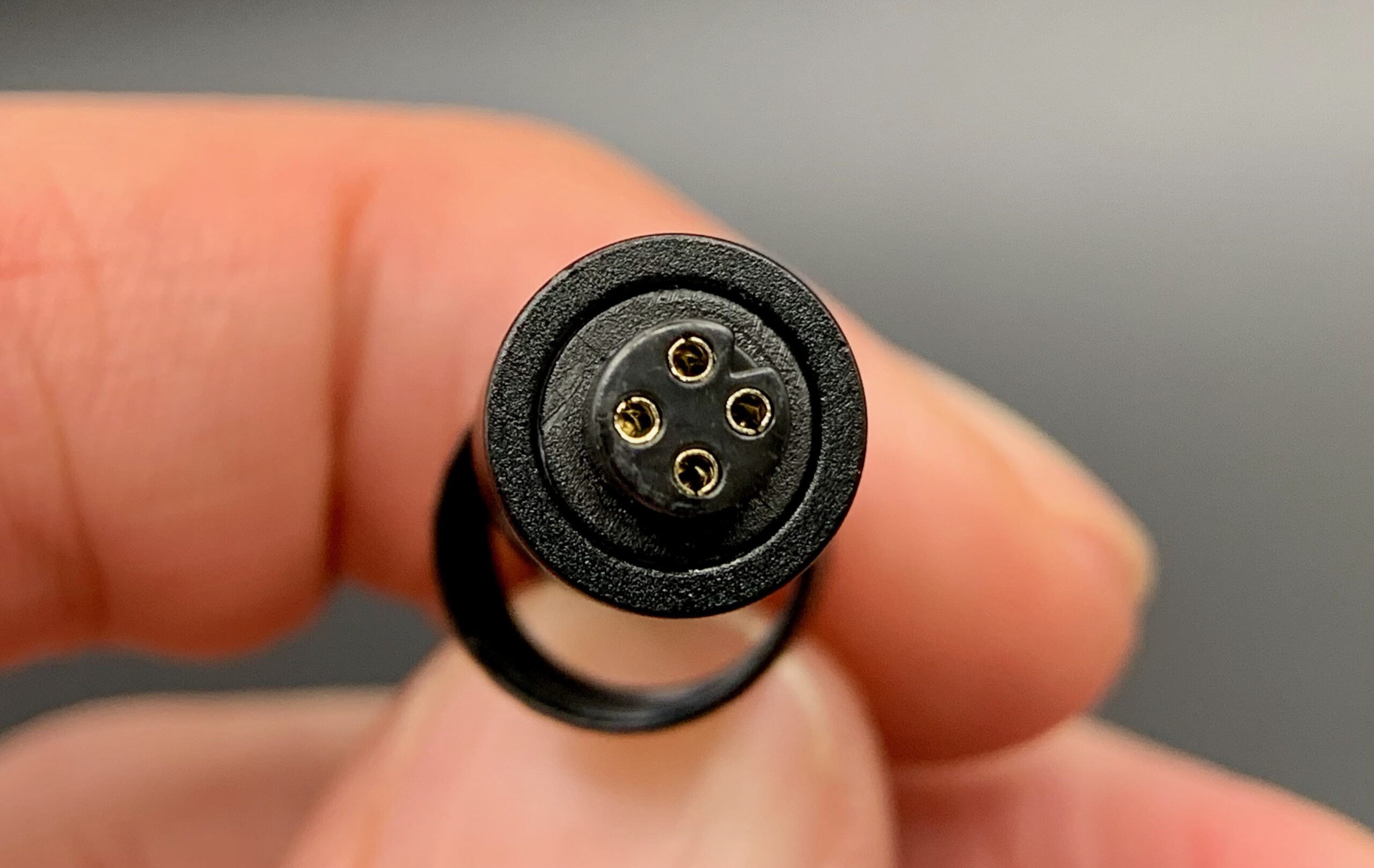
Kiwi Ears chose a push-fit design secured by a threaded locking ring, and honestly, I find it far more practical and secure than the usual push-fit-only solutions.
I’ve never been a big fan of modular plugs that rely solely on friction, especially because I constantly switch between sources, DACs, and amplifiers during testing. With many modular systems, it’s surprisingly common to unplug the cable and end up with half of the connector still attached to the device while the rest remains in your hand.
It’s annoying, inelegant, and far more common than it should be, even on some fairly expensive products.
The same thing happens with a number of high-end cables that still use simple push-fit systems without any form of locking mechanism.
The threaded lock used here makes everything feel more secure, more stable, and far more reliable in everyday use.
Honestly, it’s one of those small practical details that ends up being worth far more than a long list of audiophile promises.
Technical Specifications
As always, specifications in the cable world should be interpreted in the right way.
Terms such as OCC, Litz, or various conductor configurations can certainly tell us something about the construction and overall quality of a product, but they should never be seen as an automatic guarantee of “better sound.”
In the real world, other factors tend to matter much more:
- Build quality
- Ergonomics
- Shielding
- Reliability
- Everyday usability
- Compatibility with your IEMs
And those are exactly the areas where the Terras tries to build its identity.
| Feature | Specification |
| Material | OCC Copper |
| Structure | Litz |
| IEM Connector | 2Pin 0.78mm |
| Modular Connectors | 3.5mm / 4.4mm / USB-C |
| Ergonomics | Excellent |
| Microphonics | Very Low |
| Flexibility | Excellent |
The Design Philosophy: Ideas and Choices
I think the Terras needs to be understood in the right context.
This is not a cable designed for the ultra high-end market, and honestly, I don’t think it was ever meant to be.
The idea behind it feels much more practical and far more sensible.
Rather than chasing exotic materials and making extravagant claims, Kiwi Ears seems to have focused on offering a genuine upgrade for the many IEMs that still come with mediocre stock cables or cables that simply aren’t very enjoyable to use.
And that’s exactly where the Terras works best.
Its biggest strength is not changing the sound.
It’s improving the overall user experience.
Comfort, modularity, ergonomics, and build quality are clearly the priorities here, and every design choice seems to support that goal.
Personally, I find this approach much more believable than the philosophy behind many boutique cables that promise dramatic sonic transformations but often deliver very little in real-world use.
Real-World Compatibility
This is probably the most important section of the entire review.
And I’m not just talking about physical connector compatibility, but also about the kind of products that can genuinely benefit from a cable like the Terras.
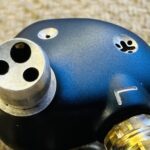
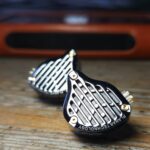
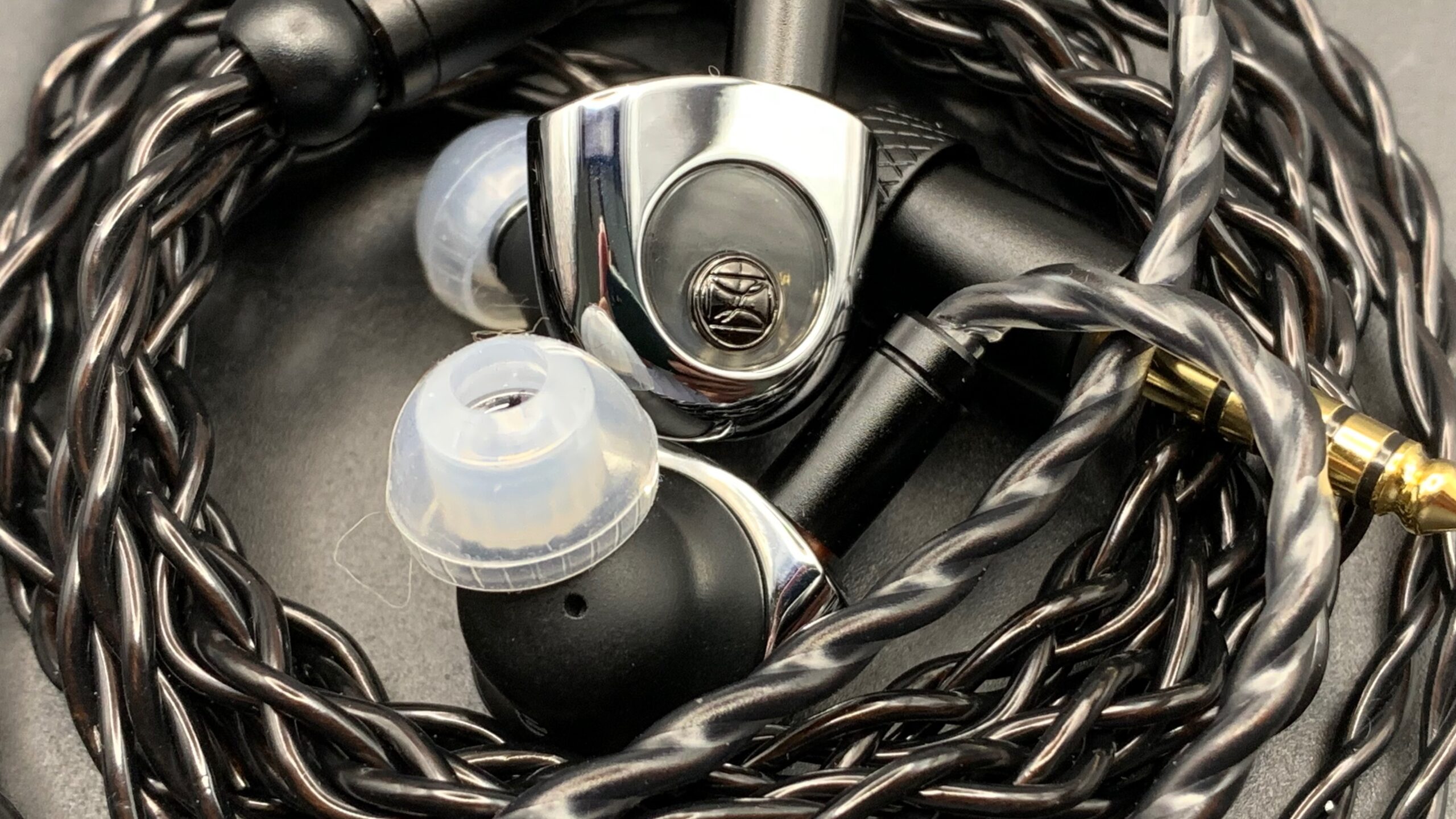
The cable uses fairly standard 2Pin connectors, but the rectangular housing around the pins is not long enough for some recessed IEM sockets. On certain models, this prevents the connector from fully seating inside the shell.
In my case, the results were mixed.
Good Compatibility
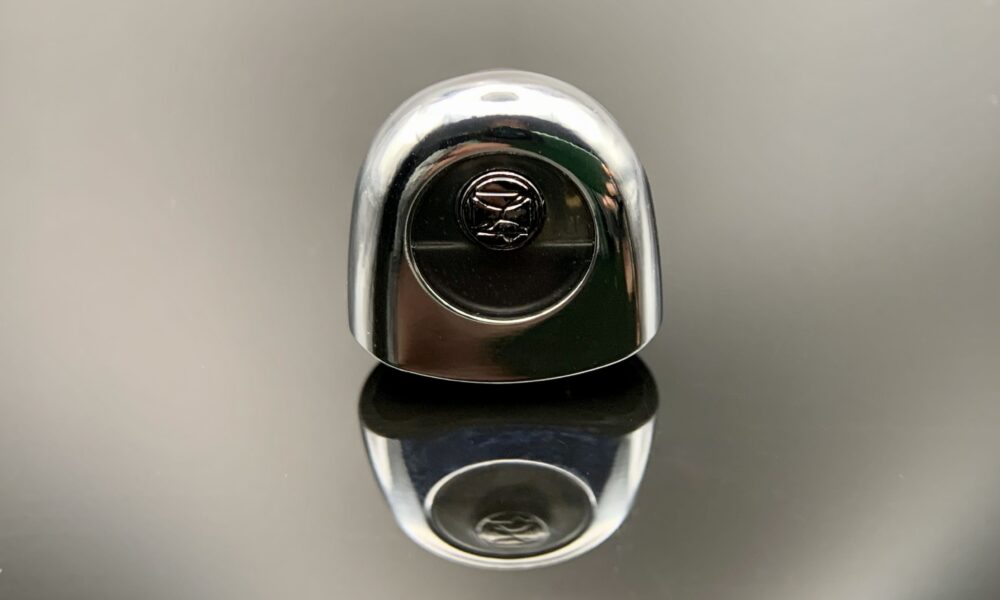
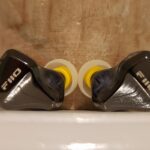
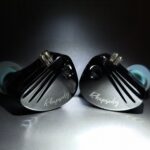
Twistura D-Major
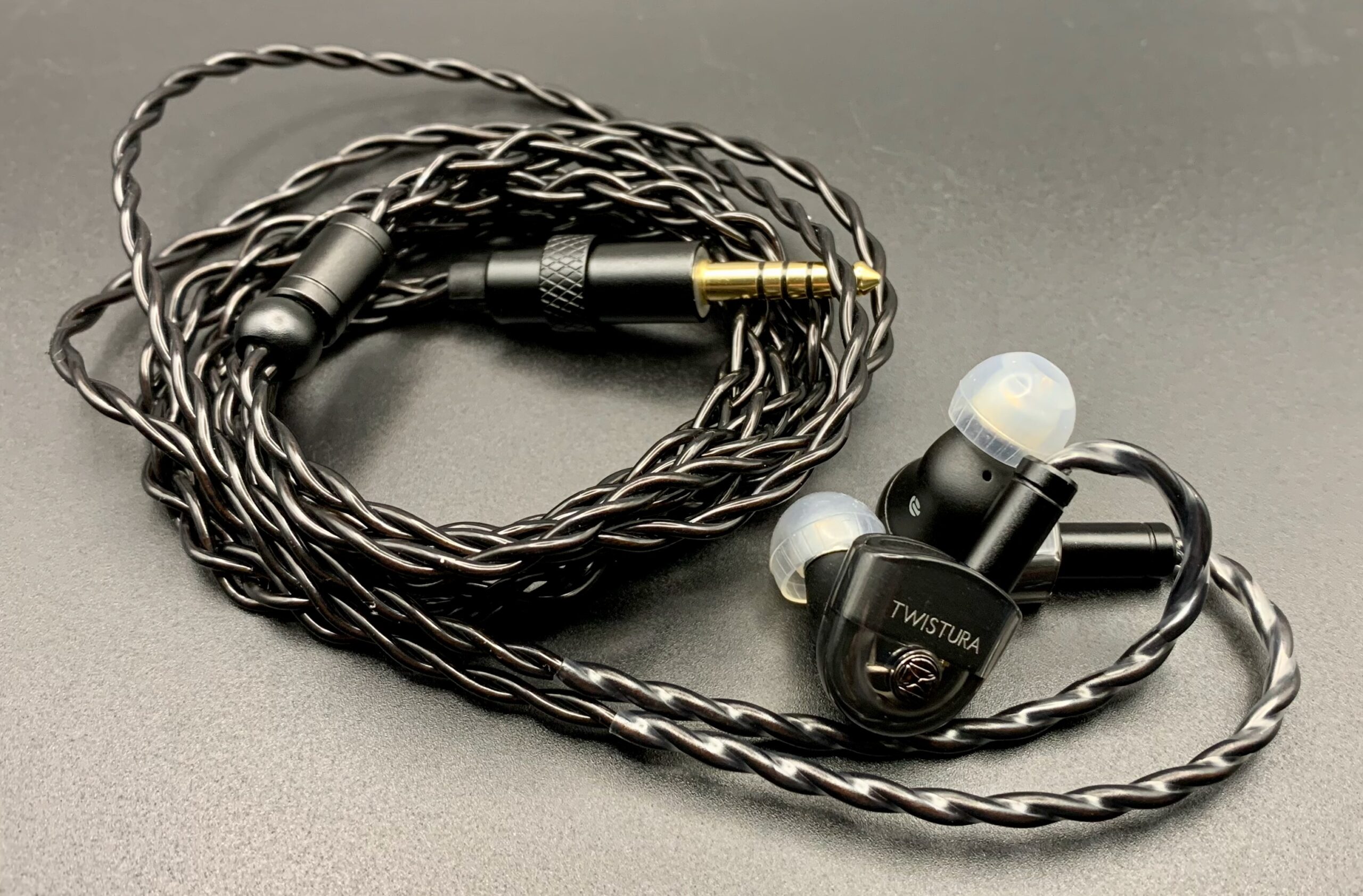
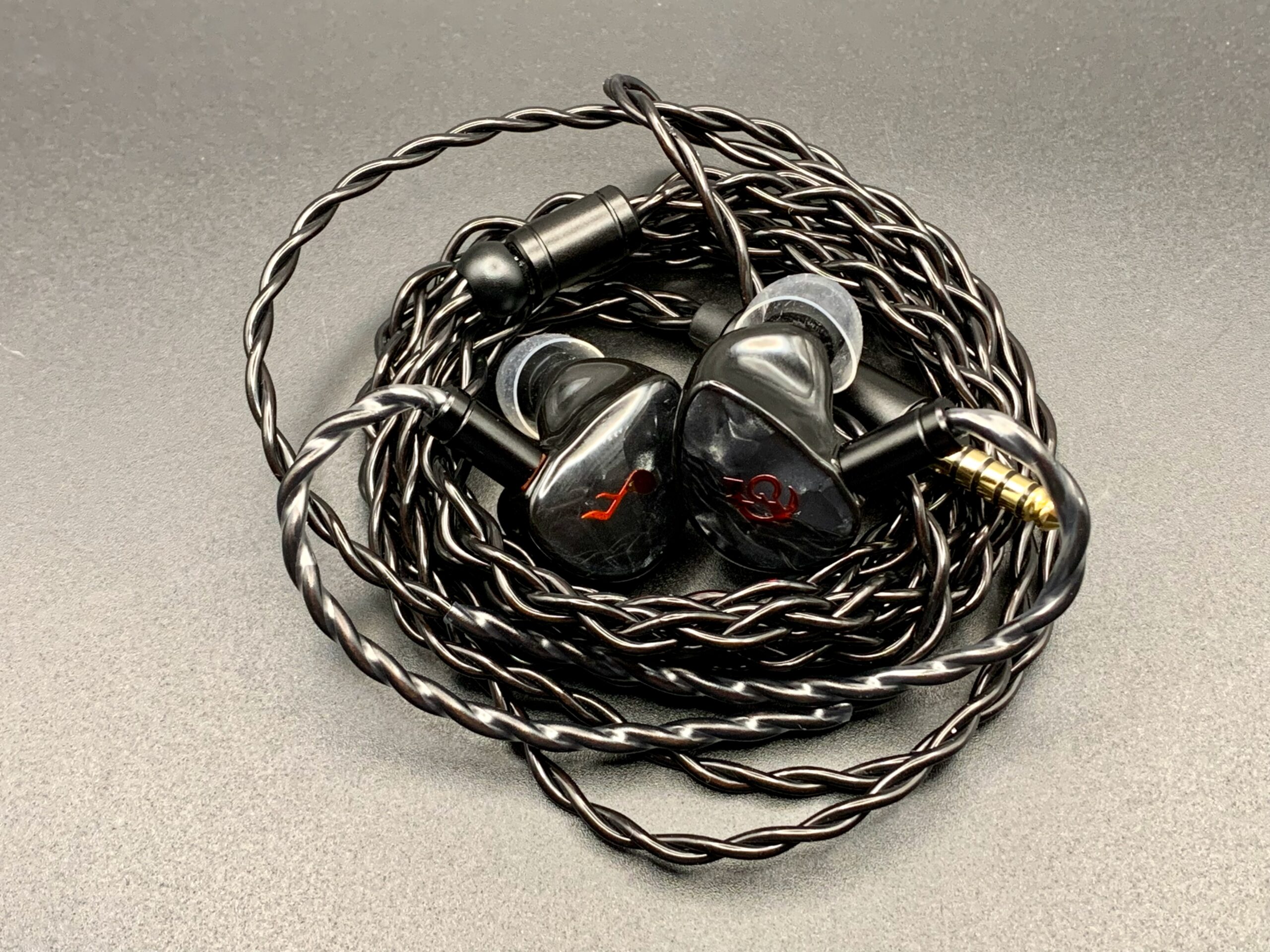
With the D-Major, everything works exactly as it should.
The connection is secure, the fit is stable, and I experienced no issues during daily use.
This is also the kind of IEM where I think the Terras makes the most sense. It brings a small improvement in perceived refinement, a touch more cleanliness in the upper frequencies, and a slightly more organized presentation compared to many basic stock cables.
Nothing dramatic.
Nothing that makes you say “wow.”
Just a few subtle refinements that can make the overall experience a little nicer.
And honestly, I think this is where the Terras feels most at home.
With IEMs in the $30, $50, or $70 range, many manufacturers still include fairly basic stock cables, both in terms of ergonomics and overall quality. In those situations, an upgrade like this can make sense not only for sound, but also for everyday usability.
Problematic Compatibility

Aune IR300
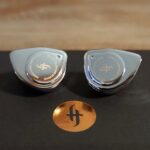
The story is quite different with the IR300.
Here the connector simply doesn’t go deep enough into the recessed socket, resulting in a connection that feels less secure than it should.
This isn’t an electrical issue, nor is it a question of cable quality.
It’s purely a mechanical compatibility problem caused by the shape and depth of Aune’s recessed connector design.
And this leads to another important consideration.
Personally, I find it much harder to justify the Terras on already expensive IEMs.
Products in the $300 to $500 range and above often come with very good stock cables that have already been designed around the intended tuning and overall character of the IEM.
In those cases, the risk isn’t necessarily hearing no difference at all.
The bigger risk is slightly altering an already well-balanced setup.
For that reason, I see the Terras much more as:
- A smart upgrade for budget IEMs
- A meaningful ergonomic improvement
- A better alternative to basic stock cables
rather than a universal upgrade for every setup.
And honestly, I think that’s also the most realistic way to look at this product.
Subtle Changes, Not Transformations
Talking about the sound of a cable is always tricky and, above all, it’s important to stay realistic.
The Terras does not transform an IEM. It doesn’t change the tuning, and it certainly won’t turn a warm earphone into an analytical one.
What it can do, especially when compared to many basic stock cables, is add a small degree of refinement to the overall presentation.
Bass feels slightly tighter and a bit fuller, without actually increasing in quantity.
The midrange comes across a touch cleaner and better defined, giving the entire presentation a greater sense of order and clarity.
Treble is probably where the contribution is most noticeable. There seems to be a little more air, a few extra nuances become easier to pick up, and the overall presentation feels slightly more open than with many entry-level stock cables.
As for soundstage and imaging, I honestly wouldn’t describe the difference as a true technical improvement. If anything, the cleaner upper mids and treble can create the impression of a slightly larger stage, but we’re talking about very subtle changes that are ultimately quite minor in the grand scheme of things.

Where It Really Makes Sense
In my opinion, the Kiwi Ears x B_Media Terras finds its sweet spot in the entry-level and mid-range market, especially with the many commercial IEMs that still come with fairly basic stock cables, both in terms of construction and overall usability.
I see it as a particularly good fit for:
- Daily portable setups
- Budget and mid-range IEMs
- Products designed for everyday use
- Users looking for better comfort, modularity, and ergonomics without spending a fortune
Brands such as KZ, 7Hz, TinHiFi, and CCA, just to name a few, are probably the ideal playground for a cable like this. Many of their products still ship with fairly inexpensive stock cables that affect the user experience more than the actual sound quality.
And that’s exactly where the Terras starts to make sense.
Not because it dramatically changes the sound, but because it can make the overall presentation feel a little cleaner, a little more organized, and slightly more refined compared to the typical entry-level stock cable.
The picture changes quite a bit once you move into the higher-end market.
Many IEMs in the $300, $500, or higher price range already come with very good cables that have been carefully selected to complement the tuning and character of the product.
In those cases, the Terras can end up being more of a side-grade than a true upgrade. In some situations, it might even slightly alter an already well-balanced setup.
For that reason, I find it difficult to recommend it as a universal upgrade for high-end gear, while I see it as a much smarter and more practical improvement for more affordable IEMs.
Final Thoughts
The Kiwi Ears x B_Media Terras is a product that needs to be understood for what it really is.
It’s not a miracle cable.
It won’t revolutionize the sound of your IEMs.
It won’t completely change their character.
What it does offer is solid build quality, excellent usability, and, in the right setup, a small but noticeable level of refinement compared to many basic stock cables.
The real strength of the Terras isn’t a dramatic wow factor.
It’s the day-to-day experience.
Comfort, ergonomics, modularity, and practicality are the things this cable does best, and they are ultimately the reasons why it succeeds.
Honestly, in the real world, those qualities matter far more than the countless audiophile claims that are impossible to prove and even harder to hear.
🟢 Pros
- Excellent ergonomics
- Very soft and lightweight
- Practical modular system
- High perceived build quality
- Very low microphonics
- A worthwhile upgrade for entry-level and mid-range IEMs
🔴 Cons
- Compatibility issues with some recessed IEM connectors
- Sonic improvements are subtle
- Limited value for high-end IEMs that already include excellent stock cables
Frequently Asked Questions
Does a cable really change the sound?
Yes, but only to a small degree.
We’re talking about subtle refinements rather than dramatic transformations.
Is it worth using on a budget IEM?
Actually, yes.
In many cases it makes more sense on a budget or mid-range IEM than on a flagship model.
A lot of entry-level products still come with fairly basic stock cables, and the Terras can noticeably improve the overall day-to-day experience.
Is it worth replacing a good stock cable?
Usually not.
If your IEM already comes with a high-quality stock cable, the benefits of switching to the Terras become much smaller. In some cases, it may even slightly alter an already well-balanced setup rather than improve it.
Acknowledgements and Personal Note
I’d like to thank Linsoul for providing the Kiwi Ears x B_Media Terras for this review. The Terras is currently available through the official Linsoul store and Amazon.
No compensation was provided, no approval was requested, no editorial restrictions were imposed, and there are no affiliate links, affiliations, or commercial interests involved.
This review is simply the result of spending time listening to music, testing the cable with different IEMs, and using it in real-world situations.
As always, everything you’ve read is based entirely on my personal experience.
The rest, as always, belongs to the music.





No Comment! Be the first one.