































































































Preface
The Aune IR300 arrive at a curious moment in the IEM market. On one side, there are increasingly affordable products that aim almost exclusively at immediate impact, often chasing exaggerated bass or boosted treble to impress at first listen. On the other side, there are increasingly expensive models that promise absolute refinement, technical perfection, and ultimate resolution.
Table Of Content
- Preface
- Packaging and accessories
- Build quality and ergonomics
- Tuning system and design philosophy
- Side venting and bass control
- Antibacterial and hypoallergenic eartips
- Sound impressions
- Timbre
- Vent modules and bass behavior
- Gold
- Black
- Silver
- Midrange
- Gold
- Black
- Silver
- Treble
- Gold
- Black
- Silver
- Soundstage
- Gold
- Black
- Silver
- Imaging and separation
- Gold
- Black
- Silver
- Detail
- Gold
- Black
- Silver
- Listening tests
- Rock
- British blues
- Psychedelic rock
- Pairing and synergy
- Final considerations
- 🟢 Pros
- 🔴 Cons
- Q/A
- Who are the Aune IR300 for
- Who might not enjoy the Aune IR300
- Where to buy
The IR300 position themselves in between, but with a clearly different mindset. They do not try to impose a single, fixed sound signature. Instead, they put the listener at the center of the experience, offering the possibility to actively shape and adapt the sound in a concrete and meaningful way.
Aune is not a new name for anyone familiar with desktop audio. The brand has a solid background in DACs, amplifiers, and electronics. With the IR300, Aune takes an almost engineering-driven approach to the IEM world, bringing solutions usually found in more complex or modular systems.This makes the IR300 interesting not only for how they sound, but for how they allow the listener to arrive at that sound through experimentation and understanding.



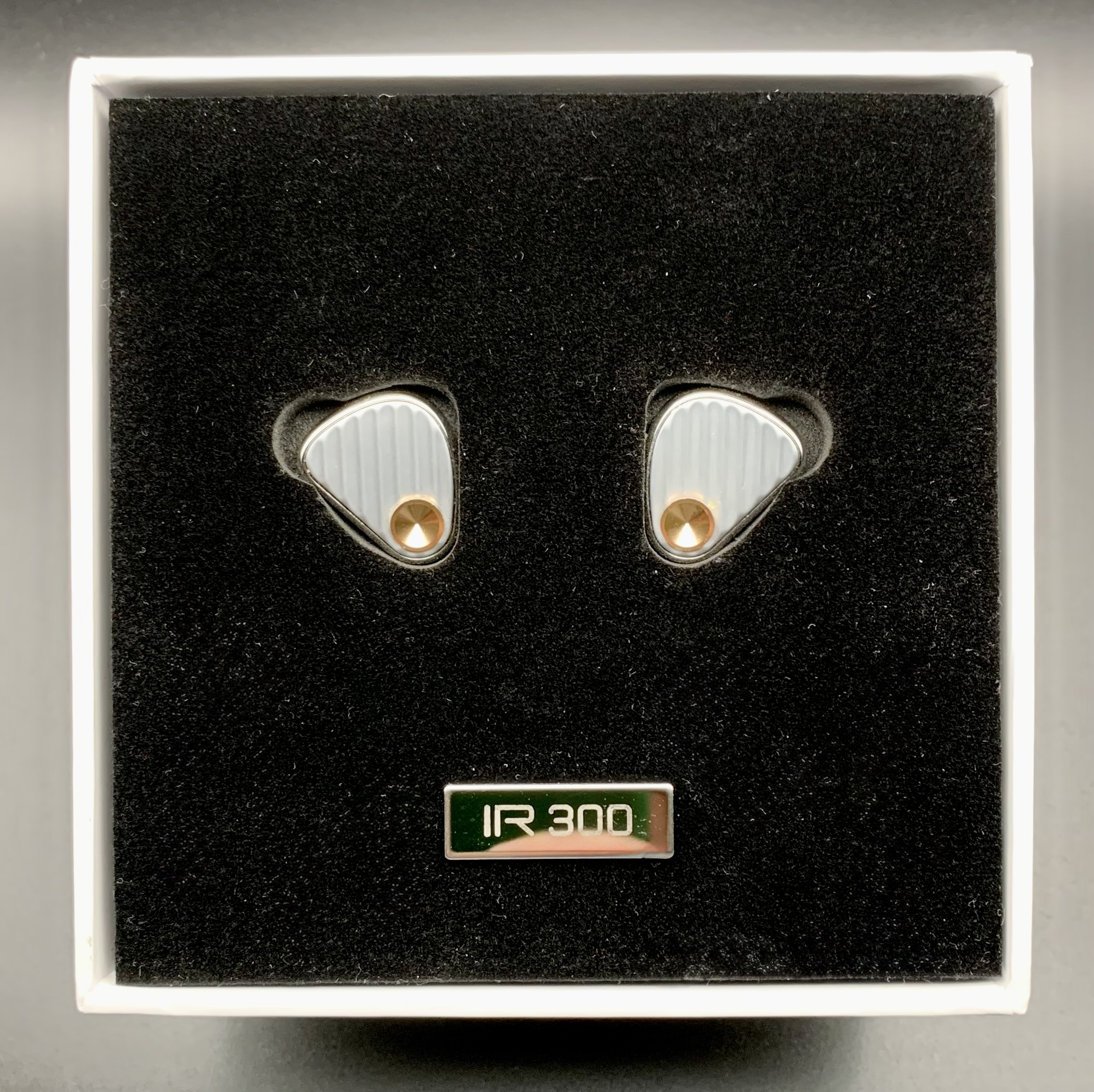
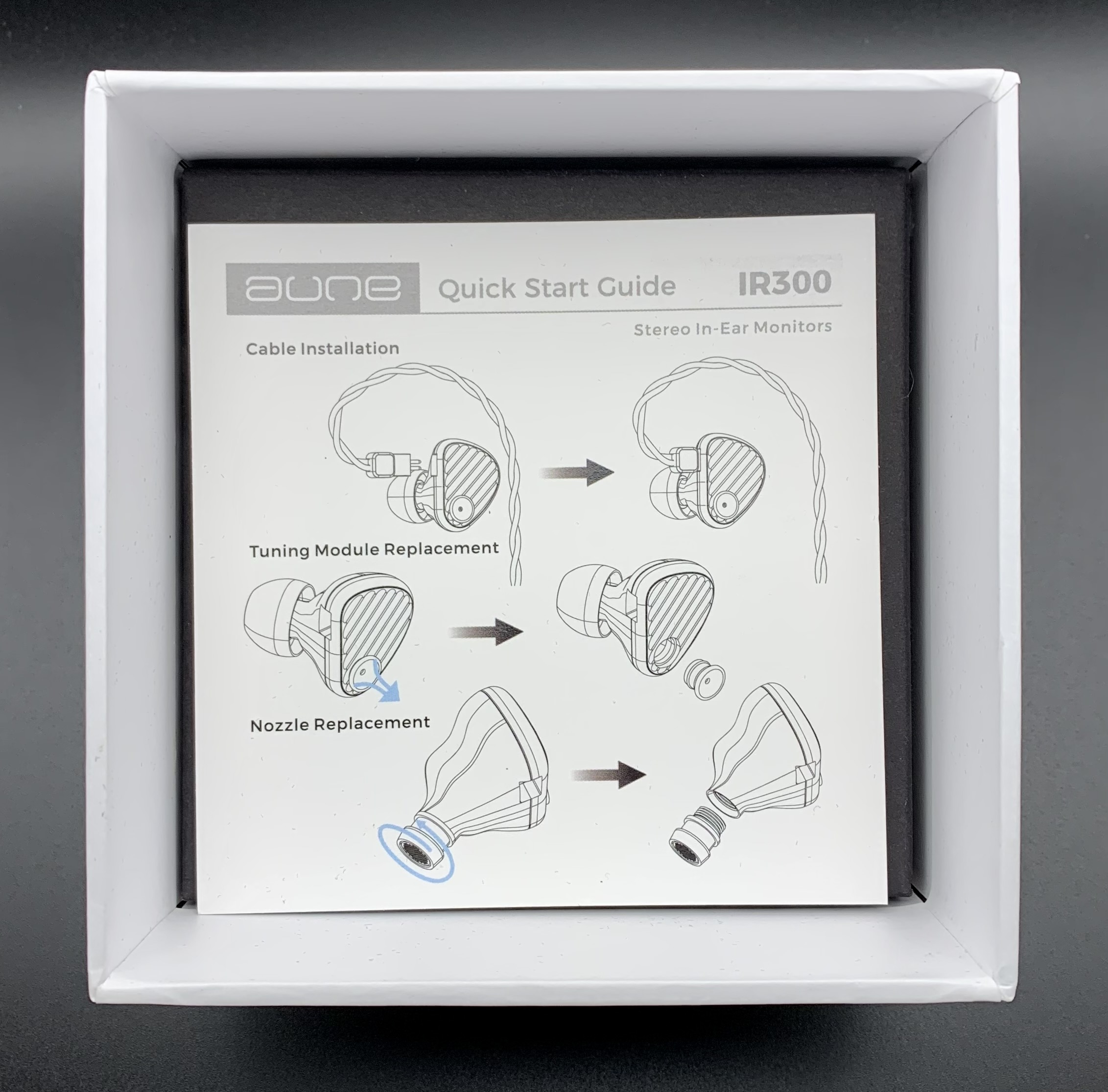
Packaging and accessories
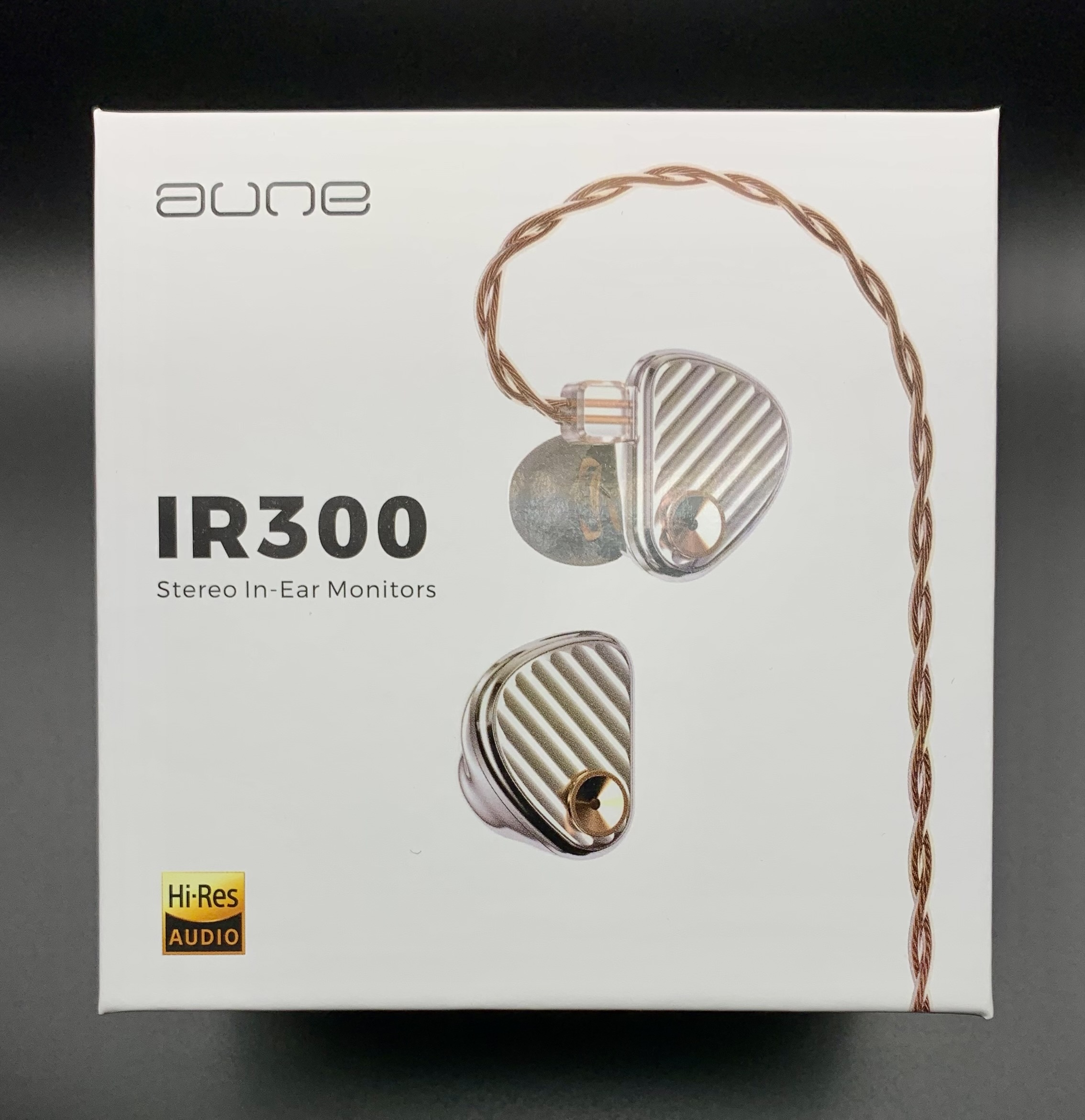
The packaging is clean, orderly, and rational, with no unnecessary decorative elements. The layout follows a clear and functional logic, fully consistent with the idea of a technically oriented product rather than a lifestyle accessory.
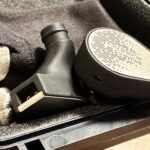
Inside the box, you will find the earphones, the cable, a generous selection of eartips in different sizes and materials, which I will discuss in detail later due to their specific characteristics. The package also includes a carrying case and, most importantly, the interchangeable tuning tubes, which are a central part of the IR300 concept.
It is immediately clear that Aune considers these components an integral part of the experience rather than simple add-ons. The accessory set is not luxurious, but it is complete, well thought out, and coherent. Nothing feels included just to fill space. Every element has a clear function in the daily use of the IR300.
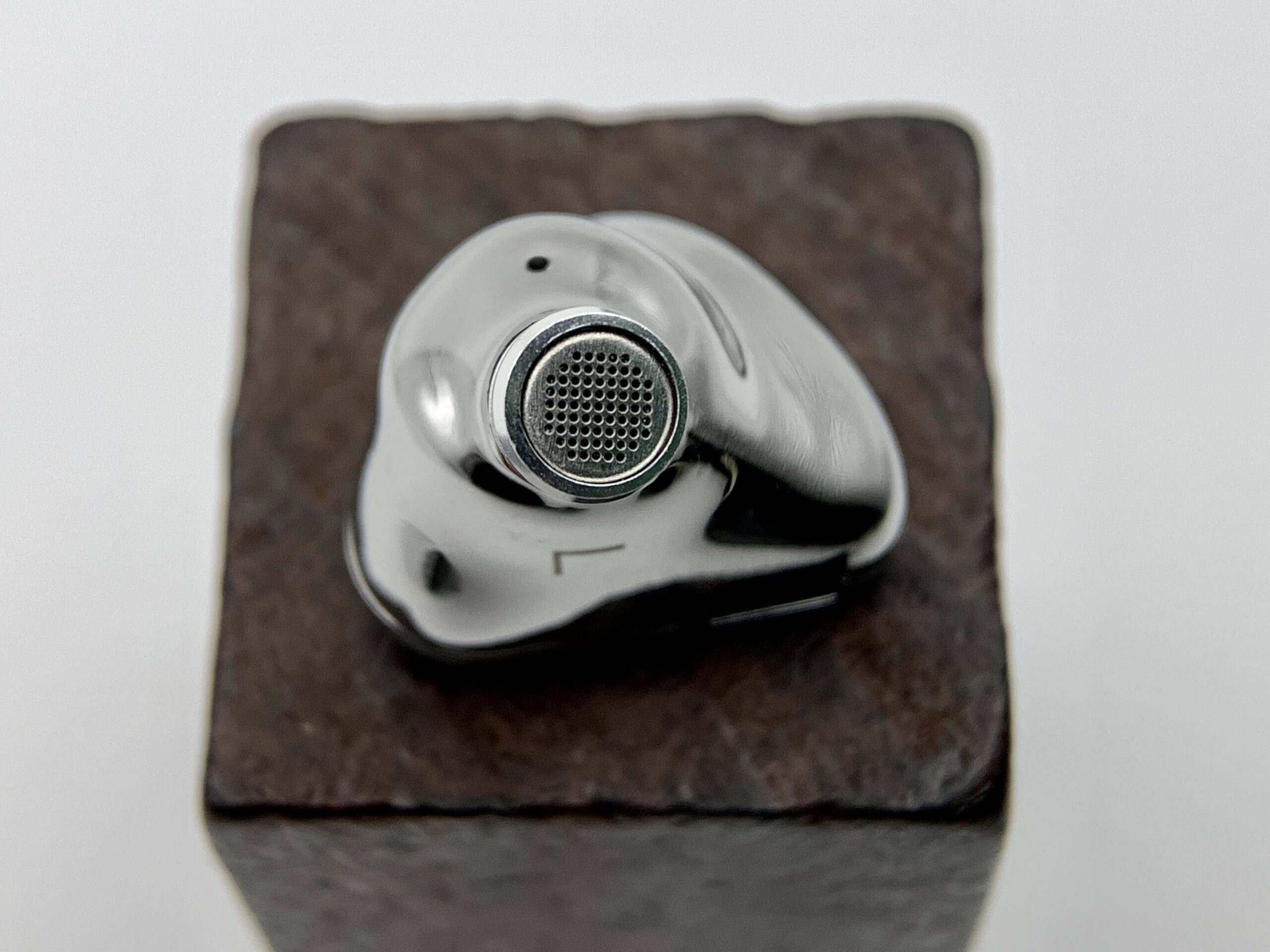
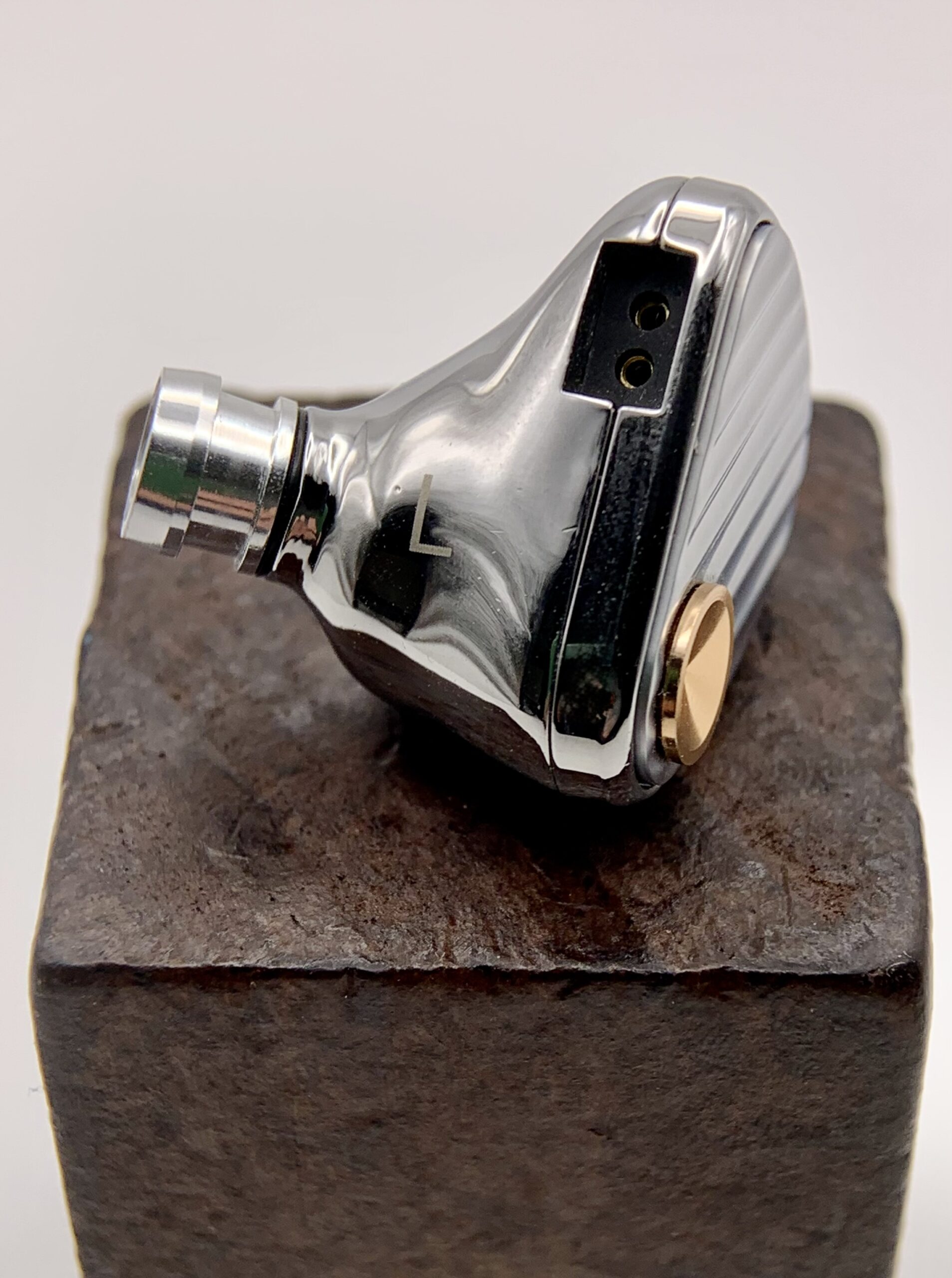

Build quality and ergonomics
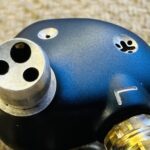
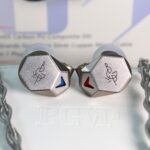
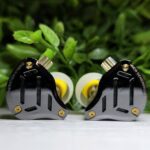
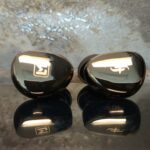
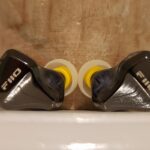
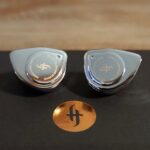
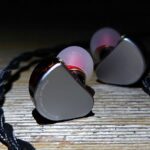
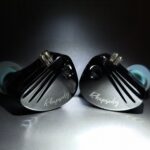
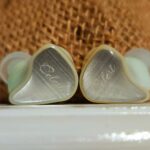
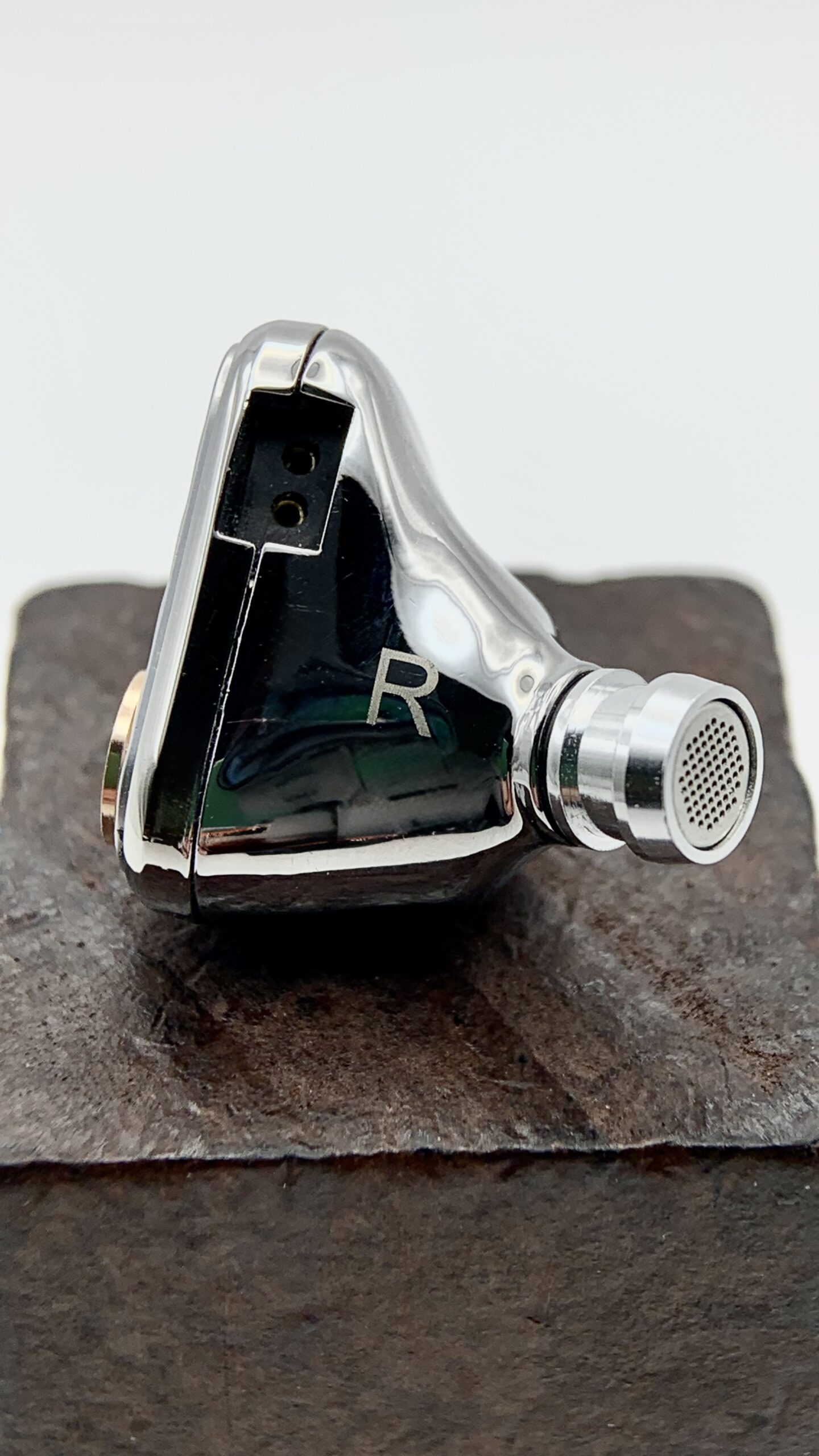
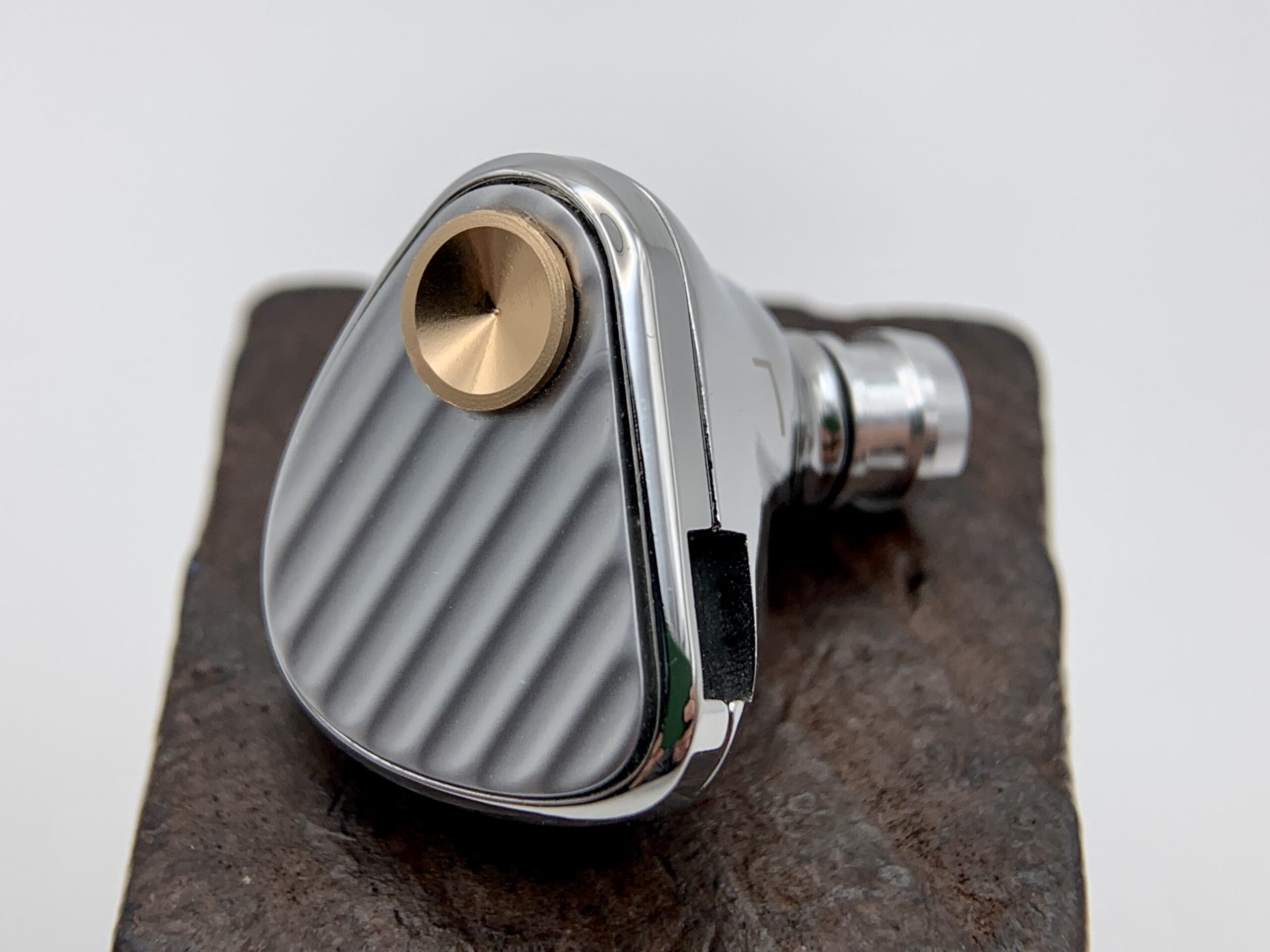
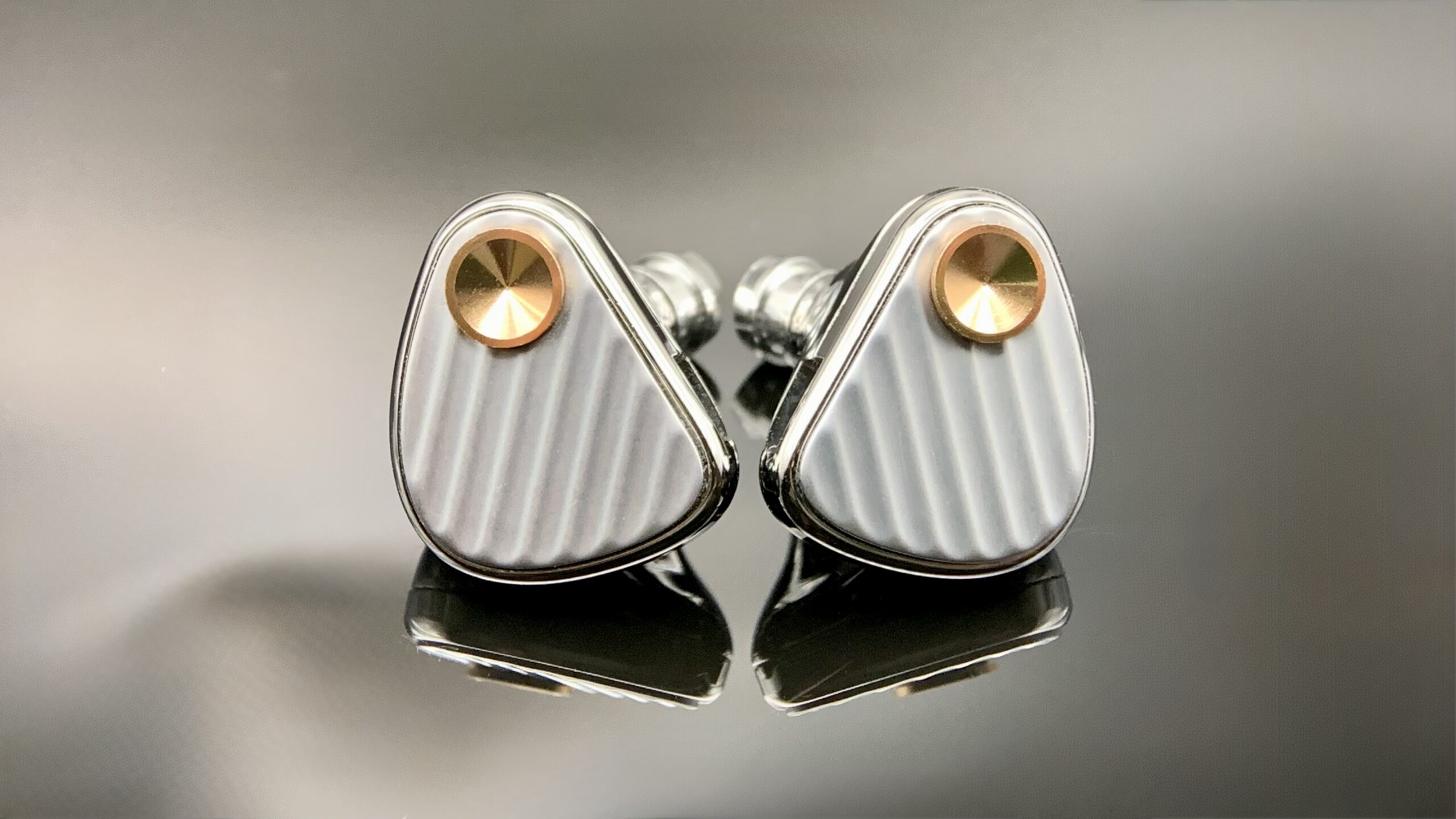
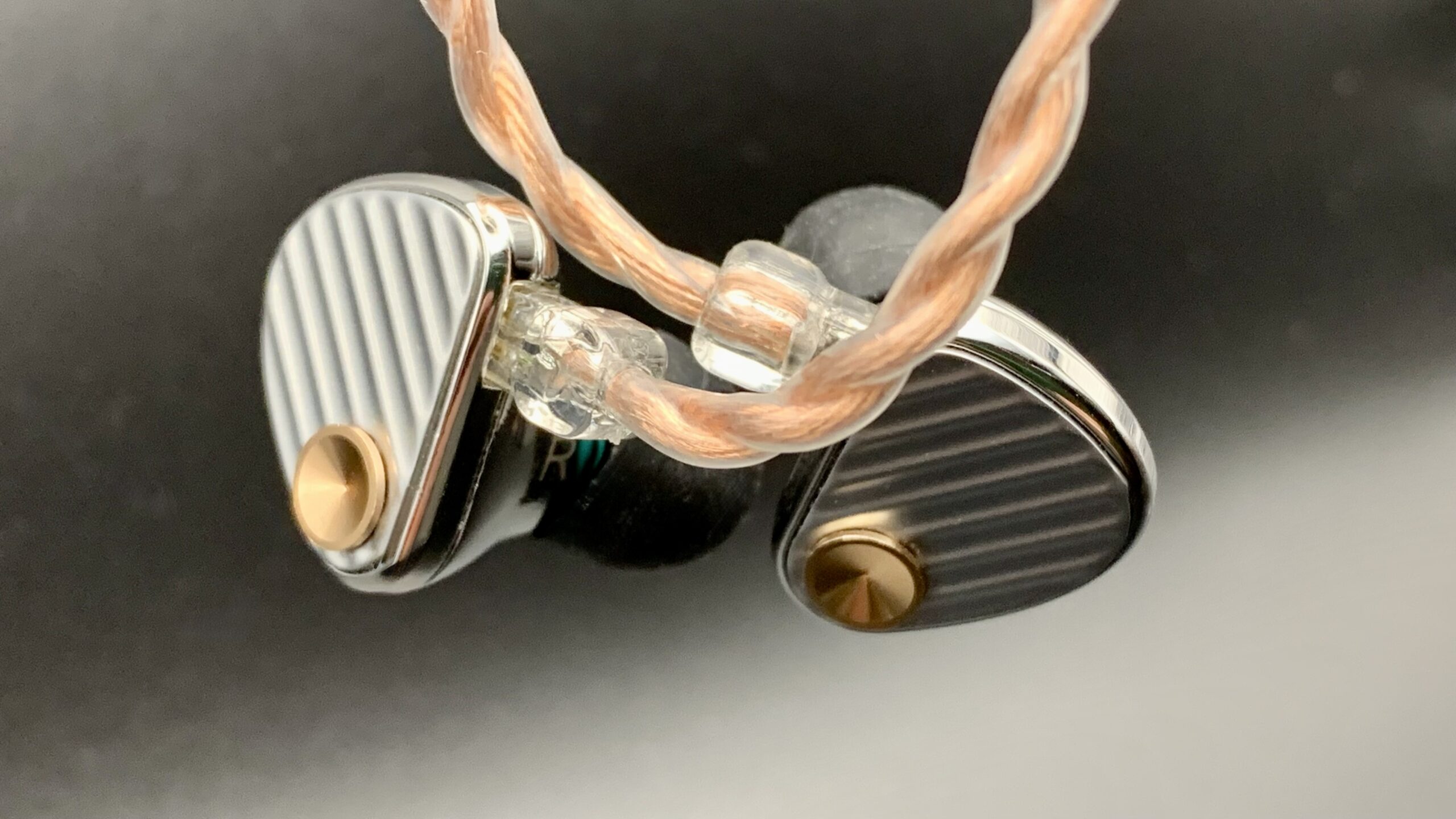
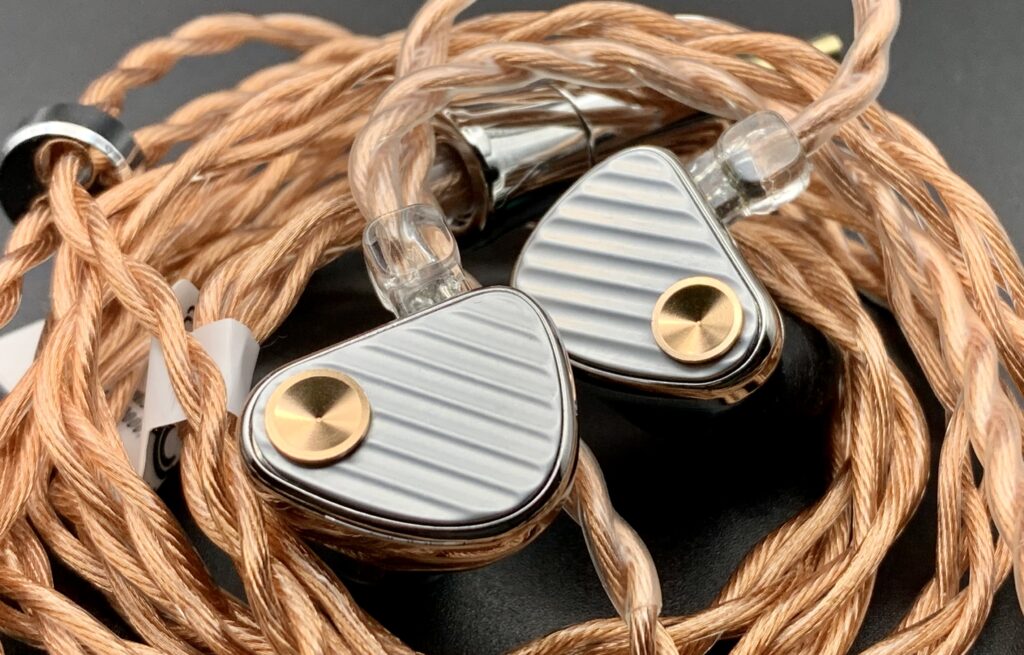
The IR300 shells are made of CNC-machined metal, and the build quality is immediately evident. There are no creaks, no loose parts, and no elements that give a sense of fragility. The overall impression is that of a solid product, designed to withstand regular use over time.
From an ergonomic point of view, the shape works well. The IR300 are not particularly small IEMs, but their weight distribution feels balanced and well managed. Once inserted, they sit securely in the ear without creating uncomfortable pressure points. Even during long listening sessions, fatigue remains limited.
The nozzle length and diameter support a secure seal, making eartip choice especially important, not only for comfort but also for achieving the intended sound performance.
Tuning system and design philosophy
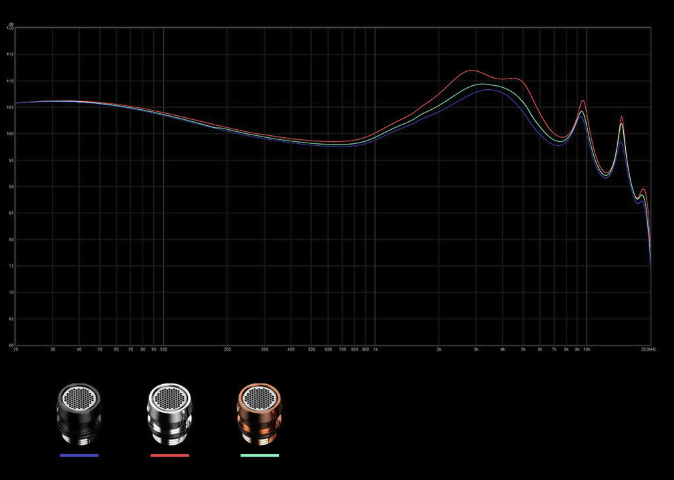
The tuning system of the IR300 is not a gimmick. The interchangeable tubes produce real and clearly audible changes by modifying airflow and the interaction between the dynamic driver and the ear.
Each tube works on specific aspects of the frequency response. Some emphasize treble extension, increasing perceived air and micro-detail. Others focus on a more linear presentation, with stronger midrange presence and a more relaxed overall balance.
What makes this system particularly interesting is that the changes are not limited to a single frequency band. Changing tubes also alters how different frequency ranges interact with each other. This leads to noticeable variations in soundstage, separation, and even perceived dynamics.
This is not an instant or plug-and-play system. It requires time, repeated listening, and comparison. However, this is precisely what makes it rewarding for listeners who enjoy understanding their gear rather than simply consuming it.
Side venting and bass control
One of the most underestimated yet successful design choices in the IR300 is the dedicated side vent for bass management.
This vent allows the dynamic driver to operate under optimal conditions by preventing pressure buildup inside the shell. Without proper venting, bass can easily become bloated, slow, or uncontrolled. Here, the bass is allowed to breathe. It delivers impact when needed, then quickly steps back, leaving space for the midrange.
Bass behavior changes noticeably depending on the tuning tubes and vent modules. Some configurations result in a fuller, more physical low end. Others produce a tighter and more monitor-like response. In no configuration does the bass lose definition or turn into artificial rumble.
This is bass designed with quality in mind rather than pure wow effect, and it is a design choice I personally appreciate.

Antibacterial and hypoallergenic eartips
Aune includes a particularly thoughtful selection of antibacterial and hypoallergenic eartips, and it is worth clarifying what this actually means in practice.
These are not medical-grade or sterile tips. They are made of soft silicone treated with a surface process that provides a declared antibacterial rate of 99 percent. This treatment reduces bacterial buildup over time, making them suitable for listeners with sensitive skin or higher sebum production in the ear canal.
In daily use, this translates into a cleaner feeling, especially during long listening sessions or in warm environments. It is a detail that is often overlooked, yet it directly affects comfort and consistency over time.
From an ergonomic perspective, the silicone feels soft and slightly smoother than many standard eartips. The seal is stable without creating pressure points, and even after several hours, they avoid the sticky or stiff sensation common to cheaper materials.
Sonically, these eartips seal well without introducing noticeable coloration. They support a correct bass response and stable insertion, allowing the IR300 to maintain a consistent and predictable sound even while moving.

Sound impressions
After approximately twenty hours of burn-in, I moved on to focused listening. From the first tracks, it becomes clear that the IR300 do not aim to impress through extreme tuning choices. Instead, they offer a balanced and adaptable sound.
The base signature is fundamentally neutral, but the character changes significantly through the tuning options provided by Aune. The IR300 do not have a single, fixed personality. They are earphones that need to be interpreted through their different configurations, each with a clearly recognizable identity.
Timbre
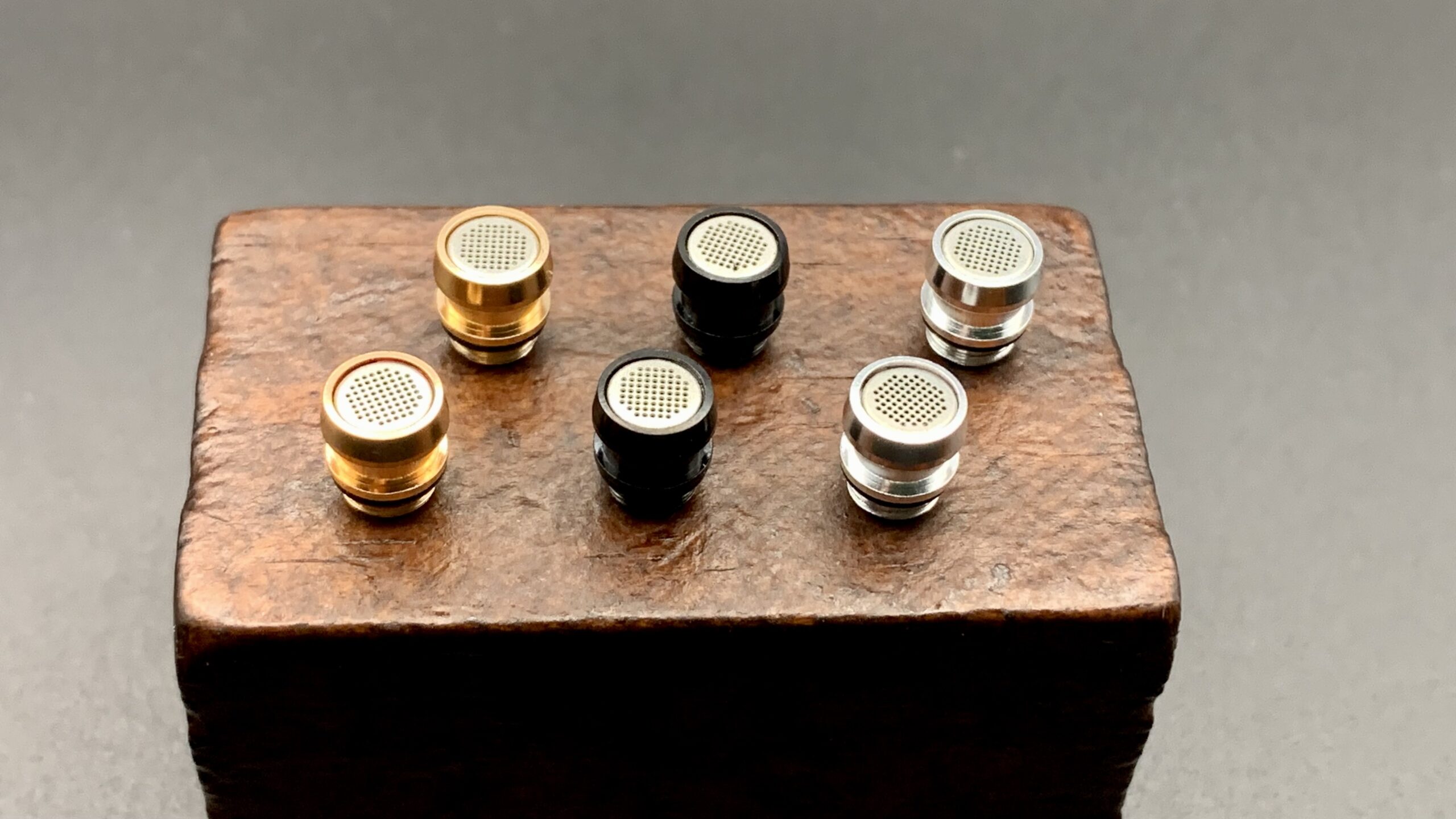
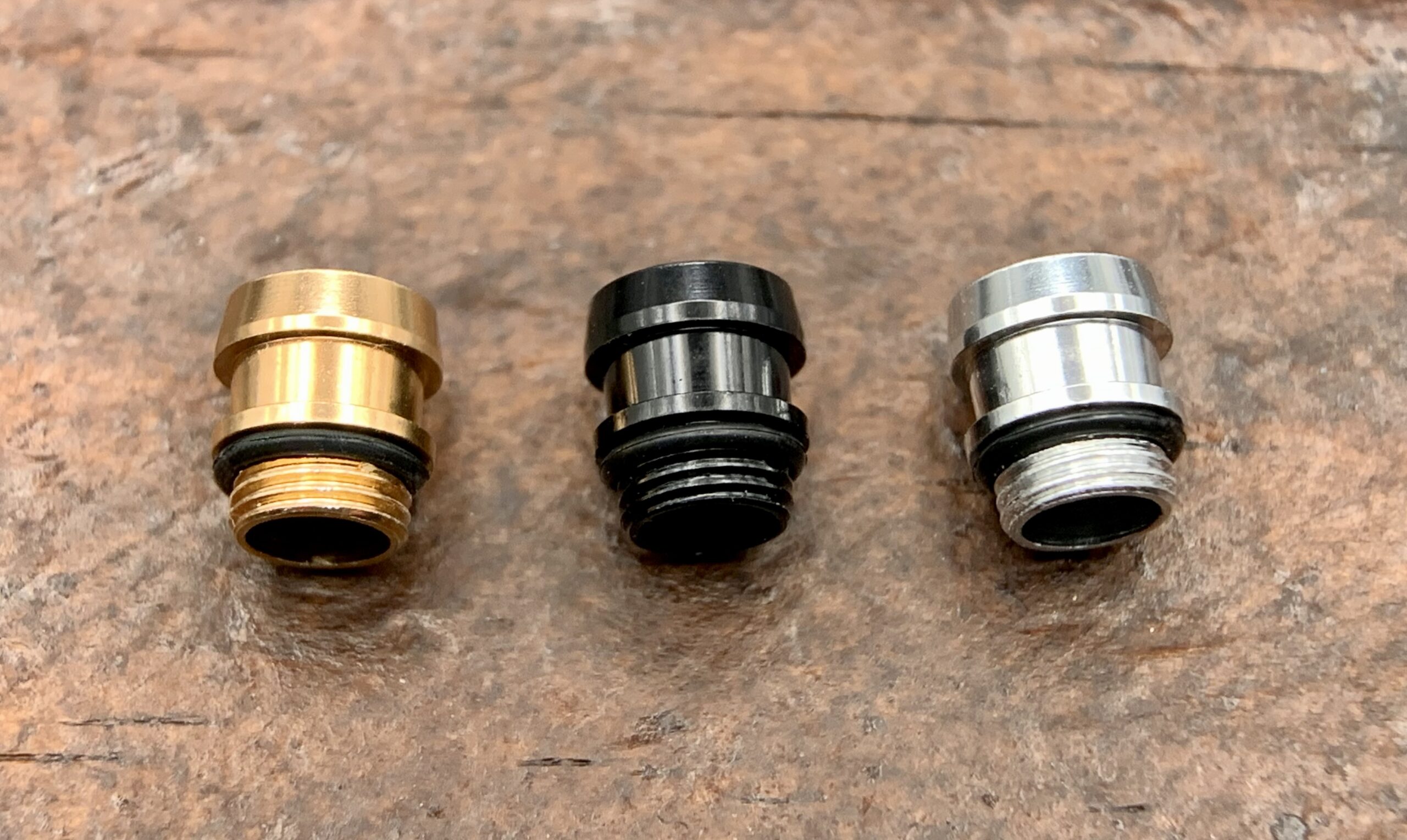
The timbre of the IR300 is coherent and mature. More importantly, it is directly shaped by the three tuning tubes supplied by Aune, each with a distinct sonic character.
The Gold tube represents the most neutral and versatile option. It delivers a balanced presentation that reflects the core intent of the IR300 project. It is the natural reference point for understanding the overall sound.
The Black tube introduces a warmer and smoother character, with greater emphasis on the midrange and vocals. The presentation becomes more intimate and relaxed, with a stronger emotional connection to voices and acoustic instruments.
The Silver tube pushes the sound toward a brighter and more open presentation. This tuning enhances instrumental presence, increases air and clarity, and makes the overall sound more revealing, though less forgiving.
Changing tubes results in clearly audible differences, yet the IR300 always retain a recognizable core identity. This consistency points to a solid and well-executed design.
Vent modules and bass behavior
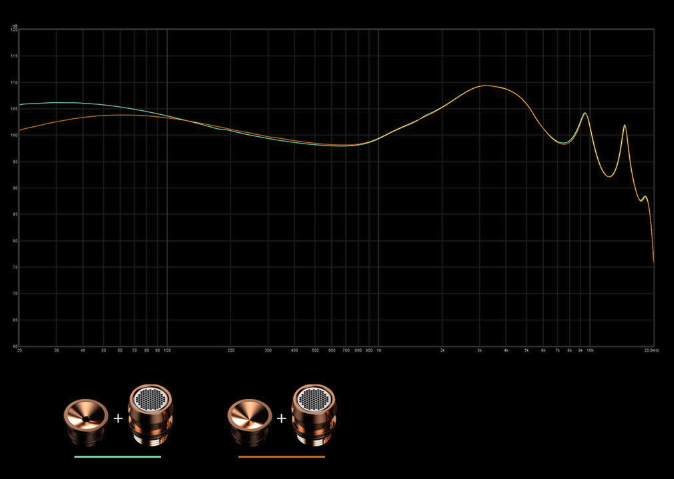
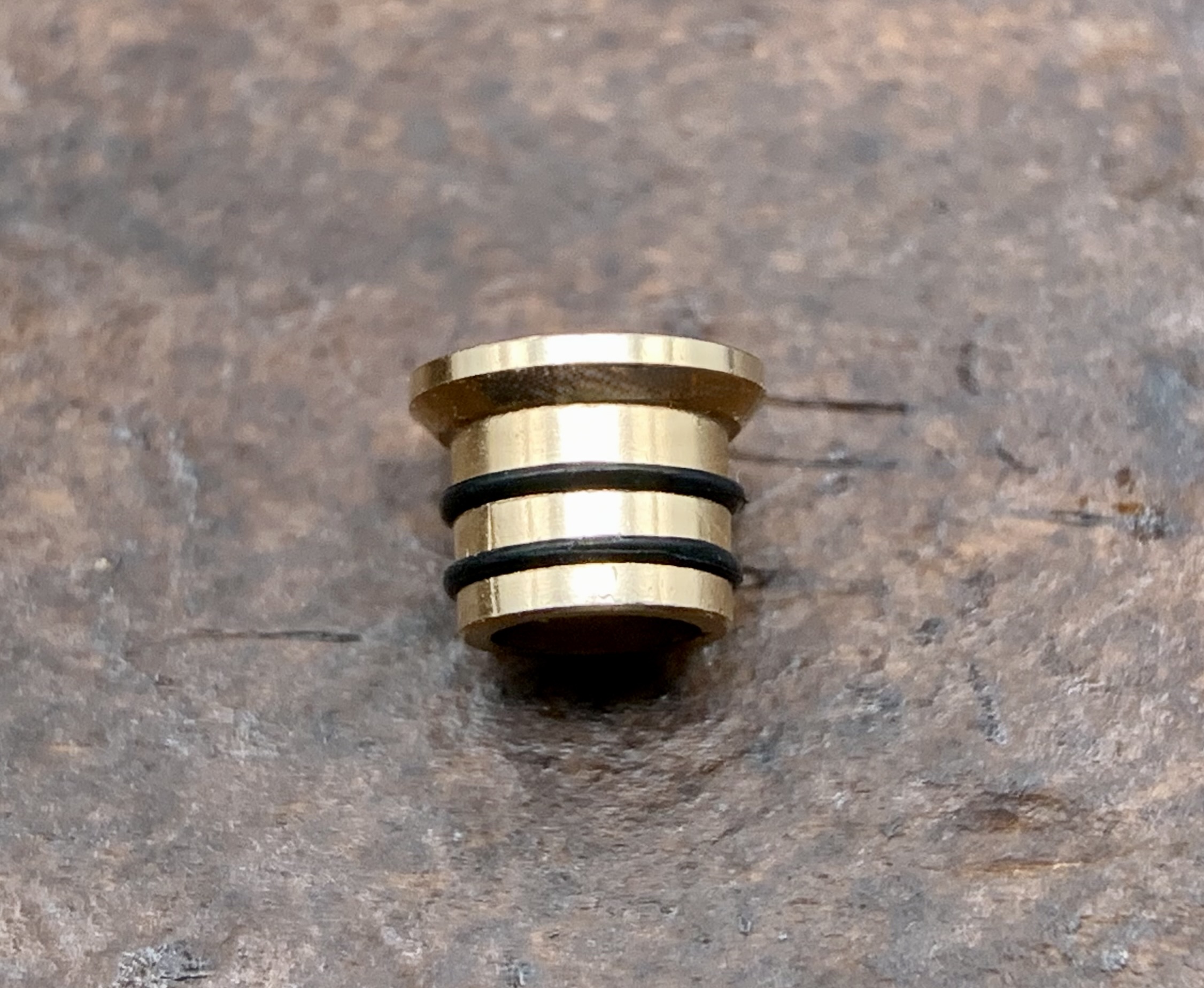
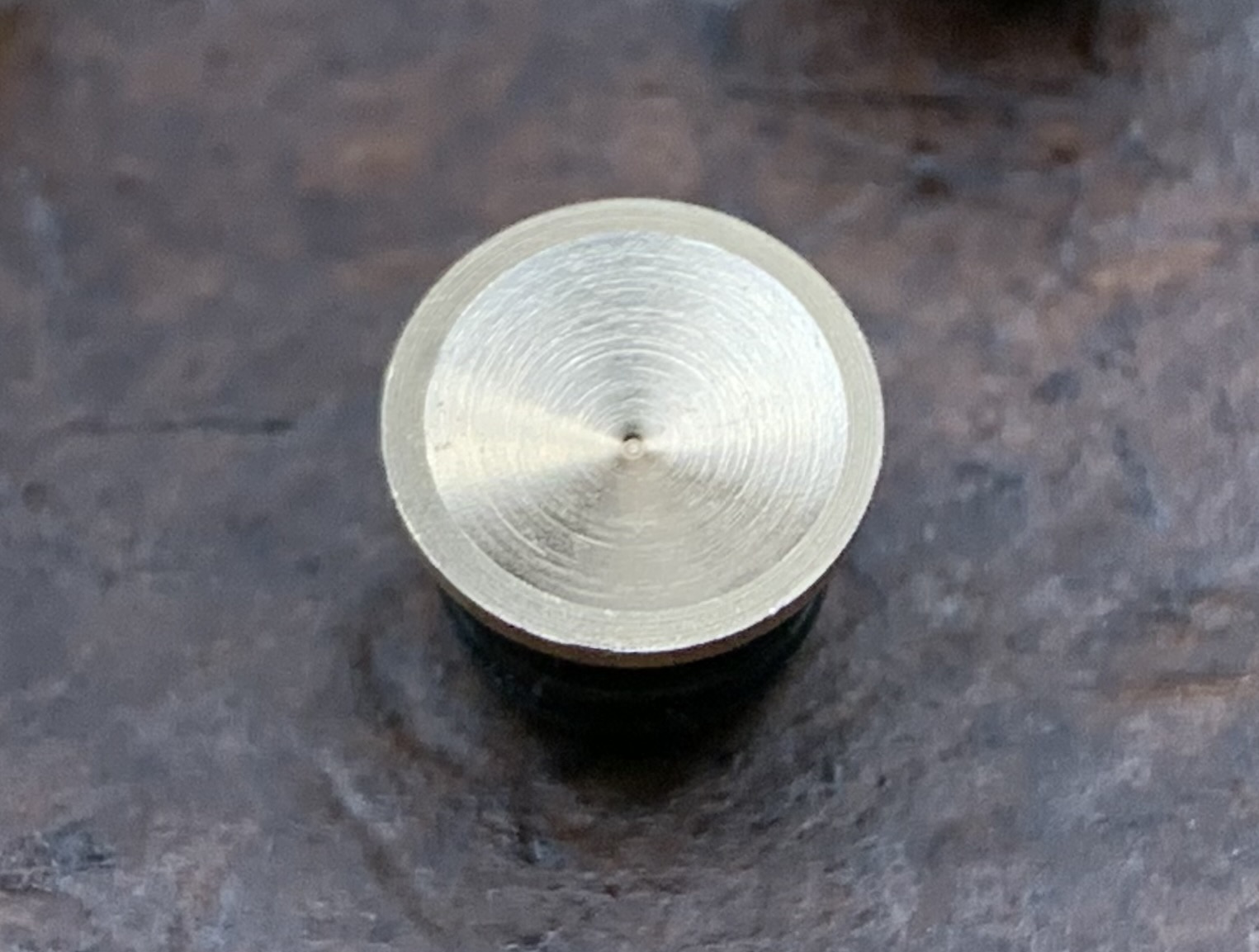
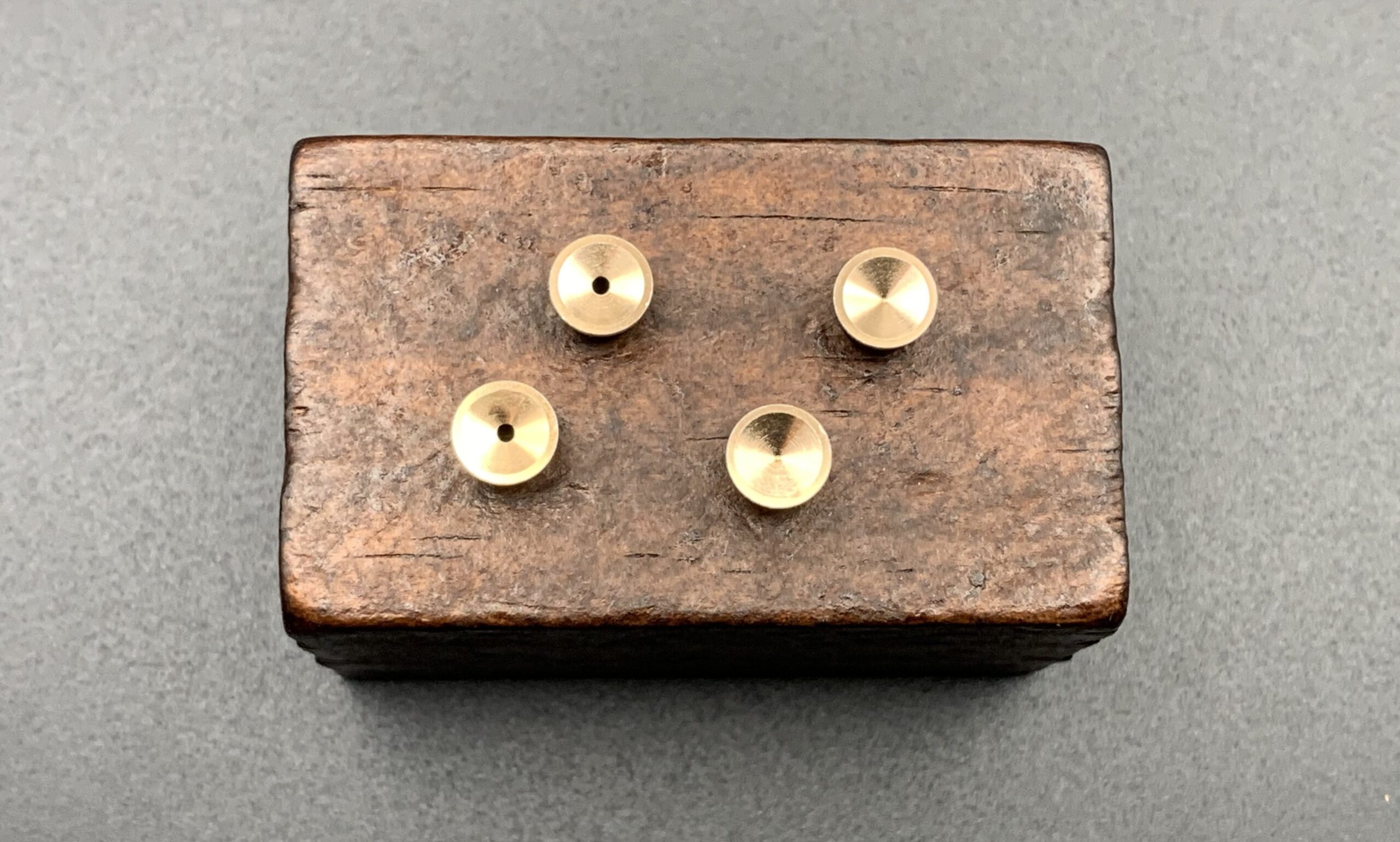
Bass performance is influenced not only by the tuning tubes but also by the interchangeable vent modules.
The Vented module allows greater airflow, resulting in a fuller and more physical bass with richer texture and stronger impact. It enhances presence without losing control.
The Sealed module restricts airflow, increasing diaphragm control. Bass becomes tighter, drier, and more layered. Impact is reduced, but precision and clarity improve.
Switching between these modules significantly changes bass behavior while preserving overall tonal balance, offering another meaningful way to tailor the sound.

Bass
The IR300 deliver one of the most carefully executed low-end tunings in the project. The dynamic driver operates in a controlled and coherent way, thanks to interchangeable vent modules that manage internal pressure and prevent unnatural compression or bloom.
Bass is never chaotic or out of control, even at higher listening levels. What changes with the tuning tubes is not so much the sheer quantity, but the way bass behaves in terms of impact, speed, texture, and integration with the rest of the spectrum.
Gold
With the Gold tube, bass sits naturally within the mix. It does not try to draw attention to itself, but rather supports the musical structure with balance and restraint. The attack is clean, the decay feels realistic, and the low end never intrudes into the midrange.
This is a very versatile bass tuning, one that works well across many genres and allows the listener to focus on the overall musical balance rather than on individual frequency bands.
Black
The Black tube gives bass more body and roundness. Mid-bass presence increases, adding warmth and a sense of fullness to the presentation. Impact becomes softer and more enveloping, less focused on speed and more on physical presence.
This tuning favors musical enjoyment and long listening sessions, especially with modern genres or recordings that benefit from a stronger rhythmic foundation.
Silver
With the Silver tube, bass loses some perceived weight but gains clarity and definition. The low end becomes tighter and more controlled, with better separation between bass notes.
The result is a less dominant bass that leaves more room for the midrange and contributes to a cleaner, more orderly presentation. This tuning works particularly well with complex arrangements and well-recorded material.
Midrange
The midrange of the IR300 remains clear and intelligible in all configurations. Vocals are never masked and always maintain a believable timbre, but their role within the soundstage changes noticeably depending on the selected tuning.
Mids are never artificially boosted or colored, which points to a design philosophy focused on naturalness rather than instant effect.
Gold
With the Gold tube, the midrange integrates seamlessly into the overall presentation. It stays neither forward nor recessed and sits exactly where the recording places it.
Vocals sound balanced and proportionate, without added warmth or emphasis. This tuning delivers the musical message faithfully, without interpretation or editorializing.
Black
The Black tube clearly enhances the midrange. Vocals become warmer, denser, and more present, creating a stronger sense of intimacy and proximity.
This is the tuning that best highlights singing and acoustic instruments. It offers a more emotional and engaging presentation, even if it sacrifices a bit of neutrality in favor of involvement.
Silver
With the Silver tube, the midrange steps slightly back, making room for greater emphasis on bass definition and treble clarity. Mids remain clean and well defined, but they are less central to the presentation.
This tuning prioritizes instrumental separation and clarity over vocal focus, making it well suited to complex or layered music.
Treble
Treble plays a significant role in defining the sense of openness and air in the IR300. Its character changes clearly with the tuning tubes, influencing both perceived detail and listening comfort.
In general, treble is never extreme, but it can feel more or less prominent depending on configuration.
Gold
With the Gold tube, treble is well balanced and controlled. Detail is present, but never pushed aggressively.
This tuning feels safe and relaxed, making it suitable for long listening sessions without introducing sibilance or harshness.
Black
The Black tube smooths out the upper range. Treble becomes softer and less prominent, reducing brightness in favor of a more rounded and forgiving presentation.
This helps minimize listening fatigue and works well with less refined recordings or brighter source chains.
Silver
With the Silver tube, treble becomes more vivid and incisive. The sound gains air, sparkle, and a clearer rendering of harmonics.
This tuning is more technical and revealing. It can be very rewarding with good recordings, but it is also less forgiving with already bright material or at higher volumes.



Soundstage
The soundstage of the IR300 is coherent with the overall design philosophy. For a single dynamic driver IEM, it does not aim to impress with artificially exaggerated dimensions. Instead, it offers a believable, well-organized space that never feels claustrophobic.
The stage is not static. It changes noticeably with the tuning tubes, affecting not only width, but also depth and the way instruments are positioned within the space. This makes soundstage one of the most interesting aspects to explore when experimenting with the IR300.
Gold
With the Gold tube, the soundstage feels balanced and natural. Width and depth are well proportioned, without one dimension dominating the other.
The presentation is coherent and unforced. Instruments are placed in an orderly manner, with a good sense of layering and realism.
Black
The Black tube brings the stage closer and makes it more intimate. The focus shifts toward vocals and central elements, while lateral air is slightly reduced.
This does not harm clarity. On the contrary, it creates a more engaging and direct presentation, strengthening the emotional connection with the music.
Silver
With the Silver tube, the stage opens more clearly, especially in width. Instruments feel more spread out and better defined in space.
The music breathes more, and the presentation gains a greater sense of openness and depth. This tuning best highlights spatial information and separation, particularly in complex or layered tracks.
Imaging and separation
Imaging and separation in the IR300 are consistent with the product’s overall philosophy. This is not a surgical or studio-monitor presentation, but one that prioritizes clarity and natural instrument placement.
Separation is not achieved through exaggerated contrast or artificially boosted extremes. Instead, it comes from good transient control and orderly management of sound layers. Even in busy mixes, the IR300 maintain a readable and coherent structure.
Gold
With the Gold tube, imaging is stable and well anchored. Instruments occupy clear and believable positions and remain easy to follow even as arrangements become more complex.
Separation feels natural rather than forced. There are no artificial gaps between instruments, but each element remains clearly distinguishable.
Black
The Black tube prioritizes cohesion and density. The stage becomes slightly more compact, with greater overlap between elements.
Separation takes a back seat to musical flow, but the presentation never becomes confused. Lines remain intelligible, contributing to a more enveloping and less analytical sound.
Silver
With the Silver tube, separation improves noticeably. Instruments are more clearly outlined and easier to isolate within the stage.
Complex arrangements become easier to follow, and imaging gains precision. The overall presentation feels cleaner and more orderly.
Detail
The level of detail offered by the IR300 is consistent with their price range and design intent. These are not IEMs built for extreme analysis or for exposing every flaw in a recording. Instead, they present information in an organic and musical way.
Detail emerges as a result of good resolution and tonal balance, not through forced treble emphasis.
Gold
With the Gold tube, detail is natural and well integrated into the sound. Information is present, but it does not draw attention to itself.
This creates a balanced and non-fatiguing presentation, ideal for long listening sessions.
Black
The Black tube places micro-detail in the background. The sound gains body, fluidity, and cohesion.
This tuning prioritizes emotional engagement and musical flow over analytical listening.
Silver
With the Silver tube, detail becomes more apparent, especially in the upper range. Small nuances such as reverbs, decays, and fine transients are easier to perceive.
The presentation becomes more technical and precise, which can be very satisfying with high-quality recordings.
Listening tests
Rock

Deep Purple – Lazy
from Made in Japan (Deluxe Edition)
A classic among classics. Anyone who loves live rock should own at least one copy of this album. I personally have three, just in case.
Rather than focusing on the usual highlights, I chose Lazy because it captures everything that makes a great live performance. There is invention, improvisation, musicality, playfulness, and cohesion. The remastered version is a true gem in terms of musical flow.
I chose this track because it offers a wide variety of sounds and dynamics that not all IEMs manage to reproduce as actual music. Often, you hear sounds instead of music. The difference is subtle but crucial.
With the IR300, cymbals sound like vibrating instruments, not metallic hits. The kick drum is deep and resonant, yet controlled and never flabby. The vintage synthesizer sounds honest and slightly unhinged, just as it should. Vocals sit slightly forward, as they do on the recording, but remain clear and separate.
This is where the IR300 truly shine. Foot tapping comes naturally, shoulders start moving. The experience feels musical in the deepest sense.
British blues

John Mayall – Room to Move
from The Turning Point
This album holds a special place for me. It belongs to my youth, and it represents one of the expressive peaks of British blues, more for its musical content than for technical perfection.
There is no drum kit here. Only acoustic guitar, bass, harmonica, voice, and occasional wind instruments. It was recorded live, likely in a small venue, with all the ambient noise preserved.
Room to Move has two distinct phases. The first is relatively traditional. Then it shifts into a long vocal improvisation with mouth percussion, guttural sounds, and muted harmonica lines. It is wild and unpredictable.
The IR300 reproduce all of this with remarkable naturalness. Nothing sounds artificial or exaggerated. Bass remains present but controlled. Vocals and harmonica feel physically present, not because of pinpoint precision, but because of realism.
Listening to this album with the IR300 is a pleasure. Everything flows, everything sounds right, and most importantly, it never becomes tiring.
Psychedelic rock

The Grateful Dead – Turn On Your Love Light
from Live/Dead
One of the most characteristic albums by the Grateful Dead. It is also a notoriously closed-in and dark recording, even in remastered form.
This is exactly why I chose it. With very analytical transducers, recordings like this become almost unlistenable. Every flaw is highlighted, and the music itself disappears.
The IR300 take a different approach. They are not analytical in the strict sense. Instead, they focus on musicality and make recording limitations easier to live with.
The album remains dark and closed-in, but it becomes enjoyable. You can listen to it from start to finish without irritation, focusing on the music rather than on what is wrong with the sound.
This is where the IR300 show their true strength. Through tuning tubes and vent modules, you can find the right balance that does not alter the content, but enhances the pleasure of listening. In the end, that is what really matters.
Pairing and synergy
The IR300 are extremely versatile when it comes to pairing and synergy. They are easy to drive and do not require high power, yet they are resolving enough to reveal differences between sources.
With more analytical dongles or DAPs, the IR300 highlight detail, separation, and clarity, especially when using the Silver or Gold tubes. Micro-information becomes more apparent without pushing the sound into cold or sterile territory.
With warmer or more musical sources, the IR300 naturally round out. The Black tube works particularly well here, emphasizing the midrange and creating a smoother, fuller presentation that favors emotional engagement.
The real strength of the IR300 lies in their ability to adapt to the chain, not the other way around. Thanks to the combination of tuning tubes and vent modules, it is possible to compensate for sources that are too bright, too warm, or unbalanced.
This makes the IR300 well suited to users who switch between multiple devices, from smartphones with dongles to portable DAPs and compact desktop setups, without sacrificing consistency.
Final considerations
The Aune IR300 are not IEMs for everyone, and that is worth stating clearly. They are not designed to impress at first listen, nor for those who want a fixed and immutable sound signature. They require time, curiosity, and a willingness to experiment. That is precisely their strength.
The project is clearly aimed at listeners who want to take an active role in shaping their sound. The tuning tubes and vent modules are not decorative features. They are real, effective tools that allow meaningful adjustments.
Build quality is solid, the design is thoughtful, and bass management is particularly well executed. Overall, the sound is balanced, musical, and adaptable, while always maintaining a clear identity.
Personally, I find the IR300 convincing, enjoyable, and deeply musical. They are not surgical or hyper-analytical, and they do not rely on aggressive impact. Instead, they aim for a mature and reasoned balance.
Among the many possible combinations, my personal preference is the Sealed module paired with the Silver tube. This is a subjective choice, and it may not suit everyone, but it perfectly illustrates how the IR300 can be tailored to personal taste and listening habits.
Overall, this is a well-conceived, carefully executed project. The IR300 are not just good for their price. They are a genuinely interesting and, in some ways, unique proposal in the dynamic IEM landscape.
8,2 / 10
🟢 Pros
- Balanced and adaptable sound
- Concrete tuning system
- Controlled low end
- Robust and refined construction
- Comfort and ergonomics
- Antibacterial and hypoallergenic ear tips
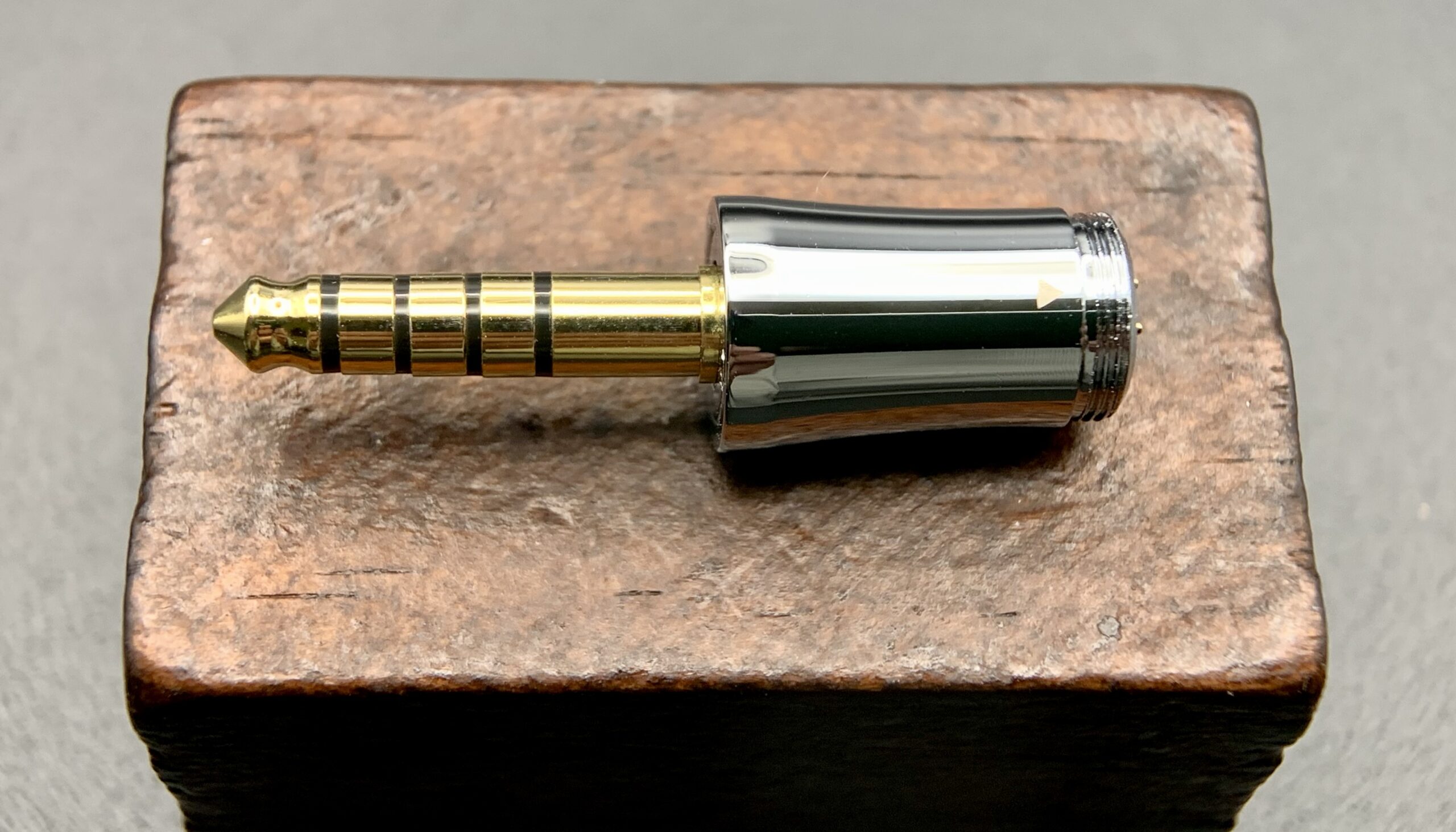
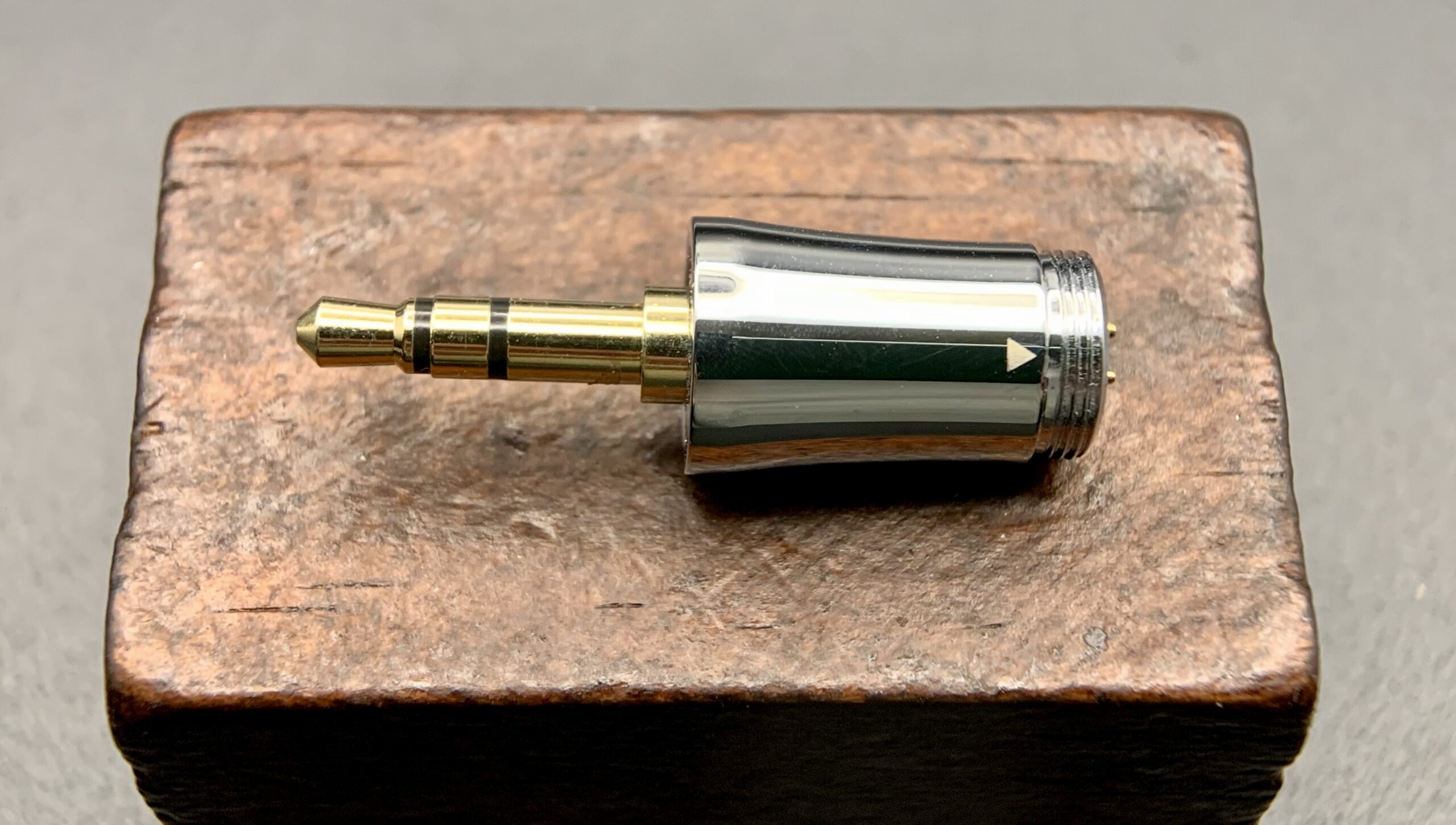
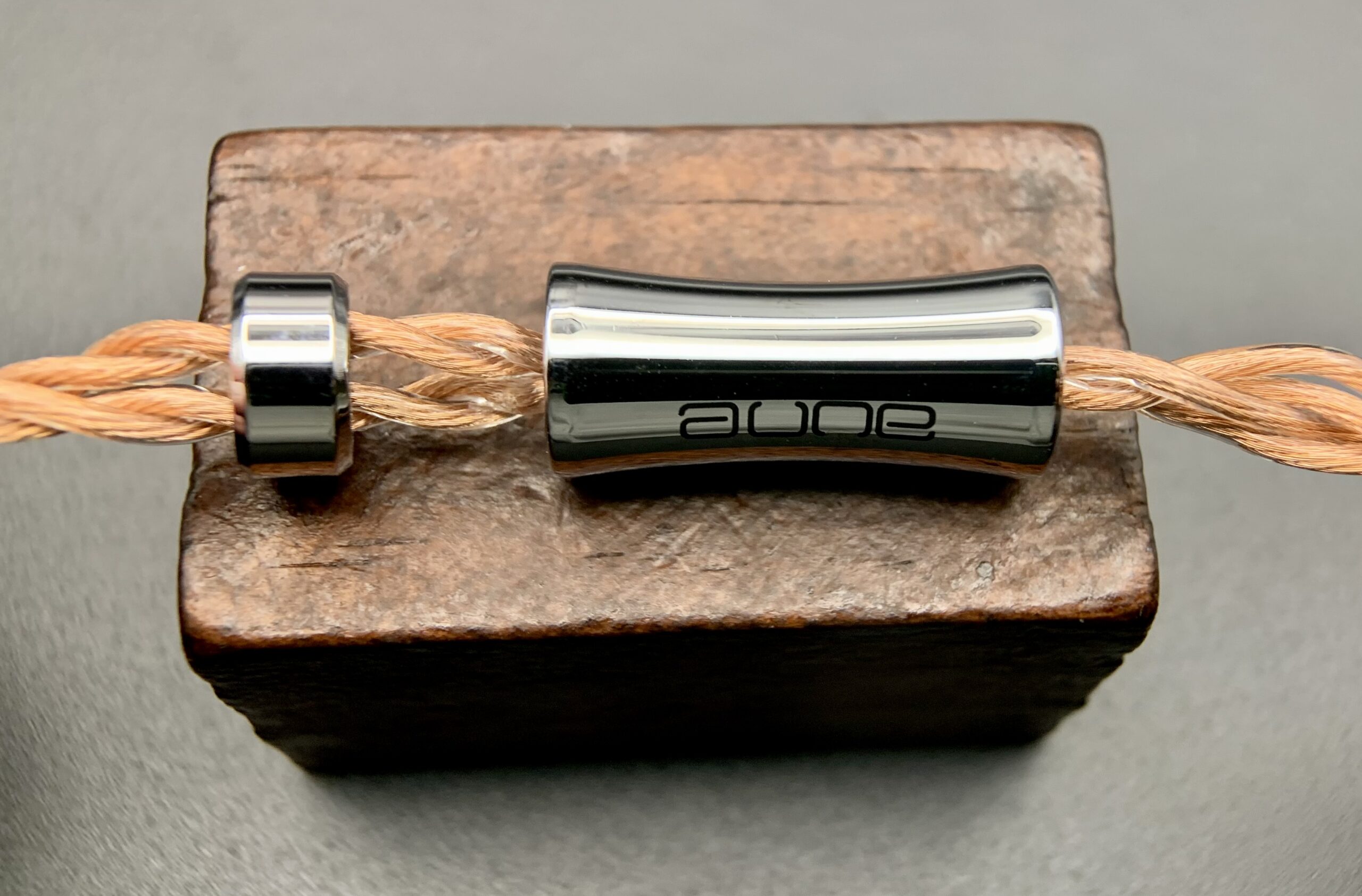
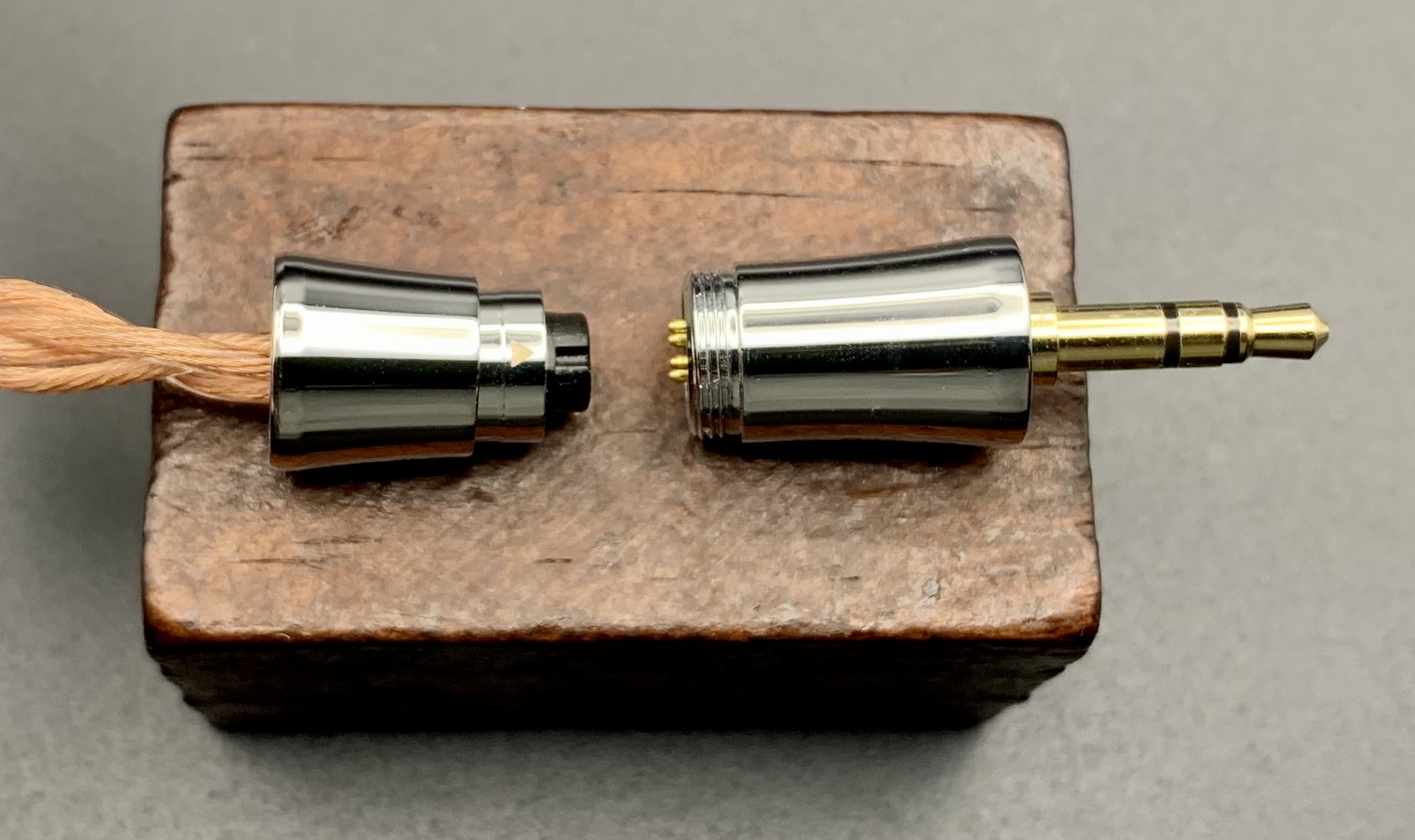
- Modular cable and flexible connectivity
- Detail and pleasing harmonic reproduction
🔴 Cons
- Not immediately impressive
- Physical tuning requires time and care
- Not extremely analytical
Q/A
Who are the Aune IR300 for
The Aune IR300 are well suited to listeners who enjoy actively shaping their sound. They are ideal for curious users who do not want a fixed signature, but prefer to experiment and adapt the presentation based on their music, sources, and personal taste.
They work particularly well for those who use multiple sources and want a consistent experience without changing earphones. Their sound is musical, balanced, and adjustable, prioritizing coherence and naturalness over extreme analysis.
They are also a good choice for long listening sessions, especially when using the smoother and more relaxed configurations.
Who might not enjoy the Aune IR300
The IR300 may not be ideal for listeners looking for a simple plug-and-play experience with no experimentation.
They may also disappoint those seeking extreme analytical performance or permanently emphasized bass. These are not studio monitors, and they do not aim for exaggerated traits.
Finally, they may not appeal to listeners who want a single, strongly defined sound signature that never changes.
Where to buy
The Aune IR300 is available on the official Aune website, on Amazon, and from authorized dealers. The retail price is around 150USD. Promotions are frequent, making it an attractive option for those willing to invest time in tuning and customization.
For readers in Europe, it is also available through official distributors in Italy, with descriptions in Italian or the website in English for the rest of the market.
Thanks to Aune for providing the review sample. This review reflects personal and independent opinions, with no commercial affiliation involved.






No Comment! Be the first one.