










































































Truthear Gate vs Kiwi Ears Belle
Table Of Content
If you want to understand the tuning debate that’s been running through this community for the last few years, you don’t need to read twelve pages of measurement theory. You need to spend $50 on two IEMs and press play.
The Truthear Gate costs $19. The Kiwi Ears Belle costs $30. Both are single dynamic driver IEMs. Both have been praised loudly, both are easy to recommend, and if you put them side by side the experience is notably different. That difference is not random. It maps almost exactly onto the philosophical split between Harman-adjacent tuning and what the community has started calling the New Meta.
This comparison is about those two IEMs. But it’s also about what those two approaches actually sound like in practice, which is a question a frequency response graph can start but never finish answering.
The Short Version
Gate = Harman-adjacent. Sub-bass lift, prominent pinna gain around 3 kHz, slightly bright treble. Energetic, detail-forward, vocals up front.
Belle = New Meta territory. Warm, bass-forward, relaxed treble, midrange sitting a touch further back. Sounds more like how your speakers sound in a real room.
Neither is wrong. They’re different tools.
Design and Build
Both IEMs are lightweight and won’t win trophies for build quality, that’s just the sub-$30 reality. But there’s a gap.
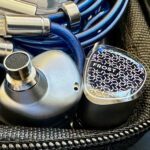
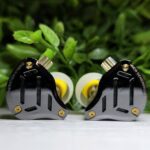
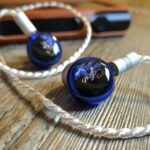
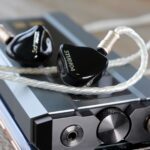
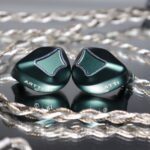
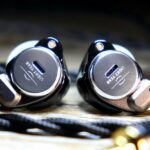
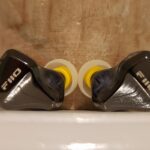
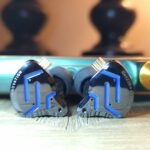
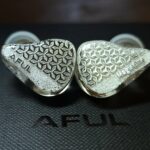
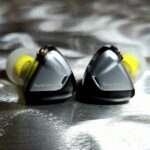
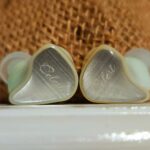
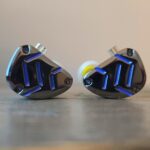
Gate has transparent acrylic shells over a PC+ABS body. The faceplate looks clean, the fit is comfortable for most ears, but the shells feel hollow if you flex them. Compared to its predecessor the Hola, which had a more premium 3D-printed construction, Gate feels like a step down in material confidence. The nozzle is on the wider side and might need tip rolling for a good seal depending on your ear canal.
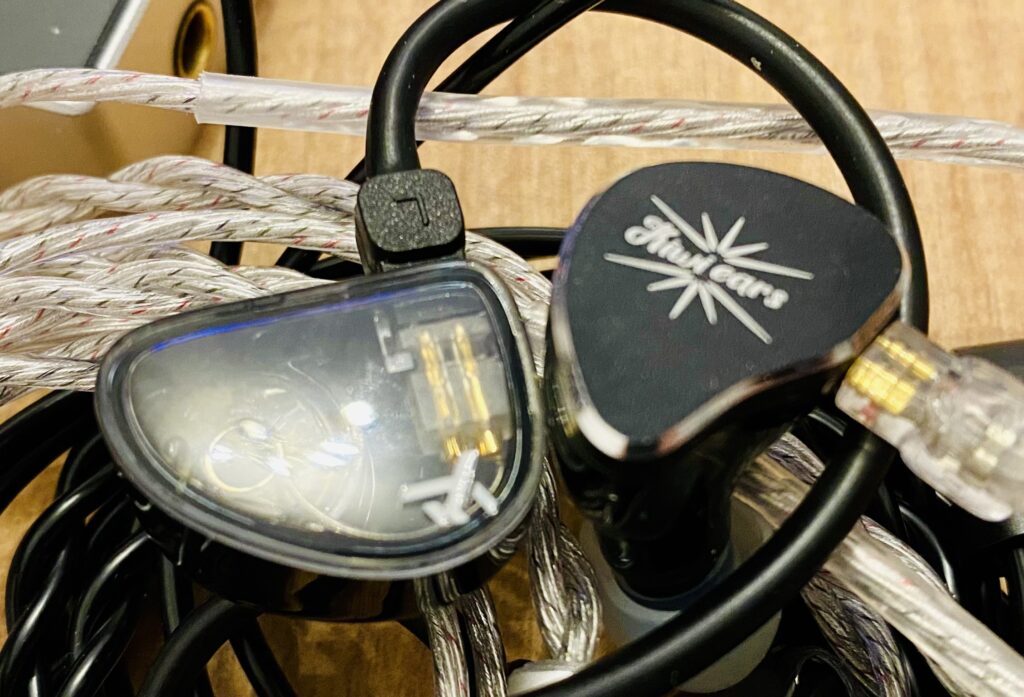
What Gate nails at this price is the cable. Braided, rubber-sleeved, right-angle 3.5mm jack, 0.78mm 2-pin connector. For an IEM under $20, the included cable is genuinely good and saves you from the usual aftermarket headache at least for daily use.
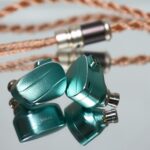
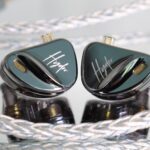
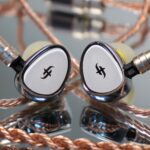
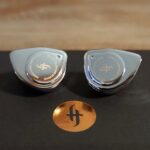
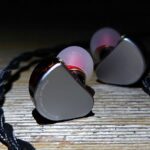
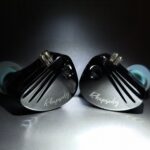
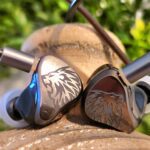
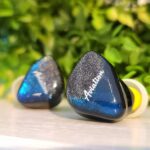
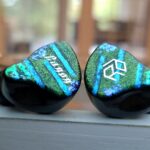
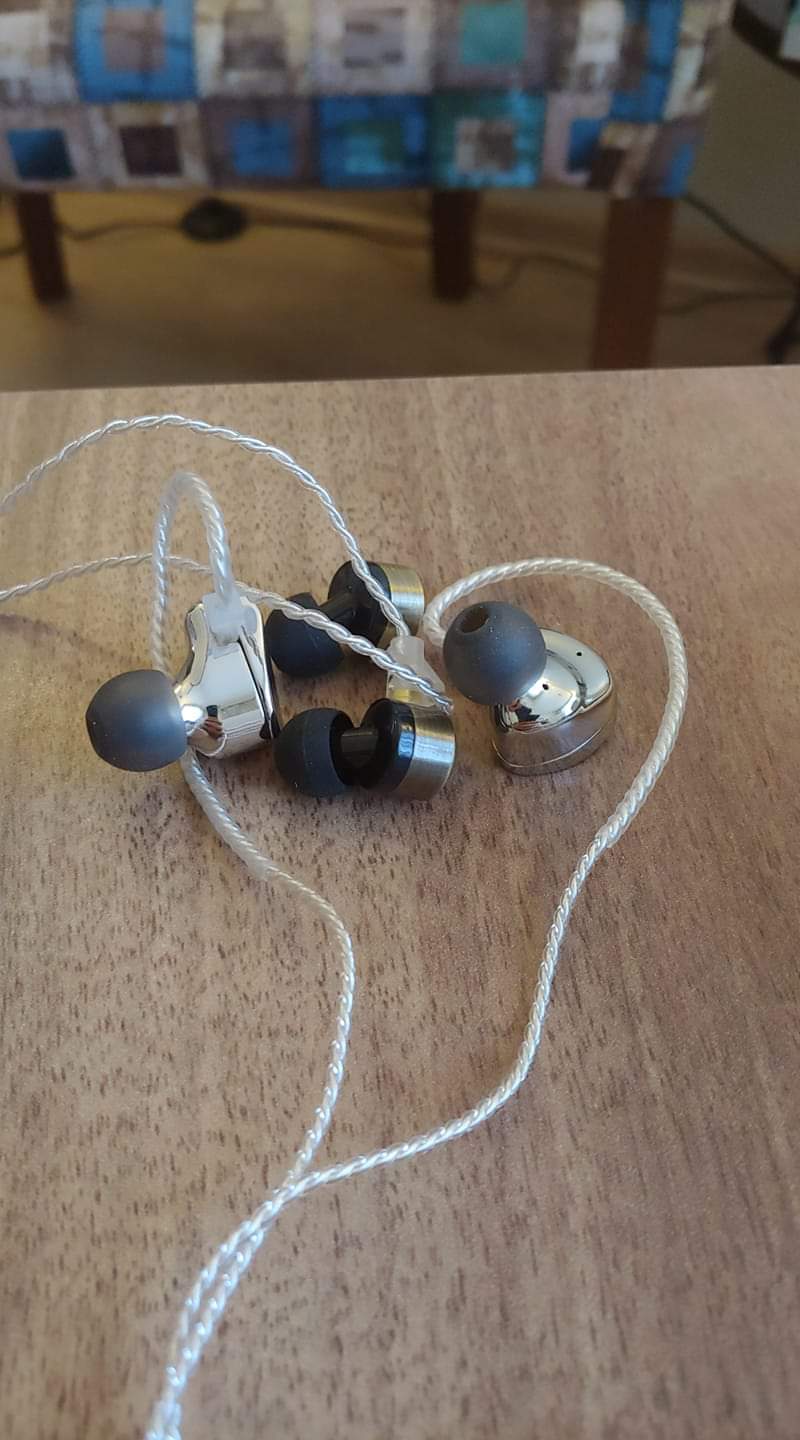
Belle has CNC-machined metal faceplates on resin shells. For $30, the faceplate material alone makes it look more expensive than the Gate. The shells are compact, maybe the smallest in the budget segment right now, which works well for smaller ears or side sleepers. The cable is fine but slightly microphonic compared to Gate’s, you’ll notice it more if wearing loosely or walking fast.
Accessories edge: Gate, for the cable quality. Build edge: Belle, for the faceplate material and compact ergonomics.
Driver and Specs
Gate uses a 10mm carbon LCP dynamic driver with a frontal-cavity filter optimization. Carbon LCP is rigid enough to push high-frequency sensitivity without needing much extra engineering. Impedance is 28 ohm, sensitivity 122 dB/Nrms, which means practically any source drives it with volume to spare.
Belle uses a 10mm DLC (Diamond-Like Carbon) diaphragm. DLC is a step up from standard LCP in terms of rigidity and transient accuracy. THD under 0.1% at 1 kHz on the Belle spec sheet is genuinely low for a budget driver. Impedance is 32 ohm, sensitivity 103 dB. Slightly harder to drive than Gate, not by much, any dongle handles both easily.
On paper the DLC driver is the more technically capable diaphragm material. Whether that shows up in actual listening is the next section’s job.
Sound: Where These Two Split
Bass
Gate’s sub-bass is boosted, clearly lifted below 100 Hz in Harman fashion. It hits with authority on electronic and hip-hop tracks, and kick drums have presence without bleeding into the mids. The mid-bass region is slightly scooped relative to the sub shelf, which creates a contrast. Sub rumbles well, but the body of a kick drum can feel slightly detached from the impact. Bassy but occasionally missing the fullness between the punch and the rumble. On most casual listening this is not a problem. On well-recorded jazz or acoustic recordings it shows.
Belle’s bass is a different shape. Warm and even through the entire low end without a targeted shelf, the 3kHz pinna peak does the work of keeping vocals present rather than a deep sub lift. The result is a bass that feels connected. Kick and sub coexist without the slight mid-bass hollow. It’s not a basshead presentation, but it hits with more coherence than Gate, you feel the whole frequency bottom moving together instead of sub jumping out alone. For hip-hop and R&B it still satisfies. For rock and anything with real instrument low-end, it sounds more natural.
Midrange
Gate’s midrange is forward. The pinna gain puts vocals front and center, guitars have bite, and the IEM rewards music where presence is a virtue. Dense mixes stay organized. The trade-off is recordings that were already mixed hot: some upper-mid energy can read as slightly hard, not sibilant but occasionally a touch etched depending on the track.
Belle’s midrange sits a step back. Vocals are present but not pushed, which some listeners will find more natural and others will find less engaging depending on what they’re used to. Male vocals in particular sound fuller and more body-forward due to the lower-mid warmth from the bass region. The 3 kHz pinna peak keeps female vocals from disappearing but doesn’t push them out of the mix.
For vocal-forward music and pop, Gate is more immediately satisfying. For listening with more complex arrangements where you want instruments to coexist without any single band dominating, Belle is more comfortable over time.
Treble
Gate’s treble is bright. Not aggressively so, but the upper region has sensitivity that a few reviewers have flagged as occasionally etched. On most content it reads as clarity, on certain tracks with already-sharp production it can tip toward near-sibilance. If you’re treble-sensitive, Gate is a risk at this price. If you’re not, it just sounds detailed and alive.
Belle keeps treble under control. Cymbals are present and correct, the top end doesn’t disappear, but there are no spikes and no sparkle chasing. You lose some air compared to Gate. What you gain is an IEM you can use for two hours and not think about, which is either the highest compliment or the most boring recommendation depending on who you are.
Soundstage and Imaging
Gate stages reasonably well. Left-right separation is convincing, vocals sit close, depth is limited but not claustrophobic. Imaging is adequate at this price, nothing 3D but nothing offensively flat either.
Belle has slightly less width than Gate but similar depth. Instrument separation is good considering the warm tuning, the DLC driver keeps things from smearing even when the mix gets dense. Not a staging champion at this price either, but coherent.
Source Matching
Both are easy to drive. Smartphone, laptop headphone jack, cheap dongle, any of those works. Gate’s higher sensitivity means it shows noise floor more easily on hissy sources, something to keep in mind if your source is not clean. Belle at 32 ohm and 103 dB is slightly more forgiving.
Neither needs a dedicated DAP. But if you do pair with something like a HiBy R4 or an entry-level DAP with balanced output, Gate scales surprisingly well for its price, the additional headroom makes the bass shelf more controlled and the treble less edgy. Belle’s warmth gets a little more texture and resolution with a better source, but it’s already comfortable enough that the upgrade isn’t urgent.
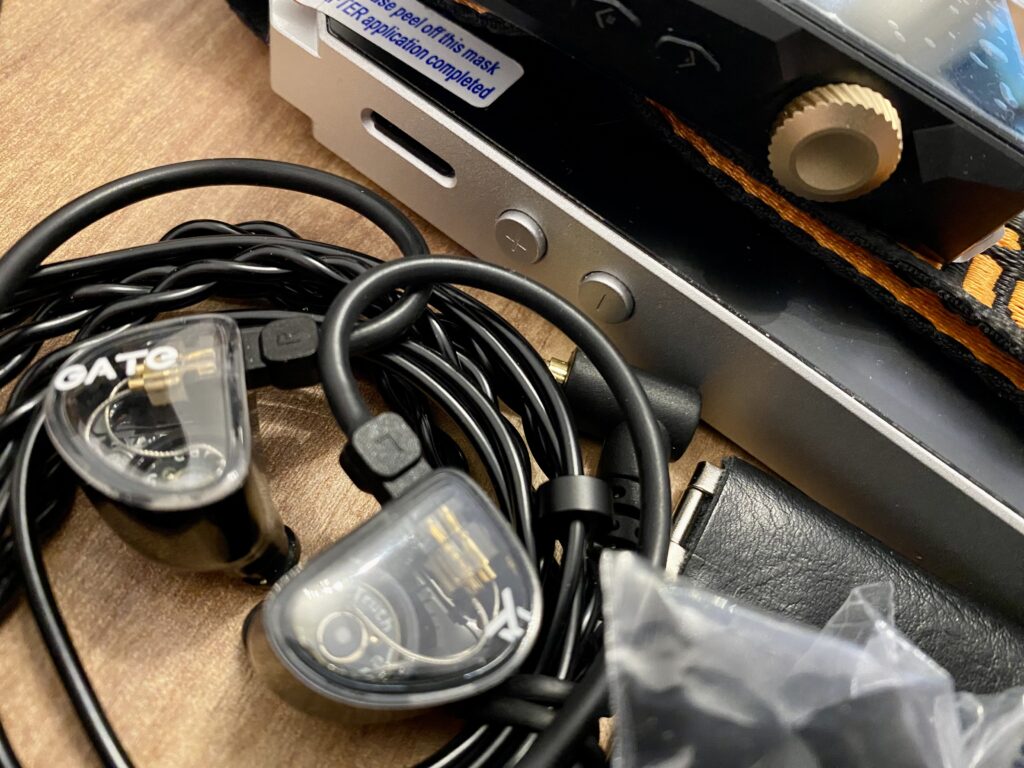
Eartip matching matters more on Gate than Belle. Wide-bore tips push Gate’s treble further forward, medium-bore or narrower tips tame it. On Belle the stock tips work well, the white tips in particular are better than the usual budget IEM silicone.
What Each Is For
Gate is the right call if you listen to pop, hip-hop, R&B, or electronic music as your primary diet. If you like vocals front and center. If you want detail and presence and don’t mind a slightly bright edge on some tracks. If you want the best accessories package available under $20, the cable alone partially justifies the purchase.
Belle is the right call if you listen to a wider range of genres, especially acoustic, jazz, rock, or anything where natural tonal balance matters more than excitement. If you do long sessions and fatigue matters. If you want an IEM that sounds like it belongs on your desk next to a decent speaker system rather than being aggressively “IEM-sounding.” If you have smaller ears, the compact shell alone is a reason to choose it.
The Tuning Argument Made Practical
The Harman target works. Gate is proof of that, it’s a $19 IEM that sounds complete and satisfying for most music most listeners will play. The research behind that tuning is real and the Gate delivers on it.
The New Meta argument also works. Belle costs $30 and sounds more natural on a broader range of recordings. The DLC driver handles the more proportional tuning without losing control of the bass, which is the risk with warm IEMs at budget prices.
What you don’t get from either camp is a revelation. Both are budget IEMs with budget limitations on resolution, staging, and micro-detail retrieval. The tuning philosophy shapes the character. The price shapes the ceiling.
Buy both if you can. At $50 combined they cover the two most argued-about approaches in the IEM community for less than a single mid-tier cable. That’s not a bad deal for figuring out which side of the debate your ears actually live on.
Pros and Cons
Gate pros: Outstanding cable for the price, forward and energetic presentation, vocal clarity, easy to drive, great value under $20. Gate cons: Slightly bright treble, shells feel cheap, sub-bass and mid-bass can feel slightly disconnected on acoustic recordings.
Belle pros: Natural tonal balance, compact ergonomics, DLC driver with excellent THD, warm without losing midrange presence, forgiving for long sessions. Belle cons: Cable is slightly microphonic, soundstage is not wide, midrange feels recessed for listeners coming from brighter tunings.
Disclaimer: This comparison is based on independent listening. Units were purchased or provided for review. All opinions are editorial and unsponsored.





No Comment! Be the first one.