


















































Preface:
When I was asked to review these ZiiGaat x Hangout Audio Odyssey 2, I admit, I frowned a bit. I’m one of those who always raises an eyebrow when I see acronyms like MKII, MKIII, or MKIV. It’s not a criticism, I simply think that when a product is born from hours of work and a precise design vision, I naturally wonder what might actually change in the next version. You can update materials, filters, crossovers, or wiring, but the core of the project usually remains the same.
Table Of Content
- Preface
- ZiiGaat x Hangout Audio Odyssey 2: Build, Unboxing and Accessories
- Technical Specs
- Fit and Comfort
- ZiiGaat x Hangout Audio Odyssey 2: Sound: Bass, Mids, Treble, Soundstage
- Bass
- Mids
- Treble
- Soundstage
- Pairing and Sources
- Taste and Genres: My Listening Tests
- Odyssey 2 with jazz
- Odyssey 2 with ROCK
- Odyssey 2 with World Music/Indian Music
- Listening Sources
- ZiiGaat x Hangout Audio Odyssey 2: Conclusion
- VOTO
- 8,9 / 10
- Pros
- Cons
- WHERE TO BUY
That’s why this review of the ZiiGaat x Hangout Audio Odyssey 2 will be picky and very honest. Customers shouldn’t pay for an update just because of marketing, but for real added value.
These IEMs aren’t “budget”, but they’re not expensive either considering what they aim to achieve. They sit in that range where you want better sound without having to sell your car. Since my listening goes from rock to jazz with a touch of country, I expected something versatile, energetic with rock and refined with jazz.

ZiiGaat x Hangout Audio Odyssey 2: Build, Unboxing and Accessories
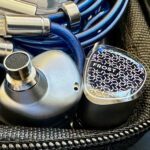
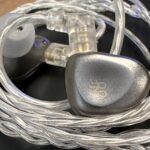
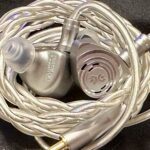
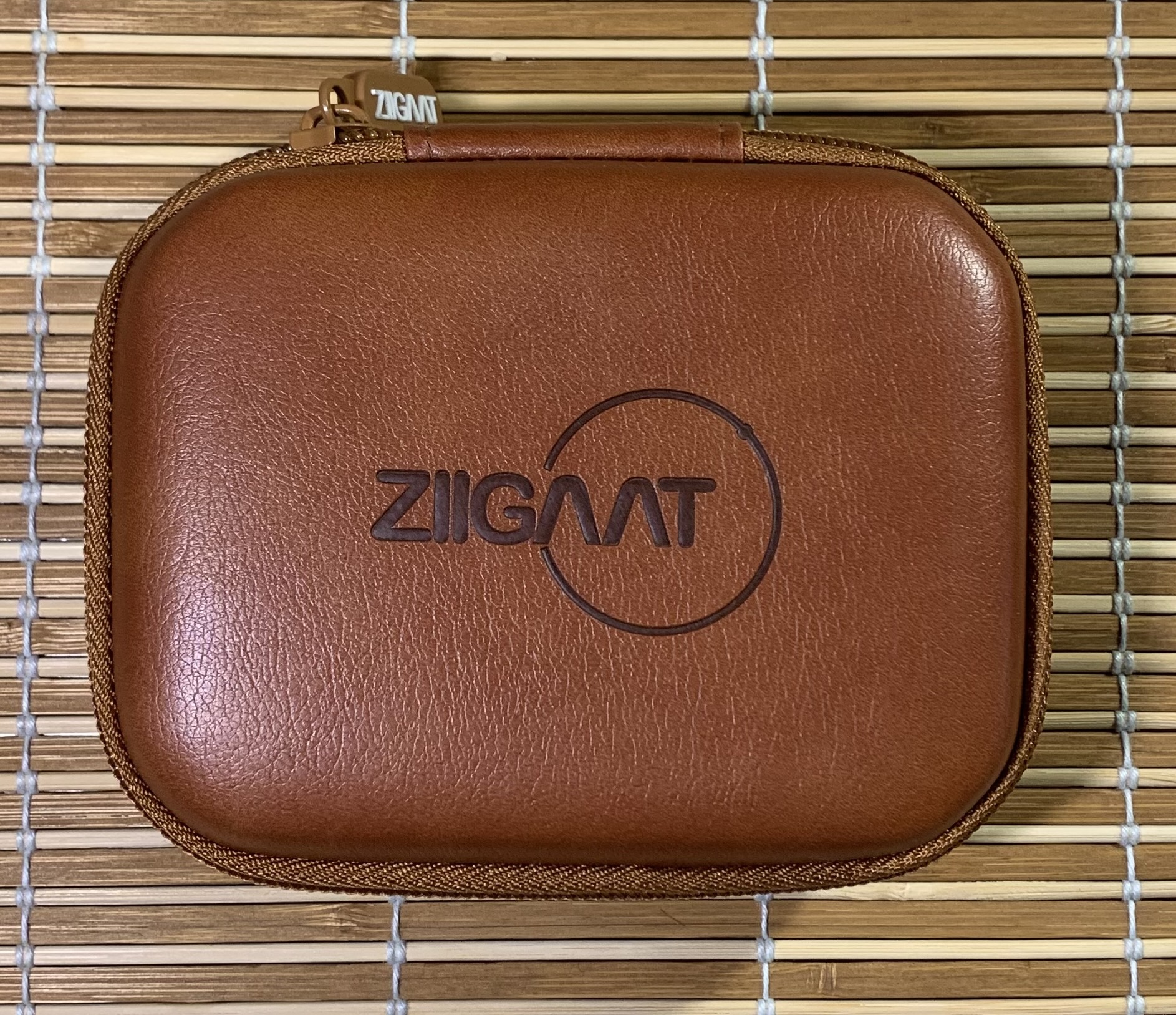
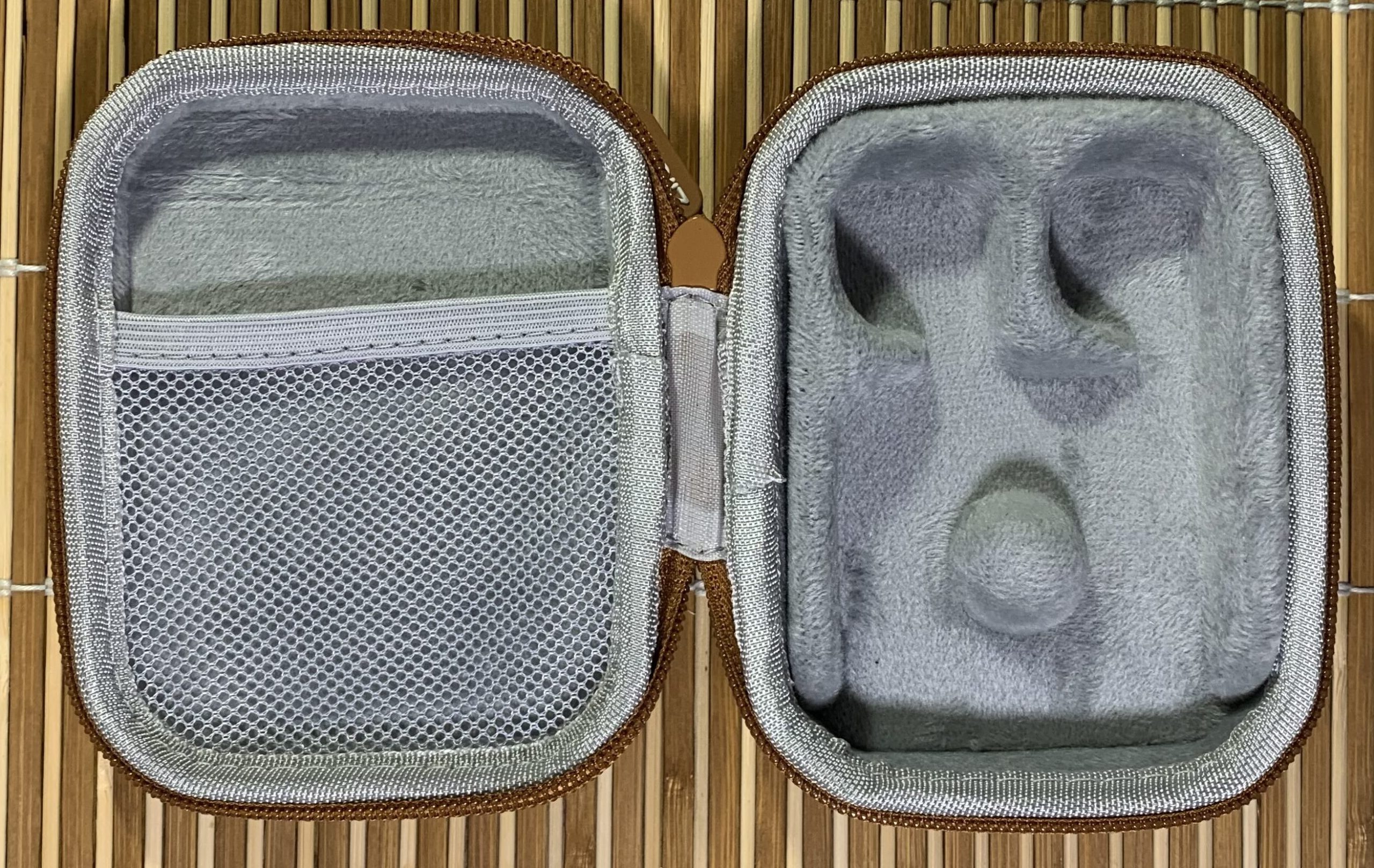
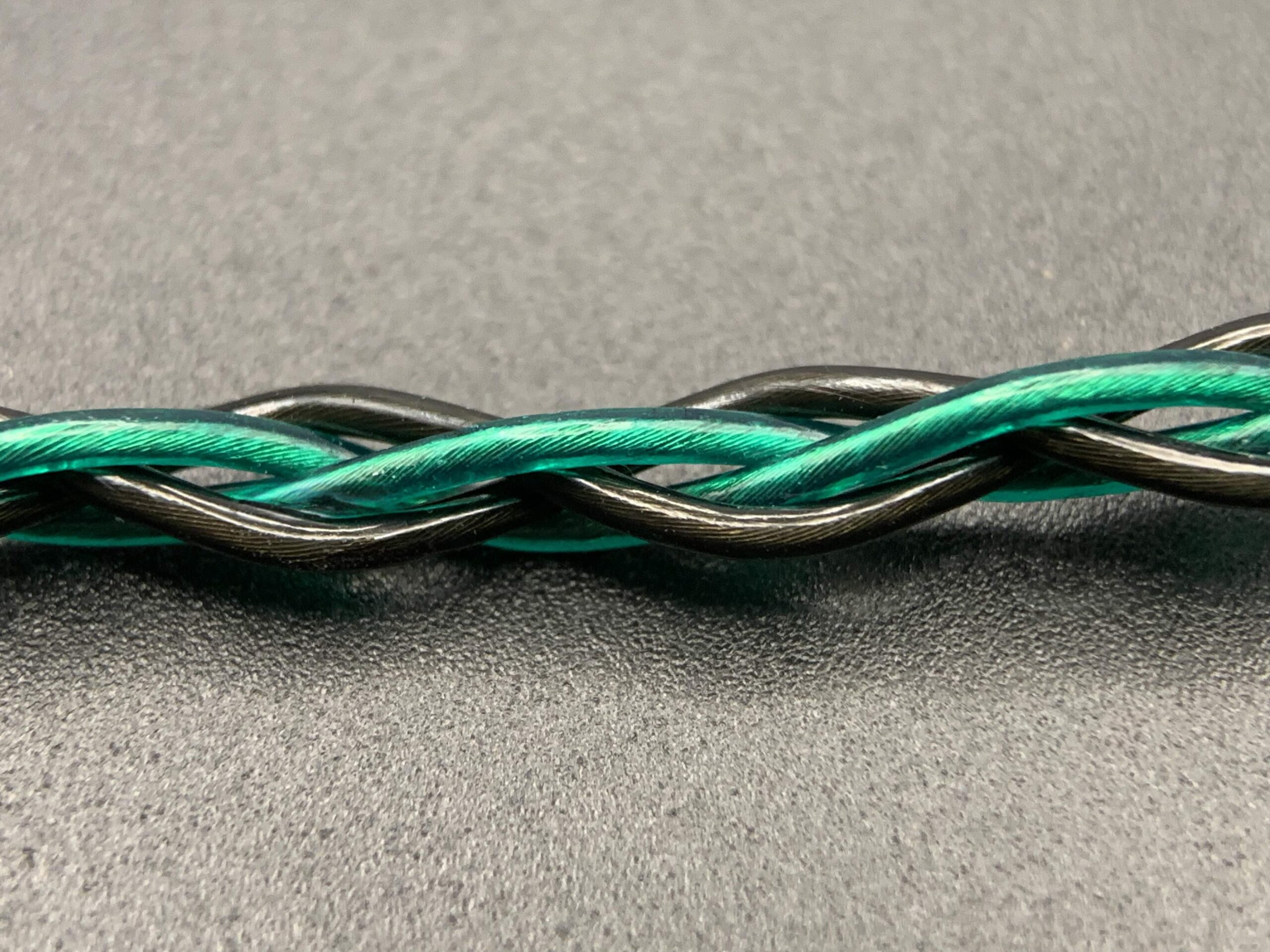
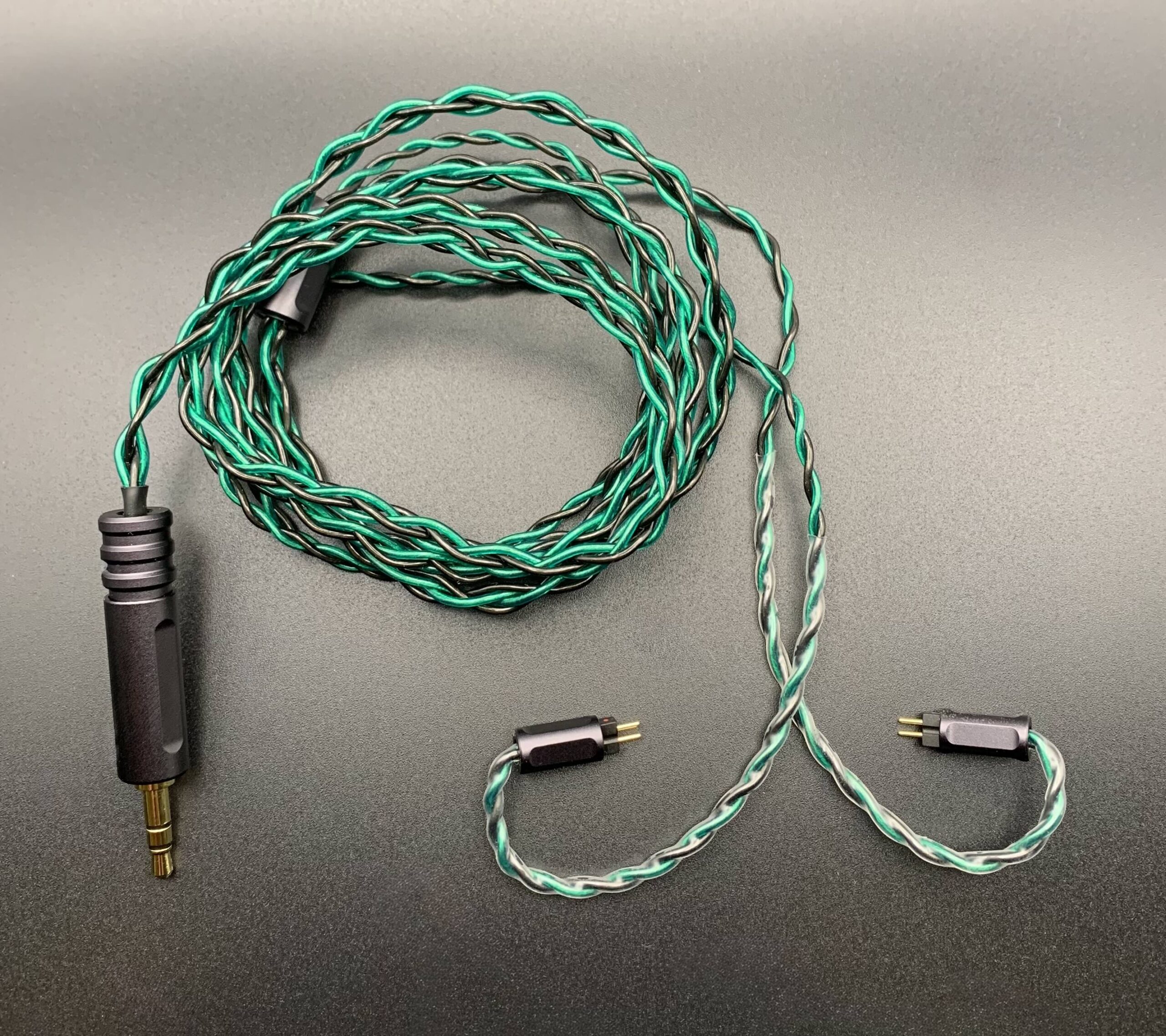
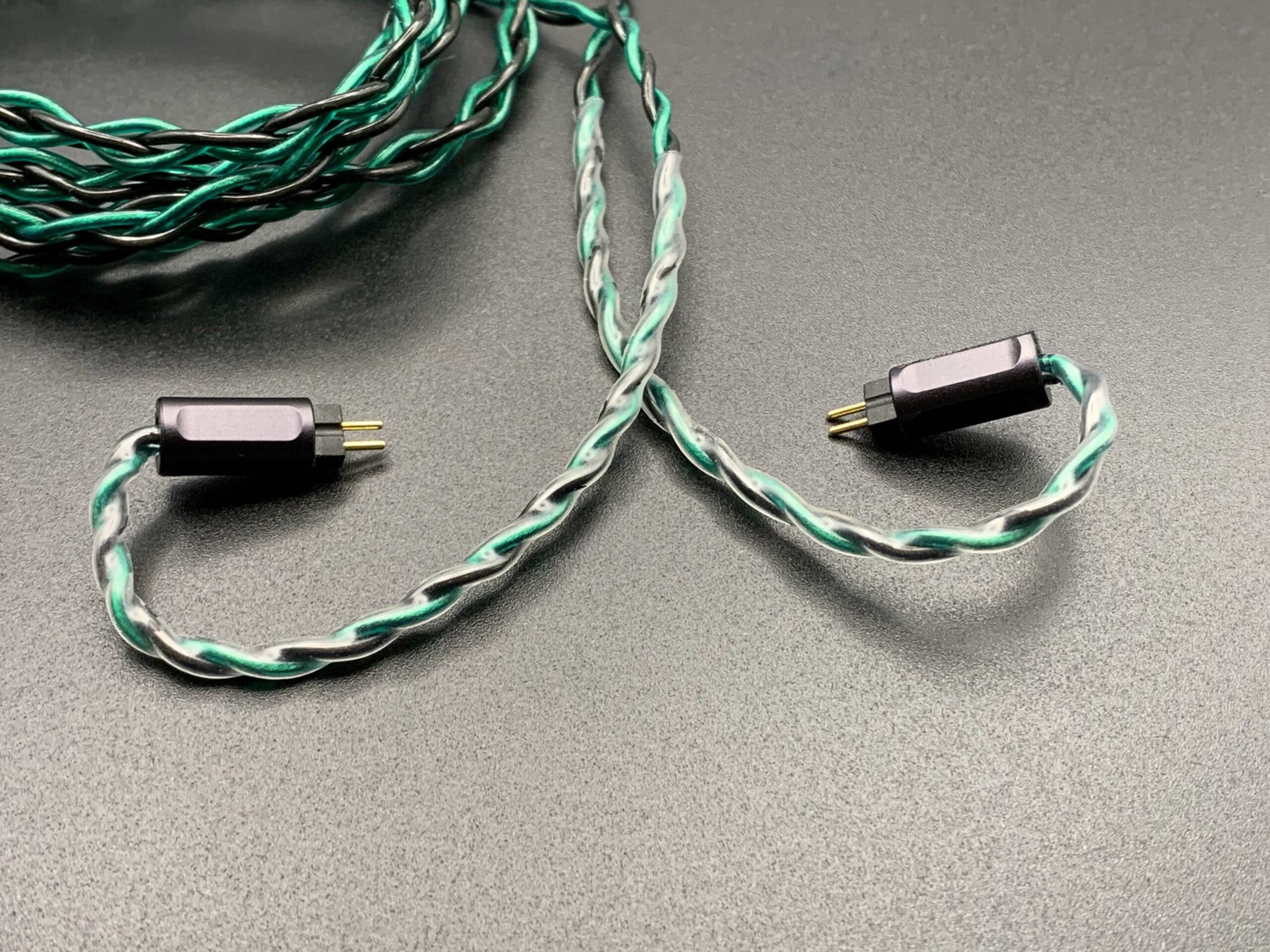
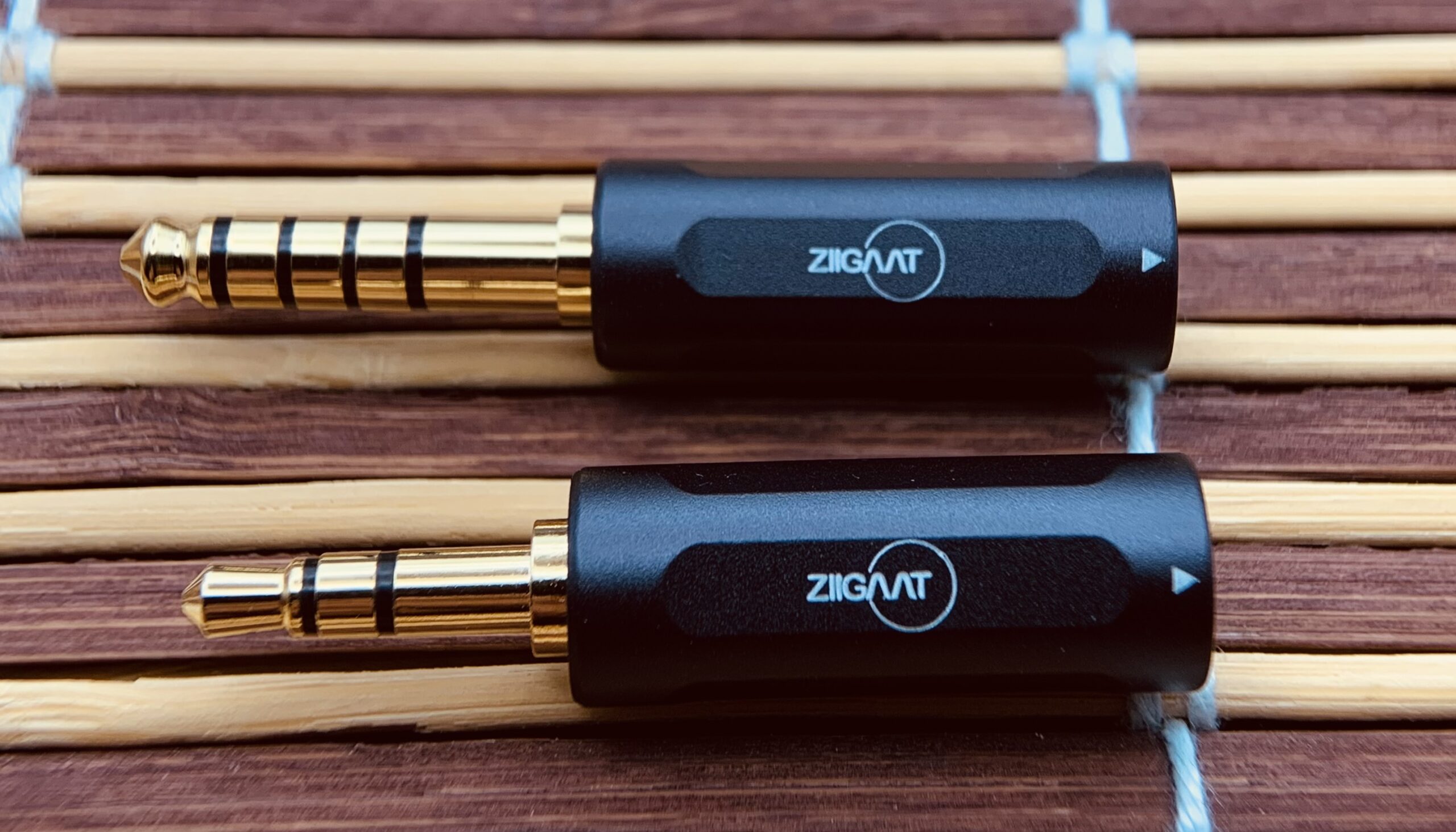
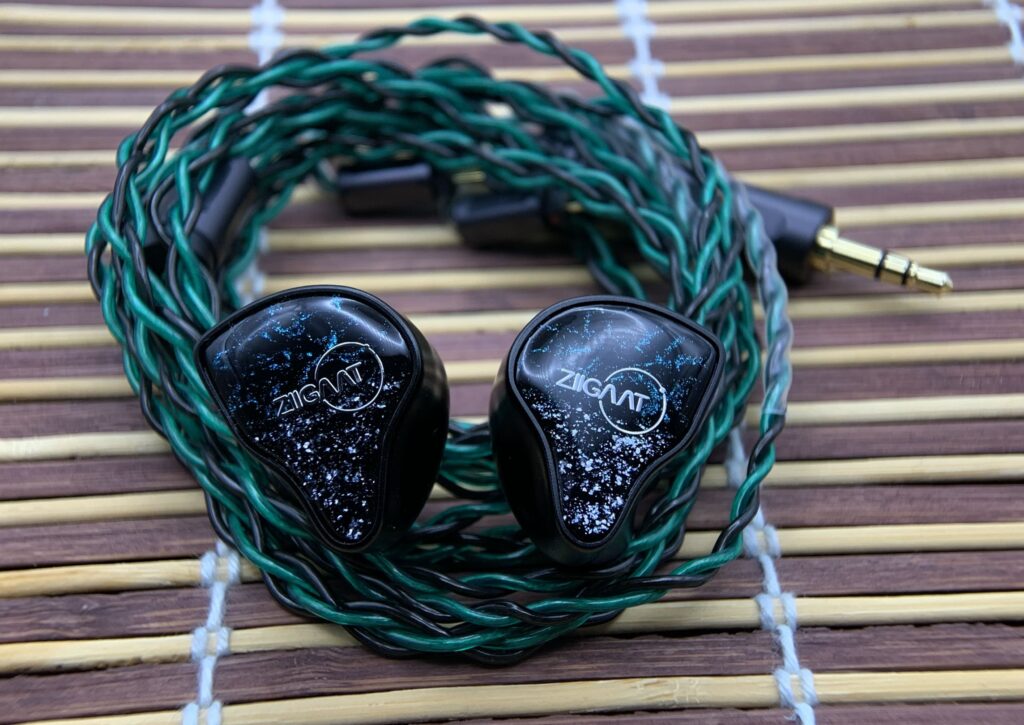
The packaging is neat and well organized. Inside you’ll find the IEMs, six pairs of silicone tips (S M L in black and transparent), one set of foam tips (S M L), two pairs of replacement filters, a 4 core OCC plus Litz cable with 0.78 mm 2 pin connectors, interchangeable 3.5 mm SE and 4.4 mm balanced plugs, a very nice hard carrying case, manual and warranty.
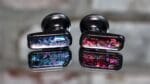
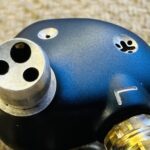
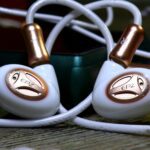
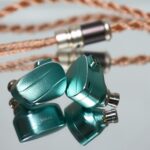
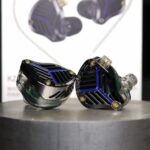
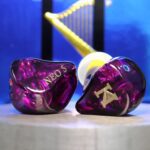
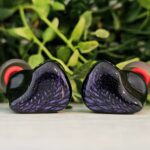
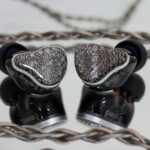
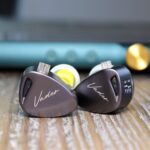
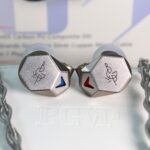
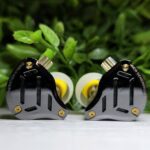
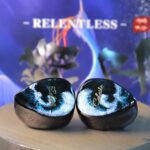
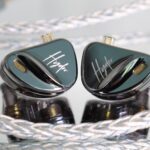
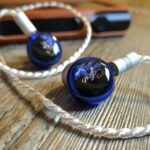
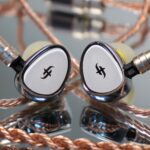
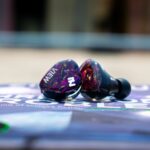
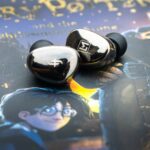
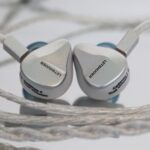
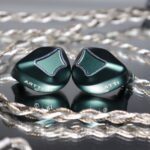
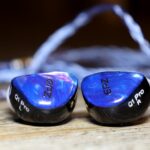
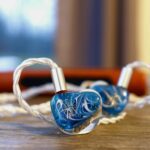
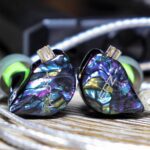
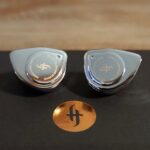
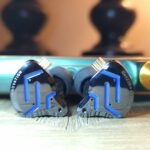
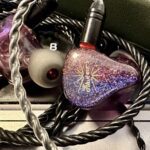
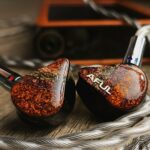
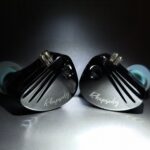
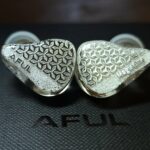
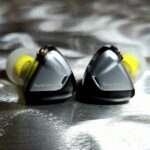
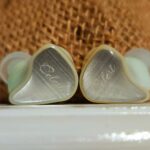
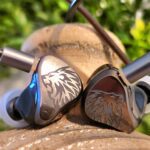
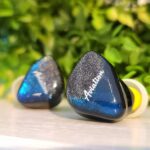
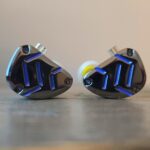
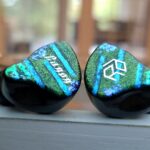
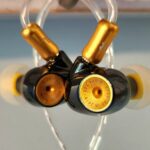
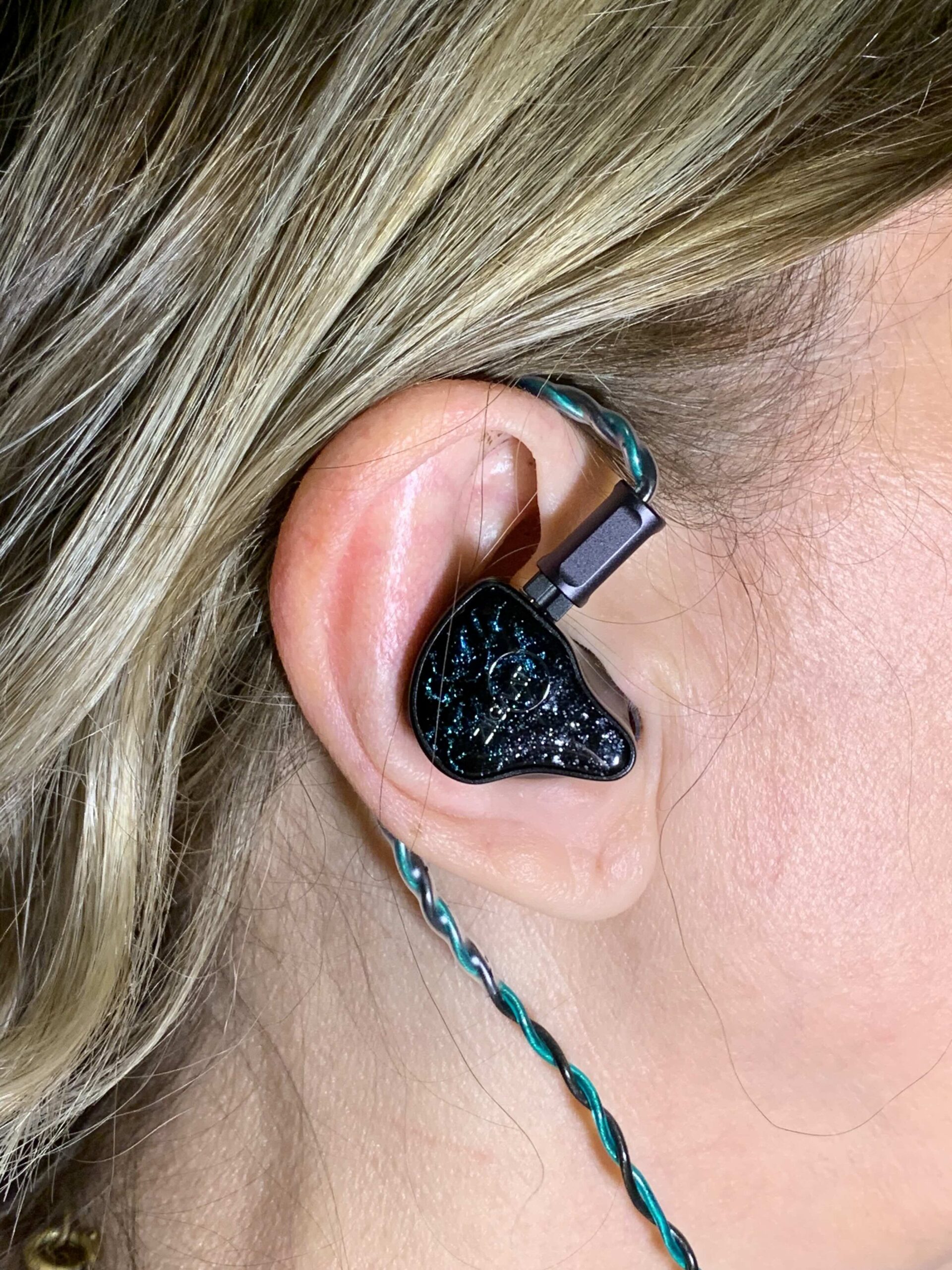
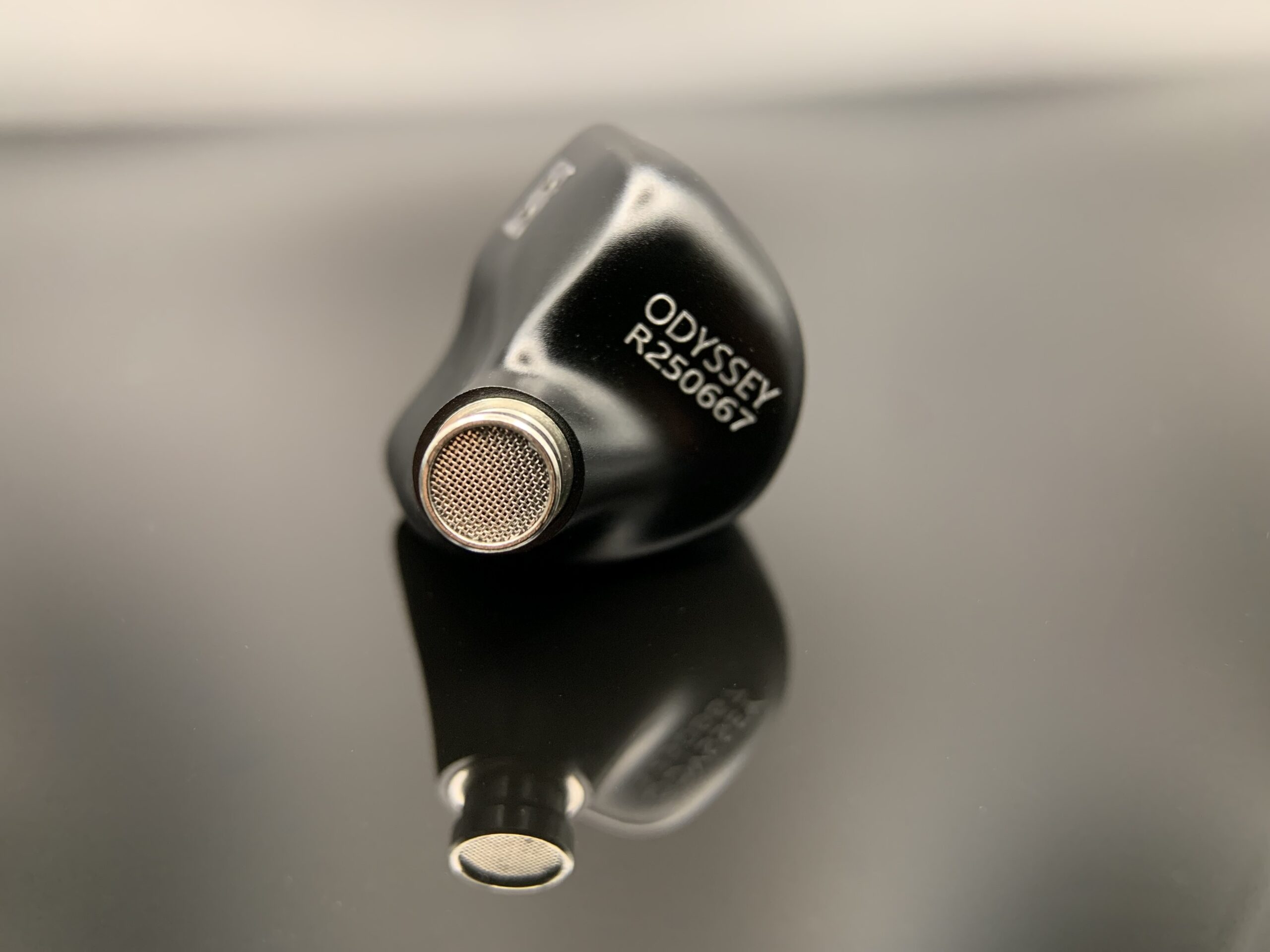
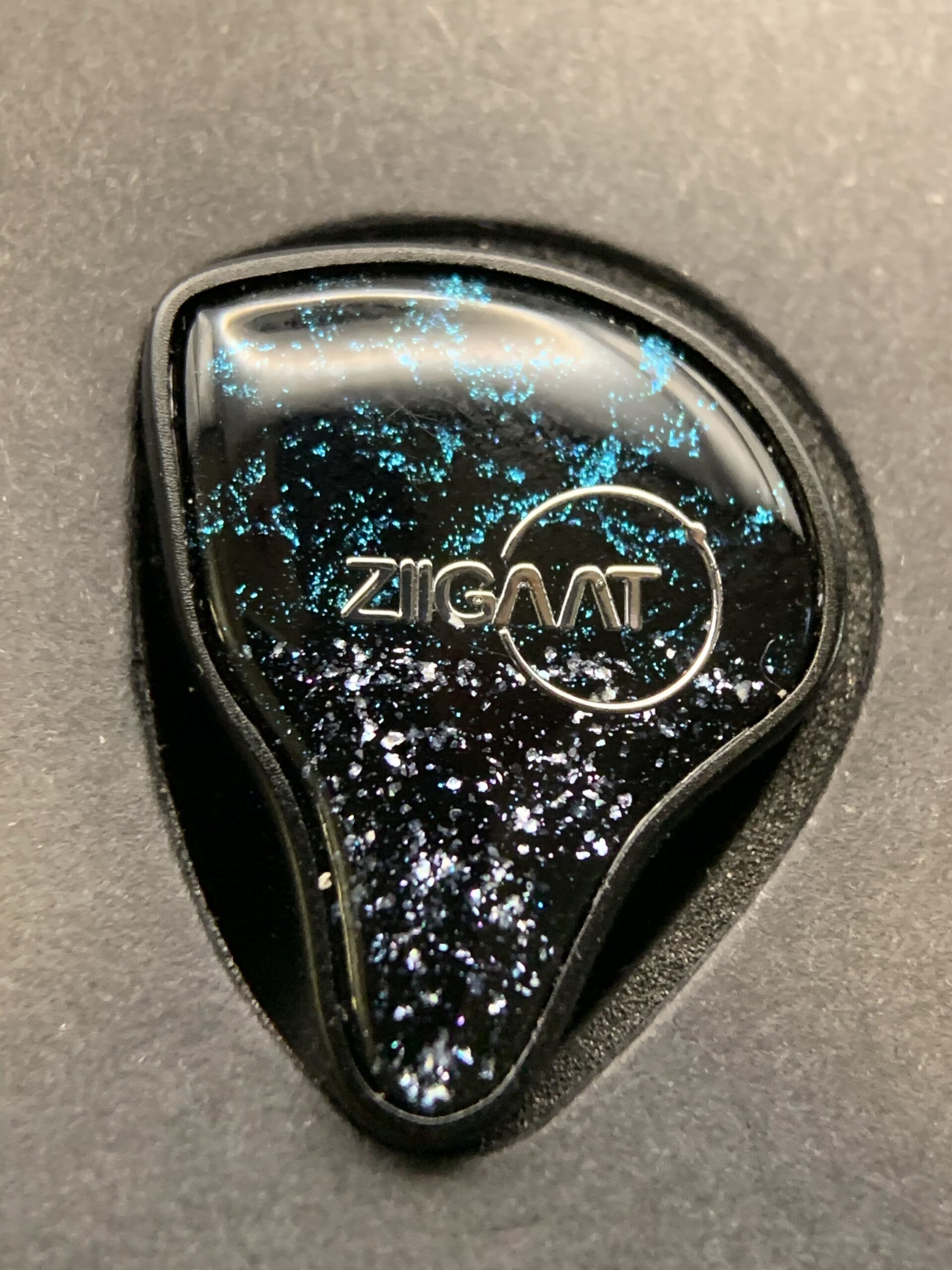
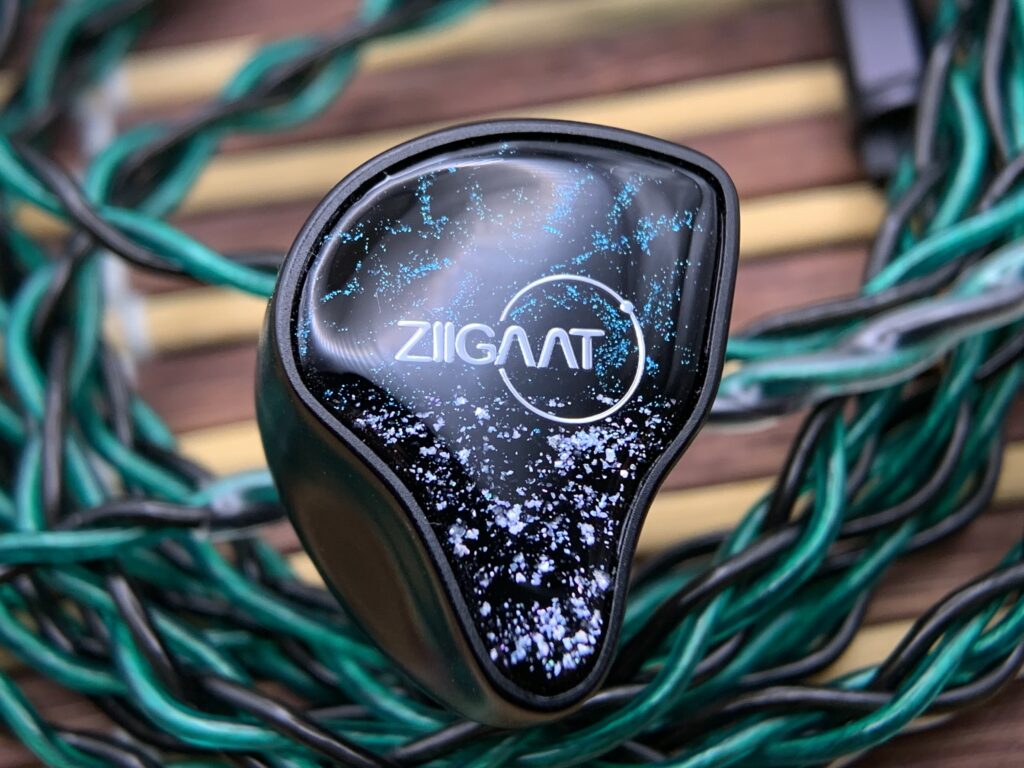
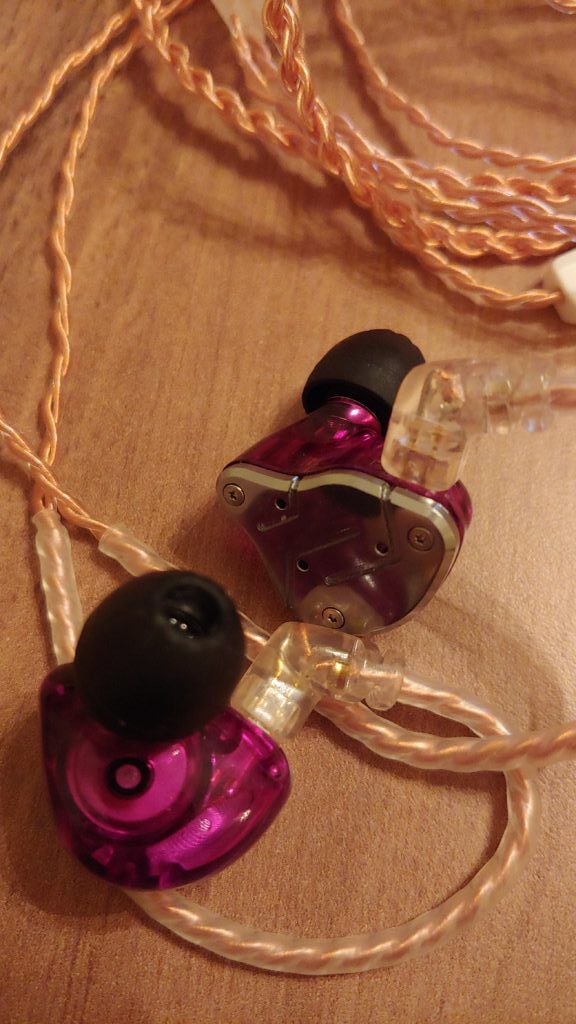
The shells are made from aluminum, solid and lightweight, paired with hand crafted resin faceplates. Each unit is basically unique, adding visual value and a premium feel far from cheap plastics. The cable is flexible, sturdy, pleasant to handle and designed not to tangle.
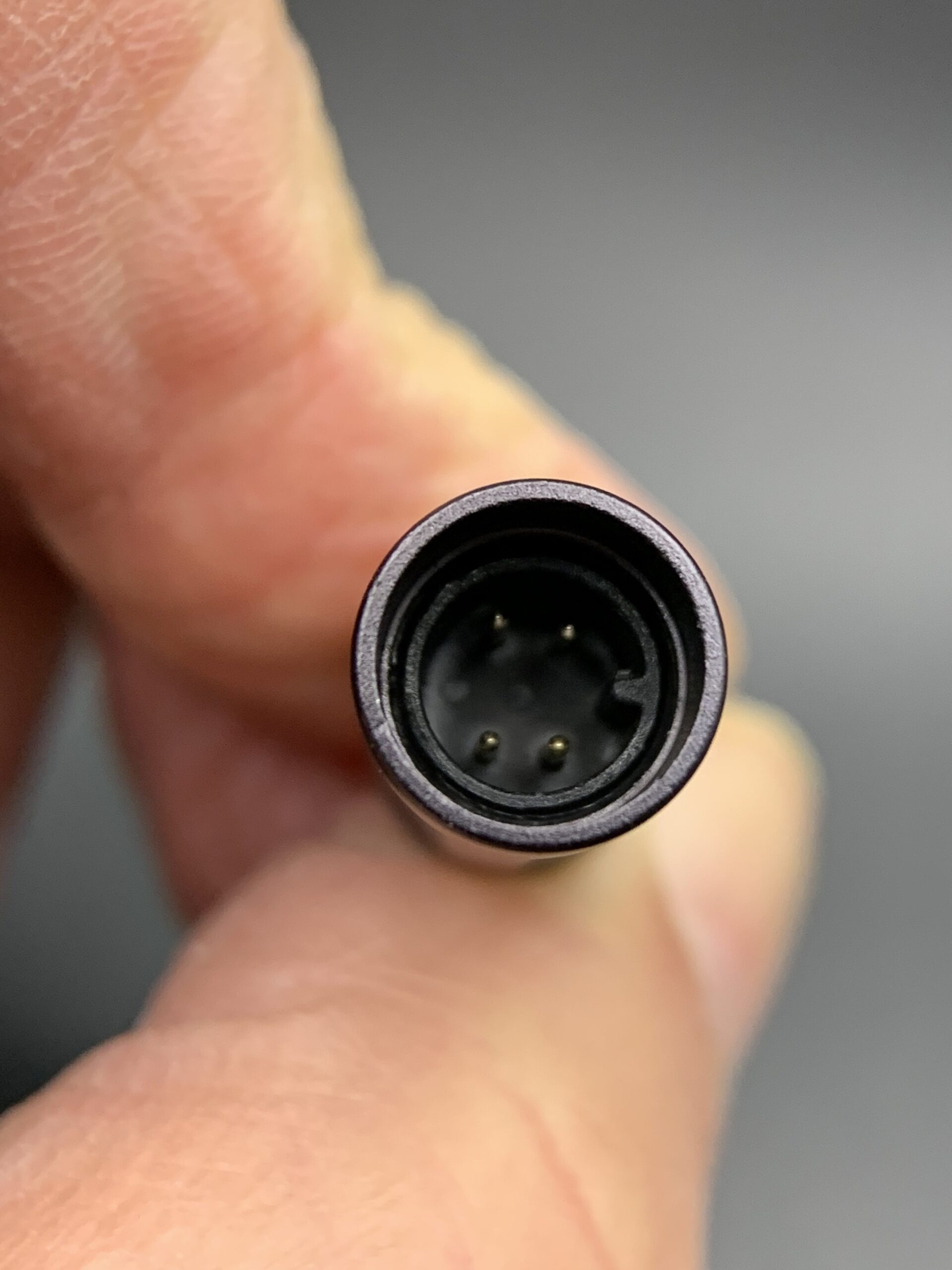
Cable modularity is done well. I’m usually not a fan of cable joints, but here the 4 pin male/female design with its alignment point works very well and ensures excellent contact. Well done.
Technical Specs:
- Driver: 1 x 10 mm bio cellulose dynamic plus 2 x Knowles RAF 32873 plus 1 x Knowles RAD 33518
- Impedance: 20 Ω
- Sensitivity: 105 dB
- Frequency response: 20 Hz to 25 kHz
- Declared THD: 0.19 %
- Cable: OCC plus Silver Litz four core with 3.5 mm and 4.4 mm interchangeable plugs
The included accessories are above average for the price range. The modular cable clearly shows the brand is thinking about users with multiple sources.
Fit and Comfort:
The Odyssey 2 are slightly “fuller” than ultra-compact models, but thanks to the nozzle angle and weight balance I didn’t find them uncomfortable. Even after two or three hour sessions I felt no pressure points or fatigue.
With the foam tips the fit becomes more stable and isolation improves. Anyone used to IEMs will adapt quickly. For daily listening in the office, on the train or at home, comfort is more than acceptable.
ZiiGaat x Hangout Audio Odyssey 2: Sound: Bass, Mids, Treble, Soundstage
Bass:
The dynamic driver works with excellent control. The bass is deep, powerful, yet always well-balanced. The extension is remarkable, and the sub-bass adds presence without overwhelming the rest of the spectrum. Even in high-energy rock songs, they don’t lose definition. Indeed, in passages with a heavy kick drum or electric bass, you hear a decisive “thump” that gives body to the music and allows you to clearly perceive the rhythm, without any annoying “boom.” This consistency also allows you to appreciate the low end in acoustic or jazz music without it drowning out the vocals or instruments: the low range remains present but discreet, which helps the overall balance.
Mids:
The mids are natural and well-balanced. Vocals are believable and lively. Instruments like piano and acoustic guitar have a clean and realistic timbre. Jazz and classical chamber music are very convincing. Harmonics emerge precisely, and instruments maintain a good “body”: in many passages, I had the feeling of listening to “live” music, with a believable representation of the stage. Even on complex tracks with many instruments, the midrange remains clean and coherent, without messy overlaps or “timbral confusion.”
Treble:
The highs are clear and airy, with good extension. Cymbals, strings, and female vocals remain defined but never aggressive. I didn’t detect any sibilance, even in the most complex passages. The high end of the sound helps give air and “spaciousness” to the music: cold instruments or bright elements remain natural without ever becoming annoying. This makes listening suitable even for long sessions: there’s no fatigue, the balance remains stable, and the sound is pleasant, without tiring the ear.
Soundstage:
The soundstage is wide and well-organized. Instrument separation is very good for this price range. It doesn’t quite reach the levels of top-of-the-line models, but imaging is stable, and ambient details emerge naturally. You want light and space: you get both in abundance—instruments separate clearly, the stage opens up, and you have a good perception of depth and width. In many cases, I perceived a soundstage rendering that surpasses that of many “budget” headphones or IEMs, with convincing ambience and well-spaced instruments. Perfect for live concerts, acoustic recordings, or orchestral music where a sense of space matters.
Pairing and Sources:
With 20 Ω and 105 dB of sensitivity, they can be easily driven even with a smartphone, but with a quality DAC the improvement is evident. The bass becomes more controlled, the mids more defined, the highs cleaner. The work on the crossover is remarkable and a true tonal coherence is perceived. Indeed, when paired with “soft” sources they maintain good integrity, but when you increase the quality, with serious DAC/AMPs or dedicated sources, the qualitative leap is noticeable: greater detail, a wider soundstage, more controlled dynamics. Of course, they are not “demanding”: they are flexible and adapt easily, but they show their best value with a respectable source.
Taste and Genres: My Listening Tests:
I tested them with demanding, dense, fast and highly dynamic tracks.
Odyssey 2 with jazz:
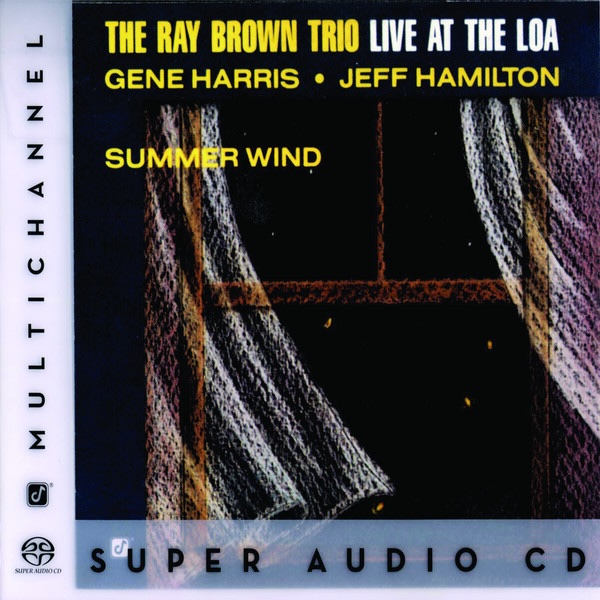
The Real Blues by the Ray Brown Trio from Live At The Loa Summer Wind:
The double bass vibrates realistically, with body and presence. Even the room noises emerge naturally. What’s striking is the sensation of being right in front of the stage, with that mix of wood resonances and the subtle details of the pizzicato playing that make the listening experience incredibly believable. The Odyssey 2s manage to convey the “weight” of the note, letting every vibration breathe without muddying the low end. It’s one of those tracks where you immediately know if a pair of headphones can deliver depth or just do their job.
Odyssey 2 with ROCK:

Free Bird by Lynyrd Skynyrd from the live album One More For The Fans:
During Rickey Medlocke’s solo, around the six-minute mark, the energy is pure. The Odyssey 2s don’t miss a beat, and the effect is literally spine-tingling. The guitar layers remain perfectly legible, with no confusion, no muddying, just plenty of air and realism. It’s a track that challenges many IEMs due to the sheer amount of detail and speed, but here the control remains precise, and the electric distortions have just the right amount of bite. It’s a moment that shows how well these IEMs can handle real, fast rock.
Sweet Home Alabama from the same live performance:
Excellent ability to give space to vocals and instruments. Nothing dulled. The guitars each find their place in the space, and the vocals always remain well-centered. I especially appreciated the rendition of the backing vocals and secondary instruments, which are often compressed by cheaper headphones. Here, however, everything remains open, well-separated, and with a good sense of stage presence. The result is a dynamic and genuine listening experience, very close to the live atmosphere of the performance.
Odyssey 2 with World Music/Indian Music:
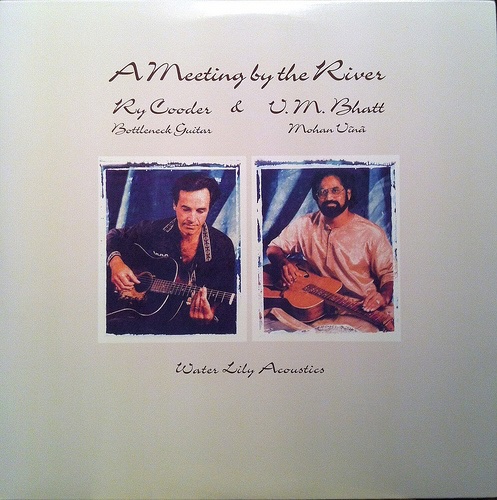
Ganges Delta Blues by Ry Cooder and V.M. Bhatt from A Meeting By The River:
This is where I fell in love. Lively percussion, smooth bass, clean highs, and lightning-fast mids. The atmosphere is incredible. The microdynamics are incredible: you can feel the fingers on the strings, the drums, and every last reverberation in the recording studio. The Odyssey 2s deliver everything effortlessly and with a musicality I’ve rarely encountered in this price range. Many online talk about how this model truly brings acoustic recordings to life, and I have to say, it’s true. Track after track, you feel like you’re being catapulted into the piece.
Listening Sources:
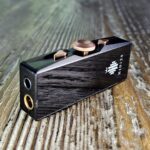
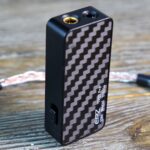
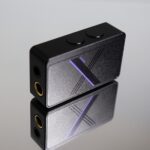
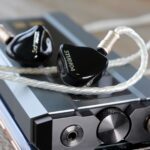
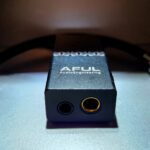
Before delving into the individual dongles, I spent nearly two months testing every source I had available. I used portable DACs, dongles of various price points, home headphone preamps, and even a few tube solutions. Among all these combinations, the three devices that follow best represent the most significant differences I found. They are three different approaches, three distinct personalities, which together faithfully summarize all the listening work I’ve done.
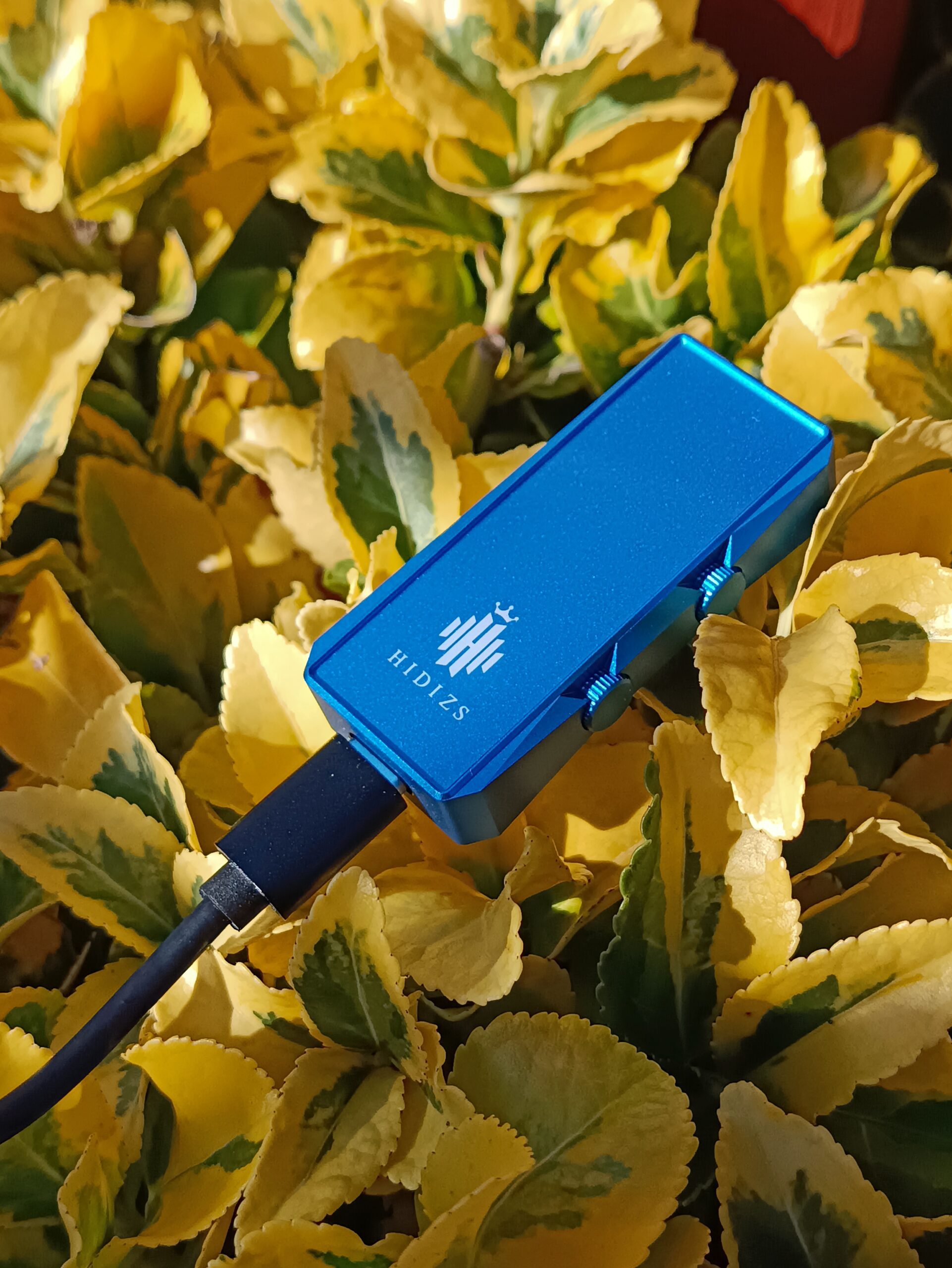
Definition and dynamics take center stage. The combination is technically impeccable, but too analytical for my taste. It highlights every imperfection and can become tiring. I prefer a more musical setting. Here, the detail is almost surgical, perfect if you like “audio microscope” listening, but for me, it ends up draining some of the soul from the tracks. Many on the forums say the same thing: with very analytical sources, the Odyssey 2s become overly precise. For some, this is a virtue; for me, it’s a limitation.
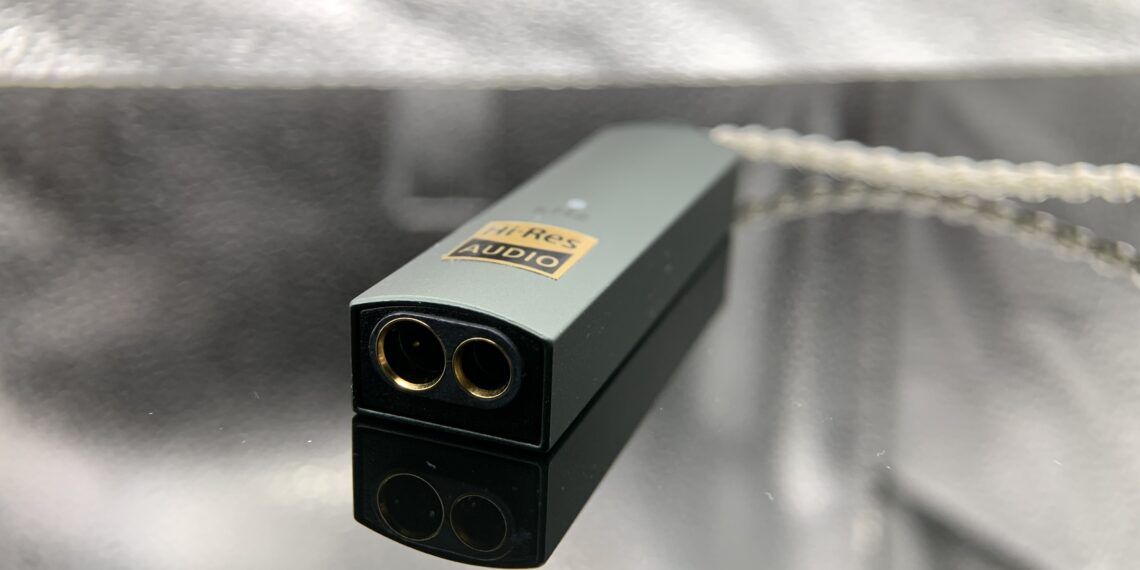
Here, the Odyssey 2 shone. The musical nature of the Go Link Max blends naturally with the timbre of the headphones. The result is very dynamic, deep, engaging, and always musical. The soundstage opens up, the bass tightens, and the highs remain delicate but present. The mids also gain roundness and warmth. It’s a very balanced combination that never tires. It’s one of those pairings you can listen to for hours without feeling weighed down.
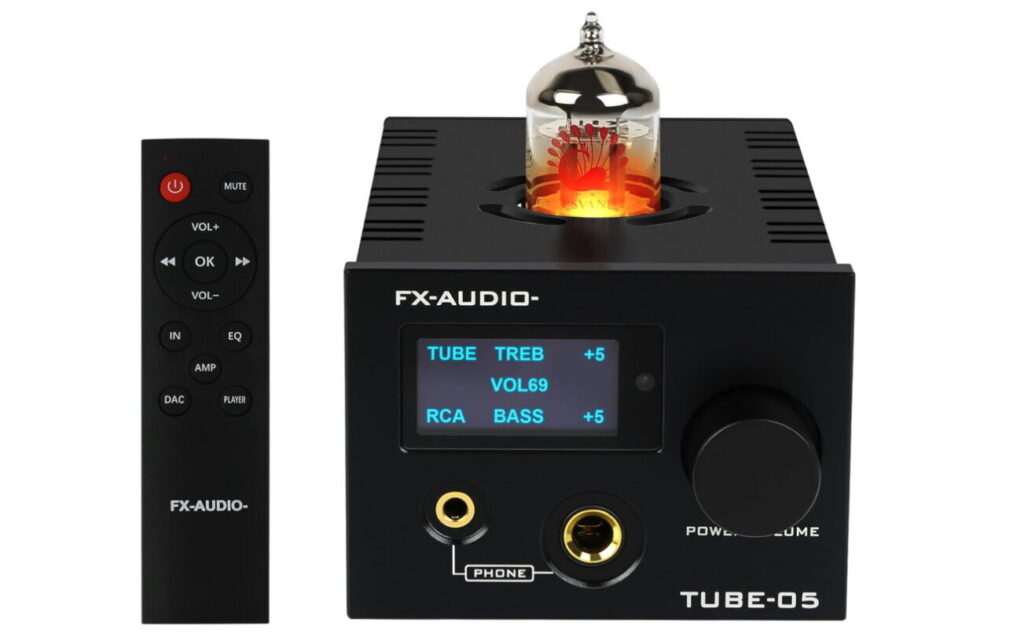
FX AUDIO TUBE 05:
The tube brings a more enveloping and silky character to the sound. The NOS adds personality without losing detail. It performs excellently on both complex and more intimate tracks. The result is a three-dimensional, warmer, and much more emotional sound. Many online talk about the magic these IEMs unleash with light tube amplification, and I have to say I completely understand what they mean. The musicality increases, the soundstage is rounded out, and everything becomes more engaging.
ZiiGaat x Hangout Audio Odyssey 2: Conclusion
The ZiiGaat x Hangout Audio Odyssey 2 really surprised me, much more than I expected. When a product comes out with a “version two,” you usually think of the usual superficial update, a few tweaks and little else. Not here. Here, you hear a deep, concrete, almost artisanal work, which takes these IEMs a whole step forward compared to the previous version. They have more maturity, more balance, and a much more defined character across the spectrum.
If you’re looking for versatile, musical, and meticulously crafted IEMs, the Odyssey 2 are among the most complete and sensible offerings in their price range. They don’t claim to be studio monitors, but precisely because of this, they are more enjoyable, more lively, and more suited to a huge variety of genres. Rock, jazz, classical, world music, or simply travel playlists: they move easily everywhere, with a naturalness that’s not so common in this category.
As an enthusiast and a rather critical listener, I appreciated the way they combine dynamics, musicality, and control. From a smartphone, they already produce a very pleasant sound, but with a dedicated DAC, they become truly convincing, with a noticeable leap in quality across the board, from bass to soundstage. A sign that under the hood there’s thoughtful design, not the usual “copy-and-pasted” tuning.
And if I were to look at them through the eyes of a retailer or consultant looking to offer a serious product to those entering the world of audio, they would be a perfect choice: easy, musical, well-built, and with that touch of refinement that makes you want to take the next step.
VOTO:
8,9 / 10
Pros:
- Premium build with aluminum shells and hand crafted faceplates
- Full accessory set with modular cable
- Deep, controlled bass
- Natural and musical mids
- Airy highs with no sibilance
- Wide soundstage for the category with convincing separation
Cons:
- Slightly bulkier than ultra compact models
- Not neutral studio monitors
- Fit may require a bit of adjustment
WHERE TO BUY:
The ZiiGaat x Hangout Audio Odyssey 2 was kindly provided to me for testing by Linsoul, whom I sincerely thank for this opportunity. I must admit that when the time comes to return them, I’ll shed a tear, because saying goodbye won’t be easy at all.





No Comment! Be the first one.