


































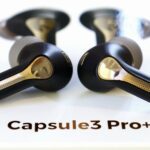

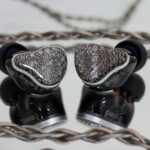
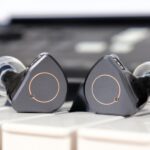



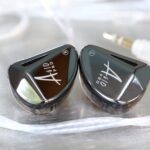
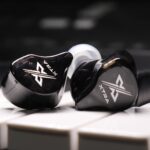



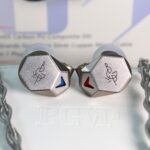

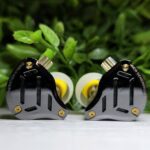
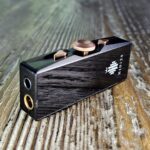

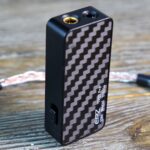
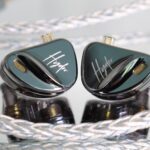
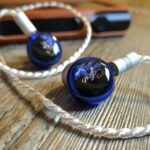
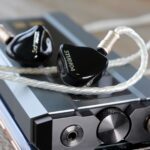








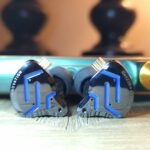
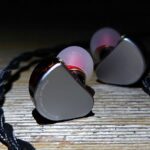







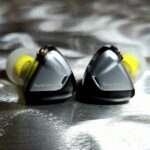




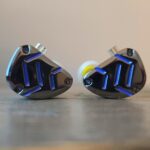
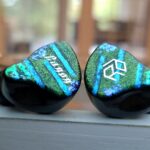
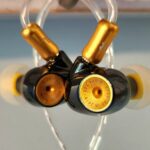




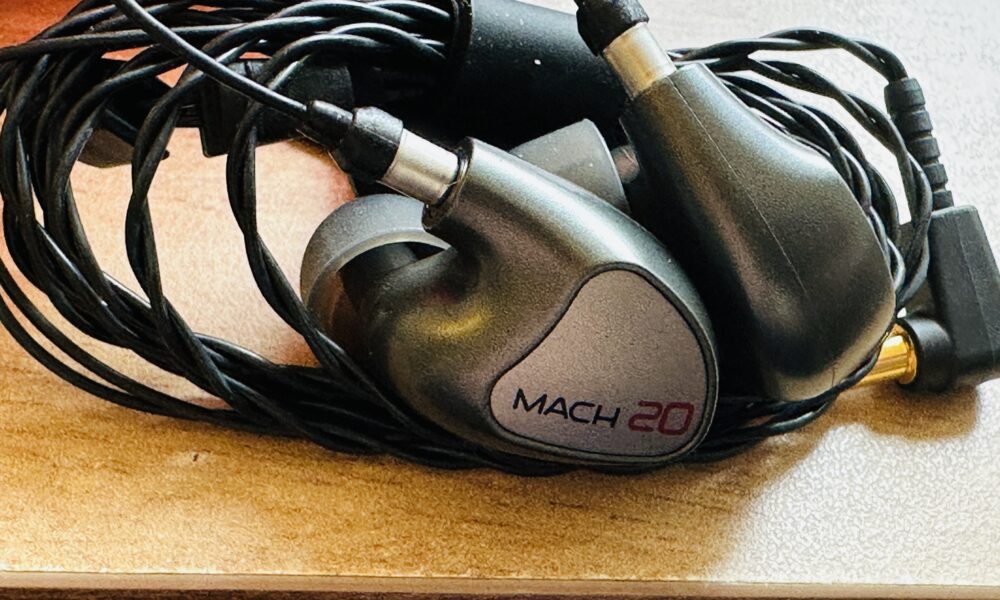
I’d reviewed various Westone models over the years and had something close to a real attachment to the UM3x and years later the Westone MACH 20 arrived, from the MACH series. Thanks to Westone and Jessica, their UK distributor rep, for making that happen. Let’s see what the MACH 20 version of the series that replaced the old W and UM line actually does.
Table Of Content
A bit of tech first
Driver: 2x Balanced Armature (dual BA)
Frequency response: 20Hz – 18kHz
Impedance: 27 ohm
Sensitivity: 110dB SPL @ 1mW
Passive isolation: ~25dB
Connection: MMCX (detachable)
Cable: Linum BaX T2
Plug: 3.5mm single-ended
Shell: Ergonomic, low-profile
Nozzle: Narrow diameter
Weight: 12–13 grams
Dual BA configuration, 2-way passive crossover, closed system (no vent), single acoustic bore. Nozzle diameter ~2.5–3mm. Shell material: medical-grade injection-molded polymer, acrylic-based lightweight composite.


Sound
Listening to Hans Zimmer’s Pirates of the Caribbean from this lightweight IEM at M gain and 30/100 volume, I’m getting a level of accuracy and a sense of staging that I’d call remarkable for a closed, unvented design. The orchestral storytelling feels like the soundtrack is actually accompanying something on screen. A similar playback quality existed in the Tipsy too. Both carry an American sound approach. With that one I’d been surprised by a single driver doing it. Anyway, the subject here is the Westone MACH 20.
In “Belle,” starting in the famous cathedral, it delivers the musical’s due even without micro or nano detail. But at the most intense moments the texture in the sound carries that forbidden love to me. And when the audience applauds with full force at the end. For the rest of my listening sessions the refined dual BA bass stays in my ears. Yes, by its nature, when it hits, there are no lingering drums.
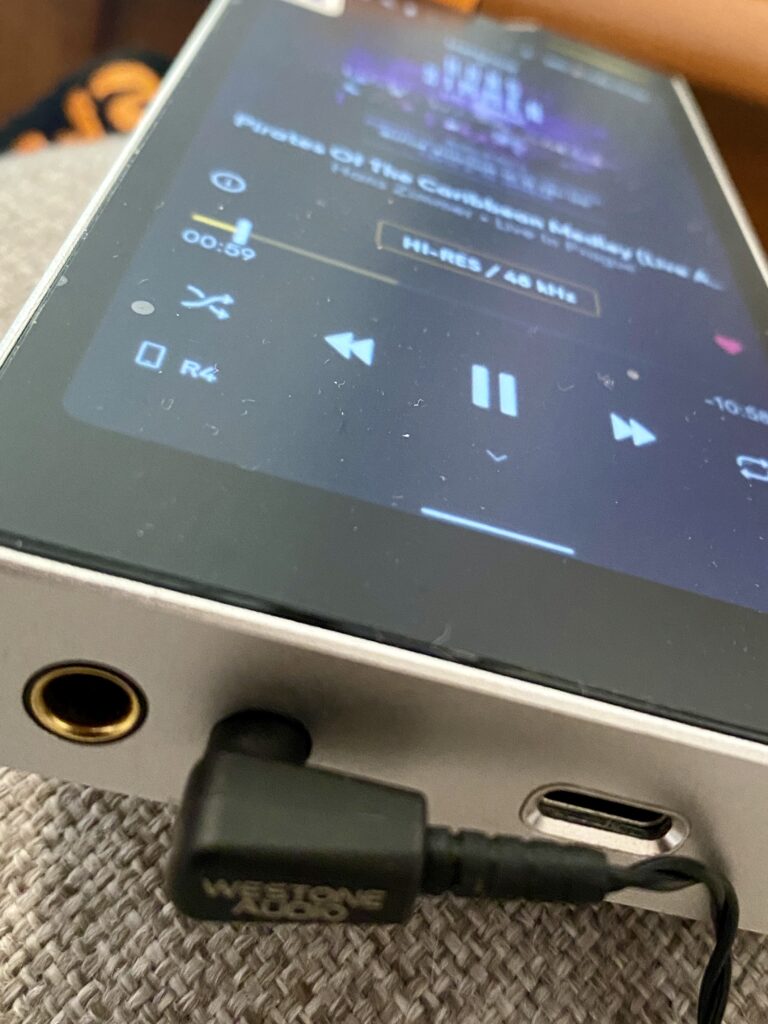
The overall character is neutral to dark, thanks to the acoustic engineering and stock eartips combined with the Class A chips in the HiBy R4. The MagicOne had managed this neutral-dark quality too. But it had struggled to also leave room for brightness the way the Westone MACH 20 does. Upper mids and lower treble carry that responsibility here, as you’d expect. Upper treble isn’t very present though. When Floyd Dixon comes on the whole signature pours into the ears at once. Blues, piano dominant, brass and wind instruments, drum kit alongside. Everything works. But don’t expect harmonics in the treble.
Math rock closes out an evening session. Transitions are smooth, chaos is well managed. Instrument separation gets close to eargasm territory when you focus. Even at 50/100 where I deliberately pushed more power, same as 30/100, the treble does pick up a slight metallic quality. But honestly, it doesn’t wear you out. I don’t normally listen at this level anymore but even I stayed comfortable while the drummer was hitting everything fast!
Source: Hidizs AP80 PRO MAX
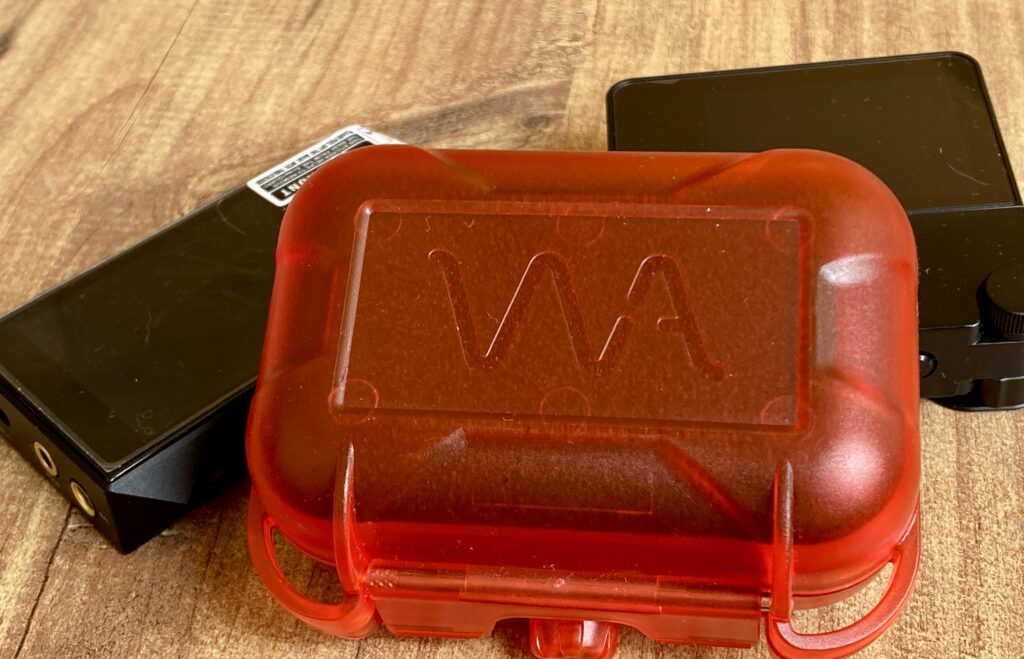
Hidizs AP80 PRO MAX Quite a successful DAP for its price and especially its size. With MSEB adjusted toward my HiBy R4 reference in hand, it runs analytical, transparency impresses alongside sincerity. Yes, I can’t zoom into strings and get that macro view; but that’s fine, I’ll get it on the HiBy R4. Still, for Russian Circles’ “Station” it covers every playback quality I could ask for. I’ll admit though, it doesn’t play full-bodied even where that isn’t specifically required. I said it upfront: it may not satisfy those looking for fun. But on stock eartips, the analytically-minded Mahir who also wants a little fun is happy.
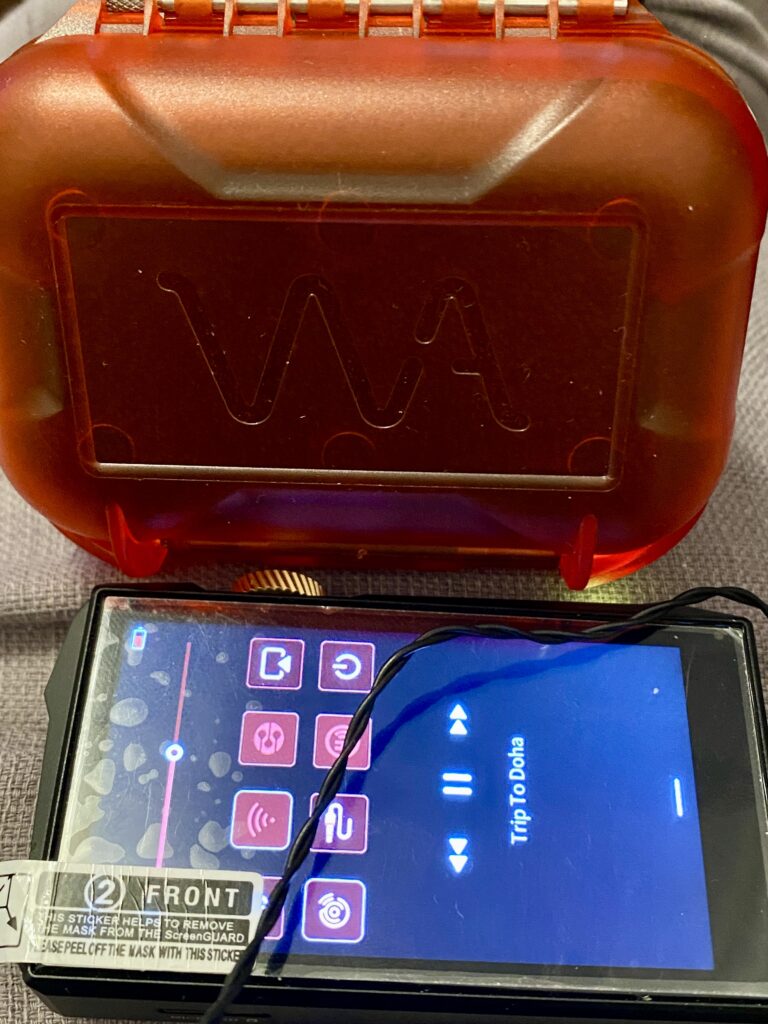
Turned MSEB off and let it run clean. Gave it permission to be its own character rather than trying to be the R4 from start to finish. No regrets. This Westone MACH 20 feels like it comes with its own sound settings already 🙂
Portable amp observations
Moderate results. Anyone buying this will want to know how it responds to stronger sources.
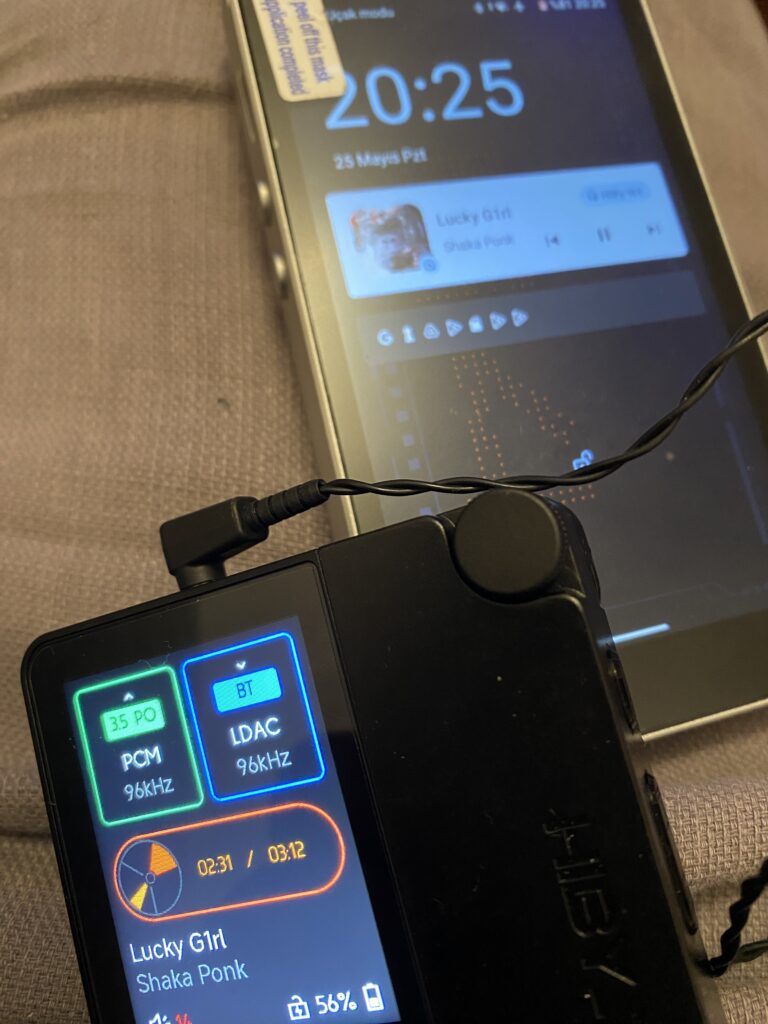
HiBy R4 and HiBy W4 pairing: at the volume level, those who don’t listen at maximum won’t be satisfied, but it does push the Westone MACH 20’s BAs a little. The amp power gently strengthens the low frequencies. And whether it’s electronic music or the stormy bass passages in “Por Una Cabeza,” it handles them well alongside the technical improvements it adds to the sound.
I’m using a real portable amp this time. With Burson v5ii opamps plugged on top.
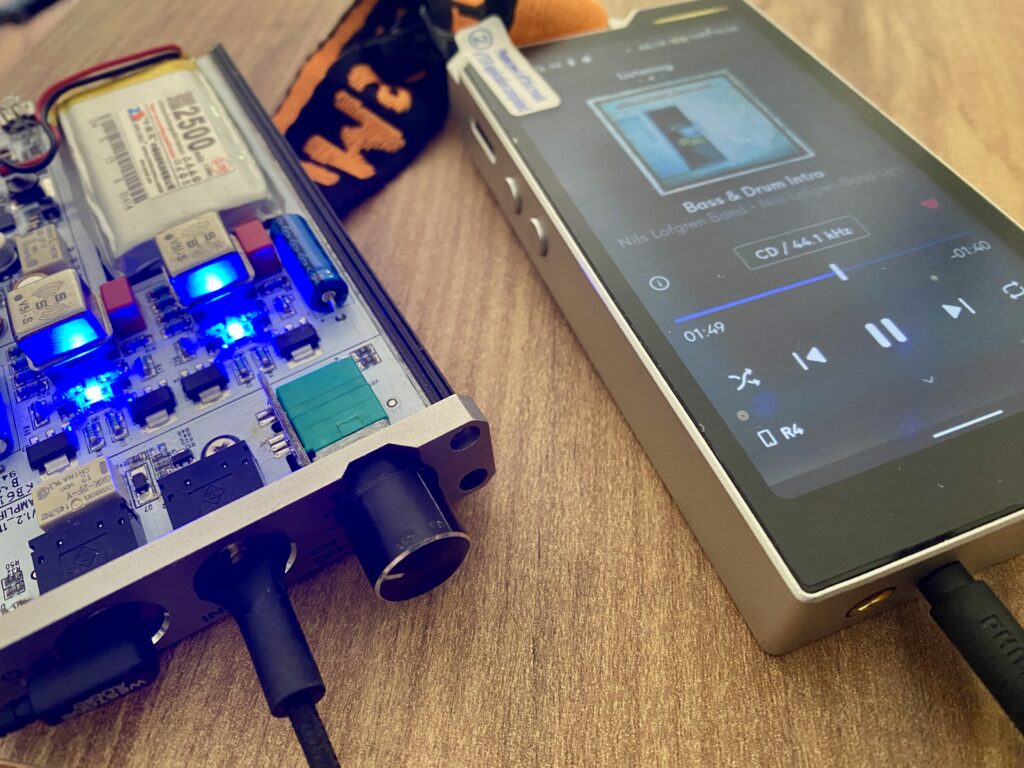
I can comfortably say this is the best sound I’ve heard so far, from this pairing in its class: the Dethonray HP2 portable amp combined with the HiBy R4. Very lively, bass guitar is concrete, staging is extremely wide in every dimension. In SMV, while noticing that the recording space was comparatively small, I’m locking down in my words the jaw-dropping performances of three bass string masters. And moving immediately to the next track in my Qobuz playlist, this time a fully studio and channel-recorded song, I understand that what I was experiencing in the Jethro Tull Bouree live recording just before had been genuine, not an artifact of the non-standard behavior displayed by the aux cable designed to fit perfectly into the M2BTBK/00 IEM’s case, which I haven’t yet finalized the review of, not seating properly into the HP2. Anyway, I’d ordered another aux cable from Amazon with same-day delivery while writing the review. I’ll update this section if it arrives before the review goes live.
Laptop source — MacBook Air 2020, Qobuz
Wrapping up the review, I’m listening to Tubular Bells as a greeting to young Oldfield in 1971. Back then radio stations and record labels had rejected it. But somehow in 2026 it became one of the reference tracks for the MBA founder, and the long-standing Westone in its public-facing series has had the chance to deliver playback of this track in my practice.
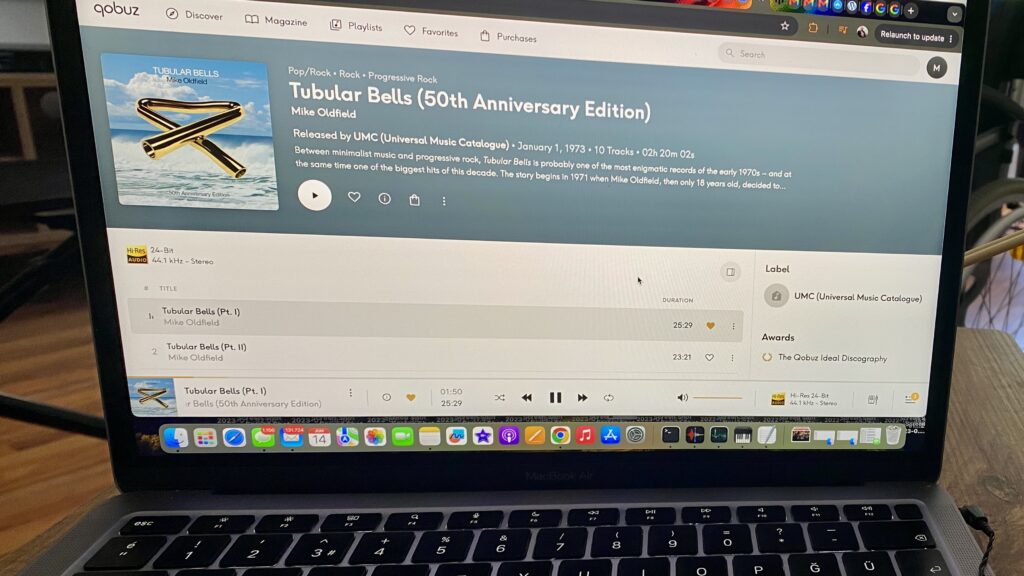
The general character of the traditional MacBook audio output is present. Close to sterile, as we know from dongles, not absolute but quite close to not touching the original mix, neutral and powerful. But the power from below didn’t break the Westone MACH 20, it opened a wide space for it to show its potential, and organic instruments lit up one note brighter in their natural character. And at just -31.75dB. Surprising for an IEM with close to 100 ohm impedance. Likewise, not struggling on complex passages and fast attacks in the Aristocrats gets a check too.
Eartip rolling
Let’s see whether a UM3x moment emerges from the Westone MACH 20. Starting with red-nozzle eartips rather than the blue ones. Source: HiBy R4, Qobuz.
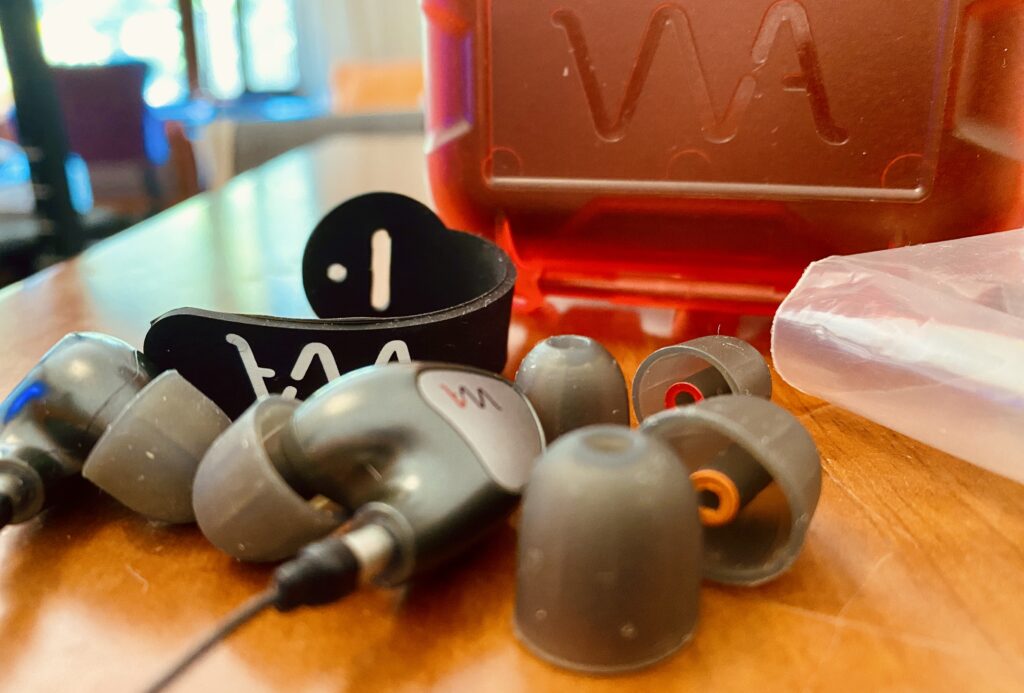
Paying close attention to complex passages. I can hear it handling them. A bit edgy but successful. When Bass Nipple or Skrillex comes on though, it drops a big sub-bass package and moves on. I’d reviewed the UM1 too, I don’t remember it identically, but this one is stronger for sure. Even the famous Limehouse Blues comes through with more body, though micro details are a bit harder to pick out. But habit? Bak dok yala! The vibrato in full, with the resonance of the strikes, takes you somewhere at M gain.
Pros
Clarity, speed, control, transparency.
Cons
Difficulty driving it, difficulty accessing a balanced cable, high noise floor potential in the cable
Who it’s for
Those with strong sources and who know what they want. Those who like their music dark. Vocal-focused listeners. Those who run away from “BA” will miss out. But those who come only because of the BA might be disappointed too. AFUL MagicOne fans who have a source powerful enough to drive it. And those who don’t want bells and whistles with their IEM purchase and prioritize function.
Who it’s not for
The exact opposite of the above, and those who prefer a certain frequency weight. Those craving slam.
a
Conclusions of the Westone MACH20 Review
Westone has demonstrated its competence. Like a delicate flower that opens further with a strong source and the power given to it. And it has become an ideal and powerful continuation carrying the seeds of the Ultimate Monitor (UM) pro oriented character and the W series that appealed to the broader audience within it. Ultimately, a reviewer with more experience than their age and a level of musical knowledge that rivals Shure’s competitor.






No Comment! Be the first one.