



















































Intro
When I heard about Twistura and their quality products from a friend, being a relatively new brand on the market, I knew practically nothing. However, I had noticed that their IEMs featured some interesting fundamental ideas, especially in terms of their approach and features.
Table Of Content
- Intro
- Technical Specifications and Product Description
- Packaging and Accessories
- Eartips
- Case Included
- Cable
- Construction, Design, and Internal Components
- Fit and Comfort
- Driveability and Source Pairing
- Sound Impressions
- Timbre
- Bass
- Mid
- Highs
- Soundstage
- Imaging and Separation
- Detail
- Listening Tests
- Jazz
- Southern Rock
- Rock
- Final Thoughts
- RATING
- 🟢 PROS
- 🔴 CONS
- Recommendations
- Where to buy
So I did some more research and discovered that Twistura isn’t just a young brand, but is actually quite new. Founded in 2024 in China, it already has four models in its catalog: WoodNote, D-Minor, D-Major, and Sigma.
Their range covers a price range from around 30USD to just over 140USD. In addition to the IEMs, the brand also offers three types of good-quality cables and a selection of dedicated ear tips.
I’d say they started off quietly, letting the products do the talking. Browsing the internet, the general feedback is positive, and this further piqued my curiosity.
In an increasingly frenetic world, where there’s less and less time to sit down and listen calmly, I thought it would be interesting to try a basic model, designed for everyday use.
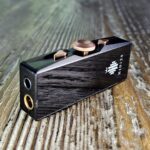
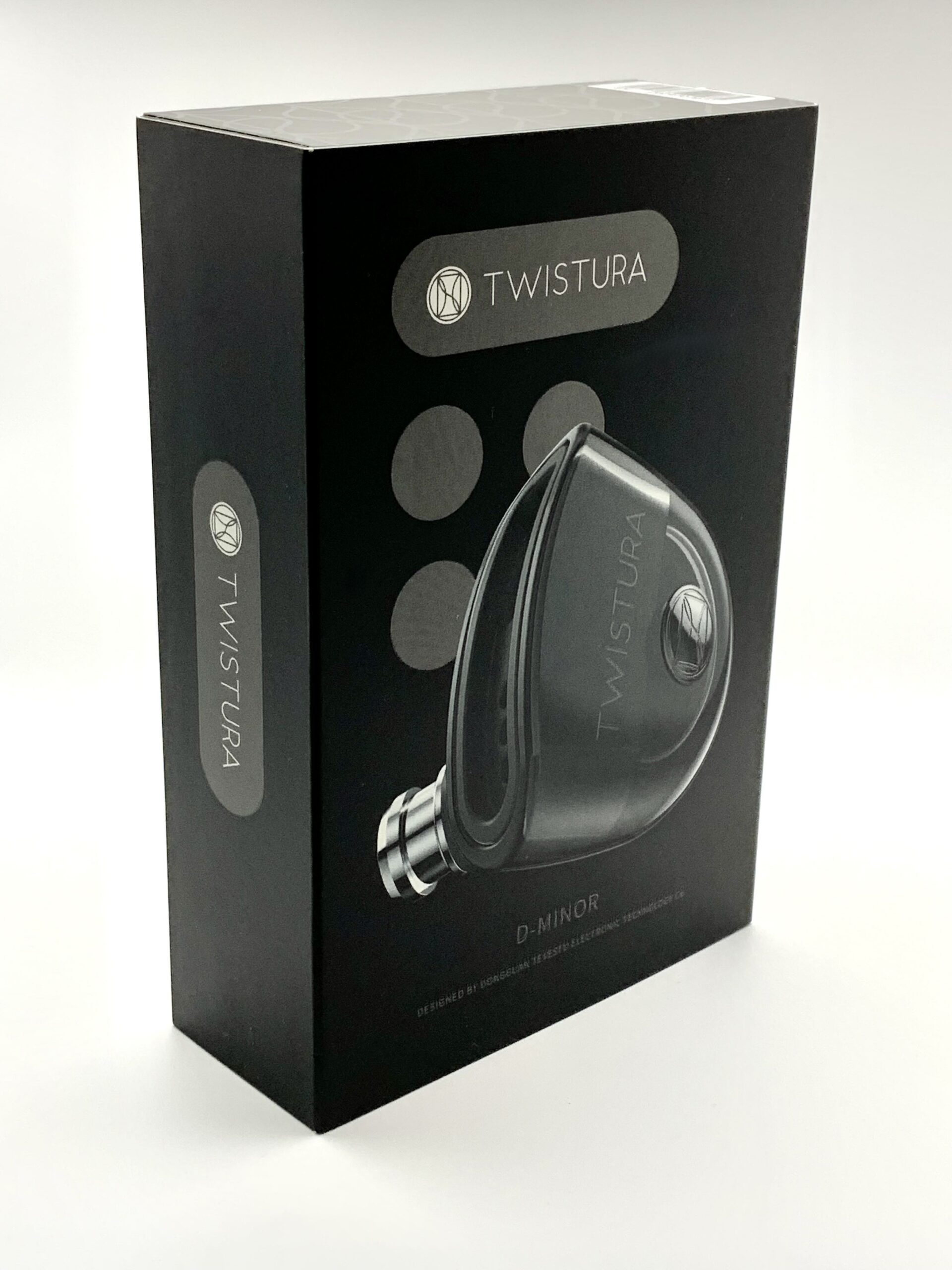
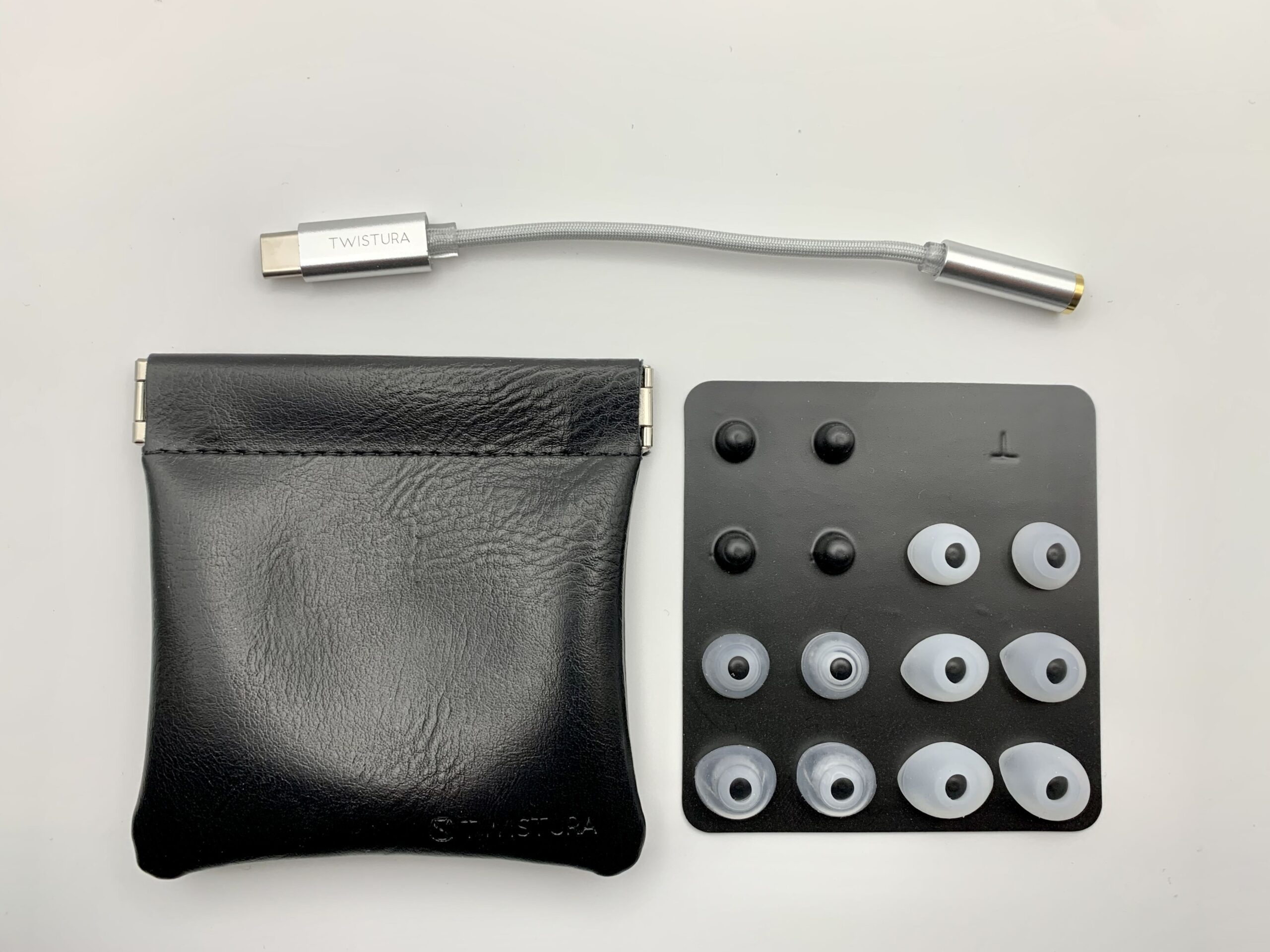
So I chose the D-Minor in the wired version with a microphone, making them suitable for both work and calls. The package includes two sets of ear tips in three sizes, S M L, to find the right balance between comfort and isolation. Three interchangeable filter tubes allow you to tailor the sound output to your personal taste. A mini USB dongle enhances listening quality when using a smartphone or PC. To complete the package, there’s a carrying case, a small pouch with a spring closure, similar to those once used for coins. Pressing the ends opens it. A simple but effective solution.
All this is available for around 33USD, exchange rate permitting.
You can see why a product with such a good reputation and such a comprehensive set of features, typical of price ranges well above 100USD, couldn’t help but pique my interest. Below I’ll tell you how the test went. And yes, you’ll read some great things.
Technical Specifications and Product Description
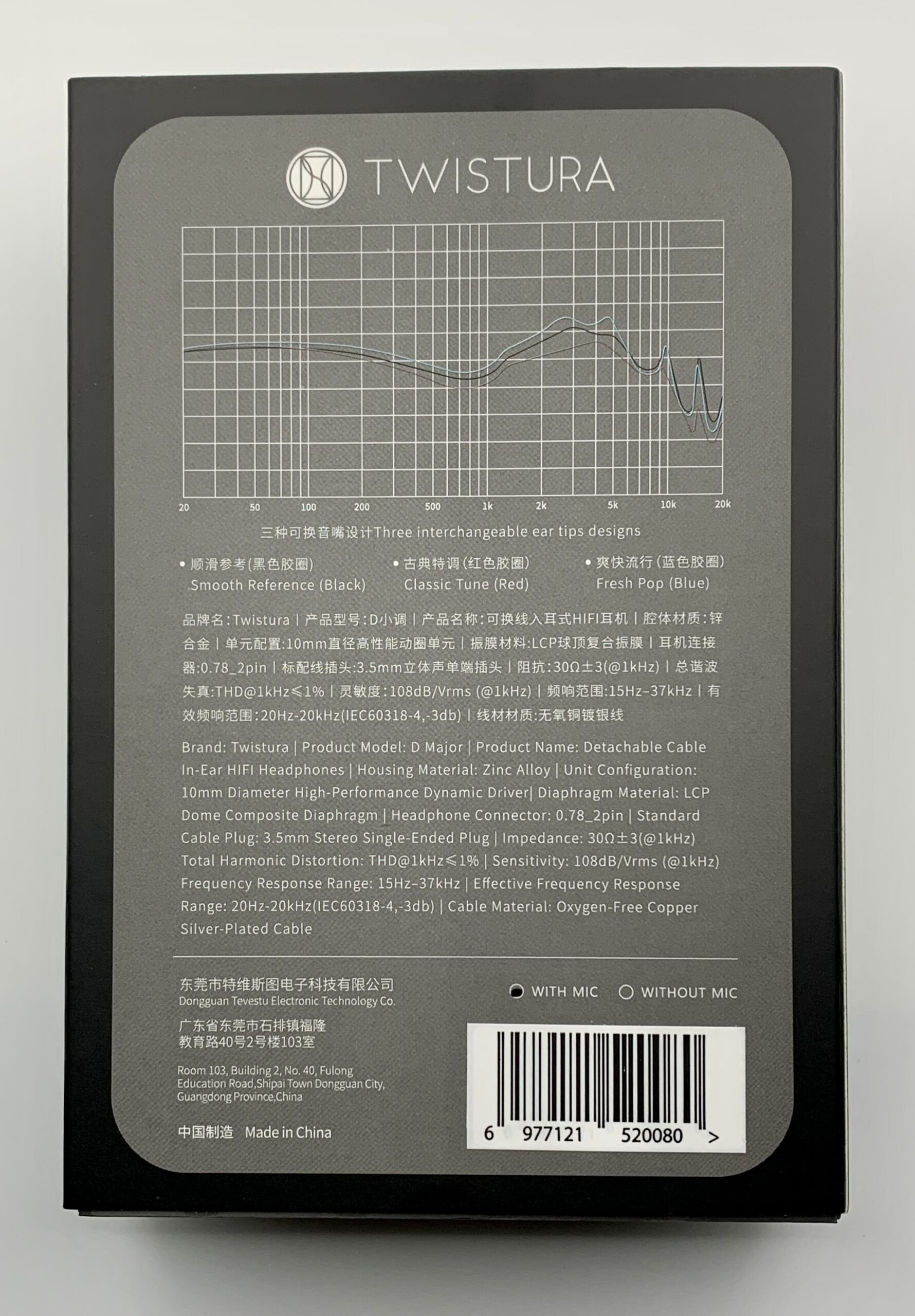
Below is a price-list-style spec sheet, useful for getting a feel for the Twistura D-Minor before delving into the listening experience.
Driver: Single dynamic
Configuration: 10 mm high-performance dynamic driver
Diaphragm material: LCP dome composite
Impedance: 30 Ω ±3% at 1 kHz
Sensitivity: 108 dB Vrms at 1 kHz
Frequency response: 15 Hz – 37 kHz
Headphone connector: 2-pin 0.78 mm
Cable material: Silver-plated OFC copper
Standard connector: 3.5 mm jack
Respectable specifications for a budget IEM. That said, as I often say, numbers don’t tell the tale. Listening does.
Packaging and Accessories
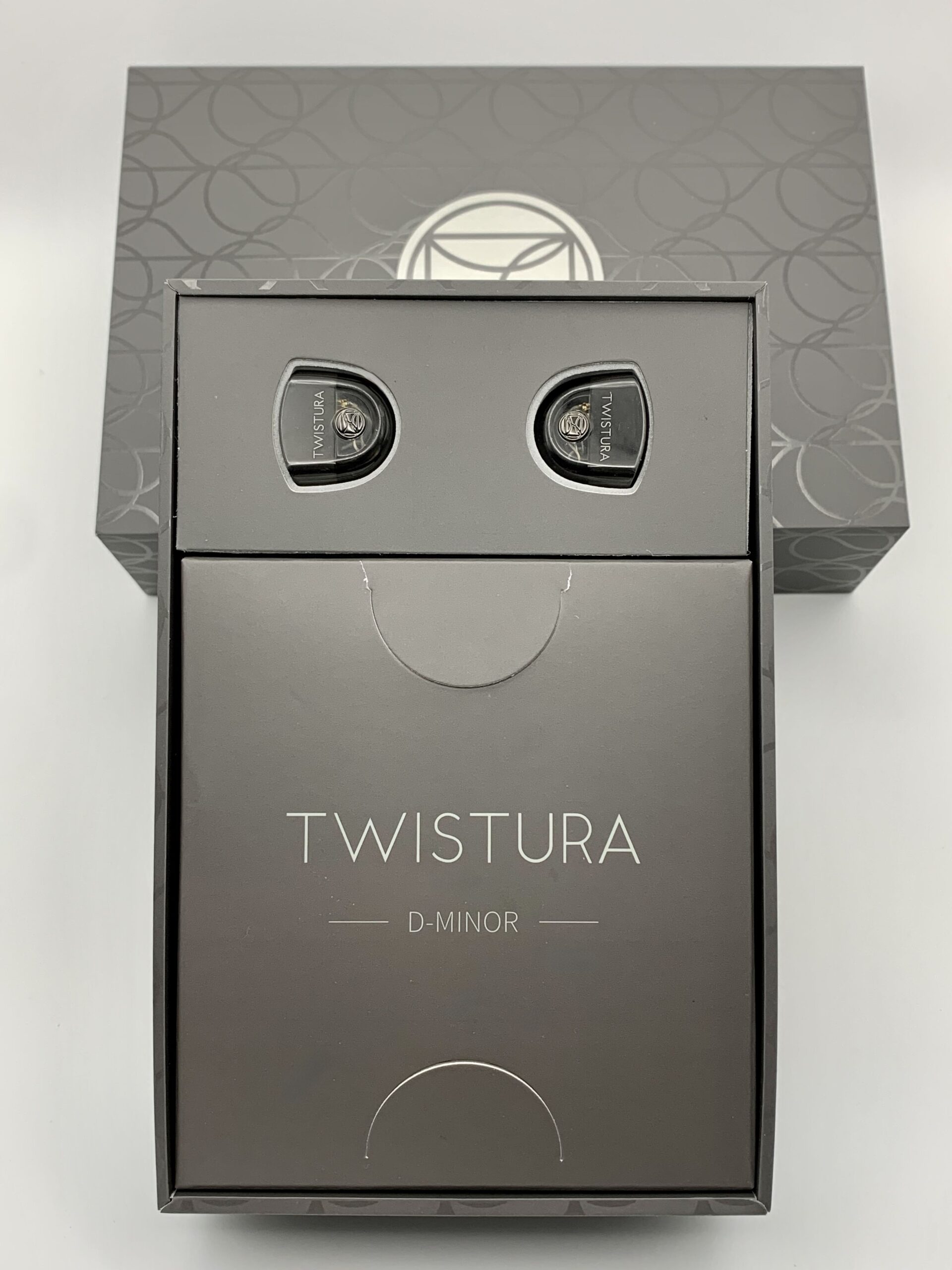
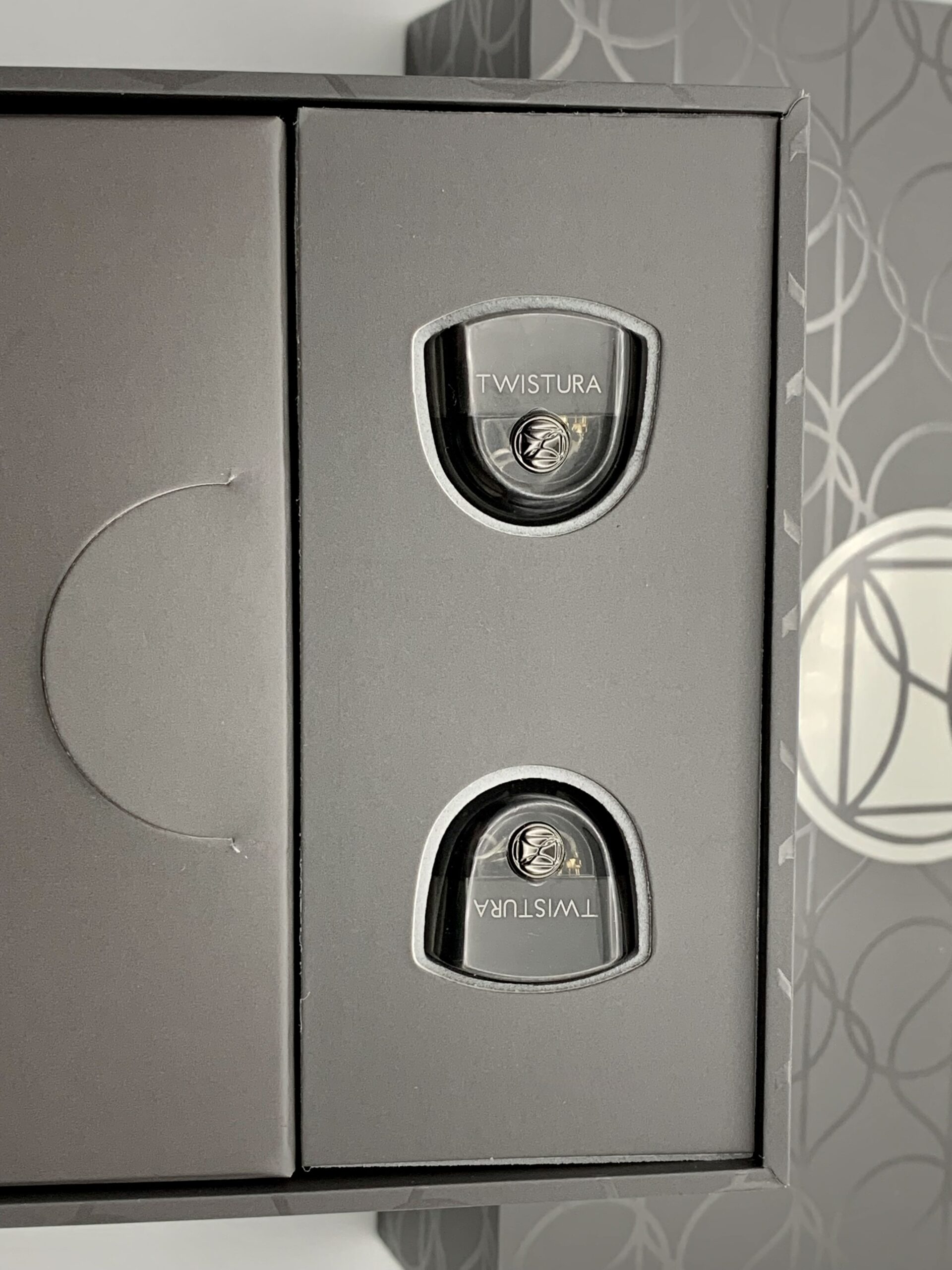
Opening the compact and well-organized box, you immediately get a good impression of its solidity and attention to detail. Inside, we find the IEMs, the cable, two complete sets of ear tips, and the dongle for listening from a phone or PC.
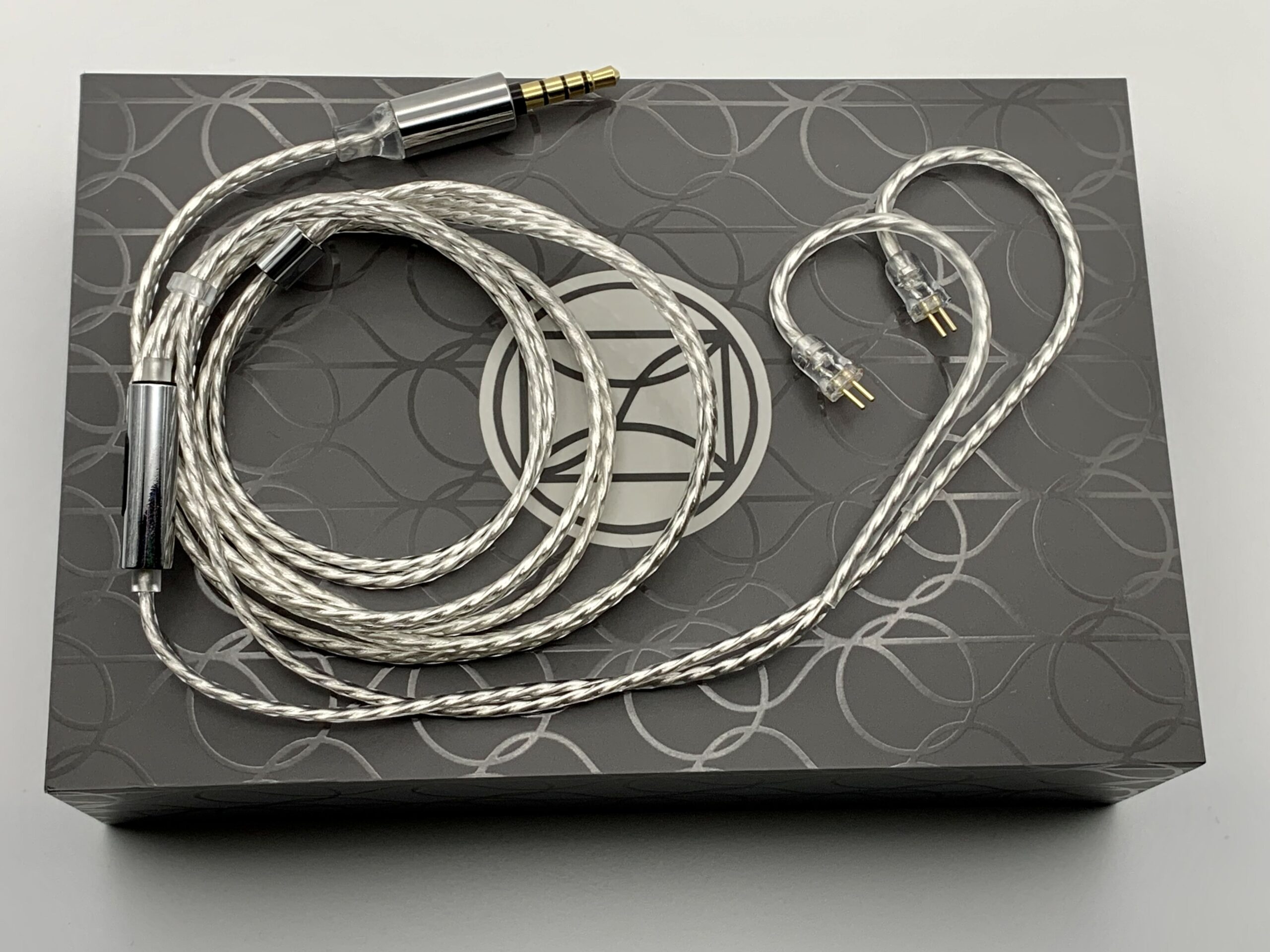
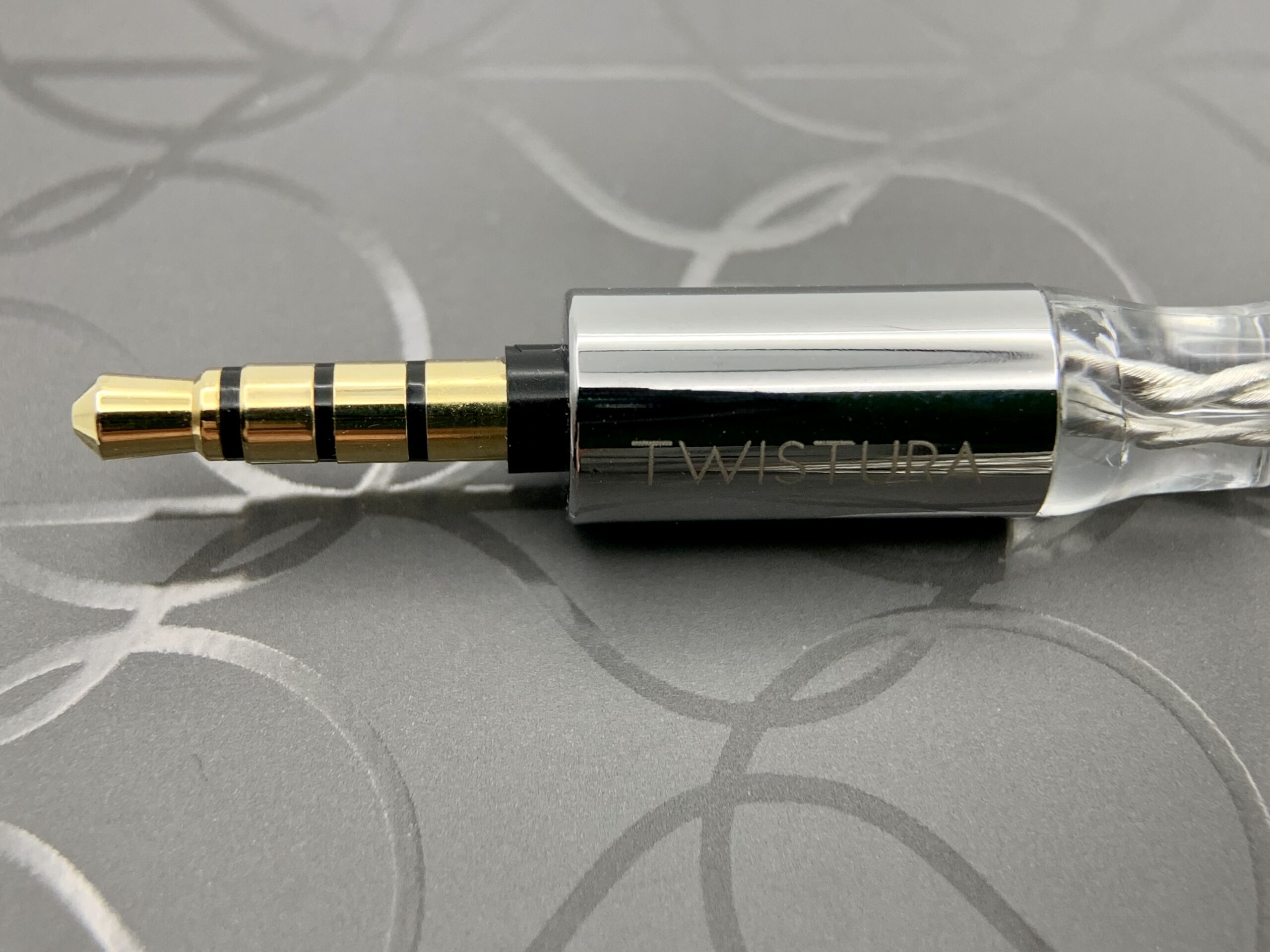
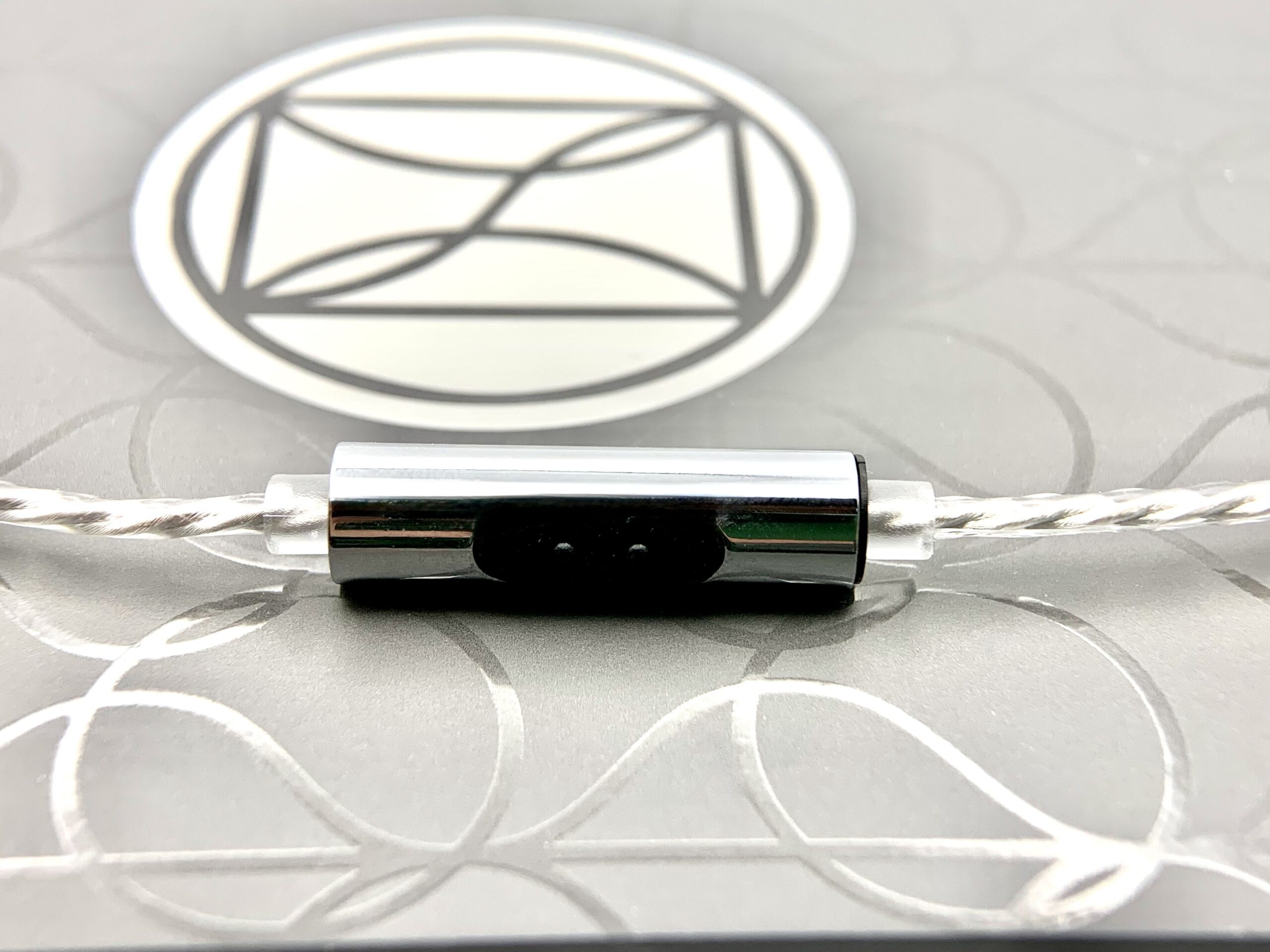
The included cable is a silver-plated OFC with 0.78 mm 2-pin connectors. It’s not a high-end cable, but the quality is more than adequate. Considering that Twistura also produces dedicated cables, it’s clear that a certain amount of attention to design went into this accessory. It’s not too thick or stiff, it’s easy to handle, and it tends to tangle-free. It comes standard with a fixed 3.5 mm jack.
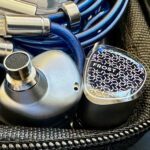
A carrying case is also included, useful not only for the headphones but also for storing the dongle when not in use. The accessories are basic but complete, and at the same price, competitors often don’t offer this.
Eartips
The eartip kit is simple yet functional. There are two types: a clear silicone set and a softer white silicone set. There are no other options, but they are housed in a rigid support that keeps them separate and spaced. This prevents direct contact inside bags or boxes, where they tend to warp or stick together over time. This is another small sign of attention to detail.
Case Included
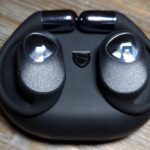
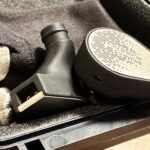
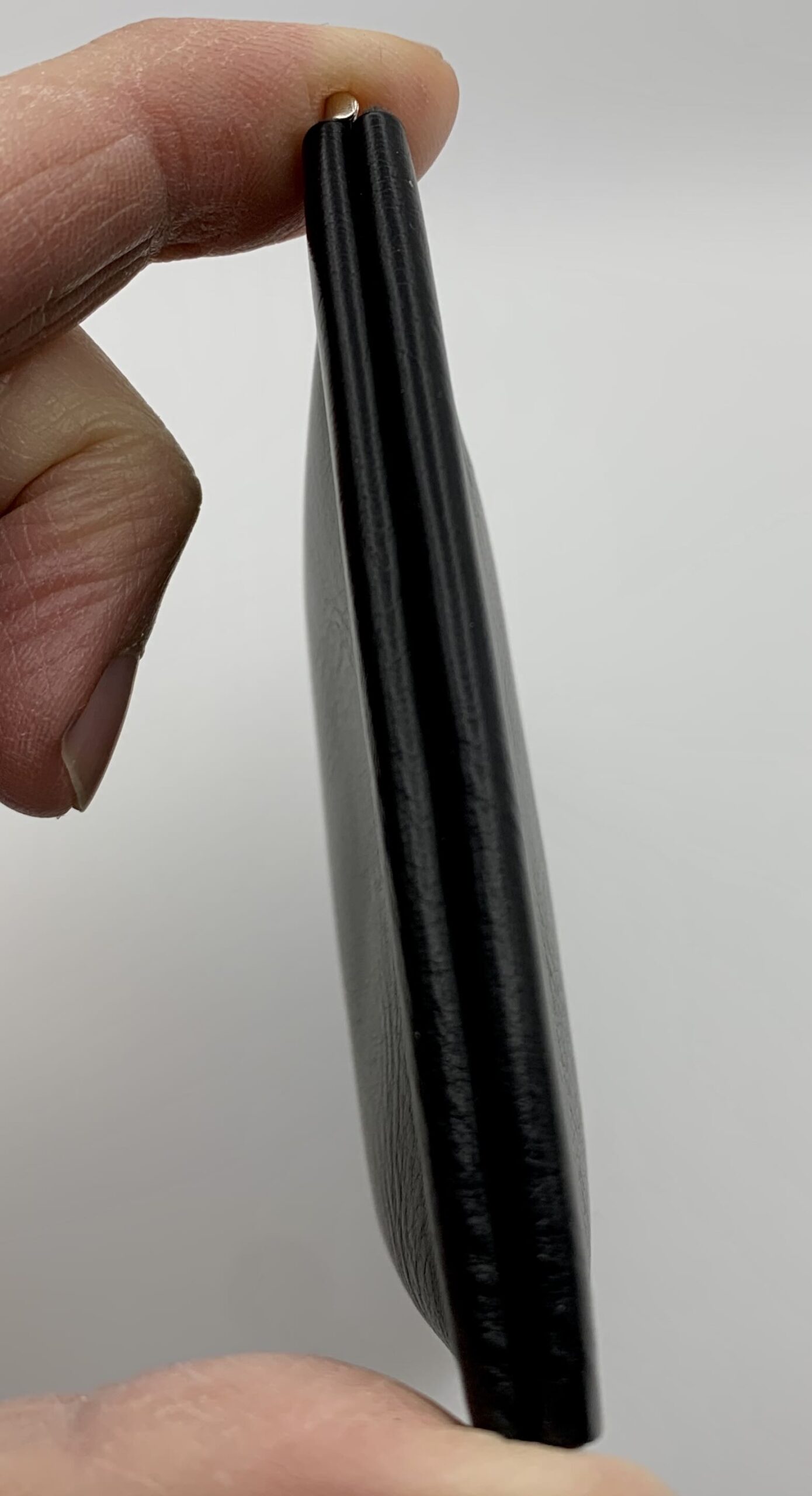
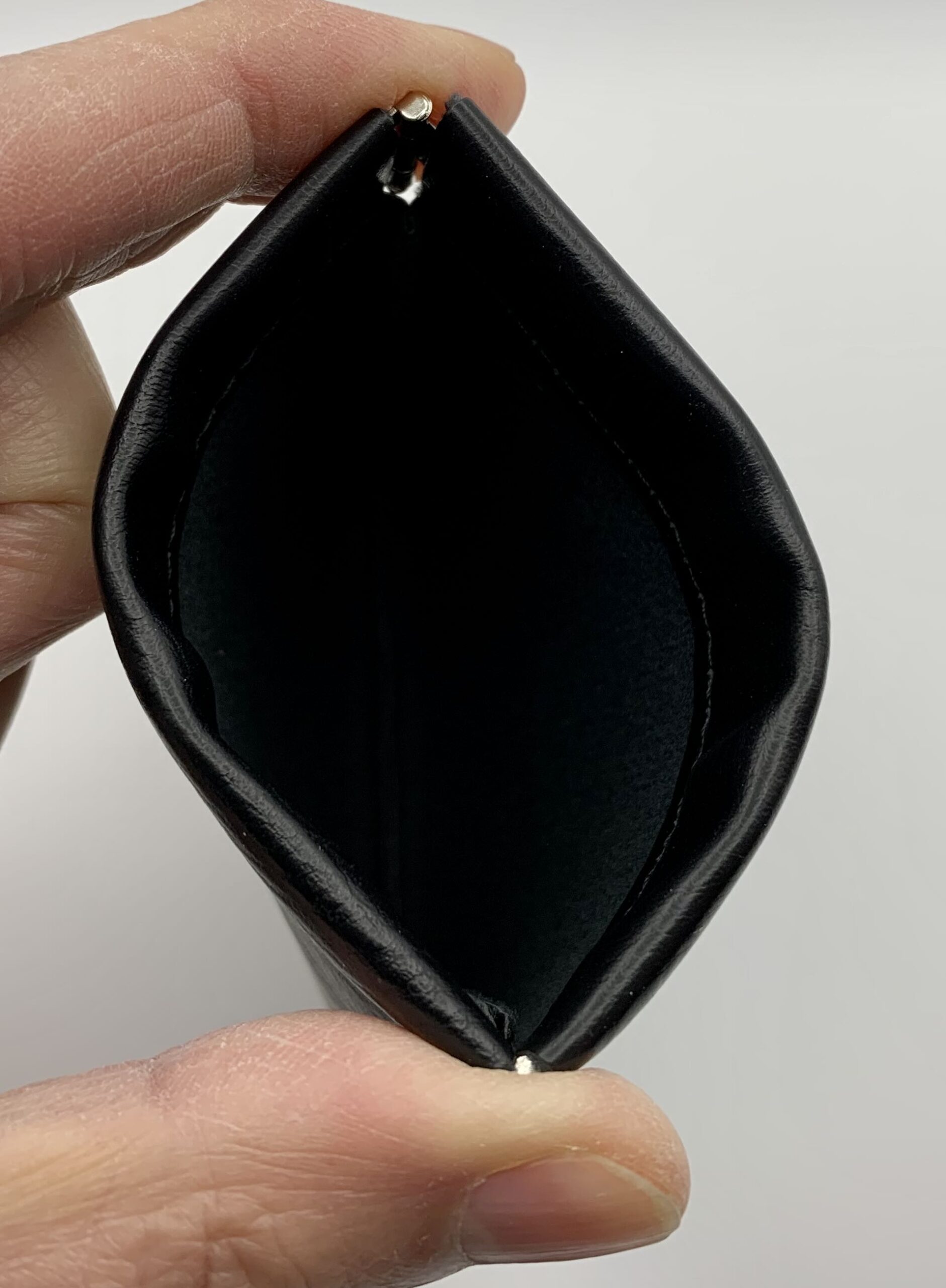
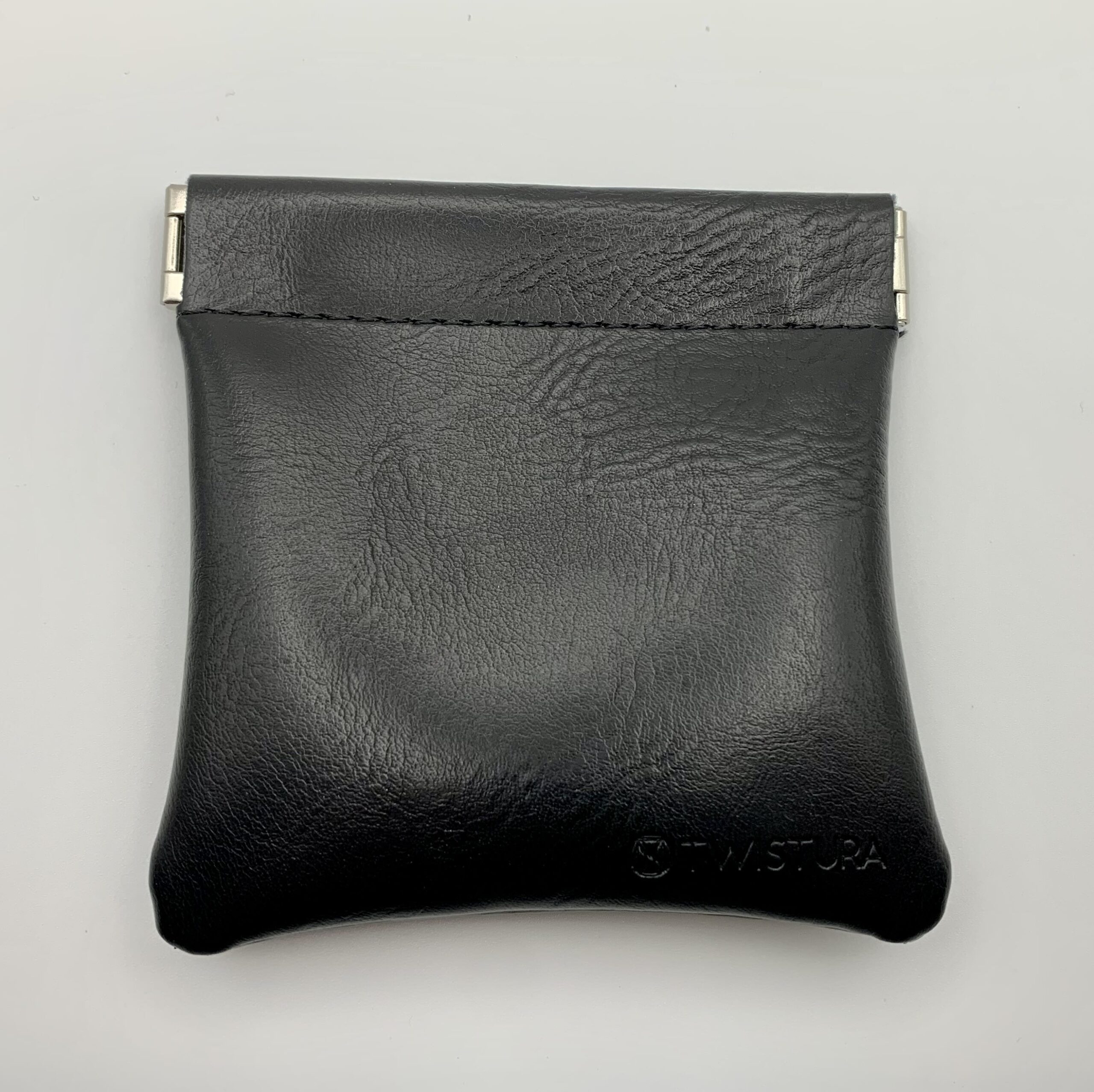
The case deserves a special mention, not so much for the material as for the closure system. Typically, in this price range, you’ll find the classic faux suede pouches. Here, however, we have a black faux leather case with a spring closure. Pressing the ends opens it, allowing you to easily insert or remove the headphones.
Upon arrival, the dongle is already included. This is a smart solution for two reasons. First, there’s no risk of the contents accidentally falling out. Second, it reduces the risk of dust, dirt, or other objects in your pockets, such as coins or keys, getting in and damaging your IEMs.
Cable
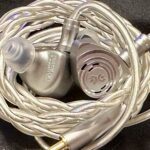
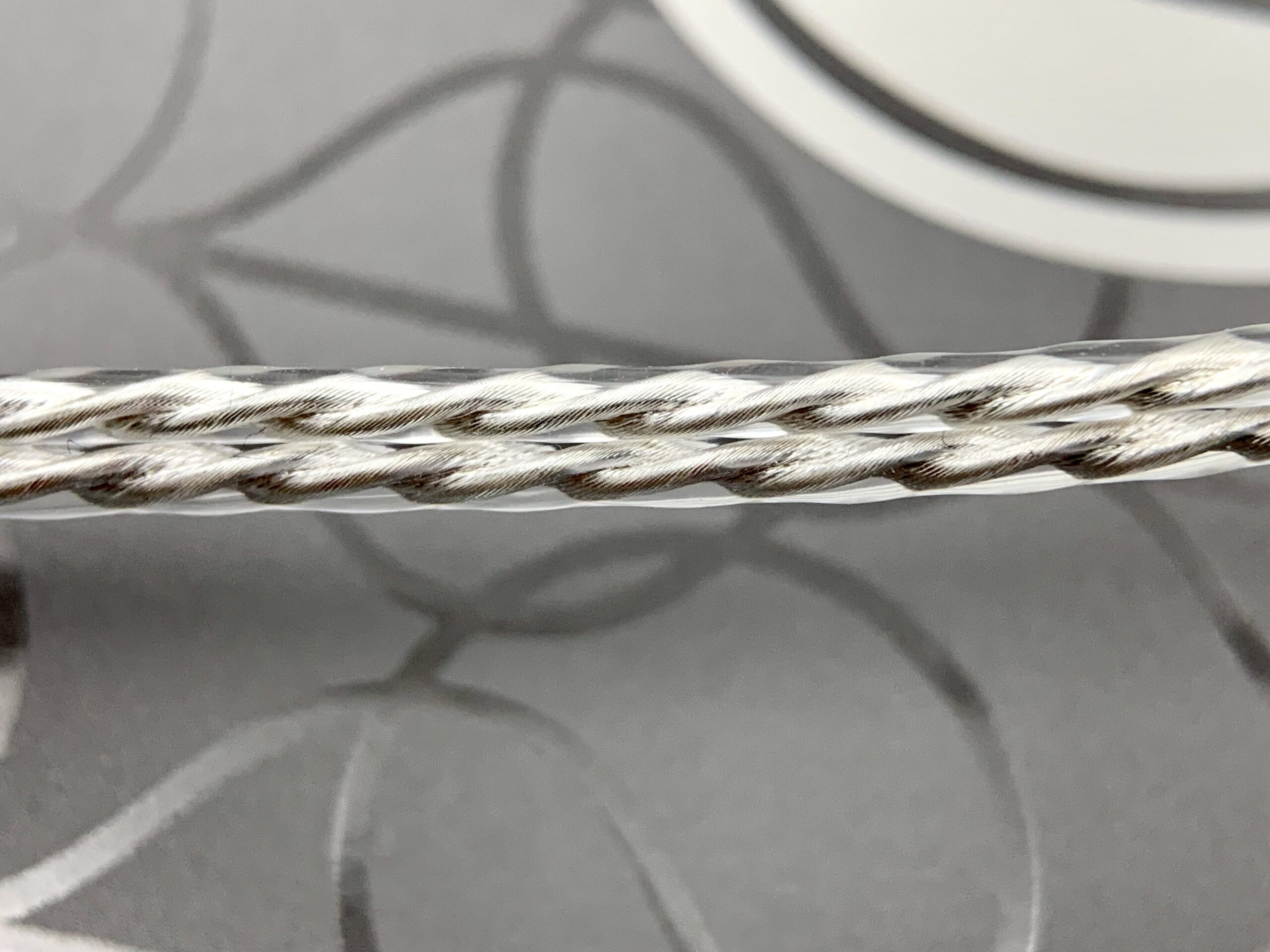
The supplied cable is a four-conductor cable made of high-purity, silver-plated OFC copper. Each channel uses two insulated conductors connected in parallel, a solution that creates a relatively flat structure and helps reduce the tendency to tangle. The result is a lightweight and easy-to-handle cable.
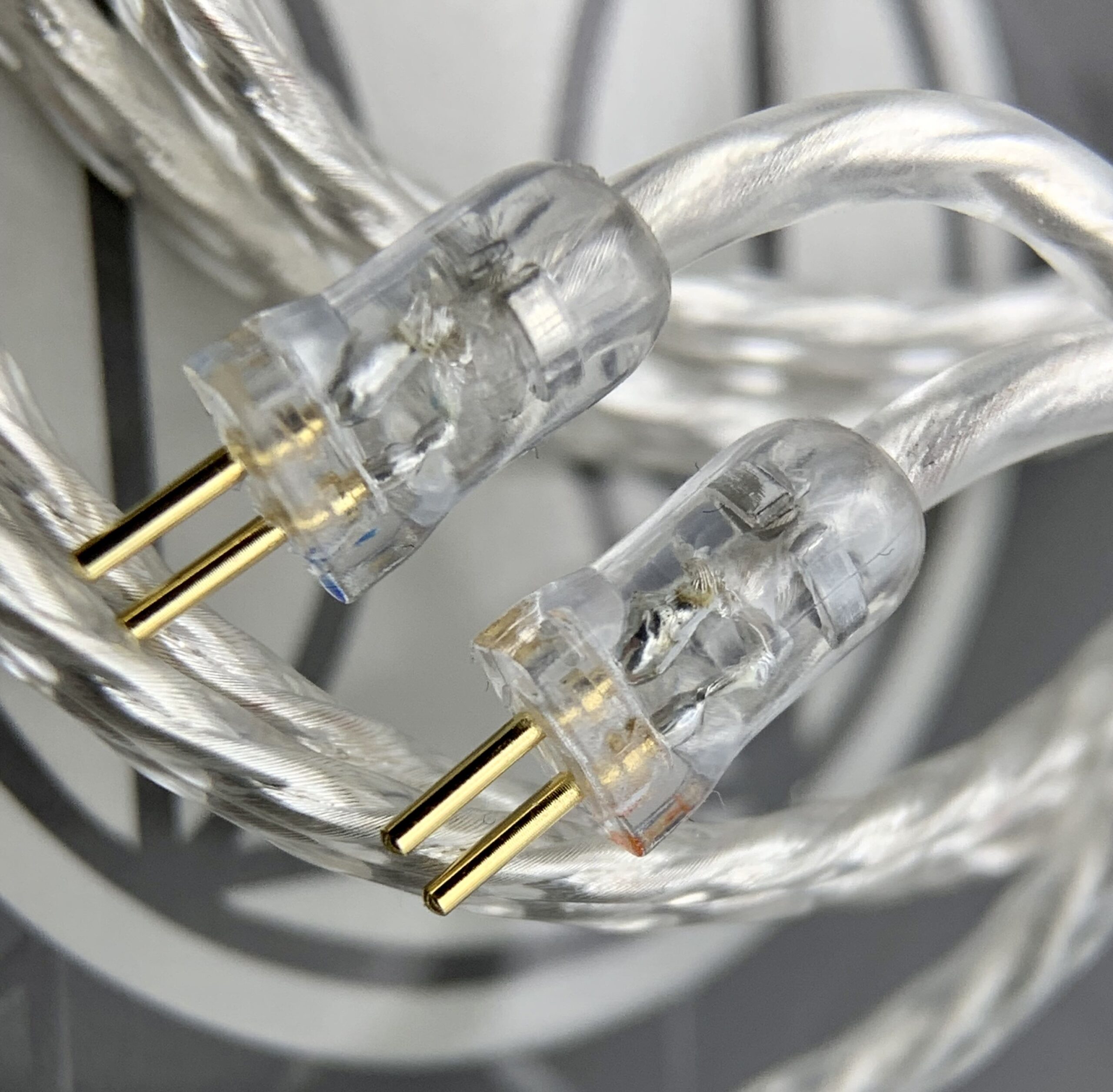
On the IEM side, we find the 0.78 mm two-pin connectors. At the opposite end is a four-pin 3.5 mm jack, in this case complete with microphone.
From a functional standpoint, the choice of silver-plated OFC copper ensures clean and consistent signal transmission, without introducing noticeable coloration. It’s a cable that does its job without being overwhelming, allowing vocals and instruments to emerge naturally.
I chose the version with a microphone, which, while not essential for a purely audiophile context, makes the D-Minor decidedly more versatile for everyday use. When purchasing, you can also opt for the version without a microphone, favoring simplicity.
Construction, Design, and Internal Components
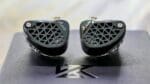
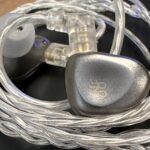
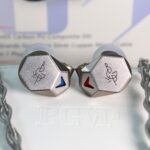
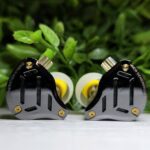
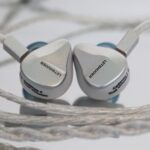
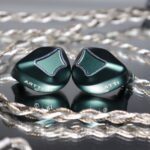
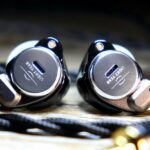
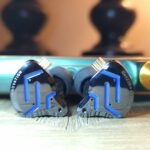
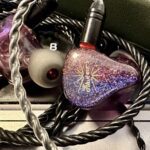
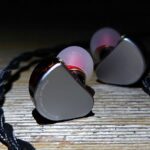
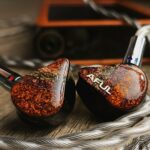
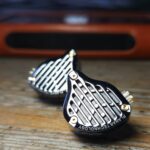
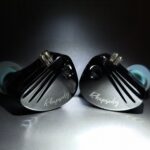
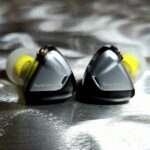
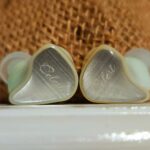
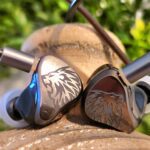
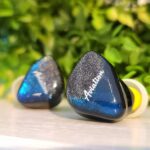
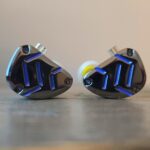
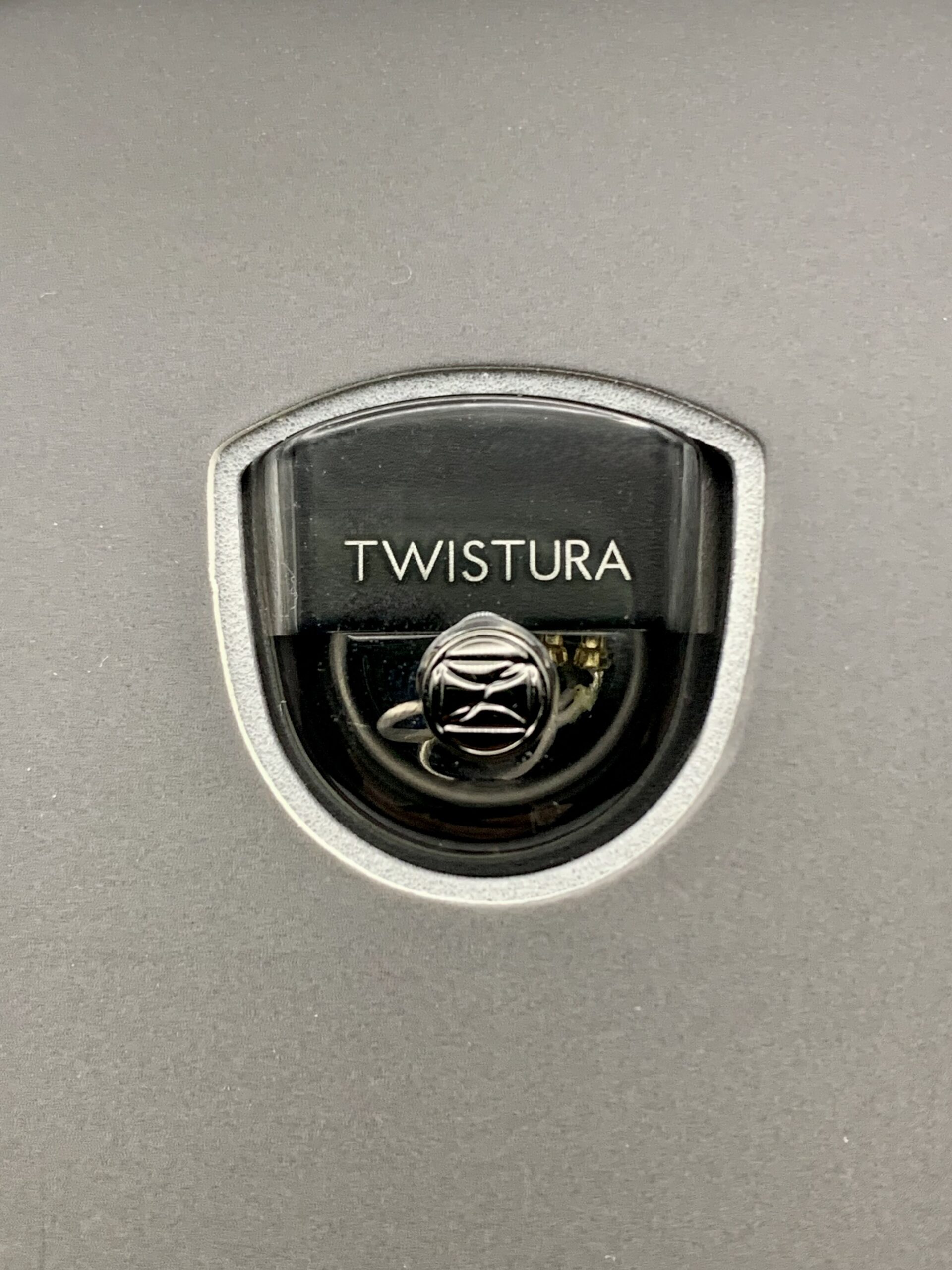
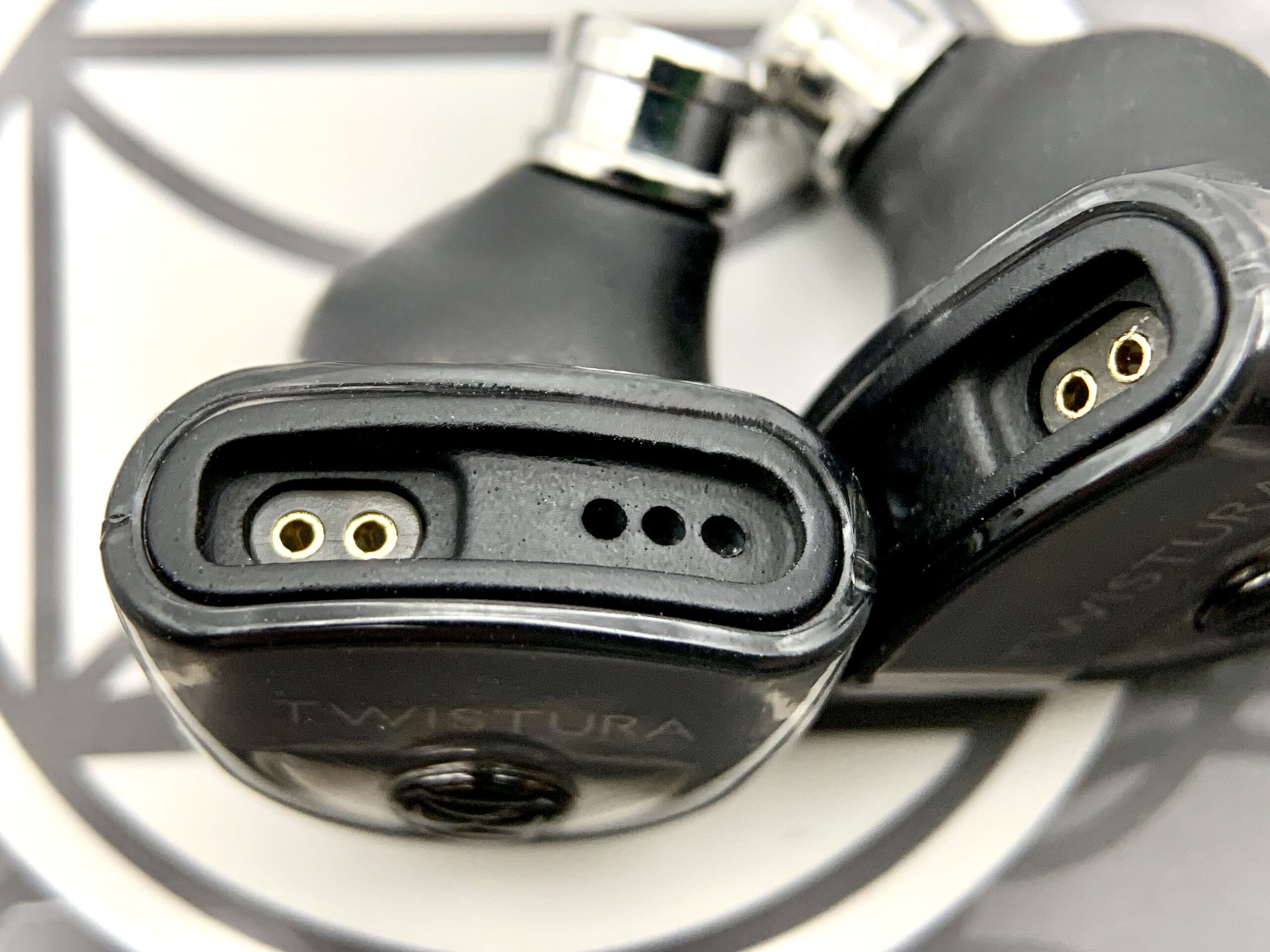
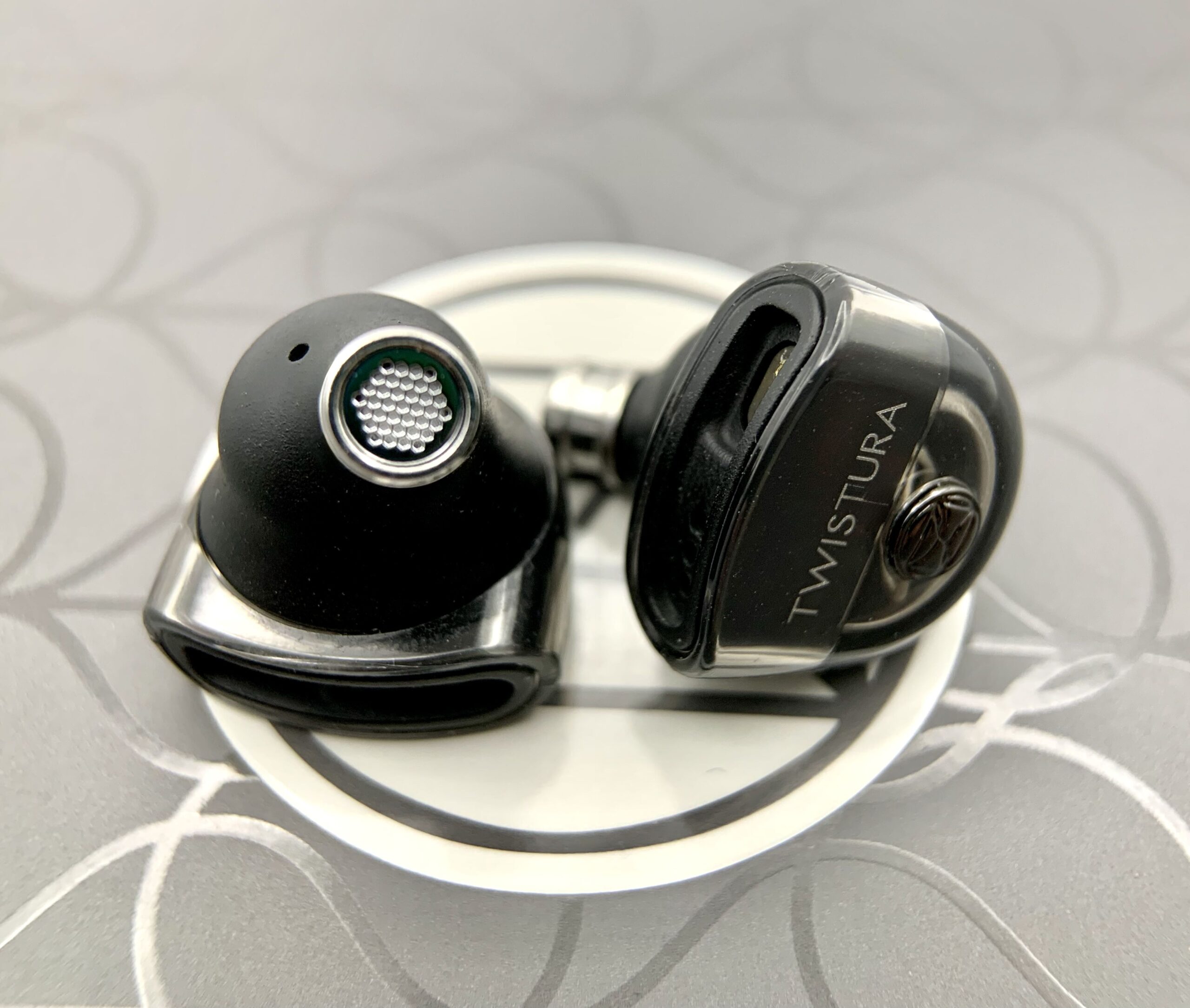
The D-Minor headphones feature a mixed construction combining zinc alloy and 3D resin, a choice that balances strength and lightness. The front of the shell is made of zinc alloy, conveying a sense of solidity, along with a clean, uncluttered metallic finish. The rear chamber is made of 3D resin, a solution that improves oxidation resistance and offers greater aesthetic freedom.
The combination of the two materials is well-integrated and conveys an overall sense of quality craftsmanship. The design remains understated, yet not bland.
Inside, a 10mm dynamic driver with a dual-magnet structure is used, designed to improve efficiency and reduce distortion. The driver is paired with a composite dome diaphragm made of LCP, a material chosen for its rigidity, low weight, and thermal stability.
The result is a rapid and controlled transient response, with precise reproduction, especially at high frequencies, without sacrificing coherence and naturalness. Even at high volumes, the diaphragm maintains good stability, contributing to clean and uncluttered reproduction.
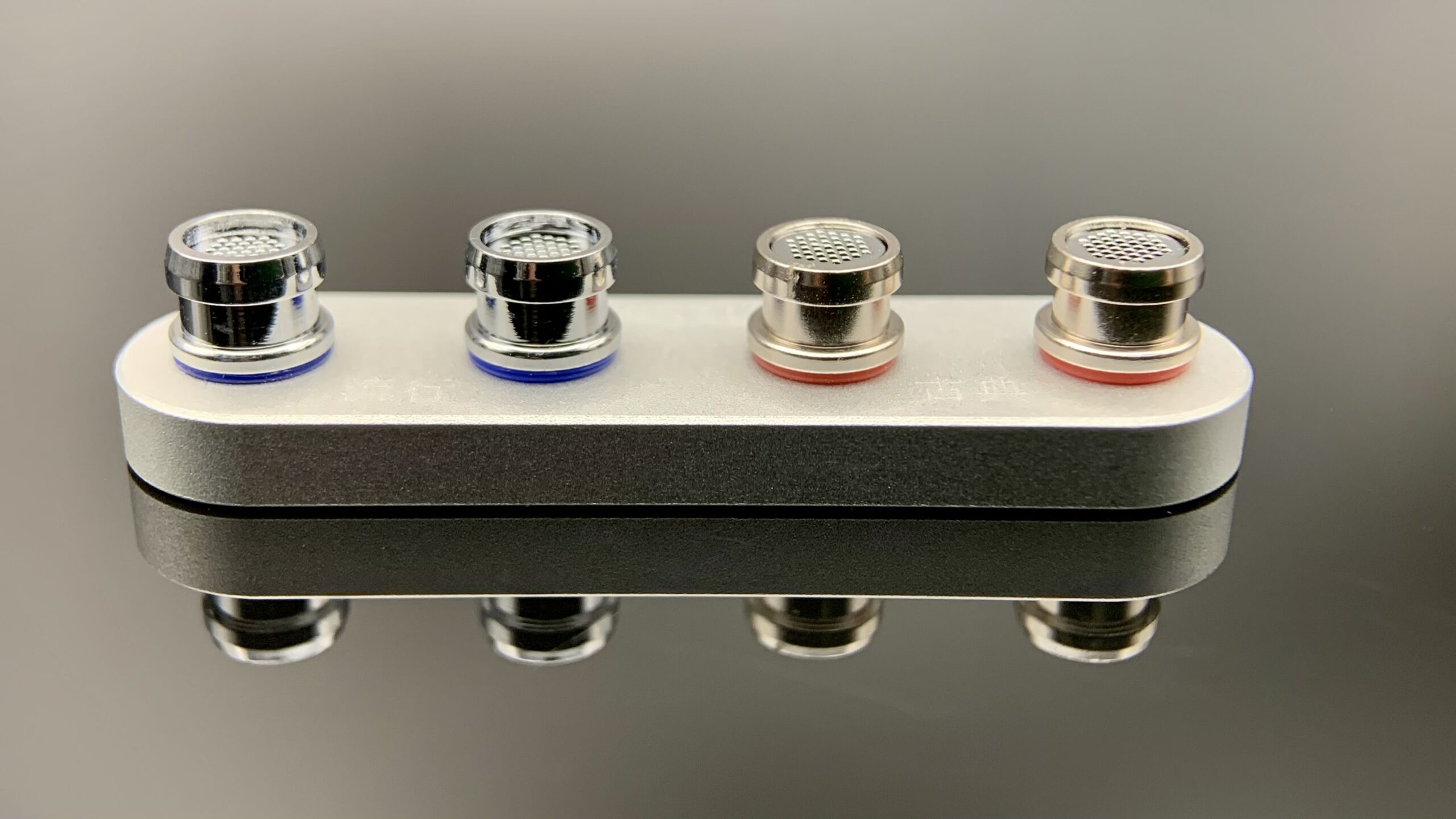
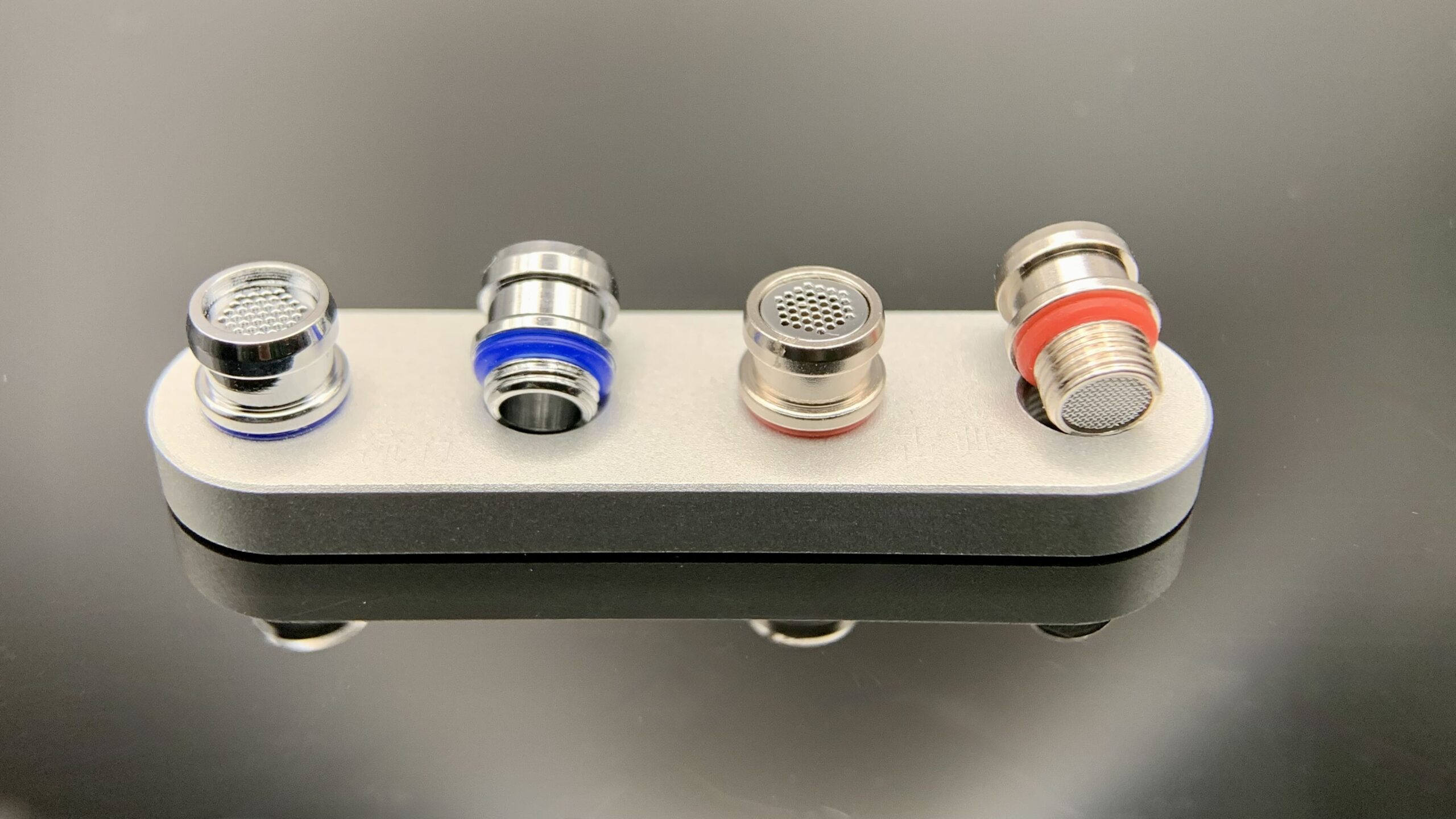
The D-Minor also uses an interchangeable filter system that allows you to adjust the sound mechanically, without resorting to equalization or DSP. The Reference, Classical, and Pop filters affect resonance and overall balance, allowing you to tailor the IEM’s character to your tastes.
Fit and Comfort
In terms of comfort, the D-Minor performs well overall. The earcups are compact, lightweight, and never feel bulky, a crucial quality for extended listening sessions. The shape follows an unconventional ergonomic design, yet is easy to adapt.
In my case, insertion was immediate and I didn’t need constant adjustments. Even after several hours, I didn’t experience fatigue or pain, making them suitable for everyday use.
Isolation is discreet but not extreme, thanks to the ventilation of the dynamic driver. This contributes to a more natural sensation in the ear canal. It’s important to note, however, that the depth of insertion affects the sound output. A shallow insertion produces a more open and light sound in the bass, while a deeper insertion emphasizes the low range more.
Driveability and Source Pairing
With an impedance of approximately 30 ohms and high sensitivity, the D-Minor are easy to drive. Powerful sources aren’t required to achieve adequate volume.
I tested them with smartphones, DAC dongles, and amplified DACs. In all cases, they performed well, without background noise or lack of control. With more refined sources, I noticed clearer detail and a slightly more open soundstage, without distorting the sonic signature.
Overall, they are flexible IEMs, suitable for both casual use and mid-range portable sources.
Sound Impressions
After a burn-in period of about twenty hours, I moved on to listening tests. From the very first tracks, it’s clear that the D-Minor isn’t trying to impress at all costs, but rather aims to deliver a musical and well-balanced sound. The overall signature leans slightly toward the low end, but thanks to the interchangeable filters, it can be easily adapted to different tastes and listening preferences.
Below, I’ve organized my impressions into three distinct listening profiles based on the replaceable filter tubes, classified as Reference, Classical, and Pop, each reflecting a specific way of using and enjoying these IEMs.
Timbre
The timbre is consistent and pleasant, designed more for everyday listening than for intense critical analysis. It changes noticeably with the filters, but remains recognizable.
Reference: Balanced and linear, without any particular emphasis. This mode best conveys the overall intent of the project, with a sound that doesn’t seek to impress but to accompany. Everything is in its place, and the listening experience is predictable in the best sense of the word, ideal as a basis for evaluating the rest of the D-Minor’s performance.
Classical: More open and light, with a feeling of greater clarity and airiness. The listening experience is more relaxed and organized, with less perceived density but also less fatigue. This is the mode I find most suitable for long sessions and for those who prefer a more natural, less “pushed” setting.
Pop: The timbre changes more noticeably, becoming warmer and more immediate. The sound is more energetic, less neutral, and clearly geared toward entertainment. This mode sacrifices some tonal accuracy in favor of a more engaging and direct impact.
Bass
The low range of the D-MINOR is well present and contributes significantly to the overall character of the headphones. It’s not extremely deep or “bass head” bass, but rather controlled and fairly fast, with a preference for mid-bass over sub-bass. Here, too, the filters play a key role.
Reference: The bass is well integrated into the mix, with a good balance between presence and control. The punch is clean, the decay is correct, and it never tends to invade the midrange. It’s a versatile performance that works well with many genres without requiring compromise.
Classical: The bass loses some weight and impact, but gains in definition and order. The low range becomes more discreet and less prominent, leaving more space for the mids. This choice prioritizes clarity and clarity over physical involvement.
Pop: It sharply emphasizes the mid-bass, making the sound fuller and more rhythmic. The bass becomes more present and physical, with a more evident impact that makes listening more engaging, especially with pop, electronica, and modern rock. It’s less refined, but more fun.
Mid
The mids are correct and easily discernible, but they don’t constitute the absolute fulcrum of the sonic signature. Vocals remain comprehensible and natural, even if the main focus is often on the frequency extremes, especially with certain filters.
Reference: The mids are slightly recessed but well-integrated. Vocals sound realistic, without obvious colorations, and find a natural place within the soundstage. They aren’t foregrounded, but they aren’t sacrificed either.
Classical: It emphasizes the midrange more, making vocals more present and better sculpted. This mode provides the cleanest and most natural sound on acoustic instruments, jazz, and singer-songwriters, with a sense of greater tonal balance.
Pop: The mids fade slightly, in favor of more energetic bass and highs. Vocals remain intelligible but less central, with a sound that prioritizes overall impact over focus.
Highs
The highs contribute significantly to the D-MINOR’s sense of openness and brightness. They don’t aim for extreme refinement or a silky presentation, but they deliver good extension and an overall pleasant sound that changes noticeably depending on the filter used.
Reference: The highs are well-balanced and controlled. There’s a good amount of detail without excess, with a sound that avoids obvious sibilance and remains fairly secure even over prolonged listening.
Classical: Opens up the highs more, making the sound more airy and bright. Harmonics emerge more naturally, and the soundstage benefits from this, without, however, becoming aggressive.
Pop: The highs become brighter and more incisive. The sound gains liveliness and presence, but on already loaded recordings or at high volumes, it can be less controlled, requiring some attention.
Soundstage
The D-MINOR’s soundstage is well-constructed for the price range, with a credible and never claustrophobic soundstage. It’s not huge, but it provides a good sense of space and air between the instruments.
Reference: The soundstage is well-proportioned, with a balanced distribution of width and depth. The presentation is natural and coherent, without artificial effects.
Classical: The soundstage opens up more, especially in width. The music seems to breathe more, and the separation between instruments is more evident.
Pop: Tends to make the soundstage more compact and frontal. The presentation is more direct, less airy, but also more engaging in terms of impact.
Imaging and Separation
Imaging and separation are adequate and consistent with the headphones’ general setup. We’re not at professional monitor levels, but the instrument placement remains legible.
Reference: Imaging is stable and credible, with well-placed instruments that are easy to follow even in complex mixes.
Classical: Slightly improves separation, making it easier to identify individual musical lines and follow complex arrangements.
Pop: Separation fades into the background compared to the overall impact, but the soundstage remains tidy and comprehensible.
Detail
The level of detail is consistent with the price and the philosophy of the D-MINORs. They are not analytical IEMs, but they deliver more than enough information for a satisfying and engaging listen.
Reference: Detail is natural and not overemphasized, with a balanced performance that doesn’t tire or attempt to artificially overwhelm.
Classical: Provides a sense of greater clarity and definition, especially in the high frequencies, allowing fine details to emerge more clearly.
Pop: Micro-detail is less prominent, but the sound gains body, energy, and immediacy, prioritizing the listening experience over analysis.
Listening Tests
For practical feedback, I selected three tracks representing different musical genres. These tests help us understand how the D-Minor handles real-world listening situations, rather than ideal or “lab” listening situations. The tests were conducted using various sources, both fixed and portable, including the iFi Go Link Max, xDuoo Link2 Max, and Aune N7, to assess the headphones’ performance in different, more everyday contexts.
Jazz

Patricia Barber – This Town, from Clique
An excellent album, very well recorded and recorded, where each individual instrument emerges clearly, without overtones or reverberations. The track is built around a very advanced and predominant double bass, drums set back, and vocals in the foreground. The piano is also present, replacing the vocals in some passages.
Technically, there are no obvious difficulties, except for the double bass, which, if not well controlled, risks excessive vibrating, muddying the vocals. The drums, in their appearances, have a rather dry sound, aided by the use of sticks on the edges and cymbals, with little presence of bass drum.
The D-Minor performed well. They didn’t overdo the double bass, and the vocals remained consistently present and well-defined. The drums were consistent and well-defined. There was a moment of fullness with the piano that I thought would create confusion, but instead everything remained legible and coherent. The listening experience was musical, fluid, and never fatiguing, making the song very enjoyable even over long periods of time.
Southern Rock

The Marshall Tucker Band – 24 Hours At A Time, from Where We All Belong
A classic from the golden years. Those who own the vinyl know it’s a double disc, with one part recorded in the studio and one live. The recording, though dated, is more than good, both in the studio and live.
The peculiarity of this concert, beyond the pure musical pleasure, is the frenetic pace, especially in 24 Hours At A Time. The instruments chase each other frenetically, with the drums at times giving the impression of being off-beat. A strange sensation, which I admit could also be my perception. It’s a sequence of fast-paced rhythms, where spatiality becomes crucial given the presence of many instruments, but the truly essential aspect remains musicality.
This recording is so complex and frenetic that, if your speakers or headphones aren’t “musical,” listening can become almost annoying. Added to this is a rather exaggerated bass passage midway through the song, which tends to overwhelm the other instruments, yet is at the same time fascinating and vibrant.
The D-Minor did their job very well, both in terms of musicality and overall performance. Since this isn’t an analytical track, and the Twistura IEMs aren’t designed for extreme detail, the two aspects end up compensating for each other, allowing the musicality to emerge. The bass is beautifully vibrato, the guitar attacks are very musical, and the background violin, slightly recessed, is still clearly audible. Overall, listening was satisfying and coherent. I must say that, for budget headphones, the only thing that’s budget-friendly about them is the price, because the performance is that of a much higher-end IEM.
Rock

Lou Reed – Rock N’ Roll, from Rock N’ Roll Animal
A timeless classic. I won’t venture to add much, since this album has been the subject of so much hype.
The D-Minor were simply exceptional. Musical, capable of containing a guitar that could easily become annoying, with good rhythm on the cymbals, and a vocal that was always present and well-integrated with the rest of the band. During the solo, the guitar is electrifying, the sticks striking clearly, and when the bass kicks in to pick up the pace, the sound is well-defined, present, and separate.
Then the drums come in and it seems like chaos is about to begin, but the D-Minor remain unfazed. They continue to deliver music, without losing control, making for an extremely enjoyable listen. In this track, too much detail almost risks becoming annoying. The D-Minor, however, find the right balance between clarity and musicality, managing to bring the music back to life.
Final Thoughts
As you may have guessed, if I had to give my opinion, the D-Minor are excellent travel companions and are unlikely to disappoint. They can be ideal for work, for the daily commute between home and the office or school, or between the gym and the bar. In short, they are true everyday companions and, with the microphone, they won’t make you regret having headphones on even when the phone rings.
I sincerely believe the design is very sound. Twistura has found a good balance of timbre and music, a balance that is satisfying to listen to and encourages you to use them without too much fuss. Let’s always remember that we’re talking about headphones that cost just over 30USD, and that, even considering the accessories alone, represents a truly reasonable price. Personally, I thought they’d focused heavily on the features to compensate for perhaps only decent sound quality. In reality, the opposite happened. There’s a lot of quality and a lot of features too. In this price range, honestly, I think they’re my best purchase around 30USD. I haven’t yet found another product that can beat them so clearly.
For this reason, I recommend them without hesitation to virtually anyone. If you think you need at least 15USD or 20USD to buy a decent pair of computer headphones for video calls, with just over 10USD more you can get everything I’ve described in this review. Personally, I wouldn’t even bother. Even just to try them out, and if they don’t fully satisfy, they’re still perfect for giving to your kids for gaming or for worry-free everyday use.
RATING
If I were to evaluate these IEMs in their natural context, I would unhesitatingly award them 5 stars, because the quality-price ratio, combined with the accessory package, is objectively hard to beat. However, if the comparison is extended to higher-end and more expensive products, the performance gap becomes apparent, and it’s right to take this into account. For this reason, the overall rating settles at 4 stars. It remains a successful product and highly recommended, especially considering what it offers in its price range.
7,8 / 10
🟢 PROS
- Musical and natural sound
- Controlled and well-defined bass
- Good soundstage for the price range
- Never intrusive highs
- Comprehensive and intelligent features
- Excellent value for money
🔴 CONS
- Detail is only adequate compared to higher-end models
- At this price, it’s hard to ask for more
Recommendations
The Twistura D-Minor are ideal for those looking for an affordable IEM capable of offering good musicality without compromising ease of use. They’re particularly suitable for enthusiasts who listen to a bit of everything, genres where clarity is important but not crucial for listening pleasure, such as jazz, classical, acoustic, indie, and electronic hi-fi. I also see them as a good fit for those who don’t have, or don’t want to buy, a dedicated dongle, preferring a simple and immediate solution.
However, I don’t recommend purchasing them for those looking for exaggerated bass or very bright, aggressive highs, unless you’re willing to use equalizers or the included filters to tailor the sound to your tastes.
Where to buy
The D-Minor can be purchased for just over 30USD on the official Twistura website or the official AliExpress website.
I personally purchased the model reviewed here. Given the reasonable price, I was looking for a pair of work headphones for everyday use, especially after the Apple ones I was previously using broke due to my mistake.
As always, I would like to point out that this review is based on my own independent assessments and that I have no commercial relationship with any brands or distributors.




No Comment! Be the first one.