
































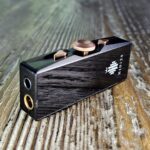
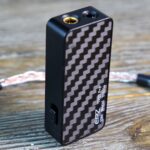
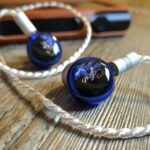
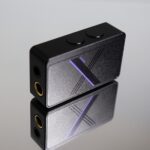
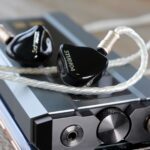
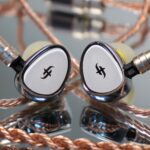

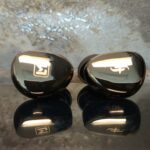
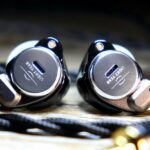
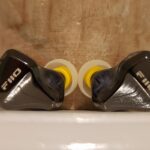
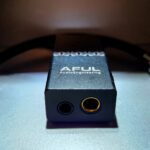









This review was born out of a desire to understand whether the xDuoo Link2 Max truly represents an evolution of an already solid, well-built, and distinctive product. As you know, I’m always quite critical when a “good” model is updated, fearing a superficial restyling disguised as a new product. That’s why I wanted to see if it really had the right credentials to call it Max.
Table Of Content
- Preface
- Build, unboxing, and accessories
- Link2 Max: Technical specifications (as per manual)
- Compact size, complete features
- Link2 Max – Filters and Gain
- Filter N° 1: Level Mode
- Filter N° 2: PCM Filter
- Filter N° 3: DAC Output Mode
- Filter N° 4: S/PDIF Out
- Filter N° 6: HW Mute
- Filter N° 7: Key Mode
- Filter N° 8: Screen Brightness
- Filter N° 9: Display Rotation
- Filter N° 10: Auto Creen Off
- Filter N° 11: Firmware Version
- Filter N° 12: Restore Factory Setting
- Link2 Max – Power Consumption
- Link2 Max – Sound Analysis
- Bass
- Mids
- Highs
- Soundstage
- Listening tests
- Early Classical Music
- Bluegrass/Progressive Acoustic
- Pop Rock
- Pairing
- Analytical
- Musical
- As a DAC in my home system
- VINTAGE
- PRIMARY SYSTEM
- Extended Conclusions
- Does it exceed expectations?
- VOTO
- 8,2 / 10
- Pros
- Cons
- Where to buy the xDuoo Link2 Max
Preface:
When I took the xDuoo Link2 Max out of the box, the question was simple: with all the dongles released in recent years, would it really be able to bring something new, or would it just end up in the “sounds good, that’s all” category? The OLED display, the dual output, and especially the two CS43198s had piqued my curiosity, but I feared the usual drawback of low-end xDuoo dongles, which are often too lively on the highs.
At the same time, I wanted to understand how it would power demanding, unforgiving planar headphones, and how quiet it would be with sensitive IEMs. The goal was to test it as a true portable companion, not expecting miracles, but with the desire to recognize when a product does things right.


Build, unboxing, and accessories:
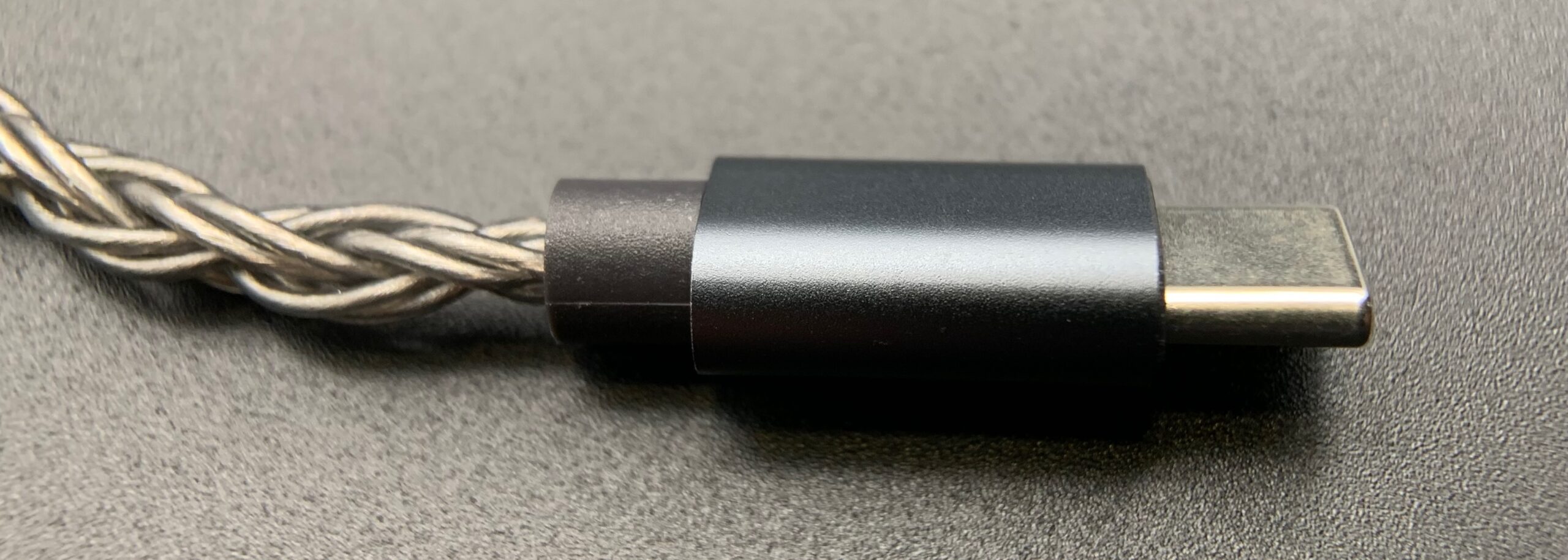
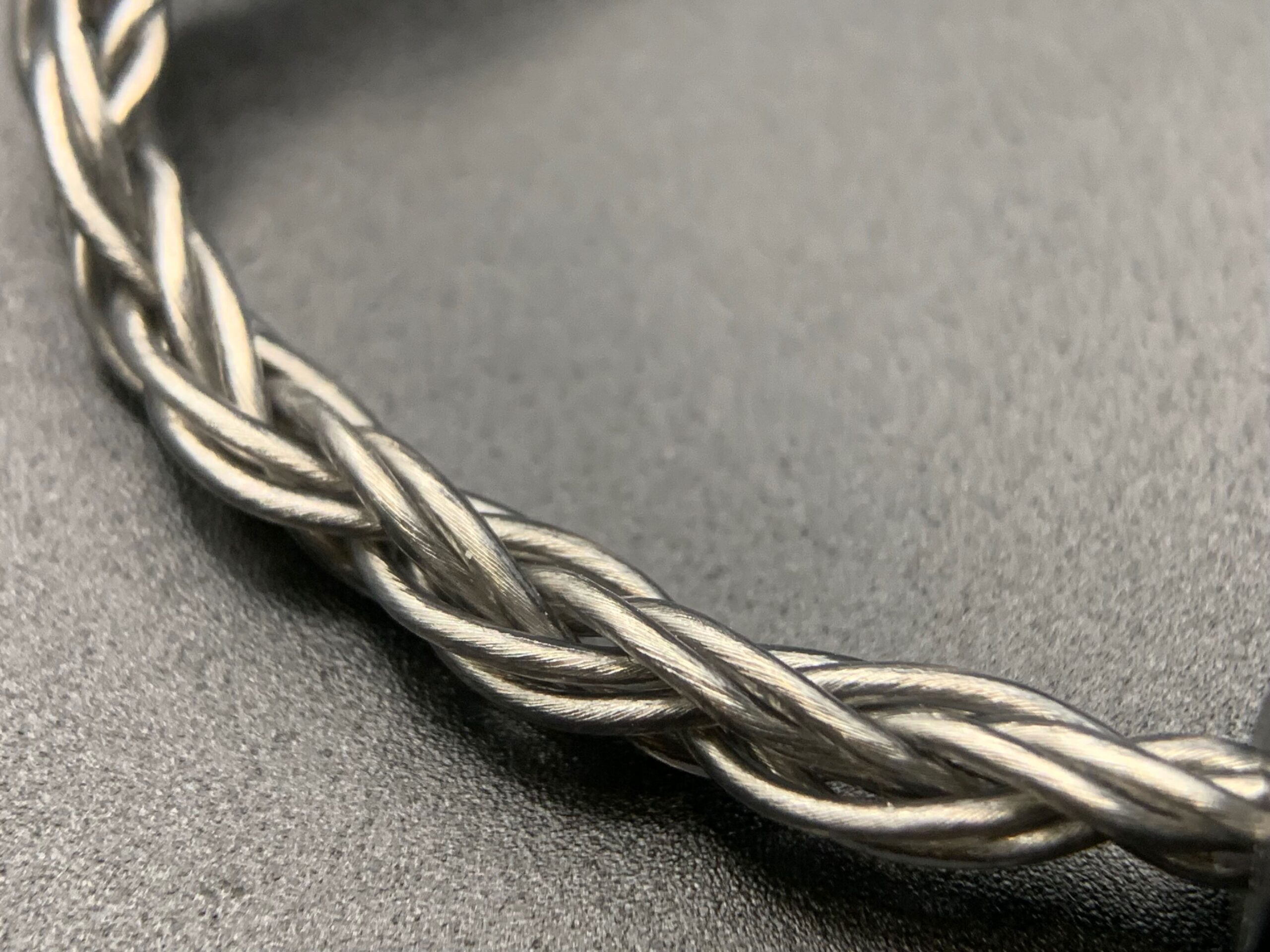
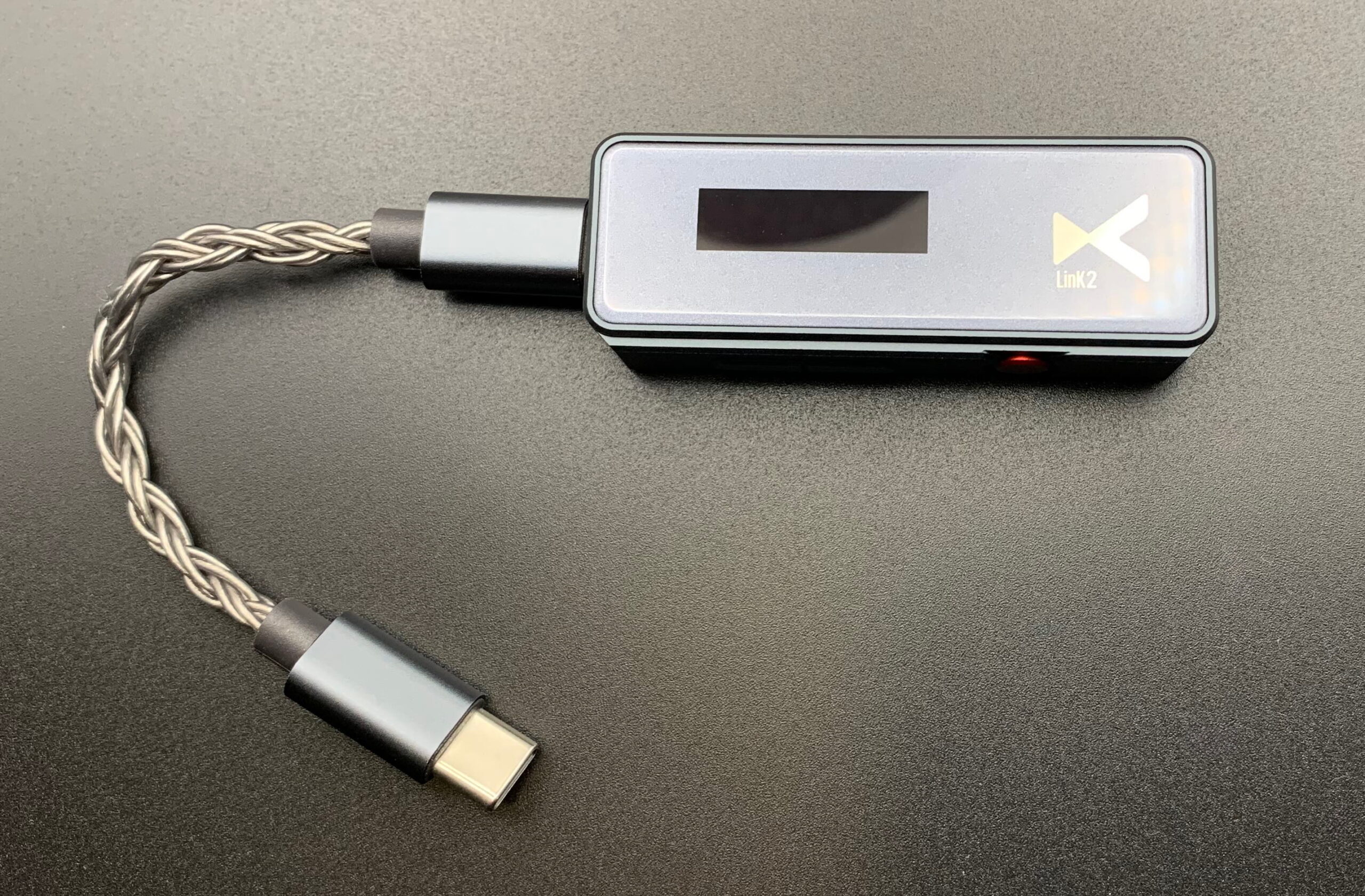
The packaging is essential: dongle, good-quality removable Type-C to Type-C cable, Type-C to A adapter, manual, and warranty card. No frills. The presence of the removable cable is an advantage over many competitors, although I’m always torn on this point: on the one hand, an extra connector can introduce a very slight loss, on the other, it allows you to use a better cable and, above all, to replace it in the event of a breakage.
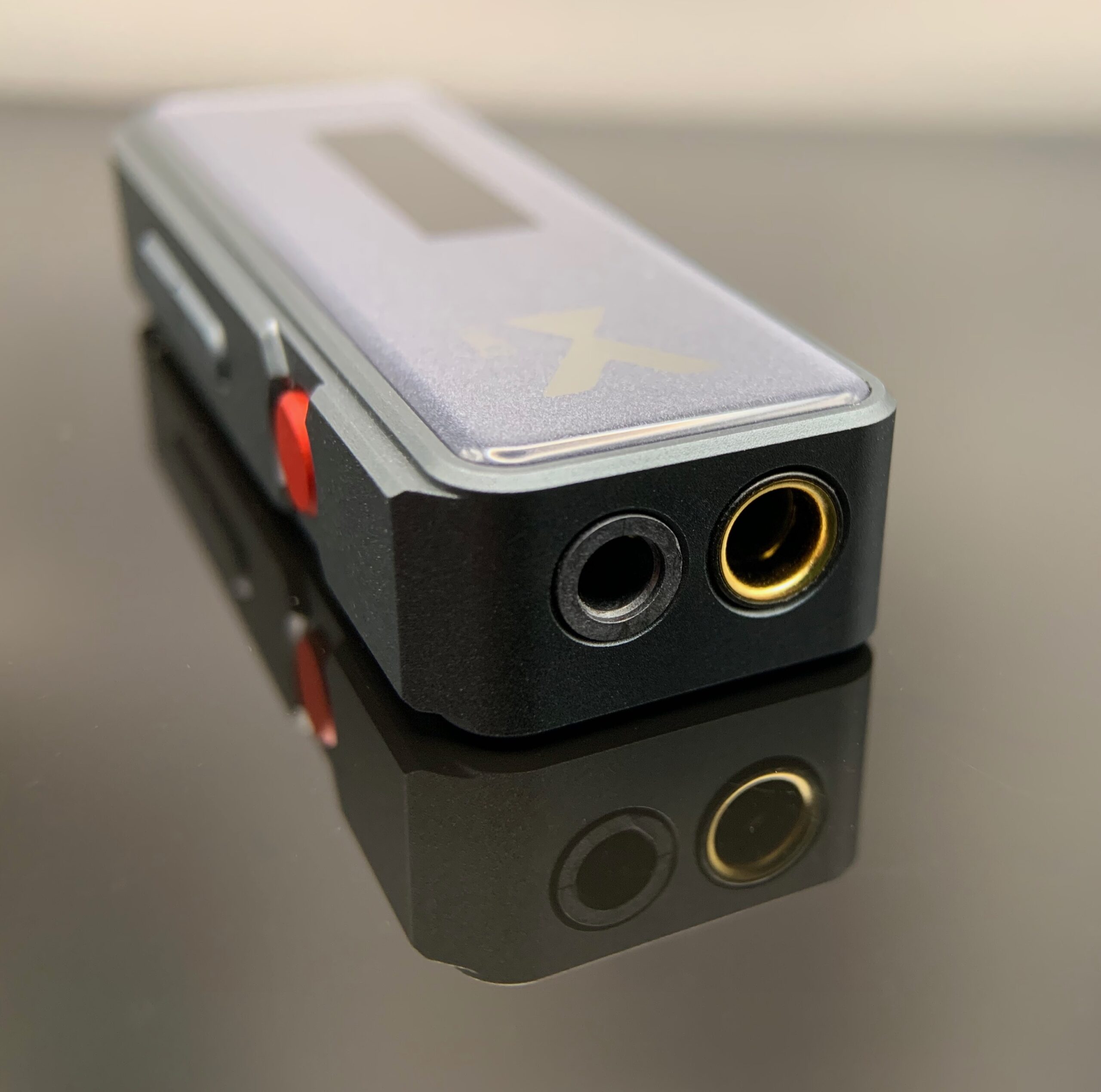
The Link2 Max’s body is compact, sturdy, with a clean design and a weight of 28g that gives it the feel of a serious component, not a cheap accessory.
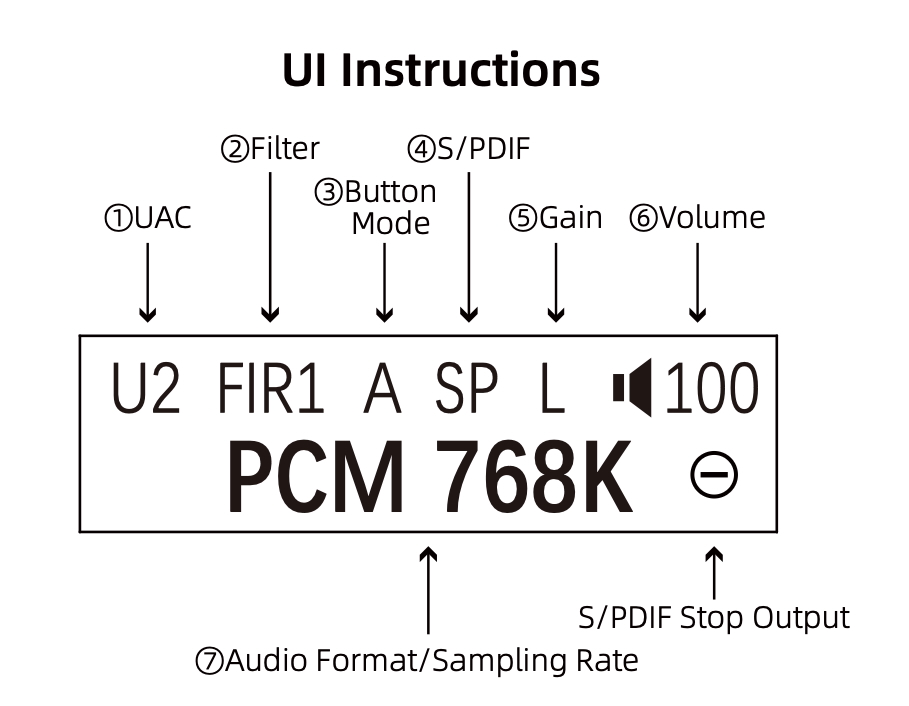
The OLED display is the real gem: it shows sampling rate, active filter, volume, key modes, and other useful information. It’s not a gadget; it’s truly useful. The outputs are 3.5mm (which also functions as S-PDIF) and 4.4mm balanced. Overall, a thoughtfully designed product.
Link2 Max: Technical specifications (as per manual):
DAC: 2×CS43198
Audio Support: PCM 32Bit 768kHz, DSD256
Headphone outputs: 3.5mm unbalanced, 4.4mm balanced
Output power 3.5mm: 320mW@32Ω, 160mW@75Ω, 85mW@150Ω, 45mW@300Ω
Output power 4.4mm: 550mW@32Ω, 600mW@75Ω, 310mW@150Ω, 170mW@300Ω
THD+N: 108dB @1kHz on 3.5mm, 110dB @1kHz on 4.4mm
SNR: ≥126dB Unbalanced, ≥130dB balanced
Crosstalk: ≥75dB unbalanced, ≥123dB balanced
Frequency Response: 20Hz–20kHz ±0.5dB
Gain: Low / High
Digital Filters: FIR1, FIR2, FIR3, FIR4, FIR5
DAC Output Mode: Class AB, Class H
S-PDIF up to 384kHz (DOP supported)
Dimensions: 6.3×2.3×1.3cm
Weight: 28g
Compact size, complete features:
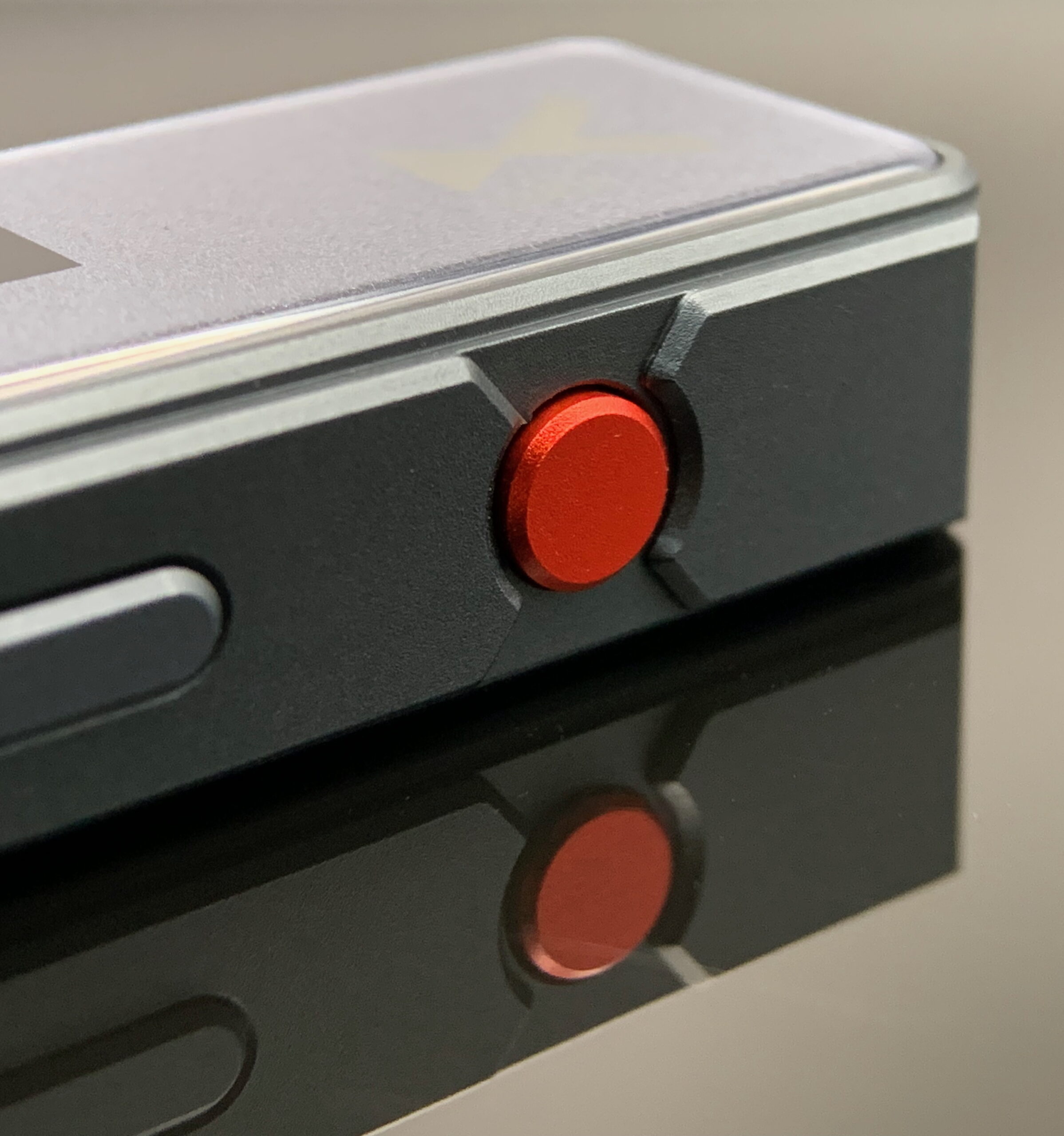
As with any dongle, we’re talking about ease of use here. The format is pocketable, the display is easy to read, and above all, the detachable cable allows it to easily adapt to smartphones and laptops. The only issue is the positioning of the buttons: your thumb may find itself at slightly awkward angles, but nothing dramatic. The weight is just right; it doesn’t pull the phone down or get uncomfortably hot. It’s comfortable in your pocket and doesn’t bother you during everyday use.
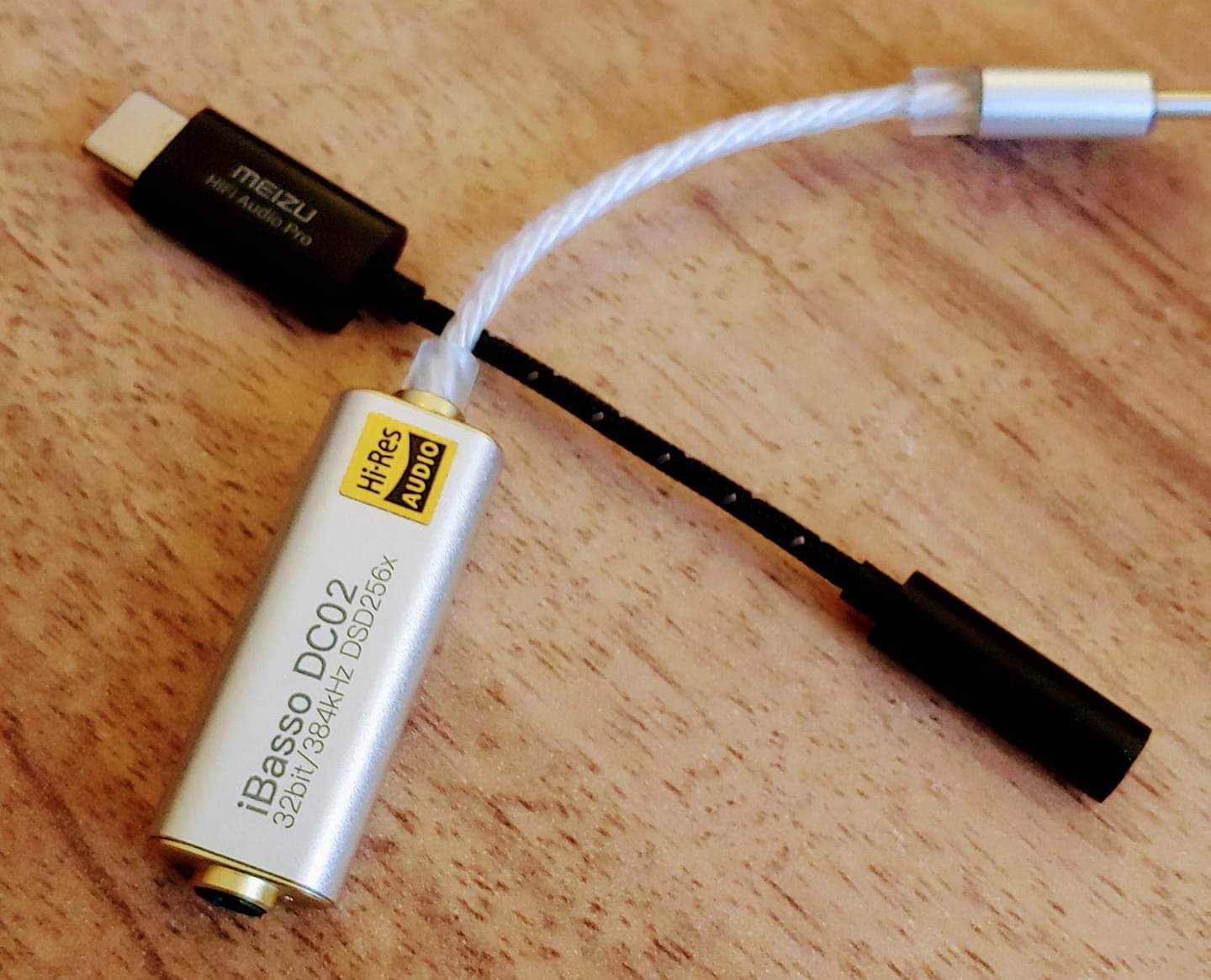
I always recommend purchasing a magnetic holder with an elastic band (see photo) for the dongle. This holder attaches to the back of the phone with a magnet, which, in addition to protecting the cable, prevents a dangle from dangling and rattling everywhere.
Link2 Max – Filters and Gain:
The Link2 has a series of selectable filters and gains that allow you to customize the sound to suit your music, headphones, recordings, or simply your taste. Below is an overview of the possible combinations.
Filter N° 1: Level Mode
Options: LOW, HIGH
Filter N° 2: PCM Filter
5 digital filters with corresponding characteristics as follows:
- FIR1: Fast roll-off, Low-latency, Gaming, Live Streaming
- FIR2: Fast roll-off, Phase-compensated, Pop, Electronic Music
- FIR3: Slow roll-off, Low-latency, Vocals, Jazz
- FIR4: Slow roll-off, Phase-compensated, Classical, Acoustic Instruments
- FIR5: Not over-sampling, Monitoring
Filter N° 3: DAC Output Mode:
Class-AB (balanced tone)
Class-H (dynamic power supply mode, suitable for high-power scenarios)
Filter N° 4: S/PDIF Out
Options: OFF, 192K/DOP, 384K/DOP
OFF: Turn off S/PDIF output.
192K/DOP: Supports PCM 44.1k-192kHz and DSD64 (DOP).
384K/DOP: Supports PCM 44.1k-384kHz and DSD64-128 (DOP).
(Note: S/PDIF output does not support PCM 768kHz or DSD256 output.)
Filter N° 5: USB Hardware Volume
Enable/disable the USB hardware volume control function for music apps (some HIFI music apps on Android systems have this feature). (Note: If the music app does not have this function, this setting can be
ignored.)
Filter N° 6: HW Mute
Set the mute duration when switching songs, with four options: OFF, 50ms,
100ms, 200ms.
(*Note: If noise occurs when switching songs in some music apps,
enable mute to eliminate the noise. The mute duration can be set
according to actual needs.)
Filter N° 7: Key Mode
Set the definition of the volume +/ – buttons: In Mode A, a short press
increases/decreases the volume. In Mode B, a short press switches to the
previous/next track.
Filter N° 8: Screen Brightness
Adjust the display brightness: 1-10 levels.
Filter N° 9: Display Rotation
Set the display to flip 180 degrees horizontally.
Filter N° 10: Auto Creen Off
Set the automatic screen-off time for the display, with options: OFF or
1-60 seconds.
Filter N° 11: Firmware Version
Only for viewing, cannot be modified.
Filter N° 12: Restore Factory Setting
This option is disabled (OFF) by default. Short press the Volume +/- buttons to switch to ON to restore.
After restoration, all settings will be reset to their original factory defaults, as shown in the table below:
Option Default Value:
Volume 12
Gain HIGH
Digital Filters FIR1
DAC Output Mode Class-H
S/PDIF Output OFF
USB Hardware Volume OFF
Mute Time OFF
Volume Button Definition KEY-A
Screen Brightness 4
Display Rotation OFF
Auto Screen Off 15S
Link2 Max – Power Consumption:
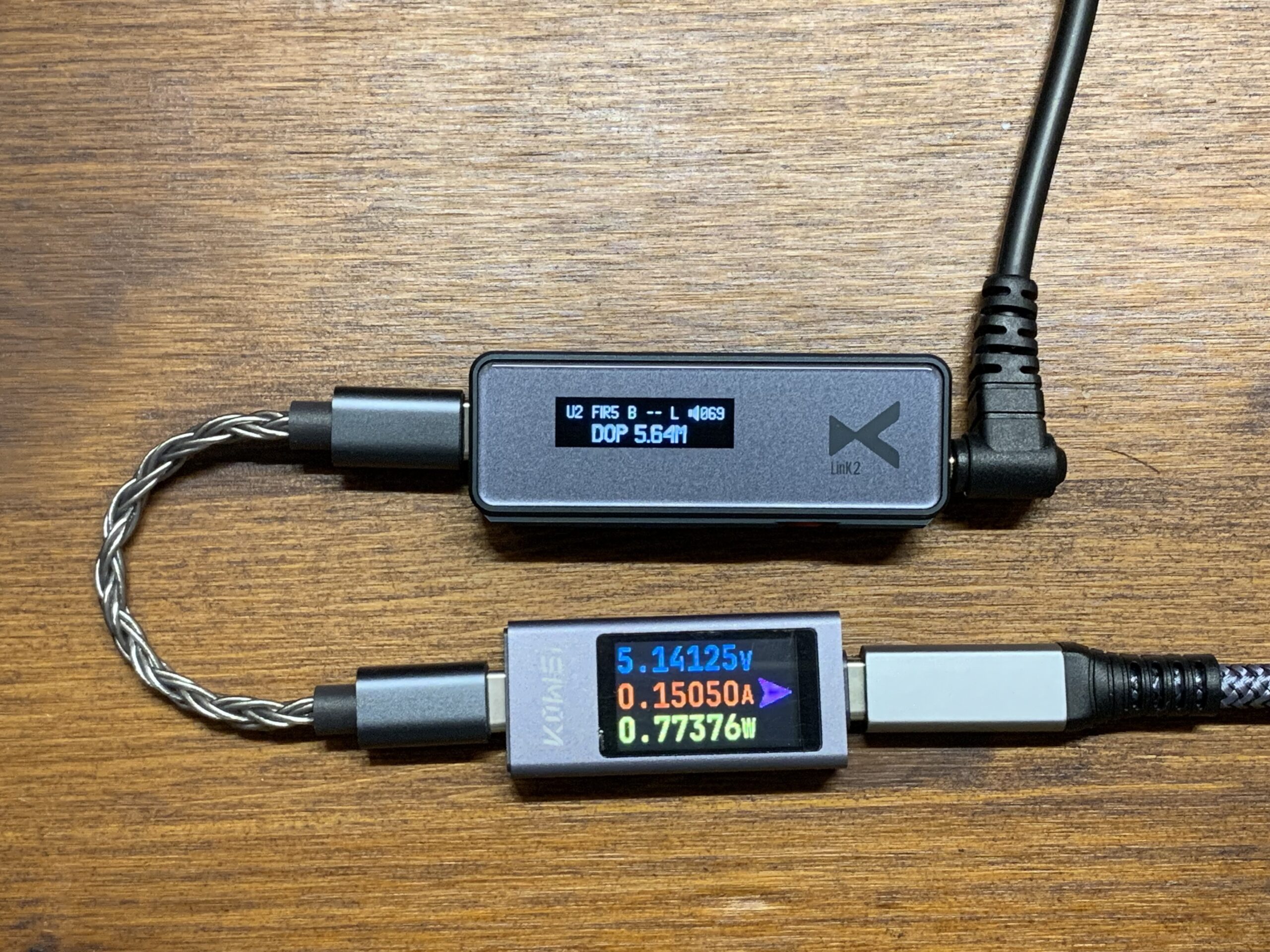
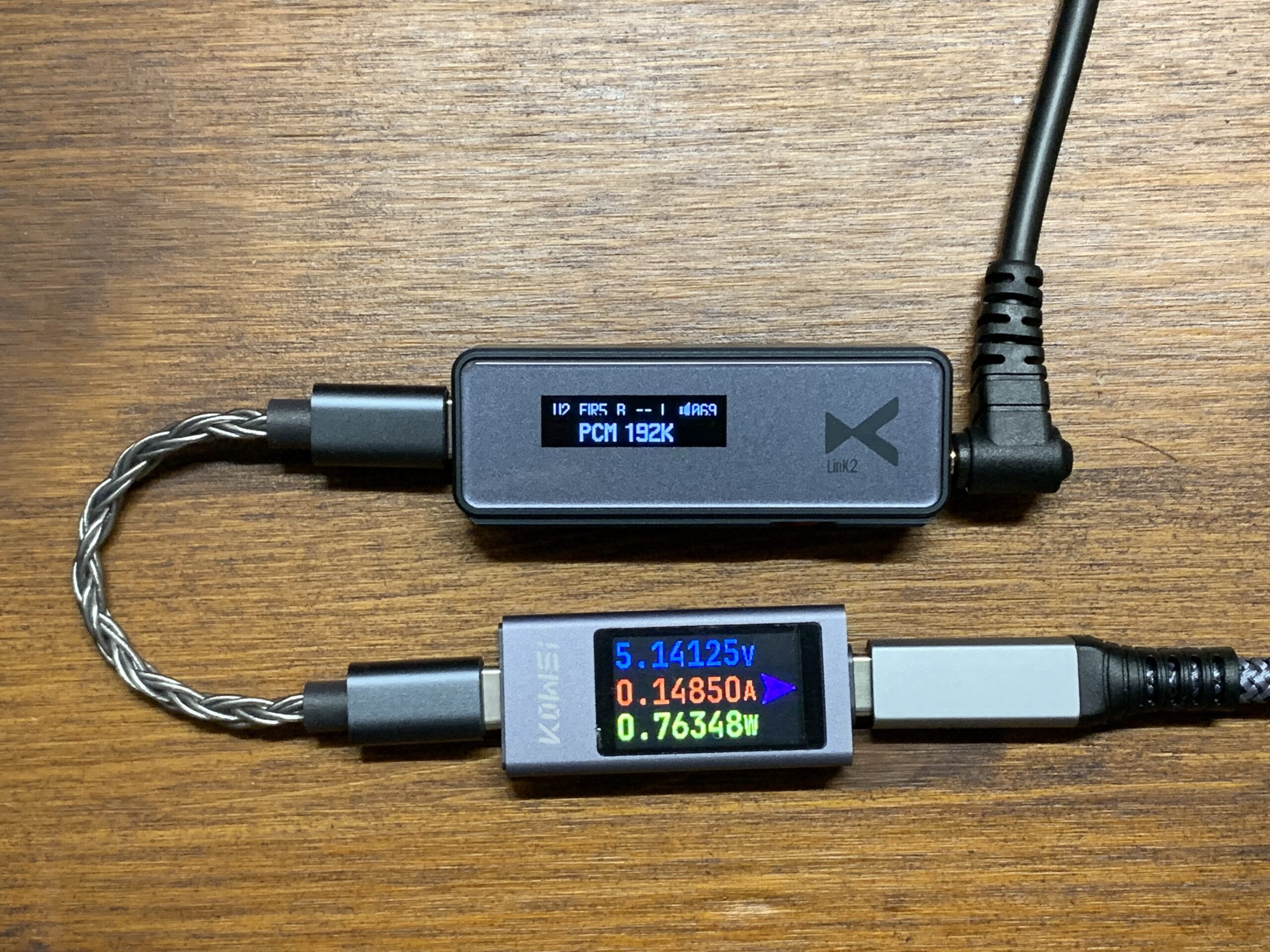
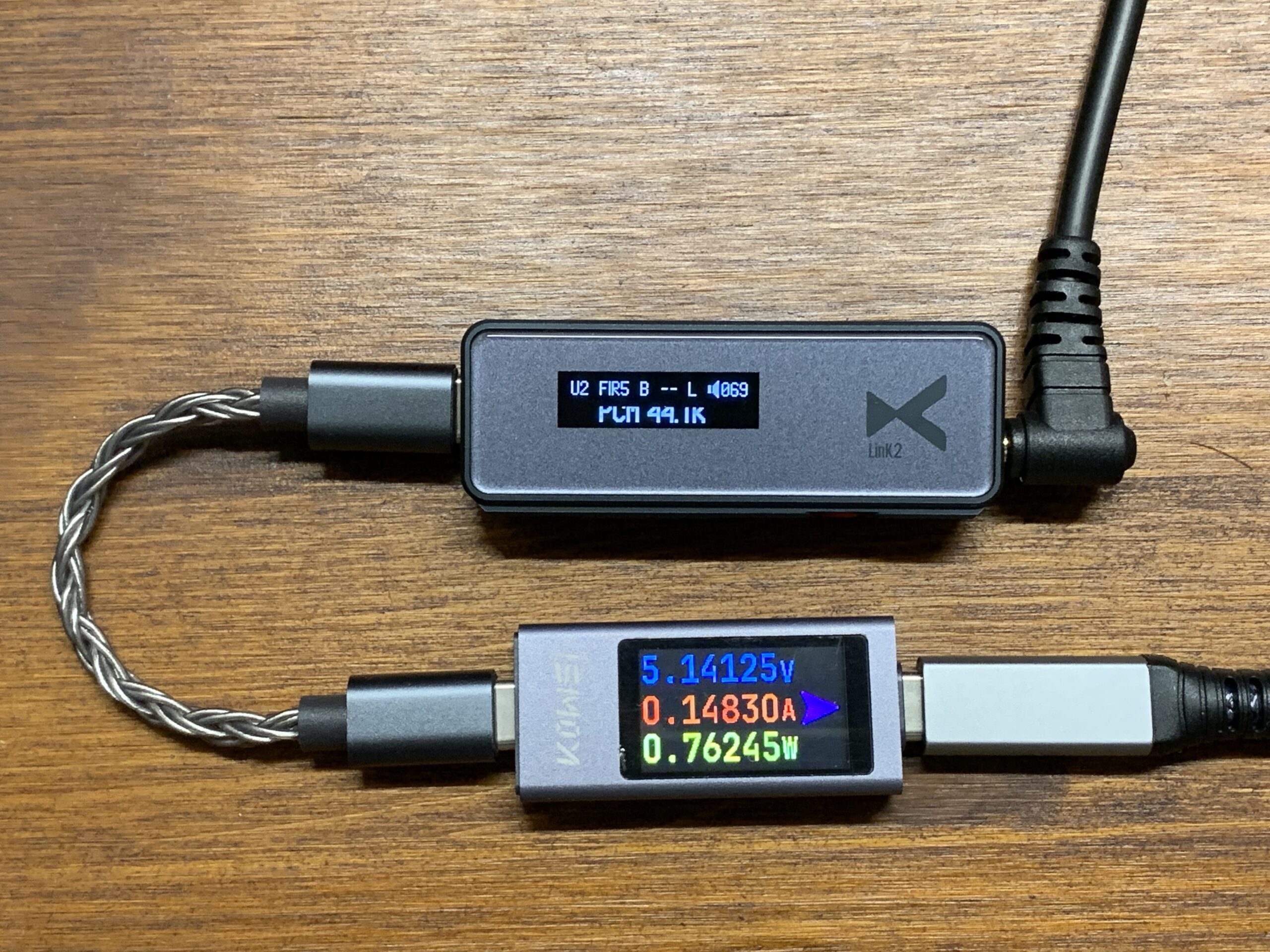
I ran several tests with DSD from 64 to 256 and PCM from 44.1 to 384, and the behavior was always consistent. Power consumption varied little and remained fairly stable in every scenario. The presence of the dual CS43198 does result in slightly higher power consumption than simpler dongles, but it’s nothing that really impacts everyday use. The more sophisticated electronics likely also contribute to this small difference. After many hours of listening, I didn’t notice any significant differences compared to direct competitors.
Link2 Max – Sound Analysis:
Bass:
The xDuoo Link2 Max’s bass is slightly more present than completely neutral dongles. However, it remains controlled and doesn’t tend to swell. With the Odyssey 2, the sub is well-articulated, with a pleasant vibrancy on the deeper attacks. With the HE400SE, the dongle manages to move the speakers effortlessly, maintaining a credible punch. It lacks a bit of extreme depth when listening to fully electronic tracks, but this is a tonal choice rather than a technical limitation. Overall, the bass is lively, without any smears. It surprised me with some organ recordings; the lowest notes weren’t muddy but fluid and almost breathy. This is certainly thanks to the headphones, but competitors at the same price point haven’t quite managed it.
Mids:
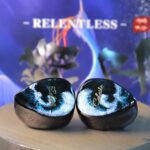
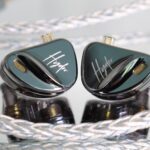
The midrange is where the xDuoo Link2 Max performs best. Vocals are defined, with a good sense of presence and a naturalness that’s surprising for the price range. The Horizons shine here because the combination with the rather realistic timbre of the CS43198s brings the vocals slightly forward but without being artificial. With dynamic headphones, there’s no irritation or excess. For jazz, acoustic instruments maintain a credible body and a quick attack. For me, this is its strong point: clear, clean, and realistic mids. To put it simply, the stick hitting the cymbal, in addition to the cymbal vibrating and emitting the sound, feels like you’re hearing the stick hitting the cymbal, not just the sound of the vibration.
Highs:
The highs are open, detailed, and quite bright. With some very sensitive IEMs (MK10), you can hear the dongle having a slightly lively nature, but it never becomes hissing. The performance is excellent with planar headphones, which benefit from this extension. The air and micro information are there, the grain is fine, and on quality recordings the result is very pleasant. Overall, the highs are energetic yet controlled, with a balance that remains enjoyable. With some recordings, not exactly neutral, if you know what I mean, it can seem excessively pushed on the highs, but I can assure you that it’s not the xDuoo Link2 Max, but the recording. I tested it on a myriad of rock and jazz tracks, and if the recording is average, the Link2 makes it “sing” as it should, without hiss or any unusual glassiness.
Soundstage:
The xDuoo Link2 Max’s headstage is surprising for a dongle of this size. The depth is decent, the width is good, and the imaging is very solid. The Horizons render the positions of the instruments well, with a consistent sense of layering. With the HE400SEs, the soundstage seems even wider thanks to the open nature of the headphones. Overall, the soundstage is stable, clean, and not closed in on itself. It doesn’t work miracles, but it definitely goes beyond the average of compact dongles.
Listening tests:
Early Classical Music:
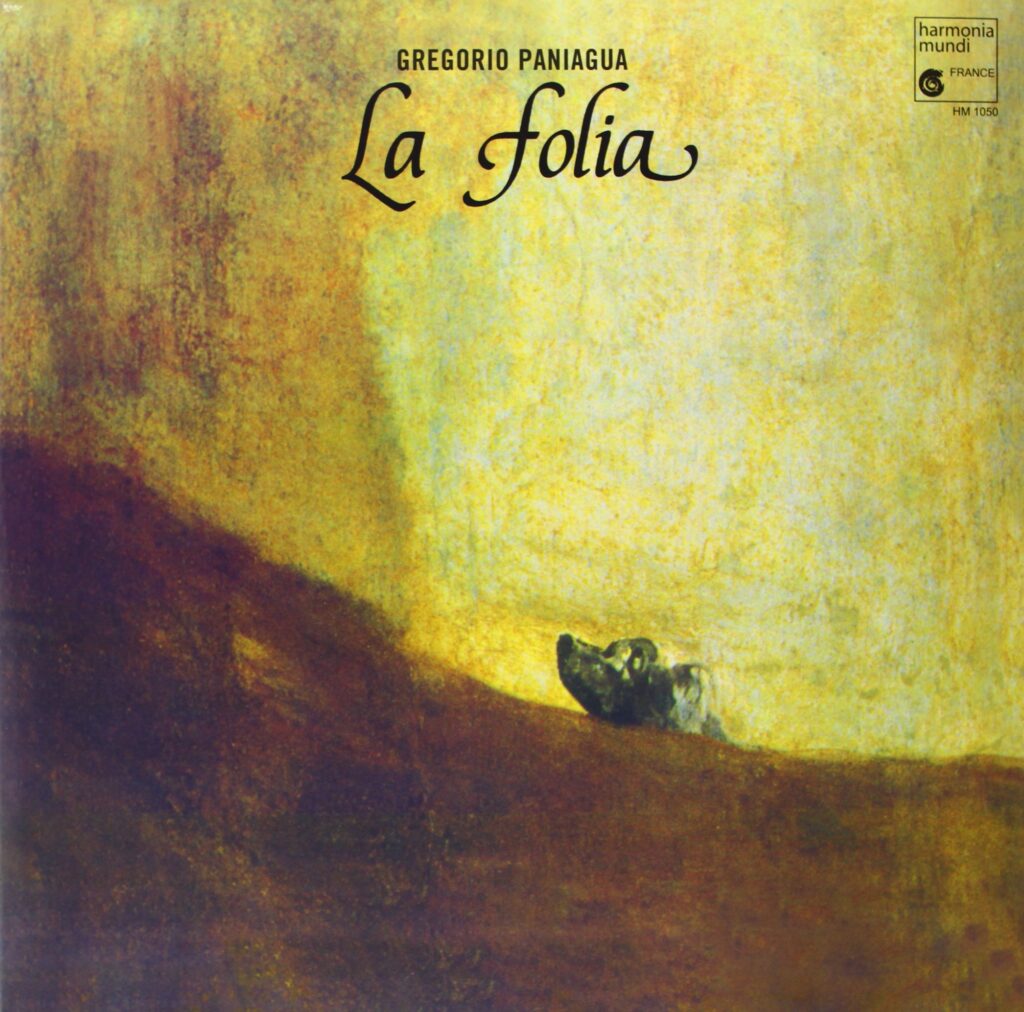
The Folly of Spain (Gregorio Paniagua – Atrium Musicae de Madrid)
This recording is unique. Imagine a theater where traditional instruments are played without amplification. The first thing to consider is the echoes in the room, something you also find in Joe Jackson’s Body and Soul. I was talking about this spatiality and echoes, which are unique, in addition to the instruments distributed across the stage. In the recording, you can hear all the musicians scattered around, you can hear the noises of the wooden stage, and you can hear people talking a myriad of sounds that aren’t music but that form a wall of the recording. If the DAC + AMP + Headphones setup isn’t up to par, the result is background noise, not a defined, precise, and “visible” sound, both in terms of position and identity.
As for the xDuoo Link2 Max, I must admit it was above average, and by quite a bit. The soundstage was wide and believable; dongles in this price range are often very powerful and alter the sense of depth. In this case, however, it’s very detailed and has a decent sense of depth. The sounds are very natural; the drums have good presence and don’t overwhelm the other instruments; they’re not long, in fact, I’d say they’re quite taut. The mids are fantastic, detailed, and slightly forward, but very pleasant. The highs are very good; the violin is pleasant and natural, not strident, but vibrates elegantly; the bells are real, not muddy.
Bluegrass/Progressive Acoustic:
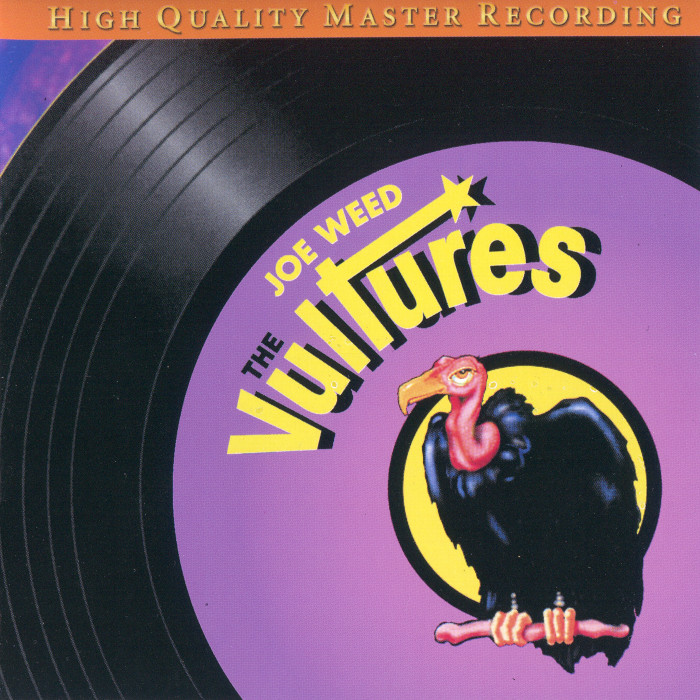
Joe Weed – The Vultures – “Wipeout”
This track features a variety of sounds from instruments and percussion, along with some mallet passages, unconventional sounds. The xDuoo Link2 Max delivered its best performance, delivering all the tones and details with naturalness and precision, creating a harmony that gave the feeling of being in the recording studio. What’s particularly impressive is the ability to separate micro details without flattening the soundstage or creating confusion in the denser parts. The percussion remains recognizable, with a clear attack and realistic decay, while the brighter instruments maintain a credible timbre without producing metallic reflections. The result is an engaging listen that enhances the lively nature of the track without altering its balance.
Pop Rock:
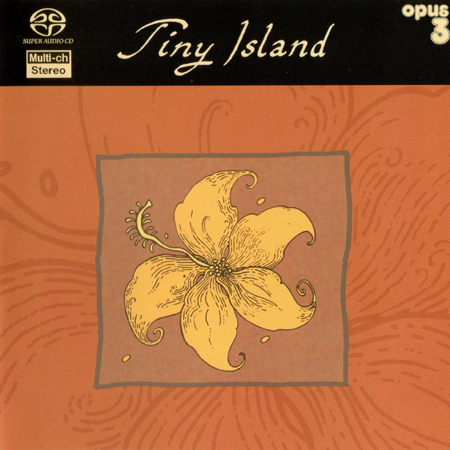
Tiny Island – Tiny Island “Vaquero”
This track features some unconventional sounds, making it a difficult test for DACs, but especially for headphones (besides home stereos). There are two types of sounds: a deep, tight bass, and then, as the track progresses, there are cowbells like Sardinian Sonaggios or something similar, which sound like a mix of bells and chains tapping together (it’s hard to describe). The real challenge is the beginning, a pouring rain that, if everything isn’t well-tuned, results in a sound that’s difficult to define. The xDuoo Link2 Max passed the test with flying colors; it didn’t muddy, it was well-defined and pleasant, but I have to be honest, I was skeptical about the result. Congratulations xDuoo, excellent work.
Pairing:
Analytical:
With analytical or highly detailed IEMs, the Link2 Max maintains a pleasant balance. It doesn’t become sterile and takes on a more musical character. The Odyssey 2s are perfect here: detailed, yes, but not fatiguing. It adds just enough body in the mids to avoid that thin or sharp sensation that some analytical sets can give with the wrong source. Microdetails remain well in evidenza, but never in a way that steals the focus from the overall musicality.
Musical:
With softer IEMs, like some Dynamics or KZs, the dongle adds a touch of liveliness that wakes them up without distorting them. The KZ P3s become more airy and a little more precise, and even the bass emerges from the depths. The xDuoo Link2 Max gives them a bit more sparkle in the upper range, helping them open up while keeping everything coherent. Instruments get a clearer outline and the midbass gains definition, making these IEMs feel more refined than usual.
As a DAC in my home system:
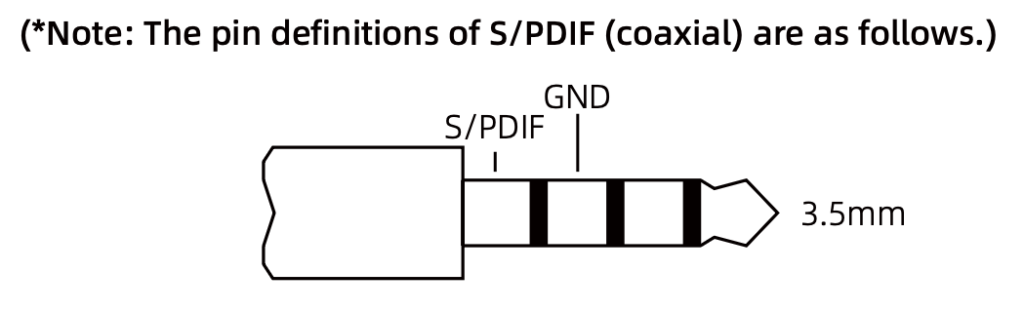
Using the S-PDIF output, I tried connecting it to my home system and seeing how it performed with its big brothers, the Vintage and Primary systems.
First, I built the cable according to the xDuoo specifications, and that was really easy, but if you’re not used to wire and soldering, it’s best to have an electronics friend do it for you. Then I did a bit of running-in—it never hurts—and then I tested it with both my systems, the vintage and the primary.
VINTAGE:
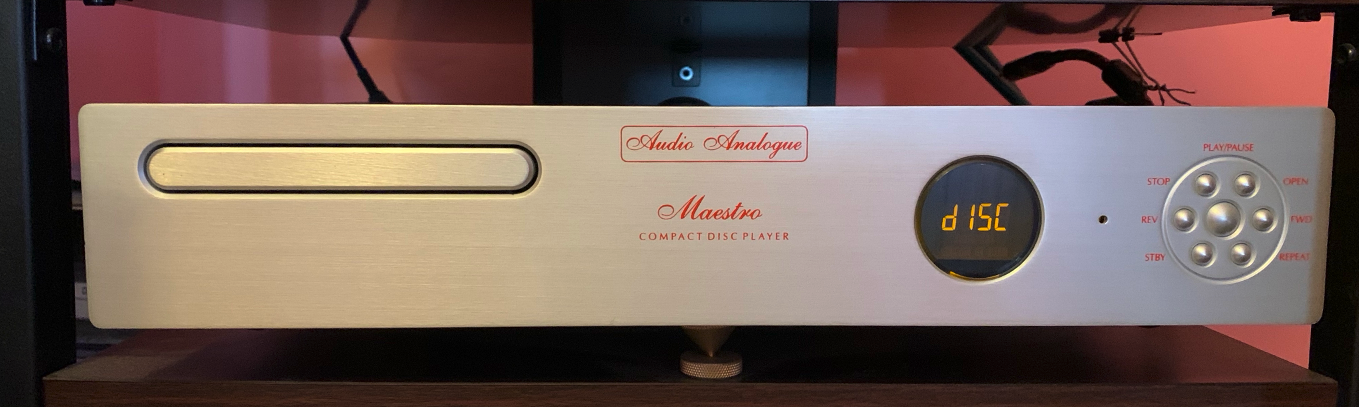
I connected the MAC to the xDuoo Link2 Max and the Audio Annalogue Maestro with the S/PDIF input, ran it for a couple of hours to break everything in, and then did a listening session.
The result was pleasant, and the sound was clearly that of the CD player’s internal DAC. However, the system is simple and allows you to enjoy liquid music without any other equipment. Or rather, if you don’t have a dedicated DAC, but, like in the Vintage system, have a CD player with an S/PDIF input or an amplifier with the same input, you can convert a CD-only system to liquid music without buying a DAC.

PRIMARY SYSTEM:
In the primary system, I connected the cable to the DAC with the S/PDIF input and, after an hour of running-in, I tried listening.
In this case, since I don’t have a direct MAC/DAC connection, I noticed a slight difference, nothing earth-shattering, but with an extra step and a phone acting as the digital signal carrier, I can’t expect much. I use Audirvana as a music management program, and this program makes a huge difference compared to all the other programs I’ve used because it sets the computer to simply send data to the DAC, avoiding interpolations and unnecessary paths, and this is noticeable in terms of the amount of detail and soundstage.
So, the xDuoo Link2 Max works well, does its job well, and does it with precision. We’re talking about an extreme situation, but it works well and can add value to a system with limited components.
Extended Conclusions:
The xDuoo Link2 Max is a dongle that does practically everything it promises, and does it well. The OLED isn’t a gimmick; it’s genuinely useful. The dual outputs are a plus, the removable cable is now almost essential, and the balanced power output makes it suitable even for headphones that aren’t the easiest to drive. Its sound is clean, dynamic, and slightly lively in the highs, but always under control and never annoying, even with very lively tracks.
The mids are the most convincing, while the soundstage is above average for compact dongles. Options like filters, gain, and DAC AB/H modes allow for some customization, though the difference isn’t huge.
Does it exceed expectations?
Yes, especially considering the price, power, and quietness with sensitive IEMs. It’s a product that’s easy to use, easy to take anywhere, and that immediately gives the feeling of serious listening, not just “phone output.”
It has some limitations, of course. It’s not a 100% neutral dongle and can’t compete with desktop DACs, but in everyday life it’s more than enough. And you often find yourself thinking that an accessory as big as a lighter can still give you real emotions, especially when the music starts and someone, in a jazz piece, decides to push the sax a little.
With this Link2 Max, I’ve had proof that the chip alone isn’t enough, whether it’s a Sabre, AKM, or Cirus Logic, it’s not enough; you also need the electronics and the design around it.
That’s why I often hear people say, “But it has the Sabre xyz” or, “But I prefer the AKM xjd“, it doesn’t mean anything, because the chip does 80% of the work, but if the surrounding components aren’t up to par or the circuits aren’t well-designed, that 80% could become 60% and not 100% quality, and we’d be “conditioned” by the chip and not by how it actually sounds.
So my advice as a “geek” is to try it with your own ears and then judge, but above all, try it with your own music and you’ll see that this Link2 Max will not disappoint you, under any circumstances. Congratulations xDuoo Link2 Max, excellent work.
I hope to be able to keep it for a few more weeks before returning it to xDuoo, whom I thank for giving me this sample to review; it was a real pleasure doing so.
I want to emphasize that I have no commercial relationship with xDuoo and that I am an independent reviewer (and a very critical one at that). Whatever I ask or am asked to review, I do so with the utmost honesty and criticality.
VOTO:
8,2 / 10
Pros:
- Solid construction with aluminum housings
- Compact size and easy to carry
- Complete filter set, more extensive than necessary
- Well-made detachable cable
- Bass is present, articulate, and always under control
- Midrange is slightly forward but natural and musical
- Highs are airy with no trace of sibilance
- Surprisingly large soundstage for this category
Cons:
- Detachable cable, which not everyone appreciates
- Transparent surface is delicate and prone to scratches
- Price is a little above average, but still consistent with the overall quality
Where to buy the xDuoo Link2 Max:
Link to the xDuoo website for purchase.



Really enjoyed your review ArcotondoSound, especially your music samples explained this way. Brilliant stuff & I’m about to check out the songs, particularly the early classical! Thank you and have a great day.
Really enjoyed your review ArcotondoSound, especially your music samples explained this way. Brilliant stuff & I’m about to check out the songs, particularly the early classical! Thank you and have a great day.
Thanks for the compliments, they’re always appreciated. I hope you enjoy the songs I mentioned.