

























































Preface
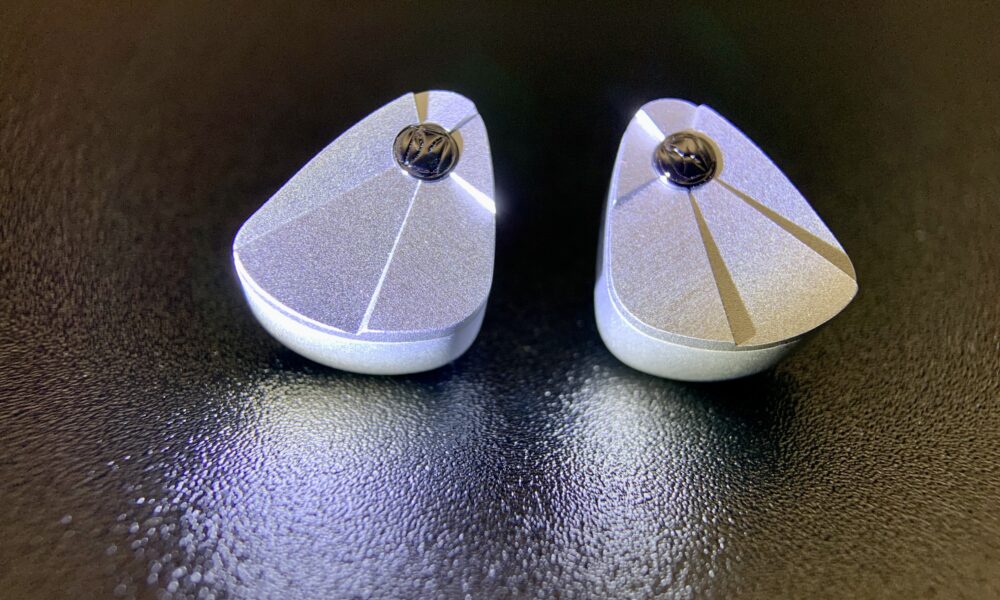
The Twistura Beta are an IEM that spark interest more for their overall approach than for marketing hype.
Over the past months, I’ve had the chance to listen to and review several single dynamic driver IEMs, which has naturally pushed me to pay closer attention to how manufacturers interpret the 1DD concept today.
Table Of Content
- Preface
- Design and Concept
- Technical Specifications
- Packaging and Accessories
- Build, Comfort and Accessories
- Eartips: Organization, Materials and Practical Impact
- Overall Sound Signature
- Bass
- Bass tuning and nozzle interaction
- Midrange
- Midrange tuning and nozzle interaction
- Treble
- Treble tuning and nozzle interaction
- Soundstage and Imaging
- Driveability, Pairing and Synergy
- Source interaction and real world synergy
- Pairing and Synergy
- Source character and tuning interaction
- Listening Tests
- Latin Rock
- Blues Rock
- Rock
- Final Considerations
- Source character and tuning interaction
- 8 / 10
- 🟢 Pros
- 🔴 Cons
- Questions and Answers
- Are these IEMs analytical or musical
- Are they suitable for all music genres
- How do the interchangeable nozzles affect the sound
- Are they hard to drive
- What type of listener are they designed for
- Is it worth using multiple configurations or sticking to one
- Where to Buy
My interest in the Beta does not come from bold specifications or ambitious promises, but from the desire to understand how far a modern dynamic driver can go when the goal is not to impress, but simply to sound right.
In this sense, the Twistura Beta become an interesting test bench to evaluate an approach that, at least on paper, seems to prioritize balance, control and coherence, hinting at a philosophy closer to a monitor style tuning than to a fun oriented product.
Design and Concept
The design of the Twistura Beta revolves around a very clear idea.
Use a modern single dynamic driver and push control and speed as far as possible, without relying on hybrid solutions or multi driver layouts.
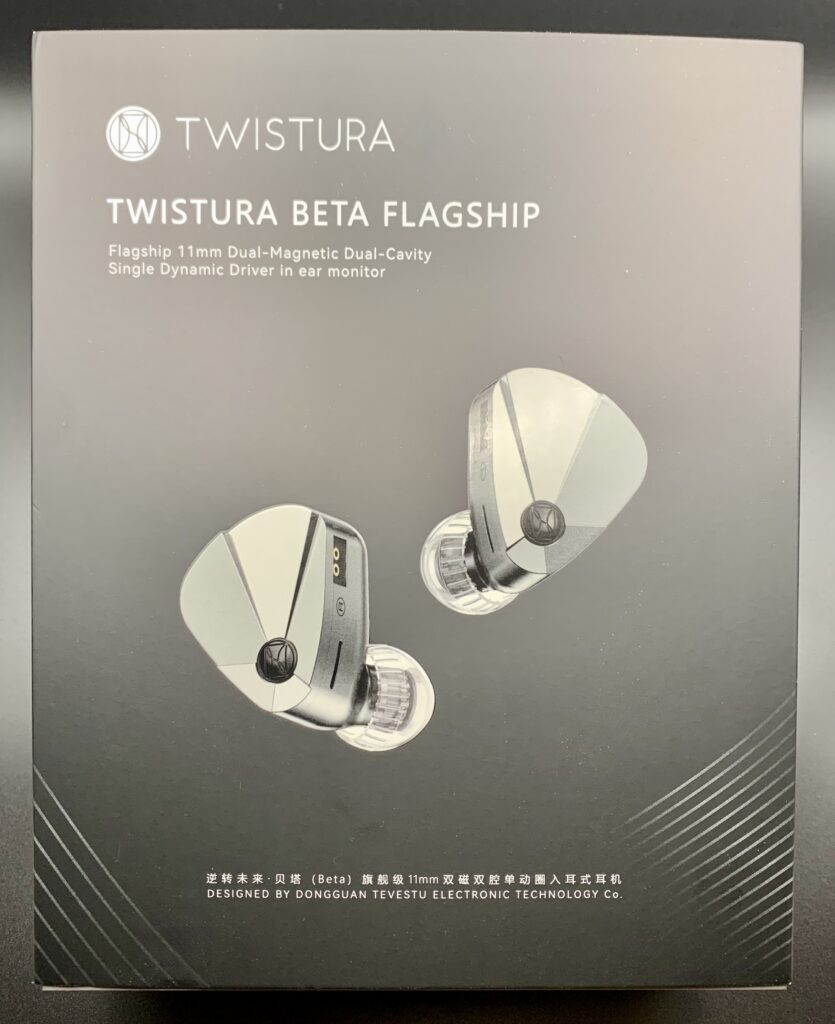
At the core of the system sits an 11 mm dynamic driver featuring a micron scale glass composite diaphragm, combined with a dual magnetic and dual cavity structure. According to Twistura, this architecture aims to improve transient response, excursion control and overall diaphragm accuracy during movement.
The numbers support this approach. High sensitivity paired with relatively low impedance makes the Beta easy to drive, while still leaving room for audible differences depending on the source used. They do not demand power, but they do respond to source quality.
Overall, the design philosophy clearly targets a fast, controlled and coherent single dynamic driver. The focus stays on balance and timbral continuity rather than on exaggerated or spectacular tuning choices.
Technical Specifications
| Item | Specification |
| Driver type | Single dynamic |
| Driver diameter | 11 mm |
| Diaphragm | Micron scale glass composite |
| Driver structure | Dual magnetic, dual cavity |
| Claimed frequency response | 8 Hz to 21 kHz |
| Effective bandwidth | 20 Hz to 20 kHz |
| Impedance | 24 ohms plus minus 15% |
| Sensitivity | 124 dB per Vrms at 1 kHz |
| Shell material | CNC machined aluminum alloy |
| Nozzles | Interchangeable Standard, Vocal, Instrumental |
| Cable | OFC with 3.5 mm and 4.4 mm connectors |
Packaging and Accessories
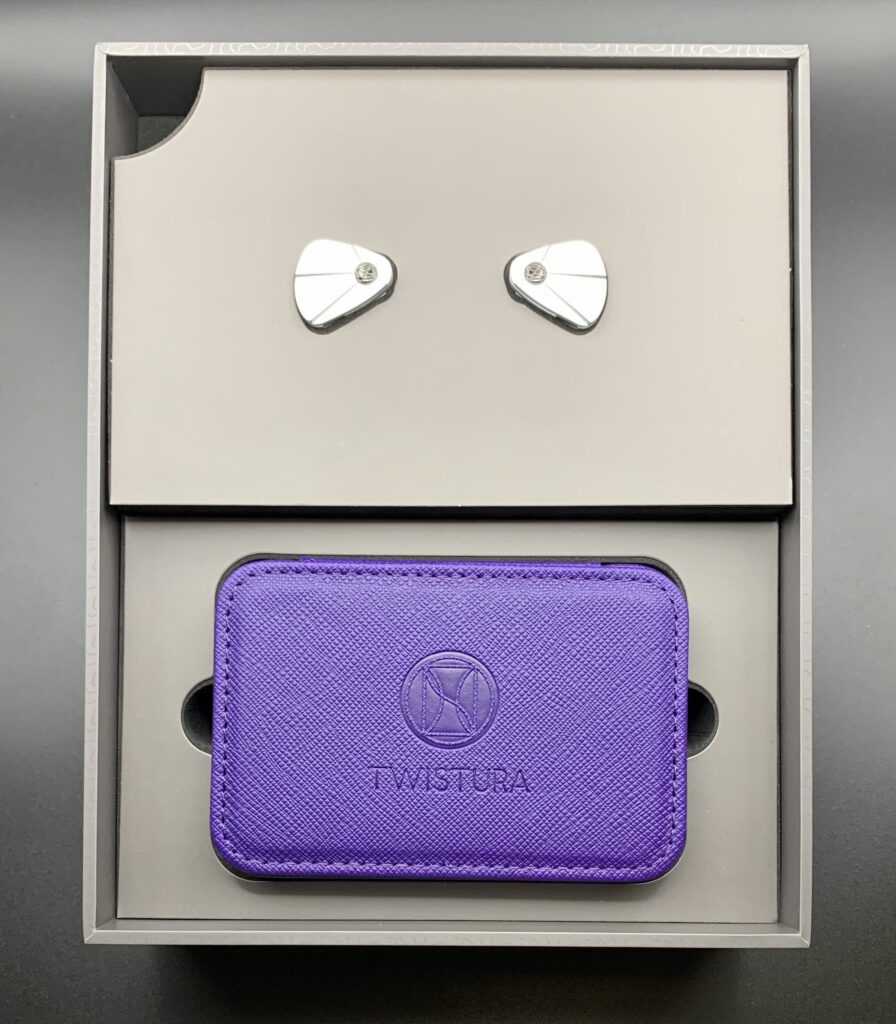
The packaging of the Twistura Beta feels clean and well organized, with no unnecessary elements.
Compared to the lower tier models, the difference in presentation is immediately noticeable, with a larger box and a more refined internal layout.
The overall approach remains clearly functional, leaning more toward a technically oriented product than a lifestyle item designed to impress at first glance. Every component has a clear and logical placement, without visual gimmicks or theatrical presentation.
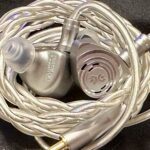
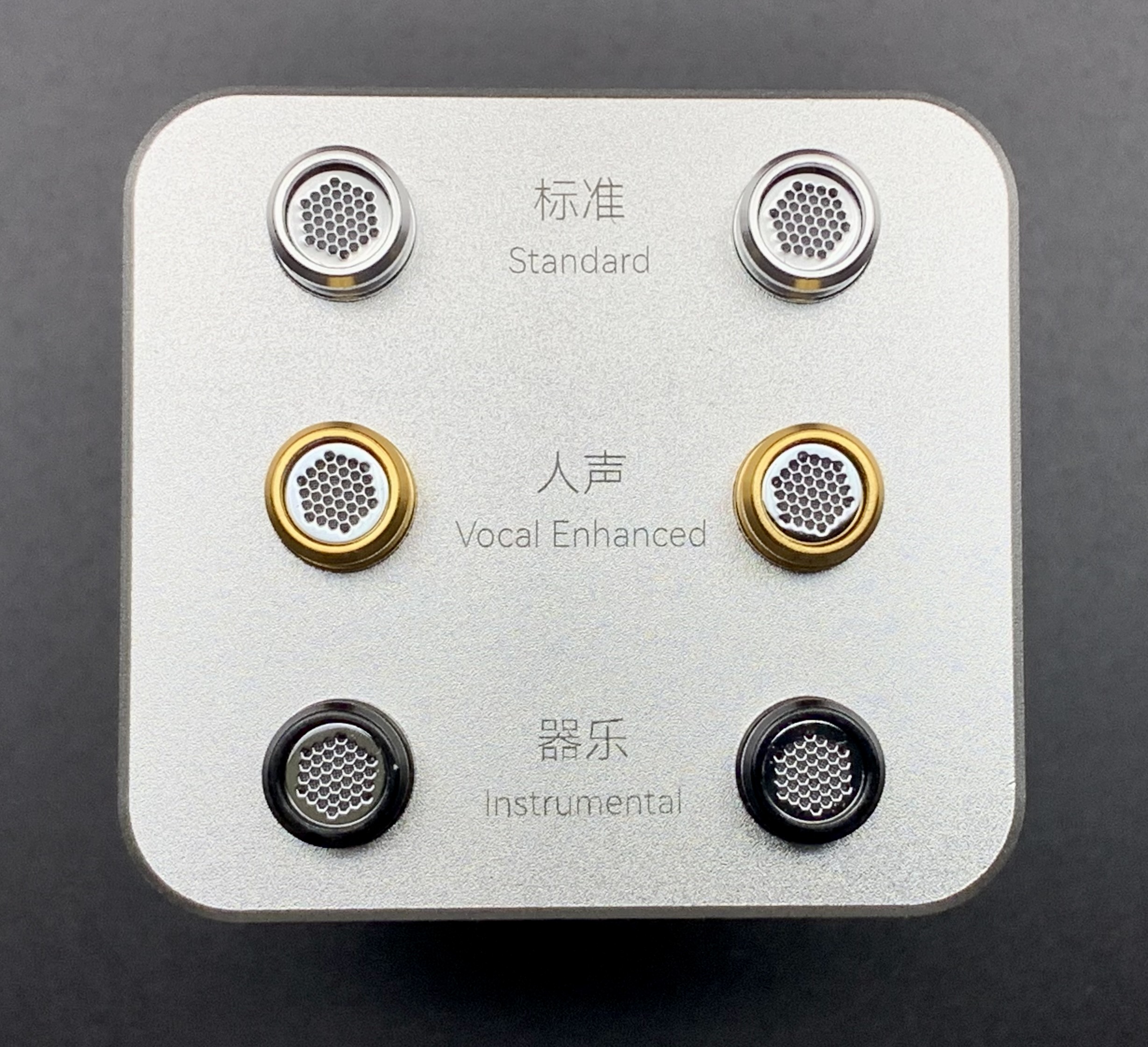
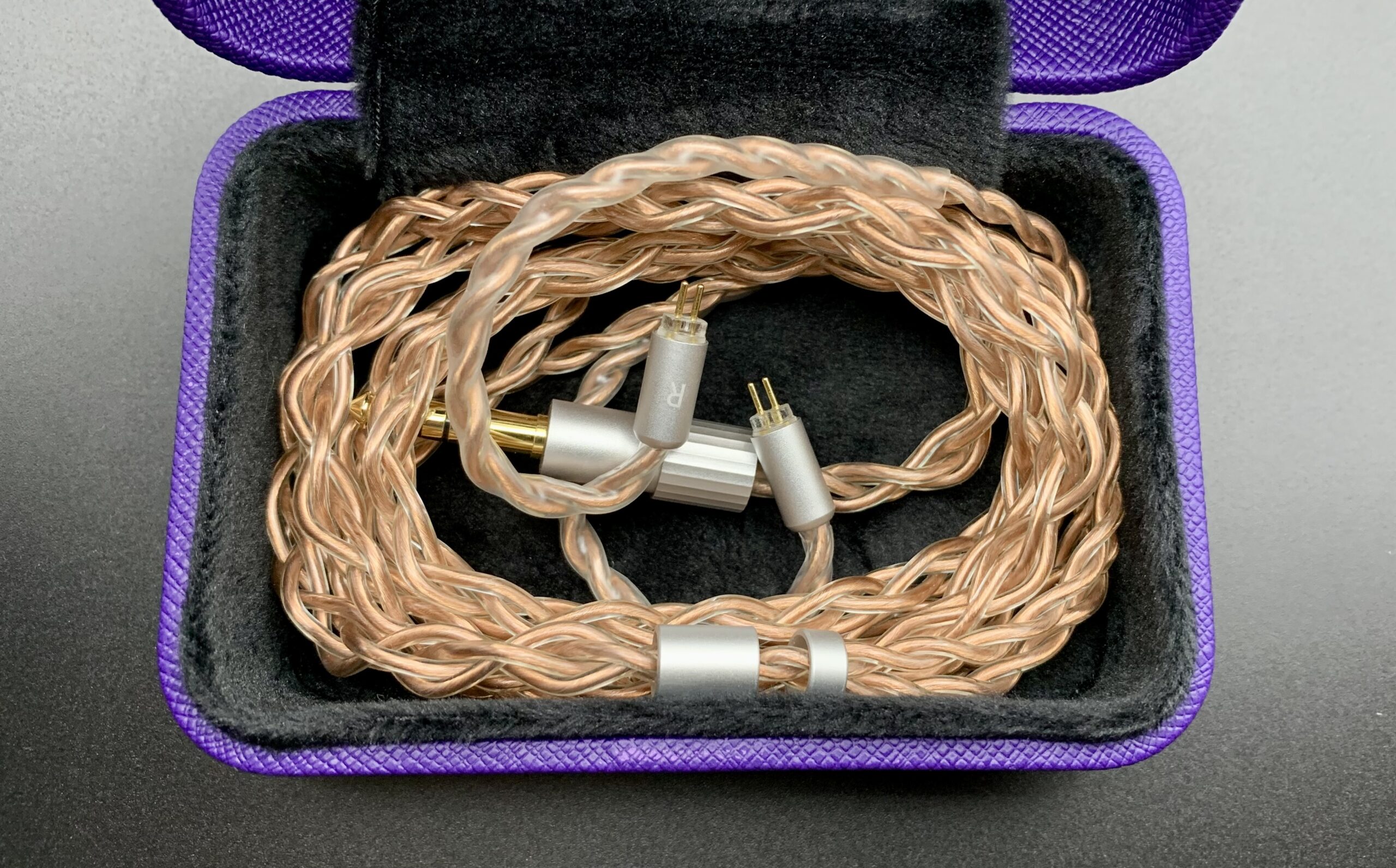
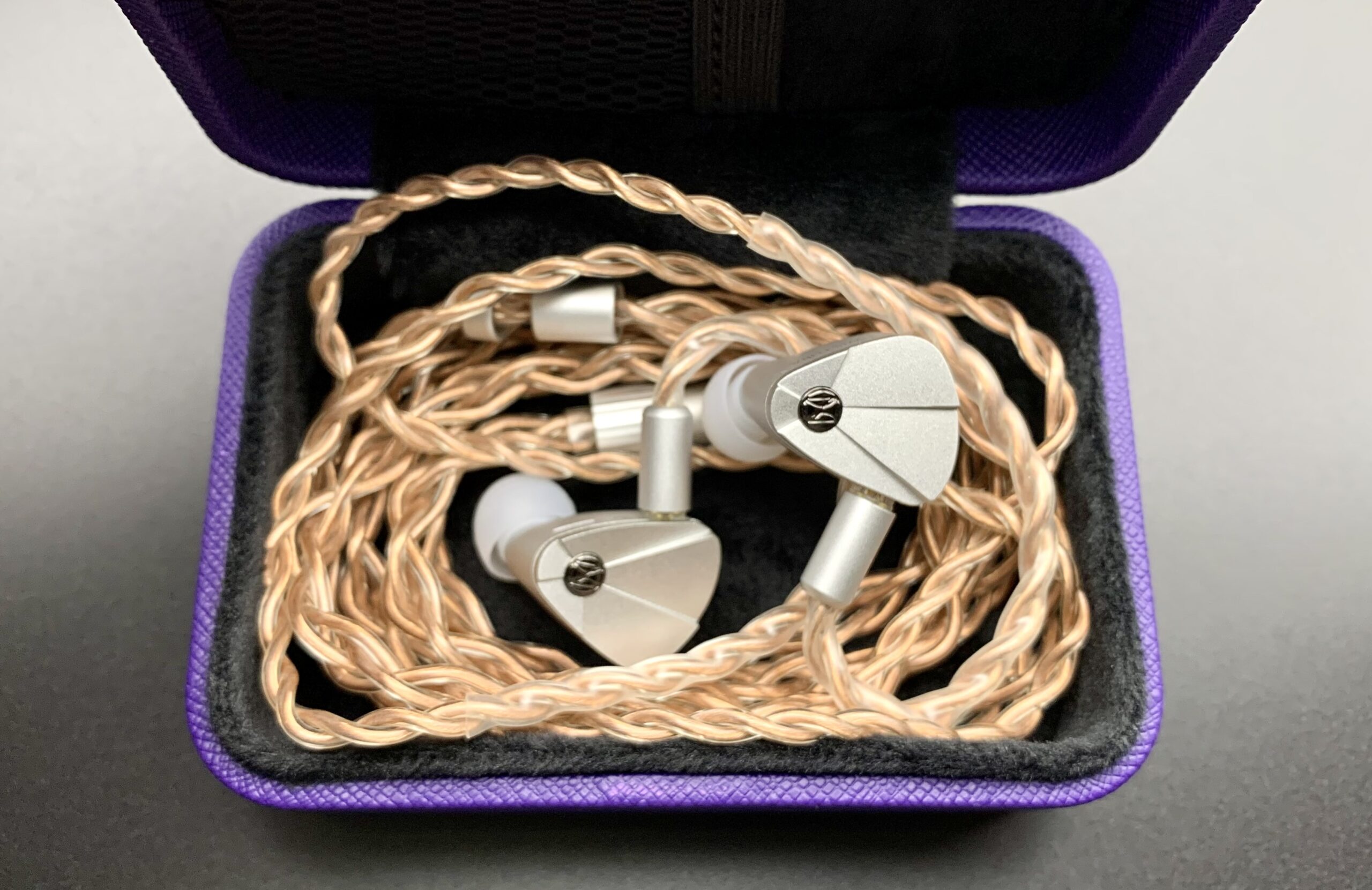
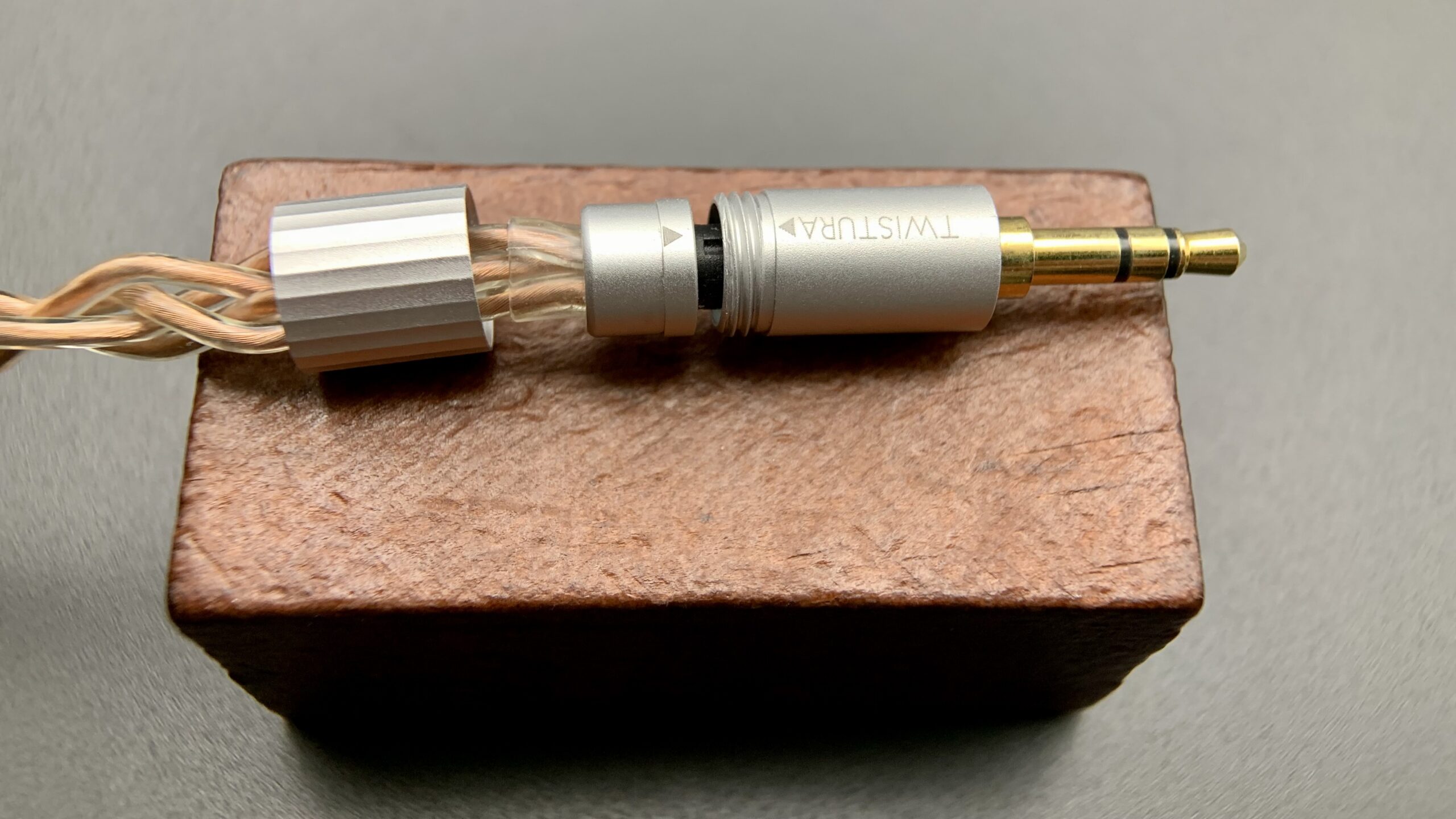
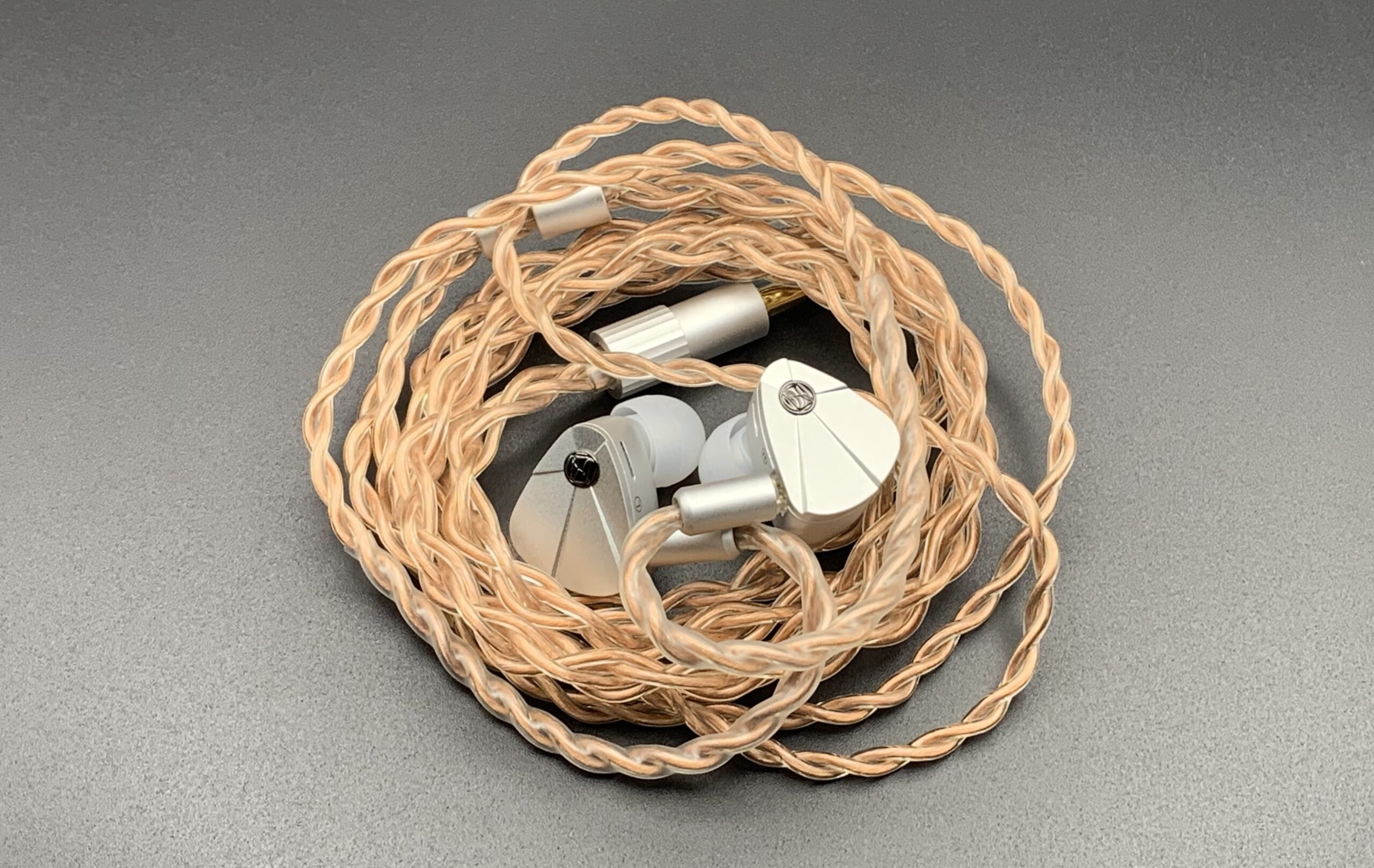
Inside the box you’ll find the earphones themselves, an OFC copper cable, three plastic containers dedicated to eartips divided by size and type, and a rectangular carrying case with magnetic closure that feels spacious and well made. An aluminum plate holds the interchangeable tuning nozzles as well as the 3.5 mm and 4.4 mm connectors. The accessory set feels complete and well balanced, with no obvious excesses and no real omissions.
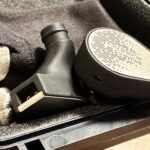
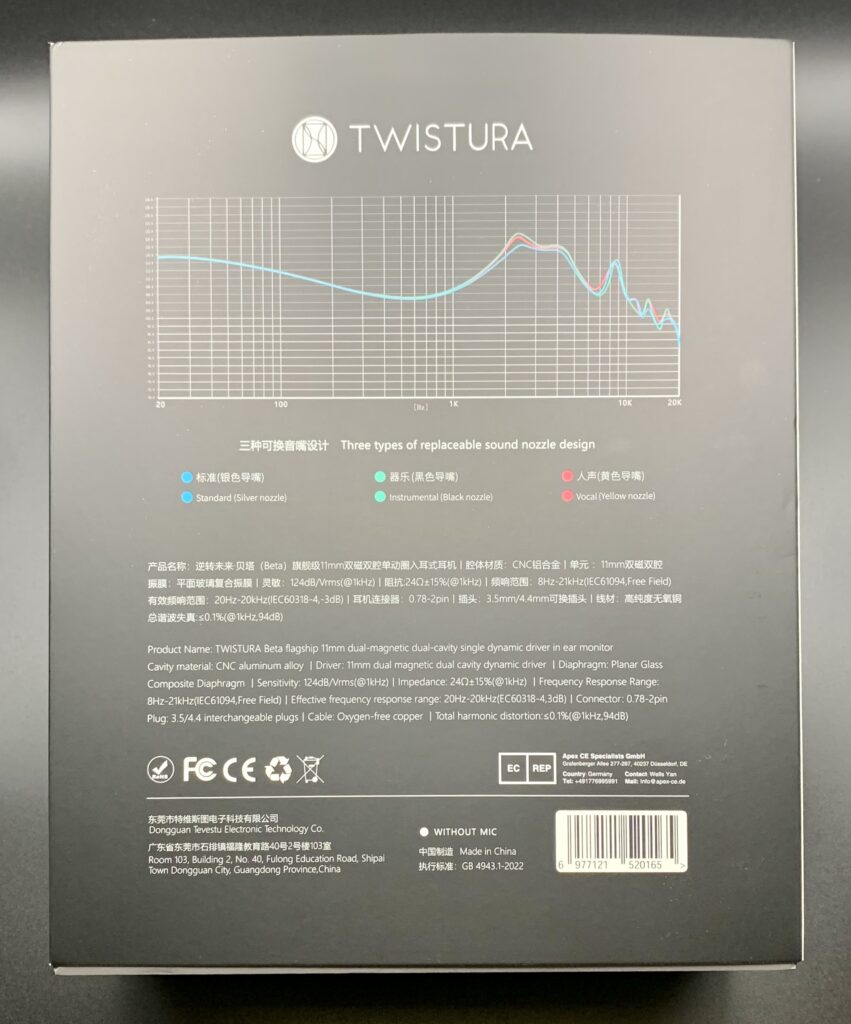
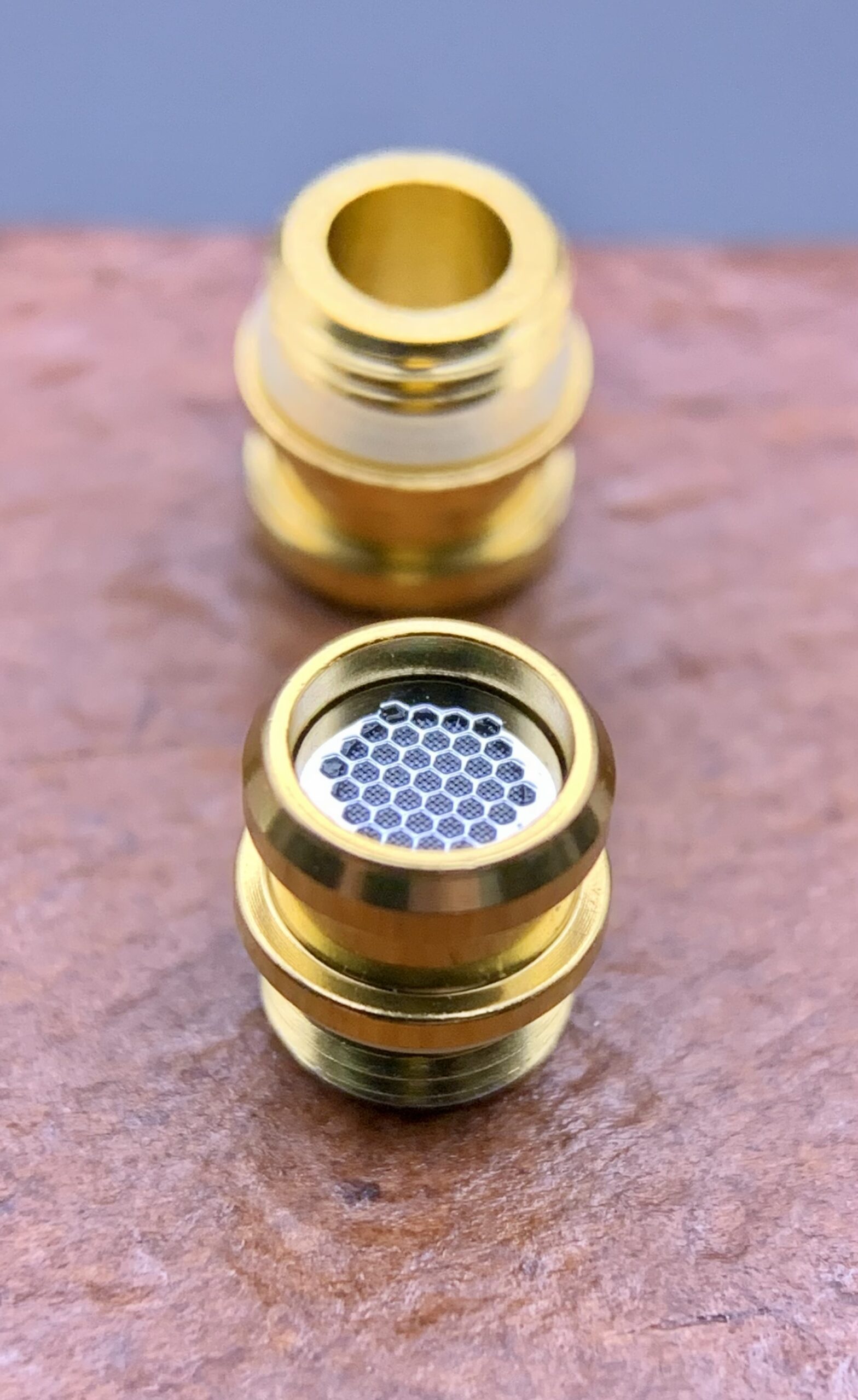
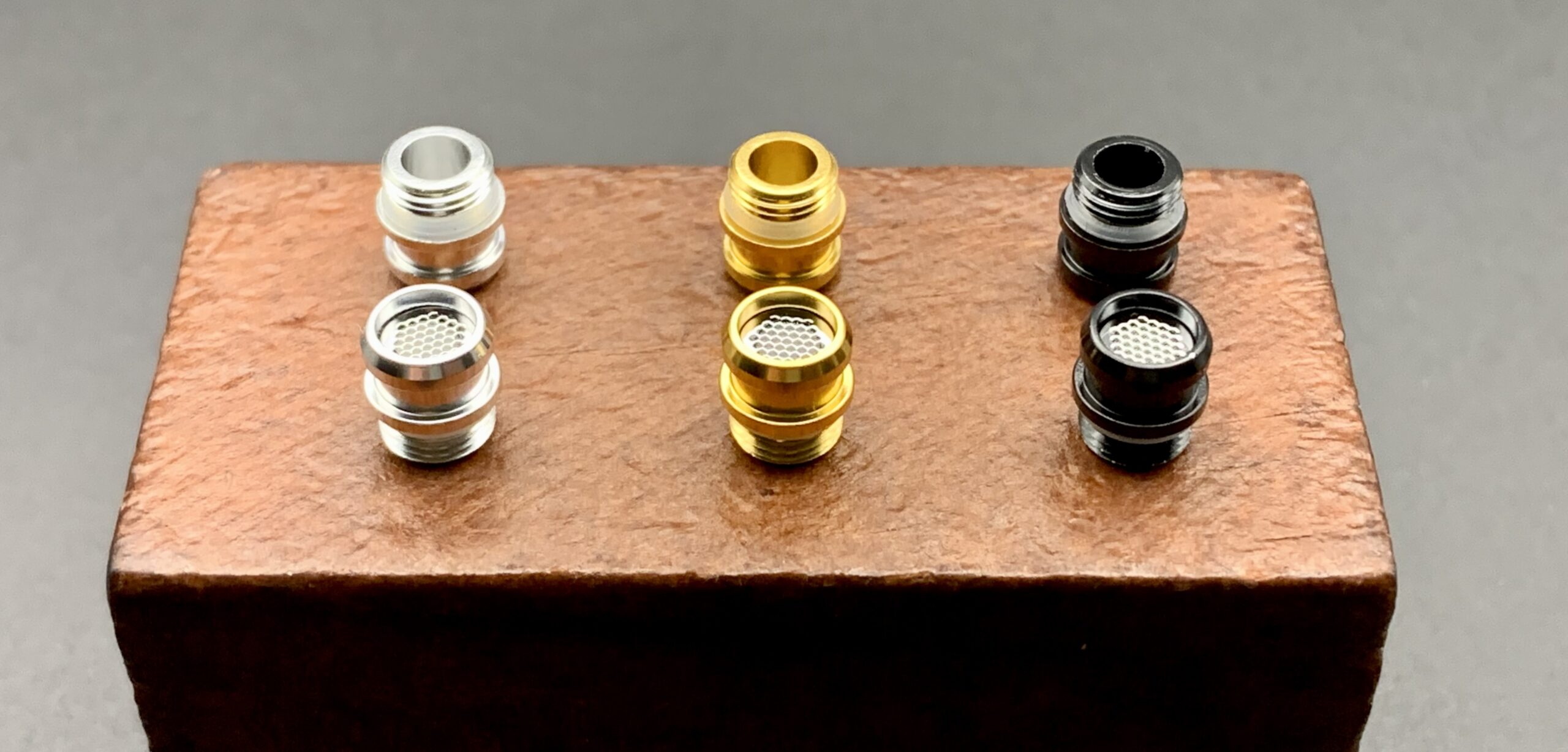
The interchangeable tuning nozzles play a central role in the overall design and are far from being simple accessories. Twistura integrates them as an active part of the listening experience, including the three Standard, Vocal and Instrumental variants as stock. These nozzles are not there just to add value on paper, but to allow the user to make tangible adjustments to the sound signature.
Overall, the accessory set does not aim for luxury, but for coherence.
Each element serves a clear purpose in everyday use and reinforces the idea of a product designed first and foremost for listening to music, not for making a visual statement.


Build, Comfort and Accessories
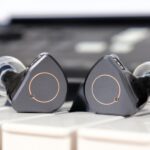
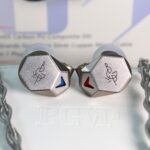
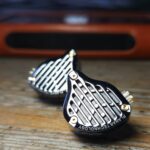
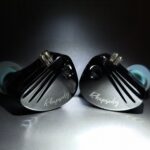
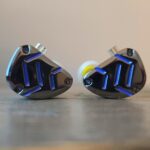
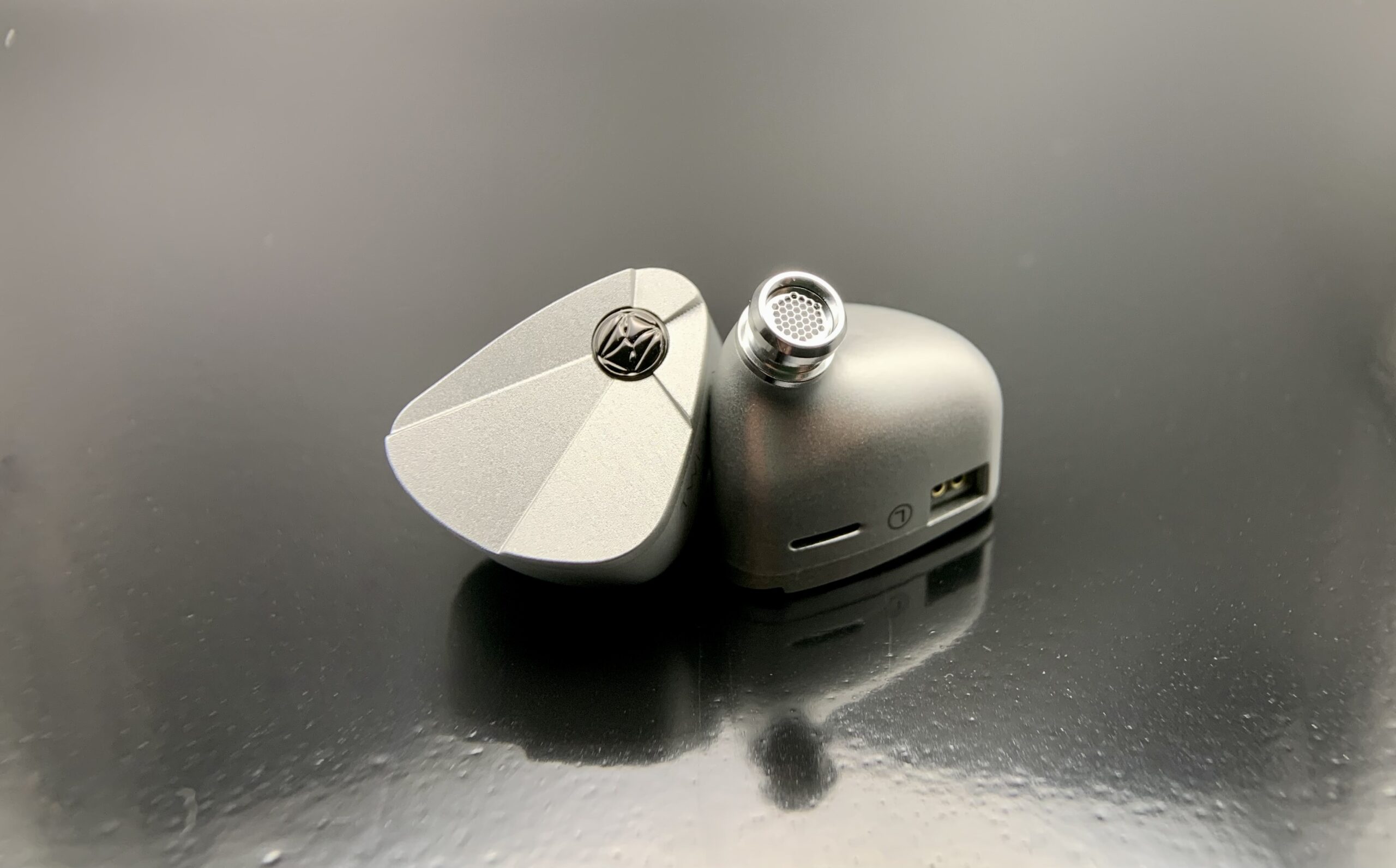
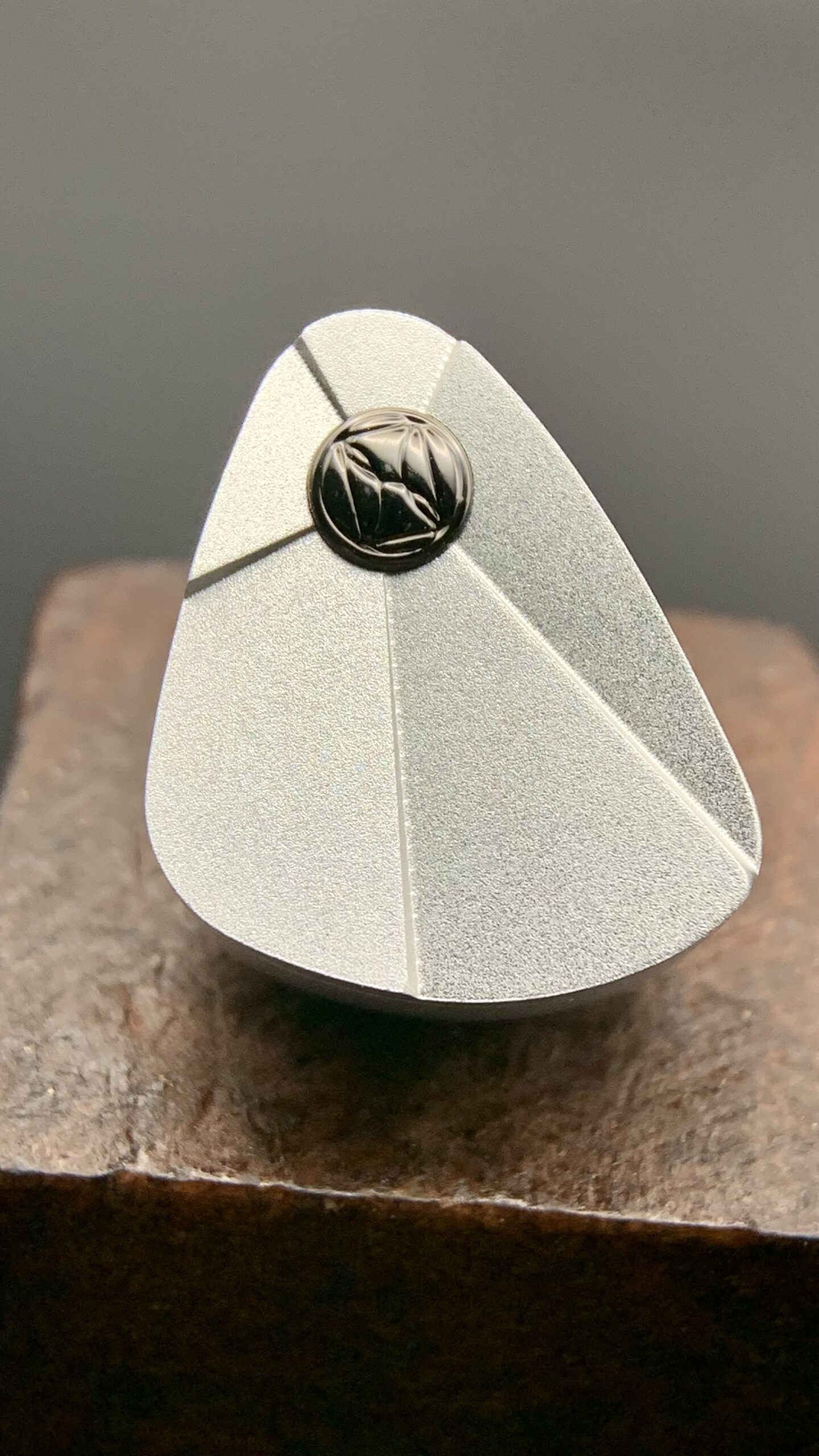
The shells use CNC machined aluminum alloy and immediately convey a sense of solidity and robustness. The design remains sober and functional, without unnecessary visual flair, fully consistent with the overall philosophy of the product.
The compact shape contributes to good comfort even during long listening sessions. Weight distribution feels well balanced and insertion comes naturally, without creating pressure points in critical areas of the ear.
The interchangeable nozzles represent a core element of the design. The three available options, Standard, Vocal and Instrumental, do not radically alter the character of the earphones, but allow for targeted fine tuning of the sound. This is a solution already seen on other recently reviewed models, such as the IR300 and T6, and here it follows the same philosophy, focused on practical customization rather than visual impact.
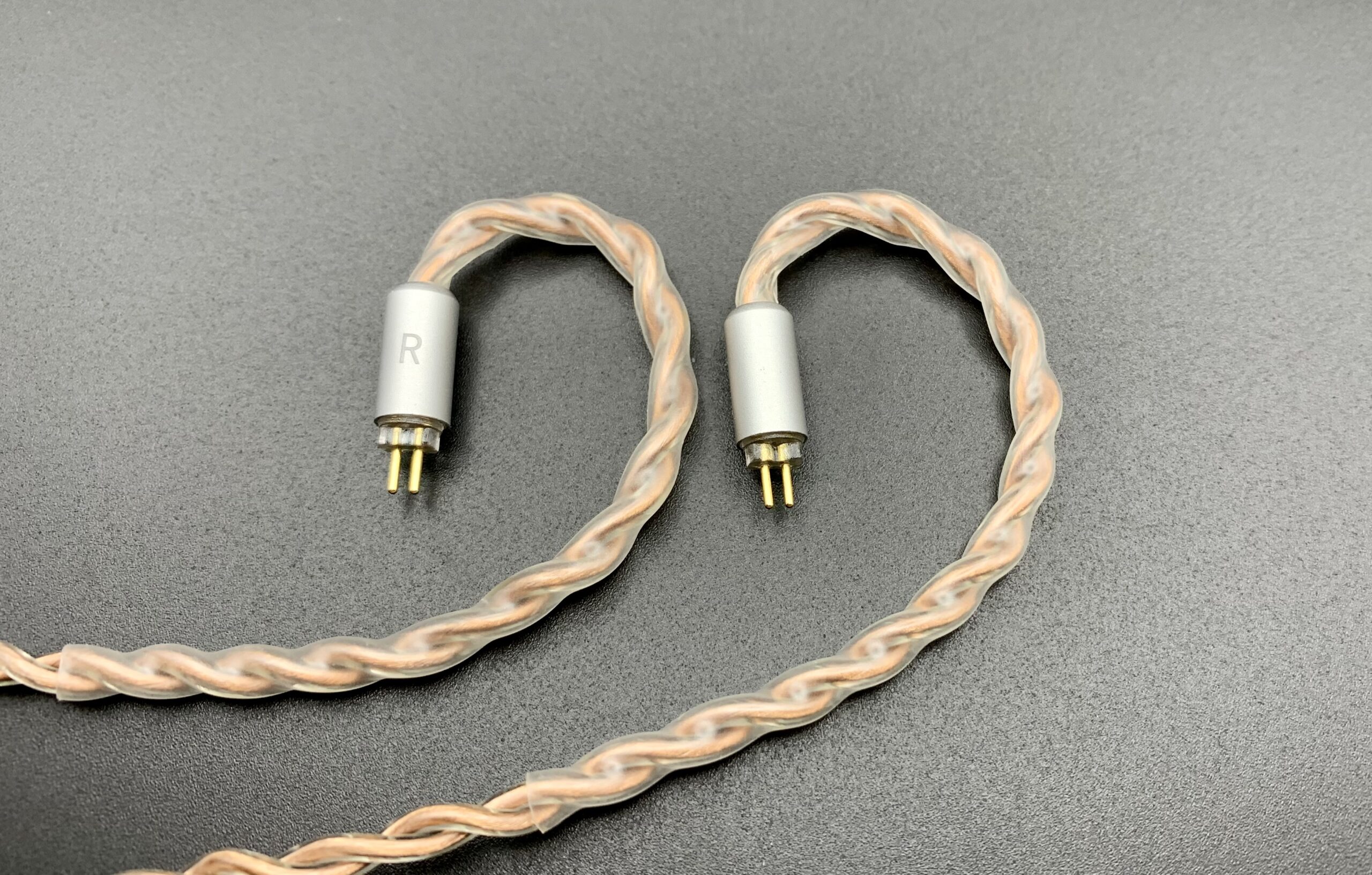
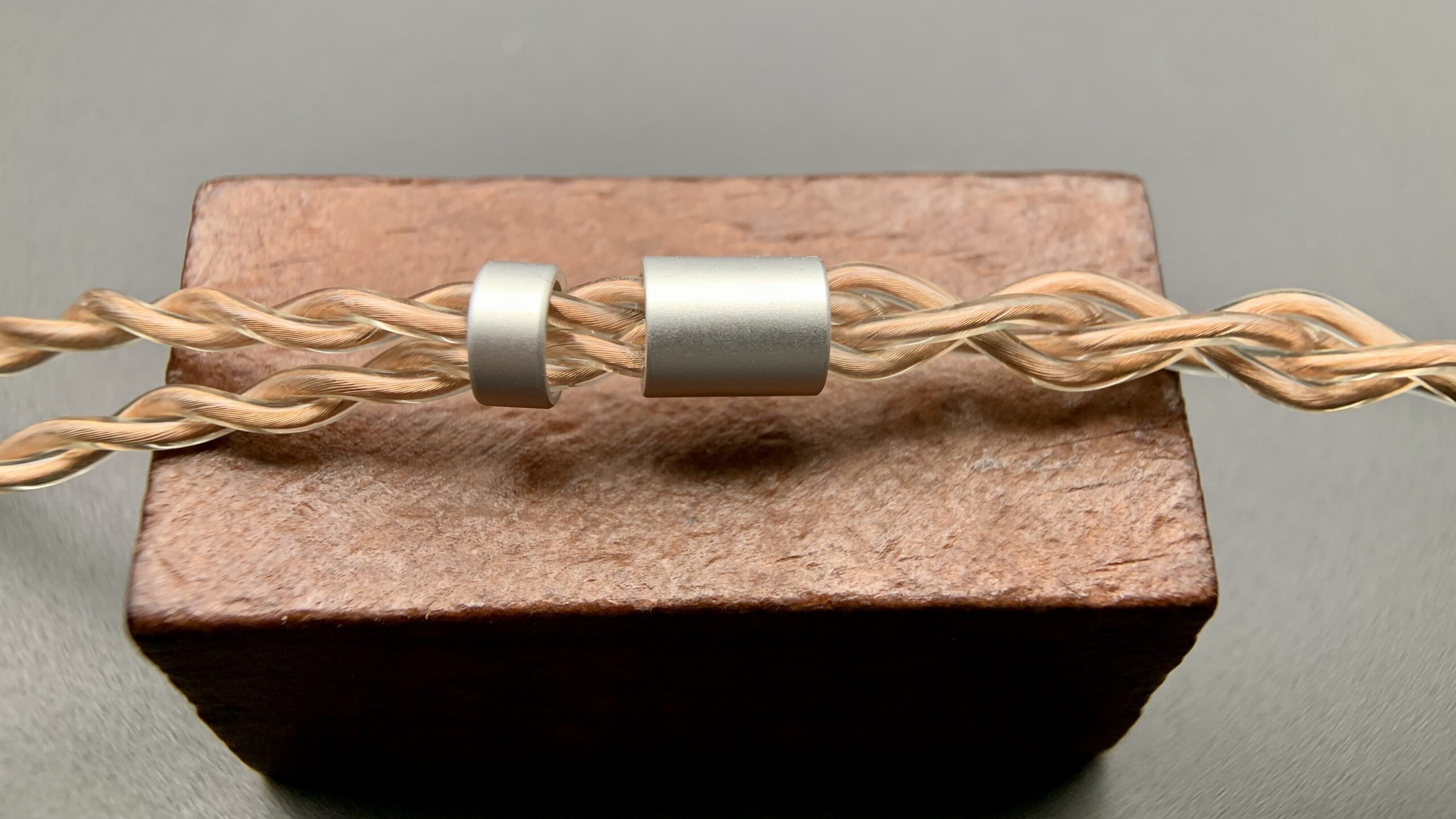
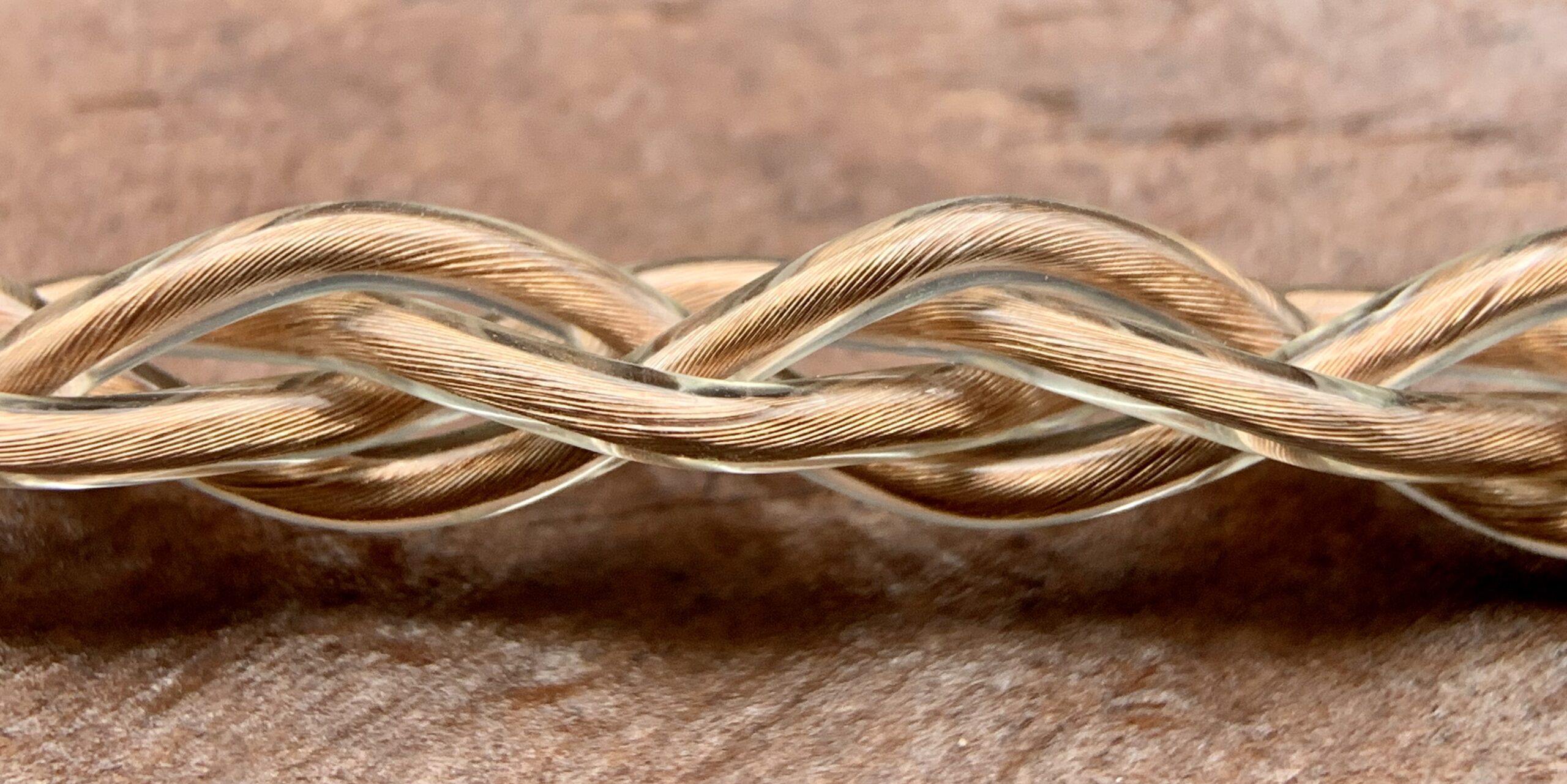
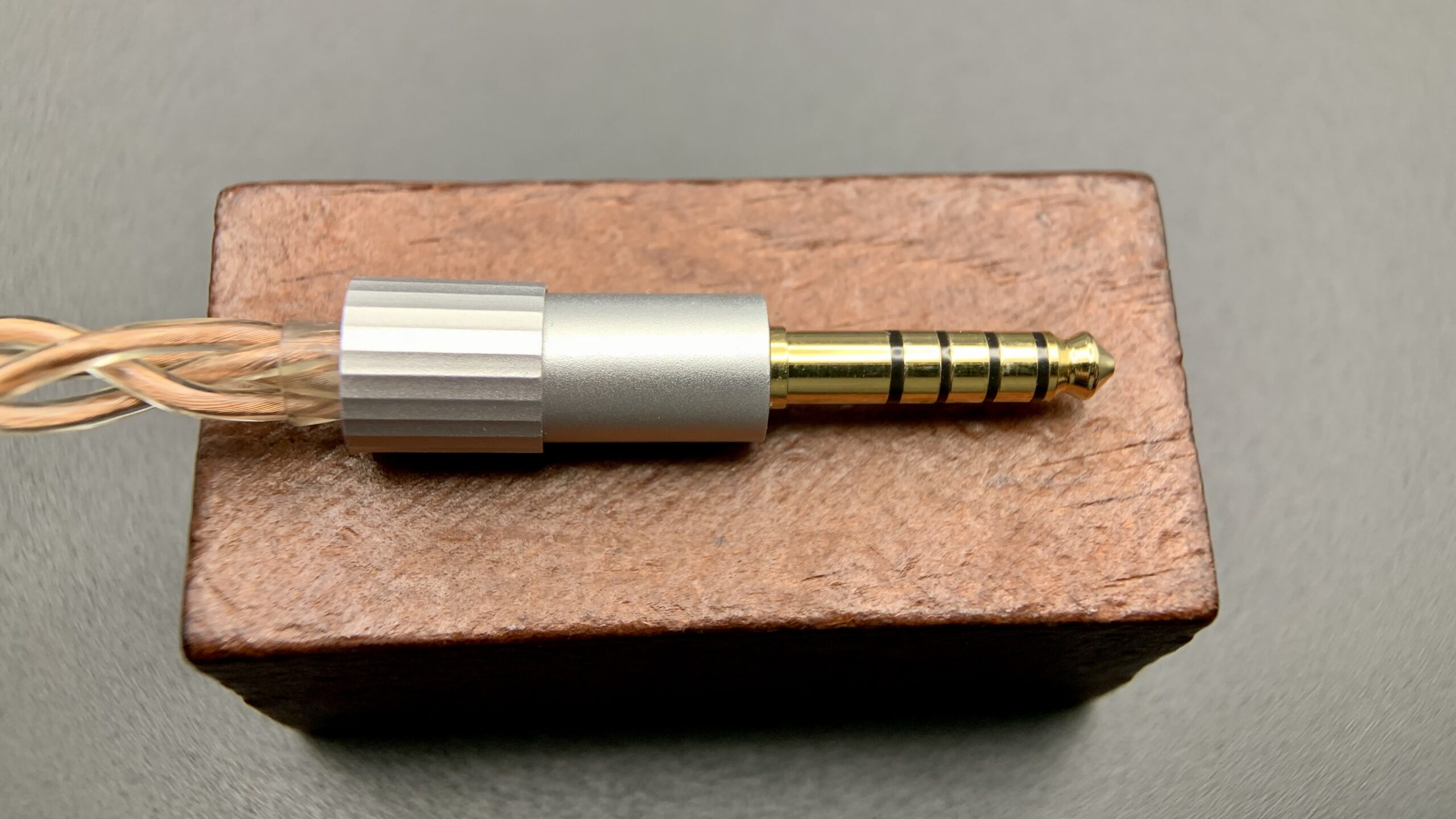
The accessory set includes an OFC copper cable with interchangeable 3.5 mm and 4.4 mm connectors. This choice simplifies pairing with different sources, removes the need for external adapters and makes the Twistura Beta immediately ready for use across a variety of listening setups.
Eartips: Organization, Materials and Practical Impact
Twistura includes a well thought out eartip selection with the Beta, clearly organized and designed to encourage experimentation right from the start.
The tips come divided into three separate plastic cases, each housed in its own dedicated slot inside the box. This layout avoids confusion and makes it immediately clear which type you are dealing with.
Each case includes three sizes S M L, for a total of three different variants, made in dark latex, white and transparent materials. The differences go beyond color alone and extend to material consistency and tactile feel, with audible effects on both comfort and sound performance.
In everyday use, this organization makes it easy to find the right balance between insertion depth, isolation and acoustic response. Some tips prioritize softness and long term comfort, while others offer a firmer grip in the ear canal and a greater sense of control, especially during more energetic passages.
From an ergonomic standpoint, insertion remains simple and stable, without creating noticeable pressure points. The good seal directly contributes to overall coherence, allowing the Twistura Beta to maintain controlled bass and a stable soundstage.
Overall, the eartips play a meaningful role rather than acting as a filler accessory. They serve as a practical tool to tailor the listening experience to personal preferences, fully in line with the modular philosophy of the project, which focuses on interchangeable nozzles and fine tuning instead of fixed, one size fits all solutions.
Overall Sound Signature
The sound signature of the Twistura Beta sits firmly in a balanced territory, fully consistent with both the design philosophy and the declared specifications.
They do not aim for a pronounced V shape nor for a clinical, surgical neutrality. Instead, they follow a generally neutral tuning with a slight lean toward musicality, clearly designed for long, relaxed listening sessions rather than immediate impact.
The glass composite diaphragm suggests a presentation focused on clarity and cleanliness, with particular attention to micro dynamics and control. This technical choice favors speed and precision without resorting to artificial emphasis and, at least on paper, stands out for its measured and non spectacular approach.
The interchangeable nozzles allow for subtle shifts in focus while preserving a clearly recognizable identity. As seen on other IEMs using similar solutions, their effect mainly targets the mid and treble regions, making it possible to add or reduce air in the upper range or to bring vocals slightly forward, without altering the overall character of the Beta.
Bass
The bass response of the Twistura Beta stands out from the very first listens, especially considering we are dealing with a single dynamic driver.
The dual cavity structure clearly works toward controlling excursion, delivering a low end that never chases a bloated or showy presentation, but remains consistently clean and well integrated with the rest of the spectrum.
There is body, there is presence, but above all, there is order.
The bass does not bleed, does not linger unnecessarily and never intrudes into the midrange. With rock and more energetic genres, it delivers a convincing drive, with solid punch and a sense of weight that never turns chaotic. The engineering effort is clearly audible, as the presentation stays composed even when the mix grows dense and busy.
Bass tuning and nozzle interaction
With the standard nozzle, the bass takes on what I would describe as a more monitor-like character.
Mid bass stays present, while sub bass remains audible without ever becoming dominant. It is a low end that works well across different genres, always in the right place, without excess or lack. A solid foundation that supports the music without stealing the spotlight.
The vocal nozzle initially gives the impression of a lighter bass, but the change mainly affects overall perception.
The low end becomes faster and drier, leaving room for greater clarity across the spectrum. This configuration favors intelligibility and cleanliness, especially when dealing with complex mixes rich in midrange information.
With the instrumental nozzle, the bass gains a touch more body and harmonic support.
It never turns intrusive, but adds a greater sense of fullness to lower instruments and fundamentals. This is the configuration that brings more perceived “weight” to the music, while preserving the controlled nature that defines the Beta.
In every case, the goal remains clear.
The Twistura Beta do not chase physical impact for its own sake, but aim for a solid, credible and consistently readable low end.
Midrange
The midrange clearly represents one of the areas where Twistura has concentrated most of its tuning work.
It never attempts to dominate the presentation, instead relying on balance, continuity and naturalness, sounding immediately believable from the very first listen.
No obvious coloration or artificial emphasis emerges. The mids integrate seamlessly with the rest of the spectrum rather than competing for attention, maintaining a strong sense of overall coherence.
For this reason, the midrange becomes the true focal point where the tuning nozzles make their presence felt. Even small variations in this area have a noticeable impact on the overall balance, shifting the listener’s attention between vocals and instruments without ever breaking the coherence of the design. It is a range that reacts clearly, yet always in a controlled and predictable way, allowing the sound to adapt to different musical contexts and personal preferences.
Midrange tuning and nozzle interaction
With the standard nozzle, the mids blend naturally into the mix.
Vocals do not push forward unnaturally, but remain centered with a credible and realistic presence. The presentation stays balanced and non-fatiguing, never trying to impress, but instead delivering a coherent and natural sound picture.
The vocal nozzle does exactly what its name suggests.
Voices step slightly forward, gaining presence and intelligibility. Speech becomes more defined, and female vocals in particular emerge with greater clarity and naturalness, without ever turning sharp or aggressive. This configuration places the human element at the center of the presentation, making the listening experience more direct and engaging.
With the instrumental nozzle, the midrange tightens up.
Acoustic instruments gain cohesion and continuity, with fuller body and less emphasis on vocals. Guitars, piano and strings sound richer, with more evident harmonic texture and a stronger sense of density and solidity.
Across all configurations, the transition between mids and treble remains smooth.
No abrupt breaks or discontinuities emerge, preserving a natural, unforced and well integrated presentation.
Treble
The treble of the Twistura Beta follows the overall philosophy of the project and is one of the areas where the fine tuning offered by the nozzles becomes most evident.
Rather than aiming for a bright or spectacular presentation, the upper range remains readable, orderly and well suited for long term listening.
The glass composite diaphragm contributes to good transient speed, translating into clean attacks and the ability to maintain control even when the music becomes complex. Cymbals, harmonics and decays remain distinct and well separated, without ever turning sharp or intrusive.
Treble tuning and nozzle interaction
With the standard nozzle, the treble sits at the core balance of the tuning.
It integrates smoothly with the rest of the spectrum, providing just the right amount of air and definition without drawing attention to itself. This is a presentation that remains consistent across different recordings, always controlled and well judged.
The vocal nozzle clearly shifts the focus toward a softer presentation.
Edges smooth out further, the treble becomes rounder and less exposed, and the overall sound turns more relaxed and forgiving. This configuration handles less refined recordings particularly well and invites long, fatigue free listening sessions.
With the instrumental nozzle, the upper range opens up more noticeably.
Air between instruments increases, the sense of space grows, and detail becomes easier to perceive, especially in harmonics and trailing decays. Without ever crossing into hyper detail or sibilance, this configuration makes the treble feel more present and airy.
Overall, the treble of the Twistura Beta never chases immediate wow factor.
Instead, it focuses on balance and long term usability, leaving the nozzles to fine tune the character according to personal taste and listening context.
Soundstage and Imaging
The soundstage of the Twistura Beta proves surprising from the very first listens, especially considering we are dealing with a single dynamic driver.
The stage does not feel wide only on paper, but thoughtfully constructed, with a strong sense of order and a consistently readable placement of elements.
Width develops well, depth is more than respectable, and what stands out most is the ability to keep instruments clearly separated even when the mix becomes dense. The driver architecture and internal chamber design play a key role here, contributing to a coherent stage and avoiding unwanted overlap or lateral compression effects.
With the standard nozzle, the soundstage expresses the core balance of the project.
Imaging remains stable and well centered, with a natural and believable placement of instruments. The presentation avoids forced three dimensional tricks, instead delivering a realistic and well proportioned spatial picture.
The vocal nozzle pulls the stage slightly inward.
The presentation becomes more compact, vocals move forward and the overall character turns more intimate, as if the focus shifts toward the center of the stage. This configuration favors a closer connection with the performance, trading some width for increased presence.
With the instrumental nozzle, the stage opens up more clearly.
Width increases, air between instruments becomes more noticeable and lateral separation improves. This is the configuration that emphasizes spatial presentation the most, giving the stage more breathing room and a greater sense of openness, especially toward the sides.
Staying within the natural limits of a single dynamic driver, the ambition here clearly exceeds the average for the category. The result is a well constructed, coherent and, above all, modular spatial presentation that changes in a perceptible way depending on the tuning nozzle in use.
Driveability, Pairing and Synergy
With a 24 ohm impedance and high sensitivity, the Twistura Beta clearly fall into the category of easy to drive IEMs.
Even compact sources, dongles and entry level DAPs are more than capable of bringing them to adequate listening levels, without the need for high power output or dedicated amplification.
This ease of drive, however, does not imply indifference to source quality.
The Beta are transparent enough to clearly reveal differences upstream. With clean and well controlled sources, the sound gains in micro detail, imaging precision and dynamic contrast. With overly soft or heavily colored sources, the presentation tends to round off, losing some bite and articulation, and sounding flatter and less defined.
Source interaction and real world synergy
When paired with neutral or slightly analytical dongles and DAPs, the Beta show their most orderly and controlled side.
Separation improves, the presentation becomes cleaner and more readable, and spatial precision stands out more clearly. This behavior is especially evident when using the standard or instrumental nozzles, which enhance air and definition without pushing the sound into aggressive territory.
With warmer or more musical sounding sources, the Beta adapt naturally.
In this context, the vocal nozzle works particularly well, bringing voices slightly forward and making the presentation more fluid, continuous and relaxed. The focus shifts away from analysis and toward listening pleasure, while maintaining good overall balance and control.
A concrete added value is the inclusion of a 4.4 mm balanced connector as standard.
This allows the Beta to fully exploit more refined sources without compromise. In balanced mode, especially with neutral DACs and amplifiers, dynamic handling improves and control becomes more evident during complex passages.
The real strength of the Twistura Beta, however, lies in the ability to adapt them to the chain, rather than the other way around.
The interaction between source character and tuning nozzles makes it possible to tame an overly bright source or, conversely, to recover air and clarity with softer sounding gear, all without altering the core identity of the IEM.
This makes the Beta particularly well suited for users who rely on multiple devices, such as smartphones with dongles, portable DAPs or compact desktop setups, without the need to chase perfect synergy upstream.
They are not only easy to drive, but also easy to integrate. A quality often overlooked, yet fundamental for an IEM designed for daily use across different chains and listening contexts.


Pairing and Synergy
The Twistura Beta show good versatility when it comes to pairing and integrate easily into different chains, without requiring special attention in terms of power.
They are not difficult to drive, yet remain transparent enough to clearly reveal differences between the sources used.
This balance makes them easy to live with, but far from generic or dull.
Source character and tuning interaction
With dongles or DAPs that lean more neutral or analytical, the Beta highlight control, cleanliness and overall clarity of the presentation.
In these setups, micro detail, separation and imaging precision become more apparent, especially when using the standard or instrumental nozzles, which enhance air and definition without pushing the sound into aggressive territory.
With sources that have a more musical or slightly warm character, the Beta naturally smooth out.
The vocal nozzle works particularly well in this context, bringing voices more forward and making the presentation more fluid, continuous and relaxed. The focus shifts away from analysis and toward pure listening enjoyment, while maintaining good overall coherence.
The real strength lies in the ability to adapt the Beta to the source, rather than the other way around.
The interaction between chain character and tuning nozzles allows you to tame an overly bright source or, conversely, to recover air and clarity when using softer sounding gear, all without altering the core identity of the IEM.
This flexibility makes the Twistura Beta especially well suited for users who rely on multiple devices, such as smartphones with dongles, portable DAPs or compact desktop setups, without sacrificing a coherent sound signature.
They do not force you to chase perfect synergy upstream, but instead provide the tools to build it downstream in a simple and practical way.
Ultimately, the Beta are not only easy to drive, but also easy to integrate.
A quality that often goes overlooked, and one that makes them appealing both to listeners looking for a flexible all-rounder and to those who enjoy tailoring the sound to their own chain and personal taste.
Listening Tests
Latin Rock

Carlos Santana & Buddy Miles Live!
Evil Ways / Faith Interlude
This track, taken from the live performance by Carlos Santana and Buddy Miles, carries an impressive amount of drive and raw energy. It opens with that unmistakable Santana style Latin groove, then explodes into a mix of relentless percussion and pushed, almost overstressed guitars, very much of its time.
The main limitation of the recording is immediately clear. This is an old live recording, not particularly refined from a technical standpoint. The sound is far from ideal, resolution is limited and the overall presentation feels rather closed in. On overly analytical systems or headphones, this recording can sound cold, dull and uninvolving. Even the remaster improves things only marginally, because what isn’t there in the original recording simply cannot be recreated.
This is exactly where the importance of choosing the right transducer becomes obvious. Recordings like this call for musical, forgiving speakers or headphones, not surgical ones. Only then do the rough edges smooth out and the listening experience becomes fluid, dynamic and enjoyable again, without technical limitations overshadowing the music itself.
The Twistura Beta behave in exactly this way.
They are detailed enough to avoid smearing the message, but not so analytical that every flaw is pushed under a microscope. The result is a fast, energetic and engaging listen, where groove and dynamics take priority over technical dissection. Percussion has drive, the guitar keeps its bite, and the whole presentation delivers that raw, rock oriented feel that makes your foot tap more than once, without ever becoming fatiguing.
Blues Rock

Big Brother & The Holding Company – Cheap Thrills
Summertime
Cheap Thrills is one of those albums that speaks for itself, then and now. It needs no introduction and still has plenty to say decades later. I chose Summertime because it is one of the most representative tracks on the album and because it puts Janis Joplin’s vocal approach front and center.
There is no search for perfection or formal control here. The voice is not meant to sound “beautiful”, but expressive. You hear the strain, the lack of breath, the breaks in the timbre and the rough edges, which are not flaws but an essential part of the musical message. It is a voice driven by tension and emotional intensity, and that is exactly what makes it so powerful and believable.
Recordings from that era, conceived primarily for vinyl, often followed a specific balance, with forward highs and more restrained bass, to avoid issues with the physical medium. When comparing different editions, from older CDs to remasters or digital releases, noticeable differences in tonal balance are quite common.
In this context, the Twistura Beta avoid turning the elevated highs into something harsh or piercing, even though they sit clearly forward in this recording. At the same time, they let Janis Joplin’s voice come through exactly as it is: rough, gritty and intense, without smoothing or sweetening it.
This is where soul, urgency and truth come into play.
Soul, because the performance comes from expression rather than form.
Urgency, because the singing feels as if it cannot wait.
Truth, because there is no distance between emotion and sound.
Ball and Chain, the closing track of the album, also deserves a mention. Beyond a monumental vocal performance, it highlights the guitars typical of the era, distorted, raw and often right on the edge. Here too, the Beta maintain control and order, letting all the energy through without turning it into listening fatigue.
A listening experience that clearly shows how musical and respectful these IEMs can be toward the recording, even when it is far from perfect.
Rock
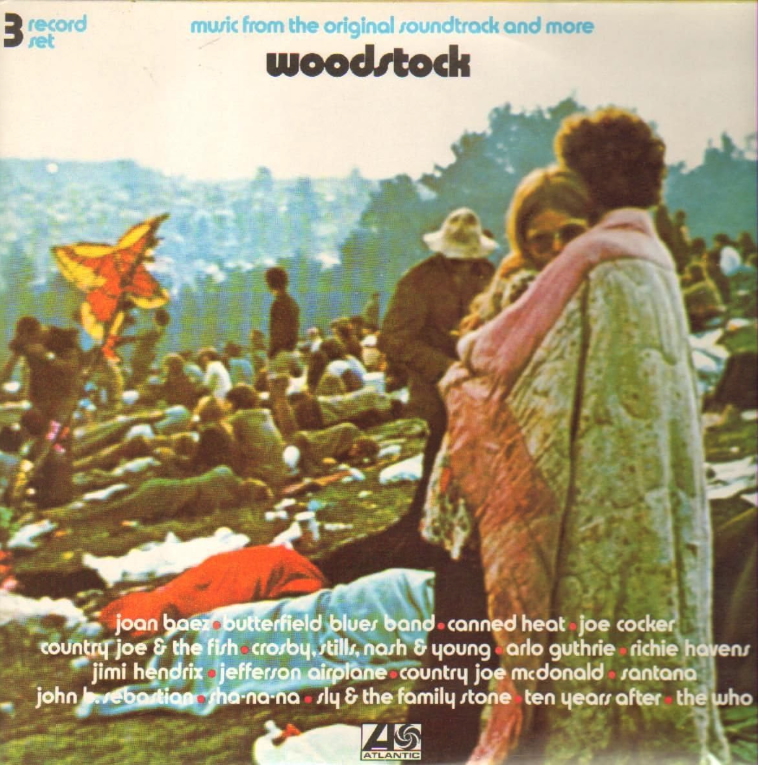
Ten Years After – I’m Going Home
from the Woodstock concert
Today I dug through some old, dusty shelves and pulled out a true piece of rock history.
What, for me, still stands as The Concert, with capital letters. An unrepeatable moment, unlikely to ever be recreated in terms of intensity, context and spirit.
With I’m Going Home, Ten Years After deliver the very essence of music and improvisation. A track that contains everything: rhythm, tension, peaks, silences and every possible shade in between. Everything that could be imagined and played was played right there, without restraint and without calculation.
In a track like this, what should a transducer do.
It needs to be fast, musical and harmonically coherent. Above all, it must follow every element on stage. The kick drum pounding relentlessly. The clapping that becomes part of the rhythm. The voice moving from barely audible tones to raw, visceral screams. The guitar running, pushing and improvising exactly as it should. Everything coexists in a single harmony, fragile and powerful at the same time.
I’ll admit it without hesitation: I’m in love with this track.
I own it in dozens of different recordings and keep coming back to it, because every time it tells a slightly different story.
Here, the Twistura Beta came very close to perfection. And I say close, because I don’t believe in absolutes.
They manage to mask the limitations of a far from perfect recording, following every sound without becoming fatiguing or losing bite. By contrast, with much more celebrated headphones, which I won’t name out of respect for the brand, the listening experience quickly became heavy and uncomfortable. Too much detail, turning edgy and invasive, piercing the ears and making the vocals sound unnatural.
Not here.
Here, the music flows, breathes and stays alive.
Well done, Beta. Truly.
Final Considerations
The Twistura Beta show good versatility when it comes to pairing and integrate easily into different chains, without requiring special attention in terms of power.
Despite being easy to drive, they remain transparent enough to clearly reveal differences between the sources used.
This balance makes them easy to live with, but far from generic or dull.
Source character and tuning interaction
When paired with dongles or DAPs that lean more neutral or analytical, the Beta highlight control, cleanliness and overall clarity of the presentation.
In these setups, micro detail, separation and imaging precision become more apparent, especially when using the standard or instrumental nozzles, which enhance air and definition without pushing the sound into aggressive territory.
With sources that have a more musical or slightly warm character, the presentation naturally smooths out.
In this context, the vocal nozzle works particularly well, bringing voices more forward and making the sound more fluid, continuous and relaxed. The focus shifts away from analysis and toward pure listening enjoyment, while maintaining good overall coherence.
The real strength lies in the ability to adapt the Beta to the source, rather than the other way around.
Through the interaction between chain character and tuning nozzles, it becomes possible to tame an overly bright source or, conversely, to recover air and clarity when using softer sounding gear, all without altering the core identity of the IEM.
This flexibility makes the Twistura Beta especially well suited for users who rely on multiple devices, such as smartphones with dongles, portable DAPs or compact desktop setups, without sacrificing a coherent sound signature.
Rather than forcing the listener to chase perfect synergy upstream, the Beta provide the tools to build it downstream in a simple and practical way.
Ultimately, ease of drive goes hand in hand with ease of integration.
A quality that often goes overlooked, yet one that makes the Twistura Beta appealing both to listeners looking for a flexible all-rounder and to those who enjoy tailoring the sound to their own chain and personal taste.
8 / 10
🟢 Pros
- Well judged and coherent tonal balance
- Musical, natural and non fatiguing sound
- Good control of the dynamic driver, fast and well ordered
- Interchangeable nozzles that are genuinely useful and clearly audible
- Versatile across different genres and with challenging recordings
- Easy to drive, yet responsive to source quality
- Solid build quality and comfort suited for long listening sessions
🔴 Cons
- Not suited for listeners who prioritize extreme resolution and analytical detail over musical flow
- Lack of immediate wow factor, especially for short or casual listening sessions
- Bass impact may feel too polite for those coming from bass heavy or V shaped tunings
- Tuning nozzles offer fine adjustment rather than meaningful signature shifts
- Require time and careful listening to be fully understood and appreciated
Questions and Answers
Are these IEMs analytical or musical
The Twistura Beta clearly lean toward musicality. They offer a solid level of detail, but avoid extreme analysis and do not put every recording flaw under a microscope. Their real strength lies in balance and in the ability to make even less than perfect material enjoyable.
Are they suitable for all music genres
Yes, especially for listeners who move across different genres. Rock, blues, jazz, live recordings and older material all come across as credible and engaging. They are not aimed at those looking for exaggerated bass or an overly bright sound, but they work well across a wide range of music.
How do the interchangeable nozzles affect the sound
The nozzles do not radically change the character of the Beta, but allow for meaningful fine tuning. Differences are audible in the mids, treble and soundstage. The standard configuration remains the most balanced overall, while the vocal and instrumental nozzles shift the focus toward vocals or spatial presentation respectively.
Are they hard to drive
No. The Beta perform well even with dongles and compact sources. At the same time, they respond positively to higher quality sources, revealing differences in control, dynamics and overall cleanliness. They are easy to use, but not flat or unresponsive.
What type of listener are they designed for
They are designed for listeners looking for a mature, coherent and non fatiguing sound. Ideal for long listening sessions, frequent genre changes and for those who do not want an IEM that only impresses in the first few minutes. Less suitable for listeners chasing a spectacular or highly analytical presentation.
Is it worth using multiple configurations or sticking to one
It depends on listening habits. The nozzles help adapt the Beta to different sources and recordings, but once the right configuration is found, there is no real need to change it constantly. In my case, the standard nozzle is the one that stays on most of the time.
Where to Buy
The Twistura Beta are available directly from the official Twistura website, as well as through AliExpress, where the brand operates its official store.
The listed price is 119 USD, with potential variations depending on seasonal promotions or special offers, so it is worth checking both platforms before purchasing.
Considering the overall design, build quality and the ability to fine tune the sound through interchangeable nozzles and eartips, the price to performance ratio is particularly compelling for those looking for a mature, balanced single dynamic IEM designed for real world listening rather than immediate impact.
I would like to thank Twistura for providing this sample for review.
As always, this review reflects my personal and independent evaluation, and I have no commercial relationship with Twistura or with any other brand or distributor.




No Comment! Be the first one.