










Disclaimer:
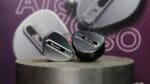
Good morning, MBA readers. Today we have the new Kiwi Ears Orchestra II in our hands, the latest version featuring some significant sonic improvements. I particularly appreciated the first version, given that it was a set with a lot of BAs inside, but unlike many who attempt to produce IEMs, Kiwi Ears managed to strike a good balance without making the sound harsh and hard like some models from other brands. The new version upholds the recipe of the previous one with several sonic and dynamic improvements. A balanced, versatile set, rich in energy and detail without being difficult to tolerate.
Table Of Content
However, the review will still be 100% honest and in no way biased.
I’m not an audiophile; I’m just a guy who likes to test out different IEMs and DACs and spends a lot of time listening to music.
So I’m not going to use super technical words to review it, but I will do my best to describe it.
Tech Specs:
- BA: 10 Custom Balanced Armatures
4 x Way Crossover - Sensitivity: 110dB SPL/mW
- Frequency Range 20Hz-20KHz
- Impedance 15Ohm
- Cable Connectors 0.78mm/2PIN
- Cable Length 122CM+/-2CM
- Cable Material SP-OCC
- Cable Plug 3.5mm plug + 4.4mm plug
Packaging:
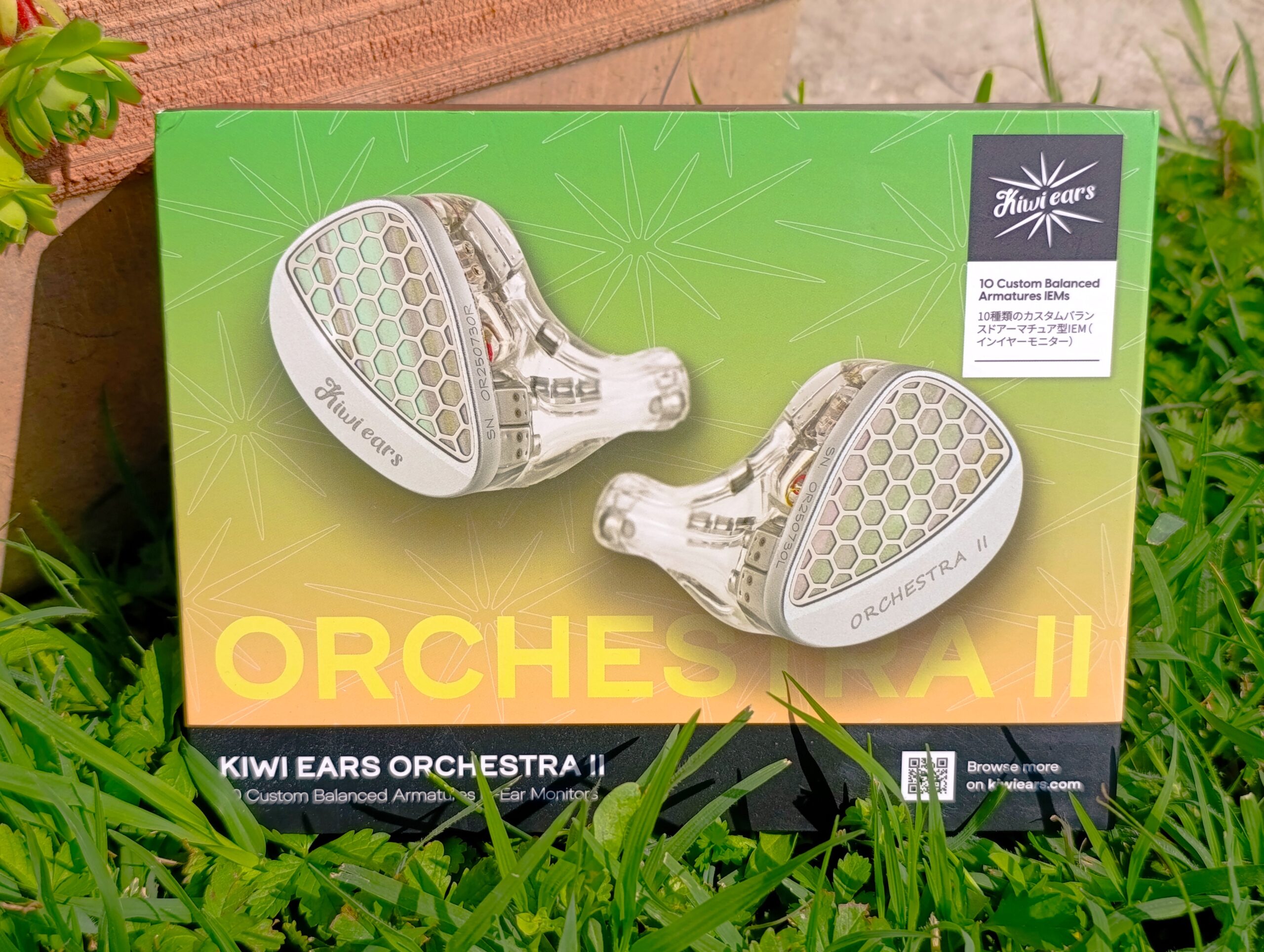
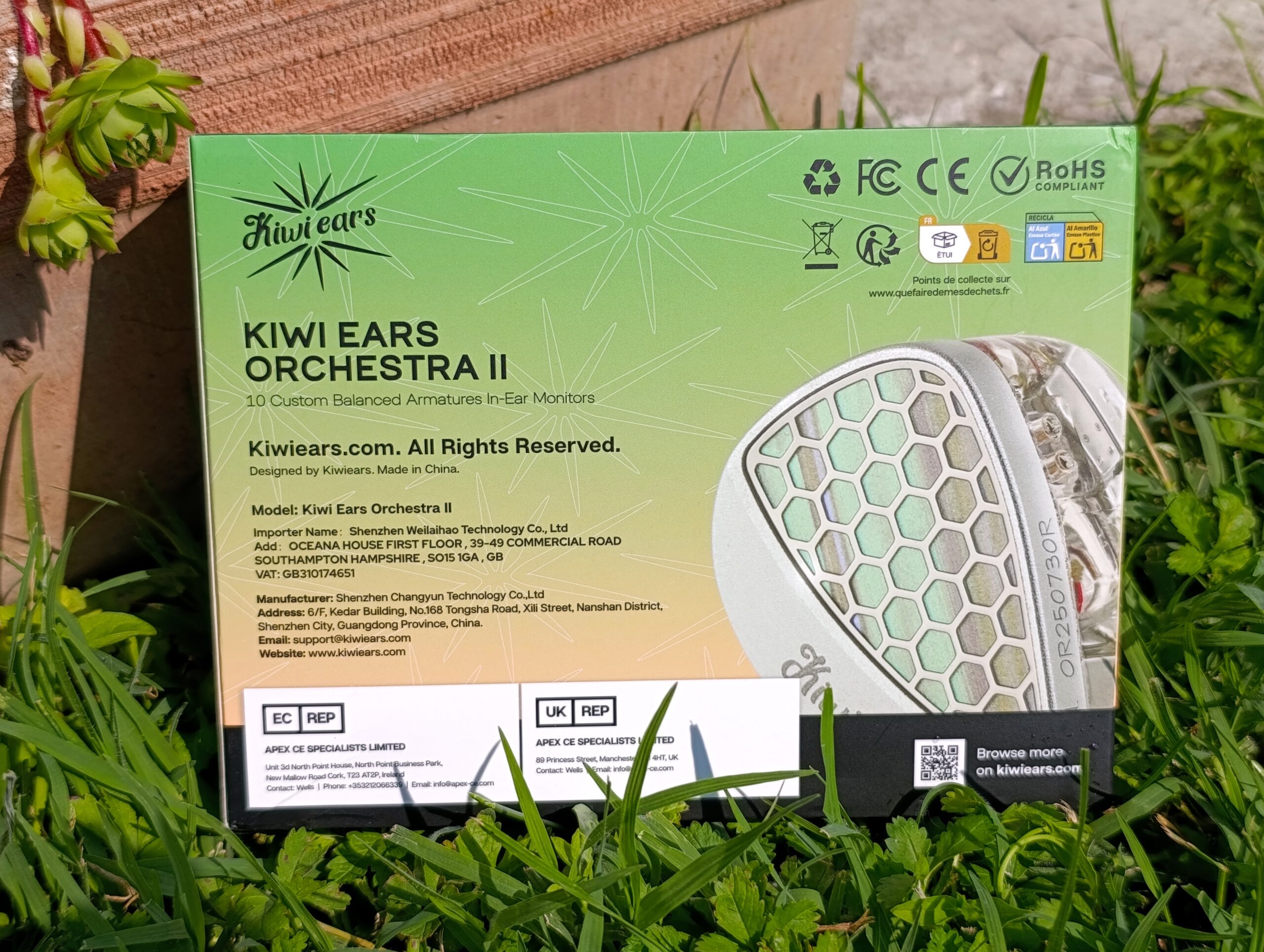
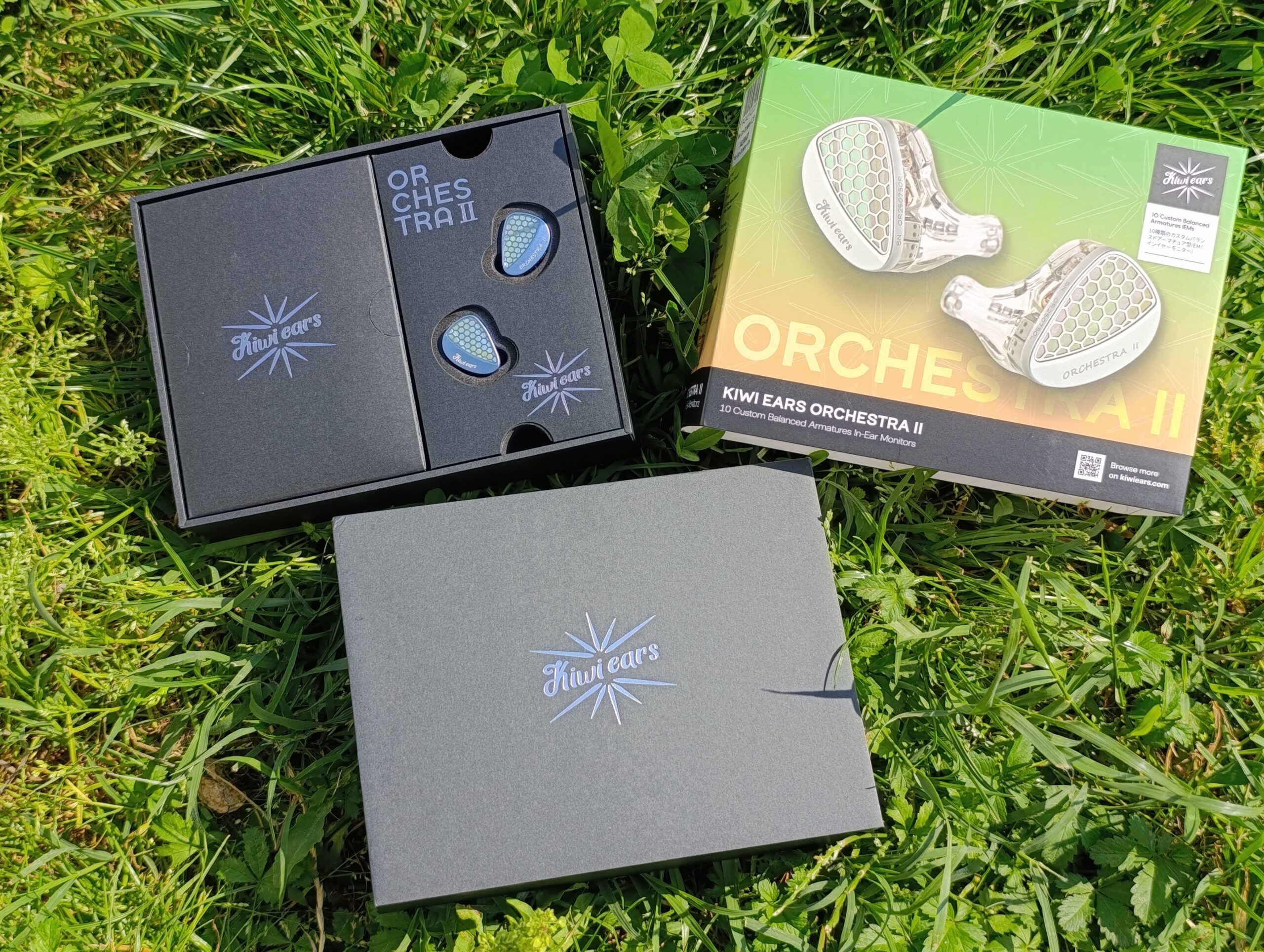
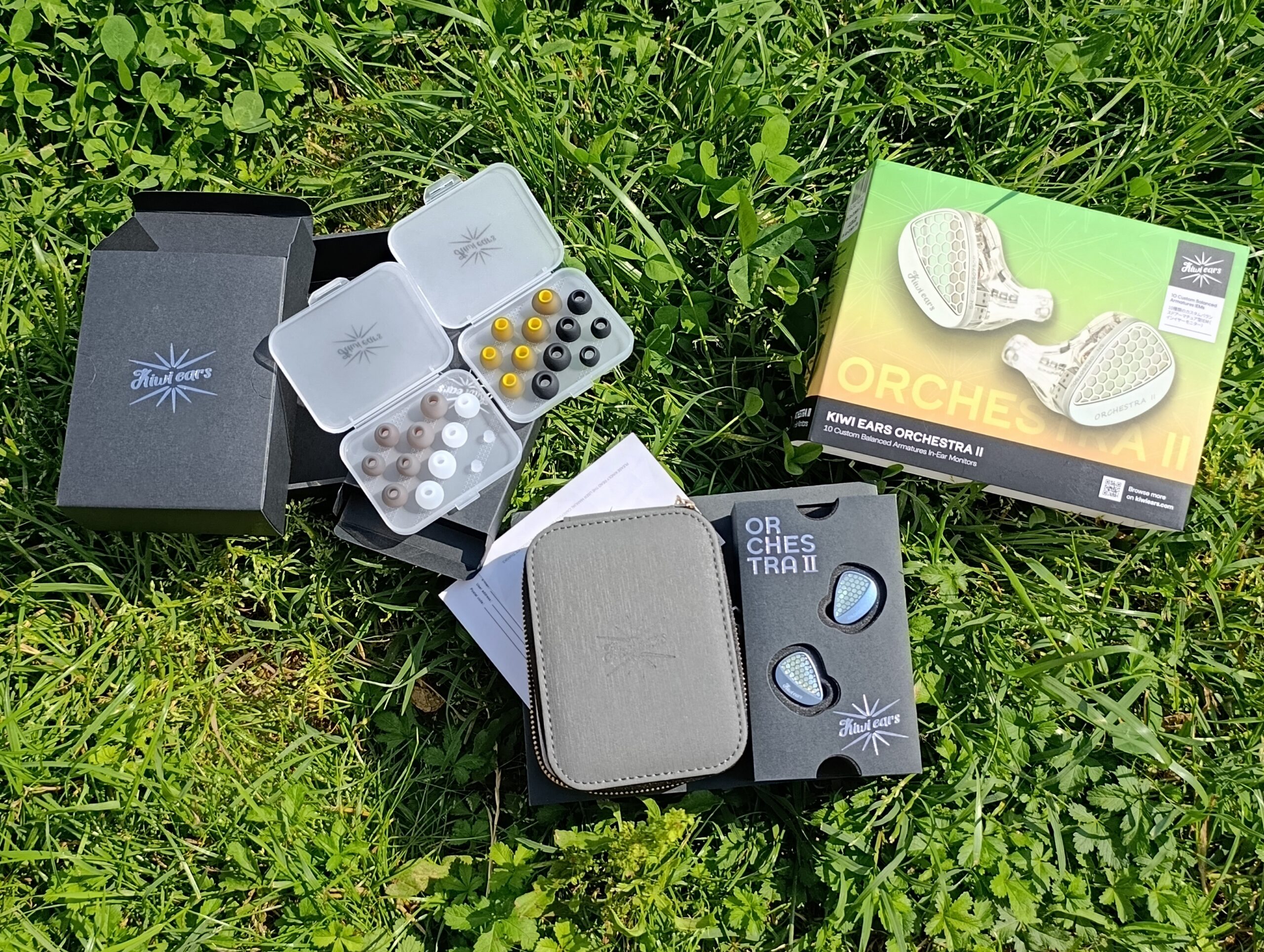
Kiwi Ears continues to maintain a consolidated graphic and structural style for its packaging, which honestly gives continuity to the brand and conveys the professionalism of their products.
The package is complete:
- Very big & nice hard case
- 4 complete sets of eartips (good models)
- High-quality modular SPC-OCC cable
- Manual and QC
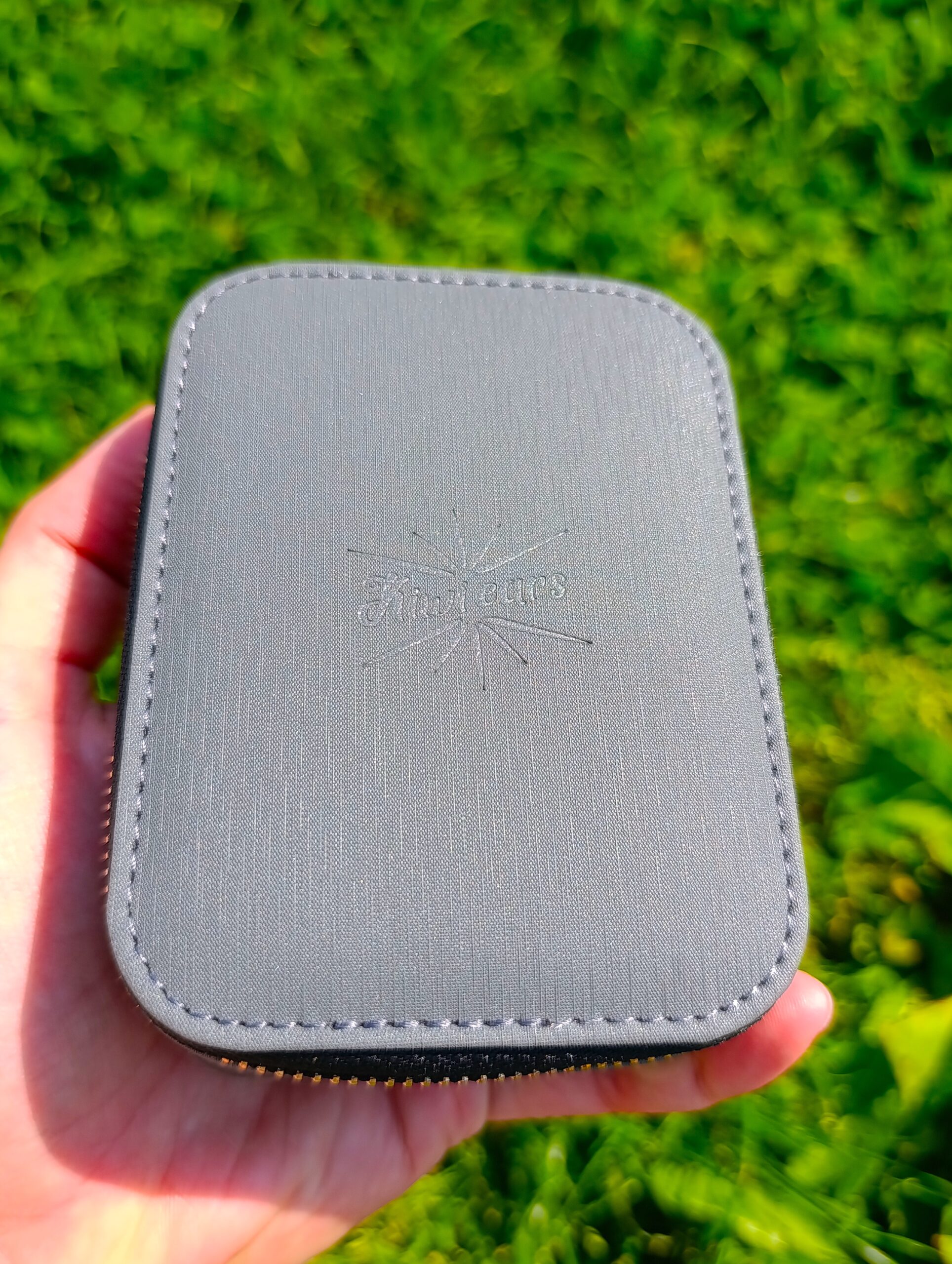
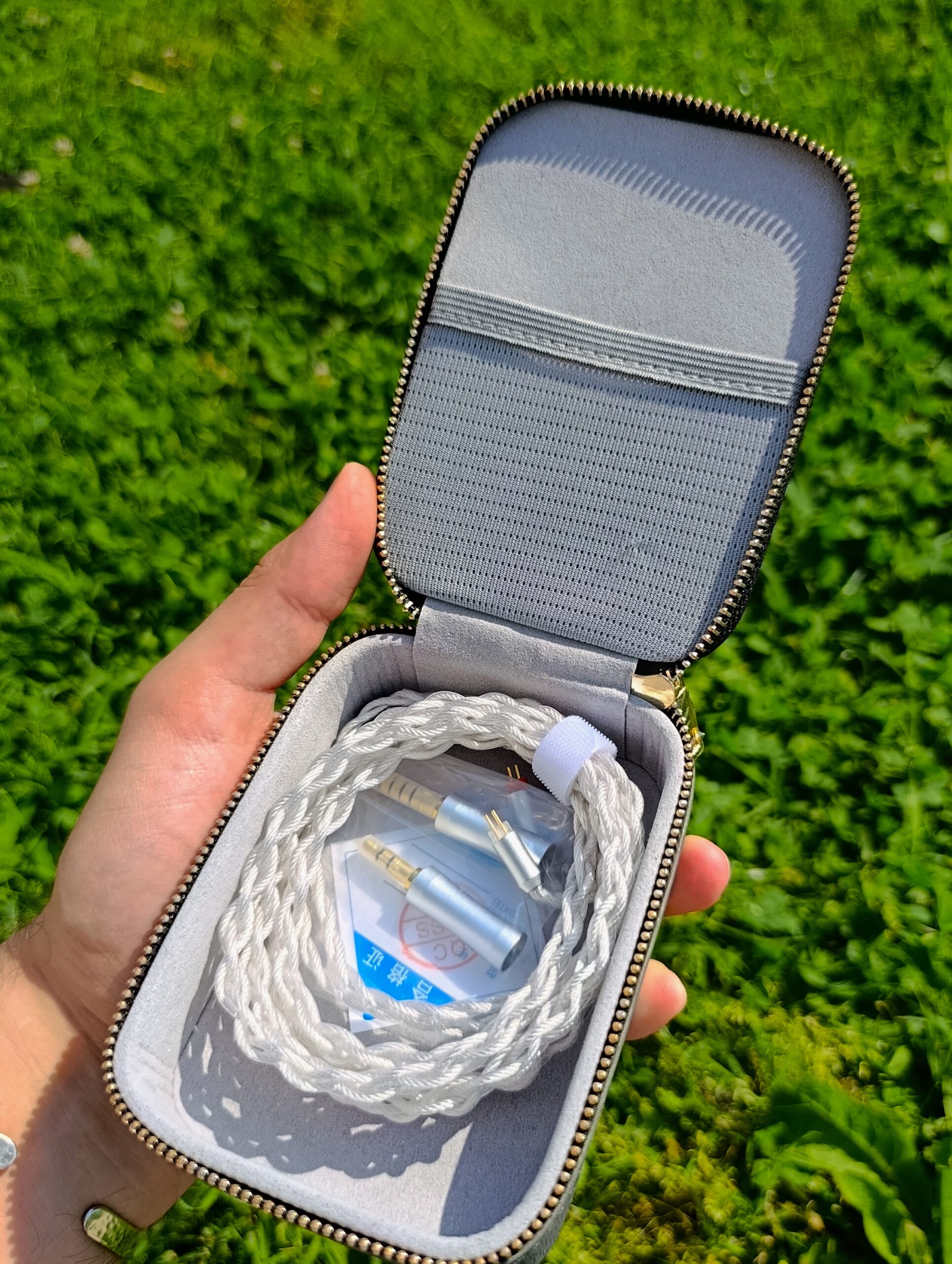
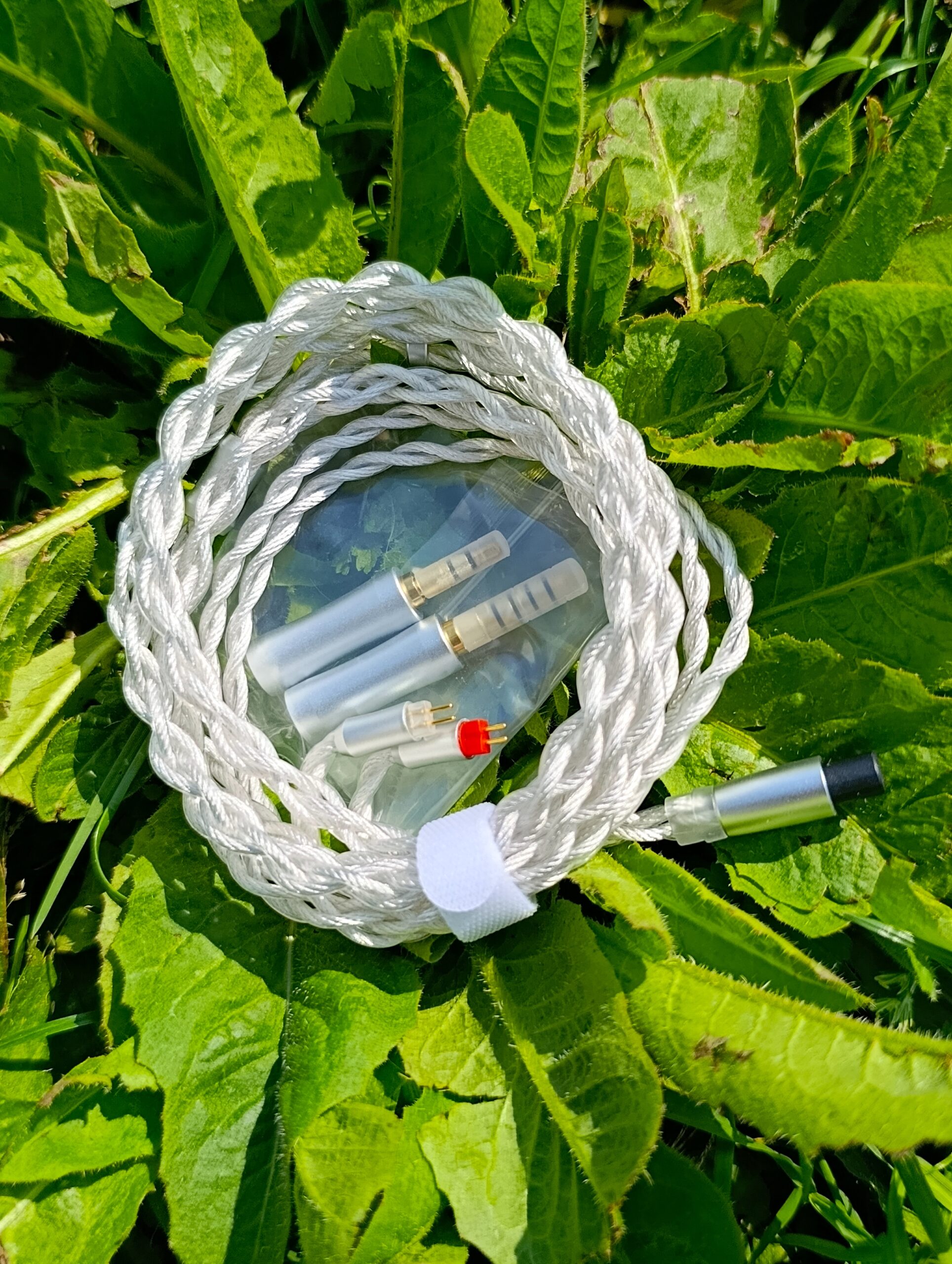
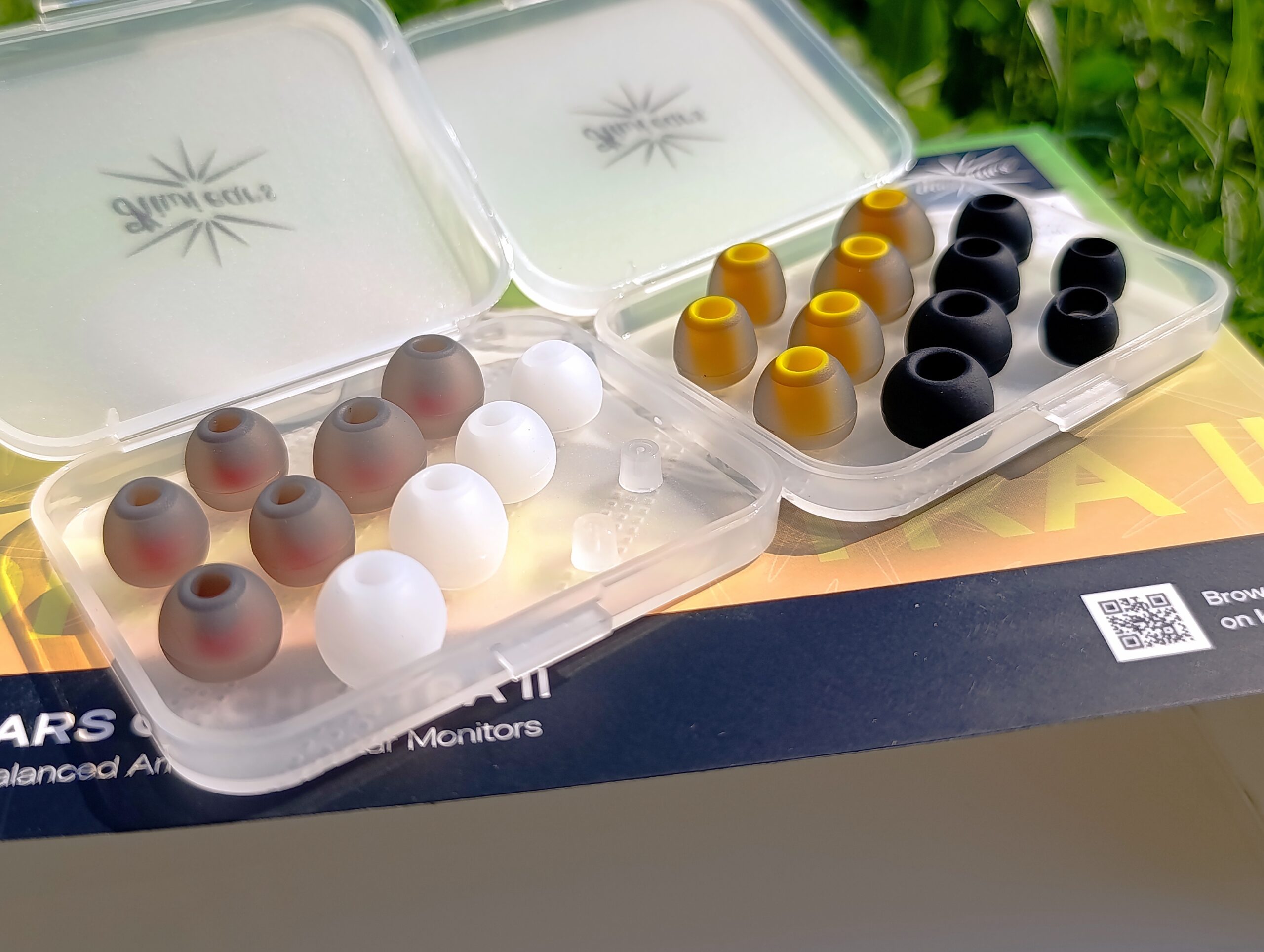
The standard package is more than adequate and doesn’t require any mandatory upgrades, although, as always, I recommend at least trying other eartips. From personal experience, it fits a smaller size of tips, given the large nozzle.
Design & Build Quality:
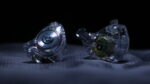
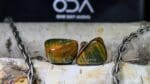
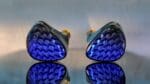
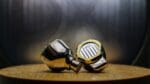
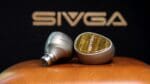
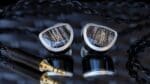
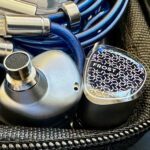
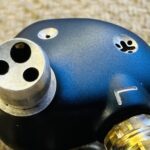
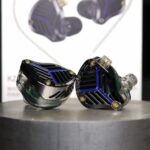
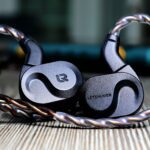
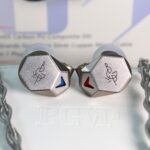
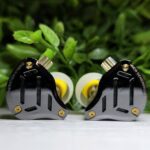
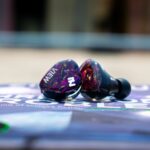
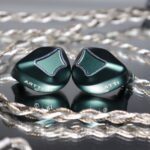
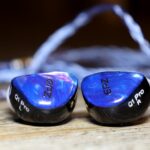
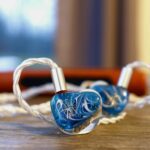
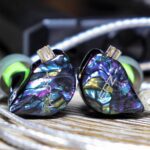
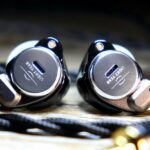
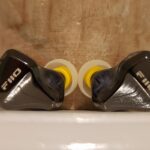
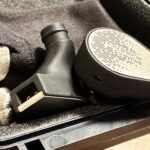
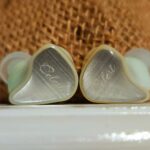
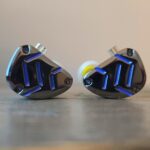
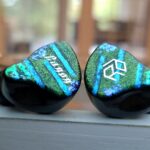
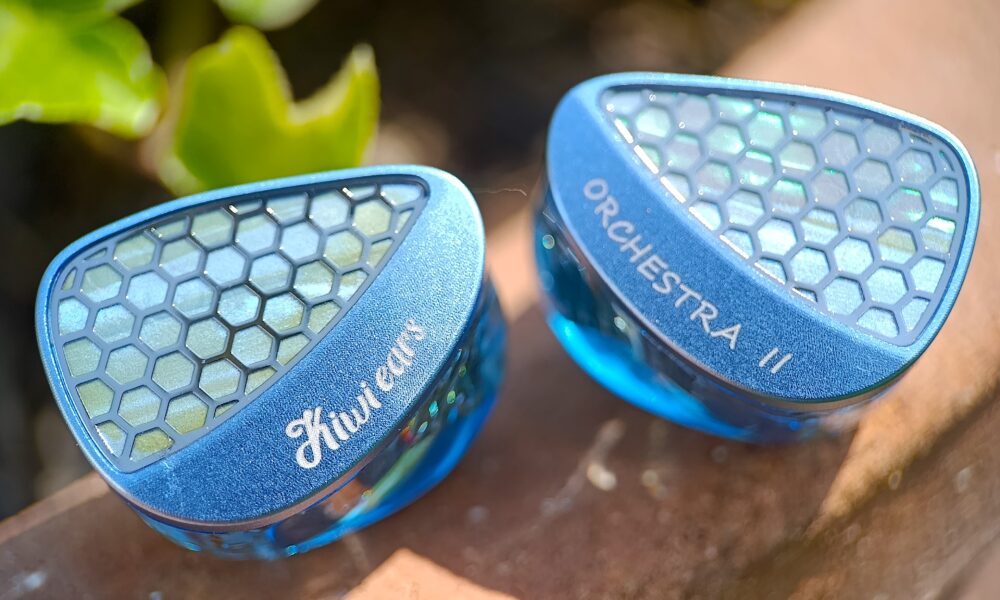
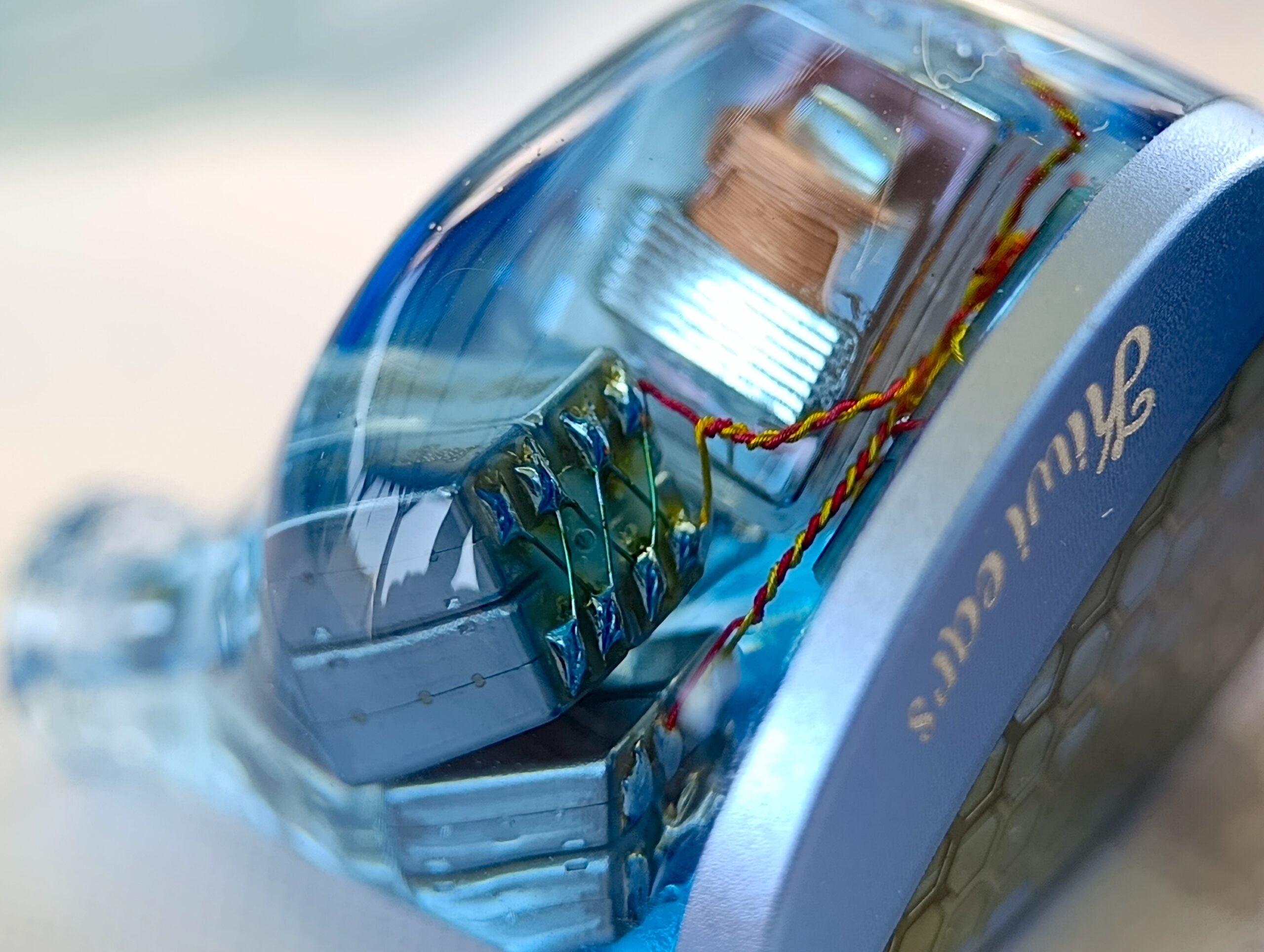
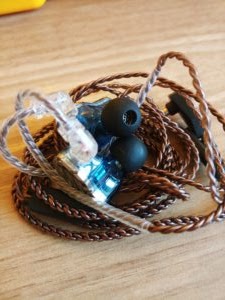
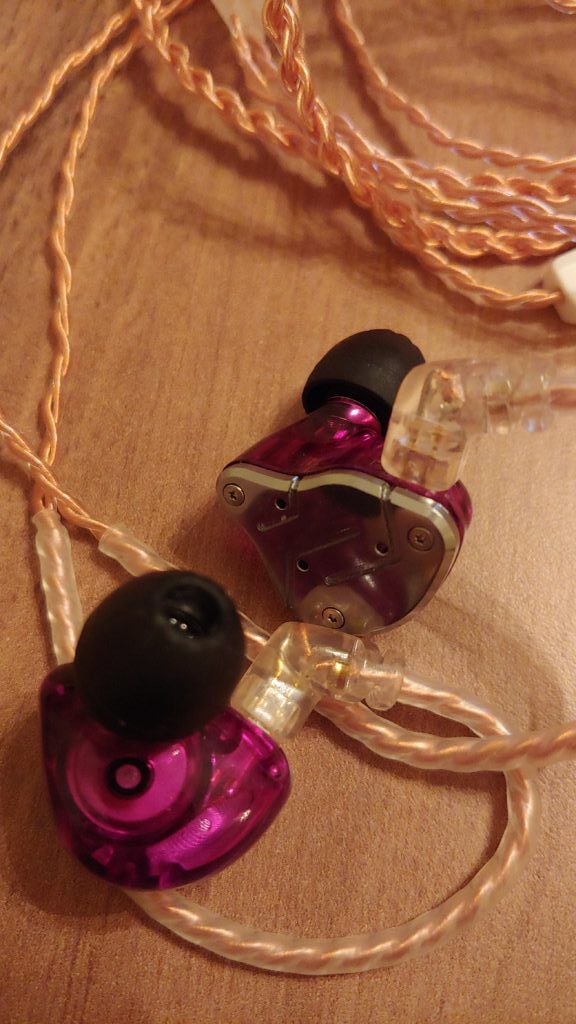
These are some little gems. The choice of materials is dictated by the internal structure of the Kiwi Ears Orchestra II, so the resin shells (and apparently there’s also some soundproofing gel) are a choice dictated by the type of IEM. Given the internal tubing structure, the transparent resin allows the buyer to peek inside all the components. I must say that IEMs like these are very attractive, and their build quality is excellent. The shells are a bit bulky, but not uncomfortable. The nozzle, having three tubes, is a bit bulky and requires smaller-than-normal tips. The shells don’t have visible ventilation holes like the previous ones.
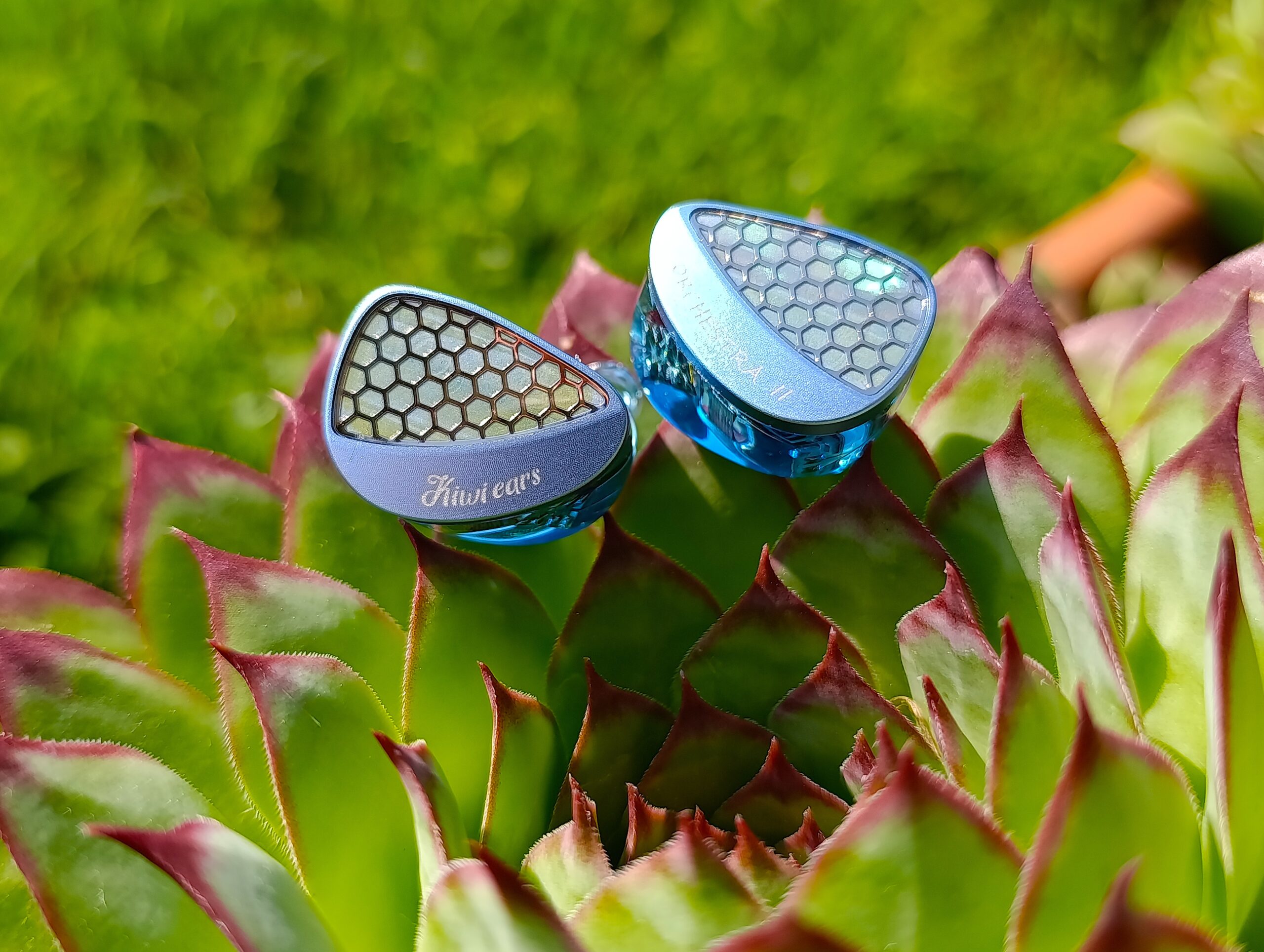
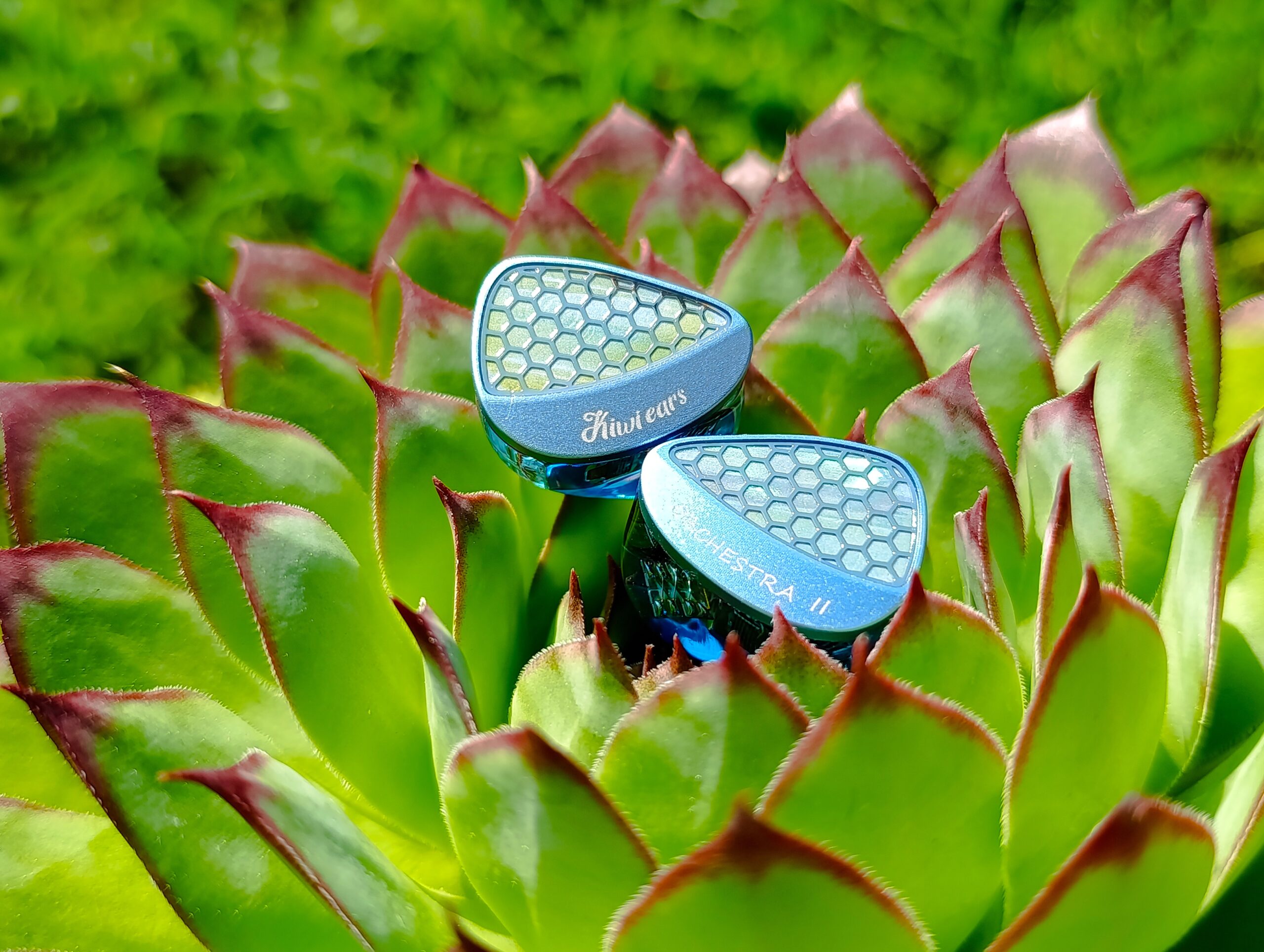
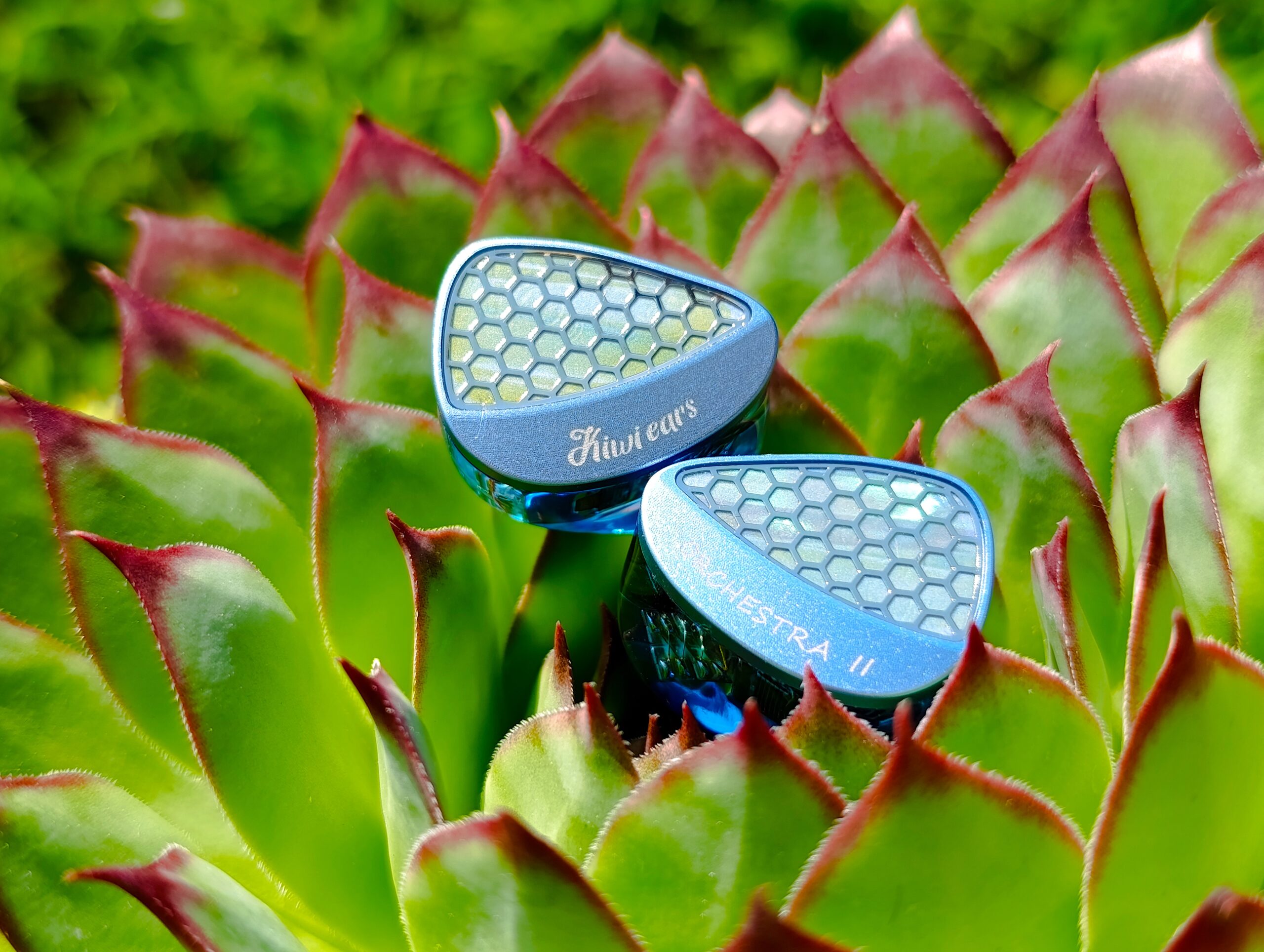
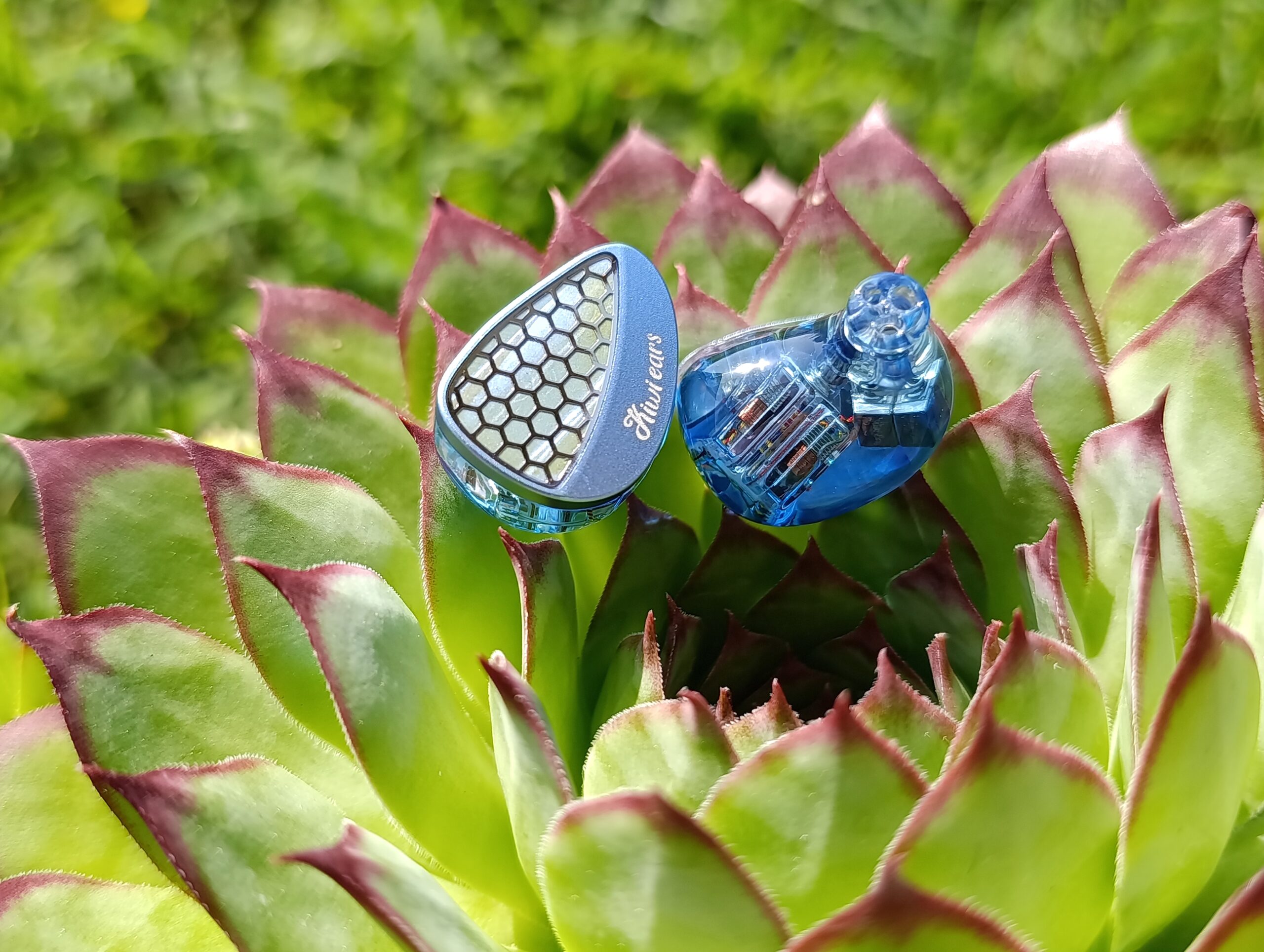
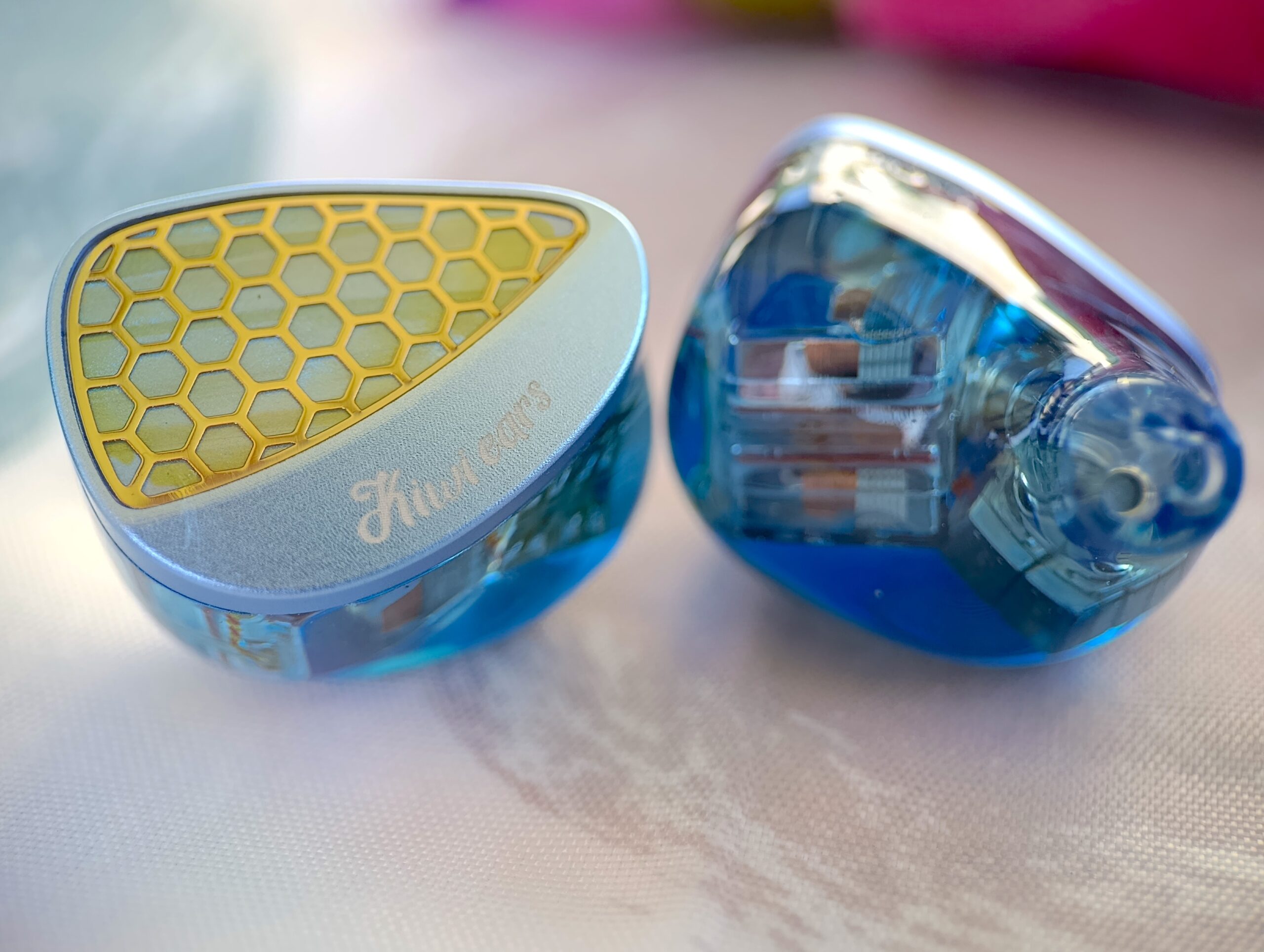
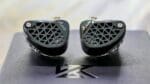
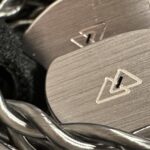
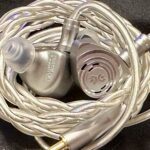
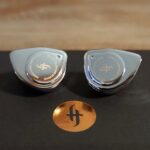
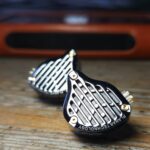
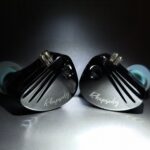
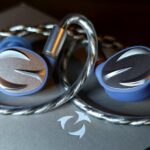
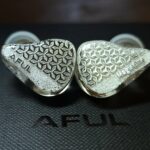
The faceplates appear to have an anodized aluminum base with a slightly holographic finish behind the honeycomb geometry. The cable is soft and high-quality, just as you’d expect from a set like this. Overall, a very high-quality 10BA IEM with very good soundproofing for the type of materials.
Tip Rolling:
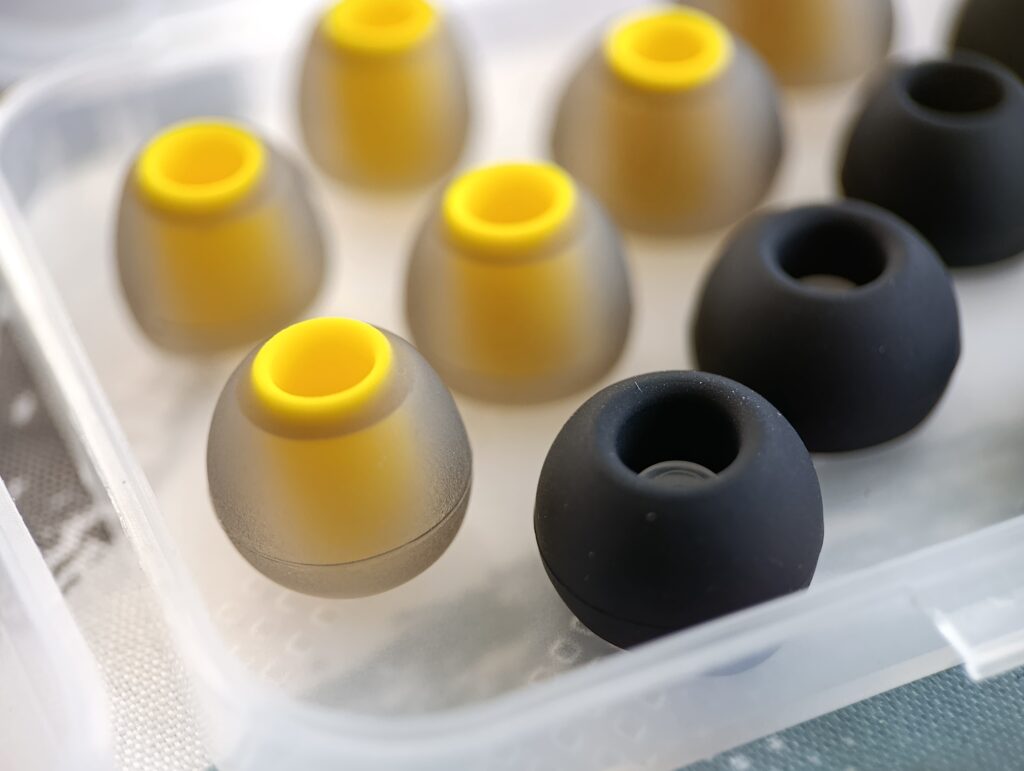
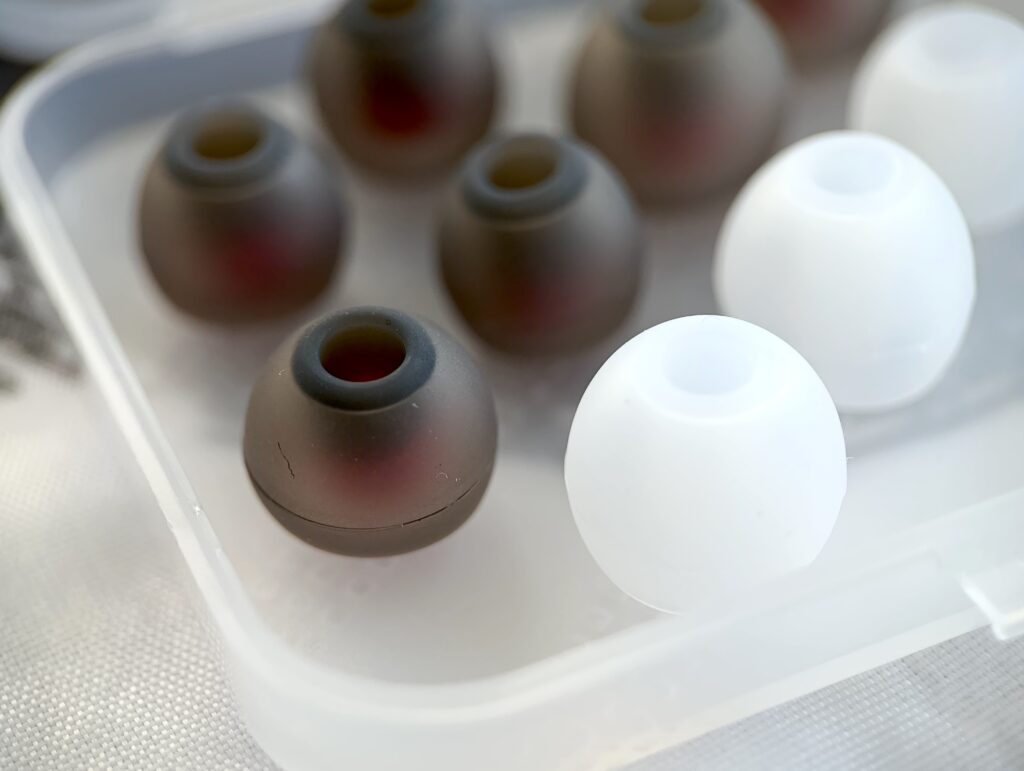
For products like the Kiwi Ears Orchestra II, as well as other cheaper ones, my advice is always to try other eartips you already own. There’s no model I can specifically recommend, but I can tell you that, for example, the DIvinus Velvet in size M that I usually use are too big for this nozzle and create pressure on the ear, while the EPZ M100 and Dunu S&S are more suitable. In terms of sound, the EPZ seem slightly better. However, even a deep insertion with size S tips could bring several advantages.
Comfort/Fit:
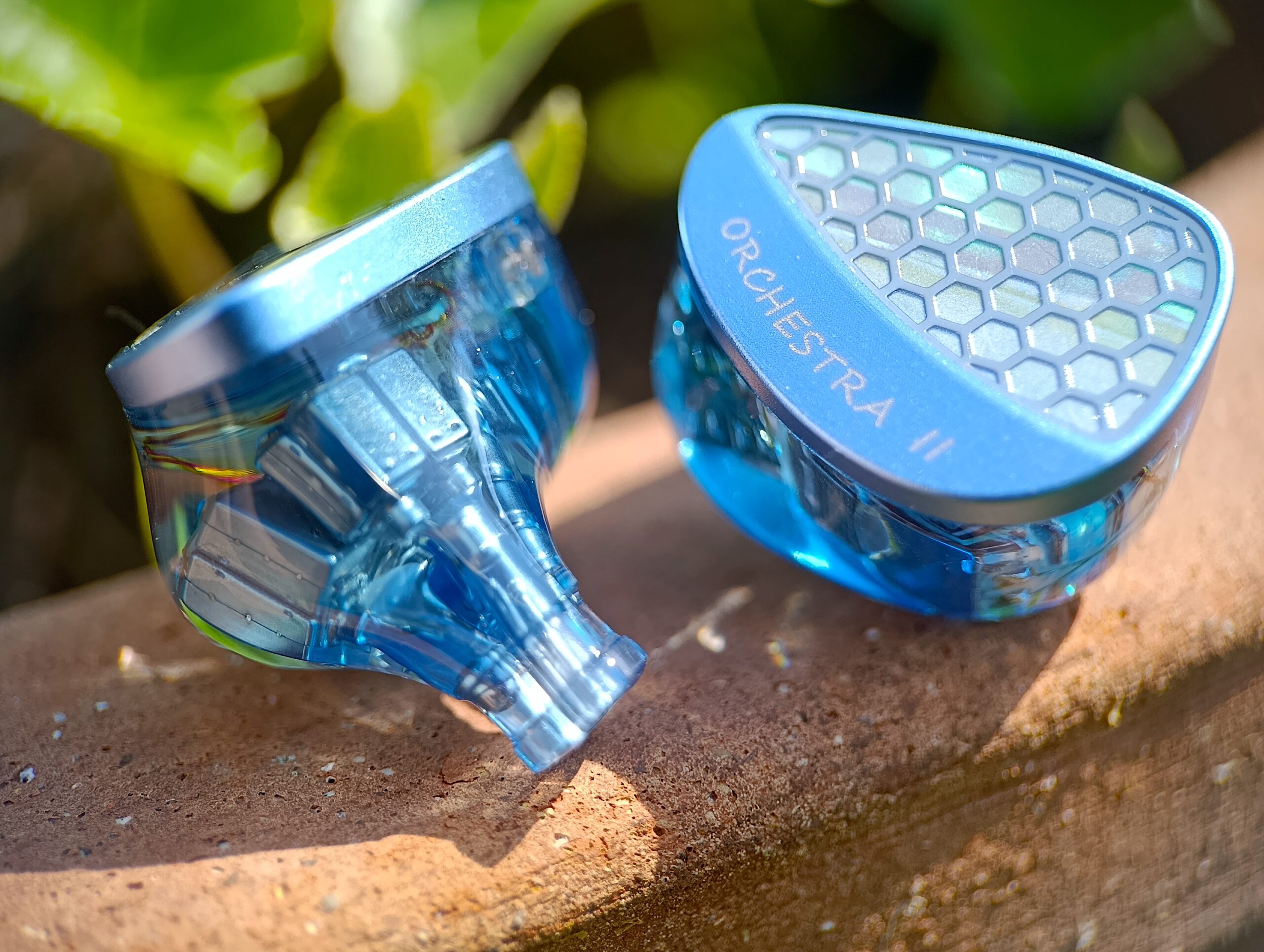
Comfort depends entirely on the right ear tips. The Kiwi Ears Orchestra II have fairly generously sized earcups, but they’re not oddly shaped or excessively heavy, so the final comfort depends on finding the right fit for you. The cable is soft and doesn’t get in the way; the IEMs weigh 7.71g each, but they have a fairly thick nozzle.
Initial sound impression:
You can immediately feel the continuity with the previous model I tested and the Kiwi Ears signature sound and style. It’s fantastic that a brand manages to maintain such a centralized sonic identity across all its models while many others churn out completely different IEMs every month. I don’t know what it depends on, but perhaps their sound engineers are still the same and haven’t changed over time. Compared to the Kiwi Orchestra Lite model, there’s definitely more low end, even if the impact of the DD is missing, but the rumble is more accentuated, more air in the highs, and even between the various frequencies, elevating the soundstage and spatiality to new levels.
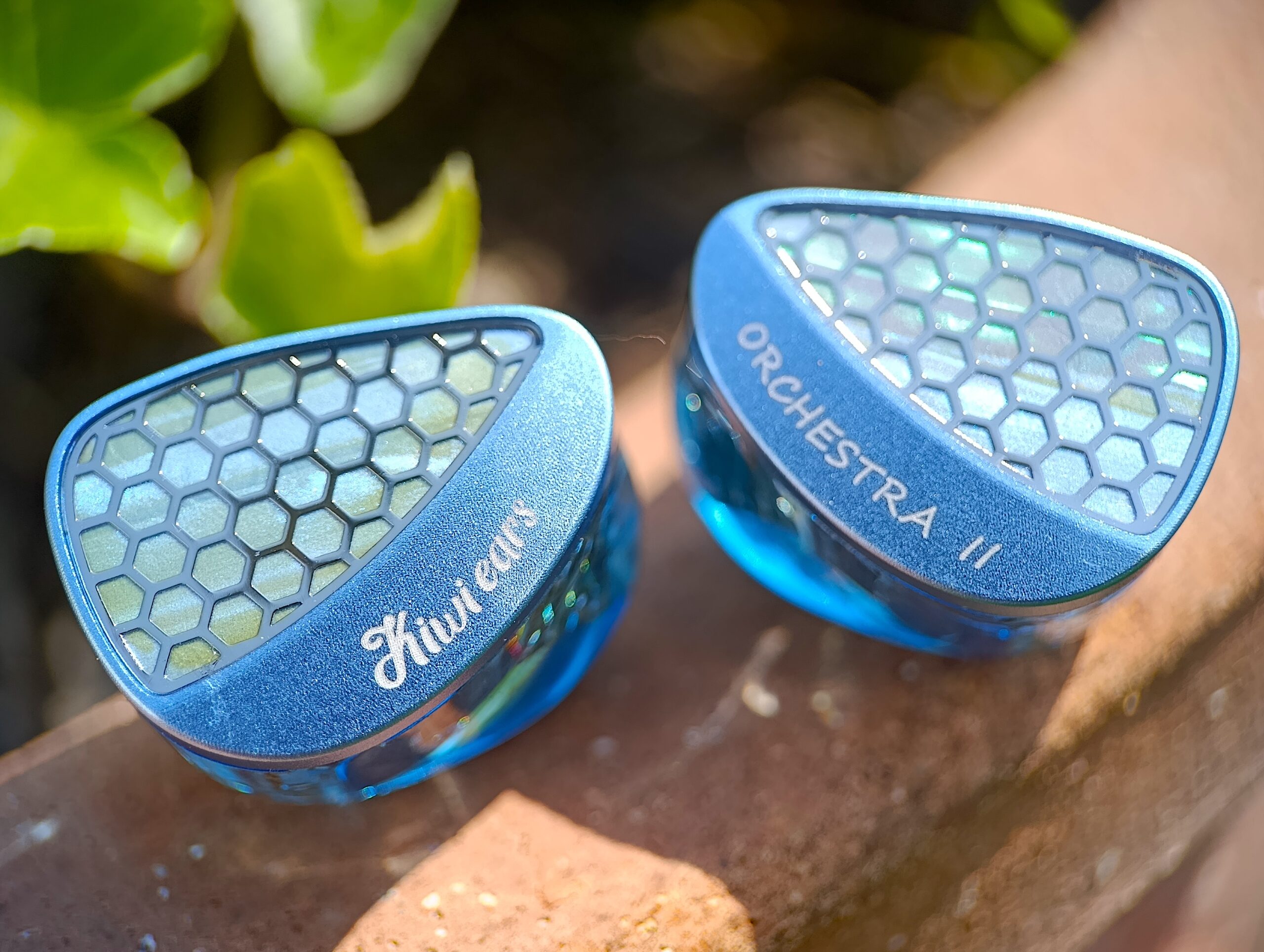
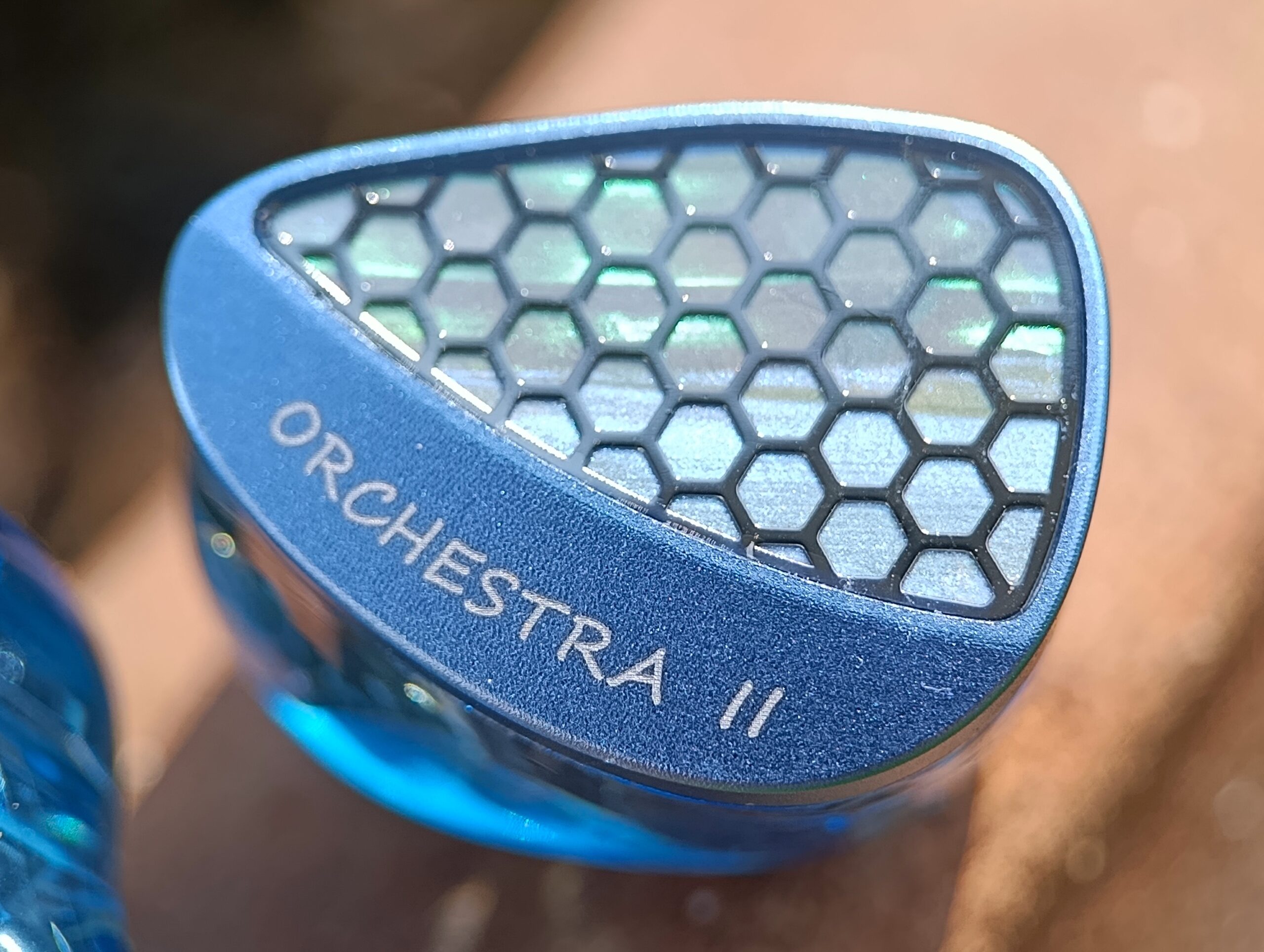

There are certainly sets that are much livelier than this in terms of balanced armature, but the risk of them being too spicy is high. In fact, before trying some Kiwi Ears models, I was never very satisfied with the performance of similar configurations, so in this case, it could be a set that’s too balanced for some and perfect for others. The bass is higher but lacks the presence and impact of the DD.
Equipment used for testing:
Device:
- OSX
- Redmi Note 14 Pro 4G
Software:
- Amazon Music UHD 24bit 96kHz
DAC:
- Fosi Audio K7
- Creative X5
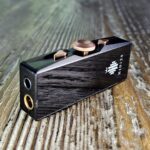
- Kiwi Ears Allegro Mini

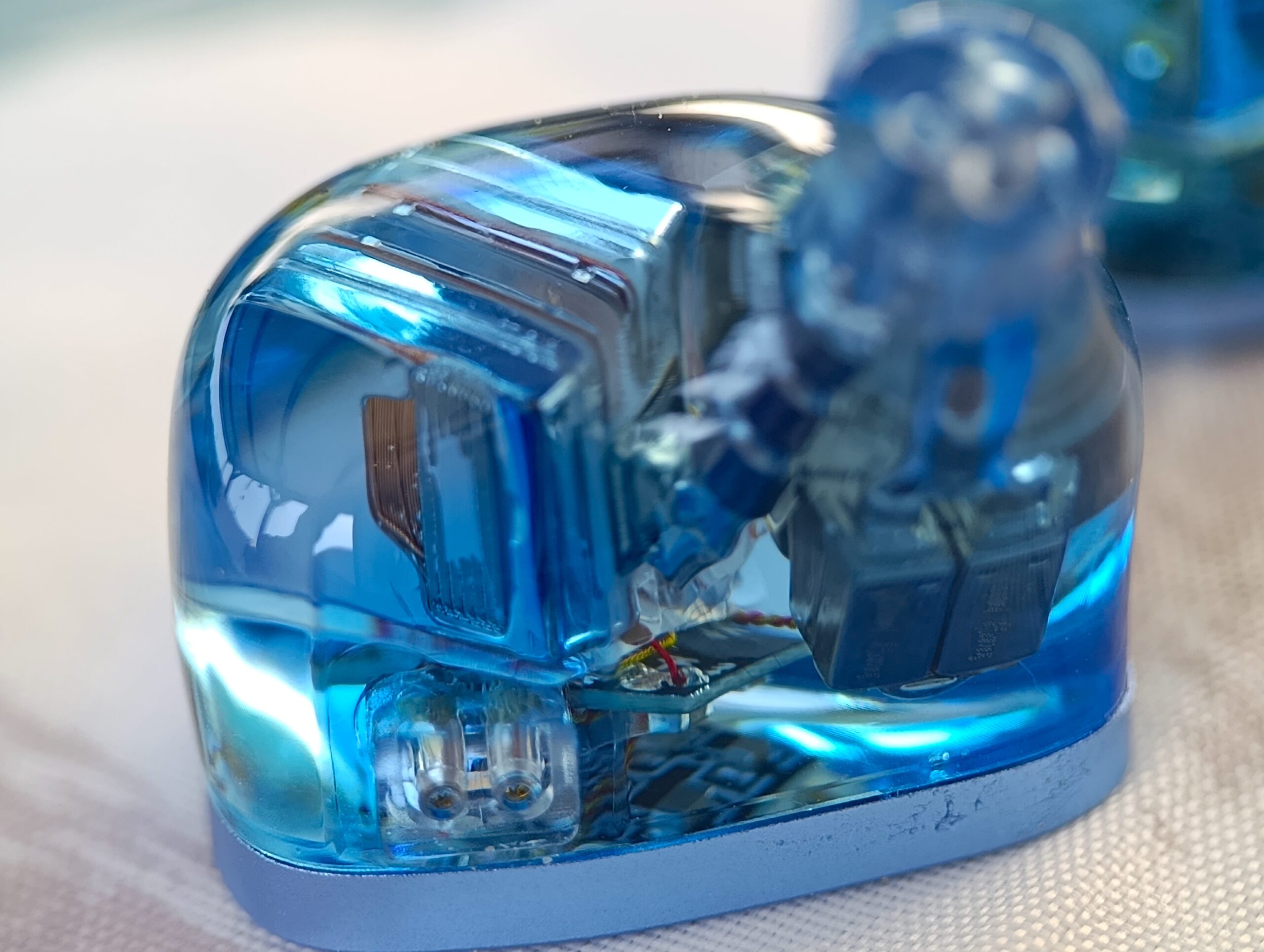

Final sound impression:
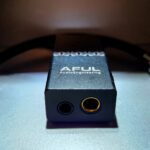
I tried using the DAC/AMPs mentioned above. The impedance is only 15 ohms, but it offers great scalability, and for maximum potential, a capable source is better. However, the small Kiwi Allegro Mini is not bad if you really don’t have compact and portable alternatives. The best in terms of dynamics and pairing seemed to me to be the Fosi Audio K7, which I used for the majority of my listening hours.
Bass
The bass has improved from the previous model, fast and tight but lacking in body, as with almost all BAs. The body and impact of the DD are not yet perfectly recreated, but I assure you that the quality and quantity are excellent. The rumble has also been improved and increased, giving a greater sense of depth. The first model was characterized by a warm soundstage, enhanced by the bass and accentuated by a contained treble extension, while on the sound model, the soundstage and timbre are brighter and more balanced.
Mids
The mids are Kiwi Ears’ strong point; they always manage to convey energy, nuance, and vibration while maintaining a natural and realistic timbre. The presence is excellent, seeming to be pronounced and well-blended into the mix. The separation of sounds is very accurate, with excellent detail on both male and female vocals, with female vocals being slightly more intriguing. Musical instruments sound particularly coherent; perhaps the treble extension is lacking, especially on cymbals.
Treble
As with the previous model, although the situation is better, the treble is kept under control; the BAs can be brutally bright and unbearable, but Kiwi Ears has decided to keep the Orchestra IIs tamed as well. This results in a lack of crispness on some instruments that require it, but at the same time, I understand the choice to limit their extension, having tried sets that had no limits. Personally, I struggled with long listening sessions with these IEMs, so a similar set makes listening much more enjoyable. The presence of air is significantly improved, however, with a significantly improved and more expansive soundstage. However, this is the situation that occurs at low volume levels; if you turn it up to medium volumes, the situation, at least for me, stabilizes at a perfect treble level.
Soundstage and Imaging:
In terms of soundstage, there was a clear improvement that was immediately audible with the right source. The imaging is super precise and reliable, with extremely accurate soundstage, demonstrating Kiwi Ears’ ability to tune similar IEMs. I also believe the sound isolation of the earcups promotes a wider perception of sound.
Comparison:
Since this is my first full BA set of a certain level, it is not easy for me to make comparisons with other similar models. But what I can assure you is that it sounds much better than less complex and easy-to-tune IEMs.
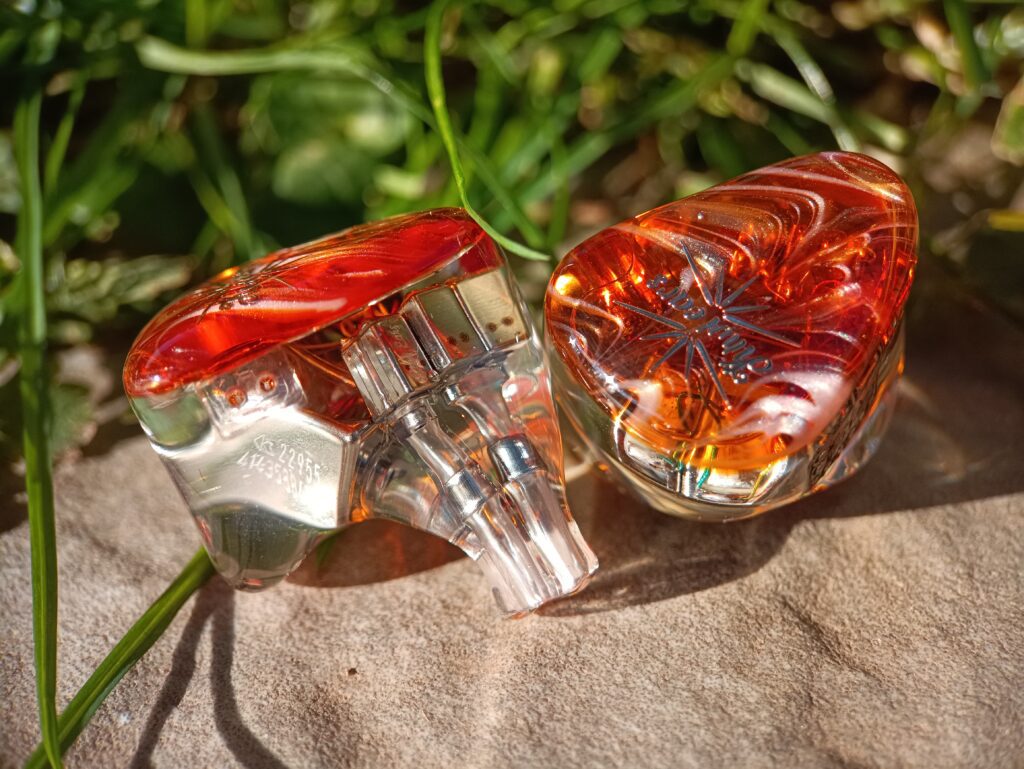
There have been improvements, and they’re both very good IEMs, but the Orchestra Lite has a slightly warmer and less balanced sound. They’re both very good, and I couldn’t choose between them, especially since the former is now much cheaper. Both are excellent products.
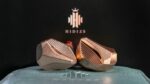
Vs. Hidizs MS5
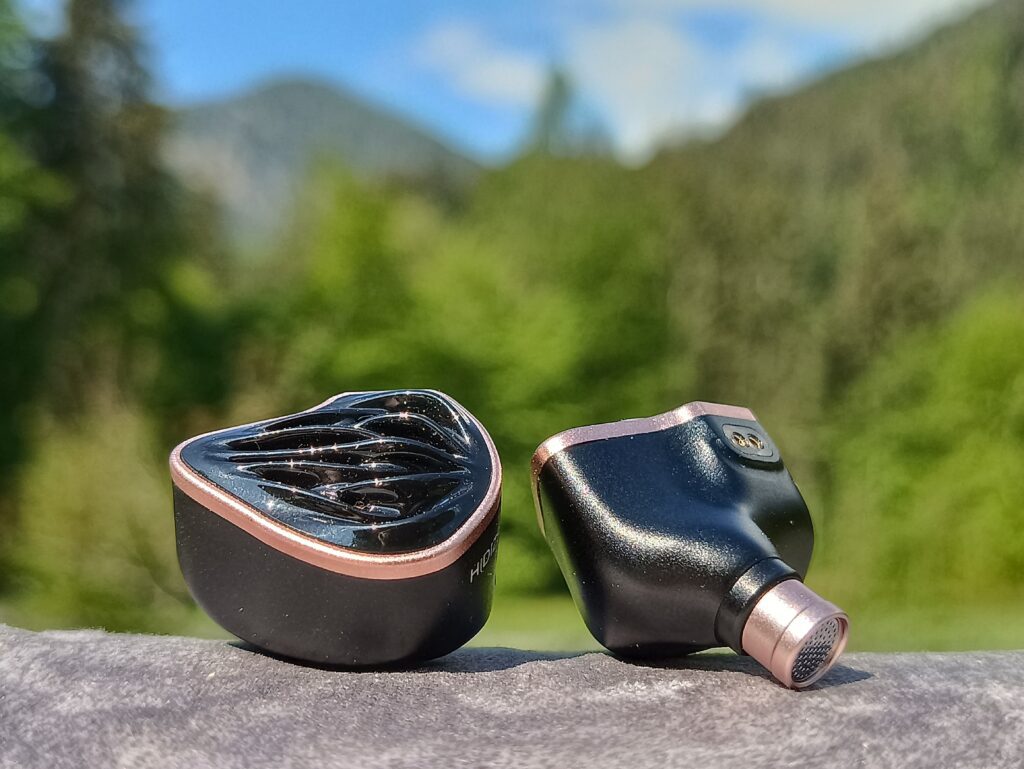
The Hidizs MS5 is an IEM that has stayed with me; it marks the beginning of these reviews. The emotional bond is high, but I must admit that its trebles are sometimes a bit extreme. The bass comes from a DD and has a completely different fullness. Tuning much less natural and neutral. They are two IEMs that share almost nothing. However, if I had to choose a model in particular, the Kiwi Ears are much more suitable for prolonged listening, both for comfort and less aggressive tuning.
Conclusion:
The Kiwi Orchestra II is a reference for balanced armature IEMs. The 20 BS drivers inside make it a bit thick, but overall, the size is medium and quite tolerable in all ears as long as you choose the right eartips to match. The drivers work harmoniously and coherently with a natural and balanced tonality; the bass has excellent authority, and the mids sound rich and energetic as only Kiwi Ears can. Overall, it’s an IEM that is considered expensive for some budgets, even though we’re only in the mid-range. For the configuration it features, the price is absolutely right.
8.8/10
Pros:
- Astonishing build quality
- Transparent resin
- Really nice packaging
- Nice modular cable
- More Eartips included
- 4 Crossover system
- 10BA all well tuned
- U-shaped & versatile tuning
- Smooth, vibrant, energetic, Musical sound
- Great macro & micro details
- Nice and pleasant mids (great vocals)
- Note weight and thickness are well done for a BA set
- Safe trebles with added air (no sibilance)
- Improved bass response (definitely more enhanced)
- Easy to drive
Cons:
- BA Bass improved but still not like the DD impact
- Chunky shells but still comfortable to me
Q/A:
Who is the Kiwi Orchestra II for?
For those looking for a balanced IEM with smooth and not too aggressive tuning, it is one of the best choices overall, especially for the type of driver configuration.
Who should avoid the Kiwi Orchestra II?
Some might miss the DD-typical bass or perhaps a more accentuated treble extension, so it might not be suitable for all audiences.
Similar alternatives to consider?
I haven’t tried any other BA-only models lately, so it’s hard to recommend alternatives. I can tell you that the Kiwi Ears Orchestra II is a pleasure to listen to.
More Information (no affiliations):





No Comment! Be the first one.