




















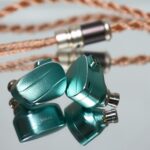
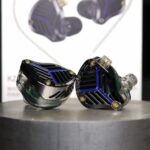
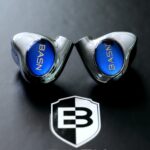






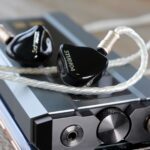
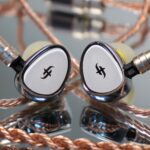
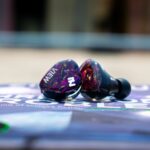
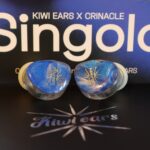



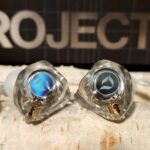
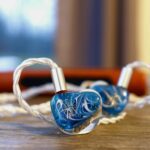
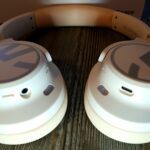
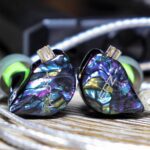



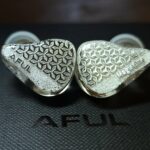

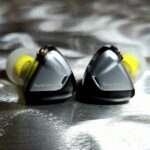
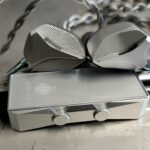
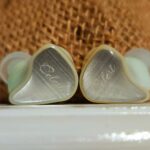


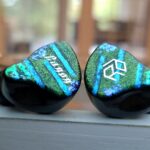
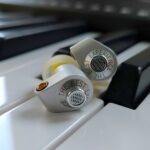
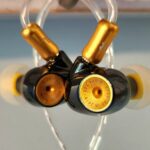



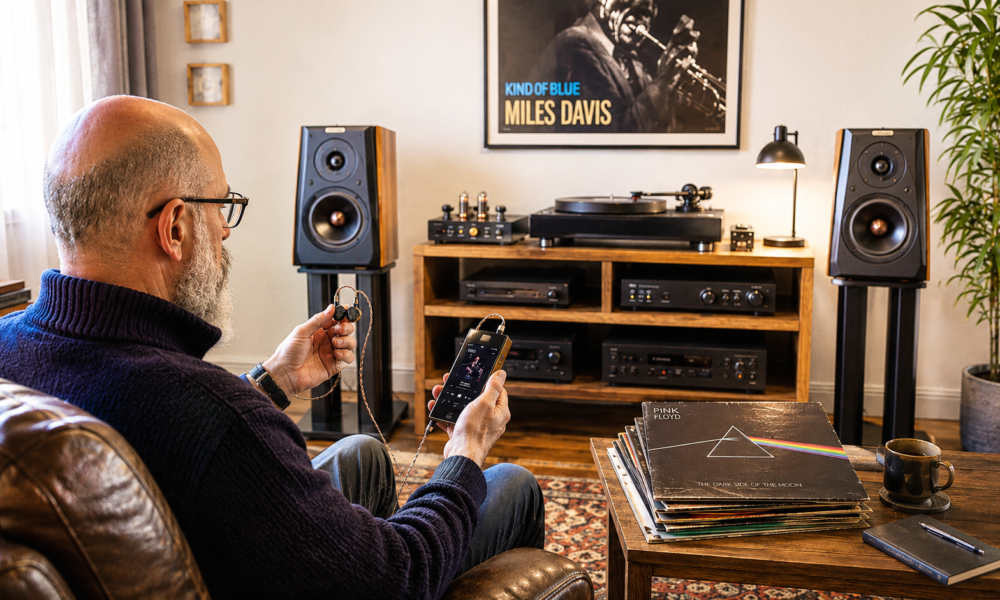
For more than forty years, almost fifty by now, I listened to music in only one way: sitting in front of a HiFi system.
Table Of Content
- When Music Was Also a Place to Meet
- Growing Up in the Era of Traditional HiFi
- The Audiophile Mindset
- The Road to Digital
- When Music Stopped Being Physical
- The Change I Didn’t Expect
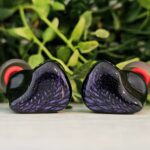
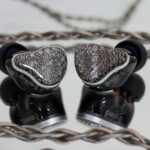
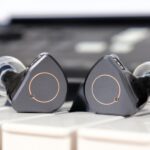
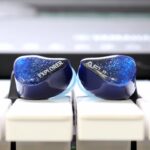
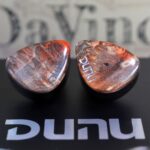
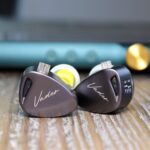
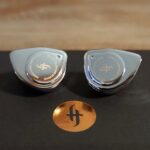
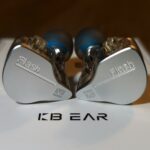
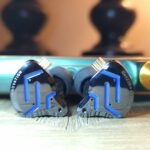
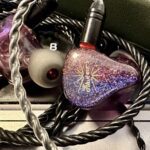
- Meeting the IEM World
- The Moment Everything Changed
- Better or Worse? Neither. Just Different.
- The Freedom Revolution
- From Audiophile to Music Lover
- The Future of My Listening
To me, music meant having a dedicated room, or at least a corner of the house built around the hobby. Loudspeakers carefully positioned after countless rounds of moving them back and forth. Amplifiers, sometimes more than one. Sources of every kind. Hours spent chasing the right balance between equipment and room acoustics, dealing with resonances, reflections, damping and echoes.
And then there were the cables, equipment racks, spikes, isolation devices, cartridges, records, record cleaning machines, DACs, phono stages, step-up transformers and everything else that comes with this hobby.
It was a ritual.
More than that, I believed it was the right way to listen to music.
Or at least, that’s what I thought.
I grew up in a time when high fidelity meant something very different from what it does today. It was the era of vinyl records, cassette tapes, reel-to-reel machines and specialist magazines that were read so many times the pages eventually wore out. There was no internet. Information came from audio magazines, HiFi dealers and the occasional audio show.
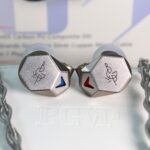
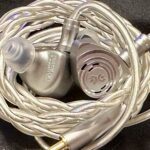
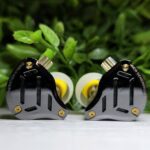
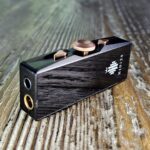
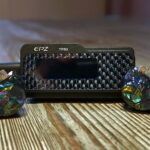
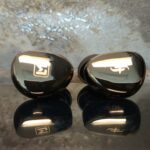
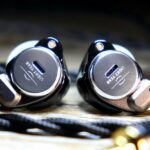
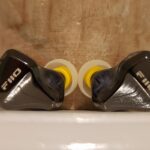
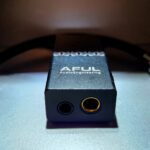
If someone had told me back then that one day I would be listening to music through a pair of tiny IEMs connected to a device barely larger than a cigarette lighter, I probably would have smiled politely and dismissed the idea.
When I first started looking at headphones and IEMs, I was highly skeptical.
To me, headphone listening was a compromise. Something for people who lacked the space, the time or the opportunity to build a proper HiFi system at home. A practical solution, perhaps, but certainly not a genuine alternative to traditional HiFi.
Part of the hobby was the constant search for improvement. Moving a loudspeaker a few inches. Changing a cable. Trying a different cartridge or a new piece of equipment. Then spending entire evenings wondering whether the difference you were hearing was real or simply something you wanted to hear.
That’s what home audio was all about.
Experimentation.
Comparison.
And, at times, a perfectly healthy obsession.
When Music Was Also a Place to Meet
For me, music was never just about the equipment or the record collection.
When I was eighteen, a few friends and I had a small room in a basement that we turned into our listening space. There were four of us, and we spent most evenings there.
Today, people might think of a night spent watching Netflix or scrolling through social media. We spent ours listening to music, talking about bands, comparing recordings and discovering new albums.
It was our alternative to the local bar.
Probably cheaper.
Definitely more rewarding.
We bought records on a rotation system. Each of us would purchase something different, then share it with the others. It was the only way to keep up with new releases without spending a fortune.
Without even realizing it, we were building our musical education.
- Mostly rock.
- Hard rock.
- Progressive rock.
- Blues.
- The occasional dive into jazz.
And everything that came along with those genres.
Looking back on it now, I think a large part of my passion for music was born right there, in that basement, more than in front of any piece of audio equipment.
Growing Up in the Era of Traditional HiFi
I became an audio enthusiast in a time when high fidelity meant something very different from what it does today.
The goal wasn’t simply to listen to music.
The goal was to recreate a musical event inside a room.
People talked about stereo imaging, soundstage depth, soundstage width, and the ability of loudspeakers to disappear completely, leaving nothing but the music behind. That was the true Holy Grail for an audiophile: no longer hearing the speakers themselves, but only voices and instruments suspended in space.
Personally, I experienced that magic only once in my life.
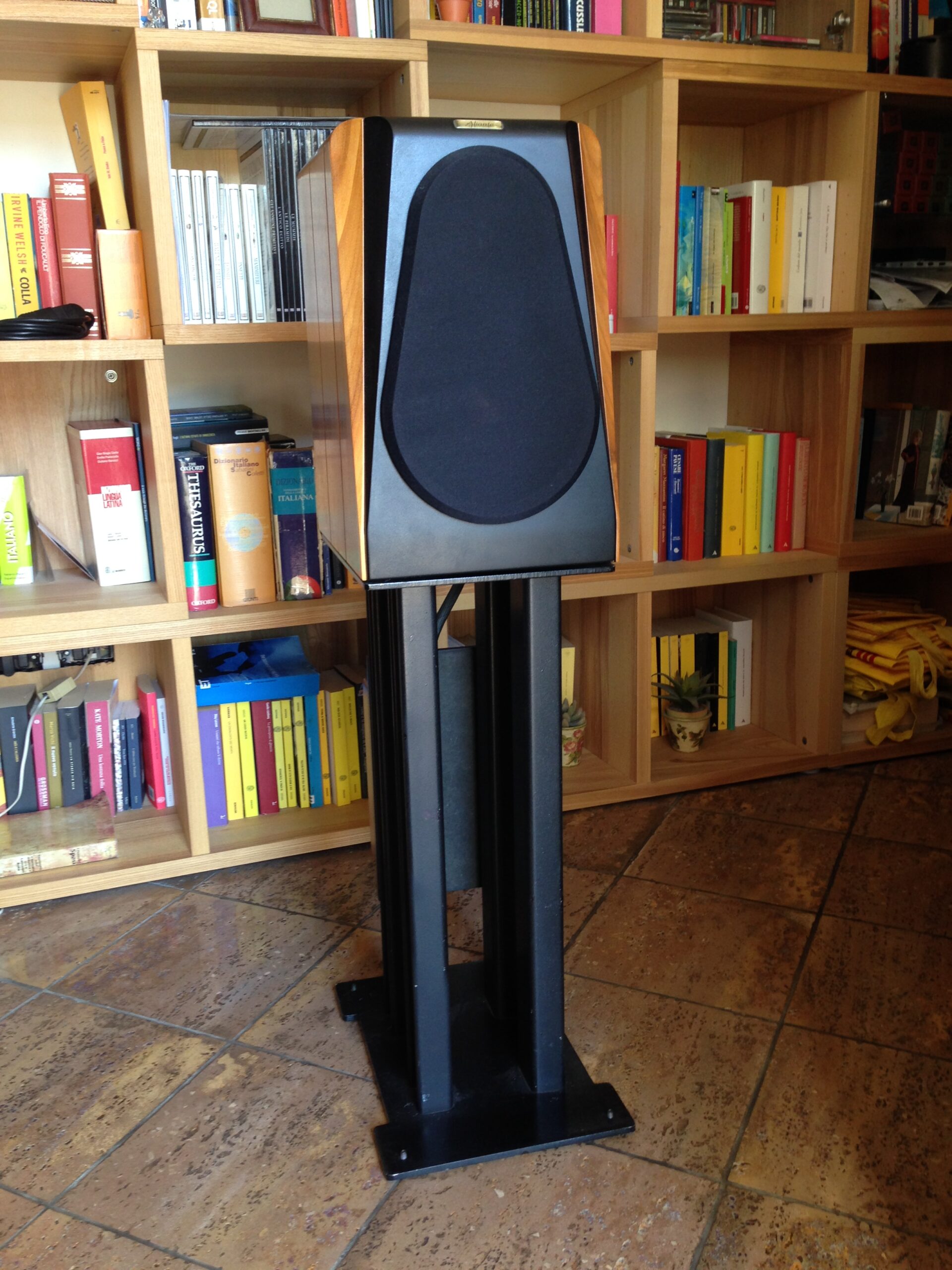
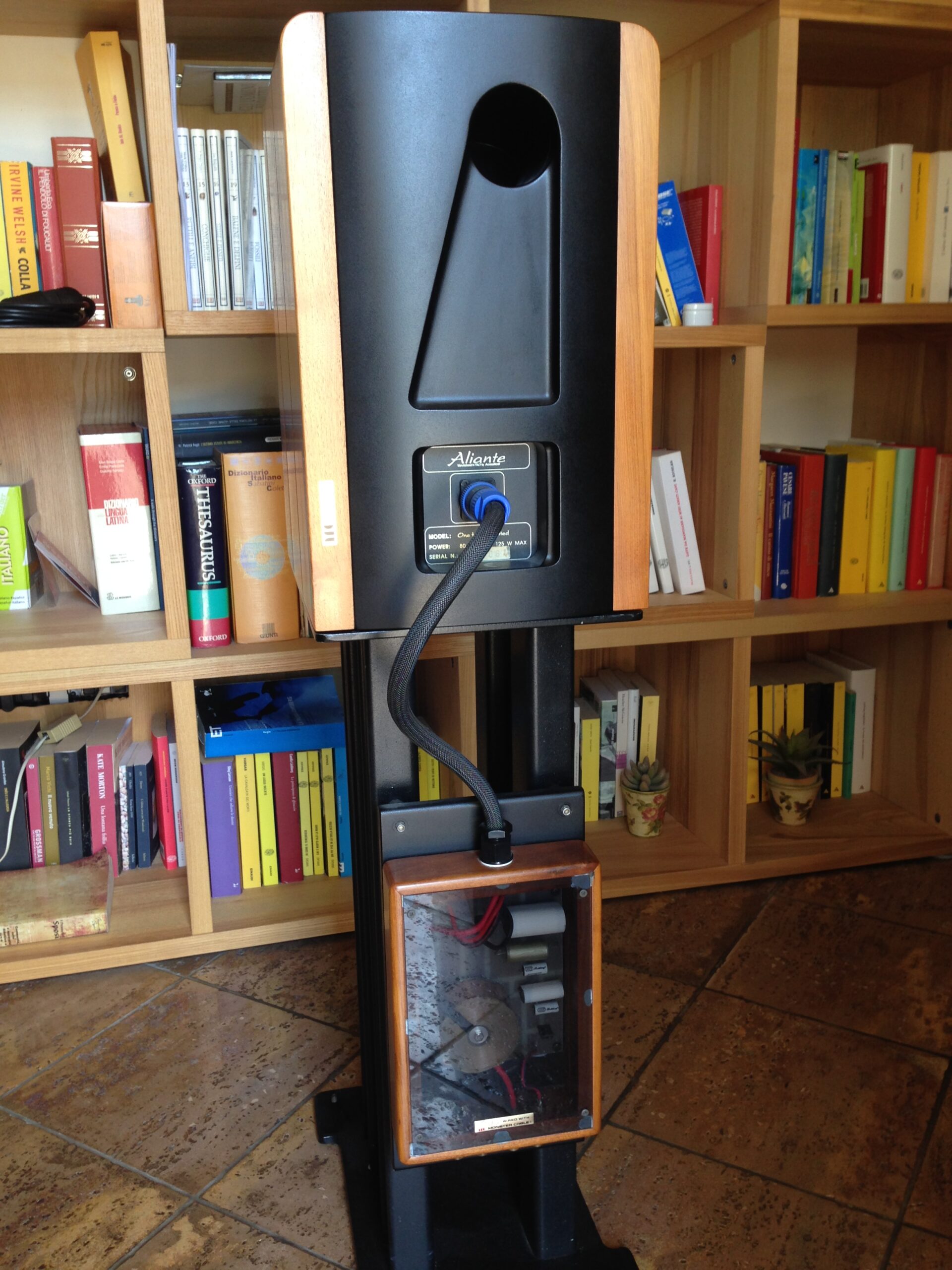
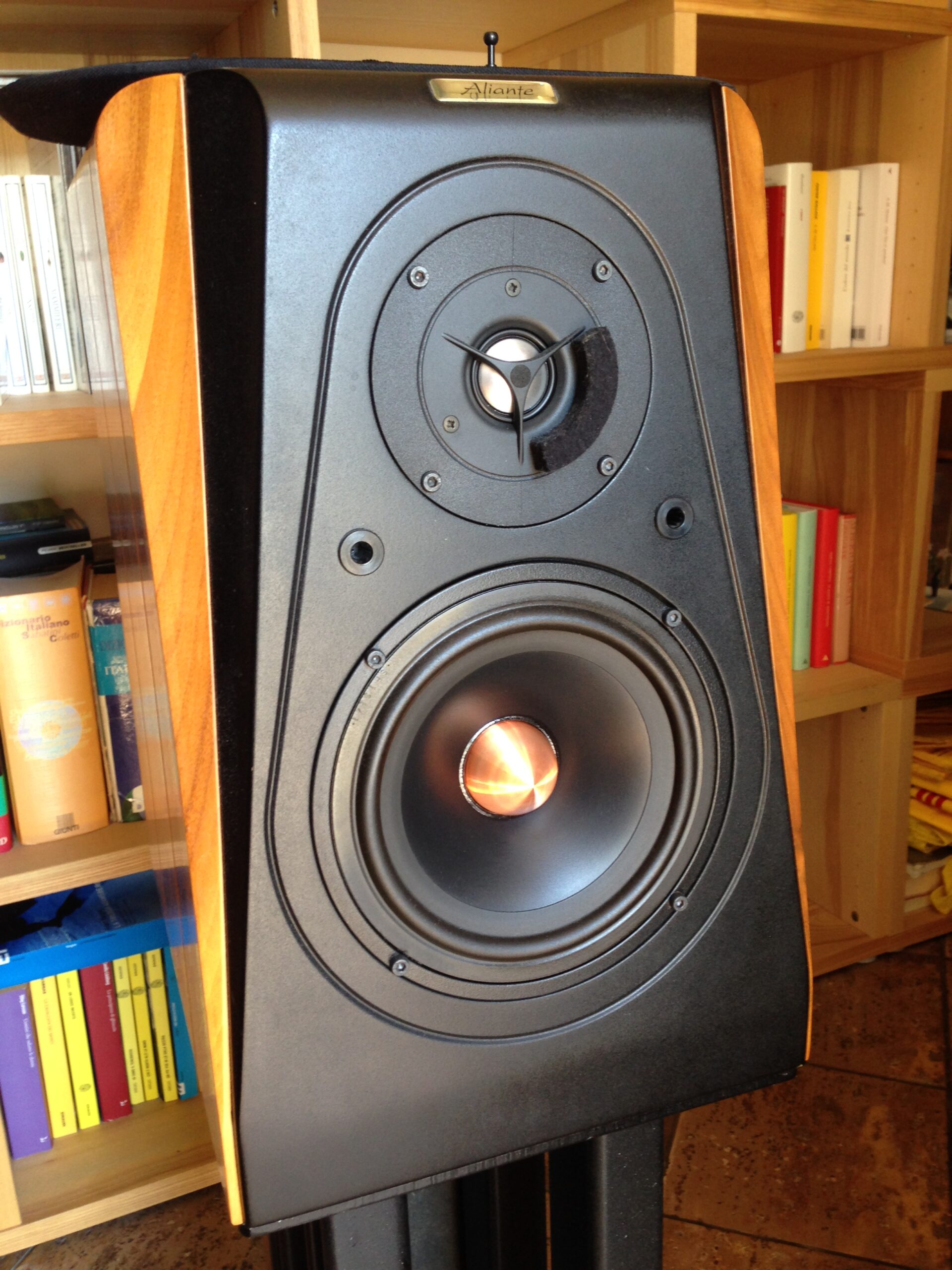
It was with a pair of Aliante One Zeta HEX Limited Edition loudspeakers that I still regret selling to this day. Even now, years later, I occasionally find myself wondering why I ever let them go.
It was also the era of quadraphonic sound, a concept that almost feels like science fiction today. There were dedicated cartridges, specially encoded records and systems designed to surround the listener from all four directions. It was probably a technology that arrived ahead of its time, but it shows just how strong the pursuit of sonic realism was back then.
The Audiophile Mindset
Every improvement came through increasingly refined components.
Maybe it was a new amplifier.
Maybe a different cartridge.
A new CD player.
A cable that was supposed to reveal hidden details.
Or yet another pair of loudspeakers that promised to take you one step closer to perfection.
Every change promised to bring you one step closer to perfection.
The system was the center of the experience.
Music was something you listened to in a specific place and at a specific time.
And, if we’re being honest, usually alone.
At most, you might invite a fellow audiophile who was patient enough to understand why you were listening to the exact same passage of a song for the fifth time in a row.
For everyone else, those habits were difficult to understand.
“Why do you close your eyes when you listen?”
“Haven’t you already heard this song?”
“Why do you keep replaying those same thirty seconds?”
Or the most common one of all:
“Can’t you put on something a little less depressing?”
If you were an enthusiast during those years, you’re probably smiling right now, because you’ve heard at least one of those questions dozens of times.
The Road to Digital
But let me take a step back.
At my age, my musical journey began with vinyl. To be more precise, it began in a time when vinyl wasn’t one option among many. It was simply how people listened to music.
The alternatives were limited. Some readers may remember the 8-track cartridge, a format that now belongs more to audio archaeology than modern listening. Later came the cassette tape.
Cassettes were a small revolution. For the first time, music could travel with you.
Portable record players already existed, and there were even some rather questionable devices that claimed to let you play full-size LPs on the move, but calling them HiFi would have required a very generous imagination.
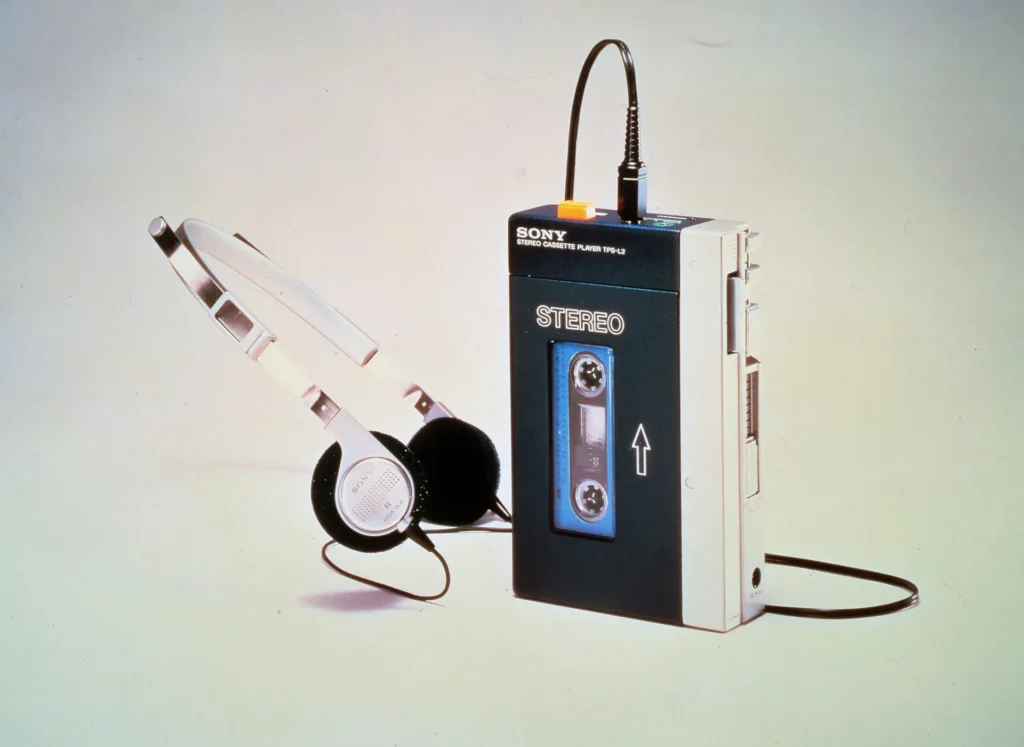
Real portability arrived with cassettes.
Walkmans.
Car stereos.
Home-made compilations exchanged between friends.
Recordings captured from local radio stations.
Speaking of radio, I spent time at three different local stations and even worked as a DJ for a while. It feels like another lifetime now, back when discovering new music required a little more effort than opening an app on your phone.
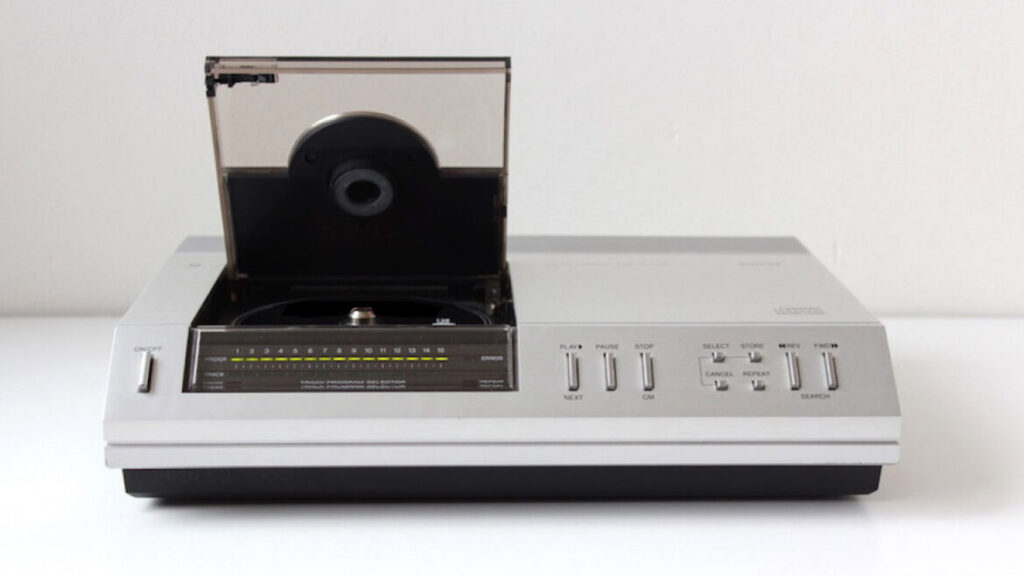
Then came the Compact Disc.
For many people of my generation, it was a genuine revolution.
Philips and Sony, both working on optical digital audio technologies, joined forces to create a common standard. The result was the Compact Disc, a format that would dominate music playback throughout the 1980s and 1990s.
For some, it was a technological marvel.
For others, especially devoted vinyl enthusiasts, it felt almost like a threat.
Even today you’ll hear people say that early CDs sounded worse than vinyl records. To some extent that’s true, but not for the reasons many assume.
The problem wasn’t digital audio itself.
The problem was often the recordings.
Many early CD releases were created from masters originally prepared for vinyl, transferred to the new format without proper optimization. Recording engineers and mastering studios were learning to work with a completely new medium, and the results were not always convincing.
That’s why many early CDs sounded hard, thin or unnatural by today’s standards.
The CD wasn’t inherently inferior to vinyl.
The industry was simply learning how to take advantage of digital technology.
As recording and mastering techniques improved, the Compact Disc eventually showed what it was truly capable of.
Yet despite all these changes, the listening experience remained fundamentally the same.
You bought a physical album.
It went into a turntable, cassette deck or CD player.
Then you sat down in front of your system and listened.
And you listened.
When Music Stopped Being Physical
Then computers entered the picture.
The first compressed music files appeared and, for many audiophiles, they were little more than a curiosity. Convenient perhaps, but certainly not something associated with serious sound quality.
Then came portable digital players.
Hard drives filled with music.
Streaming services.
And eventually high-resolution streaming.
Little by little, the very concept of a source component began to change.
Music was no longer something you owned physically.
It became something you accessed.
Anywhere.
Anytime.
Like many enthusiasts of my generation, I watched this transformation with a certain amount of skepticism.
I had spent decades building a record collection.
Choosing the best editions.
Reading liner notes.
Living with the physical side of music.
The idea that millions of albums could suddenly be available through an internet connection felt almost as if something had been lost along the way.
And yet, slowly, I adapted.
The Change I Didn’t Expect
But the biggest change, at least for me, wasn’t the move from vinyl to CD.
Nor was it the move from CDs to digital files.
It was the move from loudspeakers to headphones.
And that’s where my idea of music listening changed forever.
Meeting the IEM World
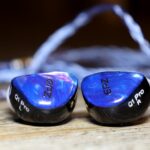
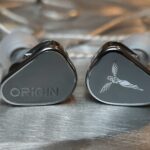
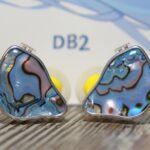
The first IEMs I tried didn’t impress me all that much.
In my mind, they were little more than an evolution of the earbuds we had known for years. Convenient, practical, great for travelling perhaps, but a long way from what I considered serious listening.
At the time, most IEMs used a single driver and relatively simple designs. For someone coming from the world of traditional HiFi, it was difficult to imagine that something so small could compete with loudspeakers the size of a person.
The first products that began to change my mind were Etymotic earphones.
For the first time, I found a level of precision and detail retrieval that I hadn’t expected from such a compact system.
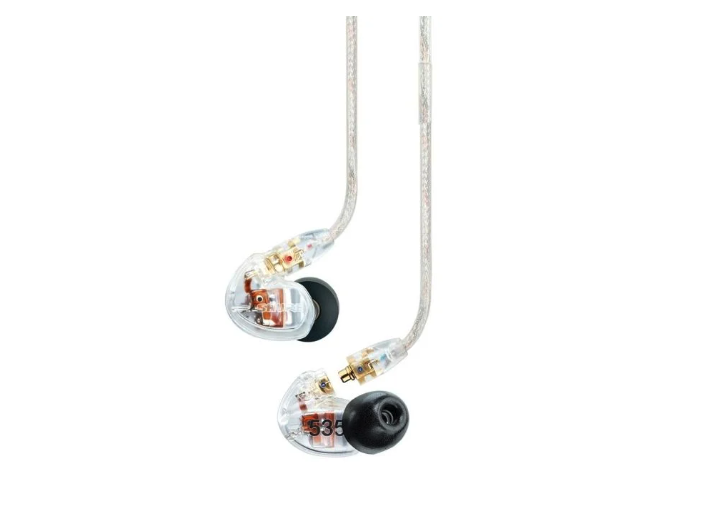
Then came the Shure SE535.
Balanced Armature drivers were certainly nothing new, but it was the first time I clearly realized how far an IEM could go beyond the concept of a simple earphone.
I started to feel that something was changing.
These were no longer just portable accessories.
They were serious listening tools.
But the real revolution was still ahead.
The Moment Everything Changed
It wasn’t only the IEM world that was evolving.
Headphones were changing too.
New materials.
Lighter and stiffer diaphragms.
More powerful magnets.
Increasingly sophisticated acoustic designs.
The first real crack in my old beliefs came from a pair of headphones.
I still remember an early pair of Meze 99s connected to a small xDuoo tube headphone amplifier.
It was one of those listening sessions that stays with you.
They didn’t seem better than my loudspeaker system.
Replacing it was never the point.
Instead, I found myself thinking something much simpler.
“You know what? You really can enjoy music like this.”
For the first time, I wasn’t judging a headphone as a compromise.
I was judging it as a listening system with its own identity and its own dignity.
From that point on, things moved quickly.
Established brands and newcomers alike were bringing products to market that would have seemed unimaginable only a few decades earlier.
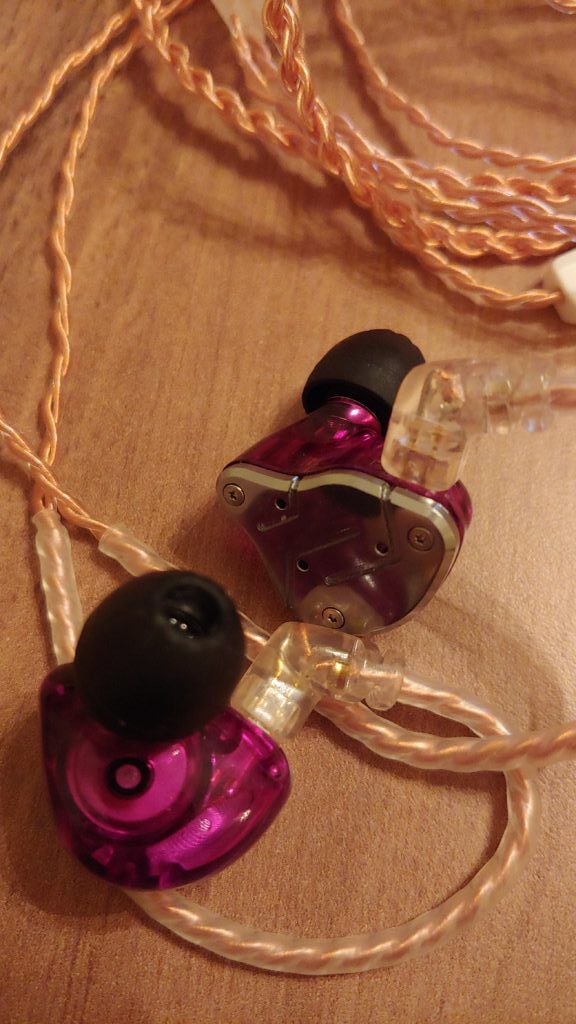
IEMs started using multiple specialized drivers.
Hybrid configurations appeared.
Dynamic drivers for bass.
Balanced Armatures for mids and treble.
Planar technology.
Electrostatic drivers.
Bone conduction systems.
More sophisticated shell materials and increasingly advanced internal designs.
Suddenly, we were no longer talking about simple earphones.
We were talking about complete miniature audio systems.
That was the moment I began looking at personal audio with different eyes.
I found myself hearing details, nuances and micro-information that, on my home system, would have required significantly larger investments, careful room optimization and, quite often, a very attentive ear.
It wasn’t a question of absolute sound quality.
A great speaker system can still deliver experiences that are difficult to replicate.
It was a matter of perspective.
For the first time, I felt as though I was stepping inside the recording rather than listening to it from a distance.
And that was probably when I realized that the future of my music listening would not be limited to a pair of loudspeakers.

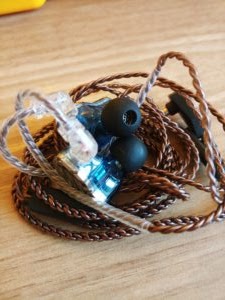
If headphones had opened the door, a few IEMs eventually convinced me to walk through it.
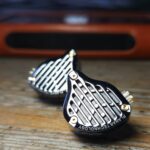
Even today, the Yanyin Baker remains one of my favourite IEMs.
Not because it is the most expensive I have heard.
Not because it is the most spectacular.
Simply because it is one of the IEMs with which I have built the most natural and lasting relationship.
The kind of product that makes me forget about the hardware.
And brings me back to the music.
There is no greater compliment I can pay to an audio component.
Better or Worse? Neither. Just Different.
One of the most common mistakes is trying to decide whether an IEM can replace a HiFi system.
My answer today is simple.
No.
But it doesn’t have to.
The experience is different.
A well-designed home system still offers something unique.
The physical presence of sound.
That impact in the chest that only a good pair of loudspeakers can deliver.
The interaction with the room.
The way sound reflects, expands and fills the space around you.
The feeling of having the music in front of you.
IEMs, on the other hand, offer a different kind of immersion.
More intimate.
Closer to the recording itself.
In many ways, more personal.
It’s like moving from a seat in the audience to standing next to the conductor.
You’re not hearing the same thing.
You’re hearing the music from a different perspective.
And that perspective often reveals details, textures and subtle nuances that are perceived differently through loudspeakers.
There is another aspect that is difficult to ignore.
Never before in the history of audio has so much performance been available for so little money.
I’m not saying that an IEM can replace a great home system.
What I am saying is that today it is possible to achieve truly remarkable sound quality without dedicating an entire room to music.
For those of us who grew up with HiFi in the 1970s, 1980s and 1990s, that would have been almost impossible to imagine.
The Freedom Revolution
If there is one thing that truly won me over about personal audio, it’s freedom.
When I was young, the problem was money.
Today, the problem is time.
For decades, I had to wait for the right moment to listen to music the way I wanted to. In the evening, when the day was finally over. At weekends, if nothing else got in the way. When the house was quiet. Or at least quiet enough to allow me to focus on listening.
But life changes.
Work arrives.
Family arrives.
Responsibilities arrive.
Children grow up.
There are errands to run, things to fix around the house, holidays to organise and countless small commitments that quietly fill every available space in the day.
The passion for music remains exactly the same.
The amount of free time does not.
For years, I found myself looking forward to an evening alone with my HiFi system almost as if it were a special occasion.
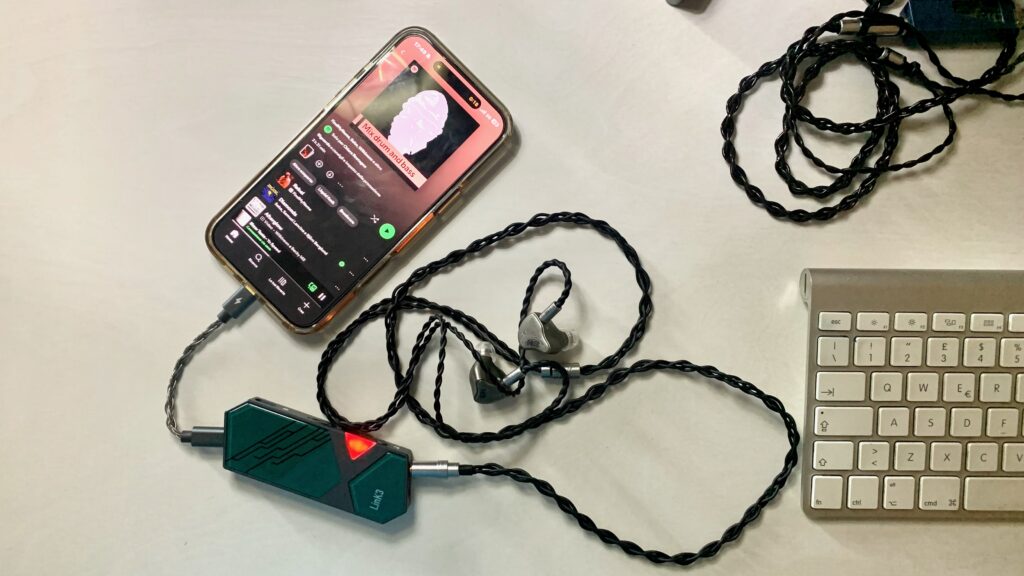
Today, I can carry a level of sound quality with me that would have seemed unthinkable only a few years ago.
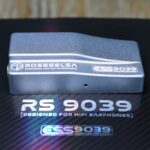
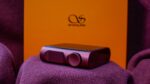
A good IEM.
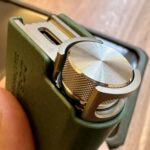
A DAC dongle.
A smartphone.
That’s all it takes.
The quality that can be achieved from such a simple setup is remarkable.
It doesn’t replace my home system.
It isn’t supposed to.
What it does is multiply the opportunities to listen.
I can enjoy an album while travelling.
During a lunch break.
In a waiting room.
At the beach.
In a hotel during a business trip.
Or simply during a spare moment stolen from an otherwise busy day.
And perhaps that is the real revolution.
Not the technological one.
The personal one.
Because today I listen to far more music than I ever could when my listening was tied exclusively to a traditional HiFi system.
From Audiophile to Music Lover
The biggest transformation, however, happened inside me.
When you spend many years in the world of traditional HiFi, there is a risk that creeps in almost unnoticed.
You start listening to the system more than the music.
It happens to everyone.
It’s almost inevitable.
You change a component and spend the entire evening searching for differences.
Soon you’re comparing recordings.
Every detail seems worth analysing.
Before you know it, you’re chasing improvements all over again.
In a way, IEMs brought me back to where it all began.
They reminded me that the real goal isn’t to listen to a perfect audio system.
The real goal is to be moved by music.
Let me give you a simple example.
In my best years, I would listen to two or three albums a week. During the winter months, perhaps a few more.
Today, excluding the time I spend reviewing equipment, I regularly listen to seven or eight albums a week, and reaching ten or more is not unusual.
The difference is not just how much I listen, but how I listen.
Those extra hours are no longer spent evaluating equipment or searching for flaws in a recording.
More often than not, they’re spent simply enjoying the music.
And most importantly, I can simply listen.
Not evaluate.
Listen.
The difference is enormous.
Listening to an album doesn’t mean analysing every detail or dissecting every track.
It means letting the music carry you away.
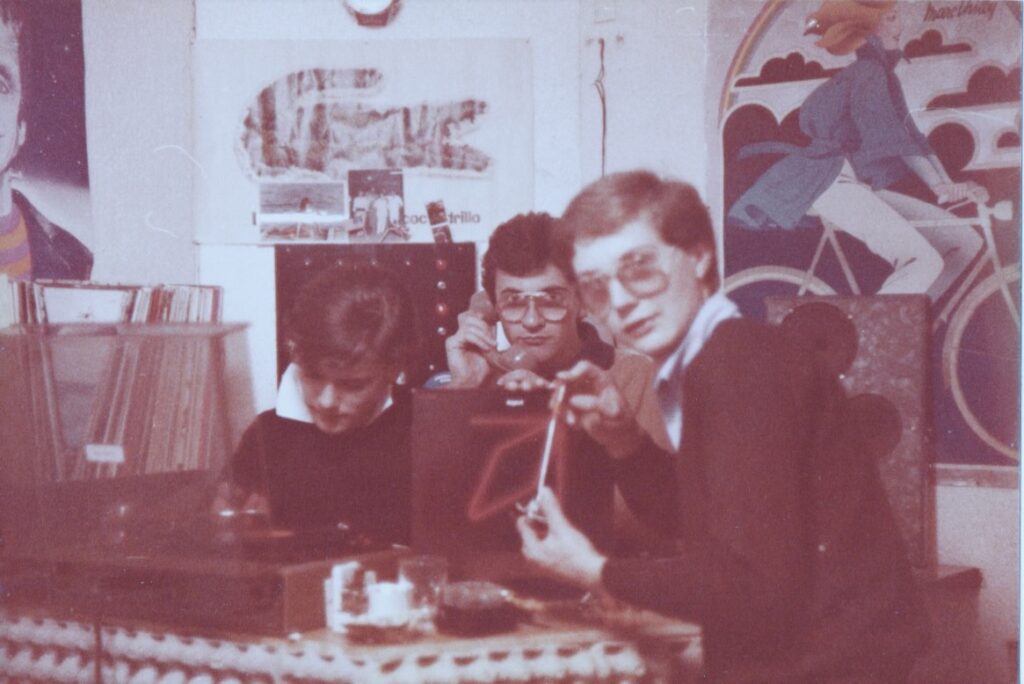
And, when I think about it, that’s exactly what we were doing in that basement listening room when I was eighteen years old.
The Future of My Listening
After more than forty years, I still love loudspeakers.
I still appreciate the magic of a great audio system in a well-treated room. In fact, I still have two of them at home.
But today, I no longer see portable listening as a compromise.
Quite the opposite.
It has become an integral part of my musical life.
I haven’t abandoned traditional HiFi. Far from it.
When I discover an album that truly moves me, one of the first things I do is listen to it again on my home system. And just as often, the opposite happens.
I’ve simply discovered another way to enjoy the same passion.
And perhaps that’s one of the things I love most about this hobby.
Even after all these years, music still finds ways to surprise me.
If I’ve learned one thing after nearly fifty years of listening, it’s that it doesn’t really matter where the music comes from.
It doesn’t matter whether it comes from a pair of loudspeakers, a headphone or an IEM.
What matters is the emotion it can create.
Modern headphones and IEMs are not substitutes for HiFi.
They are simply another way of experiencing the same passion.
And for me, it has been one of the most surprising discoveries in nearly fifty years of listening to music.





Thanks for sharing.
My home HiFi system that I put together early 2000 is intact and reproduces my SACD collection effortlessly and refined.
I too now have an assortment of IEMs and Headphones that I very much enjoy; but, I would not say it is a better/worse experience than my home HiFi sys., only different. Ultimately though, I prefer my HiFi system –love the way it fills any room with beautiful detailed and natural sound with a certain ease, wether at low medium or high volume.
Thanks for sharing, and I completely agree.
I don’t see personal audio as a better or worse experience than a good home HiFi system. They’re simply different ways of enjoying music, each with its own strengths and unique qualities.
A well-set-up speaker system can create a sense of scale, space and naturalness that is still very hard to replicate. At the same time, modern IEMs and headphones offer a level of intimacy, detail and accessibility that would have been unimaginable to me years ago.
What they have in common is that they both allow us to enjoy more music in a deeply satisfying way.
For me, one doesn’t replace the other. They complement each other.
And that’s probably the biggest surprise of all. Ten years ago, I would never have imagined myself saying that.