




























































Disclaimer
Hello everyone! Before we get started, I want to let you know that Kiwi Ears sent me the Serene so I could spend time with it, properly test it, and share my thoughts. I’m not being paid for this review, and Kiwi Ears hasn’t told me what to say, asked to see my review before posting, or set any publishing schedule.
Table Of Content
Everything you’ll read here is based entirely on my own experience with the Serene. I always try to be as fair and objective as possible, but at the end of the day, this is still my personal opinion. We all judge things differently, and those differences are part of what makes this hobby so interesting and enjoyable.
Big thanks to Kiwi Ears for giving me the opportunity to review the Serene, and of course, a huge thank you to you for taking the time to read and support my reviews. It truly means a lot to me!
Introduction
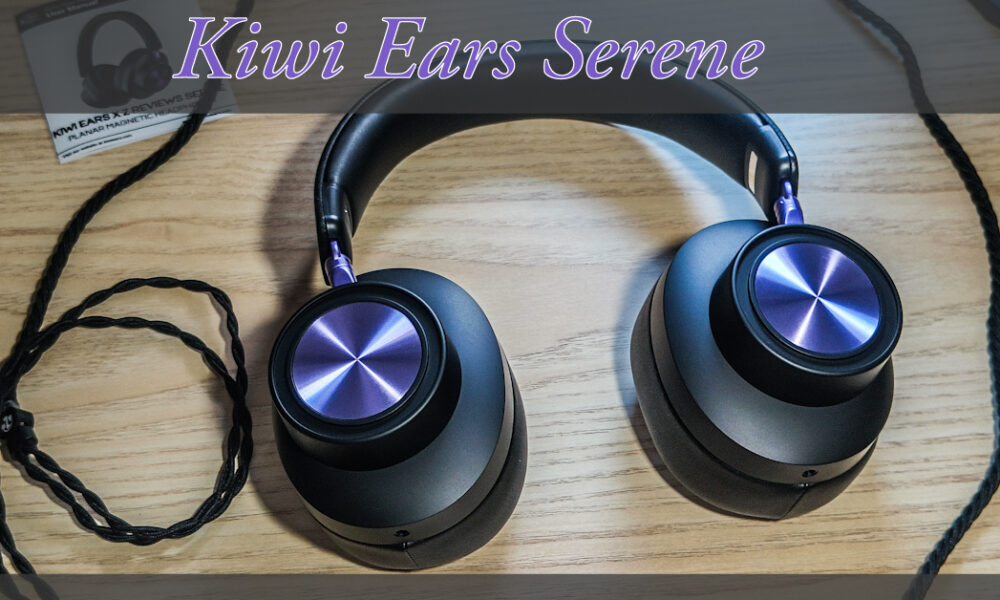
The Kiwi Ears Serene is a new headphone collaboration between Kiwi Ears and Zeos Pantera from Z Reviews, and this one is a fully closed back planar magnetic headphone. This makes it a bit of a rare thing in the headphone world, especially at this price point.
Kiwi Ears and Zeos wanted to create a truly closed back planar, not even a semi closed design. Planar headphones are known to want a lot of air in order to move properly, and many closed planar headphones have crackling. But it didn’t stop them, and they wanted to create an actual closed headphone that can isolate you properly from the outside world. I will spoil this part right now and say that they absolutely succeeded at that. The Serene seals very well and reduces outside noise far better than what I expected.
That said, as I have mentioned, this type of design is also a bit of a double edged sword. While the isolation is actually very impressive, closing a planar driver this much can cause some problems, and those do have some crackling issues. Zeos actually found some sort of solution, and I will get into all of that later in the review.
For now, this is a 159$ closed back planar headphone that was made to do something different, and I have to say, it actually does. So with that in mind, let’s see how the Kiwi Ears Serene actually performs and what it really brings for its asking price.
Unboxing
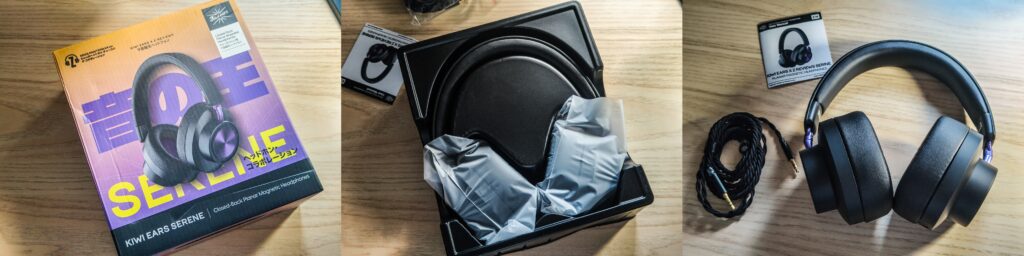
The unboxing experience with the Kiwi Ears Serene is pretty much as simple and straightforward as it gets. When I opened the box, I understood that Kiwi Ears put their budget into the headphones themselves and not into extra accessories or the presentation.
Inside the box, you get the Serene headphones placed in a plastic tray, a user manual, and a single 3.5 mm cable. That’s it. There is no carrying case or pouch, and not even a 6.35 mm to 3.5 mm adapter, which I honestly think is a must have, because it doesn’t cost much at all.
The cable itself is pretty basic in terms of looks, but it’s actually nicely made and feels good enough. The only problem I have with it is that it is very microphonic. Every touch, every rub against my desk or clothes, and even running my fingers along the nylon jacket gets transmitted straight into the headphones. I’ll go deeper into that later in the review, but it’s definitely something worth noting already at the unboxing stage.
Overall, this unboxing feels very simple. It’s clear that most of the budget went into the headphone and the planar driver rather than accessories. Probably in order to make them as cheap as possible. Some people will appreciate that, others might miss a case or some extras, but either way, what you see here is exactly what you get.
Technical Specifications
Specs
- Product name: Kiwi Ears x Z Reviews Serene
- Headphone type: Closed-back planar magnetic headphones
- Driver type: Planar magnetic
- Driver size: 72mm x 89mm Planar Magnetic Driver (actual size is about 54mm x 49mm)
- Frequency response: 20 Hz – 20 kHz
- Impedance: 50ohms±15% at 1kHz (DC)
- Sensitivity: 102dB±3dB (at 1kHz, Test Voltage: 0.179V)
- Cable: Detachable dual 3.5 mm to 3.5 mm single-ended cable
- Termination: 3.5 mm single-ended
- Ear pad type: Over-ear, replaceable pads
- Headband: Adjustable with friction-based mechanism
Build Quality and Comfort
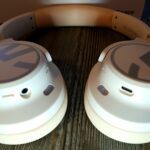
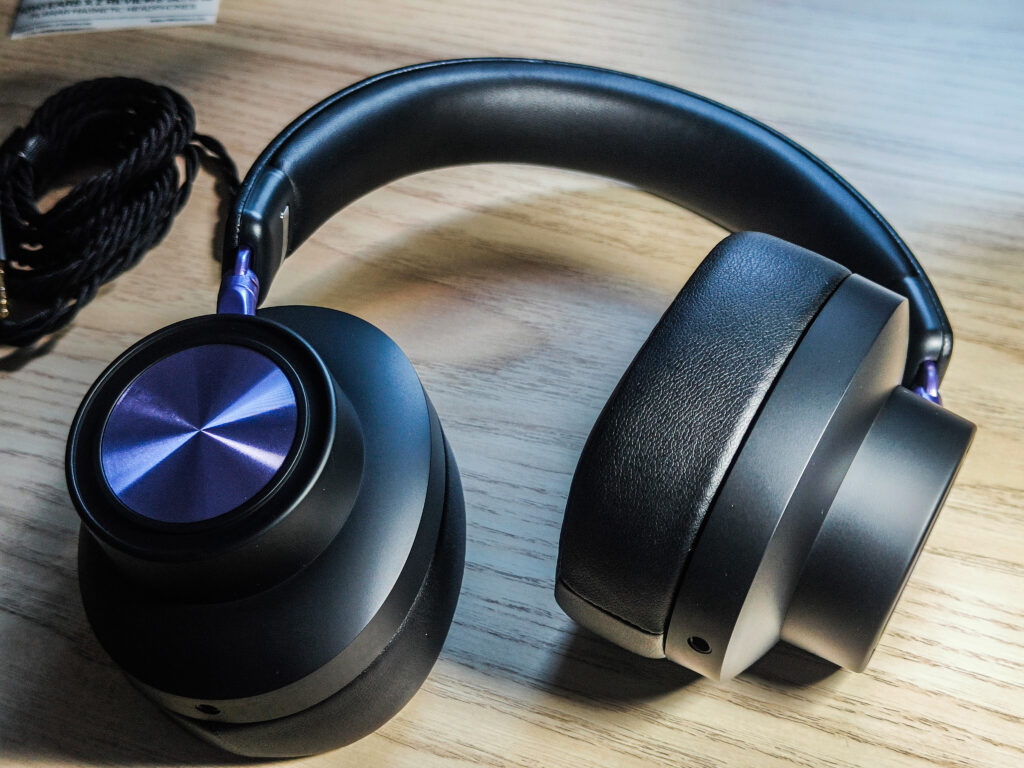
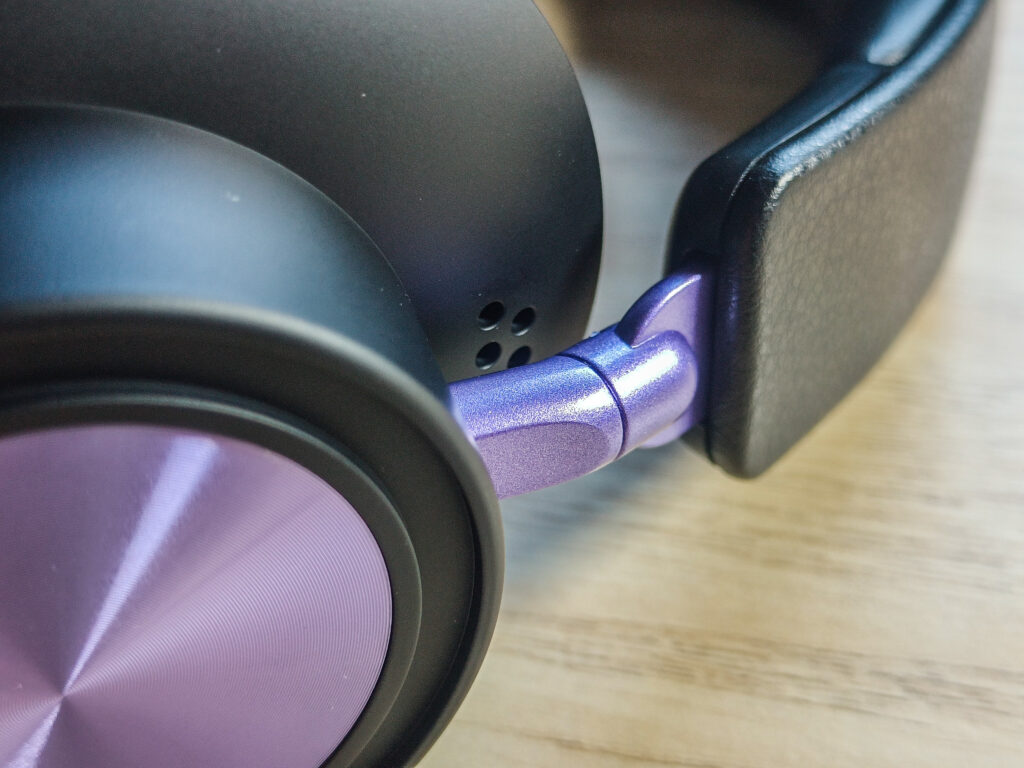
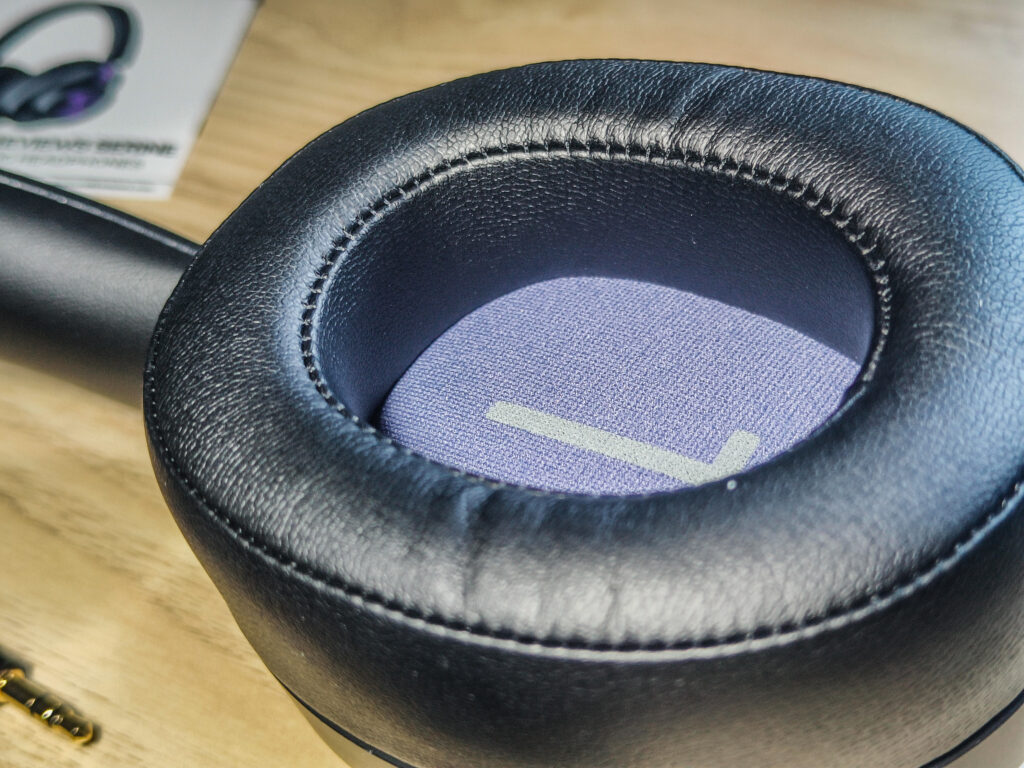
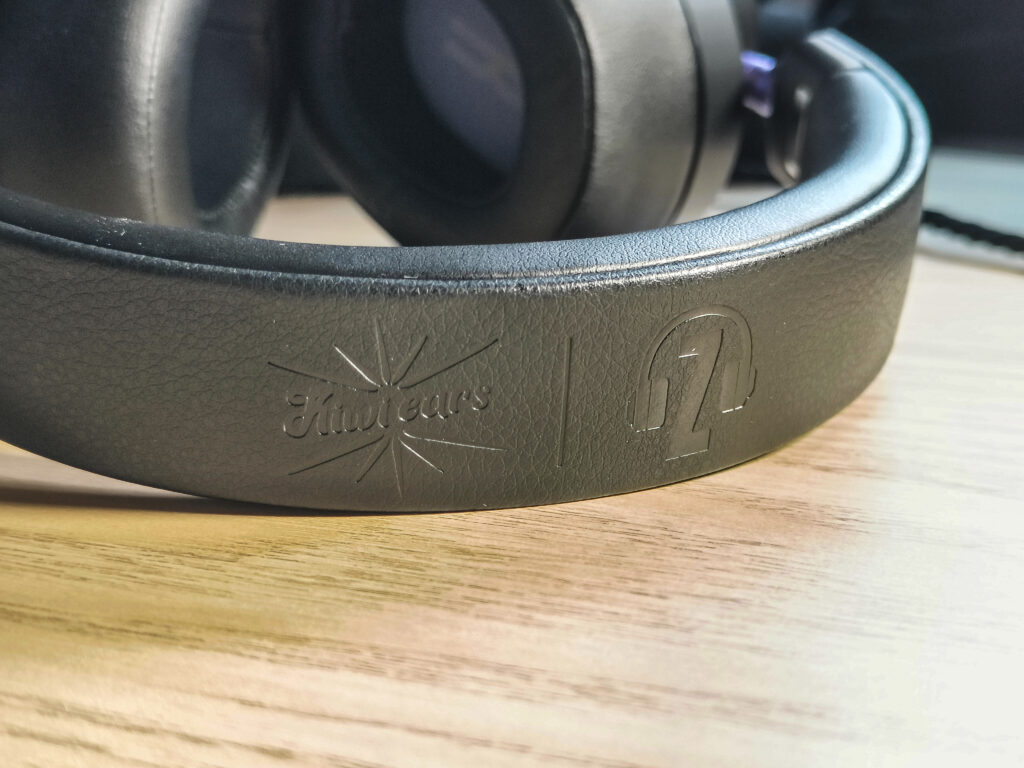
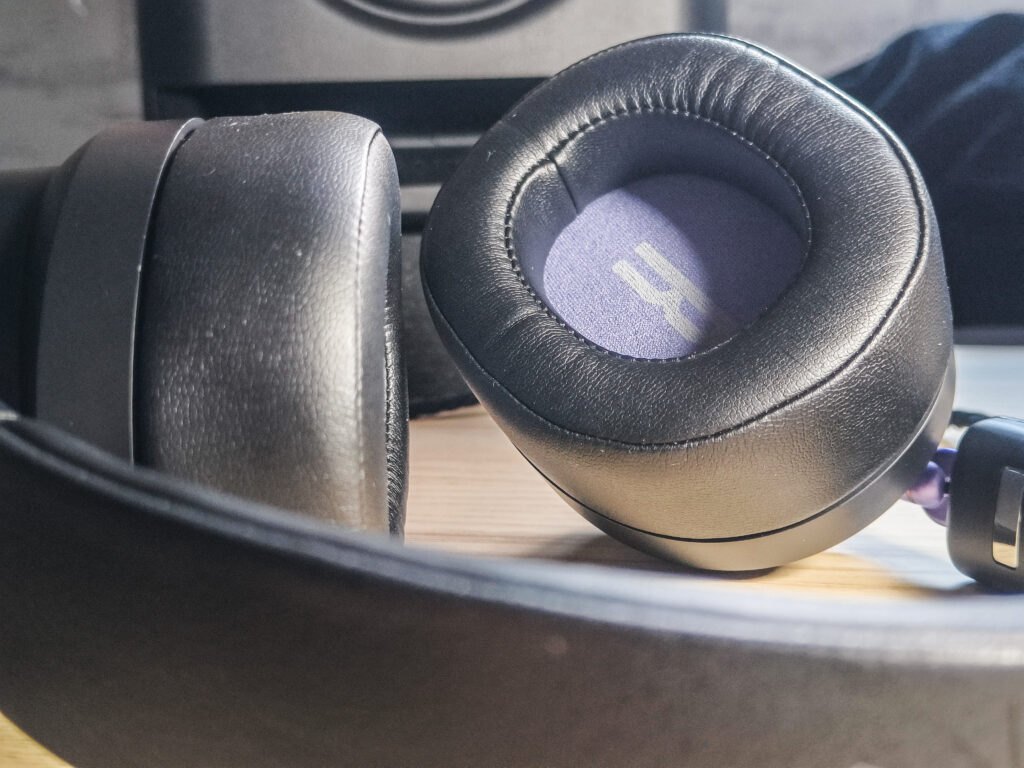
The Serene is built quite nicely for the price. It doesn’t feel too fragile, and it doesn’t feel too premium either, and it’s actually quite comfortable on the head. The earcups themselves are on the smaller side, but my ears still fit fully inside, which is important for a full sized closed back. The pads feel soft and seal really well, I mean, really, even to the point where it makes a bit of a vacuum.
The headband is another strong point here. The padding runs across the entire headband and feels very soft and evenly distributed on my head. There are no pressure points, and I can sit with them for quite a bit. The adjustment system uses a friction based mechanism, and the resistance feels quite firm. It doesn’t slide around easily, and that gives me confidence that it will hold up well over time and won’t start loosening after a few uses.
A nice bonus is that the pads can be removed pretty easily. This is useful not only for pad swapping but also if you want to do the driver adjustment that Zeos himself suggested.
Driver and Technology
According to the official specs, Kiwi Ears lists the Serene as using an 89 mm planar magnetic driver. In practice, though, the actual “sound making” area is much smaller than that. It seems very likely that the measurement includes the entire enclosure rather than just the active diaphragm area. This doesn’t necessarily mean it’s a bad thing, but it’s worth keeping in mind, especially for people who expect a massive planar diaphragm based on the number alone.
Being a planar, the Serene has a pretty fast response and good detail. The fully closed back design is a big part of what makes this headphone unique, but it also plays a role in how the driver behaves, which I’ll talk about more in the sound section later on.
Design and Aesthetics
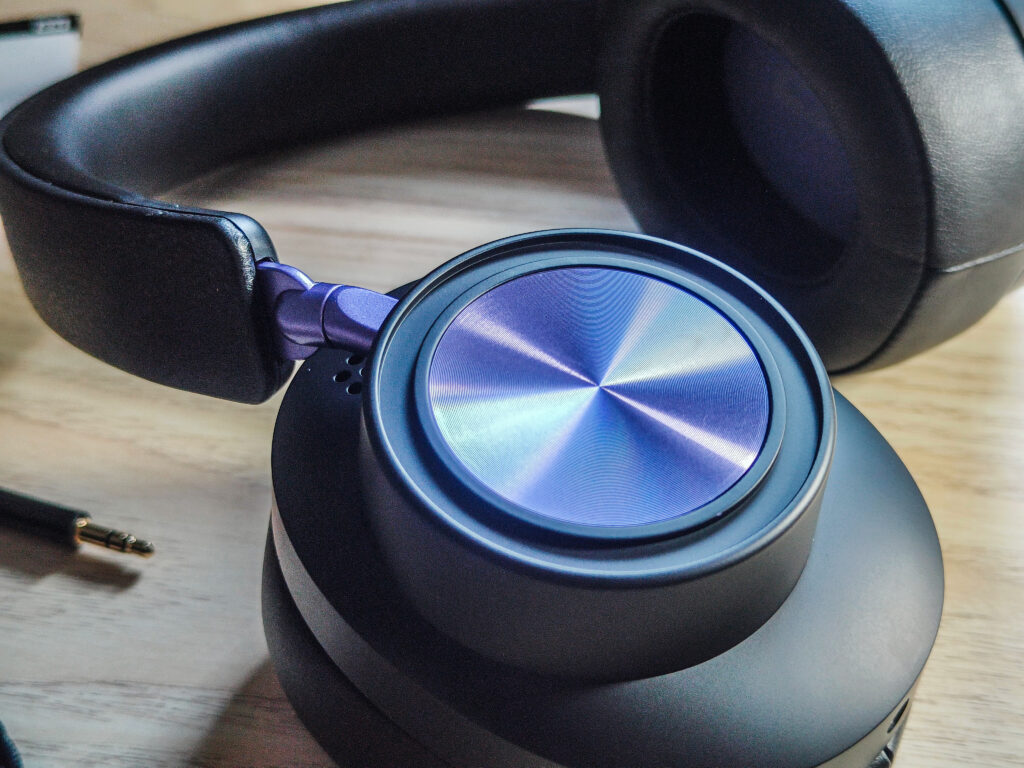
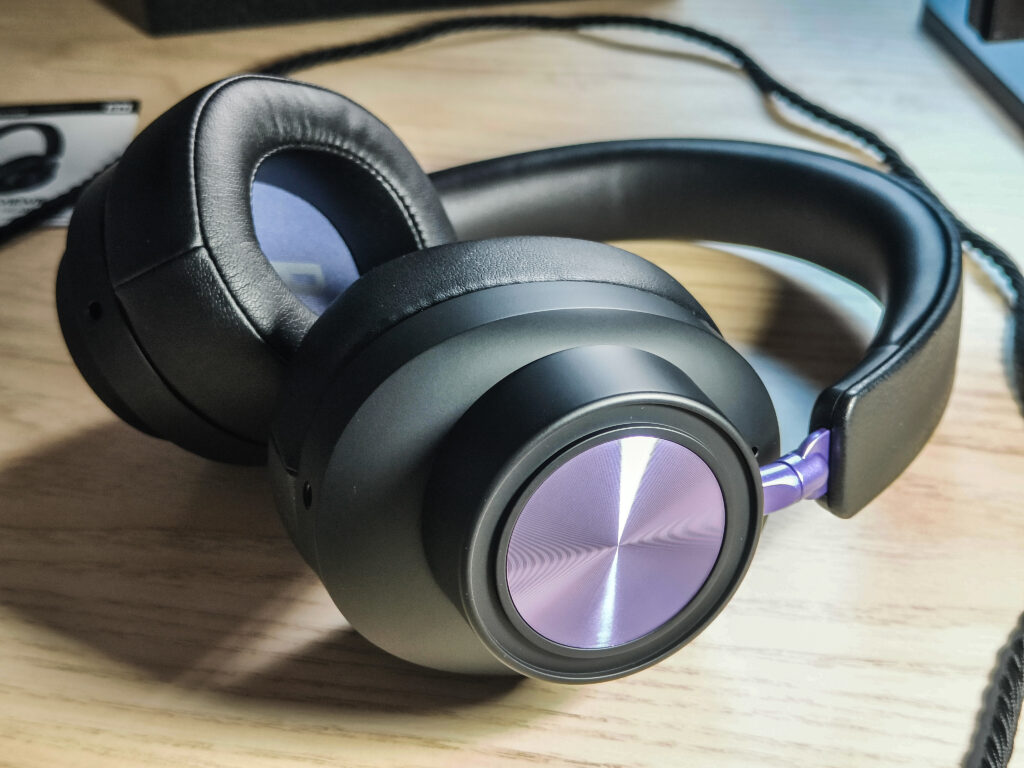
Visually, I really like how the Serene looks. The purple accents look very good in my opinion, and the color is very pretty. It’s still very clean and minimalistic looking overall, despite the purple color. The finish looks nice, the cups feel pretty solid and have a nice swivel, and everything fits together quite nicely.
Overall, from a build and design perspective, the Serene feels pretty well built, with the only downside being the fact that it’s fully closed and it makes the driver flex.
Sound Performance
Going into a closed back planar headphone, I already have some expectations and some fears. I expect planar speed and detail, good separation, and clean and fast bass. But I also know that closed back planars can really struggle with air movement, bass tuning, and also driver flex. So with the Serene, I really wanted to see how Kiwi Ears managed the isolation with planar performance and where the compromises are. So let’s start with talking about the bass performance.
Bass
The bass on the Serene is strong and very present, but it’s also where I have my biggest mixed feelings. There is a noticeable mid bass lift, and pretty often it can sound a bit bloated. The good news is that the planar driver is fast, so this extra bass energy does not really bleed into the mids and make a muddy mess. Everything is relatively clean and controlled, although it can get muddy in certain tracks.
Another thing is that the bass does not go as deep as I would personally like. Sub bass extension is there, but it never really goes as deep and as rumbly as I like it to. Instead of lifting the sub bass more, Kiwi Ears went for a stronger mid bass focus, and for my taste, that’s not the right choice. I kept feeling that if the bass shelf was shifted lower, with more focus on sub bass rumble rather than mid bass, the overall balance would have sounded tighter and more satisfying for me.
For example, in Batty’s Theme by Lorn, the bass has good impact and forwardness, but it still doesn’t go as deep as I would like. But that said, it works pretty well with the rest of the track. And I have to give some points to how the mids and highs stay clear and don’t get covered by the bass.
Mids
The mids are mostly clean and well separated, which is exactly what I expect from a planar headphone. Vocals sit in a decent position and don’t get too buried by the bass, even when I listen to complex tracks. However, there is a noticeable scoop around the pinna gain region, at around 3 kHz.
Because of that dip, the mids can sound slightly compressed or a bit muffled, and some elements that rely on that region can sound a bit veiled. Although when I was listening to Night of the End by Kohta Yamamoto, the sound was relaxed and warm. The recessed pinna gain and the warm bass gave vocals and instruments a softer feel, while the highs still were strong enough to show good details.
It’s not that details are missing, but rather that it sounds a bit pulled back, and just enough to make things sound less open and less lively than they could be.
If you are sensitive to shouty upper mids, you might actually appreciate this tuning. Personally, I would have preferred a bit more presence here to give vocals more realism and forwardness.
Treble
The treble is actually done quite nicely. It’s extended, clean, and never sounded harsh or sharp to me. There is good sparkle and air, and despite the recessed upper mids, the Serene never sounds very dark.
In Rust from Hillbilly Elegy, the string instruments sound clean and detailed. High frequency sounds are clear and smooth, and they never felt to me like they were becoming sharp or annoying.
Cymbals sound crisp, high frequencies have good detail and presence, and the treble stays very comfortable, and I never felt like I was getting tired. It’s not an aggressive treble tuning, but it’s well extended and at the same time easy to listen to.
Technical Performance
Technically, the Serene performs exactly how a planar headphone should. It’s fast, detailed, and handles complex tracks quite nicely. Separation is good, layering is good, and the overall presentation feels controlled.
From a technical standpoint, this is one of the strongest aspects of the Serene.
For a closed back design, the soundstage is better than I expected. It’s not open back wide, but it doesn’t feel small either. I can tell the direction of sounds around me fairly easily, and there is a decent sense of space considering how sealed these headphones are.
Cable issue
This is also the right place to talk about the cable, because in my opinion, it has a real impact on everyday listening. The included cable is very microphonic. As I mentioned earlier, every touch, every movement against my desk or clothes, and even lightly touching the nylon jacket with my fingers gets transmitted straight into the headphones. Once you notice it, it becomes very distracting and annoying.
For me, upgrading the cable is not optional, it’s a must. A good quality replacement cable immediately makes the Serene much more enjoyable to use. On top of that, I really wish Kiwi Ears offered a balanced cable option out of the box. The Serene is not super easy to drive, and it clearly benefits from more power, and a balanced output can help in this regard.
Closed Back Behavior and Driver Flex
As I already said, the fully closed back design is a double edged sword. On one hand, isolation is excellent. These seal extremely well and block outside noise really well. On the other hand, this tight sealing causes noticeable driver flex.
I could clearly hear a rattle and flexing sound in certain tracks, especially around 0:50 in “503” from the Angels & Demons soundtrack. Even small movements, like adjusting the headphones or chewing, can cause the drivers to flex and produce audible noise.
I tried the driver adjustment that Zeos suggested by loosening and tightening the driver screws. This helped quite a bit. The specific rattle I heard in that track was mostly gone, but the flex did not disappear completely. If I stay still, it’s fine. Once I start moving or eating, I can still hear it… Maybe the real fix will be to drill some holes at the back…
Overall Sound Impression
The Serene is a technically capable closed back planar with very good speed, detail, and isolation. Its tuning, especially in the bass and upper mids, won’t be for everyone, and the driver flex is a real downside of such a closed back design.
Still, when paired with a good amp and a better cable, and when you sit back and focus on the music, the Serene sounds quite unique. Fast responses, clean separation, and good planar technical performance are all here. You just need to be aware of the compromises that come with it.
Conclusion
After spending some good time with the Kiwi Ears Serene, I have to admit, I didn’t see it as a “wow” on first listen. This headphone slowly showed me what it’s about, both the good parts and the not so good ones. And honestly, that made my feelings about it pretty clear.
On the good side, this is a genuinely closed back planar. The isolation is no joke, and it blocks outside noise way better than most closed backs that I tried, and you still get that planar speed and detail. With a proper amp and a better cable, the Serene can sound really clean and technically impressive, especially for the price.
At first the Serene appeared to me like the bass isn’t tuned the way I personally like, the upper mids are a bit pulled back, and the very tight seal causes driver flex, which I could hear when I was moving around. The stock cable also doesn’t help at all. It’s very microphonic, and for me, upgrading it is basically mandatory if you want to enjoy these without getting annoyed. But after doing all the tweaks and playing with them a bit, I actually could enjoy them, and they leave a unique signature (in a good way, of course).
But still, to me, the Serene feels like a headphone made for a very specific type of listener. Someone who wants isolation first, loves that planar speed and detail, and overall great technicalities, warm and punchy midbass, and doesn’t mind swapping a cable or doing the adjustment to the drivers, or even drilling holes in order to get the best out of them. If that sounds like you, the Serene can make a lot of sense and can be really enjoyable.
It’s not perfect, and it definitely has its quirks. But if you know what you’re getting into, the Kiwi Ears Serene can be fun headphone to play with and a pretty unique closed back planar if you are into making modifications by yourself.
Pros
- Very good isolation for a closed back headphone
- Fast and detailed planar sound with good technicalities, if the driver wouldn’t flex this much…
- Comfortable headband and soft ear pads (although the earcups are pretty small)
- Surprisingly good sense of space and soundstage for a closed back design
Cons
- Bass tuning is mid bass heavy and doesn’t go as deep
- Noticeable upper mids scoop makes vocals less present
- Driver flex (can be improved with Zeos unscrew and screw advice)
- Included cable is very microphonic (upgrade almost required in my opinion)
- Small ear cup which can feel tight for some ears
Where to buy:(Non-affiliated! None of my reviews use affiliated links!)




No Comment! Be the first one.