







































Disclaimer:
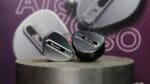
Good morning, readers! Today, we have a new product from Hidizs. The ArcSonics Hidizs MK10 is a sort of little sister to the Hidizs MK12, smaller in size and much more affordable. Hidizs recently seems to have started creating a series with particularly interesting drivers that boast some rarely seen features. Especially in terms of materials, these two are qualitatively superior to many competing IEMs and feature dynamic drivers with membranes made of quite unique materials. I must say that both have a certain character, and as single-driver IEMs, they particularly stand out from the crowd.
Table Of Content
- Disclaimer
- Tech Specs
- Packaging
- Design/Build Quality
- Initial sound impression
- Comfort/Fit
- Equipment used for testing above
- Device
- Software
- DAC
- Final sound impression
- Tuning Nozzle
- White (Treble)
- Red (Mids)
- Black (Bass)
- Bass
- Mids
- Treble
- Soundstage and Imaging
- Fast Comparison
- Vs. Simgot EA500LM
- Conclusion
- More Information
However, the review will still be 100% honest and in no way biased.
I’m not an audiophile; I’m just a guy who likes to test out different IEMs and DACs and spends a lot of time listening to music.
So I’m not going to use super technical words to review it, but I will do my best to describe it.
Tech Specs:
- Plug: 3.5mm/4.4mm Gold-plated Pure Copper Cable Plug
- Weight: Approx.24g (Excl. earphone cable)
- Frequency Response: 20Hz-40kHz
- Dynamic Driver: 10mm Silicon Carbide Crystal Diaphragm Dynamic Driver HiFi In-ear Monitors”
- Sensitivity: 113dB
- Diaphragm: Silicon Carbide Crystal Diaphragm
- Impedance: 32 ohms
- THD: <0.3%@1kHz
- Appearance: ZA12 Zinc Alloy Integrated Molding
- Sound Tuning Filters: 3 Hidizs Pneumatic High-Frequency, Balanced, and Low-Frequency
- Cable Material: High-purity Oxygen-free Copper Silver-plated Twisted Pair Wire Cable
- Connector: Detachable Cable with 0.78mm Gold-plated Connector
- Cable Length: 1.2m
- Early bird prices starting from: $69 or less
Packaging:
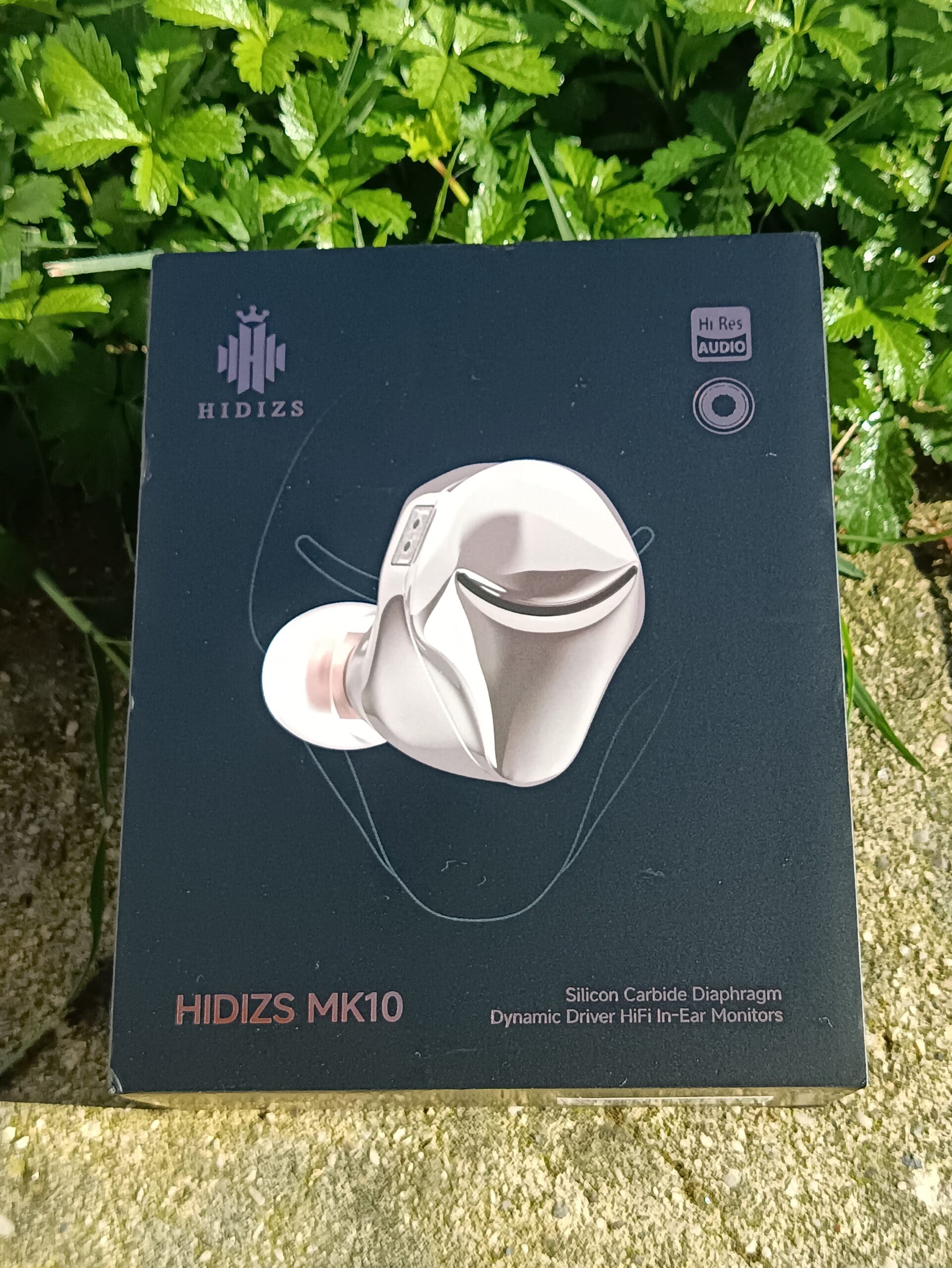
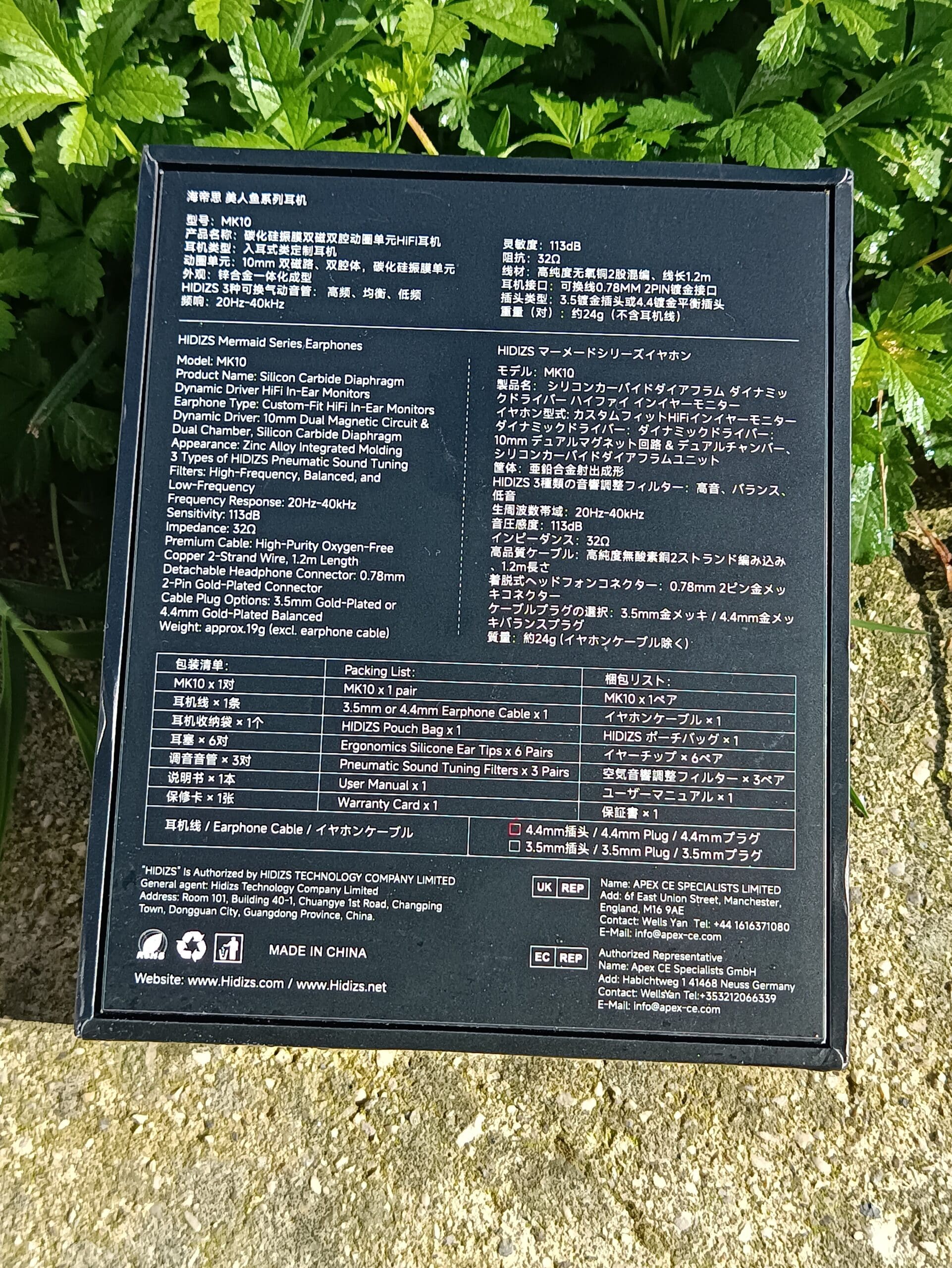
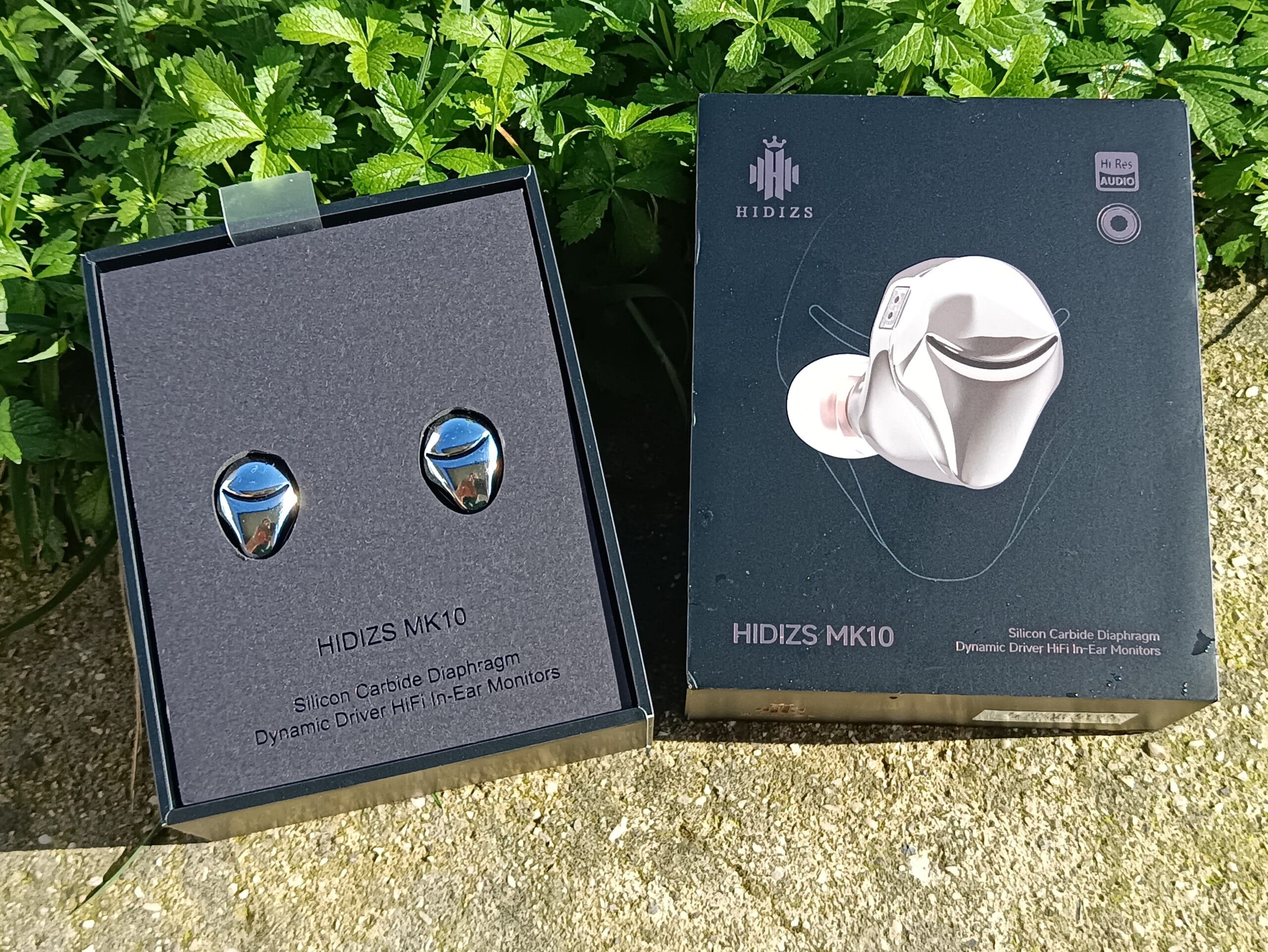
The packaging of the brand-new Hidizs MK10 ArcSonics, although a more popular version, boasts a very similar standard equipment to the MK12. There should be more premium equipment on the MK12, but leaving that aside, on the Hidizs MK10, which is positioned around 70 USD, I consider the packaging and accessories to be fair for the price.
Accessories included:
- 3 Pairs x Pneumatic Sound Tuning Filters
- 3 Pairs x Ergonomics Silicone Black Ear Tips (Balanced)
- 3 Pairs x Ergonomics Silicone White Ear Tips (High Frequency)
- 1 x 3.5mm or 4.4mm Earphone Cable
- 1 x User Manual
- 1 x Warranty Card
- 1x HIDIZS Pouch Bag
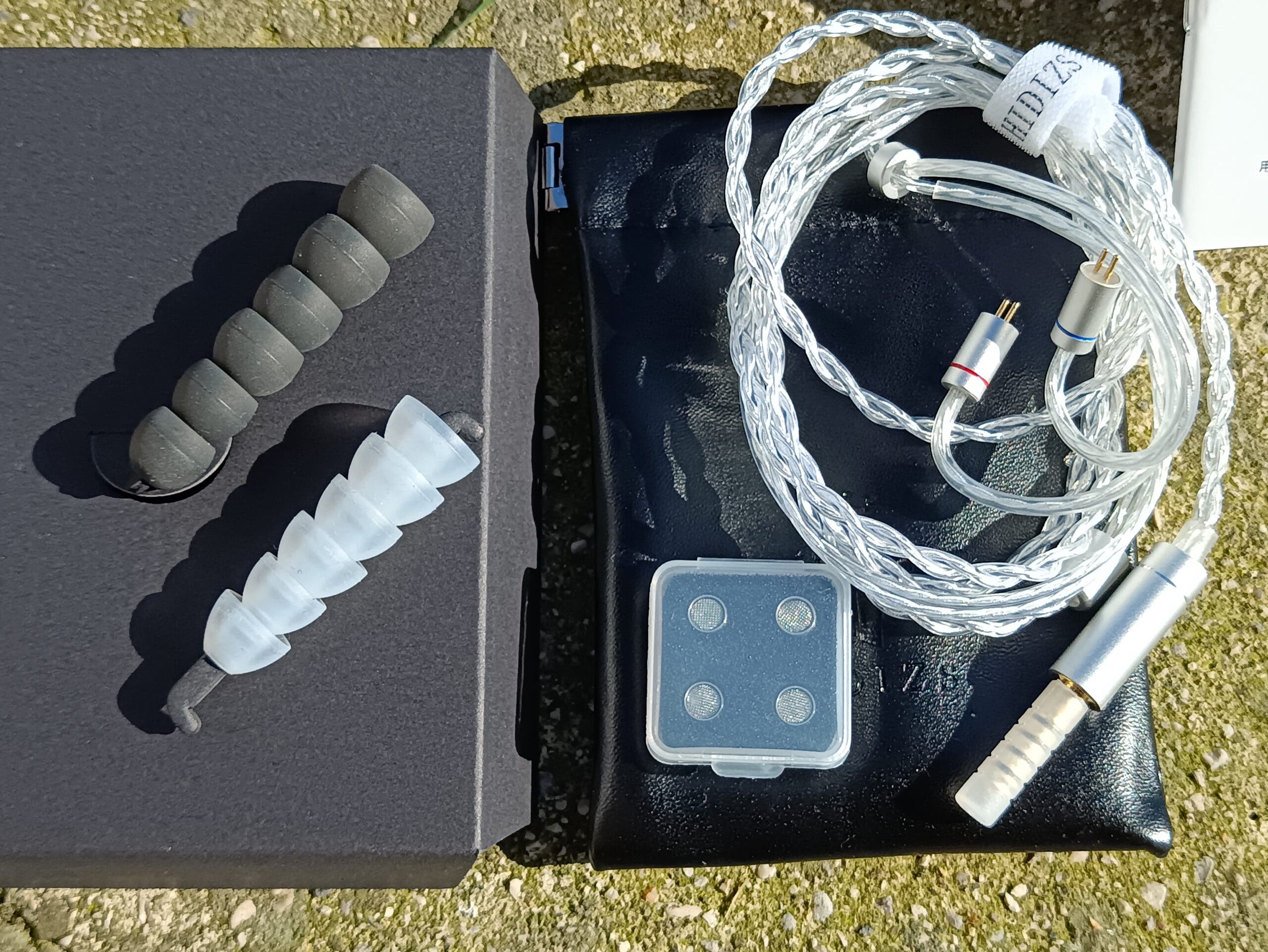
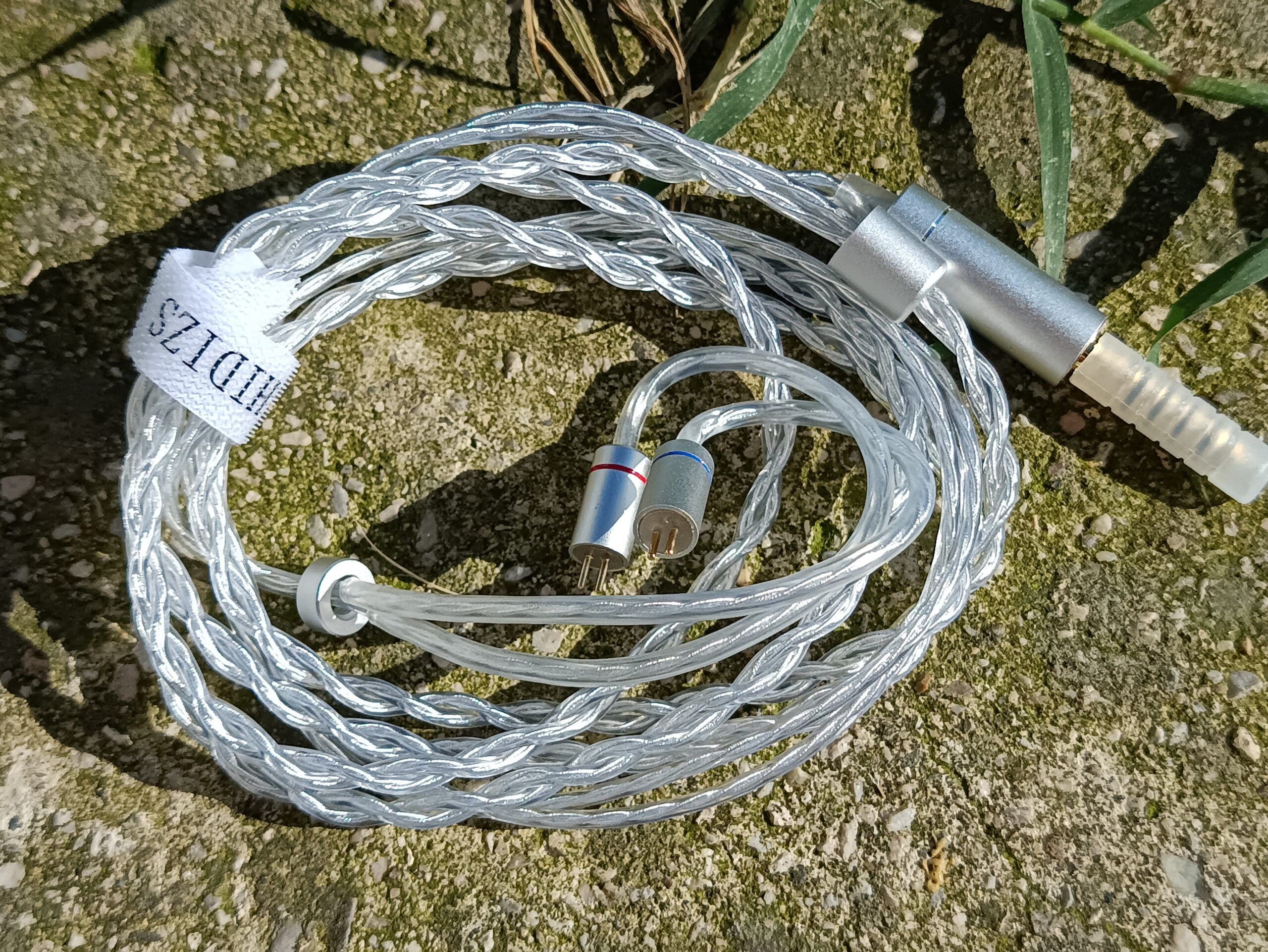
As already said, a great set of accessories as standard, but it’s the kind of set that I would personally give at least some premium Eartips, a nice pair of Hidizs Anemone Eartips, or some Divinus version.
Design/Build Quality:
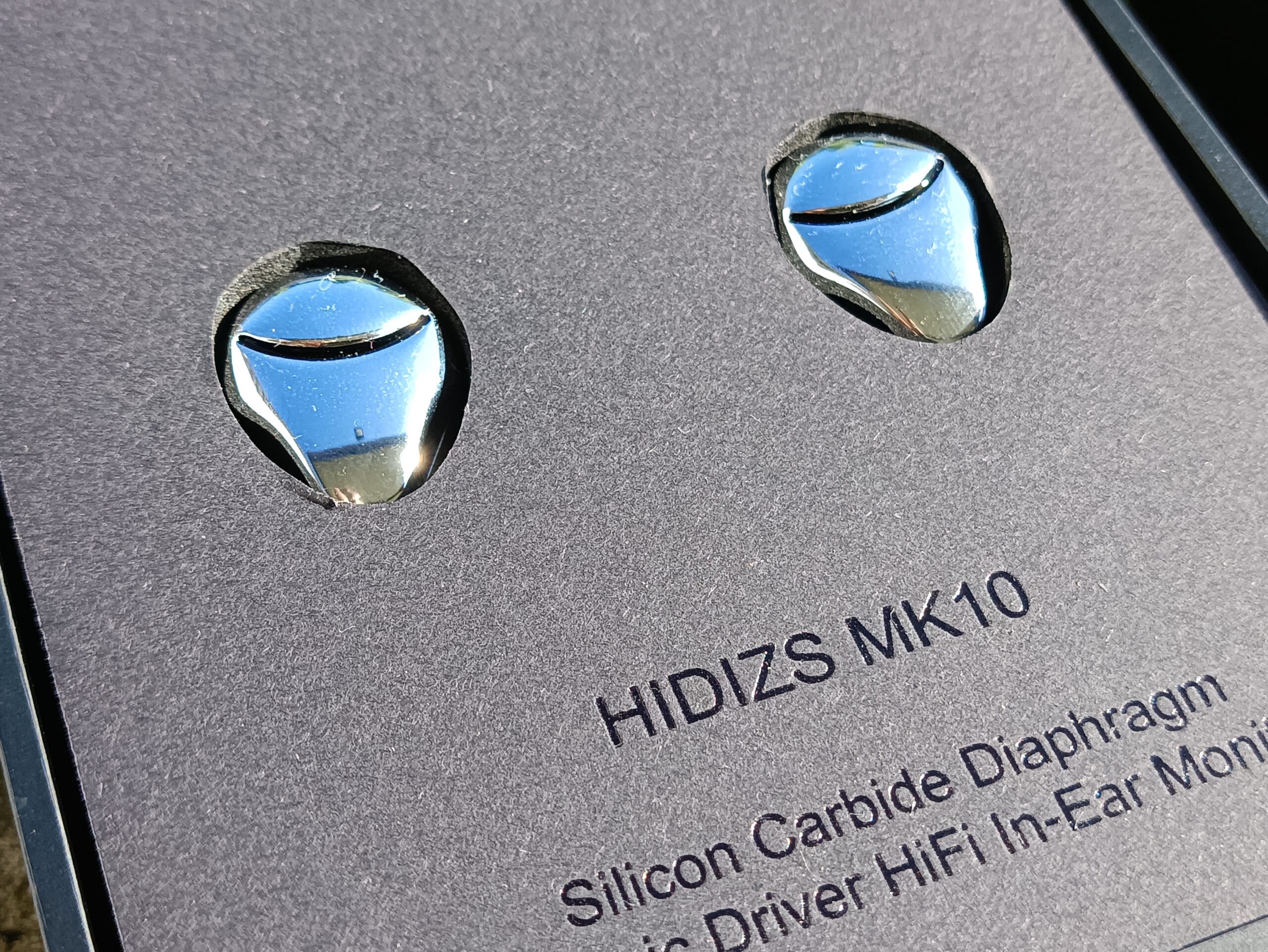
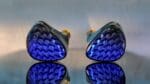
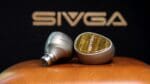
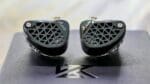
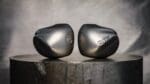
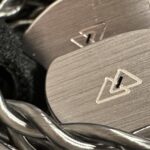
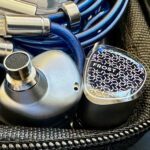
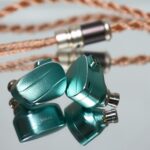
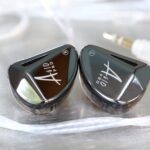
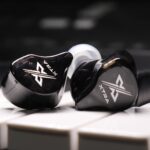
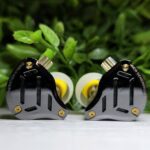
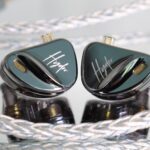
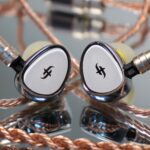
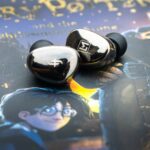
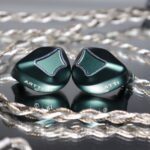
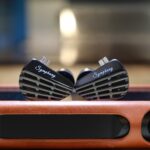
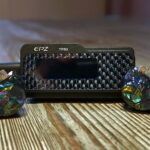
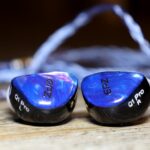
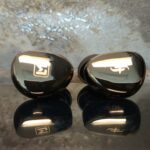
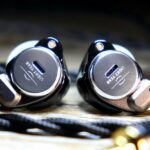
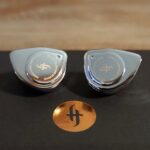
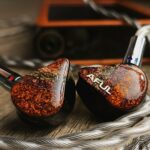
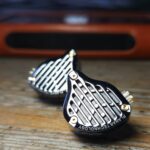
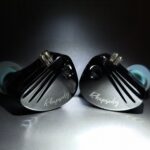
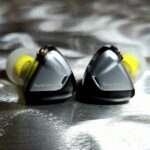
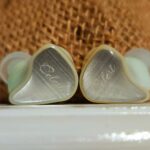
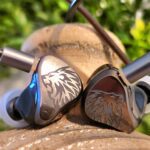
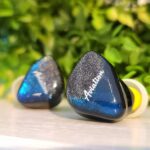
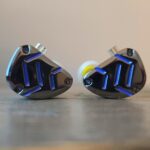
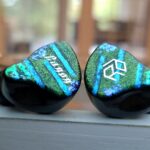
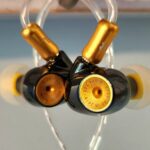
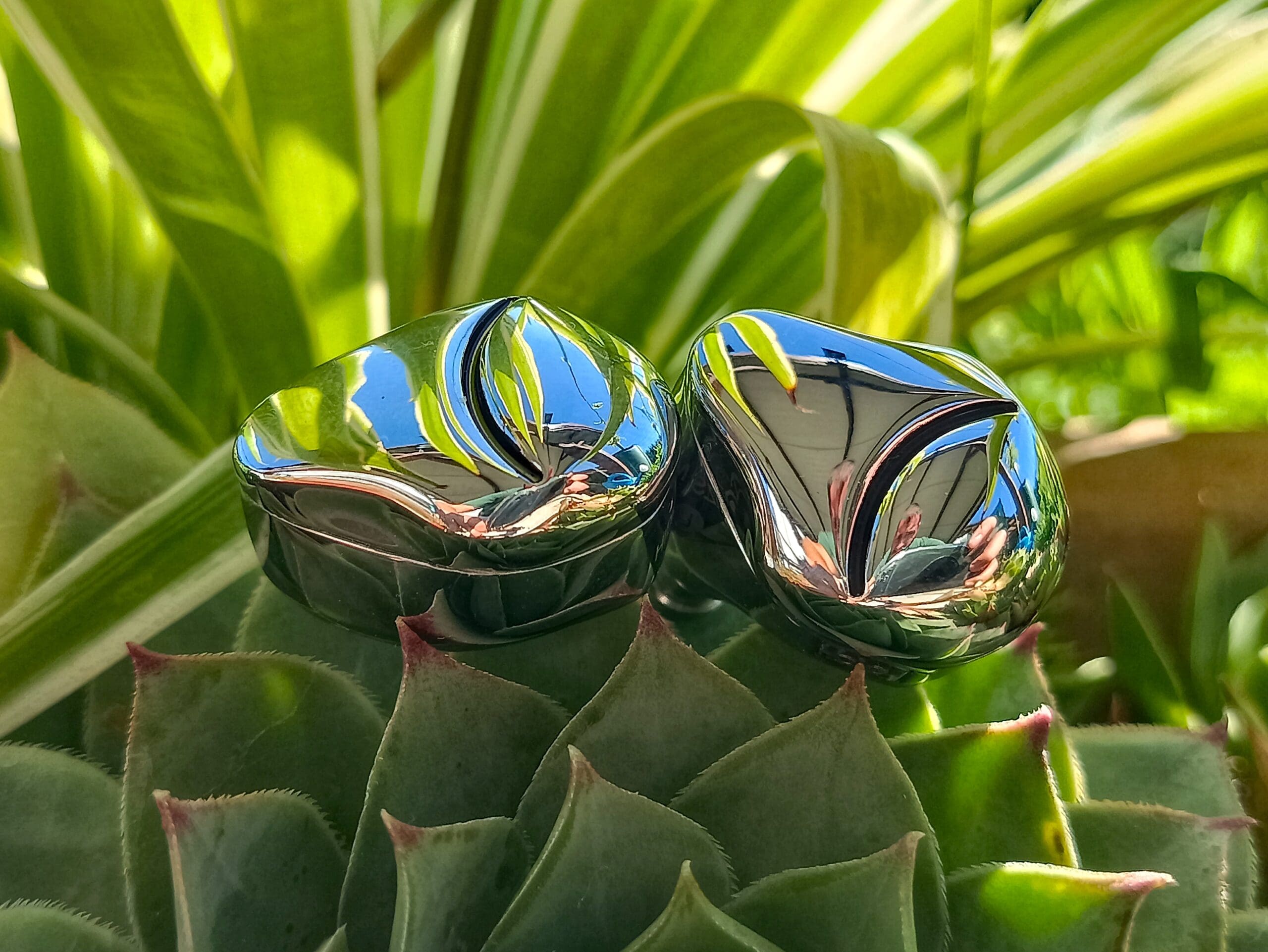
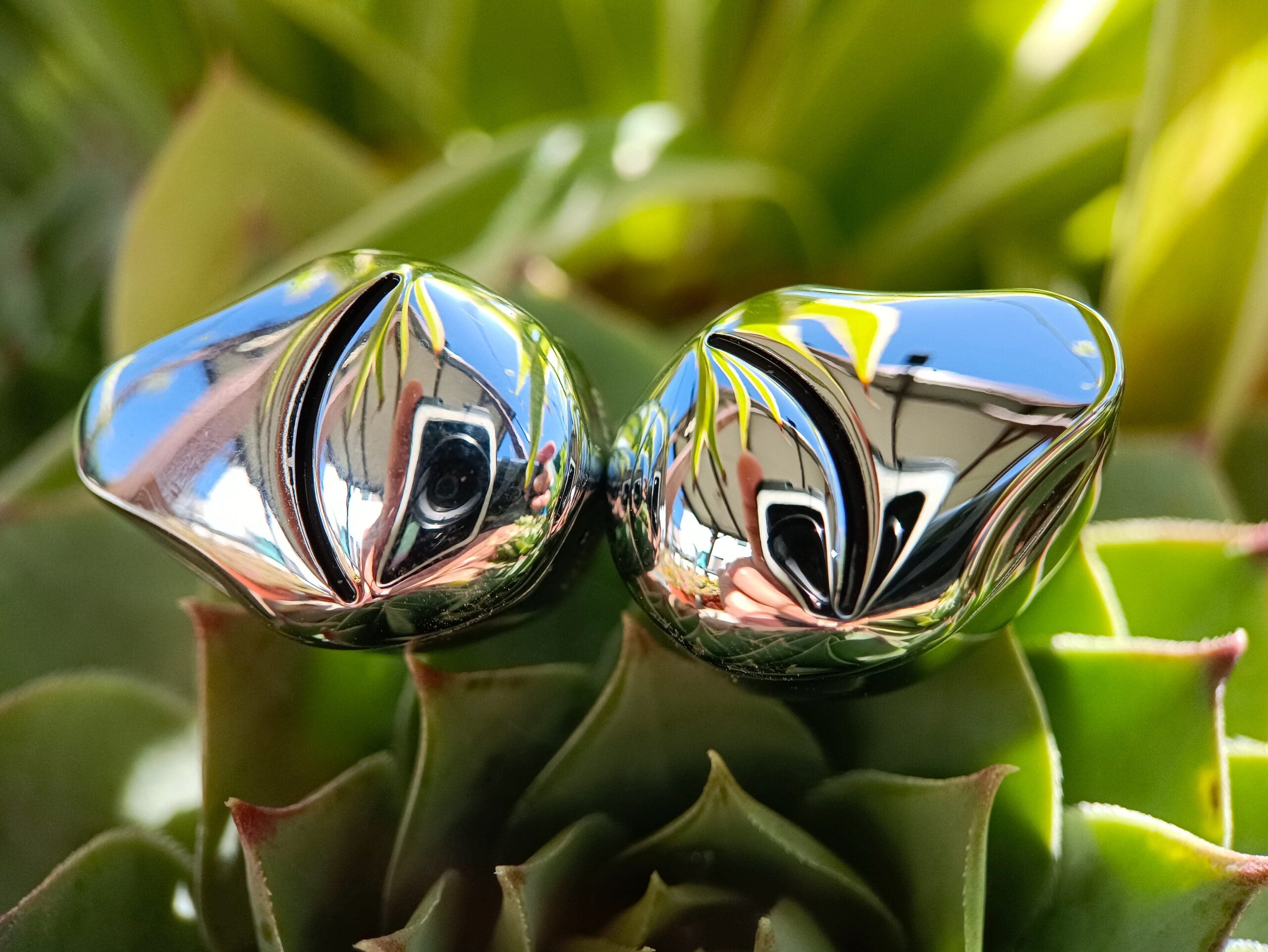
The ArcSonics Hidizs MK10 boasts quality on par with the Simgot, unlike the Hidizs MK12, which has CNC-machined shells. These are obtained from a mold, therefore from a casting. They are equally beautiful and sturdy, but slightly heavier. The mirror finish, whether you like it or not, attracts fingerprints. The shells are smaller than the MK12, making them much more suitable for any type of ear. As you can see, this model also has a very unique design with a thin moon drawn on the faceplates; it’s actually a groove that I’m still trying to figure out if it has a ventilation function or not. Checking with a macro lens, I didn’t notice any vents, so it could be the simple arch that inspired the name.
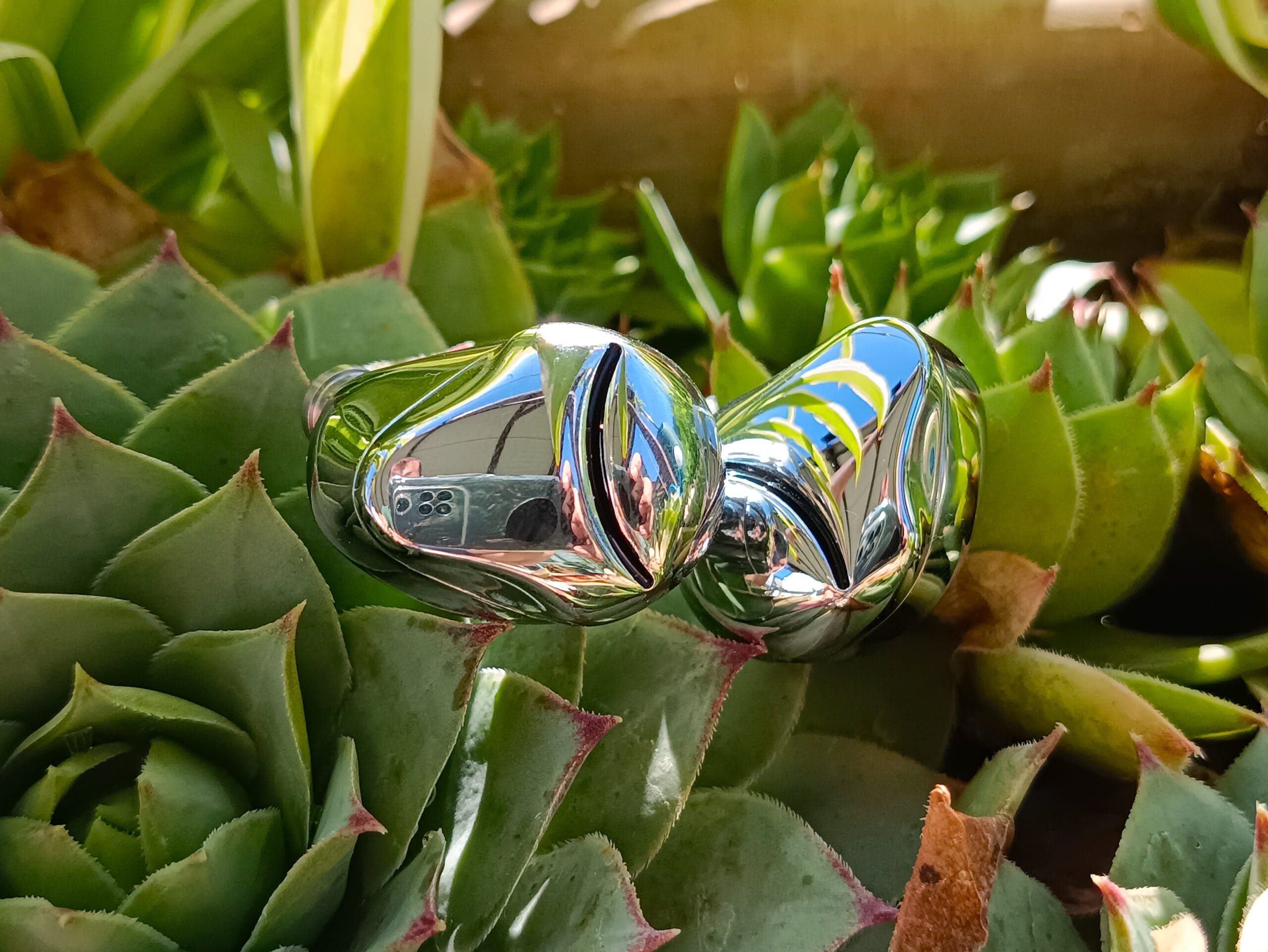
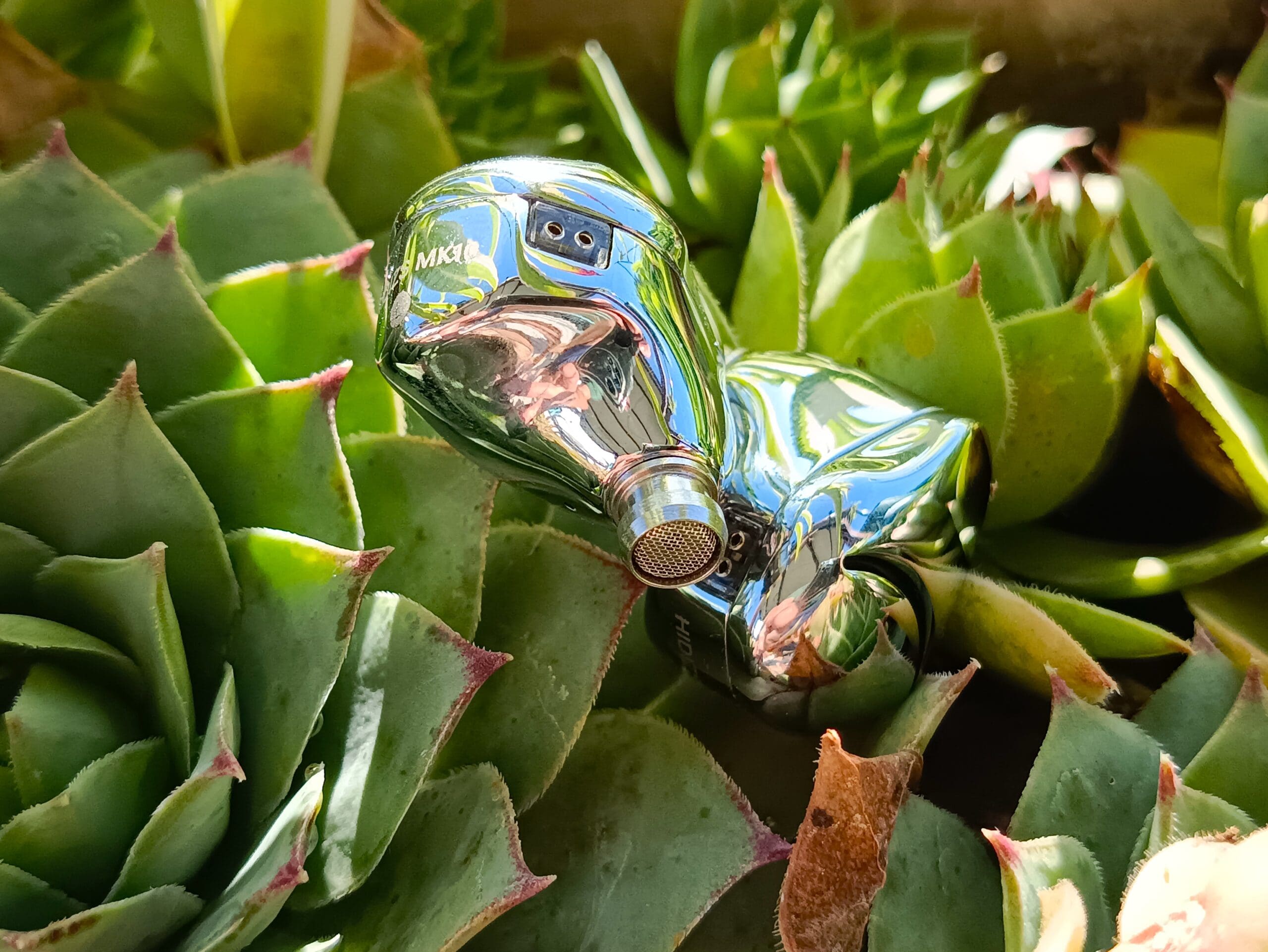
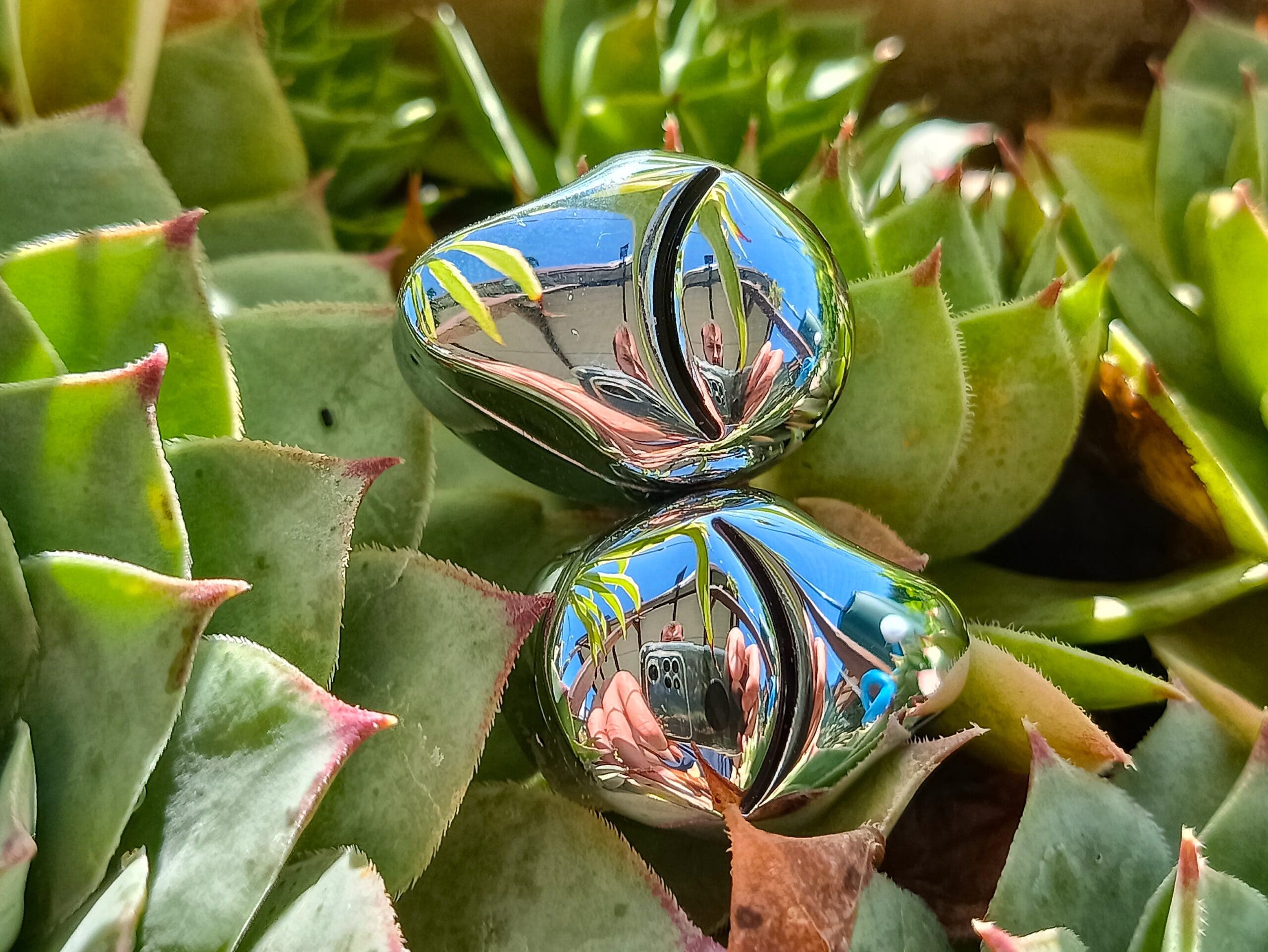
It would have been nice to use that opening for an open-back effect, which perhaps will be seen in a future version.
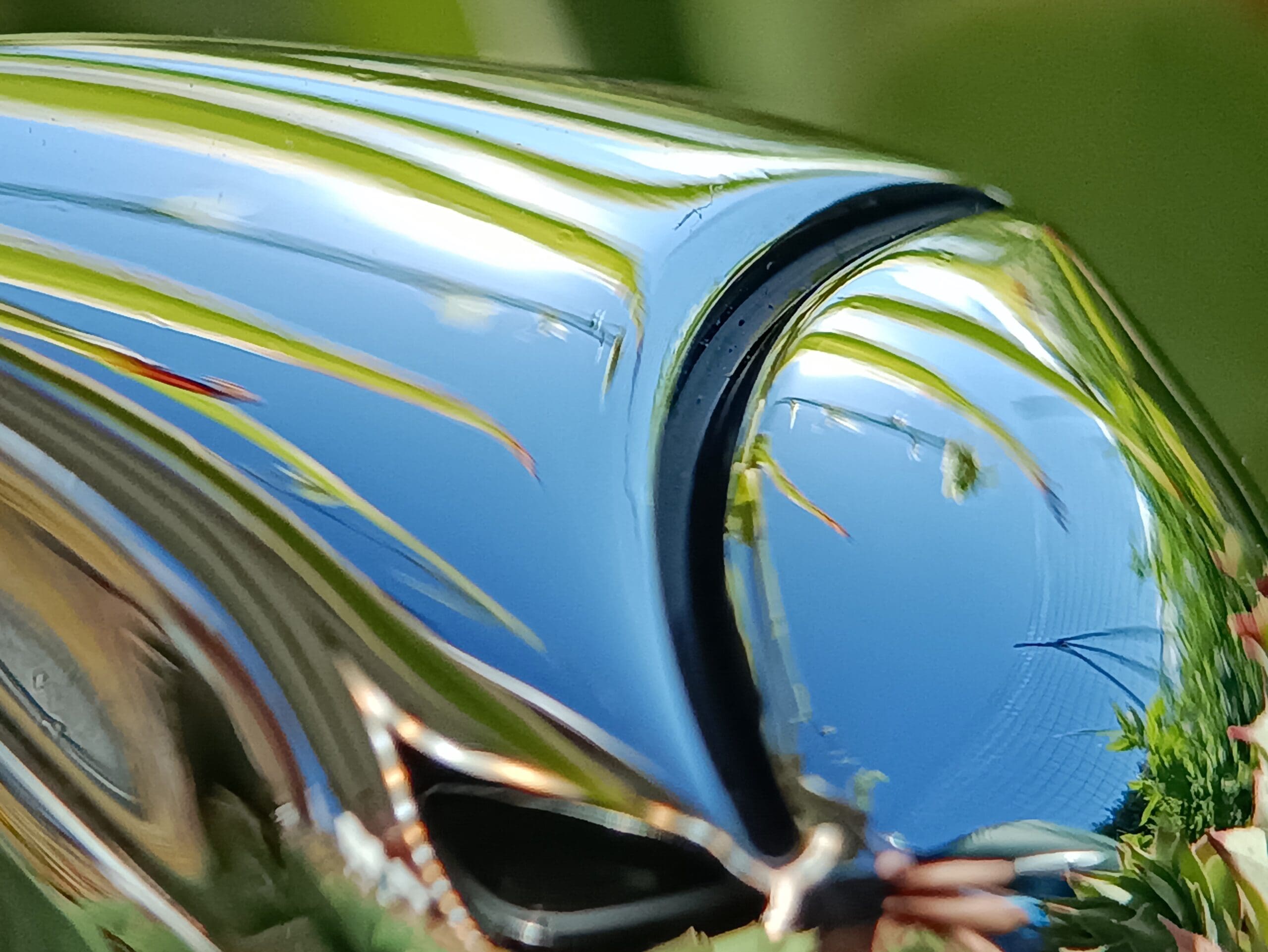
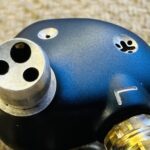
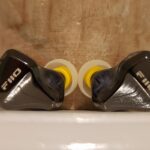
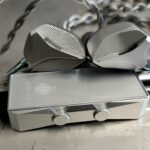
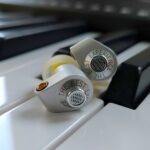
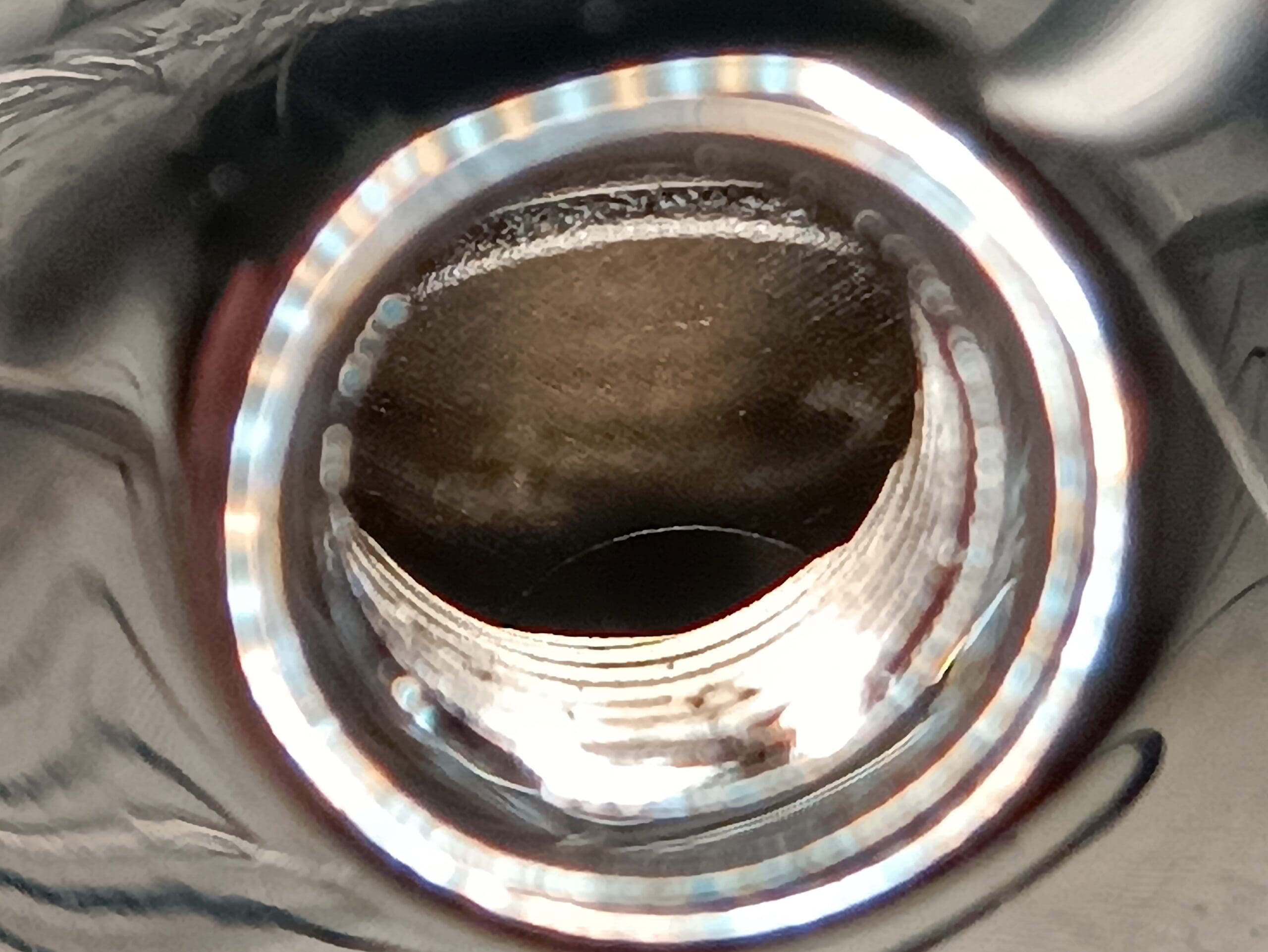
We find the two classic ventilation holes before and after the driver, one located before the nozzle in front of the driver, and the other at the rear. We also have a design with interchangeable nozzles here. Hidizs has taken a liking to making all its IEMs with this technical solution, which actually also allows for several DIY modifications for those with the know-how. I personally have always stuck with a pair of nozzles. Through the nozzle hole, we see a driver that doesn’t blatantly show off the diaphragm and dome, but rather something more closed. I captured some shots that I’ll leave you with below.
Overall, the Hidizs MK10 ArcSonics has a compact form, a minimalist, original design, and a build quality that surpasses even more expensive products.
Initial sound impression:
From the very beginning, I had a positive impression of the ArcSonics Hidizs MK10 with bass tuning nozzle. This IEM is somewhat similar to the MK12, but at an extremely low price. It has a very distinct character, with a very dense and rich sound, typically inspired by the 2019 Harman Hidizs curve. At times, it’s V-shaped or U-shaped. The bass is thick, rich, and strong. The sub-bass extension, in particular, is impressive. Fortunately, despite the massive bass, the mids and highs stand out well. The mids are slightly recessed to my ear compared to the other frequencies, but the gap is minimal. The treble can be crisp, but fortunately, it didn’t go beyond the point where it would have risked sounding fatiguing over time. Turning up the volume is easy, but the bass pressure is really powerful.
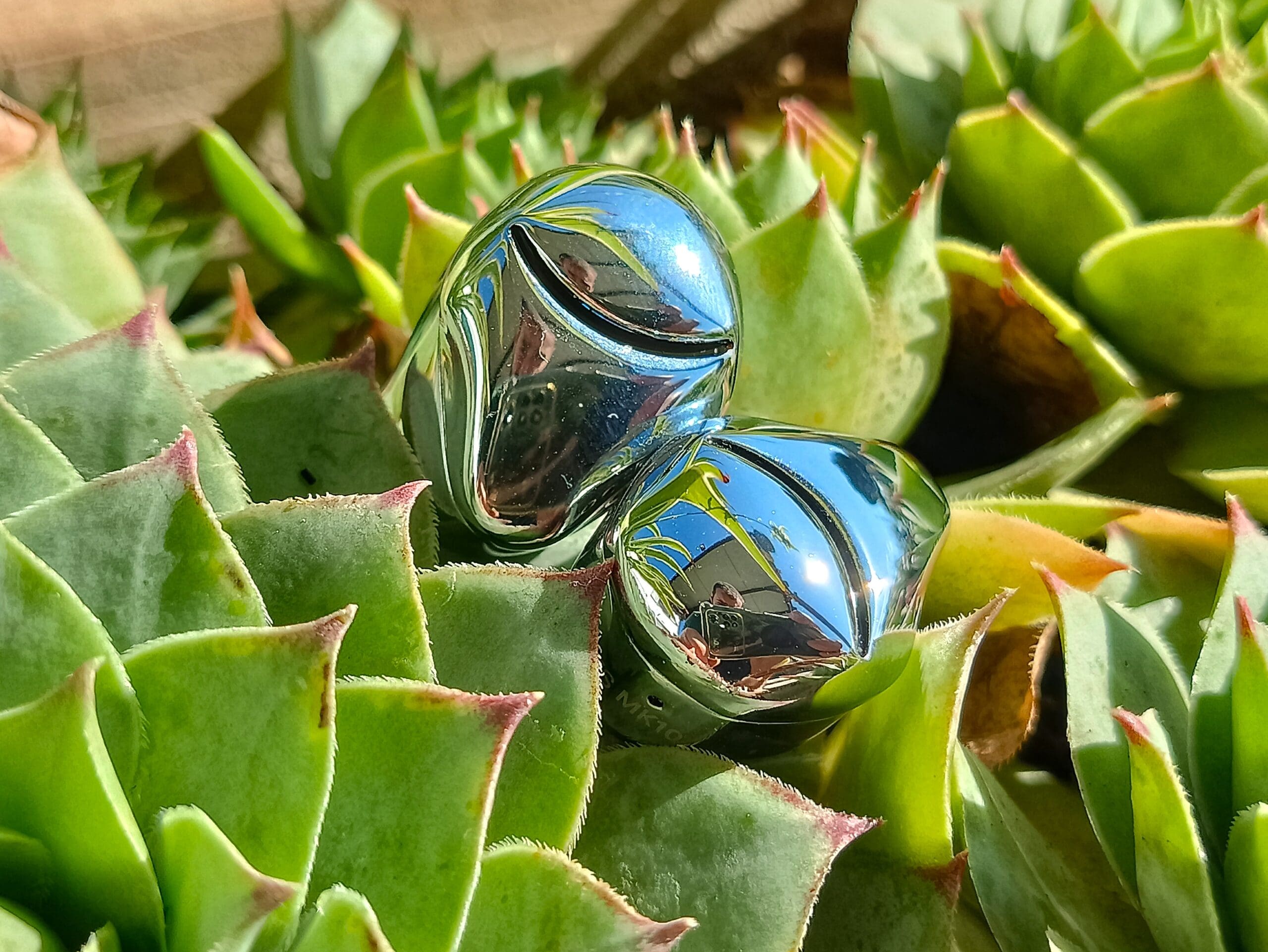
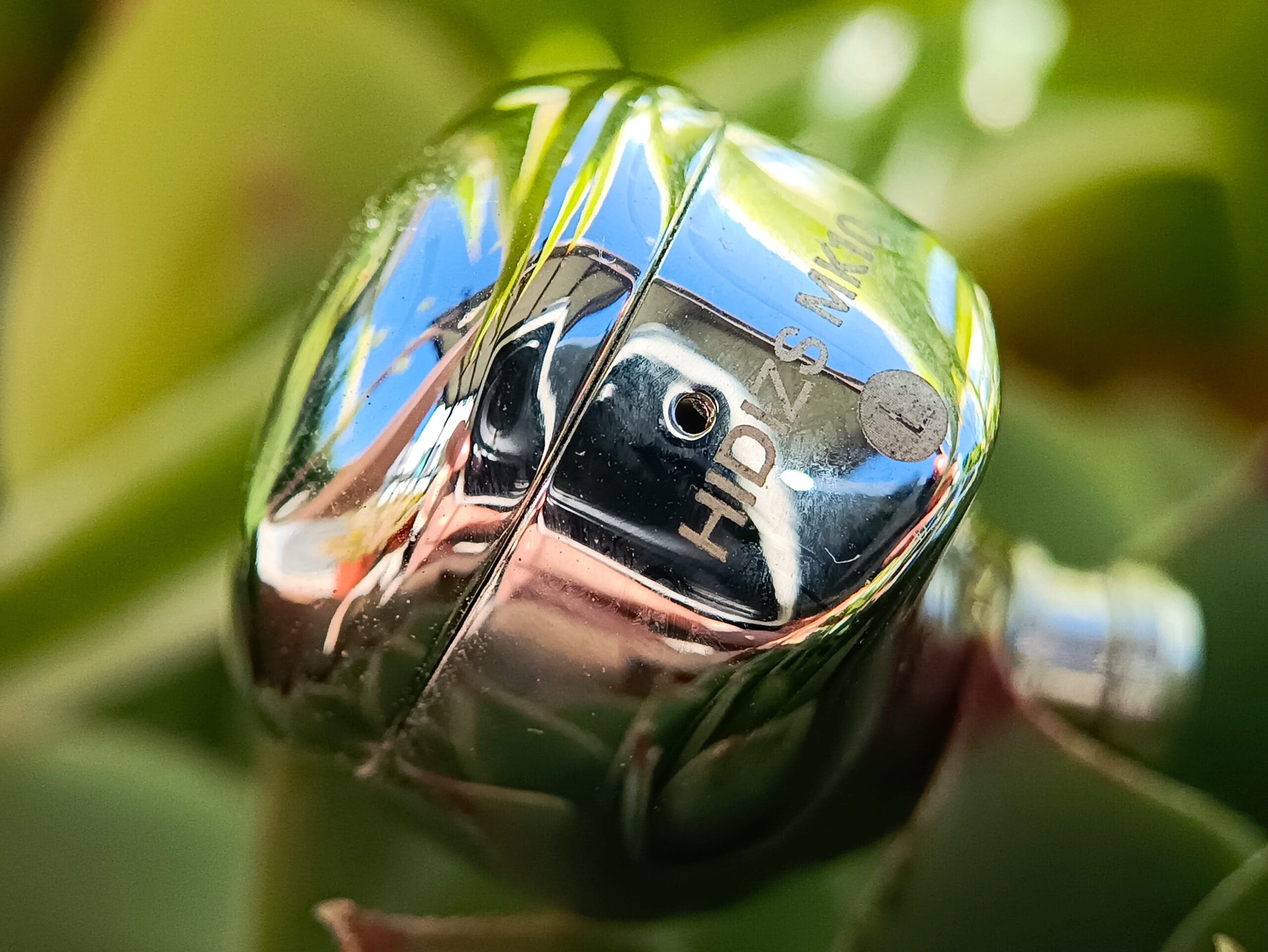
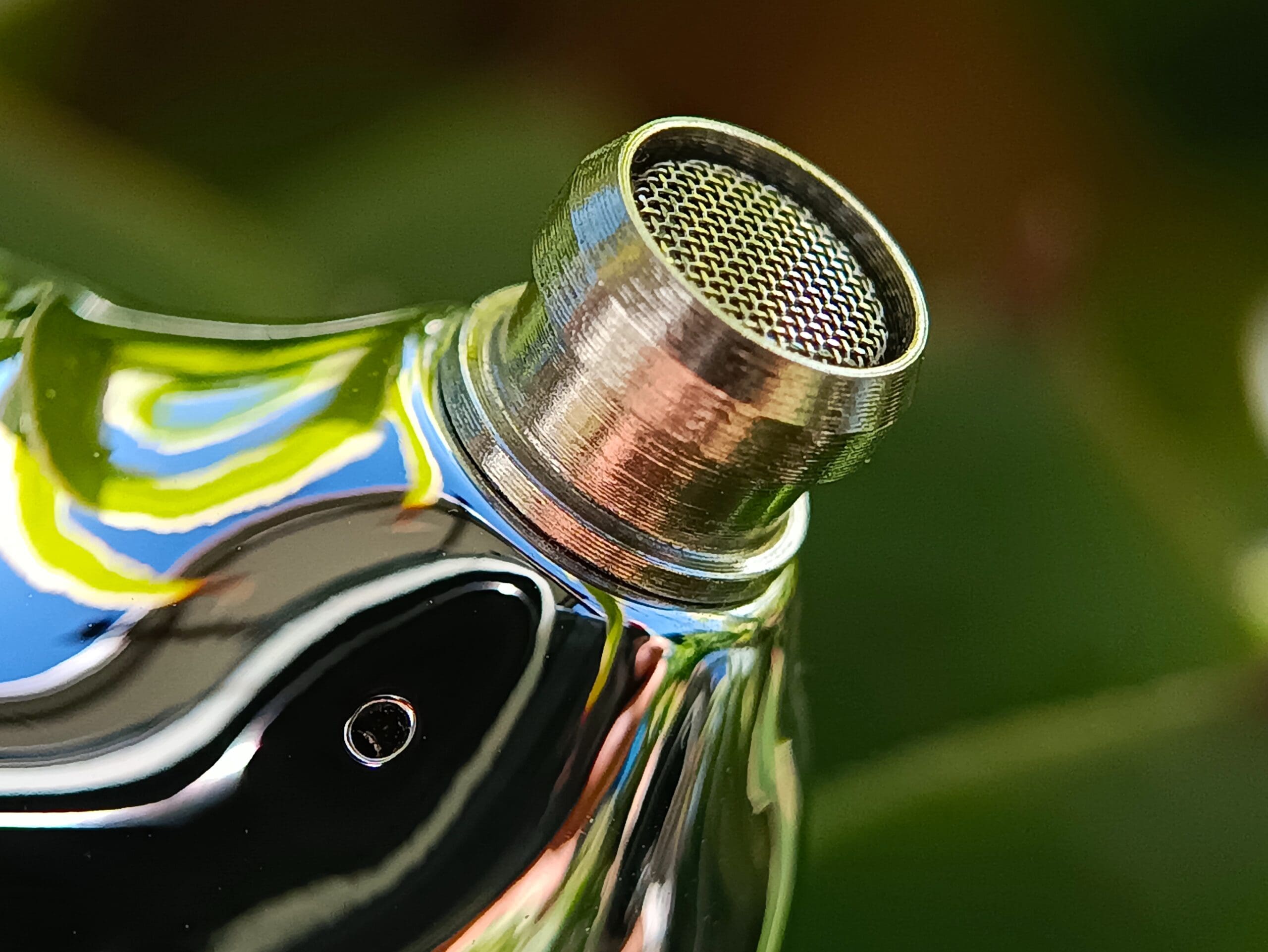
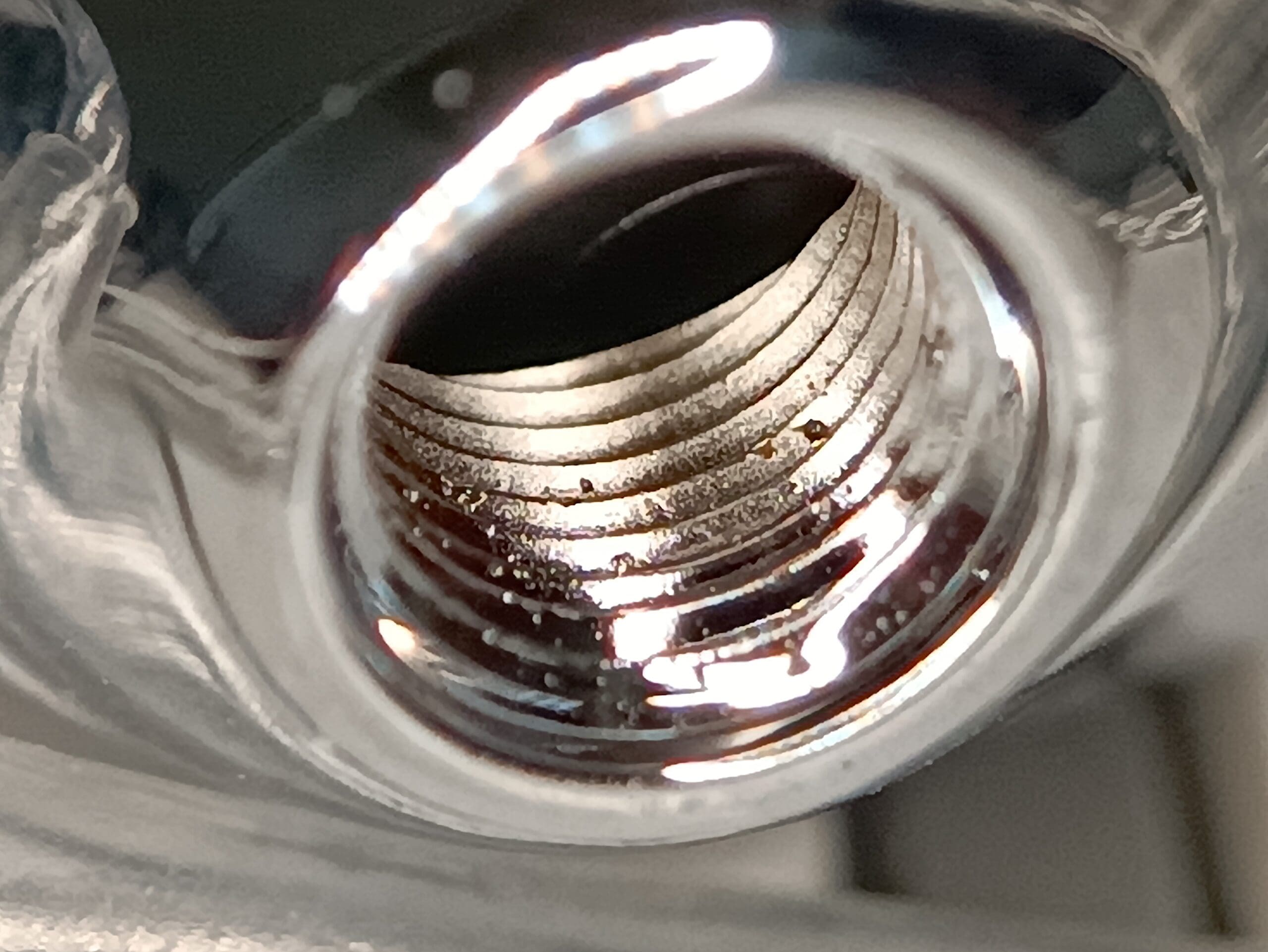
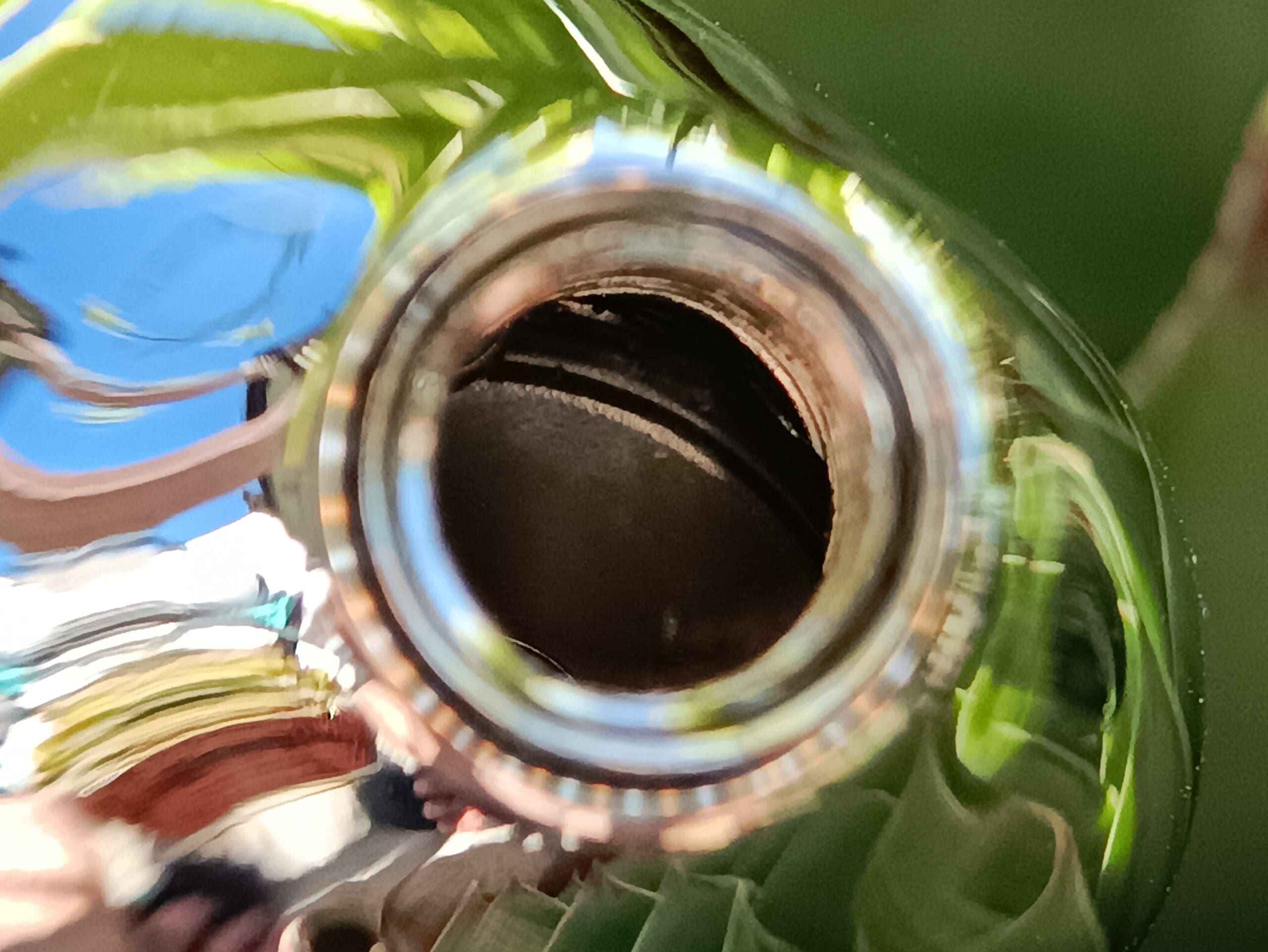
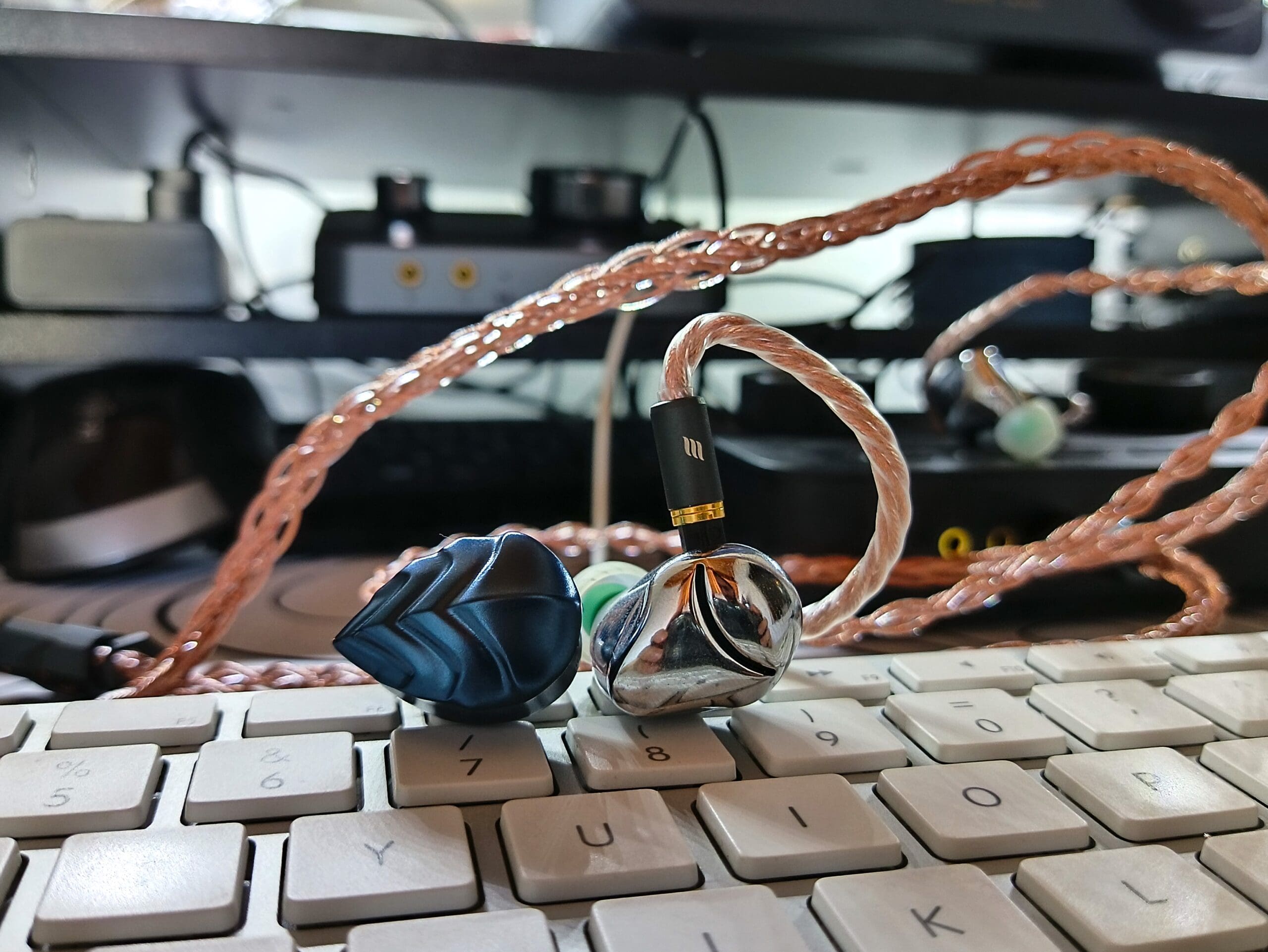
For the first test, I used the Effect Audio Ares II cable and the Hidizs Anemone with black nozzles. I then switched to the stock cable and Divinus Velvet eartips with red nozzles.
The driver is very fast and balanced, with very low distortion even at inhuman volumes. I don’t recommend turning the volume up too high, although I often do so to avoid hearing damage! Be careful, guys!
Comfort/Fit:

The Arcsonics Hidizs MK10 have a normal shape and size, so you shouldn’t have any problems with fit/wearability. The stock cable isn’t bad at all; the audio quality seems on par with the sound effects, but it’s much lighter. In terms of ear tips, the Hidizs MK10 deserves an upgrade. The nozzle is completely normal in length and size.
Equipment used for testing above:
Device:
- OSX
- Poco M4 Pro
Software:
- Amazon Music UHD 24bit 96kHz (Both)
DAC:
- Fosi Audio K7
- Creative SoundBlaster X5 (Best Balanced I own)
Final sound impression:
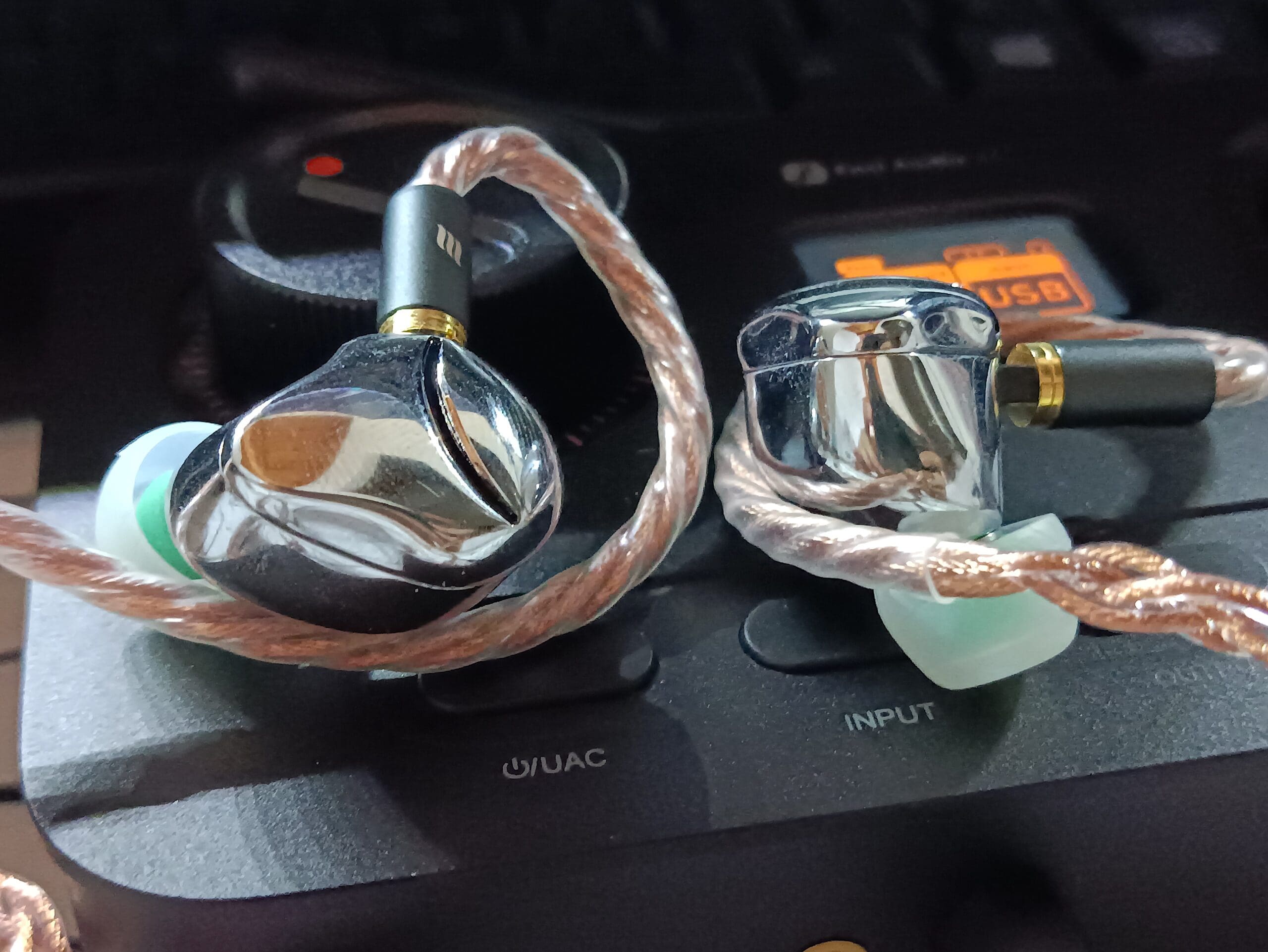
I performed the initial part of the test with my trusty Fosi Audio K7, and then switched to the Creative SoundBlaster X5, which has much more power. I was already completely satisfied at the beginning because it’s not a driver that requires high specifications, but I believe it is very sensitive to the source you pair with.
Although not required, I recommend using a powerful amplifier or dongle to squeeze every nuance out of the driver, which is very capable.
I confirm my excellent first impressions by saying that this is a sort of Simgot EA500LM, which, in my opinion, is a great compliment, especially considering the extremely competitive price.
You’ll also find graphs on Squiglink that confirm this; perhaps the Simgot is slightly safer on the treble, but the result achieved by Hidizs is extremely well done.
Tuning Nozzle:
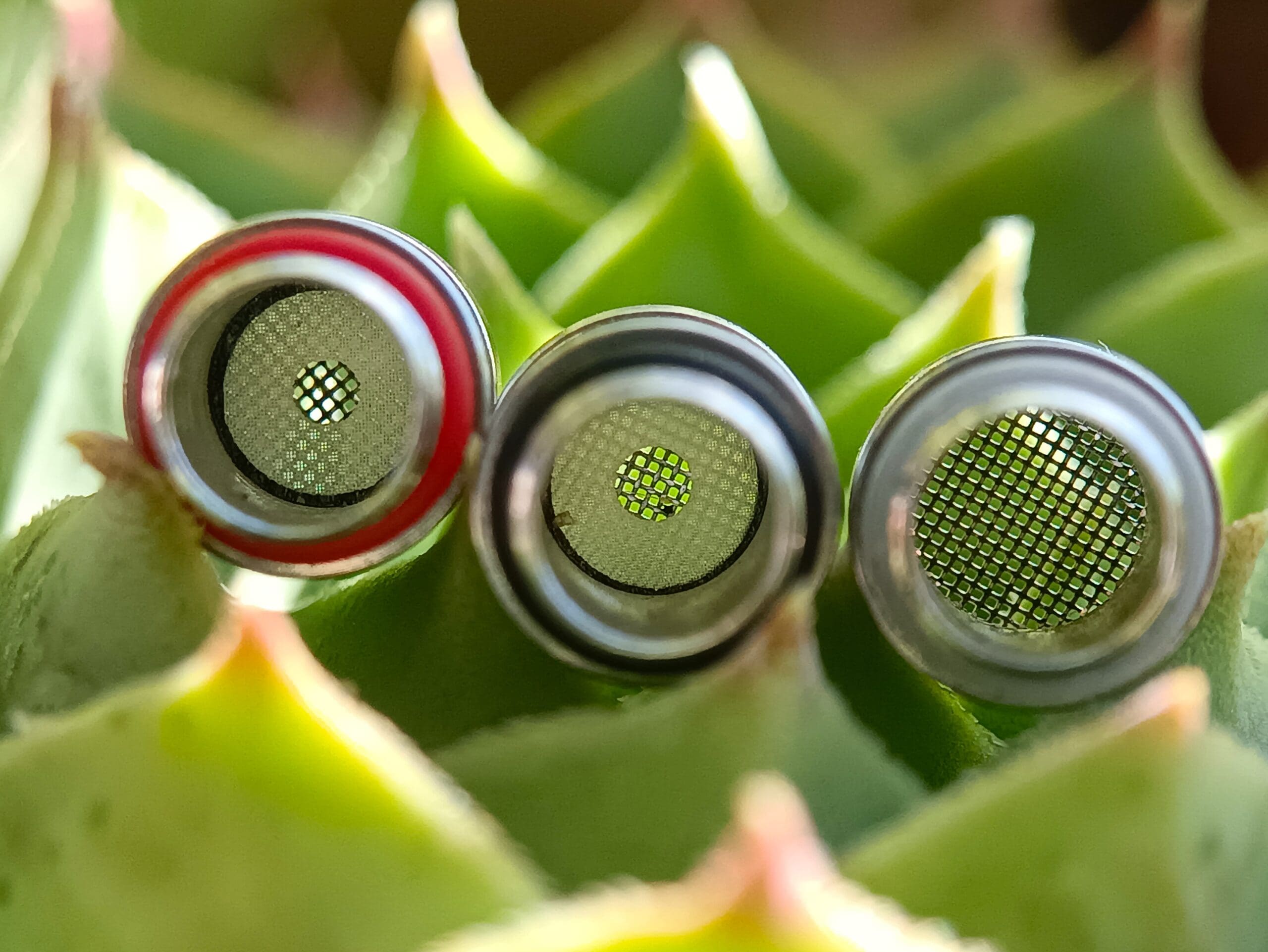
The review was conducted primarily using the red nozzle, which is intended to be the most balanced. However, Hidizs has installed the black nozzle as the default on the MK10. I believe that the one that comes with the IEM is the one the manufacturer prefers.
White (Treble):
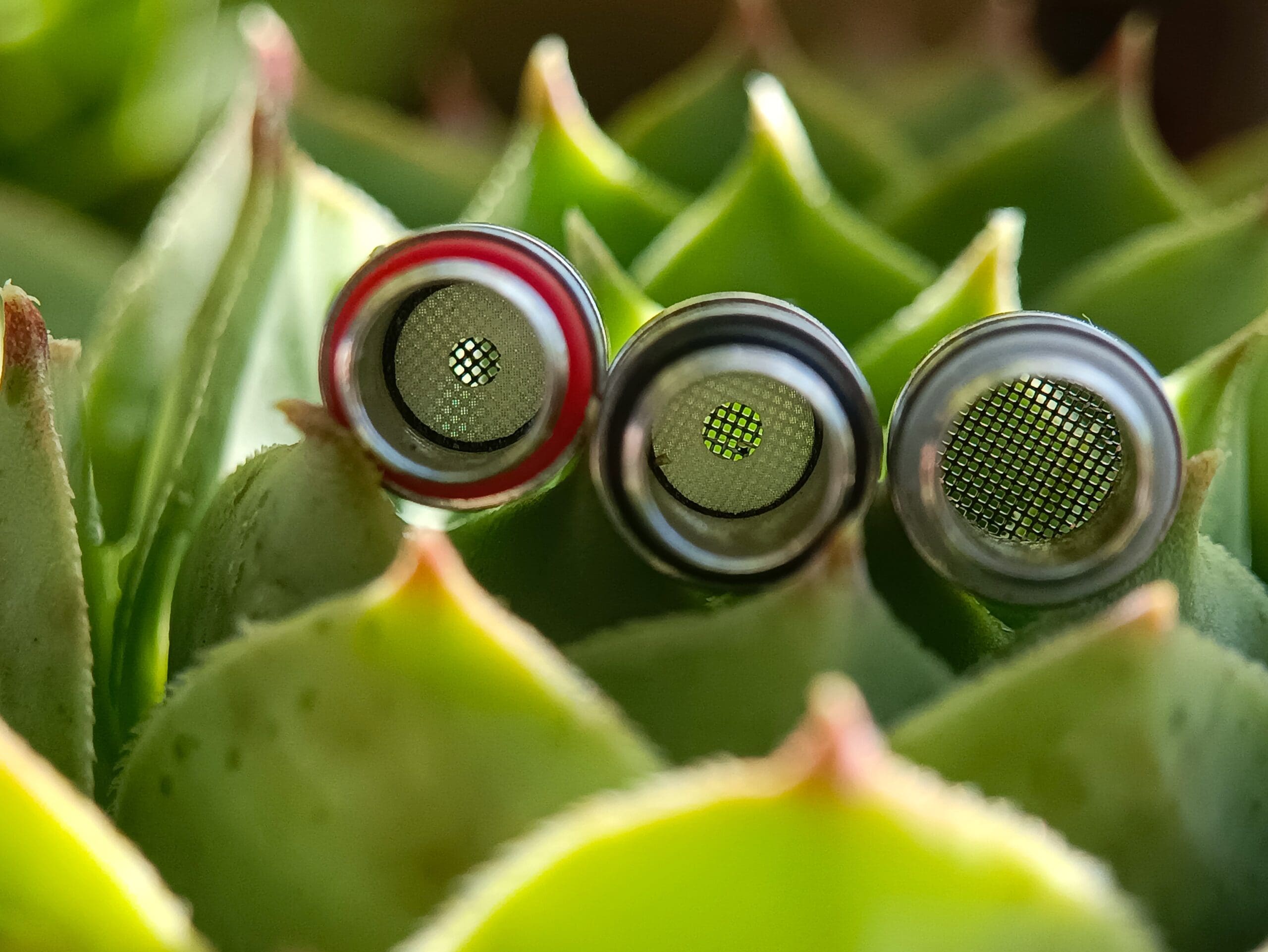
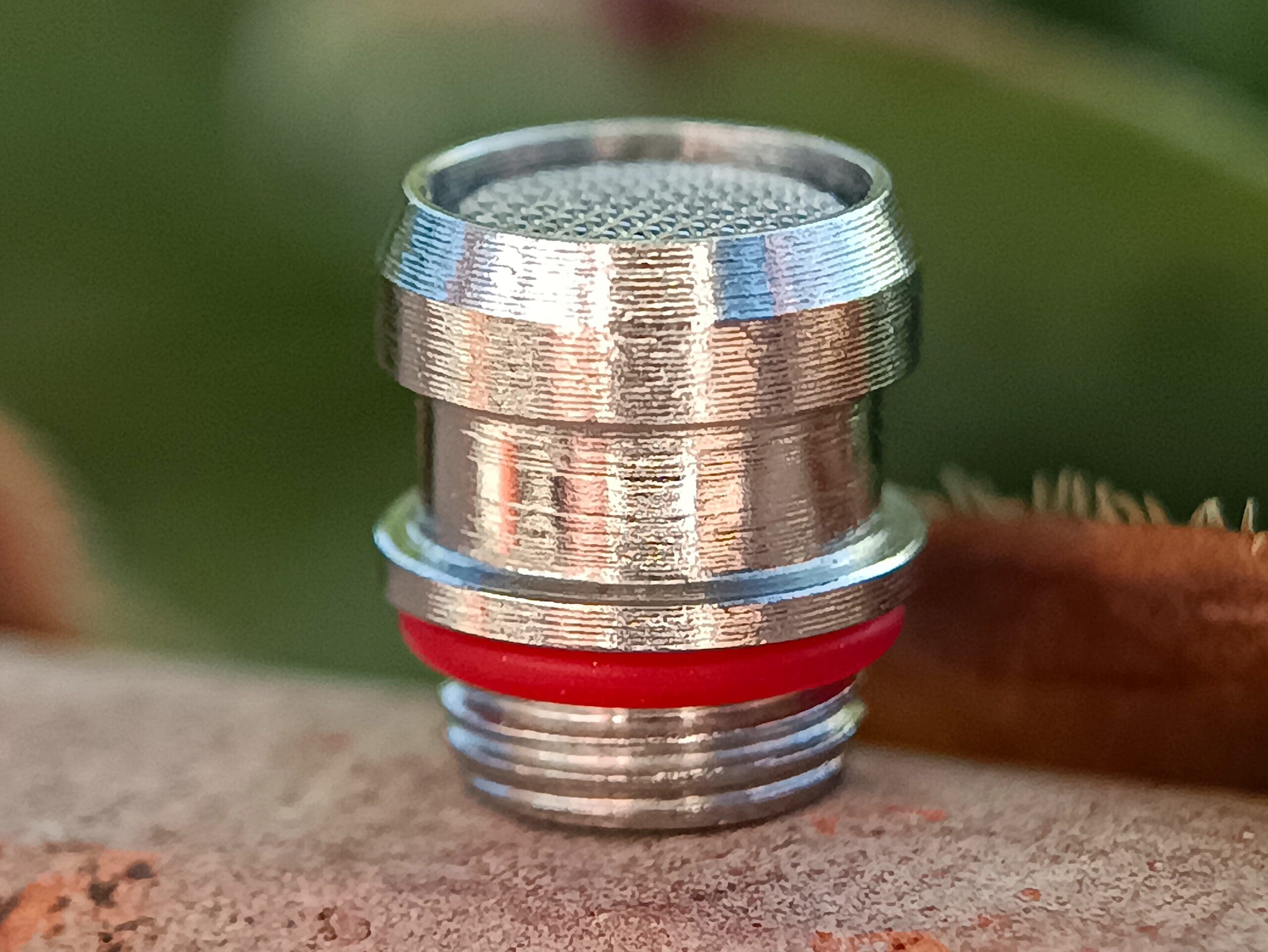
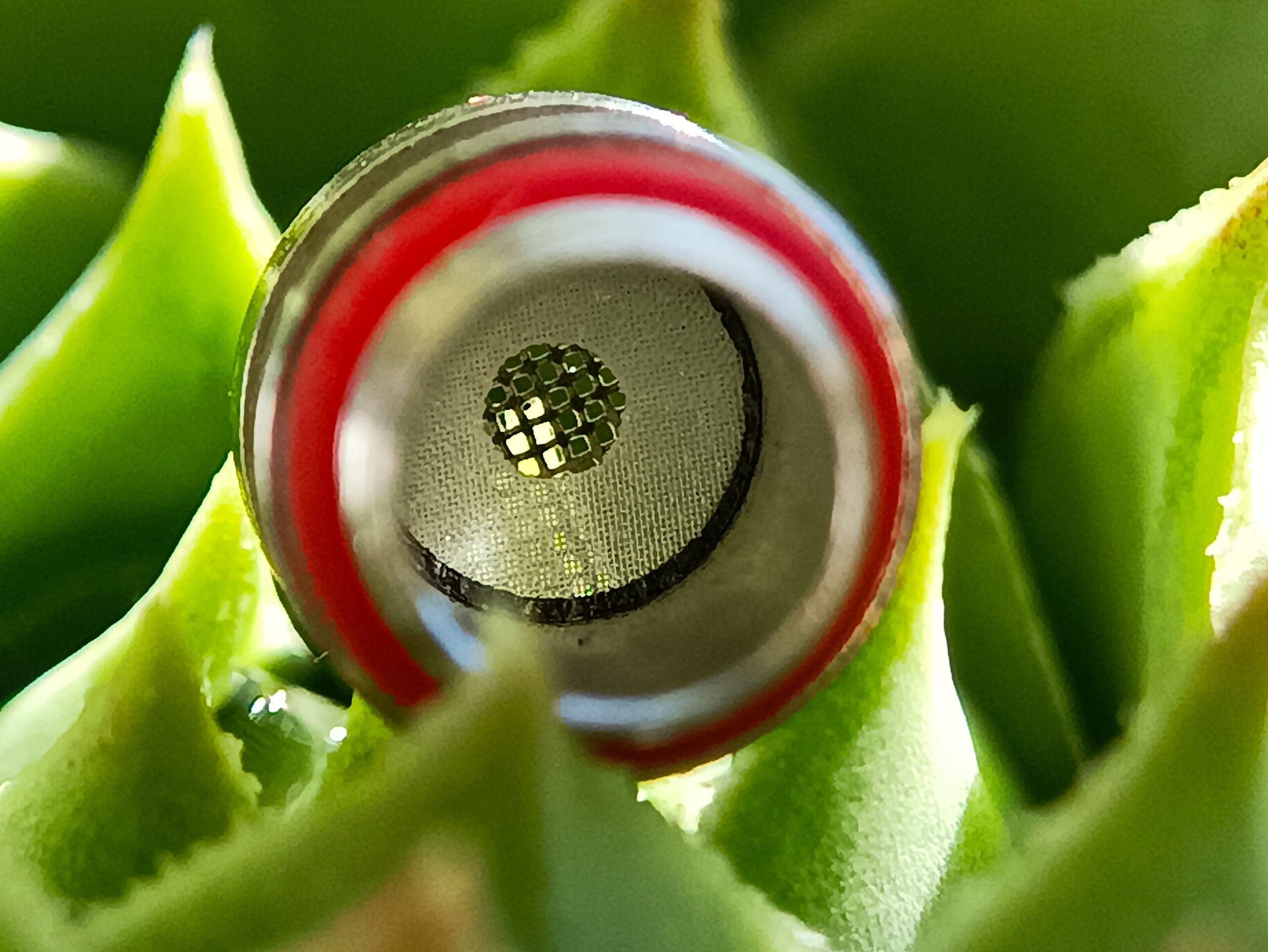
Actually, looking at the nozzles, you can see that the treble one is completely open except for the grille, while the others have flow reductions with very fine filters. I can tell you that the nozzles don’t cause huge changes in tuning, but they do slightly increase the perception of the treble.
I’ve probably become less sensitive to treble over time, but they can be quite harsh, so while it adds detail, the IEM isn’t suitable for every track.
Red (Mids):
The red one is theoretically the most balanced and should favor the mids. Inside, we find a small fabric filter. The bass and highs are more balanced, and the mids are slightly more defined, although still slightly recessed compared to the rest. It’s not so recessed that it hides them. I’d say it’s one of the favorites.
Black (Bass):
Hidizs offers it mounted on the Hidizs MK10, and I have to say it’s impressive because it further enhances the already thick and resonant bass. It’s the kind of super fun nozzle that’s probably the very essence of this IEM produced by Hidizs. The bass in this case is markedly predominant, but the treble is still very enjoyable too. However, I think it’s more the effect of the first listen that makes me think there’s a difference with the red nozzle. Visually, there’s no difference; I’ll try using macros to see if there’s a mesh with a different texture.
Bass
The Hidizs MK10 ArcSonics delivers low frequencies that are full of personality. Remarkably fast yet thick and weighty, they make for a satisfying listen in many ways. They have a way of enriching each note that’s reminiscent of what we heard with the MK12s. Considering the price they’ll be selling for, I can’t recall a set priced this low for under $100. The bass helps create a sense of soundstage and enriches the midrange of vocals and instruments, making notes beautiful, rich, and with a touch of realistic heaviness.
Mids
The ArcSonics Hidizs MK10’s mids are slightly recessed, but it’s not too noticeable; they still manage to be as prominent as the other speakers. Perhaps a little more emphasis wouldn’t have hurt, but you can easily adjust the EQ if you deem it necessary. Vocals sound very natural; there’s no particular coloration other than the warmth of the bass, which gives them a realistic and natural feel. Musical instruments also perform excellently, and are very well represented.
Treble
The trebles have good extension and there’s no noticeable roll-off, but I’ve probably become less sensitive to treble over time, but they can be quite spicy, so while it adds detail, the IEM isn’t suitable for every track. They don’t have the same crystalline transparency found in the Hidizs MK12 driver, but macro and micro details are still easily audible. If you want ample transparency, you should use the completely free nozzle to gain a bit of detail and sparkle. The presence of air across all frequencies is good, but if you want something more, the white nozzle is better. For example, in R&B, I would definitely use white or red.
Soundstage and Imaging:
The ArcSonics Hidizs MK10 doesn’t just deliver good sound; it also delivers a precise soundstage and detail placement. The soundstage is quite wide, with a moderate height but a decent depth. Separation and layering are excellent, and the white nozzle makes all of these aspects seem sharper and more precise. Overall, we are faced with a driver highly capable of reproducing an extremely detailed image.
Fast Comparison:
It falls into a price range where it has no real competitors because it is superior to many products, even much more expensive ones. I took my favorite IEMs and did a quick comparison. For questions, feel free to comment.
Vs. Simgot EA500LM
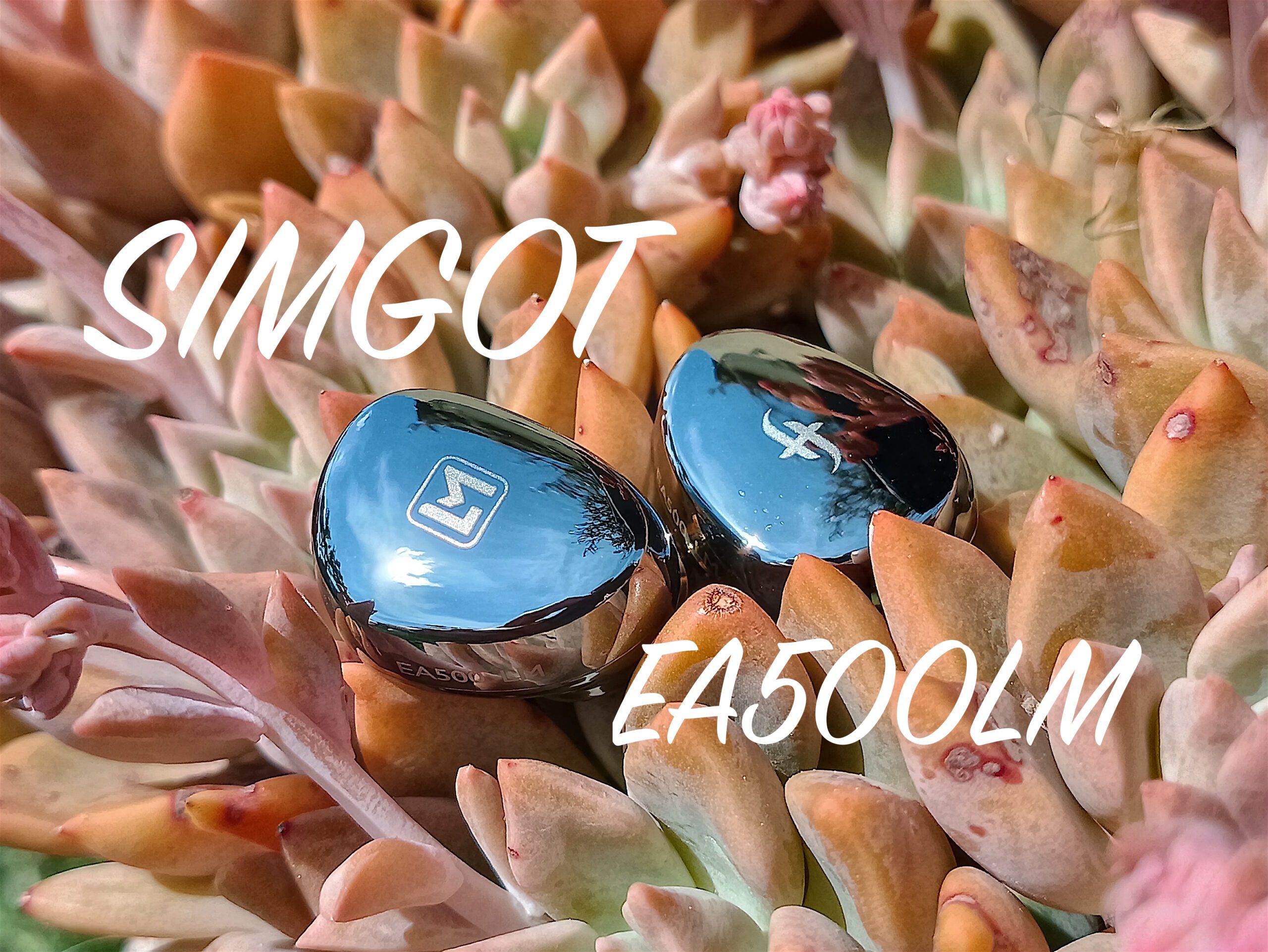
We can definitely compare it to one of Simgot’s most talked-about IEMs. The Simgot EA500LM has superior linearity but isn’t technically better, just different. Depending on the listener’s taste and tolerance, one or the other may be better, but in my opinion, the driver used in the Hidizs MK10 is slightly more capable. But even from the graphs, their similarities are clearly visible, especially in the bass and midrange.
Conclusion:
Hidizs has been working very well lately, bringing out IEMs with beautiful and unique designs. The materials they use are always excellent, and at least in the MK series, they’re using slightly more unique drivers, resulting in excellent sound that will undoubtedly attract enthusiasts’ attention, especially considering that these IEMs would have been excellent even at a price point above $100. At $69, folks, there’s not much to criticize; in fact, I’m pleasantly surprised by how the bar continues to rise despite the fact that it’s a standard dynamic driver (with a special composite diaphragm).
There are no downsides, other than the fact that in some cases the treble can become a bit sharp/spicy, but this can be corrected with the right eartips or a bit of EQ.
8.8/10
Pros:
- Sturdy build quality, Minimal Design
- Smaller than MK12, so better comfort and fit
- New quality driver, rigid & fast membrane
- Neutral bright with beefy low end
- Tuning Nozzles
- Great soundstage, 3D capabilities
- Super clean and detailed sound
- Crispy Trebles, Deep & Powerful Bass, Excellent Vocals
- Better on powerful sources
- Smaller and cheaper version of MK12
Cons:
- Shell material isn’t super light (more Simgot-like)
- Treble can reach some peaks occasionally (I’m perfectly fine)
- No modular cable
More Information:




No Comment! Be the first one.