

































Shanling M0 Pura Review
Intro
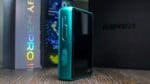
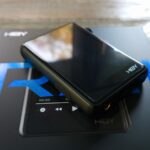
Hello, this review and feature covers the latest from the audio brand Shanling, named the Shanling M0 Pura ($129). Shanling once again crafted another ultra-compact, ultra-portable, and ultra-cool little dap which has a ton of functionality and use cases for the price of $129. The Pura is actually the fourth generation of this same form factor which has only very minimal external (body) changes from the previous M0 Pro or M0s models. In fact, if I’m not mistaken, I do believe that the form factor is identical, except for a beefed-up volume/multitask wheel. I’ve heard that even cases can be used interchangeably between (at least) three of the models within this series. Now, I’m not exactly sure if the Pura was created as a new refresh of the series as I did hear (through the grapevine) that the previous models’ internal components are scarcely available and thus… we have the all-new Pura? I don’t know how true any of that is. At any rate, I don’t think it matters because the Pura looks to be a nice option within the ultra-portable dap market. I have yet to receive the M0 Pura, but I am eagerly awaiting it arriving at my doorstep.
Table Of Content
- Intro
- Shanling
- Reviews
- Collection Staples…
- It Arrived
- Non-Affiliated Purchasing Links
- Packaging / Accessories
- Unboxing
- Extra Accessories
- Shanling M0 Pura Specifications
- Build / Aesthetic / Internals / Controls
- Build Quality
- Aesthetic / Design
- Rotary “Volume” Wheel (Controls)
- Internals
- UI
- Features
- The Screen
- MTouch OS
- MTouch OS Functionality
- 10-Band PEQ
- Storage Expansion
- Output Power
- CS43131 Dual Chips
- Battery
- Audio Codecs
- Two-Way Bluetooth
- SyncLink
- USB Dac Mode
- Sound Impressions
- Source Reviews
- What’s It Sound Like?
- A Good Measure of Balance
- Relaxing?
- Bass Region
- Midrange
- Treble Region
- Technicalities
- Comparisons
- Hidizs AP80 Pro Max ($170)
- Non-Sound Stuff
- Sound Differences
- Sound Cont…
- Final Thoughts on This Comparison
- Last Words on the Shanling M0 Pura
- Easy Rec
- Conclusion
- Other Perspectives
- Pura Pros
- Pura Cons
Shanling
Friends, please take a moment and simply try to admire the audio brand Shanling for a moment. This is a brand which began their journey through the audio space all the way back in 1988! Folks, this brand is an absolute staple of the audio community and one that should be respected. 38 years does not happen by accident. They began as a Hifi electronics outfit which slowly moved onto other areas of the audio landscape. They grew from Home-audio gear, equalizers, amplifiers, and disc-based components all the way to daps, dac/amps, desktop setups, record players, CD players, iems, headphones, and even true wireless etc. This is a story of evolution within a brand which is like no other. Shanling has had steady launches, consistent products, year after year, innovation, new avenues, many patents, and constant changes keeping pace with the broad audio landscape around them. Friends, Shanling is the maker of the M-Series for crying out loud! What a legendary series! I have only been able to conduct a handful of Shanling product reviews over the years, but each one I am always looking forward to. Anyways, I write this section to give a nod (virtual fistbump) to a brand who was able to last. To last 38 years doing anything in life is a serious accomplishment. Something tells me 38 years from now we will likely say the same thing. Much respect Shanling.
Reviews
As I said, I have only been able to review and feature a handful of Shanling products over the years, and I can say with assurance that I have enjoyed each one. Each product that I’ve had the pleasure of reviewing has been quality, they’ve been relevant, built very well, and each product that I’ve reviewed has all carried that Shanling sound. I was fortunate enough to review the awesome single DD, the Shanling MG600 a few years ago and I still sing its praises. It took a couple years to get another Shanling product in house, but I was very happy to review one of the better iems under $100 in the Shanling Tino. What a wildly underrated iem and one that I personally feel should not be overlooked. Next I had the pleasure of conducting a review of the Shanling UP6. A device that I still use on a regular basis and easily one of the best sounding Bluetooth dac/amps on the market within its price point. Then came the awesome Shanling UA6 which is my go-to dongle dac in its range and one I use in just about every review and tons of casual listening as well. The last product from Shanling which graced my door was probably my favorite dongle dac that I’ve used, the Shanling UA7. A beautifully made and extremely well-tuned tube-based dongle dac which should be on everyone’s Christmas list. I’m telling you, there are only a few brands that I can say that I really enjoy everything that I’ve reviewed from them. Each one with very high marks, high praise, and each were easy recommendations, and still are. Here’s to many more reviews of Shanling products. Truly an honor.
Collection Staples…
Furthermore, I should also add that my absolute favorite dap under $1k is unquestionably the Shanling M6 Ultra. I’ve owned this one since it came out and I find it to be an essential piece to my everyday listening gear. The day that it doesn’t work will be a sad one. I never reviewed the M6 Ultra because I simply never had time (years of backlogs), but I’ve used it in every single review that I’ve conducted for years. Thousands of pictures of the M6 Ultra. Truthfully, I’ve bought and owned plenty of more expensive daps which don’t hold a candle to the M6 Ultra as far as sonic experience is concerned. I absolutely adore it. I also use another high quality under $200 non-Android dap from Shanling named the Shanling M1 Plus. Friends, what a special dap. Over time it has become my favorite sounding dap within its price point. Once again, I never reviewed the M1 Plus. Truth is (very sad), that I chose not to review it when I received it. I know, bad choice. At first, I simply didn’t jive with it and I cannot tell you why. However, over the months of using it the M1 Plus became a staple of my collection and I have also used it in every review since. Perhaps I will conduct a long-term usage review soon. The point is that Shanling has become one of my go-to brands, always looking at every new product, always curious, and I’m always interested. I have yet to be let down by them folks. That says a lot.
It Arrived
Well, that was quick. I was expecting weeks of waiting, but I only had to wait a couple days. This is a no brainer for me, easy choice to review. What a cool little dap. To be perfectly honest, I was able to use the M0 Pro for a hot minute a couple years ago and always liked the form factor. Such a neat respite from bigger (smartphone-like) daps. The convenience is amazing, the functionality too. It is very obvious to me that Shanling has perfected such a small form factor. Which is no small feat (pun intended). To be able to create an experience from such a small screen deserves a round of applause. I’ve used so many tiny MP3 players which can’t even stand in the shadows of the M0 Pura. Now, in my review I plan to spend a massive amount of time playing around, learning, and listening using the Pura and I intend to relay every last thought to you. I will try to get my hands on decent comparison devices, but I’m not sure that is possible. We shall see. With all of that said, I am very much ready to get this review going. I’ll give the Pura some burn-in and then I’ll get to work. So, without further ado, the Shanling M0 Pura…
Non-Affiliated Purchasing Links:
Packaging / Accessories
Unboxing
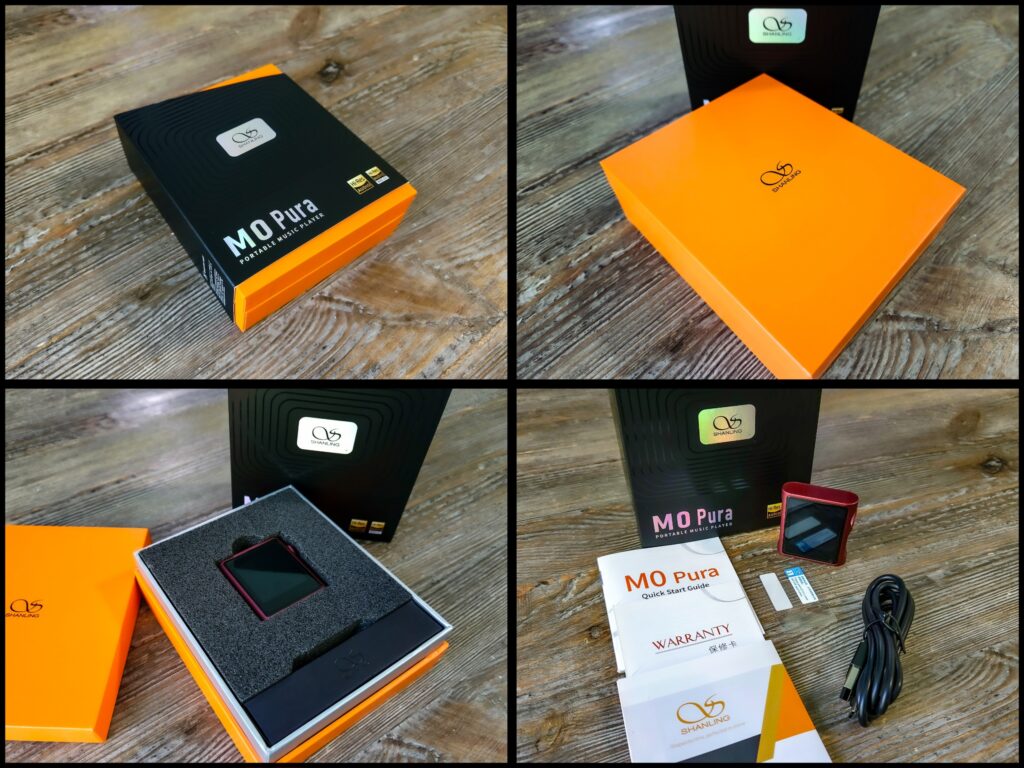
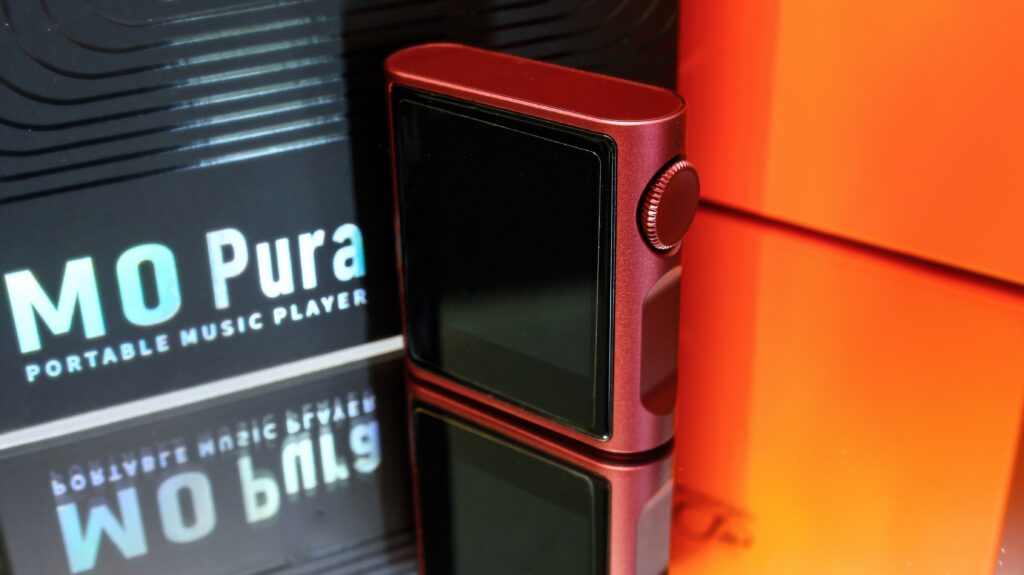
The Shanling M0 Pura arrived at my home in a reasonably sized (4 ½” x 5” x 1 ⅞”) orange box which is partially covered in a stylish black sleeve. On the sleeve you’ll see a pure class design with just a simple “Shanling” logo in the center, some “Hi-Res” emblems on the bottom right, and “M0 Pura” on the bottom left. On the back is some specs and that’s about it. Nice design, I like a look without some wildly ornate design. Keep it simple. Now take off the sleeve and you are met with an entirely bright orange two-part box with the “Shanling” logo in the center. Open the box top and you’ll be met with your first look at this stylish device sitting in a perfectly formed foam cut-out. Just next to the foam is a small box which contains a 3’ USB-A to USB-C Data and Charging Cable. Under both boxes is another flatter-but-wider box which houses all of the reading info (manuals) as well as an extra screen protector. It should be noted that my Pura came equipped with one screen protector on the device when I received it. So, I assume yours would have one too. Anyways, that’s about it, nothing crazy, nothing so lavish that it adds cost to the device, nothing wasted. It’s a nice little unboxing.
Extra Accessories
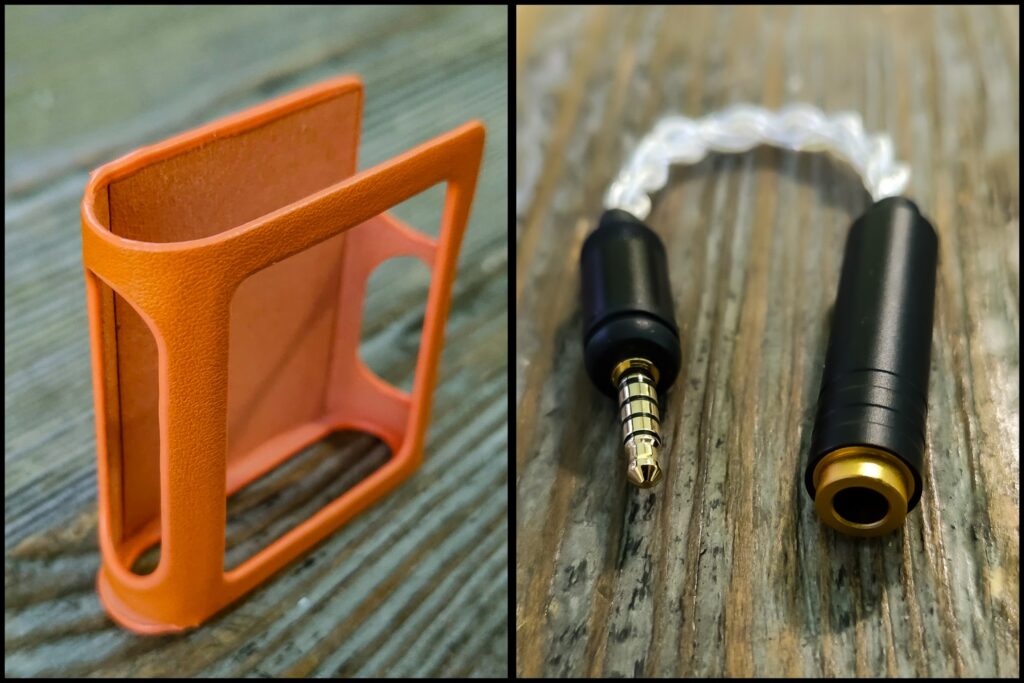
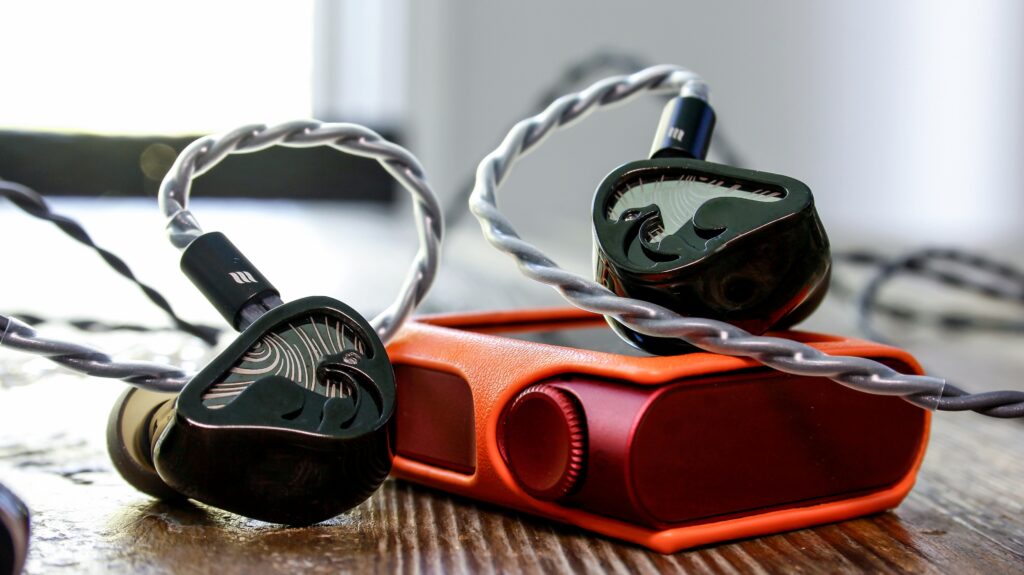
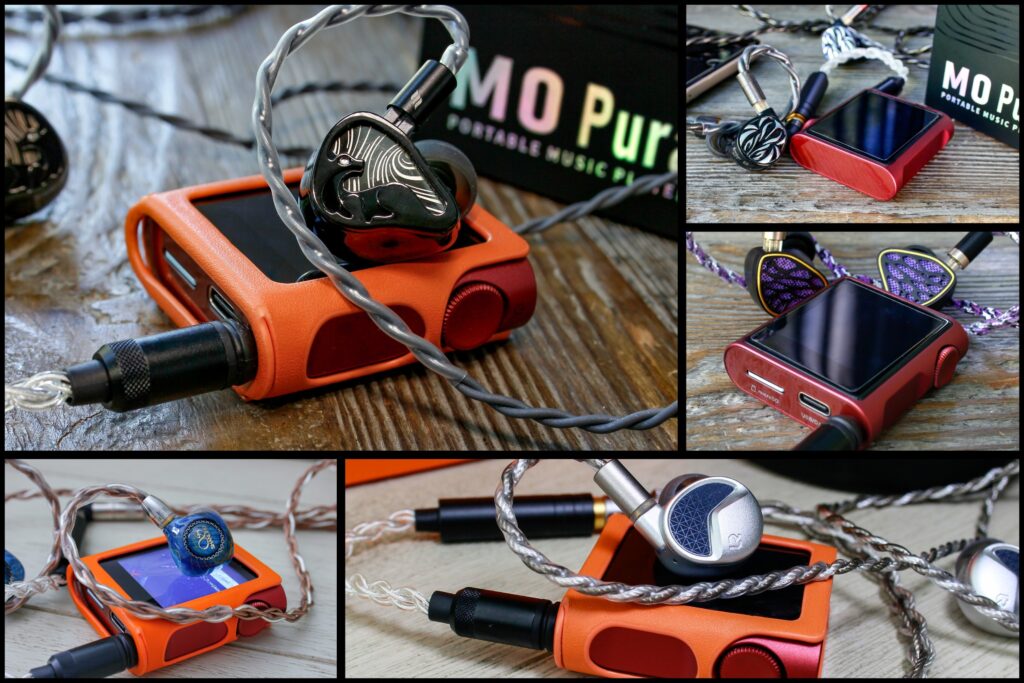
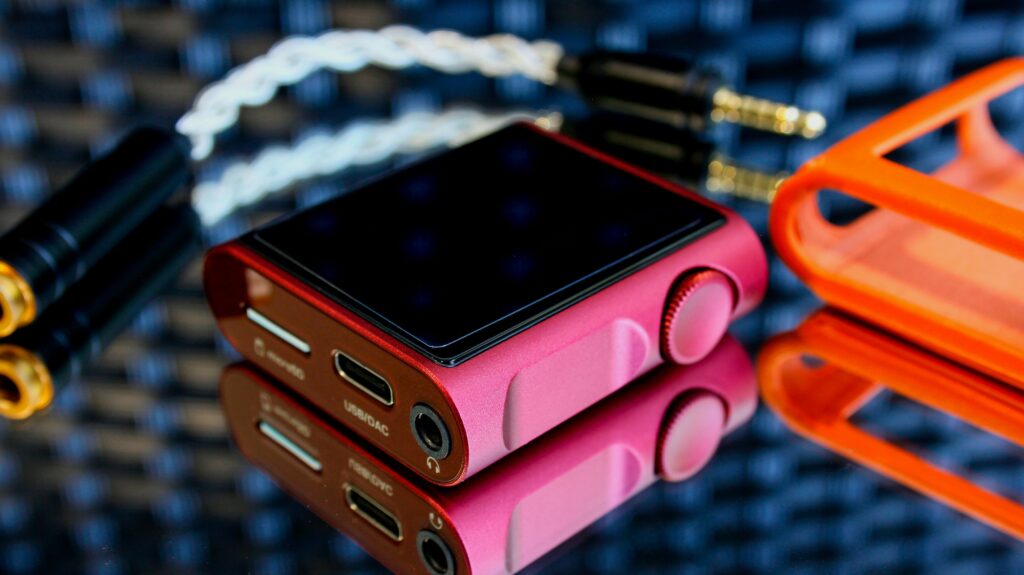
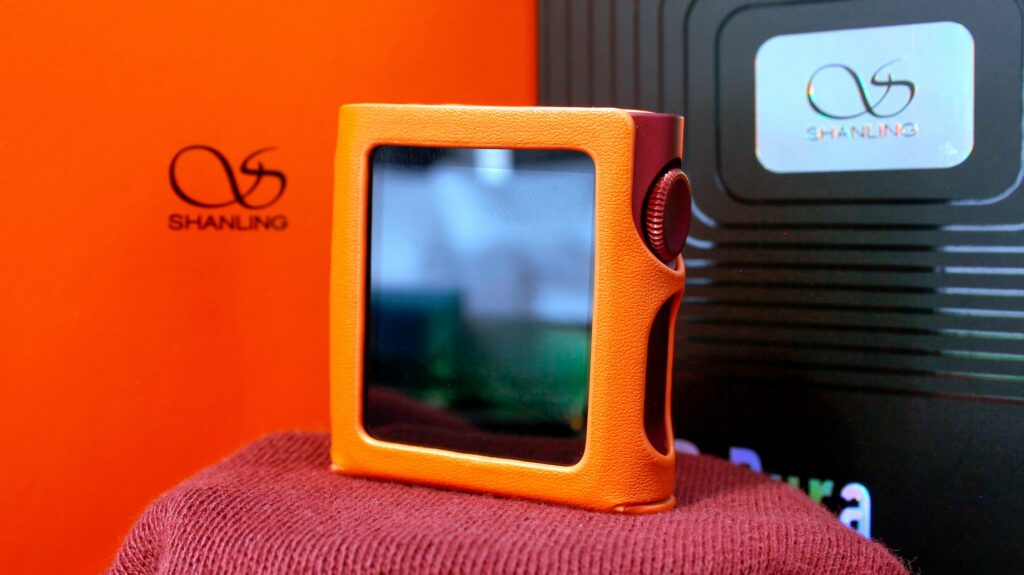
I do want to speak on a couple extras that you’d have to purchase separately. Two accessories which were kindly provided to me when I received the M0 Pura. That is, the very nice faux leather fitted case, which you can purchase HERE. For the record, the case is the exact same fit, size, and style as the case for the Shanling M0s and M0 Pro. They are interchangeable. Be aware that there are a few other 3rd party cases, fitted ones, clip style cases too, among others. I find this case to be very nice and similar to other Shanling cases. Its form fitted, you simply slide it on, and you are in business and your Pura is protected. Honestly, I would pick up the case if I were you. I’m sure. Another accessory that I feel is mandatory (for me) is the 3.5 to 4.4 balanced cable adapter. You also have to buy that separately and you can do that HERE. I do not use the Pura without it as it just makes more sense to go balanced and get the full power output. However, you may be perfectly happy with the 3.5 single ended port on the device itself. At any rate, I figured I’d simply add in my two cents about some extra goodies that Shanling added into the packaging.
Shanling M0 Pura Specifications
━━━━━━━━━━━━━━━━━━━━━━
General:
Product: Shanling M0 Pura
Type: Ultra-Portable Hi-Res Digital Audio Player (DAP)
Operating System: MTouch OS
Display: 1.54-inch Touchscreen LCD
Resolution: 240 × 240 pixels
Dimensions: 43.8 × 45 × 13.8 mm
Weight: 35.8g
Colors: Black, Orange, Purple
━━━━━━━━━━━━━━━━━━━━━━
DAC & Audio Architecture:
DAC Chips: Dual Cirrus Logic CS43131
Audio Architecture: Fully Balanced Design
PCM Support: Up to 32-Bit / 384kHz
DSD Support: Native DSD128
USB DAC Mode: Up to 32-Bit / 192kHz, DSD128
━━━━━━━━━━━━━━━━━━━━━━
Outputs:
Headphone Output: 3.5mm Combination Port
Single-Ended Output
Balanced Output (via optional 5-pin adapter)
Single-Ended Output
Output Power: 100mW @ 32Ω
Signal-to-Noise Ratio: 121dB
Output Impedance: <0.4Ω
Balanced Output
Output Power: 250mW @ 32Ω
Signal-to-Noise Ratio: 128dB
Output Impedance: <0.8Ω
THD+N: As low as 0.0004%–0.0007% depending on mode �
The HiFi Cat +1
━━━━━━━━━━━━━━━━━━━━━━
Bluetooth:
Bluetooth Version: 5.0
Bluetooth Transmitter Codecs
LDAC
aptX
AAC
SBC
Bluetooth Receiver Codecs
LDAC
AAC
SBC
Bi-Directional Bluetooth: Yes
━━━━━━━━━━━━━━━━━━━━━━
Storage:
Internal Storage: None
Expandable Storage:
MicroSD Card Slot
Supports up to 2TB MicroSD Cards
━━━━━━━━━━━━━━━━━━━━━━
Battery:
Battery Capacity: 650mAh
Playback Time: Up to 9.5 Hours
Charging Port: USB-C
━━━━━━━━━━━━━━━━━━━━━━
Supported Audio Formats:
DSD (.iso, .dsf, .dff)
FLAC
WAV
AIFF
ALAC
APE
MP3
AAC
OGG
WMA
M4A
━━━━━━━━━━━━━━━━━━━━━━
Features:
✓ Dual CS43131 DAC Design
✓ Fully Balanced Circuit Architecture
✓ USB DAC Functionality
✓ Bi-Directional Bluetooth
✓ LDAC Support
✓ 2TB MicroSD Expansion
✓ Ultra-Compact Form Factor
✓ MTouch Touchscreen Interface
✓ Multiple Digital Filters
✓ Hi-Res Audio Certified
✓ Native DSD128 Playback
✓ USB Digital Audio Output
━━━━━━━━━━━━━━━━━━━━━━
In The Box:
Shanling M0 Pura
USB-C Cable
User Manual
Extra screen protector
Build / Aesthetic / Internals / Controls
Build Quality
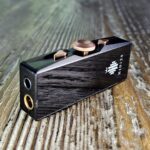
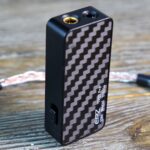
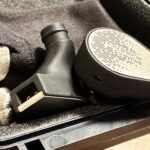
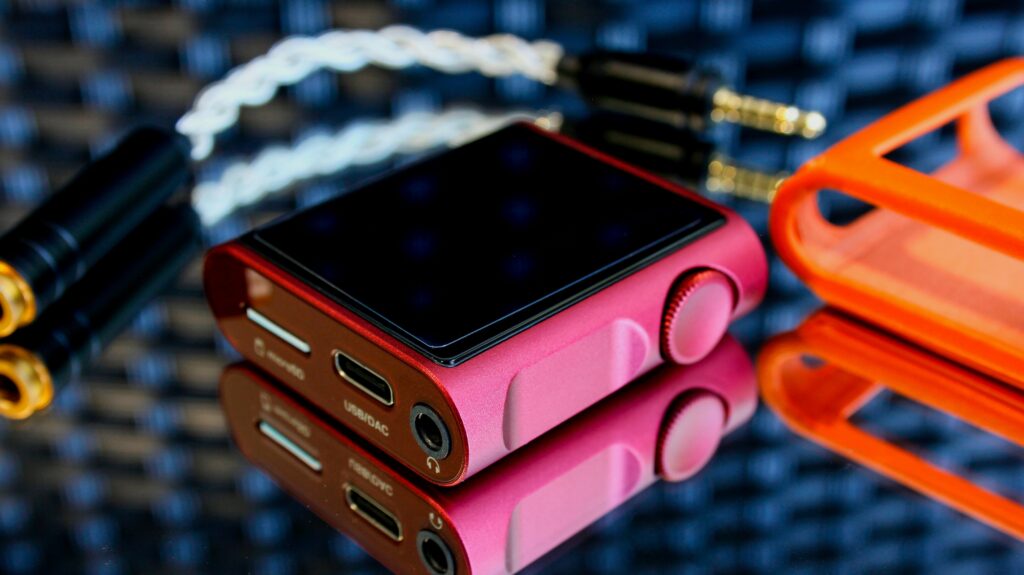
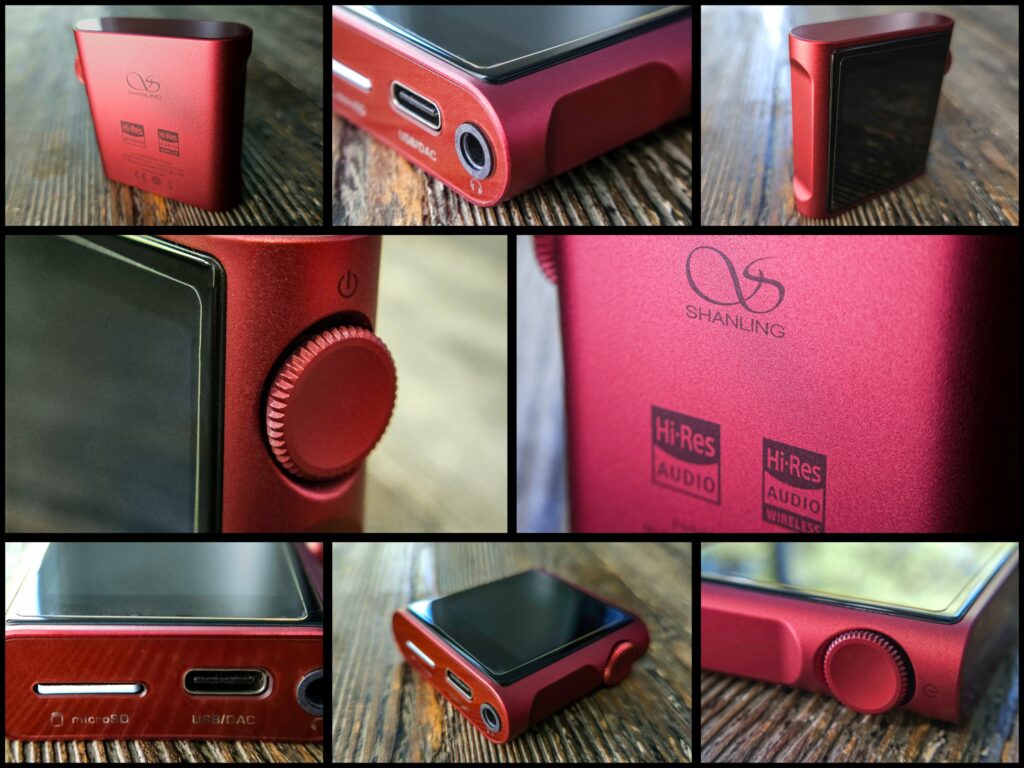
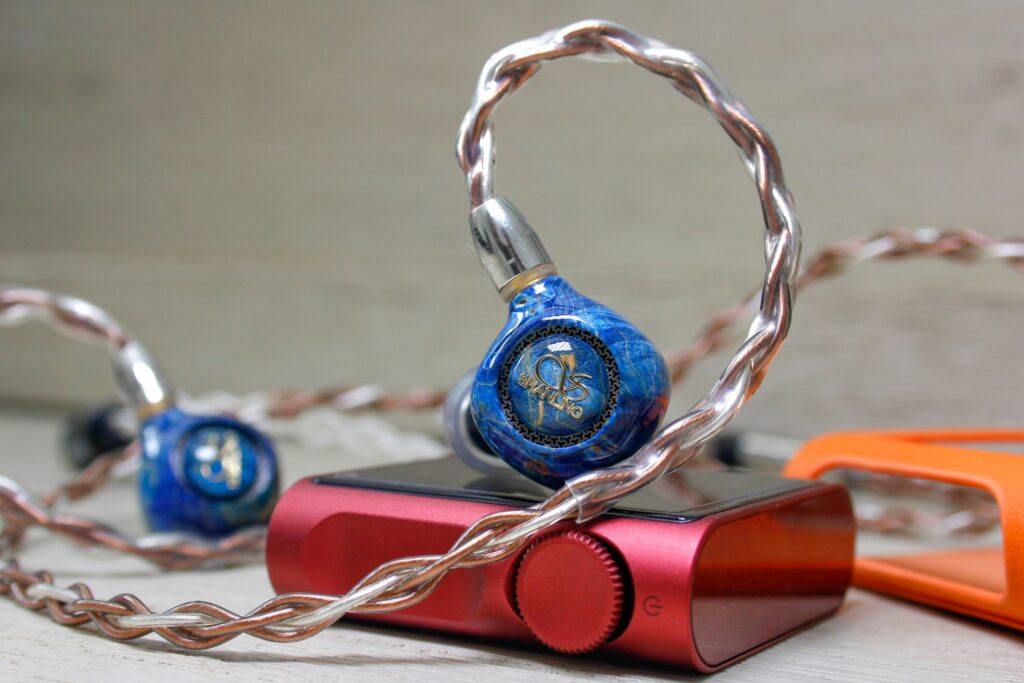
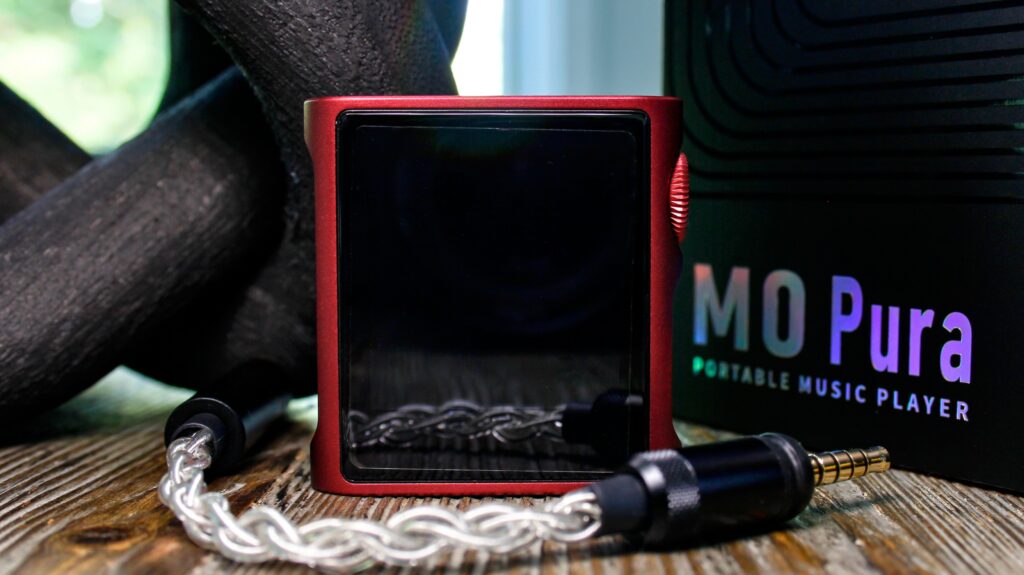
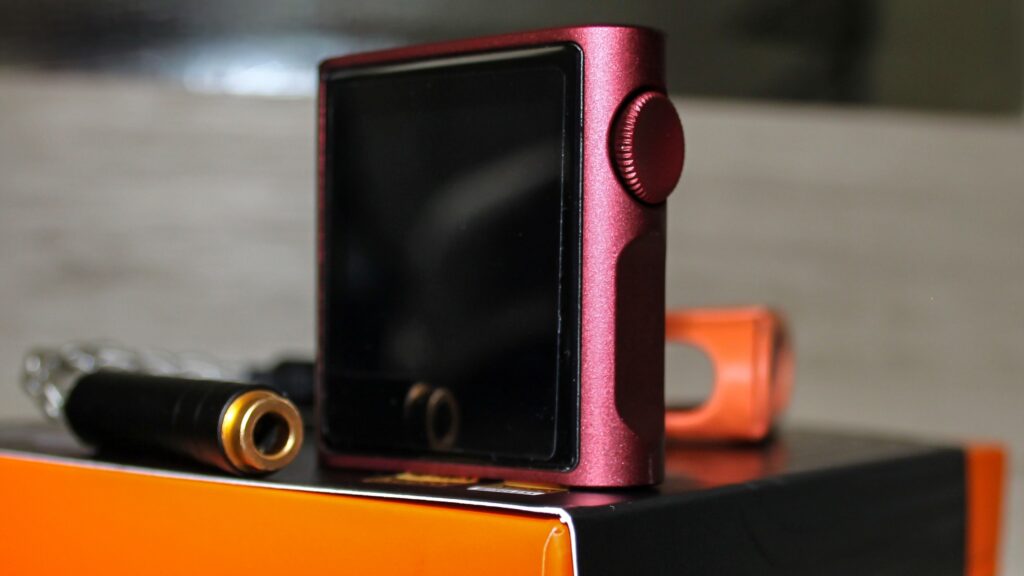
One thing that will always be a standard with Shanling is the quality of their builds. I have never reviewed or owned any product from Shanling Audio which wasn’t built very well in respect to each product’s price point. If I were a betting man, I’d say that they take some pride in their builds. Well, the M0 Pura is no different and is built to a high standard, no plastic with an all-aluminum chassis and it has the feel of something built well. I really mean that. It’s the one thing which is always very difficult to explain when something “feels” well built. Just like the previous iterations in the M0 series the Pura also carries that durable and clean build of its predecessors yet adds an even more robust volume wheel. Oddly enough Shanling discluded the cover in the micro-SD card, but I’ll cut them some slack for that. However, it is the exact same in its dimensions at 43.8 x 45 x 13.8mm and comes in at a very lightweight 35.8 grams. Just like the others the Pura also has a 1.54” 240×240 capacitive touchscreen. The entire build is dreamt up around being as compact as possible and easy to use. You’ll notice the only button also doubles as a volume wheel, and the only ports are the 3.5 port, a micro-SD card port, and the USB-C port (for charging, data, and USB dac usage). Overall, I find the M0 Pura to be a finely built device, extremely small, and a wonder as to how they crammed all that tech into such a small and light frame.
Aesthetic / Design
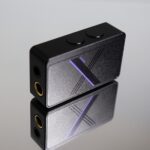
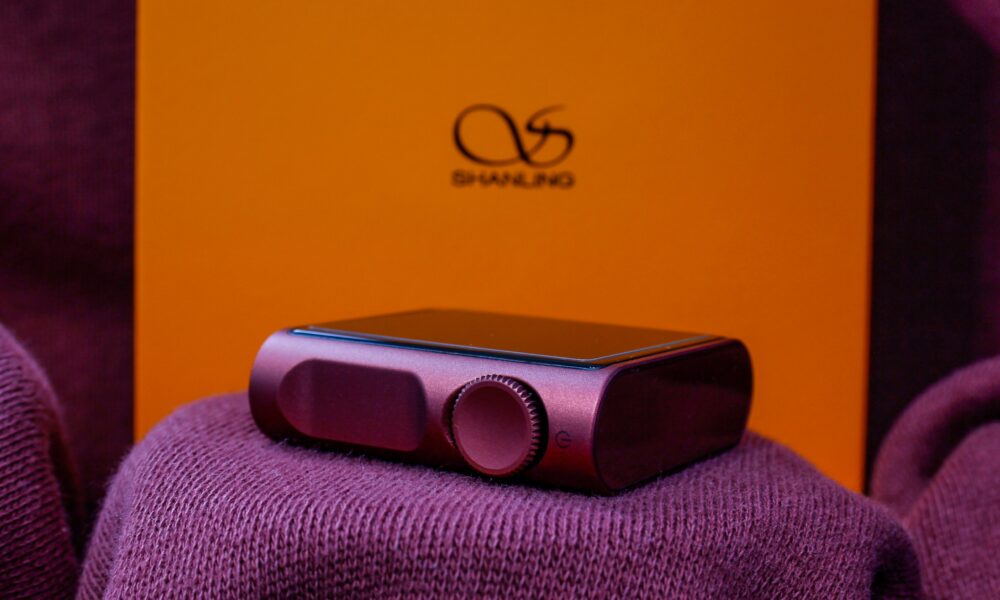
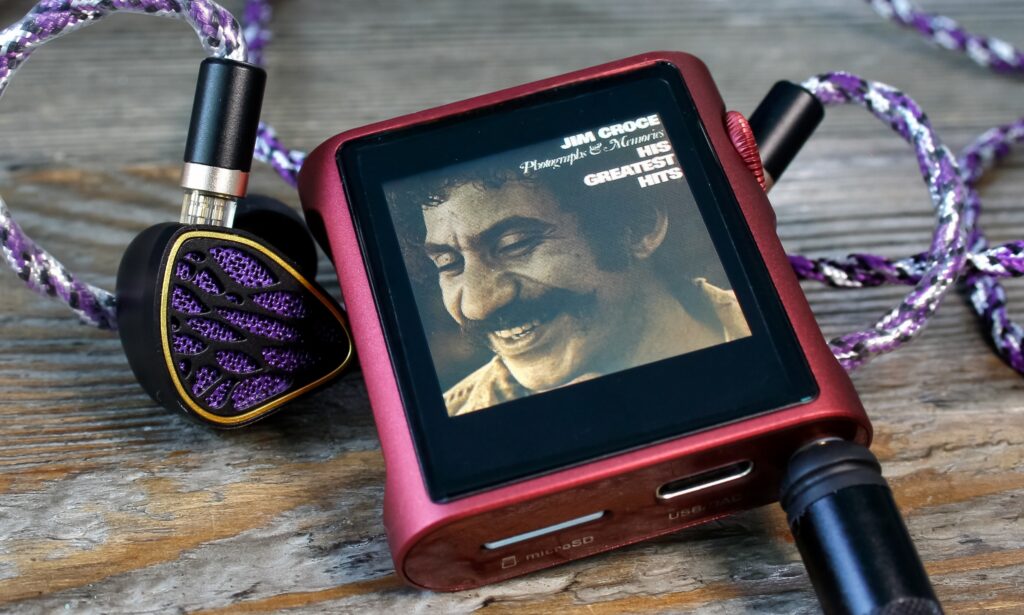
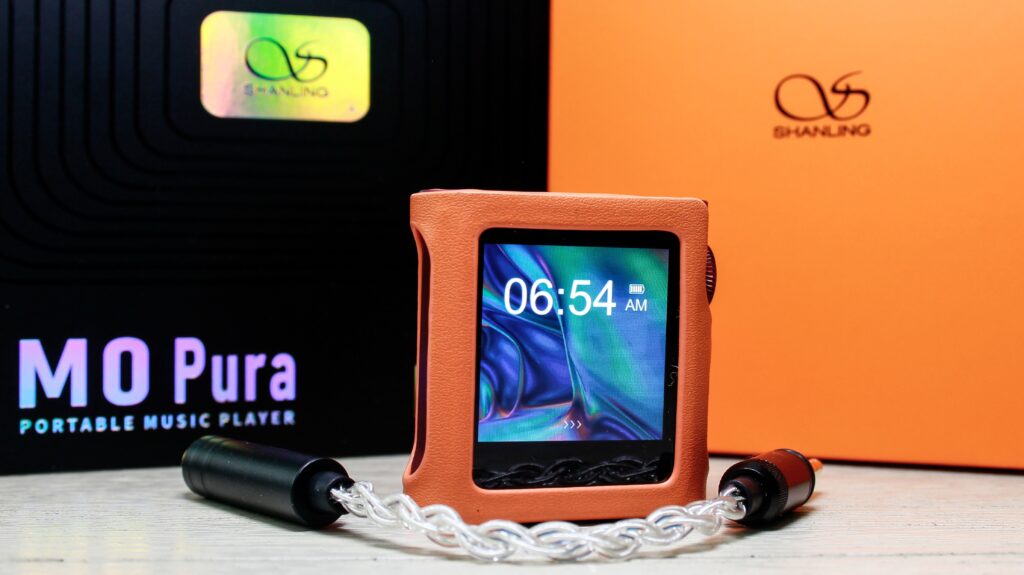
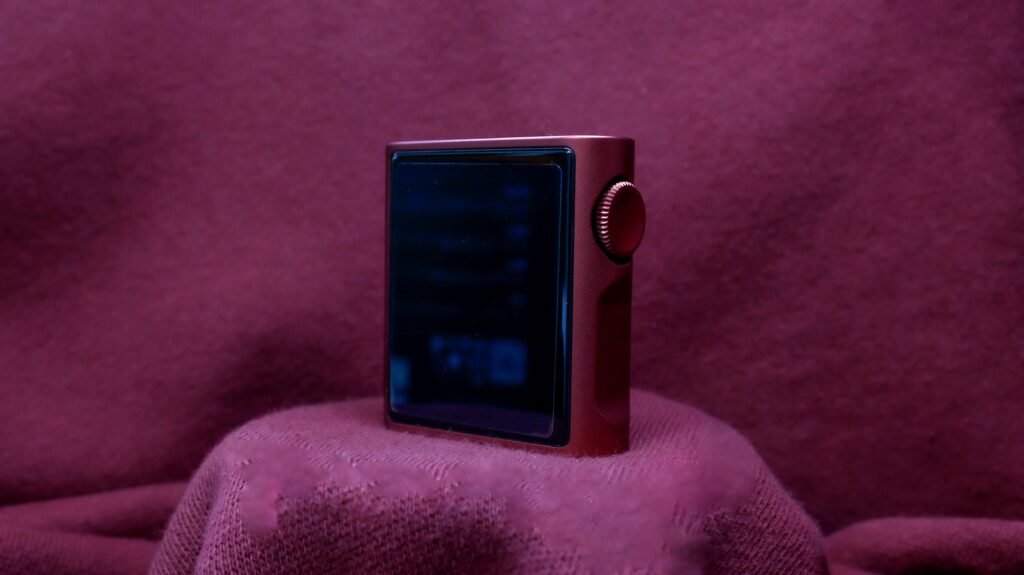
The first time you lay eyes on these small and compact devices you might mistake it for some kind of toy. The last thing you’d think is that it is a highly proficient and sophisticated hi-res audiophile dap. That is, until you hold it and twirl it around in your fingers. Or the moment you turn it on and that beautiful little screen shows its face. The whole design is executed perfectly for such a small device. My opinion of course, but I do feel that others would agree. Every curve is smooth, no hard angles, with a small bezel, and those bold matte colors that Shanling chose for this device. By the way, you can choose either the Black, Orange, or Berry Purple colorways. I happen to have the Berry Purple and I totally dig it. Such a dope look. It’s so dope that I simply like having this thing on me at all times. It’s so easy to just take it out of my pocket and jam out. Also, I have gotten a few questions about it already when out and about. I even had one dude ask for the product link. Anyway, it’s a slick looking little player. Shanling did a solid job.
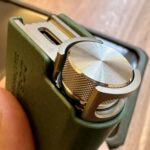
Rotary “Volume” Wheel (Controls)
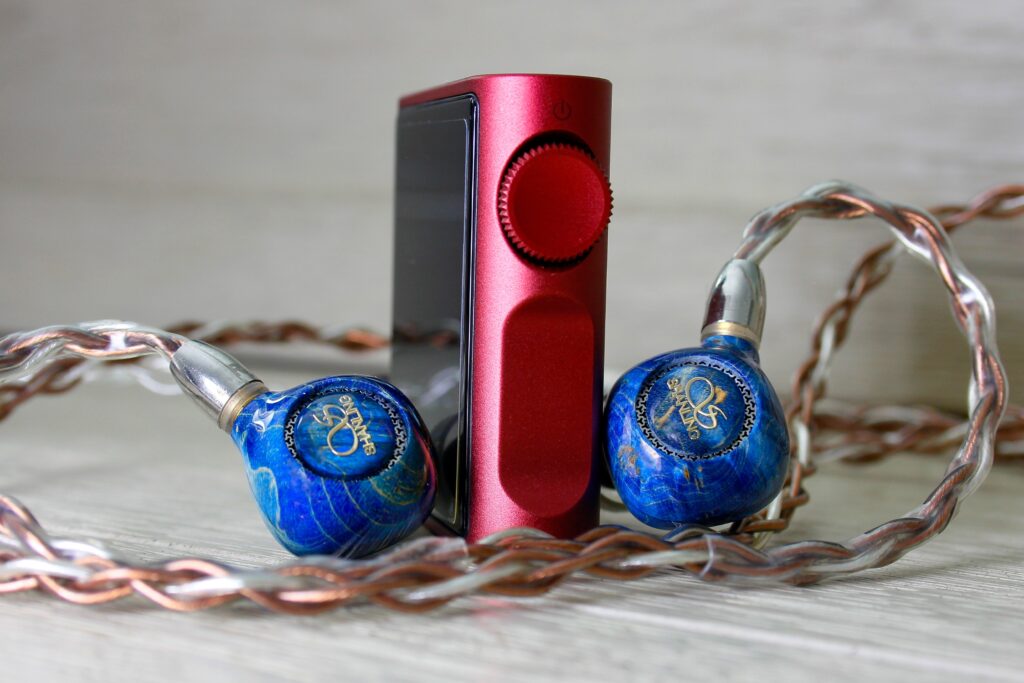
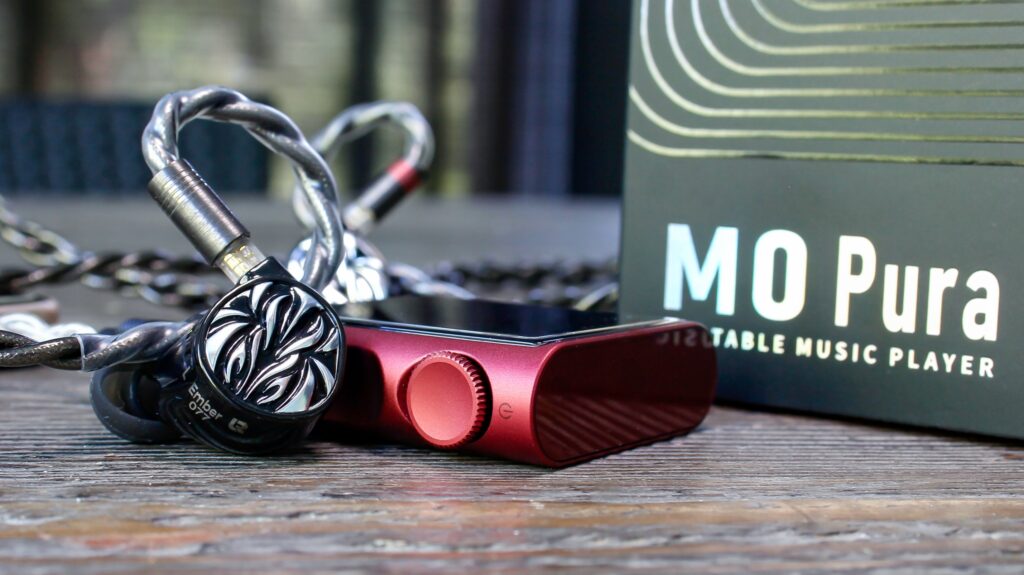
As I said, the Pura only has one actual “button” and that button doubles as a volume wheel. Shanling relies a lot on the touchscreen and the MTouch OS interface. However, the volume wheel is not simply a rotary volume changer. No sir, it actually acts as a multi-task button of sorts. Obviously, you can turn the wheel and increase or decrease volume. Which, by the way, is satisfyingly tactile. Much better than previous versions of the M0 series (that I’ve tried anyways). This volume wheel feels sturdy, very direct in its clicks when increasing or decreasing volume, and basically just feels much more durable. Not that the older devices were bad, per say, but Shanling must’ve taken some time to fix the light grumbling from some of the consumer base. Now, you can also press the volume wheel as it also acts like a button. It is the only turn-on & shutdown button (power button) which you can do by holding after pressing. When the screen is in a single press on the button will shut off the screen to save battery. Now, you can also customize what double and triple button pushes does. I think most people use them for next track and previous. However, I like to use double push for play/pause and triple push for the next track. So that’s a nice thing to have. You can customize those in settings under “Wheel Shortcuts”. With all of that said, the majority of scrolling and controls comes from the touchscreen which I will speak about later.
Internals
This is where Shanling sort of blows me away. Friends, the M0 Pura is ridiculously small. I mean, super small. Smaller than almost any dongle dac out there. Think about that. They had to cram in not one, but two dedicated dac chips using dual Cirrus Logic CS43131 chips, a separate amp section (don’t know which one), an unknown Bluetooth SOC chipset, the battery, and you also have to fit in all of the screen tech to be able to use the capacitive touchscreen. All on a device that is 43.8 x 45 x 13.8mm in size. I’m not even mentioning the rest of the audio components, ports, and other circuitry. It blows my mind. Also, it makes me wonder why dongle dacs have to be the size that they are when they clearly don’t have even half of the Internal components as something like the M0 Pura. Seriously folks, the whole M0 series should get Shanling much praise.
UI
Shanling has been at this dap game for quite some time, and it shows in every dap I’ve ever had in my hands from the brand. I’d say for sure that against market standards per each price point all of Shanling’s daps run around the top tier. Definitely up there. The Pura is not like most daps in its price point as it is so very small. However, the smaller stature makes this all the more awesome in my opinion. You’ll figure out what I mean when you get your hands on the Pura. Everything from scrolling the home screen, to settings, to choosing individual settings, to music playback and on and on all work very smoothly. I know, you’ve heard this before. Friends, I honestly have zero lag, zero freezes. Shoot, scrolling through tracks, albums, or artists which usually big down the Hidizs AP80 Pro Max or the Hiby R3 Pro II only speeds up on the Pura. No stuttering as I wait for the scrolling to catch up with my finger. None of that. I’m telling you, the UI is awesome. That being said, there’s only so much you can do with such a small screen, so temper your expectations a little bit.
Features
The Screen
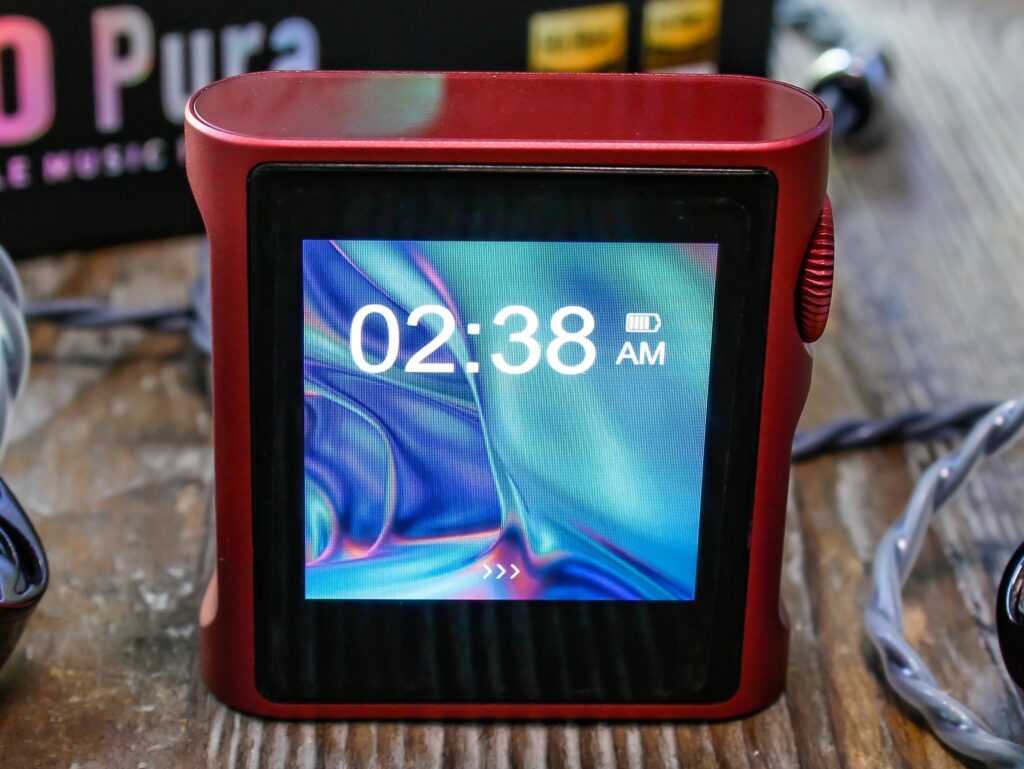
I personally feel that the number one reason why this little device looks and feels as well put together as it would have to be the screen. The main hub center of the Pura. Shanling went with the M0 series standard 1.54” screen and it comes with 240×240 resolution and also gets fairly bright too. In my experience with the Pura, I came to the conclusion that Shanling used the screen real estate in probably the best way you can. Making the home menu as large screen filling icons helps the experience of scrolling to feel correct, and intuitive. The screen is as responsive as any smartphone being that this is a capacitive touchscreen with plenty of sensitivity. For me, the screen works well. I wouldn’t say it has some amazing resolution. Certainly good, vibrant color density, and not pixelated. Great for a small device. What I will say is that the screen adds to the experience of casual listening by not posing as a problem. So often these smaller screens are a huge impingement as they are typically very difficult to navigate. I think that Shanling did a solid work in making sure that everything is rather seamless. I’ll explain more later on how Shanling’s MTouch OS works on the Pura. In my opinion the screen is bright enough to help different screens, menus, playback views, and album art POP on the small screen. I feel that the screen is a huge upside to this small player.
MTouch OS
That beautiful little screen would be nothing if it weren’t for the stellar software that Shanling uses. They call their operating system “MTouch OS” which is a very purposefully built and very lightweight music player interface. I’ve seen so many smaller screens which need to be seamless and intuitive to use and if I’m being blunt; most small screen operating systems are not great. Shanling has really dialed this OS in. It’s simple, easy, fast, never glitches, never freezes, it’s touch driven and focuses on local file playback instead of having on board apps or any streaming services. Honestly, the MTouch OS brings to the table the entire music player experience boasting many attributes that I like to see. Stuff like 10-band PEQ as well as preset EQ profiles, Gain settings, Replay Gain, USB Mode Selection, Channel Balance, Bluetooth Settings, DSD filtering & different DSD Modes, and a slew of other settings that I implore you to check out.
MTouch OS Functionality
Like I said, the OS is smooth as silk. I am not exaggerating either. Again, no hiccups, no freezes (not yet anyways), Every action on the MTouch OS interface is controlled via taps and swipes with menu navigation that is straight forward and ridiculously simple to maneuver through. The most eye-opening thing that I have not seen is any screen lag. Friends, I haven’t had any lag scrolling through albums, songs, artists, as the screen flies through them so fluidly. I really am impressed. You get plenty of audio settings to control your music and dial it ito your needs. Also, the UI is simple and easy enough that it doesn’t get in the way of my listening sessions. I cannot tell you how important that is. I think the main reason why this UI is so nice looking and the OS is so seamless comes from the very solid X1000 main control chip. It handles the file management, playback, Bluetooth controls, as well as everything else included in the MTouch OS that I haven’t thought of. My advice to you is to simply play around and discover all of the settings and have fun because it’s a cool little player.
10-Band PEQ
As I said earlier, the Shanling M0 Pura has its own 10-band PEQ allowing the user to adjust each band individually. Stuff like frequency, gain, Q, etc. and it’ll let you save up to 3 saved PEQ files (I believe). Obviously with a screen this small the Pura only lets you change PEQ values on a couple bands per screen. You have to scroll to get to all 10 bands. It has touch sliders to help you change any values. Now, I should note that doing this on a smaller screen is more tedious and time consuming. This should be expected on such a small screen. However, once you have your preset files saved then you don’t have to do this all over again. I think it’s a cool thing to have. It’s pretty clear that Shanling has their eyes in the community because right now PEQ and EQ is a huge topic as it has become a staple of most audio communities.
Storage Expansion
Yes, this is a feature. Also yes, it is boring. However, I found that the Pura is a total beast as it allows us to use up to a 2tb micro-SD card to store our music on. This is rare. Granted, having this capacity is not out of the norm anymore, but it is nice that Shanling knows their audience and knows that we have some enormous collections of music to store. Good to see.
Output Power
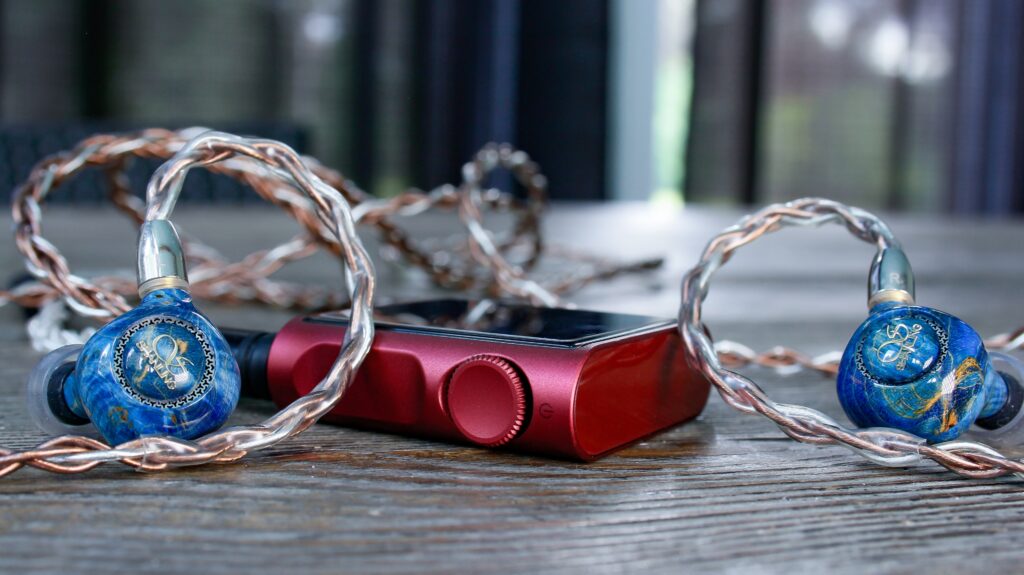
Another cool feature is the output power afforded to the listener. The M0 Pura isn’t much stronger than the previous M0 Pro (236 mW v 250 mW) but it has some serious juice for driving my iems and even some very sensitive headphones. Now, in 3.5 single ended listening, you can get a max output of 100 mW on high gain. That said, if you use the 3.5 to 4.4 balanced cable adapter the Pura gets you a lofty 250 mW of output. If you didn’t know, that will drive just about any iem very-very well. I have had zero issues with any iems in my collection. Now, the Binary Dynaquattro gave this device a run for its money, but it still drives it fully and with impressive dynamics. I have a huge collection of planar iems which perform very well with the M0 Pura. Again, no issues and the sound is very clear, clean, dynamic, great tonal contrast, and really just a nice listening experience. So, there is nothing weak about this device. I’m still wondering how Shanling fits so much into this chassis?! Again, I ask you, why is it so much smaller than most dongle dacs? Yet has so much more going on internally, more functionality (much-much more), dual dacs, amp section, and still performs so damn well. Anyways, I went off the rails again, but the Pura has plenty of driving power for most any iem.
CS43131 Dual Chips
One big upgrade (in my opinion) is that Shanling opted for dual Cirrus Logic CS43131 dac chips. I know, you’ve seen these chips for years. I have to. That said, I have always been a huge fan of any device that gets the most out of this chip in particular. Please understand, not all devices which use the CS43131 chips are implemented equally. Some of my all-time favorite dongle dacs, low-cost daps, dac/amps actually use this chip. Moondrop Dawn 4.4, Fiio JM21, EPZ TP20 Pro, amongst many others. Also, I’ve heard some devices not sound very great using this chip. It’s all in how it is implemented folks. Furthermore, I usually always dislike anything with the ES9219C chips. There are a few devices that I enjoy with it but by-and-large the sound comes across thin and artificial. Granted, the predecessor of the M0 Pura (M0 Pro) used the ES9219C chip, and the sound was not bad at all. Again, implementation. Nevertheless, the dual Cirrus Logic CS43131 chips used in the Pura really hit the spot folks. They sound very musical, there’s power and body behind the sound, good dynamic expression to my music, along with a very clean sound, black background too. So, I definitely feel adding these chips was an upgrade.
Battery
It is said that Shanling crammed a fairly large 650 mah battery inside of the Pura which I find to be at least marginally wild. Shanling states that the battery used will provide the listener with up to 9.5 hours of battery life. Okay, I must be honest, that 9.5 number was never met by me. Of course, I never expected too either. I go hard on these devices. Always using the best codecs (if using Bluetooth), I have the screen on all the time (highest brightness), always using high gain from the balanced adapter, I listen to only hi-res tracks, I listen at high volumes too. I go hard people. Realistically, I get around 5-7 hours. Now, I haven’t actually taken the time to do a true number hour test, but my best judgment using everything at max capacity is around 5-7. This has never been a problem for me as I always charge my devices. I’m a stickler about my battery in every device and so I’m always paying attention to it. Having said that, I do believe that using the most basic form of usage you can probably get that 9.5 hours. Brands will always report hour totals in the highest range possible. It isn’t dishonest, but it may be a titch misleading. However, every brand everywhere does the same thing. If you listen on high gain, use the touchscreen a lot, seek out music for minutes at a time, use LDAC, use hi-res files, and listen at higher volumes then you’ll see less battery life. The 9.5 reported hours was actually quite a bit lower from the M0 Pro at 14.5 hours. This is mainly due to the upgraded dual CS43131 dac chips, the separate amp section (undisclosed), additional power, and a few other additions to the Pura. I’m okay with it.
Audio Codecs
This might not be a big deal to you, but it will be to someone. That is, the on-board audio codecs available for use when listening wirelessly. I’ll speak in the next section about what codecs are available in each Bluetooth mode, but Shanling made sure to provide LDAC both ways (as a transmitter or receiver). At any rate, Shanling added in the LDAC codec which is widely considered one of the best audio Bluetooth codecs on the planet. It gets you up to 990 kbps while transmitting up to 24-bit (bit depth) & 96khz (sample rate) audio. There’s basically almost no difference between LDAC and bit-perfect audio. Of course you’ll have a touch of compression, but for casual listening it is a very nice hi-res codec to have. Next, the Pura also has Aptx codec which is one of the widest used codecs and one which sounds great (typically), has low latency too. It is a CD quality codec which gets you up to 352 kbps with 16-bit & a sample rate of 48khz audio. I actually like Aptx and like to see it on my devices. Next is the codec for Apple (IOS) users named the AAC codec. Most every Android device can use AAC but IOS users can “only” use AAC. AAC can get you up to 250kbps with a bit depth of 16-bit & a sample rate of 44 kHz audio. Latency isn’t as good, but still a very nice sounding codec. Lastly, the Pura has the bottom of the barrel SBC code. Basically, the default code. Of course, SBC can get you 328 kbps with 16-bit 48khz audio. You’ll likely experience some latency issues and lag, but it’s good for music (to a degree). Anyway, it’s good to see all of the codec options on this device.
Two-Way Bluetooth
One quality feature that the Pura inherited from the M0 Pro is two-way Bluetooth or bi-directional Bluetooth. As I said the Pura uses Bluetooth 5.0 which is not the highest class of Bluetooth by any standard, but it is perfect for a device like the Pura. What do I mean by “bi-directional Bluetooth”? I mean the Pura can act as both a Bluetooth transmitter as well as a Bluetooth receiver. What this means is that the Pura has the capability to send hi-res audio to wireless headphones, speakers, or tws earbuds. Great if you want to use the Pura as the source and the headphones/earbuds/speakers as your output and having much better audio quality than any standard SBC Bluetooth. Remember this device transmits and receives with hi-res audio like LDAC, Aptx, and AAC for Apple users. The Pura can also be used as a receiver too. What that means is the Pura receives audio from something like a smartphone (for example) and use the Pura like a portable dac/amp similar to other Bluetooth dac/amps on the market. Other notable devices are the Qudelix 5K, the Shanling UP6, Fiio BTR17, and many more. This way your phone can handle the playback and the Pura will have far better audio quality than simply using your phone. One more thing, when using as a transmitter the Pura can utilize LDAC, Aptx, AAC, and SBC (use LDAC for best audio). Also, as a receiver the Pura has LDAC, AAC, and SBC available. So, either way you can use LDAC. By the way, I have used this little guy both ways and it works flawlessly. I’m not just saying that. The Shanling M0 series is known for their clean Bluetooth, and the Pura might just be the best of the bunch.
SyncLink
One feature that I always use on these smaller devices is easily one of the most useful tools that Shanling has in its arsenal for the M0 Pura, and it goes by the name of “SyncLink”. SyncLink is actually Shanling’s version of a phone controller which works in tandem with the MTouch OS. Basically, SyncLink lets your phone, tablet, act as the remote control for the Pura. With it you can browse your entire music library with ease, no small screen, nice and big in your hand while the Pura sits in your pocket. Or, however you like to use it. For me, I love this feature because there are definitely moments when I want a bigger screen to seek out music, adjust volume, access files, views, and is really a companion app to use your Pura. The app needed is Eddict Player which is Shanling’s app. I believe you can get it on both Android and IOS. Very-very helpful. I don’t use it all the time, but for some sessions it is exactly what I need. For the record, Hiby also has a version of this for their daps as well as Fiio too. So, this isn’t uncommon, but still a nice feature which works flawlessly. SyncLink works over Bluetooth, easy setup, quick pairing, and an overall seamless experience. Definitely a very convenient way to use the Pura. Of course, there are so many sessions where I choose to simply use the Pura itself. It’s just nice to have. You’ll see.
USB Dac Mode
Another feature available on the Shanling M0 Pura for utilizing its good sound is by way of USB Dac Mode. In this mode you can essentially use the Pura as a dongle dac. That means you bypass local music on the Pura and instead use your phone, tablet, or computer as a source. Really, the Pura is so small that it makes for a solid dongle dac if you don’t want to use it as a dap. I haven’t spent a ton of time using the Pura in this way (as dongle dac) because I enjoy the dap functionality of the Pura much better, but I did spend enough time in USB Dac Mode to give an honest opinion. It works very easily and doesn’t sound bad, but I have many dongle dacs. I want to use the Pura for what it was meant to be, a dap. Having said that, it’s still nice to be able to use the Pura in so many ways and each sound very nice and each functions very well.
Sound Impressions
*Note: I simply want to preface the sound portion of this review with a few things. First off, I did not perform a traditional “burn-in” of the Shanling M0 Pura. I didn’t do this because it sounded fantastic right out of the box. I can tell you that I’ve logged enough hours with this device to constitute a burn-in. Next, I used many-many iems during critical and casual listening. Far too many iems to speak on here. I will mention the sets that I’ve used as it pertains to explaining the Pura better. All of my sound descriptions come from listening to the Pura as a dap. If I speak on another listening mode, then I will mention it.
Source Reviews
I have to add this section here simply to explain my headspace when writing a source review when it comes to explaining the sound. In my opinion, source reviews are never cut-and-dry. 80% of what you hear is the iem/headphones and the last 20% is how the source shapes the sound signature. Hence why I always use the word “influence” when referring to a source’s sound persuasion within the audio chain. When it comes to the Pura, I can tell you with absolute certainty that it won’t make an analytically tuned iem all of a sudden, a musically adept and emotional set. In the same breath, the Pura isn’t going to turn a musicality-first iem into some technical beast. It doesn’t work like that. One thing that a source absolutely can do is refine the sound that you hear. Following that line of thinking, that 20% influence all of a sudden becomes one of the most important features of the audio chain. Sound shaping, note definition, transient immediacy or lag, clarity, punch, and even emphasis in different areas of the spectrum can vary based on the tuning of the source. You may hear some faint note weight changes, maybe even some timbre variations with different sources too, but nothing so egregious and definitive that analytical turns musical and vice versa. I suppose I’m simply adding this section as an easy warning not to expect monumental changes. Having said that, it might just be the minute and subtle changes which take your listening session over-the-top. Let’s check out the Pura’s sound, shall we…
What’s It Sound Like?
What’s a Shanling player if it doesn’t have that hallmark Shanling musicality? The penchant for musicality-first products is something we’ve all come to expect from a brand that has made a living out of it. Sure, they’ve tried out a couple different sound signatures with different daps, dongle dacs, etc. but the one constant is rhythmicity. The Shanling M0 Pura definitely walks that line with a slight twist; it actually helps influence a pretty clean and clarity-rich sound as well. Part of that clarity comes from the nice balance of the spectrum coupled with a black background. Something that never used to be the case for $500 daps is now a reality with half dollar sized daps that cost under $150. Oh how times have changed! Anyway, the Shanling M0 Pura most certainly leans to the casual listening side of the aisle, harmonious, less acutely precise, crisp, or edgy, and more fluid in its tone-flow & pacing. I’d say it’s tone color is right around warm/neutral, yet with a foot on the neutral side. Just a touch of low-end fill feathering-in very nicely into the neutral backdrop. You won’t hear any major tilt one way or the other and predominantly the Pura really won’t change the tonality of your iems that much at all. One thing I said in my initial impressions on Facebook was that the Pura lets the iem/headphone be what they are. To my delight it’s that last touch of smoothness and euphonious tunefulness which grabs my attention. Similar to other Cirrus Logic CS43131 devices, yet a hair better macro-clarity and clean-lined lucidity.
A Good Measure of Balance
I’d also say that the Pura has a more natural leaning dynamic intensity rather than forced vibrance. It’s one reason why I adore this device with the Kinera Nott Phantom. I think the subtle weight and that touch of fullness in the note body, along with the less sprightly top end kind-of dial back the intensity to a degree. In truth, the M0 Pura sounds very similar to the Shanling M1 Plus in that regard. Definitely like a mini M1 Plus. Again, it’s that Shanling sound. Still very clean and clear, good macro precision, but never etched, never dry, never overtly clinical or hyper-forensic in its detail illumination. This to me is what makes this device so nice to have. Listen folks, the Pura wasn’t created to be that super audiophile source that will focus every last mind movement on the subtleties in your music. So, while it might not be the most intense and energy riddled dap in its range, it’s also closer to timbre correct, natural, organic, and definitely will elicit an emotional response and sweet toned presence in emotionally tilted jams. So, the Pura is not going to radically upgrade the Letshuoer Ember into some technical marvel with outward and boisterous macro-dynamics. Sorry, but that won’t happen. It’ll let the Ember be what it is without adding blur, mud, or veil, and it will uphold the transient speed of the driver without sounding too smooth, or too rhythmic. Again, a good measure of balance and a good use of the those dual CS43131 chips.
Relaxing?
Furthermore, what you won’t hear is any uptick in glare or shout. Overall, the Pura does feature a more relaxing vibe, to an extent. Actually “relaxing” is probably the wrong word. Maybe “serene” is the word I should have used. I say that because when I attach the Simgot EA1000 to the Pura the sound does have a less sharply contoured render to its note delivery. Ever-so-slightly less aggressive. Not dull, not boring (not in the slightest), and not lulling, but a titch more casual in its expression… if that makes sense? You also won’t hear any additional bass weight and heft, to the point that it is noticeable anyways. I actually feel that Shanling did a great job of creating a low-cost dap that really just helps to uphold the tuning of just about any set I attach to the Pura. Take the Shanling MG600 for instance. This is a set with a solid V-shaped swing, some boosted upper mids, moderately emphasized but also a very present and weighted bass. If there were to be any big changes, I’d hear it on this set. I do with most sources. Really, I’ve had this set since it came out (still amazing by the way) and all I really hear is a clean presentation with no great influence one way or the other. The only true refinement is that I hear a less edgy and coarse sound with the Pura and the MG600. Certainly, a more fun, emotionally tilted, and smoother sound that also doesn’t sand down the fine textures. I could say the same thing for just about any set that I used for critical listening. Let take a quick look at each 3rd of the mix…
Bass Region
One thing is clear, the Shanling M0 Pura’s low-end is not some boosted and weight delivering force down low. Another thing that is clear to me is the fact that this bass does have a pretty clean transient persuasion to my iems in the bass region. Certainly, a nice little dab of warmth and a hair of a mid-bass lift, but nothing which would truly alter how you hear your iems. The sublevels seem to be very natural and give a fairly appropriate level of oomph, but I never hear added grunt in the lowest of lows. Almost as though Shanling tapered off this part of the bass just enough to give the mid-bass a more focused punch. I don’t want to get too overly technical or get too comprehensive in my thoughts, but those looking for more sub weight “won’t exactly” find that here. To add to that, I also don’t feel the sublevels are diminished or rolled off, just not boosted. Honestly, the bass is actually pretty cleanly defined. Still warm, still cohesive to that smoother fluid sound, but fast enough to run note-for-note with the Hidizs MP145 Pro in any complicated bass track with relative ease. This is a very-very-very generalized thing to say, but for most sets attached to the Pura I hear well separated kick drums, enough power to hit hard when a track asks for it, while also never adding any low-end blur. Kicks on drums usually influence a nice crisp attack, sub-bass rumble is present but not dominant, and the bass will provide a touch of warmth and weight while generally keeping clear midrange vocals and instrumentation.
Midrange
That brings us to the Midrange of the M0 Pura which has a definite neutral lean to it and only a hazing of subtle warmth. Just enough to call the midrange smooth-over-crisp, enough to call it slightly bodied, and enough to say it helps my iems to sound more natural than not. Again, source devices “influence” the sound. Well, the midrange influence that I hear definitely can be easier heard in the upper midrange rather than the lower mids. There’s some vibrance there, perceptibly forward, it adds hints of note defining texture (depending on the iem), vocal clarity, and presence. The lower half of the midrange remains more melodic with a dulcet character helping male vocalists, guitars, piano, etc. to have that realistic note weight, and better resolution than one might think. Stuff like acoustic guitars (for instance) maintain good string textures without becoming etched or dry. Keys sound smooth, fluid, and rounded. However, back to the upper-mids; nothing has ever sounded in-your-face to me, never too pronounced, and once again the Pura will not exaggerate any glare. Now, if a set is already tuned with a forward or even glaring upper midrange, like the Sivga Que UTG (I like the Que UTG, just an example), then the Pura also won’t fix that, or dial back the intensity either. I’d say the only slight downside of the midrange is that the upper mids are a touch less bodied or slightly thinner than the rest of the mids, but I also think that should be expected too. I hear a midrange that helps keep busy passages lucid and intelligible. Note separation is only aided by the Pura without any of my sets losing the musical soul they were tuned with. Really the Pura is tuned with a solid balance. Also, for a $129 mini dap the M0 Pura sure does pair well with many sets when it comes to the Midrange.
Treble Region
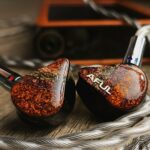
I told you all that the overall sound tuning of the Shanling M0 Pura is pretty much balanced, nothing jutting out causing peaks, no huge coloration happening, and I told you that the Pura lets iems be what they were tuned to be (for the most part). The treble obviously walks that exact same line in that it isn’t overly saturated, it isn’t ultra brilliant, there’s no gleaming radiance that’s going to all of a sudden turn the Aful Explorer into a treble bois dream. The treble is like this; it’s clean, which helps in details, it’s mostly non-offensive, it’s boosted just enough to provoke a presence within the region, and it won’t push sparkle to offense. I hope that makes sense to you. Of course, I don’t know what anyone would expect out of a mini dap like this, but I wouldn’t expect some ultra shimmery influence on your iems/headphones. The treble remains smooth and transitions nicely with the rest of the mix. It also clearly has solid control, detailed enough to uncover subtleties in your music, and it generally carries a nicely tailored sound. I hear a treble that’s more refined than it is aggressive, upholding the precision of analytical iems, without forcing crispness, or bright radiance. You’ll hear respectable detail and air to the sound providing your iem has those characteristics in the first place. Let’s put it this way; I never hear anything shrieking or too harsh… when I wasn’t expecting it. All things considered, the top end of the Shanling M0 Pura retains that awesome clarity, the transparent and somewhat open feel to my music without becoming frail or brittle. Again, very nice use of those dual CS43131 chips.
Technicalities
I really don’t have anything bad to say about the Pura when it comes to any “technical” ability. No it isn’t some clinical beast, and no the Pura isn’t going to reveal details, stretch the stage, layer the sound field or come with blazing tight transients like a dap three times its cost. So while I have nothing bad to say, I also don’t have some hype message either. The truth is that in all technical aspects the M0 Pura does a fine job. Really, put this side-by-side with the AP80 Pro Max, R3 Pro II, or a number of other daps and you will likely come away with the same conclusions. That is, the Pura performs well for its cost. Again, there is no aspect of its tuning that muffles details, there’s no area which masks imaging, sound separation is very good, and every note does have a clean approach. Having said that, my personal opinion is that the Pura is definitely in the “above average” range for detail retrieval. What I find at least marginally impressive is that the M0 Pura is a musically focused dap. It simply has a clean sound for such a smooth and delightful cadent demeanor. The sound stage is about what I’d call average. Some of the more “vastly cavernous” soundstage iem/headphones will make me a liar, but the Pura’s stage is probably about average for me, overall. There is some depth of field there which really is not the easiest thing to discern. It takes having a couple other daps in its range to compare against. However, there is a nice dimensional field of sound. Honestly, if I were to call the M0 Pura anything, I’d say it is above average for all daps in its range, and near the tops of class when talking about “musicality-first” daps in its range. Not bad by any stretch of the imagination.
Comparisons
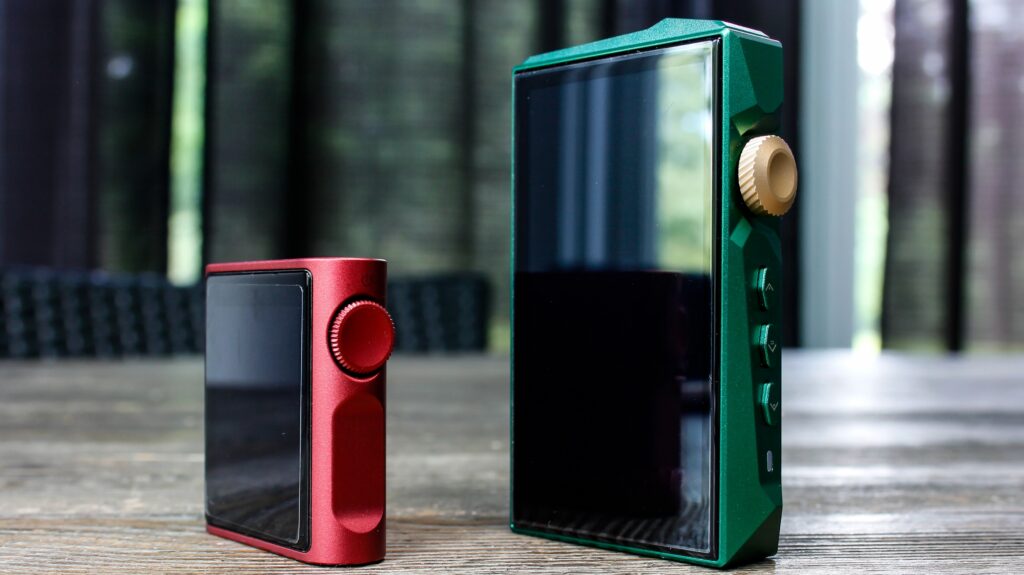
Hidizs AP80 Pro Max ($170)
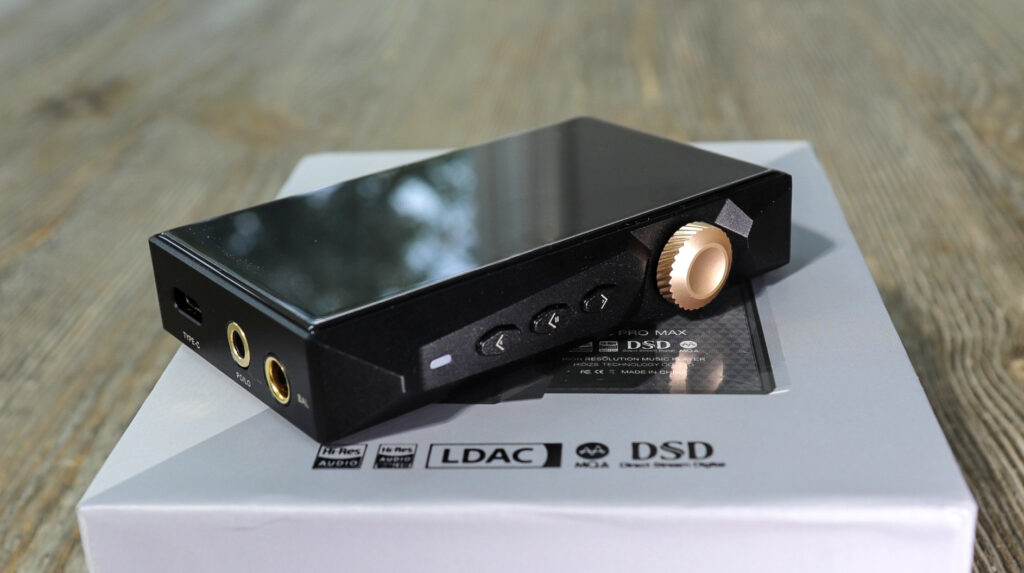
I use the Hidizs AP80 Pro Max as a comparison device because it too is considered a very small and pocketable dap. I actually reviewed the AP80 Pro Max back in October of 2025 (AP80 Pro Max Review) and found that it was one of my clear favorites for under $200 non-Android daps. Simply a cool little device that looks cool, it’s built well, and it sounds very good. The AP80 Pro Max comes equipped with dual ES9219C dac chips which happen to be the exact chips found in the M0 Pura’s predecessor, the Shanling M0 Pro. Typically these chips are not my favorite, however Hidizs really did a nice job with them. With all of that said, let’s check and see how the M0 Pura stacks up against this more expensive digital audio player.
Non-Sound Stuff
To begin, the Pura is much smaller. Just look at the comparison photo. Much smaller, much lighter, much easier to carry around and easier to use as a dongle dac or a Bluetooth device. I like the design language of both devices. Really, both are built and designed wonderfully. Both have volume wheels although the AP80 Pro Max has actual buttons for better control of the player while the Pura relies almost exclusively on the touch screen. Also, the Pura relies on a 3.5 se to 4.4 balanced adapter to listen on balance while the AP80 Pro Max has both ports in the device itself. Obviously, the screen on the AP80 Pro Max is larger, more real estate, and is somewhat easier to view. That said, tell me why the M0 Pura has a much better and more seamless UI. While the AP80 Pro Max isn’t “bad” by any means, it still has stutters from time to time. Not the Pura. In fact, the actual functionality and user experience is better on the Pura for me. Both screens are vibrant, great colors, though I obviously feel that album art looks better on the AP80 Pro Max. Not by much though. I definitely like the dac chipset of the Pura better and the Pura also carries more output power too (250 mW vs 190 mW). Granted it isn’t by much, but it’s significant enough. One huge feature of the AP80 Pro Max is that it carries wifi which can be used to stream Tidal or Qobuz. The Pura can only use internal files loaded onto SD cards. This may or may not be important to you. Now, as far as battery life the AP80 Pro Max does allow for longer sessions. Realistically I get 5-7 hours with the Pura whereas I get about 7-8 hours with the AP80 Pro Max. In truth, these are two different players meant for slightly different use cases. The Pura disappears into the pocket easier while the AP80 Pro Max is more like a traditional dap feel. Granted, it too is very small by dap standards.
Sound Differences
These two mini daps represent two different styles of source tonality (musical vs. technical) and both are also somehow pretty close in how well each device represents those tuning styles. I find that there are two different philosophies at play here. For instance, the AP80 Pro Max definitely has the more neutral tonal color, it’s more linear in its presentation, and I’d definitely say it’s the more technically proficient device of the two (easier to discern details, more crispness, more bite, clearer imaging/layering). Note weight is less robust, but transparency is higher and affects my iems slightly differently. Now, the Pura is no scrub here when it comes to the technical stuff, but it is clearly the more musically gifted, leaning warm/neutral, and it has what I consider to be the more cohesive tuning, less chance of fatigue. The Pura has a touch more mid-bass weight adding slightly more bodied notes throughout, it’s smoother with a more centered sound that certainly draws the emotion out of my music better. Between the two I feel that both devices have their own sway in which they push my iems/headphones but it’s the Pura which seems to pair best with the most iem tuning styles. No doubt the AP80 Pro Max does a fantastic job keeping a very clean-lined sound with a touch more top-end brilliance, a more tight and clean-punch style bass, and less of a melodic style midrange. The Pura on the other hand has a punchier bass, deeper (slightly), and it influences the midrange with a hair more smoothness and subtle warmth. I do find that vocals come across more my style and the Pura uplifts musicality easier with more iems. In spite of that, pair the AP80 Pro Max right and it will sound stunning.
Sound Cont…
To add to that brief and very generalized comparison, I found that both devices are very-very close in driving power. I realize that they are 60 mW apart in output power, but very similar. The Pura is only a few volume steps better. As far as dynamic influence, the AP80 Pro Max has the more energetic tuning pushing the higher notes with a more radiant and precise effect. While the Pura has a more relaxed feel to its sound up top without being considered dull or unenergetic. Again, the Shanling sound is alive and well even in their lower cost options and it is truly making a case for itself in this comparison. I’ve gone side-by-side with these two on many tracks, same earphones, earbuds, or headphones and I find it very easy to hear that the Pura carries more of an emotional flow against the AP80 Pro Max’s technical clarity. Both devices have a solid sound field presentation with the Pura being a small touch deeper and the AP80 Pro Max coming across wider. Again, details sound more illuminated on the AP80 Pro Max. It doesn’t necessarily have “better” imaging influence on my iems, but it offers a clearer image with an ever-so-slight uptick in crystalline note definition. However, it will all come down to what you find most appropriate for your listening preferences. So, in the end you really cannot lose, because each device is stellar for what they are.
Final Thoughts on This Comparison
I can’t say anything bad about either source device because both have given me so many hours of joyful listening. I just have to keep in mind how certain sets pair with each. After much use, I definitely like the UI and more fluid scrolling, swiping, and the less glitchy functionality of the Pura. However, sometimes I like a slightly larger screen. Now, both devices have a SyncLink style feature where you can control them from a phone or tablet etc. So, a bigger screen doesn’t always matter to me. Also, both daps will serve different listener types. The Pura is definitely better for the average casual listener, the workout person, the runner, or just the person who wants to bury their dap in their pocket and forget about it. Honestly, it is much better for anyone with an active lifestyle who still yearns for a seriously hi-res and fun sound. The AP80 Pro Max seems a touch more intentional for audiophile listening sessions, similar to a typical dap. Hopefully I’ve explained these two in a way that makes sense to you.
Last Words on the Shanling M0 Pura
Shanling has been one of the largest brands on the planet when it comes to sources. They’ve created some of the best daps that the market has seen, period. The Shanling M0 Pura is one dap that is going to surprise some folks. I think that you’ll obviously have those who desire a smaller music player for workouts, running, etc. But even those who desire that audiophile sound for a lesser cost will not be let down. It’s a solid little dap which has unmatched size and portability. It might just be the smallest hi-res touchscreen series of daps market wide. With that said, this device will not appeal to everyone. Of course, anyone of you who’ve read this far most likely are at least considering the Pura. I think the drawbacks to a device like this are fairly easy to see, just the same as the bright spots too. Still, less battery life then it’s predecessor (I’m okay with that) and omitting the micro-SD cover are slight downgrades, in those departments, but overall I find the Pura to be a definite solid refresh of the series. I was told by someone “not” affiliated with Shanling that a major reason for the refresh had to do with parts availability for the M0 Pro. I don’t know if that is perfectly true, but I’m very glad that Shanling brought this little device to market. It’s a solid little dap for sure.
Easy Rec
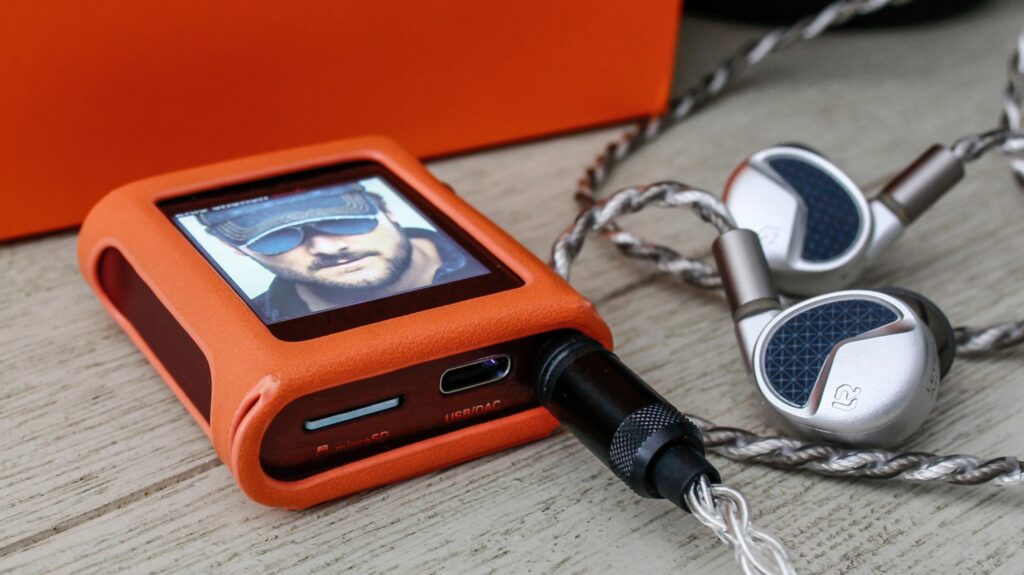
I was personally very surprised by this one. When Shanling asked if I could check it out it was an easy “yes”. But, but I was at least mildly skeptical. I had heard the MP Pro briefly and while it was a cool device in its own right, I didn’t like the tuning as much. However, I had no idea I’d be using the Pura literally everywhere I go and liking it as much as I do. Lol. Friends, I have had the Shanling M0 Pura, the Ziigaat Arete II, as well as whatever iem I’m reviewing at the time… in my pocket… for weeks… everywhere I go. No joke. Honestly, the small and compact size, coupled with the functionality, and throupled (not a word) with actual solidly-tuned hi-res sound makes the Pura one of the easiest daps to enjoy for me. From this reviewer, I think Shanling absolutely knocked this one out of the park. I’ve enjoyed the other M0 series daps as well, but the Pura seems to bring it all together for me “personally” … the best. As I’ve said, this dap will not be perfect for everyone else. The size alone is both the Pura’s greatest strength, and its biggest weakness too. I don’t want to call it a niche product, because we’ve seen tiny MP3 players since the early 2000s. However, when it comes to audiophile fans, who enjoy their smartphone sized daps and huge power etc.; the smaller size of the Pura might just be a deterrent. Also, we all know that there are some definite limitations to a smaller dap such as the Pura. This is what I expected for myself. I did not expect to enjoy swiping such a tiny screen as much as I have these last few weeks. I think this review is more of a praise to Shanling and how they engineered such a classy little dap, built extremely well, beautiful to look at, which is somehow both “fun” and “serious” at the same time. Basically, the Shanling M0 Pura is without question an easy recommendation from me. Obviously, you need to consider the size, and if that size would be a good attribute for you, or if it might be more of a problem. That said, I really do find the Pura to be one of the dopest little audio players on the market and I do hope people take a chance on it.
Conclusion
To conclude my full review and feature on the Shanling M0 Pura I first have to thank Shanling for reaching out and sending the M0 Pura. I have had nothing but good things to say about Shanling and the way they go about business. From a reviewer perspective, they are great. Literally, they send the product and basically leave me alone. For a reviewer, that is huge. Really, Shanling has been a class act brand from the first product I’ve reviewed for Shanling up to now. Thank you very much Shanling. I also need to thank you, the reader, for taking the time out of your day to click the link to this page. We at Mobileaudiophile.com truly thank you. Views and clicks are what keeps our website relevant and keeps us in business. Everyone at Mobileaudiophile.com takes quite a lot of pride in helping you all find what best suits you and we all truly hope these reviews help. However, without you we are dead in the water. So, thank you, it means a lot.
Other Perspectives
So you’ve read all of my thoughts on the Shanling M0 Pura and now I’d hope that you would check out a bunch more reviews of this device. There are so many great reviewers out there who want to help you just as I do. However, we simply aren’t all the same and can have vastly different thoughts about every product we review. You are the same in that each listener has different subjective preferences. I feel it is very important for you to gain as many different opinions as possible. You may not feel as I do, which is perfectly normal. What I enjoy, you may not. That’s what makes this hobby the best hobby on planet earth. So, please check out other thoughts. It’ll only help you to find the perfect device for your life. With that, I think I’m done folks. So, please take good care, stay as safe as possible and always… God Bless!!
Pura Pros
-Extremely compact, lightweight, & portable
-Fantastic all-alloy build
-Screen is vibrant and bright
-Excellent implementation of dual Cirrus Logic CS43131 dac chips
-Strong output power for such a small device
-MTouch OS is music focused but also simple, easy to operate
-Two-way Bluetooth and USB Dac Mode also work flawlessly
-SyncLink Control is awesome, works wonderfully
-Sound signature is very clean but also smooth, highly musical
-Also, for such a musical sound the Pura has great technical chops
-Overall a very nice user experience
-Shanling has worked wonders for usability on an ultra tiny touch screen
Pura Cons
-The tiny screen can obviously be somewhat inconvenient and difficult to use at first
-Battery Life is more like 5-7 hours when you really stress the Pura rather than the marketed 9.5
-Sound could potentially be a hair less aggressive than some may enjoy
-Balanced output requires purchasing a 3.5 to 4.4 adapter
-No wifi, no streaming, just local file playback
-Very compact design language will not appease those who love large screens
-While the Pura has very nicely done features, it also isn’t feature rich and lacks some features seen on more expensive daps





No Comment! Be the first one.