










Hidizs AP80 Pro Max Review – Small, Serious, and Surprisingly Musical
Table Of Content
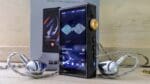
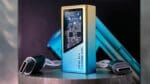
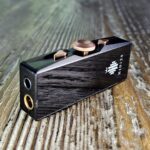
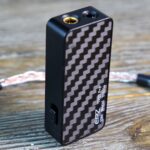
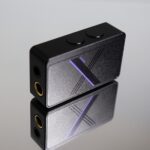
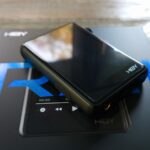
With this Hidizs has always been about compact powerhouses — and the AP80 Pro Max stands as the most mature expression of that philosophy. It’s small, but it means business. The all-metal body, tactile buttons, and clean geometry make it feel like a true audiophile tool, not a toy. You immediately sense that this device was built to play, not to impress with specs.
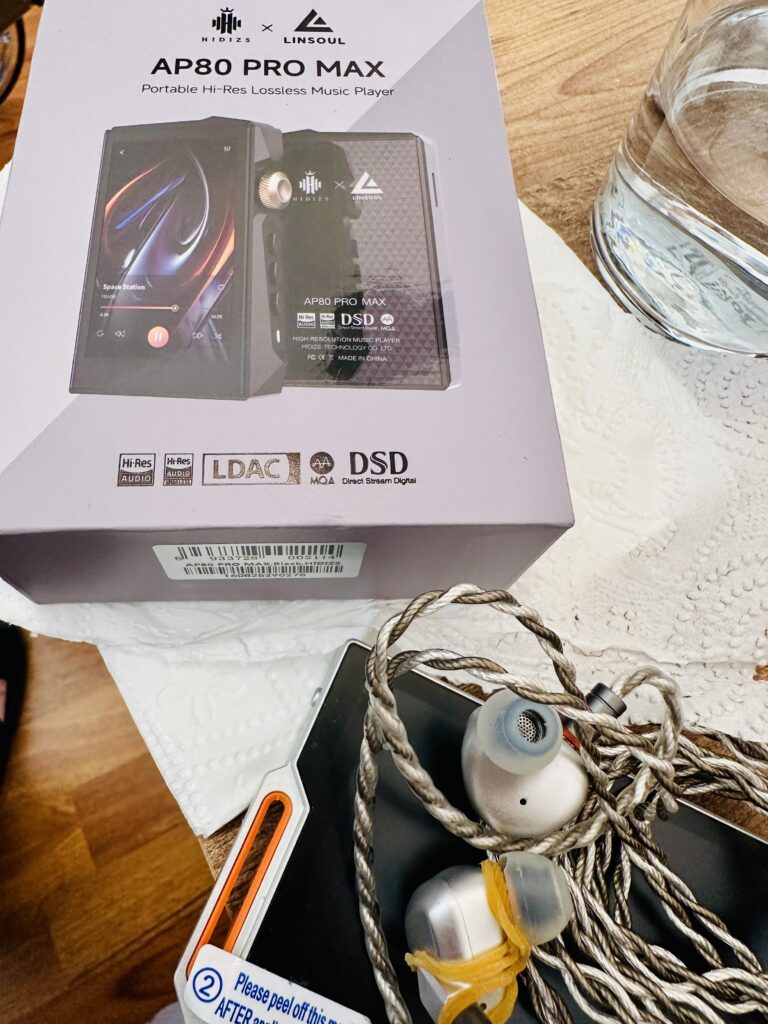
Why “Pro Max”? The “Max” doesn’t just refer to size — it indicates Hidizs’ decision to push the dual DAC architecture to its physical limits. The internal layout is denser, with reinforced PCB layers and tighter clock control than the regular Pro.
trivia
Design and Interface
Inside beats a dual ES9219C DAC setup, capable of handling high-resolution playback with a smooth, natural timbre. Power output is impressive for its size — the 3.5 mm single-ended port is decent, but the 4.4 mm balanced output is where it truly comes alive, offering more headroom and noticeably deeper staging.
The HiBy OS interface feels snappy, uncluttered, and stable. Scanning large libraries is fast; switching between EQ profiles doesn’t interrupt playback. The compact touchscreen is crisp, responsive, and doesn’t lag.
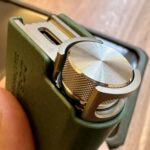
Physical controls remain a highlight — the side buttons are reassuringly firm, and the scroll wheel doubles as a power button without the usual wobble seen on some competitors. Bluetooth DAC and USB DAC modes both work flawlessly, with LDAC maintaining strong, low-latency connections even outdoors.
One standout detail: no audio gap or fade when changing EQs or gain levels. That says a lot about how mature the software stack has become — it’s built for uninterrupted listening.


Clear, Hidden & Deeply Hidden Sound Settings
The AP80 Pro Max may look simple on the surface, but HiBy OS hides several audio switches that can subtly shift the device’s character. None of them turn it into a different DAP, yet each one nudges the presentation in ways that are clearly audible with resolving IEMs.
Gain (Low / High)
Low Gain gives the cleanest background and the most relaxed transients. High Gain tightens the bass and pushes micro-details forward, but also makes the treble a touch brighter. Planar IEMs like S12 benefit from High Gain, while sensitive BAs feel safer on Low.
Digital Filters (ESS Filters)
The built-in ESS filter modes subtly change transients. Fast roll-off sounds cleaner and sharper; slow roll-off adds warmth and gentler edges. The default fast filter preserves the AP80 Pro Max’s open, airy feel.
DSD Gain Compensation
When playing DSD, this toggle restores loudness and clarity. OFF gives softer but smoother playback; ON adds bite and energy. Small differences, but noticeable on orchestral tracks.
MSEB (HiBy’s DSP Tone Engine)
Hidden under Audio Settings, MSEB can reshape the sound in surprisingly natural ways. A +5 warmth and +3 note-thickness setting shifts the Pro Max from analytical to slightly analog, while keeping clarity intact.
Channel Balance & L/R Delay
Tiny adjustments create unexpected spatial effects. A single click toward the right widens the stage center; a 0.1–0.2 ms delay adds a mild holographic spread without harming imaging.
Exclusive HQ USB Output
Deep in the USB settings, this mode enables true bit-perfect DAC output. Turning it ON tightens bass and sharpens transients. OFF sounds softer and a bit more relaxed.
Bluetooth Codec Priority
LDAC 990 kbps delivers the most detail and air. Adaptive LDAC is more stable outdoors but shifts the tone slightly warmer. AAC is serviceable on iPhone but behind any wired mode.
Together, these hidden controls allow fine tuning ( from clean and analytical to gently warm ) without ever losing the Pro Max’s core character.


Sound
The AP80 Pro Max carries over the dual ES9219C DACs from its predecessor but adds a new brain — the Ingenic X1600E. On paper, that should mean more power, lower distortion, and a wider dynamic range. In practice, the difference is small. Output strength feels nearly identical to the Pro-X, and while distortion numbers may look prettier in spec sheets, they don’t translate into audible changes. The sonic foundation remains what Hidizs has always done well: clean, fast, and transparent playback that borders on studio-grade neutrality.
Its low end shows that familiar Hidizs discipline — tight, dry, and precisely outlined rather than heavy-handed. Bass notes hit fast, decay quickly, and never cloud the stage. There’s enough body to feel the weight of a kick drum, but the emphasis is on definition and layering instead of warmth. The midrange follows the same path: clear, extended, and open. Vocals sound honest and lively, with male voices carrying natural density and female voices revealing an extra shimmer that flatters acoustic recordings. Nothing bleeds; instruments sit neatly where they belong.
Treble is where the Pro Max shows its polish. The upper range is crisp and extended yet carefully controlled, avoiding the harsh edge that older Sabre designs were once blamed for. Highs breathe easily, creating that sense of air and dimension that makes small DAPs feel bigger than they are. Imaging and separation are top-tier for this size, offering a stable, well-anchored soundstage that never turns artificial. Altogether, the AP80 Pro Max delivers a refined, articulate signature — quick, clean, and transparent, but still musical enough to keep you listening instead of analyzing.
🎧 Pairing & Synergy
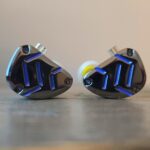
Letshuoer S12
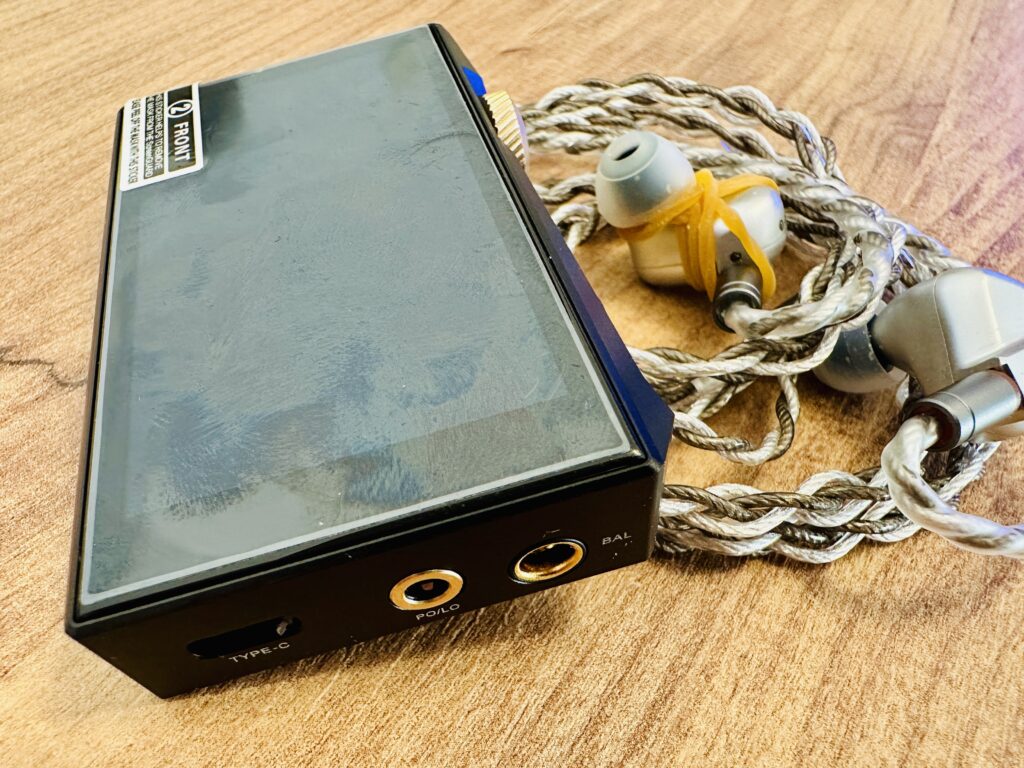
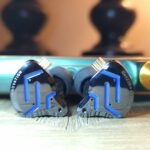
The AP80 Pro Max handles planar IEMs surprisingly well. With the S12, it drives the diaphragms confidently — fast, firm, and clean. Balanced output gives the bass region more authority, while treble loses its edge and turns smoother.
This pairing brings out the “muscle” in electronic tracks and prog rock. It’s technical but still musical — you get the speed without fatigue.
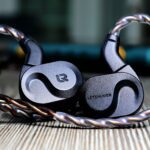
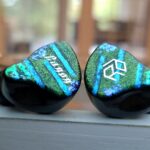
Tanchjim x Effect Audio FORCE
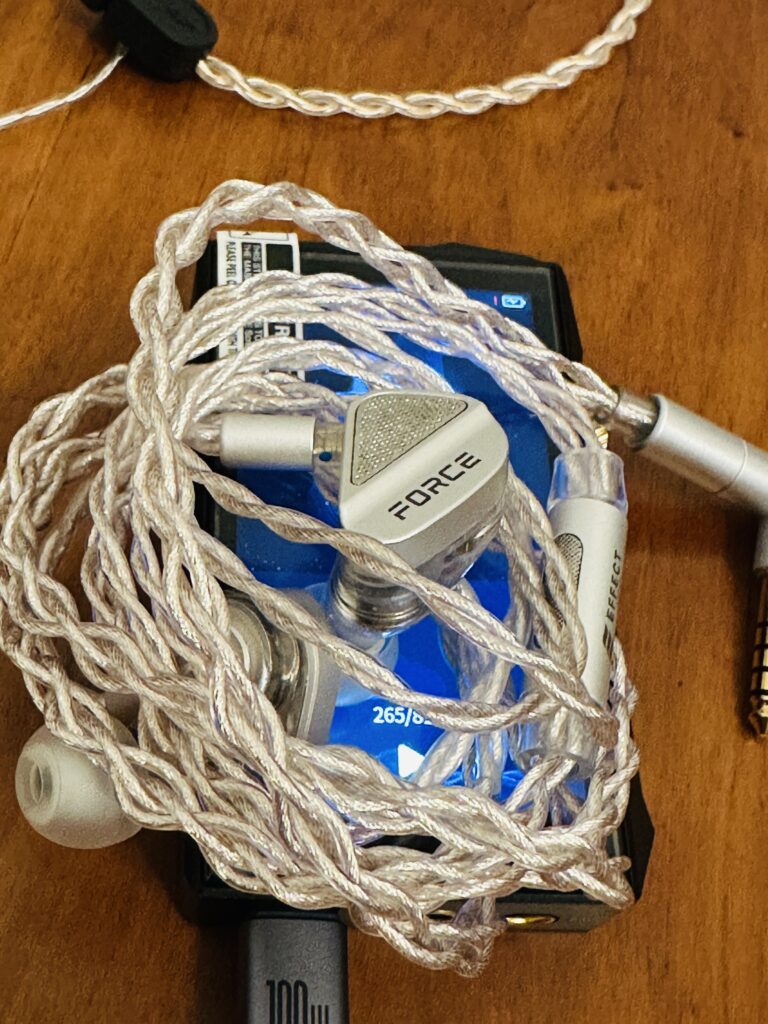
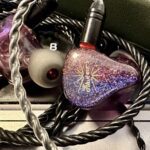
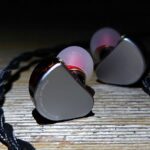
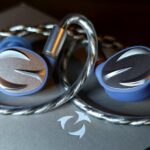
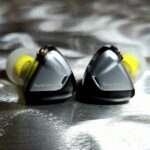
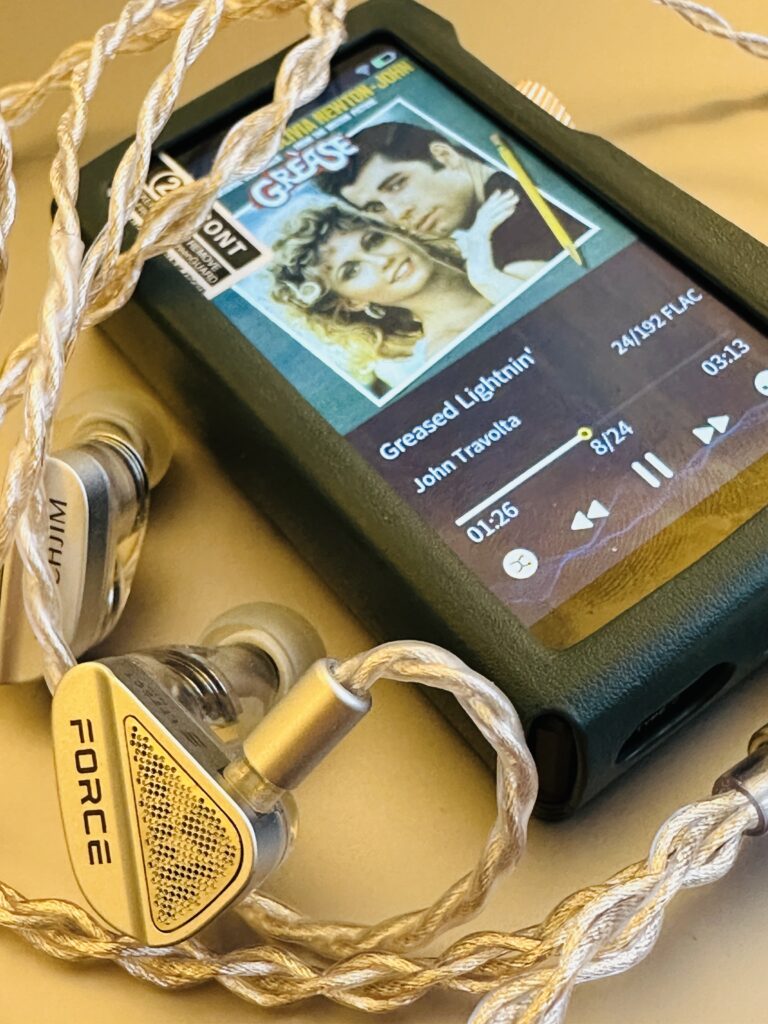
Listened via balanced output, the synergy is obvious. The FORCE gains a weightier, more grounded bass presence, while vocals step slightly forward. The top end is airy but never piercing, and the micro-detail retrieval jumps noticeably.
This combo excels at low-volume listening: even quiet playback keeps its dynamics intact. The FORCE makes AP80 Pro Max sound open and emotionally connected — a balanced mix of accuracy and musical flow.
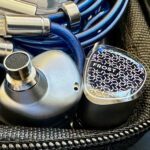
Roseselsa Photon Pro
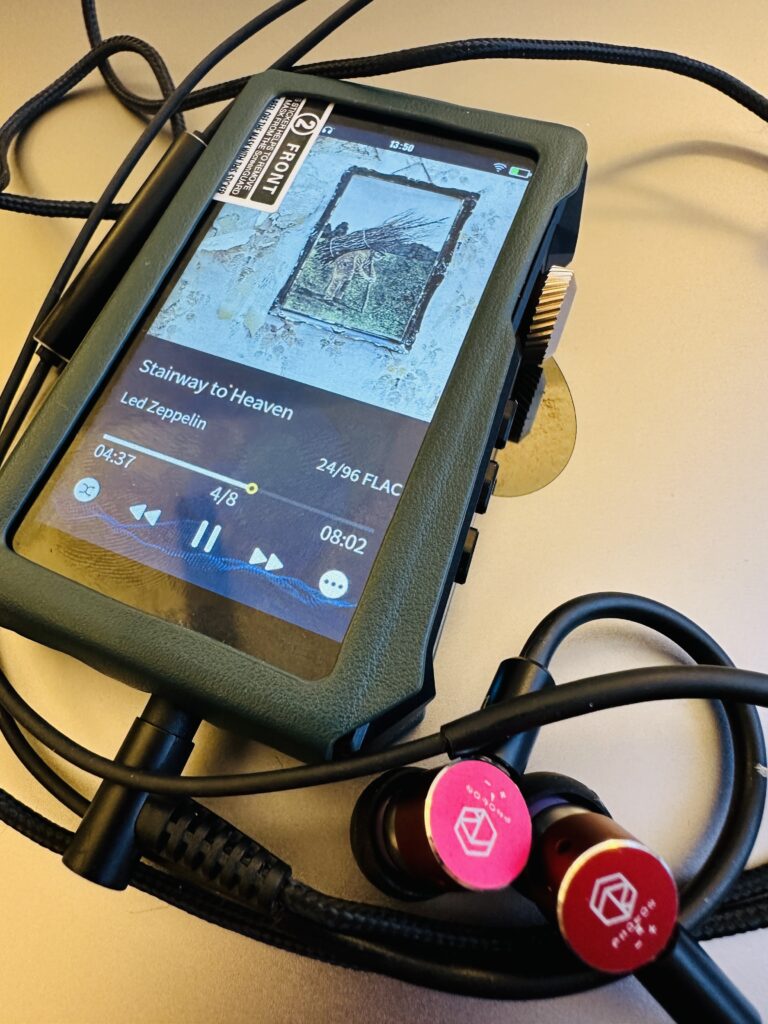
A modest combo, but still enjoyable. The Photon Pro doesn’t scale with the AP80 Pro Max’s full capability; the stage stays flat, and bass doesn’t dig deep. However, the midrange remains warm and natural, suitable for easy, everyday listening.
In short: not a technical match, but an honest and lightweight setup that’s perfect for casual use.
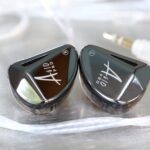
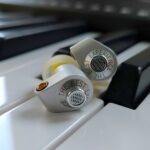
DITA Prelude
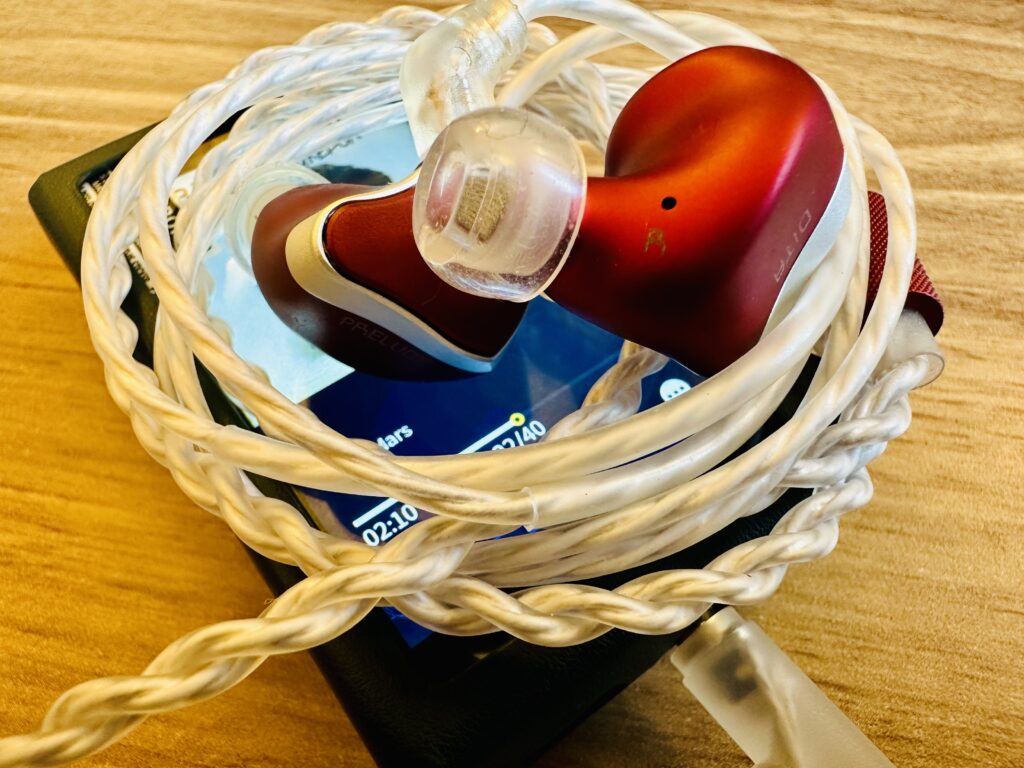
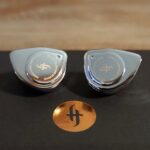
The Prelude shows the AP80 Pro Max at its most refined. Balanced output yields inky-black silence and razor-sharp layering. Acoustic textures bloom — guitars, strings, and pianos sound “wood and metal,” not “digital and glass.”
It’s neither warm nor cold — just right. A true reference-style synergy where transparency meets emotion. This pairing feels like a quiet studio evening, not a flashy demo.
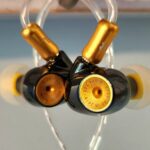
BQEYZ Winter II
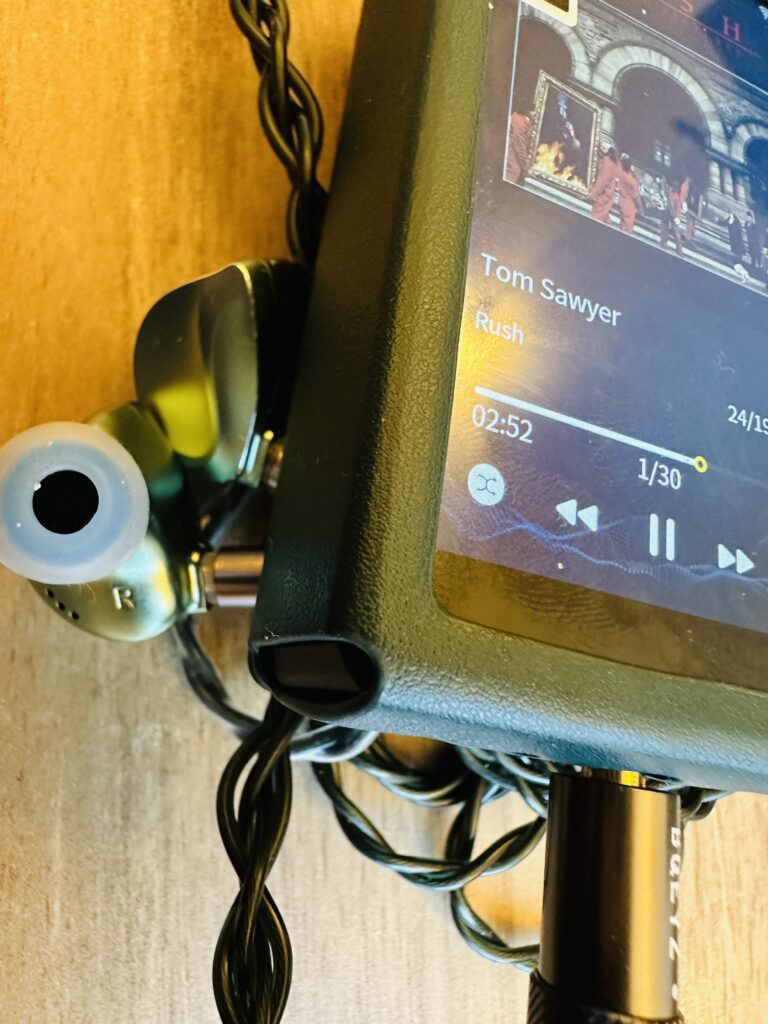
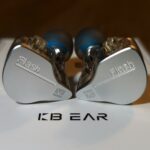
Winter II and AP80 Pro Max share a similar tonal discipline. Bass is tight, mids natural, and highs detailed but polite. Stage depth becomes three-dimensional, and complex mixes remain untangled.
For pop, rock, and fusion, it’s a clean, consistent pairing that shows off what this DAC/amp can do without overdoing it.
Tin HiFi T7
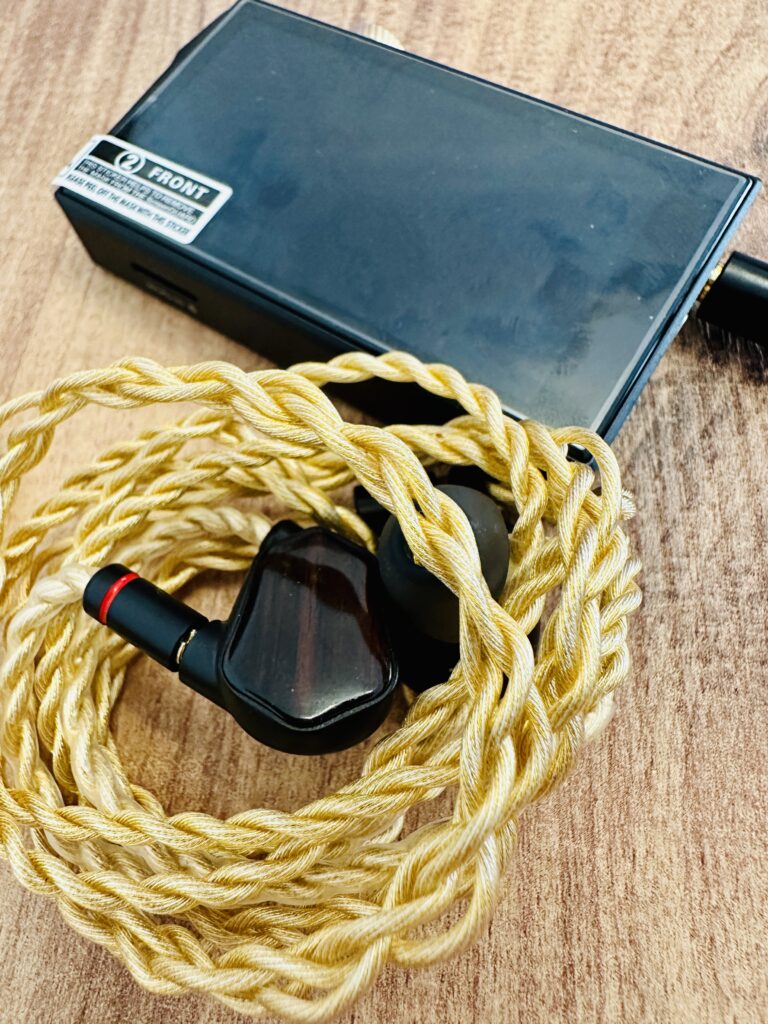
Even from the single-ended output, the AP80 Pro Max gives the T7 enough drive. The device’s precision slightly tames the T7’s metallic upper edge, smoothing the treble without losing detail.
This is a pairing for those who analyze mixes or prefer a studio-style sound — articulate, fast, and honest rather than emotional.
Pula Unicrom
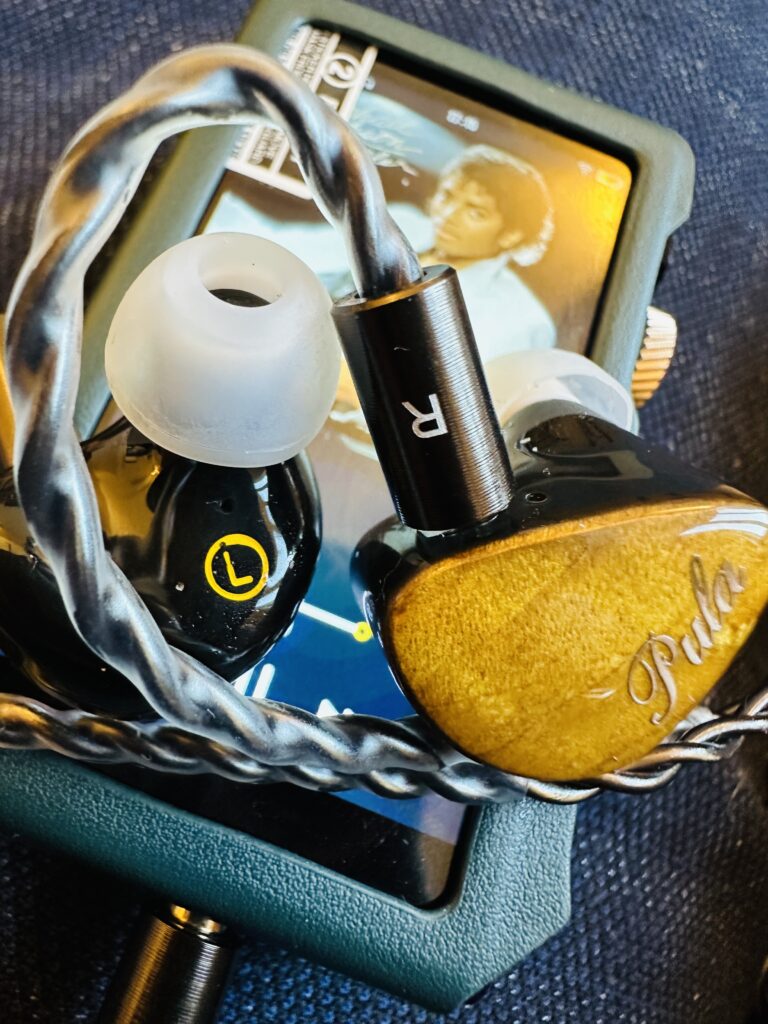
With the Unicrom, AP80 Pro Max delivers a warm, human presentation. Bass feels rounded but solid, mids carry a touch of warmth, and treble stays natural.
Balanced output opens up the stage, making instruments breathe more. Indie and vocal-heavy genres shine — there’s a sense of closeness and intimacy without losing clarity.
Hifiman Ananda v2
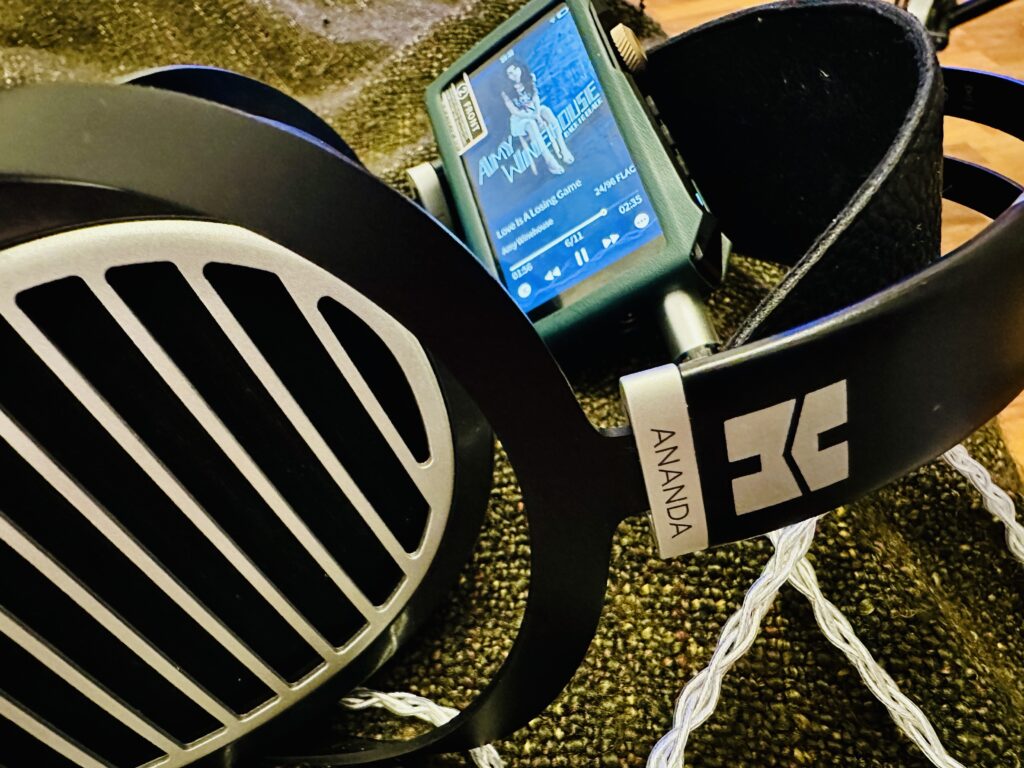
At first, I honestly got surprised; the volume came in higher than I expected, and there was bass too. For a moment you think, “Okay, it’s actually driving this planar.” But after a few seconds the picture shifts: the depth in the background starts to fade, the fine texture in the vocals thins out, and those little nuances inside the music stop blooming the way they should. The planar driver doesn’t open up; the space between instruments narrows, and details that should shine with their own air end up feeling a bit flattened. So the power is there, but the control isn’t; the sound comes out, but that “true planar feeling” does not.
Pros
- Compact size but surprisingly mature, stable and clean sound
- Balanced output adds real depth and authority
- Fast, responsive HiBy OS with no glitches or playback gaps
- Very low noise floor, even with sensitive IEMs
- Good synergy with many mid-tier IEMs (FORCE, Prelude, S12, Winter II)
- Clear, airy, detailed treble without harsh Sabre glare
- Bass is tight and well-controlled; no bloat or bleed
- Refined imaging and separation for its size
- Strong build quality with a premium-feeling volume wheel (ALPS encoder)
- Hidden audio settings allow fine tuning without ruining neutrality
- Bluetooth LDAC performance is stable and clean for a small device
- Excellent as a portable USB DAC with true bit-perfect mode
️ Cons
- Power is almost the same as the AP80 Pro-X despite claims of upgrades
- Can’t fully drive planars to their true quality (power is enough; refinement isn’t)
- Dynamics and stage depth plateau with demanding IEMs
- Screen is small for long library navigation
- UI is clean but looks dated compared to modern Android DAPs
- MSEB changes can introduce slight digital softness if pushed too far
- Battery life is decent but not outstanding on balanced output
- Sound signature leans analytical; warmth-lovers may want more body
Conclusion of Hidizs AP80 Pro Max Review
The Hidizs AP80 Pro Max stands as one of the most refined mini DAPs in its class and an obvious upgrade to the its father AP80.
Interface: fluid, responsive, intuitive.
Output power: far beyond expectations.
Balanced port: transforms soundstage and control.
It’s not colored, not flashy — just quietly competent. Best synergy? Tanchjim x Effect Audio FORCE for emotion and DITA Prelude for technical finesse. The Letshuoer S12 offers a lively balance, while the BQEYZ Winter II sits at that daily-driver sweet spot.
Small form factor, serious sound. The AP80 Pro Max doesn’t try to impress — it simply performs AP80 Pro Max DAP — exploring its design, sound, hidden settings, and real-world pairing with IEMs like Tanchjim FORCE, DITA Prelude, and Letshuoer S12.




No Comment! Be the first one.