





















































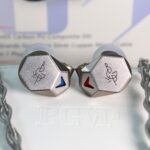

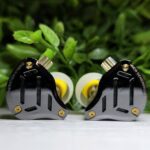
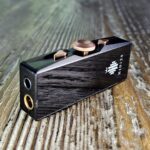




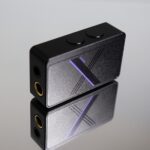








































After several weeks of listening with different IEMs and portable headphones, the Yuki’s personality became very clear.
Table Of Content
- Preface
- Build Quality and Design
- Technical Specifications
- Features and Usability
- Sound Signature
- Low Frequency Behaviour
- Midrange Behaviour
- Treble Behaviour
- Dynamics and Spatial Reconstruction
- Power and Driving Capability
- Power Consumption and Thermal Behaviour
- Comparisons
- Hidizs S9 Pro Plus
- iFi GO Link Max
- xDuoo Link2 Max
- BASN PA60
- Final Considerations
- Conclusions
- VOTE
- 🟢 Pros
- 🔴 Cons
- Q&A
- Acknowledgements
- Where to Buy
Preface
The dongle DAC market has become a real jungle over the last few years. Every month something new appears, often built around the same architecture: the same DAC chip, the same integrated amplification stage and, in many cases, a sound that only changes by small nuances.
It’s a segment full of good products, but also incredibly homogeneous.
Aune decided to play a slightly different game.
Yuki is the company’s first dongle, but it comes from a brand that certainly didn’t appear yesterday. Over the years Aune built a solid reputation in the world of desktop DACs and headphone amplifiers, products that often show a recognizable sonic identity and a strong focus on analog design.
When I first saw the Yuki I had an immediate and curious impression. It didn’t look like the typical dongle designed to impress with technical numbers. Instead, it felt more like an attempt to compress a certain Hi-Fi design philosophy into something that fits in the palm of your hand.
And once you look beneath the surface, the project is far from ordinary.
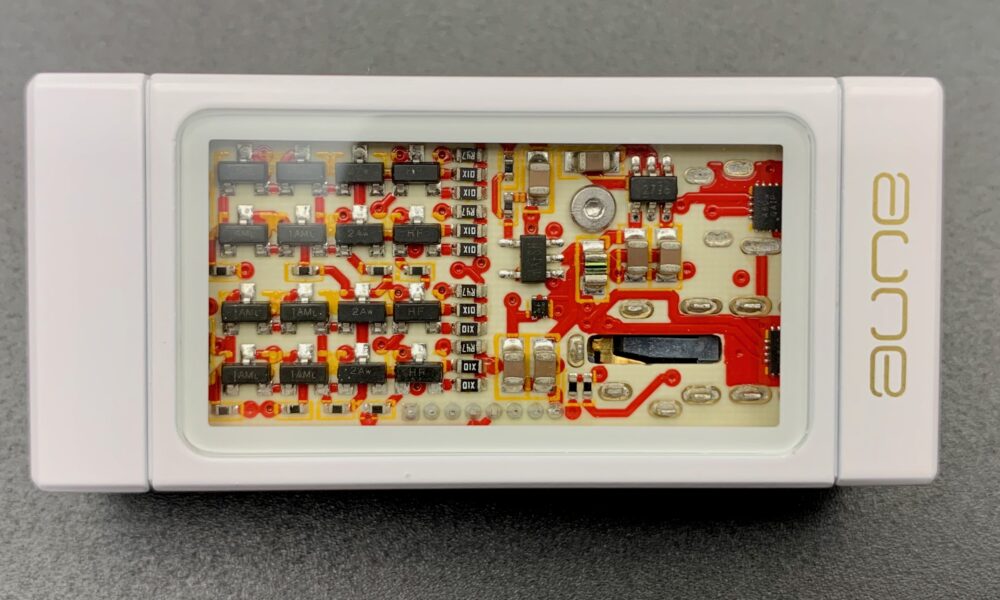
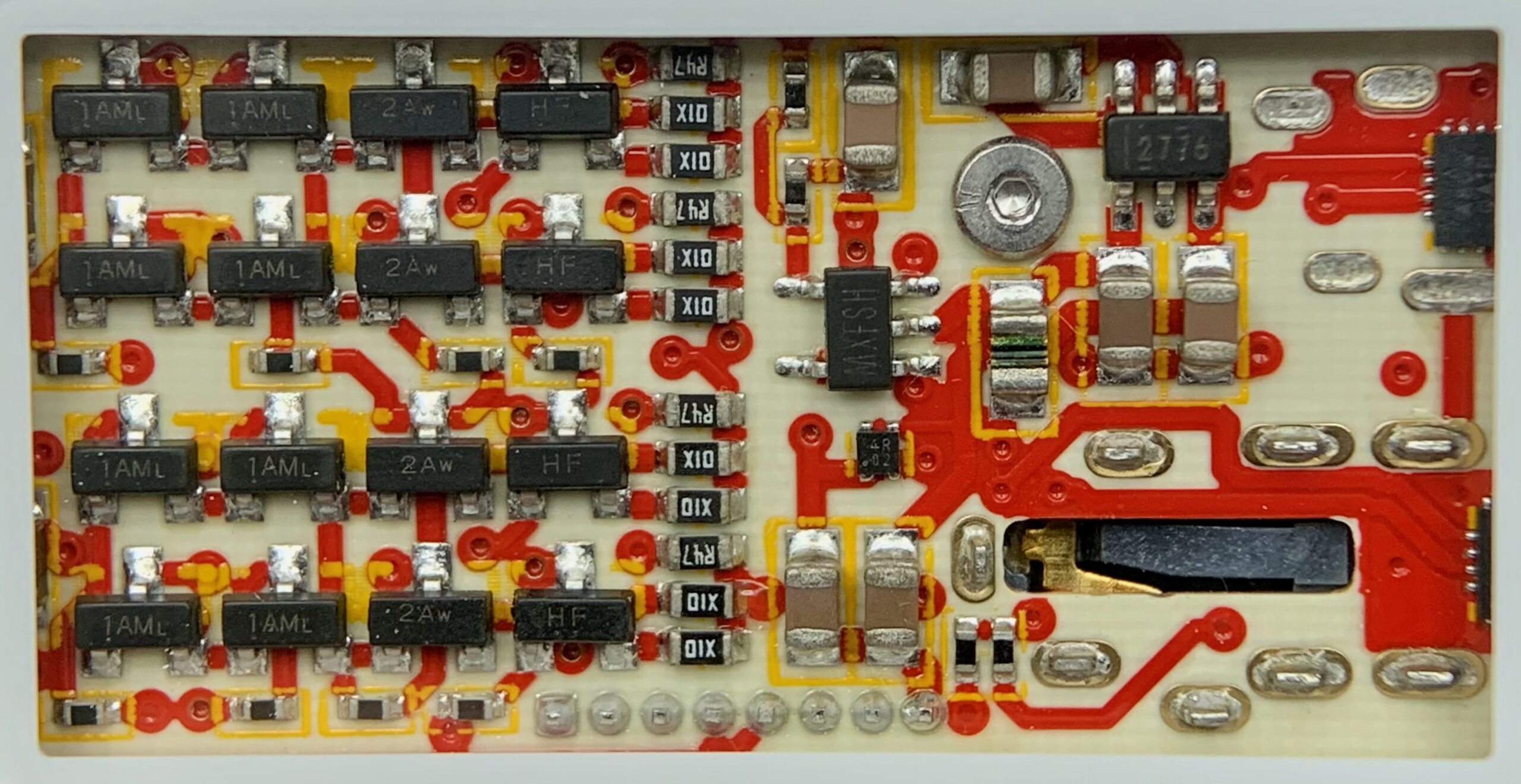
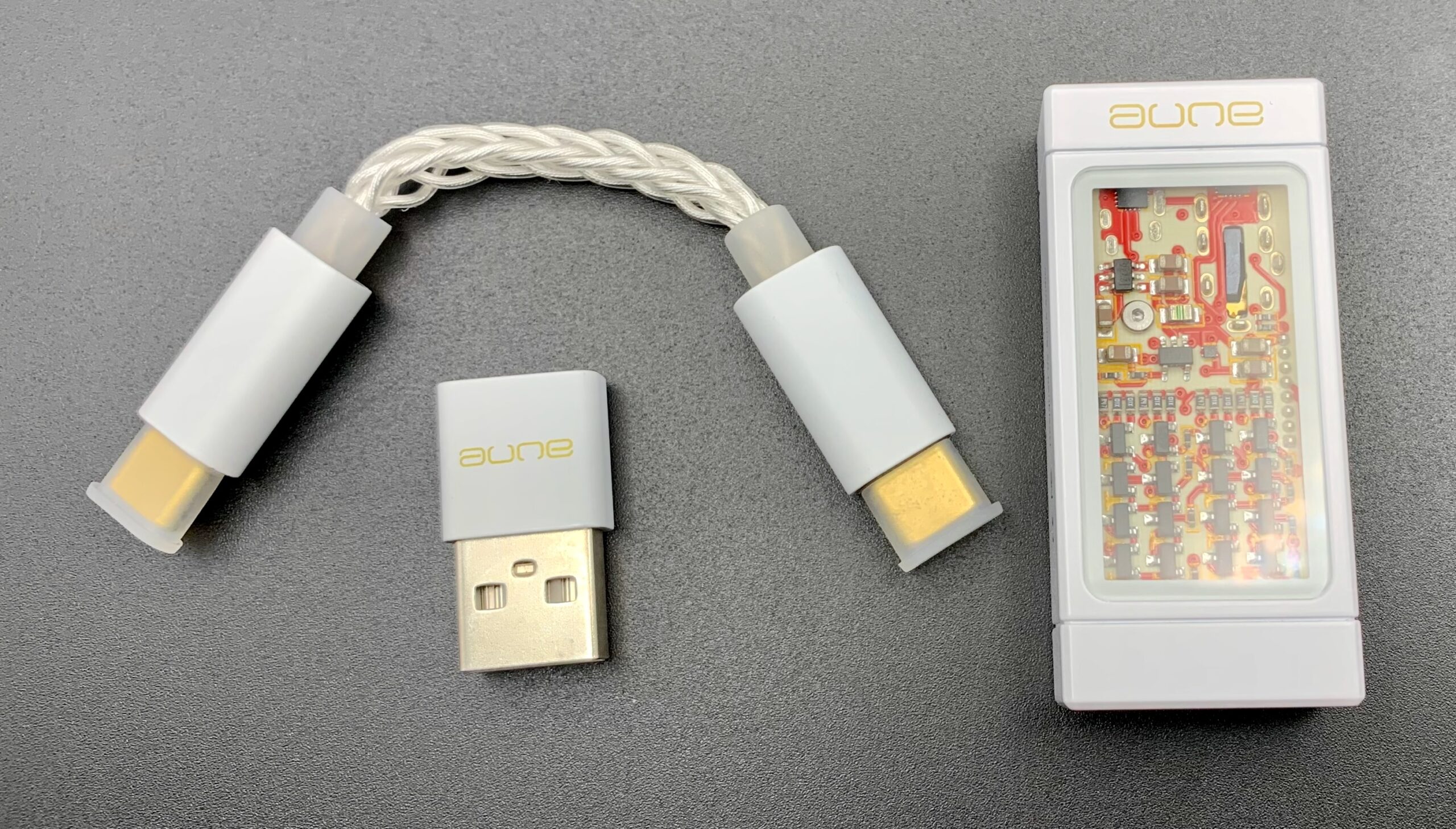
Aune built the platform around a dual Cirrus Logic CS43198 DAC, but more importantly they paired it with a discrete amplifier stage made of sixteen transistors arranged in a four-way balanced configuration. On paper alone, this is already more ambitious than what we usually see in this category.
At this point I always like to stop for a moment and repeat something I often say when talking about DACs.
I’ve never considered the DAC chip the real key element of sound quality. It matters, of course, but the real character of a device comes from everything around it: power supply design, analog stage, circuit layout and overall implementation.
The chip alone doesn’t define the final sound.
Once again, with the Yuki I found confirmation of this idea.
When a project is carefully designed as a whole, even components used in many other devices can behave very differently.
At least on paper, that’s exactly the direction the Yuki seems to take. It’s not the usual minimalist dongle built around a single integrated chip. It’s a small Hi-Fi project trying to bring a more ambitious architecture into a pocket-sized format.
So the question becomes inevitable.
Is the Yuki truly one of those devices that can stand out in a saturated market, or is it simply a beautifully designed object hiding a more conventional substance?

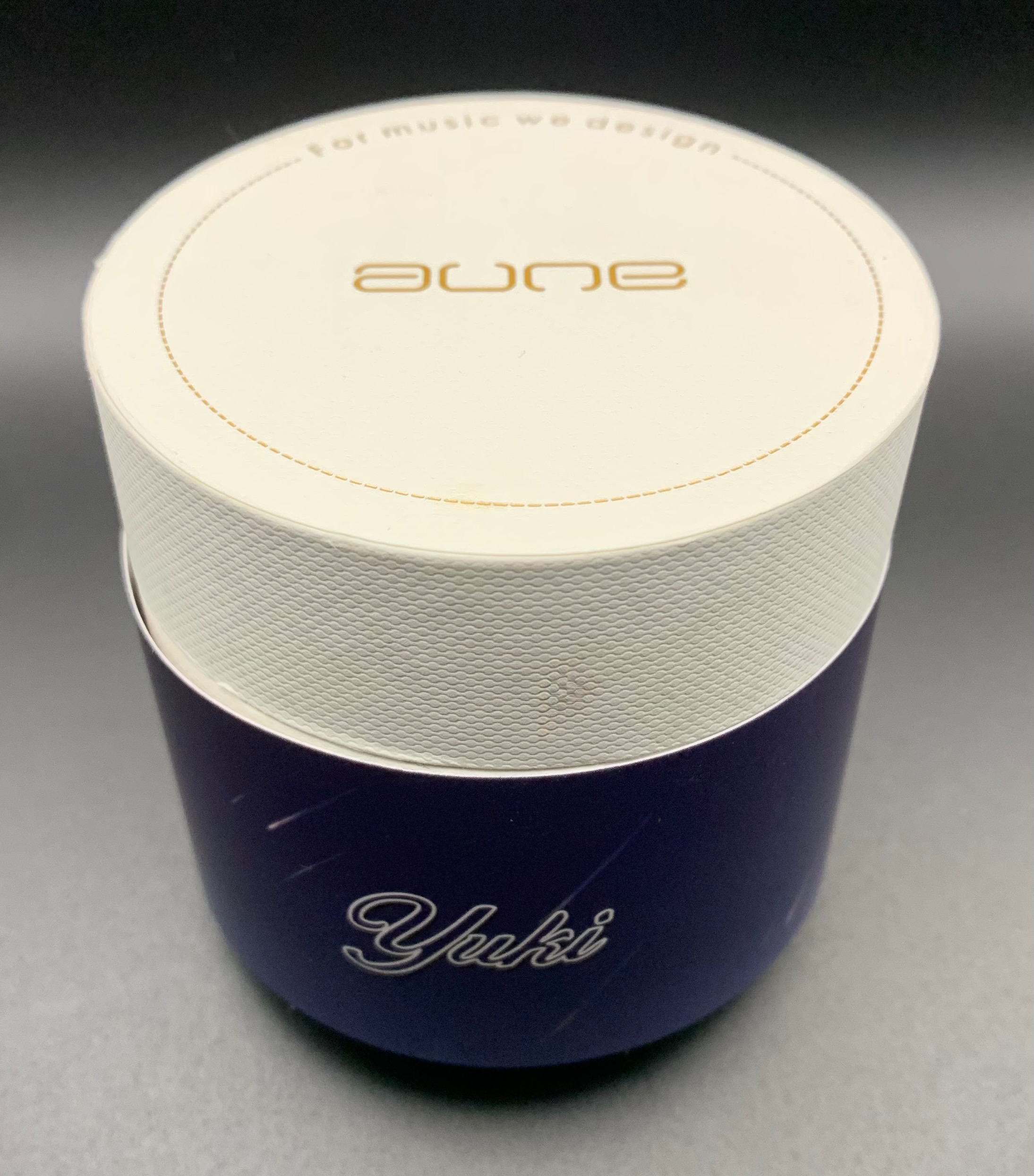
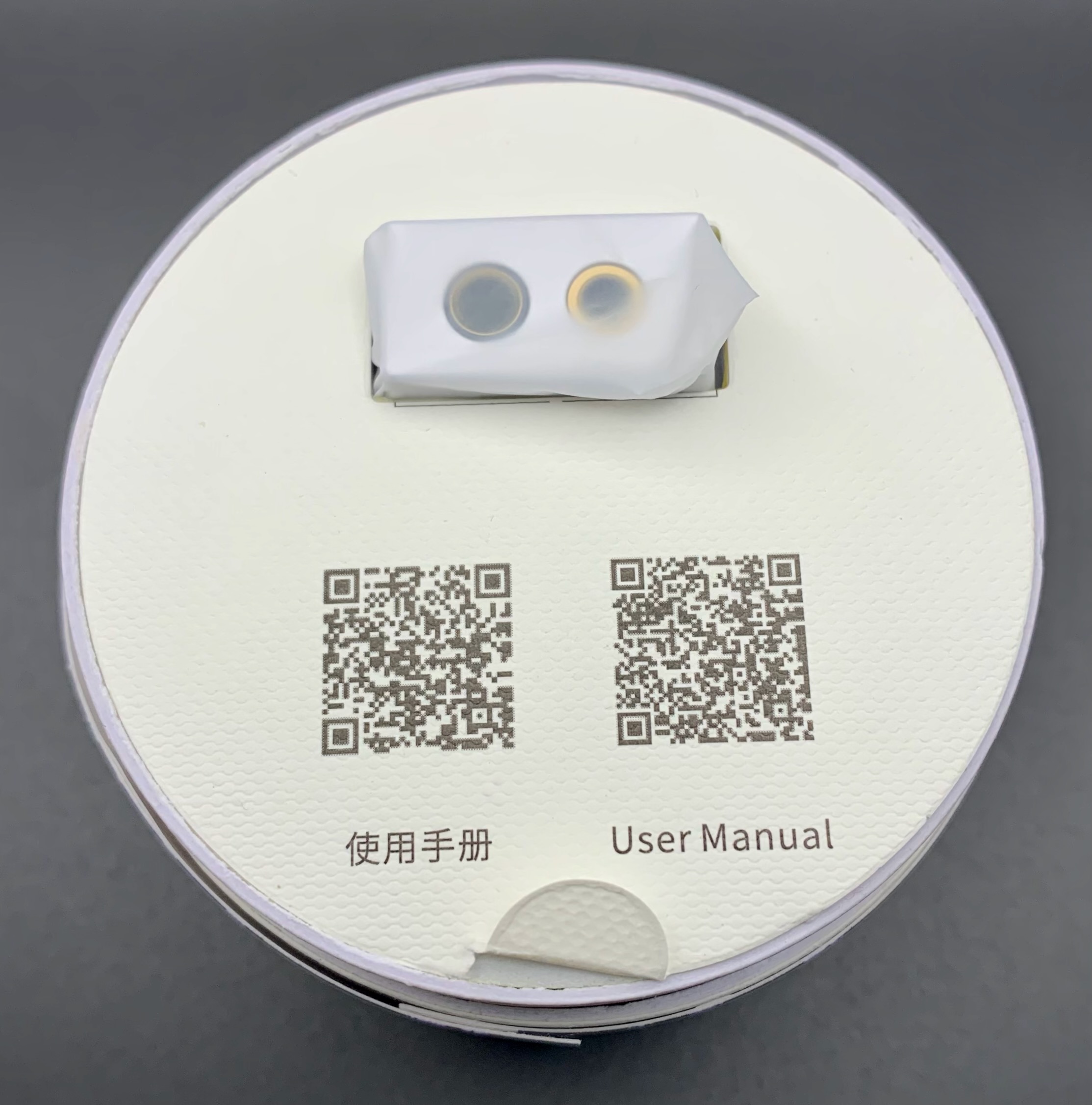
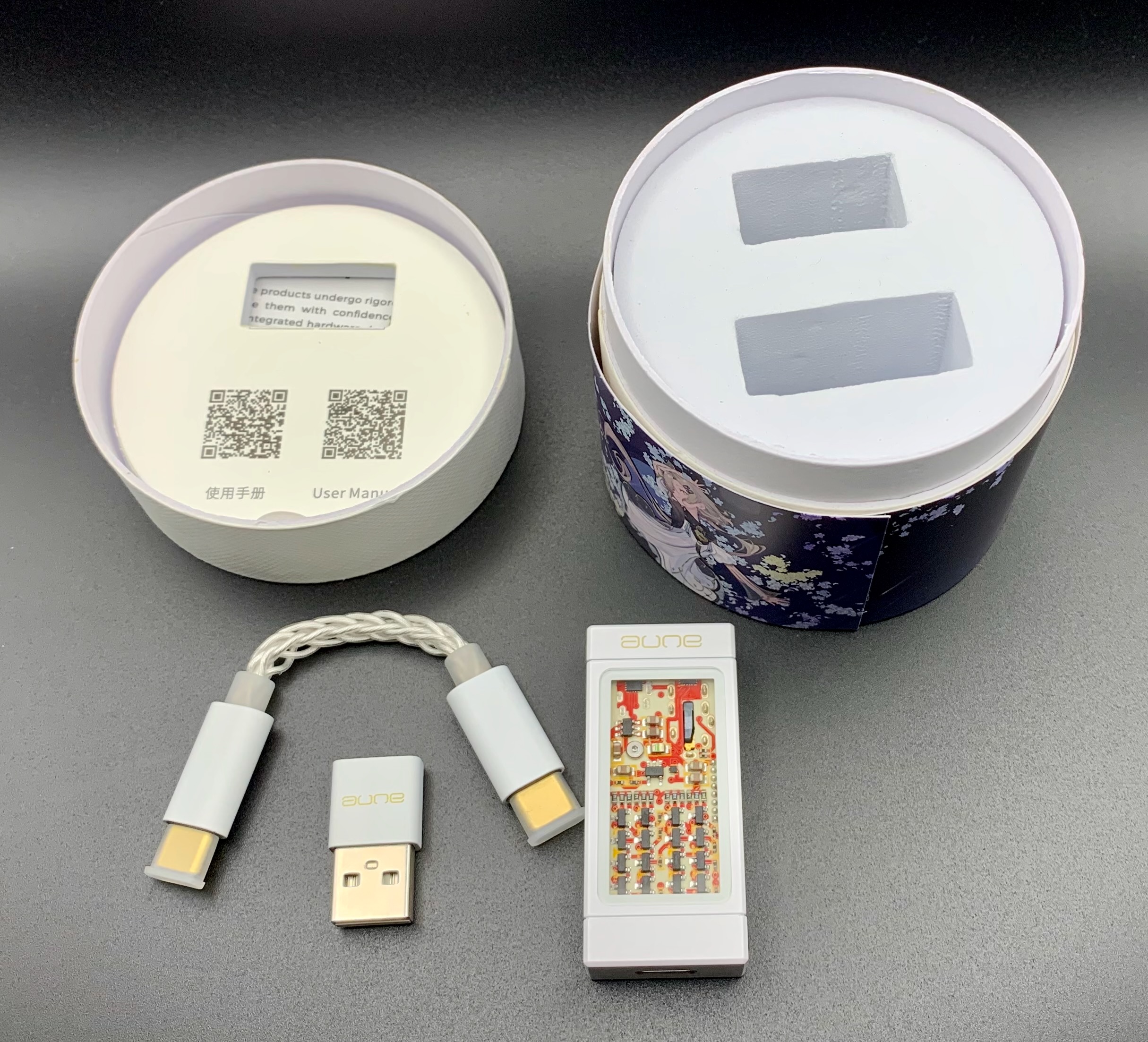
Build Quality and Design
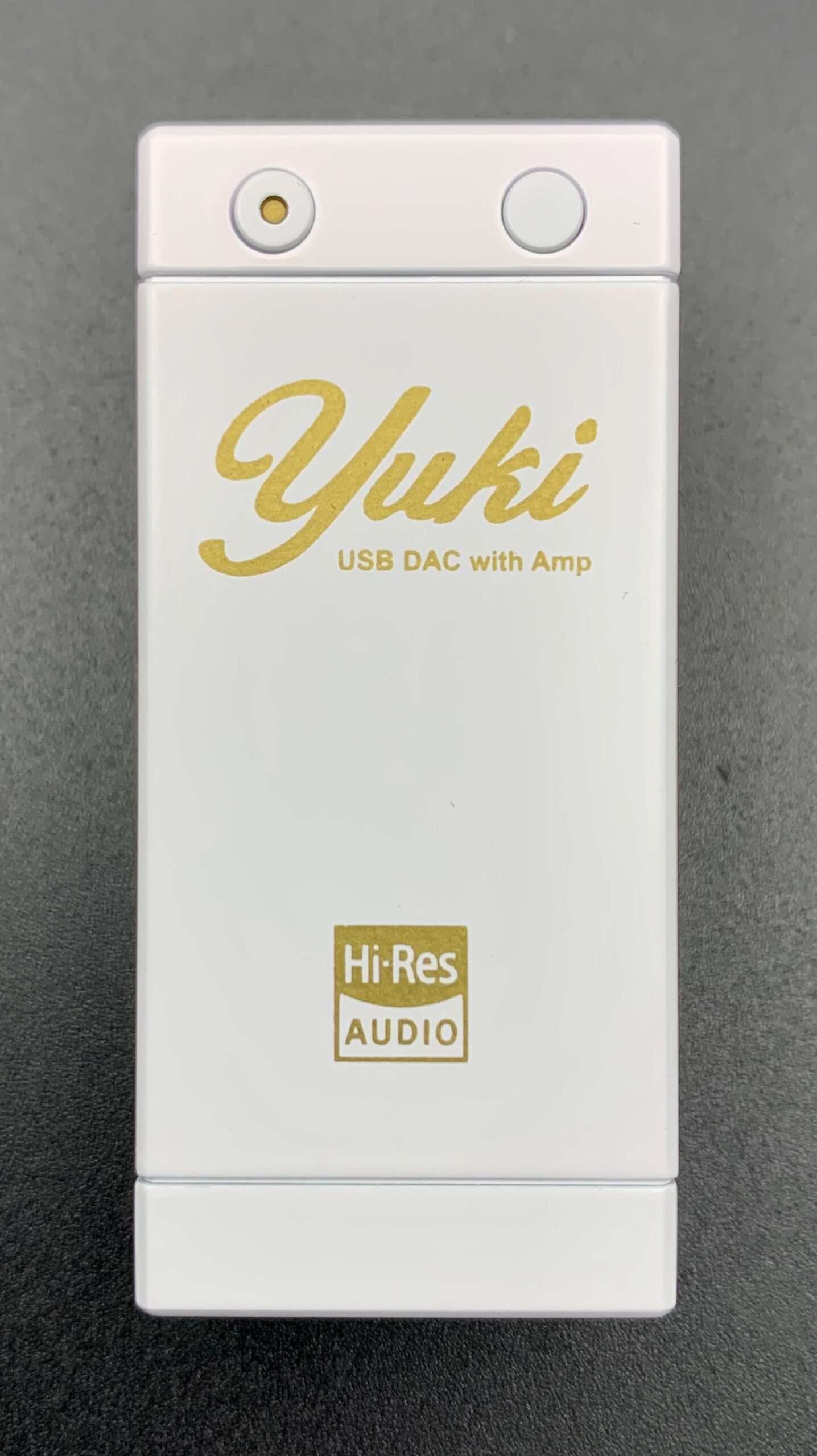
If there’s one aspect where the Yuki immediately stands out, it’s the design.
Most dongle DACs rely on anonymous black aluminum shells. Aune chose something far more distinctive.
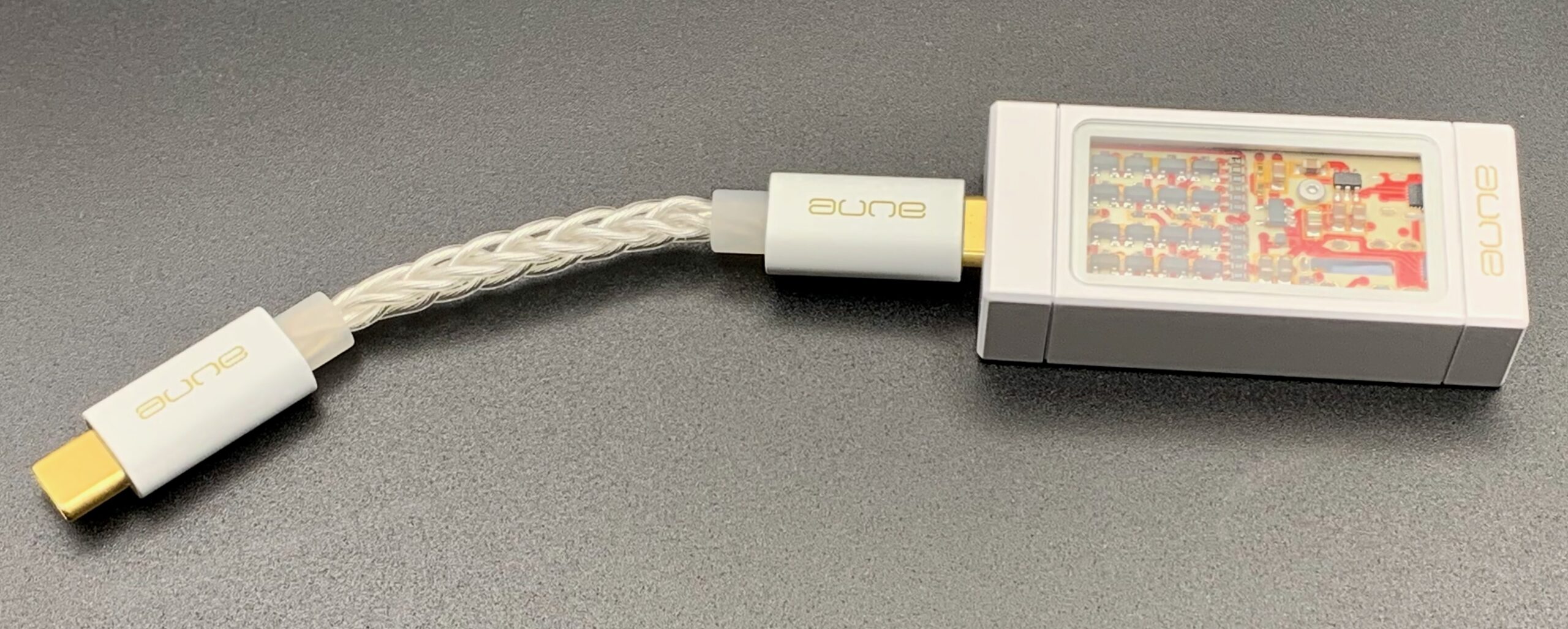
The body uses a white aluminum alloy chassis and features a large glass window that reveals the internal amplifier section. This is not just an aesthetic detail. The circuit actually sits on two separate layers: one dedicated to digital conversion and the other to analog amplification.
This dual-layer structure represents one of the key elements of the project.
The upper level hosts the DAC and the digital section, while the lower layer contains the discrete amplifier stage. This separation helps reduce interference between digital and analog circuits and improves signal purity.
Build quality feels excellent.
The chassis is compact and well finished, measuring about 53.5 × 24 × 13 mm and weighing roughly 26 grams, perfectly in line with mid-to-high-end portable dongles.
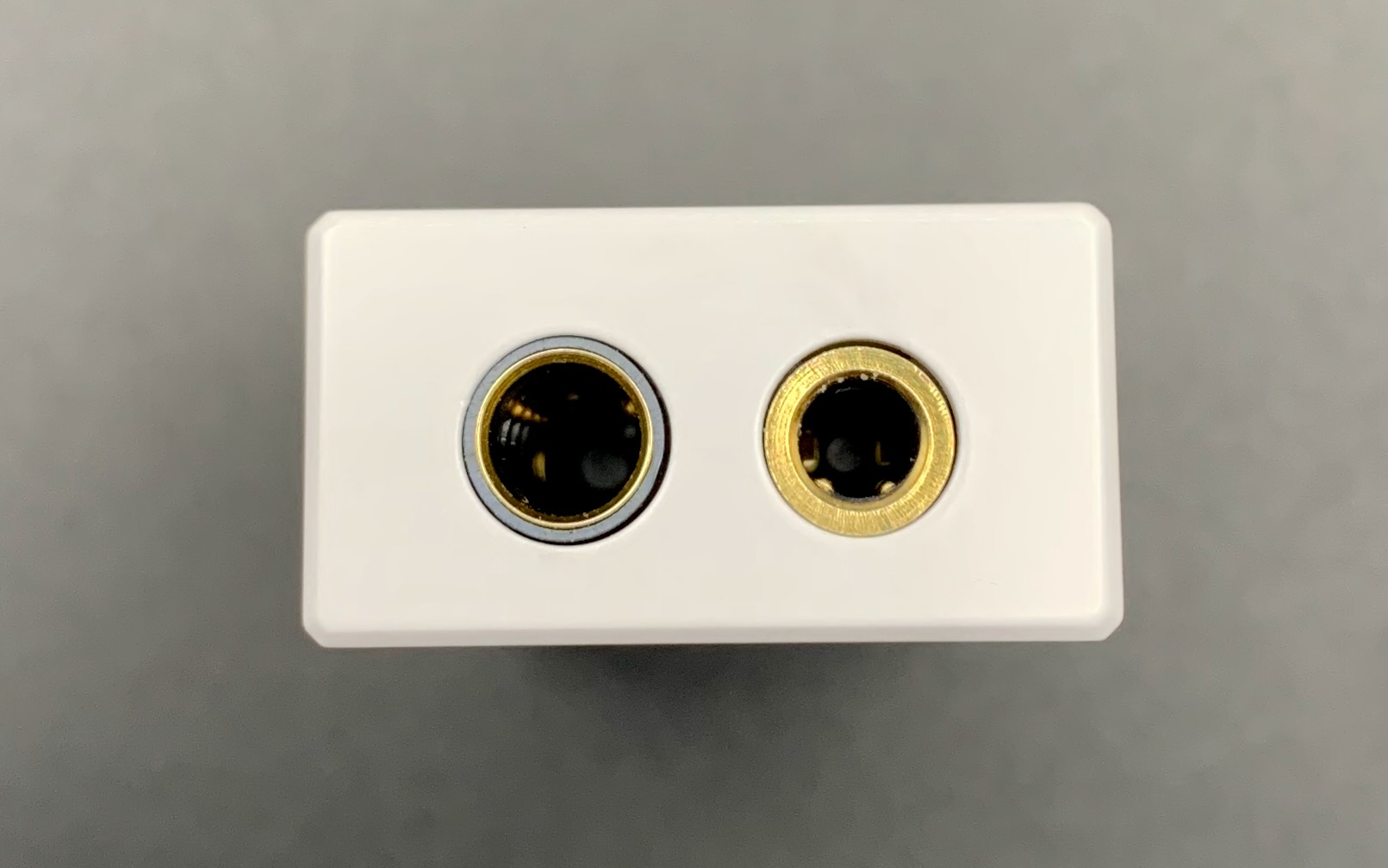
At the bottom we find the two headphone outputs:
3.5 mm single-ended
4.4 mm balanced
Both use gold-plated metal connectors.
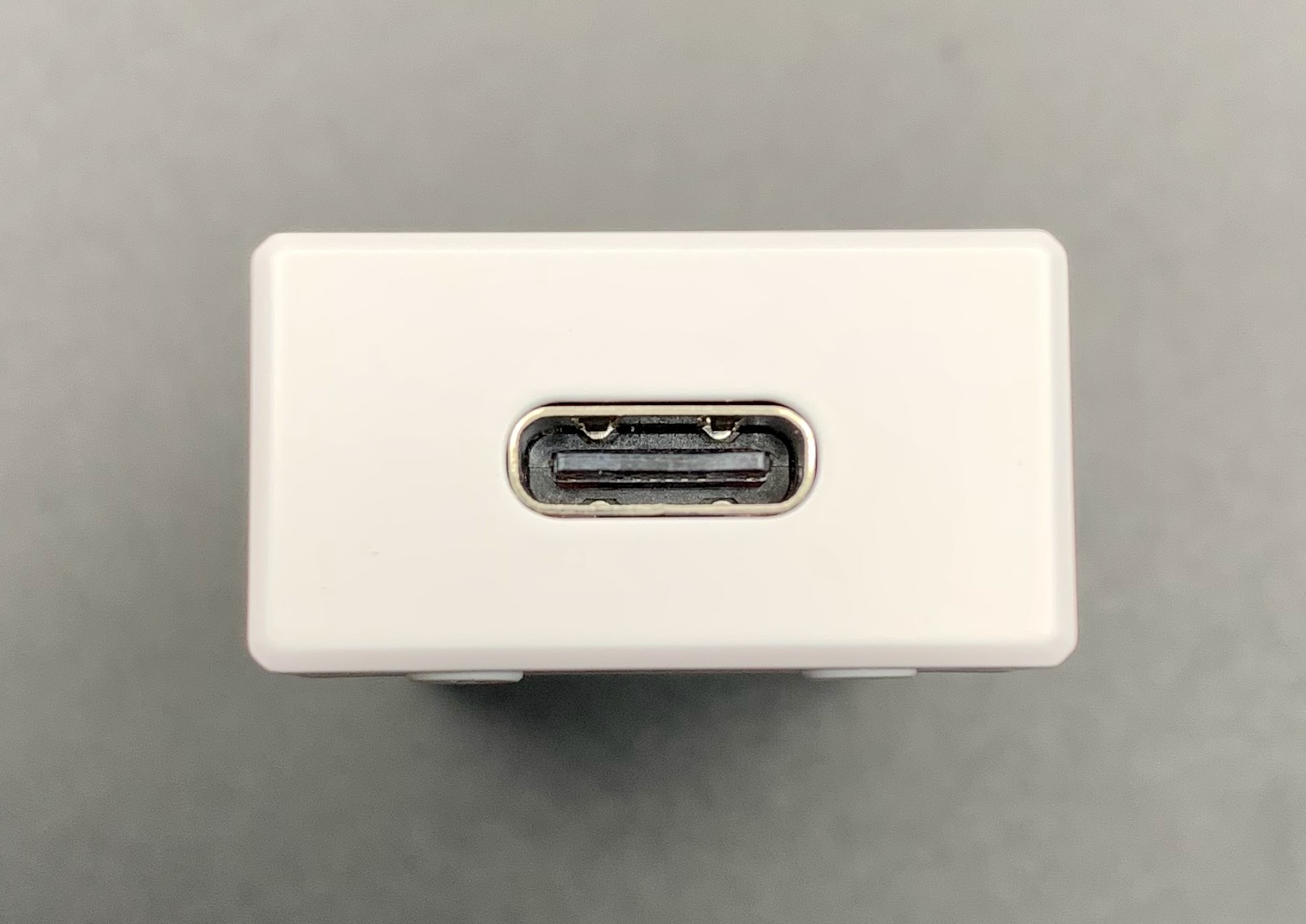
On the top sits the USB-C port, while the rear panel hosts two physical buttons used for volume control, gain selection and system functions.
This placement isn’t perfect. The rear buttons can feel slightly awkward during daily use, especially when the dongle is connected to a phone or resting on a desk. At the same time it’s easy to understand why Aune made this choice considering the internal layout.
Overall build quality remains excellent and the Yuki stands as one of the most visually distinctive dongles currently on the market.
Technical Specifications
From a technical standpoint the Yuki is surprisingly sophisticated for a dongle.
Digital conversion relies on two Cirrus Logic CS43198 DACs running in a dual-mono configuration. This solution improves channel separation and dynamic performance compared to a single DAC implementation.
The CS43198 is widely used in mid-to-high-end portable DACs because it combines very low distortion with an extremely low noise floor.
Main specifications
| Parameter | Specification |
| DAC | Dual Cirrus Logic CS43198 |
| PCM resolution | up to 32bit / 768 kHz |
| DSD support | up to DSD256 |
| Amplification | 4-way discrete balanced amplifier |
| Transistors | 16 transistors in a 4 × 4 configuration |
| Output power 3.5 mm | 90 mW @ 30 Ω |
| Output power 4.4 mm balanced | 160 mW @ 30 Ω |
| Output noise SE | 2.6 μV |
| Output noise BAL | 2.9 μV |
| THD+N | around 0.00033 % |
| Output impedance | 1 Ω |
These numbers describe a very clean electrical platform, with extremely low noise and distortion levels.
Another interesting element is the use of hybrid ceramic PCB technology, chosen to improve heat dissipation and reduce high-frequency losses inside the circuit.
Specifications like these usually belong to higher-end desktop equipment rather than small portable dongles.
Features and Usability
From a usability standpoint the Yuki follows a very simple philosophy: plug it in and start listening.
The dongle works in plug and play mode with virtually any modern source. During my tests I used it without issues with Android and Apple smartphones, tablets and computers running both Windows and macOS.
No special drivers are required, except for very old Windows systems.
Aune implemented support for both USB Audio Class 2.0 and USB Audio Class 1.0.
UAC 2.0 handles high resolution playback, while UAC 1.0 allows the dongle to work with devices that only support the older standard. This turns out to be more useful than it might sound at first. It allows the Yuki to run with certain portable consoles and even the PlayStation 5.
For anyone using good headphones while gaming, this is definitely not a minor detail.
Another feature I appreciated is the independent hardware volume control. You can adjust the level directly from the dongle in addition to the source device. This makes it easier to fine-tune output power, especially when using very sensitive IEMs.
The Yuki also offers two gain levels.
You activate high gain by pressing both volume buttons at the same time. This mode increases output power and helps when driving more demanding headphones.
It’s a simple feature, but extremely useful. It allows the dongle to adapt to different headphones without complicating everyday use.

Sound Signature
Before going deeper into specific frequency ranges, it’s worth describing the overall character of the Yuki.
The first thing that stands out is the sense of cleanliness.
This isn’t the typical dongle that tries to impress with boosted bass or artificial warmth. From the very first minutes of listening the presentation feels far more controlled and transparent.
The music becomes extremely easy to read.
The signal comes through with almost surgical clarity, but without becoming cold or sterile. Instead the soundstage feels structured and well organized, allowing each element of the recording to find its own space.
Aune clearly didn’t try to create a strong coloration.
The Yuki doesn’t sweeten the signal and doesn’t attempt to romanticize the music. Its goal seems much simpler: deliver the recording as directly as possible.
The result lands in a neutral-to-bright tuning.
This doesn’t translate into an aggressive sound. Instead it creates a presentation that feels open, airy and very informative.
Micro detail emerges easily. Transients sound quick and well defined. Instrument separation remains very clear.
In other words the Yuki prioritizes transparency and analytical clarity over warmth or euphonic coloration. Despite its analytical nature, the Yuki still manages to retain a natural and slightly organic presentation.
Because of this character it pairs particularly well with technical IEMs, studio-oriented monitors and headphones that already carry their own musicality. Those types of transducers benefit the most from a source capable of revealing the fine details of a recording.
Low Frequency Behaviour
The Yuki handles the lower part of the spectrum with a very clear philosophy: control and precision over emphasis.
It doesn’t try to add extra weight to the signal and it doesn’t chase the kind of bass impact that immediately grabs attention. Instead the low-end feels disciplined and well structured, providing a stable foundation for the rest of the spectrum.
The DAC reproduces the lower register with excellent composure. The signal remains clean and focused, avoiding the kind of thickness that sometimes masks midrange information in less refined implementations.
This approach helps maintain clarity across the entire presentation. The low frequencies support the structure of the mix without pulling the listener’s attention away from the rest of the music.
The result is a low-end that feels solid, controlled and well integrated rather than dominant.
Midrange Behaviour
The midrange probably reveals the most distinctive quality of the Yuki: transparency.
This portion of the spectrum comes through with remarkable linearity. Harmonic structures remain intact and the DAC doesn’t seem to introduce noticeable coloration or emphasis.
Instead it delivers the information contained in the recording with a very clean and neutral presentation.
That clarity makes it easier to follow different musical layers inside complex arrangements. Individual lines remain intelligible and the mix rarely collapses into a congested presentation.
Rather than pushing certain elements forward, the Yuki focuses on maintaining balance and readability.
This approach may not immediately impress listeners looking for a warm or romantic presentation, but it rewards careful listening with a high level of detail and accuracy.
Treble Behaviour
The upper register plays a major role in shaping the overall openness of the Yuki.
Here the DAC shows an impressive ability to extract fine information from the recording. Small nuances and micro details emerge easily, contributing to an airy and well-ventilated presentation.
At the same time the treble remains well controlled.
The Yuki doesn’t chase artificial sharpness in order to appear more detailed. Instead it maintains a natural extension toward the top of the spectrum while keeping harmonic structures clean and coherent.
This balance between extension and control helps avoid the harshness that sometimes characterizes overly analytical sources.
As a result the presentation stays bright and informative without becoming fatiguing.
Dynamics and Spatial Reconstruction
One of the most interesting aspects of the Yuki lies in how it handles spatial reconstruction.
This is not a dongle that tries to impress with an artificially expanded stage or exaggerated spatial effects. Instead it focuses on coherence and precision in the way the mix unfolds in space.
Elements inside the stereo field appear well organized.
Different layers of the recording maintain a clear hierarchy and separation remains stable even during complex passages. Rather than stretching the soundstage beyond realism, the Yuki concentrates on maintaining structural clarity.
Depth is not exaggerated, but it feels convincing enough to create a believable sense of three-dimensional space.
The most striking element is the stability of the stereo image. Sound sources remain firmly positioned and the center image stays solid, which contributes to an overall presentation that feels very easy to follow.
Dynamic behaviour follows the same philosophy.
The Yuki responds quickly to variations in intensity and reproduces microdynamic contrasts with good precision. It doesn’t push dynamics in a spectacular way, but it delivers changes in energy with speed and control.
That behaviour fits perfectly with the overall design philosophy of the device.
The dual DAC architecture and the discrete amplifier stage likely play an important role in creating this sense of order, stability and precision across the entire presentation.
Power and Driving Capability
On paper the Yuki sits in the middle of the dongle DAC power spectrum.
The official specifications indicate 90 mW from the 3.5 mm output and 160 mW from the 4.4 mm balanced output. Numbers like these may not look particularly impressive when compared to some recent dongles that focus heavily on raw power.
In real use, however, the perceived driving power feels stronger than the numbers might suggest.
The Yuki delivers good energy and control, especially when the high gain mode is activated. Output volume increases smoothly and the device maintains a stable and controlled response even at higher listening levels.
During my listening sessions I never reached maximum volume when using moderately demanding headphones through the 4.4 mm balanced output, which suggests that the real-world power reserve is more than adequate for many portable scenarios.
With most IEMs the Yuki operates effortlessly. The noise floor stays extremely low and power control remains precise even with very sensitive monitors.
When moving to over-ear headphones, particularly some planar designs, the situation changes slightly. In these cases the high gain mode can become useful in order to maintain a comfortable dynamic margin.
The Yuki can still drive relatively efficient headphones without major problems, but it clearly wasn’t designed to tame extremely demanding loads.
And honestly that was never the goal.
Within the context of a device meant for portable listening and for pairing with IEMs or efficient headphones, the available power fits perfectly with the philosophy behind the project.
Power Consumption and Thermal Behaviour
Power consumption is often overlooked when discussing dongle DACs.
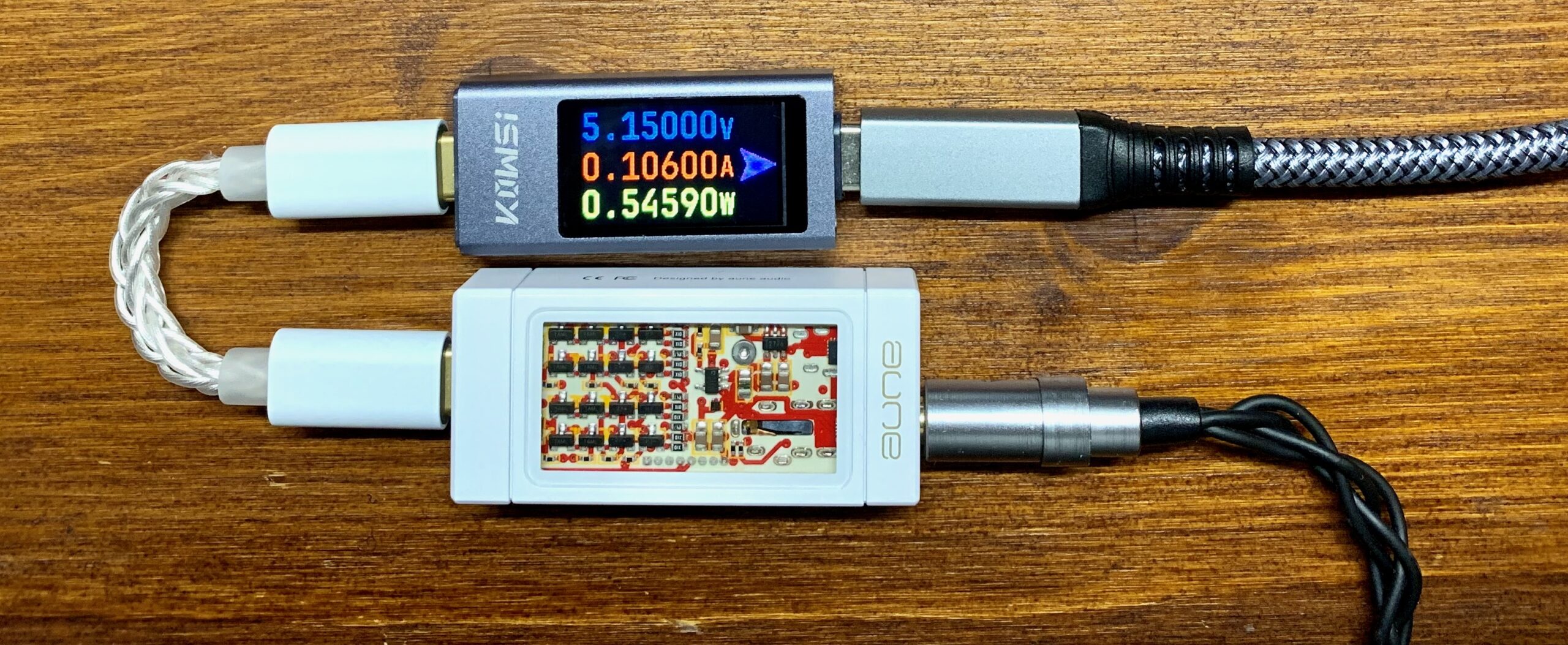
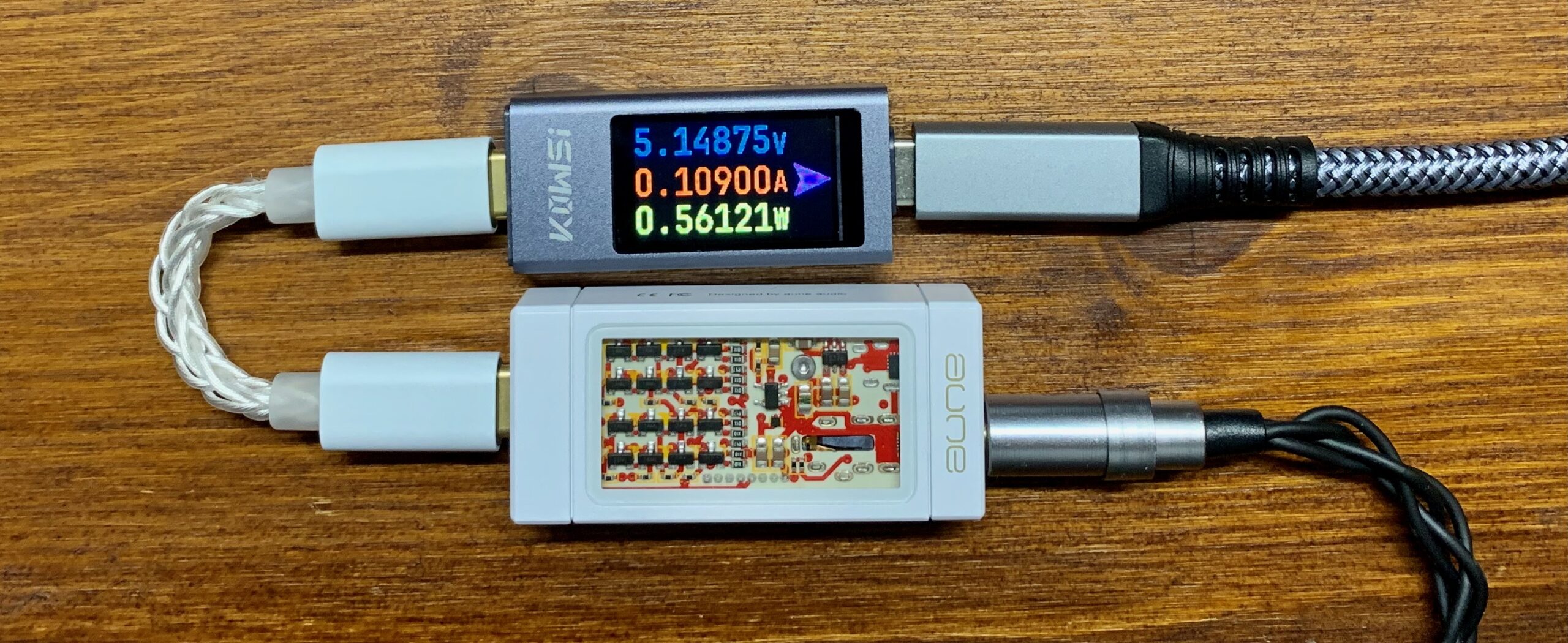
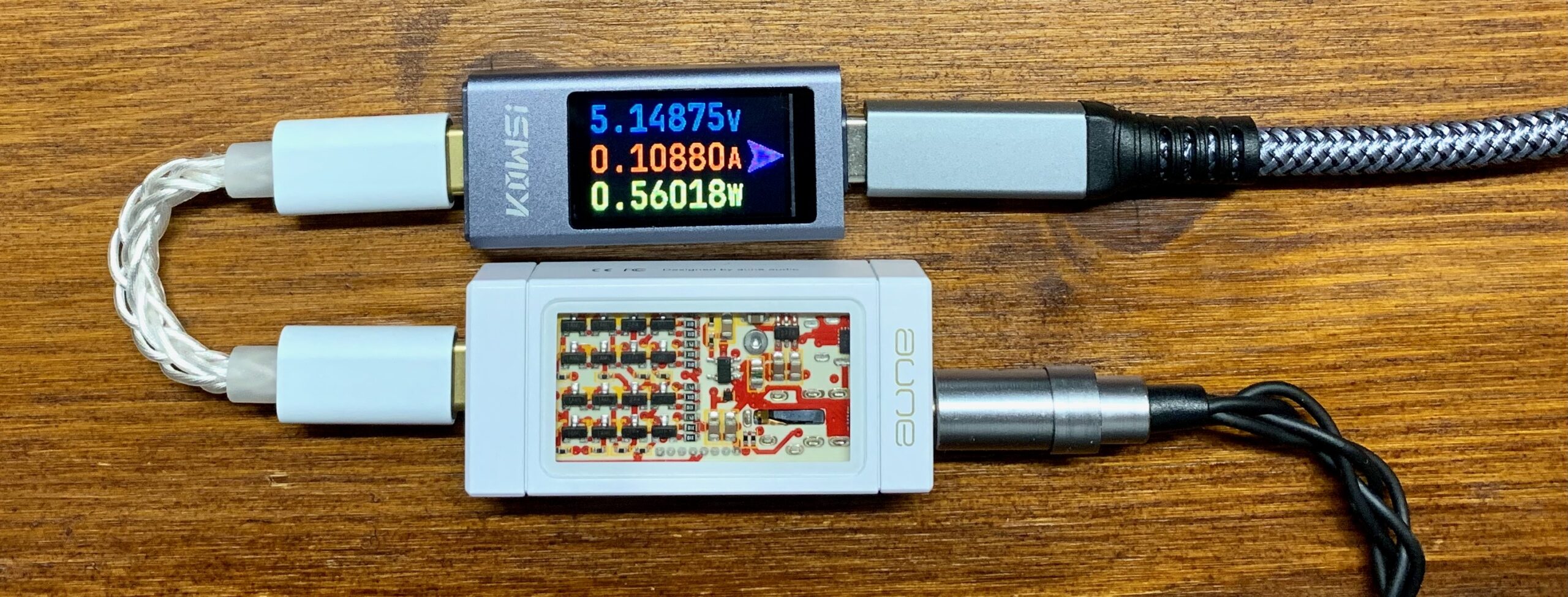
Since the Yuki doesn’t include an internal battery, it draws power directly from the connected device. That means energy consumption directly affects the battery life of a smartphone or tablet.
During use I had the impression that the Yuki consumes slightly more power than simpler dongles. This is something I expected from the start. The presence of a discrete amplifier stage and a more elaborate internal power design inevitably requires more energy than minimalist dongles based entirely on integrated solutions.
That impression also aligns with the general feedback circulating among users. The Yuki tends to sit slightly above the average in terms of power consumption, but still remains perfectly manageable in everyday listening.
In practical terms this means that smartphone battery life decreases noticeably during listening sessions, but it never becomes a real problem. Devices equipped with larger batteries can still deliver many hours of continuous playback.
Another aspect worth mentioning is temperature.
During longer listening sessions the chassis can become slightly warm, especially when using the balanced output. This behaviour is quite typical for dongles that use more complex amplification stages and shouldn’t raise any concerns.
Overall the power consumption remains reasonable considering the more ambitious architecture behind the device.
Comparisons
To better understand where the Yuki stands in the current dongle DAC landscape, I compared it with a few devices that occupy a similar price range or follow a comparable design philosophy.
Each of these dongles approaches portable audio from a slightly different angle.
Hidizs S9 Pro Plus

The Hidizs S9 Pro Plus probably represents the closest competitor in terms of price and market positioning.
The design philosophy between the two devices differs quite noticeably.
The Hidizs dongle focuses on immediate impact. Its presentation feels more energetic and forward. The low-end carries more presence and gives the music a slightly heavier foundation. As a result the overall sound comes across as more muscular and immediate.
The Yuki takes a more refined route.
Its low-frequency behaviour remains more controlled and disciplined. Instead of adding weight to the signal it concentrates on maintaining structural clarity.
Differences also appear in the midrange. The S9 Pro Plus delivers good clarity but presents the mix in a slightly more compact way. The Yuki tends to separate layers more clearly and reveals subtle details with greater ease.
Treble behaviour reflects the same contrast. The Hidizs remains lively and energetic, which can occasionally translate into a slightly sharper presentation. The Yuki maintains a more controlled brightness.
Soundstage construction also differs.
The S9 Pro Plus emphasizes impact and immediacy, while the Yuki organizes space more carefully, creating a cleaner sense of layering and structure.
The Hidizs may feel more fun and engaging at first listen. The Yuki rewards listeners looking for refinement and precision.
iFi GO Link Max
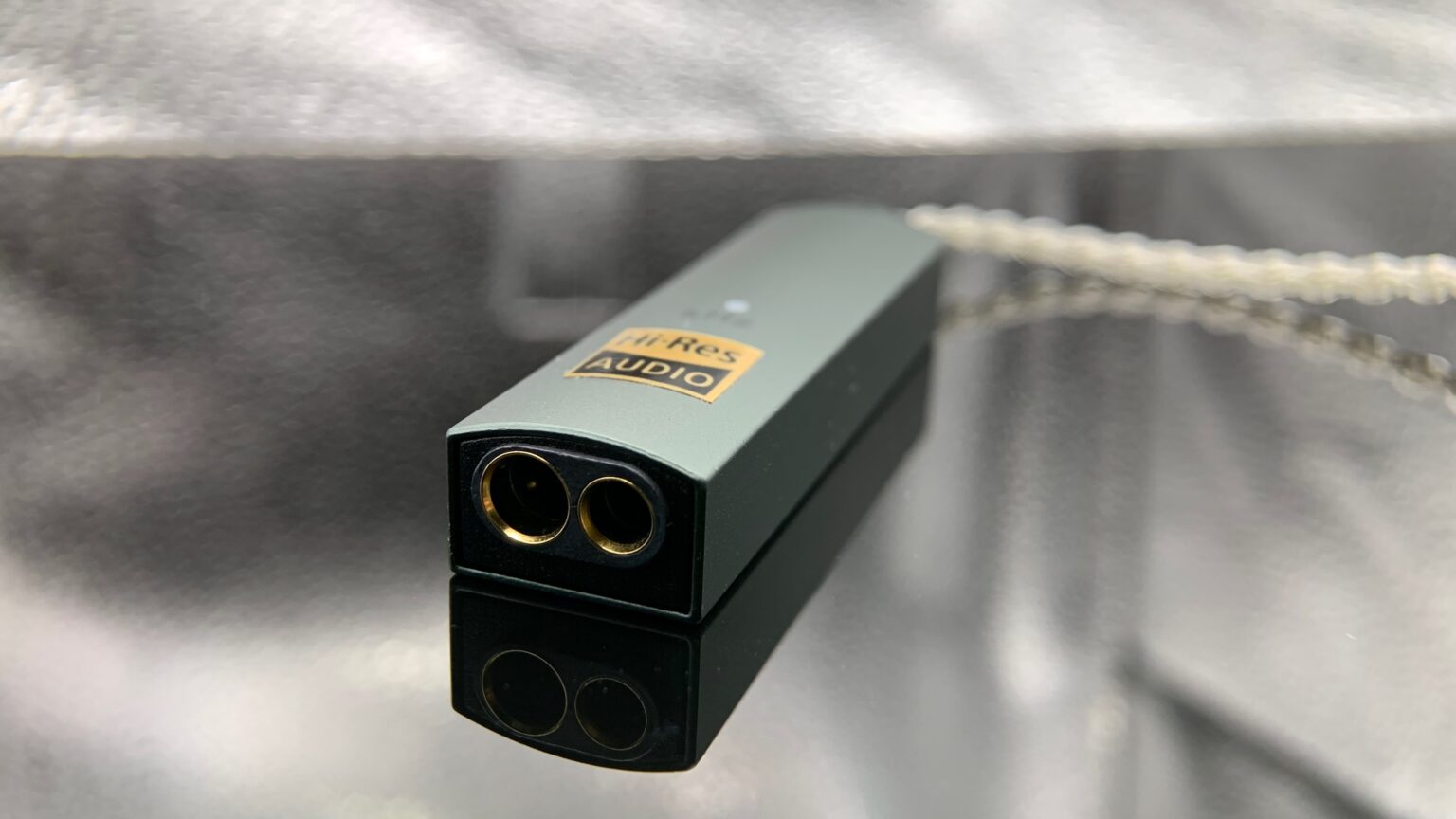
The GO Link Max follows a different philosophy.
iFi designed this dongle with a strong focus on musical immediacy. The result is a presentation that feels warmer and fuller compared to the Yuki.
Low frequencies carry more body and give the music a stronger physical presence. This doesn’t necessarily translate into higher precision, but it creates a more engaging character.
The midrange remains natural but doesn’t reach the same level of transparency delivered by the Yuki. The Aune dongle extracts more micro information from the recording and presents the mix with greater clarity.
Treble behaviour also differs.
The GO Link Max leans toward a softer and slightly rounded top end, while the Yuki feels more open and revealing.
Spatial organization also favors the Aune. The Yuki arranges elements inside the stereo field more cleanly, whereas the iFi presentation feels slightly more compact.
Overall the GO Link Max focuses on musical warmth and involvement, while the Yuki aims for accuracy and transparency.
xDuoo Link2 Max
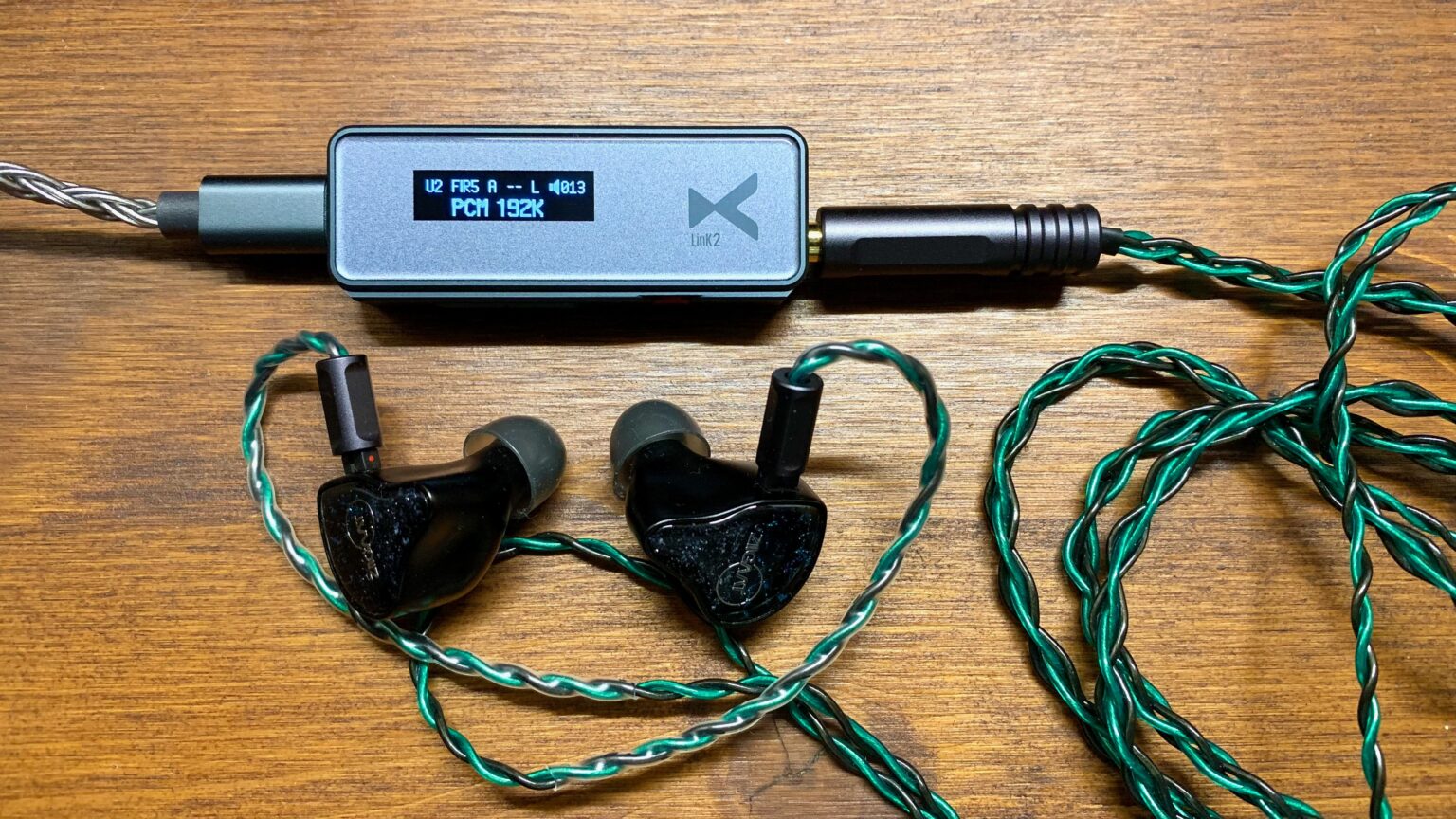
The xDuoo Link2 Max sits among the most respected dongles in the mid-range segment and provides an interesting comparison.
Unlike the previous devices, this matchup feels more balanced.
The Link2 Max aims to deliver versatility. It offers solid power and a relatively neutral sound signature, which already places it closer to the Yuki’s philosophy.
Its low-end carries a bit more weight compared to the Aune dongle, which maintains a slightly leaner and more controlled foundation.
In the midrange the Yuki shows a slight advantage in transparency. Subtle information within the recording appears easier to detect and the separation between musical lines feels more defined.
Treble performance follows a similar pattern. The Link2 Max provides good extension, but the Yuki extracts slightly more micro detail.
Soundstage rendering also differs.
The xDuoo creates a pleasant sense of space, but the Yuki organizes the stereo image with greater stability and structure.
The Link2 Max remains one of the most versatile dongles in its class. The Yuki introduces a higher level of refinement in signal reproduction.
BASN PA60
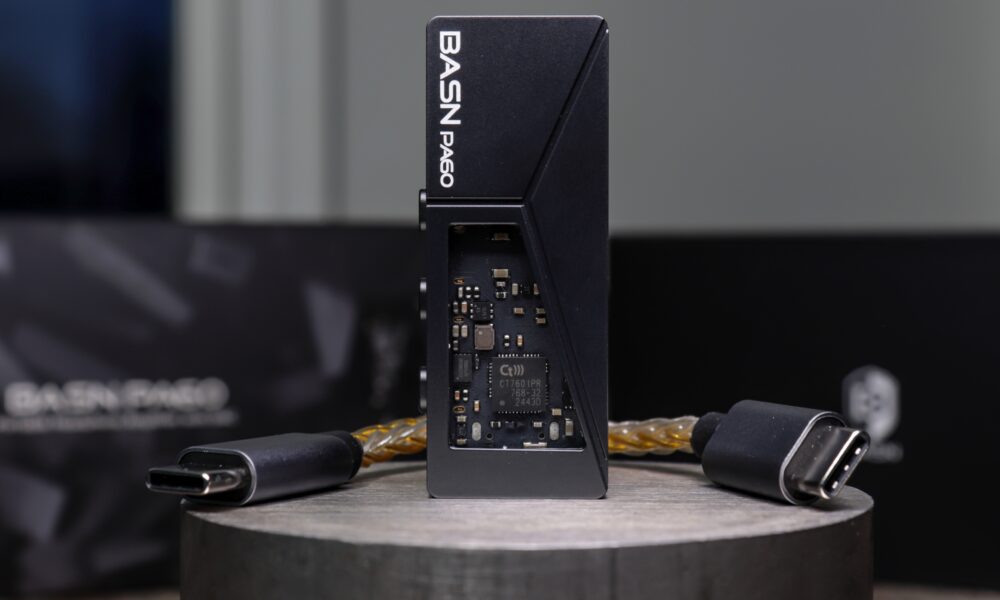
The BASN PA60 may be the least well known device among these comparisons, but it serves as an interesting reference for users who rely heavily on sensitive IEMs.
The PA60 focuses strongly on signal cleanliness and an extremely quiet amplification stage.
Its overall tonal balance remains relatively neutral, though less analytical than the Yuki. The low frequencies stay controlled but don’t reach the same level of structural precision.
In the midrange the Yuki reveals more information within the recording. The PA60 maintains a correct presentation but appears simpler in comparison.
Treble behaviour follows the same pattern. The Aune dongle provides greater extension and a higher level of micro detail.
Spatial reconstruction also favors the Yuki, which organizes the stage with more layering and stability.
The PA60 remains a solid option for listeners seeking a quiet and simple dongle for sensitive IEMs. The Yuki clearly aims at a more ambitious level of design and sonic performance.
Final Considerations
Looking at all these comparisons together, the personality of the Yuki becomes quite clear.
This isn’t the most powerful dongle available and it certainly doesn’t try to impress with spectacular sound tuning.
Its real strength lies somewhere else.
The quality of the implementation and the way it reproduces the signal combine into a presentation that feels clean, detailed and structurally well organized.
Rather than chasing raw power or exaggerated coloration, the Yuki focuses on delivering a controlled and transparent interpretation of the recording.
In many ways it behaves less like a simple smartphone accessory and more like a miniature Hi-Fi component.
That philosophy alone makes it particularly interesting for listeners who want a dongle capable of going beyond basic portable amplification.
Conclusions
The Yuki is one of those products that quickly reveals the idea behind its design once you spend some time listening to it.
It wasn’t created to win the specifications race. It wasn’t designed to impress with extreme power numbers or flashy technical features.
Instead Aune chose a different direction.
The goal seems simpler and, in some ways, far more ambitious: build a portable DAC that follows the same design logic normally reserved for traditional Hi-Fi equipment.
The discrete amplifier stage, the careful circuit layout and the separation between digital and analog sections are not marketing tricks. They are real engineering decisions that directly influence how the device performs.
And the result is easy to hear.
The Yuki presents music with a very clear personality.
Clean.
Transparent.
Highly detailed.
It doesn’t try to sweeten the signal or exaggerate the musical message. Instead it allows the recording to speak for itself.
That difference may sound subtle, but it becomes very noticeable once you start comparing it with other dongles.
Many portable DACs try to make music sound bigger or more exciting.
The Yuki tries to make it easier to understand.
For listeners who appreciate transparency and precision this approach can be extremely rewarding.
In a market where many devices end up sounding surprisingly similar, the Yuki manages to stand out by staying faithful to its own design philosophy.
In the end, it doesn’t behave like a typical dongle.
It behaves like a very small piece of Hi-Fi equipment.
This experience reminded me once again of something I often say when talking about DACs: the chip is never the whole story. The real character of a device comes from everything around it, the power supply, the analog stage, the circuit design. That’s where the real difference is made.
And that alone makes it worth serious attention in today’s portable DAC landscape.
VOTE
9,1 / 10
🟢 Pros
- Very clean and transparent sound
- High level analog implementation
- Precise spatial reconstruction
- Extremely low noise floor
- Distinctive design and excellent build quality
- Wide device compatibility
- Hardware volume control
🔴 Cons
- Output power not among the highest in the category
- Sound signature may feel slightly analytical for some listeners
- Rear button placement is not always the most convenient
- Higher price compared to many mainstream dongles
Q&A
Which DAC chip does the Yuki use
The Yuki uses a dual DAC configuration based on two Cirrus Logic CS43198 chips. This DAC is widely used in mid to high-end portable devices thanks to its excellent noise and distortion performance.
What type of amplification does it use
One of the most interesting aspects of the Yuki is its discrete amplifier stage. The circuit uses sixteen transistors arranged in a four-way balanced configuration. This kind of architecture is relatively rare in dongles and more typical of larger Hi-Fi components.
How much output power does it provide
The Yuki delivers approximately 90 mW from the 3.5 mm output and around 160 mW from the balanced 4.4 mm output when driving a 30 ohm load.
Can it drive headphones properly
With most IEMs and many efficient dynamic headphones the Yuki performs without difficulty. Some demanding headphones or certain planar designs may benefit from the high gain mode or from more powerful desktop solutions.
Does it include a balanced output
Yes. The Yuki provides both a 3.5 mm single-ended output and a 4.4 mm balanced output.
Is it compatible with smartphones and computers
Yes. The dongle works in plug and play mode with Android devices, Apple smartphones, Windows PCs and macOS computers.
Can it work with gaming devices
The Yuki supports both USB Audio Class 2.0 and USB Audio Class 1.0. This allows it to operate with devices that only support the UAC1 standard, including certain consoles such as the PlayStation 5.
Does it include hardware volume control
Yes. Two buttons on the device allow direct volume adjustment independent from the source device.
Is there a gain mode
Yes. The Yuki offers two gain levels. You activate high gain by pressing both volume buttons simultaneously.
Who is the Yuki recommended for
The Yuki works particularly well with technical IEMs and headphones that benefit from a very clean and transparent source. It is also an excellent choice for listeners who want a dongle that behaves more like a compact Hi-Fi DAC than a simple smartphone accessory.
Acknowledgements
I would like to thank Aune for providing the Yuki sample used for this review.
As always, it is important to clarify a few points. The product was sent for review purposes only. There is no commercial agreement, no financial compensation and no form of paid collaboration connected to this article.
Aune had no influence on the content of this review and did not receive any preview version of the text before publication.
All opinions expressed here reflect only my personal listening experience.
Where to Buy
The Aune Yuki is available through official Aune distributors and specialized portable audio retailers.
Whenever possible, I recommend purchasing from authorized dealers that can provide proper support and after-sales service.
And now, as I often say when a review reaches its end, it’s time to do the most important thing.
Let the music have the final word.




No Comment! Be the first one.