






























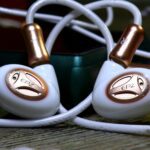



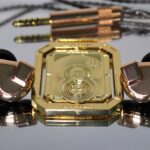

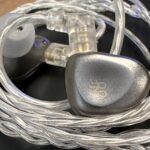






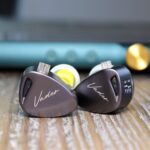
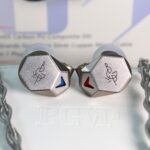
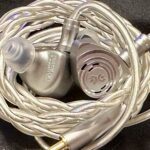
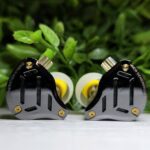
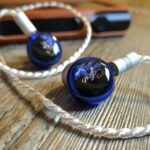
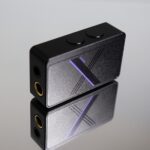
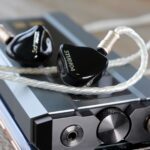
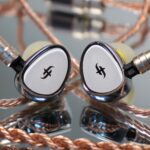
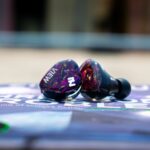

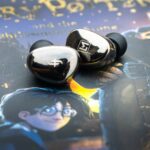

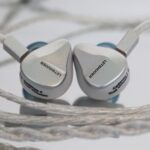
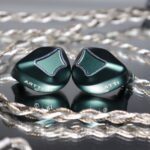





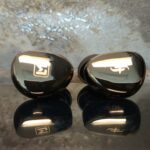
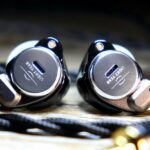




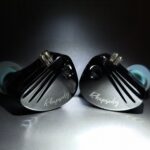

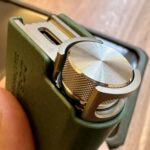


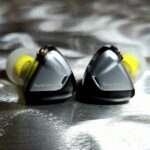

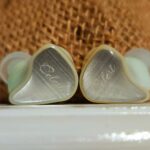


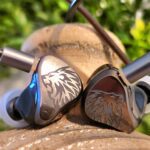

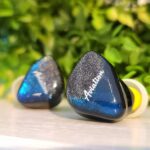
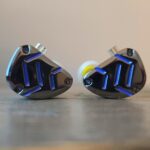
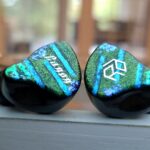
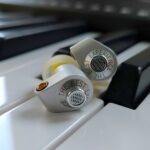
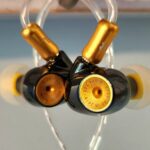




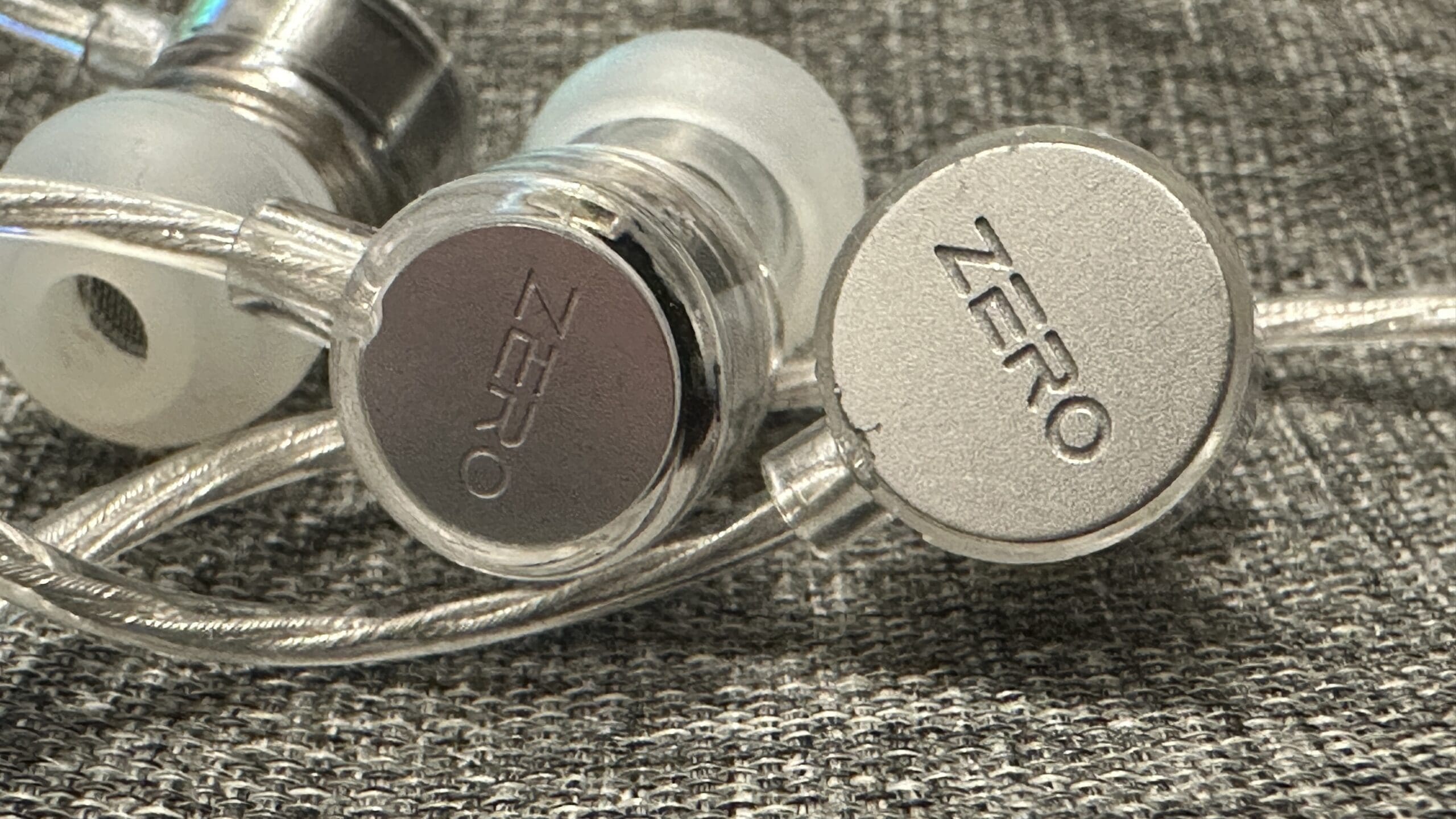
Listening to Haggard is one of the toughest exams for any earphone. Operatic vocals, crispy males, heavy drumming, church organs, strings, flute solos, and metal guitar riffs all coexist in a single track. In such layered music, an earphone either collapses or reveals its real strength. Using the Snowsky Echo Mini as source, I put the Tanchjim Zero and Zero Ultima head-to-head. NOS filter was used.

Bass
The original Zero struggles in the lowest registers, especially with the deep tones of the church organ. When the driver reaches that depth, it feels a little congested—but this creates a surprising advantage: more space in the stage. Background flutes or string passages come forward. Bass guitar is easy to follow, drums are clear but not too strong. Limited, yes, but functional for instrument separation.
Ultima, on the other hand, fills the stage with fuller, weightier bass. Strings have more body, church organ sounds more majestic. This grandeur is impressive, yet it can overshadow delicate details. In other words, what is “missing” in the Zero can be helpful, while what is “extra” in the Ultima can turn into a drawback.
Midrange
Zero’s mids are plain but intelligible. Operatic vocals show clear beginnings and endings of words. Flute solos stand out thanks to the emptier stage. When guitar riffs enter, finesse is lost, but raw energy comes in—giving the music a natural, unpolished character.
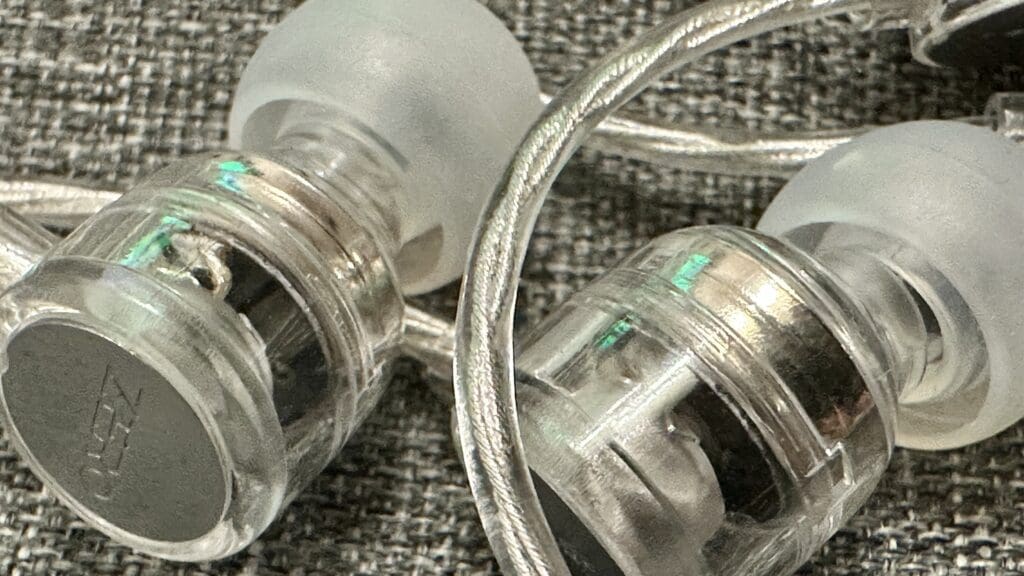
Ultima’s mids are clearly ahead in resolution. The female soprano’s rises and falls sound smoother and cleaner. Yet because the stage is fuller, flute solos become harder to isolate. Guitar riffs are sharp and detailed, but that raw organic energy of the Zero is replaced with a polished expression.
Treble
Zero has darker treble. Cymbals stay shadowed, extensions are somewhat sleepy. This makes long listening sessions easy, never fatiguing. High notes of flute and strings aren’t very bright, but they appear as a separate line in the mix.
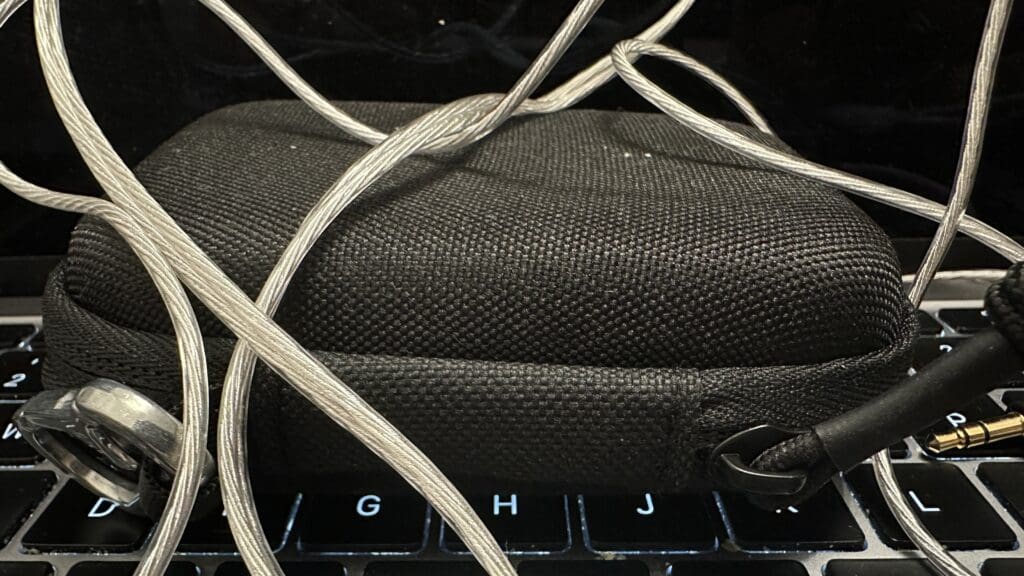
Ultima’s treble is more open and controlled. Cymbal extensions don’t disappear in darkness. The orchestra gets more air in the upper registers. Still, the fullness of the stage sometimes masks this sense of openness.
Conclusion of Tanchjim Zero vs Zero Ultima – Haggard Test
Zero and Zero Ultima highlight different strengths when faced with Haggard’s dense compositions.
- Zero: A lighter stage, simpler character, but easier instrument separation. Advantage in flutes, vocals, delicate details. Raw and organic energy.
- Ultima: Wider stage, higher resolution, fuller presentation. Majestic church organs, stronger string lows, clearer soprano vocals.

It’s no surprise that Donglemadness founder Andy Ef chose the Zero as a reference. Less fullness, but more transparency and focus. Ultima feels like putting on a modern lens: clear, wide, refined… but sometimes too crowded.
👉 For instrument separation → Zero
👉 For resolution and stage width → Ultima
To my ears, the Zero still feels like an old but trustworthy friend. Ultima is the newer, shinier, more talkative companion. Listening to both is like seeing two different faces of the same music.




No Comment! Be the first one.