










































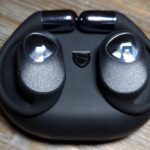


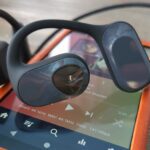

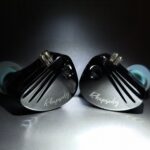








The TWS Story: Why It Exists, What It Actually Delivered, and Where It’s Going

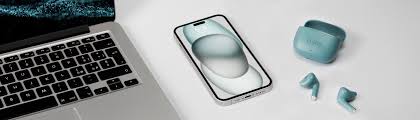
The TWS Story: Why It Exists, What It Actually Delivered, and Where It’s Going
Table Of Content
- The TWS Story: Why It Exists, What It Actually Delivered, and Where It’s Going
- The Wire Was Always the Problem
- Why It Took So Long
- What TWS Actually Delivered
- A New Listening Behavior
- Health Monitoring Snuck In
- What TWS Didn’t Deliver
- Where TWS Goes From Here
- Health Device Direction Accelerates
- Spatial Audio Stops Being a Feature
- Premium Tier Gets Smaller
- Wire Stays Dead
The headphone jack didn’t die because the Apple or company hated you. It died because wireless was already eating the market and somebody had to make the hard cut. Everyone screamed. Then everyone bought wireless earbuds anyway.
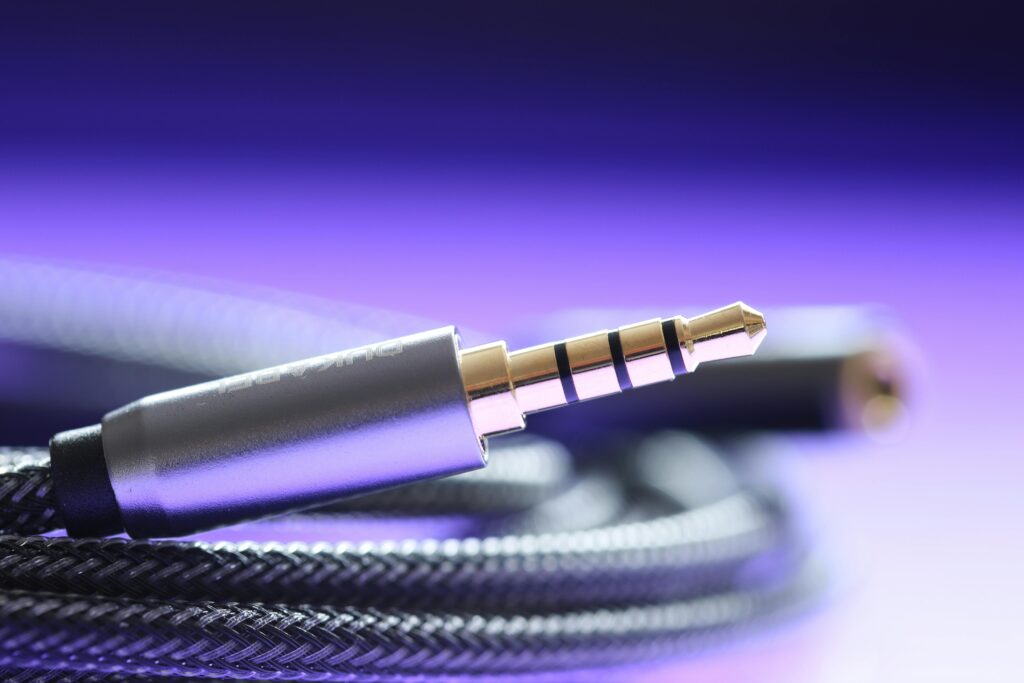
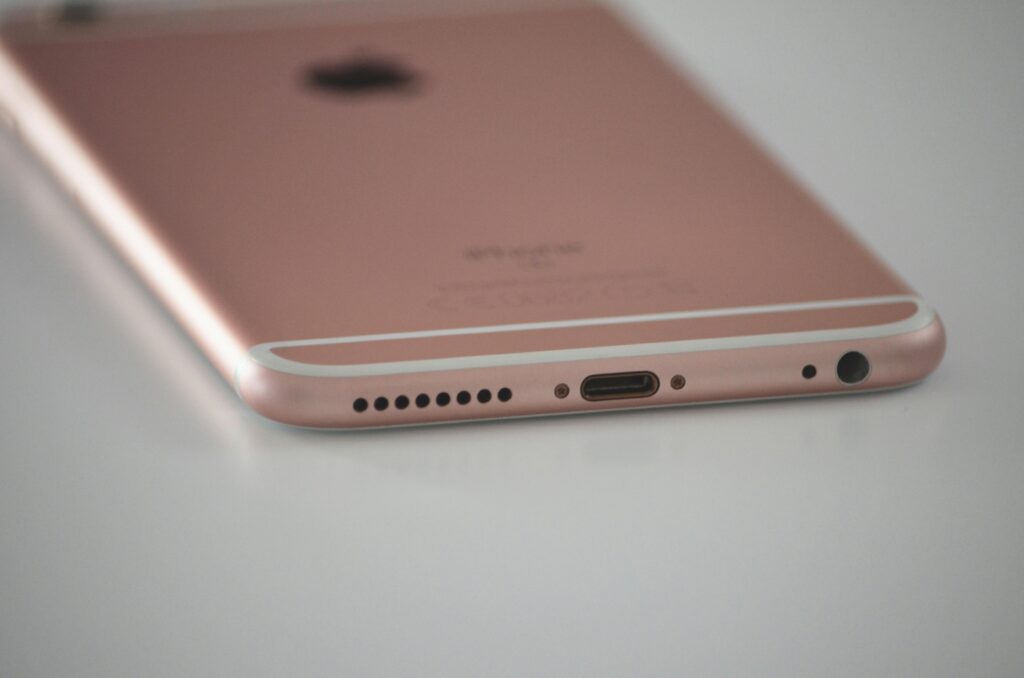
That’s basically the whole story. But it’s worth to go deeper, because the rise of true wireless is less about audio and more about behavior. And the next chapter is even less about audio than this one.
The Wire Was Always the Problem
Not sound quality. Not driver size. The wire.
You’re on treadmill and cable catches the machine. You’re in meeting and someone walks through your cord. You sit wrong and yank the earbud out. Small things, but they happen every day, and eventually you just stop reaching for the earphones.
Bluetooth earphones existed before TWS. Remember those neckband things? One earbud wired to other, both hanging off a band on your neck. That solved the phone-to-ear part but you still had wire between your ears. Half solution. Annoying in different way.
What people actually wanted was nothing. No wire anywhere. Just earbud, your ear, that’s it.
Why It Took So Long
Doing this properly, stable Bluetooth, small enough chips, battery that lasts more than forty minutes, wasn’t possible at consumer level until around 2015-2016. Early fully wireless earbuds were genuinely terrible. Drops every few minutes, visible latency, cases that barely survived one commute. The idea was right. Hardware wasn’t ready.
When it finally came together the real product was chip inside, not the earbuds. The thing handling audio processing, connection stability and power management at same time, in package small enough to fit inside shell you wear in your ear. Earbuds were just wrapper around that.
What TWS Actually Delivered
Three things. They matter in this order.
Convenience, Not Sound Quality
90% of why people bought in. Not audio performance, not features, just the fact that you take earbud from case, it connects in two seconds, it’s in your ear and you’re listening. That was genuinely new feeling. Hard to explain now because we’re so used to it.
Audiophile community spent years saying TWS can’t match wired performance so it’s not serious. They were right about performance gap and completely wrong about the market. Most people were never buying earphones for last 5% of resolution. They were buying to listen music on bus without wire catching on door handle.



A New Listening Behavior
TWS didn’t just replace wired earphones. It created category that didn’t exist before. Always-available personal audio.
Before true wireless, earphones were deliberate choice. You decided to listen, you got them out, you plugged in. Small ritual. TWS basically killed that ritual. Earbud became ambient, background to daily life instead of dedicated listening session. People started wearing them in conversations, in meetings, walking between rooms at home. Use case expanded way beyond music.
That behavior shift is bigger than any spec upgrade. It changed who buys earphones, how often, and what they expect.
Health Monitoring Snuck In
This one surprised most of the industry.
Earbud sits in your ear canal. That’s biologically interesting location, close to major blood vessels, stable temperature, less motion noise compared to wrist. Manufacturers started noticing. Per-ear hearing profiling came, where quick test builds personalized sound signature based on your actual hearing, not some generic curve. Then activity tracking, heart rate, body temperature.
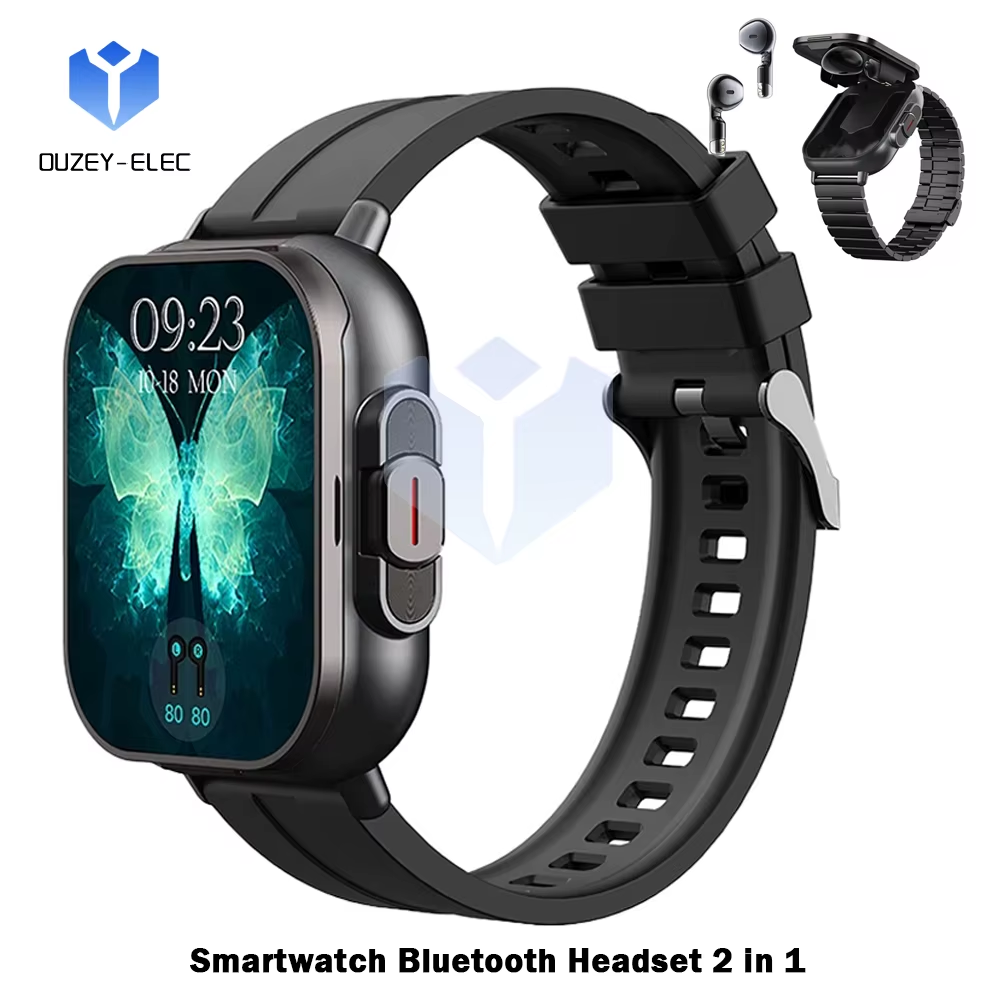
Then the bigger thing. Regulatory bodies in multiple markets started clearing certain TWS products as actual clinical hearing aids. An earphone becoming medical device. Nobody had that in their 2016 roadmap.
Health angle is now serious commercial driver, not just marketing feature. Aging populations, accessibility laws, insurance companies getting interested, there is real money and real need behind this.
What TWS Didn’t Deliver
Sound quality at scale. Physics are honest about this.
Compression, codec limits, antenna sitting millimeters from your ear, battery size forcing compromises in driver design, these are not engineering failures. These are real tradeoffs that come with the form factor. Even most serious TWS products at premium prices sit below what similarly priced wired setup would do. Gap is closing but it’s not closed, and anyone telling you otherwise is selling something.
This matters because more and more buyers are coming from wired backgrounds now, spending serious money on TWS and expecting wired performance. Being honest about this gap is part of the job if you write about audio.
Where TWS Goes From Here
Codecs Become a Footnote
The codec conversation, LDAC versus aptX Lossless versus LC3 versus whatever comes next year, is real but it has expiration date. Bottleneck is moving from transmission to on-device processing. As chips get better at handling high-res audio wirelessly, practical difference between codecs gets smaller for most people in most situations.
Two, maybe three hardware generations from now, codec argument becomes mostly irrelevant at consumer level. Still matters to enthusiasts. Won’t matter to mass market.
Health Device Direction Accelerates
Biggest commercial driver in the category right now and it will get bigger. Over-ear headphone market has natural ceiling. Earbud-as-health-monitor doesn’t have same ceiling.
Expect deeper hearing integration, better biometric sensing that actually works in daily life not just in demo conditions, more regulatory activity across different markets. Line between consumer electronics and medical devices will keep getting blurry here.
Spatial Audio Stops Being a Feature
Head tracking and personalized spatial audio is currently something you turn on when you feel like it. Few years from now it probably becomes expected baseline for anything premium, same way noise cancellation became expected instead of optional.
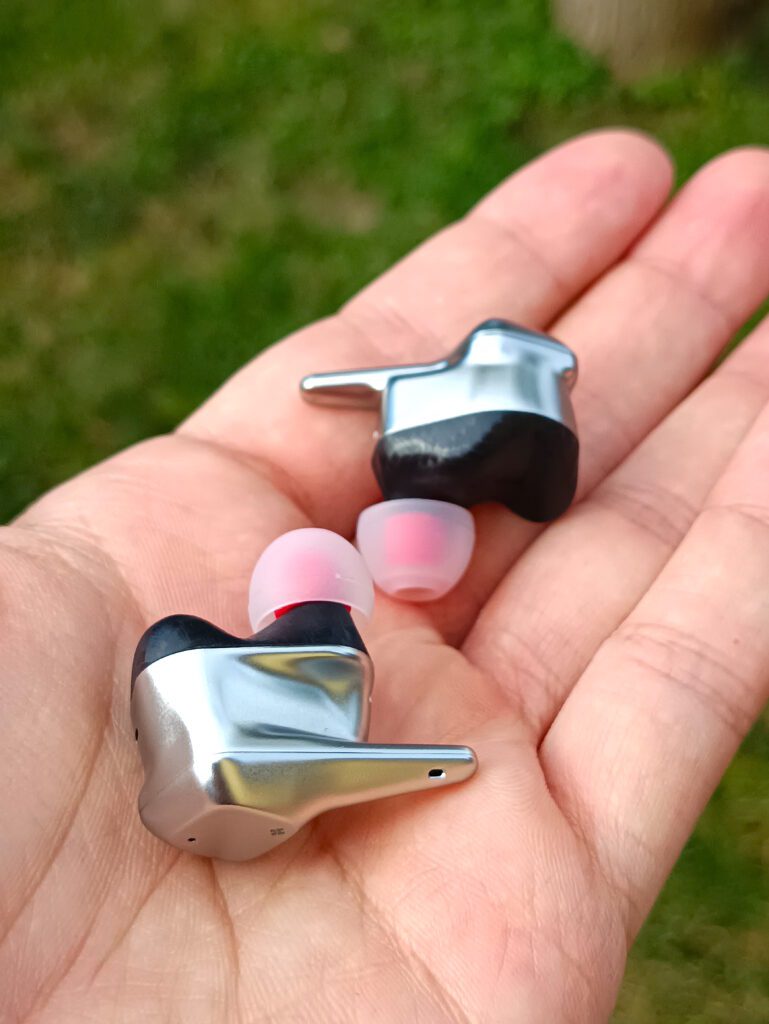
More interesting question is what happens to music production. When big portion of listening happens spatially, mixing and mastering starts changing to match that. It happened before when headphone listening overtook speakers as dominant mode. Will happen again.
Premium Tier Gets Smaller
Too many manufacturers competing seriously at $400-700 high end TWS price point for market to support all of them long term. Category is real, demand is real, but not big enough for ten different premium options forever. Some will get acquired. Some will become smaller niche. Few will build enough reason for people to stay in their ecosystem – a popular approach nowadays
Who survives depends less on who sounds best right now and more on who builds strongest reason to not leave.
Wire Stays Dead
Headphone jack is not coming back. Or finding refuge at premium fields. People who called it temporary inconvenience were wrong. This is permanent now. Everything else in TWS story is just iteration on top of that.
Real question is not whether wireless will dominate. It already does. Question is what wireless earbuds become when audio is the least interesting thing about them?



No Comment! Be the first one.