


























































































































Punch Audio Martilo Review: Control, Physicality, and Coherence Wins?


Preface
A friend of mine texted me a few days ago, very straight to the point:
“I want something that hits hard, but isn’t garbage.”
Table Of Content
- Preface
- First impressions
- Packaging and accessories
- Technical specifications
- The project, ideas and choices
- Driver configuration and crossover design
- Build, comfort and accessories
- Tips matter a lot here.
- General sound signature
- Bass
- Midrange
- Treble
- Soundstage and imaging
- The key point, though, is something else.
- Driving, pairing and synergy
- Comparison with Punch Audio Portazo
- Bass
- Mids
- Treble
- Soundstage
- Final thoughts
- Comparison with FATfreq x HBB Deuce
- Bass
- Mids
- Treble
- Soundstage
- Final thoughts
- Who is it for / Who is it not for
- Final thoughts
- VOTE
- 🟢 PRO
- 🔴 CONS
- Q/A
- Is it only for bassheads?
- Is it better than the Portazo?
- Is it good for vocals and acoustic music?
- Do you need a proper DAC or dongle?
- Is it technical or just fun?
- Does it get tiring over time?
- Does it work with all genres?
- Is tip rolling recommended?
- Acknowledgments and personal note
On paper, it sounds simple. Almost trivial. In reality, it’s one of the hardest things to get right. Because in the IEM world, when people talk about something “fun”, it usually ends up in the same place, a lot of bass, very little structure, and after a while you realize you’ve been listening more to the effect than to the music itself.
And that’s exactly where things start to get interesting.
Because the Punch Audio Martilo, at least on paper, looks exactly like that kind of product.
A declared basshead tuning, a tribrid configuration, a sound pushed without too many compromises. All things that would normally make me expect something engaging, sure, but not particularly refined, something to enjoy in short bursts rather than something you can actually live with.
But then you start reading, gathering impressions, comparing opinions from people who have really spent time with it. And one idea keeps coming back, almost insistently:
it’s not just about quantity, there’s structure.
it’s not just about impact, there’s control.
And that’s where everything shifts.
Because the question is no longer whether it sounds “fun” or “powerful”.
The real question becomes: how far can it go without losing control?
The Martilo feels like one of those IEMs built around a very clear idea, but aiming for something more difficult, taking an extreme tuning and placing it into something that still feels believable.
And that’s exactly the part worth understanding.
First impressions
It only takes a few seconds. No transition is required, no moment where you have to figure out what’s going on, no need to look for the desired intensity or try to adjust to the sound. The Martilo comes right to you, no filters, no gradual build up. It’s one of those IEMs that doesn’t give you time to analyze, one feels it, then maybe it makes you start thinking about it.
The bass arrives immediately, and it’s hard not to sense it first. Not, you know, as you might expect. It’s not some smudged mass that suffocates everything, it’s neither bloated nor slow. It doesn’t have that “filler” quality, which so many of the more aggressive tunings give off.
It’s there, here, it’s there, physical, but at the same time, it’s readable. You follow it, you separate it, you know what it’s doing inside the track. The pressure is not only there, there’s structure behind it.
After a couple of minutes, when the first impact is over, a second thought occurs, and it’s likely even more interesting. It’s not pretty closed in as intended. That sort of tuning creates an almost natural image of a compressed presentation, everything becoming closer and closer, everything becoming somehow heavier and closer, if not suffocating.
Instead, there’s space. Not huge, not really wide, but big enough to let the music breathe. Instruments don’t pack themselves into each other, and that usual “everything’s on top of you” vibe you get with so many basshead sets simply isn’t there.
And that’s the key point. The first impression is strong, almost aggressive, in how instant, immediate it feels, but doesn’t confuse. It’s actually solid, if anything. Those first moments of heard don’t get refuted later, it changes, it becomes clearer, but it does not change its nature.
And that’s always a good sign.


Packaging and accessories
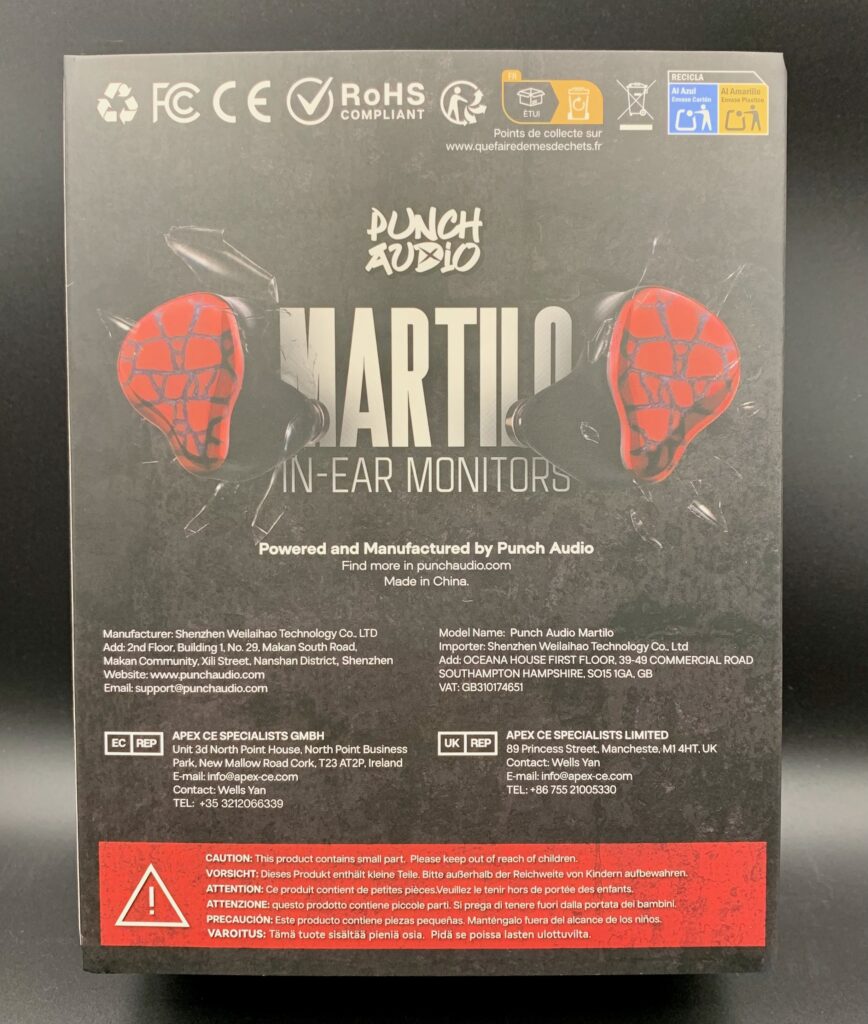
The packaging follows a pretty clear philosophy, nicely done, but never in a trying-to-impress way. It is not one of those items that looks for a “wow” effect the moment you open the box. No flamboyant presentation, no flashier design choices. Everything in there feels direct, almost minimal, yet organized and in agreement with the price range.
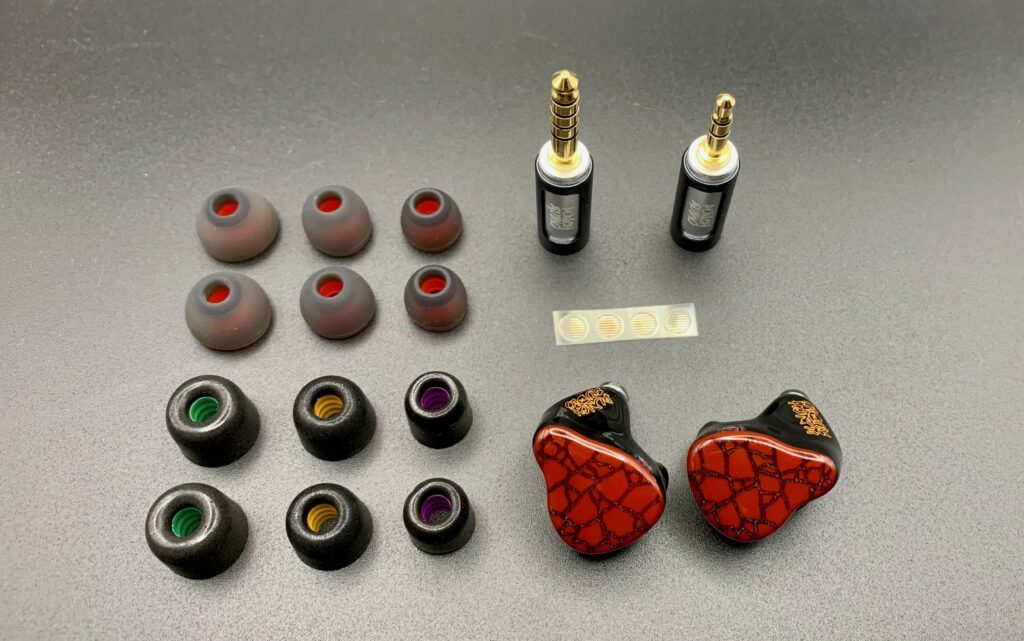
Inside you have everything you need to get started immediately, no upgrades required:
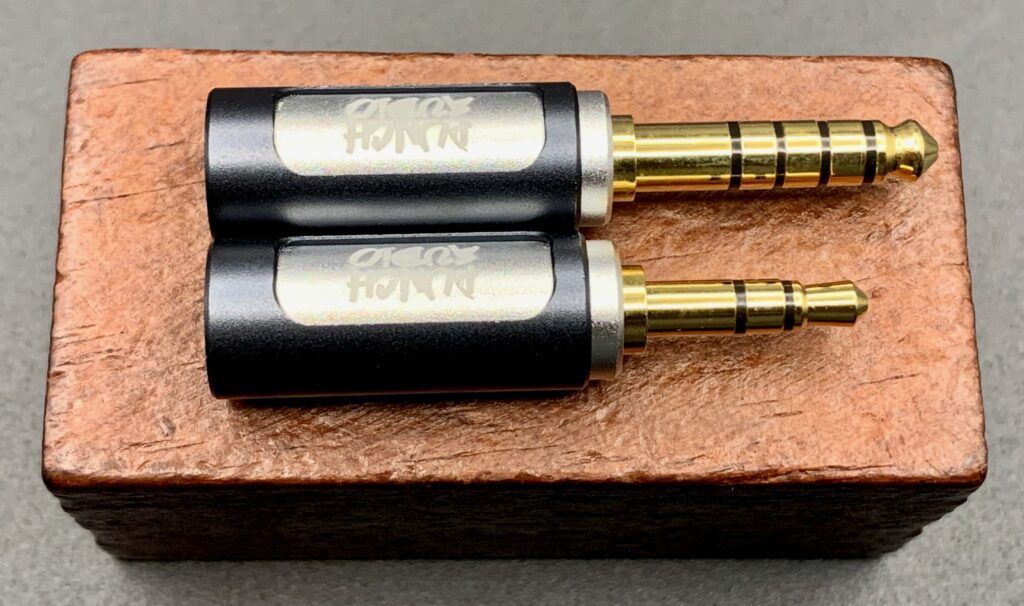
modular cable with 3.5 and 4.4 terminations
tips in various sizes
a hard carrying case
The general impression is not cheap, but it’s also not attempting to look good. It does seem like a no-nonsense approach, it’s more about usability, less about presentation.
The cable is likely the strongest piece of the package. It’s well made, flexible, and, most importantly, already so-preconfigurable because of the interchangeable terminations. Not the type of cable that turns you into a life-long upgradant.
The tips do its job, but that’s the way it’s usually done. They’re acceptable to start, if not to be the go to approach. With an IEM this sensitive to fit and bass response, tip rolling can have a dramatic effect, not just in comfort, but how the low end acts.
Well, the case is functional, it’s solid enough, and not ambitious, in any particular way. It has good protection, remains compact, and thus no additional tolerance space for adapters or added accessories.
For the most part, it’s not a package that wants to impress, but it does. And within this price range, the availability of a cable that’s quite good and usable out-of-the-box is a little plus that shouldn’t be assumed.


Technical specifications
But before diving into the numbers, the usual disclaimer applies, and in this instance, it becomes even more critical. Specifications tell only a little of the story, and with the Martilo probably even less than usual.
Not just how many drivers are inside or what kind they are, but how they’ve been used, and, more importantly, the type of idea behind the whole project. Not the tribrid configuration itself, as is common-place now, but how it has been implemented in practice.
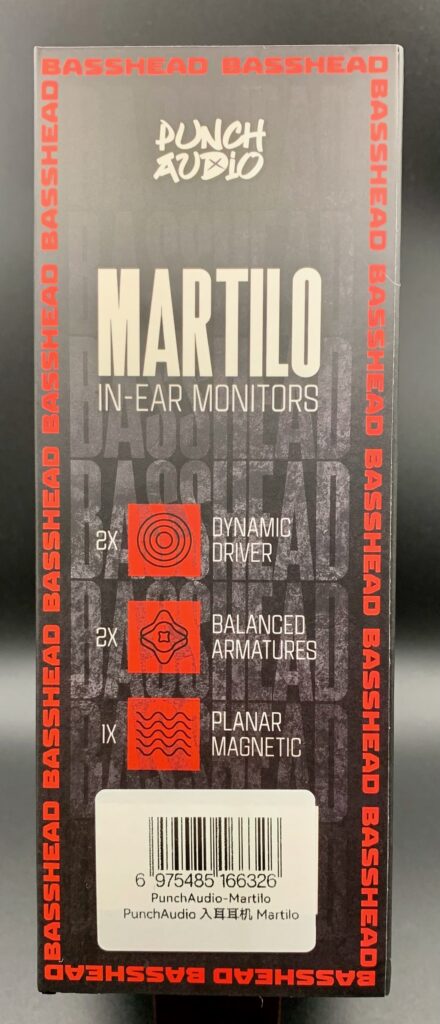
Two dynamic drivers for the low end, a planar driver to deal with speed and transients, and balanced armatures perfecting everything else. From this alone we know the focus is very specific indeed, and the focus is definitely not neutrality.
Numbers such as impedance and sensitivity are even worth interpreting in context. On paper it’s easy to drive, but source quality has a considerable effect on the final product, which we shall see later.
So no, those specs are helpful, but to better understand the philosophy for the product, rather than predicting how it will sound.
| Feature | Specification |
| Drivers | 1 planar driver + 2 balanced armatures (Knowles RDE) + 2 × 8 mm dynamic drivers |
| Sensitivity | 100 dB @ 1 kHz (±1 dB) |
| Frequency Response | 10 Hz – 22 kHz |
| Impedance | 9 Ω @ 1 kHz (±1.5 Ω) |
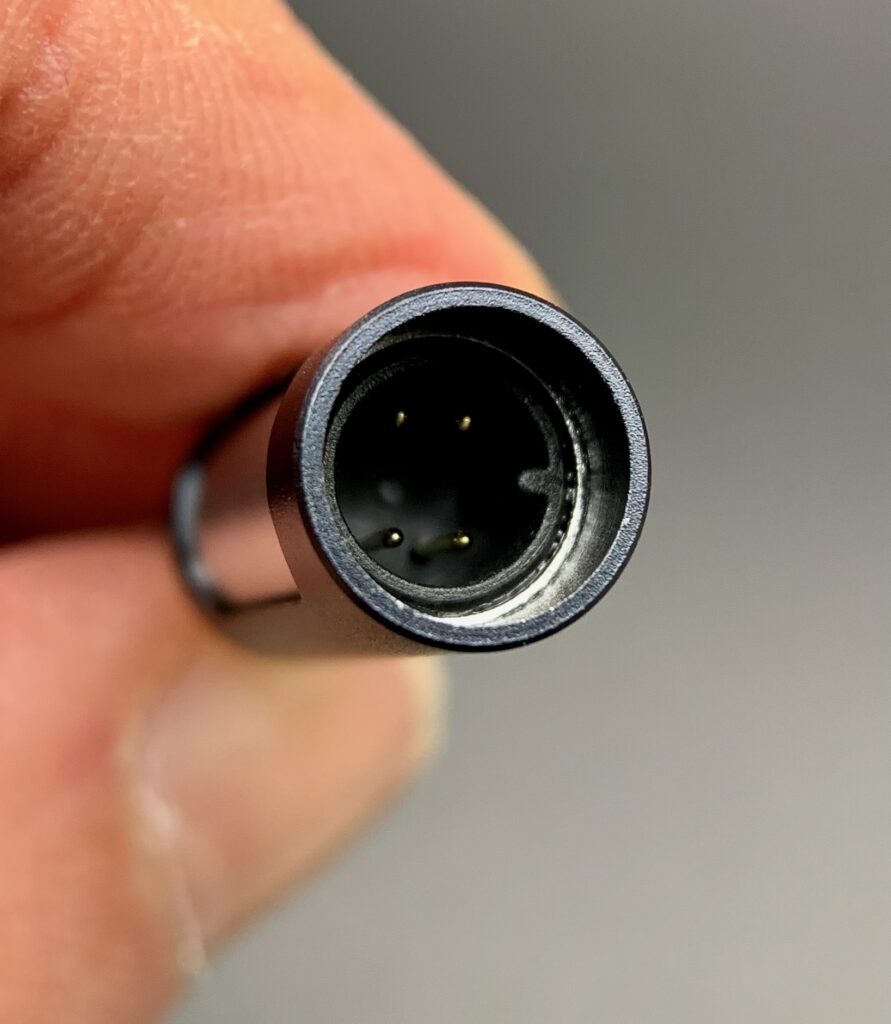
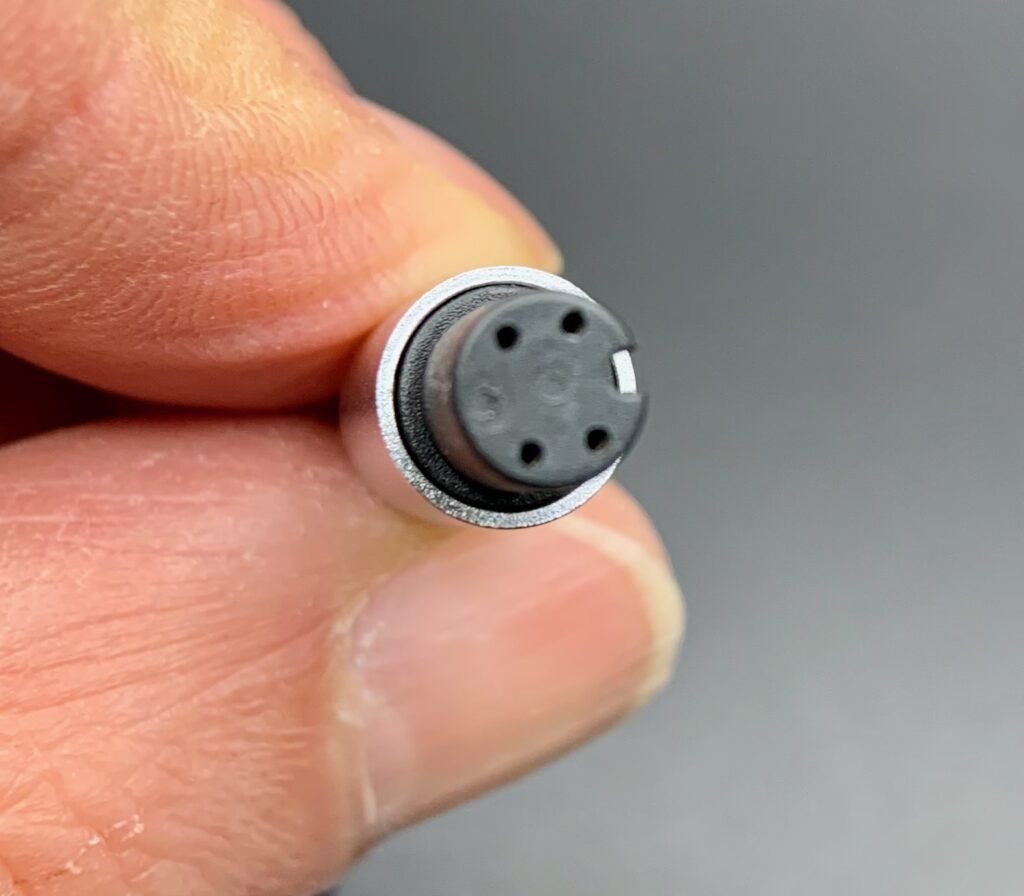
| Connection | 2-Pin 0.78 mm |
| Cable | 3.5 mm (modular with 4.4 mm adapter) |
| Cable Length | 1.25 m ± 5 cm |
| Inside the box | x1 pair Punch Audio Martilo ×1 Earphone cable ×1 3.5 mm plug adapter ×1 4.4 mm plug adapter ×3 Silicone ear tips ×3 pairs Foam ear tips ×2 pairs Nozzle filters ×1 Earphone case |

The project, ideas and choices
The Martilo was not constructed for balance. And that’s the first point, and it should not be ambiguous. It is not a product where everything is good enough for someone. It wasn’t intended to adhere to an ideal curve, or even to fall somewhere in between this thing where nothing truly strikes you and nothing really offends.
The point is a new idea here, more focused, push harder, keep more controlled, stick to it. And that’s the fun part.
Because producing a ton of bass is so easy. Plenty of products do it. Doing it while not breaking everything else up is a whole different story.
Driver configuration and crossover design
For driver configuration and crossover design. The driver configuration is not a show piece. Those two dynamic drivers are clearly low-end, but not simply in number. You can see how this is an exercise in making the bass shape, distribute, with more emphasis on sub bass rather than intrusive mid bass.
There is an emphasis on the planar driver too, which has a more restrained profile though. It’s not in here to brighten up sound, enrich it or give it depth, but to pace it up and then to make sure it doesn’t get too slow and then a bit too soft. It keeps things moving, preventing the bass from dragging the rest of the sound to match it.
The balanced armatures are also helpful, except to take over the less evident part. They polish the presentation with legibility of the mids and highs but avoid the tendency to take a stance central to the music.
The crossover that lies at the heart of the real magic. The split point is something this low, around 200 Hz, assuming they decide to keep it this low. It is about creating our sub bass, as separated as we can from the rest of the spectrum.
That’s sort of like saying, the bass can be massive but there’s only where it goes. And that’s where the philosophy kicks in.
Not to cut it in half or hide the bass would make it a bit more palatable. It is not about being so, but rather building it as to not break everything else. And that’s a small change, but an important one.
And it’s probably why, under many definitions, it sometimes received the label “intelligent” basshead. Not because it’s less extreme, but because it’s not just designed to impress, but to work.
Build, comfort and accessories
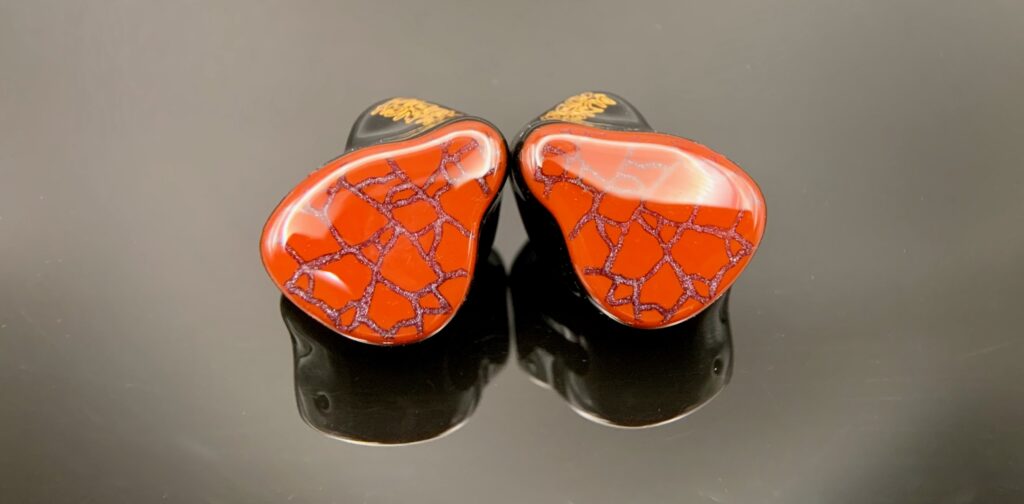
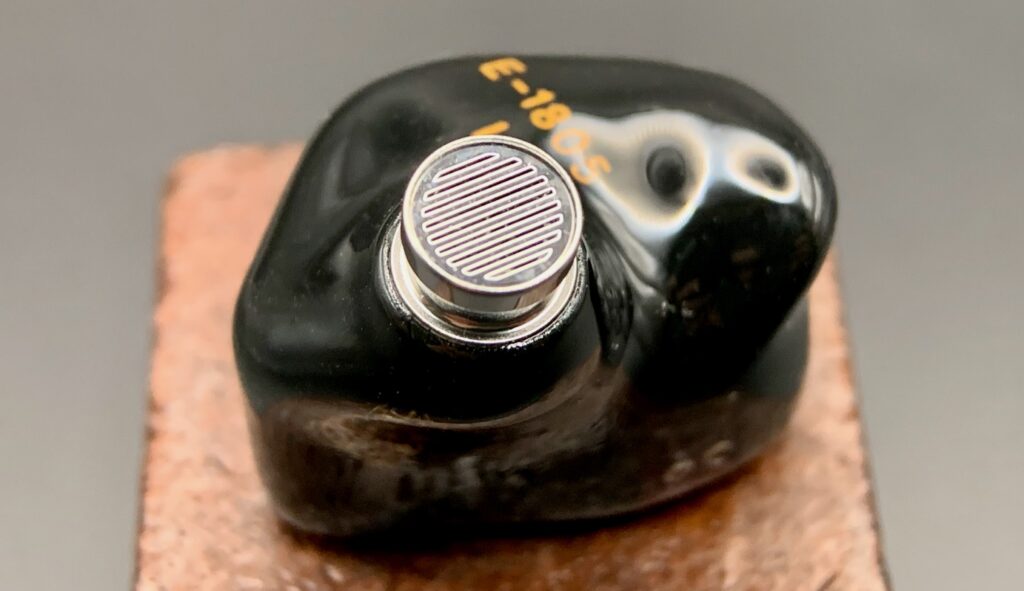
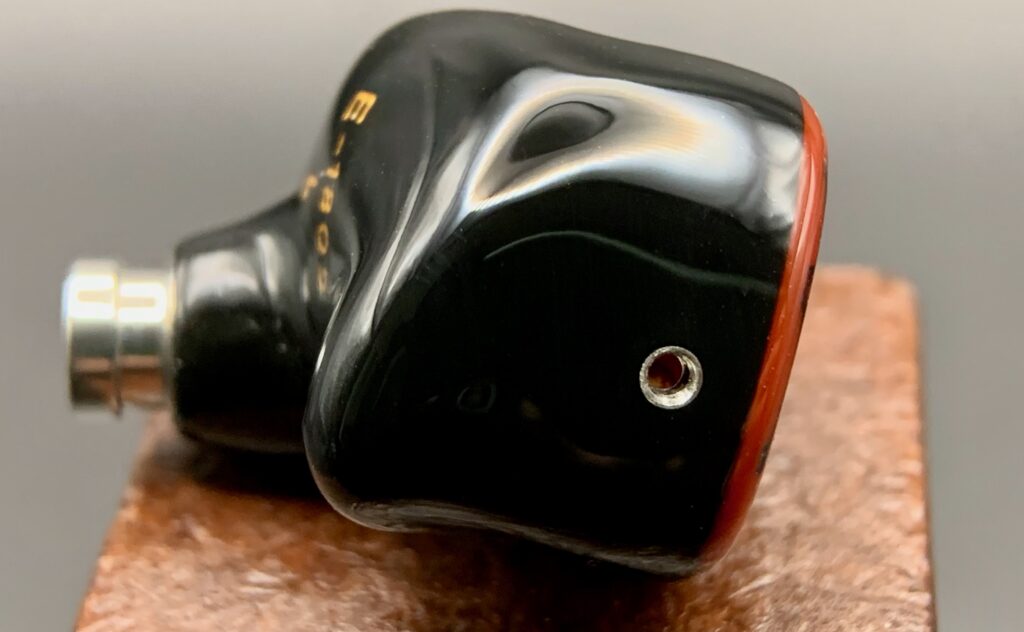
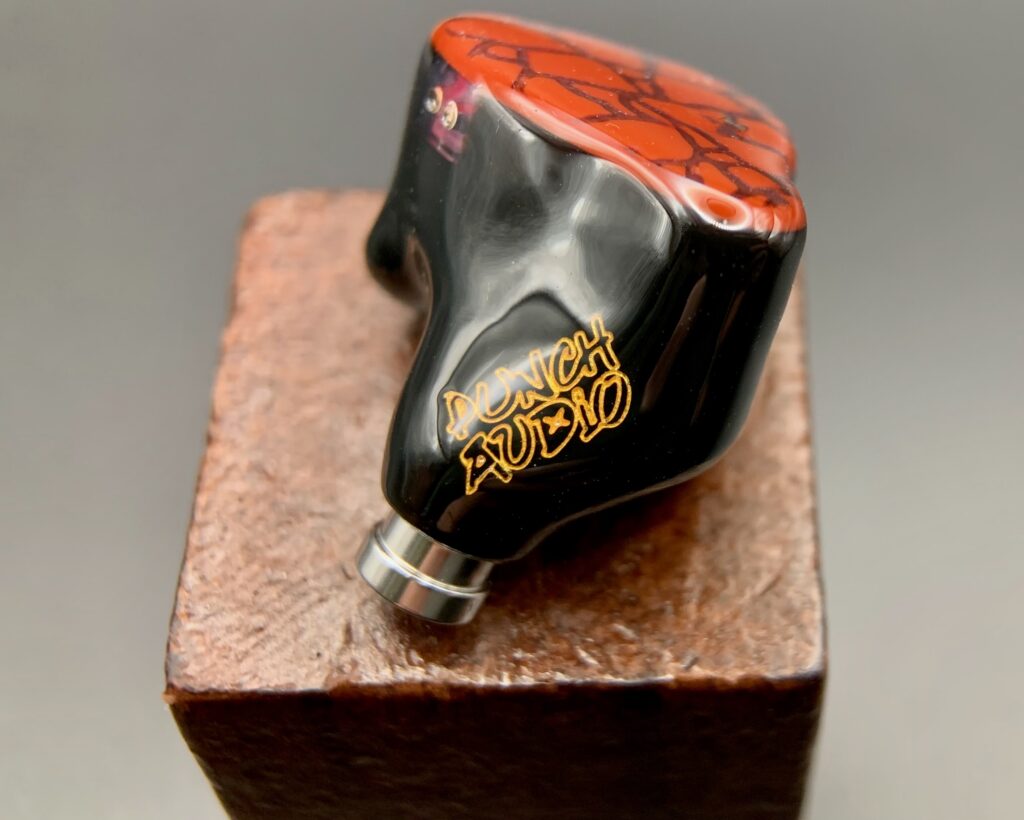
The very first thing that you get when you pick them up is a sense of solidity. They are not delicate, nor even indicate that they have been manufactured with obvious concessions. The resin-based shell is clean and well finished but not overly rendered. It doesn’t seek to draw attention with flamboyant details, it has a feel that works with the product’s overall identity.
It’s one of those patterns that doesn’t get exhausted and will gradually affect you because it doesn’t strain too hard.
Size, though, is noticeable. They are not tiny IEMs, and once you sense them in your ears, visually and in that instant, you can feel their presence. They are not the kind that disappear in a swift second. If you have smaller ears, there can be some slight adjustment.
That said, the shape seems properly prepared. Once the perfect position is established and what matters most is the right tips, the Martilo sits snugly. It doesn’t bounce around, it doesn’t create resistance, and most important, it opens up spaces for prolonged listening but isn’t intrusive.
Tips matter a lot here.
The first thing you get when you pick them up is a sense of solidity. They are not fragile, nor even indicate that they were manufactured with obvious concessions. The resin-based shell is clean, well finished but not overly rendered. It does not seek to catch any eye with flamboyant details, it feels in harmony with the product’s overall identity.
It is a kind of pattern which doesn’t get exhausted and affects you little by little because it doesn’t take too much effort.
Still, size is noticeable. They are not tiny IEMs, and once you feel them in your ears, physically and visually, at that moment, you can feel their presence. They are not the type that disappear in an instant. There may be some minor adjustment for those with smaller ears.
That being said, the shape seems properly prepared. When the perfect position is established and what matters most is the right tips, the Martilo sits snugly. It doesn’t bounce around, it doesn’t create resistance, and most importantly, it opens up spaces for prolonged listening but isn’t intrusive.
General sound signature
Obviously the Martilo is a V shaped tuning. But to quit there would be simplistic. Because these aren’t the kind of V shapes you typically might see built on contrast, where the bass presses hard and the treble tries to balance out and the midrange ends up boxed in inside with nowhere to breathe.
The feeling here feels different, more constructed, less instinctive.
The sub bass is the opening number on another plane, not merely because it has a prominent placement but because everything else is established on top of it. It is not an afterthought, it is the foundation. The rest of the signature rises above it too, with slightly recessed mids and controlled highs.
What matters is all of this, how all of this aligns. No “pushing from both ends” as you often find with more aggressive V shaped tunings. There aren’t peaks trying to make your attention shine, bits and pieces that seem sacrificed in the interest of something else.
Even when it makes a little push, the signature appears coherent. Neutrality is not part of the plan, and that shows immediately. There’s no attempt to hide what it is, no effort to smooth things out for the sake of broader appeal. The direction is clear, almost brutally honest.
But it never becomes chaotic all at once. You don’t get the kind of loss of control that tends to often accompany more extreme tunings. Even when the bass takes space, the rest doesn’t collapse. It remains readable, usable and, still musical.
And that’s actually where its power resides. Not, obviously, in the amount of bass. But in how effectively it sustains it without losing cohesion.
Bass
There is no doubt there, and no point going around it. Sub bass is the center of everything. Not only is it a crucial part of the sound, it is the foundation of the entire project.
It goes deep, but more importantly, it makes itself felt in a way that extends beyond just hearing it. Not just a sonic presence but a physical one, something that moves in tandem with the track and, at times, almost leads it.
And what is so special is not the quantity of it. It’s the behavior. Control and behavior.
Because it doesn’t pull everything else behind it. It doesn’t spread uncontrollably, it doesn’t bleed where it shouldn’t. Even though it is obviously dominant, it keeps where it belongs.
It’s not slow, and that may be the biggest surprise. It’s not that long, soft decay you might find with such tuning. It has a sort of speed to it, a reaction that still reads, even when the track gets busy.
It’s structured, with good breaks between hits, enough texture to track the changes. The sound isn’t a single block, you can follow it, not just feel it.
With electronic music, hip hop, and well produced modern tracks, walking away becomes near impossible. It’s the kind of presentation that makes you stay, that makes the volume lift without you noticing, that adds a sense of physicality and immediacy to everything.
On already bass heavy tracks, though, the boundaries begin to appear. It can become dominant, take up more space than it should, and shift the balance downward. It isn’t out of control, but it’s definitely noticeable.
And this brings us back to the key point of the Martilo. It’s not perfect, not exactly that, and it isn’t trying to be.
But it doesn’t lose control, not even when it’s pushed too far. And in an IEM like this, that’s all that makes the difference.
Midrange
Undoubtedly there and no doubt about it. Everything revolves around sub bass. It not only plays an integral part in the sound, it is also the whole essence of the project.
It is one that runs deep but more than that, that carries on for effect in a way which goes beyond hearing. Not just musical, but kinetic, so that it can move with the track and at times almost lead one.
And it’s not quantity alone which is great. It’s the behavior. Control and behavior.
Because it doesn’t pull everything else behind it. It doesn’t spread out of control, it doesn’t bleed where it shouldn’t. Clearly, it’s dominant, but it remains where it belongs.
It’s not slow, and that is probably the biggest surprise. It’s not as long, soft decay of the kind you might find with that kind of tuning. It has this kind of speed to it, a reaction that still is reading, even as the track gets busy.
It’s ordered, with good breaks between beats, well-stretched, enough texture to follow the movements. The sound is not in a block, you can feel, as you follow it.
Over electronic music, hip hop and great contemporary fare, it’s nearly impossible to walk away. It’s the sort of presentation that makes you stay, that makes the volume rise without you noticing, that gives a sense of physicality and urgency to everything.
But on already bass heavy tracks, the limits start revealing themselves. It may even get super dominant, occupy more space, and cause the balance to tilt downward. It is not completely out of control but inescapably noticeable.
And this gets me back to the pivotal idea of the Martilo. It’s not perfect, not so much, and it isn’t trying to be.
But it does not lose control of itself, not even if overreached. And in an IEM like this, that’s all that makes the difference.
Treble
The treble shares the same philosophy that permeates the entire sound signature. It’s steady, never aggressive, never over the top.
It doesn’t attempt to offset the bass with artificial brightness, nor does it press ahead in a way that would create an instant sensation of detail.
Instead, it just stays where it’s supposed to be, with a role, to pull everything together and to add meaning without giving up balance. It doesn’t show off, it finishes.
The result is a presentation that is super easy to listen to. No fatigue, no matter how long the sessions go. No sudden peaks and sharp highs, no moments where you feel the need to dial it down after a few tracks.
It flows naturally, without friction, with a sense of continuity that never breaks.
Clarity is still there. The details are present, but never pushed forward. They are not thrown at you, you can pick them up without effort, but they remain within the mix.
If there is a limitation, it’s in the sense of air. There’s no extended sparkle, no strong feeling of openness that you’d get from more technical or detail focused IEMs. Everything feels a little more contained, a little more compact.
Some call it slightly dry, and to some extent that’s accurate. But it’s a coherent choice.
Pushing the treble further would likely disrupt the overall balance, creating too much contrast with the bass. This way, everything stays aligned within the same idea, less spectacular at first, but much easier to live with over time.


Soundstage and imaging
This is where one of the most interesting surprises of the Martilo shows up. With tuning so heavy at the low end, the expectation seems almost automatic, a compressed stage, everything pushed toward the center, limited space, limited separation. That is something that often plays out on a lot of basshead IEMs.
Not here.
The stage is not large, nor does it compete with artificial width or “wow” effects to dazzle. Endless space is not what it aims for, but what it delivers feels believable, and that matters more.
Width is where it opens up, with enough lateral spread to let instruments breathe. It’s not airy in a technical sense, but it avoids feeling closed, settling into a natural and usable middle ground.
Depth is there, even if it’s not the most commanding aspect. You won’t get a beautifully layered 3D presentation, but it’s not flat either. You can distinguish the layers, even if they are not carved with surgical precision.
Imaging is solid. Instruments are stable, they don’t move unnaturally, and they don’t fall apart as the track gets more complex. It’s not analytical level imaging, but it works, and it stays consistent with the overall tuning.
The key point, though, is something else.
The bass, inevitably, fills the space. It adds weight, gives body to the stage, makes it denser. But it doesn’t destroy it.
There is no sense of collapse, no feeling that everything is being pulled into a single mass. Elements remain recognizable, even when the sub bass hits hard.
And that’s what changes the perception.
It’s not a spectacular stage, but it’s one that works. And with an IEM like this, that matters a lot more.
Driving, pairing and synergy
On paper, they are easy to drive, and in practice, they are.
You don’t need much power to get them going. Even with a basic dongle connected to a smartphone, the Martilo shows its character right away. The bass is already there, full and present, and everything works without needing to look for specific setups.
But stopping there would be a mistake.
Because it’s when you move to better sources that you really start to understand how it behaves.
With a clean source, maybe slightly neutral or leaning toward the brighter side, the Martilo changes. Not in its identity, that stays the same, but in how it handles what it already has.
The bass becomes more controlled, less intrusive, easier to follow. It doesn’t lose impact, but it gains definition. The mids start to come through more clearly, they find more space and become easier to follow. The stage also benefits, with a bit more breathing room and better separation between elements.
It’s not a dramatic shift, but it’s clear enough to show how much the source matters.
On the other hand, with warmer or more colored sources, things can go a bit too far.
The bass takes even more space, becomes more dominant, and the rest of the spectrum moves further back. It doesn’t fall apart, but it shifts toward a more extreme, less balanced presentation.
And this is where synergy comes into play.
With the Martilo, it’s not really about improving the sound, its character is already well defined. It’s more about managing it, keeping it under control, preventing it from going past the right point.
In that sense, choosing the right source is more about balance than amplification.
And when you find the right match, the result is far more convincing than you might expect from an IEM like this.
This is one of those cases where the difference is not subtle, and it’s easy to hear even without direct comparison.
Comparison with Punch Audio Portazo

At this point, the comparison with the Portazo feels inevitable. Not just because they share the same brand, but because they represent two different takes on the same idea.
Both are built with a clear goal, to be fun. They are not chasing neutrality, they are not trying to sound like studio tools. They aim for engagement, for immediacy, for that sense of enjoyment that comes in the first minutes.
But they get there in different ways.
There is also a practical aspect to consider, the price. The Portazo sits lower, it is more accessible, more straightforward, less complex in its approach. The Martilo steps things up, both in design and in ambition. It is not just a “bigger Portazo”, it feels more like a refined evolution of the concept.
The Portazo follows a more classic V shape, more obvious, more instinctive. The Martilo takes that same foundation and reshapes it, aiming for more control and more depth.
Bass
This is where the difference becomes obvious right away.
The Portazo focuses more on mid bass. It is punchier, more direct, more immediate in how it hits. The impact comes fast, it is tighter, more upfront. It is the kind of bass that gives instant satisfaction, especially at lower volumes.
The Martilo goes deeper.
Less immediate punch, more depth, more weight. The sub bass is more present, more physical, more sustained. It does not just hit and disappear, it lingers, it fills the space, it builds a stronger foundation under the music.
In simple terms, the Portazo feels quicker and more energetic, the Martilo feels deeper and more structured.
Mids
Here the difference in philosophy becomes even clearer.
The Portazo, with its more pronounced V shape, creates more contrast. Because of that, the mids feel more apparent, more immediately readable. Vocals seem closer, more alive, even if part of that effect comes from the overall tuning balance.
The Martilo is more linear in how it builds its presentation.
The mids are more integrated, less obvious at first listen, but more stable over time. They do not try to stand out, they do not ask for attention, they simply stay coherent with the rest of the tuning.
The result is less showy, but also less fatiguing.
Treble
The Portazo feels more open.
There is more brightness, more air, a greater sense of space in the upper range. This gives the sound a more lively, immediate character, but also a slightly more pushed presentation.
The Martilo is more controlled.
The treble is smoother, less forward, less focused on creating contrast. It does not try to balance the bass with extra energy, it follows it, supports it.
That leads to a more relaxed, more consistent listening experience, even if it comes at the cost of perceived detail and openness.
Soundstage
The differences continue here.
The Portazo tends to feel more open, especially in width. The combination of faster mid bass and more present treble creates a wider, airier stage, more immediate in its presentation.
The Martilo builds a denser space.
Less perceived openness, but more body. The stage feels slightly more intimate, but also fuller, more physical. Elements carry more weight, with less air around them.
It is not about better or worse, it is about how the space is perceived.
Final thoughts
This comparison is not about which one is superior, it is about direction.
The Portazo is more immediate, more direct, easier to enjoy right away. It focuses on impact, contrast, and a more energetic presentation.
The Martilo feels more deliberate.
Less impressive at first, but more solid over time. It focuses on depth, physicality, and a more coherent, less impulsive sound.
If you want something that hits instantly, that gives energy and perceived dynamics, the Portazo does that very well.
If you want something more organized, deeper, with a bass that is not just impact but also substance, then the Martilo clearly moves a step forward.
Two products from the same family, but with very different personalities.
Comparison with FATfreq x HBB Deuce

If the Portazo was an internal comparison, the Deuce shifts the perspective completely.
On paper, they look similar, both basshead, both clearly far from neutral, both built to deliver a more physical than analytical experience. But as soon as you start listening, it becomes clear they are playing a different game.
The Deuce follows a very clear philosophy, immediate engagement, musicality, body. It doesn’t aim to be perfect, it aims to be enjoyable.
The Martilo takes a different route. It is still a basshead, but more deliberate, more thought-out. It doesn’t give up impact, but it tries to keep it within a more defined structure.
Bass
This is where everything happens, and where the differences stand out the most.
The Deuce focuses on a full, rounded low end, with a strong presence already in the mid bass. It’s a bass that surrounds you, fills the space instantly, and tends to drive the music in a very direct way. With the bass boost, it goes even further, almost into extreme territory.
The Martilo works in a different way.
Less emphasis on mid bass, more focus on sub bass. The result is less immediate punch, but more pressure, more weight, more of that physical sensation underneath the surface.
The difference is subtle, but important.
The Deuce feels like the bass comes toward you.
The Martilo feels like it rises from below and surrounds you.
In terms of control, the Martilo is slightly more composed. The Deuce is freer, more instinctive, sometimes more intrusive.
Mids
This is where the Deuce really surprises.
Despite the strong low end, the mids remain more present, more centered. Vocals have more body, more immediacy, and are easier to follow without effort.
The Martilo stays true to its approach.
The mids are more recessed, more integrated into the mix. They don’t disappear, but they never try to step forward. They feel less engaging in a direct sense, but also less colored.
The difference is quite clear.
The Deuce feels more musical, more emotional with vocals.
The Martilo feels more stable, less focused on bringing them forward.
Treble
The philosophy continues here.
The Deuce is smoother, more relaxed. The treble is present, but always controlled, leaning more toward ease of listening than definition.
The Martilo is slightly more structured.
It never becomes bright, but it offers a bit more clarity, especially when the track gets more complex.
Neither is focused on sparkle, but they take different approaches.
The Deuce feels more forgiving and smooth.
The Martilo feels more ordered and slightly more defined.
Soundstage
The differences here are less dramatic, but still noticeable.
The Deuce builds a more compact, denser space. Everything feels closer, more intimate, more “in front of you”.
The Martilo gives a bit more room.
It’s not a wide stage, but it feels more open compared to the Deuce, with slightly better separation and less sense of compression.
The bass in the Deuce fills the space more aggressively, while in the Martilo, even though it’s still dominant, it leaves more breathing room for the rest.
Final thoughts
This comparison is not about better or worse, but about how you want to experience your music.
The Deuce is more immediate.
Warmer, fuller, more emotional.
It’s the kind of IEM you put on and stop thinking, you just let it play. It grabs you right away and keeps you there.
The Martilo feels more composed.
More controlled, more layered, more aware of what it’s doing.
It still delivers impact, but in a different way, less impulsive, more deliberate.
If you want something easy, full, and instantly engaging, the Deuce is hard to beat.
If you want that same impact but with more order, more control, and a slightly stronger technical base, then the Martilo has something extra.
Two ways of approaching the same idea.
One more instinctive, the other more constructed.
Who is it for / Who is it not for
The Martilo is not trying to be everything, and that’s exactly why it works.
It makes a lot of sense for those who enjoy a strong low end, but don’t want it to fall apart after the first impression. If you listen to electronic, hip hop, or modern productions and you like a sound that feels physical, present, almost immersive, this kind of tuning can be very rewarding. It’s also a good fit for anyone who wants a “fun” IEM, but is tired of the usual uncontrolled bass.
At the same time, it’s clearly not for everyone. If your focus is on vocals, midrange intimacy, or a more neutral and reference type of presentation, this is not the right direction. The same goes for those who prefer a lighter, more open and airy sound.
Fit can also be a factor. The shells are not small, and for some ears they might require a bit of adjustment.
In simple terms, it’s not about whether it’s good or bad, it’s about whether this kind of sound is what you’re looking for.
It’s a very clear kind of tuning, and if it clicks with you, it really clicks.

Final thoughts
The Martilo is a very specific choice, and more importantly, a conscious one.
It is not trying to appeal to everyone, and it doesn’t even pretend to. Instead of chasing compromise in the traditional sense, it focuses on something more difficult, finding internal balance within a deliberately extreme tuning.
And this is where the real difference lies.
Being a basshead is easy. You push, you boost, you impress in the first few minutes. The Martilo takes that same idea and builds it. It shapes it, organizes it, gives it a form that, even while remaining exaggerated, can hold together over time.
It is an IEM that hits immediately, but it doesn’t fade just as quickly.
The more you listen, the more it becomes clear that there is more than just quantity behind it. There is control. The bass leads, but it never completely loses its place. The mids are not the focus, yet they are not sacrificed. The treble does not try to impress, but it keeps everything connected.
It is not perfect, and it is not trying to be.
It is not neutral, not analytical, and not designed for those looking for surgical precision or a technical reading of music. Judging it by those standards would simply miss the point.
Within its own space, though, it works.
If you are looking for something balanced, correct, studio oriented, this is probably not your IEM.
But if you want something that pulls you into the music, that gives weight, presence, and physicality without turning everything into a mess, then the conversation changes.
Because the Martilo manages to do something that is not that common.
It is excessive, without being chaotic.
And in the end, that is what makes it interesting.
Not because it has more bass than others.
But because it manages to deliver it without completely losing everything else.
VOTE
8.6 / 10
🟢 PRO
- Deep, physical, and well controlled sub bass
- Bass structure above average for a basshead tuning
- Technical performance and separation above category level
- Strong overall coherence of the sound signature
- Easy listening, never fatiguing over long sessions
- Credible soundstage for such a boosted tuning
- High quality modular cable, ready to use out of the box
🔴 CONS
- Mids slightly recessed, not for vocal lovers
- Treble lacks air and extension
- Can become dominant on already bass heavy tracks
- Large shells, not ideal for all ears
- Not suitable for those seeking neutrality or analysis
- Source sensitive, requires careful pairing
Q/A
Is it only for bassheads?
Not strictly, but you need to be honest with yourself.
The bass is always present, always leading. Even at low volume. If a constant low end presence bothers you, this is not the right choice. If instead you enjoy feeling the weight of music, then it makes a lot of sense.
Is it better than the Portazo?
It’s not really about better or worse.
The Portazo is more immediate, more direct, more “fun” in the first minutes. The Martilo is more controlled, deeper, more technical in how it handles the low end.
If you want instant impact, go Portazo
If you want something that holds up over time, go Martilo
Is it good for vocals and acoustic music?
Yes, but with the right expectations.
Vocals are clean and readable, but never the center of the scene. With acoustic or vocal focused tracks, the performance is good, but not as engaging as IEMs that focus more on the midrange.
It works, but it is not its natural ground.
Do you need a proper DAC or dongle?
Not mandatory, but it makes a difference.
With basic sources it already sounds good, but with a cleaner source the bass becomes better managed and the rest comes through better.
It doesn’t need power, it benefits more from quality.
Is it technical or just fun?
It is both, but in its own way.
It is not technical in the traditional sense, it is not made for dissecting every detail. Still, it has structure and separation that go beyond the usual fun tuning.
It is a well built fun IEM.
Does it get tiring over time?
Surprisingly no.
The bass is strong, but the treble is controlled and there are no harsh peaks. You can listen for long sessions without fatigue, as long as you enjoy this kind of tuning.
Does it work with all genres?
No, and that is perfectly fine.
Electronic, hip hop, modern pop → excellent
Rock, jazz, classical → depends, but not the most natural choice
It’s not an all-rounder, it has a clear direction.
Is tip rolling recommended?
Yes, more than usual.
Tips change both comfort and bass behavior quite a bit. Firmer silicone helps with control, foam increases pressure and depth. Definitely worth experimenting.
Acknowledgments and personal note
Thanks to Linsoul for providing the Martilo for review.
No compensation, no approval requests, no constraints, this review comes entirely from real use.
All listening was done with my own music, in my own conditions, without adapting the judgment to anything other than direct experience. That is how I prefer to evaluate products like this, especially when they have such a strong personality.
For those interested, the Martilo is available directly on the Linsoul website, which remains one of the main references for this category.
What you read is what I heard.
The rest, as always, is up to the music.



No Comment! Be the first one.