

























































Guides / Sources & DAPs — By Mahir Efe Falay — April 19, 2026
Table Of Content
What Is a DAP? Digital Audio Players Explained (2026)
DAP stands for Digital Audio Player. That definition technically covers an old iPod and a modern HiBy R4, but the two sit in different universes. Here is everything you need to know before spending money.
The 2004 iPod played compressed MP3s through a rudimentary internal amp. A 2026 DAP is a purpose-built audio computer running Android, decoding DSD256 natively, with multiple dedicated DAC chips and a Class A amplifier running off its own battery. Same category, entirely different animal.
The short answer is this: a DAP is a portable device designed for one thing, which is sound. It has its own operating system, its own DAC chip, its own headphone amplifier, and usually dedicated single-ended (3.5mm) and balanced (4.4mm) outputs. Your phone also plays music, of course. But your phone is processing notifications, running background services, handling cellular radios, and spinning up the camera ISP on demand, all while the audio circuit is squeezed into whatever quiet corner remains. A DAP has none of this. It has one job.
So is the difference actually audible, or is it just marketing? Honestly, both. Good DAPs deliver real, meaningful improvements over a phone; mediocre ones are expensive boxes with a DAP logo. Below I walk through both the technical reasoning and what I actually hear day to day with the HiBy R4 I keep in rotation.
Why a Phone Is Not Enough
Before going further, let me be fair to phones: for most people, a phone is more than enough. If you listen through $20 earbuds to a podcast on YouTube, your iPhone or Galaxy will serve you well for the rest of your life. The argument for a DAP only starts once you own a pair of IEMs or headphones worth meaningful money, because at that point you can hear what the phone is holding back.
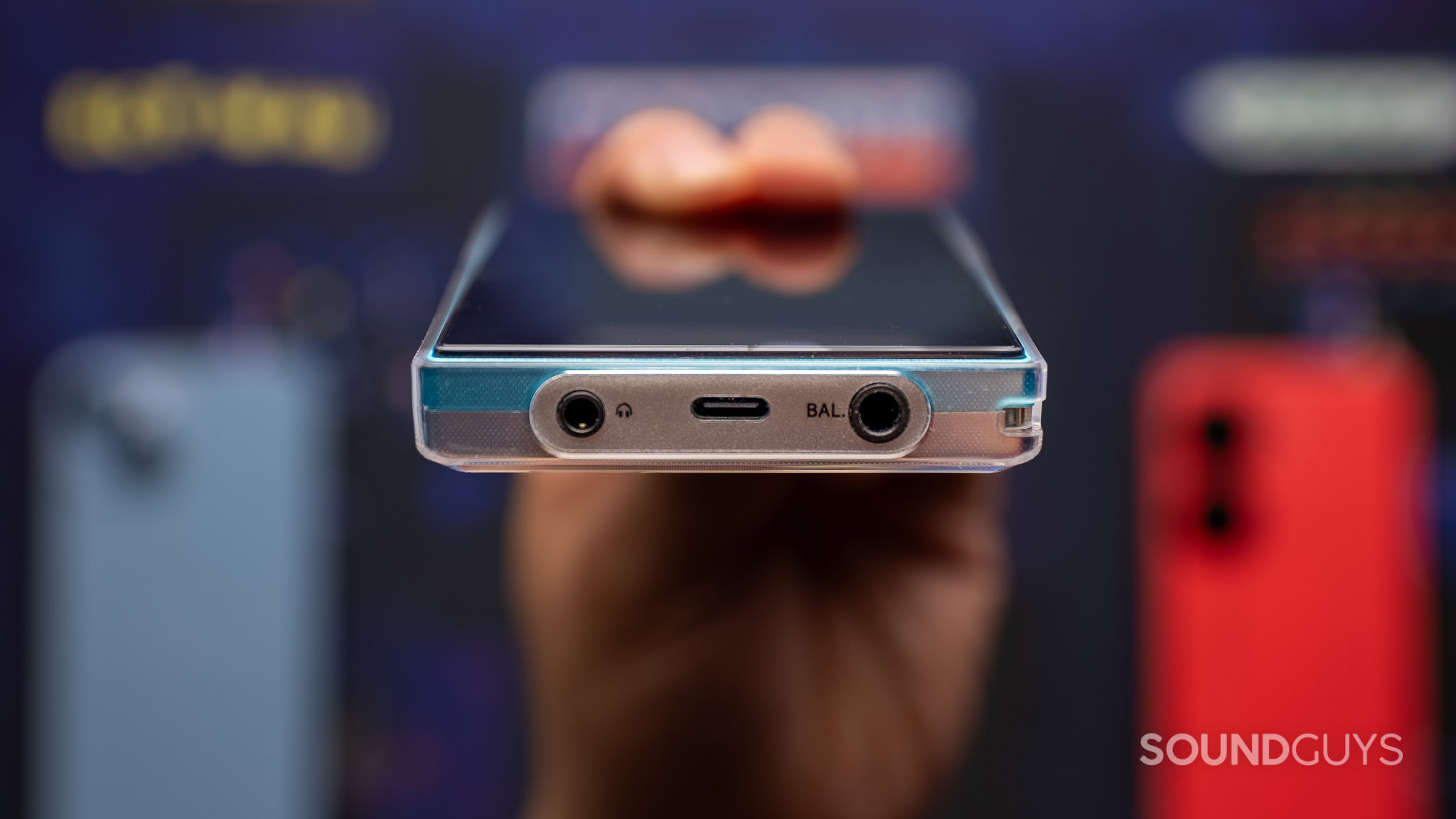
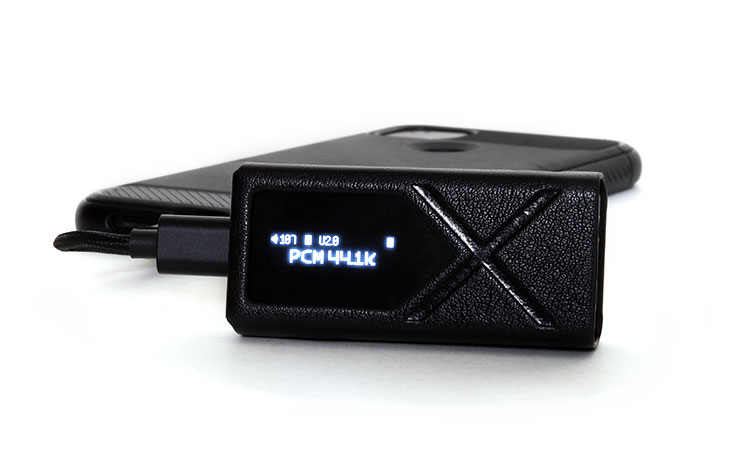
There are three main reasons. The first is output power. Most modern phones do not even have a headphone jack, and those that do ship a low-output amp. Go through a USB-C dongle and you are still relying on whatever DAC chip the manufacturer chose to include, and phone companies optimize for cost and thermal envelope, not audio fidelity. The second reason is noise floor. Inside your phone sit a modem, a main SoC, a display driver, and dozens of switching regulators, all generating electrical noise. Plug in a sensitive IEM and you may hear a faint hiss in quiet passages — that is electrical noise leaking into the analog output stage.
The third reason is the power supply itself. Your phone’s battery has to feed dozens of subsystems simultaneously, and the rail that reaches the audio section is constantly modulated by whatever else is happening. A clean analog output needs clean, stable power. In a DAP, the audio section has its own regulated rail, often with an array of tantalum capacitors dedicated to filtering supply ripple. The technical term audio engineers use is power supply rejection ratio, which describes how well the circuit blocks noise coming from the power rail. Phones measure poorly on this; good DAPs measure well.
Here is what those theoretical differences translate into in practice. Bass sounds tighter and more controlled. The background feels deeper and more silent. Instruments separate more cleanly from each other. These are all measurable. But the difference I notice most is in fatigue. After hours of listening on a phone, I feel a vague tiredness I cannot quite name. Same hours on a DAP, much less of it. The reason is simple: your brain is no longer doing unconscious work to filter noise, and it relaxes.
There is also a software layer that rarely gets discussed. Phone audio goes through the operating system’s audio mixer. Android and iOS mix all app outputs into a single stream, which requires resampling along the way. A 44.1kHz music file gets converted to 48kHz by the system, then passed to the output. This conversion is described as “lossless” but theoretically lossless and practically identical are not the same thing. DAPs deliver bit-perfect output by default, meaning whatever sample rate the source file is in, that is what the DAC receives.
What Is Inside a DAP?
Open up a modern DAP and you essentially find a phone with the audio section taken seriously. Four main components matter: a system-on-chip (SoC), a DAC chip, a headphone amplifier stage, and a clock circuit. Understanding what each does will help you cut through marketing copy when you shop.
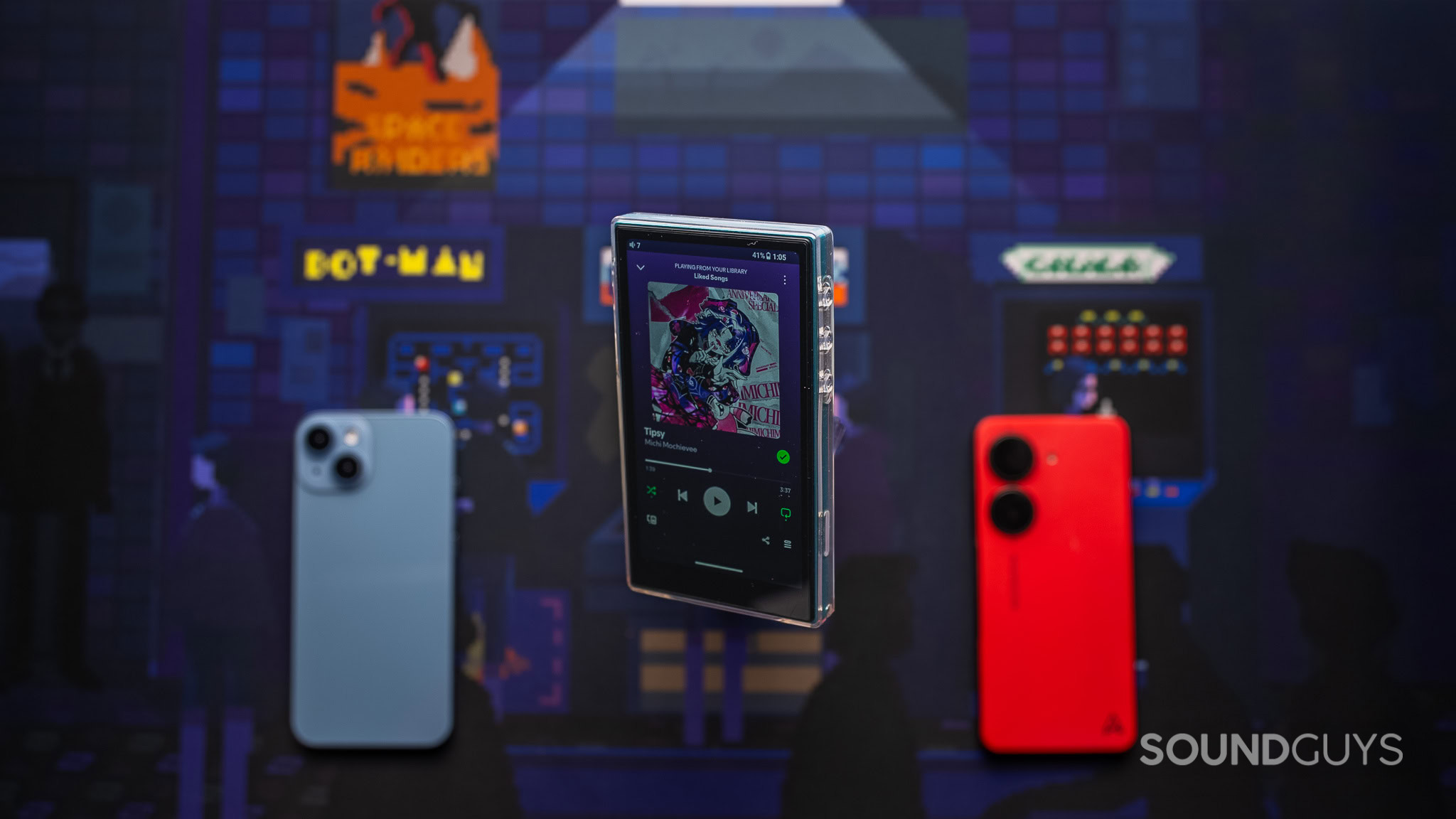
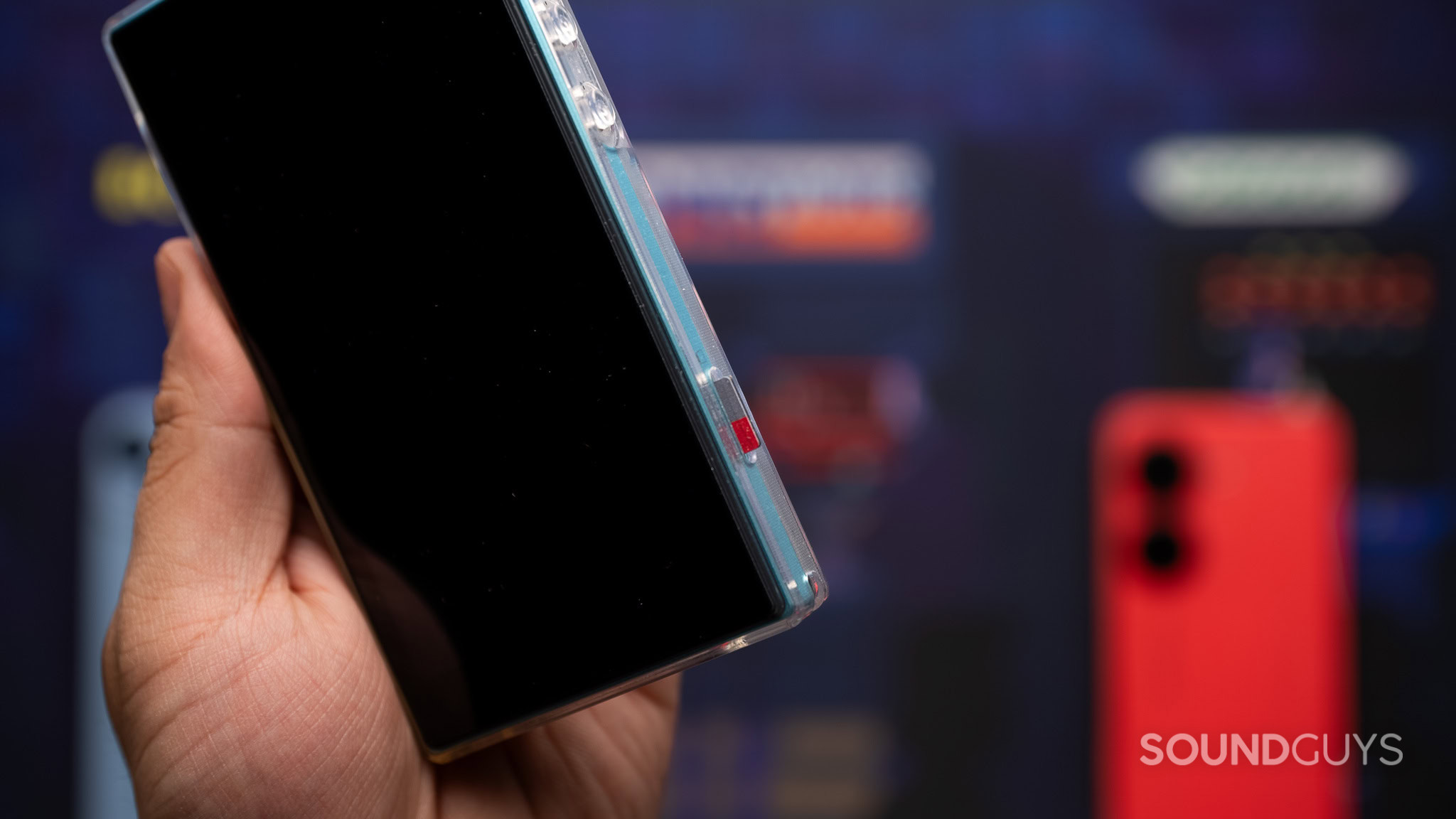
The SoC is the most interesting part. Most DAPs in 2026 now use Qualcomm Snapdragon chipsets, the same family that powers phones. The HiBy R4 runs a Snapdragon 665, the FiiO JM21 steps up to a Snapdragon 680. These chips are not random picks: they are chosen to run Android 12 or 13 smoothly, to keep Spotify, Tidal, and Qobuz launching without lag, without drawing absurd amounts of power. Flagship DAPs like the HiBy R8 II or the FiiO M27 now use Snapdragon 8 Gen 2, which is true phone-grade processing power.
The DAC chip is the heart of the whole thing. Here, the 1s and 0s of your digital file become an analog voltage waveform your amplifier can work with. Three families dominate the market: ESS Sabre (ES9018C2M, ES9038Q2M), AKM (AK4493, AK4499), and Cirrus Logic (CS43198). Each has a slight sonic signature. ESS tends toward analytical detail, AKM toward smoothness and musicality, Cirrus sits somewhere in between. Some manufacturers use multiple DAC chips in parallel rather than one. The HiBy R4 runs four ES9018C2M chips, two assigned to PCM playback and two to DSD. That separation means the two formats flow through optimized paths without interfering with each other, which is genuinely unusual at this price point.
On the amplification side, there are two main approaches: Class A and Class AB. Class A is more linear, produces no crossover distortion, but runs hotter and drains the battery faster. Class AB is efficient but introduces a tiny amount of non-linearity at the crossover point. Entry-level DAPs generally use AB; higher-tier models move to Class A or offer switchable A/AB modes. The R4 is one of the few sub-$300 DAPs running pure Class A, delivering 525mW at 32Ω through the 4.4mm balanced output with a total harmonic distortion of just 0.0005%. For context, an average phone’s 3.5mm output struggles to deliver 30–50mW cleanly.
Finally, the clock circuit. The small crystal oscillators that dictate timing for the audio signal minimize what engineers call jitter — tiny timing errors in digital processing. A well-built DAP uses dual femtosecond oscillators, one clocked at multiples of 44.1kHz and the other at multiples of 48kHz. This matters because CD-quality audio is 44.1kHz while most video content is 48kHz, and sharing a single clock forces resampling. Phones use a single shared clock. Good DAPs do not. That is one of the less visible but most consequential engineering differences.
DAP vs Dongle DAC
Over the past few years, the dongle DAC category has exploded. What started with Apple’s Lightning-to-3.5mm adapter has evolved into genuinely capable products like the FiiO KA17, the Moondrop Dawn Pro, and the iFi Go Bar. A $100 to $300 dongle can deliver a significant portion of what a DAP provides. So why do DAPs still exist?

The first difference is independence. A dongle runs off your phone. It drains your phone’s battery, inherits the entire noise environment of your phone’s operating system — when a notification fires, you can sometimes hear the electrical spike — and gets interrupted every time a call comes in. A DAP has none of these interruptions. The device is there for one purpose, and nothing else is happening.
The second difference is output power and output quality. A dongle is limited by what 5V over USB-C can provide. That is a real ceiling. Even the best dongles struggle to drive a 300Ω HD600 properly. A DAP has its own dedicated battery, usually 4000–5000mAh, reserved entirely for audio. That allows for higher voltage rails and much higher current delivery, which means demanding headphones actually get driven the way they are supposed to. The R4’s 525mW balanced output is roughly two to three times what most dongles can produce.
The third difference, and to me the most important one, is the experience itself. When I listen to music on my phone, I am constantly fighting small friction: a notification interrupts, the screen locks, an app switch happens. On a DAP, I hit play and slip the device in my pocket. That is it. Physical play/pause/skip/back buttons mean I never have to pull the device out again. Out on a walk, on a bike, cooking dinner: you feel the value of a device that responds to your thumb without requiring your visual attention.
A dongle is an accessory that makes your phone do its weakest job better. A DAP takes the phone out of the equation entirely. Both are valid, but for different kinds of listener.
To be fair, dongles have closed the gap so much in the last two or three years that the boundary between “entry-level DAP” and “high-end dongle” is increasingly blurry. A FiiO KA17, for example, runs two ES9069Q DAC chips and pushes close to 650mW of balanced output. The real gap often ends up being ergonomic rather than sonic. Once enough small irritations pile up — plugging a dongle into your phone, worrying about yanking the cable, not being able to use it while charging — the question inevitably comes: why am I not just solving this with a dedicated device? That question is the path toward a DAP.
A Concrete Example: The HiBy R4
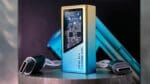
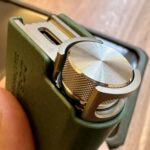
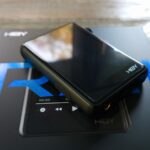
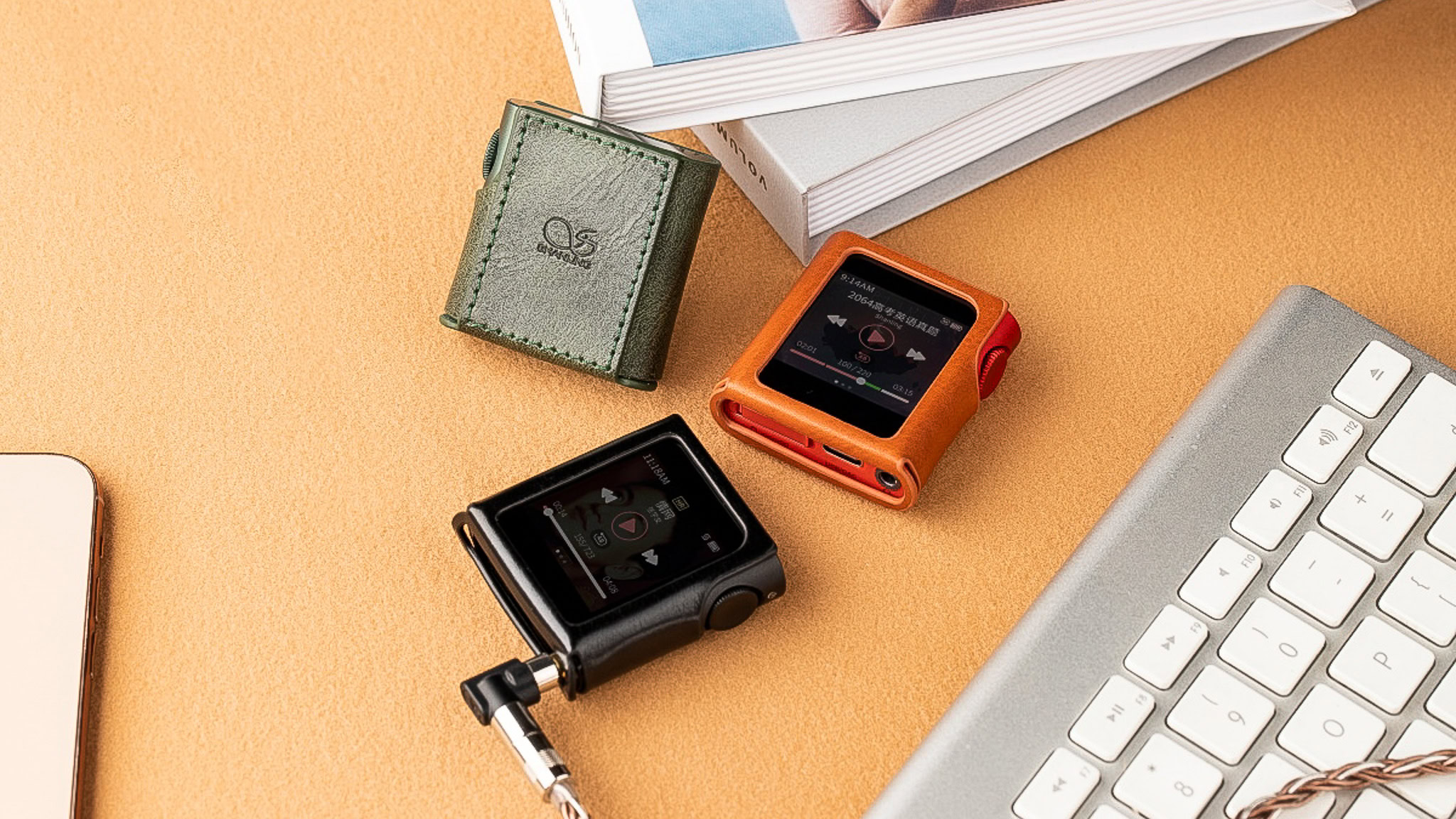
Enough abstraction. Let me tell you about the device actually in my rotation. I have been using a HiBy R4 as my daily driver for about two years now. It is a $249 DAP, which places it firmly in the entry tier, but it is a solid representative of what “real DAP” means at this price.HiBy R4 — replace with your own photo for best resultsThe HiBy R4 at $249: quad-chip ES9018C2M, pure Class A amp, 525mW balanced. A cyberpunk design that punches well above its price. Image: Headfonics
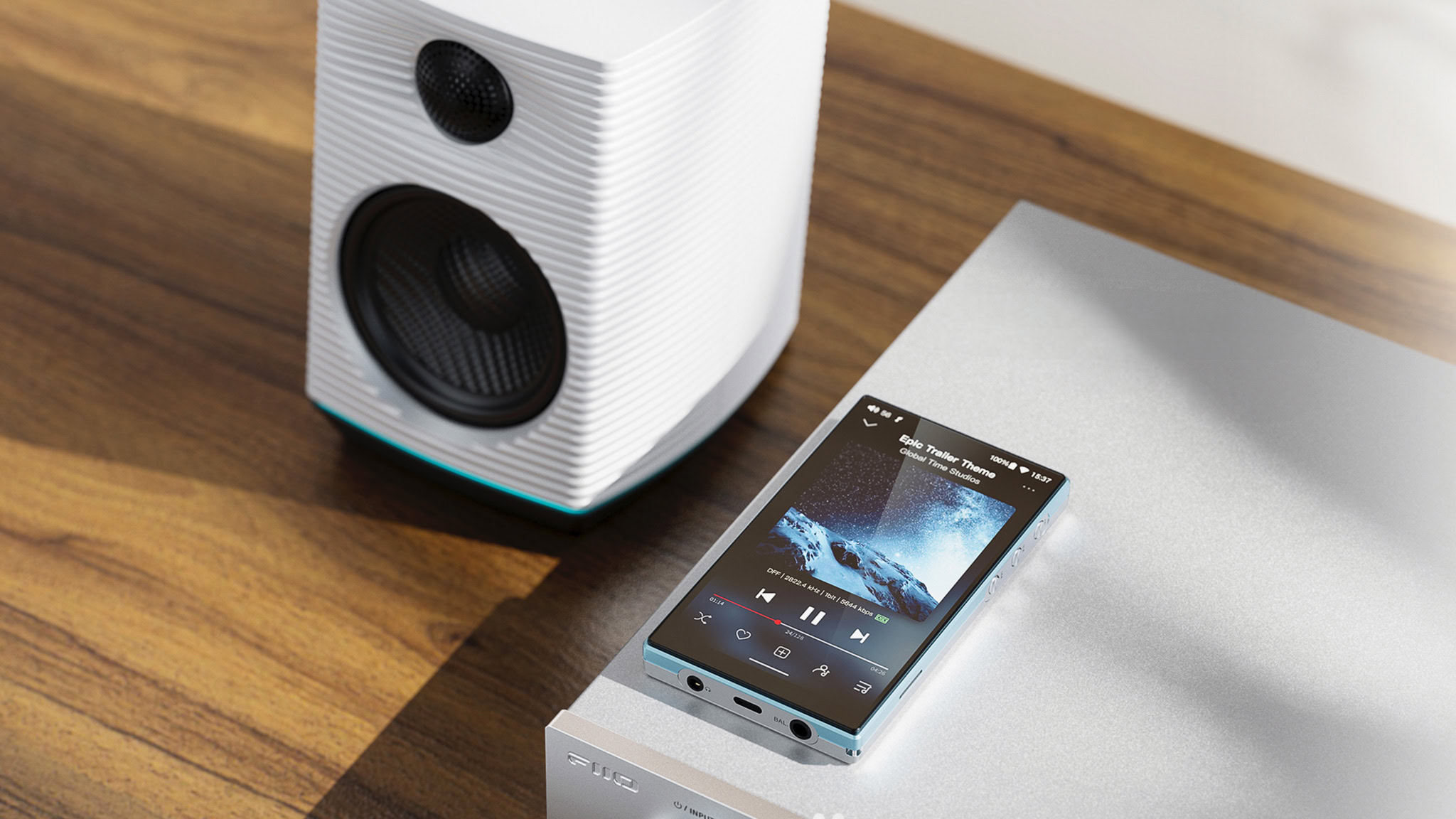
First impression, physically: it is heavier than expected. 231 grams, noticeably denser than a phone. The cyberpunk-inspired design and CNC-machined aluminum chassis give it a premium feel that punches well above the $249 tag. The 4.7-inch IPS display is sharp enough, and Android 12 runs well; Qobuz opens, my playlist loads, playback starts within a second or two. The Snapdragon 665 is not blistering, but for daily audio use, it is plenty fast.
On the audio side, I listen almost exclusively through the 4.4mm balanced output. That is a deliberate choice. The Class A amp’s smoothness shows up on the single-ended 3.5mm too, but it is more pronounced on the balanced output. Of the four ES9018C2M chips inside, two are assigned to PCM and two to DSD. So when I play a Qobuz FLAC versus a DSD rip of a jazz standard, two completely different signal paths handle each case. Seeing that kind of architectural separation in a $249 device is genuinely impressive.
What does that translate to in daily listening? Take a track like Faye Webster’s “Kingston,” which I already know well from phone playback. On the R4, the guitar’s placement in the left channel is more defined, Faye’s breaths are more tangible, the bass drum kick hits with more control. These are small differences individually. But after an eight-hour workday, when I finally sit down and put on my headphones, all those small differences accumulate into a feeling: “yes, now I am actually listening to music.” That feeling rarely shows up on the phone for me.
Downsides? Plenty. The 11-hour battery life is modest by modern standards; you will charge it daily if you listen throughout the day. Apps run smoothly but not with flagship-phone speed. The Google Play Store works fine, Spotify logs in, but occasionally HiBy OS will randomly log you out of Spotify — a known quirk. One more thing worth mentioning: the R4’s tuning is not strictly neutral. Despite the ES9018C2M chips’ generally analytical character, the Class A amp stage adds a hint of warmth and smoothness that softens the overall signature. A bright IEM like the Moondrop Chu II or the Truthear Nova balances nicely on the R4. An already-dark IEM can sound a bit closed-in. Source-IEM matching is not just theory; it is a practical reality.
Disclaimer: Over the years I have used, reviewed, and sold more than a dozen DAPs. The HiBy R4 is the one that stuck — it has been my daily driver for two years and serves as the reference point throughout this article. The HiBy RS6 and the Cayin N8ii are the two others that left a lasting impression.
Does a DAP Still Make Sense in 2026?
No short answer to this one. The long answer depends on who you ask.
Spend time on audio forums and you will find community members who call DAPs a dead category. Their argument is reasonable: phone plus a decent dongle DAC does most of what a DAP does for less money. Spotify, Apple Music, Tidal all work flawlessly on a phone. Carrying a dedicated device means extra pocket space, extra charging, extra syncing. It adds friction to a user experience that is already working.

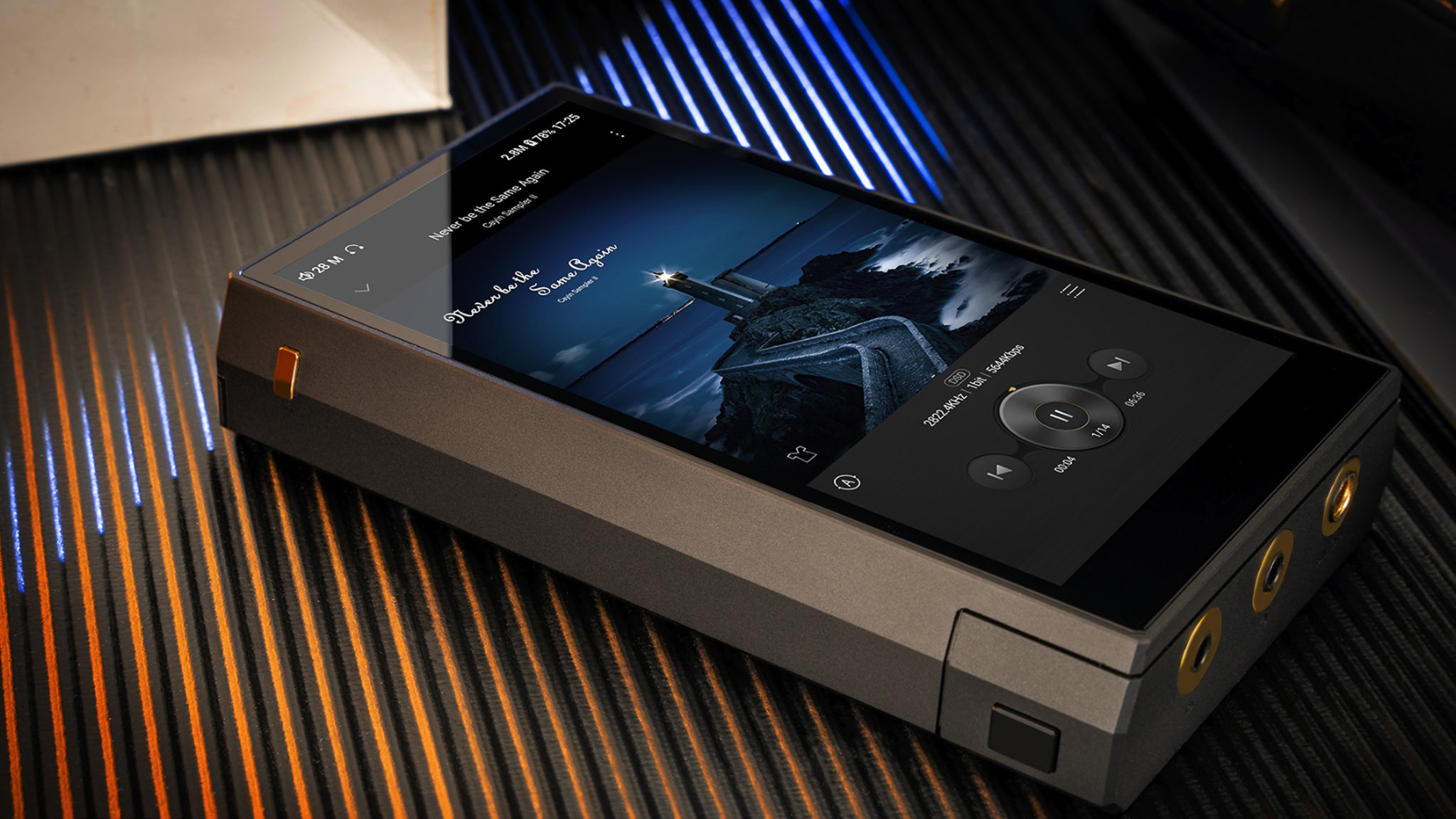
And yet, the manufacturers keep shipping. HiBy, FiiO, iBasso, Astell&Kern have released more models in the last three years than in the previous decade combined. In the budget tier, the FiiO JM21 at $179 and the HiBy R4 at $249 prove the category is accessible. In the flagship tier, the iBasso DX340 and HiBy R8 II run Snapdragon 8 Gen 2 and push specifications that were unthinkable five years ago. If the category were dying, this level of R&D investment would make no sense. So there is demand somewhere.
My honest take is this: buying a DAP in 2026 is partly a pragmatic decision and partly an emotional one. The pragmatic case — if you own IEMs that cost more than $200, a DAP brings out more of their potential than a phone does. If you listen for hours at a time, the separation from your phone (and its constant pull on your attention) makes a real difference. If you keep a local library of FLAC or DSD files, the DAP’s microSD support and bit-perfect playback are far more ergonomic than anything a phone offers.
The emotional case is different. A DAP is a device that turns music from a background activity into the foreground activity. It does nothing else. That constraint, which seems like a downside at first, becomes a virtue once you live with it. When you take your phone out of the music chain, you start paying attention to the music itself. In an era defined by split attention, that is a small but meaningful act of resistance.
Who Is It For, and Who Should Skip It?
If you are thinking about buying a DAP, ask yourself a few questions first. The answers will tell you whether the money is well spent.

First: what do you listen with? If you mainly use true wireless earbuds, skip a DAP. TWS earbuds have their own DAC and amp built in, and the audio they receive over Bluetooth is already compressed. Most of what a DAP offers gets thrown away at the Bluetooth layer. If you use wired mid-to-upper-tier IEMs or headphones (say, $200 and up), a DAP’s contribution starts being audible.
Second: how much do you actually listen? For someone who listens 30–60 minutes a day, a phone with a good dongle is almost certainly enough. For someone who listens three or four hours a day or more, the reduced listening fatigue of a DAP adds up.
Third: what is your source? If you only use Spotify (320 kbps OGG), the improvement a DAP delivers is capped — the source itself is the bottleneck. If you use Qobuz or Tidal at lossless quality, or keep local FLAC and DSD files, a DAP’s advantage becomes much more audible.
Fourth, and probably most important: what is your relationship with music? Is music a background thing, or something you actively focus on? If it is the former, a phone is fine. If it is the latter, a DAP earns its keep. I sit awkwardly between those two groups myself. Some days music is just company for the commute; other days it is something I sit and listen to with intention. For the second kind of day, the DAP is what I reach for.
One budget note, because it matters. If you are starting fresh and can spend $700–800 total, put $500 on the headphones, $250–300 on the DAP. Not the other way around. A DAP can only deliver as much as the transducer can transmit. A bad pair of headphones on an expensive DAP sounds worse than a good pair of headphones on a mid-tier DAP. The transducer is the primary bottleneck in any audio chain. Always start there.
Frequently Asked Questions

Should I buy a DAP or a dongle DAC?
If your budget is limited and you mostly stream from your phone, a good dongle DAC (FiiO KA17, Moondrop Dawn Pro 4.4) is the more pragmatic choice. If you keep a local music library, or want a device that is independent from your phone, a DAP is the better fit.
When does the difference between a DAP and a phone actually reveal itself?
Small differences are audible in the first 15–20 minutes of careful A/B listening: a quieter background, tighter bass control, cleaner stereo imaging. The bigger difference shows up after two or three hours. Where a phone leaves me slightly fatigued, a good DAP leaves that feeling much reduced.
Android DAP or a closed-OS one (like Mango OS)?
If you use streaming services (Spotify, Qobuz, Tidal), an Android DAP is practically required. If you only deal in local FLAC and DSD files and want minimal distractions, a closed-OS DAP offers a more focused experience and generally ages more gracefully.
Single-ended (3.5mm) or balanced (4.4mm) output?
If your IEM or headphone supports a balanced cable, go for the 4.4mm output. The bulk of a DAP’s amplifier design is optimized for it — more power, lower noise floor. Single-ended works fine in most situations, but balanced generally sounds better and is worth the cable upgrade.
How long before a DAP becomes obsolete?
Hardware-wise, never. A Class A amp and a good DAC chip sound the same in 10 years as they do today. On Android-based DAPs, OS updates tend to dry up after three or four years, and some apps eventually stop supporting older Android versions. Closed-OS DAPs age more gracefully on this front.
Conclusion
A DAP is not an old-school MP3 player. That definition stopped describing the category years ago. A modern DAP is a small computer built to do what a phone cannot quite do: deliver clean, stable, quiet audio. It has a real SoC, a real DAC, a dedicated amplifier, its own battery, its own headphone outputs. Its only job is to play music.
Does everyone need one? No. For most listeners, a phone is enough. But if you own good headphones, listen to lossless music, spend hours listening daily, and want to take music seriously, a DAP earns its place. Even an entry-tier device like the $249 HiBy R4 does things a phone cannot. At the high end, the ceiling depends on how much you are willing to spend.
One piece of purchasing advice worth repeating: invest in the headphones first. A $100 headphone paired with a $500 DAP will sound worse than a $300 headphone paired with a $250 DAP. The transducer is the primary component of any audio chain. Always start there. Then, if you find that headphone is not reaching its full potential on your phone, a DAP becomes a reasonable next step.
just sayıng
The DAP world overlaps with several other topics worth exploring: the difference between a DAC and a DAC/amp, R-2R versus Delta-Sigma architectures, the practical differences between balanced and single-ended outputs, and digital filtering. Follow the internal links above for deeper dives, and drop any questions in the comments below.
About the author: Mahir Efe Falay is the founder of Mobileaudiophile.com and Kulakligim.net along with revelant reddit, facebook, youtube, hifiguides and Quora communities. His daily listening setup is a HiBy R4 digital audio player with 4.4mm balanced output and lossless streaming via Qobuz.





Another competitor for the DAP is a repurposed older phone plus a dongle DAC. That’s especially appealing if you have an off-brand phone with little or no resale value, so there is no opportunity cost if you use it as a dedicated audio player. (In contrast, you could sell your three year old iPhone, Galaxy, or Pixel and buy a DAP.) Take out the SIM, remove most of the apps, and put on a high quality player like HiBy, and you’ve got a lot of the benefits of a DAP, and you can keep your streaming apps (for use on WiFi since you no longer have a SIM) for less critical listening. You’re no longer getting interrupted by calls and notifications because you’ve taken all that stuff off the phone.
That’s a genuinely smart move and honestly more people should know about it. You’re essentially getting a DAP for free if that phone is already sitting in a drawer.
The dongle DAC pairing is where it really clicks though. Something like the Simgot Dew4x or the Hidizs S9 Pro Plus at under $100 will genuinely transform whatever phone you plug it into. The Dew4x uses CS43198 DAC chips, has great driving power, and synergy with most any IEM is fantastic.  That’s a serious audio chain for very little money.
The HiBy suggestion is spot on too — it’s one of the cleanest players out there, proper gapless playback, parametric EQ built in, and it handles local files and streaming without fuss. UAPP (USB Audio Player Pro) is another one worth knowing about if they’re on Android, it bypasses the OS audio stack entirely which is a bigger deal than most people realise.
The dedicated device angle is underrated too. No distractions, battery life dedicated purely to music, and psychologically you’re just in a different headspace when you pick up a device that only does one thing.
The only thing I’d add is to make sure the phone still gets security patches if you’re keeping streaming apps on it and connecting to WiFi. An old unpatched Android on public networks is a little sketchy. But for home WiFi it’s basically a non-issue.
Solid setup for someone who wants to get serious without going deep on a DAP budget 👌