











































Preface
A friend of mine asked me for a fun pair of IEMs. Now, “fun” can mean pretty much anything, but knowing his taste, and knowing he leans toward rhythm and strong bass, my first thought went to the Punch Audio Portazo or the Martilo, which I will be reviewing soon.
Table Of Content
- Preface
- First impressions
- Packaging and accessories
- Bass booster
- Technical specifications
- The project, ideas and choices
- Bass approach
- Tuning extension and design
- Philosophy
- Build, comfort and accessories
- General sound signature
- Bass
- Texture and behavior
- Buster effect
- Midrange
- Treble
- Soundstage and imaging
- Driving, pairing and synergy
- Comparison with Punch Audio Portazo
- Bass approach
- Midrange
- Treble and stage
- Final comparison
- Comparison with Thieaudio Hype 4 MKII
- Bass
- Midrange
- Treble
- Technical performance
- Final comparison
- Comparison with Aune IR300
- Bass
- Midrange
- Treble
- Technical performance
- Final comparison
- Final thoughts
- Score
- 🟢 PRO
- 🔴 CONS
- Q/A
- Are they suitable for professional use?
- Do they work well with smartphones?
- Is the bass always this strong?
- Do they get tiring over time?
- Are they suitable for all music genres?
- Should the buster always be used?
- Is tip rolling recommended?
- Acknowledgments and personal note
Then I remembered I had the FATfreq x HBB Deuce in my hands. Their reputation is exactly that, dynamic sound, bass focused, with the option to push things even further thanks to the bass booster. So I told him to wait, let me spend some time with them first, then I’ll tell you what I think.
The Deuce come from a collaboration that, at least on paper, promises something a bit different. On one side FATfreq, already known for bold low end tuning, on the other HBB, with a vision that leans more toward listening enjoyment, less about lab precision and more about real world use.
Studio neutrality was never the goal here. This is not that kind of product.
The idea is clear right away, create something that sounds full, present, almost physical, but without completely losing control.
It is an approach I personally enjoy a lot. Less numbers, less graphs, more feeling. More body, more substance, more musicality. The Deuce are not trying to make you hear music better, they are trying to make you feel it more.
First impressions
Right from the first listen there is no need to adjust, the character comes through immediately, but without feeling forced or artificial. This is not one of those IEMs that hit you with something strange or unbalanced. There is a clear sense that behind the sound there is a project built around musicality, impact, and a certain overall coherence. It is an easy sound, almost natural, but with a very clear identity.
The bass is the main actor, it shows up instantly, with a presence that can be felt even at low volume. There is no need to push the volume, no need to search for the sweet spot, everything is already there. What stands out is that it is not just about quantity, but about physical presence, the kind of bass that follows the rhythm and pulls you into the track, without asking you to focus too much on what is happening.
The overall feeling is that of an IEM that does not want to be analyzed, but experienced. It does not invite you to chase hidden details or micro nuances, it invites you to listen to music for what it is. The more time you spend with it, the clearer it becomes that the focus is all about engagement, about immediacy, about that kind of sound that keeps you there without overthinking.
As the minutes go by, another aspect becomes clear, how easy it is to just keep listening. It does not fatigue, it does not demand attention. You can keep them in for hours without feeling the need to actively follow the sound, and that is what really makes the difference.
This is not an IEM to understand, it is an IEM to plug in and let go.
Packaging and accessories
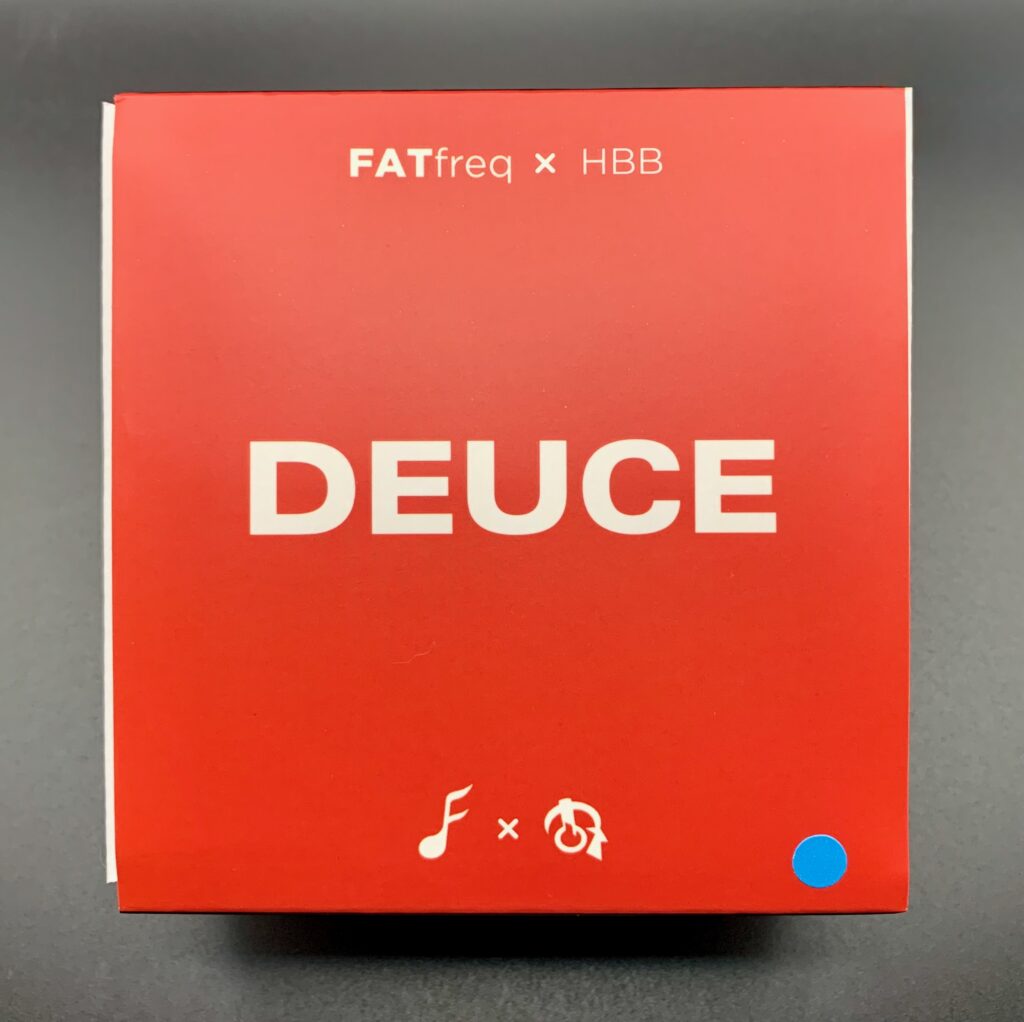
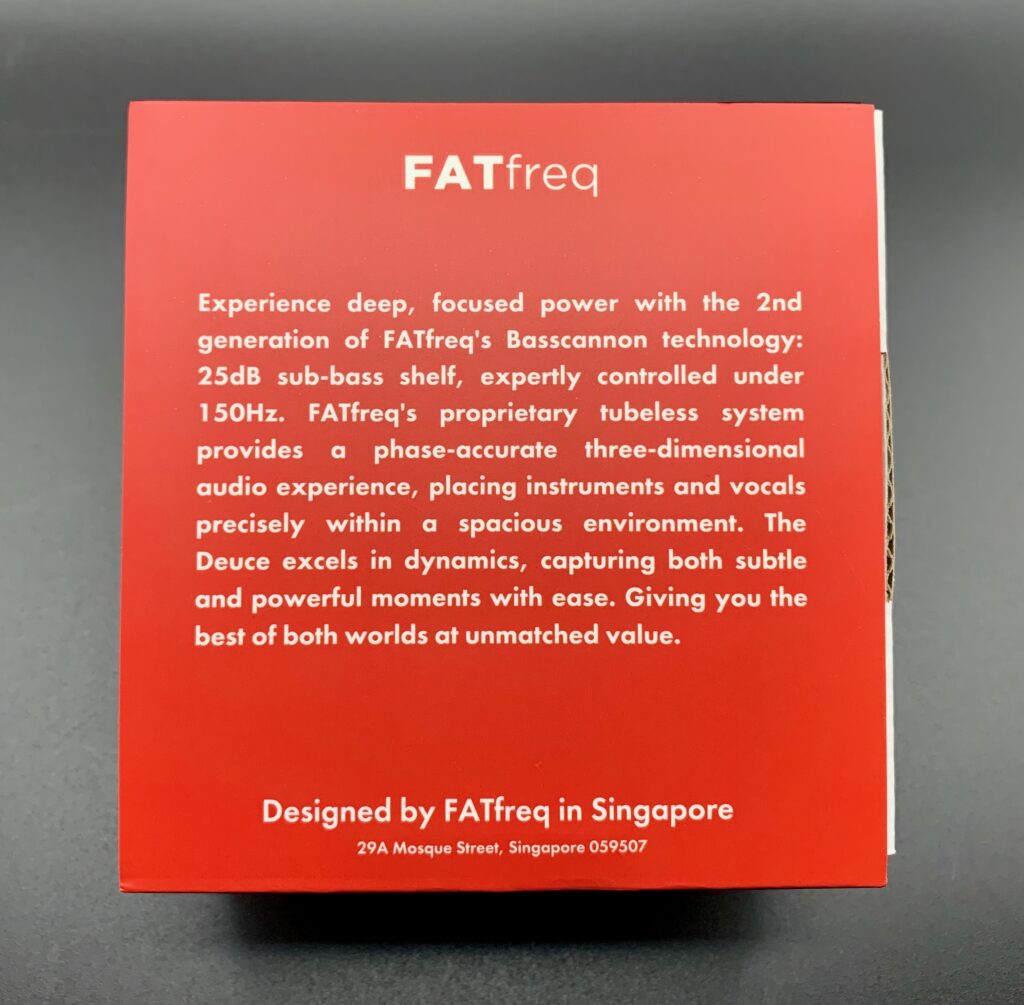
The packaging is minimal, with no visual flair, maybe even a bit too minimal. To give you an idea, it feels like about half of what you would expect from other IEMs in the same price range or category. There is no real wow effect when opening it, everything is very direct, almost barebones, and that can feel a bit surprising at first.
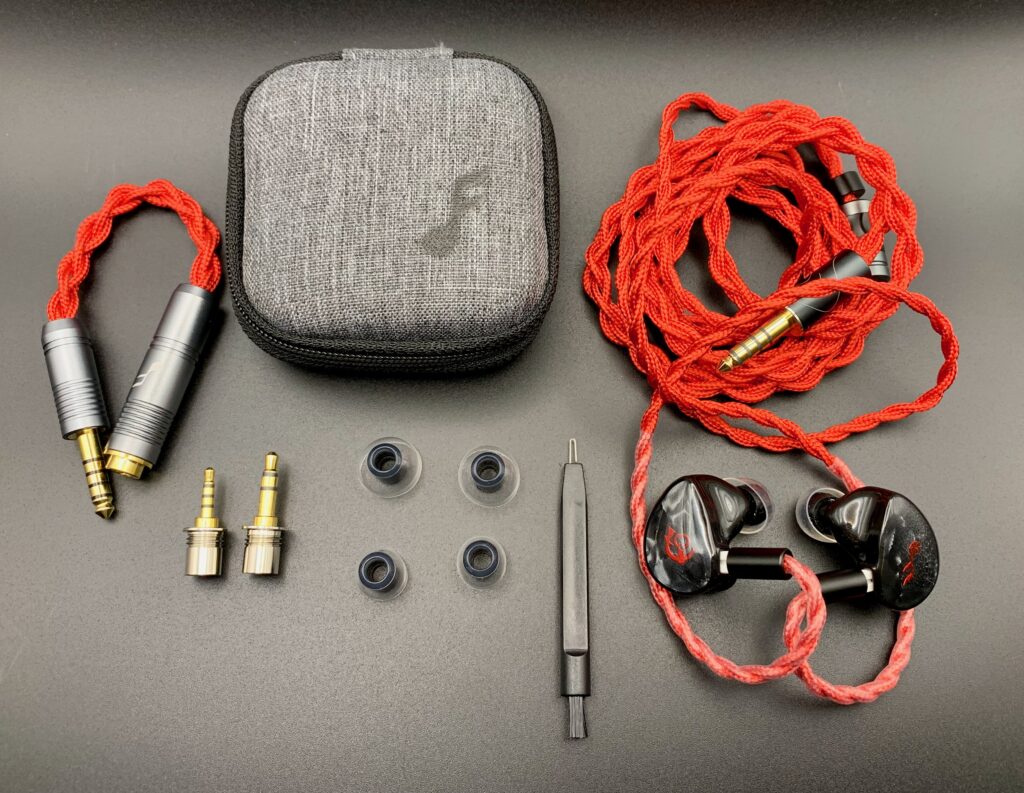
Inside, you still get everything you need to start right away, cable, tips in different sizes, and a carrying case. Everything is neatly arranged, functional, with no particular attempt to impress.
That said, it is worth stopping for a moment, because some choices feel a bit questionable.
Starting with the tips. You get three sizes, but only one type, clear silicone. It is understandable that people buying this kind of IEM are not necessarily chasing an unboxing experience, but having at least one alternative would have made sense. A firmer silicone, maybe black, or a set of foam tips, which can often make a noticeable difference both in comfort and sound.
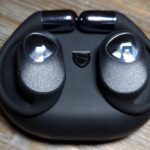
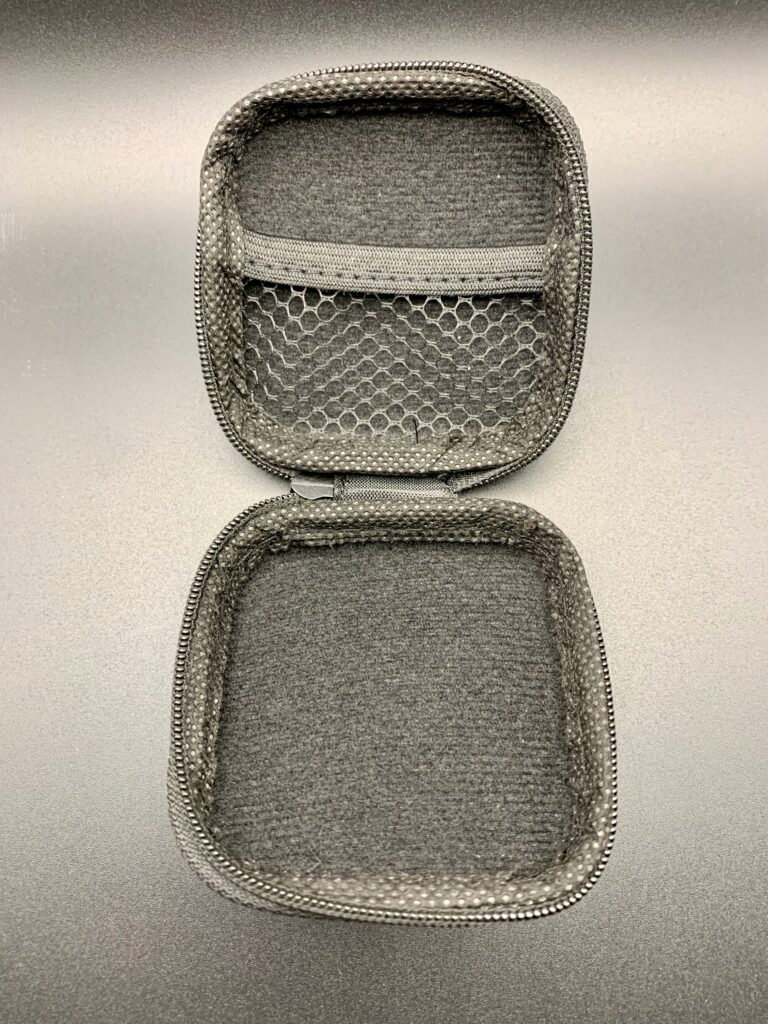
The case follows the same minimal approach. It is clearly designed to fit in a pocket, so it is very compact, but it almost goes too far in that direction. The cable and IEMs fit, but just barely. A few extra millimeters would have made it much more practical, especially for anyone wanting to carry adapters or spare tips.
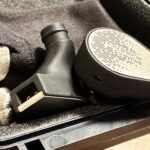
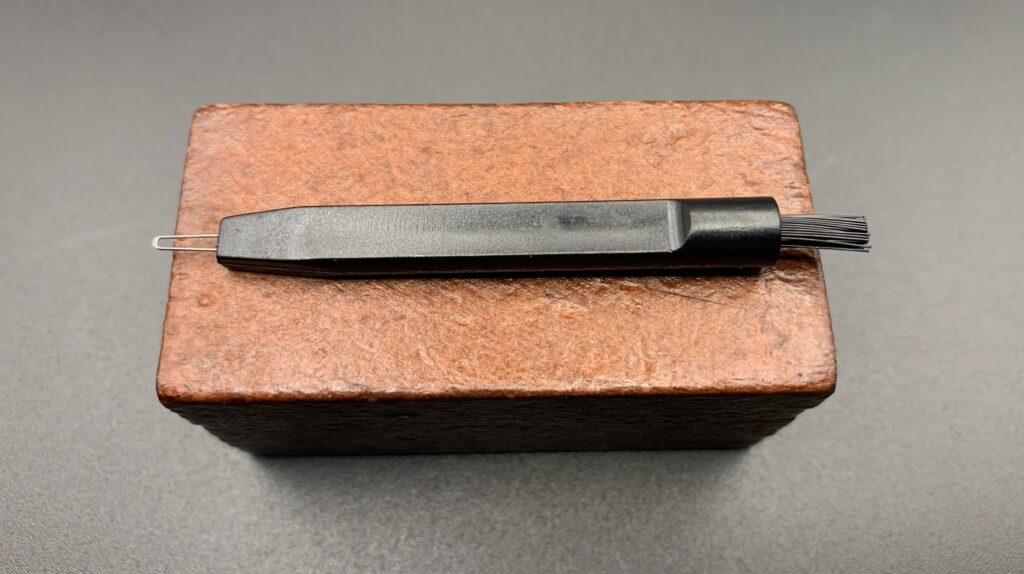
There is, however, a small positive surprise, a cleaning brush for the nozzle. It is not something you see often, actually it is quite rare, and it is included here. A simple addition, but a useful one, and it shows some attention to long term use.
Bass booster
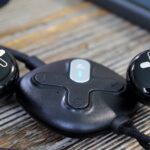
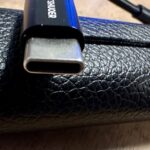
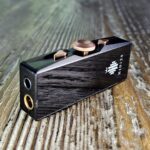
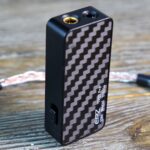
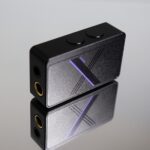
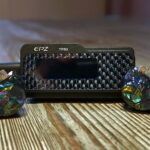
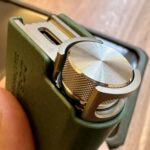
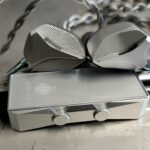
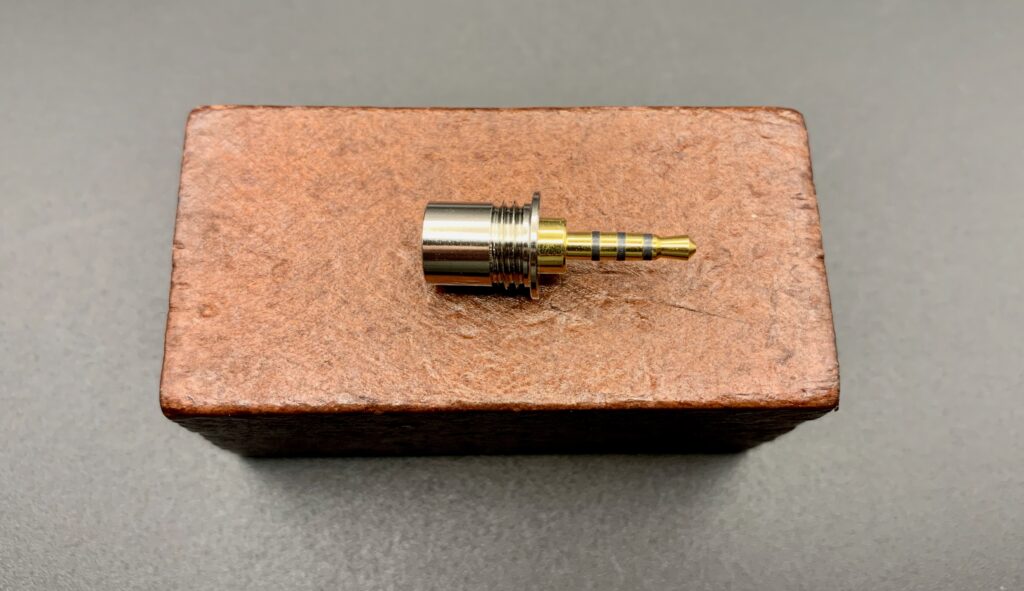
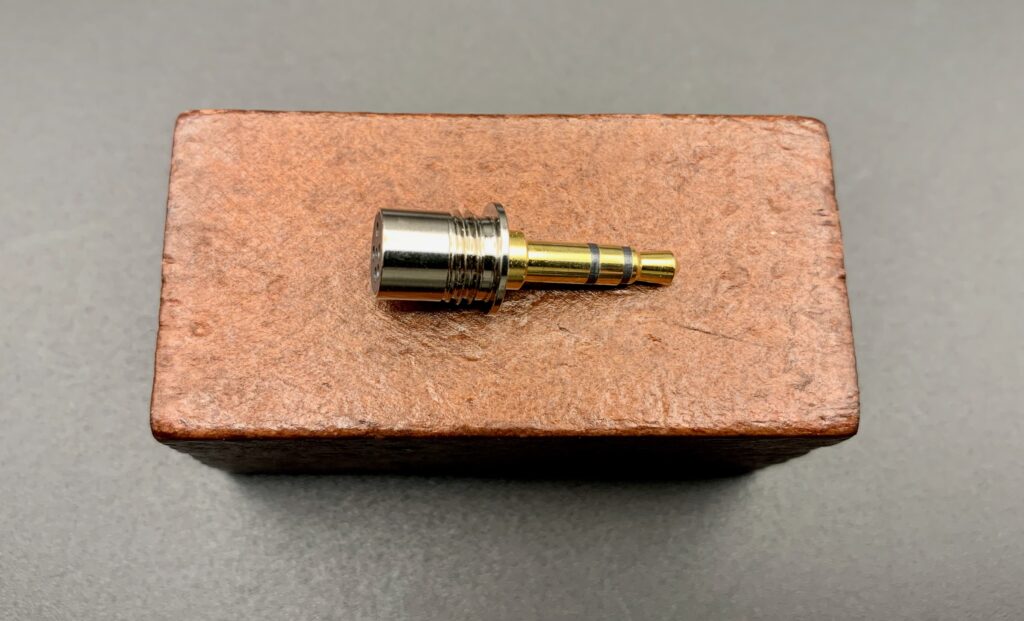
The story changes completely when it comes to the bass booster, or buster. This is where things get more interesting. This is not a passive system like the tuning tubes seen on models such as Aune IR300, ThinHIFI T6 or Twistura Beta, but something much more immediate, almost like a small dedicated dongle.
It works on frequencies below 150 Hz, letting you push the low end even further.
A fairly unusual approach, not something you come across often, and one that deserves a closer look.
Overall, this is not a product that tries to impress at first glance. Everything is very focused, almost stripped down to the essentials. The feeling is quite clear, the budget has been spent elsewhere, and after just a few minutes of listening, it becomes obvious where.
Technical specifications
Before getting into the numbers, the usual disclaimer applies.
Specifications can give you a general idea, but they only tell part of the story. In the case of the Deuce, even less than usual.
This is not just about drivers or figures, but about how everything has been used.
That well-known bass boost on paper is not just a number, it is something you notice immediately, and it changes the whole experience.
These are useful details to understand the concept behind the product, not to truly predict how it will sound.
| Feature | Specification |
|---|---|
| Driver Configuration | Dual Dynamic Driver, 2 DD |
| Bass Cannon Technology | Second generation, 25 dB sub bass boost, controlled below 150 Hz |
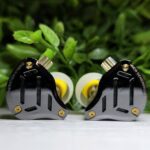
| Design | Semi custom, with rear fin for stability, resin shell |
| Nozzle | Around 6.7 mm at the widest point |
| Cable | Nylon braided, oxygen free copper, silver plated, Silver Blood Cable |
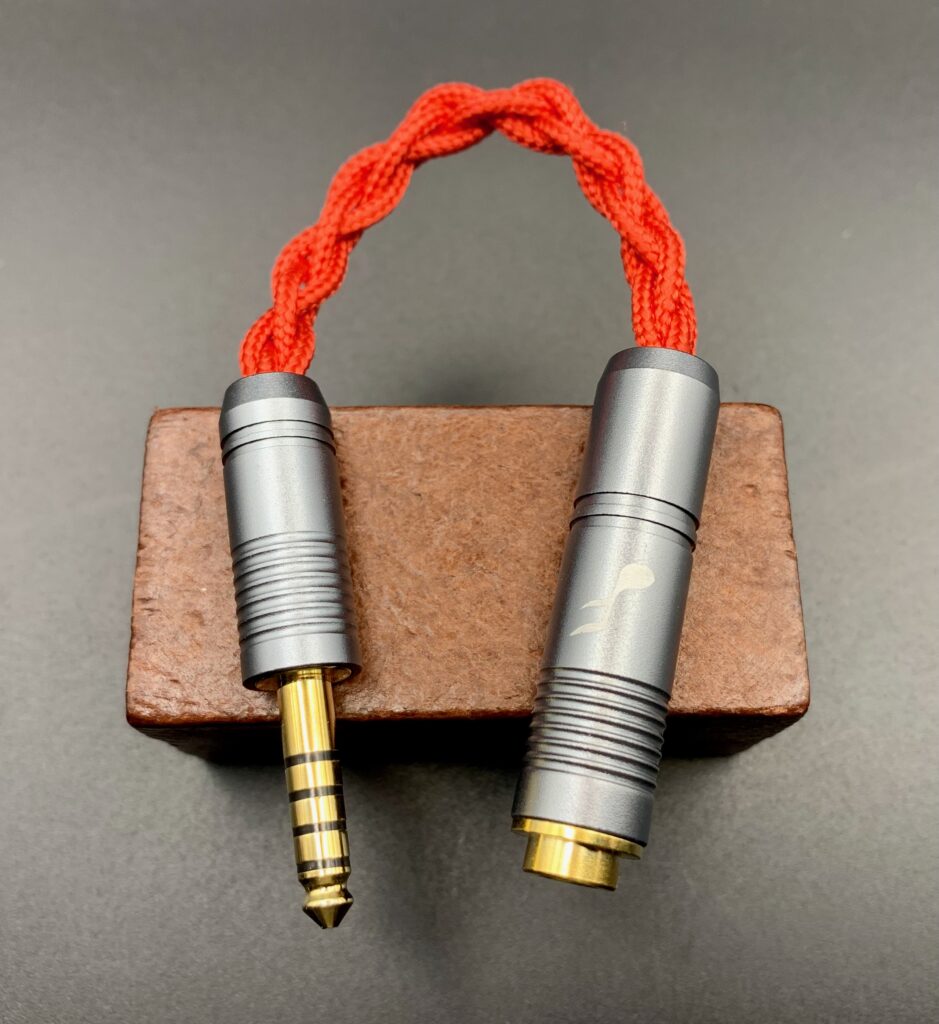
| Included Accessories | 15 ohm impedance adapter, adds 10 dB of bass, total over 35 dB bass boost |
The project, ideas and choices
The philosophy behind the Deuce is very clear, but at the same time less simple than it might seem. It is not just about adding more bass, it is about building it in a way that becomes the core of the experience without turning everything into a blurred mass. Over the years, FATfreq has worked a lot on this approach, developing a low end that is not just about quantity, but also about structure and depth.
Here though, you can sense something slightly different. The direction is less technical and more focused on immediate enjoyment, and this is where HBB comes into play. The result is a tuning that does not aim to be perfect on paper, but effective in real world listening, the kind you live with every day.
Bass approach
A key element of the project is the second generation Bass Cannon technology, which introduces a significant sub bass boost, stated up to 25 dB below 150 Hz. This is not just a spec sheet number, but a deliberate choice, pushing energy into the deeper low end while trying to avoid excessive mid bass bloom.
This leads to a presentation that tries to keep some level of separation, even with a very strong presence. The dual dynamic driver configuration also plays a role here, allowing the workload to be shared instead of pushing a single driver to its limits. In practice, this helps maintain a certain level of control, and even when the bass hits hard, the sound does not collapse into chaos.
Tuning extension and design
Another element that clearly reflects the philosophy is the included impedance adapter. It is not just an accessory, but a real extension of the tuning. With its 15 ohm load, it adds another 10 dB of bass, bringing the total beyond 35 dB, moving into a clearly extreme territory.
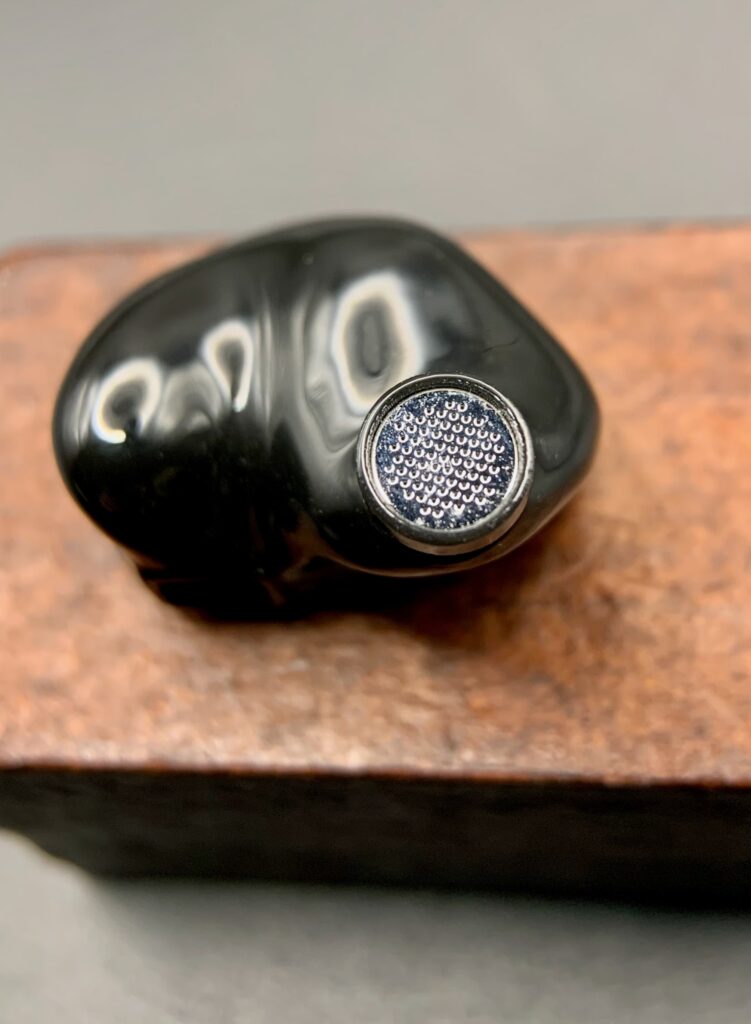
It is not something everyone will use, but it is a very clear statement, giving the user the option to go even further, without limits. The design follows the same idea, with a semi custom shape and a rear fin designed for stability, which becomes important when the sound turns physical. The wide nozzle, around 6.7 mm, helps achieve a proper seal, allowing the low end to perform at its full potential.
Philosophy
In the end, everything revolves around a very specific idea. Not to create a correct IEM, but to create a recognizable one, with a strong and immediate identity. Not chasing neutrality, but delivering an experience that leaves an impression. The Deuce are not trying to adapt to everything and everyone, they are aimed directly at those who want to feel music in a more direct, more physical, more engaging way.
Build, comfort and accessories
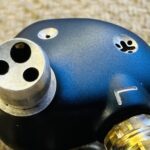
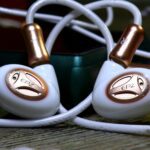
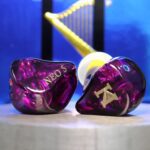
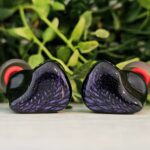
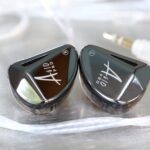
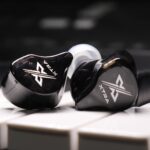
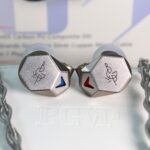
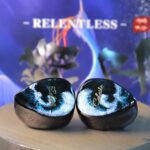
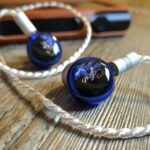
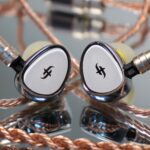
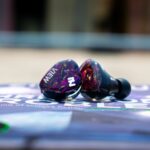
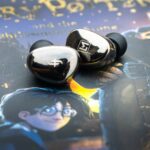
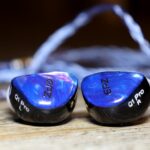
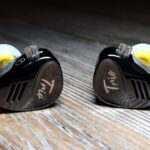
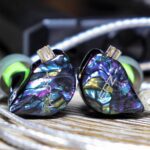
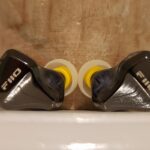
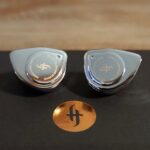
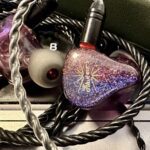
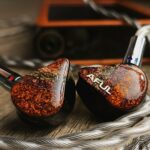
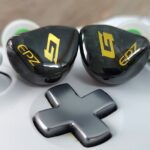
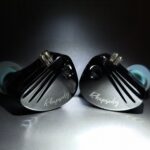
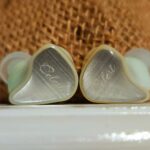
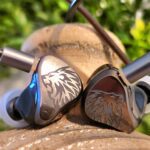
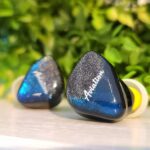
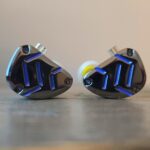
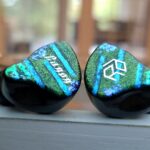
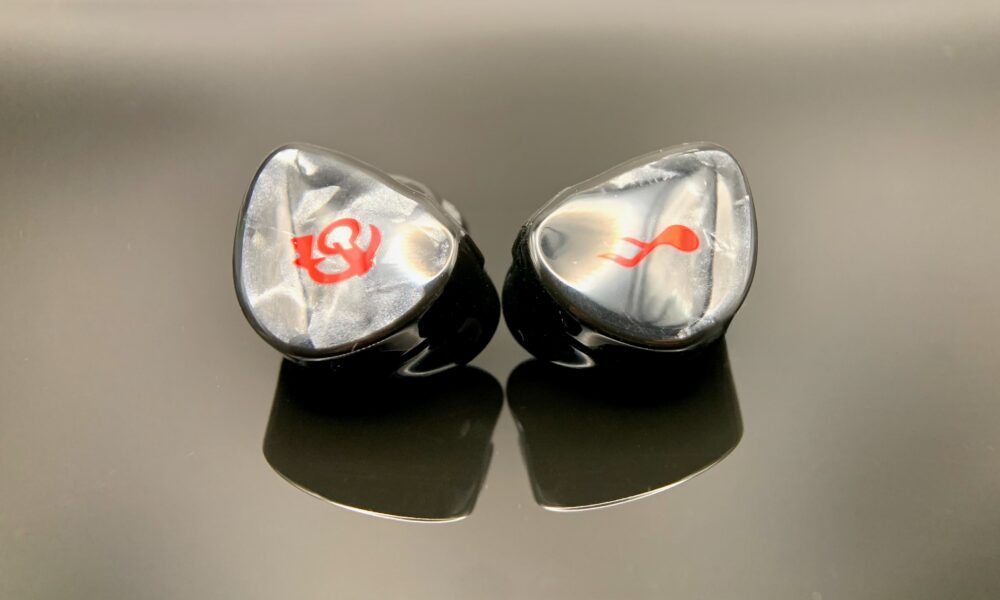
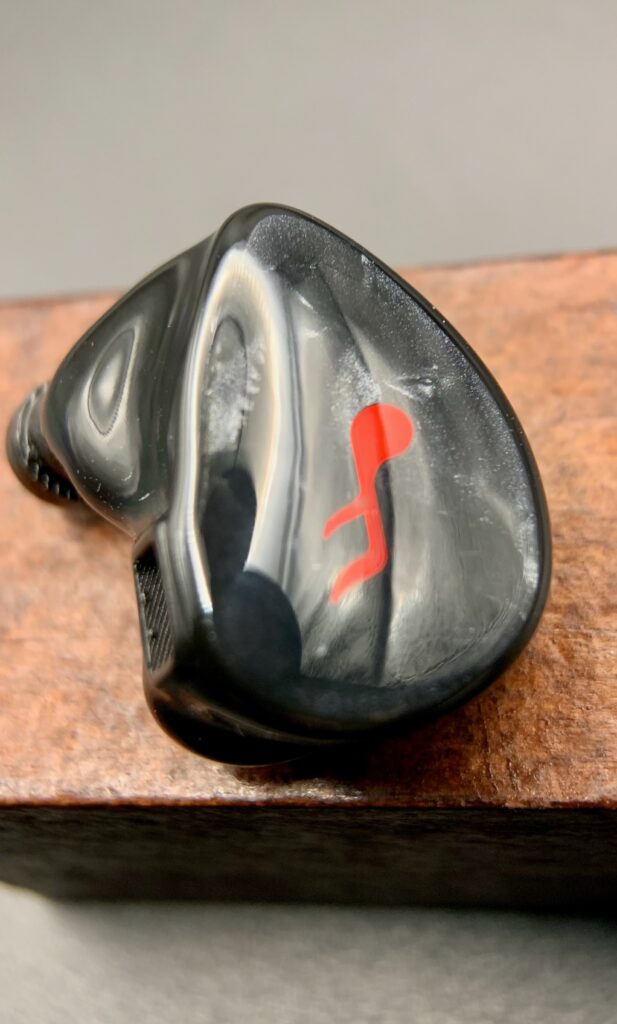
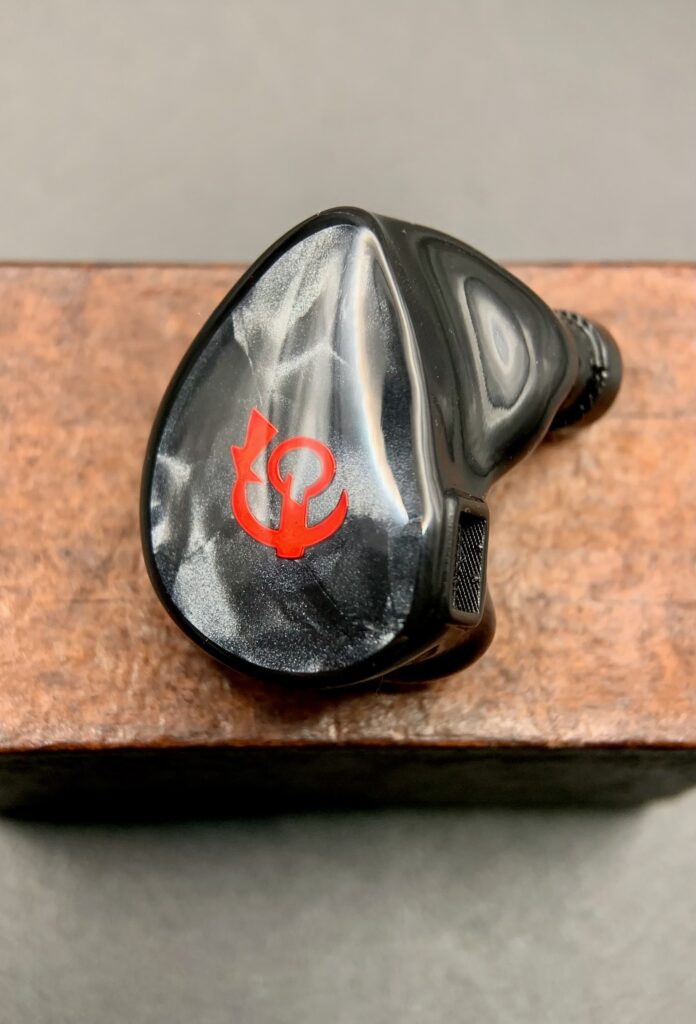
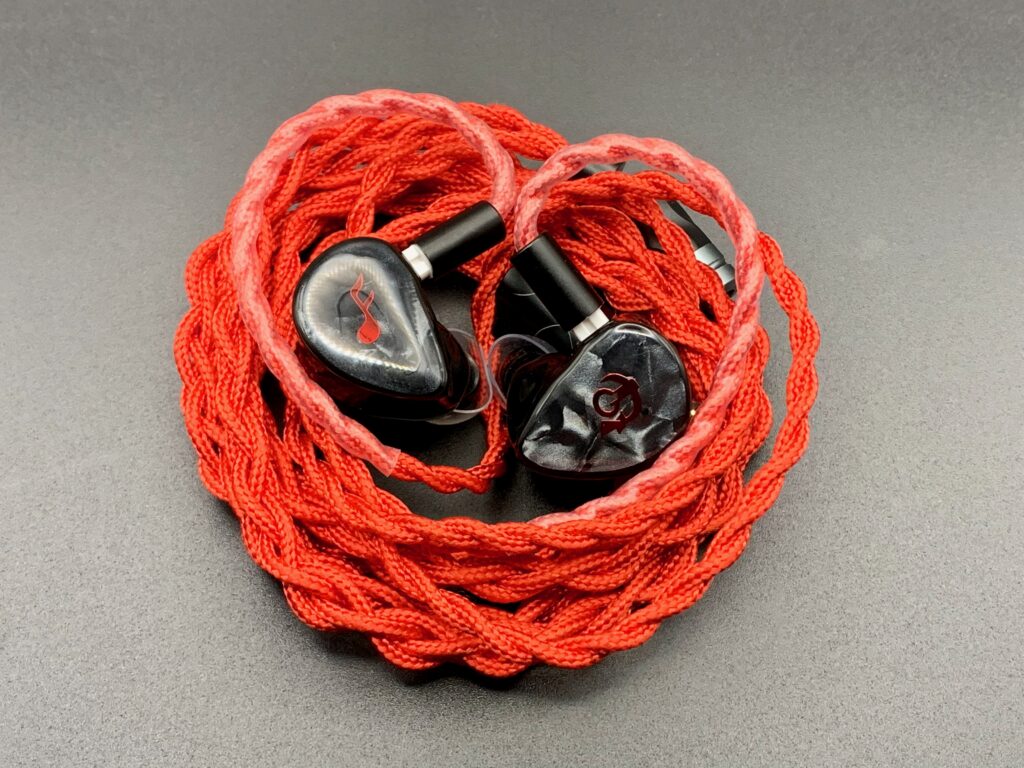
The shells are light, well finished, with a shape that tends to disappear in the ear after just a few minutes. The mother of pearl effect on the surface looks very nice, giving a more refined impression than you might expect from a product so focused on substance. The choice of logos is also interesting, on one side the stylized FATfreq “F”, on the other the symbol tied to the collaboration with HBB, created specifically for this model, a detail that helps give the product its own identity.
Comfort is good even during long sessions. There are no particular pressure points, and the fit remains stable even when moving around. The size is not excessive and the low weight helps a lot, once in place they stay there without the need for constant adjustments. This makes for a more relaxed listening experience, especially on the go, where stability really matters.
Tips make a big difference, as often happens with this kind of IEM. Here though, only one type of silicone is included, which slightly limits the initial flexibility. With different tips the result can change quite noticeably, for example foam tips tend to increase the bass a bit, while firmer silicone keeps things more controlled. The stock ones are still comfortable and suitable for long sessions, but not necessarily the most optimized option overall.
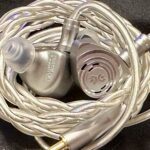
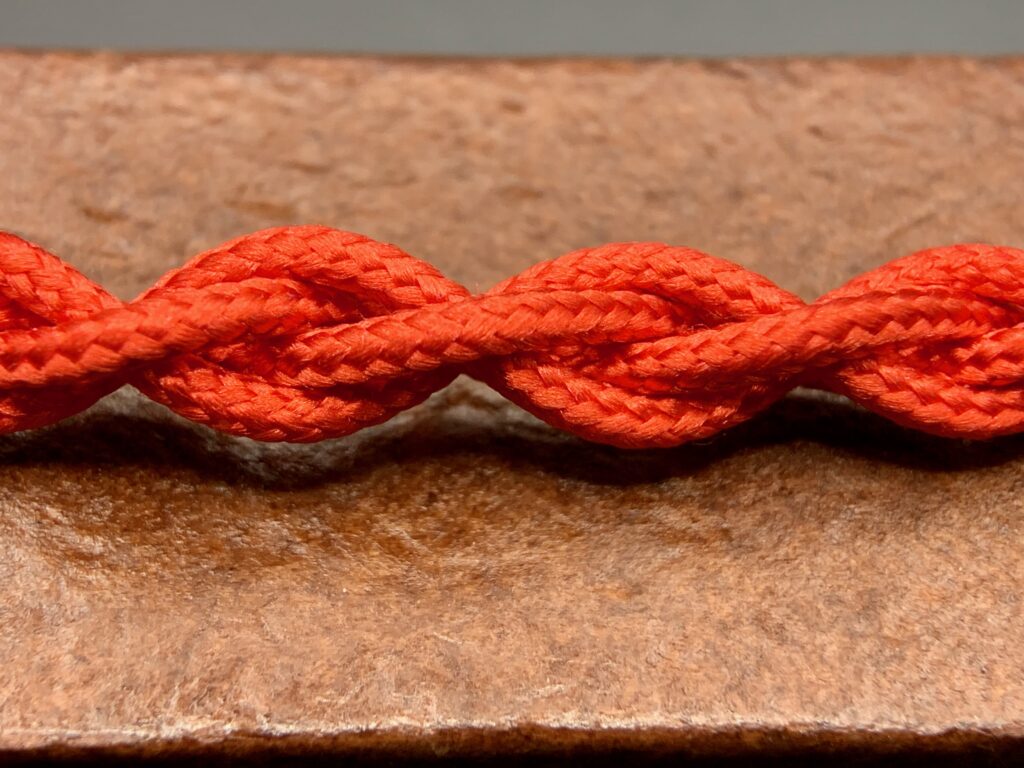
The cable is simple, but well made. It is not the usual rubber coating, but a fabric braid that feels very pleasant to the touch and more durable in everyday use. It handles well, does not stiffen, and tends to avoid friction with other objects. There is a slight microphonic effect, but it stays at a very acceptable level. Overall, it is a cable you end up enjoying, without any real drawbacks.
General sound signature
The tuning is clearly warm and full, with a low end presence that is immediately noticeable, but not in a crude or exaggerated way. It is not just a bloated sound, it is built to give body, to give weight to the music, to make it feel more solid, more present.
This is not an analytical presentation, and it is not meant to be. It is not the kind of IEM that puts every micro detail under a spotlight or pushes you to chase hidden nuances in the mix. The detail is there, but it stays within the whole, never isolated or forced forward. Everything can be heard, but the technical side never takes over.
What stands out the most is the density of the sound. There is a certain substance, a thickness that fills the space and gives a nearly physical sensation to the presentation. It is not an airy or light sound, it is more enveloping, more intimate, as if everything sits slightly closer, more compact, but without becoming closed in.
At the same time, it never feels out of control. The bass remains at the center of the stage, clearly dominant, but it does not cause everything else to collapse. There is a sense of coherence that holds everything together, even when the low end pushes harder.
This is a tuning that focuses more on feeling than precision. It is not made for analysis, but for letting go. The more you listen, the more it becomes clear that the goal is not to impress with technique, but to keep you there with pure enjoyment.
Bass
The bass is the core of the project, but it is not just about quantity, it is really the way it is built that defines everything else. The sub bass is very prominent, it goes deep with ease and, more importantly, with consistency, without that typical “bloated” effect that just sits on the surface. Here the bass has a solid foundation, it develops underneath, it fills, it supports.
The sensation is often physical, almost tactile in certain tracks, especially when the sub kicks in. It is not just something you hear, it is something you feel. This is one of the most successful aspects, because it gives a very strong sense of presence to the music.
Texture and behavior
It is not the fastest bass, it is not designed to be surgical or hyper controlled. It is rounder, fuller, with a slightly longer decay that contributes to that sense of mass. The extension is very good, it never rolls off too early, and it keeps a consistent behavior across the range.
With electronic music, hip hop and modern pop, the result is extremely engaging, almost hard to walk away from. On already bass heavy recordings though, it can become dominant, taking up space and pushing the rest of the spectrum slightly back.
Buster effect
With the buster, things move into a different dimension. The increase in low frequencies is immediately noticeable, the sub gains even more depth and pressure, turning the listening experience into something even more physical. This is not a subtle addition, it is an extreme option that clearly changes the behavior of the IEM. In some cases it can feel too much, especially on already dense tracks, but when pure impact is the goal, it becomes hard to go back. It is a tool to be used with some care, but it perfectly represents the spirit of these Deuce.
Here, the bass does not support the music, it leads it.
Midrange
The mids are slightly pushed back, but they never disappear, and that is probably the most interesting part. They remain present, clear, with their own internal coherence, even if they are not the focal point of the scene. It feels as if everything is built around the bass, but without truly sacrificing the rest.
Vocals sit a bit further back in the base, not intimate, not fully upfront, but still well defined. There is never a sense of them being covered or suffocated, on the contrary, they maintain good intelligibility. This is also helped by the upper mids, which bring them slightly forward, avoiding a closed or distant presentation.
The dual dynamic driver setup plays an important role here. By splitting the workload, the low end can be handled without completely crushing the midrange. The result is that, even with a strong bass presence, the center of the spectrum still has room to breathe and keeps its structure.
Instruments like electric guitars and piano lose a bit of sharp attack and raw edge, but they never feel dull. The presentation is softer, rounder, less aggressive, which changes how they are perceived, more integrated into the mix rather than standing apart.
This is not a flaw, it is a deliberate choice. The mids do not try to stand out, but they are not sacrificed either. They sit naturally within the overall balance, and for such a bass focused tuning, this is probably one of the most successful aspects.
Treble
The treble is handled in a very controlled way, but without being sacrificed. There are no peaks, no harsh edges, and no moment where the sound becomes fatiguing or uncomfortable. Even during long listening sessions, everything stays within a comfortable zone, and this is one of its strongest qualities.
The presentation is smooth, continuous, almost velvety, but not dull. There is enough presence to maintain balance and to prevent the sound from becoming too dark or closed. It does not have that aggressive sparkle that grabs attention immediately, but rather a more natural and controlled sense of light.
Detail is there, and it is well distributed, but it is never pushed forward. The information is all present, yet it stays within the mix, without being artificially highlighted. This makes the listening experience more fluid, more cohesive, and ultimately more enjoyable over time.
These are not highs designed for analysis or for chasing extreme micro detail, but they are not limited either. They are simply coherent with the overall philosophy of the IEM, supporting without interfering, completing the picture without ever stealing the spotlight.
Soundstage and imaging
The stage is not huge, but it is not compressed either, and that is important to say right away. It develops mostly in width, with a good lateral spread that gives the music some breathing room, without trying to create artificial depth or dramatic effects. It is not a stage that impresses, but it is coherent and easy to follow.
Layering is not its strongest point, the layers are there, but they are not sharply defined. At the same time, it never turns into confusion. Even in busier passages, everything remains fairly readable. It is not a presentation built for analysis, but it is not muddy either, it keeps a good balance.
Imaging is solid, instruments are placed in a believable and stable way, without odd movements or forced positioning. There are no special tricks here, but what is there works well and supports the listening experience without drawing attention to itself.
The strong bass presence inevitably fills the space, taking up volume and slightly reducing the sense of air between elements. It does not break the stage, it is more a characteristic of the tuning itself. It is a compromise, yes, but perfectly in line with the overall idea behind these IEMs.
Driving, pairing and synergy
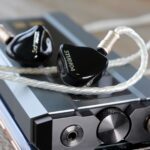
The Deuce are easy to drive, and this is one of their most immediate qualities. They do not need much power to perform properly, even a simple dongle is enough to get a full sound, with all their character clearly present. There is no need to push, no need to look for specific amplification, they just work, right away, without complications.
This makes them very versatile in everyday use. They can be used easily with a smartphone, small portable DACs, or lightweight setups, while still keeping a consistent performance. They are not the kind of IEM that completely change with the source, but some differences can still be noticed.
With clean or slightly bright sources, the balance is probably at its best. The bass stays present, but more controlled, and the rest of the spectrum gains a bit more space. This helps the mids and highs come through more clearly, keeping the overall signature without making it too heavy.
With already warm sources, the behavior shifts. The bass tends to take even more space, becoming more dominant and slightly compressing the rest. It never becomes unmanageable, but it moves into a more extreme, less balanced territory.
In this sense, pairing becomes more about control than enhancement. The Deuce already bring a lot on their own, the role of the source is mainly to keep them in balance, rather than to change their nature.
Comparison with Punch Audio Portazo

The comparison with the Punch Audio Portazo is almost inevitable, as they sit in the same space, IEMs designed for fun, with a strong focus on low frequencies. The way they reach that goal, however, is quite different, and it becomes clear very quickly.
Bass approach
The Deuce focus more on sub bass, on depth, and on that physical sensation. The low end goes down, fills the space, and builds the foundation for everything else. The Portazo instead lean more toward mid bass, punch, and immediate impact. The result is a bass that feels quicker and more direct, but less deep and less enveloping compared to the Deuce.
Midrange
The differences in the mids are more subtle than they might seem. The Portazo follow a classic V shaped tuning, so the mids are not truly forward, but they can feel more present due to the stronger contrast with more energetic highs. The Deuce, on the other hand, keep them more linear and integrated, less noticeable at first, but more stable and natural over longer listening.
This leads to an important distinction. The Portazo can feel more lively and more immediate with vocals, but also a bit less cohesive within the mix. The Deuce instead come across as more consistent, with a presentation that is less showy, but more continuous.
Treble and stage
The approach changes again in the treble. The Portazo offer more energy, more brightness, and more air, giving a stronger sense of openness. The Deuce remain smoother and more controlled, less striking at first, but also less fatiguing over time.
The stage follows the same logic. The Portazo feel more open and airy, while the Deuce are more intimate and compact, with a denser and more physical presentation.
Final comparison
In the end, these are two different interpretations of the same idea.
The Deuce aim for depth, body, and immersion.
The Portazo focus on impact, contrast, and openness.
If you are looking for a more physical and enveloping sound, the Deuce have the edge.
If you prefer more perceived dynamics and a wider, more open presentation, the Portazo may feel more immediate.
Comparison with Thieaudio Hype 4 MKII

The comparison with the Thieaudio Hype 4 MKII immediately highlights two very different philosophies. The Deuce are built to engage, to push the low end and create a physical listening experience. The Hype 4 MKII move in the opposite direction, aiming for cleanliness, balance, and above all technical performance.
Bass
Starting with the bass, the Deuce focus on quantity and depth, with a dominant sub bass that builds the entire foundation of the sound. The Hype 4 MKII offer a more controlled and cleaner low end, with good extension but much less physical impact. The bass is present, but it stays in its place, never taking over the rest of the spectrum.
This completely changes the perception. The Deuce are felt, the Hype are read.
Midrange
The difference in the mids is even more evident. The Hype 4 MKII put a strong emphasis on clarity and vocal presentation, which comes across as more open, more defined, with better separation between instruments. Even when not fully forward, they remain more sculpted and precise.
The Deuce, on the other hand, focus more on integration. The mids are less noticeable at first, more blended into the mix. Less analytical, but more natural within their overall tuning.
Treble
Moving to the treble, the gap becomes even clearer. The Hype 4 MKII are more extended, brighter, with more air and more detail. The level of resolution is higher, and the amount of information is immediately noticeable. This, however, can also lead to a more fatiguing presentation for some listeners.
The Deuce remain much smoother, more relaxed, less extreme. There is less perceived detail, but also a much easier and more forgiving listening experience.
Technical performance
From a technical standpoint, the difference becomes even wider. The Hype 4 MKII present a larger, more open stage, with clearly superior separation and more precise imaging. They are IEMs designed to read the mix, to reveal every element with clarity.
The Deuce instead offer a more compact and dense stage, less spectacular, but more physical. Less space, more presence.
Final comparison
In the end, the comparison is quite simple to summarize.
The Deuce are about emotion, body, and impact.
The Hype 4 MKII are about technique, detail, and separation.
If you are looking for an engaging, physical listening experience, the Deuce are hard to beat.
If your goal is analysis, detail retrieval, and a more open and precise presentation, the Hype 4 MKII are on another level.
Comparison with Aune IR300

The comparison with the Aune IR300 is one that really makes you stop and think. You are looking at two products with different philosophies that, in the end, meet more than expected. There is also one important detail, the IR300 cost almost half.
Bass
The Deuce focus everything on a structured, deep bass, with a strong sub presence and a physical impact that is immediately noticeable.
The IR300 take a more flexible route, thanks to interchangeable tuning tubes, including one dedicated to the low end. This allows the sound to shift from a more balanced presentation to something more boosted.
Even using the bass tube, the result remains different. The Aune can increase quantity and punch, but they do not reach the same depth or physical sensation of the Deuce. The Deuce go lower and feel more grounded, while the IR300 stay slightly closer to the surface, with more control.
Midrange
In the mids, the IR300 come across as more present and linear, with a more open and readable presentation.
The Deuce feel warmer and more integrated, less focused on separation, but also smoother over longer listening sessions. This is more about approach than actual quality.
Treble
Up top, the IR300 offer a bit more brightness and air, again helped by the tuning options.
The Deuce remain more controlled and relaxed, less extended, but easier to live with over time.
Technical performance
From a technical perspective, the IR300 present a slightly wider stage and a better sense of space.
The Deuce instead lean toward a more compact and dense presentation, with less air but more physical presence.
Final comparison
In the end, the key point lies elsewhere. Despite the lower price, the IR300 really hold their ground.
They do not win in pure bass performance, where the Deuce clearly stand out, but thanks to their versatility and more balanced tuning, they compete in the same space.
The Deuce are more extreme, more specialized, more focused on fun.
The IR300 are more flexible, more adaptable, and incredibly competitive for their price.
Considering the price difference, that is probably the most surprising aspect.
Final thoughts
The Deuce are a very deliberate choice, and it becomes clear within the first few minutes. They are not trying to please everyone, they are not trying to be correct or to chase textbook neutrality. The direction here is clear, everything is built around engagement, impact, and feeling.
These are IEMs that do not ask for attention, they do not ask for analysis, they simply ask you to listen. And the more time you spend with them, the more this becomes evident. They are not perfect, they are not balanced in the traditional sense, but they do exactly what they are meant to do.
The bass is at the center of everything, but it is not left on its own. There is work around it that keeps the rest together, mids that remain present, highs that support without fatigue, and an overall coherence that avoids chaos even when the low end pushes hard.
If you enjoy a full, warm sound with a strong low end, this is something very satisfying, and surprisingly hard to put down. It is the kind of listening that pulls you in, that keeps you there longer than expected.
If you are looking for neutrality, precision, or analytical detail, you will probably look elsewhere. This is not their territory.
The Deuce are not trying to convince everyone.
They are meant to hit those who are looking for exactly this kind of experience, and when it happens, they do it very well.
From a sound perspective, they come very close to a 9, but a more refined packaging would have taken them there without question.
These are not correct IEMs, they are the right IEMs for the right listener.
Score
8.5 / 10
🟢 PRO
- Deep, physical, and very extended bass
- Strong impact and engagement
- Coherent and recognizable sound signature
- Excellent sub bass performance
- Relaxed listening, never fatiguing
- Easy to drive, very versatile
- Good midrange integration for this tuning
- Smooth yet present treble
- High comfort even during long sessions
- Ability to further boost bass with the buster
🔴 CONS
- Mids are not front and center
- Treble lacks sparkle for those seeking air
- Not suitable for analytical listening
- Bass can become intrusive with certain tracks
- Limited customization out of the box
- Basic packaging
Q/A
Are they suitable for professional use?
No, the tuning is not designed for studio work or analysis. They can be used for personal enjoyment, but not for technical evaluation.
Do they work well with smartphones?
Yes, they are easy to drive even with basic dongles. No special power is required to get good performance.
Is the bass always this strong?
Yes, it is a core part of their identity. Even without the buster it is dominant, with the buster it becomes even more extreme.
Do they get tiring over time?
No, the smooth and controlled presentation makes them easy to listen to for long sessions.
Are they suitable for all music genres?
They perform best with modern genres, electronic, hip hop, and pop. With more acoustic or vocal focused music, they may feel less natural.
Should the buster always be used?
No, it is more of an option than a necessity. Without it, the bass is already strong. With it, the sound becomes more extreme, depending on preference.
Is tip rolling recommended?
Not mandatory, but recommended. Different tips can improve both comfort and sound, especially in terms of bass control.
Acknowledgments and personal note
I would like to thank FATfreq for making this review possible. No compensation, no approval requests, no constraints, this review is based entirely on direct experience, without external influence.
For those interested, the Deuce can be purchased directly from the official FATfreq website, where different configurations and related accessories are available.
All listening was done with my own music, in my own conditions, without adapting the judgment to anything other than real experience.
What you read is exactly what I heard. The rest, as always, is up to the music.




No Comment! Be the first one.