






























































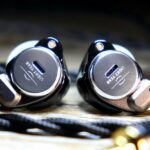
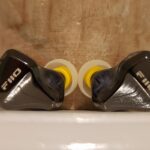
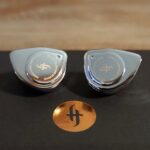



















Preface
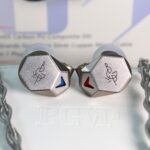
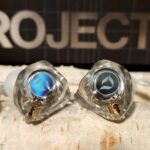
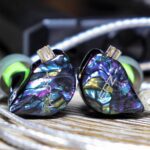
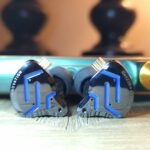
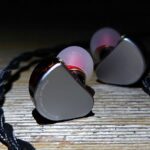
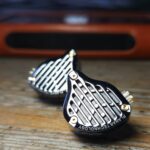
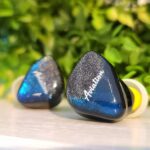
Ziigaat Arete II joins an already crowded market segment: mid-priced hybrid IEMs where people promise balance, detail, musicality, and then almost always one of those three is lost.
Table Of Content
- Preface
- A clear philosophy.
- First impressions
- After a few minutes.
- Packaging and accessories
- What’s in the box.
- Technical specifications
- Design: ideas and choices
- A deliberate approach.
- The micro switch: a smart addition
- Build, comfort and accessories
- Ergonomics and fit
- Cable and everyday usability
- Sound signature
- The real feeling
- Bass
- Sub-bass
- The role of the switch
- The real feeling
- Mids
- Vocal performance
- The real feeling
- Treble
- Extension and control
- The real feeling
- Soundstage and imaging
- How the space unfolds
- The real feeling
- Who are they for
- Perfect for
- Less suitable, you can find.
- Power, pairing and synergy
- Dongles and portable use
- Desktop setups
- Real synergy
- Comparison with Ziigaat Odyssey 2
- An overall tuning process.
- Bass.
- Mids.
- Treble.
- Technicalities and stage.
- The real difference.
- In short.
- Comparison with Thieaudio Hype 4 MKII
- Overall tuning
- Bass
- Mids
- Treble
- The stage and technical performance
- The real distinction of course.
- In short
- The interesting part
- “I Can’t Stand the Rain” – Woong San
- “Follow Me Home” – Dire Straits
- Voice and presence
- Space and silence
- Bass and foundation
- The feeling
- Verdict
- “Birdland” – Weather Report
- Sax and drums.
- Dynamics: from soft to loud.
- The feeling.
- Verdict.
- Final thoughts
- And then there’s the switch
- The point is simple.
- In the end.
- VOTE
- 🟢 PRO
- 🔴 CONS
- Q/A
- Acknowledgments and personal note
It is a space filled with “good” products, but often not the most convincing. You listen, you’re impressed during the first few minutes, before the flaws become apparent, bass that’s too forward, mids that seem shallow, treble that tires over time.
The promise here is different: coherence. And IEM-wise, that word has weight. It makes no attempt to be flashy, but focuses more on creating a sound whose sound is felt strongly, which in reality doesn’t have to appear impressive to work. And that decision makes all the difference.
A clear philosophy.
Ziigaat is not a new name, it’s a relatively young one, but one with a straightforward vision: less marketing, more tuning.
You don’t see harsh products or forced choices. Instead what passes is a steady search for balance with genuine sensitivity to how things sound over time, not just in the first 30 seconds.
The Arete II fits well with this idea: no special effects, no shortcut, just a sound built to last. They are not designed to be first-rate sound bites for first listen but built to stick. You learn them slowly and when you do, it’s hard to go back.
First impressions
The first thing that strikes when you put them on is the cleanliness.
Not the kind of “clean” that you know is all about the impress or the boost treble or the synthetic detail, it’s more organic, and comes from an overall very balanced tuning.
There’s nothing of that usual “5-minute wow effect”, which consists of boosted bass and shiny highs. The method here is more measured, more intentional. The sound doesn’t thrust itself ahead and force your attention straightaway, it simply is there, poised with time, to let you find it.
At first, it is almost like a studio-quality tuning, but not cold. And it never turns clinical, never seems removed on its end, and in its distance, it flows smoothly, letting everything be more natural.
After a few minutes.
After a couple of tracks, it really is tonal coherence that comes through: no jagged edges, no frequencies that try to pop more than they should.
All of this is in place, that’s exactly what can be initially strange. It almost feels there’s something lost, that there is no visible “signature” to hold on to.
But then you listen more, you turn up the volume, you switch genres… and you realize, nothing gets tiring, nothing becomes maddening.
And it is then that you realize this tuning is not meant to impress, it is meant to work all the time.

Packaging and accessories
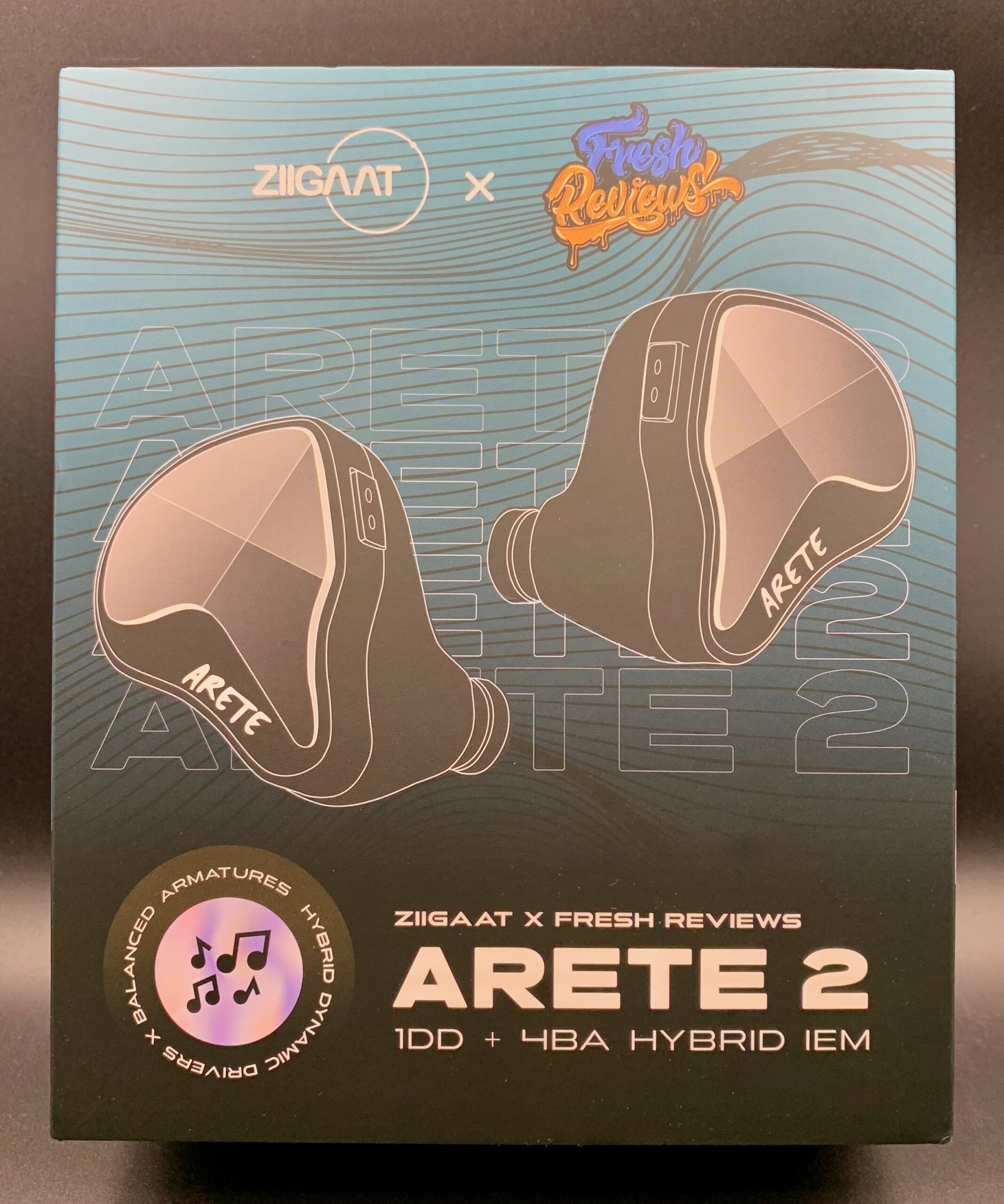
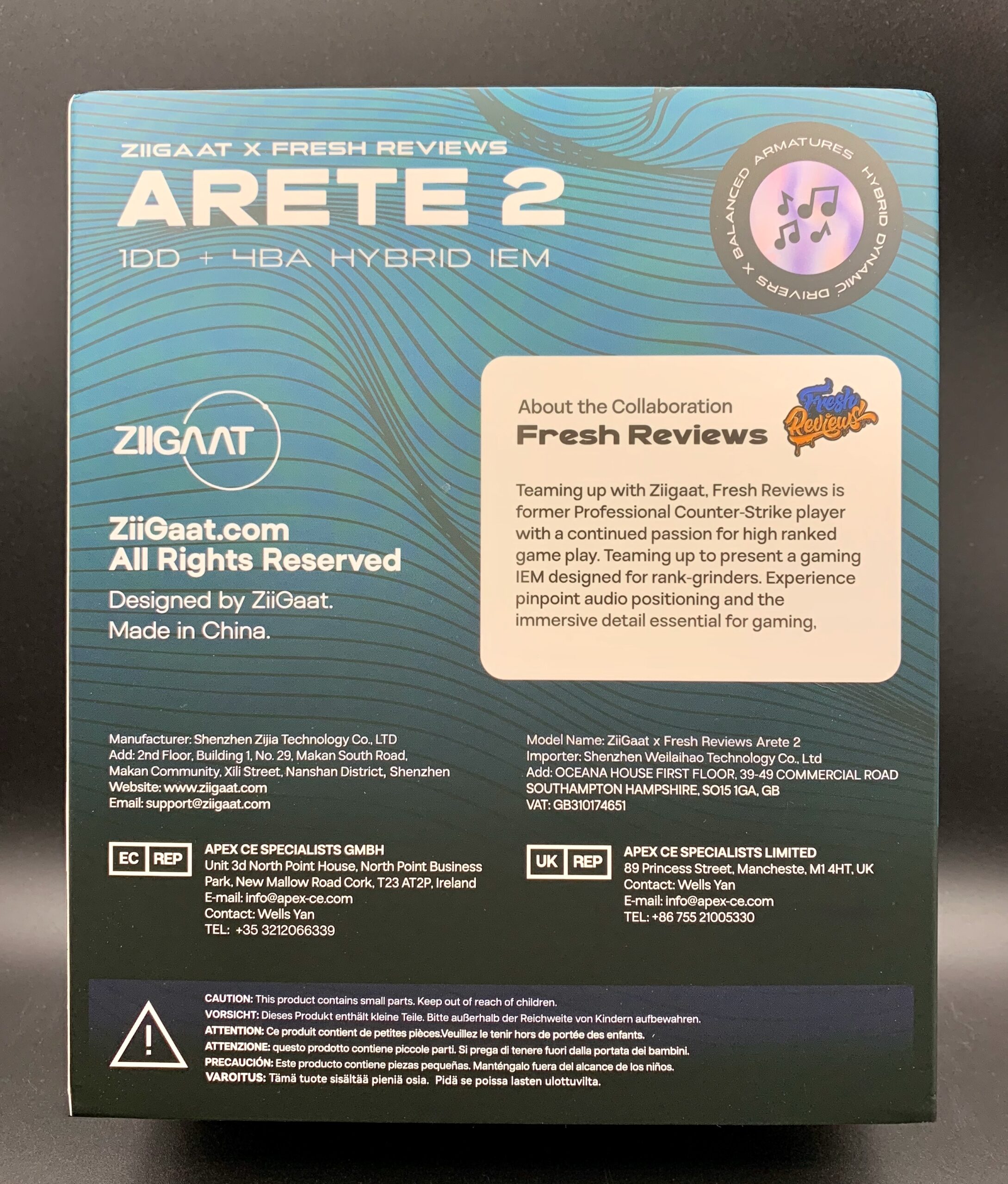
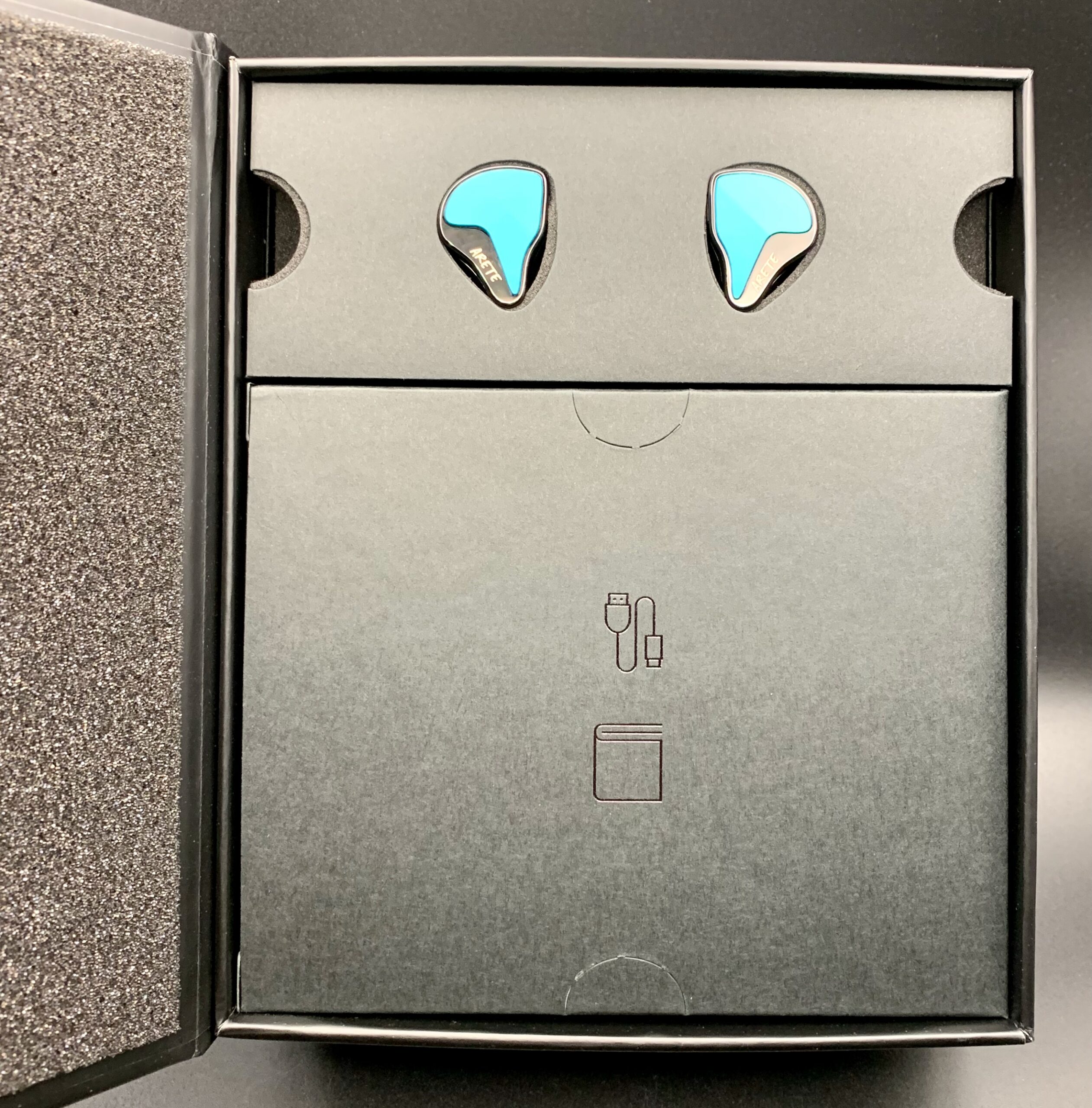
The packaging is good, but not too much of it, it’s easy to hear from the outset that Ziigaat decided as much on substance, as on presentation.
The box is clean to the touch, with nothing unnecessary in there. There is no effort to show off stuff with elaborate packaging or showy presentation, everything is practical, uncomplicated and functional. And that was a nice fit with the product itself.
What’s in the box.
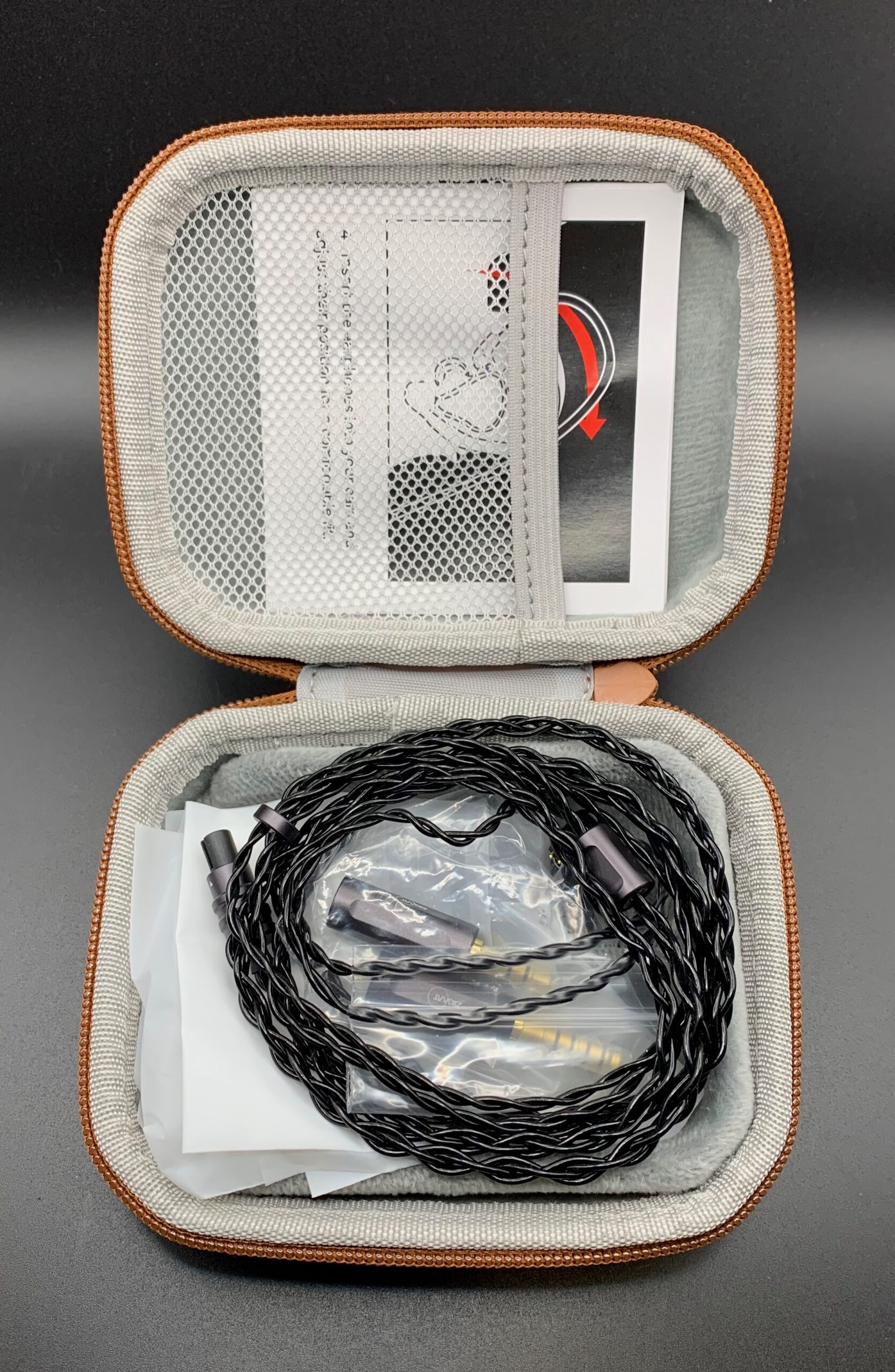
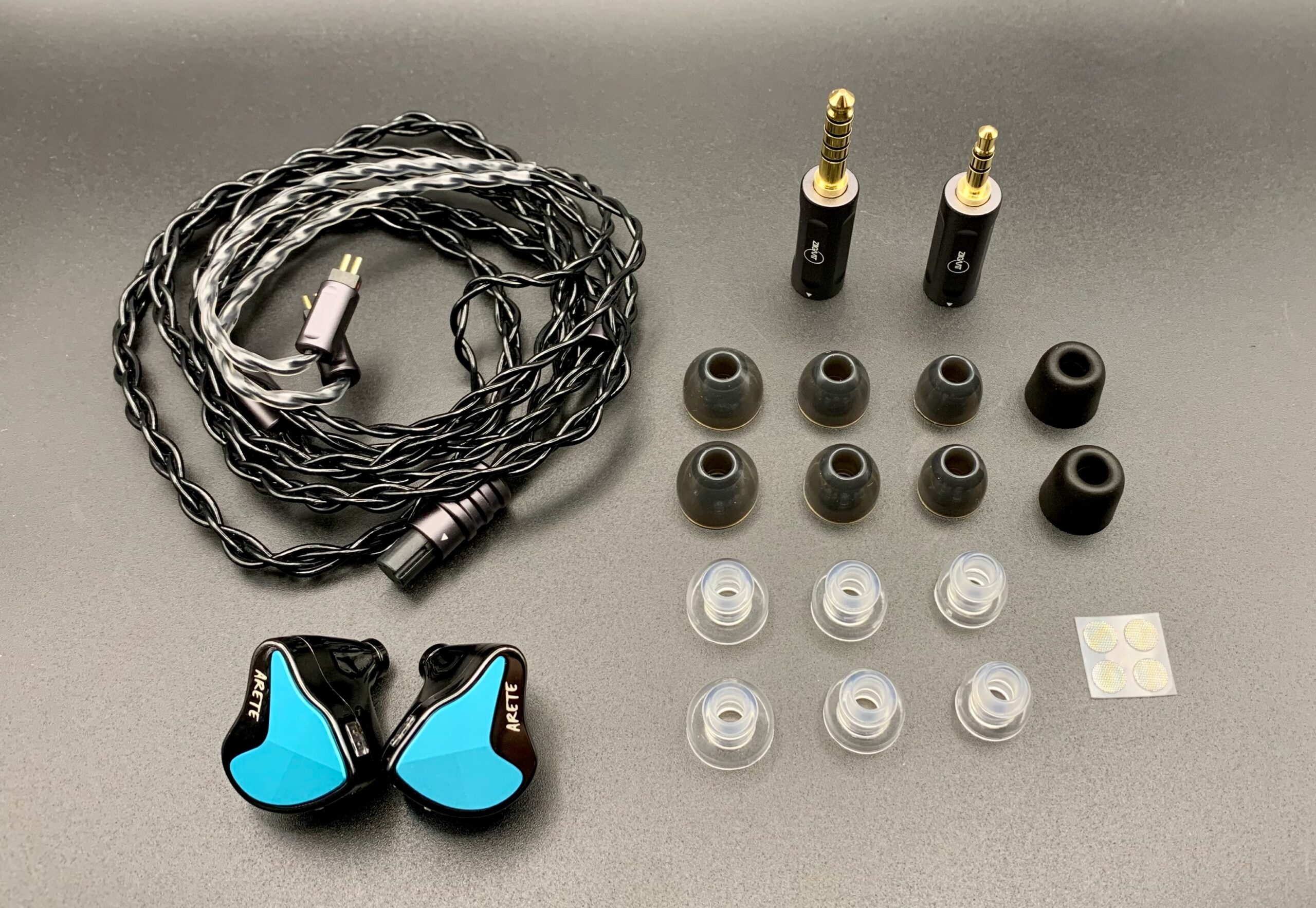
Inside you receive everything you need to commence at once and feel nothing to do with missing:
Arete II IEMs
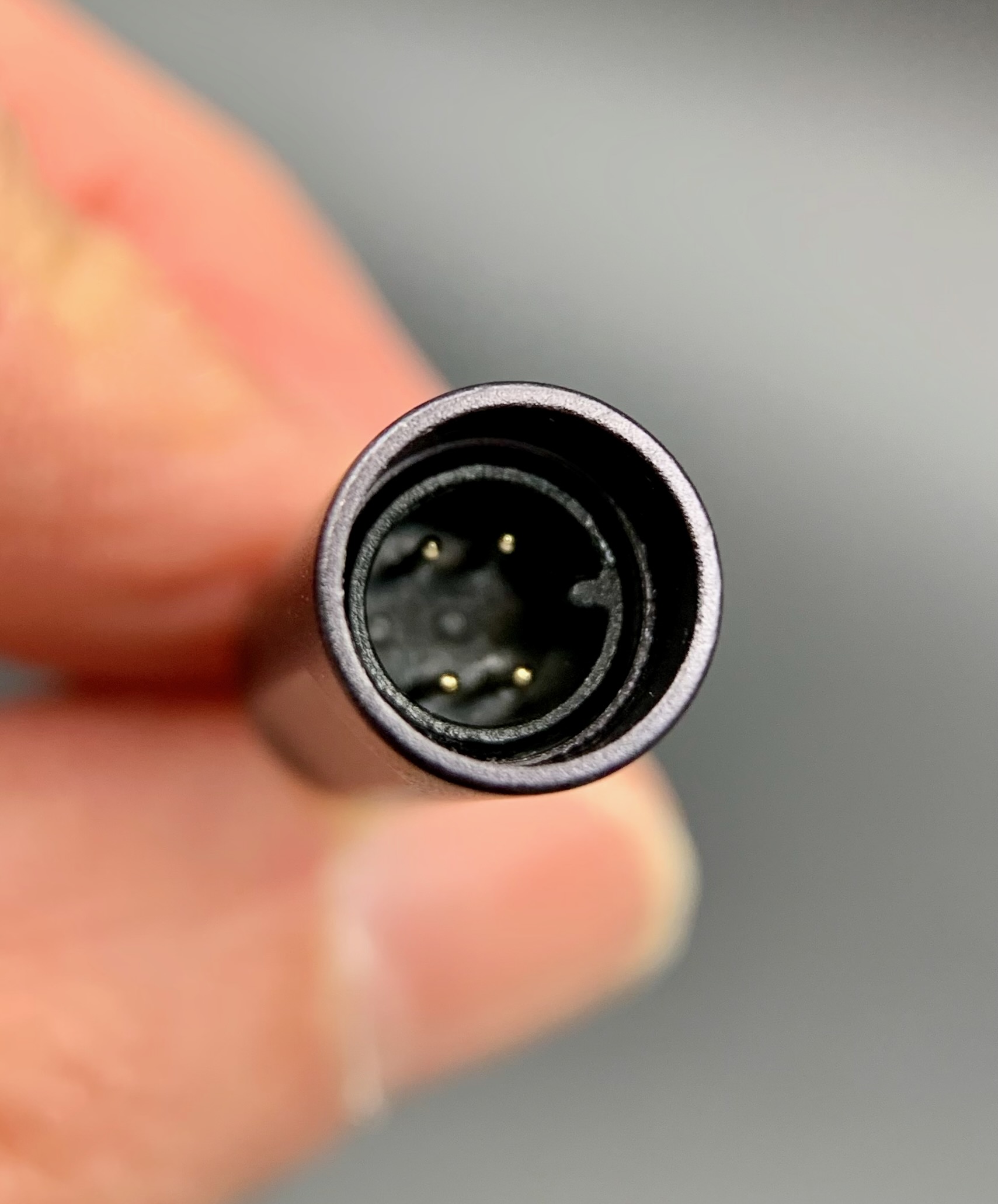
Removable cable being above average for this price range
A set of tips from small to large, straightforward but great
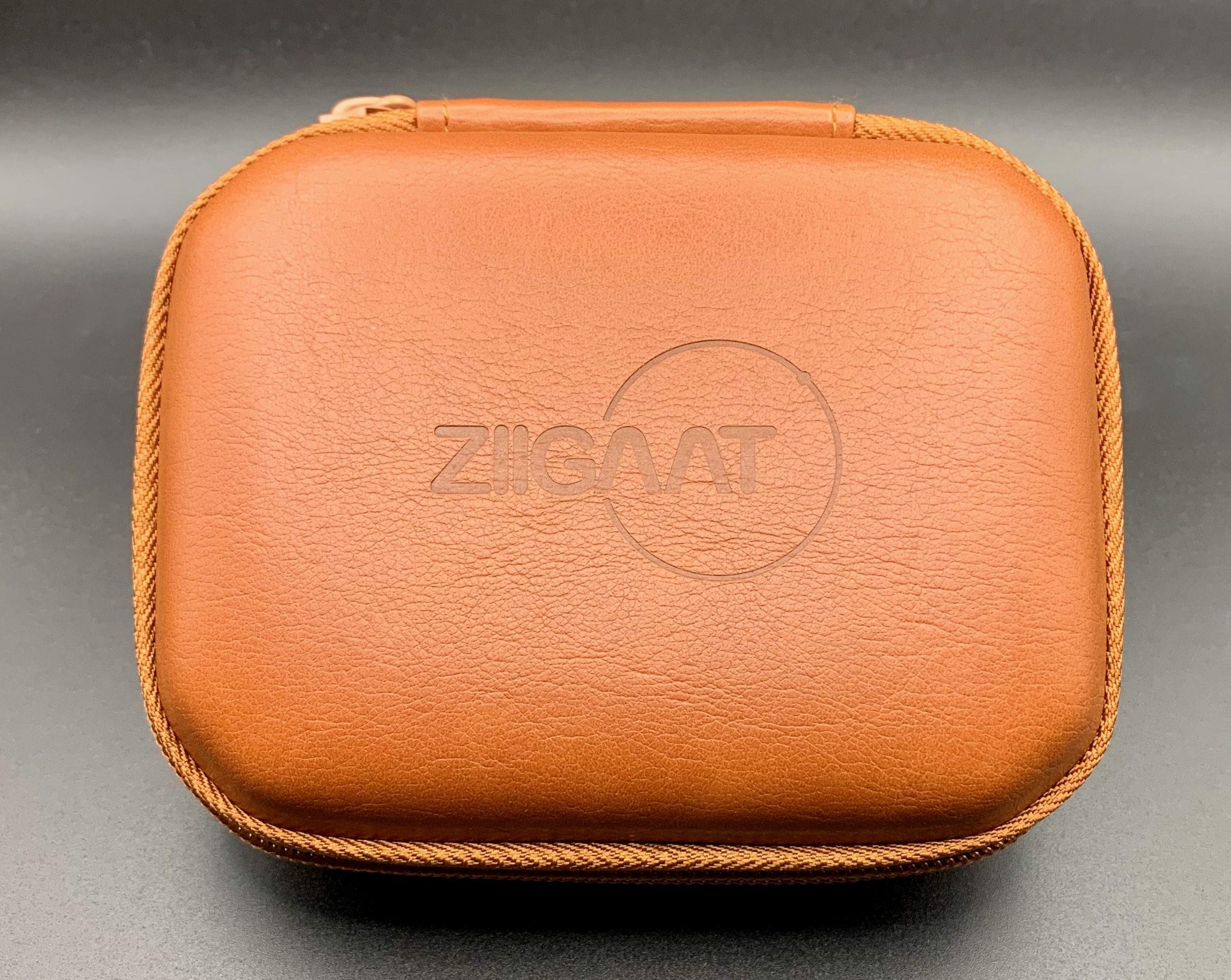
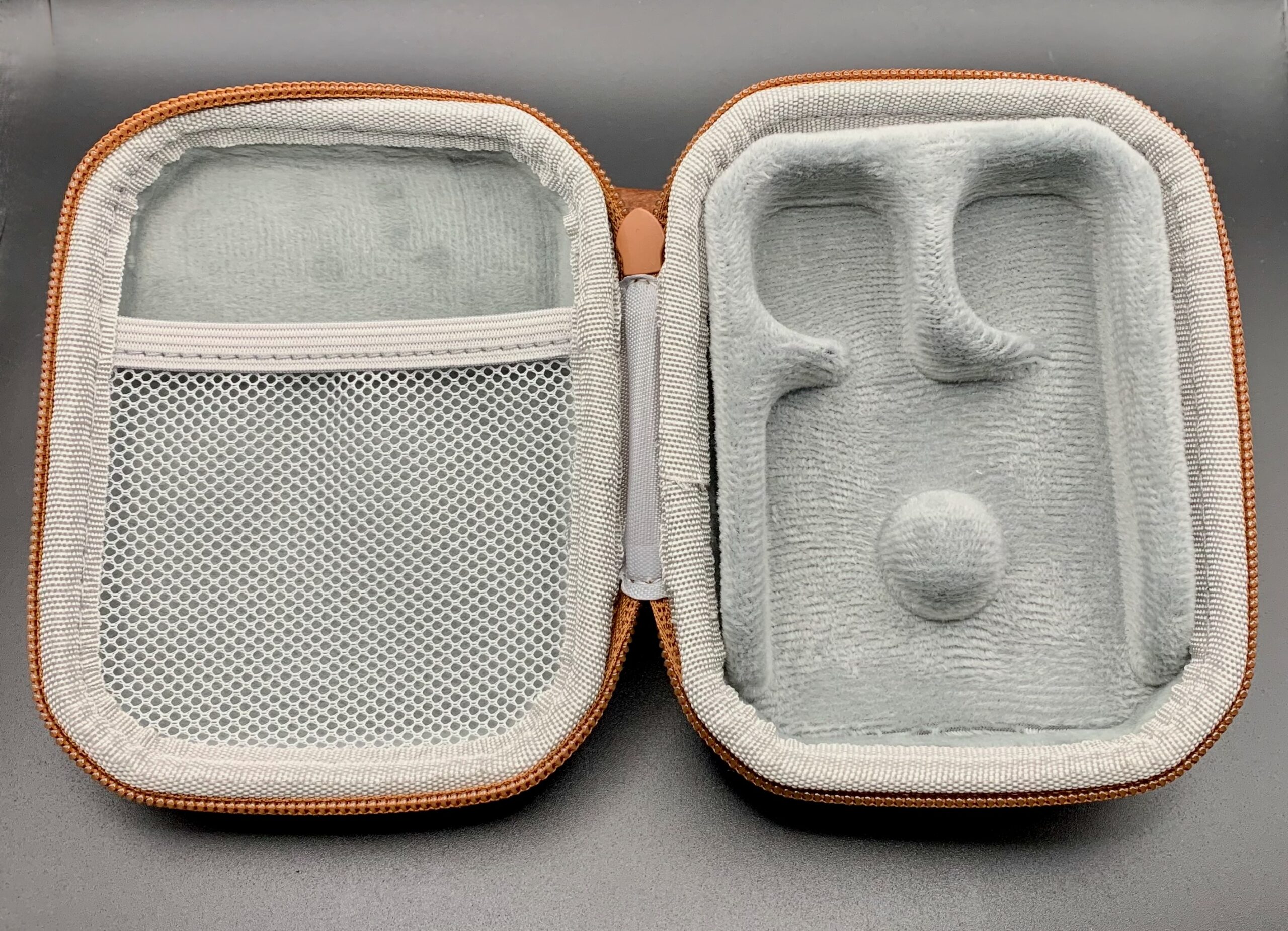
A small, tight hard carrying case with plenty of protection
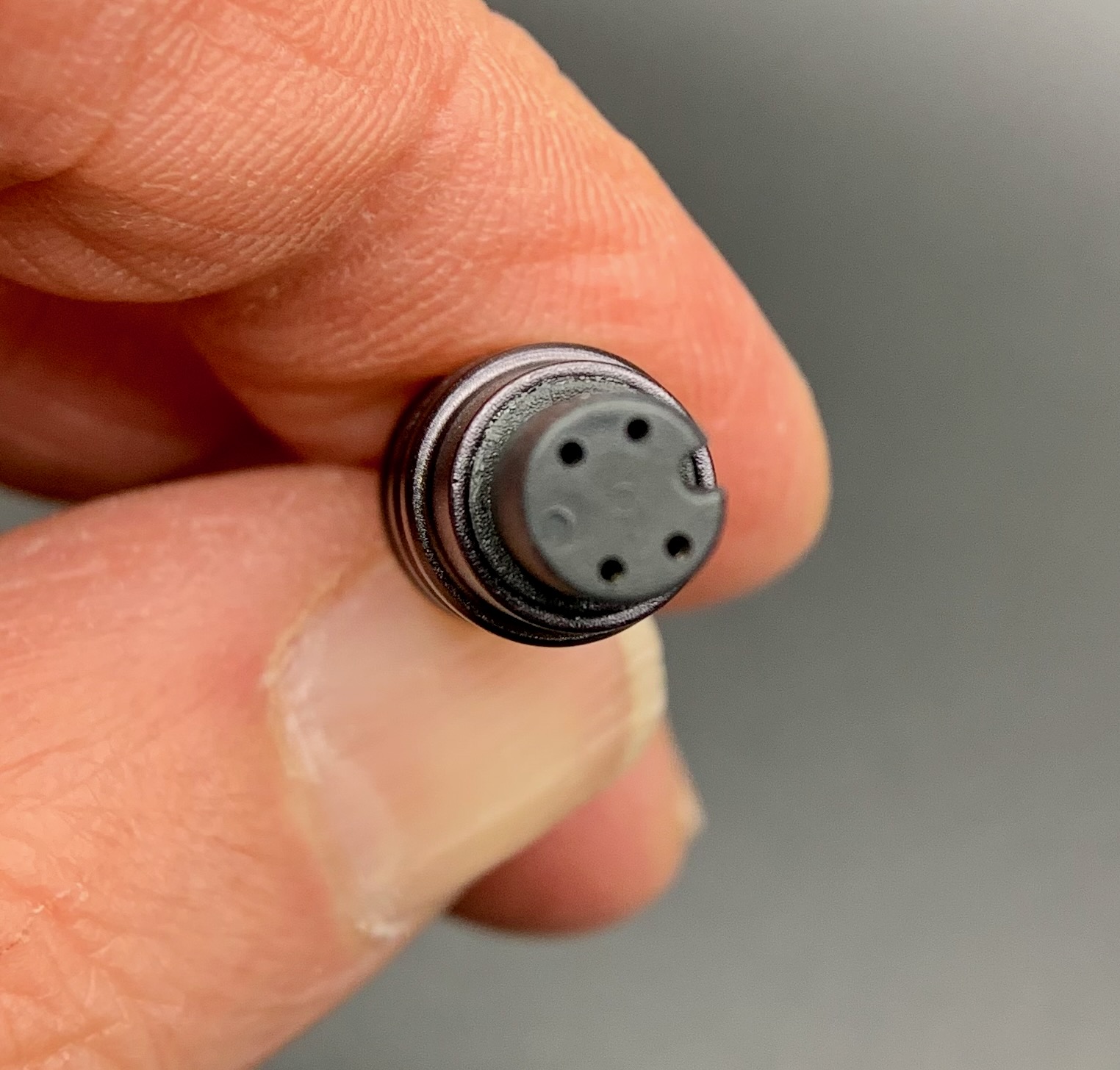
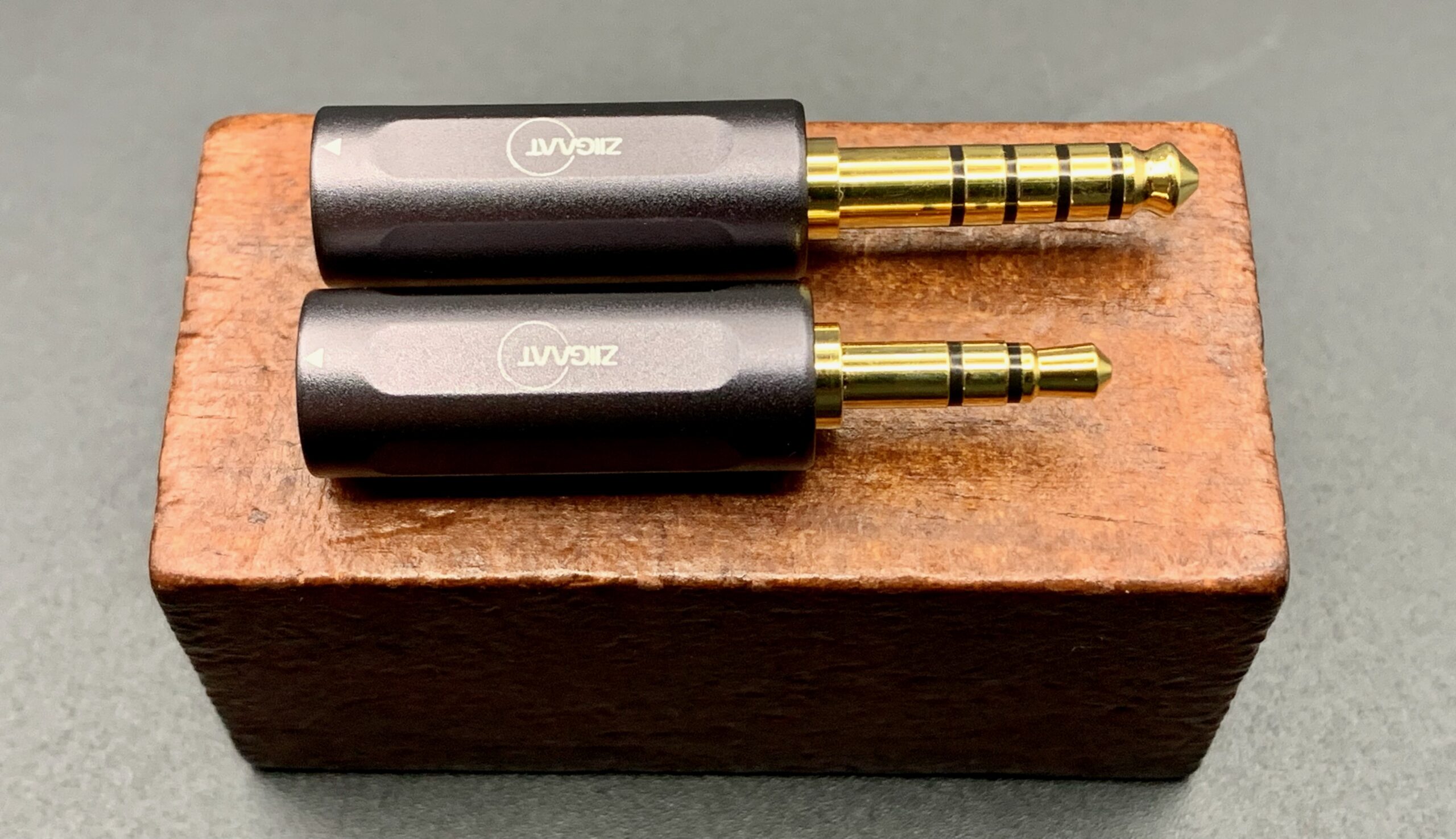
Adapter
I mean, the accessories are not supposed to be pretty on paper, they should work.
Also, the cable is a shocker, especially positive surprise. It isn’t your old-fashioned “replace immediately” accessory.
And it does its job without a problem, with a nice balance with the tone of the IEMs. But there is nothing groundbreaking, nothing is absent. And more important all included makes sense in real-world use.
Technical specifications
That’s the “numbers” part, which you should always remember to take for what it is: a reference, not an absolute truth.
Specifications serve as a guide to the product but only tell part of the story. Two IEMs with very similar specs can sound completely different, that’s why actual listening always remains the most important factor.
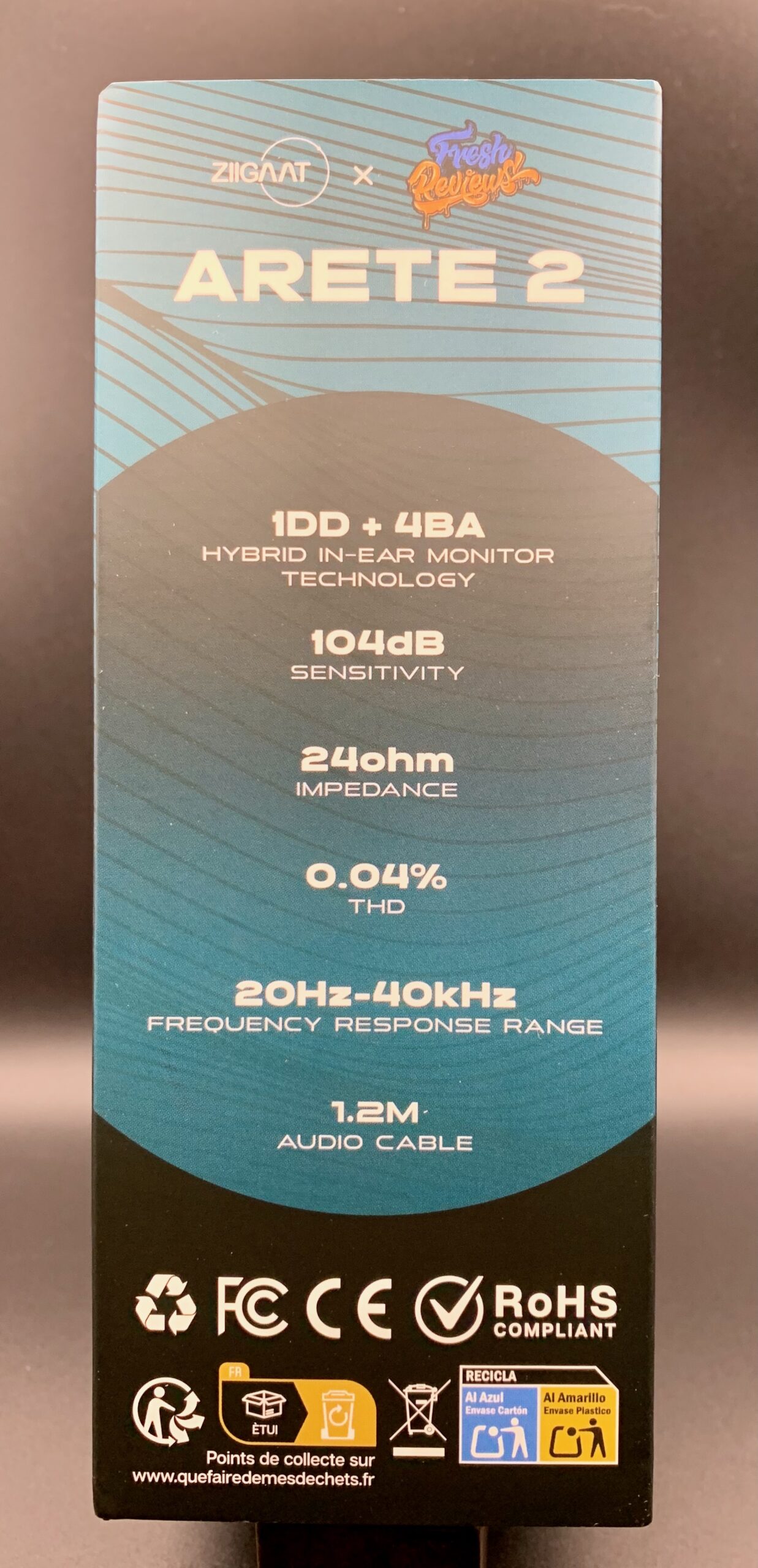
That said, they still provide some useful hints. The relatively low impedance and fairly high sensitivity make it clear that the Ziigaat Arete II are easy to drive, they don’t need complex setups to sound good, but they are still capable of scaling with better sources.
The hybrid configuration is pretty much standard in this price range, but what really matters here is not just what’s inside, but how it has been tuned and implemented.
| Category | Details |
| Driver Configuration | 1DD + Knowles 29689 ×2 + Knowles 31736 |
| Sensitivity | 104 dB |
| Impedance | 24Ω |
| Distortion | 0.04% |
| Frequency Response | 20Hz – 40kHz |
| Inside the Box | 1x Pair of ZiiGaat x Fresh Reviews Arete II 7x Pairs of Silicone Eartips S M L 1x 3.5mm Interchangeable Plug 1x 4.4mm Balanced Interchangeable Plug 1x Ultra-pure silver-plated OFC cable 1x Carrying Case 1x User Manual |
Design: ideas and choices
The choice that emerges immediately is that Ziigaat did not take the easy route.
The only choice: avoid the typical V-shaped tuning, which works the first several minutes, then slowly reveals its limits. There’s no boosted bass for impact, no elevated treble for fake detail, the direction here is more linear, more intentional.
But linear does not mean flat.
This is supposed to mean constructed around an explicit concept of balance.
A deliberate approach.
The Arete II are meant to function as a unit as opposed to illuminating a feature of the frequency range:
Controlled but present bass.
Natural and believable mids.
Extended but never aggressive treble.
Nothing ever takes over, everything is laid out in a very logical fashion, which results in a calmer, but ultimately more realistic listening experience.
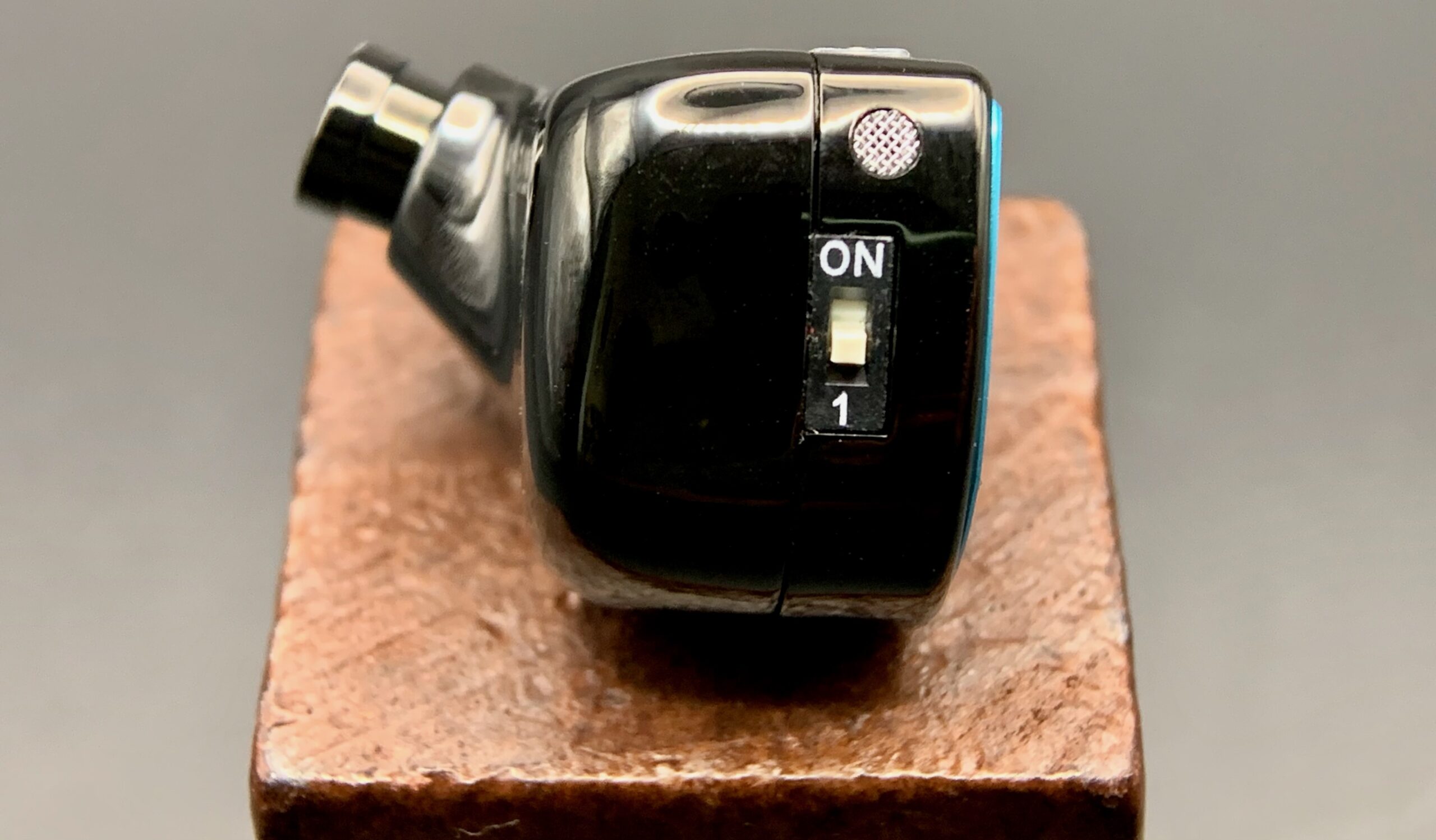
The micro switch: a smart addition
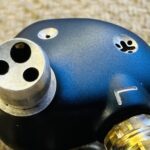
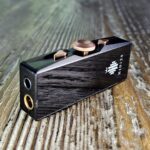
It is most interesting because of a tiny switch that comes with the shell.
It’s not a gimmick or a clever marketing trick, it’s there to add some flexibility without changing the core character and identity of the IEM.
Its impact is subtle but noticeable. It modifies the low-end presence, making it fuller and more impactful when activated, or tighter and more controlled when turned off.
You don’t get two completely different sound signatures, the identity stays the same. What changes is the way the IEM adapts to your listening.
Switch off: more balance, more clarity, better control.
Switch on: more weight, more impact, more engagement.
It’s a smart choice, as it provides real versatility without breaking the overall coherence of the sound.
Build, comfort and accessories
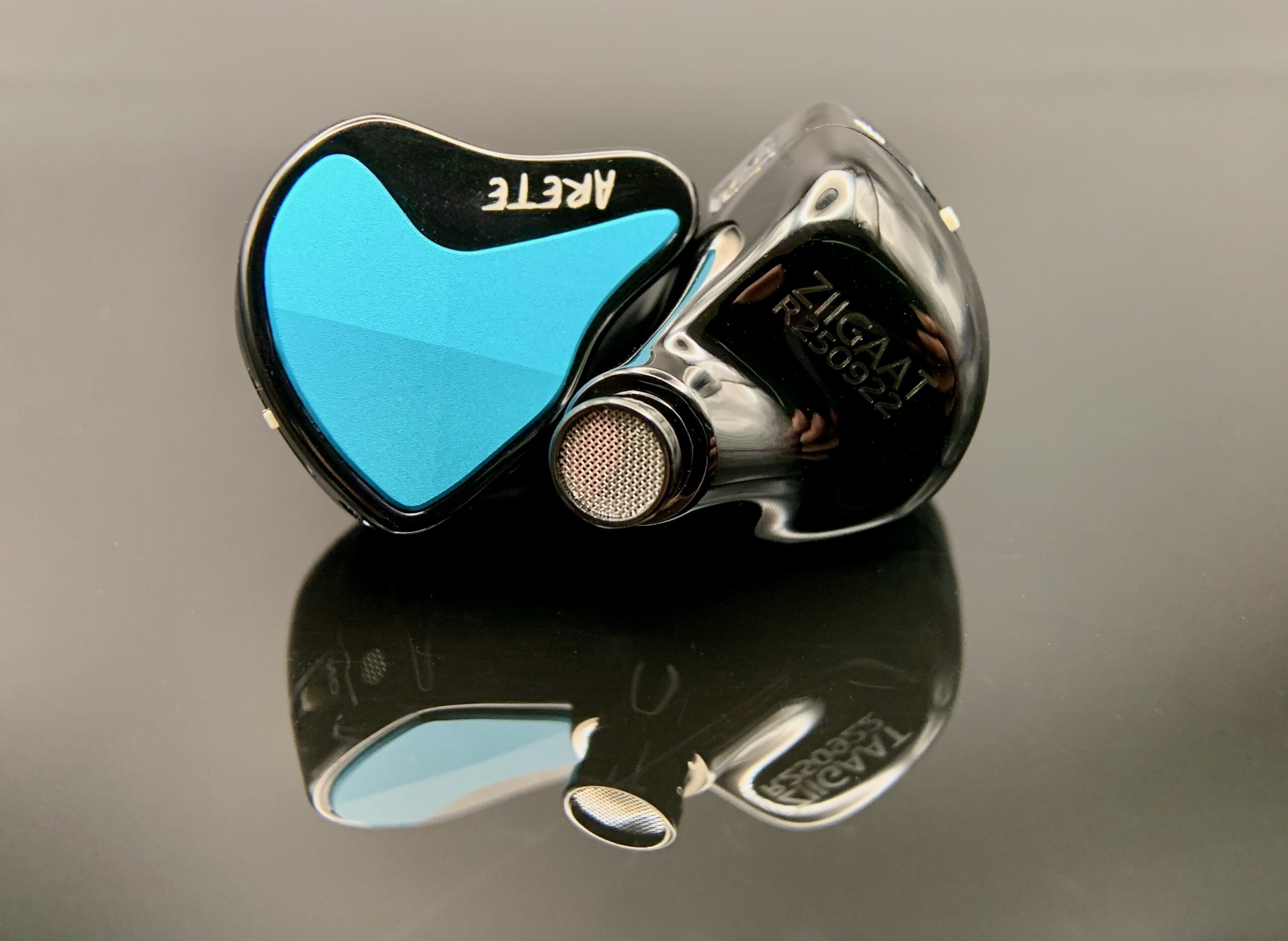
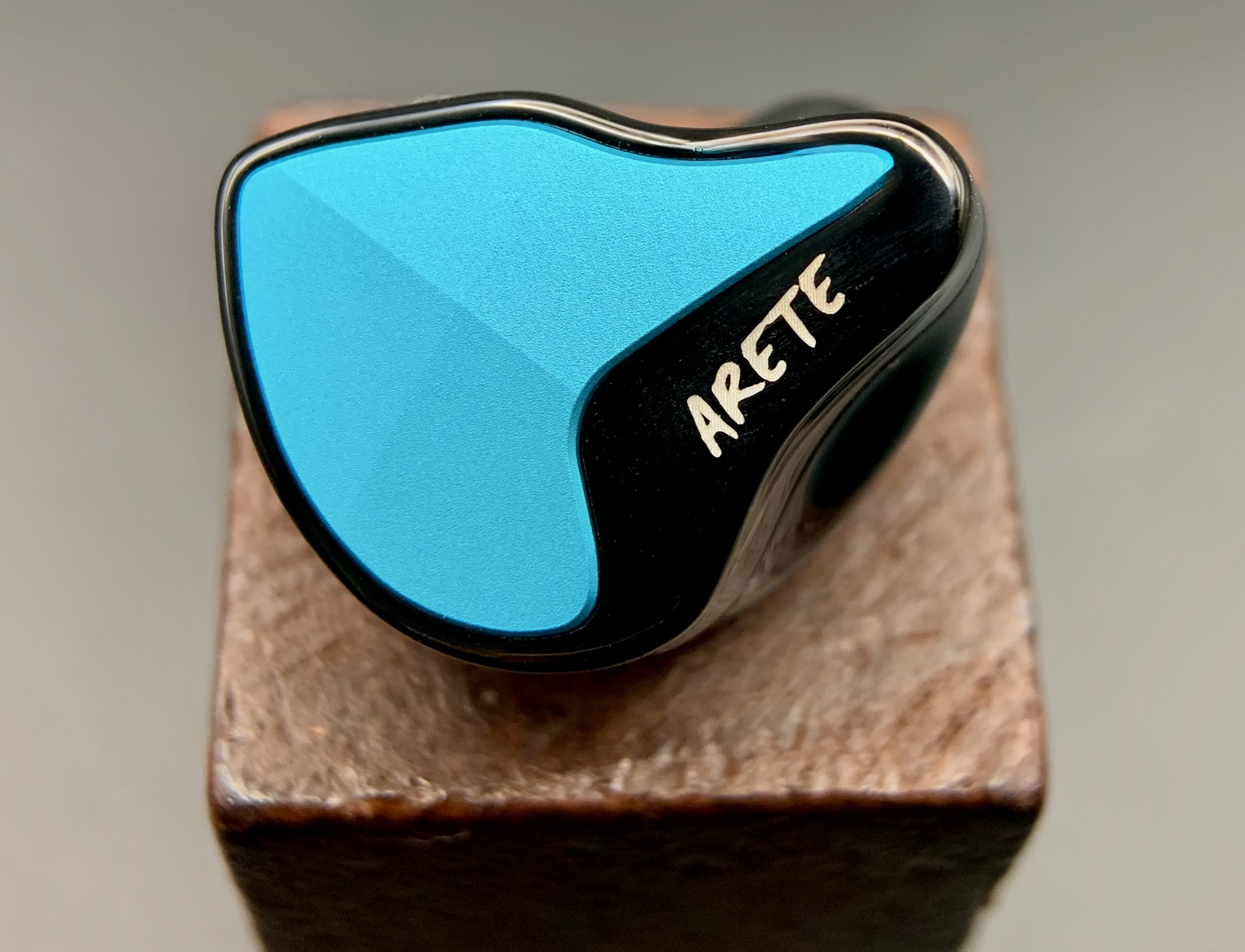
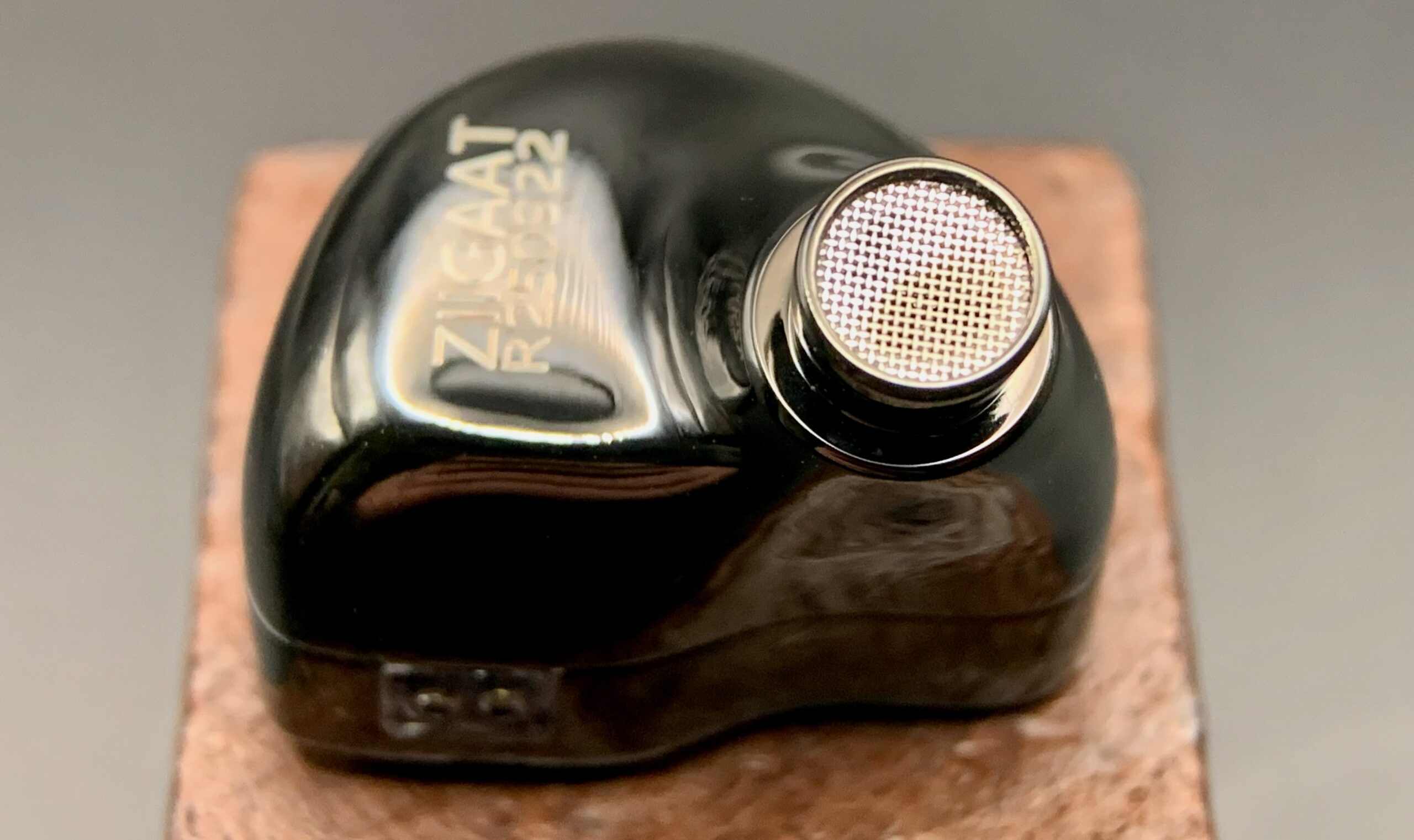
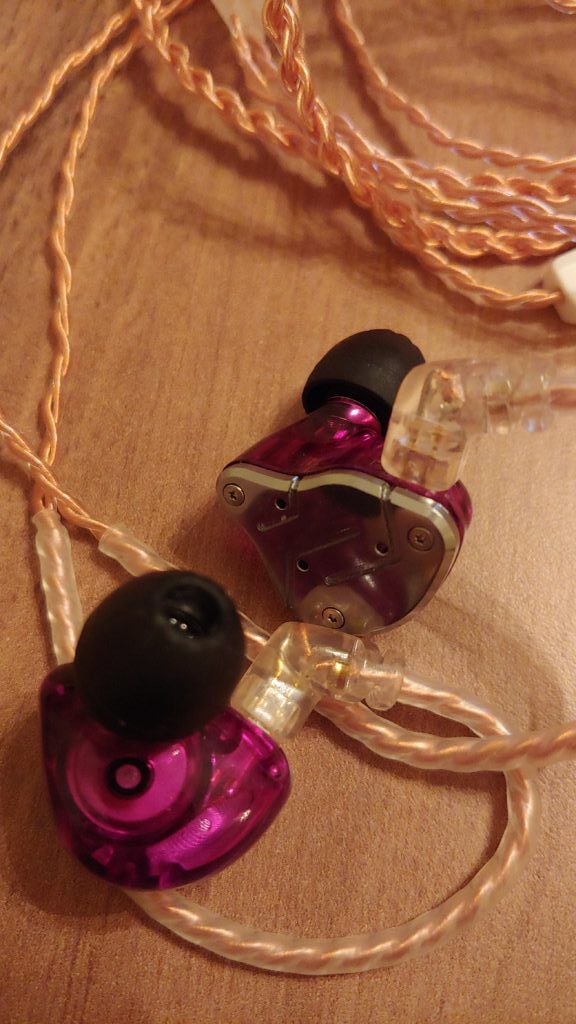
It feels quite solid from the start.
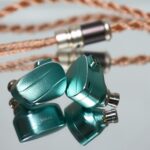
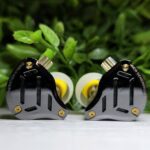
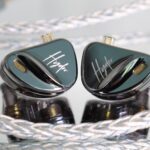
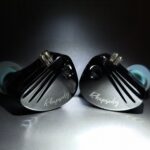
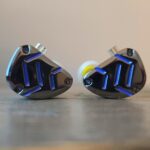
The shell is well finished, neatly designed, and free of anything superfluous. There are no loose parts, no creaks, and most importantly, it never feels cheap or poorly made.
The assembly is spot on, and it shows in everyday use: nothing moves oddly, nothing feels like it might loosen over time.
Ergonomics and fit
Comfort is one of the strong points. The shape follows the ear naturally and doesn’t require constant adjustments.
Perfect for long listening sessions.
Stable fit even while moving.
Good isolation without feeling intrusive.
Once you find the right tips, you almost forget you’re wearing them. There are no pressure points, no discomfort building up over time.
Cable and everyday usability
The cable is a pleasant surprise.
It’s not just something included for the sake of it, but something you can actually use without feeling the need to replace it right away.
It’s flexible enough, doesn’t tangle easily, and doesn’t introduce annoying microphonics. There’s no real reason to upgrade, at least not immediately.
You can comfortably stick with the stock setup without feeling limited, and that’s far less common than it should be.
Sound signature
This is where it gets serious.
The Ziigaat Arete II don’t grab you by the collar in the first second. They don’t throw anything at you. They just sit there, composed. Almost like they’re challenging you: “Ok, now really listen.”
Balanced. Slightly warm. Extremely coherent.
The first reaction can be a bit confusing. You put them on, play a track you know by heart… and it almost feels like something is missing.
Where’s the peak? Where’s the easy impact?
Then you start digging. You turn up the volume, switch tracks, go back again… and slowly you realize everything holds together.
Nothing falls apart, no frequency jumps out of place. Everything is there, glued together the right way.
The real feeling
We’re in a situation where you stop analyzing and just follow.
The bass is there but never overt, the mids breathe without ever becoming compressed, the treble is present but never demanding attention. It’s one continuous stream, with no friction.
At some point, something clicks. You’re no longer listening to the IEM. You’re listening to the music.
They’re not purely analytical, not artificially colored, but centered. And that balance slowly builds under your skin.
If you’re used to aggressive tunings, they might feel a little “calm” at first. Then you realize they’re not asking you to react, they’re asking you to stay. And once you do, they pull you in.
Bass
The bass doesn’t kick the door down here. It comes in, settles, and does its job.
Sub-bass is present but not dominant. Mid-bass is controlled. No bleed, no unwanted decay.
This isn’t bass that hits you just to get your attention, it’s the kind you notice when it matters. It goes deep, but without dragging everything else with it. It doesn’t bloat, doesn’t muddy the sound, and never gets in the way of the mids.
Sub-bass
The sub-bass is there when the track calls for it. It’s not boosted or exaggerated, not there to impress, but when it comes in, you feel it.
There’s depth, but it stays tight and under control. No artificial vibration, no “rumble” mistaken for impact. Instead, it feels like a clean, physical presence.
The role of the switch
With the switch off, the bass is drier and more linear, this is the cleanest setup, letting everything else come through untouched.
Switch it on, and the weight changes. The bass gains body, becomes more present and physical. It doesn’t lose control, but it shifts character, becoming more engaging and more muscular.
It’s not a drastic change, but it’s enough to adapt the sound to the track or your mood.
The real feeling
This is bass you follow, not bass that overwhelms you.
It’s not for bassheads, that’s clear. But if you’re looking for bass that’s easy to read and doesn’t mask everything else, this is exactly where these shine. And after a while, that level of control becomes hard to give up.
Mids
This is where the Arete II really start to show what they can do.
The mids aren’t just filling space, they’re carefully built, and you can hear it.
Natural vocals. Well-separated instruments, without artificial tricks. No obvious coloration.
There’s no forced forwardness trying to grab your attention, vocals come through clearly, with their own space and weight.
Vocal performance
Male vocals have body, but never become dark or bloated. They stay clear, well-defined, and always anchored to the instrumental base.
Female vocals, often the most delicate area, are handled very well here: no harsh sibilance, no sharp peaks. They remain open, but controlled.
The real feeling
This is a midrange that breathes. It’s not compressed, it’s not trying to impress, it just works.
You can also hear the overall tuning here: even with the switch on, when the bass gains more presence, the mids are still there. They remain clear, always coming through when needed.
Treble
The treble doesn’t try to grab your attention. And that’s exactly why it works.
Extended.
Controlled.
Detailed without being intrusive.
There’s no artificial brightness creating a false sense of detail. The detail is there, but it comes through naturally, not pushed forward.
Extension and control
Extension is solid. It reaches high without effort and never turns aggressive.
There are no obvious peaks, no areas that become uncomfortable as you raise the volume. Even as the track gets more layered, everything stays under control.
The real feeling
Don’t expect sparkle from a bright-tuned IEM. That’s not the goal here.
This is about continuity. You can turn the volume up, listen for hours, and the treble stays present but never intrusive. It doesn’t pull you away, it doesn’t wear you out.
And even with the switch on, when the bass has more presence, the treble never gets lost, it stays in line with the rest of the tuning.
And in the end, that’s the key.
Soundstage and imaging
This is one of the nicest surprises.
As soon as you start using them with more complex tracks, you realize there’s space. It’s not compressed, not stuck inside your head, it opens up, breathes, and does it in a believable way.
Wider than it is deep
Good separation
Precise imaging
Width is the first thing you notice. Instruments are placed well, without overlapping or creating confusion. There’s none of that “wall of sound” effect you often get with many IEMs, here, each element has its own space.
How the space unfolds
Depth is less obvious than width, but it’s there. It’s more of a gradual build than a dramatic effect, it’s not thrown at you, but you start to notice it as you follow the layers.
Imaging is precise, but never surgical. It doesn’t feel artificially sharp just to impress, it’s more natural, more believable. You can place instruments, but without losing the flow of the music.
The real feeling
This is not open-back level, and it’s not trying to be.
But for an IEM, it’s above average.
And once again, everything is coherent: the stage isn’t built to impress, it’s built to work with the rest of the tuning.
And when everything lines up, space stops being an effect… and becomes part of the music.
Who are they for
This is, as always, an individual perspective. From the way that I listened to them, to my music, my habits, the way that I looked for sound.
It can be confirmed or challenged, and that’s perfectly OK. Because eventually your only true judgment is when you put them on and press play.
What I’m able to do is explain to you where they do work, in my view.
Perfect for
Those who want to play a natural sound, not forced tuning
Those who listen for hours and don’t suffer tiredness
Those who follow the music, not the effects
From genres such as jazz to rock and acoustic, all things built on balance or coherence, they feel right at home.
Not at all add, but let the track do the talking.
Less suitable, you can find.
Those wanting instant results
Anyone looking for something sexy and attention-seeking
Those required strong, dominant bass
They’re not meant to impress over the course of the first few minutes.
If that’s what you are after, they might feel too polite.
But when you allow them time, they have a totally different perspective.
Power, pairing and synergy
Ziigaat Arete II are easy to drive and you see it right away. Plug them into a basic dongle or a smartphone, and they already sound good, you don’t have to fight to get the best performance back.
But you can’t ever just stop, because they scale. Where their source improves, they also follow.
With better gear, you gain more control, more micro-detail, better separation, everything gets clearer, more stable, more “in focus.” The overall tuning doesn’t change, but the way it’s presented improves.
Dongles and portable use
These do really well with neutral dongles, there are no changes to them, and they hold in their coherence.
If you want a little more musicality, a subtly warm dongle might be a good fit, it introduces a touch of body while not causing the sound to get muddy.
And with sources that are too bright, you get that risk of pushing things around up, but you lose some of that natural character that defines them.
Desktop setups
They move forward with a desktop setup, even a simple one.
No, they don’t instantly become a new IEM, but they get more stability, more headroom and a more robust way to work with difficult passages.
The sound opens up a bit, layers grow more delineated and things feel more at ease, less strained.
Real synergy
They’re not demanding, they’re not picky, but what you feed them in return is worth feeding back.
The clearer and more coherent your chain becomes, the better it reflects them.
When the right balance is achieved, you stop contemplating the set up and simply go back to listening.
Comparison with Ziigaat Odyssey 2
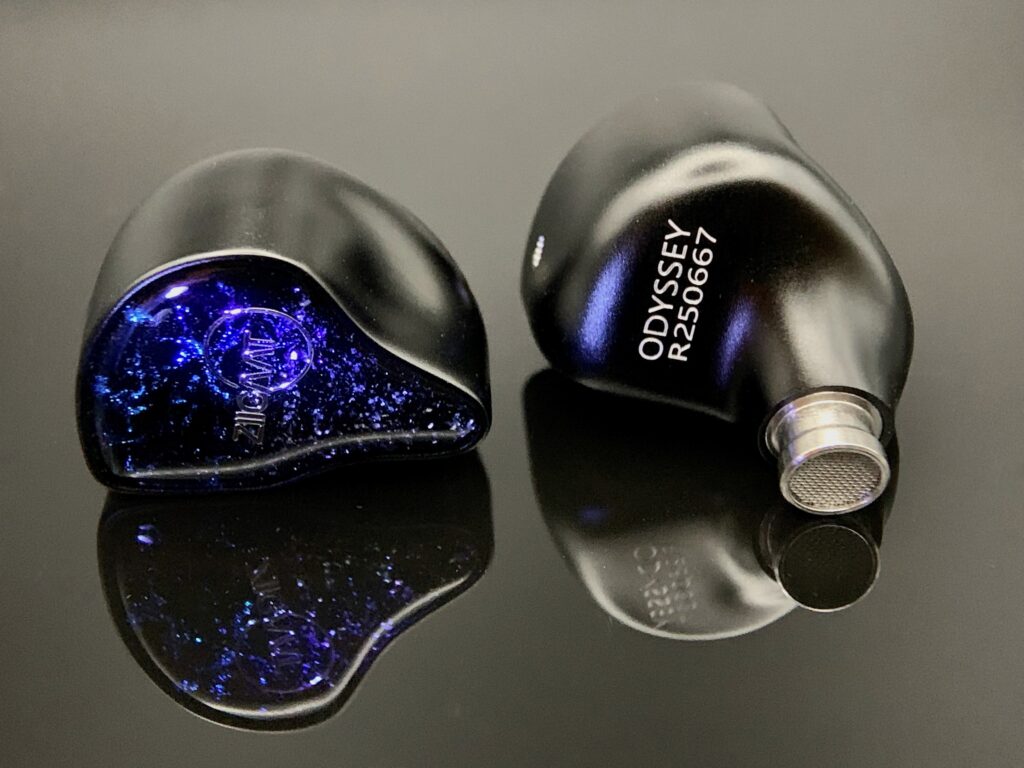
It’s a logical comparison. Same brand, same price point… and a philosophy that comes from the same place… before it diverges in two different directions.
The Ziigaat Odyssey 2 are meant to be easier, more immediate. However, the Arete II are more selective, and find it slower to reveal themselves.
An overall tuning process.
Odyssey 2: slightly V-shaped, more energy, more movement.
Arete II: more linear, more cohesive, more mature.
The Odyssey 2 just feel more lively. The bass hits harder, the treble is more noticeable, and all in all the sound is more dynamic. It’s the sort of tuning that’ll grab you from the outset.
The Arete II do the opposite. They don’t want to have an immediate impact, they craft, over time, a balance.
Bass.
Odyssey 2: fuller, more physical, more “fun”.
Arete II: more controlled, more readable.
The Odyssey 2 have a bass that’s more present, that’s harder, has greater weight, that’s the full resonance. Sometimes it gets a little bleed into the mids, especially in busier passages.
The Arete II keep them all on an even keel tighter. Not so much in quantity, but it’s more exactitude.
For those who want to feel the hit, Odyssey 2. And if you want to understand the hit, Arete II.
Mids.
Odyssey 2: a bit more forward, a little more “emotional”
Arete II: more natural, more neutral.
The Odyssey 2 handle vocals really well with a full-bodied, engaging delivery. Sometimes it even takes center stage.
The Arete II are more transparent. They present the voice as it is, without pushing it forward.
It really just comes down to preference in the end of the scale here: engagement versus accuracy.
Treble.
Odyssey 2: brighter, more present.
Arete II: smoother, more consistent.
The Odyssey 2 has more energy in the peak moments, more air and sparkle. Which makes them more exciting but perhaps over time, more tiring.
The Arete II keep everything on track. Less show, more long-term listening.
Technicalities and stage.
Odyssey 2: more dynamic, more instantly “open”.
Arete II: more cohesive, more stable.
The Odyssey 2 provide a broad stage and ample separation. But there can be a bit of driver mismatch here and there, and a less cohesive presentation.
The Arete II isn’t the kind of vehicle that hits for big effect, instead, everything is kept a bit more compact and believable.
The real difference.
The Odyssey 2 are constructed to delight immediately.
The Arete II are designed to endure.
The Odyssey 2 are more fun, more immediate, simpler to enjoy.
The Arete II are better, more coherent and more mature.
In short.
If you seek energy, impact and immediate engagement: Odyssey 2.
Look for balance, natural sound and long listening sessions: Arete II.
And the funny thing about it is, there isn’t one winner.
There’s only one that at that moment makes you want to play one more track.
Comparison with Thieaudio Hype 4 MKII

The comparison here jumps to a different level. Less so from a philosophical viewpoint but a positioning perspective: the ThieAudio Hype 4 MKII obviously sits a bit higher in price and ambition. We’re not discussing whether the two “are” better, we are comparing how close the Ziigaat Arete II can be … or where they can still play against each other.
Overall tuning
Hype 4 MKII: technical, extended, more apparent
Arete II: more unified, more natural, more versatile
The Hype 4 MKII show everything right away. They sound open and complete, extremely “hi-end” in their presentation of the music.
The Arete II feel more compact, but they also have one more card to play: the switch. It doesn’t alter their nature as much as it allows you to adapt the balance ever so slightly to the circumstances.
Bass
Hype 4 MKII: deep, physical, dominant sub-bass
Arete II: more controlled, adjustable
Here, the difference in class is clear. The Hype 4 MKII are deeper and hit harder, and provide more pressure and presence at the low end.
The Arete II will do it differently.
The bass is dry, clean, almost reference-sounding with the switch off. Turn it on and the weight goes up: the sub-bass gains body, it has more mid-bass presence and impact rises noticeably.
They don’t arrive at the physical force of the Hype, but they get closer than anticipated. And the most significant point of all is they do it without losing control.
Mids
Hype 4 MKII: fuller, denser, richer, more “luxurious”
Arete II: more linear, transparent
The Hype focus on density. The sound feels richer, more textured, almost important.
The Arete II breathe more. The mids open more, too—less shaped.
Even with the switch on and with the weight down low, the mids are clear and never really get covered. That’s a strong point.
Treble
Hype 4 MKII: extended, airy, enhanced
Arete II: smoother, more consistent
The Hype 4 MKII has more extension, more air, more perceived detail. The sound expands more on the higher end.
The Arete II remains more restrained. They do not attempt to impress, they aspire to balance.
And then, once again, the switch doesn’t influence the structure: it adds weight underneath but never dulls the treble.
The stage and technical performance
Hype 4 MKII: wider, more multilayered, more precise
Arete II: more compact, more cohesive
The Hype create a bigger, more three-dimensional stage, a richer-layered stage with better depth, a stronger idea of space.
The Arete II are less cramped, more even, but also more uniform. There’s never that sense of these disconnected parts that never seem to fit, everything stays together.
The real distinction of course.
The Hype 4 MKII are designed to showcase.
The Arete II are designed to be adaptable.
The Hype will give you everything immediately.
Thanks to the switch, the Arete also allow you to shape the experience.
In short
For an unambiguous leap forward in sound, a bigger stage, extended body and a real hi-end presentation: the Hype 4 MKII.
When you want coherence and control as well as a little control over the bass without rocking balance: Arete II.
The interesting part
The Hype 4 MKII are truly superior in pure technical performance.
But the Arete II can offer two kinds of sound experience.
And in that flexibility, with that ability to adapt without losing itself, they compete much closer than their price would suggest.
“I Can’t Stand the Rain” – Woong San

I begin right there, from the beginning. That’s the beginning, where everything is naked, with nothing to hide.
The voice drops in, the bass creeps beneath, slow and under control … you know right away whether the IEM can handle it.
The first impression with the Ziigaat Arete II is physical. The voice isn’t just there, it’s tangible. There’s weight, space around it, but, most important, it’s never pushed forward. It remains there, centered, stable.
The bass underneath does not intrude. It doesn’t bloat, doesn’t attempt to overpower. It moves with precision, almost restrained, but always easy to follow. And it’s this balance that creates tension in the first place.
Voice and bass: the critical point. This is where everything happens. Too much bass, it covers everything. Too little, loses the body. If the voice is off, the whole track is lost.
The Arete II hold the line. The voice is clean, full, never artificial. The bass supports, never interferes.
With the switch off, the presentation gets more elegant, more controlled. Turn it on and it changes the perception: the bass gains presence, it becomes more physical … and the voice gains contrast.
It’s not a wow effect. It’s controlled tension.
The acoustic break. Then I’ve heard the quality, you know, when the break comes in. No compression, no confusion.
Elements separate without falling apart. The stage doesn’t expand magically, it just better organizes itself. Everything stays in place.
The voice.
Woong San here is dynamic, expressive, never static. She moves from soft to just shy of rough, from intimate to more open.
The Arete II follow her with such ease and grace. They don’t beautify, they don’t color, they just let her be. And that’s not easy.
Final feeling. This is not a track that forgives. If an IEM is flawed they will reveal it here. If it’s well constructed, this is where it shows that.
The Arete II don’t have to impress. But they keep it all together.
And once that occurs, the track ceases to be a test … and it becomes music again.
“Follow Me Home” – Dire Straits
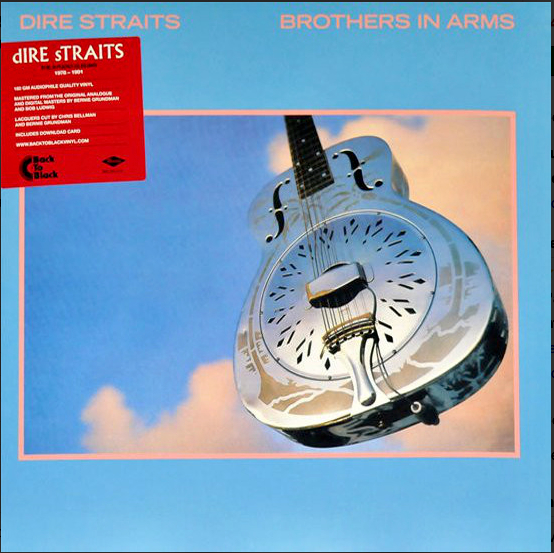
This is one of those tracks that won’t forgive. Nothing really happens … and yet it draws you in. Slow start, suspended atmosphere, almost whispered vocals.
If an IEM is out of control, it fails here. If it tries too much, it shatters the magic.
When it comes to the Ziigaat Arete II, that is where the first impression is, nothing is wrong. And when you come across such a track, that already means much.
Voice and presence
Knopfler’s voice does not move forward, is not highlighted just so you’ll notice it. It sits there, slightly behind, but clearly in existence. Natural.
It isn’t sculpted, it’s not emphasized, it is true. And most importantly, it never leaves you the rest. It’s not outside of the mix, it is part of it.
It’s the sort of presentation that doesn’t jump out of the page at you — but once you sit through a little while, you can can’t push it past your mind anymore.
Space and silence
Now, this is where all of it comes together. This track dwells in the gaps, in decay, in the air between notes.
The Arete II don’t attempt to make the room larger, they respect it. Reverbs are not severed, not abbreviated. You hear them fade, slowly.
The stage isn’t big, but it’s quite well-built. And above all, it’s stable. Nothing shifts. Nothing collapses.
Bass and foundation
The bass is hardly there, but it’s what holds it all in place. With the switch off it’s virtually invisible, clean, light, allowing room for everything else.
With the switch on, it captures just a wee bit more body, without having to be the focus, it gives it support, gives it substance.
It’s an easy difference, but here you can absolutely hear it. And the way it changes the feeling of the track.
The feeling
It slowly draws you in. The Arete II don’t contribute anything, they’re not atmospheric. They just avoid ruining it.
And when an IEM doesn’t ruin a track that’s like this… it means that it knows everything.
Verdict
A great test to assess the maturity of an IEM. The Arete II isn’t there to impress. But they keep it together, from beginning to end.
And, on a track like that, that’s what you need here.
“Birdland” – Weather Report

Here is where things get serious. Song “Birdland” is one of those tracks full of things thrown at you: technique, rhythm, layering, dynamics, everything.
If an IEM has a weakness, it’ll be visible here. No excuses.
The Ziigaat Arete II do this in their own way: they don’t attempt to impress, they strive to keep everything together.
The bedrock: Pastorius and the synth.
Jaco Pastorius’s work is the first real test. The bass is not just support, it’s movement, it’s structure.
With the Arete II, you can follow it clearly. It’s not massive, it’s not dominant at all. It’s always under control.
The synth, typical of that era, has just a little grainy roughness to it, almost a little dirty.
Here, it comes through naturally: it’s not smoothed over, it’s not fake. That raw edge does make it believable, and it gives character to the song.
Sax and drums.
The sax comes in and moves all around. If the IEMs can’t handle it, it turns into a single block of sound.
Here, they remain separate and never aggressive.
The drums are the engine. They power the beat, they propel the song along. The Arete II don’t overstate them, but at all times keep their outlines straight.
Even in busy passages we have no sense of confusion.
Dynamics: from soft to loud.
It’s here that everything comes out. The shifts from soft to loud are steady. Not explosive, just constant.
It’s a sort of “moving” dynamic.
The Arete II follow it well, though it takes a different tack: they do not explode, they do not exaggerate the jump. They accompany it.
Everything is more controlled, easier to read with the switch off. Turn it on and you’re gaining more body, but the layers come together a little bit more closely.
The feeling.
This is not a great listen. But they never let go.
The Arete II won’t make you think, “wow, that’s a stage.” But they never lose control.
And on a track like this one, that matters.
Verdict.
“Birdland” is a technical test. And the Arete II make it through without disintegrating.
They don’t dominate, they don’t impress. Everything stays intact, right through to the very end.
They remain true to themselves. Always.
Final thoughts
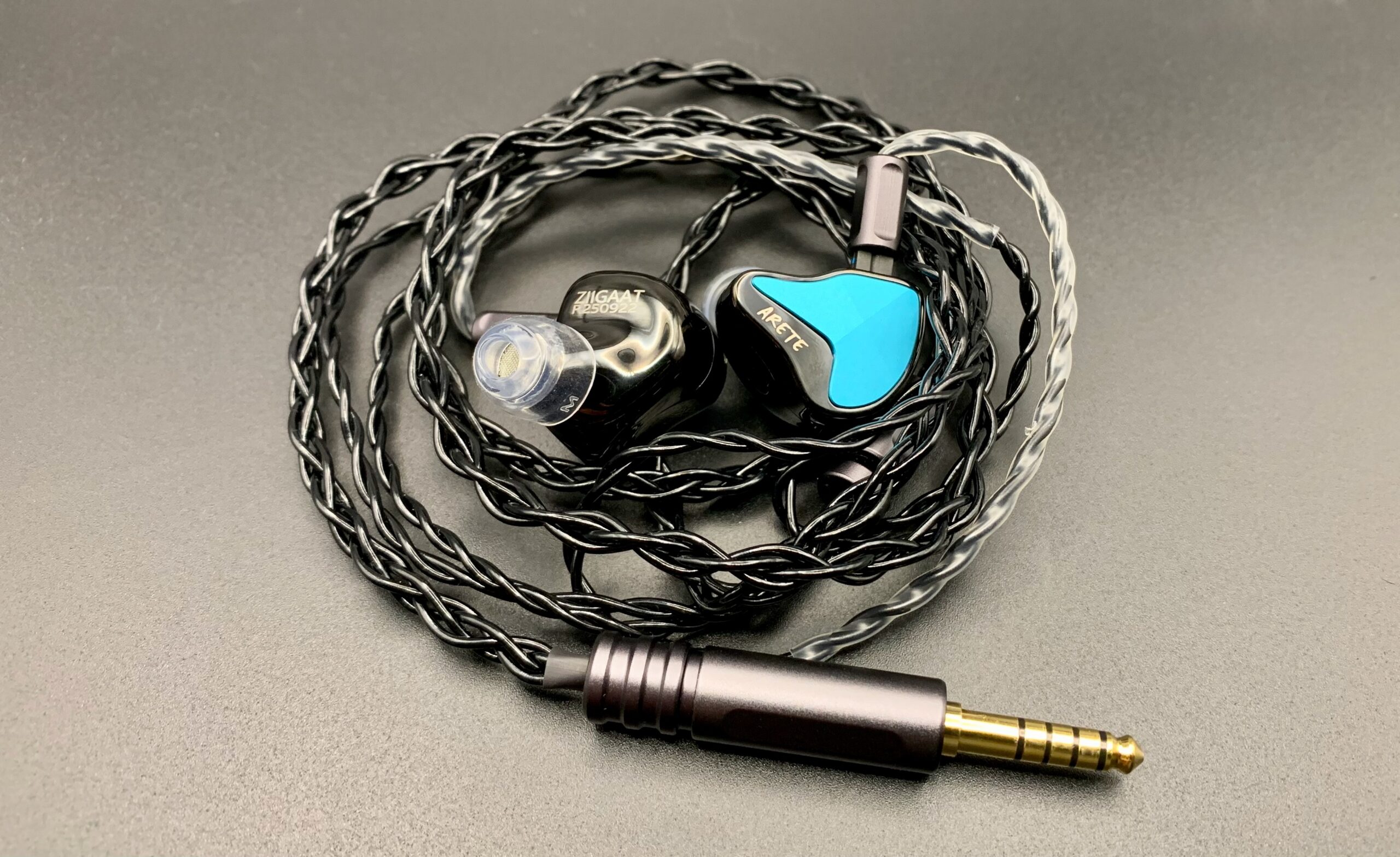
The Ziigaat Arete II don’t jump at you. They don’t try to show off.
You put them on, press play… and you almost wonder if something is missing.
Then you start getting into it. You adjust them, try different tips, turn the volume up a bit.
You go back to a track you know by heart… and slowly you realize everything holds together.
Nothing pushes too hard, nothing falls out of line. Everything is there, glued together.
And that feeling stays. It’s not adrenaline, it’s continuity. It’s the kind of sound that doesn’t tire you, that doesn’t ask for a reaction… it just asks you to stay.
And then there’s the switch
At first, you try it out of curiosity. Click. You go back to the track. And something changes.
It doesn’t turn into a different IEM, but the way it hits you changes. More weight, more presence, more body.
Then you switch it off… and it goes back to being cleaner, more straightforward.
And you start using it without thinking. One album like this, another like that… it just becomes natural.
And you realize it’s actually useful. Really useful.
The point is simple.
They cost the right amount. They sound better than what they cost. And most importantly, they always work.
They’re not the absolute best, they don’t perform miracles. But they do something very difficult: they don’t get anything wrong.
And when an IEM doesn’t get anything wrong, you end up using it more than the ones that are technically “better”.
In the end.
They’re not IEMs that make you say “wow”. They’re IEMs that make you stay there, with one more track in the queue.
And when that happens… you don’t take them off.
VOTE
8.6 / 10
🟢 PRO
- Extremely coherent tuning
- Excellent mids
- Fatigue-free long listening
- Good overall technical performance
- Solid build quality
- Useful and well-integrated switch
🔴 CONS
- Not very impressive at first listen
- Bass not for bassheads
- Treble not very sparkly
Q/A
Are they suitable for professional use?
Yes, especially for light monitoring and non-extreme critical listening.
Do you need an expensive DAC?
No, but they do improve with better sources.
Are they fun?
It depends on what you mean by fun. They’re not flashy, but very engaging over time.
Does the switch really change the sound?
Yes, in a smart way. It doesn’t change the overall signature, it simply adds or reduces bass weight while keeping the balance.
Better with the switch on or off?
It depends on what you’re listening to and how you want it to sound. Cleaner and more linear off, fuller and more physical on.
Are they good for all music genres?
Yes, but they shine with genres where balance and naturalness really matter.
Are they comfortable for long sessions?
Yes, once you find the right tips, you almost forget you’re wearing them.
Do you need to change the cable?
No, the stock cable is already good.
Do they need burn-in?
More than anything, you just need to get used to their sound.
Are they an upgrade or a sidegrade?
It depends on what you’re looking for. If you want more balance and coherence, they’re a step forward.
Acknowledgments and personal note
Thanks to Linsoul for providing the Ziigaat Arete II for review. No compensation, no approval requests, no conditions: this review is based entirely on direct experience, with no filters.
I listened to, tested, and used these IEMs in real-world conditions, with music I know well.
All opinions are independent and based on actual use.
For those interested in learning more or checking out the product, you can refer to the official Linsoul page for the Arete II.
As always, the rest is up to the music.





No Comment! Be the first one.