











































Disclaimer:
Good morning, readers! Following the success of the DS2 2024 model, the Fosi Audio DS3 has finally arrived, boasting a host of new features but a bit less power. I don’t think it can be considered a true successor, as the former offers more power while the latter offers more features and therefore versatility.
Table Of Content
The review, as always, will be completely unbiased and uninfluenced.
I would like to remind you that I am just a person who enjoys trying out new items and listening to a lot of music; I am not an expert.
My opinions are obviously subjective.
Tech Specs:
- ES9039Q2M
- XMOS Powered Processor
- MAX Output Power:220mW@32Ω
- Sampling Rates: PCM 32bit/768kHz
- Support Native: DSD512
- Headphone Impedance: 16-300 ohms
- Weight: 16g; Dimensions: 55x20x11mm
Packaging:
The packaging of the new Fosi Audio DS3 is as simple as the previous one, but with a refined touch.
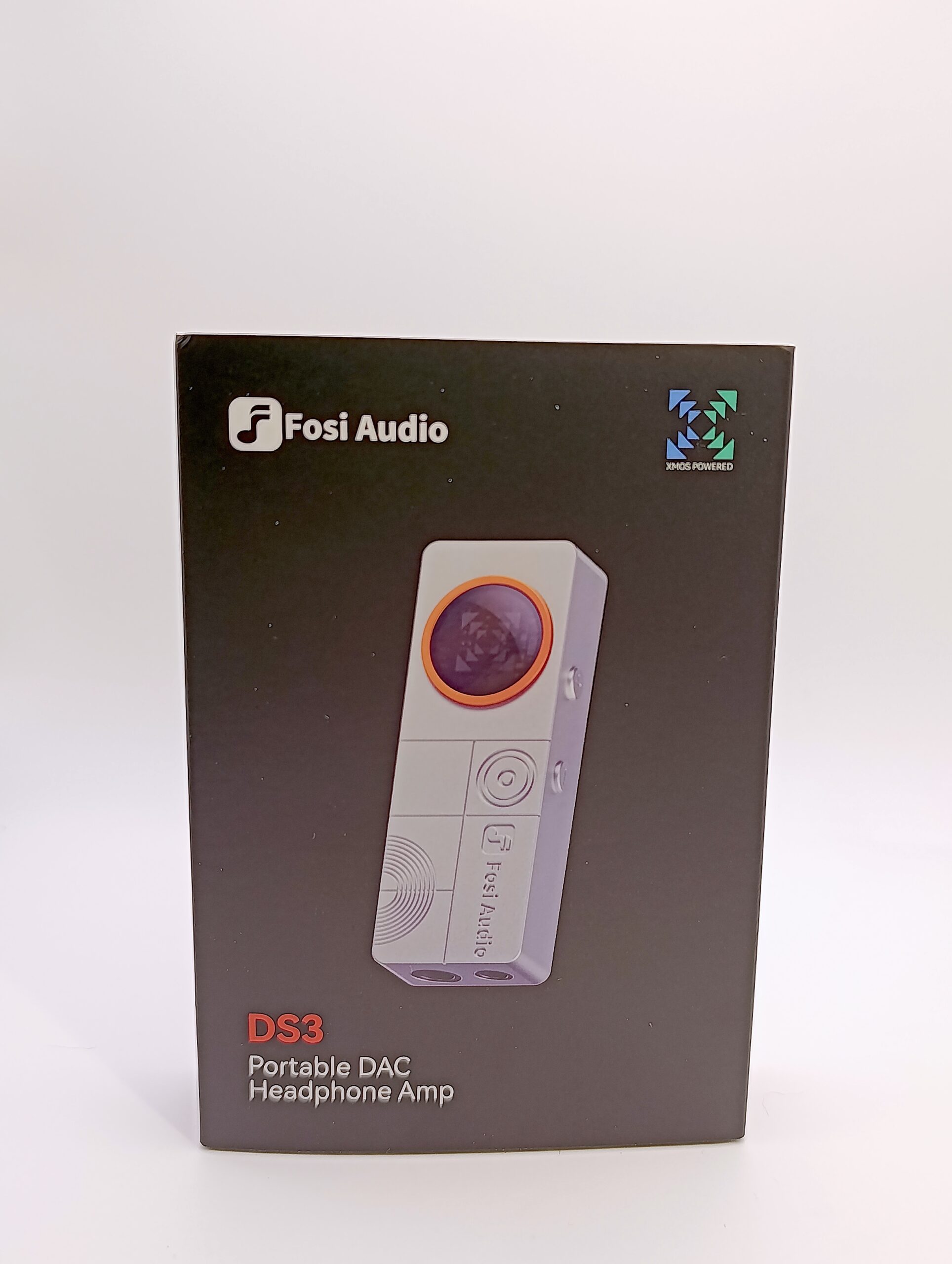
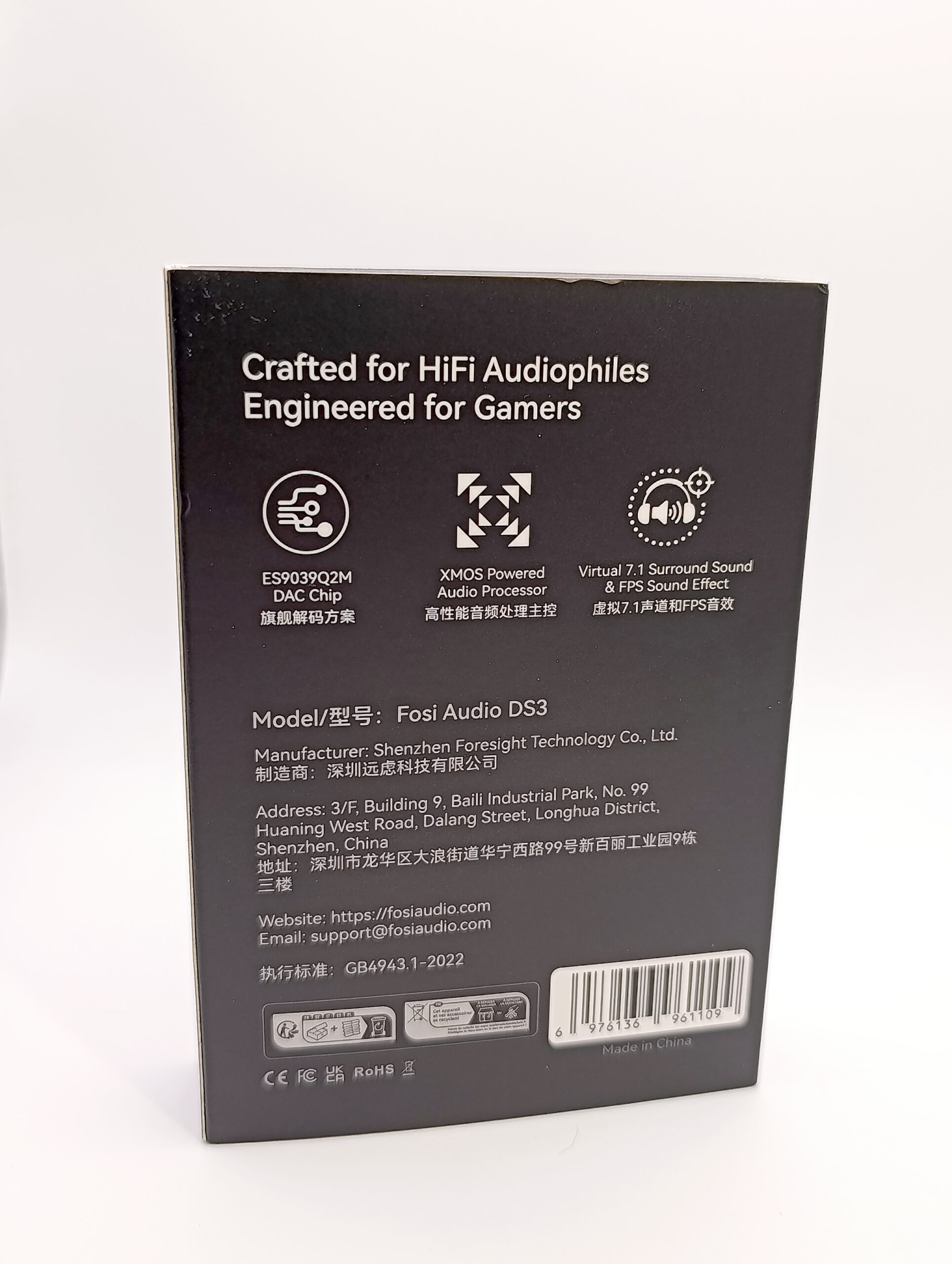
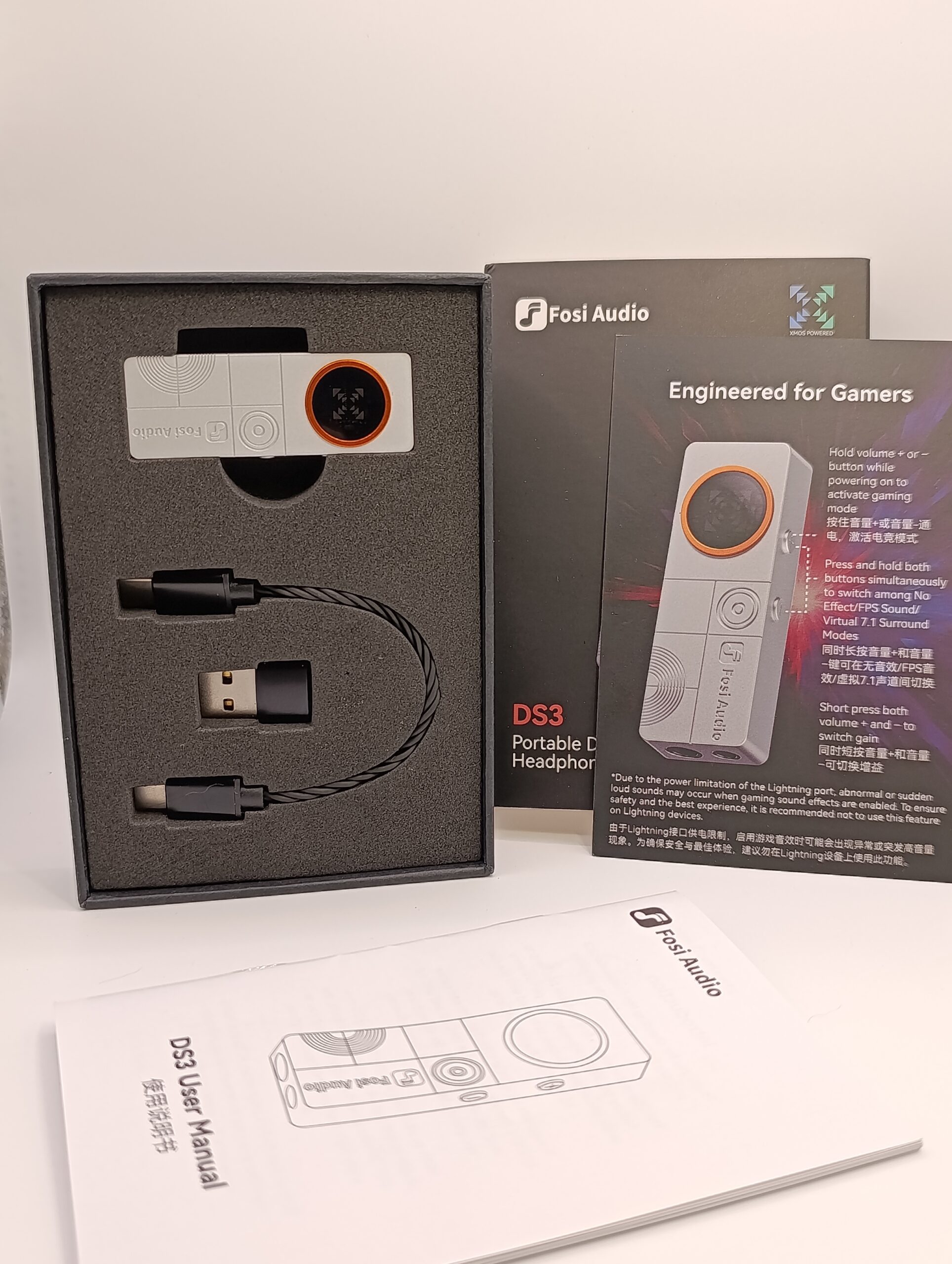
Inside, we find:
- Type C to Type C cable
- USB A adapter (always much appreciated)
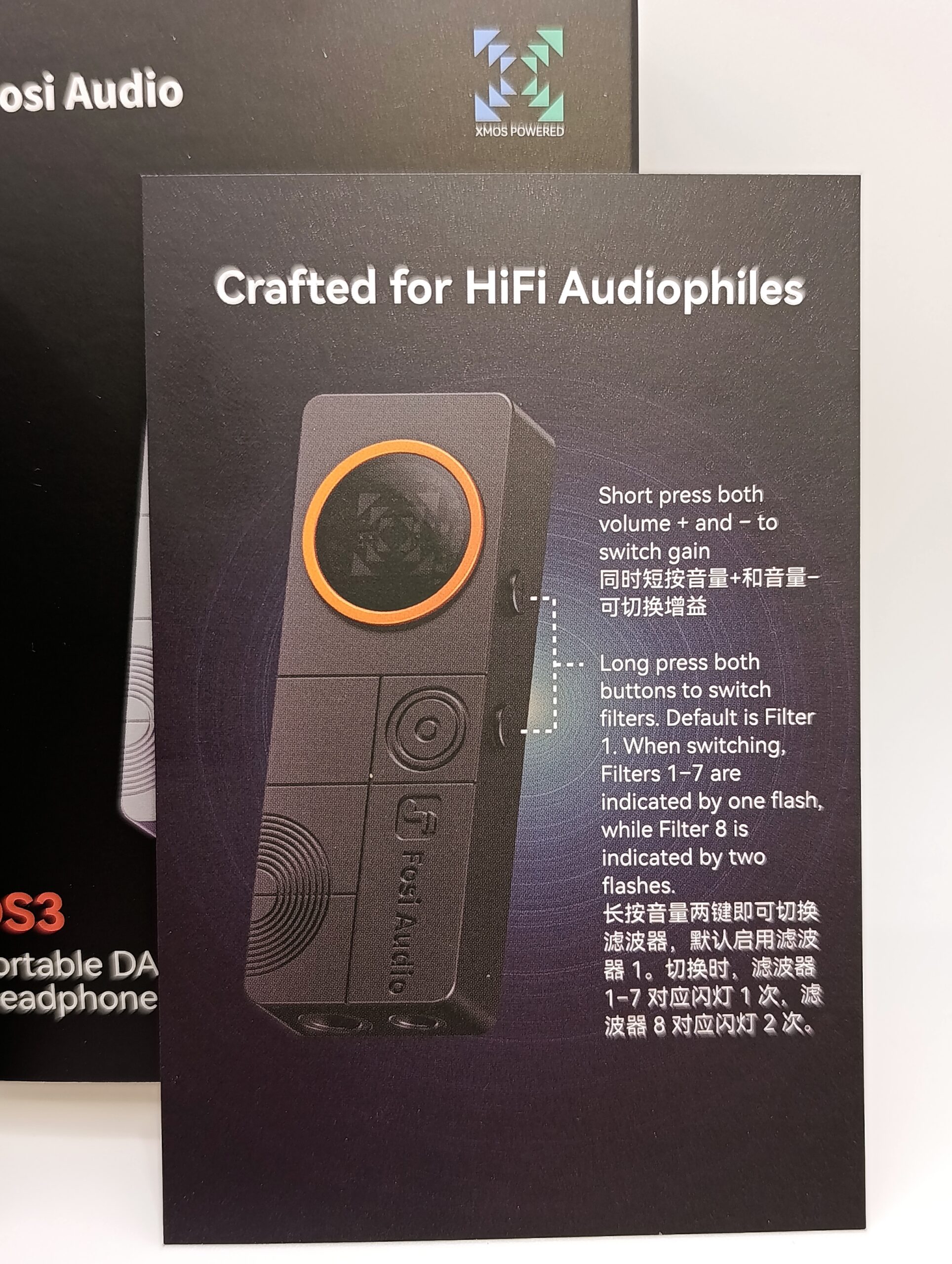
- Manual
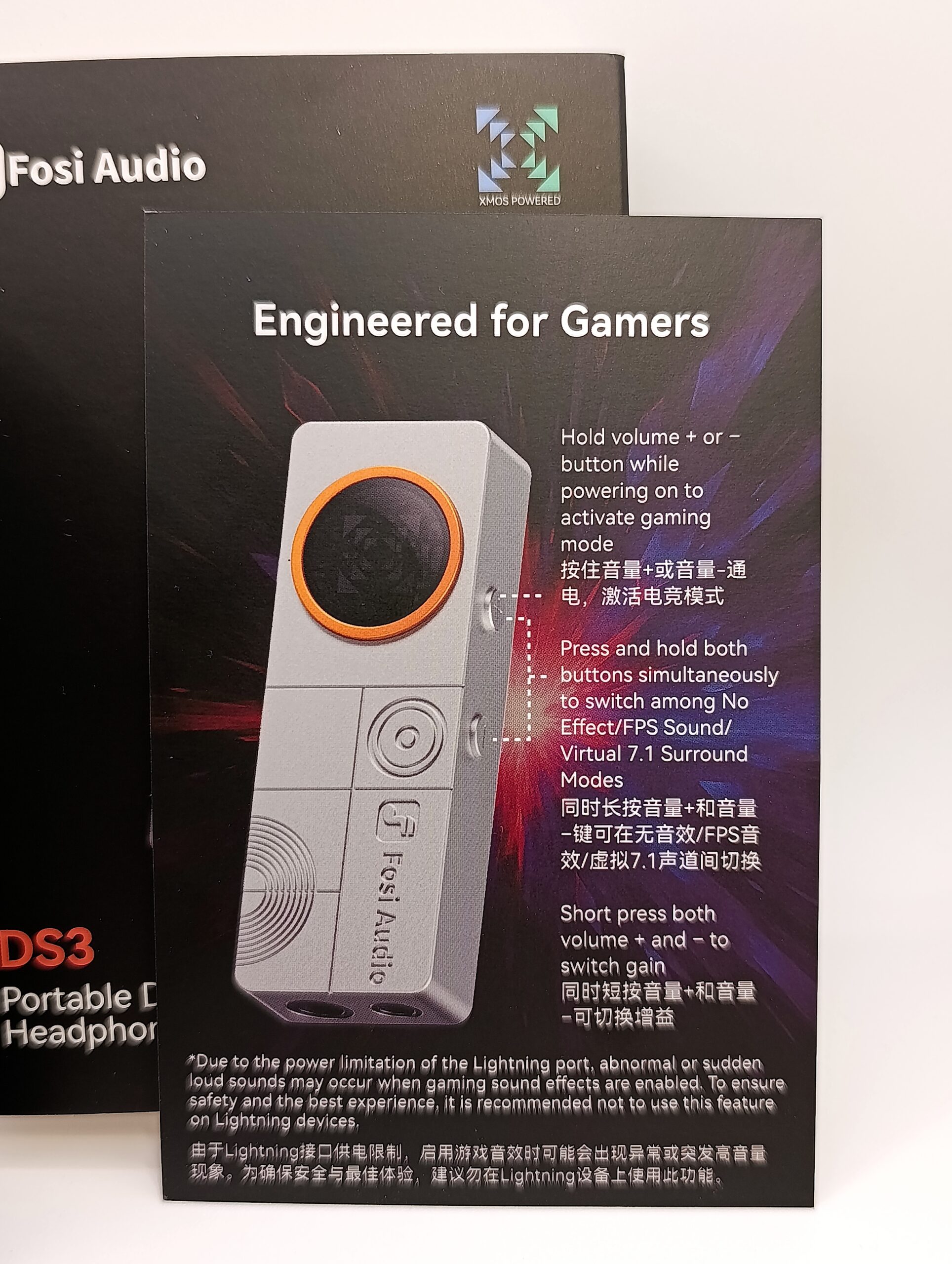
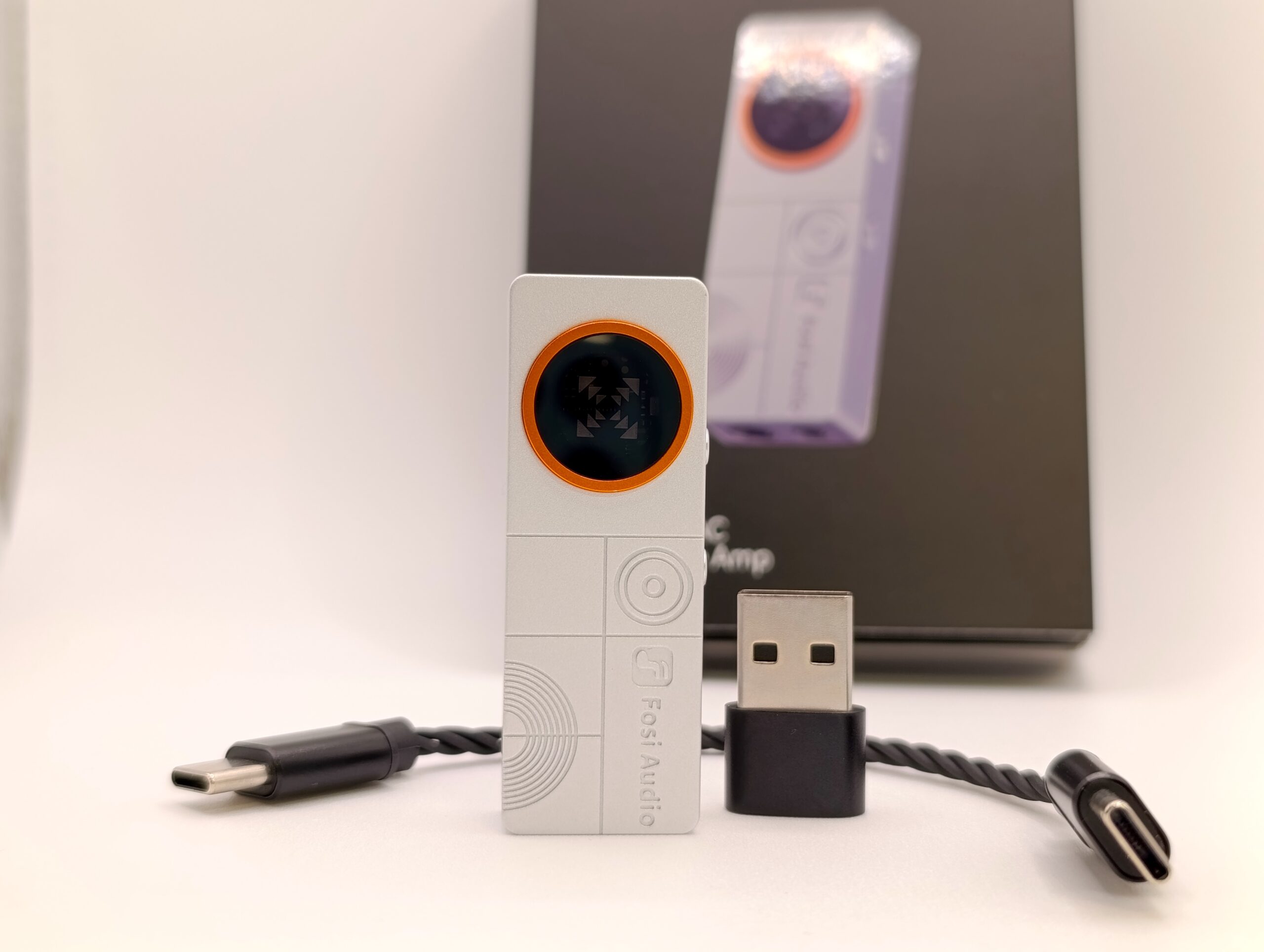
We have all the accessories you need to use with any device.
Build quality/First impressions:
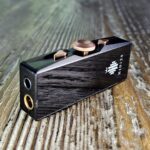
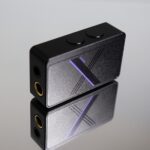
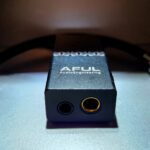
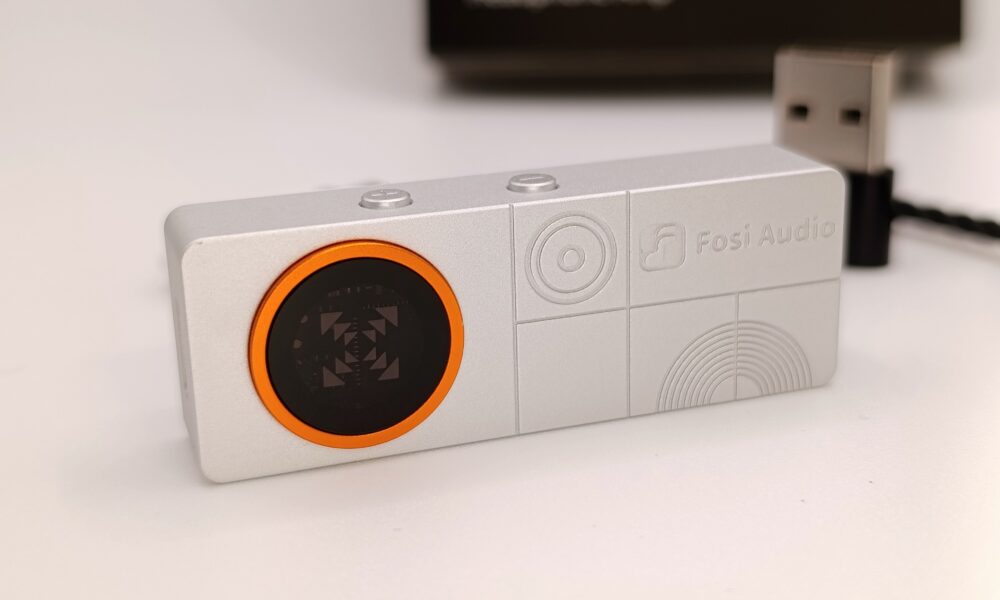
The Fosi Audio DS3 sports a completely revamped look compared to the DS2, featuring a slightly more futuristic design with some almost mechanical-style details. Details include the round window with an orange ring, reminiscent of Fosi Audio’s latest products, while the back features a smoked glass panel that provides a clear view of the internals. One thing I immediately noticed was that the status LED is on the back, and the front, where the XMOS chip is located, lacks a backlight LED. I think an LED should have been added there too.
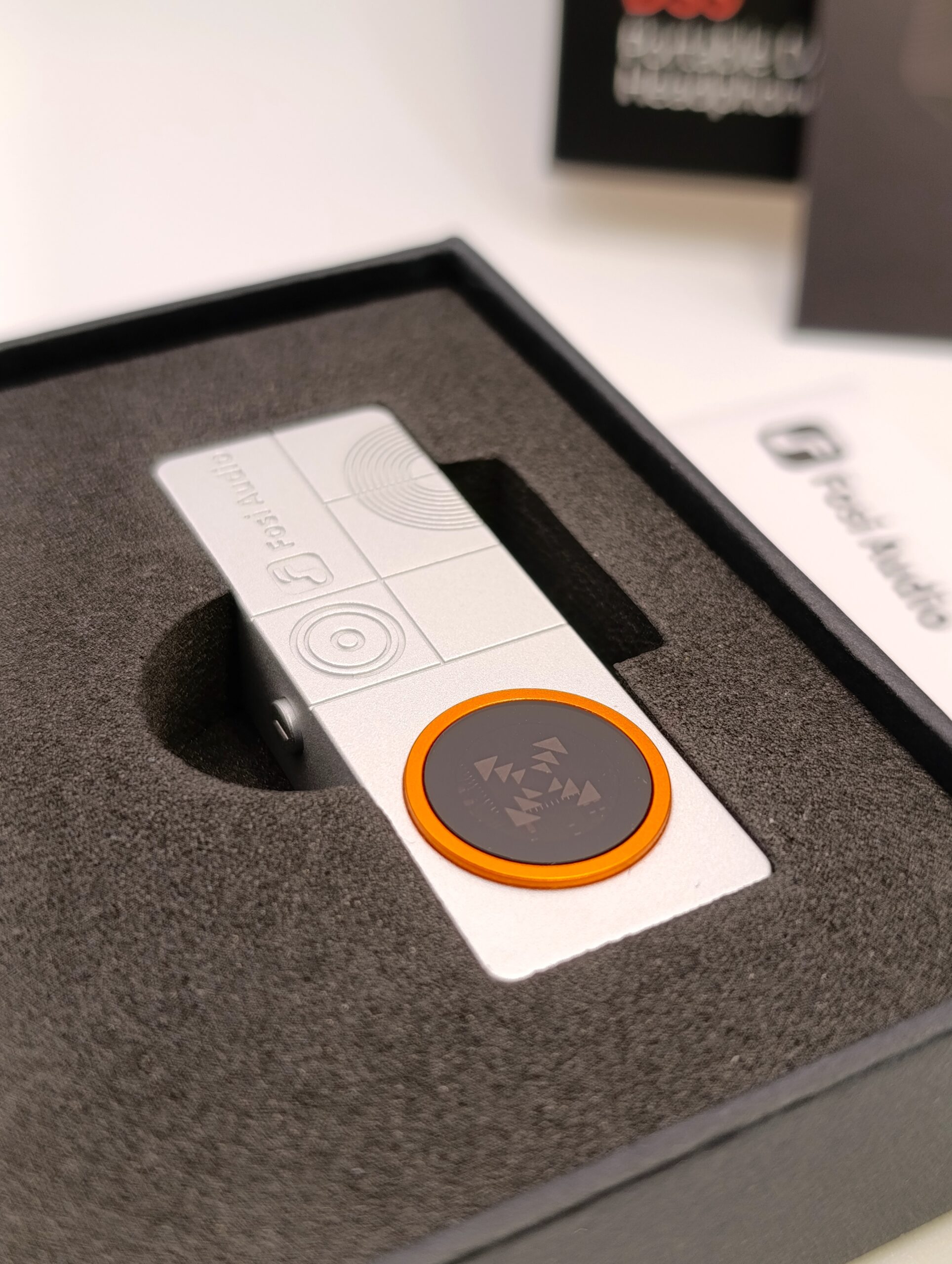
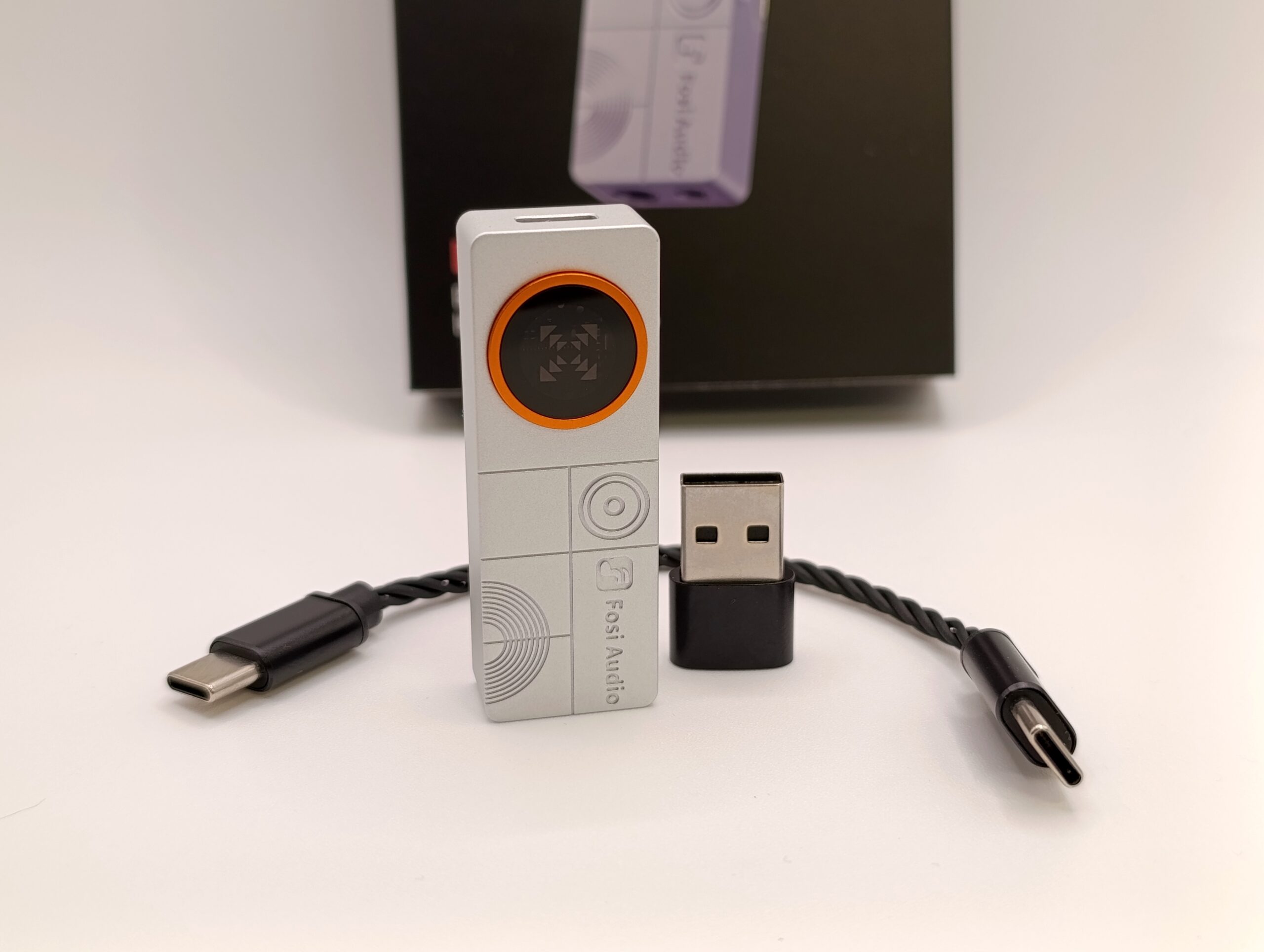
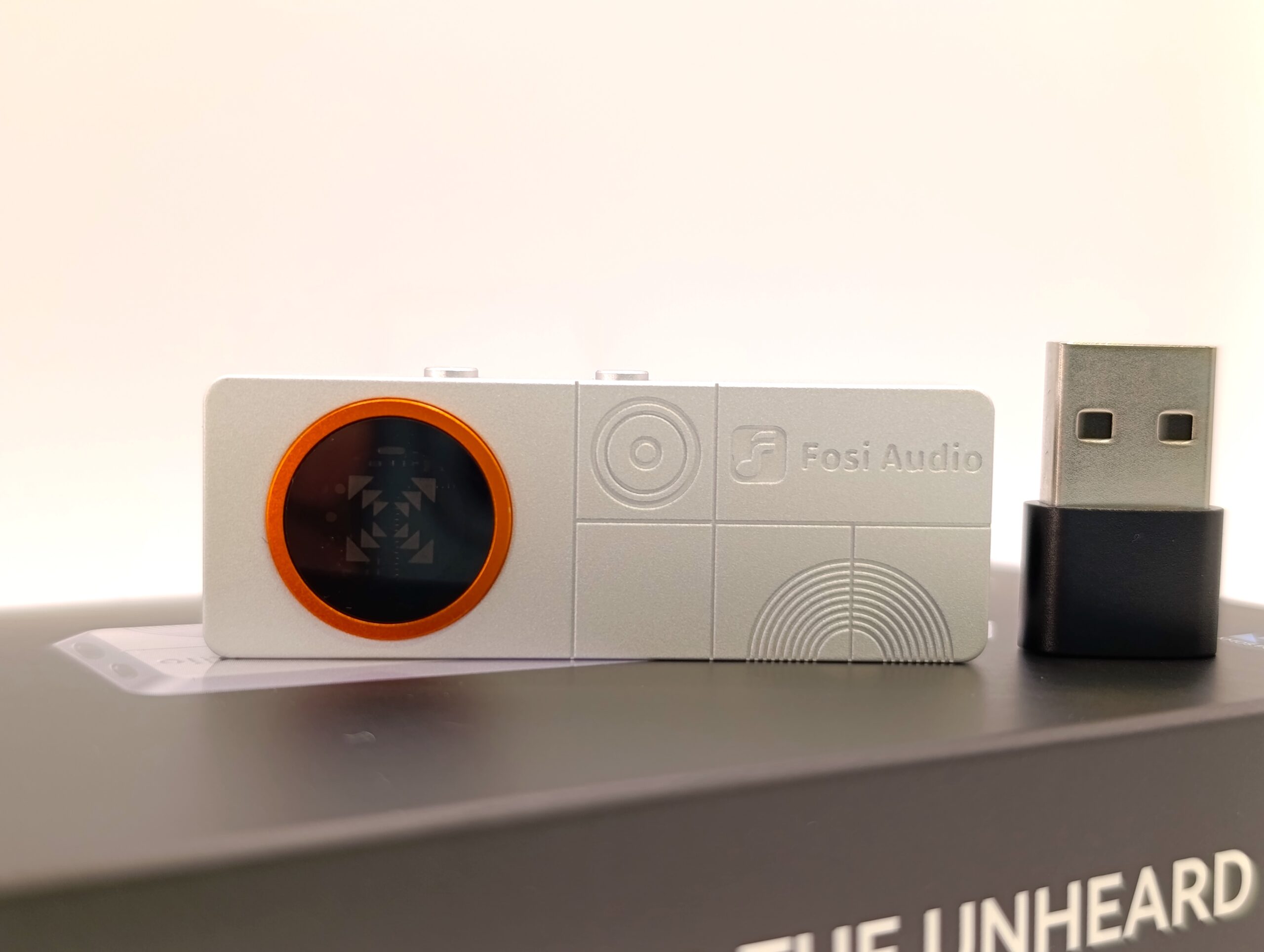
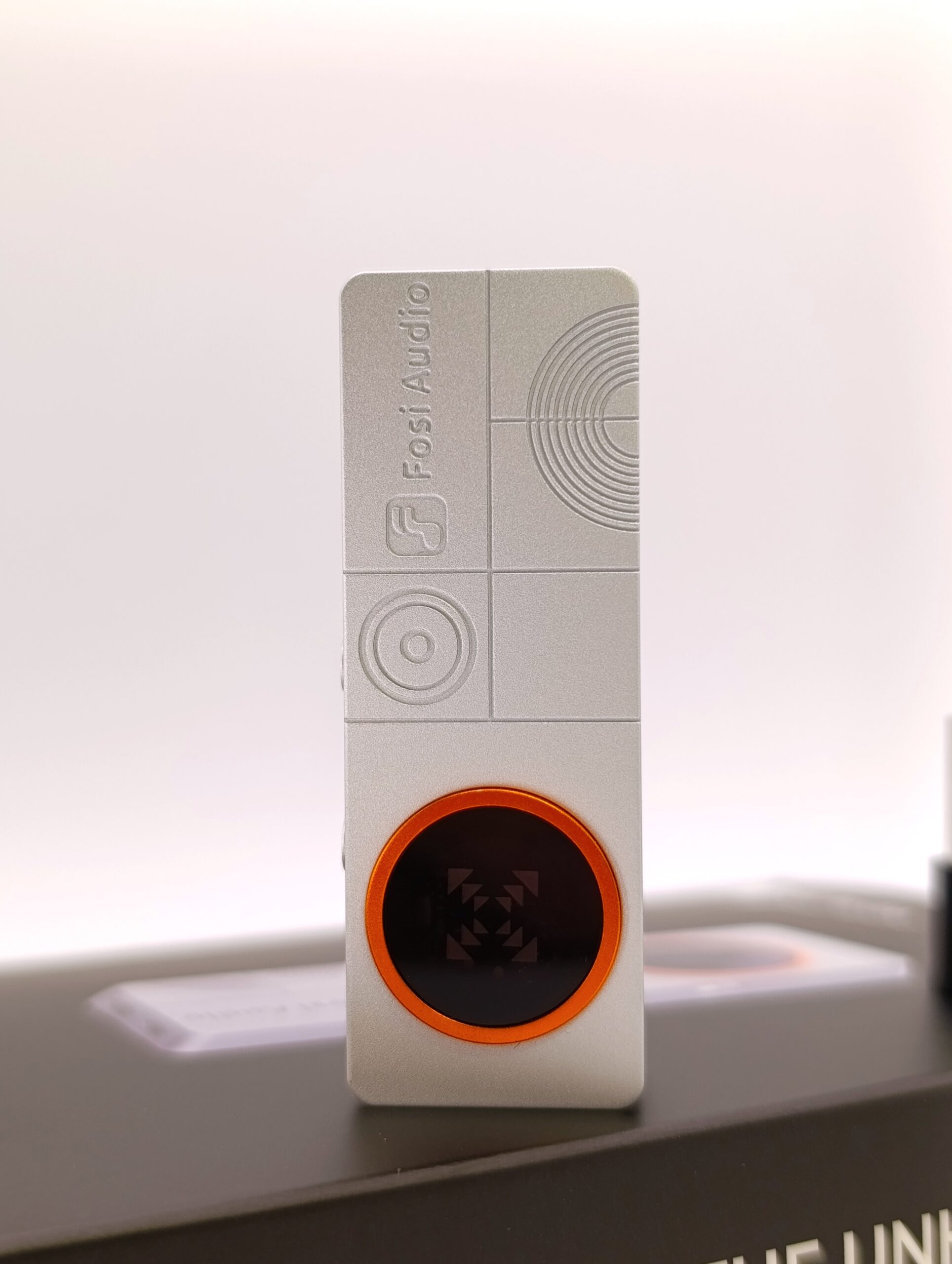
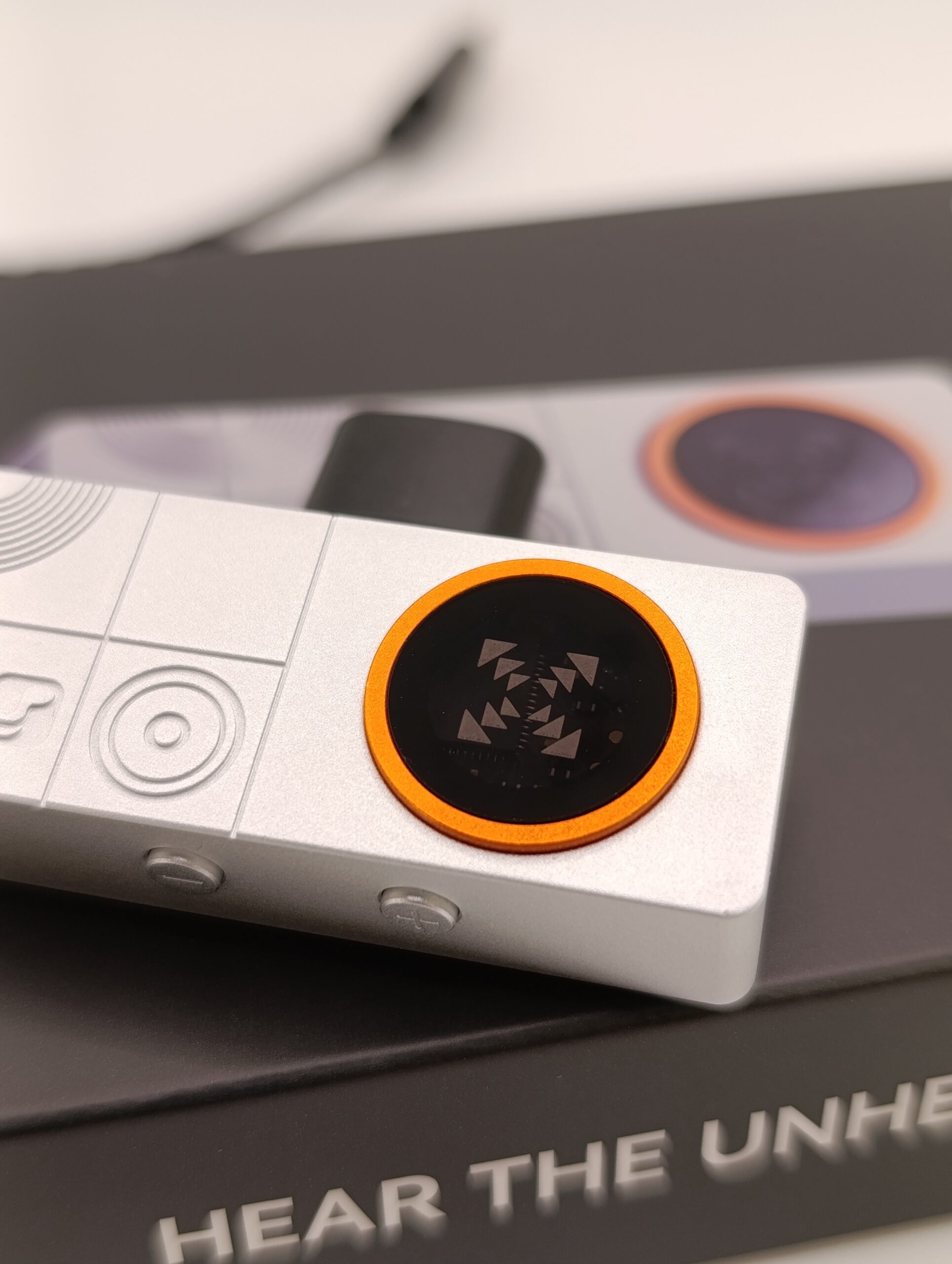
On one side are the volume up and volume down buttons, which, depending on the various combinations, allow for complete control of the dongle.
Inside, we find a new ES9039Q2M combined with an XMOS chip that delivers 220 mW at 32 ohms maximum. The DS2 had more power and capacity in this respect.
The aesthetics are completed by a front panel designed and branded by Fosi.
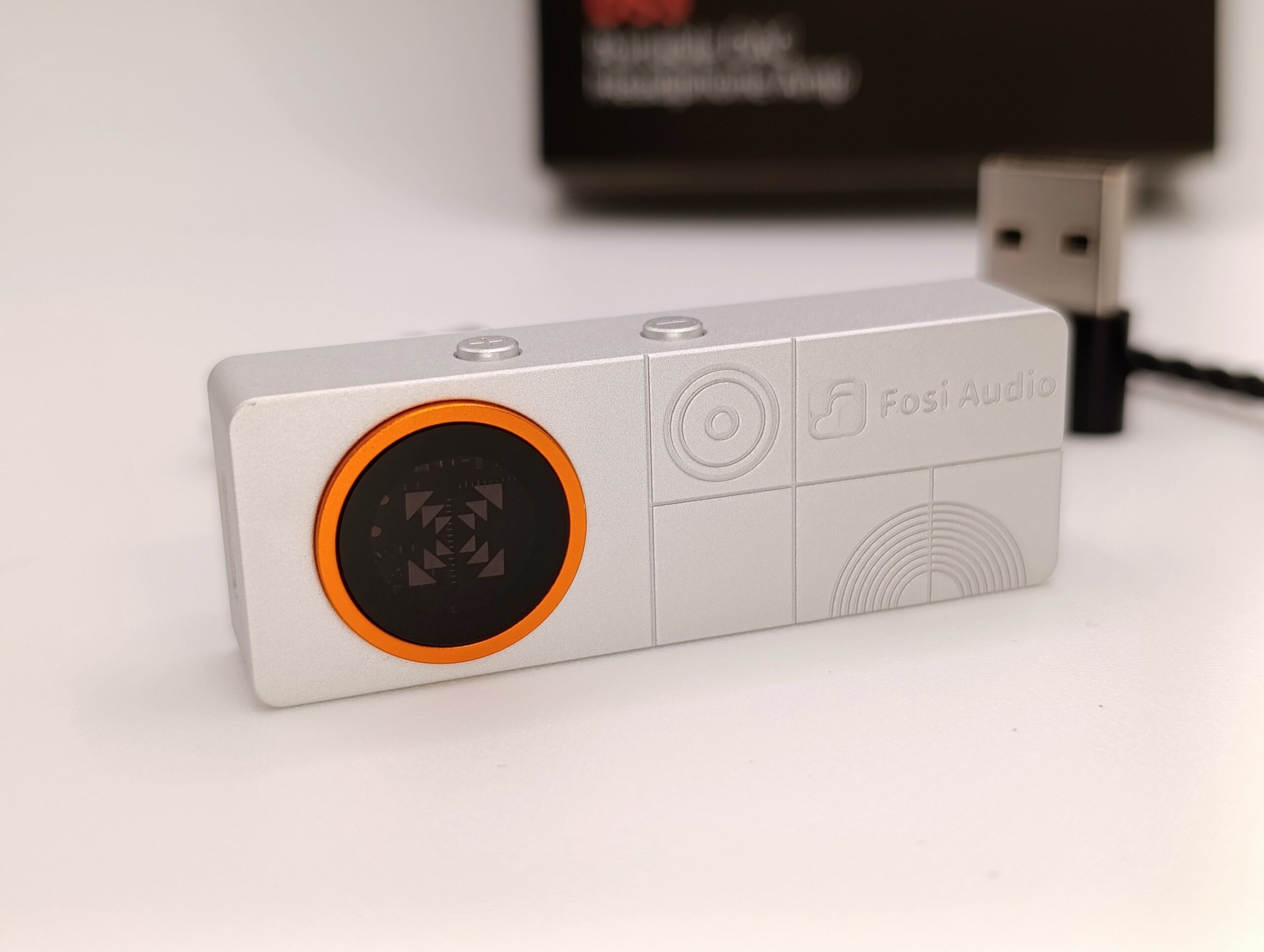
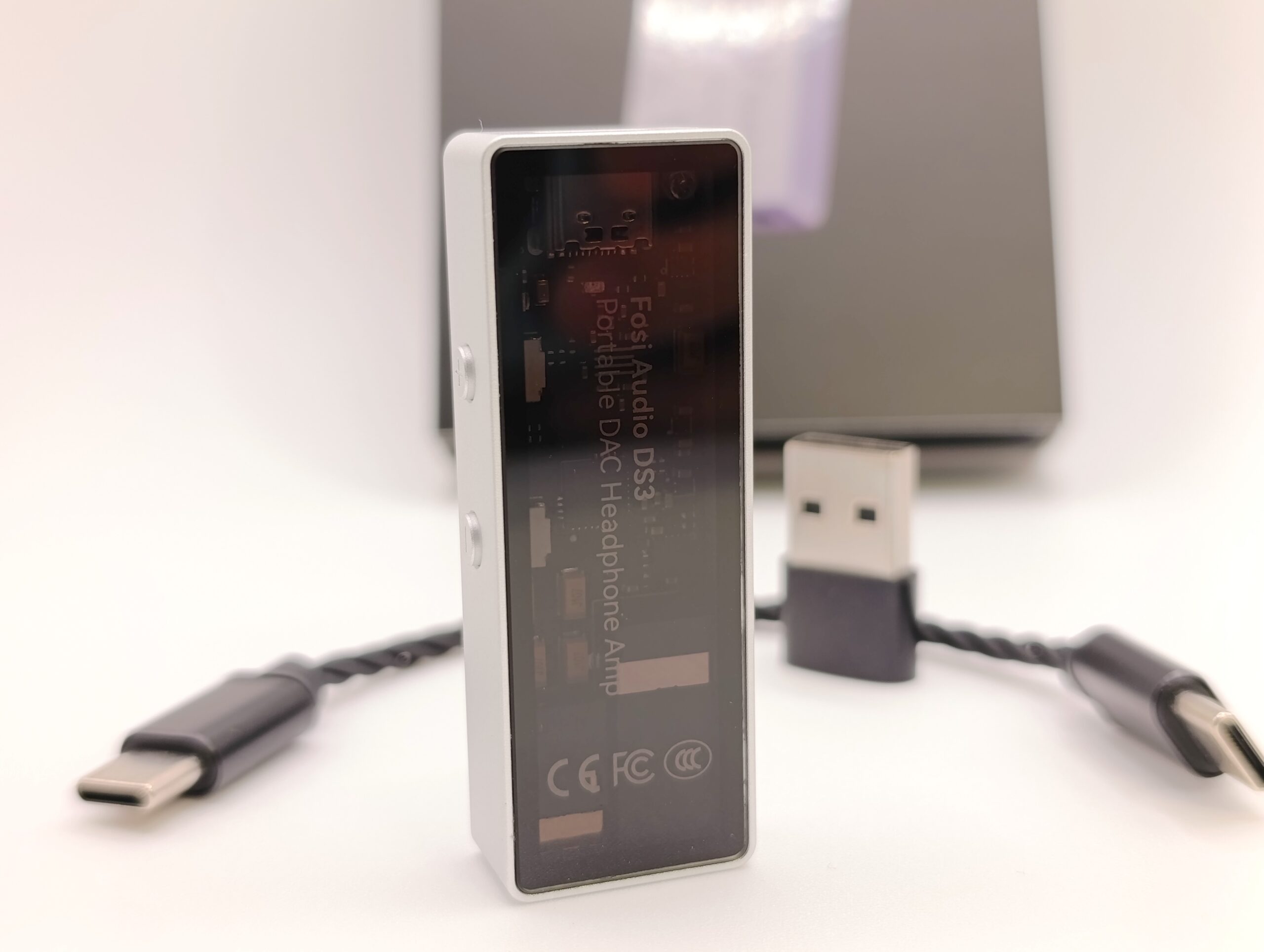
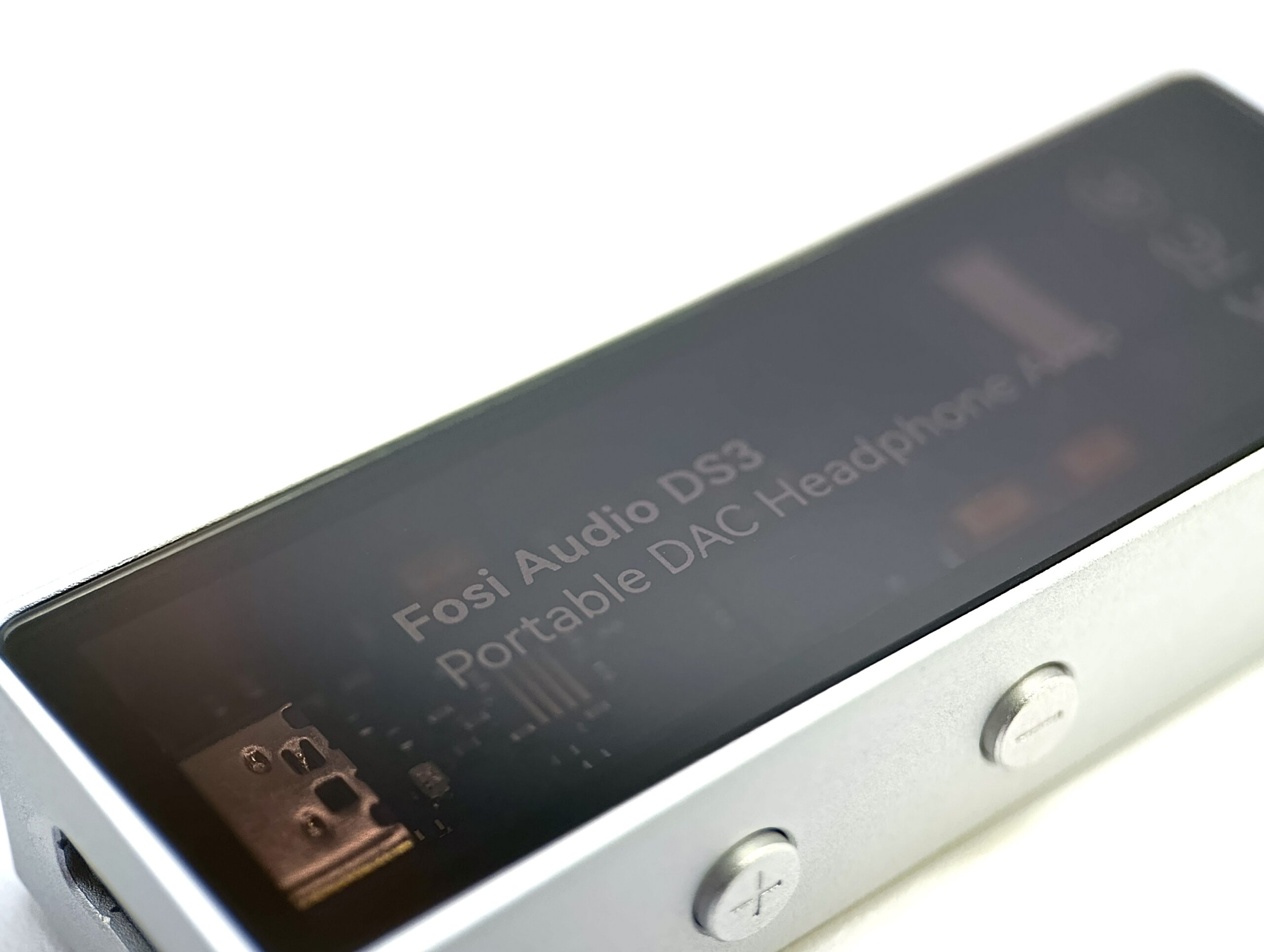
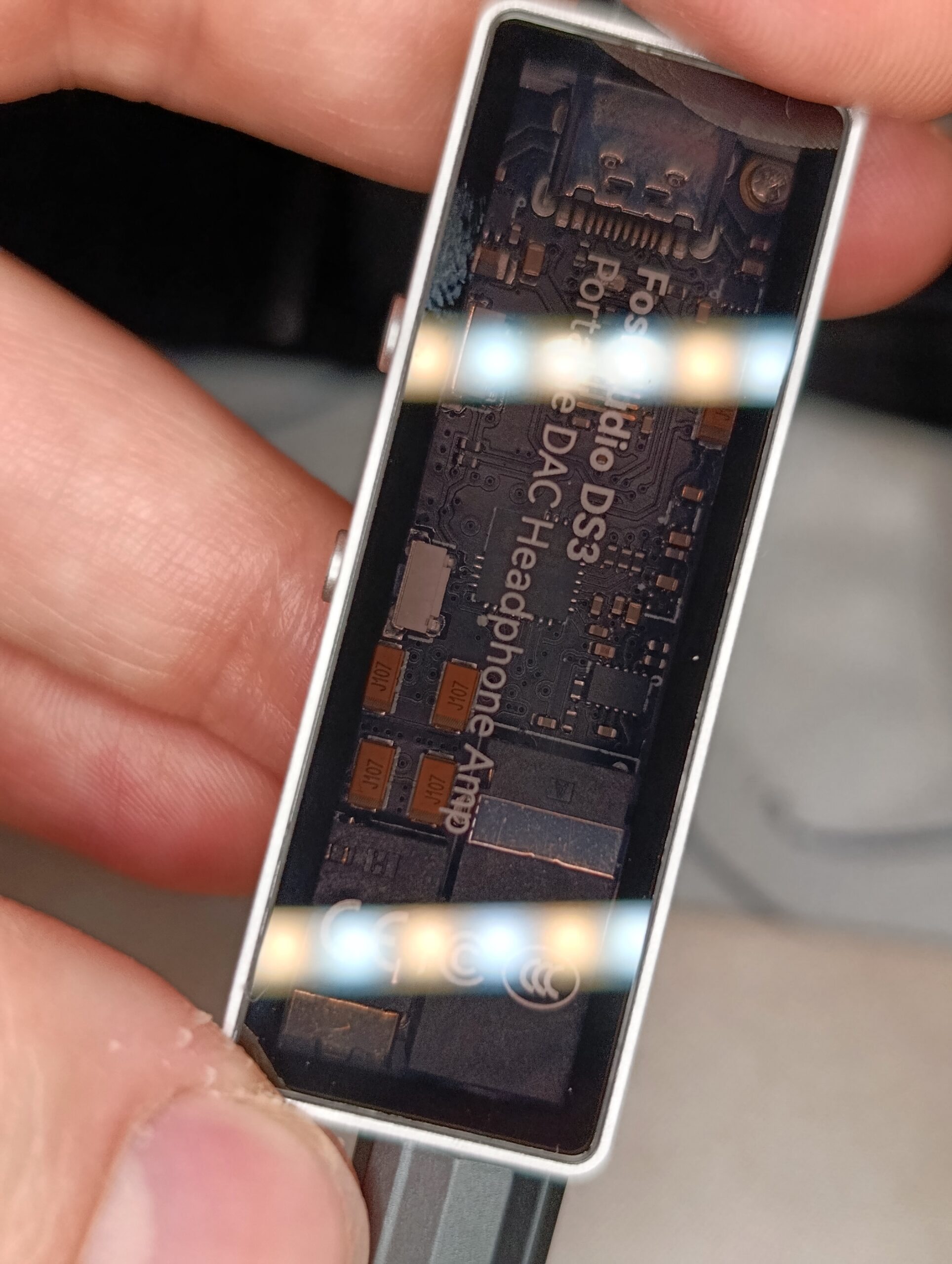
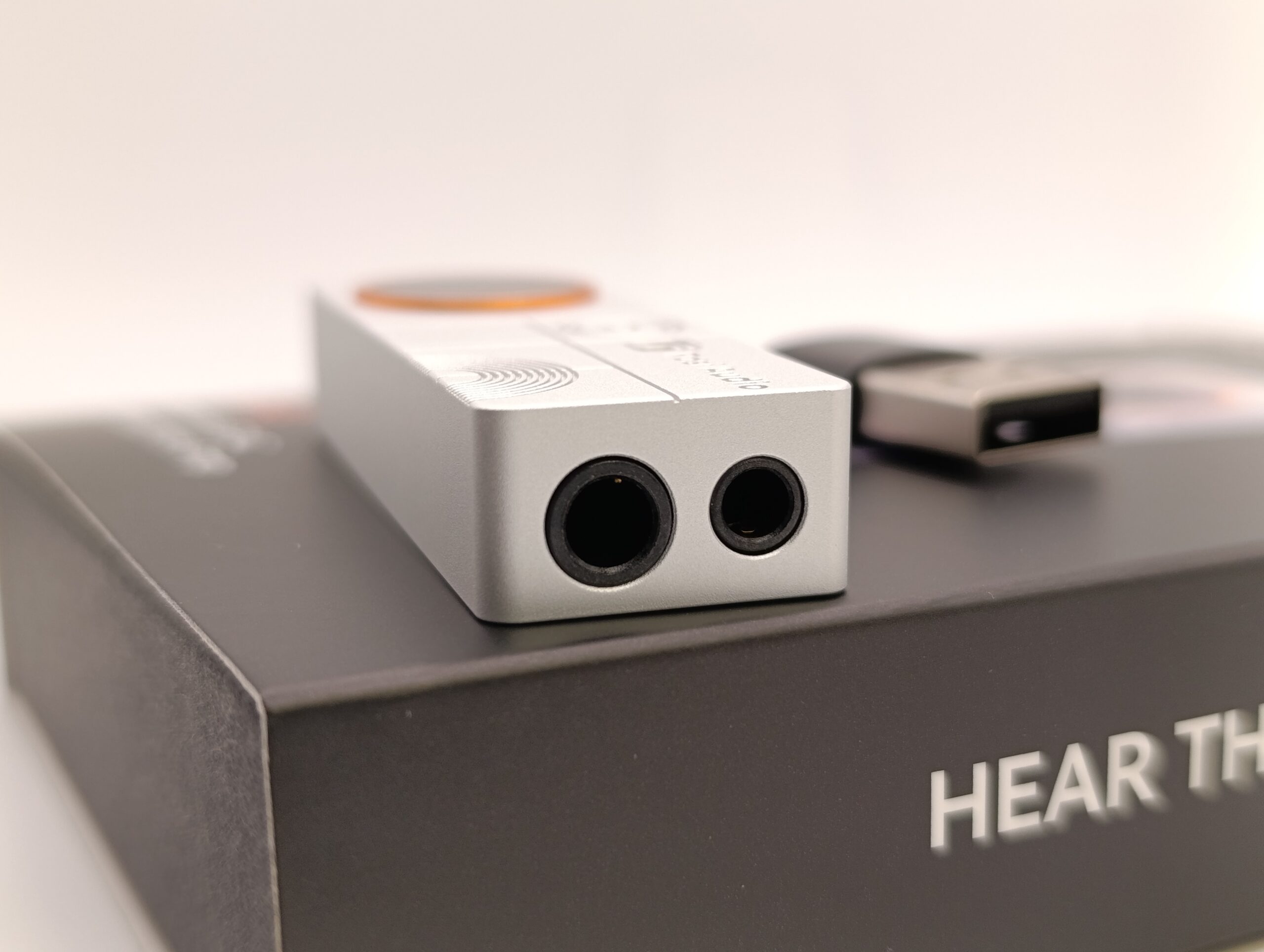
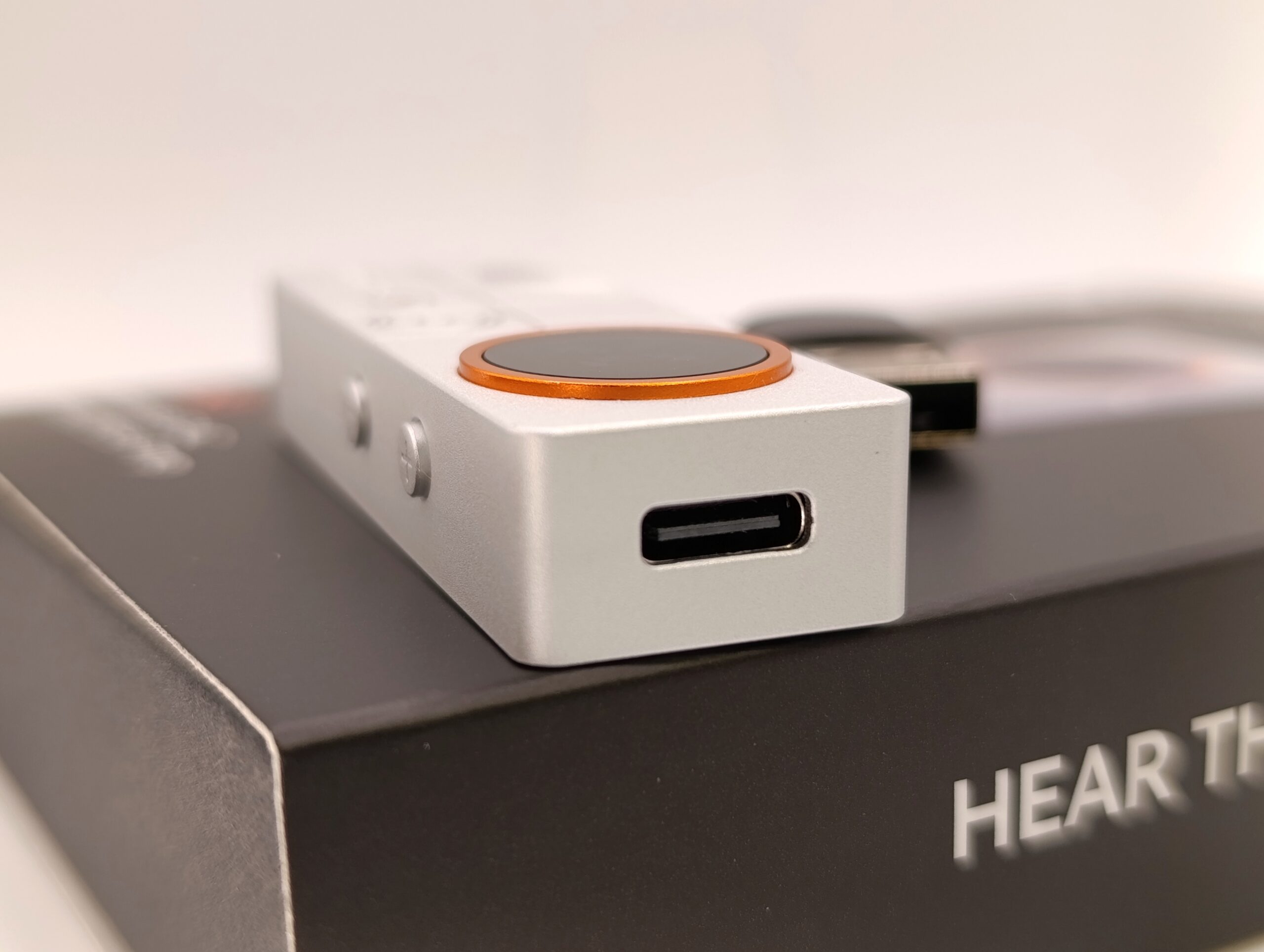
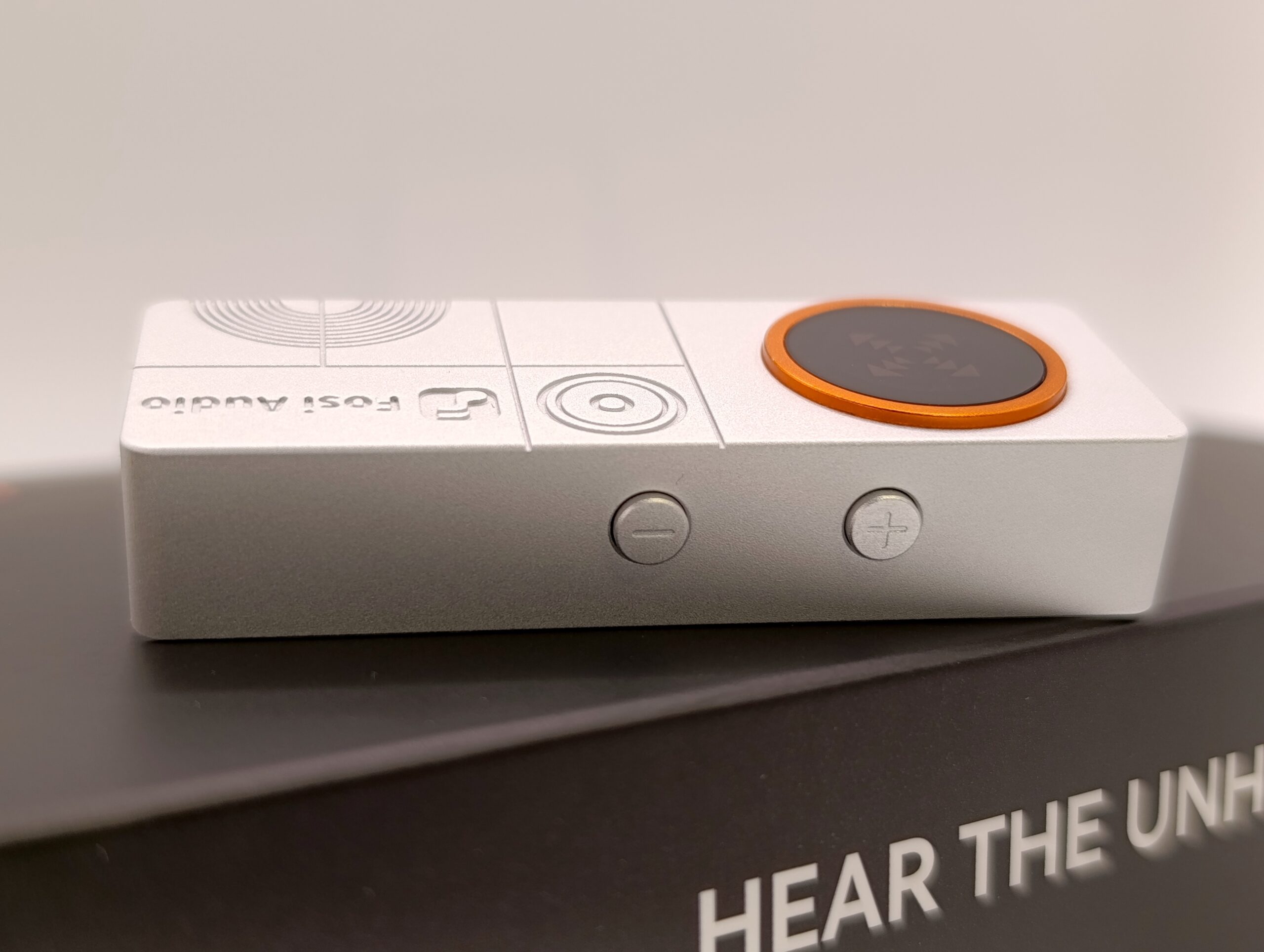
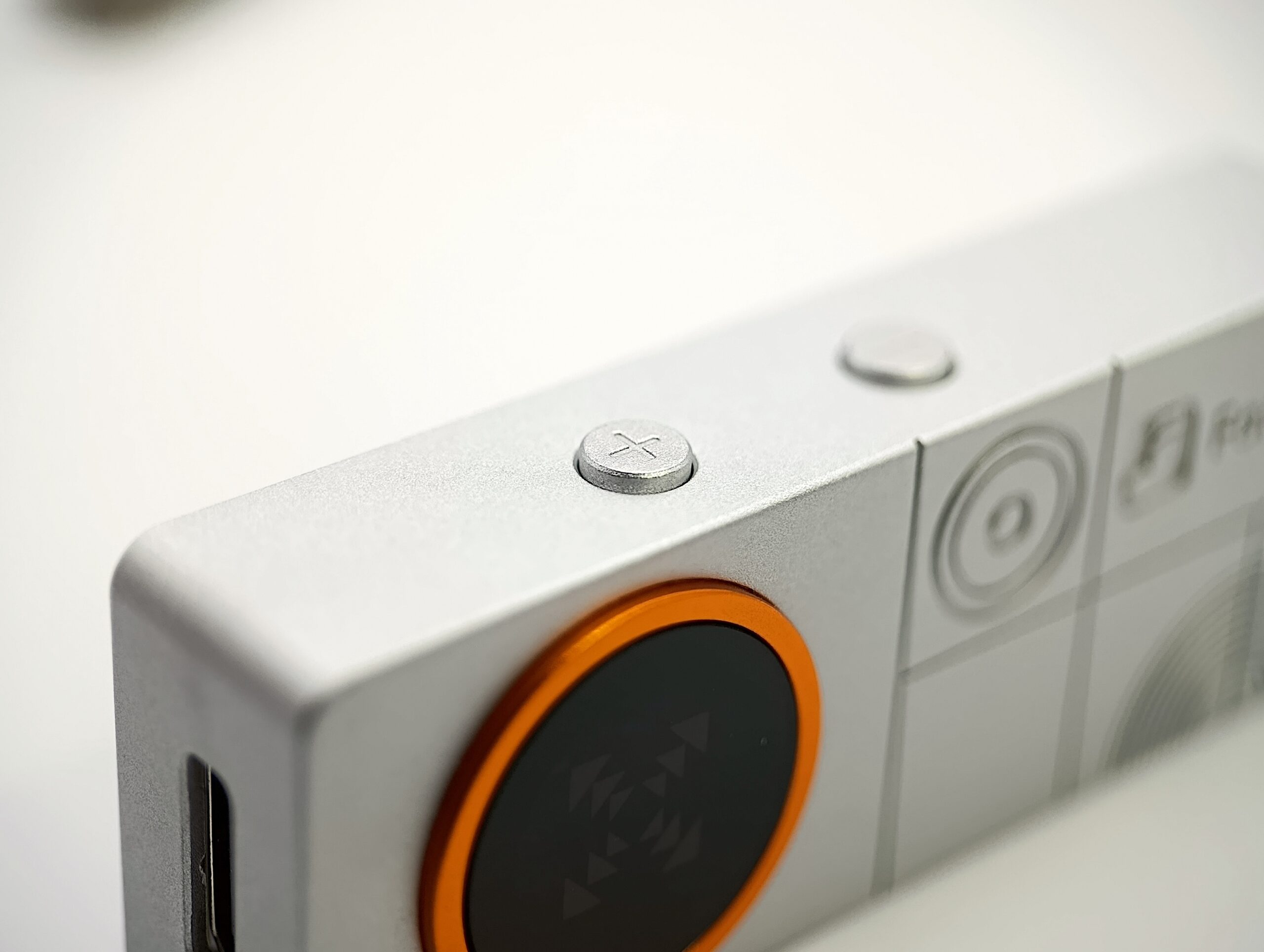
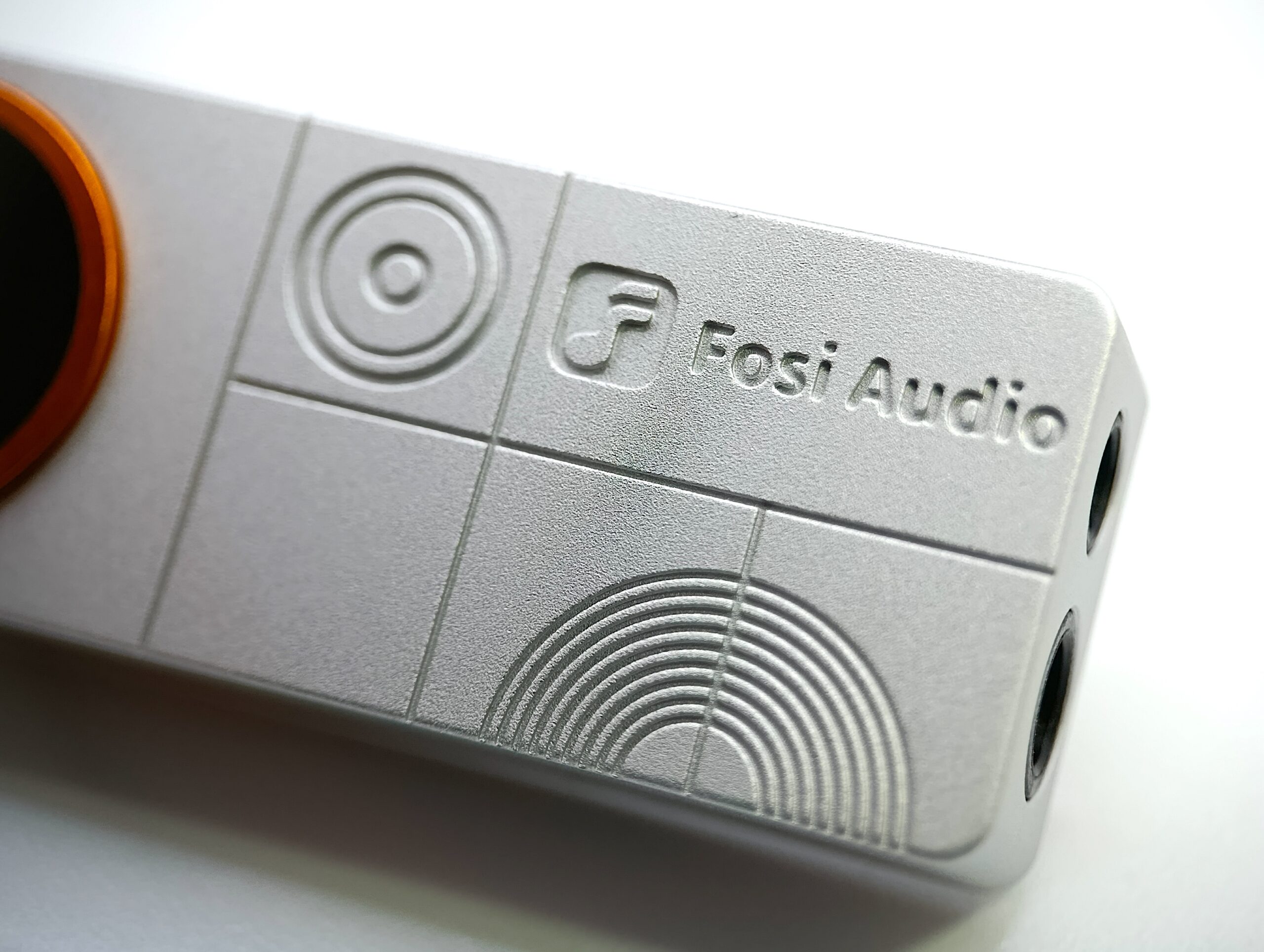
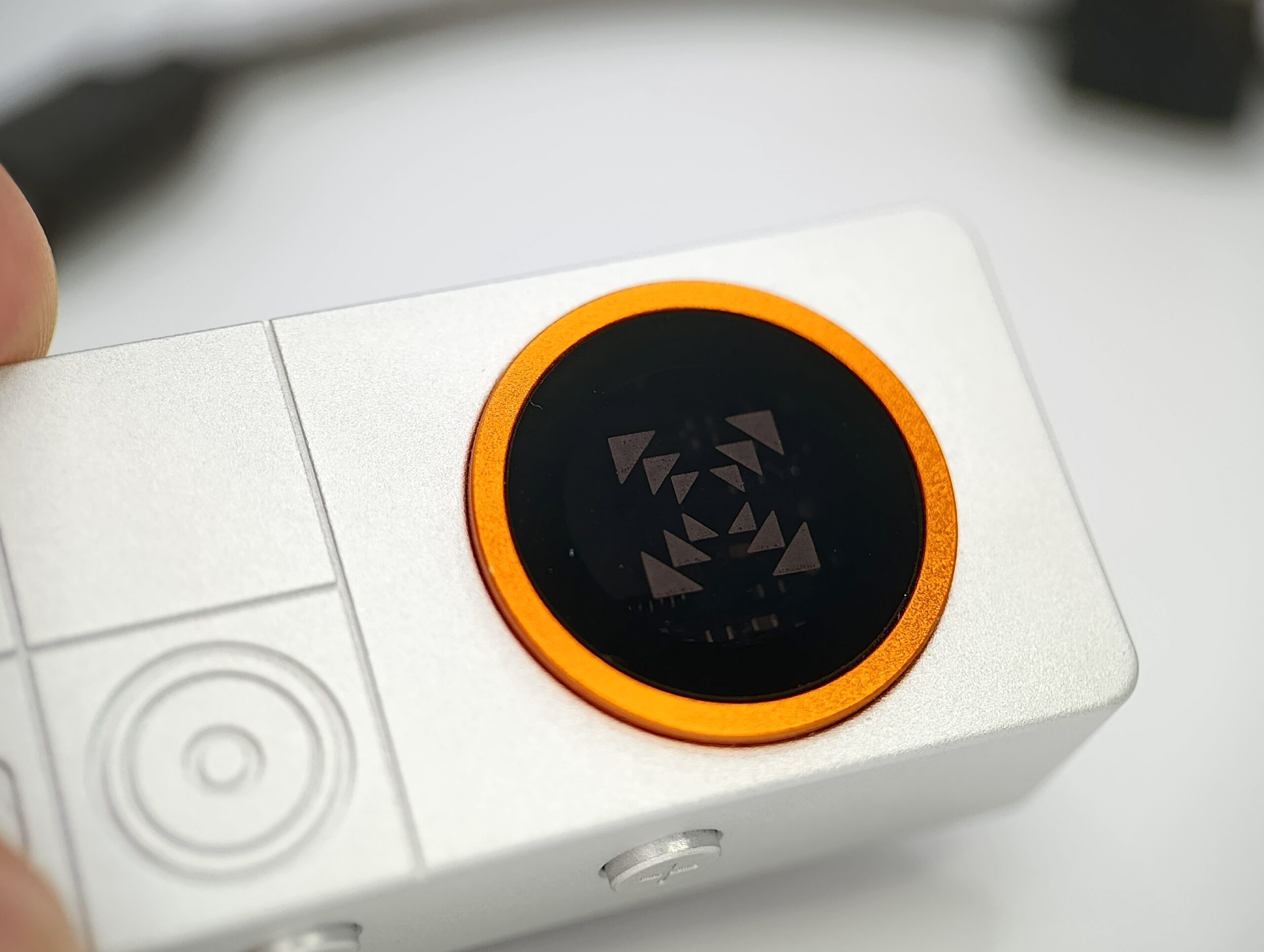
I believe the circle where the XMOS chip is located was actually a place for a display; some old renderings make me think the cost for a round OLED was really high and would have skyrocketed the price of the Fosi Audio DS3. However, I can honestly say that I hope Fosi Audio makes a high-end dongle like the Fiio KA17.
Power:
In terms of power, the older DS2, in my humble opinion, is better suited to driving more types of drivers, perhaps less disciplined than the ESS chip, but still more fully. Taking the Hidizs MP145 or some multi-driver IEMs as an example, you need to push the dongle a bit, which is sufficient, but you could certainly do better with two OP-amps.
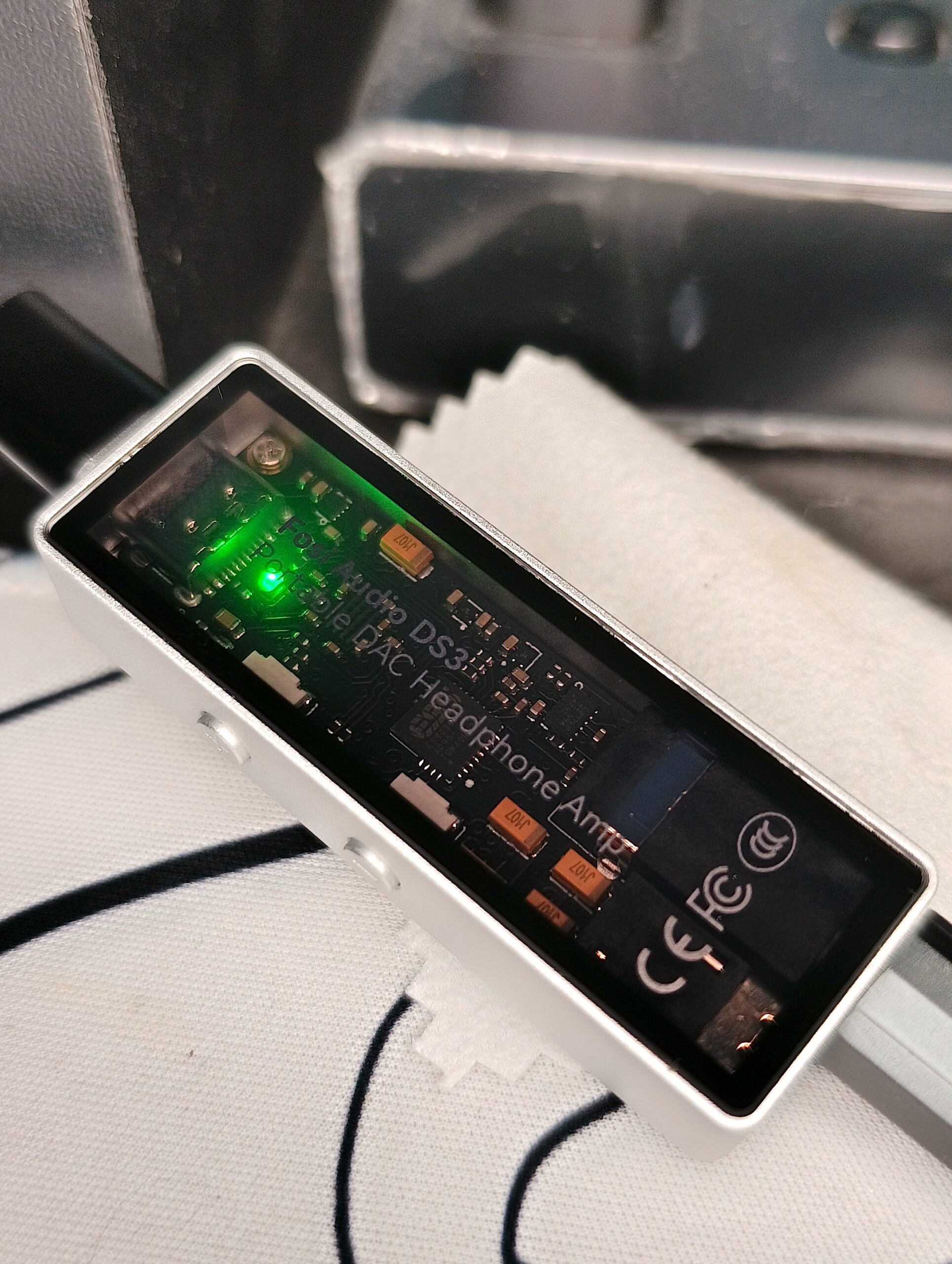
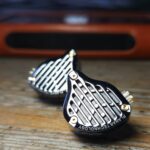
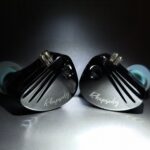
I also ran several tests using the Fosi Audio IM4s, which are sold in a bundle, and the combination is perfect. For IEMs that aren’t too power-hungry, this dongle is fine; it’s sufficient for the Hidizs MP145, too, but with the Juzear Harrier, it needs some extra power.
Sound Signature:
The new Fosi Audio DS3 is a superior product with much more expensive chips; in fact, it’s double the price of a Fosi Audio DS2. The resulting sound is more similar to what you’d hear with a Fosi Audio K7, although obviously it doesn’t have all the power. It’s a sound free of roll-off or particular colorations, keeping tracks as faithful as possible to the original file. Filters can obviously make the sound more or less analytical (at least on paper). What I’m already hearing satisfies my personal taste for neutrality. I’m not a fan of digital filters or PEQ.
Regarding PEQ, the product page mentions a web interface that I assume is Walkplay, but it doesn’t work on a Mac. No information is available, so it could be something that hasn’t been released yet.
Audiophile 8 Digital Filters:
- Minimum Phase:
- Linear Phase Apodizing Fast Roll-off
- Linear Phase Fast Roll-off
- Linear Phase Fast Roll-off low – ripple
- Linear Phase Slow Roll-off
- Minimum Phase Fast Roll-off
- Minimum Phase Slow Roll-off
- Minimum Phase Fast Roll-off Low Dispersion
As always, detecting differences requires such a trained ear that I believe few people actually hear the difference. It’s also a bit awkward to tell which filter you’re on; unlike other dongles that flash a certain number of times depending on the filter, this one only flashes once to indicate you’ve changed filters, making identification more tentative. Fortunately, turning the dongle off and on again resets it to its standard settings.
Gamers Audio Effects:
With the introduction of the XMOS chip, we have several modes.
FPS Sound: This mode is particularly useful when playing shooters or war games to identify enemy sounds more quickly.
Virtual 7.1 Surround: This is a virtual treatment, so it’s necessarily not the same as real surround sound, but it’s still a pleasant effect. This effect is best combined with the Dolby Surround sound present on my Redmi Note 14 Pro 4G and probably on a PlayStation.
Both modes are more suited to gamers than music listeners, but at least the latter is also suitable for those watching a movie or TV series on a tablet or smartphone.
The problem I had when checking the specifications, however, is that it doesn’t have a microphone function, so it’s not perfect for all games and device…
Fast Comparison:
vs Nicehck Octave
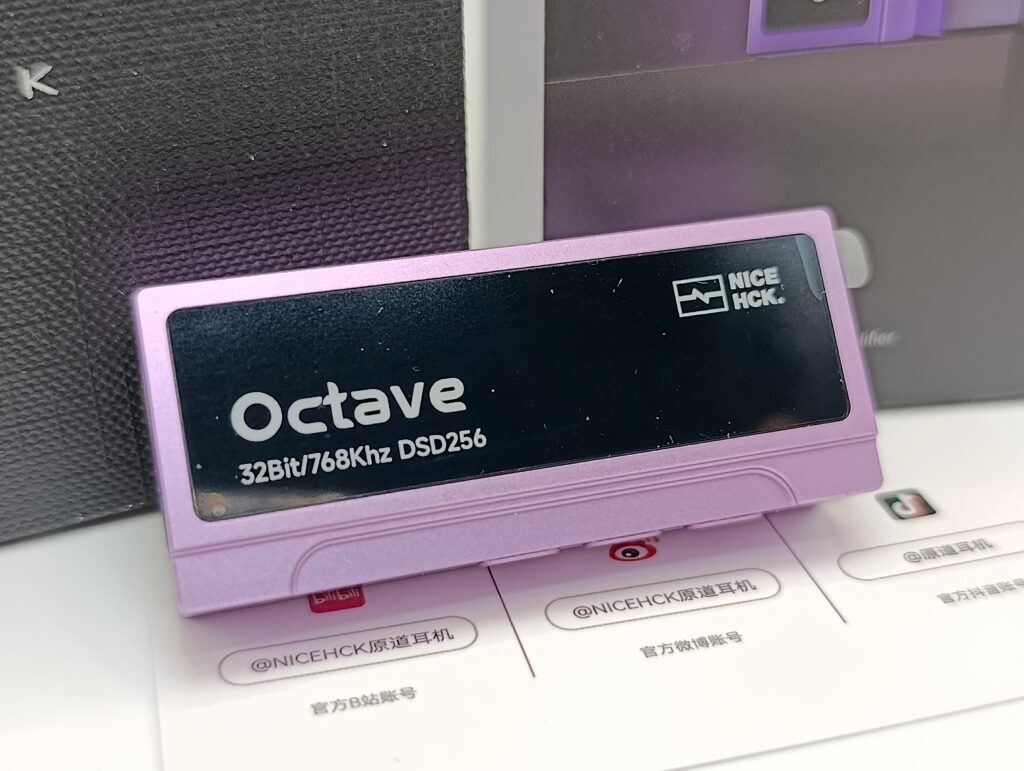
The Nicehck Octave is surprisingly a formidable opponent due to its neutral profile, slightly affected by roll-off or extreme flatness, and its truly versatile power reserves. It doesn’t have gaming features or an XMOS processor, but it comes with a pretty good app and is attractively priced. It uses the same ESS chip but with a dual OP AMP that brings the balanced output up to 550mW at 32ohm. The competition is fierce.
vs Fosi Audio DS2 (2024)
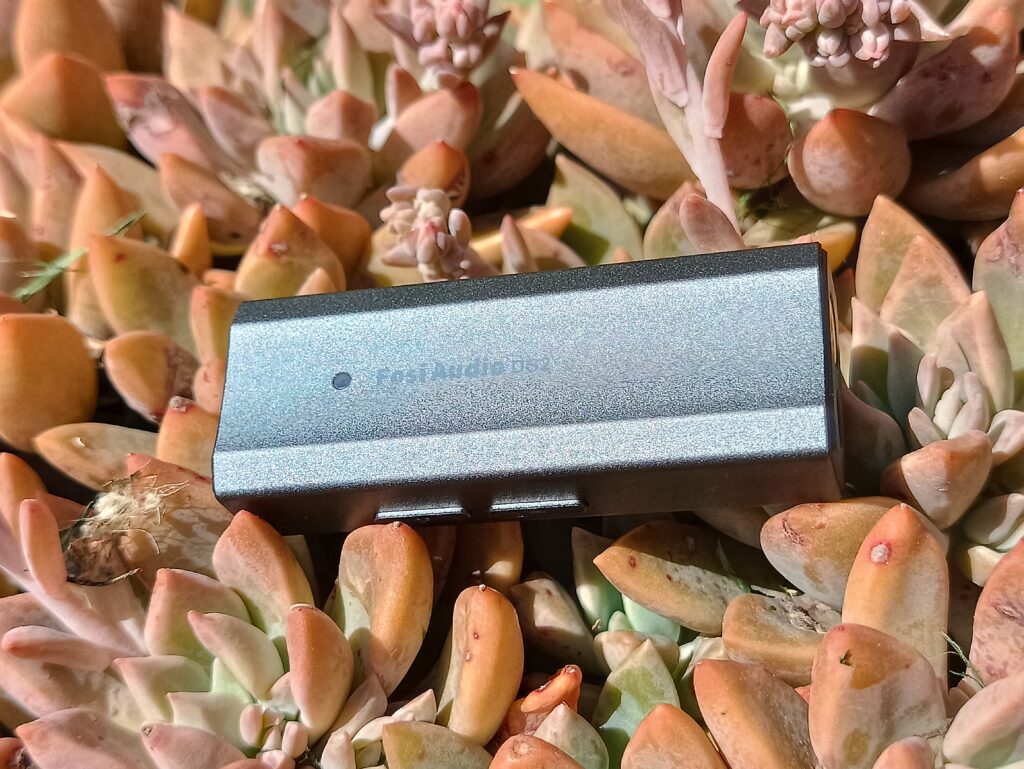
The old Fosi Audio DS2 is in the hands of a dear friend to whom I gave the Simgot EP5s, and pairing them with the DS2 was lethal. There couldn’t have been a better match: an affordable setup with such impressive capabilities that it would leave you literally speechless. I truly appreciated this model because it delivered powerful, quality audio at a low price.
Conclusion:
Fosi continues to innovate and improve by listening to user feedback, making this brand one of the most attractive in the eyes of users. In return, they are receiving a lot of love from their customers and continued support.
The Fosi Audio DS3 merges the audiophile and gaming worlds, like the Fosi Audio K7. The Fosi Audio DS3 merges the audiophile and gaming worlds, much like the Fosi Audio K7. I believe the company has an even more powerful version of this dongle in the works; they have the capabilities to create a truly complete product, and I think it will arrive soon.
I really liked the sound of the DS3, especially when paired with the IM4s. The synergy is remarkably strong, giving both products a further boost.Perhaps I would have preferred a display instead of the round tempered glass on the front, given the lack of a status LED on that side. I obviously believe this choice was made to keep costs down, given that both the DAC chip and the XMOS Powered 16-core architecture processor (dual-core 1.6GHz) are particularly expensive, and above all, it is the only dongle currently on the market with this configuration.
Pros:
- Build Quality / CNC shell
- Stylish Design
- 220mw at 32ohm Balanced
- Neutral sound
- No background noise or weird sound while playing
- Good soundstage & details
- Independent volume
- Many Features Using just 2 Buttons
- Game Effects
- Digital Filters
Cons:
- No App
- No Display
- No MIC support
- Could be more powerful
Q/A:
Who is the Fosi Audio DS3 for?
Given its specifications and features, the dongle is suitable for a mixed and varied user base. It’s an excellent companion for audiophiles and gamers, especially on smartphones, but also on desktops or consoles.
Who should avoid the Fosi Audio DS3?
If you have full-size, planar, or demanding multi-driver headphones/IEMs, the power may not be enough, so I would advise you to aim for something more powerful.
Similar alternatives to consider?
If you want to stay with the same brand but want something more powerful but affordable, then the Fosi Audio DS2 is still excellent, while if you want to orient yourself towards something else the market is definitely saturated with models.
Where to buy?





No Comment! Be the first one.