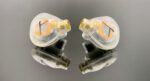






























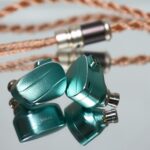
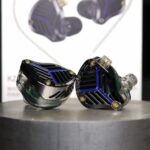



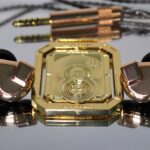

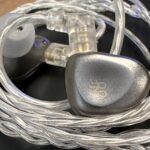

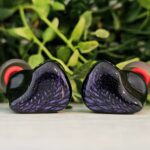
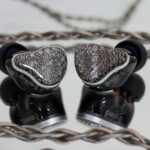
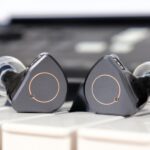


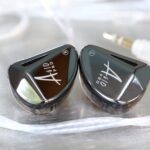





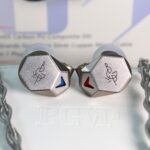

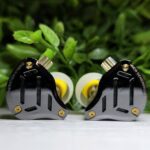
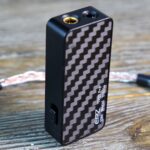
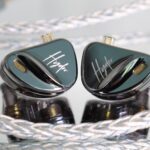
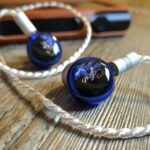

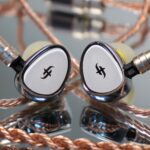









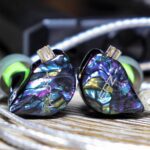
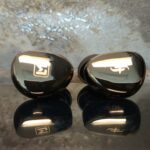
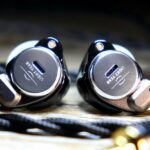
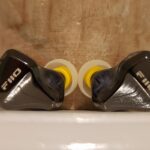

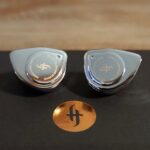

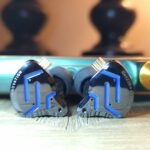
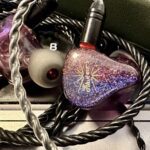
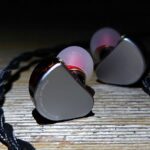

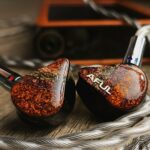


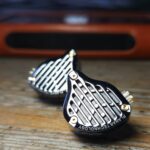
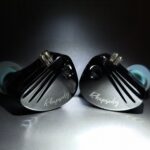









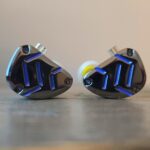
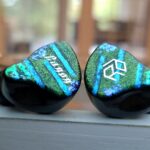
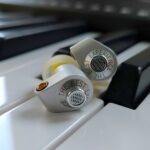
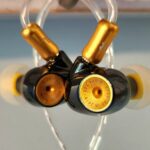
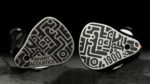




Tin Hifi is one of the few brands that consistently leaves its mark on the Chifi scene. The clearest example of this is the T2 series. With its minimal design, easy drivability, characteristic “bullet” shape, and nearly neutral presentation that has become a reference for many listeners over the years, the name T2 has practically become a category of its own. And now the new model that carries this legacy forward: Tin Hifi T2 MKIII. Including dynamic 10 mm woofer + 6 mm tweeter (2DD driver unit)
Table Of Content
At first glance, the Tin Hifi T2mkiii stays loyal to the DNA of the series: compact, light, metal-bodied, and confidence-inspiring in the hand. Anyone familiar with Tin Hifi’s T2–T3 era will instantly get that “ah yes, this is a T2” feeling. But as always, the real point of debate with this new version isn’t the design or it’s the tuning. My initial encounter with the stock eartips pointed toward a presentation that had character but felt slightly shadowed. Yet the extended test I conducted with the dark grey eartips became the turning point that revealed the MKIII’s true nature.
Below, I break down the entire process in detail, through different source and eartip combinations, both technically and musically.
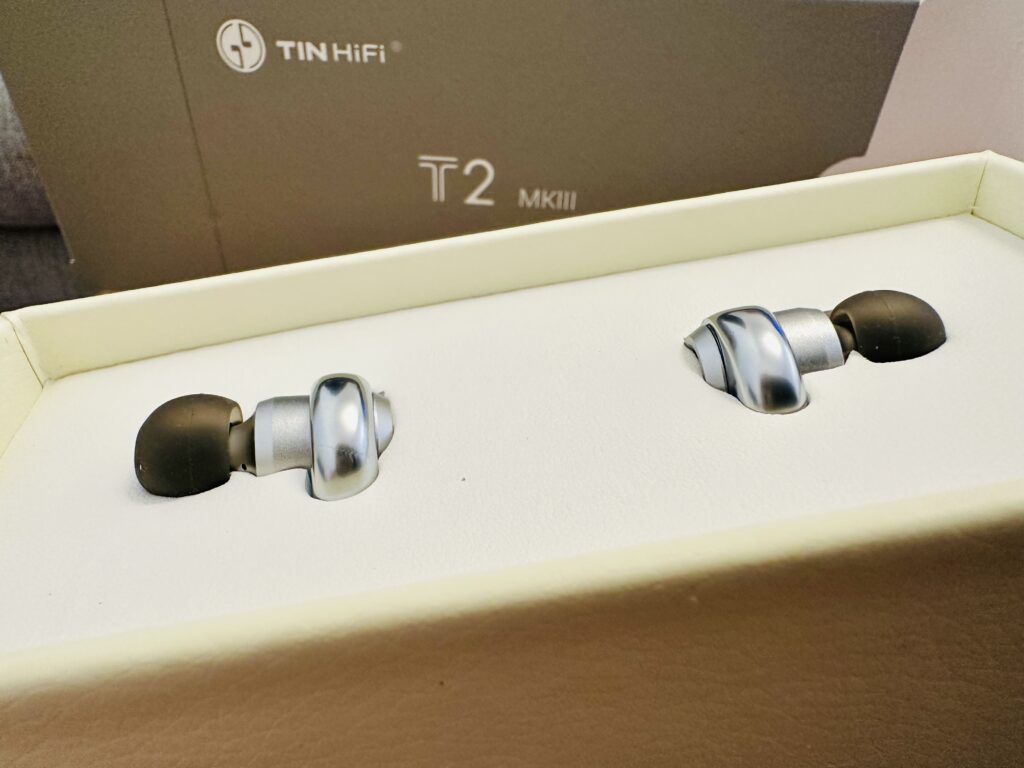
Unboxing & Build Quality
The package contents are minimal but sufficient. Tin Hifi continues its long-standing practical approach here:
- The IEMs
- Standard cable
- 3 pairs of silicone tips
- 1 pair of foam tips
- A small manual


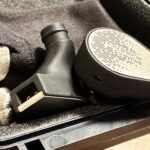
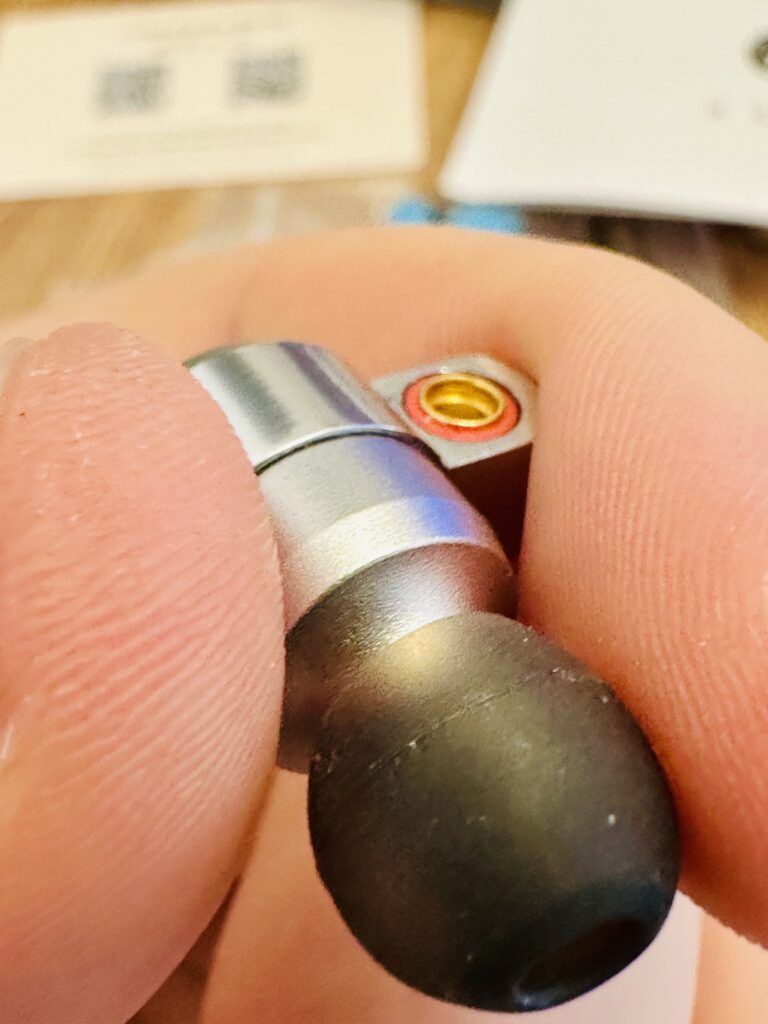
The shells are lightweight in the hand, metal finishing is clean, and there are no sharp edges. The nozzle length is properly set and sits comfortably in the ear. Heat buildup during long sessions is minimal. I could say 2-pin would have been more durable than MMCX, but the existing connection is tight and secure. And the package includes seven pairs of eartips: six silicone pairs—three sizes (small, medium, large) in both clear gray and black—and one medium-sized pair of foam tips.
Source and Listening Conditions
- HiBy R4, Pure Music mode (bit-perfect)
- Not tested on 4.4 mm; this review uses the 3.5 mm output
- Tracks: FLAC and Apple Music Lossless
- Eartips: stock silicone, followed by dark grey eartips
- Genres tested: electronic, metal, post-rock, acoustic, live recordings
Sound Signature – Overall Presentation
First Impression with Stock Eartips
With the stock tips, the Tin Hifi T2mkiii delivers a presentation that’s slightly pulled back, with trimmed upper treble, somewhat faint vocals, and a background covered by a thin grey veil. The bass is strong but not tight; it occasionally loosens and slides into boominess. The stage is wide but lacks transparency; instrument separation is decent but not “sparkling clear.”
True Character with Dark Grey Eartips
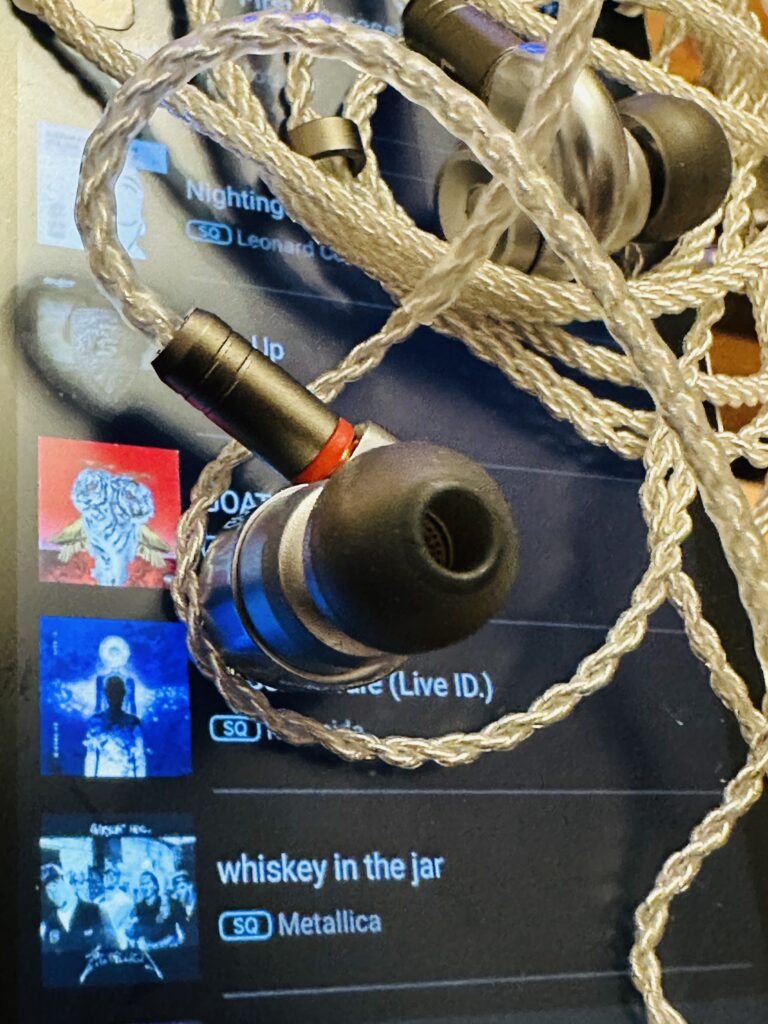
This eartip change almost rewrites the ID of the device:
- Bass becomes tighter, faster, and punchier
- Vocals shift forward and become more intelligible
- Treble opens up or fast, bright, yet not harsh
- The grey veil disappears
- The stage grows wider and more energetic
- Instruments separate more freely
- Micro-details become more visible
This is where the Tin Hifi MKIII reaches its real potential.
Bass
Stock Tips
With the stock tips, the bass quantity is sufficient — even powerful in electronic music — but speed and control are lacking. Sometimes it sways with the song and fails to stay clean. In Harper Lewis, the heavy drum hits expose the lower-frequency control issues clearly.
Dark Grey Eartips
Here the picture changes completely:
- Bass tightens
- Impact increases
- The rhythmic backbone becomes more defined
- Depth is preserved
- Looseness nearly disappears
Electronic tracks still carry the physical rumble, but now in a controlled manner. In metal, the drum pads feel fuller, cleaner, and more organic.
Midrange
The midrange of the MKIII is generally neutral-leaning with slight warmth. With stock tips, the mids are wrapped in a veil, and the edges of instruments appear thick but not well defined.
With dark grey eartips:
- Vocals come forward, intelligibility improves
- Guitar textures become more pronounced
- Bass guitar–kick separation strengthens
- The midrange stage feels more airy
In Riverside’s live recording, the vocal’s rise-and-fall transitions become more controlled and noticeably clearer.
Treble
The MKIII’s treble has character:
- Fast
- Early-decaying
- Not extremely extended but with controlled sharpness
With stock tips, treble can feel soulless or like “thin strings appearing and disappearing.” This contributes to an overall slightly closed atmosphere.
With the dark grey eartips:
- Treble clarity increases
- Cymbals extend more naturally
- Stick-to-metal impacts in rock/metal stand out more precisely
- Micro-details reveal themselves
The opening of the treble balances the whole frequency distribution.
Soundstage, Imaging, Dynamics
Stock Tips
The stage is wide but not transparent. The background clutter is not easily separated. Instrument separation is adequate but far from “glass-clear.”
Dark Grey Eartips
The difference is dramatic:
- More space between instruments
- Micro-details emerge
- Horizontal spread expands
- Depth becomes more noticeable
- Dynamic range widens
- Fast tracks gain breathing room
In the transition section of Russian Circles, the circular focus of the drum stick trick becomes distinctly outlined. The background feels cleaned up.
Performance by Genre
Metal
- Kicks are tight and fast
- Guitars cleaner
- Boominess reduced
- Treble opening adds brightness to riffs
The dark grey eartip change is huge in this genre.
Electronic
- Strong bass becomes controlled
- Tension rises
- Effects sound cleaner
- Vocals no longer sit in the shadows
Post-Rock / Instrumental
- Wide stage
- Long reverbs feel more natural
- Layering is easier to follow
Live Recordings
- Audience placement becomes clearer
- Ambience opens up
- Sense of transparency improves
Pros & Cons
Pros
- Excellent performance with the right eartips
- Balanced tonality
- Tight, energetic bass
- Good stage and instrument separation
- Fast, controlled treble
- Light and comfortable body
- Strong price-to-performance value
Cons
- Stock eartips do not reveal its full character
- Treble doesn’t extend far and sparkle seekers may want more
- 2-pin would have been more durable than MMCX
- Resolution lags behind some mid-segment competitors
Conclusion of Tin Hifi T2mkiii Review
In its stock state, the Tin Hifi T2 MKIII delivers a neutral-leaning, slightly closed, calm presentation. The bass is strong but not fully controlled, the mids are veiled, and the treble is somewhat trimmed. But with the dark grey eartips, the device transforms almost entirely. Bass tightens, energy increases, vocals become clearer, treble opens, the stage expands, and the grey veil largely disappears.
The MKIII preserves the spirit of the T2 lineage while edging closer to modern tuning expectations. It offers an enjoyable, clean, non-fatiguing experience especially in metal, rock, and electronic genres.
In short:
In stock form it’s “fine,” but with the right eartip it becomes a lively little performance machine. Check it out here
.




No Comment! Be the first one.